Digital Tools That Help Bring History to Life: Complete Guide for Schools & Museums (2025)
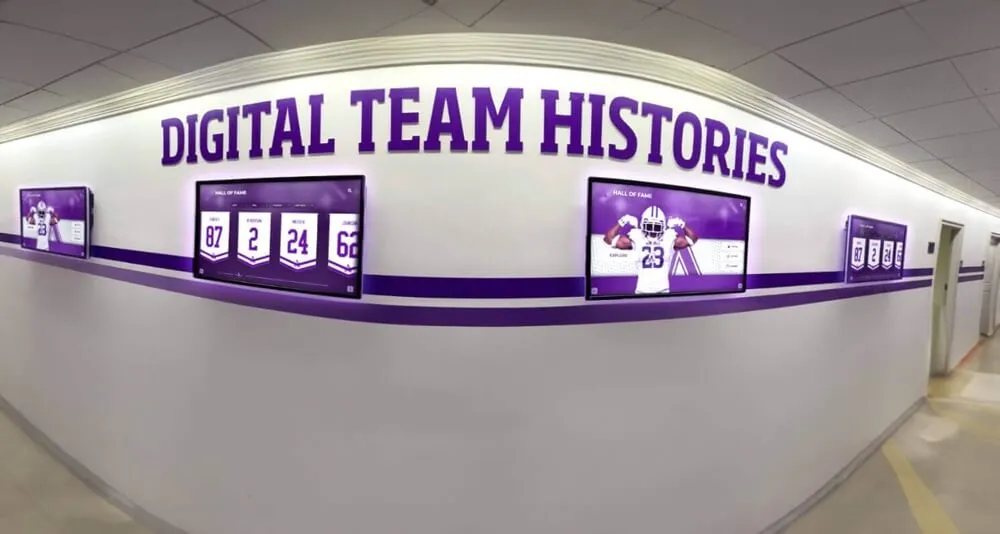
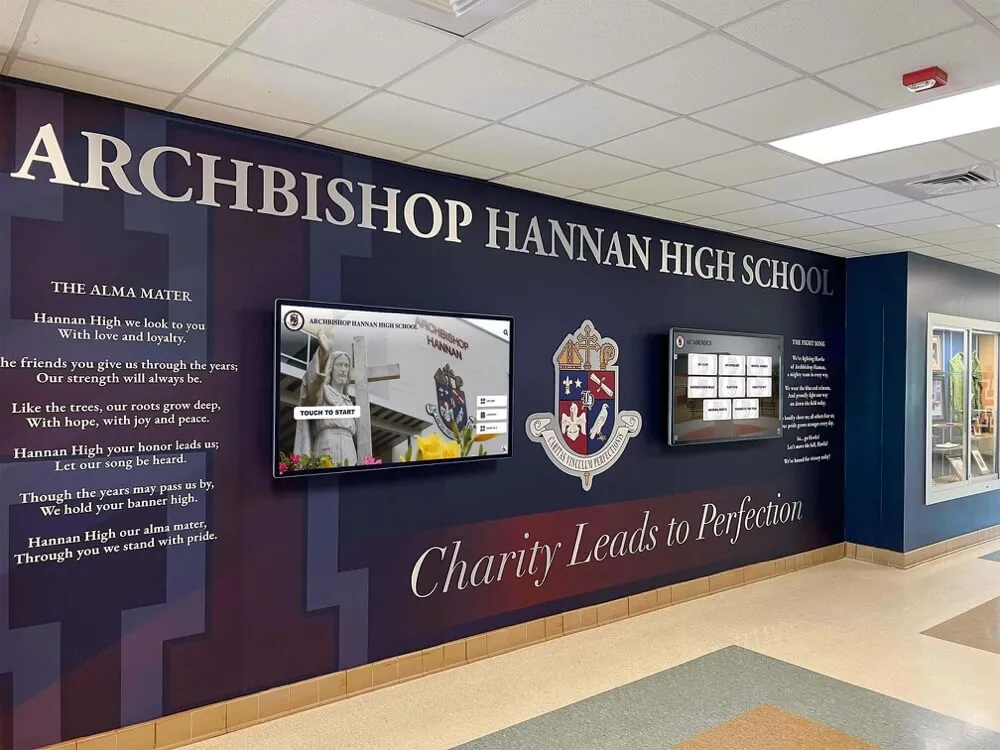
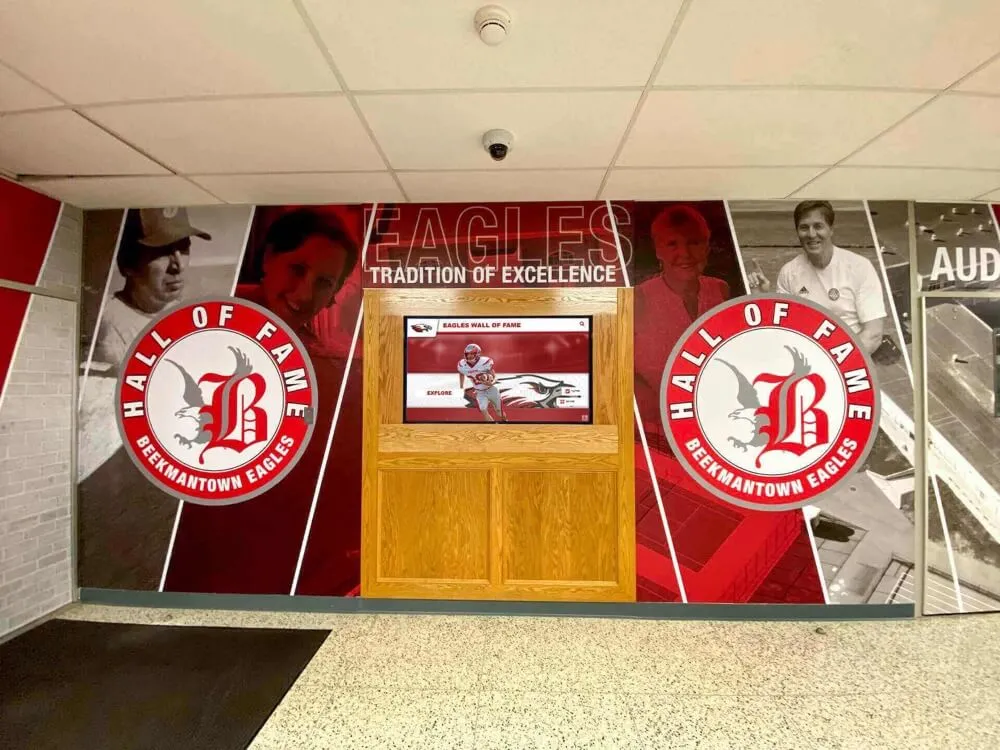
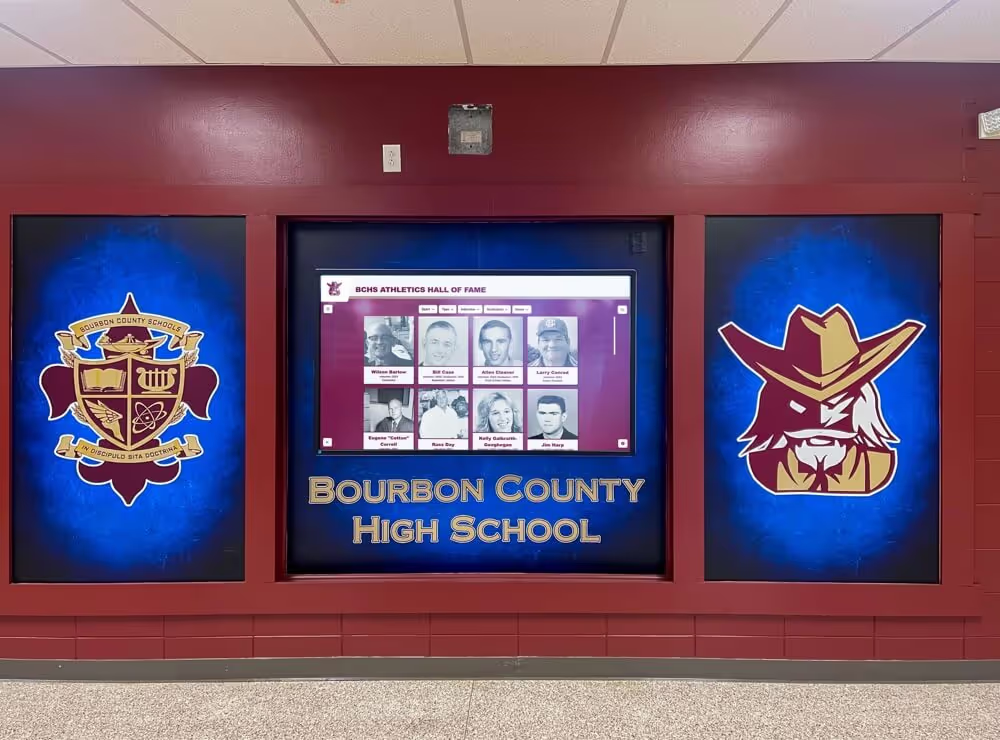
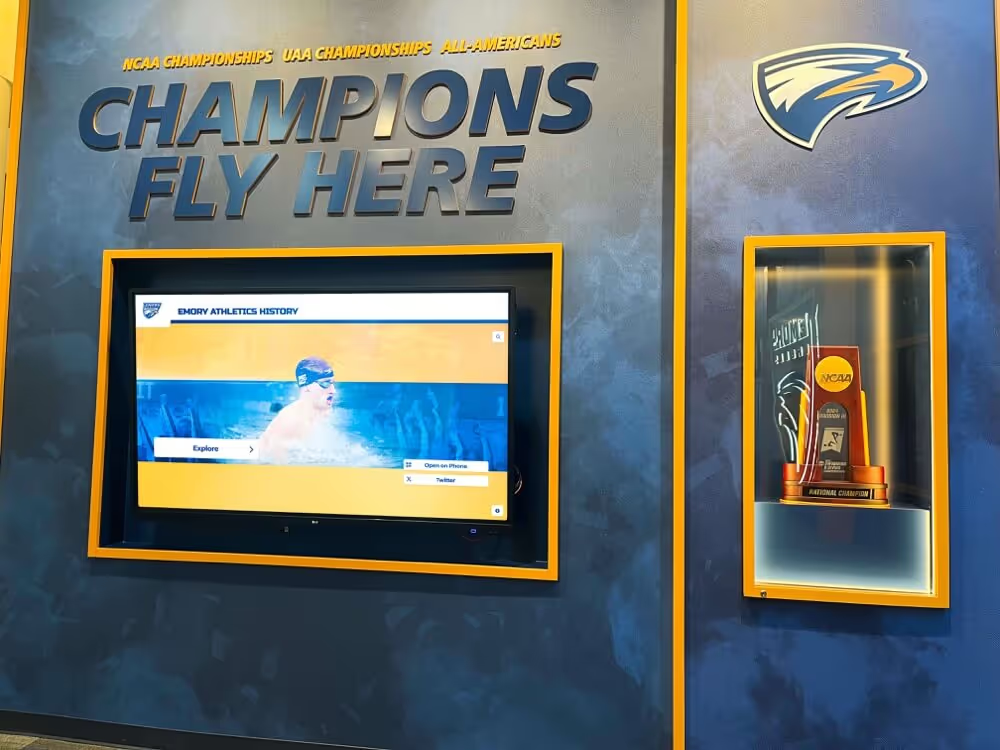
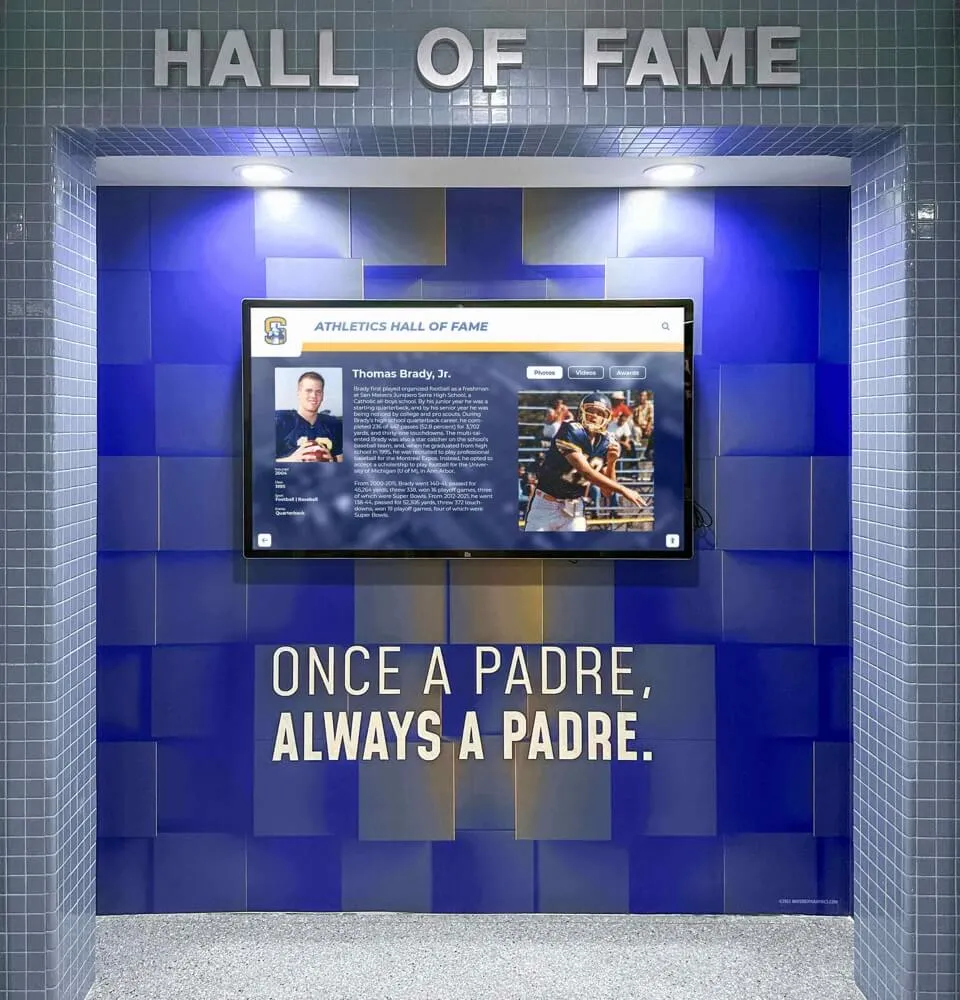
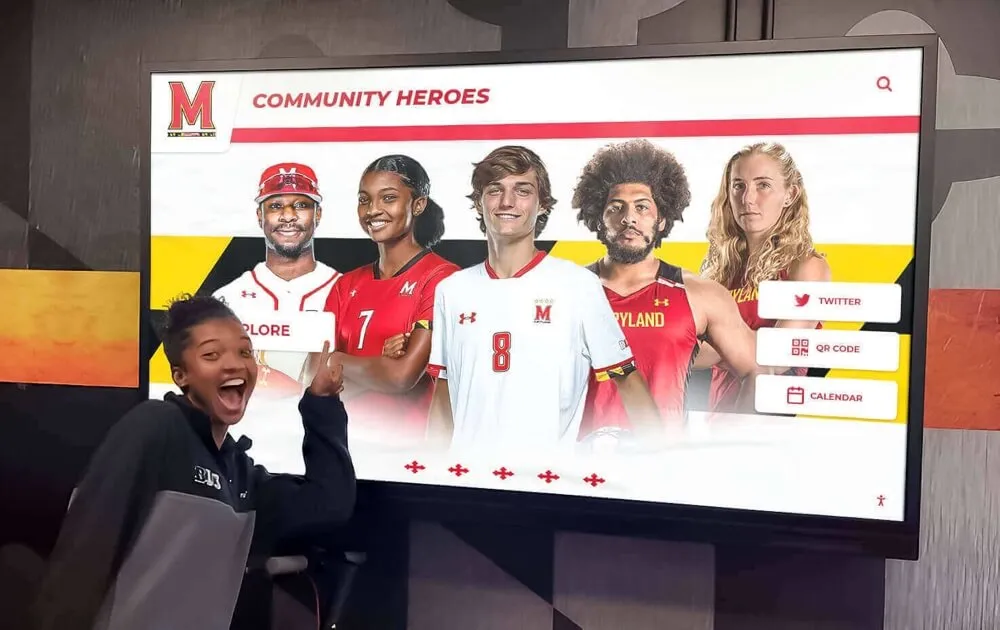
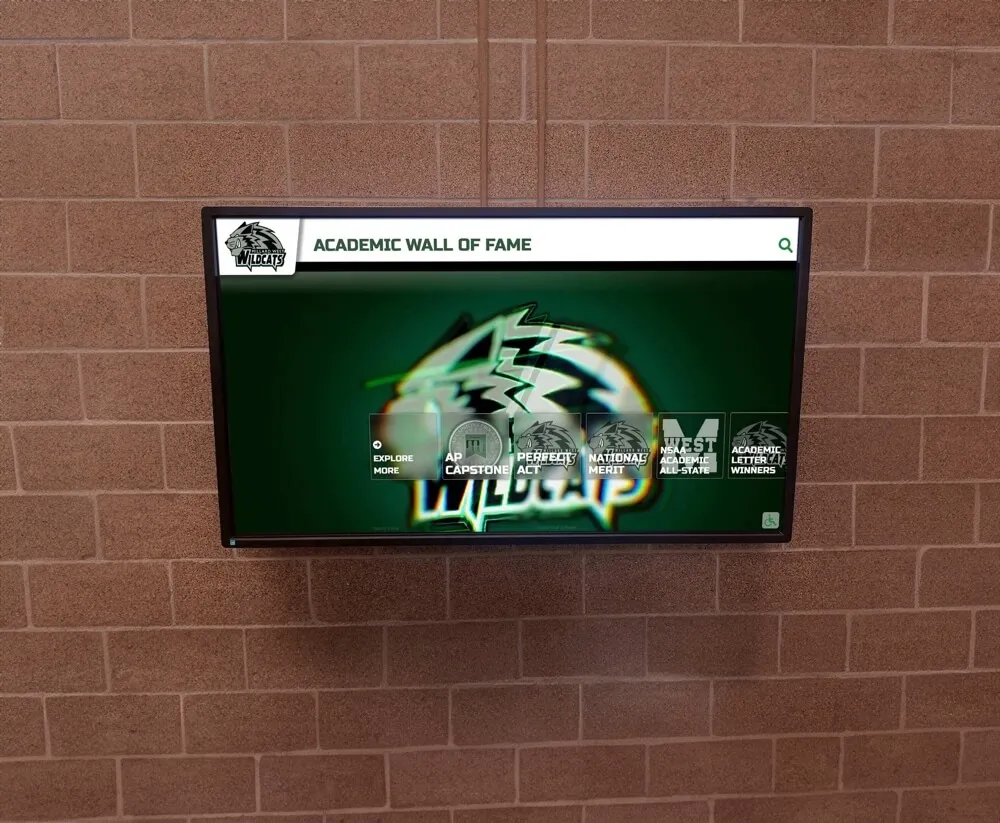
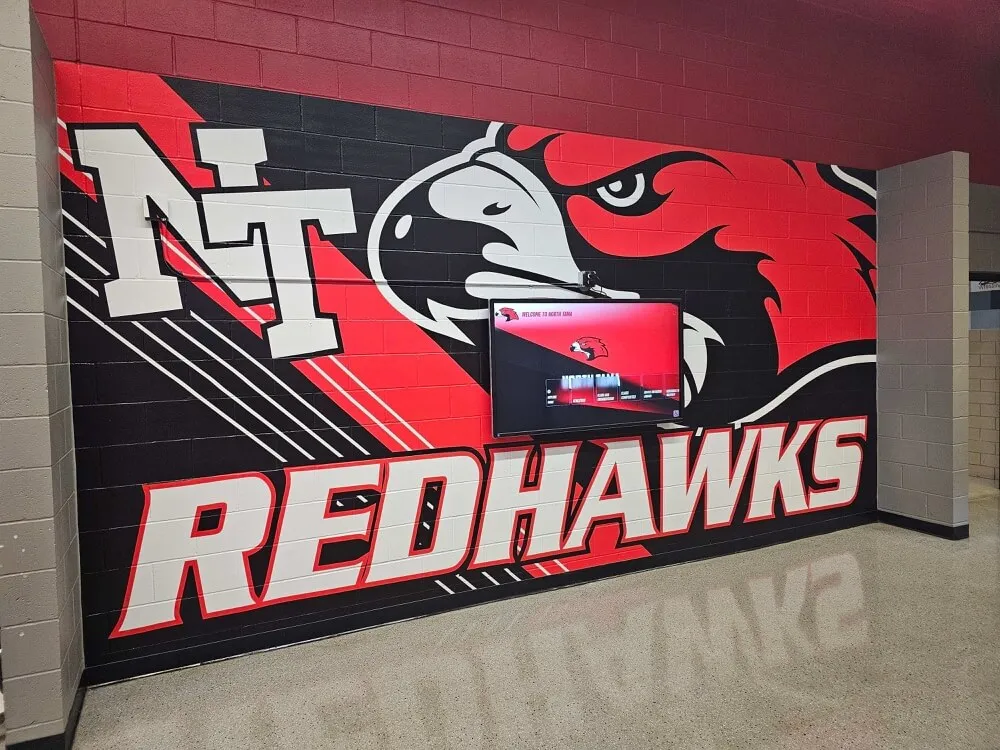
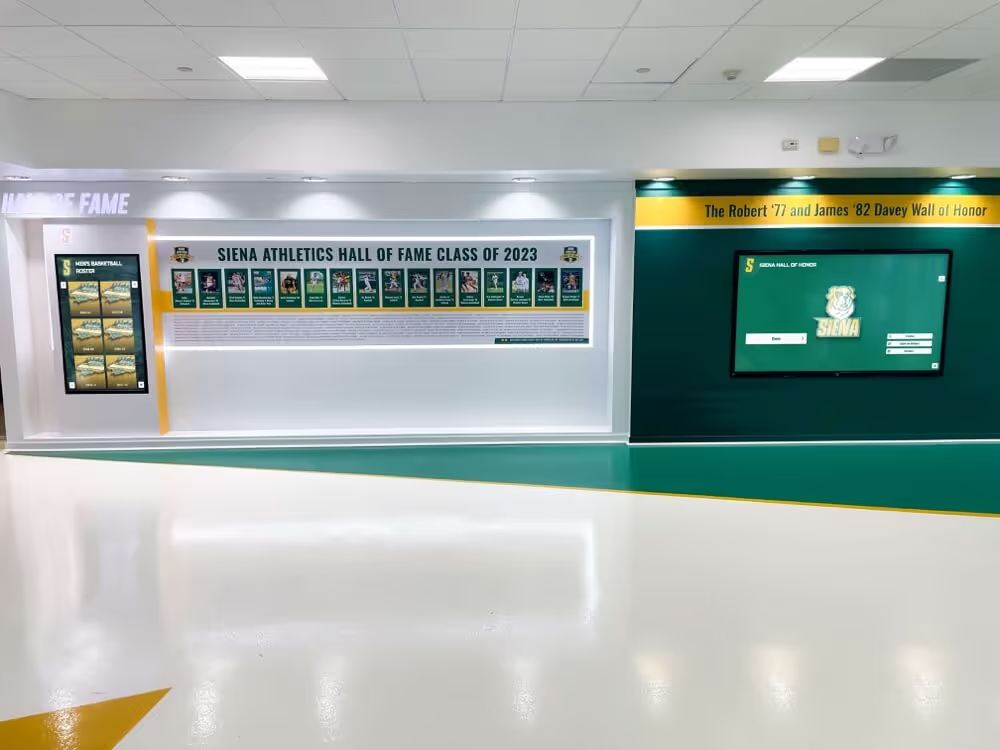
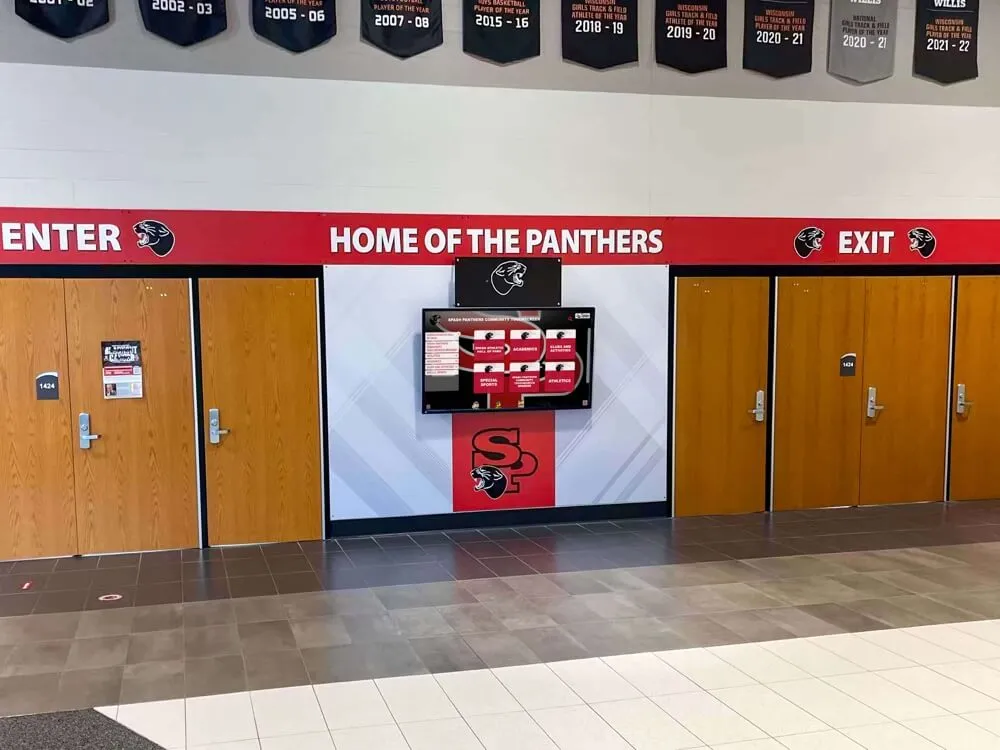
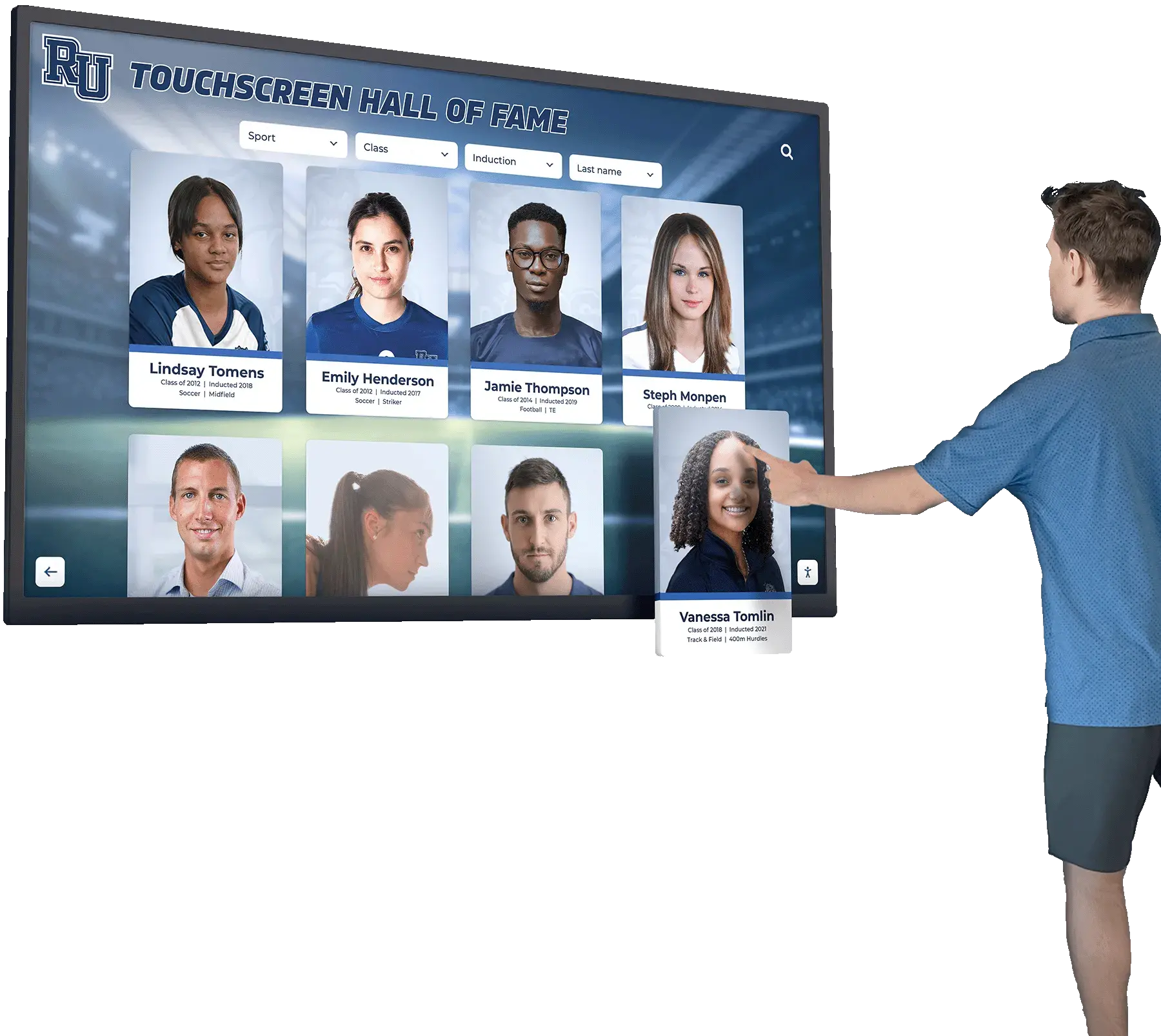
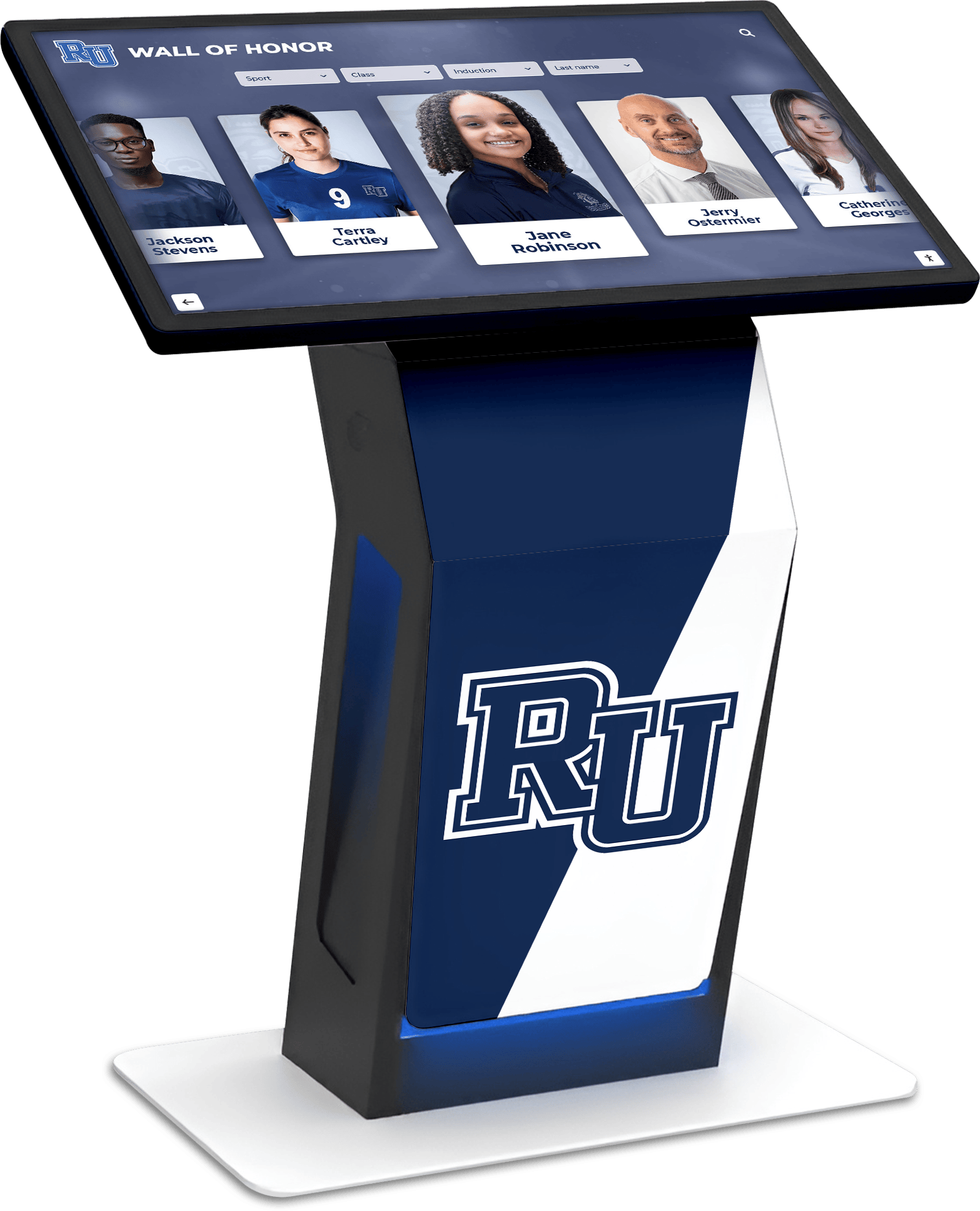
**Intent: Compare** — Educational institutions and cultural organizations face an exciting challenge: how to transform static historical content into dynamic, engaging experiences that resonate with digital-native students and visitors. Modern digital tools have revolutionized history education by making the past interactive, accessible, and memorable through touchscreen displays, virtual reality experiences, digital archives, and recognition platforms. This comprehensive guide evaluates the most effective digital solutions for bringing history to life, examining interactive museum exhibits, educational software platforms, virtual tour technologies, and purpose-built recognition displays. Schools, universities, museums, and historical societies need structured frameworks to select tools that enhance engagement, support diverse learning styles, and preserve institutional heritage while meeting accessibility requirements and budget constraints. Why Digital History Tools Matter Now The landscape of history education has transformed dramatically over the past decade. Students who grew up with smartphones, tablets, and interactive media expect engaging, hands-on learning experiences rather than passive consumption of textual information. According to research on interactive history learning tools, digital platforms make history interactive, engaging, and more accessible to diverse learning styles while equipping students with critical thinking, collaboration, and research skills.
Read More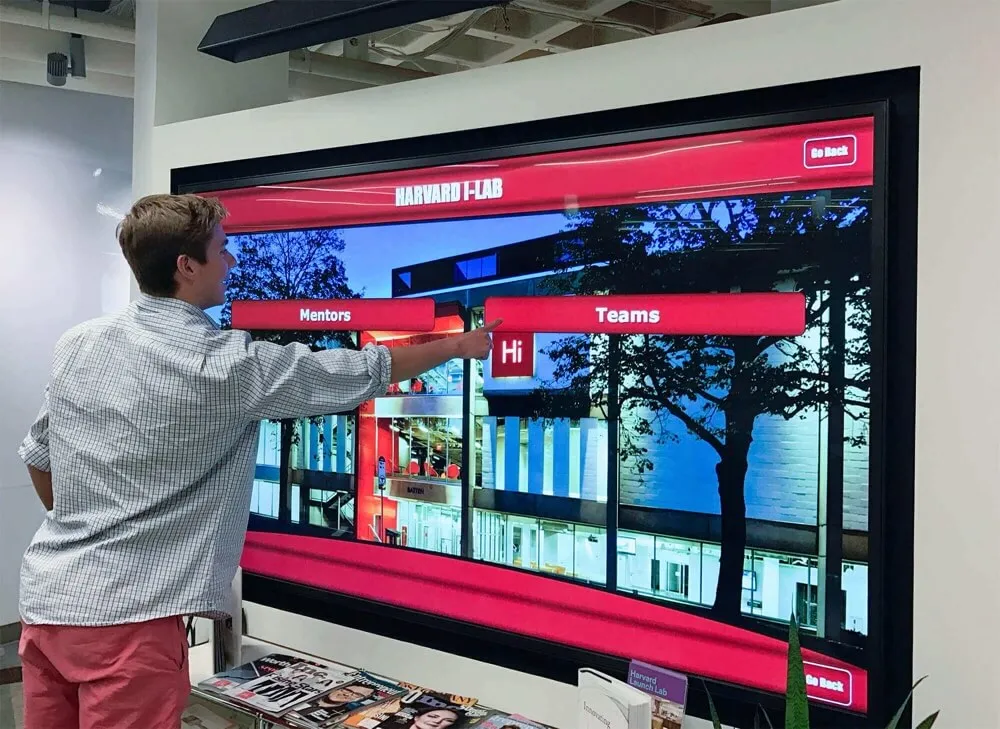
Virtual Tours and Remote Access: Extending Your Digital Hall of Fame Beyond Campus
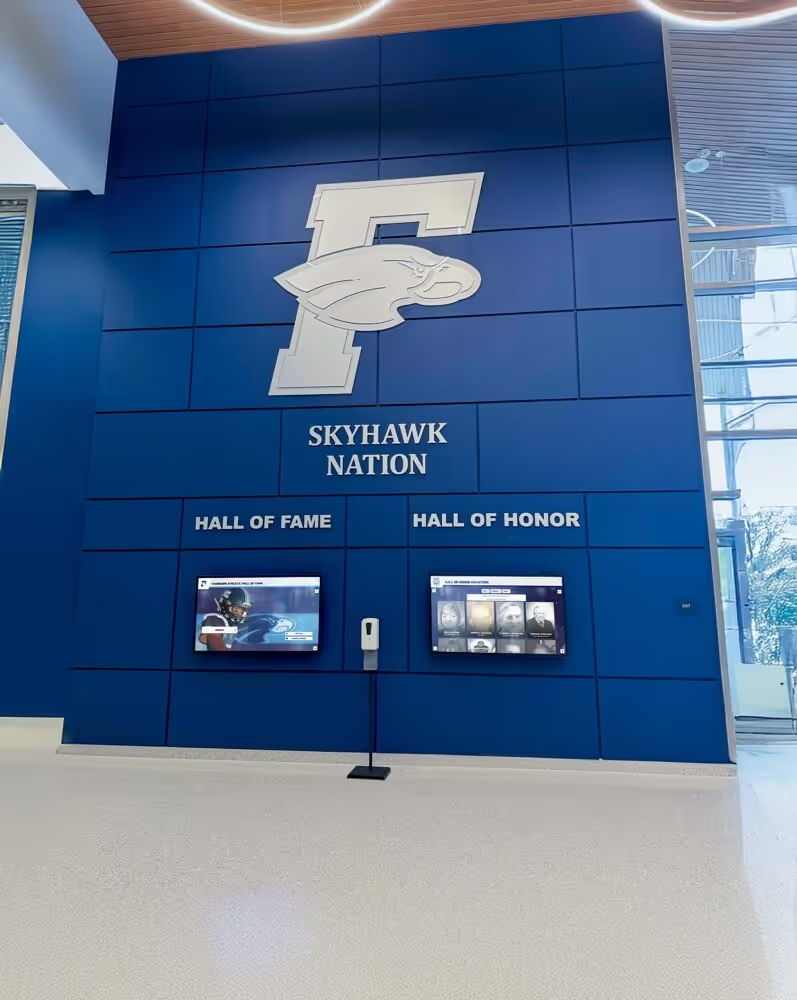
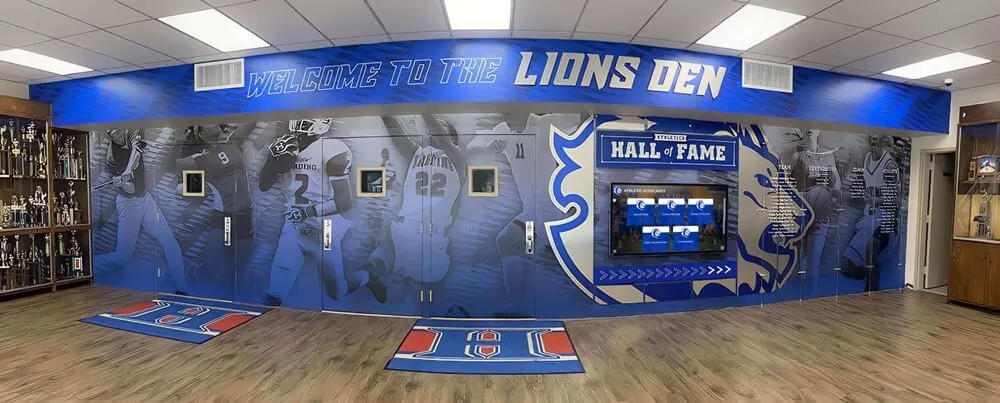
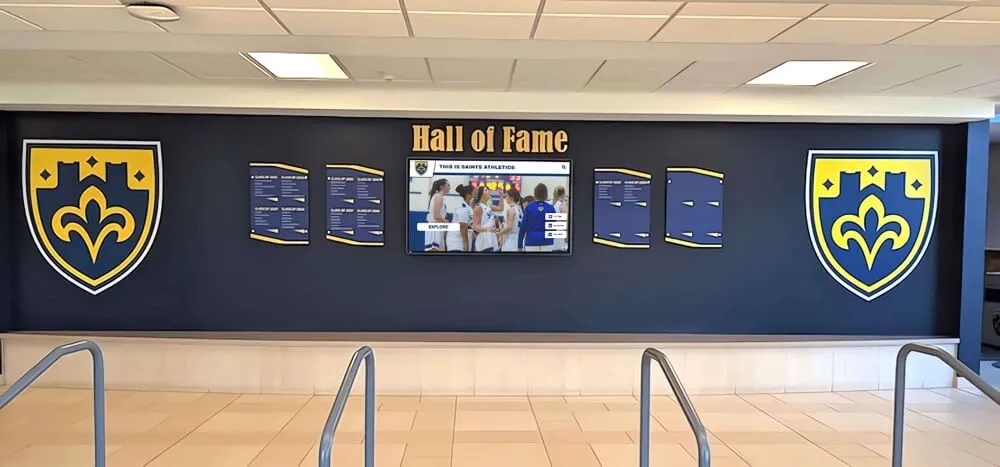
Your digital hall of fame sits prominently in your main building, engaging visitors who walk through your doors. But what about the thousands of alumni, prospective families, and community members who never set foot on campus? In an increasingly connected world where geographic boundaries no longer limit engagement, extending your digital recognition beyond physical walls transforms a local installation into a global community platform. The most sophisticated institutions recognize that their digital hall of fame investment should serve two audiences: on-campus visitors seeking immediate, location-based engagement, and remote stakeholders desiring ongoing access regardless of geographic location. This comprehensive guide explores strategies for extending your digital recognition program beyond campus boundaries, creating virtual experiences that complement physical installations while maximizing return on investment.
Read More