Touchscreen Software Comparison: Recognition Display Solutions for Schools & Organizations
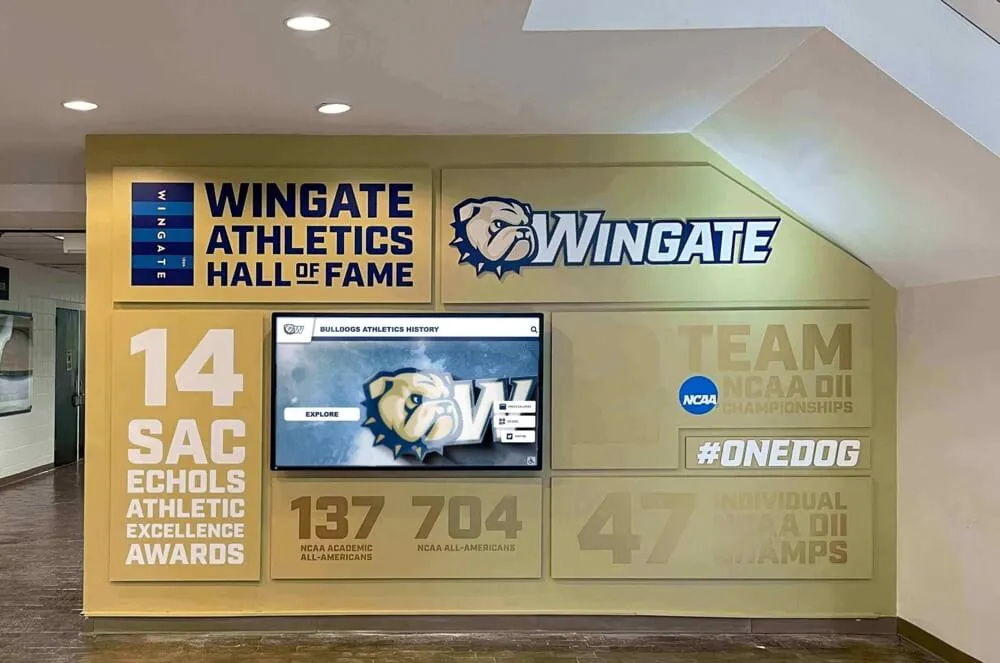
**Intent: Compare** — Educational institutions, athletic departments, and nonprofit organizations deploying digital recognition displays face a critical technology decision that will impact their programs for years: selecting touchscreen software capable of honoring achievements effectively while remaining manageable by non-technical staff. This comprehensive evaluation guide analyzes touchscreen software solutions across weighted criteria including accessibility compliance, content management efficiency, hardware compatibility, deployment flexibility, security architecture, and total cost of ownership. With recognition programs serving as powerful tools for engagement, alumni connection, and institutional pride, choosing software specifically designed for recognition purposes rather than adapting generic digital signage or kiosk platforms determines whether these investments deliver measurable returns or become administrative burdens requiring constant technical intervention. Why Recognition-Specific Touchscreen Software Matters The touchscreen software market spans diverse applications from retail point-of-sale to museum exhibits to corporate directories. While many platforms claim suitability for recognition displays, generic solutions create friction points that undermine program effectiveness. Recognition programs have unique requirements that general-purpose software struggles to address:
Read MoreBest Touchscreen Software: Web Based vs Native App Comparison (2025 Guide)
**Intent: Compare** — When evaluating touchscreen software for digital hall of fame displays, recognition walls, or interactive kiosks, one fundamental decision shapes everything that follows: web-based architecture versus native application deployment. This comparison matters because the underlying technology stack directly influences performance, accessibility, development costs, maintenance requirements, and long-term scalability. Schools, universities, sports facilities, and organizations deploying recognition displays need structured evaluation frameworks that cut through marketing claims and reveal which approach truly serves their specific operational requirements. This comprehensive guide analyzes web-based and native touchscreen software across weighted criteria including ADA compliance, content management efficiency, hardware flexibility, security architecture, and total cost of ownership, providing decision-makers with the technical clarity needed to select solutions that will perform reliably for years. Why the Web vs Native Decision Matters Now The touchscreen software market has evolved dramatically over the past five years. Early digital recognition displays typically ran native applications because web technologies lacked the performance and offline capabilities required for reliable public-facing installations. However, modern web frameworks, progressive web app (PWA) capabilities, and improved browser engines have fundamentally changed the technical landscape.
Read More
Best Touchscreen Kiosk Software 2024: Comprehensive Review and Comparison
Best Touchscreen Kiosk Software 2024: Your Complete Comparison Guide Choosing the right touchscreen kiosk software can make or break your interactive display project. This comprehensive guide compares the top solutions in 2024, including Rocket Software and other leading platforms, helping you find the perfect fit for your needs, budget, and technical requirements.
Read More