Interactive Touchscreen Kiosk Software: Comprehensive 2026 Comparison & Selection Guide
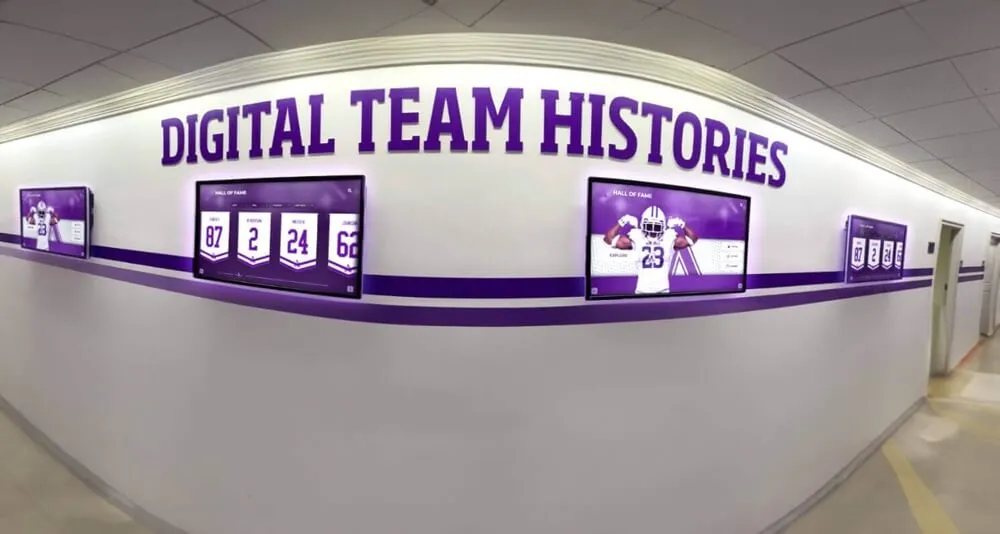
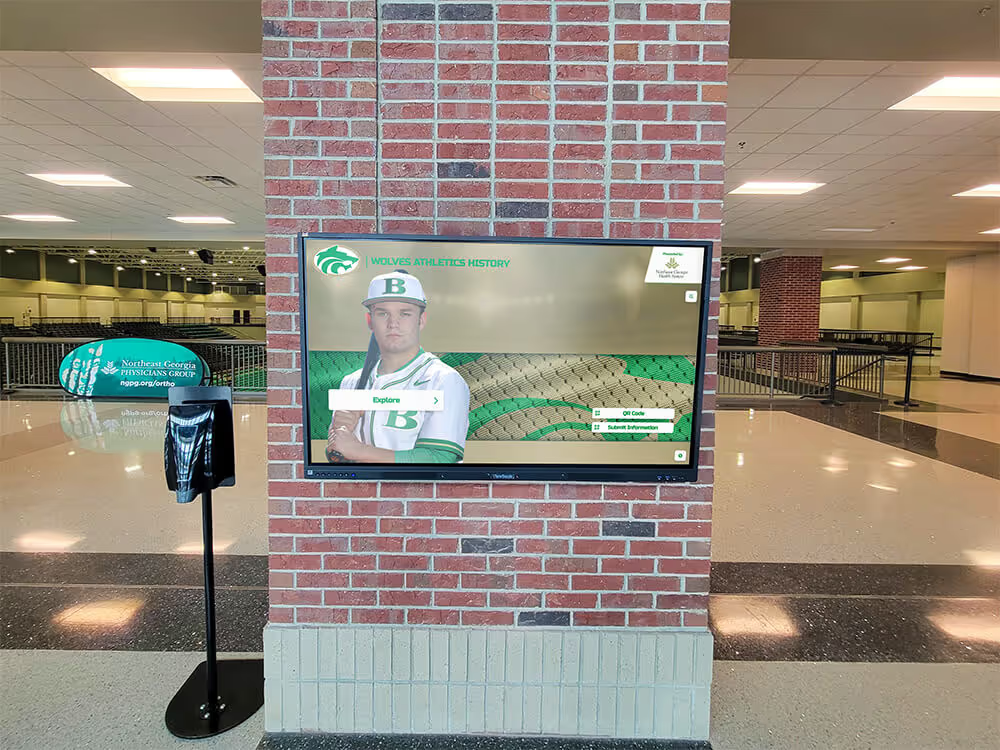
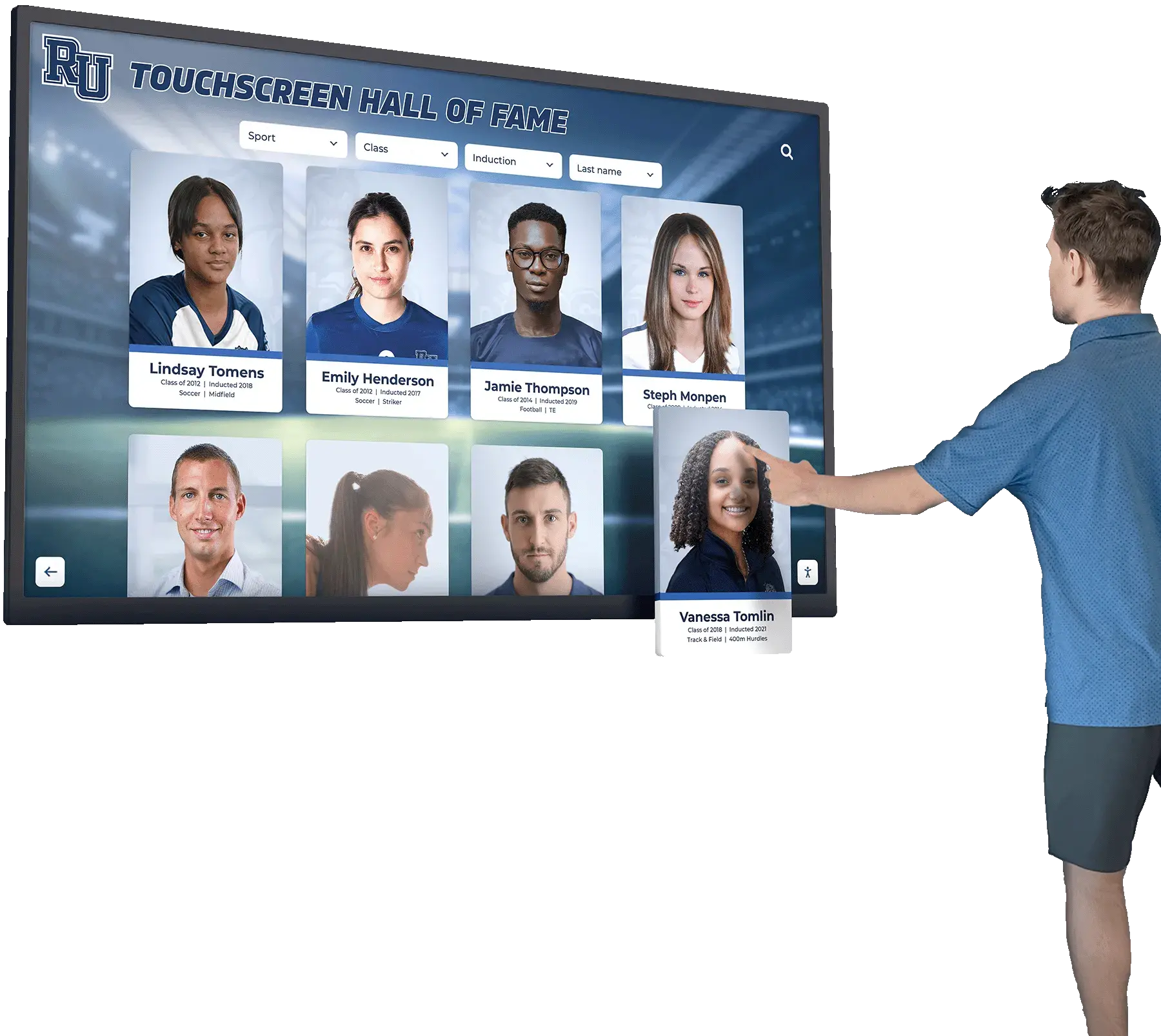
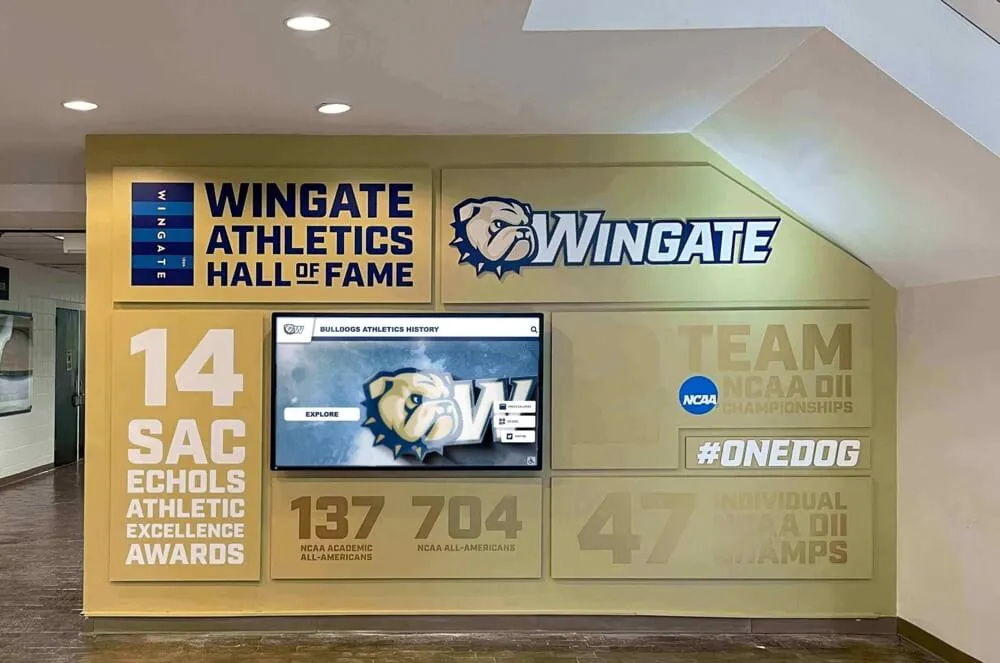
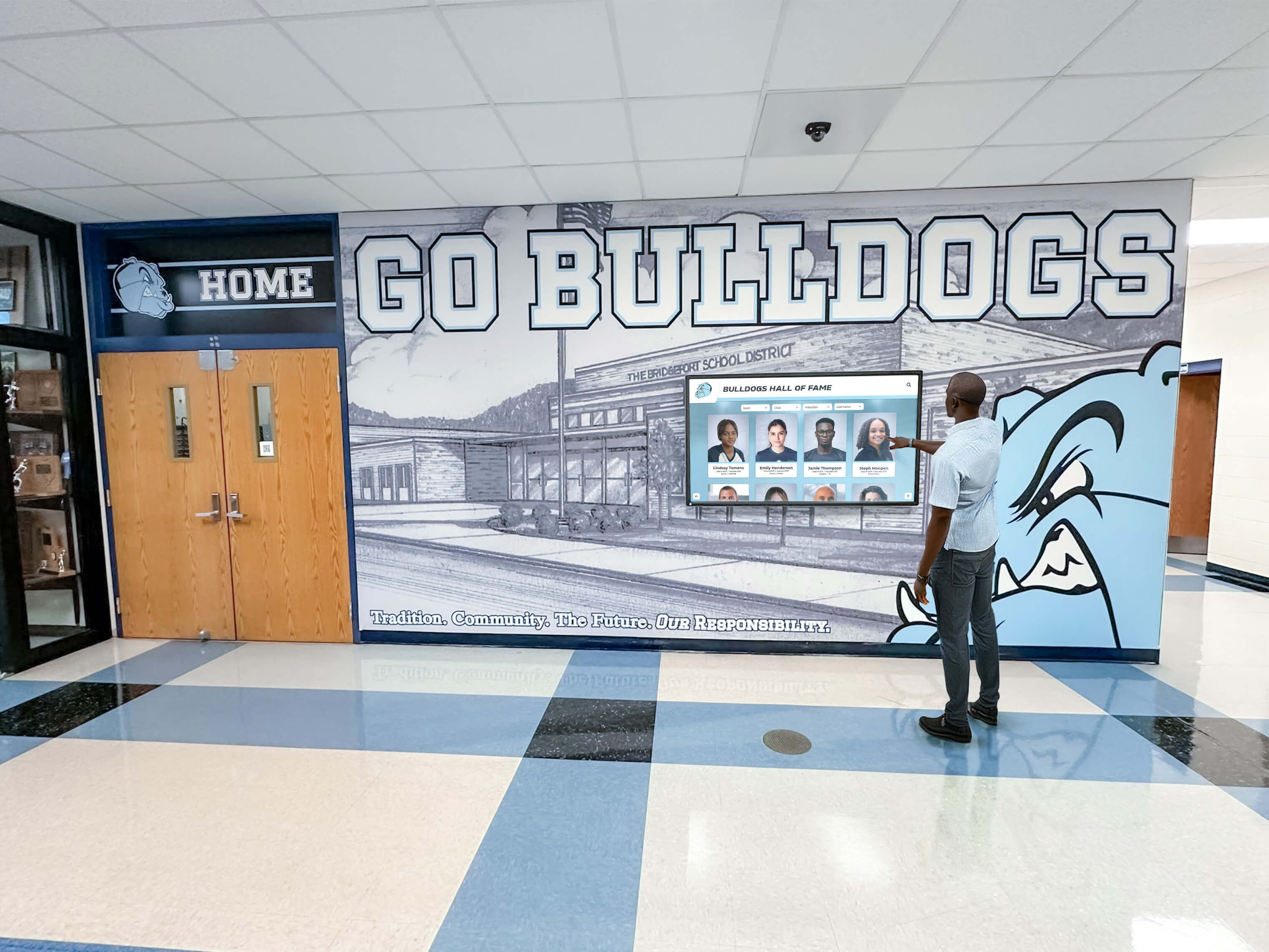
Selecting interactive touchscreen kiosk software determines whether your recognition displays, wayfinding systems, or information kiosks deliver engaging experiences or become expensive disappointments gathering dust in lobbies. Whether you manage athletic halls of fame, donor recognition walls, museum exhibits, campus directories, or corporate displays, the platform you choose shapes visitor engagement, content management efficiency, and long-term operational success. With options ranging from purpose-built recognition systems to general digital signage platforms adapted for touch interaction, understanding which solutions deliver genuine value versus superficial features prevents costly implementation failures. This comprehensive 2026 comparison evaluates nine leading touchscreen kiosk software platforms across weighted criteria including user experience quality, content management efficiency, ADA compliance, hardware flexibility, and total cost of ownership, providing the decision framework evaluation committees need to select solutions that will perform reliably for years. Understanding Touchscreen Kiosk Software Categories Before examining specific platforms, understanding how different software types serve various interactive display needs prevents selecting solutions fundamentally mismatched to your requirements.
Read More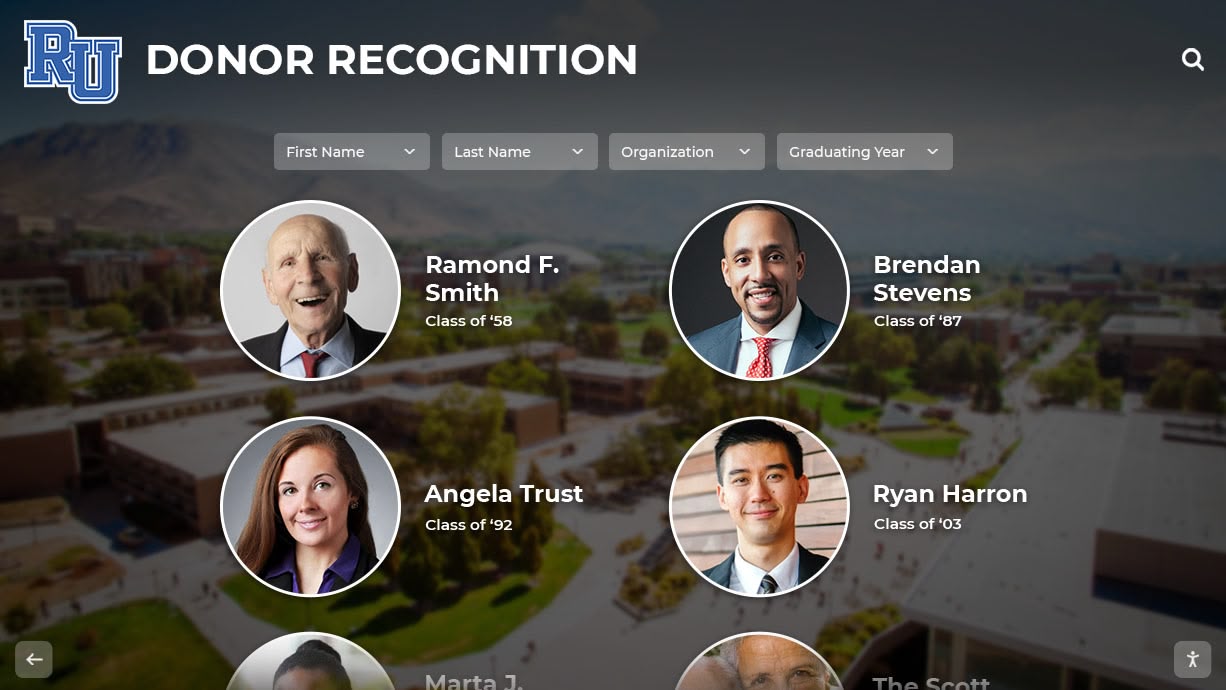
Digital Hall of Fame Displays That Double as Donor Walls: A Complete Guide to Sponsor Recognition
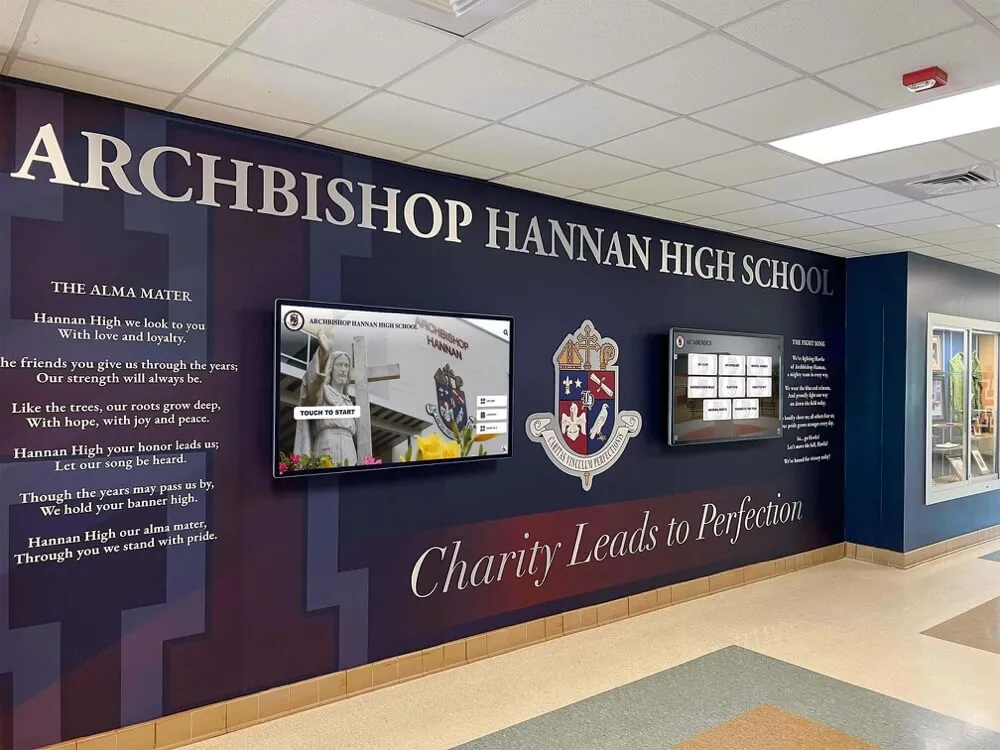
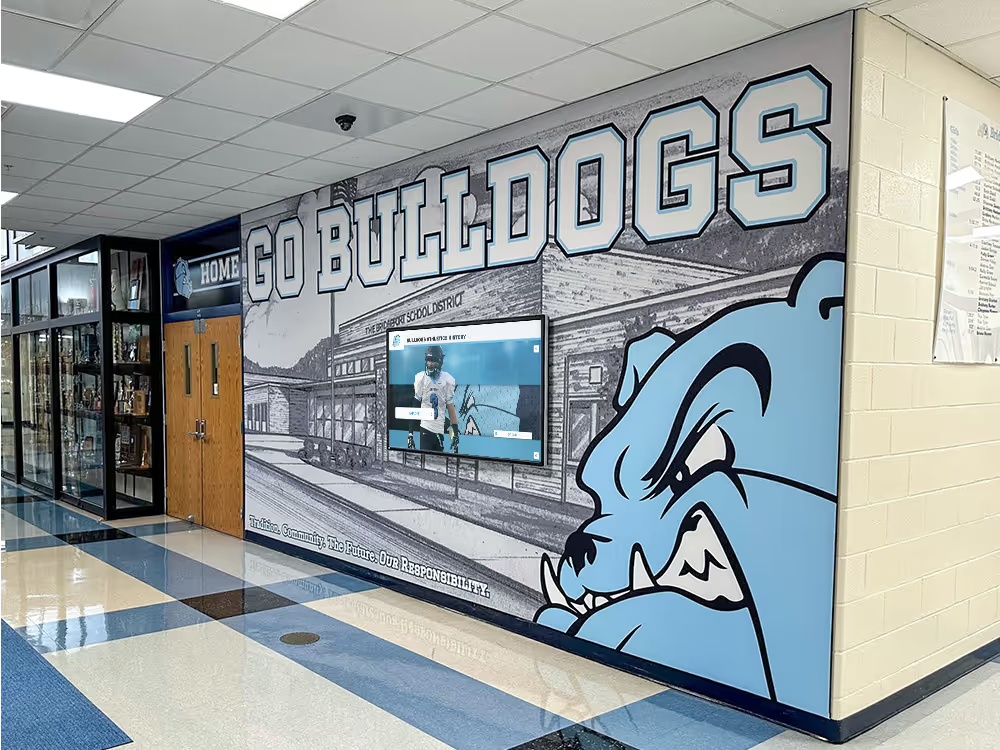
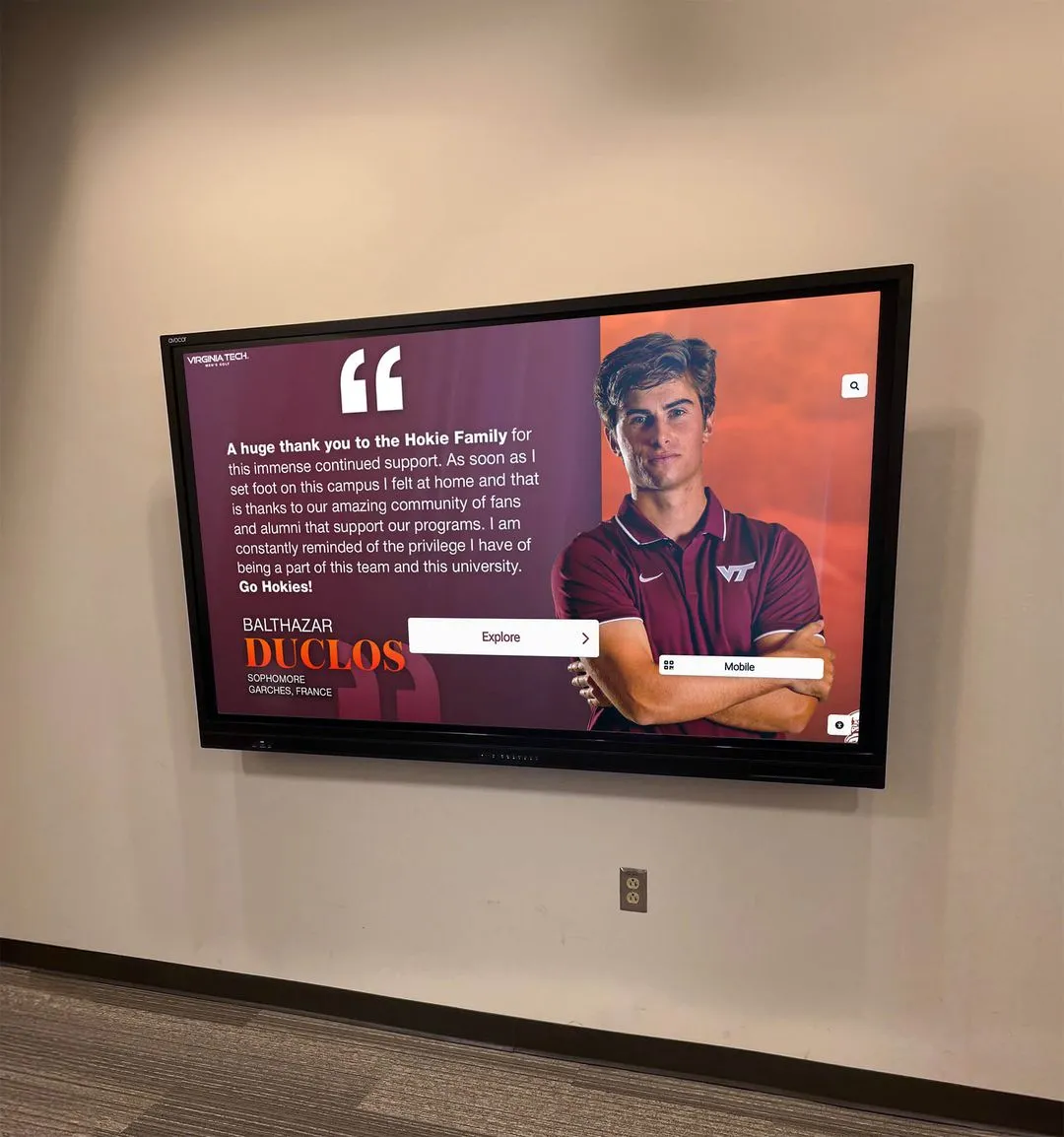
Organizations managing recognition programs face a common dilemma: limited budget and physical space force difficult choices between celebrating achievements and acknowledging donor support. Traditional approaches require separate displays—trophy cases for athletics, plaques for academic honors, wall-mounted recognition for donors, additional installations for corporate sponsors. Each system demands independent maintenance, occupies valuable real estate, and operates in isolation despite overlapping audiences and shared institutional missions.
Read More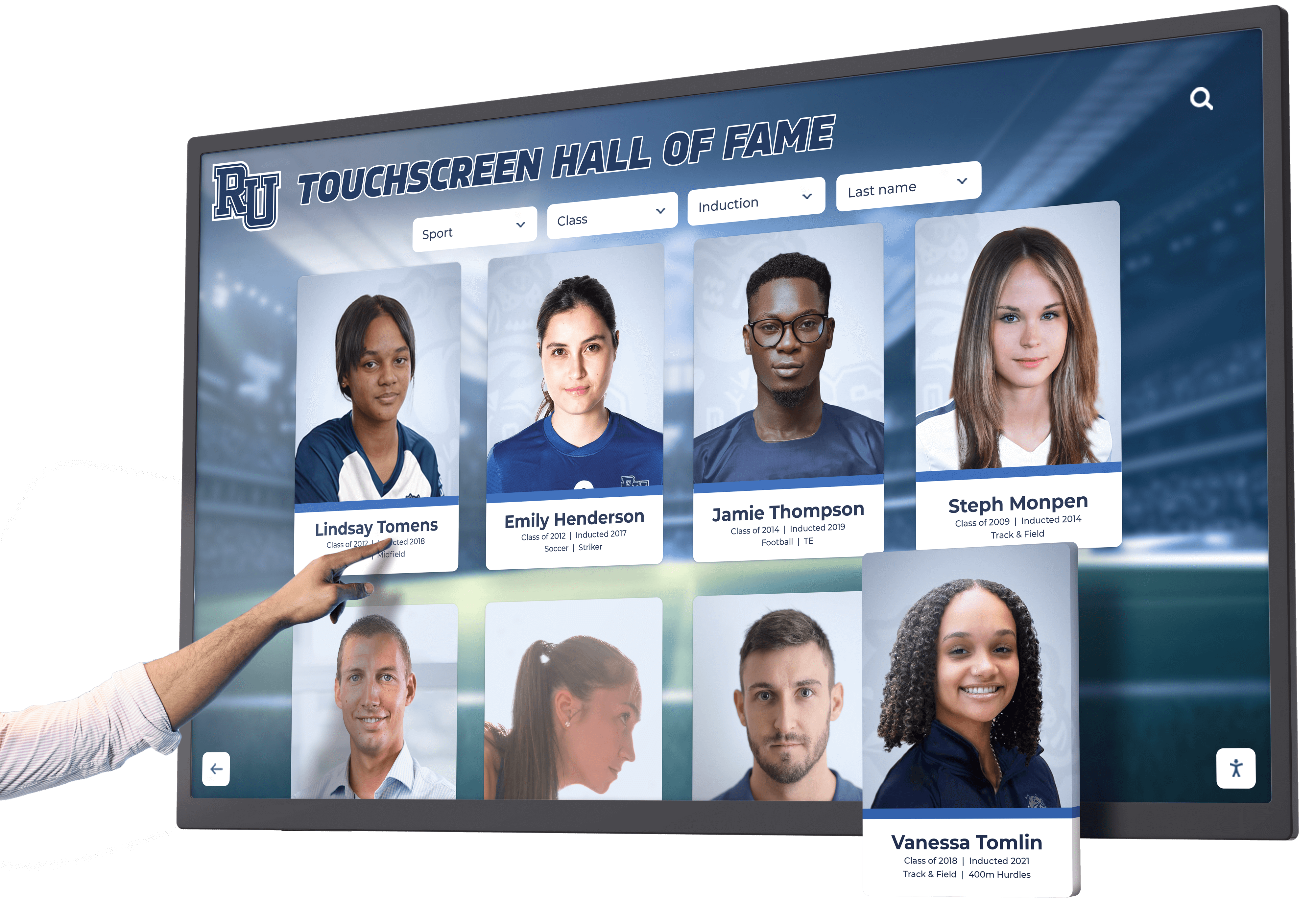
Rocket Recognition: The Complete Digital Achievement Platform for Schools and Organizations
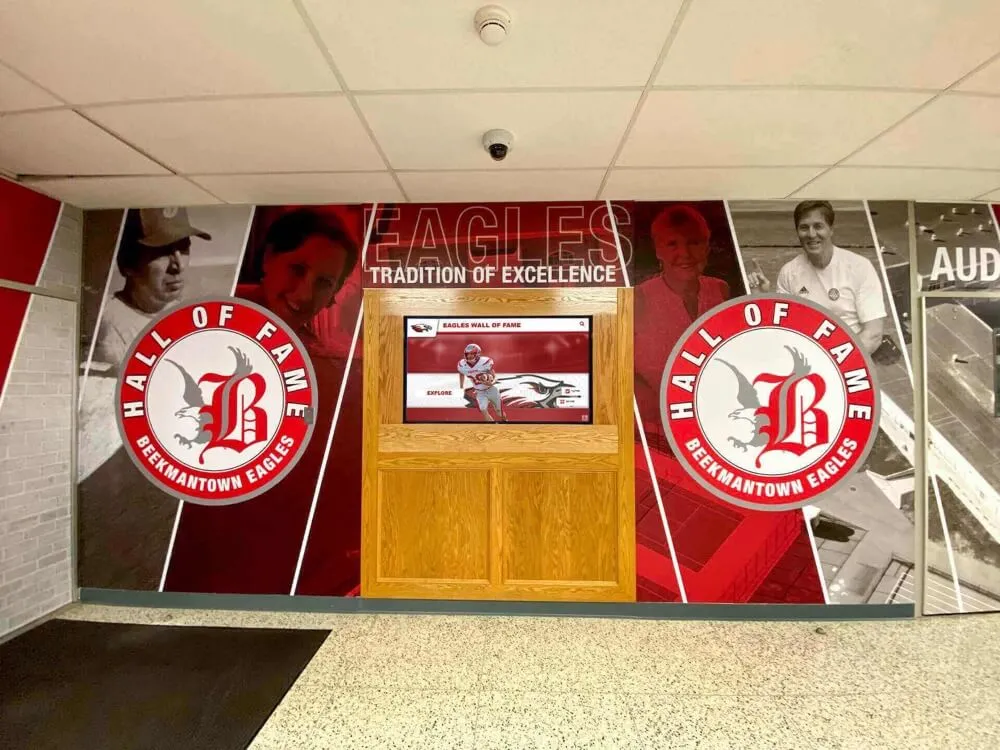
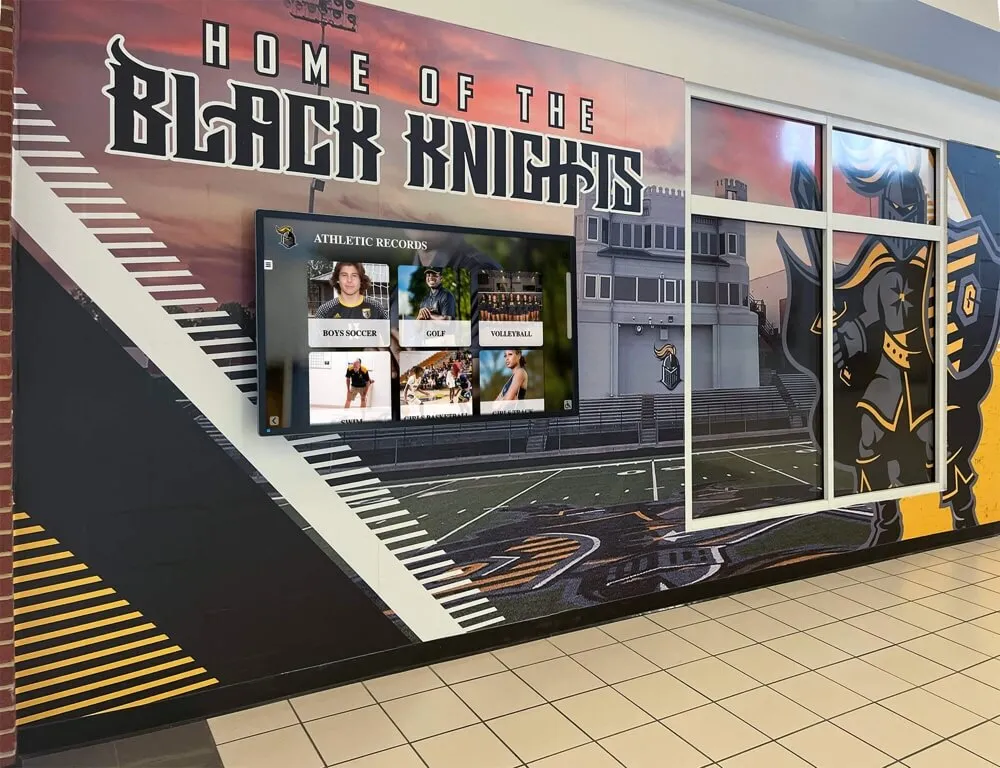
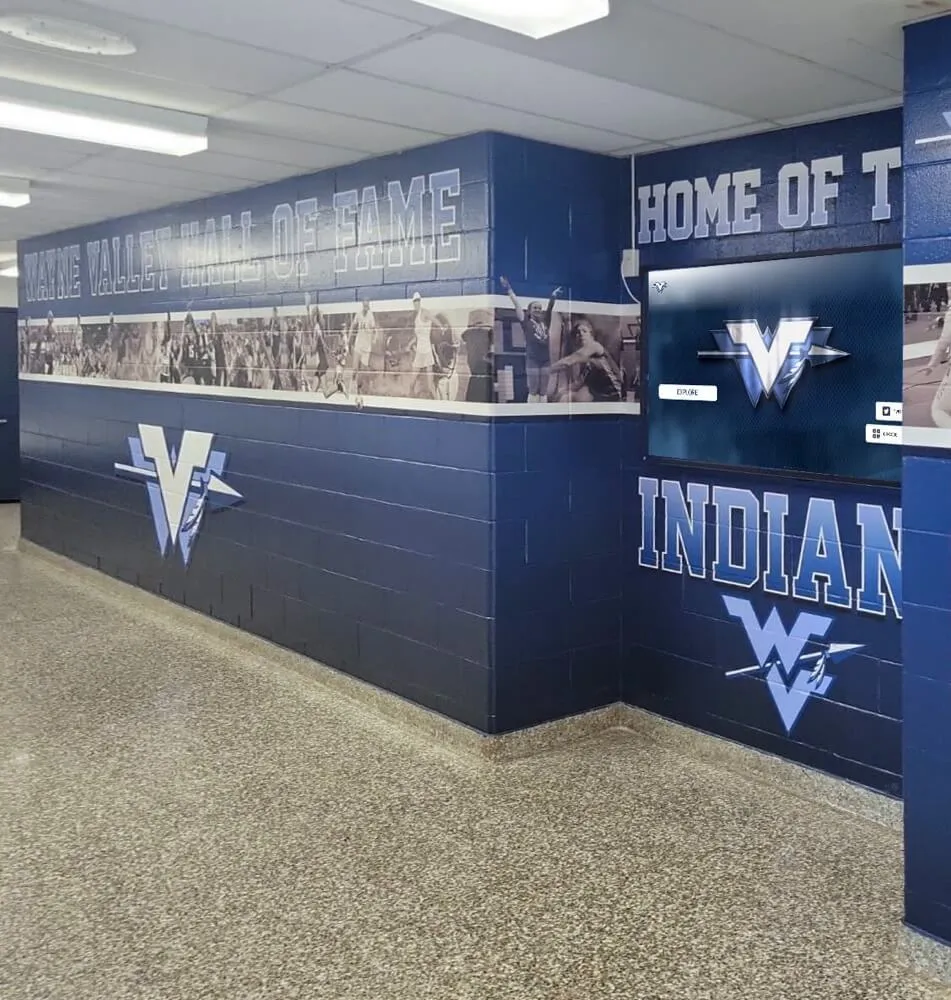
Schools, universities, and organizations face a common challenge: celebrating achievements across multiple categories while managing administrative complexity, controlling costs, and maintaining engaging, up-to-date recognition displays. Traditional approaches fragment recognition across separate systems for athletics, academics, donors, and alumni, creating operational inefficiency, inconsistent branding, and mounting long-term expenses from continuous plaque production. These challenges intensify as institutions grow, recognition categories expand, and stakeholders expect modern, interactive experiences rather than static wall displays.
Read More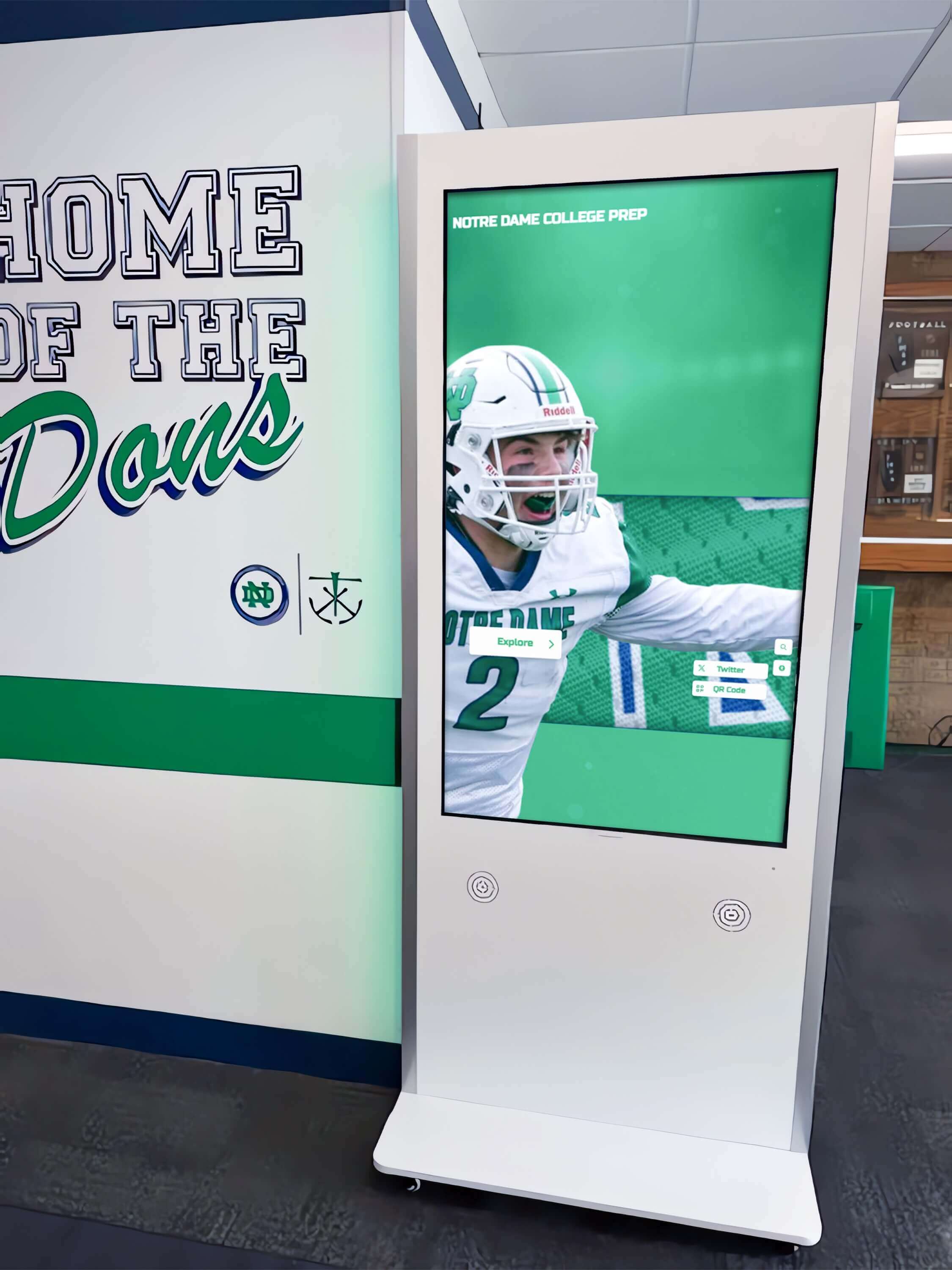
MWE-QIXZOCV Touchscreen Kiosk Interactive Displays: Complete Hardware Guide & Rocket Alumni Solutions Compatibility
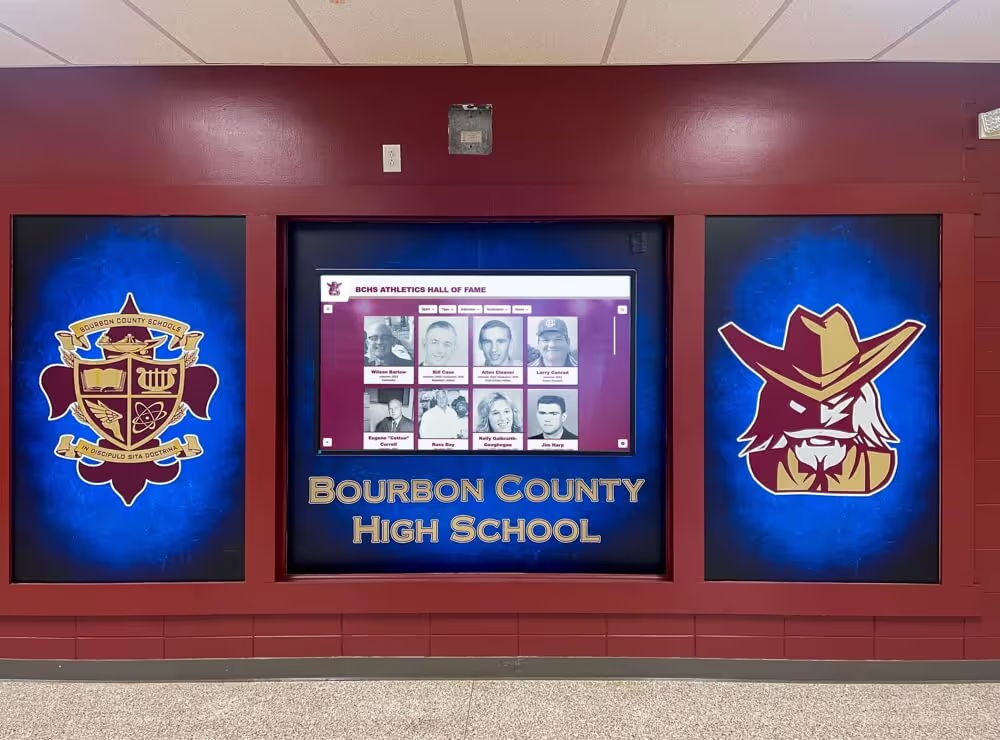
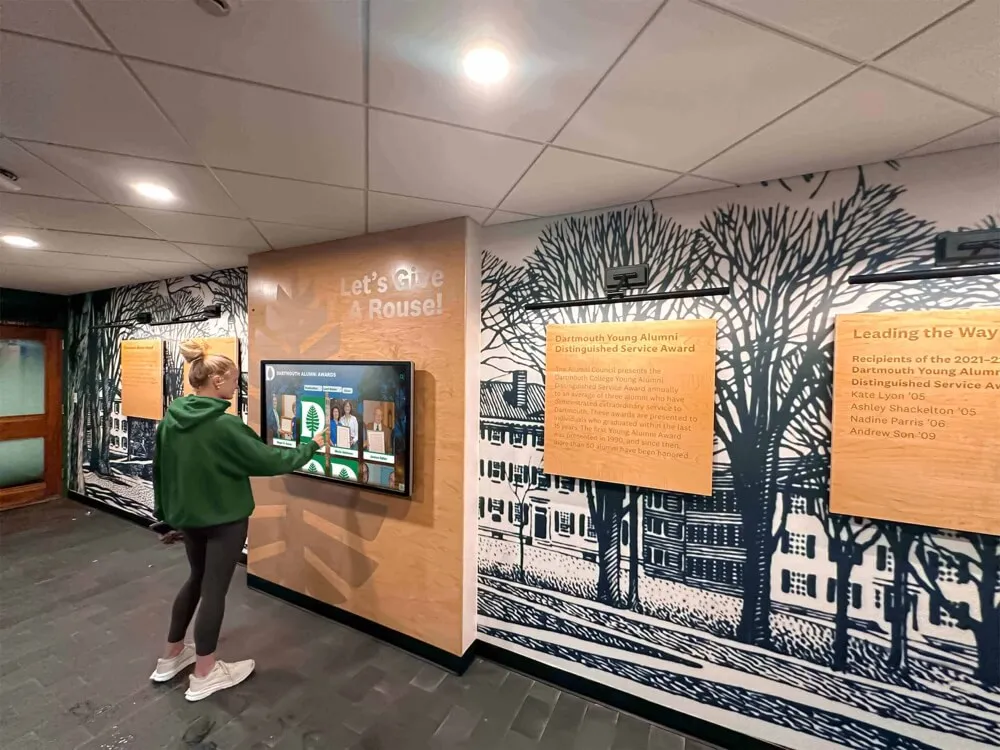
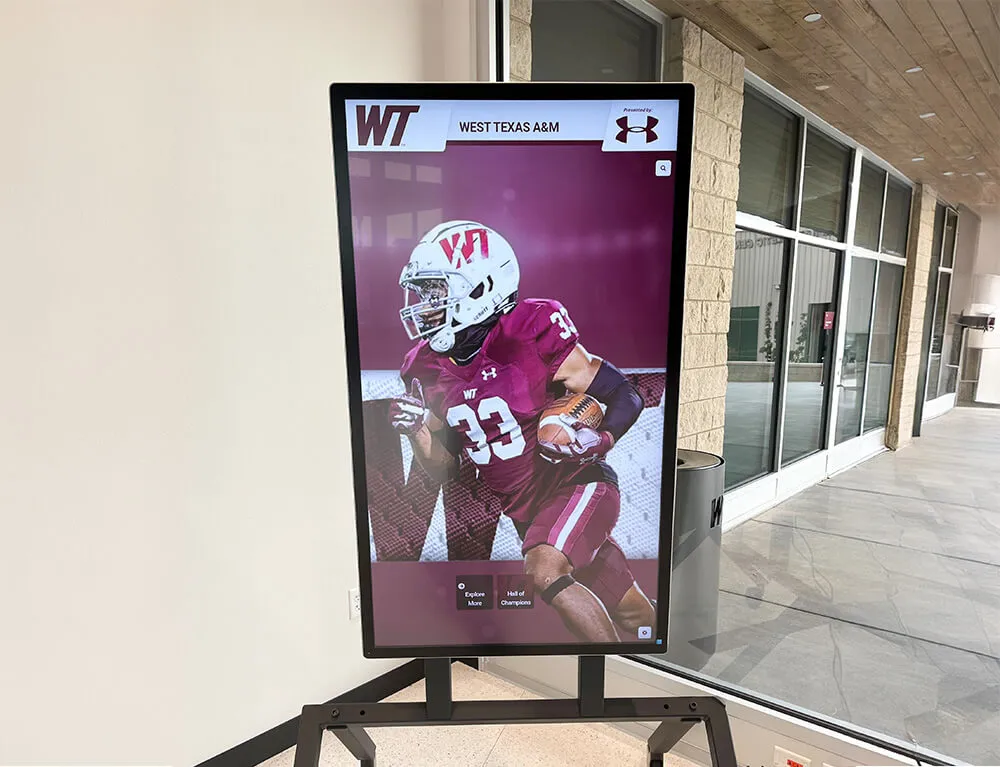
**Intent: Compare** — Organizations evaluating touchscreen hardware for digital recognition displays face critical decisions that impact performance, longevity, and total cost of ownership over multi-year deployments. MWE-QIXZOCV touchscreen kiosks represent a growing category of Android-based interactive displays offering cost-effective entry points for schools, universities, athletic facilities, and organizations implementing halls of fame, trophy cases, or recognition walls. This comprehensive guide analyzes MWE-QIXZOCV hardware across weighted criteria including display quality, operating system compatibility, connectivity infrastructure, software integration capabilities, and long-term reliability. Decision-makers need structured frameworks that cut through marketing claims to evaluate whether these consumer-grade kiosks can reliably support professional recognition software platforms like Rocket Alumni Solutions, or whether investment in commercial-grade alternatives delivers better institutional value. Why Hardware Selection Matters for Recognition Displays Touchscreen kiosk hardware directly determines user experience quality, operational reliability, and program sustainability over 5-10 year deployment cycles typical for institutional recognition displays. Unlike consumer electronics replaced every 2-3 years, public-facing recognition systems must perform consistently through thousands of daily interactions in uncontrolled environments.
Read More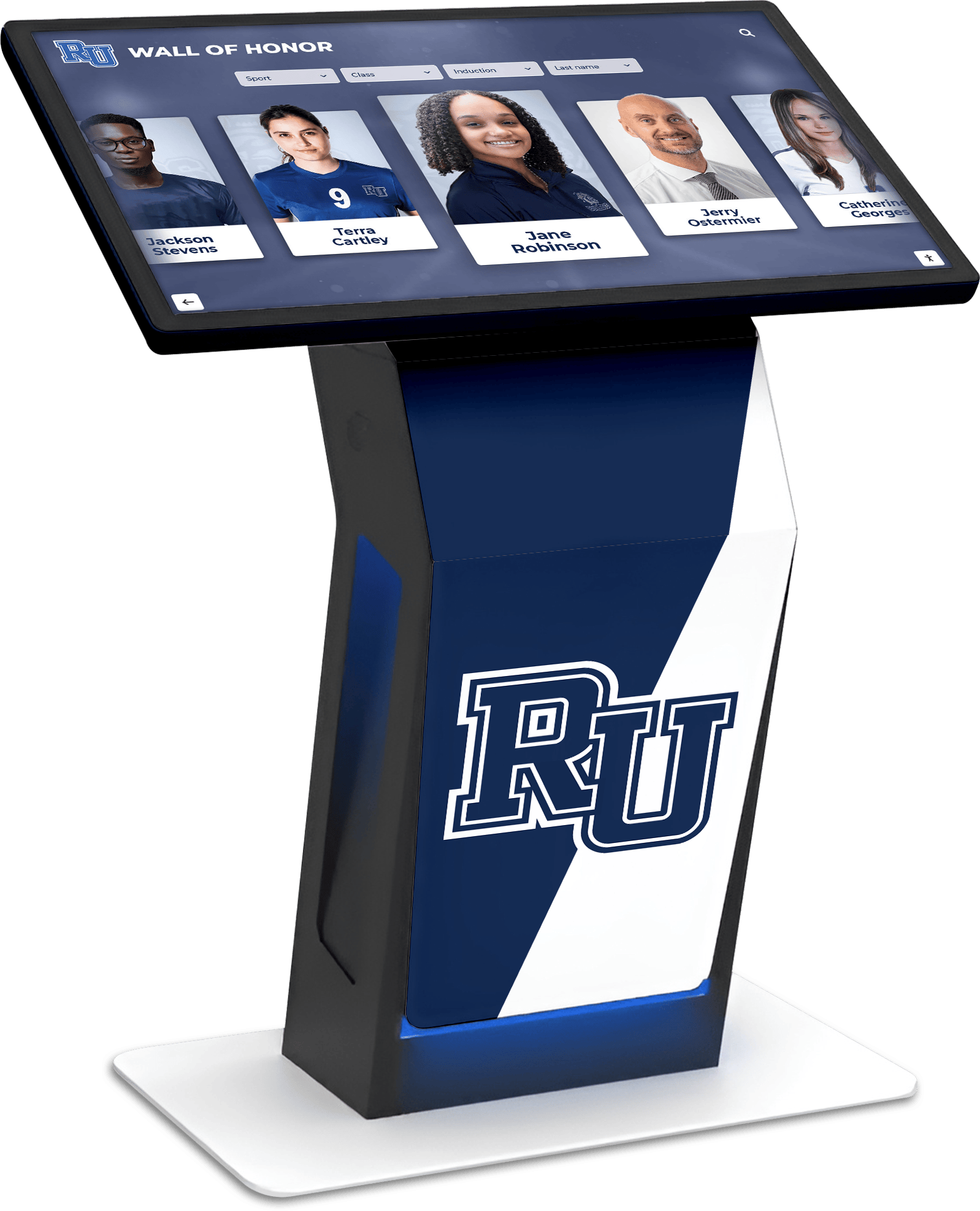
easescreen Touchscreen Digital Signage Software: Complete 2025 Guide for Schools & Organizations
As schools, universities, and organizations seek effective ways to communicate through digital displays, touchscreen digital signage software has become essential infrastructure. Among the solutions available in 2025, easescreen stands out as an established European platform with over 20 years in the digital signage industry. Whether you're exploring easescreen for general campus communications, athletic recognition, alumni engagement, or administrative messaging, understanding its capabilities and how it compares to specialized alternatives helps you make informed technology decisions. This comprehensive guide examines easescreen's touchscreen digital signage software features, explores its strengths for various applications, and identifies when purpose-built recognition platforms like Rocket Alumni Solutions may better serve specific institutional needs. What is easescreen Digital Signage Software? easescreen is a cross-platform digital signage solution that has served clients worldwide for more than two decades. The German-developed platform enables organizations to manage content across screens, video walls, shelf displays, tablets, and touchscreen kiosks from a centralized web-based interface.
Read More