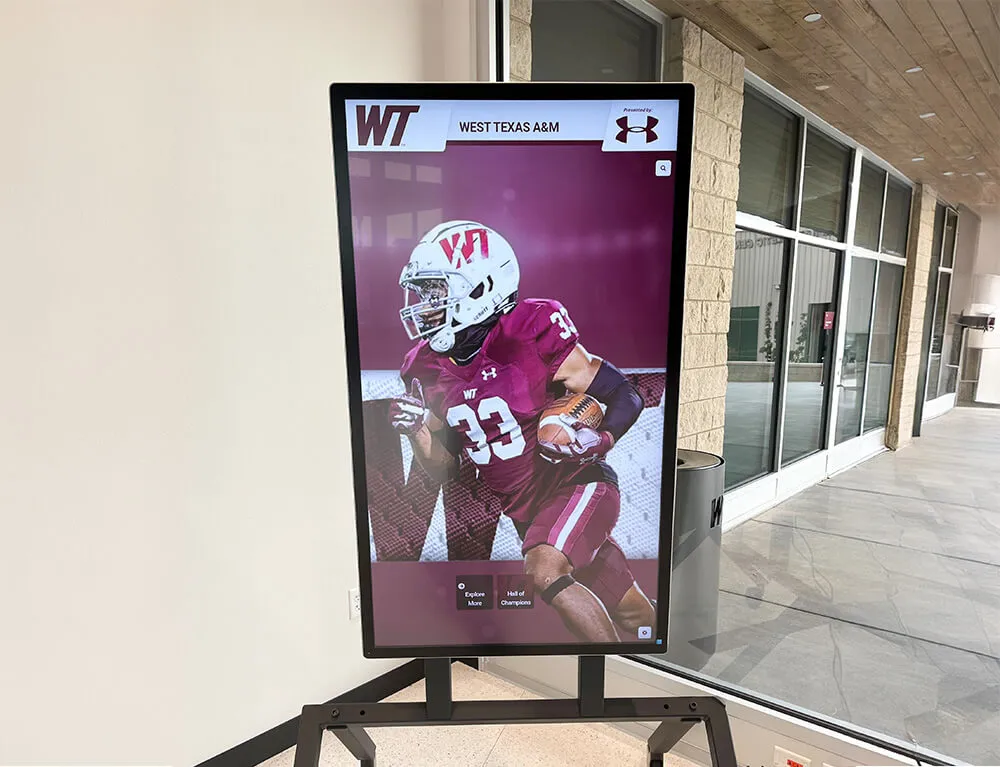
Interactive Touchscreen Kiosk Software: Comprehensive 2026 Comparison & Selection Guide
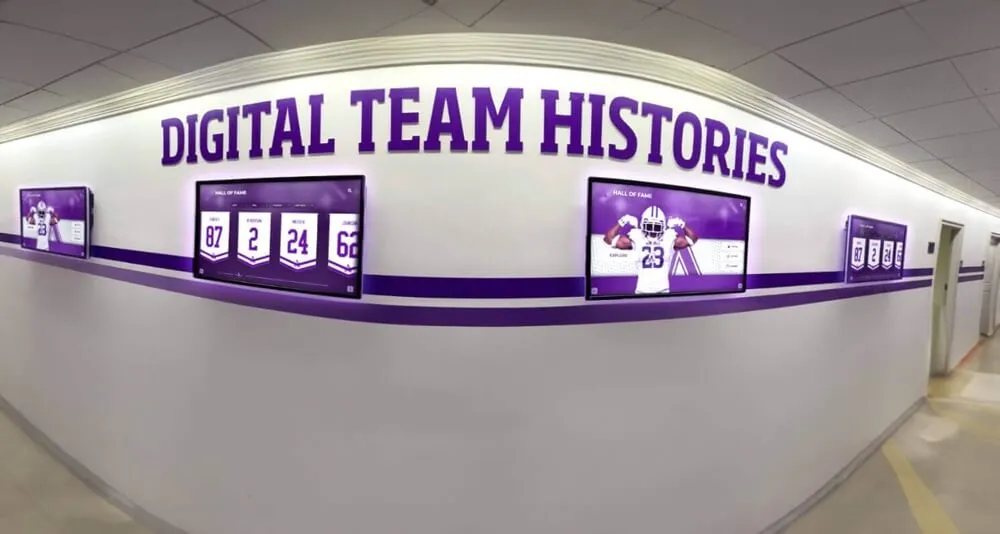
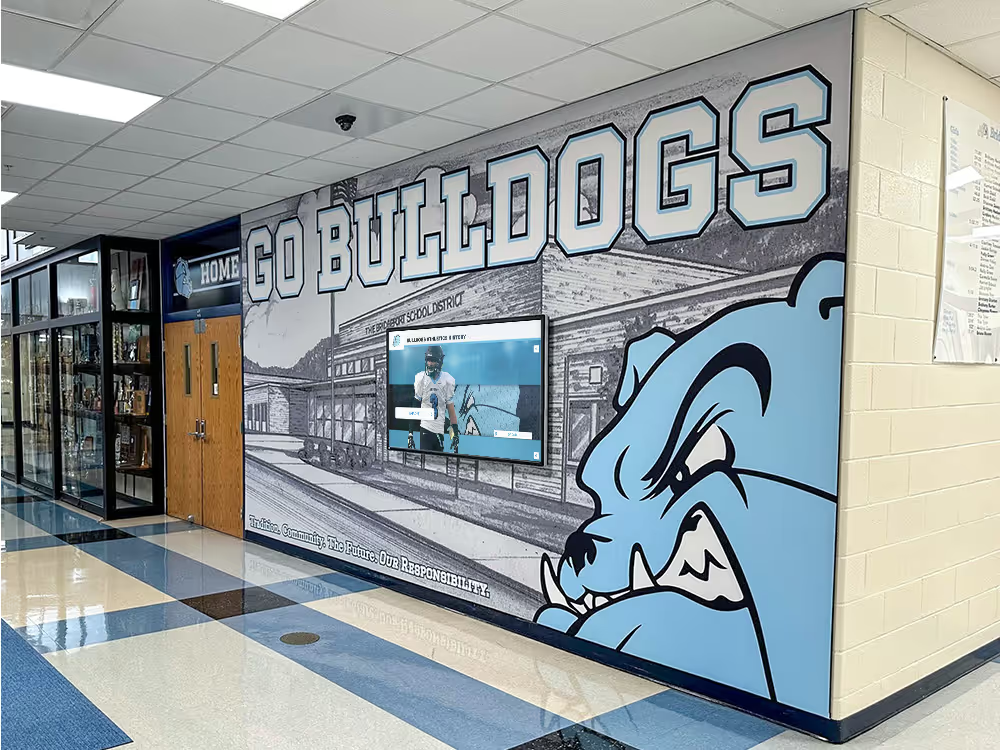
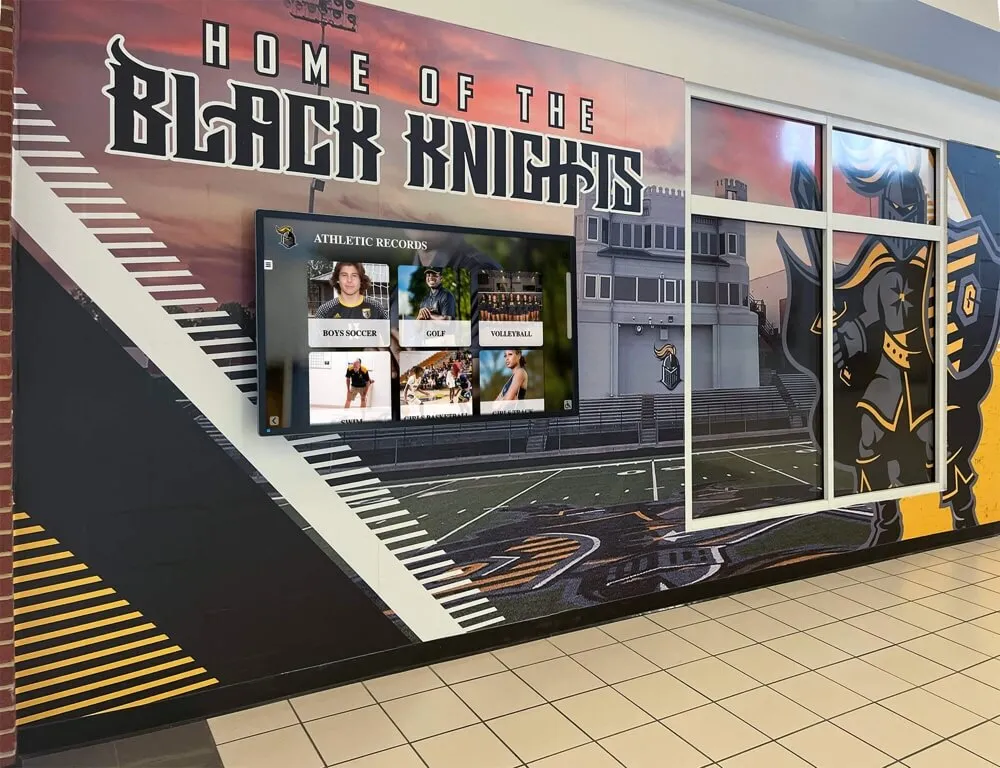
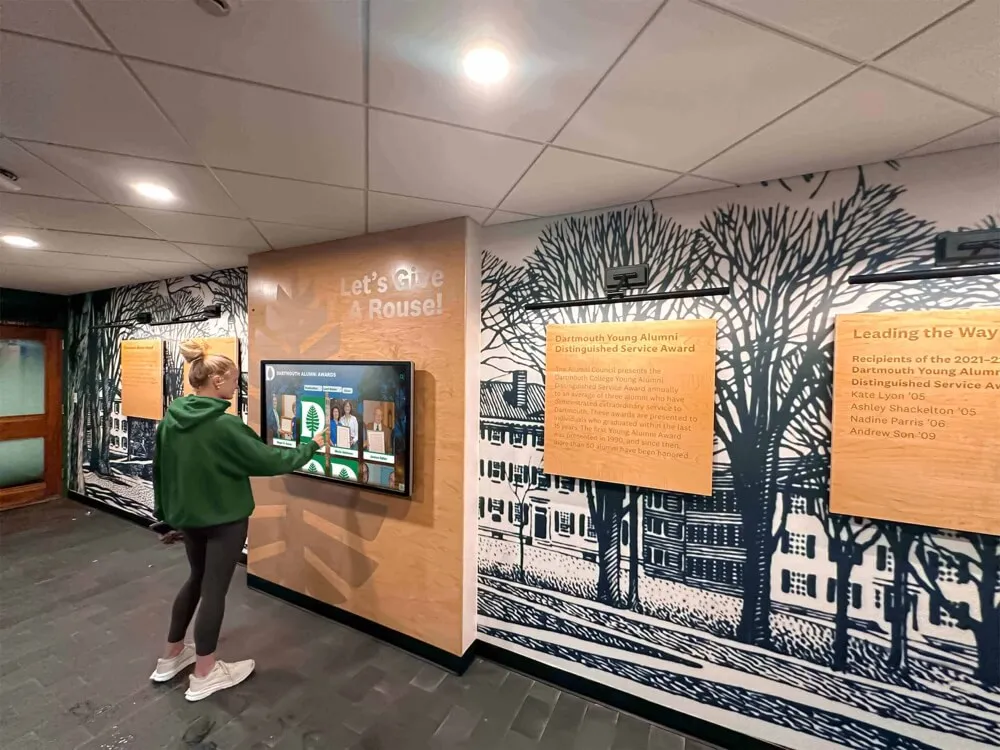
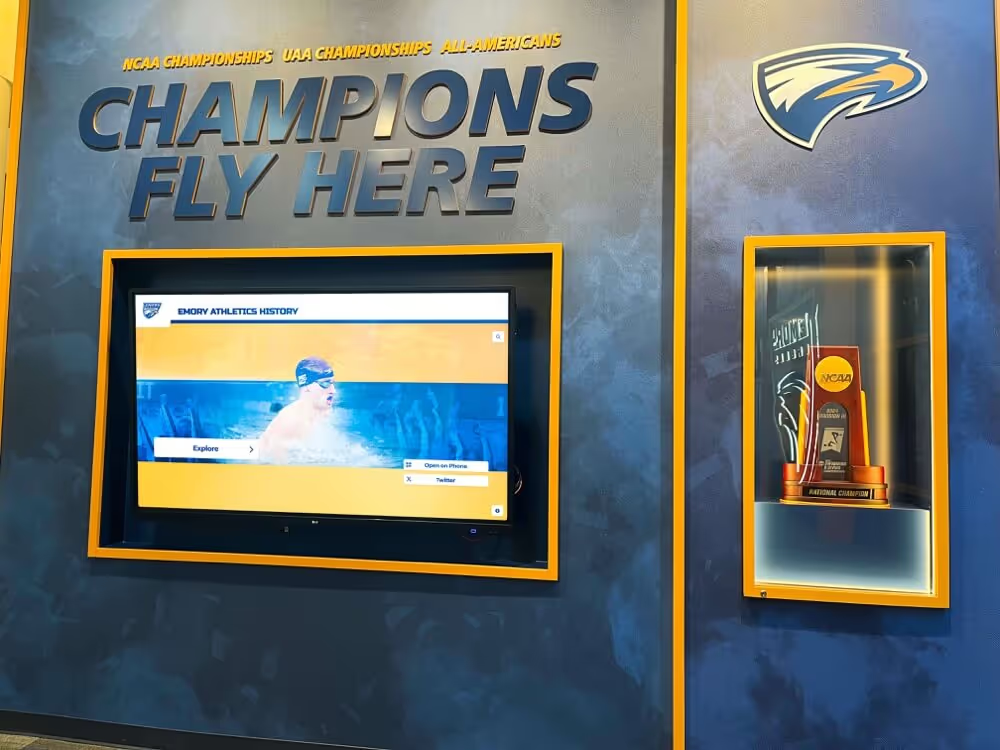
Selecting interactive touchscreen kiosk software determines whether your recognition displays, wayfinding systems, or information kiosks deliver engaging experiences or become expensive disappointments gathering dust in lobbies. Whether you manage athletic halls of fame, donor recognition walls, museum exhibits, campus directories, or corporate displays, the platform you choose shapes visitor engagement, content management efficiency, and long-term operational success. With options ranging from purpose-built recognition systems to general digital signage platforms adapted for touch interaction, understanding which solutions deliver genuine value versus superficial features prevents costly implementation failures. This comprehensive 2026 comparison evaluates nine leading touchscreen kiosk software platforms across weighted criteria including user experience quality, content management efficiency, ADA compliance, hardware flexibility, and total cost of ownership, providing the decision framework evaluation committees need to select solutions that will perform reliably for years. Understanding Touchscreen Kiosk Software Categories Before examining specific platforms, understanding how different software types serve various interactive display needs prevents selecting solutions fundamentally mismatched to your requirements.
Read More
Interactive Touchscreens for Museums & Galleries: Complete Implementation Guide 2026
Museums and galleries face a fundamental challenge in the digital age: how to present collections in ways that engage contemporary visitors who expect interactive, individualized experiences while preserving the educational mission and curatorial integrity these institutions exist to serve. Static displays, printed labels, and audio tour devices no longer meet visitor expectations shaped by smartphones, tablets, and ubiquitous touchscreen interfaces throughout daily life.
Read More10 Best Hall of Fame Tools for Athletics, Donors, Arts & History Recognition in 2025
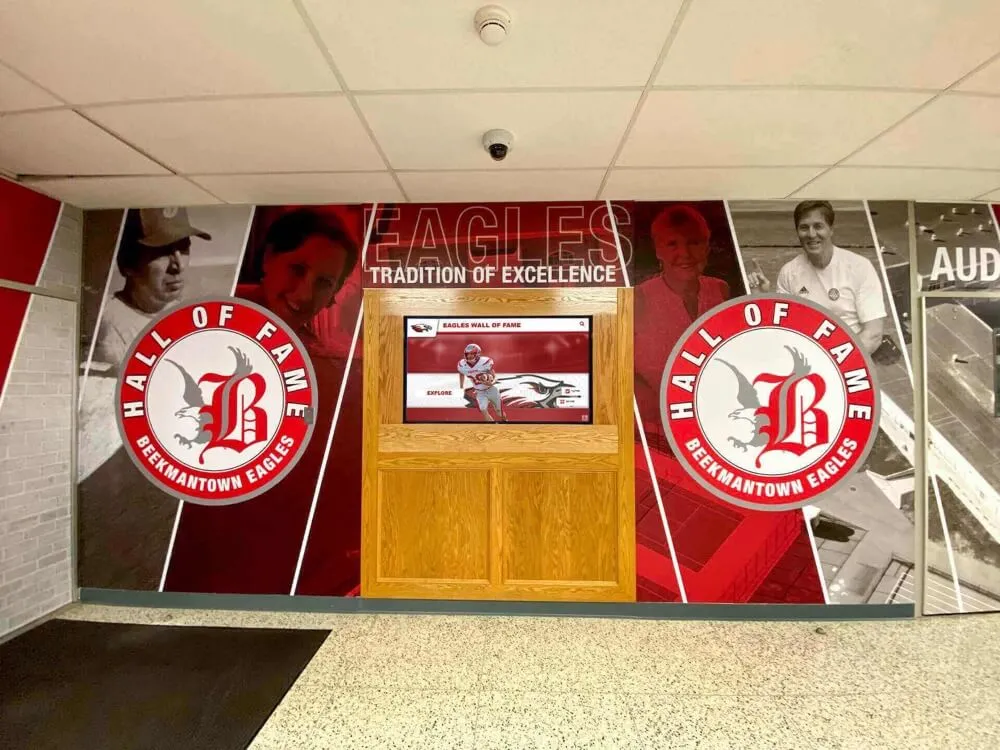
Selecting the right Hall of Fame tool determines whether your recognition program inspires audiences for decades or becomes an expensive disappointment within months. Whether you manage athletic achievement displays, donor recognition walls, arts program showcases, or historical institution exhibits, the platform you choose shapes how effectively you celebrate excellence and engage communities. With options ranging from purpose-built recognition systems to adapted digital signage platforms, understanding which tools deliver genuine value versus superficial features prevents costly mistakes. This comprehensive analysis ranks and evaluates the 10 best Hall of Fame tools across athletics, donor programs, arts institutions, and historical organizations, providing the decision framework you need to select solutions that match your specific recognition goals, budget constraints, and technical capabilities. Understanding Hall of Fame Tool Categories and Selection Criteria Before examining specific platforms, understanding how different tool types serve various recognition needs prevents selecting solutions fundamentally mismatched to your requirements.
Read More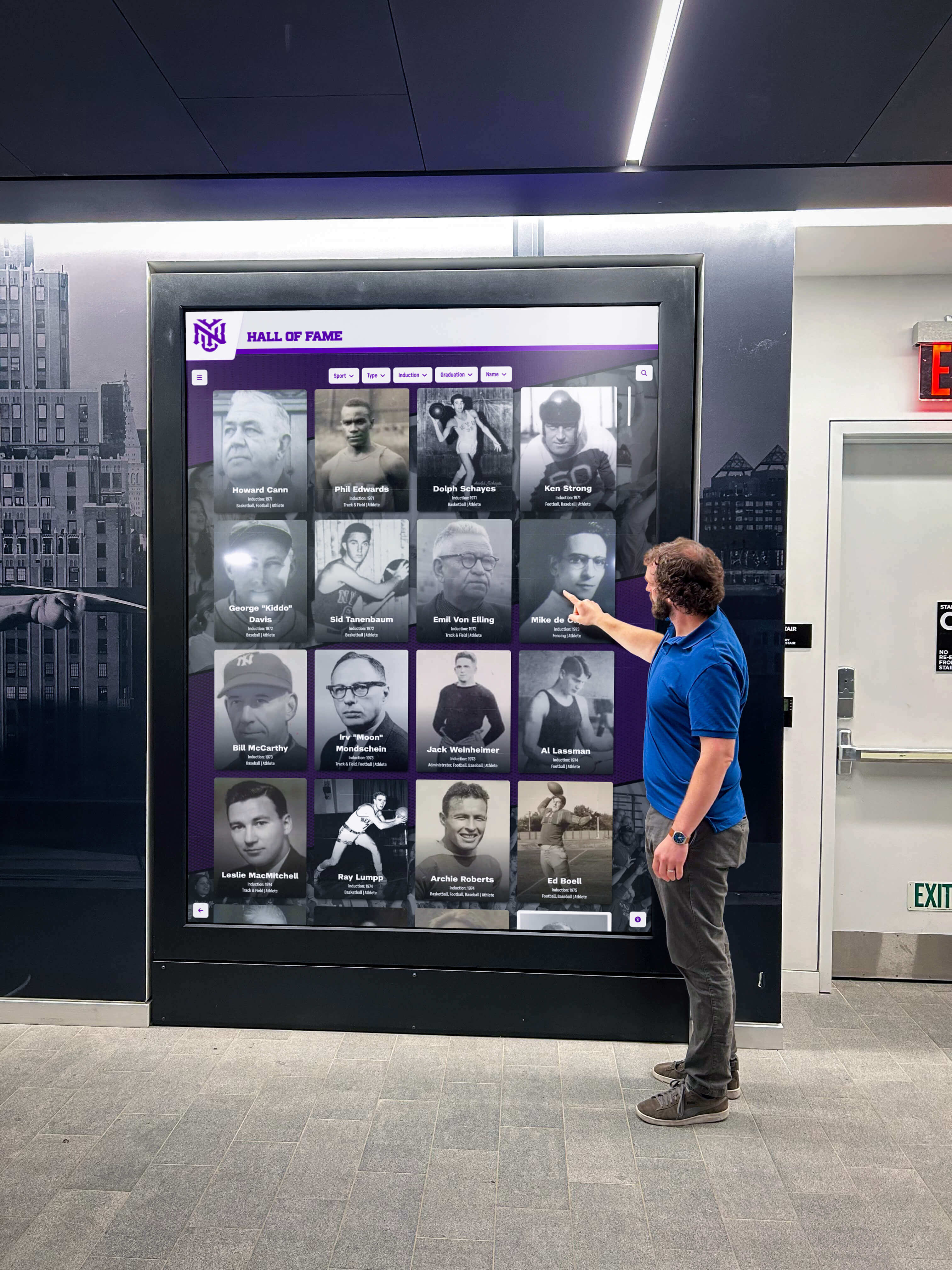
Digital Interactive Museum Displays: Complete Buyer's Guide & Implementation Strategy 2025
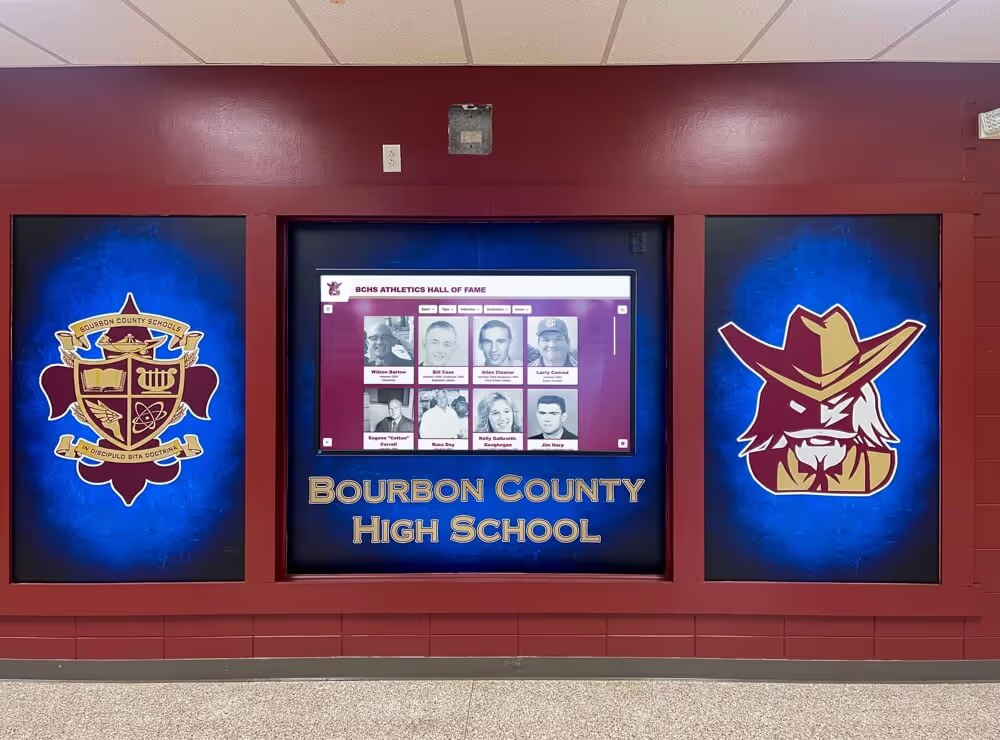
Museums, cultural institutions, and educational facilities face mounting pressure to engage increasingly digital-savvy audiences expecting interactive, multimedia-rich experiences. Traditional exhibit approaches—static text panels, fixed artifact arrangements, and limited interpretive depth—fail to compete with the engaging digital experiences visitors encounter daily. Digital interactive museum displays fundamentally transform how institutions present collections, interpret artifacts, tell stories, and connect with diverse audiences. With dozens of vendors offering seemingly similar solutions at dramatically different price points and capability levels, how do museum directors, exhibit designers, and technology planners identify systems delivering genuine value while avoiding expensive disappointments? This comprehensive comparison examines every critical factor in selecting and implementing digital interactive museum displays, evaluates leading technology approaches against weighted decision criteria, and provides frameworks ensuring you choose solutions serving your institution's unique needs for years to come. Understanding Digital Interactive Museum Display Categories Before comparing specific vendors or technologies, understanding fundamental platform categories clarifies which approaches or combinations best serve your institution’s interpretive goals, audience needs, and resource constraints.
Read More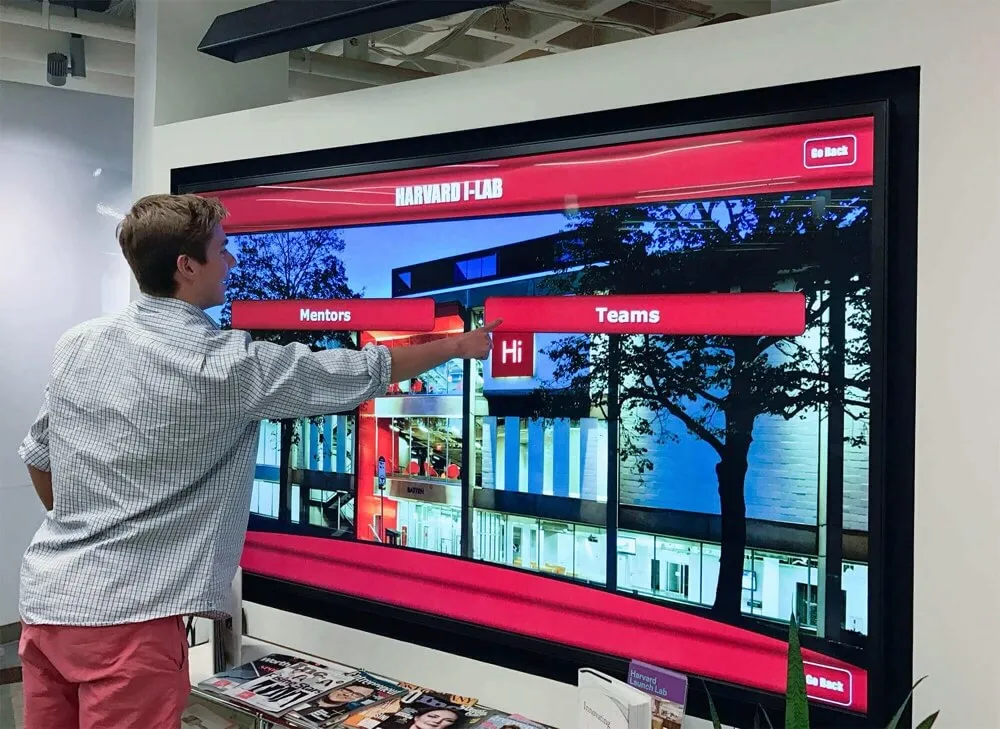
Historical Timeline Touchscreen: Complete Guide to Hardware Evolution & Implementation
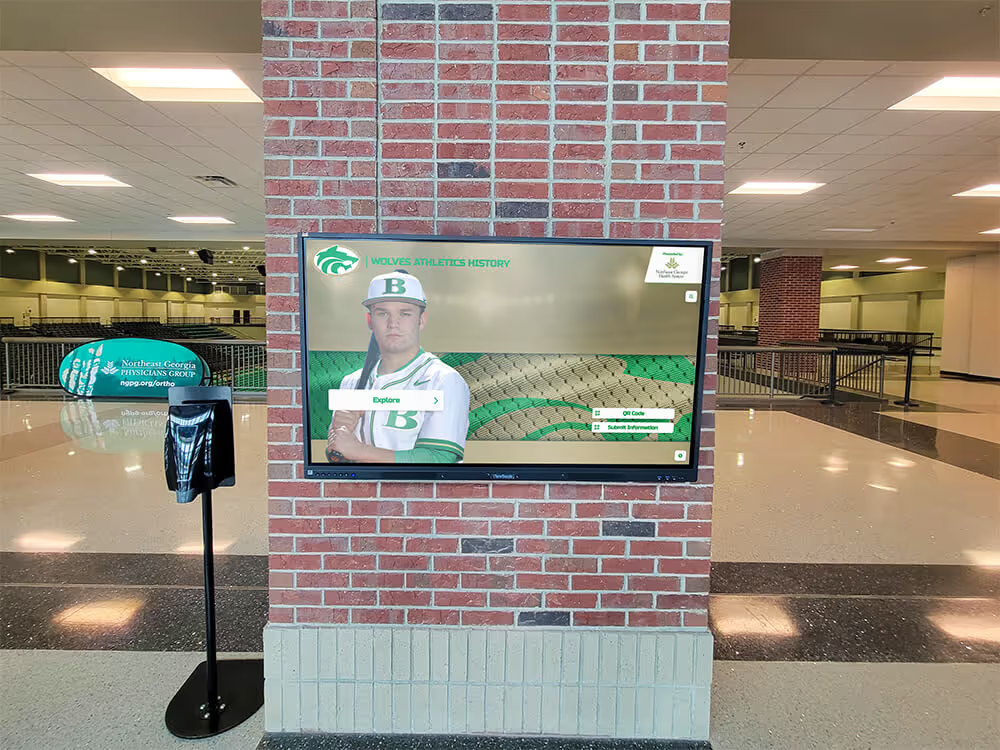
Historical timeline touchscreen displays represent a powerful convergence of technological innovation and educational storytelling, transforming how schools, museums, and institutions present chronological information to visitors. These interactive systems engage audiences in ways traditional static displays cannot match, enabling exploration of historical narratives through intuitive touch interfaces that have evolved dramatically since the first touchscreen technology emerged in 1965. Understanding both the fascinating hardware evolution that made modern touchscreens possible and the practical implementation strategies for creating timeline displays helps institutions leverage this technology effectively. This comprehensive guide explores the complete history of touchscreen hardware development while providing actionable guidance for implementing historical timeline displays using modern solutions designed specifically for educational environments. The Evolution of Touchscreen Technology: A Historical Timeline Before exploring how to implement historical timeline touchscreen displays, understanding the remarkable technological journey that made them possible provides valuable context for appreciating these sophisticated systems.
Read More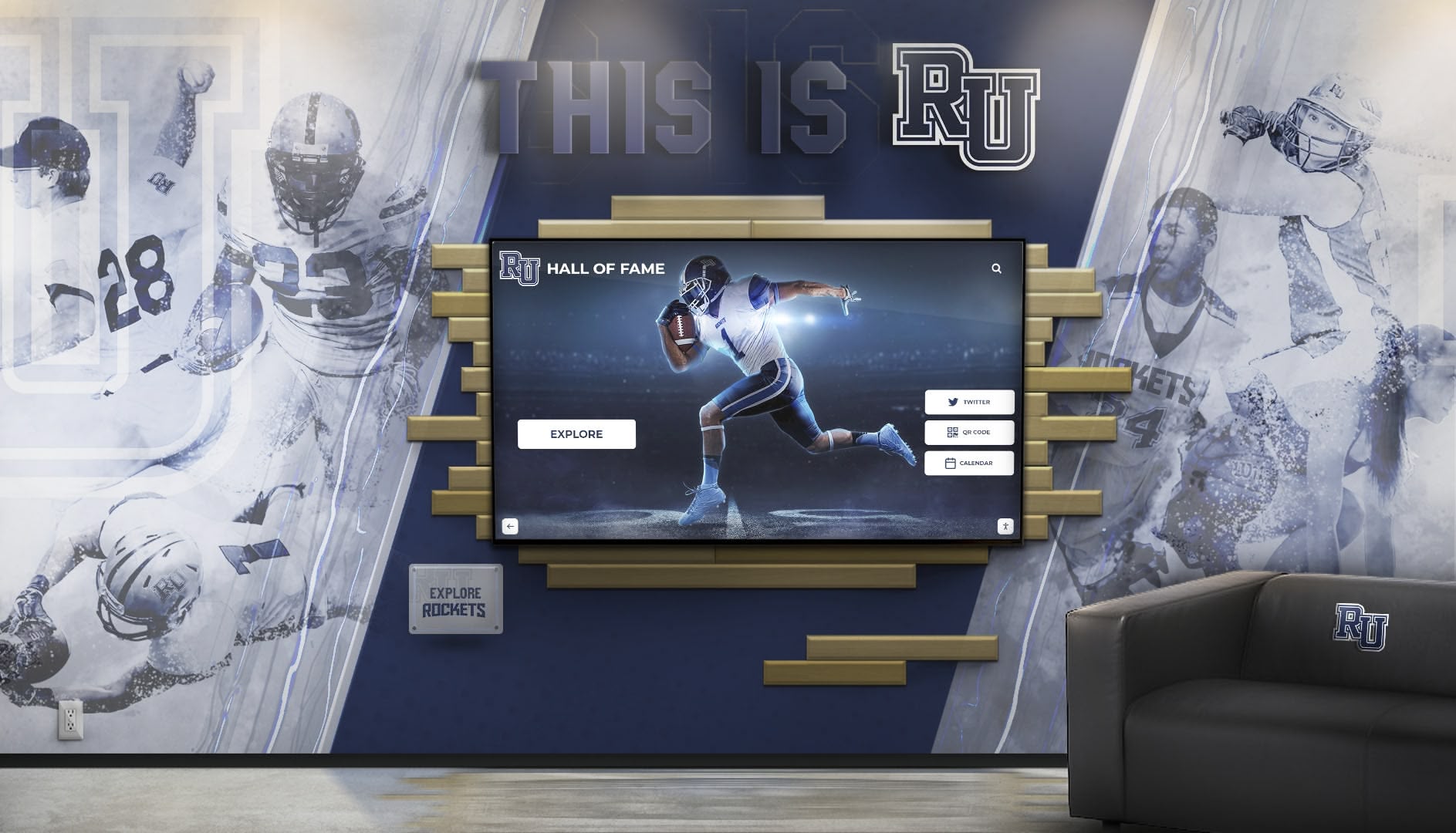
How to Create Museum Style Displays: Complete Guide to Professional Exhibition Design and Implementation
Museum-style displays transform ordinary collections into extraordinary exhibitions that educate, inspire, and engage visitors through professional presentation, thoughtful curation, and compelling storytelling. Whether showcasing institutional history, celebrating achievements, preserving heritage, or presenting educational content, museum-quality display techniques elevate materials from simple storage to meaningful experiences that connect audiences with content in memorable ways. This comprehensive guide provides everything you need to create professional museum-style displays—from fundamental design principles and curation strategies through practical implementation techniques, technology integration, and long-term maintenance approaches that ensure lasting impact and preservation. Understanding Museum Display Fundamentals Creating effective museum-style displays begins with understanding core principles that distinguish professional exhibitions from basic presentation approaches.
Read More