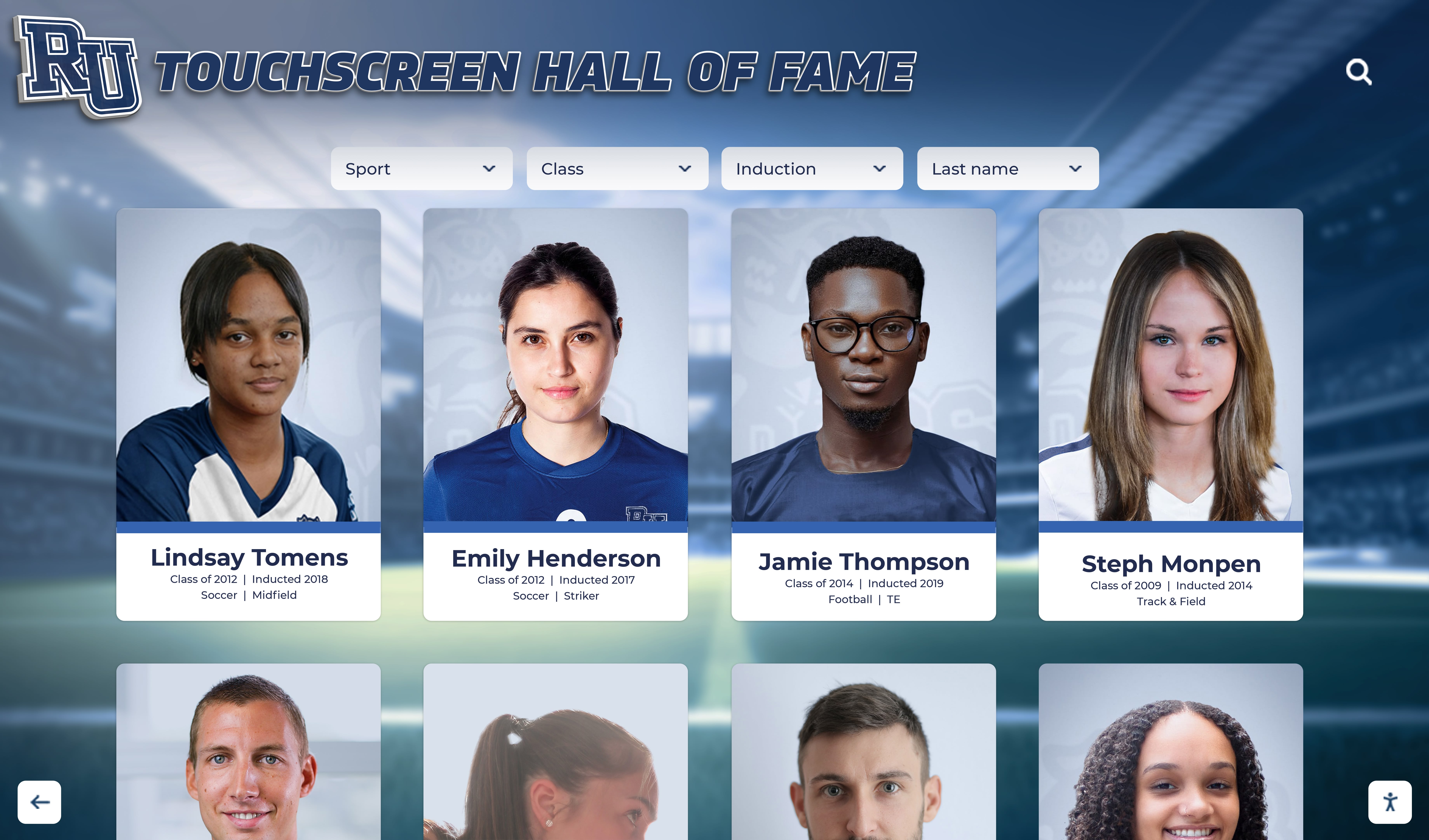
Hall of Fame Datalist Athlete Search Audit: Suggestions Are Not Approved Profile IDs
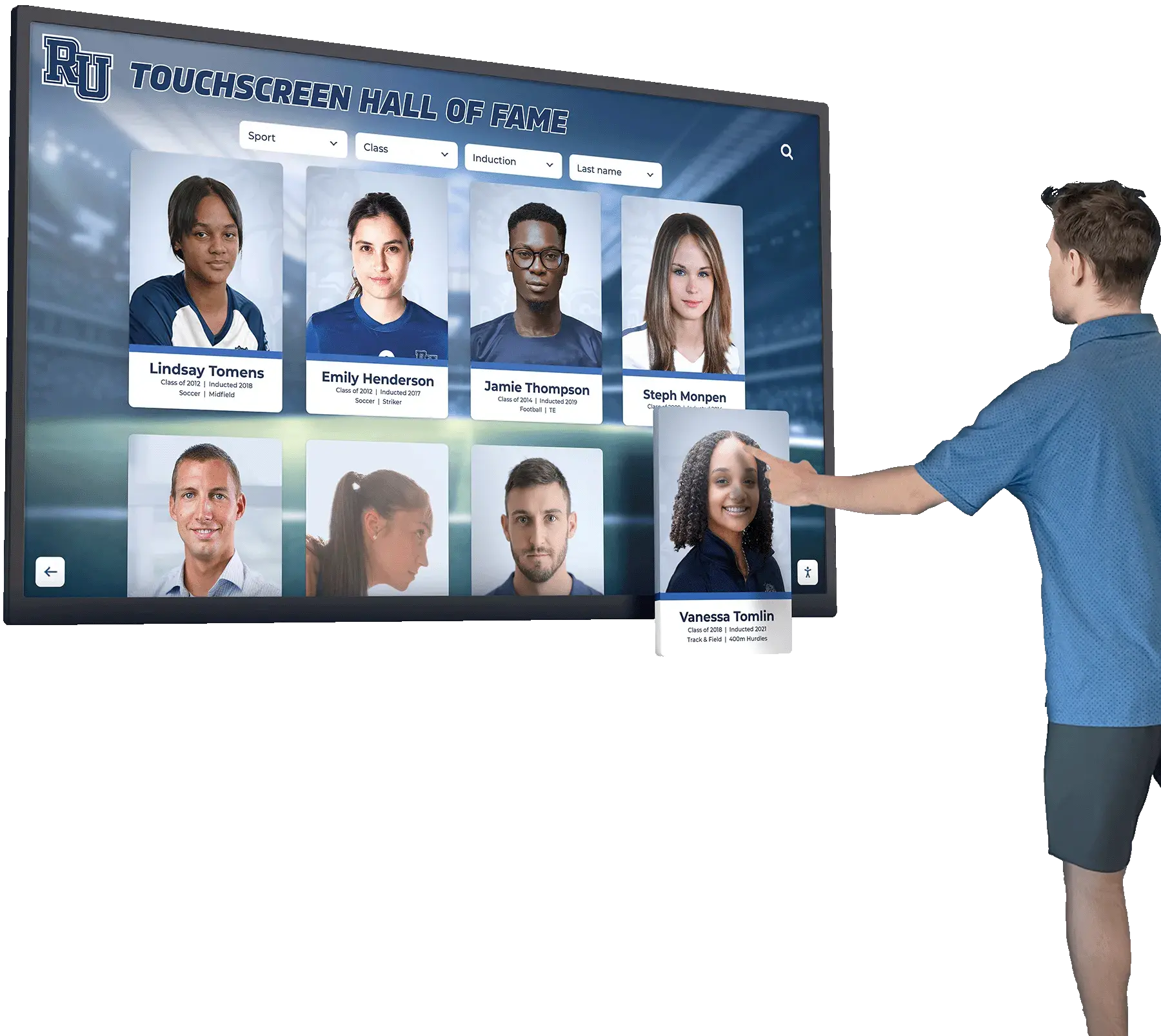
When a school's recognition-program team prototypes a native <datalist> for athlete search — the browser's built-in suggestion control connected to a plain text input — the first audit question is always the same: can a visitor select a name from the popup and have the platform treat that selection as a confirmed, approved athlete record? The answer is no, and the reason is architectural rather than incidental. A datalist is a suggestion list. It offers completions as a visitor types, but it does not restrict the input to those suggestions, does not submit a hidden profile identifier alongside the visible name, and does not guarantee that the value in the input field at submission time matches any record in the recognition database. Same-name athletes — two Marcus Johnsons inducted years apart in different sports, for example — deepen the problem: a name alone cannot uniquely identify a record, and the browser's suggestion popup has no native concept of a stable internal ID. This audit walks recognition-program managers and school IT reviewers through exactly what a native datalist does and does not do, how to structure option values for same-name disambiguation, how to handle the no-result route, and what accessibility limitations the MDN documentation records for programs that must support visitors with assistive technology. What a Native Datalist Does — and What It Does Not Enforce The MDN documentation for the datalist element describes <datalist> as a mechanism that provides suggested values to an associated input. The association is made through two matching attributes: the list attribute on the <input> element must equal the id attribute on the <datalist> element. When the values match, the browser attaches the suggestion popup to the input.
Read More
Digital Hall of Fame Search Stemming Audit for Better Inductee Discovery
When a school's hall of fame platform indexes the word "runner" as a distinct term from "running," a visitor searching the roster for cross-country inductees may find nothing—not because the athletes are absent, but because the search index treats inflected forms as separate queries. Search stemming is the mechanism that connects these variations: it reduces "runner," "running," and "runners" to a shared root so that any of the three finds the same set of profiles. A digital hall of fame search stemming audit tests whether that mechanism is calibrated correctly for the singular, plural, and inflected award and sport terms your recognition program actually uses—and identifies the gaps where visitors are returned empty results for inductees who are fully in the system. What Search Stemming Is and Why It Matters for Hall of Fame Discovery Search stemming is the process by which a search engine reduces a word to its base or root form—called a stem—before matching it against the search index. When stemming is applied, “inducted,” “inductees,” “inducting,” and “induction” all reduce to the root “induct,” which means a visitor who types any one of these forms retrieves the same set of profiles.
Read MoreDigital Hall of Fame Search Autocomplete: Governance and Testing Guide
Digital hall of fame search autocomplete is the live suggestion list that appears as a visitor types a name or term into the search box on your recognition platform. Governing that list—deciding which suggestions are approved, how nicknames and historic names are validated, and what testing routine confirms each entry is accurate—is one of the most underrated maintenance tasks in athletic recognition programs. Done well, autocomplete reduces the effort required to find an inductee by two to three keystrokes and surfaces names that visitors recognize but cannot spell precisely. Done poorly, it surfaces stale suggestions, creates false associations between people who share a name, or promotes draft profiles before they are ready. This guide gives school athletic directors, archivists, and IT administrators a practical framework for governing and testing the autocomplete suggestion set on a hall of fame website or touchscreen display. Why Autocomplete Governance Matters for School Recognition Programs A visitor standing in front of a touchscreen in your gym lobby—or browsing your hall of fame website from a reunion table—arrives with a specific person in mind. They may know the name from a game program, a trophy plaque, or a story told at the banquet. What they type may be a nickname, a maiden name, a partial last name, or the year of a championship. The autocomplete list is the first moment of recognition: it either confirms that your system knows who they are looking for, or it signals a gap.
Read More