School Digital Signage: Benefits, Uses, and Implementation Guide
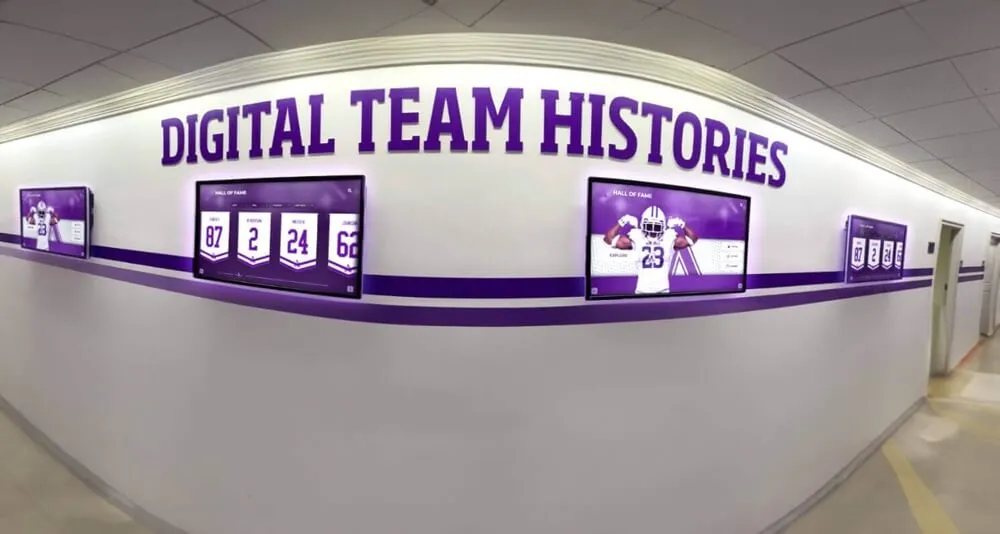
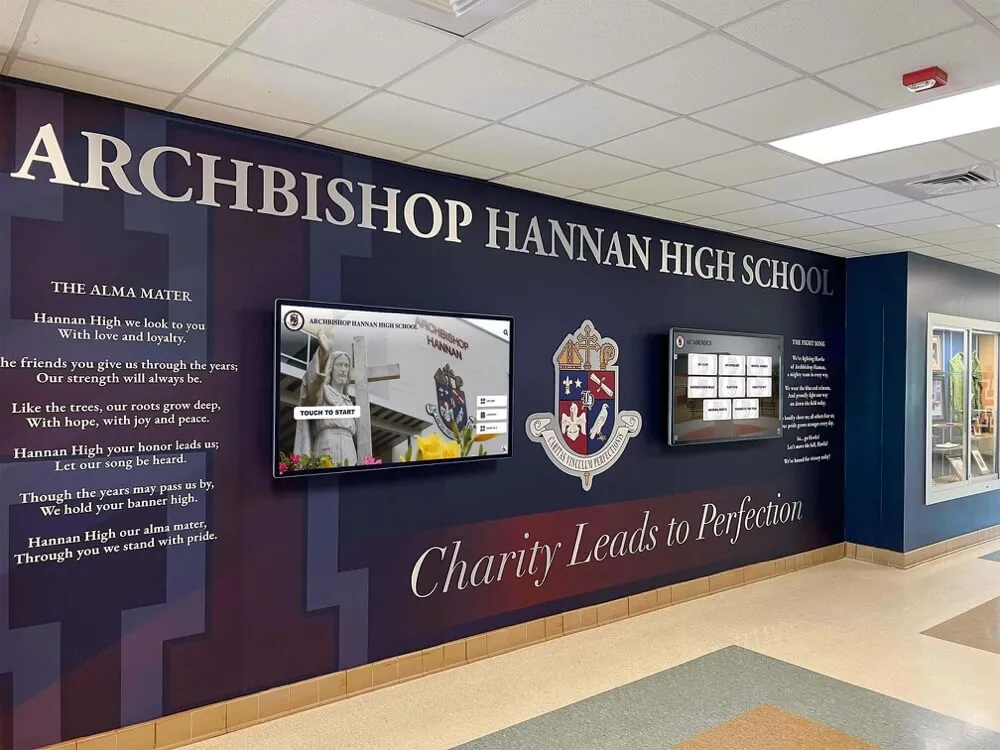
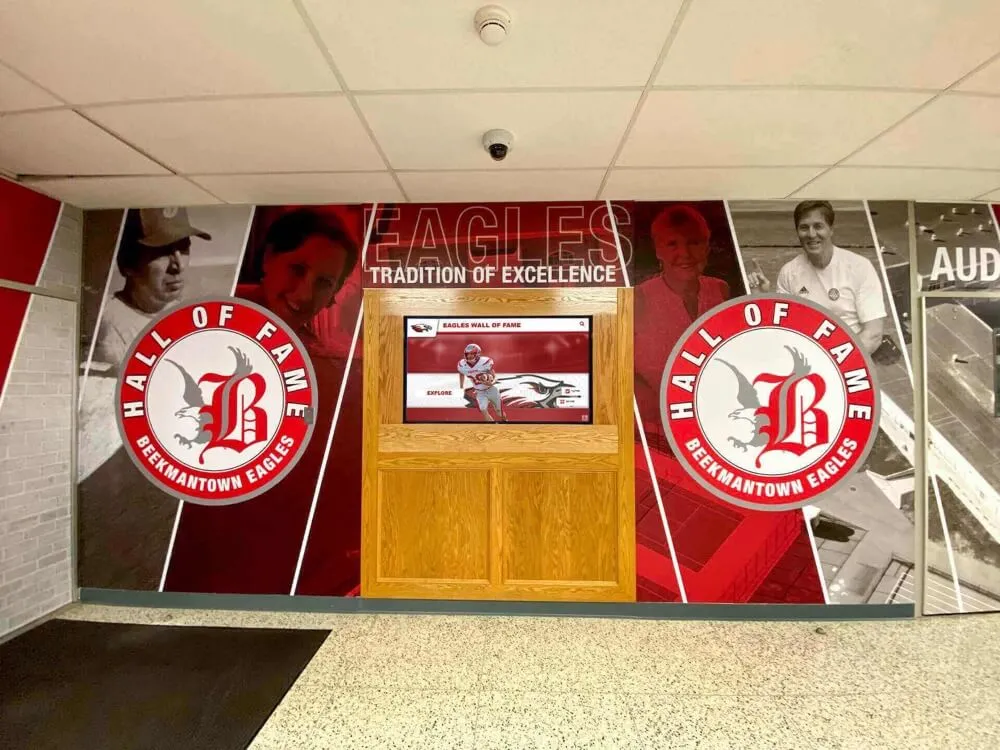
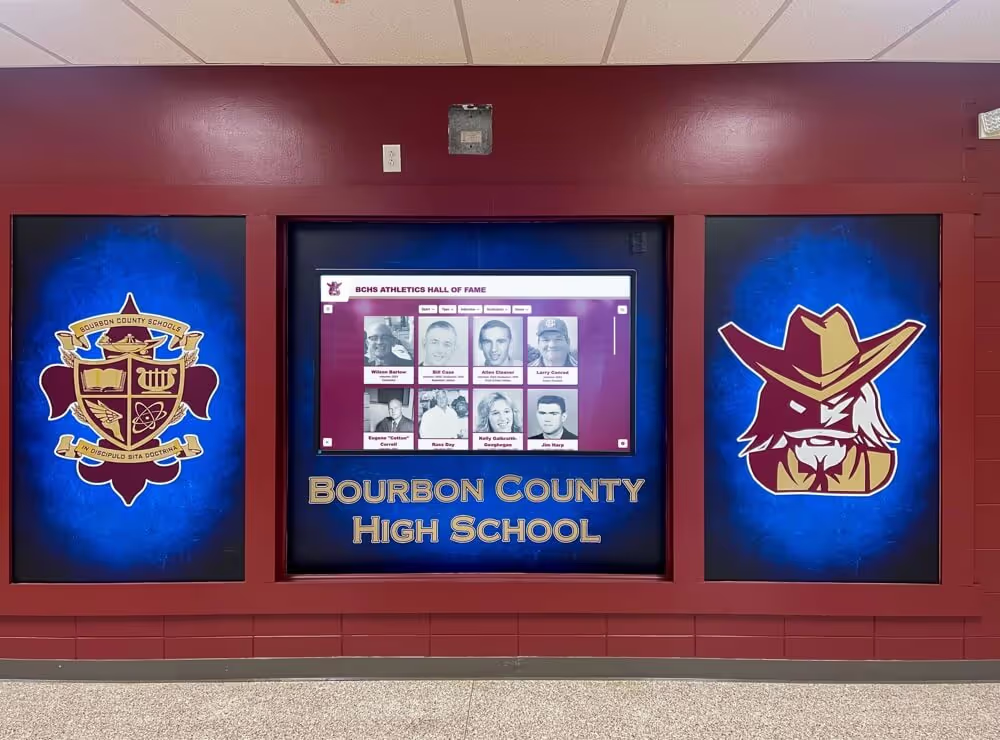
Schools communicate with thousands of students, staff, parents, and visitors daily across sprawling campuses with multiple buildings, diverse programs, and complex schedules. Traditional communication methods—bulletin boards, flyers, morning announcements—can’t keep pace with the volume of information schools need to share. Important messages get overlooked. Student achievements go unrecognized due to limited display space. Paper waste accumulates. And when emergencies occur, reaching everyone quickly becomes critical.
Read More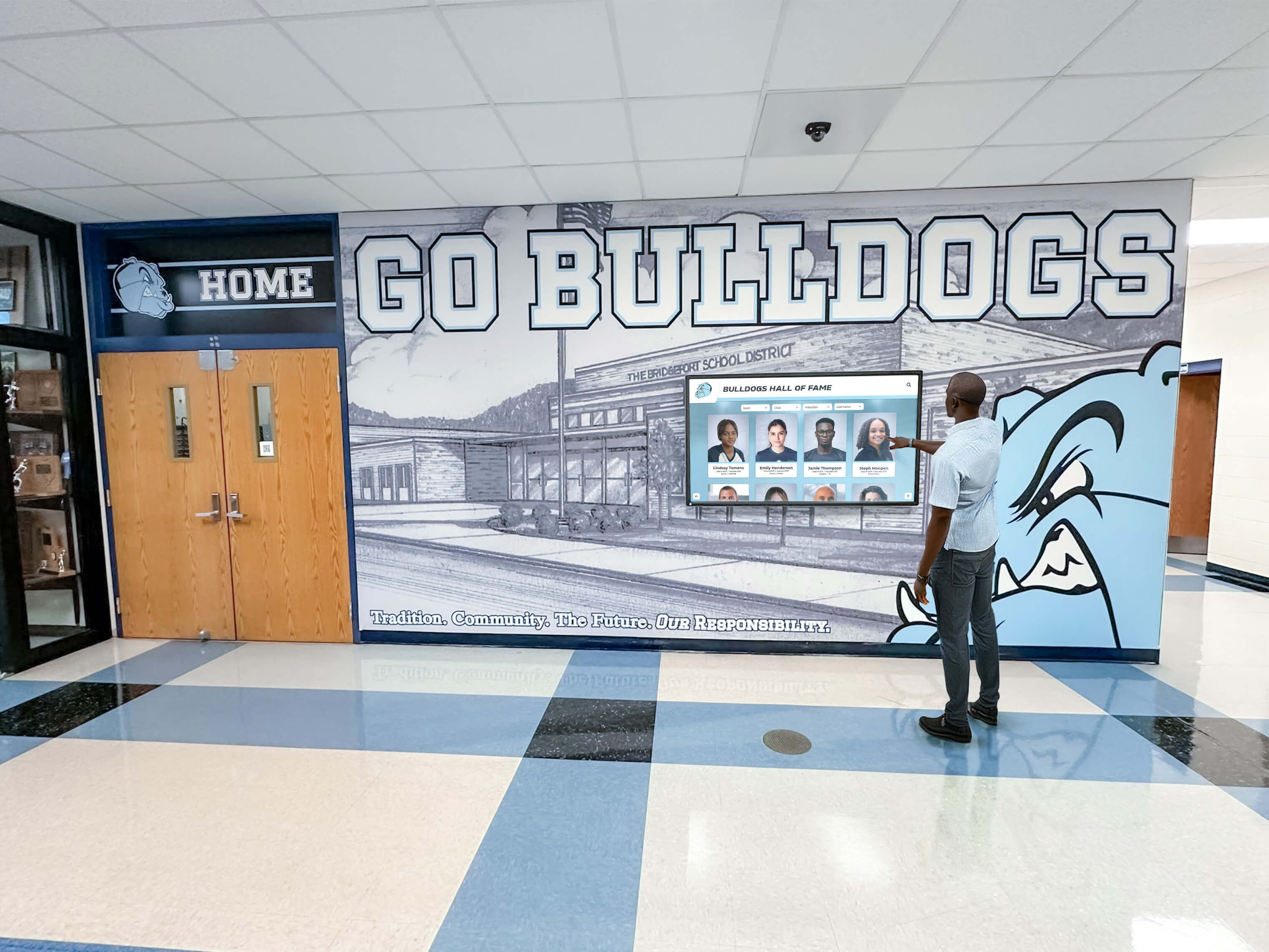
Interactive Touch Screen Kiosk: Technology Solutions for Schools and Organizations
Schools and organizations face mounting pressure to modernize communication, enhance visitor experiences, and create engaging digital touchpoints throughout their facilities. Interactive touch screen kiosks have emerged as powerful solutions addressing these needs—transforming static lobbies into dynamic information hubs while providing recognition, wayfinding, engagement, and communication capabilities that traditional signage simply cannot deliver.
Read More
Touchscreen Augmented Reality Display: Complete Guide for Educational Institutions 2025
Educational institutions increasingly seek technology that transforms how students, alumni, and visitors interact with campus spaces and recognition programs. Touchscreen augmented reality displays represent an evolution beyond traditional interactive screens, layering digital content onto physical environments to create immersive experiences that engage users in fundamentally new ways.
Read More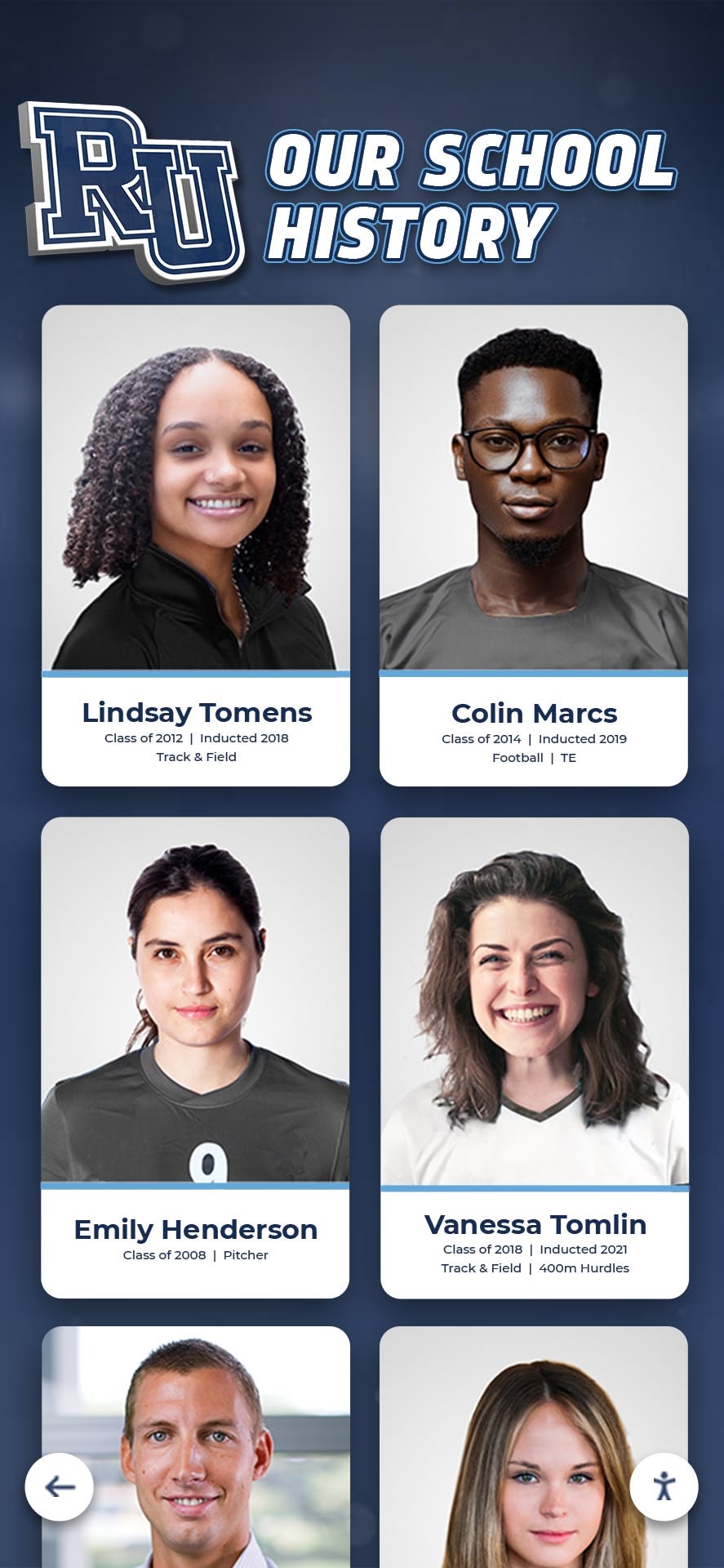
Academic & History Archiving for Schools: Complete Digital Preservation Guide 2025
Educational institutions accumulate invaluable historical materials documenting decades or centuries of institutional evolution, student achievements, and community traditions. Yearbooks capturing each graduating class, photographs recording defining moments, academic records tracking student accomplishments, administrative documents detailing institutional decisions, and countless artifacts reflecting heritage all collectively constitute irreplaceable archives requiring systematic preservation. Yet most schools store these materials in deteriorating filing cabinets, overcrowded storage rooms, and outdated display cases where access remains limited, organization proves inconsistent, and long-term preservation remains uncertain. Academic history archiving transforms scattered physical collections into organized digital archives that protect institutional memory, ensure regulatory compliance, enable comprehensive accessibility, and celebrate heritage through engaging modern presentations. This comprehensive guide examines everything schools need to know about implementing effective academic history archiving in 2025, from understanding archival standards and selecting preservation platforms to digitizing materials and creating accessible systems that serve entire school communities. Understanding Academic History Archiving Before implementing archival systems, educational institutions must understand what academic history archiving encompasses, why it matters, and how it differs from basic document storage or simple digitization projects.
Read MoreDigital Archives for Schools, Colleges & Universities: Complete 2025 Implementation Guide
Every educational institution accumulates invaluable history—yearbooks documenting decades of graduating classes, photographs capturing defining moments and daily life, athletic records celebrating championships and individual excellence, documents recording institutional evolution, newspapers preserving student voices, and countless artifacts that collectively tell the story of communities shaped by education. Yet these irreplaceable materials typically languish in deteriorating storage boxes, overcrowded filing cabinets, or limited-access archives where few can discover them and preservation remains uncertain. Digital archives transform these vulnerable physical collections into organized, searchable, permanently accessible repositories that preserve institutional memory, engage alumni, support research, and ensure future generations can explore their educational heritage. This comprehensive guide examines how schools, colleges, and universities can implement effective digital archives that honor the past while creating dynamic engagement with history. Understanding Digital Archives in Educational Settings Digital archives serve purposes far beyond simple storage, creating comprehensive systems that preserve institutional memory while making history accessible and engaging for diverse stakeholders.
Read MoreDigital School History Timeline: Complete Guide to Preserving and Displaying Your Institution's Legacy
Every educational institution has a unique story—decades or even centuries of academic evolution, athletic excellence, distinguished alumni, dedicated educators, and transformative moments that shape institutional identity. Digital school history timelines transform how institutions preserve, present, and engage communities with this rich heritage. Rather than dusty archives accessible only to researchers or static plaques offering minimal context, interactive digital timelines create engaging chronological journeys through institutional history that connect past achievements with present community and future aspiration. Schools implementing comprehensive digital history timelines report dramatic improvements in student connection to institutional identity, alumni engagement with heritage content, prospective family impressions during campus visits, and institutional memory preservation for future generations. Whether displayed through interactive touchscreens in high-traffic campus locations or accessible via web platforms enabling worldwide exploration, digital timelines make history tangible, searchable, and relevant for contemporary audiences while honoring the traditions and achievements that define each unique educational community.
Read More
Interactive Timeline of School History: Complete Guide to Creating Engaging Heritage Displays in 2025
Every school has a unique story—a narrative spanning decades or even centuries of achievement, growth, tradition, and transformation. Yet many educational institutions struggle to present this rich history in engaging, accessible formats that resonate with current students, reconnect alumni, and inspire community pride. An interactive timeline of school history transforms how institutions preserve and share their heritage, creating dynamic digital experiences that bring the past to life through multimedia content, intuitive navigation, and compelling storytelling that traditional static displays simply cannot match. Why Interactive School History Timelines Matter Before exploring implementation details, understanding the value interactive timelines provide helps schools prioritize heritage preservation and justify investment in modern recognition technology.
Read More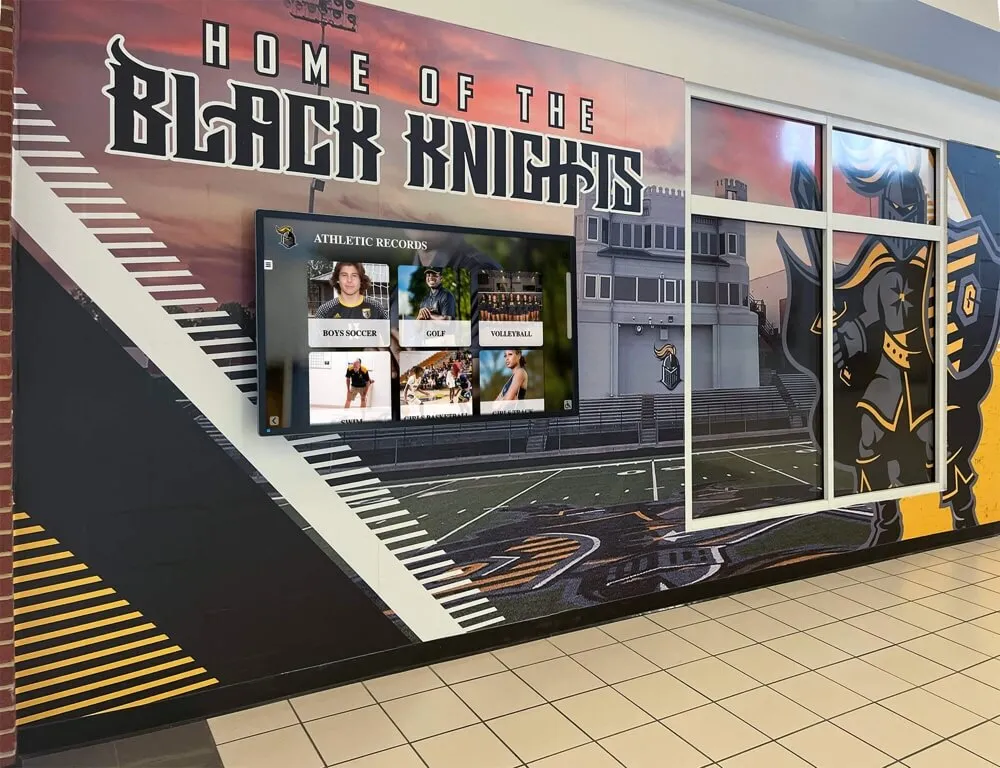
Touchscreen Banner Display for Schools: Complete Guide to Interactive Recognition 2025
Walk through any modern school and you’ll encounter a fundamental challenge: how do you effectively recognize and celebrate achievements, communicate important information, and engage students in an era where static printed materials compete with smartphones and interactive technology? Traditional printed banners—whether celebrating championships, announcing events, or recognizing excellence—serve important purposes but face significant limitations: they’re expensive to produce and replace, impossible to update once hung, limited to minimal information, and easily overlooked by students accustomed to dynamic digital content. Touchscreen banner displays revolutionize school recognition and communication by transforming one-dimensional printed materials into interactive experiences that capture attention, engage viewers, and provide comprehensive information in formats today’s students naturally understand and expect.
Read MoreLG Touchscreen Software: Complete Guide to Interactive Display Solutions for Schools and Organizations
When organizations seek professional touchscreen display solutions, LG frequently appears as a hardware provider. But what about the software that powers these interactive experiences? This comprehensive guide explores LG touchscreen software capabilities, compares available options, and helps you select the optimal solution for educational institutions, museums, and recognition programs.
Read More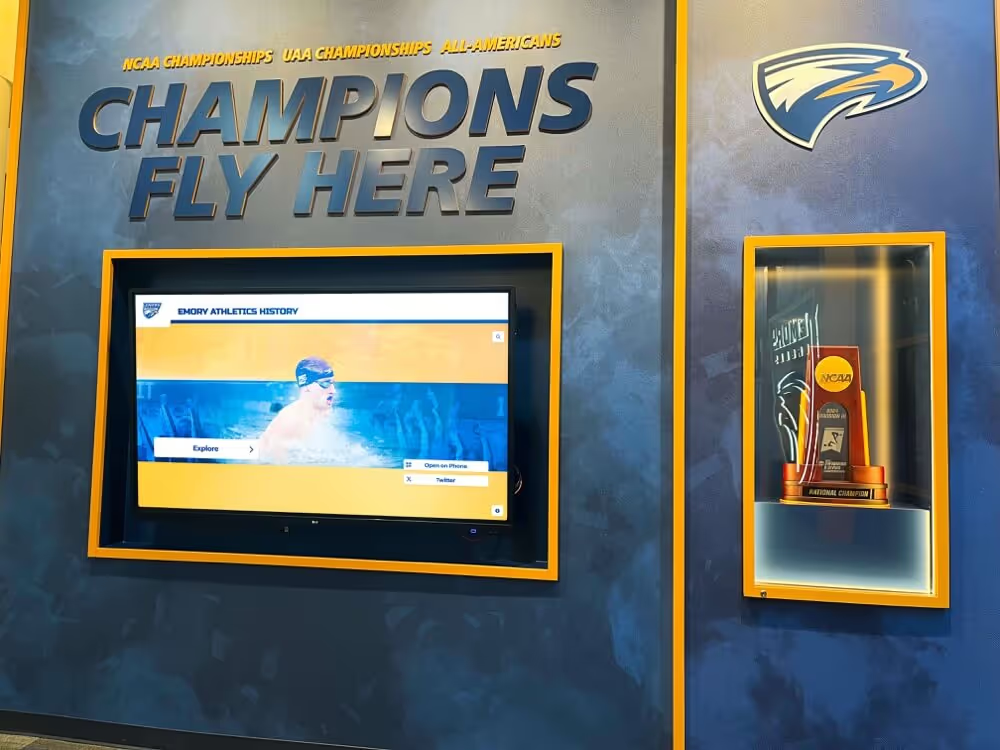
Student Engagement Strategies: 12 Proven Ways to Increase Participation and Achievement in Modern Schools
Student engagement is the cornerstone of academic success and positive school culture. When students feel connected, motivated, and invested in their education, everything improves—from test scores and attendance to behavior and college readiness. Yet many schools struggle to maintain high engagement levels, particularly as students progress through middle and high school years. This comprehensive guide explores 12 research-backed strategies that increase student engagement, with practical implementation steps and real-world examples demonstrating transformative results. Whether you're an administrator seeking to revitalize school culture or a teacher looking to energize your classroom, these proven approaches will help create learning environments where every student thrives. Understanding Student Engagement: More Than Just Participation Student engagement extends far beyond mere attendance or superficial participation. True engagement encompasses three interconnected dimensions that together predict academic success and positive outcomes.
Read More
The Benefits of Digital Asset Management for School Districts: Complete Implementation Guide
School districts generate tens of thousands of digital files annually—photos from sporting events, videos of performances, historical yearbooks, student artwork, marketing materials, and countless other media assets. Without proper organization, these valuable resources become scattered across personal devices, network drives, and disconnected systems, making them nearly impossible to find when needed. Digital asset management (DAM) provides school districts with centralized systems to organize, preserve, and leverage these materials effectively, transforming chaos into strategic institutional resources that serve schools, staff, students, and communities for generations. Why School Districts Need Digital Asset Management The explosion of digital content in education shows no signs of slowing. Districts that managed hundreds of photos annually a decade ago now handle tens of thousands. Video content, once rare due to file size limitations, is now commonplace for everything from sporting events to classroom instruction and board meetings. This growth creates serious operational challenges across multiple schools and departments.
Read MoreThe Best Software Solutions for Education Records Digitization in 2025
Educational institutions manage vast quantities of important records—student transcripts, yearbooks, achievement documentation, historical archives, and administrative files accumulated over decades or even centuries. These physical records occupy valuable space, deteriorate over time, and prove difficult to search and access when needed. Education records digitization transforms these paper-based systems into searchable digital archives that preserve institutional history while dramatically improving accessibility and efficiency. This comprehensive guide explores the best software solutions available in 2025 for digitizing educational records, helping schools and universities select the right tools for their specific needs. Understanding Education Records Digitization Education records digitization involves more than simply scanning documents. Comprehensive digitization creates organized, searchable digital archives with proper metadata, security controls, and long-term preservation standards that protect institutional memory while enabling efficient daily operations.
Read More