Digital Asset Management for Schools: Complete Guide to Organizing Photos, Videos & Athletic Records
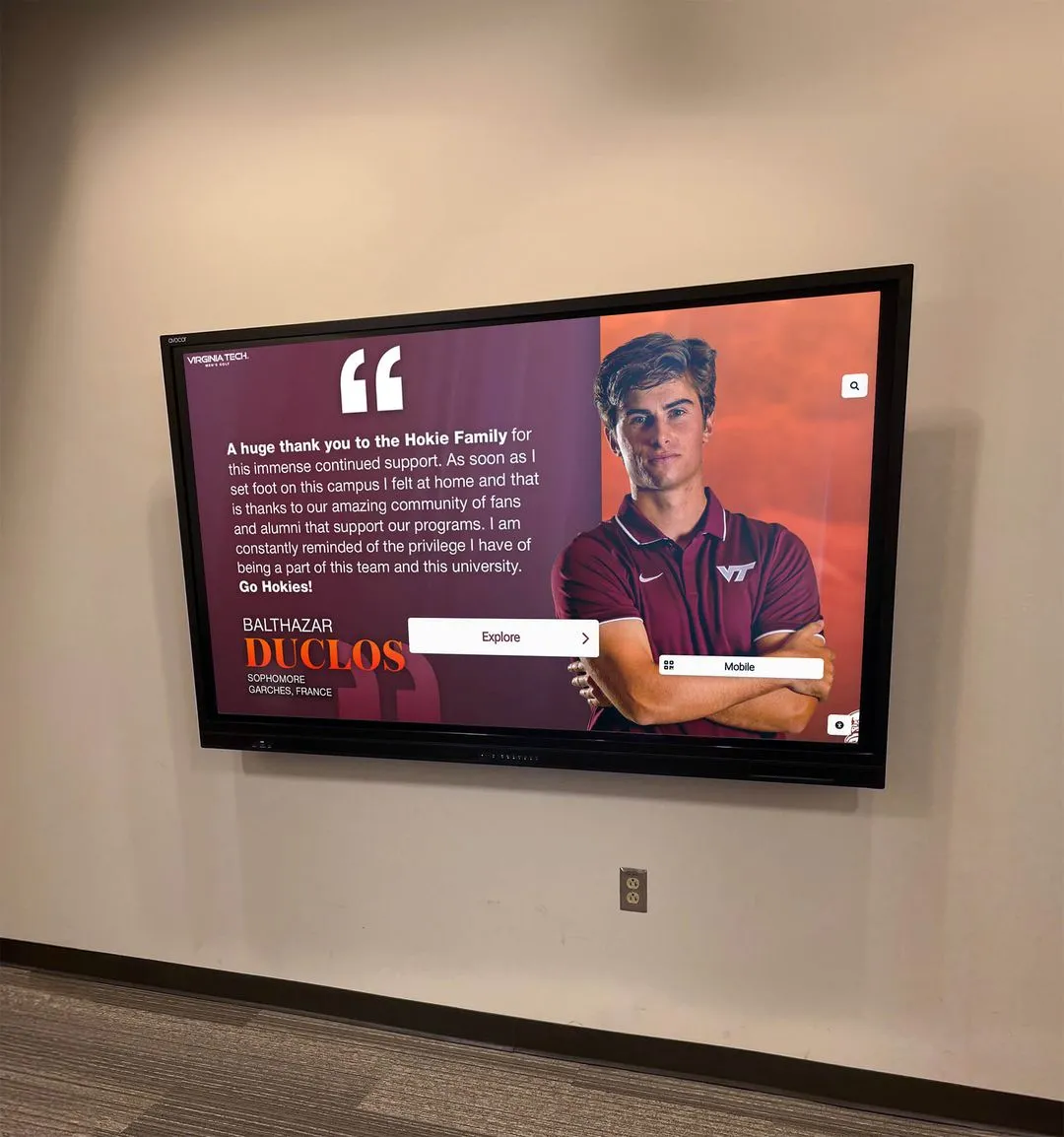
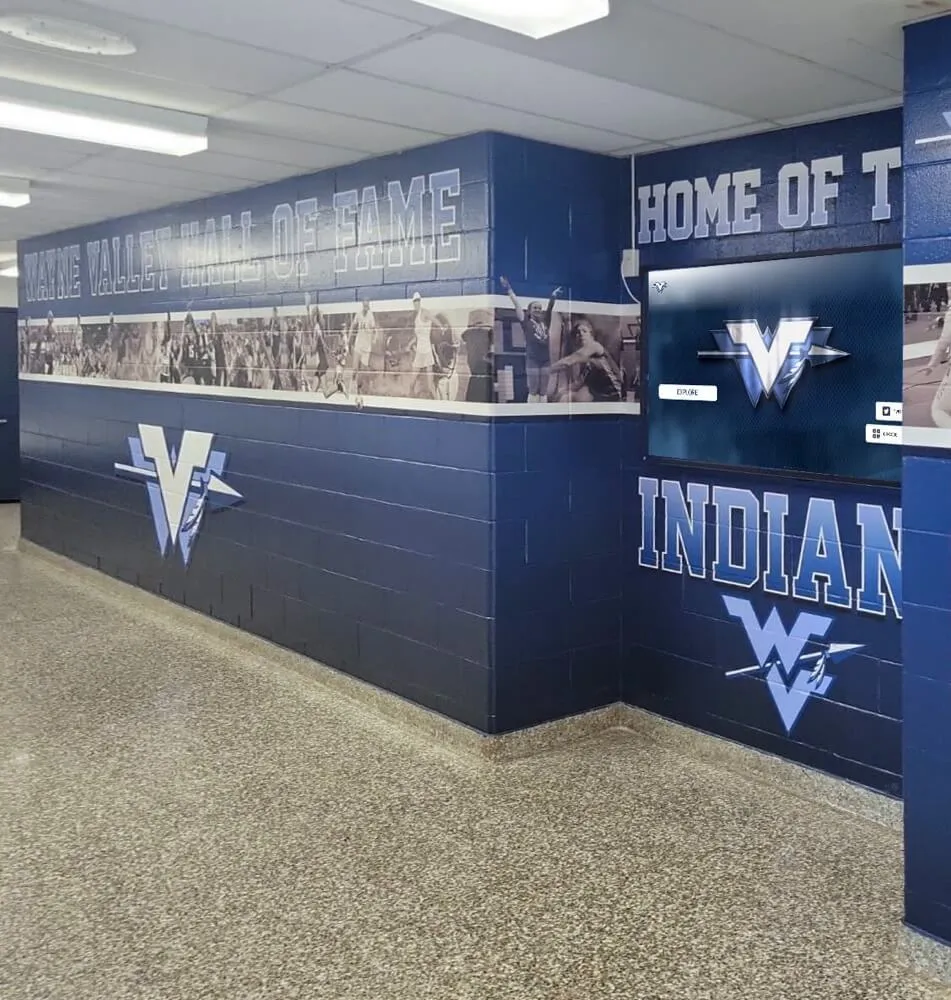
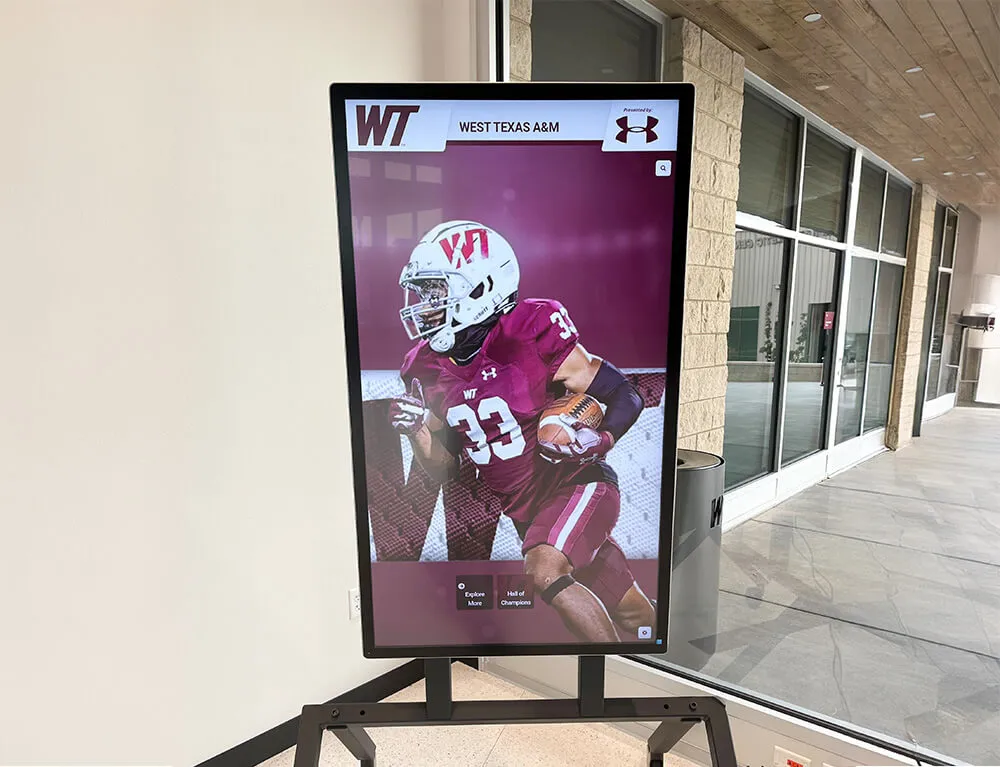
Educational institutions accumulate thousands of photos, videos, documents, and records each year—athletic highlights, yearbook images, alumni achievements, historical archives, award ceremonies, and daily activities. Without structured organization, this valuable content disappears into scattered folders, outdated filing cabinets, and obsolete storage devices. Digital asset management (DAM) systems solve this challenge by providing centralized platforms where schools can store, organize, search, and share their entire media library. This comprehensive guide examines how DAM systems work in educational environments, what features matter most for schools, and how modern solutions like Rocket Alumni Solutions have evolved beyond traditional storage to become complete recognition and engagement platforms. What is Digital Asset Management for Schools? Digital asset management refers to systems that centralize, organize, and provide access to digital files—primarily photos, videos, PDFs, and other media formats. For schools, DAM extends beyond simple file storage to include metadata tagging, search functionality, permission controls, and distribution capabilities that make content accessible to administrators, teachers, students, and alumni.
Read More
The Benefits of Digital Asset Management for School Districts: Complete Implementation Guide
School districts generate tens of thousands of digital files annually—photos from sporting events, videos of performances, historical yearbooks, student artwork, marketing materials, and countless other media assets. Without proper organization, these valuable resources become scattered across personal devices, network drives, and disconnected systems, making them nearly impossible to find when needed. Digital asset management (DAM) provides school districts with centralized systems to organize, preserve, and leverage these materials effectively, transforming chaos into strategic institutional resources that serve schools, staff, students, and communities for generations. Why School Districts Need Digital Asset Management The explosion of digital content in education shows no signs of slowing. Districts that managed hundreds of photos annually a decade ago now handle tens of thousands. Video content, once rare due to file size limitations, is now commonplace for everything from sporting events to classroom instruction and board meetings. This growth creates serious operational challenges across multiple schools and departments.
Read MoreThe Best Software Solutions for Education Records Digitization in 2025
Educational institutions manage vast quantities of important records—student transcripts, yearbooks, achievement documentation, historical archives, and administrative files accumulated over decades or even centuries. These physical records occupy valuable space, deteriorate over time, and prove difficult to search and access when needed. Education records digitization transforms these paper-based systems into searchable digital archives that preserve institutional history while dramatically improving accessibility and efficiency. This comprehensive guide explores the best software solutions available in 2025 for digitizing educational records, helping schools and universities select the right tools for their specific needs. Understanding Education Records Digitization Education records digitization involves more than simply scanning documents. Comprehensive digitization creates organized, searchable digital archives with proper metadata, security controls, and long-term preservation standards that protect institutional memory while enabling efficient daily operations.
Read MoreDigital Asset Management for Schools: Complete Guide to Organizing and Preserving Educational Media
Schools generate thousands of digital files annually—photos from events, videos of performances, historical yearbooks, student artwork, and countless other media assets. Without proper organization, these valuable resources become scattered across personal devices, shared drives, and outdated systems, making them nearly impossible to find when needed. Digital asset management (DAM) provides schools with centralized systems to organize, preserve, and leverage these materials effectively, transforming chaos into strategic institutional resources that serve students, staff, and communities for generations. Understanding Digital Asset Management in Educational Settings Digital asset management represents far more than simple file storage. While cloud drives like Google Drive or Dropbox offer basic storage capabilities, true DAM systems provide comprehensive solutions specifically designed for managing large volumes of diverse media types with complex organizational needs.
Read More