Digital Hall of Fame Link Purpose Audit: Profile Cards, Categories, and Navigation
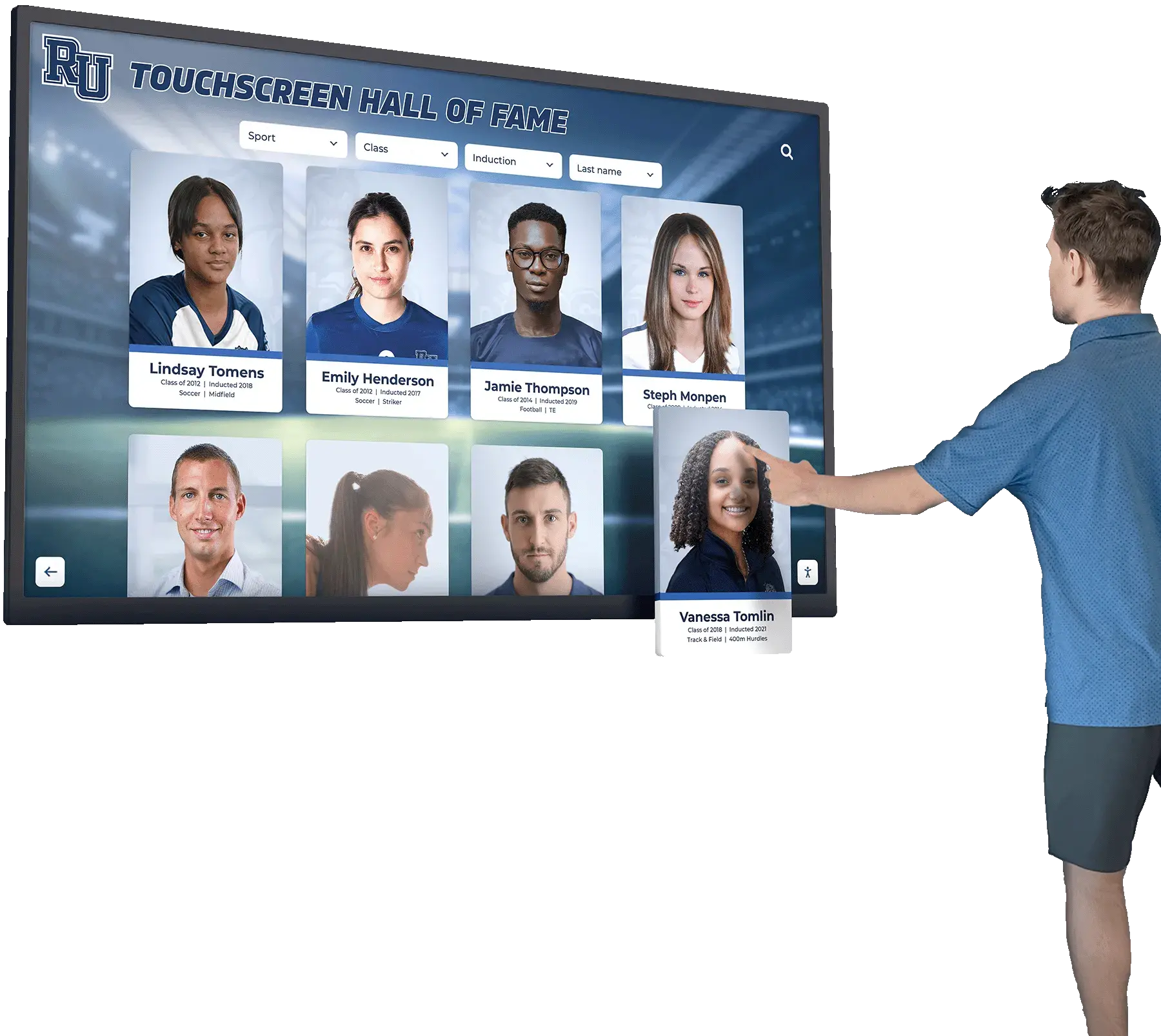

A link purpose audit examines every anchor element on a school's digital hall of fame and asks one question: can a visitor understand where this link leads without reading the surrounding paragraph? On a recognition display, dozens of profile cards often carry identical link text—"View profile," "Read more," "Learn more"—while pointing to completely different inductees. A visitor navigating by keyboard or using a screen reader encounters those repeated labels as an undifferentiated list, with no way to choose between them short of reading each card in full. This guide explains which link patterns cause the most friction, shows how to run a structured audit across profile cards, category navigation, related-story sections, and breadcrumbs, and provides remediation patterns that preserve the visual design while making every link self-explanatory. Why Link Purpose Is a Distinct Accessibility Requirement Touch target size, color contrast, and ARIA roles get most of the attention in recognition display audits, but link purpose addresses a different layer of the experience: whether the information architecture is navigable without visual scanning. WCAG Success Criterion 2.4.4 (Link Purpose – In Context, Level AA) requires that the purpose of each link can be determined from the link text alone or from the link text together with its programmatically determined context—the surrounding sentence, list item, table cell, or heading. WCAG 2.4.9 (Link Purpose – Link Only, Level AAA) raises the bar by requiring the link text itself to be descriptive with no reliance on context at all.
Read More
Rocket Touchscreen WCAG 2.2 AA Accessible: Why Accessibility Compliance Matters for Digital Recognition Displays
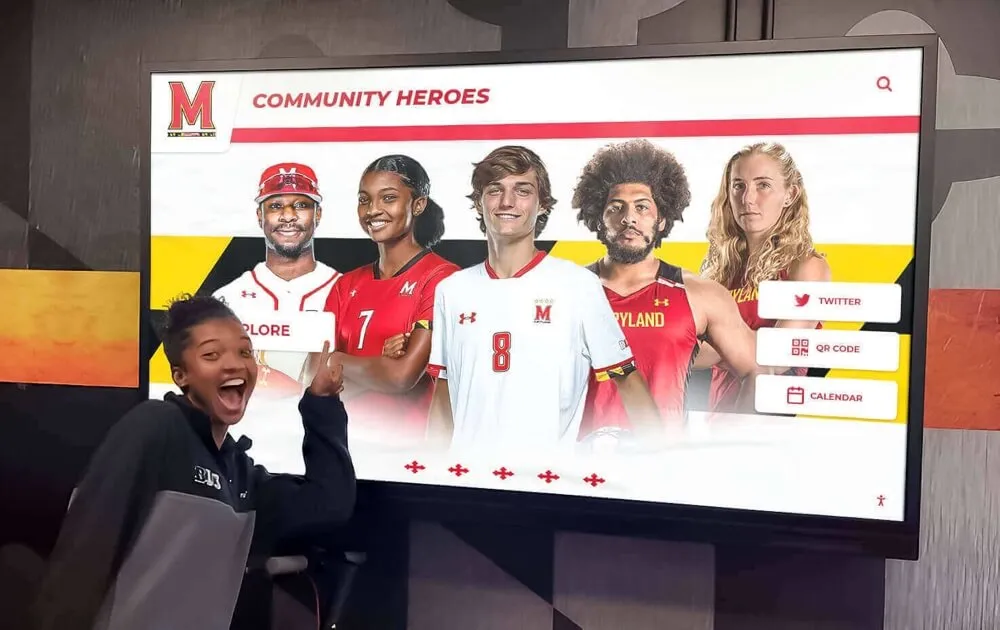
When educational institutions, nonprofit organizations, and public facilities invest in digital recognition displays, accessibility compliance is not optional—it's a fundamental requirement. The Web Content Accessibility Guidelines (WCAG) 2.2 Level AA standard represents the benchmark that ensures your touchscreen displays serve all visitors, including those with disabilities. Schools, universities, museums, and government facilities face increasing scrutiny over digital accessibility, making vendor selection decisions critical. This comprehensive guide examines why WCAG 2.2 AA compliance matters, how Rocket Alumni Solutions delivers accessible touchscreen technology, and what evaluation committees should demand from digital recognition providers. Understanding WCAG 2.2 AA Compliance for Touchscreen Displays The Web Content Accessibility Guidelines (WCAG) 2.2, published by the World Wide Web Consortium (W3C), establish internationally recognized standards for making digital content accessible to people with disabilities. Level AA compliance represents the middle tier of conformance and serves as the legal standard for many institutions, particularly those receiving federal funding or subject to Section 508 requirements.
Read More
ADA & Accessibility Compliance for School Digital Recognition Displays: A Practical Checklist
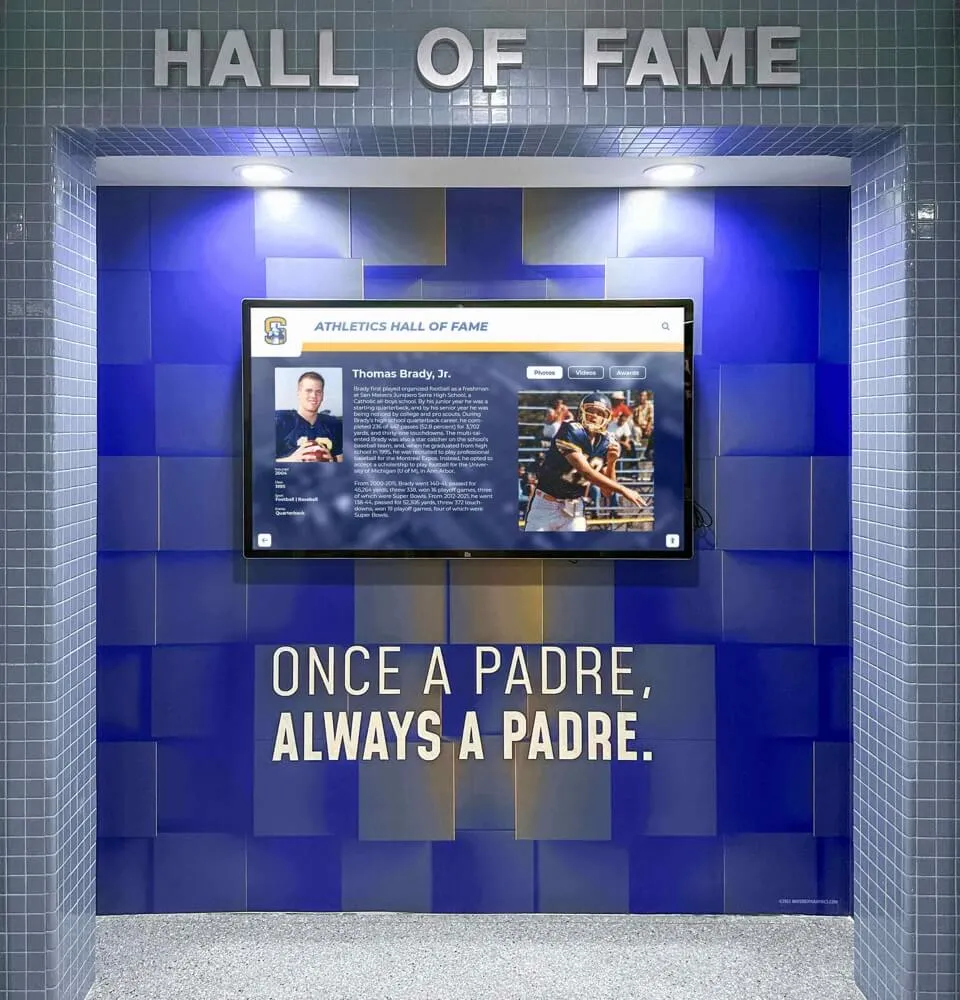
Chosen topic: ADA & Accessibility Compliance for School Digital Recognition Displays. This fills a gap by providing a focused, practical checklist on ADA, WCAG, and Section 508 for digital recognition displays and touchscreen halls of fame—a topic adjacent to many of our how‑to guides but not covered in depth. It’s highly relevant to schools and universities evaluating interactive recognition solutions and has strong SEO potential for terms like “ADA compliance for kiosks,” “WCAG touchscreen displays,” and “accessible hall of fame displays.” Schools increasingly rely on digital recognition displays and touchscreen halls of fame to celebrate alumni, students, teams, donors, and institutional history. While aesthetics and content often take center stage, accessibility is equally critical. Poorly planned installs can unintentionally exclude visitors with disabilities or create compliance risks.
Read More
Designing Engaging User Experiences for Digital Walls of Fame
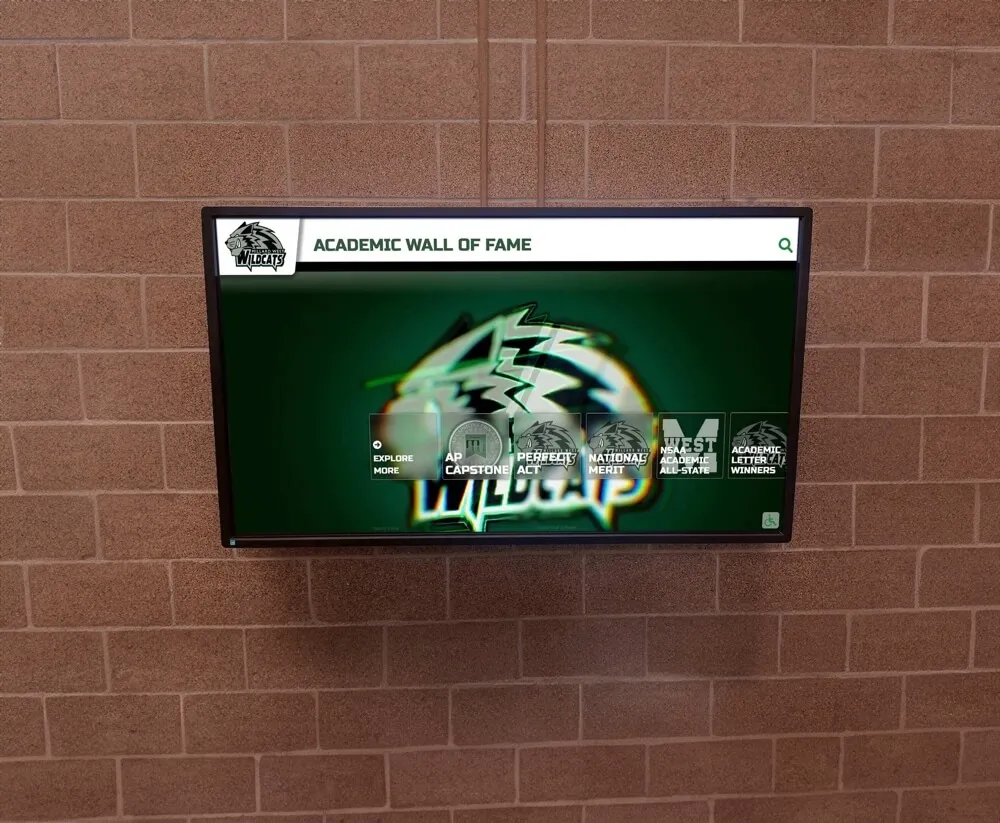
Ensuring a seamless and engaging user experience (UX) is critical for maximizing the impact of your Digital Wall of Fame. Visitors expect intuitive navigation, clear visuals, and responsive interactions. By applying UX best practices, you can create displays that not only attract attention but also encourage exploration and discovery.
Read More
Creating Inclusive Recognition: Accessibility Features in Digital Walls of Fame
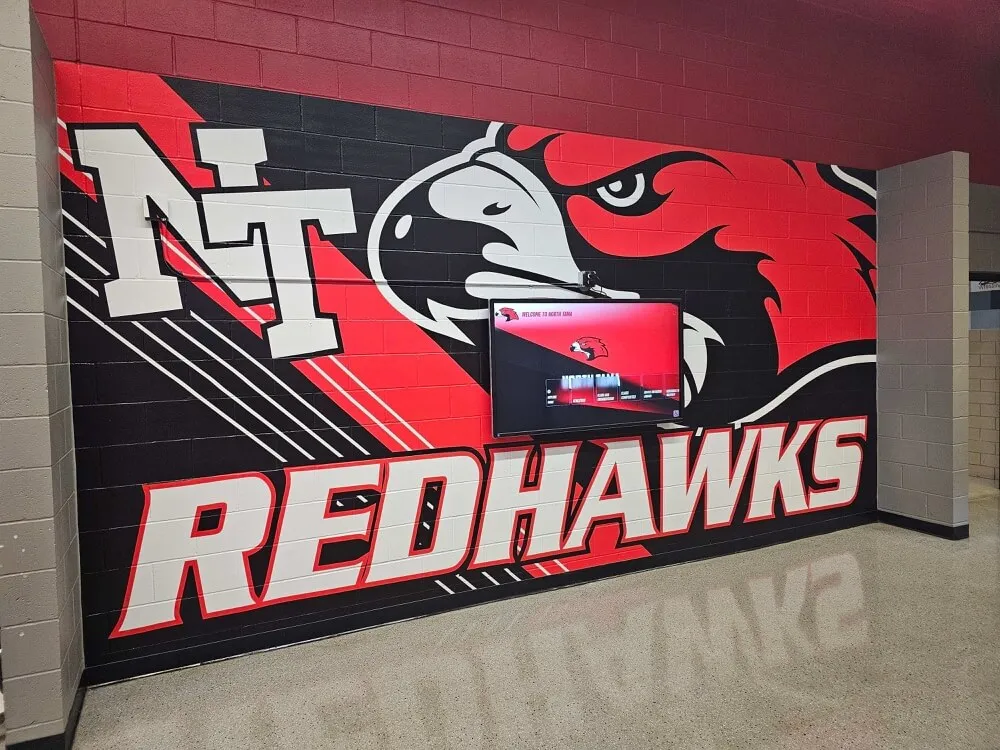
Recognition should be accessible to everyone in your school community. Digital Walls of Fame present a unique opportunity not just to modernize recognition programs, but to make them truly inclusive in ways that traditional displays cannot achieve. At Rocket Alumni Solutions, accessibility isn’t an afterthought—it’s a fundamental design principle in all our recognition systems.
Read More