



Key Takeaways
Discover creative yearbook theme ideas that capture your school year perfectly. From modern concepts to timeless classics, find inspiration for themes that students will treasure for decades.
Every school year tells a unique story—and the yearbook serves as its permanent record. The theme you choose becomes the creative thread that weaves together thousands of individual moments, achievements, photographs, and memories into a cohesive narrative that students will revisit throughout their lives. A well-chosen yearbook theme does more than provide aesthetic direction; it captures the essence of the school year while giving the yearbook staff a creative framework that makes the enormous task of documenting an entire year feel manageable and meaningful.
This comprehensive guide explores yearbook theme ideas across multiple categories, from timeless classics to cutting-edge contemporary concepts. Whether you’re a yearbook advisor searching for inspiration, a student editor brainstorming possibilities, or an administrator wanting to understand what makes themes effective, you’ll find creative concepts that help your annual truly represent your school’s unique identity and the experiences that defined this particular year.
Understanding What Makes Great Yearbook Themes
Before exploring specific theme ideas, understanding the characteristics that separate memorable themes from forgettable ones helps guide selection toward concepts that will genuinely enhance your yearbook.
The Essential Elements of Effective Yearbook Themes
Flexibility Across Diverse Content
The best yearbook themes work seamlessly across dramatically different content types—academics, athletics, fine arts, clubs, student life, and portraits. A theme that looks perfect for sports spreads but feels forced in academic sections creates visual dissonance rather than cohesion. Effective themes provide enough structure to create unity while remaining flexible enough that section editors can adapt them to their specific content without distorting the overall concept.
Consider how theme elements—color palettes, typography, graphic motifs, and design language—will translate across formal portrait pages, action-packed sports photography, candid student life shots, and text-heavy academic spreads. The most successful themes feel natural in all these varied contexts rather than favoring certain content types.
Meaningful Connection to Your School Year
Generic themes that could apply to any school in any year miss opportunities to capture what made this specific year at your specific school unique. The most meaningful themes connect to actual experiences, events, challenges, achievements, or characteristics that defined your school community during this particular academic year.
This doesn’t mean themes must be so specific that only your students understand them. Rather, effective themes find universal concepts that gain specific meaning through how your school experienced them. A theme about growth and transformation becomes personally meaningful when connected to your school’s new building opening, academic program expansion, or championship season—universal enough to resonate broadly but specific enough to feel authentically yours.
Visual Appeal and Design Potential
Yearbooks are fundamentally visual documents. Themes need strong design possibilities including distinctive color palettes that photograph well and create visual interest, typography opportunities with varied font combinations supporting hierarchy and readability, graphic elements and motifs that can be repeated throughout without becoming monotonous, and layout frameworks that feel fresh rather than formulaic.
Strong visual themes create consistency without predictability. Students turning pages should recognize the theme’s presence through recurring design elements while still finding visual variety that keeps every spread interesting. The design should enhance rather than overshadow the content—students are the story, and the theme serves as the storytelling framework.
Longevity and Timelessness
Yearbooks document specific moments but get revisited for decades. Consider how your theme will age—will references feel dated in five years? Will design choices that seem cutting-edge now look embarrassingly trendy when students open their yearbooks at their 25-year reunion?
This doesn’t mean avoiding contemporary influences, but rather balancing current relevance with enduring appeal. Incorporating popular culture, current slang, or trendy design elements works when done thoughtfully, but themes built entirely on fleeting references risk feeling outdated before students even graduate.
Common Yearbook Theme Mistakes to Avoid
Overly Complicated Concepts
Themes requiring extensive explanation or forcing elaborate wordplay rarely translate well across an entire yearbook. If your theme needs a full paragraph of explanation for readers to understand it, it’s probably too complex. The most effective themes communicate clearly through simple visual and conceptual elements that students immediately grasp.
Limiting Creative Expression
While themes provide structure, they shouldn’t become straitjackets preventing creative expression. If your theme is so specific that it dictates exactly how every spread must look, you’ll end up with a repetitive yearbook that feels monotonous rather than cohesive. Great themes establish guidelines while leaving room for section editors to exercise creativity within that framework.
Ignoring Your School’s Identity
Importing themes that worked beautifully at other schools but don’t connect to your unique culture and values creates dissonance. A theme celebrating big-city energy feels forced in small rural schools, just as agricultural themes may not resonate in urban environments. The best themes feel authentic to who you are as a school community.
Classic Yearbook Theme Ideas With Modern Updates
Some theme concepts prove their effectiveness across decades because they tap into universal experiences and emotions. These classic approaches gain fresh relevance through contemporary interpretation and modern design sensibilities.
Journey and Destination Themes
Framing the school year as a journey from beginning to end provides natural narrative structure while creating rich metaphorical possibilities for design and content organization.
“The Journey” - Document the year as a shared voyage with sections representing different stages or destinations reached together. Design elements might include maps, compasses, pathways, or milestone markers. This theme works particularly well for schools undergoing significant transitions or classes approaching graduation. Subsections can play with journey-related concepts: “Departure” for fall activities, “Navigation” for overcoming mid-year challenges, “Arrival” for spring achievements.
“Next Stop: Success” - Transportation-themed concepts work particularly well, with different sections represented as stations, stops, or destinations along a route. Train, subway, or road trip imagery provides visual consistency while allowing personality in how different sections interpret the concept. Athletic spreads might feature “Express Route to Championships” while academic pages explore “Scenic Routes Through Learning.”
“Uncharted Territory” - For schools emphasizing innovation, exploration, and venturing into new experiences, this theme celebrates discovery and pioneering spirit. Design elements can incorporate vintage exploration aesthetics, cartography, or contemporary adventure imagery depending on your desired tone.
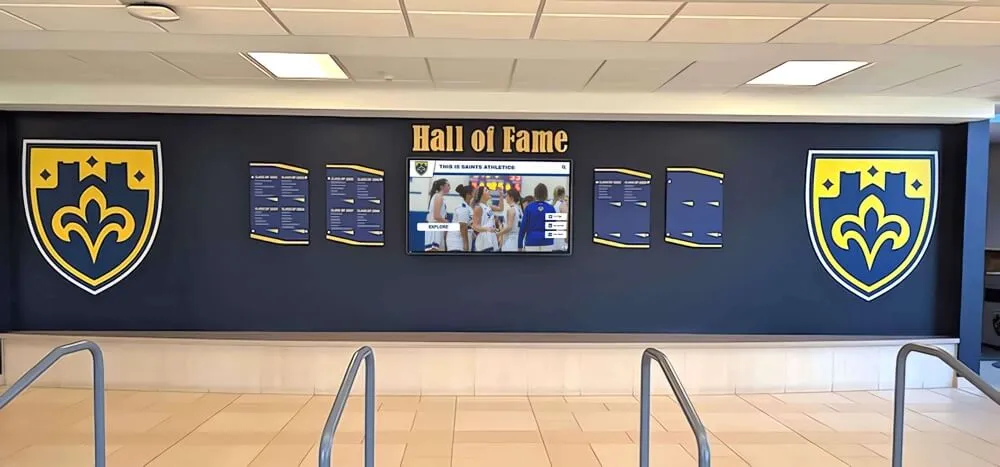
Modern updates to journey themes often incorporate interactive elements, QR codes linking to video content documenting the “journey,” or digital recognition displays in school common areas that complement the printed yearbook by showcasing the year’s journey through searchable, interactive formats.
Building and Construction Themes
Themes emphasizing what you built together—friendships, achievements, skills, community—create powerful metaphors for the collaborative nature of school communities while providing strong visual design possibilities.
“Built Together” - Celebrate how individual contributions combine to create something greater than the sum of its parts. Construction imagery, building blocks, architectural blueprints, or Lego-inspired graphics provide design frameworks. Different sections can represent building stages: “Foundation” for freshman experiences, “Framework” for developing skills, “Finishing Touches” for senior achievements.
“Under Construction” - Particularly appropriate for schools undergoing actual facility renovations, this theme also works metaphorically for personal growth and development. Yellow and black color schemes, caution tape aesthetics, blueprint designs, and construction equipment imagery create cohesive visual language while acknowledging that students are works in progress—developing, growing, building toward their futures.
“Brick by Brick” - Emphasizing incremental progress, daily efforts, and how small actions accumulate into significant achievement. This theme resonates with schools emphasizing process over perfection, growth mindset philosophies, and the value of consistent effort. Design elements can include brick patterns, mosaic concepts showing how individual pieces create larger pictures, or building material textures.
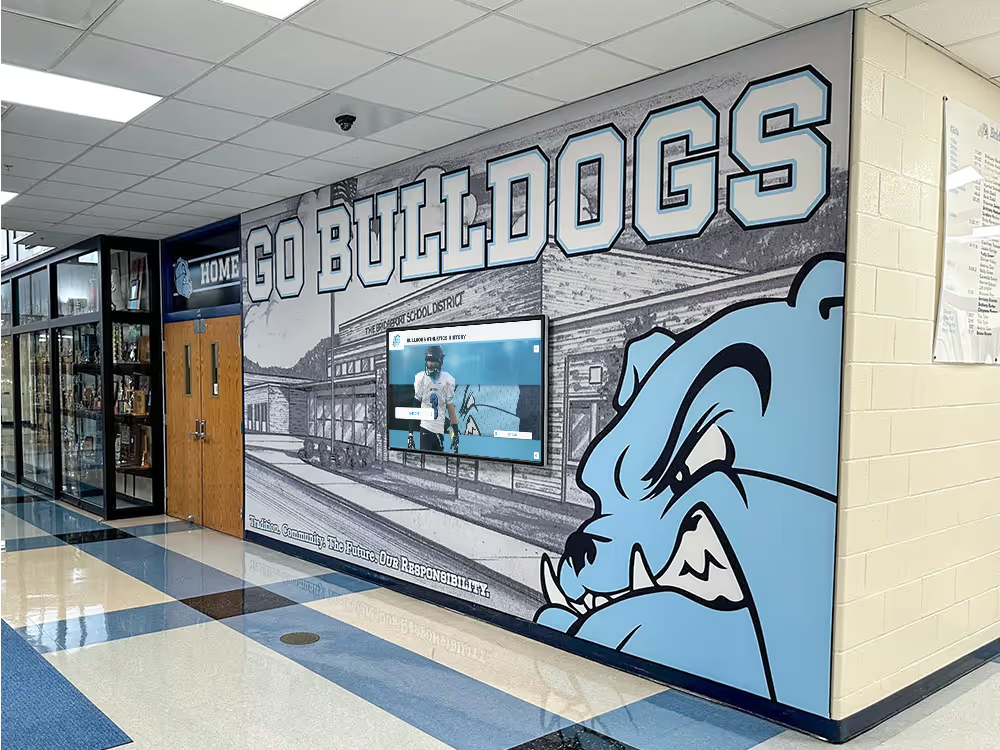
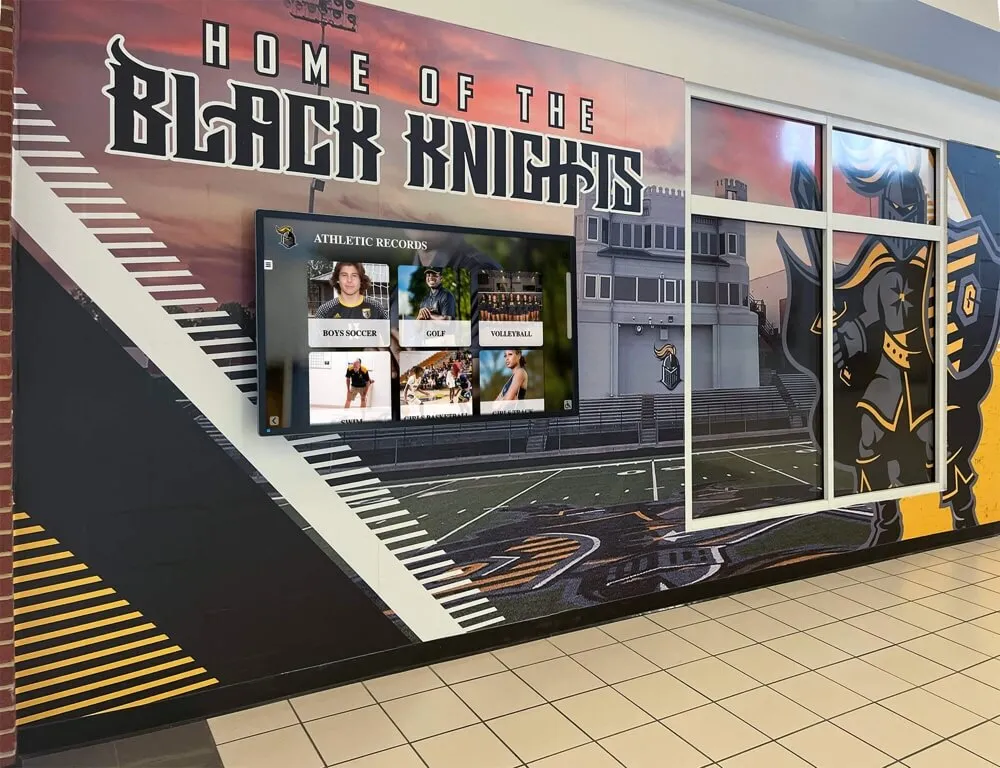
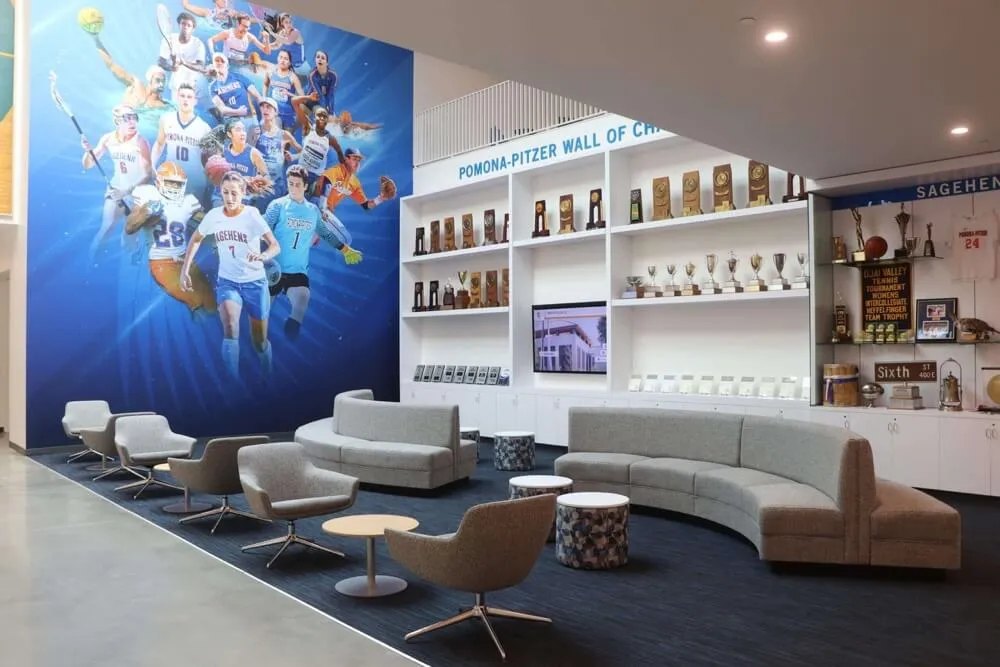
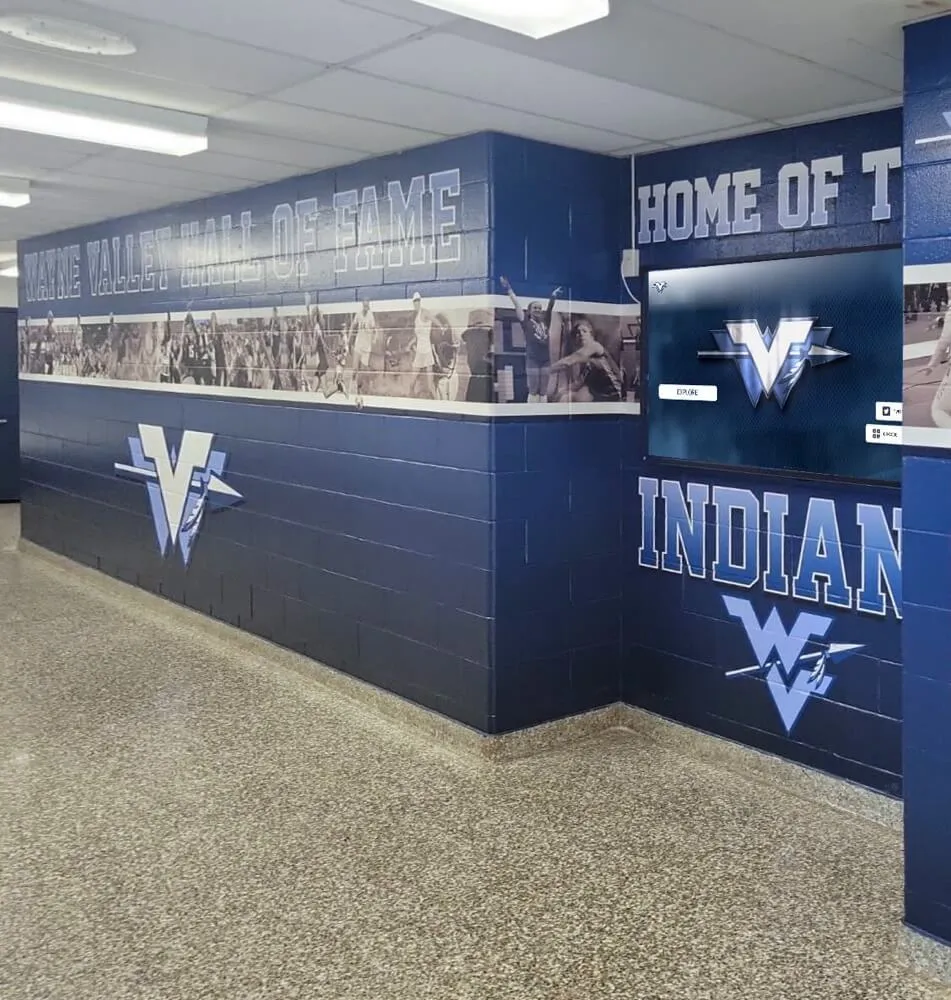
Schools with wall wraps showcasing school history often find building themes create natural connections between physical spaces and yearbook design, reinforcing institutional identity through consistent visual language.
Time-Based Themes
Organizing content around time’s passage provides intuitive structure while offering rich metaphorical possibilities and clear organizational frameworks.
“Moments that Matter” - Focus on significant experiences, highlighting that years consist of individual meaningful moments rather than undifferentiated time. Clock imagery, time stamps, countdown aesthetics, or calendar-inspired designs create visual consistency. Section dividers can represent different time scales: “Minutes” for brief but powerful moments, “Hours” for extended events, “Days” for ongoing experiences.
“Every Second Counts” - Emphasize making the most of limited time together, particularly resonant for senior classes. Stopwatch imagery, time-tracking aesthetics, and countdown concepts create urgency and significance. This theme naturally incorporates statistics and numerical elements showing time invested in activities, practices, rehearsals, and achievements.
“Timeless” - Rather than emphasizing time’s passage, this theme celebrates enduring values, lasting friendships, and permanent memories created during temporary time together. Vintage aesthetics, classic design elements, and timeless photography styles create elegant, sophisticated yearbooks that resist dating themselves. Black and white photography, classic serif typography, and minimalist layouts ensure the yearbook ages gracefully.
Story and Narrative Themes
Framing the school year as a story being written together provides powerful narrative structure while emphasizing that every student contributes to the larger tale.
“Our Story” - Perhaps the most straightforward narrative theme, emphasizing collective experience and shared authorship. Book-inspired design elements including chapter divisions, page-turn effects, bookmark graphics, or literary typography create cohesive design language. Different sections become “chapters” exploring various aspects of the school story: “Chapter 1: New Beginnings,” “Chapter 5: Plot Twists,” “Final Chapter: Conclusions and New Starts.”
“Write Your Own Story” - Shifting emphasis toward individual agency and personal narratives within the larger school story. This theme celebrates diversity of experience, acknowledging that while students share a school, each writes their unique story. Design elements can incorporate handwriting fonts, journal aesthetics, or personalized storytelling approaches where students appear as authors of their own experiences.
“Between the Lines” - Focusing on subtext, hidden meanings, and the deeper significance beyond surface events. This sophisticated theme works well for schools emphasizing critical thinking, looking beyond obvious interpretations, and discovering meaning in everyday experiences. Design can play with text-based aesthetics, typography as imagery, and spaces between elements becoming as significant as the elements themselves.
Modern and Trending Yearbook Theme Ideas
Contemporary schools often want themes reflecting current aesthetic preferences, technological integration, and the specific cultural moment students are experiencing.
Digital and Technology-Inspired Themes
For students who’ve grown up in digital environments, technology-themed yearbooks feel natural while providing rich visual possibilities.
“Connected” - Explore how technology, relationships, and experiences connect students to each other and the broader world. Network diagrams, circuit board aesthetics, Wi-Fi symbols, and connection-themed iconography create modern visual language. This theme acknowledges technology’s role in student life while ultimately celebrating human connections technology enables.
“Upload Your Year” - Computer interface aesthetics, upload progress bars, file folder organization, and software-inspired design elements create distinctive visual identity. Different sections can mimic file types: “Gallery.jpg” for photos, “Memories.mov” for video content references, “Achievement.pdf” for academic records. This theme naturally incorporates QR codes and digital integration, with the physical yearbook becoming one format among multiple platforms for accessing content.
“Logged In” - Social media inspired themes reflecting how students actually document and experience their lives. Instagram-style layouts, tweet-length captions, Snapchat-inspired ephemeral moment captures, or TikTok video stills can create contemporary visual language that resonates with students’ actual communication patterns. Use carefully to avoid feeling dated as specific platforms evolve, focusing on underlying concepts rather than exact platform replication.
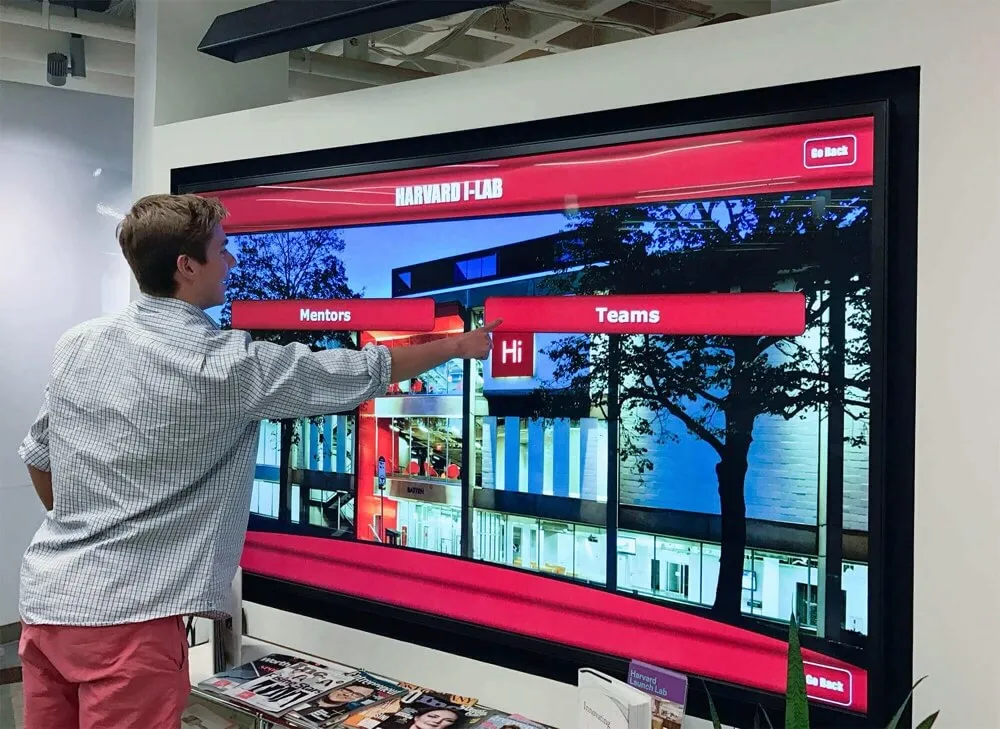
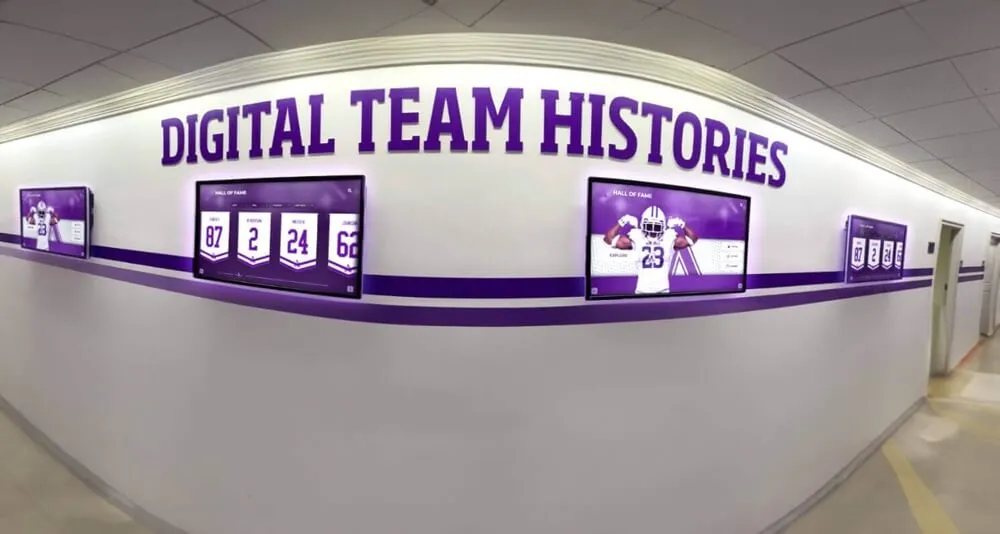
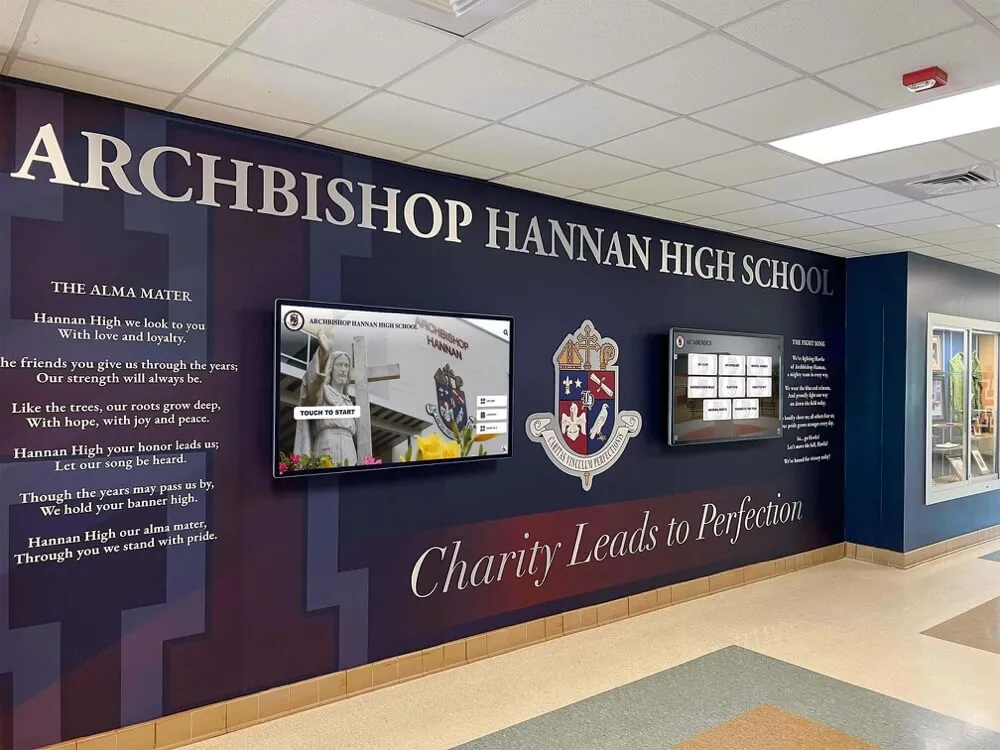
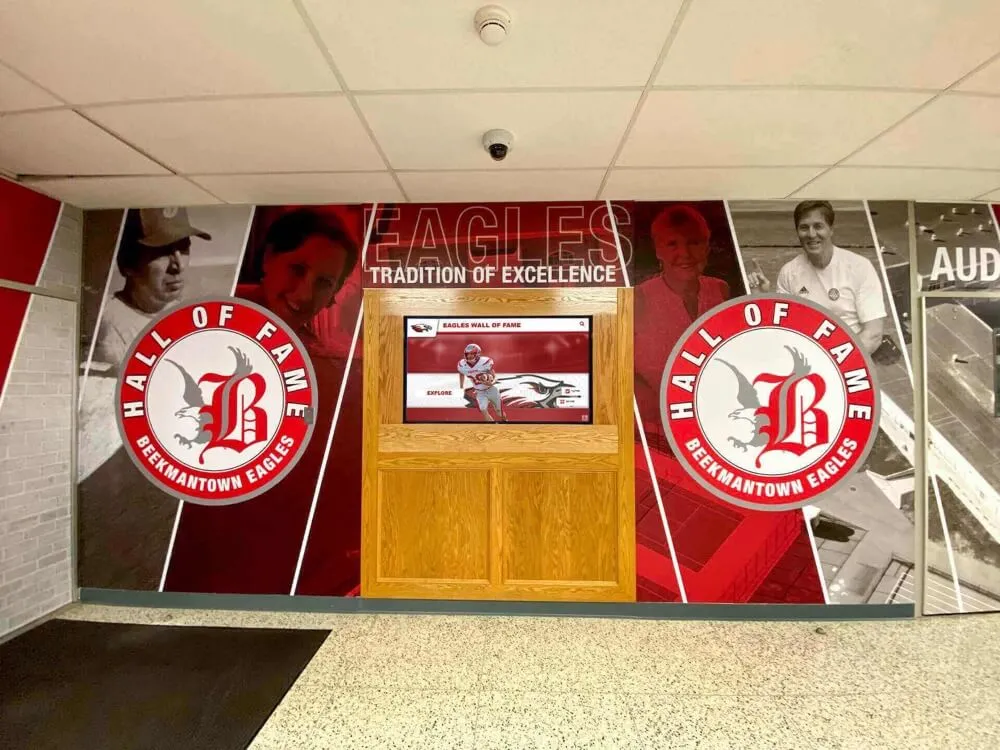
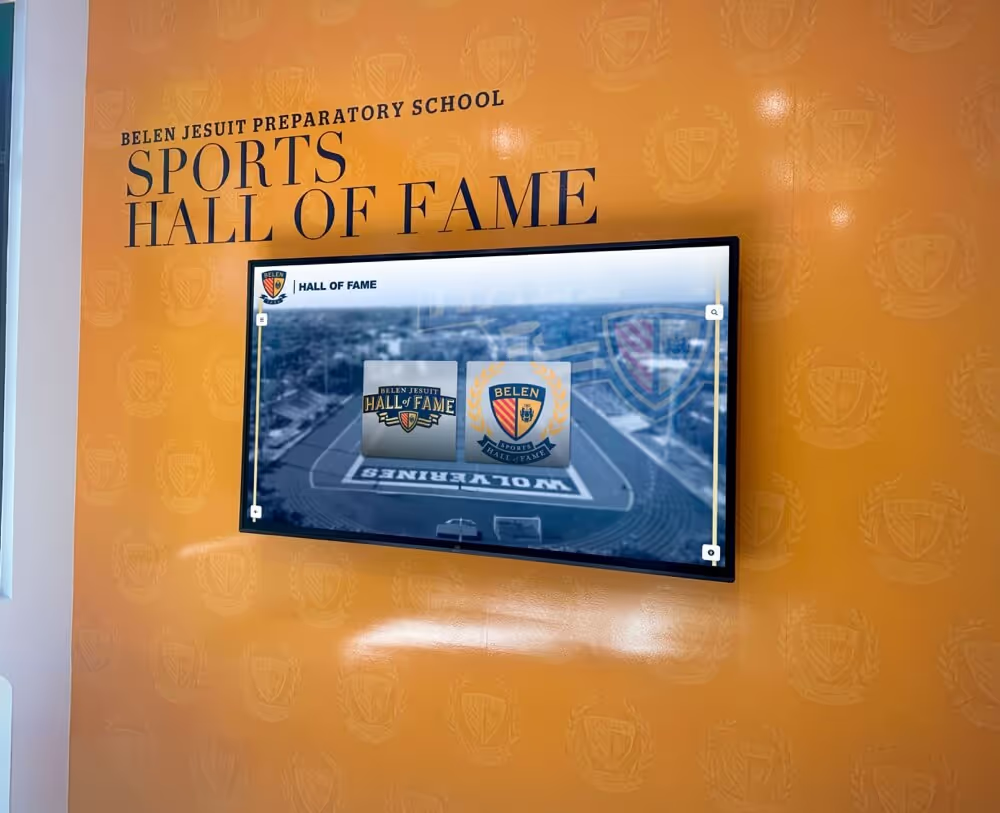
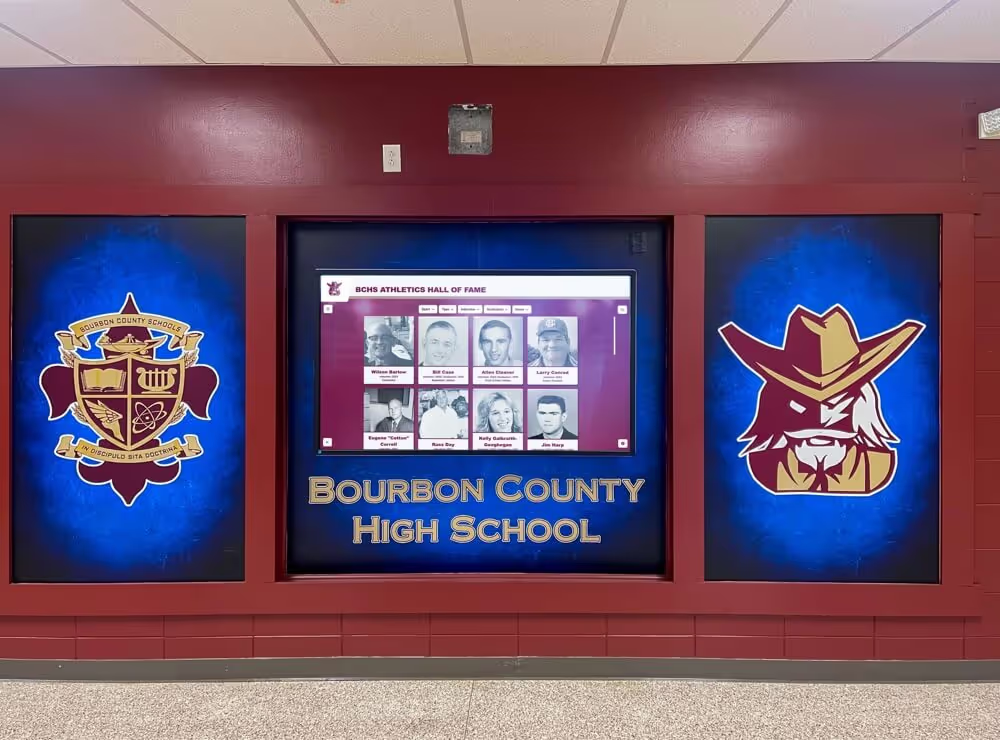
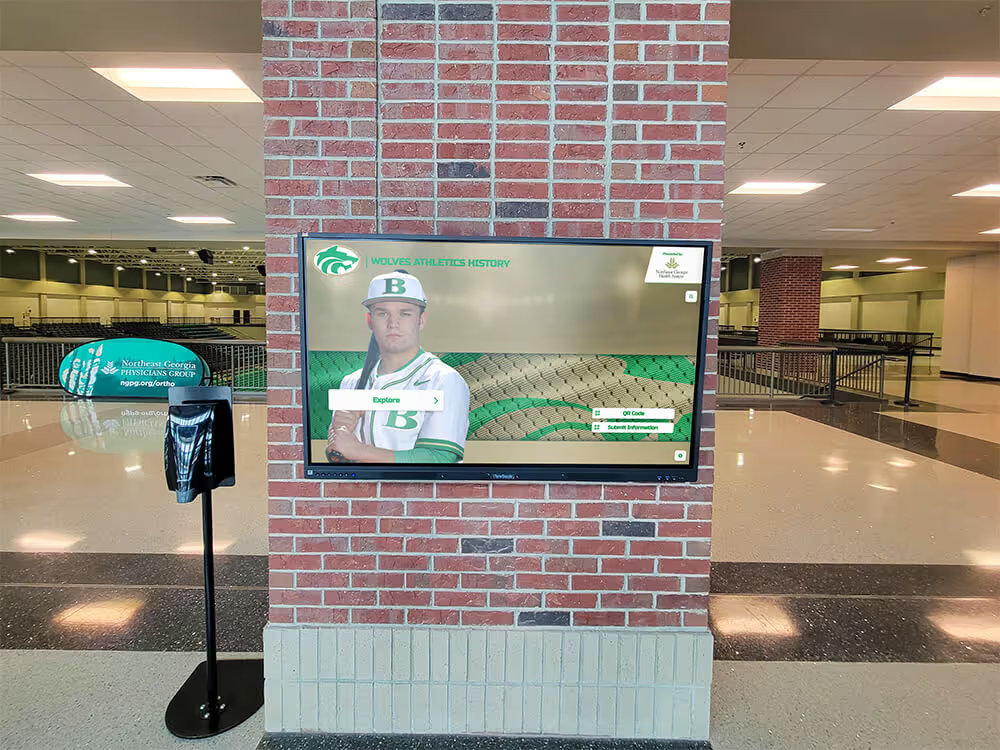
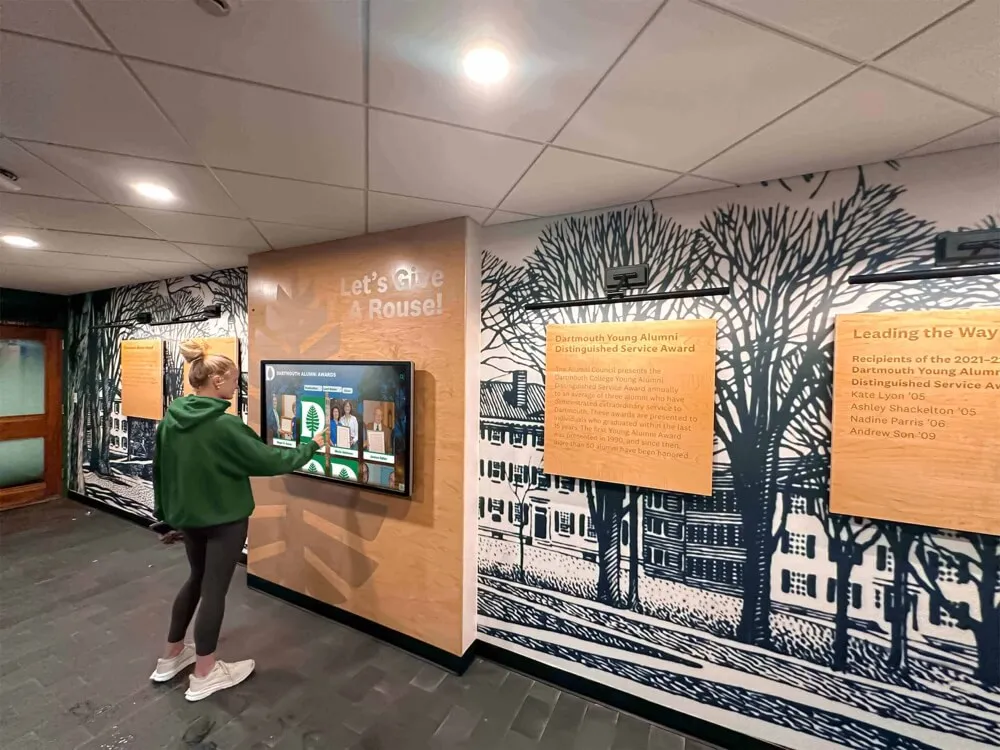
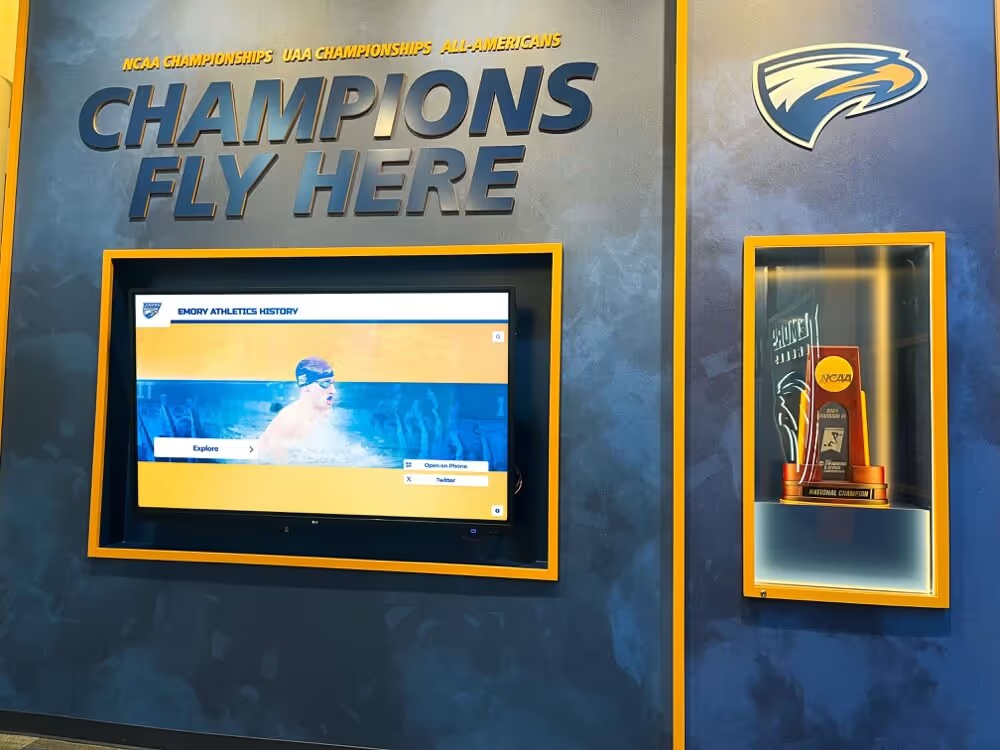
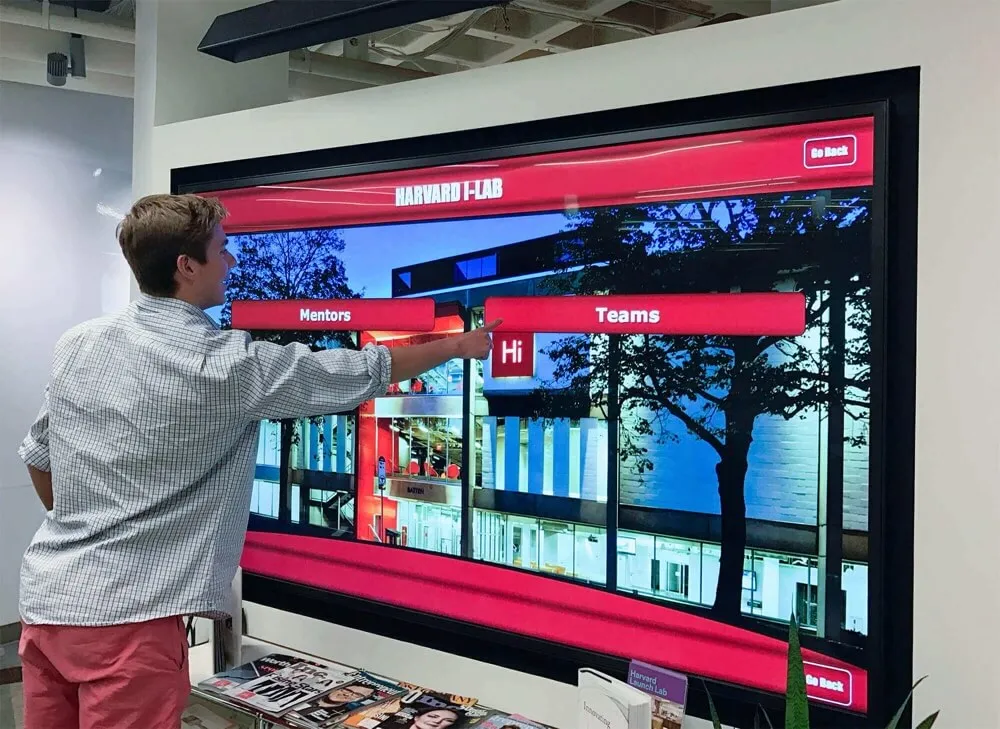
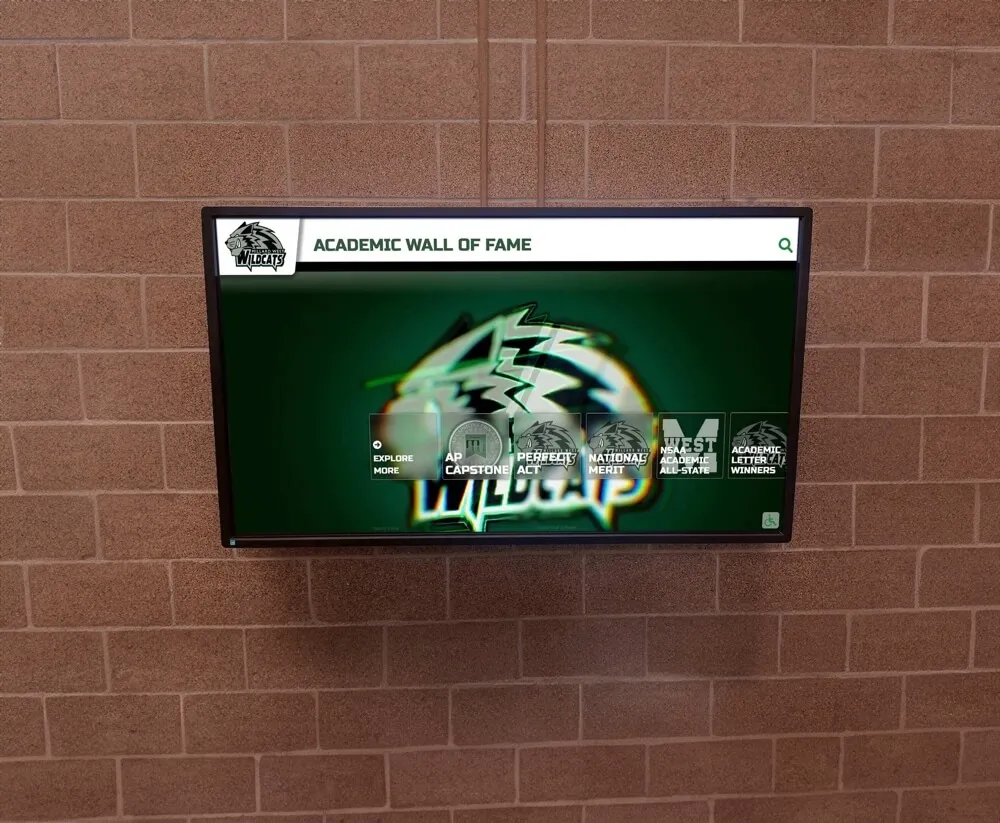
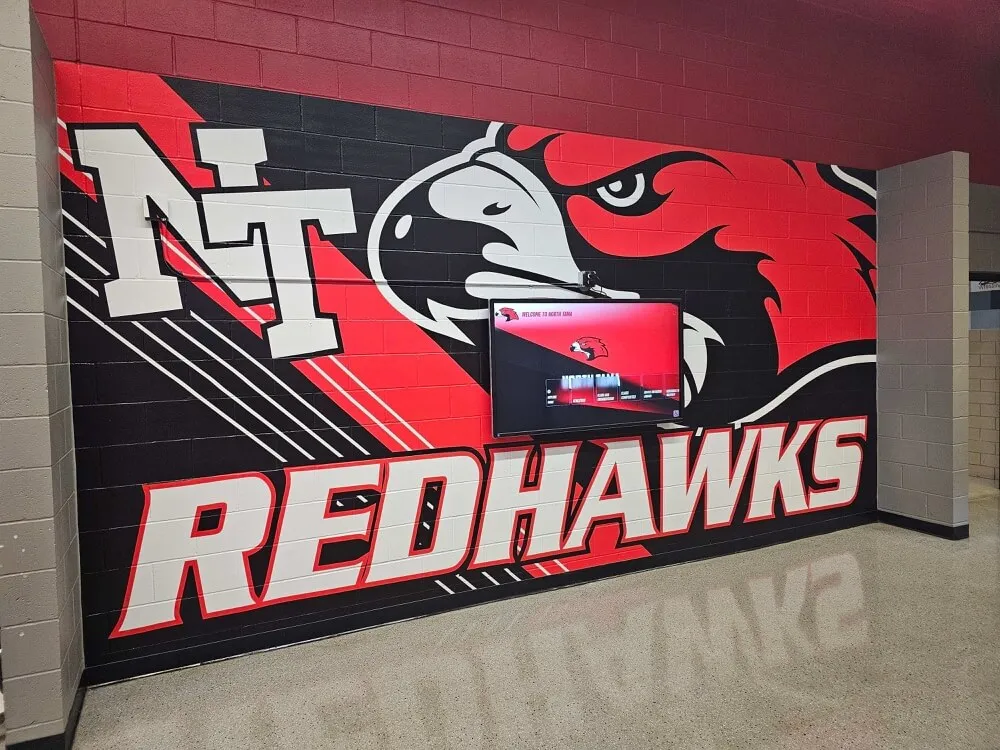
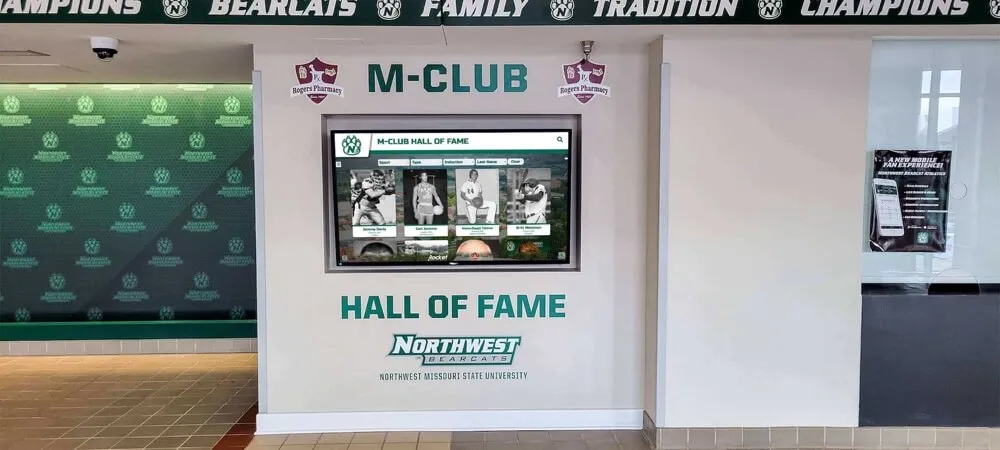
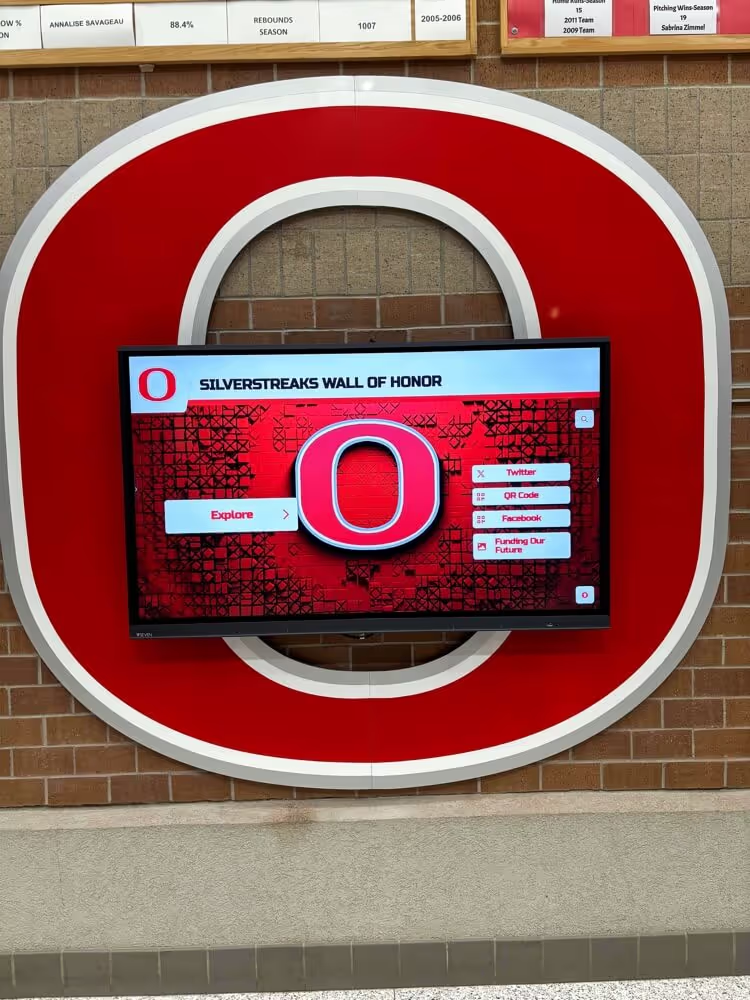
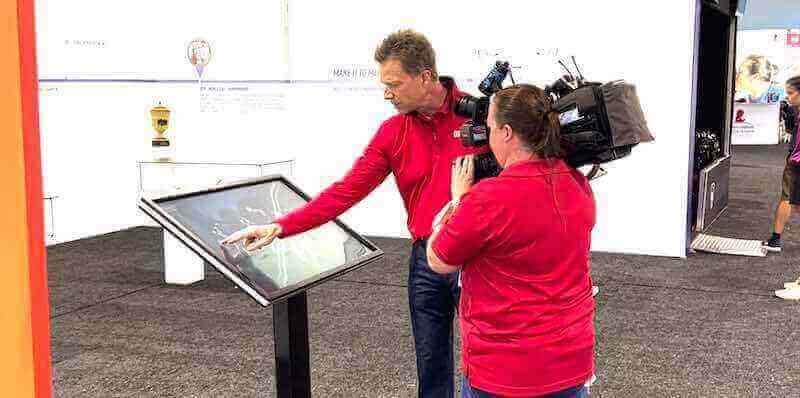
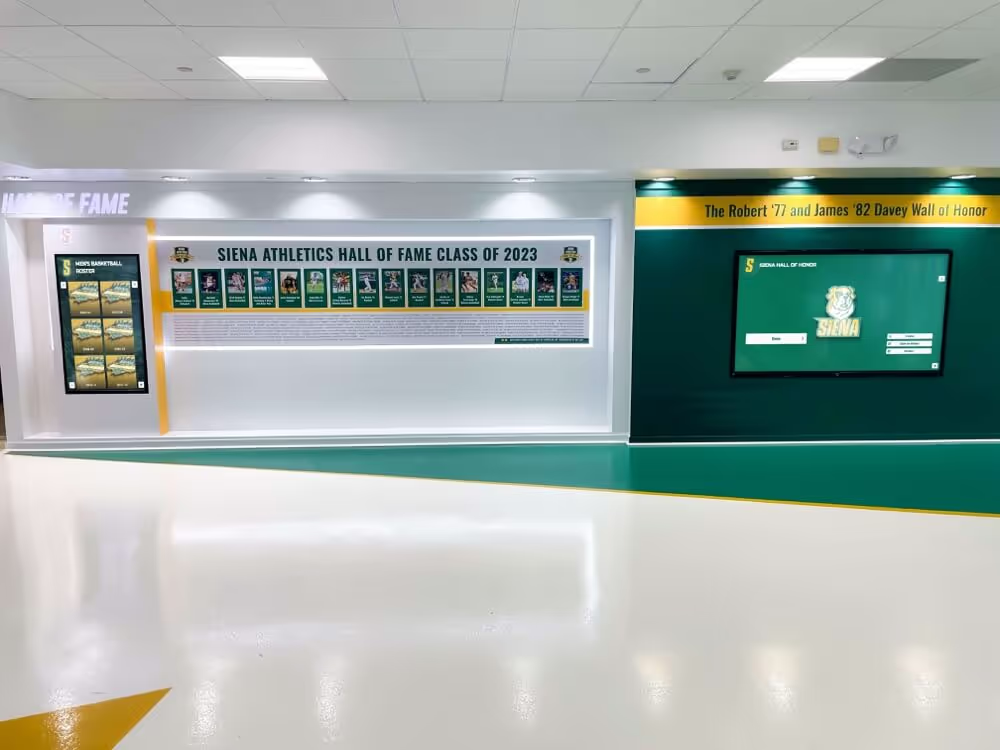
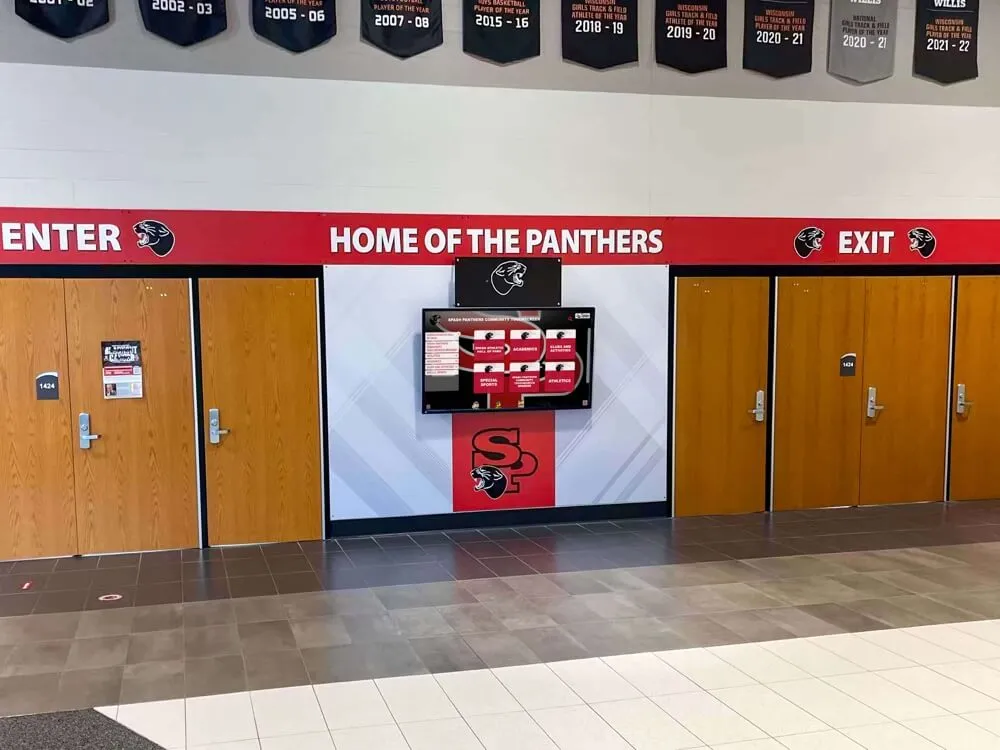
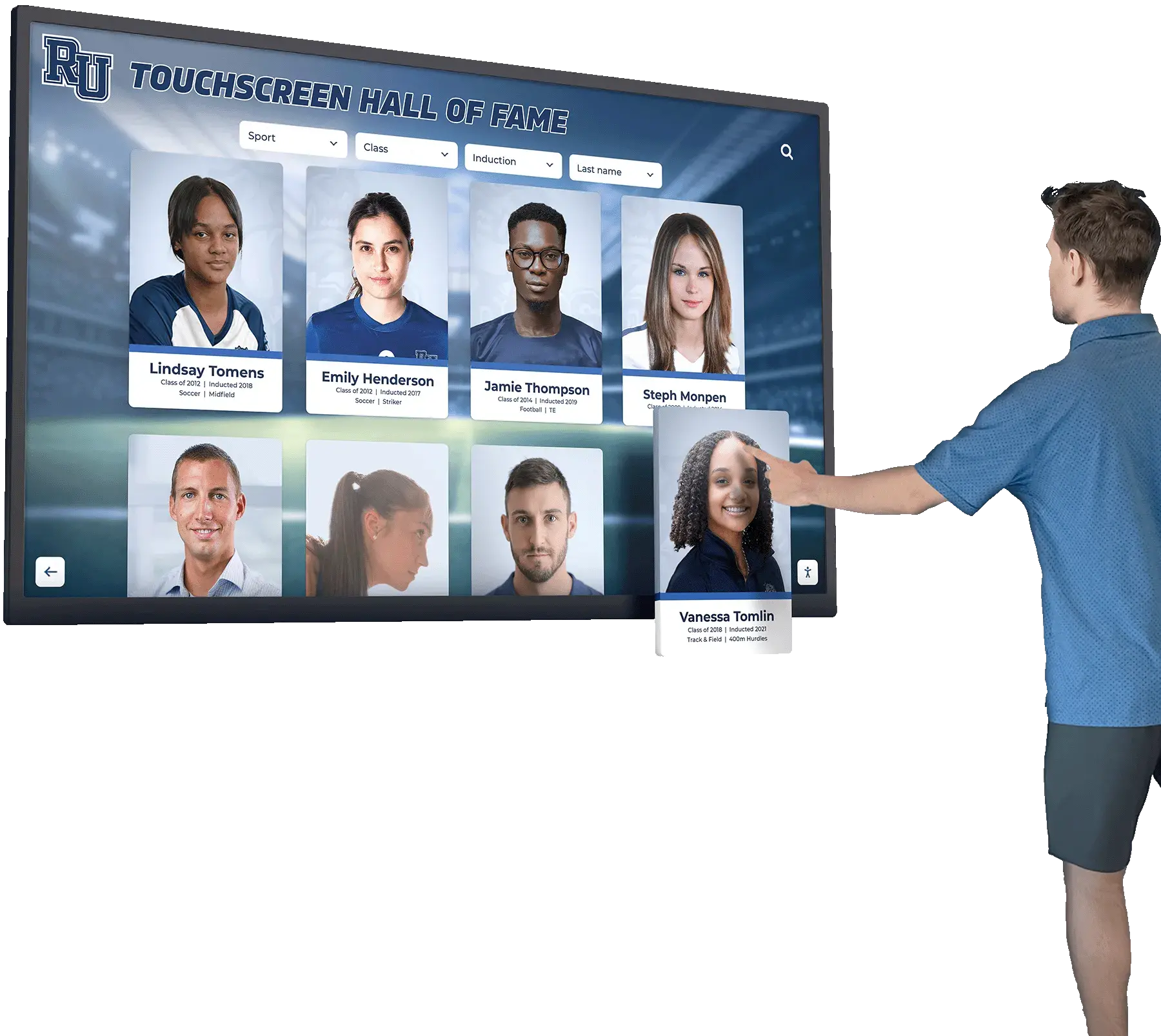
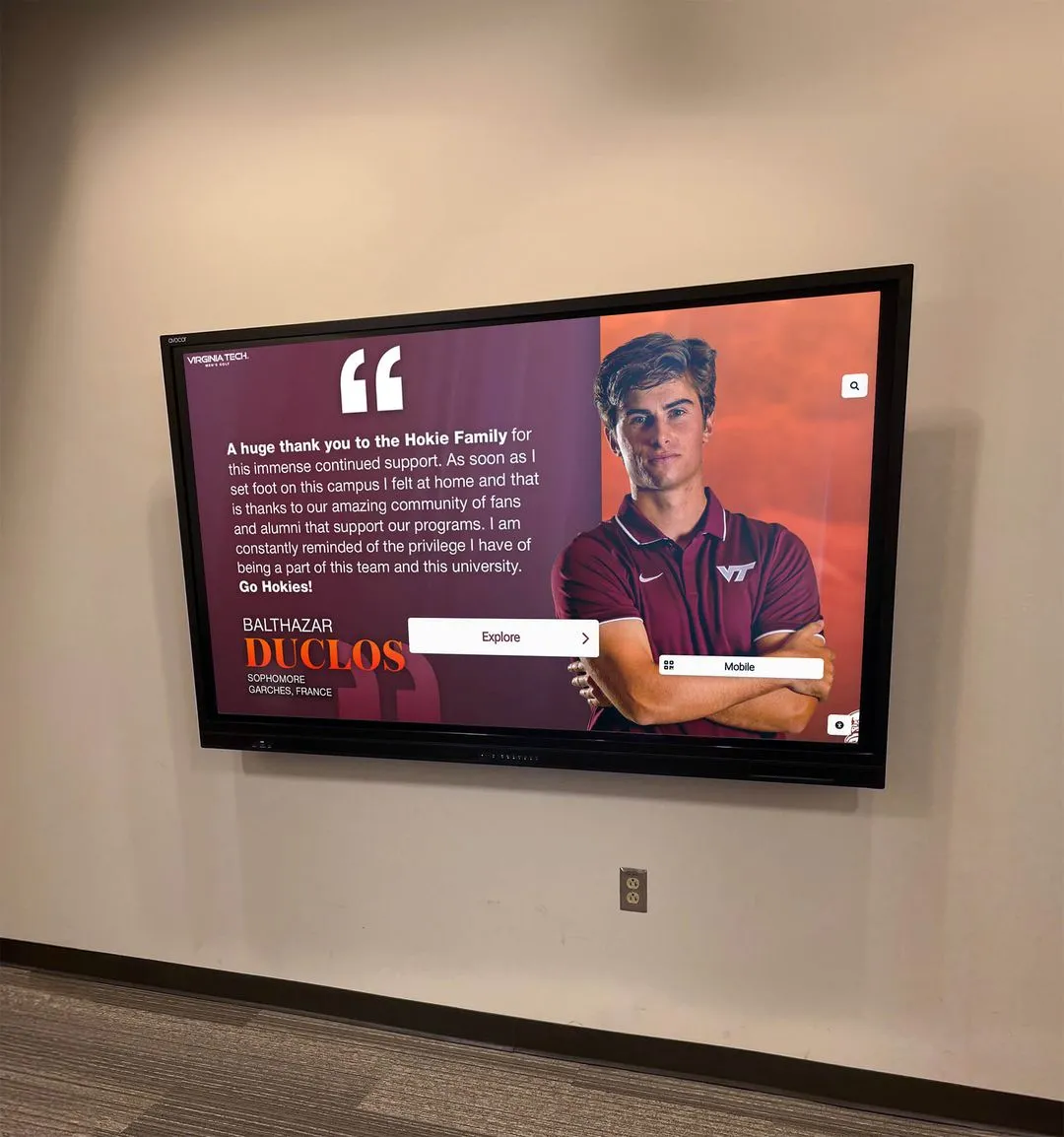
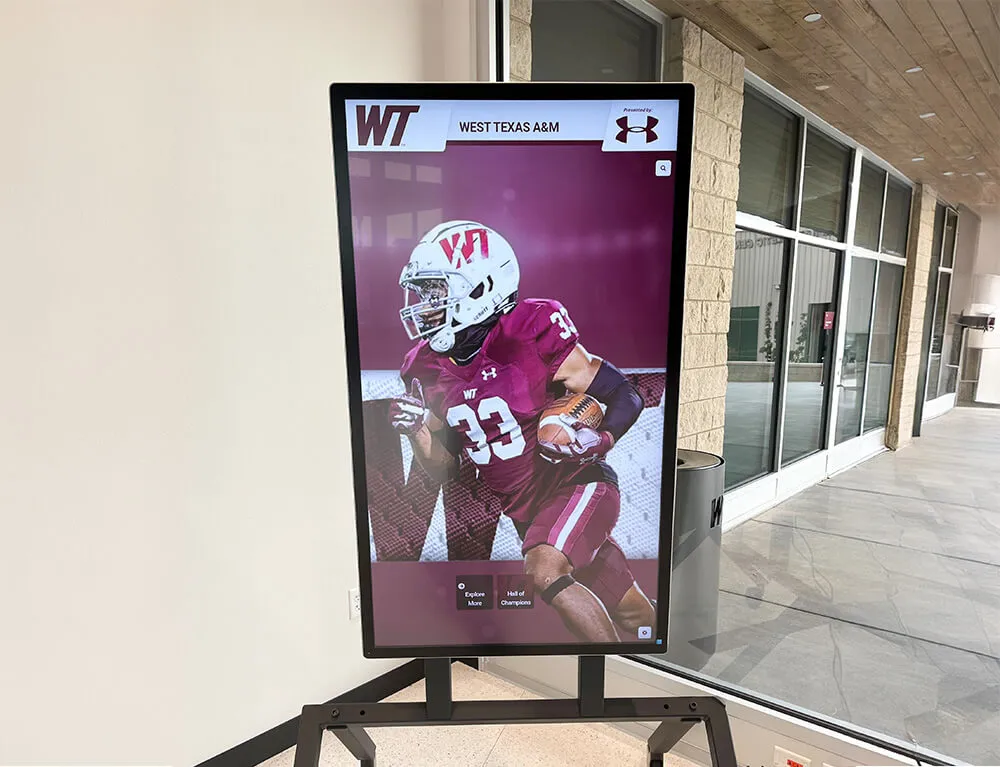
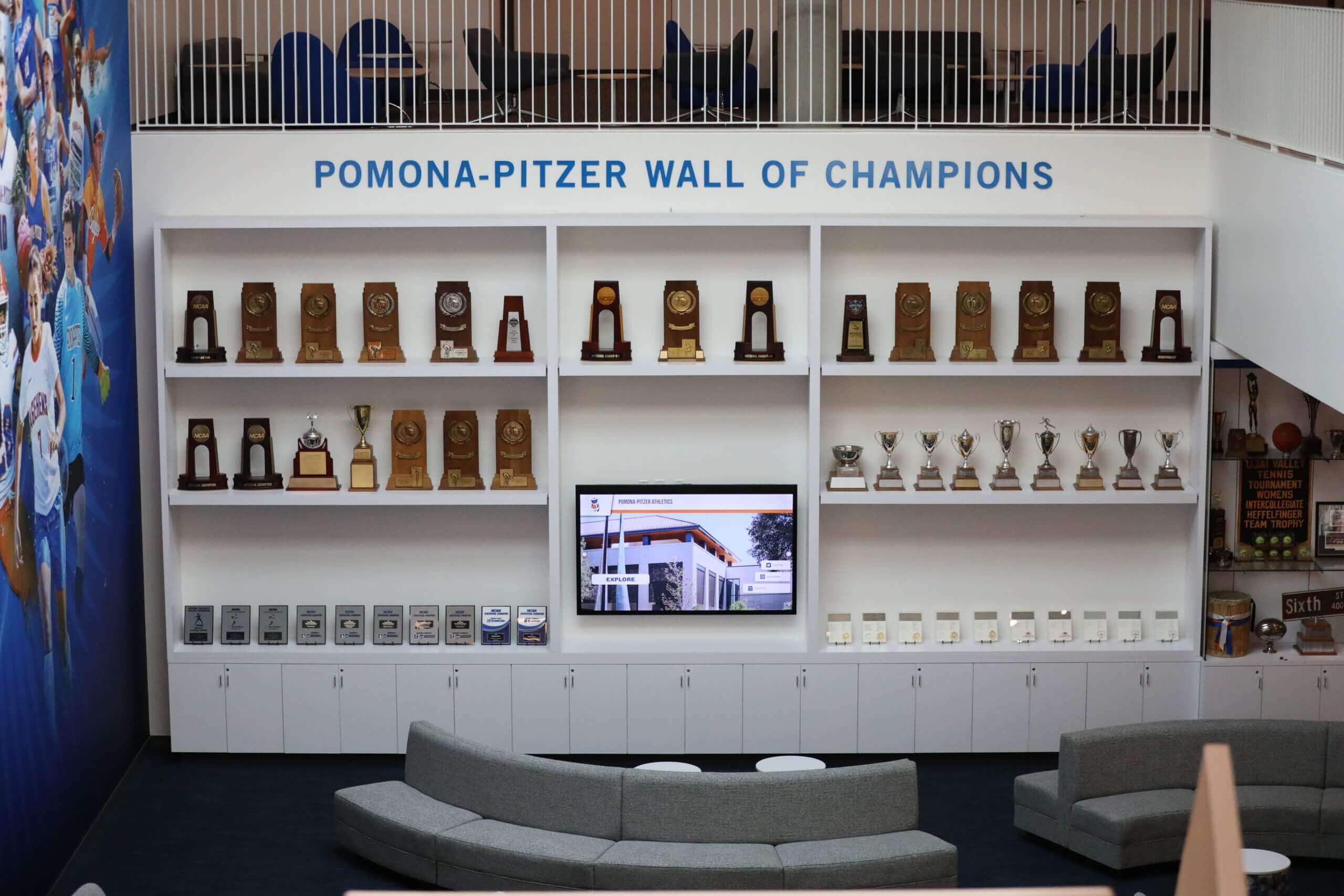
Many schools now complement printed yearbooks with interactive touchscreen displays that allow more comprehensive documentation of the school year with searchable content, video integration, and dynamic updating that printed formats cannot match. Solutions like those from Rocket Alumni Solutions create permanent digital archives preserving school memories while allowing engagement impossible in traditional yearbooks alone.
Visual Effects and Photography Themes
Themes emphasizing the visual medium itself create opportunities for creative photography and distinctive design approaches.
“Focus” - Camera and photography-inspired themes celebrating what deserves attention and how different perspectives reveal different truths. Viewfinder frames, aperture graphics, focal length effects, and photography terminology create rich design vocabulary. Section dividers might explore different “focus modes”: “Wide Angle” for school-wide events, “Macro” for intimate details, “Portrait Mode” for individual profiles.
“Frame by Frame” - Emphasizing individual moments combining to create motion and narrative, like film frames creating movies. Film strip aesthetics, sequential imagery, stop-motion concepts, and cinematic visual language create distinctive layouts. This theme works particularly well for schools with strong media programs or film studies courses.
“Exposure” - Playing with photography terminology while also suggesting revealing authentic selves, bringing experiences into the light, and making invisible efforts visible. Light and shadow play, contrast between highlighted and shadowed elements, and photography exposure aesthetics create dramatic visual possibilities.
“Picture Perfect” - Celebrating both polished achievements and imperfect authentic moments that make the year memorable. This theme can incorporate before/after concepts, outtakes alongside final products, and acknowledgment that perfection isn’t necessary for significance. Behind-the-scenes photography and candid moments receive equal prominence to formal portraits and staged events.
Pattern and Mosaic Themes
Themes emphasizing how individual elements combine to create larger pictures work particularly well for highlighting both individual identity and collective community.
“Piece by Piece” - Puzzle or mosaic imagery showing how each student represents an essential piece of the larger whole. Different sections can explore how various types of “pieces” fit together: academic pieces, athletic pieces, artistic pieces. Cover design might feature mosaic or puzzle patterns that, when viewed together, reveal larger imagery representing school identity.
“Patterns of Pride” - Geometric patterns, repeating motifs, and design elements that build complexity through repetition create visually striking layouts while metaphorically representing how individual actions create cultural patterns. This theme works well for schools emphasizing traditions, consistent values, or pattern-breaking innovation disrupting old norms.
“The Full Picture” - Emphasizing complete context, diverse perspectives, and comprehensive documentation of complex school experiences. Photography techniques like photo grids, panoramic spreads, or 360-degree concepts can reinforce the theme visually. Section organization might present events from multiple perspectives, showing how the “full picture” requires understanding different viewpoints.
Environmental and Nature Themes
Nature-inspired themes provide rich metaphorical possibilities while connecting to environmental consciousness many contemporary students value.
“Rooted” - Tree and plant growth metaphors emphasizing foundation, nourishment, branching possibilities, and organic development. Root systems representing support structures, trunk representing core values, branches representing diverse directions students grow toward, and leaves/flowers representing visible achievements create cohesive visual language. This theme particularly suits schools emphasizing sustainability, growth mindset, or communities with strong local environmental identity.
“Seasons of Change” - Organizing the school year by seasons creates intuitive structure while acknowledging transformation and cyclical renewal. Fall represents new beginnings and transitions, winter explores challenges and resilience, spring celebrates growth and awakening, and summer (or late spring for school years) represents culmination and launching toward new adventures. Design elements incorporate seasonal color palettes, natural imagery, and weather metaphors reflecting school experiences.
“Natural Habitat” - Ecosystem and environmental science concepts exploring how diverse individuals contribute to thriving communities. Different student groups become “species” within the ecosystem, activities represent “habitats” supporting different needs, and the yearbook documents the complex, interconnected community supporting all members. This sophisticated theme works well for science-focused schools or communities emphasizing environmental stewardship.
School-Specific Yearbook Theme Ideas
The most meaningful themes often emerge from your school’s unique identity, circumstances, values, or experiences during the specific year being documented.
Themes Based on School Mascots and Identity
Your school mascot provides ready-made imagery, symbolism, and associations that students already connect with school pride.
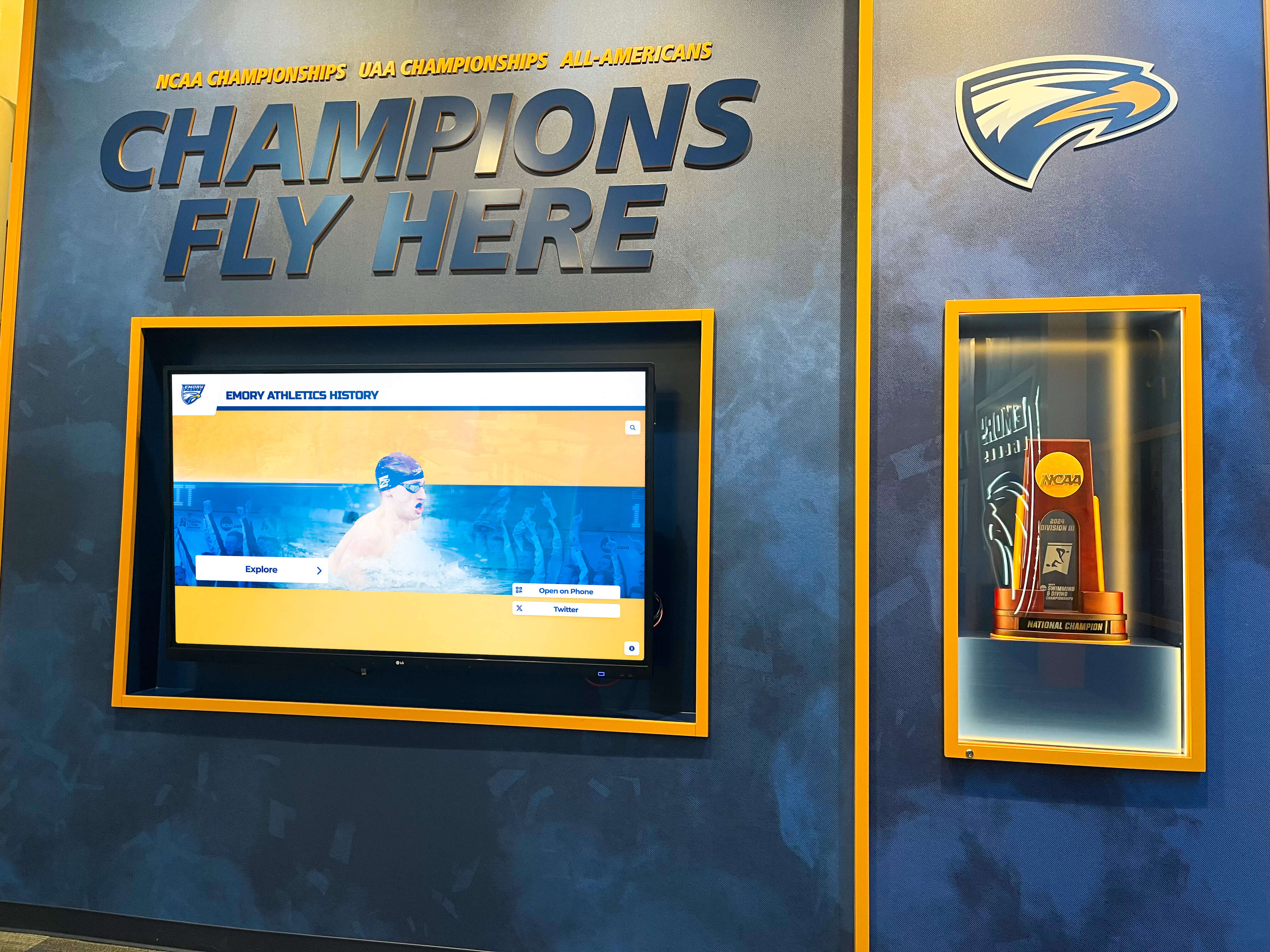
Mascot Characteristic Themes - Explore qualities your mascot represents. Eagle mascots might inspire “Soaring Higher,” emphasizing elevation, perspective, and reaching new heights. Lion mascots could support “Pride,” playing on both the collective noun for lions and school pride while exploring dignity, courage, and community strength. Wildcat schools might develop “Unleashed” or “Wild at Heart” concepts celebrating authentic expression and fierce determination.
Mascot Habitat Themes - Connect your mascot to its natural environment, creating visual worlds throughout the yearbook. Marine mascots (sharks, dolphins, marlins) enable ocean themes with wave patterns, nautical elements, and exploration of depth. Mountain mascots (bears, eagles, rams) inspire altitude themes with climbing metaphors, summit achievements, and elevated perspectives. These themes feel natural and authentic while providing rich design possibilities.
Mascot Action Themes - Focus on what your mascot does: “Taking Flight” for birds, “Making Waves” for aquatic mascots, “Charging Forward” for bulls or rhinos. These action-oriented themes emphasize movement, progress, and dynamic energy while maintaining clear connection to school identity.
Anniversary and Milestone Themes
Schools celebrating significant anniversaries deserve themes acknowledging historical context while looking toward the future.
"[Number] Years Strong" - For major anniversary years (50th, 75th, 100th), themes emphasizing endurance, legacy, and accumulated tradition honor history while documenting the current year’s contribution to ongoing story. Design can incorporate historical imagery alongside contemporary content, showing evolution while maintaining continuity.
“Legacy and Innovation” - Balance honoring tradition with celebrating innovation for schools navigating between preserving what matters and embracing necessary change. Split-page designs showing historical photos alongside contemporary equivalents, then/now comparisons, and visual bridges between past and present create compelling layouts.
“Building on Tradition” - For schools in transition—new buildings, program expansions, leadership changes—themes acknowledging what you’re building upon while moving forward resonate authentically. Architectural imagery, foundation metaphors, and construction concepts can reinforce both stability (solid foundation) and progress (continued building).
Schools implementing digital recognition systems during anniversary years create powerful connections between yearbook documentation and permanent recognition, showing how current students continue legacies established by previous generations while creating their own.
Themes Reflecting Specific Year Circumstances
Sometimes the most authentic themes emerge from particular circumstances defining your school year.
New Building or Facility Themes - Schools opening new buildings or completing major renovations can build themes around “New Foundations,” “Opening Doors,” “Building Our Future,” or “Room to Grow.” These themes acknowledge the excitement and change while documenting the transition year comprehensively.
Championship or Achievement Themes - Years with exceptional achievements—athletic championships, academic accolades, artistic recognition—deserve themes celebrating excellence: “Year of Champions,” “Excellence Achieved,” “Record Breakers,” or “Making History.” These themes work when achievements are truly exceptional and broadly shared rather than limited to single teams or groups.
Recovery and Resilience Themes - Schools recovering from challenges—natural disasters, budget crises, or difficult transitions—might embrace themes about resilience, rebuilding, or overcoming adversity. “Rising,” “Stronger Together,” “Unbreakable,” or “Phoenix Rising” acknowledge difficulties while celebrating the community strength that emerged. Handle sensitively, ensuring themes honor struggle without dwelling on negativity.
Post-Pandemic Themes - Schools still navigating or reflecting on pandemic impacts might explore themes about reconnection, rediscovery, adaptation, or new normal establishment. “Together Again,” “Reconnected,” “Return and Renewal,” or “Adapted and Thriving” acknowledge shared experience while focusing on positive forward movement.
Creative and Unique Yearbook Theme Concepts
For schools wanting distinctive approaches that stand out from conventional themes, these creative concepts offer fresh perspectives on documenting the school year.
Literary and Language Themes
“Between the Covers” - Book-inspired themes celebrating stories, different “genres” of school experiences, and students as both readers and authors of their educational journey. Section dividers might represent literary genres: “Drama” for theatrical arts, “Adventure” for athletics, “Biography” for student profiles, “Mystery” for surprising moments and unexpected twists.
“Words Matter” - Language and communication-focused themes exploring how words connect, inspire, document, and create community. Typography as design element, quote collections, wordplay throughout, and emphasis on student voices through first-person narratives and direct quotes. This theme particularly suits schools with strong literary magazines, debate teams, or communication emphasis.
“Define Your Year” - Dictionary-style theme where major events, experiences, and moments get “defined” throughout the yearbook. Pronunciation guides, etymologies of school-specific terminology, and humorous “definitions” of shared experiences create distinctive voice. Design incorporates dictionary aesthetic with clean typography, efficient layouts, and information-dense spreads.
Music and Rhythm Themes
“Find Your Rhythm” - Musical themes celebrating diverse “rhythms” different students follow while contributing to larger harmony. Musical notation graphics, sound wave patterns, rhythm-based layouts, and music terminology create distinctive design language. Section organization might follow musical structure: “Overture” for opening, “Crescendo” for building excitement, “Finale” for culmination.
“Our Soundtrack” - Each section features songs that defined different aspects of the school year, with playlist-inspired design, lyric incorporation, and connection between music students actually listened to and experiences they had. QR codes can link to actual playlists capturing the year’s musical landscape. This theme requires sensitivity to diverse musical tastes and copyright considerations for lyric usage.
“Harmony” - Emphasis on different parts combining to create beautiful whole, particularly appropriate for schools emphasizing inclusion, diversity, or community collaboration. Musical concepts like counterpoint, chord progressions, and harmonization provide metaphorical frameworks for discussing how differences strengthen rather than divide communities.
Art and Design Themes
“Canvas of Memories” - Art studio aesthetics with paint splatter elements, palette knife textures, canvas backgrounds, and artistic terminology creating visually rich yearbooks. Different sections might represent different media: “Watercolor” for flowing, emotional moments; “Charcoal” for bold, dramatic events; “Pastels” for gentle, subtle experiences.
“Masterpiece in Progress” - Emphasizing process over perfection, celebrating both finished achievements and ongoing development. Behind-the-scenes art process imagery, sketches alongside finished works, and acknowledgment that great achievements require messy creative processes. This theme resonates with growth mindset philosophies and schools emphasizing learning processes over final products.
“Color Your World” - Color theory-inspired themes exploring how different “colors” (experiences, people, activities) create vibrant school community. Rainbow aesthetics, color-blocked sections, or single-color features for each section create visually striking layouts. Psychology of color can inform section organization: warm colors for high-energy activities, cool colors for contemplative content.
Abstract and Conceptual Themes
“Infinite Possibilities” - Mathematics and infinity-inspired themes exploring endless potential, unlimited creativity, and boundless future opportunities. Infinity symbols, mathematical patterns, geometric designs, and space imagery (representing infinite universe) create sophisticated visual language. This abstract theme requires strong execution to feel meaningful rather than generic.
“Questions and Answers” - Structuring the yearbook as exploration of questions defining the year: “Who are we?” “What defines us?” “Where are we going?” “Why does this matter?” Different sections explore different questions, with student responses throughout. This philosophical approach works well for schools emphasizing inquiry-based learning and critical thinking.
“Dimensions” - Exploring different dimensions of school experience: physical dimensions of campus spaces, social dimensions of relationships and community, academic dimensions of intellectual growth, and temporal dimensions of time together. Geometric, spatial design elements and layered imagery reflecting multiple dimensions create visually complex, interesting layouts.
Implementing Your Yearbook Theme Successfully
Selecting a great theme represents only the beginning—successful implementation requires systematic planning and consistent execution throughout the yearbook.
Creating Theme Guidelines and Style Guides
Develop Comprehensive Visual Standards
Create detailed style guides documenting exact color specifications (RGB, CMYK, and hex codes), approved font families and usage guidelines, recurring graphic elements and proper application, layout templates for different content types, and photography style guidance ensuring visual consistency. Distribute these guidelines to all staff members, ensuring everyone understands expectations.
Establish Flexible Frameworks
While consistency matters, overly rigid guidelines stifle creativity and lead to monotonous yearbooks. Style guides should establish boundaries within which creativity operates rather than prescribing exact layouts for every spread. Provide multiple template options, encourage personal interpretation within theme parameters, and showcase excellent examples demonstrating various approaches that all maintain theme integrity.
Training Staff on Theme Application
Conduct Theme Launch Workshops
When introducing themes to yearbook staff, conduct comprehensive training covering theme concept and rationale behind selection, visual standards and design guidelines, software skills needed for theme execution, and example spread critiques identifying what works and what doesn’t. Interactive workshops where staff practice applying themes to sample content prove more effective than presentation-only training.
Create Support Resources
Develop ongoing resources staff can reference including digital asset libraries with approved graphics and design elements, template files for InDesign or other layout software, quick-reference cards summarizing key guidelines, and spirit week ideas and school event coordination to ensure yearbook themes align with broader school culture initiatives.
Maintaining Consistency Across Sections
Regular Review and Critique Sessions
Schedule periodic reviews where section editors present spreads in progress, receiving feedback before designs are finalized. These collaborative critiques identify inconsistencies early, share successful approaches across sections, maintain overall theme integrity while respecting section personality, and build team cohesion through shared problem-solving.
Cross-Section Coordination
Ensure sections complement rather than clash with each other by coordinating color usage across adjacent sections, planning visual flow from section to section, balancing design density so the yearbook doesn’t feel too busy in some sections and too sparse in others, and coordinating photography styles for consistent aesthetic throughout.
Balancing Theme and Content
Content Always Comes First
The theme serves the content, never the reverse. When theme elements interfere with content clarity, distract from photography, or make text difficult to read, simplify or modify theme application. Students purchase yearbooks for content—the people, events, and memories—not primarily for design artistry. Effective themes enhance content presentation without overwhelming it.
Know When to Break Rules
Even well-designed themes occasionally require flexibility. Certain spreads, content types, or special features may work better with modified theme application. Allow these exceptions while ensuring they remain exceptions rather than becoming new norms that undermine overall consistency.
Budget-Friendly Yearbook Theme Implementation
Great themes don’t require unlimited budgets. Strategic planning and creative problem-solving enable professional results within typical school yearbook constraints.
Maximizing Free and Low-Cost Design Resources
Public Domain and Creative Commons Imagery
Thousands of high-quality photographs, illustrations, and graphic elements are available through public domain sources or Creative Commons licenses. Sites like Unsplash, Pixabay, and the Library of Congress offer professional imagery perfect for theme development. Always verify licensing and provide attribution when required.
Student-Created Design Elements
Art classes can create custom illustrations, graphics, or design elements specifically for yearbook themes. Photography classes can shoot theme-related imagery. This approach not only reduces costs but also increases student investment and creates authentic school-specific content rather than generic purchased elements.
Template Customization Over Custom Design
Starting with professional templates and customizing them for your specific theme proves far more cost-effective than designing from scratch. Most yearbook publishing companies provide extensive template libraries. Even free tools like Canva offer yearbook templates that can be adapted to specific themes through color changes, font swaps, and graphic element additions.
DIY Theme Development
Leverage Available Software Skills
Most schools have students or staff with design software proficiency. Utilizing existing skills within your school community creates professional results without outsourcing costs. Consider recruiting graphic design students, art teachers, or tech-savvy parents to support theme development.
Coordinate with Broader School Recognition
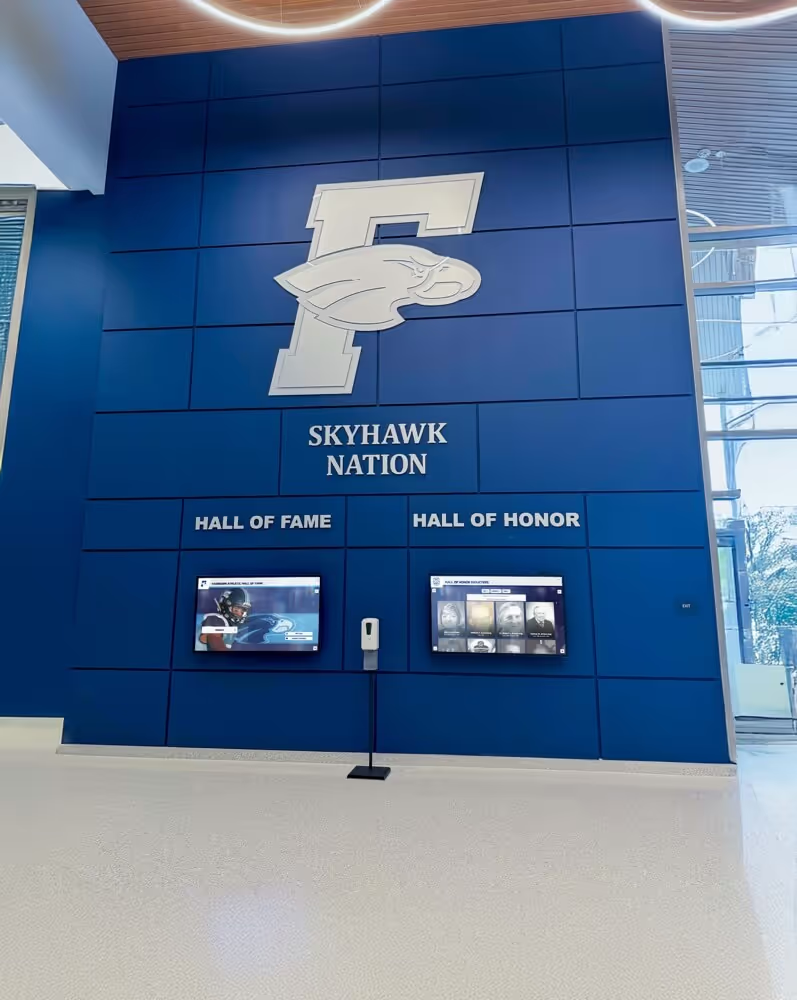
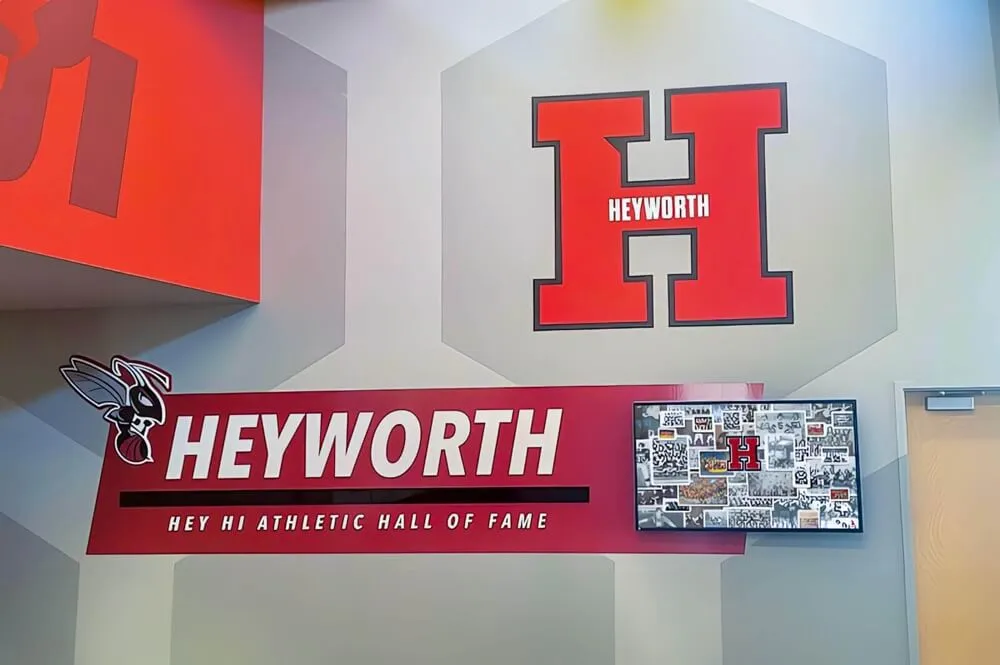
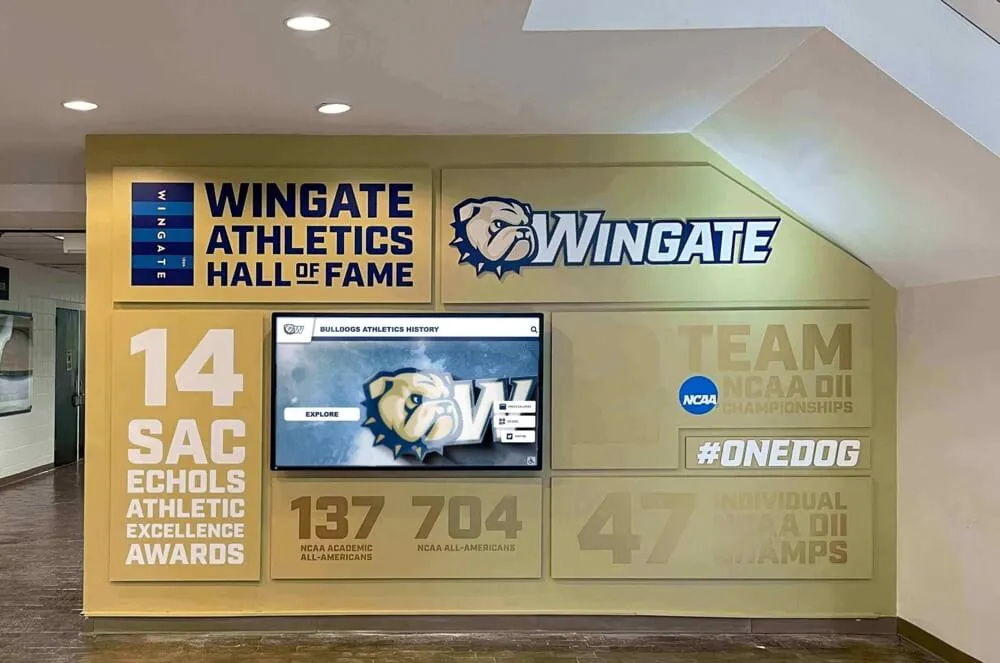
Many schools now implement digital recognition displays showcasing student achievements, school history, and community recognition. Coordinating yearbook themes with these permanent installations creates consistent visual identity while allowing design investments to benefit multiple platforms. Solutions from Rocket Alumni Solutions, for example, can complement yearbook documentation by providing ongoing digital recognition that extends beyond single printed volumes.
Connecting Yearbook Themes to Broader School Recognition
Yearbooks document single years, but they exist within broader contexts of school culture, tradition, and ongoing recognition of achievement that spans generations.
Integrating Yearbook Themes with Permanent Recognition
Creating Visual Consistency
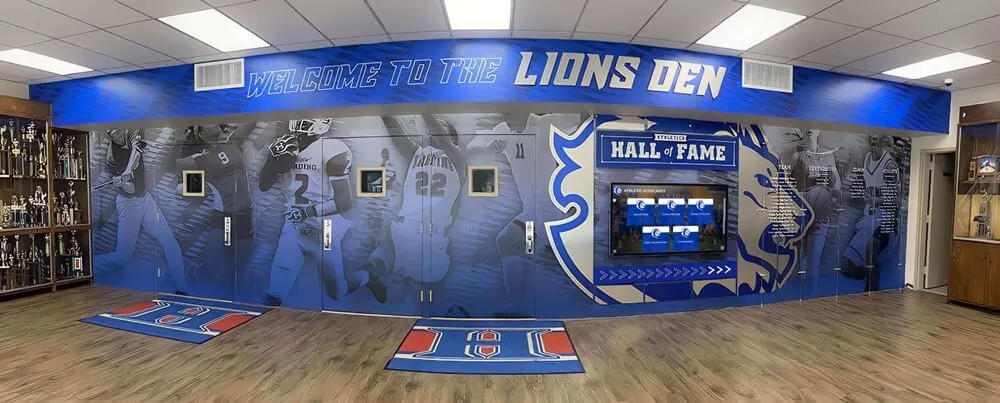
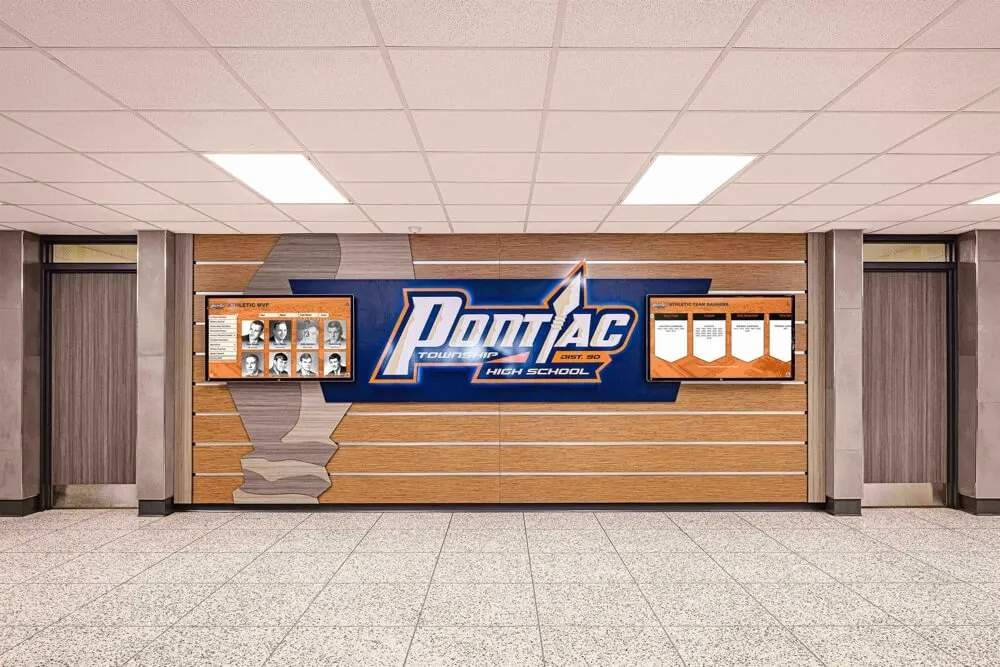
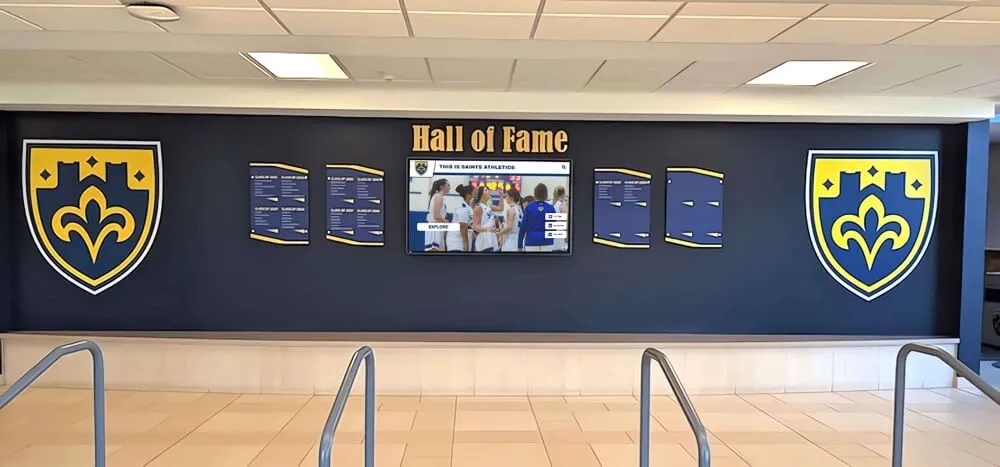
Schools implementing digital recognition walls and interactive displays can coordinate visual themes between printed yearbooks and permanent installations. Consistent color palettes, typography, and design language create cohesive school identity while ensuring yearbooks feel connected to physical spaces students inhabit daily.
Preserving Yearbook Content Digitally
While printed yearbooks remain cherished possessions, digital preservation ensures content remains accessible indefinitely. Schools increasingly digitize historical yearbooks, creating searchable archives that complement new recognition technologies. This digital preservation allows alumni to revisit their school years decades later while enabling current students to explore institutional history comprehensively.
Solutions like those from Rocket Alumni Solutions provide platforms for comprehensive digital archives that preserve yearbook content while adding interactive capabilities impossible in printed formats—searchable databases, video integration, and dynamic updates that grow richer over time.
From Annual Documentation to Permanent Recognition
Building Institutional Memory
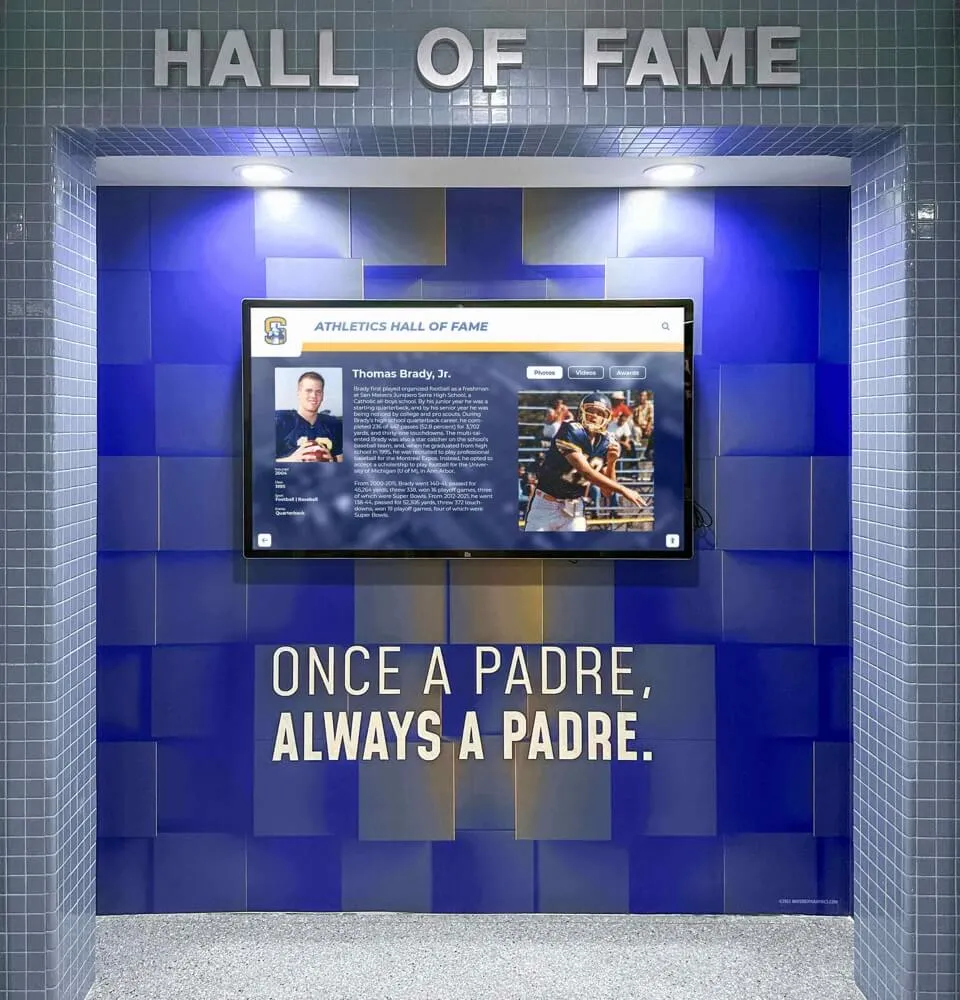
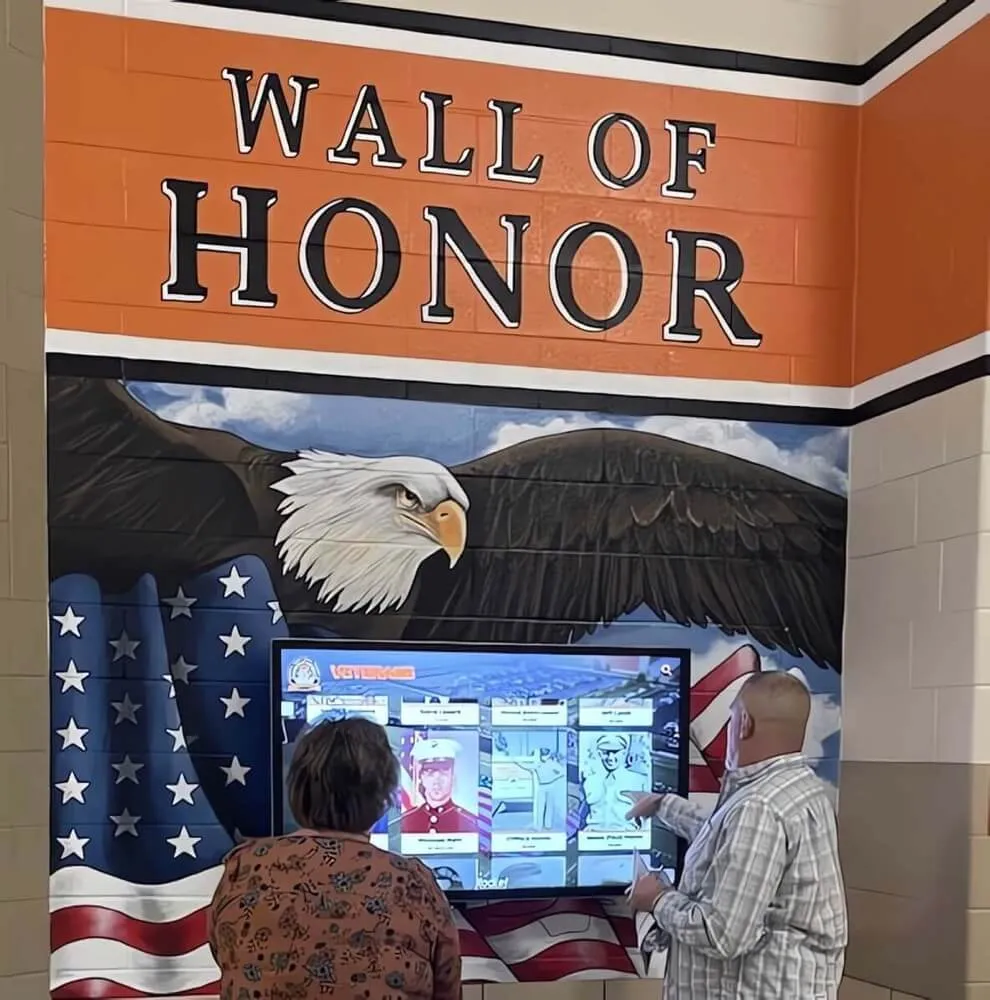
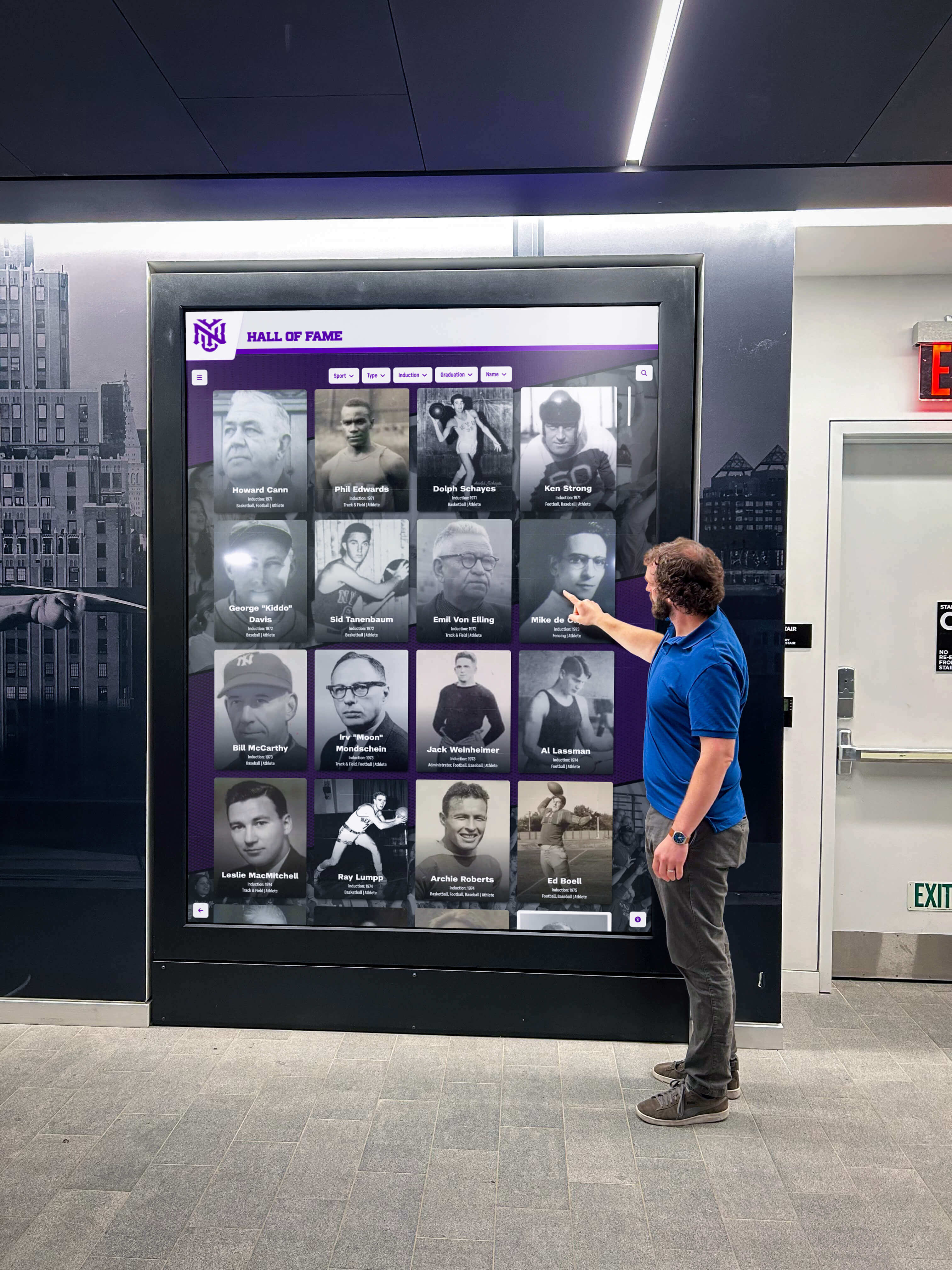
Yearbooks document individual years, but institutional memory requires connecting those individual years into continuous narratives. Digital hall of fame displays and recognition walls create these connections, showing how current students contribute to traditions spanning decades while allowing exploration of how previous classes shaped institutional identity.
Honoring Diverse Achievement
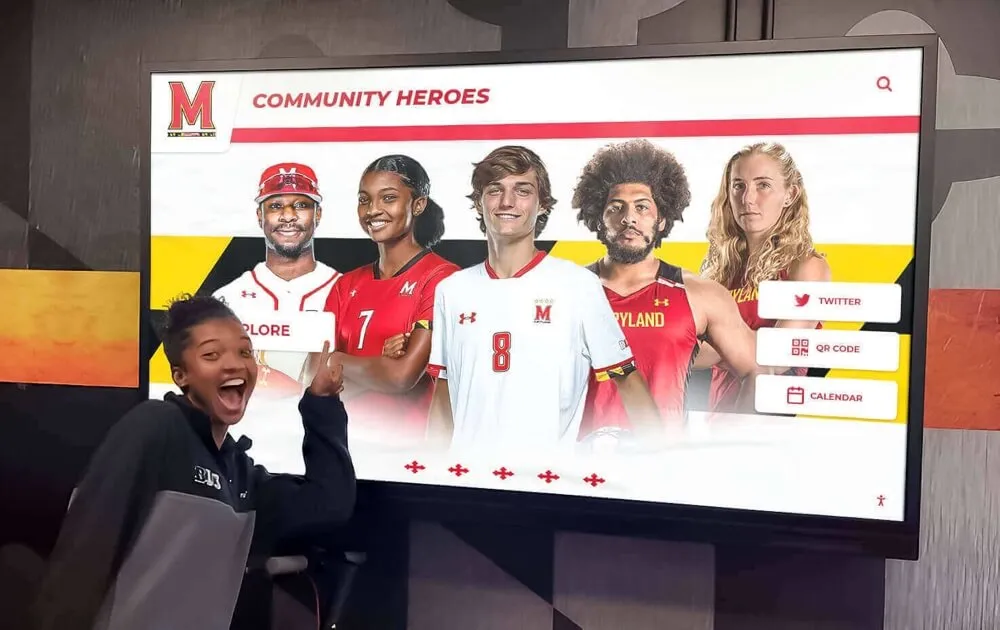
Yearbooks attempt to recognize everyone but face space constraints limiting how comprehensively they can document achievement. Digital recognition platforms complement yearbooks by providing unlimited capacity for detailed profiles, achievement documentation, and specialized recognition that printed formats cannot accommodate. This multi-platform approach ensures every student receives meaningful recognition while printed yearbooks maintain focus on cohesive storytelling.
Special Considerations for Different School Levels
Yearbook themes should match the maturity, interests, and experiences appropriate to different educational levels.
Elementary and Middle School Yearbooks
Age-Appropriate Themes
Younger students respond to playful, colorful themes with strong visual imagery and straightforward concepts. Themes might include “Adventure Awaits,” “Growing Together,” “Learning is Fun,” or “Superstar Students.” Avoid overly sophisticated concepts that may not resonate with younger audiences while still maintaining professional design quality.
Emphasis on Inclusion
Elementary yearbooks particularly need themes ensuring every student feels included regardless of athletic ability, academic achievement, or social standing. Themes celebrating friendship, kindness, growth, and community work better than competitive or achievement-focused concepts that might inadvertently exclude some students.
High School Yearbooks
Sophistication and Relevance
High school students appreciate more sophisticated themes reflecting their near-adult status while incorporating contemporary culture meaningfully. Themes can reference current events, popular culture, or social movements that defined their year—handled thoughtfully to avoid dating quickly or excluding those not immersed in specific subcultures.
Senior Focus Balance
High school yearbooks balance senior recognition with comprehensive documentation of all grades. Themes should allow prominent senior features without making underclassmen feel like afterthoughts. Consider senior-specific theme variations or sections while maintaining cohesive overall theme throughout.
College and University Yearbooks
Diverse Community Recognition
College yearbooks serve dramatically more diverse communities than K-12 schools. Themes must work across undergraduate and graduate students, traditional and non-traditional students, residential and commuter populations, and vastly different campus involvement levels. Flexible, inclusive themes that celebrate diverse ways of experiencing campus work better than narrow concepts assuming everyone participates similarly.
Balancing Tradition and Innovation
Universities often maintain longstanding yearbook traditions while needing to appeal to contemporary students. Themes that honor institutional history while feeling fresh and current create bridges between tradition and innovation. Consider how themes might reference architectural landmarks, historical moments, or defining institutional characteristics while incorporating modern design sensibilities.
Conclusion: Creating Yearbook Themes That Endure
The yearbook theme you choose becomes part of your school’s permanent record—literally bound into books students will keep for lifetimes. This permanence deserves thoughtful selection processes that involve diverse stakeholders, reflect authentic school identity, and balance creative vision with practical implementation realities.
Effective yearbook themes share common characteristics regardless of specific concepts: they provide flexible frameworks rather than rigid formulas, connect meaningfully to actual school experiences rather than feeling generic, offer strong visual design possibilities that enhance rather than overwhelm content, maintain consistency without monotony, and age gracefully without feeling dated shortly after publication.
The best themes emerge when yearbook staffs balance inspiration from successful examples with deep understanding of their own school communities. What works beautifully at other schools may not suit your context, while themes perfectly capturing your unique identity might never occur to outsiders. Trust your knowledge of your school, involve students in decision-making processes, and remember that themes ultimately serve the larger purpose of comprehensively documenting a year in your community’s shared life.
Modern schools increasingly complement traditional yearbooks with digital recognition systems that provide ongoing documentation extending beyond annual printed volumes. These platforms create permanent archives where alumni can revisit their school years decades later while current students explore institutional history spanning generations. Solutions from Rocket Alumni Solutions, for example, provide interactive touchscreen displays and web-based platforms that preserve yearbook content in searchable, dynamic formats while adding capabilities impossible in printed formats alone—video integration, unlimited capacity, and continuous updates that grow richer over time.
Whether you choose classic journey themes, contemporary technology-inspired concepts, school-specific approaches reflecting unique identity, or creative innovations establishing new directions, the effort invested in thoughtful theme selection and consistent implementation creates yearbooks that students treasure as permanent records of transformative years in their educational journeys.
Ready to enhance how your school preserves memories and recognizes achievement beyond traditional yearbooks? Explore how Rocket Alumni Solutions can complement your yearbook program with interactive digital recognition displays that create permanent, searchable archives of school history while providing engaging platforms for celebrating student achievement that grow richer year after year. Your students deserve comprehensive recognition that honors their contributions while preserving memories for lifetimes of reflection and pride.