



Key Takeaways
Complete guide to planning memorable yearbook signing parties for schools. Discover creative themes, activity ideas, space setup, photo opportunities, and ways to celebrate student achievements at end-of-year celebrations.
The final weeks of school bring a unique mixture of excitement, nostalgia, and anticipation as students prepare to close one chapter while looking toward the next. Yearbook distribution marks one of the most anticipated moments of this transition period—that first glimpse of how the year has been documented, preserved, and presented in a format students will treasure for decades. Yet simply handing out yearbooks during homeroom or lunch periods misses opportunities to transform this distribution into something more meaningful: a celebratory event that brings students together to reflect on shared experiences, exchange appreciative messages, capture final memories, and mark the year’s conclusion with intention rather than just watching the calendar run out.
Yearbook signing parties create dedicated time and space for students to engage with both their yearbooks and each other, transforming what might otherwise be a quick administrative task into a genuine celebration. These events acknowledge that yearbooks represent far more than printed pages—they’re repositories of friendships, accomplishments, inside jokes, challenging moments overcome together, and the countless small experiences that collectively define a school year. This comprehensive guide provides practical frameworks for planning yearbook signing parties that honor these deeper purposes while creating genuinely fun, memorable celebrations students will reference when they open those yearbooks years later.
Understanding the Purpose and Benefits of Yearbook Signing Parties
Before diving into logistics and planning details, schools should understand what effective yearbook signing parties accomplish beyond simply giving students time to write in each other’s books.
Creating Intentional Closure and Transition
The end of school year often feels chaotic as final exams, project deadlines, award ceremonies, athletic banquets, and countless other obligations compress into the final weeks. Students frequently report that school years “just end” without clear conclusion or opportunities to process transitions. Yearbook signing parties create intentional pauses in this chaos—designated moments where the explicit purpose is reflection, connection, and acknowledgment that something significant is ending.
For seniors, these parties may represent final organized gatherings with classmates before graduation ceremonies. For underclassmen, they mark transitions between grade levels while allowing students to celebrate friendships that may shift as schedules, activities, or interests evolve. The physical act of signing yearbooks and reading what others write creates tangible markers of these transitions, giving students artifacts they can revisit when processing these changes later.
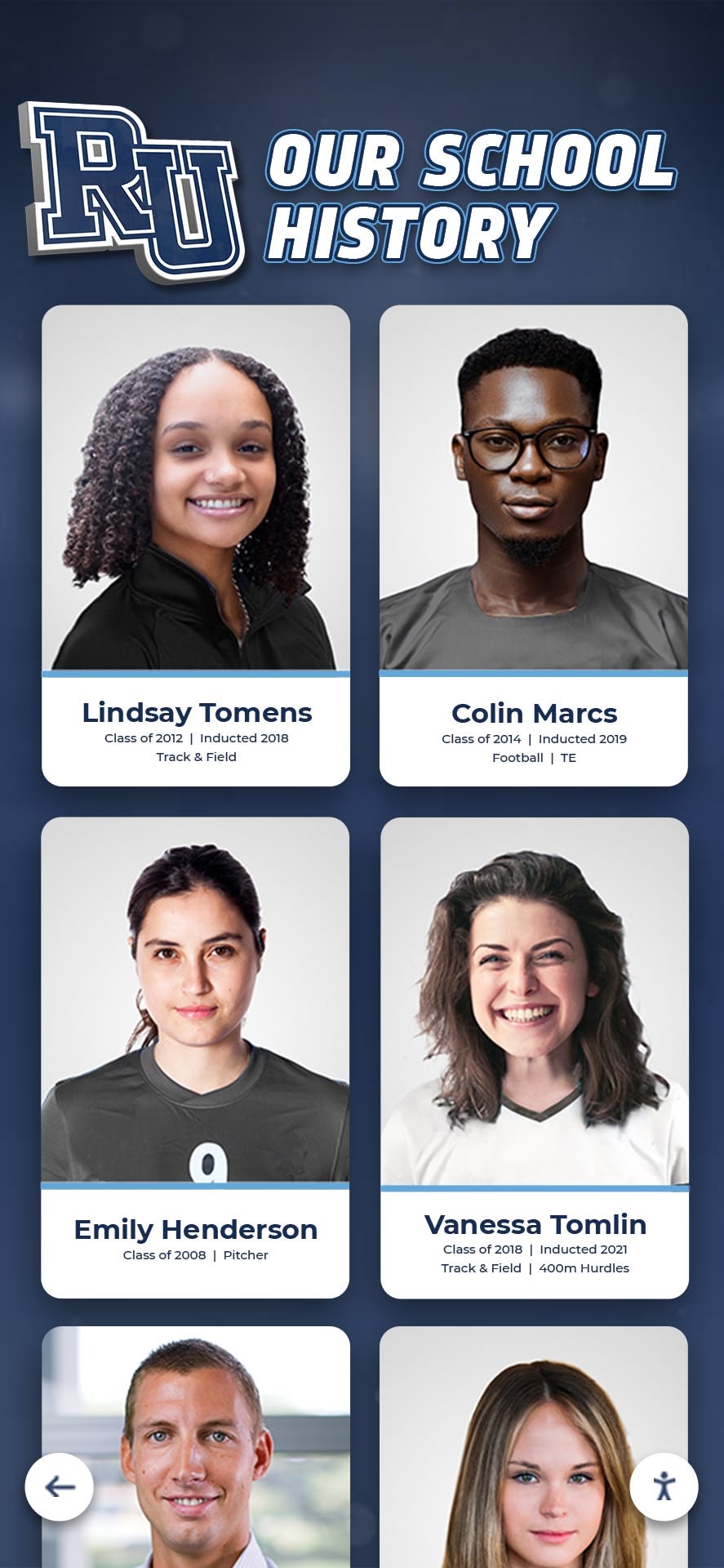
Schools implementing comprehensive recognition programs throughout the year often find that yearbook signing parties serve as natural culmination points where individual achievements documented across multiple events come together in single celebratory moments.
Strengthening Community Connections Across Social Groups
Daily school life naturally creates social divisions—students cluster by classes, activities, friend groups, or interests, often interacting primarily within familiar circles. Yearbook signing parties create permission and opportunity for students to connect across these typical boundaries. The shared purpose of signing yearbooks gives students legitimate reasons to approach classmates they might not regularly interact with, creating positive social interactions that might not otherwise occur.
Well-structured signing parties intentionally facilitate these broader connections through organized signing rotations, mixed seating arrangements, or activities encouraging interaction beyond established friend groups. These moments matter particularly for students who may feel socially isolated or disconnected—yearbook parties can create rare opportunities for positive peer acknowledgment and inclusion that students remember long after the specific event details fade.
Celebrating Collective Achievement and Shared Experience
Yearbook signing parties provide opportunities to celebrate what the school community accomplished together throughout the year. Unlike awards ceremonies focused on individual or small group recognition, signing parties acknowledge the shared journey—everyone present contributed to the year documented in those yearbooks, and everyone deserves celebration for reaching this milestone.
Schools can enhance this collective celebration by incorporating elements that highlight year-wide achievements:
- Slideshow presentations showcasing memorable events across all programs and activities
- Display boards featuring accomplishments from academics, athletics, arts, and service
- Recognition moments acknowledging various forms of contribution beyond traditional awards
- Interactive displays showing how individual students fit within larger school traditions and history
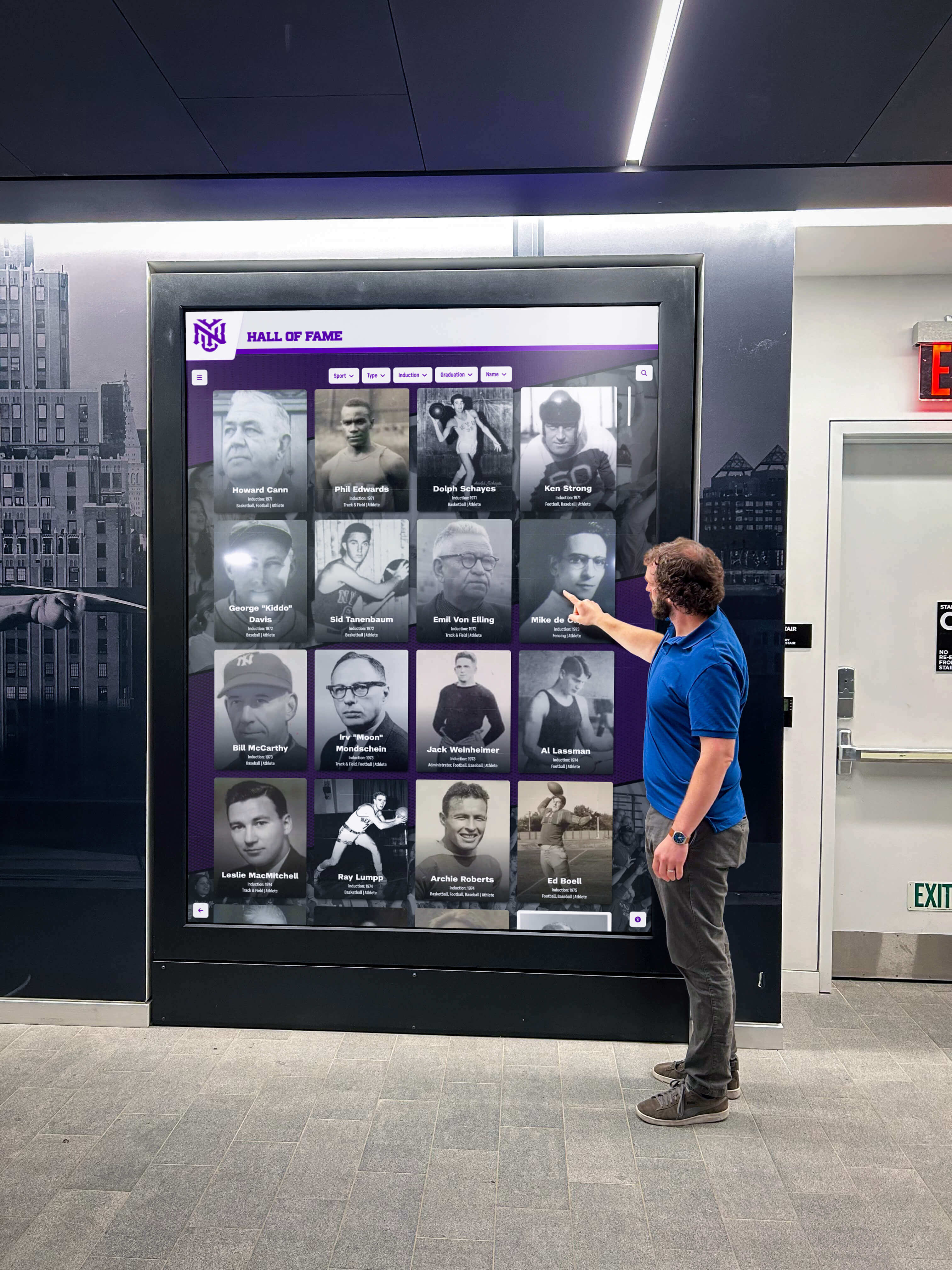
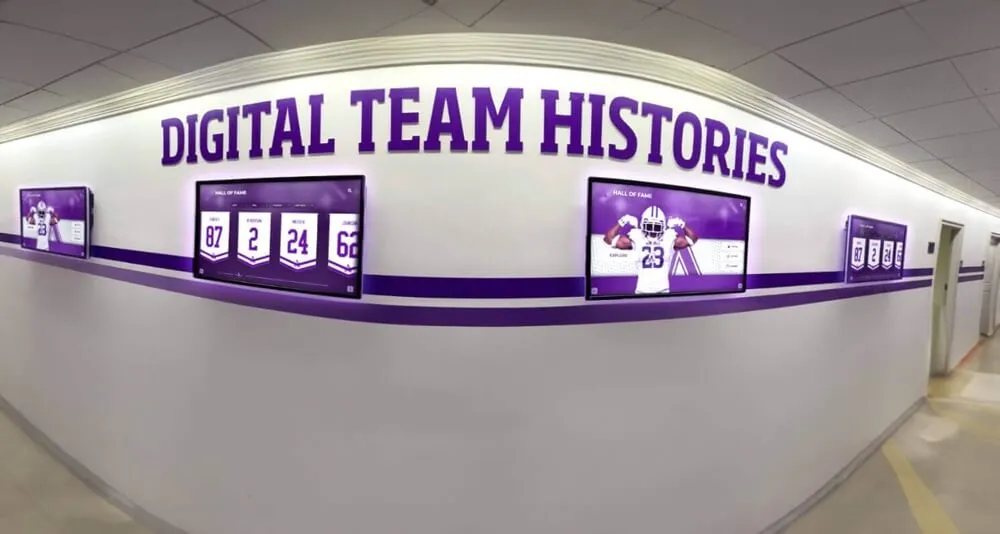
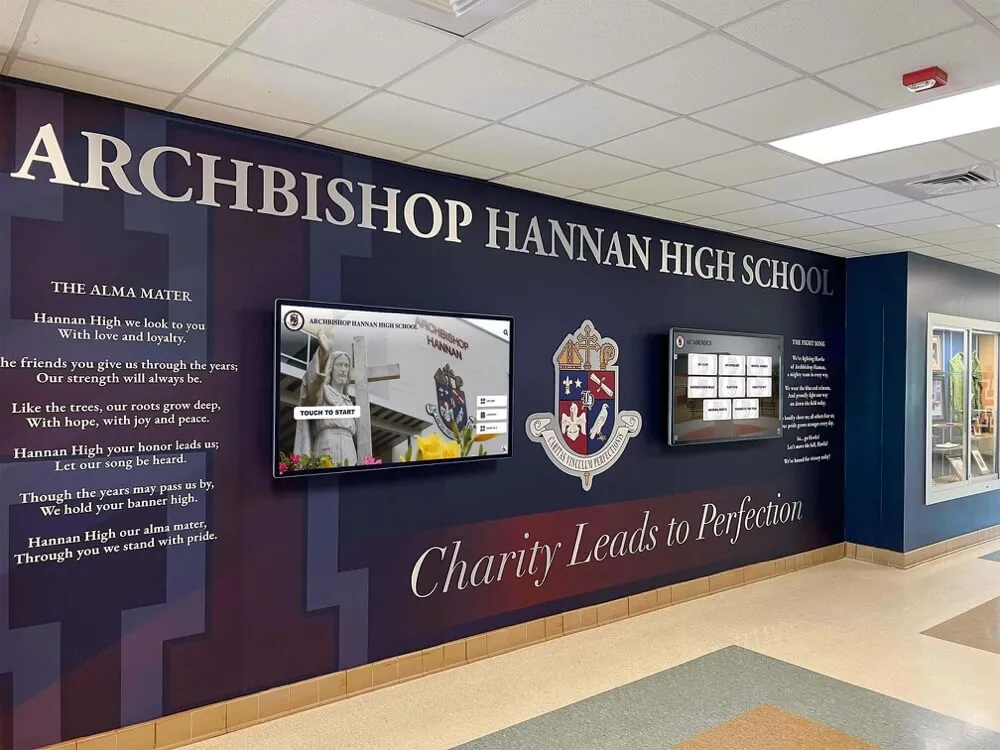
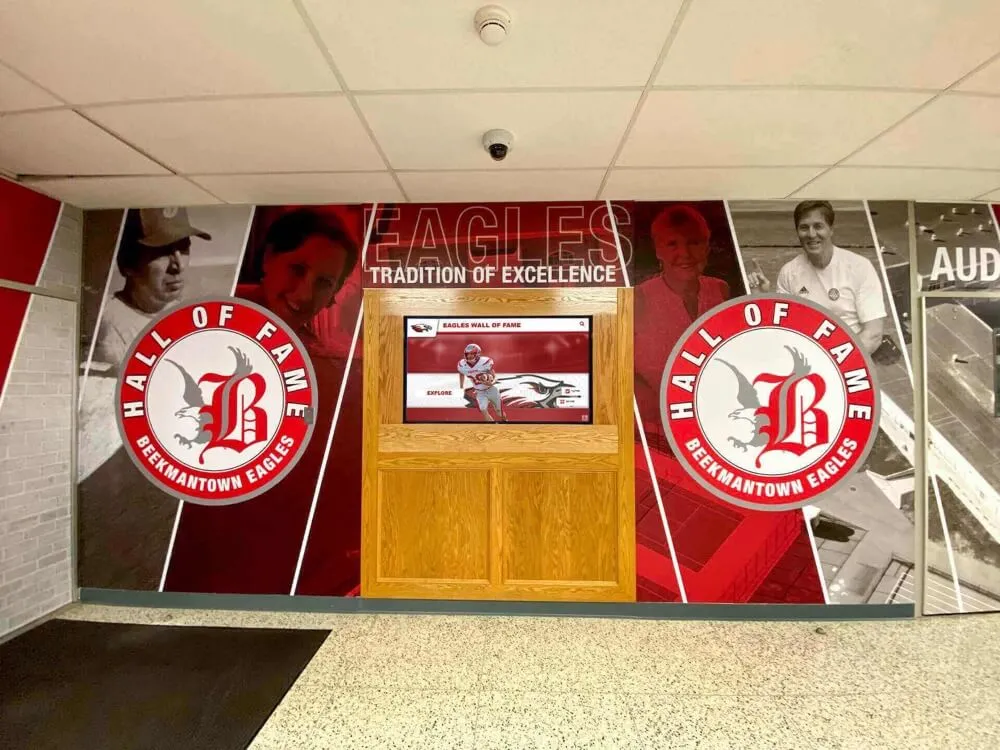
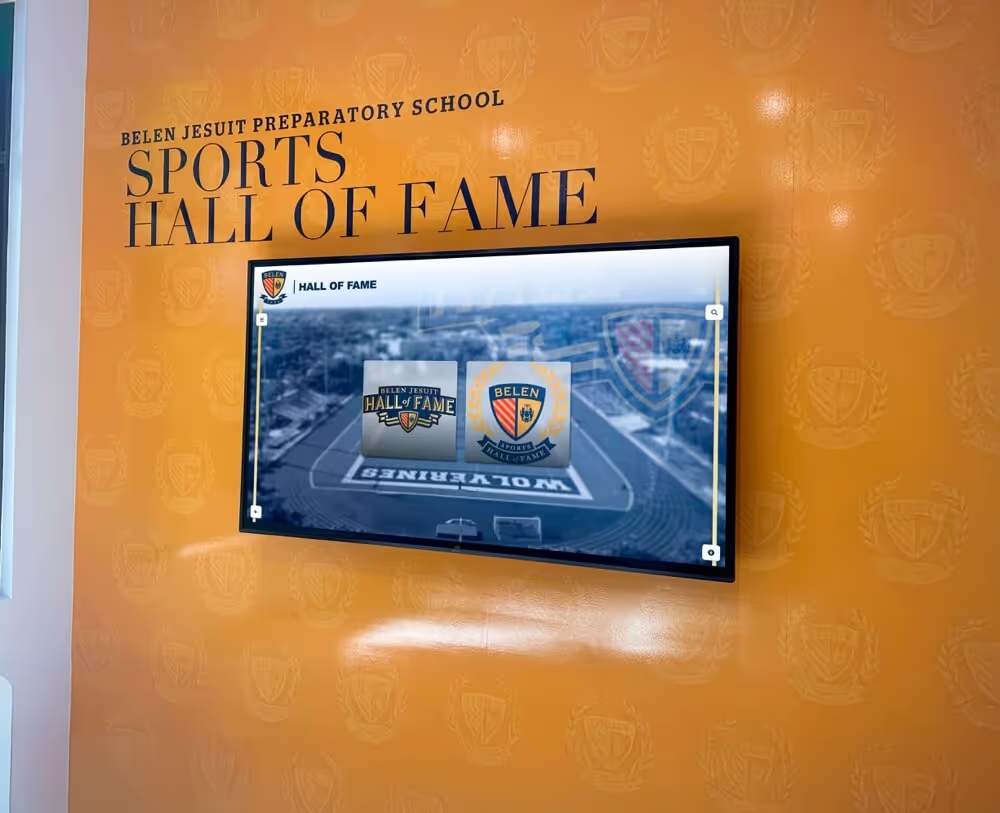
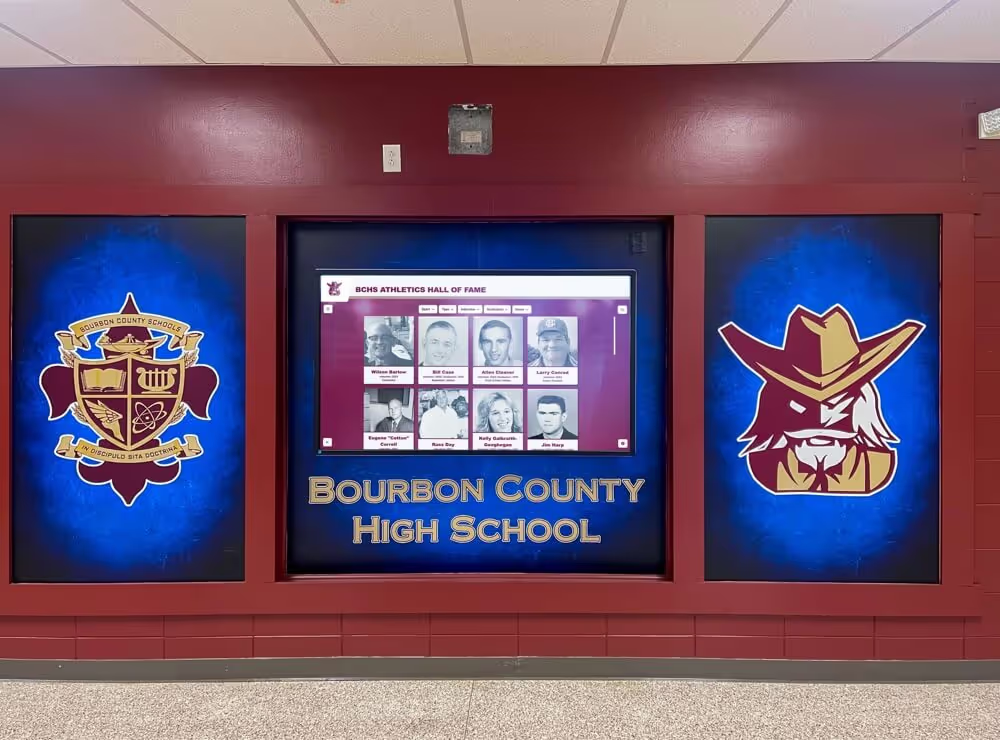
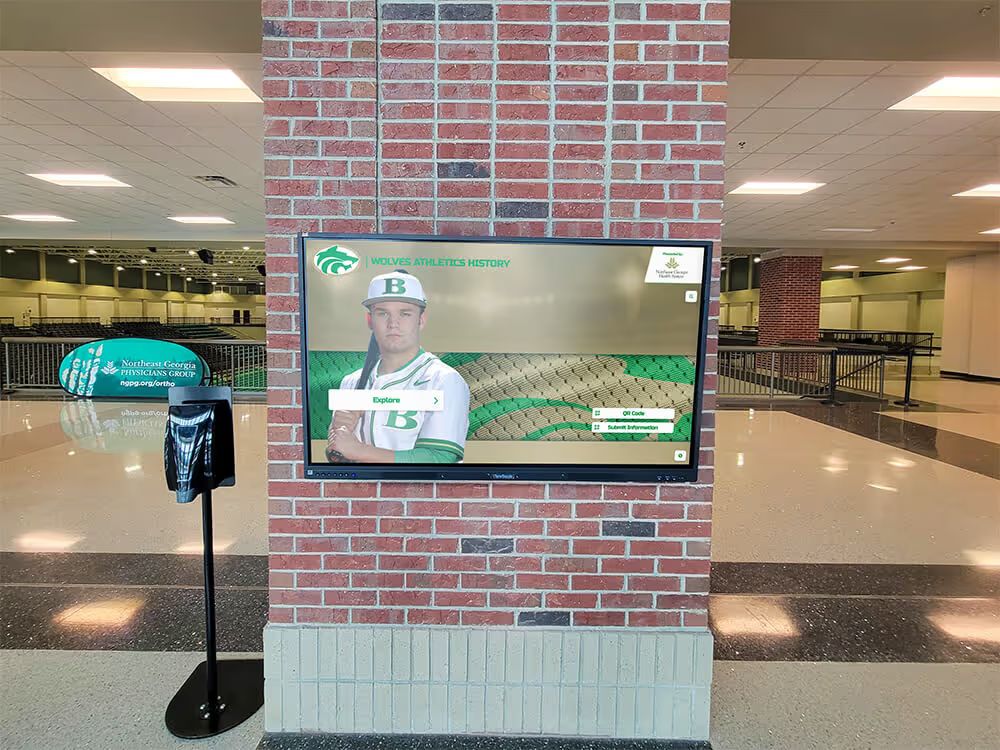
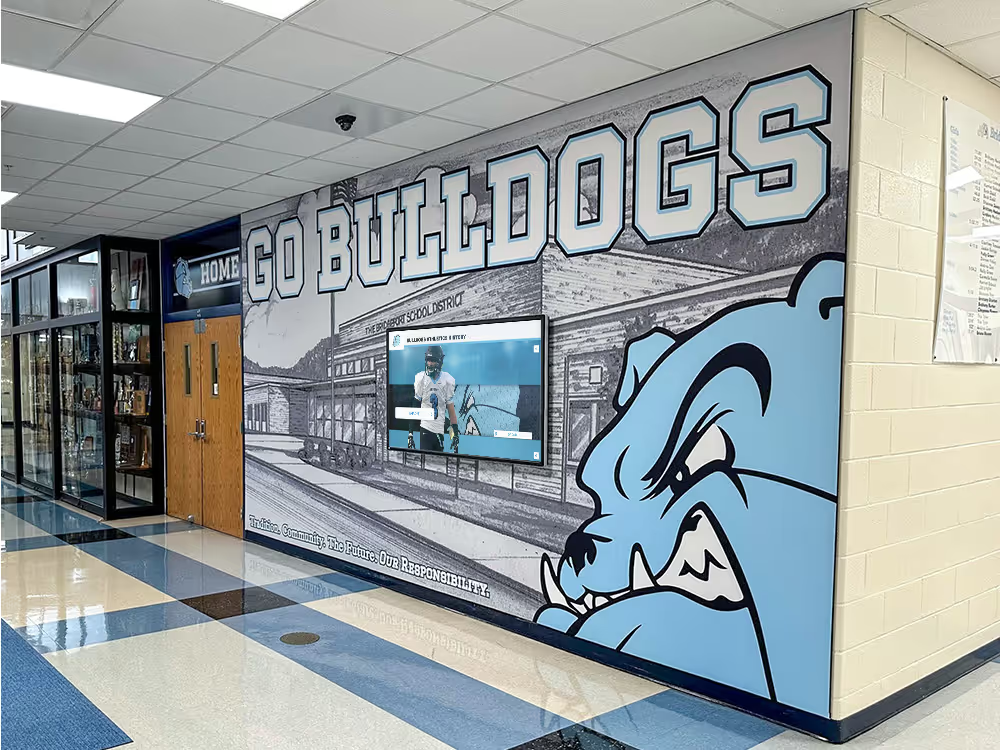
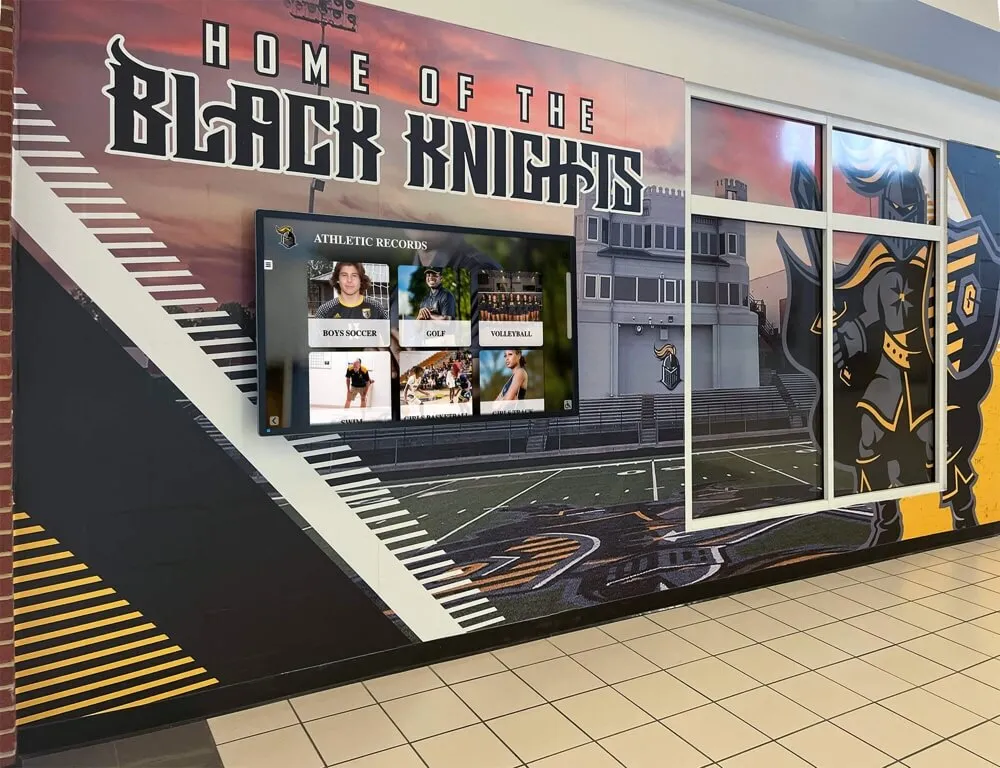
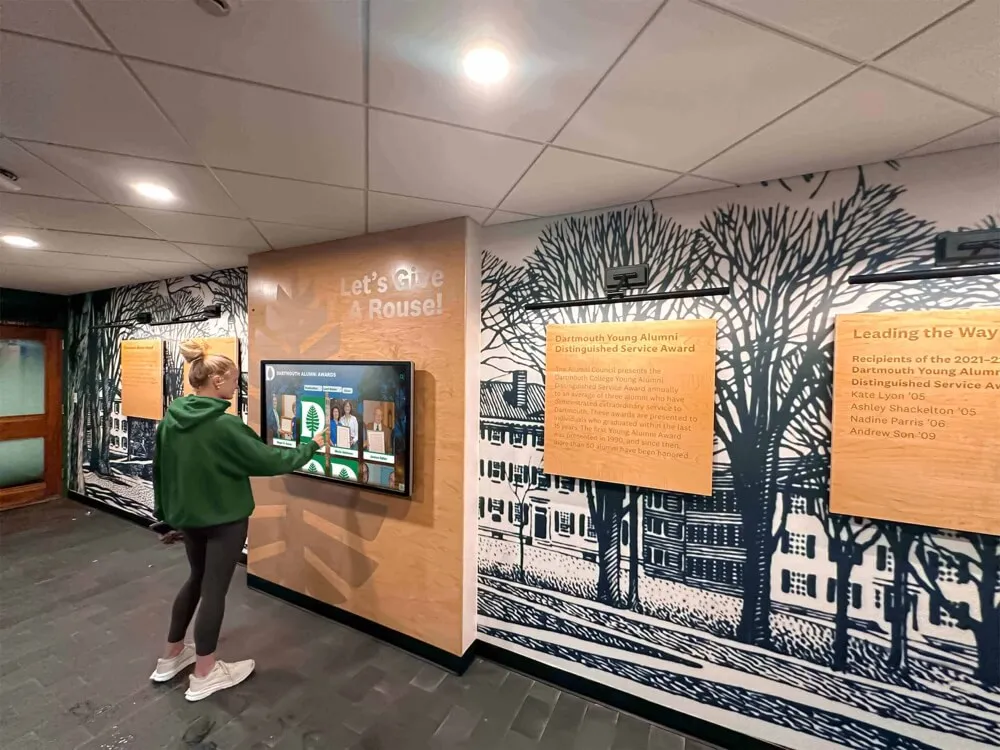
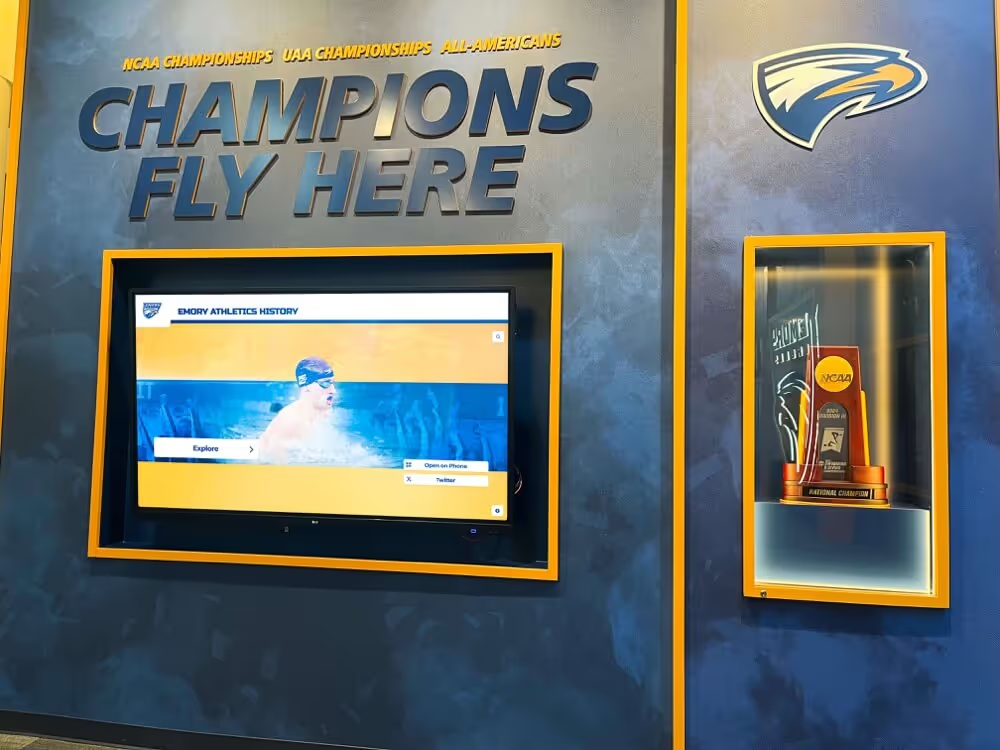
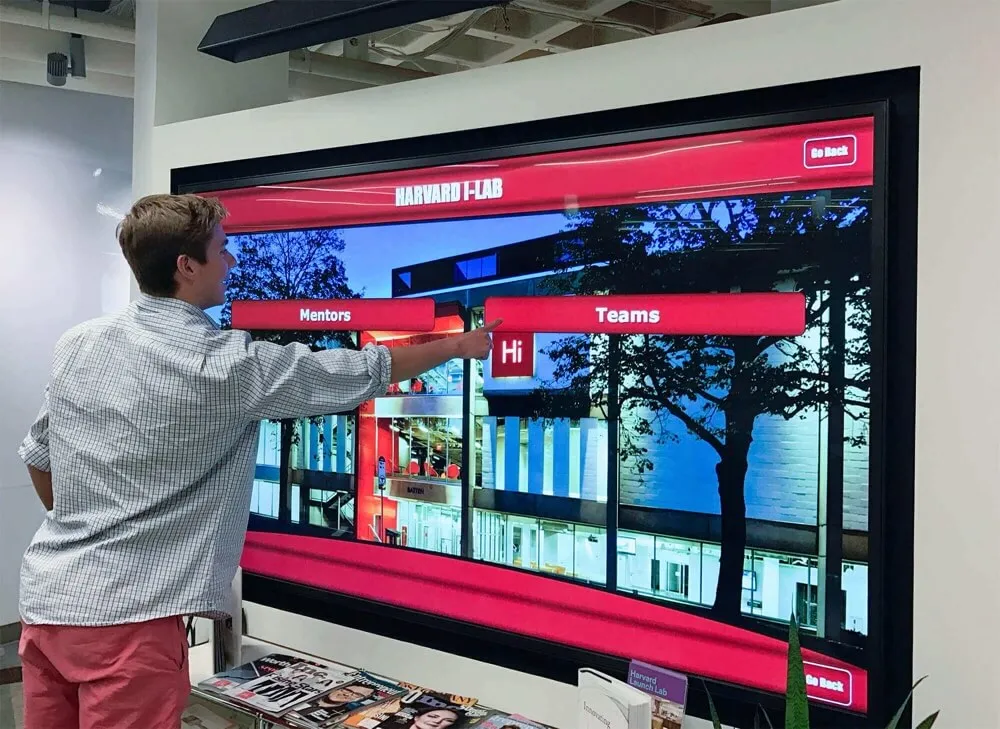
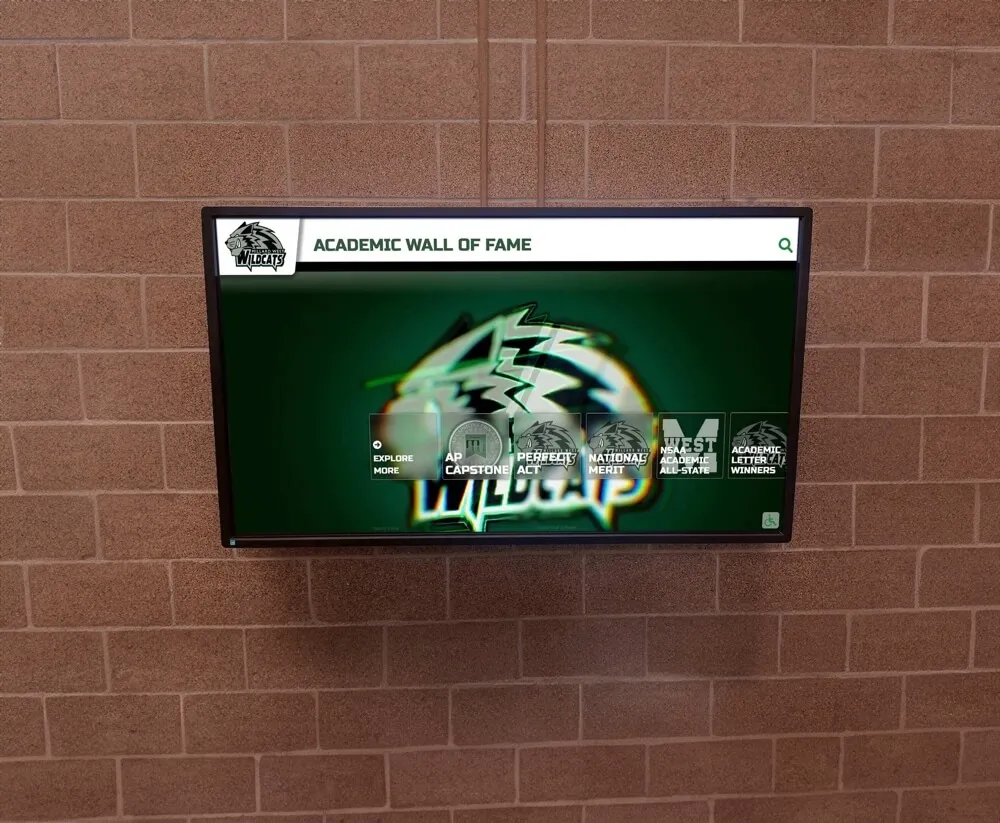
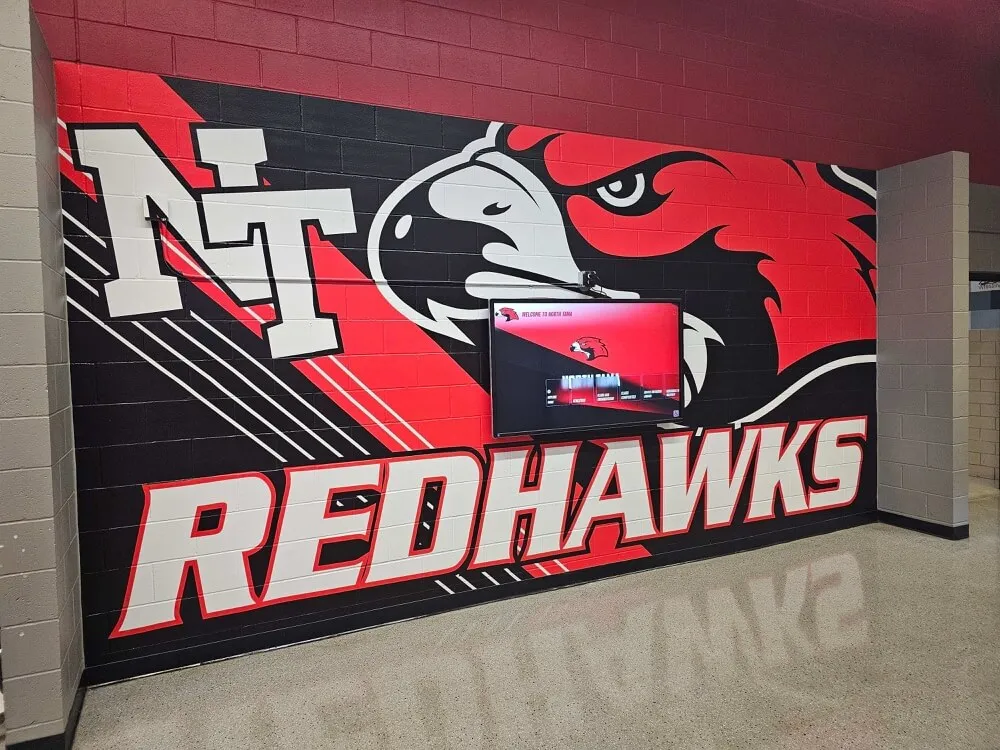
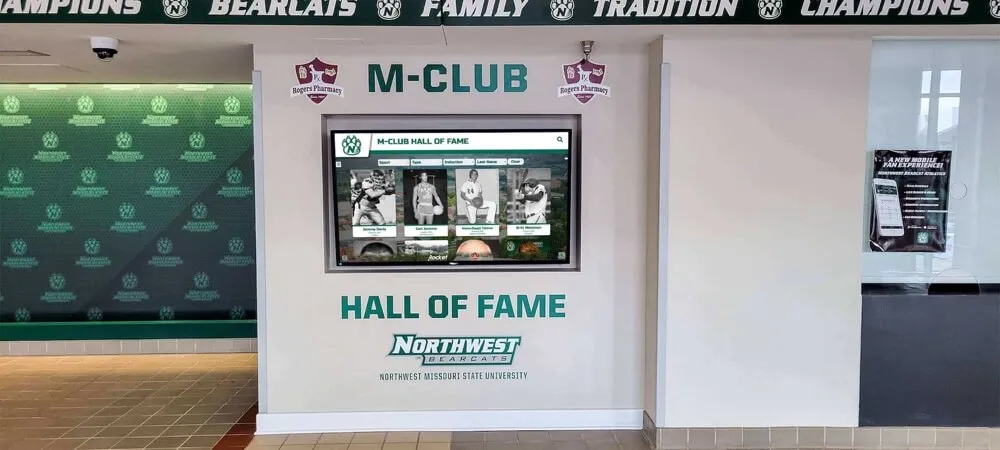
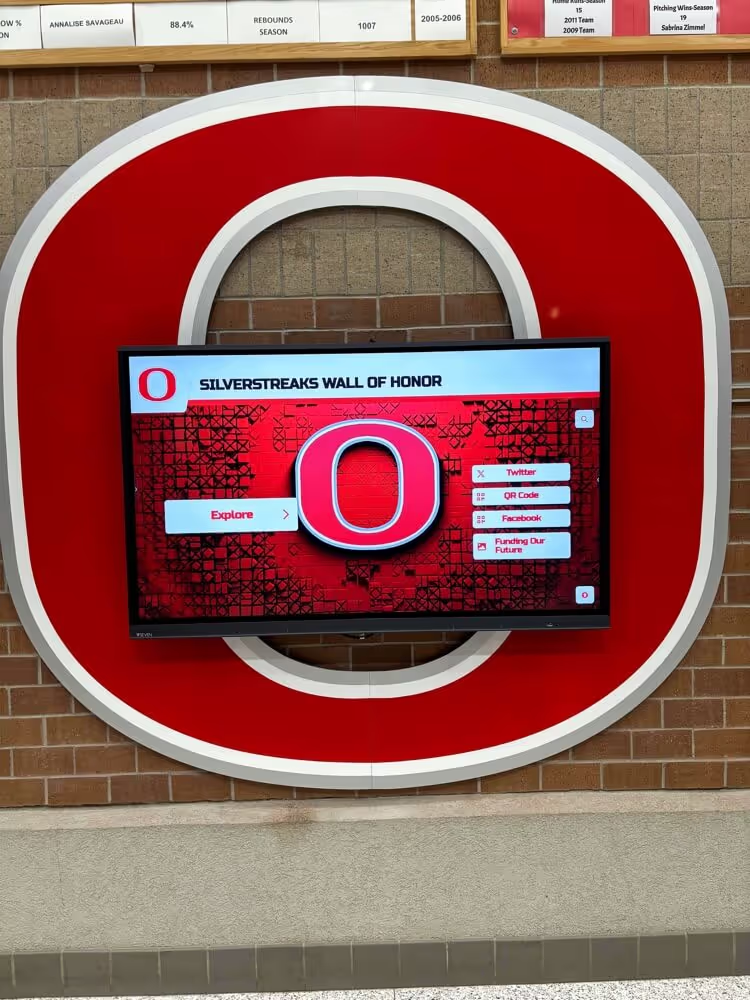
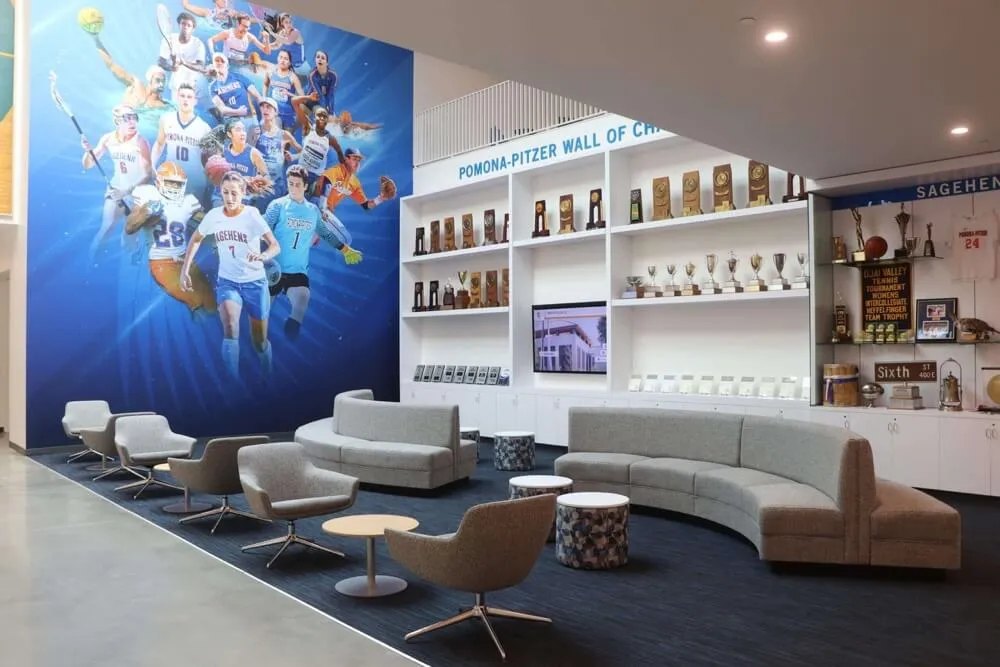
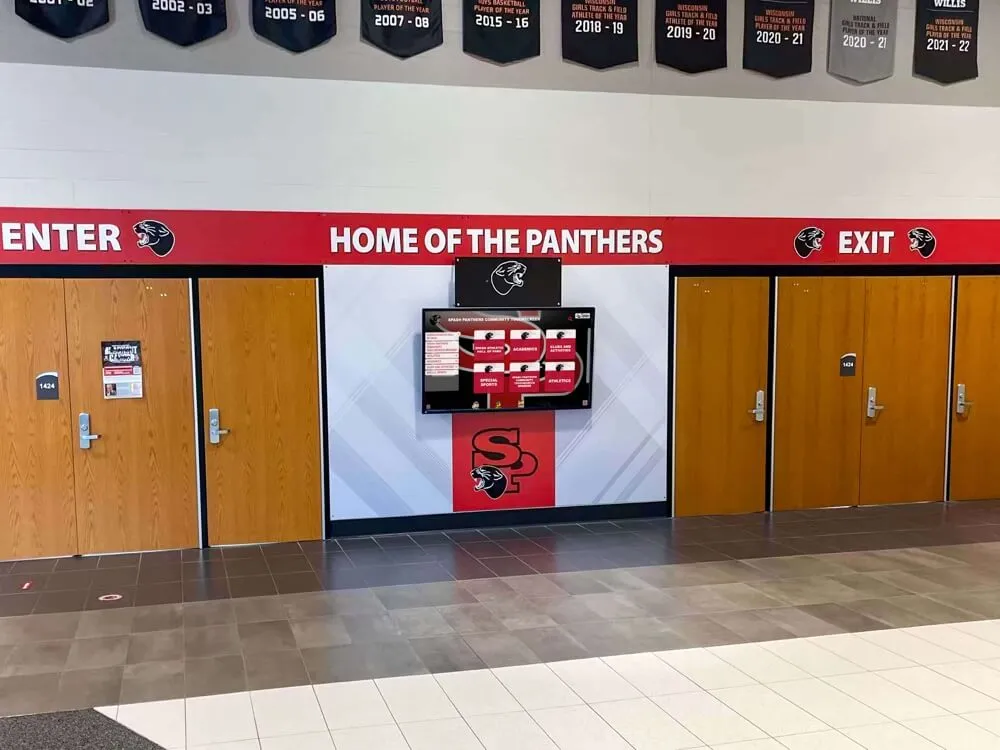
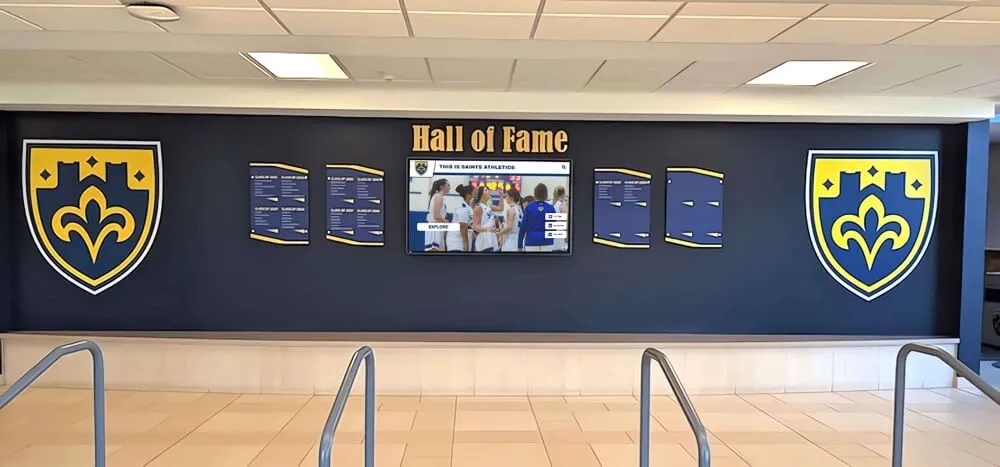
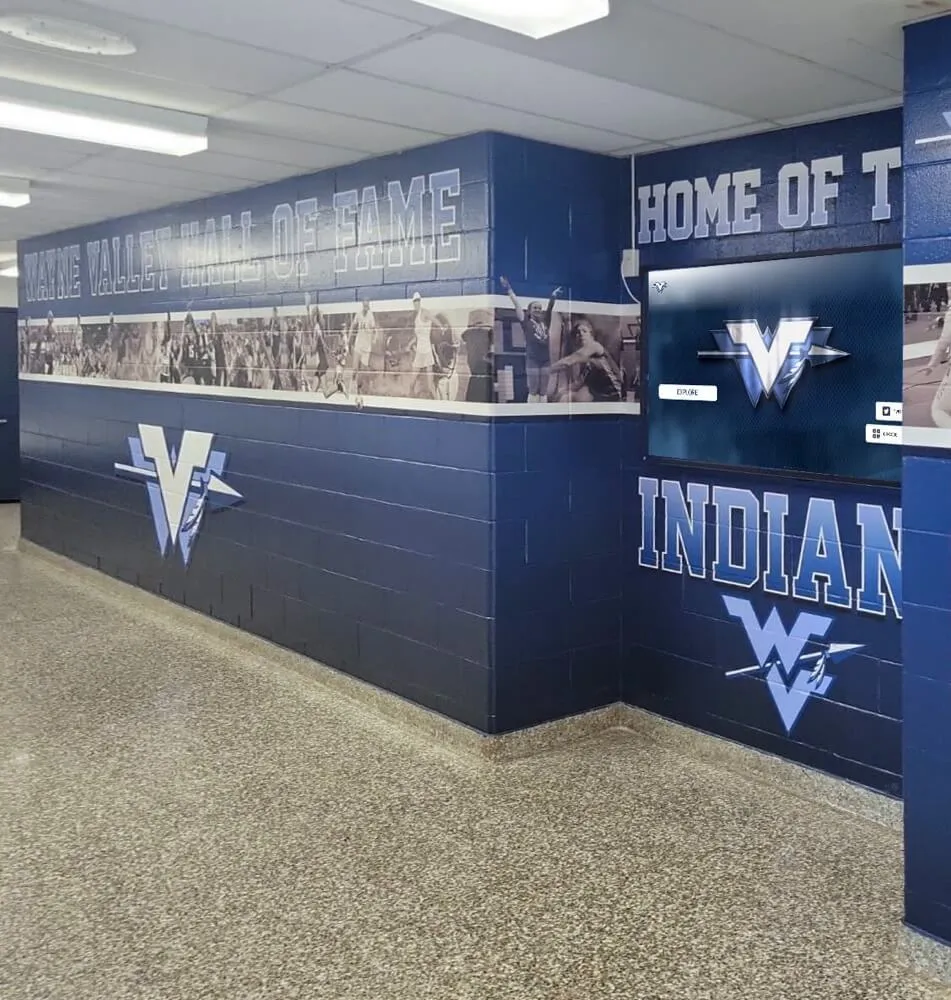
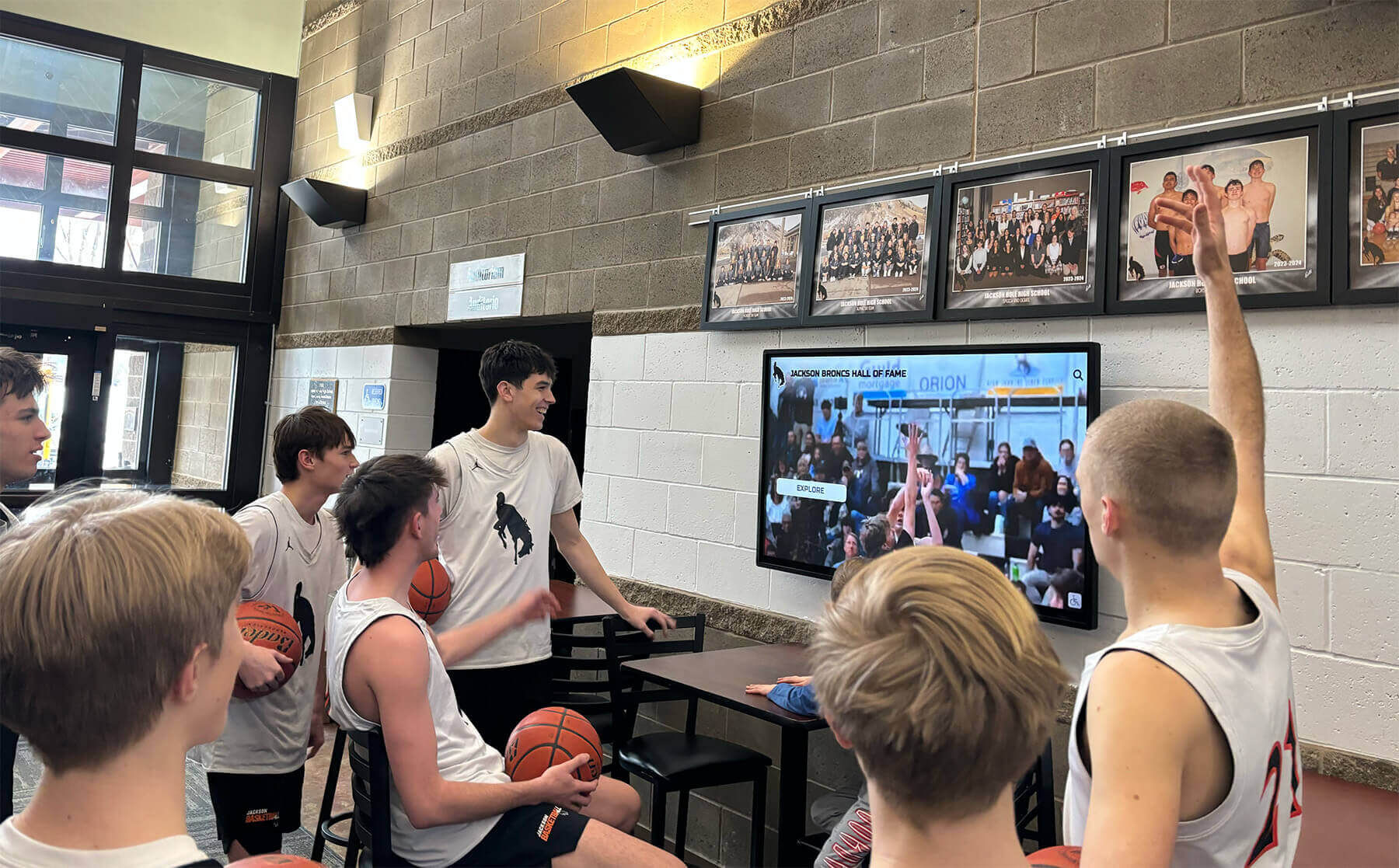
Many schools now use interactive digital recognition displays positioned in common areas that students naturally gather around during signing parties, exploring achievements from current and past years while discovering how their own recognition connects to institutional traditions.
Building and Reinforcing School Traditions
Annual yearbook signing parties become anticipated traditions that connect classes across graduation years. Alumni often recall these celebrations as significant memories, and current students benefit from participating in traditions that previous classes experienced. Consistent elements—signature activities, traditional locations, recurring program features—create institutional memory and culture extending beyond any single class or year.
Schools that maintain yearbook party traditions over multiple years create frameworks that ease planning while building anticipation. Students look forward to elements they’ve heard about from older siblings or friends, and the predictability of beloved traditions provides comfort during otherwise uncertain transition periods.
Planning Timeline and Key Preparation Steps
Successful yearbook signing parties benefit from extended planning horizons allowing thoughtful preparation rather than last-minute scrambling.
Three to Four Months Before: Initial Planning and Coordination
Begin conversations about yearbook signing parties early in the spring semester, ideally coordinating with yearbook distribution timelines:
Form Planning Committee: Establish who will lead planning efforts—typically combinations of student council representatives, yearbook staff members, activities coordinators, and faculty advisors. Clear ownership prevents assumptions that someone else is handling details while ensuring diverse perspective input.
Coordinate with Yearbook Distribution: Confirm when yearbooks will arrive and be ready for distribution. Signing parties work best 1-2 weeks before the school year’s final day, after yearbooks have been distributed but while students still have several days remaining together. This timing ensures maximum participation and prevents the chaos of trying to organize events on the very last day.
Establish Budget Parameters: Determine what funding is available through student activity budgets, club allocations, or small sponsorships from parent organizations or local businesses. Understanding budget constraints early allows realistic planning rather than developing elaborate concepts that prove financially unworkable.
Reserve Necessary Spaces: Secure venue reservations for desired dates and times. Popular school spaces like cafeterias, gymnasiums, or outdoor courtyards may have competing demands during end-of-year periods, making early reservations essential.
Six to Eight Weeks Before: Concept Development and Detailed Planning
With basic parameters established, develop specific party concepts and logistics:
Select Overall Theme or Concept: Decide whether the party will follow a specific theme, maintain simple school spirit focus, or take a more general celebratory approach. Themes should enhance rather than complicate—elaborate concepts requiring extensive decoration or coordination may not be worth the additional effort for events where the primary focus remains yearbook signing itself.
Plan Activity and Program Elements: Determine what activities beyond open signing time will be included. Consider the balance between structured programming and free social time—most students primarily want opportunities to connect with friends and sign yearbooks, so avoid over-programming that prevents the casual interaction students value.
Coordinate Food and Refreshment Plans: Decide on refreshment offerings, whether schools will provide all items, organize potluck contributions, or arrange vendor services. Account for dietary restrictions, allergies, and preferences ensuring inclusive options for all attendees.
Develop Music and Entertainment Plans: Arrange sound equipment, create playlists, or coordinate any live entertainment. Music selection matters—choose upbeat, appropriate options appealing to broad audiences while matching the celebratory tone.
Two to Four Weeks Before: Logistics and Communication
As the event approaches, focus on concrete logistics and clear communication:
Finalize and Communicate Event Details: Announce specific dates, times, locations, and any special instructions through multiple channels—morning announcements, social media, email communications to families, and posted flyers. Clear communication prevents confusion and maximizes participation.
Organize Volunteer Support: Recruit student and adult volunteers for setup, activity coordination, refreshment service, and cleanup. Distribute clear role assignments preventing last-minute scrambles to cover essential functions.
Prepare Decoration and Setup Materials: Gather, create, or purchase any decorations, signage, table coverings, or ambiance elements. For schools emphasizing recognition, coordinate with permanent display systems or create temporary exhibit areas showcasing student achievements from throughout the year.
Arrange Equipment and Supplies: Confirm availability of sound systems, tables, chairs, photo booth equipment, or any other necessary items. Test technical equipment in advance rather than discovering issues during setup.
Coordinate Any Recognition or Award Elements: If the party will include brief recognition ceremonies or achievement acknowledgments, prepare materials, coordinate presenters, and develop timing that balances formal recognition with casual celebration.
Theme Ideas and Creative Concepts
While yearbook signing remains the central activity, creative themes create cohesive experiences and distinctive memories.
Memory Lane: Celebrating the Year’s Journey
Create nostalgic atmosphere celebrating the journey from the school year’s beginning to its conclusion:
Decoration Approach: Display timeline exhibits showing progression through the year month by month, featuring photos, memorable moments, inside jokes known throughout the school, or significant events that defined the year. Timeline decoration creates natural conversation starters as students reminisce while signing yearbooks.
Activity Integration: Set up stations representing different seasons or terms with corresponding music, decorations, or refreshments evoking those periods. Students can naturally flow between stations while signing, creating varied experiences throughout the party.
Recognition Connection: Incorporate displays of awards, achievements, and accomplishments earned throughout the year, showing how individual recognition moments contributed to collective school success. Schools with digital recognition systems can position these interactive displays at parties, allowing students to explore achievements beyond what fits in printed yearbooks.
Hollywood Premiere: Red Carpet Recognition
Transform yearbook distribution into a glamorous celebration treating students like stars:
Decoration Approach: Create red carpet entrance areas, award show aesthetics with gold and black color schemes, star motifs throughout spaces, and designated photo backdrop areas with step-and-repeat banners featuring school logos or the year.
Activity Integration: Set up photo stations where students pose individually or in groups with props, creating shareable social media content and party memories. Consider brief “award” presentations acknowledging various superlatives, achievements, or lighthearted categories students voted on.
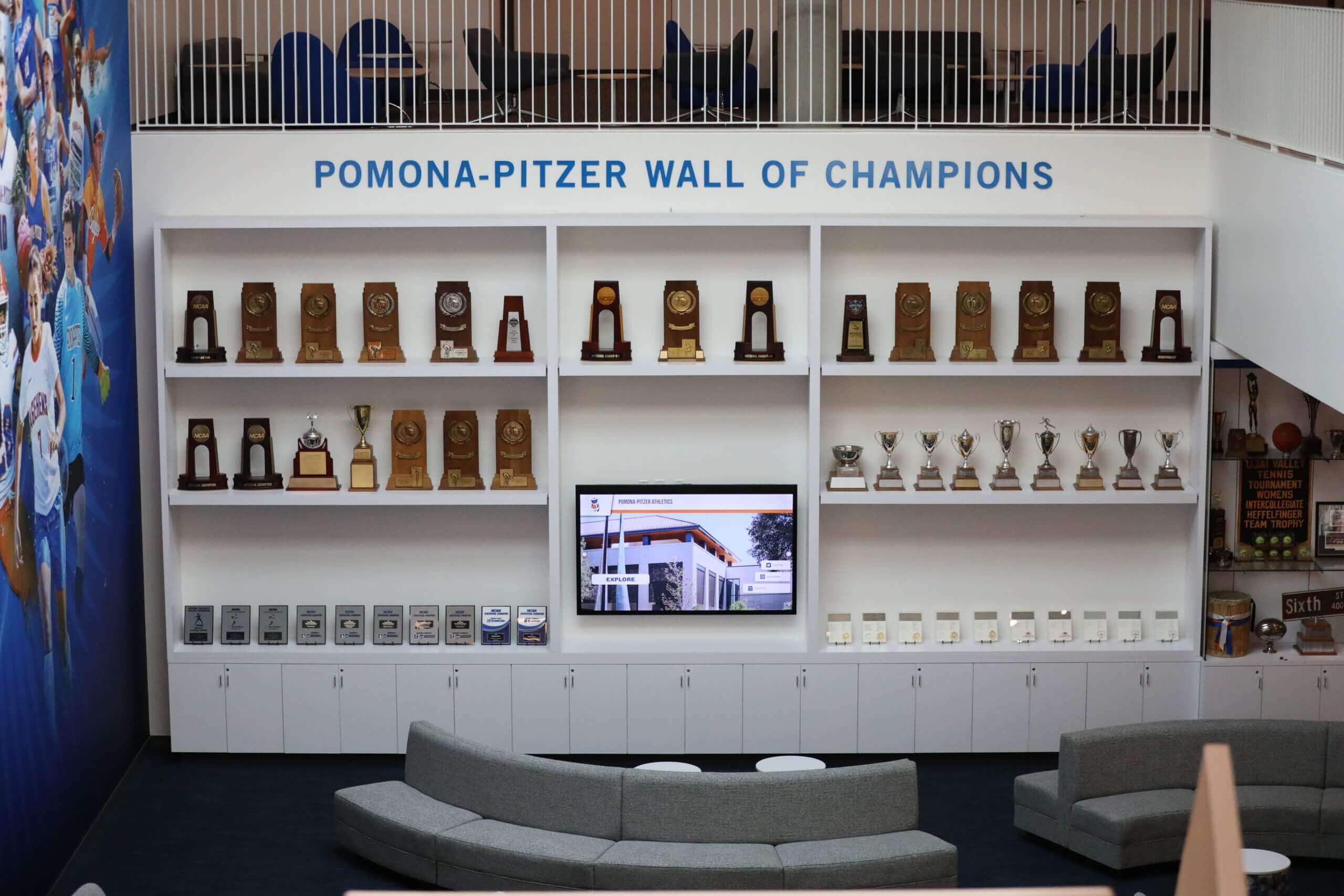
Recognition Connection: Highlight students who achieved significant recognition throughout the year—academic honors, athletic achievements, artistic accomplishments, or community service milestones. The “premiere” concept naturally accommodates recognition ceremonies celebrating student excellence while maintaining fun, celebratory atmosphere rather than overly formal programs.
Festival or Carnival: Interactive Celebration
Create energetic, interactive atmosphere with multiple activity stations and casual, fun energy:
Decoration Approach: Bright, cheerful colors representing school spirit, balloon installations, streamers, pennant banners, and playful signage creating upbeat festival atmosphere. Outdoor spaces work particularly well for this theme, weather permitting.
Activity Integration: Set up multiple stations offering different activities—photo booths, lawn games, music and dancing areas, craft stations where students create memory items, and designated signing areas with varied seating options from tables to casual blanket areas.
Recognition Connection: Create “achievement arcade” areas where students can view displays of accomplishments, watch highlight videos from competitions or performances, or explore interactive exhibits showing various dimensions of school achievement beyond what yearbooks can contain.
Simple School Spirit: Honoring Tradition
Sometimes the most effective approach eschews elaborate themes in favor of straightforward celebration emphasizing school identity and pride:
Decoration Approach: Focus entirely on school colors, mascot imagery, pennants, banners, and visual elements that reinforce institutional identity. This approach works particularly well for schools with strong traditions, distinctive mascots, or communities that take significant pride in school spirit.
Activity Integration: Emphasize activities connecting to specific school traditions—playing school fight songs, displaying historical photos showing tradition evolution, or incorporating signature cheers, chants, or rituals associated with the school.
Recognition Connection: Showcase how current students’ achievements connect to school legacy through displays comparing current year accomplishments to historical records, featuring alumni achievement stories, or highlighting how this year’s class contributed to ongoing school traditions and excellence standards.
Space Setup and Flow Considerations
Thoughtful space planning creates comfortable environments enabling the social connection that makes signing parties meaningful.
Venue Selection and Layout Planning
Indoor Venue Options:
Cafeterias, gymnasiums, commons areas, or auditorium lobbies offer weather-proof spaces with existing infrastructure like tables, chairs, and sound systems. Indoor venues work well regardless of weather but may require creative decoration to transform institutional spaces into celebratory environments.
Consider traffic flow when planning layouts—designate clear zones for different purposes (signing areas, refreshment stations, photo opportunities, music/dancing, quiet conversation spaces) while ensuring easy movement between zones. Avoid creating bottlenecks at entry points or refreshment areas where crowds will naturally gather.
Outdoor Venue Options:
Courtyards, quads, lawn areas, or other outdoor spaces create naturally celebratory atmospheres while providing ample room for large gatherings. Outdoor parties work particularly well during warm spring afternoons typical of end-of-year periods in many regions.
Outdoor planning must account for weather contingencies—have backup indoor locations confirmed and communicated so last-minute venue changes don’t create confusion. Consider shade availability for sunny days and always have weather backup plans regardless of forecast optimism.
Hybrid Approaches:
Many successful parties combine indoor and outdoor elements—refreshments and music indoors with additional seating and activity areas extending outdoors, or formal program elements inside with casual signing time continuing in outdoor spaces. Hybrid approaches provide flexibility while accommodating different student preferences for socializing environments.
Creating Dedicated Zones for Different Activities
Rather than treating the party space as undifferentiated area, designate zones for specific purposes:
Yearbook Signing Zones: Provide multiple seating areas with tables for writing—round tables encouraging group conversations, long tables accommodating signing rotations, and casual seating options for smaller groups. Supply markers, pens, and even sample message ideas for students who struggle with what to write.
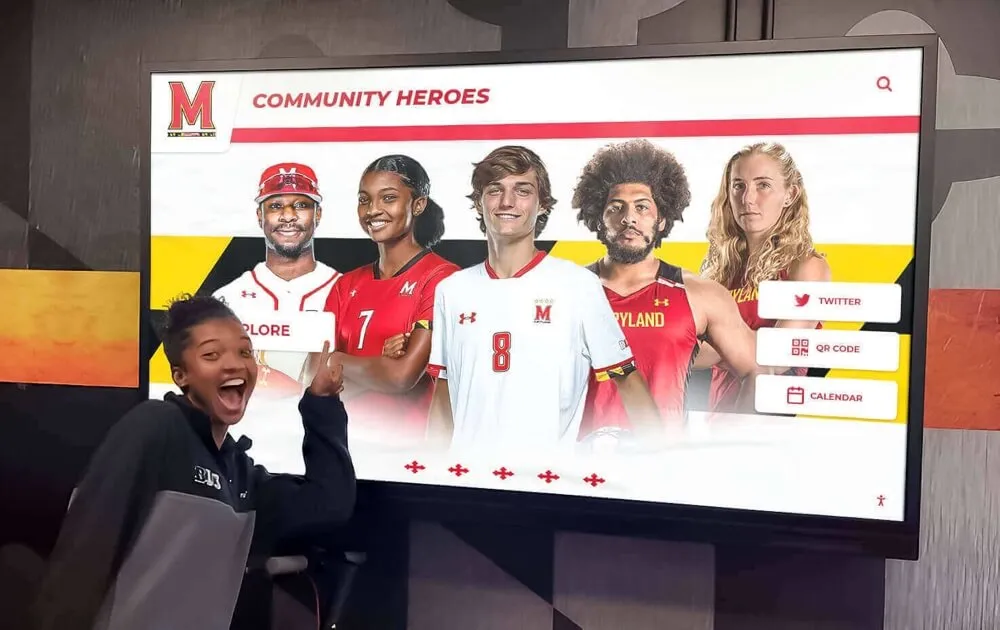
Photo Opportunity Areas: Set up designated photo zones with attractive backdrops, good lighting, props related to any themes, and clear space for groups to gather. Position photo areas away from traffic flow preventing photobombing while making them visible so students naturally discover and use them. Many schools find that students naturally photograph themselves in front of school recognition displays, so positioning parties near these installations creates natural photo backdrops celebrating school pride and achievement.
Refreshment Stations: Position food and beverage areas with adequate space for serving lines, tables to set down plates and cups, and nearby seating without creating congestion. Multiple smaller stations often work better than single large ones, preventing long waits and distributing crowds more evenly throughout spaces.
Music and Dancing Areas: Designate zones where students who want to dance or enjoy music can do so without disrupting students preferring conversation. Position speakers thoughtfully—music should enhance atmosphere without preventing communication in signing areas.
Quiet Conversation Spaces: Not all students enjoy high-energy crowds. Provide alternative areas with seating away from loud music where students preferring calmer interaction can gather. These spaces particularly matter for students who may feel overwhelmed by sensory intensity of larger party areas but still want to participate in signing and socializing.
Activity Ideas Beyond Basic Signing Time
While yearbook signing itself provides primary activity, additional program elements create structure and memorable moments.
Organized Signing Rotations and Prompts
Speed Signing Rotations: Organize structured 5-10 minute rotations where students sit in assigned groups, sign yearbooks within that group, then rotate to new groupings. This approach ensures students collect signatures from broader peer groups beyond just close friends while creating opportunities for positive interactions across typical social boundaries.
Speed rotations work particularly well for middle schools or freshman classes where students are still forming friendships and social hierarchies remain fluid. Older students may resist structured approaches preferring to choose their own signing partners, so adjust based on student age and culture.
Themed Message Prompts: Provide optional writing prompts helping students move beyond generic “Have a great summer!” messages toward more meaningful yearbook entries. Prompt examples might include:
- “My favorite memory with you this year was…”
- “Something I admire about you is…”
- “I’ll always remember when we…”
- “I hope your future includes…”
- “The impact you made on our school was…”
Prompts help students uncomfortable with open-ended writing while encouraging thoughtful messages that recipients will appreciate reading years later. Display prompts on posters, table tent cards, or small handouts available at signing tables.
Photo and Memory Creation Activities
Photo Booth Stations: Set up simple photo booth areas with backdrops, props, and either professional photography, volunteer parent photographers, or tripod-mounted cameras enabling self-service photos. Photo booths create shareable content while preserving party memories in formats beyond yearbook signatures.
Consider creating photo challenges or scavenger hunts where students collect photos in specific categories:
- Entire friend groups together
- Students with specific teachers or staff
- Recreations of favorite memories from throughout the year
- Creative poses at different party zones
- Photos with students they didn’t know well at year’s beginning
Memory Wall Displays: Set up large boards, poster sheets, or digital displays where students can add favorite memories from the year. Provide markers, sticky notes, or digital submission options allowing students to contribute anonymously or with attribution. Memory walls create collaborative documentation supplementing official yearbook content while revealing what students themselves valued most about shared experiences.
Video Message Stations: Position tablet or smartphone recording stations where students can record brief video messages for classmates, favorite teachers, or graduating seniors. Video captures personality, emotion, and authenticity difficult to convey through written yearbook messages while creating digital keepsakes complementing printed books.
Recognition and Celebration Moments
Brief Achievement Recognition: Consider incorporating 10-15 minute segments acknowledging significant accomplishments from throughout the year. Keep recognition brief and inclusive—highlight diverse achievement types from academics to athletics to arts to service rather than extended focus on small elite groups.
Recognition works particularly well when integrated naturally into party flow rather than requiring all students to sit through extended formal programs. Brief acknowledgments during refreshment service or between activities maintain celebratory energy without creating tedious obligations students must endure.
Senior Sendoff Moments: For parties including graduating seniors, create specific moments honoring departing students. Senior recognition might include having each senior share brief advice for underclassmen, presenting seniors with small commemorative items, or organizing photo opportunities bringing entire senior classes together for final group pictures.
Teacher and Staff Appreciation: Yearbook signing parties provide opportunities to acknowledge faculty and staff contributions to the year. Brief thank-you moments, student-created appreciation videos, or opportunities for students to sign thank-you cards for favorite teachers create positive closure while recognizing adults who invested in student success.
Schools implementing comprehensive recognition programs throughout the year can position yearbook parties as culminating celebrations bringing together all forms of acknowledgment into single events that honor the full spectrum of student achievement.
Interactive Games and Competitions
Yearbook Trivia: Create trivia games based on yearbook content—questions about events featured, photo locations, quoted students, or inside jokes documented in the book. Trivia engages students with yearbook content while creating friendly competition and shared laughter.
Superlatives and Awards: If not already included in yearbooks, conduct lighthearted superlative voting for fun categories like “Most Likely to Become Famous,” “Best School Spirit,” “Friendliest Smile,” or “Future Class Reunion Organizer.” Keep categories positive and inclusive—avoid anything potentially embarrassing or exclusive.
Outdoor Lawn Games: For parties with outdoor components, provide lawn games like cornhole, giant Jenga, bocce, or frisbee creating casual activity options. Games give students who enjoy physical activity alternatives to sitting and signing while maintaining social interaction opportunities.
Music and Dancing: Simply providing good music and designated dance areas creates popular activity requiring minimal organization. Student DJs or curated playlists featuring popular songs and school favorites generate energy while allowing students to participate at comfort levels ranging from active dancing to watching from sidelines.
Refreshment Planning and Food Service
Food and beverages serve practical purposes while contributing to celebratory atmosphere and providing natural gathering points for social interaction.
Budget-Friendly Refreshment Approaches
Simple Snack Stations: Focus on affordable crowd-pleasers rather than elaborate spreads—chips and dip, pretzels, cookies, fruit trays, vegetable platters, or popcorn bars provide sufficient refreshment without significant expense. Simple offerings allow budget allocation toward other party elements while still acknowledging that food makes events feel more celebratory.
Potluck Contributions: Organize class or club contributions where different groups provide specific refreshment items. Potluck approaches reduce school costs while creating ownership among different student organizations. Coordinate through sign-up systems ensuring variety and preventing excessive quantities of single items.
Beverage Focus: Sometimes emphasizing beverage variety while minimizing food reduces costs significantly. Provide multiple drink options—water, lemonade, iced tea, soft drinks—alongside light snacks rather than substantial food service. This approach works particularly well for parties scheduled between meal times when students don’t expect full food service.
Local Business Partnerships: Explore whether local restaurants, bakeries, or food vendors might donate or discount refreshments in exchange for recognition at school events. Many businesses welcome community partnership opportunities and positive exposure to family audiences. Always follow district policies regarding vendor relationships and commercial partnerships in schools.
Dietary Accommodations and Inclusive Planning
Modern refreshment planning must accommodate diverse dietary needs ensuring all students can participate fully:
Common Dietary Considerations:
- Vegetarian and vegan options
- Gluten-free alternatives
- Dairy-free or lactose-intolerant accommodations
- Nut allergies and common allergen avoidance
- Religious dietary restrictions (halal, kosher)
- Food sensitivity or medical dietary requirements
Practical Implementation:
- Label all items clearly with ingredient information
- Provide diverse options ensuring restricted diets have attractive choices
- Keep some items separated preventing cross-contamination
- Follow up with families who have communicated serious allergies
- Err toward simple, whole foods that naturally accommodate many restrictions
Thoughtful dietary planning demonstrates respect for all students while preventing situations where students feel excluded from celebrations meant to honor their participation. Guidance on planning inclusive school celebrations provides additional frameworks for ensuring broad accessibility and participation.
Connecting Yearbook Parties to Broader Recognition Programs
Yearbook signing parties represent single moments within larger cultures of recognition and celebration that schools build throughout academic years.
Integrating Digital Recognition Displays

Traditional trophy cases face space limitations restricting how many students and achievements receive visible recognition. Printed yearbooks, while treasured keepsakes, can document only limited content within physical page constraints. Modern schools increasingly supplement these traditional recognition forms with interactive digital systems that extend celebration and documentation far beyond what physical formats alone allow.
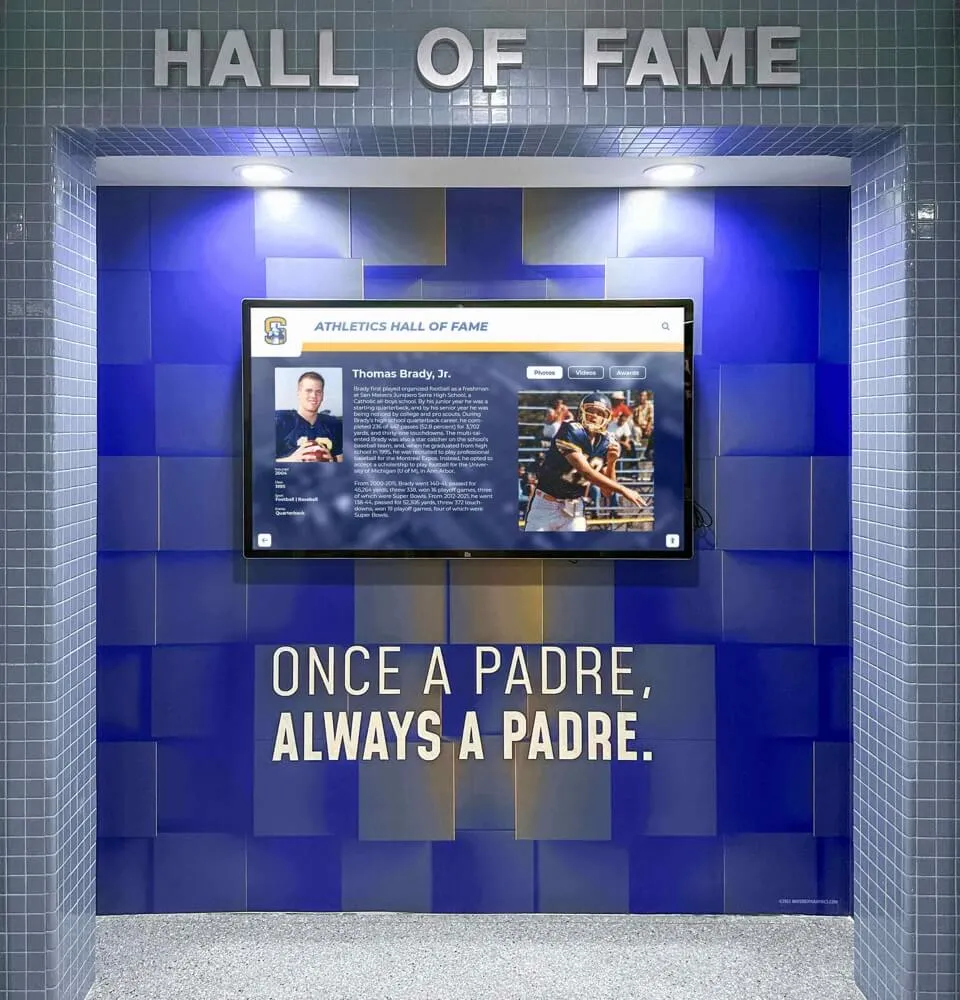
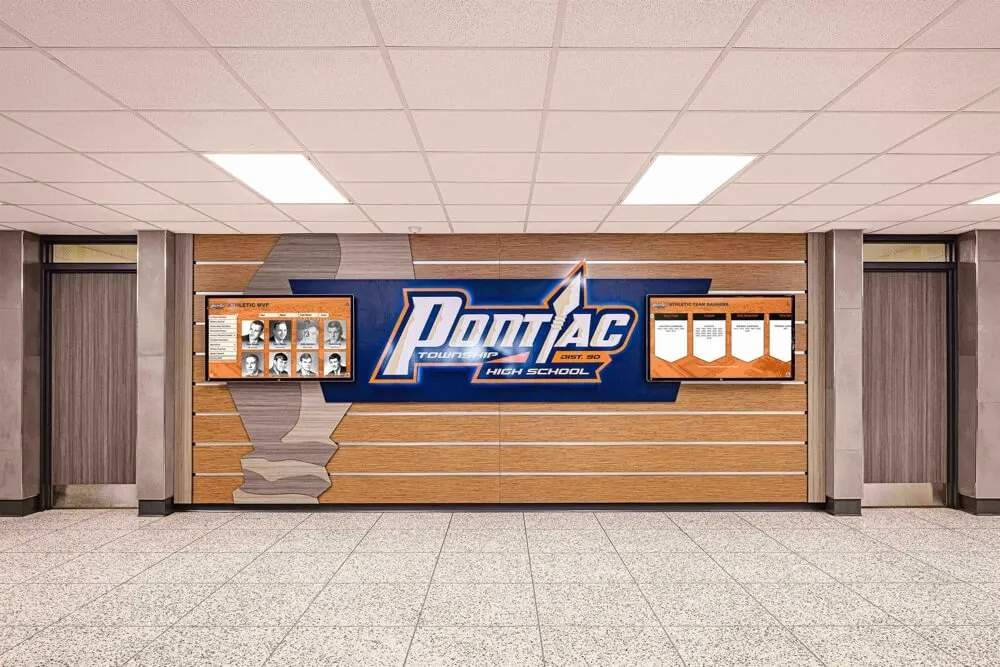
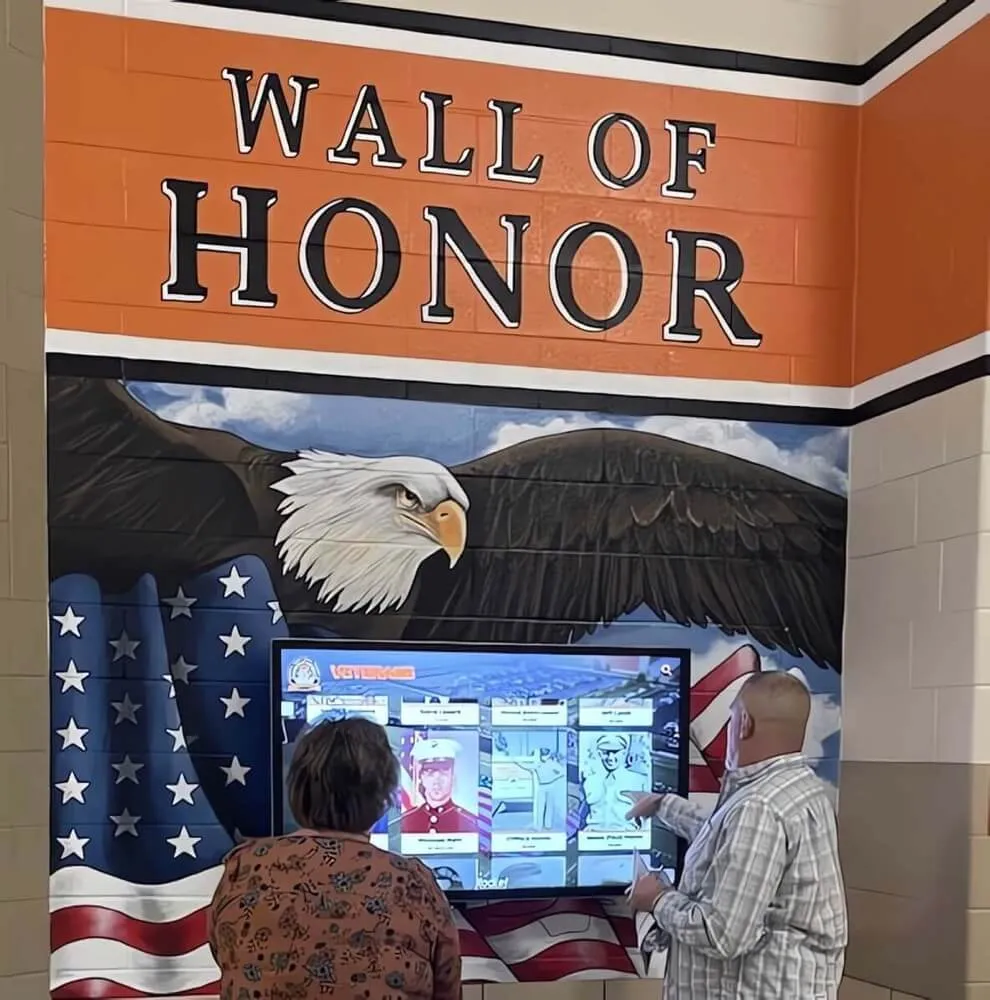
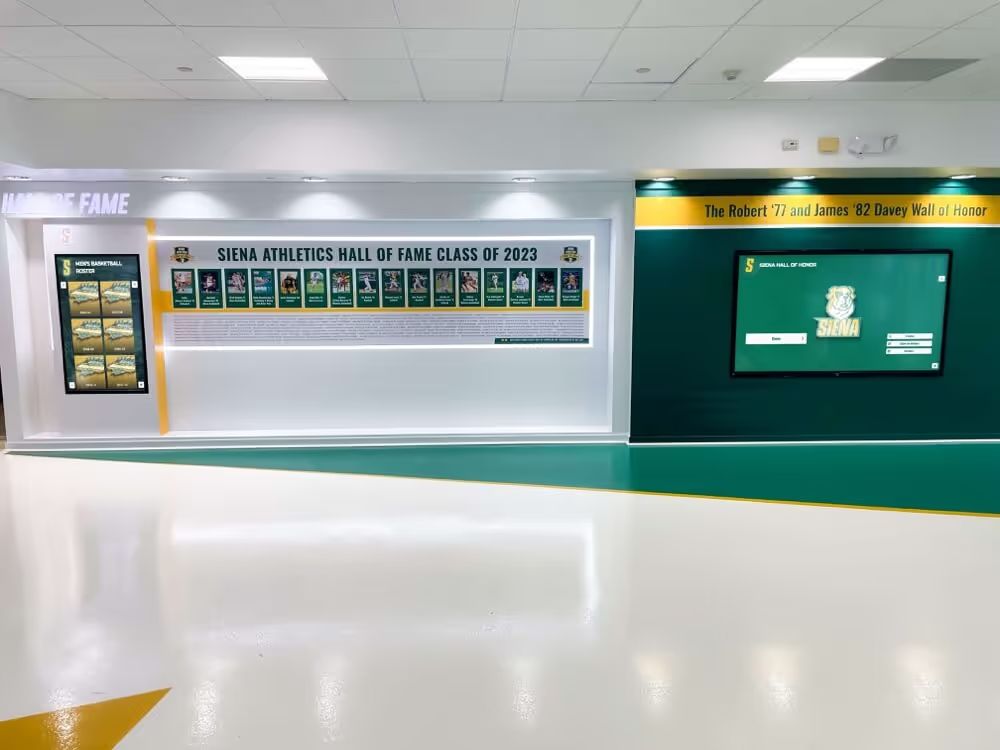
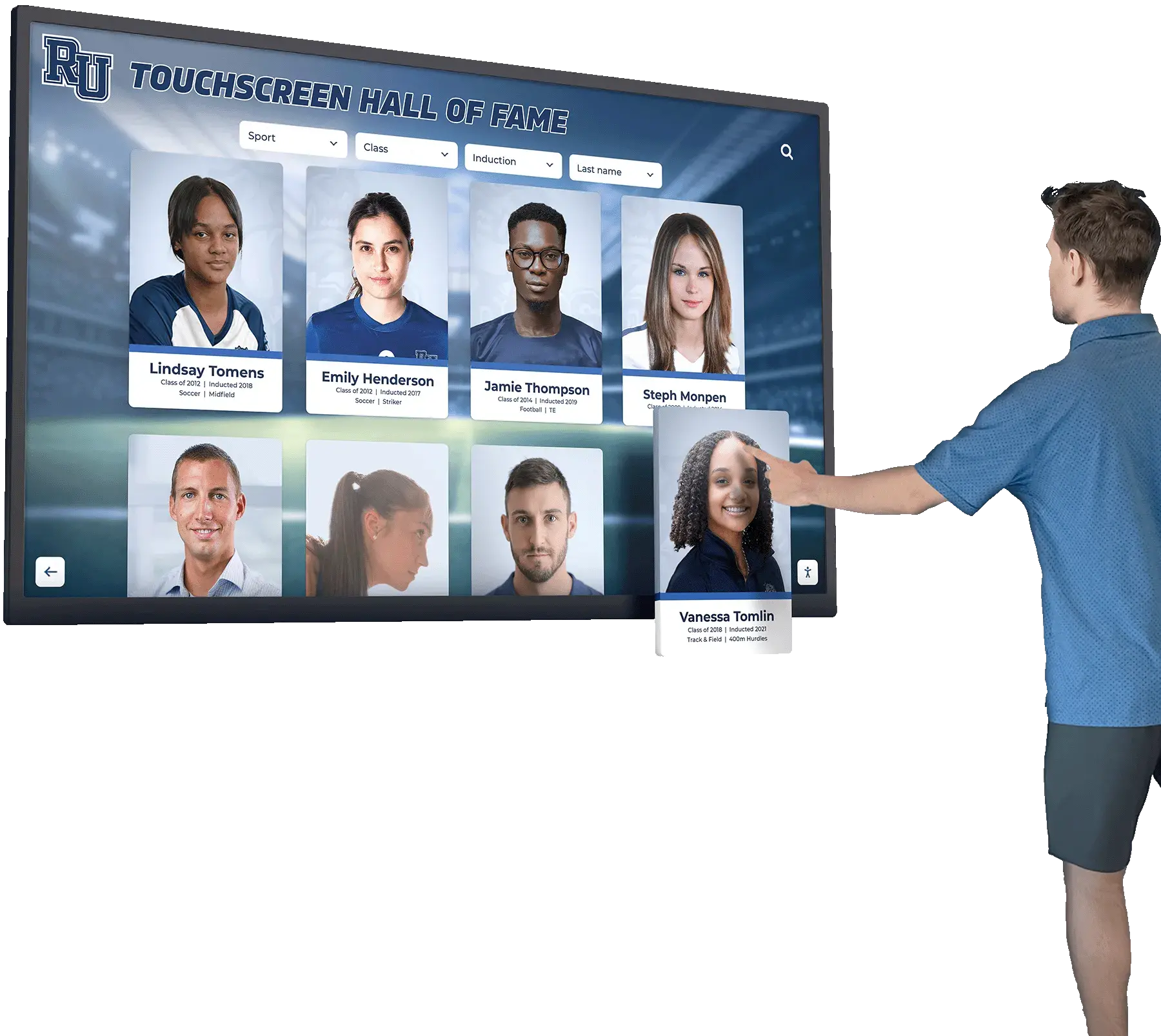
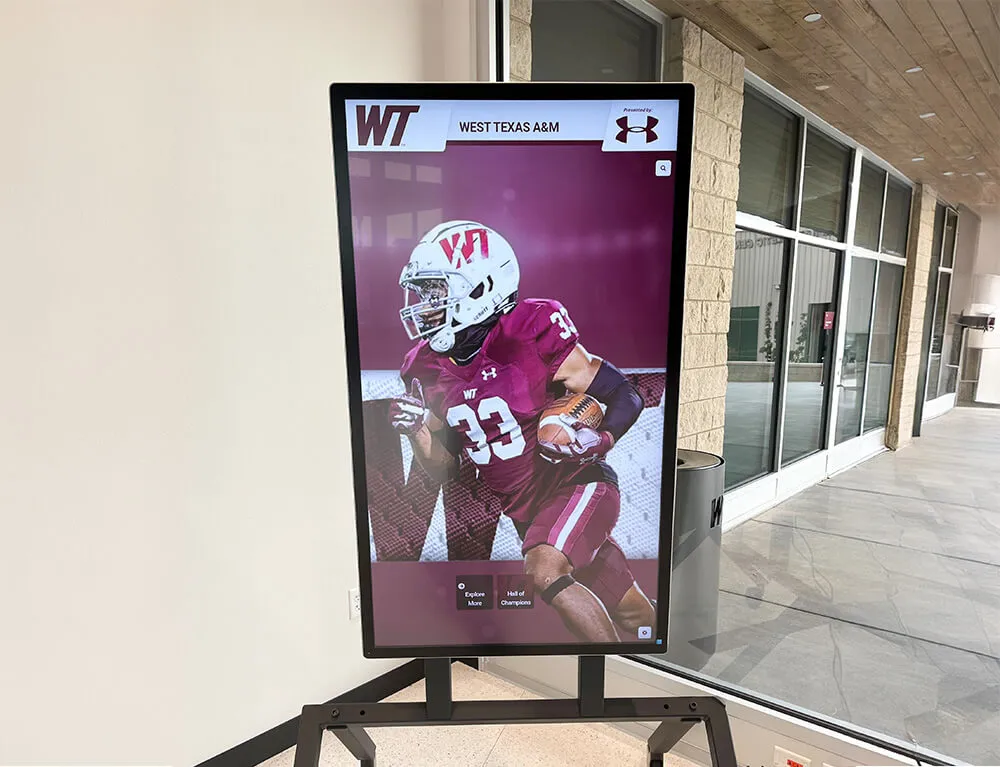
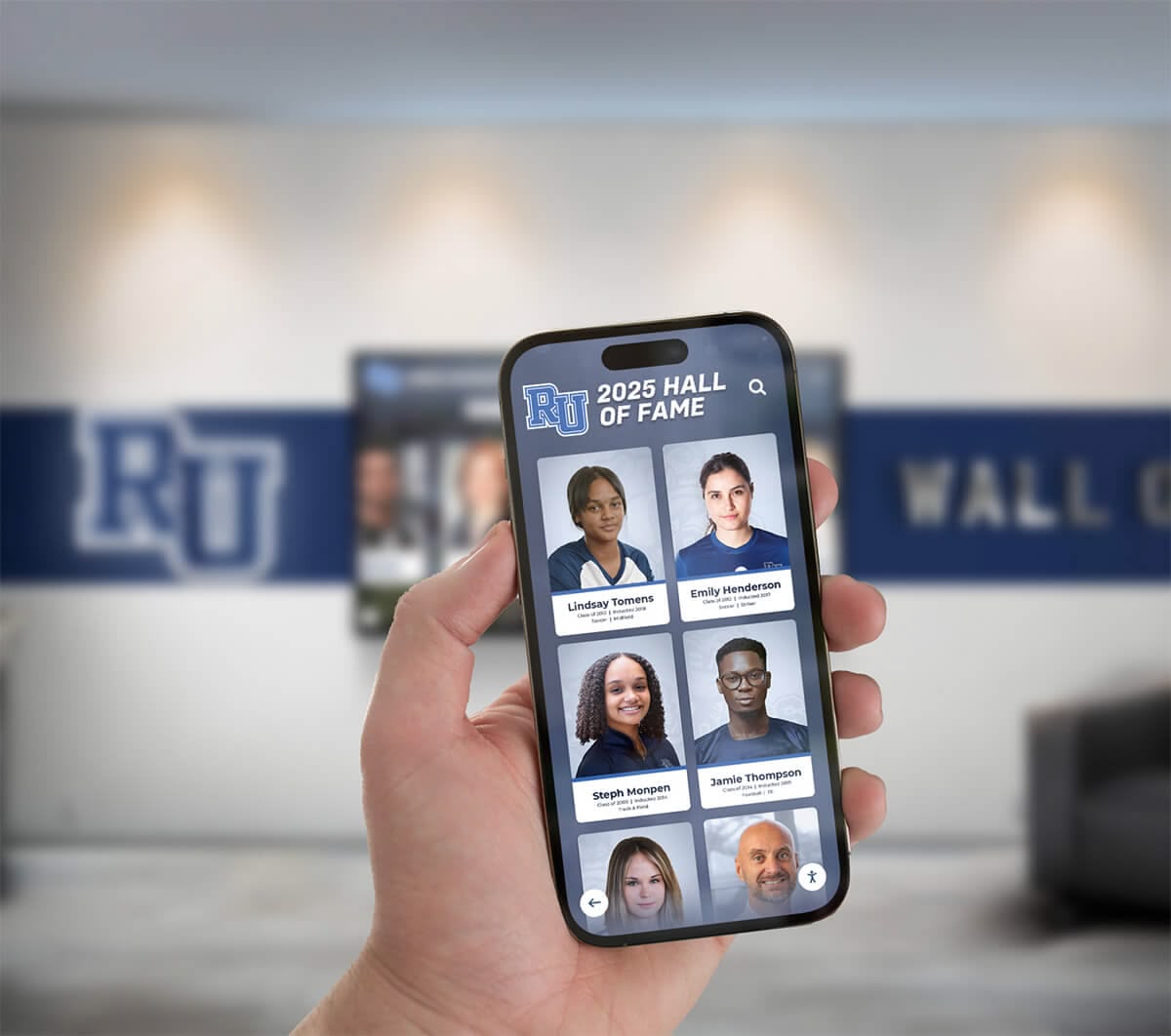
Interactive touchscreen displays enable students to explore comprehensive achievement archives during yearbook signing parties—browsing current year accomplishments while discovering historical achievements connecting them to broader school traditions. Students can search by name, activity, year, or award type, viewing detailed profiles including photos, accomplishment descriptions, and recognition context that yearbooks often omit due to space limitations.
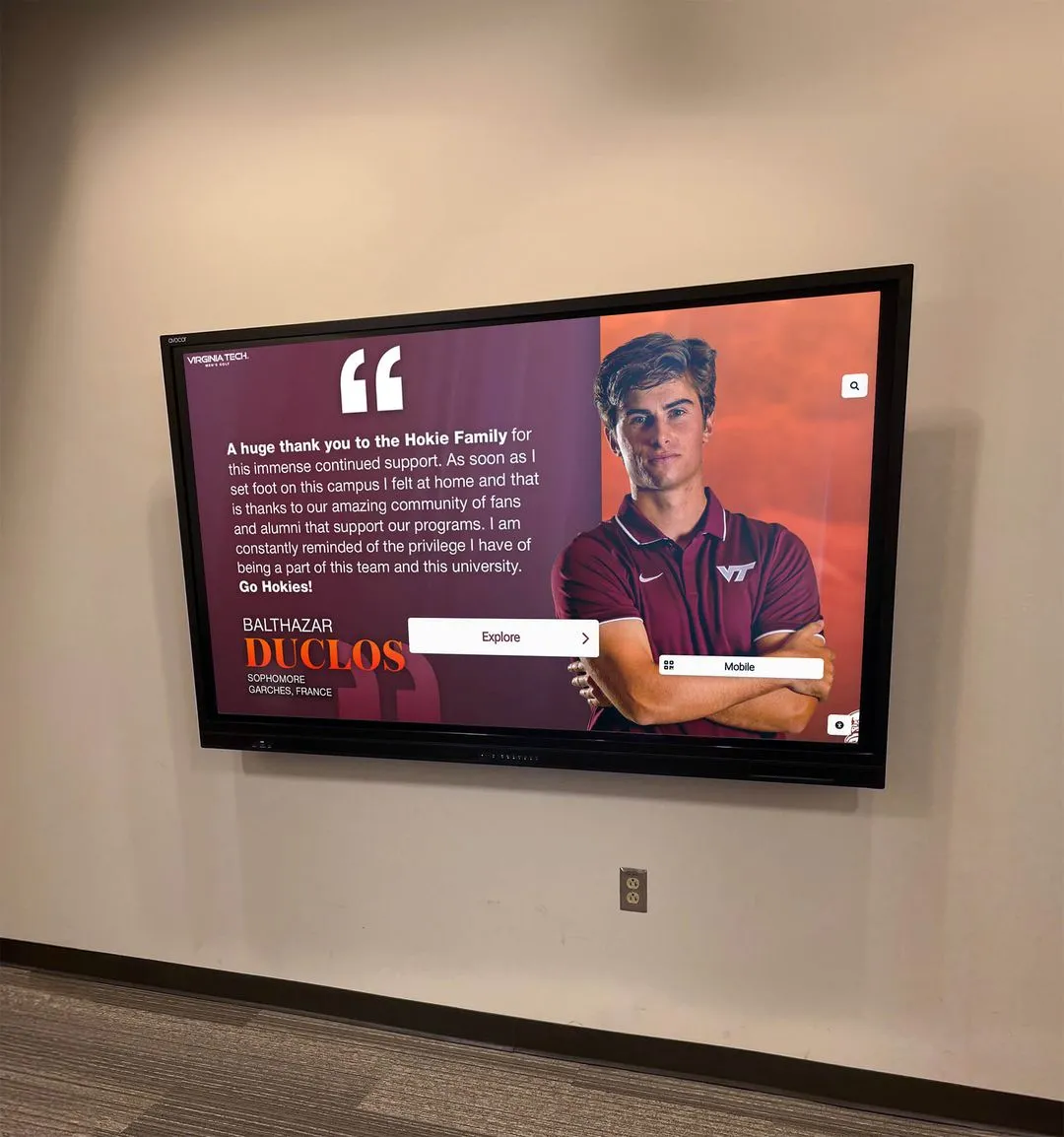
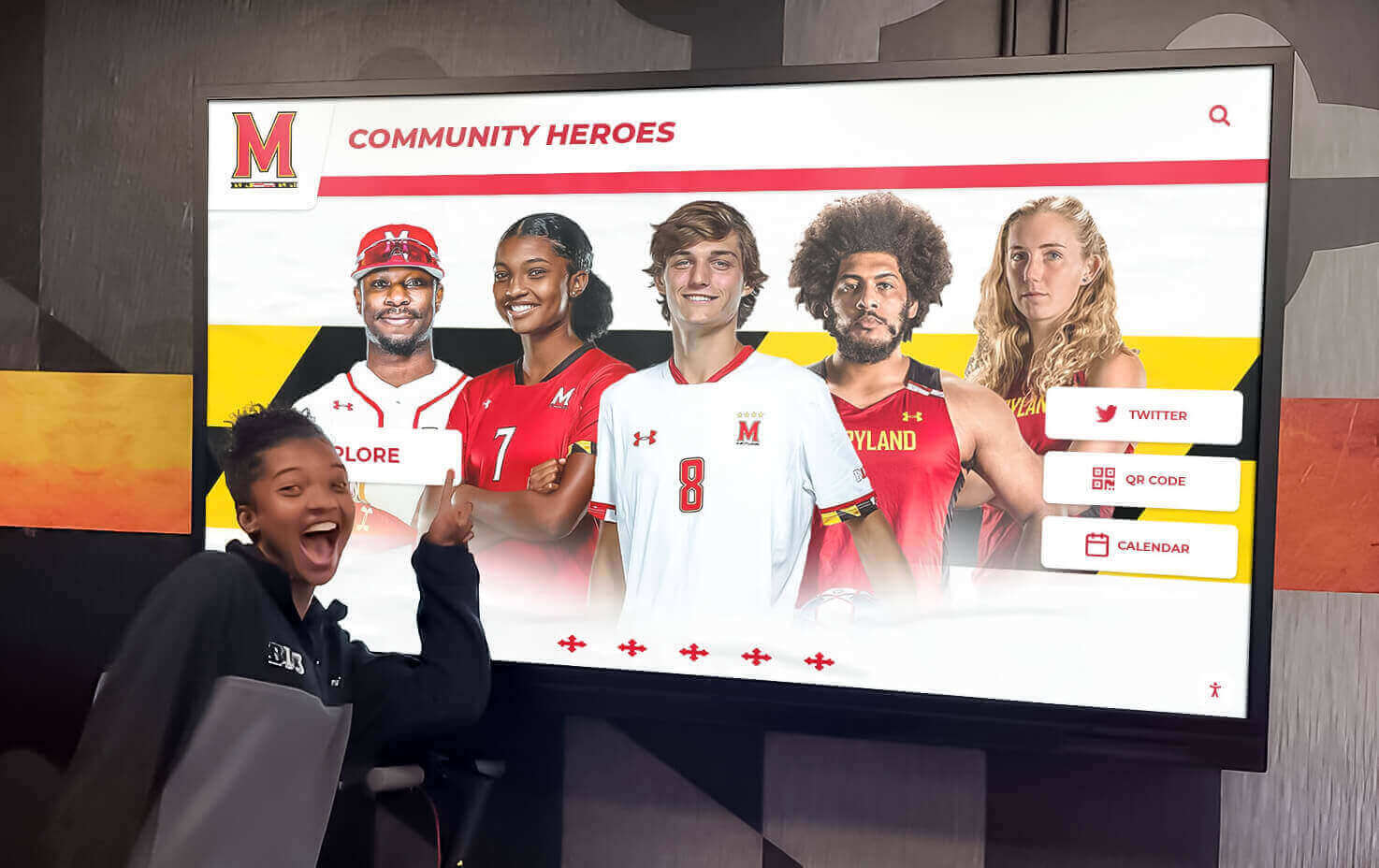
These digital systems create searchable, permanent documentation preserving student achievements indefinitely while making history accessible to current students, alumni returning to visit, and community members celebrating local excellence. During yearbook parties, these displays become natural gathering points where students show friends their own recognition, explore classmates’ accomplishments, or discover surprising achievements they didn’t know peers had earned.
Benefits of Digital Recognition at Yearbook Parties:
- Students can immediately find and share their own recognition profiles with family and friends
- Displays supplement yearbook content with comprehensive documentation beyond print limitations
- Interactive exploration creates natural conversation starters and social interaction around shared achievements
- Current year accomplishments appear alongside historical context showing how students contributed to ongoing traditions
- Photo-worthy displays create shareable social media content students naturally document and distribute
- Alumni can locate their own past recognition when visiting for graduation or other events, maintaining connections to schools years after departure
Solutions like Rocket Alumni Solutions provide purpose-built platforms designed specifically for comprehensive school recognition including academic achievements, athletic accomplishments, arts recognition, and service honors. These systems enable schools to celebrate achievements during yearbook parties while automatically creating permanent historical archives ensuring recognition extends beyond single celebration moments.
Building Year-Round Recognition Culture
Yearbook signing parties work best as culmination points within comprehensive recognition cultures rather than isolated events:
Consistent Recognition Throughout Year: Schools that regularly acknowledge diverse achievements create accumulated celebration that yearbook parties can honor collectively. Regular recognition through assemblies, morning announcements, digital displays, or social media builds anticipation while ensuring yearbook parties celebrate known accomplishments rather than introducing recognition for the first time.
Multiple Recognition Pathways: Effective schools honor varied contribution types—not just traditional academic and athletic achievement but also character qualities, improvement and growth, service and leadership, creativity and innovation, and community contribution. Diverse recognition ensures more students experience acknowledgment while demonstrating that schools value multiple forms of excellence.
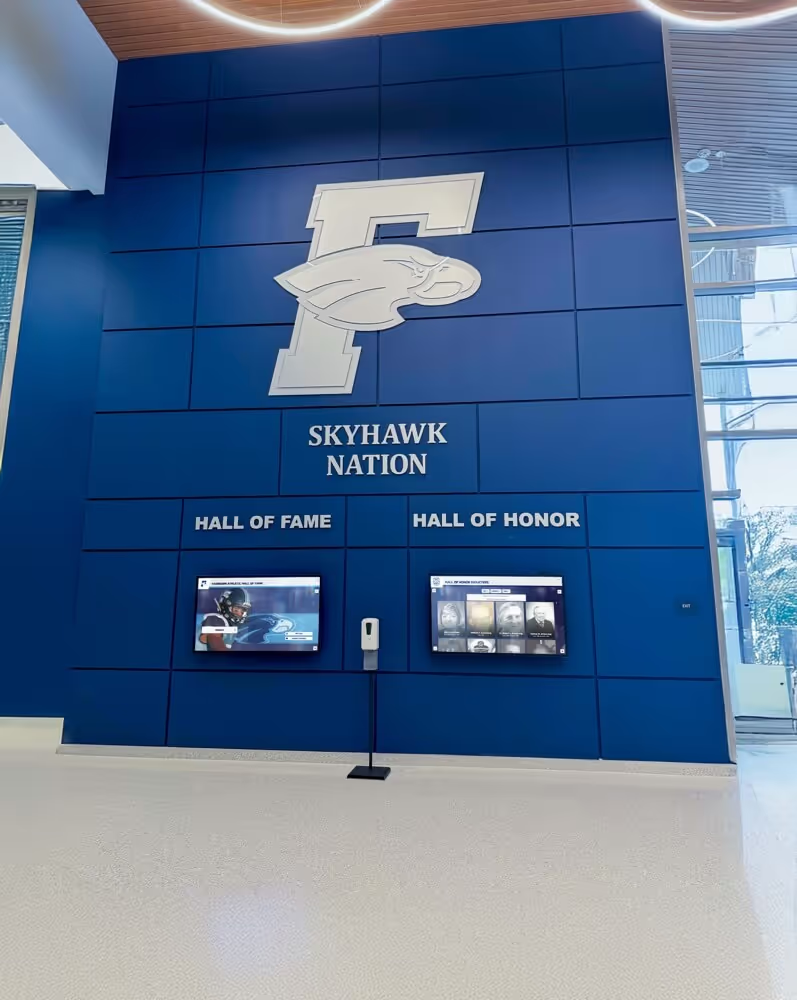
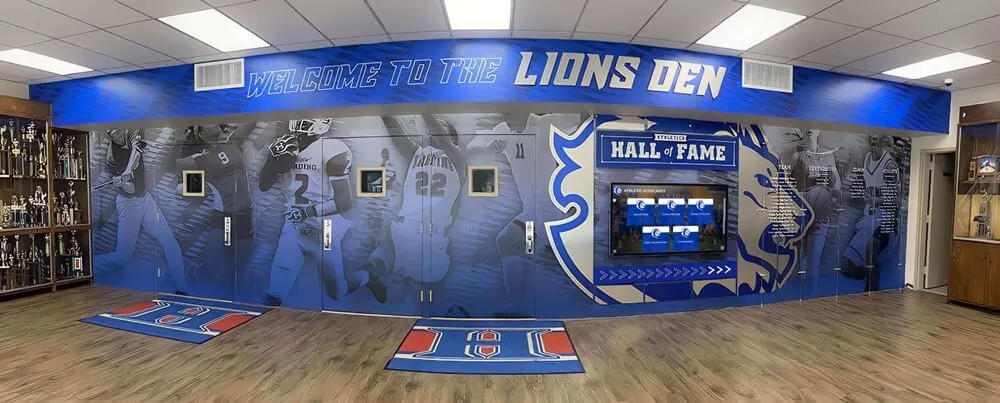
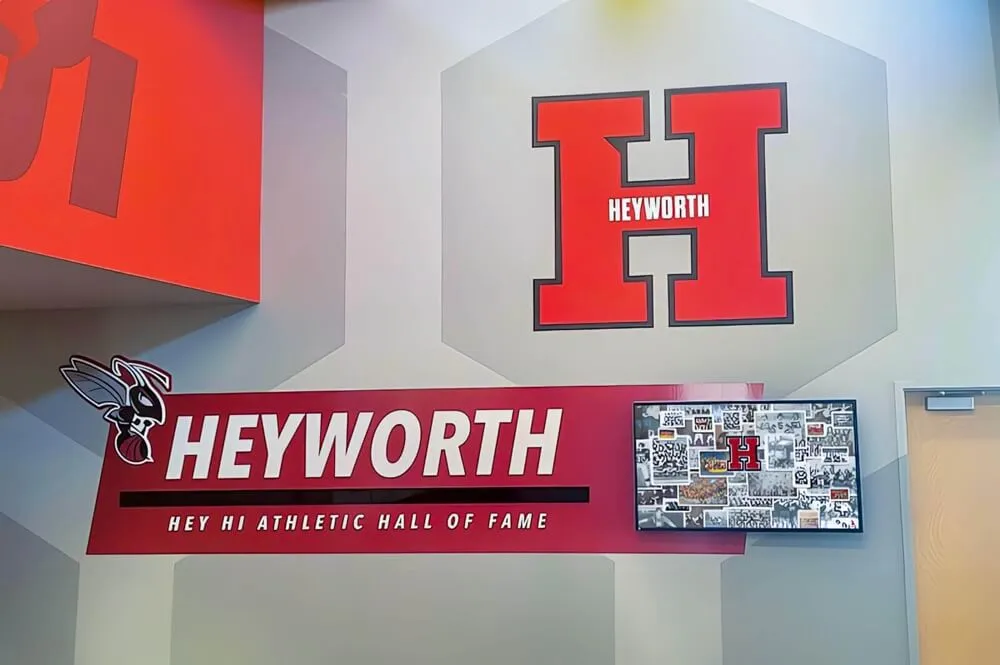
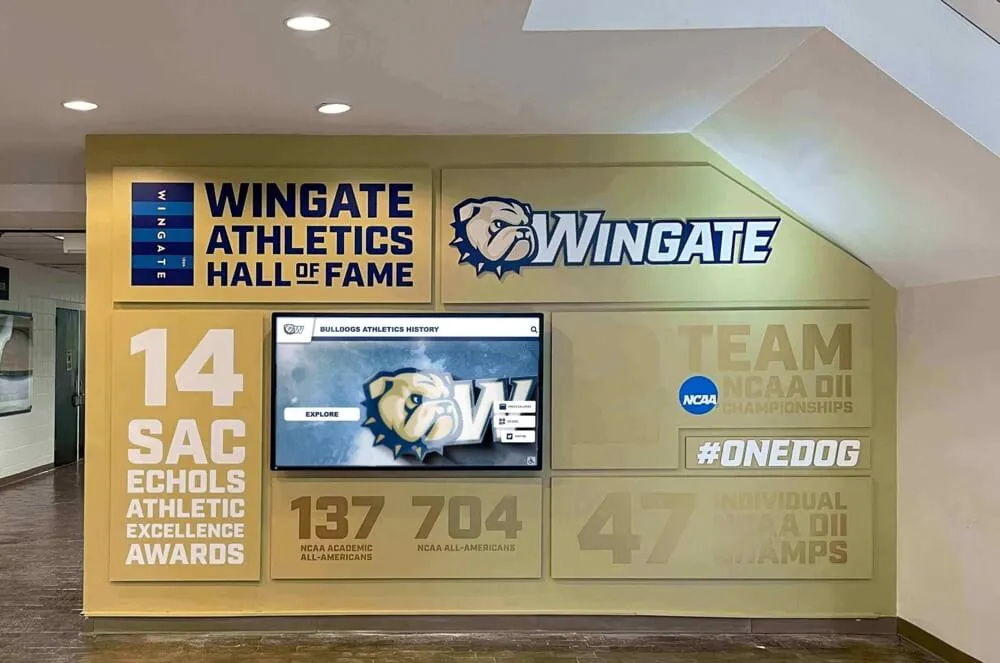
Permanent Documentation Systems: Beyond yearbook content and signing party celebrations, schools benefit from maintaining permanent recognition records through digital archives, hall of fame displays, or historical documentation systems. These permanent systems ensure that recognition extends beyond students’ immediate school years, honoring their contributions as part of institutional legacy.
Managing Logistics and Day-of Coordination
Smooth execution requires attention to operational details ensuring events run efficiently while allowing students to focus on celebration rather than logistical problems.
Setup and Preparation Timeline
Day Before Party:
- Complete major decoration installation
- Arrange furniture and tables in final configurations
- Test sound equipment, visual displays, and technical systems
- Prepare any food items that can be made ahead
- Organize volunteer roles and final assignments
- Conduct walkthrough confirming all elements are prepared
Morning of Party:
- Final decoration touches and quality checks
- Set up refreshment stations with serving pieces and utensils
- Arrange photo booth props and backdrop areas
- Position signs directing traffic flow and indicating different zones
- Prepare any handouts, programs, or materials
- Brief volunteers on specific responsibilities and timing
During Party:
- Monitor refreshment supplies and restock as needed
- Oversee activity stations ensuring they function smoothly
- Manage music volume and selection
- Facilitate any scheduled program elements or recognition moments
- Address issues as they arise quickly and discretely
- Capture photo and video documentation of event
Post-Party:
- Coordinate efficient cleanup with volunteer teams
- Return borrowed or rented equipment promptly
- Secure leftover refreshments or arrange donation
- Gather feedback from students and volunteers
- Share photos and highlights through school communications
- Document successes and improvements for next year’s planning
Managing Common Challenges
Weather Contingencies: Always maintain backup plans for outdoor events regardless of forecast confidence. Communicate backup locations clearly so last-minute changes don’t create confusion or reduced participation.
Behavior Management: While most students appreciate yearbook parties, any large gathering requires appropriate supervision. Position staff and volunteers throughout party areas, establish clear behavioral expectations communicated in advance, and have predetermined responses for students who violate expectations.
Inclusion Concerns: Monitor whether any students appear isolated or struggling to engage. Proactive staff or volunteers can facilitate introductions, encourage students to join activities, or simply provide friendly presence for students who may feel anxious in large social settings.
Technology Issues: Test all equipment in advance and have backup plans if technical elements fail. Simple solutions often work better than complex systems prone to malfunction.
Time Management: Communicate clear start and end times. If the party includes structured program elements, build in buffer time between segments and maintain flexibility if certain moments naturally extend beyond scheduled durations.
Budget Planning and Cost Management
Memorable yearbook signing parties don’t require significant financial investment when schools allocate resources strategically.
Typical Expense Categories
Minimal Budget Parties ($200-500):
- Refreshments: Simple snacks and beverages from wholesale retailers
- Decorations: DIY creations using school colors, recycled materials, and student-made items
- Music: Streamed playlists through school sound systems
- Activities: Free options like signing time, music, conversation, and simple games
- Photos: Student volunteers using personal devices
Moderate Budget Parties ($500-1,500):
- Refreshments: Wider variety of snacks, possible vendor services for some items
- Decorations: Combination of DIY elements and purchased items like balloons, banners, or themed decorations
- Music: Potentially student DJ or upgraded sound equipment rental
- Activities: Photo booth equipment rental, activity supplies, possible small prizes for games
- Photos: Parent volunteer photographer or photography student coverage
Higher Budget Parties ($1,500+):
- Refreshments: Catered food service or substantial snack varieties
- Decorations: Professional decoration services or high-quality purchased items
- Music: Professional DJ services
- Activities: Multiple photo booth stations, elaborate activity setups, possible entertainment
- Photos: Professional photography services
Most schools find that moderate investments create excellent experiences without excessive costs, particularly when leveraging volunteer support and focusing resources on highest-impact elements students most value.
Creative Funding Approaches
Student Activity Budgets: Most schools maintain student activity funds specifically supporting events like yearbook parties. These budgets represent natural funding sources requiring standard approval processes.
Student Organization Sponsorship: Student council, class organizations, or booster clubs often budget for end-of-year celebrations viewing them as worthwhile investments in school culture and student experience.
Local Business Partnerships: Small sponsorships from local businesses—restaurants donating refreshments, party stores providing decoration discounts, photographers offering reduced rates—can significantly reduce costs while creating community connections. Always follow district policies regarding commercial relationships in schools.
Fundraising Events: Some schools conduct specific fundraising specifically supporting yearbook parties—selling candy, organizing car washes, or conducting online fundraising campaigns. When fundraising specifically supports widely enjoyed events rather than benefiting small groups, student and family participation often increases.
Resource Sharing: Borrow decorations, equipment, or supplies from other schools, community organizations, or families rather than purchasing everything new. Many items can serve multiple events across different schools or years, making sharing arrangements mutually beneficial.
Conclusion: Creating Meaningful Year-End Celebrations
Yearbook signing parties transform yearbook distribution from administrative task into memorable celebration honoring shared experiences, acknowledging achievements, and marking transitions as school years conclude. These events recognize that while yearbooks preserve memories in printed form, the social experiences of signing them together, reflecting on the year with classmates, and celebrating collective accomplishment create additional layers of meaning that students carry forward.
Effective yearbook signing parties share common characteristics regardless of budget, venue, or specific format:
- Adequate time for the primary purpose: students signing each other’s yearbooks and connecting with peers
- Balance between structured activities and free social time allowing organic interaction
- Inclusive approaches ensuring all students feel welcome and valued regardless of social status or friend group size
- Recognition elements acknowledging that the year documented in yearbooks represents genuine achievement worth celebrating
- Attention to practical details creating smooth experiences rather than logistical chaos
- Authentic celebration reflecting school culture and student preferences rather than elaborate productions disconnected from community identity
Modern recognition solutions enable schools to extend yearbook party celebrations beyond single events into permanent, engaging documentation. Interactive digital platforms allow students to explore comprehensive achievement archives during parties while creating lasting visibility that honors accomplishments permanently. These systems demonstrate that schools value student achievement enough to preserve and showcase it prominently, reinforcing recognition cultures where excellence receives meaningful acknowledgment.
Whether planning intimate grade-level gatherings or school-wide celebrations serving hundreds, the core mission remains constant—creating space for students to pause amid end-of-year chaos, reflect on what they experienced together, express appreciation for classmates who shared the journey, and mark transitions into next chapters with intention rather than simply watching calendars expire. Your students invested countless hours in academics, activities, relationships, and the countless small moments that collectively created the year preserved in those yearbooks. Thoughtful signing parties ensure these investments receive recognition creating memories students and families treasure long after school years conclude.
Ready to transform how your school celebrates student achievement? Explore comprehensive recognition solutions that honor accomplishments year-round while creating permanent displays preserving school traditions for current students and future generations. Build celebration cultures where every student feels valued and achievements receive the lasting documentation they deserve.