



Key Takeaways
Discover 25 creative yearbook ideas for middle school—memorable themes, standout spread concepts, and page design strategies built for the unique energy of grades 6–8.
Middle school sits at one of the most memorable crossroads in a student’s life—no longer elementary schoolers, not yet high schoolers, navigating friendship shifts, academic escalation, and personal identity questions that define the middle years. A yearbook that captures this specific in-between energy does something no other school document can: it freezes a moment of genuine, complicated, wonderful transformation and hands it back to students decades later as proof that they were there, they grew, and they mattered.
The challenge for middle school yearbook advisors is that the playbook borrowed from high school yearbooks rarely fits. Middle schoolers have different energy, different concerns, and different developmental needs than seniors marking the end of twelve years of public schooling. The best middle school yearbooks feel purpose-built for grades 6–8—or K–8 if your school spans from kindergarten through eighth grade—with design sensibilities, content choices, and organizational frameworks that speak directly to students living through those specific years.
This guide walks through 25 specific ideas for yearbook themes, spreads, and page designs, each chosen with the unique character of middle school in mind.
What Makes Middle School Yearbooks Different
Before getting into specific ideas, it helps to understand what sets middle school yearbooks apart from publications designed for other grade levels.
Grade-span dynamics: Unlike a high school yearbook that can orient everything toward senior memories, a middle school book covering grades 6–8 must serve students at dramatically different developmental stages. A sixth grader is still processing the transition from elementary school; an eighth grader is already looking toward high school with equal parts excitement and anxiety. Strong middle school yearbooks honor both ends of this spectrum while finding what all three grades share.
Identity in flux: Middle schoolers are mid-formation—figuring out who they are, what they value, what they’re good at, where they belong. Yearbook themes and designs that acknowledge this searching quality resonate more authentically than approaches that assume students have already arrived at their identities.
Recognition without hierarchy: Elementary school yearbooks lean inclusive; high school yearbooks often lean aspirational. Middle school yearbooks hit a sweet spot when they recognize achievement without making most students feel like observers of other students’ success. Design choices that spread recognition broadly—across academics, arts, athletics, student government, community service, and daily school life—create books that every student feels welcomed by.
The “too cool to care” barrier: Middle schoolers often perform indifference. Yearbook content that feels earnest or overly polished can trigger eye-rolls in the hallway, even from students who genuinely treasure the book years later. Designs that acknowledge student humor, school-specific moments, and authentic candid photography tend to break through this barrier better than formal, heavily staged approaches.
With these dynamics in mind, here are 25 specific ideas to bring your middle school yearbook to life.
Part 1: Yearbook Themes for Middle School (Ideas 1–8)
The theme gives your yearbook its spine—a visual and conceptual framework connecting portraits to spreads, fall events to spring, and individual sections to the whole. The eight themes below are each calibrated for the developmental reality of middle school.
1. “The In-Between Years”
Lean directly into what middle school is: the years between childhood and high school. This theme embraces the awkwardness, growth, excitement, and uncertainty with warmth and honesty. Design language can play with threshold imagery—doorways, bridges, hallway intersections—reflecting genuine transition. Section headers might use phrases like “Not Yet,” “Almost There,” and “Still Figuring It Out”—language that students at every grade level recognize as their own experience. When executed with humor rather than condescension, this theme is one few students can dismiss as inauthentic.
2. “All of Us”
Community-centered themes work especially well in middle school because they sidestep competition while honoring every student’s presence. “All of Us” centers the collective over the individual without erasing individuals—every portrait matters because the whole doesn’t work without every person. Design can play with mosaic concepts where small images combine into larger pictures, layered silhouettes, or bold type treatments spelling out every student’s name across section openers. This theme lands particularly well in schools that pride themselves on inclusive culture, club diversity, or a strong advisory and homeroom structure.
3. “Roots & Wings”
Growth metaphors resonate in middle school because students are literally in the process of becoming. “Roots & Wings” honors both the grounding structures—family, school community, friendships, core values—and the expanding directions in which students are beginning to reach. Design vocabulary can draw on botanical imagery, tree structures, flight motifs, or any combination. The theme also gives eighth grade sections natural opportunities to emphasize “wings” (launching toward high school) while sixth grade content focuses on “roots” (finding grounding in a new school environment).
4. “Level Up”
Gaming language speaks directly to middle school culture in a way few other metaphors match. “Level Up” frames the school year—and the middle school years as a whole—as a progression of challenges, achievements, unlocked skills, and forward momentum. Pixel art typography, achievement badge design elements, and controller motifs give art directors rich visual territory. Section openers can reference “new levels” of challenge, skill, and experience. The theme works equally well for athletic achievements, academic advancement, arts mastery, and social growth—the language of leveling up applies naturally across all yearbook content without privileging any one program.
5. “Write Your Chapter”
Literary themes prove their versatility across grade levels, but they land differently in middle school, where many students encounter novels that feel genuinely transformative for the first time. “Write Your Chapter” positions each student as author of their own story while acknowledging they’re also characters in a larger shared narrative. Book spine design elements, typewriter fonts, chapter numbering for sections, and quote treatments throughout the book give this theme strong visual consistency. The theme naturally accommodates diverse student voices—a variety of “chapters” creates a richer book than any single storyline would.
6. “Color Outside the Lines”
Middle school is a natural moment to celebrate creative deviation—thinking differently, approaching challenges unconventionally, and refusing to fit prescribed boxes. “Color Outside the Lines” honors the students who don’t win the traditional awards, the programs that don’t get traditional coverage, and the quiet weirdness that makes school culture actually interesting. Design can incorporate crayon aesthetics, watercolor textures, deliberate imperfection, and hand-drawn elements that feel personal rather than institutional. This theme often produces the most visually distinctive middle school yearbooks because it gives designers explicit permission to break convention.
7. “One Day at a Time”
Time-awareness runs through middle school in a particular way—students in grades 6–8 often feel urgently aware of time passing in ways they can’t quite articulate. “One Day at a Time” celebrates the accumulation of individual days, moments, and ordinary experiences that collectively constitute something extraordinary. Calendar aesthetics, daily schedule references, and month-by-month organizational structures give this theme clear visual language. It pairs well with chronological organization: fall sections document early-year energy, winter sections acknowledge mid-year depth, and spring sections capture the exhale before summer.
8. “Beyond the Bell”
School is what happens between bells, but middle school students often define themselves by what they do outside of class—their passions, friendships, extracurriculars, and personal interests. “Beyond the Bell” celebrates this complete student identity, giving equal visual weight to academic pursuits and the clubs, sports, arts programs, and community engagements that give school meaningful texture. Section openers can reference types of “bells” punctuating different aspects of school life: opening bells, ending bells, warning bells, and celebration bells. This theme also positions non-athletic recognition prominently, which serves middle school communities where a wide range of activities compete for student investment.
Part 2: Creative Spread Ideas for Middle School Yearbooks (Ideas 9–18)
Spreads are where yearbooks come alive. A strong spread concept turns two facing pages into a document telling a specific story—not just a photo collection, but a curated argument that this aspect of school life matters and deserves remembering. Here are ten spread concepts particularly well-suited to middle school communities.

9. “A Day in the Life”
One of the most effective middle school spreads documents a single ordinary school day in comprehensive, specific detail. Photographers shadow students from the moment they enter the building to the last bell, capturing the minute-by-minute texture of a normal Tuesday—morning hallway energy, the way desks look two minutes before class starts, lunch table dynamics, afternoon practice warm-ups, after-school bus waiting. The spread presents these moments chronologically, often as a timeline across both pages. The resulting spread frequently becomes the most-viewed section because it captures what students actually remember: the ordinary.
10. Teacher Spotlights
Students spend more waking hours with teachers than with almost anyone else during the school year, yet traditional yearbooks often reduce faculty to a single headshot and room number. A dedicated teacher spotlight spread—organized with the same creative energy as student features—transforms this. Each entry can highlight a teacher’s classroom style, a question they always ask, something students would never guess about them, and a standout moment from the school year. These spreads require modest production coordination but consistently produce some of the most meaningful content in middle school yearbooks. For language that honors contributors appropriately, student recognition award wording frameworks adapt well to faculty feature text.
11. Community Helpers and Staff Recognition
Many yearbooks ignore the building staff, cafeteria workers, custodial team, and security personnel who make the school function daily. A spread dedicated to these community members—with candid photos, real names, and genuine acknowledgment of their role—lands differently in middle school than anywhere else because students this age are old enough to recognize systems and young enough to still feel genuine appreciation. This kind of recognition reflects a school’s values as clearly as any award ceremony. Ideas for recognizing the full staff community can inspire how to frame and celebrate everyone who supports student learning, not just classroom teachers.
12. Spirit Week Spread
Spirit week generates more candid photography than almost any other school event, and that photography often goes underused in traditional yearbooks. A dedicated spirit week spread gives space to document every themed day with genuine visual attention—not just a summary collage but a visual narrative of each day’s energy. Costume comparisons, classroom versus hallway energy contrasts, and the particular joy of watching a reserved student go all-in on Decades Day create content students return to repeatedly. Pair spirit week coverage with broader school pride building strategies for year-round context on how recognition cultures develop.
13. “Didn’t Know We Had That” Club Spread
Most middle school yearbooks cover student council, athletic teams, and performing arts programs, then run out of space. A dedicated spread celebrating under-covered clubs—science olympiad, coding clubs, robotics, chess, environmental groups, service learning, creative writing—corrects this visibility imbalance while often producing genuinely interesting visual content. These spreads also serve a practical recruitment function: incoming sixth graders and parents consulting the yearbook can discover program variety they might not encounter through official school communications.
14. Academic Highlights and Learning Moments
Middle school academics don’t always produce dramatic visual content, but the right approach changes that. A spread documenting specific learning moments—the moment a class experiment worked, student-created art displayed in hallways, the whiteboard aftermath of a complex problem, students presenting research—captures academic life with genuine energy. Pair documentary photos with pull quotes from students about what they actually enjoyed or found challenging, and you get spreads that honor intellectual life without feeling like a promotional brochure.
15. “Where Are You Going?” Eighth Grade Future Spread
Eighth grade is the year middle school students begin thinking concretely about who they’re becoming. A dedicated spread inviting eighth graders to share their intentions—high school programs they’re looking forward to, activities they plan to continue, things they hope to accomplish—creates a time capsule quality that students appreciate enormously at their five- or ten-year reunions. The format can range from short written responses paired with portraits to graphic-driven quote treatments. For schools where eighth grade functions as an exit year, this spread connects naturally with end-of-year celebration planning and how schools mark genuine institutional transitions for departing students.
16. School Traditions Spread
Every middle school has traditions that students reference in conversation but that never get formally documented: the specific way certain hallways fill during lunch, the unofficial social geography of the cafeteria, the teachers whose rooms have become gathering spots, the particular energy of the last day before winter break. A spread devoted to unofficial and official traditions alike—documented with candid photographs and student narration—creates one of the most revisited sections in any yearbook. Alumni return to this spread to confirm memories, compare notes with classmates, and feel the specific texture of their school experience years later.
17. Heritage and Cultural Showcase Spread
Middle school student populations often carry remarkable cultural diversity that traditional yearbook formats never adequately represent. A spread dedicated to student cultural heritage—foods, languages spoken, traditions, places of family origin, cultural celebrations—honors this diversity as a genuine school asset. The content works best when students lead both the curation and the storytelling, sharing what they want to share rather than being asked to perform their backgrounds for an external audience. This spread often becomes one of the most personal and meaningful sections in the book.
18. Sports and Activities Beyond the Scoreboard
Traditional athletic coverage documents wins, losses, and standout players—which serves sports-focused readers but leaves many students cold. An alternative approach documents the emotional and social texture of school sports and activities: the handshakes after a loss, the inside jokes that develop across a season, the way teammates look when something clicks in practice, the backstage nervousness before a performance. Planning award recognition events focuses on outcomes; yearbook spreads have the unique opportunity to document the process and the human moments surrounding those outcomes.
Part 3: Page Design Ideas for Middle School Yearbooks (Ideas 19–25)
Page design shapes how content feels in the hand—whether the book feels energetic or calm, personal or institutional, playful or polished. These seven design concepts are calibrated for the visual vocabulary that resonates with middle school students and families.
19. Large Pull-Quote Pages
Middle schoolers have strong opinions, surprising observations, and genuinely funny things to say about their school year. Design pages that put student voices visually front and center—large pull quotes from student surveys or brief interviews, set in bold typography against minimal backgrounds, with small supporting photography rather than the reverse. These pages break up photo-heavy spreads, add verbal texture to visual content, and often become the most-read pages in the book because they feel like actual student voices rather than adult-authored captions.
20. Hand-Lettered and Imperfect Typography
Corporate-clean design sensibilities can feel alienating in middle school yearbooks—the aesthetic suggests distance between the book’s creators and its subjects. Incorporating hand-lettered section headers, handwritten annotations, sketched borders, or deliberately imperfect type treatments signals authenticity and student ownership. These elements require student calligraphers or illustrators (often easier to find than you’d expect in a middle school art program) or digital brushes that preserve the handmade quality. The result reads as genuinely student-made rather than institution-produced.
21. Color-Blocked Section Dividers
Middle school yearbooks benefit from clear visual organization because readers navigate them non-linearly—jumping directly to athletics, then portraits, then clubs. Strong color-blocked section dividers using school colors plus accent hues create navigation landmarks while giving the book distinctive visual rhythm. Each section opener occupies a full spread, with the section’s defining color, a statement photograph, a brief content overview, and a typographic section title. The color palette can reference the chosen yearbook theme, creating visual coherence from opening section through closing pages.
22. QR Code Integration for Video Content
Middle school students live in hybrid media environments—comfortable moving between printed and digital content in ways that earlier generations weren’t. Embedding QR codes at relevant moments throughout the yearbook, linked to short videos of school events, interview clips, sports highlights, or musical performances, transforms the physical book into a gateway for richer content. Cover pages can link to a year-in-review video; sports spreads can link to game highlights; arts sections can link to performance recordings. For guidance on digitizing and archiving yearbook content beyond print, comprehensive guides walk through the full technical workflow for preserving school memories across formats.
23. “Then vs. Now” Sixth-to-Eighth Comparison Feature
For K–8 schools or middle schools that retain students across all three grades, a comparison feature showing the same students in their first and final years creates an emotional centerpiece. First-day-of-sixth-grade photos alongside current portraits—gathered from families with appropriate permission—document the transformation that’s occurred. Parents consistently cite this as the most meaningful feature in yearbooks that include it, and it creates natural sharing moments during distribution week. Yearbook cover design inspiration can help frame before-and-after comparisons visually on the cover itself, setting expectations for the comparison content inside.
24. Mini Profile Boxes for Every Student
Standard portrait pages run photos in grid format with minimal identifying information—name, grade, sometimes an activity list. A design upgrade adding small profile boxes to each portrait—a favorite class, an after-school activity, a single word describing their year, or a fill-in-the-blank response—transforms portrait pages from a photo directory into something students actually read. The additional text requirement is modest (30–50 words per student, gathered through a brief survey distributed in homeroom) and the production lift is manageable in most yearbook layout software. The payoff in engagement and reader connection is substantial.
25. Eighth Grade “Exit Page” Design
For middle schools where eighth grade marks a genuine institutional exit rather than simply a grade transition, a dedicated eighth grade section deserves design treatment as thoughtful as any high school senior section. Senior page layout concepts translate directly into compelling eighth grade exit designs—personalized pages, extended quote formats, parent acknowledgment panels, and memory galleries. These pages transform the yearbook from a school document into a genuine keepsake for students and families navigating the transition from middle school to high school.
Practical Advice for Middle School Yearbook Advisors
Staffing a Student Yearbook Team
Middle school yearbook students are often newer to the production workflow than high school counterparts, which means advisor support requirements are higher—but the creative energy is also often more raw and genuine. Build in more revision cycles than you think you need, especially for early sections produced at the start of the year when students are still learning layout tools. Pair stronger designers with less experienced photographers, and vice versa, to encourage skill transfer within the team.
Photography Coverage Planning
Middle school events can be harder to photograph than high school events because student behavior is less predictable and more physically dynamic. Create a coverage calendar at the start of the year assigning specific photographers to specific events, with backup assignments for high-priority moments. Give students basic guidance on candid photography—getting close, capturing emotion rather than posed faces, documenting context as well as subjects—and review early work together before publication pressure creates time constraints.
Parent Engagement and Communication
Parents of middle schoolers often want to be involved in yearbook production in ways that parents of high schoolers typically don’t. Create structured opportunities for parent input—a brief survey about memorable moments from the year, requests for archival photos for comparison features, or an early-spring preview of cover options—while maintaining editorial control with student staff. Parent engagement in school recognition programs generally follows similar principles: structured participation channels that honor parent investment while keeping students in the creative driver’s seat produce better outcomes than open-ended input processes.
Handling Dedication Sections
Middle schools that lose community members during the school year need thoughtful processes for handling dedications. Establish a clear policy early—before circumstances require its use—about who receives dedication pages, how they’re formatted, and how the yearbook staff handles the emotional dimensions of this work. Well-handled dedications become meaningful memorials; poorly handled ones cause lasting harm to families and communities.
Beyond the Printed Page: Connecting Yearbooks to Year-Round Recognition
Yearbooks document a single year, but middle school students exist within ongoing institutional stories that span decades. The most forward-thinking middle schools connect their annual yearbook programs to permanent, searchable recognition systems that preserve not just this year’s memories but the accumulated history of every class that came before.
Digital archives for schools and educational institutions represent a growing area of investment for K–8 and middle schools that want to honor their histories comprehensively rather than relying on filing cabinets of fragile printed volumes. When students and alumni can search a digital archive by name, by year, or by achievement type, the yearbook becomes one layer of a richer institutional memory rather than the only record of the school’s story.
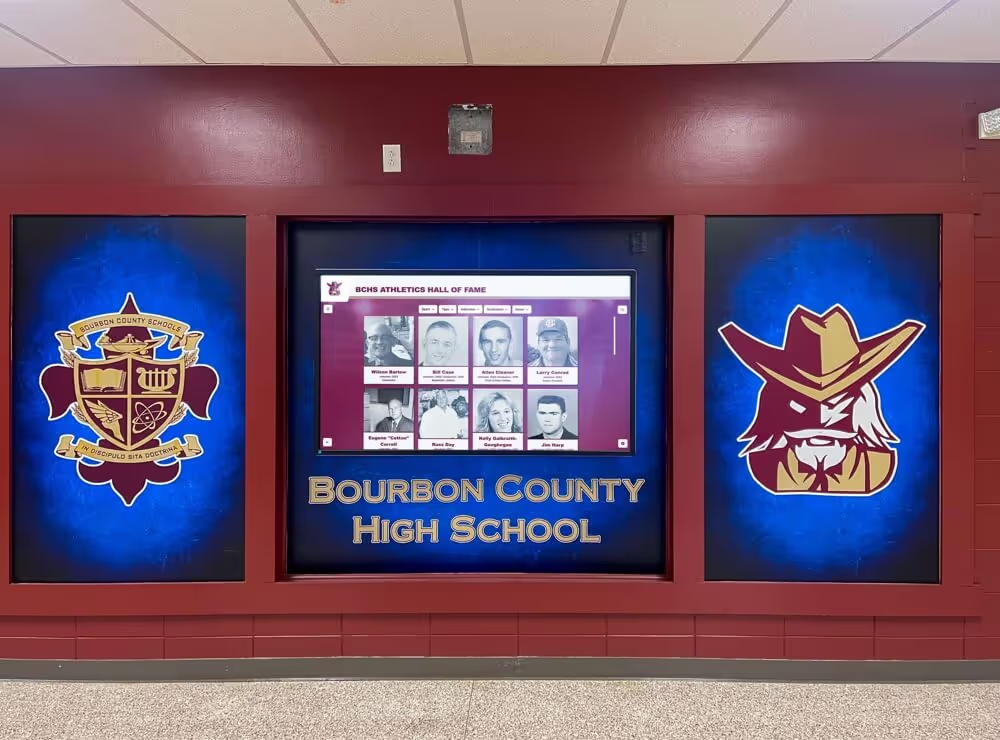
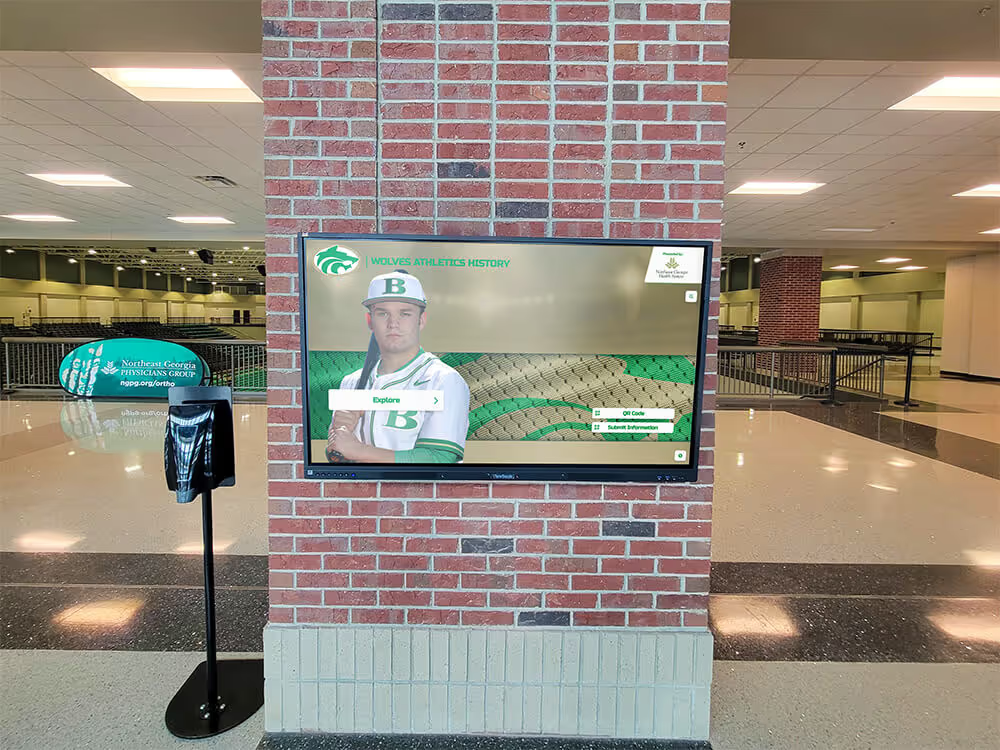
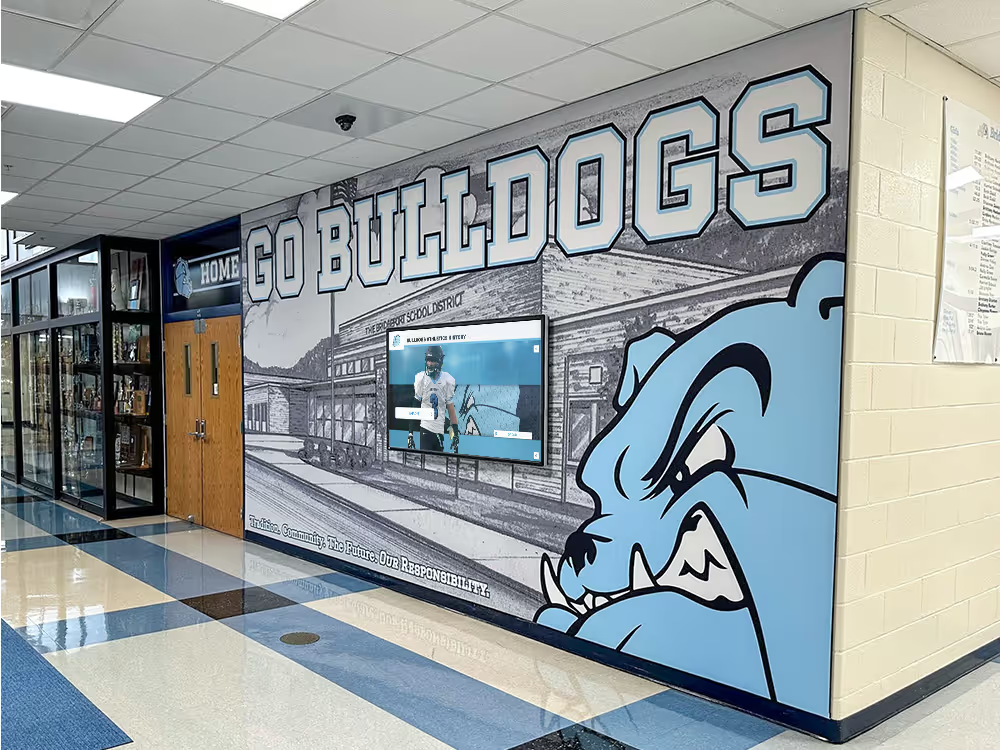
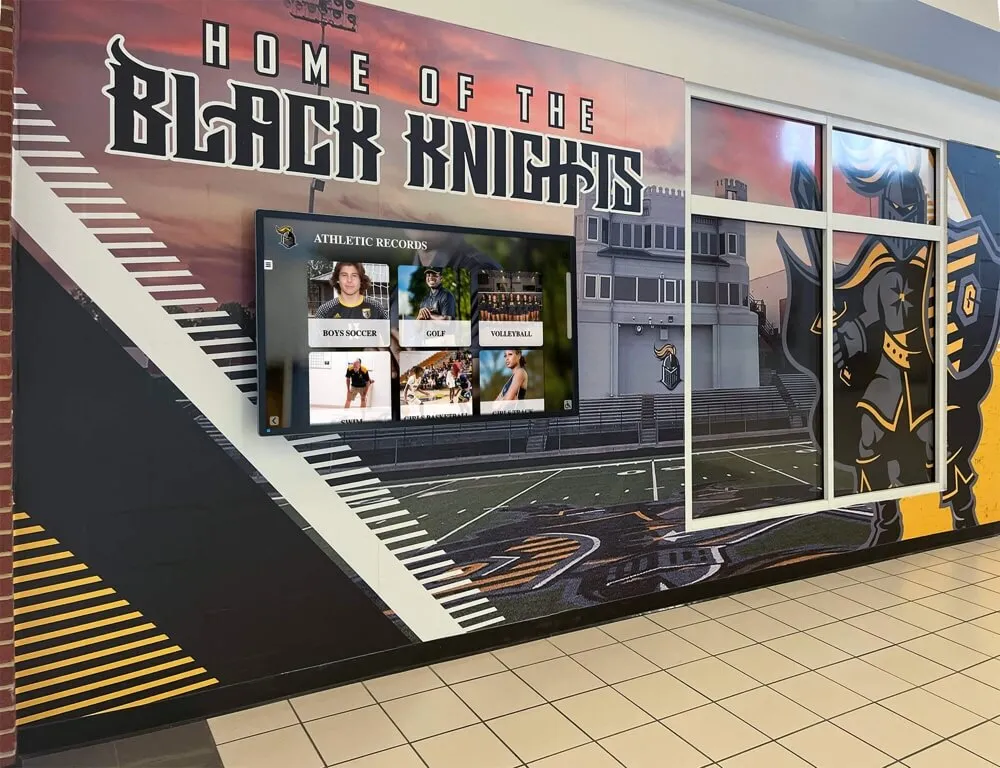
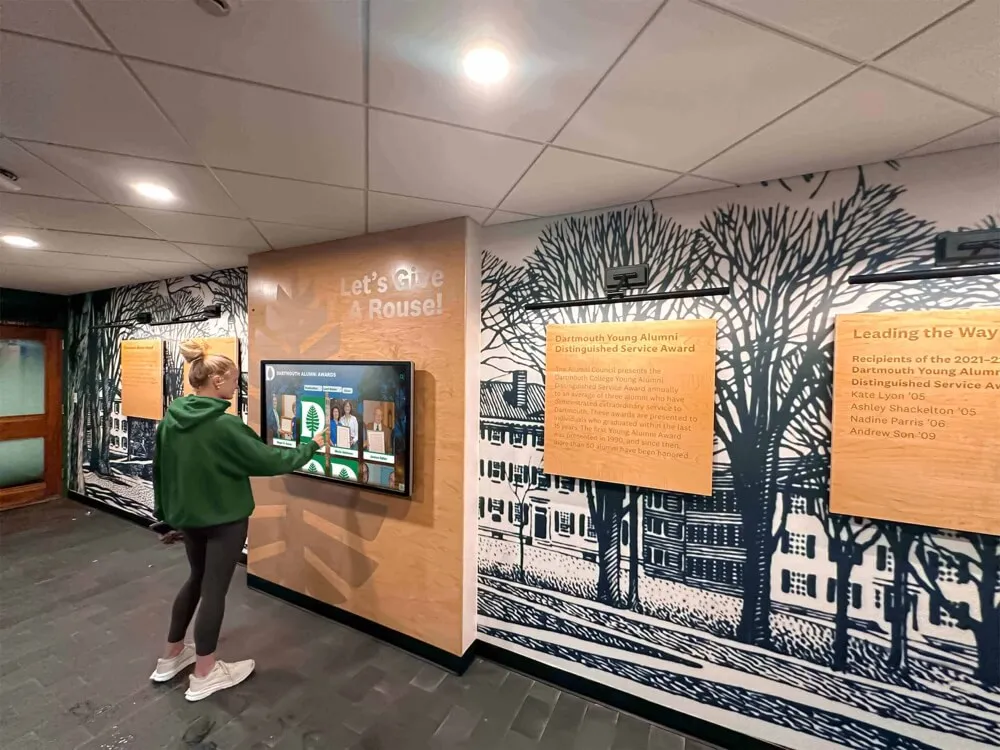
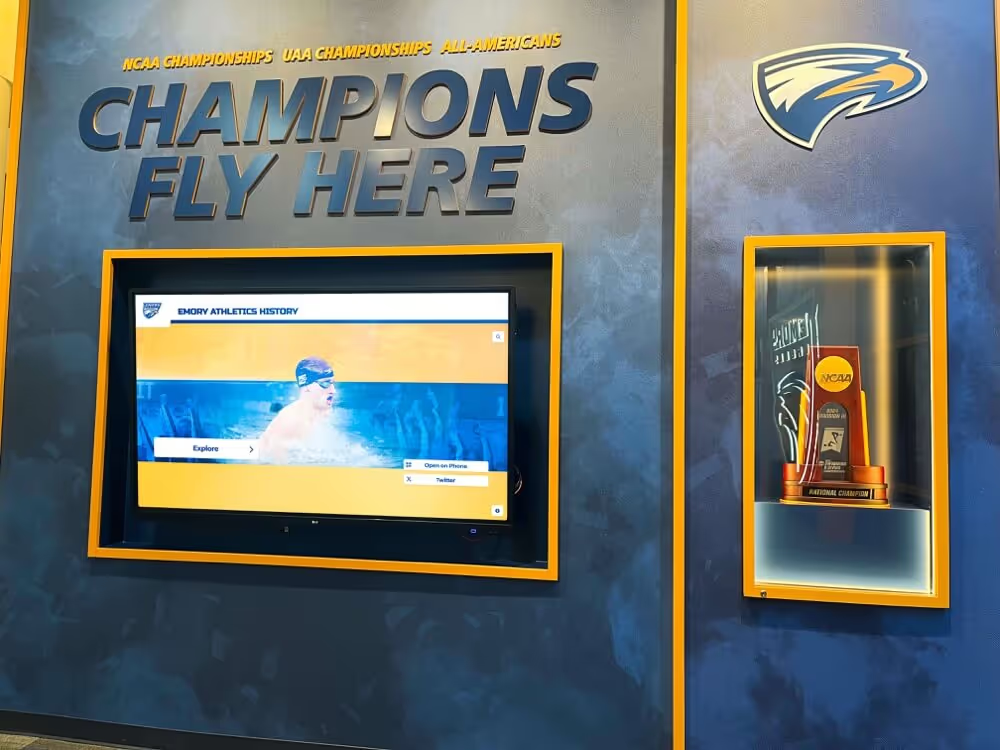
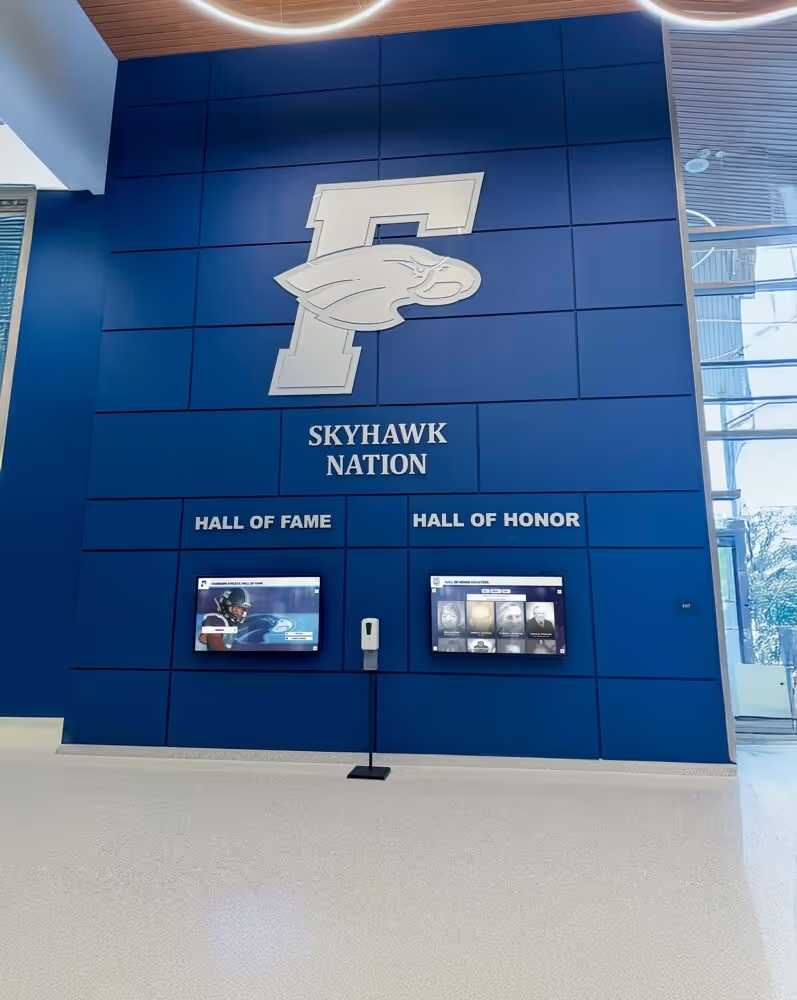
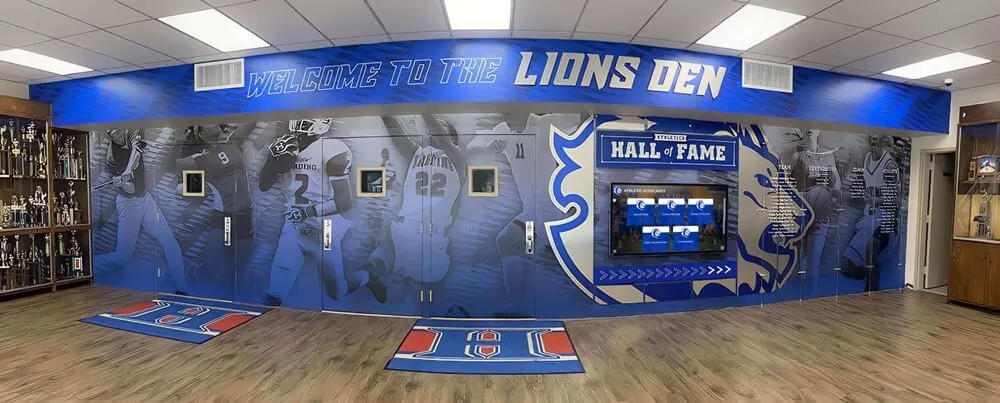
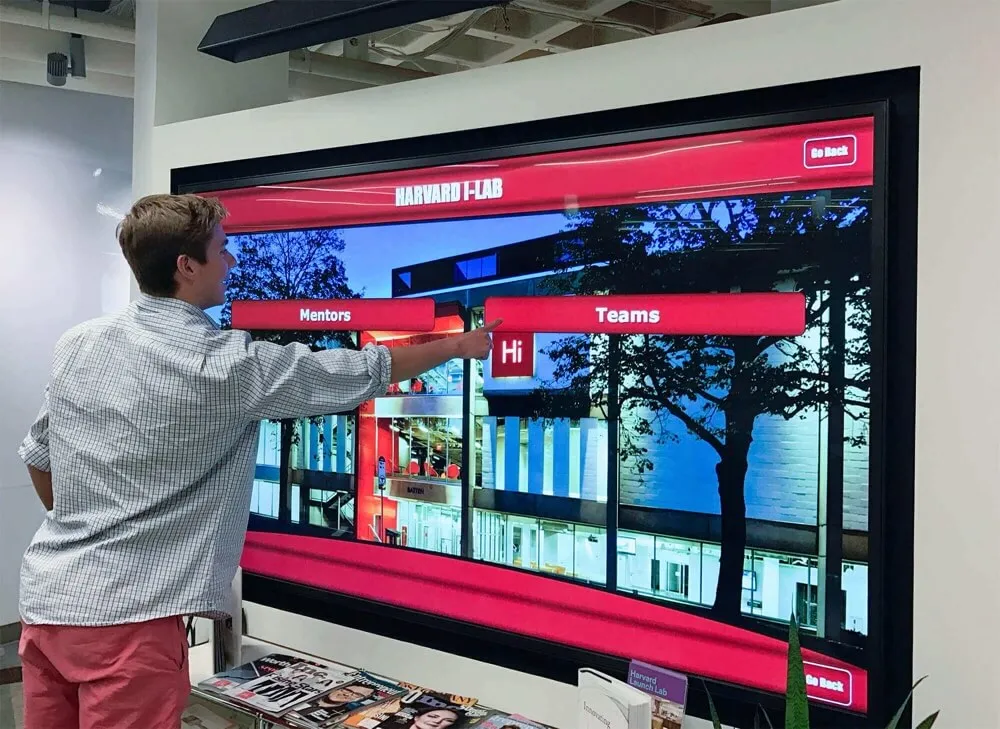
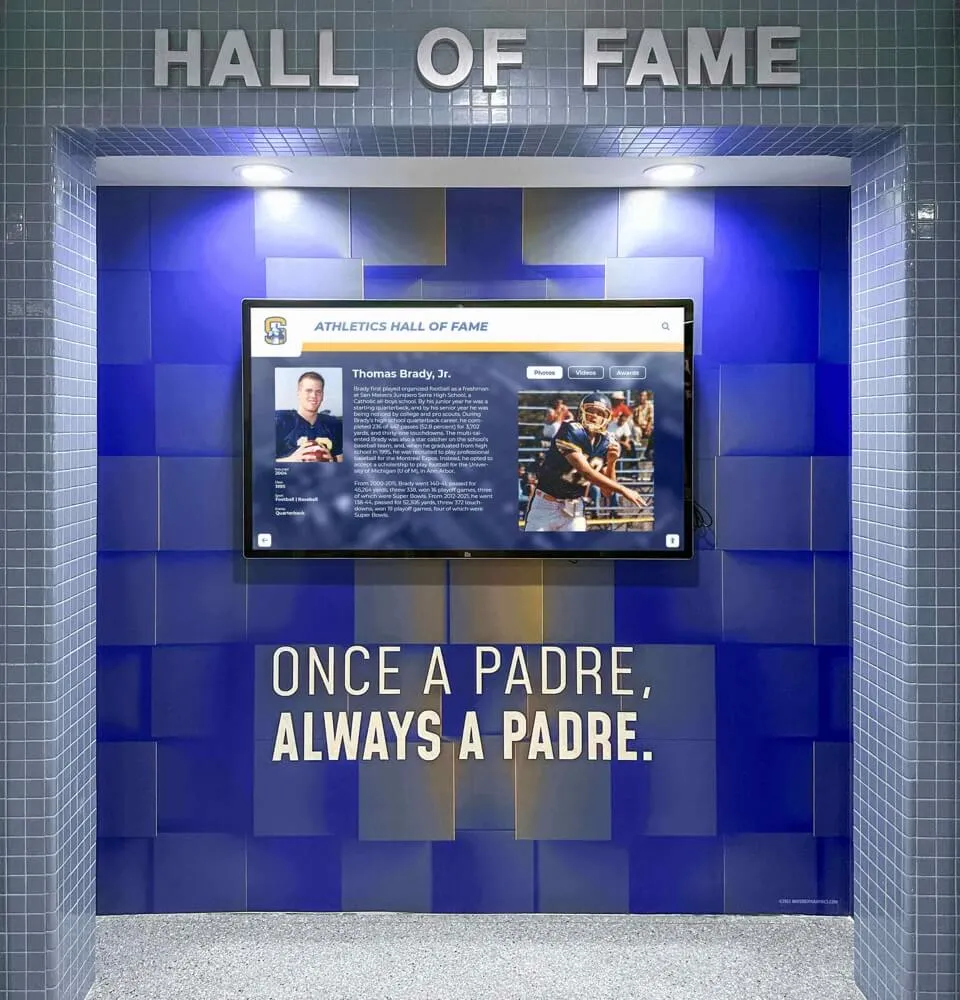
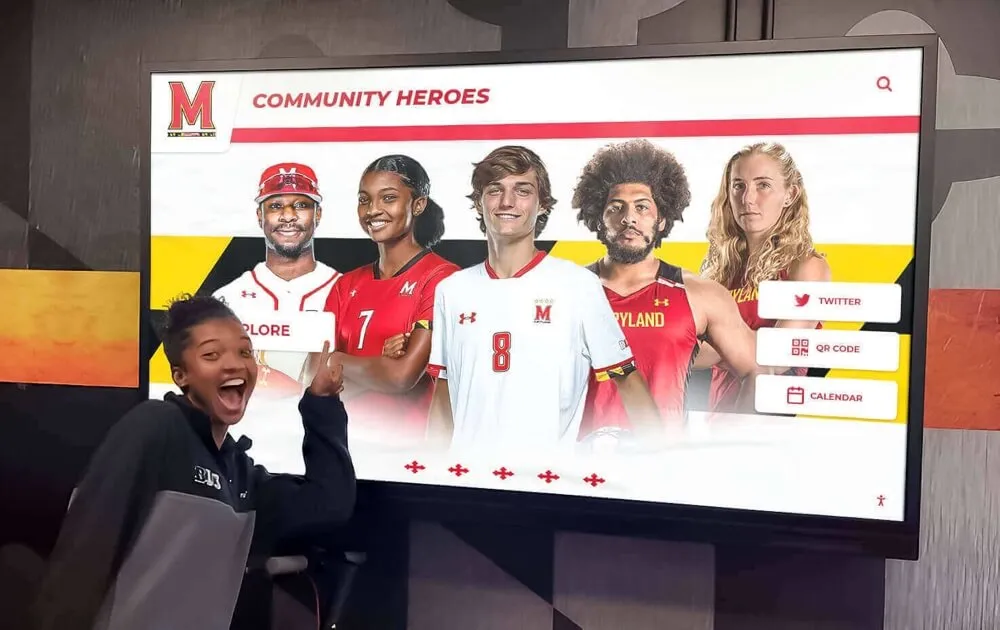
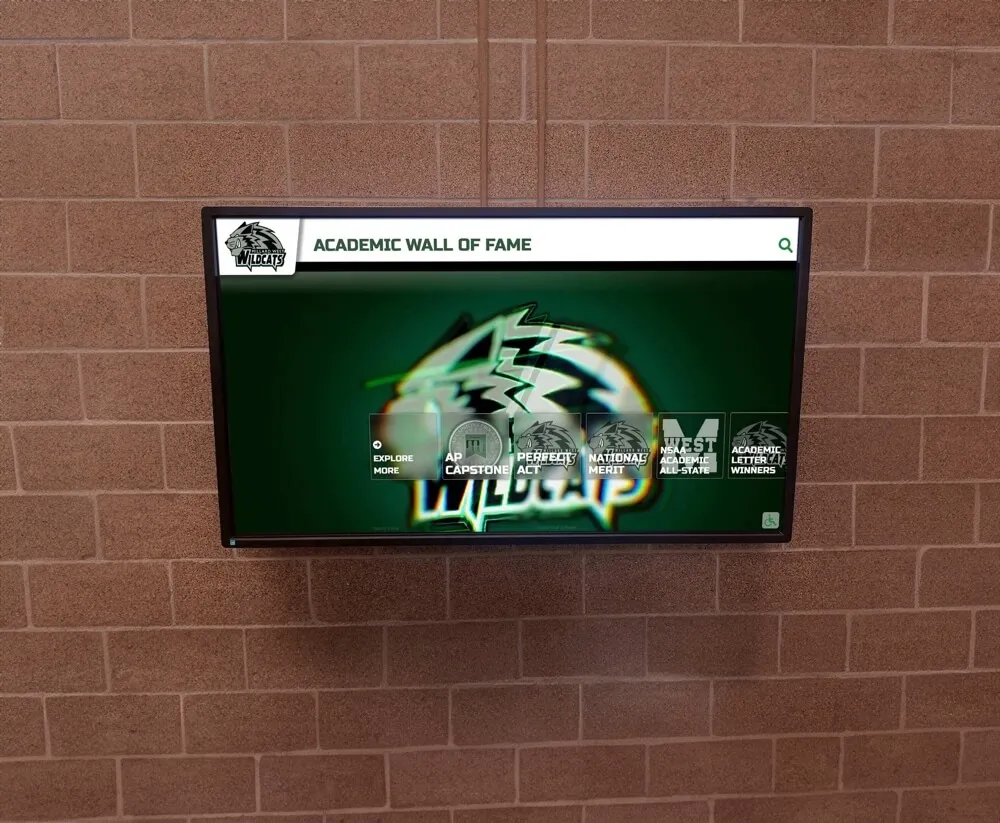
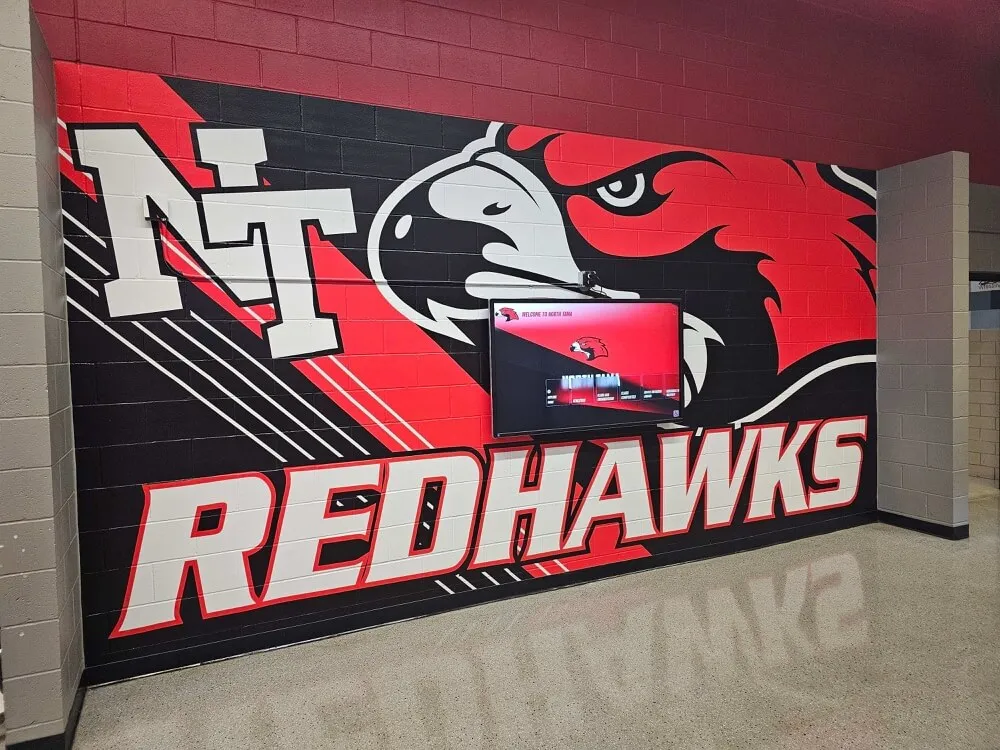
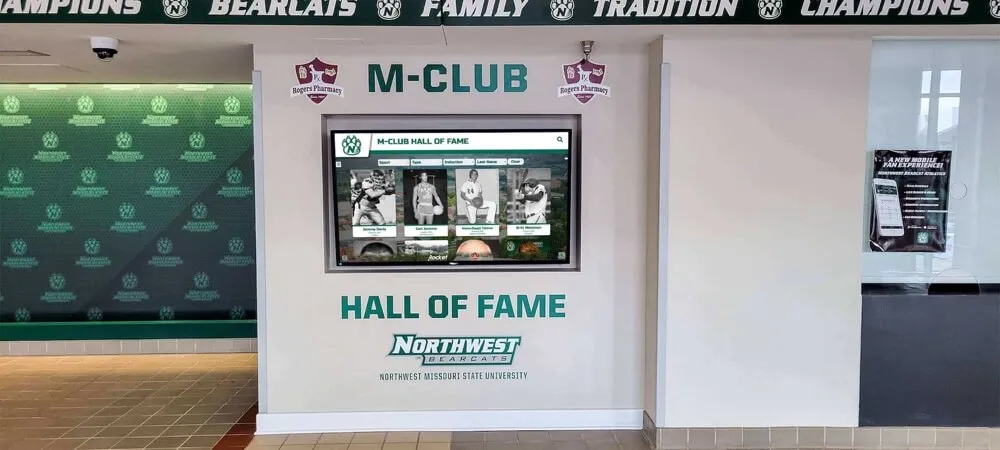
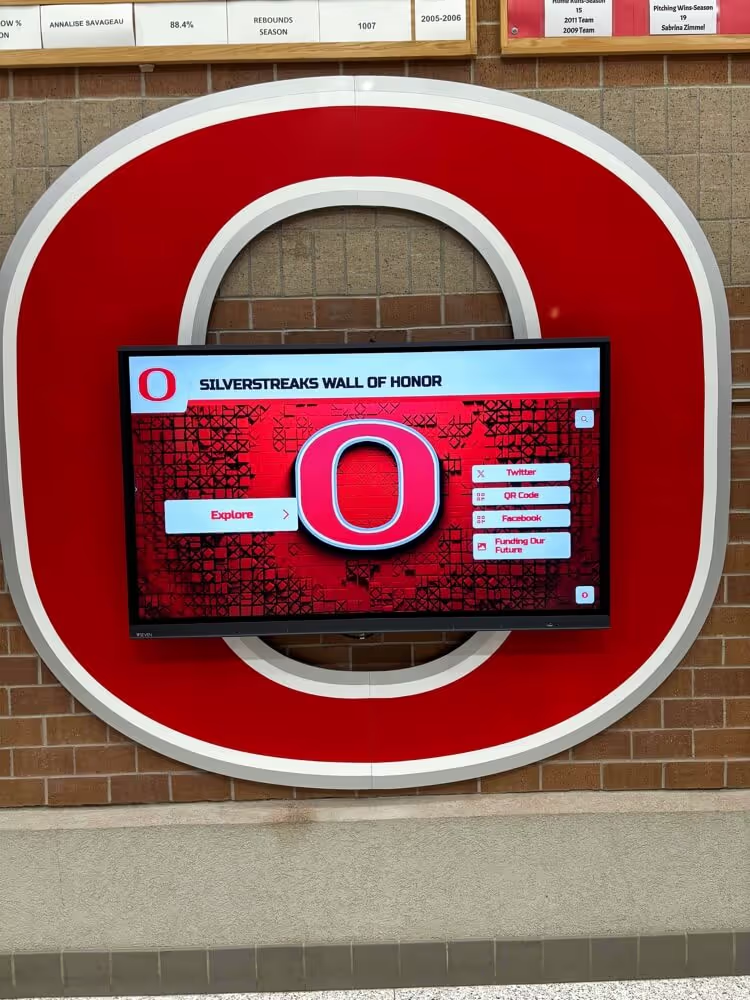
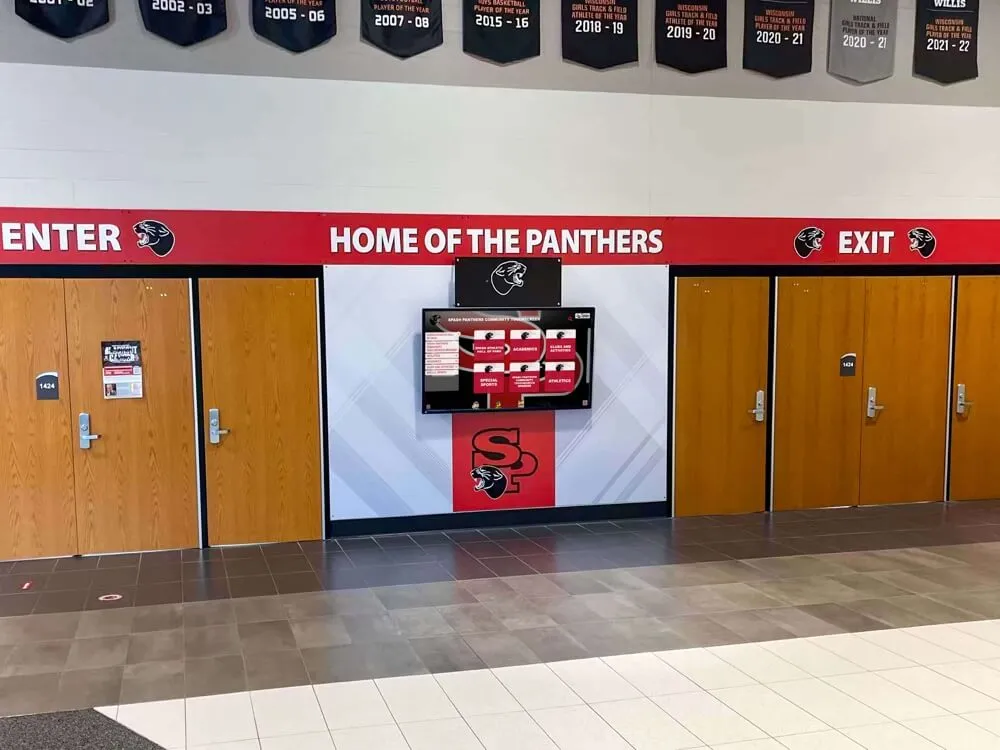
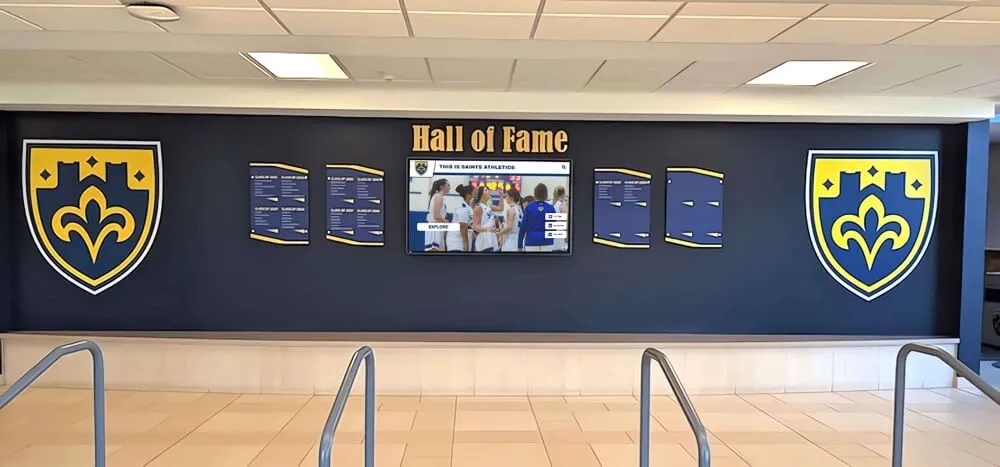
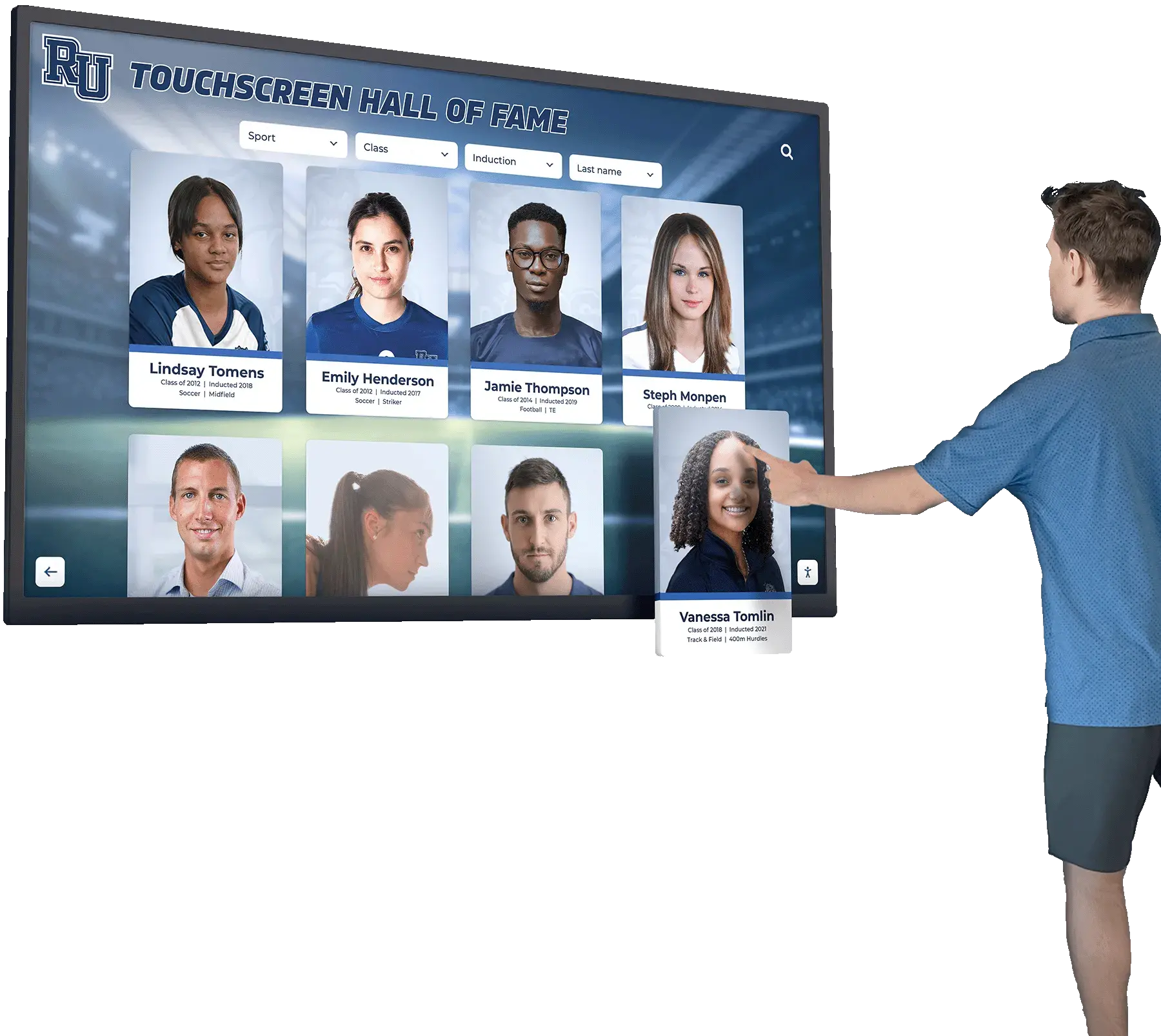
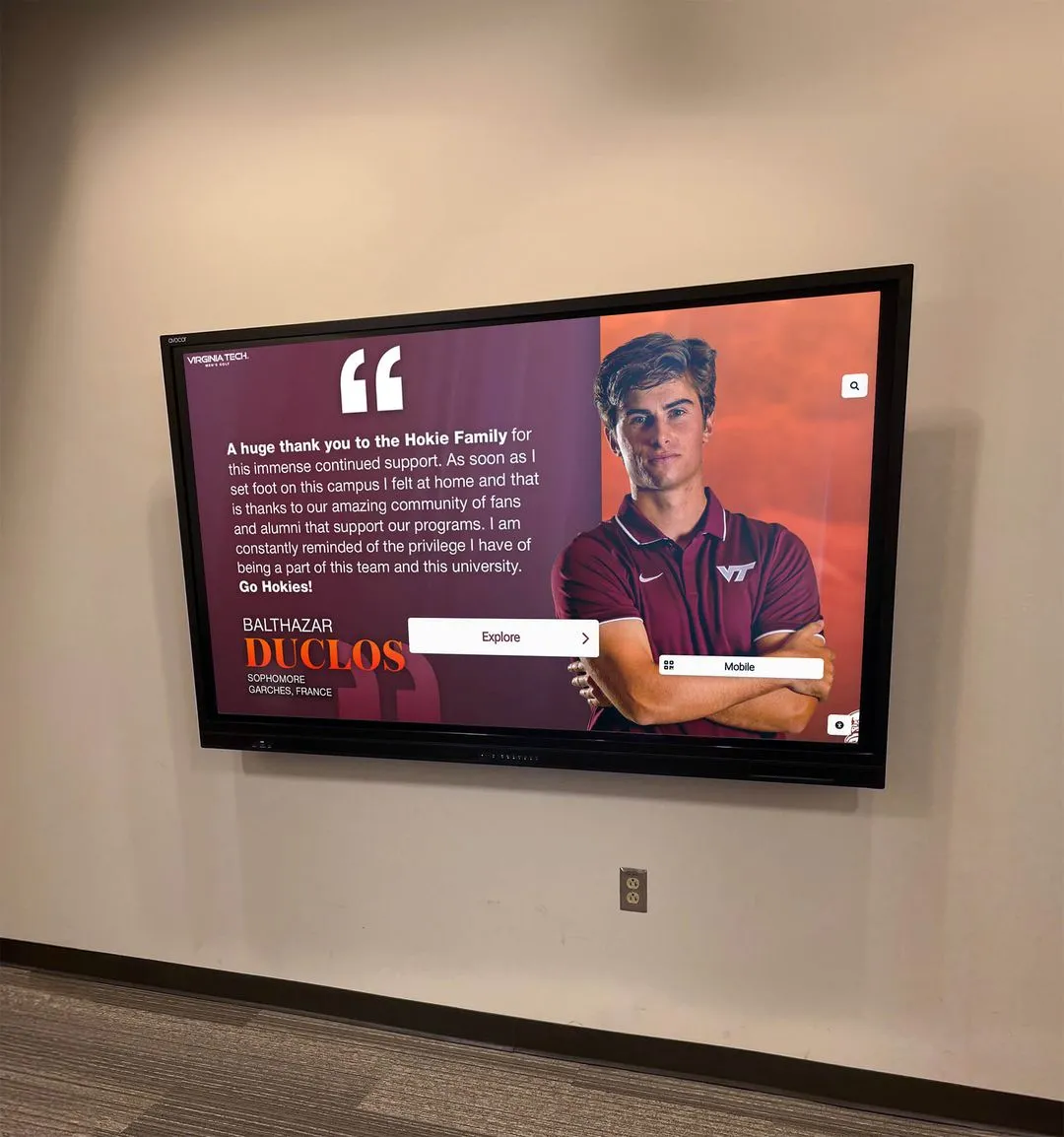
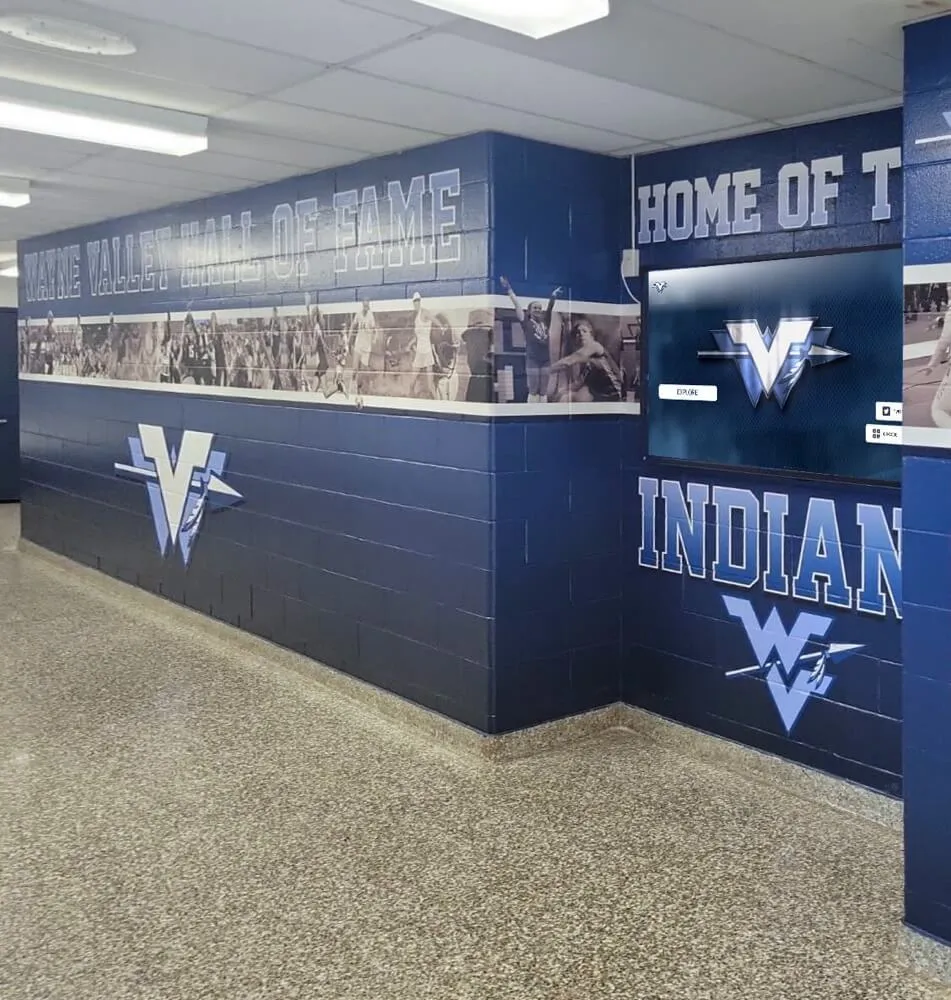
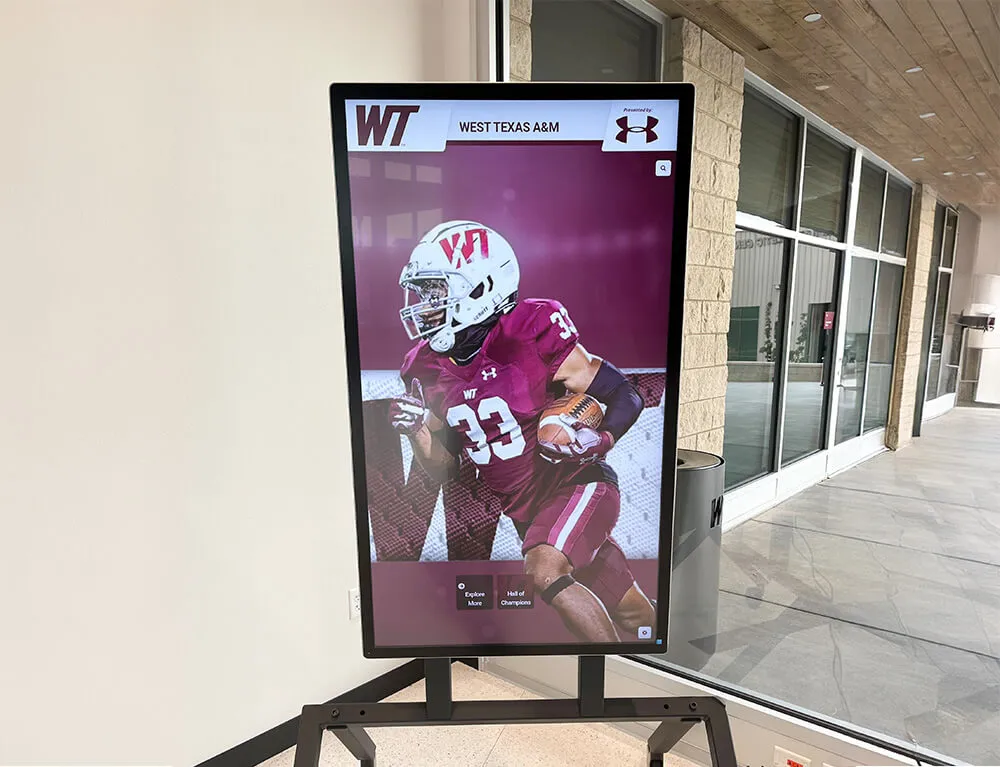
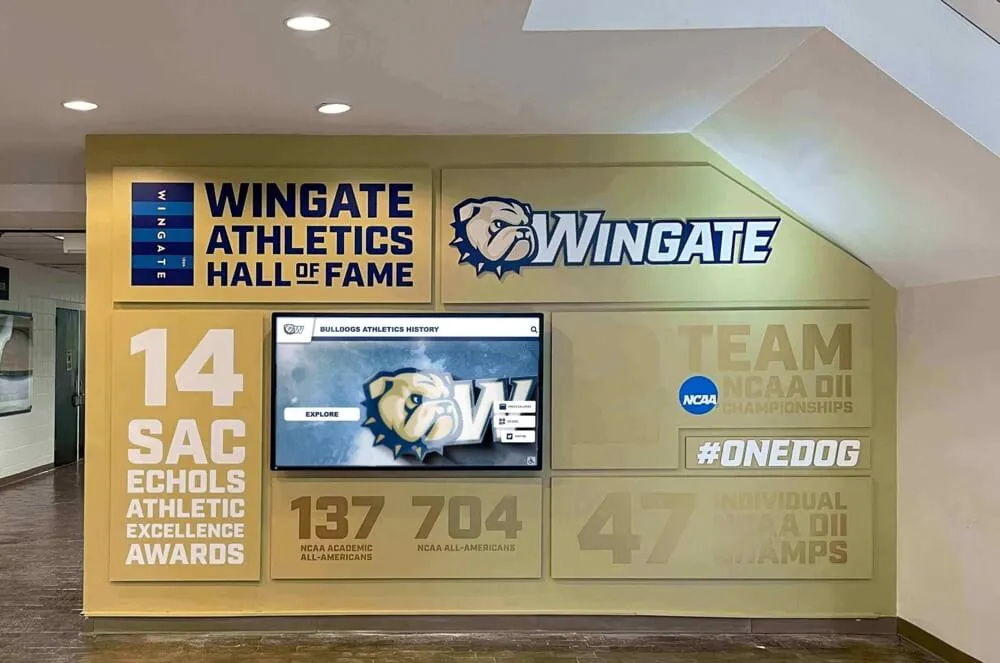
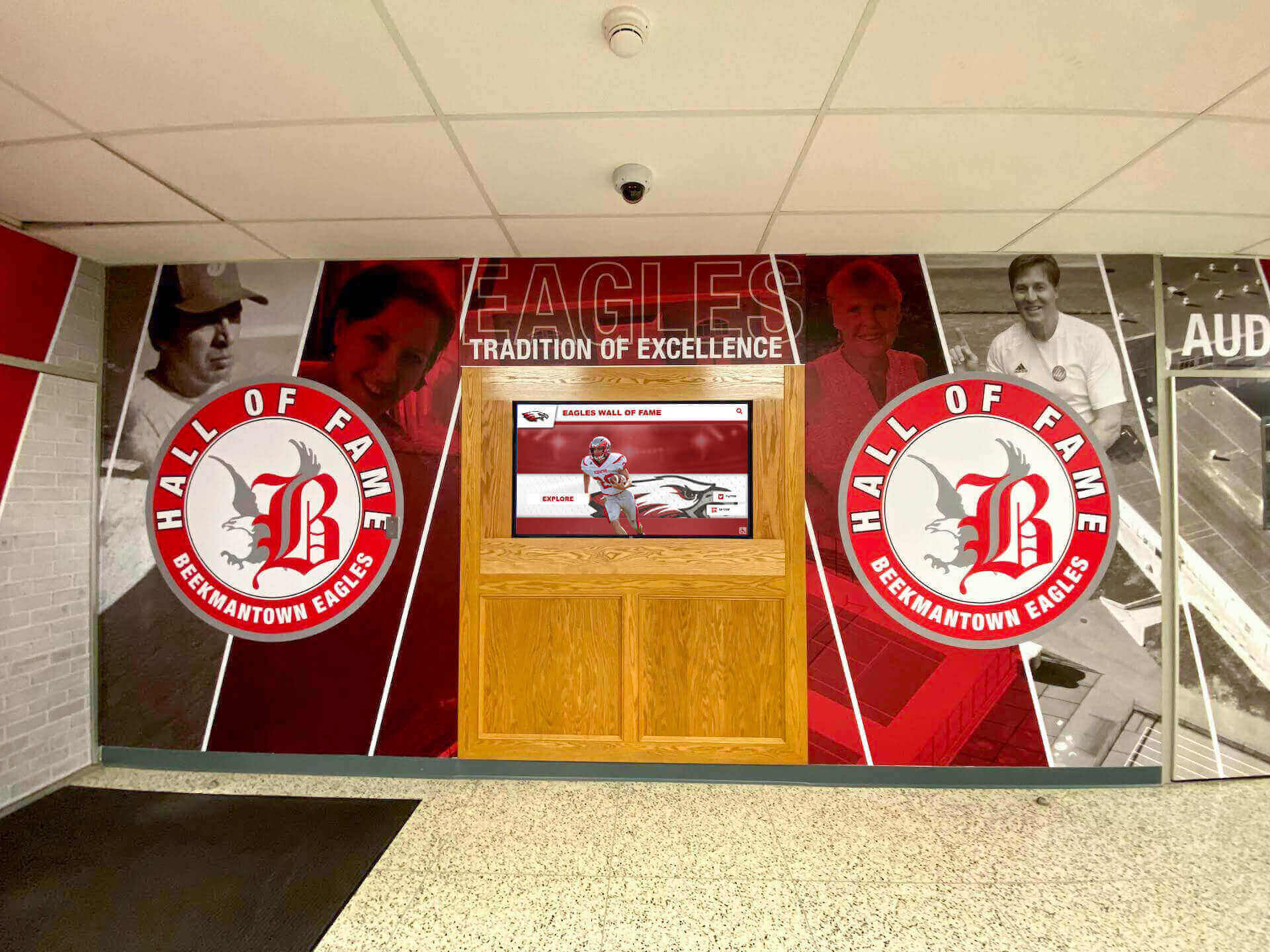
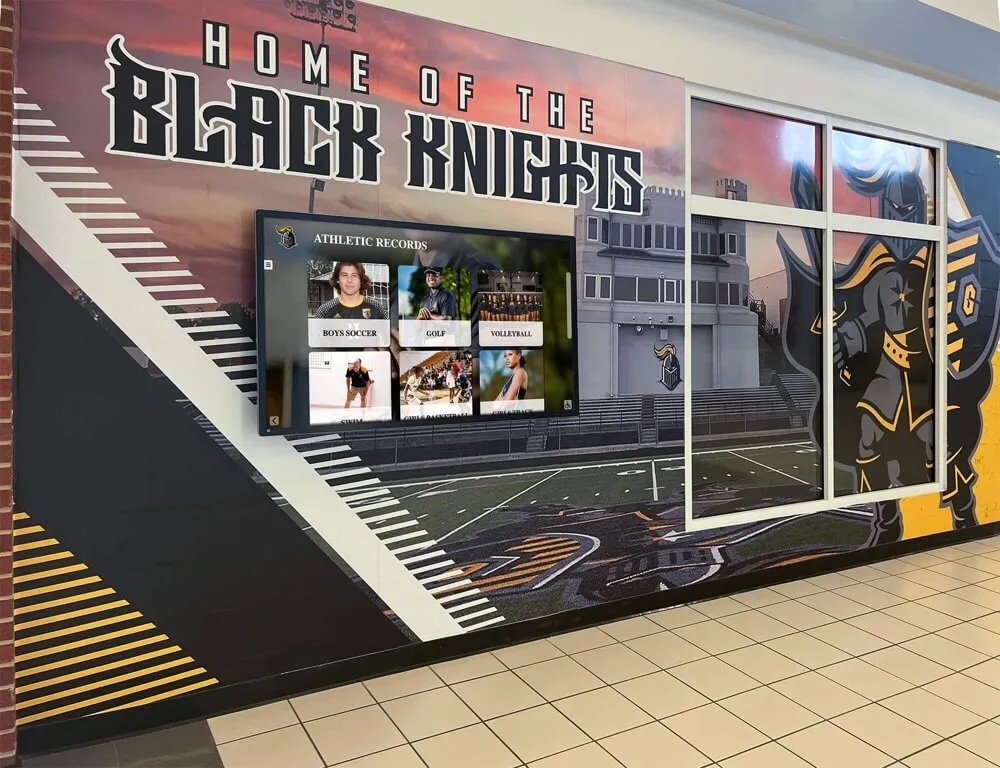
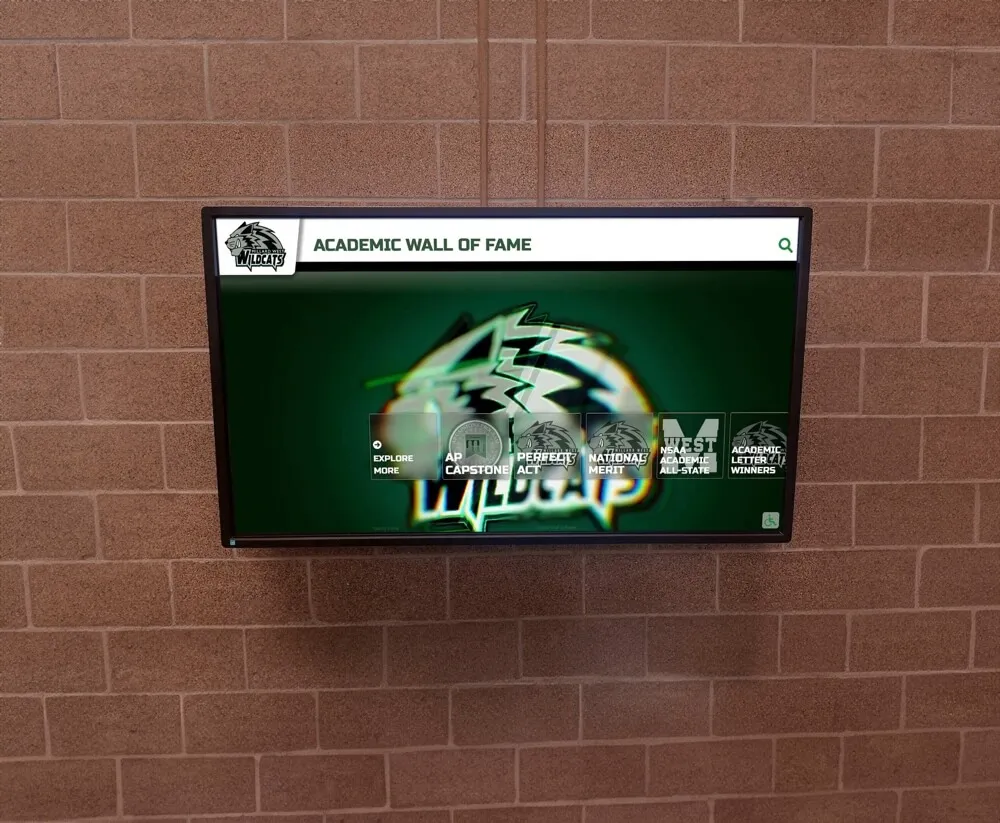
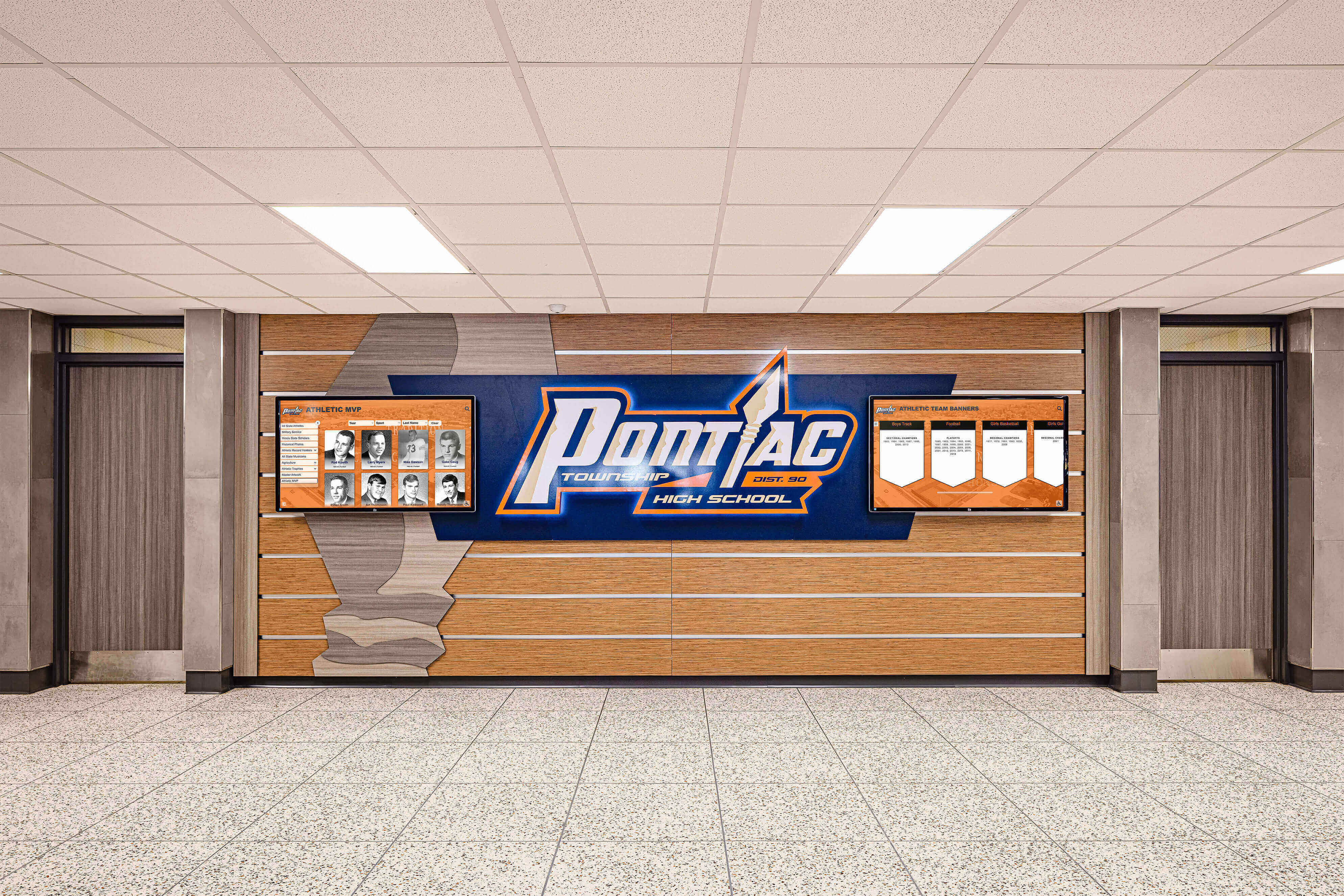
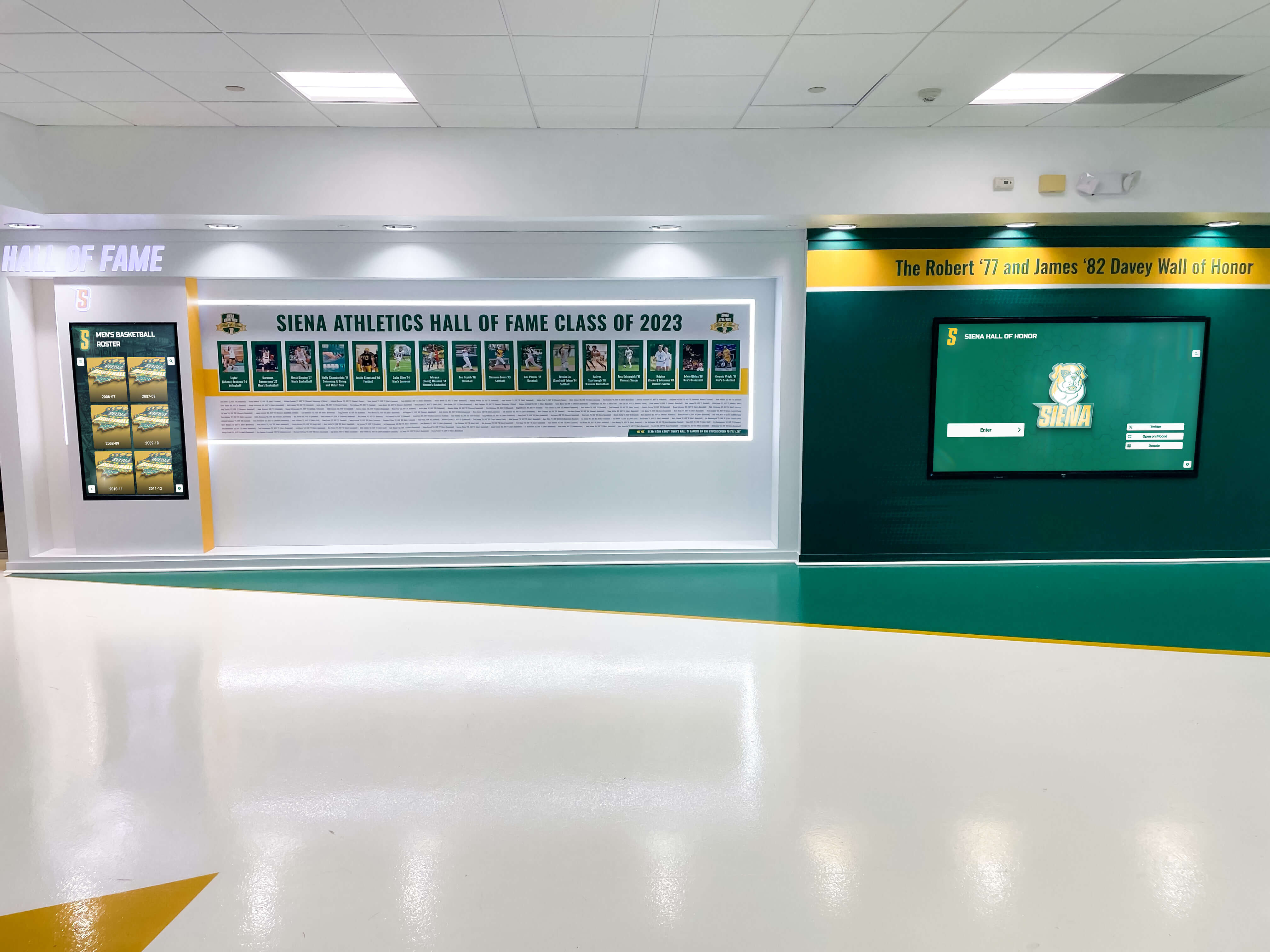
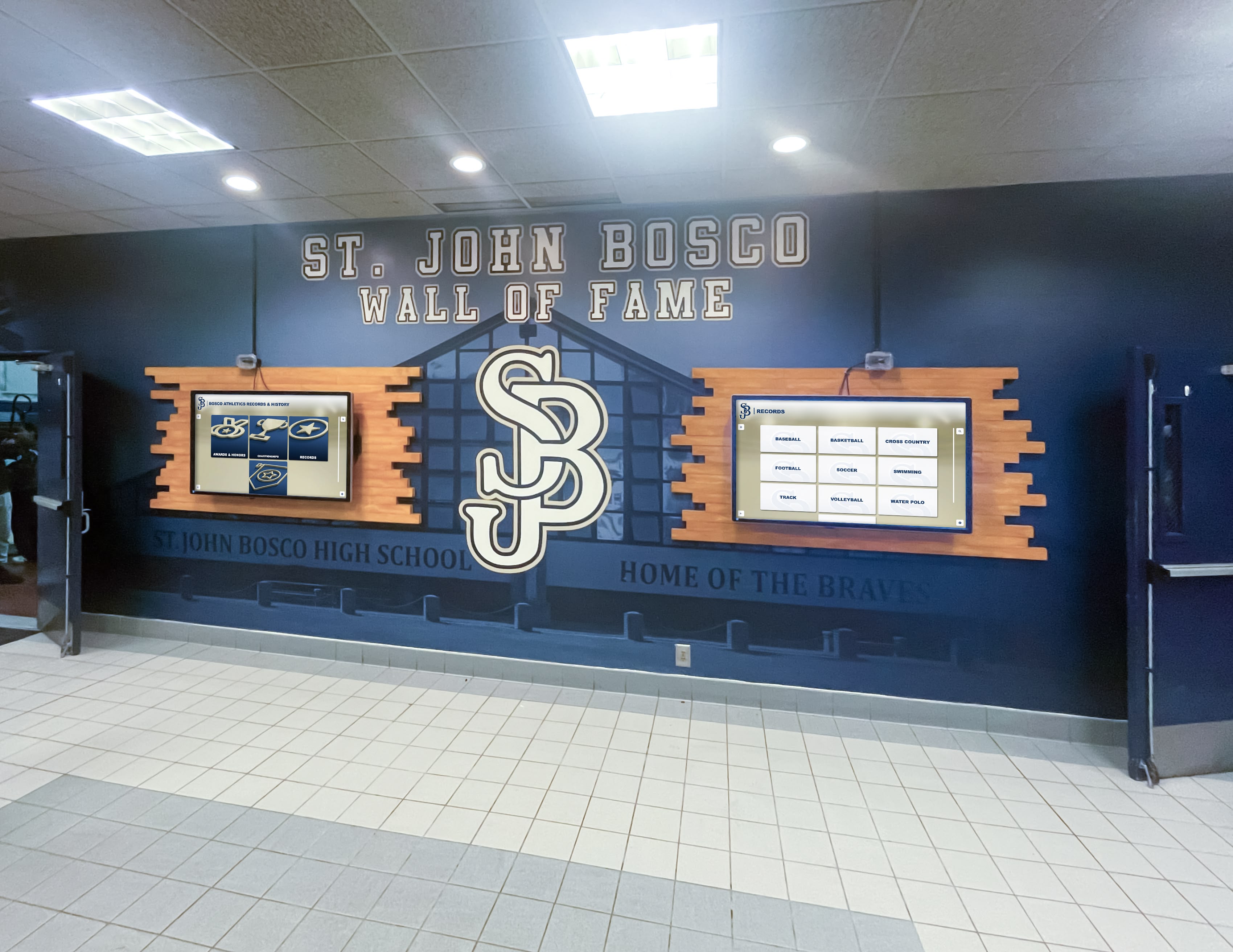
Interactive touchscreen displays—like those from Rocket Alumni Solutions—allow schools to present their history searchably and beautifully, connecting current students with the students who came before them. Current seventh graders can explore what the school looked like when their older siblings walked the same halls. Incoming sixth graders can discover alumni who went on to significant careers or achievements. For middle schools making the transition from a traditional trophy case to a dynamic recognition environment, these platforms extend what a yearbook starts: a permanent, living record of what this school community has produced and valued over its entire history.
Conclusion
Middle school yearbooks are harder to produce well than high school yearbooks precisely because the audience is harder to get right. Students simultaneously too young for senior nostalgia and too old for elementary-school simplicity need yearbooks that speak to their specific, complicated, genuinely interesting developmental moment.
The 25 ideas in this guide—across themes, spreads, and page designs—provide starting points, not templates. The best middle school yearbooks emerge when advisors use frameworks like these as springboards, then trust their knowledge of their specific school community to push those frameworks somewhere genuinely surprising and authentic.
The students whose sixth-grade awkwardness and eighth-grade confidence are documented in your yearbook will carry it for a lifetime. That’s worth one more revision pass, one more photography assignment, and one more hour of design refinement.
Ready to complement your yearbook program with permanent digital recognition that lives beyond any single printed volume? Explore how Rocket Alumni Solutions creates interactive touchscreen displays and searchable digital archives that preserve school history—and give every student a place in the ongoing story of your school community.