



Key Takeaways
Discover how to create meaningful yearbook dedication pages for teachers, staff, and school heroes — plus how digital recognition walls extend that honor beyond the printed page.
What Is a Yearbook Dedication Page?
A yearbook dedication is a special section of a school or university yearbook set aside to honor one or more individuals whose contributions to the school community have been exceptional, or whose loss has been felt deeply. Unlike a standard staff directory entry or a brief faculty bio, a dedication page gives extended space to the person’s story: their years of service, their impact on students and colleagues, the specific moments and qualities that made them irreplaceable.
Yearbook dedications are most commonly seen in end-of-year publications for high schools, middle schools, and universities, though club yearbooks, athletic department publications, and alumni magazines use similar formats. The tradition reflects an understanding that a yearbook is not just a photo archive but a historical document — a record of who shaped a community during a particular chapter of its life.
The distinction between a dedication and a memorial page matters to yearbook staff, advisors, and administrators. A dedication typically honors someone who is retiring, celebrating a significant milestone, or has been chosen by students and staff as deserving of special recognition. A memorial page honors someone who has died. Both formats carry emotional weight, but they call for different language, photography, and content strategy.
Who Deserves a Yearbook Dedication?

Almost every school has more people worthy of a yearbook dedication than any single volume can accommodate. The challenge for yearbook staff and advisors is not finding candidates but developing consistent criteria for selection. Typical honorees include:
Retiring Teachers and Faculty: A teacher who has spent 20, 30, or even 40 years shaping students at a single institution has given something that is difficult to quantify. Retirement dedications celebrate tenure, note subjects taught and extracurricular roles, and invite current students to reflect on what they will carry forward from that teacher’s classroom.
Long-Serving Administrative Staff: Office managers, registrars, and administrative assistants who have worked at a school for decades often know its history more deeply than anyone else on campus. They remember the building before it was renovated, the mascot before it was redesigned, the cafeteria configuration from three principals ago. Their institutional memory is irreplaceable and deserves to be named.
Custodial and Maintenance Staff: School custodians and facilities staff are among the most overlooked people in any institution. They are among the first to arrive and the last to leave. Students who spent lunch hours talking with a longtime custodian often describe those conversations as formative. A yearbook dedication for a retiring custodian can be one of the most meaningful pages in any volume.
Coaches and Activity Advisors: A coach who has run the same program for two or three decades has touched hundreds of athletes. A drama advisor who has directed every spring musical since the 1990s has shaped the school’s cultural identity. These individuals occupy a unique space between faculty and mentors, and their retirements mark genuine transitions in a school’s character.
School Counselors and Support Staff: Counselors, psychologists, and social workers who work in schools carry the weight of students’ hardest moments. Honoring them publicly acknowledges work that is often invisible and always essential. Principal appreciation and administrator recognition increasingly emphasizes the importance of honoring the full team that makes a school function — not just classroom-facing roles.
In Memoriam Honorees: When a teacher, staff member, student, or community figure passes away during the school year, a memorial page creates space for collective grief and tribute. This category requires the most careful handling, with sensitivity to the person’s family and coordination with school counseling teams.
The Anatomy of a Meaningful Yearbook Dedication Page
What separates a generic dedication from one that actually captures a person’s legacy is specificity. Generic language — “beloved teacher,” “dedicated servant of the school community,” “friend to all” — tells readers almost nothing. The dedications that students and staff remember for years are the ones that contain a specific moment, a particular detail, a phrase that only people who knew the honoree will fully understand.

Writing the Tribute
The written tribute is the heart of any yearbook dedication. Yearbook advisors typically work with student editors to draft these sections, often in consultation with colleagues, administrators, and the honoree themselves when appropriate. Effective tribute writing:
- Opens with a specific scene, memory, or characteristic rather than a list of job titles
- Includes the number of years served and the roles held, but does not lead with them
- Incorporates at least one concrete memory or characteristic described by a student or colleague
- Avoids superlatives without evidence in favor of specific claims
- Closes with a forward-looking statement about the honoree’s enduring influence
For in memoriam pages, the tribute should be reviewed by school counselors and, where possible, by the family. Accuracy in names, dates, and biographical details is essential. The language should be warm but measured — avoiding phrasing that could feel painful to family members reading it years later.
Choosing Photography
Photography selection determines the visual tone of a dedication page. A single formal headshot is technically sufficient, but the most memorable dedication pages use a mix:
- A current or recent photograph that shows the honoree as the community currently knows them
- One or more candid shots from their work — at their desk, in the classroom, on the sideline, in the hallway
- Historical photographs if available — a teacher in their first year compared to their last is a powerful visual statement
- Group photographs showing the honoree with students, colleagues, or at significant school events
When assembling photos for a yearbook dedication, staff should collect images from multiple sources: school archives, personal collections the honoree is willing to share, parent organization photos, and student photography from the current year. The challenge of gathering historical images is one reason some schools have begun investing in digital yearbook archive and preservation systems that make historical school photography searchable and accessible to yearbook staff, administrators, and the public.
Incorporating Student and Staff Voices
The most meaningful dedications include voices beyond the editorial staff. Yearbook advisors often collect tributes through structured questionnaires, brief interviews, or open submission forms. When gathering quotes:
- Reach out to current students who had direct contact with the honoree
- Contact alumni if the person’s tenure is long and former students are accessible through social media or alumni networks
- Ask fellow teachers and staff for professional reflections
- Invite administration to provide an institutional acknowledgment
Even a single genuine quote — “Mrs. Patterson stayed after school to help me rewrite my college essay three times and never mentioned it to anyone” — does more to convey a person’s character than a paragraph of generalized praise.
Dedication Page Ideas for Different Honorees
The approach that works best for a retiring English teacher is not the same as what works for a beloved cafeteria manager or a coach who led the program for 30 years. Here are practical approaches tailored to different honoree types.
Retiring Teachers
For teacher dedications, the most important elements are:
- Total years of service and subjects taught
- Notable curriculum contributions or programs they created
- Student perspective: what changed for students who took their class
- A brief personal statement from the honoree about what they will miss
Consider a two-page spread for teachers with particularly long tenures, using a timeline format to show the school’s changes during their career alongside their own milestones.
Long-Serving Administrative Staff
Administrative staff dedications often benefit from focusing on the institutional memory angle:
- What was the school like when they started? (Use a historical photo if available)
- Specific programs, traditions, or policies they helped shape
- The number of students and staff members whose school experience they touched
- Quotes from colleagues who relied on them
Many schools find that recognizing the people who hold schools together — from assistant principals to office staff — creates the most emotionally resonant pages in the yearbook, precisely because these individuals are so rarely publicly honored.
Coaches and Activity Advisors
Coach and advisor dedications work best when they include:
- Career records, championship history, or major production achievements
- The most significant teams, seasons, or productions they oversaw
- Player and performer perspectives on what made them distinctive as leaders
- A sense of the culture they built, not just the results they produced
Avoid making coach dedications purely about wins and championships. The coaches most beloved in schools are beloved because of how they treated people in difficult seasons, not just successful ones.
School Secretaries, Custodians, and Support Staff
Dedications for support staff require the most intentional effort to avoid condescension or tokenism. The best approaches:
- Lead with a specific story or characteristic that illustrates the person’s unique role
- Use quotes from students who formed genuine connections with this person
- Acknowledge the invisible work: the early mornings, the extra tasks, the quiet ways they maintained the school’s environment
- Treat these pages with the same production quality as teacher dedications
In Memoriam Dedications
Memorial pages require the most careful handling of any yearbook dedication format. Beyond content strategy, there are process considerations:
- Coordinate with school counselors before finalizing content
- Consult with the honoree’s family on accuracy and appropriateness
- Consider including grief resources or a brief acknowledgment of the school’s support systems
- Use imagery that the family has approved
- Review the final page with multiple administrators before publication
The goal is a page that will remain meaningful and comforting to family members for decades — not just one that serves the school’s immediate emotional needs.
Beyond the Yearbook: Making Teacher and Staff Recognition Permanent
A yearbook dedication is meaningful, but it is also fragile as a recognition medium. Printed yearbooks get lost, donated to libraries, stored in attics, or simply discarded. A dedication page in a single volume from 1998 is inaccessible to a student who enrolls in 2025. Schools that take staff and teacher recognition seriously are investing in permanent recognition infrastructure that complements and extends what the yearbook does.
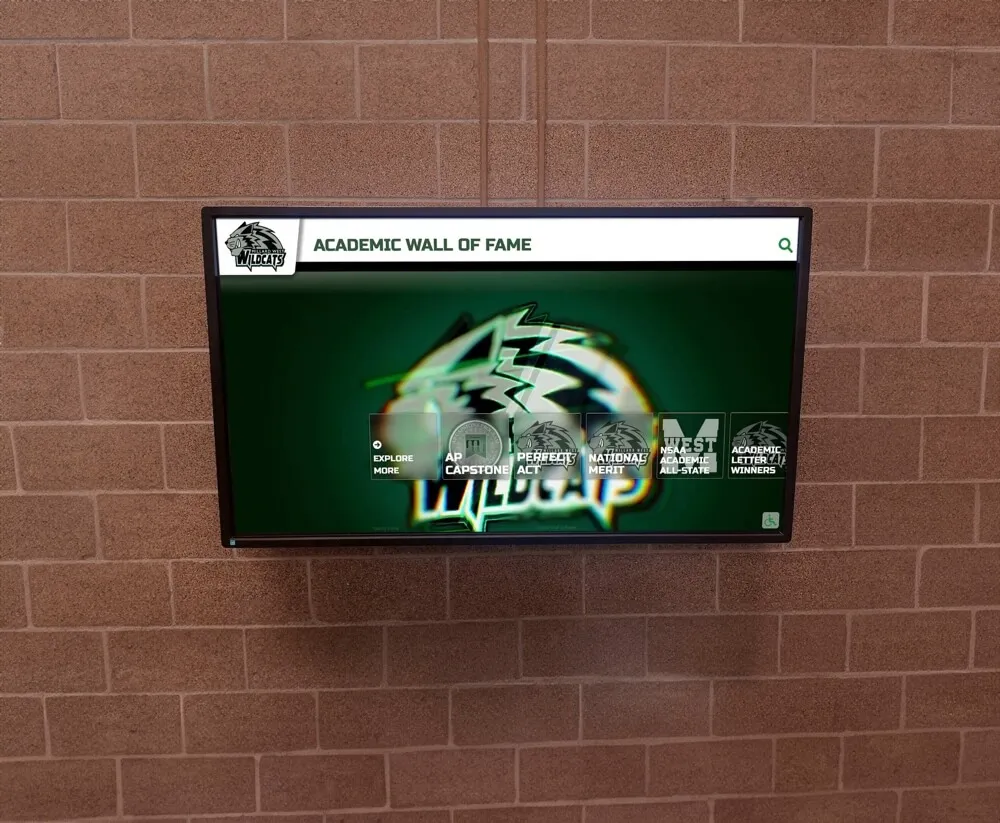
The most impactful permanent recognition options for teachers, staff, and school heroes include:
Named Spaces and Classrooms: Naming a classroom, library, or hallway after a long-serving staff member creates a permanent tribute visible to every student who passes through the building. These tributes are limited by the number of available spaces, but they carry significant symbolic weight.
Endowment Scholarships: For teachers and staff who made a particular impact on student achievement, an annual scholarship in their name creates recognition that renews itself each year and directly serves new students. Alumni associations and parent organizations frequently support these endowments.
Service Award Programs: Structured annual service recognition programs — 10-year, 20-year, and 30-year milestones honored at formal ceremonies — ensure that long-serving staff receive consistent, public recognition rather than being honored only at retirement. Digital service awards programs make it possible to archive every honoree permanently so the record grows more impressive with time.
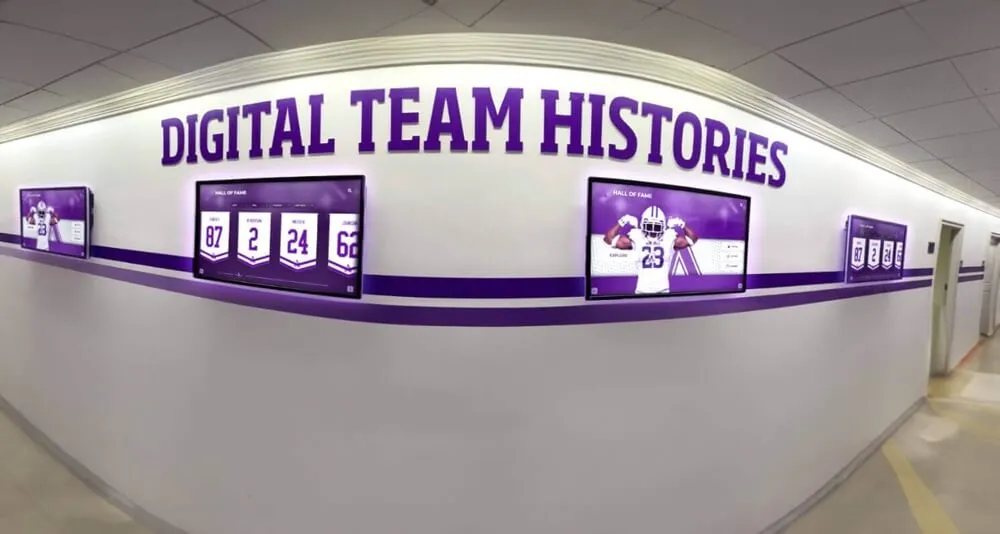
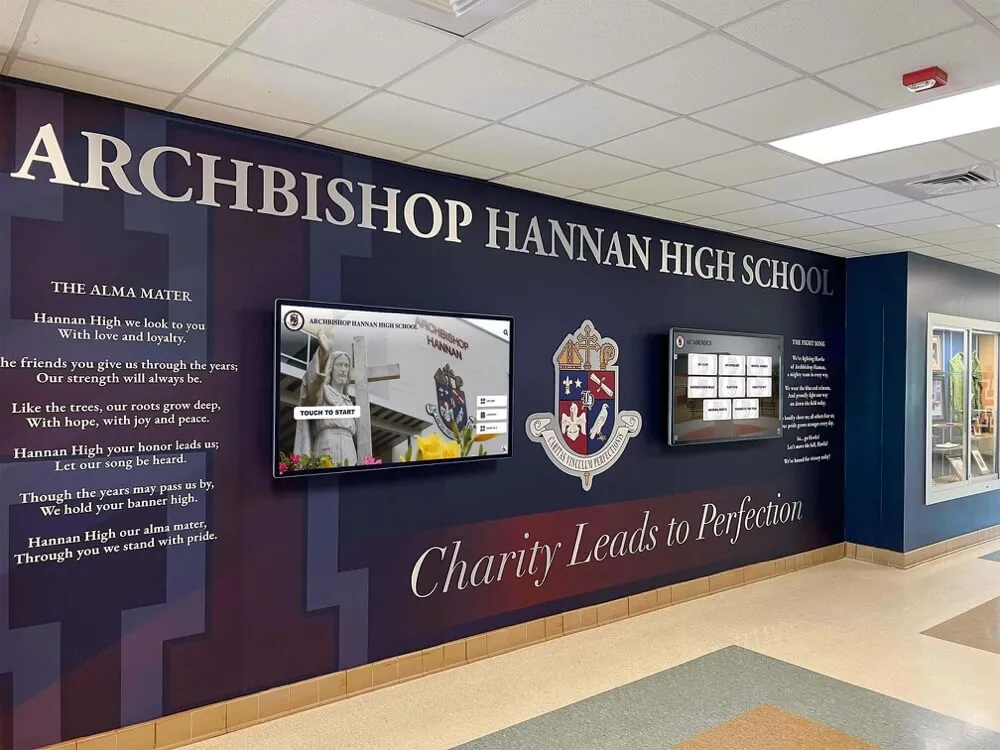
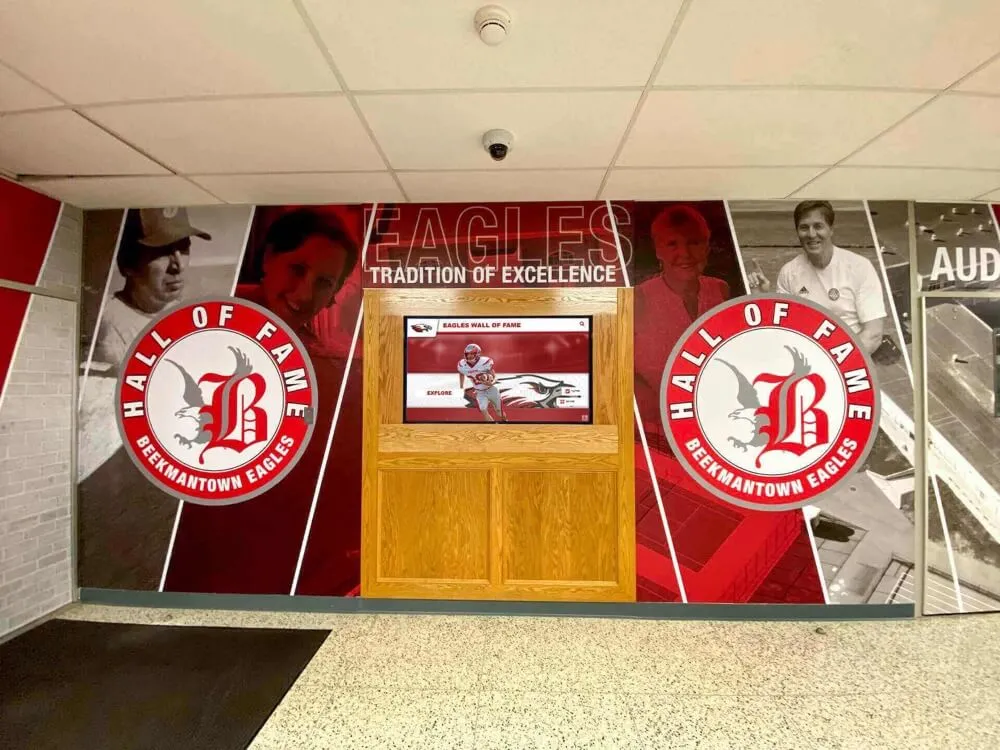
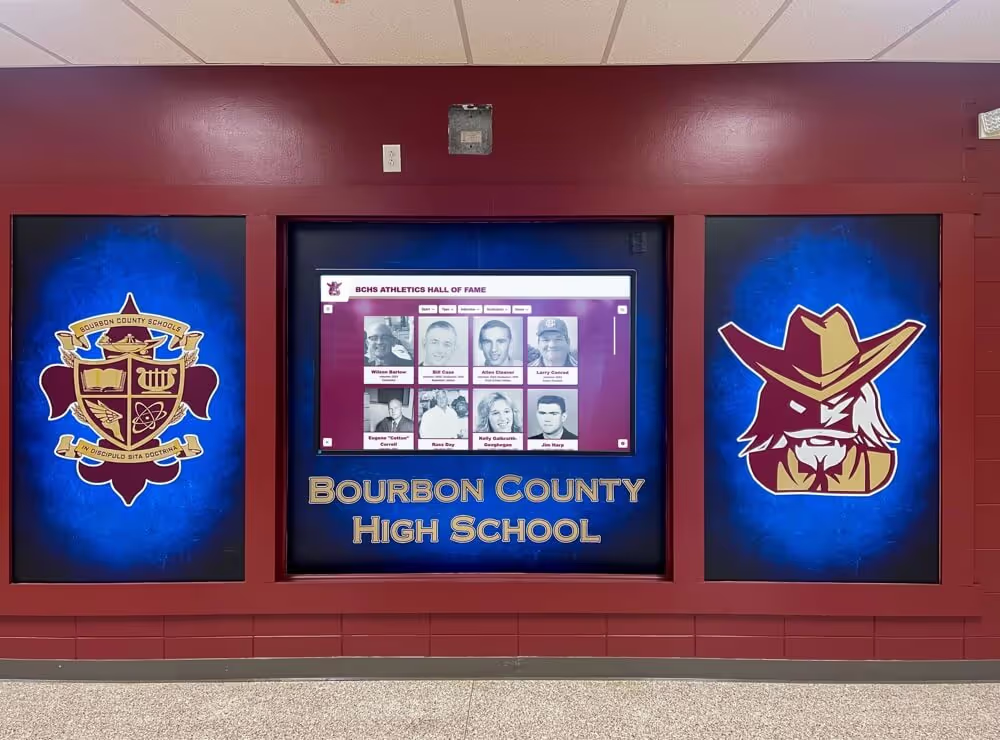
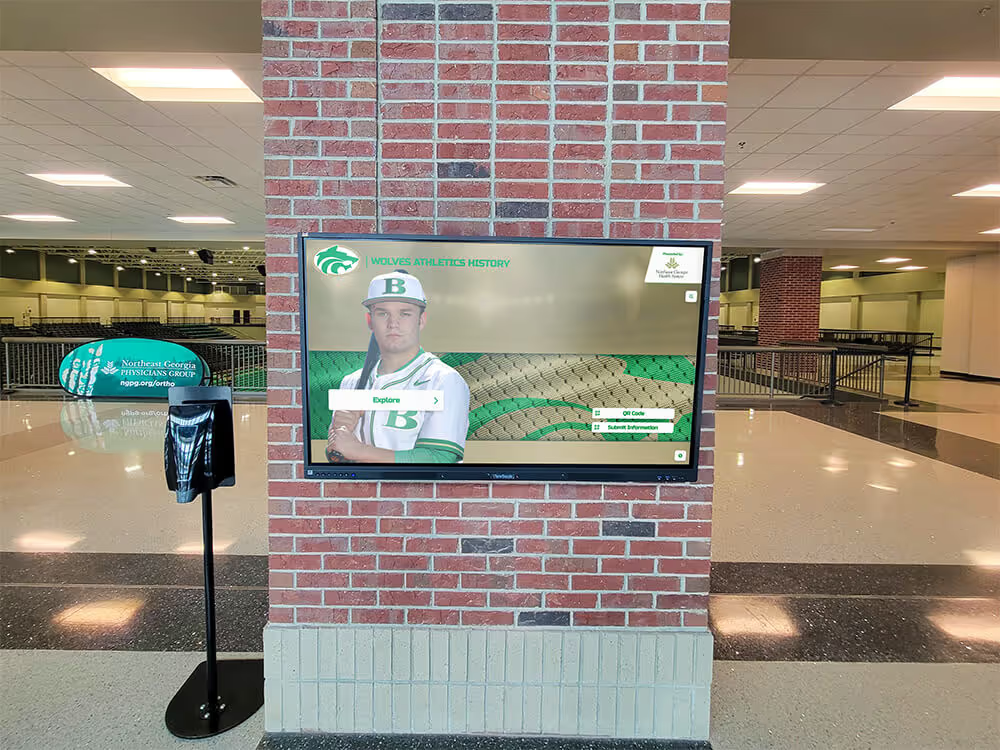
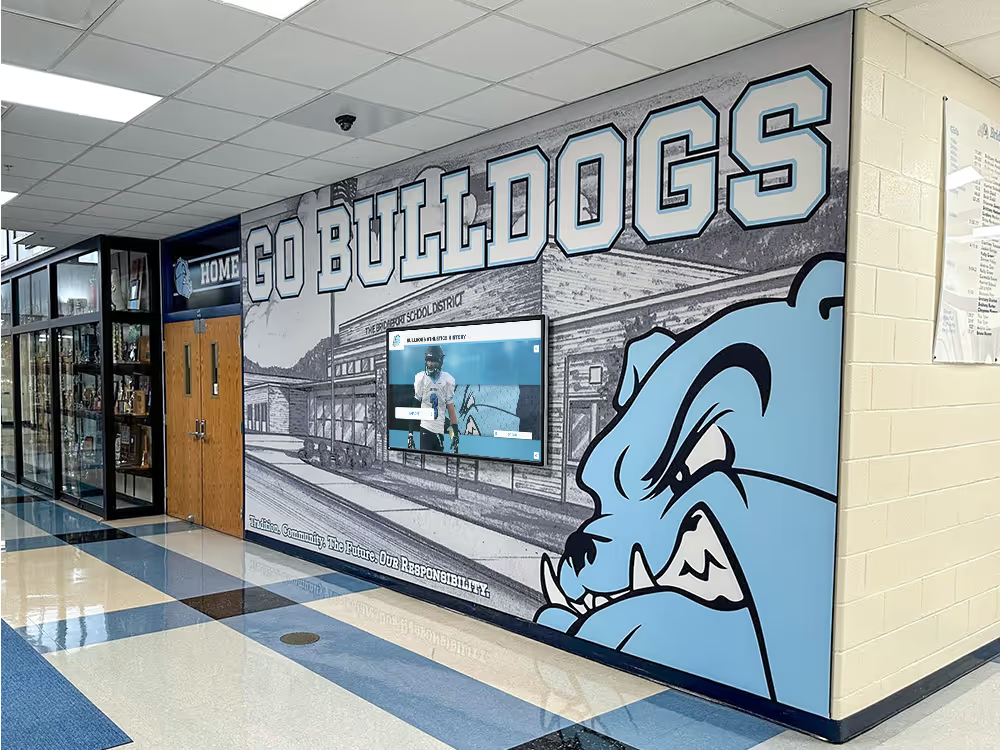
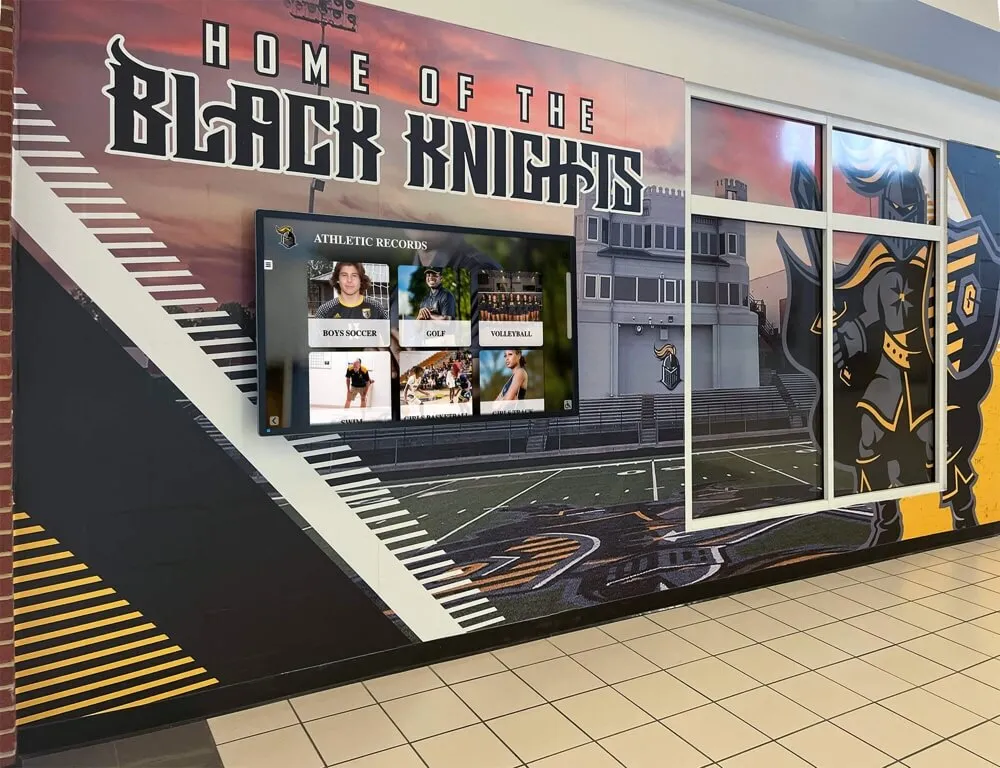
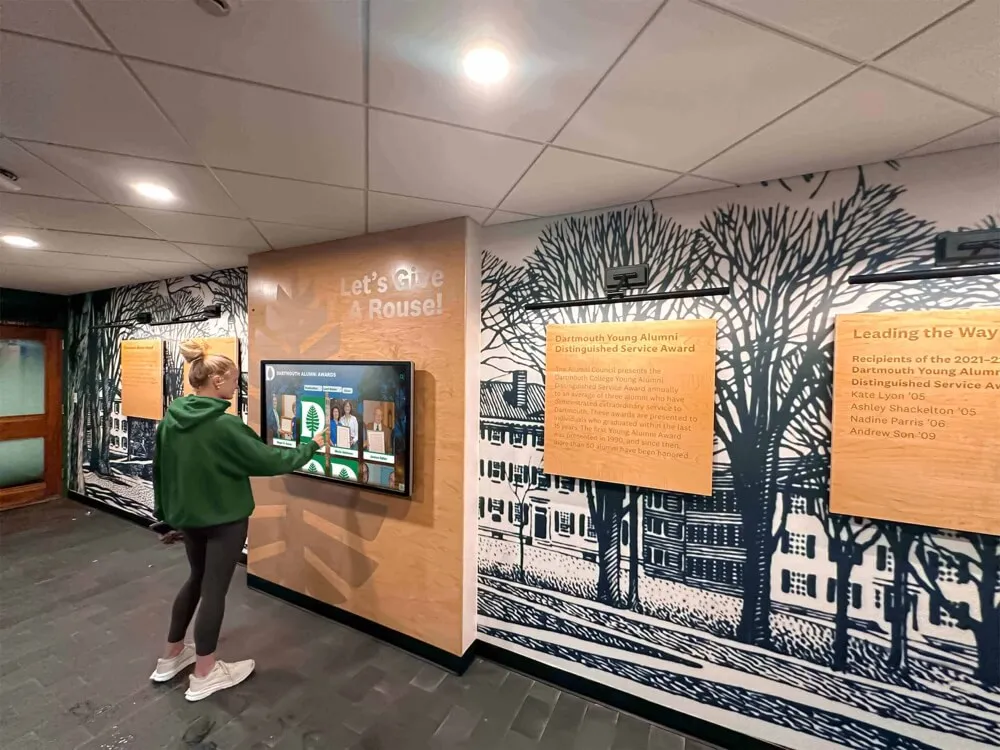
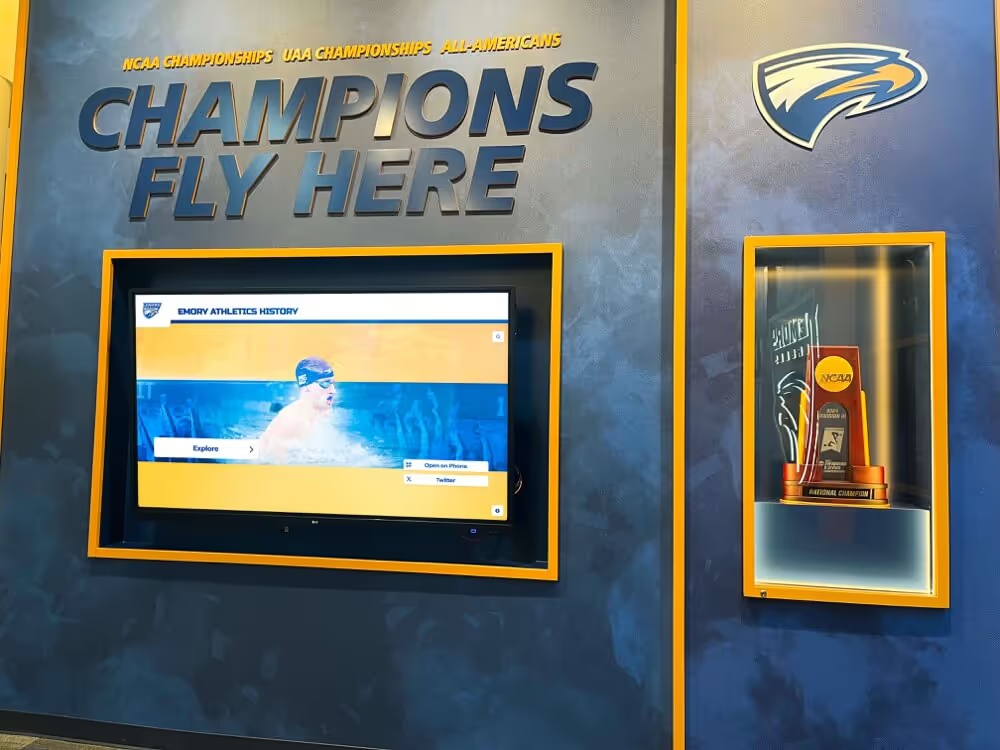
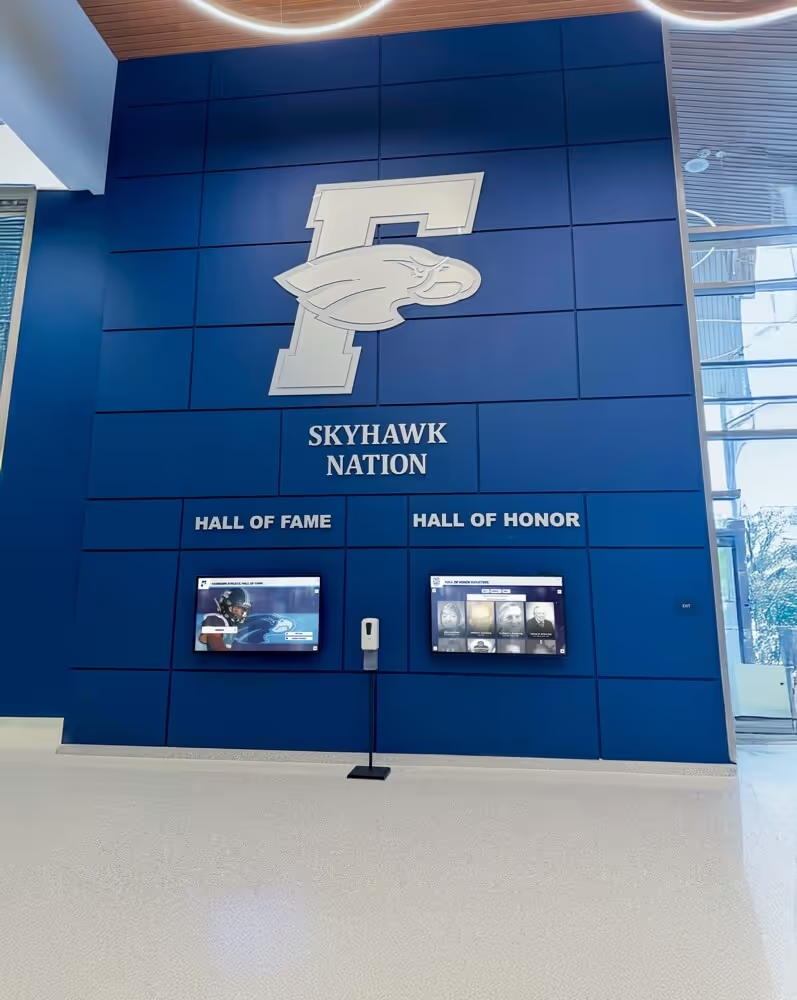
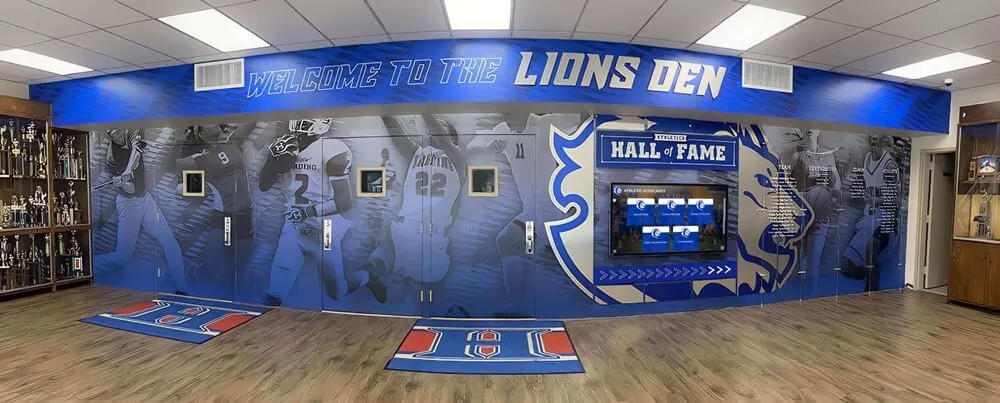
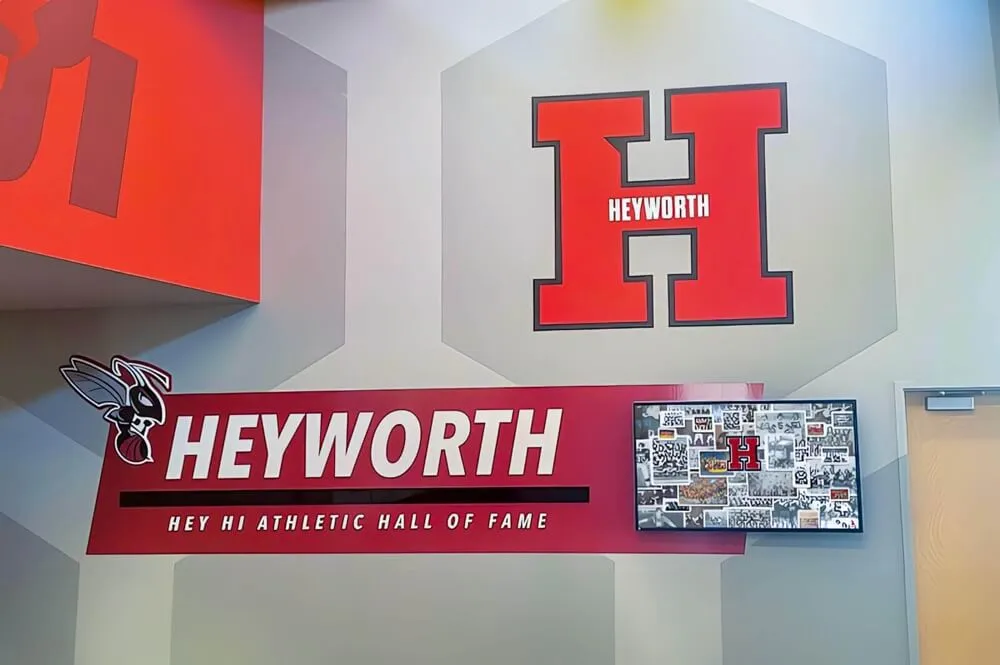
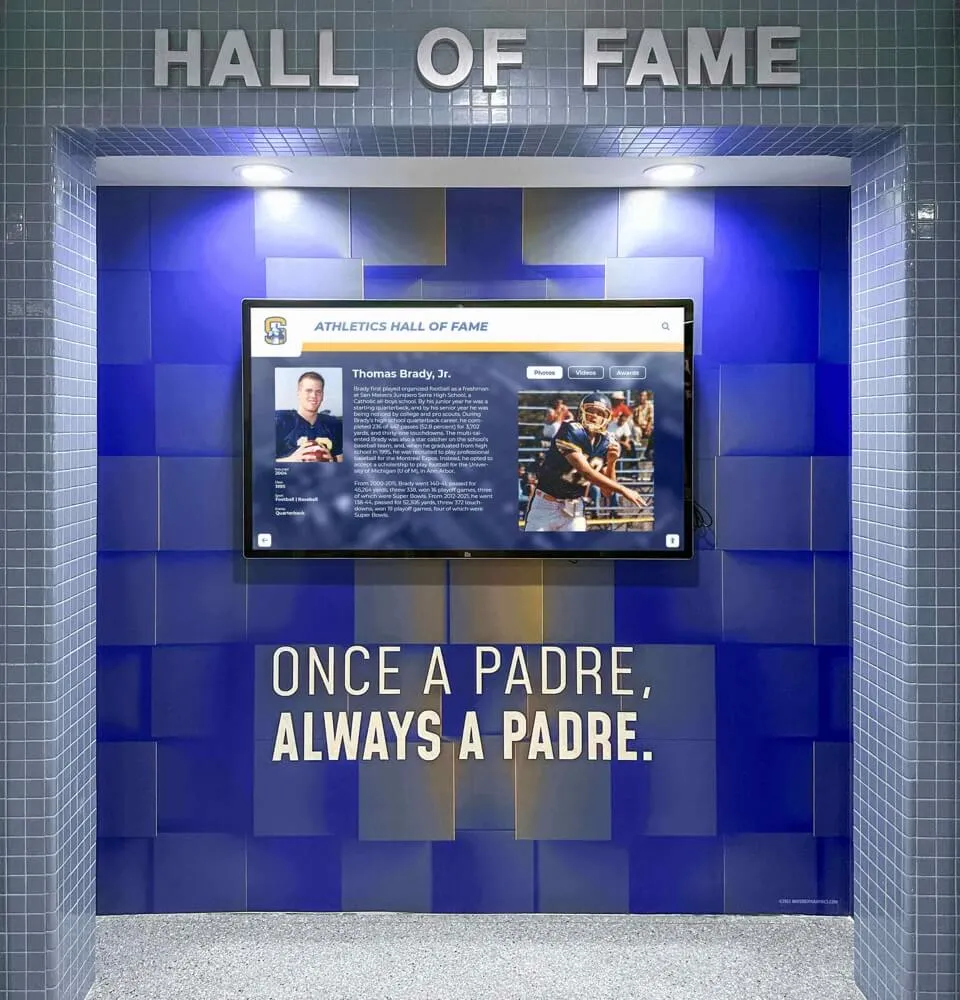
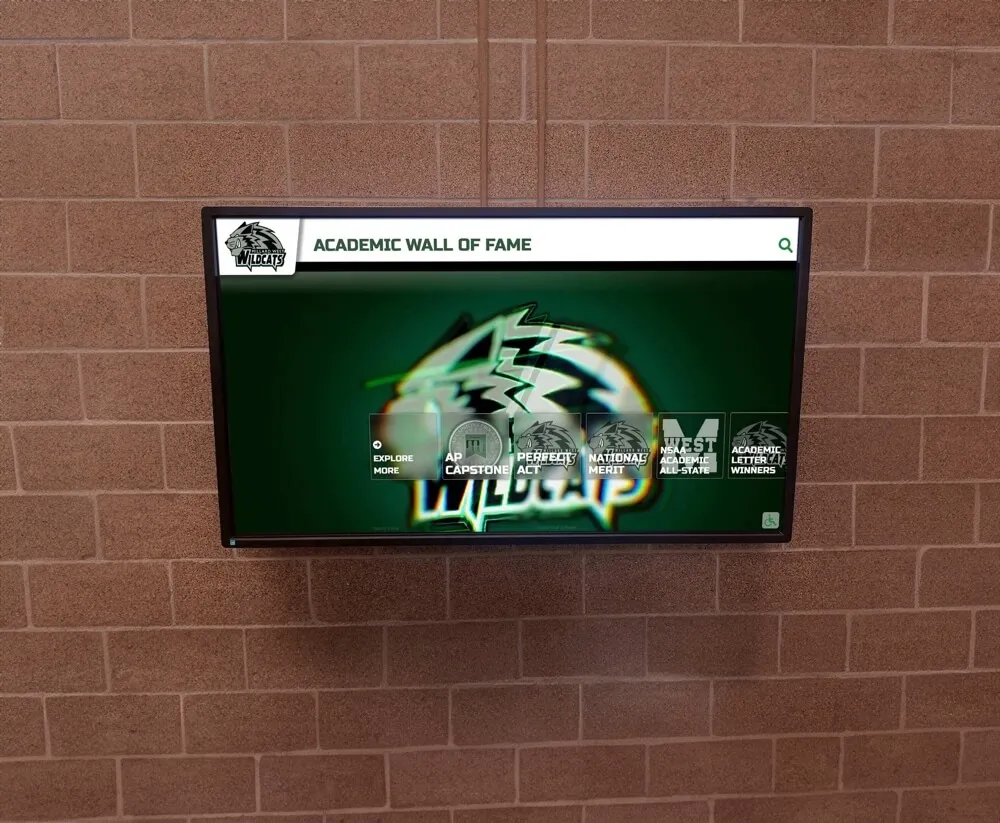
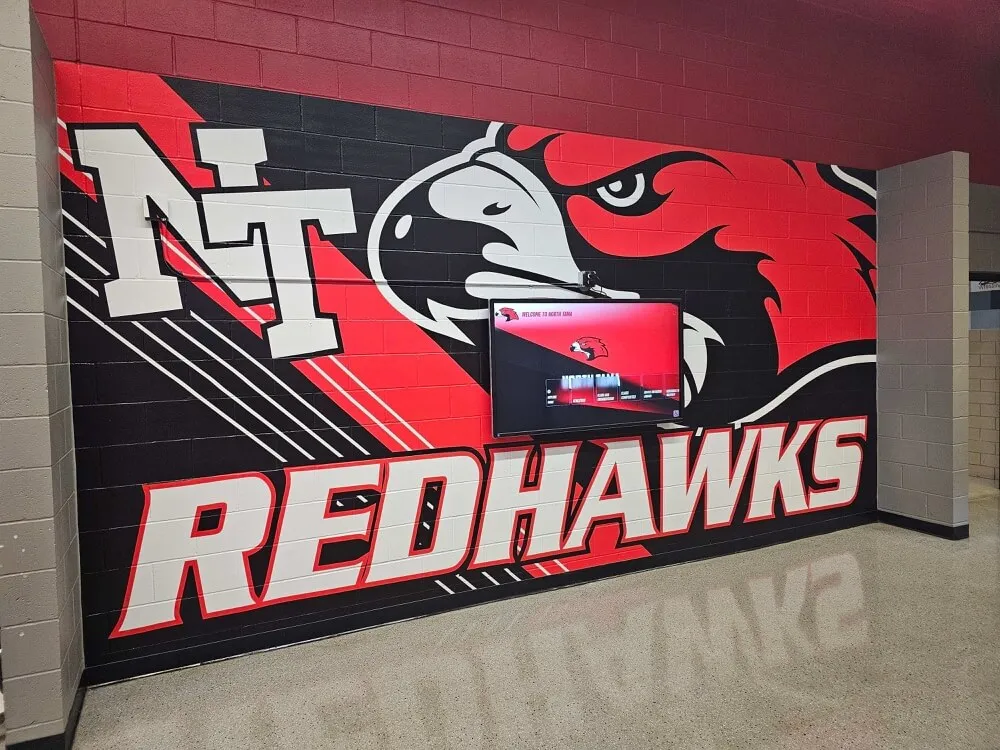
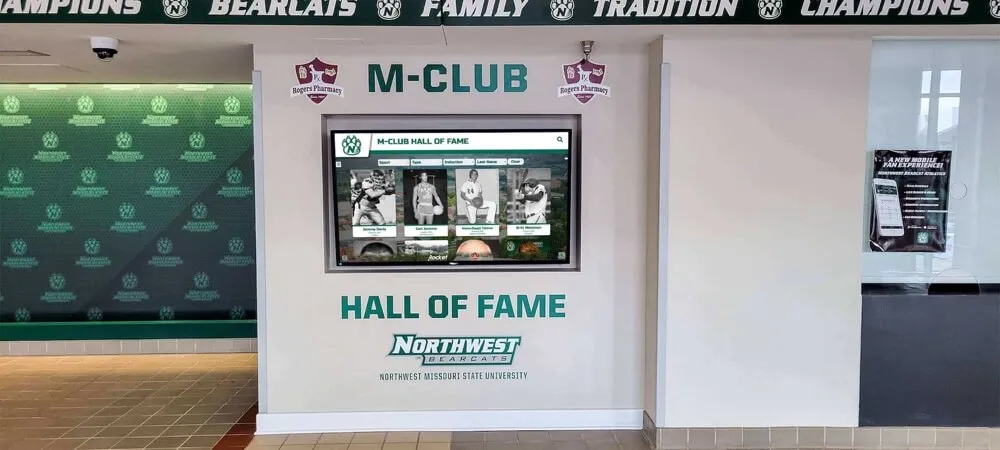
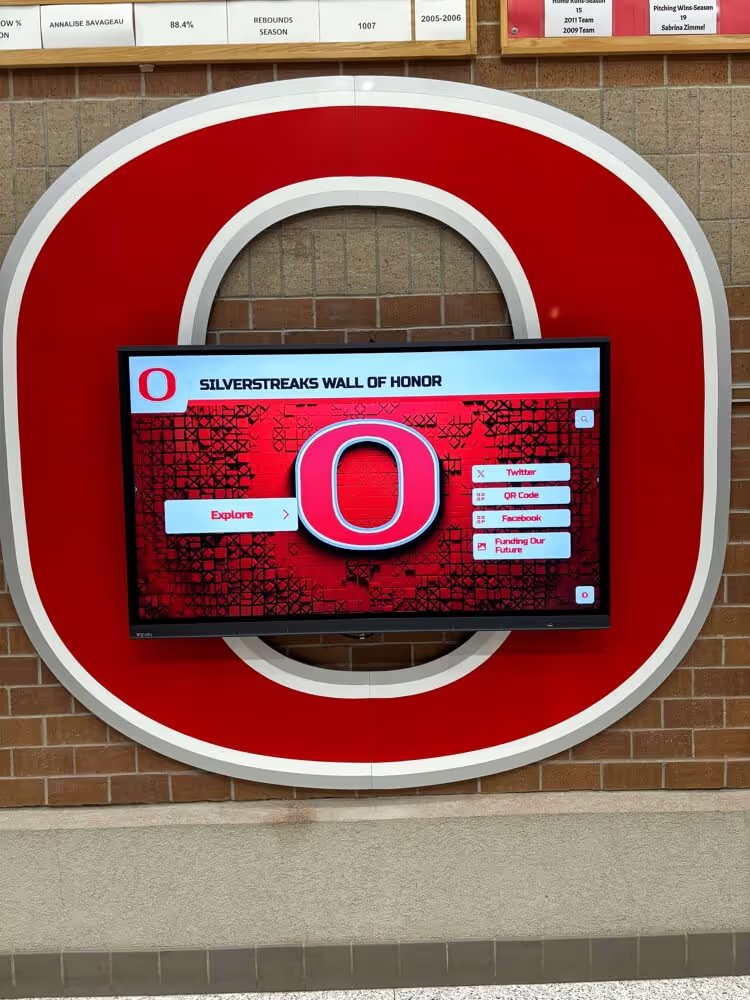
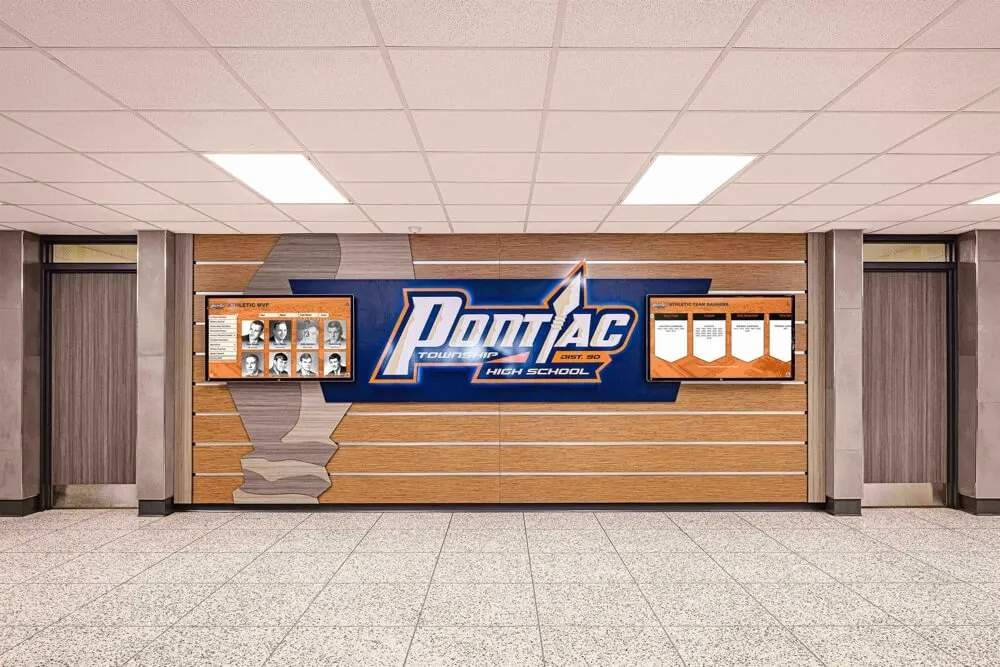
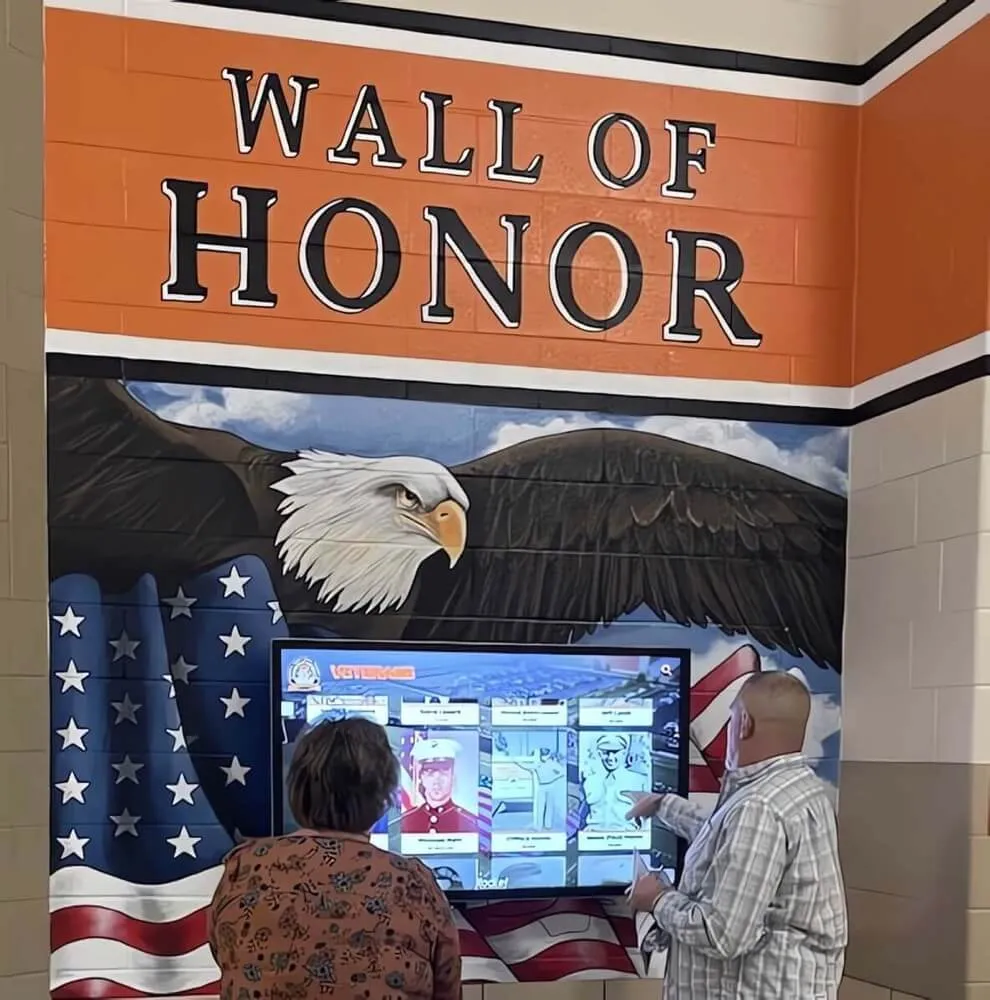
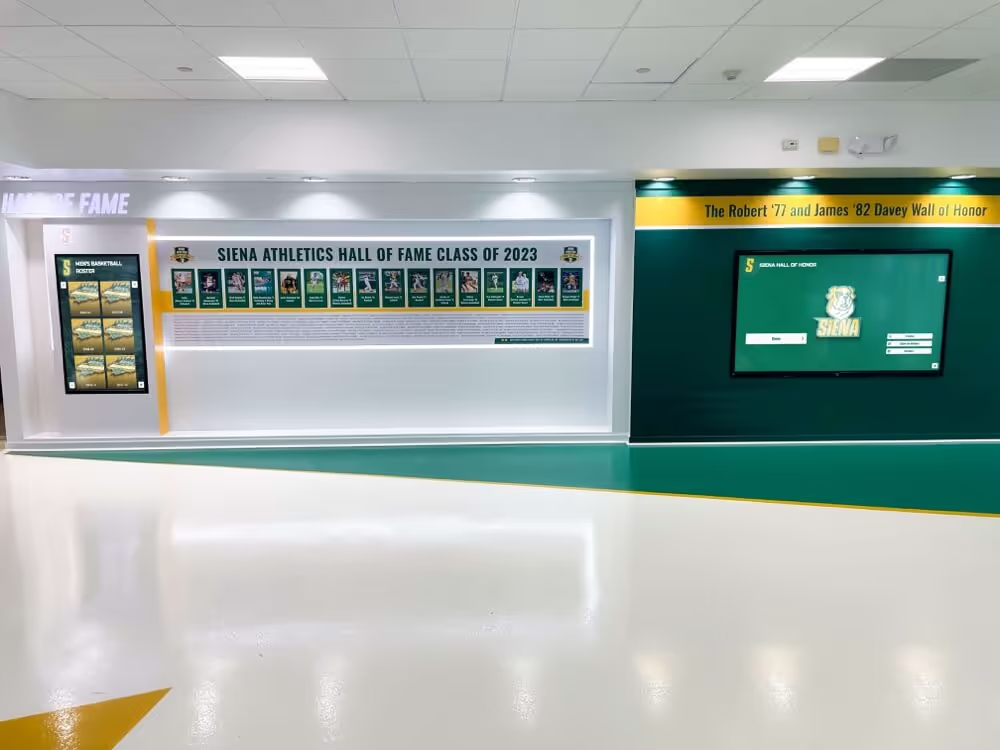
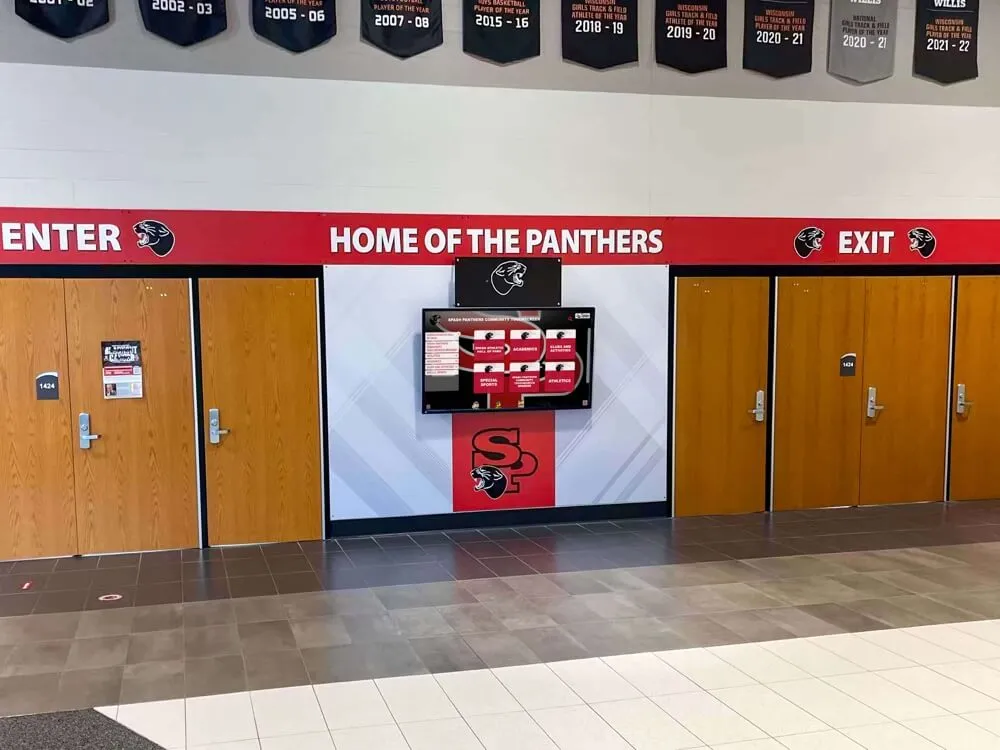
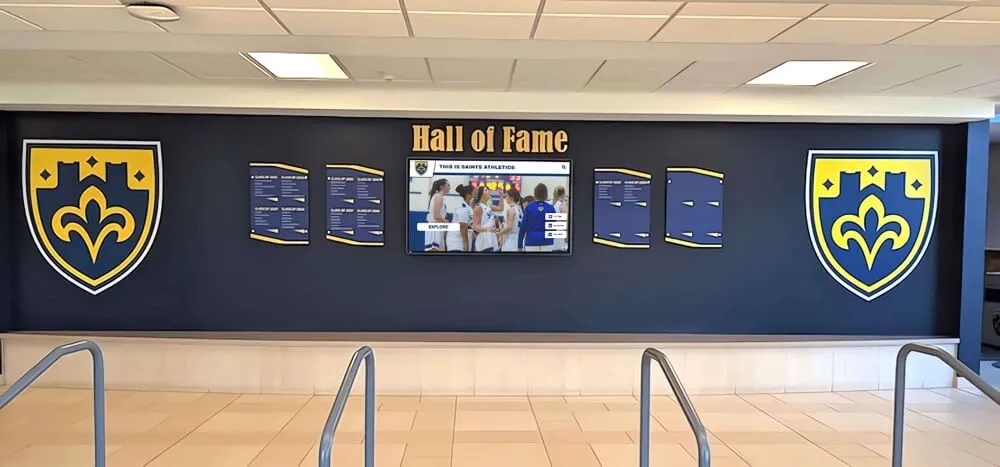
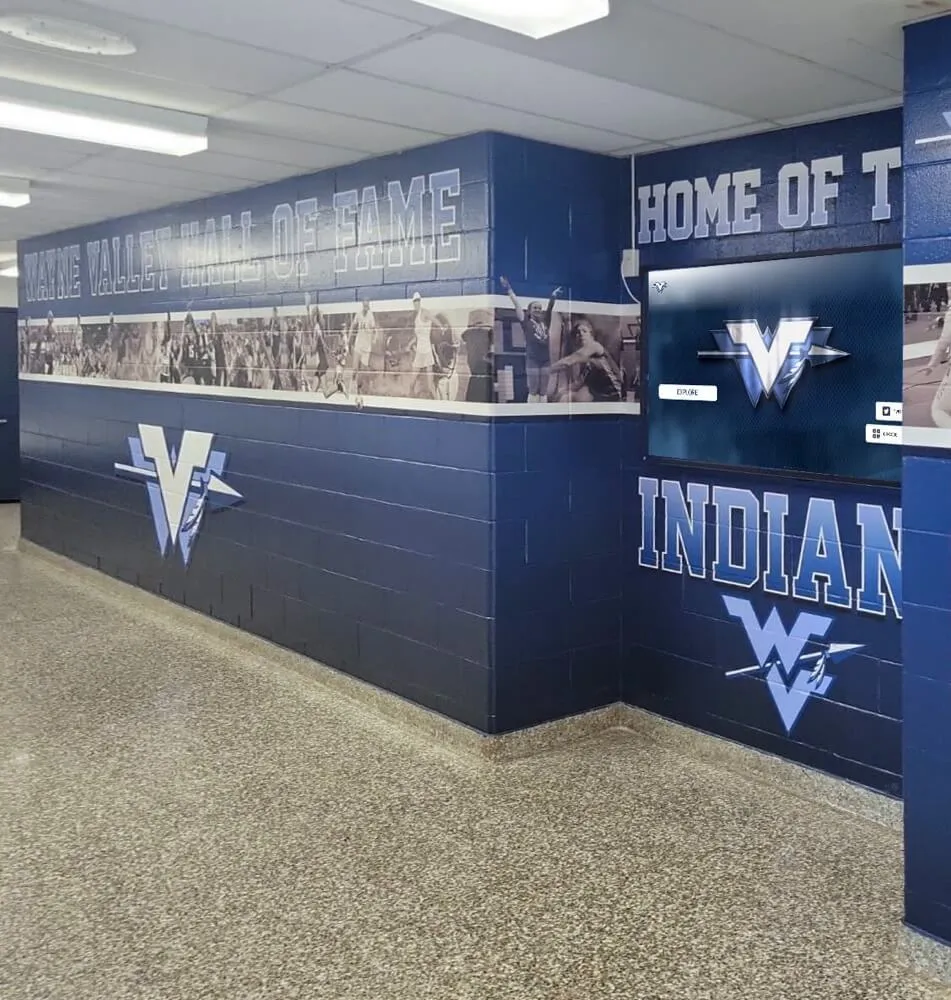
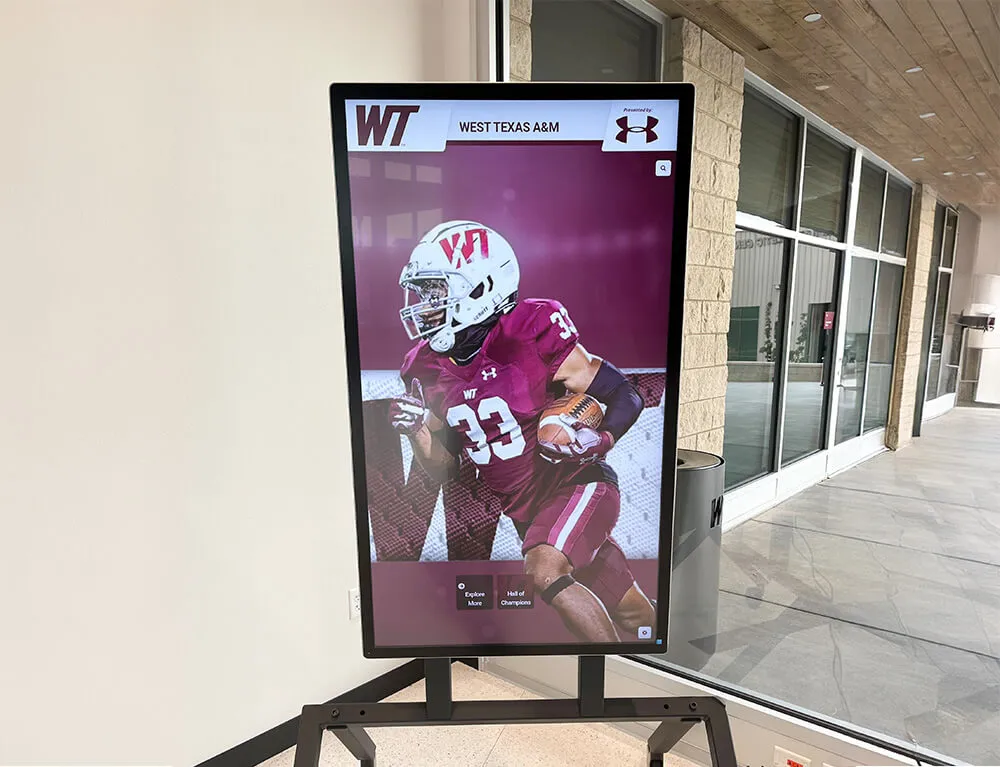
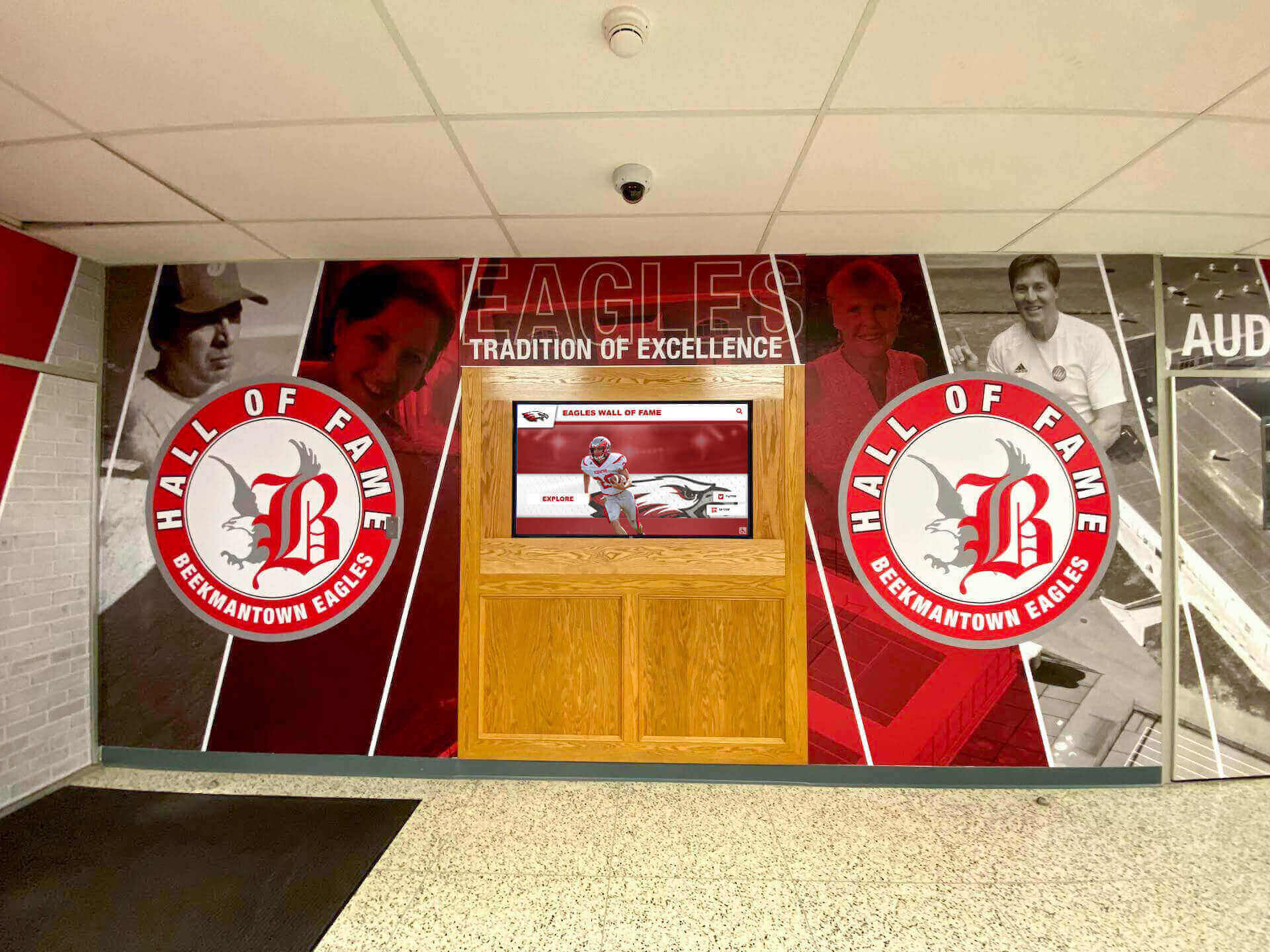
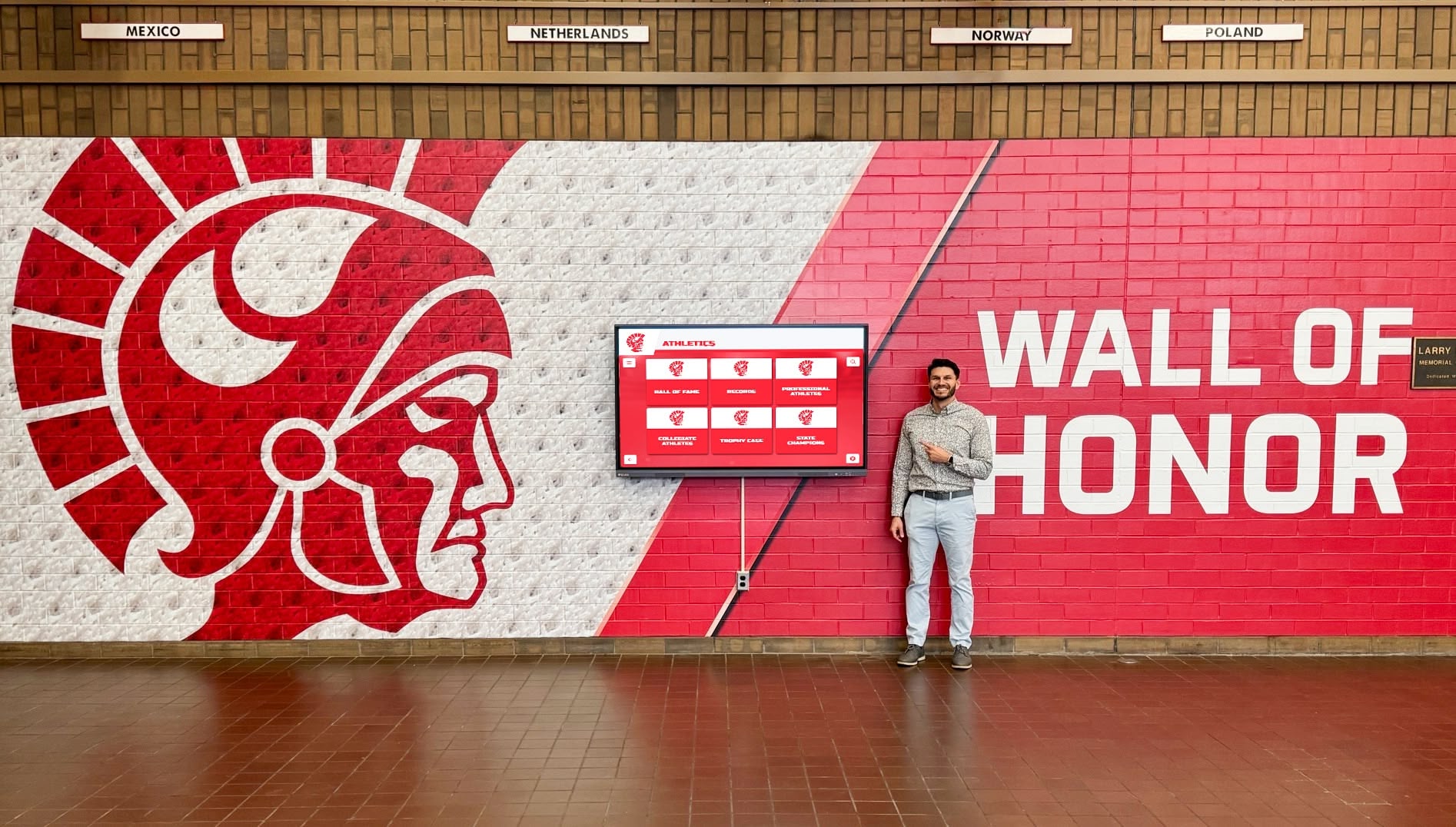
Digital Hall-of-Fame Displays: Permanent digital recognition walls installed in school lobbies and hallways can archive every honored teacher, staff member, and school hero in a format that is searchable, interactive, and accessible to current students, parents, and visitors. These displays function as living tributes — continuously accessible, infinitely expandable, and not subject to the physical limitations of printed volumes.
Digital Recognition Walls: Extending the Yearbook Legacy
The most significant shift in school recognition infrastructure over the last decade has been the adoption of interactive digital displays that function as permanent, searchable halls of fame and walls of honor. These systems are particularly well-suited to extending yearbook dedications into lasting institutional memory.
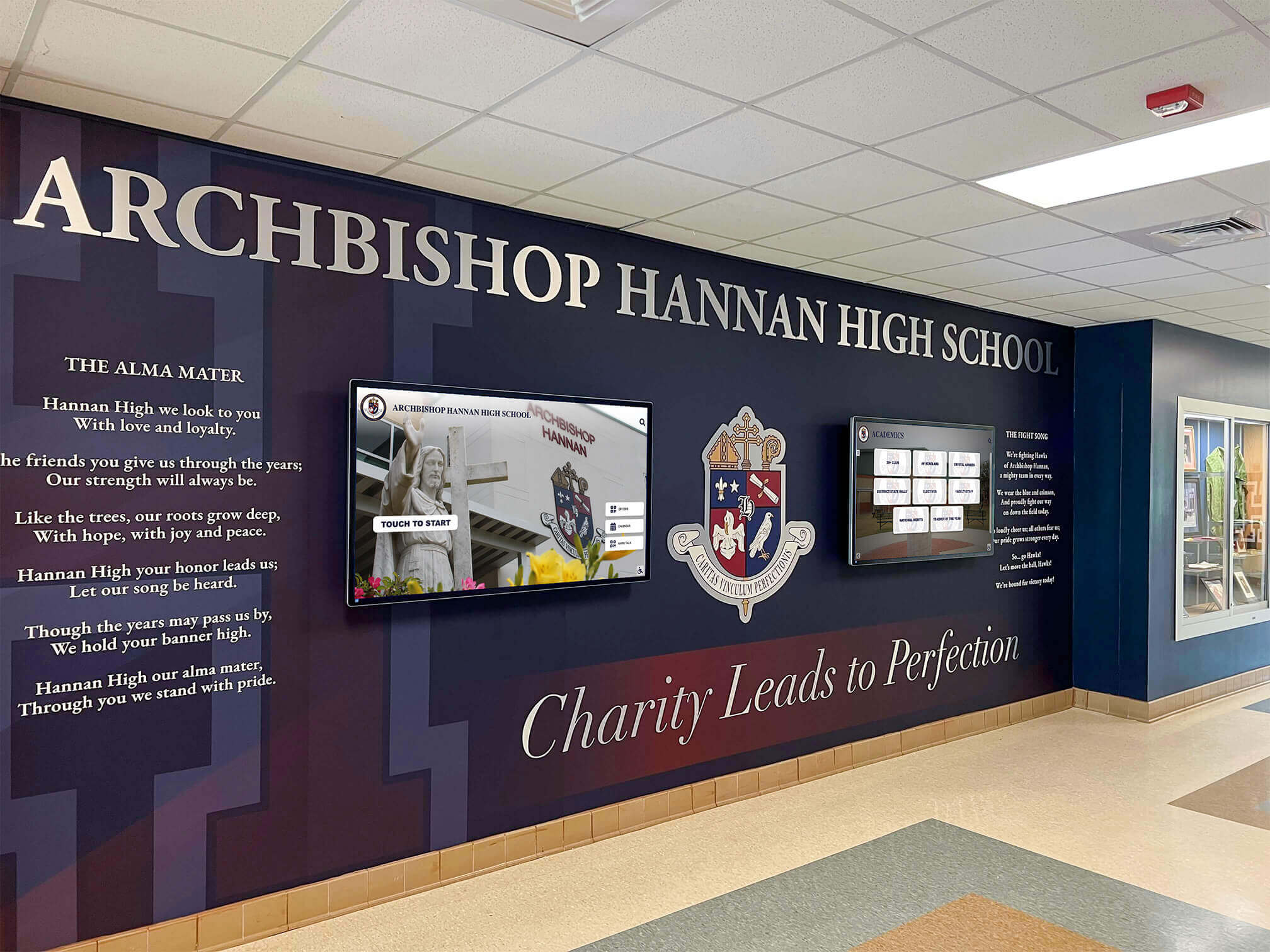
A digital recognition wall installed in a school lobby can house:
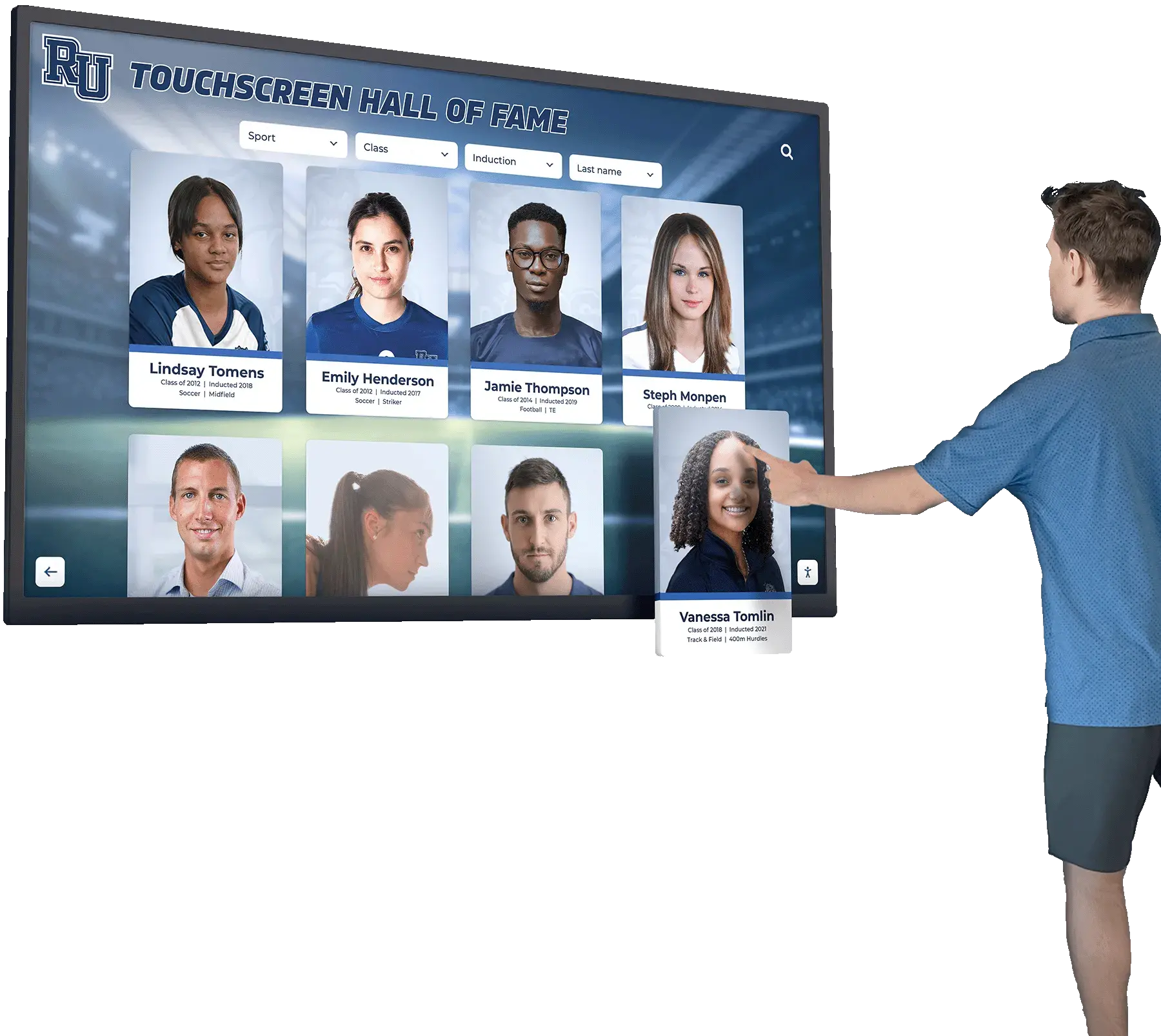
- Full profile pages for every honored teacher and staff member, with photographs, service histories, and tribute content
- Searchable archives that allow current students to explore who shaped the school before they arrived
- In memoriam sections with the same care and content depth as a yearbook memorial page — but accessible to anyone who enters the building, not just those who own the relevant yearbook
- Content that can be updated remotely as new honorees are added, without reprinting or replacing hardware
The connection between yearbooks and digital recognition infrastructure is increasingly recognized by school administrators. Schools that use touchscreen kiosks and lobby display systems for recognition find that these systems effectively become permanent yearbooks — accessible daily rather than pulled out of storage on special occasions.
Unlimited Honorees
Digital displays have no physical space constraints. Every teacher and staff member who has ever received a yearbook dedication can have a permanent profile — from this year's retiree back to the founding faculty members.
Rich Multimedia Tributes
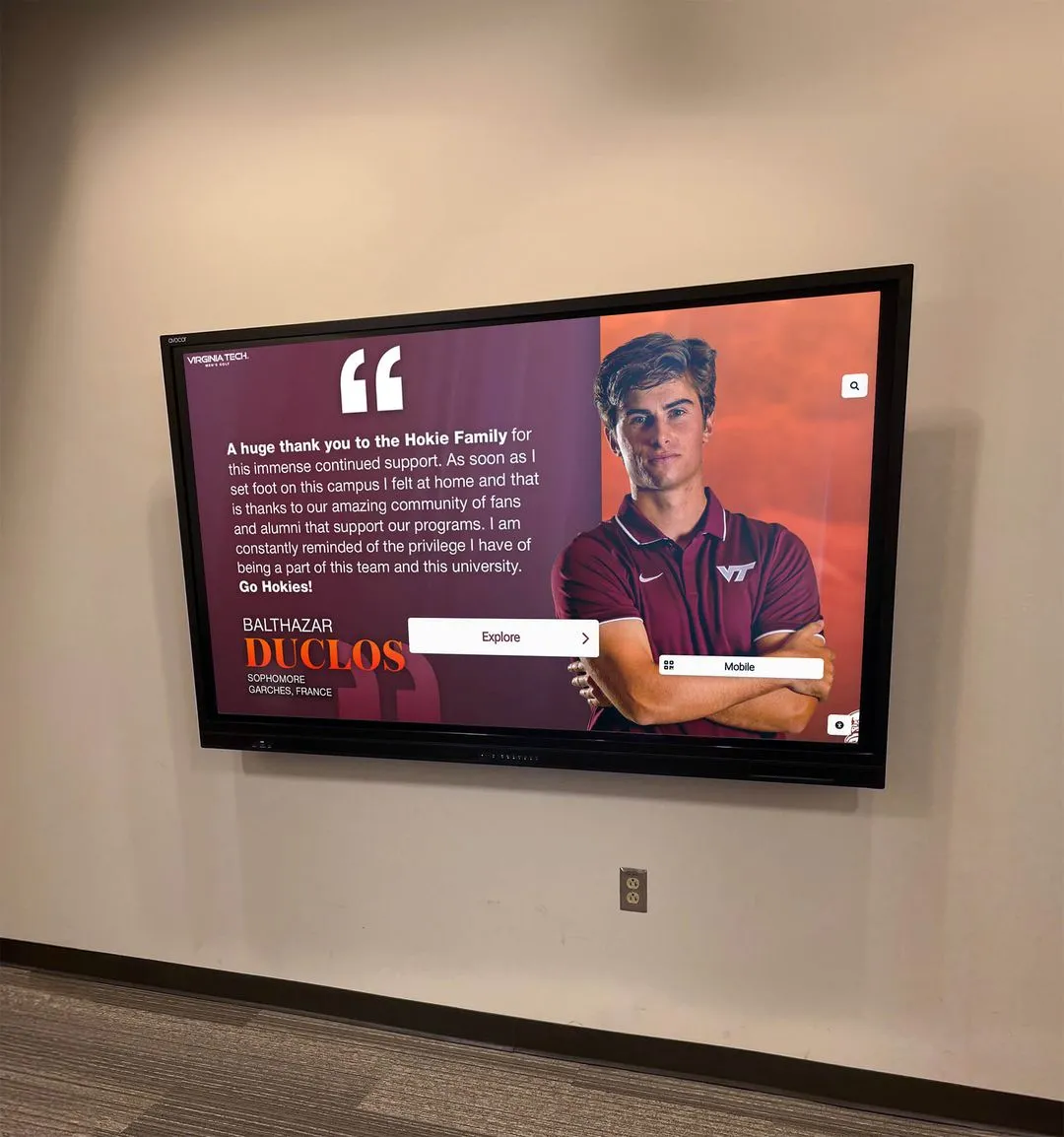
Where a yearbook page holds a photo and a few hundred words, a digital profile can include video tributes, photo galleries, audio recordings, and linked documents — capturing a much fuller picture of each honoree's legacy.
Daily Visibility
A yearbook page is seen when someone opens that year's book. A lobby digital display is encountered by every student, parent, and visitor who enters the building — creating continuous recognition rather than a one-time tribute.
Accessible to Future Students
Students who enroll a decade after a beloved teacher retired can still encounter that person's story, learn about their contribution, and understand the school's history — something a shelved yearbook volume cannot provide.
From Yearbook to Hall of Fame: Building a Culture of Recognition
The most recognition-forward schools treat the yearbook dedication not as an isolated annual event but as one component of a broader culture that consistently honors the people who shape the institution. That culture includes:
Regular Recognition Events: Back-to-school ceremonies, end-of-year banquets, and retirement events create structured moments for public honoring. Back-to-school community events are particularly effective for introducing new staff members while honoring those completing their final year — creating a sense of continuity that connects the school’s past to its future.
Physical and Digital Display Environments: Well-designed school lobbies and hallways communicate institutional values through what they choose to display. A school that prominently features portraits of honored teachers, plaques for long-serving staff, and interactive displays showing decades of faculty achievement is telling students and visitors something specific about what it values. Foyer and entrance design choices for institutional spaces increasingly reflect these recognition priorities.
Alumni Engagement: Former students who were shaped by now-honored teachers are often the most powerful voices in tribute content. Schools that maintain digital archives and community records can reconnect with alumni when a longtime teacher retires or passes away, gathering tributes that span decades and capture the full breadth of that person’s impact.

Practical Steps for Yearbook Staff and Advisors
For yearbook staff approaching a dedication page for the first time, here is a practical framework for producing content that genuinely honors the subject:
Identify and Confirm
Confirm the honoree's biographical details — full name, years of service, roles held, and any specific achievements — directly with administration or the honoree before writing begins
Gather Voices
Collect tribute quotes from at least five people: current students, alumni, colleagues, and administrators. Use a structured form to make submission easy and responses consistent
Assemble Photography
Gather current portraits, candid shots, and historical photographs from school archives, the honoree's personal collection, and parent organization files
Review and Publish
Submit the draft to administration and, when appropriate, the honoree or their family for review before final publication. Archive the digital files for use in future recognition programs
Conclusion
Yearbook dedication pages are one of the most enduring traditions in school publishing — a formal moment of pause in which a community says, collectively, that this person’s contribution was exceptional enough to document for the record. Getting that moment right requires specificity over generality, genuine voices over institutional language, and production quality that matches the weight of what is being honored.
But the yearbook is a beginning, not an ending. The teachers, staff members, and school heroes who deserve a yearbook dedication also deserve recognition that outlasts any single printed volume. A digital recognition wall in your school’s lobby — searchable, multimedia-capable, and visible to every student and visitor — transforms those yearbook moments into permanent institutional memory. The retiring chemistry teacher who shaped a thousand students does not stop mattering when the yearbook is shelved. Neither should their recognition.
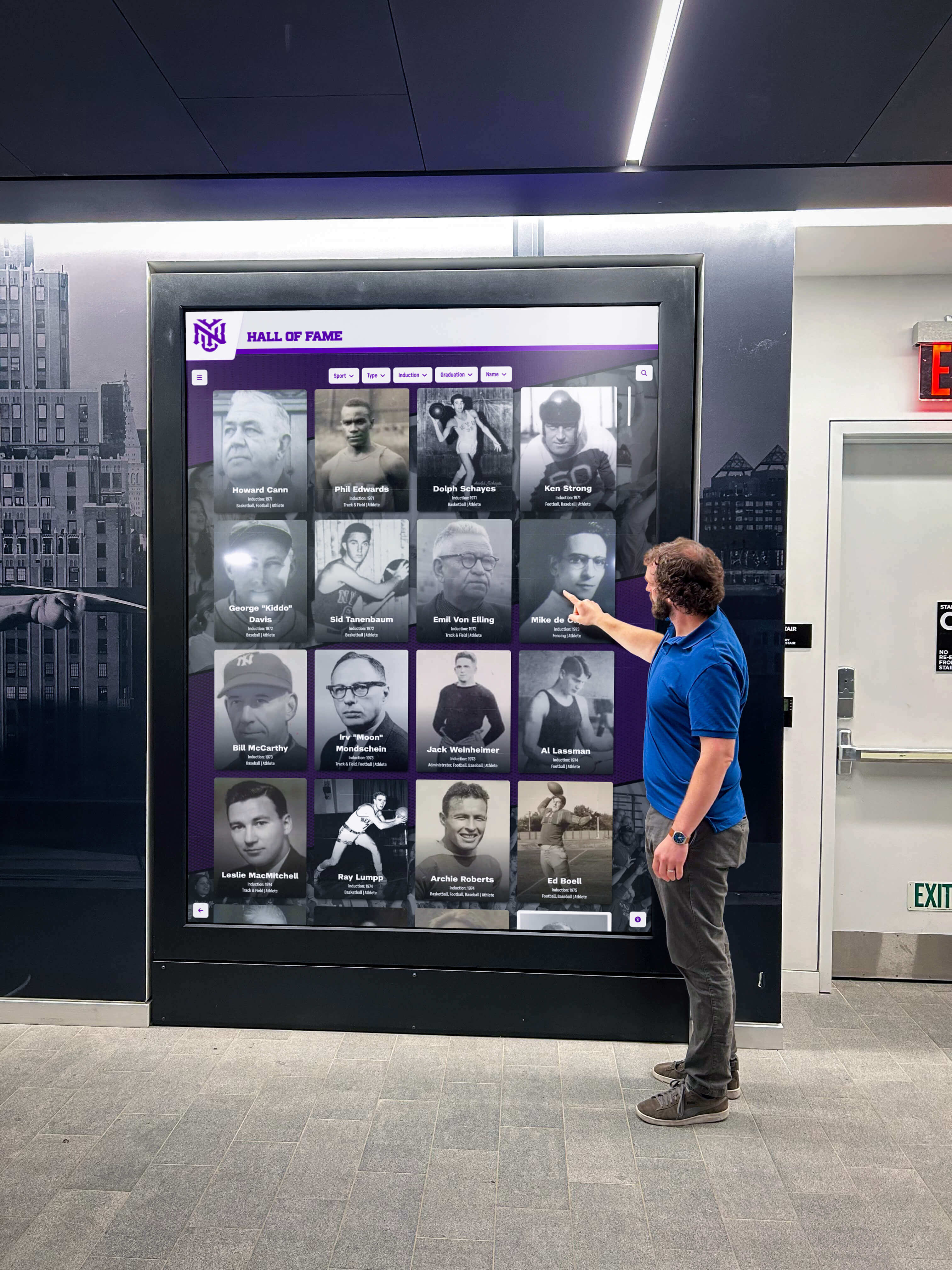
Ready to build a permanent recognition system that honors your teachers, staff, and school heroes the way they deserve? Rocket Alumni Solutions builds interactive touchscreen walls of fame and digital recognition platforms purpose-built for schools and universities — extending the spirit of the yearbook dedication into a living, daily tribute that every member of your community can experience.