Key Takeaways
Discover why Rocket Alumni Solutions delivers affordable, user-friendly digital recognition displays perfectly sized for small to medium public high schools. Learn about budget-friendly options, easy content management, and comprehensive support.
Small to medium public high schools face distinct challenges when implementing technology solutions. Limited budgets, small administrative teams, and diverse recognition needs create obstacles that many vendors ignore. Schools need systems that work within tight budget constraints, require minimal technical expertise to operate, and serve multiple recognition purposes across athletics, academics, and community engagement without requiring separate platforms for each category.
Traditional recognition approaches—physical plaques, trophy cases, and bulletin boards—no longer meet modern school needs. Physical displays fill quickly, updates require expensive fabrication and installation, and space limitations force difficult decisions about what receives recognition. Meanwhile, students and families expect digital engagement matching what they experience everywhere else in their lives.
Digital recognition displays address these challenges, but not all solutions suit smaller schools. Enterprise systems designed for large universities often carry complexity and costs that overwhelm modest budgets and small staff teams. Schools need purpose-built platforms balancing professional capabilities with accessibility—exactly what Rocket Alumni Solutions delivers for small to medium public high schools.
Budget Realities for Small to Medium Public Schools
Public high schools typically serve 300-1,500 students in small to medium classifications, operating with constrained budgets where every dollar requires careful justification. According to the National Center for Education Statistics, per-pupil spending in the United States averaged $15,633 in 2020-2021, with wide variation based on state funding formulas and local property tax bases.
Within these budgets, technology expenditures compete with urgent needs including teacher salaries, facility maintenance, curriculum materials, and required compliance updates. Recognition systems rarely qualify as essential expenditures, making cost-effectiveness critical for implementation consideration.
Traditional plaque-based recognition creates ongoing costs that accumulate over time. Quality plaques cost $200-500 each including fabrication and installation. A school inducting five athletes annually into a hall of fame spends $1,000-2,500 per year just maintaining that single recognition program. Over a decade, this totals $10,000-25,000 for a program recognizing just 50 individuals—and that assumes no need to expand or relocate displays.
Physical trophy cases require dedicated wall space, professional installation, and eventual replacement as cases fill or aging displays deteriorate. Schools frequently face choices between expensive case expansion, removing older recognition to make room for new honorees, or abandoning recognition programs because display capacity limits participation.
Rocket Alumni Solutions changes this cost equation fundamentally. Initial investment typically ranges from $3,000-8,000 for hardware, professional installation, and system setup including content migration. Monthly subscription fees of $99-299 cover software access, unlimited content updates, technical support, and ongoing feature enhancements.
Traditional Recognition Costs
- Initial trophy case: $2,000-5,000
- Annual plaques (5 per year): $1,000-2,500
- Ten-year total: $12,000-30,000
- Capacity limit: 50-75 plaques maximum
- Updates: Expensive, time-consuming
- Recognition categories: Limited by space
Rocket Alumni Solutions Costs
- Initial investment: $3,000-8,000
- Monthly subscription: $99-299
- Ten-year total: $14,880-43,880
- Capacity limit: Unlimited
- Updates: Instant, included
- Recognition categories: Unlimited
The comparison reveals that while total costs may appear similar, value delivered differs dramatically. Traditional systems recognize dozens of individuals over a decade, while Rocket supports recognition for thousands across unlimited categories including athletics, academics, arts, service, and alumni engagement. When calculating per-person recognition costs, digital solutions prove far more economical than traditional approaches.
Budget-conscious schools often explore digital signage services for schools but discover that generic digital signage lacks the interactive, searchable, recognition-specific features schools need.
Additionally, Rocket’s subscription model distributes costs across multiple budget cycles rather than requiring large capital expenditures in single years—a critical advantage for schools managing tight annual budgets where thousand-dollar purchases require board approval and careful planning.
Simplicity for Small Administrative Teams
Large school districts employ technology coordinators, database administrators, and communications specialists managing digital systems. Small to medium public high schools typically lack these specialized positions. Athletic directors juggle coaching responsibilities alongside administrative duties. Office staff manage student records, attendance, communications, and countless other tasks without time for complex technical systems.
Technology solutions for smaller schools must accommodate this reality. Systems requiring extensive training, technical expertise, or ongoing troubleshooting become abandoned investments rather than functional tools. Schools need platforms that administrators with basic computer skills can manage confidently within existing workload constraints.
Rocket Alumni Solutions was designed specifically addressing this challenge. The content management interface uses familiar drag-and-drop functionality similar to popular website builders and social media platforms. Adding new recognition entries requires only basic information—name, achievement, year, photo—with optional fields for detailed information when time permits.
Most administrators complete initial training in under 30 minutes, gaining comfort with essential functions including adding individual profiles, updating achievements and honors, uploading photos and videos, organizing content by category, and publishing changes that appear immediately on displays. Advanced features remain available for schools wanting detailed customization, but basic operation requires minimal learning.
Compare this accessibility to alternatives schools might consider. Custom-built database systems require programming knowledge for updates and modifications. Generic content management systems designed for business websites lack recognition-specific features and require significant customization. Enterprise recognition platforms built for large institutions include complexity that overwhelms smaller school needs while carrying premium pricing that exceeds modest budgets.
White-glove setup service eliminates initial implementation burden entirely. Rocket’s team handles hardware installation, software configuration, initial content entry, and staff training. Schools receive fully operational systems rather than boxes of equipment requiring technical assembly and configuration.
Ongoing technical support ensures administrators never feel stranded when questions arise. Phone and email support provides responsive assistance, while comprehensive documentation and video tutorials enable self-service troubleshooting for minor questions. Schools working with athletic hall of fame programs benefit from Rocket’s expertise in recognition best practices, not just technical operation.
Regular software updates add new features and improvements automatically without requiring school action. Systems remain current with evolving technology expectations and accessibility standards, preventing the obsolescence that plagues one-time technology purchases lacking ongoing support.
Scalability That Grows With Your School
Small to medium high schools face uncertain futures regarding enrollment, programs, and facilities. Rural schools experience demographic shifts affecting student populations. Suburban districts grow or shrink based on housing development patterns. Athletic programs add or drop sports based on student interest and coaching availability. Academic honors expand as schools emphasize recognition across more achievement categories.
Recognition systems must accommodate this uncertainty. Fixed physical displays become obsolete when recognition needs outgrow initial capacity. Trophy cases literally cannot expand to hold additional plaques beyond design limitations. Wall space dedicated to specific recognition categories cannot easily convert to different uses when priorities shift.
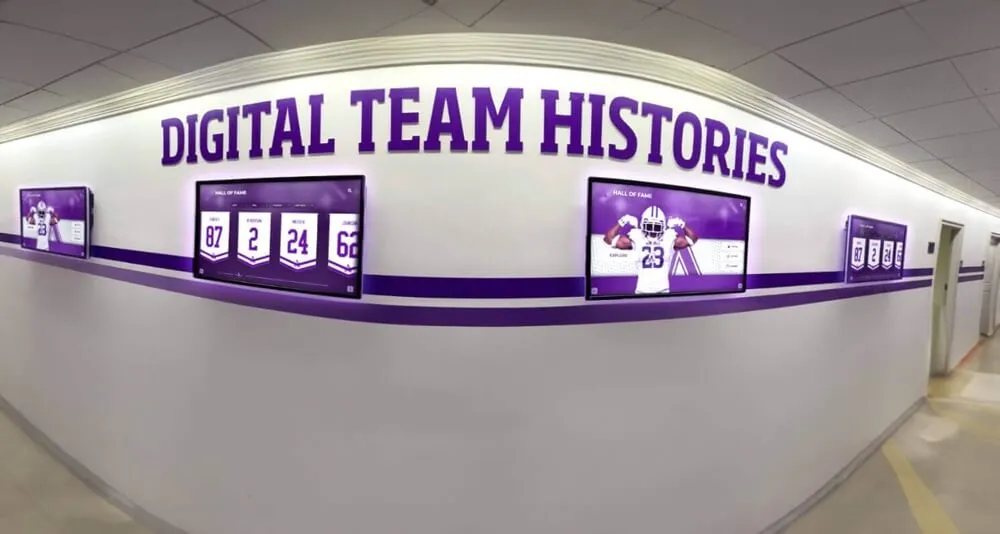
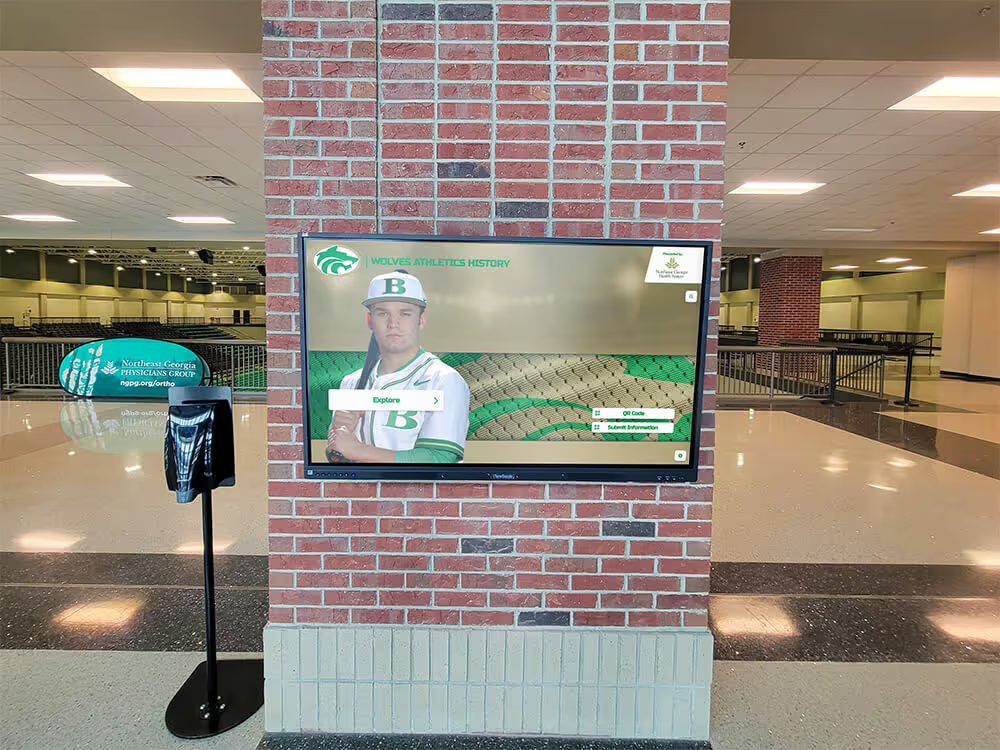
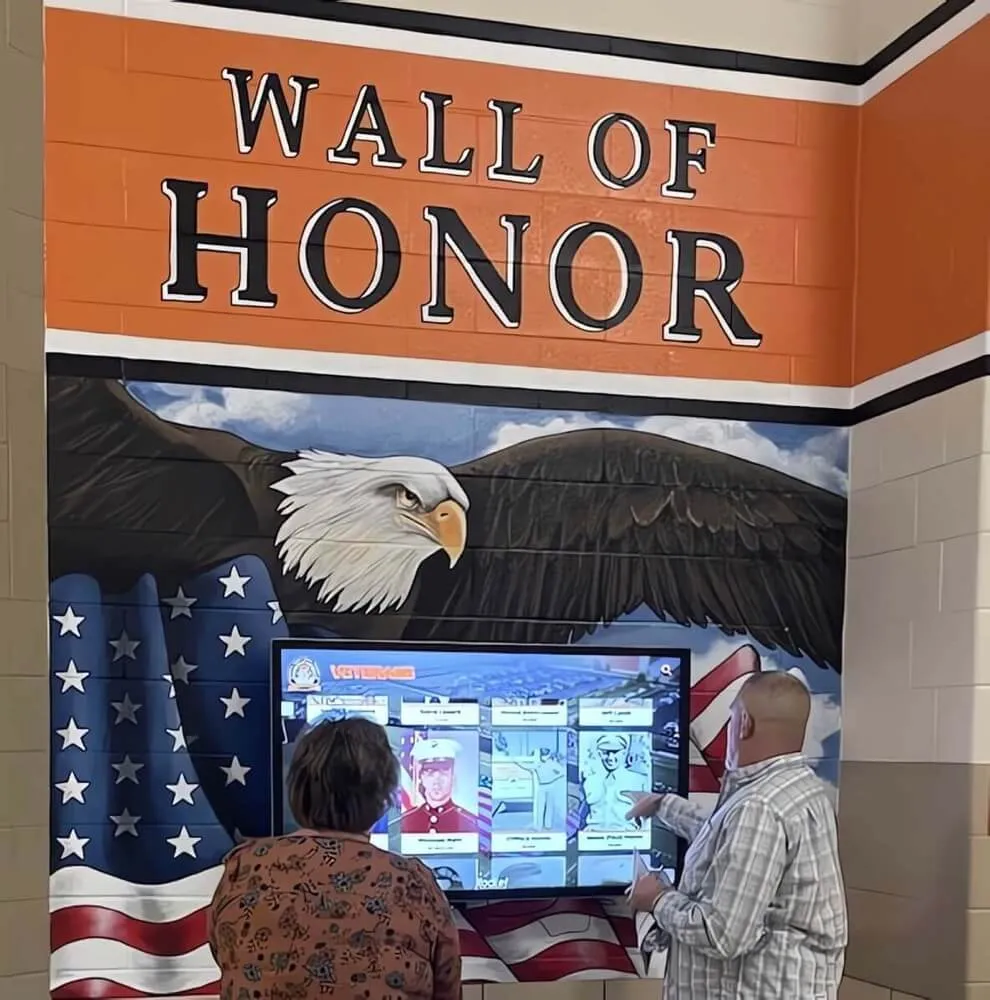
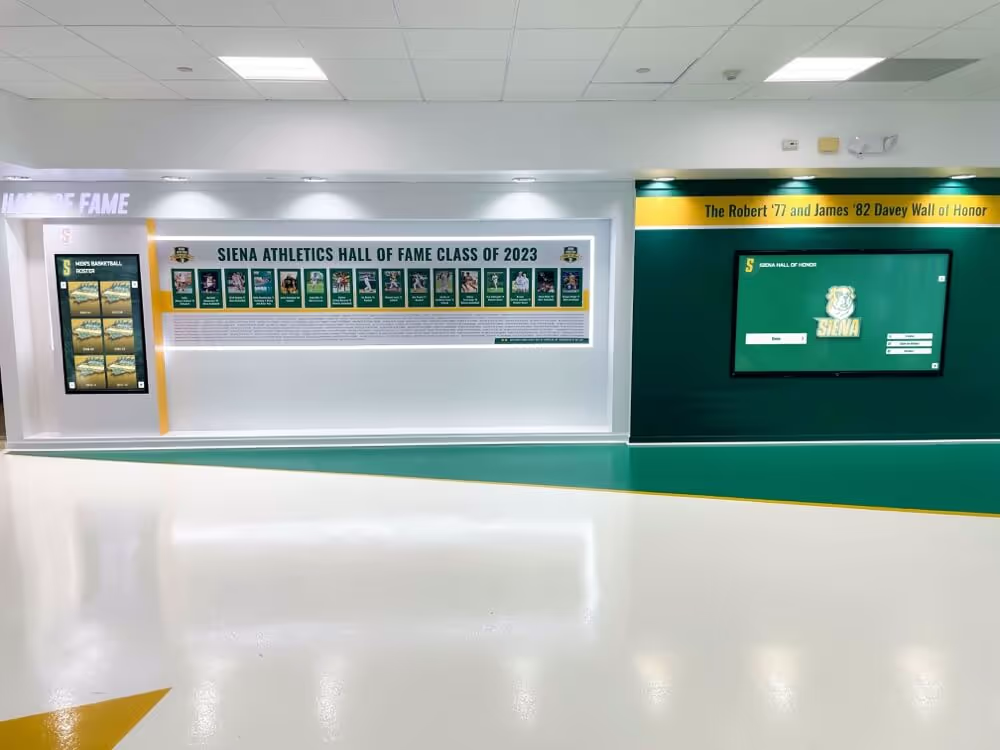
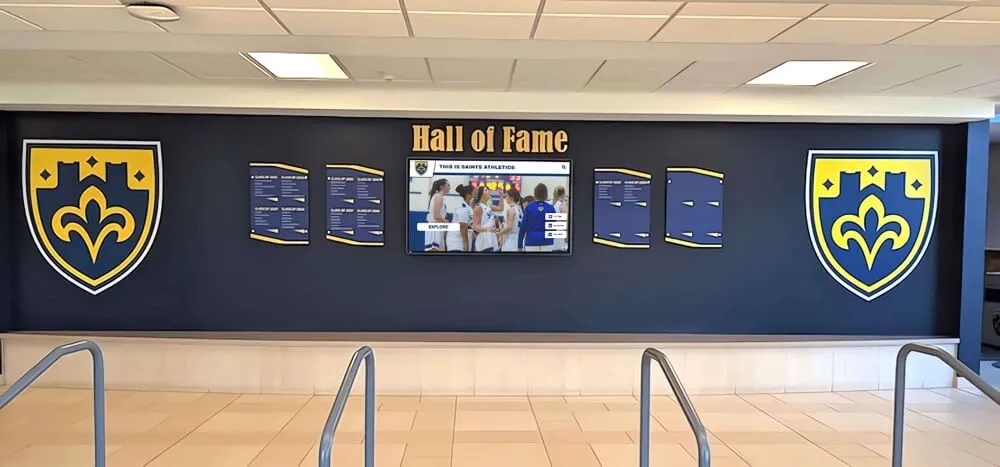
Rocket Alumni Solutions provides recognition capacity that scales infinitely without hardware additions or physical space expansion. A single display accommodates dozens or thousands of profiles with identical ease. Schools starting with athletics recognition easily add academic honors, fine arts achievements, alumni spotlights, or any other recognition category without purchasing additional equipment or surrendering valuable hallway space.
This scalability proves particularly valuable for schools implementing comprehensive recognition strategies. Rather than limiting recognition to a few athletes annually, schools can honor every letter winner, all-conference performer, academic honor roll student, competition participant, and scholarship recipient. Student recognition best practices emphasize that broader, more inclusive recognition strengthens school culture more effectively than exclusive programs honoring only top performers.
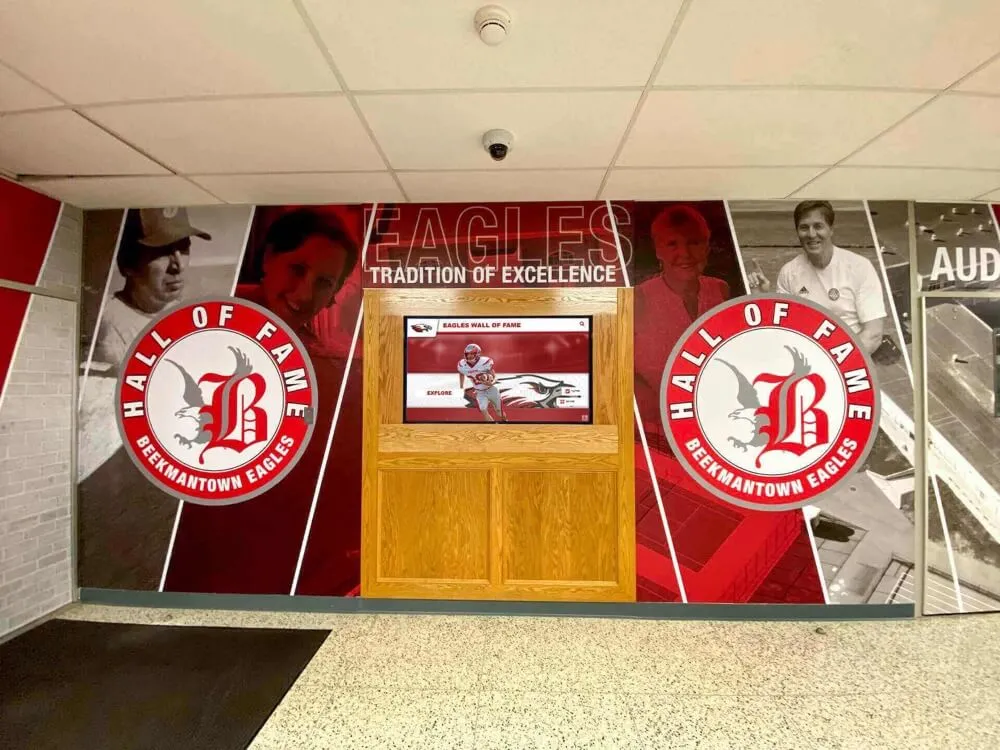
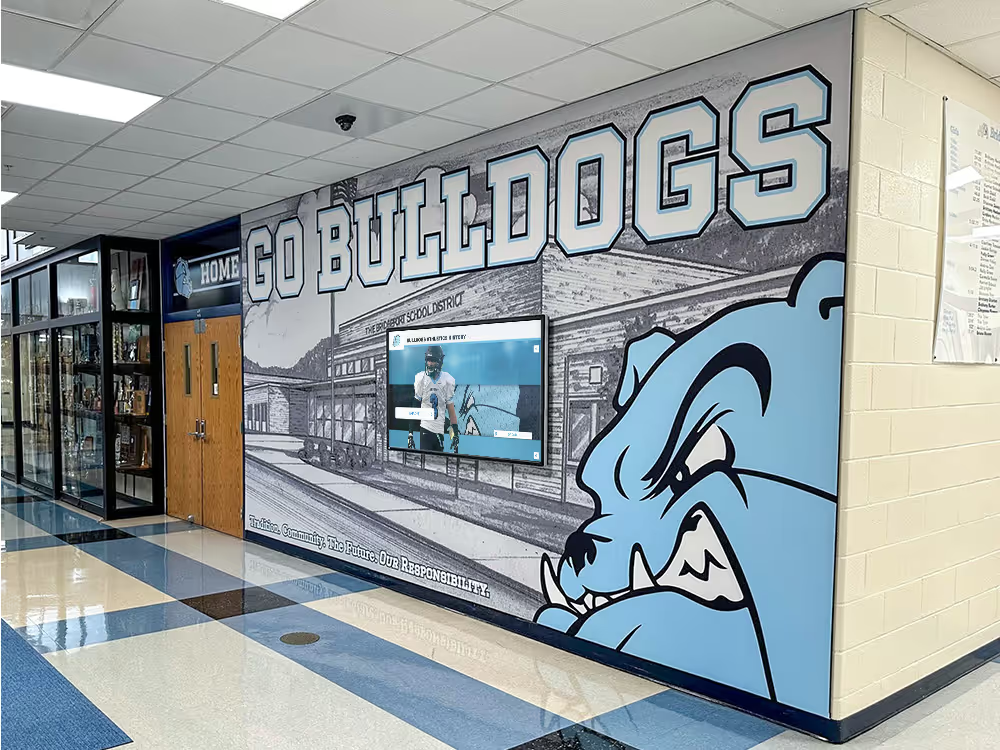
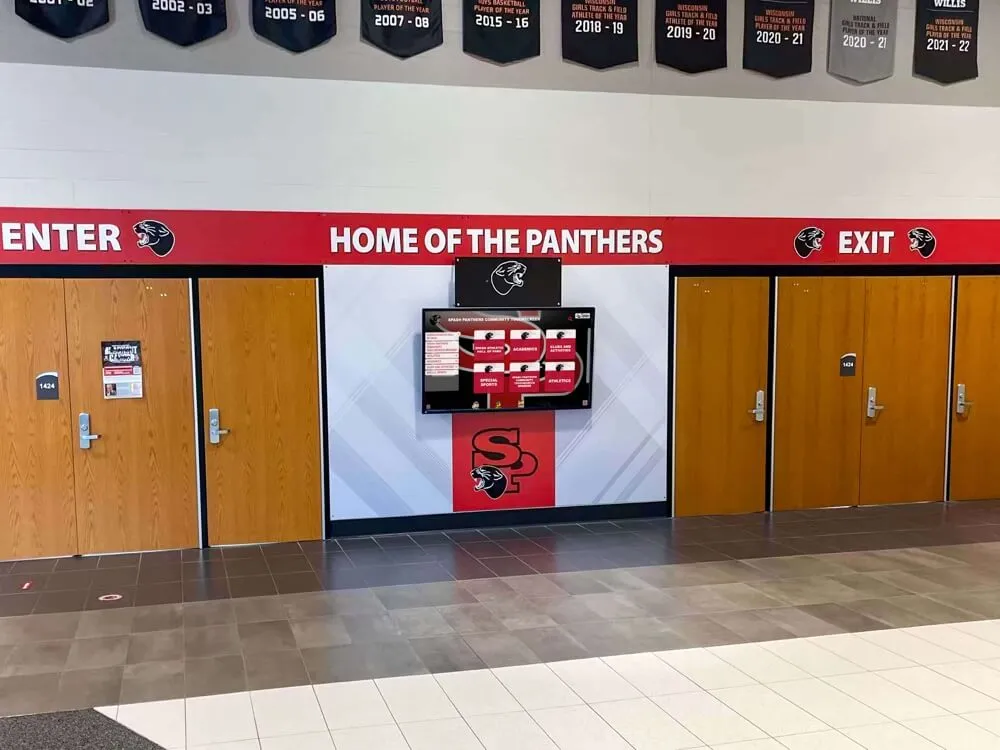
Physical scalability matters equally. Schools can start with a single display in their main hallway and add recognition screens in specific locations as budgets allow. A second display in the gymnasium creates an athletic-focused recognition area. Lobby displays engage visitors during events. Multiple locations share content from a centralized system, eliminating need to maintain separate recognition programs for different spaces.
The centralized content management approach means updates to recognition information appear simultaneously across all displays and online platforms. Schools adding a new athletic championship update the achievement once rather than modifying multiple displays manually. This efficiency becomes increasingly valuable as recognition programs grow.
Geographic scalability serves districts with multiple campuses. Central office administrators can manage recognition across elementary, middle, and high school buildings through a single interface. District-wide recognition programs celebrating achievements across all schools become feasible without exponentially increasing administrative burden.
As schools consider expansion, questions about system limitations never create obstacles. Unlimited capacity for profiles, achievements, photos, and videos means schools never outgrow the platform regardless of how comprehensive recognition programs become.
Community Engagement Beyond Campus Boundaries
Small to medium public high schools anchor communities, particularly in smaller towns and rural areas where schools serve as primary community gathering spaces and sources of local pride. Recognition systems that engage only students and staff miss opportunities to strengthen community connections and build support for school programs.
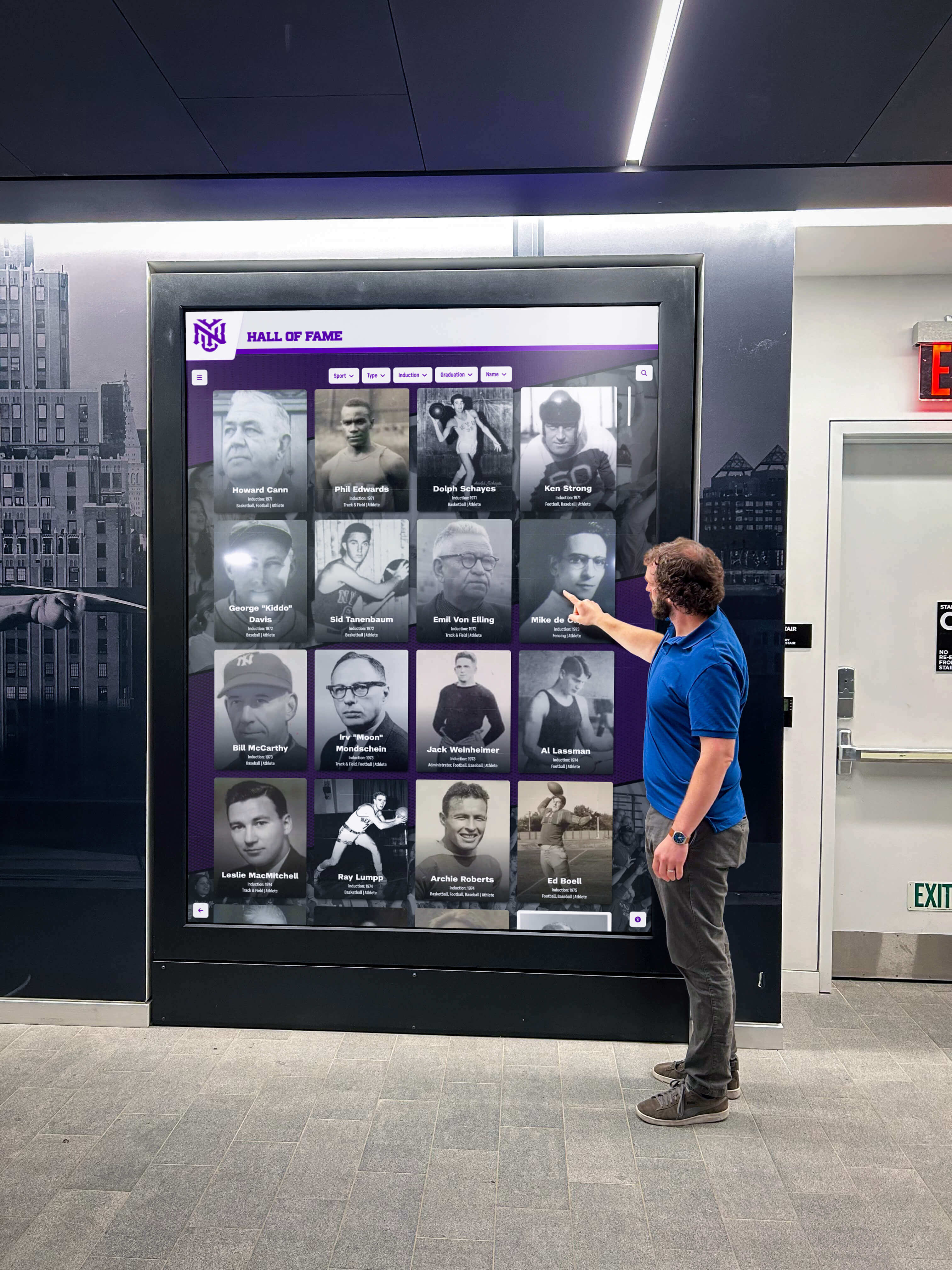
Physical recognition displays serve only visitors physically present in school buildings. While this engages some stakeholders, many community members rarely visit campuses outside specific events. Alumni who moved away cannot easily explore their school’s recognition of their achievements. Parents working during school hours cannot share recognition displays with extended family. Community members interested in school history lack convenient access to achievement archives.
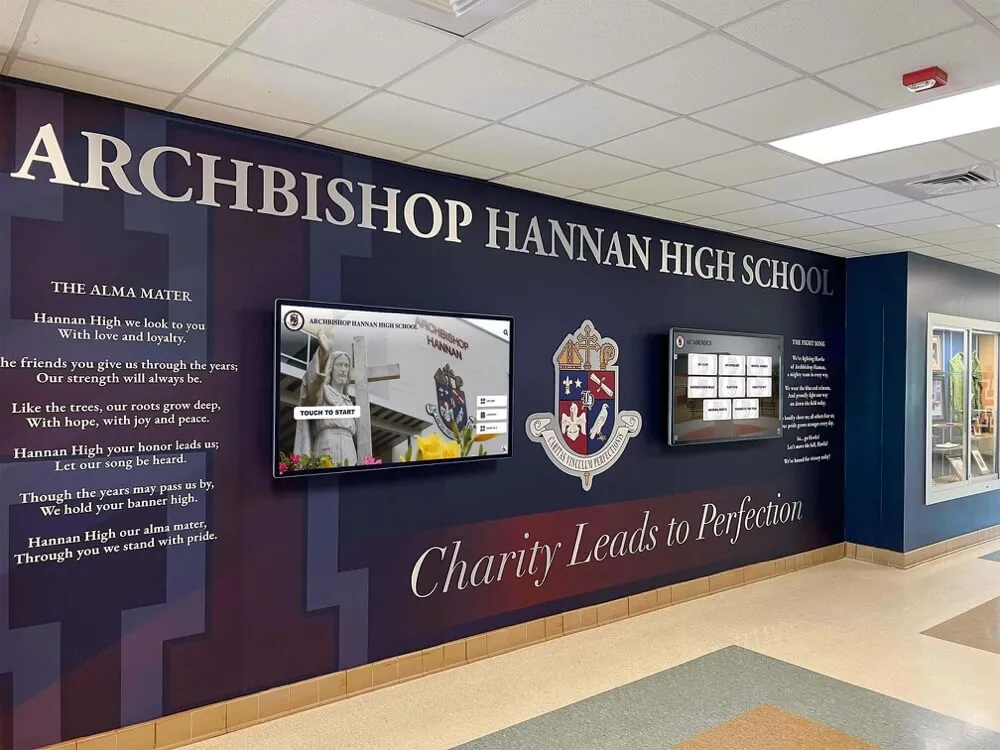
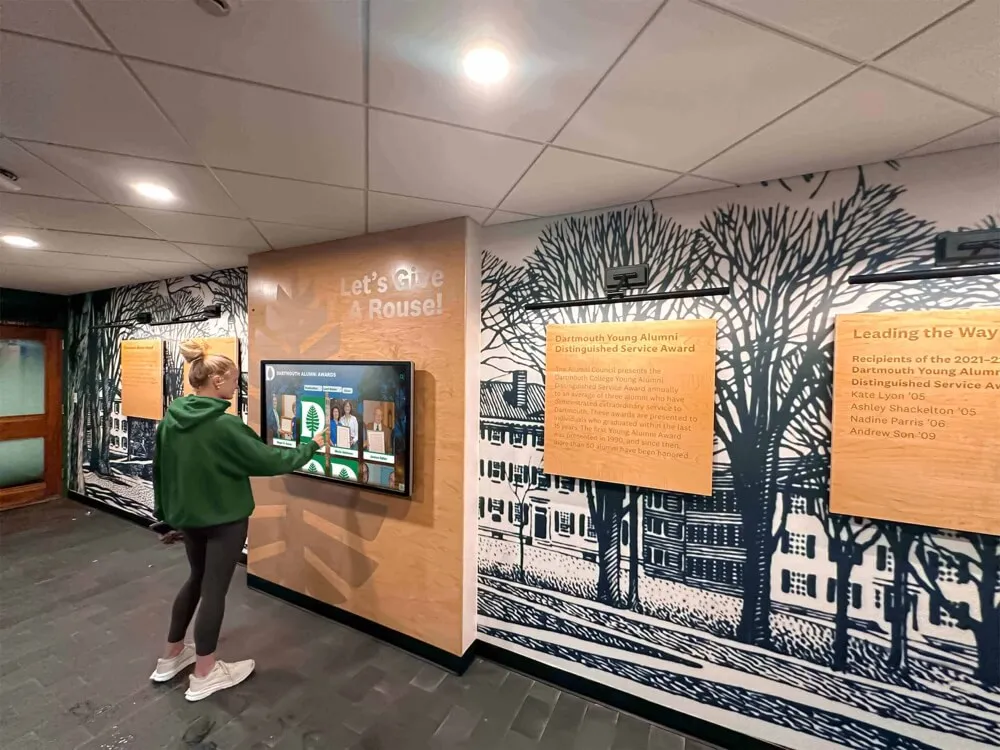
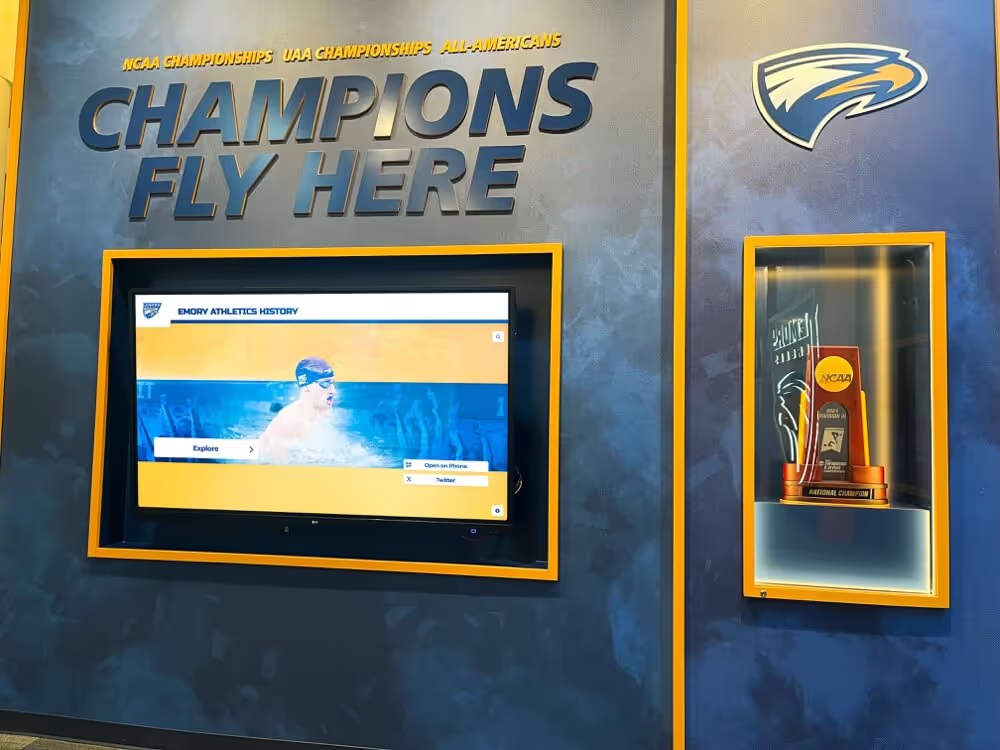
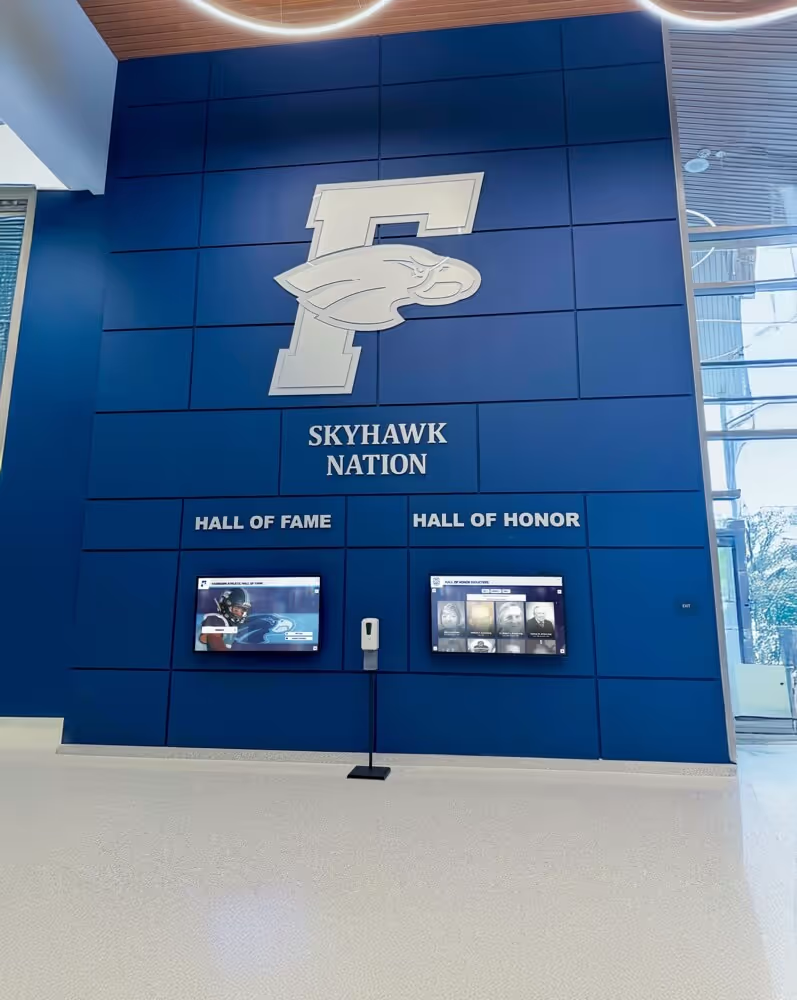
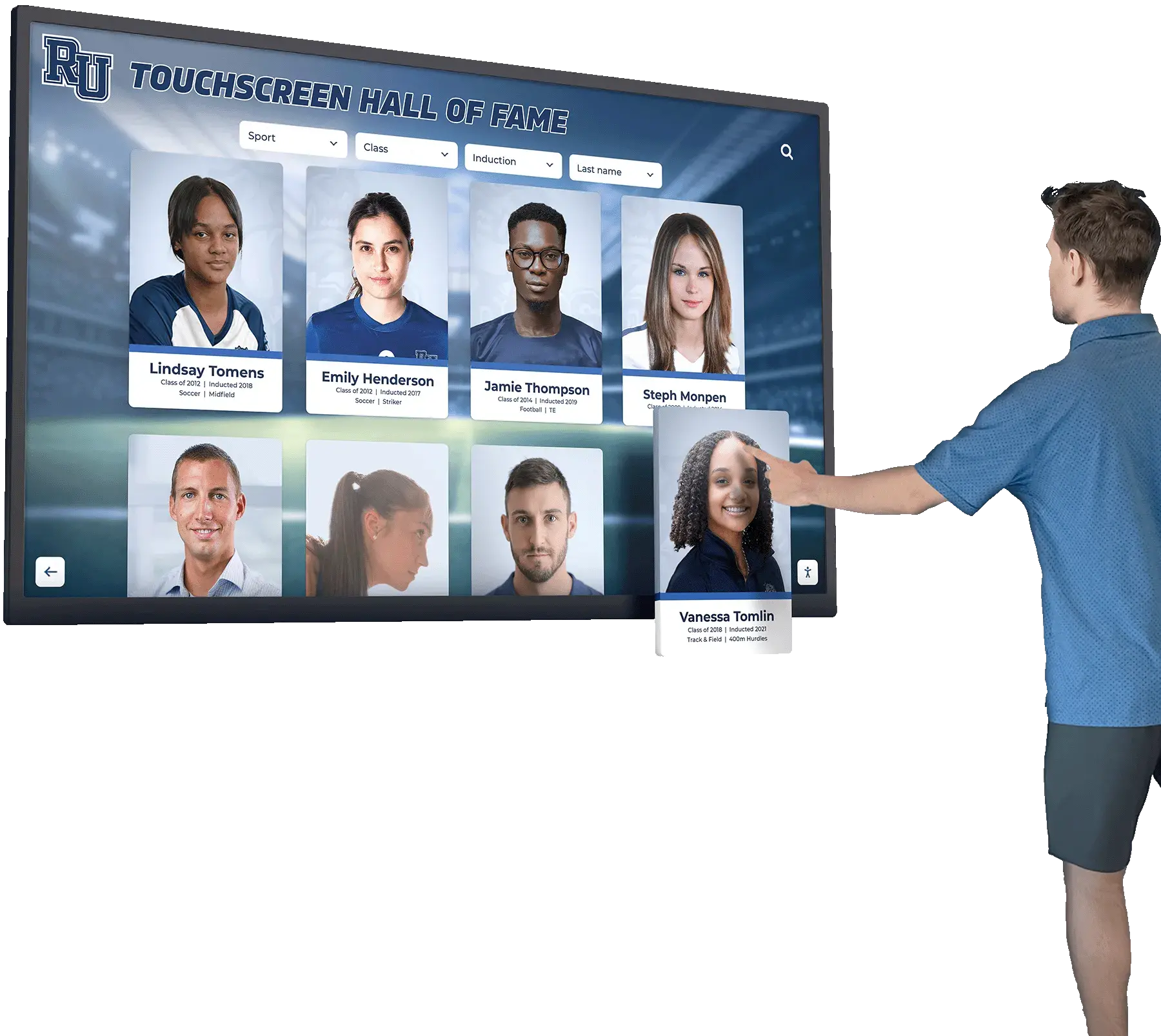
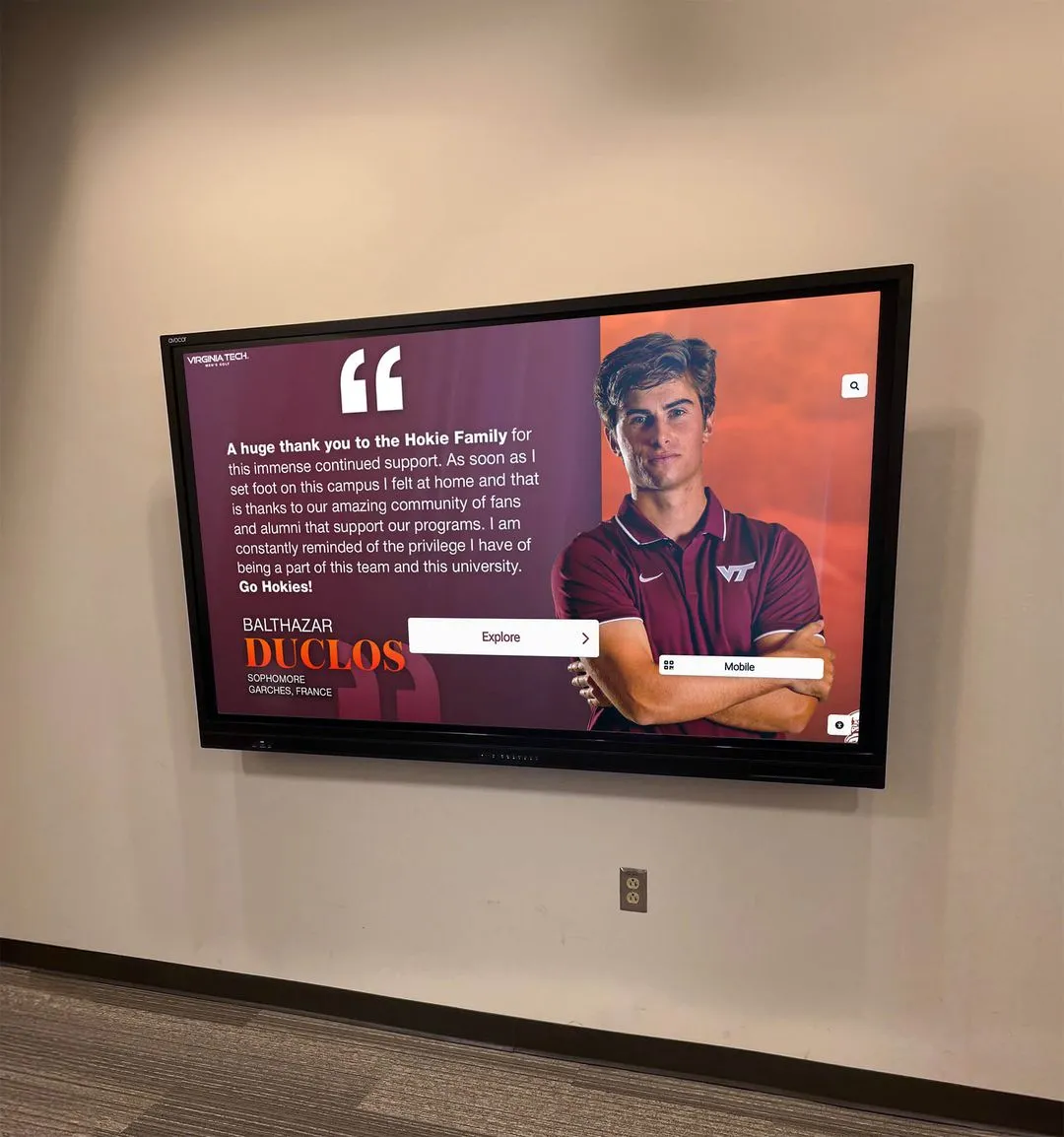
Rocket Alumni Solutions extends recognition beyond physical displays through companion web and mobile platforms. Every profile, achievement, and photo visible on campus touchscreens becomes accessible through online interfaces that anyone can explore from anywhere. Alumni living across the country search for their own profiles, explore classmates’ achievements, and reconnect with school traditions despite geographic distance.
This online accessibility creates engagement opportunities impossible with traditional trophy cases. Schools share recognition links through social media, generating community excitement about recent achievements. Alumni associations include hall of fame links in newsletters, encouraging retired generations to explore digital archives preserving school history. College recruiting coaches access athlete profiles and statistics conveniently when evaluating prospects.
Analytics provide insight into community engagement levels. Schools see how many visitors explore recognition displays, which profiles generate the most interest, when engagement peaks around specific events or achievements, and geographic distribution of online visitors. These metrics help schools understand which recognition strategies resonate most strongly with stakeholders and where additional communication might strengthen community connections.
QR codes bridge physical and digital engagement. Schools print QR codes on programs, posters, or promotional materials that link directly to specific recognition content. Basketball game programs might include QR codes linking to team rosters and season statistics. Academic awards ceremonies can reference QR codes connecting to complete honor roll lists. Athletic banquets share codes linking to career statistics for graduating seniors.
This community engagement extends school brand and pride beyond campus boundaries. When alumni across the country can easily explore their school’s digital hall of fame, share their own profiles on social media, and stay connected to current achievements, the school maintains relevance in graduates’ lives that physical distance would otherwise erode. Many alumni engagement strategies depend on maintaining connection between institutions and graduates—something far easier to accomplish when recognition remains accessible regardless of physical location.
For small communities where school pride represents significant cultural identity, extending recognition access to the entire community rather than only those visiting campus strengthens the school’s central role in community life.
Technical Reliability Schools Can Trust
Small schools cannot afford technology failures. When systems fail, limited IT resources mean problems persist for extended periods affecting daily operations. Schools need solutions proven reliable enough to function consistently without constant technical attention.
Consumer-grade equipment fails quickly under institutional use. Televisions designed for residential living rooms cannot withstand continuous operation in school environments where displays run 8-12 hours daily, five days weekly, 180 days annually. Touch interfaces built for occasional home use degrade rapidly when hundreds of students interact daily. Software platforms without dedicated support leave schools stranded when inevitable questions or problems arise.
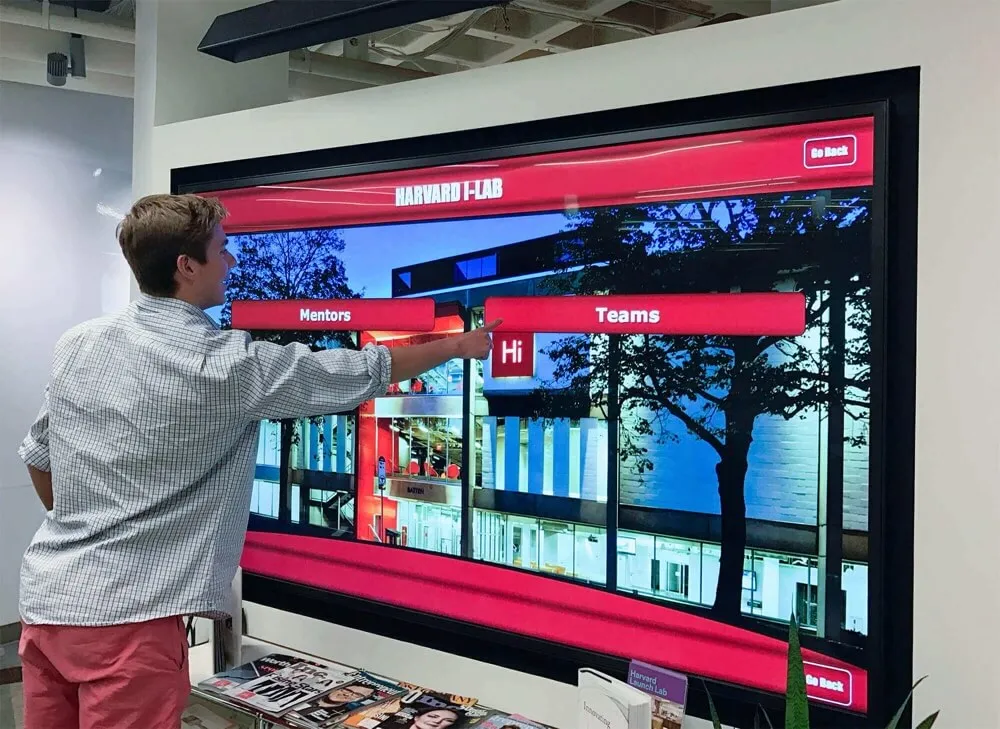
Rocket Alumni Solutions uses commercial-grade hardware rated for institutional environments. Displays carry expected lifespans exceeding 50,000 operating hours—approximately 15 years of typical school use. Hardened tempered glass screens withstand intensive touch interaction without degradation. Professional mounting systems ensure secure installation that protects expensive equipment investments.
Cloud-based software architecture eliminates many failure points that plague locally-installed systems. Schools don’t maintain servers, manage backups, or perform software updates manually. Systems remain current automatically, and content backups occur continuously without requiring school action. Internet connectivity represents the only technical requirement—something existing in virtually all schools already.
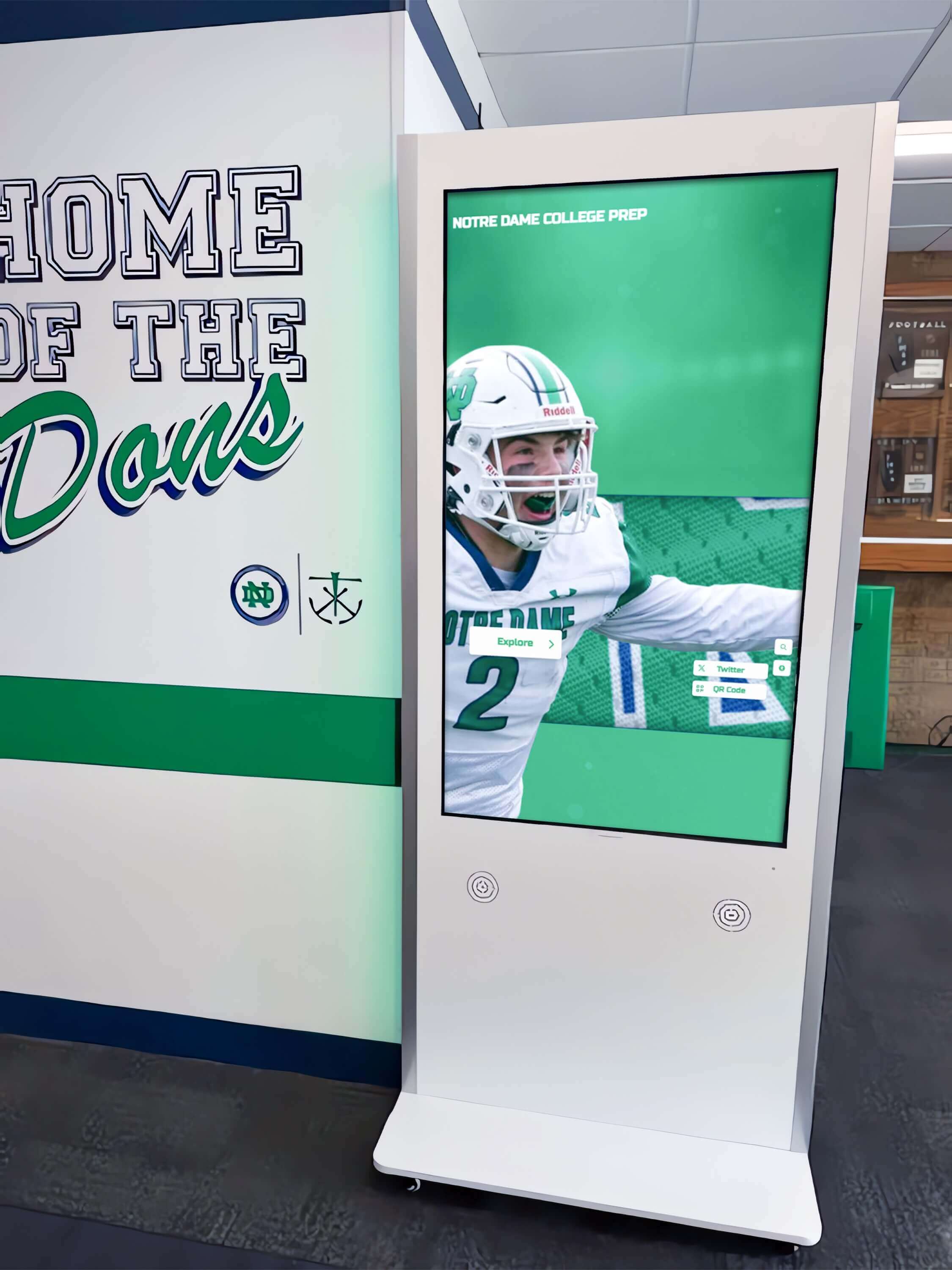
Technical support provides safety nets when questions arise. Phone and email support connects schools with knowledgeable staff who understand educational recognition applications specifically—not generic help desk technicians reading scripts. Response times measured in hours, not days or weeks, minimize disruption when assistance becomes necessary.
Regular maintenance and monitoring occur proactively. Rocket monitors system health, identifying potential problems before they affect school operations. Software updates deploy automatically during off-hours, ensuring systems remain current without requiring school scheduling or downtime during operational periods.
This reliability proves particularly valuable for schools without dedicated IT staff. Athletic directors and office administrators can manage recognition systems confidently, knowing technical complications won’t create overwhelming problems beyond their expertise to resolve.
Reliability extends to content presentation. Unlike social media platforms where algorithms determine what content viewers see, recognition displays present information consistently and predictably. Schools control exactly what appears, when it appears, and how it’s organized. No algorithmic changes unexpectedly alter presentation, and no platform policy changes affect content availability.
For schools considering long-term investments, platform stability matters enormously. Consumer platforms disappear regularly—schools that built recognition programs on defunct social networks or discontinued software platforms lost years of work when vendors ceased operations. Rocket’s focus specifically on educational recognition provides confidence the platform will continue serving schools indefinitely rather than pivoting to different markets or discontinuing products.
Beyond Athletics: Comprehensive Recognition That Builds School Culture
Many schools initially consider digital recognition primarily for athletics, where traditional trophy cases and banner systems prove most visibly inadequate. However, limiting digital recognition to athletics misses broader opportunities to strengthen school culture across all programs and achievements.
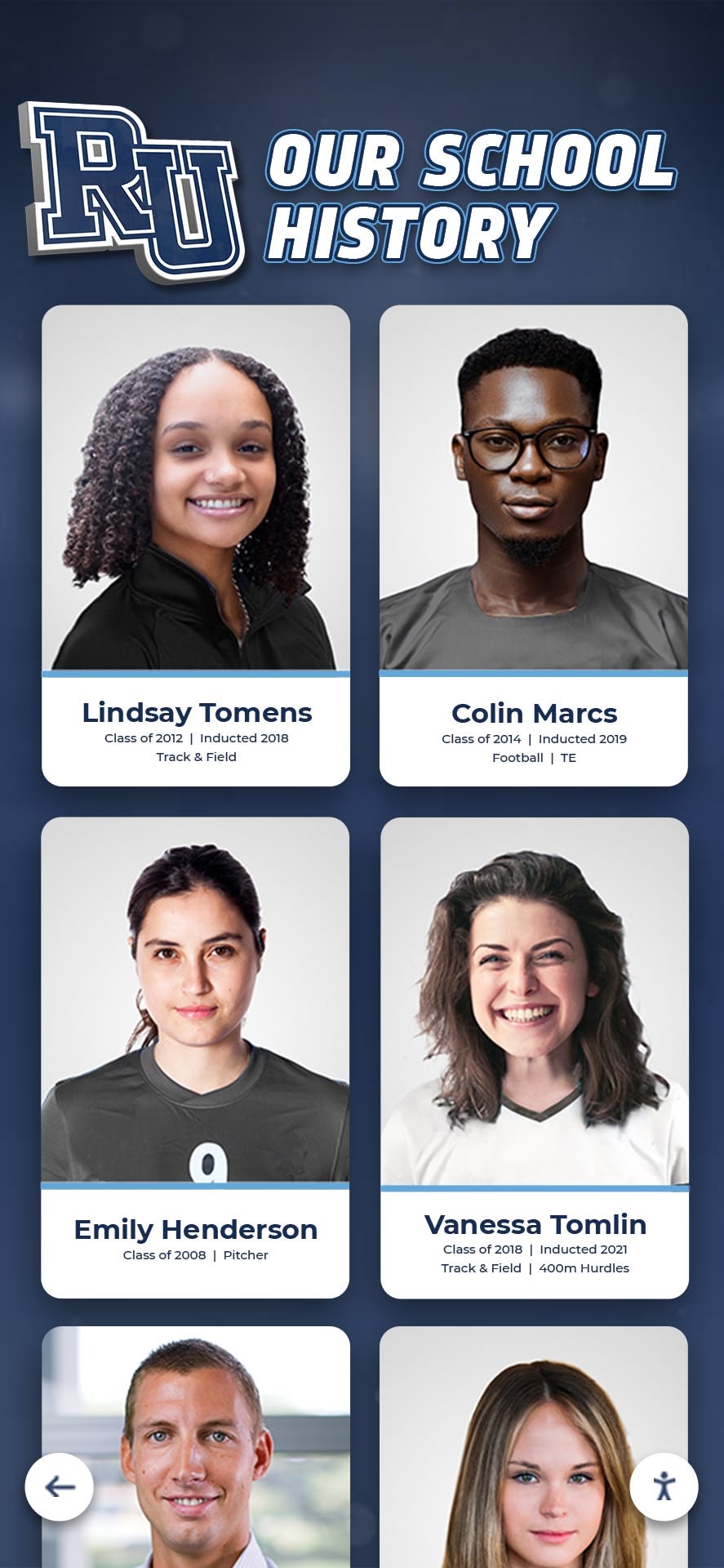
Comprehensive recognition strategies honor students across multiple dimensions including athletic achievements, academic honors, fine and performing arts accomplishments, career and technical education success, community service and leadership, and school spirit and participation. Research consistently shows that broader recognition improves student engagement, motivation, and sense of belonging—particularly for students whose talents don’t align with traditionally celebrated categories like varsity athletics.
Small to medium schools particularly benefit from inclusive recognition approaches. With smaller student populations, schools can feasibly recognize every student achieving notable accomplishments across any category rather than limiting recognition to a few elite performers in high-profile programs. This inclusivity sends powerful messages that schools value all forms of excellence, not merely athletic performance.
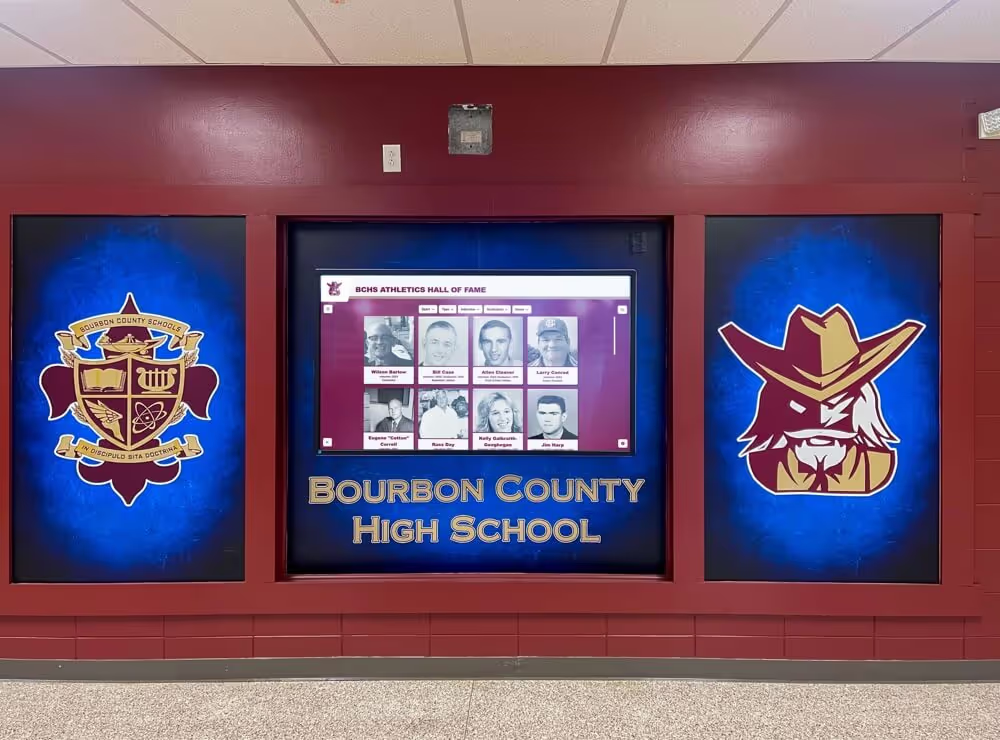
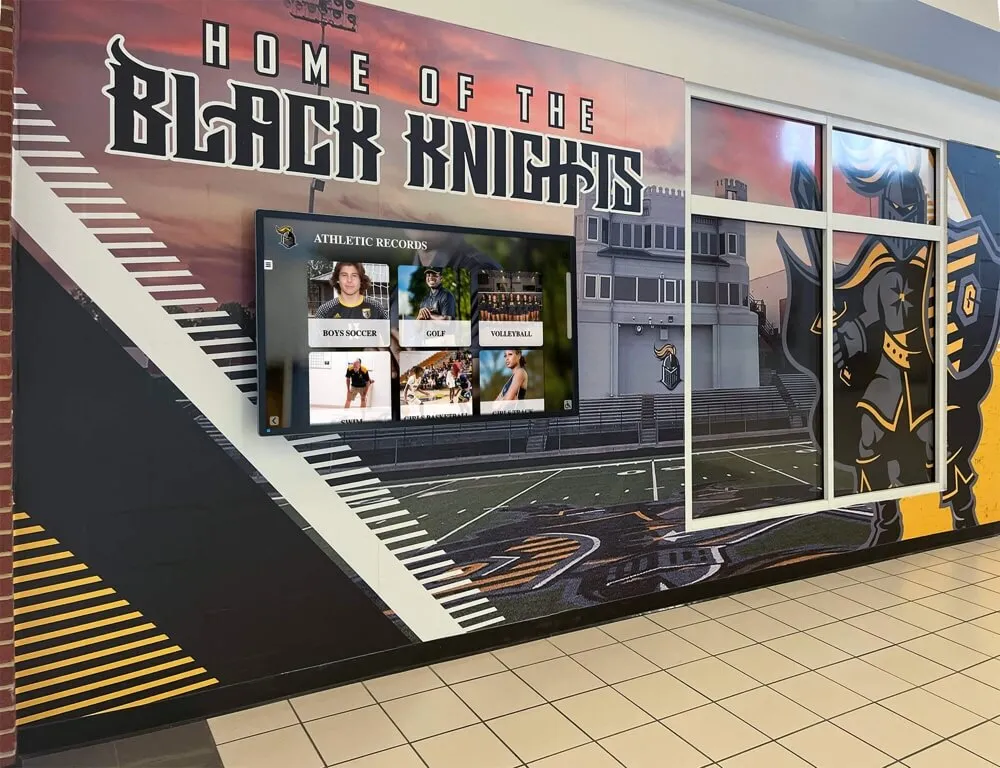
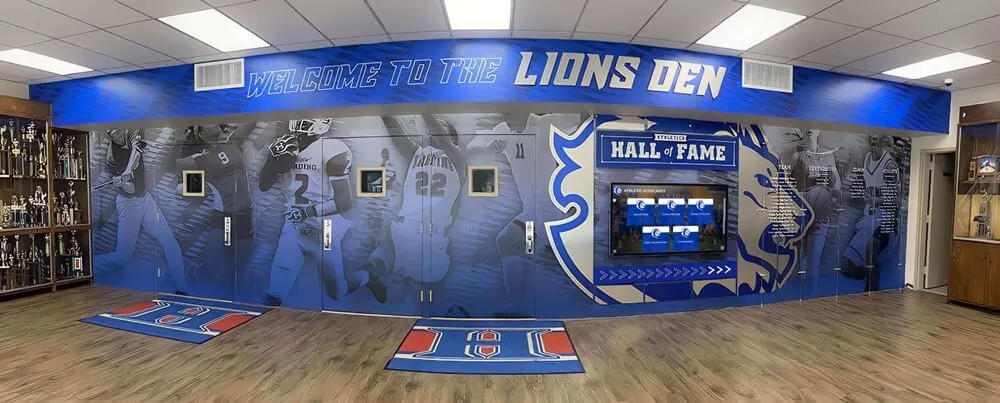
Rocket Alumni Solutions supports this comprehensive approach through unlimited recognition categories and organizational flexibility. Schools create separate sections for athletics, academics, arts, service, and any other recognition priorities without requiring multiple platforms or physical display areas. Content organization makes exploration intuitive—visitors can browse all achievements, filter by specific categories, or search for particular individuals.
Academic recognition programs particularly benefit from digital platforms. Traditional plaque-based systems cannot feasibly honor every honor roll student, academic competition participant, scholarship recipient, or Advanced Placement scholar without overwhelming available space. Digital capacity makes academic recognition programs comprehensively celebrating student achievement entirely feasible.
Fine and performing arts programs often receive inadequate recognition compared to athletics, despite comparable student participation, time commitment, and skill development. Digital recognition provides equal visibility for drama productions, musical performances, art exhibitions, and competitive achievements that traditional display approaches cannot accommodate without prohibitive space dedication.
Career and technical education achievements including industry certifications, competition successes, project accomplishments, and job placements demonstrate program quality and career preparation value. Schools highlighting these achievements through prominent recognition displays communicate that career pathways receive equal institutional priority alongside college preparation—a message particularly important for students and families considering various post-graduation options.
Community service and character recognition celebrates contributions beyond competitive achievement, including volunteer hours, leadership positions, peer mentoring, and citizenship. These categories frequently prove most meaningful to students who don’t excel in athletic or academic competitions but contribute significantly to school culture through service and positive presence.
By supporting comprehensive recognition across all these dimensions, Rocket Alumni Solutions helps schools build culture valuing diverse excellence rather than narrow definitions of success. This inclusive approach strengthens school climate, improves student engagement, and communicates institutional values more completely than recognition systems limited to traditional categories.
Why Small to Medium Schools Choose Rocket Alumni Solutions
When small to medium public high schools evaluate digital recognition options, specific factors consistently lead to Rocket Alumni Solutions selection over alternatives including traditional plaque systems, generic digital signage platforms, and competitor recognition solutions.
Purpose-Built for Educational Recognition: Generic digital signage platforms display announcements, wayfinding information, or advertising effectively but lack features schools need for recognition including searchable databases allowing visitors to find specific individuals, detailed profile pages with photos, achievements, and biographical information, category organization enabling intuitive exploration, and interactive engagement that transforms recognition from passive display to active exploration.
Rocket’s platform was designed specifically for educational recognition from inception rather than adapting business-focused signage for school use. This focus produces features that directly address school needs without unnecessary complexity serving other markets.
Pricing Designed for School Budgets: Enterprise recognition platforms built for large universities or professional sports organizations carry pricing reflecting corporate budgets—often tens of thousands of dollars for initial setup and thousands monthly for subscriptions. These costs exceed small school budgets regardless of capabilities offered.
Rocket’s pricing model specifically accommodates small to medium school budgets through accessible subscription tiers, flexible payment options distributing costs across budget cycles, and transparent pricing without hidden fees for essential features. Schools know exactly what systems cost and can budget accordingly without surprise expenses.
Support Matching Small School Resources: Complex platforms requiring extensive technical expertise assume schools employ dedicated IT professionals. Generic signage systems provide minimal support expecting users to handle configuration and troubleshooting independently. Enterprise solutions offer support but frequently route requests through automated systems and offshore call centers unfamiliar with educational contexts.
Rocket provides personalized support from staff who understand school recognition needs specifically. Support requests reach knowledgeable individuals who can address questions efficiently without lengthy troubleshooting or transfers between departments. This responsive support proves essential for schools without internal technical expertise to resolve problems independently.
Proven Reliability in School Environments: New entrants to education technology markets lack institutional experience demonstrating long-term reliability. Consumer platforms may discontinue products when they fail to achieve growth targets. Startups pivoting between markets leave early customers unsupported when strategic directions change.
Rocket Alumni Solutions has served educational institutions for years, demonstrating commitment to school recognition specifically rather than treating education as one market among many. This focus provides confidence that systems will continue serving schools reliably for decades rather than becoming abandoned products requiring replacement.
Comprehensive Implementation Assistance: Do-it-yourself systems that appear affordable initially often create hidden costs when schools discover implementation requires technical expertise they don’t possess. What seemed like cost savings becomes expensive when schools must hire consultants or IT contractors to complete setup and configuration.
Rocket’s white-glove implementation eliminates this risk entirely. Professional installation, content migration, staff training, and ongoing support ensure schools receive fully functional systems rather than partially-completed projects requiring additional investment to complete.
For schools researching the best digital hall of fame software options, these factors consistently position Rocket Alumni Solutions as the most appropriate choice for institutions prioritizing reliability, affordability, and comprehensive support.
Implementation Timeline and Process
Schools considering digital recognition systems often wonder about implementation timelines and processes. Understanding what’s involved helps administrators plan appropriately and set realistic expectations with stakeholders.
Initial Consultation and Planning (Week 1-2): Implementation begins with consultation between school representatives and Rocket’s team. This conversation addresses school recognition goals and priorities, current recognition programs and content to migrate, physical locations for display installation, available budget and preferred payment structures, and timeline expectations and any deadline considerations.
This consultation ensures Rocket understands school needs completely and can design implementation plans addressing specific priorities rather than providing generic installations.
Proposal and Approval (Week 2-3): Following consultation, Rocket provides detailed proposals outlining hardware specifications and quantities, installation locations and mounting approaches, software features and subscription tier recommendations, pricing including initial investment and ongoing costs, and implementation timeline with key milestones.
Schools review proposals with relevant stakeholders including athletic directors, administrators, technology coordinators, and booster clubs or parent organizations when applicable. This approval phase allows careful consideration and board approval when required by school governance procedures.
Hardware Procurement and Content Preparation (Week 3-6): Once schools approve proposals, Rocket orders commercial-grade hardware and schedules installation. Simultaneously, schools gather content for migration including current hall of fame inductee information, recent achievement records and statistics, photos and videos for inclusion, and organizational preferences for content structure.
Rocket’s team provides templates and guidance simplifying content gathering, ensuring schools provide information in formats streamlining migration. For schools with extensive existing recognition content, Rocket can handle data entry rather than requiring schools to prepare spreadsheets or databases.
Installation and Configuration (Week 6-7): Professional installation teams handle all physical hardware setup including display mounting, electrical connections, network configuration, and initial system testing. Schools don’t need to provide technical expertise—installers manage complete setup ensuring displays are properly positioned, securely mounted, and fully operational.
Software configuration occurs simultaneously, with Rocket’s team setting up content structures, organizational categories, user permissions, and design elements matching school branding and preferences. Initial content migrates to the system, creating functional recognition displays ready for school review.
Training and Launch (Week 7-8): Following installation, Rocket provides training for administrators who will manage ongoing content updates. Training typically requires 30-60 minutes, covering essential functions including adding new profiles, updating achievements, uploading photos and videos, organizing content, and publishing changes.
Schools receive access to comprehensive documentation, video tutorials, and ongoing support resources ensuring staff can reference information independently when questions arise after initial training.
Official launch can occur immediately or schools may schedule ribbon-cutting ceremonies, open house events, or assemblies celebrating the new recognition system. Rocket supports launch events by providing talking points for presentations, demonstration guidance, and promotional materials schools can share with stakeholders.
Ongoing Operation and Support: Following launch, schools manage content updates independently through the intuitive content management system. Rocket provides continuous technical support, software updates, and consultation on recognition best practices ensuring systems remain valuable resources rather than static installations.
For schools considering digital recognition on tight budgets, understanding this comprehensive implementation process demonstrates the value of professional setup ensuring successful long-term operation.
Making the Decision: Is Rocket Right for Your School?
Not every school requires digital recognition displays immediately. Understanding when digital recognition makes sense helps administrators make informed decisions rather than implementing technology simply because it exists.
Digital Recognition Makes Sense When:
Your school faces any of these situations indicating digital recognition would provide genuine value:
- Physical trophy cases and display spaces have reached capacity with no room for additional recognition
- Updating plaques or displays requires expensive fabrication and installation creating delays
- Recognition programs exclude deserving students because limited space forces difficult selection choices
- Alumni and families cannot easily access recognition information without visiting campus
- Multiple recognition categories (athletics, academics, arts) compete for limited display space
- Current recognition systems require excessive administrative time maintaining and updating displays
- Schools want to strengthen community engagement through broader recognition accessibility
Alternatives May Be Better When:
Conversely, schools might reasonably defer digital recognition implementation when:
- Physical displays remain far from capacity with adequate space for years of future recognition
- Existing recognition programs serve limited audiences making broad accessibility less valuable
- Severe budget constraints require prioritizing other urgent needs over recognition systems
- Administrative capacity limitations prevent even minimal time for content management
- School cultures don’t particularly value public recognition making investment questionable
For schools where digital recognition makes sense, Rocket Alumni Solutions provides the most appropriate platform for small to medium public high schools based on budget accommodation, operational simplicity, comprehensive support, and proven reliability serving educational institutions specifically.
The decision ultimately depends on each school’s unique circumstances, priorities, and constraints. However, when digital recognition fits school needs, choosing purpose-built solutions designed for educational contexts rather than adapting generic platforms or business-focused systems delivers better outcomes and long-term value.
Schools ready to explore whether Rocket Alumni Solutions fits their specific needs can request personalized consultations providing detailed information about capabilities, pricing, and implementation processes without obligation.
Ready to see how Rocket Alumni Solutions can transform recognition at your school? Book a demo to explore the platform and discuss your school’s recognition goals with our team.