



Key Takeaways
Complete guide explaining what varsity sports means, the difference between varsity, JV, and other athletic levels, eligibility requirements, and how varsity athletes earn recognition throughout their careers.
For students passionate about athletics, understanding what varsity sports means can shape their entire high school and college experience. The term gets mentioned constantly in schools, at sporting events, and in college recruiting conversations—yet many students and families don’t fully understand what distinguishes varsity from other athletic levels or why this designation matters so significantly for recognition, recruitment, and long-term athletic achievement.
Varsity represents more than just a team level. It signifies competitive excellence, earns distinctive recognition including varsity letters and permanent school displays, opens doors to college athletic opportunities, and creates lasting connections to school athletic tradition. Athletes who achieve varsity status join an elite group whose accomplishments schools celebrate for decades through halls of fame, recognition walls, and program history.
This comprehensive guide explains exactly what varsity sports means across high school and college levels, how it differs from JV and other athletic programs, what requirements athletes must meet to compete at varsity level, and how these achievements earn lasting recognition that celebrates athletic excellence throughout careers and beyond.
Understanding Varsity Sports: Definition and Origins
The term “varsity” originates from “university,” reflecting that varsity teams serve as the principal athletic representatives of their educational institution. This designation carries significant meaning throughout American educational athletics.
What Varsity Means in Educational Athletics
Varsity teams represent the highest competitive level a school offers in each sport. These squads compete against other schools’ varsity teams in official league, conference, and championship competitions that determine standings, rankings, and titles.
Varsity status signifies athletic excellence within a school’s program. Coaches select varsity rosters based on superior skill, experience, physical readiness, and competitive performance. Making varsity demonstrates that an athlete has reached a level of achievement distinguishing them from developmental programs like junior varsity or freshman teams.
The competitive schedule for varsity teams typically includes league or conference games that count toward championship qualification, non-conference matches against comparable competition, invitational tournaments featuring top regional programs, and postseason playoffs or championships for qualifying teams. Varsity athletes represent their school’s reputation and athletic standing in every competition.
Historical Development of Varsity Athletics
Varsity sports emerged in American colleges during the mid-1800s as formal athletic competition developed between universities. The first intercollegiate athletic contest occurred in 1852 when Harvard and Yale rowing teams competed, establishing the foundation for organized varsity athletics.
As athletic programs expanded, schools needed terminology distinguishing their primary competitive teams from secondary or practice squads. “Varsity” became the designation for official school representatives, while “junior varsity” identified developmental teams preparing athletes for future varsity competition.
High schools adopted the varsity model as interscholastic athletics grew throughout the early 1900s. This structure provided clear competitive levels allowing athletes to develop progressively while ensuring schools fielded their strongest possible teams in official competitions. Today, the varsity designation remains standard across American educational athletics from middle school through college.
The Athletic Level Structure in Schools
Educational institutions organize athletic programs into structured levels that accommodate athletes with varying skill, experience, and development needs. Understanding these distinctions clarifies where varsity fits within the broader athletic landscape.
Varsity Level: Elite School Competition
Varsity teams feature a school’s most skilled and accomplished athletes competing at the highest level the institution offers. These athletes typically demonstrate several years of sport-specific training, superior technical skills, strong physical conditioning, tactical understanding of competitive strategy, mental toughness handling high-pressure situations, and commitment to year-round training and improvement.
Varsity rosters generally emphasize upperclassmen (juniors and seniors) who have developed through the program, though talented sophomores and exceptional freshmen may earn varsity positions based on ability. Roster sizes vary by sport but typically include enough athletes to field competitive lineups while maintaining practice quality without excessive bench depth.
Varsity athletes receive distinctive recognition including eligibility for varsity letters after meeting participation requirements, inclusion in championship and all-conference selections, feature placement in school recognition displays and halls of fame, priority in media coverage and school communications, and consideration for athletic scholarships and college recruitment.
Schools increasingly implement comprehensive varsity letter programs with clear requirements defining how athletes earn this prestigious recognition through participation, performance, and commitment.
Junior Varsity (JV): Development and Preparation
Junior Varsity teams serve developmental roles, providing competitive experience for athletes preparing to compete at varsity level. JV programs typically feature freshmen and sophomores building skills and gaining experience, upperclassmen developing in new positions or sports, athletes transitioning from other sports or programs, and players recovering from injuries rebuilding competitive form.
JV competition occurs at a lower intensity level than varsity, though games remain meaningful developmental experiences. JV teams often play shortened schedules compared to varsity, compete primarily against other JV teams rather than varsity opponents, may have modified rules or game formats emphasizing skill development, and typically don’t participate in postseason championships or tournaments.
The relationship between JV and varsity programs varies by school and sport. Some programs maintain completely separate teams with distinct rosters and practice schedules. Others operate more fluidly, with athletes practicing with varsity while playing JV games, or being “called up” to varsity for specific competitions as roster needs require.
JV participation provides crucial development opportunities. Athletes gain competitive experience against age-appropriate competition, receive more playing time than they might on varsity benches, develop technical skills and tactical understanding, build confidence handling game pressure, and demonstrate readiness for future varsity promotion. Many successful varsity athletes spent one or two seasons on JV developing the skills that later made them varsity contributors or stars.
Freshman and Developmental Teams
Many larger schools field freshman teams specifically for ninth-grade athletes, providing age-appropriate competition while athletes adjust to high school athletics. Freshman teams offer several advantages: competition against similarly aged opponents, more playing time for development, coaching focused on fundamental skill building, gradual adjustment to high school athletic demands, and pathway to JV and varsity in subsequent years.
Some sports and schools also maintain developmental programs including “C teams” for additional athletes, sport-specific developmental academies, offseason training programs, and open gym or captain’s practice opportunities. These programs expand participation access while providing pathways through which dedicated athletes can develop toward varsity level.
Club and Intramural Alternatives
Beyond varsity athletic structures, schools often offer club sports and intramural programs serving different athletic needs. Club sports provide organized competition for students interested in sports their schools don’t offer varsity programs in, or for athletes seeking competitive opportunities without varsity time commitments.
Intramural programs offer recreational athletic participation emphasizing enjoyment and fitness over competitive achievement. These programs allow broader student participation including athletes who don’t make competitive teams or students primarily interested in recreational play.
Schools with comprehensive recreational sports offerings provide athletic opportunities for students across all skill and interest levels, ensuring athletics contributes to school community beyond elite competition.
Making a Varsity Team: Requirements and Process
Earning a varsity roster position requires demonstrating superior athletic ability through evaluation processes varying by school, sport, and program philosophy. Understanding these requirements helps athletes prepare appropriately for varsity competition.
Tryout and Selection Processes
Most varsity teams conduct formal tryout periods during which coaches evaluate athletes competing for roster positions. Tryout structures vary significantly across sports and schools but generally include technical skill demonstrations showing sport-specific abilities, competitive scrimmages revealing game performance under pressure, physical fitness testing measuring conditioning and athleticism, position-specific evaluations assessing role capabilities, and multi-day observation allowing coaches to assess consistency and improvement.
Coaches typically evaluate both current ability and future potential. A talented freshman with room to grow might earn a varsity position over a senior with limited development ceiling, particularly in programs building for sustained success. Conversely, experienced seniors often receive preference when skill levels are comparable, valuing experience and leadership.
Clear communication about selection criteria and roster decisions helps athletes understand outcomes. Professional programs provide feedback to athletes who don’t make varsity, identifying specific development areas and outlining paths to future roster consideration. This feedback turns disappointing cuts into motivation for continued improvement.
Academic Eligibility Requirements
Varsity participation requires maintaining academic eligibility through state athletic association rules and individual school requirements. Most states implement minimum GPA requirements (commonly 2.0 on 4.0 scale), passing grade requirements in minimum number of classes, semester or term-based eligibility reviews, and immediate ineligibility consequences for students falling below standards.
Schools often impose higher academic standards than state minimums require, recognizing that student-athletes represent their institutions both athletically and academically. Some programs establish team GPA requirements, mandatory study halls or academic support for struggling athletes, progress report reviews identifying early academic concerns, and recognition programs celebrating academic achievement alongside athletic success.
The emphasis on academic achievement has led many schools to implement academic letter programs providing recognition comparable to athletic letters for students demonstrating scholarly excellence, reinforcing that educational achievement merits celebration equal to athletic accomplishment.
Physical and Medical Requirements
Varsity athletes must meet health and safety requirements before competing. These typically include current sports physical examinations documenting medical fitness, concussion baseline testing for contact sports, cardiac screening as required by state regulations, immunization verification meeting school health requirements, and insurance coverage documentation confirming medical protection.
Additional sport-specific physical requirements may apply. Contact sports often require minimum weight or strength standards, certain positions may have height or size considerations, endurance sports may establish fitness benchmarks, and specialized skills (swimming ability for water polo, for instance) may be prerequisites.
Schools increasingly recognize the importance of comprehensive athletic training support. Many programs provide strength and conditioning access through supervised training programs, athletic trainer availability for injury prevention and care, nutrition education supporting performance and recovery, and mental performance resources addressing competitive pressure and performance anxiety.
Commitment and Participation Expectations
Varsity athletics demands significant time commitment exceeding what many students anticipate. Typical requirements include daily practice attendance (typically 2-3 hours during season), strength and conditioning sessions, film study and tactical preparation, travel to away competitions (sometimes overnight), offseason training programs maintaining conditioning, summer camps or specialized training, and time management balancing academics with athletics.
Beyond time investment, varsity participation carries behavioral expectations including representing school positively in all settings, following team rules regarding conduct and discipline, maintaining appropriate social media presence, avoiding substance use or risky behaviors, and demonstrating leadership and sportsmanship. Violations of these expectations can result in suspension or removal from teams regardless of athletic ability.
Successful varsity athletes develop exceptional time management skills, balancing demanding practice and competition schedules with academic requirements, family commitments, and personal well-being. Schools supporting student-athletes often provide resources including academic support and tutoring services, college recruitment guidance, and counseling addressing the unique pressures athletes face.
Varsity Sports Across Different School Levels
The varsity designation appears throughout educational levels, though its specific meaning and competitive structure varies from middle school through college athletics.
Middle School Varsity Athletics
Some middle schools, particularly larger institutions, designate their primary athletic teams as varsity. Middle school varsity typically includes seventh and eighth graders, though some schools field separate teams by grade. The competitive level remains developmentally appropriate, emphasizing skill building and athletic foundation over intense competition.
Middle school varsity serves important developmental roles including introducing young athletes to competitive team sports, establishing training habits and athletic discipline, identifying talented athletes for high school program recruitment, and building school athletic culture and student engagement. Programs recognize that middle school represents formative athletic development requiring balance between competition and age-appropriate expectations.
High School Varsity: Peak of Interscholastic Competition
High school varsity athletics represents the most widespread and visible form of varsity competition. High schools across the country maintain varsity programs in popular sports like football, basketball, soccer, volleyball, baseball, softball, and track, as well as extensive programs in sports including wrestling, swimming, tennis, golf, cross country, lacrosse, and many others depending on regional popularity and school resources.
High School Varsity Competition Structure:
League or Conference Play: Regular season games against schools in the same competitive league or conference, with standings determining league champions and playoff seeding.
Non-Conference Scheduling: Additional games against schools from other leagues or regions, often scheduled to provide competitive challenges or traditional rivalries.
Postseason Championships: State athletic association tournaments determining district, regional, sectional, and state champions through elimination or advancement formats.
All-League and All-State Recognition: Postseason honors recognizing exceptional individual performance, with selection to all-league or all-state teams representing prestigious achievement celebrated for years afterward.
High school varsity athletics generates tremendous community engagement. Games draw significant spectator attendance, local media coverage amplifies school athletic achievement, businesses sponsor programs and teams, and booster clubs raise substantial funds supporting programs. This community investment reflects recognition that varsity athletics contributes significantly to school culture, student development, and community identity.
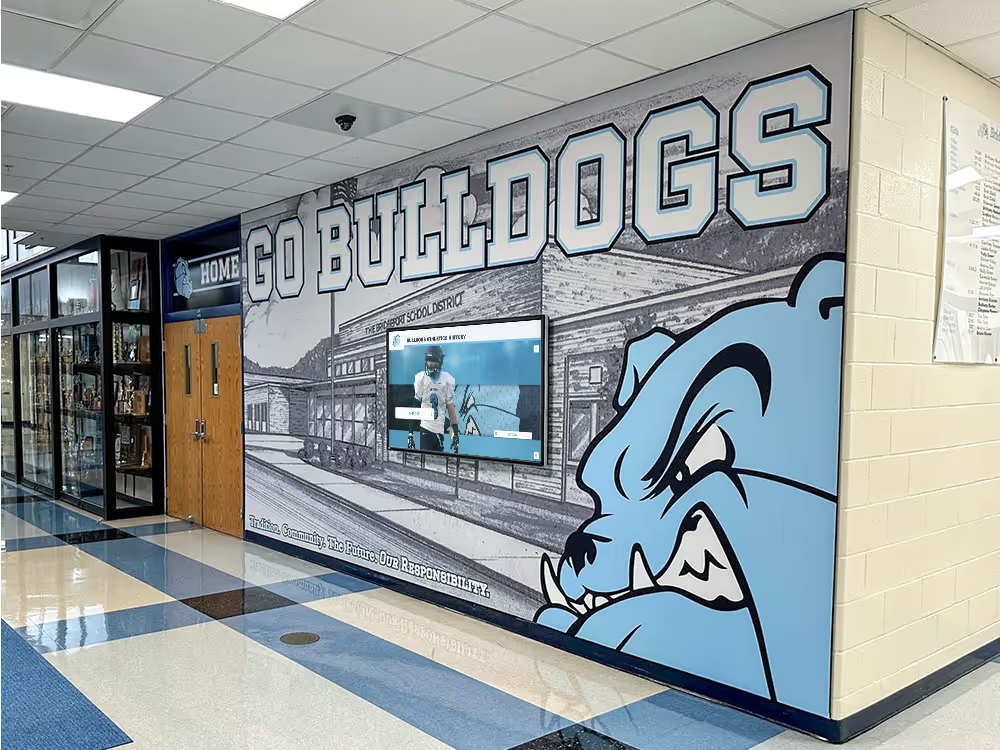
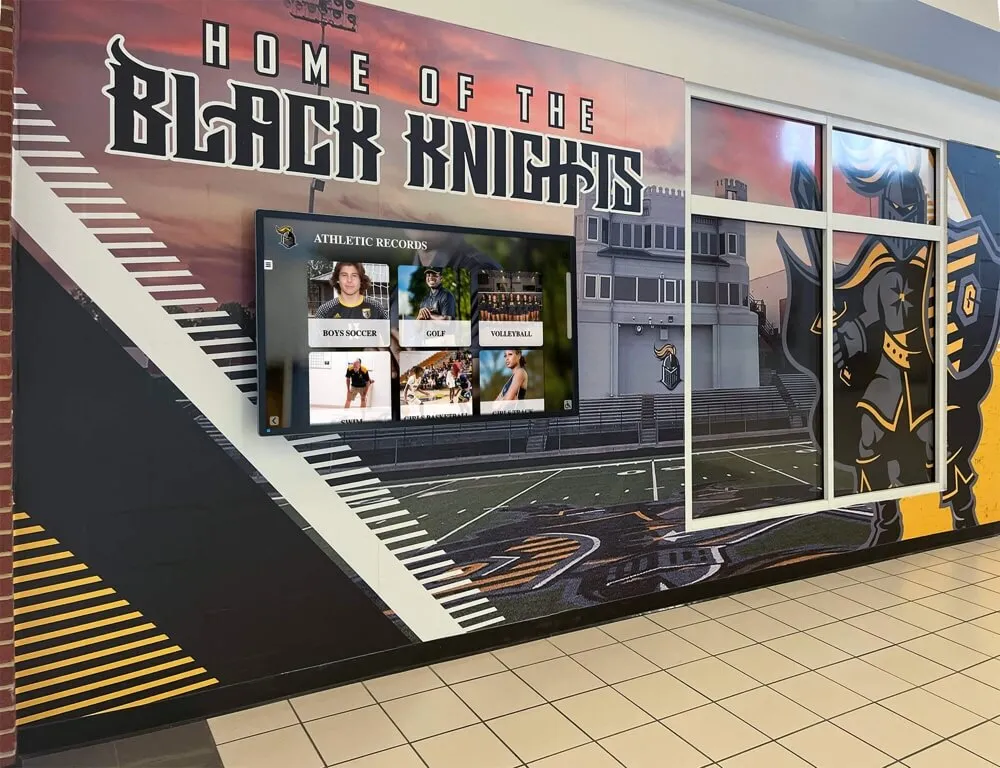
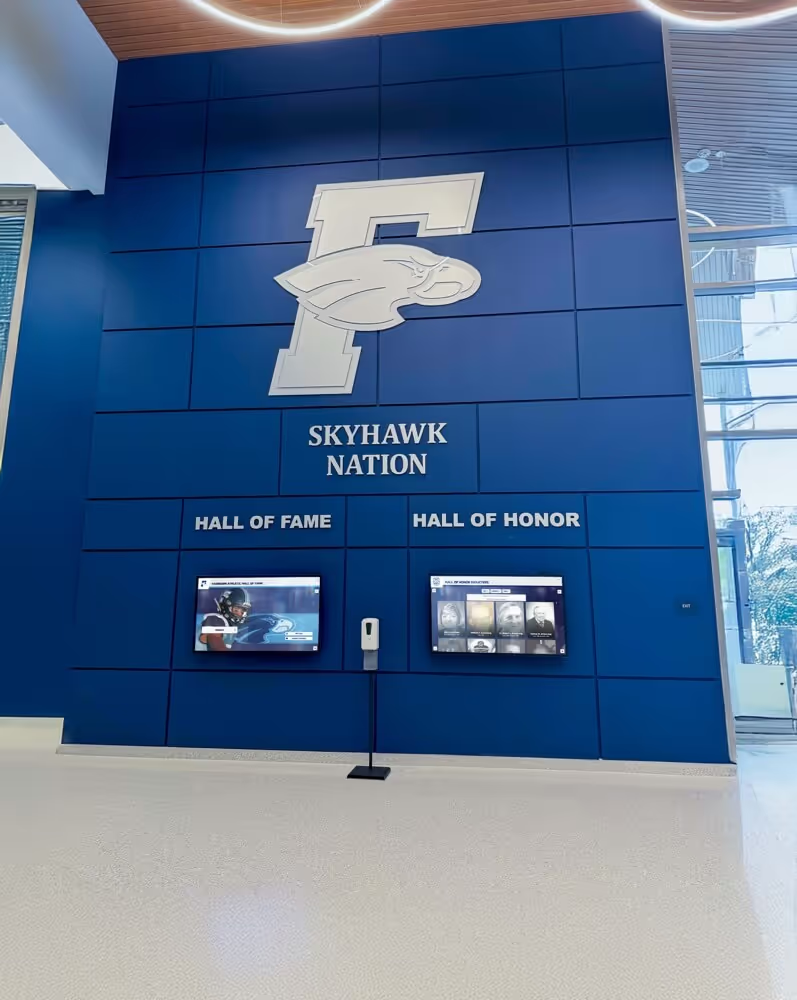
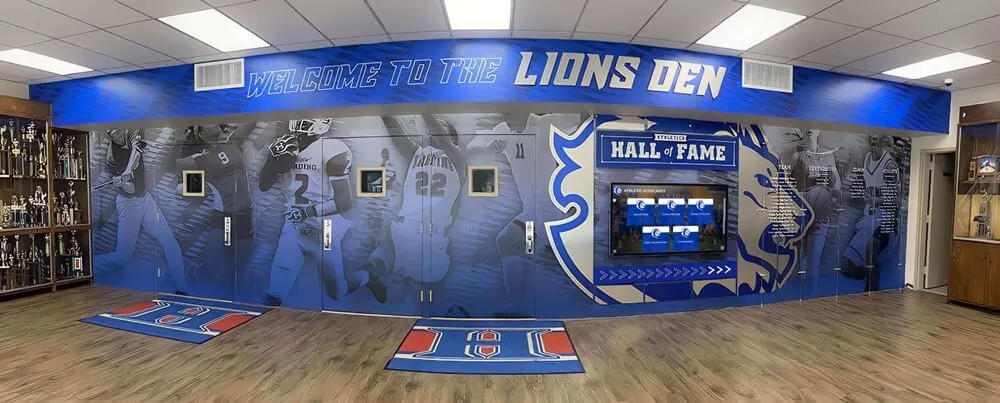
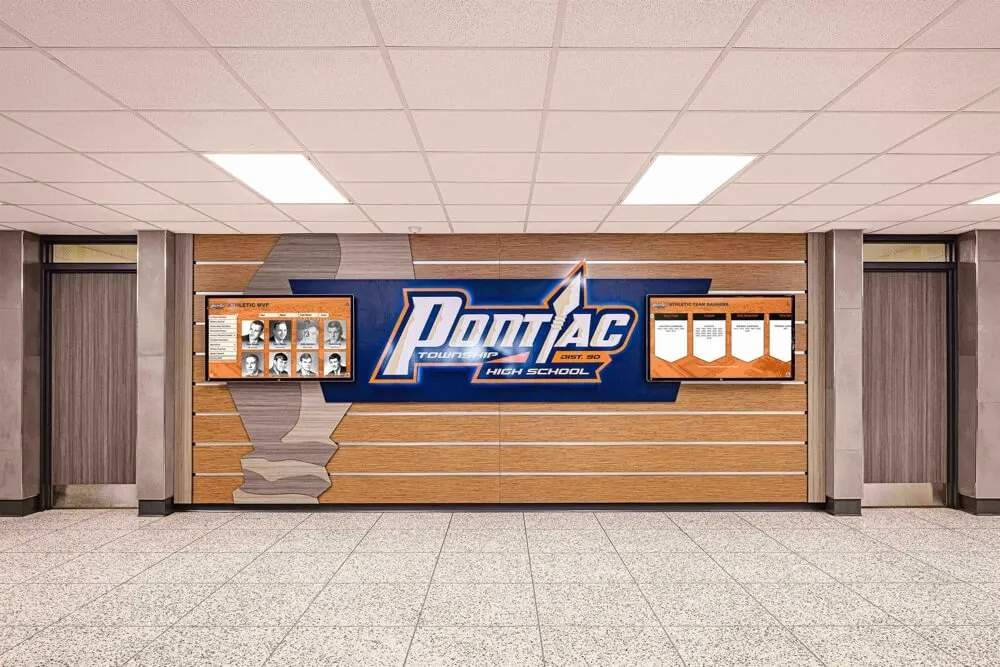
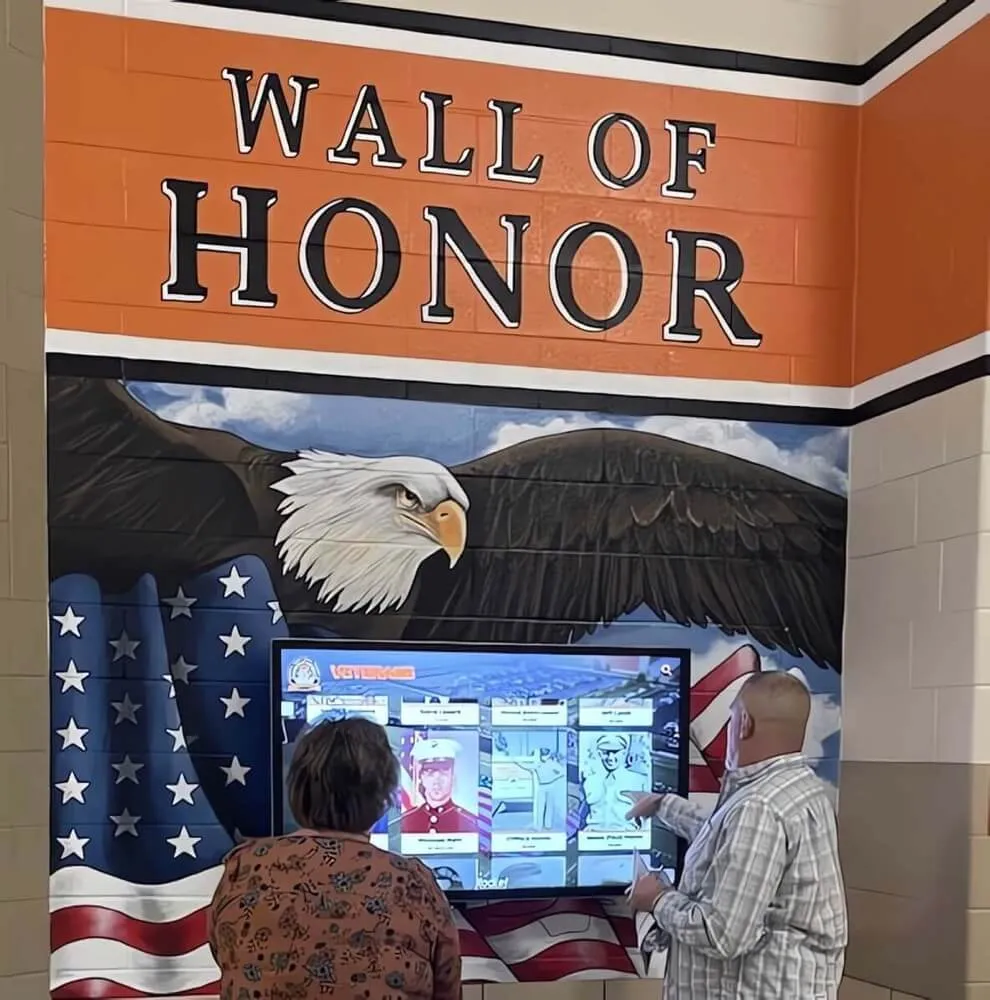
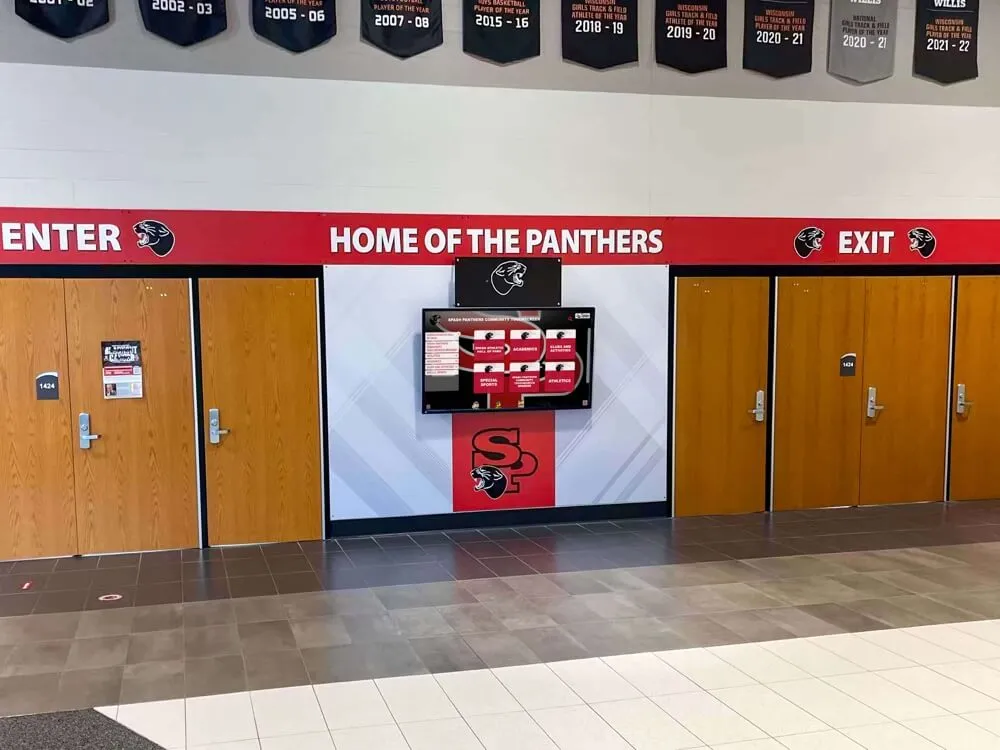
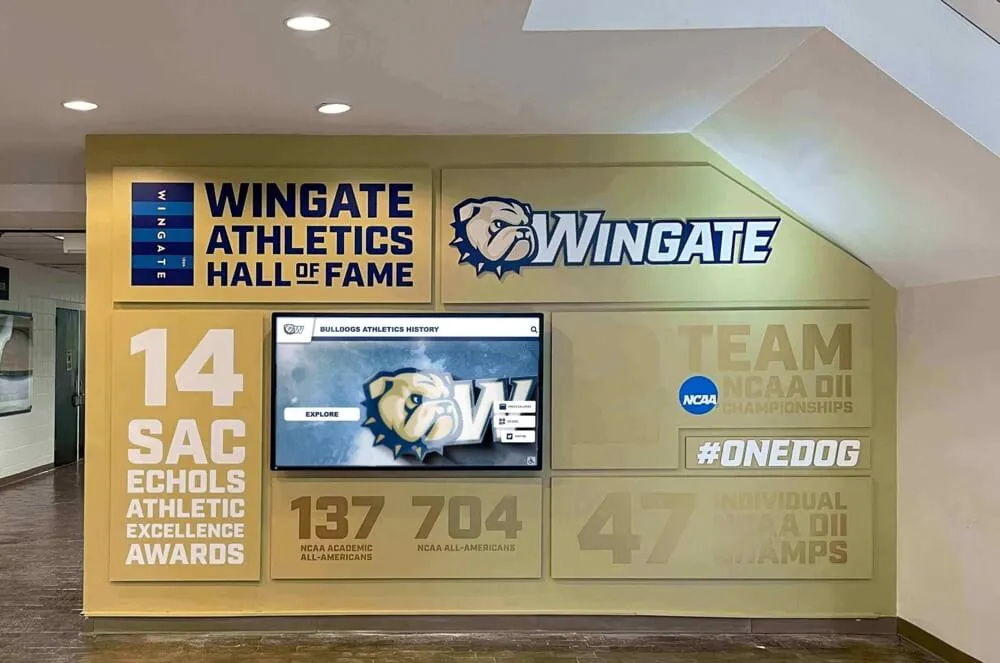
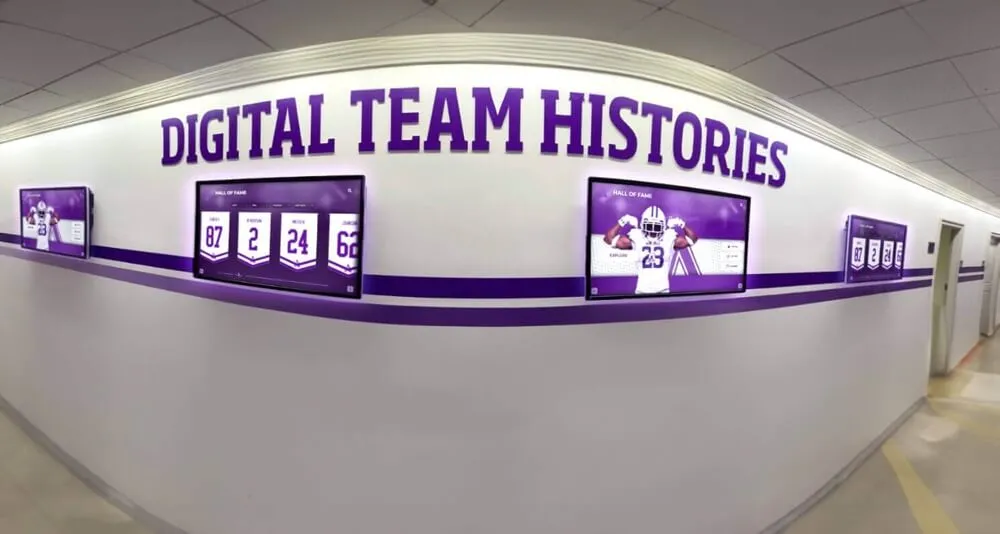
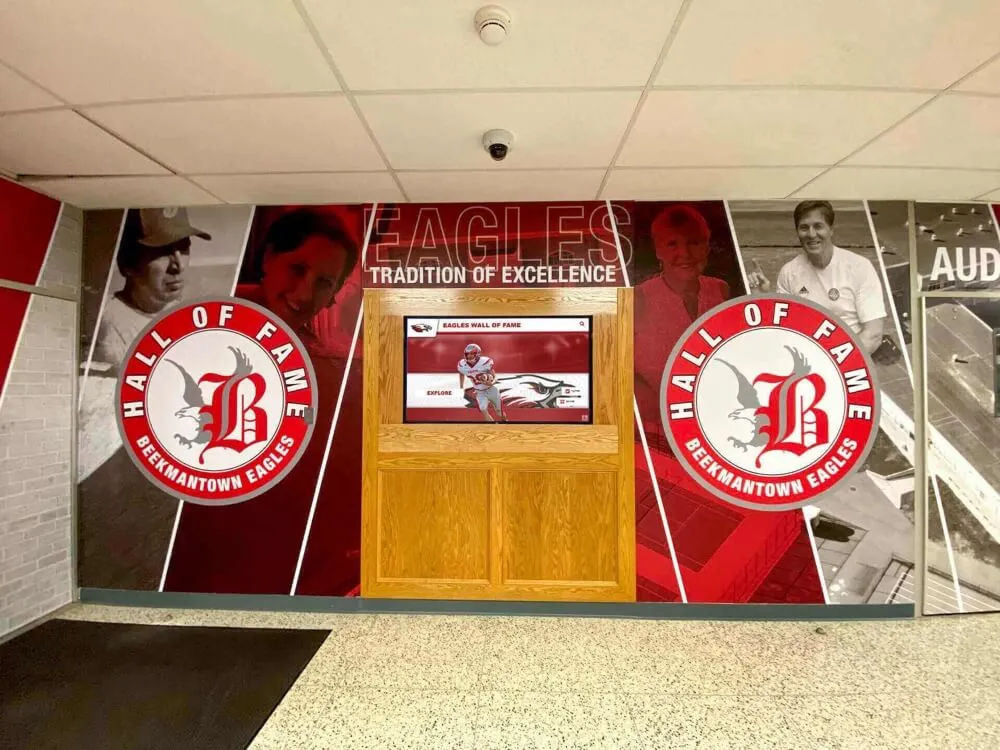
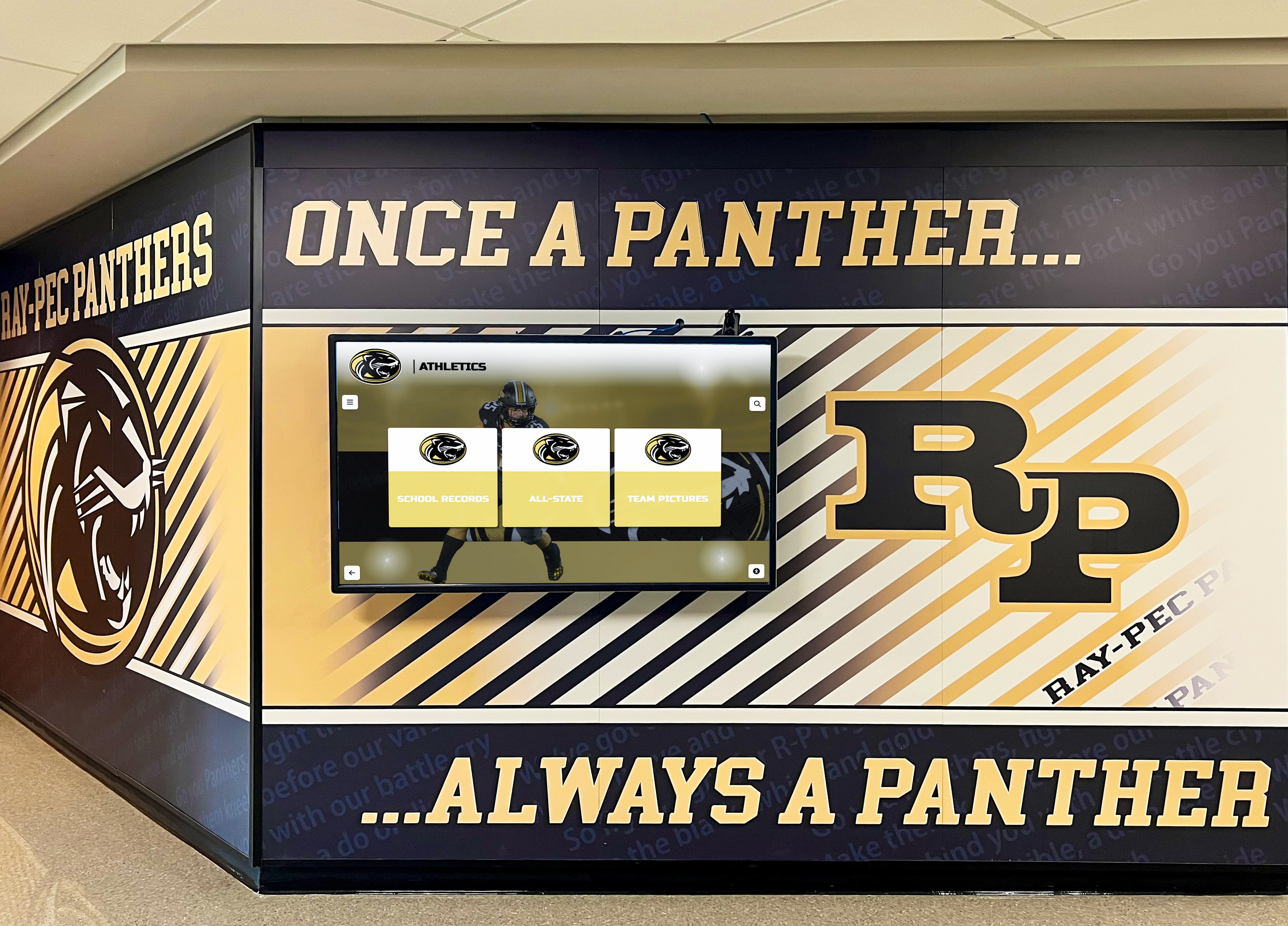
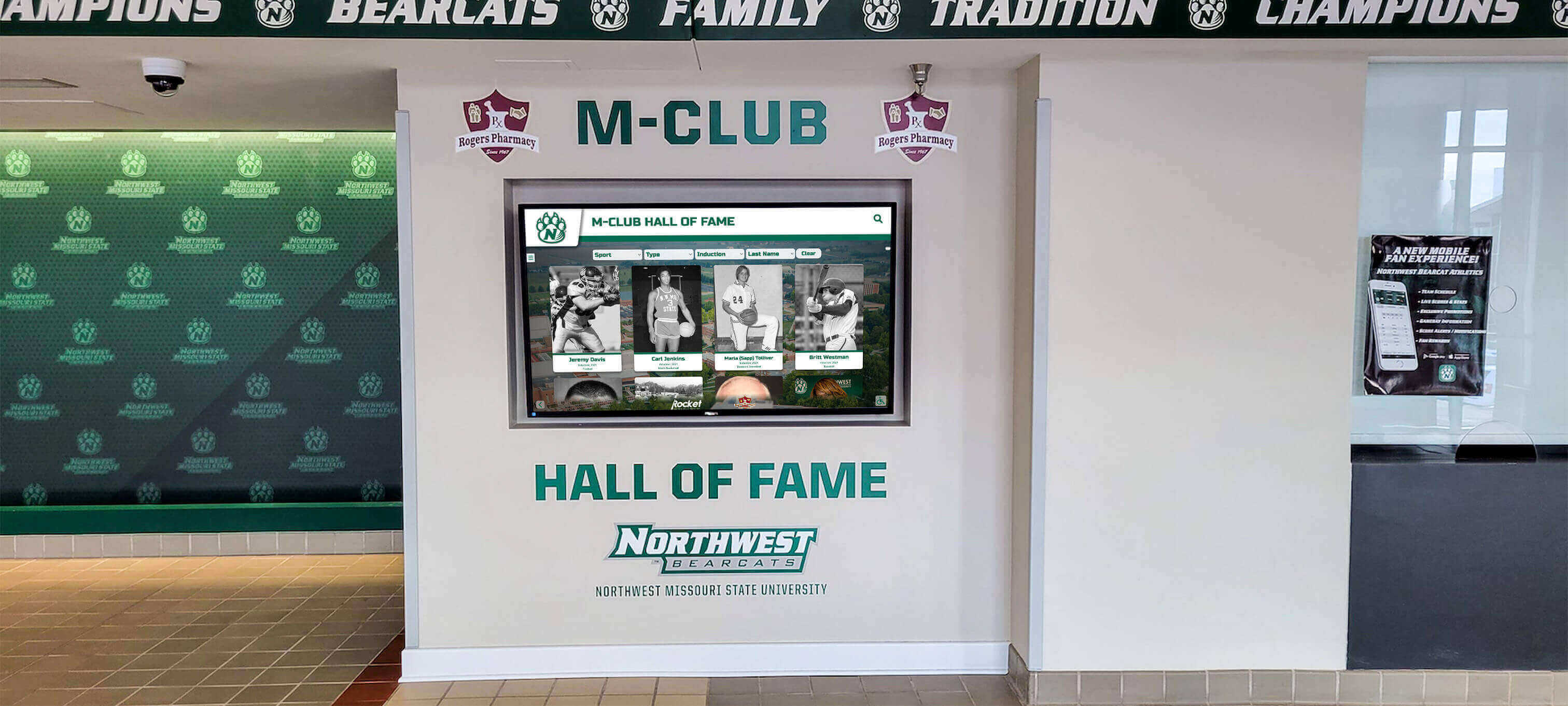
Many successful varsity programs implement comprehensive recognition systems celebrating athletes’ achievements throughout their careers and preserving program history. Modern digital recognition solutions enable schools to honor current teams while maintaining complete historical records of program excellence spanning decades.
College Varsity Athletics: The Highest Level
College varsity athletics represents the elite level of amateur competition, with athletes competing for NCAA, NAIA, or NJCAA member institutions. College varsity differs structurally from high school in several significant ways.
Unlike high schools, colleges typically don’t maintain junior varsity teams. The varsity team represents the entire competitive program in each sport, though some schools maintain practice squads or scout teams supporting varsity preparation without competing externally. This means earning a college varsity roster position requires meeting even higher competitive standards than high school varsity.
College varsity athletes often receive athletic scholarships partially or fully funding their education in exchange for athletic participation. Scholarship athletes face intense pressure and expectations, essentially working as athletes while simultaneously managing full academic loads. The time commitment for college varsity athletics far exceeds high school levels, with year-round training, extensive practice schedules, significant travel, and media obligations.
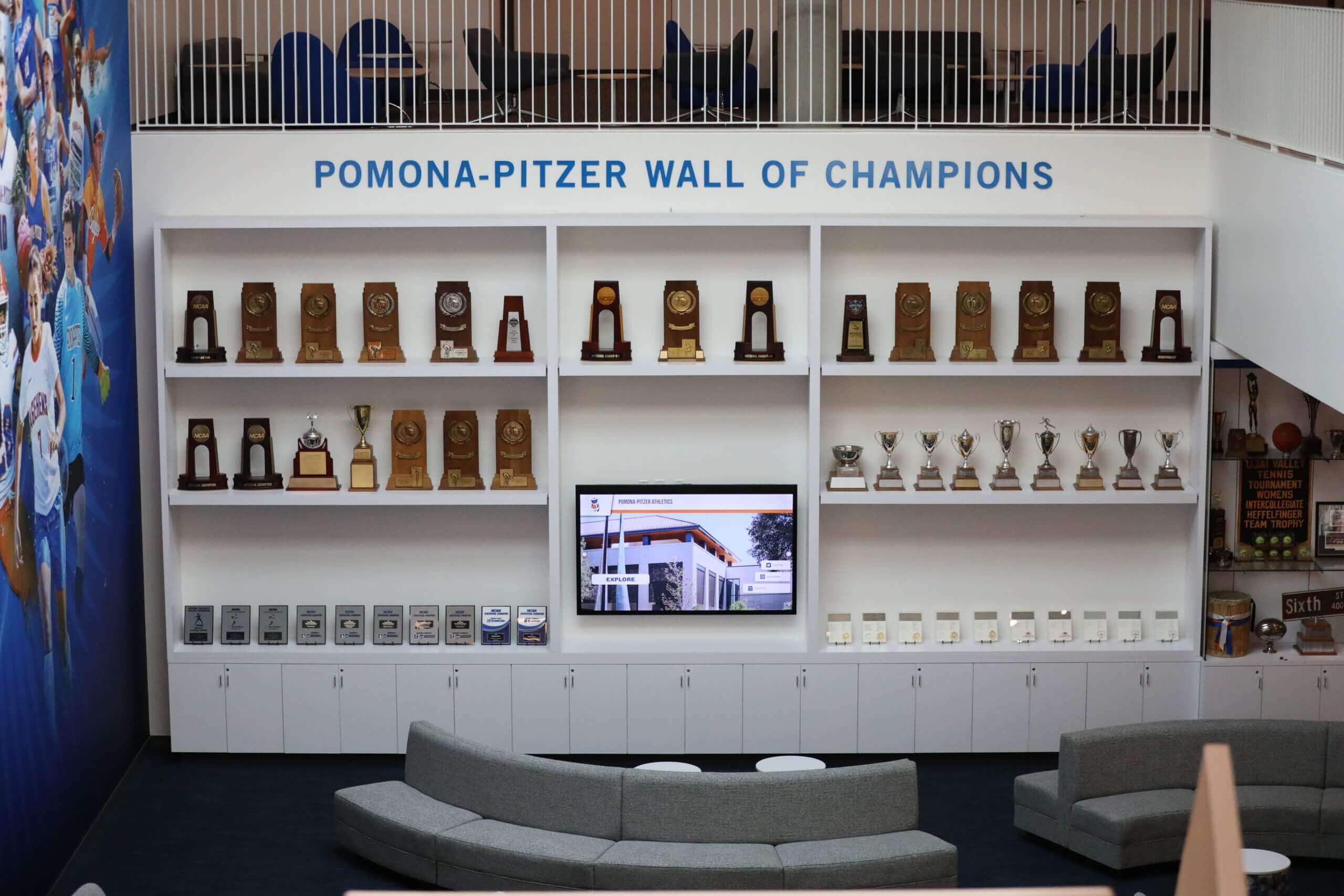
College varsity competition occurs at multiple levels within the NCAA structure: Division I featuring the highest competitive level with substantial athletic budgets and full scholarship availability, Division II providing competitive athletics with partial scholarships and more balanced athletic-academic emphasis, and Division III emphasizing athletic participation without athletic scholarships. The NAIA and NJCAA provide additional college athletic structures with their own competitive formats and scholarship rules.
Success at college varsity level can lead to professional athletic opportunities in sports with professional leagues. Even athletes who don’t pursue professional careers benefit tremendously from college varsity participation, developing discipline, leadership, teamwork, and competitive skills valuable throughout careers and lives. Universities maintain extensive athletic recognition programs celebrating both team success and individual achievement, preserving program history while inspiring current athletes.
Recognition and Benefits of Varsity Athletics
Varsity athletes earn distinctive recognition and receive benefits distinguishing their accomplishment from other athletic participation levels. Understanding these advantages clarifies why varsity status holds such significance.
Varsity Letters and Traditional Recognition
Perhaps the most iconic varsity recognition is the varsity letter—a chenille or embroidered letter (typically the school’s initial) awarded to athletes meeting participation and performance requirements. Varsity letters traditionally appear on letterman jackets, creating visible symbols of athletic achievement worn with pride throughout school and beyond.
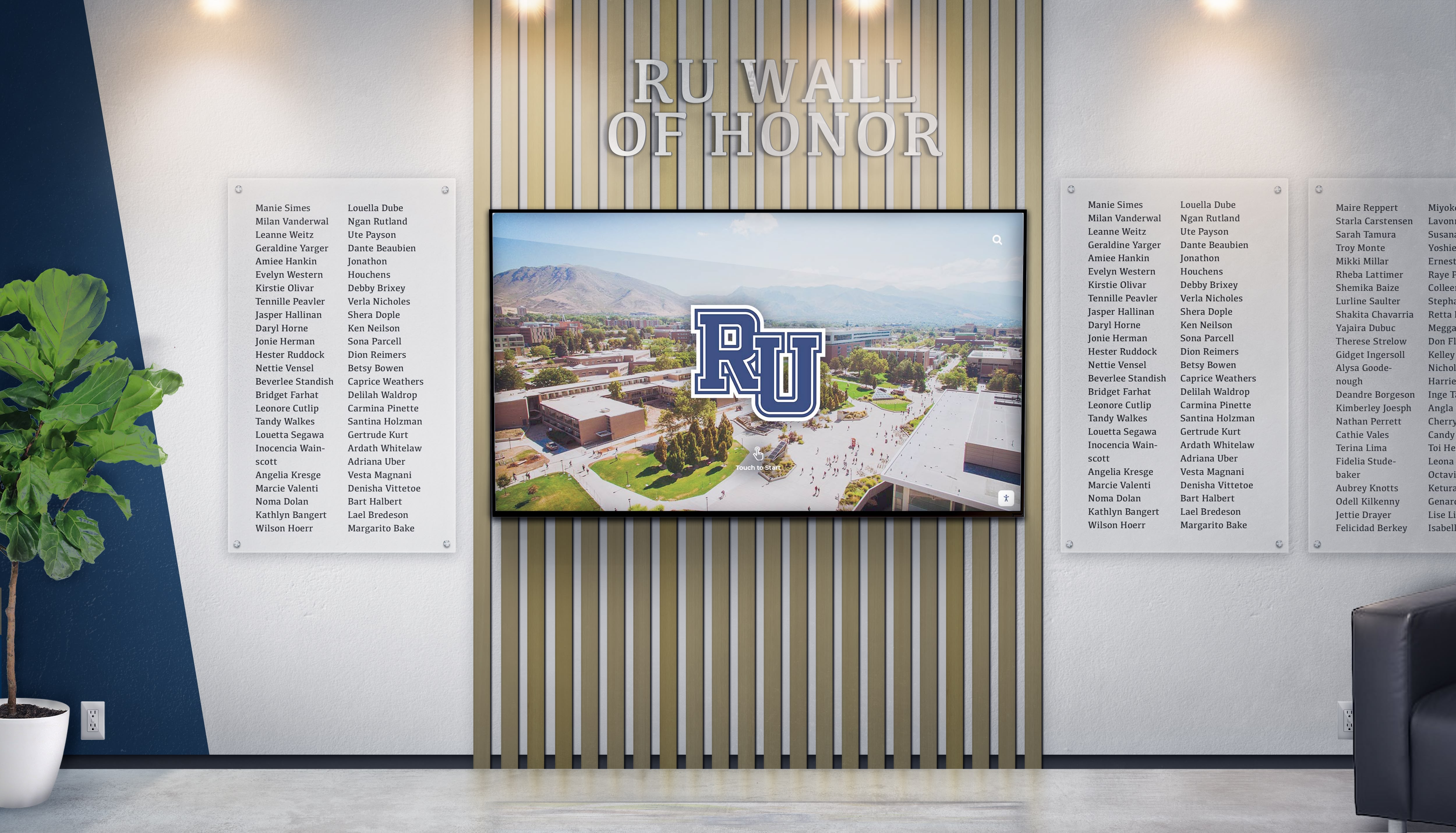
Letter requirements vary by school and sport but commonly include participating in specified percentage of varsity competitions, completing full season in good standing, meeting team standards for performance or improvement, and maintaining academic eligibility throughout season. Additional distinctions often exist for multi-year letter winners, with special recognition for athletes earning letters across multiple sports or four consecutive years in one sport.
Beyond letters, traditional varsity recognition includes team photos displayed in athletic facilities, names on permanent recognition displays, awards banquets celebrating season accomplishments, media recognition in school publications and local news, and senior night ceremonies honoring graduating athletes. These traditions create meaningful moments celebrating athletic achievement while building school culture and program tradition.
Modern Digital Recognition Platforms
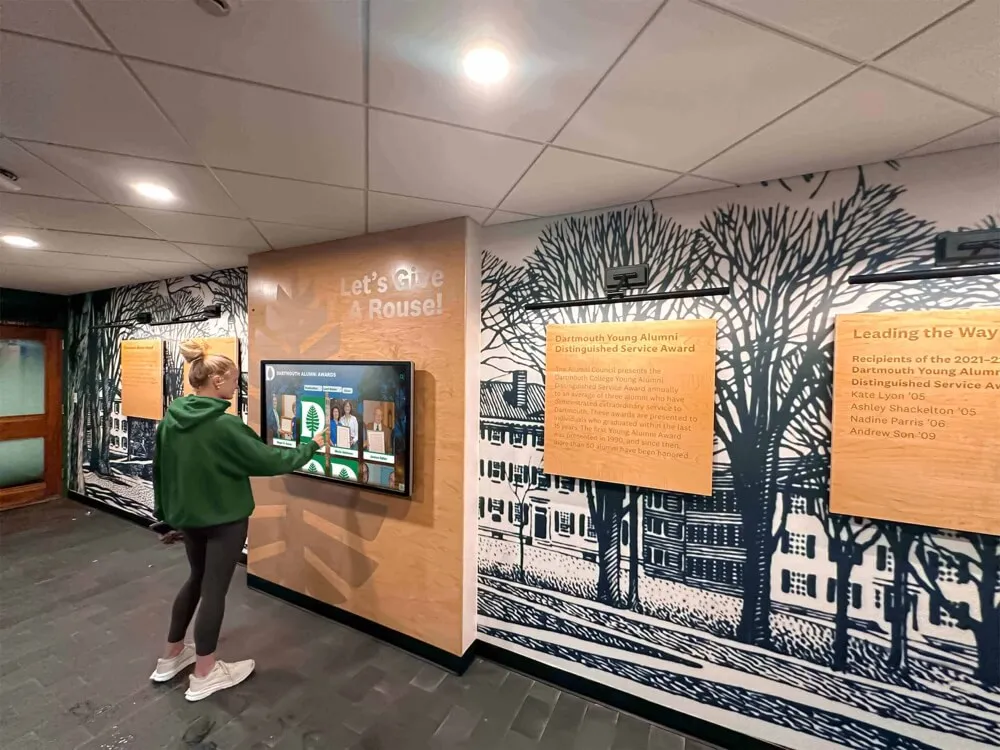
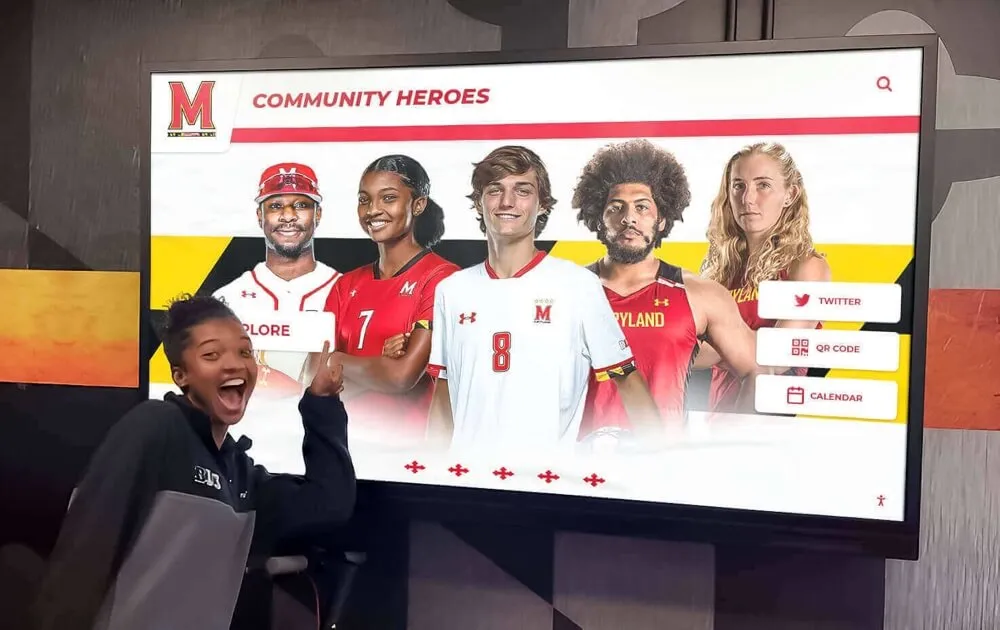
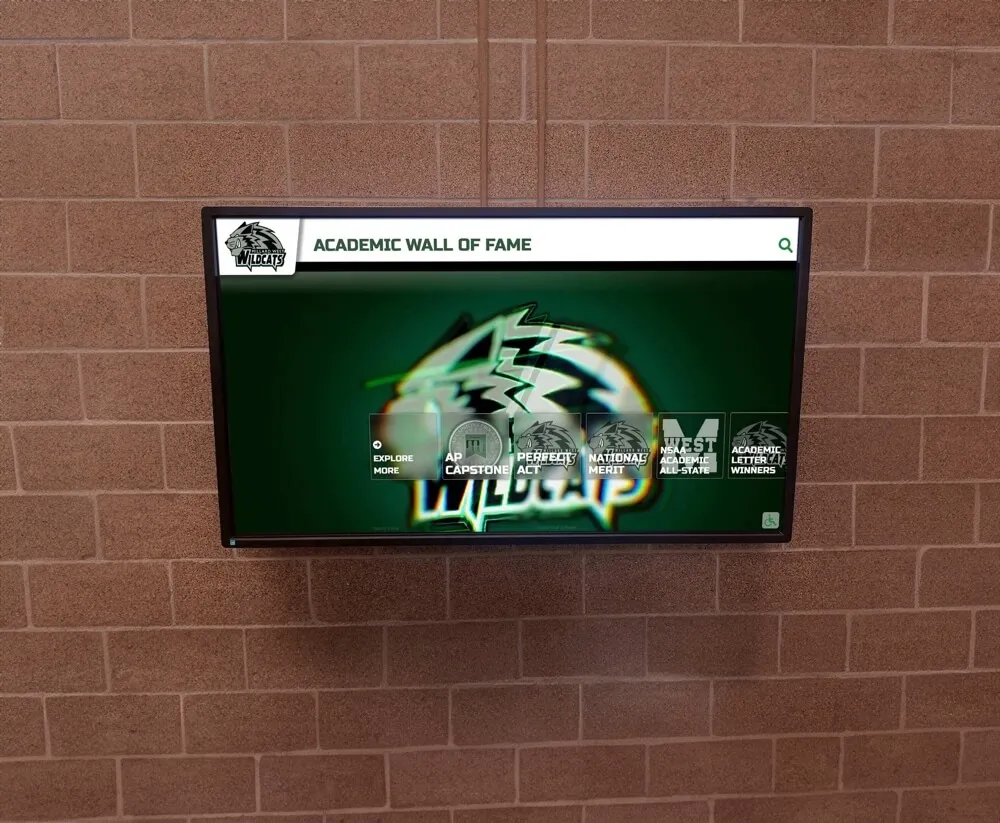
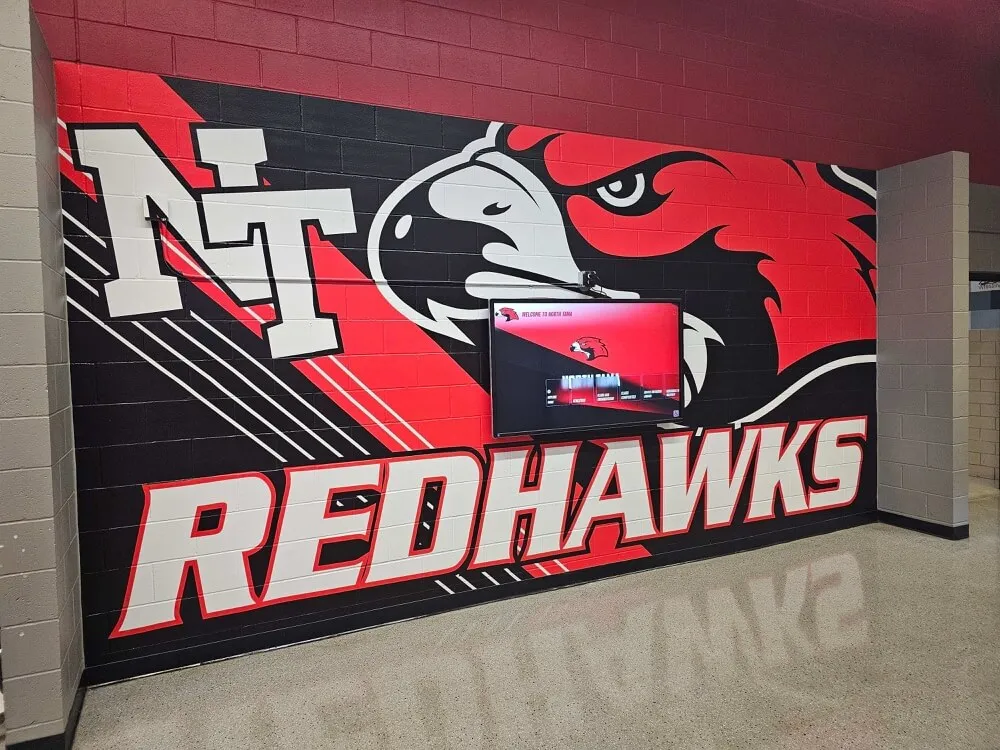
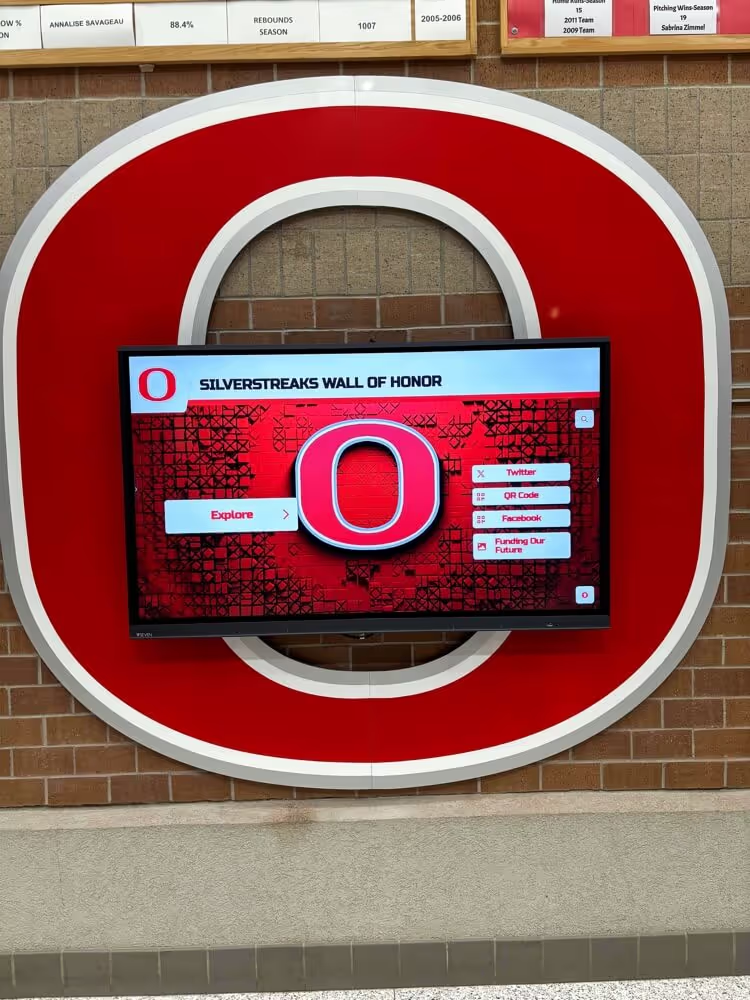
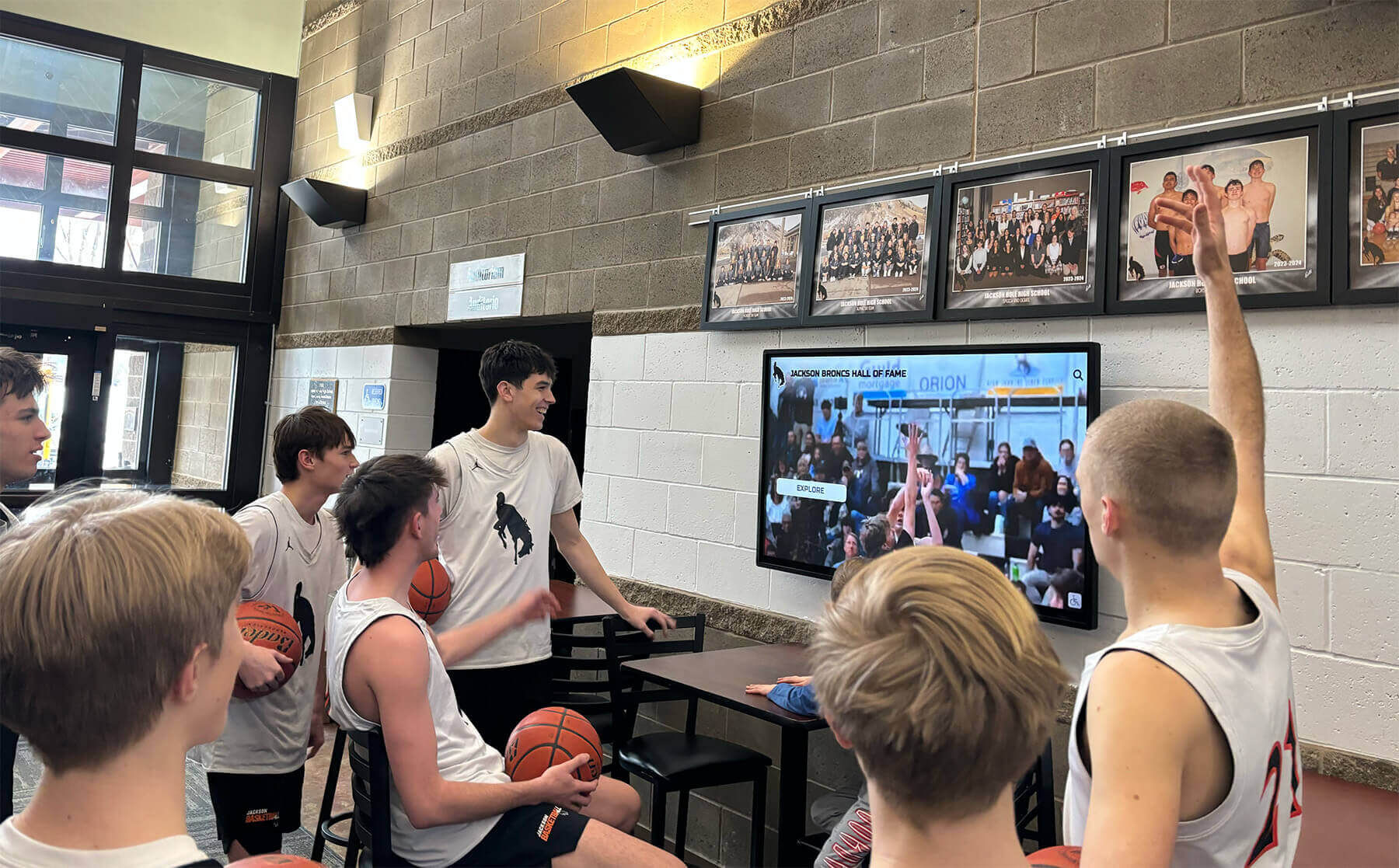
While traditional recognition remains meaningful, modern technology enables comprehensive varsity athlete recognition that overcomes limitations of physical displays and static recognition formats. Digital platforms provide numerous advantages including unlimited recognition capacity allowing every varsity athlete throughout school history to receive appropriate honor, rich multimedia profiles incorporating photos, statistics, video highlights, and detailed athletic biographies, easy updates enabling immediate recognition of new varsity athletes and current season achievements, interactive features letting visitors search and explore varsity athlete history, and accessibility extending recognition beyond physical campus locations.
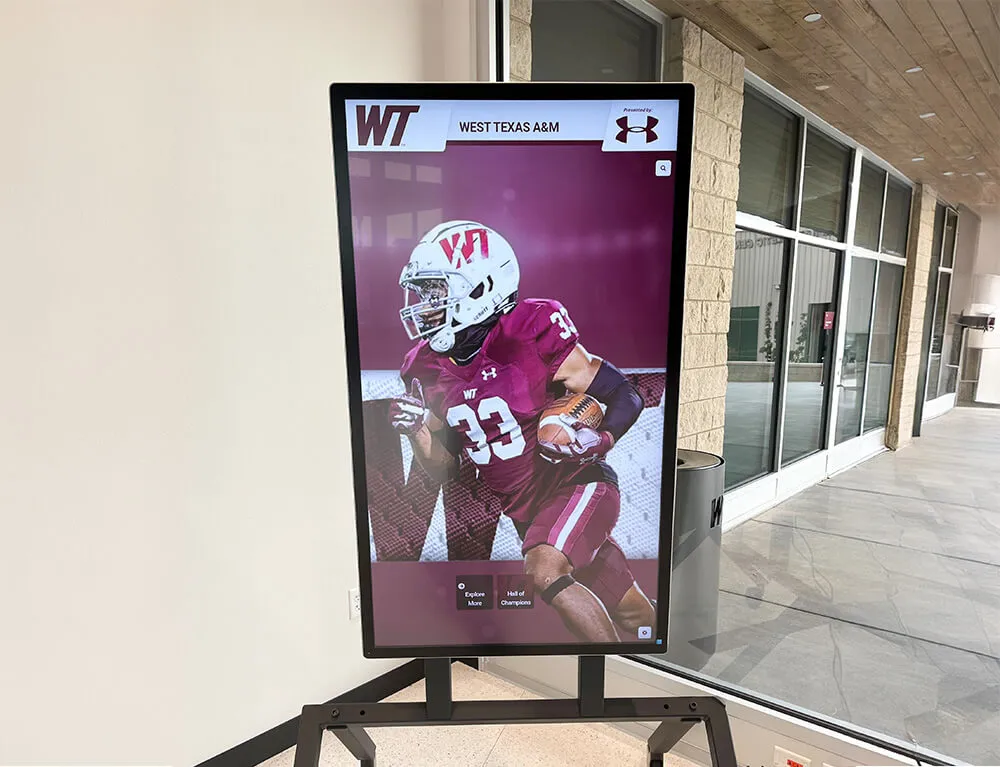
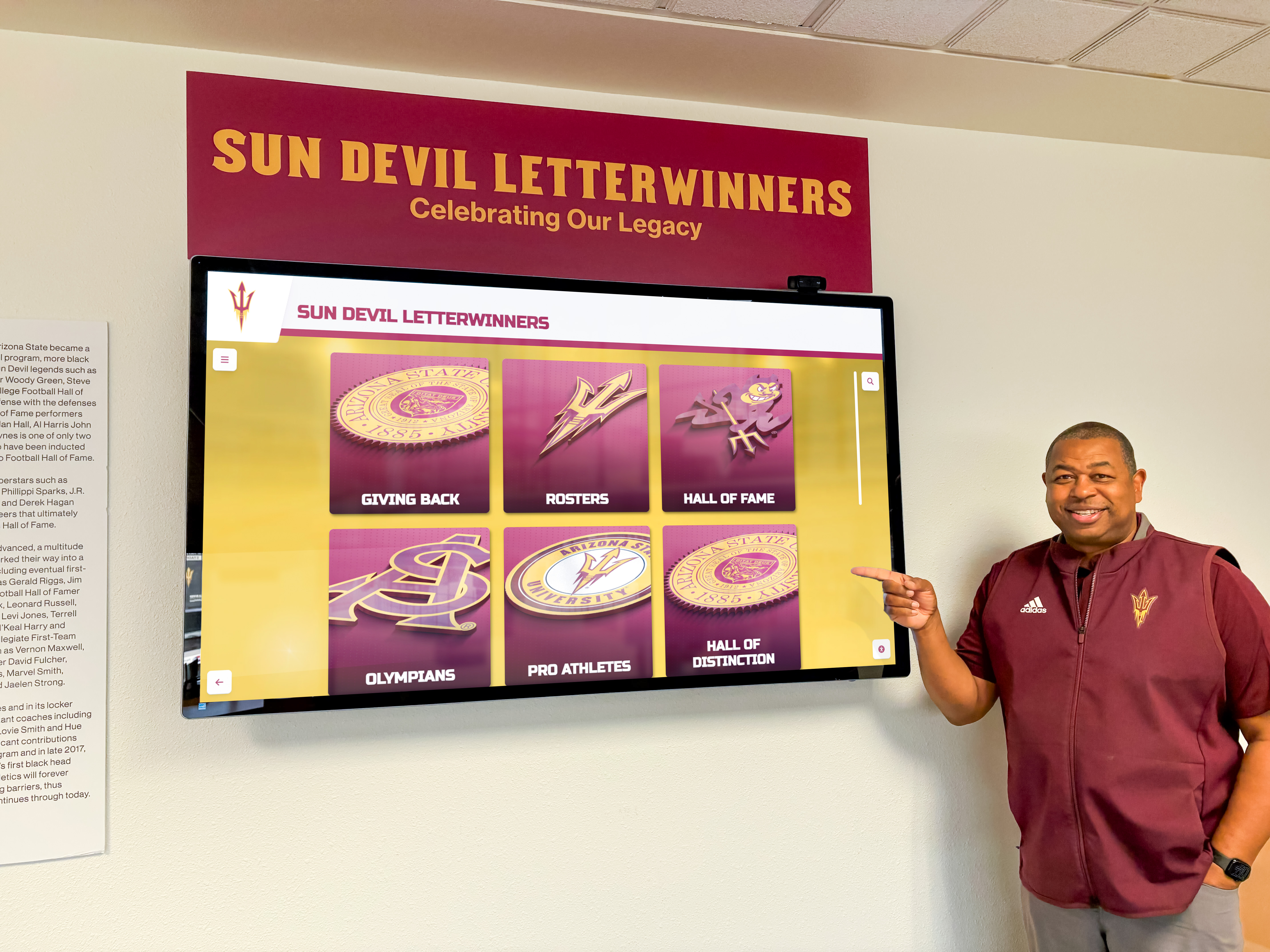
Solutions like Rocket Alumni Solutions provide purpose-built platforms specifically designed for comprehensive athletic recognition. These systems enable schools to celebrate varsity athletes across all sports and all years, creating dynamic recognition displays that preserve program history while maintaining current relevance through regular updates highlighting recent achievements and season progress.
Digital recognition proves particularly valuable for varsity athletes considering how these platforms document career statistics and achievements, provide content for college recruitment showcasing athletic accomplishments, create searchable records families and alumni can access remotely, and build program prestige by demonstrating sustained athletic excellence across decades. Many programs implement enhanced senior recognition programs within these systems, providing graduating varsity athletes with comprehensive celebration of their complete athletic careers.
College Recruitment and Athletic Scholarships
For athletes with ability to compete collegiately, varsity participation plays crucial roles in recruitment and scholarship opportunities. College coaches recruit primarily from high school varsity programs, rarely considering athletes who haven’t demonstrated ability to compete successfully at varsity level.
Varsity Performance Indicators Colleges Evaluate:
- Statistical performance in varsity competitions
- All-league, all-conference, and all-state selections
- Team success and championship achievements
- Competition level and strength of schedule
- Performance in showcase events and tournaments
- Varsity participation longevity and consistency
- Position versatility and tactical understanding
- Leadership roles and team contributions
Recruitment Process Elements:
- Film and video evaluation of varsity performance
- Statistical profiles documenting varsity achievements
- Coach recommendations and assessments
- Showcase camp and combine participation
- Academic transcripts and standardized test scores
- Campus visits and direct coach interactions
- Athletic scholarship offer negotiations
- National letter of intent signing commitments
Athletes aspiring to college athletics must understand that strong varsity performance represents a necessary but not sufficient condition for recruitment. The competition for roster spots and athletic scholarships remains intense, with only a small percentage of high school varsity athletes continuing at college level. Those who do benefit tremendously from scholarship support, elite coaching and training, high-level competition, and lasting connections to athletic community.
Life Skills and Character Development
Beyond immediate recognition and potential college opportunities, varsity athletics provides profound development opportunities that benefit athletes throughout their lives regardless of whether athletic careers continue beyond school.
Varsity participation develops time management skills as athletes balance demanding practice schedules with academic requirements, work ethic and discipline through daily training and continuous improvement focus, resilience and mental toughness by handling competitive pressure and recovering from setbacks, teamwork and communication collaborating with diverse teammates toward shared goals, and leadership skills by serving as team captains or mentoring younger athletes.
Research consistently shows that high school athletes, particularly those competing at varsity level, demonstrate higher academic achievement, increased college attendance rates, greater career success and earning potential, stronger social connections and community engagement, and better long-term health and wellness outcomes. While correlation doesn’t prove causation, the discipline, goal-setting, and competitive experience varsity athletics provides clearly contributes to success in multiple life domains.
Special Varsity Designations and Honors
Within varsity athletics, additional distinctions recognize exceptional achievement beyond simply making a team. Understanding these special designations helps contextualize the various recognition levels varsity athletes can achieve.
Team Captain and Leadership Roles
Team captains represent the highest leadership designation within varsity programs. Coaches typically select captains based on athletic ability and performance, leadership and communication skills, work ethic and commitment, respect from teammates, and program understanding and buy-in to coaching philosophy.
Captains serve crucial roles including representing the team in interactions with officials and opponents, leading team meetings and discussions, mentoring younger or less experienced athletes, enforcing team standards and expectations, and serving as communication bridge between coaches and athletes. Being selected captain represents significant recognition, acknowledging that an athlete embodies program values and possesses leadership qualities extending beyond personal athletic ability.
All-Conference, All-League, and All-State Selections
Postseason individual honors recognize varsity athletes whose performance throughout the season stood among the best in their conference, league, or entire state. Selection processes vary but typically involve coach voting, media panels, statistical analysis, or combinations of these approaches.
Recognition levels typically include All-Conference or All-League selections honoring top performers within a school’s competitive conference, All-Region honors recognizing excellence across larger geographic areas, and All-State teams identifying the very best athletes statewide, often separated into first team, second team, and honorable mention designations. National recognition exists in some sports through All-American programs identifying elite high school athletes nationwide.
These selections carry significant prestige and create lasting recognition. Schools celebrate these honors through media announcements and recognition, formal presentations at banquets and ceremonies, inclusion in permanent recognition displays, and prominent positioning in athletic program history. Athletes with all-conference and all-state achievements receive recognition distinguishing them even within the already elite varsity athlete population.
Hall of Fame Induction
The ultimate long-term varsity recognition is hall of fame induction, honoring athletes whose careers demonstrated sustained excellence meriting permanent celebration. Schools typically establish halls of fame with specific criteria including minimum years since graduation before eligibility, athletic achievement standards (championships, records, all-state honors), consideration of post-high school athletic success, community contribution and character, and nomination and selection processes involving committees or voting.
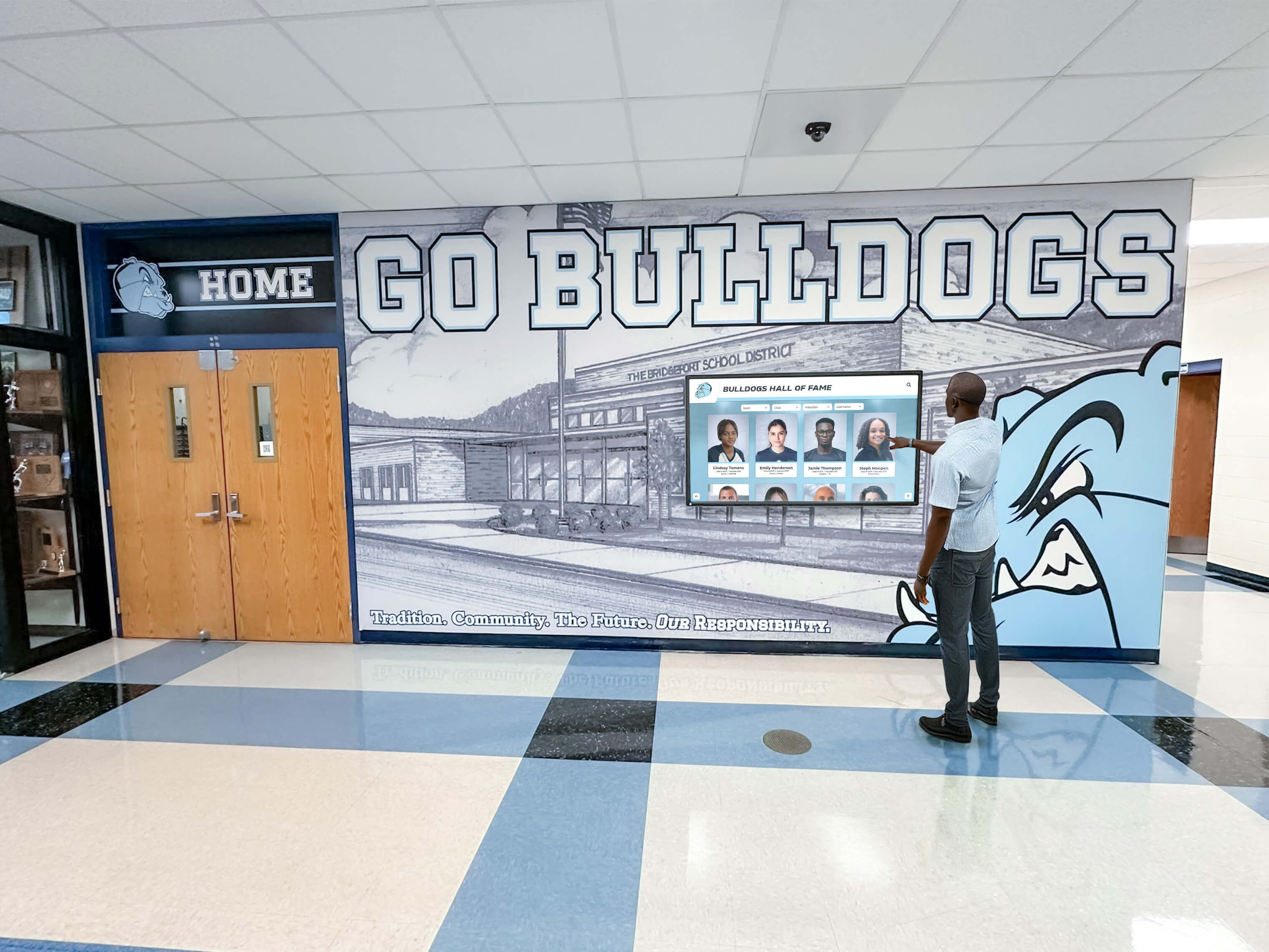
Hall of fame programs create lasting connections between schools and their most accomplished athletes. Induction ceremonies provide meaningful recognition often occurring decades after athletic careers, recognition displays honor inductees permanently in prominent campus locations, archived materials preserve athletic achievements for future generations, and inductee involvement brings accomplished alumni back to support current programs.
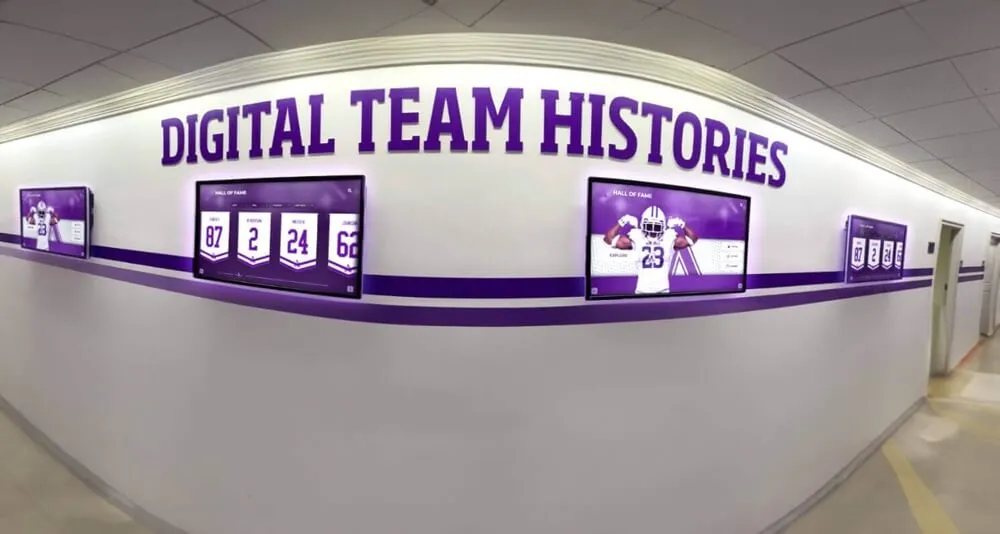
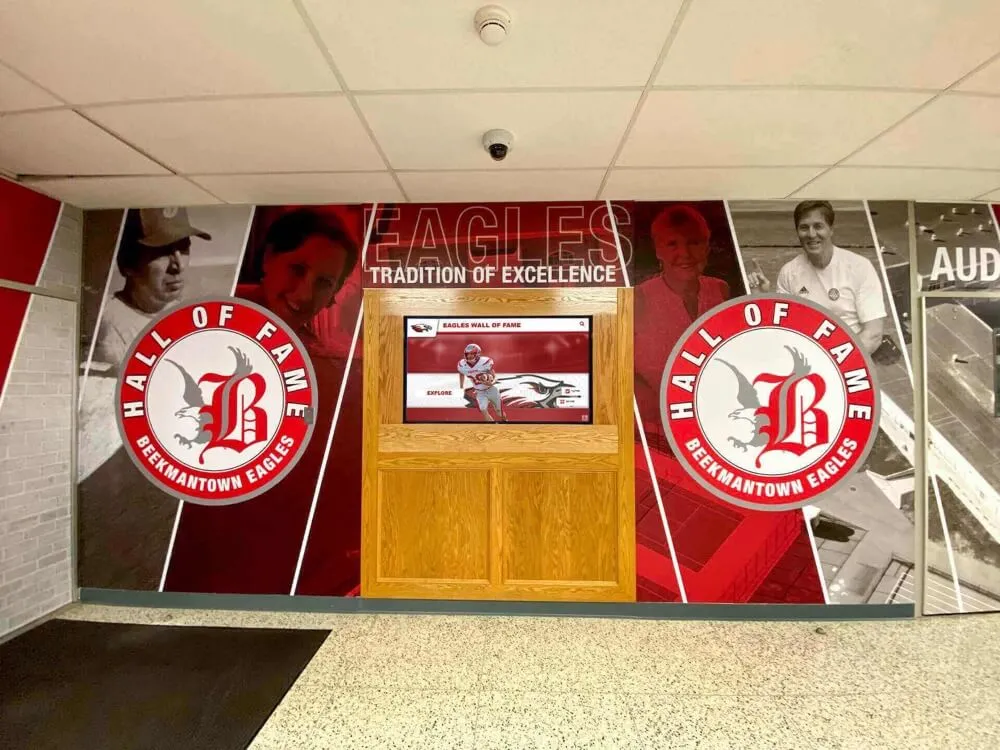
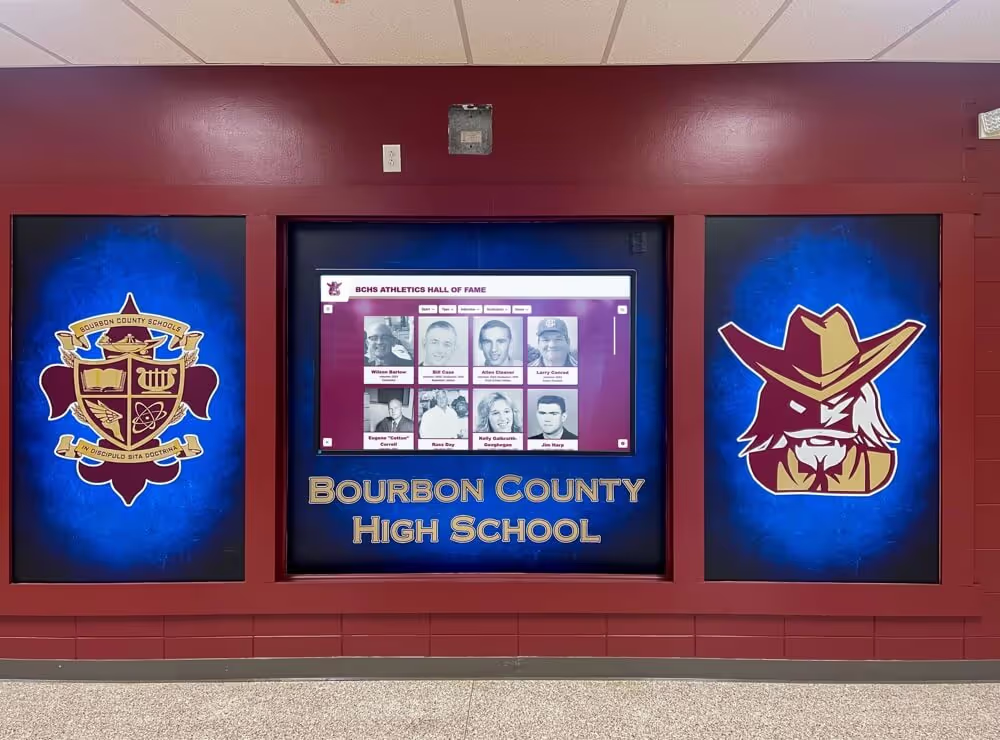
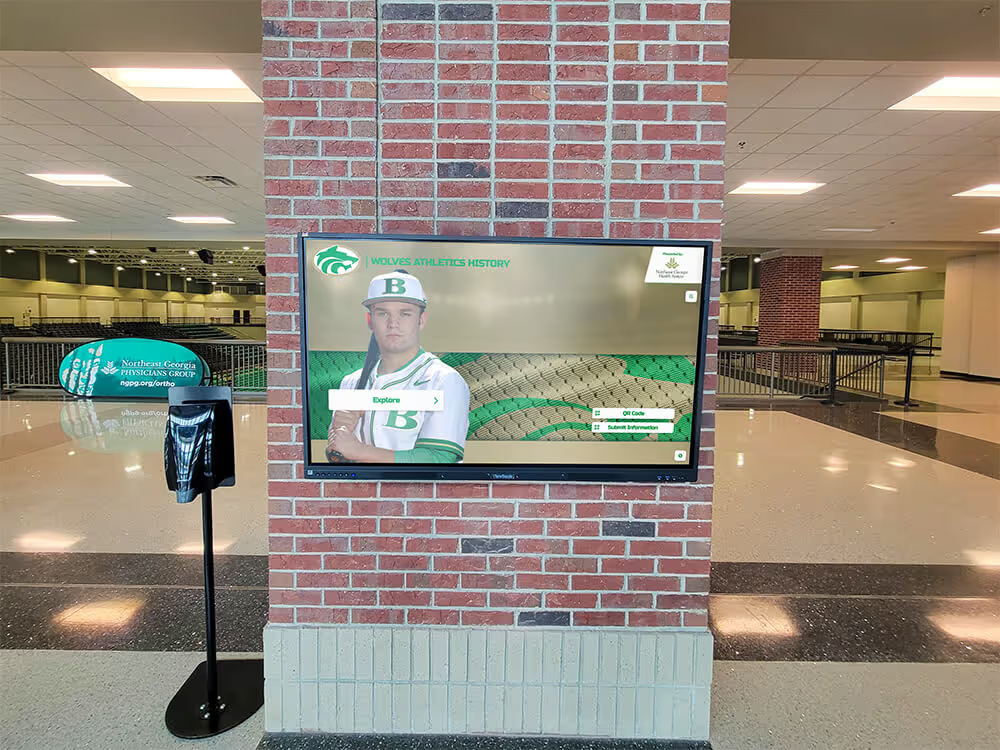
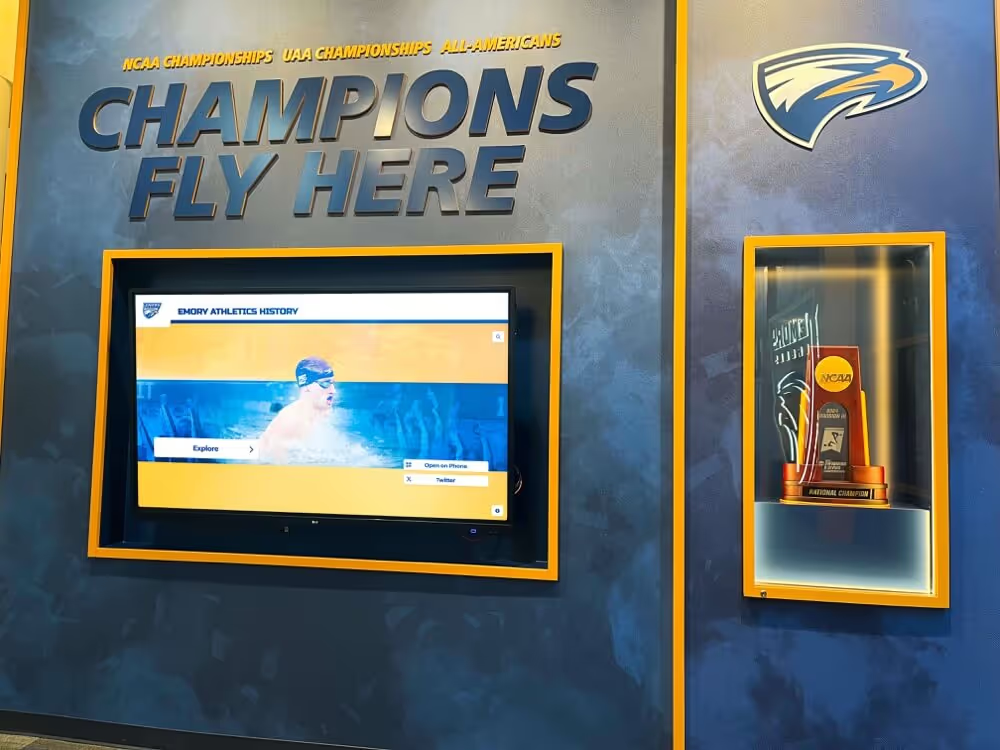
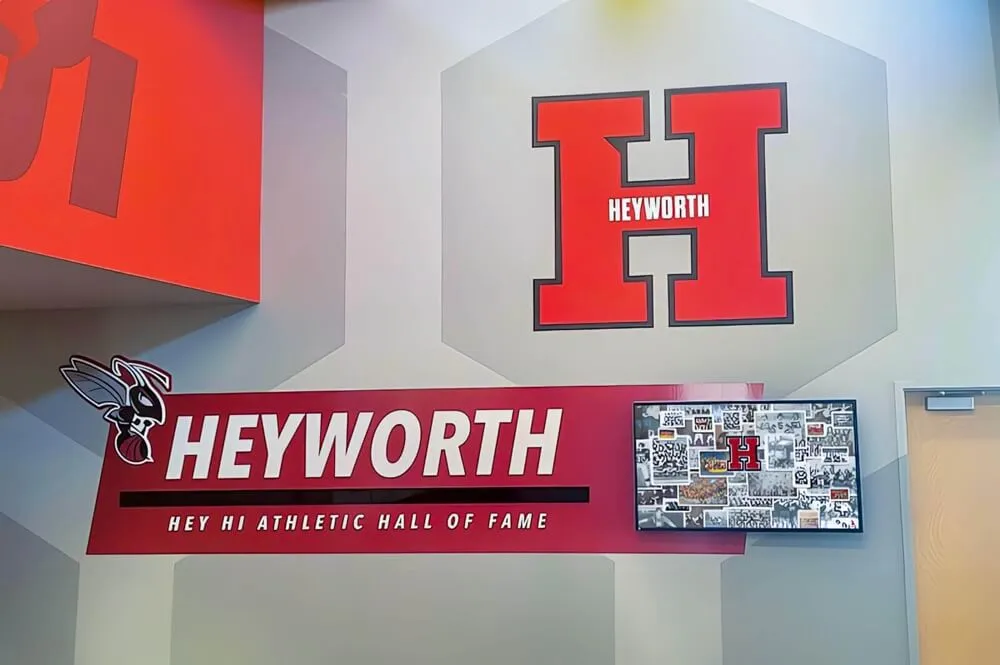
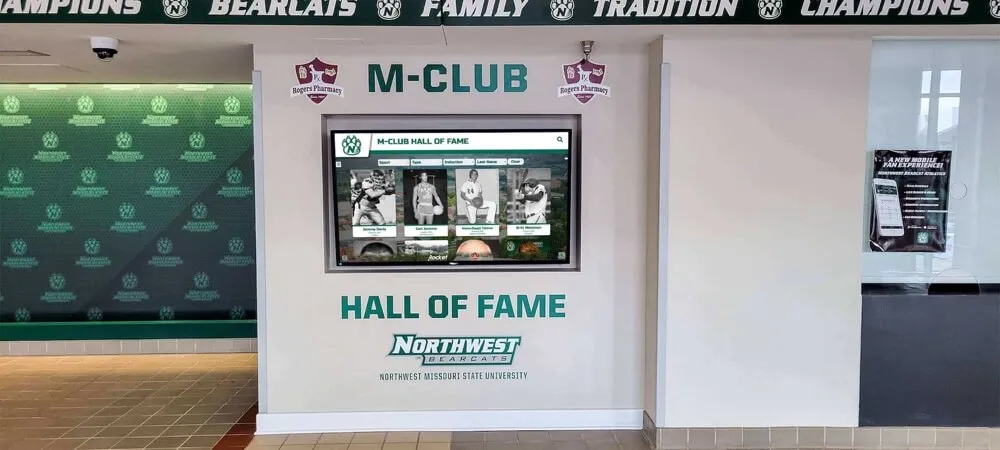
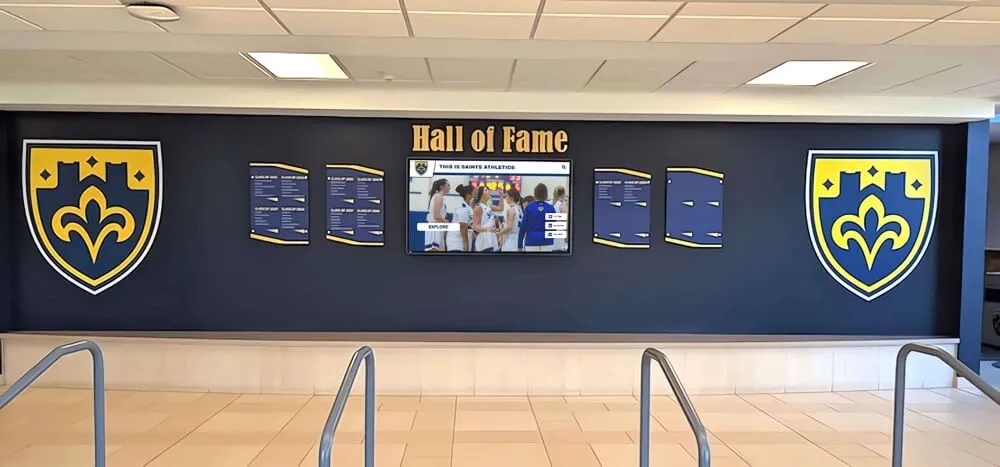
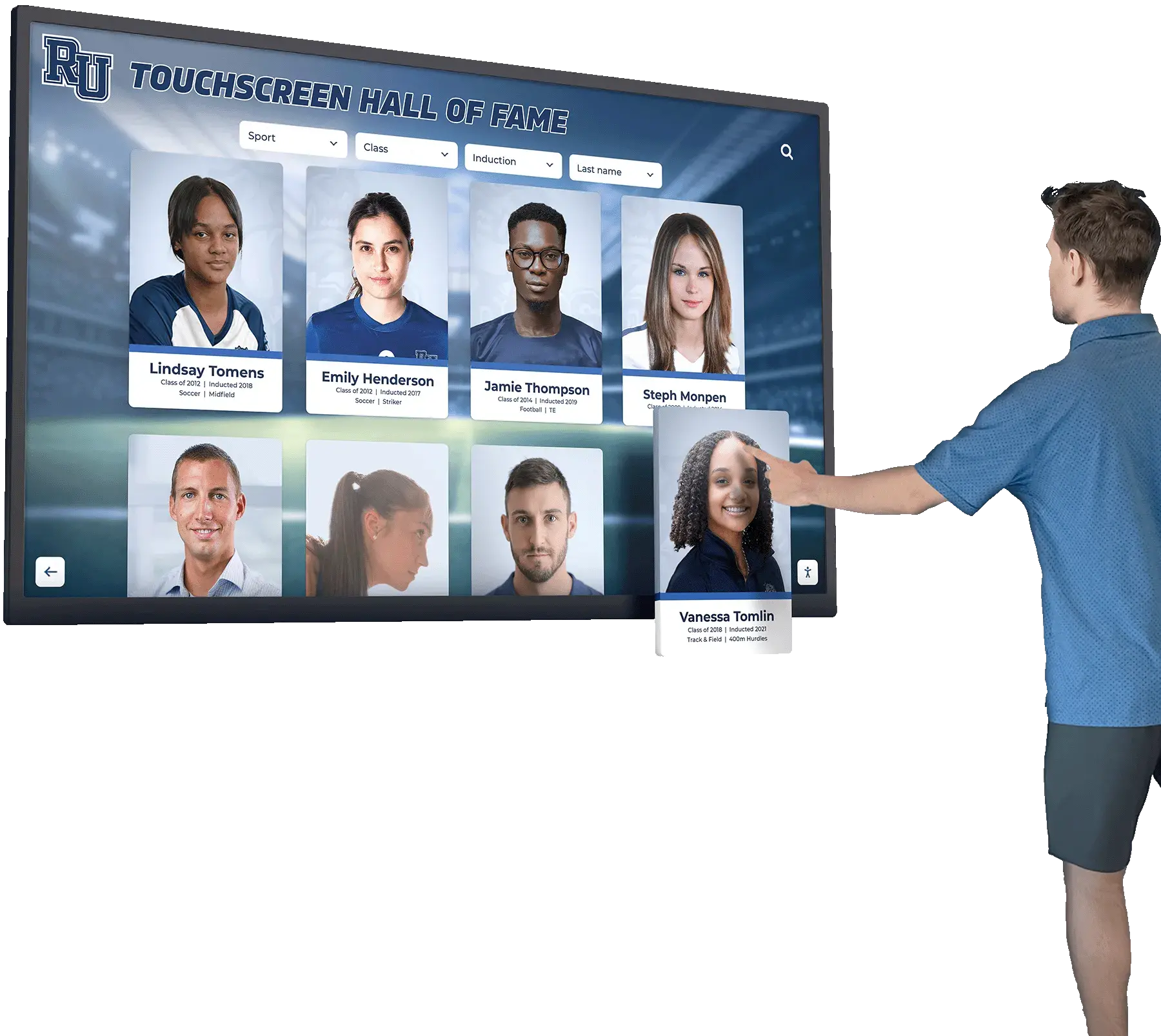
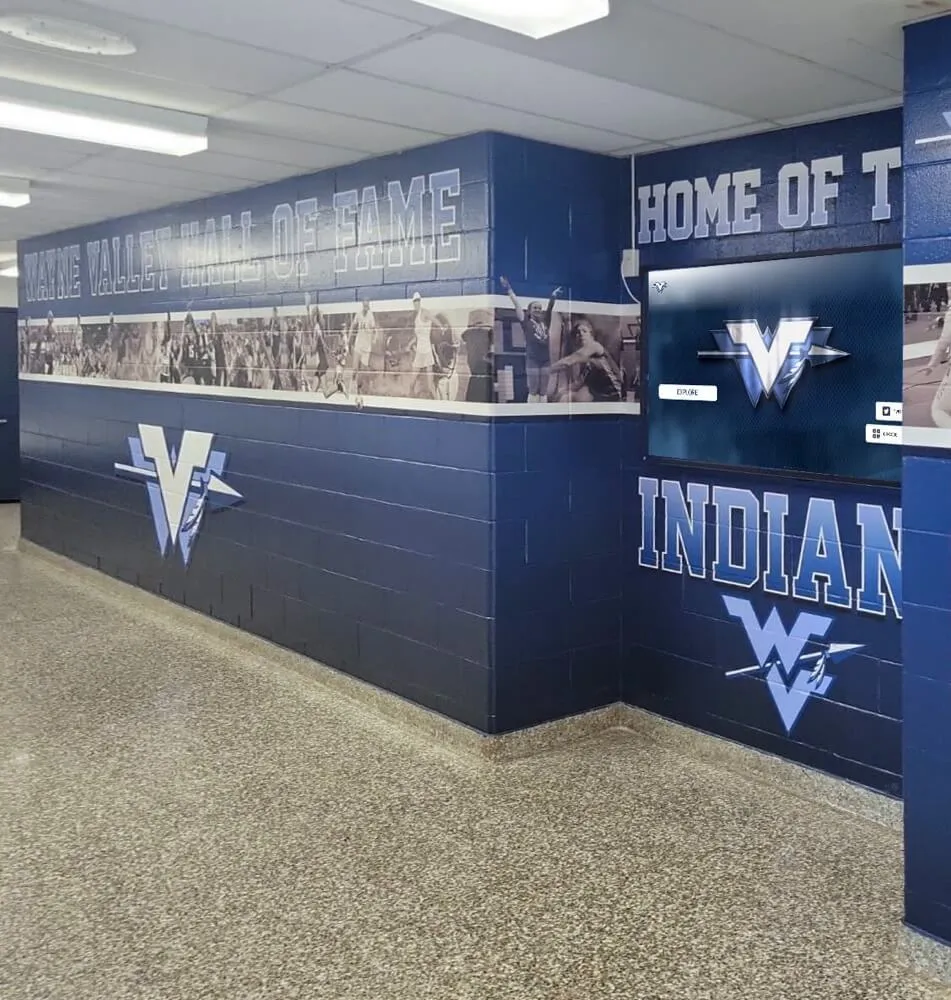
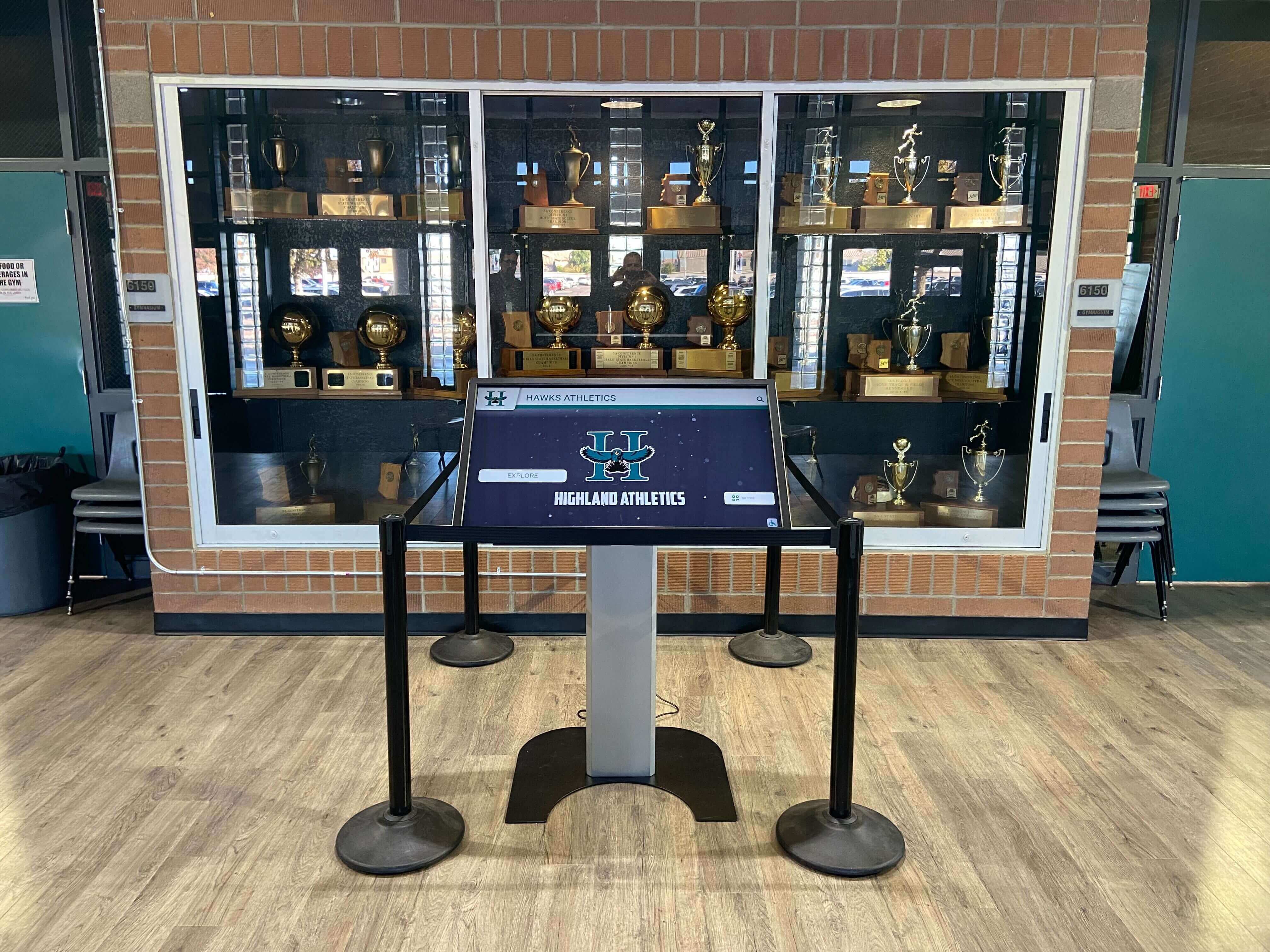
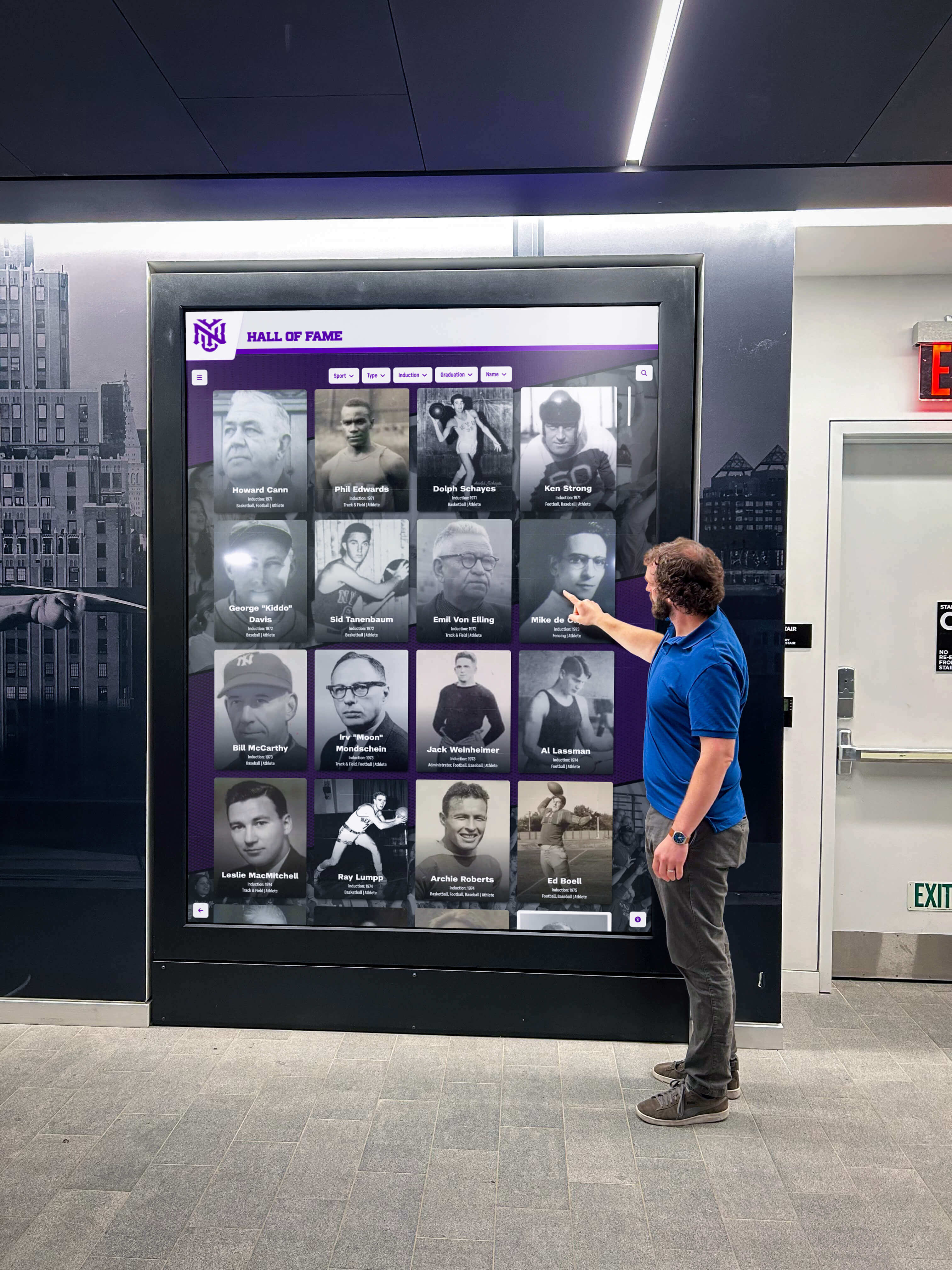
Modern digital hall of fame solutions transform traditional static displays into dynamic, comprehensive recognition platforms. These systems allow unlimited inductees without space constraints, include rich multimedia content impossible with physical plaques, provide easy updates maintaining current relevance, and offer search and filtering capabilities that let visitors explore extensive hall of fame histories. Schools implementing these systems often discover renewed community engagement with athletic history as the interactive, accessible format makes recognition more meaningful and visible than traditional approaches allowed.
Championship Recognition and Banner Displays
Varsity teams that win conference championships, regional titles, or state championships earn special recognition celebrating these exceptional accomplishments. Championship recognition typically includes championship banners displayed prominently in gyms and athletic facilities, trophy and plaque displays in cases and recognition areas, permanent listings on championship walls or digital displays, special rings, plaques, or awards for team members and coaches, and celebration ceremonies involving school and community.
Championship achievements hold special significance because they represent team success beyond individual accomplishment. While individual awards honor specific athletes, championships celebrate collective effort, teamwork, and shared success. Schools often maintain comprehensive championship records across all sports and years, creating historical context showing program evolution and establishing standards current teams aspire to match or exceed.
Challenges and Controversies in Varsity Athletics
While varsity sports provides tremendous benefits, various challenges and controversies surround high school and college athletics. Understanding these issues provides balanced perspective on the varsity athletic landscape.
Competitive Pressure and Mental Health
The intense competition inherent in varsity athletics can create significant pressure affecting athletes’ mental health and well-being. Athletes face pressure to perform from coaches expecting results, parents invested emotionally and sometimes financially in athletic success, peers and social dynamics within schools, college recruiters in high-stakes evaluation, and self-imposed expectations and perfectionism.
This pressure manifests in various concerning ways including performance anxiety and competitive stress, burnout from year-round training without adequate rest, identity issues when athletic and personal identity become indistinguishable, depression and anxiety when performance doesn’t meet expectations, and reluctance to report injuries fearing loss of playing time or position.
Progressive athletic programs increasingly prioritize mental health through sports psychology resources, education about healthy athletic identity, emphasis on process and development over outcomes only, and communication about pressure and expectations. Creating environments where athletes feel supported as whole people rather than just competitors helps address mental health concerns while often improving rather than compromising competitive performance.
Specialization vs. Multi-Sport Participation
Intense debate exists about whether varsity athletes should specialize in single sports or participate in multiple sports throughout the year. Specialization advocates argue that year-round focus in one sport provides skill development advantages, competitive experience accumulation, showcase opportunities for college recruitment, and strength and conditioning specificity. Multi-sport advocates counter that varied athletic experiences develop overall athleticism, prevent overuse injuries from repetitive movements, reduce burnout from constant single-sport focus, provide backup options if primary sport doesn’t lead to college opportunities, and create more balanced athletic experience.
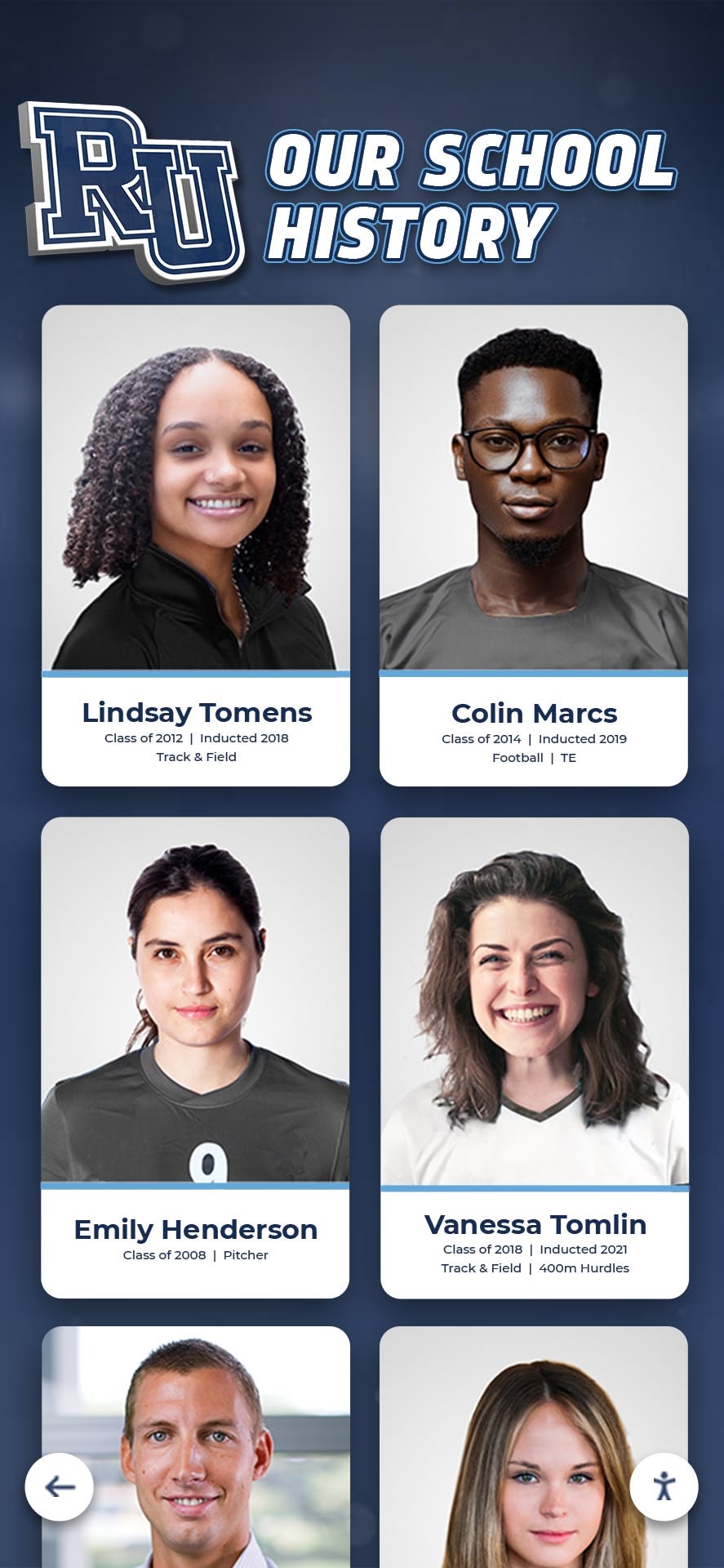
Research increasingly suggests multi-sport participation benefits most athletes, with many college coaches preferring multi-sport athletes for their versatility, competitiveness across contexts, lower injury rates, and demonstrated ability to succeed in multiple domains. Specialization may benefit elite athletes in certain sports requiring extreme technical refinement, but for most high school varsity athletes, multi-sport participation provides better development trajectory and more enjoyable athletic experience.
Schools celebrating athletes’ comprehensive achievements across multiple sports seasons demonstrate appreciation for well-rounded athletic excellence rather than single-sport specialization exclusively.
Equity and Access Issues
Varsity athletics faces ongoing challenges regarding equity and access. Concerns include disparities in resources and funding across sports, with revenue-generating programs receiving advantages, gender equity requiring equal opportunities under Title IX, socioeconomic barriers when participation costs exclude talented athletes without financial means, geographic disparities with rural schools offering fewer sports than urban and suburban counterparts, and disability inclusion ensuring adaptive sports receive appropriate recognition and support.
Schools committed to equity implement policies including equitable funding across all athletic programs, financial assistance for participation fees and equipment, diverse sport offerings serving varied interests and abilities, inclusive recognition celebrating achievement across all programs equally, and ongoing evaluation of equity gaps with action plans addressing disparities.
Recognition systems that celebrate athletes across all varsity programs regardless of sport visibility or revenue generation demonstrate institutional commitment to equity. Programs implementing comprehensive athletic recognition ensuring every varsity athlete receives appropriate honor reinforce that achievement merits celebration regardless of which sport an athlete competes in.
Playing Time and Development Debates
Coaches face ongoing tensions balancing competitive success requiring the strongest lineups against developmental philosophy prioritizing broader playing time distribution. On varsity teams representing schools’ highest competitive level, coaches often feel pressure to play top performers maximum minutes, particularly in close games and championship situations. This approach prioritizes winning but may limit development opportunities for athletes with potential but current skill gaps.
Alternative approaches emphasize development more equally, providing meaningful playing time to broader rosters. This philosophy may sacrifice some immediate competitive success but builds program depth, maintains engagement among all roster members, and potentially creates stronger programs long-term as more athletes develop. Finding the right balance requires thoughtful coaching philosophy aligned with program values and school culture.
Varsity Sports and Modern Technology
Technology increasingly influences how varsity athletics operates, how performance gets evaluated, and how achievement receives recognition and celebration.
Performance Analysis and Video Technology
Modern varsity programs incorporate video analysis and performance tracking into coaching and development. Teams utilize game film review identifying tactical improvements and strategic adjustments, individual skill analysis showing technique details and correction opportunities, opponent scouting preparing for upcoming competition, recruiting film creation showcasing athlete performance for college evaluation, and statistical tracking documenting performance metrics over time.
Technology democratizes access to analysis tools previously available only to elite programs. Affordable video platforms, statistical software, and performance tracking applications enable even small schools to implement sophisticated analysis supporting athlete development and coaching effectiveness.
Digital Recognition and Athlete Profiles
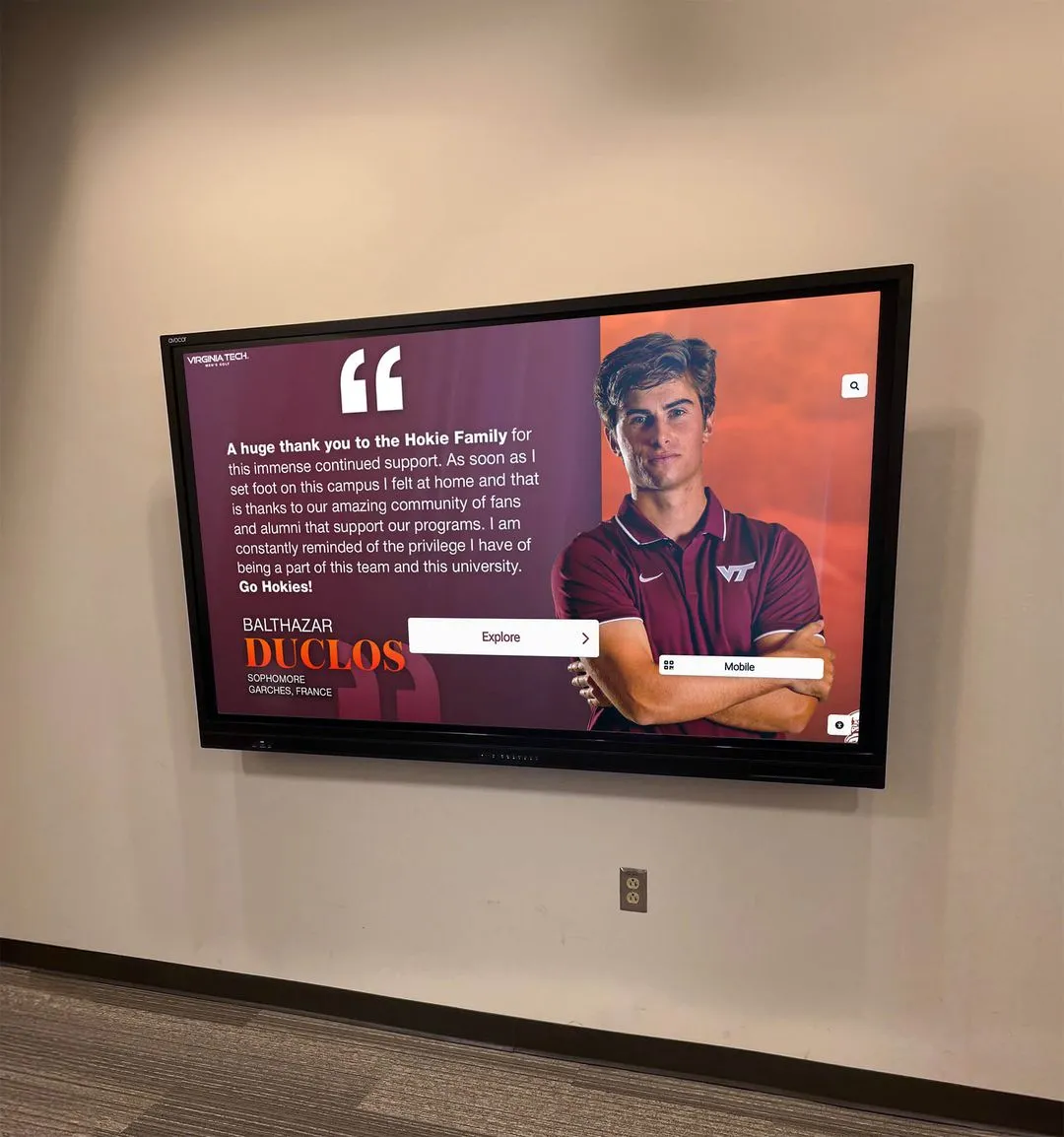
Beyond performance analysis, technology transforms how varsity athletes receive recognition for achievements. Digital platforms enable comprehensive athlete profiles documenting complete career statistics and achievements, photo galleries and video highlights, biographical information and personal stories, postseason honors and awards, and post-graduation updates tracking continued success.

These digital profiles serve multiple audiences. Current athletes see visible recognition of their achievements and contribution. Families access permanent records of their students’ athletic careers. Alumni maintain connections to programs through updates and continued recognition. College recruiters evaluate prospective athletes through comprehensive profiles. Communities engage with program history and current success.
Schools implementing comprehensive digital athletic recognition systems discover these platforms become central to how programs celebrate achievement, maintain historical records, and engage broader communities in athletic program success.
Social Media and Athletic Branding
Social media dramatically changed how varsity athletics achieves visibility and how athletes build personal brands. Programs maintain active social media presence through team accounts sharing game updates, highlights, and achievements, athlete spotlights featuring individual stories and accomplishments, behind-the-scenes content building fan engagement, livestreaming competitions for remote viewing, and community interaction responding to supporters and building relationships.
Athletes increasingly maintain personal social media profiles showcasing athletic achievements, sharing training content, building follower bases, and creating recruiting visibility. This personal branding creates both opportunities and challenges. Positive uses include connecting with college coaches, building supportive communities, and documenting athletic journeys. Risks include inappropriate content damaging reputations, pressure to maintain specific images, and distraction from actual athletic and academic priorities.
Progressive programs provide social media education covering appropriate content and conduct expectations, personal branding strategies, college recruitment considerations, and privacy and security awareness. When used appropriately, social media enhances rather than detracts from varsity athletic experiences.
Preparing for Varsity Competition
Athletes aspiring to varsity level can take specific actions improving their chances of earning roster positions and succeeding once they make teams.
Offseason Training and Skill Development
Varsity-level performance requires year-round commitment to training and improvement. Successful athletes engage in sport-specific skill training maintaining and advancing technical abilities, strength and conditioning programs building physical capabilities, speed and agility work improving athletic movement, position-specific development refining role requirements, and mental skills training developing competitive mindset and focus.
Athletes should seek quality coaching and instruction through club programs, private coaching, specialized camps and clinics, and online instruction and analysis. The investment in skill development during offseason months often determines which athletes make competitive jumps from developmental teams to varsity rosters.

Building Athletic Maturity
Beyond physical skills, varsity success requires athletic maturity including tactical understanding of game strategy and situations, competitive composure maintaining performance under pressure, coachability implementing feedback and instruction, leadership contributing positively to team culture and performance, and professionalism in preparation, communication, and conduct.
Athletes can develop these qualities through varied competitive experiences, studying the sport through film and observation, seeking feedback from coaches and mentors, practicing visualization and mental rehearsal, and reflecting on performance identifying improvement areas. Athletic maturity often distinguishes athletes who thrive at varsity level from equally talented athletes who struggle with competitive demands.
Understanding Realistic Expectations
Athletes and families should maintain realistic expectations about varsity athletics. The competition for roster positions is genuine and often intense. Not every talented athlete will make varsity teams, particularly in programs with significant depth. Athletes who don’t initially make varsity can still contribute meaningfully through JV participation while developing toward future varsity opportunities.
For those who do make varsity, playing time may be limited initially. Earning significant minutes typically requires patience, continued development, and demonstrated readiness. Athletes should focus on controllable factors—effort, attitude, improvement—rather than outcomes outside their control like coach decisions or other athletes’ abilities.
Families should support athletes through tryout processes and selection outcomes, whether positive or disappointing. The lessons learned through athletic competition—handling both success and setbacks—often provide more lasting value than specific roster positions or playing time.
Conclusion: The Lasting Impact of Varsity Athletics
Varsity sports represents far more than the highest competitive level offered by schools. It embodies athletic excellence, creates lasting recognition celebrated through halls of fame and school tradition, develops character and life skills benefiting athletes throughout their lives, opens doors to college opportunities and athletic scholarships, builds community connections and school identity, and preserves program history inspiring future generations of athletes.
Understanding what varsity means helps athletes appreciate the significance of achieving this level and motivates continued dedication to athletic improvement and team contribution. For schools, comprehensive varsity recognition programs honor these achievements appropriately while preserving athletic excellence as permanent part of institutional history and culture.
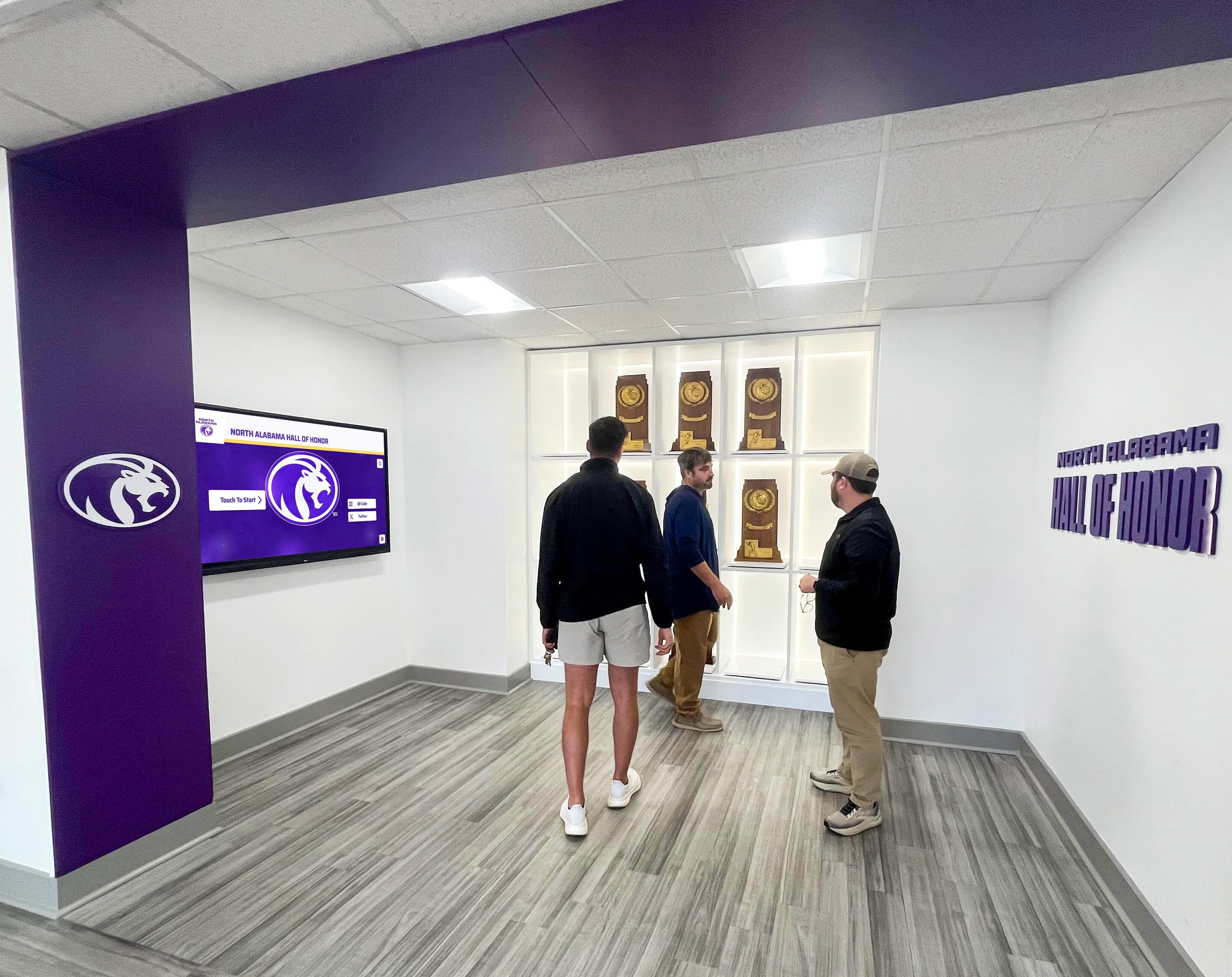
Modern technology enables schools to celebrate varsity athletes more comprehensively than traditional methods allowed. Digital recognition platforms eliminate space constraints that historically limited acknowledgment, provide rich multimedia content creating meaningful tributes, offer interactive experiences engaging multiple generations, maintain current relevance through regular updates, and extend accessibility beyond physical campus boundaries. These systems transform static displays into dynamic recognition celebrating both historical excellence and current achievement.
Whether an athlete aspires to make a varsity team, a school seeks to honor varsity achievements more effectively, or a community wants to celebrate athletic tradition and excellence, understanding the comprehensive meaning and significance of varsity athletics provides foundation for appreciation, recognition, and continued success. Varsity represents the highest level of school athletics—an achievement meriting celebration that lasts far beyond final competitions and graduation ceremonies, recognized and honored throughout athletes’ lives and preserved in school history for generations to come.
Celebrate Varsity Excellence With Comprehensive Recognition
Discover how digital recognition solutions honor varsity athletes across all sports and all years, creating dynamic displays that preserve program history while celebrating current achievements and inspiring future athletic excellence.
Explore Recognition Solutions for Your Varsity Programs