



Key Takeaways
Discover everything about senior night in high school and college athletics—from traditions and ceremonies to planning tips. Learn what happens during senior night, who gets recognized, and how to create memorable celebrations for graduating athletes.
Senior night stands as one of the most emotionally powerful and widely cherished traditions in high school and college athletics. On a designated evening late in each competitive season, athletic programs pause their regular competition routines to honor graduating seniors—the athletes who dedicated years to early morning practices, weekend tournaments, injury rehabilitation, championship pursuits, team bonding, and the countless small commitments that define successful athletic careers. These ceremonies transform standard home games into milestone celebrations that athletes, families, teammates, coaches, and communities remember long after final whistles blow and scoreboards go dark.
Yet for families experiencing their first senior night, the tradition can feel mysterious. What exactly happens during these ceremonies? Who gets recognized? How should families prepare? What makes these celebrations so universally meaningful across different sports, school sizes, and competitive levels? This comprehensive guide answers these questions while providing athletic directors, coaches, parent coordinators, and families with practical frameworks for understanding and maximizing senior night experiences that properly honor the dedication graduating athletes invested throughout their careers.
Understanding Senior Night: Origins and Purpose
Senior night ceremonies evolved from college athletic traditions before spreading to high schools nationwide during the latter half of the 20th century. Today, nearly every high school and college athletic program—regardless of sport, competitive level, or school size—conducts some form of senior recognition ceremony.
The Core Purpose of Senior Night
Formal Recognition of Commitment: Senior night provides dedicated time to acknowledge each graduating athlete’s individual contributions beyond brief game-day announcements. Athletic seasons move quickly with intense focus on competition preparation, match results, and continuous improvement. Senior night creates intentional space for reflection and appreciation that busy competitive calendars rarely accommodate otherwise.
These ceremonies recognize not just statistical achievements or championship victories but also the less visible contributions that build strong programs—consistent practice effort, positive leadership, team-first attitudes, mentorship of younger athletes, resilience through adversity, and the daily choices that demonstrate genuine commitment to team success.
Family Appreciation Moment: Athletic participation depends heavily on family support. Parents and guardians provide transportation to countless practices and competitions, financial investment in equipment and fees, emotional encouragement during difficult seasons, scheduling flexibility accommodating athletic demands, and unwavering support throughout multi-year commitments. Senior night formally acknowledges this essential partnership while creating opportunities for athletes to publicly thank the families who enabled their participation and development.
Ceremonial Closure: For many athletes, senior night represents the final time they’ll compete wearing their team uniform on their home field or court. This symbolic ending deserves particular acknowledgment—a clear marker separating their identity as active competitors from their future roles as alumni and supporters. Well-executed senior nights provide psychological closure that helps athletes transition from their competitive careers with gratitude and pride rather than simply moving forward without reflection.
Tradition and Culture Building: Senior night ceremonies strengthen athletic program cultures by honoring departing leaders while demonstrating to underclassmen the recognition that awaits dedication and commitment. These celebrations create anticipated traditions marking seasons and connecting athletes across graduation classes—current seniors remember attending ceremonies for previous graduating classes, understanding they’re now receiving the same honor, while underclassmen observe knowing their turn will come.
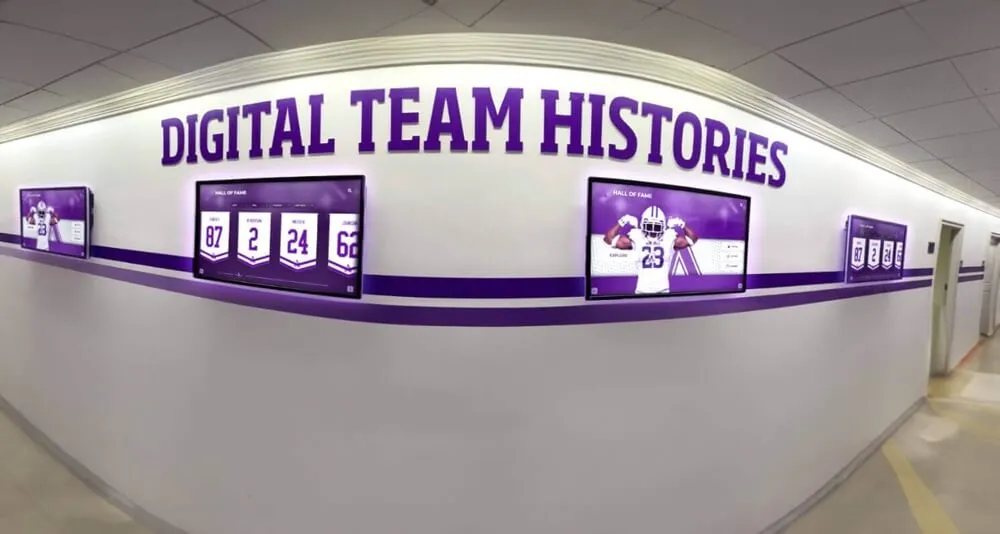
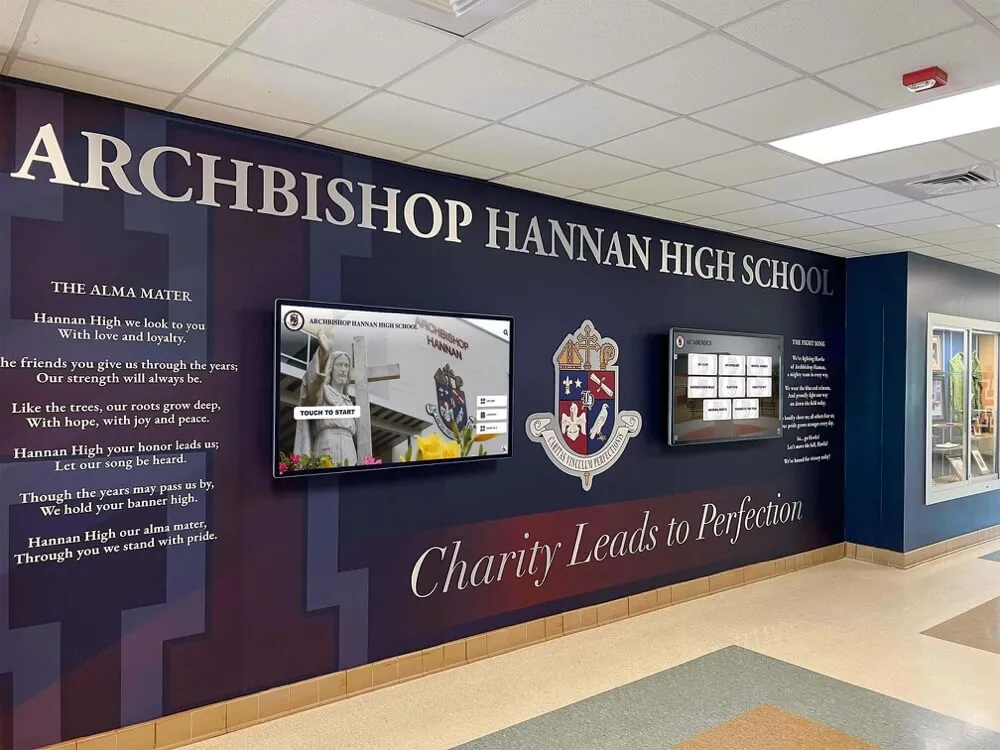
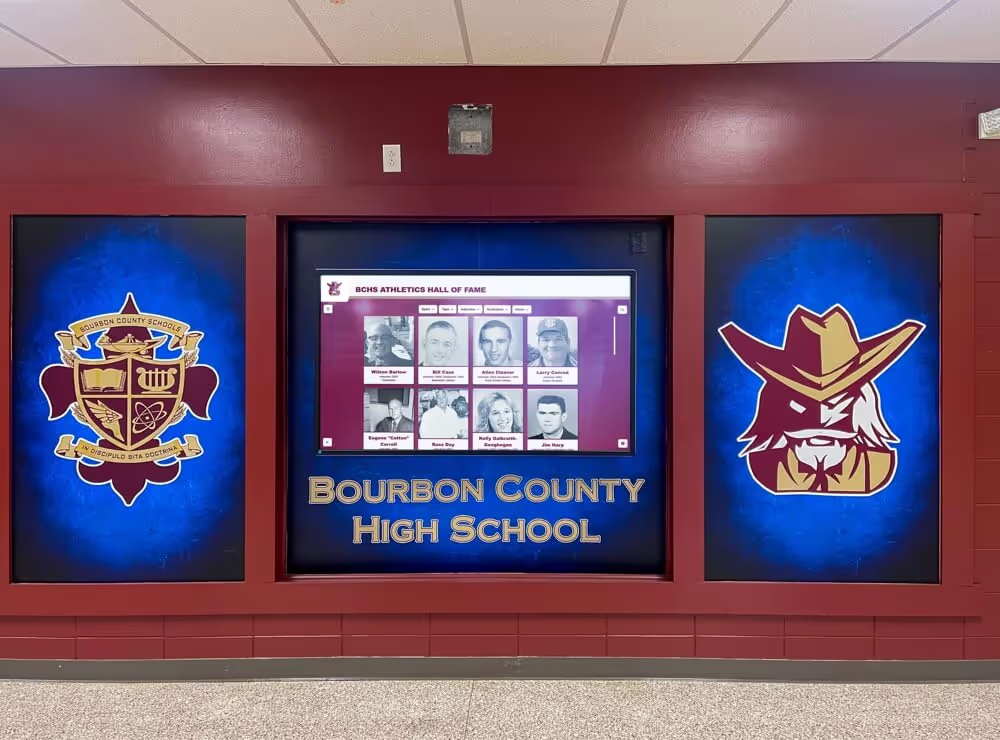
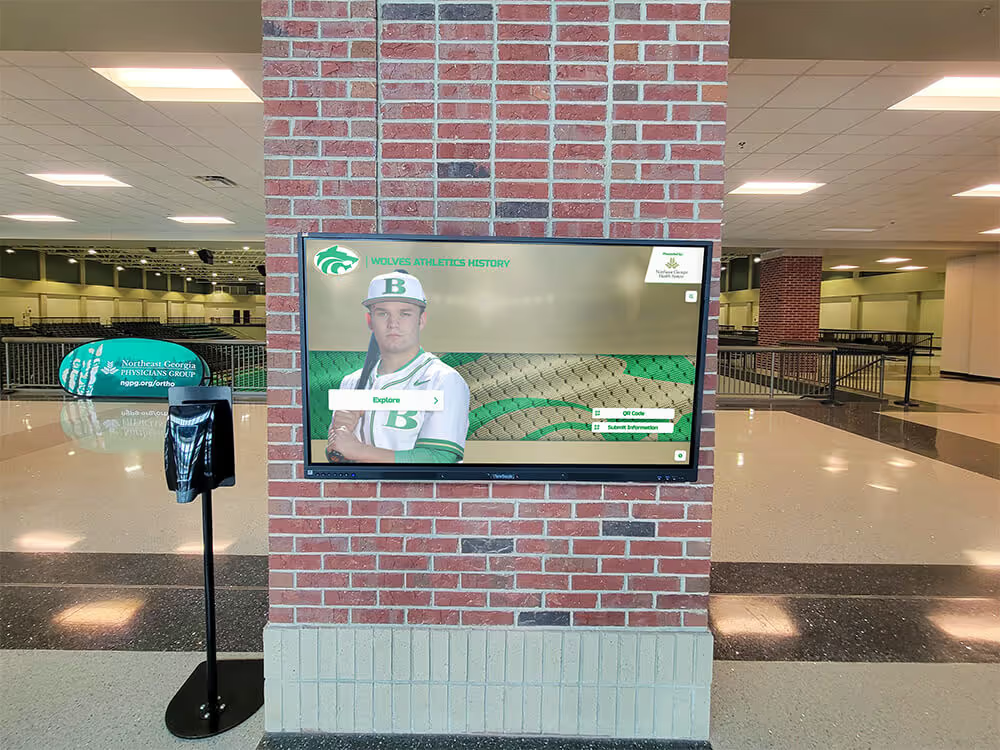
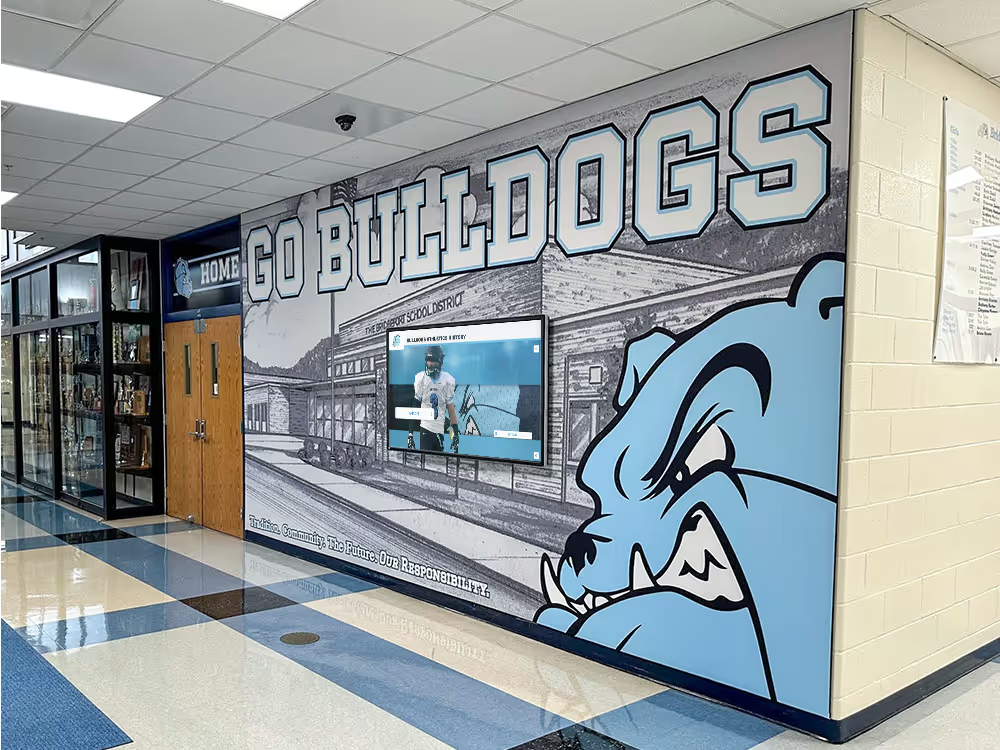
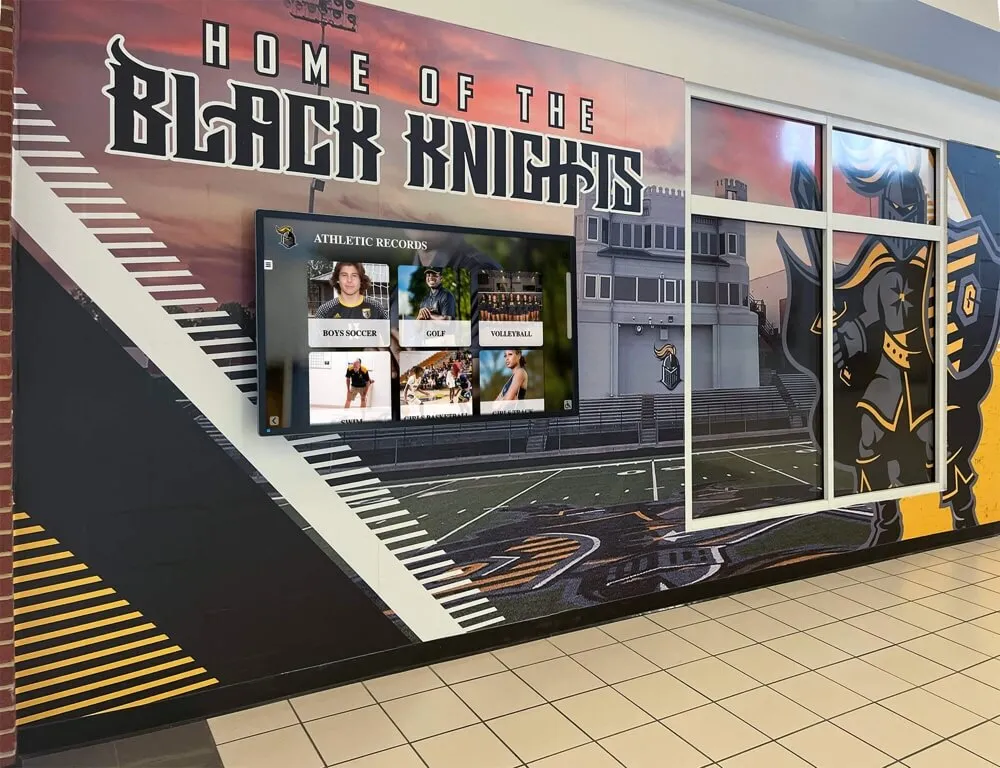
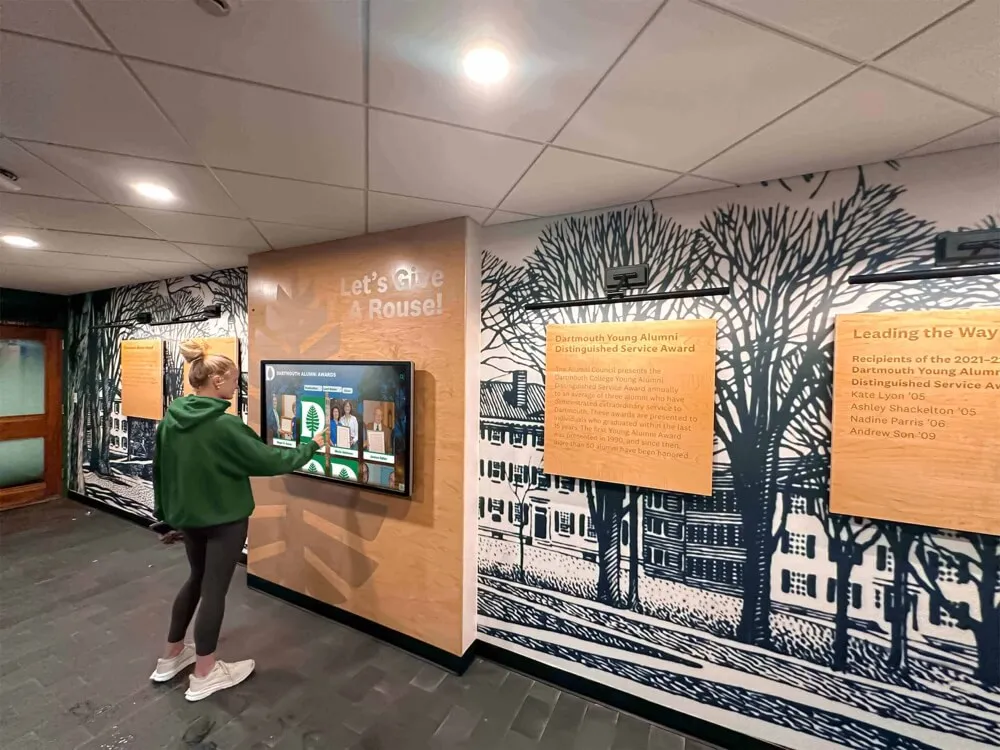
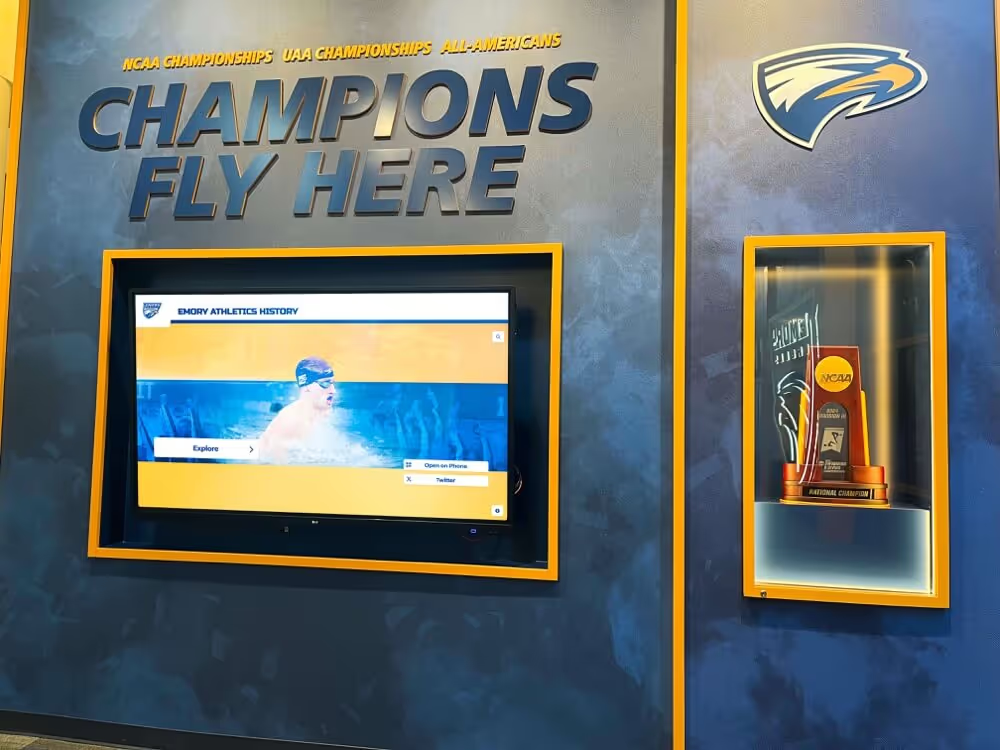
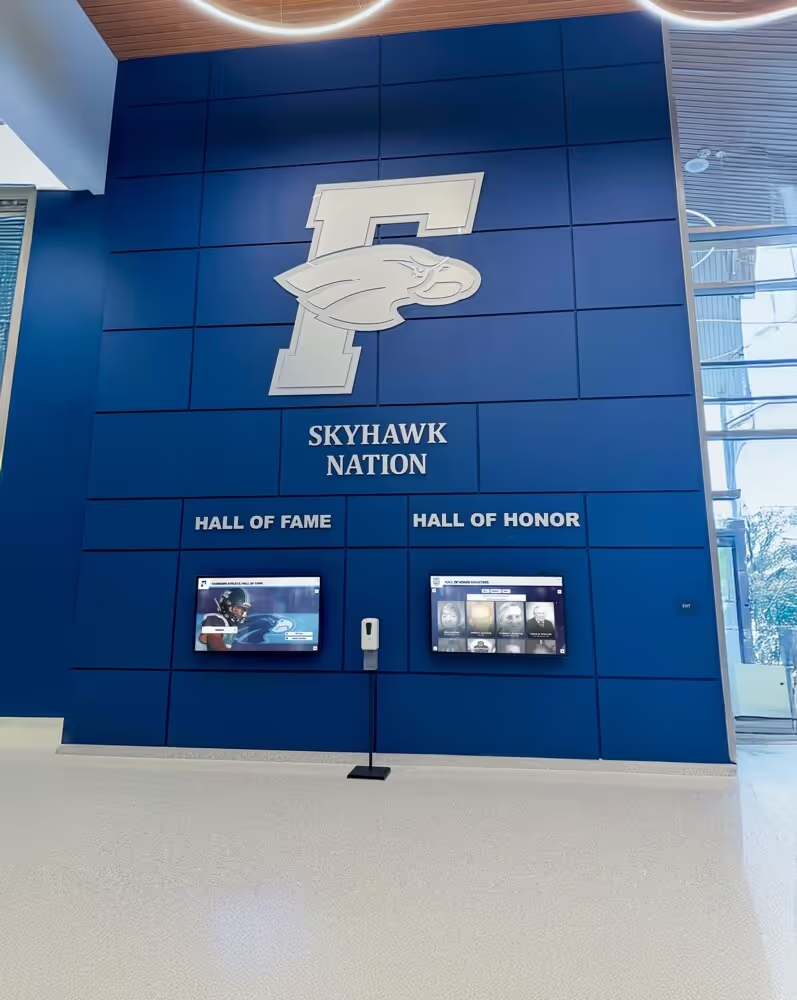
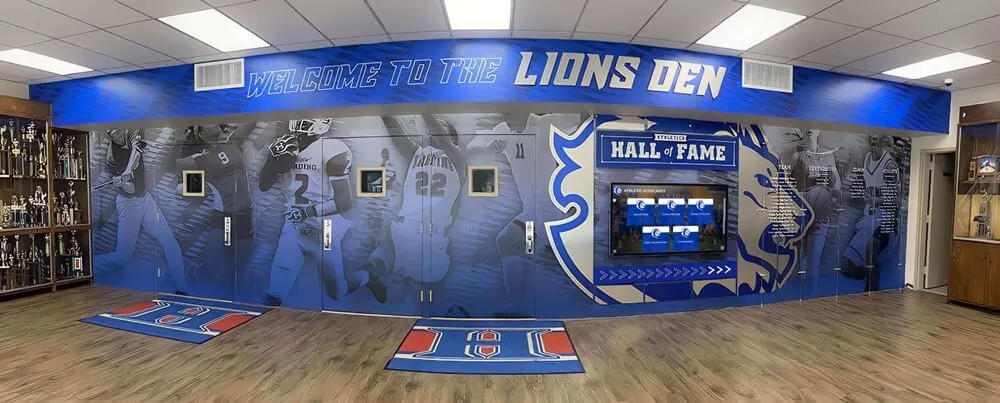
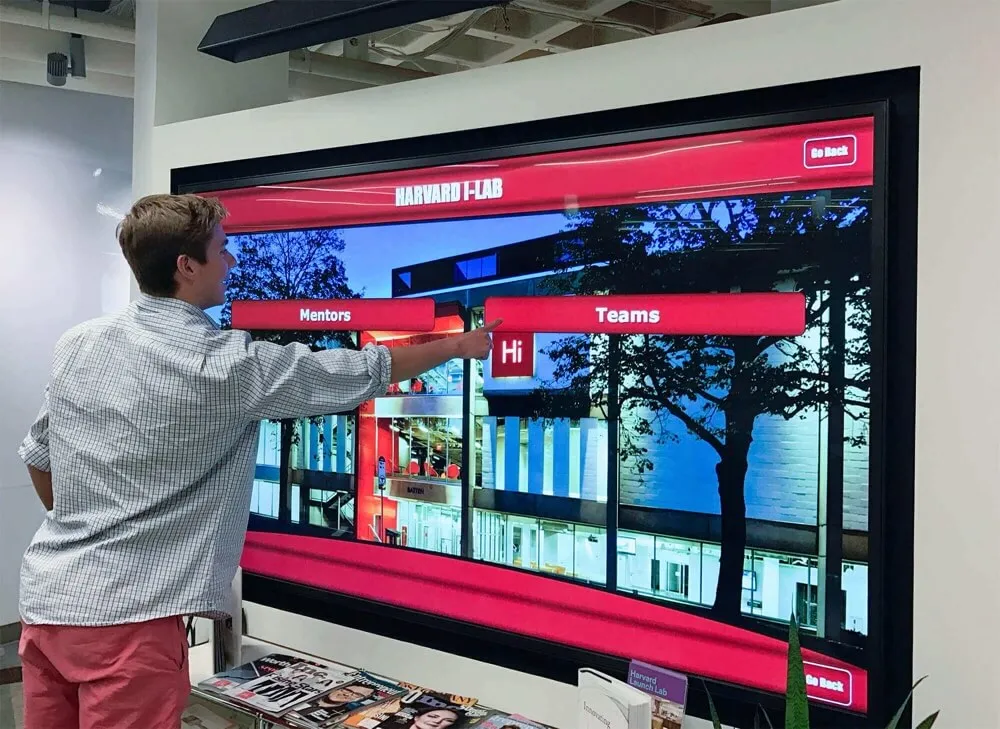
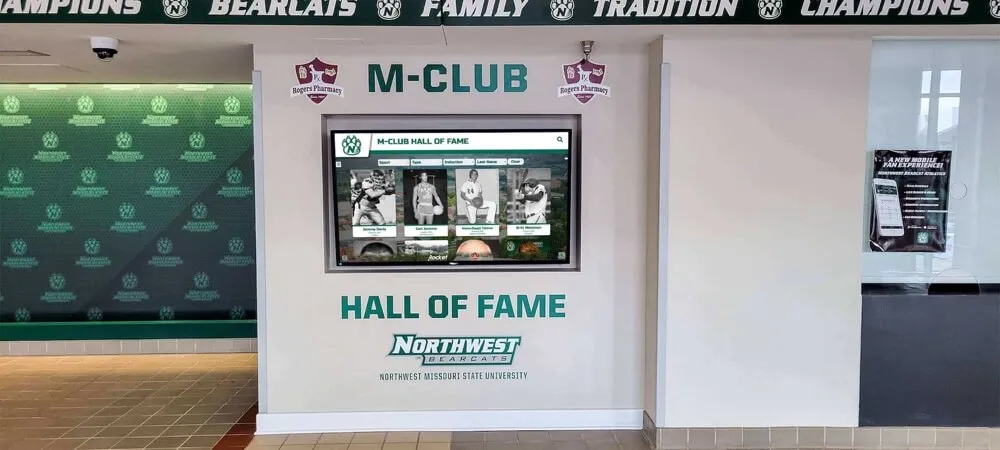
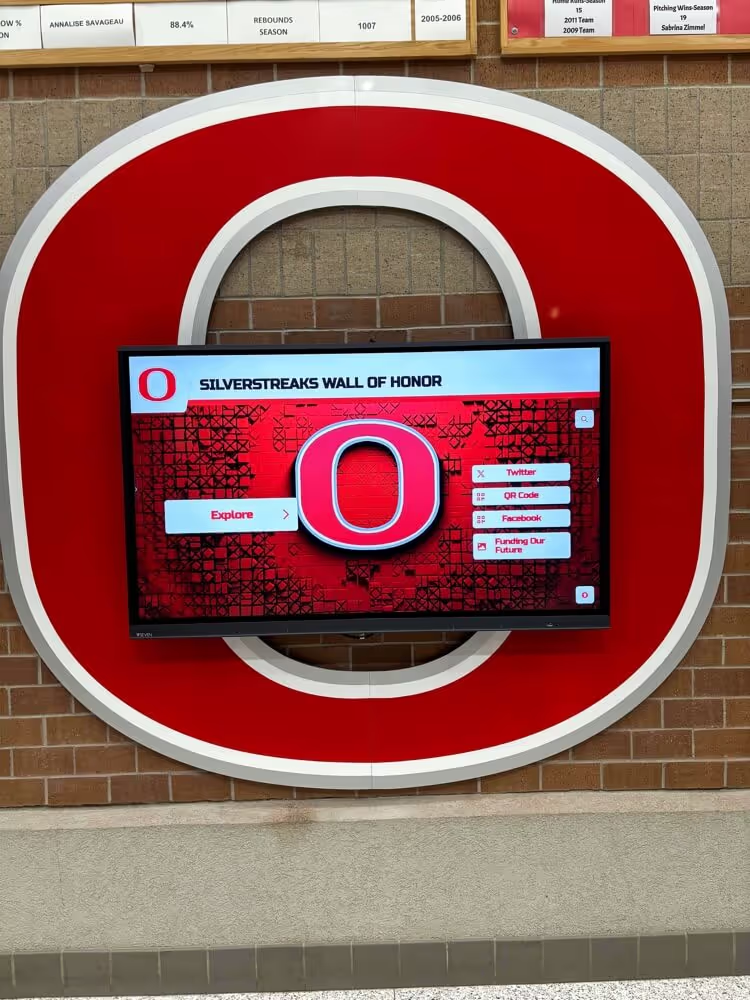
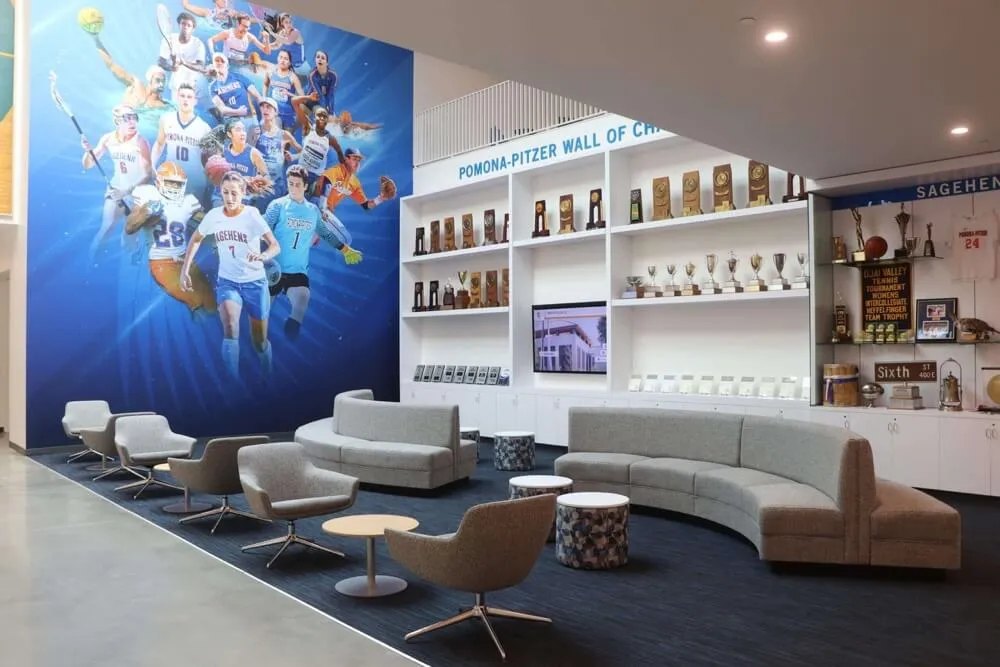
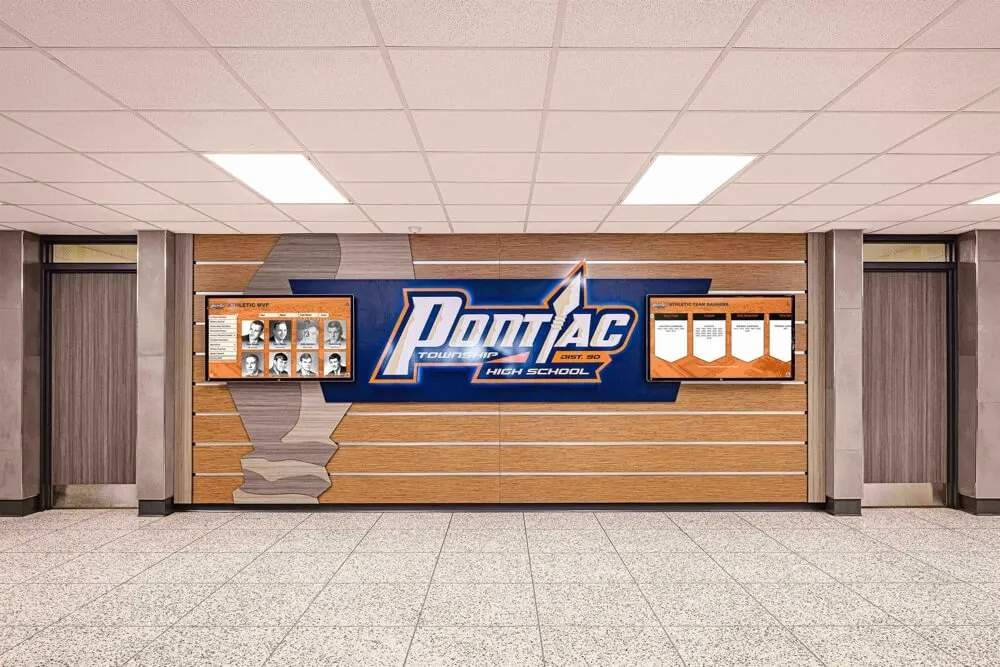
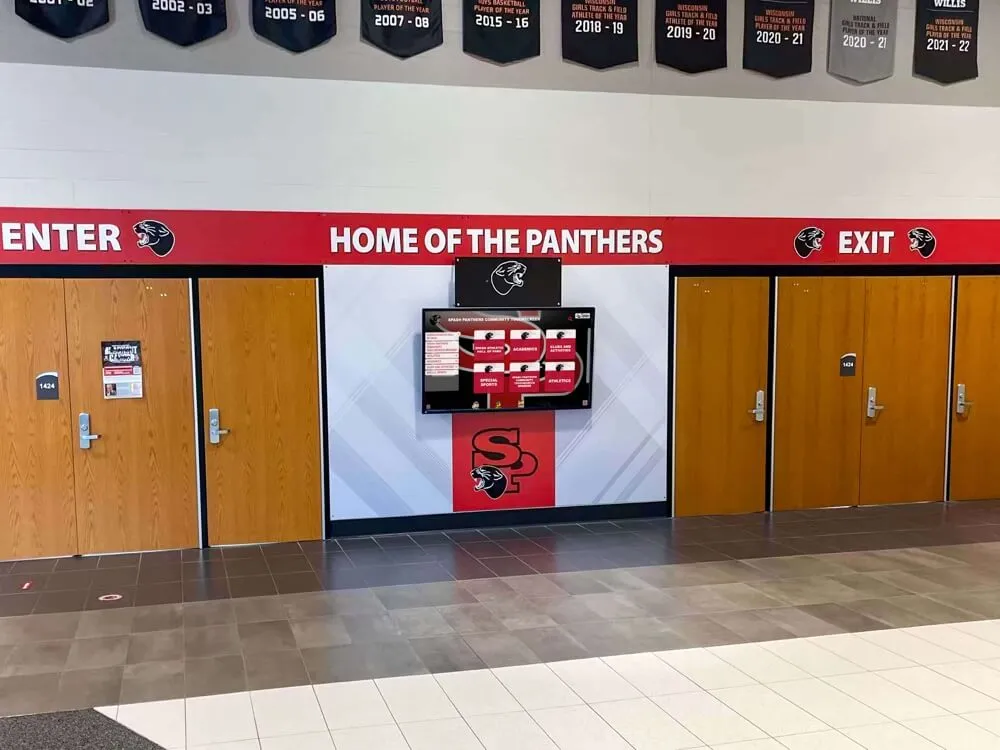
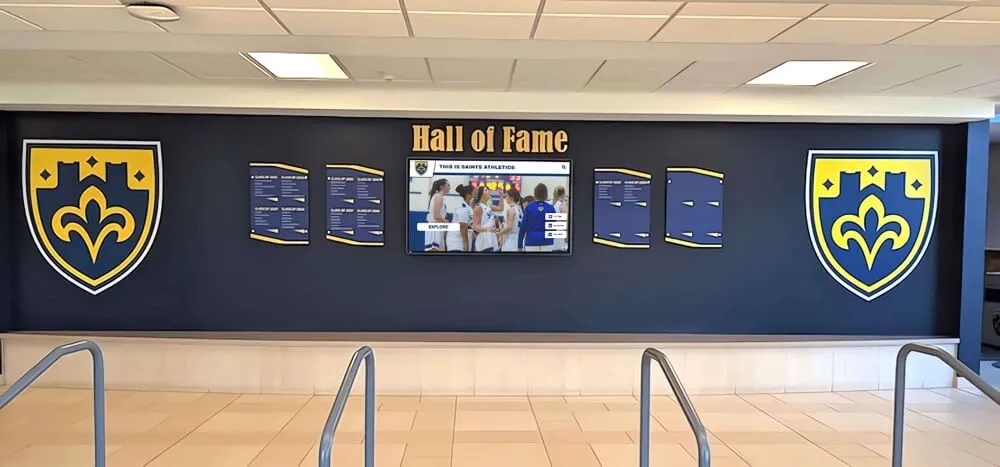
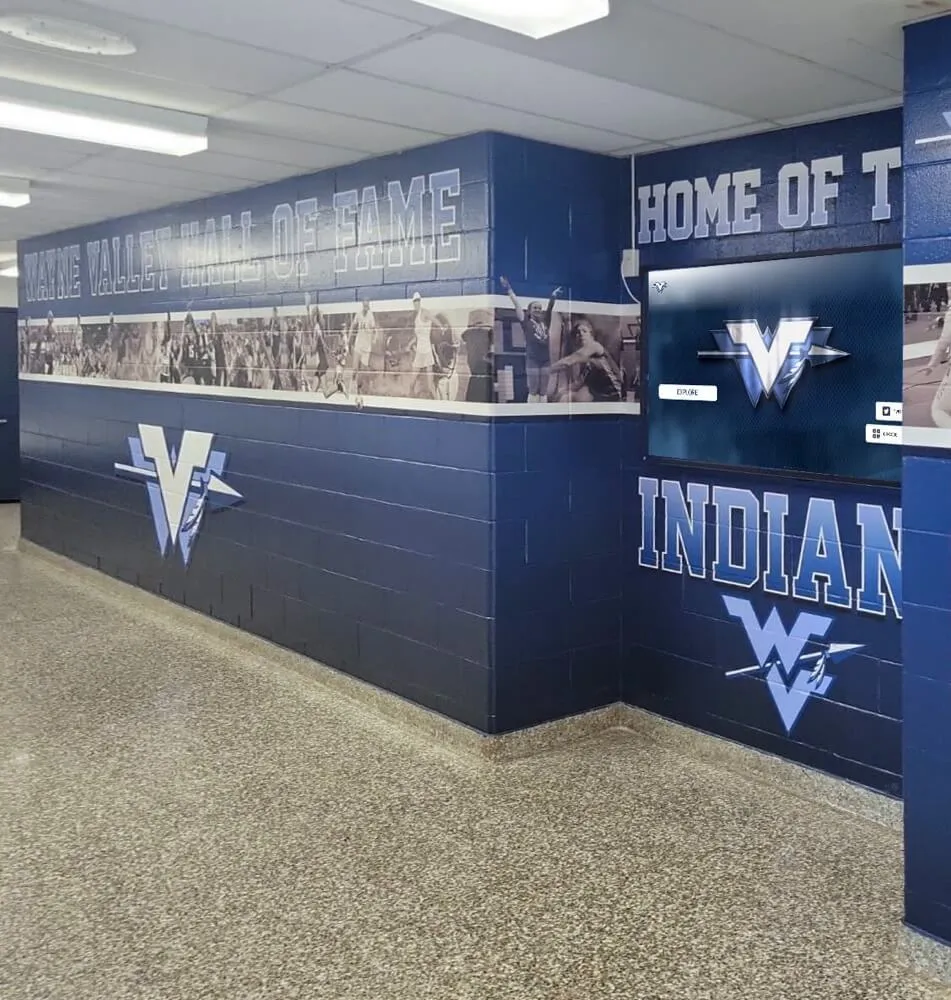
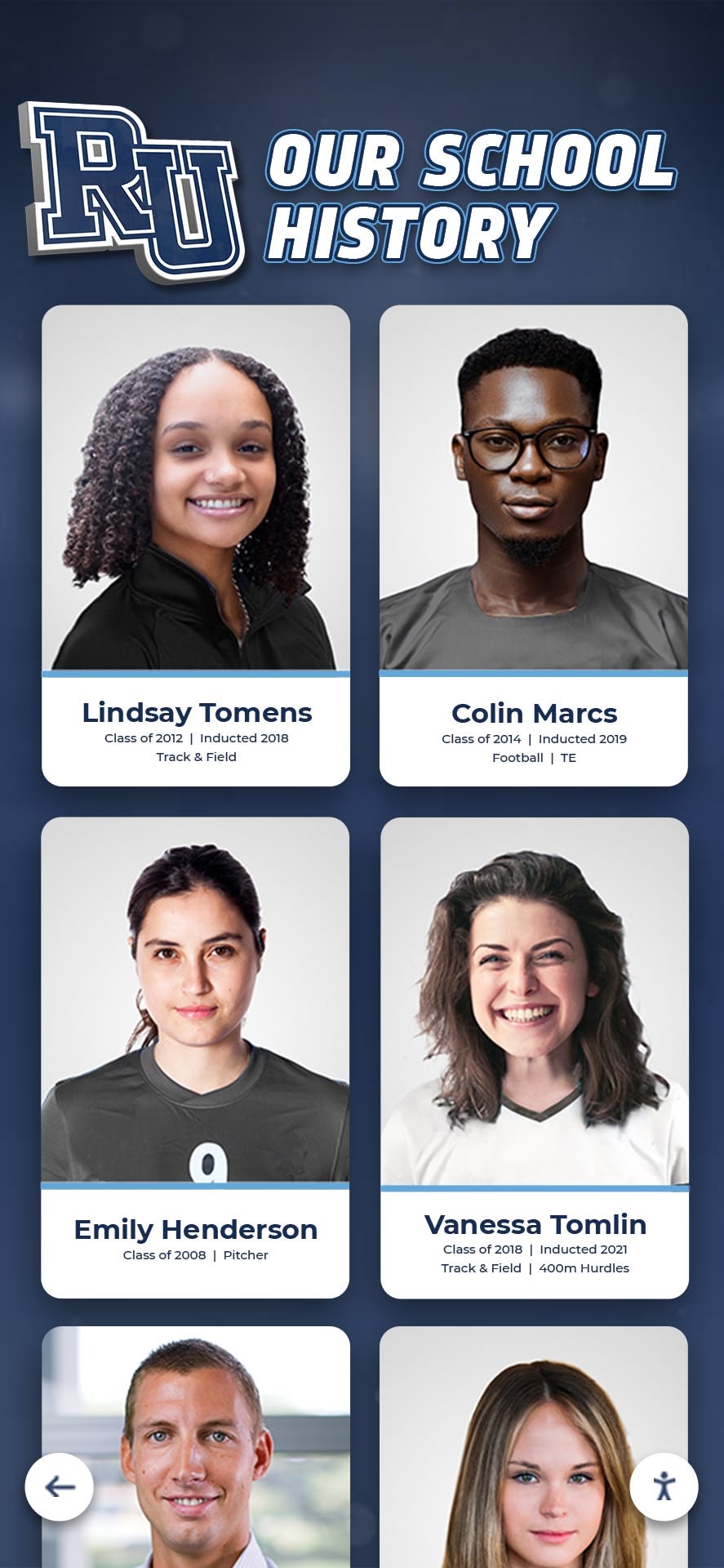
Many schools enhance these traditional ceremonies with permanent digital recognition displays in athletic facilities that showcase senior classes year after year, creating lasting institutional memory beyond single-night celebrations.
What Happens During Senior Night Ceremonies
While specific formats vary across schools and sports, most senior night ceremonies follow recognizable structures that balance individual recognition with time constraints before competition begins.
Typical Senior Night Ceremony Structure
Pre-Ceremony Preparations (30-60 Minutes Before): Athletic departments, parent volunteers, or booster clubs set up decorations and recognition displays creating special environments distinguishing senior night from regular competitions. This might include balloon arches in team colors, photo display boards featuring each senior’s career progression, decorated pathways for recognition walks, table arrangements with senior gifts, banner installations listing graduating athletes, and technical setup for video tributes or slideshows.
Seniors and their families typically receive designated seating or gathering areas where they wait before individual recognition. Some programs conduct team warmups before ceremonies while others warm up afterward, depending on sport requirements and timing logistics.

Opening Announcements (2-3 Minutes): Ceremonies begin with public address announcers, athletic directors, or head coaches welcoming attendees and explaining the ceremony’s purpose. These opening remarks set the tone—acknowledging the significance of the moment while managing audience expectations about timing and format.
Individual Senior Recognition (2-3 Minutes Per Senior): The heart of senior night involves acknowledging each graduating athlete individually. Recognition typically follows this pattern:
- The senior waits at a designated starting location, often at field entrances, court tunnels, or specific markers
- When their name is called, they walk through a decorated pathway often accompanied by parents, guardians, or family members
- During the walk, announcers read prepared biographies including the athlete’s name, jersey number or position, years of participation, notable accomplishments, memorable moments, academic plans, future college or career intentions, and sometimes personal details like favorite memories or messages
- Upon reaching the recognition area (often at midfield, center court, or designated spots), the senior and family pose for official photos
- Program representatives present flowers (traditionally to senior athletes and their mothers), framed photos, certificates, or other recognition gifts
- After photos and presentations, the group moves to designated seating while the next senior’s recognition begins
For teams with large senior classes, this individual process might be streamlined while still providing each athlete distinct acknowledgment. Some programs introduce multiple seniors simultaneously while others maintain strictly individual recognition regardless of class size.
Coach or Captain Remarks (3-5 Minutes): Many ceremonies include brief remarks from head coaches expressing appreciation for senior contributions to the program. These speeches balance acknowledging the graduating class collectively while still honoring individual impacts. Some programs also invite senior captains to address teammates, families, and communities, though time constraints often limit extended speeches.
Video Tributes or Slideshows (3-8 Minutes): Technology-enabled programs often incorporate video elements showcasing senior highlights, career progression photos, or tribute messages from teammates and coaches. These multimedia presentations add emotional depth while efficiently celebrating multiple seniors simultaneously through compiled content.

Closing Acknowledgments (1-2 Minutes): Ceremonies conclude with final thanks to families, recognition of parent volunteers who coordinated logistics, and transitions to regular competition. Some programs conduct traditional rituals like senior class photos, team huddles including families, or symbolic gestures marking the transition from ceremony to competition.
The entire ceremony typically lasts 15-30 minutes depending on senior class size, though programs balance meaningful recognition against delaying competition starts significantly. Understanding this timing helps families appreciate why certain elements might be streamlined while still ensuring each senior receives appropriate individual acknowledgment.
Sport-Specific Senior Night Variations
Different sports adapt basic senior night frameworks to their specific competitive contexts and venue characteristics:
Football Senior Nights: Often the most elaborate celebrations given football’s prominent position in many school athletic programs. Large senior classes (sometimes 20-40+ athletes including managers and support staff) require efficient recognition processes. Ceremonies typically occur on the final home game, often with playoff implications adding emotional intensity. Decorated pathways from locker room tunnels to midfield provide dramatic entrances, and programs might incorporate video board tributes in schools with stadium screen capabilities.
Basketball Senior Nights: Indoor venue acoustics and smaller spectator proximity create intimate atmospheres. Recognition often occurs at center court with families forming circles during individual acknowledgments. Both boys’ and girls’ basketball teams might conduct separate ceremonies before their respective final home games or, in some schools, hold joint recognition events. The controlled indoor environment enables more elaborate decorations and technical elements compared to outdoor sports.
Volleyball Senior Nights: Similar to basketball in utilizing indoor venues and center-court recognition. Some programs incorporate team-specific traditions like senior speeches between matches or special warmup jerseys worn only during senior night. The sport’s shorter season sometimes results in senior nights occurring earlier in the calendar year compared to other fall sports.
Soccer Senior Nights: Outdoor venues present weather variables requiring flexible planning. Recognition typically occurs at midfield with decorated walkways from sidelines. Both men’s and women’s soccer teams follow similar patterns, though timing differs based on season structures.
Baseball and Softball Senior Nights: Spring sports face unpredictable weather potentially forcing ceremony adjustments or postponements. Home plate or pitcher’s mound locations serve as recognition focal points. The sports’ longer seasons sometimes result in senior nights occurring mid-season rather than at absolute season conclusions if scheduling creates advantageous final home game timing earlier in competition calendars.
Wrestling, Swimming, Track, and Individual Sports: These present unique challenges since competitors from multiple schools share competition venues. Schools typically recognize only their own graduating seniors rather than all competitors. Timing might occur before competitions begin or between specific events creating natural breaks in action.
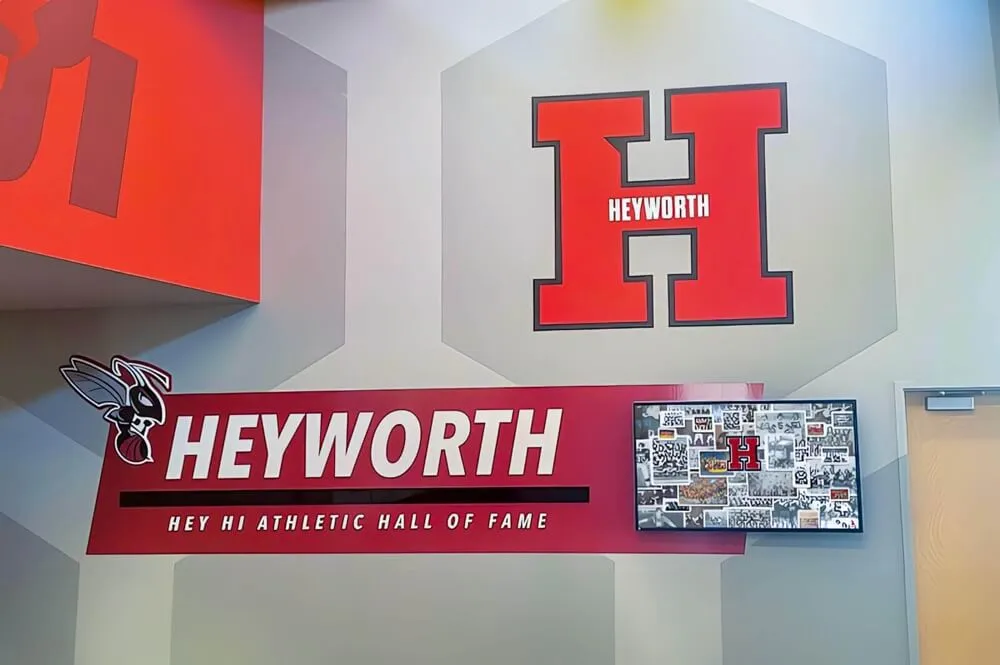
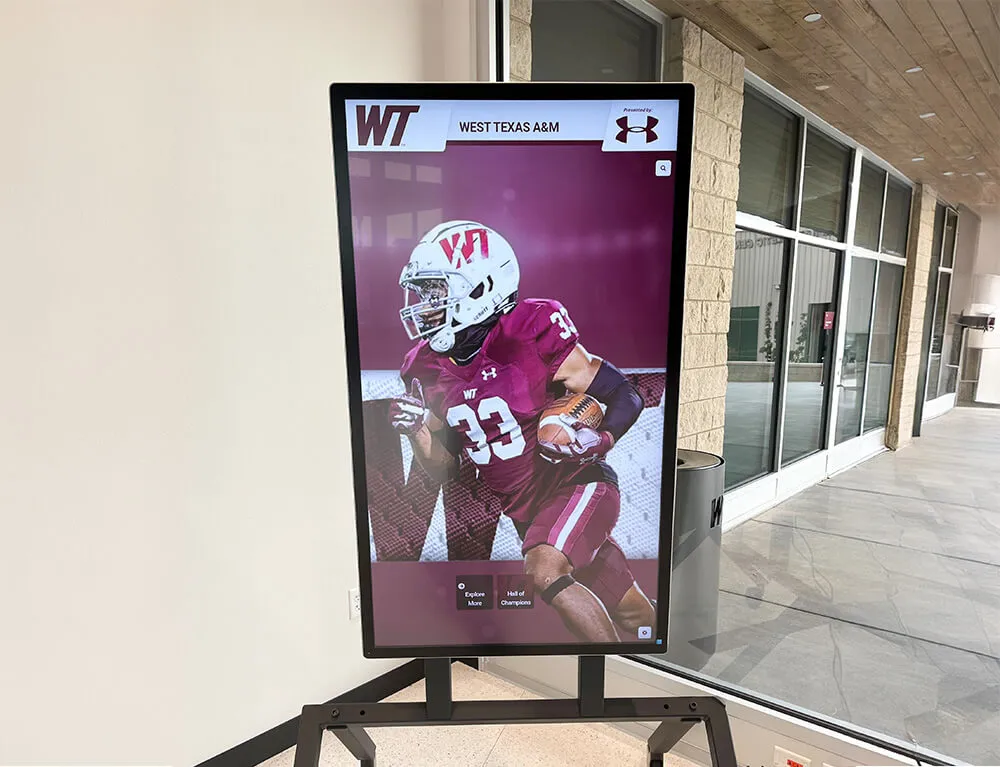
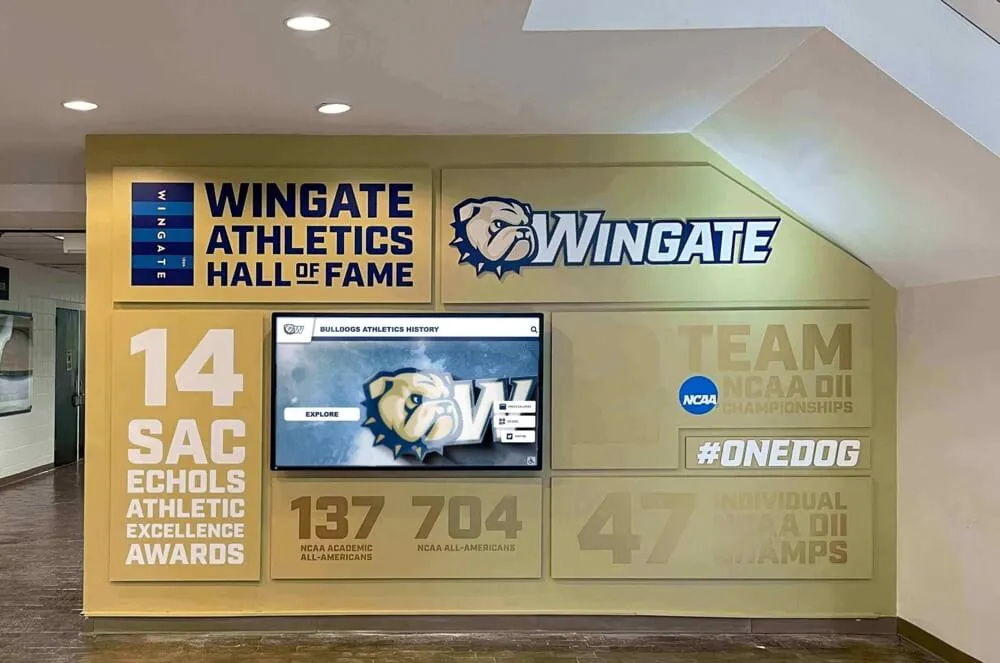
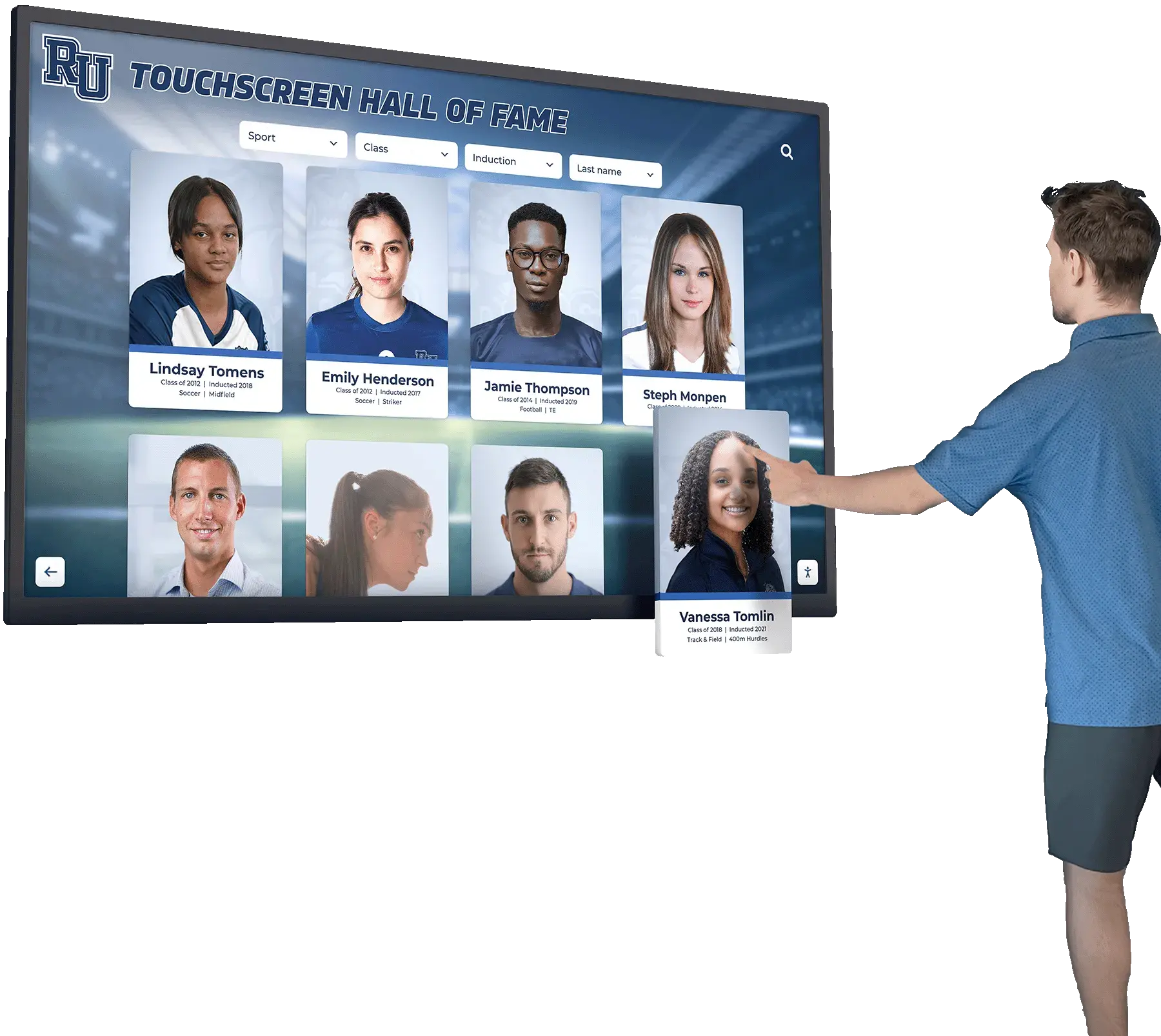
Many athletic departments now use permanent digital displays in their facilities to honor senior classes throughout the year, extending recognition beyond single ceremonies and creating searchable archives of athletic achievements.
Who Gets Recognized on Senior Night
Understanding recognition criteria helps families and athletes know what to expect regarding participation and acknowledgment.
Standard Recognition Categories
Graduating Athletes: Any student-athlete in their final year of eligibility receives senior night recognition. In high schools, this typically means 12th-grade students completing their final season. In colleges, this includes fourth or fifth-year students (depending on redshirt status) exhausting athletic eligibility in that sport.
Critically, recognition extends to all seniors regardless of playing time or competitive contributions. Starters, regular substitutes, role players, and practice squad members all receive equal acknowledgment during ceremonies because senior night honors commitment and participation rather than exclusively celebrating competitive achievement or statistical excellence.
Injured Athletes: Seniors unable to compete due to injuries still participate fully in recognition ceremonies. Season-ending injuries don’t diminish the commitment these athletes invested during their careers, and programs ensure injured seniors receive identical acknowledgment as healthy competitors.
Mid-Year Graduates: Students graduating at semester breaks might receive recognition during their final season even if that season concludes before their graduation date. Programs make individual determinations based on whether athletes will return for subsequent seasons or if current participation represents their final competitive involvement.
Managers and Support Staff: Many programs extend senior night recognition to team managers, student trainers, statisticians, equipment managers, and other support personnel in their final year. These individuals invest comparable time and commitment to athletes, and inclusive programs acknowledge their essential contributions to team success. Some schools create separate recognition moments for support staff while others integrate them fully into athlete ceremonies.
Transfer Students and New Participants: Schools make individual decisions about recognizing seniors who joined programs late in their high school careers. Most inclusive approaches honor any senior participating in their final year regardless of how many total years they competed, recognizing that commitment matters regardless of longevity.
Multi-Sport Athletes and Multiple Senior Nights
Athletes participating in multiple sports may experience several senior night celebrations throughout their senior year—one for each sport during that sport’s final regular-season home competition. This means three-sport athletes could potentially participate in three separate ceremonies across fall, winter, and spring seasons.
Each ceremony acknowledges the athlete’s contributions specifically to that sport’s program while recognizing their broader athletic involvement. Some schools create special recognition for multi-sport senior athletes during spring seasons, acknowledging their comprehensive athletic careers across multiple programs.
Planning and Coordinating Senior Night
Behind every memorable senior night stands significant planning and coordination by athletic staff, parent organizations, and volunteer committees.
Timeline and Responsibility Distribution
8-10 Weeks Before: Athletic directors and head coaches identify the specific competition that will serve as senior night, confirming calendar dates, opponent scheduling, and facility availability. Coordinators begin gathering senior information through questionnaires collecting biographical details, accomplishments, future plans, memorable moments, and recognition preferences.
4-6 Weeks Before: Planning committees finalize decoration themes, budget allocations, gift selections, and volunteer coordination. Parent booster organizations often lead these efforts with guidance from athletic staff regarding venue logistics, timing requirements, and program expectations.
2-3 Weeks Before: Committees finalize senior biographies for announcements, order or create recognition materials like banners and photo displays, confirm family participation and escort arrangements, and communicate detailed schedules to all participants.
Week Of: Volunteers gather decoration materials, finalize setup logistics, conduct technical rehearsals for sound systems or video presentations, and prepare recognition gifts for distribution.
Day Of: Setup teams arrive 2-4 hours before ceremony start depending on decoration complexity, completing installations, testing technical elements, organizing recognition areas, and coordinating with athletes and families about timing and procedures.

Budget Considerations
Senior night budgets vary dramatically based on school resources, program size, and celebration scope. Typical expenses include:
- Decorations: Banners, balloons, flowers, pathway materials, table arrangements, signage ($100-800 depending on scale)
- Recognition Gifts: Frames, plaques, certificates, flowers, personalized items ($10-50 per senior)
- Technical Elements: Video production, photo printing, sound system rentals if needed ($50-400)
- Setup Support: Volunteer coordination, venue preparation, cleanup logistics (often donated time)
Resource-conscious programs create meaningful celebrations through strategic focus on high-impact personalized elements like individual photo displays and heartfelt biographies rather than expensive production values. The most memorable senior nights prioritize authentic appreciation over decoration budgets.
Common Planning Challenges and Solutions
Large Senior Classes: Teams with 20+ graduating seniors face timing challenges fitting meaningful individual recognition into reasonable ceremony windows. Solutions include streamlining biography announcements to essential details, conducting efficient photo rotations with professional photographer coordination, incorporating video tributes showcasing all seniors simultaneously, or in extreme cases, hosting separate recognition events before game days when timing permits more comprehensive acknowledgment.
Weather Contingencies: Outdoor sport senior nights face precipitation and temperature variables. Planning committees prepare backup plans including abbreviated ceremonies under covered areas, postponement to alternate game dates, or moving recognition to indoor facilities when severe weather threatens. Communicating contingency plans to families prevents confusion when adjustments become necessary.
Balancing Tradition and Personalization: Programs navigate tensions between maintaining consistent senior night traditions across years while still personalizing ceremonies for each graduating class. Effective approaches establish core ceremony elements that remain constant (individual recognition, family involvement, gift presentation) while allowing flexibility in decoration themes, biography details, and supplementary elements that reflect each class’s unique personality.
Schools looking to extend senior night recognition beyond single ceremonies often implement year-round digital recognition systems in athletic facilities, creating permanent records of achievements that complement traditional seasonal celebrations.
Making Senior Night More Meaningful
Beyond standard ceremony elements, programs can enhance senior night significance through thoughtful additions that create lasting memories and deeper appreciation.
Personalization Strategies
Individual Athlete Videos: Rather than or in addition to compiled slideshows, creating 30-60 second individual tribute videos for each senior allows deeper storytelling showcasing personality, memorable moments, and unique contributions. These can be shared during ceremonies and distributed to families as keepsakes.
Teammate Tribute Messages: Having underclassmen submit written messages, video tributes, or poster boards expressing appreciation for specific seniors adds emotional depth showing how graduating athletes impacted those they mentored and competed alongside. These peer acknowledgments often prove more meaningful to seniors than adult speeches.
Statistical and Memory Displays: Creating visual displays highlighting each senior’s career statistics, memorable achievements, funny moments, and personal milestones provides conversation pieces for attendees while celebrating individual journeys. These might include career stat sheets, “favorite memory” boards compiled from teammate submissions, or photo collages showing progression from freshman to senior years.
Take-Home Memory Items: Providing seniors with permanent keepsakes beyond ceremony experiences creates lasting reminders of the celebration. Options include professionally framed team photos with senior class inscription, memory books compiling teammate messages and career photos, custom engraved items like plaques or awards, or digital photo albums capturing ceremony moments from multiple photographer perspectives.
Family Involvement Enhancements
Parent Recognition Elements: Some programs explicitly acknowledge parent commitments through brief remarks, small appreciation gifts like flowers or certificates presented to parents during senior recognition, or designated “parent spotlights” in printed programs or announcement narratives sharing parent perspectives on their athletes’ journeys.
Extended Family Inclusion: Rather than limiting ceremony participation to two parents or guardians, some schools accommodate grandparents, siblings, or other significant family members wanting to participate in recognition walks and photos, recognizing that athletic careers impact entire family systems.
Senior-to-Family Messages: Creating opportunities for seniors to share prepared messages thanking families adds personal touches. This might occur through written notes included in programs, brief speeches during ceremonies (time permitting), or video messages shared during presentations.
Community Connection
Alumni Involvement: Inviting former athletes back to participate in senior night ceremonies connects graduating seniors to program history and traditions. Alumni might present recognition gifts, share brief remarks about life after high school athletics, or simply attend ceremonies demonstrating ongoing program connections.
Youth Program Recognition: Some schools invite youth program participants (middle school teams, junior programs) to attend senior nights, creating inspirational experiences for younger athletes who see potential futures in these graduating seniors while strengthening community athletic cultures across age groups.
Charitable Components: Programs sometimes incorporate community service elements like requesting attendees bring donations for local causes in lieu of traditional gifts, designating senior night collections for specific charities, or highlighting seniors’ community service accomplishments alongside athletic achievements, demonstrating that athletic programs develop citizenship alongside competitive skills.
Beyond the Ceremony: Senior Night’s Lasting Impact
Senior night’s significance extends well beyond single ceremony experiences, shaping how athletes remember and relate to their athletic careers throughout their lives.
Psychological and Emotional Benefits
Closure and Transition Support: Well-executed senior nights provide clear markers separating athletes’ competitive identities from their futures beyond team rosters. This ceremonial ending helps athletes process the conclusion of significant life chapters—for many, sports participation defined substantial portions of their identities from elementary school through high school graduation. Clear acknowledgment of these endings supports healthier transitions than simply having seasons conclude without recognition.
Validation of Effort: Senior night ceremonies publicly validate years of commitment, acknowledging that dedication mattered regardless of championship results or individual statistics. This recognition particularly benefits athletes whose contributions occurred primarily through practice effort, team support roles, or less visible leadership rather than game-day statistics. Knowing their commitment warranted formal celebration reinforces that athletic participation provided value beyond competitive outcomes.
Connection to Community: Public ceremonies demonstrate community investment in young people’s development, showing athletes that their efforts were noticed and appreciated beyond just immediate family circles. This broader recognition strengthens athletes’ connections to schools and communities while demonstrating that athletic programs serve educational and developmental purposes beyond simply winning competitions.
Family Appreciation Opportunity: Senior night creates structured opportunities for athletes to express gratitude to families in meaningful public contexts. Many athletes struggle to articulate appreciation for years of parental support, and ceremony formats provide frameworks making this acknowledgment feel natural rather than forced or awkward.
Program and Institutional Benefits
Team Culture Reinforcement: Consistent senior night traditions demonstrate that programs honor commitment and recognize athletes who invested themselves fully in team success. This cultural messaging influences underclassmen’s approaches to participation, showing them that dedication earns acknowledgment and respect regardless of competitive outcomes.
Alumni Connection Foundation: Positive senior night experiences shape how graduating athletes remember their participation and relate to programs after graduation. Athletes who felt genuinely celebrated and appreciated during senior night maintain stronger alumni connections, attend future events, support programs financially when able, and encourage their children toward program participation years later.
Recruitment and Retention Impact: Prospective athletes and families evaluating program participation often consider how schools honor graduating seniors. Thoughtful senior night traditions signal that programs value athletes as individuals beyond just competitive contributions, influencing recruitment decisions and encouraging multi-year commitment rather than single-season participation.
Community Engagement: Well-publicized senior night ceremonies attract broader audiences beyond typical game attendance, increasing community awareness of athletic programs while demonstrating institutional commitment to comprehensive student development beyond just academics. These events strengthen school-community relationships that support broader educational missions.
Creating Your School’s Senior Night Tradition
For schools without established senior night traditions or athletic directors seeking to refresh existing approaches, starting or improving these ceremonies requires thoughtful consideration of program needs, resource realities, and community expectations.
Establishing New Senior Night Programs
Start With Core Elements: New programs should focus on essential components—individual recognition, family involvement, and public acknowledgment—before adding elaborate supplementary elements. Simple, well-executed ceremonies focusing on authentic appreciation prove more effective than poorly planned elaborate productions.
Gather Stakeholder Input: Consult with coaches, parent organizations, athletic administrators, and when possible, recent program alumni about what senior night elements would prove most meaningful for your specific community. Different schools have different cultures, and effective traditions align with institutional values rather than simply copying approaches from other programs.
Build Sustainable Processes: Design ceremony formats that remain feasible year after year regardless of personnel changes or resource fluctuations. Traditions requiring extraordinary volunteer effort or significant budgets may prove unsustainable, while simpler approaches with consistent execution create more reliable experiences.
Document and Refine: Record ceremony details through photos, videos, and written notes documenting what worked well and what challenges emerged. This institutional memory enables continuous improvement while preserving successful elements across coaching changes or coordinator transitions.
Resources for Enhanced Recognition
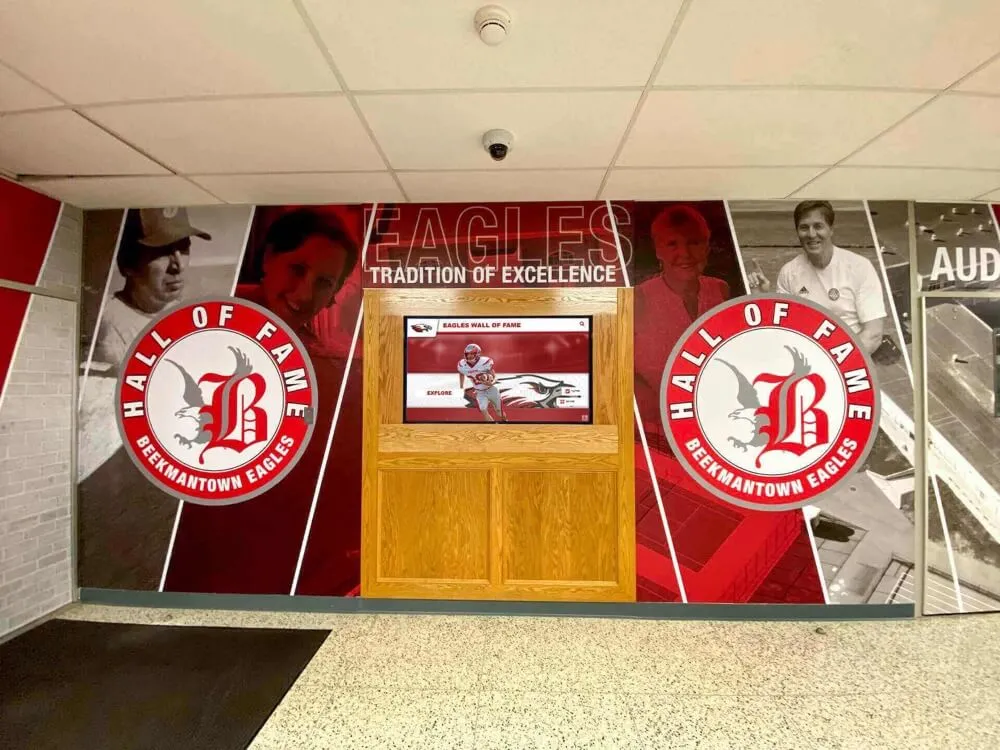
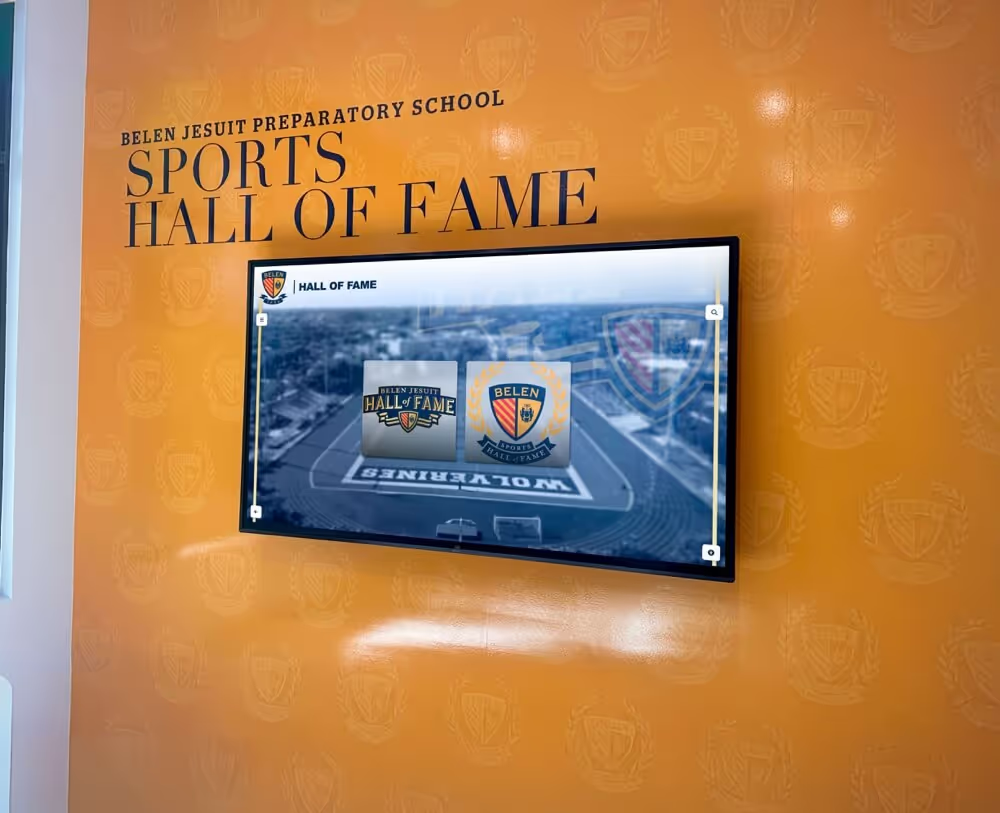
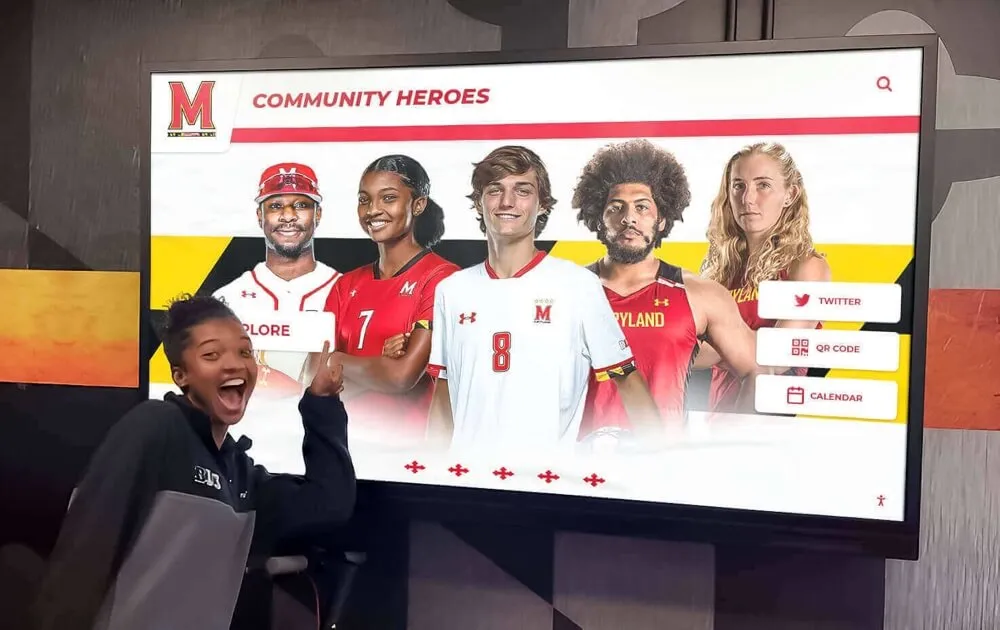
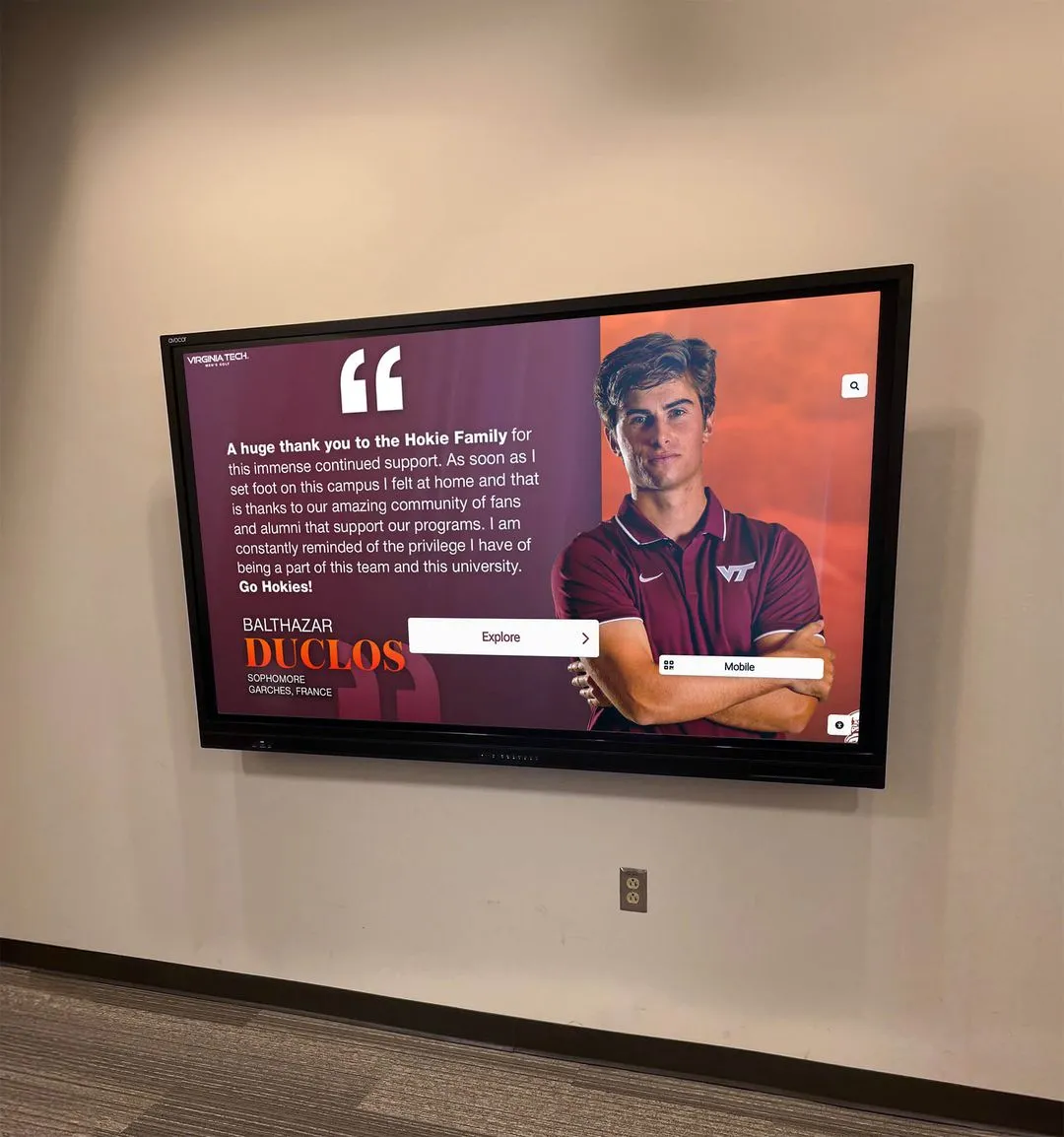
Modern technology enables recognition approaches extending well beyond traditional single-ceremony limitations. Schools increasingly implement permanent digital recognition systems showcasing senior classes, season highlights, and individual achievements throughout athletic facilities year-round.
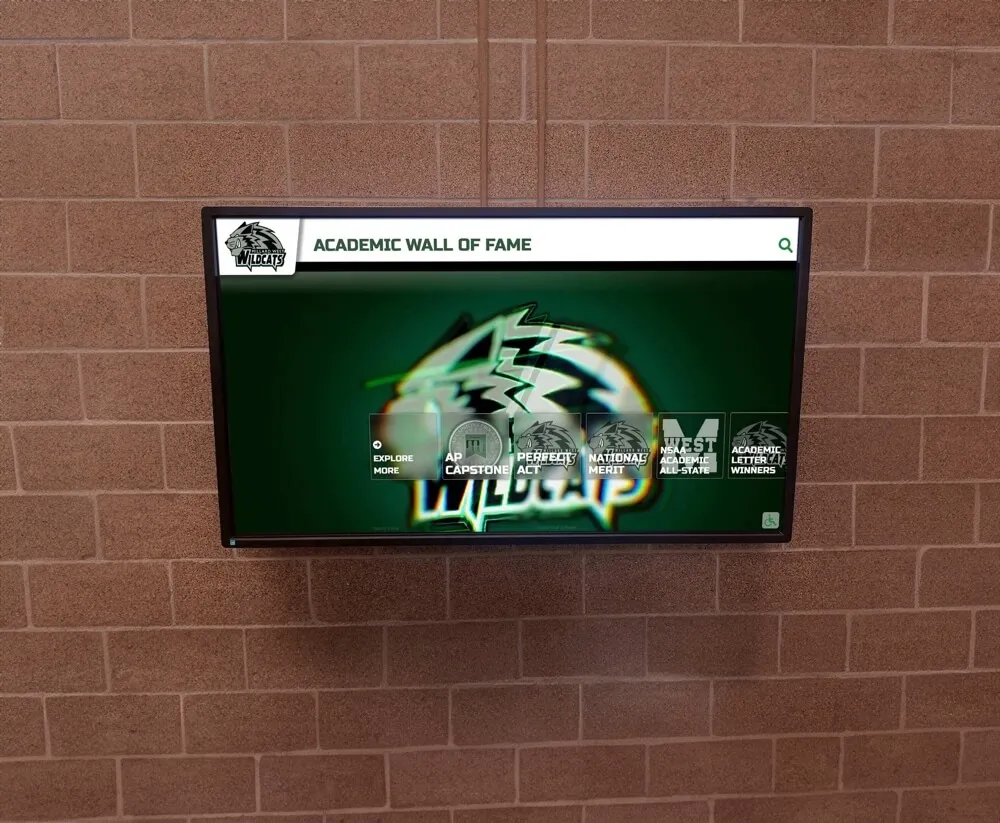
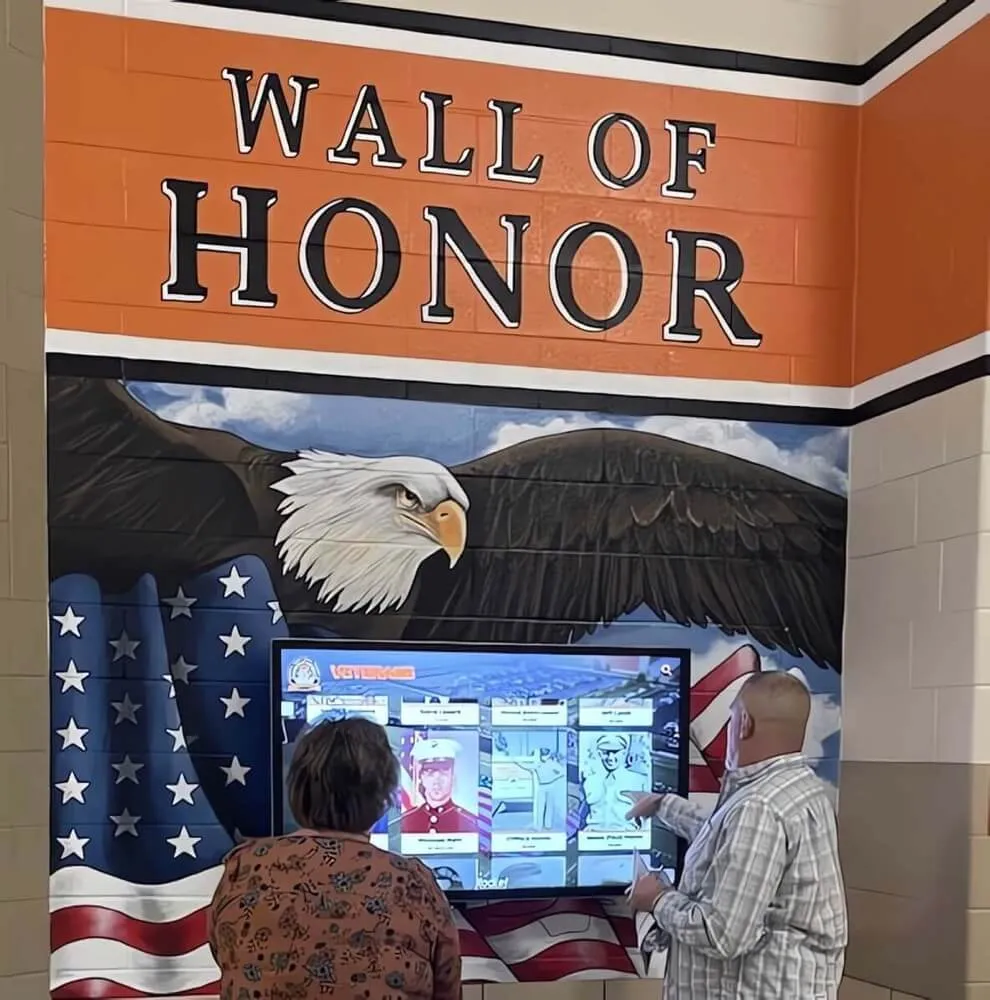
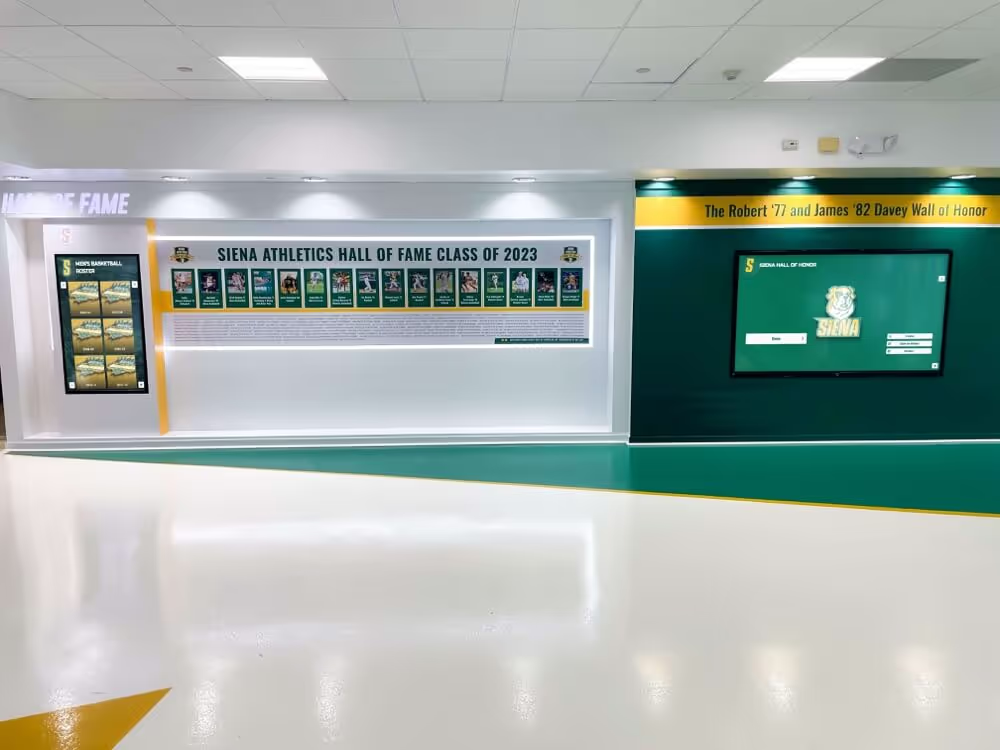
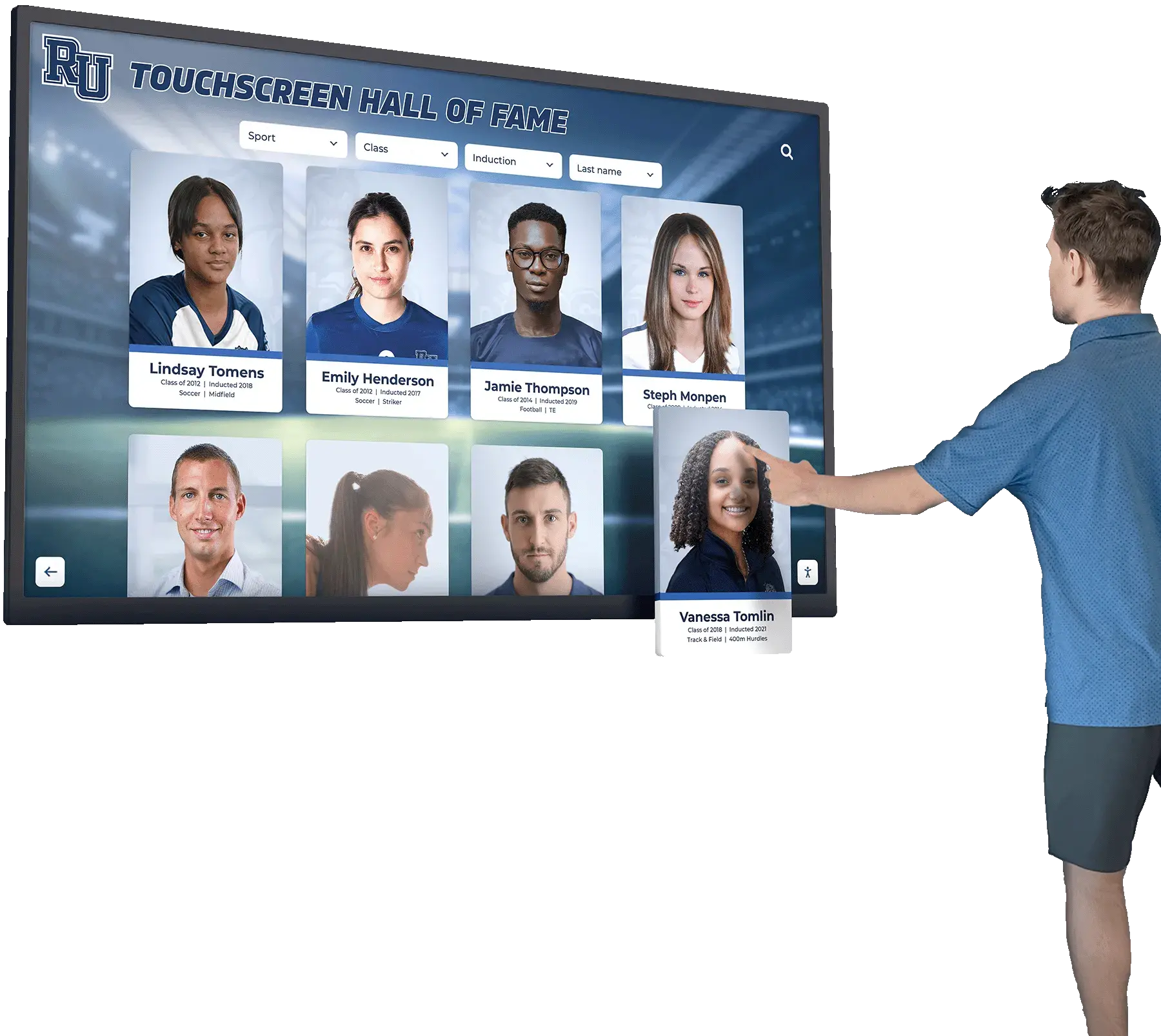
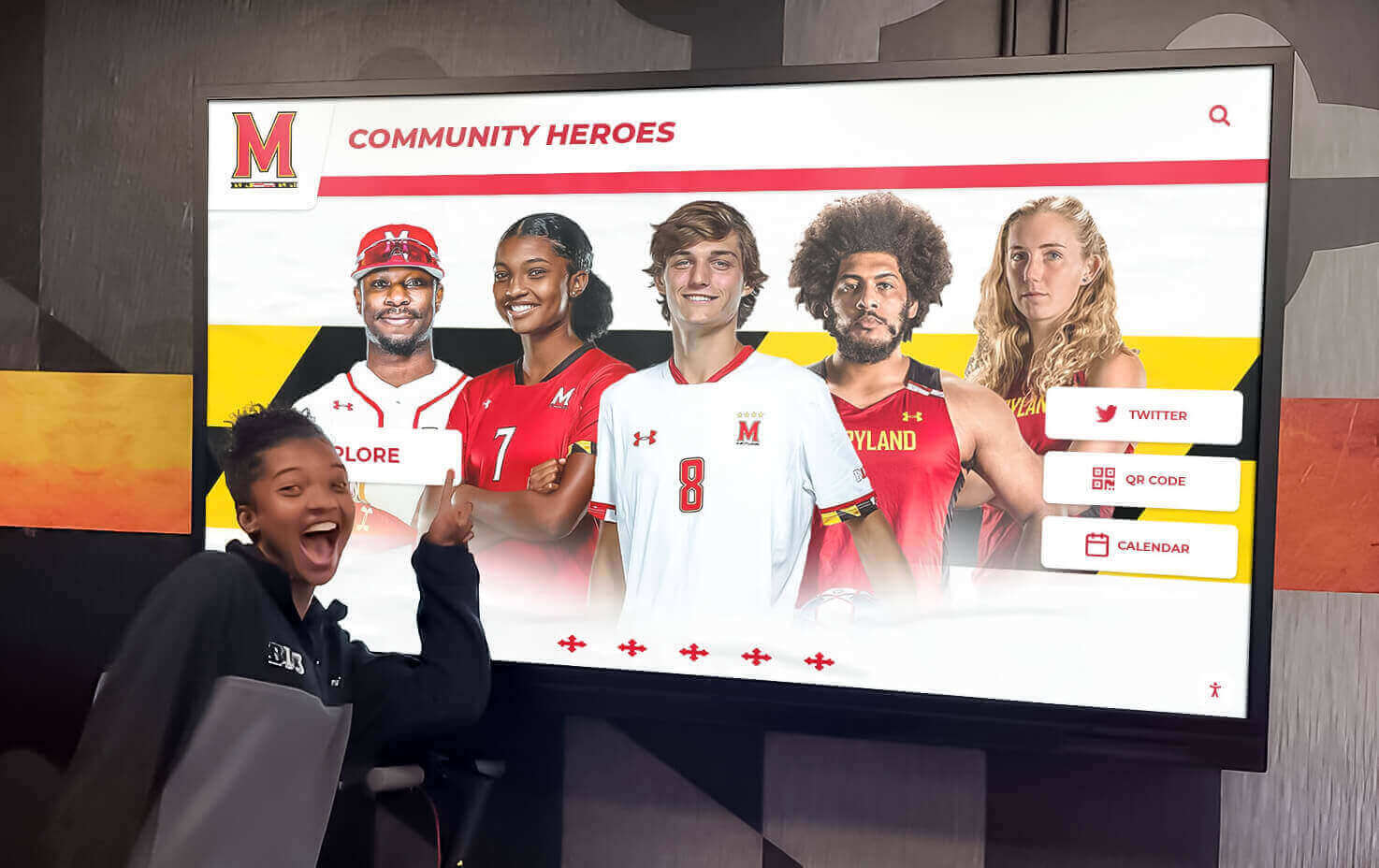
These interactive touchscreen displays create searchable, updateable archives celebrating athletic achievements while honoring traditions. Unlike static trophy cases requiring physical space and manual updates, digital systems accommodate unlimited content showcasing every senior class, championship team, and individual achievement—ensuring no athlete’s contributions get forgotten when physical space limitations require removing older recognition materials.
Programs seeking comprehensive approaches to athletic recognition combine meaningful senior night ceremonies with permanent digital installations creating lasting institutional memory that honors current seniors while preserving previous generations’ achievements for current athletes and future alumni to explore and appreciate.
Conclusion: Honoring the Journey
Senior night represents far more than ceremonial obligation preceding final home games. These celebrations acknowledge that athletic participation matters—that early morning practices, injury recoveries, competitive disappointments, championship celebrations, friendship formations, and leadership development throughout multi-year commitments deserve formal recognition before athletes transition to their next chapters.
Effective senior nights balance individual acknowledgment with collective celebration, family appreciation with team traditions, emotional significance with logistical efficiency. They create milestone memories that graduating athletes carry throughout their lives while demonstrating to younger teammates that dedication earns respect and appreciation regardless of competitive outcomes.
Whether you’re an athletic director planning your school’s first senior night tradition, a coach seeking to enhance existing ceremonies, a parent coordinator leading celebration logistics, or a family preparing for your athlete’s recognition, understanding what makes these events meaningful enables you to create or participate in celebrations that properly honor the dedication graduating athletes invested in programs that shaped significant portions of their youth.
The most memorable senior nights don’t require elaborate budgets or complex productions. They simply need authentic appreciation, thoughtful personalization, and genuine acknowledgment that these athletes’ commitments mattered—to their teams, their schools, their families, and their communities. That recognition, delivered clearly and sincerely, creates senior night experiences that athletes remember with pride and gratitude throughout their lives.
Ready to create lasting recognition for your athletic program? Rocket Alumni Solutions provides interactive touchscreen displays that honor senior athletes year after year, extending recognition beyond single ceremonies. Discover how digital halls of fame preserve your program’s legacy while celebrating every graduating class permanently.