



Key Takeaways
Discover everything about high school homecoming traditions, from the homecoming game and dance to spirit week and court nominations. Complete guide for students and parents navigating this cherished school tradition.
Understanding the Homecoming Tradition
Homecoming serves as a cornerstone of high school culture across the United States, representing far more than just a dance or football game. This beloved tradition creates shared experiences that unite generations of students while celebrating what makes each school unique.
The Origins and Meaning of Homecoming
The homecoming tradition began in American colleges in the early 1900s, with the University of Missouri often credited with hosting the first official homecoming event in 1911. The concept centered on inviting alumni back to campus—literally bringing them “home” to their alma mater—to reconnect with their school community and watch a significant football game. This practice emphasized the lifelong connection between graduates and their educational institutions while strengthening school identity and pride.
High schools adopted this tradition throughout the 20th century, adapting it to their unique communities and creating distinctive local customs. Today, homecoming has evolved into a comprehensive celebration encompassing far more than the original alumni-focused football game, though that central event remains important to the tradition’s identity.
Why Homecoming Matters to Schools and Communities
Homecoming fulfills multiple important functions within school ecosystems:
Building School Identity and Pride: Homecoming creates concentrated opportunities for students to express and celebrate their school affiliation. Through coordinated activities, competitions between classes, and visible displays of school colors and spirit, homecoming strengthens students’ sense of belonging to something larger than themselves. This collective identity fosters positive school culture and gives students meaningful connections to their educational community.
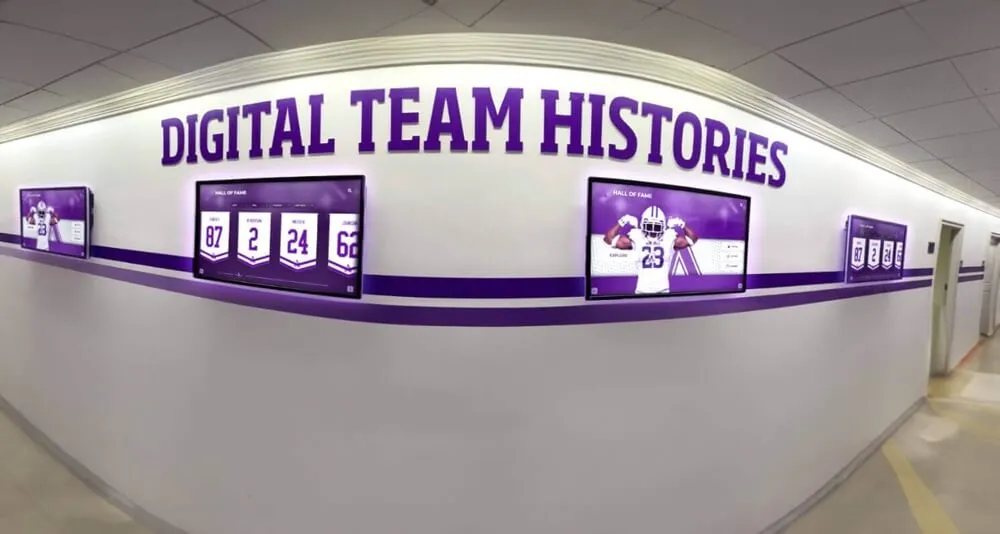
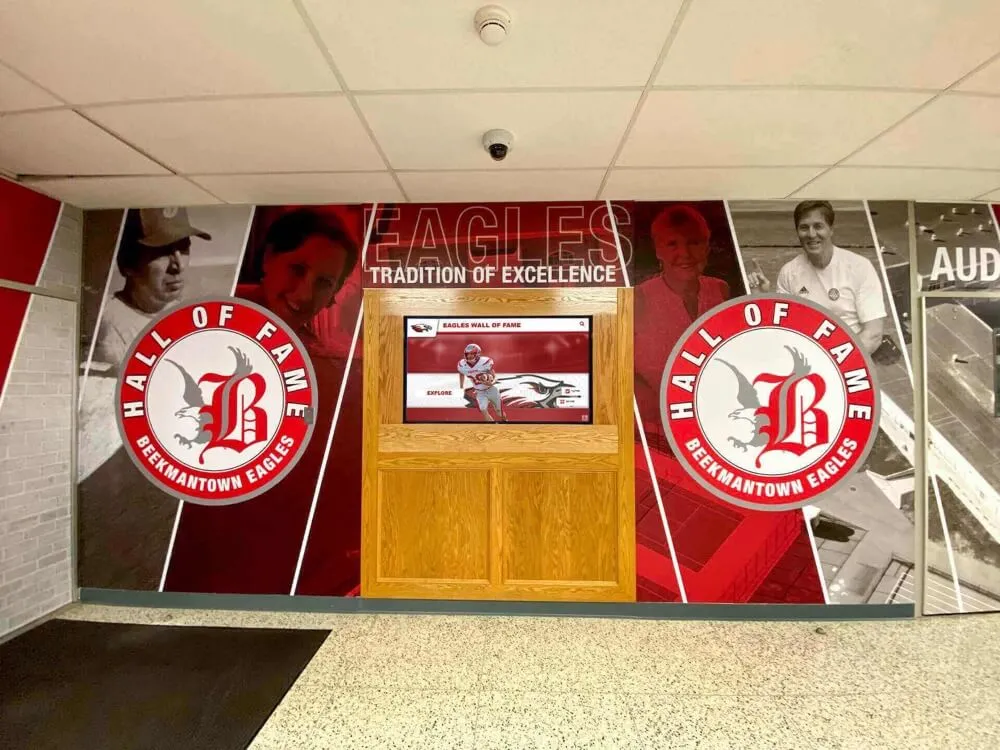
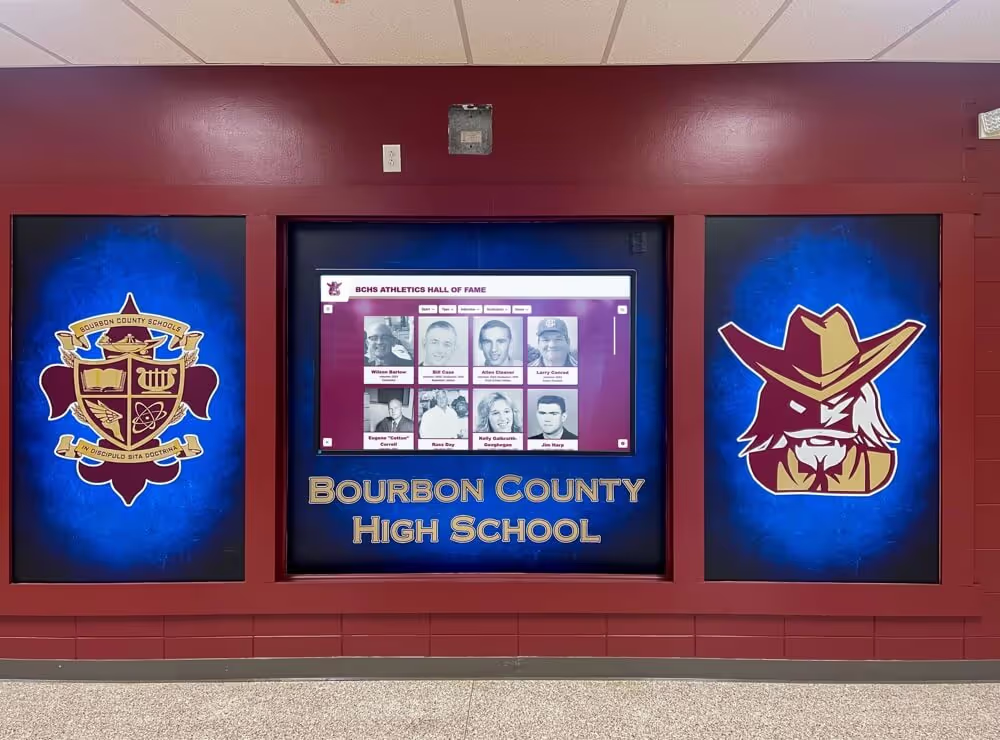
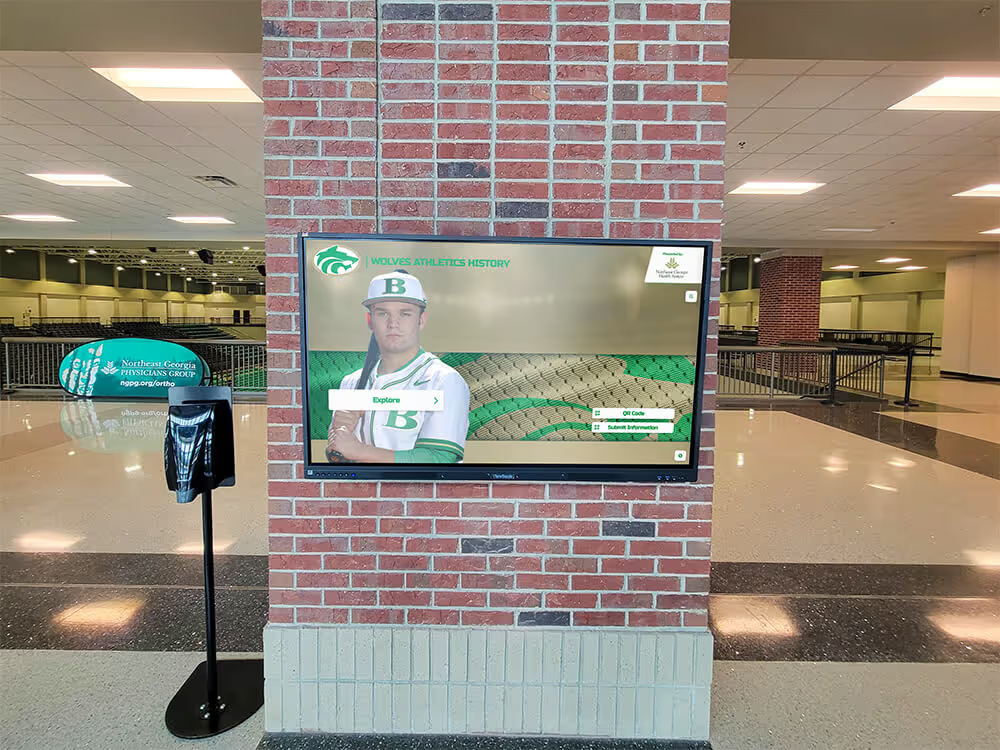
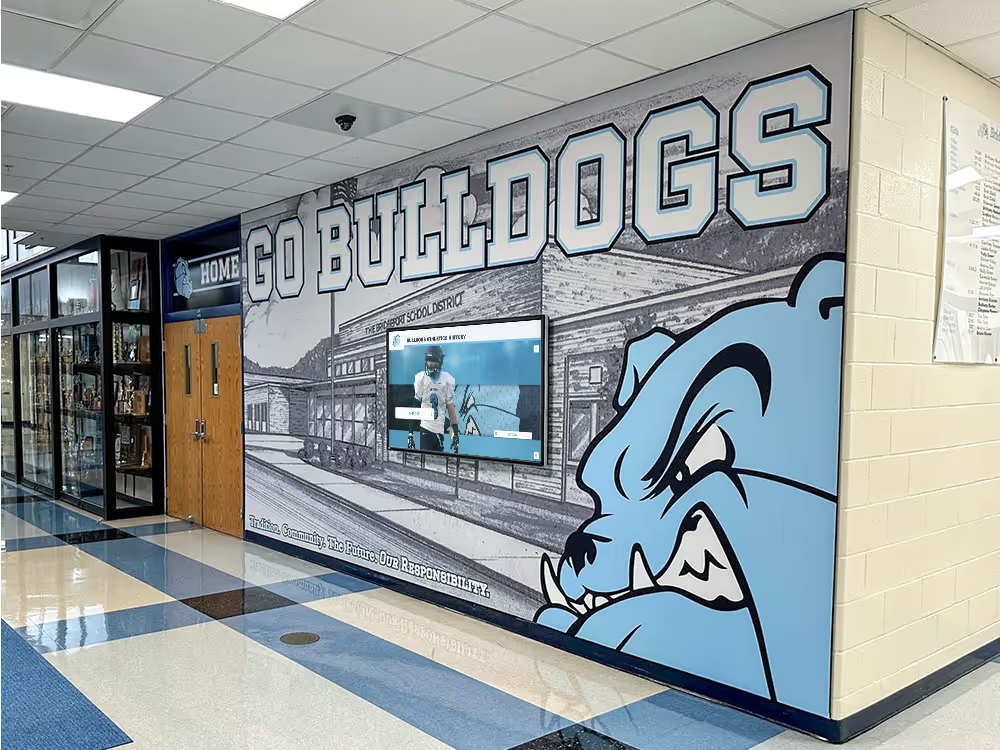
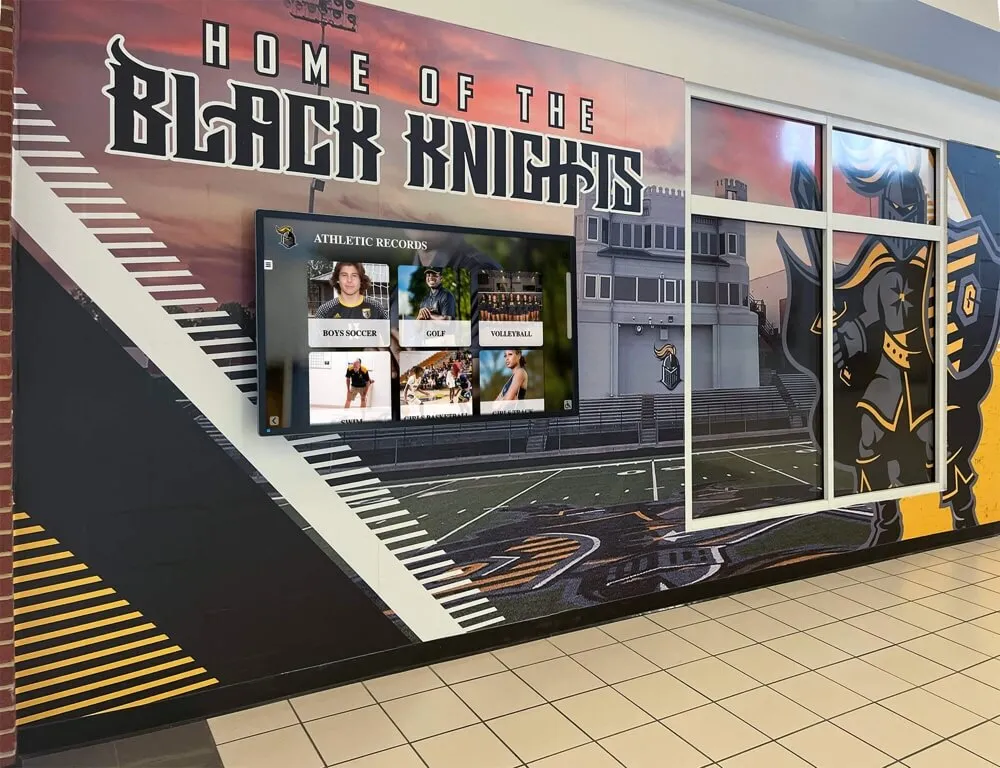
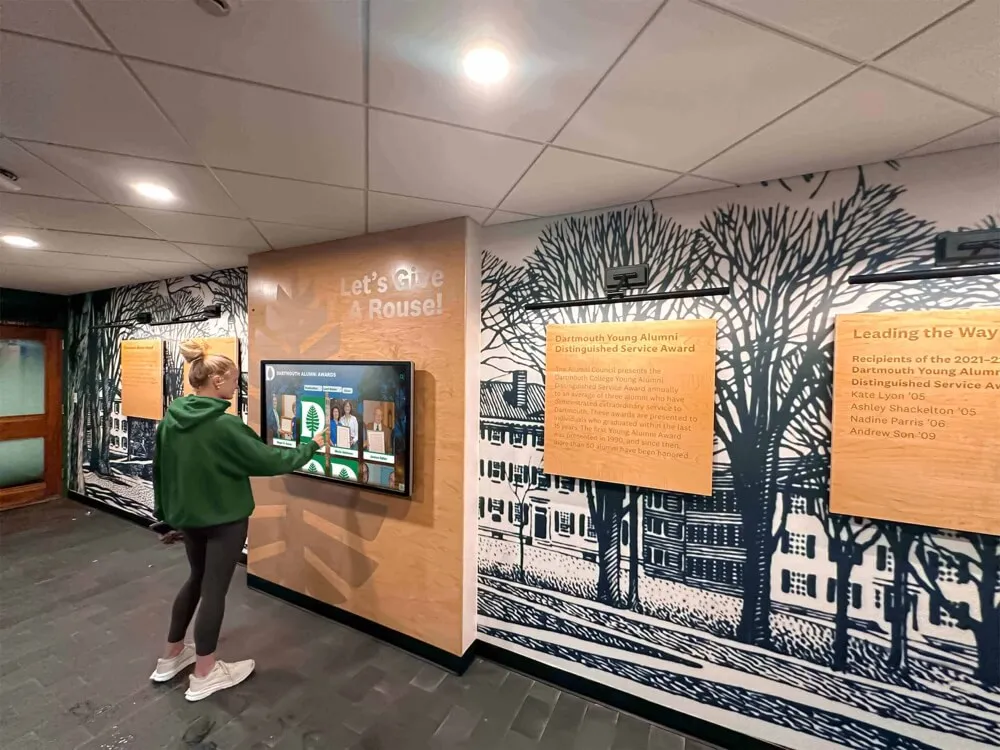
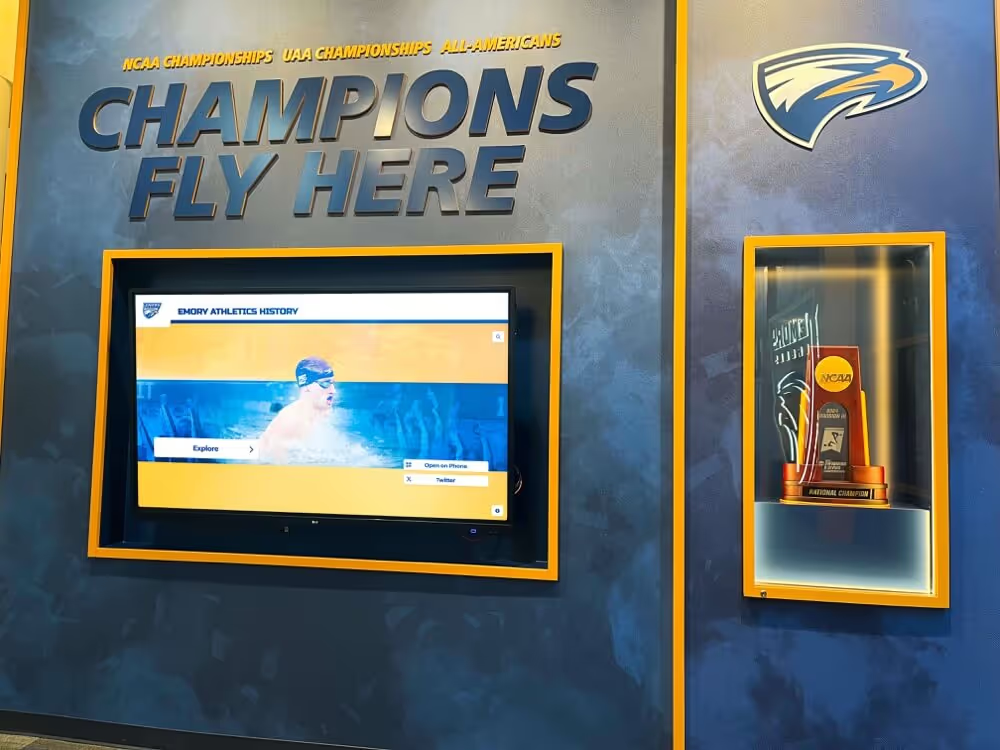
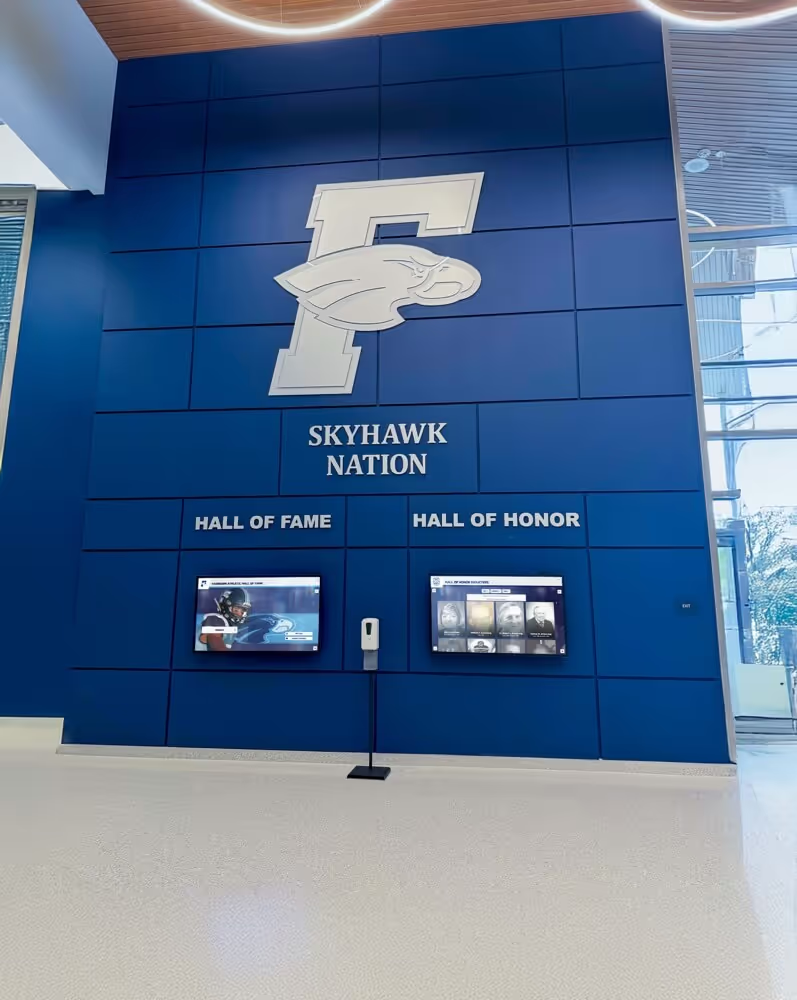
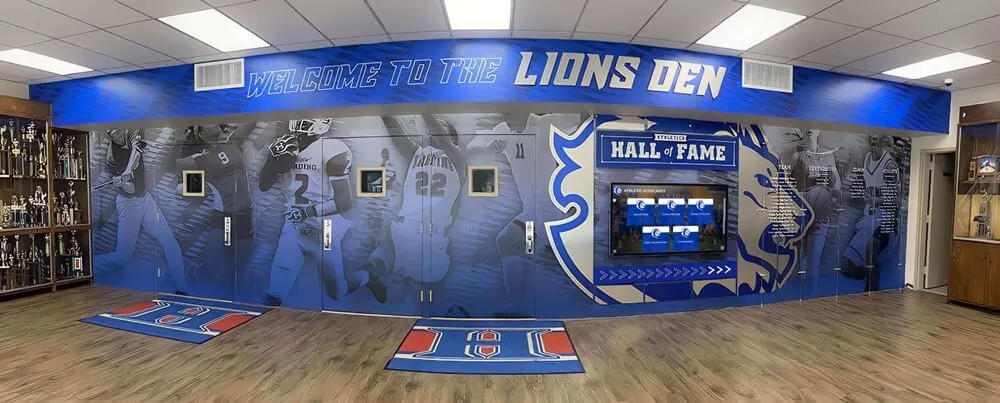
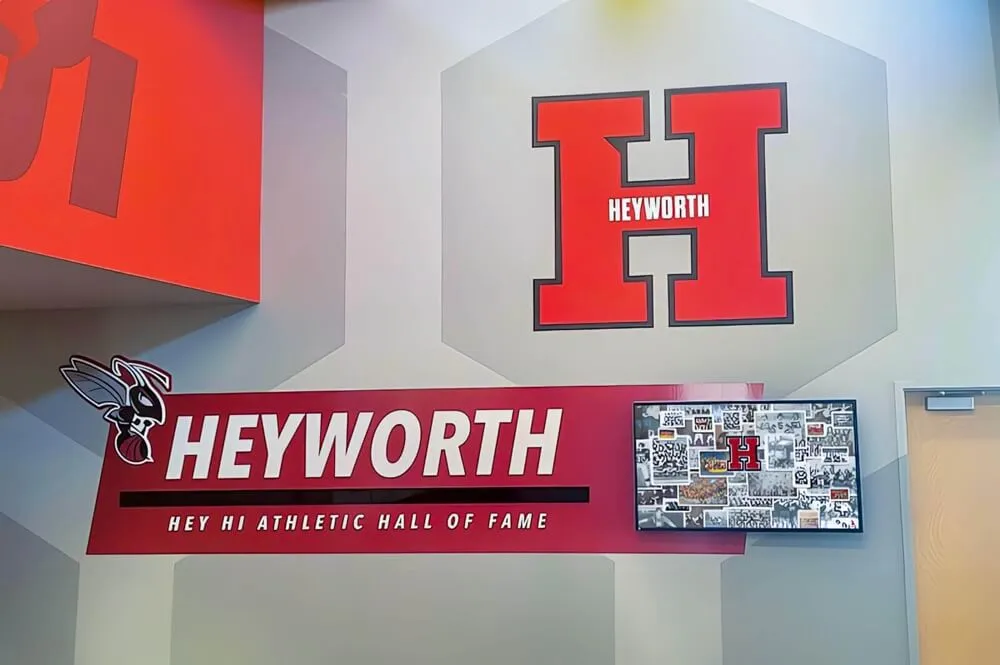
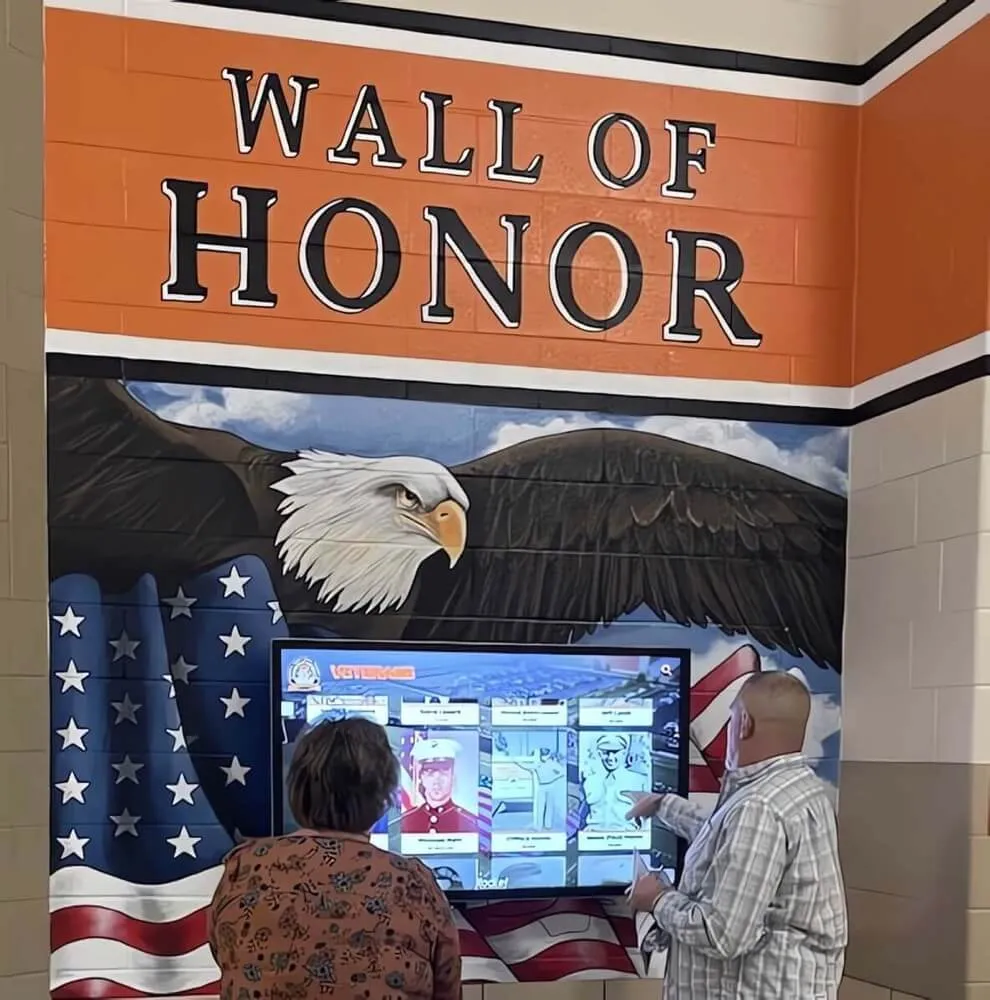
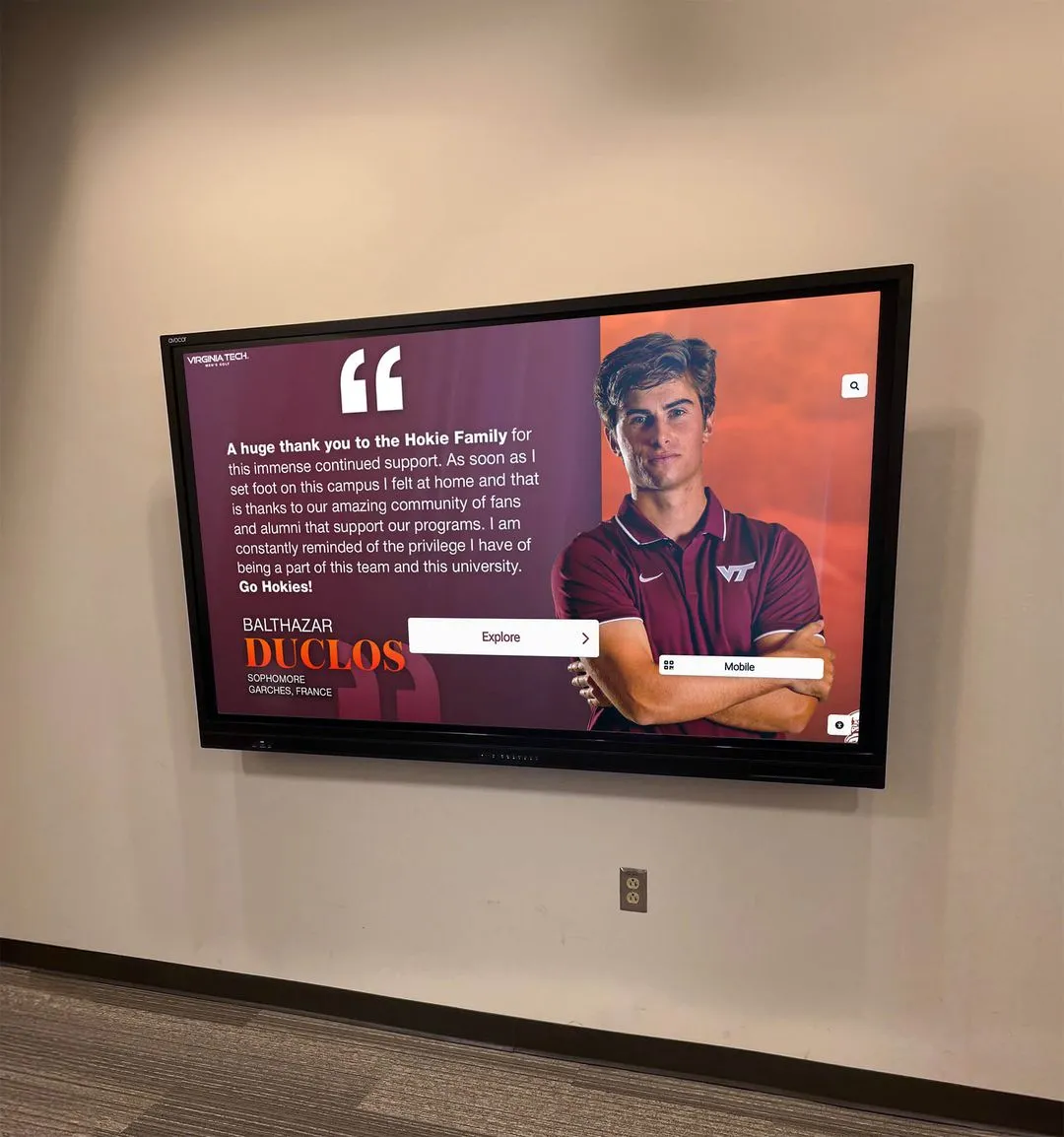
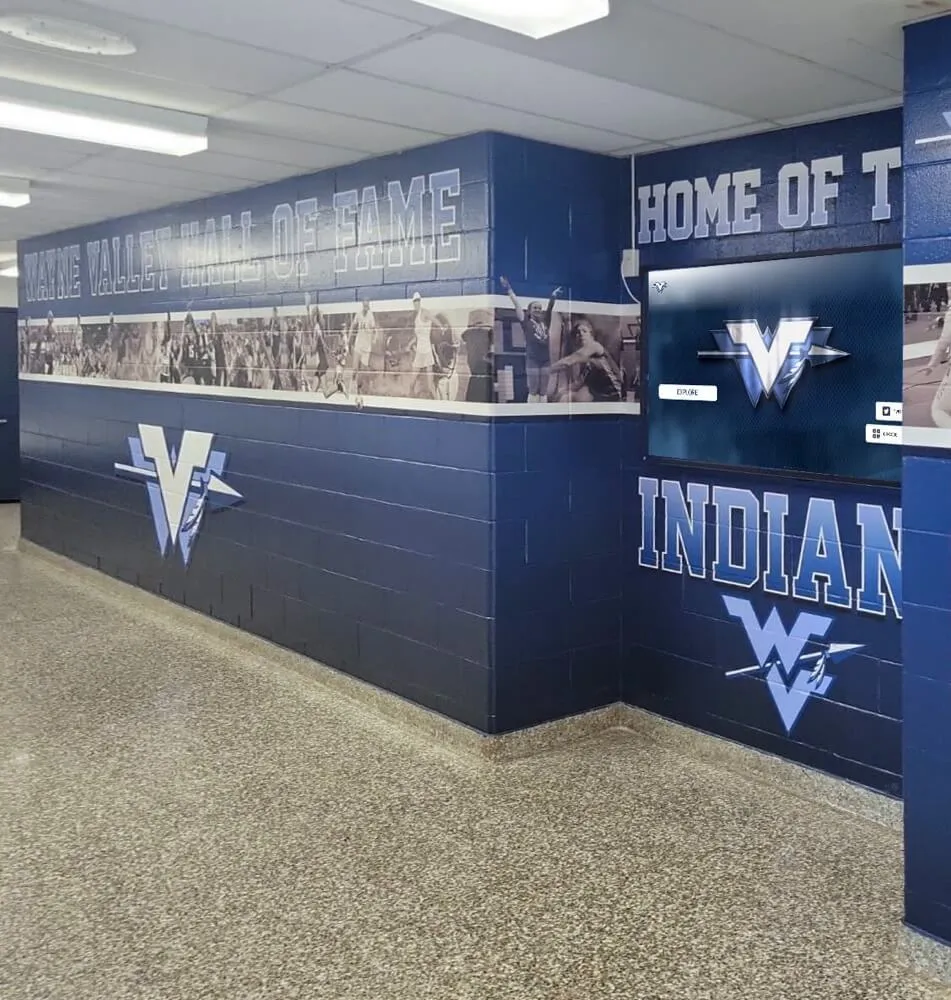
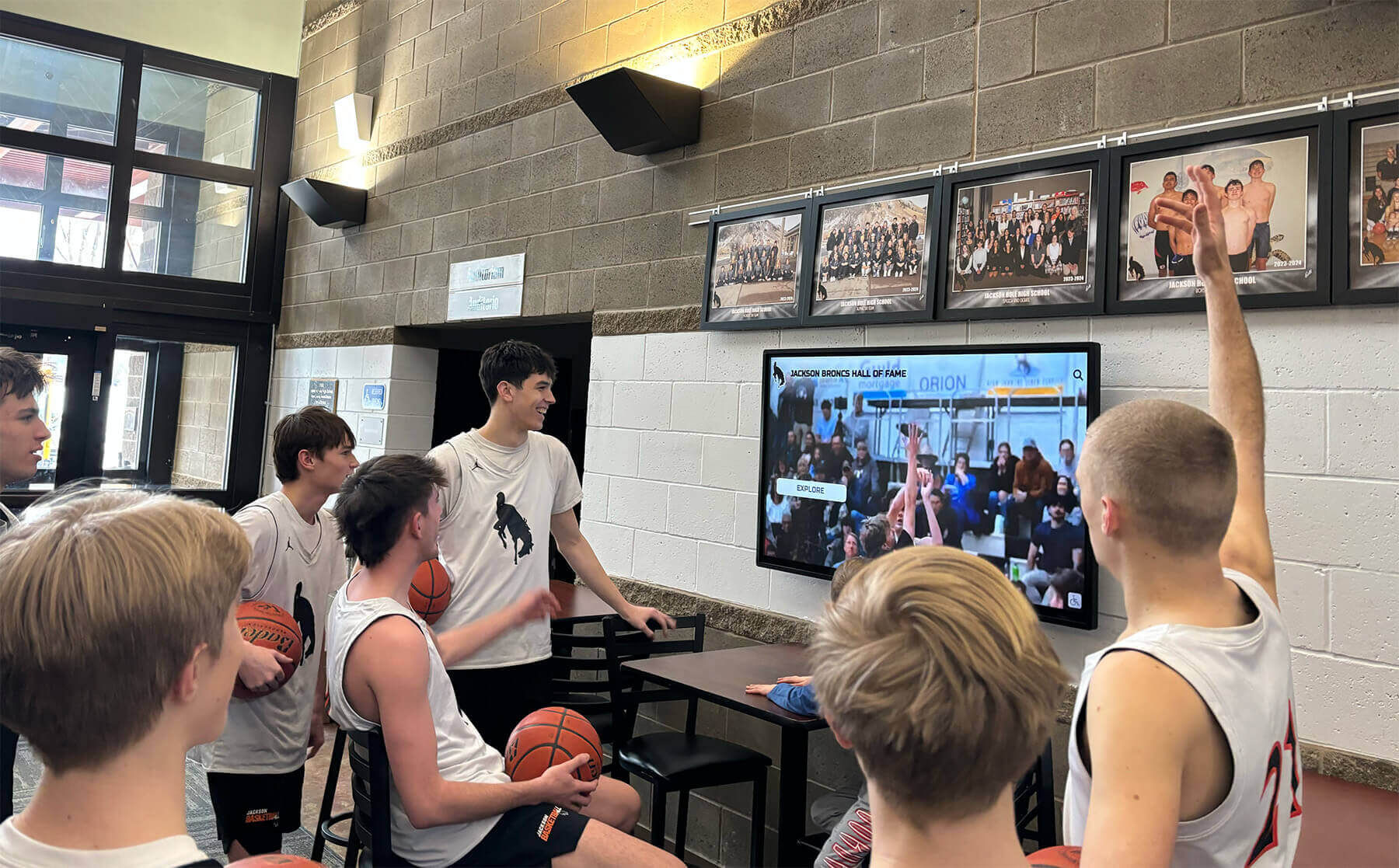
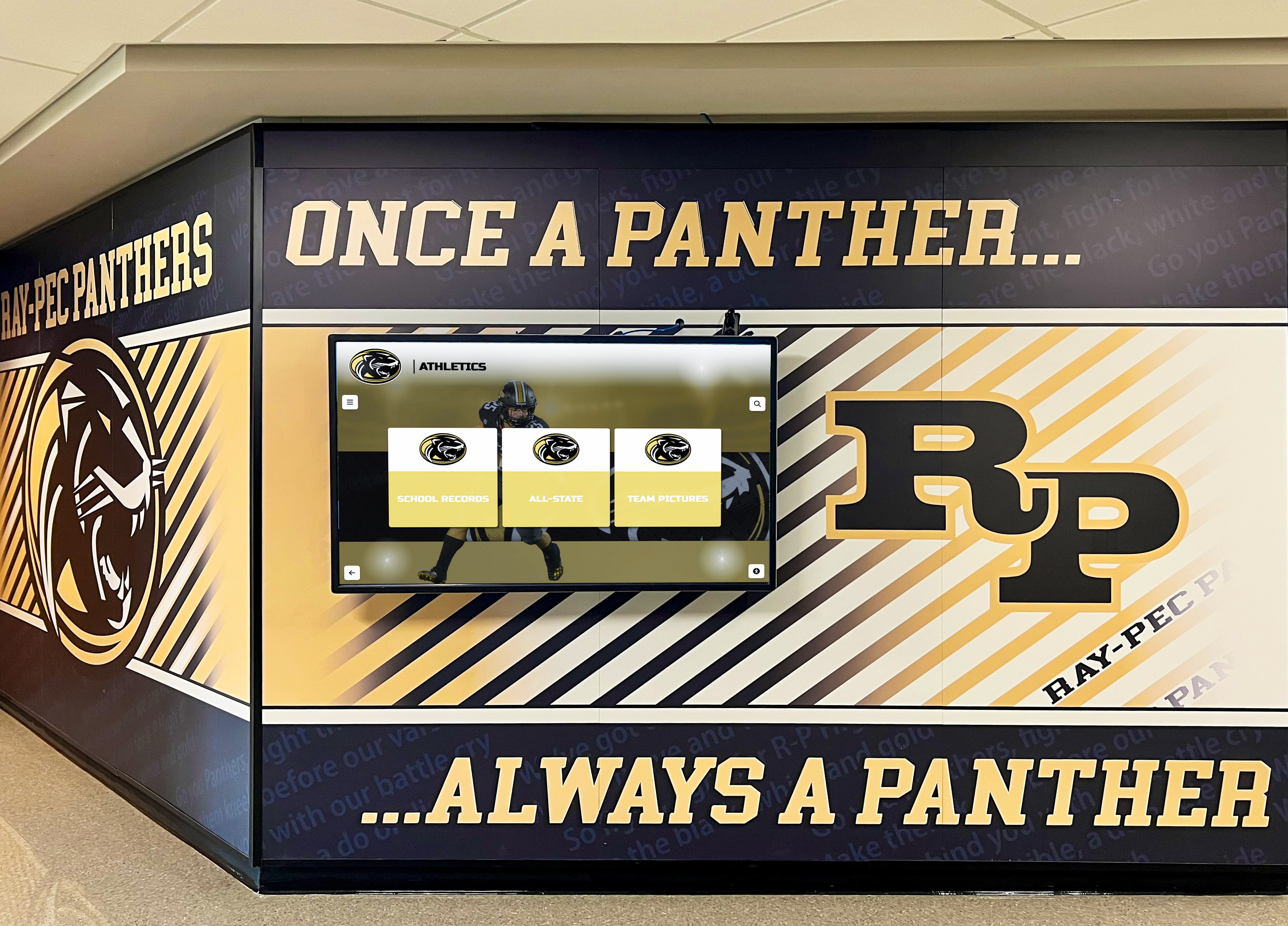
Connecting Alumni to Current Students: The tradition maintains its original purpose of welcoming graduates back to campus, creating intergenerational connections. Alumni returning for homecoming festivities bring stories, perspectives, and continued investment in their school’s success. Many schools coordinate specific alumni events during homecoming weekend, from reunion gatherings to facility tours, strengthening lifelong relationships between schools and their graduates. Modern digital recognition displays help schools showcase notable alumni achievements, connecting current students to their school’s rich history.
Strengthening Community Relationships: Homecoming extends beyond school walls to engage broader communities. Local businesses often support homecoming activities through sponsorships or participation, families attend games and events together, and entire towns may organize around homecoming parades and celebrations. This community investment demonstrates collective support for local students and education while creating shared experiences that strengthen social bonds.
Creating Lasting Memories: For students, homecoming creates defining high school memories. From planning group dance outfits to competing in spirit week competitions, these shared experiences form stories students carry throughout their lives. The tradition gives students positive, supervised opportunities for social connection and celebration during their formative years.
The Homecoming Football Game: Centerpiece of the Celebration
The homecoming football game serves as the traditional focal point around which all other homecoming activities revolve, creating the weekend’s most attended and celebrated event.
Game Day Traditions and Significance
Unlike typical Friday night football games, the homecoming game carries special significance marked by enhanced traditions and attendance:
Elevated Atmosphere and Attendance: Homecoming games typically draw significantly larger crowds than regular season matchups. Alumni return specifically for this game, families who might not attend other games make special efforts to attend homecoming, and community members who graduated decades ago often maintain annual homecoming attendance traditions. This expanded audience creates electric atmospheres celebrating not just the current team but the school’s broader athletic legacy.
Pre-Game Ceremonies and Presentations: Schools often schedule special pre-game activities recognizing various groups. Some programs honor alumni athletes who achieved notable success, introduce distinguished graduates or community members, or conduct special ceremonies celebrating school milestones. These presentations reinforce homecoming’s purpose of connecting past and present while celebrating institutional achievement.
Halftime Court Presentation: The game’s halftime features the traditional homecoming court presentation and crowning ceremony, creating the celebration’s most formal and anticipated moment. Court members, dressed in formal attire, walk onto the field escorted by family members or peers while their accomplishments and activities are announced. The ceremony concludes with the crowning of homecoming king and queen, creating symbolic recognition of student leadership and school involvement.

Enhanced Game Day Experience: Beyond the game itself, homecoming football features special elements creating memorable experiences. Marching bands often prepare special halftime shows, cheerleading squads and dance teams present enhanced performances, and schools may invite youth football programs to participate in pre-game activities. Some schools organize tailgating events, pre-game festivals, or special concessions creating carnival-like atmospheres celebrating community and school spirit.
Strategic Game Scheduling
Schools carefully consider which opponent to schedule for homecoming games, balancing several factors:
Competitive Balance: Many schools prefer scheduling teams they’re likely to defeat for homecoming, wanting to maximize the likelihood of celebrating a victory during this special event. However, some programs embrace competitive challenges, scheduling traditional rivals or strong opponents to elevate homecoming significance.
Tradition and Rivalry: Certain schools establish traditions of playing specific opponents during homecoming, creating anticipated annual matchups that carry extra meaning for communities. These traditional homecoming opponents become part of local culture and anticipated rivalries.
Alumni Considerations: Schools may consider which opponent will draw the most alumni interest, sometimes scheduling teams with historical significance or connections to notable graduating classes.
Spirit Week: Building Excitement Through Daily Themes
The week leading up to homecoming weekend features daily themed activities and dress-up days known collectively as Spirit Week, creating sustained excitement while encouraging widespread student participation.
Common Spirit Week Themes and Activities
Schools design Spirit Week with creative daily themes allowing students to express creativity while demonstrating school spirit:
Classic Theme Ideas:
- Monday - Decades Day: Students dress in styles from different decades (50s, 60s, 70s, 80s, 90s, early 2000s)
- Tuesday - Twin/Group Day: Students coordinate matching outfits with friends, sports teams, or clubs
- Wednesday - School Colors Day: Everyone wears school colors showing unified spirit
- Thursday - Character/Costume Day: Students dress as favorite characters, celebrities, or creative concepts
- Friday - Class Colors Day: Each grade wears designated colors creating visual representation of class unity
Schools adapt themes to their unique cultures, sometimes incorporating local references, current trends, or traditions specific to their communities. The key is creating accessible themes allowing broad participation regardless of students’ budgets, interests, or comfort levels with attention. Resources on planning spirit week activities provide additional creative ideas for engaging students throughout the week.
Competitions and Activities Beyond Dress-Up Days
Spirit Week extends beyond themed clothing to include various competitive activities and events:
Hallway Decoration Contests: Classes compete to transform assigned hallway sections with elaborate decorations reflecting overall homecoming themes or demonstrating class creativity and spirit. These displays require planning, resource gathering, and collaborative work, building class unity while creating festive school atmospheres. Judging may consider creativity, execution quality, adherence to themes, and school appropriateness, with winning classes earning recognition and sometimes prizes.
Lunchtime Games and Competitions: Many schools organize daily lunchtime activities where class representatives compete in games, challenges, or athletic contests. These might include relay races, trivia competitions, eating challenges, or creative games allowing both participants and spectators to engage in lighthearted competition while building anticipation for the weekend’s main events.
Pep Rallies: Most schools schedule at least one major pep rally during homecoming week, typically on Friday before the evening game. These energetic assemblies feature performances from cheerleaders, dance teams, and marching bands; introduce football teams and coaches; present homecoming court; conduct competitions or games involving students and sometimes faculty; and build enthusiasm for the upcoming game through cheers, chants, and school spirit demonstrations.
Fundraising and Community Service: Some schools incorporate service components into Spirit Week, organizing food drives, charitable fundraisers, or community service projects. This approach connects homecoming celebrations to broader values of community contribution and social responsibility.
The Homecoming Court: Selection, Roles, and Recognition
The homecoming court tradition represents one of homecoming’s most visible and anticipated elements, providing formal recognition to students who exemplify school leadership and involvement.
Understanding Court Structure and Selection
Homecoming court structures vary by school but typically follow general patterns:
Traditional Court Composition: Most schools establish courts including representatives from multiple grade levels, with emphasis on senior class members:
- Freshman and Sophomore Representatives: Some schools include underclassmen on homecoming courts, selecting one or two representatives from each lower grade to honor emerging leaders
- Junior Court: Junior class representatives, sometimes called “junior maids” or “junior princes,” participate in ceremonies while understanding that homecoming royalty titles typically go to seniors
- Senior Court: The most prominent court positions, typically including 4-10 seniors who compete for king and queen titles
Selection Methods and Criteria:
Schools employ various approaches to selecting court members:
- Peer Nomination and Voting: The most common method involves students nominating classmates who then appear on ballots for class-wide voting
- Faculty Input: Some schools incorporate teacher recommendations or faculty votes, either independently or combined with student voting
- Leadership Criteria: Progressive schools establish specific criteria beyond popularity, considering school involvement, community service, leadership roles, character, and diverse contributions to school culture
- Application Processes: Certain schools require interested students to apply, submit information about their activities and achievements, and potentially interview with selection committees
Modern Considerations in Court Selection:
Contemporary schools increasingly examine homecoming court traditions through equity and inclusion lenses, considering:
- Gender-Inclusive Options: Many schools now offer gender-neutral court positions or allow students to run for any position regardless of gender identity
- Diverse Representation: Schools strive to ensure courts reflect student body diversity across racial, ethnic, socioeconomic, and social group lines
- Beyond Popularity Contests: Shifting focus from pure popularity toward recognizing genuine leadership, service, and positive contributions to school culture
- Anti-Bullying Measures: Establishing rules preventing negative campaigning or voting based on mockery rather than genuine recognition
Court Responsibilities and Activities
Being selected for homecoming court involves multiple activities throughout homecoming week and beyond:
Week-Long Activities: Court members typically participate in various events including being introduced at pep rallies, riding in or walking in homecoming parades, attending special recognition events or ceremonies, and serving as ambassadors representing their classes at school functions.
Game Day Presentation: The formal presentation during halftime of the homecoming football game represents the court’s most visible moment. Members walk onto the field in formal attire, are introduced with their accomplishments and activities, stand for recognition from the crowd, and witness the crowning of the homecoming king and queen.
Dance Attendance and Recognition: Court members often receive special recognition at the homecoming dance, possibly participating in traditional opening dances or special spotlights during the evening.
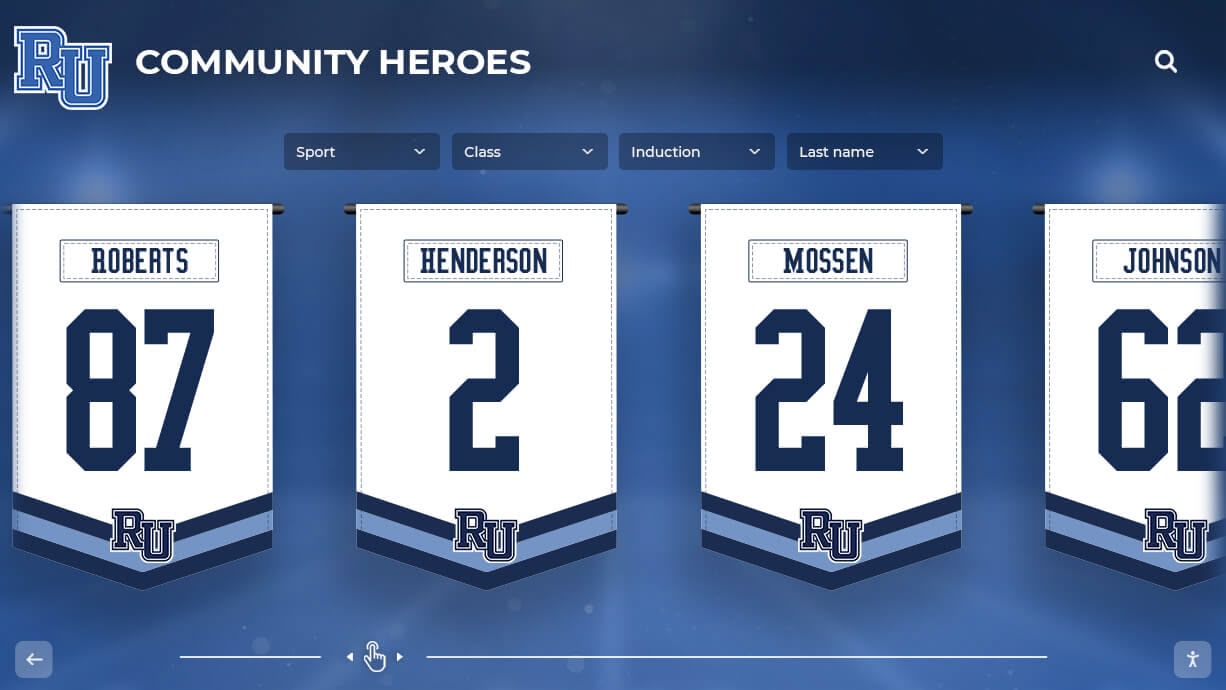
Lasting Recognition: Many schools create permanent recognition for homecoming court members through yearbook features, photos displayed in school buildings, or inclusion in digital recognition systems that preserve school traditions and honor student achievements across years.
The Homecoming Dance: A Semi-Formal Celebration
Following Friday’s game, Saturday evening brings the homecoming dance—a semi-formal event allowing students to celebrate with friends in a festive, supervised social setting.
Understanding Dance Traditions and Expectations
The homecoming dance balances formal celebration with more relaxed atmosphere compared to prom:
Dress Code and Attire Guidelines:
Homecoming dress codes typically fall into “semi-formal” or “dressy casual” categories:
- For Girls/Students Wearing Dresses: Cocktail dresses, party dresses, or nice separates work well; shorter than floor-length prom dresses but dressier than everyday school clothing; knee-length to midi-length styles are most common; wide variety of colors, patterns, and styles allowing personal expression
- For Boys/Students Wearing Suits: Dress pants or khakis with button-down shirts; ties and sport coats optional but appreciated; full suits acceptable but not required; avoid jeans, t-shirts, or overly casual athletic wear
- Footwear Considerations: Comfortable shoes matter for dancing—many students choose stylish but practical footwear over uncomfortable formal shoes
Schools communicate specific dress code expectations through student handbooks, pre-dance announcements, or dress code reminders. Parents and students should verify school-specific guidelines ensuring appropriate attire choices. The overall approach emphasizes looking nice while maintaining comfort for active dancing and social interaction.
Social Aspects and Attendance:
Homecoming dances offer different social dynamics than prom:
- More Relaxed Atmosphere: Less pressure around having dates; many students attend with friend groups rather than romantic couples
- Broader Attendance: Often draws students from all grades rather than primarily upperclassmen, creating diverse social mixing
- Group Coordination: Friend groups frequently coordinate outfits, transportation, and pre-dance activities like dinners or photo sessions
- Optional Attendance: Unlike prom in some school cultures, homecoming dance attendance is truly optional without social stigma attached to not attending
Planning and Logistics for Students and Families
Successful homecoming dance experiences require some planning and coordination:
Timeline for Preparation:
- 2-3 weeks before: Begin outfit shopping, coordinate with friend groups about plans, arrange any needed appointments (hair, nails, etc.)
- 1 week before: Finalize outfits, purchase tickets if required, confirm transportation plans, coordinate pre-dance activities with friends
- Day of dance: Allow adequate time for getting ready, photos, pre-dance meals or activities
Cost Considerations:
Homecoming typically costs less than prom but still involves expenses:
- Ticket prices (usually $15-40 per person depending on school)
- Attire costs (can range dramatically based on shopping choices)
- Hair, makeup, or other grooming services if desired
- Transportation expenses
- Pre-dance meals or activities
- Photography or photo booth costs
Families can manage costs through shopping sales or secondhand stores, doing hair and makeup at home or with friends, coordinating potluck pre-dance dinners, and sharing transportation costs within friend groups. Schools sometimes offer financial assistance for students who want to attend but face economic barriers, though policies vary.
Safety and Supervision:
Schools maintain structured environments ensuring student safety:
- Adult chaperones throughout dance venues
- Entry and exit procedures preventing students from leaving and returning
- Enforcement of dress codes and behavior expectations
- Coordination with local law enforcement if needed
- Clear communication about start and end times and pickup procedures
Parents should discuss safety expectations with students, confirm transportation arrangements, ensure cell phone availability, establish clear communication plans, and know who students plan to attend with and where they’ll be.
The Homecoming Parade: Community Celebration
Many schools organize homecoming parades as public celebrations bringing school spirit into the broader community while providing festive kick-offs to homecoming weekends.
Parade Elements and Participation
Homecoming parades typically feature several key components:
Homecoming Court: Court members ride on special floats, in convertibles, or occasionally on decorated vehicles, waving to spectators while being prominently featured as parade highlights. This provides community members who may not attend the game an opportunity to celebrate court members and share in the recognition.
Class Floats: Each grade level often creates decorated floats representing their class, competing for awards recognizing creativity, execution, spirit, or adherence to parade themes. Float creation requires planning, fundraising, materials gathering, and collaborative work among class members, building unity while creating visible demonstrations of class pride.
School Groups and Organizations: Athletic teams, marching bands, cheerleaders, dance teams, club organizations, and other student groups march in parades displaying team pride and school involvement. These participants often wear uniforms, carry banners, or bring props representing their organizations.
Community Participation: Local youth programs, elementary and middle school feeder programs, community organizations, local businesses, and municipal representatives often participate, connecting schools to broader communities while demonstrating collective investment in student success.
Parade Routes and Timing: Most parades travel through town centers, main streets, or neighborhoods near schools, typically scheduled on Friday afternoons or Saturday mornings before evening dances. Routes often end at or near school campuses, creating natural transitions to subsequent homecoming events.
Organizing Student and Family Involvement
Parade participation offers multiple engagement opportunities:
For Students: Beyond court members and formal organization participation, students can volunteer for float decoration committees, march with clubs or activities they’re involved in, perform with musical or athletic groups, or attend as spectators demonstrating school spirit along parade routes.
For Families: Parents and family members often help with float construction and decoration, provide transportation for parade participants and materials, volunteer as parade marshals or supervisors, operate equipment or manage logistics, and attend as spectators bringing younger siblings to share in celebrations.
For Alumni: Returning graduates frequently participate in parades through alumni group marching units, anniversary class reunions recognizing significant graduation years, or informal attendance reconnecting with school traditions and community members.
Additional Homecoming Week Activities and Traditions
Beyond the major events of Spirit Week, the game, the dance, and parade, schools often incorporate various other activities creating comprehensive celebration weeks:
School-Specific Traditional Events
Many schools develop unique homecoming traditions specific to their communities:
Bonfire and Pep Rally: Some schools organize evening bonfires with pep rally elements, creating informal gathering spaces for students, families, and community members to celebrate together while building anticipation for homecoming games.
Powder Puff Football Games: This tradition features female students playing flag football or touch football games, often with male cheerleaders providing entertainment. Modern adaptations sometimes make these events more inclusive, allowing all students to participate in ways that interest them.
Alumni Events: Schools may organize specific programming for returning graduates including campus tours showcasing facility improvements, guided experiences with digital school history displays, informal gatherings or receptions, athletic events beyond football, or reunion activities for significant anniversary classes.
Community Service Projects: Progressive schools incorporate service elements where students engage in volunteer projects or charitable activities during homecoming week, reinforcing values of community contribution and social responsibility alongside celebration.
Senior Breakfast or Lunch: Some schools organize special meals for seniors during homecoming week, providing grade-level bonding opportunities and recognizing seniors’ final homecoming celebrations before graduation. Ideas for recognizing senior achievements extend these meaningful traditions throughout the year.
Building Lasting School Traditions
Homecoming provides opportunities for schools to establish recurring traditions creating institutional identity and annual anticipation:
Consistent Ceremonial Elements: Develop signature aspects of your homecoming unique to your school—specific songs played at certain moments, traditional chants or cheers, ceremonial passing of symbolic items between graduating classes, or distinctive presentation styles for court crowning.
Historical Documentation: Create comprehensive records of homecoming celebrations through photographs, videos, program materials, and written accounts preserving institutional memory and allowing future students to connect with school history.
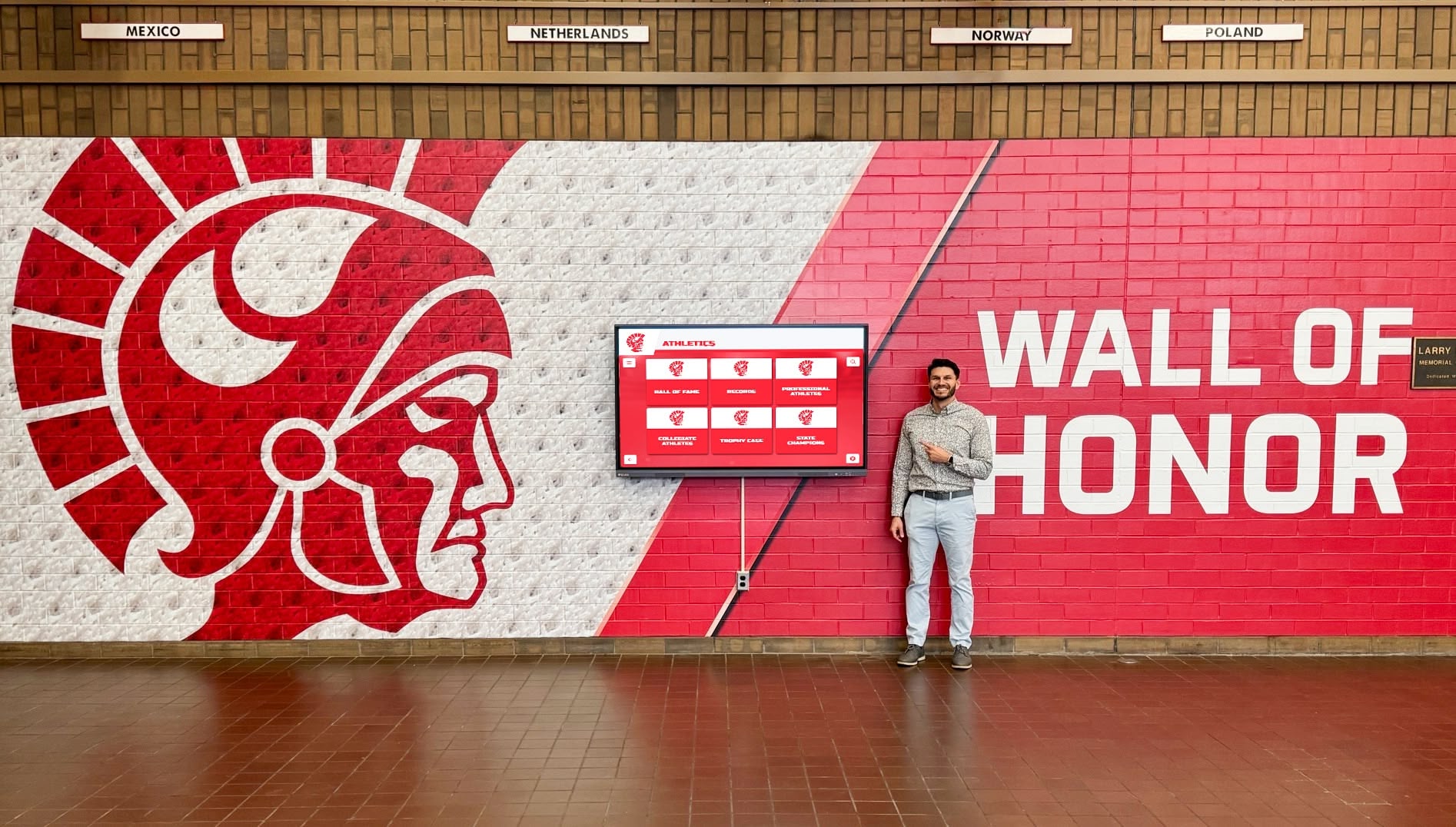
Recognition and Preservation: Modern digital recognition solutions like those from Rocket Alumni Solutions enable schools to permanently preserve homecoming court members, event highlights, and celebration histories through interactive displays accessible to current students, visiting alumni, and prospective families exploring school culture.
Tips for First-Time Homecoming Participants
For students and families new to high school homecoming, these practical suggestions help navigate the experience successfully:
For Students
Get Involved Early: Participate in Spirit Week activities even if you feel uncertain—these activities build excitement while helping you connect with classmates. Start with comfortable participation levels like wearing school colors before committing to elaborate costume days.
Coordinate With Friends: Homecoming provides excellent opportunities to strengthen friendships through group activities. Coordinate Spirit Week outfits, plan dance attendance together, share transportation for events, and create pre-dance traditions like group dinners or photo sessions.
Balance Expectations: Homecoming often carries hype that may or may not match your personal experience. Approach events with open minds and realistic expectations—focus on enjoying time with friends rather than trying to create perfect movie-like experiences.
Consider All Aspects: Remember that homecoming extends beyond just the dance. You can participate meaningfully by attending the game, joining Spirit Week activities, watching the parade, or engaging in any combination of events matching your interests and comfort levels.

Respect Traditions: Learn about your school’s specific homecoming customs and approach them respectfully. Even if certain traditions seem strange initially, understanding their significance to your school community helps you appreciate the cultural experience.
For Parents
Support Without Pressure: Encourage participation while respecting students’ comfort levels and social preferences. Not every student will want to attend every event, and that’s perfectly acceptable. Focus on helping your student engage in ways that feel authentic to them.
Help With Practical Planning: Assist with logistics like outfit shopping within reasonable budgets, arranging transportation, coordinating schedules, and ensuring students have resources they need without taking over planning entirely. Homecoming provides opportunities for students to develop planning and decision-making skills.
Stay Informed About Expectations: Understand school policies regarding dress codes, behavior expectations, ticket purchases, attendance rules, and safety procedures. Review information schools provide ensuring your student has clarity about expectations.
Create Family Traditions: Consider establishing family traditions around homecoming—pre-dance photo sessions at home, special breakfast or dinners, attending games together, or taking annual family photos in school colors. These traditions create lasting memories while demonstrating family support for student involvement.
Respect Student Independence: Balance involvement with allowing appropriate independence. High school students benefit from making decisions about homecoming participation, coordinating with friends, and managing logistics with parent support rather than control.
Modern Recognition: Preserving Homecoming Memories
As schools celebrate homecoming annually, questions arise about how to preserve these traditions and honor students meaningfully beyond temporary decorations and printed programs that eventually disappear.
Digital Solutions for Lasting Recognition
Forward-thinking schools increasingly leverage technology to create permanent records of homecoming celebrations while engaging students through modern platforms:
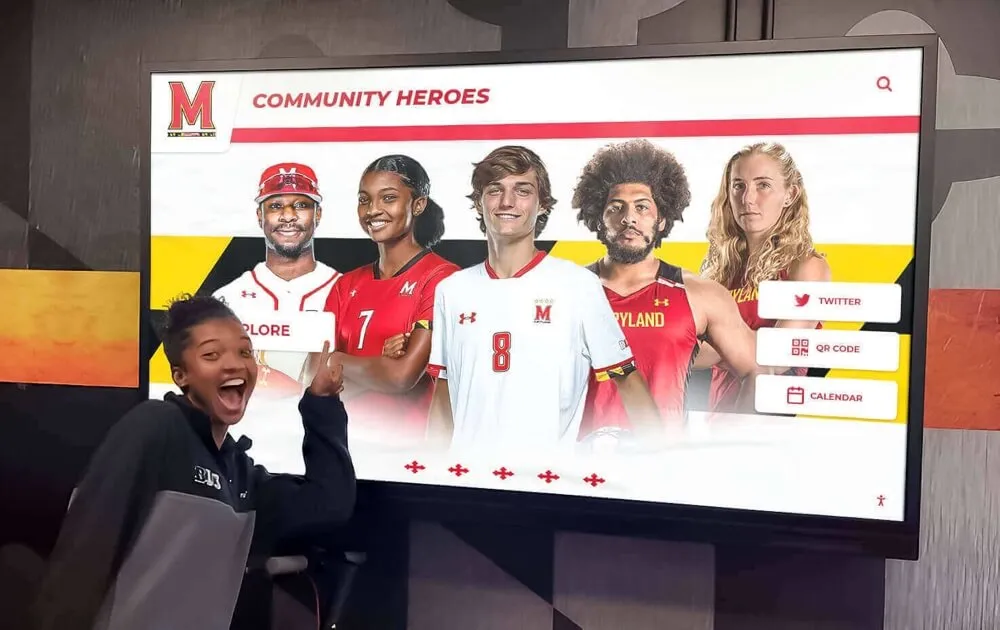
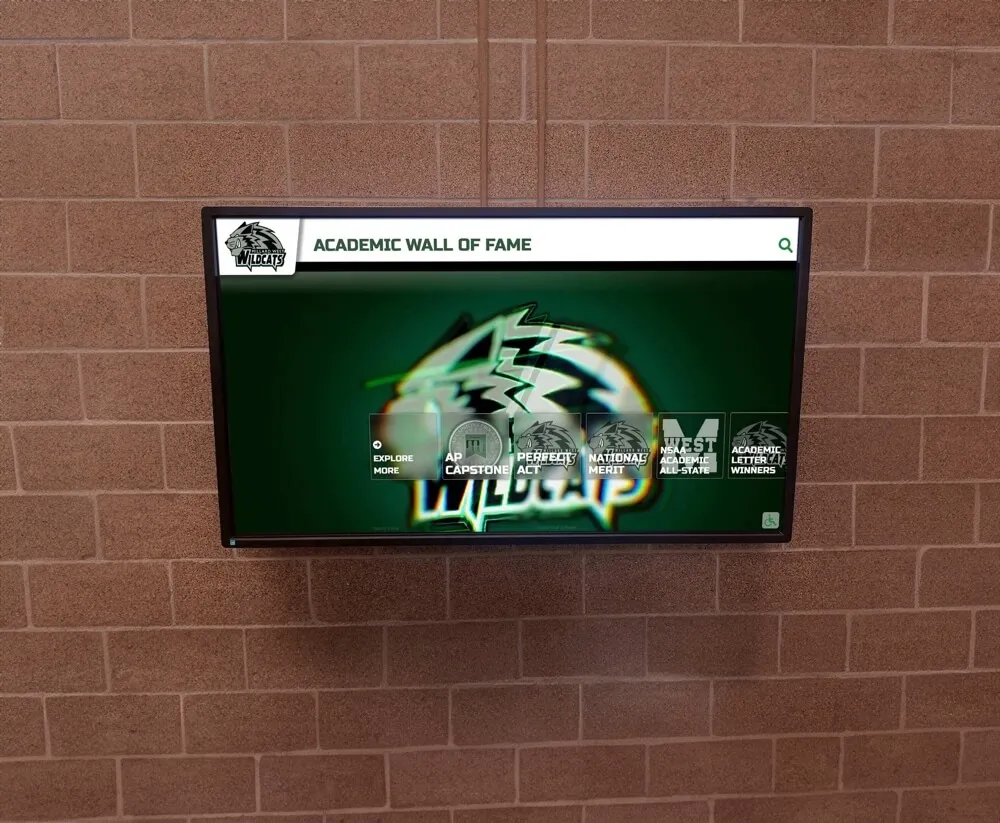
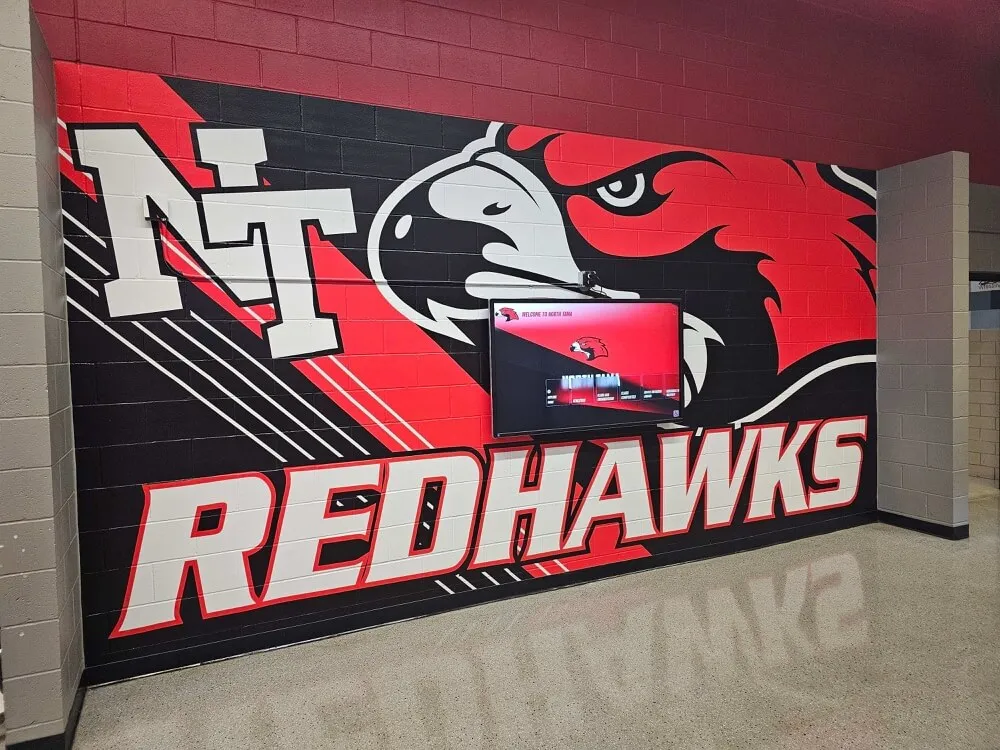
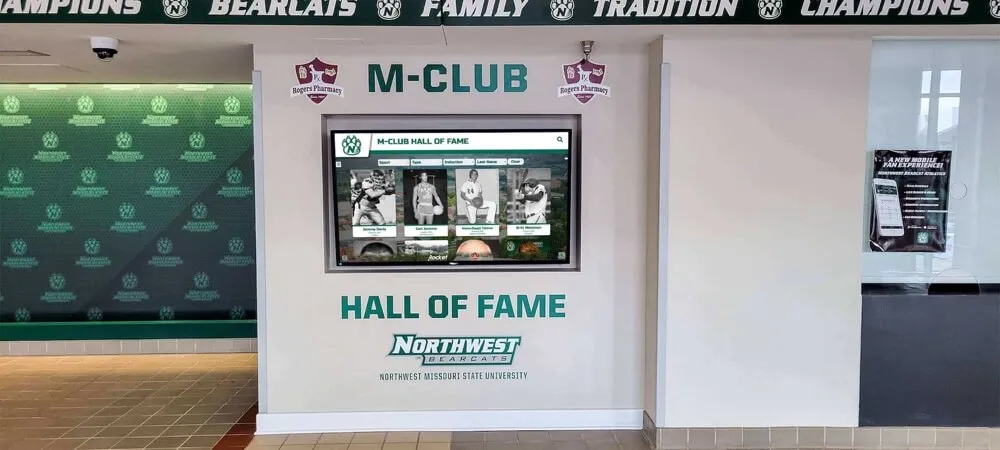
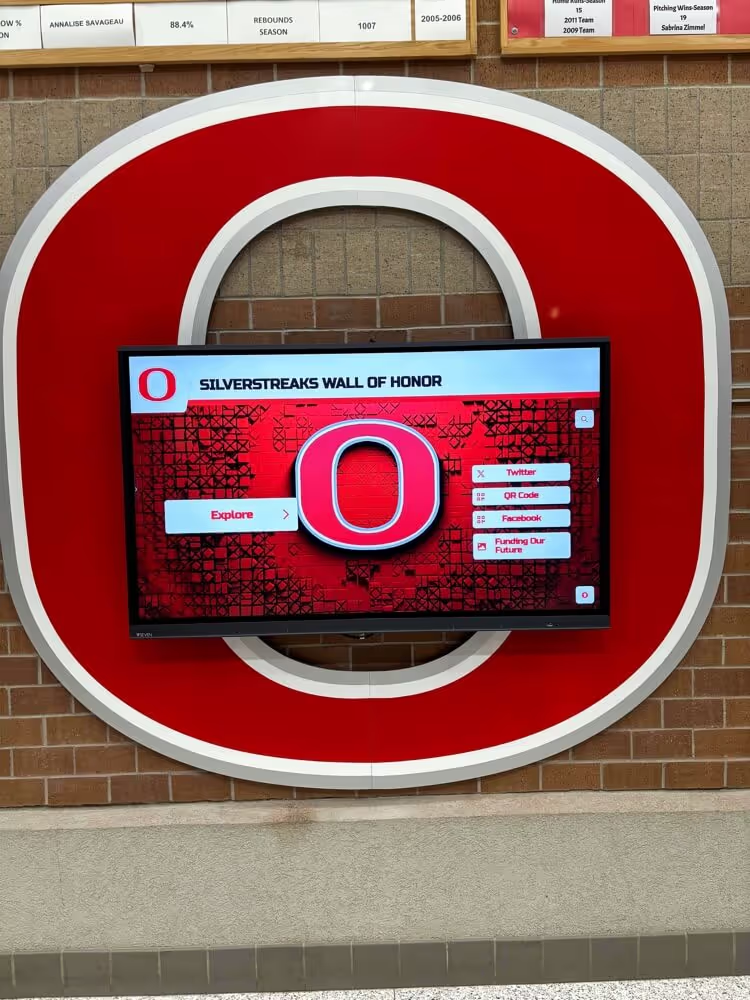
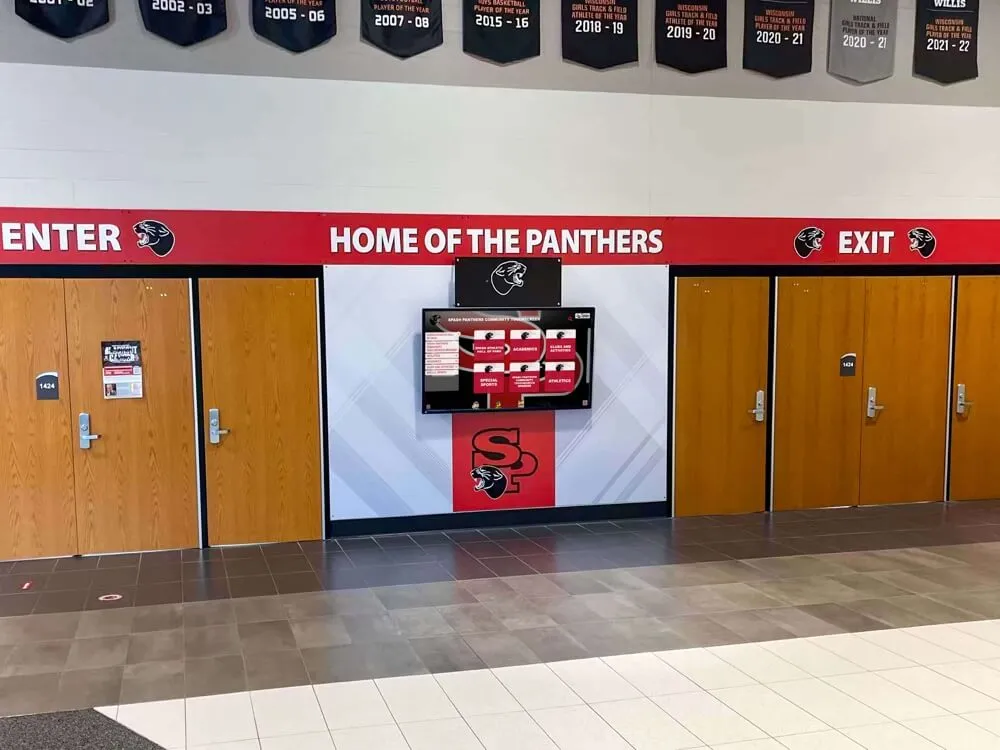
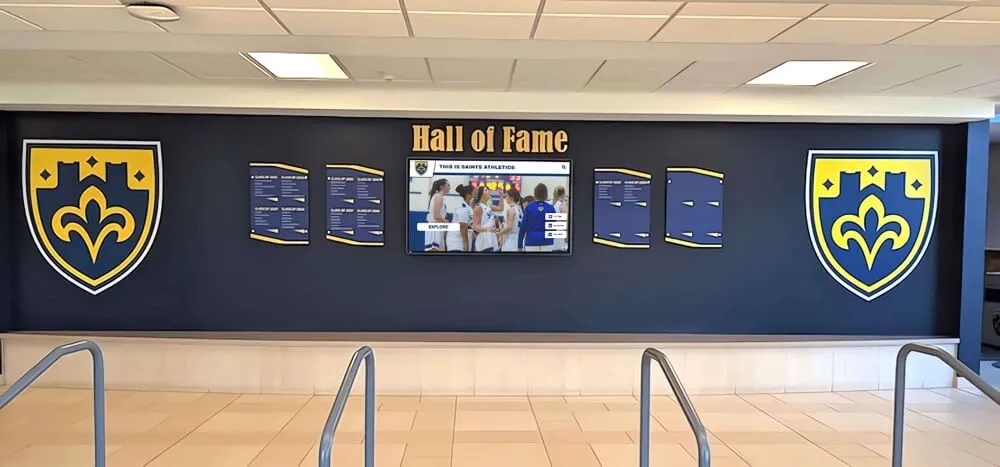
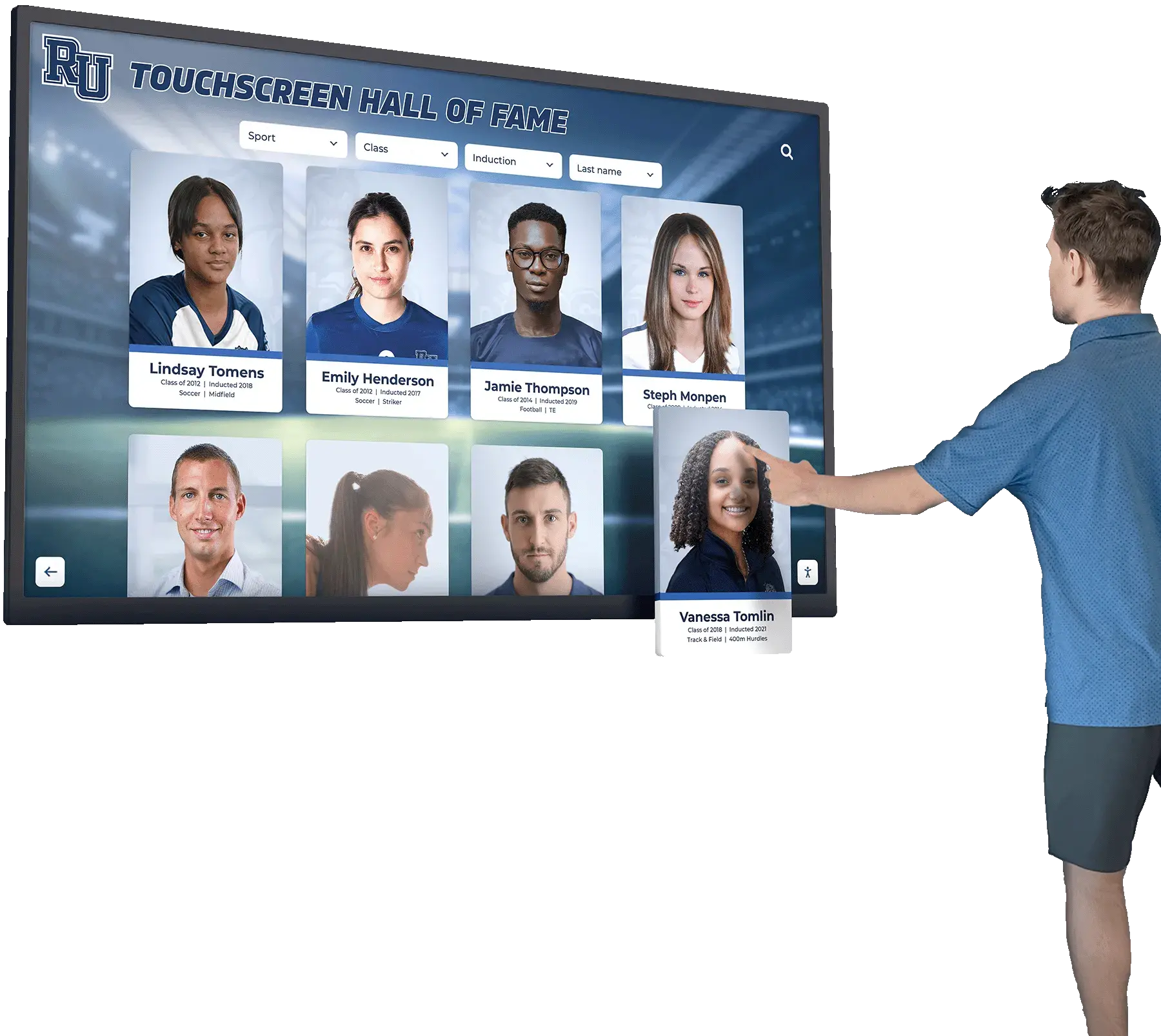
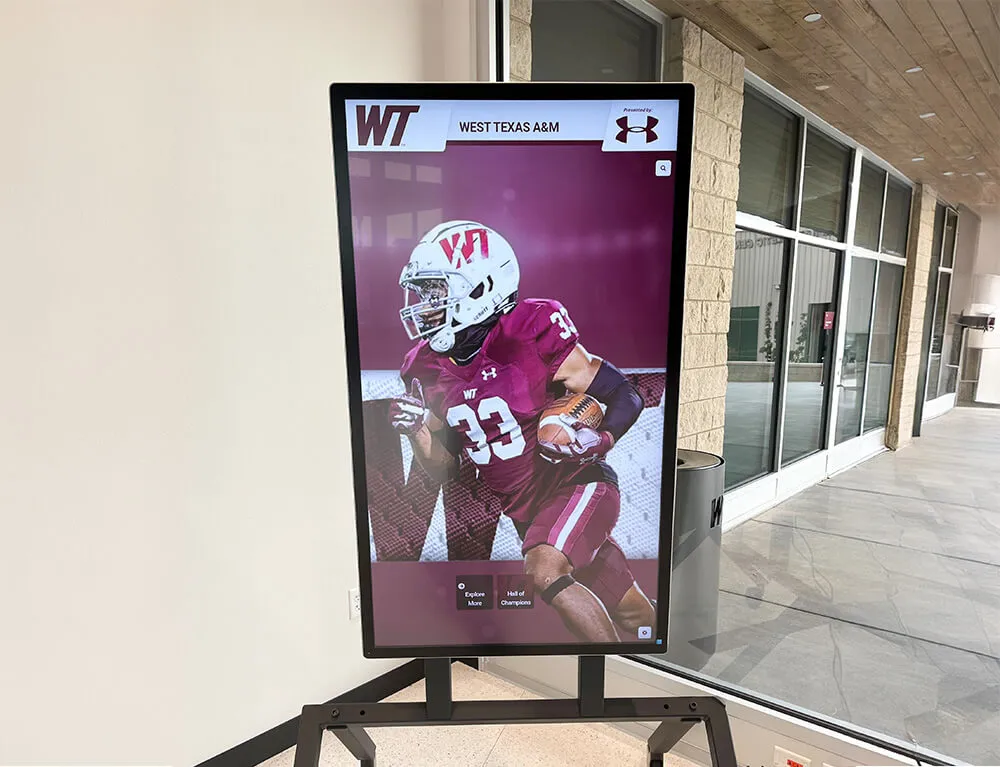
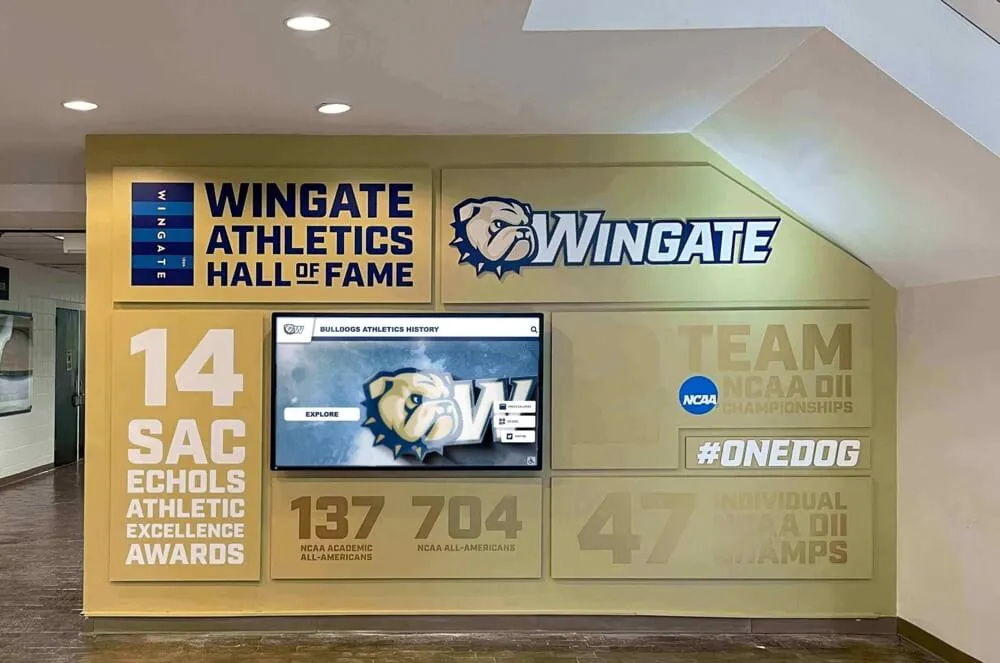
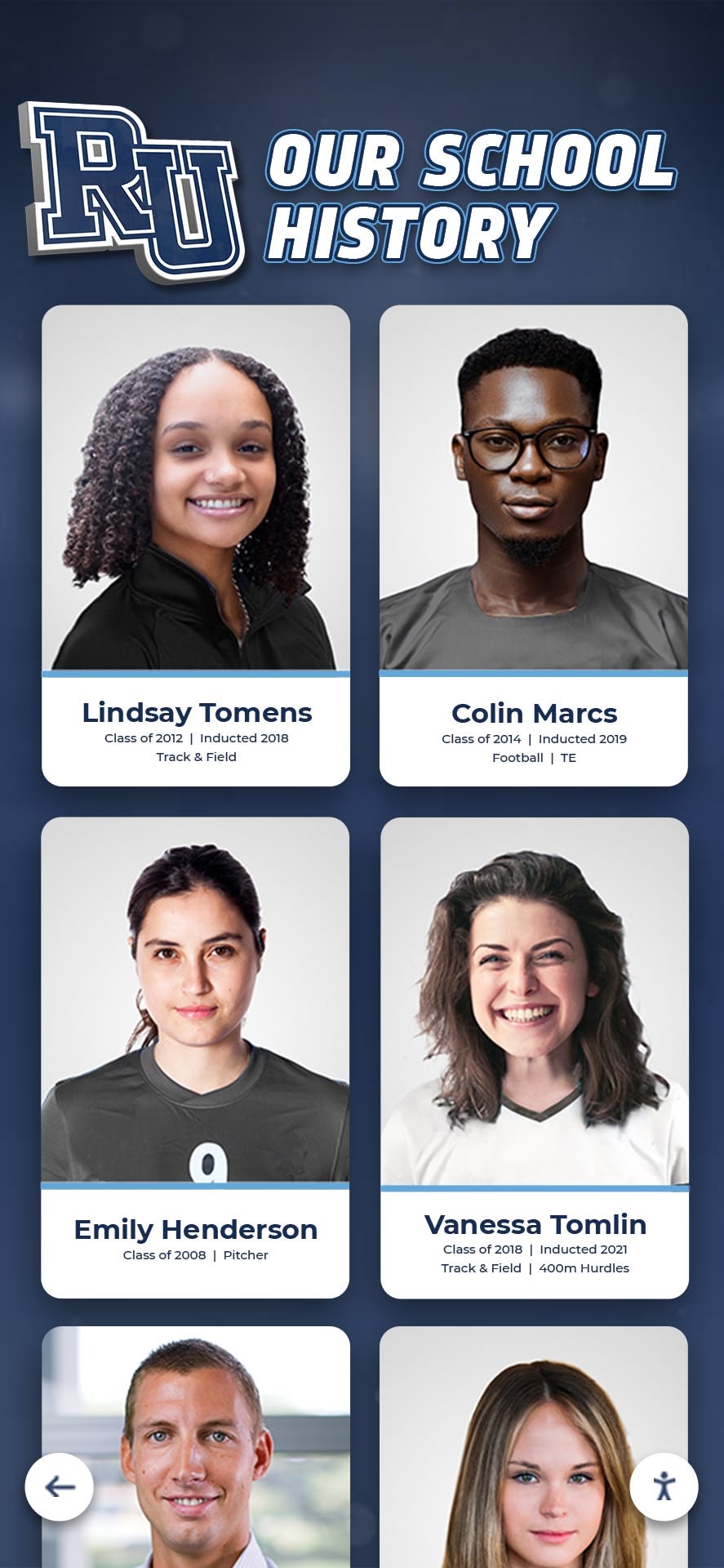
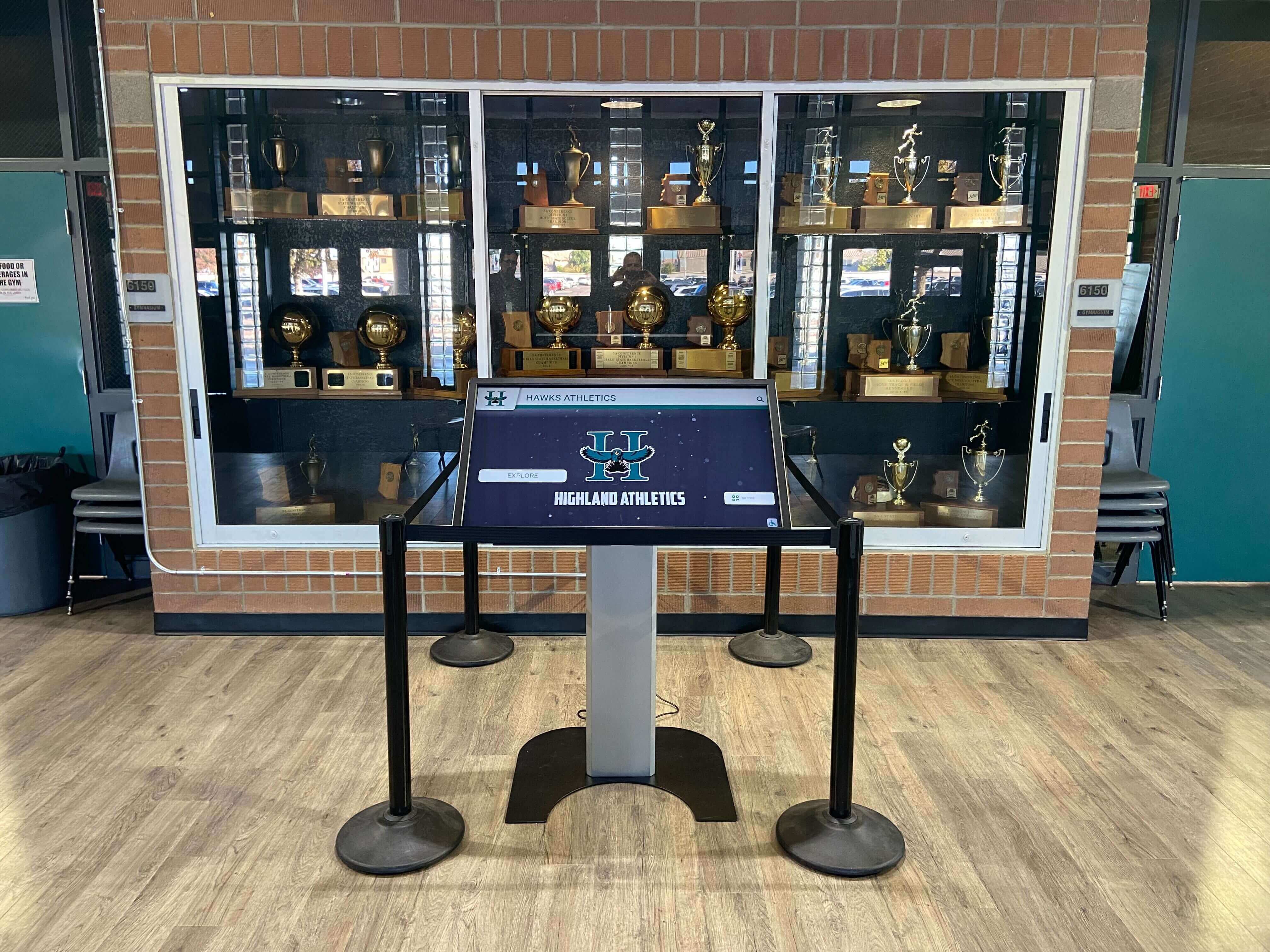
Interactive School History Displays: Modern digital recognition systems enable schools to showcase homecoming court members, celebration highlights, and tradition documentation through engaging touchscreen displays accessible throughout school buildings. These platforms create searchable databases where students can explore homecoming history across decades, view photos and profiles of past court members, and understand their school’s evolving traditions.
Comprehensive Achievement Tracking: Beyond just homecoming, comprehensive student recognition systems enable schools to document all forms of student achievement—from homecoming court to athletic accomplishments, academic honors, leadership roles, and service contributions—creating holistic portraits of student excellence that traditional plaques cannot capture.
Alumni Engagement Platforms: Digital recognition creates lasting connections allowing alumni to revisit their own homecoming experiences years later, view photos and information from their time on homecoming court, and maintain emotional connections to schools throughout their lives. This ongoing engagement strengthens alumni relationships while demonstrating to current students that their achievements receive lasting recognition.
Social Media Integration: Modern platforms enable schools to share homecoming celebrations through social channels while maintaining permanent archives. Photos posted to social media feed into lasting databases preserving memories permanently rather than disappearing into timeline oblivion.
Benefits of Permanent Homecoming Recognition
Thoughtful preservation of homecoming traditions serves multiple purposes:
Student Validation: Knowing their homecoming participation receives permanent recognition rather than temporary acknowledgment creates deeper meaning for students selected to homecoming court or who contribute significantly to celebrations.
Historical Documentation: Comprehensive records preserve school culture evolution, documenting how homecoming traditions change across decades while maintaining core values and purposes.
Community Connection: Visible displays of homecoming traditions—whether through digital systems in school lobbies or online platforms—demonstrate to prospective families, community members, and donors that schools value tradition, celebrate students meaningfully, and invest in recognizing excellence.
Inspiring Future Students: When current freshmen and sophomores see older students honored through homecoming court presentations or leadership recognition, they understand paths available to them and feel motivated to engage deeply in school culture.
Organizations like Rocket Alumni Solutions specialize in creating these comprehensive digital recognition systems specifically designed for schools. Their touchscreen displays enable schools to showcase decades of homecoming celebrations, honor hundreds of court members across years, and present school traditions engagingly while maintaining easy cloud-based updates requiring no technical expertise.
Planning Ahead: A Homecoming Preparation Timeline
For students wanting to maximize their homecoming participation or families helping students prepare, this timeline provides helpful planning structure:
3-4 Weeks Before Homecoming
- Learn specific homecoming week dates and schedule of events
- Understand homecoming court nomination and selection timeline if interested in participating
- Begin outfit shopping with reasonable budget in mind
- Research school-specific traditions and expectations
- Coordinate with friends about potential group plans
2 Weeks Before Homecoming
- Finalize Spirit Week participation plans and coordinate any needed costume elements
- Purchase homecoming dance tickets if advance sales required
- Confirm transportation arrangements for various events
- Make any necessary appointments for hair, makeup, or other services if desired
- Begin planning any float decoration participation or other volunteer activities
1 Week Before Homecoming
- Complete outfit acquisition and any needed alterations
- Finalize all coordination with friend groups
- Confirm schedule with parents regarding transportation, pickup times, and logistics
- Review school rules and behavior expectations
- Prepare Spirit Week outfits and gather needed materials
Homecoming Week
- Participate actively in daily Spirit Week themes
- Attend pep rallies and lunchtime activities
- Support float decoration or other class activities if involved
- Attend the parade if your school organizes one
- Prepare for Friday’s game and Saturday’s dance with excited anticipation
- Take photos documenting your participation for lasting memories
Conclusion: Embracing This Meaningful High School Tradition
Homecoming represents far more than a dance, football game, or week of themed dress-up days. This comprehensive tradition creates shared experiences uniting school communities while celebrating institutional pride, honoring student achievement, maintaining connections with alumni, and building memories that students carry throughout their lives. Understanding homecoming’s various components—from Spirit Week activities to court selection, from the Friday night game to Saturday’s dance—helps students and families approach this tradition thoughtfully and participate meaningfully.
For students, homecoming offers valuable opportunities to connect with peers outside academic settings, demonstrate school pride, practice event planning and coordination skills, experience supervised formal social events, and create high school memories worth treasuring. For parents, homecoming provides windows into school culture while offering chances to support student involvement during these formative years.
For schools, maintaining and celebrating homecoming traditions serves essential functions building institutional identity, connecting generations of students and alumni, demonstrating commitment to holistic student experiences beyond academics, and creating positive community relationships extending far beyond school walls.
As homecoming traditions evolve to reflect contemporary values around inclusion, diversity, and student leadership, the core purpose remains constant—celebrating what makes each school community unique while honoring students who contribute to institutional excellence across multiple dimensions. Whether you’re a nervous freshman attending your first homecoming, a senior savoring final high school celebrations, or a parent helping your student navigate this tradition, approaching homecoming with open hearts and genuine school spirit creates experiences that define the best aspects of the American high school journey.
Preserve Your School’s Homecoming Traditions Permanently
While homecoming creates annual celebrations bringing together school communities, preserving these traditions through lasting recognition ensures future students understand your school’s rich history and culture. Discover how modern digital recognition solutions help schools honor homecoming court members, document celebration traditions, and create engaging displays that preserve school legacies for generations to come—creating touchscreen platforms where students explore decades of homecoming memories while building connections to broader institutional traditions.