



Key Takeaways
Discover everything students and parents need to know about varsity letters—what they are, how to earn them, eligibility requirements, and why they matter for college applications and school recognition.
High school represents a time of growth, exploration, and achievement—and few recognitions carry as much significance as earning a varsity letter. Whether you’re a parent trying to understand what your student is working toward or a student wondering what it takes to earn one, varsity letters remain one of the most respected traditions in American education.
A varsity letter recognizes students who demonstrate exceptional skill, commitment, and character in athletics or other competitive activities. This comprehensive guide explains everything students and parents need to know about varsity letters: what they represent, how students earn them, what requirements look like across different sports and activities, and why these achievements matter both during high school and beyond.
Understanding Varsity Letters: Definition and Significance
Before diving into requirements and processes, understanding what varsity letters represent and why they matter provides essential context.
What Exactly Is a Varsity Letter?
A varsity letter is a prestigious award recognizing high school students who meet specific achievement standards in athletics or competitive activities. The physical varsity letter consists of a large chenille patch—typically 5 to 7 inches tall—featuring the first letter of the school’s name in the school’s colors.
Physical Characteristics:
- Raised chenille fabric creating a distinctive textured appearance
- Bold block lettering representing the school’s initial
- School colors prominently displayed
- Durable construction designed to last for years
- Traditionally worn on the left chest of letter jackets
The varsity letter originated at Harvard University in 1865 when the baseball team began distinguishing varsity players from other students. This simple recognition system spread throughout American schools, evolving into one of education’s most enduring achievement symbols.
Why Varsity Letters Matter
Varsity letters carry significance that extends far beyond the physical patch itself:
Academic and Athletic Recognition: Earning a varsity letter acknowledges that a student has achieved at the highest level their school offers. Unlike participation awards given simply for involvement, varsity letters recognize students who meet demanding standards requiring skill, dedication, and sustained effort.
Character Development: The journey toward earning a varsity letter teaches valuable life lessons. Students learn persistence through challenging practices, resilience after setbacks, teamwork through collaboration with teammates, time management by balancing athletics with academics, and responsibility through meeting team expectations consistently.
School Pride and Tradition: Varsity letters connect current students with alumni who earned similar recognition decades earlier. This tradition creates continuity across generations while building school identity and community pride. Students wearing their letters become representatives of their school’s competitive legacy.
College Application Value: Admissions officers view varsity letters as evidence of dedication and achievement. While no single activity guarantees admission, varsity letters demonstrate qualities colleges seek: commitment to excellence, ability to balance multiple responsibilities, leadership potential, and willingness to challenge oneself in competitive environments.
Types of Varsity Letters: Beyond Traditional Athletics
While most people associate varsity letters with sports, modern high schools award letters across diverse achievement areas.
Athletic Varsity Letters
Traditional athletic varsity letters remain the most common recognition type:
Team Sports: Basketball, football, soccer, volleyball, baseball, softball, lacrosse, field hockey, ice hockey, and water polo typically offer varsity letter opportunities. Team sport letters often require students to participate in a minimum percentage of games or quarters while maintaining good standing with the team.
Individual Sports: Track and field, cross country, swimming, wrestling, tennis, golf, and gymnastics award letters based on criteria that may include meeting time standards, placing in competitions, qualifying for championships, or accumulating points throughout the season.
Emerging Sports: Many schools now offer varsity competition in bowling, competitive cheer, dance team, skiing, snowboarding, rowing, sailing, and other activities. These programs follow similar recognition frameworks as traditional sports, with letters awarded based on achievement and participation standards. Schools celebrating these diverse athletic achievements often find students excel across multiple areas.
Academic and Activity Varsity Letters
Many schools extend varsity letter recognition beyond athletics:
Academic Excellence: Students maintaining exceptional GPAs or achieving academic honors may earn academic letters. Requirements typically include maintaining a 3.5 GPA or higher for multiple semesters, making honor roll consistently, or achieving national merit scholar recognition.
Competitive Academic Activities: Debate teams, robotics competitions, quiz bowl teams, math teams, science olympiad participants, and similar competitive academic programs often award varsity letters to students who meet participation and achievement standards comparable to athletic programs.
Performing Arts: Band, choir, orchestra, theater, and dance programs may offer varsity letters recognizing sustained participation, leadership roles, competition success, or exceptional performance. These letters acknowledge the dedication and skill development that performing arts require.
Student Leadership: Some schools award varsity letters to student government officers, peer mentors, or students demonstrating exceptional leadership. These recognitions celebrate students who contribute to school culture and community beyond traditional competitive activities.
How to Earn a Varsity Letter: Requirements and Standards
Varsity letter requirements vary significantly across schools, sports, and activities. Understanding common frameworks helps students and parents navigate the process.
Standard Athletic Letter Requirements
Most athletic programs establish letter criteria based on several factors:
Participation Minimums: Students typically must participate in a specified percentage of varsity games, matches, or competitions. Common standards include:
- Playing in 50-75% of varsity quarters, innings, or matches
- Competing in varsity events throughout the season
- Being an active roster member for entire seasons
- Participating in practices consistently
Schools recognize that playing time varies based on skill level, team depth, and competitive situations. Some programs award letters based on dress-roster participation even if playing time remains limited, while others require actual competitive participation.
Season Completion: Letter candidates must complete entire seasons in good standing. This means:
- Attending practices and games according to team expectations
- Following team rules and behavioral standards
- Maintaining academic eligibility throughout the season
- Completing end-of-season obligations
Students who quit teams before seasons end, face disciplinary removal, or fail to maintain eligibility typically forfeit letter eligibility regardless of their performance earlier in the season.
Performance Standards: Some sports include specific performance benchmarks:
For track and field, students might need to achieve qualifying times, distances, or heights; score points at meets; or place at championship competitions. Cross country often requires finishing races within specific times or placing in the top percentage of runners. Swimming establishes time standards for various events that students must meet to letter.
Team sports may require accumulating statistics (points scored, innings pitched, matches won) or demonstrating sufficient skill to earn varsity playing time over a sustained period rather than just single-game appearances.
Academic Eligibility: Virtually all programs require letter candidates to maintain minimum academic standards:
- Minimum GPA requirements (typically 2.0-2.5, though some schools set higher standards)
- Passing all classes each grading period
- Meeting state athletic association eligibility rules
- Maintaining enrollment and attendance requirements
Students failing to meet academic standards lose athletic eligibility and cannot earn letters even if they meet all athletic criteria. This emphasis on academics reinforces that student-athletes are students first.
Character and Sportsmanship: Most coaches consider character factors when awarding letters:
- Demonstrating good sportsmanship toward opponents and officials
- Being a positive teammate who supports others
- Representing the school with appropriate behavior
- Showing respect toward coaches and following team rules
- Displaying commitment through attendance and effort
Exceptional athletes who meet all participation and performance standards may still be denied letters if their behavior fails to reflect school values or team expectations.
First-Time vs. Multi-Year Letters
Many schools distinguish between earning an initial varsity letter and subsequent recognitions:
Initial Letter Award: The first time a student earns a varsity letter represents a significant achievement. Schools typically award:
- The chenille letter patch itself
- Recognition at awards ceremonies or assemblies
- Eligibility to purchase and wear a letter jacket
- Documentation for college applications and achievement records
Subsequent Letter Awards: Students who continue earning letters in subsequent seasons or years typically receive:
- Metal or chenille pins indicating additional seasons
- Sport-specific patches for each year of participation
- Special recognition for multi-year letter winners
- Team captain or leadership patches for elevated roles
Some schools award bars or stripes added beneath the letter indicating years of achievement, while others provide pins worn on the letter itself. Multi-sport athletes who letter in different sports receive patches representing each activity displayed on letter jackets or in achievement portfolios.
Sport-Specific Letter Criteria
Each sport establishes criteria reflecting its unique competitive structure:
Football: Football letter requirements often include participating in a specific number of quarters across the season, making the playoff roster if teams qualify, completing all practices and team obligations, and demonstrating commitment through preseason camps and conditioning.
Basketball: Basketball letters typically require playing in a percentage of quarters throughout the season, being on the active roster for tournaments and playoff games, meeting practice attendance expectations, and contributing to team success through playing time or roster depth.
Baseball and Softball: Letter criteria might include playing in a minimum number of innings or games, being on the roster for district and playoff competitions, completing entire seasons including postseason play, and meeting position-specific or statistical benchmarks some programs establish.
Track and Field and Cross Country: These sports often require athletes to score points at meets, achieve qualifying standards in their events, compete consistently throughout the season, or qualify for regional or state championships. The specific standards vary based on school competitiveness and historical performance levels.
Swimming and Diving: Letter requirements typically involve meeting time standards in events, scoring points at meets, qualifying for championship competitions, or demonstrating improvement and commitment throughout seasons. Some programs establish different standards for different events reflecting varying difficulty levels.
The Letter Award Process: From Earning to Receiving
Understanding the timeline and process helps students and parents know what to expect.
Season Completion and Evaluation
The letter award process typically begins as seasons conclude:
Coach Evaluation: Head coaches review each athlete’s participation, performance, academic standing, and character throughout the season. Most coaches maintain records tracking:
- Games, matches, or competitions participated in
- Playing time accumulated across the season
- Performance statistics relevant to the sport
- Practice attendance and commitment levels
- Academic eligibility status throughout the season
- Behavioral issues or character concerns if any arose
Coaches typically discuss letter recommendations with assistant coaches to ensure consistent and fair evaluation across all team members.
Athletic Director Review: Athletic directors often review coach recommendations to ensure:
- Letter criteria are applied consistently across sports
- School policies regarding academic eligibility are upheld
- Documentation supports letter recommendations
- Any unusual circumstances receive appropriate consideration
This review process helps maintain standards across different programs while giving coaches flexibility to make judgment calls in borderline situations.
Documentation and Approval: Schools maintain official records of letter awards including:
- Student names and graduation years
- Sports or activities in which letters were earned
- Seasons and years of recognition
- Any special designations like team captain or multiple sports
This documentation becomes part of students’ permanent achievement records and can be referenced for college applications, scholarship opportunities, or personal achievement portfolios.
Recognition and Award Ceremonies
Schools celebrate letter winners through various recognition formats:
Awards Banquets: Many athletic programs host end-of-season banquets where coaches recognize letter winners. These events typically include:
- Presentation of letters to first-time recipients
- Recognition of multi-year letter winners
- Special awards for team captains, most valuable players, and other honors
- Acknowledgment of senior athletes completing their careers
- Opportunities for families to celebrate achievements together
School-Wide Recognition: Beyond team-specific events, schools often recognize letter winners through:
- Announcements during assemblies or pep rallies
- Features in school newspapers or morning announcements
- Social media posts celebrating achievement
- Display on school websites or digital recognition platforms
- Inclusion in year-end achievement ceremonies
Some schools hold senior night celebrations that specifically honor graduating athletes and their letter achievements throughout their high school careers.
Physical Letter Presentation: The actual varsity letter patch is presented to students with appropriate recognition. Some schools frame letters for presentation ceremonies, while others provide letters in presentation boxes or folders. This physical award becomes a tangible symbol of achievement that students can display at home, attach to letter jackets, or preserve in achievement portfolios.
Displaying and Celebrating Varsity Letters
Once earned, students and schools have multiple options for showcasing these achievements.
Individual Student Display Options
Students typically display their varsity letters through several methods:
Letter Jackets: The traditional letter jacket remains the most iconic way to display varsity letters. These wool-body, leather-sleeve jackets feature:
- The school letter prominently displayed on the left chest
- School name or mascot on the back
- Additional patches representing sports, years, and achievements
- School colors throughout the design
- Personal customization options like name embroidery
Letter jackets typically cost $200-$400 depending on customization level. Some schools subsidize costs for first-time letter winners, while booster clubs or parent organizations may offer financial assistance to ensure all letter winners can afford jackets regardless of family financial situations.
Letter Blankets and Pillows: Many students choose to display letters on chenille blankets or decorative pillows rather than jackets. These alternatives provide:
- Display options for students who don’t wear jackets regularly
- Preservation alternatives that prevent jacket wear and tear
- Bedroom décor showcasing achievements
- Cost-effective options when full jacket purchases aren’t feasible
Shadow Boxes and Frames: Some families preserve varsity letters in shadow box displays along with:
- Team photographs from the season
- Game tickets or programs from memorable competitions
- Additional patches, pins, or awards earned
- Personal items representing the achievement journey
These displays become lasting mementos that students can keep throughout their lives as reminders of high school achievements.
School-Wide Recognition and Display
Schools honor letter winners collectively through various recognition systems:
Traditional Trophy Cases: Many schools maintain trophy cases featuring:
- Plaques listing letter winners by sport and year
- Team photographs with letter recipients identified
- Historical letter jackets from notable alumni
- Championship trophies and team achievements
However, traditional trophy cases face space limitations as programs mature and recognition accumulates. Schools with decades of letter winners may struggle to display all achievements comprehensively, leading many to seek modern display alternatives.
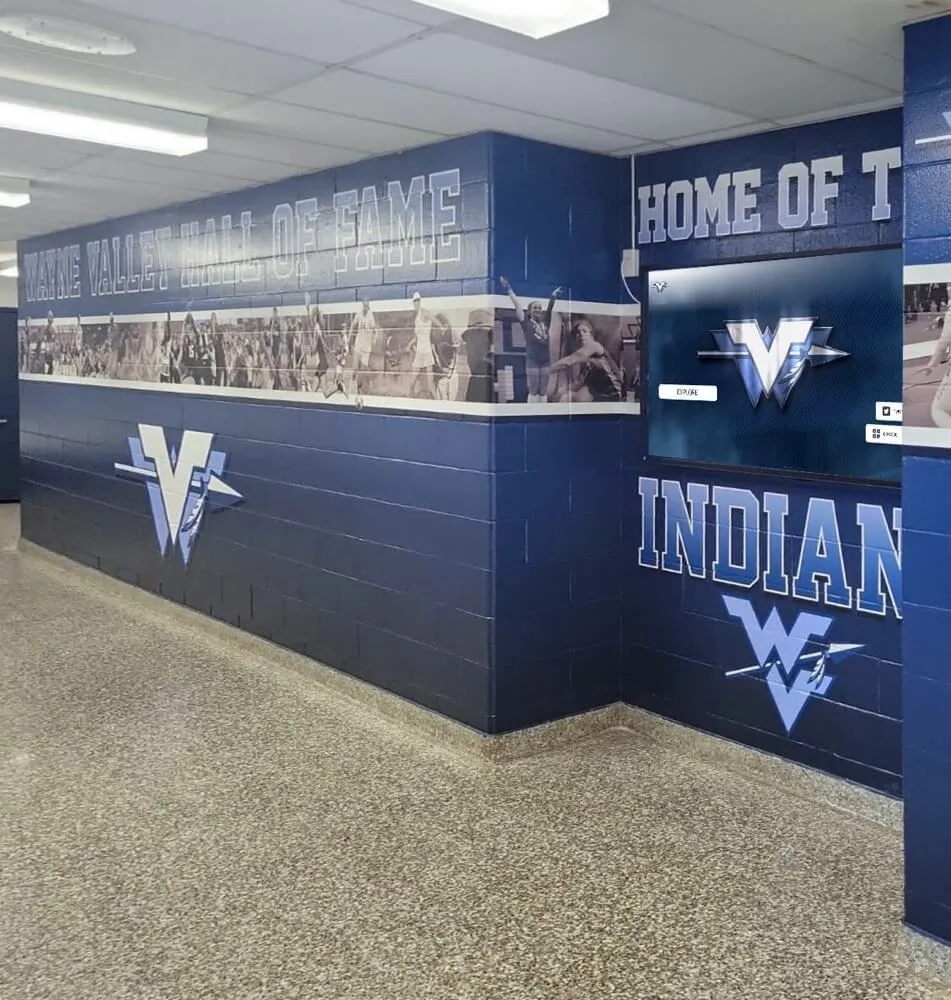
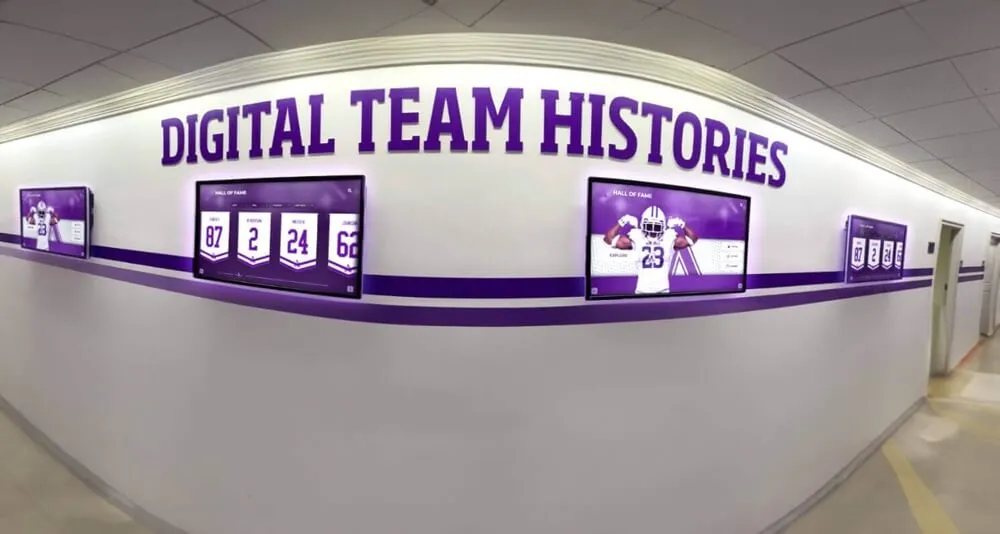
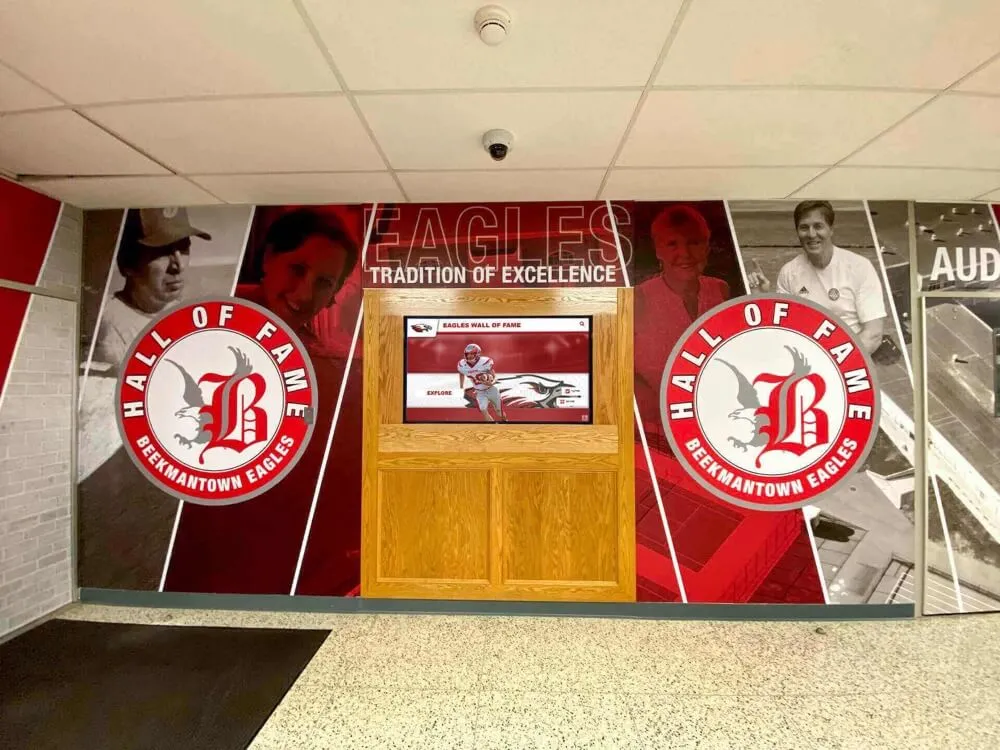
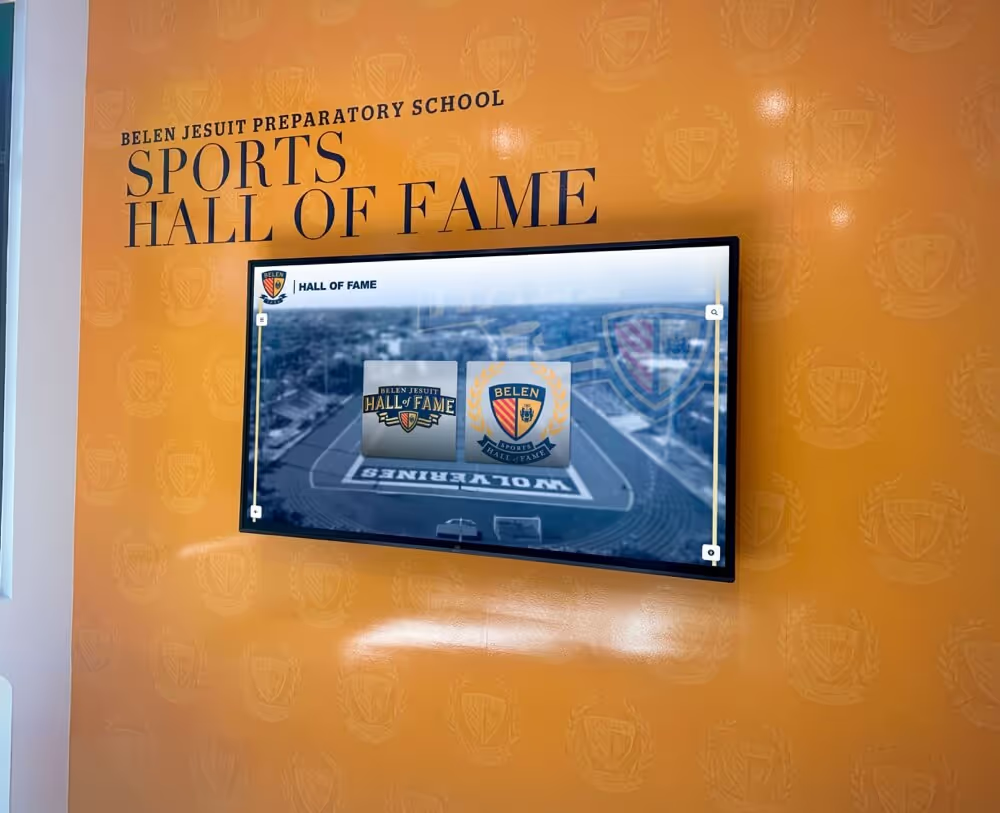
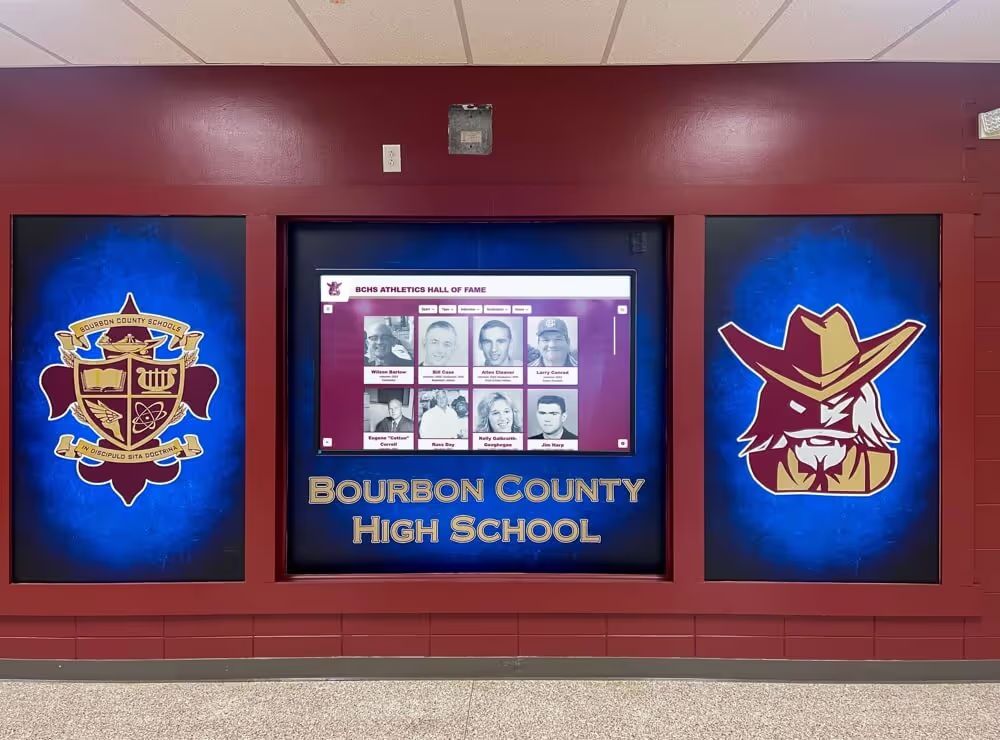
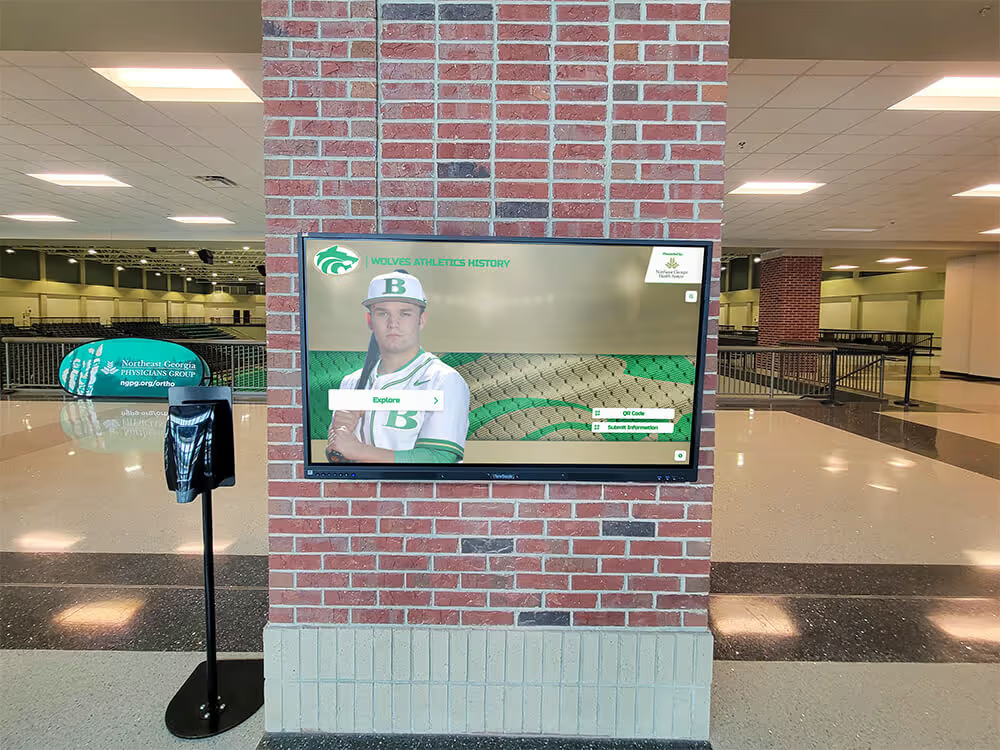
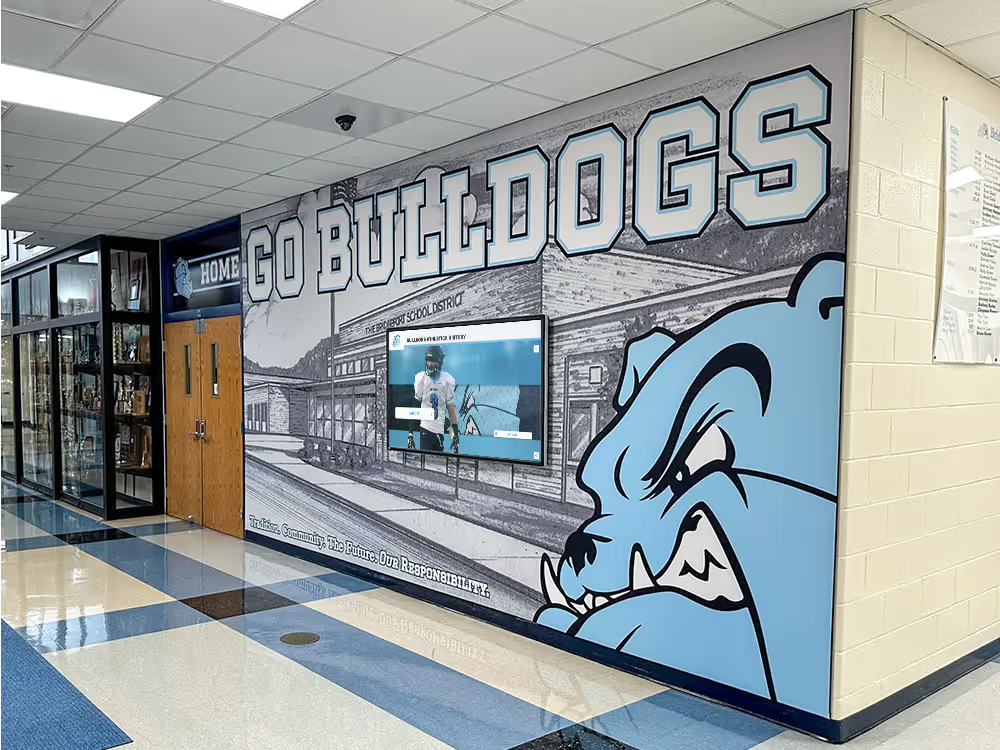
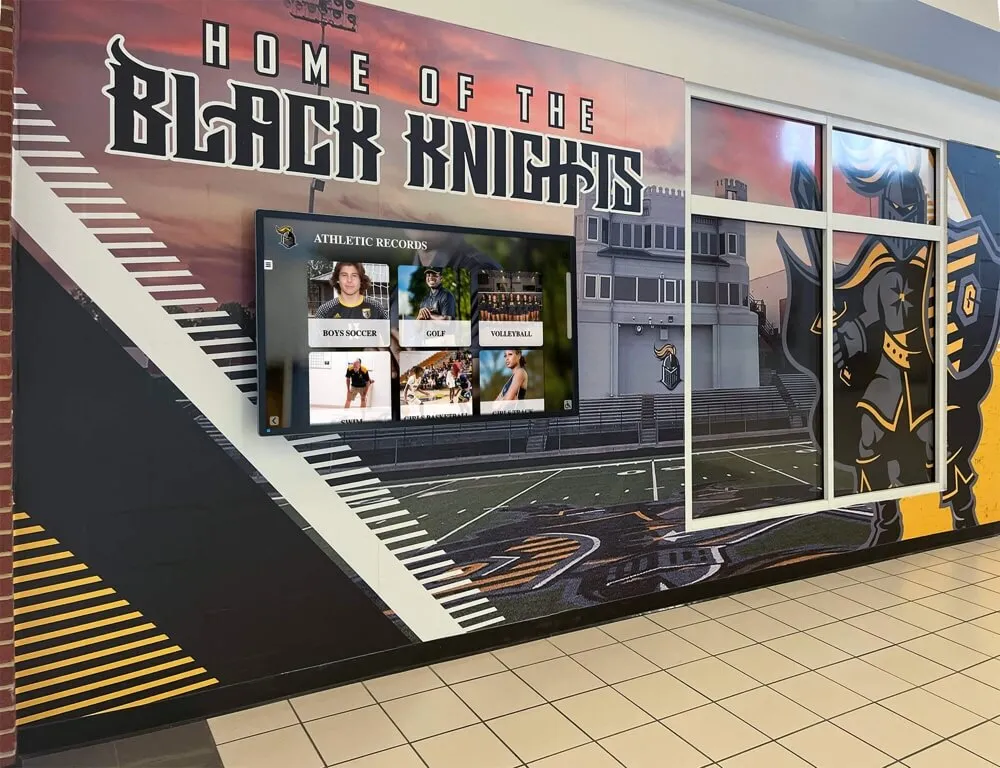
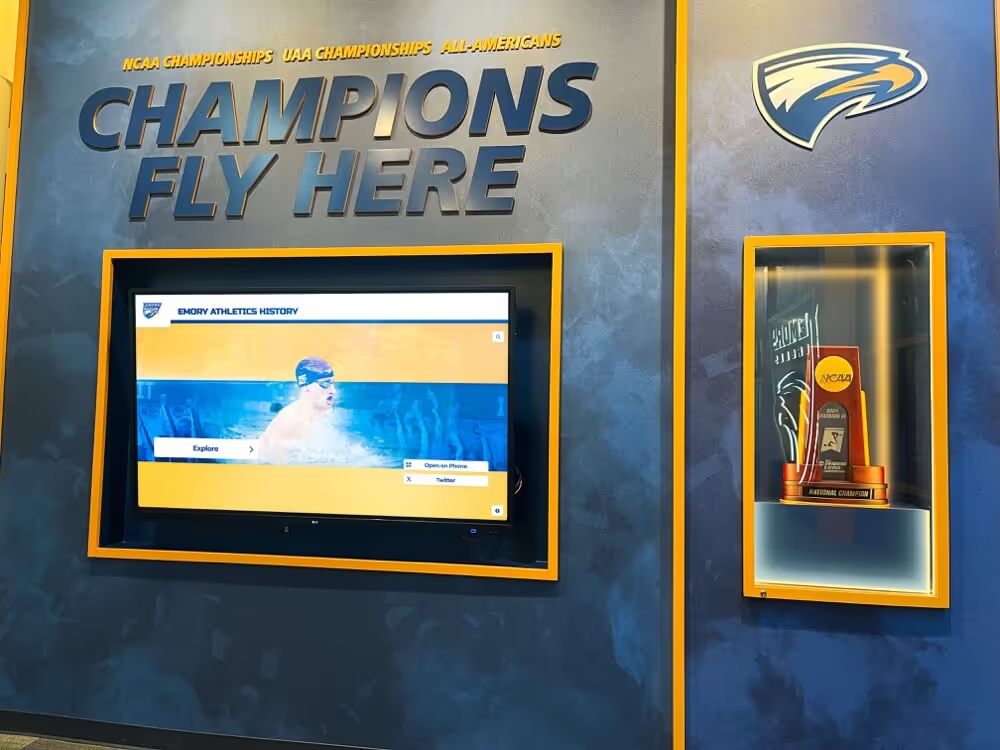
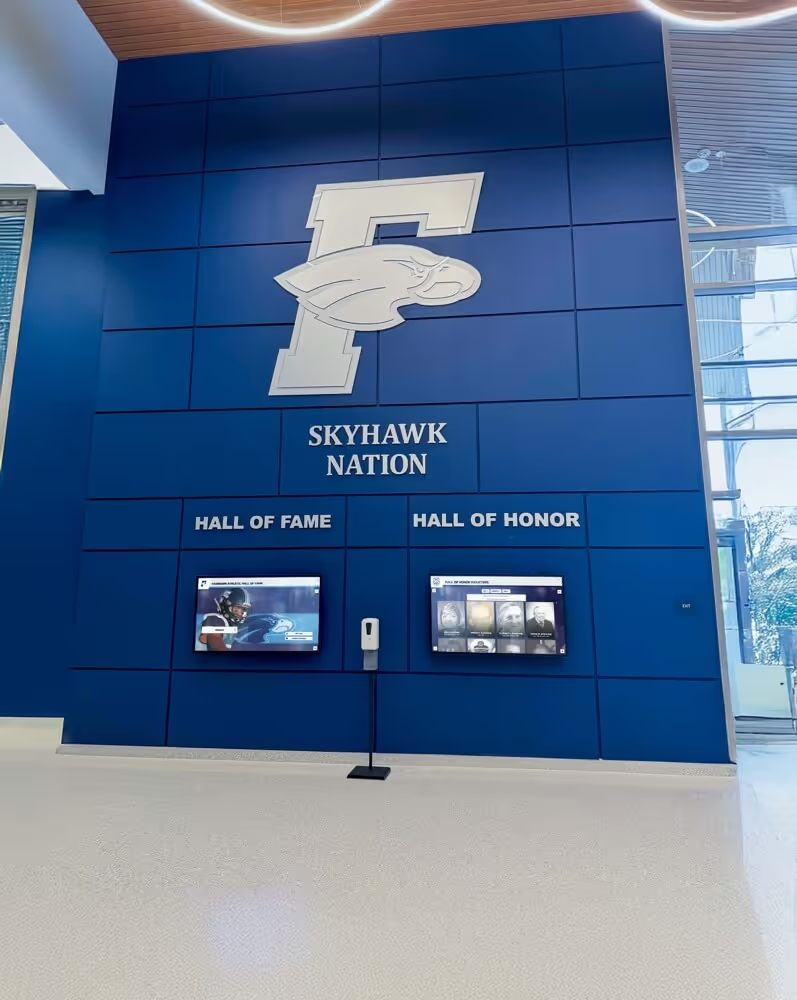
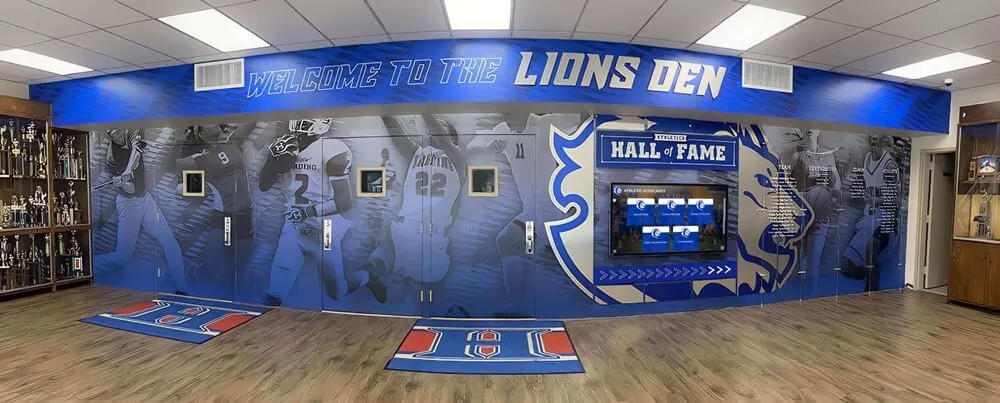
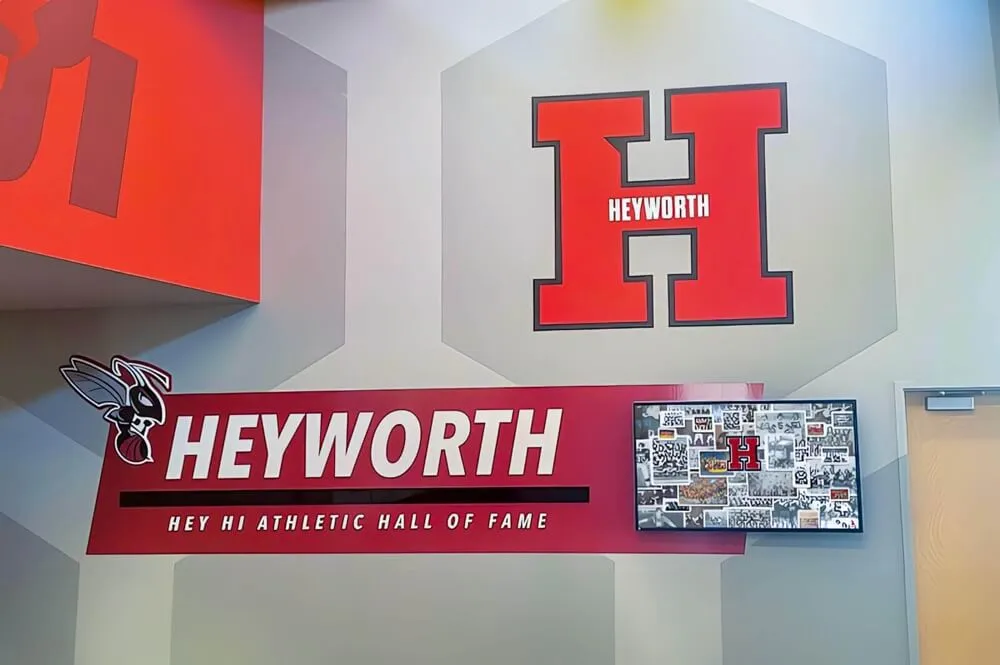
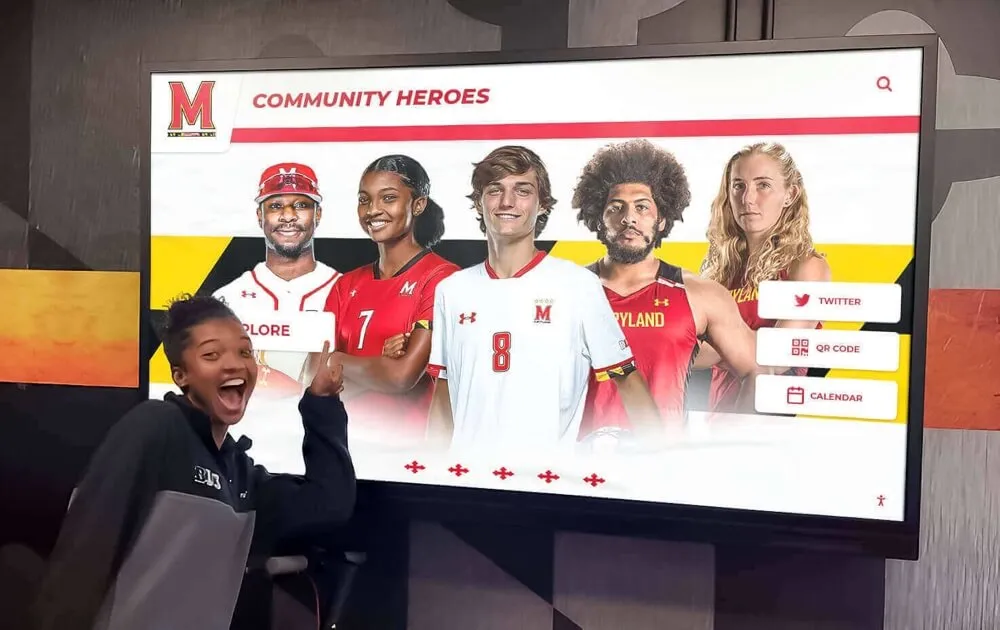
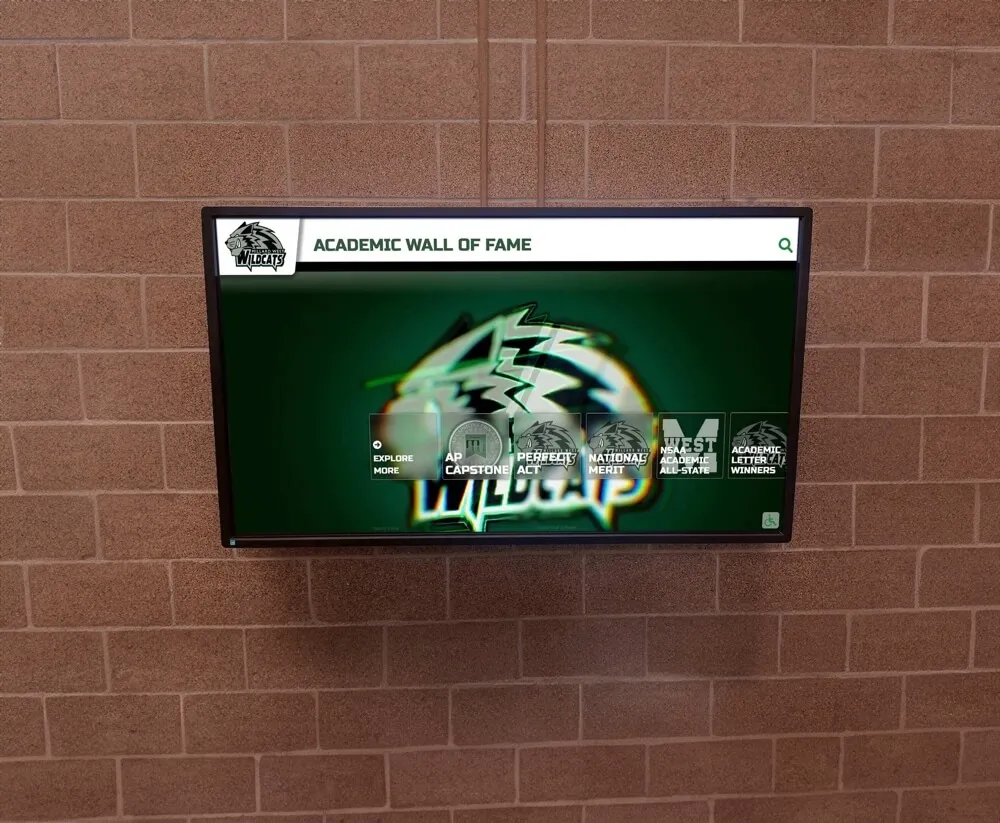
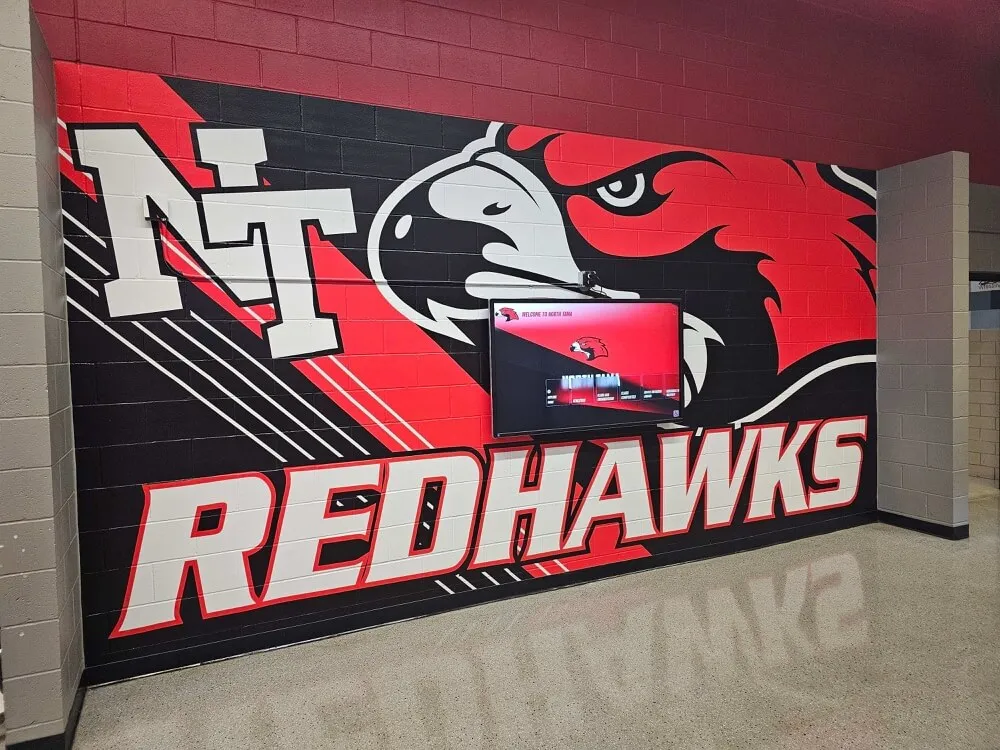
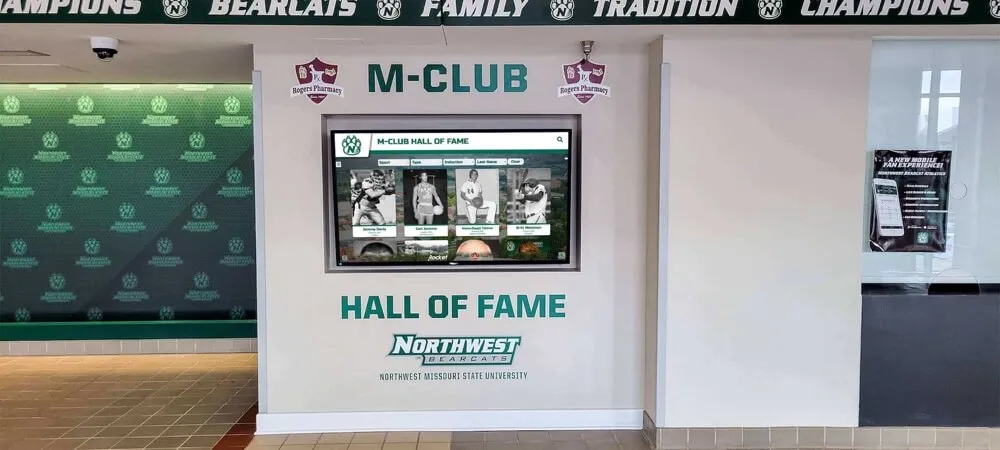
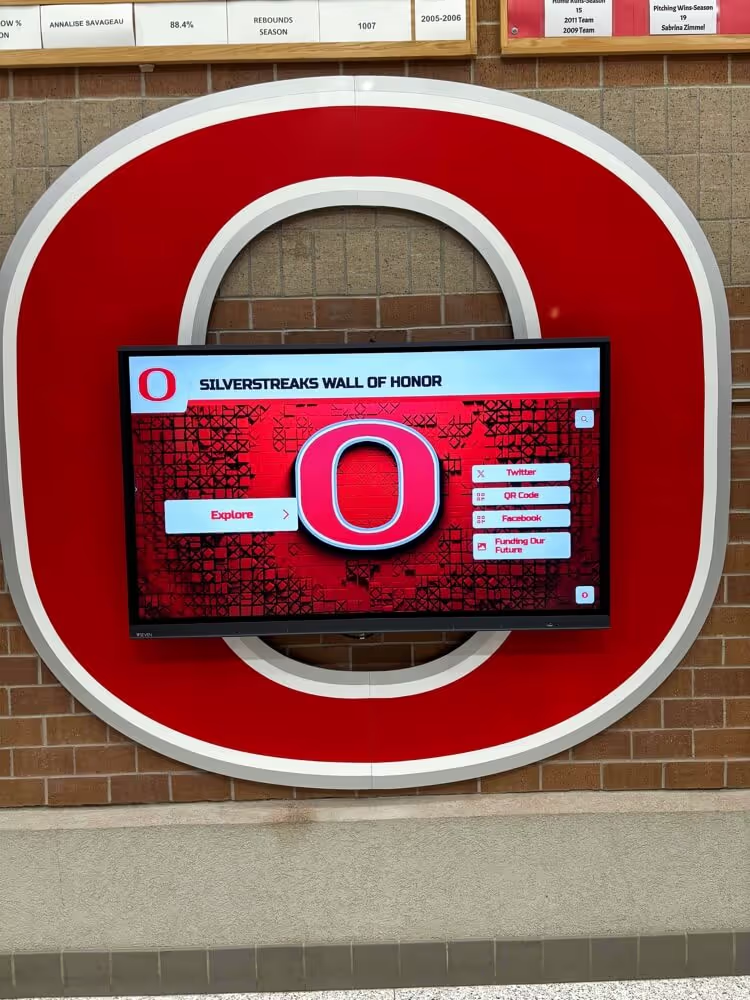
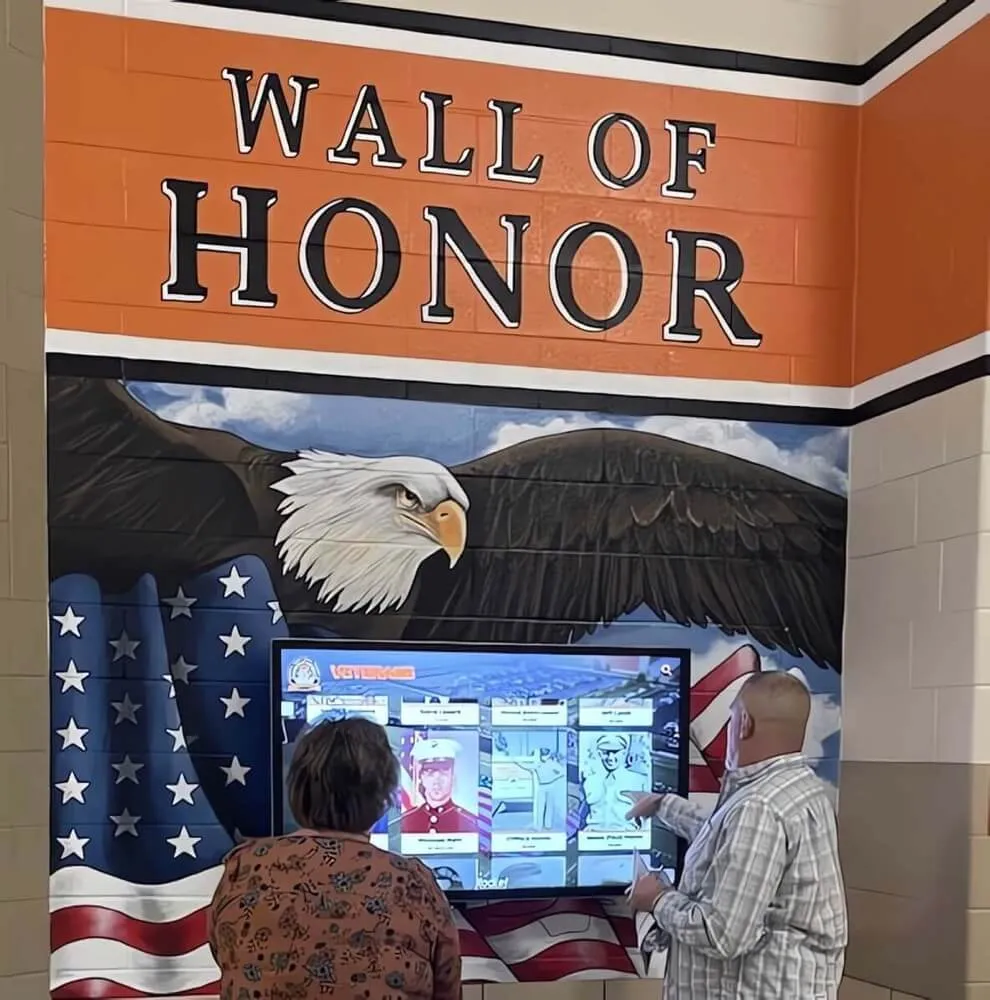
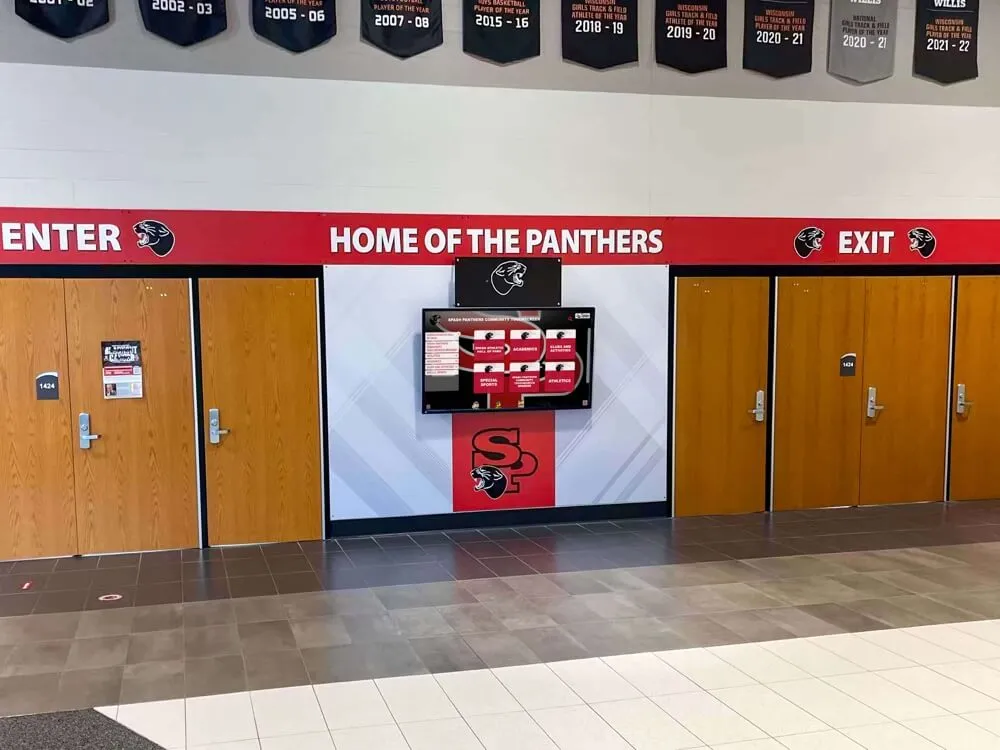
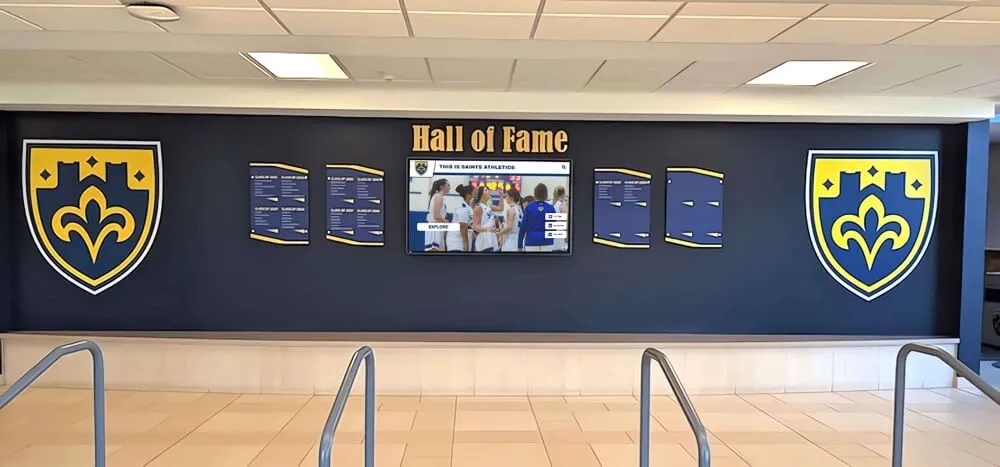
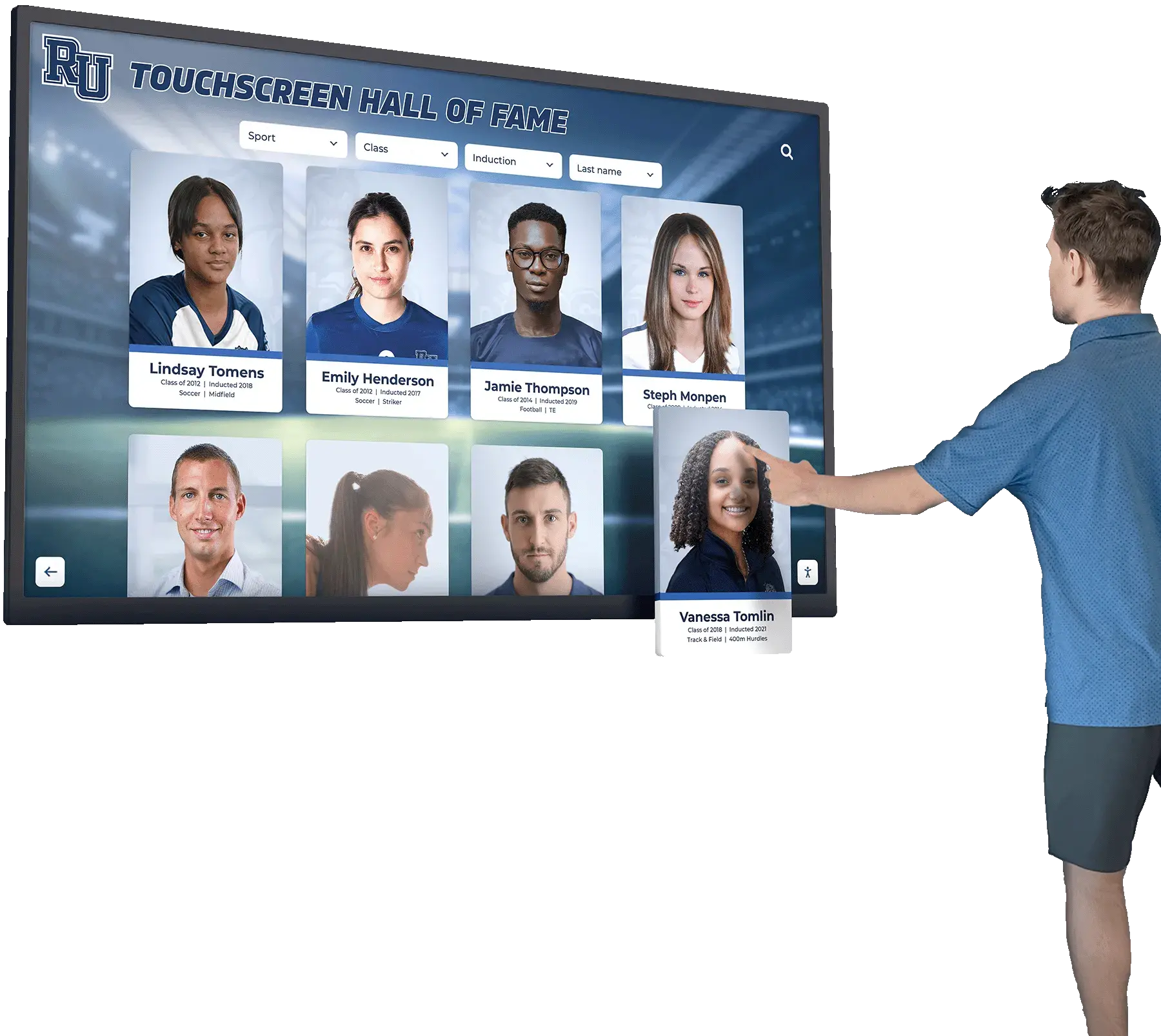
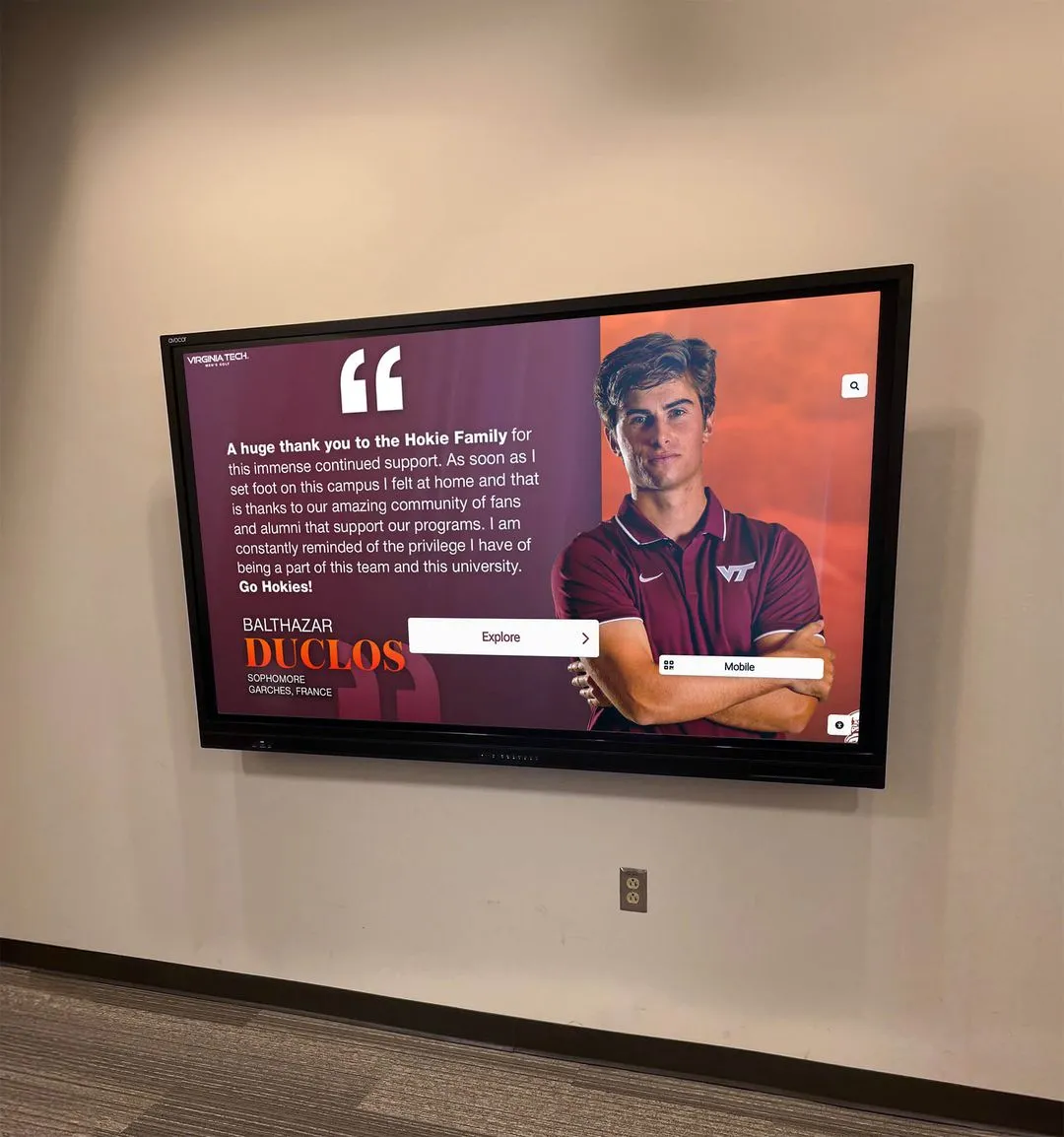
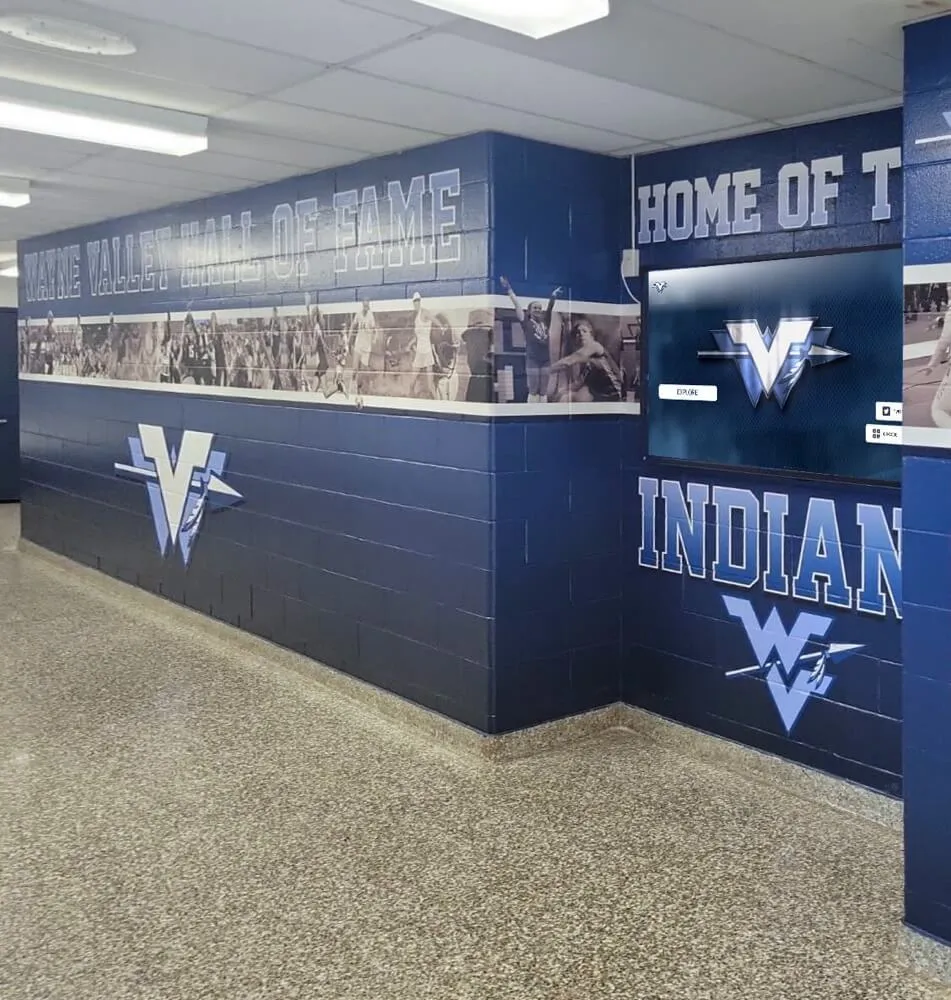
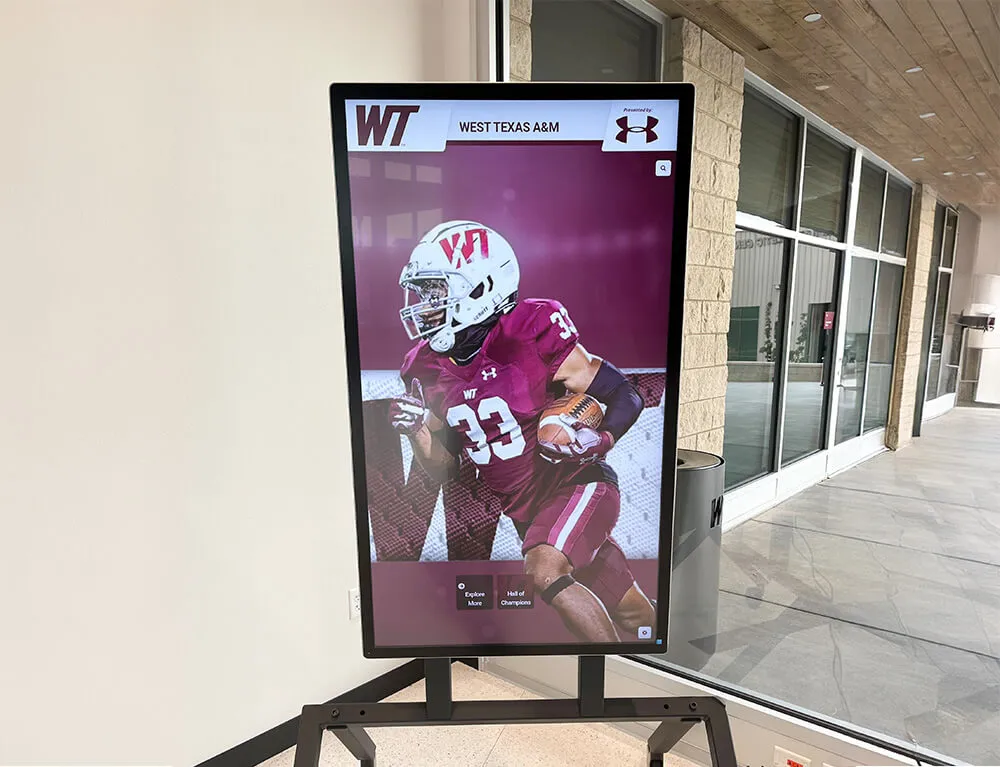
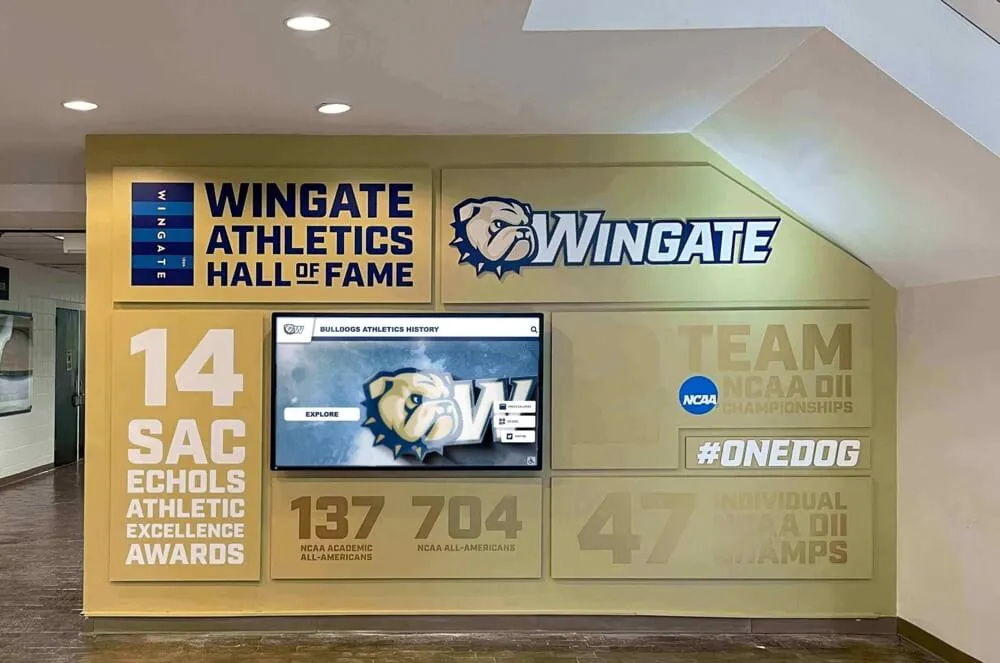
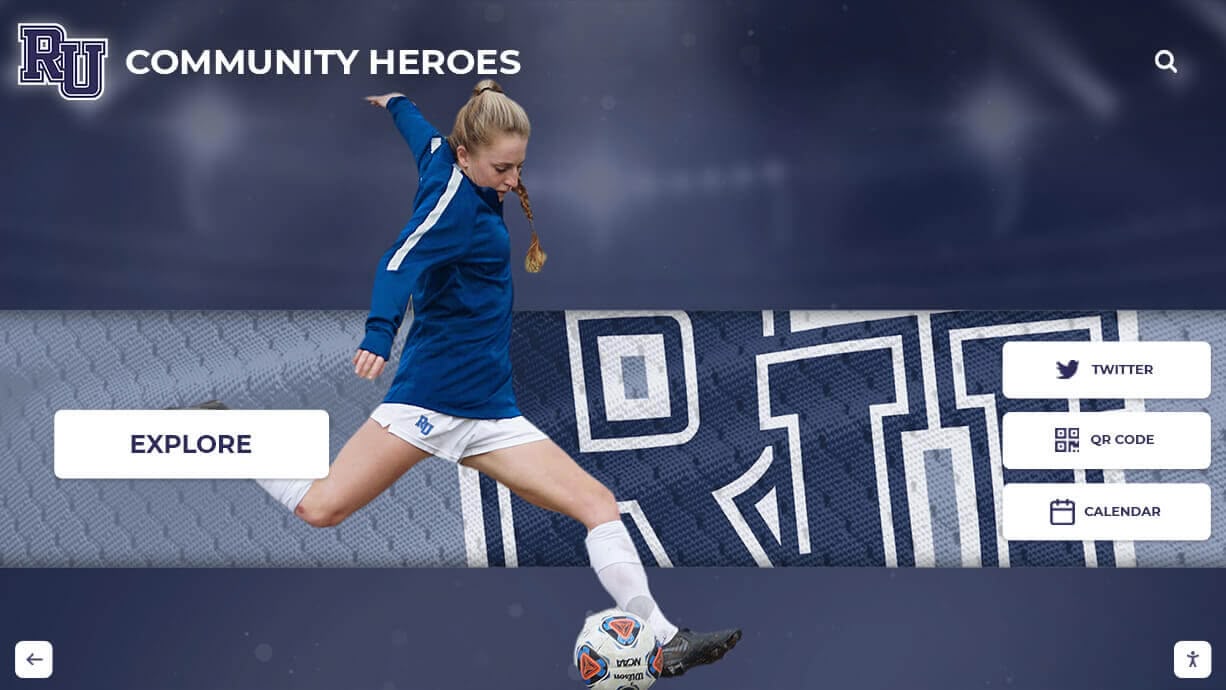
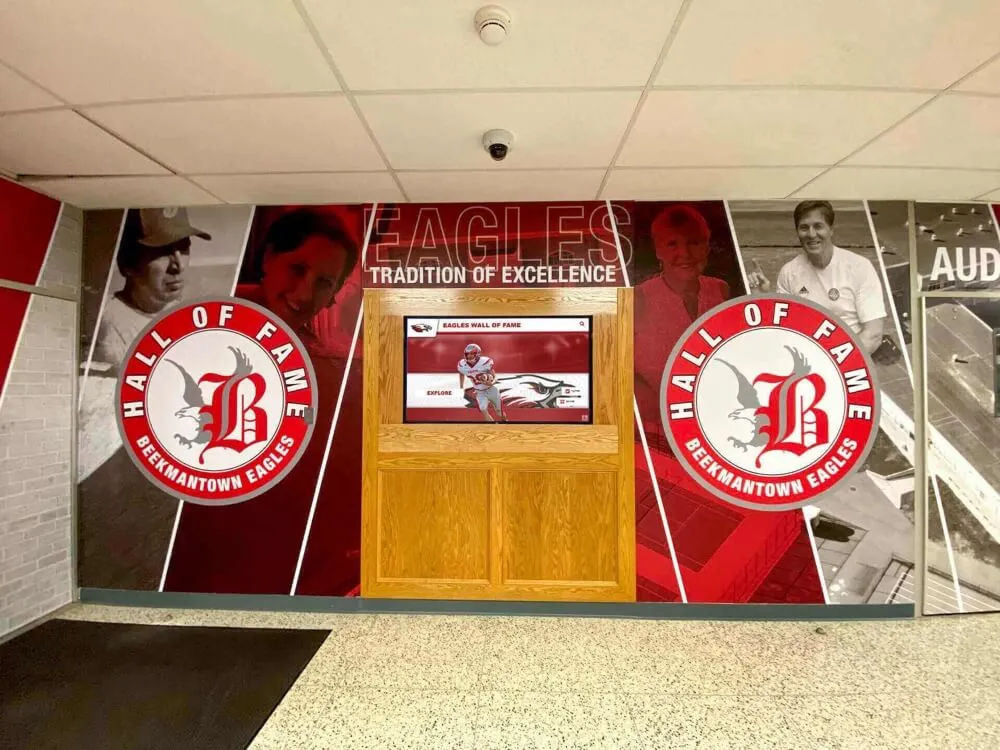
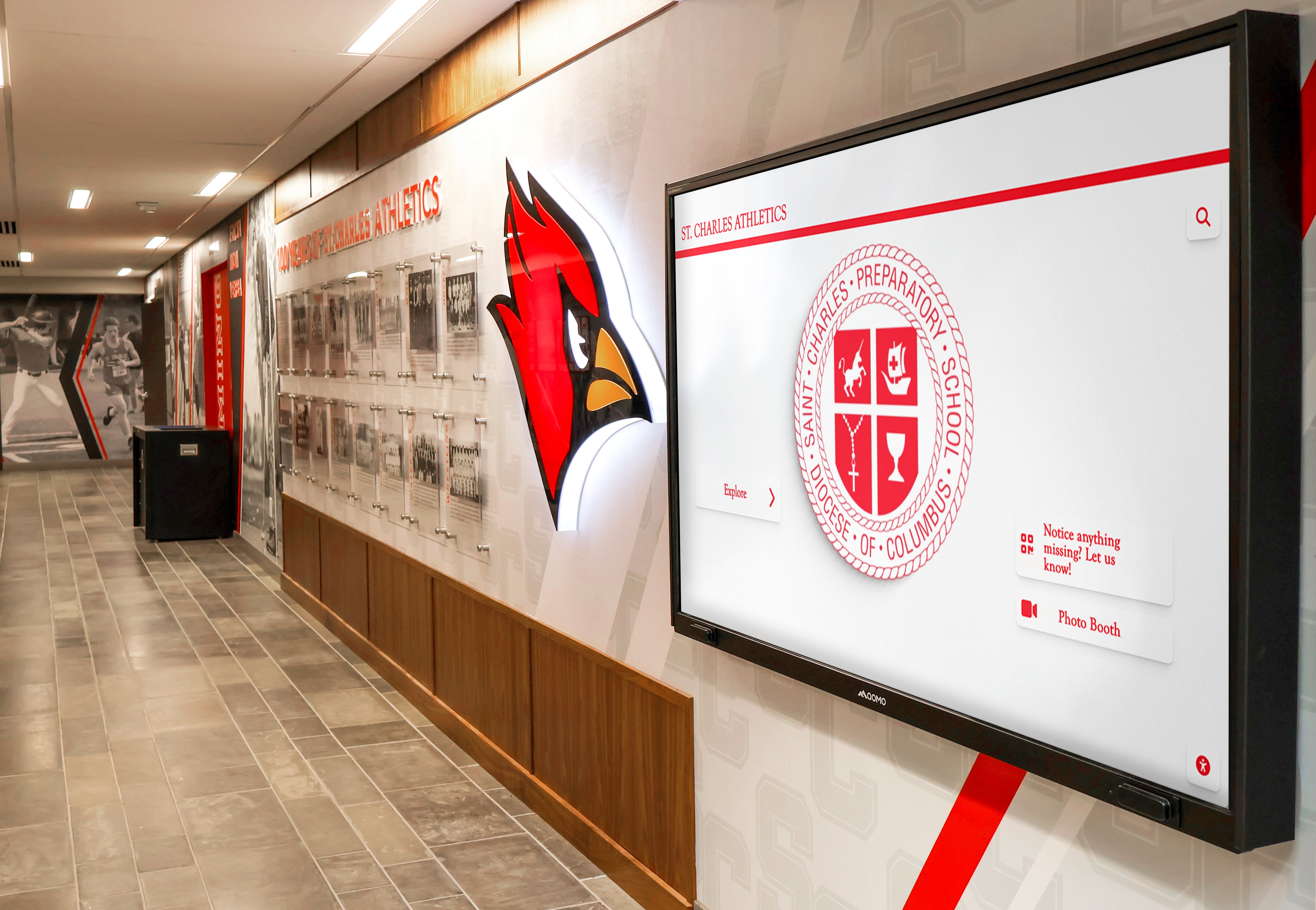
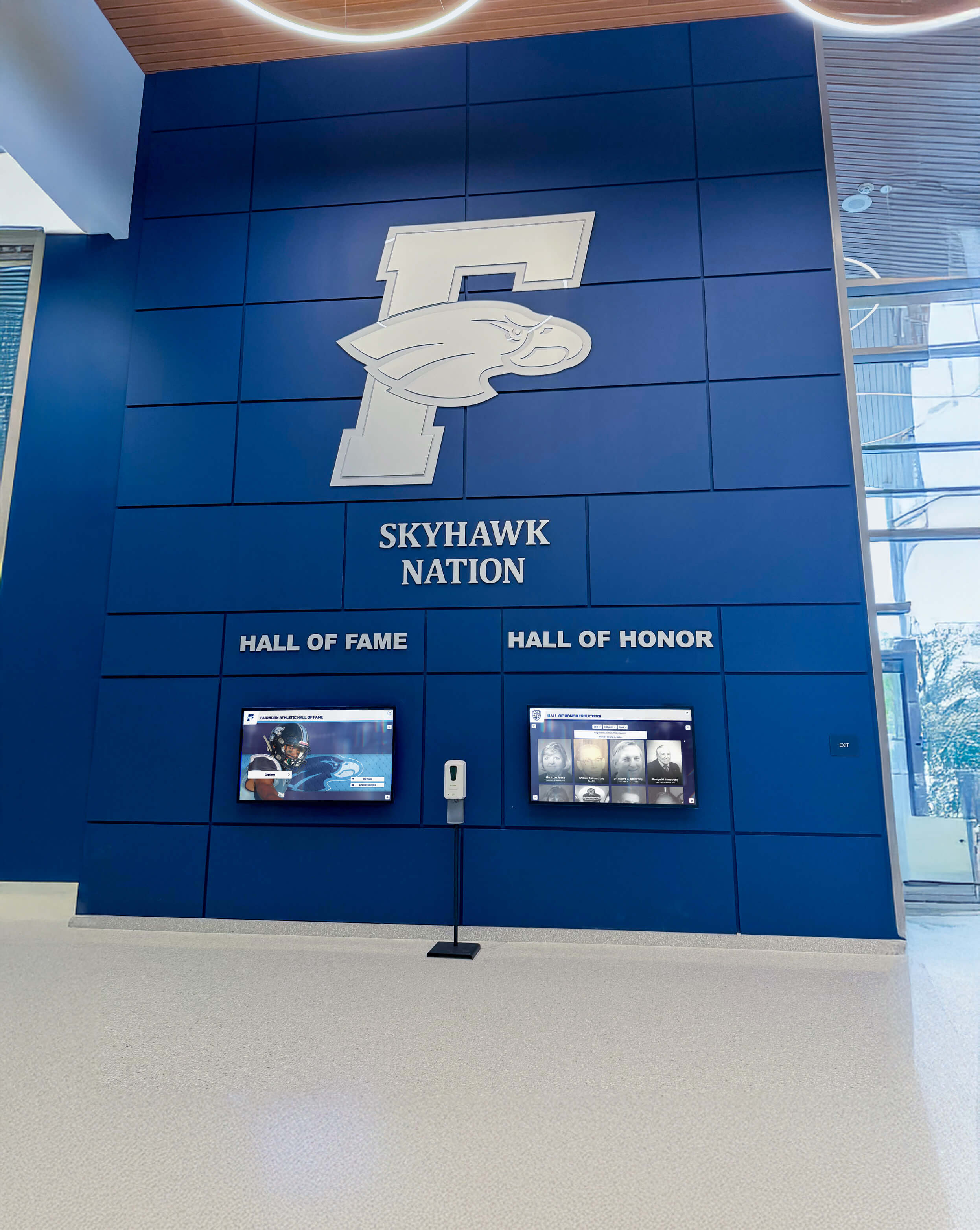
Digital Recognition Displays: Modern schools increasingly adopt digital hall of fame displays that overcome traditional space limitations while providing enhanced engagement. These systems enable schools to:
- Showcase comprehensive profiles for every letter winner across decades
- Include photographs, statistics, achievements, and personal stories
- Update content instantly as new students earn letters
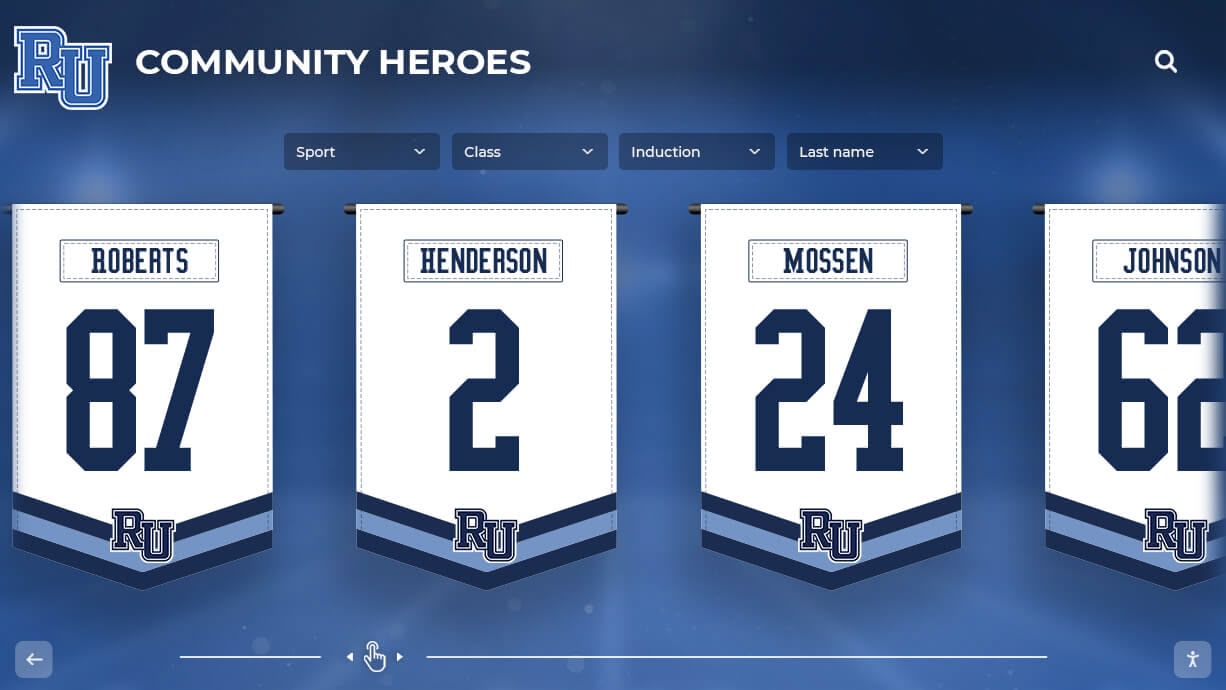
- Provide searchable databases visitors can explore by sport, year, or name
- Maintain permanent digital archives preserving school athletic history
Interactive touchscreen displays transform letter winner recognition from static lists into engaging experiences where students, families, and visitors can explore achievements in depth. Schools implementing these systems report increased engagement as current students view profiles of letter winners from past decades while understanding program traditions more deeply.
School Websites and Digital Archives: Comprehensive recognition extends beyond physical displays through:
- Dedicated website sections listing letter winners by year and sport
- Digital yearbooks preserving letter winner photographs and achievements
- School history archives documenting athletics program evolution
- Social media campaigns celebrating current letter winners
- Alumni networks connecting letter winners across generations
These digital platforms ensure recognition remains accessible long after students graduate, supporting alumni engagement while inspiring current students pursuing their own letter achievements.
Varsity Letters and College Applications
Understanding how varsity letters fit into college admissions helps students maximize this achievement’s value.
Including Varsity Letters on Applications
College applications provide specific areas for reporting athletic and activity achievements:
Common Application Activities Section: Students should list varsity sports in the activities section including:
- Sport name and years participated (9th grade, 10th grade, etc.)
- Varsity level designation distinguishing from JV participation
- Leadership roles like team captain or other positions held
- Approximate time commitment (hours per week, weeks per year)
- Specific achievements, honors, or letter recognition
The Common Application allows up to 10 activities, so students should prioritize their most significant involvements while ensuring varsity athletics receive appropriate representation when they represent substantial time commitments and achievement.
Additional Information Section: Students can provide context about their varsity letter achievements in the additional information section:
- Explanation of particularly demanding letter requirements at their school
- Details about combining multiple sports with rigorous academics
- Information about overcoming injuries or challenges to earn letters
- Context about balancing athletics with significant family responsibilities
This section allows students to tell fuller stories that raw activity lists cannot convey on their own.
Essays and Personal Statements: Varsity letter experiences often provide compelling essay material:
- Lessons learned about perseverance through athletic challenges
- Growth from freshman team member to varsity letter winner
- Leadership development through team captain roles
- Time management skills balancing athletics and academics
- Character development through sportsmanship challenges
Effective essays don’t simply recount athletic achievements but rather explore personal growth, values development, or meaningful lessons learned through the pursuit of varsity recognition.
What Varsity Letters Signal to Colleges
Admissions officers view varsity letters as evidence of specific qualities:
Sustained Commitment: Earning varsity letters, particularly across multiple years, demonstrates students can commit to challenging pursuits over extended periods. This persistence signals readiness for the sustained effort college academics require.
Time Management: Student-athletes balancing varsity sports with academic success demonstrate the time management skills essential for college. Admissions officers recognize that students who maintained good grades while committing 15-20 hours weekly to athletics have proven they can handle multiple demands simultaneously.
Coachability and Growth: The progression from beginner to varsity letter winner shows students can respond to coaching, embrace feedback, and commit to skill development. These qualities translate directly to academic settings where students must learn from professors and adapt to increasingly challenging material.
Leadership and Teamwork: Varsity athletes, especially those serving as team captains or multi-year letter winners, demonstrate leadership and collaboration skills. These interpersonal abilities contribute to residential college communities where students live, study, and work together.
Competitive Drive: Schools seeking students who will challenge themselves academically value the competitive mindset varsity athletes develop. The willingness to compete at the highest level available demonstrates initiative and ambition that serves students well in rigorous academic environments.
Common Questions Students and Parents Ask
Addressing frequent questions helps clarify the letter earning process and expectations.
Can You Earn Letters in Multiple Sports?
Yes, students can absolutely earn varsity letters in multiple sports. Multi-sport athletes represent some of the most accomplished students in schools, demonstrating exceptional athletic versatility, time management, and commitment.
How Multiple Letters Work: Students typically receive one physical letter patch for their first sport, then additional patches or pins for each subsequent sport. Letter jackets display the school letter prominently with sport patches indicating each activity in which the student lettered.
Many schools specifically recognize multi-sport athletes with special patches, ceremonies, or leadership opportunities acknowledging the exceptional demands of competing across different seasons. Earning letters in multiple sports significantly strengthens college applications by demonstrating athletic versatility and extraordinary time commitment.
What If You Don’t Meet Requirements Your First Year?
Not earning a varsity letter as a freshman or sophomore is extremely common and nothing to be discouraged about. Athletic development takes time, and most letter winners work several seasons before earning recognition.
Developmental Progression: Students typically follow this progression:
- Freshman year: Learning systems, developing skills, perhaps earning JV time
- Sophomore year: Increasing skill, possibly earning some varsity experience
- Junior year: Competing regularly at varsity level, often earning first letter
- Senior year: Becoming team leader, earning subsequent letters
Students who focus on skill development, maintain good standing with teams, and continue working typically find success in later years even if early high school brings limited playing time.
Do Academic Varsity Letters Carry the Same Weight?
Academic varsity letters absolutely carry equivalent prestige to athletic letters. Both recognize students who achieve at the highest levels their schools offer in different domains.
Colleges value academic letters because they demonstrate:
- Intellectual excellence and sustained academic achievement
- Competitive success in academic competitions
- Ability to excel in knowledge-based challenges
- Dedication to scholarship beyond classroom requirements
Students earning both academic and athletic letters demonstrate exceptional versatility and ability to excel across multiple domains—qualities colleges particularly value.
What Happens If You Quit a Sport Mid-Season?
Quitting a sport before the season ends typically results in forfeiting letter eligibility for that season regardless of performance before departure. This policy exists because letter requirements include completing entire seasons in good standing.
Exceptions: Schools sometimes make exceptions for extenuating circumstances:
- Serious injuries preventing continued participation
- Family emergencies requiring students to step away
- Medical conditions diagnosed during the season
- Other unavoidable situations beyond student control
Students facing challenges should communicate with coaches as early as possible. In many cases, coaches can work with students facing difficult circumstances to find solutions that allow continued participation or at least maintain positive relationships even if season completion becomes impossible.
Can Seniors Who Never Lettered Before Earn One?
Absolutely. While many students earn first letters as juniors, plenty of seniors earn their first letters in final seasons. Late bloomers, students who changed sports, or athletes who finally earned sufficient varsity playing time all regularly earn first letters as seniors.
Some students specifically work toward earning letters in senior seasons knowing it represents their final opportunity for this recognition. Coaches often particularly appreciate seniors who persisted through earlier years without letters, finally achieving the goal through sustained commitment.
Beyond High School: The Lasting Meaning of Varsity Letters
Varsity letters provide value extending well beyond high school graduation.
Alumni Connections and Traditions
Letter winners join traditions connecting them with alumni letter recipients across decades. Many schools maintain letter winner associations or track athletic alumni through databases enabling networking across generations.
School alumni organizations often sponsor reunions, recognition events, or hall of fame inductions where letter winners from various eras reconnect around shared athletic experiences. These connections prove valuable for career networking, mentorship opportunities, and maintaining lifelong relationships with school communities.
Life Skills Developed Through Letter Pursuit
The process of earning varsity letters teaches skills that serve students throughout their lives:
Resilience and Persistence: Few letter winners achieve recognition without facing setbacks—injuries, limited playing time, losses, disappointments, or challenges balancing athletics with other responsibilities. Learning to persist through these difficulties builds resilience that applies to career challenges, relationship difficulties, and life’s inevitable obstacles.
Goal Setting and Achievement: Working toward a varsity letter teaches students to set challenging goals, develop plans for achieving them, maintain focus over extended periods, adjust strategies when initial approaches don’t work, and ultimately achieve what once seemed difficult or impossible.
Team Contribution: Varsity athletes learn that individual success depends on team success. This understanding that personal achievement connects to collective effort translates directly to workplace teams, family responsibilities, and community involvement where individual contribution serves broader purposes.
Preserving Letter Achievements
Many families preserve varsity letters as lasting mementos:
- Passing letter jackets to children or grandchildren
- Displaying framed letters in homes as décor
- Creating scrapbooks combining letters with photographs and memorabilia
- Donating historical letters to school archives or museums
- Sharing letter stories with future generations
These preserved letters become tangible connections to formative experiences, reminding former students of challenges they overcame, teammates they competed alongside, and lessons they learned through athletic pursuit.
Conclusion: The Enduring Value of Varsity Letters
Varsity letters represent far more than chenille patches or recognition ceremonies. They acknowledge students who challenged themselves at the highest levels available, demonstrated commitment through demanding seasons, balanced athletic pursuits with academic responsibilities, and exemplified character through sportsmanship and teamwork.
For students pursuing letters, the journey toward recognition teaches lessons about persistence, dedication, and achievement that extend well beyond high school athletics. For parents supporting student athletes, understanding what varsity letters represent and require helps them provide appropriate encouragement while maintaining realistic expectations about achievement timelines.
Schools honoring letter winners through thoughtful recognition systems create cultures where excellence receives celebration, tradition connects past and present, and achievement inspires future students. Whether through traditional trophy cases or modern digital displays, comprehensive recognition ensures letter winners receive acknowledgment their achievements deserve.
Modern solutions like Rocket Alumni Solutions enable schools to create comprehensive digital recognition systems that honor every letter winner across school history. These platforms showcase detailed profiles including photographs, achievements, statistics, and personal stories—creating engaging experiences that inspire current students while preserving athletic traditions for future generations. When students and visitors explore these interactive displays, they gain deeper understanding of what letter achievements represent and the dedication required to earn them.
As students work toward earning varsity letters, they’re not just pursuing patches for jackets—they’re developing character, building resilience, learning teamwork, and creating memories that will last lifetimes. That enduring significance makes varsity letters one of high school’s most meaningful traditions, worthy of pursuit and celebration from both students and the schools that honor their achievements.