



Key Takeaways
Discover what a varsity letter is, its rich history in American high school athletics, how students earn them, and why this tradition still matters in recognizing student achievement today.
The varsity letter stands as one of the most enduring symbols of achievement in American high school culture. Whether displayed proudly on a letterman jacket, framed in a bedroom, or showcased in a school’s trophy case, these chenille fabric patches represent far more than participation—they symbolize dedication, achievement, and the pursuit of excellence. For over a century, students have worked toward earning their school’s letter, and despite significant changes in education and athletics, this tradition continues to motivate and recognize outstanding student performance.
Understanding what a varsity letter represents, how students earn them, and why they remain relevant helps schools create meaningful recognition programs that honor student achievement appropriately. This comprehensive guide explores the history, requirements, modern applications, and lasting significance of varsity letters in today’s educational landscape.
The History of Varsity Letters: A Century-Old Tradition
The varsity letter tradition began in collegiate athletics before becoming a cornerstone of high school recognition programs throughout the United States.
Origins at Harvard University
The first varsity letter appeared at Harvard University in 1865, when the school’s baseball team began wearing a large “H” on their uniforms to distinguish varsity athletes from other students. This simple fabric letter served a practical purpose—identifying official team members during competition—but quickly evolved into a symbol of athletic achievement and school pride.
The concept spread rapidly throughout collegiate athletics as other universities adopted similar systems using their own initials. The letter became a badge of honor, distinguishing athletes who competed at the varsity level from those participating in intramural or club sports. This distinction mattered because varsity athletes represented their institutions in official intercollegiate competition, carrying the school’s reputation with their performance.

Expansion to High Schools
By the early 1900s, high schools across America began adopting the varsity letter tradition, recognizing that the same principles of achievement and school representation applied to secondary education athletics. High schools modified the concept to fit their unique environments, creating requirements that balanced achievement recognition with accessibility for committed student athletes.
The letterman jacket—also called a varsity jacket—emerged as the primary display method for varsity letters during this era. These distinctive jackets featured the school’s colors, leather sleeves, and prominent placement of the chenille letter on the chest. The jacket itself became a status symbol, immediately identifying the wearer as someone who achieved recognition in their school’s athletic or activity programs.
Evolution Beyond Athletics
While varsity letters originated in athletics, many schools expanded the tradition to recognize excellence in academic competitions, performing arts, debate teams, and other extracurricular activities. This evolution acknowledged that dedication and achievement deserve recognition regardless of the specific pursuit, creating more inclusive recognition systems that honor diverse student accomplishments.
Today’s varsity letter programs often include categories for athletics, academics, fine arts, and service, allowing students to earn recognition in multiple areas while maintaining the traditional prestige associated with letter awards. Schools implementing comprehensive athletic recognition programs often find that varsity letters serve as foundational elements within broader recognition systems.
What Exactly Is a Varsity Letter?
A varsity letter consists of a large chenille fabric patch, typically 5-6 inches tall, featuring the school’s primary initial in the school’s main color. The letter features a distinctive raised texture created through the chenille manufacturing process, giving it a plush, three-dimensional appearance that differentiates it from standard embroidered patches.
Physical Characteristics
Traditional varsity letters use chenille fabric—a fuzzy, textured material that creates the letter’s characteristic appearance. The letter typically matches the school’s primary color, often with contrasting backing or borders in secondary colors. The patch includes a backing that allows it to be sewn onto jackets or other fabric items, creating permanent attachment.
Quality varies significantly between manufacturers, with premium letters featuring denser chenille, more durable backing, and better color retention over time. Schools ordering varsity letters for their recognition programs should consider quality carefully, as these awards often become cherished keepsakes students preserve for decades.
Additional Recognition Elements
Beyond the basic letter, recognition systems typically include additional elements that indicate achievement levels:
Pins and Badges attach to the letter, showing the specific sport or activity for which the letter was awarded. A small football pin on a letter indicates the student lettered in football, while multiple pins demonstrate achievement across different activities.
Stars or Chevrons indicate additional years of lettering in the same activity. A student who letters in basketball for three consecutive years might display two stars on their letter, with the letter itself representing the first qualifying year and each star representing an additional season.
Bars and Patches recognize special achievements like team captain status, championship participation, or record-breaking performances. These additions create comprehensive recognition systems where the letter itself serves as the foundation for displaying a complete achievement portfolio.
Requirements for Earning a Varsity Letter
Varsity letter requirements vary significantly between schools, sports, and activities, but most programs share common principles that balance achievement recognition with accessibility for dedicated students.
Common Athletic Requirements
Most high school athletic programs establish varsity letter criteria that include several key components:
Participation Standards typically require athletes to compete in a minimum percentage of varsity competitions, often ranging from 50-75% of the season’s games or meets. This requirement ensures that letters recognize sustained participation rather than brief appearances at the varsity level. Some sports use different metrics—for example, track and field programs might require participation in a specific number of meets plus scoring points in competitions.
Season Completion requirements mandate that athletes remain with the team from the season’s start through its conclusion, demonstrating commitment and perseverance. Leaving a team early, even if early-season participation met minimum requirements, typically disqualifies athletes from letter consideration in most programs.

Academic Eligibility standards require athletes to maintain minimum grade point averages and academic standing throughout the season. Schools recognize that academic success must accompany athletic achievement, using eligibility requirements to reinforce the student-athlete concept. Students who become academically ineligible during a season typically cannot earn letters even if they met participation standards before losing eligibility.
Character and Sportsmanship considerations give coaches discretion to withhold letters from athletes who meet technical requirements but fail to demonstrate appropriate conduct, sportsmanship, or team citizenship. This subjective component acknowledges that varsity letters represent character alongside athletic ability, ensuring recognition extends only to students who represent their schools appropriately.
Coach Recommendation remains the final requirement in most programs, with head coaches ultimately determining which athletes receive letter recommendations. This discretion allows coaches to consider factors beyond statistics and participation percentages, recognizing athletes who contribute meaningfully to team success in ways that don’t appear in box scores.
Sport-Specific Variations
Different sports present unique participation patterns that require adjusted letter requirements:
Football Programs with large rosters might require athletes to participate in a specific number of quarters or plays rather than simply appearing in games. This prevents athletes who dress for games but rarely play from earning letters without meaningful field participation.
Basketball, Soccer, and Similar Sports often use minimum playing time requirements measured in quarters, halves, or minutes. Coaches track playing time throughout seasons to determine which athletes meet thresholds.
Track and Field, Swimming, and Other Individual Sports typically require participation in a minimum number of meets plus contribution to team scoring. These requirements recognize that athletes in individual sports may not compete in every event at every meet but still contribute significantly to team success.
Wrestling, Tennis, and Dual Competition Sports might establish requirements based on matches wrestled, wins achieved, or tournament participation. The unique competition structures of these sports necessitate tailored criteria that reflect how athletes actually compete.
Understanding these variations helps athletes and families recognize what specific commitments different sports require. Schools developing or refining letter requirements should consider how sport structures, roster sizes, and competitive formats affect fair criteria for each activity. Resources on planning athletic recognition programs can help athletic departments create equitable systems across diverse sports.
Academic and Activity Letter Requirements
Schools offering varsity letters for non-athletic pursuits typically establish parallel requirements that recognize sustained excellence:
Academic Competition Programs like debate, mock trial, math team, or science olympiad often require participation in a minimum number of competitions, achievement of specific placement levels, or maintenance of grade point averages above established thresholds. These requirements mirror athletic standards while accounting for competition structures unique to academic pursuits.
Performing Arts Recognition through band, choir, theater, or other artistic programs might base letter awards on participation in performances, leadership roles, skill advancement, or contribution to program excellence. Some schools require audition-based placement in select ensembles or achievement of superior ratings at adjudicated festivals.
Service and Leadership Letters recognize students who dedicate significant time to school service, leadership development, or community contribution. These letters often require documentation of service hours, demonstrated leadership impact, or sustained participation in student government and service organizations.
The expansion of varsity letters beyond athletics creates more inclusive recognition cultures while maintaining the tradition’s prestige. Schools should ensure that non-athletic letter requirements carry comparable rigor to athletic standards, preserving letter value across all categories.
The Letterman Jacket Tradition
The letterman jacket—properly called a varsity jacket—represents the traditional display method for varsity letters and remains a powerful symbol of high school achievement despite evolving fashion trends.
Classic Design Elements
Traditional letterman jackets feature several distinctive elements:
School Colors dominate the jacket’s appearance, with the body typically featuring the primary school color and sleeves in a contrasting color (often leather or leather-like material). This color combination creates immediate visual identification of the school the jacket represents.
The Chenille Letter attaches to the left chest area, positioned prominently to display the student’s primary varsity achievement. This placement has remained consistent throughout the tradition’s history, creating uniform recognition across generations.
School Name or Mascot often appears on the back in large lettering or embroidered designs, allowing observers to identify the school from behind. Some jackets feature elaborate back designs incorporating school mascots, athletic logos, or commemorative graphics.
Interior Customization includes embroidered names, graduation years, and personal details that make each jacket unique to its owner. Many students add additional interior patches, autographs from teammates and coaches, or commemorative elements that document their high school experience.
Modern Variations
While traditional wool-body, leather-sleeve jackets remain popular, modern variations include:
All-Wool Designs replace leather sleeves with wool, creating jackets appropriate for various climates and preferences. These jackets often appeal to students seeking more casual styling or those who prefer non-leather options.
Lightweight Alternatives use modern materials to create letterman-style jackets with reduced weight and bulk, addressing concerns that traditional jackets are too heavy for everyday wear in warmer climates.
Fashion-Forward Interpretations incorporate contemporary styling elements while maintaining core letterman jacket characteristics, appealing to students who want recognition display options that align with current fashion trends.
Despite these variations, the core concept remains consistent—varsity letters deserve prominent display on special garments that identify achievement and school affiliation.
The Investment Question
Quality letterman jackets represent significant investments, often costing several hundred dollars when fully customized with letters, patches, and personalization. This cost prompts questions about value and necessity.
For students who earn letters and take pride in their achievements, letterman jackets often become treasured possessions preserved long after high school. The jacket serves as a tangible reminder of accomplishment, dedication, and the high school experience. Many adults report that their letterman jacket remains one of few high school items they’ve preserved decades later.
However, changing fashion trends and regional preferences mean letterman jackets carry different social significance in different communities. Some schools maintain strong letterman jacket cultures where most letter-earners purchase jackets, while other communities have moved toward alternative recognition displays.
Schools should avoid pressure or expectation that earning a letter requires purchasing a jacket, ensuring recognition remains accessible regardless of family financial circumstances. Alternative display options like digital recognition systems provide lasting visibility without requiring student purchases.
Why Varsity Letters Still Matter Today
In an era of participation trophies, social media recognition, and changing attitudes toward competition, the question arises: do varsity letters still carry significance?
Tangible Recognition of Achievement
Varsity letters provide physical, lasting recognition of achievement in ways that announcements, certificates, or digital acknowledgments cannot fully replicate. The letter represents something earned through sustained effort, distinguished from awards given simply for participation. This distinction matters to students who work hard to achieve excellence, providing tangible validation of their dedication.
The concrete nature of letters creates recognition that endures beyond the moment. While announcements fade from memory and certificates get filed away, the varsity letter—whether displayed on a jacket, framed on a wall, or preserved in a memory box—remains accessible as a reminder of achievement throughout life.
Motivation for Excellence
The tradition of varsity letters creates aspirational goals that motivate younger students and push current participants toward higher performance. Freshmen who watch seniors receive letter jackets or see varsity letter displays in school hallways develop concrete goals that drive their participation and effort in subsequent years.
This motivational impact extends beyond individual achievement to influence program culture. Teams where letter requirements are clearly communicated and consistently awarded often develop stronger cultures of commitment because athletes understand exactly what achievement looks like and what recognition it brings.
Programs implementing comprehensive recognition approaches, such as those celebrating championship achievements, find that letter programs integrate effectively with broader systems that honor team success alongside individual accomplishment.
Building School Spirit and Identity
Varsity letters connect students to school tradition and identity in ways that create lasting affiliation. Letter-earners become tangible representatives of school excellence, wearing or displaying symbols that identify their institutional connection. This visible identification strengthens school spirit and creates bonds between students, alumni, and the broader school community.
Schools with strong letter traditions often find that alumni who earned letters decades ago still identify strongly with their high school experience, maintaining connections and supporting current programs. The letter serves as a common reference point across generations, creating continuity that transcends individual student experiences.
College Applications and Future Opportunities
While earning a varsity letter alone doesn’t guarantee college admission or athletic opportunities, letter recognition provides documentation of sustained commitment and achievement that strengthens applications and resumes. College admissions officers recognize that earning a varsity letter typically requires significant time investment, perseverance, and achievement beyond minimum participation.
For student athletes pursuing collegiate competition, varsity letters serve as baseline indicators that students competed at their school’s highest level. While college coaches prioritize performance metrics, recruitment profiles, and direct evaluation over high school letter awards, the letter confirms competitive experience at the varsity level.
Academic varsity letters similarly document sustained excellence in non-athletic pursuits, providing evidence of commitment to intellectual competition, academic achievement, or artistic development that enhances college applications.
Life Skills and Character Development
The process of earning a varsity letter teaches valuable life skills that extend far beyond the specific sport or activity:
Goal Setting and Achievement develops as students work toward clearly defined letter requirements, learning to set long-term goals and maintain focus on achievement over extended periods.
Perseverance Through Challenges emerges when students face obstacles—injuries, academic struggles, competition setbacks—yet continue pursuing letter requirements despite difficulties.
Team Contribution emphasizes that individual recognition often requires supporting team success, teaching students that personal achievement and collective goals can align rather than conflict.
Time Management becomes essential as students balance practice or activity commitments with academic responsibilities, family obligations, and personal interests.
Handling Success and Failure provides lessons as students experience both achievement (earning the letter) and disappointment (falling short of requirements or not earning letters in subsequent years).
These skills transfer to college, careers, and adult life, making the varsity letter journey valuable beyond the recognition itself.
Modern Recognition: Digital Displays and Lasting Visibility
While letterman jackets provide personal recognition for individual students, schools need comprehensive systems to honor all letter-earners and preserve achievement visibility over time.
Limitations of Traditional Letter Recognition
Physical varsity letter displays face several challenges:
Space Constraints limit how many letters or letter-earner names schools can display in trophy cases or hallway plaques. Schools with decades of athletic history may struggle to provide appropriate visibility for all deserving students.
Update Difficulties make adding new letter-earners to permanent displays challenging, often requiring annual plaque orders, display case modifications, or other cumbersome processes that delay recognition.
Limited Information in traditional displays typically restricts visibility to names and years, missing opportunities to share broader context about students’ achievements, the requirements they met, or their impact on programs.
Digital Recognition Solutions
Modern digital display systems overcome these limitations while enhancing recognition impact:
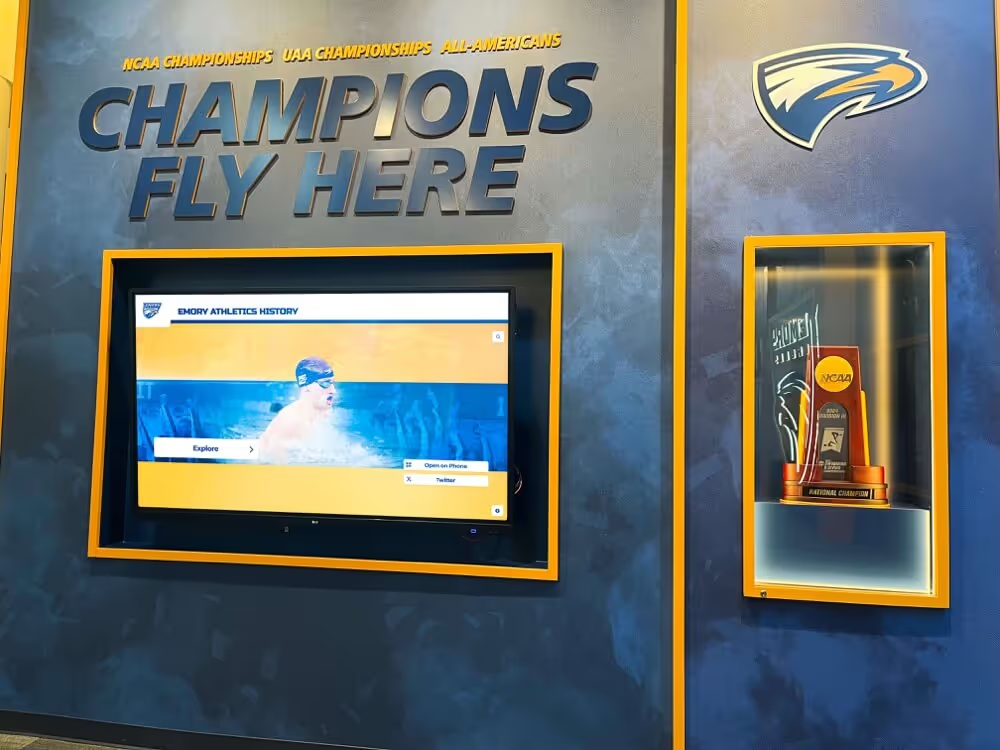
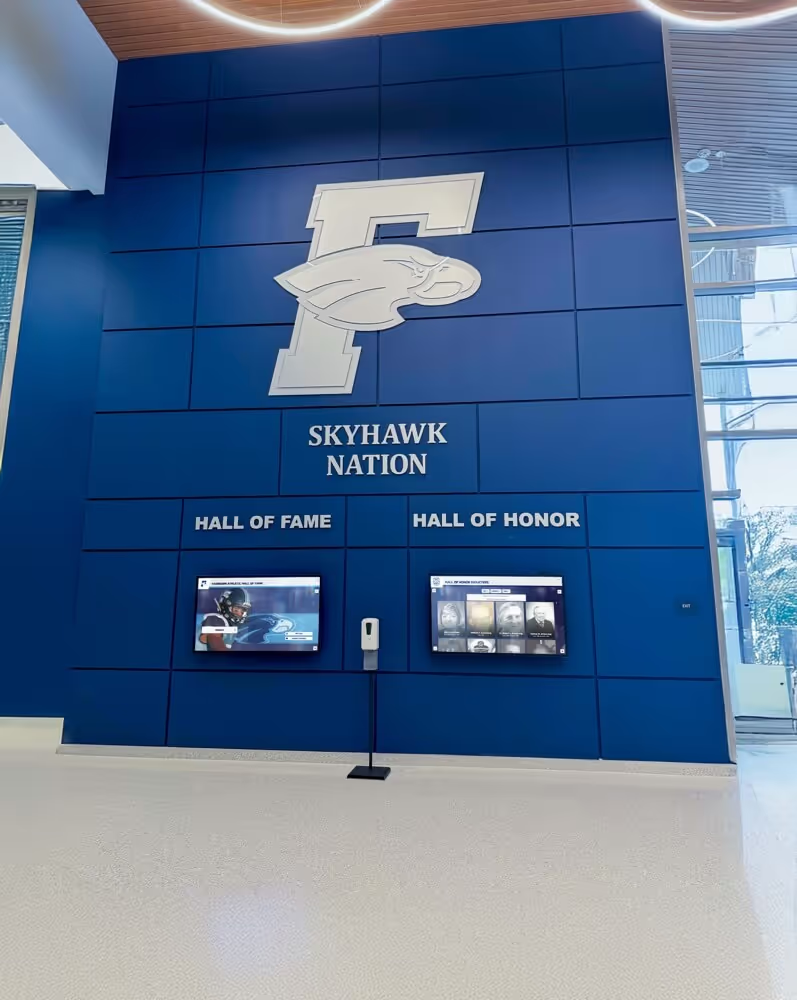
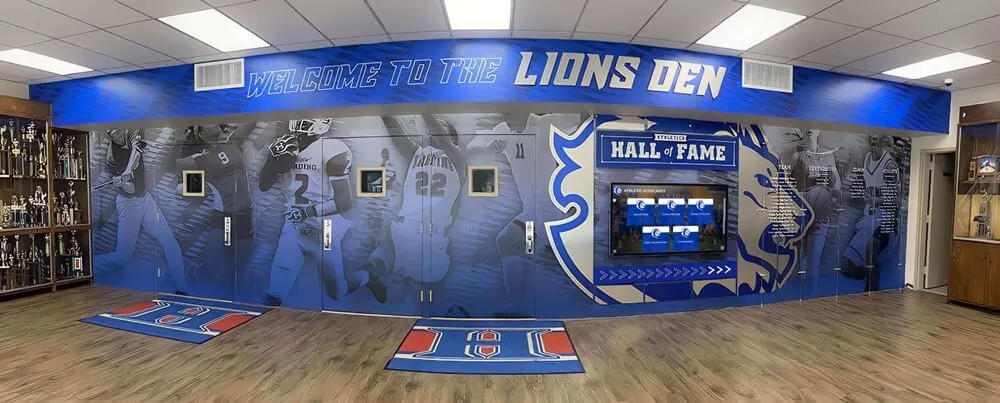
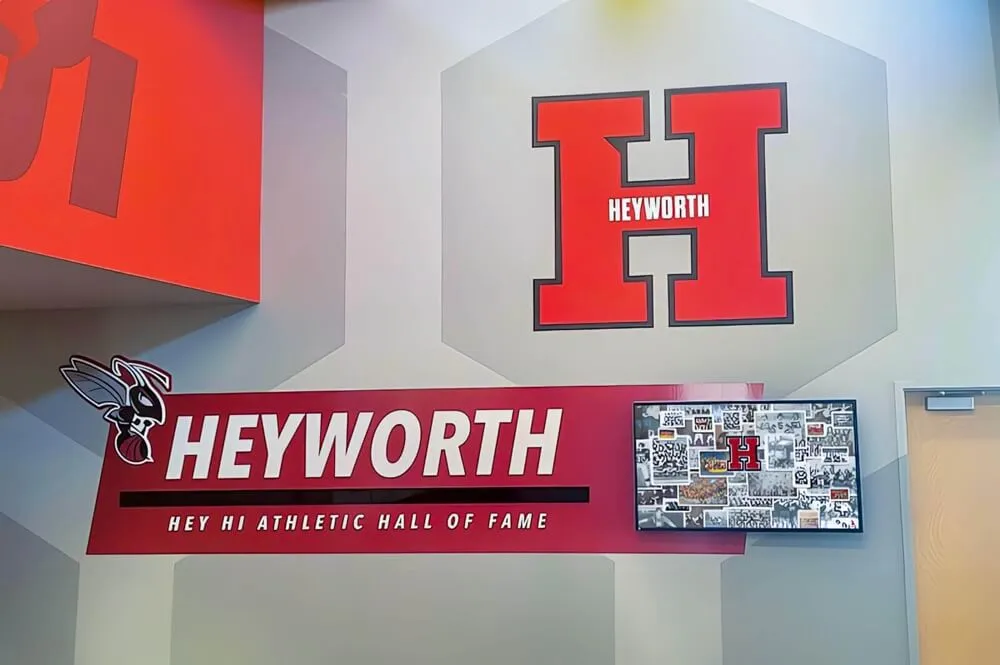
Unlimited Capacity allows schools to recognize every varsity letter-earner throughout school history without space limitations. Digital systems can accommodate comprehensive databases that grow indefinitely as new students earn recognition.
Rich Content enables inclusion of photos, statistics, achievement details, sport or activity information, and biographical context that creates meaningful recognition beyond simple name listings. These enhanced profiles honor students appropriately while providing inspiration for current participants.
Easy Updates through content management systems allow schools to add new letter-earners immediately when awards are presented, ensuring timely recognition without waiting for annual plaque updates or display modifications.
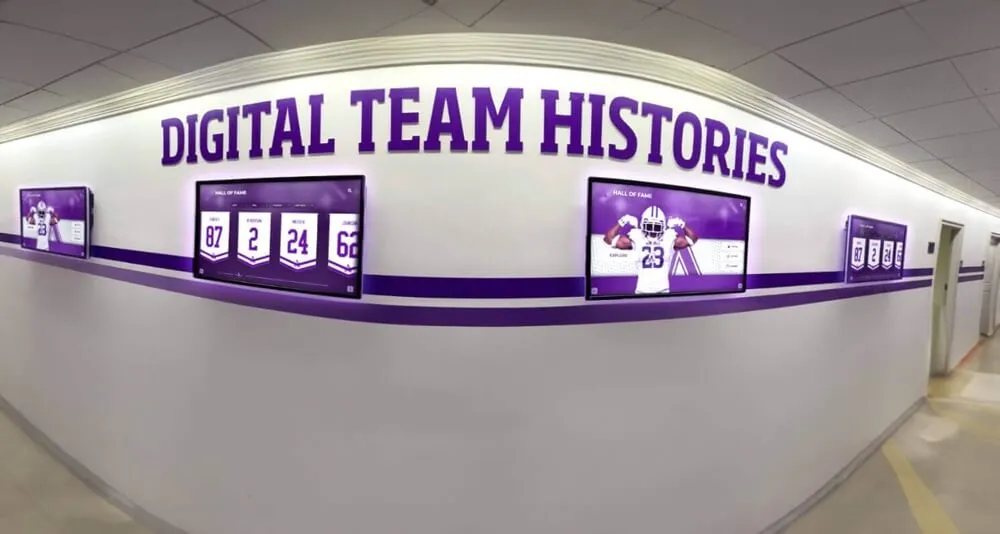
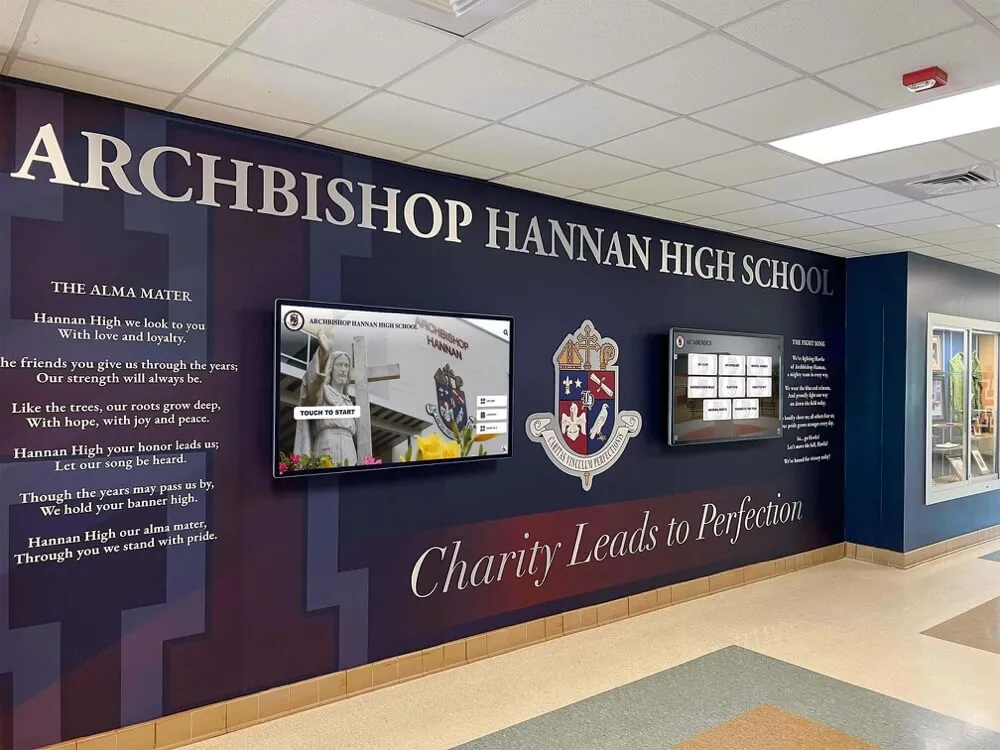
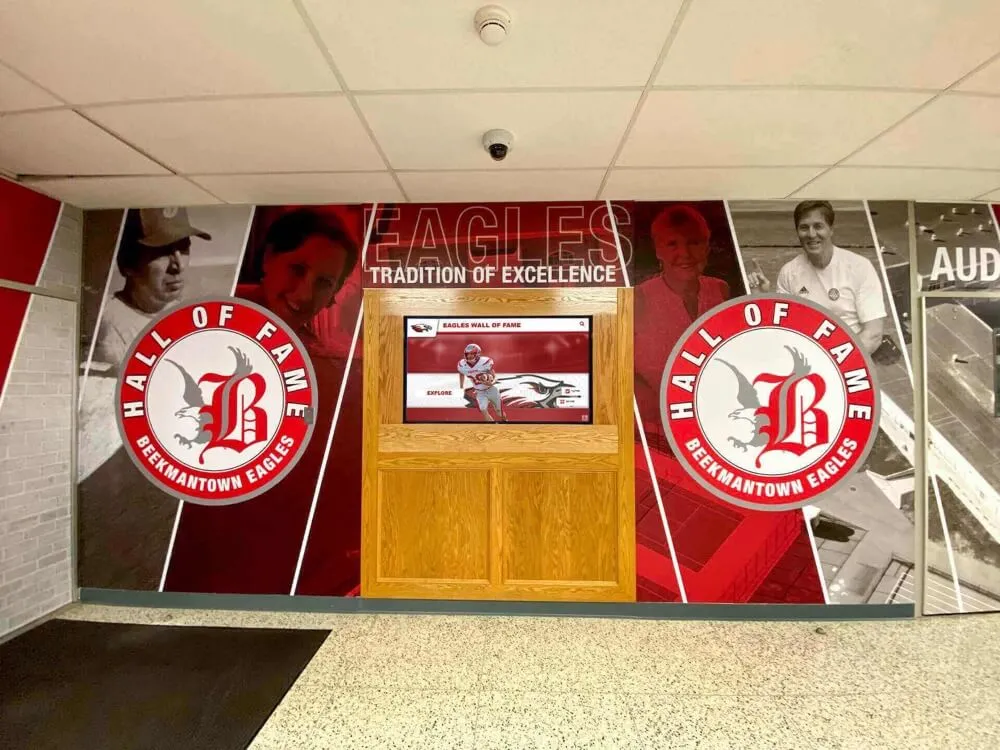
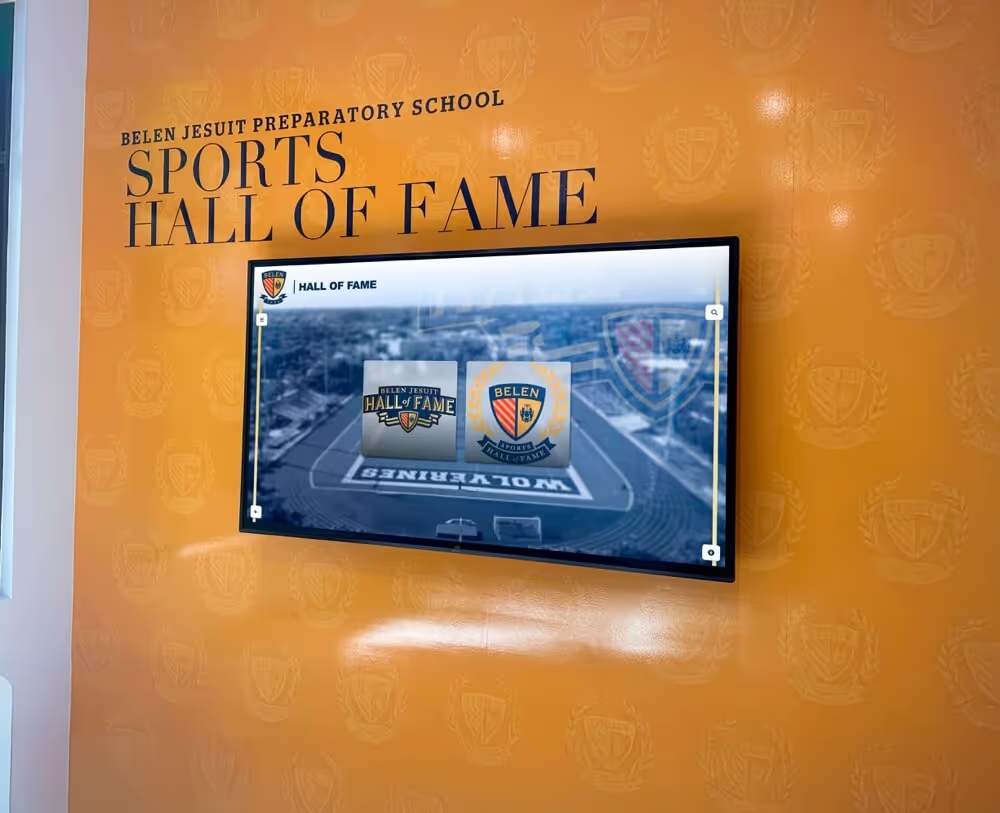
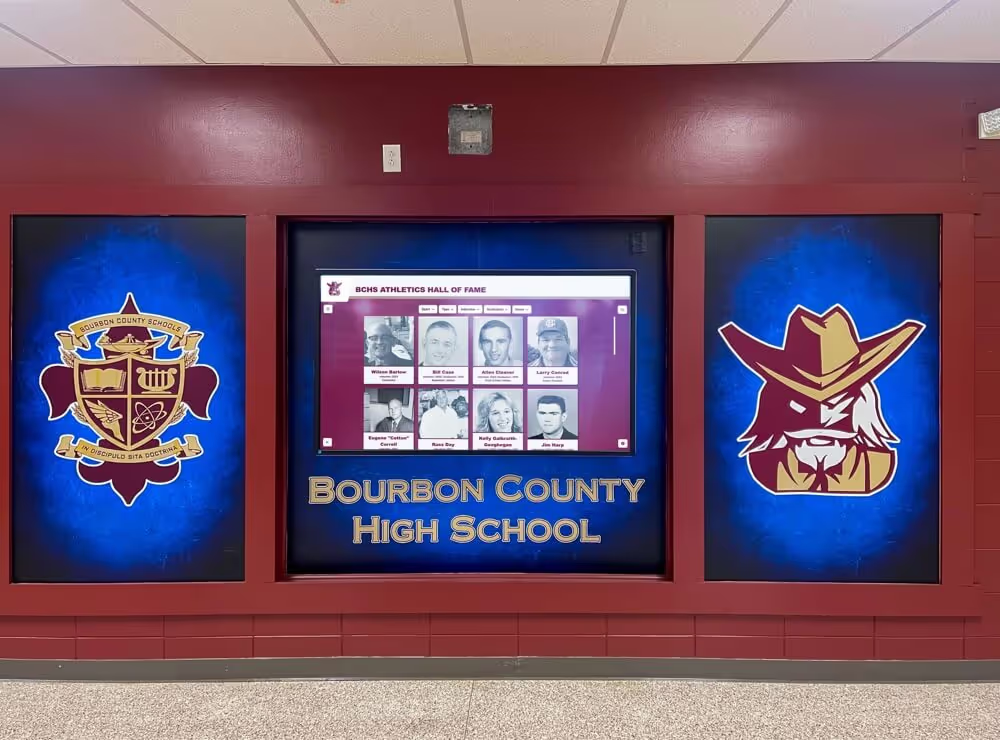
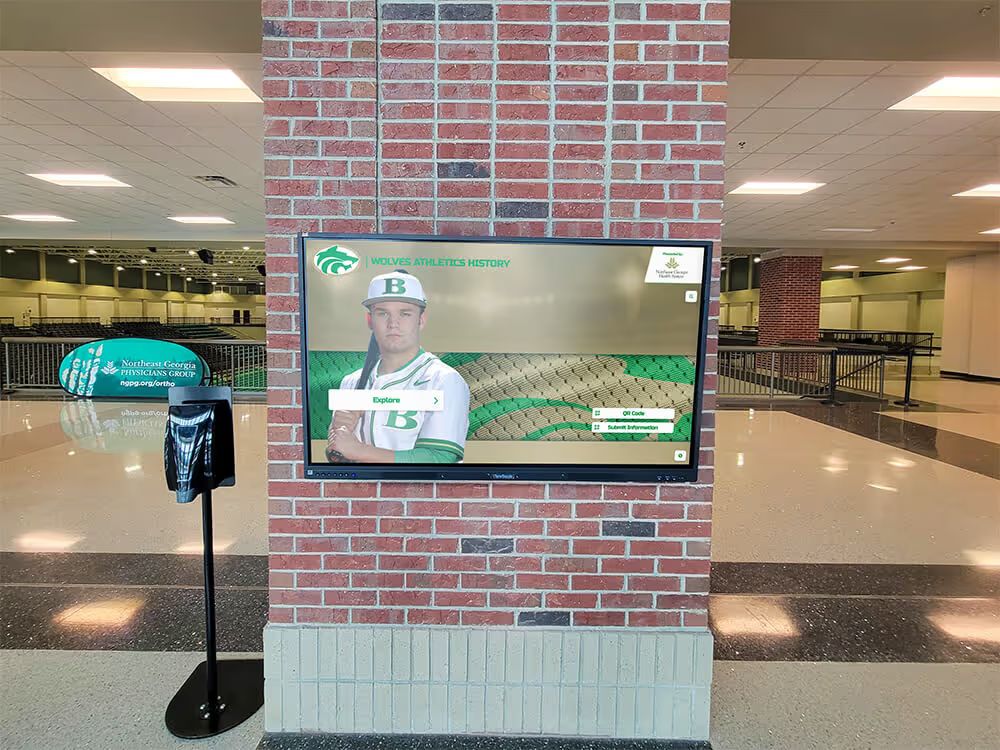
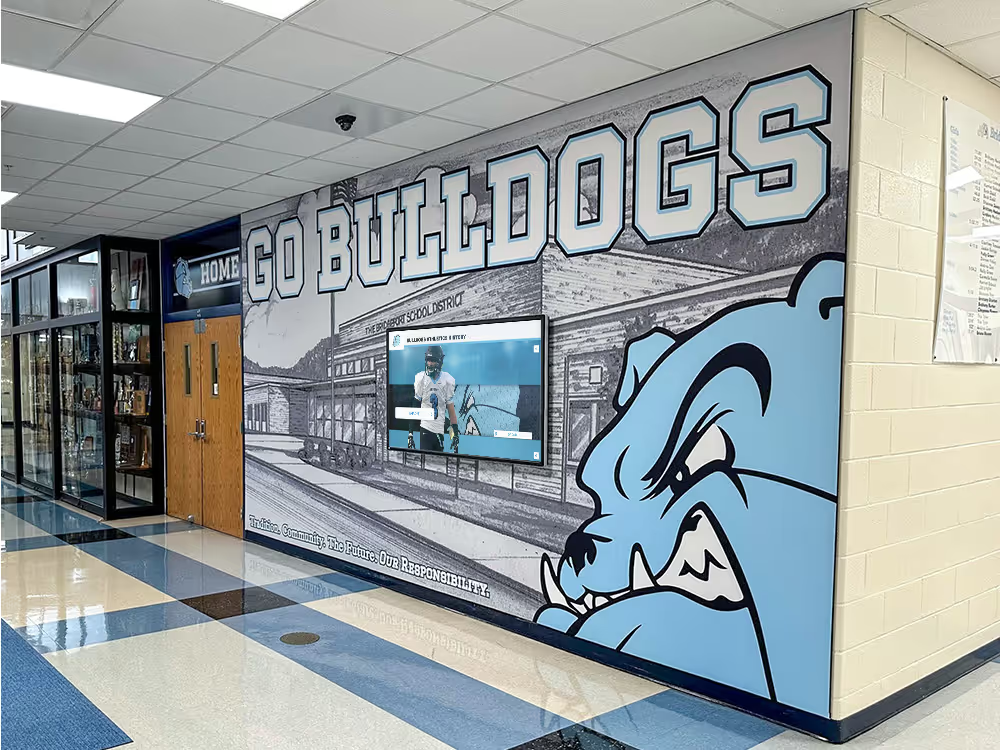
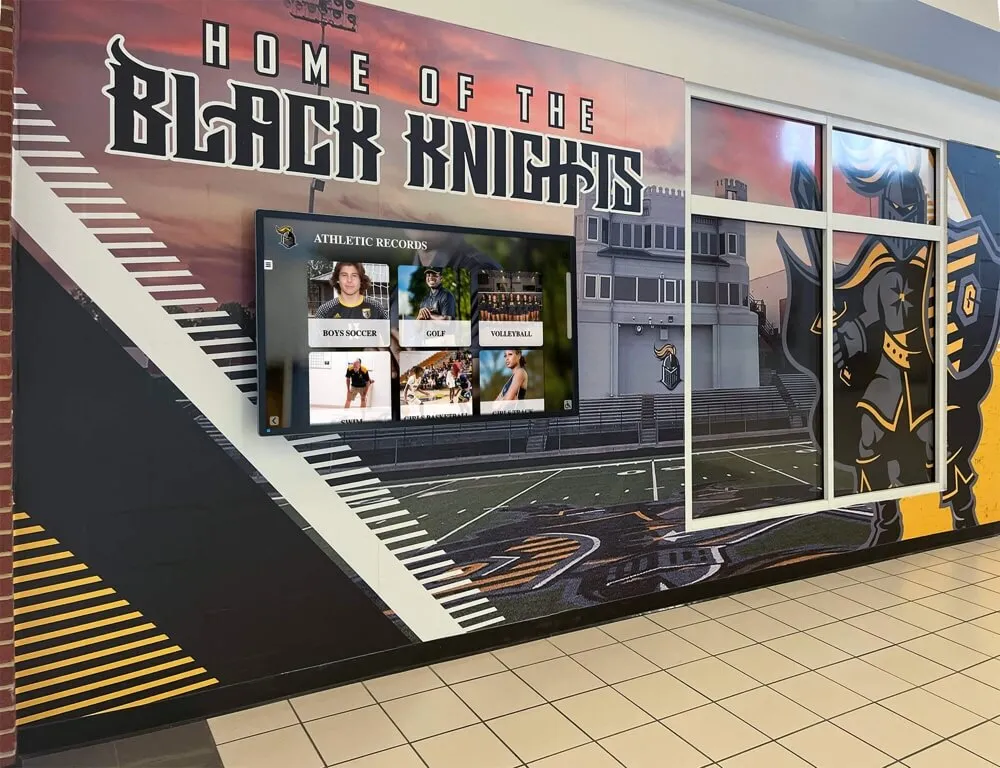
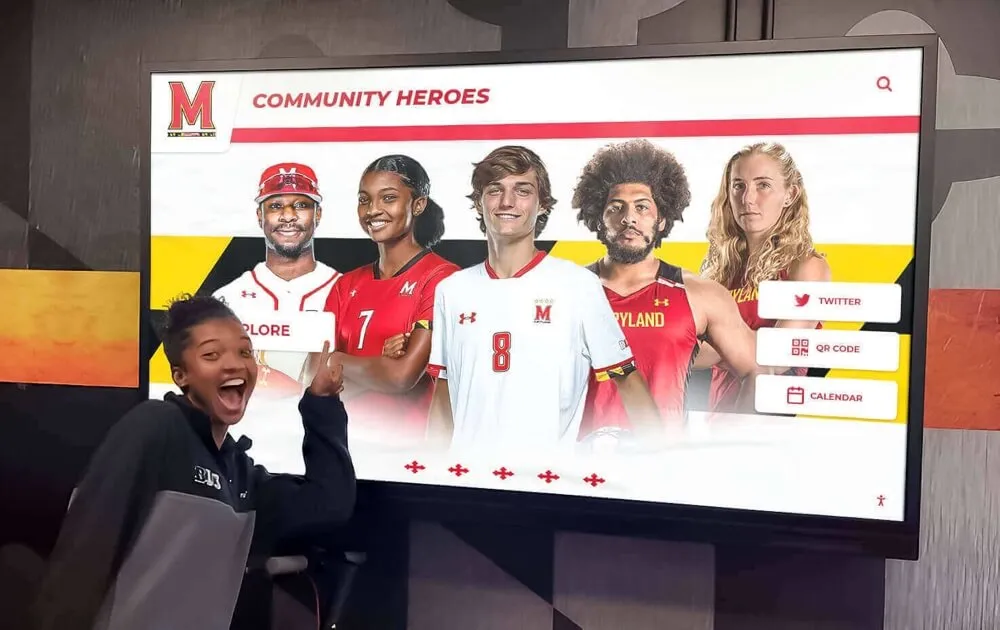
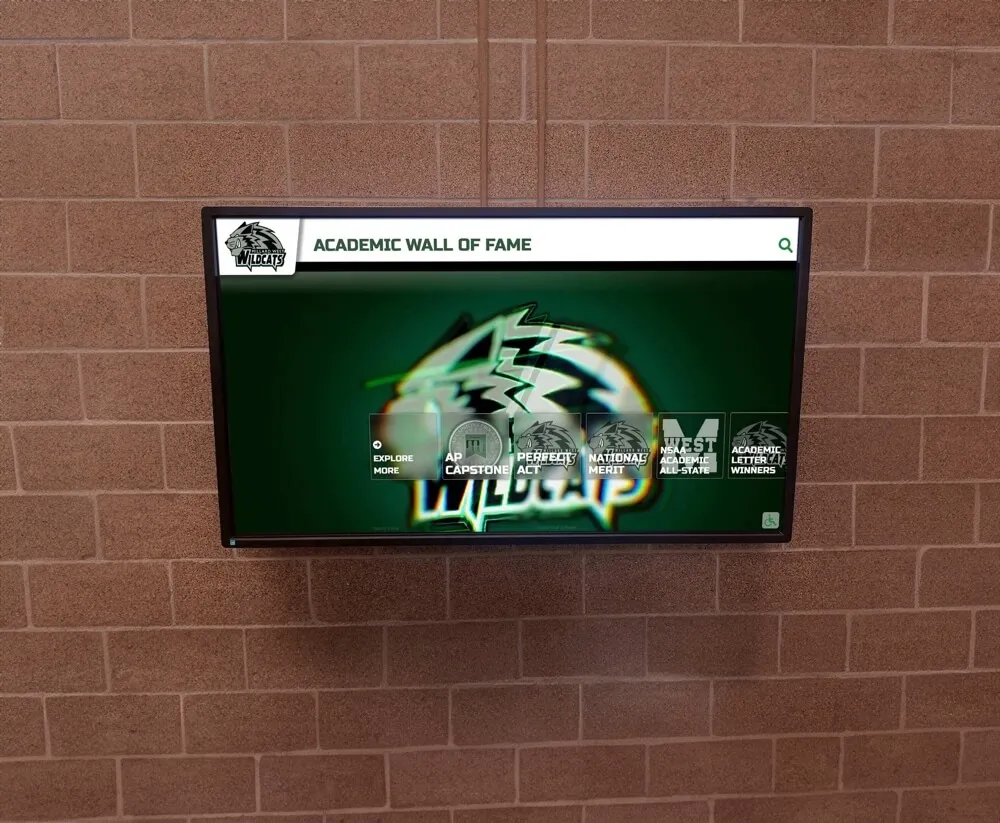
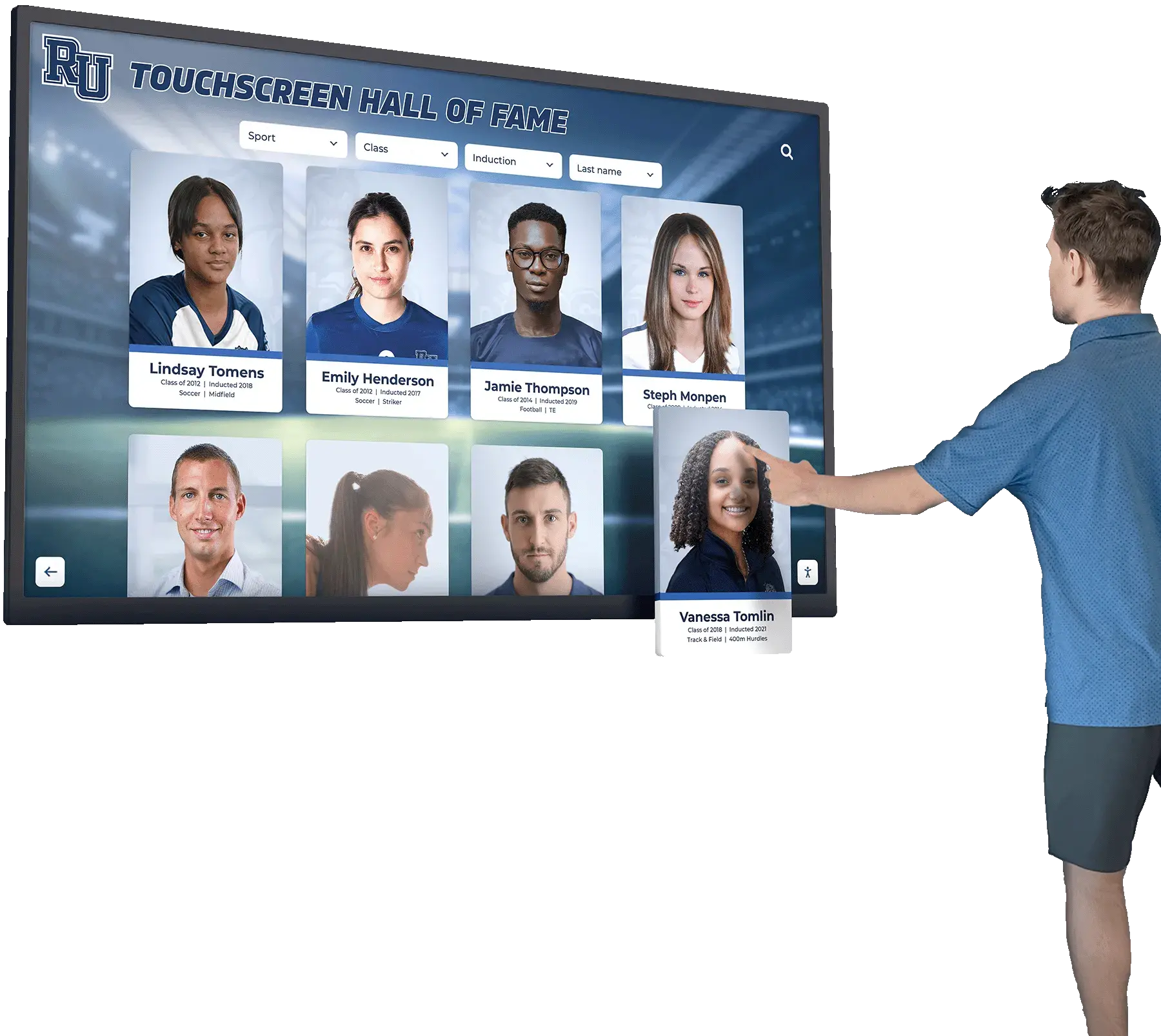
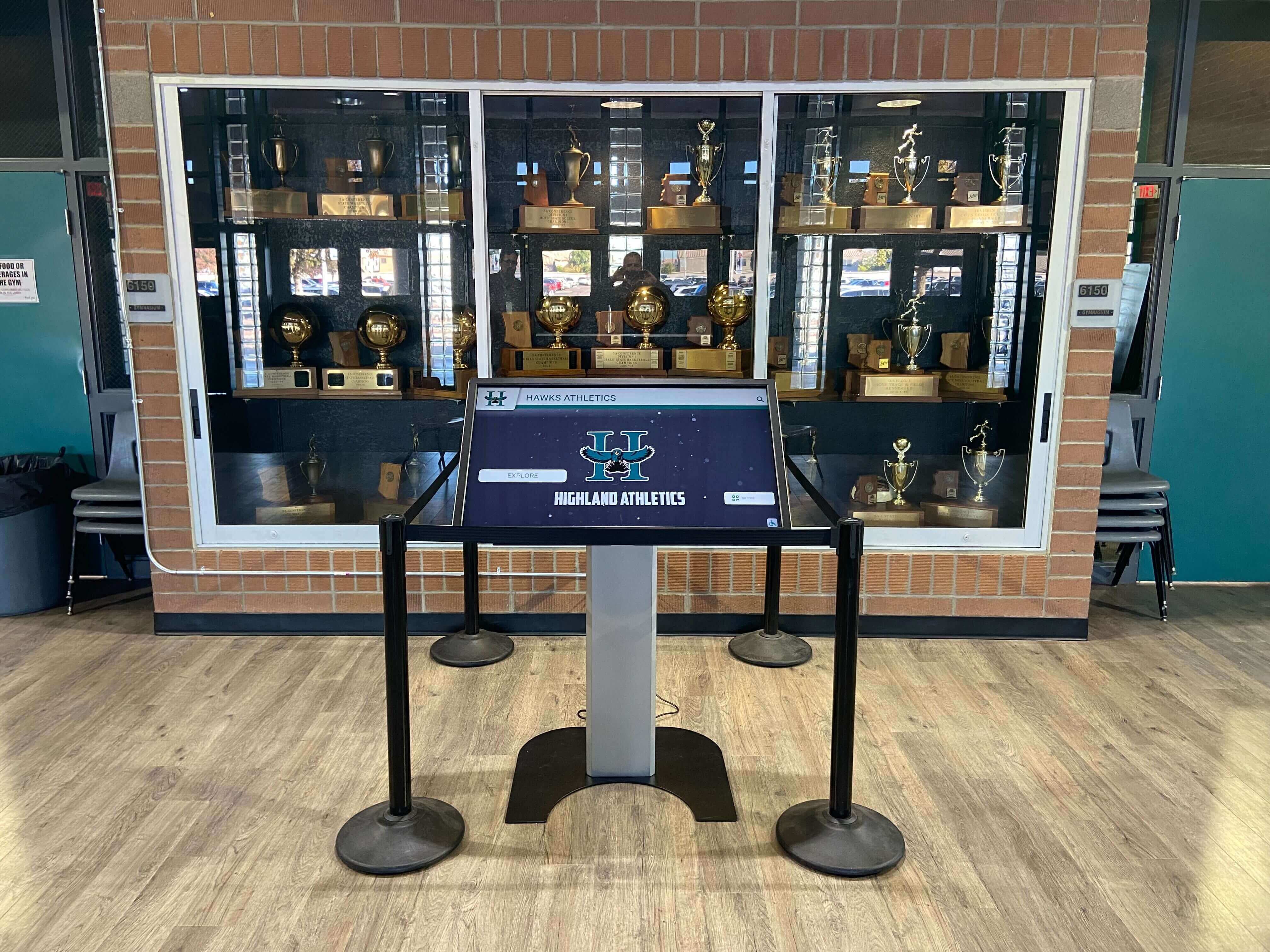
Interactive Exploration lets students, families, and visitors search databases, filter by sport or year, and explore letter-earner histories in engaging ways that static displays cannot match. This interactivity creates discovery experiences where users engage deeply with recognition content rather than passively viewing names on plaques.
Schools implementing comprehensive recognition programs increasingly integrate basketball recognition systems and similar sport-specific solutions that complement varsity letter programs by providing detailed visibility for team achievements alongside individual letter recognition.
Creating Comprehensive Letter Recognition Programs
Effective modern recognition combines traditional letter awards with digital visibility:
Present Physical Letters during ceremonies or award presentations, maintaining the tangible recognition that students value and can display personally.
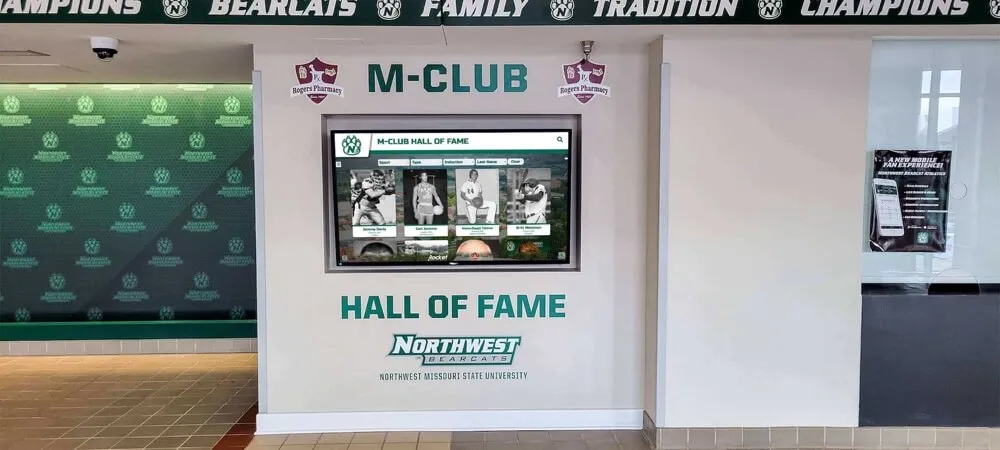
Document Achievement Digitally by adding letter-earner profiles to digital hall of fame systems where comprehensive information preserves their accomplishments indefinitely.
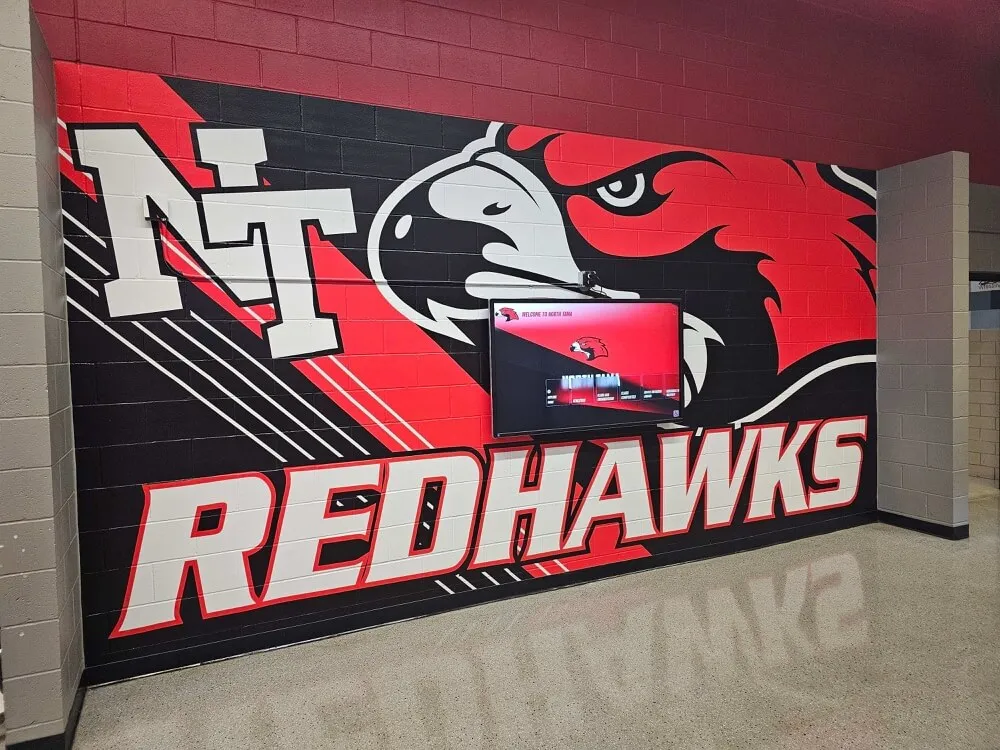
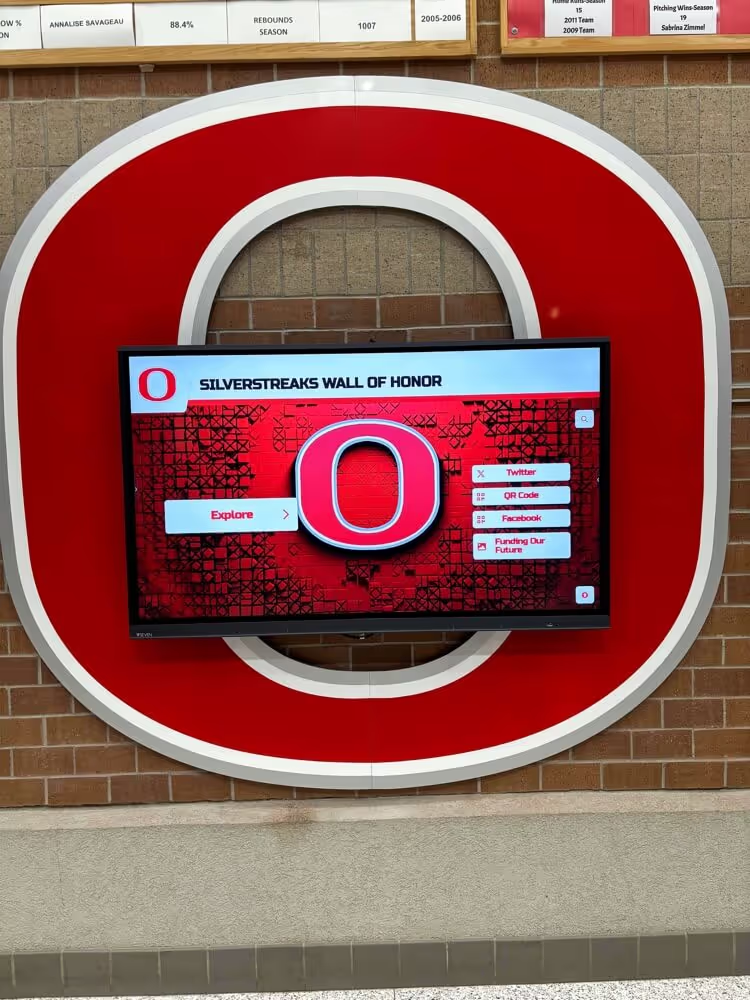
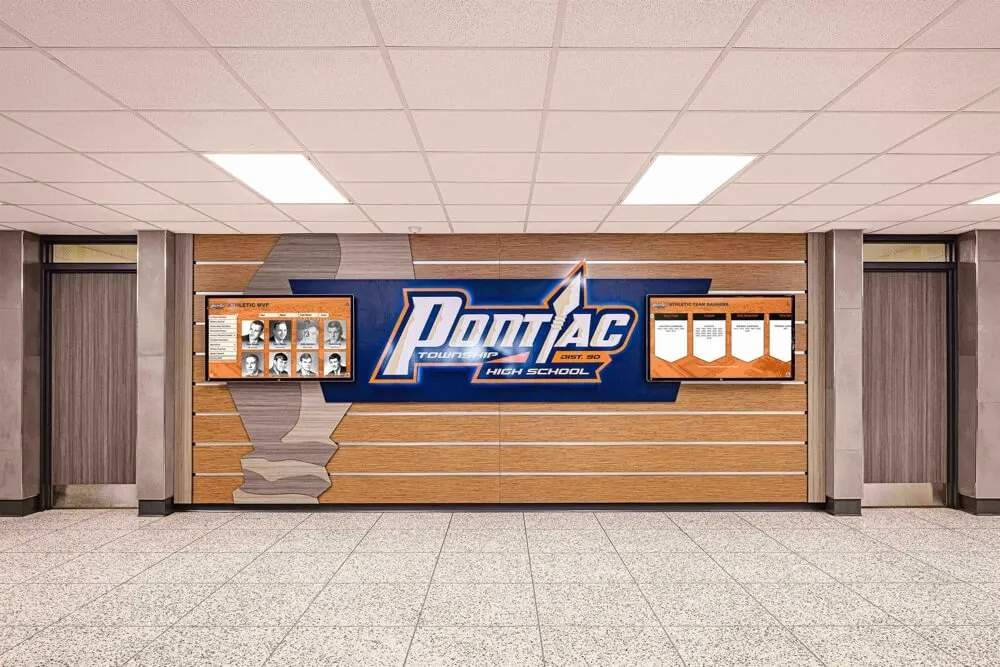
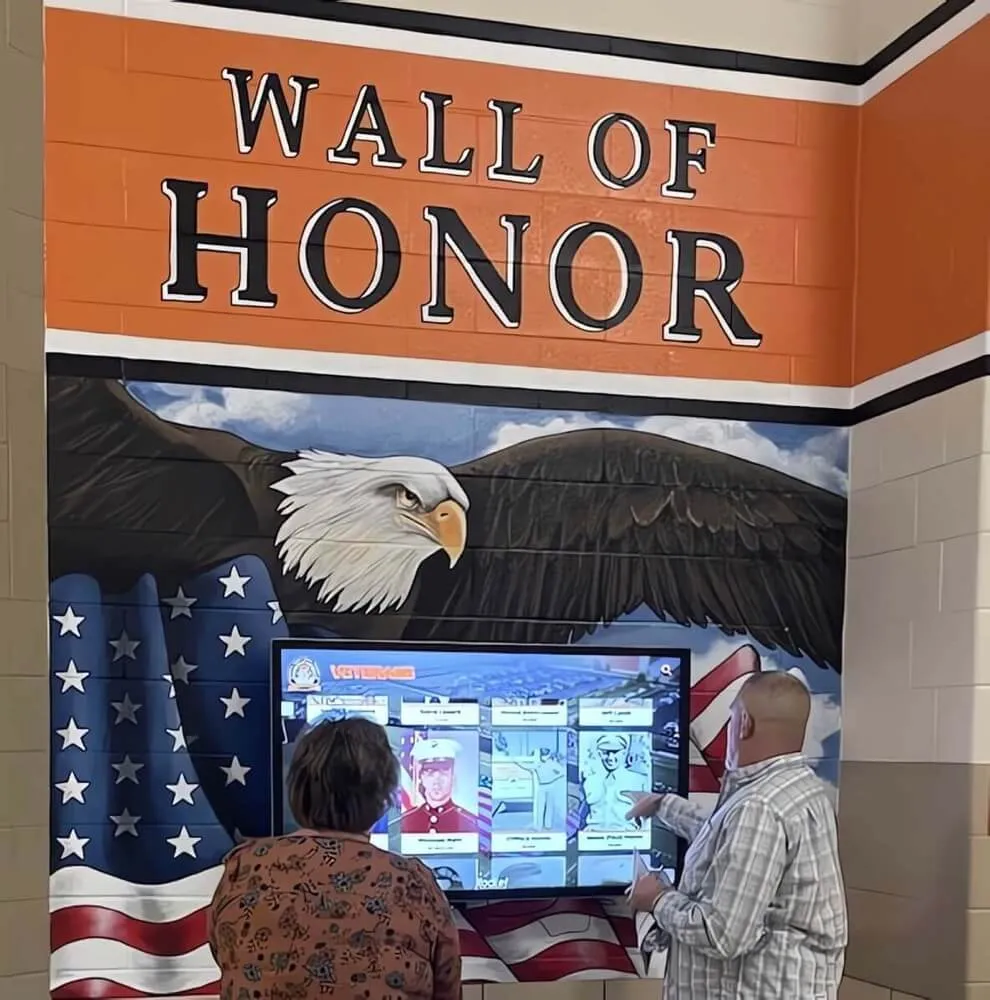
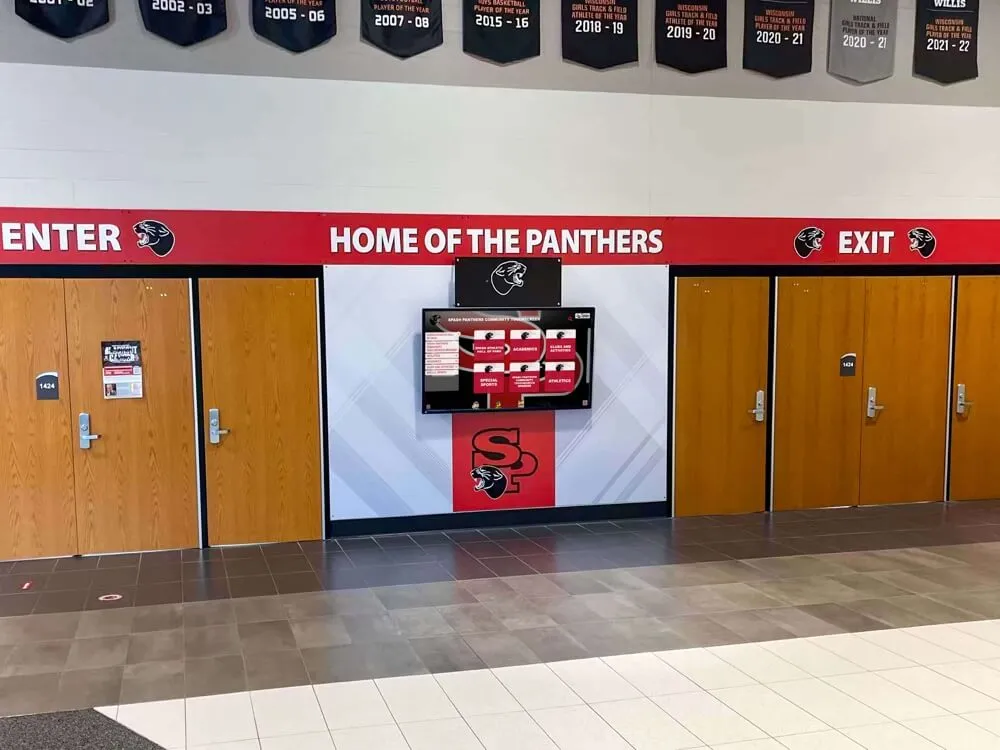
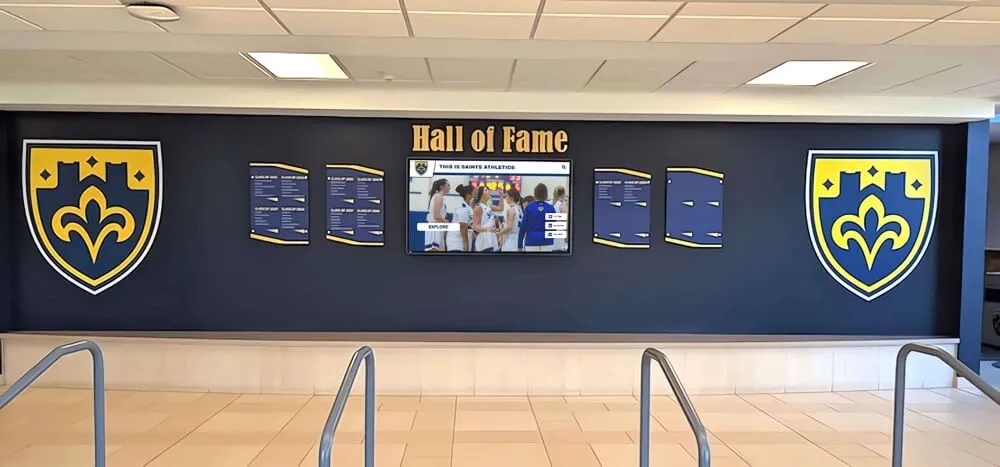
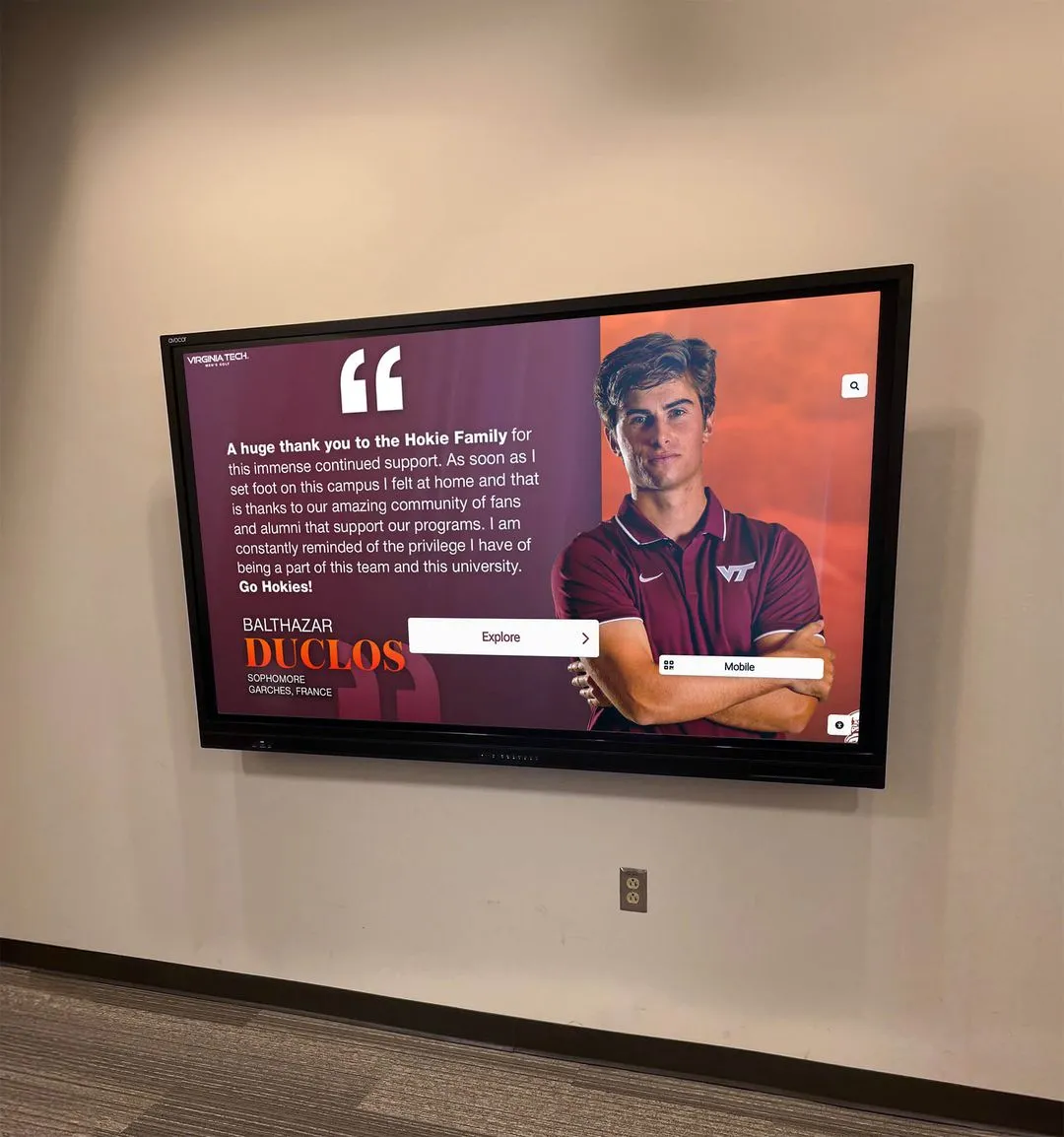
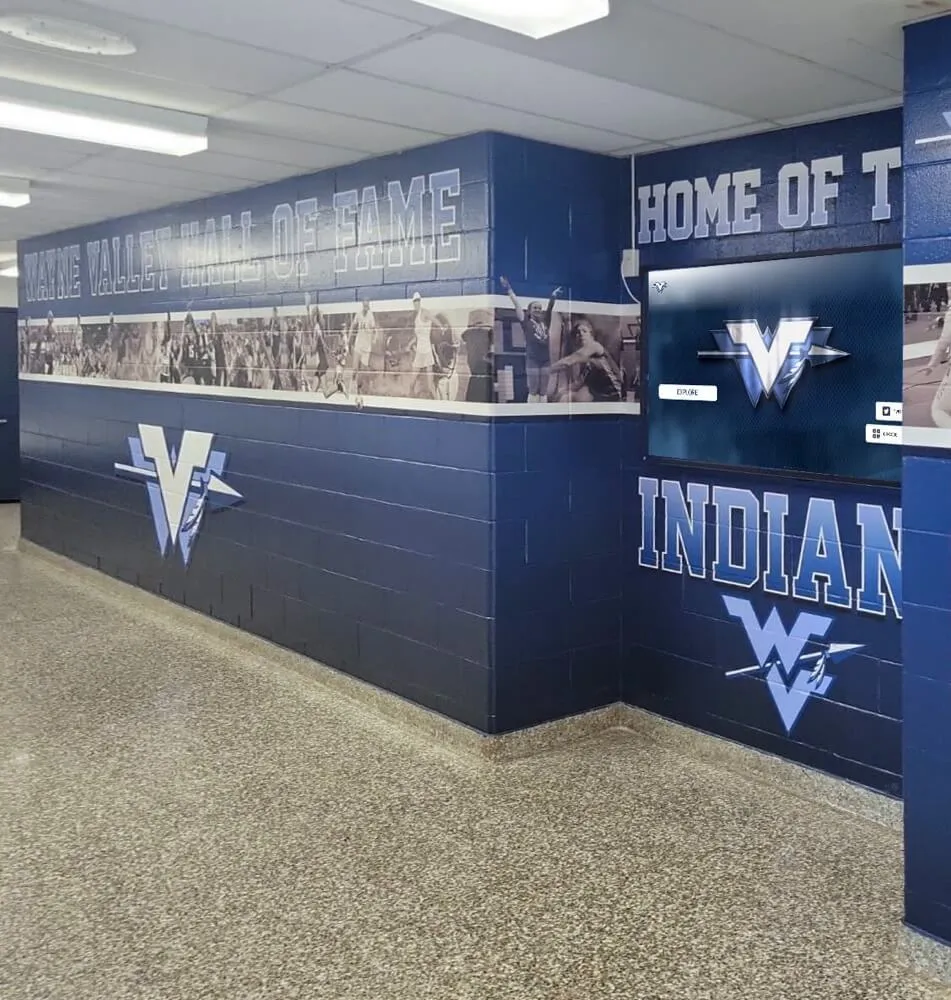
Create Public Visibility through hallway touchscreens, lobby displays, or school website integrations that ensure letter-earners receive ongoing recognition beyond the moment they receive physical letters.
Enable Search and Discovery with systems that let users find specific letter-earners, explore letter requirements and history, or discover notable alumni who earned letters decades ago.
This dual approach preserves tradition while leveraging technology to create recognition that lasts and evolves as programs grow. Schools examining their overall recognition infrastructure often discover that digital display solutions provide cost-effective platforms that accommodate varsity letter recognition alongside broader athletic, academic, and institutional achievement visibility.
Best Practices for School Letter Programs
Schools maintaining or developing varsity letter programs should consider these best practices to ensure programs remain meaningful and well-administered:
Clearly Define and Communicate Requirements
Letter requirements should be documented, publicly available, and communicated clearly to all participants before seasons or activity periods begin. Ambiguity about requirements creates frustration and perceived unfairness when students believe they earned letters but don’t receive them, or when criteria seem inconsistently applied.
Publish letter requirements in athlete handbooks, team meetings, school websites, and other accessible locations. Review requirements annually with coaches and activity sponsors to ensure they remain current and appropriate.
Ensure Consistency Across Programs
While different sports and activities may require tailored letter criteria, schools should maintain philosophical consistency about what letter recognition represents. Letters should recognize exceptional commitment and contribution across all programs, not vastly different achievement levels depending on the specific activity.
If letter requirements in one sport create significantly easier or more difficult paths to recognition compared to other activities, review criteria to ensure equitable standards. The letter should carry similar prestige whether earned in football, debate, or theater.
Present Letters Ceremonially
Varsity letters deserve formal presentation that emphasizes achievement significance. Whether through season-ending banquets, school-wide assemblies, or special recognition events, letter presentation ceremonies create memorable moments that honor recipients appropriately.
Ceremonies also educate broader school communities about letter significance, helping students, families, and staff understand what recipients achieved to earn recognition. Schools can use letter presentations to reinforce program values, celebrate team accomplishments, and inspire younger students. Ideas for comprehensive recognition events can be found in resources about planning athletic banquets that honor both team success and individual achievement.
Maintain Permanent Records
Schools should maintain comprehensive databases of all varsity letter recipients, documenting names, years, sports or activities, and any additional recognition elements. These records preserve institutional history, enable alumni reconnection, and provide data for recognition displays and communications.
Digital systems make record maintenance easier while enabling multiple uses for historical data—from generating anniversary recognition to creating searchable alumni databases to populating digital hall of fame displays.
Provide Multiple Recognition Options
Recognize that not all students can afford letterman jackets or choose to purchase them despite earning letters. Provide alternative recognition options like certificates, smaller display letters, or digital recognition that ensure all letter-earners receive appropriate honor regardless of whether they buy jackets.
Schools should avoid creating cultures where varsity recognition becomes contingent on jacket purchases, ensuring the achievement itself receives celebration independent of subsequent purchase decisions.
The Future of Varsity Letters
The varsity letter tradition has endured for over a century, adapting to changing educational landscapes, evolving athletic programs, and shifting student cultures. Several trends will likely shape how varsity letters evolve in coming decades:
Expanded Recognition Categories
As schools recognize diverse forms of excellence, letter programs will likely continue expanding beyond traditional athletics to honor achievement in academics, arts, service, and other pursuits. This expansion democratizes recognition while maintaining standards that ensure letters represent exceptional achievement rather than participation.
Technology Integration
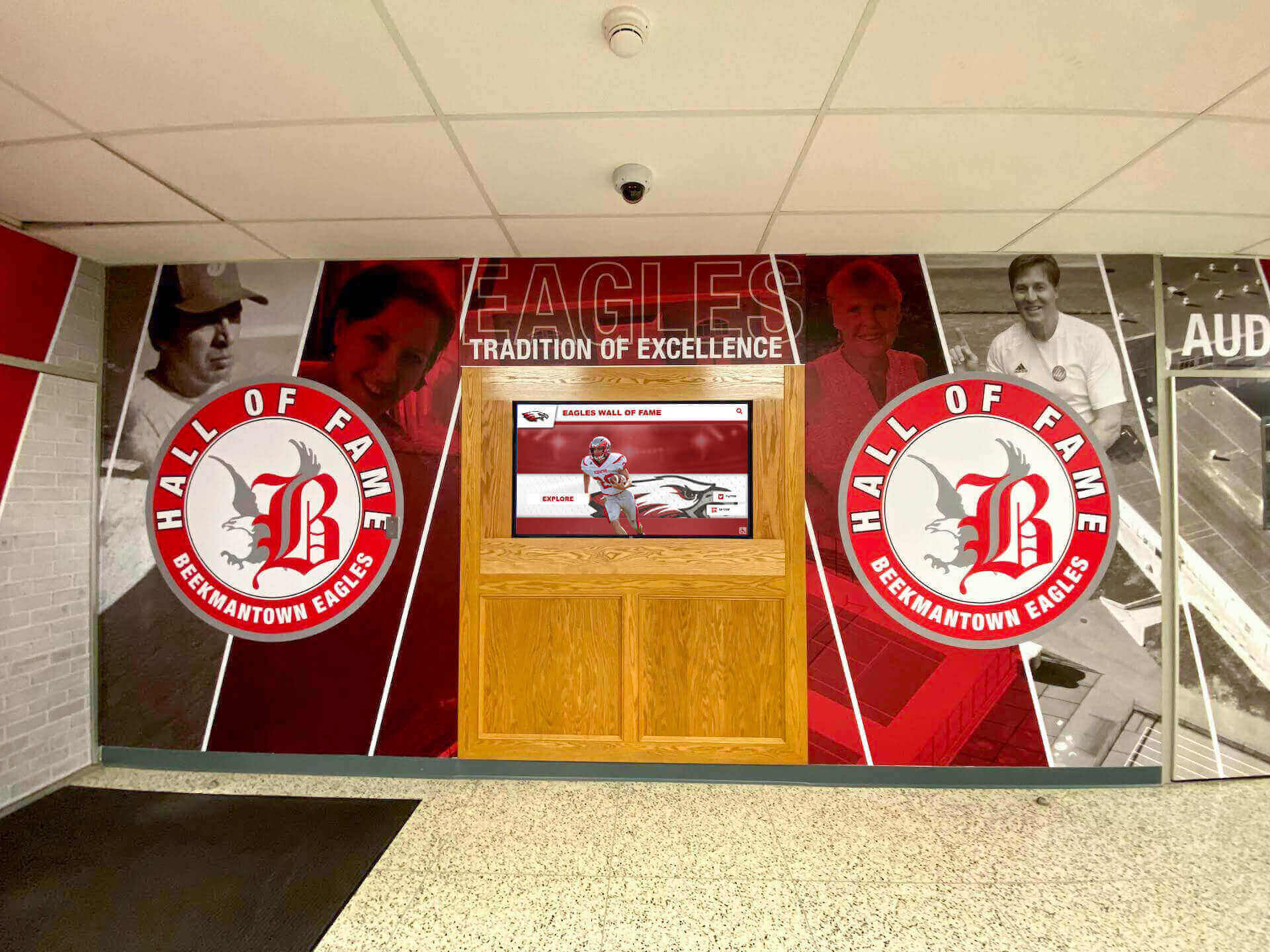
Digital recognition platforms will increasingly complement physical letter awards, providing lasting visibility and rich achievement documentation that traditional displays cannot match. Schools will likely integrate letter recognition into comprehensive digital systems that showcase athletic, academic, and activity excellence through interactive, engaging platforms.
Modern schools implementing comprehensive donor recognition strategies often discover that platforms designed for development purposes can simultaneously accommodate athletic recognition, academic achievement, and other forms of student and community honor, creating unified systems that celebrate excellence across institutional missions.
Emphasis on Character and Leadership
Future letter programs may place increased emphasis on character, sportsmanship, and leadership alongside performance metrics. As education increasingly values social-emotional development and character education, recognition systems will likely reflect these priorities by evaluating not just what students achieve but how they achieve it.
Sustainability and Alternatives
Environmental consciousness may drive innovation in letter and jacket production, with sustainable materials and manufacturing processes becoming standard. Schools might also develop digital-first recognition approaches that reduce physical production while maintaining achievement visibility and prestige.
Conclusion: The Enduring Value of Achievement Recognition
The varsity letter has survived over a century of educational change because it serves fundamental human needs for recognition, achievement validation, and identity connection. While the specific forms of letters and display methods evolve, the core concept—that exceptional dedication and achievement deserve tangible, lasting recognition—remains as relevant today as when Harvard’s baseball team first wore the “H” in 1865.
Schools that maintain thoughtful, well-administered letter programs create cultures that honor excellence, motivate sustained effort, and build lasting connections between students and institutions. Whether displayed on letterman jackets, preserved in personal collections, or showcased through modern digital recognition systems, varsity letters continue serving their essential purpose: celebrating students who dedicate themselves to excellence and achieve at levels that represent the best of their schools and communities.
For athletic directors, administrators, and program leaders evaluating or enhancing recognition programs, the varsity letter tradition offers proven frameworks that balance achievement recognition with accessibility, combine individual honor with team success, and create lasting visibility for accomplishments that deserve celebration. By combining time-tested letter traditions with modern recognition capabilities, schools can build comprehensive programs that honor every deserving student appropriately while inspiring the next generation to pursue their own paths to excellence.
Showcase Your Letter Recipients with Modern Recognition Displays
Preserve your varsity letter tradition while providing lasting visibility for every recipient. Rocket Alumni Solutions' digital recognition displays create engaging, comprehensive systems that honor letter-earners alongside team achievements, championships, and school history—all in interactive platforms that inspire current students and connect alumni.