



Key Takeaways
Discover what a varsity letter is, its rich history dating back to 1865, how students earn this prestigious athletic honor, and modern ways schools recognize varsity letter winners.
Walking through any high school hallway on game day, you’ll often spot them: students wearing distinctive jackets adorned with large chenille letters and colorful patches. These letterman jackets represent one of American education’s most enduring traditions—the varsity letter. But what exactly is a varsity letter, and why does this form of recognition continue to hold such significance more than 150 years after its inception?
A varsity letter is more than just a fabric patch or a line on a college application. It represents months or years of dedicated practice, competitive performance, teamwork, and commitment to standards of excellence both on the field and in the classroom. Understanding what varsity letters mean, how students earn them, and why they matter provides insight into how schools recognize achievement and build cultures celebrating dedication and skill development.
This comprehensive guide explores the history of varsity letters from their 1865 origins at Harvard, examines how modern schools determine letter requirements across different sports and activities, discusses the iconic letterman jacket tradition, and looks at how contemporary recognition technology transforms how schools celebrate and preserve varsity letter achievements for current students and future generations.
The History and Origin of Varsity Letters
The varsity letter tradition began in 1865 at Harvard University, making it one of America’s oldest continuous athletic recognition practices. Understanding this history reveals how a simple fabric letter evolved into a powerful symbol of achievement, dedication, and school pride.
The First Varsity Letter: Harvard Baseball, 1865
Harvard’s baseball team created the first varsity letters when team manager Frederick S. Coolidge commissioned large Old English “H” letters to be sewn onto players’ gray flannel uniforms. This innovation served multiple purposes: it created visual team unity, distinguished varsity players from other students, and provided players with tangible recognition of their athletic achievement and contribution to Harvard’s competitive success.
The letter initially served a practical function beyond mere recognition. In an era when athletic uniforms lacked the standardization and institutional branding common today, the prominent letter helped spectators identify which team players represented during competitions. The “H” became synonymous with Harvard athletic excellence, creating an instantly recognizable symbol that communicated both institutional affiliation and athletic prowess.
Players who received these first varsity letters wore them with considerable pride. The letter signified membership in an elite group—Harvard’s representative athletes competing against other institutions. This exclusivity proved appealing, and the practice quickly expanded beyond the baseball team to other Harvard athletic programs.
Expansion Across Collegiate Athletics
Other universities rapidly adopted Harvard’s varsity letter concept, recognizing its value for building athletic identity and providing meaningful recognition. By the 1880s and 1890s, major colleges and universities across the United States implemented their own letter award systems, each institution using its own initial—Yale’s “Y,” Princeton’s “P,” Michigan’s “M,” and so forth.
The expansion of varsity letters coincided with the formalization of intercollegiate athletics. As organized sports became more prominent in American higher education, schools needed systems to distinguish official team members from recreational participants. Varsity letters served this gatekeeping function while simultaneously motivating students to pursue the rigorous training and commitment required for varsity team membership.
Different institutions developed varying standards for letter awards, but common themes emerged: sustained participation across a full season, meeting performance standards, maintaining academic eligibility, and demonstrating character consistent with institutional values. These expectations established that earning a varsity letter required comprehensive achievement beyond just athletic skill.
The Evolution of the Letterman Jacket
While letters themselves date to 1865, the iconic letterman jacket emerged later, gaining popularity in the 1930s. Early varsity letter recipients sewed their letters onto regular sweaters or cardigans. The formalization of the letterman jacket—featuring wool body, leather sleeves, snap-front closure, and prominent chenille letter placement—created a standardized format that became instantly recognizable across American schools.
The letterman jacket tradition transformed the varsity letter from a uniform element to a personal achievement emblem students could wear beyond athletic competitions. The jacket became a walking advertisement of athletic accomplishment, signaling to peers, teachers, and community members that the wearer had achieved something noteworthy. This visible recognition proved highly motivating, with the letterman jacket becoming an aspirational symbol for younger students watching upperclassmen wear their earned letters with pride.
Schools began allowing students to customize their jackets with additional emblems representing specific achievements: sport-specific patches, year bars, championship indicators, and captain designations. This personalization made each jacket unique while maintaining the core letter as the central achievement marker. The practice created living records of individual athletic careers, with jackets accumulating more decorations as athletes progressed through multiple seasons and sports.
From Colleges to High Schools
By the mid-20th century, high schools across America had adopted the varsity letter tradition from their collegiate predecessors. The practice proved particularly well-suited to high school contexts, where athletic participation rates were higher than in colleges and schools sought ways to recognize broader populations of student-athletes.
High school varsity letters maintained the prestige and selectivity of collegiate letters while adapting to different competitive structures and developmental contexts. High school letter requirements typically emphasized participation, commitment, and representing the school positively rather than purely elite performance standards that might exclude all but the most talented athletes.
The tradition became deeply embedded in American high school culture. Earning a varsity letter and wearing a letterman jacket became a rite of passage, a visible marker of transitioning from childhood to young adulthood, from participant to representative athlete. The tradition persists today, even as schools explore modern approaches to athletic recognition that complement traditional letter awards.
Requirements for Earning a Varsity Letter
While the varsity letter tradition remains consistent across American schools, specific requirements for earning letters vary significantly between institutions, sports, and even different teams within the same school. Understanding common requirements helps students, parents, and coaches navigate expectations while recognizing the comprehensive nature of varsity letter criteria.
Varsity Team Participation Requirements
The most fundamental requirement for earning a varsity letter is competing at the varsity level—the highest competitive tier within a school’s athletic program. Simply being on a team’s roster typically doesn’t suffice; most schools establish minimum participation standards ensuring letters recognize meaningful contribution rather than just team membership.
Playing Time and Competition Participation Standards:
Different sports employ different metrics for determining adequate participation:
Game-Based Sports: Football, basketball, soccer, and similar sports commonly require athletes to participate in a minimum percentage of games or quarters. Typical standards include playing in 50-75% of varsity contests or competing in at least half of the total available quarters or periods across a season.
Individual Sports: Track and field, swimming, tennis, and other individual sports often base letter requirements on competition entries, scoring points for the team, or achieving qualifying performance standards. An athlete might need to compete in a minimum number of events, score team points at a certain number of meets, or achieve specific performance benchmarks.
Skill and Performance Thresholds: Some sports establish specific performance standards beyond participation. A swimmer might need to achieve qualifying times, a wrestler might need to win a minimum number of matches, or a track athlete might need to score points at conference or regional competitions.
These varied approaches recognize that different sports require different evaluation methods. What constitutes meaningful contribution in football differs substantially from meaningful contribution in golf or cross country.
Season and Time Commitment Standards
Earning a varsity letter typically requires completing an entire athletic season, not just participating temporarily. This full-season requirement ensures letters recognize sustained commitment rather than brief involvement.
Practice Attendance Requirements:
Most schools require consistent practice attendance as a letter qualification. Standards commonly include:
- Attending 90% or more of scheduled practices
- Excused absence policies for illness, family emergencies, or school obligations
- Consequences for unexcused absences affecting letter eligibility
- Differentiation between practice absences and competition absences
Practice requirements reinforce that athletic achievement stems from consistent training and preparation, not just game day performance. Athletes who attend competitions but skip practices don’t demonstrate the commitment that varsity letters are intended to honor.
Multi-Season and Multi-Year Considerations:
Some schools award first-year letters after one season of varsity participation, while others require multiple seasons or years before granting letters. Common approaches include:
- First-year letters for any athlete meeting season participation standards
- Year bars or pins added to letters for subsequent seasons in the same sport
- Multiple season requirements in certain sports before the initial letter award
Athletes competing across multiple seasons in the same sport typically receive their letter once, then earn additional recognition emblems (bars, pins, stars) for continued participation in subsequent years.
Academic and Character Requirements
Varsity letters recognize comprehensive student-athlete achievement, not just athletic performance. Academic and behavioral standards ensure letter recipients represent their schools well in all contexts.
Academic Eligibility Standards:
Schools uniformly require athletes to maintain academic eligibility standards to qualify for varsity letters. Common requirements include:
- Maintaining minimum GPA thresholds (typically 2.0-2.5 depending on state athletic association rules)
- Remaining enrolled full-time in required courses
- Making adequate academic progress toward graduation
- Avoiding academic integrity violations
Some schools implement higher academic standards for letter awards than minimum eligibility requirements. An athlete might remain eligible to compete with a 2.0 GPA but need a 2.5 GPA to earn a letter, reinforcing that letter awards represent elevated achievement.
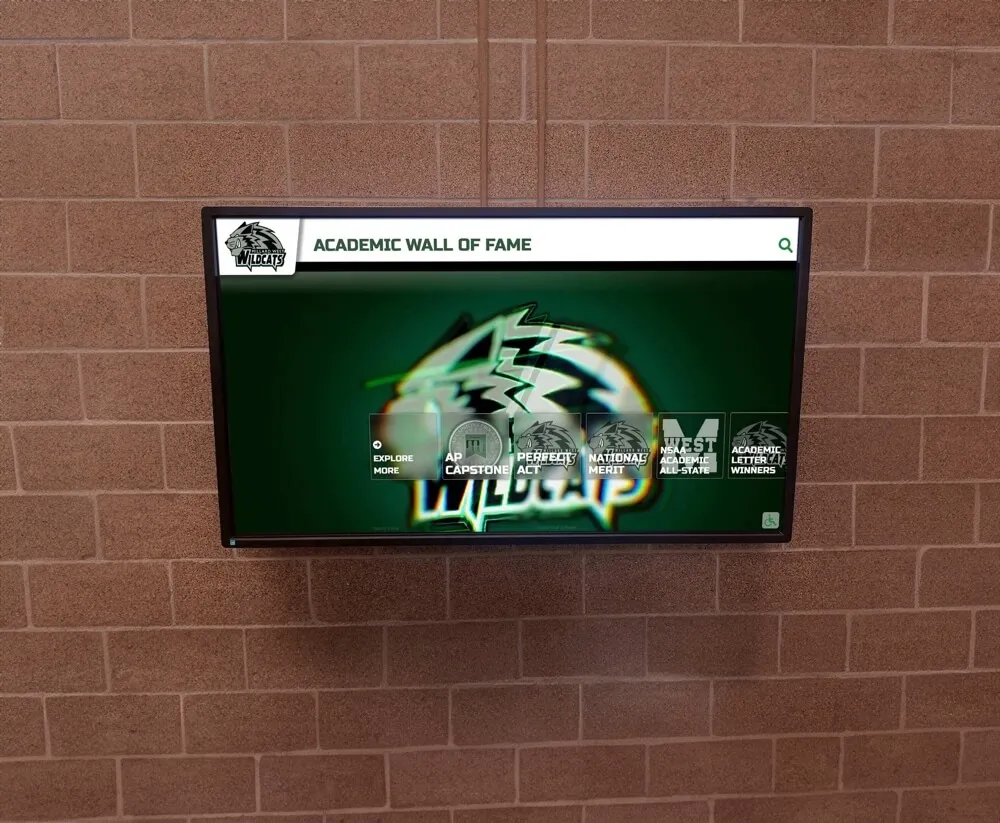
Many schools integrate academic recognition with athletic honors through programs that celebrate scholar-athletes who excel in both arenas. Digital recognition displays allow schools to showcase these comprehensive achievements through academic recognition programs that complement athletic honors.
Sportsmanship and Character Standards:
Beyond statistics and playing time, letter requirements typically address character and conduct:
- Demonstrating good sportsmanship during competitions
- Avoiding disciplinary issues or code of conduct violations
- Representing the school positively in athletic and academic contexts
- Showing respect toward coaches, officials, opponents, and teammates
- Maintaining appropriate behavior during team travel and school events
These character requirements recognize that varsity letters signify more than athletic skill—they represent students worthy of representing their schools and serving as role models for younger athletes.

Sport-Specific Letter Requirements
Individual sports develop unique requirements reflecting their competitive structures and participation models. Understanding these differences helps athletes and families understand what earning a letter entails in specific activities.
Team Sport Examples:
Football: Letters commonly require playing in a minimum percentage of quarters across the season, with some positions (like offensive linemen) evaluated differently than others due to specialized roles and limited statistical measures of contribution.
Basketball: Letter requirements often specify minimum playing time across games or quarters, with consideration for season length differences between boys’ and girls’ programs or varsity schedule variations.
Soccer/Volleyball: Standards typically require playing in a percentage of matches or sets, with some schools differentiating between starting positions and substitute roles.
Individual Sport Examples:
Track and Field: Requirements might include scoring team points at a minimum number of meets, achieving state qualifying standards, or earning top finishes at conference or regional competitions.
Swimming and Diving: Letter standards often require achieving qualifying time standards, placing in competitions, or contributing to relay teams that score points.
Tennis and Golf: Requirements might include maintaining positions in starting lineups, winning matches, qualifying for postseason competitions, or achieving performance benchmarks.
Cross Country: Standards commonly require completing seasons, achieving time standards, finishing races, or placing in team scoring positions at designated competitions.
Varsity Letters Beyond Athletics
While most commonly associated with sports, many schools award varsity letters for achievement in non-athletic activities, recognizing that dedication and excellence manifest in diverse areas.
Band and Music: Marching band programs frequently award letters based on participation in performances, practices, and competitions. Standards mirror athletic requirements, acknowledging that competitive marching band demands comparable time commitment, teamwork, and skill development as traditional sports.
Academic Competition Teams: Debate, forensics, math team, quiz bowl, and academic decathlon programs often implement letter award systems recognizing sustained participation and competitive achievement in intellectual competitions.
Performing Arts: Drama, musical theater, and show choir programs may award letters for significant production participation, technical crew contributions, or competitive speech and theater achievements.
Leadership and Service: Some schools offer letters for student government, peer mentoring, community service, or other leadership roles that require sustained commitment and meaningful contribution to school culture.
These expanded letter opportunities recognize that dedication, teamwork, representation of school values, and sustained excellence occur in many contexts beyond athletic fields and courts. Modern schools celebrate these diverse achievements through comprehensive recognition systems that honor multiple forms of student success.
The Letterman Jacket Tradition
The letterman jacket represents one of the most iconic and enduring symbols in American secondary education. Understanding the elements, traditions, and significance of these jackets provides insight into why they remain coveted items more than 80 years after their popularization.
Anatomy of a Traditional Letterman Jacket
Classic letterman jackets follow consistent design specifications that create instant recognizability:
Materials and Construction:
- Wool body in school colors (typically the primary school color)
- Leather or leather-like sleeves in contrasting school color
- Snap-front closure with metal or plastic snaps
- Knit collar, cuffs, and waistband in school colors
- Quilted satin or polyester lining
- Interior pockets for storage
Letter Placement and Decoration:
- Large chenille letter (6-8 inches tall) on left chest
- Graduation year numerals on right chest or sleeve
- Sport-specific patches on sleeves
- Achievement bars or pins on the letter itself
- Name embroidery (optional, often on front or back)
- Additional achievement patches on back or sleeves
The standardized format creates immediate recognition—anyone seeing a letterman jacket understands that the wearer has achieved something noteworthy, earned recognition, and takes pride in representing their school.
Chenille Letter Details:
The letter itself—the centerpiece of every letterman jacket—consists of chenille fabric, a distinctive material with a soft, raised pile texture. This chenille construction makes letters tactile and visually prominent, ensuring they stand out against jacket backgrounds. The raised texture also provides durability, allowing letters to maintain appearance through years of wear.
Letters come in school colors—typically the primary school color or a contrasting color ensuring visibility. The size and prominence of the letter deliberately draws attention, making the achievement immediately visible to anyone who sees the jacket.
Jacket Customization and Achievement Emblems
Beyond the basic letter, athletes customize their jackets with additional emblems documenting specific achievements, positions, and milestones:
Sport-Specific Patches: Chenille or embroidered patches identifying specific sports—footballs, basketballs, soccer balls, track shoes, baseball bats, volleyball nets. These patches, typically placed on sleeves, communicate which sports the athlete participated in.
Year Bars or Pins: Metal or chenille bars attached to the letter indicate multiple years of participation in the same sport. A senior athlete with four years of varsity basketball might display three bars on their letter, signifying four total seasons (the letter itself represents the first year).
Championship Indicators: Special patches, pins, or stars commemorate conference championships, state tournament appearances, or state championships. These emblems transform jackets into personal achievement timelines documenting career highlights.
Captain or Leadership Designations: “C” patches, captain stars, or special pins identify athletes who served in team leadership positions, adding another layer of achievement documentation.
Academic Achievement Symbols: Some students add academic honor roll or scholar-athlete pins, integrating academic and athletic accomplishments on the same garment.
This customization transforms letterman jackets from uniform items into personalized achievement narratives. Looking at a jacket covered in patches, bars, and pins, observers can reconstruct an athlete’s high school career—which sports they played, how many years they competed, what championships they won, and what leadership positions they held.
Cultural Significance and Social Dynamics
Letterman jackets carry significant cultural weight in high school environments, functioning as visible markers of achievement, status, and identity:
Status and Recognition: In many high schools, wearing a letterman jacket signals membership in a select group who achieved recognition through demonstrated skill and commitment. The jacket creates instant recognition and respect, particularly from younger students aspiring to earn their own letters.
School Pride and Identity: Letterman jackets prominently display school colors, names, and symbols, making wearers walking advertisements for their institutions. Athletes wearing letters to school events, competitions, or in community settings represent their schools visibly and publicly.
Tradition and Continuity: The letterman jacket tradition connects current students to previous generations of athletes. When seniors wear jackets that look nearly identical to those worn by athletes decades earlier, they participate in ongoing traditions that create continuity across time and graduating classes.
Motivation for Younger Athletes: For freshman and sophomore athletes aspiring to earn letters, seeing upperclassmen wear letterman jackets provides tangible goals and motivation. The visible nature of jacket recognition makes the achievement aspirational and concrete rather than abstract.
Cost and Accessibility Considerations: Traditional letterman jackets cost between $200-400, creating financial barriers for some families. Progressive schools recognize this challenge and explore ways to make letter recognition accessible to all deserving athletes regardless of family finances—offering jacket subsidies, implementing payment plans, or providing alternative recognition options ensuring that financial constraints don’t prevent deserving students from celebrating their achievements.
Modern Variations and Contemporary Alternatives
While traditional wool and leather letterman jackets remain popular, contemporary variations reflect changing student preferences and lifestyle needs:
Lightweight Jacket Options: Some students prefer lightweight windbreaker-style letter jackets suitable for varying weather conditions and less formal than traditional letterman jackets.
Hoodies and Sweatshirts: Letter hoodies and crew-neck sweatshirts provide casual alternatives while still displaying earned letters prominently.
Letter Patches as Standalone Recognition: Some schools provide letters as separate patches students can apply to any garment of their choosing, increasing flexibility and personalization.
Digital Recognition Integration: Progressive schools complement physical letter awards with digital recognition systems that document letter achievements permanently and accessibly through interactive displays that celebrate varsity letter winners alongside other athletic honors.
These alternatives recognize that while the tradition remains meaningful, student preferences and lifestyles evolve. Schools increasingly offer multiple recognition formats ensuring that earning a letter feels relevant and valued regardless of whether students choose traditional letterman jackets.
Why Varsity Letters Still Matter Today
In an era of digital communication, changing school cultures, and evolving student priorities, one might question whether varsity letters maintain relevance. Evidence suggests they do—when implemented thoughtfully as part of comprehensive recognition programs that celebrate achievement meaningfully.
Personal Achievement and Goal Setting
Varsity letters provide concrete goals for student-athletes to pursue. Unlike vague aspirations to “play well” or “help the team,” letter requirements establish specific, measurable standards students can work toward: play in 50% of games, maintain practice attendance, keep grades above 2.5 GPA, demonstrate good sportsmanship.
Research in motivation psychology consistently demonstrates that specific, achievable goals enhance performance more effectively than general intentions. Letter requirements create these specific targets, giving athletes clear objectives that guide training efforts and behavior choices throughout seasons.
When athletes achieve letter standards, they experience accomplishment—a sense that sustained effort produced meaningful results. This achievement builds self-efficacy, the belief that effort and persistence lead to success. These beliefs transfer beyond athletics, influencing how students approach challenges in academic and personal contexts.
Recognition and Validation
Adolescents crave recognition and validation from authority figures, peers, and their communities. Varsity letters provide this acknowledgment in tangible form. Being recognized as a letter winner communicates that adults noticed an adolescent’s efforts, that commitment mattered, and that the school values what the student accomplished.
This validation proves particularly important for students who may not receive recognition through other channels. Not all students excel academically, win art competitions, or receive academic honors. Athletics may represent the primary domain where certain students experience success and recognition. Letter awards ensure these students receive acknowledgment that supports positive self-concept development and continued engagement with school.
The public nature of letter recognition—announcements at assemblies, names published in school media, visible letterman jackets worn in hallways—amplifies validation effects. Recognition happening privately in coaches’ offices matters, but public acknowledgment communicates that achievement is noteworthy enough for the entire school community to celebrate.
Building Athletic Identity and Future Engagement
Students who earn varsity letters often internalize athletic identities that influence future behavior. They begin seeing themselves as “athletes”—people capable of meeting physical challenges, committing to training, and performing competitively. This identity shapes whether students continue athletic participation, pursue collegiate sports opportunities, or maintain physically active lifestyles into adulthood.
Letter awards strengthen these identities by providing external validation that students belong in athletic spaces. The formal recognition communicates “you are an athlete,” reinforcing internal identities and increasing likelihood of continued engagement with sports and physical activity.
Research indicates that athletic participation during adolescence correlates with physical activity maintenance throughout adulthood. While many factors contribute to this correlation, recognition experiences that build positive athletic identities likely play supporting roles. Students who feel validated as athletes may maintain athletic involvement longer than those who participate without feeling recognized or valued.

College Applications and Scholarship Opportunities
From a practical standpoint, varsity letters strengthen college applications and scholarship opportunities. Admissions officers view varsity letters as evidence of commitment, time management, teamwork, and perseverance—qualities universities value regardless of whether students will continue athletics collegiately.
Earning multiple varsity letters demonstrates well-roundedness and sustained commitment across years, distinguishing applications in competitive admissions environments. Letters in multiple sports or activities indicate versatility and ability to excel in different contexts.
For students pursuing athletic scholarships or collegiate athletic participation, varsity letters provide documented evidence of high school athletic achievement. While recruiting relies more heavily on film, statistics, and showcase performance, letters offer standardized recognition that coaches and scouts understand immediately.
Additionally, numerous community and organizational scholarships specifically recognize varsity letter winners, creating financial aid opportunities connected directly to this achievement. These scholarships acknowledge the discipline and dedication letter winners demonstrated, rewarding those qualities through college funding support.
Preserving School Traditions and Culture
Beyond individual benefits, varsity letter traditions contribute to broader school culture and institutional identity. Schools with strong letter traditions create cultures that value achievement, recognize commitment, and celebrate success in visible ways.
These traditions connect current students with institutional history. When a 2025 senior earns a letter using the same basic criteria and receiving similar recognition as athletes from the 1970s or 1980s, they participate in continuity spanning generations. This connection builds institutional loyalty and emotional investment in school communities.
Letter traditions also create shared experiences across student populations. Athletes from different sports, different grade levels, and different social groups share the common experience of working toward letters, meeting requirements, and receiving recognition. These shared experiences build connections and common identity among diverse student athletes.
Progressive schools maintain these tradition values while updating recognition approaches through modern athletic recognition programs that preserve meaningful acknowledgment while embracing contemporary technology.
Modern Recognition: Beyond the Physical Letter
While traditional chenille letters and letterman jackets remain meaningful, contemporary schools increasingly complement physical awards with digital recognition systems that preserve achievements permanently, increase visibility, and create more comprehensive documentation of student athletic careers.
Digital Recognition Displays for Varsity Letter Winners
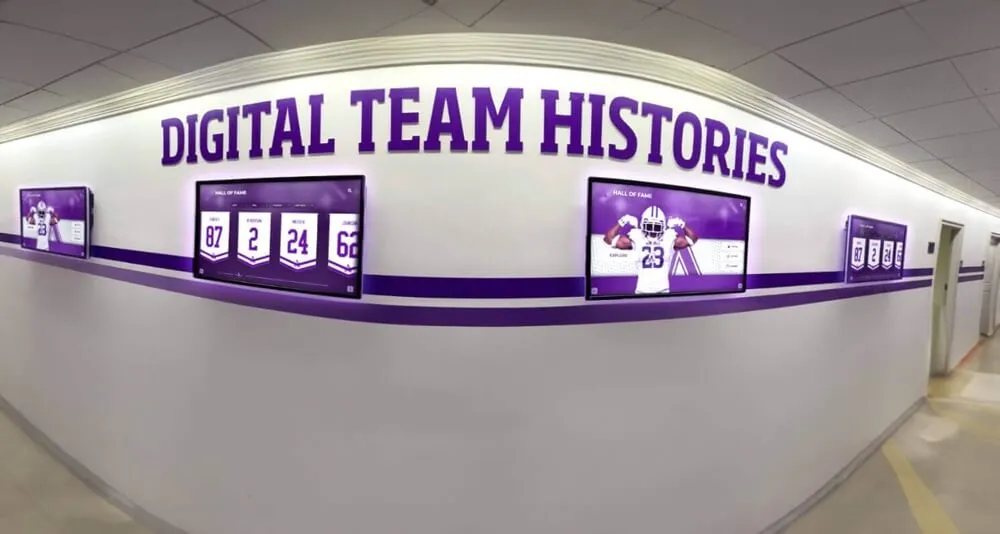
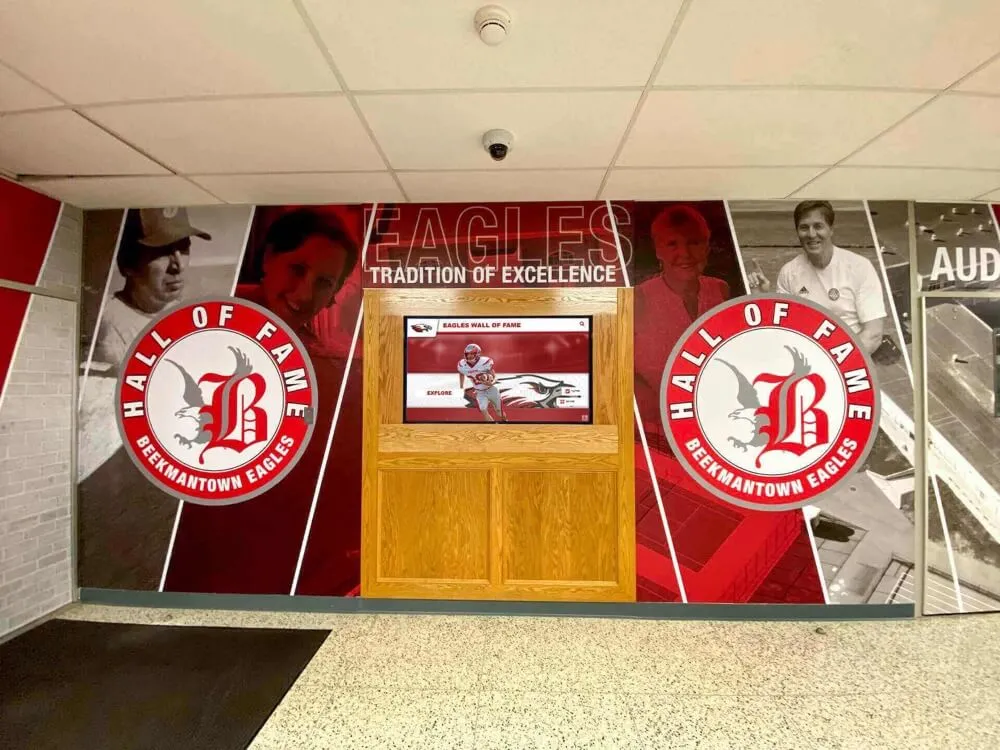
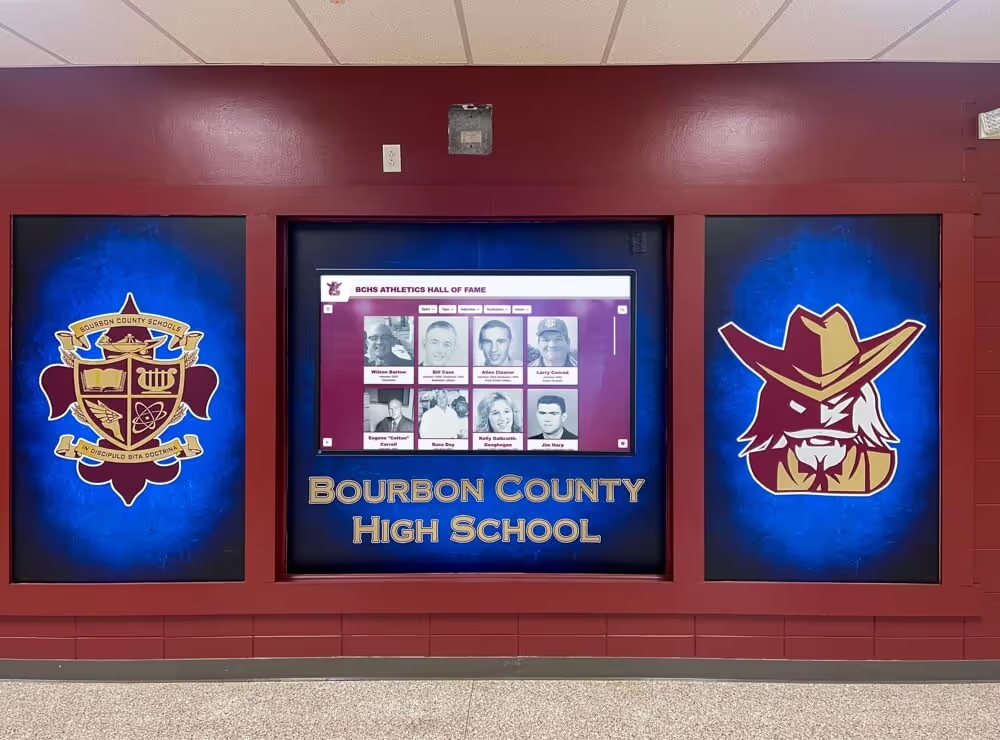
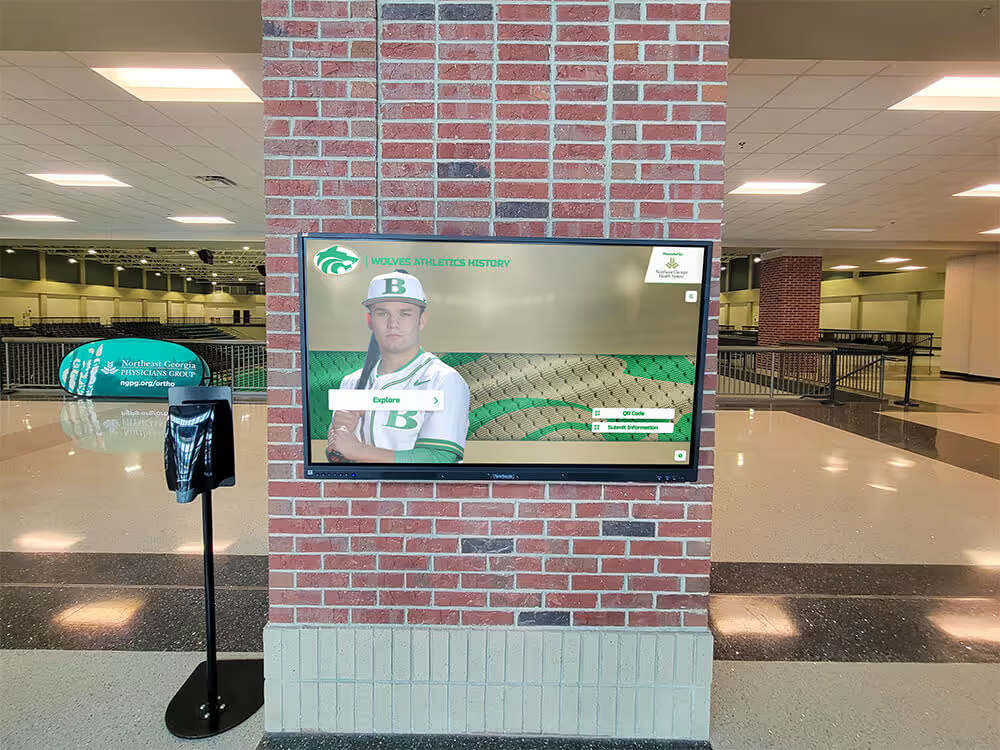
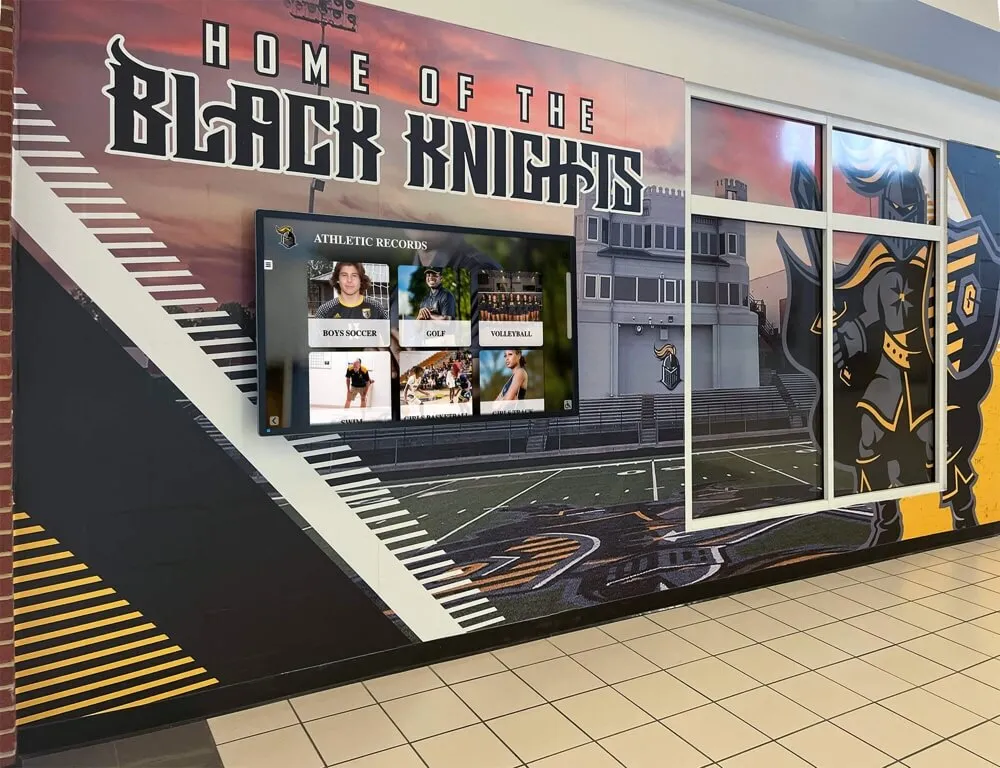
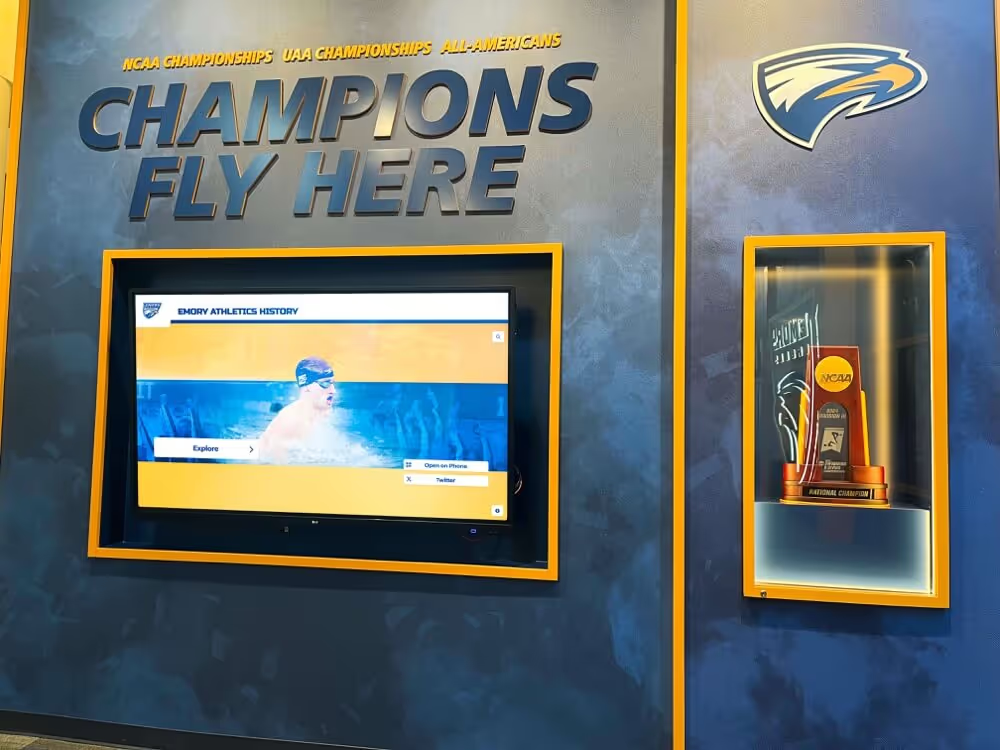
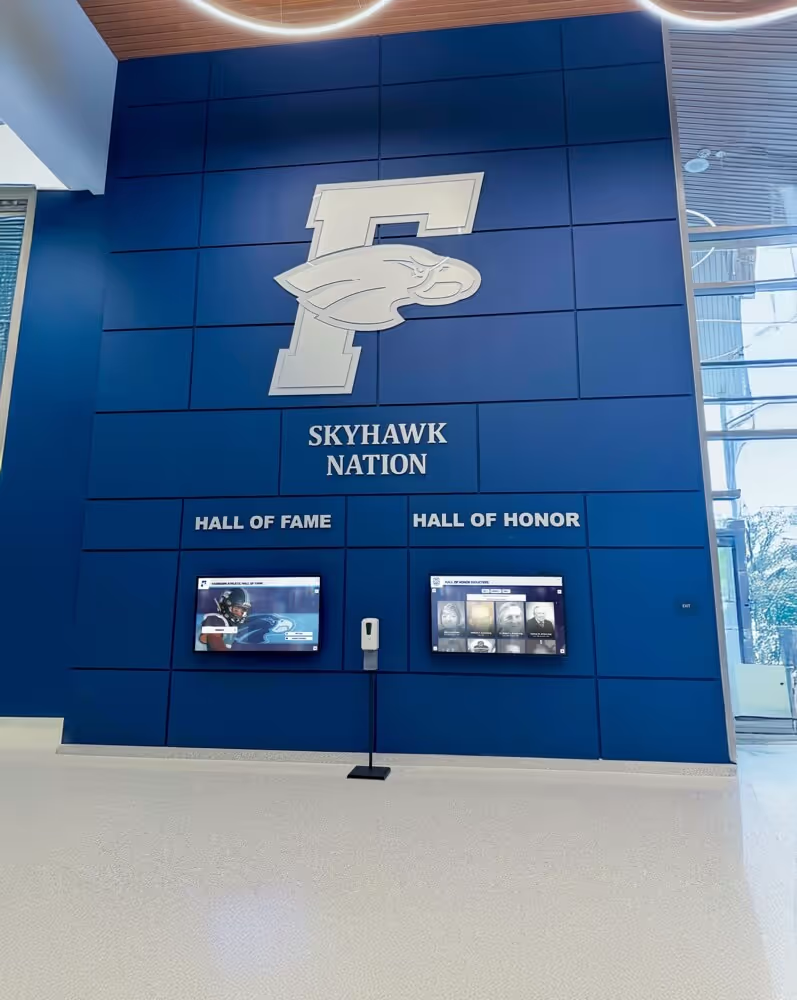
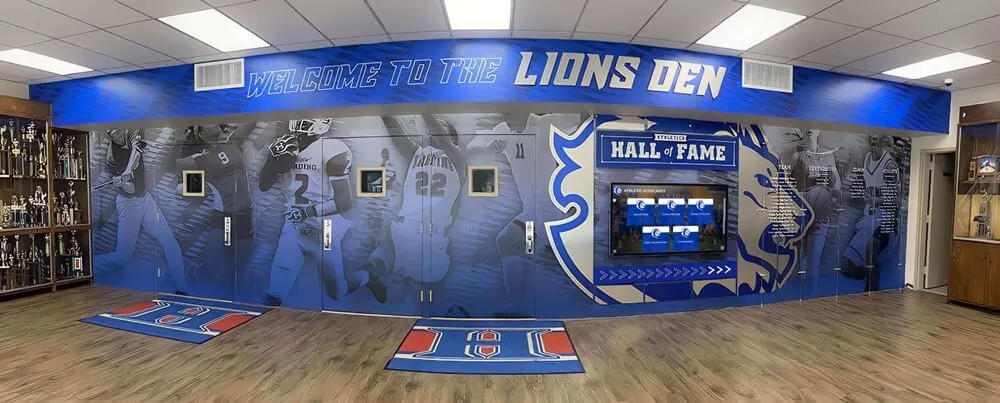
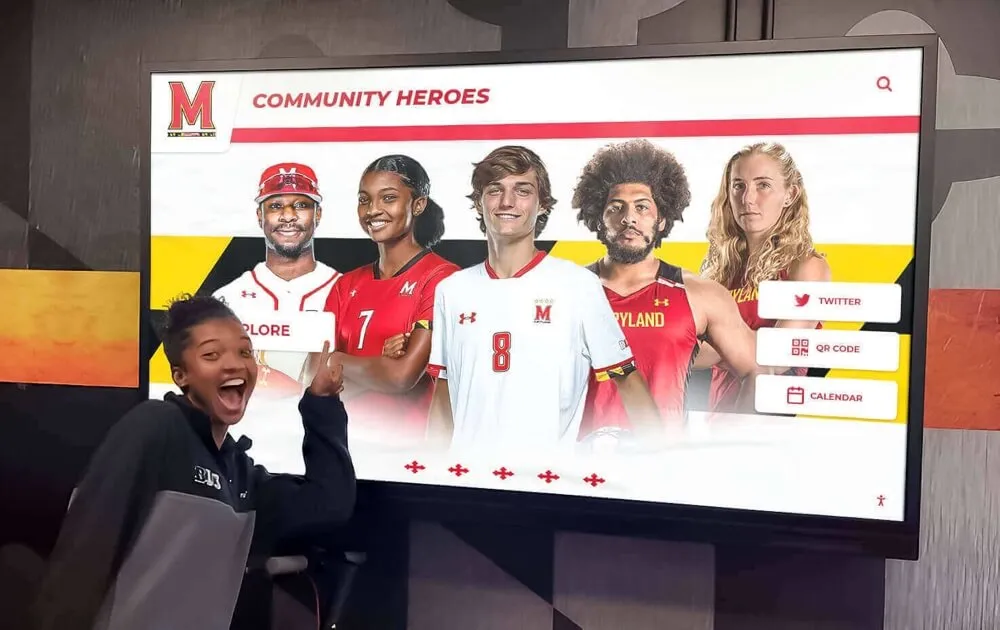
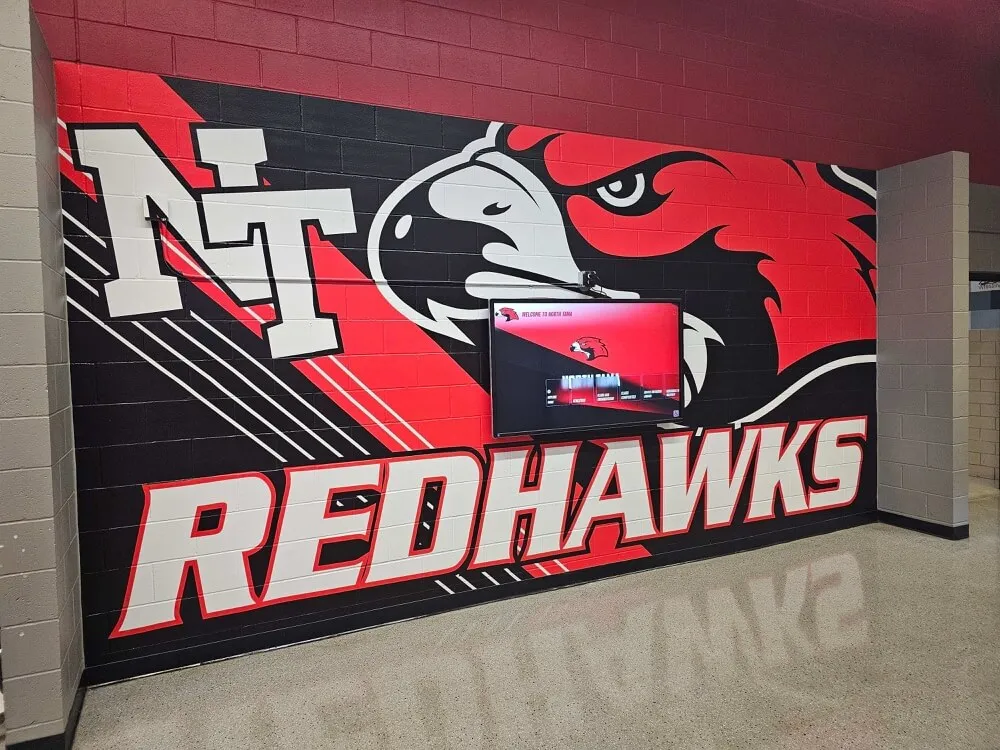
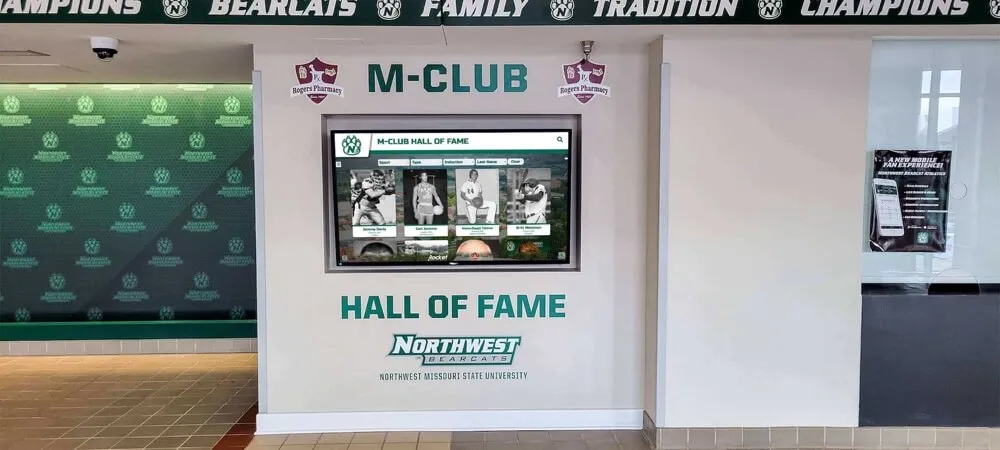
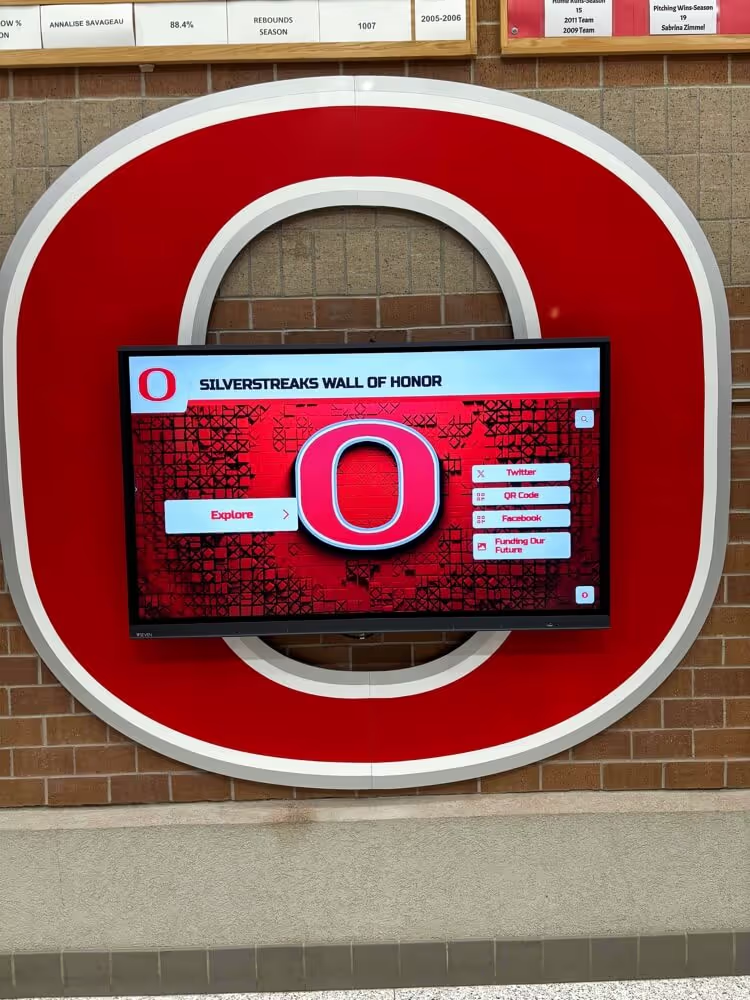
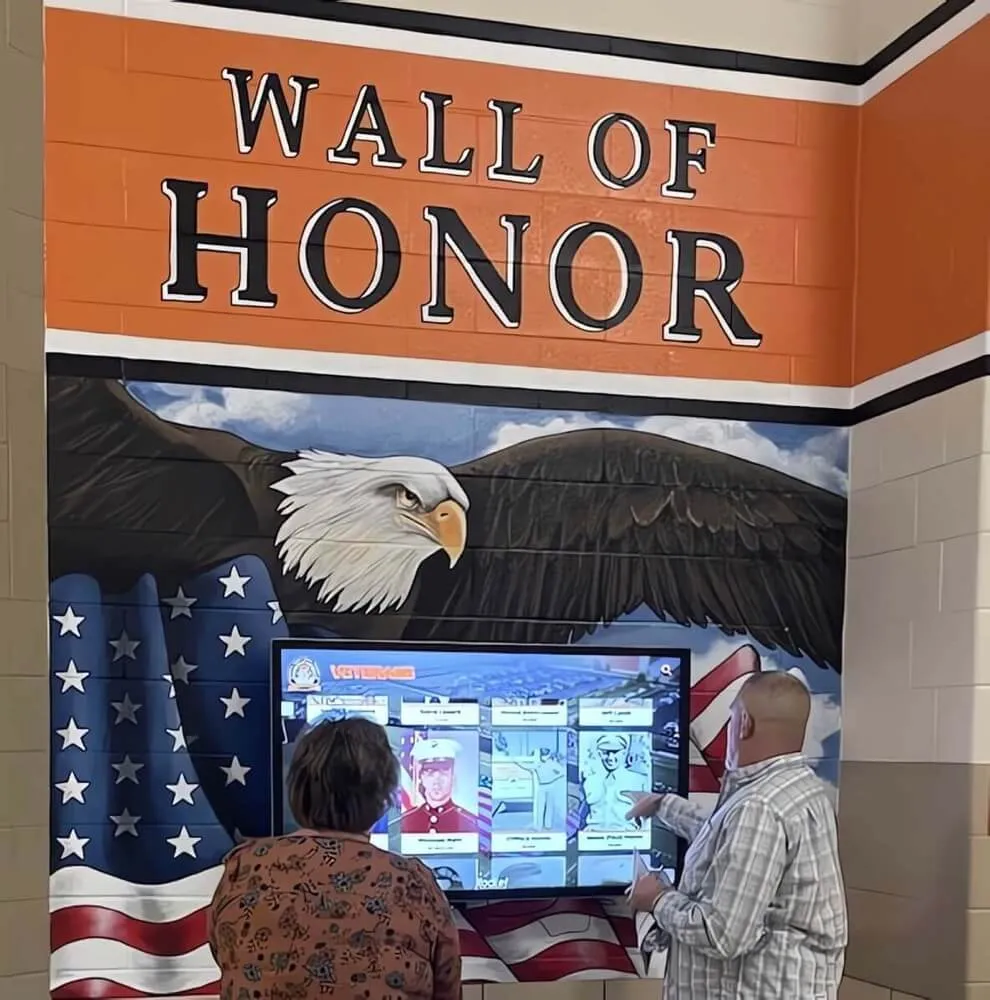
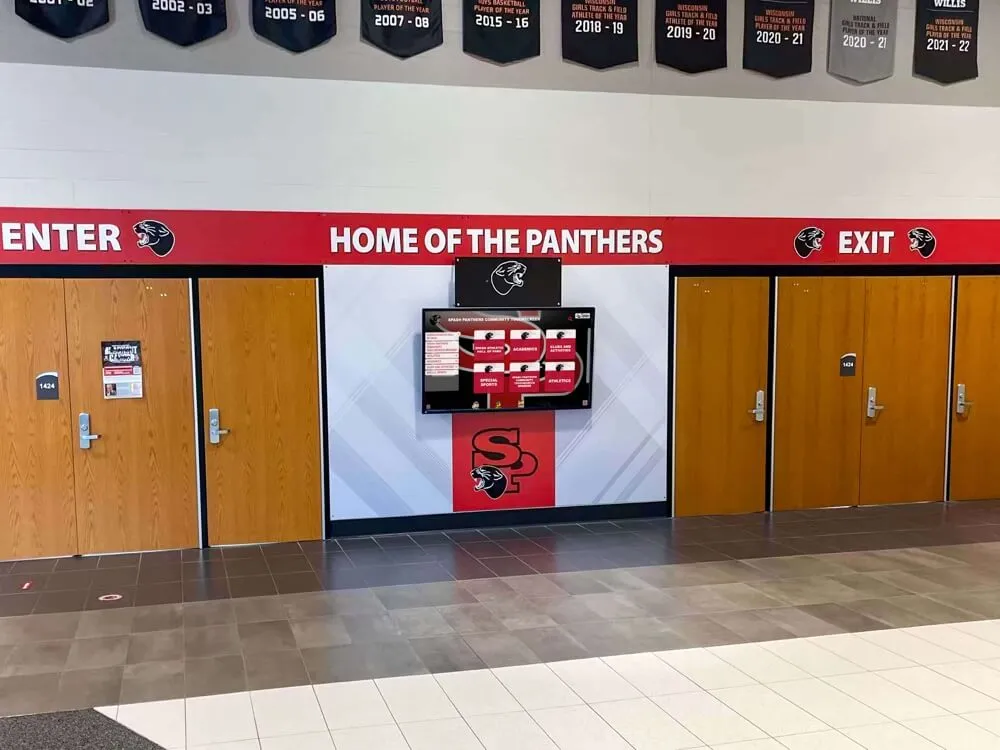
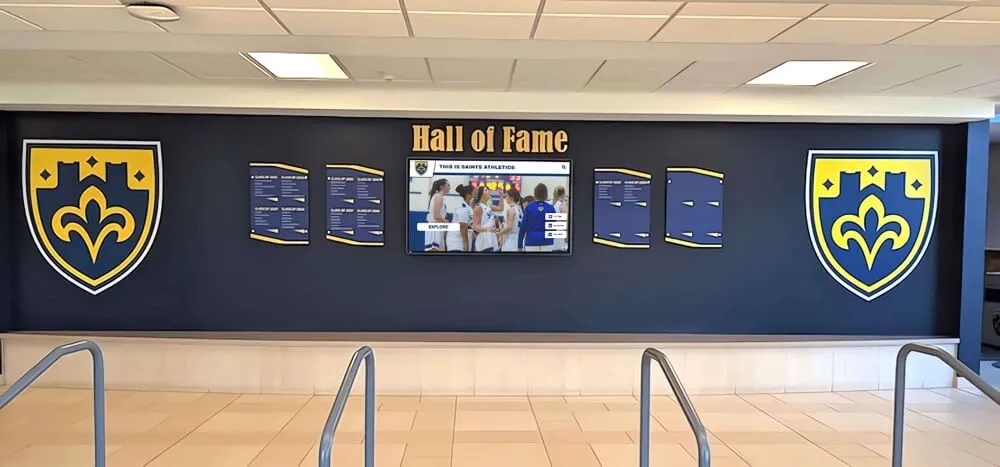
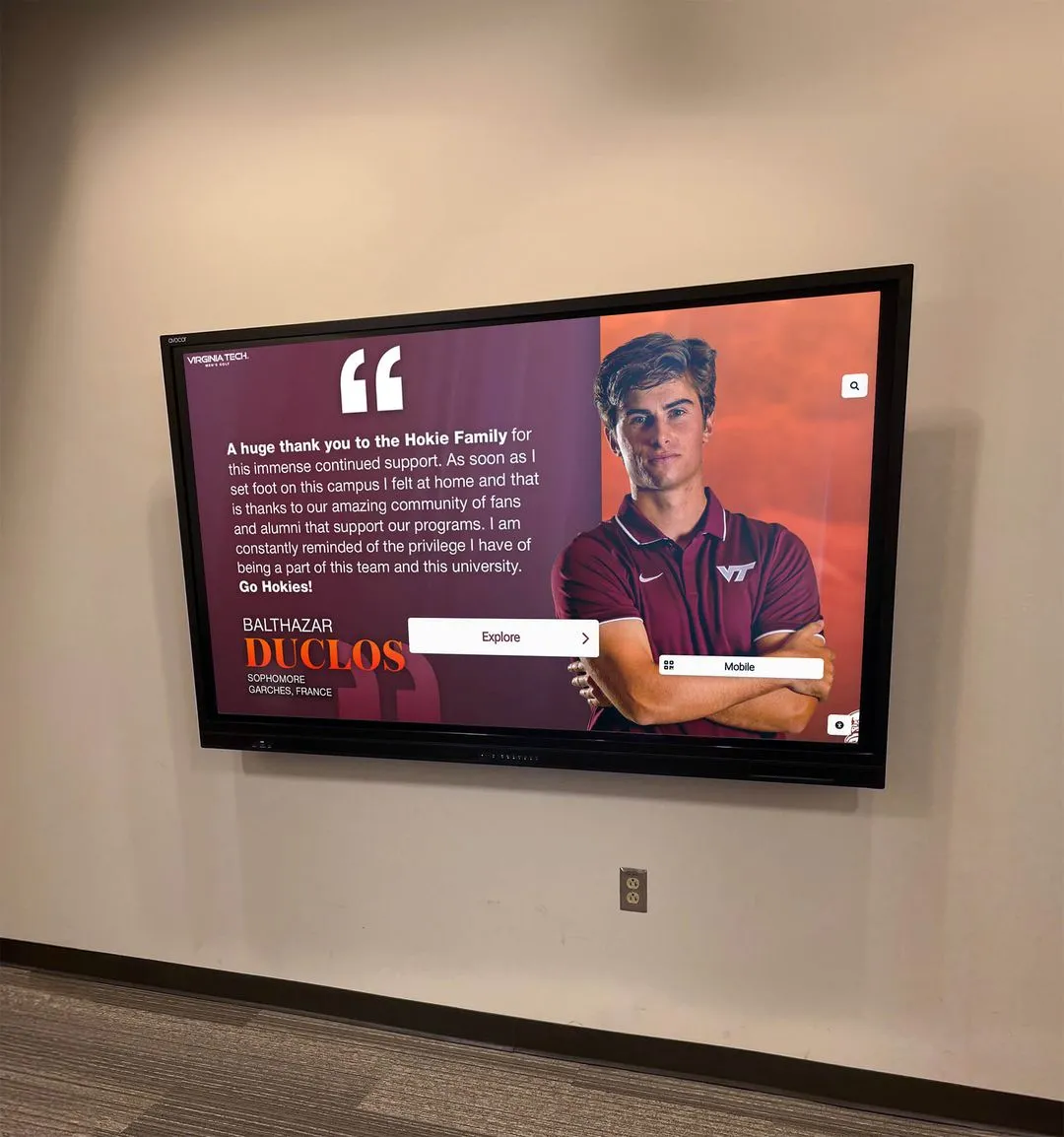
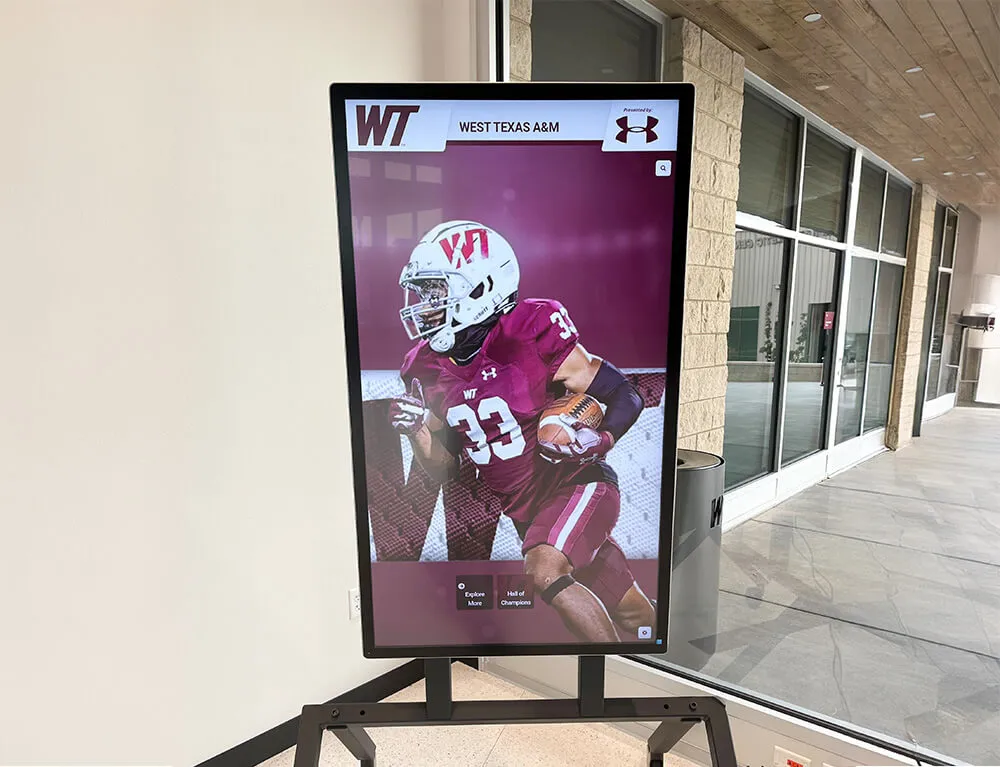
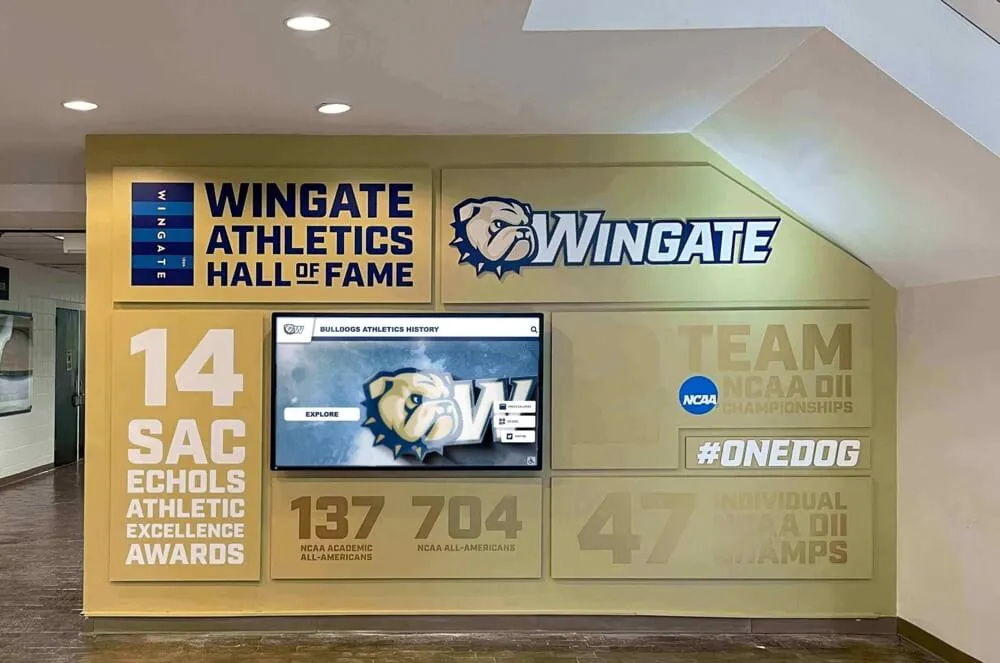
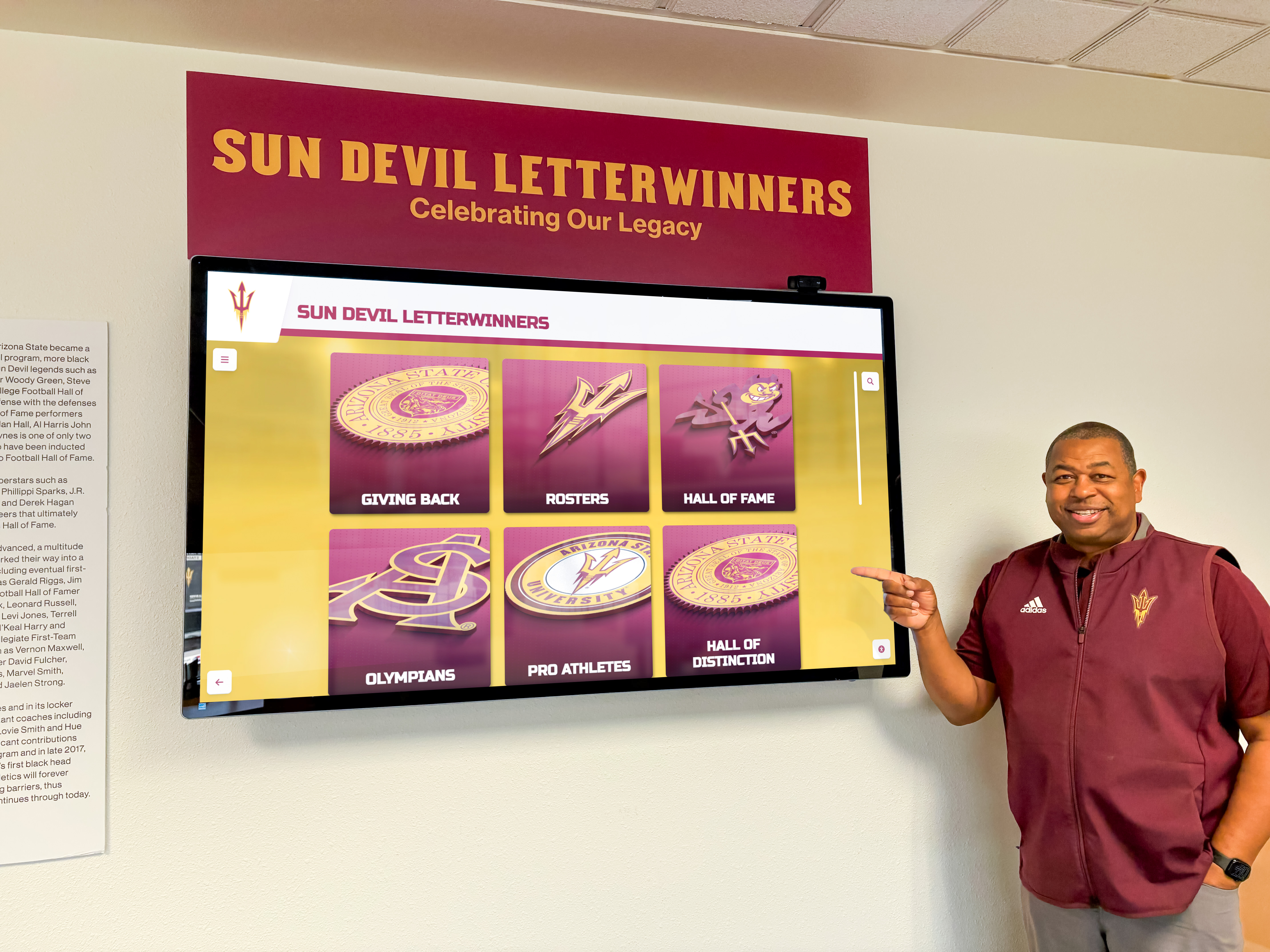
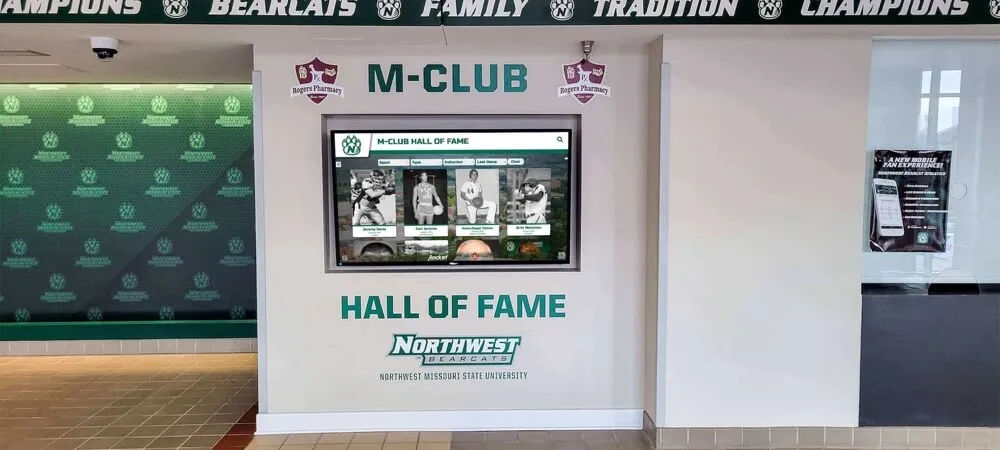
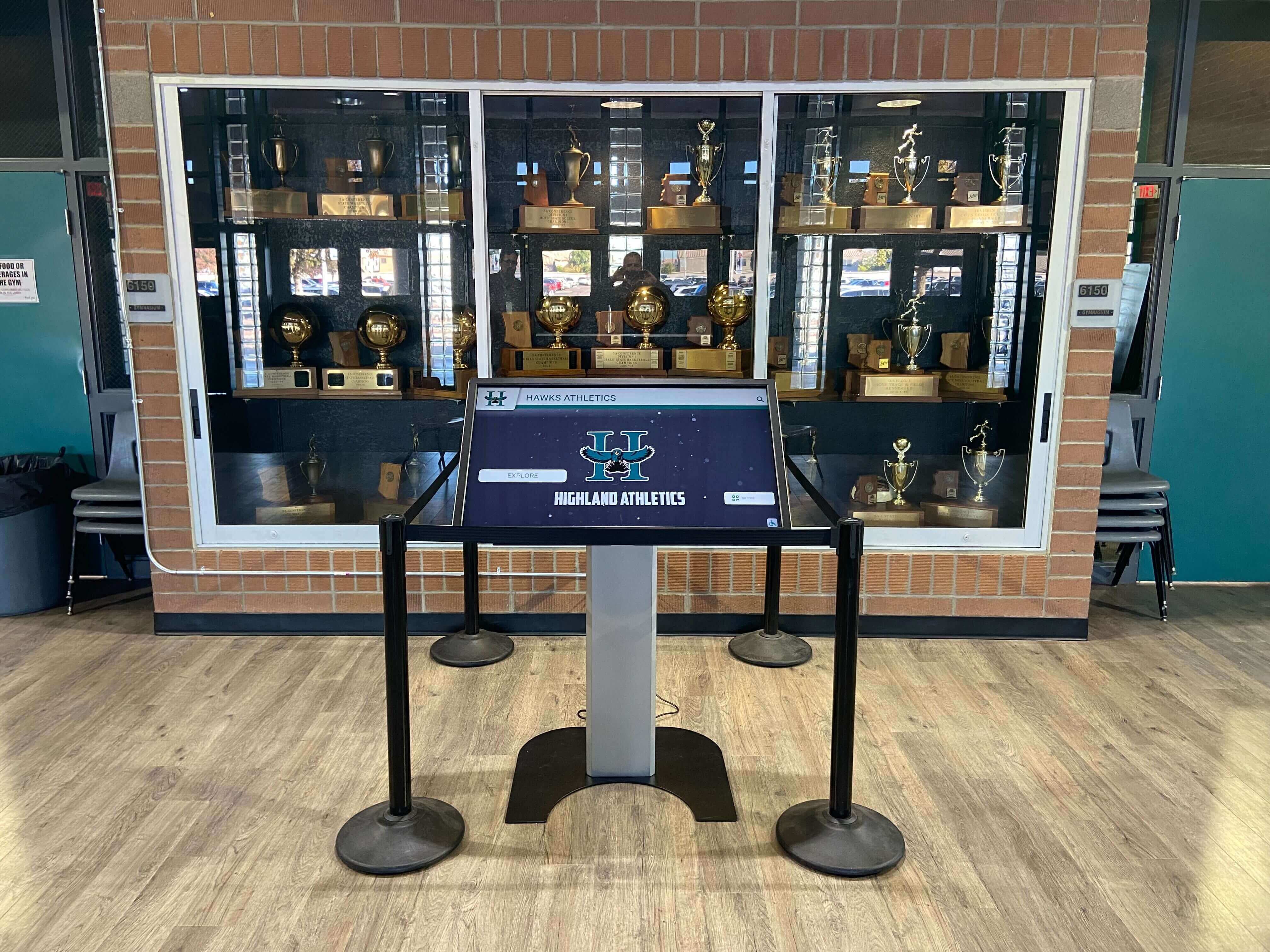
Interactive touchscreen displays offer schools powerful platforms for showcasing varsity letter recipients alongside other athletic honors, championship teams, and individual achievements. These systems provide several advantages over traditional letter recognition alone:
Unlimited Capacity: Physical trophy cases and bulletin boards face space constraints limiting how many athletes receive visible recognition. Digital displays eliminate capacity restrictions—a single screen can showcase every letter winner across multiple years and all sports programs.
Rich Biographical Content: Traditional letter awards acknowledge achievement but provide limited context. Digital platforms allow schools to include athlete photos, sports played, years lettered, statistics, championship participation, post-graduation achievements, and biographical narratives that document complete athletic careers rather than just letter status.
Permanent Searchable Archives: Digital recognition systems create permanent, searchable databases of all letter winners. Alumni can return years later—at reunions, facility visits, or through online access—and find their names, photos, and achievements preserved and accessible. This permanence demonstrates institutional commitment to honoring achievement across time, not just during students’ enrollment.
Easy Updates and Additions: Adding new letter winners to digital displays requires simple content management system updates rather than physical plaque production, engraving, and installation. Athletic directors and coaches can update recognition immediately after seasons conclude, ensuring timely acknowledgment and reducing administrative burden.
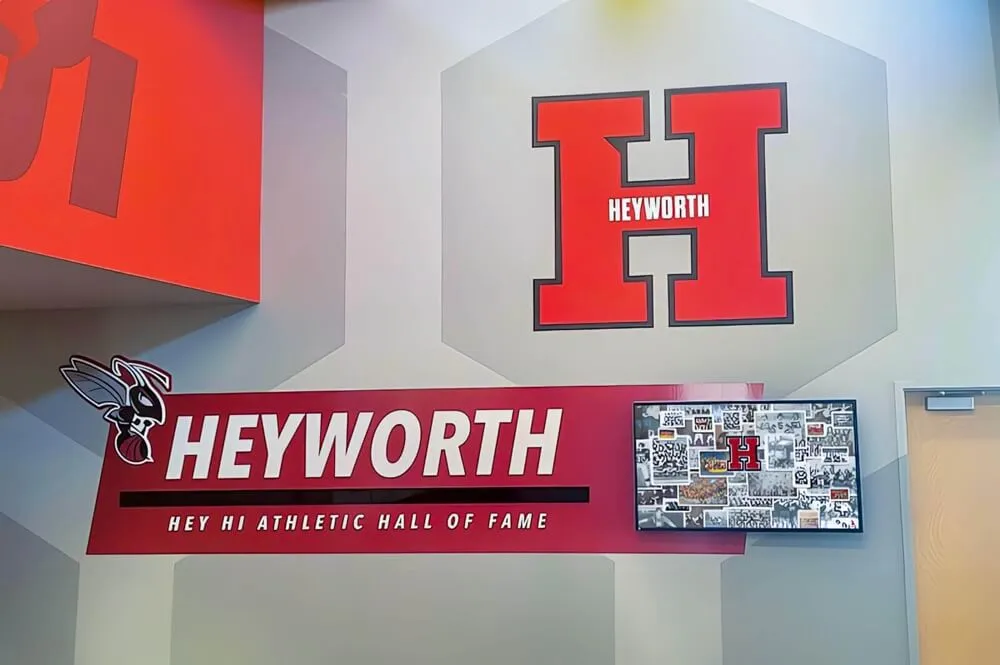
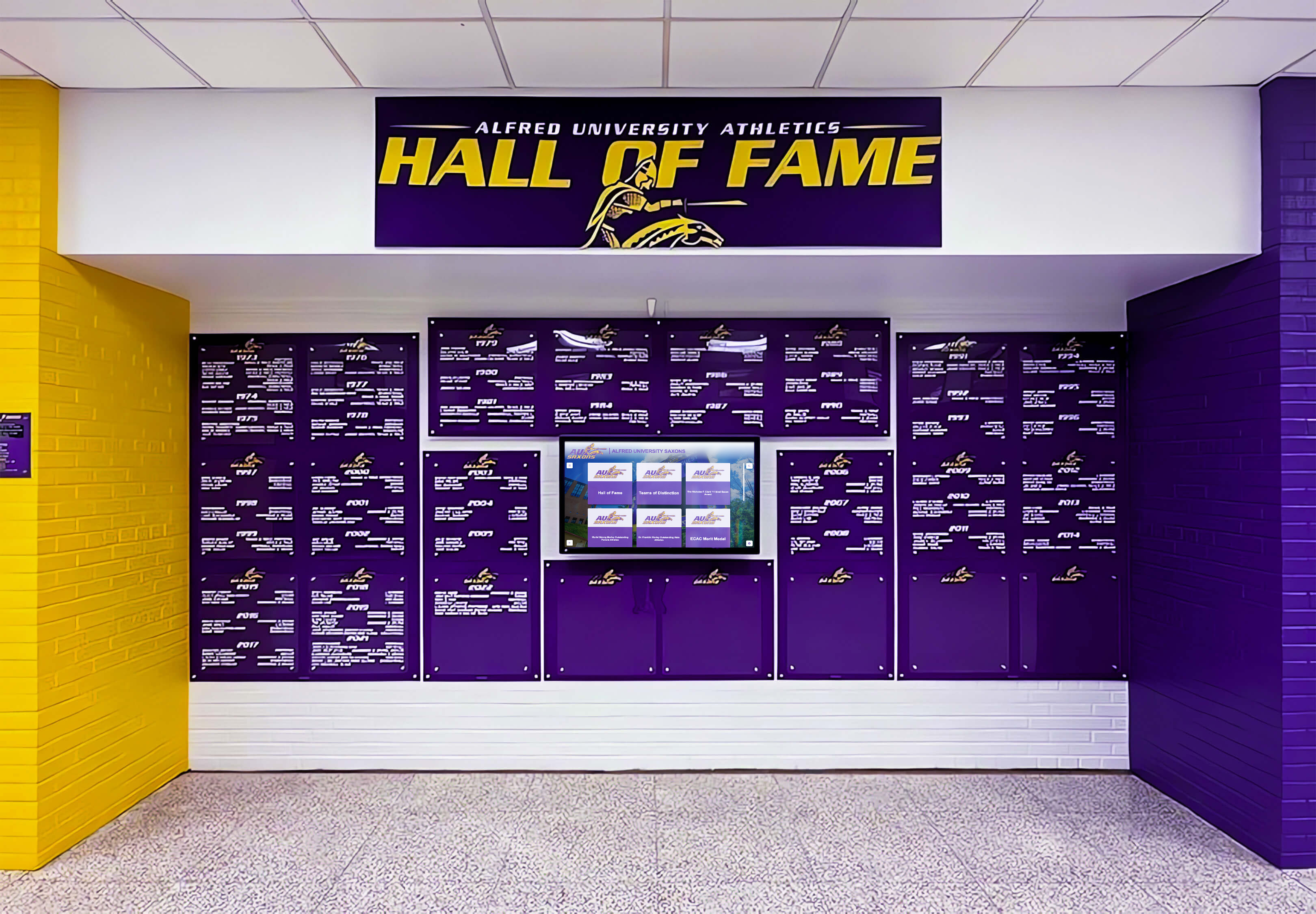
Integration with Comprehensive Recognition: Digital platforms allow schools to showcase letter winners within broader recognition contexts—alongside end-of-year athletic awards, hall of fame inductees, championship teams, and school records. This integration creates complete athletic program documentation rather than fragmented recognition across different displays.
Solutions designed specifically for educational athletic recognition provide intuitive platforms that athletic departments can manage easily while creating engaging experiences that students, families, and alumni enjoy exploring.
Virtual Letter Galleries and Online Recognition
Beyond physical displays in athletic facilities, web-accessible recognition platforms extend letter winner visibility to broader audiences:
Family Access: Parents and relatives can view students’ letter recognition online from anywhere, sharing achievements with extended family members unable to attend school events in person.
Alumni Engagement: Graduated letter winners can access their recognition years or decades after graduation, maintaining connections to schools and athletic programs. These connections strengthen alumni networks and create pathways for graduates to remain involved as mentors, donors, or supporters.
Recruiting and Promotion: Prospective students and families can explore schools’ athletic traditions, view letter winner histories, and understand recognition cultures before enrollment. This transparency helps families evaluate programs and demonstrates schools’ commitment to celebrating athlete achievement.
Social Media Integration: Digital recognition content provides material schools can share through social media channels, extending letter winner acknowledgment beyond school communities to broader audiences while promoting athletic programs.
Schools implementing comprehensive digital halls of fame find that online accessibility significantly amplifies recognition impact while creating documentation that serves institutional memory and alumni relations objectives.
Integrating Traditional and Modern Recognition
The most effective contemporary approaches don’t replace traditional letter awards with digital recognition—they integrate both:
Physical Letters for Personal Significance: Students still receive physical chenille letters they can display on jackets, keep as memorabilia, or frame. The tangible award maintains personal significance and provides immediate, portable recognition students can wear and show.
Digital Displays for Comprehensive Documentation: Digital platforms provide permanent, searchable, biographical documentation that goes beyond what physical letters alone can communicate. These systems serve institutional documentation and long-term memory functions that physical awards can’t provide.
QR Code Connections: Some schools place QR codes near traditional letter displays or on letter certificates linking to detailed digital profiles. This hybrid approach connects physical tradition with digital depth, allowing interested viewers to access rich content while maintaining traditional recognition formats.
Ceremony Presentations: Schools maintain traditional letter award ceremonies where athletes receive physical letters, certificate recognition, or letterman jacket acknowledgment. Digital recognition doesn’t replace these meaningful ceremony moments—it extends and preserves them through permanent documentation and broader accessibility.
This integrated approach honors traditions while leveraging modern technology’s capabilities, ensuring recognition remains meaningful for current students while creating archives that serve schools for decades.

Best Practices for Schools: Implementing Effective Varsity Letter Programs
Schools seeking to maintain or enhance varsity letter programs should consider several best practices ensuring recognition remains meaningful, equitable, and culturally relevant:
Clearly Defined and Communicated Requirements
Athletes and families should understand letter requirements from the beginning of seasons. Publish detailed requirements in:
- Team handbooks distributed at season start
- School athletic department websites with sport-specific criteria
- Parent meetings explaining expectations
- Student-athlete agreements signed before participation
Clear communication prevents confusion and ensures athletes understand what they’re working toward. When requirements remain vague or variable, letter awards lose credibility and motivational power.
Consistent Application Across Sports and Seasons
While different sports may require sport-specific criteria, schools should maintain philosophical consistency in how they determine letter worthiness. All sports should require meaningful participation, character standards, and academic eligibility. Vastly different standards between sports create perceptions of inequity—easier letters in some activities, impossibly difficult standards in others.
Regular review of letter requirements across all athletic programs ensures standards remain appropriate and equitable. Athletic directors should convene coaches periodically to discuss criteria, share best practices, and maintain consistency in recognition philosophies even as specific requirements vary by sport structure.
Recognition Beyond Elite Athletes
While letter requirements should maintain meaningful standards, they shouldn’t be so exclusive that only star athletes achieve recognition. Programs where fewer than 20-30% of team participants earn letters may set standards that discourage rather than motivate broader team populations.
Consider multi-tier recognition systems: varsity letters for top contributors, participation awards or junior varsity letters for developing athletes, and improvement recognition for athletes showing substantial growth. This tiered approach maintains varsity letter prestige while ensuring that athletes at various skill levels experience acknowledgment appropriate to their contributions and development.
Ceremony and Presentation That Honors Achievement
How schools present letters significantly impacts their perceived value. Letter awards distributed casually during team meetings or handed out in manila envelopes feel perfunctory. Formal recognition ceremonies—athletic banquets, school assemblies, senior night celebrations—communicate that earning letters represents genuine achievement worthy of celebration.
Effective letter presentation includes:
- Public announcement of letter recipients with brief achievement highlights
- Distribution of physical letters, certificates, or jacket vouchers
- Photo opportunities for letter winners and families
- Documentation through school media, social media, and athletic communications
- Integration with broader year-end athletic recognition
Schools maintaining comprehensive year-end athletic recognition programs create ceremonial contexts where letter presentations feel special and meaningful rather than routine administrative tasks.
Accessibility and Financial Equity
Schools should ensure that financial constraints don’t prevent deserving athletes from displaying their letter achievements. Options for supporting accessibility include:
- Providing letters or certificates at no cost to athletes meeting requirements
- Offering school-subsidized letterman jackets for students facing financial hardship
- Creating payment plans allowing families to pay jacket costs over time
- Partnering with booster clubs or alumni associations to fund letter jackets
- Offering alternative recognition options (patches, frames, certificates) for students preferring non-jacket formats
Recognition shouldn’t depend on family finances. Schools committed to equitable recognition ensure all letter winners can celebrate achievements regardless of economic circumstances.
Documentation and Historical Record Keeping
Varsity letter recipients represent important institutional history. Schools should maintain comprehensive records documenting:
- Letter recipients’ names and graduation years
- Sports or activities in which letters were earned
- Years athletes earned letters (freshman, sophomore, junior, senior)
- Additional achievements, championships, or honors
- Photos and biographical information when available
These records serve multiple purposes: they document institutional athletic history, provide data for alumni recognition programs, create material for facilities displays and publications, and demonstrate schools’ commitment to preserving achievement acknowledgment across generations.
Modern recognition platforms make this documentation easier through automated record keeping, searchable databases, and preservation of biographical content that might otherwise be lost as physical materials deteriorate or storage systems change.
Conclusion: The Enduring Significance of Varsity Letters
More than 150 years after Harvard baseball players first sewed Old English “H” letters onto their uniforms, the varsity letter remains one of American education’s most recognizable and meaningful forms of recognition. This endurance speaks to the power of tangible acknowledgment, the importance of tradition in institutional culture, and the fundamental human need for achievement validation.
A varsity letter represents far more than a fabric patch—it symbolizes months or years of dedication, early morning practices, challenging competitions, personal growth, teamwork, and the character development that occurs through athletic participation. Letter recipients demonstrate that they met standards, represented their schools, and committed to something larger than themselves. These qualities matter as much today as they did in 1865, even as recognition methods and formats evolve.
Contemporary schools serve students well by maintaining varsity letter traditions while embracing modern recognition approaches that preserve achievements permanently, increase accessibility, and create more comprehensive documentation of student-athlete careers. Integrating traditional chenille letters and letterman jackets with digital recognition displays and online platforms honors heritage while leveraging technology’s capacity to extend recognition impact across time and audiences.
Whether a student athlete wears a letterman jacket covered in achievement emblems, views their name on a digital hall of fame display, or shares their letter recognition online with distant family members, the core meaning remains constant: you accomplished something noteworthy, your school recognizes your achievement, and your dedication deserves celebration.
For schools seeking to honor varsity letter winners while creating comprehensive athletic recognition systems, modern solutions provide powerful platforms that complement traditional awards while creating permanent, accessible, engaging documentation of student achievement. Transform how your school celebrates varsity letter winners and athletic excellence through recognition approaches that honor tradition while embracing contemporary possibilities.
Discover how Rocket Alumni Solutions can help your school create comprehensive athletic recognition systems celebrating varsity letter winners, hall of fame inductees, championship teams, and the full range of student-athlete achievements through intuitive digital platforms designed specifically for educational institutions.