



Key Takeaways
Learn what defines a scholar athlete, including GPA requirements, athletic participation standards, and how schools recognize students who excel in both the classroom and competition.
Defining the Scholar Athlete
The term “scholar athlete” carries specific meaning beyond simply being a student who plays sports. It designates individuals who achieve genuine excellence in both academic and athletic pursuits concurrently, meeting established standards in each area while managing the significant demands both require.
Core Characteristics of Scholar Athletes
Scholar athletes distinguish themselves through several defining attributes that reflect their commitment to balanced excellence:
Academic Achievement: Scholar athletes maintain grade point averages significantly above minimum athletic eligibility requirements. While NCAA Division I athletes need just 2.3 GPAs to remain eligible, scholar athletes typically achieve 3.5-4.0 GPAs while taking challenging course loads including honors, AP, or IB classes.
Athletic Commitment: These students aren’t casual participants. They compete at varsity levels, attend daily practices that often extend 2-3 hours, participate in off-season conditioning programs, and dedicate weekends to competitions and tournaments throughout athletic seasons.
Time Management Mastery: The typical scholar athlete’s schedule demonstrates extraordinary organizational ability. They wake early for pre-school training sessions, maintain focus through full academic schedules, attend afternoon practices, complete homework assignments late into evenings, and still find time for family obligations and occasional social activities.
Mental Toughness: Balancing simultaneous demands from coaches expecting athletic improvement and teachers requiring academic performance creates pressure that overwhelms many students. Scholar athletes develop resilience allowing them to perform under stress, recover from setbacks in either domain, and maintain motivation across both areas.
Sacrifice and Discipline: Scholar athletes routinely make difficult choices that peers don’t face. They decline social invitations to study or train, miss family events due to away competitions, and sacrifice free time that other students use for relaxation or hobbies.
Growth Mindset: Both athletics and academics require continuous improvement. Scholar athletes embrace challenge, view effort as the path to mastery, learn from criticism and setbacks, and persist when facing obstacles in either pursuit.
These characteristics separate scholar athletes from students who merely participate in sports while maintaining passing grades, or from high-achieving students who dabble in athletics without serious competitive commitment.
The Historical Evolution of Scholar Athlete Recognition
The concept of the scholar athlete has evolved significantly over the past century as educational institutions’ relationship with athletics matured and developed.
In the early 1900s, athletic programs existed somewhat separate from academic missions. Many schools viewed sports as extracurricular diversions rather than integral educational experiences. Academic and athletic excellence were often seen as competing rather than complementary pursuits.
The mid-20th century brought shifting perspectives as research demonstrated correlations between athletic participation and positive academic outcomes. Educators recognized that sports could teach discipline, time management, goal-setting, and teamwork—skills directly transferable to academic success.
National organizations began formalizing scholar athlete criteria. The National Federation of State High School Associations (NFHS) developed academic recognition programs. College conferences established all-academic teams. Professional leagues eventually created scholar athlete awards acknowledging that intellectual and physical excellence could coexist.
Today, academic achievement awards celebrate students excelling in classrooms while scholar athlete designations specifically honor those balancing academic work with athletic competition.
Scholar Athlete Requirements and Standards
While specific criteria vary across institutions, athletic conferences, and competitive levels, most scholar athlete programs establish standards addressing both academic performance and athletic participation. Understanding these benchmarks helps students, families, and coaches set appropriate goals.
Academic Performance Criteria
The academic component represents the “scholar” in scholar athlete, requiring demonstrated excellence in coursework that extends beyond minimum athletic eligibility standards.
Grade Point Average Requirements: Most high school scholar athlete programs require minimum GPAs between 3.5-3.8 on 4.0 scales. Some institutions set lower thresholds at 3.0-3.3, while highly competitive programs may require 3.8 or higher. College programs often establish 3.3-3.5 minimums, with some conference honors requiring 3.5+.
Semester Consistency Standards: Single-semester achievements don’t typically qualify students. Programs generally require sustained performance across multiple marking periods—entire academic years for annual recognition, or cumulative GPAs for career-long honors.
Course Rigor Considerations: Some programs adjust recognition based on course difficulty. Students achieving 3.6 GPAs in AP and honors classes may receive recognition equivalent to peers earning 3.8+ in standard-level courses, acknowledging the additional challenge advanced coursework presents.
Core Academic Focus: Certain programs emphasize performance in core subjects—English, mathematics, science, social studies—rather than overall GPAs potentially inflated by less rigorous electives. This ensures recognition reflects genuine academic engagement with essential curriculum.
Class Rank Requirements: Select programs consider class standing alongside absolute GPA, recognizing top percentage performers (top 10%, top 25%) to account for variations in grading standards across schools and acknowledge achievement relative to peers.
These academic standards ensure scholar athlete designation signifies genuine intellectual achievement rather than merely meeting minimum requirements to maintain athletic eligibility. The gap between eligibility (often 2.0-2.5 GPAs) and scholar athlete recognition (typically 3.5+) underscores the significant difference.
Athletic Participation Standards
The “athlete” component requires more than token participation, establishing criteria demonstrating serious athletic commitment and contribution.
Varsity-Level Participation: Most programs require varsity letter status or equivalent achievement demonstrating competitive excellence and commitment. Letter criteria vary by sport but typically involve specific participation minimums—percentage of competitions, innings played, games started, or minutes of playing time.
Season Completion: Scholar athletes must complete entire competitive seasons in good standing rather than participating briefly or leaving teams mid-season. This requirement ensures recognition honors sustained commitment rather than partial involvement.
Practice and Training Commitment: Beyond games and competitions, scholar athletes attend regular practices, participate in conditioning programs, and engage in skill development sessions. Programs may establish minimum attendance requirements to verify genuine commitment.
Sportsmanship and Conduct: Athletic participation must demonstrate appropriate conduct. Students receiving ejections, suspensions, or repeated unsportsmanlike conduct violations typically become ineligible regardless of academic achievement or athletic performance.
Multi-Sport Considerations: Many programs offer enhanced recognition for students participating in multiple sports, acknowledging the extraordinary time management required to balance multiple athletic seasons with academic demands.
Some programs include junior varsity athletes meeting academic standards, recognizing that younger students or those in highly competitive sports may contribute significantly without achieving varsity letter status. Others extend recognition to team managers, statisticians, and trainers who demonstrate comparable time commitment to varsity athletes.
Character and Leadership Components
Beyond quantitative academic and athletic metrics, many scholar athlete programs incorporate qualitative standards reflecting broader institutional values and ensuring honorees demonstrate well-rounded excellence.
Leadership Qualities: Programs often consider leadership through team captaincies, mentorship of younger athletes, positive influence on team culture, or representation of athletic programs to school communities. These qualities demonstrate impact beyond individual performance statistics.
Community Service: Some criteria recognize students extending commitment beyond personal achievement to serve communities through volunteering, service learning, civic engagement, or charitable activities demonstrating values beyond self-interest.
Institutional Citizenship: Requirements may include disciplinary records, attendance patterns, and conduct demonstrating that honorees represent institutional values appropriately. Students with significant disciplinary issues typically become ineligible despite strong academic or athletic credentials.
Personal Character: Coaches, teachers, and administrators may evaluate integrity, work ethic, respect for others, and response to adversity when making final scholar athlete selections, particularly when many students meet quantitative thresholds.
These character components ensure scholar athlete recognition celebrates complete individuals rather than purely metrics-driven achievement, honoring students who represent the best combination of academic excellence, athletic achievement, and personal character.
How Schools Recognize Scholar Athletes
Recognition methods significantly impact program effectiveness, influencing how valued scholar athletes feel, how visible their achievements become to school communities, and what message institutions send about priorities and values.
Traditional Physical Recognition Methods
Classic approaches have served schools for generations, creating tangible acknowledgment that students and families treasure long after graduation.
Awards Ceremonies and Banquets: Athletic awards nights provide natural venues for scholar athlete recognition. Presenting scholar athlete honors with comparable prominence to all-conference selections or MVP awards signals institutional commitment to balanced excellence. End-of-season sports banquets create memorable celebration moments.
Certificates and Plaques: Personalized certificates provide keepsakes students can frame, include in college applications, or preserve as achievement documentation. Individual plaques create tangible recognition that students can display in homes, demonstrating family pride in accomplishments.
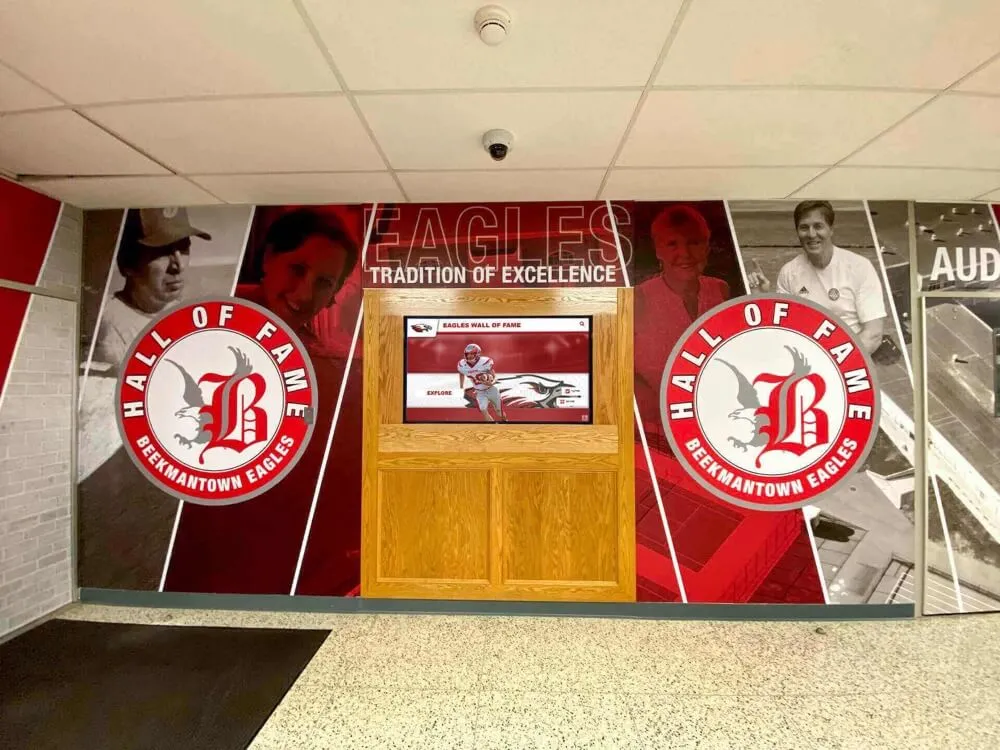
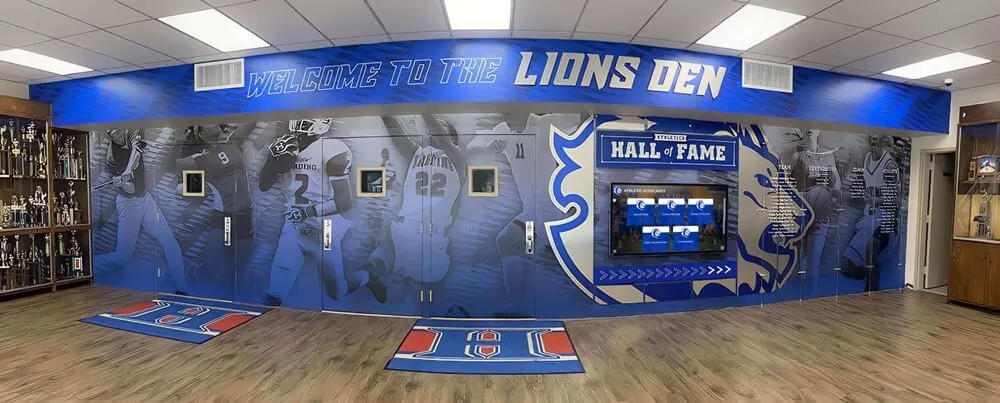
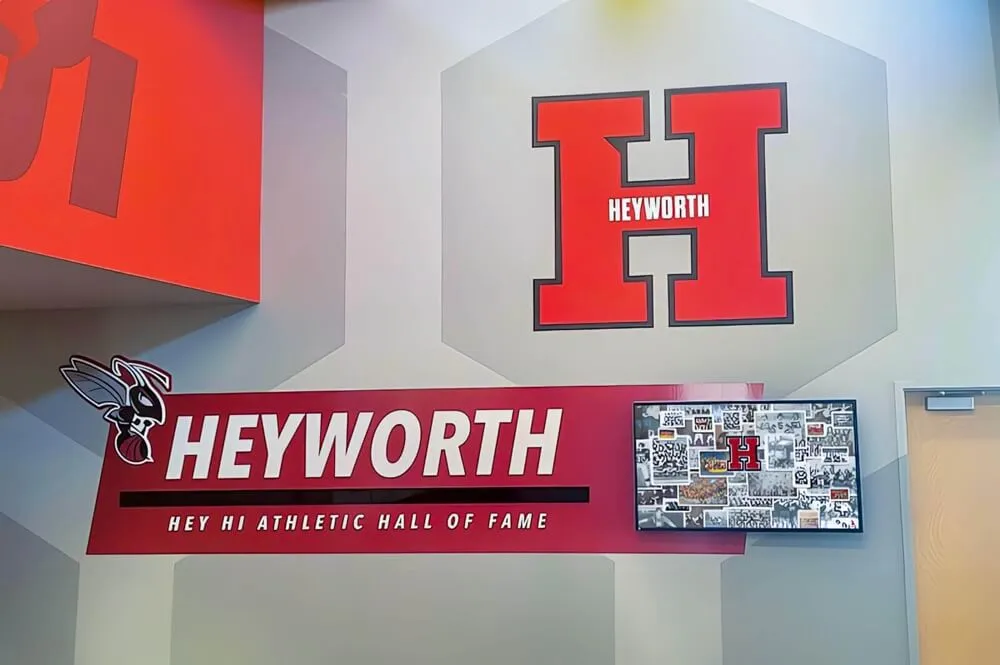
Wall Recognition Displays: Permanent displays listing scholar athletes by year create visible historical records. Traditional brass plaques, wooden honor boards, or engraved panels mounted in athletic facilities, lobbies, or academic buildings demonstrate institutional commitment to honoring balanced excellence across generations.
Letter Jacket Additions: Special patches, pins, or designations added to letter jackets allow students to display scholar athlete status visibly through everyday wear, creating peer recognition extending beyond formal ceremony moments.
Modern Digital Recognition Solutions
Digital technology has transformed recognition possibilities, overcoming traditional limitations while adding powerful new dimensions to celebrating achievement.
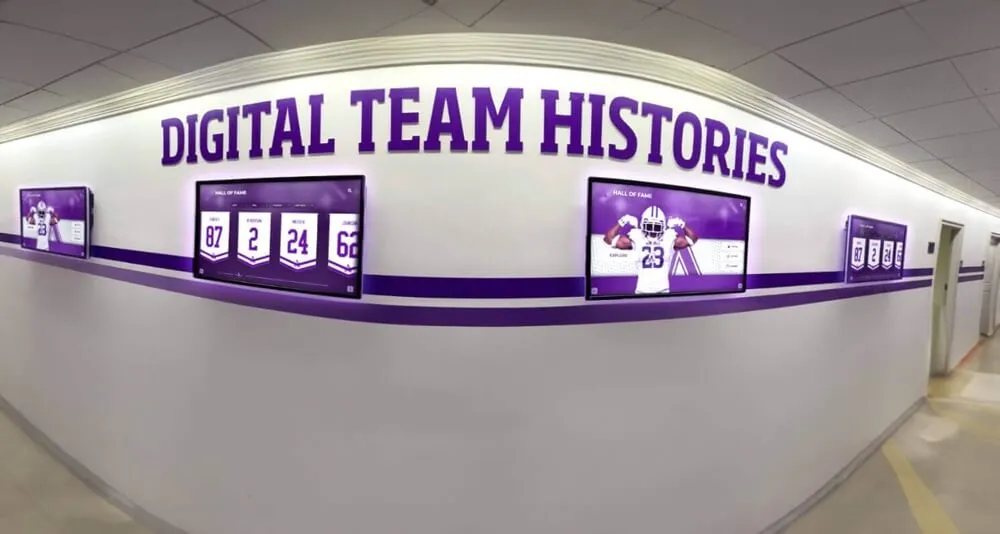
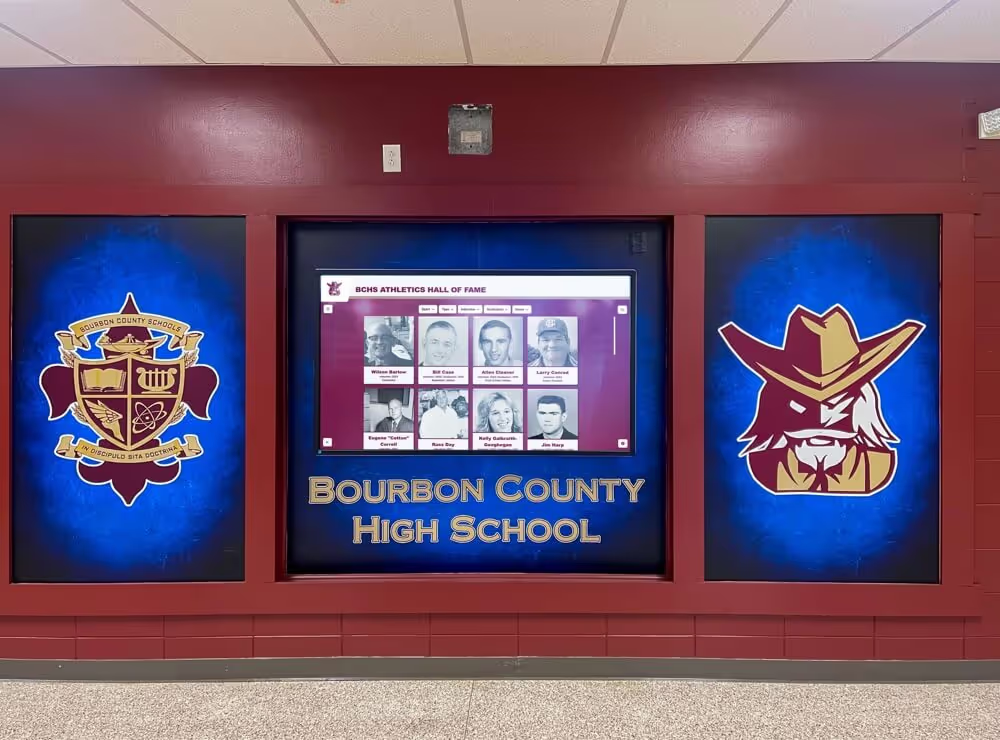
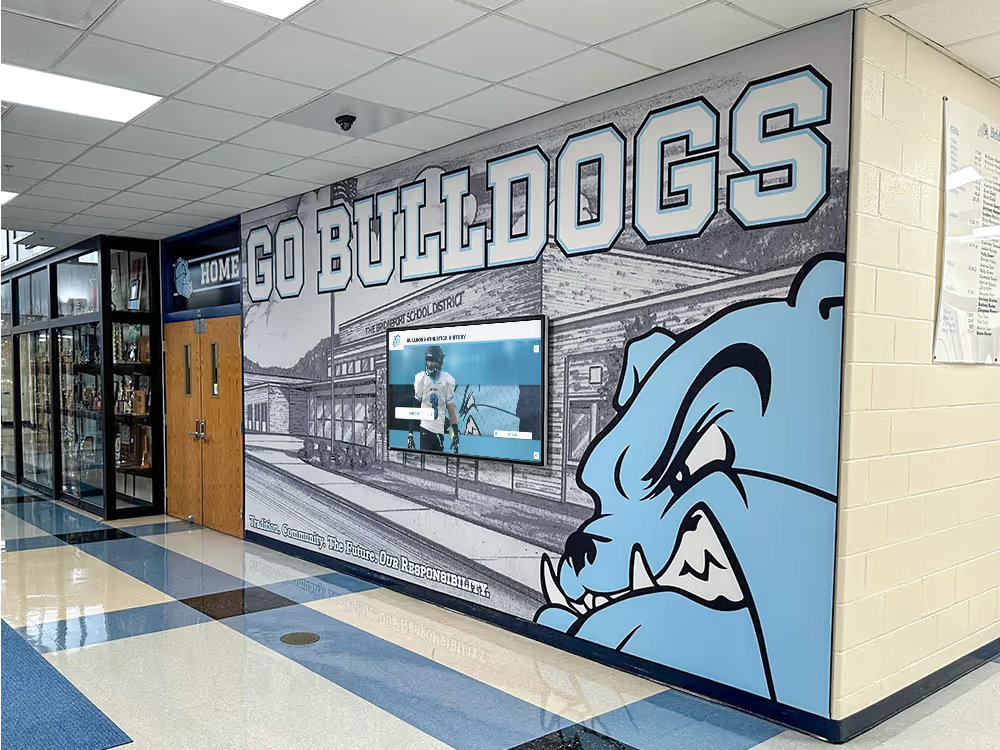
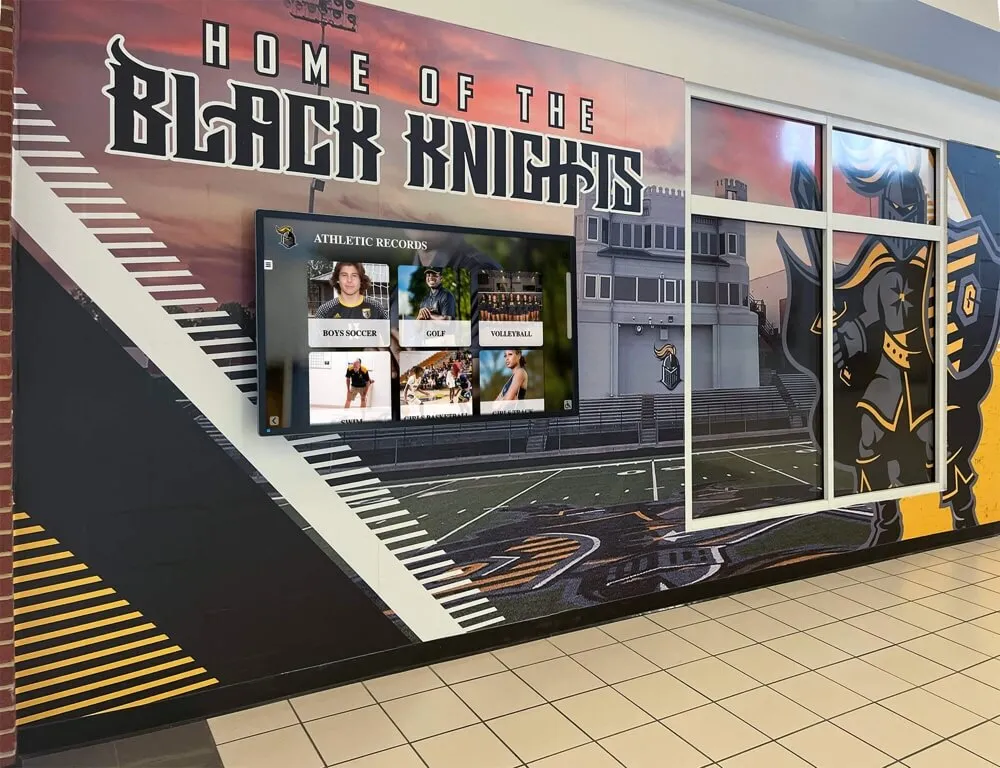
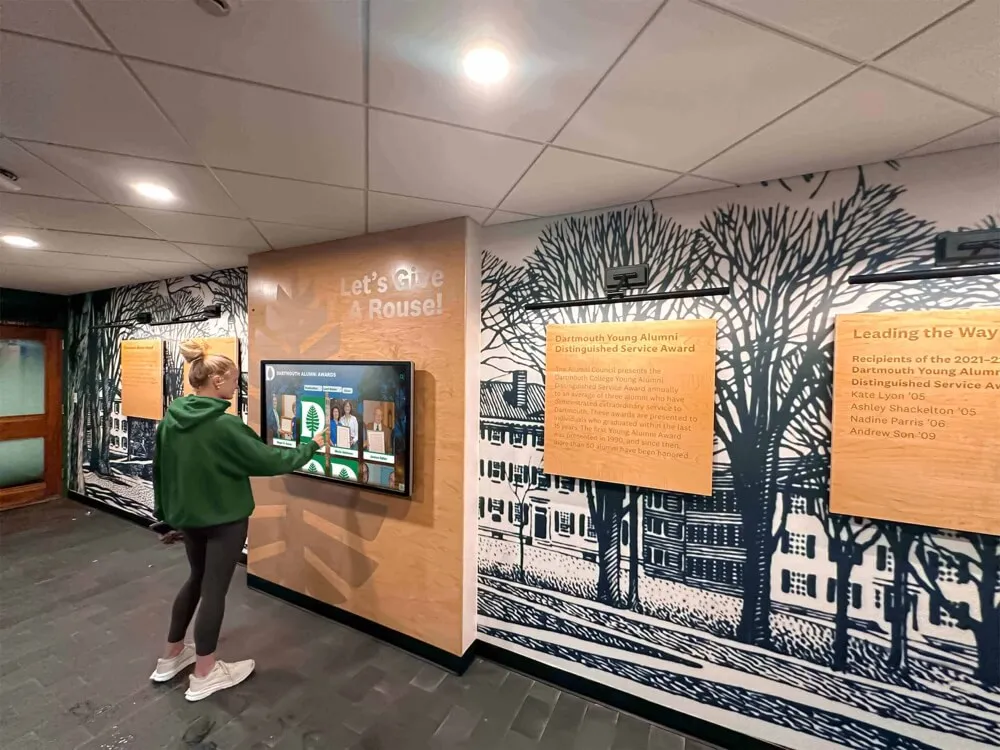
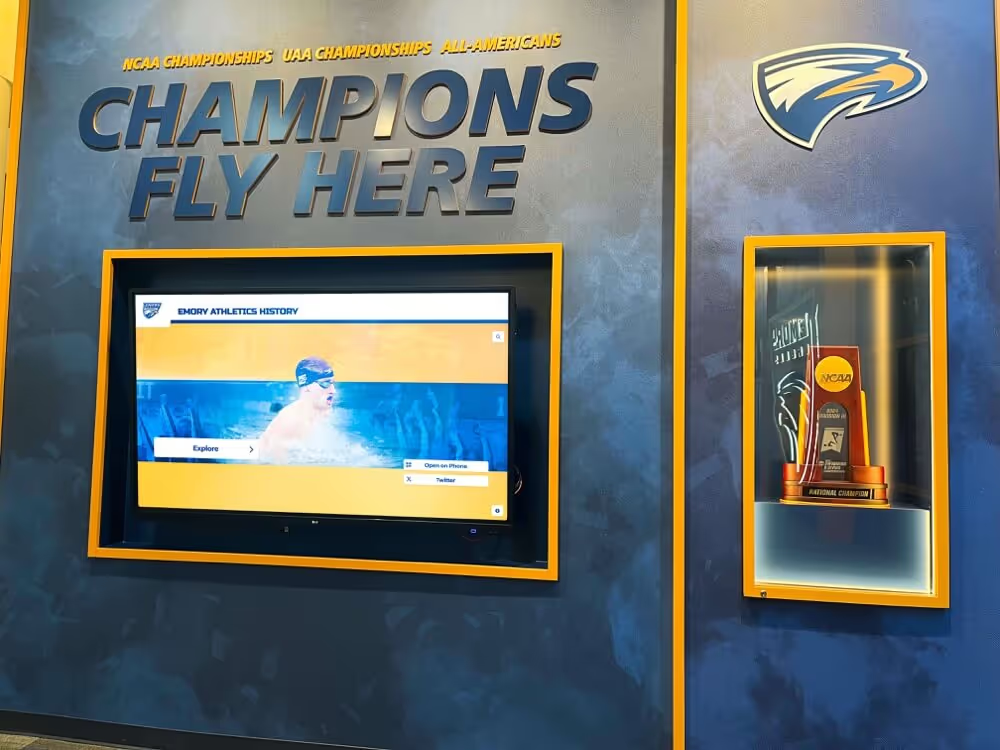
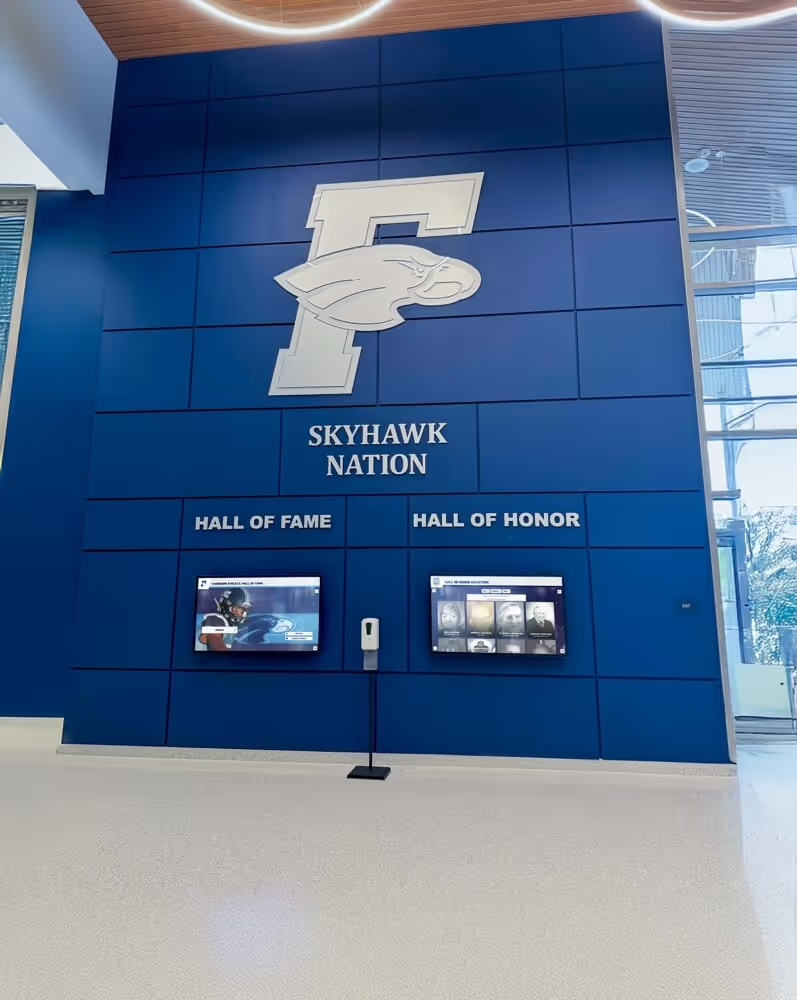
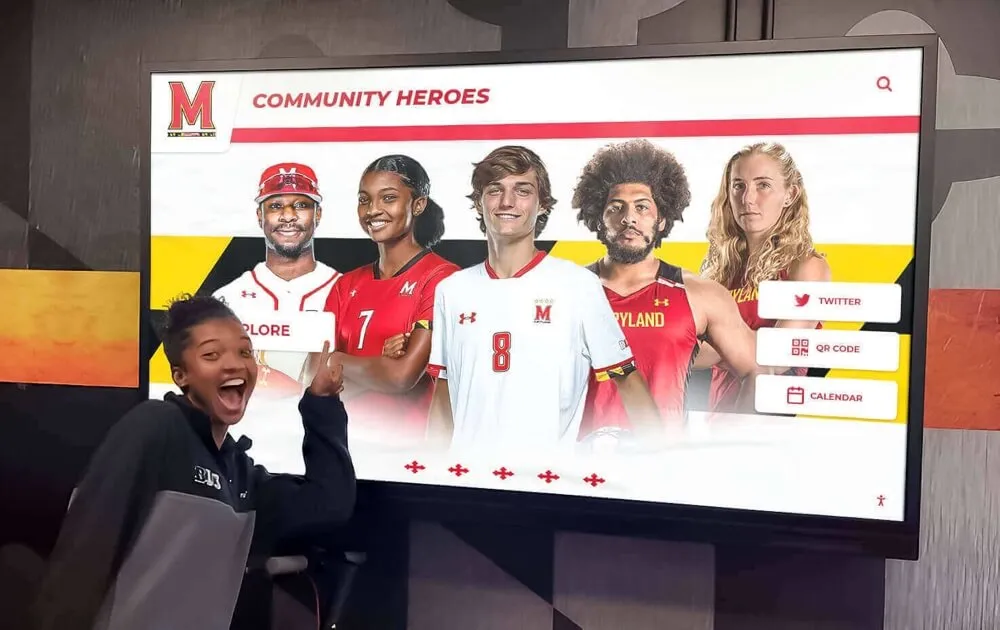
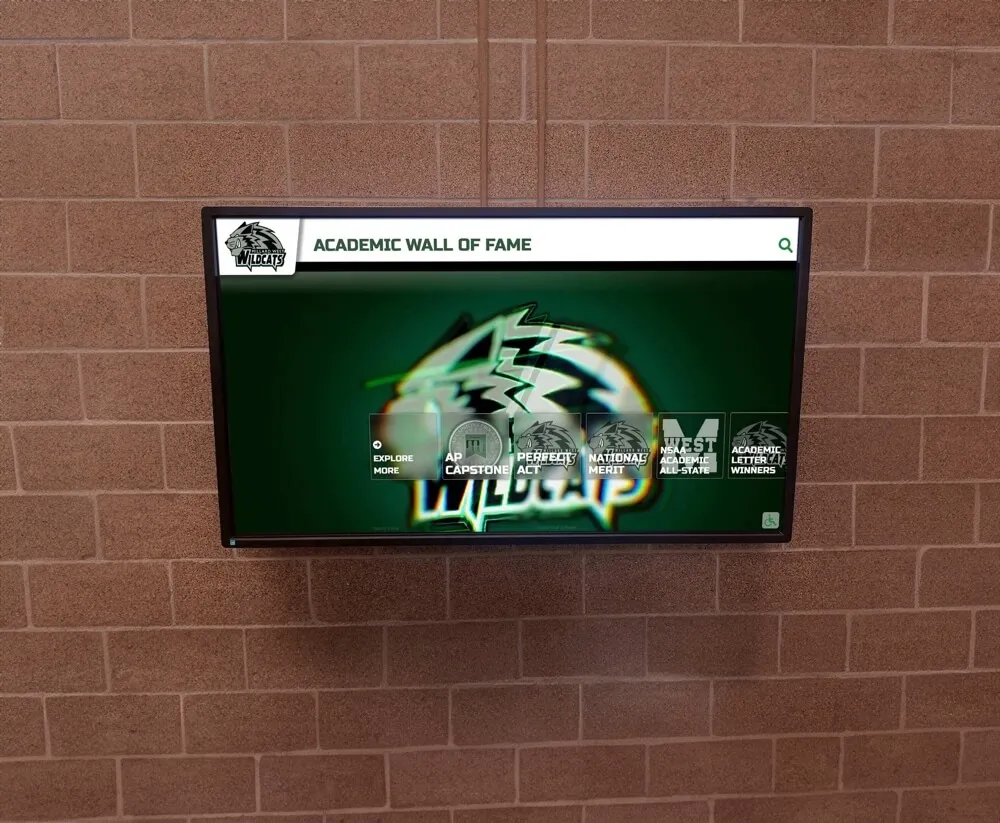
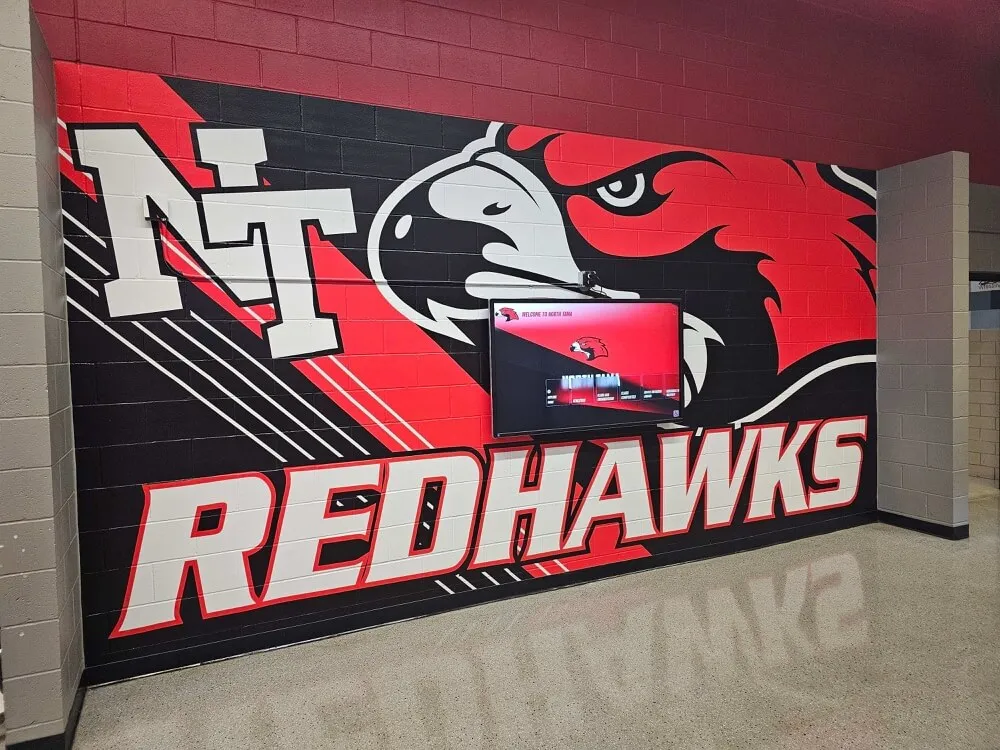
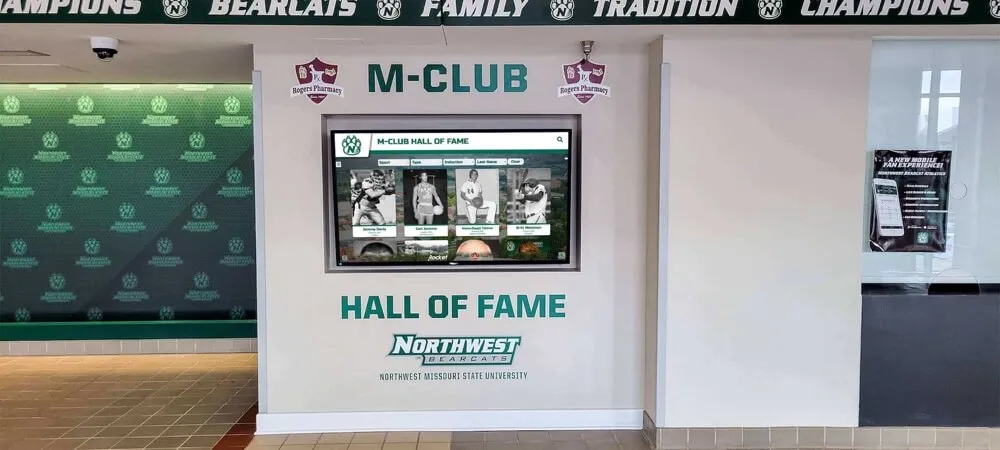
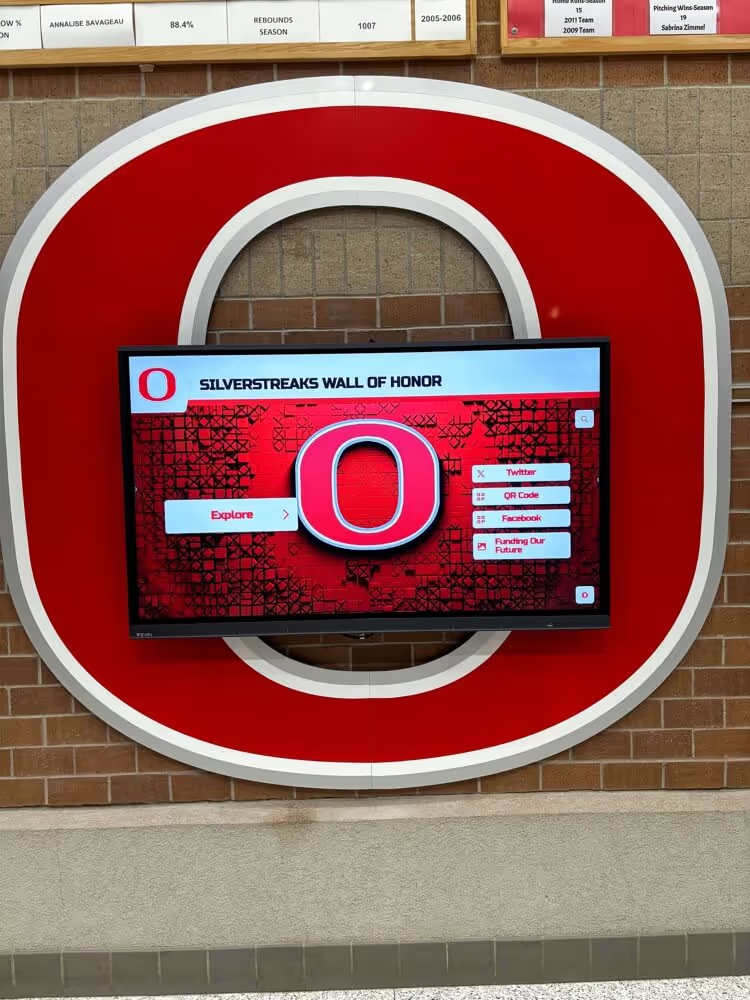
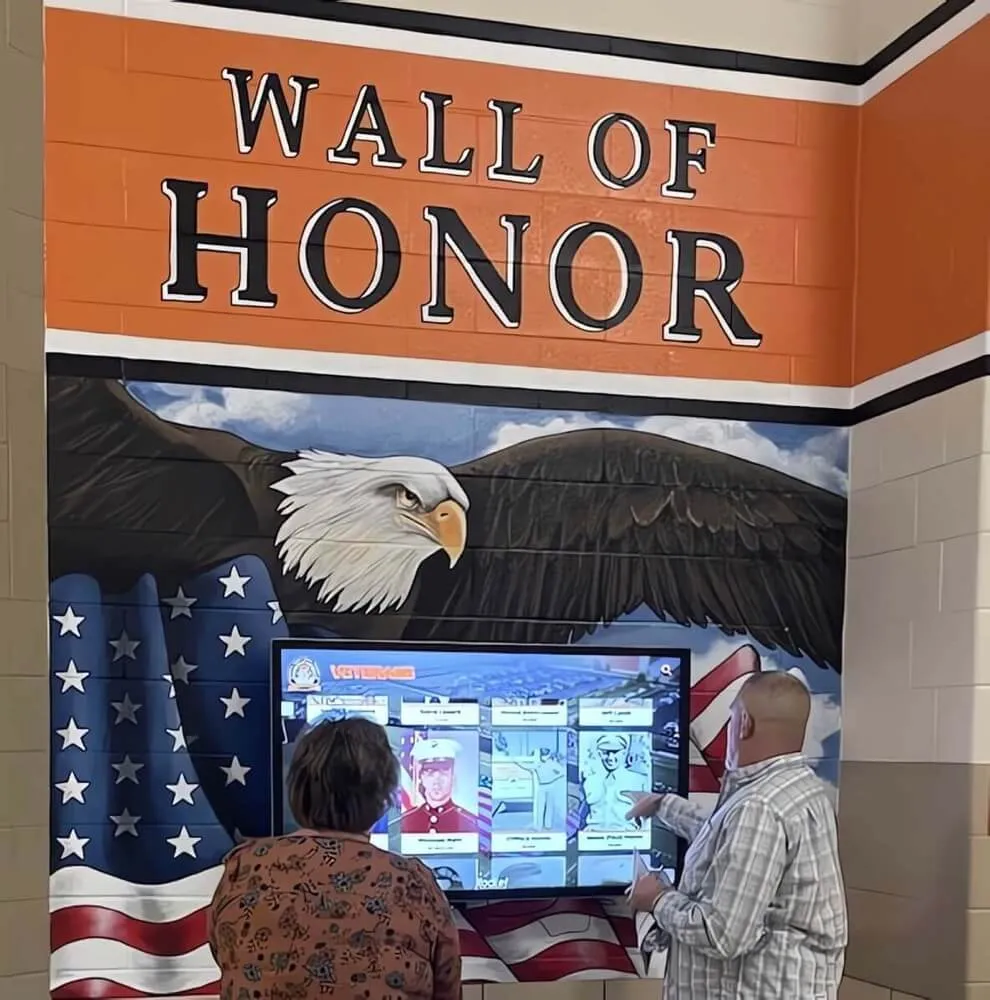
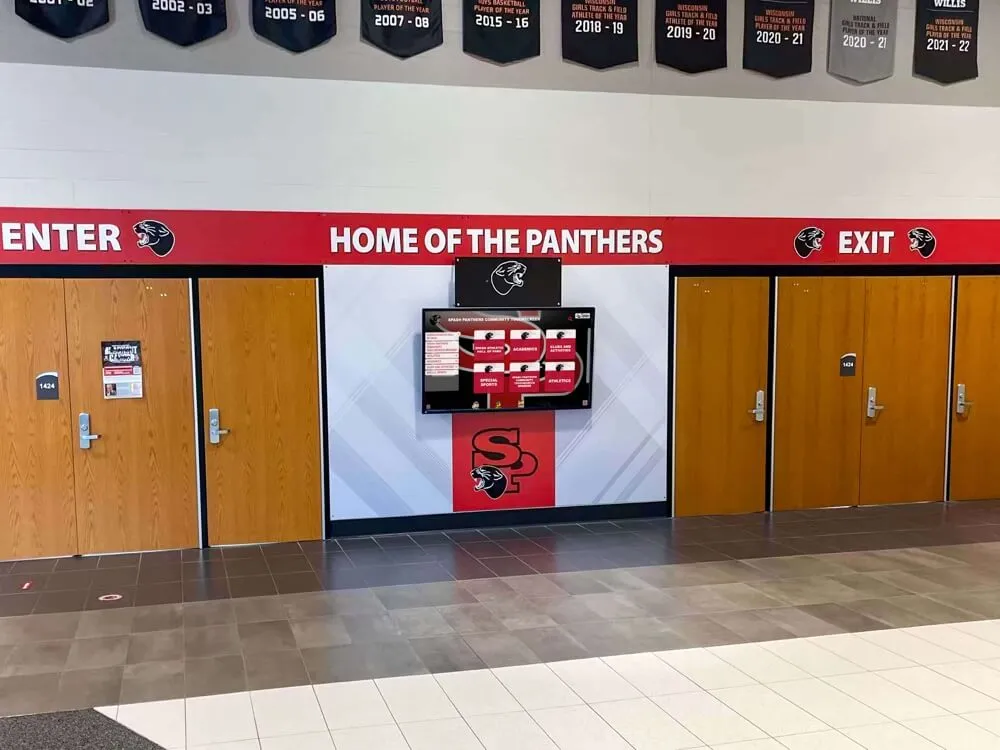
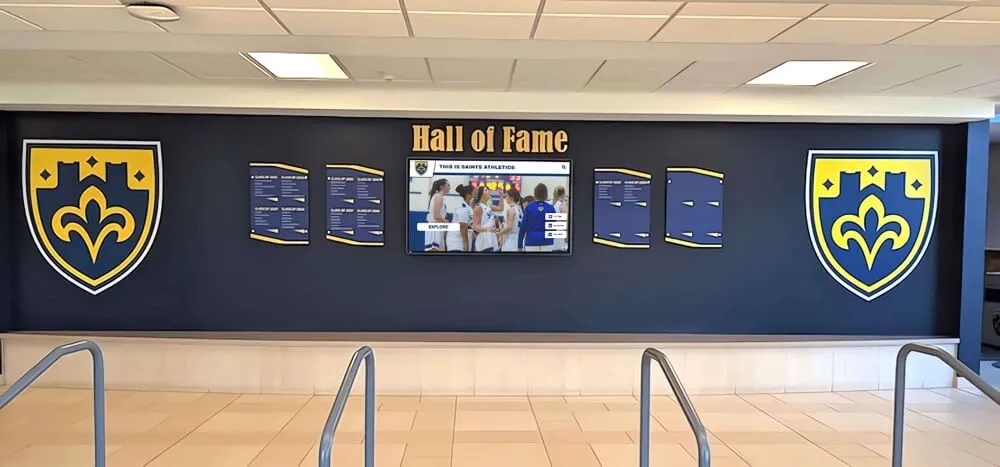
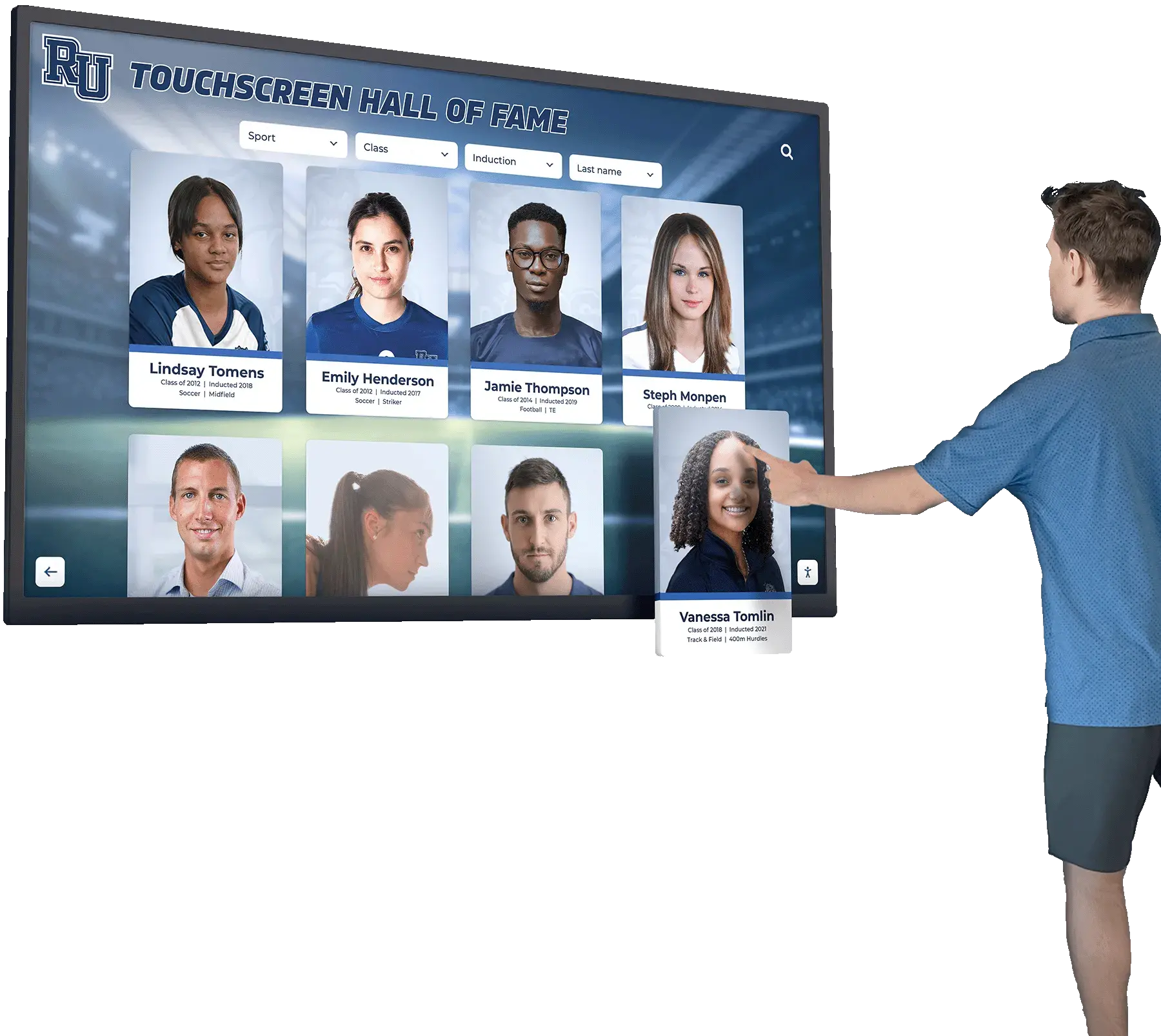
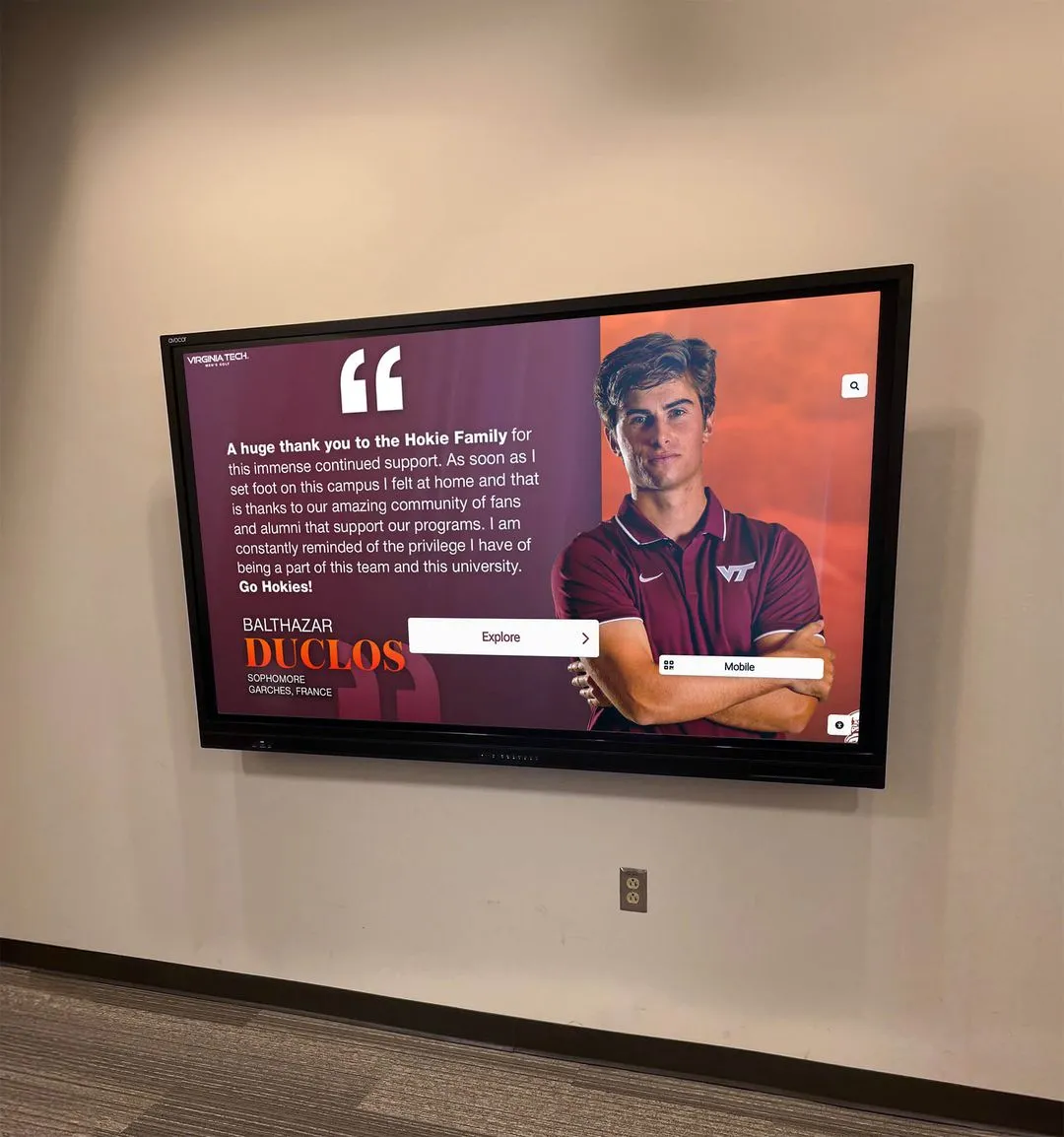
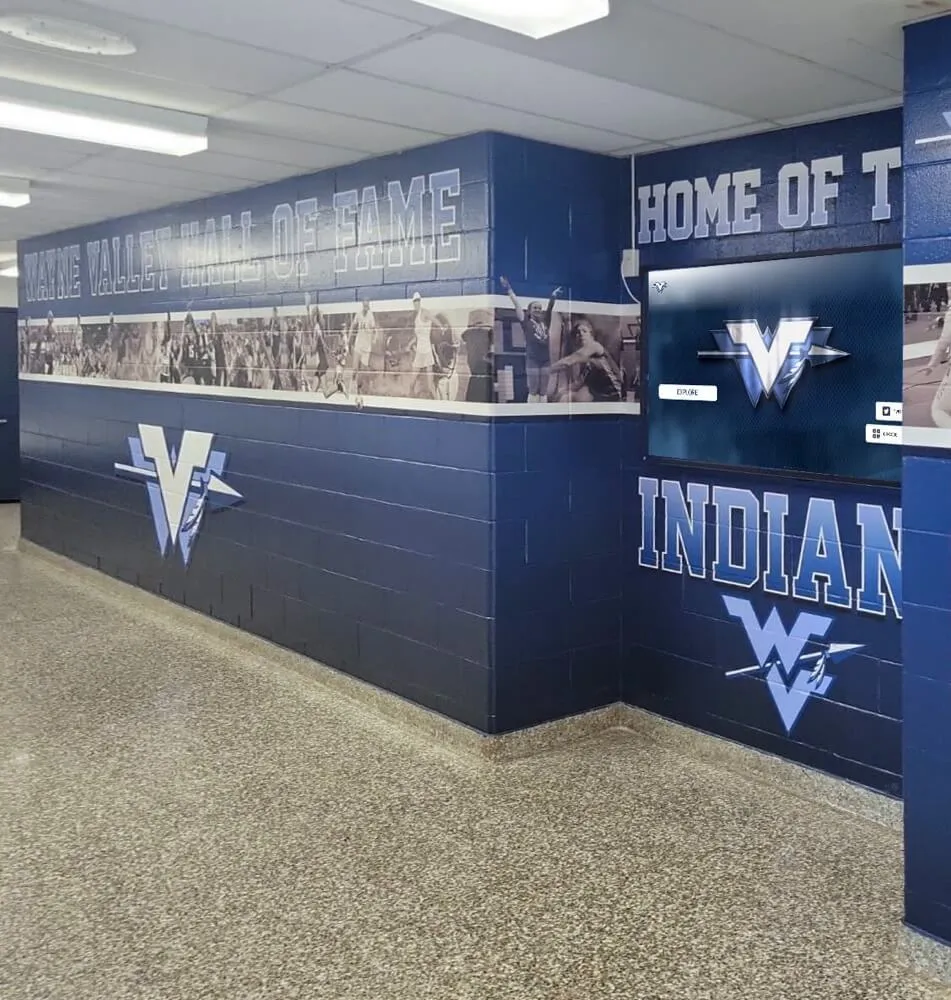
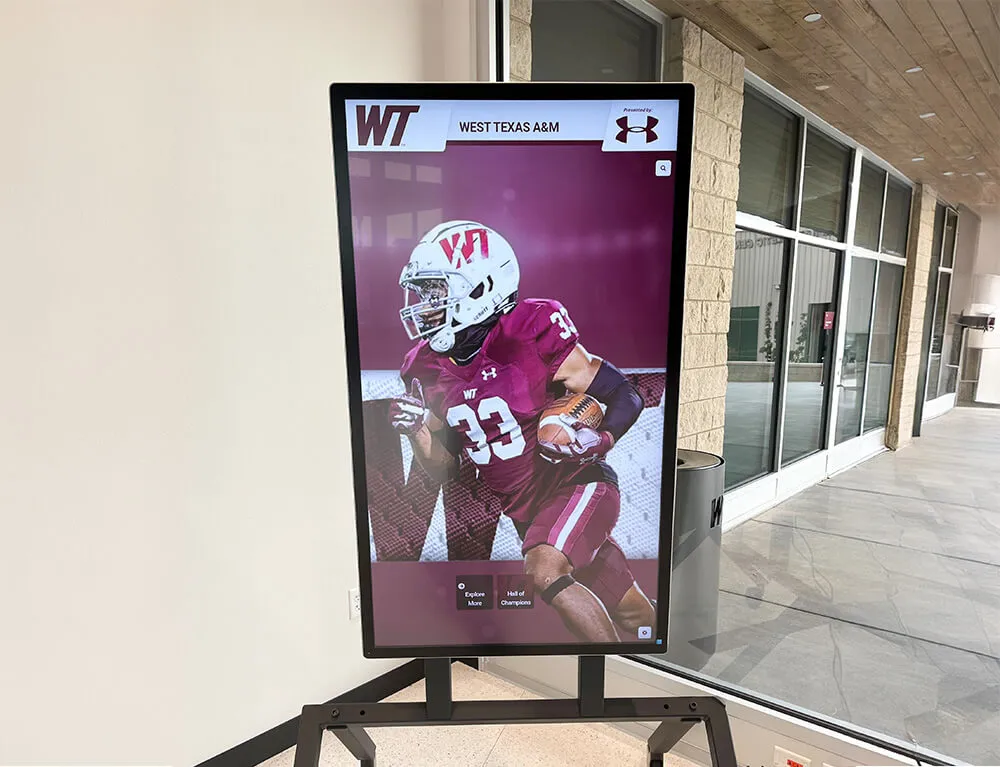
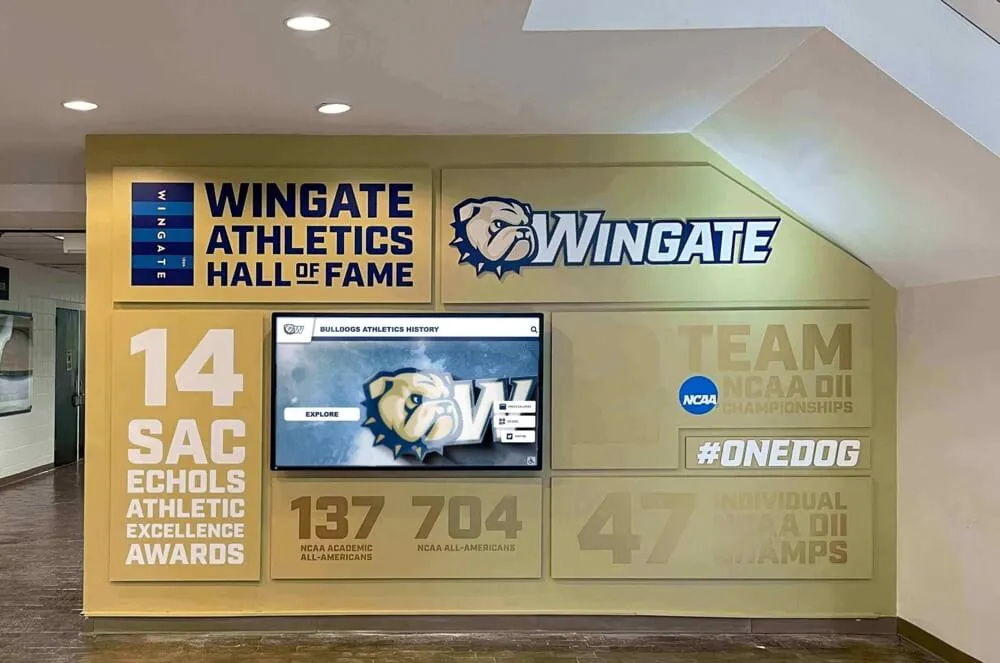
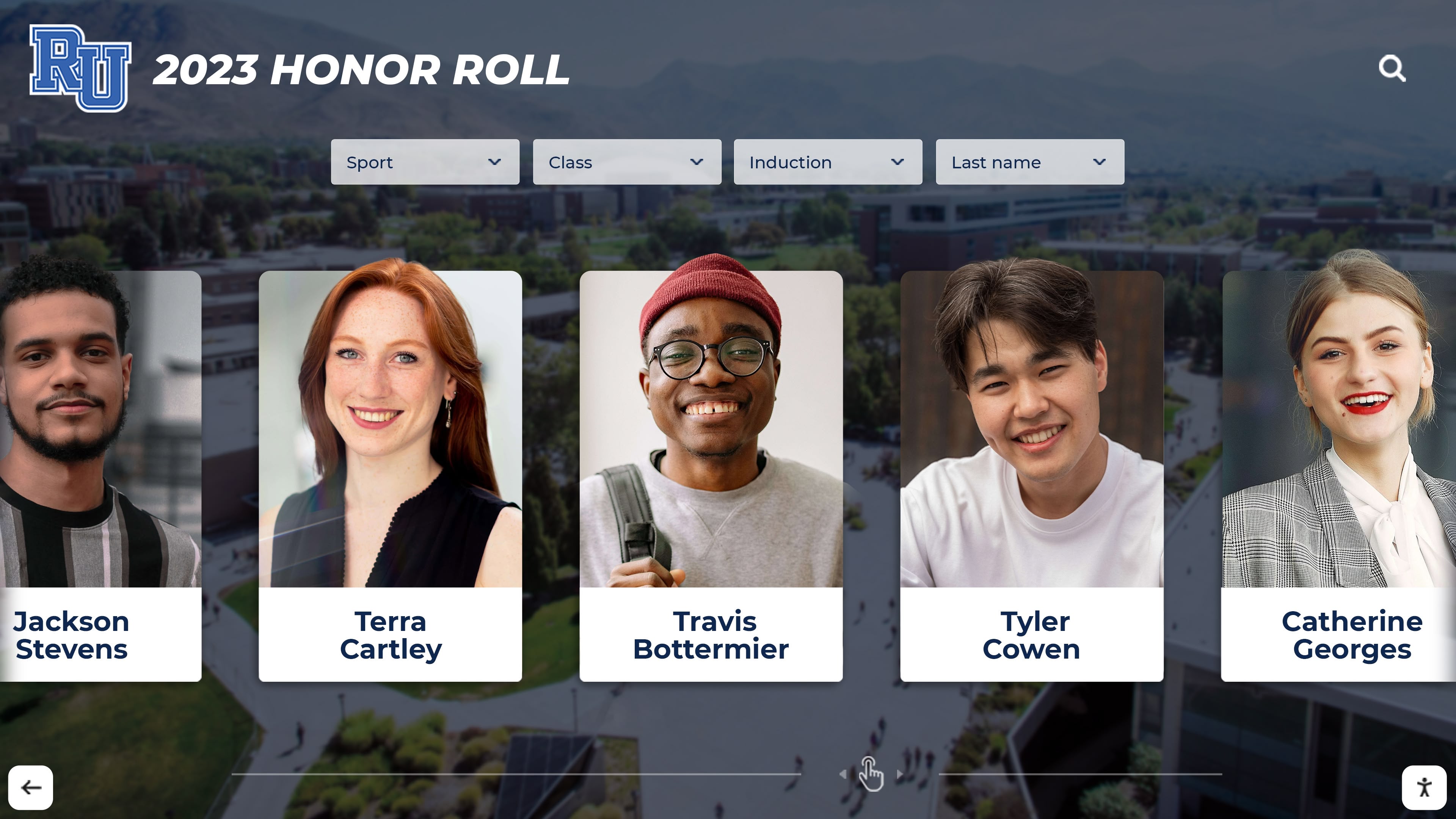
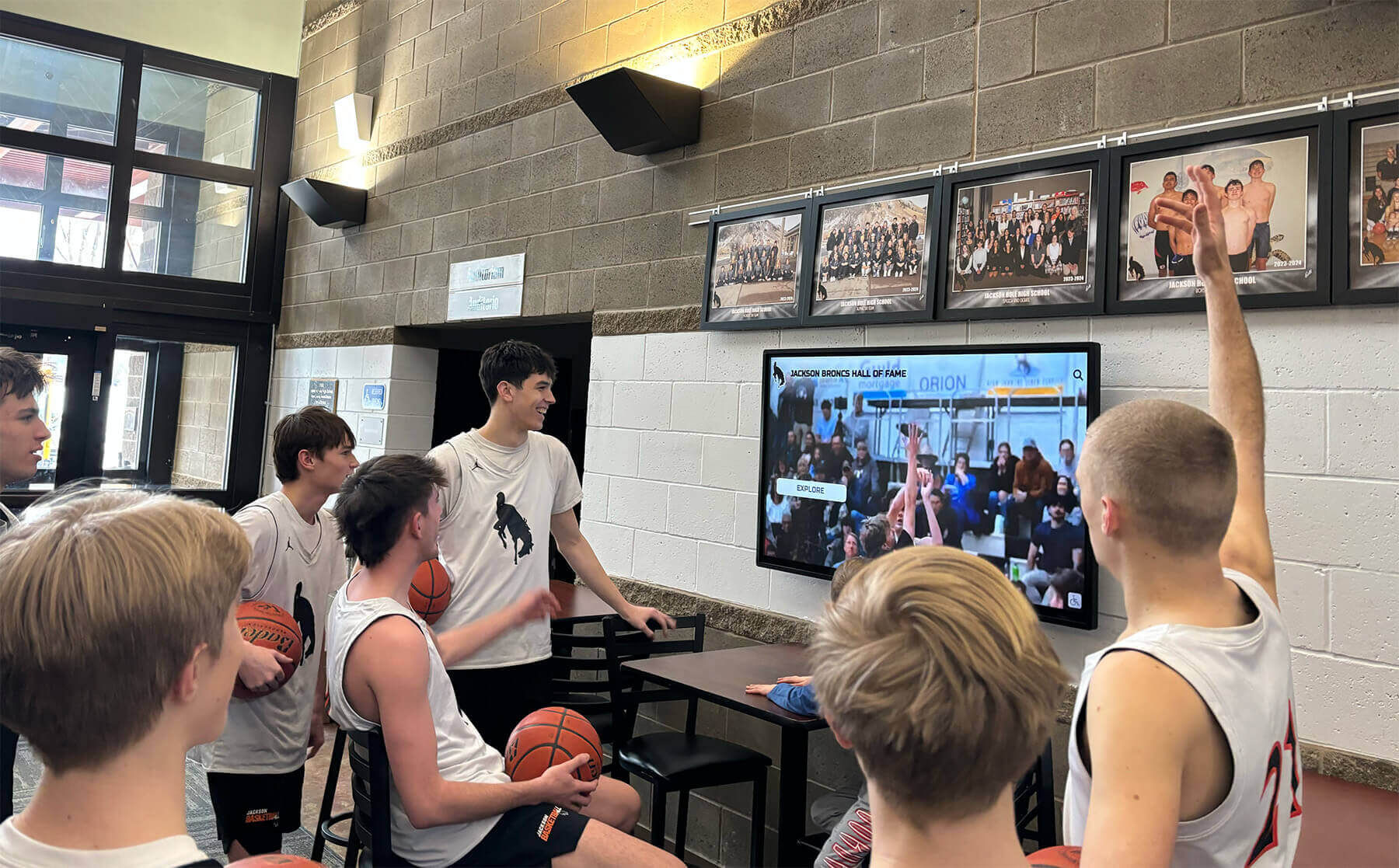
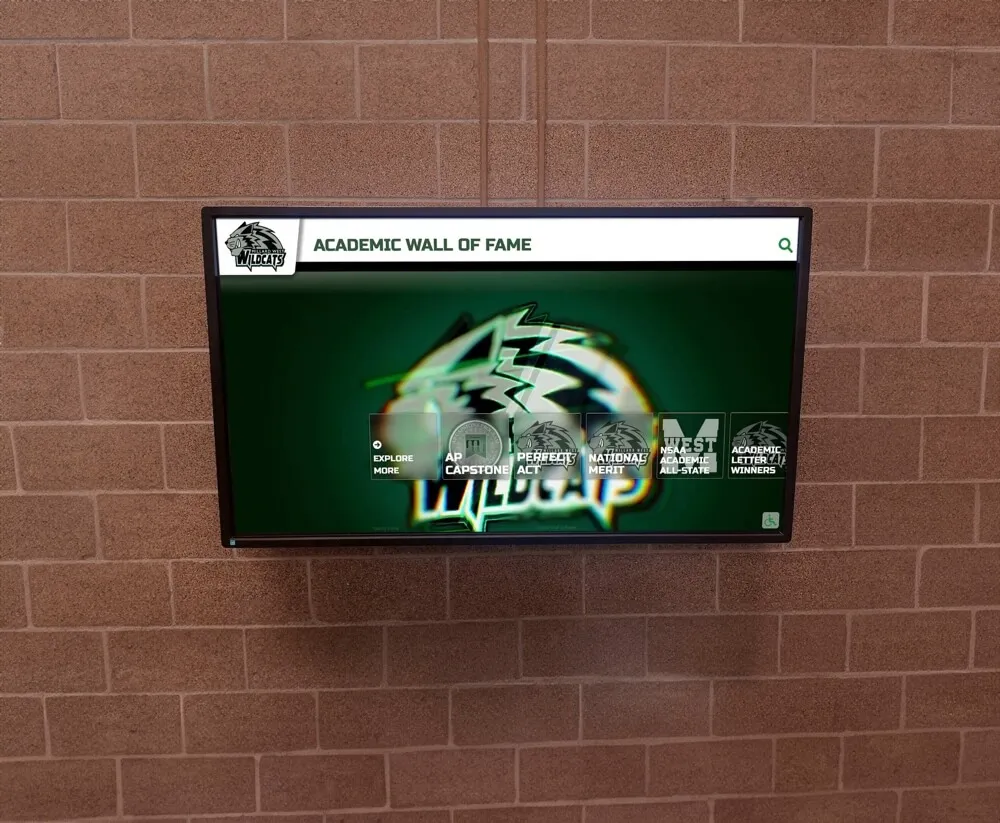
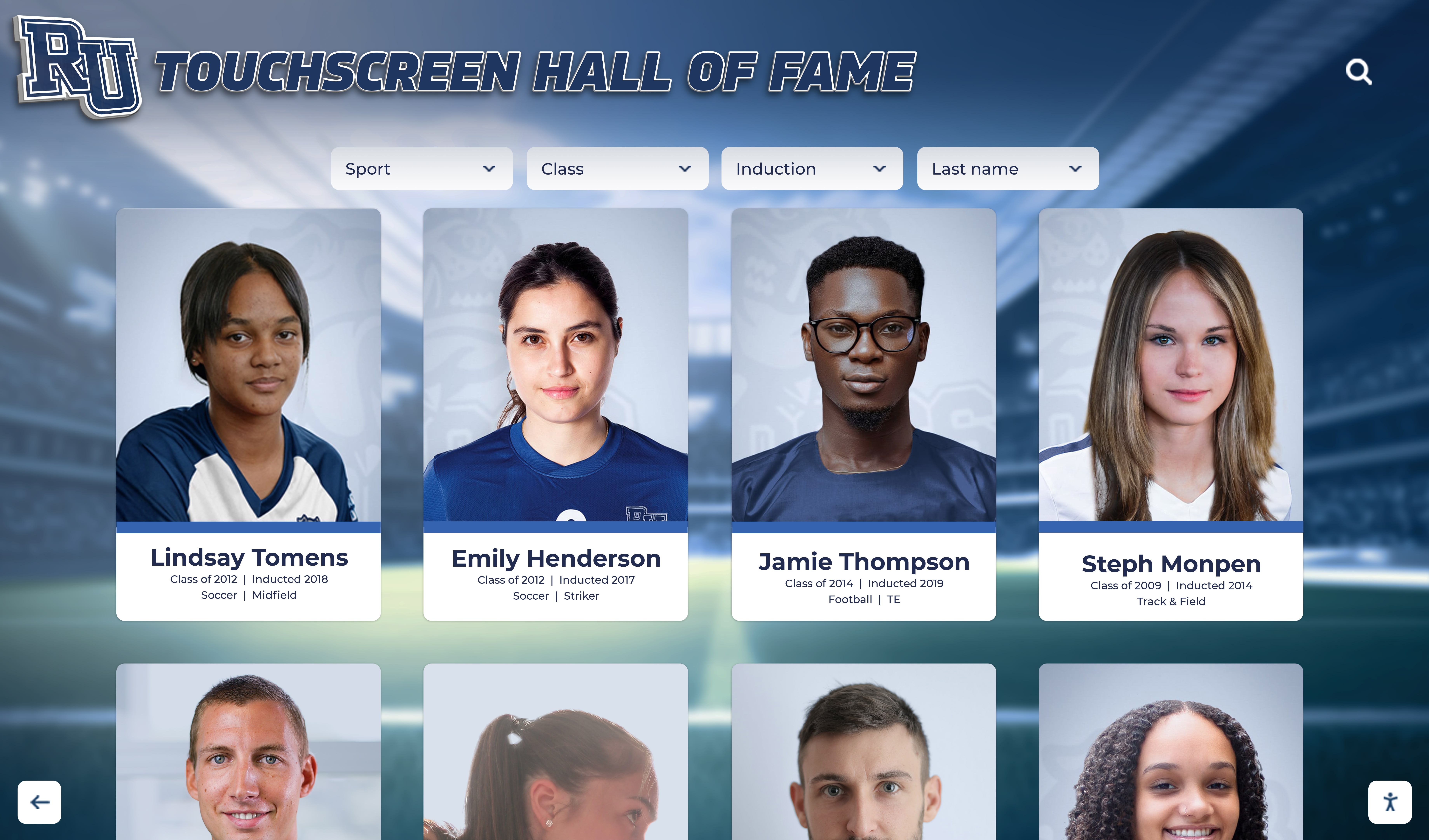
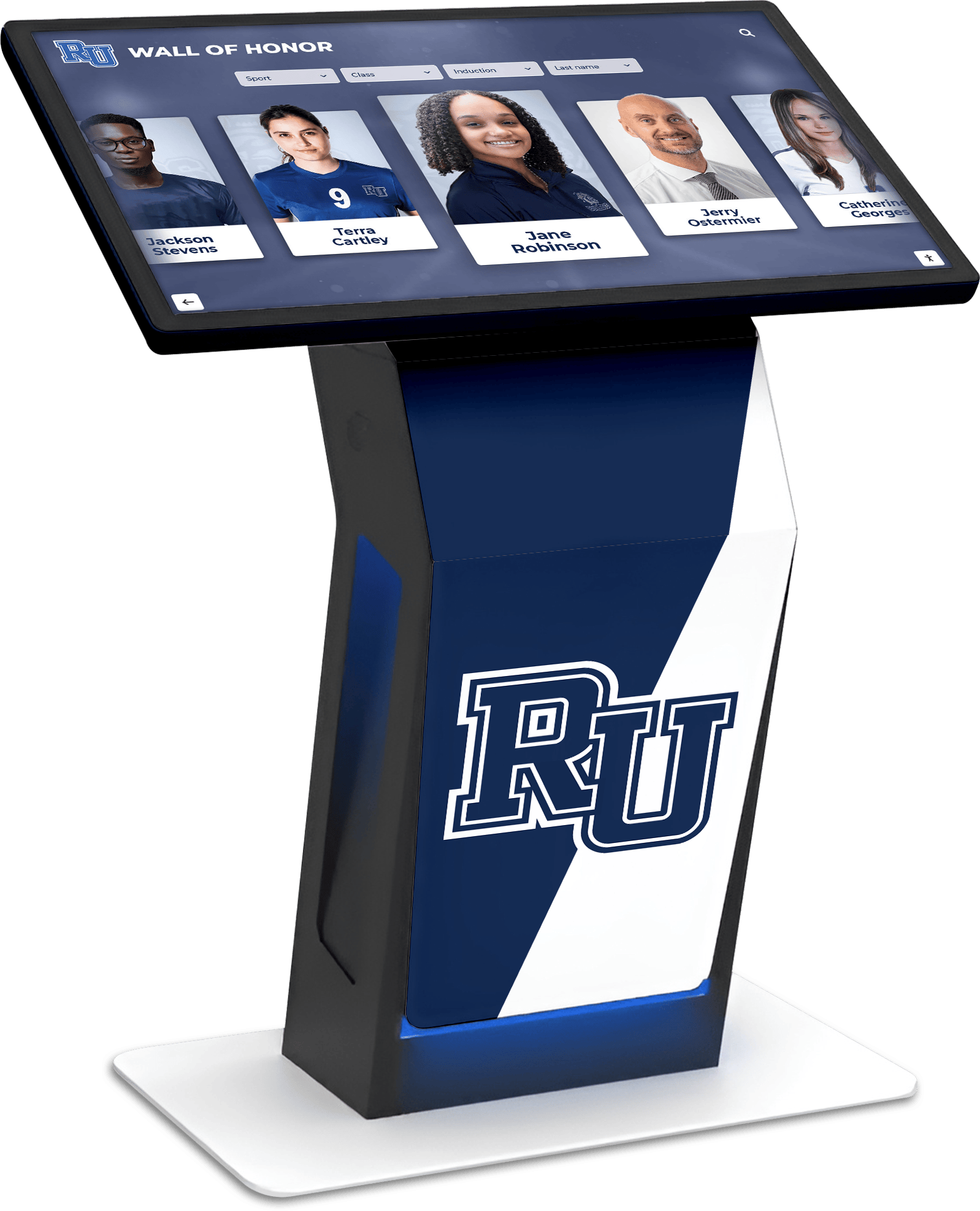
Interactive Touchscreen Displays: Digital hall of fame systems enable schools to present comprehensive scholar athlete profiles through intuitive interfaces. Unlike static plaques limited to names and years, digital platforms showcase photographs, academic achievements, athletic statistics, quotes, and even video content.
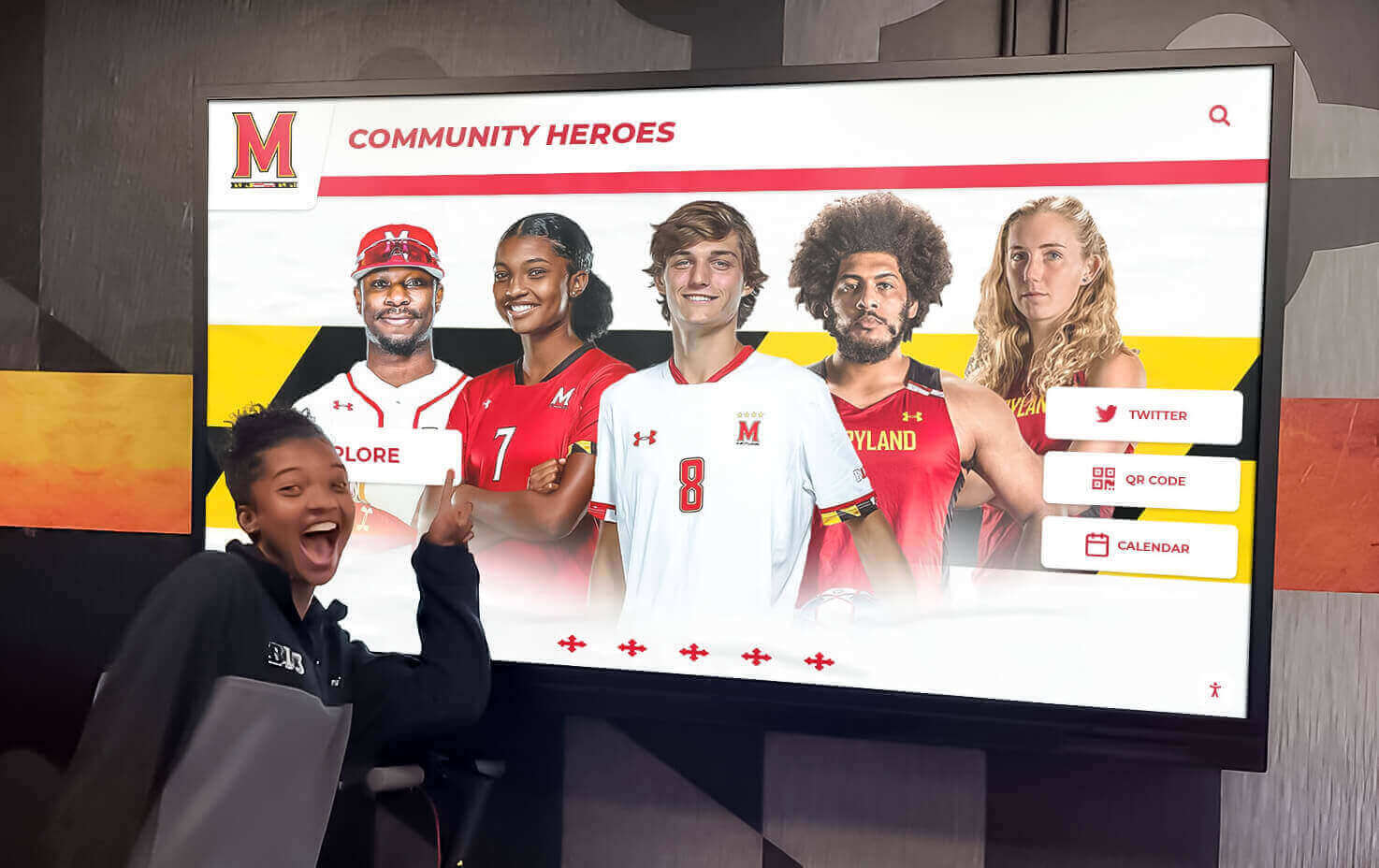
Unlimited Recognition Capacity: Digital systems eliminate space constraints that eventually limit physical displays. Schools can recognize every qualifying scholar athlete across decades without removing earlier honorees or expanding physical infrastructure. This unlimited capacity ensures current achievements never require erasing past recognition.
Dynamic Content Updates: Digital platforms enable ongoing profile enhancement as scholar athletes progress through education and careers. Initial profiles might highlight high school achievements, with updates added showing college success, graduate degrees, professional accomplishments, or community leadership.
Searchable Database Functionality: Digital systems allow visitors to search by graduation year, sport, academic major, college attended, or achievement category, making it easy to discover scholar athletes in specific fields. This searchability increases engagement compared to static displays visitors might glance at briefly.
Social Sharing Integration: Modern platforms facilitate achievement sharing on social media, enabling scholar athletes and families to amplify recognition visibility beyond physical campus locations while creating additional touchpoints for alumni engagement.
Multi-Location Display: Digital content can display on multiple screens throughout campuses—lobbies, cafeterias, athletic facilities, guidance offices—ensuring recognition reaches students, families, and visitors wherever they spend time.
Combining Traditional and Digital Recognition
Many schools discover that hybrid approaches deliver advantages of both methodologies, satisfying multiple constituencies and creating layered recognition experiences.
Physical certificates or small plaques provide tangible individual recognition that scholar athletes keep personally. Central digital displays present comprehensive profiles with rich content impossible on physical plaques. Traditional wall sections recognize milestone achievers or historic figures while digital systems showcase recent honorees with updated content.
This combination honors institutional traditions while embracing technological capabilities, creating recognition programs that feel both rooted in heritage and forward-looking in presentation. Schools designing new recognition systems should consider constituent preferences alongside functional requirements when choosing implementation approaches.
Benefits of Achieving Scholar Athlete Status
Scholar athlete recognition delivers significant advantages extending beyond ceremony moments, providing tangible benefits for college admissions, scholarship opportunities, and personal development that last far beyond high school.
College Admissions Advantages
College admissions offices actively seek students demonstrating ability to balance multiple demanding commitments successfully. Scholar athlete status provides documented evidence of sustained dual achievement that strengthens applications significantly.
Demonstrated Time Management: Admissions officers recognize that students managing 20+ hours of weekly athletic commitments while maintaining 3.5+ GPAs possess exceptional organizational skills. This proven time management ability suggests readiness to handle college workload intensity combining academics, activities, and independence.
Evidence of Perseverance: Maintaining high academic performance throughout competitive athletic seasons demonstrates resilience and dedication. Unlike students whose grades suffer during busy periods, scholar athletes prove they can sustain excellence under pressure—a predictor of college success.
Well-Rounded Profile: Colleges seek diverse student bodies including individuals excelling across multiple dimensions. Scholar athletes offer both academic strength and athletic accomplishment, presenting more complete profiles than single-dimension candidates.
Distinctive Achievement: Among applicants with comparable GPAs and test scores, scholar athlete designation provides differentiating achievement demonstrating unique commitment and accomplishment that makes applications memorable.
Athletic and Academic Scholarship Opportunities
Scholar athlete status creates eligibility for multiple scholarship categories, often enabling students to secure combined funding unavailable to purely athletic or academic achievers.
Athletic Scholarship Enhancement: College coaches recruiting student-athletes prioritize players likely to maintain academic eligibility without constant academic support. Scholar athletes present lower academic risk, making them more attractive recruits who may receive larger athletic scholarship offers.
Academic Scholarship Eligibility: Many academic scholarships consider extracurricular involvement and leadership. Athletic participation demonstrating commitment, teamwork, and discipline strengthens academic scholarship applications beyond pure GPA metrics.
Combined Funding Packages: Scholar athletes sometimes secure partial athletic scholarships supplemented by academic merit awards, creating larger total financial aid packages than available from single sources. This combined funding can make previously unaffordable colleges financially viable.
Conference-Specific Awards: Many athletic conferences offer scholar athlete scholarships specifically for students meeting both academic and athletic criteria, providing funding opportunities unavailable to purely academic or athletic achievers.
Personal Development and Life Skills
Beyond external recognition and financial benefits, the scholar athlete experience develops capabilities serving students throughout lives and careers.
Superior Time Management: Balancing academics and athletics requires prioritization skills, schedule optimization, and efficiency that translate directly to professional environments where competing demands require constant juggling.
Stress Management: Scholar athletes develop coping mechanisms for handling simultaneous pressures from coaches, teachers, teammates, and personal expectations. These stress management skills prove invaluable throughout college and careers requiring performance under pressure.
Goal-Setting and Achievement: Success in both domains requires setting clear objectives, creating action plans, monitoring progress, and adjusting strategies—skills directly applicable to professional goal achievement and career advancement.
Leadership Development: Many scholar athletes develop leadership capabilities through team captaincies, mentoring younger athletes, or balancing group dynamics. These leadership experiences create foundation for professional and community leadership roles.
The psychology of athletic recognition demonstrates how acknowledgment of balanced achievement reinforces positive behaviors and intrinsic motivation extending beyond recognition moments themselves.
Scholar Athlete Recognition Across Different Levels
Scholar athlete programs exist from middle school through professional sports, with criteria and recognition approaches adapted to developmental stages, competitive contexts, and institutional environments.
Middle School Scholar Athlete Programs
Middle school represents an ideal introduction to scholar athlete concepts, establishing expectations that academic and athletic excellence complement each other during crucial formative years.
Programs at this level should emphasize effort and improvement alongside absolute performance. Middle school students demonstrate substantial variability in academic development, physical maturity, and organizational skill development. Recognition should honor students making genuine progress toward balanced achievement rather than exclusively celebrating natural advantages.
Appropriate middle school criteria typically include:
- GPA thresholds of 3.0-3.3 recognizing solid academic effort
- Participation requirements emphasizing commitment and improvement rather than playing time or performance outcomes
- Conduct standards teaching sportsmanship and appropriate behavior
- Growth recognition for students showing marked academic or athletic improvement
Middle school programs create foundation for high school achievement, establishing cultural expectations early while making recognition accessible to students still developing capabilities they’ll refine in subsequent years.
High School Scholar Athlete Standards
High school represents the traditional apex of scholar athlete recognition, where programs carry greatest prestige and influence college admissions and scholarship outcomes.
High school criteria typically require demonstrated excellence rather than merely solid effort. GPA minimums commonly fall between 3.5-3.8, athletic requirements emphasize varsity participation and significant contribution, and character standards reflect maturity expectations appropriate for students approaching adulthood.
Many high schools participate in statewide or conference-wide programs administered by athletic associations. Schools should ensure institutional criteria align with broader programs enabling students to receive recognition at multiple levels—school, conference, state, and potentially national honors.
The Academic All-American award represents one of the most prestigious national scholar athlete honors available to high school students, with criteria requiring exceptional achievement in both academics and athletics.
High schools increasingly use digital recognition systems to showcase scholar athletes alongside athletic record-holders and other distinguished achievers, creating comprehensive achievement displays.
College and University Programs
Collegiate scholar athlete recognition occurs through institutional programs, conference honors, and national organizations like the NCAA which maintains extensive academic recognition initiatives.
College criteria often establish higher thresholds reflecting increased academic rigor and more intense athletic demands. Many programs require GPAs of 3.3 or higher, with some establishing 3.5+ minimums for highest honor tiers.
Collegiate programs increasingly recognize multi-year sustained achievement through cumulative GPA requirements rather than single semester or year performance. This approach honors students maintaining excellence across entire college careers despite increasing academic difficulty and athletic demands in upper-division years.
NCAA Division I conferences typically recognize all-academic teams featuring conference scholar athletes. Division II and III programs often emphasize academic achievement more prominently given different athletic scholarship structures and institutional missions prioritizing balanced student development.
Professional League Recognition
Professional sports leagues including the NFL, NBA, WNBA, MLB, and MLS maintain scholar athlete recognition programs for players who completed college degrees, demonstrating that academic commitment continues mattering even at professional athletic levels.
The NFL Scholar-Athlete Award, NBA’s Academic Achievement Award, and similar programs celebrate professional athletes who prioritized education alongside athletic development, serving as role models for younger players that professional success and intellectual development complement rather than compete with each other.
How to Become a Scholar Athlete
Students aspiring to scholar athlete status must develop strategies balancing academic and athletic demands effectively while maintaining personal wellbeing and building sustainable habits.
Developing Effective Time Management Systems
Time management separates successful scholar athletes from peers who struggle balancing competing demands.
Create Detailed Schedules: Successful scholar athletes maintain planners or digital calendars blocking time for classes, practices, study sessions, meals, and sleep. This structured approach prevents scheduling conflicts and ensures adequate time allocation for all commitments.
Maximize Transition Time: Scholar athletes use time between commitments productively—reviewing notes during bus rides to away games, completing homework during lunch periods, or studying during gaps between classes. These small time increments accumulate significantly across weeks and months.
Establish Consistent Routines: Regular patterns for waking, sleeping, eating, studying, and training create efficiency through habit. Consistent routines reduce decision fatigue and create predictable rhythms supporting both academic and athletic performance.
Prioritize Ruthlessly: Scholar athletes must distinguish between essential tasks and optional activities. Social invitations, entertainment, and leisure often require sacrifice to accommodate academic and athletic commitments. Clear priorities prevent overcommitment and disappointment.
Plan Ahead: Checking assignment due dates, test schedules, and competition calendars weeks in advance enables proactive work distribution. Scholar athletes complete major assignments early when possible, avoiding conflicts between academic deadlines and athletic competitions.
Academic Strategies for Student-Athletes
Specific academic approaches help athletes maintain strong performance despite time constraints and athletic demands.
Communicate with Teachers: Successful scholar athletes inform teachers about athletic schedules, particularly upcoming absences for away competitions or championship events. Most teachers accommodate students showing respect through advance communication and demonstrated academic commitment.
Utilize Study Resources: Academic support services, tutoring programs, teacher office hours, and peer study groups provide assistance maximizing limited study time efficiency. Scholar athletes who struggle in specific subjects should seek help immediately rather than allowing difficulties to compound.
Focus During Class: Athletic commitments limit after-school study time, making classroom attention crucial. Scholar athletes who focus intensely during class instruction often need less review time later, creating efficiency that athletes with afternoon commitments particularly need.
Choose Strategic Course Loads: While rigorous courses demonstrate academic ambition, scholar athletes should avoid overwhelming themselves by stacking multiple extremely demanding courses simultaneously during intensive athletic seasons. Strategic distribution of challenging classes across years enables sustained high performance.
Schools can support student-athletes through academic recognition programs that celebrate achievement and motivate continued excellence across both domains.
Maintaining Athletic Excellence While Prioritizing Academics
Scholar athletes must maintain athletic performance justifying team participation and recognition while prioritizing academic requirements.
Maximize Practice Efficiency: Full engagement during practice sessions—mental focus, physical intensity, skill work quality—enables athletes to improve without requiring additional training time that would compromise academic commitments.
Communicate with Coaches: Scholar athletes should inform coaches about significant academic demands—major projects, midterms, finals—when additional flexibility might help manage temporary academic intensity. Most coaches support players balancing responsibilities appropriately.
Recovery and Rest: Adequate sleep, proper nutrition, and recovery time between competitions support both athletic performance and academic function. Scholar athletes cutting sleep to study often suffer declining performance in both domains.
Off-Season Development: Summer months and off-season periods provide opportunities for athletic skill development without academic competition. Scholar athletes who maximize off-season training can maintain athletic progress without constant in-season intensity.
Mental Health and Balance
The demanding scholar athlete lifestyle requires attention to mental health and overall wellbeing to prevent burnout and maintain sustainable achievement.
Recognize Warning Signs: Declining performance in either domain, persistent fatigue, loss of enjoyment in previously valued activities, social withdrawal, or emotional changes may indicate unhealthy stress levels requiring intervention.
Seek Support Systems: Family, friends, coaches, teachers, counselors, and teammates can provide emotional support, practical assistance, and perspective during challenging periods. Scholar athletes should build strong support networks rather than attempting to manage everything independently.
Allow Strategic Rest: Occasional breaks from intense schedules—skipping optional weekend training to spend time with family, taking evenings off studying to relax with friends—prevent burnout and maintain long-term sustainability.
Maintain Perspective: While scholar athlete achievement carries significance, it represents only one dimension of identity and worth. Students should maintain connections to interests, relationships, and activities beyond academics and athletics that create balanced identities.
Celebrating Scholar Athletes in Your School Community
Schools that effectively celebrate scholar athletes create cultures valuing balanced excellence, inspiring younger students, and demonstrating institutional priorities through visible recognition.
Creating Comprehensive Recognition Programs
Effective programs extend beyond naming scholar athletes to creating meaningful celebration that honors achievement appropriately.
Multi-Tiered Recognition: Consider different recognition levels acknowledging various achievement degrees—highest honors for exceptional achievers (3.8+ GPAs), honors for strong performers (3.5-3.79), and honorable mentions for solid achievement (3.3-3.49). This tiered approach recognizes more students while maintaining prestige for highest achievers.
Seasonal and Annual Recognition: Some schools present scholar athlete recognition at the conclusion of each sport season during team banquets. Others prefer comprehensive annual ceremonies honoring all qualifying students across all sports simultaneously, creating significant community events.
Permanent Display Systems: Whether traditional plaques or digital recognition displays, permanent installations create lasting visibility for scholar athlete achievement that extends beyond ceremony moments.
Family Involvement: Recognition ceremonies should facilitate family participation through convenient scheduling, adequate notice, and accommodation for family members who want to celebrate achievements they supported through years of encouragement, transportation, and sacrifice.
Media Coverage: Schools should publicize scholar athlete recognition through local media, school publications, social media platforms, and community newsletters, amplifying achievement visibility beyond immediate school communities.
Showcasing Scholar Athletes as Role Models
Making scholar athletes visible to younger students creates powerful motivational influence inspiring future balanced achievement.
Profile Features: Detailed profiles in school publications, digital displays, or dedicated showcase areas that tell complete stories—academic interests, athletic achievements, college plans, time management strategies, challenges overcome—create relatable examples more inspiring than simple name lists.
Mentorship Programs: Connecting current scholar athletes with younger students aspiring to similar achievement creates guidance relationships where older students share strategies, experiences, and encouragement.
Speaking Opportunities: Featuring scholar athletes at team meetings, academic assemblies, or school-wide events where they share their journeys inspires peers through relatable examples and authentic perspectives.
Alumni Connections: Inviting graduated scholar athletes to return for panel discussions about college experiences, career paths, and how high school balanced achievement prepared them for subsequent success demonstrates long-term value of dual excellence.
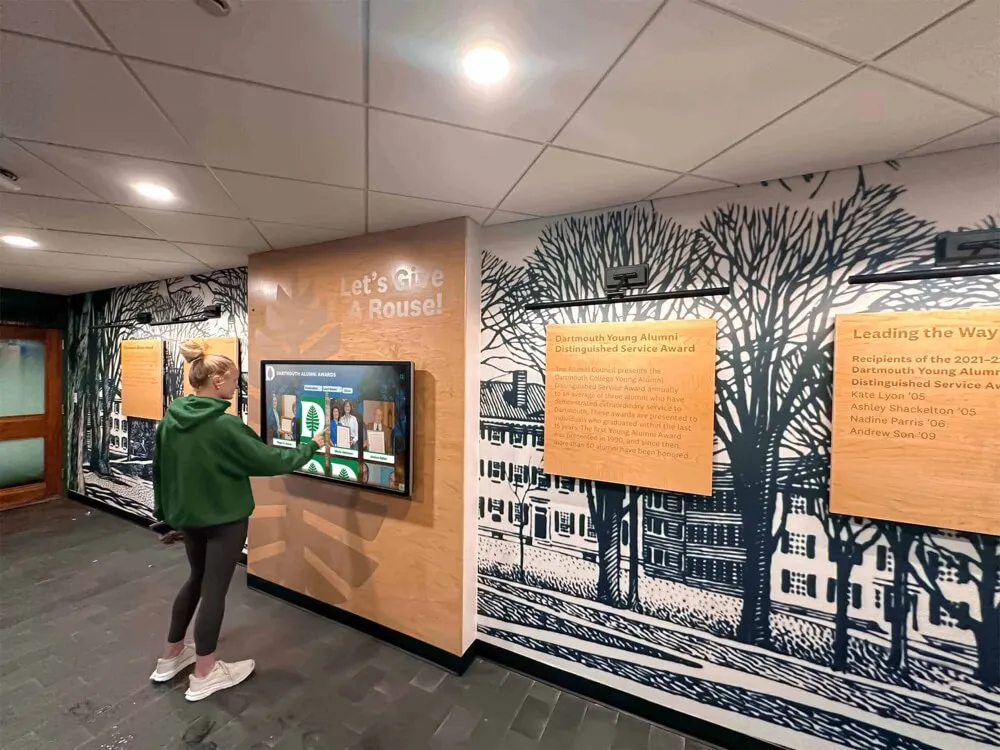
Creating visible digital walls of achievement enables schools to showcase scholar athletes prominently alongside other distinguished achievers, reinforcing institutional values through visible recognition.
Building School Culture Supporting Dual Excellence
Beyond recognizing individual achievers, schools should develop broader cultures where academic and athletic excellence reinforce rather than compete with each other.
Coach Education: Athletic staff should understand academic requirements, value student academic achievement, and support athletes balancing responsibilities. Coaches who emphasize only athletic performance may inadvertently discourage academic commitment.
Flexible Scheduling: When possible, schools should schedule required academic support, tutoring sessions, or make-up opportunities at times accessible to student-athletes whose afternoon hours involve athletic commitments.
Study Hall Programs: Dedicated study time for athletes—before school, during lunch periods, or structured study halls—provides quiet environments for homework completion and creates peer study cultures among teammates.
Academic Support Services: Schools should ensure tutoring, writing centers, and academic assistance programs accommodate athlete schedules rather than exclusively serving students with after-school availability.
When schools demonstrate through policies, resource allocation, and public messaging that academic and athletic success hold equal value, more students achieve excellence in both domains rather than viewing them as competing priorities requiring exclusive choice.
Conclusion: Honoring Excellence in Mind and Body
Scholar athletes represent a special category of student achievement deserving distinct recognition—individuals who excel simultaneously in academic classrooms and athletic competitions through exceptional time management, mental toughness, and dedication to balanced excellence. These students demonstrate that athletic and academic success complement rather than compete with each other, proving that commitment to multiple pursuits creates better-rounded individuals than single-dimension focus.
The question “what is a scholar athlete” has a clear answer: students who refuse to choose between intellectual development and physical excellence, instead pursuing both with equal dedication and achieving notable success in each domain. These remarkable students wake early for training, maintain focus through full academic days, practice intensely in afternoons, complete homework late into evenings, compete on weekends, and still achieve grade point averages reflecting genuine intellectual engagement alongside athletic statistics demonstrating competitive excellence.
Schools that recognize scholar athletes meaningfully—through awards ceremonies, permanent displays, digital recognition systems, or combination approaches—send powerful messages about institutional values, inspire younger students toward balanced achievement, and celebrate individuals embodying ideals that education develops complete human potential rather than isolated capabilities.
Whether through traditional plaques creating historical records or modern digital platforms enabling unlimited recognition with comprehensive profiles, honoring scholar athletes demonstrates that schools measure success through balanced achievement, support students pursuing excellence in multiple areas simultaneously, and believe that developing both mind and body creates educational experiences with lasting impact extending far beyond graduation.
Ready to create a recognition program that celebrates your scholar athletes with the prominence their achievements deserve? Explore how Rocket Alumni Solutions’ digital recognition platforms enable schools to showcase balanced excellence through interactive touchscreen displays featuring comprehensive profiles, unlimited capacity, searchable databases, and engaging experiences that inspire current students while honoring exceptional graduates who excel in classroom and competition.