



Key Takeaways
Discover what booster clubs are, how they support athletic and academic programs, their structure, fundraising strategies, and how they invest in recognition displays and equipment for schools.
When school budgets struggle to keep pace with the costs of competitive athletic programs, award-winning performing arts, and specialized academic activities, a dedicated group of parents, alumni, and community members often steps in to bridge the gap. These volunteer-led organizations—known as booster clubs—have become essential partners in supporting student excellence across American schools. Yet despite their widespread presence and significant impact, many families and community members don’t fully understand what booster clubs are, how they operate, or the vital role they play in enabling program success.
Booster clubs represent far more than casual groups of parents selling spirit wear at Friday night football games. These structured nonprofit organizations raise substantial funds, coordinate extensive volunteer networks, make strategic investments in equipment and facilities, advocate for program needs, and create community connections that extend well beyond their immediate school families. Understanding booster clubs—their purpose, structure, funding strategies, and impact—helps schools, families, and communities leverage these powerful organizations effectively while ensuring they operate transparently and sustainably.
This comprehensive guide examines everything you need to know about booster clubs in 2026, from their fundamental purpose and organizational structure through practical fundraising strategies, governance best practices, and investment priorities including modern recognition displays that honor student achievement while supporting program growth.
Understanding Booster Clubs: Definition and Purpose
At their core, booster clubs are parent-led volunteer organizations supporting specific school programs through fundraising, volunteer service, and advocacy. While most commonly associated with athletics, booster clubs also support band programs, choir, drama, debate, robotics, and virtually any activity where program needs exceed available school funding.
The Essential Functions of Booster Clubs
Financial Support: The primary booster club function involves raising money to purchase items and services that school budgets cannot adequately cover. This financial support enables program excellence that would be impossible relying solely on district funding. Booster clubs fund equipment upgrades, facility improvements, technology purchases, travel expenses for competitions, coaching supplements, recognition displays, and countless other program needs.
According to industry data, successful booster clubs can raise anywhere from $10,000 to over $500,000 annually depending on program size, community demographics, and organizational effectiveness. This funding directly impacts student experiences—better equipment, enhanced facilities, increased travel opportunities, and professional recognition all result from effective booster club fundraising.
Volunteer Coordination: Beyond fundraising, booster clubs organize extensive volunteer networks supporting daily program operations. Members staff concession stands during games and events, coordinate team meals and hospitality, manage equipment and uniforms, maintain facilities, organize recognition events, operate game-day logistics, and provide countless hours enabling programs to function smoothly. This volunteer infrastructure proves particularly crucial for programs operating with limited paid staff.
Advocacy and Communication: Booster clubs advocate for program needs within school districts, communicate program success to broader communities, promote student achievement, recruit future participants, and build community pride. Effective booster clubs serve as public relations engines generating awareness and support extending well beyond immediate participant families.
Community Building: Perhaps less tangibly but equally importantly, booster clubs create community connections bringing together families, alumni, local businesses, and supporters around shared commitment to student success. These relationships strengthen school-community bonds while creating networks that support students both during and after their school years.
How Booster Clubs Differ from Other School Support Organizations
Understanding what makes booster clubs distinct from other parent organizations clarifies their unique role and appropriate scope:
PTAs/PTOs vs. Booster Clubs: Parent-Teacher Associations (PTAs) and Parent-Teacher Organizations (PTOs) support entire schools with broad educational missions. They fund classroom supplies, teacher appreciation, school-wide events, and general educational enhancement. Booster clubs focus narrowly on specific programs—athletics, band, drama—raising substantial targeted funds that PTAs generally cannot generate. Both organizations complement each other rather than competing, with PTAs supporting whole schools while booster clubs enable program-specific excellence.
Foundations vs. Booster Clubs: School foundations typically operate at district levels, conducting major gift campaigns for significant capital projects, endowments, or district-wide initiatives. Foundations focus on large-scale, long-term funding from wealthy donors and corporate partners. Booster clubs operate at individual school program levels, engaging broader donor bases through smaller contributions, fundraising events, and ongoing operational support rather than occasional major campaigns.
Boosters vs. Boosters: Some schools have general “athletic boosters” supporting all sports collectively versus sport-specific clubs (football booster club, basketball booster club, etc.). The all-sports model promotes equity across programs and reduces administrative burden, while sport-specific clubs allow focused fundraising targeting dedicated supporter bases. Neither approach is universally superior—organizational structure should match school size, program complexity, and community preferences.
Common Types of Booster Clubs
While athletic booster clubs receive the most attention and typically raise the most money, booster organizations support diverse programs across schools:
Athletic Booster Clubs
Athletic boosters represent the most prevalent type, supporting sports programs through equipment purchases, facility improvements, travel funding, recognition systems, and operational support. Some schools operate unified athletic booster clubs supporting all sports collectively, while others maintain sport-specific organizations for football, basketball, baseball, soccer, and other major programs.
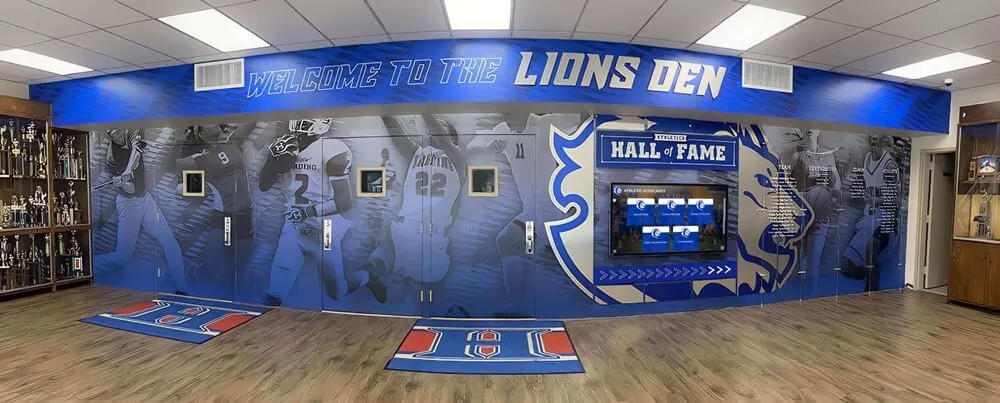
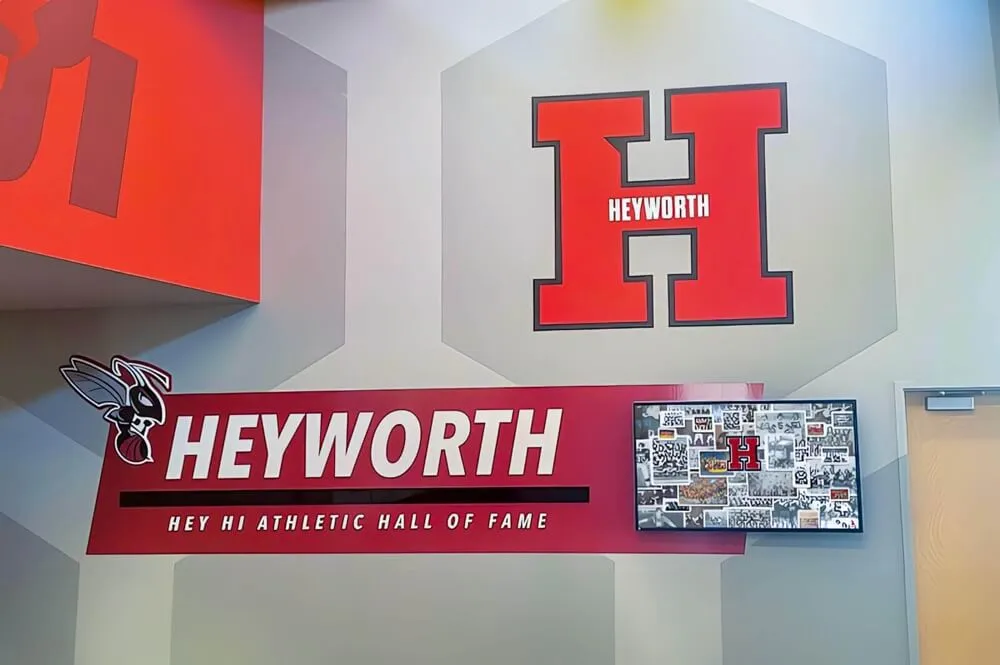
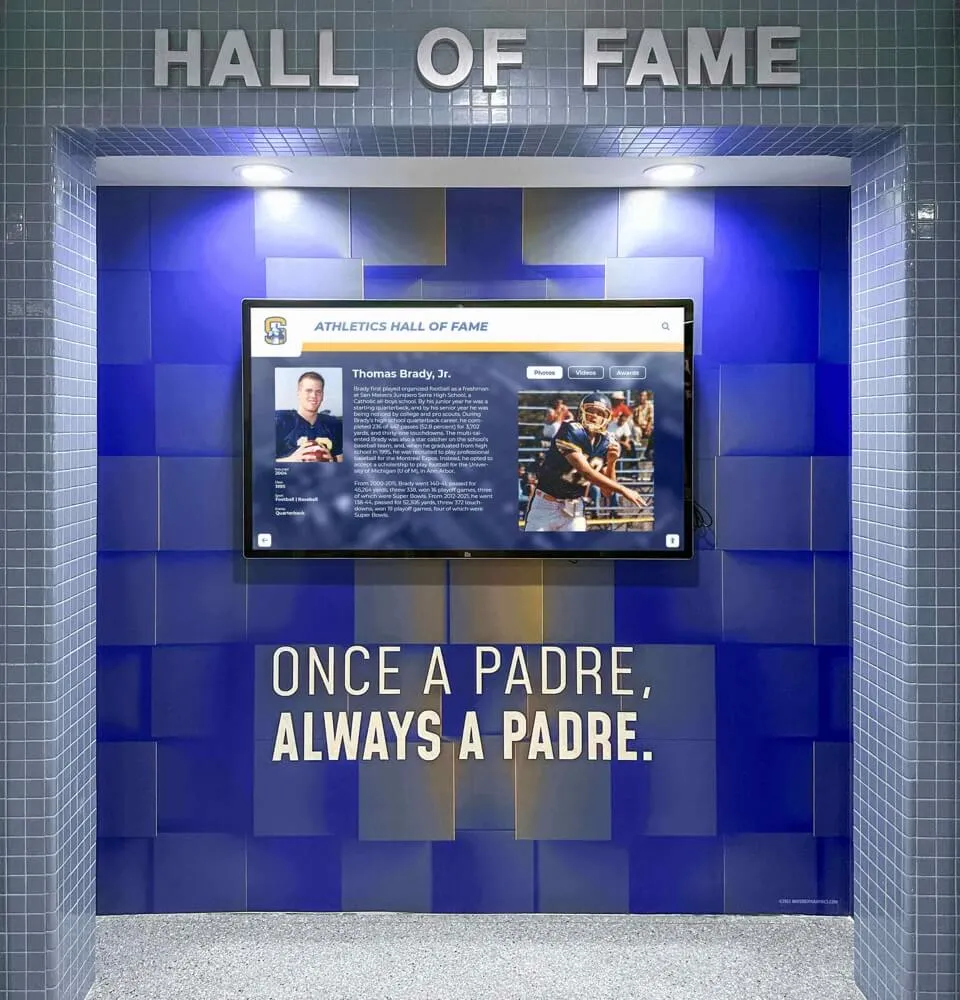
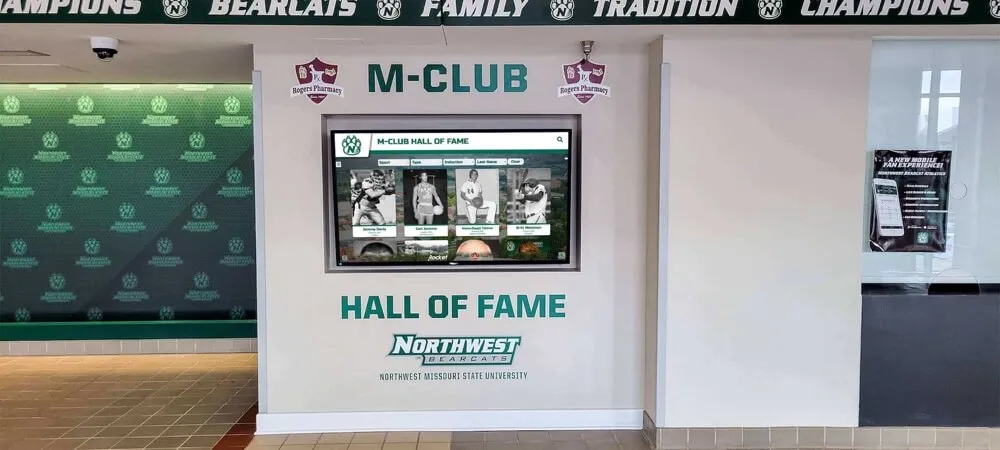
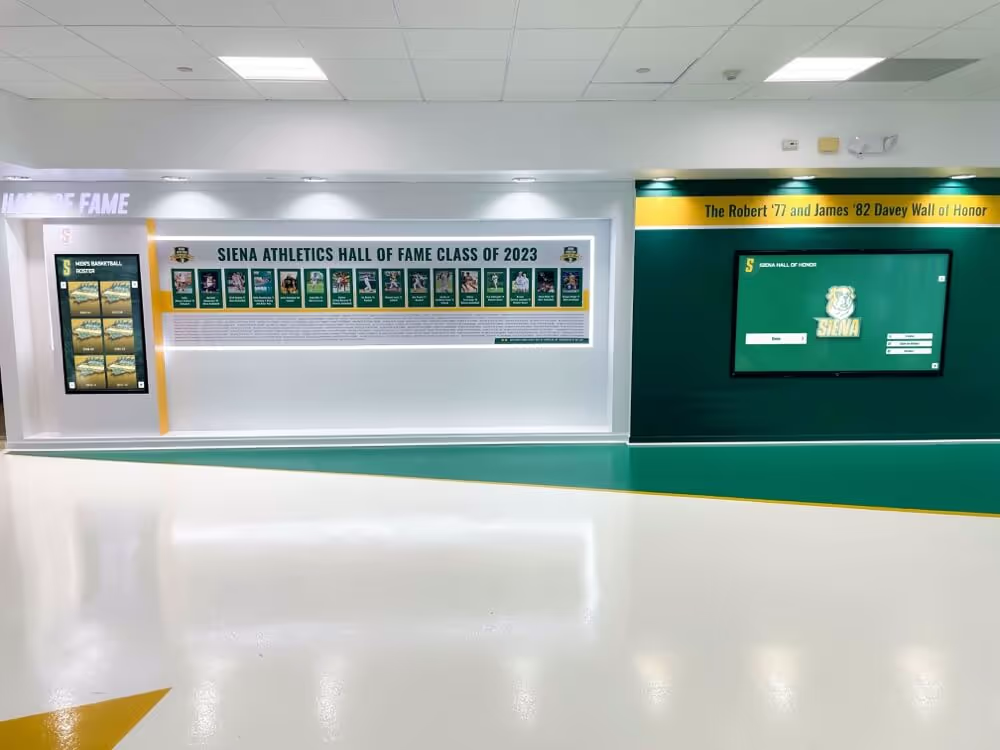
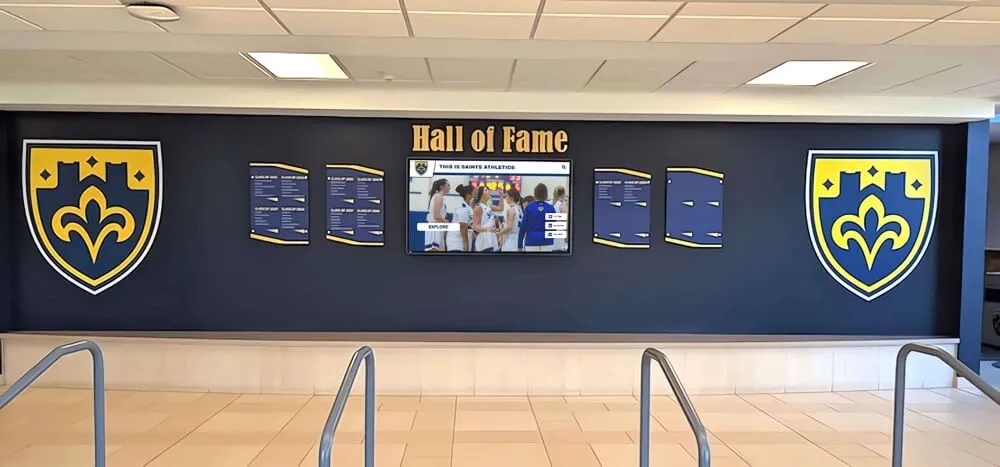
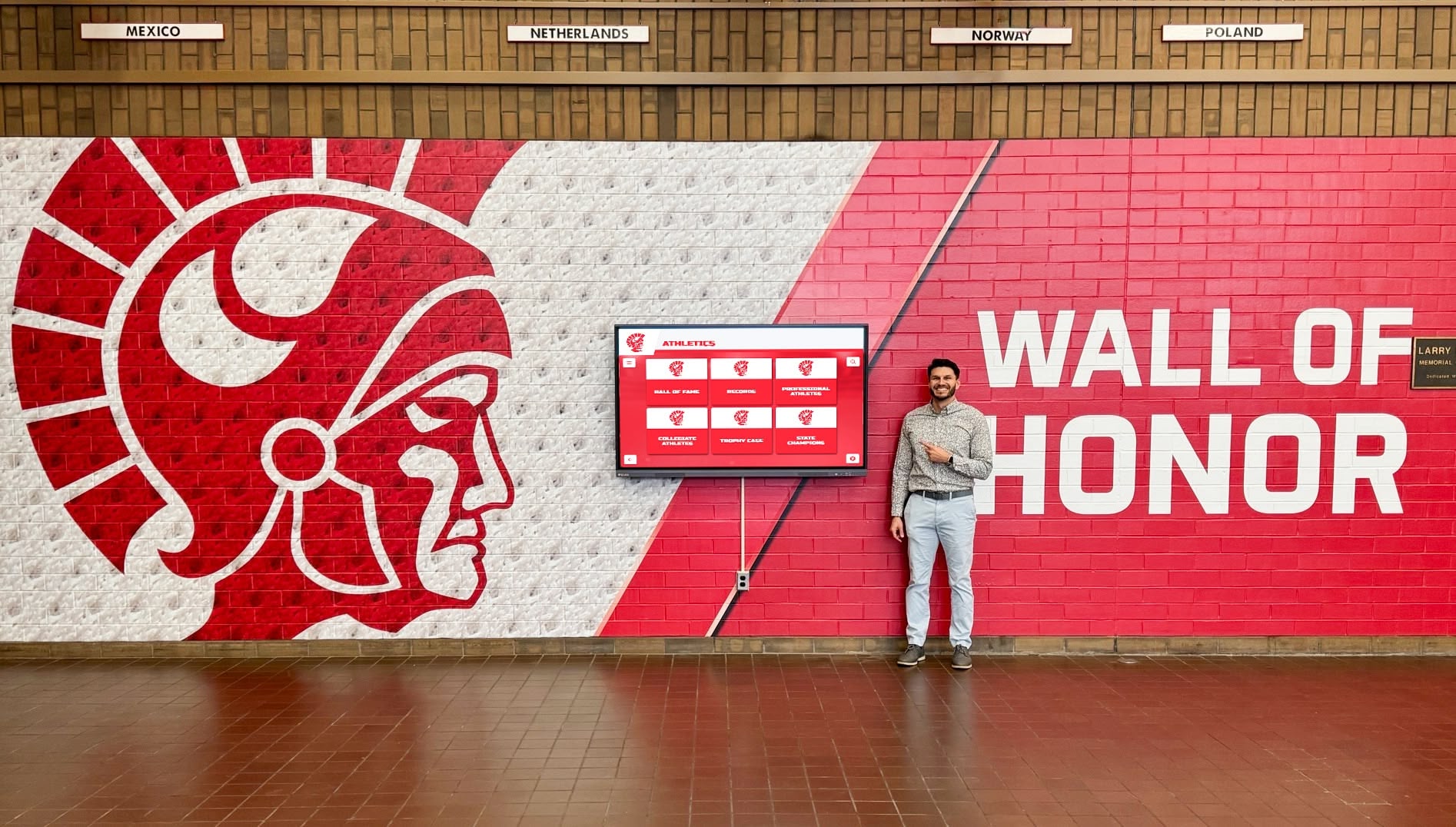
Athletic boosters frequently invest in athletic hall of fame displays and recognition technology that celebrates student-athletes, honors program history, and showcases championships. These investments serve multiple purposes—recognizing achievement, building program prestige, creating recruiting advantages, and demonstrating appreciation for donor support.
Band Boosters
Band booster clubs support marching bands, concert bands, jazz ensembles, and related music programs. These organizations raise substantial funds—quality musical instruments cost thousands to tens of thousands of dollars, while marching band uniforms, props, and competition travel create significant financial needs that school music budgets rarely cover adequately.
Band boosters coordinate extensive volunteer operations including uniform management, prop construction and transportation, competition logistics, fundraising events, and parent communication. The organizational complexity of supporting 100+ student musicians traveling to weekend competitions requires sophisticated volunteer coordination that band boosters provide.
Performing Arts Boosters
Theater, choir, dance, and general performing arts booster clubs fund costume construction, set materials, lighting and sound equipment, competition travel, and production expenses. High school theatrical productions can cost $10,000-$50,000+ when accounting for royalties, costumes, sets, and technical elements—costs that performing arts budgets cannot bear without booster support.
These boosters often coordinate significant volunteer efforts around productions including set construction, costume creation, front-of-house management during performances, and fundraising events that leverage performance assets like dinner theaters or cabarets.
Academic and Special Interest Boosters
Beyond arts and athletics, booster clubs support academic teams (debate, robotics, science olympiad), special programs (STEM labs, media production studios), and other specialized activities. These clubs might fund competition travel, specialized equipment or technology, program materials, and recognition systems celebrating academic excellence.
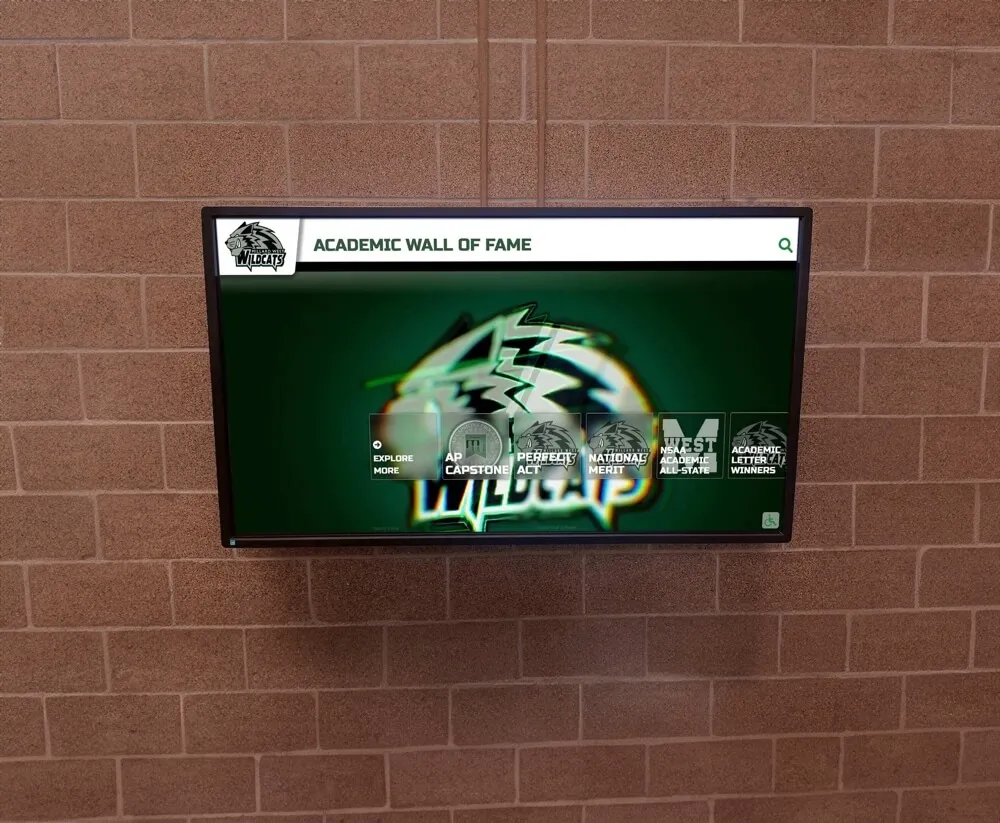
As schools increasingly recognize academic achievement alongside athletic success, academic program boosters invest in academic recognition displays that honor scholars, celebrate intellectual achievement, and demonstrate that academic excellence receives comparable visibility to athletic success.
Organizational Structure and Governance
Effective booster clubs operate with clear organizational structures ensuring accountability, sustainability, and legal compliance. While specific structures vary, most successful booster clubs share common governance elements:
Leadership Positions and Responsibilities
President: The president provides overall leadership, coordinates executive board activities, represents the booster club to school administration and community, presides over meetings, ensures organizational compliance with policies and regulations, and drives strategic planning. Presidents typically serve one or two-year terms with the option for reelection.
Vice President: The VP supports the president, chairs specific committees, assumes presidential duties when needed, and often serves as president-elect preparing to transition into leadership. Some larger booster clubs maintain multiple vice presidents overseeing different functional areas like fundraising, events, or communications.
Treasurer: Perhaps the most crucial role, treasurers manage all financial operations including bank accounts, deposits, expenditures, financial reporting, tax compliance, audit preparation, and budget development. Treasurers require basic accounting knowledge and must maintain meticulous records ensuring financial transparency and legal compliance.
Secretary: Secretaries document meeting minutes, maintain organizational records, handle official correspondence, manage membership databases, and ensure proper documentation of decisions and actions. Good record-keeping proves essential for organizational continuity and legal protection.
Committee Chairs: Larger booster clubs establish standing committees with designated chairs overseeing specific functions: fundraising events, concessions operations, spirit wear sales, volunteer coordination, communications and marketing, facilities and equipment, or recognition and awards. Committee structure distributes workload while developing leadership depth.
Membership Structure and Engagement
Most booster clubs operate with tiered membership structures:
General Members: Any parent, family member, alumnus, or community supporter who pays annual membership dues (typically $25-$100) qualifies as a general member with voting rights on organizational decisions. Broad membership creates engaged supporter bases while generating base-level funding.
Executive Board: Elected officers and committee chairs comprise executive boards making regular operational decisions, developing budgets and strategic plans, and handling organizational business between general membership meetings. Boards typically meet monthly while general membership gathers quarterly or less frequently.
Advisory Roles: Some booster clubs include school administrators (athletic directors, band directors, principals) and established community leaders in advisory capacities. Advisors provide expertise and institutional knowledge without managing day-to-day operations that volunteer parents handle.
Relationship with School Districts
Booster clubs must establish clear working relationships with school districts defining expectations, boundaries, and coordination mechanisms:
Independent Organizations: Most booster clubs operate as independent nonprofit organizations separate from school districts. This independence provides fundraising flexibility and limits district liability, but requires booster clubs to maintain their own nonprofit status, insurance coverage, and governance structures.
District Policies and Guidelines: Despite independence, booster clubs must operate within district policies governing fundraising, facility use, equipment standards, student eligibility, financial procedures, and recognition programs. Smart booster clubs proactively align with district expectations rather than operating in tension with school administration.
Athletic/Program Director Coordination: Booster clubs work closely with athletic directors, band directors, or other program leaders coordinating funding priorities, purchase approvals, event scheduling, and volunteer activities. Regular communication prevents conflicts while ensuring booster investments address actual program needs rather than well-intended but misaligned purchases.
Transparency and Accountability: Districts increasingly require booster clubs to maintain transparency through regular financial reporting, coordination of major purchases, adherence to district procurement policies, and demonstrated accountability. These requirements protect students, ensure appropriate fund usage, and maintain public confidence in volunteer organizations handling substantial money.
Fundraising Strategies and Revenue Generation
Successful booster clubs combine multiple fundraising strategies creating diversified revenue streams that generate consistent funding rather than relying on single sources vulnerable to changing circumstances:
Membership Dues and Donation Programs
Annual Membership Campaigns: Most booster clubs establish annual membership programs with tiered giving levels:
- Base Membership: $50-$100
- Bronze Level: $250-$500
- Silver Level: $500-$1,000
- Gold Level: $1,000-$2,500
- Platinum Level: $2,500-$5,000+
Tiered structures encourage higher giving by creating aspiration levels while making basic participation accessible to families with limited means. Recognition benefits typically increase with giving levels—name listings on programs, recognition on digital displays, special events, or physical plaques for major donors.
Sustainer Programs: Some sophisticated booster clubs establish monthly recurring donation programs where supporters contribute $20-$100 monthly via automatic payments. Recurring gifts provide predictable revenue enabling better planning while reducing fundraising event dependence.
Major Gift Solicitation: Beyond broad-based membership, effective booster clubs cultivate major donor relationships targeting $5,000-$50,000+ contributions from wealthy alumni, local business owners, or particularly committed parents. Major gifts often fund specific initiatives like facility renovations, technology installations including donor recognition displays, or endowment funds.
Corporate Sponsorships and Business Partnerships
Game/Event Sponsorships: Local businesses sponsor specific games, performances, or competitions in exchange for recognition through announcements, signage, program listings, or social media acknowledgment. Sponsorship packages might range from $500 for single-game support to $5,000+ for season-long premier partnerships.
Facility Naming Rights: Major sponsors might fund significant investments in exchange for facility naming rights—scoreboards, press boxes, practice facilities, or performance spaces bearing business names. These substantial partnerships ($25,000-$250,000+) typically involve multi-year commitments providing sustained revenue.
Business Membership Programs: Some booster clubs create business membership tiers ($250-$2,500) offering packages including logo placement on websites and digital displays, program book advertising, social media recognition, and game-day visibility. Business programs leverage commercial interest in accessing family audiences while providing predictable revenue.
In-Kind Donations: Beyond cash, businesses contribute goods and services—printing, catering, venue space, equipment, professional services—reducing booster club expenses while creating value for businesses through community goodwill and recognition.
Fundraising Events and Activities
Golf Tournaments: Golf tournaments represent classic booster club fundraisers generating $15,000-$75,000+ through player fees, hole sponsorships, auctions, and raffles. Successful tournaments leverage volunteer labor, donated prizes, and corporate sponsorships maximizing net revenue.
Auctions and Galas: Silent and live auctions combined with dinner events create major fundraising opportunities. Premium events in areas with affluent supporter bases can generate $50,000-$200,000+ when featuring desirable auction items, sponsorships, and direct donation appeals.
Fun Runs and Community Events: 5K runs, fun runs, or family festivals create community engagement while generating revenue through entry fees, sponsorships, and concessions. These events build program awareness and recruit future supporters beyond immediate fundraising.
Product Sales and Direct Fundraising: Traditional fundraising including spirit wear sales, discount cards, cookie dough, wrapping paper, or other product programs continue generating steady revenue. While per-item margins may be modest, volume sales to broad supporter bases add up significantly.
Concessions and Game-Day Operations
Concession Stand Management: Operating concessions at athletic events, performances, or competitions represents substantial ongoing revenue. Well-run concession operations can generate $25,000-$100,000+ annually depending on event frequency, attendance, and pricing strategies.
Spirit Wear and Merchandise: Ongoing sales of t-shirts, sweatshirts, hats, and other branded merchandise create revenue while building program visibility and school pride. Online stores enable year-round sales rather than limiting to game-day purchasing.
Program Books and Media Guides: Selling printed programs at events generates modest revenue while providing donor and sponsor recognition opportunities. Digital programs reduce printing costs while expanding advertising reach.
Parking and Premium Experiences: Some booster clubs manage event parking, sell premium seating or hospitality experiences, or coordinate special access opportunities that generate incremental revenue from dedicated supporters willing to pay for enhanced experiences.
Strategic Investment Priorities
Once booster clubs successfully raise funds, they face critical decisions about strategic investments that maximize student impact, program growth, and donor satisfaction:
Equipment and Facility Improvements
Athletic Equipment: Football pads, uniforms, training equipment, team travel gear, and sport-specific items represent fundamental booster club investments ensuring student-athletes have quality equipment supporting safety, performance, and competitive success.
Musical Instruments and Performance Equipment: Band boosters purchase expensive instruments that school music budgets cannot afford, maintain instrument inventories, upgrade sound systems, and acquire marching band equipment enabling competitive performance.
Facility Enhancements: Booster clubs often fund facility improvements including weight room equipment, locker room upgrades, press boxes, scoreboards, field turf, track resurfacing, or performing arts facility renovations that dramatically improve student experiences while creating recruiting advantages.
Technology Investments: Modern programs require technology—video analysis software, training apps, online registration systems, live streaming equipment, or facility management platforms. Tech-savvy booster clubs recognize that strategic technology investments enhance program effectiveness while meeting contemporary student and family expectations.
Recognition and Culture-Building Investments
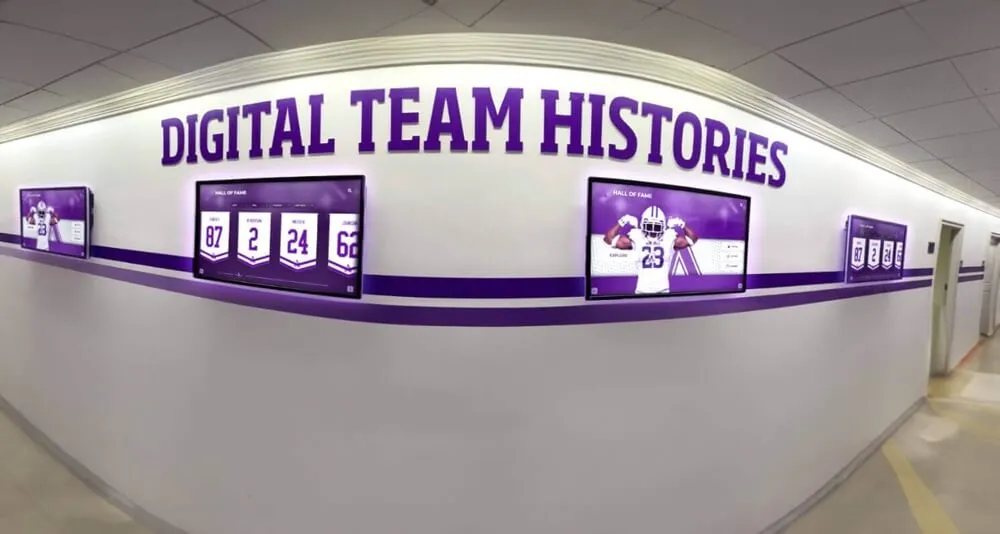
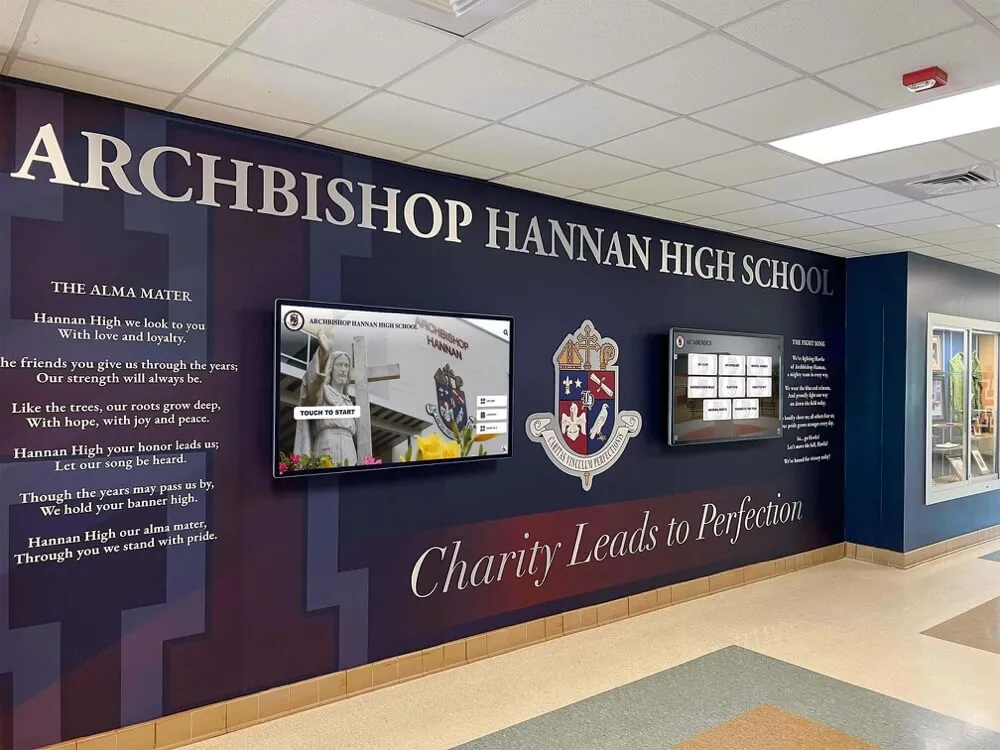
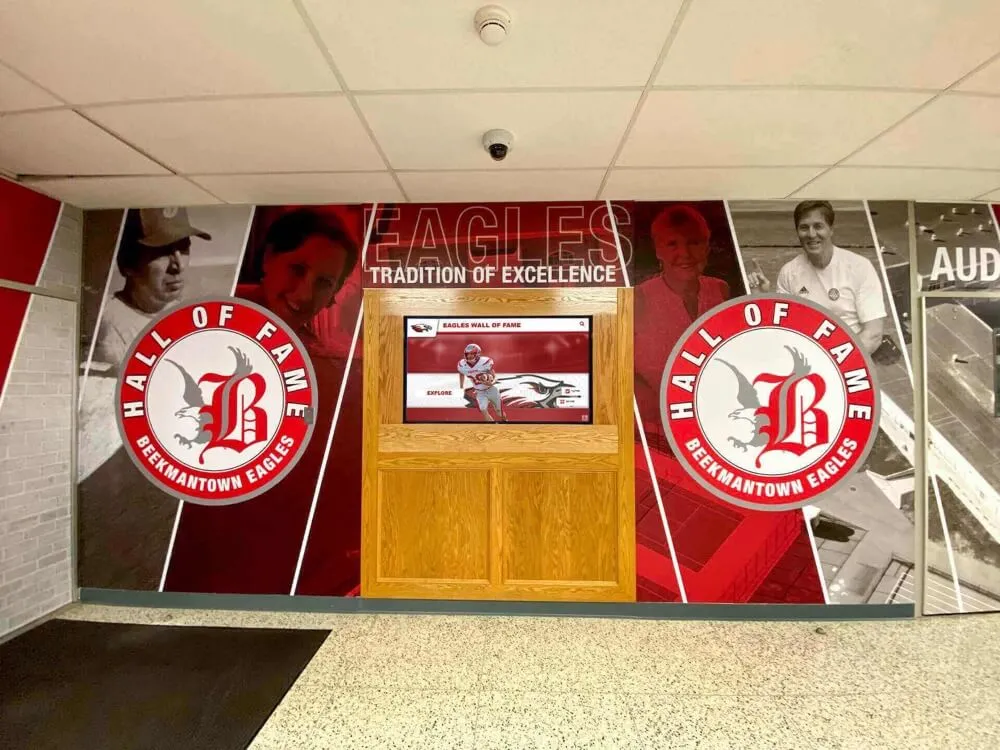
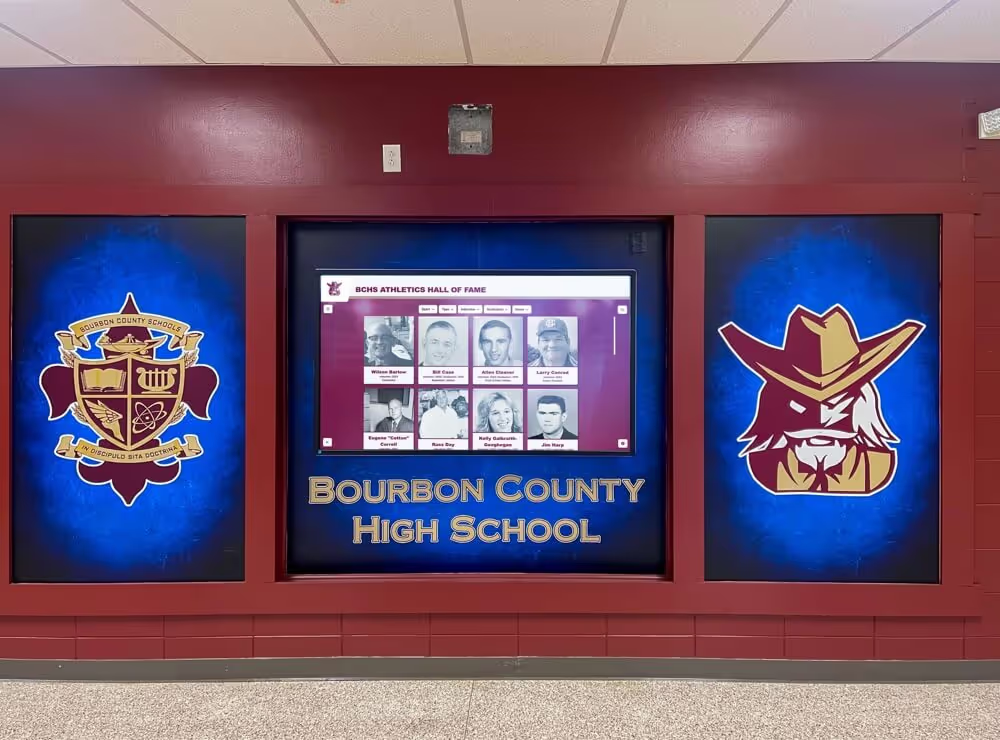
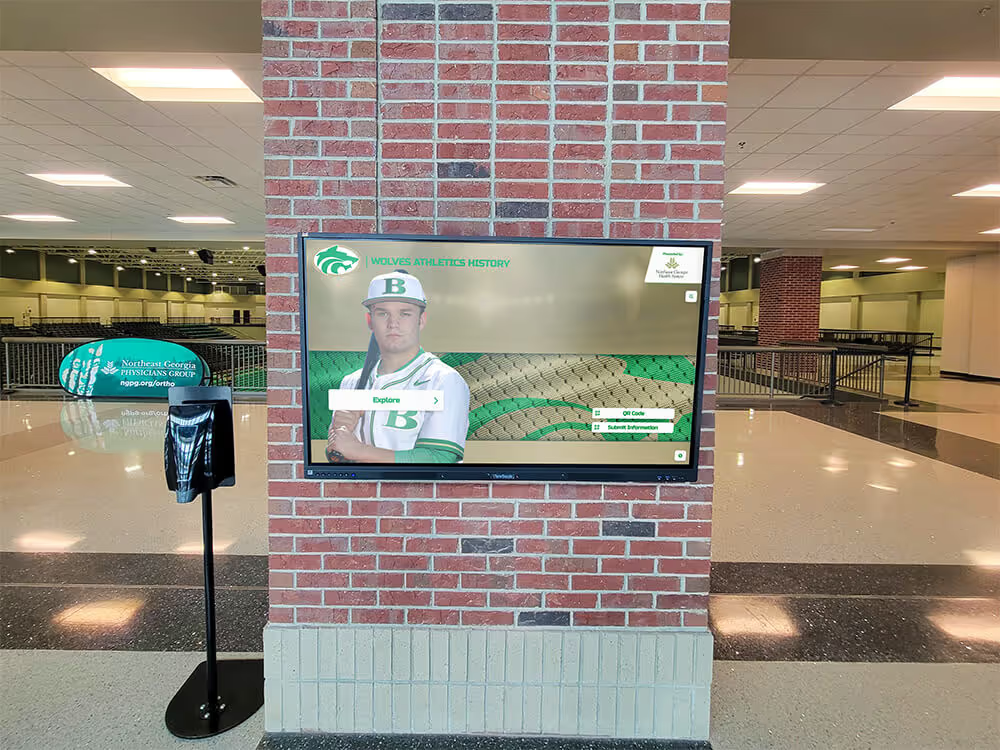
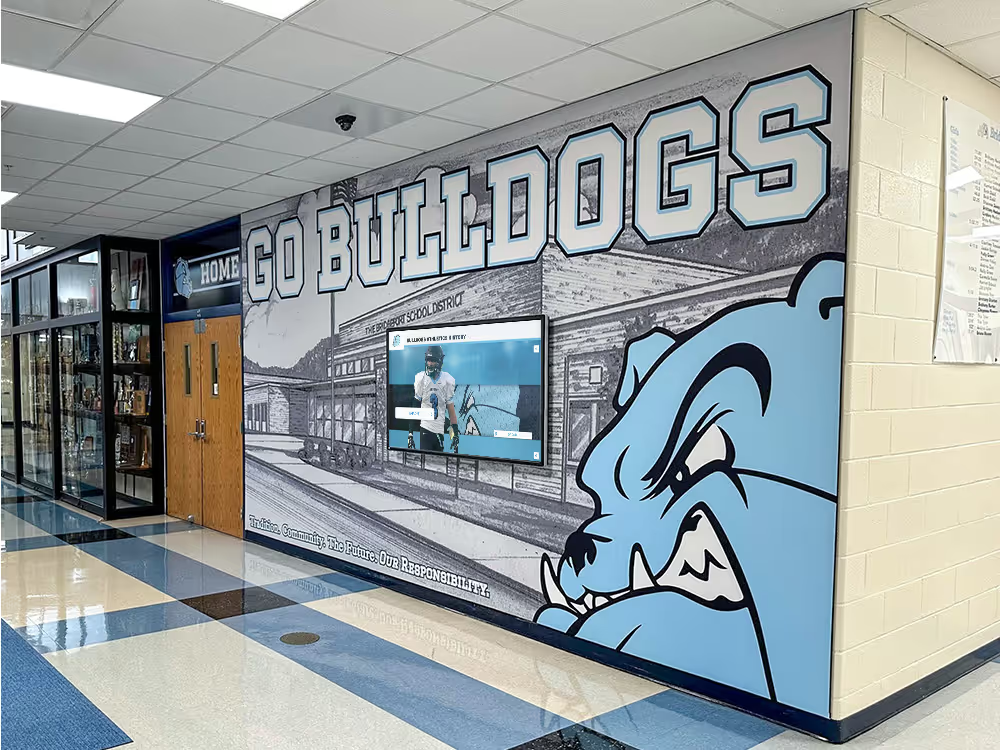
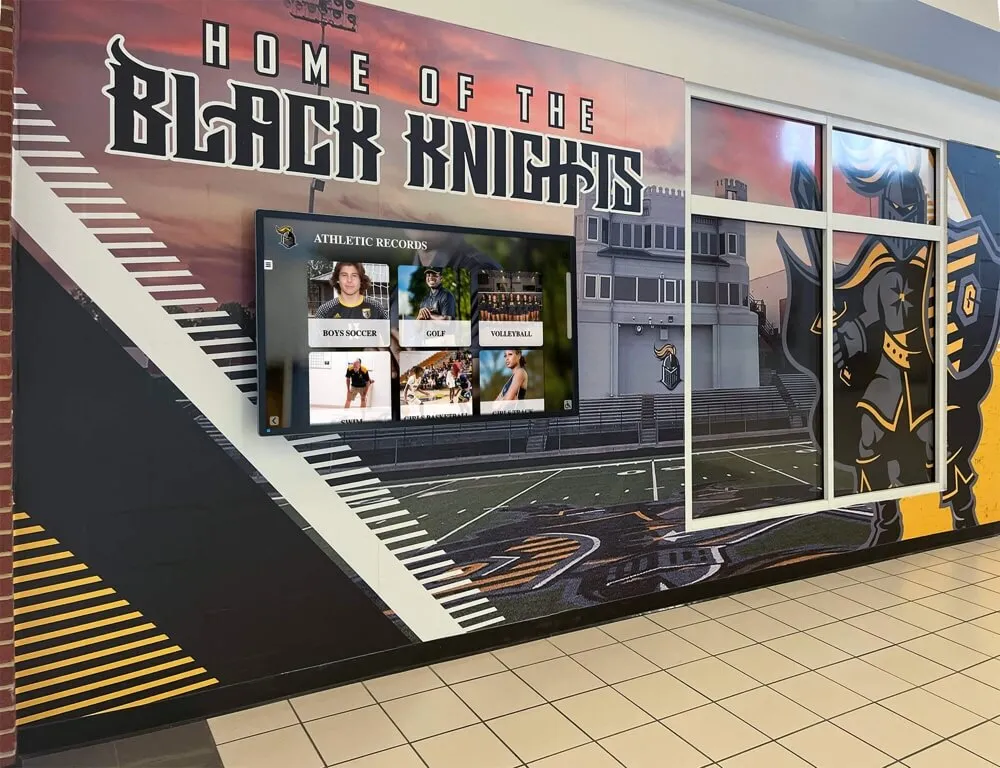
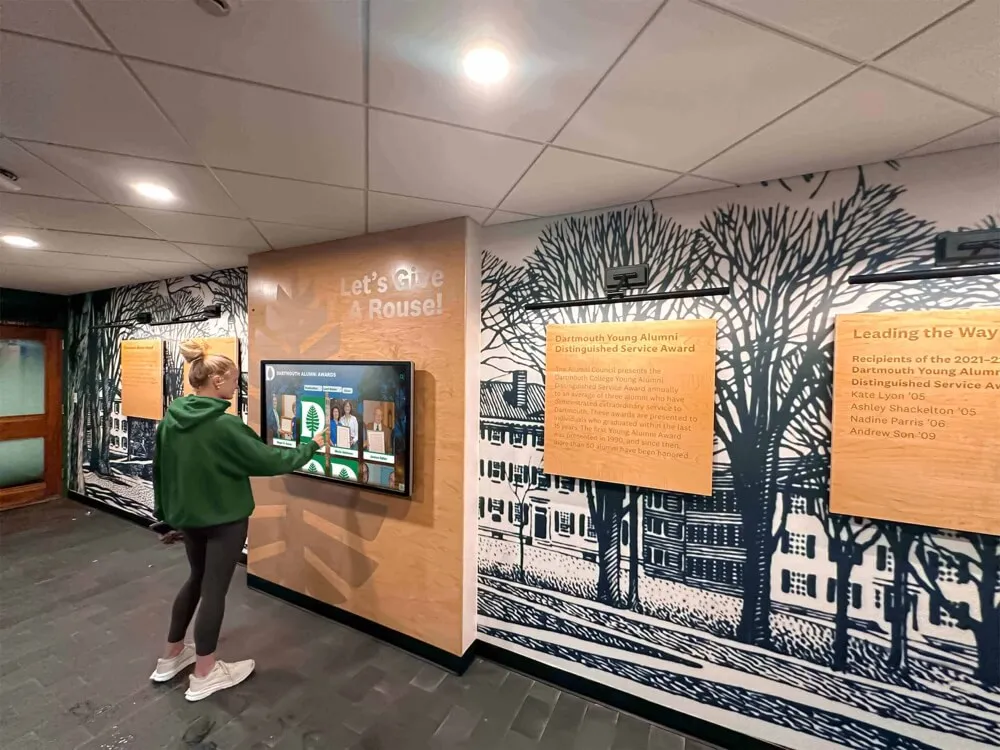
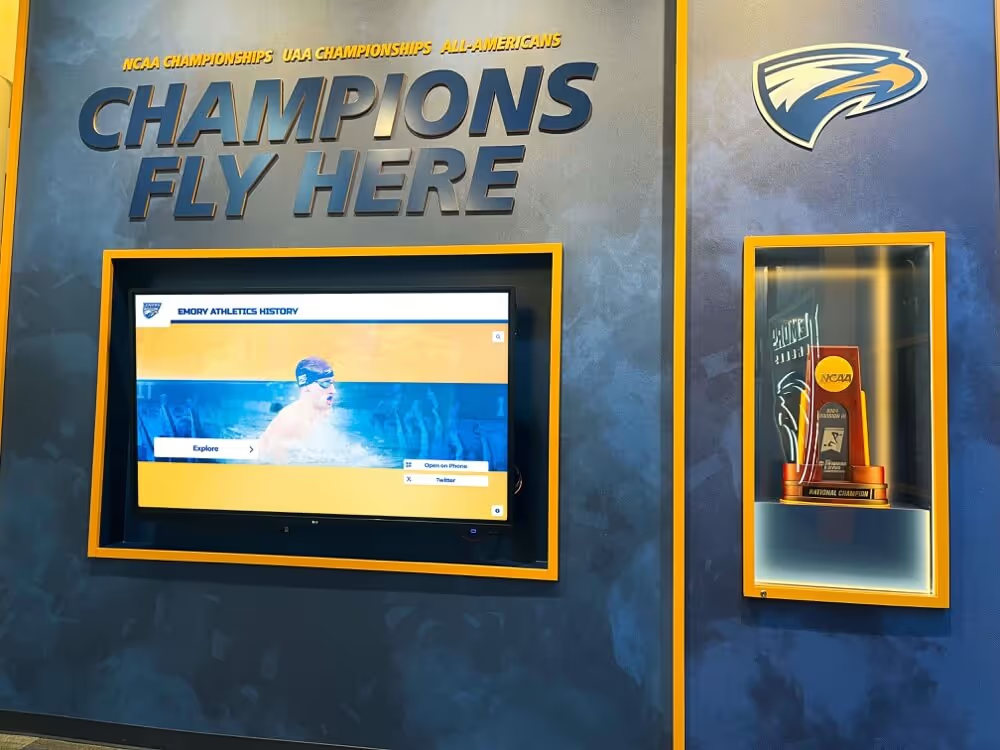
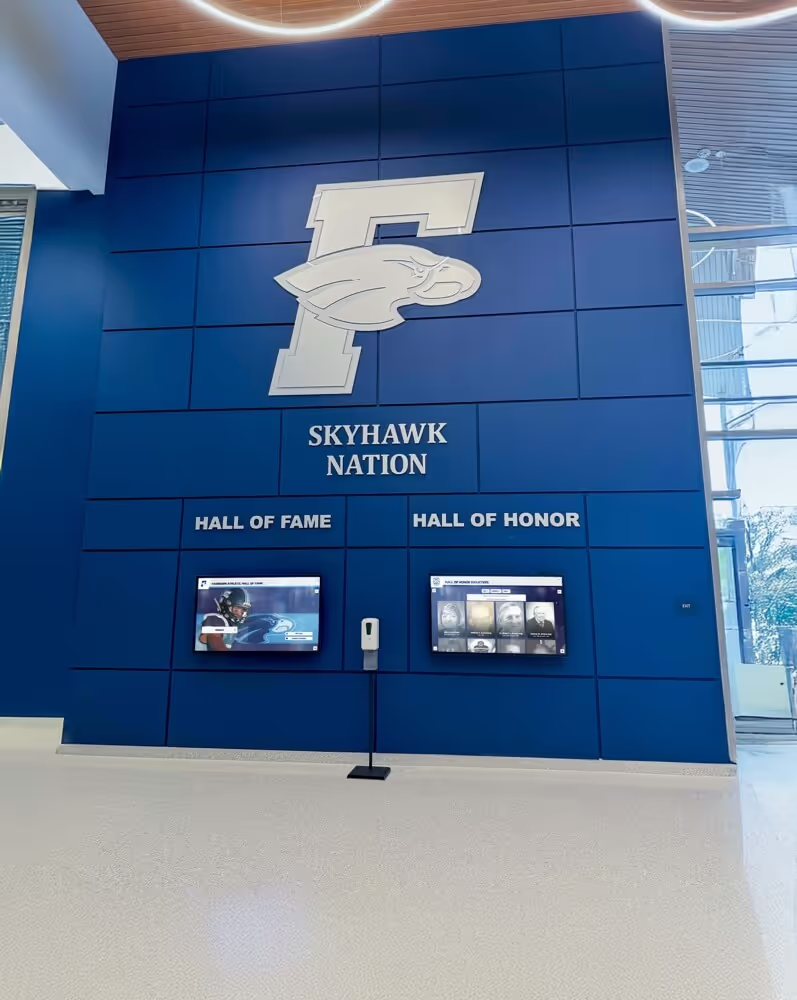
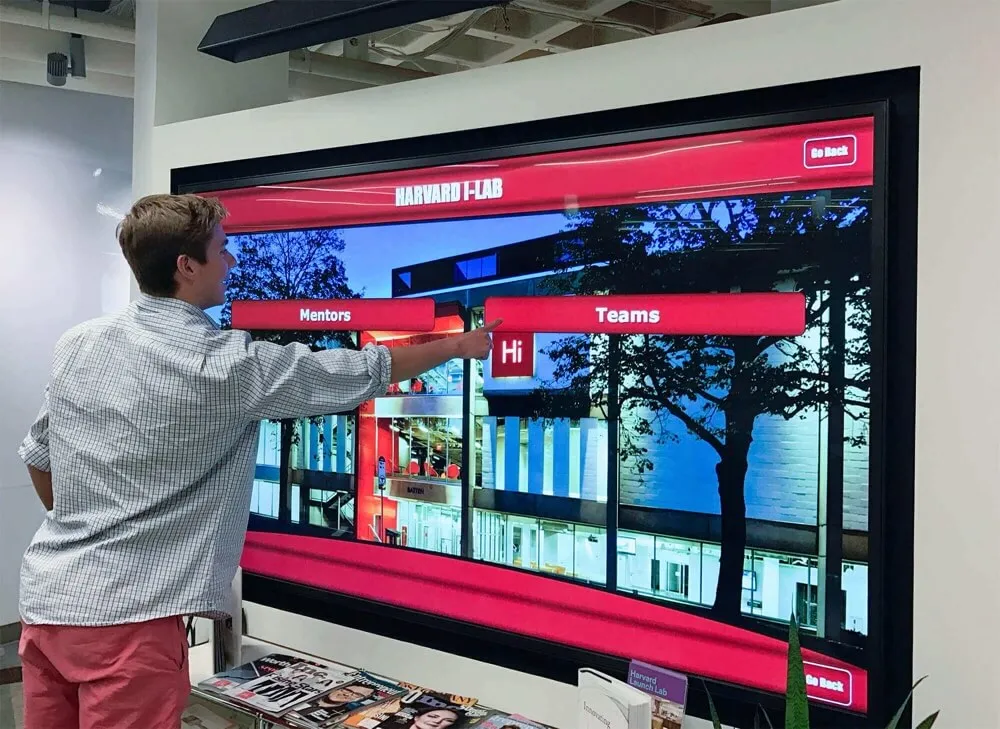
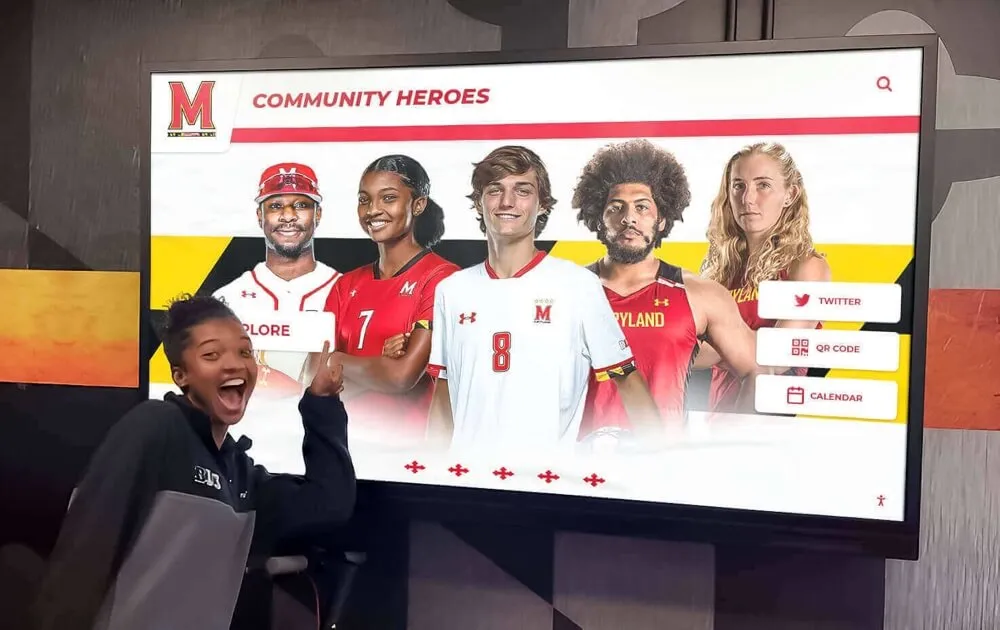
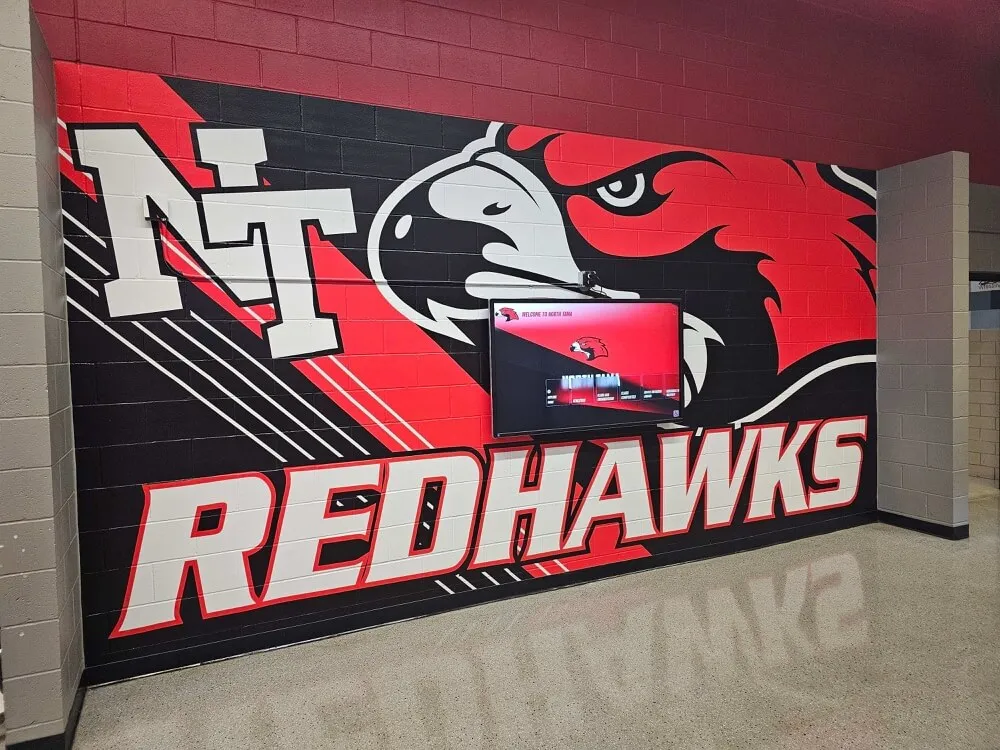
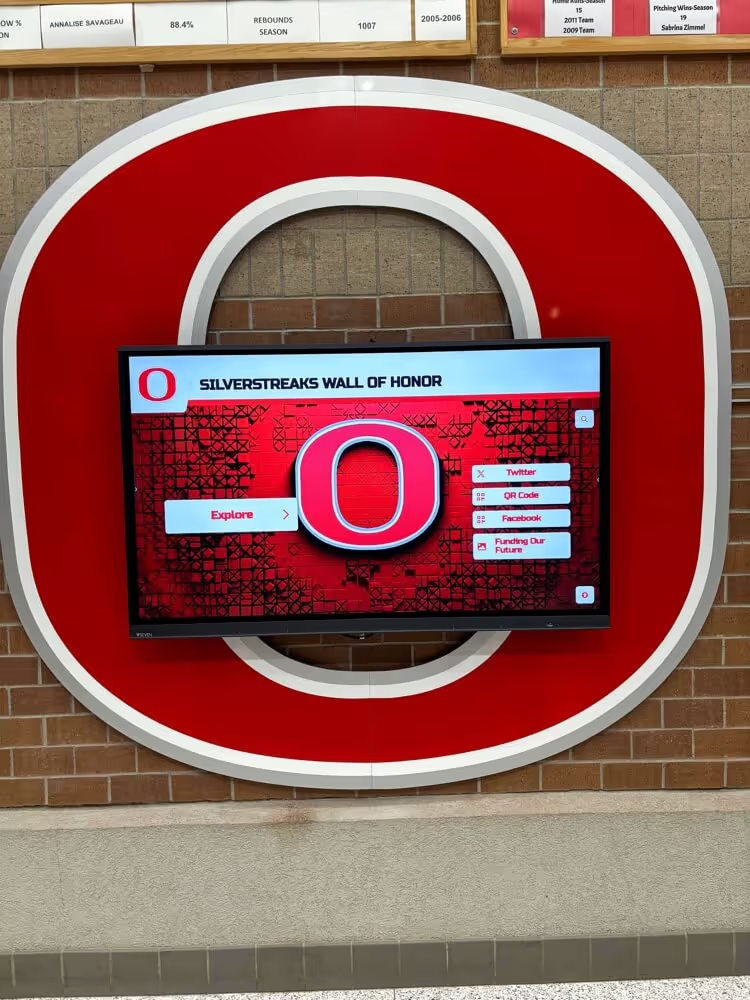
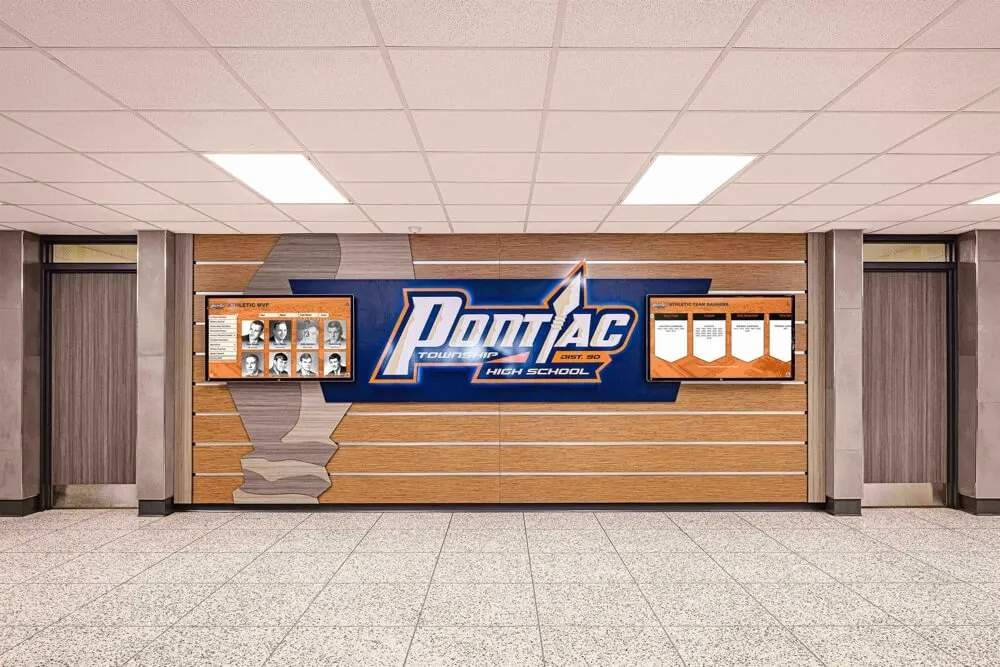
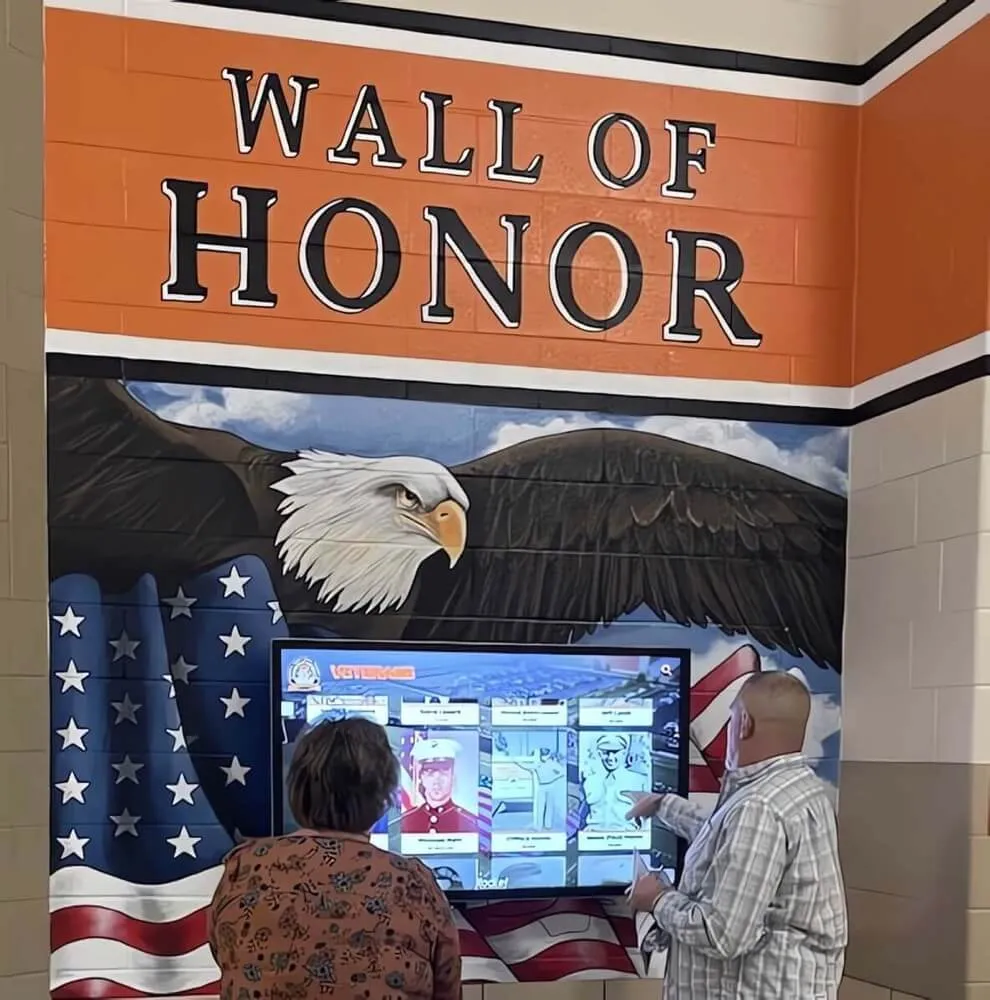
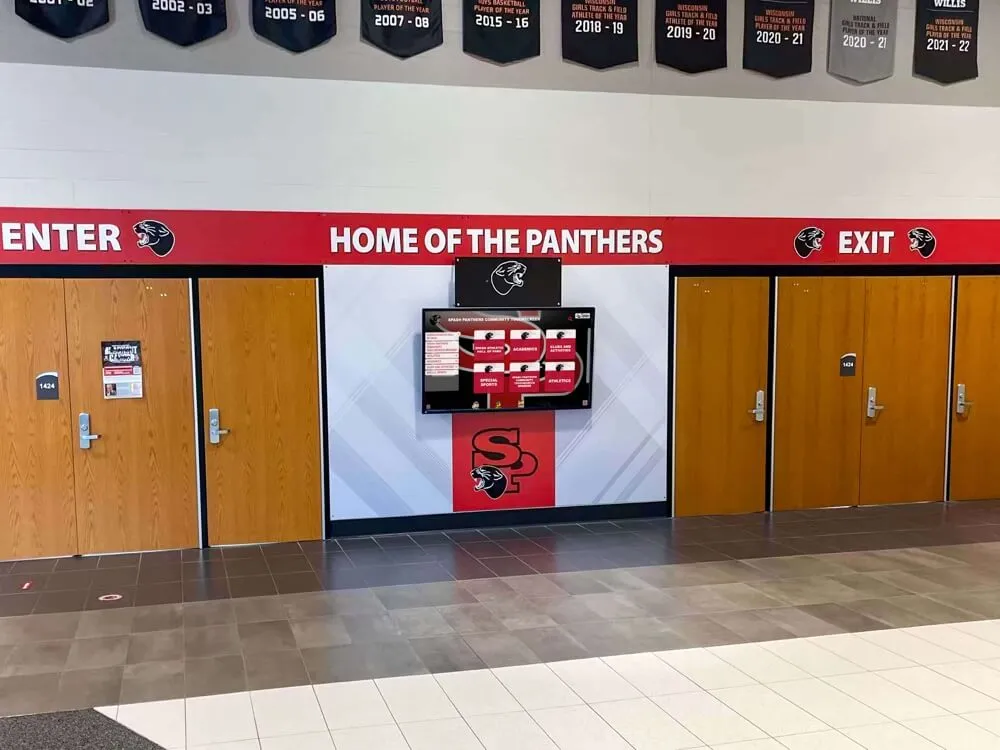
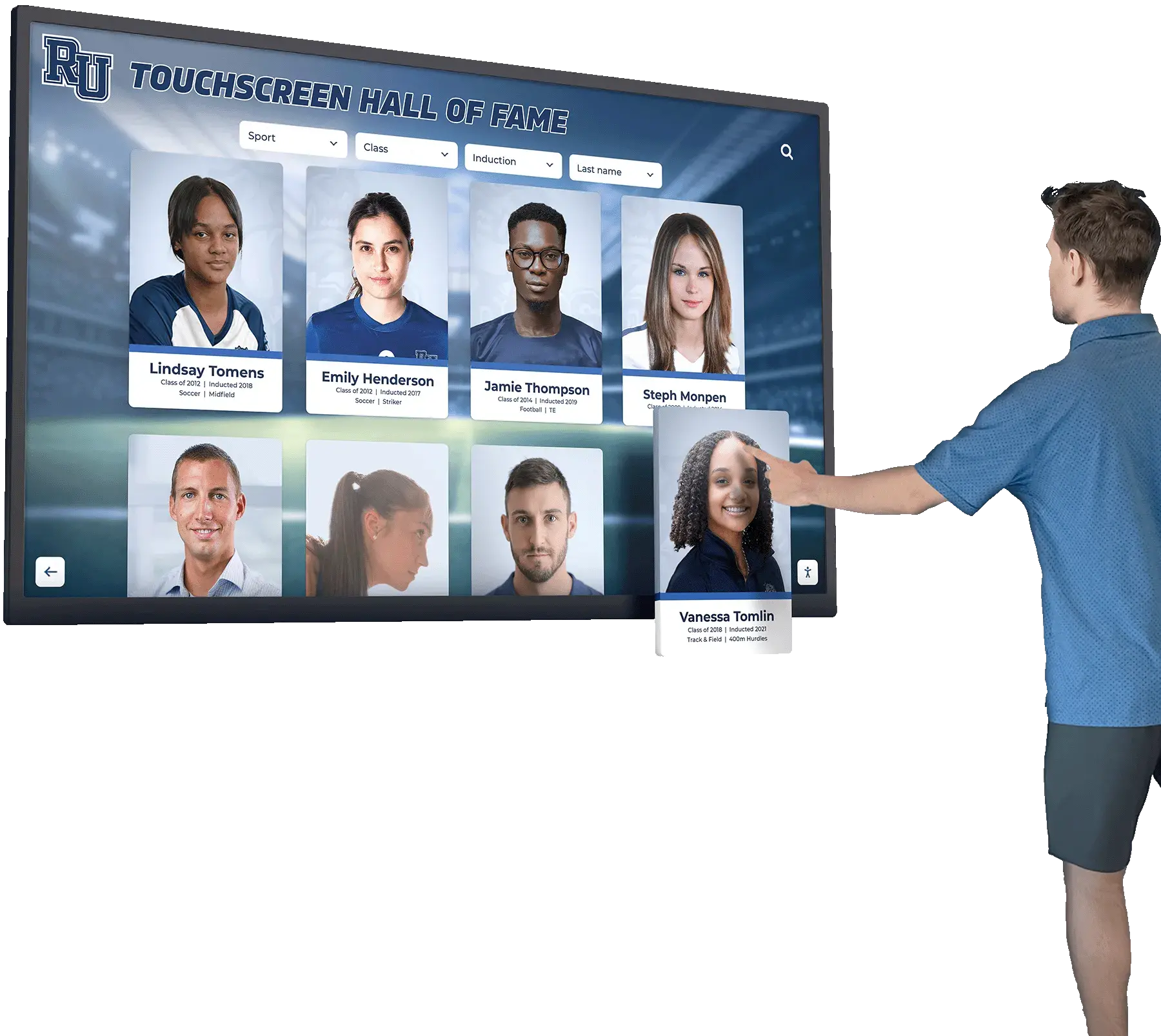
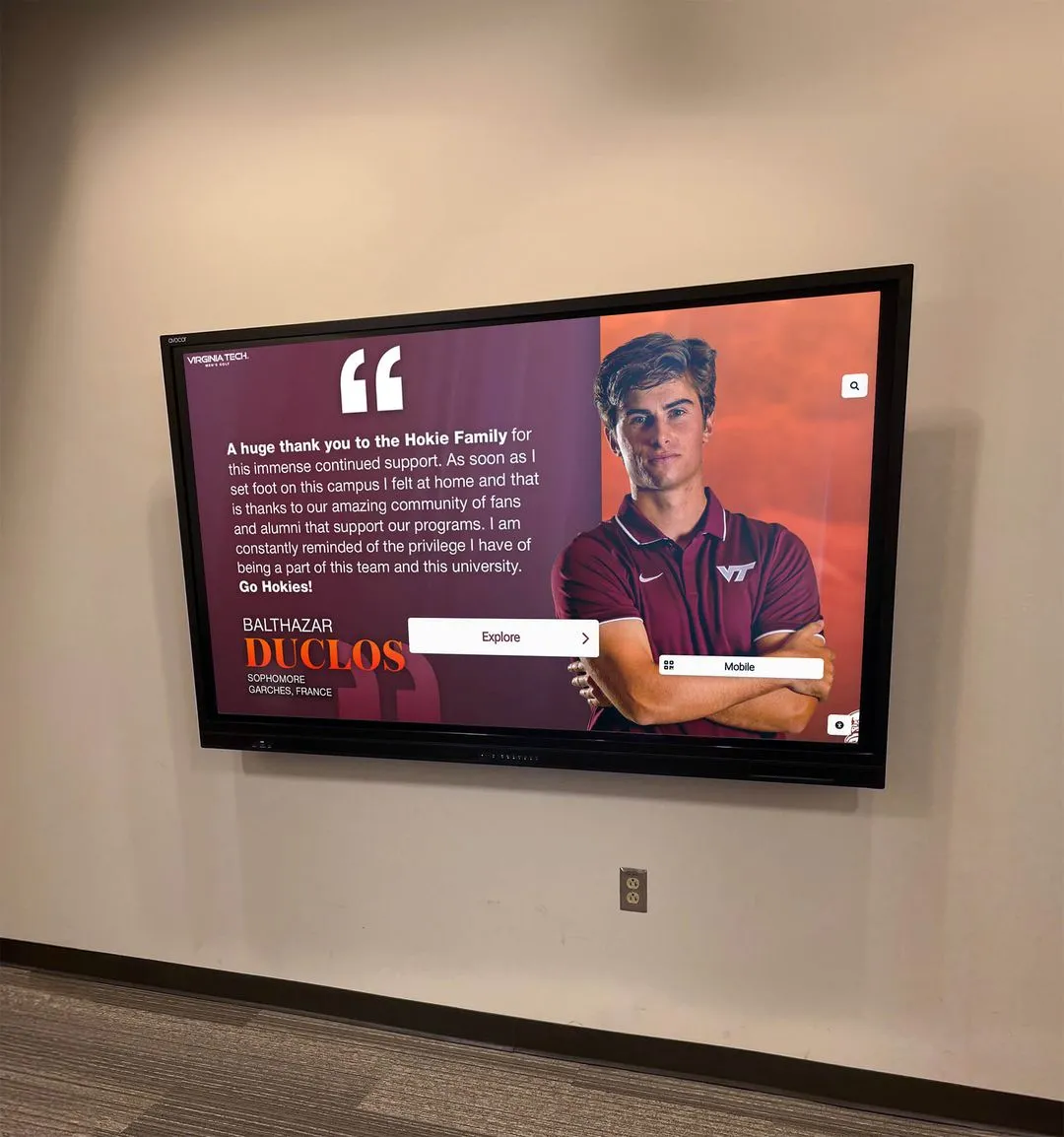
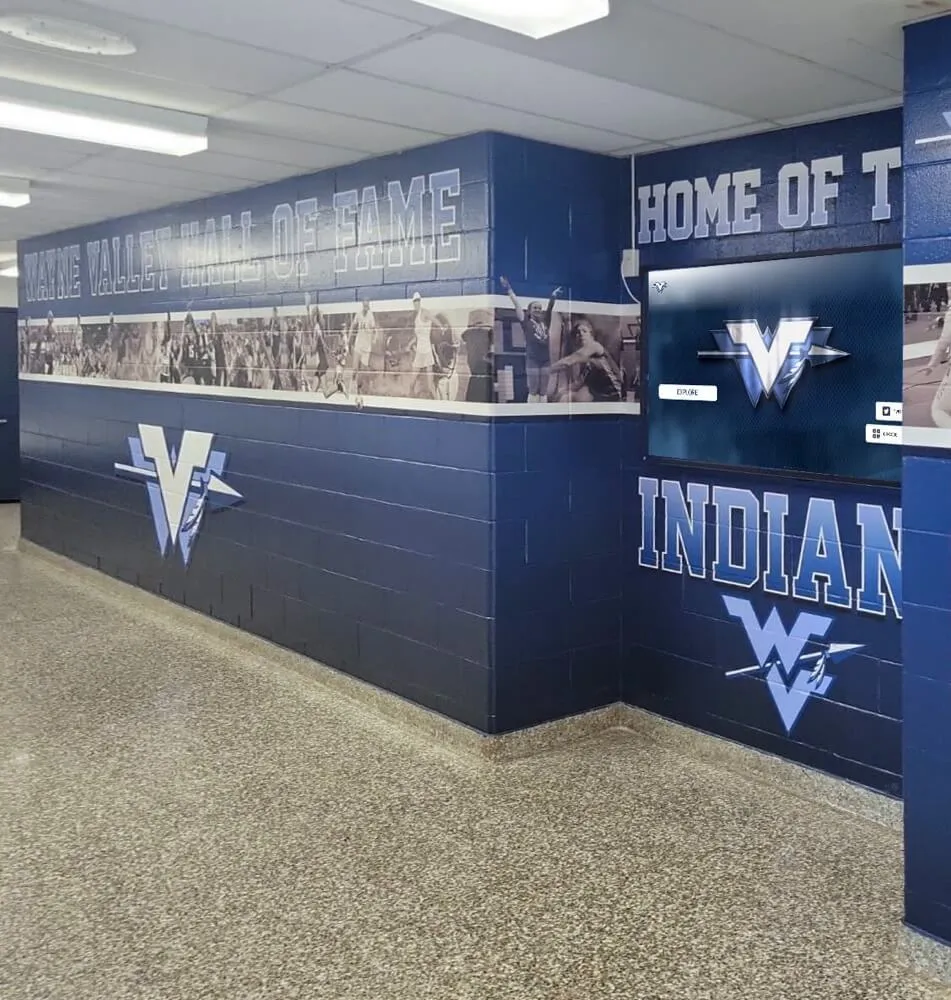
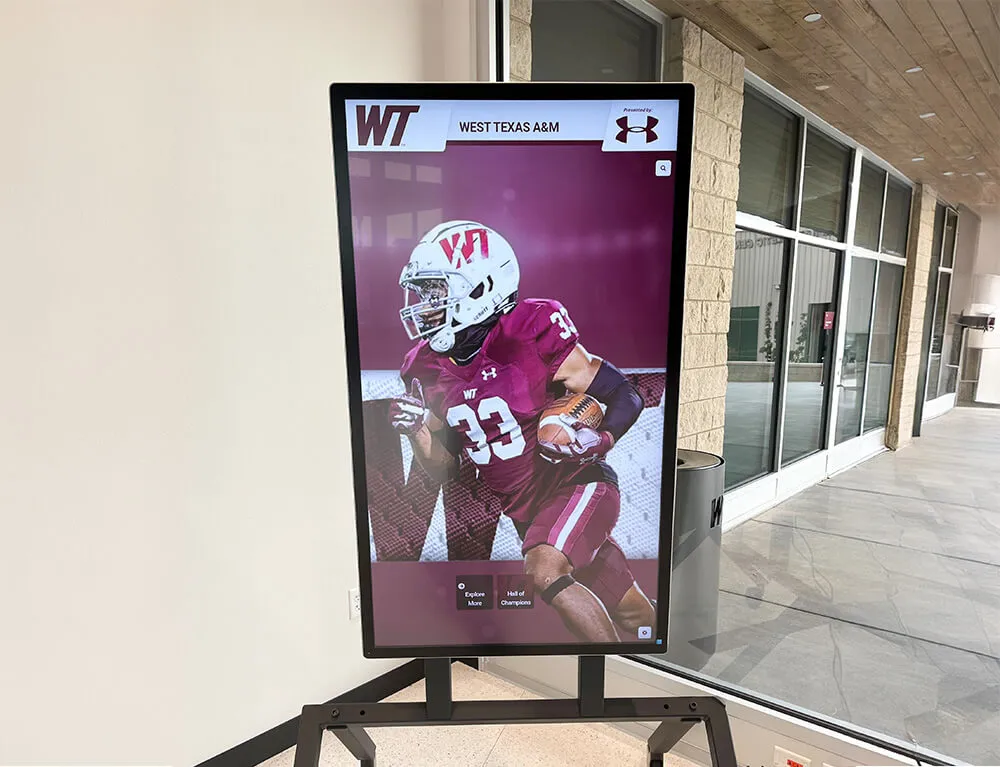
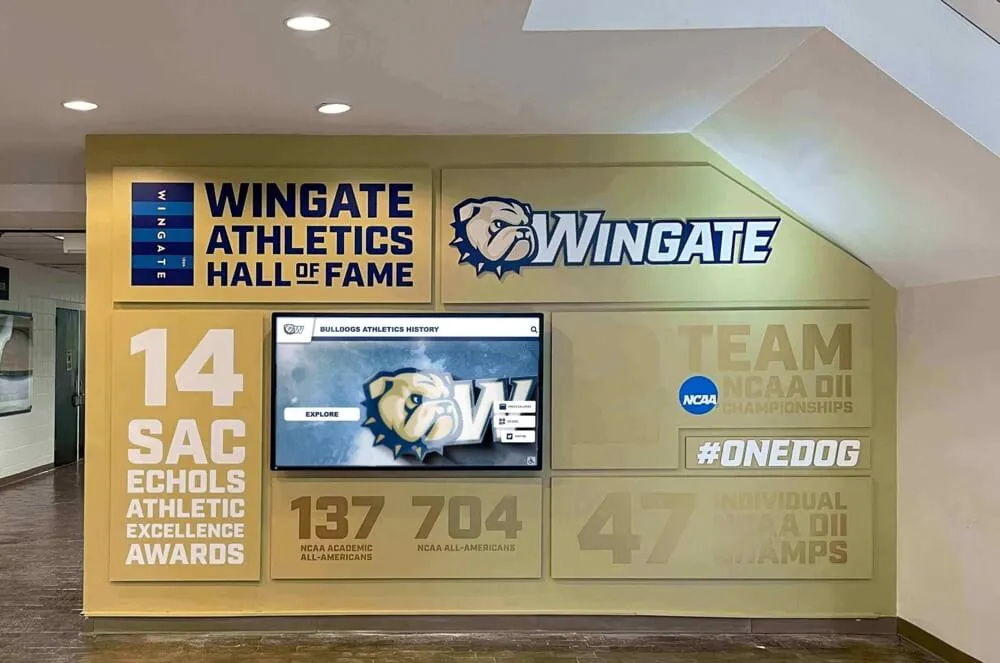
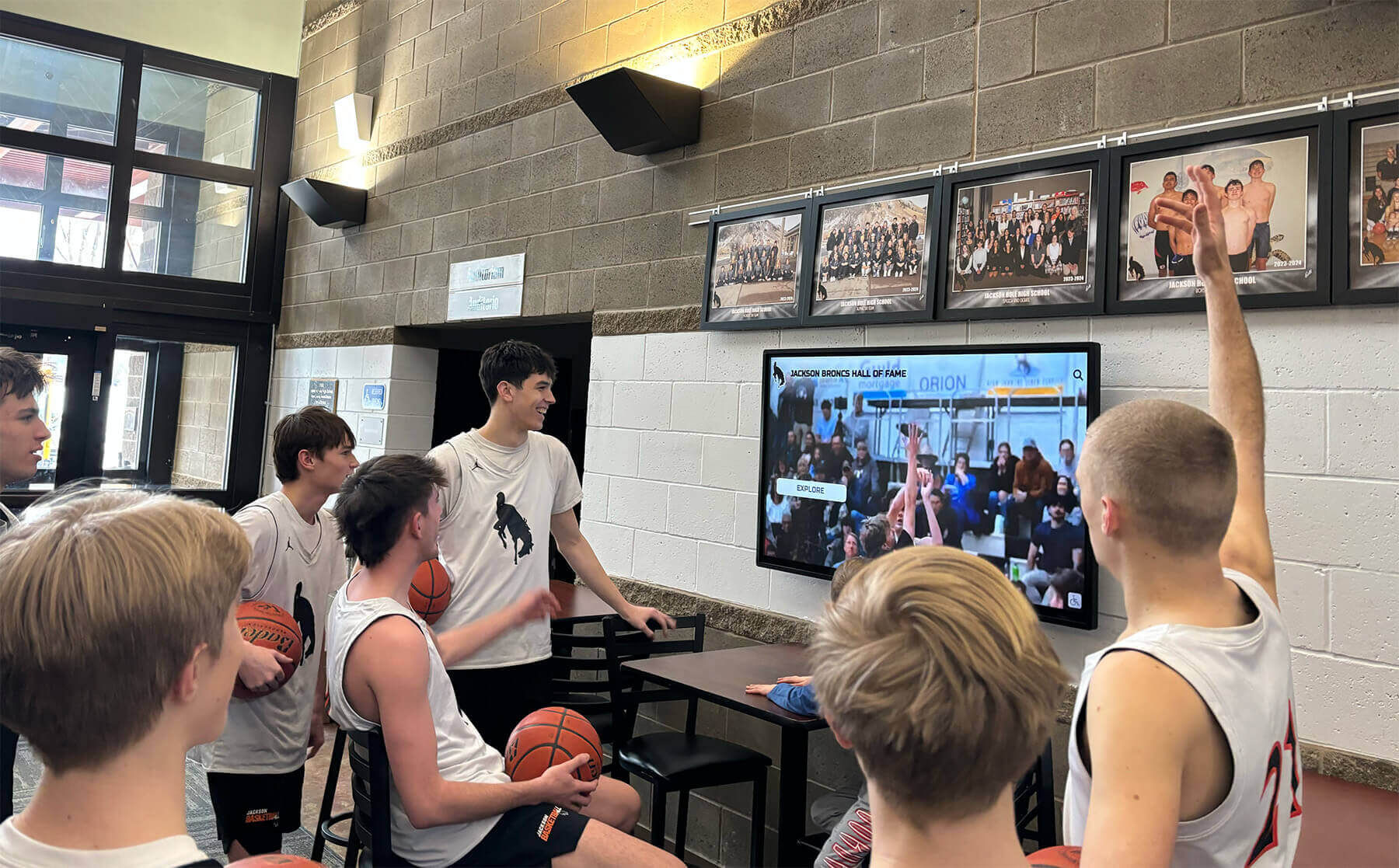
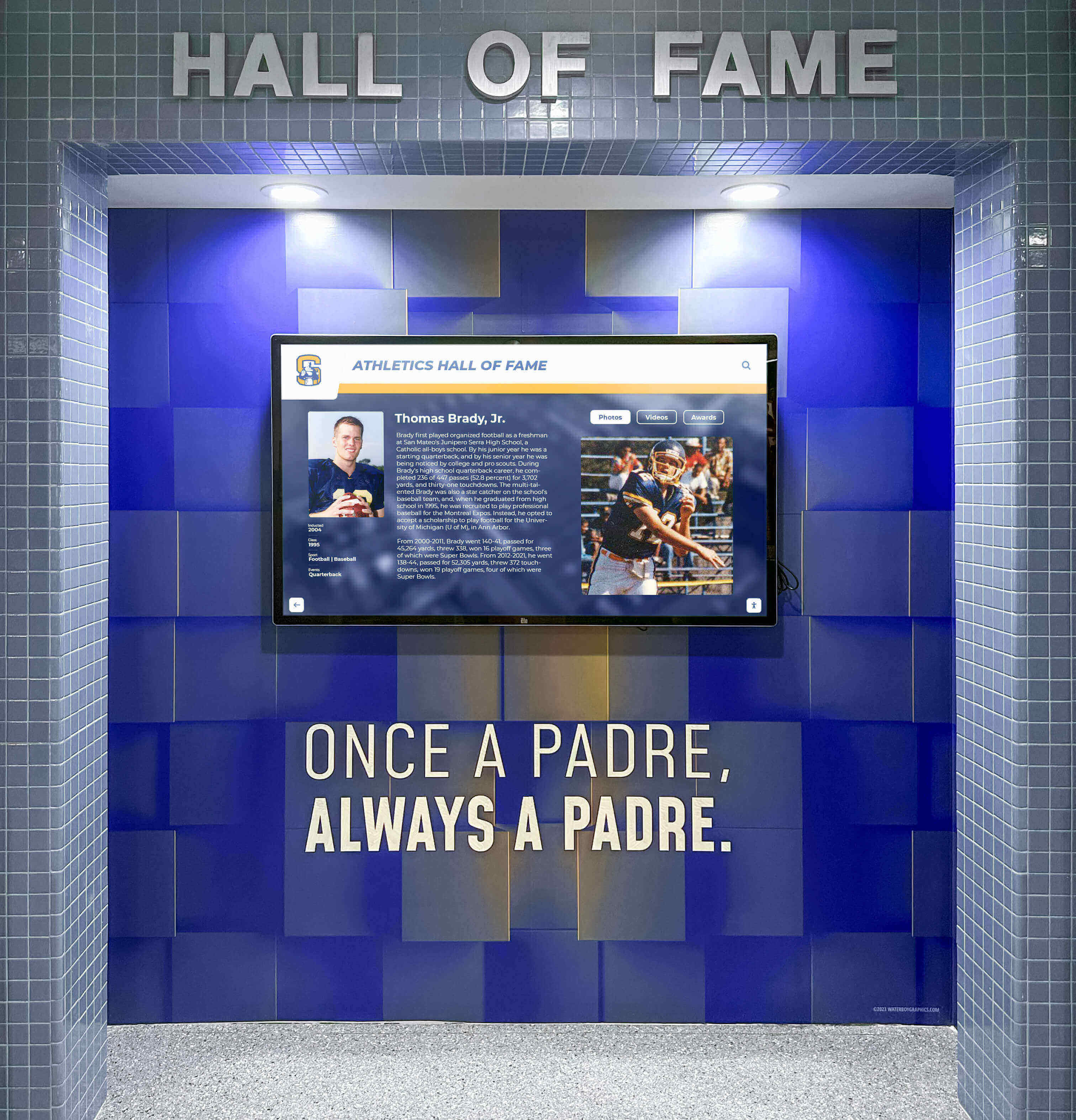
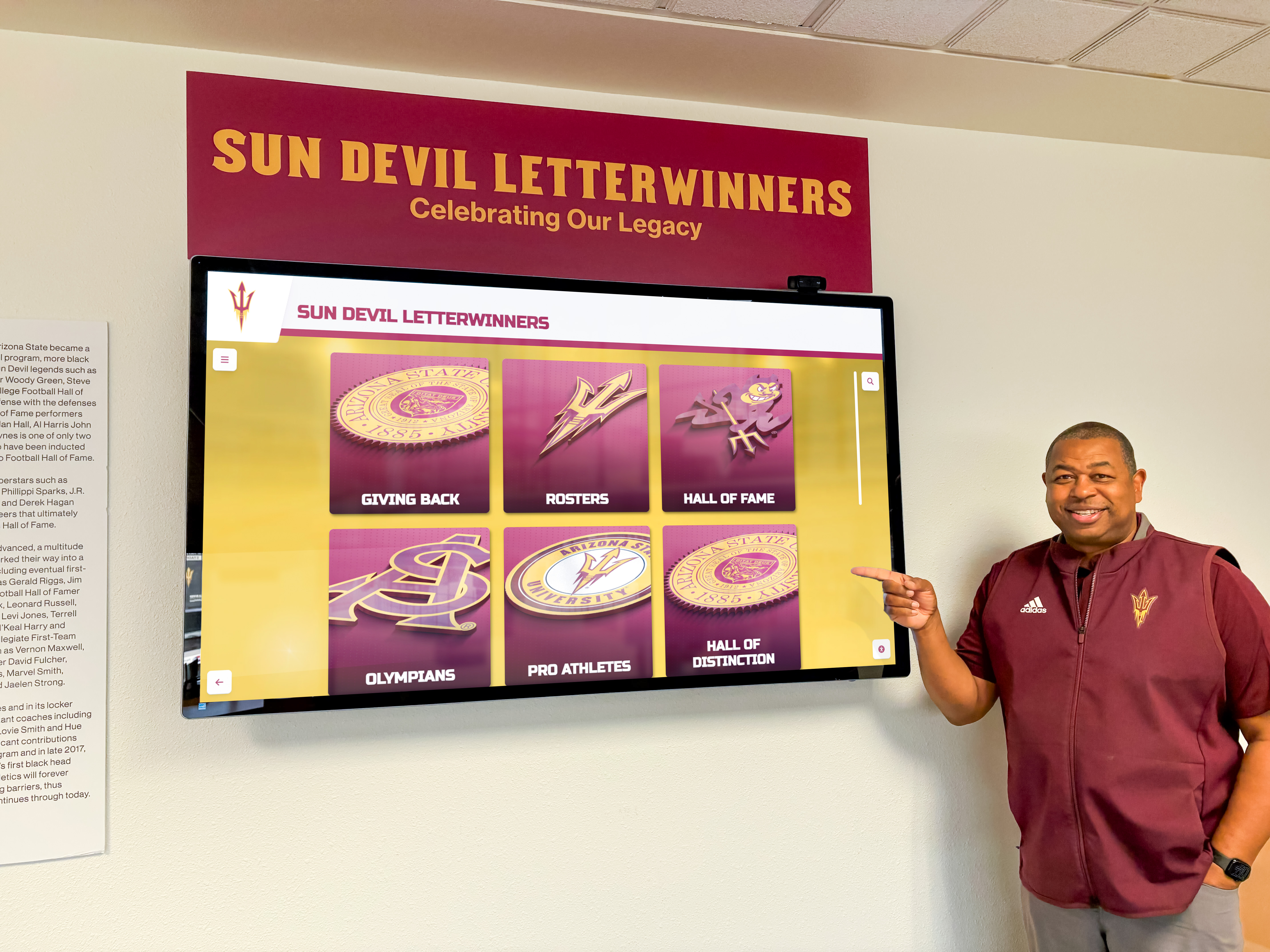
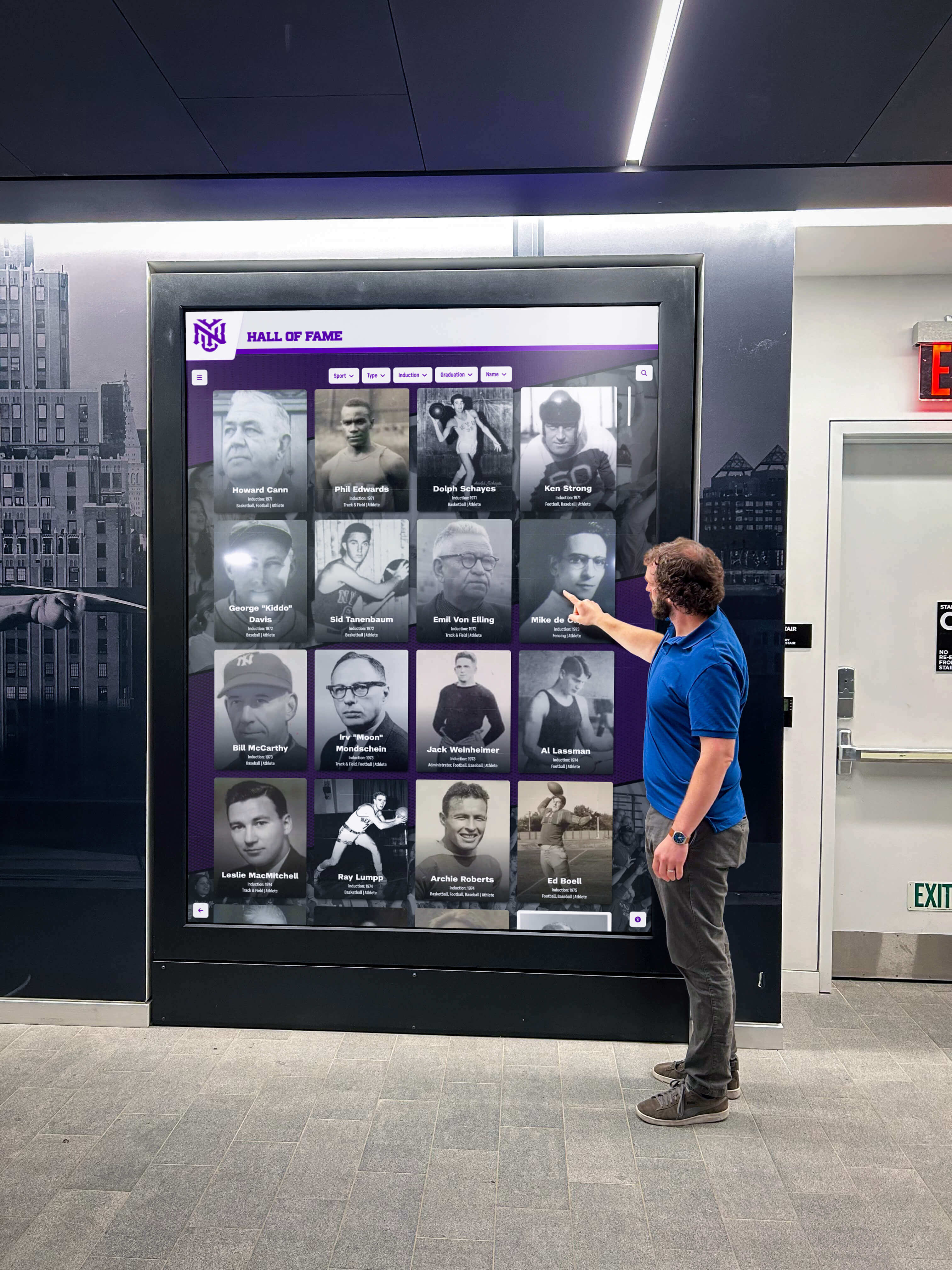
Digital Recognition Displays: Increasingly, forward-thinking booster clubs invest in modern recognition technology that honors athletes, performers, scholars, donors, and program history. Solutions like Rocket Alumni Solutions provide interactive touchscreen displays and online halls of fame that celebrate achievement comprehensively while building program prestige.
These recognition investments serve multiple strategic purposes:
- Honoring Students: Comprehensive recognition celebrates achievement beyond traditional plaques limited to a few top performers, creating inclusive cultures where more students experience meaningful acknowledgment
- Donor Appreciation: Digital displays can showcase donor support, demonstrating that contributions receive lasting recognition rather than forgotten after initial acknowledgment
- Program Marketing: Professional recognition displays create impressive facilities that attract prospective families during recruiting and campus tours
- Building Traditions: Permanent digital archives preserve program history and foster traditions connecting current students with historical excellence
Many athletic departments now prioritize comprehensive recognition systems that honor diverse achievement while creating engaging experiences for visitors exploring program heritage.
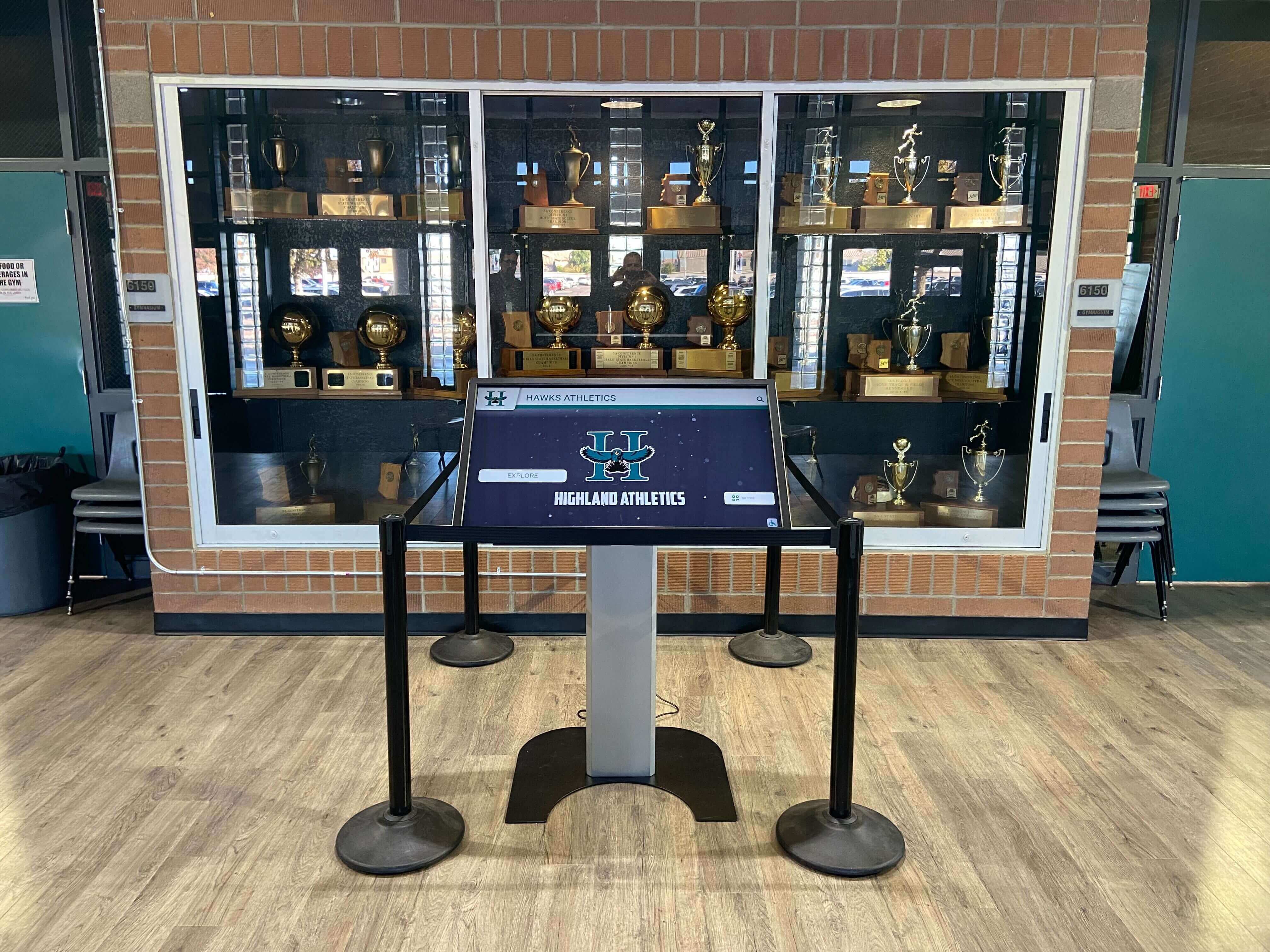
Traditional Recognition Elements: Alongside or integrated with digital systems, booster clubs fund championship banners, trophy cases, award presentations, senior recognition events, and other traditional elements that celebrate achievement and build program culture.
Recruiting and Promotional Materials: Professional highlight videos, recruiting materials, social media content, and program websites funded by booster clubs enhance program visibility and attract talented participants essential for sustained competitive success.
Travel and Competitive Opportunities
Tournament and Competition Travel: Many programs cannot afford travel to premier tournaments, showcases, or competitions without booster support. Travel funding enables students to compete at higher levels, gain exposure, and experience educational opportunities impossible through local competition alone.
College Showcase Participation: For athletic programs, booster funding of showcase tournaments where college recruiters evaluate talent can directly impact scholarship opportunities. Similarly, performing arts showcases and academic competitions funded by boosters create advancement opportunities for students.
Championship Experience Enhancement: When teams or groups qualify for state championships, regional competitions, or national events, booster clubs often fund enhanced travel experiences, team meals, appropriate lodging, and celebratory elements making these once-in-a-lifetime opportunities truly memorable.
Coaching and Program Staff Support
Coaching Supplements and Stipends: While districts pay base coaching salaries, booster clubs sometimes provide supplemental compensation attracting and retaining quality coaches whose time commitment far exceeds district compensation. These supplements must comply with district policies and compensation structures.
Professional Development: Funding coaching clinics, certification programs, or continuing education enables coaches to develop expertise benefiting student athletes. Similarly, booster support for directors and instructors to attend professional conferences enhances program quality.
Assistant Coaches and Volunteers: Booster funds sometimes enable hiring assistant coaches, specialized trainers, or program assistants who provide individualized attention impossible with single coaches managing large groups.
Legal, Financial, and Compliance Considerations
Operating booster clubs involves significant legal and financial responsibilities that volunteers must understand and manage appropriately:
Nonprofit Status and Tax Compliance
501(c)(3) Status: Most established booster clubs pursue 501(c)(3) nonprofit status from the IRS, enabling tax-deductible donations that incentivize giving while demonstrating organizational legitimacy. Obtaining this status requires filing Form 1023 with comprehensive organizational documentation, governing documents, and explanations of charitable purposes.
Annual Tax Filings: Even small booster clubs must file annual information returns (Form 990, 990-EZ, or 990-N depending on revenue levels) with the IRS. These public filings demonstrate financial transparency while maintaining nonprofit status. Failure to file for three consecutive years results in automatic revocation of tax-exempt status.
State Registration Requirements: Many states require charitable organizations to register with state agencies before soliciting donations, conducting fundraisers, or operating. Registration requirements vary by state but often include annual reporting and fee payment.
Unrelated Business Income: If booster clubs generate substantial income from activities unrelated to their exempt purposes (like extensive advertising sales), they may owe taxes on unrelated business income. Most booster activities qualify as related to exempt purposes, but treasurers should understand these rules.
Financial Management Best Practices
Separate Bank Accounts: Booster clubs must maintain bank accounts completely separate from personal accounts or school district finances. Commingling funds creates legal and accounting problems while undermining donor confidence.
Dual Signature Requirements: Requiring two authorized signatures on checks above threshold amounts (commonly $500-$1,000) prevents fraud while ensuring accountability. Electronic payment systems should similarly require dual approval for significant transactions.
Documented Procedures: Written financial policies documenting expense approval processes, reimbursement procedures, cash handling protocols, and record retention requirements protect organizations while providing clarity for volunteers managing funds.
Regular Financial Reporting: Treasurers should provide monthly financial reports to boards and periodic summaries to general membership, demonstrating transparency about revenue, expenses, and financial position. Annual budgets approved by membership create spending accountability.
Independent Audits or Reviews: Larger booster clubs should conduct periodic independent financial reviews or audits by qualified accountants, particularly when annual revenue exceeds $100,000-$250,000. Even small clubs benefit from having experienced volunteers review financial records annually.
Insurance and Liability Protection
General Liability Insurance: Booster clubs need general liability coverage protecting against claims arising from events, activities, or operations. Policies typically cost $500-$2,000 annually depending on coverage limits and activities.
Directors and Officers Insurance: D&O insurance protects volunteer leaders from personal liability for organizational decisions or actions. This coverage encourages qualified volunteers to serve in leadership without fear of personal financial risk from organizational issues.
Event Insurance: Specific events like golf tournaments, auctions, or large fundraisers may require separate event insurance providing liability protection and coverage for event cancellation or weather disruption.
Compliance with School District Insurance: Many districts require that booster clubs maintain specified insurance coverage levels and name districts as additional insured on policies. Understanding and meeting these requirements prevents conflicts while ensuring adequate protection.
Legal Structure and Governance Documents
Articles of Incorporation: Most booster clubs incorporate as nonprofit corporations under state law, filing articles of incorporation with state agencies. Incorporation provides legal liability protection for individual members while establishing formal organizational existence.
Bylaws: Comprehensive bylaws document organizational purpose, membership criteria, board structure and election processes, meeting requirements, financial management procedures, amendment processes, and dissolution provisions. Well-drafted bylaws prevent conflicts while providing operational clarity.
Conflict of Interest Policies: Written policies requiring disclosure of conflicts and recusal from decisions where personal interests exist protect organizations from self-dealing accusations while ensuring decisions serve organizational rather than individual interests.
Document Retention Policies: Policies specifying how long to retain financial records, meeting minutes, tax filings, and other documents ensure compliance with legal requirements while enabling efficient record management.
Building Successful Booster Club Cultures
Beyond technical operations and fundraising mechanics, the most effective booster clubs create positive organizational cultures that sustain engagement, prevent burnout, and align with educational values:
Inclusive and Welcoming Environments
Reducing Financial Barriers: Ensure that students can participate fully regardless of family financial capacity to contribute to booster clubs. Avoid creating perceptions that booster involvement or financial contribution determines student opportunities, playing time, or recognition.
Diverse Leadership: Encourage leadership diversity reflecting school communities across socioeconomic status, race, ethnicity, and family structure. Homogeneous leadership can inadvertently create cultures that feel exclusive rather than welcoming to all families.
Communication in Multiple Languages: In multilingual communities, translate key communications and materials ensuring non-English-speaking families can engage. Language barriers shouldn’t exclude families from supporting their students.
Flexible Participation Models: Recognize that not all families can attend evening meetings or volunteer during business hours. Create flexible engagement opportunities including online participation, varied volunteer shifts, and alternative contribution methods beyond financial giving.
Preventing Volunteer Burnout
Distributed Leadership: Avoid concentrating all responsibility on a few volunteers. Distribute roles and tasks across broader leadership teams, preventing burnout while developing organizational depth.
Reasonable Expectations: Acknowledge volunteer time constraints and set realistic expectations. Overly ambitious programs that require unsustainable volunteer commitments inevitably burn out leaders and collapse.
Recognition and Appreciation: Systematically recognize volunteer contributions through appreciation events, public acknowledgment, and sincere gratitude. Volunteers sustain motivation when efforts receive genuine recognition.
Leadership Succession Planning: Develop emerging leaders before current officers burn out or rotate off, ensuring smooth transitions rather than desperate searches for replacements when exhausted leaders finally step down.
Alignment with Educational Values
Supporting Academic Excellence: Even when focused on athletics or performing arts, effective booster clubs promote academic achievement, establish grade requirements for participation, recognize academic success alongside program performance, and reinforce that education remains the primary purpose.
Sportsmanship and Character: Athletic booster clubs should model and promote positive sportsmanship, respect for opponents and officials, and character development. Boosters that tolerate poor behavior or pressure coaches regarding playing time decisions undermine educational missions.
Student-Centered Decision Making: Always prioritize student benefits over adult agendas. Booster decisions should serve student development rather than satisfying parent desires for specific outcomes, playing time, or recognition.
Collaboration not Conflict: Maintain respectful, collaborative relationships with school administrators, coaches, directors, and other program leaders. Booster clubs exist to support programs, not to dictate coaching decisions, challenge district policies, or undermine professional staff.
Measuring Impact and Demonstrating Value
Successful booster clubs document their impact and communicate value to supporters, administrators, and communities:
Tracking and Reporting Outcomes
Financial Transparency: Annual reports documenting revenue sources, total funds raised, expense categories, major purchases, and ending fund balances demonstrate financial accountability while celebrating fundraising success.
Program Impact Metrics: Beyond dollars raised, track outcomes like:
- Equipment purchased and facilities improved
- Students served and participation rates
- Competitive achievements and championships
- College scholarships earned
- Recognition systems implemented
- Volunteer hours contributed
Student and Coach Testimonials: Collect stories and testimonials from students, coaches, and directors explaining how booster support impacted their experiences. Personal narratives resonate powerfully with potential donors and volunteers.
Recognition System Engagement: When booster clubs invest in digital recognition displays, many platforms provide analytics showing visitor engagement—profiles viewed, search queries, session duration—demonstrating that recognition investments actively engage audiences rather than sitting ignored.
Communicating Value to Stakeholders
Annual Impact Reports: Professional annual reports summarizing achievements, financial results, volunteer contributions, and future plans keep members engaged while attracting new supporters who see effective organizations worth joining.
Regular Updates: Consistent communication through newsletters, social media, email updates, and website content keeps accomplishments visible rather than limiting to annual summaries. Sustained visibility maintains engagement between major campaigns.
Visual Storytelling: High-quality photos and videos of students using booster-funded equipment, competing at booster-funded events, or being celebrated on booster-funded recognition displays create compelling content demonstrating tangible impact.
Donor Recognition: Prominently recognize contributors through multiple channels—recognition displays, social media, event programs, website donor pages, and acknowledgment letters. Consistent recognition encourages continued support while demonstrating appreciation.
Many booster clubs now leverage innovative fundraising approaches combined with strategic recognition investments that both honor donors and motivate future contributions through visible appreciation.
Common Challenges and How to Address Them
Even well-run booster clubs face predictable challenges requiring proactive management:
Managing Parent Expectations and Conflicts
Playing Time Issues: Parents sometimes expect booster financial contributions to influence coaching decisions or playing time. Clear communication that contributions never affect program decisions prevents conflicts while maintaining coaching integrity.
Transparency in Fund Allocation: Parents occasionally question why their team or activity doesn’t receive equal funding despite contributing equally. Transparent budgeting processes and clear communication about needs-based allocation rather than equal distribution prevent resentment.
Personality Conflicts: Like any volunteer organization, booster clubs experience interpersonal conflicts. Strong bylaws, clear processes, and focus on student benefits rather than adult relationships help navigate inevitable disagreements.
Financial Sustainability
Over-Reliance on Single Events: Booster clubs depending entirely on one major fundraiser become vulnerable if that event fails. Diversifying revenue across memberships, sponsorships, concessions, and events creates stability.
Economic Downturns: Economic challenges reduce discretionary giving and sponsorship capacity. Building cash reserves during good years provides buffers during downturns rather than immediately cutting programs when revenue dips.
Leadership Turnover: Financial knowledge concentrated in single treasurers creates vulnerability when they rotate off. Comprehensive documentation, co-treasurers, and systematic knowledge transfer prevent crises when leadership changes.
Maintaining Compliance
Keeping Up with Regulations: Tax laws, state regulations, and district policies evolve. Booster clubs must stay informed about compliance requirements or risk penalties, liability, or loss of tax-exempt status.
Professional Guidance: Complex situations benefit from professional advice—accountants for tax questions, attorneys for governance issues, insurance agents for coverage needs. Investing in occasional professional consultation prevents expensive problems.
District Coordination: Regular communication with athletic directors and administrators ensures booster activities align with district expectations, purchase policies, and strategic priorities rather than operating independently and creating conflicts.
Getting Involved with Booster Clubs
For parents, community members, and supporters interested in joining or starting booster clubs:
Joining Existing Booster Clubs
Attend Initial Meetings: Most booster clubs welcome new members at any time. Attend meetings, introduce yourself, and express interest in supporting the program.
Start with Manageable Commitments: New members shouldn’t immediately volunteer for presidency. Begin with specific tasks—working concessions, helping with events, joining committees—before committing to extensive leadership.
Offer Specific Skills: Communicate particular talents—marketing, finance, graphic design, event planning—that benefit organizations. Skilled volunteers often find immediate ways to contribute meaningfully.
Financial Membership: If time constraints prevent active volunteering, financial membership through annual dues still supports programs while demonstrating commitment.
Starting New Booster Clubs
Assess Need and Interest: Before starting new booster clubs, verify that sufficient parent interest and program need exist. Programs with engaged families and funding gaps prove most suitable for booster development.
Recruit Founding Leaders: Identify committed parents willing to serve in initial officer roles. Starting booster clubs requires substantial effort—ensure founding team has capacity for initial organizational work.
Coordinate with School Administration: Gain administrator and program director support before launching. Schools can provide guidance, facilitate communication, and help establish appropriate structures.
Establish Legal Foundation: File for nonprofit incorporation, obtain IRS tax-exempt status, establish bank accounts, and create bylaws ensuring proper legal structure from the start rather than attempting to retrofit later.
Start Small and Build: New booster clubs shouldn’t immediately attempt massive fundraisers or commitments. Begin with modest goals, simple events, and achievable projects building confidence and capacity before scaling up.
Conclusion: The Essential Role of Booster Clubs in Educational Excellence
Booster clubs represent vital partners in delivering educational excellence across American schools. In an era when school budgets face constant pressure while program costs steadily increase, these parent-led volunteer organizations bridge funding gaps enabling students to pursue athletic, artistic, and academic excellence that would be impossible relying solely on district resources.
The most effective booster clubs share common characteristics: clear organizational structures with strong governance, diverse fundraising strategies creating sustainable revenue, strategic investments prioritizing student impact over adult preferences, transparent financial management building donor confidence, inclusive cultures welcoming all families regardless of financial capacity, and collaborative relationships with school administrators and program leaders aligned with educational missions rather than adult agendas.
Whether supporting athletic programs through equipment and facility improvements, enabling competitive band programs to travel and perform, funding performing arts productions, or supporting academic teams competing nationally, booster clubs create opportunities and experiences that shape student development far beyond classroom academics. The countless volunteer hours, donated dollars, and passionate advocacy from booster club members demonstrate communities committed to investing in young people and educational excellence.
For schools and programs considering major recognition investments, modern digital platforms from providers like Rocket Alumni Solutions enable comprehensive celebration of student achievement, donor appreciation, and program history in ways that traditional plaques and trophies cannot match. These recognition systems serve multiple strategic purposes—honoring students, demonstrating donor appreciation, building program prestige, and creating impressive facilities that support recruiting—making them increasingly popular booster club investments.
Explore how modern recognition technology enables booster clubs to celebrate achievement comprehensively while building program cultures that inspire excellence. Learn about effective school pride initiatives that booster clubs support, or discover donor recognition strategies that acknowledge booster support meaningfully while motivating future contributions.
Whether you’re a parent considering joining your school’s booster club, a program director working with booster organizations, an administrator establishing guidelines for booster operations, or a community member wanting to support local students, understanding these vital organizations helps ensure they operate effectively, transparently, and in service of the young people they exist to serve.
Ready to explore how booster clubs can invest in recognition technology that honors student achievement while demonstrating donor appreciation? Discover comprehensive solutions designed specifically for schools and programs looking to celebrate excellence while building cultures where achievement receives the visibility it deserves.