



Key Takeaways
Comprehensive guide to high school fall sports including football, volleyball, soccer, cross country, and more. Learn season structure, benefits, and recognition opportunities.
High school students face important decisions each year about extracurricular participation—decisions that shape their daily schedules, social circles, college applications, and personal development. For athletically inclined students, choosing which sports season to commit to represents one of these critical choices. Fall sports offer unique opportunities compared to winter and spring athletics, featuring distinct competitive cultures, team structures, and recognition traditions that influence the student-athlete experience.
Athletic directors planning fall programming need comprehensive understanding of what fall sports offerings entail, how seasons are structured, what participation demands from students and families, and how schools effectively recognize fall athletic achievement. This guide provides that framework—examining the complete landscape of high school fall sports from season structure and major sport offerings to participation benefits and modern recognition approaches ensuring fall athletes receive celebration their accomplishments deserve.
Understanding the High School Sports Season Structure
American high schools organize athletic programs into three distinct competitive seasons—fall, winter, and spring—each featuring specific sports dictated by weather patterns, facility availability, and traditional scheduling established by state athletic associations.
The Three-Season Framework
This three-season structure serves multiple purposes beyond just accommodating weather. By dividing sports across seasons, schools maximize facility utilization—football fields transition to soccer in spring, gymnasiums rotate between basketball and volleyball, and weight rooms serve athletes year-round across different programs.
The structure also enables multi-sport participation. Students can compete in football during fall, basketball in winter, and track in spring—developing diverse athletic skills while avoiding the burnout that can result from single-sport specialization. State athletic associations establish specific season boundaries preventing sports from overlapping, ensuring students make clear choices about seasonal commitments rather than attempting to participate in multiple concurrent sports with conflicting practice and competition schedules.
Fall Season Timeline and Structure
The fall sports season follows a consistent pattern across most states, though specific dates vary by region and state athletic association regulations.
Preseason Conditioning (Late July - Early August): Many programs begin informal conditioning and skill work in late July, though state rules typically restrict the number of contact days, practice hours, and coaching involvement during these early phases. Football programs particularly emphasize preseason conditioning given the sport’s physical demands and equipment acclimation requirements.
Official Practice Start (Early to Mid-August): Formal practices begin in early August for most fall sports. State athletic associations establish specific practice start dates, typically coordinating with the beginning of the academic year. Rules mandate minimum practice days before teams can compete—usually 10-14 practices—ensuring adequate preparation before exposing students to competition.
Regular Season (Late August through October): Competition schedules typically feature 8-14 regular season contests depending on the sport, conference size, and state regulations. Football teams generally play 8-10 regular season games on Friday nights. Volleyball teams compete twice weekly with 20-30 total matches. Soccer schedules include 10-16 games. Cross country runners compete in 6-10 meets including invitationals featuring dozens of schools.
Postseason Playoffs (Late October through November): Qualifying teams enter conference tournaments, district competitions, regional playoffs, and eventually state championship events. Playoff structures vary significantly—some states take all teams regardless of record, others establish win requirements or conference placement criteria. Championship events typically conclude by Thanksgiving week, though some states extend fall championships into early December.
Seasonal Differences: Why Fall Sports Are Unique
Fall sports occupy a special position in high school athletic culture for several reasons that distinguish them from winter and spring seasons.
Season Opener Energy: Fall sports benefit from being the first competitive athletics of the academic year. After summer break, schools rally around fall teams as the initial focus of school spirit and community engagement. Football games particularly serve as major community events, drawing larger crowds than winter or spring sports in most regions.
Weather and Outdoor Competition: Fall’s mild temperatures and generally favorable weather create ideal conditions for outdoor sports. Unlike spring sports battling unpredictable weather and frequent cancellations, fall teams typically enjoy consistent playing conditions. This reliability enables more predictable schedules and fewer disrupted seasons.
College Recruiting Timing: For junior and senior athletes seeking college athletic opportunities, fall season performance occurs during critical recruiting periods. College coaches actively evaluate prospects during fall competitions, making strong fall performances particularly valuable for recruitment timelines.
Tradition and Culture: Football in particular carries deep cultural significance in many American communities, especially in regions where Friday night football represents major social events. This cultural weight extends recognition and community support to fall athletes that winter and spring sports sometimes struggle to match, though progressive schools work to ensure equitable visibility across all athletic programs.
Major Fall Sports: Comprehensive Overview
High schools offer varied fall sports portfolios depending on regional preferences, school size, facility availability, and state athletic association structures. However, several sports appear consistently across most American high schools during fall seasons.
Football
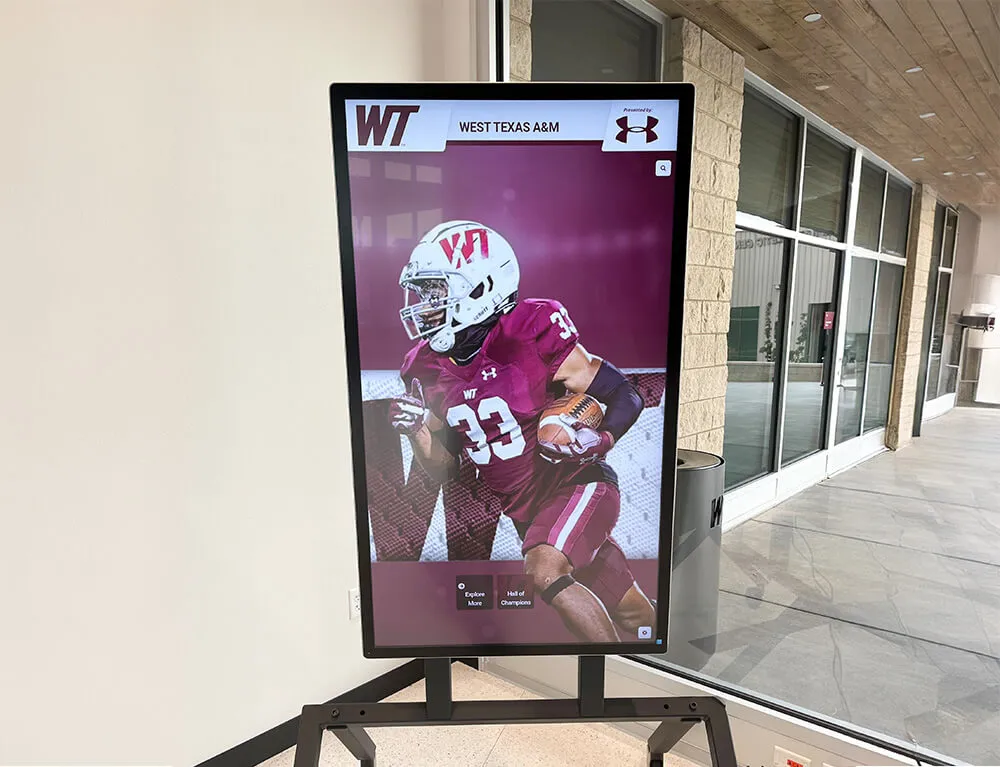
American football dominates fall athletics in most U.S. high schools, particularly in Southern, Midwestern, and certain Western states where the sport functions as cultural centerpiece of school and community identity.
Participation and Team Structure: Football programs feature large rosters—varsity teams typically include 40-70 players, with additional junior varsity and freshman squads. This massive participation makes football the largest team sport in most schools, requiring extensive coaching staffs, equipment inventories, and facility resources.
Season Structure: Teams typically play 8-10 regular season games on Friday nights (or Thursday/Saturday in some regions), followed by playoff competitions for qualifying teams. Practice demands prove intensive—teams typically practice 5-6 days weekly for 2-3 hours, with additional film study and team meetings.
Positions and Roles: Football’s complexity creates numerous position specializations—offensive positions (quarterbacks, running backs, receivers, offensive linemen), defensive positions (defensive linemen, linebackers, defensive backs), and special teams (kickers, punters, long snappers). This specialization enables athletes with diverse physical attributes and skill sets to contribute meaningfully.
Recognition Opportunities: Football generates substantial recognition opportunities including all-conference selections, all-state honors, player of the week awards, statistical achievement recognition (passing yards, rushing touchdowns, tackles, interceptions), and specialized awards for positions and character qualities.
Volleyball
Volleyball ranks among the most popular fall sports, traditionally a girls’ sport though boys’ volleyball programs increasingly appear in some regions (typically during spring season for boys where programs exist).
Participation and Team Structure: Volleyball teams typically roster 12-18 players at varsity level with additional junior varsity and freshman teams in larger schools. The sport’s smaller roster size compared to football creates intensely competitive selection processes at schools with strong programs.
Season Structure: Volleyball teams compete 2-3 times weekly throughout the season, accumulating 20-30+ matches including tournament play. Seasons typically run late August through early November with conference, district, and state tournaments determining championships. Practice schedules usually involve daily 2-hour sessions focusing on skill development, tactical preparation, and conditioning.
Positions and Specialization: Volleyball features distinct positions including setters (playmakers distributing the ball), outside hitters (primary attackers), middle blockers (defensive specialists and quick attackers), opposite hitters (right-side attackers), and liberos (defensive specialists wearing contrasting jerseys). Position specialization requires athletes with varied physical attributes—height for middle blockers, jumping ability for hitters, quickness for liberos, court vision for setters.
Recognition Culture: Volleyball programs recognize achievement through all-conference and all-state selections, statistical leaders (kills, assists, blocks, digs), tournament MVP awards, and team achievement honors. Schools implementing comprehensive athletic recognition displays document volleyball accomplishments alongside other sports ensuring equitable visibility.
Soccer
Soccer (both boys’ and girls’) represents one of the fastest-growing high school sports nationwide, with particularly strong participation in suburban and affluent communities where youth soccer development programs feed high school teams.
Participation Patterns: Soccer teams typically roster 18-25 players at varsity level. Unlike some sports where participation concentrates in specific demographic groups, soccer attracts diverse populations including recent immigrants from soccer-dominant cultures, students from youth club backgrounds, and athletes without prior organized soccer experience.
Season Structure: Soccer schedules include 10-16 regular season games plus playoff competitions. Teams practice daily, typically 2 hours, emphasizing technical skill development, tactical preparation, and conditioning critical for 80-minute competitions. Many programs scrimmage extensively during preseason preparing for regular season competition intensity.
Playing Positions: Soccer positions include goalkeepers (specialized position requiring unique skills), defenders (center backs, fullbacks), midfielders (defensive, central, and attacking midfielders), and forwards (strikers and wingers). Position flexibility proves valuable—many players must be comfortable in multiple positions given soccer’s fluid nature and substitution limitations.
Competitive Structure: Soccer competition varies significantly by state. Some regions feature intensely competitive high school soccer where most players have extensive club experience. Other areas maintain more recreational participation levels with mixed experience backgrounds. This variance affects recognition structures—elite programs generate all-state selections carrying significant prestige, while developing programs focus more on participation and improvement recognition.
Cross Country
Cross country occupies a unique position among fall sports—simultaneously individual and team competition featuring athletes racing against opponents while accumulating team scores based on finishing positions.
Participation Characteristics: Cross country teams vary dramatically in size—some schools field small squads of 10-15 runners, while others maintain programs with 50+ participants across varsity, junior varsity, and novice levels. The sport accommodates athletes with varied experience levels since runners compete within divisions based on ability rather than all competing in identical races.
Competition Format: Cross country meets feature mass start races where dozens or hundreds of runners compete simultaneously on courses typically ranging from 3.1 miles (5K) for varsity to shorter distances for younger or less experienced divisions. Team scoring uses positions of top finishers—typically the top five or seven runners from each team—with lowest combined score winning.
Training Demands: Cross country demands significant training commitment. Teams typically practice 6 days weekly including long runs, speed workouts, tempo runs, and recovery days. Mileage accumulates quickly—competitive runners often log 30-50 miles weekly. This training volume proves substantial compared to other fall sports where practices, though frequent, may not require the sustained daily effort cross country training demands.
Individual vs. Team Recognition: Cross country uniquely balances individual and team achievement. Schools recognize individual accomplishments—all-conference selections, state meet qualifiers, personal record breakthroughs, varsity letter thresholds. Simultaneously, programs celebrate team achievements—conference championships, state meet placements, team record performances. This dual recognition structure creates multiple pathways for athlete acknowledgment.
Other Fall Sports
Beyond the major four sports, numerous schools offer additional fall athletic opportunities depending on regional preferences, school resources, and state association structures.
Field Hockey: Popular primarily in Eastern states and certain Mid-Atlantic regions, field hockey provides fall competition for girls’ teams. The sport features similar season structure to soccer with regular season games followed by playoff competitions. Field hockey programs tend to concentrate geographically—strong in certain states (Massachusetts, New Jersey, Pennsylvania) while essentially absent in others (most Western and Southern states).
Golf: Fall golf appears in many regions, particularly where favorable weather extends into autumn months. Golf teams typically feature small rosters (6-12 players) competing in individual and team formats through conference tournaments and state championship qualifying. The sport requires access to golf courses for practice and competition, limiting participation to schools with suitable facility arrangements.
Tennis: Some states schedule tennis during fall rather than spring, with participation patterns similar to golf. Tennis accommodates athletes seeking individual sport competition within team structure. Schools recognize tennis achievement through conference standings, state tournament performance, and career win totals.
Competitive Cheer and Dance: Many schools classify competitive cheerleading and dance as fall sports when teams compete in regional and state championships beyond traditional sideline support roles. These programs require intensive training, feature demanding competitive schedules, and generate significant student participation, particularly among female students.
Swimming and Diving: Certain regions schedule swimming during fall rather than winter, particularly where facility availability or conference structures favor fall competition. Swimming programs typically involve daily practice, frequent dual meets and invitational competitions, and championship meets determining individual and team honors.
Water Polo: Growing in popularity particularly in Western states, water polo provides fall competition requiring aquatic facilities. The sport combines swimming endurance with ball-handling skills and tactical team play.
Benefits of Fall Sports Participation
High school athletic participation provides well-documented benefits extending far beyond physical fitness and competitive success. Fall sports specifically offer advantages related to their position as the first season of the academic year.
Physical Health and Fitness Development
Athletic participation during fall establishes healthy habits benefiting students throughout the academic year and beyond.
Cardiovascular Fitness: All fall sports develop cardiovascular capacity through sustained physical activity. Cross country particularly emphasizes aerobic development, while sports like soccer, volleyball, and football require repeated high-intensity efforts improving both aerobic and anaerobic fitness.
Strength and Conditioning: Football especially develops muscular strength and power through weight training and physical contact. Other sports incorporate resistance training and plyometric work building functional strength applicable beyond sports contexts.
Injury Prevention and Body Awareness: Proper athletic training teaches movement mechanics, body awareness, and physical limits. Athletes learn to recognize injury warning signs, understand recovery needs, and develop sustainable training approaches. These lessons prove valuable throughout life for maintaining physical health.
Lifetime Fitness Habits: Students developing athletic habits during high school often maintain activity throughout adulthood. Early establishment of fitness routines during fall season creates momentum sustaining participation through winter and spring, potentially establishing permanent lifestyle patterns.
Social and Emotional Development
Team sports provide social contexts developing interpersonal skills difficult to replicate in purely academic environments.
Team Cohesion and Belonging: Fall sports teams create immediate social communities at the start of academic years. New students particularly benefit from instant friend groups through team membership. The intensity of shared athletic pursuit—difficult practices, competitive challenges, victory celebrations, disappointing losses—forges bonds often lasting beyond high school.
Leadership Development: Team structures inherently create leadership opportunities. Seniors serve as captains and mentors, underclassmen learn from veterans’ examples, and all athletes occasionally face situations requiring leadership initiative. These experiences develop leadership capabilities applicable in academic, career, and civic contexts. Schools often integrate athletic leadership recognition into comprehensive programs celebrating student excellence.
Resilience and Grit: Athletics inevitably involve setbacks—lost games, disappointing performances, injuries, benchings. Learning to process disappointment, refocus effort, and persist through adversity builds psychological resilience valuable throughout life. Fall sports particularly teach these lessons early in academic years when students establish patterns for handling challenges.
Time Management Skills: Balancing academic responsibilities with demanding practice and competition schedules requires effective time management. Student-athletes learn to prioritize commitments, utilize available time efficiently, and maintain multiple responsibilities simultaneously—skills directly applicable to college and career success.
Academic and College Preparation Benefits
Contrary to occasional concerns that athletics distract from academics, research consistently demonstrates that athletic participation correlates with positive academic outcomes.
Academic Performance: Student-athletes typically maintain higher grade point averages than non-athletes, despite significant time demands. Athletic eligibility requirements motivate academic engagement, while time management skills developed through sports participation improve academic efficiency. The discipline, goal-setting, and work ethic athletics require transfer effectively to academic pursuits.
College Admission Advantages: College admissions increasingly emphasize sustained extracurricular commitment, leadership development, and character demonstration. Multi-year athletic participation provides compelling narratives for application essays while demonstrating dedication, teamwork, and resilience universities value. Schools should document these achievements through comprehensive recognition systems supporting students’ college applications.
Scholarship Opportunities: While relatively few high school athletes receive full athletic scholarships, many earn partial scholarship support or admission advantages through athletic recruitment. Even athletes not recruited for college teams benefit from scholarships recognizing athletic participation, leadership, and character development.
Life Skills Development: Athletics teach lessons difficult to replicate in academic contexts—handling pressure, accepting coaching feedback, subordinating individual goals to team success, recovering from public failure, and celebrating others’ achievements. These competencies prove valuable throughout personal and professional life.
Character and Values Development
Perhaps the most significant benefit of athletic participation involves character formation through experiences requiring ethical decision-making and values demonstration.
Sportsmanship and Fair Play: Athletics provide frequent opportunities to demonstrate integrity—respecting opponents, accepting referee decisions gracefully, acknowledging good play regardless of outcome, and competing within rules rather than seeking unfair advantages. These lessons in ethical behavior translate beyond sports contexts.
Work Ethic and Commitment: Athletic success requires sustained effort across months of practice, conditioning, and preparation. Athletes learn that achievement results from consistent work rather than talent alone—a lesson applicable to any field requiring expertise development.
Handling Success and Failure: Athletes experience both victory and defeat, learning to celebrate success humbly while processing losses constructively. This emotional regulation proves valuable throughout life when individuals inevitably face both successes to handle gracefully and setbacks requiring resilient response.
Recognizing Fall Sports Achievement: Modern Approaches
Fall athletes accomplish remarkable feats throughout seasons—championship performances, statistical achievements, character demonstrations, and personal breakthroughs. Effective recognition ensures these accomplishments receive celebration commensurate with the effort invested and lessons learned.
Traditional Recognition Methods
Schools have long recognized athletic achievement through established approaches that maintain value despite availability of new technologies.
Varsity Letter Awards: Athletic letters represent traditional recognition of sustained participation and achievement. Schools typically establish criteria including participation in minimum percentage of competitions, maintaining academic eligibility, demonstrating positive character, and completing full seasons. Letter jackets and chenille letters provide tangible artifacts students retain long after graduation.
All-Conference and All-State Selections: Conference coaches and state athletic associations recognize exceptional performers through all-conference and all-state selections. These honors provide external validation of excellence compared to broader competitive fields, carrying significant prestige particularly for college recruitment.
Team Banquets and Award Ceremonies: End-of-season banquets create formal opportunities to celebrate team accomplishments and individual recognition. Coaches present awards, seniors reflect on experiences, and communities gather to acknowledge seasonal achievements. These events provide important closure to seasons while creating memorable recognition moments.
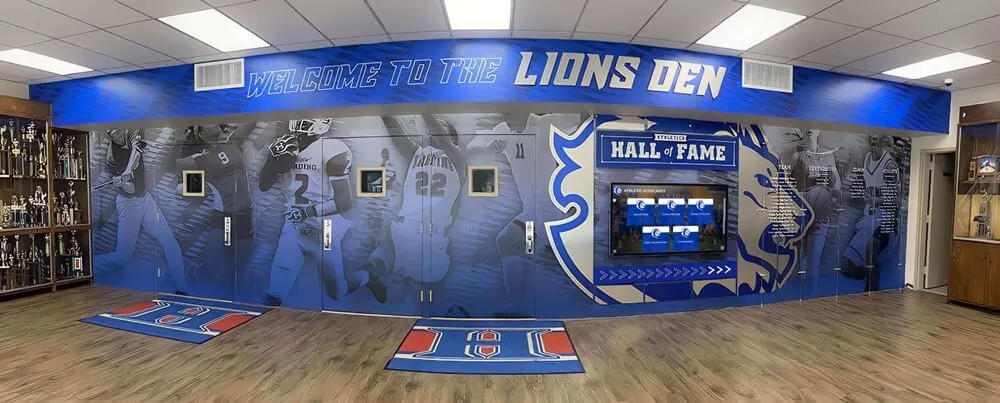
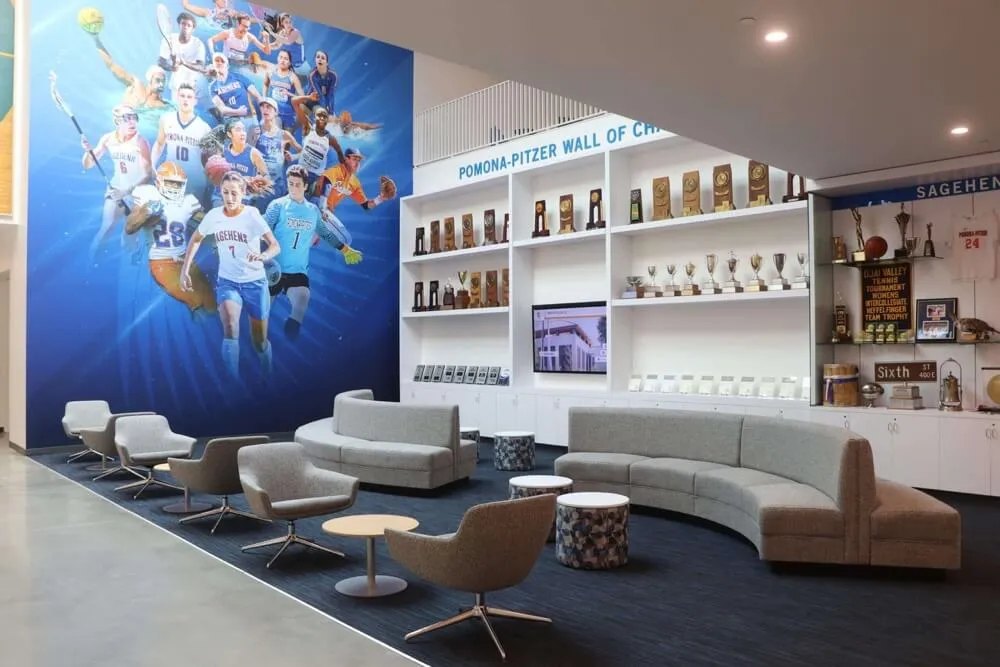
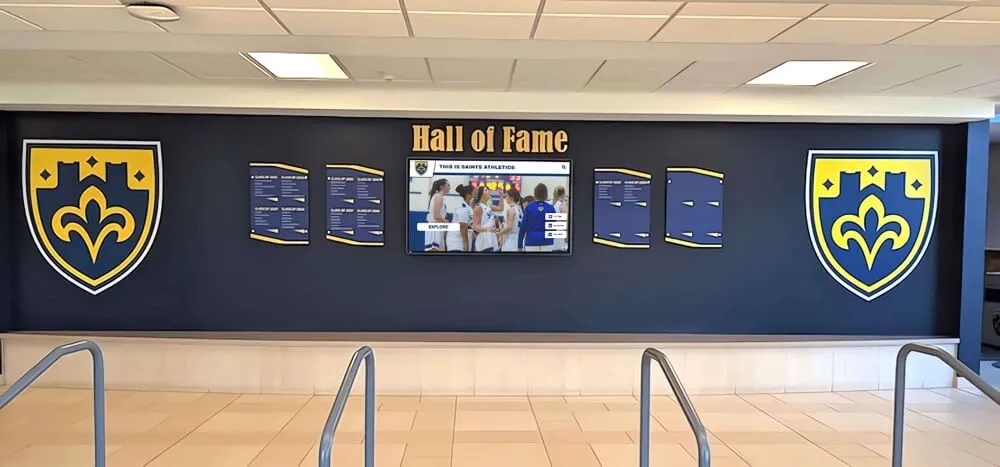
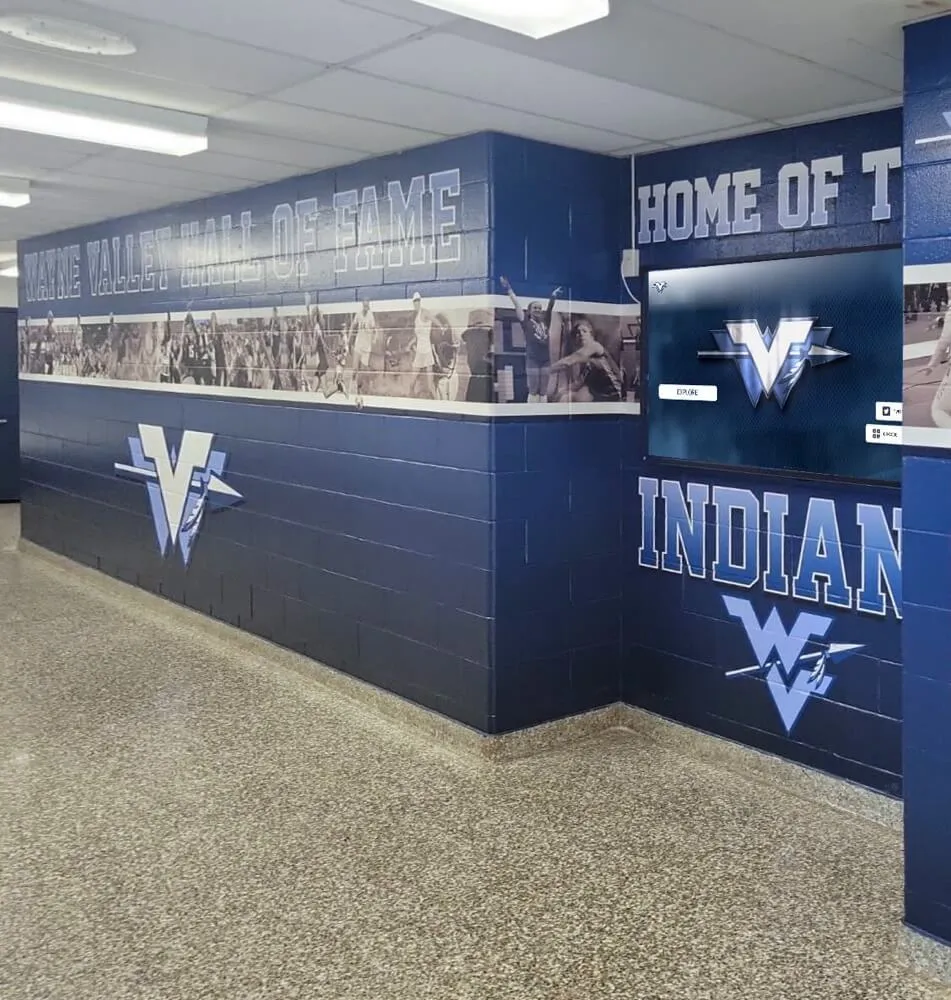
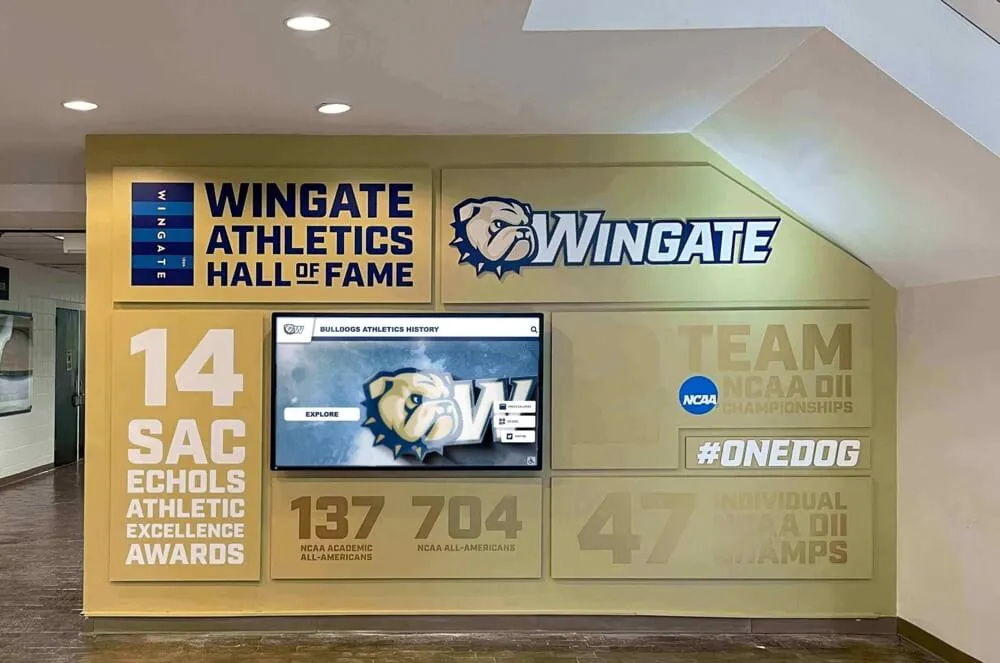
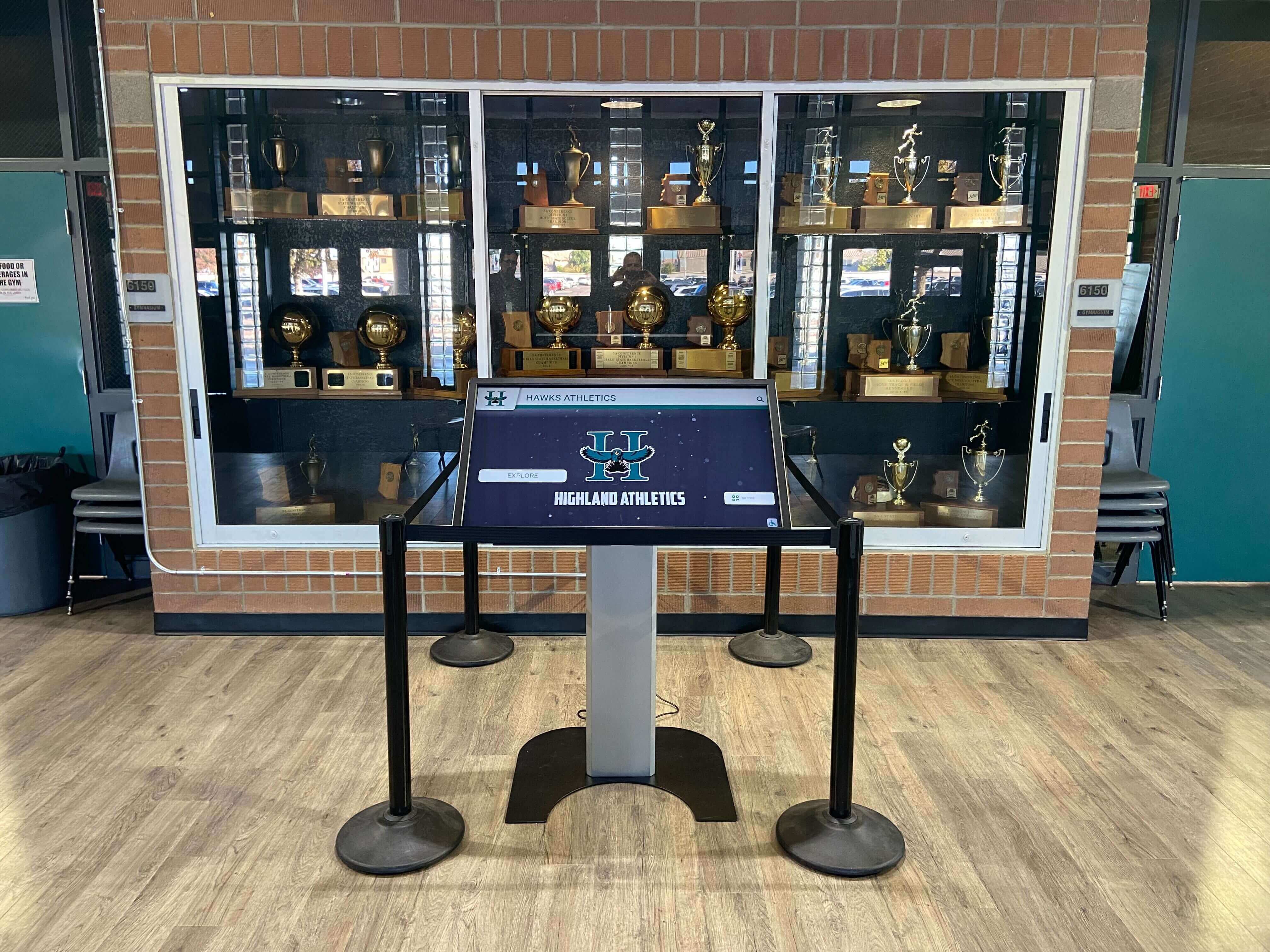
Trophy Cases and Physical Displays: Traditional trophy cases document program history through physical artifacts—championship trophies, team photos, retired jerseys, record boards. These displays provide visible reminders of tradition and excellence, inspiring current athletes while honoring predecessors. However, physical displays face space constraints and maintenance challenges limiting their comprehensiveness.
Digital Recognition Platforms: Expanding Possibilities
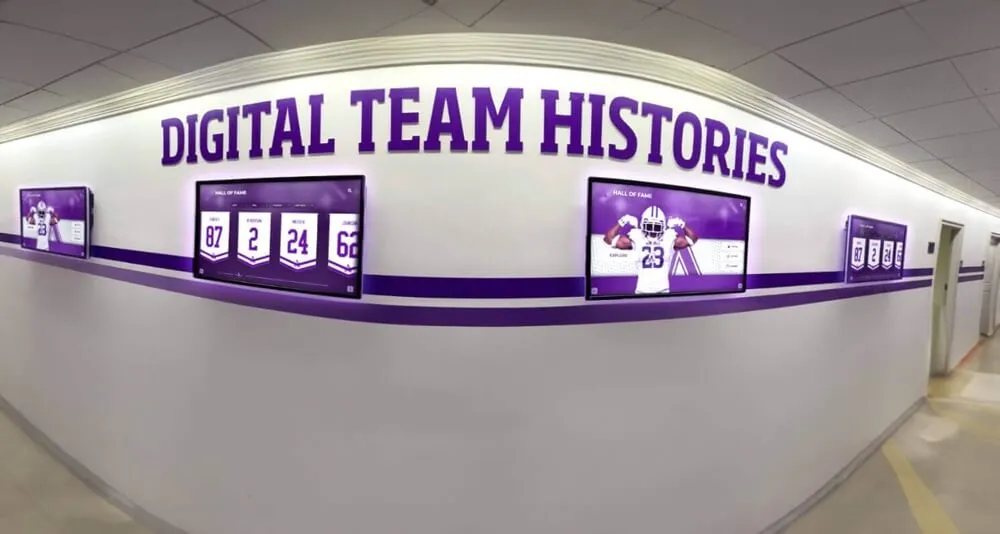
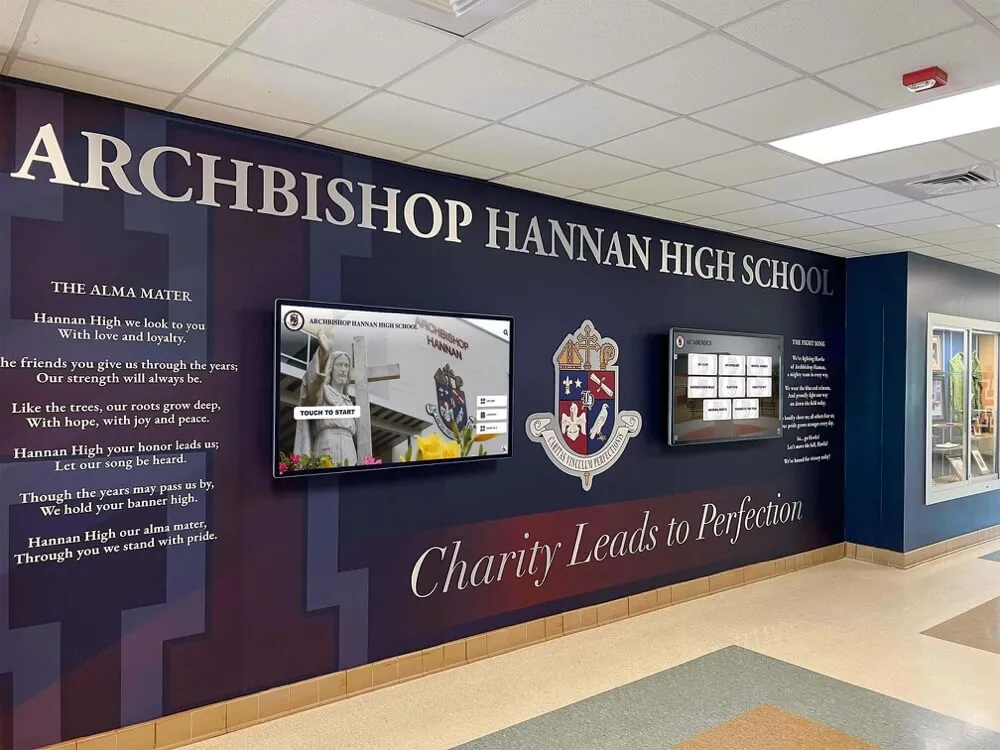
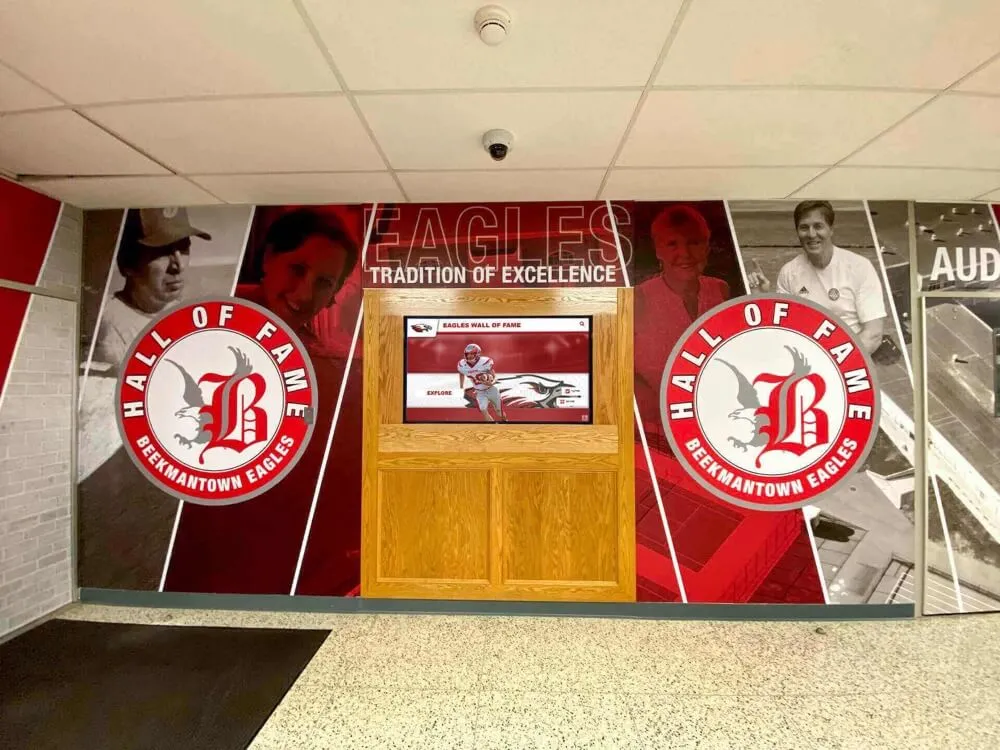
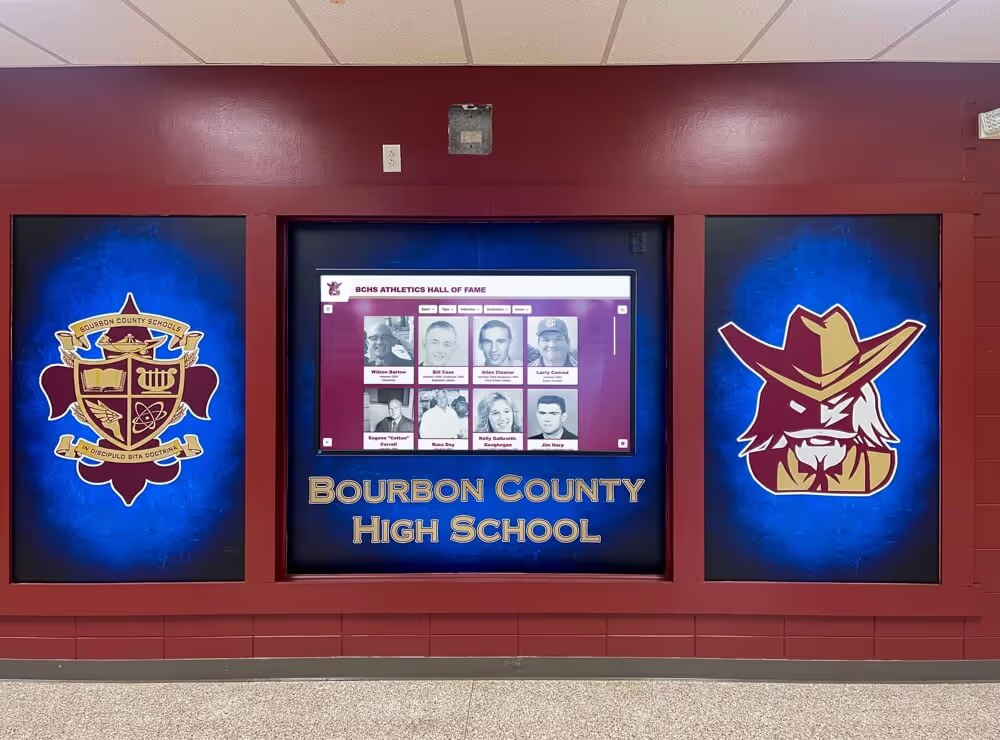
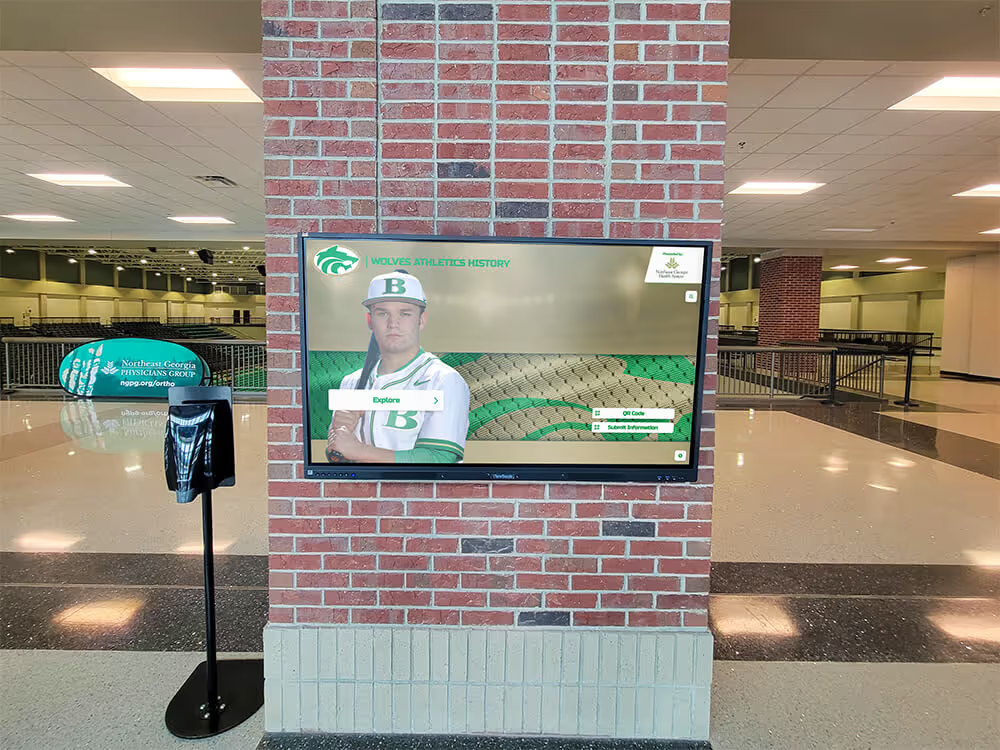
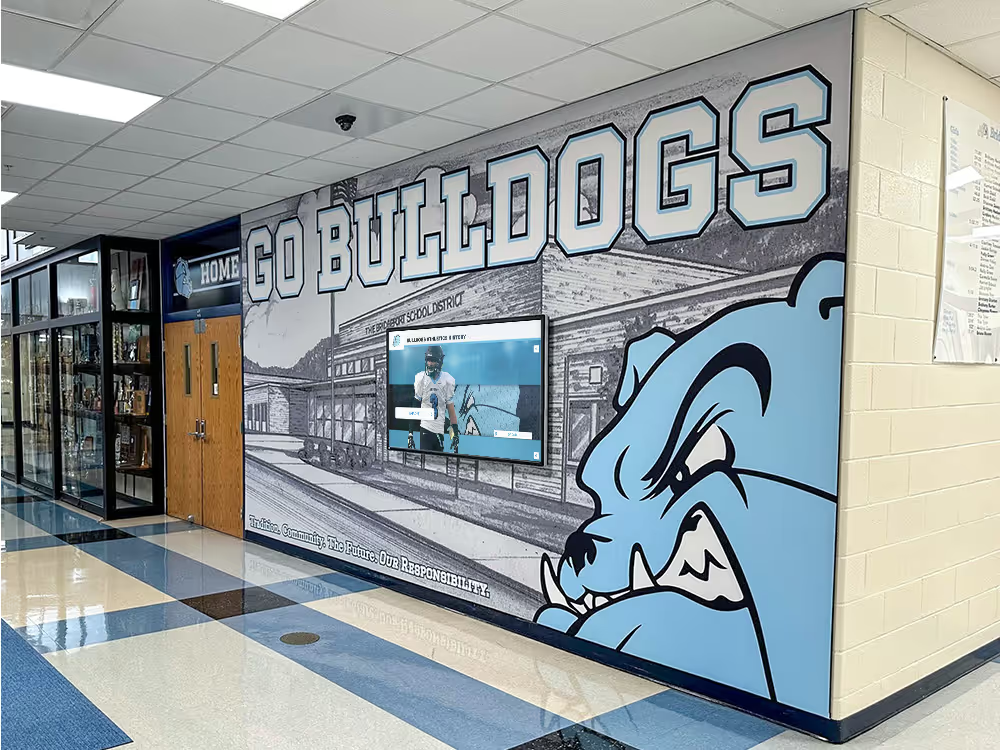
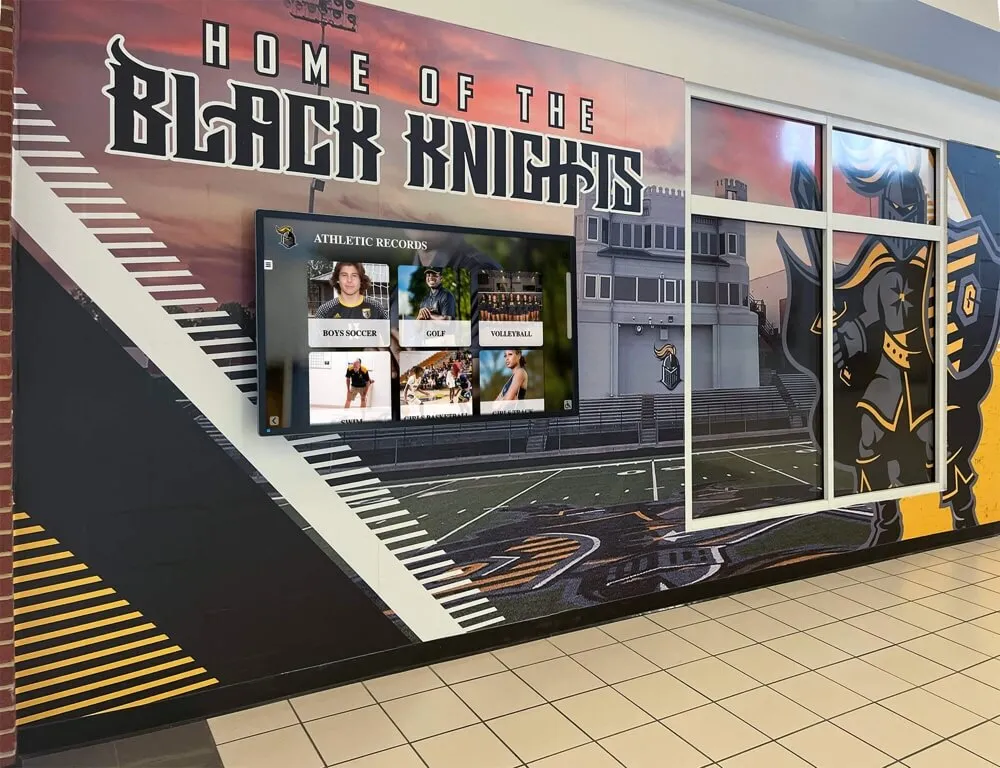
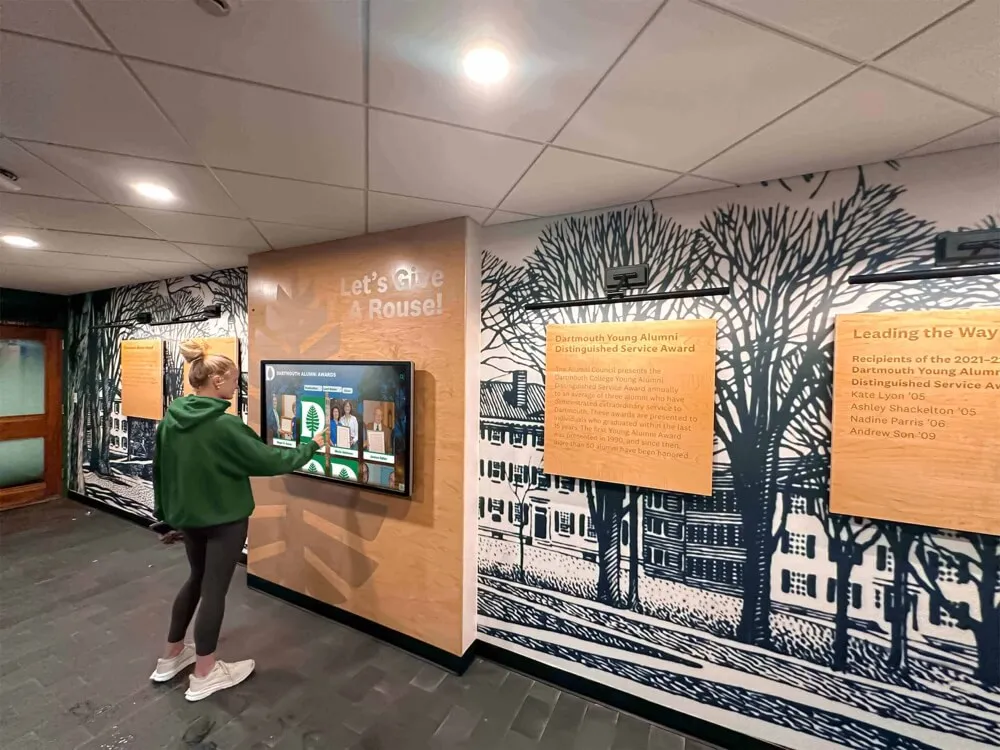
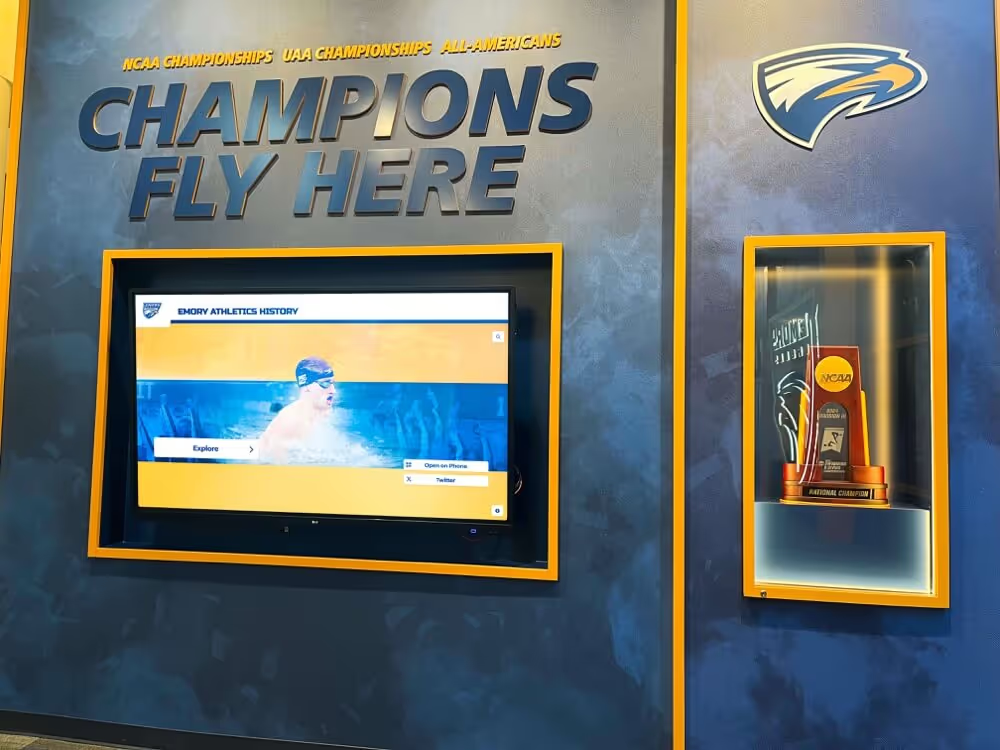
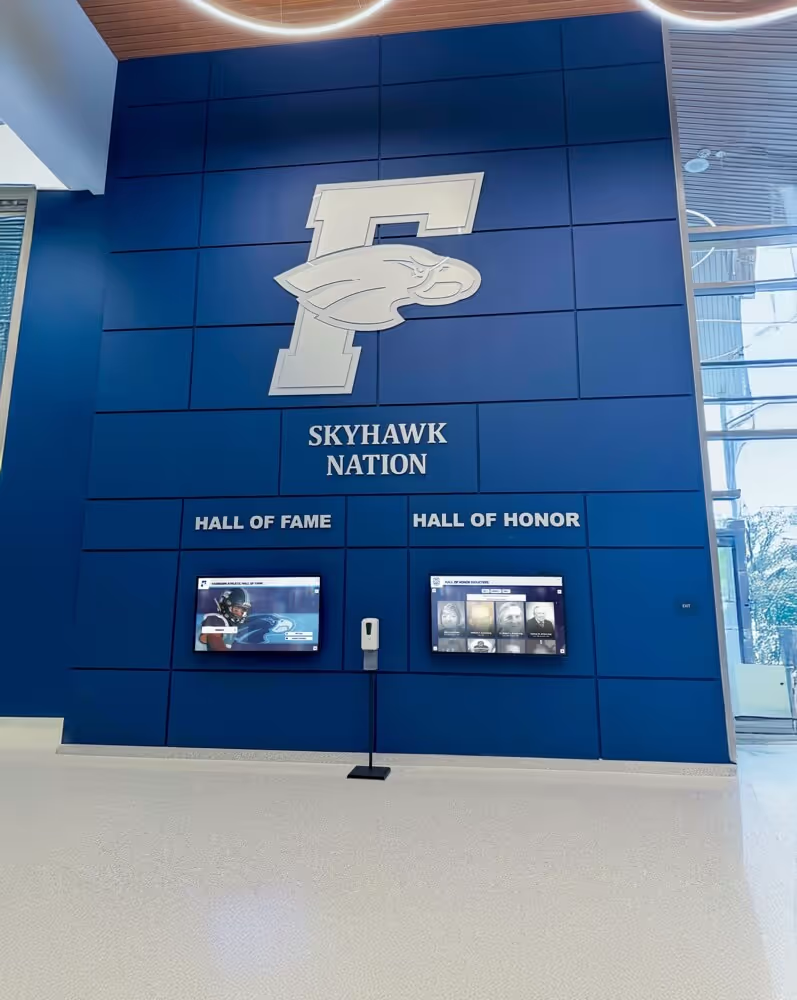
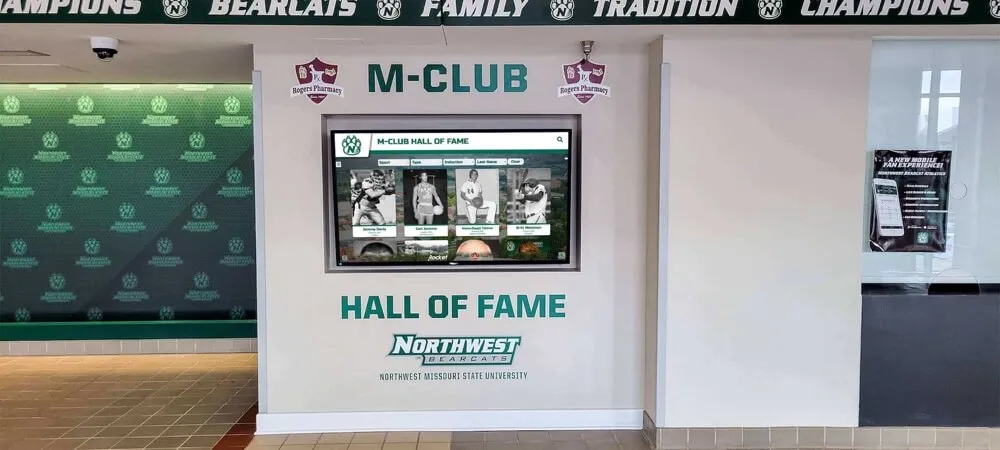
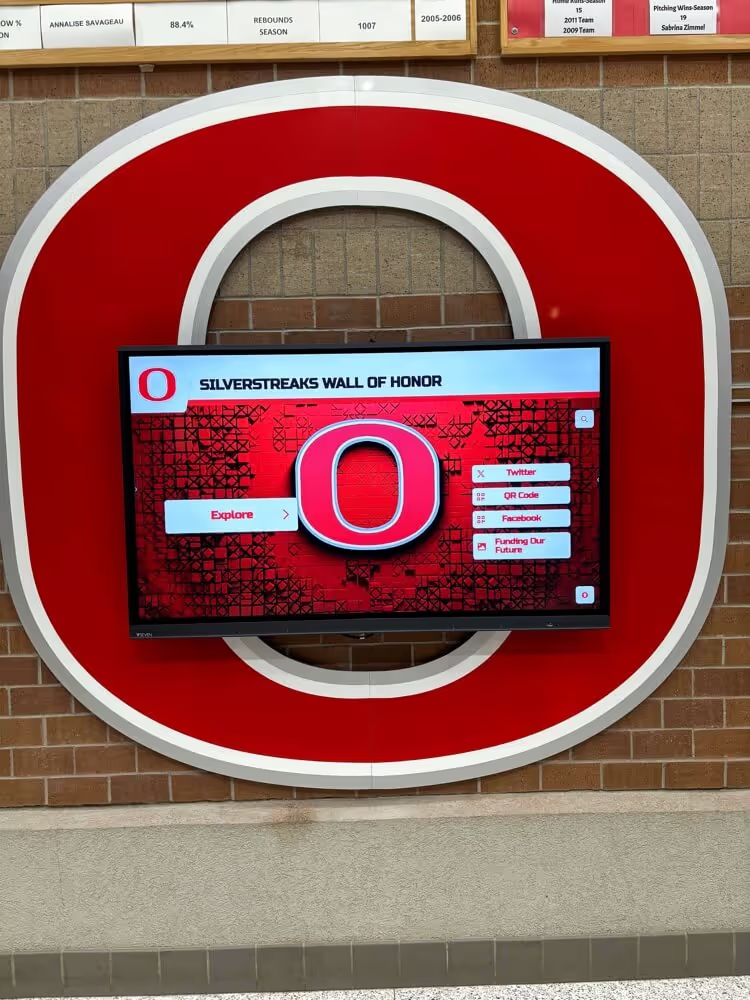
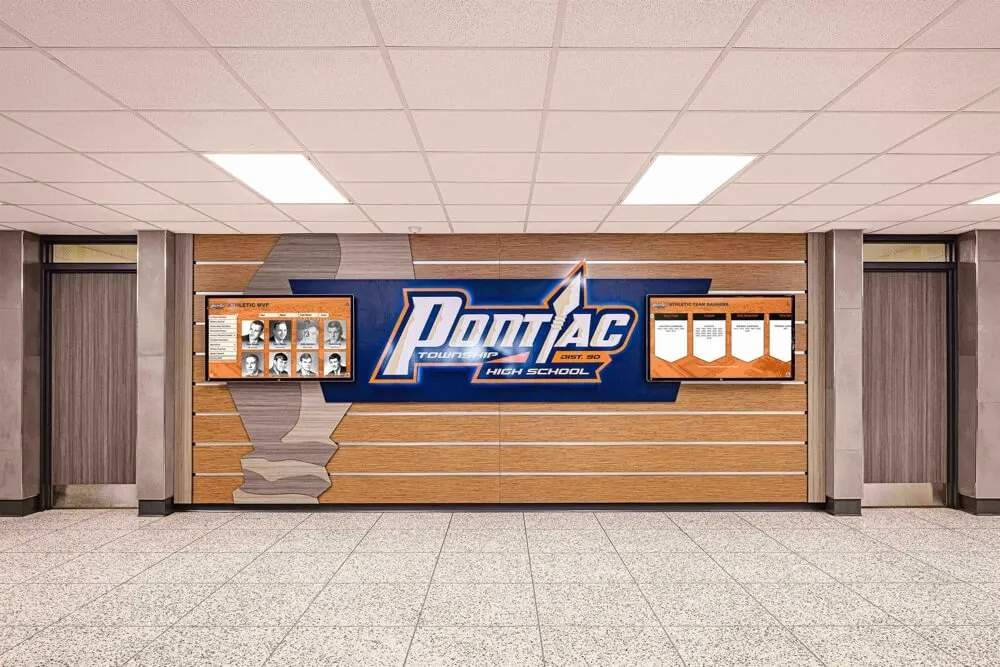
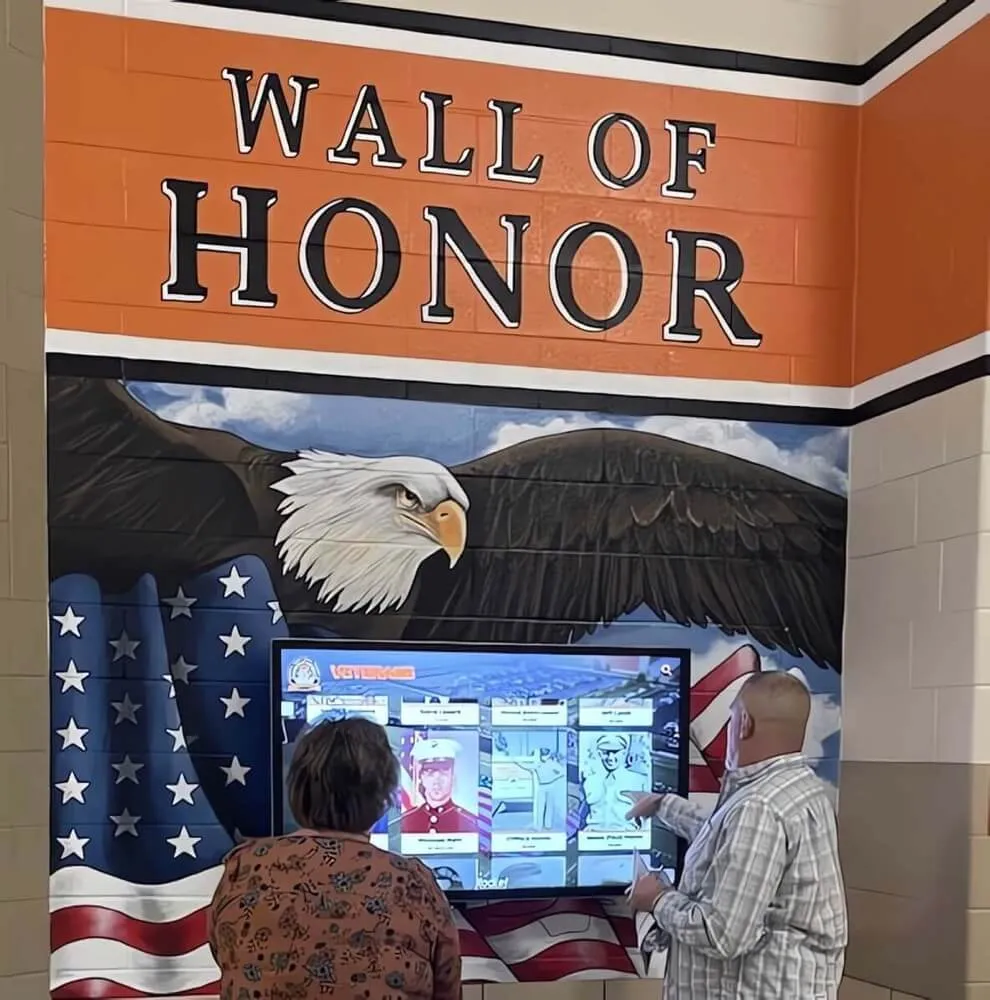
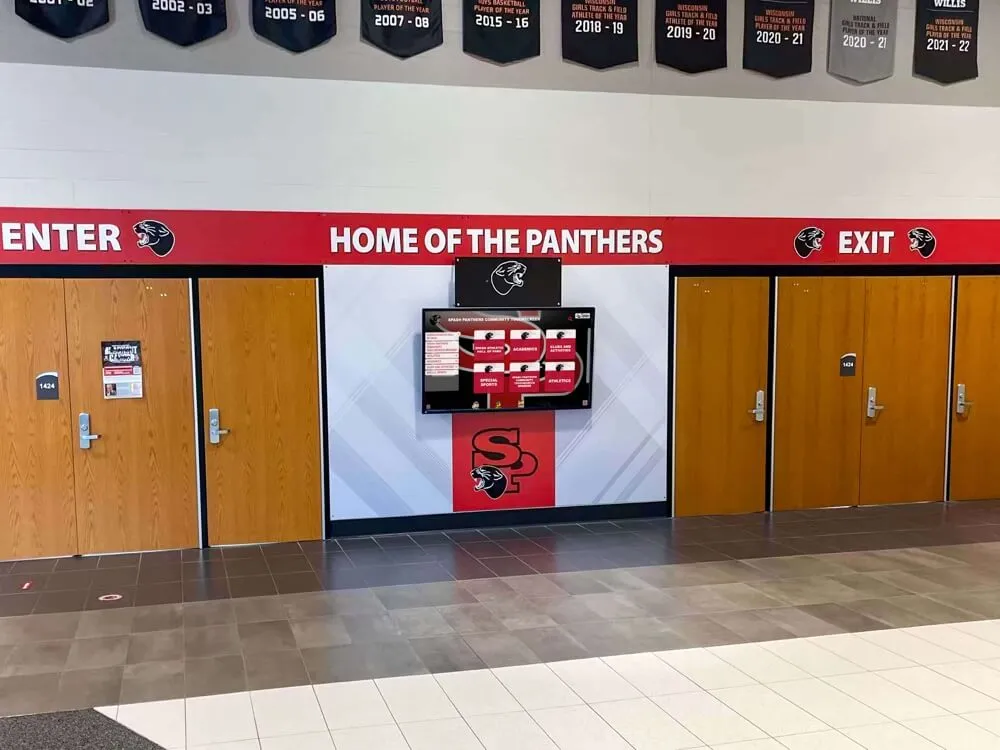
Modern digital recognition solutions address limitations of traditional approaches while preserving their benefits. Interactive displays and online platforms enable comprehensive documentation exceeding what physical displays can accommodate.
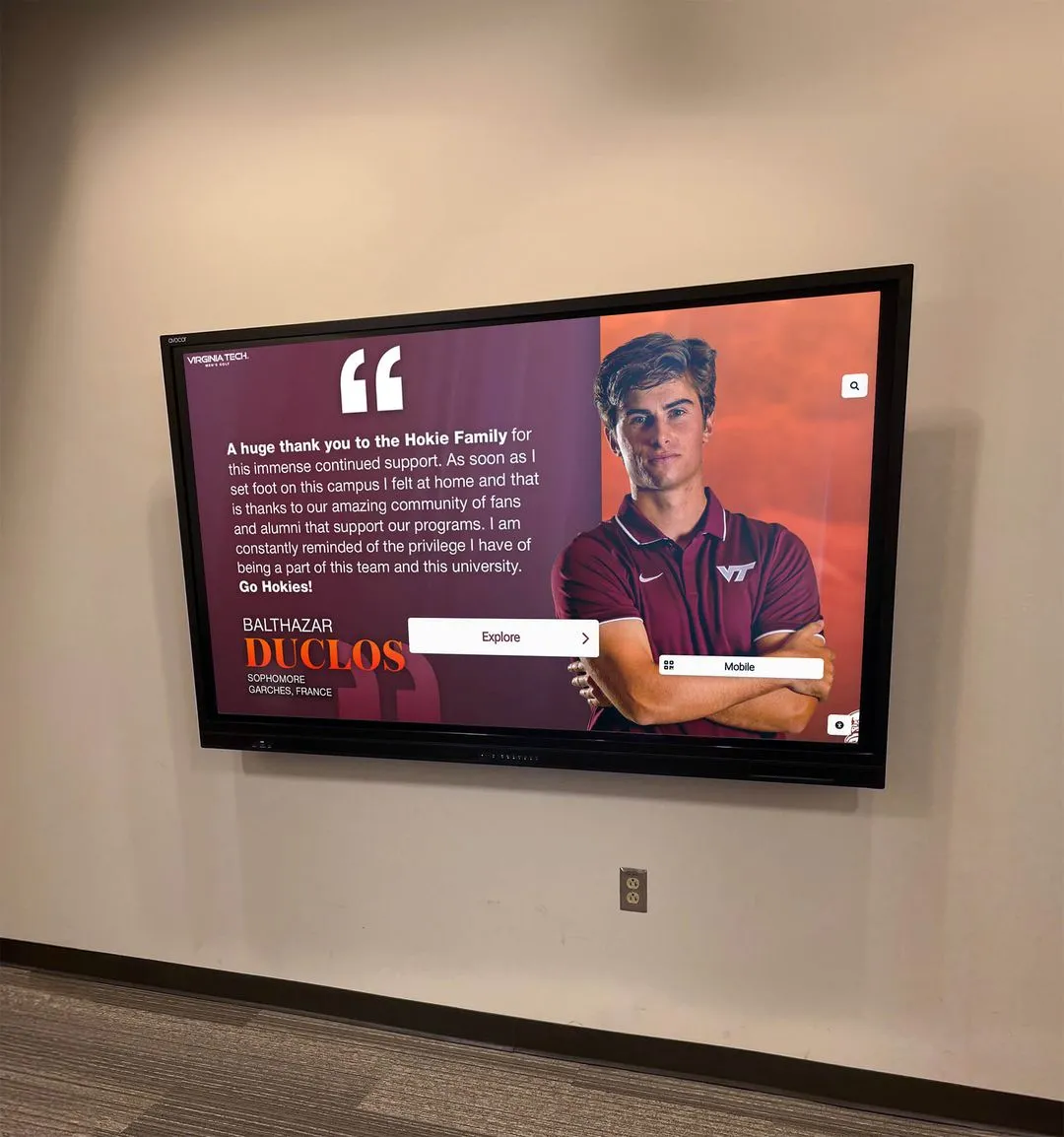
Unlimited Recognition Capacity: Digital platforms eliminate space constraints entirely. Schools can document every fall athlete across multiple years, showcase detailed profiles with statistics and photos, highlight individual and team achievements, and preserve complete historical records without worrying about display space limitations.
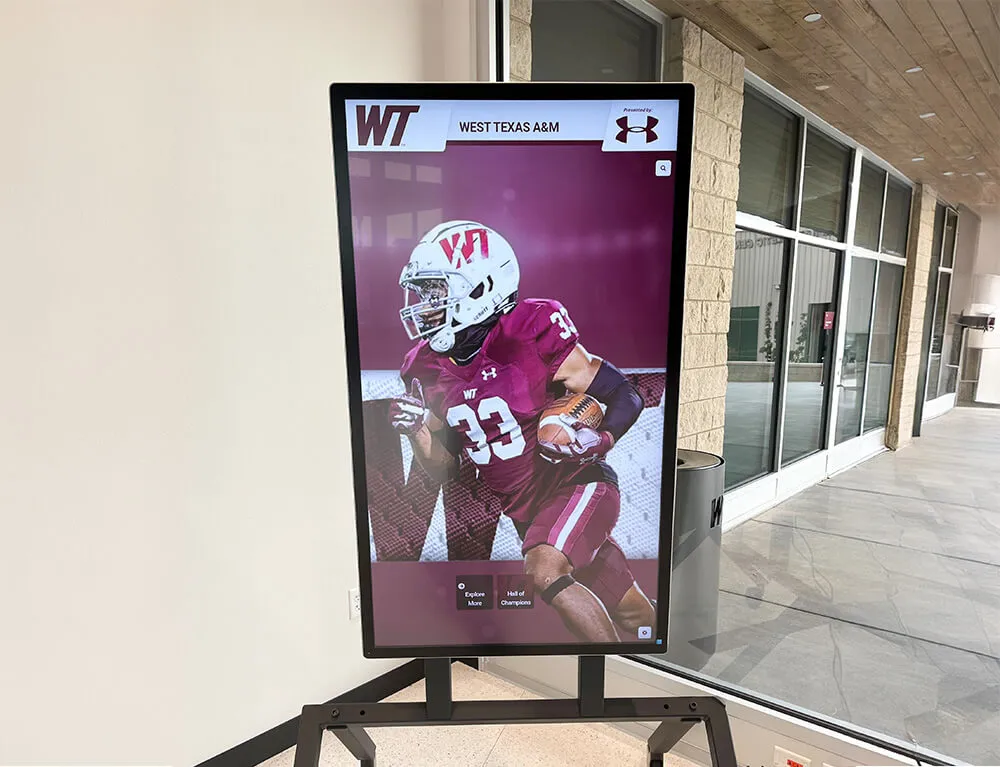
Rich Multimedia Content: Digital recognition incorporates photos, videos, statistical databases, athlete testimonials, and career progression documentation. Rather than simply listing names on plaques, digital displays create engaging profiles telling athletes’ stories comprehensively.
Dynamic Updates and Easy Maintenance: Updating digital displays requires no physical modification—authorized staff can add new achievements, update statistics, incorporate recent photos, and maintain current information through web-based content management systems. This ease of maintenance ensures recognition remains current rather than becoming outdated due to update difficulty.
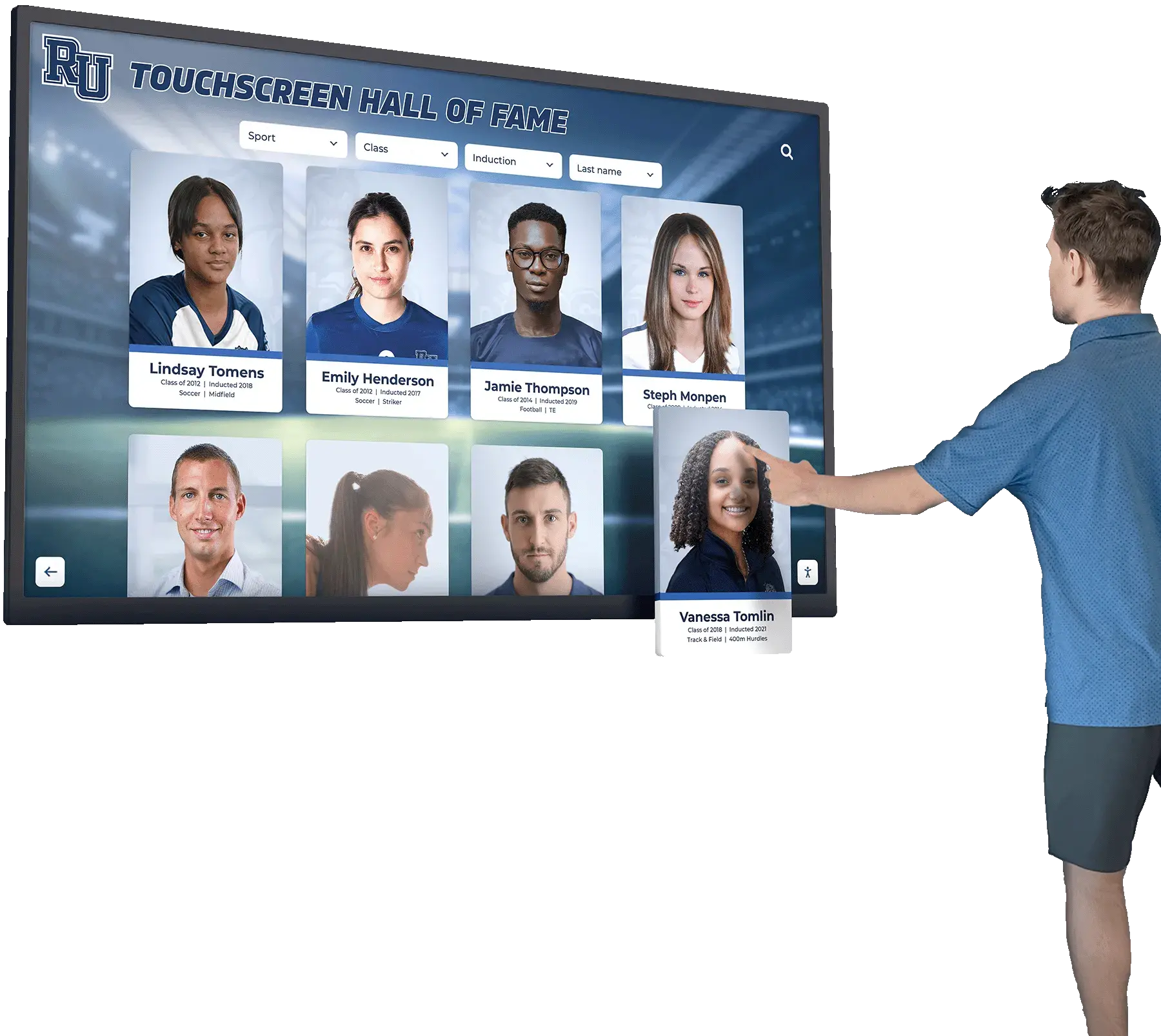
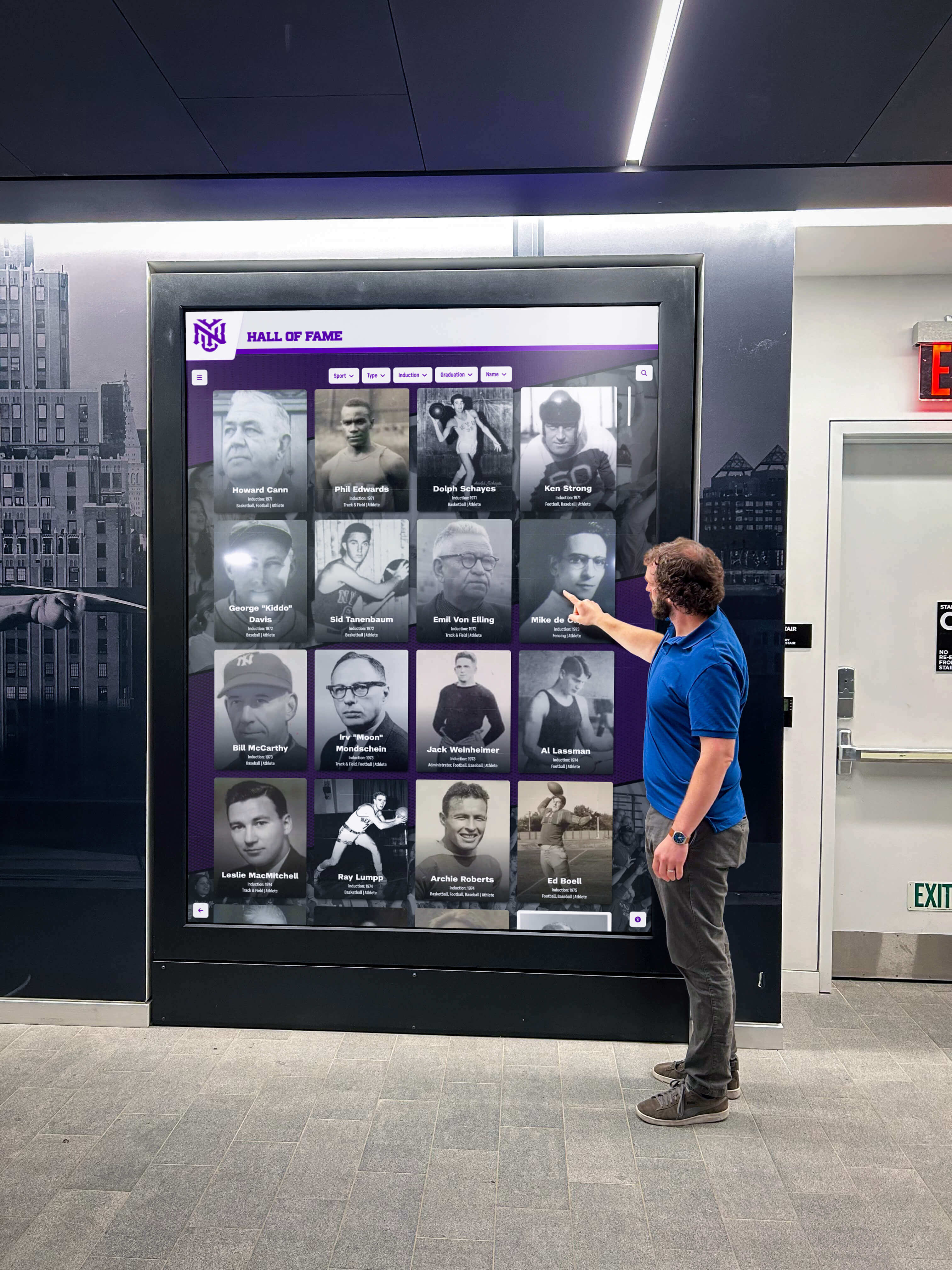
Searchability and Accessibility: Families can search digital recognition platforms for specific athletes, browse by season or sport, filter by achievement type, and explore program history interactively. Web-accessible platforms extend recognition beyond those who can physically visit school facilities—relatives in distant locations can view athlete profiles, alumni can find their historical recognition, and community members can engage with athletic program success.
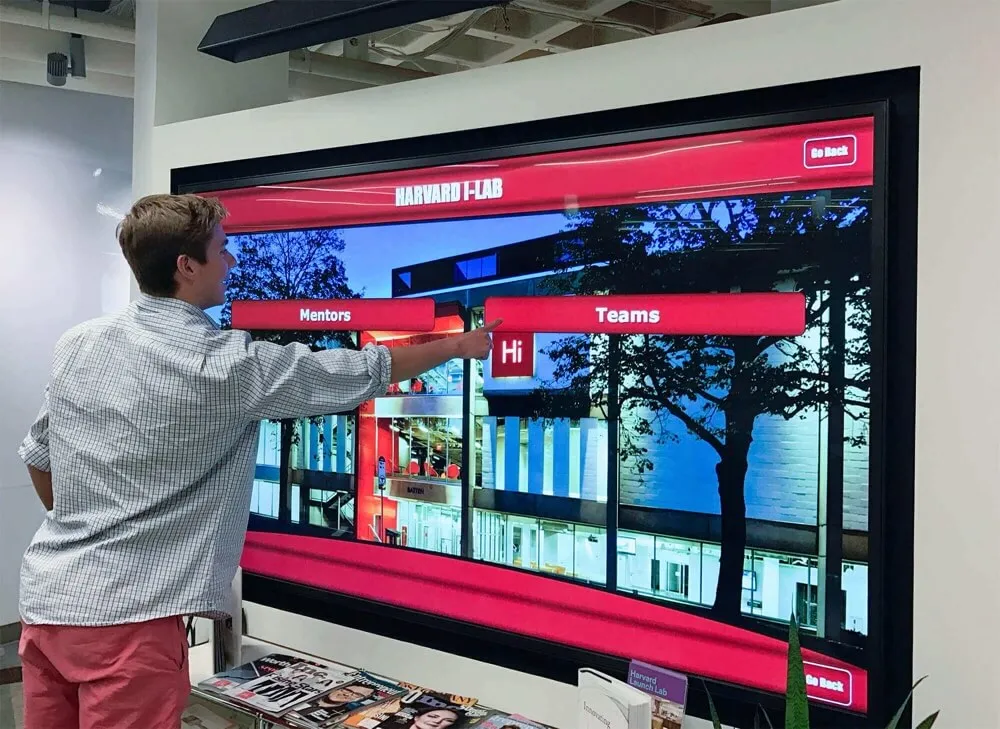
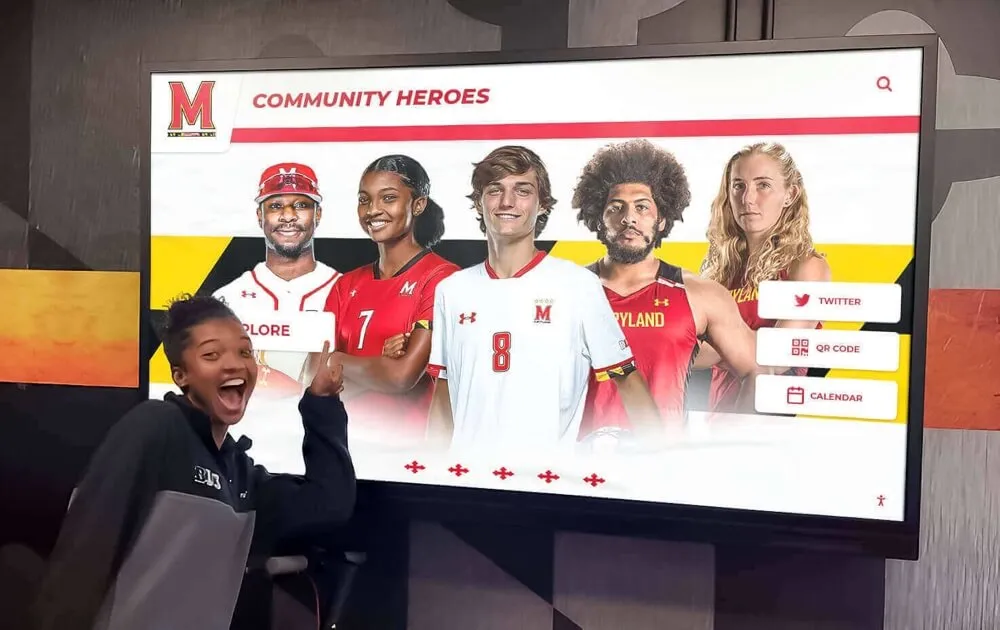
Enhanced Engagement: Interactive touchscreen displays invite exploration in ways static plaques cannot. Visitors spend significantly more time engaging with digital recognition than reading traditional displays, increasing recognition impact while improving understanding of program history and achievement. Studies consistently demonstrate that interactive recognition displays significantly increase engagement compared to static alternatives.
Comprehensive Recognition System Design
Effective recognition systems combine traditional approaches with modern digital platforms, creating multi-layered celebration ensuring all fall athletes receive appropriate acknowledgment.
Tiered Recognition Structure: Schools should implement recognition systems acknowledging varied achievement levels:
Universal Recognition: Document all participants who complete seasons meeting basic criteria (attendance, conduct, academic eligibility). This ensures every athlete who commits to a season receives acknowledgment.
Performance Recognition: Honor statistical achievements, all-conference selections, playoff qualifications, and measurable excellence. These awards maintain meaningful standards while celebrating superior performance.
Character Recognition: Acknowledge leadership, sportsmanship, improvement, and values demonstration. Character awards validate that athletic programs value personal development beyond competitive outcomes.
Historic Milestones: Celebrate program records, championship teams, all-state athletes, and achievement reaching historic significance. Permanent recognition of exceptional accomplishment honors individual excellence while inspiring future athletes.
Equity Across Sports: Schools committed to comprehensive recognition ensure fall sports receive acknowledgment comparable to winter and spring athletics. Digital platforms particularly enable equitable recognition—volleyball, cross country, and smaller fall sports receive display space matching football rather than being relegated to less prominent locations due to physical constraints.
Progressive athletic departments maintain recognition systems providing equitable visibility across all sports regardless of team size, community attention, or traditional prominence.
Practical Implementation Considerations
Athletic directors and school administrators planning recognition systems should address several practical considerations ensuring successful implementation.
Content Management Efficiency: Recognition systems require ongoing maintenance—adding new seasons’ accomplishments, incorporating current photos, updating statistics, and maintaining accurate information. Solutions providing intuitive content management prevent recognition systems from becoming outdated due to update difficulty. Cloud-based platforms enabling remote content updates prove particularly valuable for busy athletic department staff.
Display Location and Visibility: Recognition displays achieve maximum impact when positioned prominently in high-traffic areas—main building entrances, athletic facility lobbies, gymnasium entrances, or commons areas where students, families, and visitors naturally congregate. Visibility signals that schools genuinely value athletic achievement rather than relegating recognition to obscure locations.
Integration with Existing Systems: Modern recognition platforms should integrate with existing school systems—athletic management software, school websites, social media channels, and communication platforms. This integration enables efficient workflows rather than requiring duplicate data entry across multiple systems.
Long-Term Sustainability: Schools should select recognition solutions offering long-term viability rather than platforms likely to become obsolete quickly. Established providers with proven track records, ongoing support services, and regular platform updates ensure recognition investments remain valuable across many years.
Professional Appearance and Quality: Recognition displays reflect on school professionalism and institutional pride. High-quality displays demonstrate that schools take recognition seriously, while amateur-appearing solutions may inadvertently diminish the importance of athletic achievement they intend to celebrate.
Supporting Fall Athletes: Best Practices for Athletic Directors
Athletic directors bear primary responsibility for creating environments where fall sports thrive and athletes receive comprehensive support enabling success on and off playing surfaces.
Season Planning and Scheduling
Effective fall seasons require careful planning balancing multiple considerations:
Preseason Preparation: Establish clear timelines for tryouts, equipment distribution, physical examinations, eligibility verification, and official practice commencement. Communicate deadlines well in advance enabling families to complete requirements before season urgency creates stress.
Competition Scheduling: Balance competitive challenge with realistic expectations. Overly aggressive schedules may generate impressive wins against weak opponents but fail to prepare teams adequately for playoff intensity. Conversely, scheduling exclusively elite opponents may demoralize developing programs. Strategic scheduling creates progression toward championship-level competition while building confidence through achievable challenges.
Facility Allocation: Fall sports often compete for limited facilities—multiple teams need gymnasium space, practice fields, weight room access, and athletic training services. Fair allocation preventing any program from receiving insufficient resources requires advance planning and transparent communication.
Travel and Logistics: Establish clear procedures for competition travel including transportation arrangements, meal provisions, chaperone requirements, and emergency protocols. Professional logistics management enables coaches to focus on athletic preparation rather than administrative details.
Safety and Risk Management
Athletic directors must prioritize athlete safety through comprehensive protocols addressing foreseeable risks:
Heat Safety Protocols: Early fall practices occur during summer-like conditions requiring strict heat safety measures. Establish heat illness prevention protocols including gradual acclimatization periods, mandatory hydration schedules, practice modifications during extreme heat, and immediate response procedures if heat illness symptoms appear.
Concussion Management: All contact sports carry concussion risks requiring rigorous baseline testing, immediate removal protocols when symptoms appear, graduated return-to-play procedures, and ongoing education for athletes, coaches, and families. Never compromise on concussion protocols regardless of competitive implications.
Emergency Action Plans: Every athletic venue requires documented emergency action plans addressing cardiac events, traumatic injuries, environmental emergencies, and facility-specific hazards. Regular drills ensure coaches and staff can execute protocols under actual emergency stress.
Equipment Safety: Football particularly requires extensive safety equipment meeting current standards. Regular equipment inspection, proper fitting protocols, and timely replacement prevent equipment-related injuries.
Coaching Excellence and Professional Development
Quality coaching determines whether athletic programs develop capable athletes, build positive cultures, and create valuable experiences.
Coach Selection: Prioritize coaching candidates demonstrating genuine interest in student development beyond winning, strong communication skills, understanding of age-appropriate training, commitment to safety protocols, and alignment with school values. Technical expertise matters but proves insufficient without broader developmental commitment.
Professional Development: Provide ongoing coaching education through clinic attendance, certification programs, mentorship relationships, and access to current best practices. Effective coaches continuously refine their craft rather than relying indefinitely on methods learned years earlier.
Performance Evaluation: Implement coaching evaluation systems assessing multiple dimensions—athlete development, sportsmanship and culture, safety protocol adherence, communication effectiveness, and competitive results. Balanced evaluation prevents overemphasis on winning at the expense of other critical outcomes.
Support and Resources: Supply coaches with adequate resources including assistant coach allocations, budget support, equipment inventories, and administrative assistance. Expecting quality programs while providing insufficient resources creates frustration and ultimately drives effective coaches toward schools offering better support.
Building Comprehensive Athletic Culture
Individual sport success matters, but cohesive athletic department cultures maximizing benefits for all students require intentional cultivation.
Multi-Sport Participation Encouragement: Rather than pressuring specialization, encourage students to participate in multiple sports across seasons. Multi-sport athletes develop diverse skills, reduce injury risks from repetitive stress, avoid burnout from single-sport intensity, and enjoy varied athletic experiences. Athletic directors should actively combat specialization pressure from coaches preferring year-round commitment.
Academic Integration: Athletics should complement academics rather than competing for student attention. Monitor academic performance, provide academic support resources, enforce eligibility requirements consistently, and communicate that academics represent first priority with athletics enhancing rather than replacing educational mission.
Family Communication: Establish clear communication channels keeping families informed about schedules, expectations, recognition opportunities, and student progress. Regular communication prevents misunderstandings while building family support essential for student success.
Community Engagement: Connect athletic programs with broader communities through recognition events, facility showcases, volunteer opportunities, and partnerships with youth programs. Community investment generates support essential for sustained program excellence.
Many athletic directors find that implementing comprehensive digital recognition platforms strengthens community engagement by providing visible demonstration of athletic excellence accessible to supporters unable to attend competitions.
Conclusion: Celebrating Fall Sports Excellence
Fall sports represent the opening chapter of each school year’s athletic story—the season establishing tone, building momentum, and creating first impressions for incoming students considering athletic participation. Football’s Friday night lights, volleyball’s intense competition, soccer’s growing participation, and cross country’s individual-team duality create diverse opportunities for students with varied interests, physical attributes, and competitive aspirations.
Effective fall athletic programs accomplish multiple objectives simultaneously. They develop physical fitness and athletic skill. They create social communities and leadership opportunities. They teach time management and work ethic. They demonstrate sportsmanship and resilience. They provide college preparation and potential scholarship pathways. Most fundamentally, they create experiences students remember and value decades after graduation—teammates who became lifelong friends, coaches who provided mentorship, competitions where everything aligned perfectly, and lessons learned through both victory and defeat.
Athletic directors and school administrators planning fall programming must balance numerous considerations—safety protocols, equitable resource allocation, quality coaching, appropriate scheduling, and comprehensive recognition ensuring all fall athletes receive celebration commensurate with their commitment and achievement. Traditional recognition approaches retain value, but modern digital platforms dramatically expand possibilities for comprehensive documentation and engaging presentation exceeding what physical displays alone can accomplish.
Schools implementing comprehensive recognition systems discover that visible celebration of athletic achievement creates multiple benefits. Current athletes feel valued and motivated. Prospective students see evidence of supportive culture encouraging participation. Families appreciate institutional recognition of their students’ commitments. Alumni maintain connections to programs through accessible historical documentation. Communities develop pride in athletic excellence prominently displayed rather than hidden in storage.
Solutions like those from Rocket Alumni Solutions provide purpose-built platforms designed specifically for athletic recognition applications. These systems offer intuitive content management enabling busy athletic directors to maintain current information effortlessly, engaging interactive displays that capture attention and invite exploration, unlimited capacity documenting every athlete’s contributions across multiple seasons, and comprehensive searchability allowing families to find their students’ recognition instantly. Whether implementing entirely digital solutions or augmenting traditional trophy cases with interactive displays, modern recognition technology ensures fall athletes receive celebration matching their remarkable achievements.
Fall sports athletes wake early for conditioning, endure summer heat during August practices, balance academic demands with daily training, compete intensely against worthy opponents, support teammates through challenges, and develop capabilities serving them throughout life. These students deserve recognition systems as comprehensive and engaging as the experiences they create. Effective recognition communicates that schools genuinely value diverse forms of student excellence—not just academic achievement but also athletic commitment, character development, leadership demonstration, and resilience building that fall sports uniquely cultivate.
As you plan for upcoming fall seasons—selecting coaching staff, scheduling competitions, allocating resources, and establishing recognition traditions—remember that you’re not simply organizing athletic contests. You’re creating formative experiences shaping student development, building school culture, engaging communities, and establishing legacies students will remember and appreciate long after their final competitions conclude.
Explore comprehensive digital recognition solutions that transform how schools celebrate fall athletic achievement. Your fall athletes accomplish extraordinary things each season—ensure they receive recognition as remarkable as the dedication they demonstrate, the skills they develop, and the memories they create through participation in high school fall sports.