



Key Takeaways
Discover 20 proven wall of honor ideas from schools, military organizations, and veterans groups. From traditional plaques to interactive touchscreens—design inspiration for meaningful recognition displays.
Why Organizations Create Walls of Honor
Walls of honor serve purposes that extend far beyond simple name recognition. When designed with care and maintained consistently, these installations become gathering places for reflection, education, and community building.
Preserving Stories of Service and Sacrifice
Military service, distinguished careers in education, decades of community leadership, or other forms of significant contribution represent stories worth preserving. Without intentional documentation, these narratives fade as generations pass and institutional memory diminishes.
A well-designed wall of honor captures not just names and dates, but the substance of what individuals accomplished and the values they exemplified. For veterans walls, this means preserving details about service branches, deployments, ranks achieved, and specific contributions. For school recognition walls, it means documenting careers in education, student impact, and community involvement that defined legacies.
Inspiring Current and Future Generations
When students walk past a wall honoring graduates who served their country, or when young teachers see recognition of colleagues who dedicated entire careers to education, excellence becomes tangible through concrete examples. Recognition displays answer the question “What kind of person do we value?” through real-world examples rather than abstract mission statements.
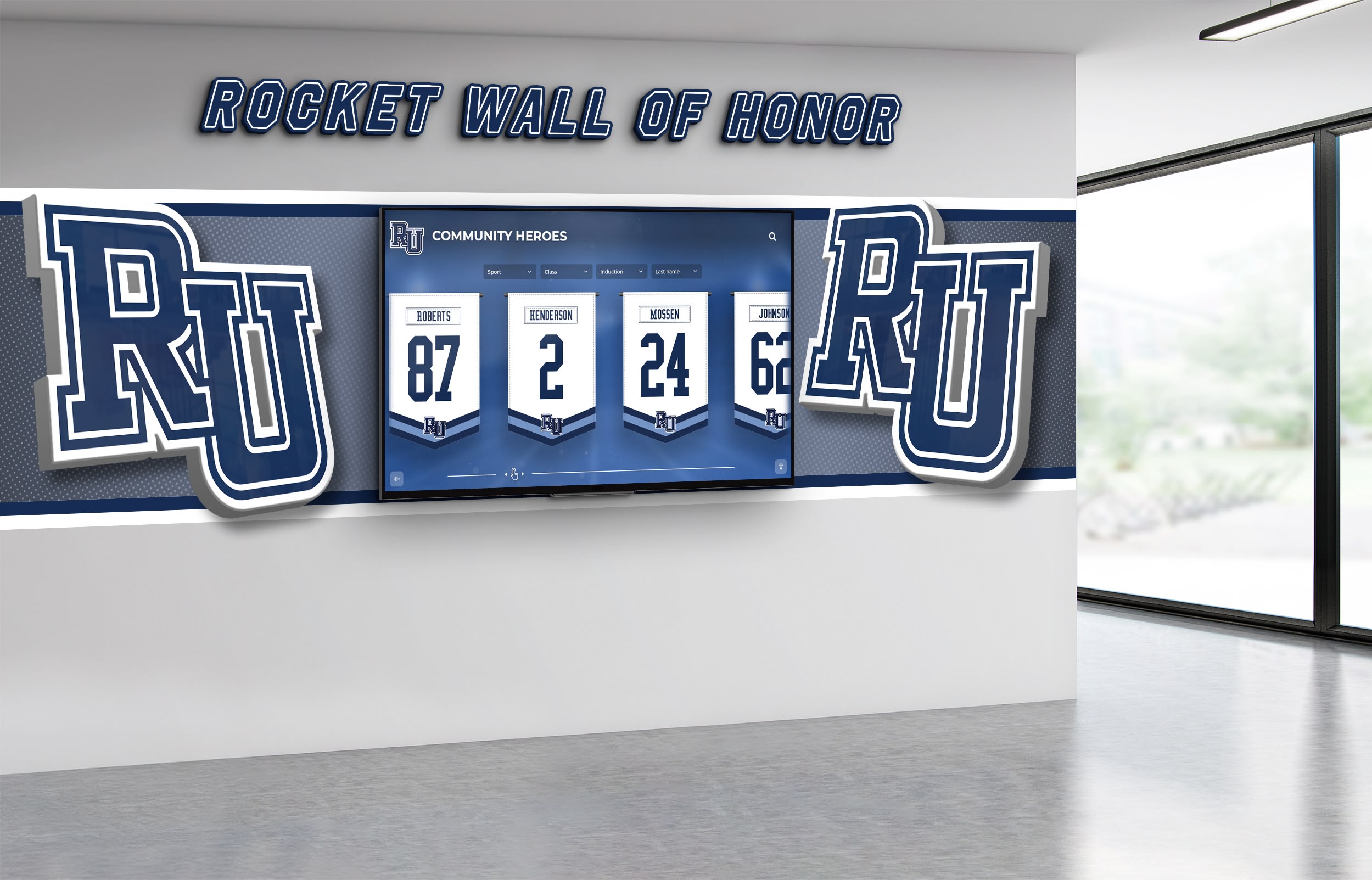
For veterans organizations, walls of honor demonstrate the continuation of service across generations while providing younger members with role models who exemplified the values and commitment they’re called to uphold.
Creating Space for Remembrance and Reflection
Recognition walls become gathering places for important ceremonies, memorial observances, and personal reflection. Veterans groups use these spaces for Memorial Day and Veterans Day programs. Schools host dedication ceremonies when new honorees are added, creating opportunities for families, colleagues, and communities to gather and celebrate contributions together.
These installations transform ordinary hallways or lobbies into meaningful spaces that command respect and invite contemplation about service, sacrifice, and commitment to causes larger than ourselves.
Traditional Wall of Honor Design Ideas
Many organizations prefer classic approaches that convey dignity, permanence, and respect through time-tested design elements.
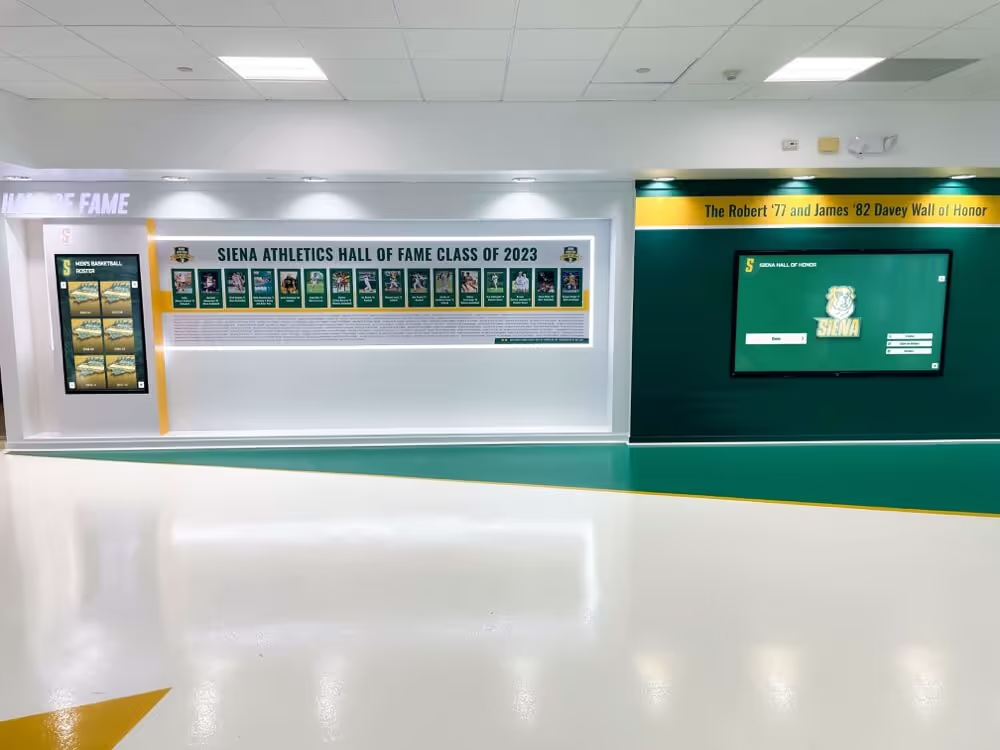
1. Bronze Plaque Installation
Individual bronze plaques mounted on wood, stone, or painted walls remain the most traditional and widely recognized format for walls of honor. Each plaque typically includes the honoree’s name, service dates, branch of service or role, and sometimes rank or position.
Bronze conveys permanence and importance through material choice while allowing detailed engraving that remains legible for decades. Organizations add new plaques annually as they recognize additional honorees, creating growing installations that document expanding legacies.
Best for: Organizations with limited annual additions, traditional aesthetic preferences, and permanent indoor installation locations protected from weather exposure.
2. Engraved Name Walls
Large panels of granite, marble, or composite materials engraved with multiple names create impressive installations suitable for recognizing hundreds or thousands of individuals. This approach works particularly well for military installations, large school districts, or community-wide veteran memorials.
Names typically organize chronologically, alphabetically, or by service branch, with clear section headers helping visitors locate specific individuals. Some installations include hometown information, service dates, or symbols denoting specific recognition categories.
Best for: Large-scale recognition programs honoring extensive numbers of individuals in unified permanent installations.
3. Shadow Box Display Arrangements
Individual shadow boxes allow honorees or their families to include personal memorabilia—medals, ribbons, photographs, rank insignia, or other meaningful items—alongside biographical information. This approach creates highly personalized tributes that tell richer stories than names and dates alone.
Shadow boxes install individually or in organized grids, with consistent sizing and frame styles creating visual unity while allowing personalized content. Organizations typically establish guidelines about acceptable items and display standards to maintain appropriate dignity.
Best for: Programs emphasizing individual stories, organizations with space for larger installations, and situations where families actively participate in recognition content.
4. Photographic Recognition Walls
Professional portraits paired with nameplates and brief biographical information create approachable, personal recognition displays that help visitors connect with honorees as individuals rather than just reading names on plaques.
High-quality printed photographs on archival materials, professionally framed, maintain appearance for decades when protected from direct sunlight. Some installations use uniform backgrounds and poses for visual consistency, while others embrace varied photograph styles that reflect individual personalities.
Best for: School faculty recognition, civilian service awards, and situations where personal connection and individual stories take priority over formal military aesthetics.
5. Memorial Garden Integration
Outdoor spaces combining landscaped gardens with permanent markers create peaceful environments for reflection and remembrance. Engraved stones, brick pavers, memorial benches, or sculpture installations integrate recognition into thoughtfully designed outdoor spaces.
Garden settings work particularly well for veterans memorials in public parks, campus memorial spaces, or organizational grounds where outdoor gathering spaces serve important community functions beyond recognition alone.
Best for: Organizations with suitable outdoor space, climates supporting year-round access, and communities valuing peaceful outdoor gathering places.
6. Donor-Style Recognition Walls
Borrowed from fundraising recognition approaches, donor wall formats organize honorees into recognition levels indicated by different materials, sizes, or positions. This tiered structure can reflect different service lengths, achievement levels, or recognition categories.
Creative donor wall design concepts translate effectively to honor walls, using visual hierarchy to distinguish recognition categories while maintaining unified aesthetic presentation.
Best for: Organizations with clearly defined recognition tiers, professional installations in prominent locations, and programs emphasizing visual impact.
7. Custom Architectural Integration
Built-in installations designed as integral architectural elements—rather than additions to existing spaces—create the most impressive and permanent recognition displays. This approach typically occurs during new construction or major renovation projects.
Custom millwork, specialty materials, integrated lighting, and architectural detailing create recognition installations that feel intentional and important rather than added as afterthoughts.
Best for: New construction projects, major renovation initiatives, flagship facilities, or situations where recognition serves as primary purpose for specific spaces.
Digital and Interactive Wall of Honor Ideas
Technology-enhanced approaches allow organizations to share more comprehensive information, update content easily, and engage visitors through interactive exploration.
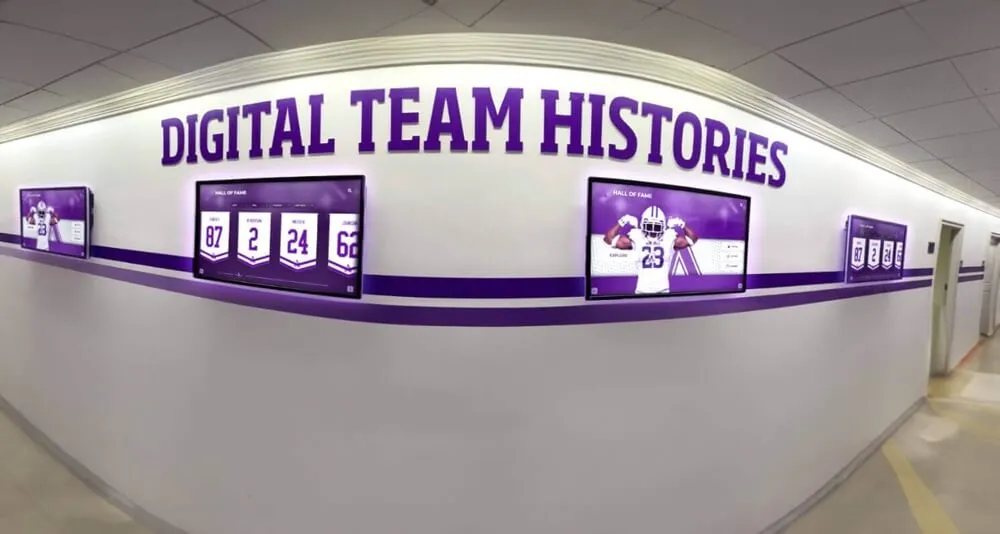
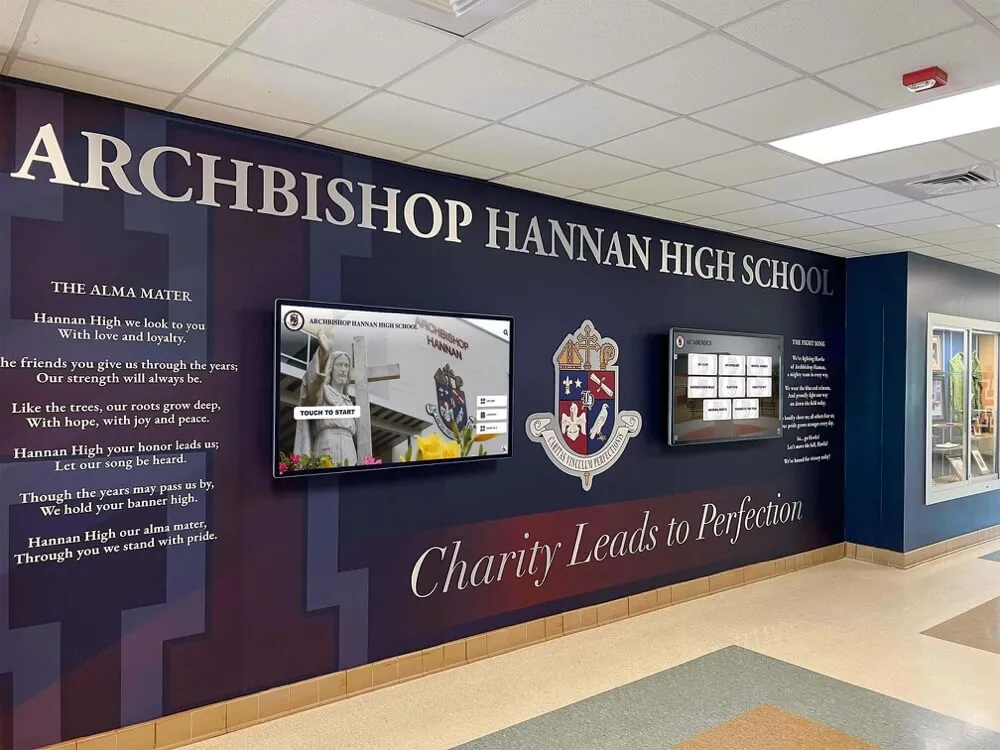
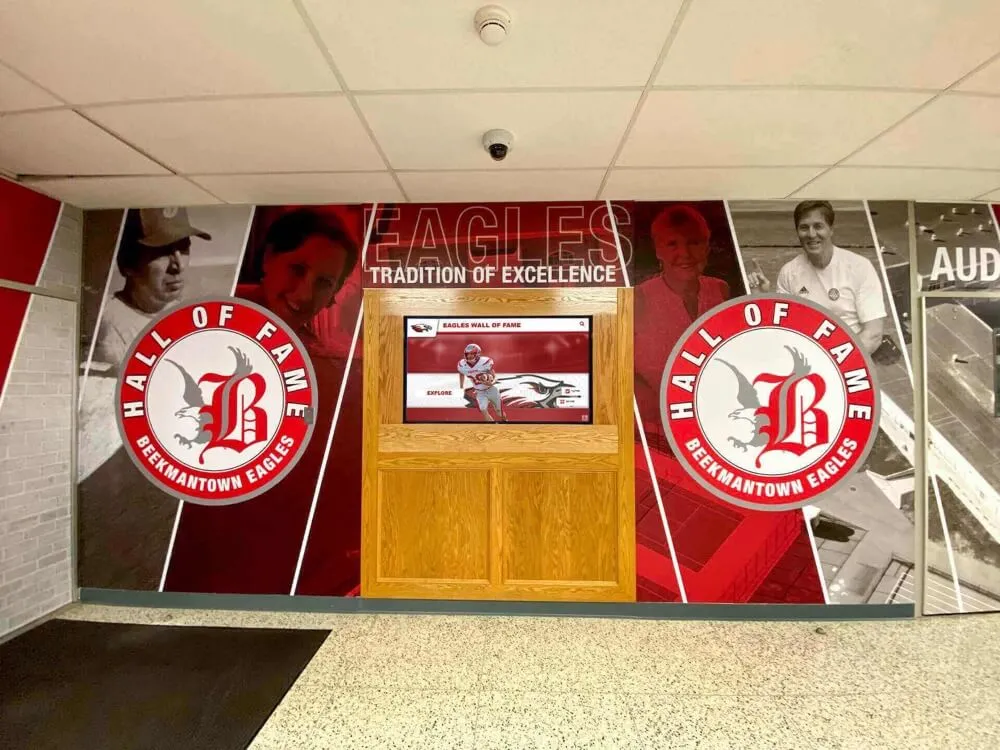
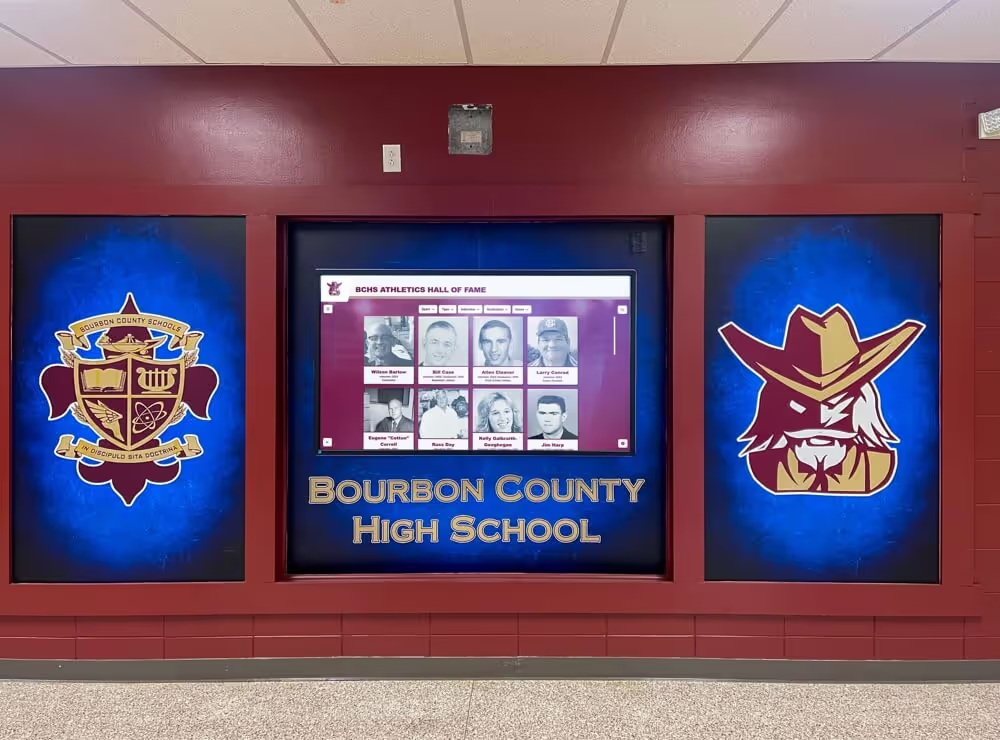
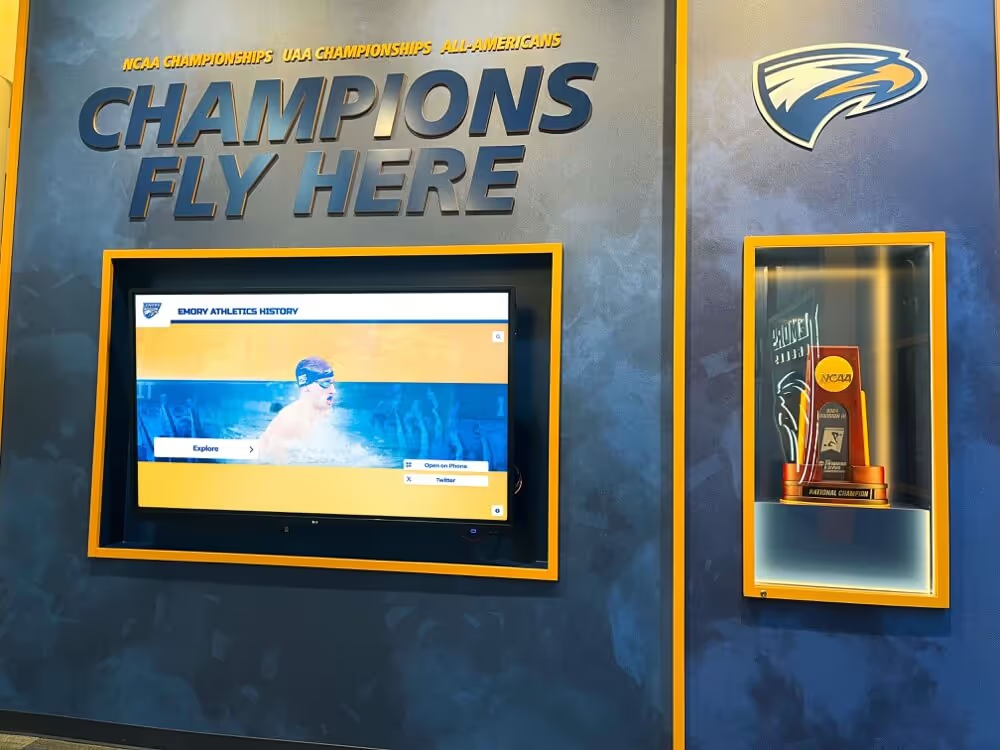
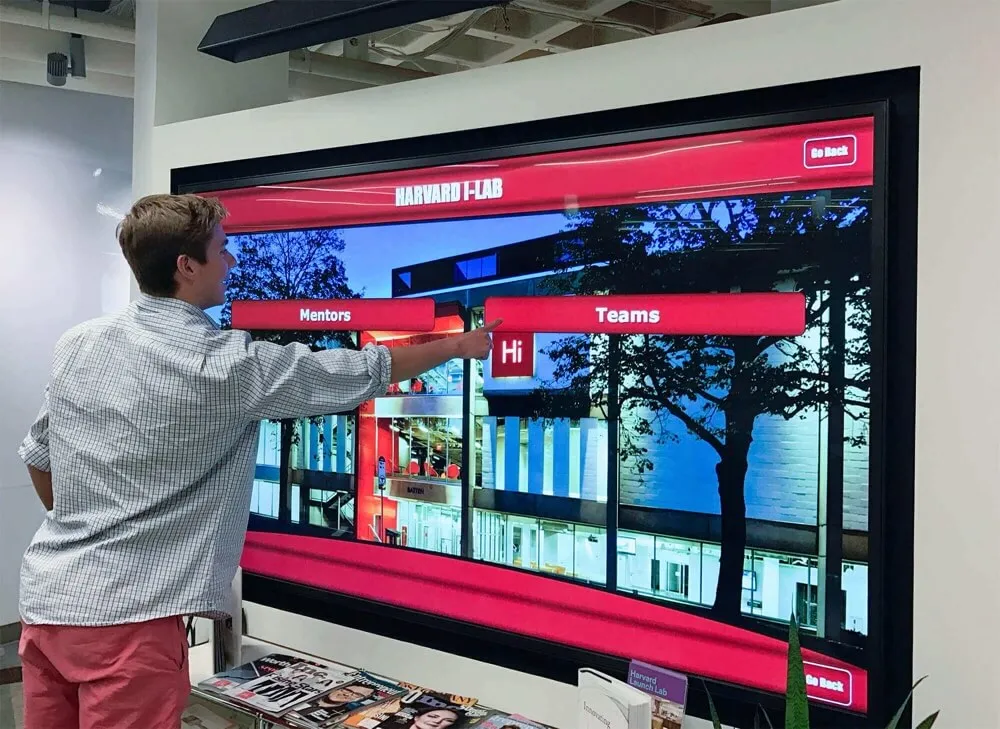
8. Touchscreen Interactive Displays
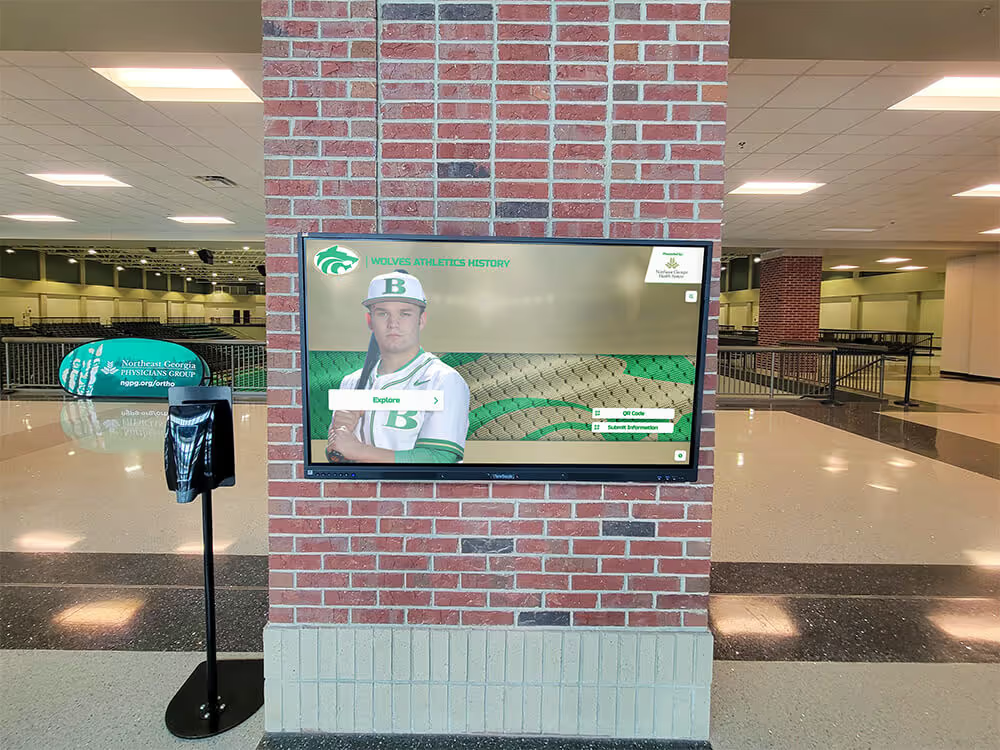
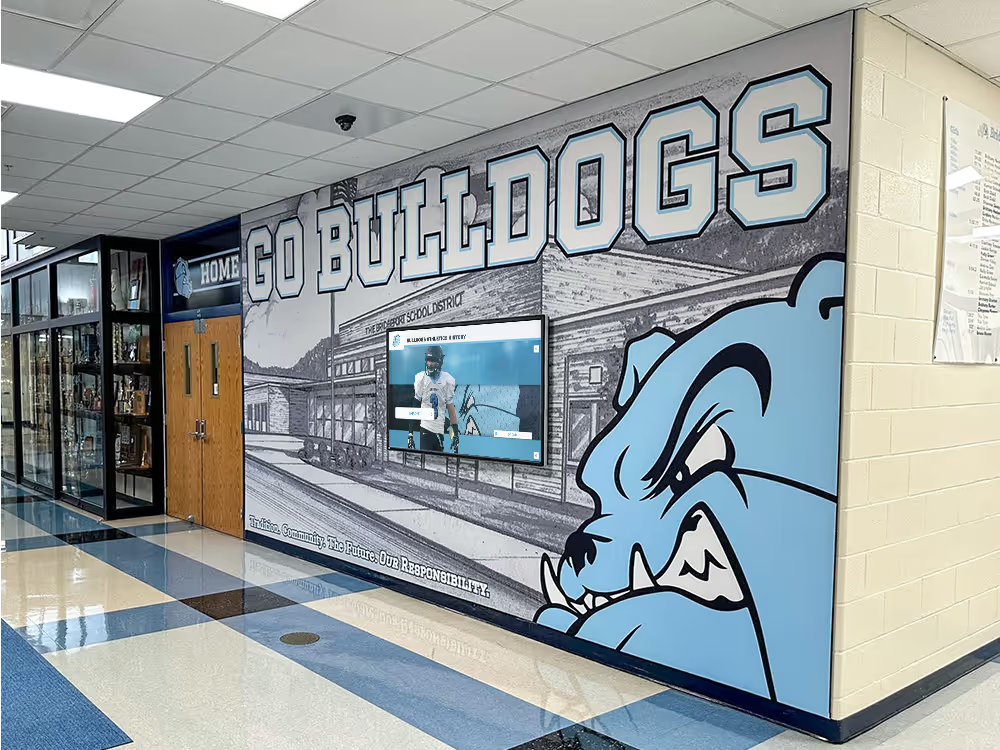
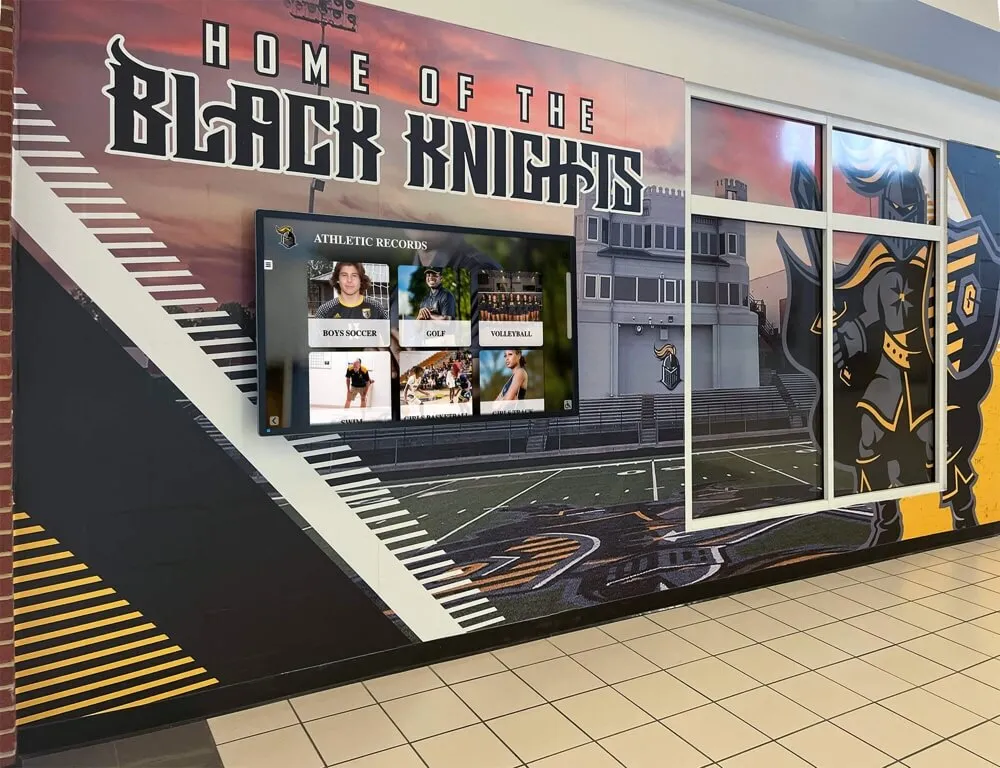
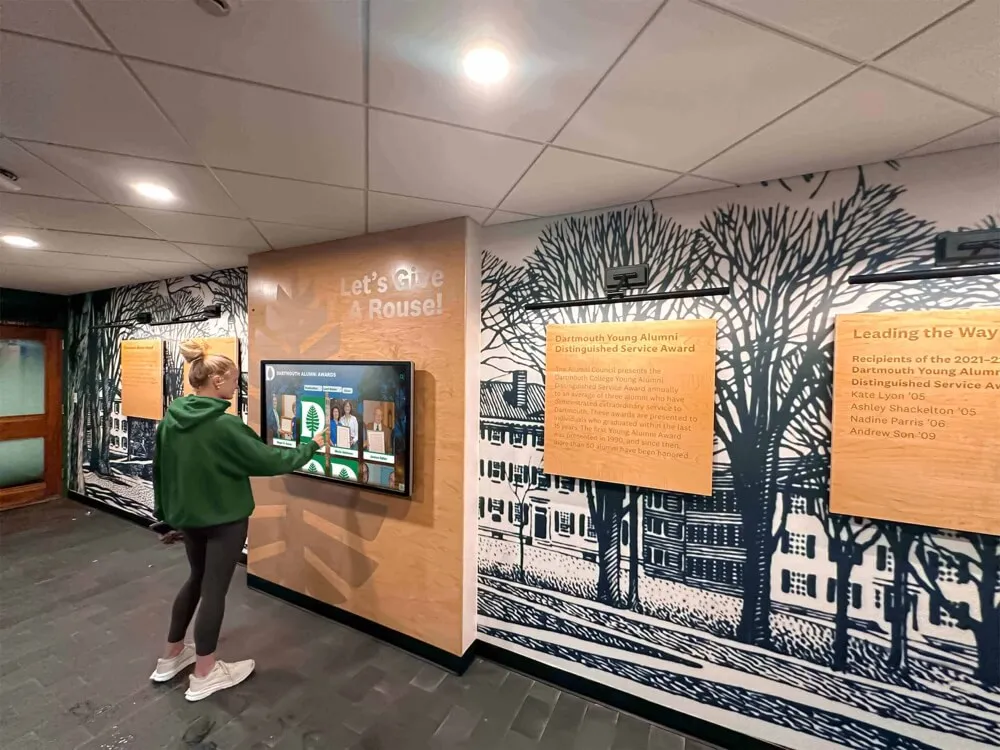
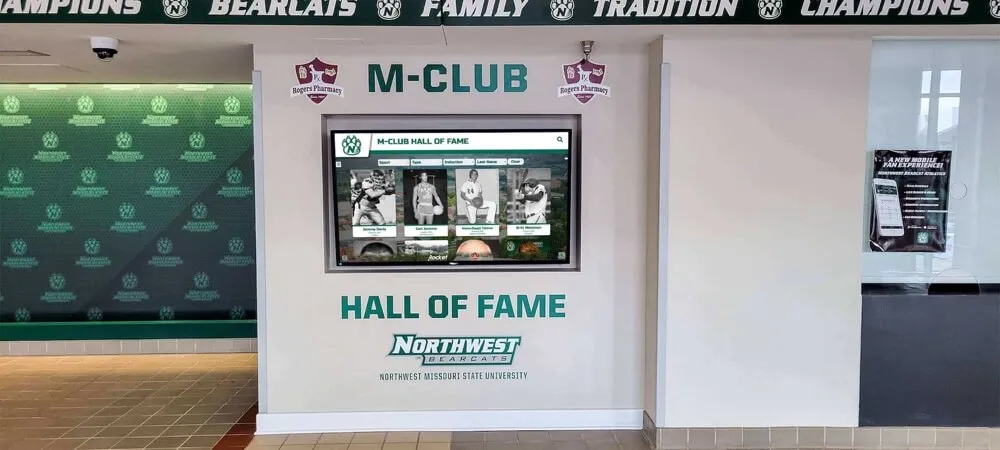
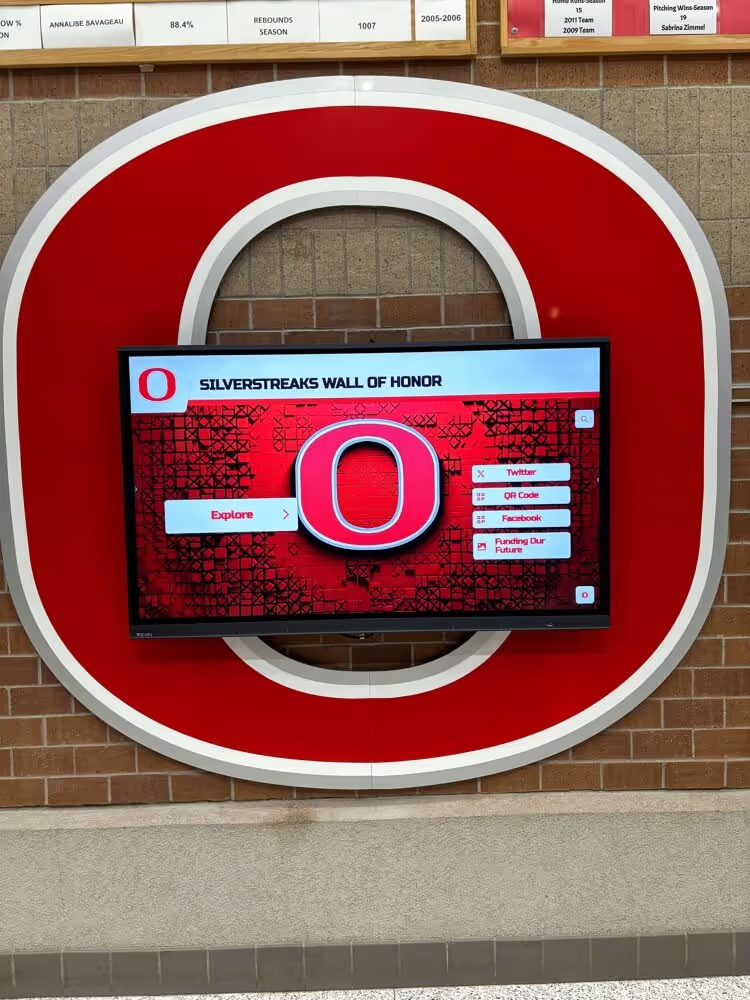
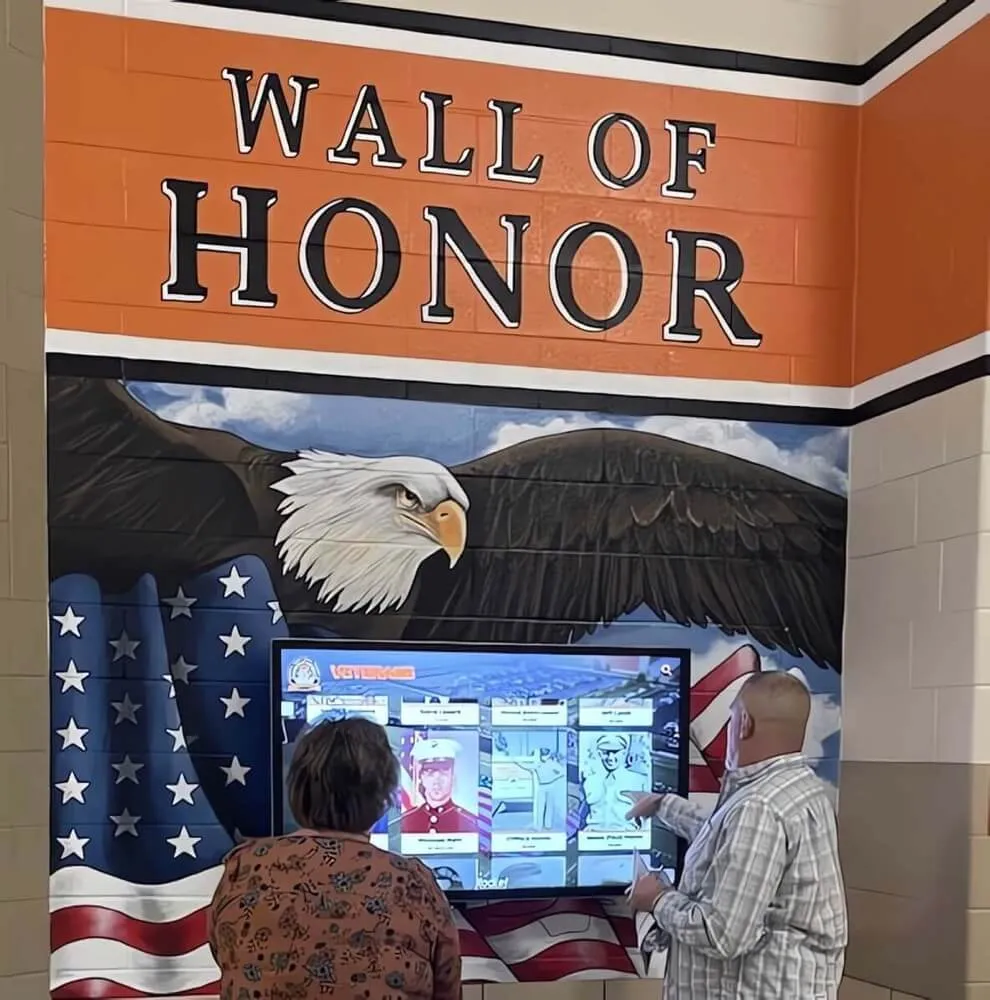
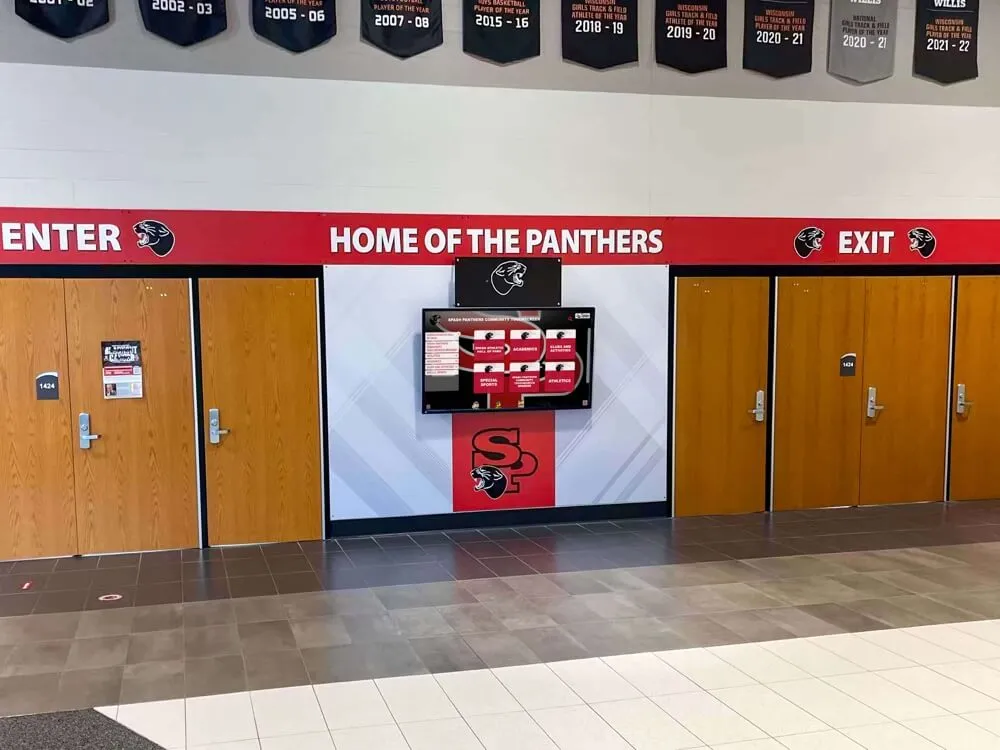
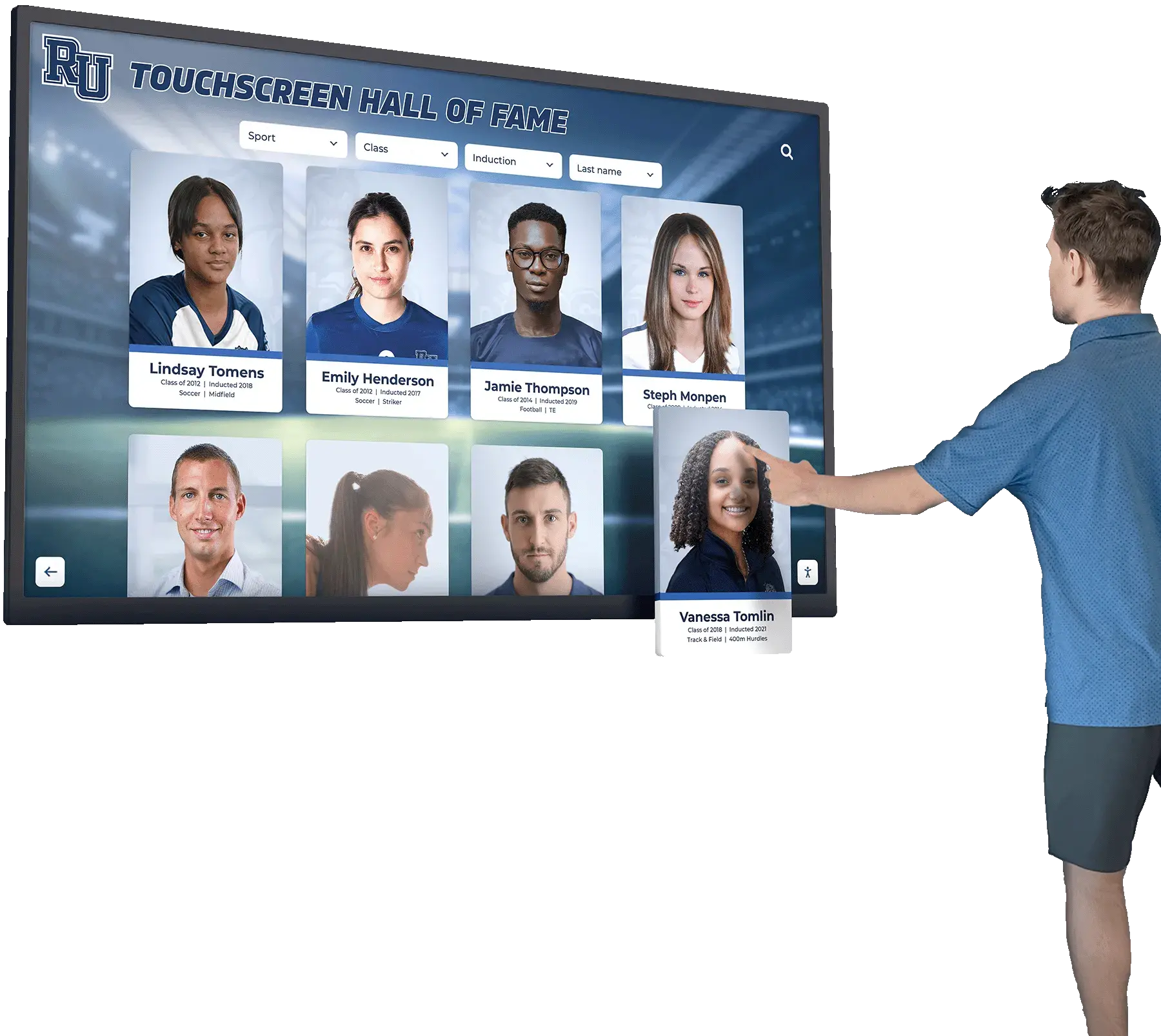
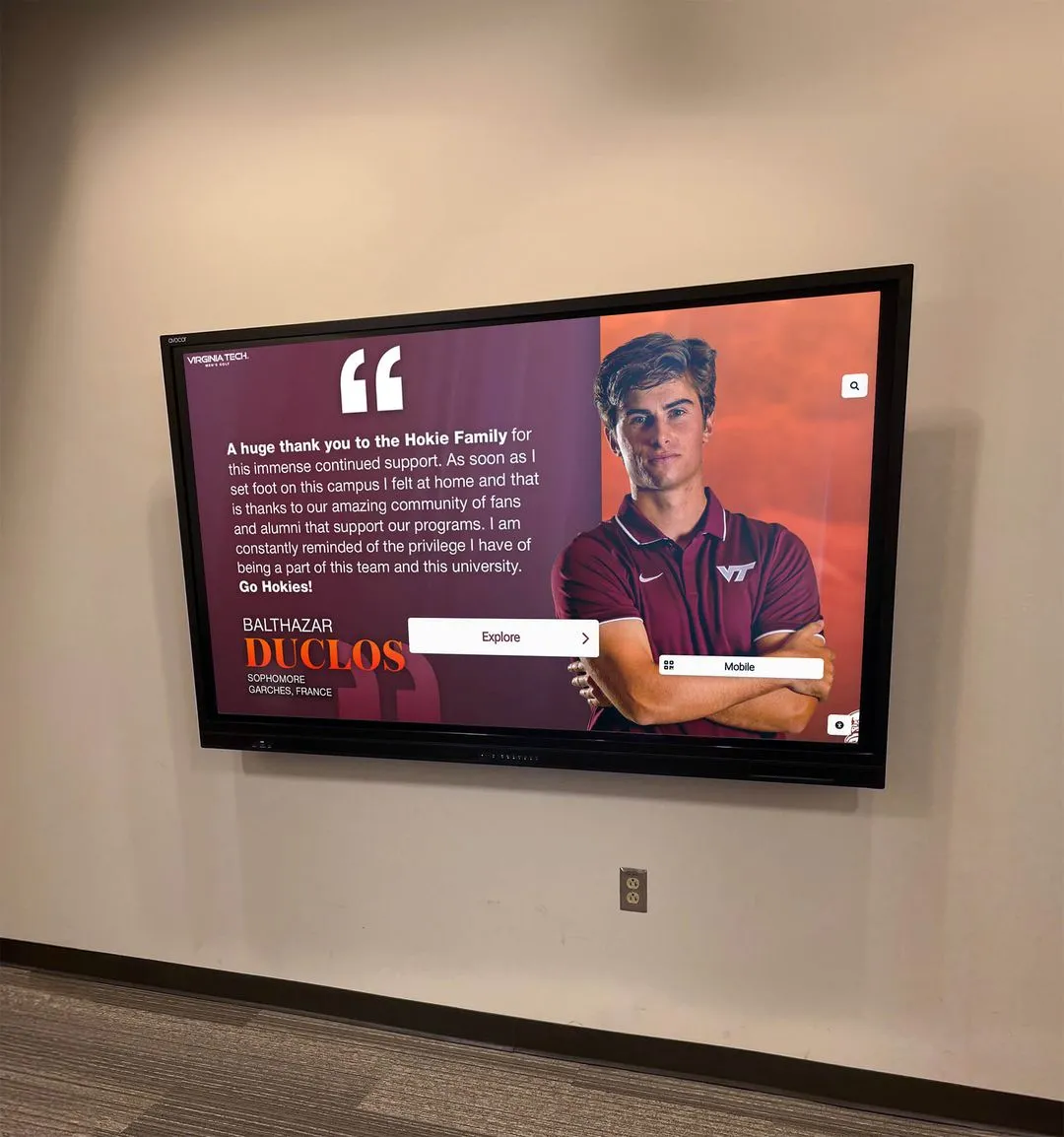
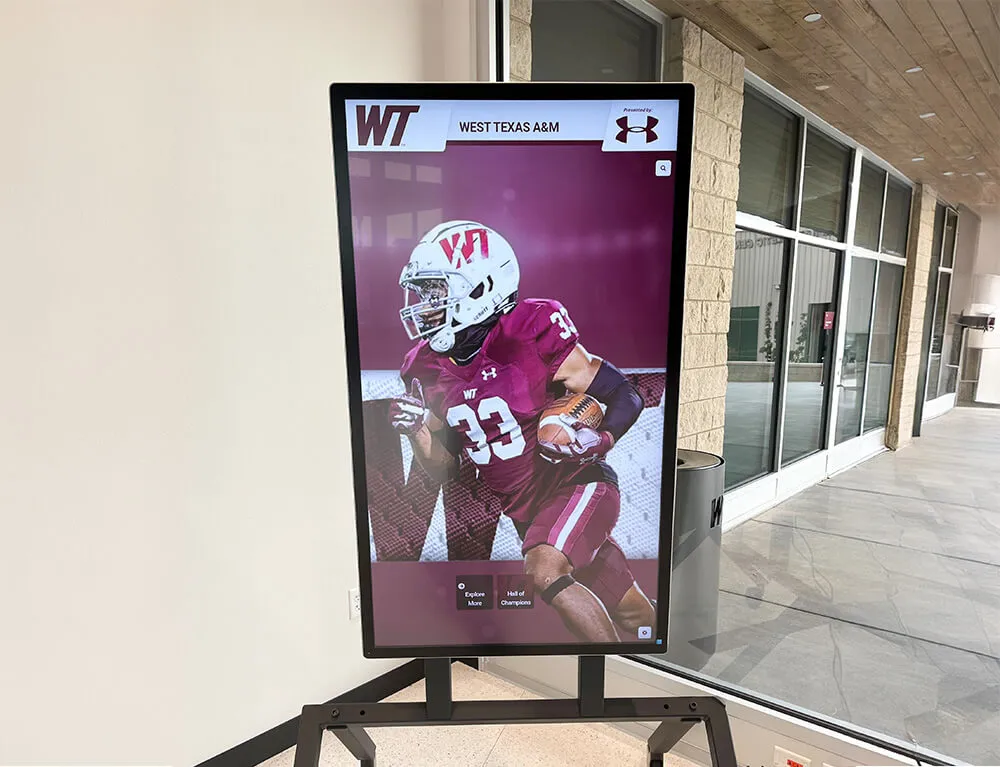
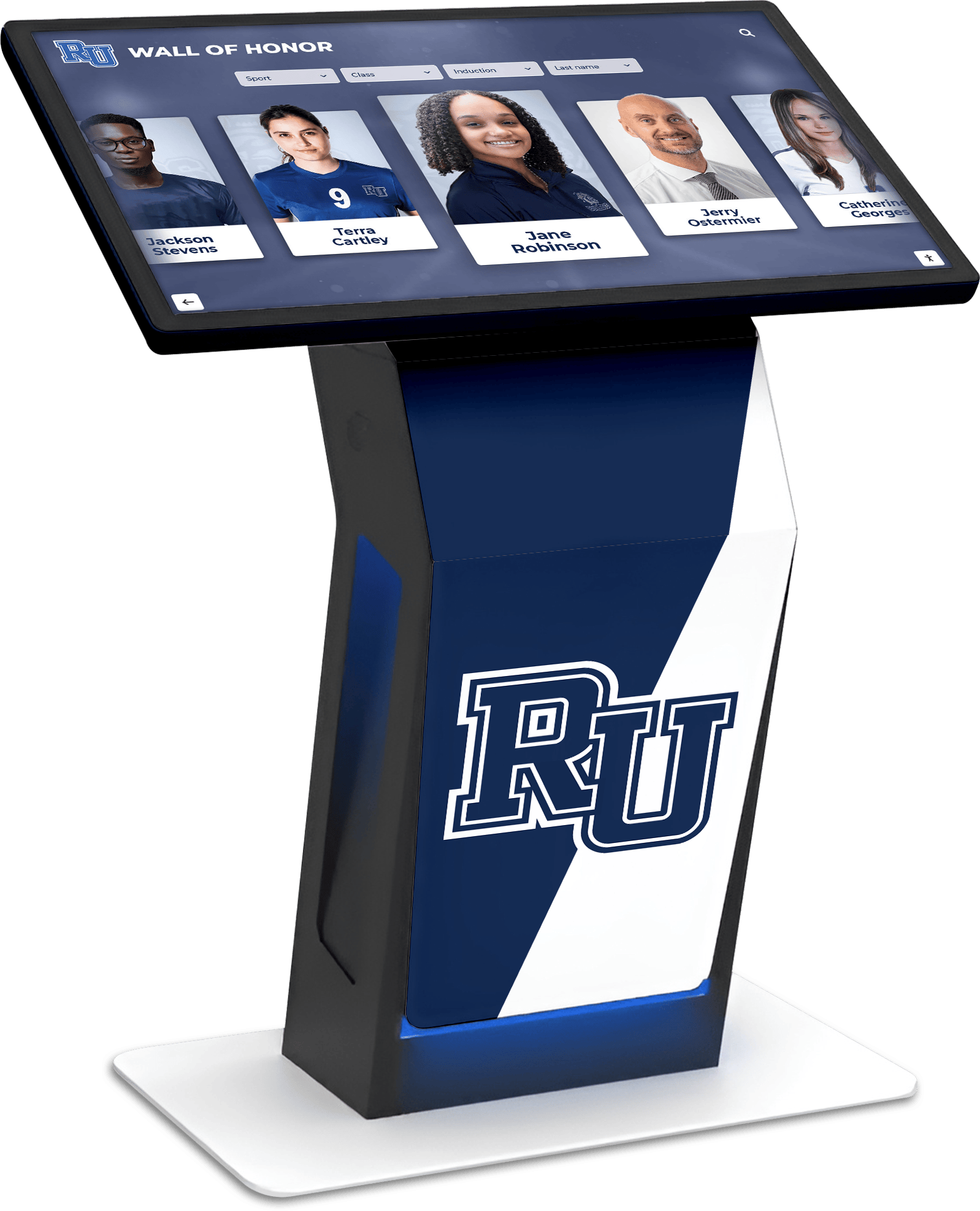
Interactive touchscreen displays transform how visitors experience walls of honor by allowing them to search for specific individuals, explore detailed biographies, view photographs and documents, and discover connections between honorees.

Digital systems overcome the space limitations inherent in physical plaques—each honoree can have essentially unlimited space for biographical details, service history, photographs, video interviews, and supporting documentation. Visitors control their experience, spending more time with individuals of particular interest while browsing others more quickly.
Modern touchscreen installations use professional displays designed for continuous operation in public spaces, with intuitive interfaces accessible to users of all ages and technical abilities. Content updates occur remotely without physical modification to the installation.
Best for: Organizations recognizing large numbers of honorees, institutions with technical support capacity, and programs prioritizing comprehensive storytelling and ongoing content expansion.
9. Video Wall Recognition
Large video displays or video wall arrays create dynamic recognition installations that can cycle through honoree photographs, share video testimonials, display historical footage, or present changing content that keeps installations fresh and engaging.
Video systems allow timed recognition content during specific commemorative periods—featuring veterans during November, highlighting specific service branches during their recognition weeks, or showcasing recent additions to the honor wall during dedication periods.
Best for: High-traffic lobby areas, organizations producing video content, and installations where dynamic visual presence serves important purposes beyond static recognition alone.
10. QR Code-Enhanced Physical Displays
Hybrid approaches combine traditional plaques or nameplates with small QR codes that link to digital content about each honoree. Visitors scan codes with smartphones to access expanded biographies, photographs, video interviews, or related historical information.
This approach preserves traditional aesthetic preferences while enabling unlimited digital content expansion without requiring dedicated display hardware. Organizations update linked content at any time without modifying physical installations.
Best for: Organizations with traditional aesthetic preferences but desiring digital content capabilities, limited budgets for technology hardware, or situations where smartphone access can be reasonably expected.
11. Digital Photo Slideshows
Digital displays in school lobbies and gyms can present rotating slideshows featuring honoree photographs, service information, and biographical highlights. Content rotates continuously, with each honoree appearing regularly in the rotation.
Digital slideshows require significantly less floor or wall space than hundreds of individual physical displays while ensuring every honoree receives appropriate recognition. Organizations easily add new honorees by updating digital content rather than modifying physical installations.
Best for: Organizations with hundreds of honorees, limited wall space, or situations where continuous content rotation serves better than static permanent displays.
12. Interactive Map Displays
For organizations recognizing individuals who served in multiple locations, interactive maps showing deployment locations, service territories, or geographic connections create engaging contextual displays. Visitors select regions or time periods to discover which honorees served in specific locations.
Military installations and veterans organizations find map-based displays particularly effective for illustrating the global scope of service across recognized individuals while helping visitors understand historical contexts of different conflicts or service periods.
Best for: Military-focused recognition programs, organizations with geographically diverse honorees, or installations emphasizing historical education alongside individual recognition.
13. Social Media Integration
Digital displays can incorporate curated social media feeds, allowing families, fellow service members, or community members to share memories, photographs, or messages related to honorees. Moderated feeds ensure appropriate content while enabling ongoing community participation in recognition.
This approach works particularly well for living honorees who can engage with recognition content, share their own perspectives on service, or participate in ongoing conversations about the values and experiences that defined their contributions.
Best for: Organizations with active social media communities, recognition programs featuring living honorees, and installations prioritizing community engagement over purely memorial functions.
14. Searchable Database Kiosks
Dedicated search stations allow visitors to look up specific individuals by name, service dates, branch, hometown, or other criteria. This proves especially valuable for large installations where finding specific honorees among hundreds or thousands of names would otherwise prove difficult.
Database kiosks can supplement traditional name walls by providing detailed information about individuals while the physical installation focuses on comprehensive listing rather than individual biographical details.
Best for: Large-scale programs recognizing extensive numbers of individuals, research-oriented installations, or facilities where visitors specifically seek information about particular honorees.
Hybrid and Modern Wall of Honor Approaches
Contemporary recognition programs often combine traditional and digital elements to create installations that honor heritage while embracing technology’s capabilities.
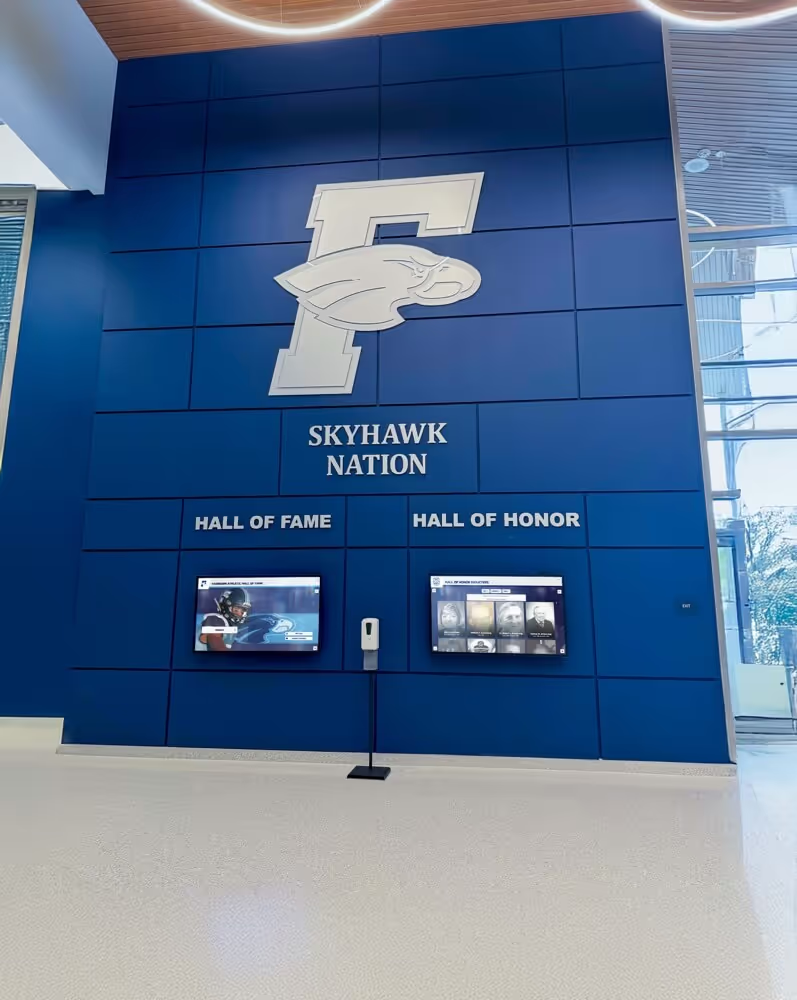
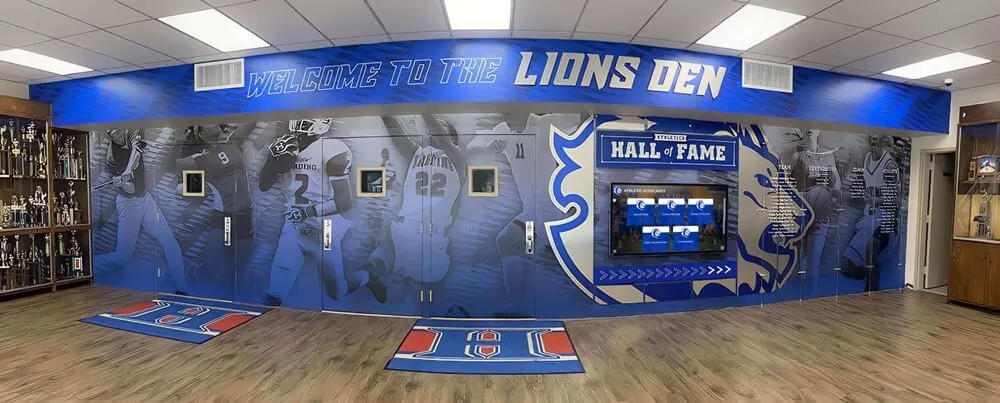
15. Physical Plaques with Digital Screens
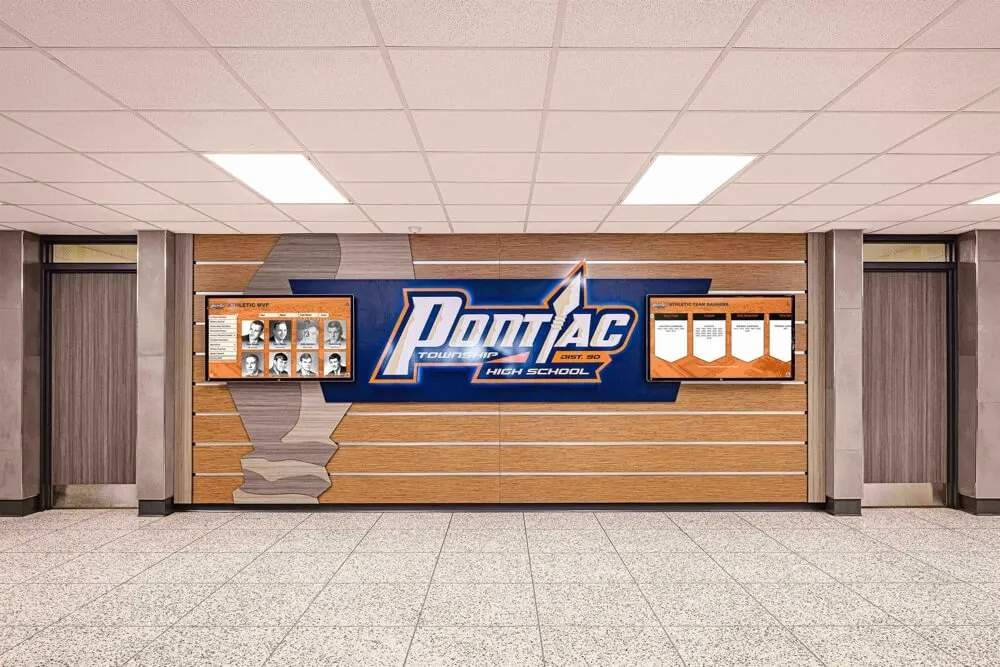
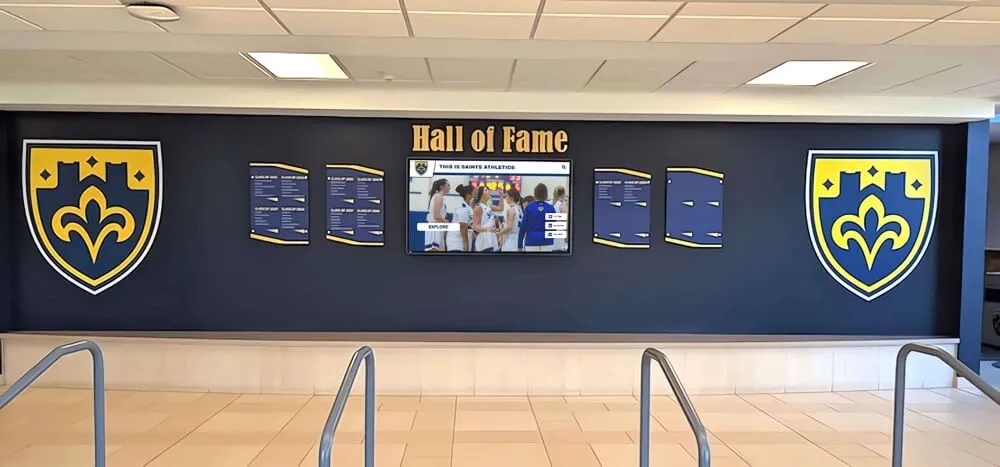
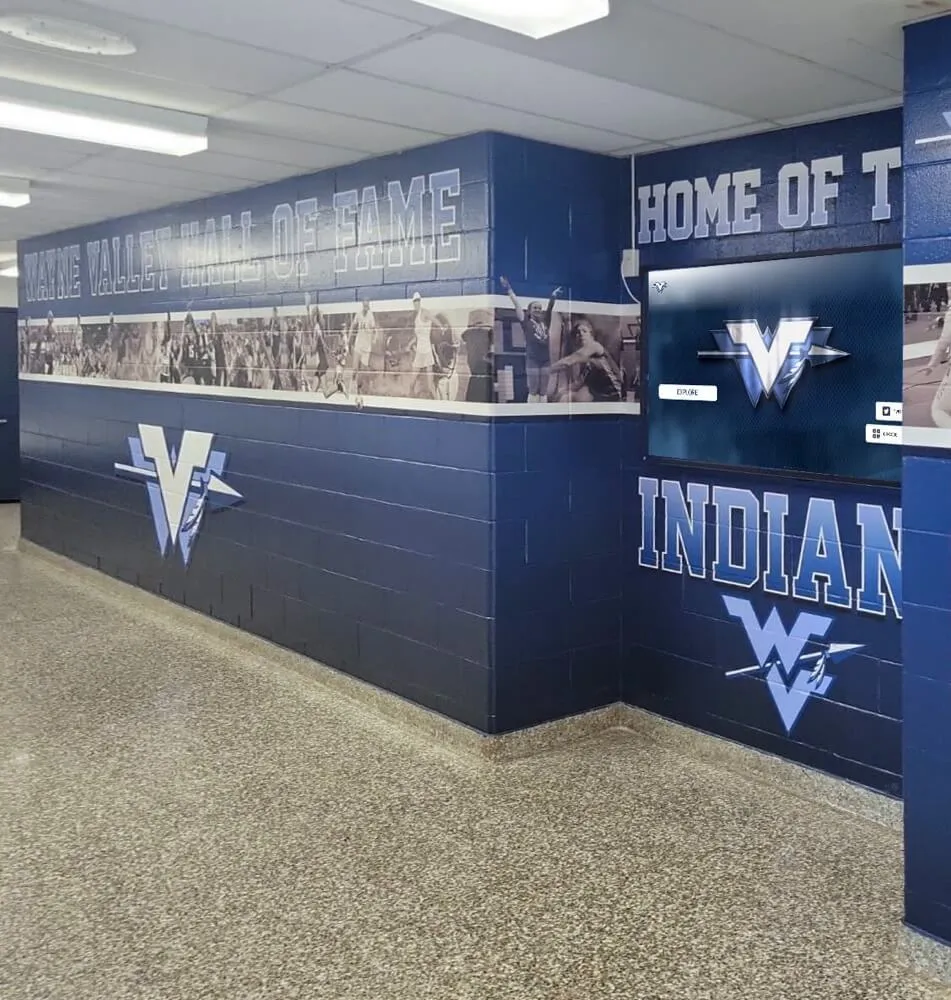
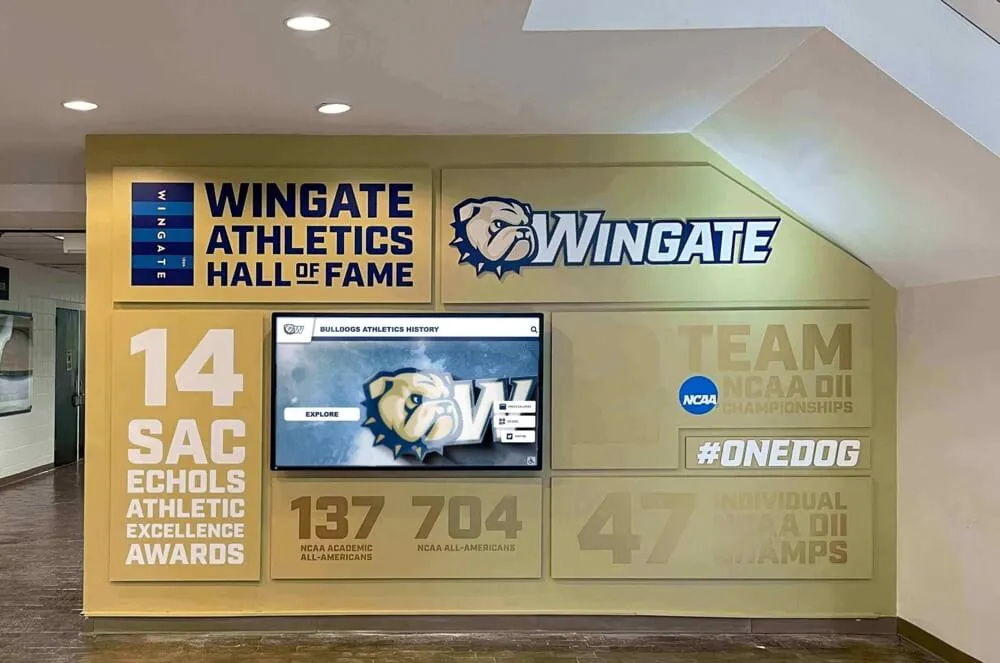
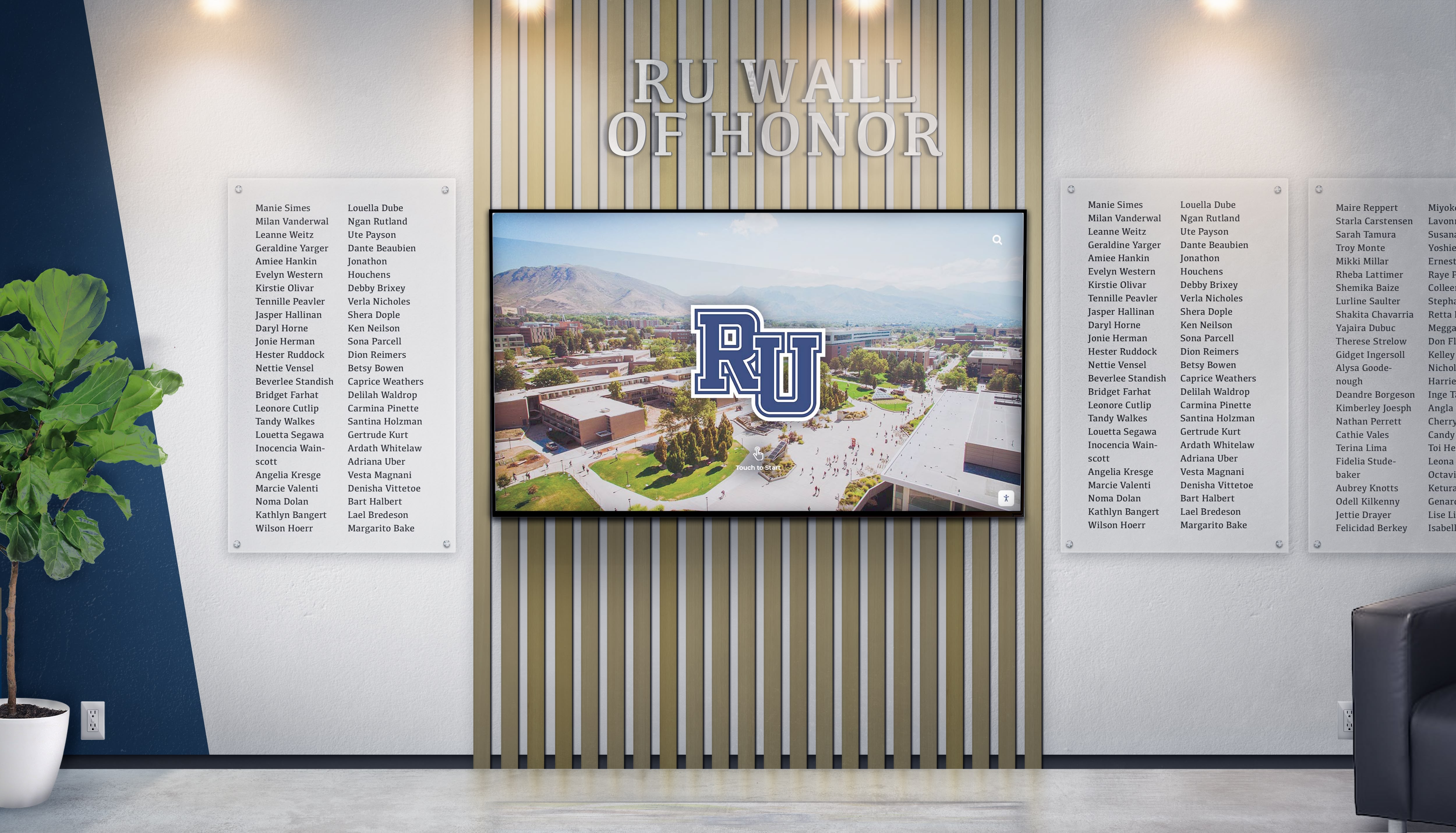
Installations that surround one or more digital showcase displays with traditional bronze plaques or engraved nameplates create visually balanced installations that combine permanent physical recognition with expandable digital storytelling.
The physical elements provide the gravitas and permanence expected of memorial installations while digital components enable rich multimedia content that brings individual stories to life through photographs, documents, video interviews, and detailed narratives.
Best for: Organizations valuing both traditional aesthetics and digital capabilities, flagship installations in prominent locations, and programs serving diverse audiences with varying preferences.
16. Augmented Reality Experiences
Emerging AR applications allow visitors to point smartphones or tablets at physical recognition displays to see overlaid digital content—animated biographical information, historical photographs, video interviews, or three-dimensional visualizations of medals and honors.
While still relatively uncommon, AR approaches represent the frontier of recognition technology, creating “magic moment” experiences that particularly resonate with younger visitors while maintaining respect for honorees through thoughtful content design.
Best for: Technology-forward organizations, educational institutions emphasizing innovation, or memorial installations where experiential engagement serves important educational purposes.
17. Illuminated Name Panels
Backlit or edge-lit acrylic panels engraved with honoree names create striking visual displays that command attention through elegant lighting effects. LED systems provide energy-efficient illumination with minimal maintenance requirements and decades-long operational life.
Some installations use dynamic lighting that can highlight specific individuals during ceremonies, create slow color transitions for visual interest, or synchronize with special events and commemorative periods throughout the year.
Best for: Modern architectural settings, evening or low-light environments, and organizations desiring visually striking installations that differentiate from traditional approaches.
18. Modular Expanding Systems
Recognition systems designed for systematic expansion allow organizations to add honorees annually without disrupting overall design coherence. Modular panel systems, expandable digital frameworks, or architectural designs with designated growth areas ensure consistent appearance as installations expand.
Digital trophy case systems exemplify modular approaches—each new honoree becomes a digital record in the system rather than requiring physical space, eliminating concerns about running out of wall space entirely.
Best for: Active recognition programs adding honorees annually, organizations with uncertain long-term space availability, or installations where visual consistency across decades matters significantly.
19. Multi-Location Synchronized Displays
Organizations with multiple facilities can deploy synchronized digital recognition displays that present identical content across all locations. Veterans organizations with multiple chapters, school districts with numerous campuses, or military installations with dispersed facilities ensure every location appropriately honors recognized individuals.
Cloud-based content management allows updates to propagate instantly to all connected displays, ensuring consistency while eliminating the logistical complexity of maintaining separate physical installations at each location.
Best for: Multi-location organizations, geographically dispersed institutions, or programs where equitable access to recognition across all facilities serves important community purposes.
20. Living History Oral Interview Integration
The most compelling recognition programs capture video interviews with living honorees, preserving their voices, perspectives, and stories in their own words. These recorded testimonials become permanent parts of honor wall content, providing future generations with direct connection to individuals being recognized.
Professional video production ensures high-quality results appropriate for permanent archival, while standardized interview questions create consistency across recordings. Organizations systematically interview new honorees during induction processes, building rich oral history archives over time.
Best for: Organizations recognizing living individuals, programs with oral history or archival missions, and institutions prioritizing comprehensive historical preservation alongside recognition.
Planning Your Wall of Honor Implementation
Successful recognition programs begin with thoughtful planning that addresses organizational goals, budget realities, space constraints, and long-term sustainability.
Defining Recognition Criteria and Selection Processes
Clear, transparent criteria ensure program credibility and fairness. Most veterans organizations recognize all qualifying service members rather than selecting among applicants. School-based programs typically establish committees that evaluate nominations against defined standards.
Common Recognition Categories:
- Military Service: All veterans, specific conflicts, particular service branches, or distinguished service criteria
- Length of Service: Minimum years of military service, career educators, or sustained organizational commitment
- Distinguished Achievement: Medal recipients, combat veterans, or individuals who achieved specific ranks or positions
- Community Impact: Post-service leadership, mentorship contributions, or sustained community engagement
Documented criteria create consistent standards while nomination and review processes ensure appropriate vetting of potential honorees.
Budget Considerations Across Design Approaches
Recognition wall costs vary dramatically based on design approach, scale, materials, and technology integration:
Traditional Approaches: Individual bronze plaques cost $150-500 each. Complete installations with custom millwork, specialty mounting, and professional installation range from $10,000-100,000 depending on scale and material quality.
Digital Systems: Interactive touchscreen installations range from $15,000-50,000 for single-display systems including professional displays, custom content development, mounting systems, and installation. Ongoing content management and system maintenance require annual budgets.
Hybrid Installations: Combining physical and digital elements typically ranges from $25,000-150,000 for comprehensive systems with quality materials, professional displays, custom content, and integrated design.
Organizations should budget not just for initial installation but for ongoing maintenance, annual additions, content updates, and periodic technology refreshes for digital systems.
Space Planning and Location Selection
The most meaningful recognition walls occupy prominent, high-traffic locations where students, visitors, and community members regularly encounter them. Main lobbies, gymnasium entrances, administrative building foyers, or dedicated memorial spaces serve better than hallways or secondary locations.
Consider sightlines, lighting conditions, accessibility requirements, available wall space, electrical access for digital systems, and how the installation integrates with surrounding architecture and décor.
For schools implementing specialized recognition programs for music honors, athletics, or academic achievement alongside veteran recognition, coordinated placement creates unified recognition corridors rather than competing installations.
Content Development and Ongoing Management
Comprehensive biographical information requires research, writing, editing, photograph acquisition, and often family collaboration. Organizations should establish content standards, develop research processes, assign management responsibilities, and create sustainable systems for adding new honorees annually.
Digital systems require content management platforms, designated staff or volunteer coordinators, update schedules, and quality control processes ensuring accuracy and appropriateness of all published information.
Technology and Future-Proofing Considerations
Organizations investing in digital recognition should prioritize professional-grade hardware designed for continuous operation in public spaces rather than consumer displays. Cloud-based content management ensures accessibility and provides protection against local hardware failures.
Plan for technology refresh cycles—professional displays typically last 7-10 years before requiring replacement, while content platforms may need migration to updated systems periodically. Sustainable programs budget for these eventual upgrades rather than treating technology as one-time purchases.
Rocket Alumni Solutions specializes in interactive touchscreen recognition systems designed specifically for schools and organizations honoring service, achievement, and community contribution. Our wall of honor solutions combine professional hardware with intuitive content management platforms that make it simple to add honorees, update information, and maintain compelling installations that serve communities for decades.
Moving Forward with Your Wall of Honor
Walls of honor represent permanent commitments to remembering service and inspiring future generations through meaningful recognition. Whether your organization chooses traditional bronze plaques, cutting-edge interactive displays, or thoughtful hybrid approaches, the most important elements remain consistent: authentic respect for those being honored, accurate and comprehensive information about their contributions, and sustainable systems for maintaining and expanding recognition over time.
The 20 design ideas explored here represent proven approaches used successfully by schools, veterans organizations, military installations, and civic groups. Your organization’s unique culture, budget parameters, facility characteristics, and community preferences will guide selection of approaches that serve your specific recognition goals most effectively.
Start by clarifying who you’re recognizing and why, establish clear criteria and processes, engage stakeholders in design decisions, allocate realistic budgets, and commit to the ongoing stewardship required to maintain meaningful recognition programs. A thoughtfully planned and well-executed wall of honor becomes a treasured community asset that honors service appropriately while inspiring commitment to values and service in current and future generations.
Create a Lasting Tribute with Interactive Recognition
Rocket Alumni Solutions provides touchscreen wall of honor systems designed specifically for schools and organizations honoring veterans, distinguished alumni, and community leaders. Our interactive displays combine the dignity of permanent recognition with unlimited biographical content, searchable databases, and simple content management.
Explore Wall of Honor Solutions