



Key Takeaways
Discover innovative wall of fame ideas for schools, businesses, and organizations. From traditional plaques to interactive digital displays, explore creative recognition solutions that inspire and celebrate achievement.
Recognition walls transform ordinary hallways and lobbies into inspiring celebration spaces that honor achievement while motivating future excellence. Whether you’re planning a school athletic hall of fame, corporate recognition wall, or community achievement display, the right wall of fame ideas can create lasting impact that strengthens culture and builds pride across generations. From traditional engraved plaques to cutting-edge interactive touchscreen displays, today’s recognition options offer unprecedented flexibility for celebrating accomplishments in ways that engage modern audiences while preserving institutional legacy.
The challenge many organizations face isn’t whether to create recognition displays—it’s determining which wall of fame ideas best fit their unique needs, space constraints, budget realities, and long-term goals. Static displays that worked for previous generations often fall short in today’s digital-native environment, while overly complex technology solutions can overwhelm staff and exceed realistic budgets. This comprehensive guide explores proven wall of fame ideas across the spectrum from traditional to cutting-edge, helping you design recognition programs that authentically celebrate achievement while delivering practical value for years to come.
Why Wall of Fame Displays Matter: The Strategic Value of Recognition
Before exploring specific wall of fame ideas, understanding the strategic benefits these displays deliver helps justify investment and guides design decisions toward maximum impact.
Inspiring Excellence Through Visible Achievement
Recognition walls function as perpetual motivation systems. When students see alumni from similar backgrounds achieving remarkable success, when employees observe colleagues receiving prestigious recognition, or when community members discover neighbors making meaningful contributions, abstract possibilities transform into concrete realities supported by tangible proof.
These visible examples of excellence create aspiration in ways that words alone cannot match. A high school student exploring career paths discovers alumni working in fields they’re considering. An employee pursuing professional development sees recognized colleagues who advanced through similar paths. A young athlete views championship teams and record holders who once practiced in the same gymnasium.
The psychology behind visible recognition is well-documented: people who see achievement as attainable through examples from their own community demonstrate higher motivation and persistence. Wall of fame displays make excellence visible, tangible, and—critically—achievable rather than abstract or impossible.
Strengthening Community Bonds and Institutional Pride
Shared recognition creates common identity. When organizations celebrate collective achievement through comprehensive displays, they build connections between past excellence and current efforts, creating continuity that strengthens institutional culture.
Alumni returning to schools decades after graduation seek their names, photos, and achievements in recognition displays. Employees feel valued when their contributions receive lasting acknowledgment. Community members develop pride seeing local achievements celebrated prominently. These emotional connections translate into increased engagement, enhanced loyalty, and sustained support that advances organizational missions.
Demonstrating Organizational Excellence
Wall of fame displays serve as powerful credibility indicators. Prospective students and families evaluating schools assess the caliber of graduates the institution produces. Job candidates considering employment opportunities note how organizations recognize and value contributions. Community partners and donors evaluate institutional impact through the achievements celebrated.
Comprehensive recognition displays provide social proof of organizational quality. They answer natural questions about outcomes and return on investment while creating positive impressions that influence critical decisions about enrollment, employment, partnership, and philanthropic support.
Traditional Wall of Fame Ideas: Time-Tested Recognition Approaches
Classic recognition formats remain valuable when properly maintained and thoughtfully organized, offering tangible permanence that resonates with many stakeholders who appreciate traditional aesthetics and straightforward presentation.
Engraved Plaque Recognition Walls
Individual brass, bronze, or wooden plaques mounted on dedicated walls represent the most traditional wall of fame approach. Each honoree receives a personalized plate featuring their name, graduation year or achievement date, and accomplishment summary.
Design Variations and Approaches:
Uniform Plaque Design
Consistent sizing and formatting creates clean, organized appearance with professional polish that reflects institutional standards
Tiered Recognition Levels
Different plaque sizes or materials distinguish achievement tiers—platinum, gold, silver reflecting contribution magnitude or recognition categories
Chronological Organization
Arrangement by induction year or achievement date enables easy location of specific eras and demonstrates program growth over time
Category-Based Grouping
Organization by achievement type (athletics, academics, service, business) helps visitors navigate to relevant recognition areas efficiently
Advantages: Timeless aesthetic appeal, tangible permanence, no technology requirements, familiar format appreciated by traditional stakeholders, incremental expansion capability as budgets allow
Limitations: Fixed space constraints eventually forcing difficult selection decisions, high ongoing per-inductee costs ($200-500 per plaque plus installation), time-consuming updates requiring physical fabrication and mounting, minimal information capacity beyond basic details
Best For: Smaller organizations with manageable inductee volumes, institutions with strong preferences for traditional aesthetics, limited budgets requiring phased implementation, supplemental recognition alongside comprehensive digital systems
Photo Gallery and Composite Displays
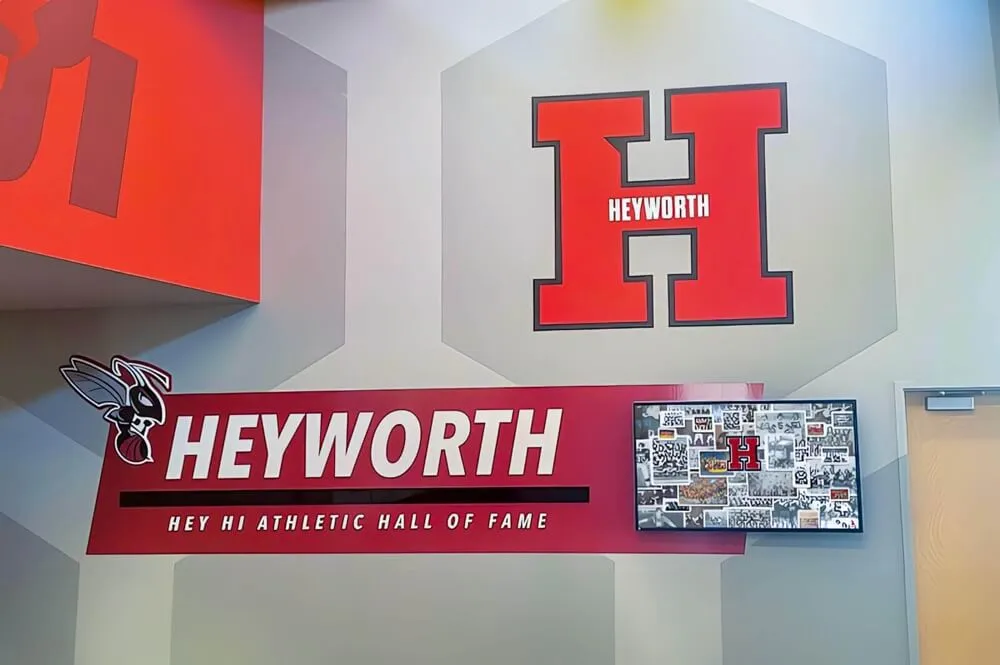
Wall-mounted photo displays featuring photographs of all honorees in grid or timeline format create strong visual impact through comprehensive presentation. These displays typically include professional photographs with names and achievement years beneath each image.
Creative Photo Display Approaches:
- Chronological timelines showing honoree progression across decades with historical context photos illustrating era-specific styles and campus evolution
- Mosaic arrangements creating larger institutional images (mascots, logos, buildings) from individual honoree photographs when viewed from distance
- Category groupings organizing photos by achievement domain (athletics by sport, academics by department, community service by organization)
- Interactive QR codes on physical photo displays linking to extended digital profiles with videos, detailed biographies, and achievement documentation
- Rotating spotlight displays allowing periodic content refreshes highlighting featured honorees during relevant events or anniversaries
Professional photography ensures consistent quality across years and individuals while periodic layout refreshes maintain contemporary appearance and prevent dated aesthetics.
Trophy Cases and Display Cabinets
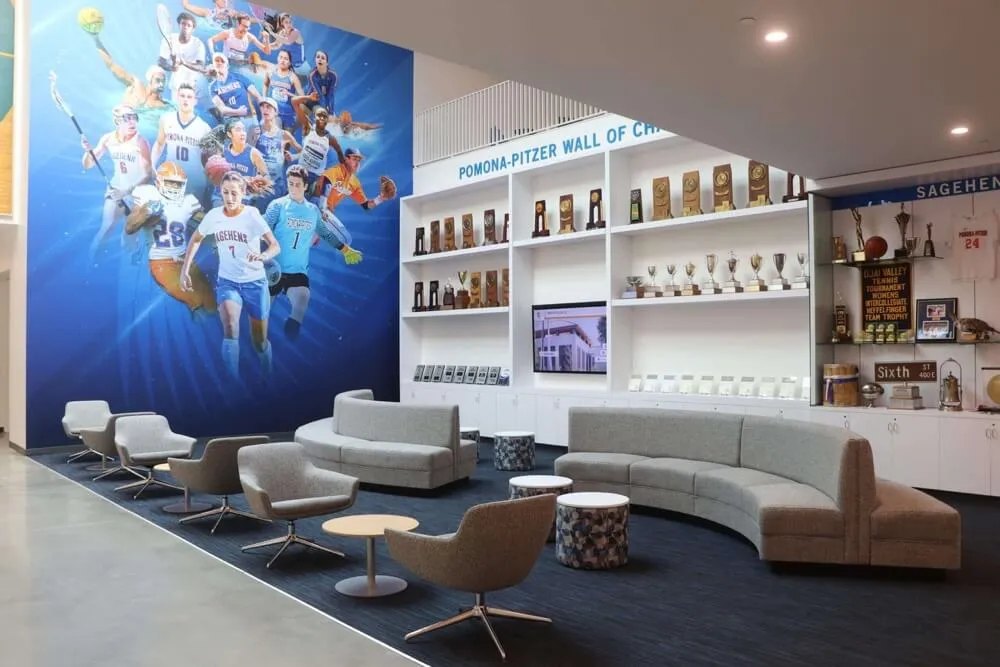
Physical display cases showcase three-dimensional awards, memorabilia, and artifacts alongside recognition plaques and biographical information, creating museum-quality presentations that tell richer stories through tangible objects.
Effective Display Elements:
Championship Recognition:
- Conference and state championship trophies
- Competition medals and awards
- Team photographs from winning seasons
- Championship banners and pennants
- Scorecards from historic victories
Individual Achievement:
- Published books and academic works
- Patents and invention prototypes
- Artistic creations and performances
- Certificates and honorary degrees
- Equipment or uniforms from careers
Enhancement Features:
- Dedicated LED lighting highlighting key items
- Climate control protecting fragile artifacts
- Interpretive labels providing context
- Security features preventing theft
- Rotating exhibits maintaining freshness
Trophy cases work particularly well for athletic programs with significant championship traditions or academic institutions celebrating research achievements, published works, and scholarly contributions requiring physical artifact preservation.
Modern Digital Wall of Fame Ideas: Technology-Enhanced Recognition
Digital recognition solutions address virtually every limitation of traditional physical displays while introducing powerful capabilities that transform how organizations celebrate excellence and engage modern audiences accustomed to interactive digital experiences.
Interactive Touchscreen Hall of Fame Displays
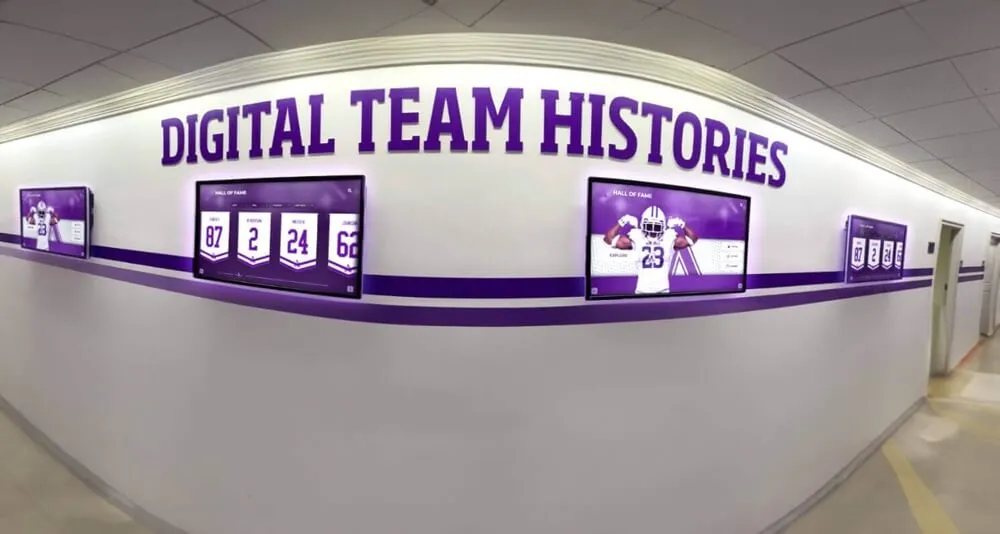
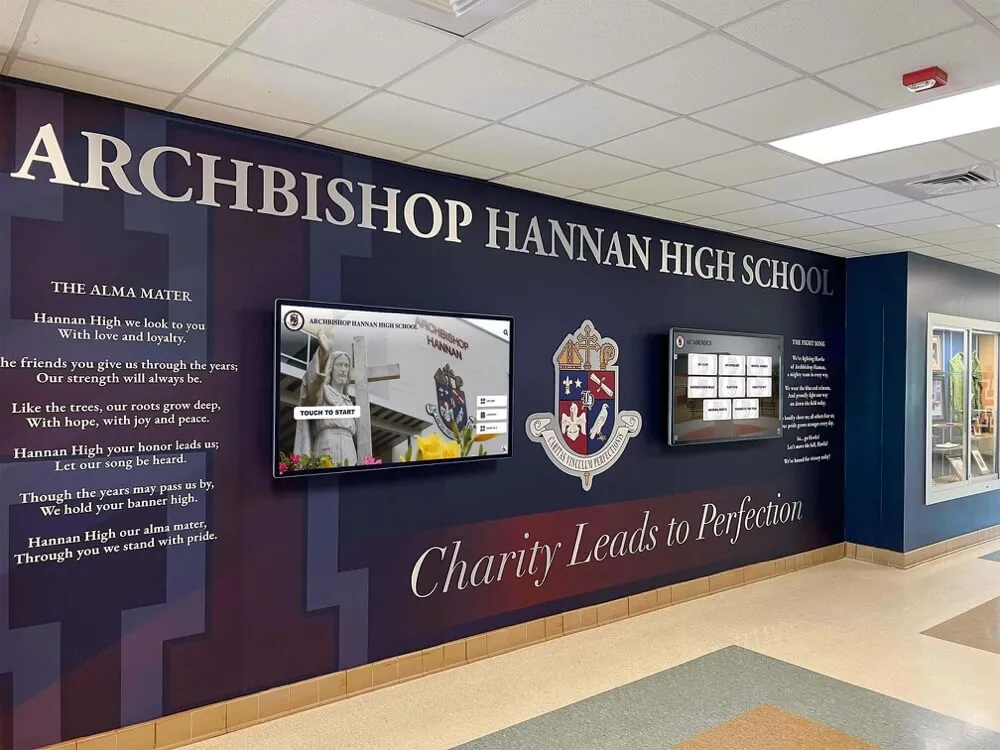
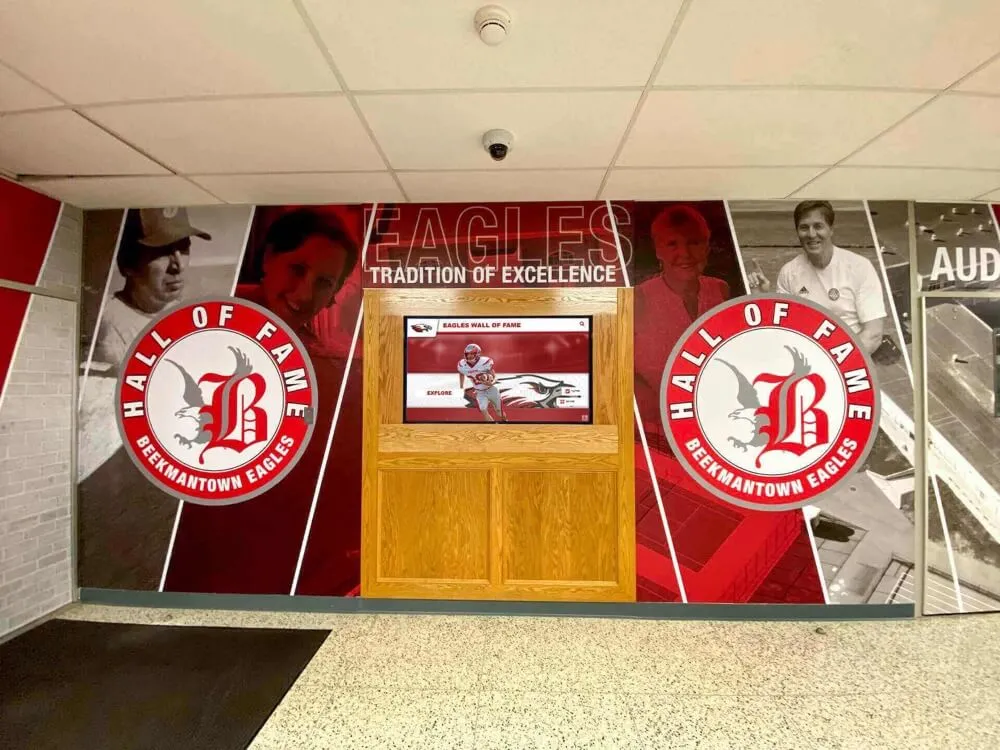
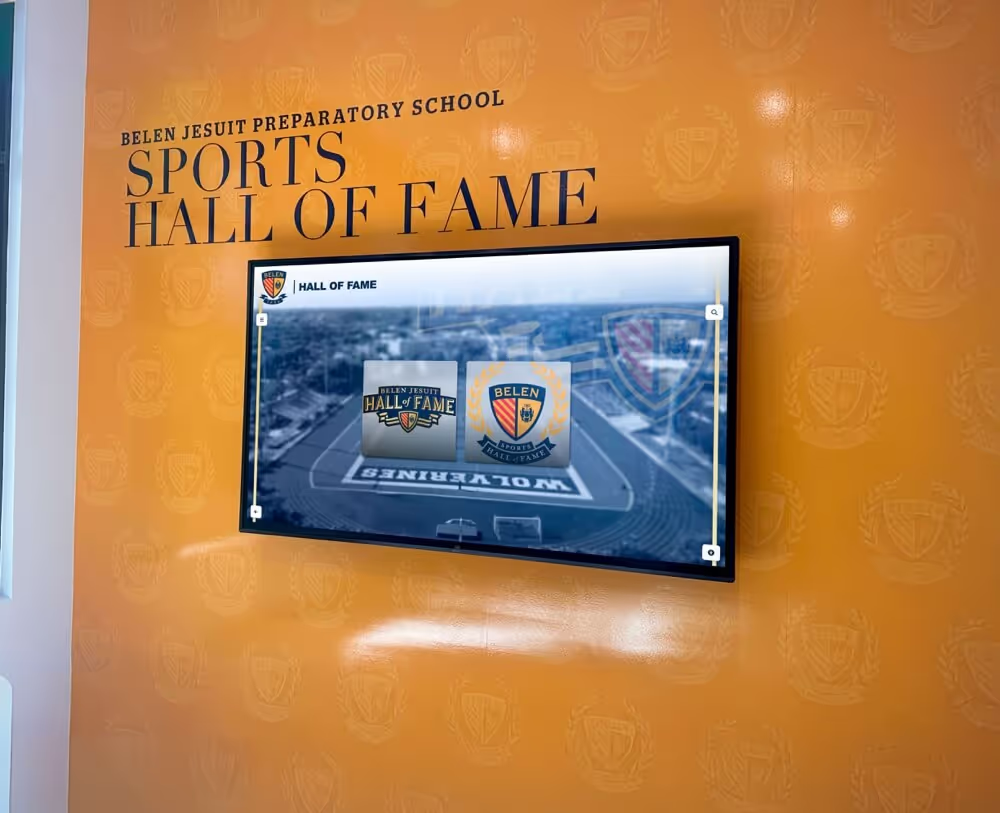
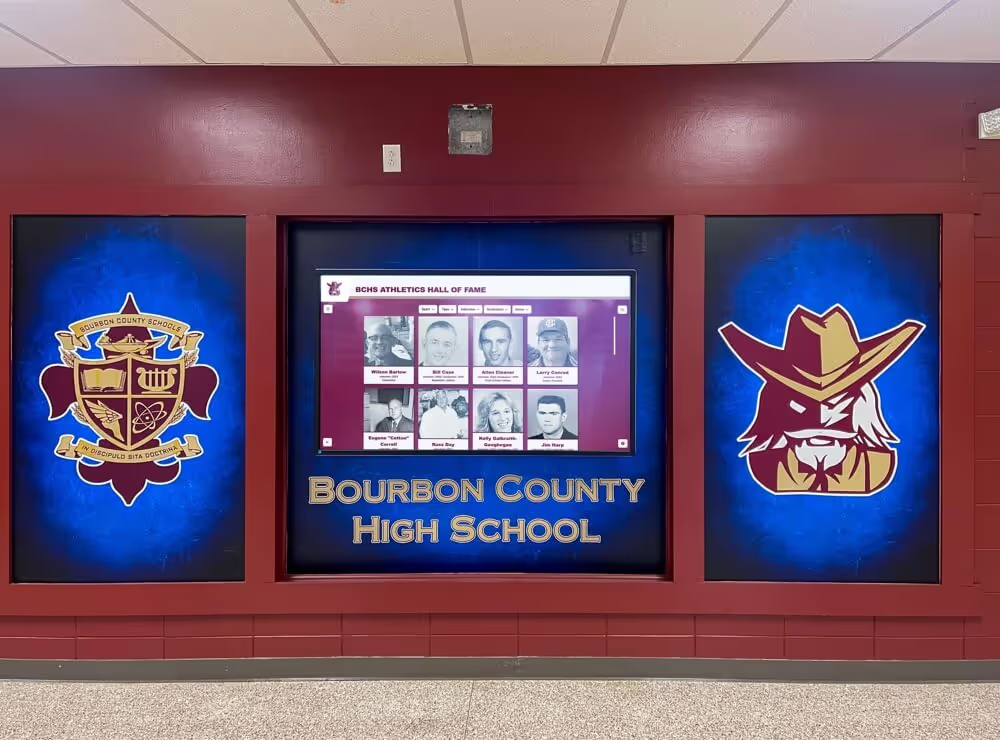
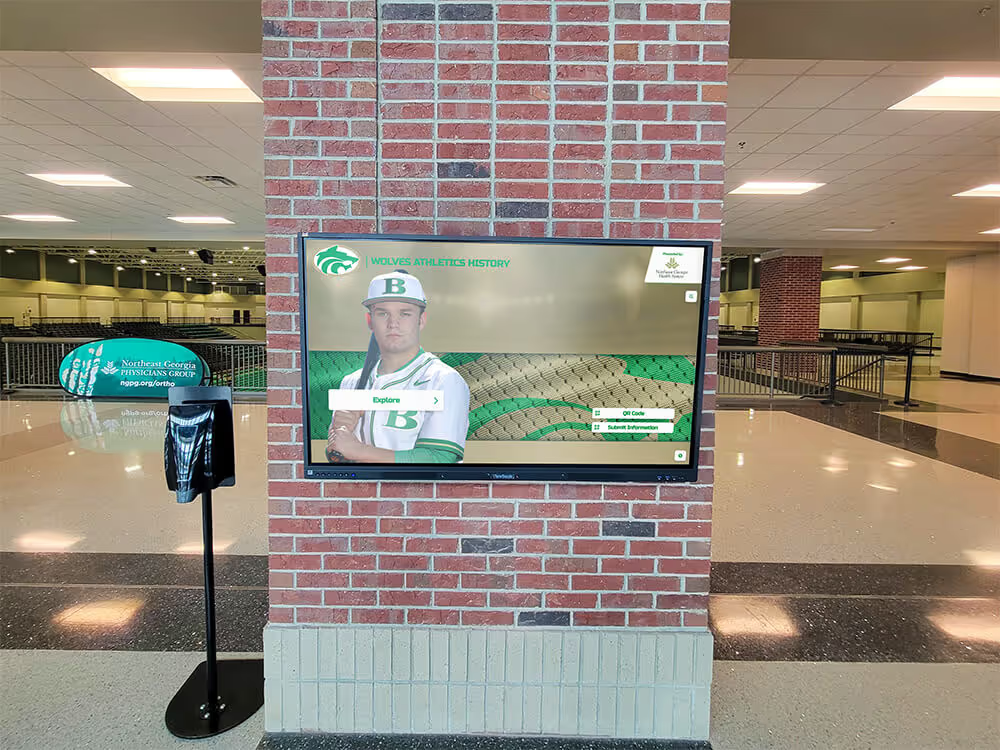
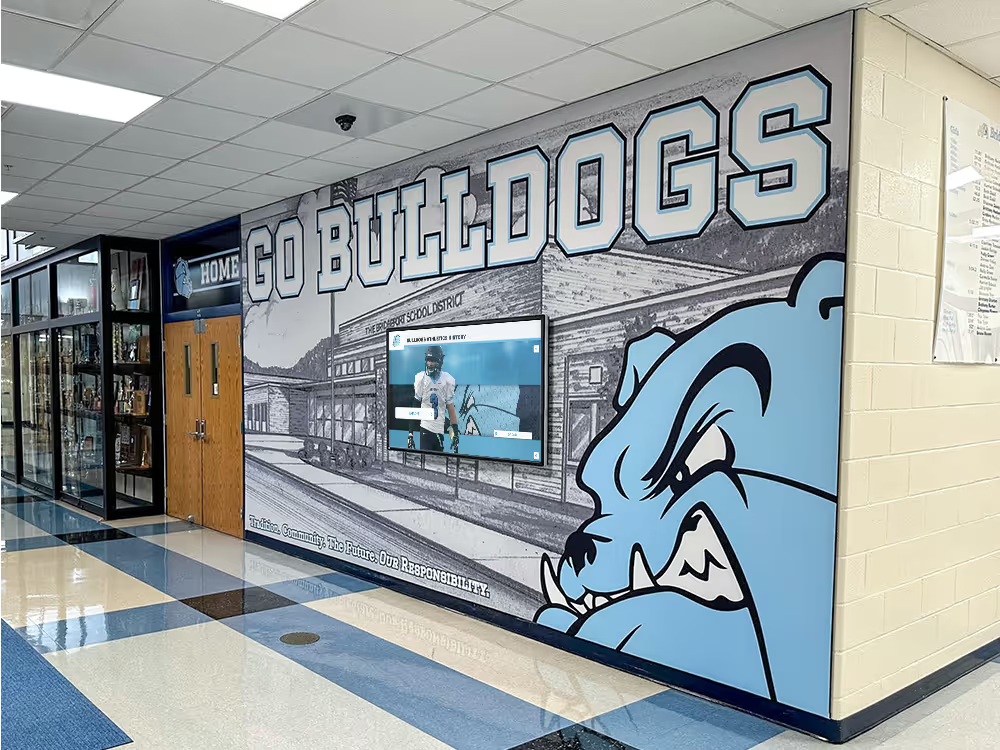
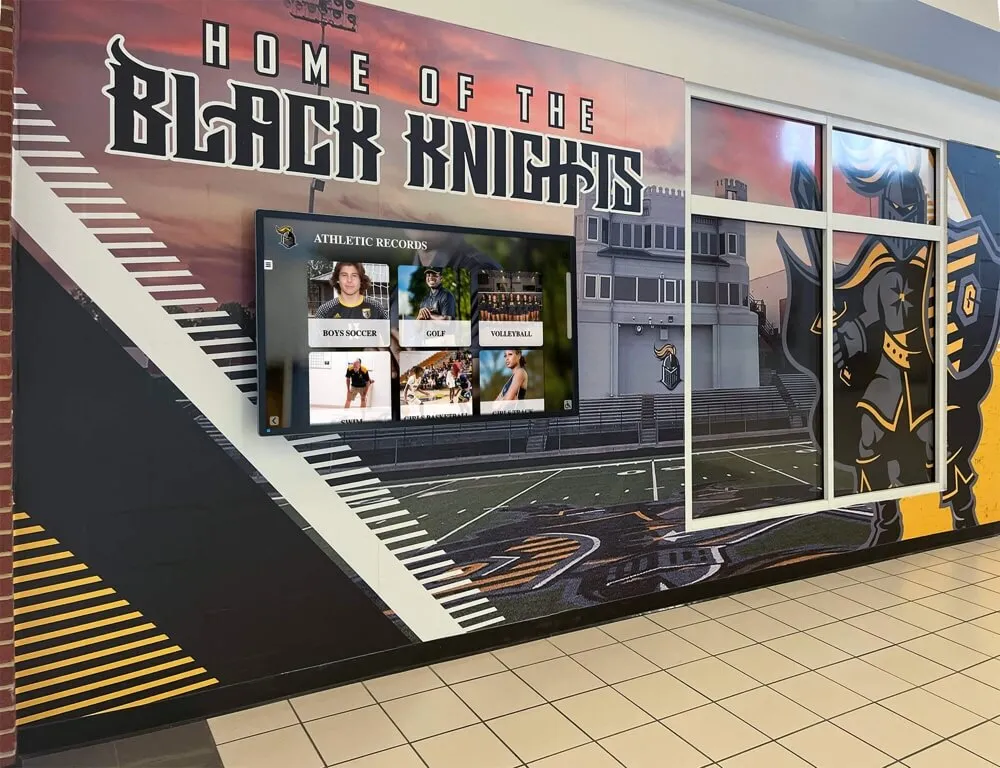
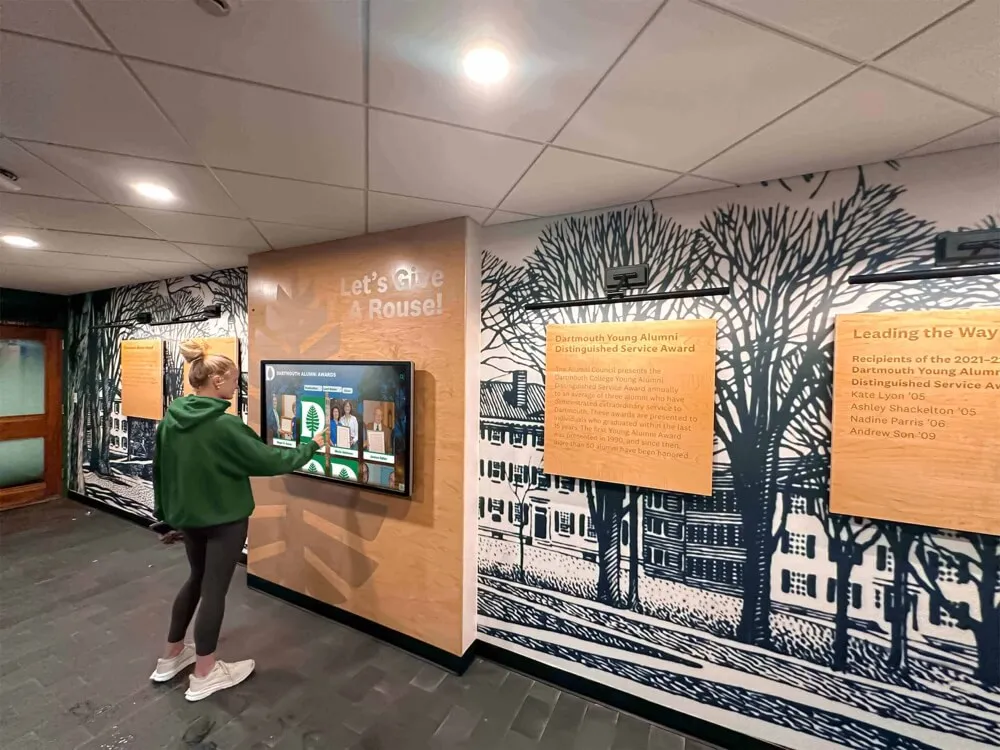
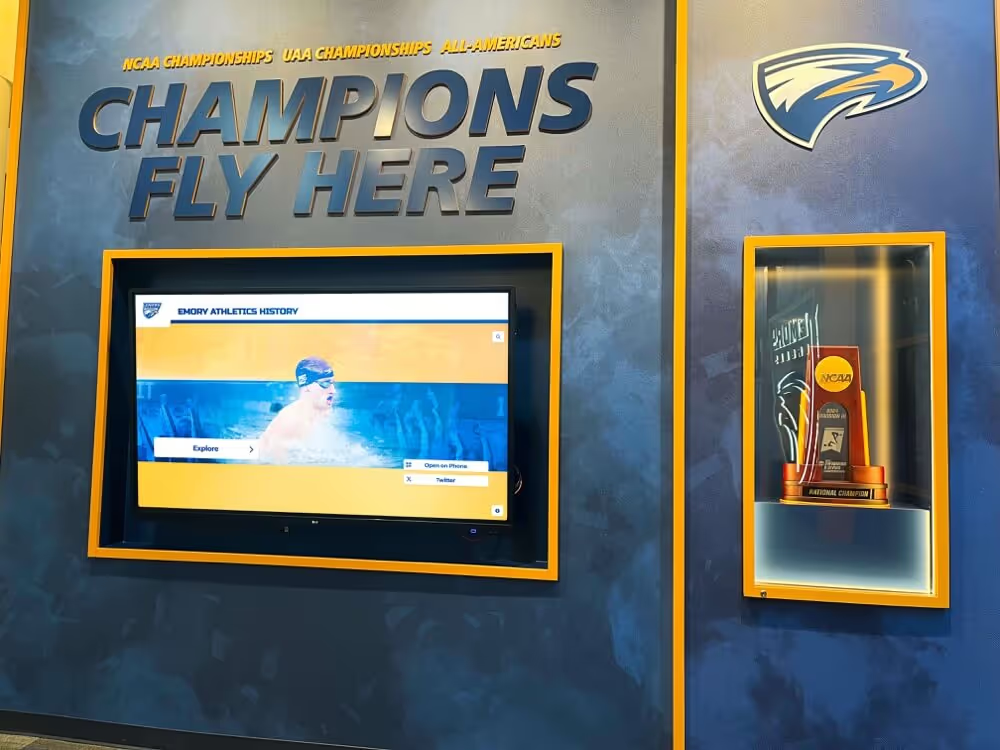
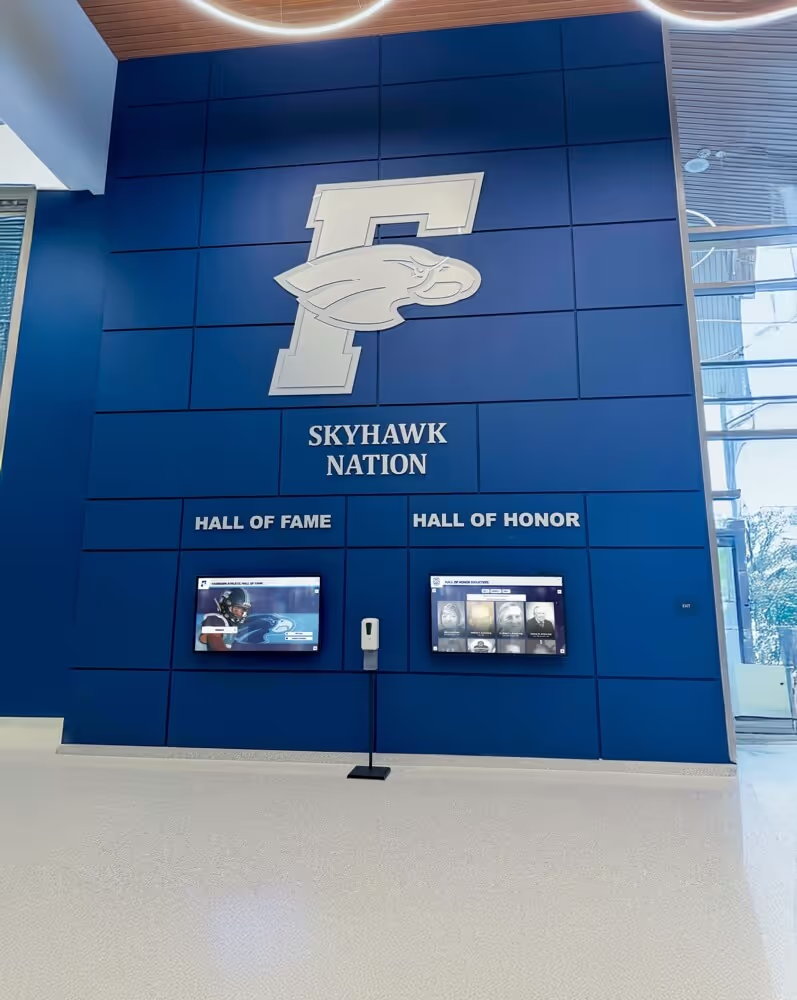
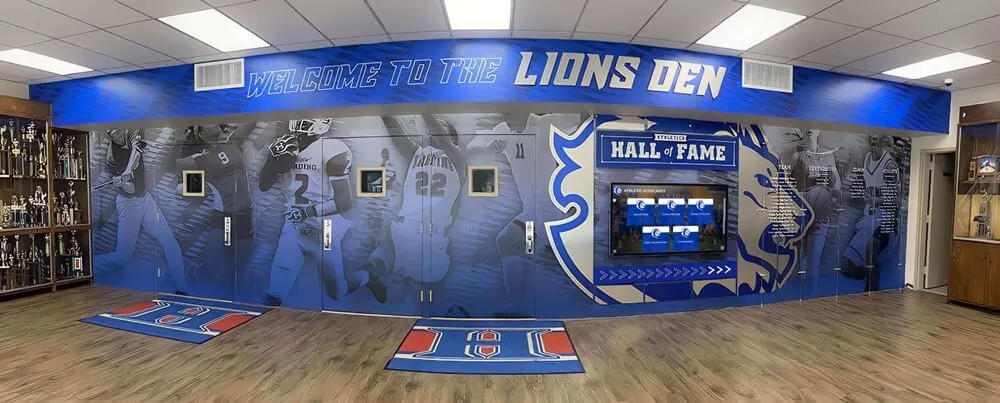
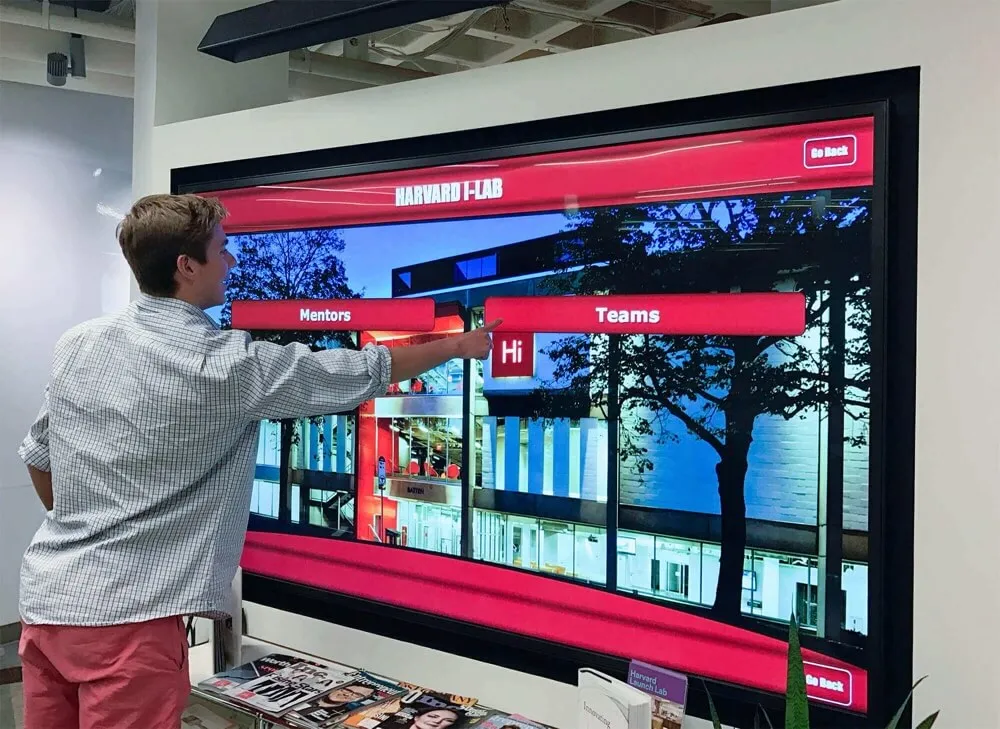
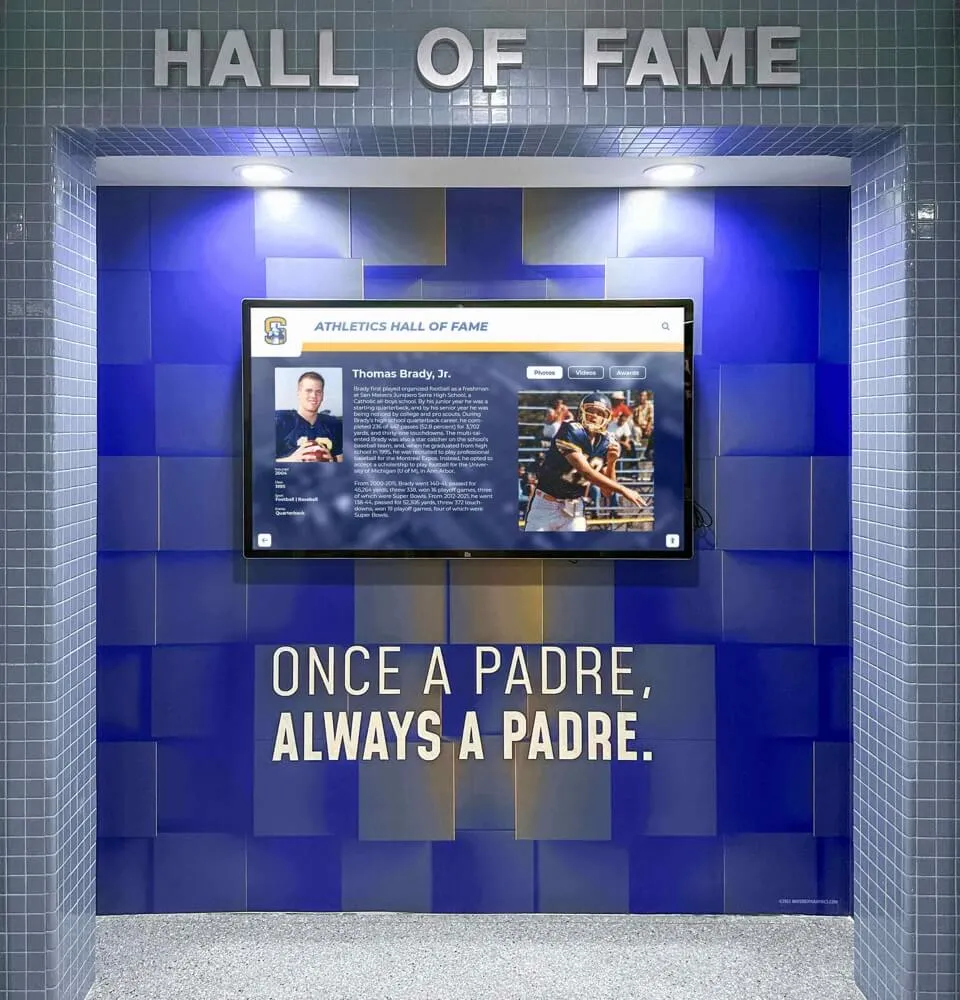
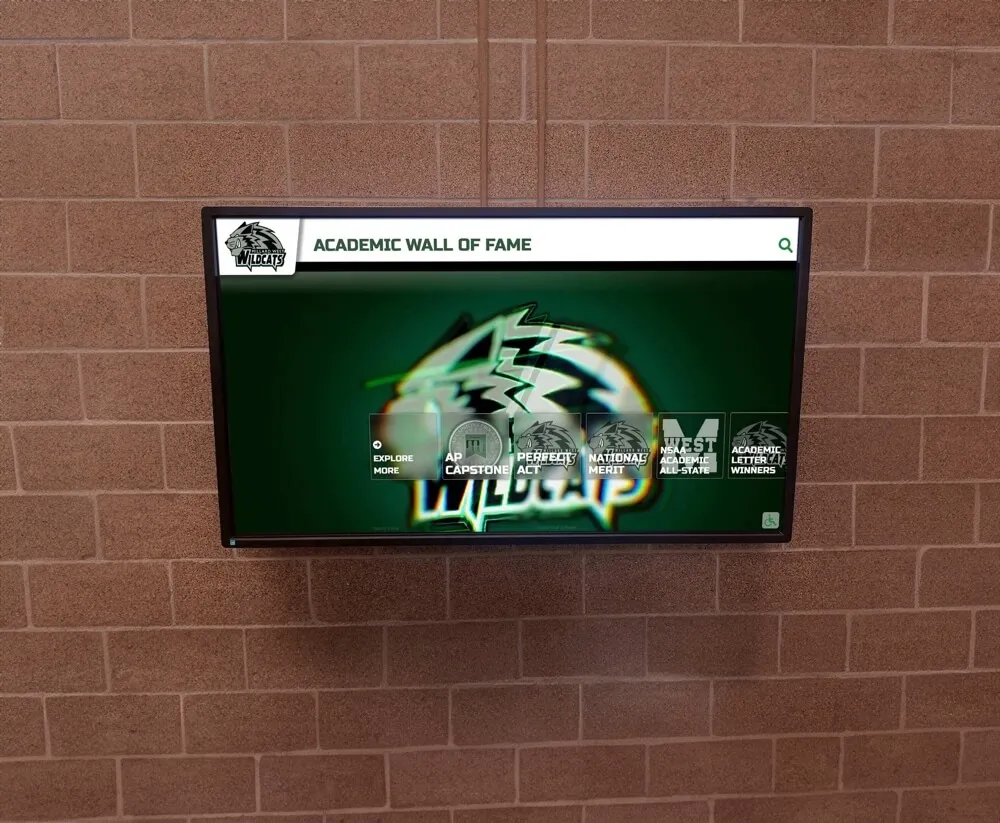
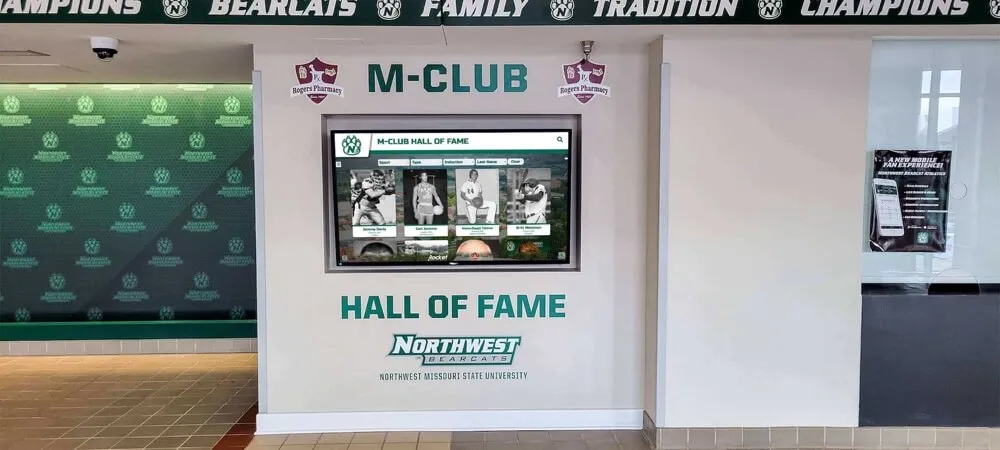
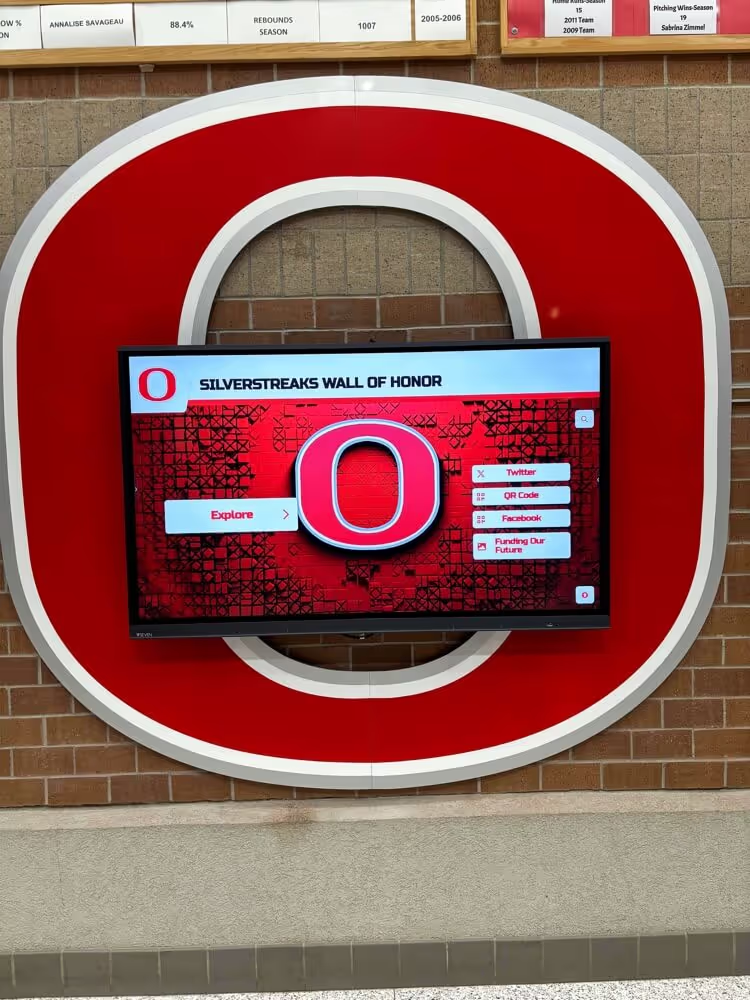
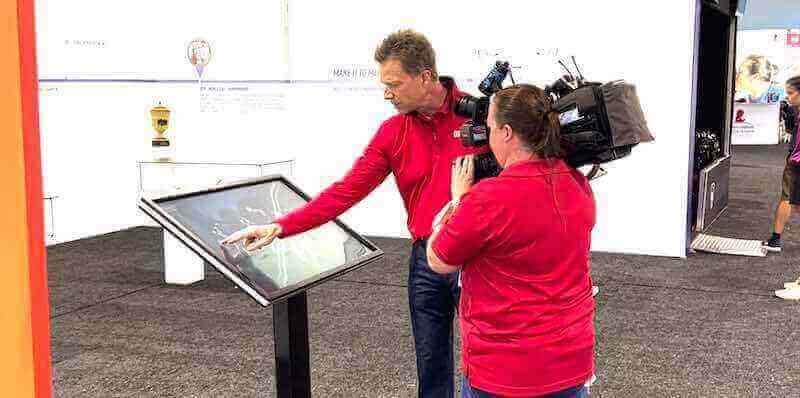
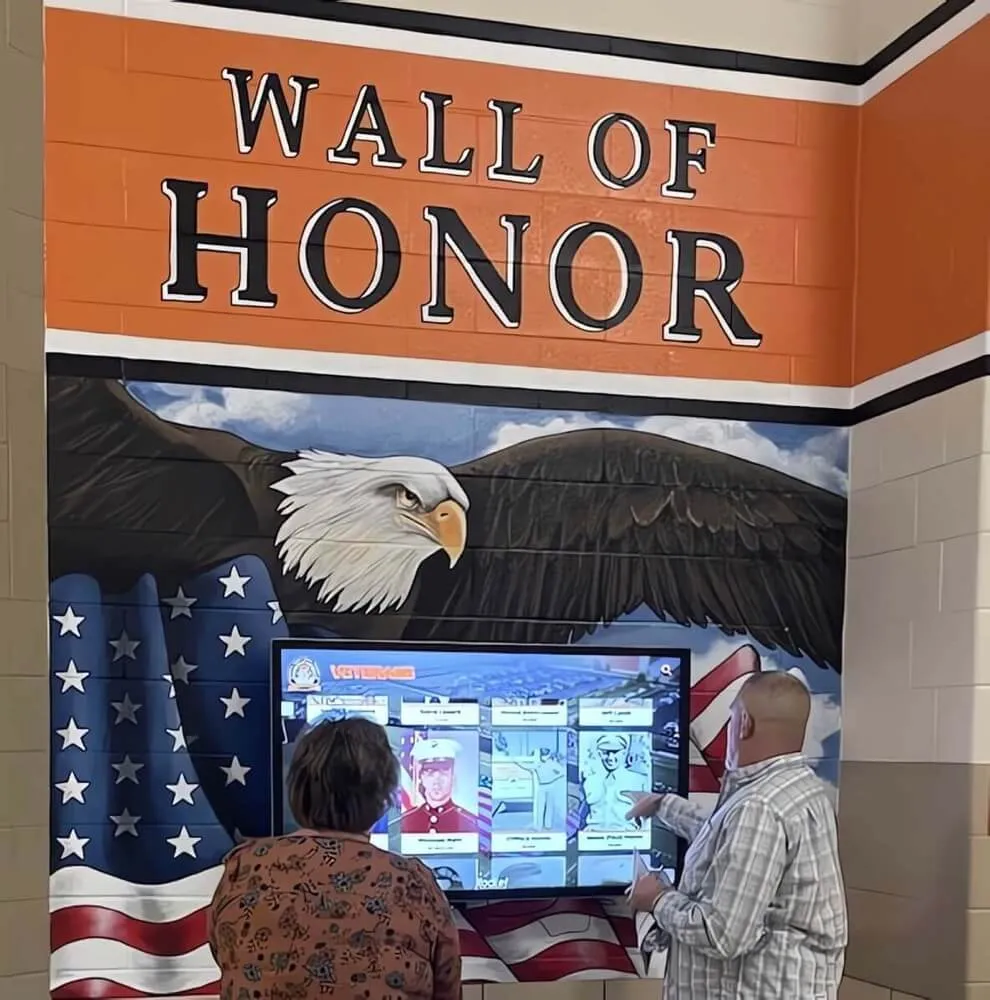
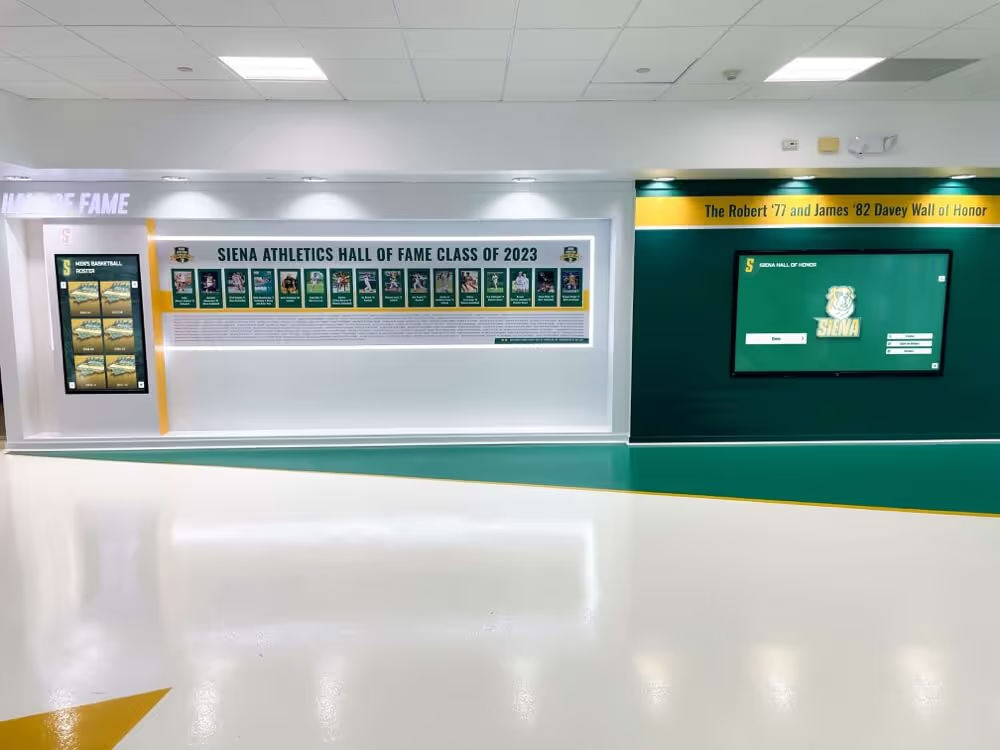
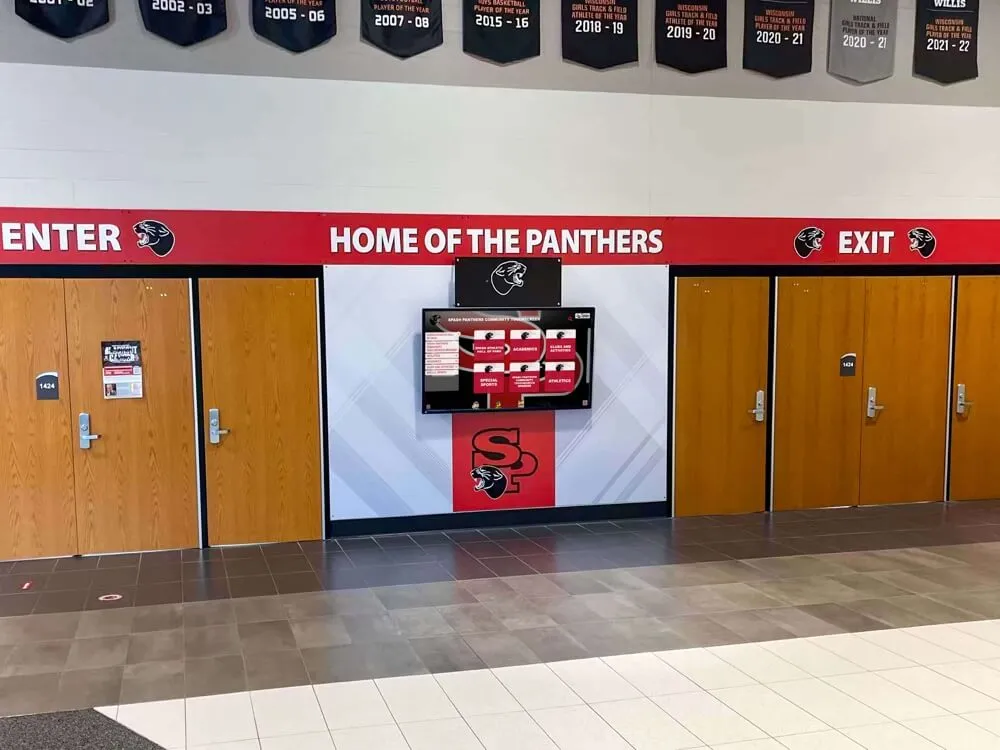
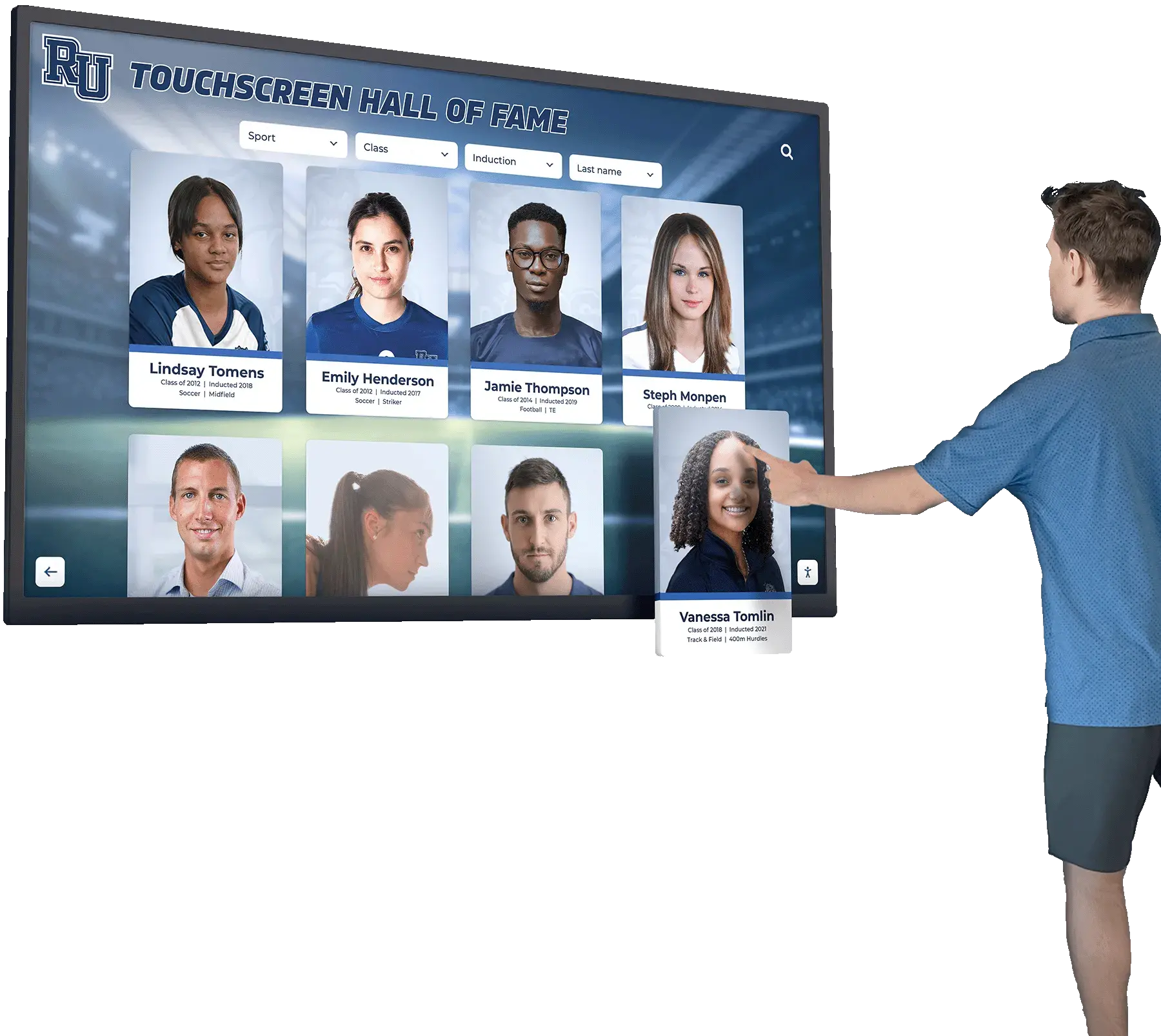
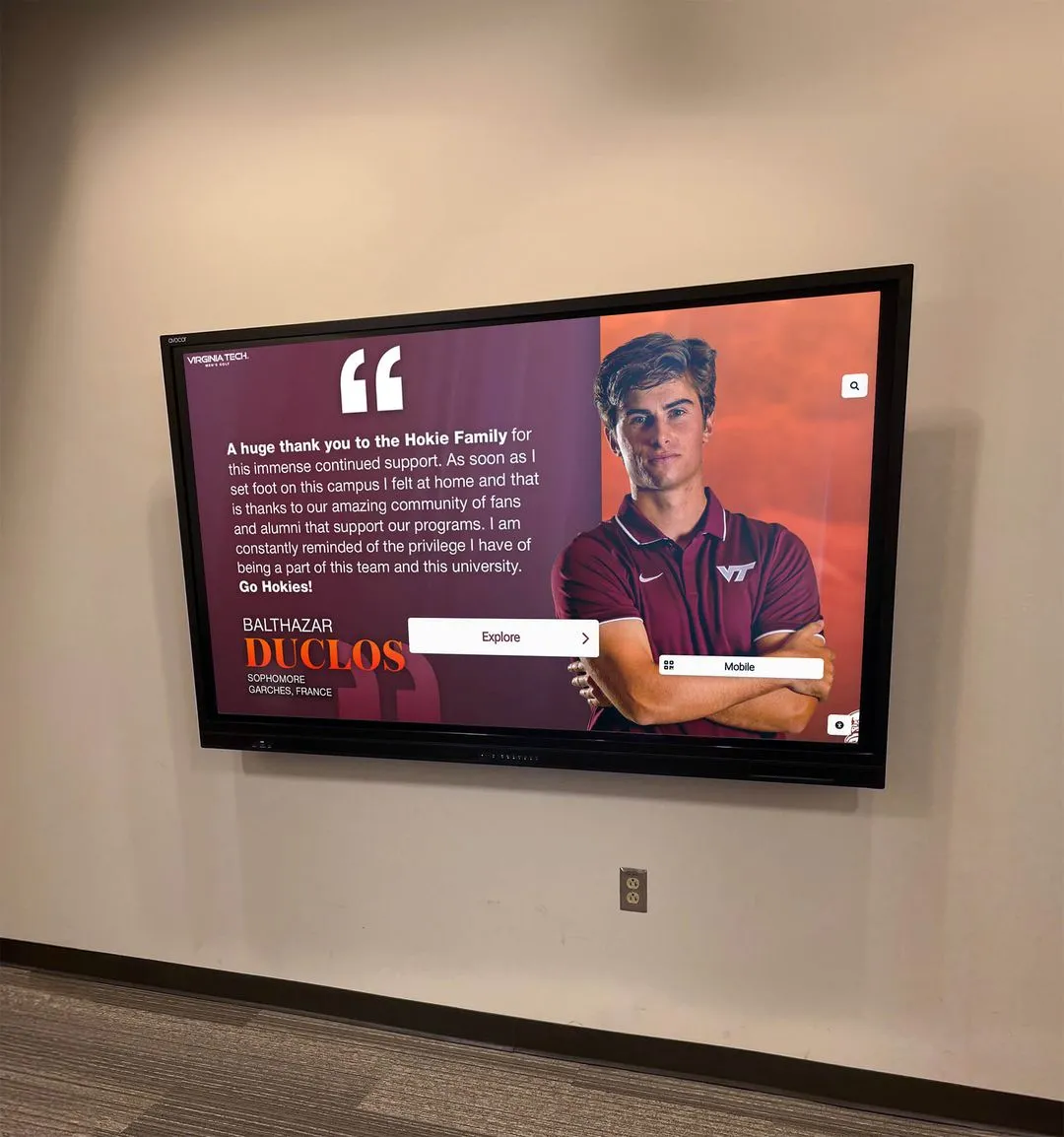
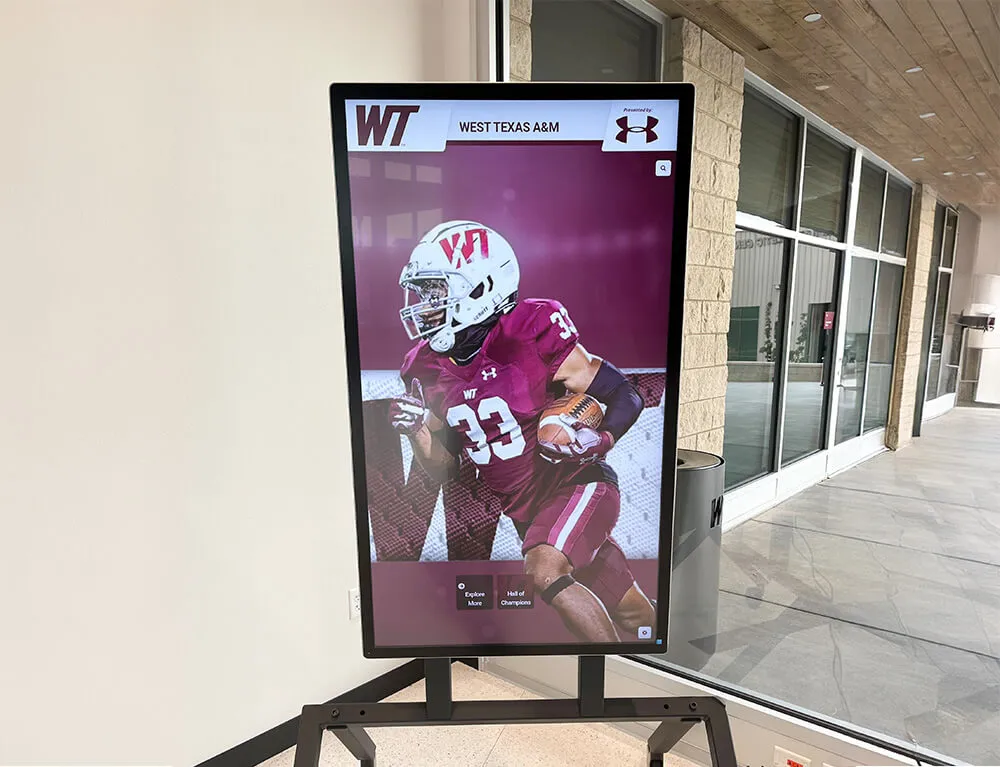
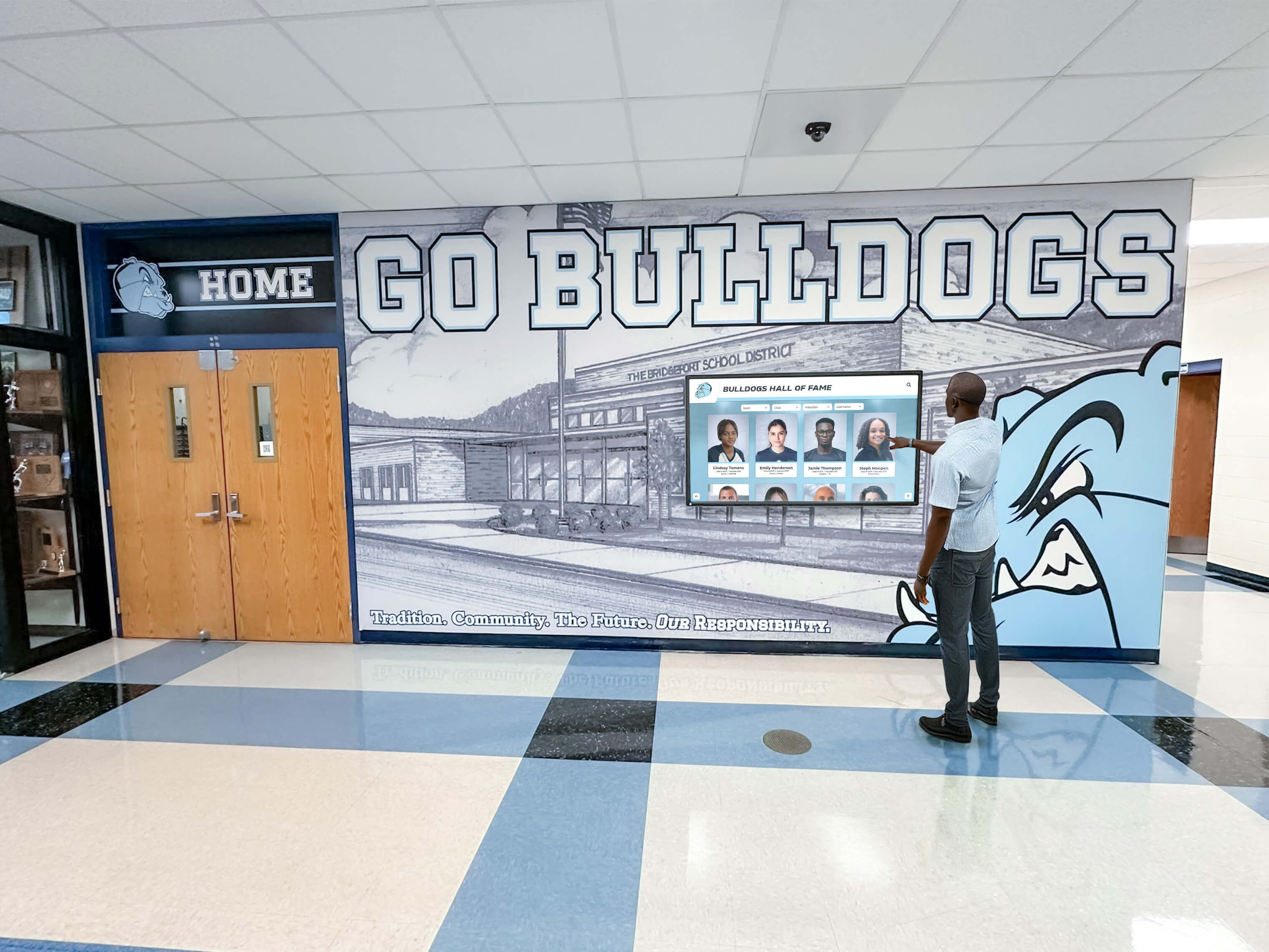
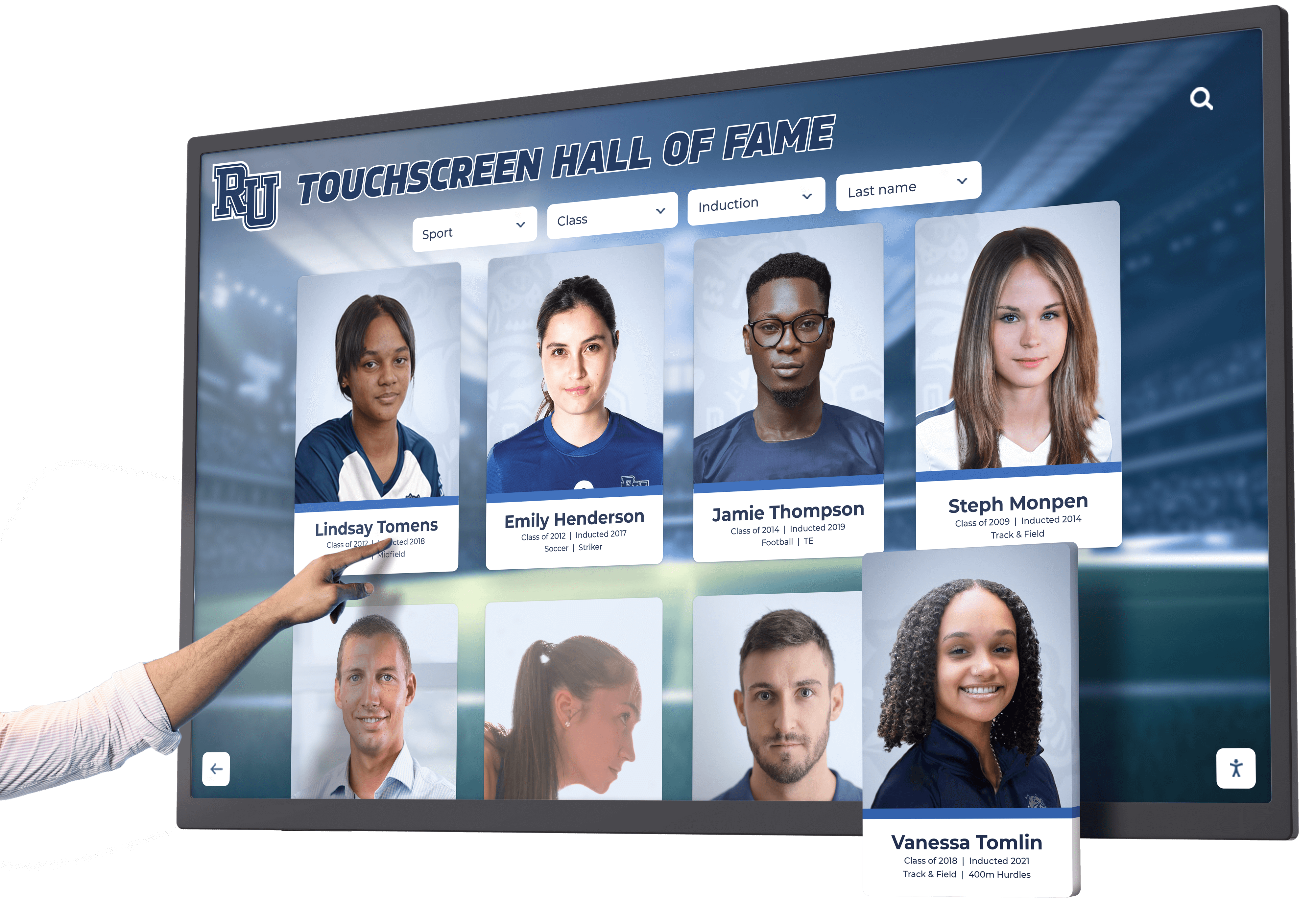
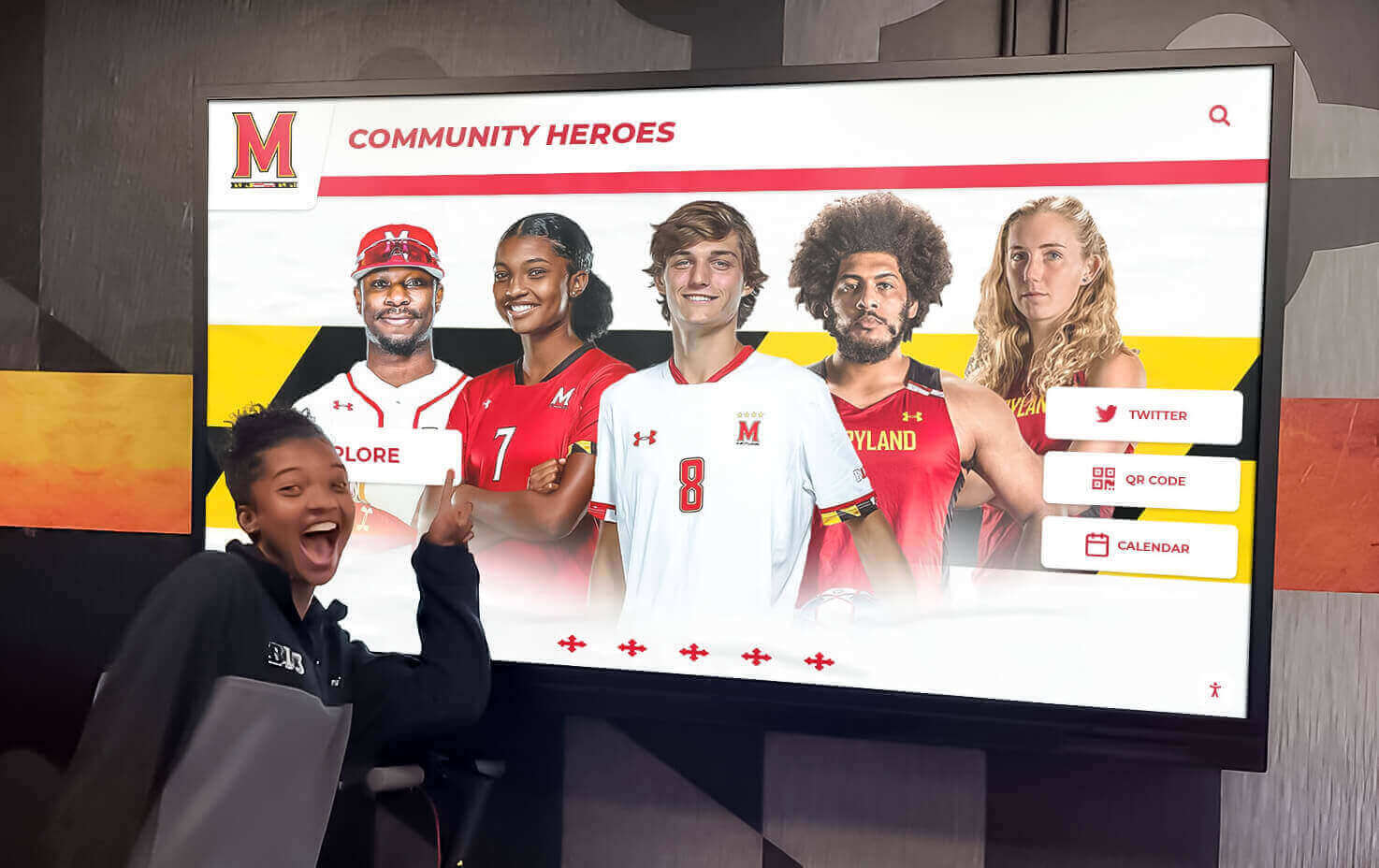
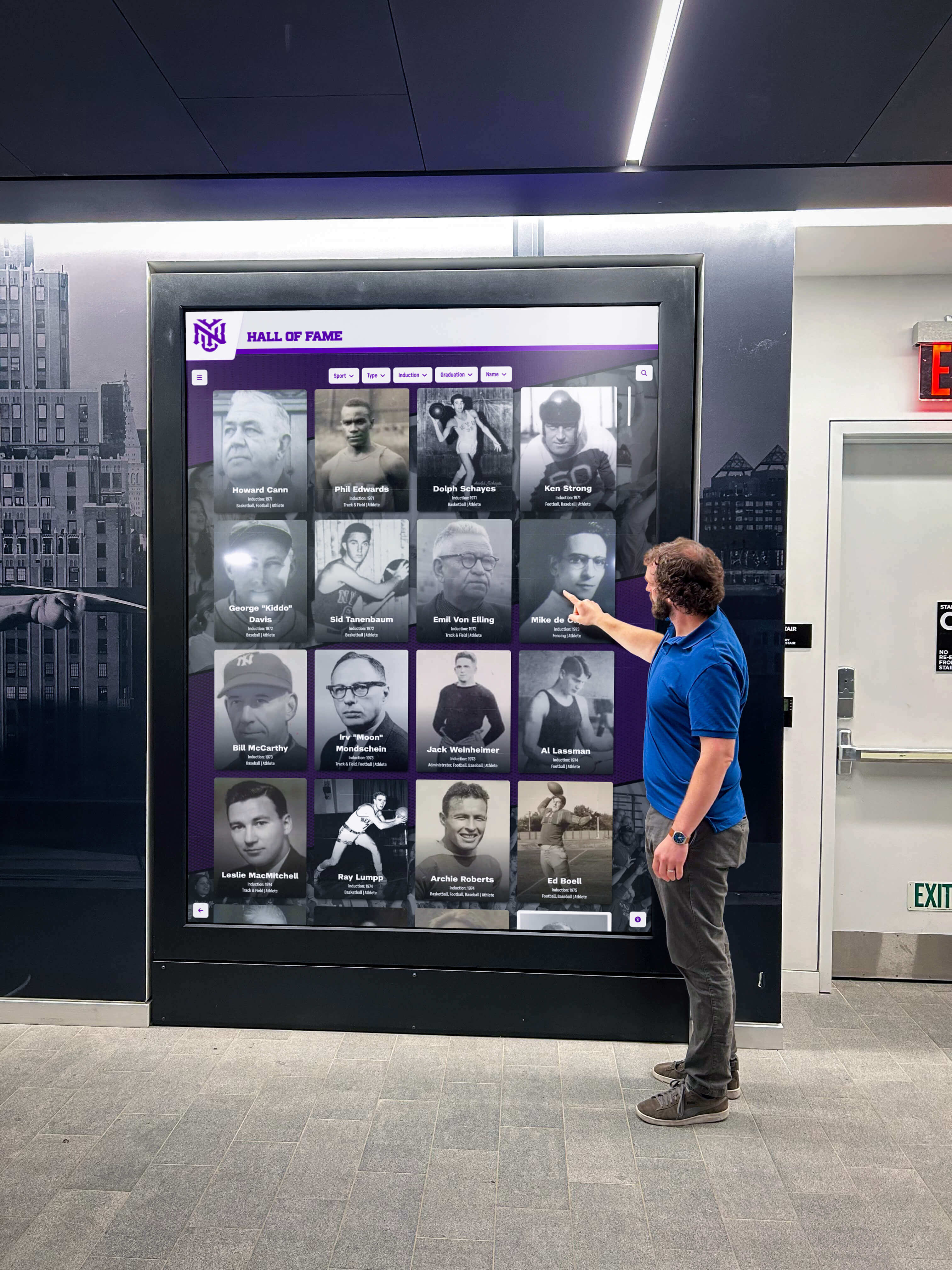
Modern touchscreen systems replace static wall displays with dynamic platforms visitors actively explore through intuitive touch interactions similar to tablets or smartphones. These installations enable unlimited content depth, sophisticated search and filtering, and engaging multimedia storytelling.
Core Digital Capabilities:
- Unlimited Recognition Capacity: Store thousands of profiles without physical space constraints, eliminating difficult selection choices based on wall availability
- Rich Multimedia Integration: Include high-resolution photos, video interviews, achievement timelines, career documentation, and personal messages
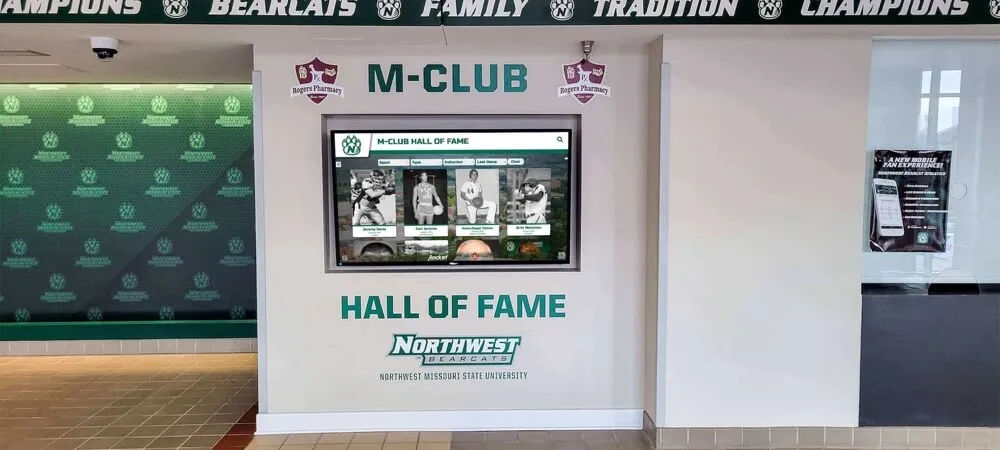
- Powerful Search Functionality: Instant discovery by name, year, achievement type, sport, department, or custom categories
- Remote Content Management: Update profiles, add inductees, and refresh content from any internet-connected device without physical reinstallation
- Extended Web Access: Enable recognition discovery beyond physical locations through online portals accessible to alumni worldwide
- Analytics and Insights: Track which profiles receive most views, popular search terms, peak usage times, and visitor engagement patterns
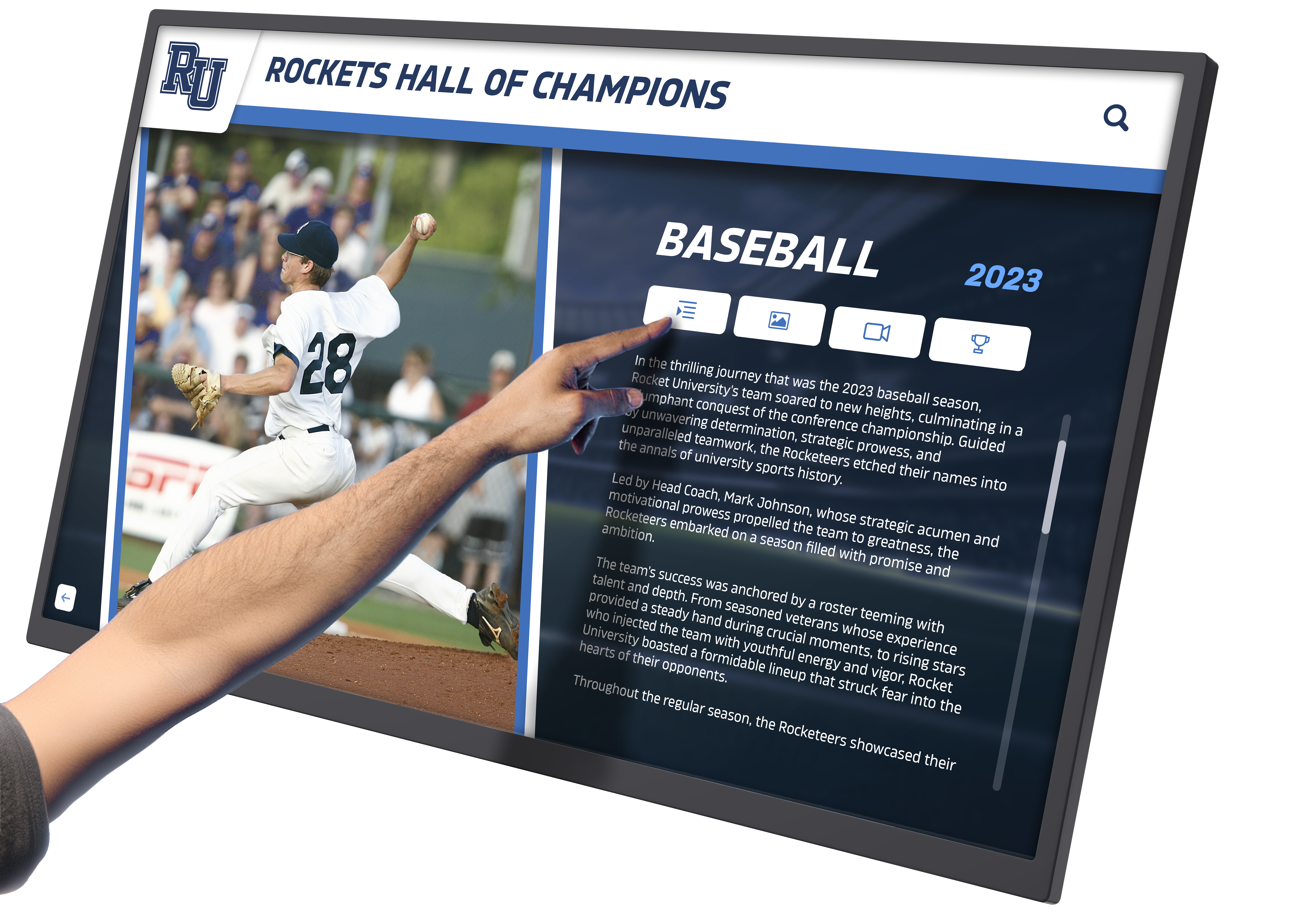
Solutions like Rocket Alumni Solutions specialize in recognition technology designed specifically for schools, universities, and organizations, offering user-friendly content management requiring no technical expertise alongside comprehensive support ensuring long-term reliability. Many schools also integrate these systems with digital trophy case displays for comprehensive athletic recognition.
Compelling Content Strategies:
The difference between adequate and exceptional digital wall of fame displays lies primarily in content quality and depth:
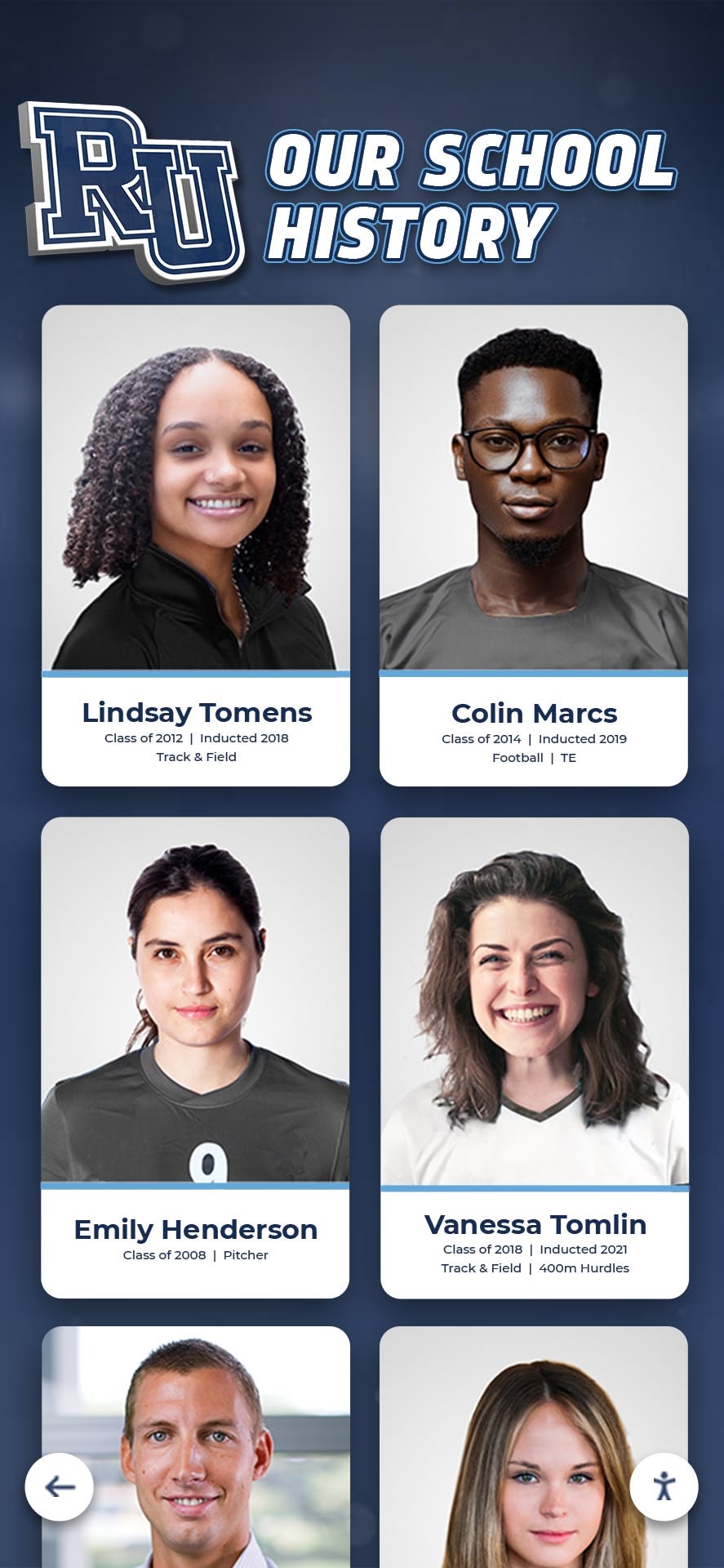
- Comprehensive biographical profiles with educational background, career progression, major accomplishments, and current activities
- Video interview content featuring honorees sharing personal stories, high school or institutional experiences, challenges overcome, and advice for current students or employees
- Photo galleries documenting professional progression from student years through career achievements creating visual storytelling narratives
- Achievement documentation with specific awards, honors, championships, publications, or contributions explaining significance and impact
- Personal messages and advice recorded specifically for current students, employees, or community members providing authentic mentorship
- Connection points linking related honorees (teammates, classmates, family members, mentors) creating relationship networks visitors can explore
Digital Video Wall Displays
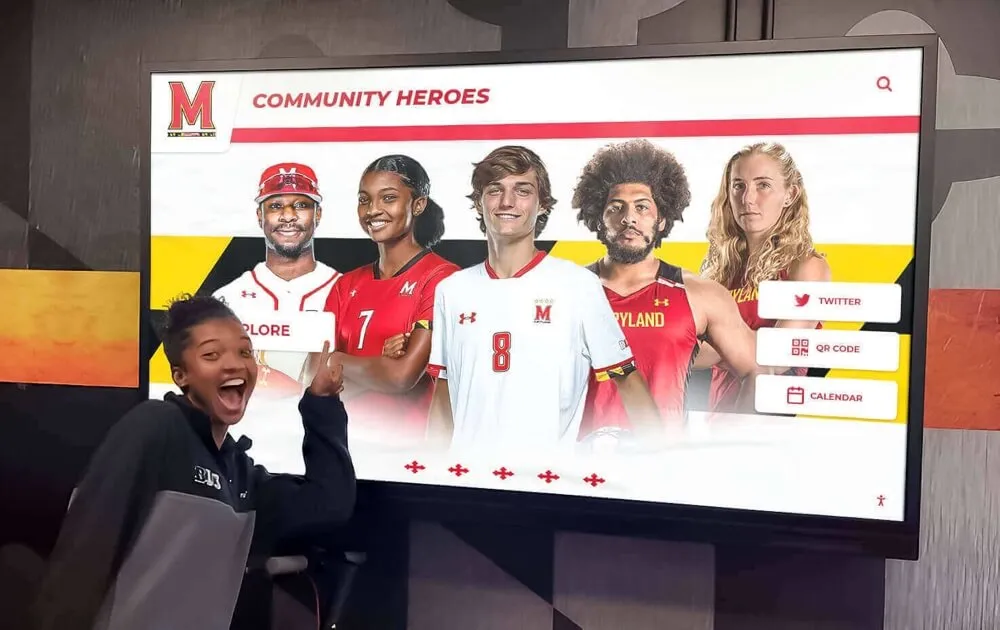
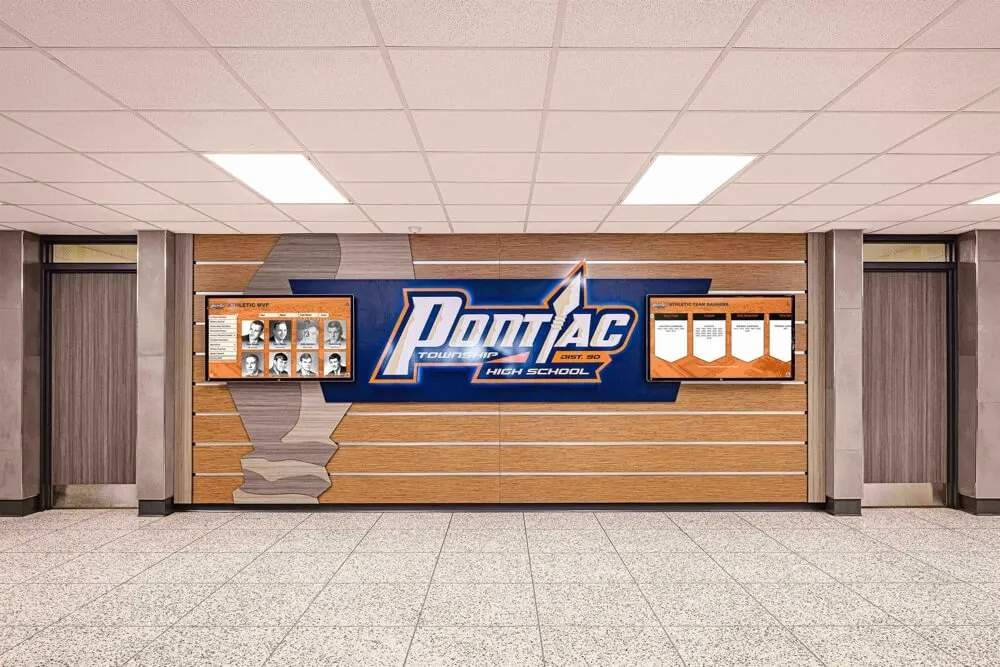
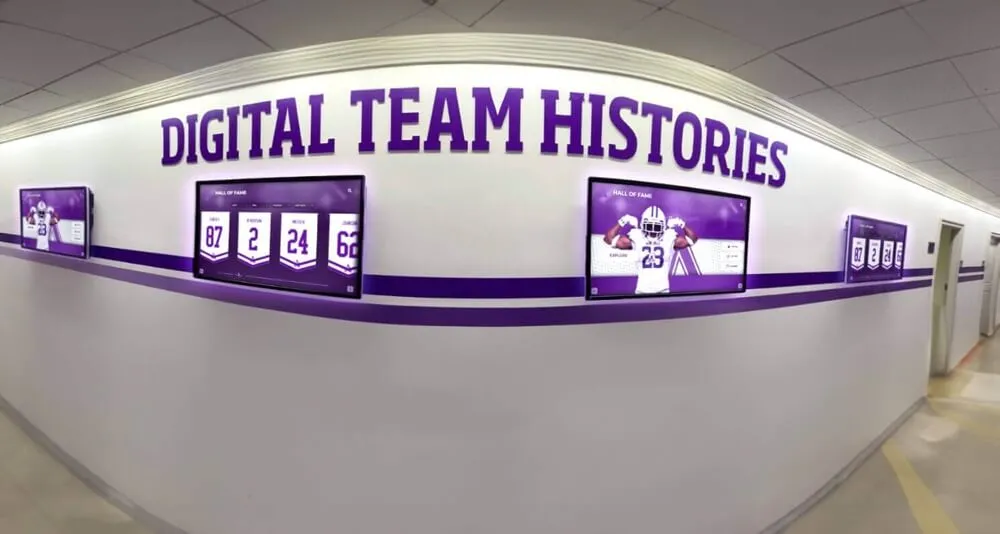
Large-format video displays cycling through recognition content create dynamic presentations that command attention in high-traffic areas while requiring no visitor interaction—content simply plays continuously on attractive loops.
Implementation Approaches:
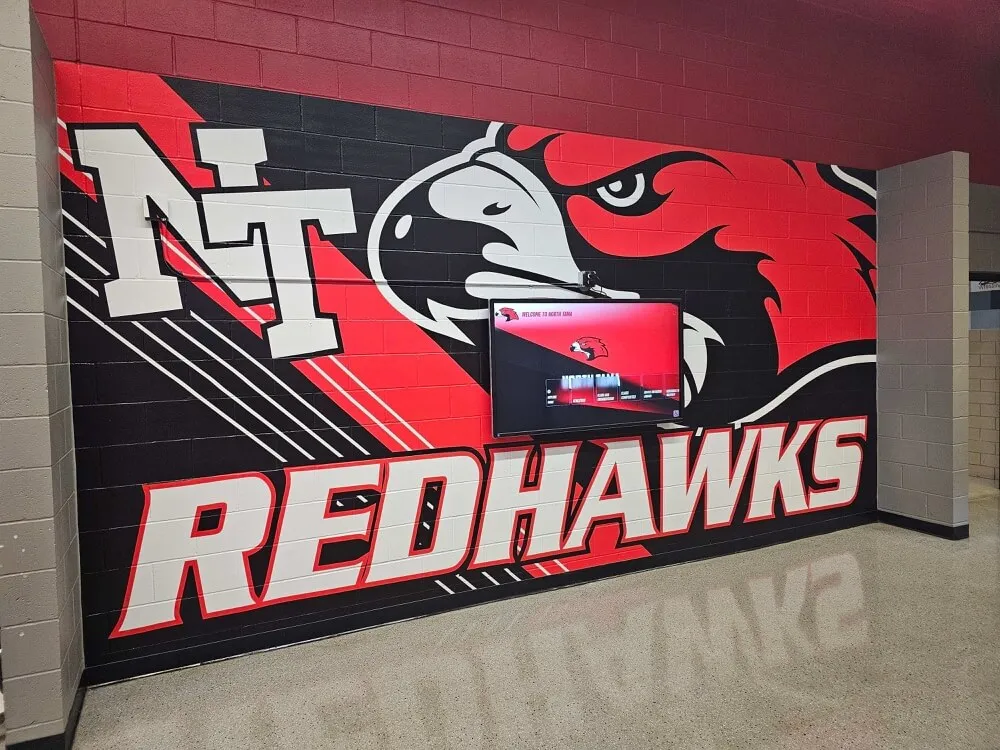
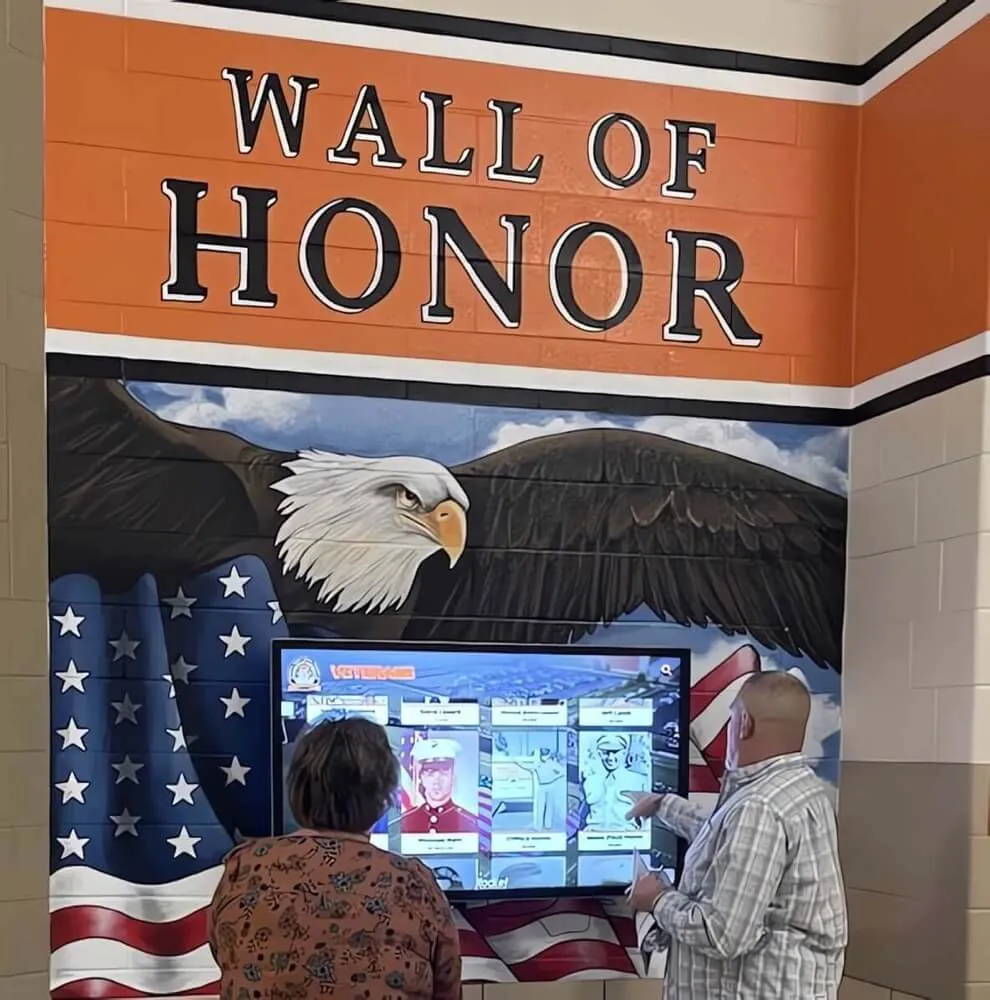
- Single large displays (55"-98" diagonal) creating focal points in lobbies, cafeterias, or main hallways where passive viewing occurs during natural dwell time
- Multi-screen video walls with synchronized content across 4-9+ screens creating immersive experiences and dramatic visual impact
- Portrait orientation installations optimized for hallway placements with vertical content layouts
- Landscape orientation systems ideal for lobby areas with horizontal viewing angles and seating areas
- Networked display systems throughout facilities showing coordinated content with location-specific customization
Content Programming Strategies:
Effective video wall content cycles maintain visual interest through variety:
- Featured profile spotlights with 30-60 second highlights rotating through different inductees daily or weekly
- Achievement milestone celebrations commemorating anniversaries of significant accomplishments or championships
- Historical timeline presentations showing institutional evolution with archival photos, memorable moments, and era-specific context
- Category-focused content with sport-specific programming in athletic facilities, department-specific content in academic buildings, or role-specific recognition in corporate environments
- Event-based programming during reunions, homecoming, awards ceremonies, or community gatherings with customized content relevant to attendance demographics
Hybrid Physical-Digital Recognition Systems
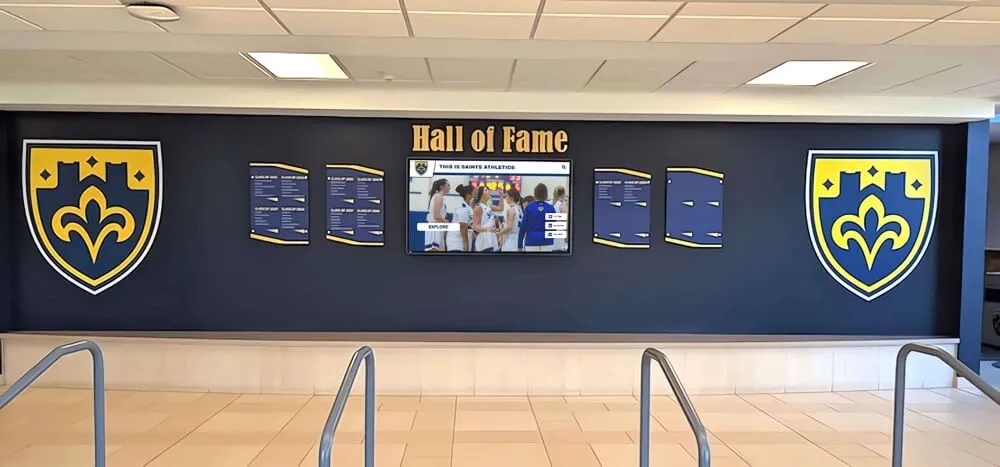
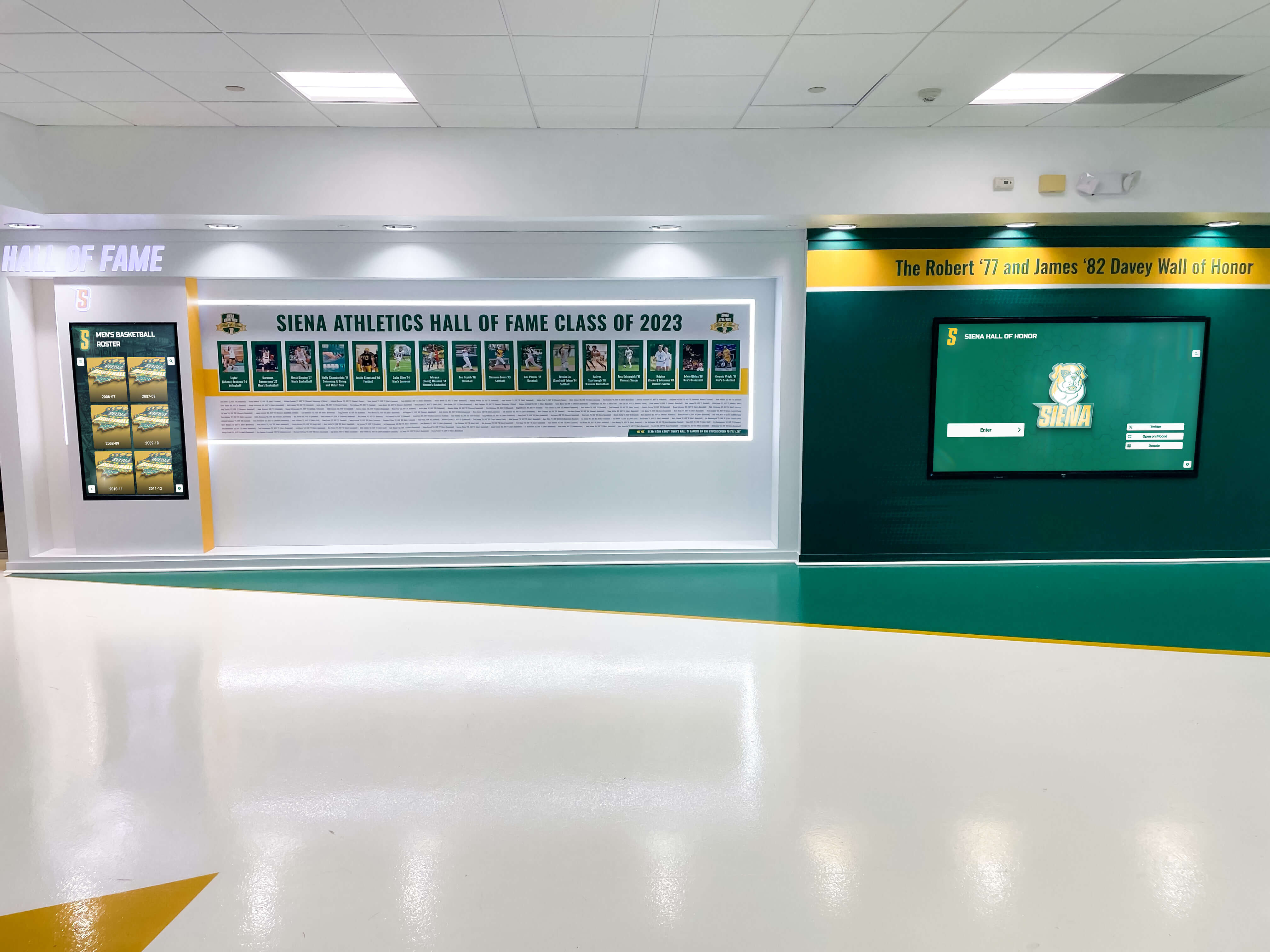
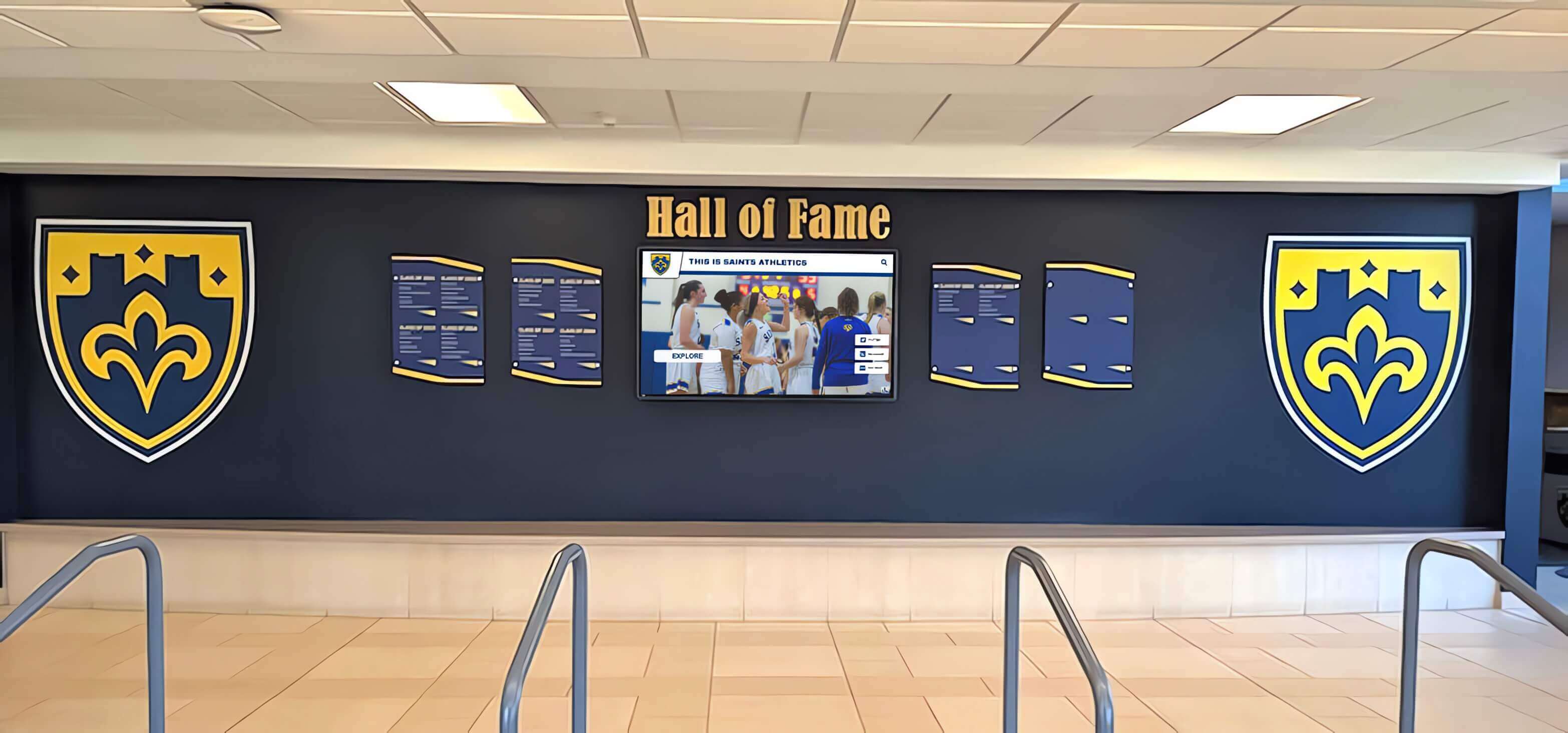
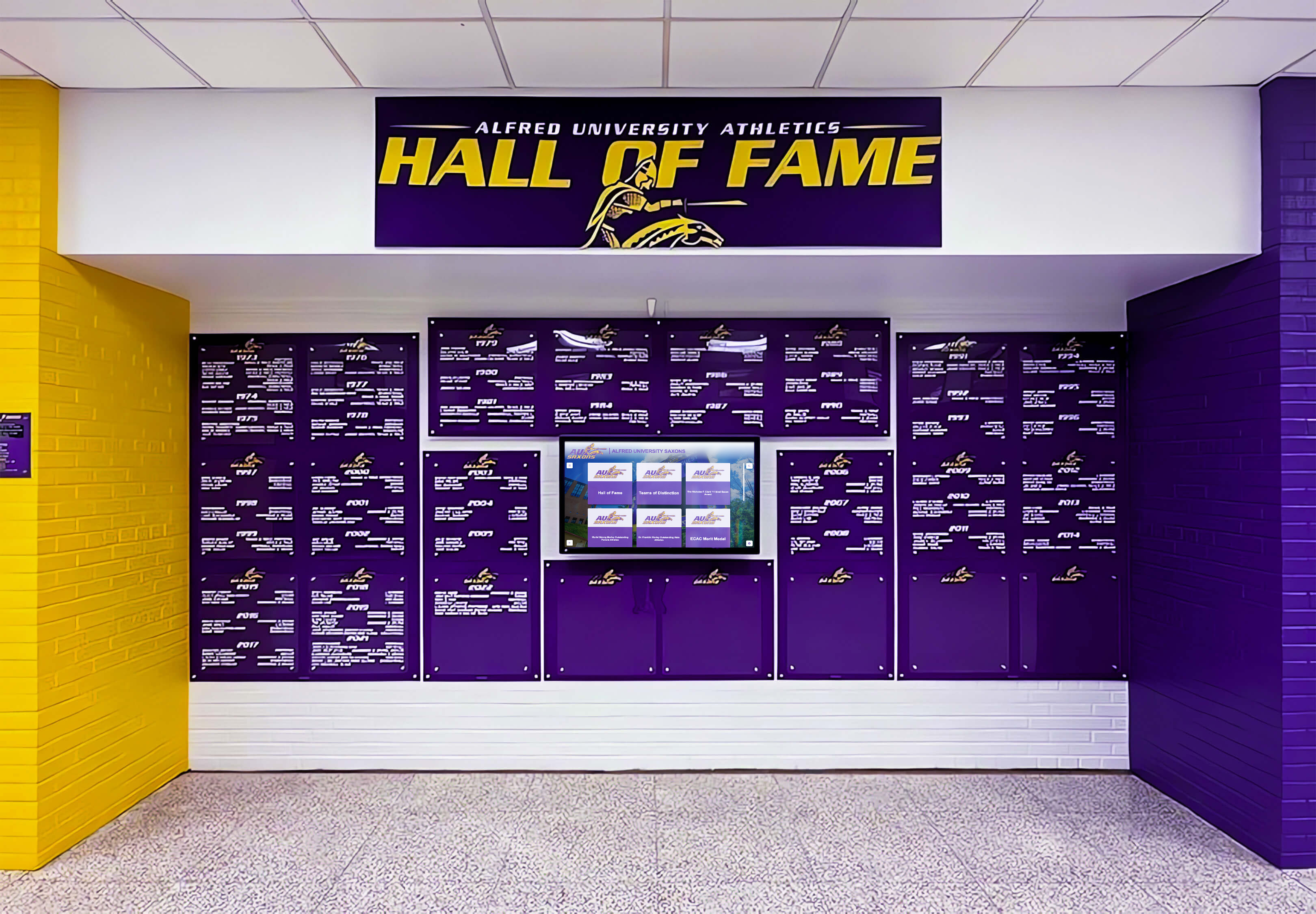
Many successful implementations combine selective traditional recognition with comprehensive digital systems, balancing the symbolic permanence of physical displays with the practical advantages and engagement benefits of digital technology.
Strategic Hybrid Approaches:
Selective Physical Recognition: Maintain signature physical displays for highest-tier achievements (distinguished alumni, championship teams, historic milestones) while digital systems provide unlimited capacity for broader recognition tiers.
QR Code Integration: Add QR codes to physical plaques enabling smartphone scanning that links visitors to extended digital profiles with videos, detailed biographies, photo galleries, and achievement documentation.
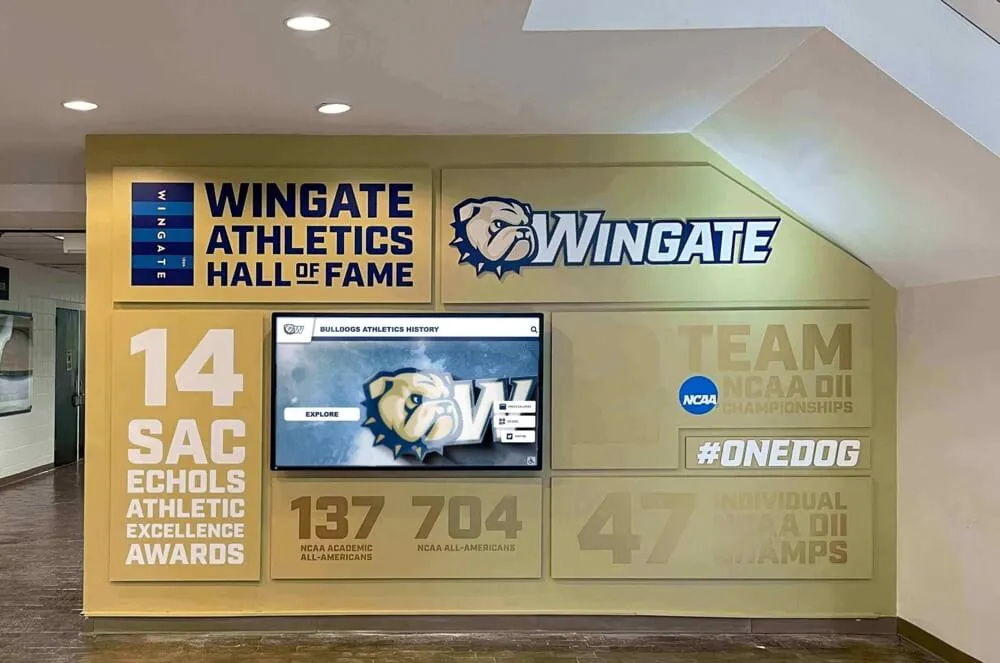
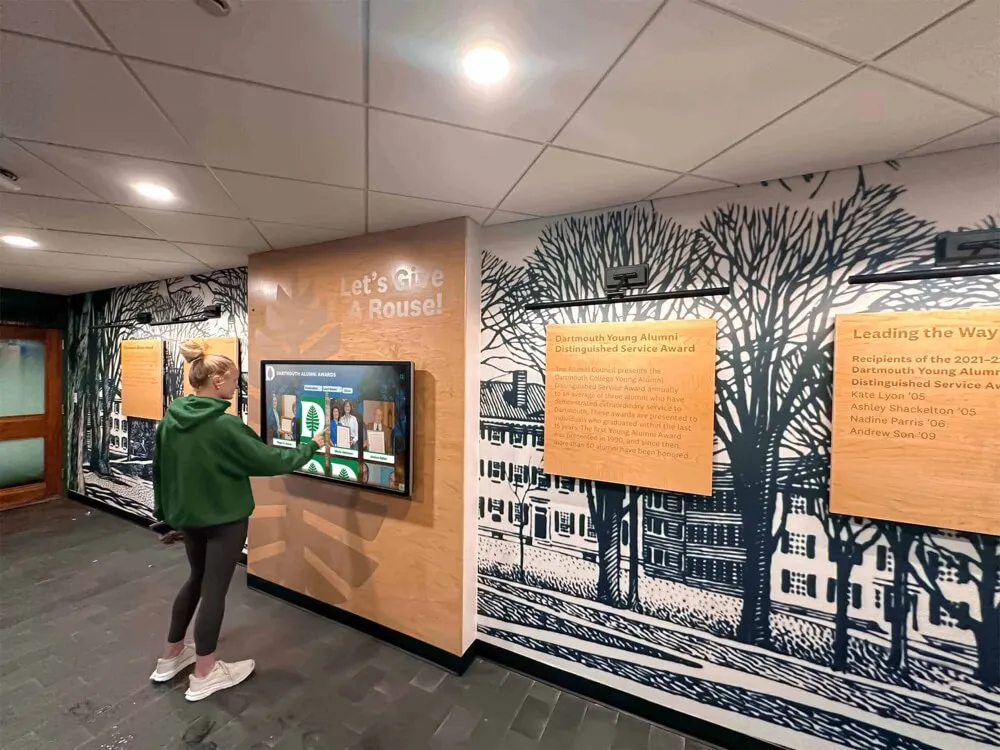
Complementary Placement: Position physical recognition in prestigious main locations (entrance lobbies, boardrooms, ceremonial spaces) with digital touchscreens in high-traffic areas (cafeterias, student centers, athletic facilities) serving daily engagement.
Phased Transition: Maintain existing traditional displays for established inductees while implementing digital systems for all new recognition going forward, gradually building comprehensive digital archives over time.
This combination respects tradition and stakeholder preferences for tangible recognition while solving capacity limitations and flexibility challenges that plague purely physical approaches. Organizations considering this path often review guides about digital hall of fame displays and donor walls for comprehensive implementation strategies.
Sport-Specific Wall of Fame Ideas
Athletic recognition requires specialized approaches that honor both individual achievement and team success while creating inspiration in environments where current athletes train and compete.
Gymnasium and Athletic Facility Recognition
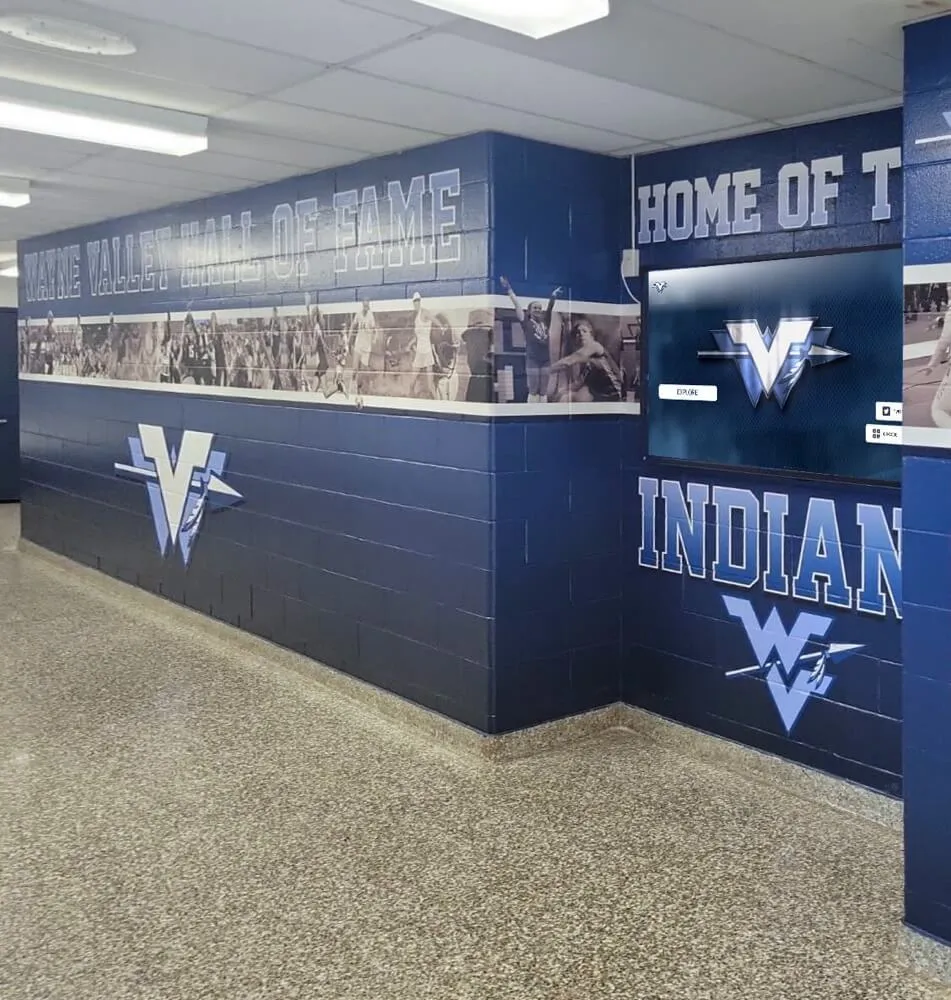
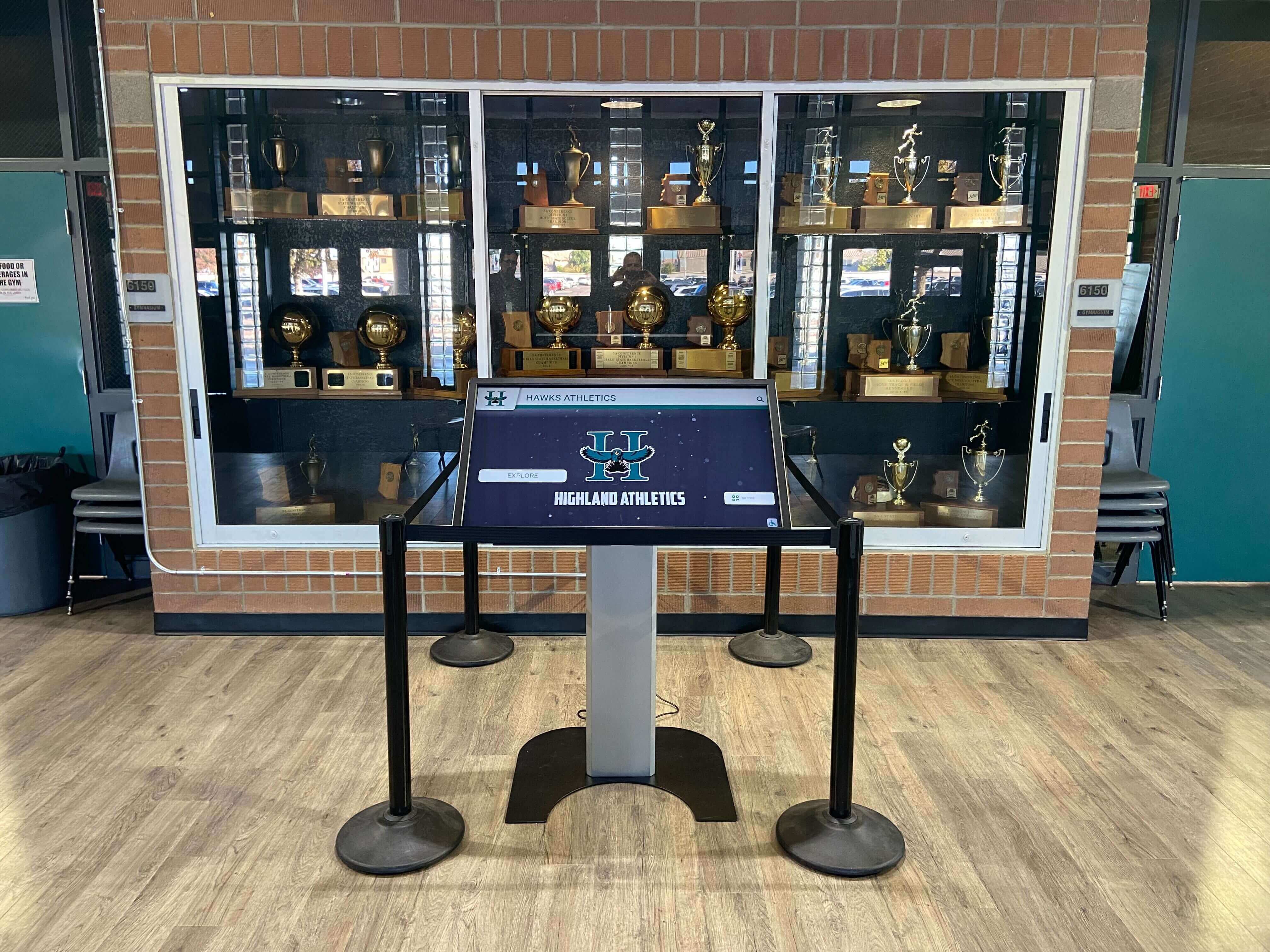
Sport-specific wall of fame displays in gymnasiums, field houses, training facilities, and locker room areas inspire current athletes while honoring distinguished graduates or members who competed representing institutional colors.
Athletic Recognition Content:
- Championship team recognition with roster photos, season records, tournament brackets, and memorable game highlights
- Individual record holders with statistical leaderboards showing all-time leaders in points scored, rebounds, goals, assists, wins, or sport-specific metrics
- All-conference and all-state selections organized by sport and year, creating aspirational targets for current athletes
- Professional athlete profiles featuring those who competed collegiately or in youth programs before professional careers
- Coaching legends who built programs, developed athletes, or established competitive traditions that defined institutional athletic identity
- Historic performance videos showcasing memorable plays, championship moments, or record-breaking achievements
Many athletic programs implement high school sports banners alongside digital recognition systems for comprehensive celebration of team and individual excellence.
Multi-Sport Recognition Balancing
Comprehensive athletic wall of fame ideas ensure equitable recognition across all sports rather than over-emphasizing high-profile programs while neglecting smaller or less visible sports.
Equity Strategies:
- Sport-specific sections with dedicated areas for each program ensuring visibility regardless of championship history or community profile
- Seasonal organization grouping fall, winter, and spring sports for balanced chronological presentation
- Gender-balanced presentation ensuring equal visual prominence and content depth for male and female athletic achievement
- Recognition criteria adaptation accounting for different competitive structures (individual versus team sports, varying competition levels across sports)
- Rotation schedules for video displays ensuring all sports receive featured placement during relevant seasons or events
Academic and Professional Wall of Fame Ideas
Excellence extends far beyond athletics. Comprehensive recognition programs celebrate diverse achievement across all organizational domains—academics, arts, service, business success, and community contribution.
Academic Achievement Recognition Walls
Scholarly accomplishments, research breakthroughs, and intellectual contributions deserve celebration in environments where academic work occurs, communicating that excellence spans all domains and pathways.
Academic Recognition Categories:
Scholarly Excellence:
- Valedictorians and salutatorians
- National Merit Scholars
- AP Scholar designations
- Perfect ACT/SAT scorers
- Academic All-Americans
- Distinguished graduate degree earners
Research and Innovation:
- Published authors and researchers
- Patent holders and inventors
- Competition winners (science fairs, math olympiads)
- Grant recipients and fellowship winners
- Breakthrough discoveries or contributions
- Thought leaders in academic fields
Academic recognition walls positioned in libraries, academic buildings, or main hallways communicate that intellectual achievement receives equivalent honor to athletic success. Schools often complement these displays with academic recognition programs celebrating multiple excellence tiers.
Arts and Creative Achievement Displays
Performing arts, visual arts, music, theater, and creative accomplishments warrant dedicated recognition celebrating cultural contributions and artistic excellence.
Arts Recognition Elements:
- All-state band, choir, or orchestra selections
- Theater award winners and distinguished performances
- Visual arts competition winners and exhibited artists
- Published creative writers and poets
- Music composition or performance achievements
- Film, photography, or digital media recognition
Consider incorporating actual artwork, performance videos, musical recordings, or creative works into digital displays for authentic representation of artistic achievement.
Service and Leadership Recognition
Not all meaningful contributions involve academic or athletic achievement. Service-focused wall of fame ideas honor those who dedicated efforts to community improvement, volunteer leadership, or positive social impact.
Service Recognition Categories:
- Significant volunteer hour milestones
- Community organization leadership
- Service trip participation and impact
- Peer mentorship and tutoring contributions
- Fundraising leadership for charitable causes
- Social justice advocacy and activism
- Environmental stewardship initiatives
This recognition communicates institutional values extending beyond individual success to encompass community contribution and character development.
Location-Specific Wall of Fame Design Ideas
Strategic placement dramatically impacts visibility, engagement frequency, and overall recognition effectiveness. Thoughtful location selection ensures displays reach intended audiences during natural daily activities.
Main Entrance and Lobby Recognition
Prime visibility locations create immediate impressions communicating organizational excellence to all visitors—prospective families, community members attending events, business partners, and donors evaluating institutional quality.
Lobby Design Considerations:
Visual Impact: Large-format displays commanding immediate attention upon entry, professionally designed to reflect institutional branding and create positive first impressions
Comfortable Viewing: Adequate space allowing extended exploration without blocking traffic flow, seating areas enabling leisurely browsing for those wishing deeper engagement
Architectural Integration: Recognition displays complementing facility design aesthetics, coordinating materials and colors with existing architecture rather than appearing afterthought additions
Optimal Lighting: Adequate illumination ensuring readability without glare issues, dedicated display lighting for traditional formats, anti-glare screens for digital systems
Traffic Flow Positioning: Placement within natural movement patterns maximizing exposure while avoiding congestion in high-traffic corridors or bottleneck locations
Cafeteria and Student Center Displays
High-dwell locations where students, employees, or members gather daily provide extended viewing opportunities during meal times, breaks, or social activities when people have time for deeper exploration.
Advantages of Common Area Placement:
- Extended exposure time during meals and social gatherings enabling comprehensive content exploration
- Casual atmosphere encouraging conversation about recognition content and shared discovery among groups
- High daily traffic volume ensuring frequent visibility and repeated exposure building familiarity over time
- Natural integration into daily routines rather than requiring special trips to view recognition displays
- Opportunities for programming special content during events, celebrations, or gathering times
Department-Specific or Building-Specific Recognition
Distributed recognition throughout facilities creates multiple discovery points while allowing customized content relevant to specific locations, audiences, or departmental identities.
Distributed Display Strategies:
- Academic building displays featuring distinguished graduates from specific departments or majors
- Athletic facility recognition highlighting sport-specific achievements in respective practice or competition venues
- Performing arts center displays celebrating theater, music, and creative accomplishments in cultural facilities
- Library installations with scholarly achievement recognition in contemplative environments encouraging extended exploration
- Administrative building displays honoring organizational leadership, board members, or significant contributors
Many organizations implement employee recognition displays throughout workplace facilities creating comprehensive celebration of contribution across all roles and departments.
Content Development and Design Best Practices
Recognition quality depends primarily on content richness and design professionalism rather than simply technology sophistication. Investment in compelling content separates displays that become beloved institutional assets from those that languish unused or ignored.
Writing Effective Recognition Profiles
Compelling profiles balance factual achievement documentation with engaging storytelling that reveals the humans behind accomplishments, creating emotional connections rather than dry biographical listings.
Profile Structure Best Practices:
Opening Impact: Lead with most compelling achievement or interesting fact immediately capturing attention and establishing worthiness of recognition
Educational Foundation: Document institutional involvement—graduation year, activities, leadership roles, academic achievements—connecting honoree to organizational identity
Career Journey: Chronicle professional progression showing development over time from early positions through significant accomplishments and current status
Achievement Context: Explain significance of major accomplishments—why they matter, impact on field or community, challenges overcome, innovation demonstrated
Personal Dimension: Include authentic quotes, personal reflections on institutional impact, formative experiences, or advice for current students/employees
Current Engagement: Note ongoing involvement with institution, mentorship activities, or continued contribution demonstrating sustained connection
Writing Style Guidelines:
- Active voice creating dynamic, engaging narratives rather than passive biographical listings
- Specific examples and concrete details rather than vague generalizations about “success” or “excellence”
- Transformation stories showing how education or institutional experiences influenced career trajectories and life paths
- Authentic voice using direct quotes whenever possible for genuine personal perspectives
- Accessible vocabulary appropriate for diverse audiences including young students, casual visitors, and general community members
- Consistent length ensuring equitable treatment across all inductees regardless of achievement magnitude
Visual Design and Branding Integration
Professional design ensures recognition walls reflect institutional pride and quality standards while creating attractive presentations commanding attention and respect.
Design Elements:
- Color schemes incorporating institutional branding—school colors, corporate identity systems, organizational visual standards
- Typography hierarchy establishing clear information architecture with distinct styles for names, achievements, dates, and biographical content
- Photo quality standards ensuring professional images with consistent sizing, cropping, backgrounds, and resolution across all inductees
- Layout consistency maintaining uniform formatting, spacing, and organization creating polished appearance rather than haphazard assemblages
- Mascot and logo integration reinforcing identity through appropriate brand element placement without overwhelming recognition content
- White space utilization preventing visual clutter through adequate spacing between elements allowing content to breathe
Many organizations partner with professional designers or specialized vendors like Rocket Alumni Solutions to ensure recognition displays meet quality standards befitting the honor being bestowed and the achievements being celebrated.
Gathering and Managing Recognition Content
Systematic information collection and organization ensures comprehensive, accurate content while preventing last-minute scrambles during inductee additions or display updates.
Information Sources:
- Direct outreach to honorees through questionnaires requesting biographical information, photos, achievement documentation, and personal messages
- Professional networking sites (LinkedIn profiles) providing career history, current positions, and professional accomplishments
- Historical yearbooks and institutional archives preserving photographs, activity participation, and achievement records
- News media coverage including articles, press releases, or features about significant accomplishments
- Family connections particularly important for deceased honorees or those difficult to contact directly
- Alumni association or membership databases maintaining current contact information and engagement records
Organizations often explore digital archive solutions for managing historical content and ensuring information preservation across generations.
Implementation Planning and Budget Considerations
Successful wall of fame projects follow systematic approaches ensuring quality results on time and within budget while building sustainable programs that thrive for decades.
Establishing Selection Criteria and Governance
Clear, objective standards ensure fair evaluation while maintaining program credibility and community confidence in selection processes.
Fundamental Selection Criteria:
Achievement Magnitude
Significant accomplishments demonstrating exceptional success relative to field, profession, or competitive domain
Sustained Excellence
Career longevity showing consistent high performance over time rather than single isolated achievements
Character Alignment
Ethical conduct maintaining professional integrity and personal values consistent with institutional standards
Inspiration Value
Role model potential motivating current students, employees, or members through accessible examples of attainable excellence
Governance Structures:
Effective programs establish clear selection committees with diverse representation:
- Administrative leadership providing strategic direction and institutional perspective
- Program alumni or former members understanding honoree experiences and community values
- Subject matter experts (coaches, department heads, industry professionals) evaluating achievement significance
- Community representatives ensuring broader stakeholder input and balanced perspective
- Current students or junior members providing emerging generation viewpoints
Documented bylaws, term limits, conflict-of-interest policies, and transparent voting procedures ensure selection integrity and process credibility.
Cost Comparison: Traditional vs. Digital Wall of Fame Systems
Understanding total cost of ownership across system lifespans enables better decision-making than focusing solely on initial purchase prices.
Traditional Physical Display Costs (20-Year Projection):
- Initial wall preparation and mounting systems: $3,000-8,000
- Annual inductee plaques (5 inductees × $350 average): $1,750/year × 20 years = $35,000
- Periodic reorganization or expansion: $4,000-8,000
- Maintenance and cleaning: $500/year × 20 years = $10,000
- Total estimated cost: $52,000-$61,000
- Capacity limitation: Approximately 100 inductees before space constraints force difficult decisions
Digital Touchscreen Display Costs (20-Year Projection):
- Initial hardware, software, and installation: $12,000-25,000
- Annual software licensing and support: $2,000-4,000/year × 20 years = $40,000-80,000
- Hardware refresh at year 10-12: $8,000-12,000
- Content development and photography: $3,000-8,000
- Total estimated cost: $63,000-$125,000
- Capacity: Unlimited inductees with no physical space constraints
While upfront costs differ significantly, long-term total ownership costs often converge—with digital systems providing substantially greater capacity, flexibility, engagement, and features for comparable investment. Per-inductee costs decrease dramatically with digital systems as recognition programs grow.
Phased Implementation Strategies
Rather than attempting comprehensive installation immediately, strategic phasing enables manageable progress while building toward complete recognition programs as budgets allow.
Phase 1: Foundation (Year 1)
- Single display location (main entrance or lobby)
- Core infrastructure and mounting
- Essential content for founding class or most recent inductees
- Basic functionality and system testing
- Staff training and process establishment
Phase 2: Expansion (Years 2-3)
- Additional display locations in secondary high-traffic areas
- Historical content development for earlier era inductees
- Enhanced multimedia elements including videos and extended biographies
- Category-specific recognition development (sports, departments, achievement types)
- Integration with alumni relations and advancement initiatives
Phase 3: Comprehensive System (Years 4+)
- Complete facility coverage with distributed displays throughout campus or facilities
- Full historical archive spanning entire organizational history
- Advanced features based on usage analytics and stakeholder feedback
- Integration with other institutional systems (websites, databases, digital signage networks)
- Ongoing optimization and continuous improvement
This approach spreads costs across multiple budget cycles while delivering value immediately rather than waiting years for complete funding availability.
Maintenance and Long-Term Program Sustainability
Recognition walls require ongoing attention to remain effective, current, and technically reliable across years and decades—yet many organizations underestimate ongoing operational requirements during initial planning.
Annual Content Update Cycles
Sustainable Operating Calendar:
Fall (September-November):
- Nomination period opening with clear deadlines
- Marketing campaign encouraging submissions
- Application materials collection and organization
- Initial eligibility verification
Winter (December-February):
- Selection committee reviews and deliberations
- Voting and final inductee decisions
- Inductee notification and acceptance confirmation
- Biography and photo requests to honorees
Spring (March-May):
- Content development and profile creation
- Photography sessions or image collection
- Display updates and additions
- Marketing and promotional preparation
- Induction ceremony planning and execution
Quarterly Maintenance Tasks:
- Featured content rotation highlighting different inductees creating fresh presentations
- Minor corrections and information updates as new details become available
- New photo or video additions when honorees provide additional materials
- Engagement analytics review identifying popular content and optimization opportunities
Community Engagement and Participation
Active engagement strategies ensure recognition programs remain visible, relevant, and valued by stakeholders rather than becoming forgotten displays nobody notices or uses.
Student and Member Involvement:
- Ambassador programs training students or members to demonstrate displays during campus tours or organizational events
- Academic integration with journalism classes developing profiles, video production students creating content, or history students researching archives
- Project-based learning using recognition content development as educational opportunity teaching research, writing, and multimedia skills
- Volunteer programs engaging retirees, alumni, or community members in content creation and research assistance
Alumni and Former Member Participation:
- Reunion committees gathering classmate information during anniversary celebrations
- Professional network connections facilitating research and honoree outreach
- Interview volunteers conducting biographical conversations with inductees
- Update submissions from honorees providing career progression information
Programs implementing alumni mentorship initiatives often integrate recognition displays as discovery tools connecting students with relevant alumni mentors in fields they’re exploring.
Technical Maintenance for Digital Systems
Routine Technical Care:
- Weekly visual inspections checking for obvious display issues, touch functionality problems, or content errors
- Monthly screen cleaning with appropriate microfiber cloths and approved cleaners avoiding damage to sensitive touchscreen surfaces
- Quarterly software updates applying security patches, feature improvements, and performance optimizations
- Annual comprehensive health checks including hardware diagnostics, network connectivity verification, and preventive maintenance
- Long-term hardware refresh planning budgeting for technology lifecycle replacement every 8-12 years
Quality digital recognition vendors like Rocket Alumni Solutions provide comprehensive support including remote technical assistance, content management training, regular system monitoring, proactive issue identification, and reliable hardware warranties ensuring long-term system reliability without requiring internal IT expertise.
Measuring Impact and Demonstrating ROI
Strategic organizations track recognition program impact through quantitative metrics and qualitative feedback informing continuous improvement and demonstrating value to leadership stakeholders.
Engagement Metrics and Analytics
Quantitative Indicators:
- Physical display interaction volume through observation, traffic counters, or infrared sensors tracking visitor approaches and dwell time
- Digital display session metrics including total interactions, average session duration, profiles viewed per session, and return visitor rates
- Search query analysis revealing what visitors seek—popular names, achievement types, years, or categories indicating interest patterns
- Web platform traffic for online recognition portals extending engagement beyond physical locations
- Social media engagement including shares, comments, tags, and user-generated content featuring recognition displays
- Peak usage time identification enabling targeted content updates or promotional efforts during high-traffic periods
Qualitative Feedback:
- Student or member testimonials describing inspiration gained from recognition displays
- Parent and family comments during campus tours or organizational visits
- Honoree reactions and satisfaction with recognition quality and presentation
- Staff morale observations noting cultural impact of comprehensive recognition programs
- Community pride expressions in local media coverage, social discussions, or stakeholder surveys
Return on Investment Assessment
Measurable Organizational Benefits:
Beyond direct engagement metrics, effective recognition programs deliver broader organizational value:
- Enhanced recruitment outcomes through improved prospective student/member impressions during tours and evaluation processes
- Increased alumni or member engagement measured through event attendance, volunteer participation, and community involvement
- Improved philanthropic support reflected in giving participation rates, gift sizes, and donor retention among recognized individuals
- Strengthened institutional reputation evidenced through media coverage, community perception surveys, and competitive positioning
- Cultural impact including improved morale, stronger identity, enhanced pride, and increased retention
Organizations frequently discover that comprehensive recognition programs deliver far greater value than costs through these multiplied benefits extending across recruitment, retention, advancement, and cultural dimensions.
For schools and universities, research consistently demonstrates that effective donor recognition strategies including hall of fame displays correlate strongly with increased philanthropic support and sustained alumni engagement.
Choosing the Right Wall of Fame Approach for Your Organization
The “best” wall of fame ideas depend on specific circumstances, priorities, resources, and long-term goals. Effective decision-making requires evaluating options against clear criteria aligned with organizational objectives.
Choose Traditional Physical Displays If:
- Limited initial budget requires lower upfront investment with incremental expansion over time
- Strong stakeholder preference for classic traditional aesthetics and tangible recognition
- Small, finite recognition program with manageable inductee volumes (under 100 total)
- Limited technical support capabilities or concerns about maintaining digital systems
- Existing successful traditional system simply needing expansion or enhancement
Choose Digital Interactive Systems If:
- Growing recognition program requiring unlimited scalability without physical space constraints
- Desire for comprehensive multimedia storytelling with videos, extended biographies, and rich content
- Priority on maximizing visitor engagement through interactive exploration and search capabilities
- Long-term cost efficiency more important than minimizing initial investment
- Technical support available through vendor services or internal IT resources
Choose Hybrid Approaches If:
- Want to honor tradition while embracing modern capabilities and flexibility
- Multiple recognition tiers requiring different presentation approaches for various achievement levels
- Phased transition from traditional to digital over multiple years as budgets allow
- Space and budget accommodate complementary systems serving different purposes
- Stakeholder concerns require preserving valued traditional elements alongside digital enhancements
Regardless of approach chosen, the most critical success factors remain consistent: clear purpose and measurable objectives, genuine stakeholder involvement in planning and governance, quality content telling complete compelling stories, strategic location ensuring visibility and accessibility, sustainable management processes with assigned ownership, and continuous improvement based on analytics and feedback.
Conclusion: Building Legacy Through Inspiring Recognition
Wall of fame displays represent strategic investments in organizational culture, community engagement, and legacy preservation. Whether organizations choose traditional physical displays, modern digital interactive systems, or hybrid approaches combining both formats, the core objective remains constant: honoring individual achievement while strengthening collective institutional identity and inspiring future excellence.
The most successful recognition programs share common characteristics regardless of format or technology choices. They provide comprehensive coverage ensuring all distinguished individuals receive appropriate acknowledgment rather than arbitrary exclusions based on space constraints. They offer compelling storytelling that brings achievements to life through rich detail, personal narratives, and emotional connection rather than dry biographical listings. They enable intuitive discovery through clear organization, effective navigation, and accessible search functionality allowing visitors to find relevant content efficiently.
Successful programs also maintain ongoing content updates keeping recognition current and accurate while adding new honorees regularly. They integrate strategically with broader advancement and engagement initiatives rather than existing as isolated displays disconnected from organizational priorities. Finally, they embrace continuous improvement through regular assessment, stakeholder feedback integration, and willingness to evolve based on changing needs and technological capabilities.
For organizations beginning new recognition programs or modernizing existing systems, the abundance of available wall of fame ideas enables customization reflecting unique culture, values, and priorities while delivering lasting value measured across decades rather than years. Every distinguished individual deserves recognition honoring their achievements appropriately. Every current student, employee, or member deserves inspiration from those who preceded them. Every institution deserves comprehensive tools preserving legacy while engaging contemporary audiences in meaningful ways.
Whether implemented through timeless engraved plaques, cutting-edge interactive touchscreens, or thoughtful combinations of traditional and digital elements, well-designed wall of fame displays transform recognition from administrative obligation into cultural centerpiece that strengthens bonds, inspires excellence, and celebrates achievement across generations.
Ready to Transform Your Recognition Program?
Modern digital recognition solutions offer unprecedented flexibility and engagement while solving the capacity limitations that plague traditional approaches. Explore how interactive touchscreen displays can elevate your wall of fame program with unlimited recognition capacity, compelling multimedia storytelling, and user-friendly content management requiring no technical expertise.
For personalized guidance on choosing the best wall of fame approach for your specific needs, budget, and long-term goals, contact Rocket Alumni Solutions to discuss your vision and explore how the right recognition strategy can transform your organizational culture while celebrating excellence that inspires current and future generations.