



Key Takeaways
Discover everything you need to celebrate Volunteer Appreciation Week 2026 (April 19-25). Find meaningful recognition ideas, event planning tips, gift suggestions, and lasting ways to honor school and community volunteers.
Understanding Volunteer Appreciation Week 2026
Before diving into celebration ideas, understanding the history, purpose, and timing of Volunteer Appreciation Week helps organizations plan more intentional and meaningful recognition.
What Is Volunteer Appreciation Week?
Volunteer Appreciation Week, also called National Volunteer Week, is an annual celebration established to recognize the vital contributions volunteers make to communities across America. Created in 1974 and officially recognized by presidential proclamation since that time, this weeklong observance encourages organizations to acknowledge volunteer service through special events, recognition activities, and public appreciation.
2026 Dates: Volunteer Appreciation Week 2026 takes place April 19-25, 2026, providing a focused timeframe for schools and community organizations to coordinate volunteer recognition activities, host special events, and express gratitude for service throughout the year.
Why Volunteer Appreciation Week Matters for Schools
Schools depend on volunteers more than many community members realize. From chaperoning field trips and staffing book fairs to managing athletic booster clubs and organizing fundraising events, parent and community volunteers enable programs and experiences that define exceptional educational environments.
Volunteer Retention and Recruitment: Recognized volunteers remain engaged longer and recruit more effectively than those whose contributions go unacknowledged. According to volunteer management research, volunteers who feel genuinely appreciated are three times more likely to continue service in subsequent years. National Volunteer Week provides a natural annual touchpoint ensuring appreciation happens consistently rather than being postponed indefinitely amid busy schedules.
Culture of Gratitude: When schools dedicate focused time to volunteer appreciation, they model gratitude for students and establish cultural expectations that community service deserves acknowledgment. Students observing meaningful volunteer recognition learn that giving back to communities matters and that contributions—whether paid or unpaid—warrant genuine thanks.
Community Connection: Public volunteer recognition during National Volunteer Week helps broader communities understand who makes school programs possible. Highlighting volunteer contributions through social media features, school newsletters, and recognition displays educates families about the volunteer support enabling everything from classroom individualized attention to championship athletic programs.
Planning Your Volunteer Appreciation Week 2026 Celebration
Effective Volunteer Appreciation Week celebrations require thoughtful planning that begins weeks before the actual recognition period. Follow this planning timeline to ensure impactful appreciation.
8 Weeks Before (Late February 2026)
Form Planning Committee: Assemble a diverse volunteer recognition planning committee including administrators, active volunteers from different programs (athletics, academics, special events), students, and staff members. Cross-program representation ensures recognition plans reflect varied volunteer experiences rather than single perspectives.
Set Budget: Determine realistic budget allocation for Volunteer Appreciation Week activities. Even modest dedicated budgets signal that volunteer recognition represents institutional priority. Consider multiple funding sources—school general funds, PTO contributions, booster club allocations, or local business sponsorships.
Identify Volunteer List: Compile comprehensive volunteer lists across all school programs. Create systems ensuring no volunteer groups get overlooked—classroom helpers, library volunteers, office assistants, athletic boosters, fundraising coordinators, special event workers, mentors, and committee members all deserve inclusion.
6 Weeks Before (Mid-March 2026)
Select Recognition Activities: Based on budget, volunteer preferences, and school culture, choose which recognition activities to implement during Volunteer Appreciation Week. Consider mixing daily smaller gestures with signature events creating memorable celebration anchors. Planning similar school event ideas requires balancing ambition with realistic execution capacity.
Schedule Events: Confirm dates and times for appreciation events during April 19-25, 2026. Consider volunteer availability when scheduling—morning coffee events accommodate working parents better than midday programs, while evening receptions work well for multi-family attendance.
Secure Venues and Vendors: Reserve necessary spaces for appreciation events, confirm catering if providing meals or refreshments, and arrange any required equipment (sound systems, projectors, displays). Reach out to local businesses about donating services or products for volunteer appreciation.
Plan Communications: Develop communication strategy informing volunteers about appreciation activities—when to arrive, what to expect, who’s invited, and any special elements. Draft email templates, social media posts, newsletter content, and printed materials.
4 Weeks Before (Early April 2026)
Student Involvement Preparation: If incorporating student recognition elements—thank-you letters, performances, artwork, video tributes—provide adequate time for creation. Student-made appreciation carries tremendous emotional weight but requires planning and coordination.
Create Recognition Materials: Design and order certificates, awards, name badges, special volunteer credentials, or appreciation gifts requiring production time. Personalization takes longer than generic items but creates more meaningful recognition.
Finalize Event Details: Confirm all event logistics—catering orders, venue arrangements, AV equipment, decoration needs, program schedules, and participant lists. Create detailed run-of-show documents preventing last-minute confusion.
Launch Awareness Campaign: Begin promoting Volunteer Appreciation Week through school newsletters, social media teasers, morning announcements, and website features. Building anticipation ensures better event attendance and broader community engagement with volunteer recognition.
2 Weeks Before (Mid-April 2026)
Prepare Student Recognition Elements: Finalize student thank-you letters, collect artwork or video tributes, rehearse any performances, and organize delivery mechanisms ensuring volunteers receive student appreciation.
Brief Participants: Communicate with administrators, teachers, students, or community members delivering remarks, presenting awards, or participating in recognition events. Provide talking points emphasizing specific volunteer contributions rather than generic thanks.
Confirm Attendance: Send final event confirmations to volunteers, confirming headcounts for catering and seating arrangements. Follow up with volunteers who haven’t responded ensuring maximum participation.
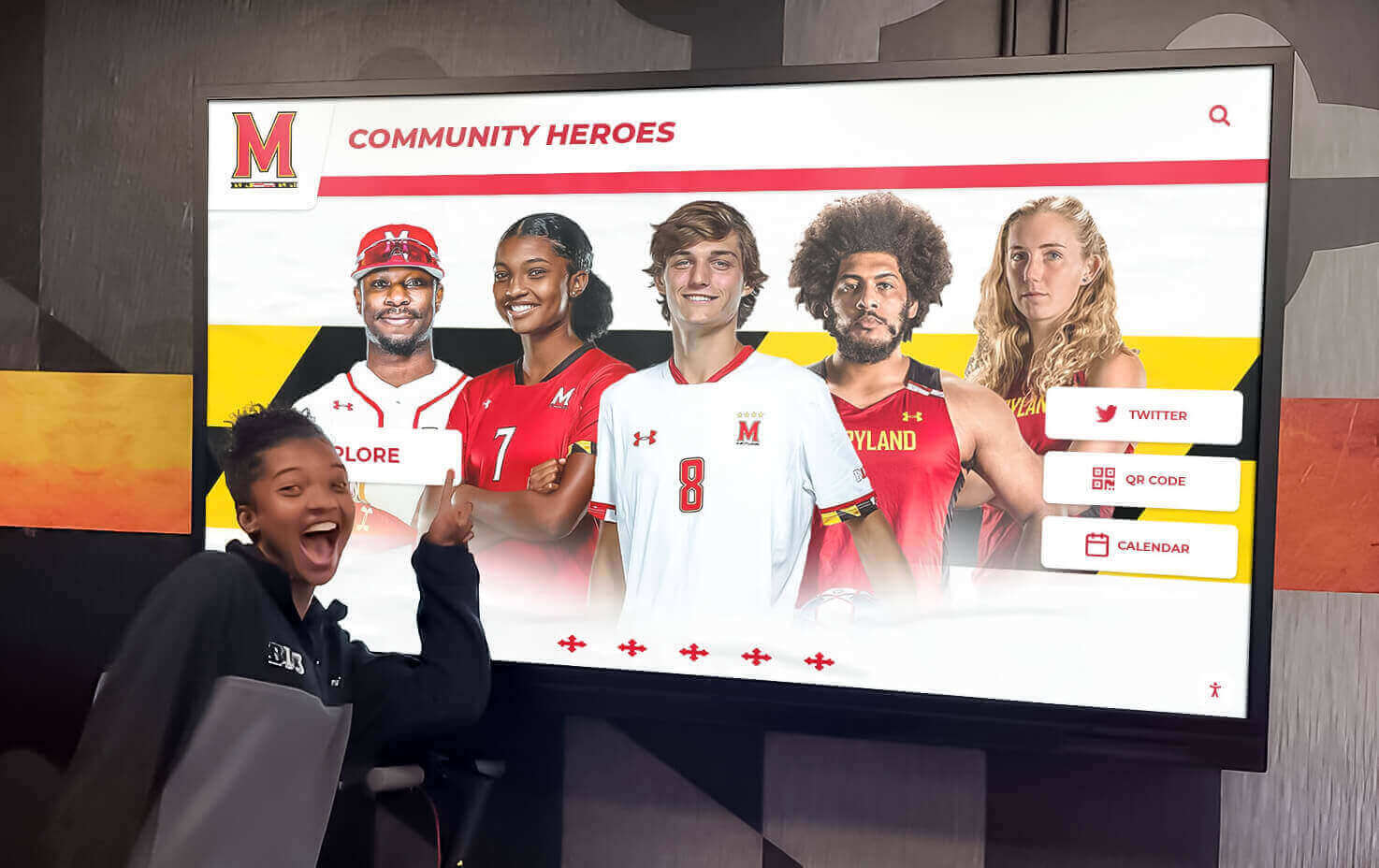
Prepare Recognition Displays: If unveiling permanent volunteer recognition displays or updating existing installations during Volunteer Appreciation Week, finalize content, test technology, and prepare unveiling ceremonies. Digital volunteer recognition displays require content preparation, photo collection, and technical setup before launch events.
Daily Volunteer Appreciation Week Activities (April 19-25, 2026)
Rather than concentrating all recognition into single events, spreading appreciation across the entire week creates sustained visibility and multiple touchpoints for diverse volunteers to feel acknowledged.
Monday, April 19: Welcome and Kickoff
Morning Welcome Station: Set up volunteer welcome stations at main entrances with coffee, pastries, and appreciation signage. Staff stations with students or administrators personally thanking volunteers as they arrive to help that day.
Social Media Campaign Launch: Begin daily volunteer spotlight series on school social media platforms featuring individual volunteer stories, photos, and contributions. Continue spotlights throughout the week highlighting different volunteers daily.
School-Wide Announcements: Use morning announcements to launch Volunteer Appreciation Week, explain its significance, and preview week activities. Encourage students to thank volunteers they encounter throughout the week.
Tuesday, April 20: Student Appreciation Day
Classroom Thank-You Letters: Have students throughout the school write personal thank-you notes to classroom volunteers, athletic team supporters, or program helpers they’ve interacted with. Organize delivery to ensure volunteers receive student letters this day.
Student Performance Dedications: If schools host performances, concerts, or assemblies during Volunteer Appreciation Week, dedicate them to volunteers with special acknowledgments and complimentary reserved seating.
Hallway Appreciation Displays: Post student-created volunteer appreciation artwork, posters, or photo collages in main hallways creating visible recognition throughout school spaces.
Wednesday, April 21: Gift and Appreciation Day
Appreciation Gifts Distribution: Distribute thoughtful appreciation gifts to volunteers—customized items featuring school branding, gift cards to local businesses, plants with appreciation tags, or practical items volunteers can use. Coordinate gift distribution through program leaders ensuring all volunteers receive recognition.
Reserved Parking Celebration: If providing temporary reserved volunteer parking spaces, mark them with special signage this day. Simple gestures like prime parking communicate thoughtful appreciation.
Special Refreshments: Provide complimentary lunch, snacks, or treats for volunteers working in schools this day—visiting classrooms to personally deliver appreciation refreshments adds personal touch beyond leaving items in volunteer spaces.
Thursday, April 22: Digital Recognition Launch
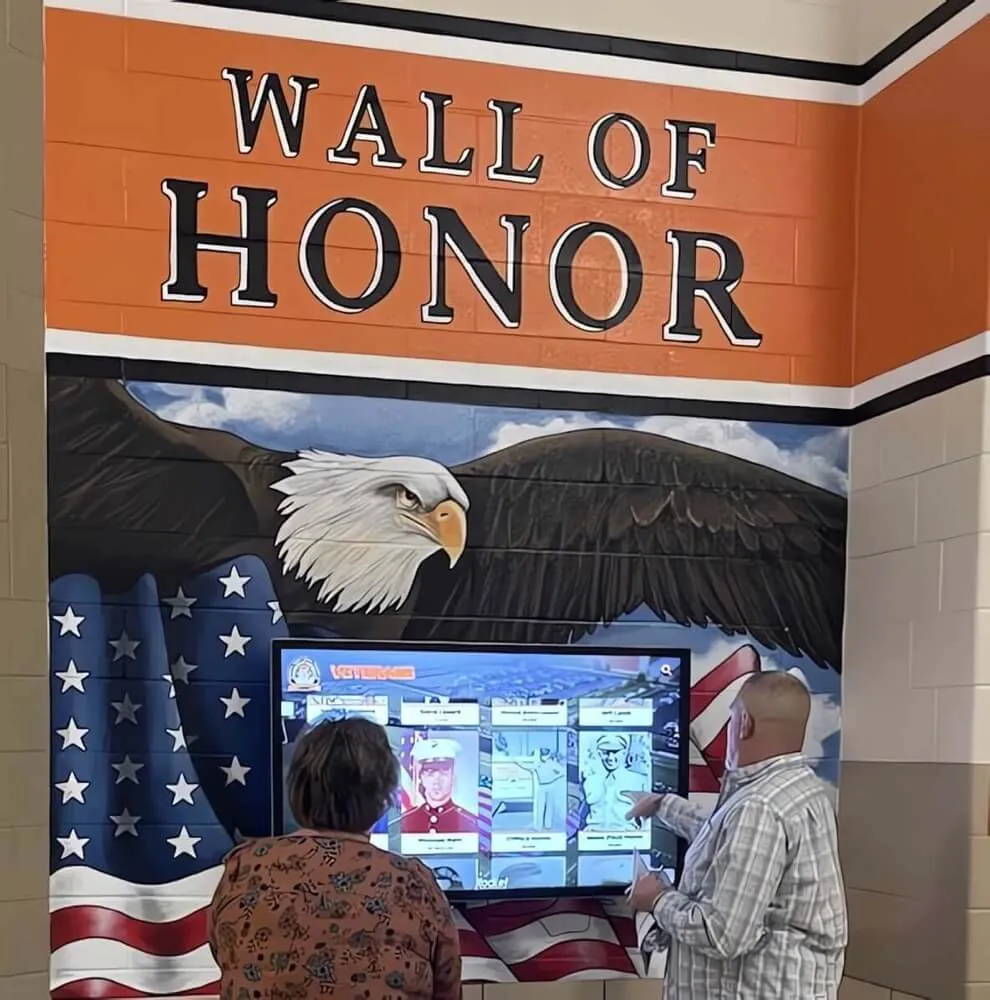
Unveil Permanent Recognition Display: If implementing new volunteer recognition technology or displays, Thursday provides excellent mid-week timing for unveiling ceremonies. Host brief dedication events introducing digital recognition systems and demonstrating features.
Update Existing Displays: For schools with existing recognition installations, use Volunteer Appreciation Week to add new volunteer profiles, highlight recent contributions, or feature seasonal volunteer spotlights keeping displays current and engaging.
Virtual Recognition Event: Host virtual appreciation gathering accommodating volunteers unable to attend in-person events. Include video tributes, digital presentations showcasing volunteer impact, and online social opportunities connecting geographically dispersed volunteers.
Friday, April 23: Signature Celebration Event
Volunteer Appreciation Luncheon or Dinner: Host the week’s anchor recognition event—formal luncheon, casual breakfast, or evening dinner bringing volunteers together for celebration, acknowledgment, and community building. Include student performances, administrator remarks, award presentations, and volunteer storytelling.
Award Presentations: Recognize volunteers across categories—volunteer of the year, outstanding booster club member, classroom volunteer excellence, special event coordinator recognition, or lifetime service awards. Specific awards communicate that organizations notice individual contributions beyond group acknowledgment.
Program Showcases: Use appreciation events to showcase what volunteer support makes possible—display student work assisted by classroom volunteers, present athletic program highlights enabled by booster clubs, screen videos documenting special events volunteers organized, or share academic achievement data demonstrating program success volunteers help create.
Weekend, April 24-25: Extended Recognition
Weekend Event Recognition: For athletic events, performances, or activities occurring during Volunteer Appreciation Week weekend, incorporate special volunteer acknowledgments—pregame recognition ceremonies, halftime volunteer spotlights, or program dedications.
Social Media Recap: Share weekend social media posts recapping Volunteer Appreciation Week highlights, featuring event photos, volunteer reactions, and gratitude messages extending recognition visibility beyond the week itself.
Personal Follow-Up: Encourage principals, program directors, and organizational leaders to send personal thank-you messages to volunteers over the weekend, reflecting on the week’s celebrations and expressing individual gratitude.
Creative Volunteer Appreciation Ideas for Schools
Beyond structured week-long schedules, specific creative recognition approaches add memorable elements to Volunteer Appreciation Week celebrations.
Personalized Recognition Approaches
Video Tribute Montages: Create professional video tributes featuring student testimonials, administrator appreciation messages, action footage of volunteers working with students, and year-in-review highlights set to music. Screen videos during appreciation events and share through school communication channels afterward.
Memory Books: Compile appreciation books collecting photos, letters from students and families, administrator thank-you messages, and volunteer stories. Present memory books to long-serving volunteers creating treasured keepsakes documenting their impact.
Personalized Certificates: Rather than generic volunteer certificates, create personalized recognition documents acknowledging specific contributions—“In appreciation for chaperoning 12 field trips,” “Thank you for managing concessions at 25 games,” or “Grateful for 200+ classroom volunteer hours.” Specific acknowledgment proves more meaningful than vague thanks.
Volunteer Spotlights: Feature detailed volunteer spotlights in school newsletters, websites, or social media telling personal stories—why volunteers serve, favorite memories, what they’ve gained from volunteering, and advice for new volunteers. Personal narratives create connection beyond simple name recognition.
Experience-Based Appreciation
VIP Event Experiences: Provide volunteers special access creating memorable experiences—backstage tours before performances, locker room visits with student athletes, exclusive preview access to new facilities, or invitation-only receptions with school leadership. Unique experiences money can’t buy create distinctive appreciation.
Volunteer Family Recognition: Acknowledge that volunteer service often involves entire families making sacrifices—children sharing parents with schools, spouses covering home responsibilities while partners volunteer, or siblings attending events supporting volunteer family members. Consider family-inclusive appreciation events or family-oriented gifts recognizing collective support.
Future-Focused Opportunities: Offer volunteers first access to upcoming opportunities—priority registration for popular programs, advance notice about strategic planning input sessions, or invitation to serve on special committees. Insider access demonstrates that volunteers’ voices and continued involvement matter beyond task completion.
Professional Development: For volunteers interested in education, provide professional development opportunities—workshops on literacy tutoring techniques, classroom management training, or educational trend presentations. Learning opportunities show investment in volunteer growth beyond just leveraging their labor.
Group and Team Recognition
Volunteer Group Competitions: Create friendly competitions between volunteer groups during Volunteer Appreciation Week—most creative appreciation displays, best program impact video, most enthusiastic school spirit, or highest student engagement. Recognition competitions build camaraderie while celebrating collective contributions.
Team Photos and Group Recognition: Organize professional photo sessions capturing volunteer teams together—booster club group photos, classroom volunteer cohort pictures, or event committee team shots. Display team photos prominently in schools and provide copies to participants creating lasting mementos.
Collaborative Service Projects: Rather than just receiving appreciation, engage volunteers in special collaborative service projects during Volunteer Appreciation Week—beautification days, community service initiatives, or legacy projects creating something tangible volunteers build together while being celebrated.
Volunteer Reunion Events: Host special gatherings bringing together current and past volunteers—alumni volunteer reunions, decade-specific volunteer cohorts, or founding volunteer member celebrations. Multi-generational volunteer gatherings build community while honoring service across time.
Meaningful Volunteer Appreciation Gifts
While heartfelt thanks costs nothing, thoughtful tangible gifts demonstrate genuine appreciation and provide lasting reminders of volunteer value.
Budget-Friendly Gift Ideas
Customized School Merchandise: Water bottles, tote bags, coffee mugs, or apparel featuring school branding and “Valued Volunteer” messaging provide practical items volunteers use regularly while proudly displaying school affiliation.
Local Business Gift Cards: Gift certificates to popular local coffee shops, restaurants, or stores support community businesses while giving volunteers treats they genuinely enjoy. Small denomination cards ($10-25) add up to meaningful appreciation across volunteer groups.
Potted Plants with Appreciation Tags: Small potted plants, flowers, or succulents with personalized thank-you tags create living appreciation gifts brightening homes or offices while serving as ongoing reminders of gratitude.
Handmade Student Appreciation Items: Student-created gifts—decorated picture frames, hand-painted plant pots, illustrated bookmarks, or handcrafted ornaments—carry tremendous sentimental value because they directly connect volunteer service to student creativity.
Appreciation Coupons: Create special coupon books offering practical benefits—free parking passes, complimentary coffee in staff lounges, priority seating at events, or waived fees for programs. Service-based appreciation gifts cost little while providing real value.
Mid-Range Appreciation Gifts
Professional Quality Branded Items: Higher-quality apparel like embroidered fleece jackets, professional polo shirts, or premium backpacks featuring school logos create lasting useful gifts volunteers wear or use for years.
Restaurant Gift Certificates: Team up several small gift cards to create complete dining experience gifts—appetizer, entrée, and dessert gift certificates from different local restaurants, or family dinner certificates providing meals volunteer families enjoy together.
Subscription Services: Gift subscriptions to services volunteers appreciate—streaming platforms, audiobook services, coffee delivery subscriptions, or magazine subscriptions aligned with volunteer interests. Subscriptions extend appreciation beyond single moments through months of ongoing enjoyment.
Experience Gifts: Tickets to local attractions, concerts, sporting events, or entertainment venues create memorable experiences volunteers enjoy. Partner with local venues for group discounted or donated tickets maximizing appreciation budget impact.
Premium Recognition Gifts
Engraved Keepsake Items: High-quality engraved items—crystal awards, premium desk accessories, framed artwork, or personalized jewelry—acknowledge extraordinary volunteer contributions through distinguished gifts proportionate to exceptional service.
Professional Portraits: Offer complimentary professional portrait sessions for volunteers and families—similar to senior portraits or family photos—creating valued gifts while capturing volunteers for recognition displays.
Educational Opportunities: For volunteers with specific interests, fund educational experiences—conference registrations, workshop attendance, certification courses, or professional development aligned with volunteer passions demonstrating investment in their growth.
Named Recognition Opportunities: Major volunteer contributors might receive recognition through named opportunities—volunteer lounge dedication, scholarship funds established in their honor, annual awards named after them, or facility spaces acknowledging their legacy. Permanent naming honors extraordinary sustained service appropriately.
Creating Lasting Volunteer Recognition with Digital Displays
While Volunteer Appreciation Week provides concentrated recognition timing, lasting volunteer appreciation requires year-round visibility honoring contributors perpetually rather than just during designated appreciation periods.
Why Digital Recognition Displays Transform Volunteer Appreciation
Traditional volunteer recognition approaches—printed programs, plaque walls, or occasional newsletter features—face inherent limitations. Physical plaques reach capacity requiring difficult decisions about whose names receive display space. Printed materials become outdated immediately. Bulletin board displays deteriorate or get taken down for other purposes.
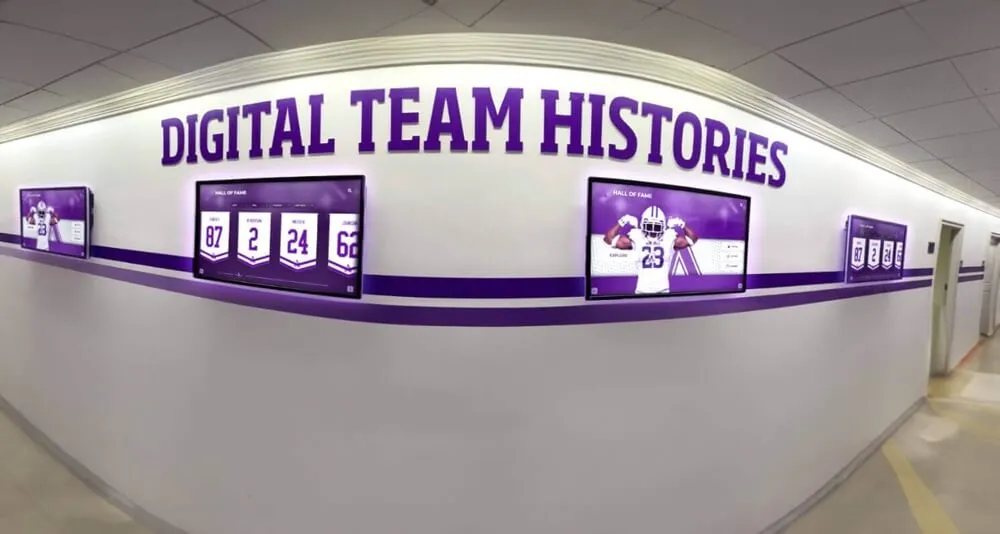
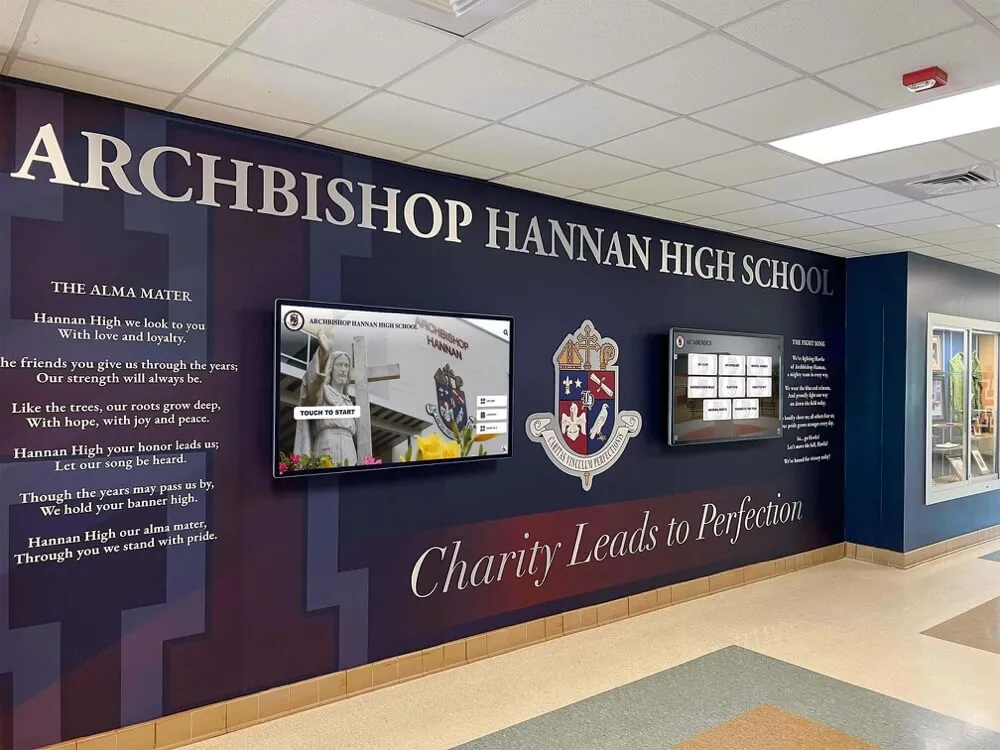
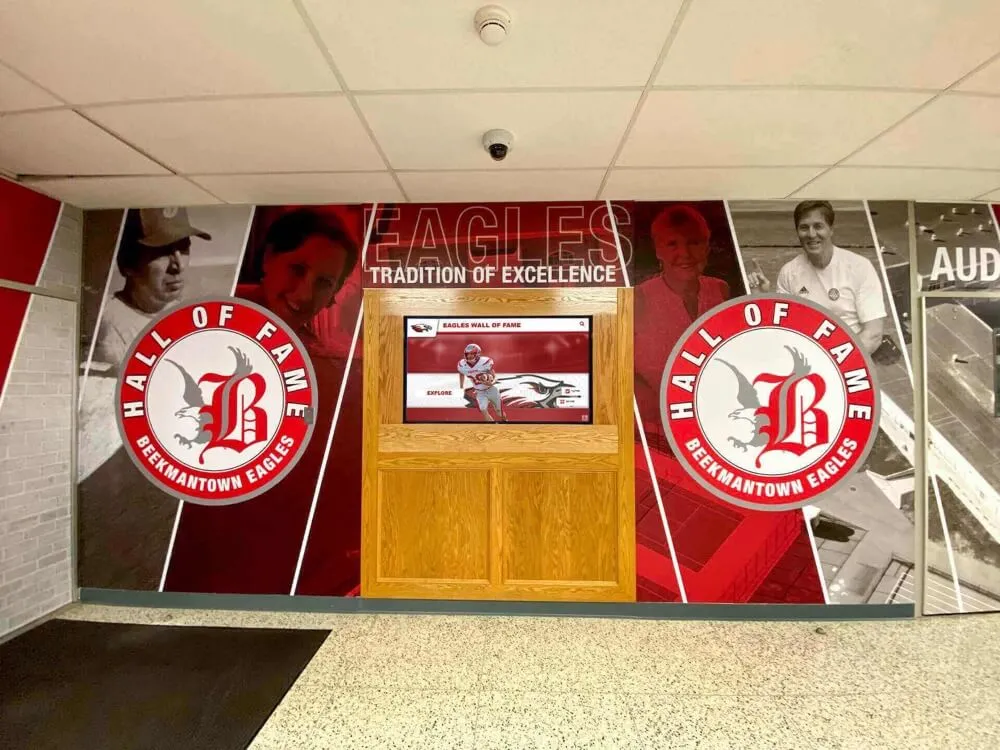
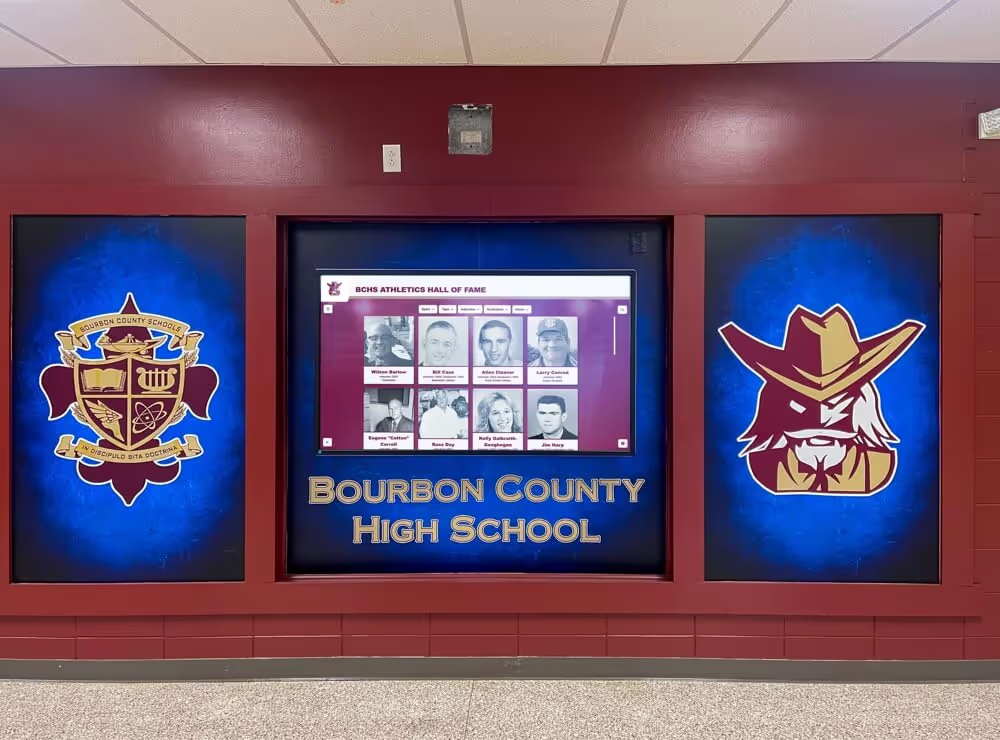
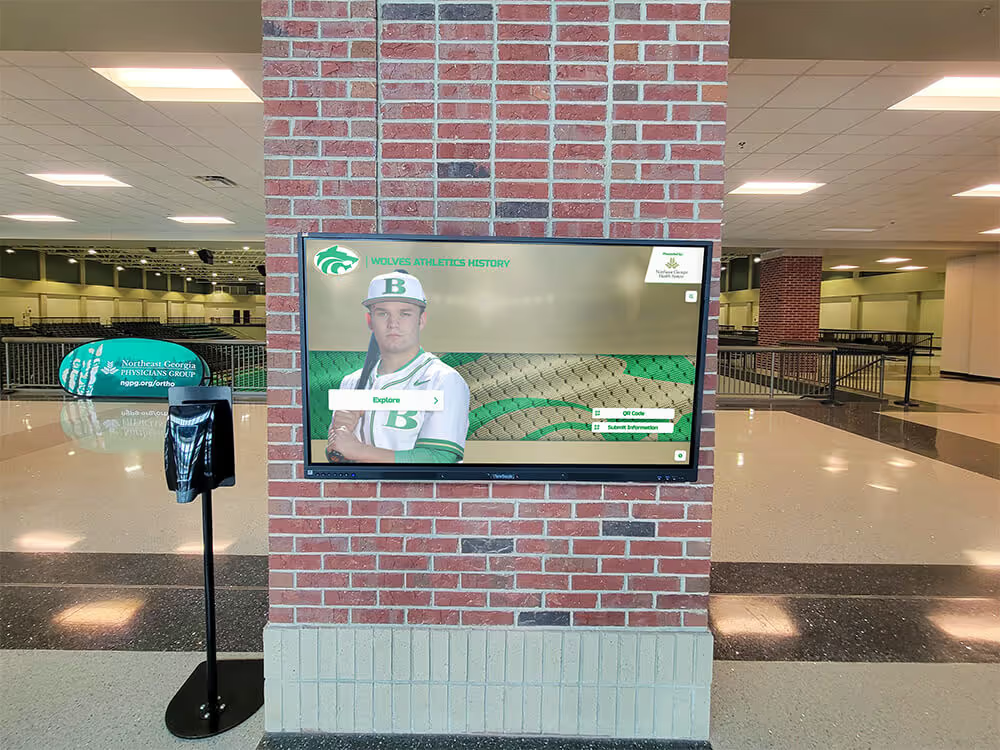
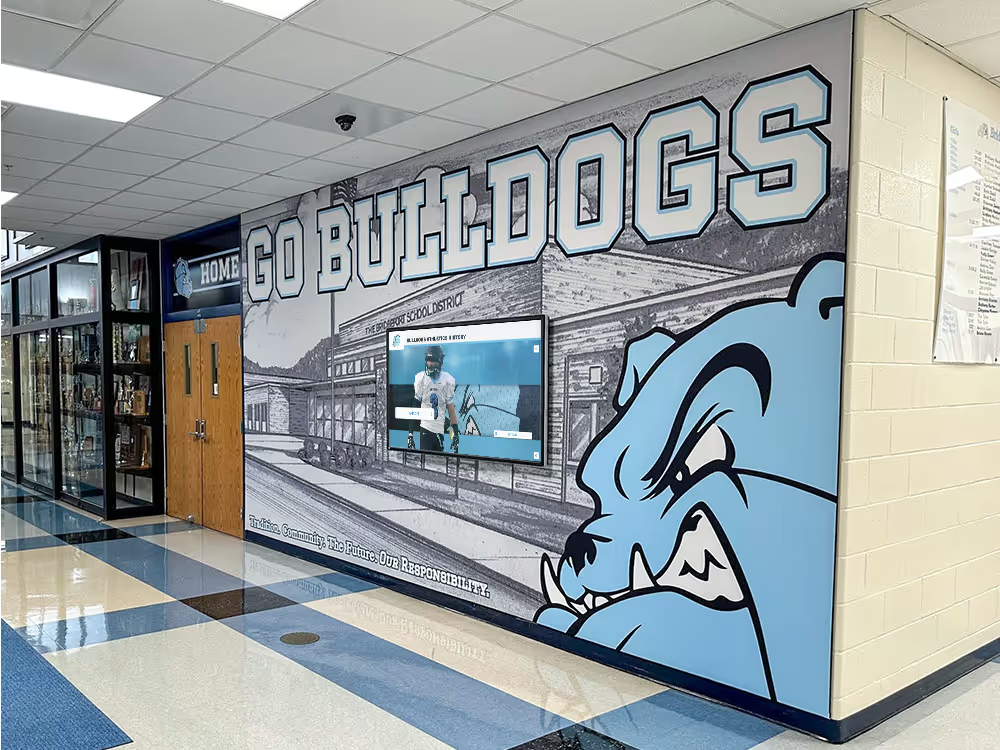
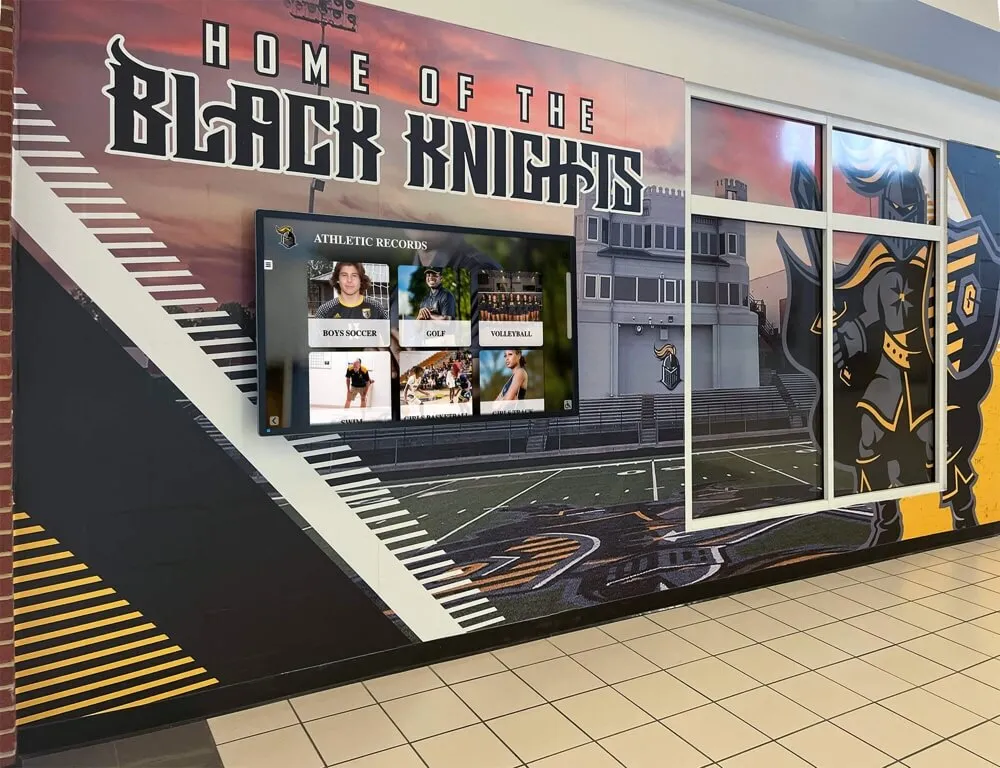
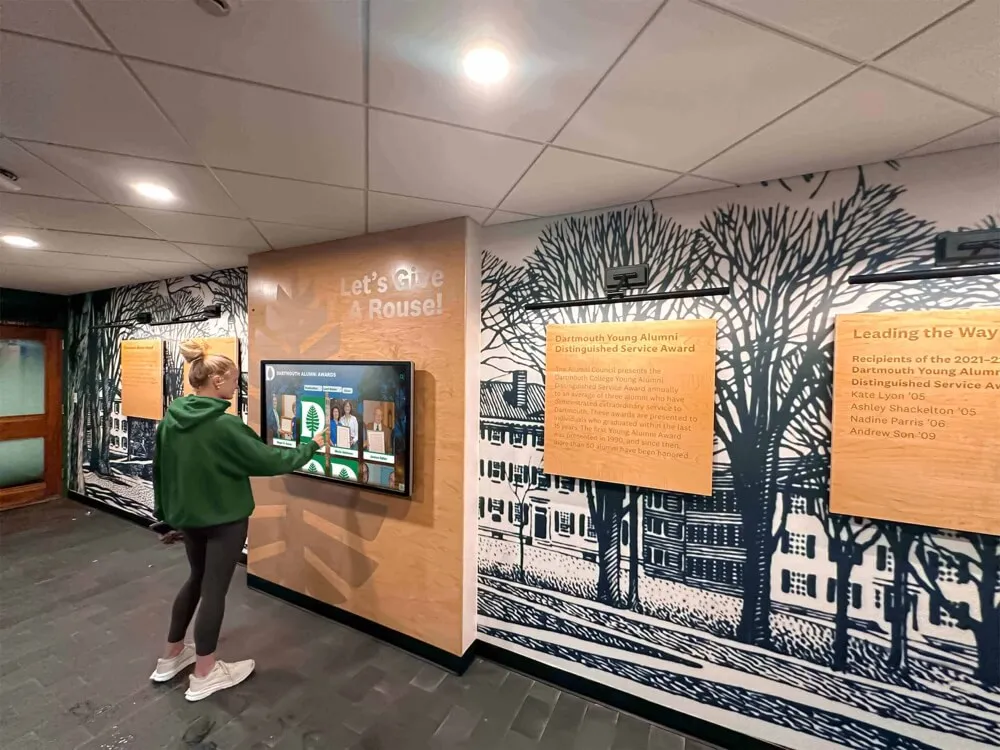
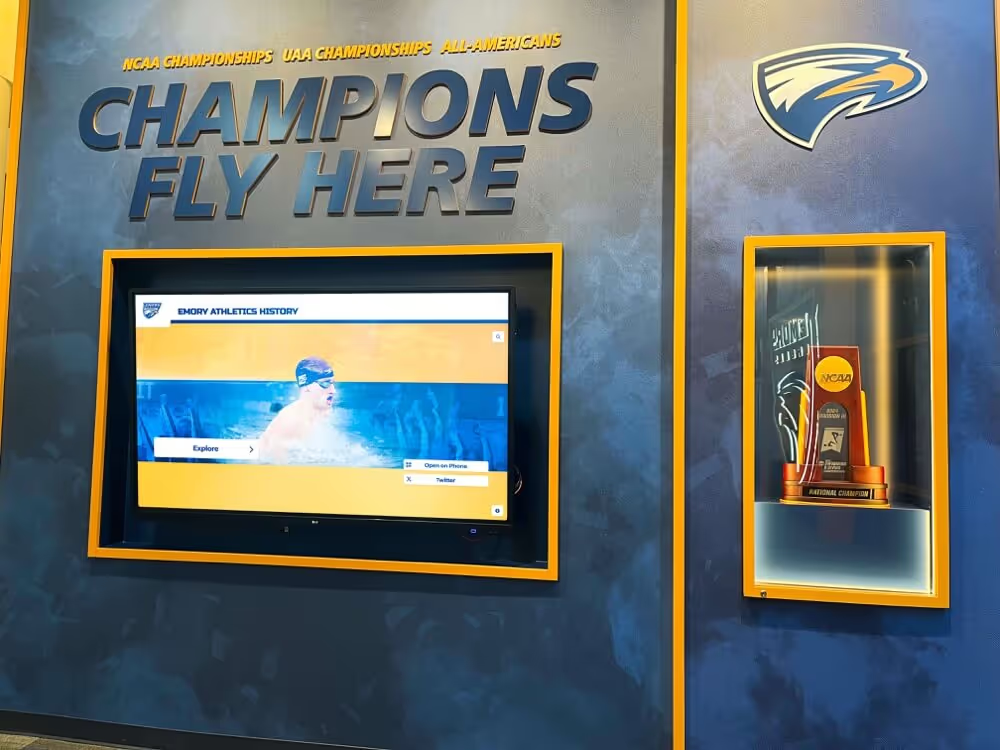
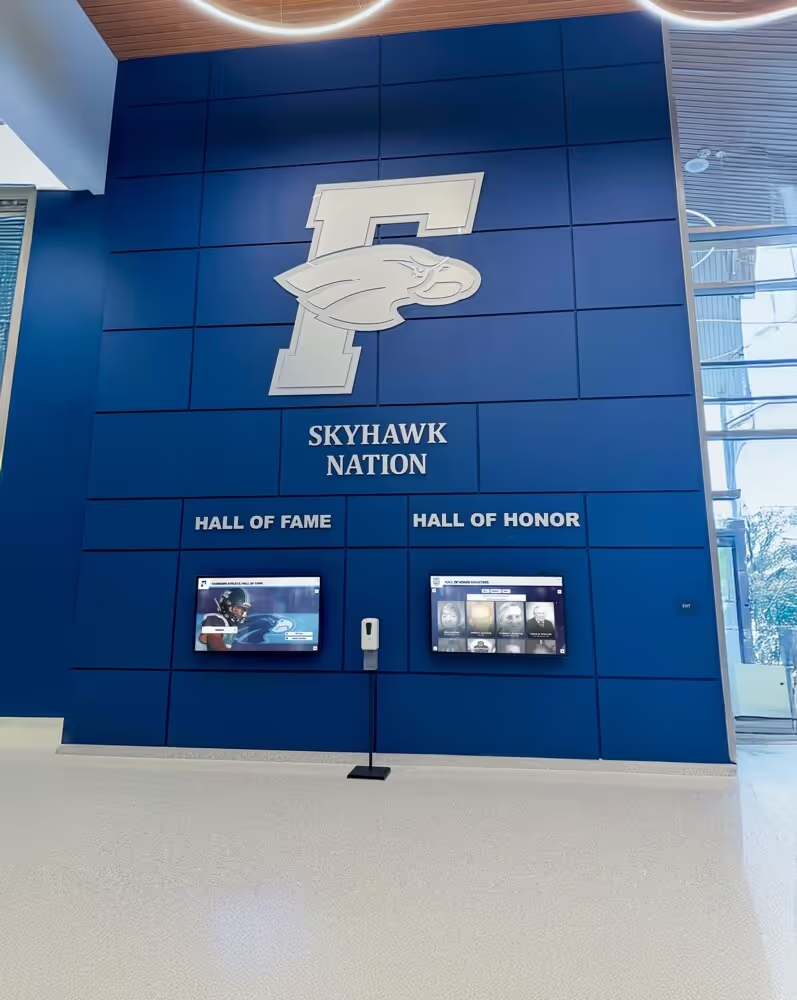
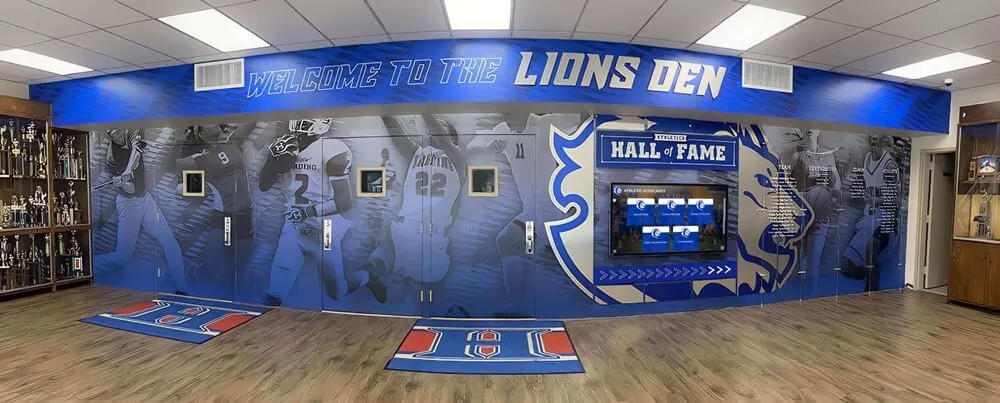
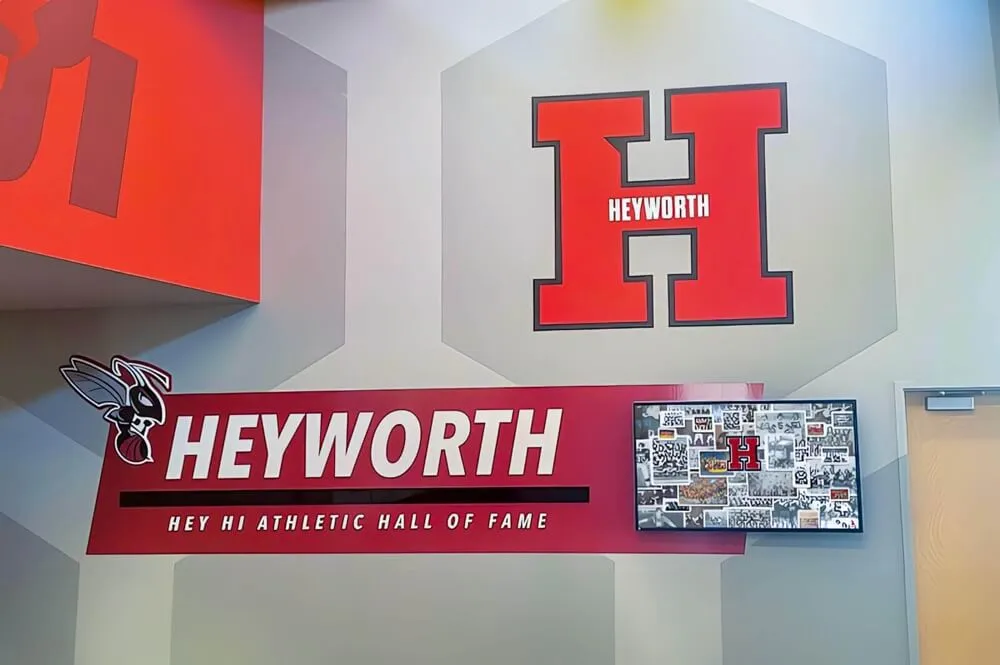
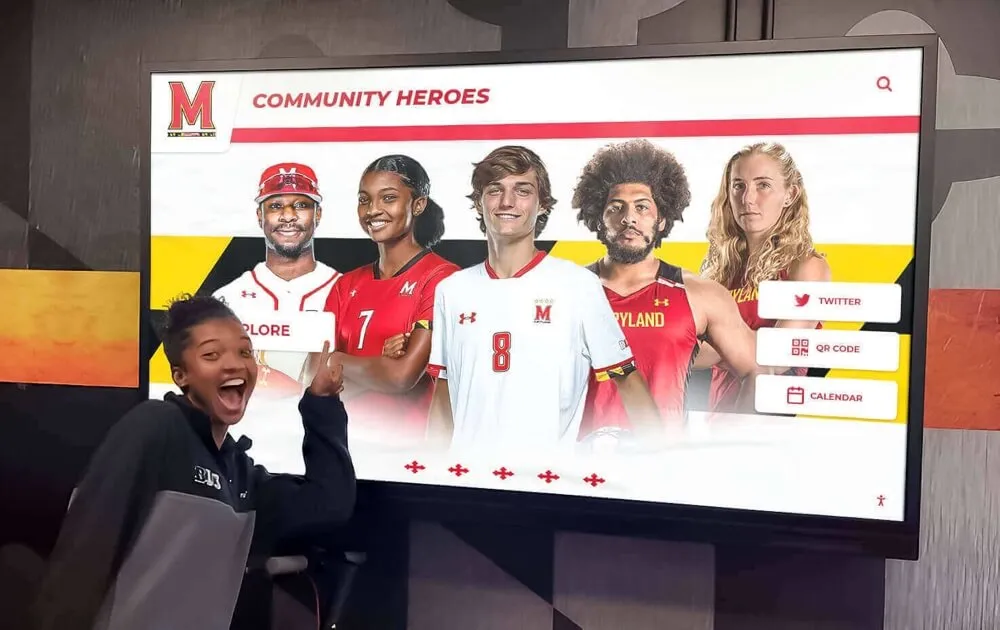
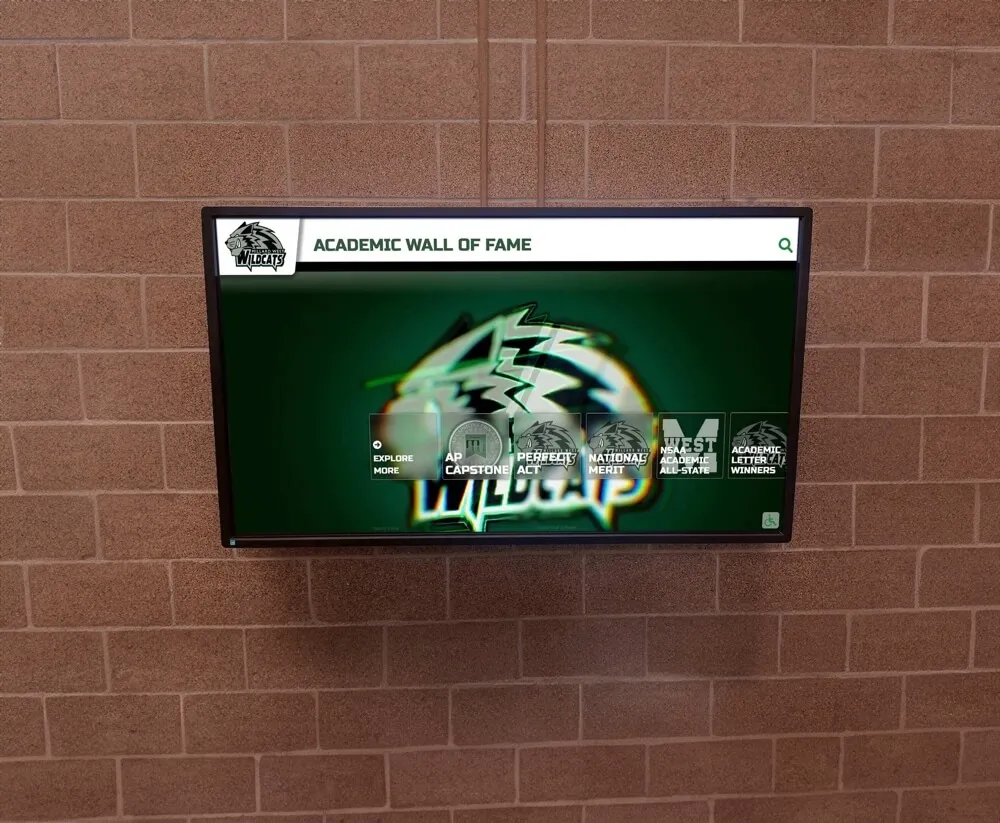
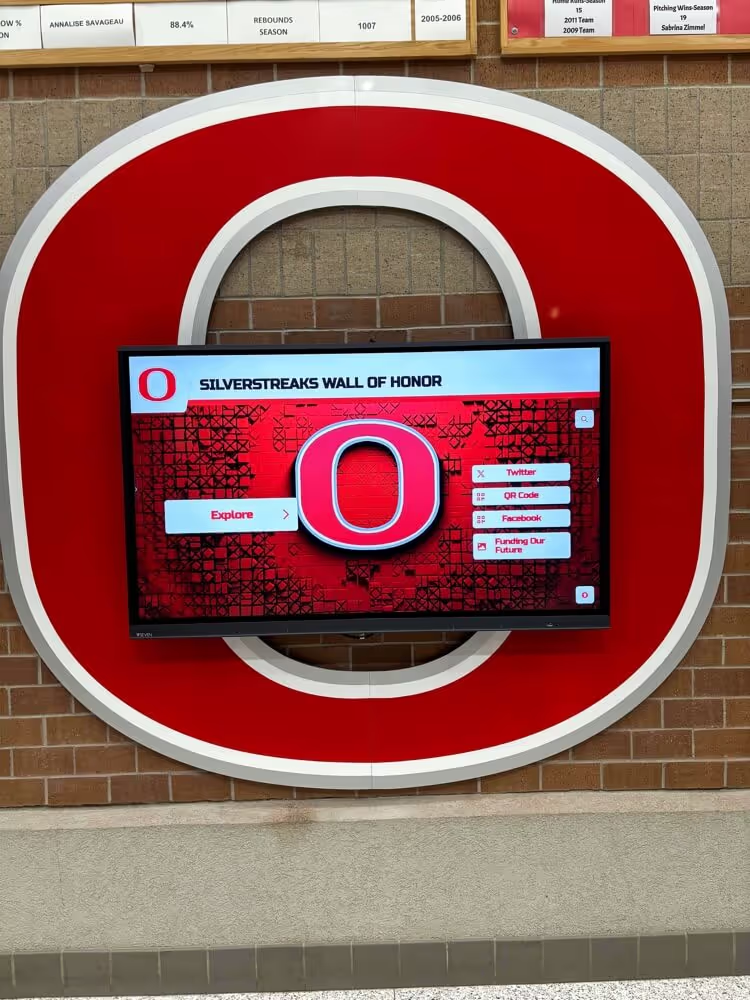
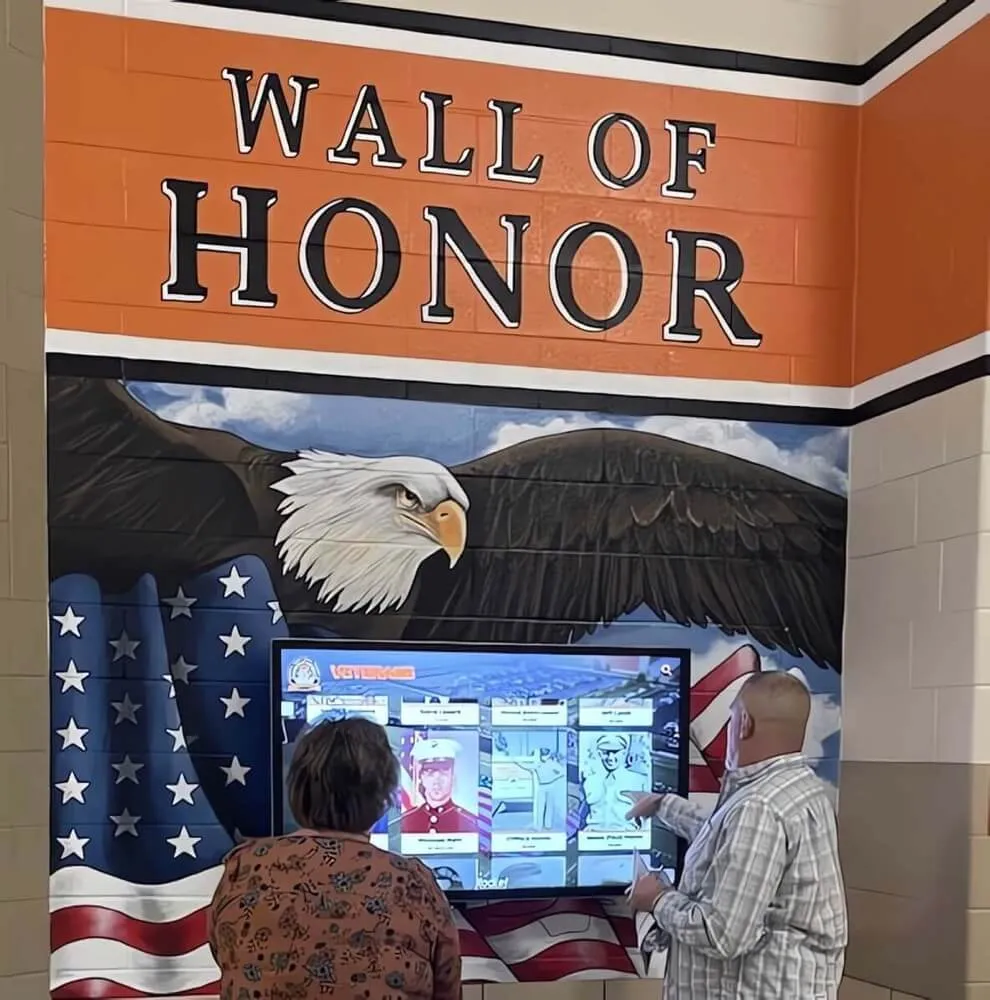
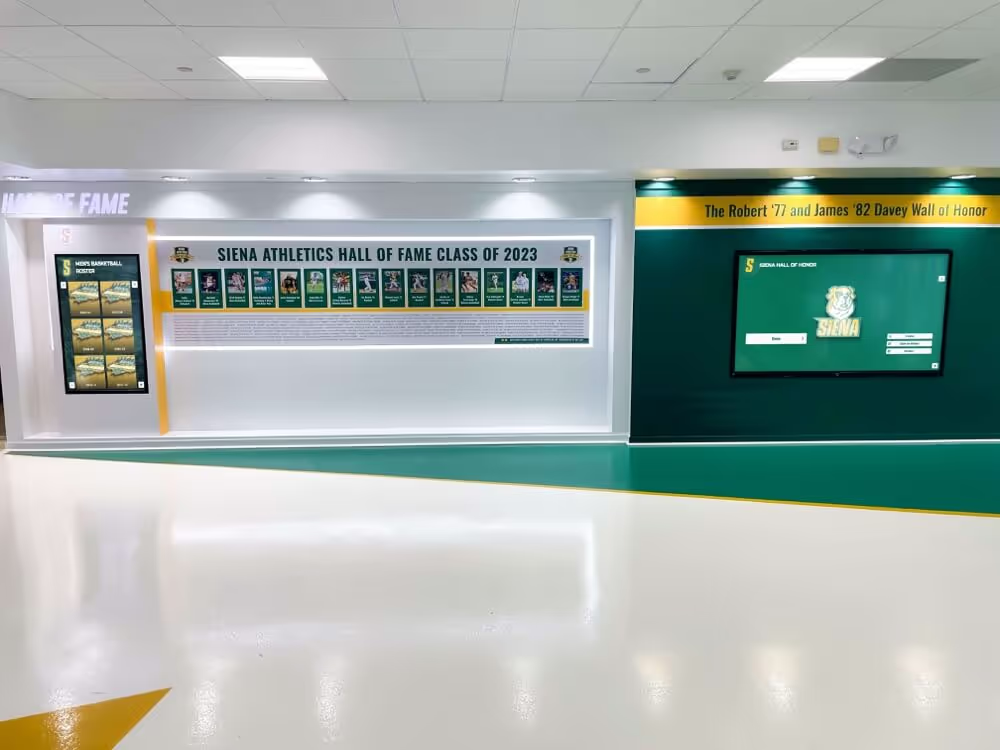
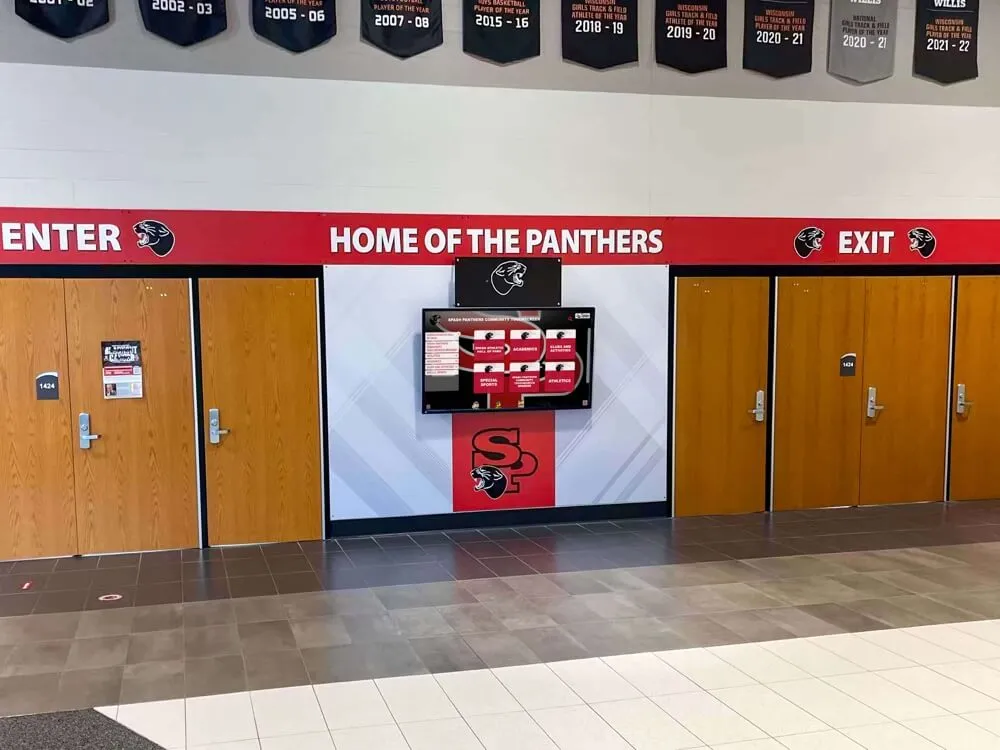
Modern digital recognition solutions address these limitations while dramatically enhancing engagement and impact. Solutions like those from Rocket Alumni Solutions enable schools and organizations to create permanent, interactive volunteer recognition displays that celebrate contributors year after year while remaining fresh, current, and engaging.
Unlimited Recognition Capacity: Digital platforms never run out of space, accommodating unlimited volunteers without physical constraints. Whether recognizing 50 or 5,000 volunteers, digital systems scale effortlessly as programs grow and volunteer communities expand.
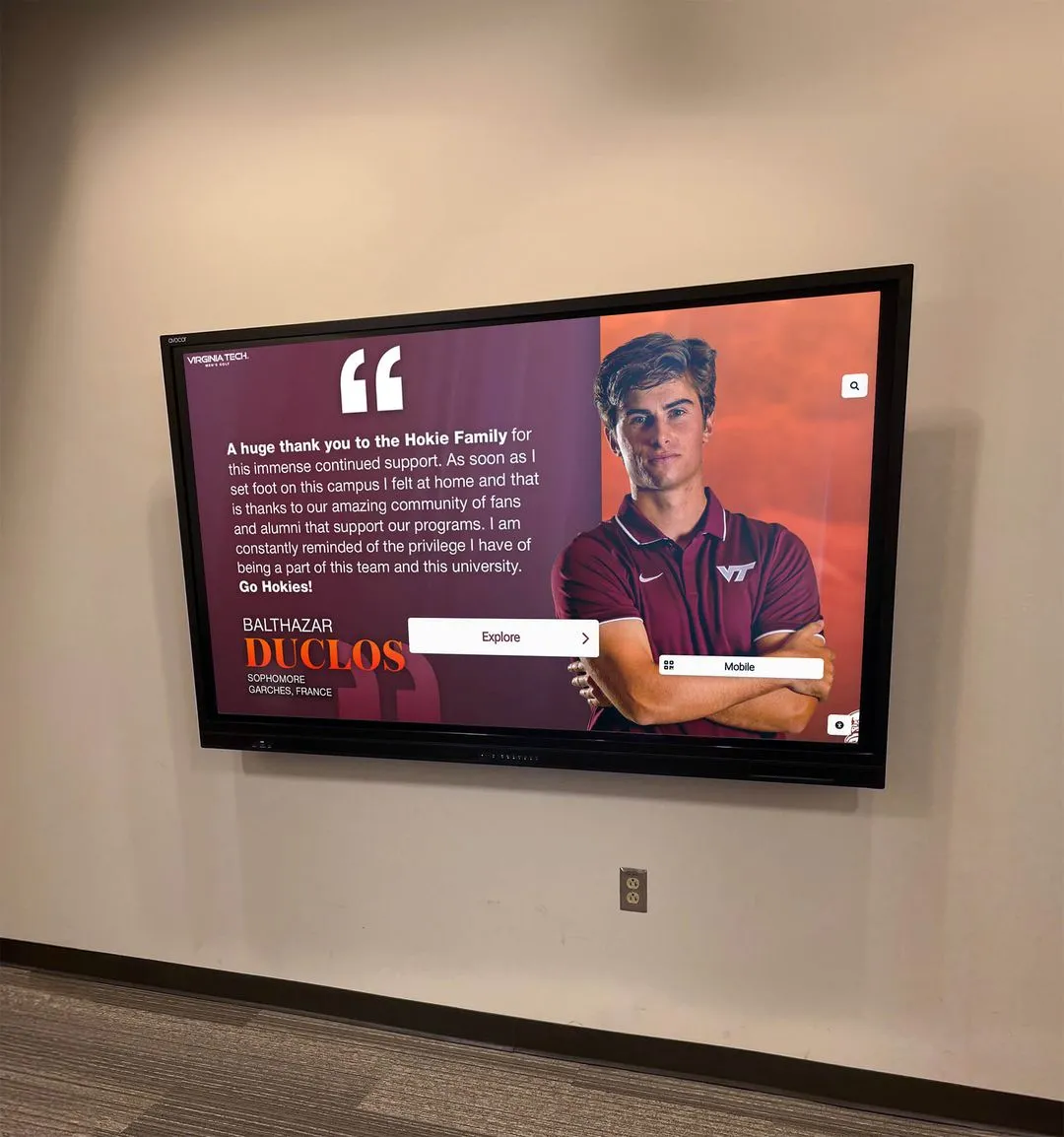
Rich Multimedia Storytelling: Rather than simple name lists, digital displays incorporate volunteer photos, biographical information, contribution details, personal stories, video tributes, and achievement timelines. Multimedia recognition brings volunteer contributions to life in ways static plaques cannot match.
Easy Updates and Maintenance: When volunteers earn new milestones, take on additional responsibilities, or complete service anniversaries, updating digital recognition requires minutes through web-based content management systems. No new plaques to order, no physical installations to schedule, no outdated information persisting because updates feel too difficult.
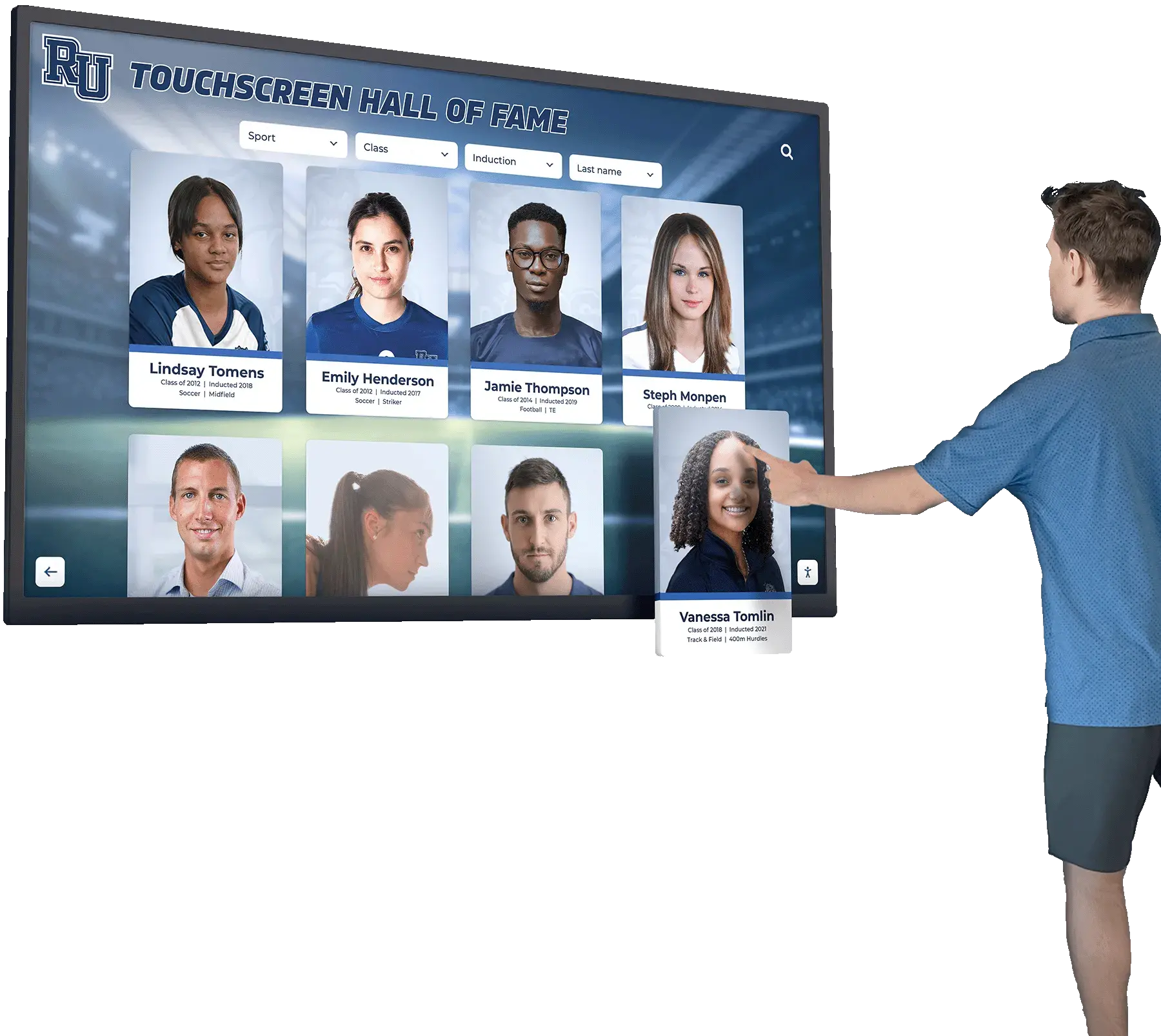
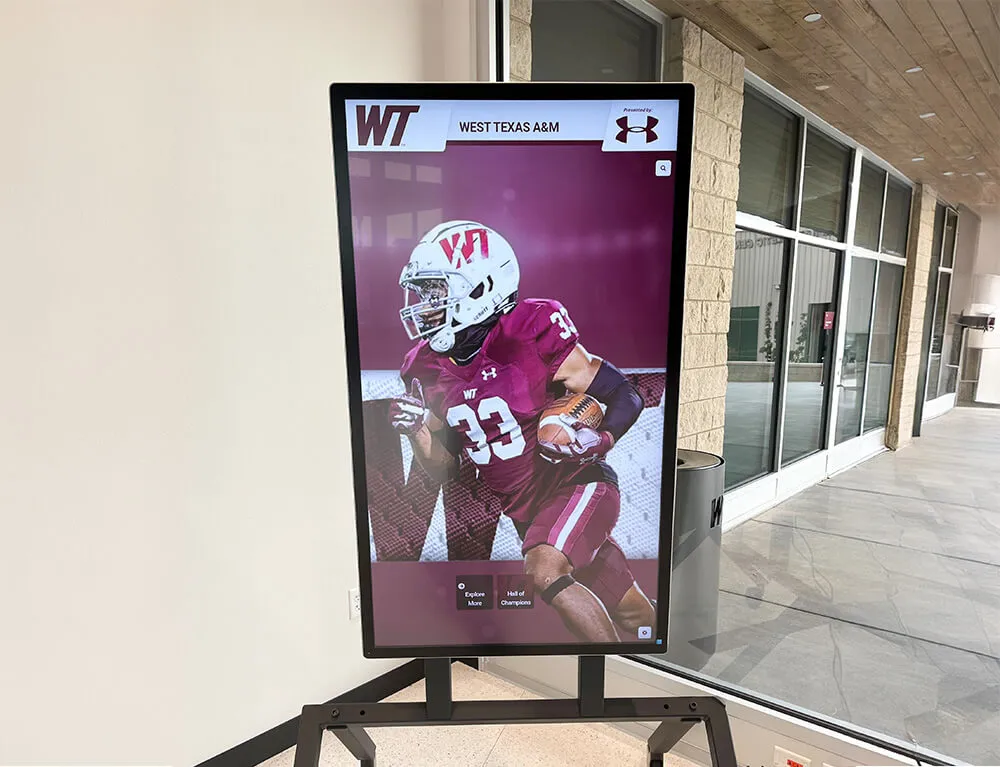
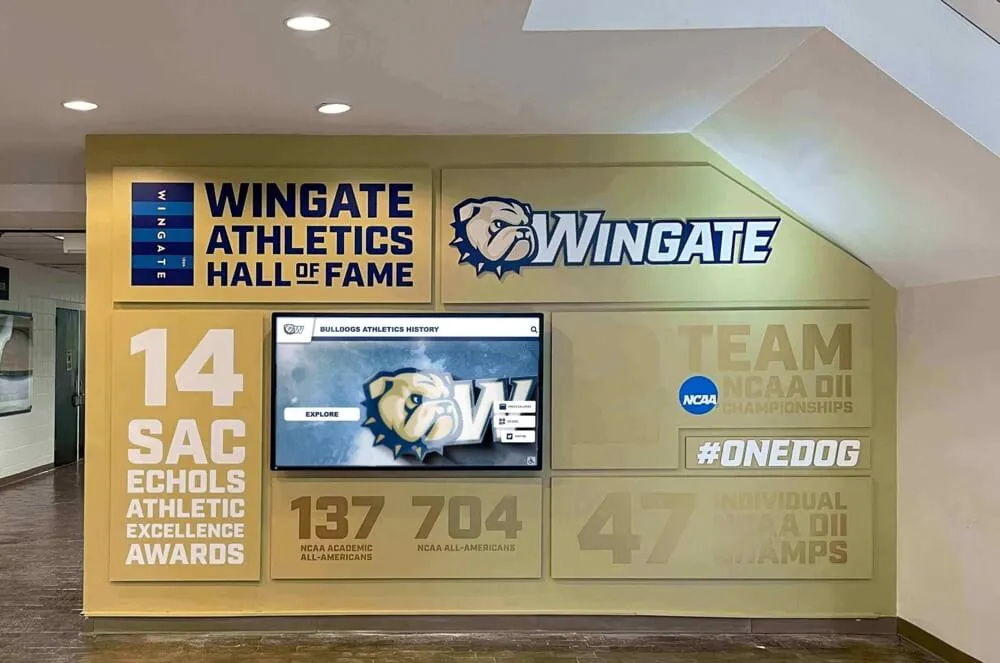
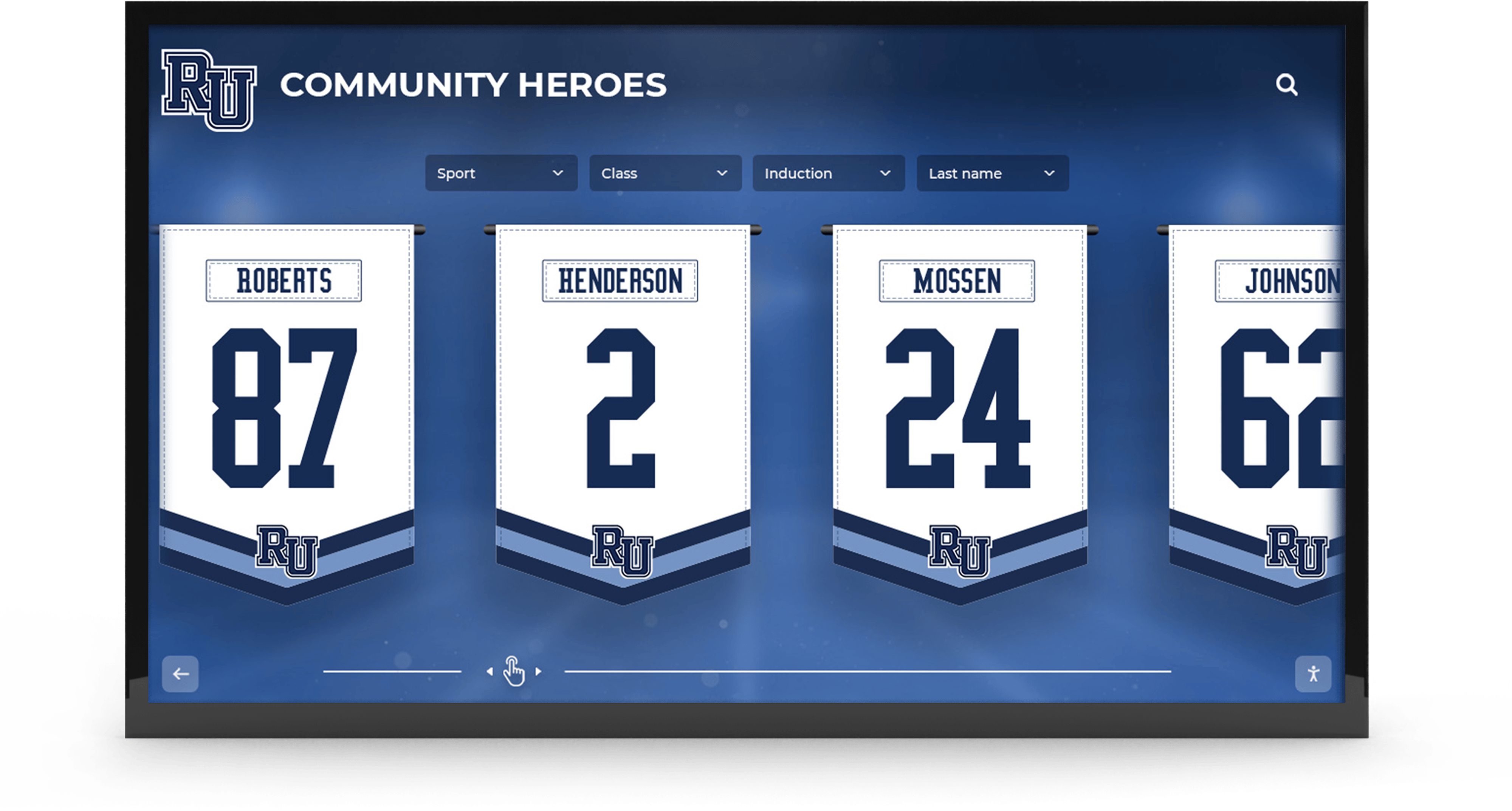
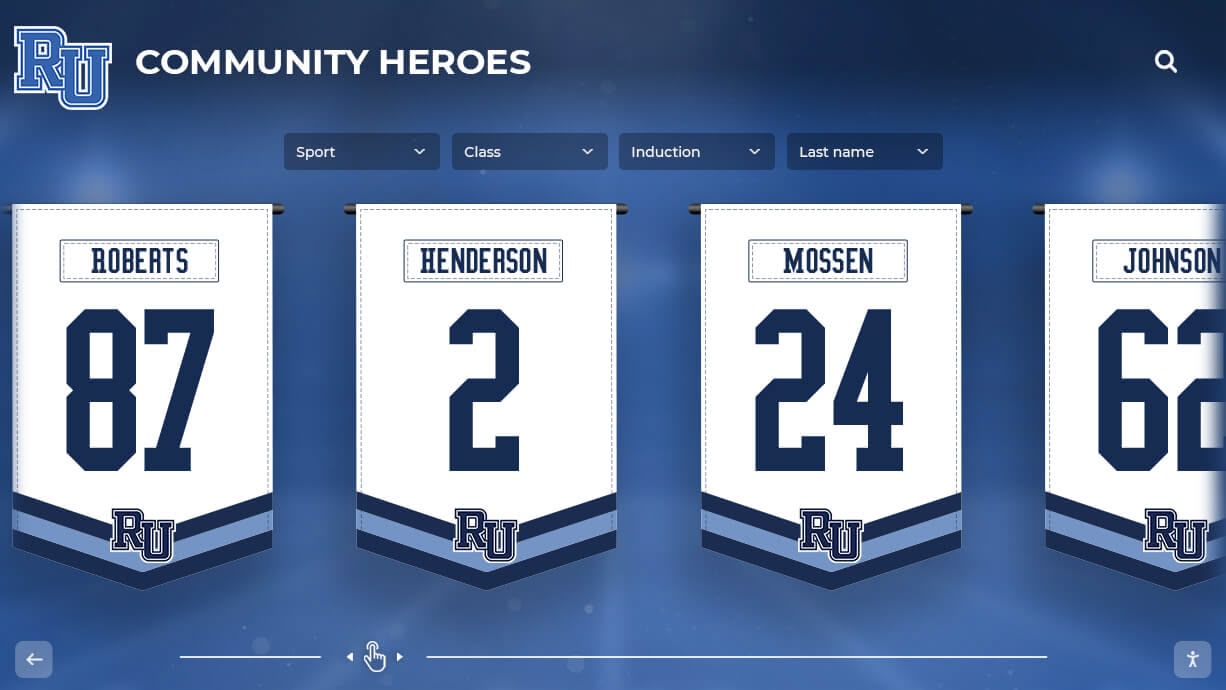
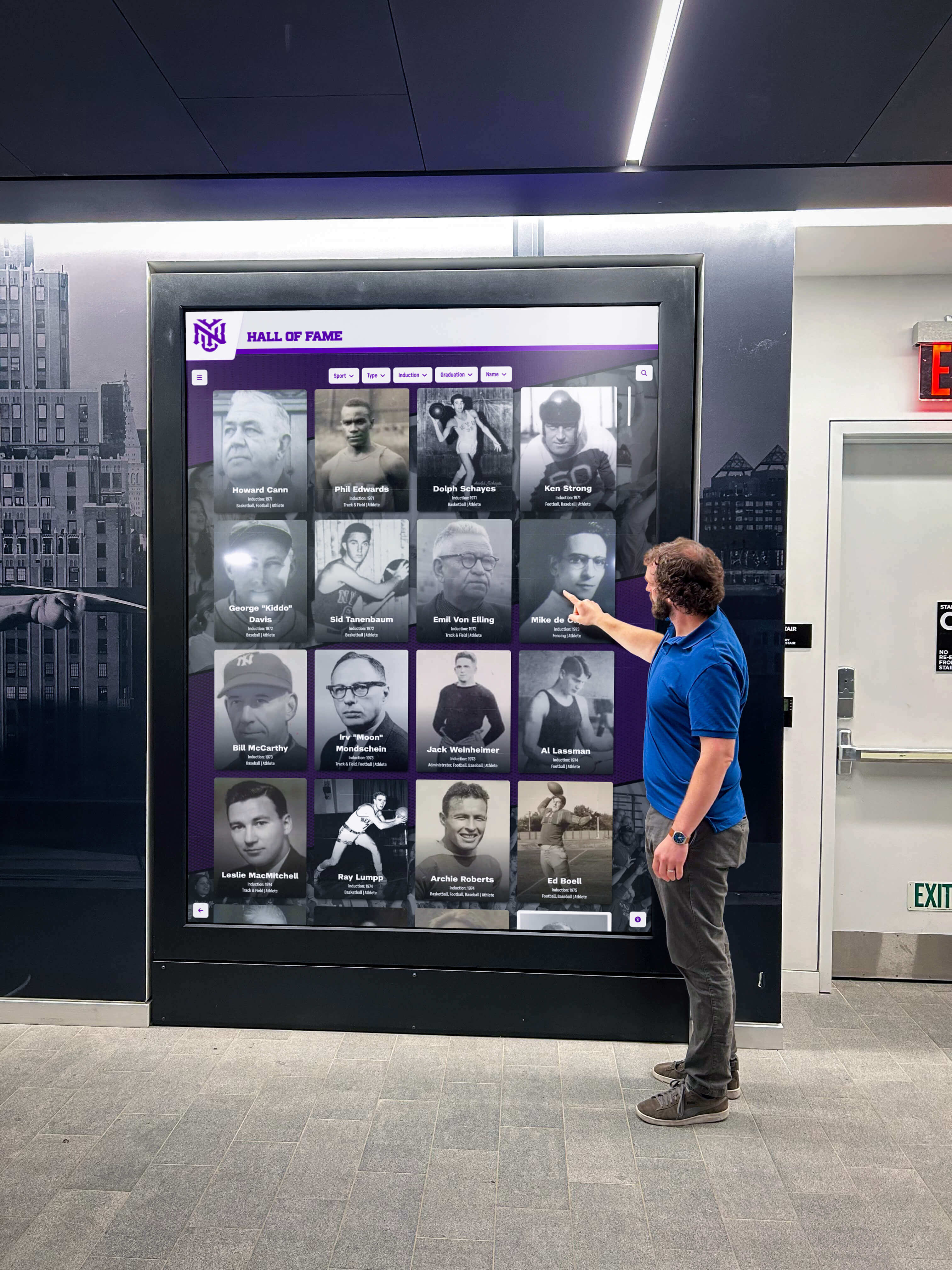
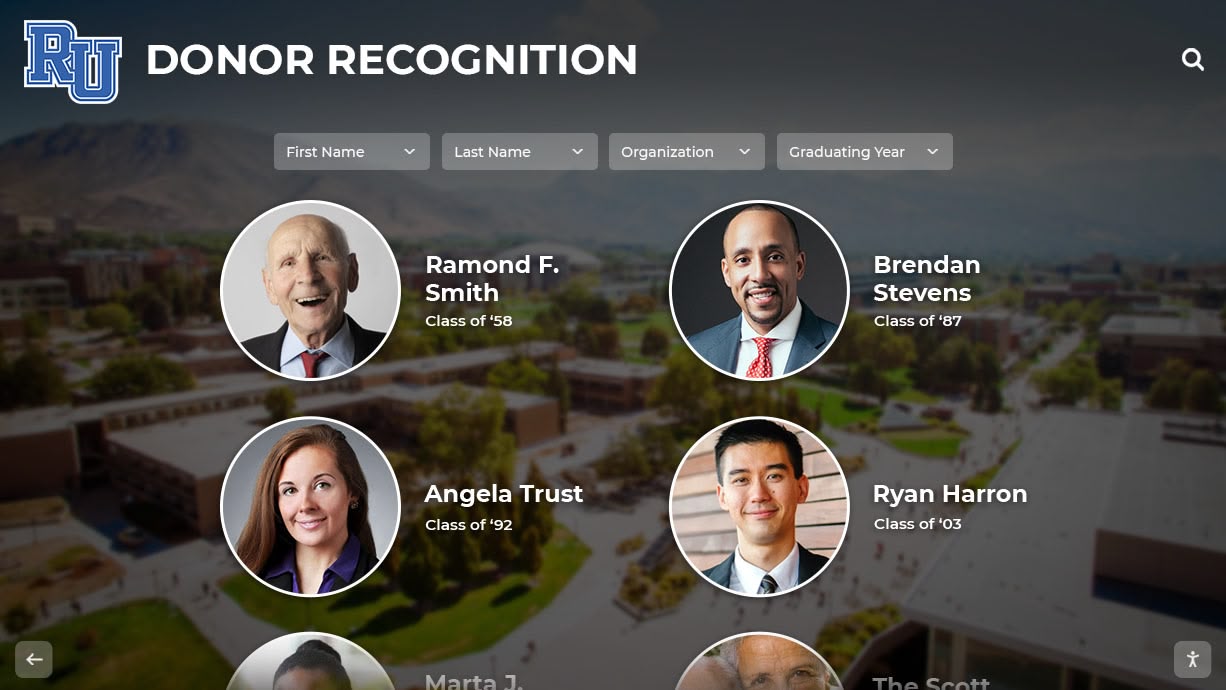
Interactive Search and Exploration: Touchscreen interfaces enable students, families, and visitors to search volunteer databases, explore specific programs, filter by years of service, or discover volunteer stories through engaging interaction. Active exploration creates meaningful engagement that passive plaque viewing cannot achieve.
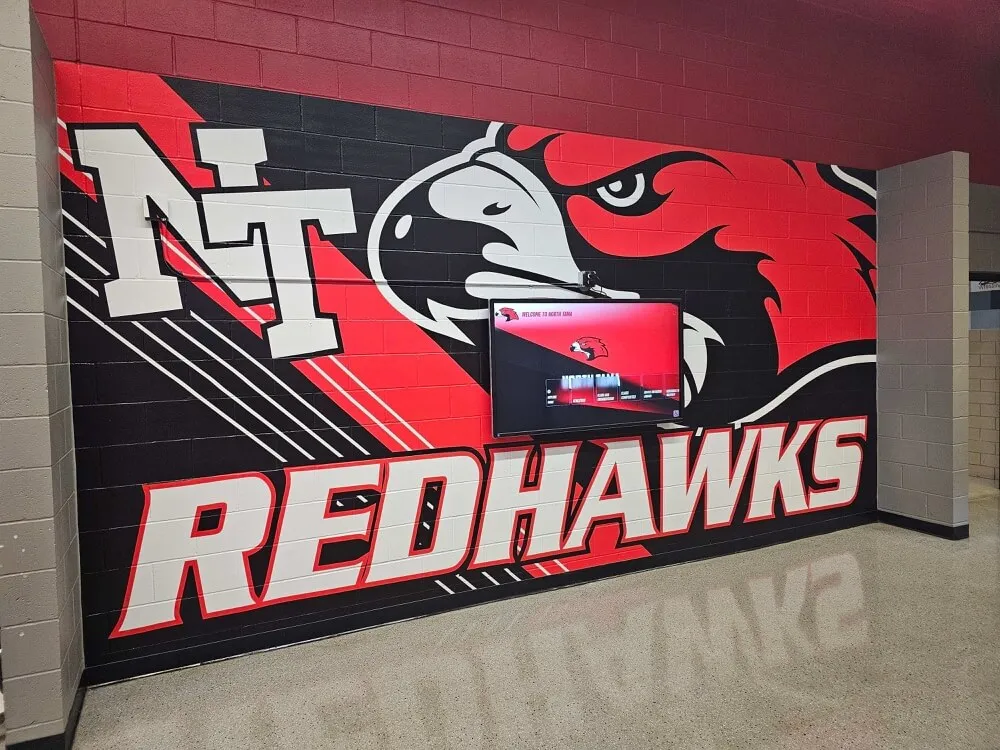
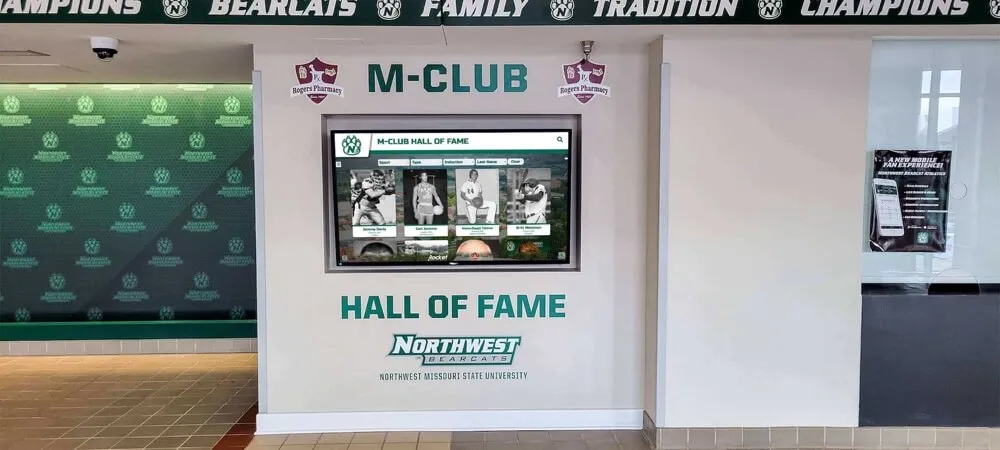
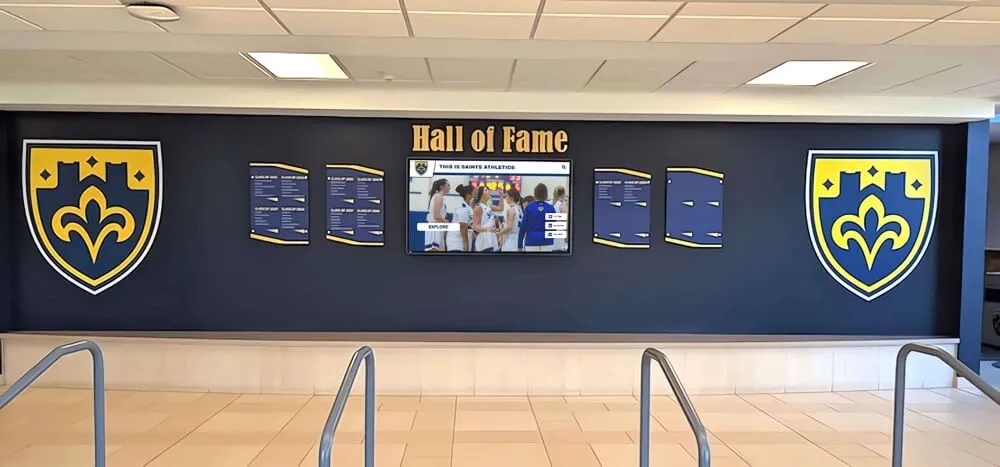
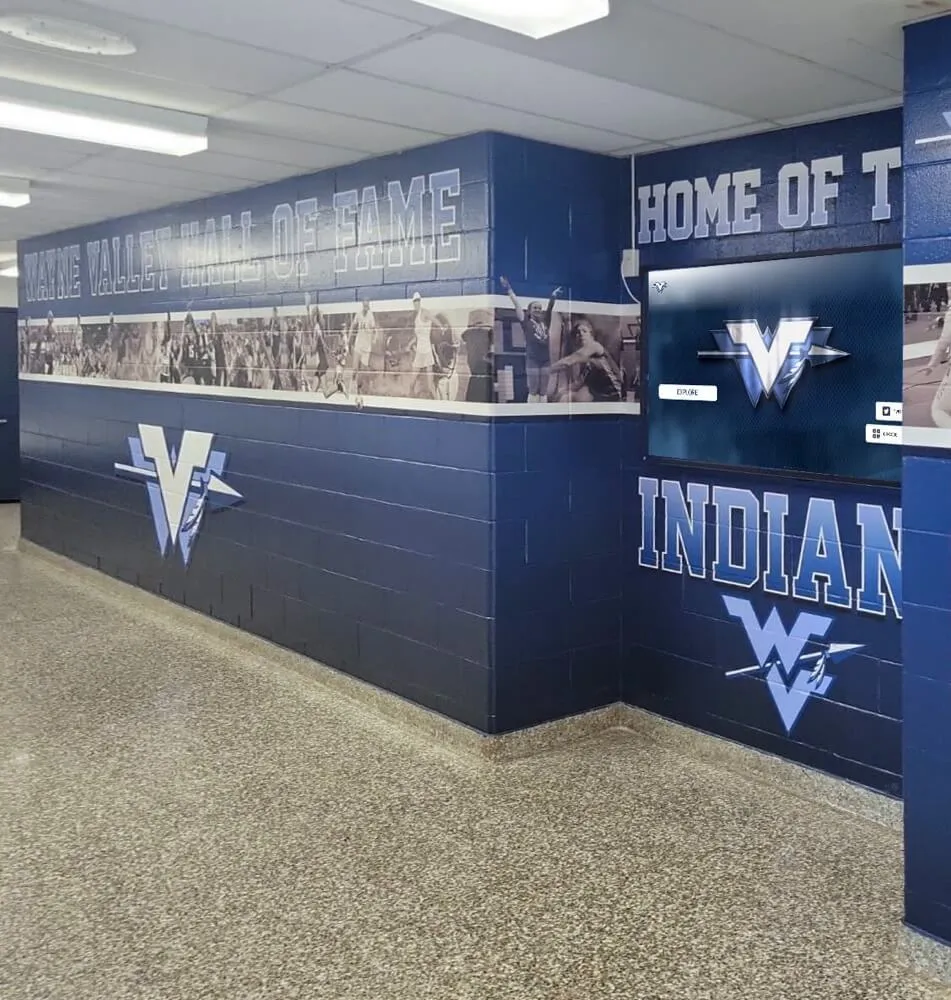
Prominent Permanent Placement: Install digital volunteer recognition displays in high-visibility locations—main school lobbies, athletic facility entrances, community center gathering spaces, or administrative building reception areas. Permanent prominent placement ensures volunteer appreciation remains visible daily rather than relegated to occasional acknowledgment.
Similar digital recognition approaches prove effective across diverse applications—from donor recognition walls to employee appreciation displays and comprehensive recognition wall installations.
Implementing Volunteer Recognition Displays During Volunteer Appreciation Week
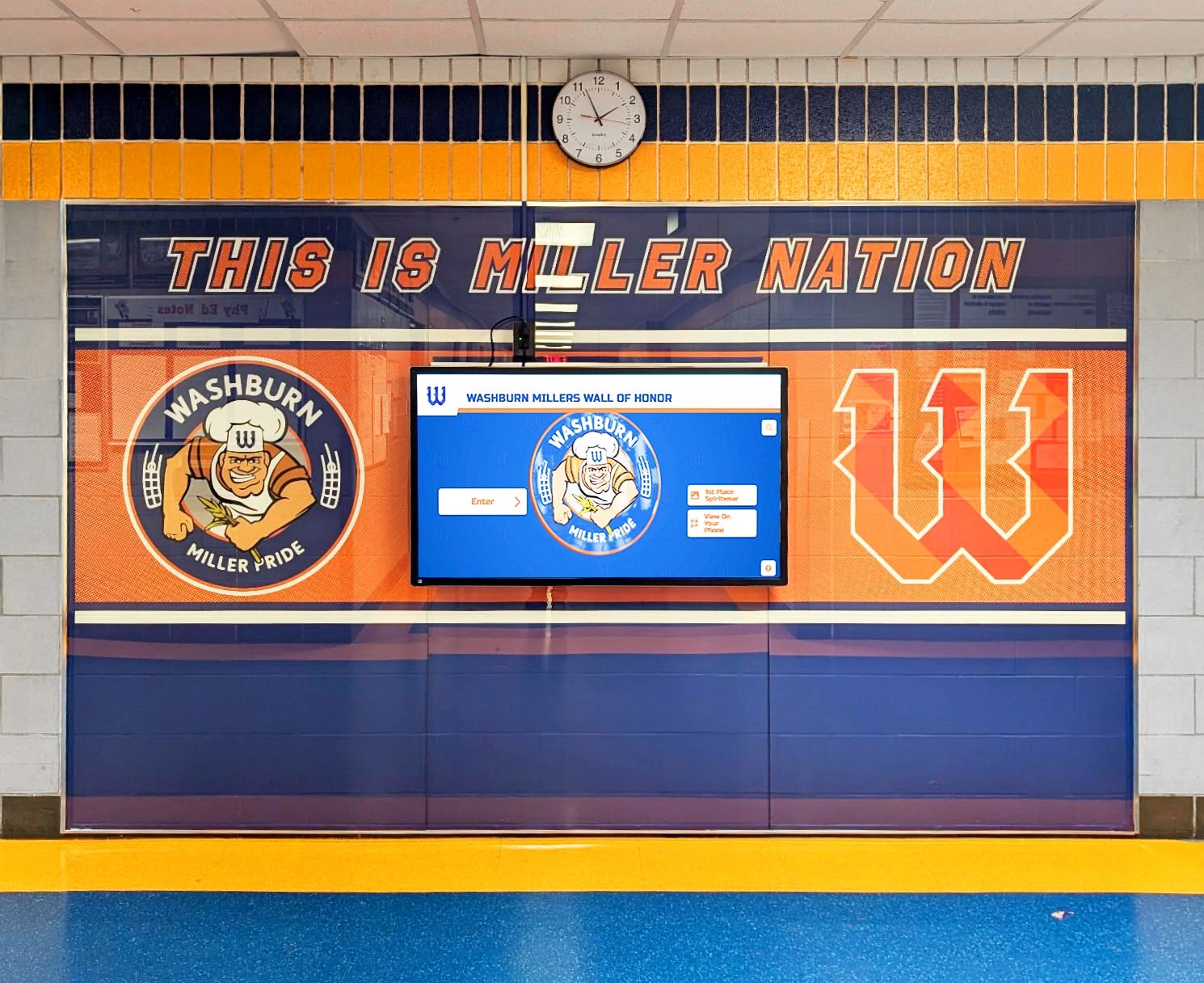
Volunteer Appreciation Week 2026 provides ideal timing for launching permanent digital volunteer recognition displays, creating signature unveiling moments that anchor week-long celebrations.
Pre-Launch Content Preparation: In weeks preceding Volunteer Appreciation Week, collect volunteer information—photos, biographical details, contribution summaries, service timelines, personal quotes about why they volunteer, and meaningful stories. Comprehensive content preparation ensures impressive recognition displays from launch day.
Unveiling Ceremony Planning: Schedule mid-week unveiling ceremonies (Thursday, April 22 works well) during Volunteer Appreciation Week featuring brief remarks about recognition display significance, demonstrations of interactive features, and volunteer opportunities to explore their profiles. Make unveiling ceremonies celebratory events volunteers remember.
Student Involvement: Include students in unveiling ceremonies—student speakers explaining how volunteers impact their education, student ambassadors demonstrating display features, or student performers providing ceremony entertainment. Student participation reinforces the direct connection between volunteer service and student benefit.
Ongoing Update Processes: After initial launch, establish workflows ensuring volunteer recognition displays remain current—quarterly content reviews, annual profile updates, new volunteer onboarding to displays, and seasonal spotlight rotations. Regular maintenance keeps displays fresh while demonstrating ongoing appreciation commitment.
Integration with Annual Appreciation: Each subsequent Volunteer Appreciation Week, use permanent displays as focal points for celebration—update displays with new volunteer additions, feature anniversary milestones, or showcase volunteer impact statistics accumulated throughout the year. Permanent displays and annual appreciation complement each other perfectly.
Budget Considerations for Volunteer Appreciation Week
Meaningful volunteer appreciation doesn’t require unlimited budgets, but thoughtful financial planning ensures recognition feels genuine rather than token gestures.
Creating Effective Volunteer Appreciation Budgets
Determine Per-Volunteer Investment: Calculate realistic per-volunteer appreciation budgets based on volunteer counts and available funding. Even modest per-person allocations ($10-25) enable meaningful recognition when thoughtfully allocated across gifts, events, and materials.
Prioritize High-Impact Activities: Not all appreciation activities deliver equal impact. Personalized student letters cost almost nothing but carry tremendous emotional weight. Expensive catered events create memorable moments but may not resonate with all volunteers. Prioritize activities delivering maximum appreciation return on investment.
Leverage Community Partnerships: Local businesses often gladly support school volunteer appreciation through donated products, services, or sponsorships. Restaurant meal donations, local coffee shop gift certificates, printing services for materials, or venue space for events can significantly extend limited budgets.
Multi-Year Investment Planning: Rather than spending entire appreciation budgets on consumable annual gifts and single-use events, consider allocating portions toward permanent recognition infrastructure—digital displays, engraved recognition installations, or legacy appreciation programs. One-time investments in lasting recognition provide perpetual value while annual budgets fund ongoing celebrations.
Grant and Alternative Funding: Explore external funding for volunteer appreciation programs—parent organization support, booster club contributions, community foundation grants, or local business sponsorships. Diversified funding sources enable more robust appreciation programs than institutional budgets alone might support.
Free and Low-Cost High-Impact Appreciation
Social Media Recognition Campaigns: Dedicated social media volunteer spotlights throughout Volunteer Appreciation Week cost nothing but provide public acknowledgment many volunteers value. Daily features highlighting individual volunteers, their contributions, and personal stories create meaningful visibility.
Handwritten Personal Notes: Administrators, teachers, coaches, and students writing personal thank-you notes to volunteers create treasured keepsakes at essentially zero cost. Sincere personal messages often mean more than expensive impersonal gifts.
Public Acknowledgment: Recognizing volunteers at school board meetings, during morning announcements, at athletic events, or during school assemblies costs nothing but demonstrates institutional appreciation publicly, validating volunteer importance to broader communities.
Student-Created Appreciation: Videos, artwork, performances, or projects created by students expressing volunteer appreciation cost only coordination time but deliver powerful emotional impact because they directly demonstrate how volunteer service benefits students.
Volunteer Skills Leveraging: Tap volunteer talents for appreciation event needs—parent caterers might donate food, photographer volunteers could create recognition videos, graphic designer volunteers might design materials, or musician volunteers could provide event entertainment. Community talent-sharing reduces costs while strengthening volunteer community bonds.
Best Practices for Meaningful Volunteer Recognition
Effective volunteer appreciation transcends checking appreciation boxes—it requires authentic gratitude, thoughtful personalization, and cultural commitment to recognizing service consistently.
Personalization Over Generic Acknowledgment
Know Your Volunteers: Understanding individual volunteers—their motivations for service, personal circumstances, recognition preferences, and specific contributions—enables personalized appreciation resonating far more deeply than generic thank-yous. Some volunteers cherish public celebration while others prefer private acknowledgment; effective recognition respects these preferences.
Specific Contribution Acknowledgment: Generic appreciation (“Thanks for volunteering!”) carries minimal weight compared to specific recognition articulating exactly what volunteers did and why it mattered. “Thank you for organizing 12 successful fundraising events that generated $15,000 supporting student programs” communicates genuine awareness and gratitude far beyond vague thanks.
Individual Relationship Building: Beyond scheduled appreciation events, ongoing relationship-building between staff and volunteers creates appreciation cultures. Administrators learning volunteer names, teachers chatting with classroom helpers about non-school topics, or coaches personally thanking booster members builds genuine connections making formal appreciation feel authentic rather than obligatory.
Consistency and Sustainability
Year-Round Recognition: While Volunteer Appreciation Week provides concentrated celebration timing, effective appreciation happens consistently throughout years—quick thank-yous when volunteers complete tasks, monthly volunteer spotlights, quarterly appreciation gatherings, milestone acknowledgment when earned, and annual signature celebrations. Regular appreciation rhythms prove more impactful than single annual events.
Sustainable Expectations: Establish appreciation programs that budgets and capacity can sustain long-term. Lavish one-year celebrations creating expectations for similar future recognition that cannot be maintained breed resentment when subsequent years disappoint. Consistent modest appreciation surpasses sporadic elaborate gestures in building lasting gratitude cultures.
Equitable Distribution: Ensure appreciation reaches diverse volunteer contributors—visible committee leaders and quiet behind-scenes helpers, athletic boosters and academic supporters, veteran volunteers and newcomers, frequent contributors and occasional assistants. Recognition concentrating among small groups of favorites while overlooking others damages volunteer community morale.
Authenticity and Sincerity
Genuine Gratitude: Volunteers easily distinguish authentic appreciation from obligatory gestures. Recognition delivered sincerely, with genuine warmth and heartfelt gratitude, resonates powerfully while scripted perfunctory acknowledgment feels empty regardless of expensive trappings.
Leadership Personal Involvement: When principals, superintendents, athletic directors, or organizational leaders personally participate in volunteer appreciation—writing individual notes, attending appreciation events, delivering recognition remarks, or personally thanking volunteers—it communicates that leadership genuinely values service rather than delegating appreciation as administrative task.
Ongoing Communication: Maintain regular communication with volunteers beyond asking for help or delivering appreciation—sharing program updates, soliciting input on decisions, celebrating student successes volunteers helped create, or checking in personally. Relationships sustained between service requests make appreciation feel like genuine relationship reciprocity rather than transactional thank-yous.
Special Recognition Categories for Diverse Volunteers
Schools host diverse volunteer groups with unique contributions deserving tailored appreciation recognizing specific impacts.
Athletic Booster Club Recognition
Athletic boosters fundraise for equipment, manage concessions generating program revenue, coordinate team meals, organize recognition events, maintain facilities, and provide countless hours ensuring athletic programs thrive. Booster-specific appreciation should acknowledge both collective team impact and individual extraordinary contributions.
Game-Day Recognition: Dedicate athletic events to booster appreciation—pregame acknowledgments, halftime ceremonies, reserved VIP seating, or special booster appreciation nights for different sports throughout seasons. Public recognition at well-attended events honors boosters while educating broader communities about their support.
Behind-the-Scenes Acknowledgment: Much booster work happens invisibly—early morning concession stand setup, late night facility cleanup, weekend tournament coordination, or financial record management. Ensure appreciation specifically acknowledges less visible contributions audiences may not recognize.
Booster Legacy Recognition: Long-serving boosters dedicating decades to programs deserve distinguished recognition through booster halls of fame, named awards honoring their legacy, or permanent recognition displays preserving their contributions for future generations.
Classroom and Academic Volunteer Recognition
Parents and community members volunteering in classrooms, libraries, computer labs, or tutoring programs enable individualized student attention and enriched learning experiences classroom teachers cannot provide alone. Academic volunteer appreciation should emphasize educational impact and student connections.
Student-Delivered Thanks: Student thank-you letters, artwork, or performances expressing gratitude for classroom volunteer support prove particularly meaningful because they demonstrate direct educational impact volunteers enable. Organize student appreciation delivery ensuring volunteers receive heartfelt thanks from those they help most.
Classroom Displays: Feature volunteer appreciation displays in classrooms or educational spaces where volunteers serve—photo collages, appreciation bulletin boards, or volunteer spotlight areas. Localized recognition ensures volunteers see acknowledgment regularly in spaces they frequent.
Year-End Celebrations: Host end-of-year classroom volunteer appreciation gatherings featuring student performances, refreshments, certificates, and personal thanks from teachers. Position these celebrations after standardized testing but before year-end chaos allowing proper focus on recognition.
Special Event and Project Volunteer Recognition
Many volunteers contribute intensively to specific events—fundraising galas, school carnivals, athletic tournaments, performing arts productions, or capital campaigns—rather than ongoing weekly service. Event volunteer appreciation should acknowledge concentrated efforts and celebrate collective achievements.
Post-Event Celebrations: Host casual gatherings shortly after major events specifically honoring volunteers who made them possible. Include event highlights, financial results, photos, and storytelling while energy and memories remain fresh. Quick post-event recognition feels more connected than delayed appreciation months later.
Impact Reporting: Share detailed impact reports with event volunteers explaining what their work accomplished—how much money raised funds which programs, how many families attended because of their coordination, what student opportunities their efforts created. Connecting volunteer labor to tangible outcomes validates significance and encourages future participation.
Multi-Year Milestone Recognition: For annual recurring events, acknowledge volunteers returning for multiple years—special recognition for volunteers reaching 5, 10, or 15+ years supporting specific events. Longevity recognition honors sustained commitment beyond single-event participation.
Board, Committee, and Leadership Volunteer Recognition
Volunteers serving on school boards, advisory committees, strategic planning teams, or governance groups contribute specialized expertise, strategic thinking, and leadership beyond task-based service. Leadership volunteer appreciation should acknowledge decision-making responsibility, time investment, and accountability they assume.
Professional Recognition: Board and committee volunteers often include business professionals, community leaders, or alumni contributing high-level skills. Recognition reflecting professional caliber—quality awards, formal acknowledgment events, or distinguished recognition installations—appropriately honors their service level.
Public Acknowledgment: Board meetings, annual reports, school publications, or community presentations should regularly acknowledge committee volunteers publicly, educating broader communities about who provides governance, strategic guidance, and oversight ensuring institutional excellence.
Legacy Documentation: Document board and committee volunteer contributions through institutional histories, archived meeting minutes, strategic planning documentation, or historical recognition installations preserving their decision-making impact and leadership for future organizational memory.
Continuing Appreciation Beyond Volunteer Appreciation Week 2026
While concentrated celebration during Volunteer Appreciation Week 2026 creates important recognition moments, sustaining volunteer appreciation requires ongoing commitment extending throughout years and across organizational culture.
Building Year-Round Appreciation Systems
Monthly Volunteer Spotlights: Feature monthly volunteer highlights in school newsletters, social media, or websites telling individual volunteer stories. Regular spotlights throughout years ensure diverse volunteers receive recognition rather than concentration during single appreciation weeks.
Quarterly Volunteer Gatherings: Host quarterly informal volunteer appreciation gatherings—coffee meetings, casual receptions, or social events—creating multiple annual touchpoints for relationship building and ongoing thanks beyond major annual celebrations.
Service Milestone Acknowledgment: Systematically recognize volunteer service milestones when earned—anniversary acknowledgments for volunteers reaching 1, 5, 10, 15+ years, hour-threshold recognition as volunteers accumulate service time, or special accomplishment acknowledgment when volunteers achieve significant contributions.
Integration with Regular Events: Incorporate volunteer appreciation into existing school events rather than requiring separate dedicated recognition events for every acknowledgment. Brief volunteer thanks during back-to-school nights, homecoming celebrations, graduation ceremonies, or athletic senior nights keep appreciation ongoing without event planning burden.
Creating Permanent Appreciation Infrastructure
While events and gifts create appreciation moments, permanent recognition infrastructure ensures volunteer contributions receive lasting acknowledgment extending beyond temporary celebrations.
Digital Recognition Platforms: Comprehensive digital volunteer recognition systems provide perpetual visibility honoring service year after year. Interactive touchscreen displays, web-based volunteer directories, or searchable recognition databases create permanent volunteer appreciation infrastructure requiring initial investment but providing ongoing value indefinitely.
Physical Recognition Installations: Traditional engraved plaques, brick pavers, recognition gardens, or donor walls create permanent physical appreciation when digital solutions aren’t preferred. Though less flexible than digital alternatives, quality physical installations communicate lasting institutional commitment to volunteer recognition.
Legacy Programs: Establish formal volunteer legacy programs—volunteer halls of fame, endowed volunteer awards, or volunteer emeritus designation—creating prestigious recognition tiers honoring exceptional sustained service. Legacy programs provide aspirational recognition inspiring excellence while acknowledging extraordinary contributors appropriately.
Documentation and Archives: Maintain comprehensive volunteer contribution archives documenting service histories, preserving volunteer stories, and creating institutional memory. Historical archives ensure retiring volunteers’ legacies remain accessible rather than fading from organizational memory, while also providing recognition content for displays, publications, and future appreciation events.
Effective approaches for creating these permanent recognition systems align closely with strategies used in donor recognition and appreciation communications.
Measuring Volunteer Appreciation Impact
Effective recognition programs demonstrate measurable outcomes justifying continued investment and enabling continuous improvement.
Tracking Recognition Effectiveness
Volunteer Satisfaction Surveys: Periodically survey volunteers about recognition experiences—what appreciation approaches they value most, whether they feel adequately acknowledged, what could improve, and how recognition influences their continued involvement. Anonymous feedback often reveals recognition gaps leadership hasn’t noticed.
Retention and Return Rates: Analyze volunteer return rates year-over-year. Improving retention suggests appreciation programs positively affect volunteer experiences and encourage continued service, while declining rates may indicate recognition gaps requiring attention.
Volunteer Recruitment Metrics: Track whether current volunteers actively recruit others. Volunteers feeling genuinely appreciated become ambassadors encouraging friends, family, and community members to get involved, creating organic recruitment significantly more effective than formal campaigns.
Service Hour Trends: Monitor total volunteer service hours annually. Increasing hours suggest volunteers remain engaged and potentially expand involvement, while declining hours may signal appreciation or engagement problems affecting volunteer enthusiasm.
Qualitative Feedback Collection: Gather volunteer stories and testimonials about appreciation experiences—particularly meaningful recognition moments, how acknowledgment affected their service perspective, or what appreciation meant personally. Qualitative feedback provides rich insight beyond quantitative metrics.
Using Feedback to Improve Recognition
Recognition Program Adjustments: Use feedback data to continuously refine volunteer appreciation—shift resources toward highest-impact recognition activities, eliminate approaches that don’t resonate, experiment with new ideas volunteers suggest, and personalize recognition based on expressed preferences.
Communication Improvements: Volunteer feedback often reveals communication gaps—volunteers unaware of appreciation events, unclear about recognition eligibility, or uncertain about how their contributions connect to outcomes. Address communication weaknesses ensuring recognition awareness matches recognition delivery.
Cultural Assessment: Beyond specific programs, assess whether appreciation permeates organizational culture or remains isolated to designated events. Cultural appreciation—staff consistently thanking volunteers, leadership regularly acknowledging service, students naturally expressing gratitude—proves more impactful than programmatic recognition alone.
Conclusion: Making Volunteer Appreciation Week 2026 Meaningful and Lasting
Volunteer Appreciation Week 2026 (April 19-25) provides schools and community organizations focused opportunity to honor the dedicated volunteers making programs, events, and student success possible. From thoughtful recognition events and personalized gifts to permanent digital displays celebrating contributions year after year, meaningful volunteer appreciation strengthens communities while ensuring essential helpers receive genuine acknowledgment they deserve.
The most impactful appreciation combines concentrated Volunteer Appreciation Week celebrations with sustained year-round recognition and permanent appreciation infrastructure. Annual signature events create memorable moments, ongoing acknowledgment maintains consistent gratitude, and lasting displays ensure volunteer contributions receive perpetual visibility rather than temporary thanks.
As you plan Volunteer Appreciation Week 2026, remember that authentic gratitude matters more than expensive budgets. Personalized student letters, specific contribution acknowledgment, and sincere leadership thanks often resonate more deeply than elaborate impersonal events. Whether your celebration includes morning coffee stations, signature appreciation luncheons, or comprehensive digital recognition unveilings, the critical element is genuine gratitude consistently delivered.
Schools investing in meaningful volunteer appreciation discover that recognition creates positive cycles—acknowledged volunteers remain engaged longer, recruit more effectively, contribute more enthusiastically, and build stronger communities where mutual support and acknowledgment flourish. In turn, robust volunteer programs enable schools to accomplish far more than limited budgets and staff alone could achieve, creating thriving educational environments where everyone benefits.
Ready to create lasting recognition honoring your school or organization’s volunteers not just during Volunteer Appreciation Week but throughout years to come? Discover how Rocket Alumni Solutions helps schools and community organizations build engaging digital volunteer recognition displays that celebrate contributions permanently, strengthen appreciation culture, and ensure the people making programs possible receive the visibility and acknowledgment they truly deserve.