



Key Takeaways
Discover meaningful volunteer appreciation ideas for schools and community organizations. Learn creative ways to recognize parent volunteers, booster clubs, and community helpers through events, digital displays, and lasting recognition programs.
Schools and community organizations thrive because of dedicated volunteers who donate countless hours supporting students, organizing events, fundraising, coaching, mentoring, and maintaining programs that enrich everyone. Yet many institutions struggle to recognize these essential contributors in ways that feel genuine, memorable, and proportionate to their impact. Standard approaches—annual banquets, generic certificates, brief newsletter mentions—often fail to convey the depth of appreciation these helpers deserve.
This comprehensive guide explores practical, meaningful volunteer appreciation ideas that schools, athletic departments, booster clubs, parent organizations, and community groups can implement to honor the people who make programs possible. From creative recognition events and personalized gestures to permanent digital displays that celebrate volunteers year after year, these strategies help organizations build cultures where volunteer contributions receive the acknowledgment they deserve.
Understanding the Importance of Volunteer Recognition
Before exploring specific appreciation ideas, it’s essential to understand why volunteer recognition matters and how it impacts organizational health, volunteer retention, and community culture.
Why Volunteer Appreciation Matters
Volunteers contribute because they believe in missions—supporting education, helping students succeed, building stronger communities. While most volunteers don’t serve primarily for recognition, meaningful appreciation significantly impacts their experience and continued involvement.
Retention and Sustained Involvement: Research consistently demonstrates that recognized volunteers remain engaged longer than those whose contributions go unacknowledged. Recognition validates that volunteer efforts matter, making continued involvement feel worthwhile. According to volunteer management studies, volunteers who feel appreciated are significantly more likely to return for additional service periods.
Recruitment Through Positive Culture: Schools and organizations known for genuinely appreciating volunteers find recruitment easier. Current volunteers who feel valued become ambassadors, encouraging friends, family, and community members to get involved. Positive word-of-mouth about volunteer experiences proves more effective than recruitment campaigns or generic appeals.
Modeling Values for Students: In educational settings, how schools treat volunteers teaches students important lessons about gratitude, community contribution, and recognizing others’ efforts. Students who observe teachers, administrators, and organizations genuinely appreciating volunteers learn that community service deserves acknowledgment and that contributions matter regardless of whether they’re paid.
Building Stronger Communities: Recognition strengthens community bonds beyond individual volunteer relationships. Public acknowledgment of volunteer contributions creates shared understanding of who makes programs possible, building collective appreciation and community identity around mutual support.
Common Volunteer Recognition Challenges
Many organizations struggle with volunteer appreciation despite good intentions. Understanding common obstacles helps institutions develop more effective approaches.
Limited Resources and Budgets: Schools and community organizations often operate on tight budgets, making elaborate appreciation events or expensive gifts impractical. Effective recognition doesn’t require large expenditures, but resource constraints do require creativity and thoughtful prioritization.
Coordination Across Multiple Programs: Large schools may have dozens of volunteer groups—athletic boosters, parent-teacher organizations, classroom volunteers, event coordinators, fundraising committees. Coordinating consistent appreciation across programs while acknowledging each group’s unique contributions creates complexity.
Recognizing Varied Contribution Levels: Volunteer involvement ranges from occasional event assistance to hundreds of annual hours managing complex programs. Creating recognition systems that feel appropriate across this spectrum—making frequent volunteers feel truly valued while not overlooking occasional contributors—requires nuanced approaches.
Volunteer Preferences and Privacy: Volunteers have different comfort levels with public recognition. Some appreciate public celebration, while others prefer private acknowledgment or no recognition at all. Respecting these preferences while still conveying appreciation requires flexibility in recognition approaches.
Creative Volunteer Appreciation Events and Celebrations
Organized events dedicated to volunteer appreciation create dedicated opportunities to express gratitude, build community among volunteers, and publicly acknowledge contributions.
Annual Volunteer Appreciation Events
Dedicated appreciation events signal that organizations prioritize recognition and create memorable experiences volunteers value.
Volunteer Appreciation Breakfast or Luncheon: Host morning or midday gatherings featuring catered meals, brief speeches from students or organizational leaders, and personal thanks. Breakfast events work particularly well for schools, allowing volunteers to attend before work commitments.
End-of-Year Celebration Dinners: Evening dinner events provide more formal settings for volunteer recognition, often featuring student performances, video tributes, award presentations, and storytelling about volunteer impact throughout the year.
Volunteer Recognition Ceremonies: Formal ceremony formats with processional entrances, official acknowledgments, award presentations, and certificates create memorable moments that communicate the significance organizations place on volunteer contributions. Involve students in presenting awards or delivering thank-you speeches for added emotional impact.
Family-Friendly Volunteer Picnics: Casual outdoor gatherings where volunteers can bring families create relaxed environments for appreciation while recognizing that volunteer support often involves entire families. Picnic formats work well for athletic programs, where families already gather for games.
Virtual Recognition Events: For organizations with geographically dispersed volunteers or those preferring remote options, virtual events featuring video tributes, digital presentations, and online social time accommodate diverse circumstances while still creating dedicated recognition experiences.
Themed Appreciation Days and Weeks
Rather than single events, extended appreciation periods create multiple touchpoints for recognition and sustained visibility.
National Volunteer Week Celebrations: Align volunteer appreciation with National Volunteer Week (typically third week of April) through coordinated activities—daily thank-you notes from students, morning coffee service, small gifts, social media highlights, and culminating events. Week-long celebrations create momentum and multiple opportunities for volunteers to feel acknowledged.
Volunteer Appreciation Month: Some organizations designate entire months for volunteer recognition, spacing activities throughout the period. This approach prevents single-event planning stress while creating sustained appreciation focus.
Surprise Recognition Days: Unexpected appreciation gestures—surprise breakfast deliveries to volunteer workspaces, impromptu thank-you gatherings, or unannounced small gifts—carry special impact precisely because they’re unexpected. Surprise recognition communicates that appreciation isn’t limited to scheduled obligations.
Personalized Recognition Gestures
Beyond organized events, personal touches often create the most meaningful volunteer appreciation experiences.
Handwritten Notes and Personal Messages
In digital eras, handwritten correspondence carries particular significance and demonstrates genuine effort to acknowledge individual volunteers.
Student Thank-You Letters: Have students write personal notes to volunteers explaining how their contributions helped. Student letters often become treasured keepsakes for volunteers, directly connecting their service to student benefits. For classroom volunteers, assign letter-writing to students who directly benefited. For program volunteers, have student leaders or team members write notes.
Administrator and Teacher Personal Notes: Handwritten notes from principals, athletic directors, coaches, or organizational leaders acknowledging specific contributions and impact carry weight because they demonstrate that leadership notices and values volunteer work. Reference specific actions or moments rather than generic thank-yous for maximum impact.
Peer Recognition from Other Volunteers: Encourage volunteers to acknowledge each other’s contributions. Peer recognition validates efforts within volunteer communities and builds supportive cultures where volunteers appreciate not just organizational acknowledgment but also recognition from colleagues who understand the work involved.
Personalized Gifts with Meaning
Thoughtful gifts appropriate to volunteer interests and contributions demonstrate organizations understand and value individual volunteers as people beyond their service hours.
Custom Items Featuring School or Organization Branding: Quality items—insulated tumblers, fleece blankets, tote bags, apparel—featuring school or organizational logos allow volunteers to proudly display affiliations. Choose functional items volunteers will actually use rather than decorative pieces that collect dust.
Gift Cards to Local Businesses: Gift certificates to popular local restaurants, coffee shops, or stores provide practical appreciation while supporting community businesses. Consider polling volunteers about preferred establishments to personalize selections.
Books Related to Volunteer Interests: For volunteers with known hobbies or professional interests, carefully selected books demonstrate attention to individual preferences beyond their volunteer roles. Include personalized inscriptions explaining why you selected specific titles.
Donated Services or Experiences: Partner with local businesses to provide services—car washes, house cleaning, lawn care, restaurant meals—that give volunteers time back. Time donations prove especially meaningful for busy parent volunteers balancing work and family responsibilities.
Special Privileges and Exclusive Access
Recognition through special access or privileges creates memorable experiences money can’t buy while acknowledging volunteer contributions through exclusive opportunities.
Reserved Parking Spaces: Designated parking spots labeled “Reserved for Our Valued Volunteers” near main entrances communicate public appreciation while providing practical convenience. Athletic programs might reserve prime spots at game venues for active booster members.
VIP Seating at Events: Reserved seating areas at performances, games, or ceremonies honor volunteers while ensuring they enjoy good views of programs they helped make possible. Consider naming sections “Volunteer Appreciation Section” to make recognition visible to broader audiences.
Behind-the-Scenes Access: Invite volunteers to special events, facility tours, or experiences not available to general communities—meeting visiting speakers, attending practice sessions, previewing renovations before public openings, or joining exclusive receptions. Unique access demonstrates trust and insider status.
First Access to New Programs: Give volunteers early notification and registration priority for new programs, events, or opportunities. Being “first to know” acknowledges their insider status and rewards contributions with valuable access advantages.
Permanent Recognition Solutions
While appreciation events and personal gestures create important moments, permanent recognition installations honor volunteers continuously year after year, creating lasting acknowledgment of community contributions.
Digital Recognition Displays
Modern digital recognition solutions provide flexible, updateable, and engaging ways to permanently honor volunteers while accommodating growing lists of contributors and evolving recognition needs.
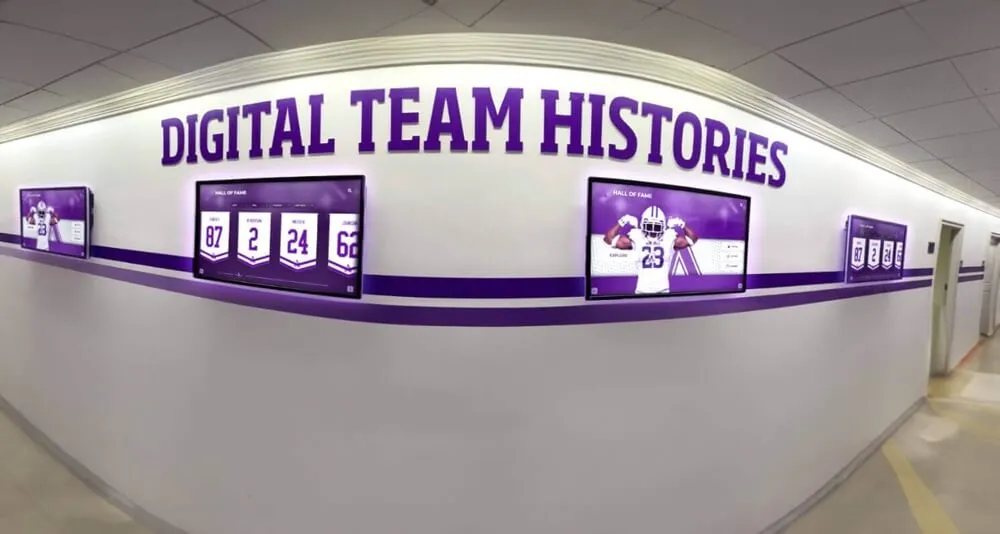
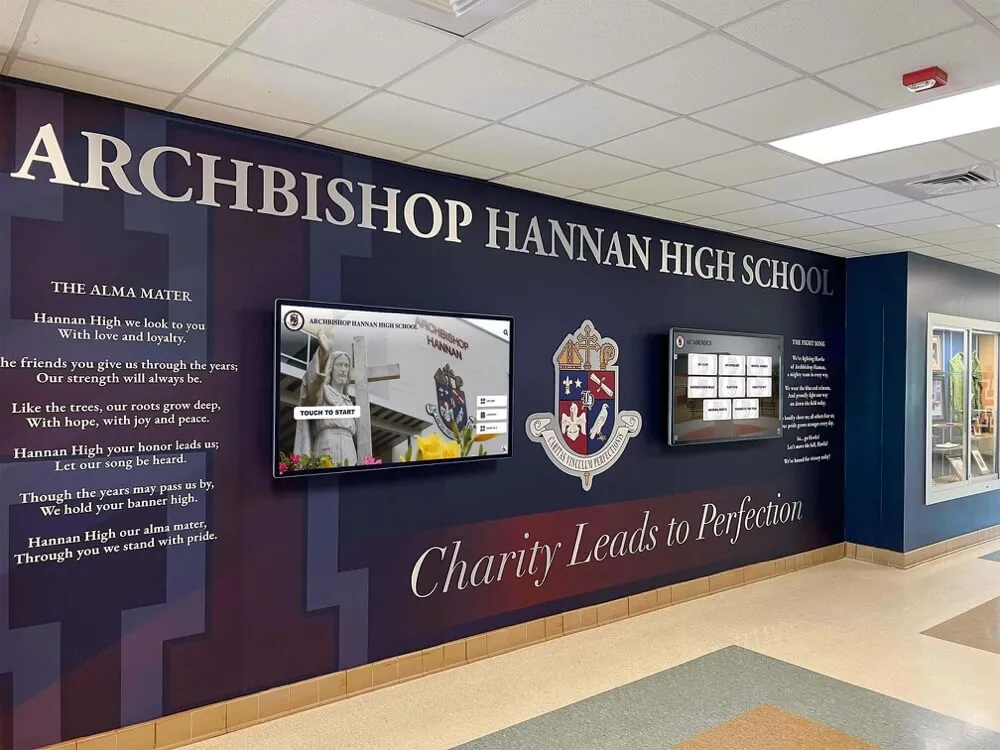
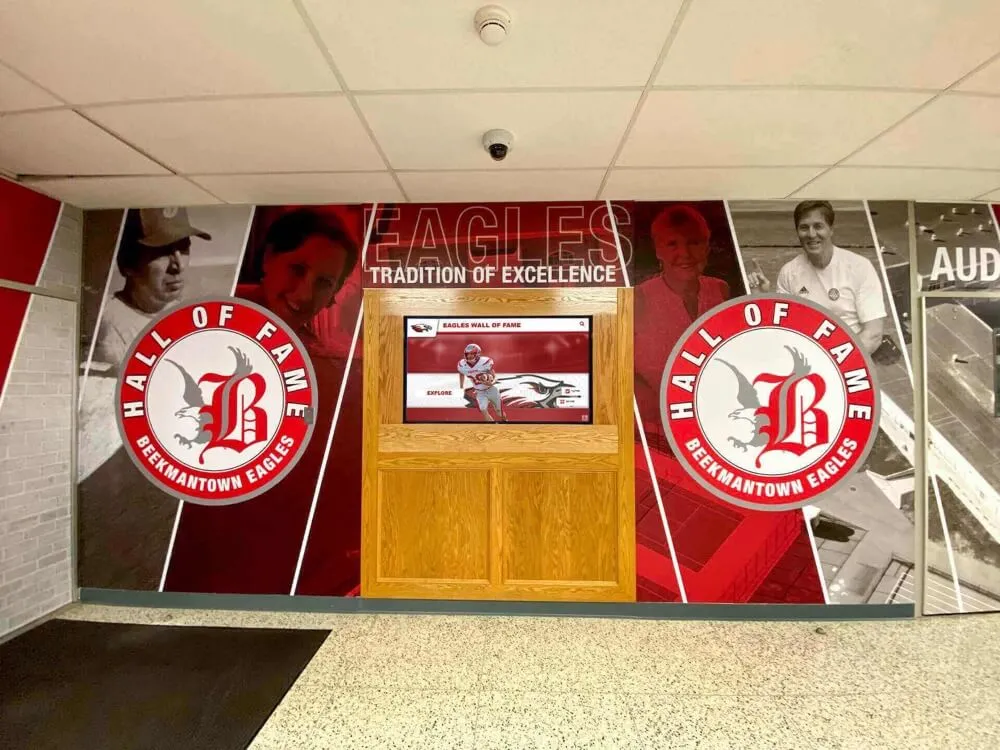
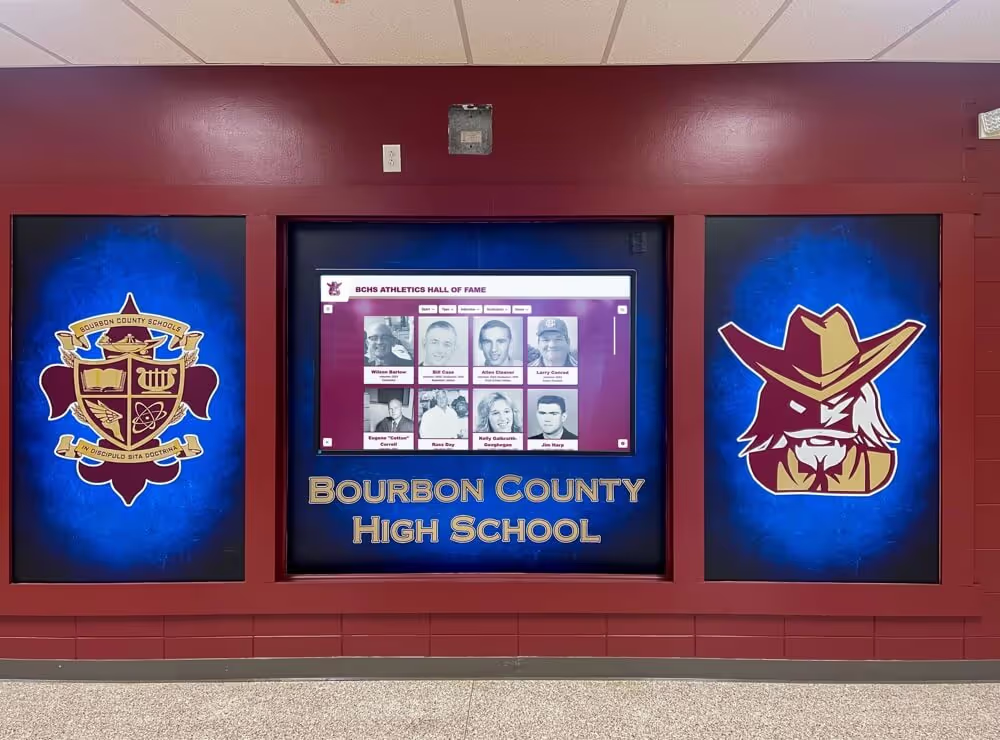
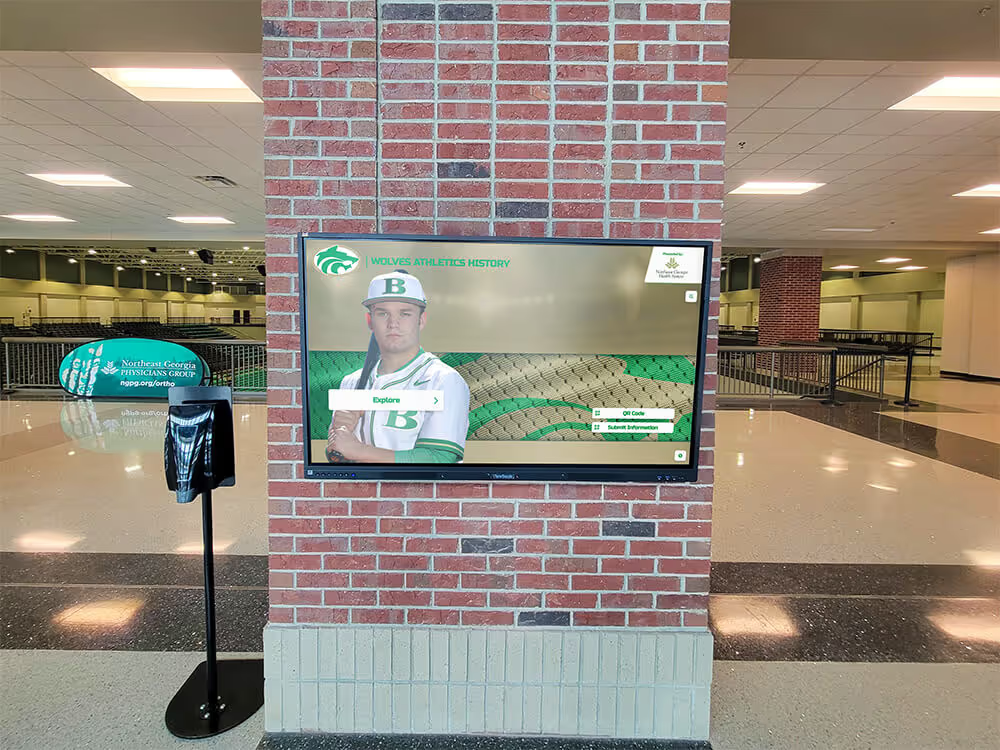
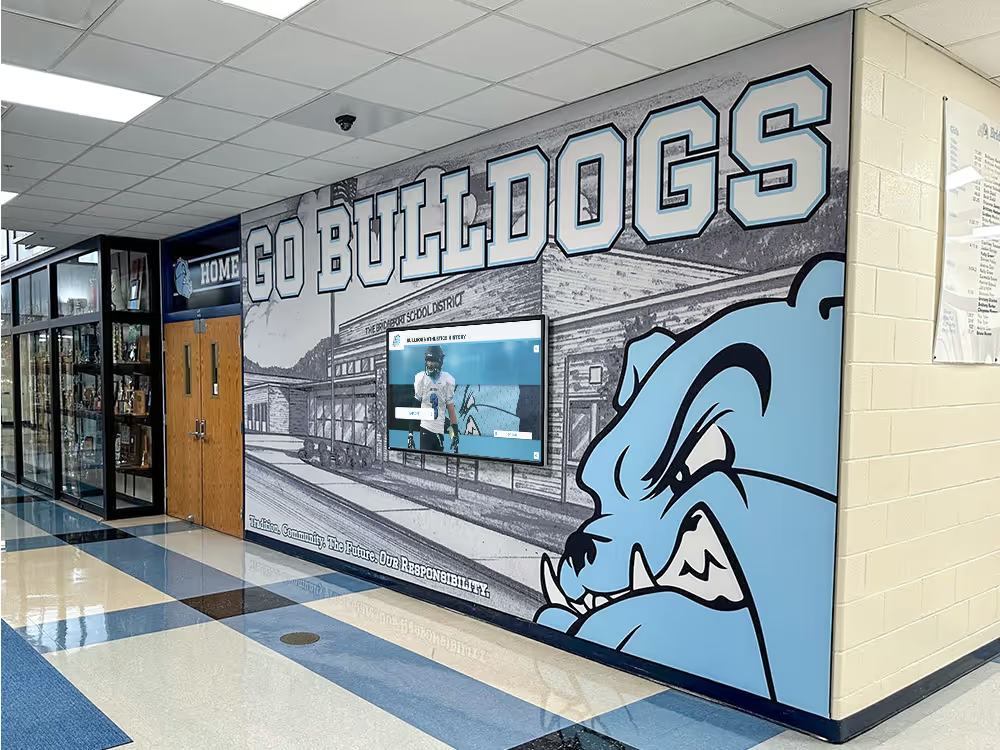
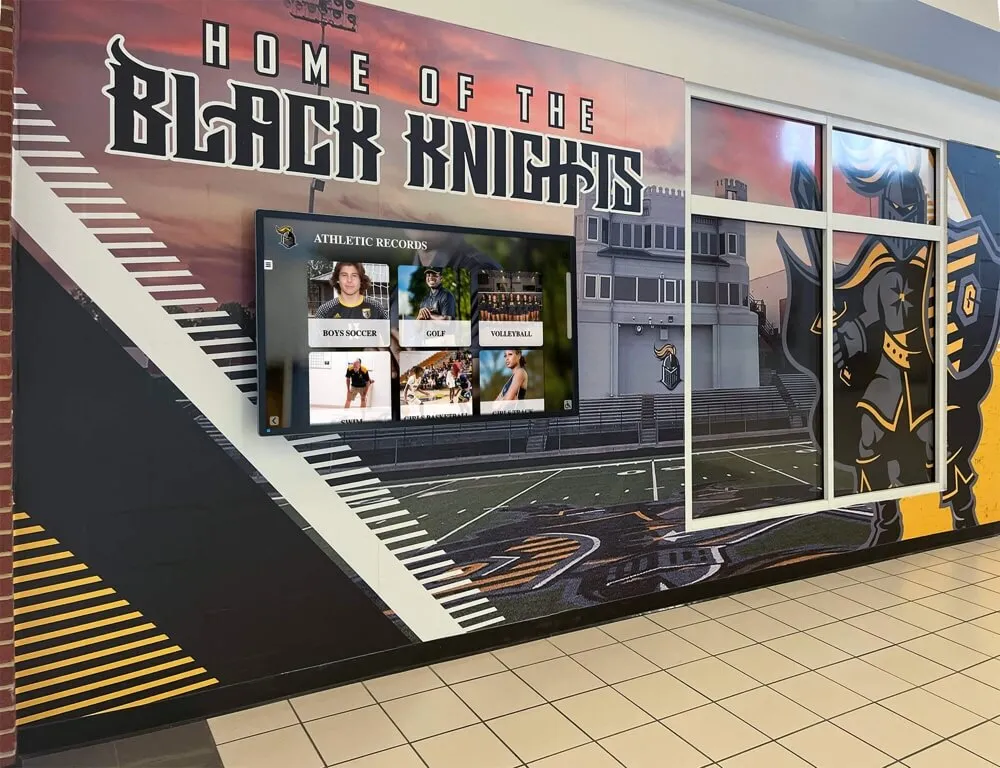
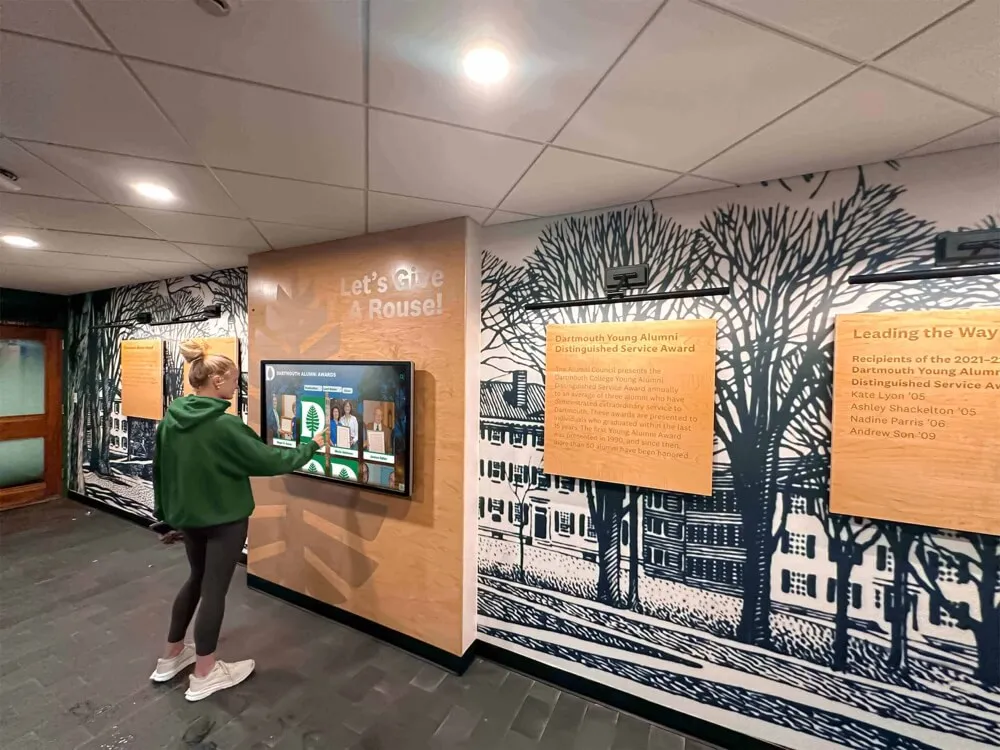
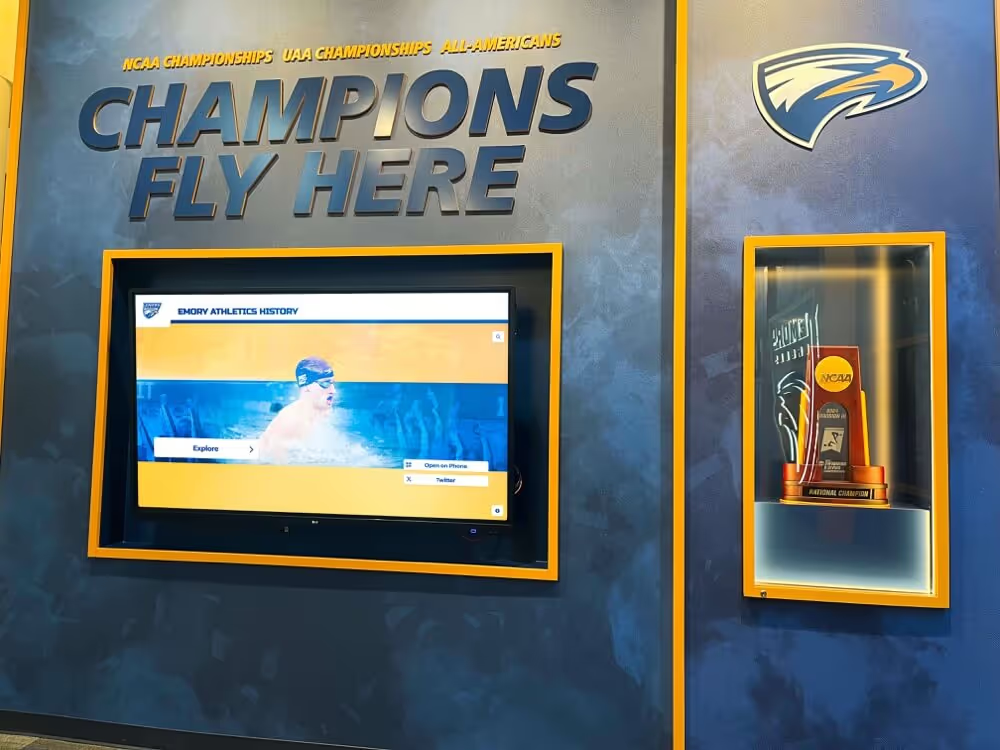
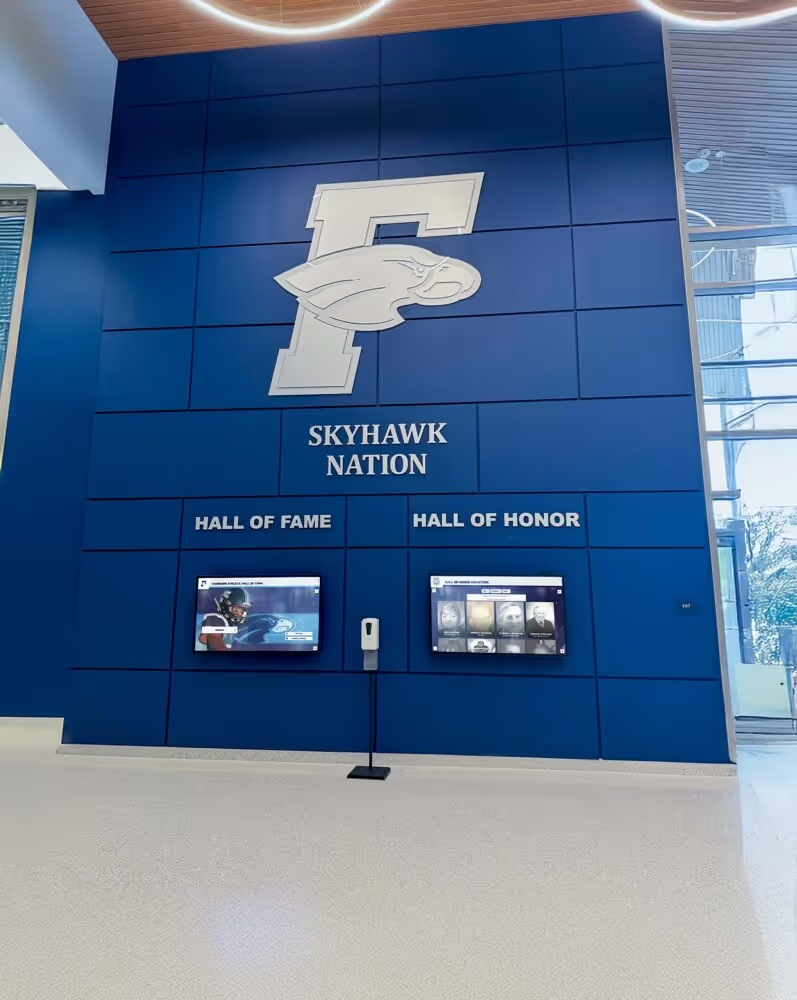
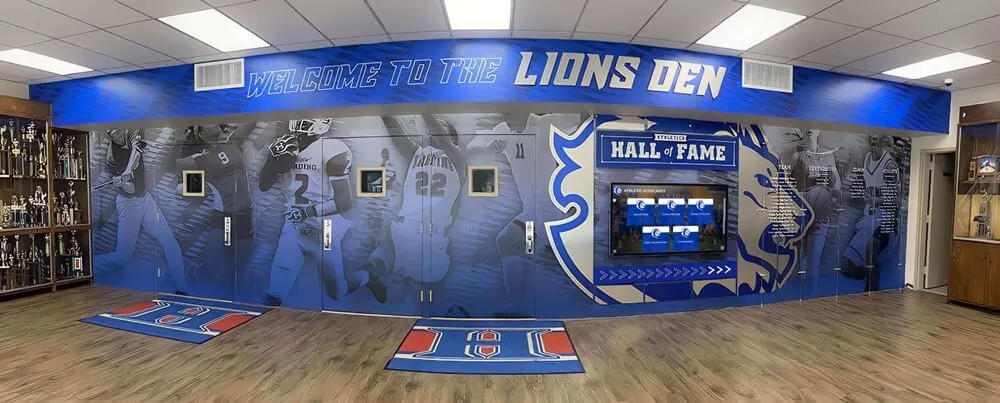
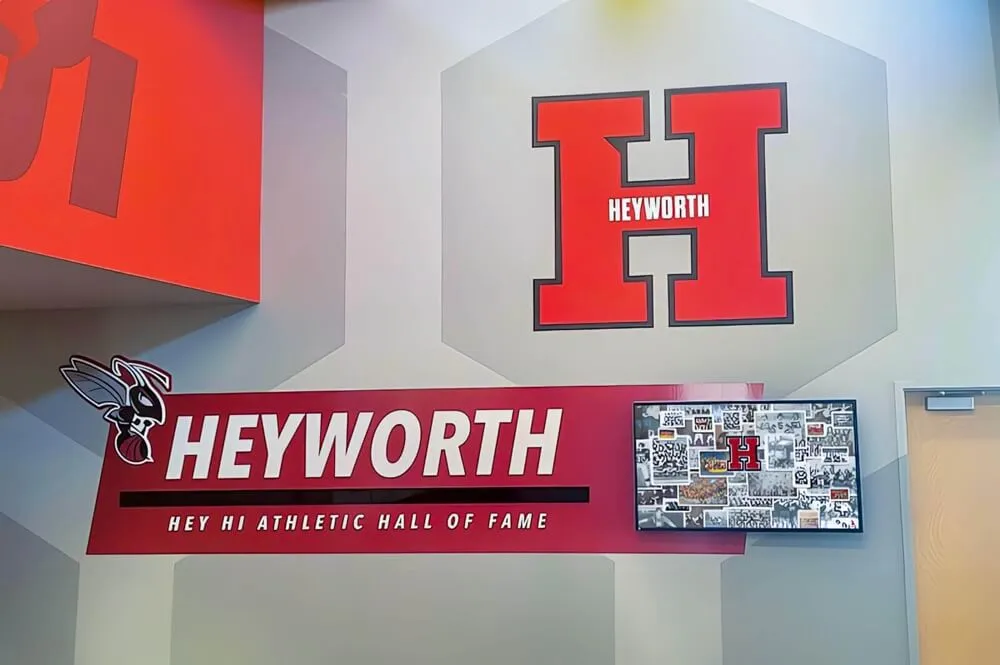
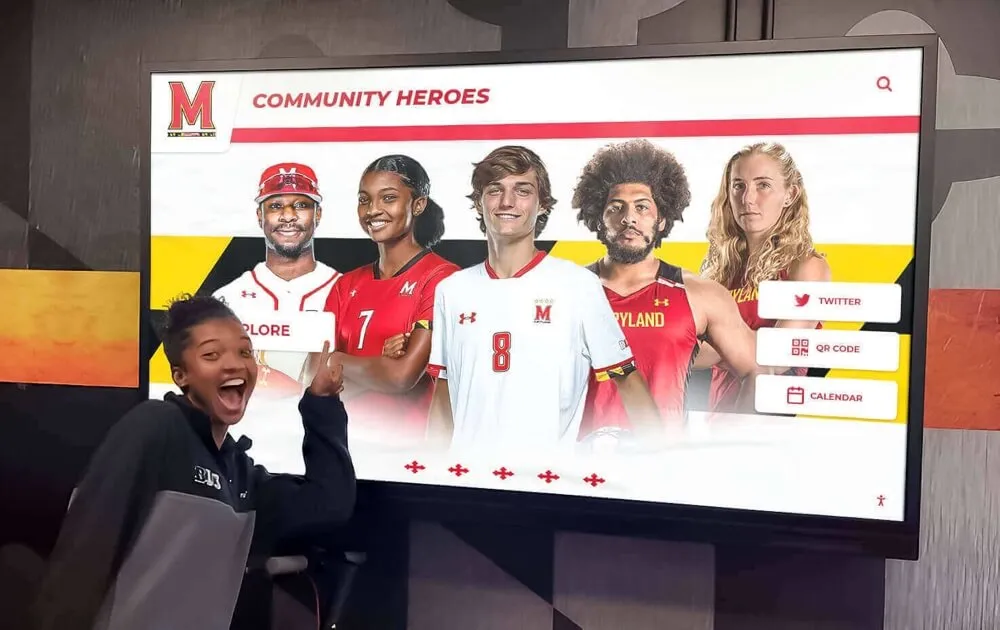
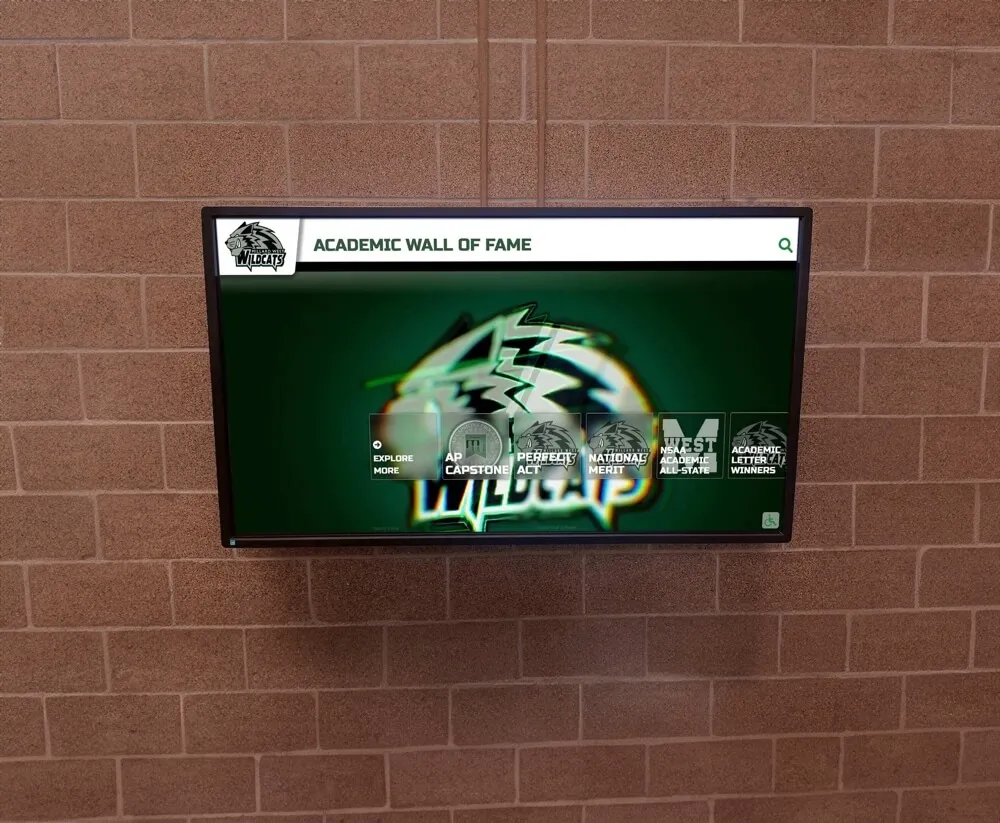
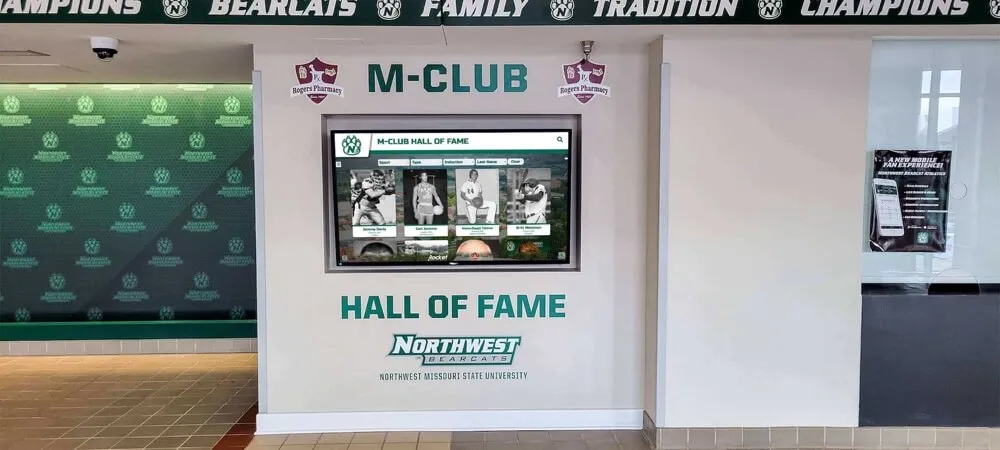
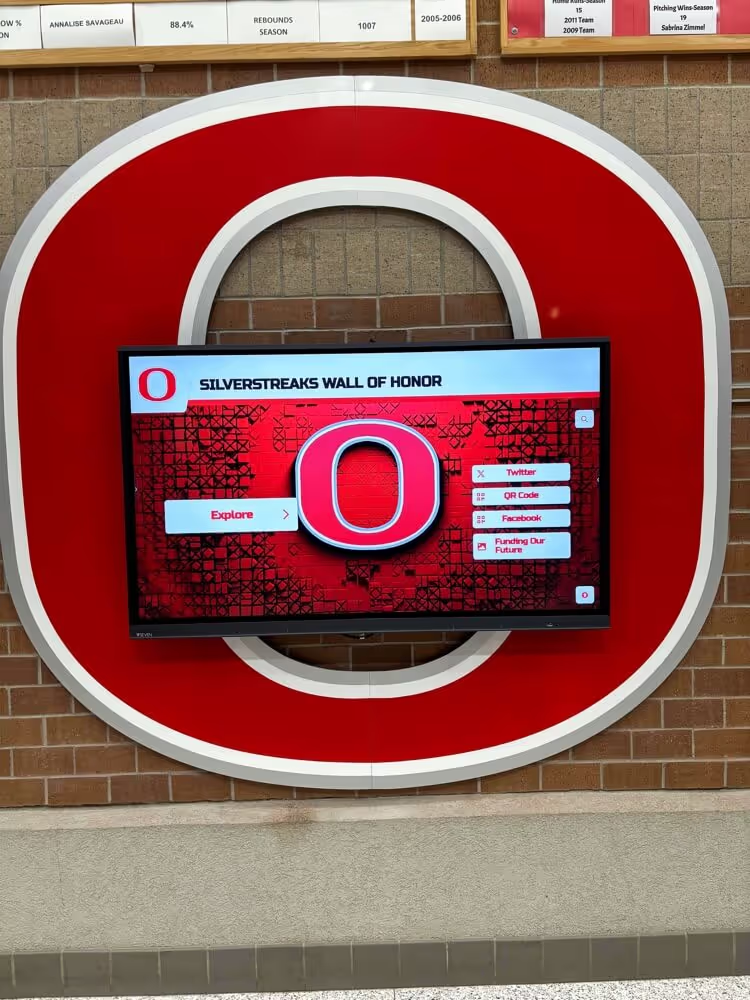
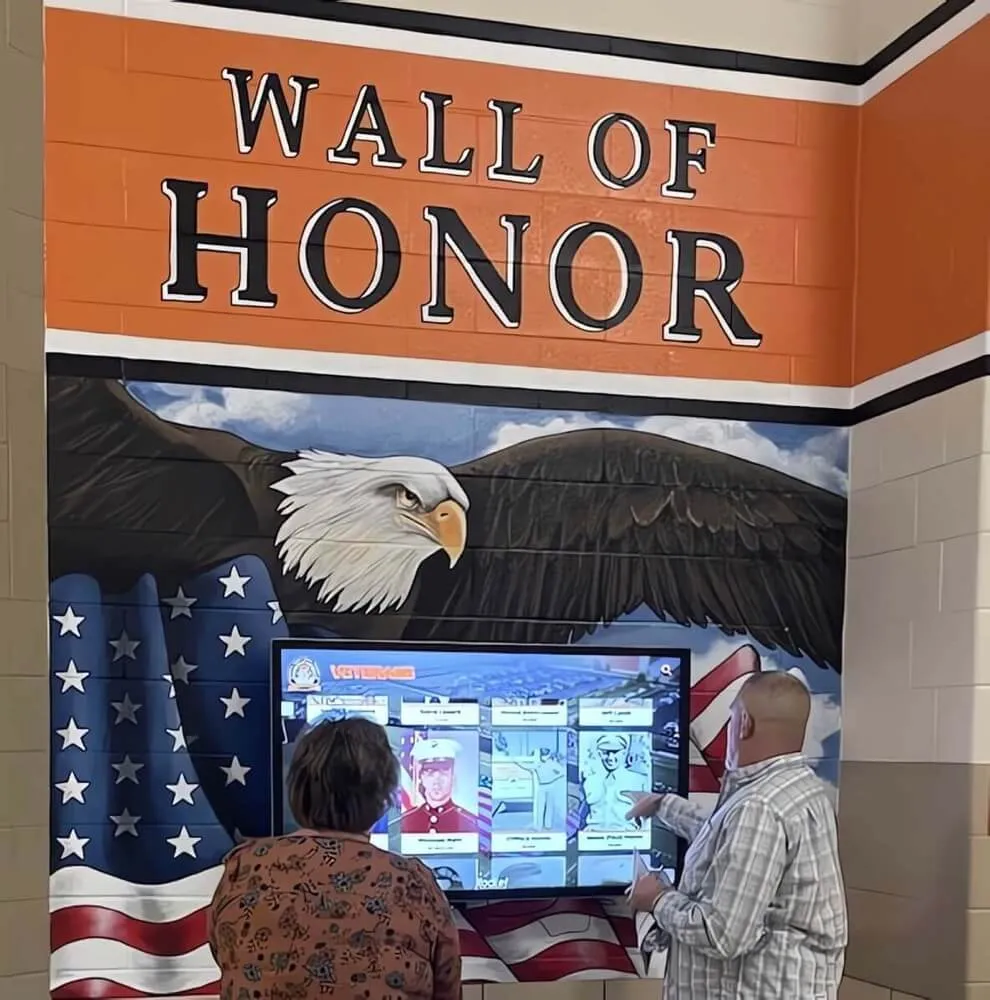
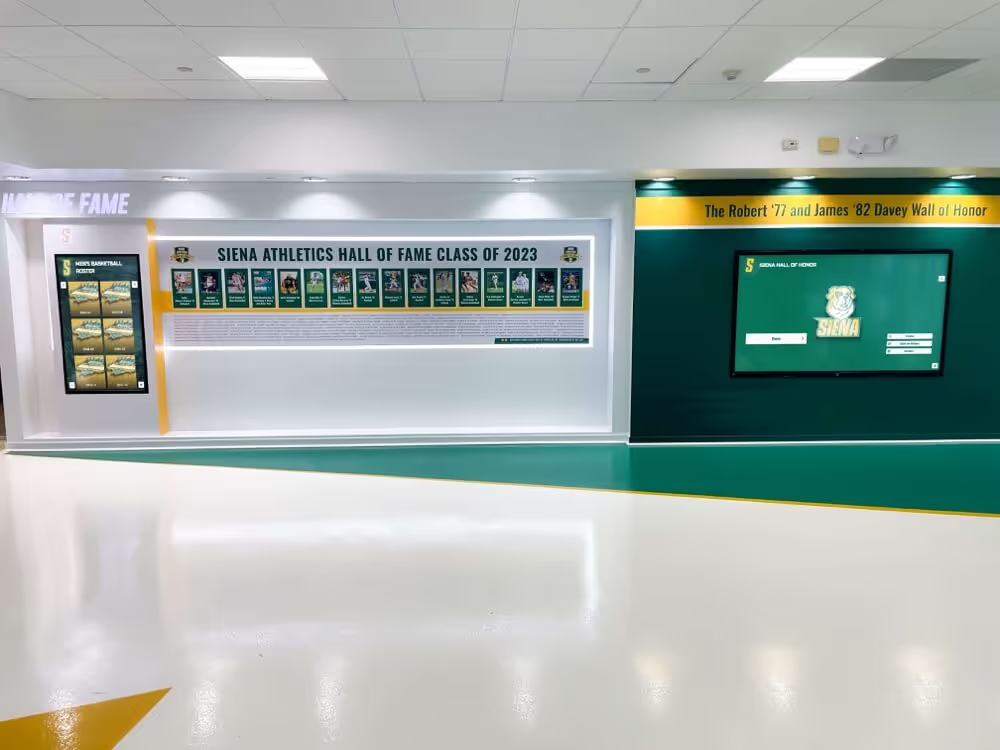
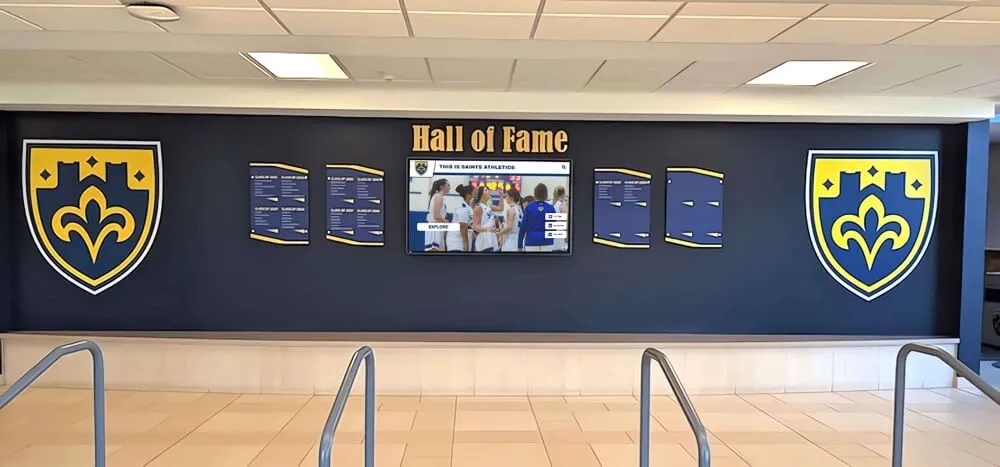
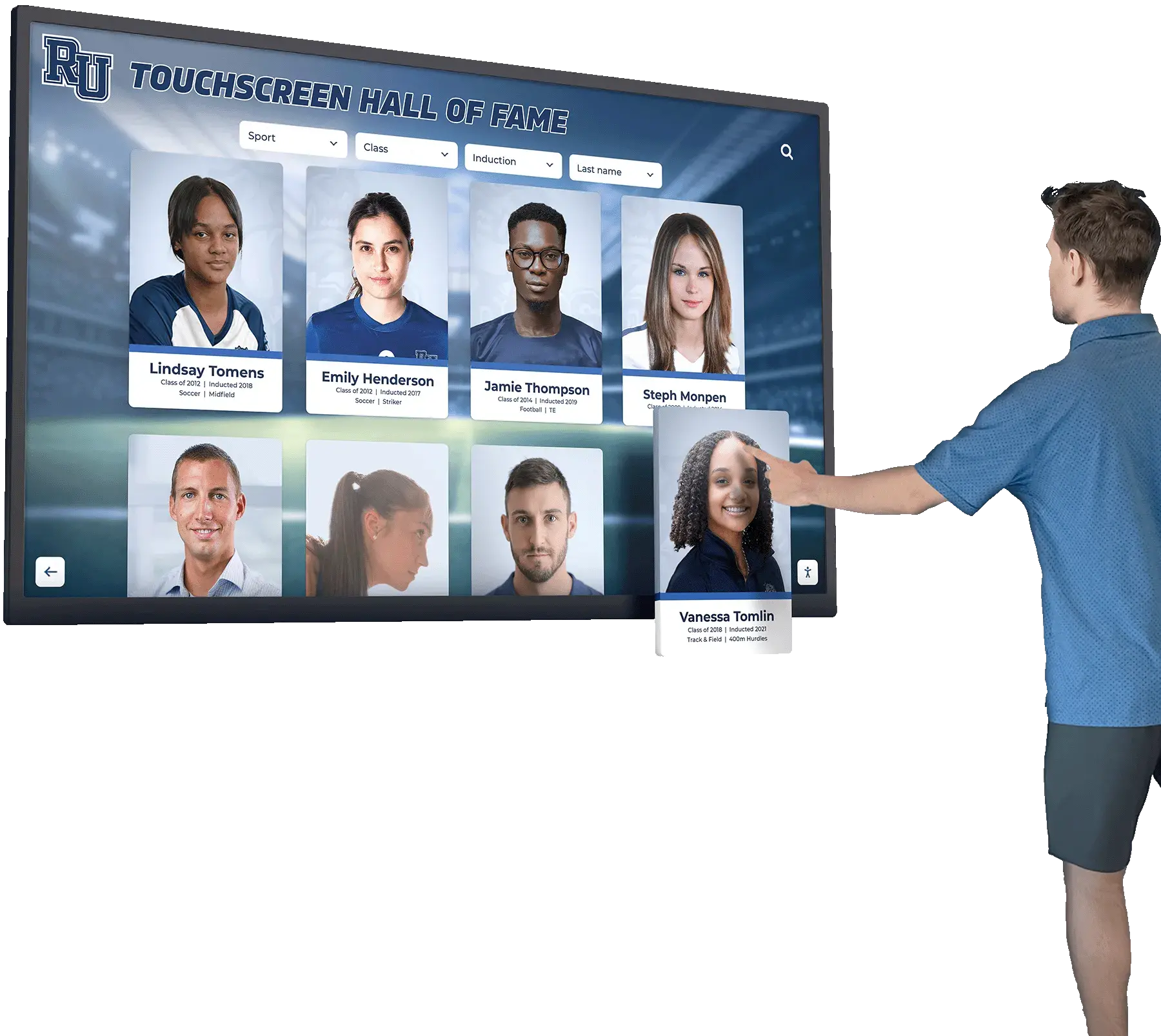
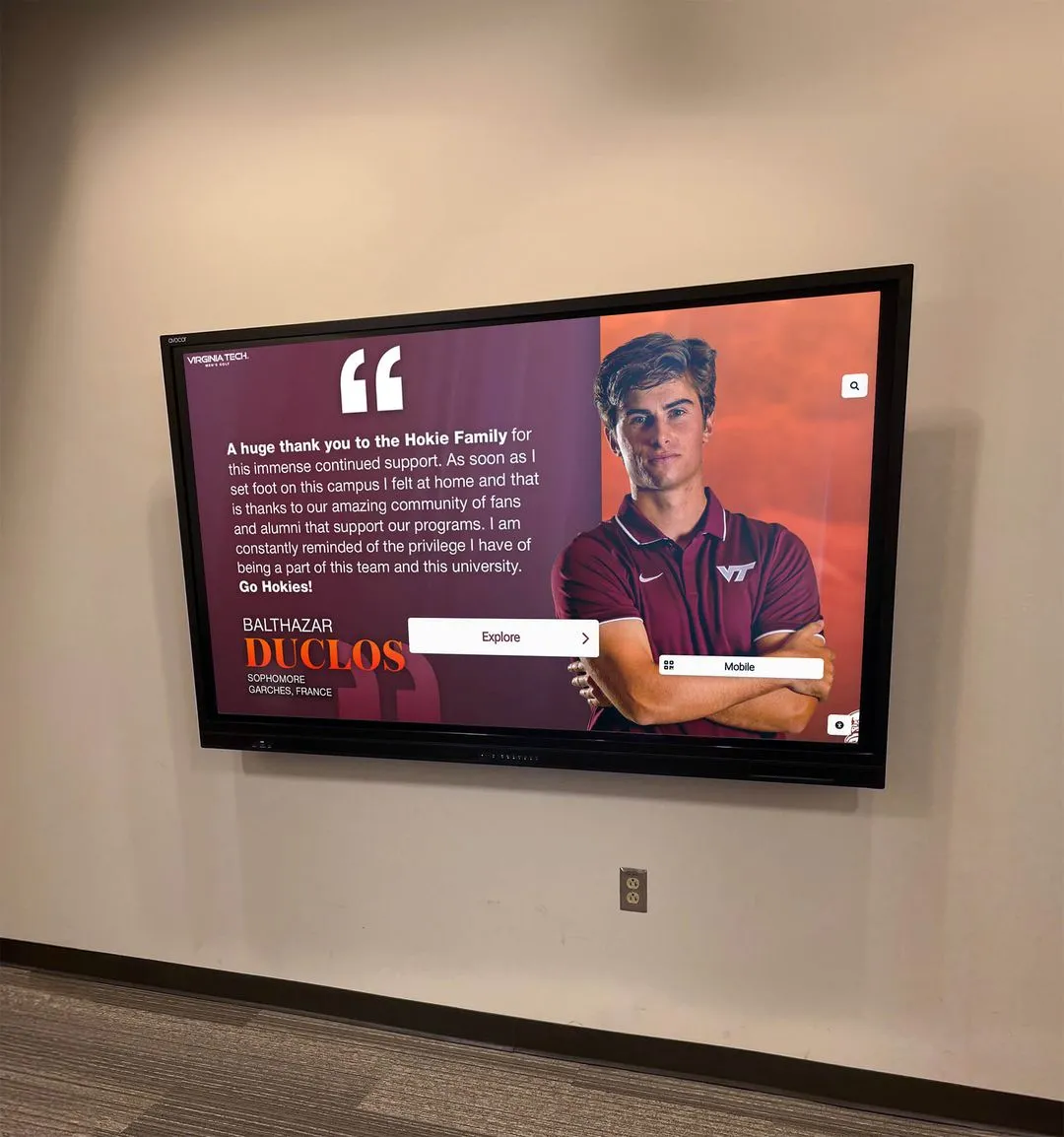
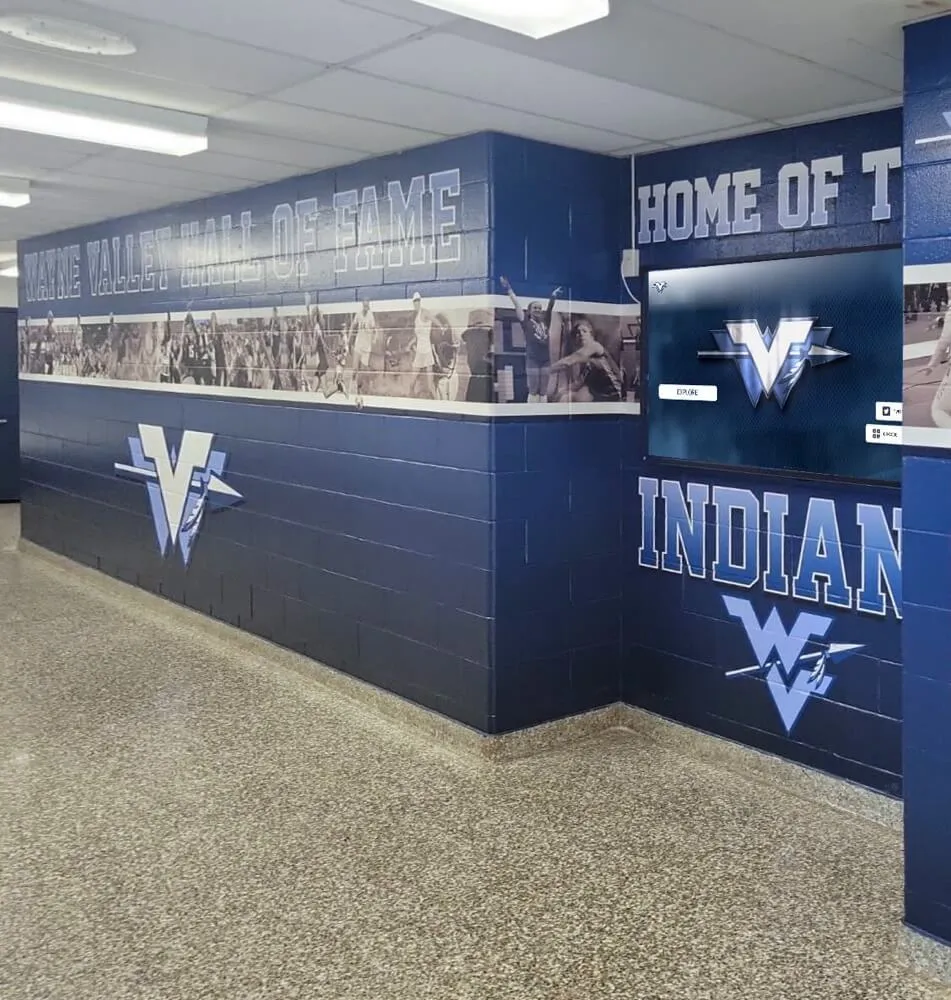
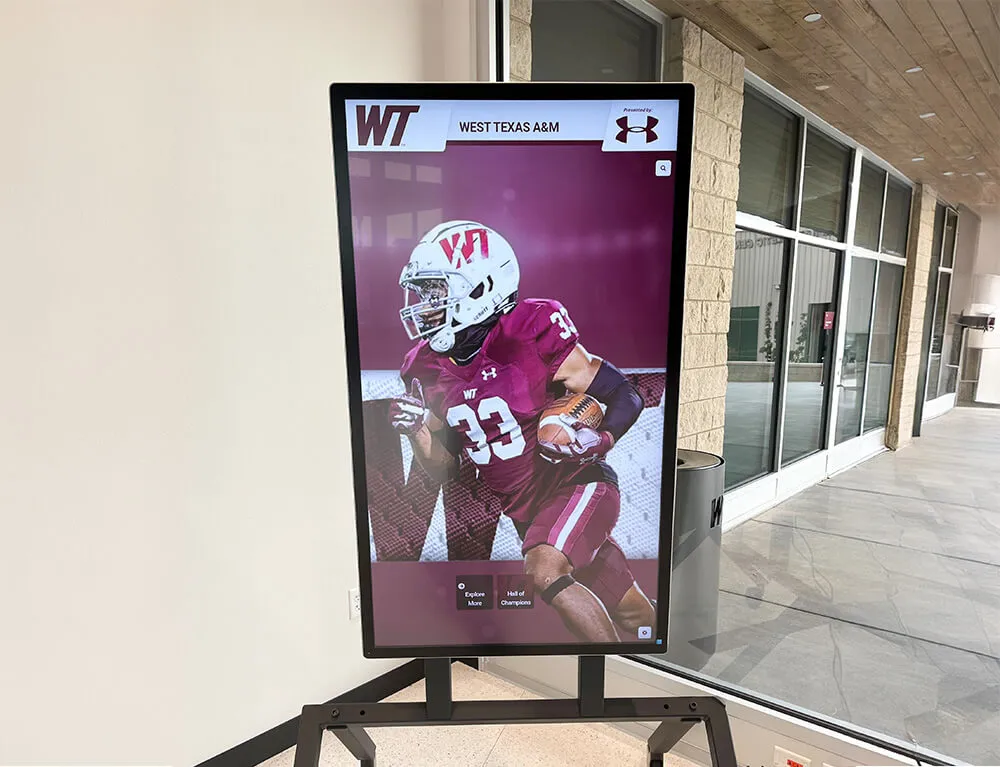
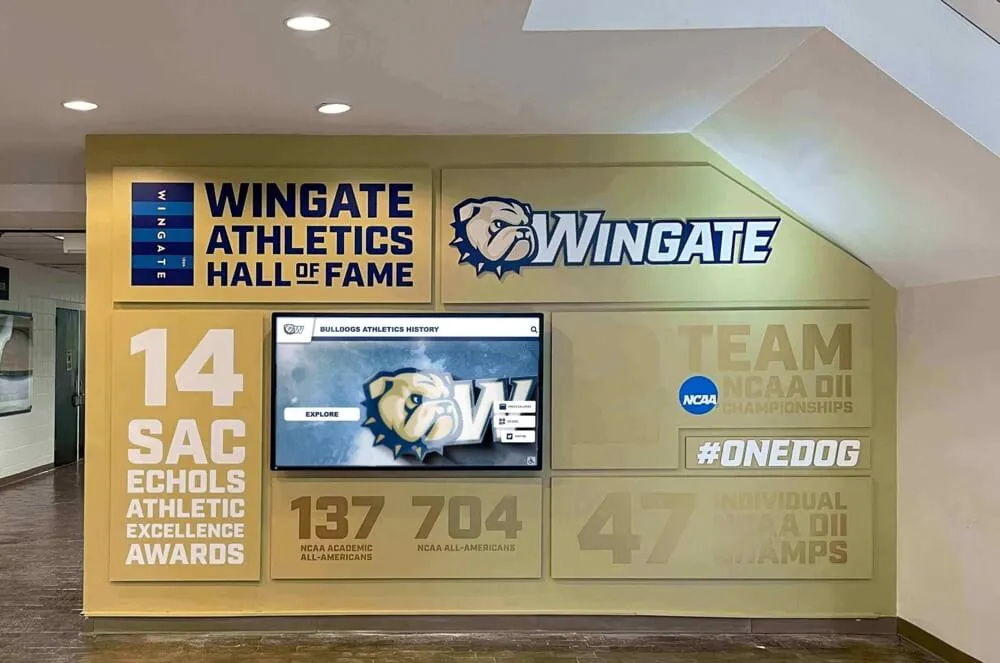
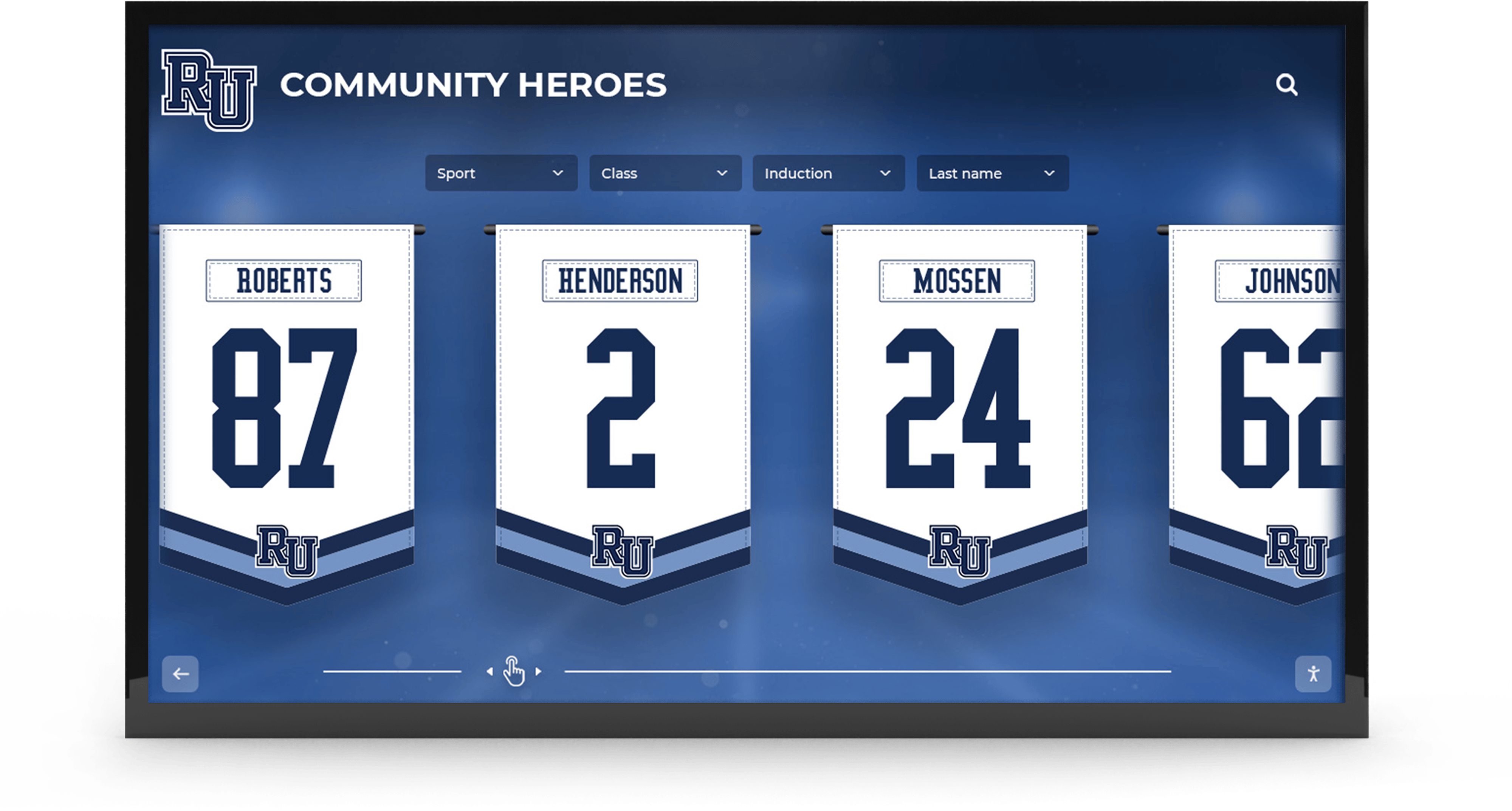
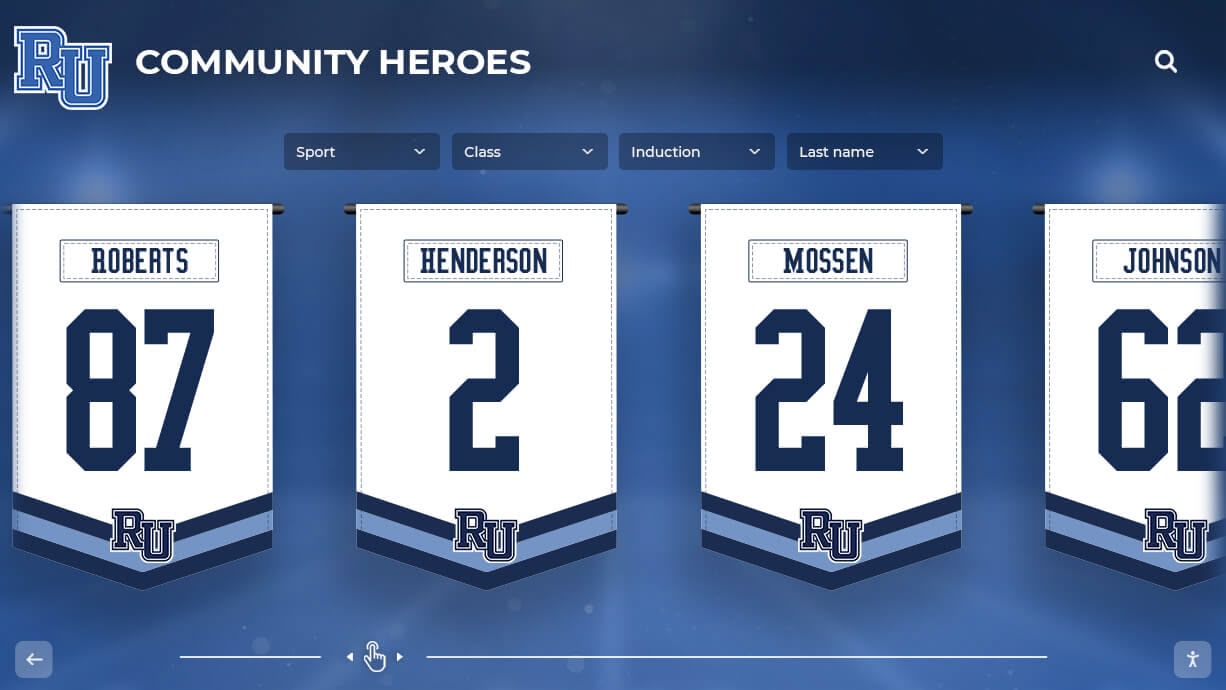
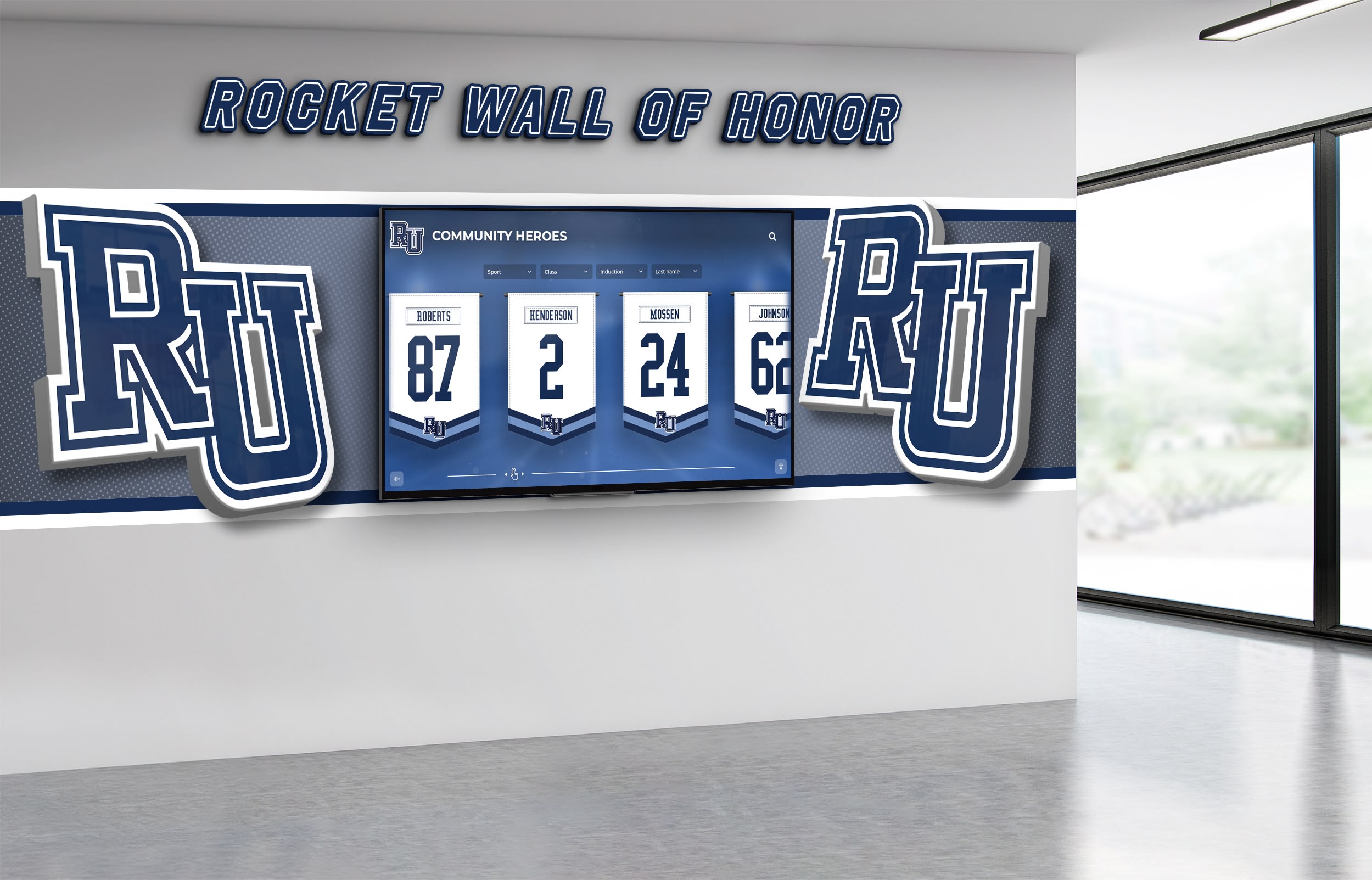
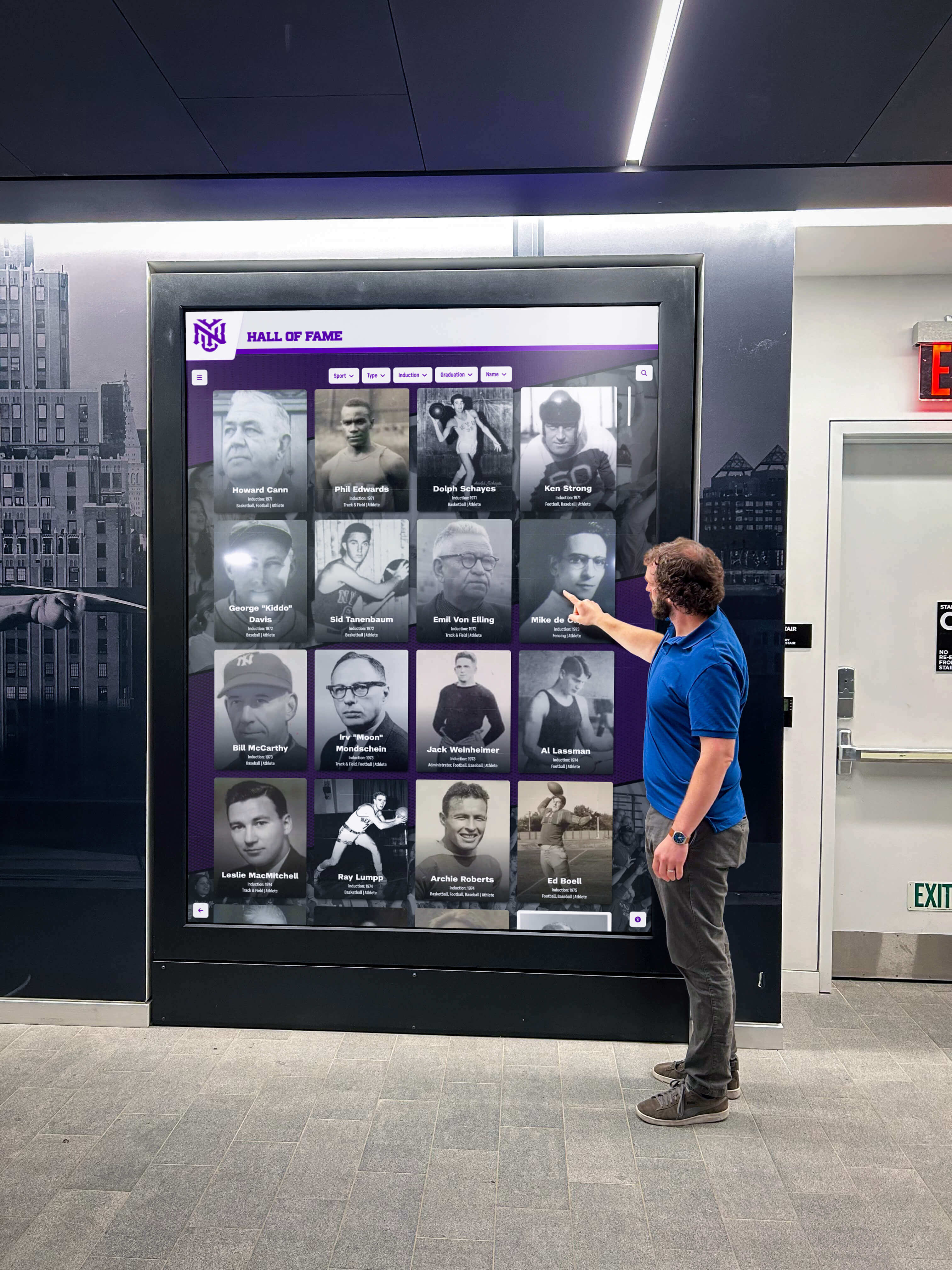
Digital recognition displays like those offered by solutions such as Rocket Alumni Solutions transform volunteer appreciation from temporary events into permanent, prominent features of schools and community spaces. These interactive touchscreen systems allow organizations to showcase volunteer contributions through searchable databases, photo galleries, contribution histories, and rotating displays that keep recognition fresh and engaging.
Advantages of Digital Volunteer Recognition:
Unlimited Capacity: Unlike physical plaques with limited space, digital displays accommodate unlimited volunteers without space constraints. As volunteer lists grow year after year, digital systems scale effortlessly while physical walls require expansion or replacement.
Easy Updates and Additions: Digital systems update instantly through web-based content management, allowing organizations to add new volunteers, update information, or feature seasonal spotlights without renovation costs or production delays. This flexibility proves essential for recognizing diverse volunteer contributions throughout the year.
Rich Multimedia Content: Digital displays showcase volunteers through photos, videos, quotes, stories, and detailed contribution histories rather than just names on plaques. This multimedia approach creates more engaging recognition that communicates personality and impact beyond basic identification.
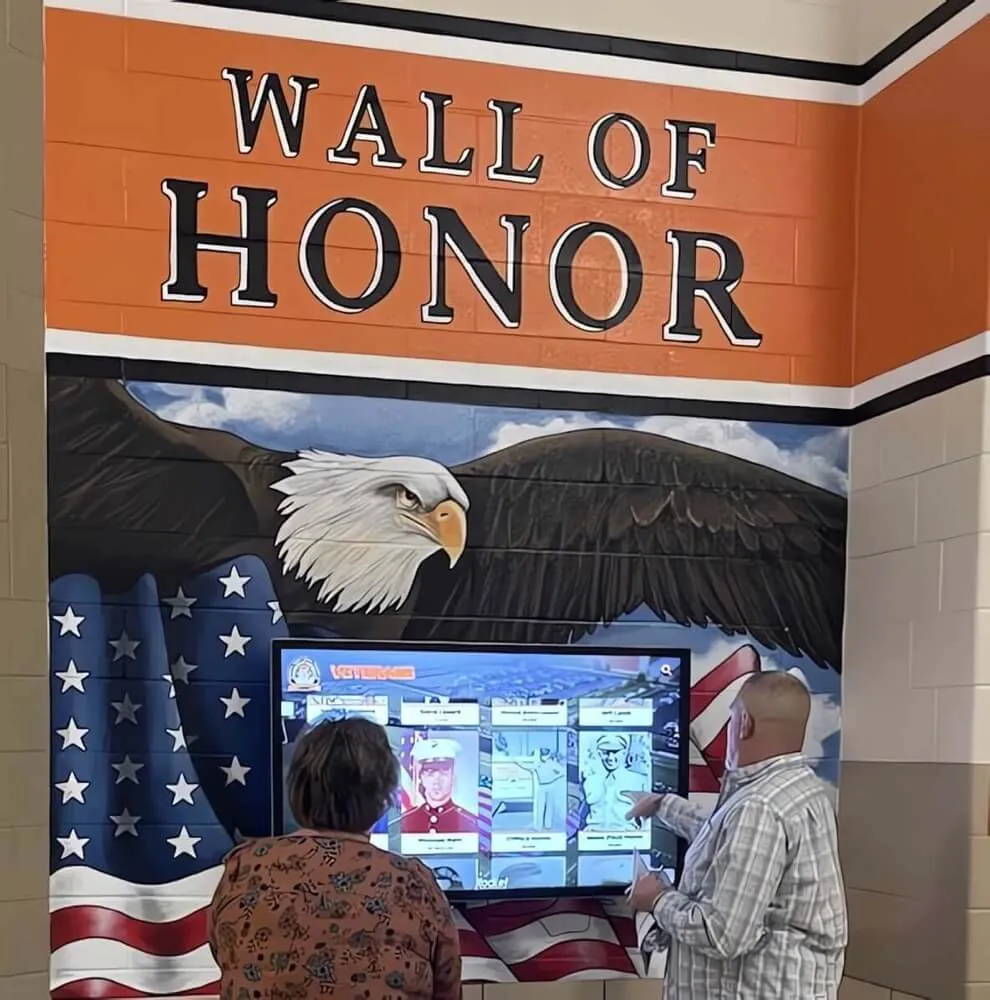
Interactive Search and Exploration: Touchscreen interfaces allow students, families, and visitors to search volunteer databases, explore specific programs, and discover contributions in engaging ways that static displays can’t match. Interactive exploration creates meaningful connections between viewers and volunteer stories.
Multiple Recognition Categories: Digital systems organize volunteers by programs, years, contribution levels, or custom categories—athletic boosters, classroom volunteers, fundraising leaders, event coordinators—making it easy to highlight diverse volunteer roles. Similar approaches work for academic recognition programs and donor acknowledgment.
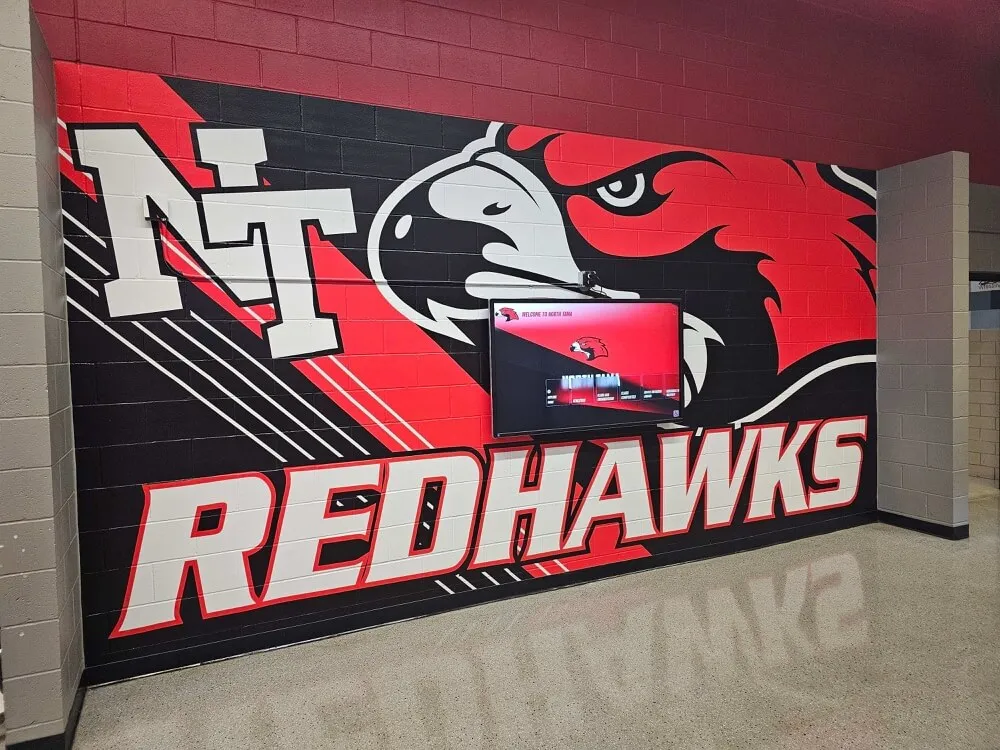
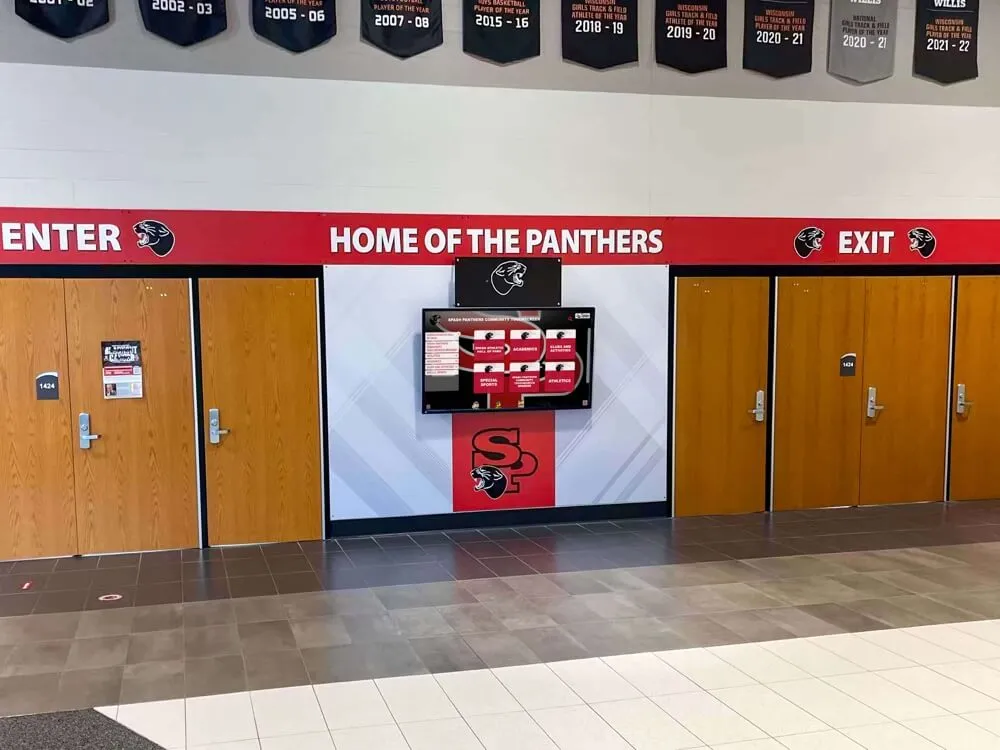
Prominent Placement: Install digital recognition displays in high-traffic areas—main lobbies, athletic facility entrances, performing arts centers—ensuring volunteer appreciation remains visible daily to students, families, and visitors. Prominent placement demonstrates that volunteer recognition isn’t relegated to back hallways but celebrated prominently.
Traditional Permanent Recognition Options
While digital solutions offer advantages, traditional permanent recognition installations still provide meaningful acknowledgment appropriate for many settings and budgets.
Engraved Recognition Walls: Traditional brass or aluminum plaques listing volunteer names organized by years or contribution levels create classic permanent recognition. Consider tiered systems acknowledging different service levels—bronze, silver, gold, platinum—based on hours or years of service.
Brick Pavers and Courtyard Installations: Engraved brick pavers in courtyards, entrance walkways, or outdoor gathering spaces allow volunteers to literally build school facilities while receiving permanent recognition. Brick programs work well as ongoing volunteer appreciation systems where new contributors receive recognition annually through additional paver installations.
Named Spaces and Facilities: Major volunteer contributors might receive recognition through named spaces—volunteer lounges, meeting rooms, outdoor areas, or facility wings. Named space recognition works best for sustained major contributions rather than short-term service.
Recognition Gardens: Outdoor gardens featuring engraved stones, benches, or planted trees with dedication plaques create living memorials to volunteer contributions while adding beauty to campuses. Gardens provide peaceful spaces for reflection while permanently acknowledging those who made programs possible.
Program-Specific Volunteer Recognition
Different volunteer programs require tailored appreciation approaches recognizing unique contributions and program cultures.
Athletic Booster Club Recognition
Athletic boosters provide essential support for sports programs through fundraising, concession operations, event management, and countless other contributions. Booster club recognition should acknowledge both collective team efforts and individual extraordinary contributions.
Booster Appreciation Nights: Host dedicated games or events honoring boosters—pregame acknowledgments, halftime recognition ceremonies, reserved seating sections, and special merchandise. Involve athletes in thanking boosters to demonstrate the direct connection between booster support and athletic opportunities.
Booster Hall of Fame: Establish formal booster hall of fame programs recognizing long-term contributors who have significantly impacted athletic programs over years or decades. Hall of fame status provides prestigious lifetime recognition for exceptional volunteer service.
Named Team Awards: Create annual team awards named after significant booster contributors—"[Name] Sportsmanship Award" or “[Name] Most Improved Player Award”—ensuring booster legacies continue through ongoing recognition connected to their values and contributions.
Booster Feature in Program Materials: Include booster spotlights in game programs, athletic newsletters, and social media highlighting individual volunteers, their contributions, and why they support athletic programs. Regular features keep booster recognition ongoing throughout seasons rather than limited to annual events.
Schools can implement comprehensive booster club fundraising and recognition strategies that acknowledge volunteers while supporting sustainable program funding.
Classroom and Parent Volunteer Recognition
Parents and community members who volunteer in classrooms, media centers, or educational programs enable smaller student-teacher ratios, individualized attention, and enriched learning experiences. Classroom volunteer recognition should emphasize educational impact and student connections.
Student Performances or Letters: Have students create performances, artwork, or written tributes specifically for classroom volunteers, demonstrating learning volunteers helped make possible. Student-created recognition proves particularly meaningful because it shows direct impact.
Volunteer Showcases: Create displays featuring photos of volunteers working with students, quotes about their favorite moments, and statements about why they volunteer. Position showcases near main offices or in areas where volunteers work, ensuring they see recognition regularly.
End-of-Year Celebrations: Host classroom volunteer appreciation events toward the end of school years featuring student performances, refreshments, and certificates. Include specific anecdotes about volunteer contributions rather than generic acknowledgments.
Volunteer Alumni Networks: Establish ongoing connections with past classroom volunteers through occasional reunions or networking events, creating communities of former volunteers who stay connected to schools beyond their service years.
Special Event Volunteer Recognition
Many volunteers contribute to specific events—fundraising galas, school carnivals, athletic tournaments, performing arts productions—rather than ongoing programs. Event volunteer recognition should acknowledge time-bound intensive efforts.
Post-Event Thank-You Events: Host informal gatherings shortly after major events specifically for volunteers who made them possible. Include event highlights, photos, financial results, and personal thanks while energy and memories remain fresh.
Event Volunteer Spotlights: Feature volunteer stories and photos in post-event communications—newsletters, social media, websites—ensuring broader communities understand who made events successful beyond just attendee perspectives.
Multi-Year Event Recognition: For annual events with returning volunteer teams, create recognition systems acknowledging years of service—pins, certificates, or special acknowledgments for volunteers returning for 5, 10, 15+ years.
Volunteer Perks at Events: Provide special benefits for volunteers during events they’re helping support—VIP area access during breaks, complimentary food and beverages, event merchandise, or reserved seating for event portions they can attend.
Building Sustainable Volunteer Recognition Programs
One-time appreciation efforts help, but sustainable volunteer recognition systems integrated into organizational operations create consistent acknowledgment cultures.
Establishing Recognition Committees
Dedicated volunteer recognition committees ensure appreciation remains prioritized rather than overlooked amid competing demands.
Cross-Program Representation: Include representatives from various volunteer programs—athletics, academics, special events, parent organizations—ensuring recognition planning reflects diverse volunteer experiences and prevents program silos.
Student and Volunteer Participation: Include students and active volunteers on recognition committees, providing authentic perspectives about what appreciation means to those giving and receiving it. Their insights often differ from administrator assumptions.
Regular Meeting Schedules: Establish consistent meeting rhythms—monthly or quarterly—ensuring recognition planning remains ongoing rather than rushed before annual events. Regular attention prevents last-minute appreciation that feels obligatory rather than genuine.
Budget Allocation: Secure dedicated recognition budgets preventing appreciation efforts from constantly competing with program operational needs. Even modest dedicated budgets signal that volunteer recognition constitutes organizational priority rather than optional extra.
Creating Recognition Calendars
Annual recognition calendars ensure volunteer appreciation occurs consistently throughout years rather than clustering around single events or forgotten entirely during busy periods.
Scheduled Appreciation Touchpoints: Map quarterly or monthly recognition activities—September welcome back gathering, December holiday thank-you notes, March National Volunteer Month activities, May end-of-year celebration—creating predictable appreciation rhythm.
Milestone Recognition: Schedule systematic acknowledgment of volunteer milestones—service anniversaries, hour thresholds, special achievement markers—ensuring significant contributions trigger automatic recognition rather than depending on someone remembering.
Integration with School Calendars: Align volunteer recognition with existing school events and calendars—back-to-school nights, homecoming weeks, holiday programs, end-of-year ceremonies—leveraging existing gatherings rather than requiring separate dedicated events for every recognition occasion.
Seasonal Themes: Tie volunteer appreciation to seasons and holidays—fall harvest themes, winter holiday warmth, spring renewal, summer gratitude—providing creative frameworks that make recognition planning more engaging and varied throughout years.
Measuring Recognition Program Effectiveness
Effective volunteer recognition programs evaluate impact rather than just executing activities, ensuring efforts genuinely affect volunteer experience and retention.
Volunteer Satisfaction Surveys: Periodically survey volunteers about recognition experiences—what they value most, what could improve, whether they feel appreciated. Anonymous feedback often reveals recognition gaps leadership hasn’t noticed.
Retention Metrics: Track volunteer return rates year-over-year. Improving retention suggests recognition programs contribute to positive volunteer experiences, while declining rates may indicate appreciation efforts aren’t resonating.
Volunteer Recruitment Success: Monitor whether current volunteers actively recruit others. Volunteers who feel genuinely appreciated become ambassadors encouraging friends and family to get involved, creating organic recruitment that formal campaigns rarely match.
Recognition Participation Rates: Track attendance at appreciation events and engagement with recognition programs. Low participation may indicate timing problems, lack of awareness, or events that don’t appeal to volunteers regardless of good intentions.
Budget-Friendly Volunteer Appreciation Ideas
Meaningful recognition doesn’t require large budgets. Many of the most impactful appreciation gestures cost little beyond time and thoughtfulness.
Low-Cost High-Impact Recognition
Public Acknowledgment: Recognize volunteers publicly at school board meetings, during morning announcements, at assemblies, or through social media features. Public acknowledgment costs nothing but communicates that organizations want broader communities to know who makes programs possible.
Parking Spot Reservations: Painted parking spots or temporary signs cost minimal amounts while providing daily recognition and practical convenience.
Social Media Spotlights: Feature regular volunteer highlights on organizational social media with photos, contribution summaries, and personal stories. Social recognition reaches broad audiences while honoring individual volunteers at minimal cost.
Handwritten Notes: Personal notes from students, teachers, or administrators cost only paper and stamps but create treasured keepsakes volunteers keep for years.
Free Coffee or Snack Stations: Simple hospitality—coffee, donuts, or snacks available when volunteers arrive—costs modest amounts while communicating welcome and appreciation for volunteers’ time.
Donated Resources and Community Partnerships
Leverage community partnerships to provide meaningful volunteer appreciation without organizational budget impacts.
Business Donations: Approach local businesses about donating gift certificates, services, or products for volunteer appreciation events. Many businesses gladly support schools and community organizations through in-kind donations.
Parent and Volunteer Skills: Tap volunteer talents for appreciation events—parent caterers might provide food, photographer volunteers could create recognition video tributes, graphic designer volunteers might design certificates or programs.
Student Contributions: Students can create artwork, performances, videos, or handwritten notes providing meaningful recognition at no cost while demonstrating the direct connection between volunteer support and student benefits.
Space Donations: Local businesses might donate event space for volunteer appreciation gatherings, reducing venue costs while creating special settings outside school facilities.
Making Volunteer Appreciation Part of Organizational Culture
The most effective volunteer recognition happens when appreciation becomes woven into organizational culture rather than separate programmatic activities leaders remember to execute.
Leading by Example
Organizational leaders—principals, athletic directors, executive directors, board members—set cultural tone through their personal volunteer appreciation practices.
Consistent Personal Thanks: Leaders should personally thank volunteers they encounter—brief conversations after events, emails following volunteer shifts, phone calls acknowledging significant contributions. Regular personal appreciation from leadership signals that volunteer recognition matters at highest organizational levels.
Storytelling About Volunteer Impact: Leaders should regularly tell stories about how volunteers make programs possible in communications with broader communities—board reports, parent newsletters, social media, staff meetings. Consistent storytelling ensures everyone understands volunteer centrality to organizational success.
Budget Prioritization: Leaders demonstrate cultural commitment to volunteer appreciation through budget allocation. Funding recognition programs—even modestly—signals priority that words alone can’t convey.
Embedding Recognition in Processes
Integrate volunteer appreciation into standard organizational processes rather than treating it as occasional special activity.
Volunteer Onboarding: Begin appreciation during volunteer onboarding, explaining how organizations recognize contributions and what appreciation volunteers can expect. Setting recognition expectations from the start frames service within cultures of mutual appreciation.
Regular Check-Ins: Establish processes for regular volunteer communication—monthly newsletters, periodic satisfaction check-ins, end-of-year surveys—creating ongoing dialogue that includes appreciation alongside coordination and information sharing.
Exit Interviews: When volunteers complete service or step back from active roles, conduct exit conversations thanking them for specific contributions, asking about their experiences, and leaving relationships positively. Final appreciation ensures volunteers leave with positive memories regardless of why involvement ended.
Program Reviews: Include volunteer recognition as standard component of program evaluations, ensuring teams regularly assess whether appreciation feels adequate and identify improvement opportunities before problems emerge.
Effective volunteer appreciation transcends obligation—it builds cultures where community members feel genuinely valued for contributions that make educational and community programs possible. Whether through heartfelt personal notes, creative appreciation events, or permanent digital recognition displays that honor volunteers year after year, meaningful recognition strengthens organizational bonds while ensuring essential helpers receive the thanks they deserve.
Schools and community organizations investing in volunteer recognition find that genuine appreciation creates positive cycles—recognized volunteers stay engaged longer, recruit others more effectively, and contribute more enthusiastically because they know their efforts matter. In turn, strong volunteer programs enable organizations to accomplish far more than limited staff and budgets alone could achieve, creating thriving communities where everyone benefits from cultures of mutual support and acknowledgment.
Ready to create lasting recognition for the volunteers who make your programs possible? Discover how modern digital recognition solutions can honor your community helpers permanently, creating engaging displays that celebrate volunteer contributions for years to come. Transform volunteer appreciation from temporary events into permanent tributes that demonstrate your organization’s enduring gratitude.