



Key Takeaways
Discover how video games and interactive entertainment transform pediatric patient care at children's hospitals. Learn about therapeutic gaming benefits, technologies, and implementation strategies.
The Evolution of Gaming in Pediatric Healthcare
Children’s hospitals have long recognized the importance of play in healing, but the integration of video games represents a significant evolution in therapeutic approaches. What began as simple entertainment to combat boredom has developed into sophisticated programs with measurable clinical benefits.
The field of Patient Gaming Technology has experienced remarkable growth. According to industry reports, when the Patient Gaming & Technology Specialist role formally began in 2018, approximately five professionals worked in this capacity worldwide. Today, an estimated 60 specialists are embedded within hospital Child Life teams, using interactive technology to help young patients heal, cope, and maintain normalcy.
This growth reflects healthcare’s broader recognition that pediatric care extends beyond medical treatment to encompass emotional wellbeing, social development, and quality of life during hospitalization. Gaming programs address these multidimensional needs through engaging, age-appropriate interventions that align with how contemporary children naturally interact with technology.
Core Benefits of Gaming Programs for Pediatric Patients
Video games deliver measurable benefits across multiple dimensions of pediatric healthcare, making them valuable therapeutic tools rather than simple entertainment.
Pain Management and Procedural Support
One of the most clinically significant applications involves using games as non-pharmacological pain management interventions. Research demonstrates that video games, particularly immersive virtual reality experiences, serve as powerful distractors during painful or uncomfortable procedures, such as receiving shots, stitches, blood draws, or wound care.
The mechanism involves engaging patients’ cognitive and sensory resources so thoroughly that they have limited capacity to process pain signals. When a child becomes deeply immersed in navigating a virtual world or competing in an engaging game, their perception of discomfort decreases significantly compared to procedures performed without distraction.
Virtual reality has proven particularly effective for procedural pain management. Children’s Hospital Colorado describes VR as a “powerful non-pharmacological intervention for pain reduction, therapy augmentation and positively changing the ways in which patients perceive their healing journey.” The immersive nature of VR—where patients cannot see their hospital surroundings or medical equipment—creates particularly strong distraction effects.
This application proves valuable not only for acute pain management but also for reducing anticipatory anxiety. When children know that upcoming procedures will include gaming distractions they enjoy, their pre-procedure anxiety often decreases, potentially reducing the need for sedation in some cases.
Physical Rehabilitation and Movement Encouragement
Gaming technology increasingly supports physical and occupational therapy goals through motion-controlled games and virtual reality applications that make rehabilitation exercises more engaging.
Seattle Children’s Hospital reports that gaming tools supplement medical progress with active games promoting movement and healing, with teams frequently partnering with physical therapists and occupational therapists. A patient who resists traditional arm lift exercises for physical therapy may enthusiastically swing controllers to play motion-based games, accomplishing the same therapeutic movement through engaging gameplay.
This gamification of rehabilitation exercises addresses a common challenge: pediatric patients often find traditional physical therapy repetitive and boring, leading to poor compliance and slower recovery. When identical movements occur within game contexts—navigating obstacles, competing for high scores, or completing missions—patients typically demonstrate greater motivation and longer engagement periods.
Motion-controlled gaming systems like Nintendo Switch, VR platforms, and specialized rehabilitation software allow therapists to track movement patterns, range of motion improvements, and exercise adherence while patients focus on gameplay rather than their limitations. This data helps therapists adjust treatment plans and demonstrate progress to patients and families.
Gaming Benefits for Pediatric Patients
- Pain management through immersive distraction during procedures
- Physical therapy support via motion-controlled gameplay
- Anxiety reduction providing control and normalcy
- Social connection maintaining relationships during isolation
- Mental health support through goal achievement and engagement
Mental Health and Emotional Wellbeing Support
Hospitalization creates significant psychological stress for pediatric patients, particularly those facing extended stays or serious diagnoses. Gaming provides crucial mental health support through multiple mechanisms.
Sense of Control: Hospital environments frequently leave children feeling powerless, with adults making decisions about their bodies, schedules, and activities. Gaming restores agency by giving patients control over virtual environments, characters, and outcomes. As one specialist noted, “having control of the situation and working towards small-term goals can really be a positive shift for patients when they’re at a low point.”
Normalcy and Identity Maintenance: Playing video games helps hospitalized children feel like kids rather than patients. Gaming represents a normal childhood activity that connects them to life outside hospital walls. When patients engage with the same games their friends play at home, they maintain their identities as regular kids who happen to be temporarily hospitalized rather than defining themselves primarily through their medical conditions.
Achievement and Competence: Successfully completing game challenges, leveling up characters, or beating high scores provides accomplishment experiences that hospitalized children may otherwise lack. These small victories build self-efficacy and demonstrate that patients retain capabilities despite physical limitations imposed by illness or injury.
Emotional Expression and Processing: Some therapeutic gaming approaches use gameplay as a medium for discussing fears, frustrations, or concerns. Game narratives featuring characters overcoming challenges can provide metaphors for patients’ own experiences, creating safe frameworks for emotional processing.
Solutions like interactive digital displays used in educational settings demonstrate how engaging technology can create positive environments where children thrive, principles that translate effectively to hospital contexts.
Social Connection and Relationship Maintenance
Hospitalization often isolates pediatric patients from friends, siblings, and normal social environments. Gaming technology helps maintain these crucial connections during separation.
Remote Play with Friends and Family: Modern gaming platforms enable patients to play online with friends and family members remotely. A hospitalized child can squad up with school friends for cooperative missions, maintaining friendships that might otherwise strain during extended absences. Similarly, siblings or parents can play together across distances, creating shared experiences during difficult separations.
In-Hospital Social Opportunities: Gaming programs facilitate social interaction among hospitalized patients, allowing children to make new friends with others facing similar challenges. Multiplayer experiences in hospital game rooms or through connected systems help combat isolation while creating peer support networks. These relationships prove particularly meaningful for patients with extended stays or frequent admissions who encounter the same peers repeatedly.
Family Bonding: Gaming provides activities families can share during hospital visits, creating positive experiences rather than visits dominated by medical discussions or sitting quietly watching television. Parents report that gaming together helps maintain normal parent-child dynamics and creates treasured memories during challenging periods.
Reducing Social Reintegration Anxiety: For patients facing extended hospitalizations, the prospect of returning to school and peer groups can create anxiety. Maintaining social connections through online gaming helps ease these transitions by ensuring relationships remain current rather than requiring children to rebuild friendships from scratch after lengthy absences.
Gaming Technologies Used in Pediatric Hospitals
Children’s hospitals deploy diverse gaming technologies, each offering unique therapeutic benefits and applications.
Traditional Gaming Consoles
Standard video game consoles remain foundational to hospital gaming programs due to their versatility, familiar interfaces, and extensive game libraries.
Nintendo Switch: The Switch’s portability, intuitive controls, and family-friendly game library make it particularly well-suited for hospital environments. Games like Animal Crossing, Mario Kart, and Pokémon offer engaging, low-stress experiences appropriate for various ages and conditions. The system’s detachable controllers enable shared play even when patients have limited mobility or are connected to medical equipment.
PlayStation and Xbox: These systems provide access to more sophisticated games appealing to teenagers and offer robust online multiplayer capabilities for maintaining connections with friends. Adaptive controller options make these platforms accessible for patients with physical limitations affecting standard controller use.
Mobile Gaming: Tablets and smartphones provide portable gaming access that moves with patients throughout hospitals. Mobile platforms offer thousands of games spanning educational content, creative applications, social games, and traditional entertainment. The touch-based interfaces often prove easier for young children or patients with limited fine motor control compared to traditional controllers.
Organizations like Child’s Play Charity have been instrumental in providing traditional gaming equipment to pediatric hospitals nationwide, recognizing these familiar platforms’ therapeutic value.
Virtual Reality (VR) Systems
Virtual reality represents one of the most innovative applications in therapeutic gaming, offering uniquely immersive experiences with powerful clinical benefits.
Immersive Environments: VR technology allows patients to experience worlds that feel out of reach during hospitalization. Children can explore underwater environments, visit distant locations, ride roller coasters, or experience adventures impossible in their current circumstances. This psychological escape proves particularly valuable for patients facing extended hospitalizations or isolation.
Pain and Anxiety Management: VR’s immersive nature makes it exceptionally effective for procedural distraction. When patients don VR headsets during medical procedures, they cannot see medical equipment, staff, or hospital environments that might trigger anxiety. The sensory richness of VR experiences—360-degree visuals, spatial audio, and sometimes haptic feedback—thoroughly engages attention, making it among the most effective non-pharmacological pain management approaches available.
Rehabilitation Applications: Specialized VR rehabilitation software transforms physical therapy into engaging experiences. Patients might reach and grasp virtual objects to build strength, track moving targets to improve range of motion, or navigate obstacle courses requiring specific movement patterns. These applications combine the gamification benefits of traditional motion gaming with precise movement tracking enabling objective progress assessment.
Exposure Therapy and Preparation: Some hospitals use VR for psychological preparation, allowing patients to virtually experience upcoming procedures in non-threatening contexts. This exposure can reduce anticipatory anxiety by familiarizing patients with equipment, environments, and procedure sequences before actual medical interventions.
Augmented Reality (AR) Experiences
Augmented reality overlays digital content onto real-world environments, offering unique benefits for encouraging movement and engagement within hospital settings.
Movement Encouragement: Hospitals use AR games like Pokémon Go to motivate patients to get out of bed and move through hospital corridors. When AR games transform hallways into game environments, patients become more willing to take recommended walks that support recovery. This gamification of physical activity helps combat the deconditioning that can occur during extended hospitalizations.
Environmental Enhancement: AR applications can make hospital rooms and hallways more engaging by adding interactive elements to otherwise clinical spaces. Patients might hunt for virtual objects, interact with animated characters, or discover hidden content throughout their environment, transforming sterile hospital areas into playful spaces.
Educational Content: AR apps can deliver health education through interactive experiences, teaching patients about their conditions, treatments, or healthy behaviors through engaging, visual formats more effective than traditional educational materials.
Interactive Touchscreen Displays
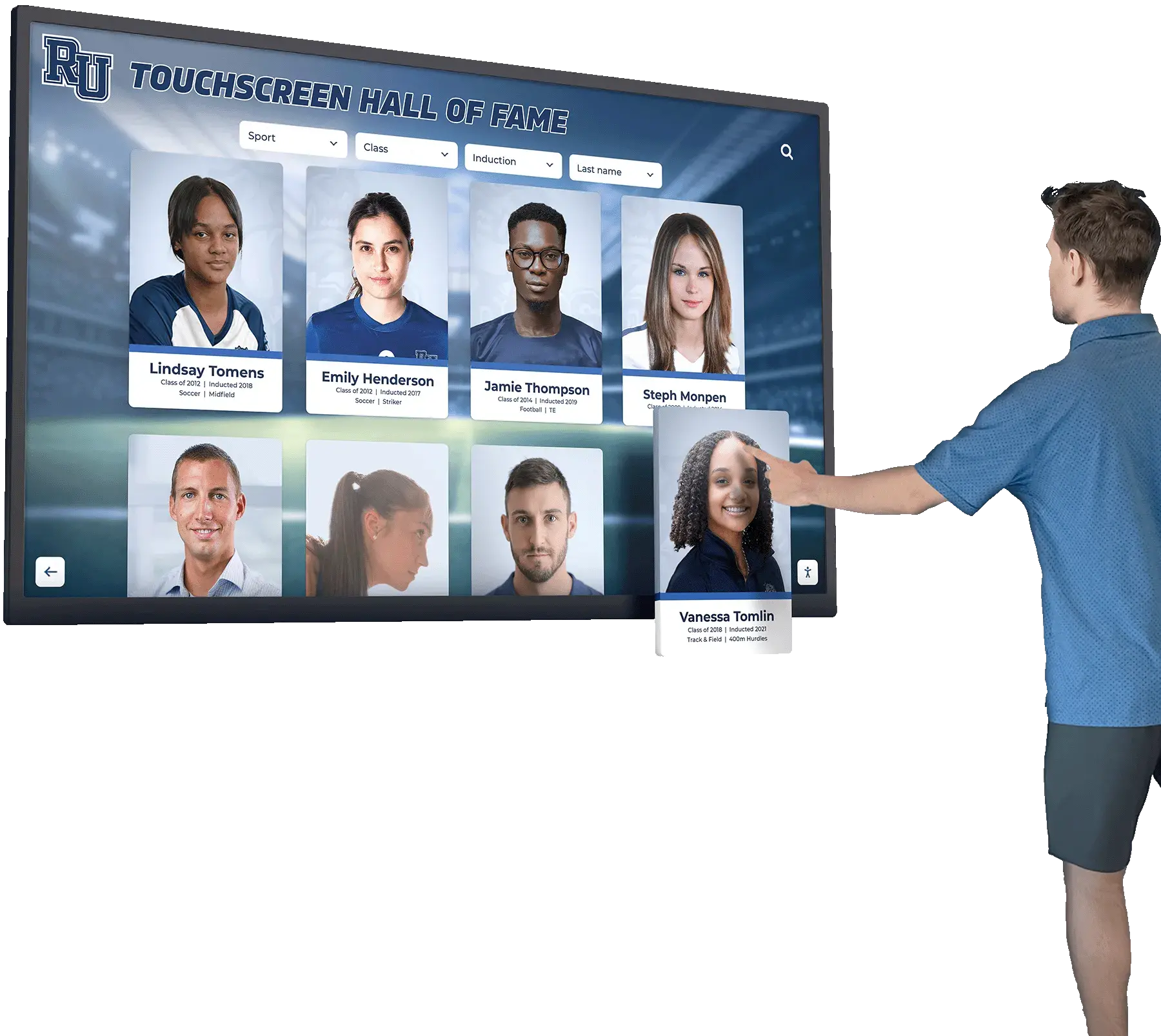
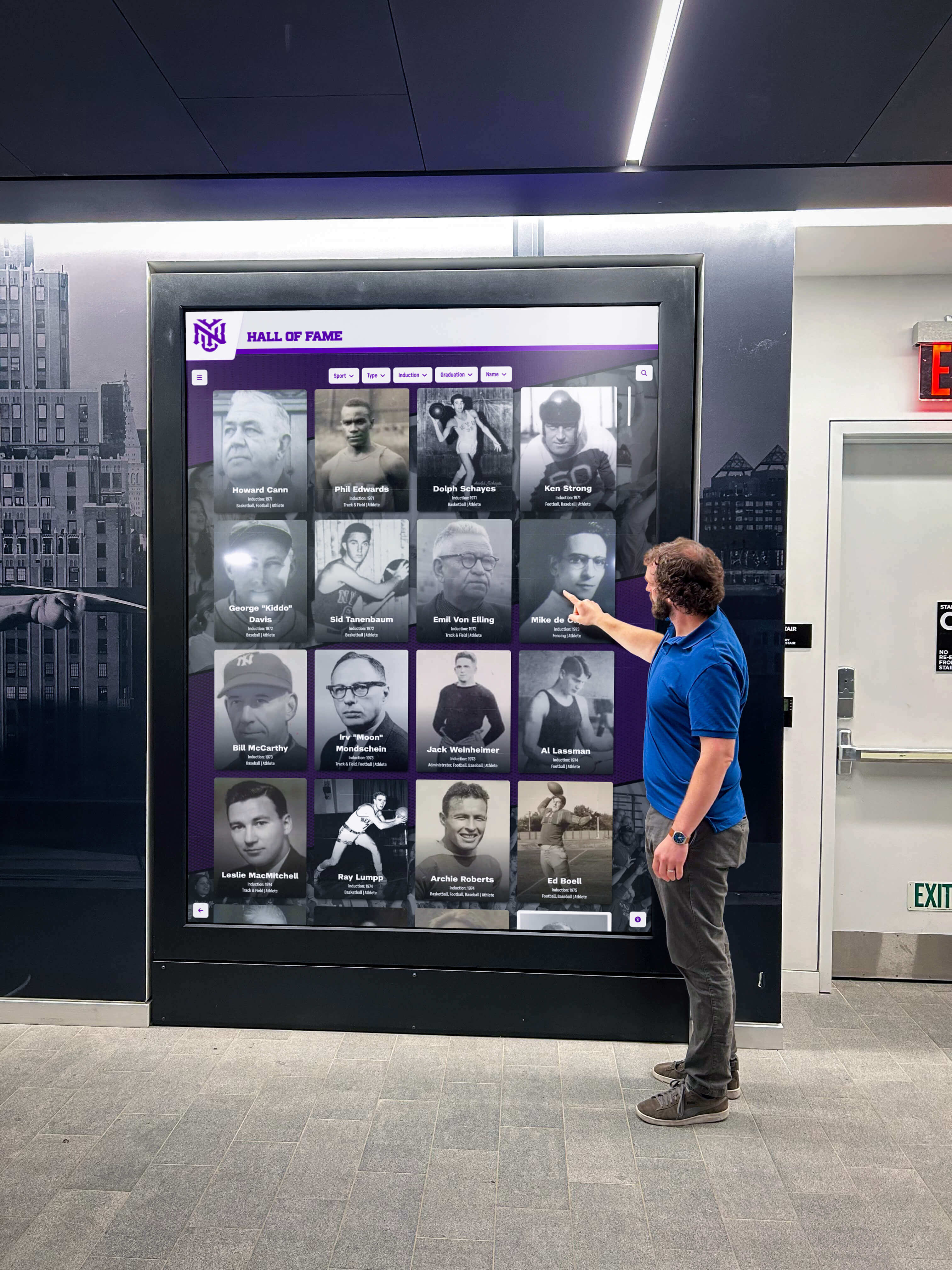
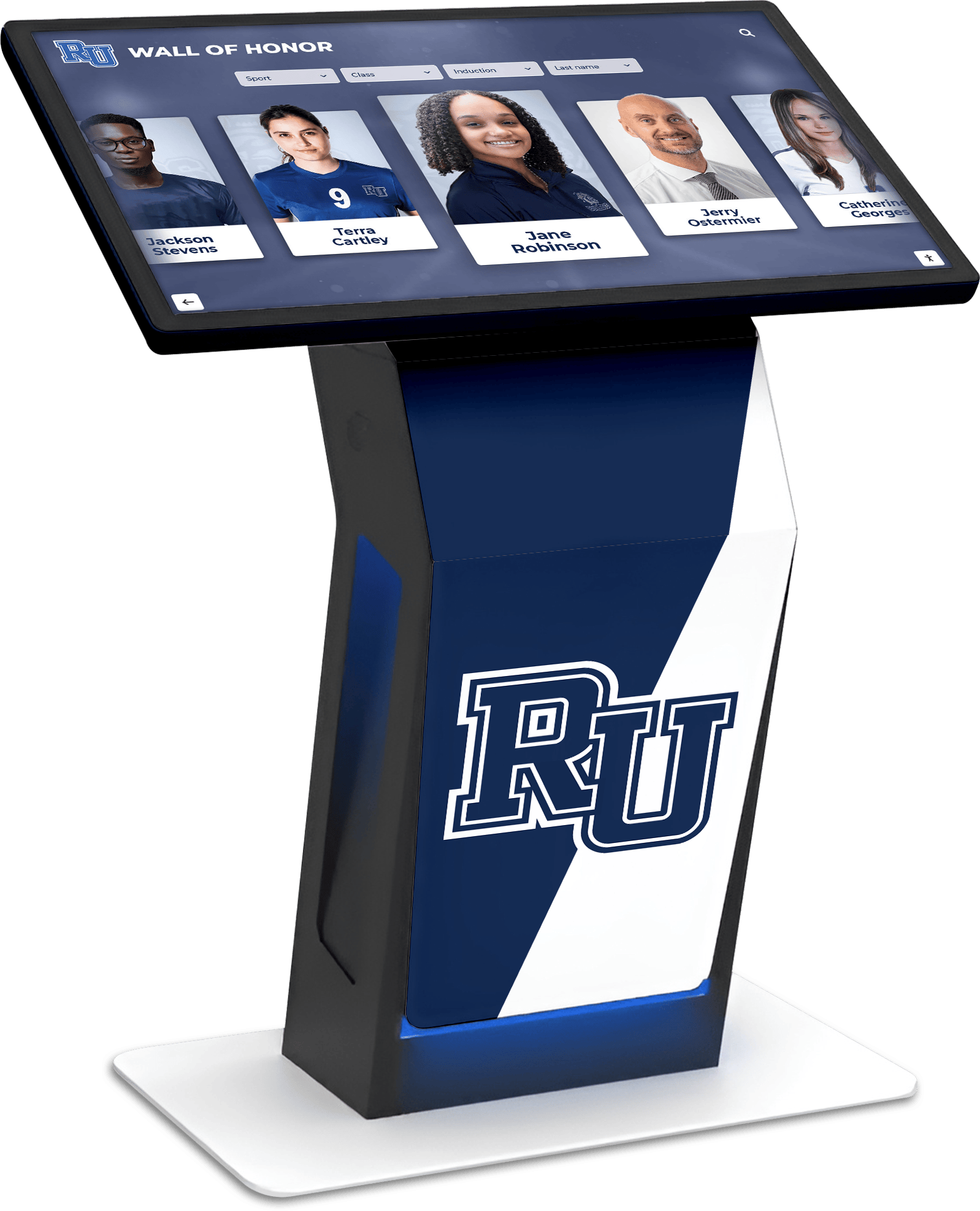
Beyond personal gaming devices, some forward-thinking hospitals implement interactive touchscreen displays in common areas, creating engaging environments that serve multiple purposes.
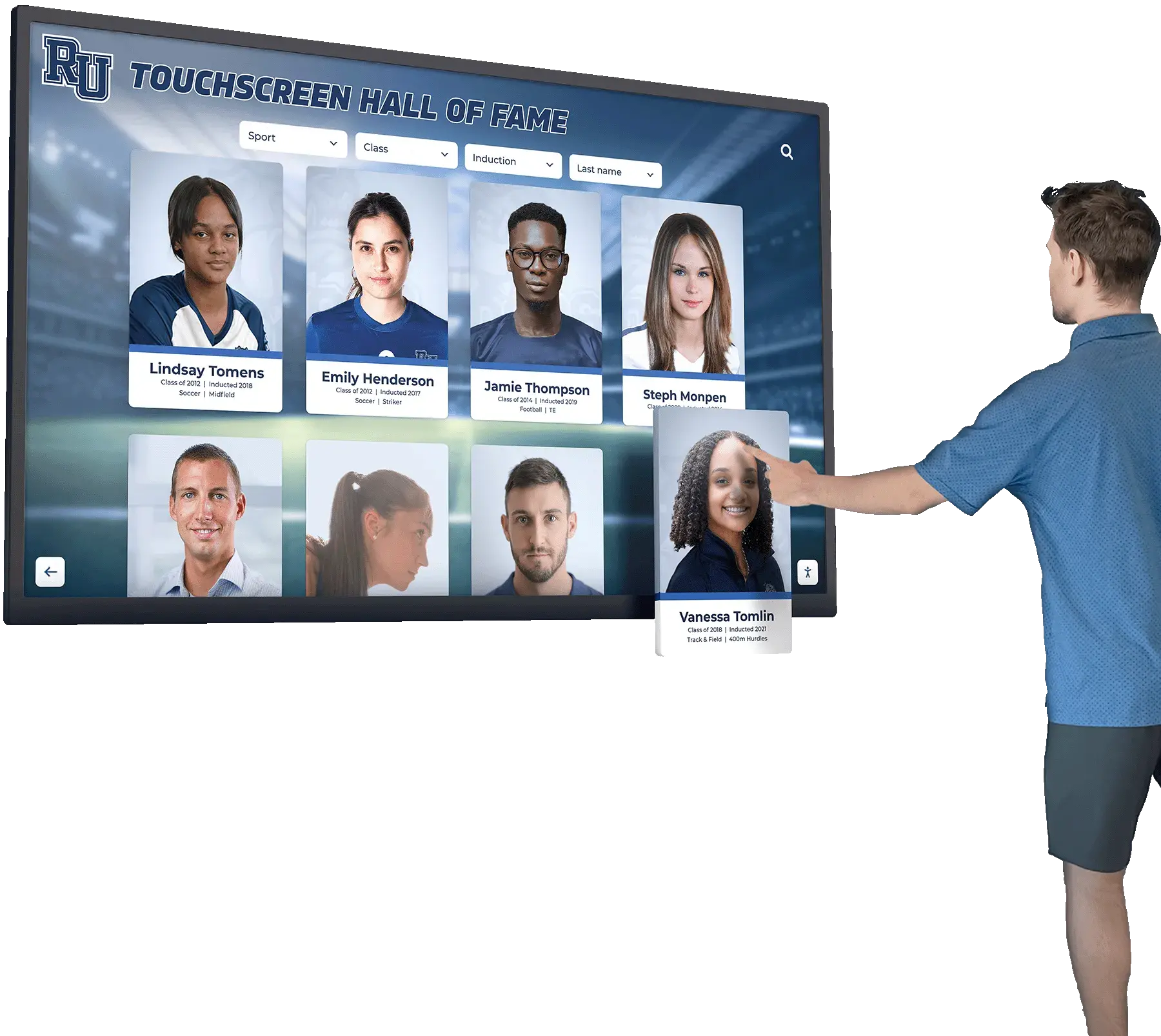
Shared Gaming Experiences: Large touchscreen displays in pediatric lounges or waiting areas enable group gaming experiences where multiple patients can interact simultaneously. These shared experiences facilitate social connection while creating more engaging hospital environments.
Information and Entertainment Integration: Interactive displays can seamlessly blend entertainment with practical information like activity schedules, meal menus, or educational content. This integration makes essential information more accessible and engaging for young patients.
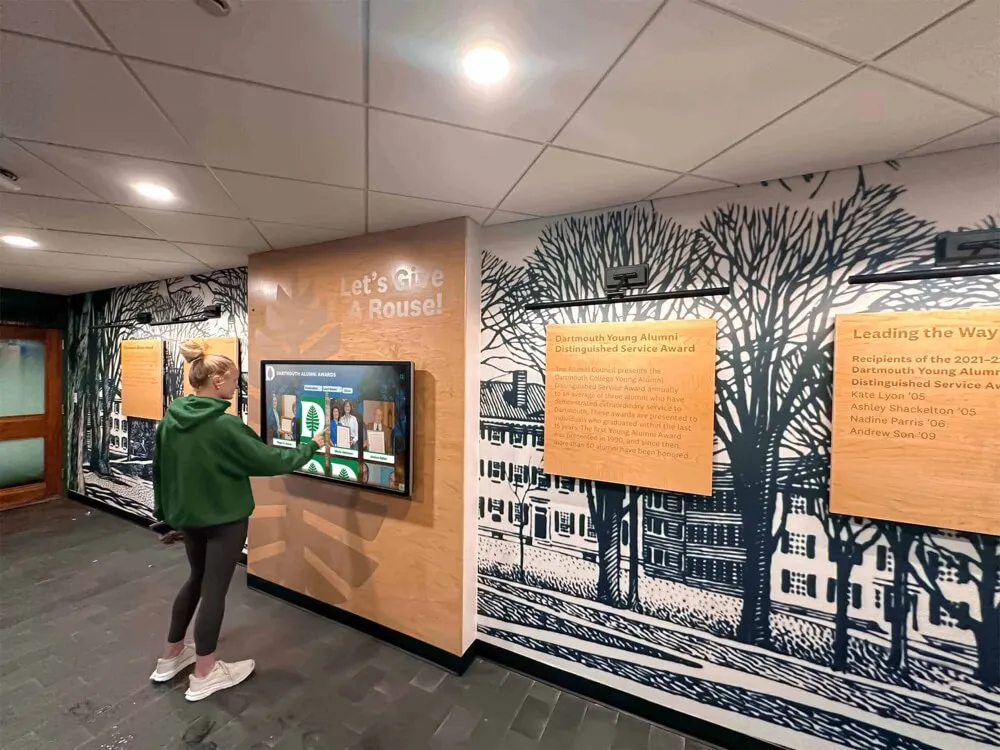
Family Engagement: Touchscreen technology designed for visitor engagement in institutional settings can be adapted for pediatric hospitals, creating interactive experiences that siblings and parents can enjoy during visits, normalizing the hospital environment for entire families.
Solutions like Rocket Alumni Solutions, which specializes in interactive touchscreen displays for institutional settings, offer technology platforms that can be configured to support patient engagement, recognition programs for donors supporting pediatric programs, or integrated information and entertainment systems appropriate for healthcare environments.
Organizations Supporting Hospital Gaming Programs
Several nonprofit organizations have become instrumental in expanding gaming access in children’s hospitals nationwide.
Child’s Play Charity
Child’s Play is a Washington-based charity founded in 2003 that delivers therapeutic games and technology to pediatric hospitals. The organization operates on a model where donors can view specific hospital wish lists and contribute exactly what individual facilities need—whether gaming consoles, specific game titles, VR equipment, or accessories.
Since its founding, Child’s Play has contributed millions of dollars worth of gaming equipment to hundreds of hospitals worldwide. The organization’s impact extends beyond equipment provision; their work has helped legitimize therapeutic gaming in healthcare settings and demonstrated the measurable benefits these programs deliver.
Starlight Children’s Foundation
Starlight Children’s Foundation focuses on improving the patient experience for seriously ill children and their families. Their gaming initiatives include providing gaming equipment, creating hospital gaming spaces, and developing Starlight Gaming Stations—mobile gaming carts that can move throughout hospitals, bringing entertainment to patients’ bedsides when they cannot leave their rooms.
Starlight emphasizes that gaming in hospitals serves purposes beyond distraction, helping maintain normalcy, facilitate social connection, and support overall healing. The organization partners with major gaming companies to provide current equipment and popular titles that resonate with contemporary children.
Gamers Outreach
Gamers Outreach focuses specifically on improving the healthcare experience through video games. The organization provides mobile gaming stations called GO Karts—portable gaming setups on wheeled carts that can be easily sanitized and moved between patient rooms. This mobility proves crucial in pediatric hospitals where many patients cannot leave their rooms due to infection risk, isolation requirements, or medical equipment limitations.
Gamers Outreach reports providing over 6.4 million gaming experiences in hospitals annually, demonstrating the scale at which therapeutic gaming now operates in pediatric healthcare settings.
The Patient Gaming Technology Specialist Role
The emergence of dedicated Patient Gaming Technology Specialist positions represents healthcare’s recognition that gaming programs require professional expertise to maximize therapeutic benefits.
Core Responsibilities
Patient Gaming Technology Specialists embedded within hospital Child Life teams perform several crucial functions that distinguish their work from simply providing entertainment.
Needs Assessment: Specialists evaluate individual patients to determine appropriate gaming interventions based on age, interests, physical capabilities, cognitive status, and therapeutic goals. A preschooler recovering from surgery has different gaming needs than a teenager undergoing cancer treatment, and specialists match technology and content to specific circumstances.
Equipment Management: Specialists maintain gaming inventories, ensuring equipment remains functional, current, and appropriately sanitized. They track which games and devices are available, manage checkout systems, coordinate equipment sharing, and identify needs for additional resources.
Therapeutic Integration: Rather than operating independently, gaming specialists collaborate with physicians, nurses, physical therapists, occupational therapists, psychologists, and Child Life specialists to integrate gaming into comprehensive care plans. They help identify opportunities where gaming can support specific therapeutic goals and communicate patient progress to broader care teams.
Family Education and Support: Specialists teach patients and families how to use unfamiliar gaming technologies, troubleshoot technical issues, facilitate online connections with friends and family, and help parents understand the therapeutic value gaming provides beyond entertainment.
Program Development: Specialists continually assess program effectiveness, identify opportunities for expansion, advocate for resources, and stay current with emerging gaming technologies that could benefit patients. They often lead fundraising efforts or grant applications to expand program capabilities.
Professional Background and Training
Patient Gaming Technology Specialists typically come from Child Life, recreational therapy, or related healthcare backgrounds, bringing understanding of child development, healthcare environments, and therapeutic interventions. Additional training in gaming technology, platform-specific expertise, and understanding of games’ therapeutic applications complements their healthcare foundation.
The role’s professionalization—with increasing numbers of formal positions, professional networks, and best practice development—signals gaming’s transition from experimental intervention to established component of comprehensive pediatric care.
Implementing Gaming Programs in Children’s Hospitals
Hospitals considering gaming programs or expanding existing initiatives should address several key implementation factors to maximize success.
Assessing Hospital Needs and Goals
Successful programs begin with clear understanding of what the hospital hopes to achieve and which patient populations will benefit most.
Target Population Definition: Will the program serve all pediatric patients, or focus on specific units like oncology, rehabilitation, or psychiatric care? Different patient populations have different needs—cancer patients undergoing chemotherapy might benefit most from distraction during treatment, while rehabilitation patients need motion-controlled games supporting physical therapy goals.
Therapeutic Objective Identification: Is the primary goal pain management, rehabilitation support, anxiety reduction, or social connection? While gaming delivers multiple benefits, defining priorities helps guide equipment selection, staff training, and program design.
Facility Readiness Assessment: Does the hospital have appropriate spaces for gaming, adequate WiFi infrastructure for online play, and staff willing to champion the program? Successful implementation requires addressing practical infrastructure alongside securing equipment.
Equipment Selection and Acquisition
Choosing appropriate gaming equipment requires balancing therapeutic needs, budget constraints, patient populations, and practical considerations.
Platform Diversity: Comprehensive programs include multiple gaming platforms—traditional consoles for familiar experiences, VR equipment for immersive therapy, tablets for portability, and interactive displays for common areas. This diversity ensures appropriate options exist for various patient needs and preferences.
Game Library Curation: Building game libraries requires careful selection balancing age-appropriateness, therapeutic value, patient interest, and content sensitivity. Games should span various genres and difficulty levels, accommodating patients from toddlers to teenagers with diverse capabilities and preferences.
Sanitization and Safety: Hospital equipment requires frequent, thorough sanitization to prevent infection transmission. Select equipment and accessories that can withstand repeated disinfection using hospital-approved cleaning products. Some programs maintain multiple controller sets for rotation, ensuring adequate sanitization time between uses.
Funding Strategies: Equipment costs can be addressed through multiple approaches including partnering with organizations like Child’s Play, Starlight, or Gamers Outreach for donations, pursuing hospital foundation grants or fundraising campaigns specifically for gaming programs, soliciting corporate sponsorships from gaming companies or local businesses, and allocating hospital budget specifically for patient experience initiatives.
Staff Training and Integration
Gaming programs succeed only when staff understand their therapeutic value and feel comfortable facilitating patient access.
Staff Education: Training should help clinical staff understand gaming’s therapeutic benefits beyond entertainment, when gaming can appropriately support care goals, how to facilitate patient access to gaming resources, and basics of troubleshooting common technical issues. Addressing potential skepticism by sharing evidence of clinical benefits helps build staff buy-in.
Child Life Integration: Gaming specialists or coordinators typically sit within Child Life departments, which focus on helping children and families cope with healthcare experiences. This placement ensures gaming integrates with broader therapeutic recreation, emotional support, and family services rather than operating as isolated entertainment provision.
Clinical Team Collaboration: Establish protocols for how physicians, nurses, and therapists can request gaming interventions for specific therapeutic purposes—whether procedural distraction, rehabilitation support, or anxiety management. Clear communication pathways ensure clinical teams view gaming as a tool they can prescribe rather than optional entertainment patients might randomly encounter.
Implementation Success Factors
🎯 Clear Goals
Define therapeutic objectives and target populations
🎮 Diverse Equipment
Multiple platforms serving various patient needs
👥 Staff Training
Education on therapeutic benefits and practical facilitation
🤝 Organization Partners
Collaboration with gaming charities for resources
Program Evaluation and Continuous Improvement
Ongoing assessment ensures gaming programs deliver intended therapeutic benefits and identifies opportunities for enhancement.
Outcome Tracking: Measure program impact through patient satisfaction surveys capturing patient and family feedback, utilization metrics tracking how frequently gaming resources are used, clinical outcomes assessing whether gaming achieves therapeutic goals like reduced pain medication use or improved therapy compliance, and staff feedback understanding provider perspectives on program value.
Program Refinement: Use evaluation data to guide improvements including expanding game libraries based on patient preferences, acquiring new technologies as innovations emerge, refining procedures for equipment access and sanitization, and enhancing staff training based on identified knowledge gaps.
Research Collaboration: Some hospitals partner with researchers to formally study gaming interventions’ effectiveness, contributing to evidence-based healthcare literature while demonstrating programs’ clinical value to skeptical stakeholders or funding sources.
Special Considerations for Hospital Gaming
Healthcare environments present unique considerations that distinguish hospital gaming programs from commercial or home gaming contexts.
Infection Control and Equipment Sanitization
Hospital-acquired infections represent serious risks, making equipment sanitization protocols essential. Gaming equipment that multiple immunocompromised patients share could theoretically transmit pathogens if inadequately cleaned.
Sanitization Protocols: Hospitals must establish clear protocols specifying which cleaning products are appropriate for gaming equipment, how frequently equipment should be sanitized (typically after each patient use), who is responsible for cleaning (gaming staff, environmental services, or nursing), and documentation systems tracking when equipment was last cleaned.
Equipment Selection: Choose equipment that can withstand repeated sanitization. Some materials degrade when exposed to hospital-grade disinfectants, requiring more frequent replacement. Controllers with fabric elements may prove more difficult to adequately sanitize than solid plastic alternatives.
Disposable Components: Some programs use disposable VR headset liners, controller covers, or other components that contact patients directly. These single-use items provide additional infection control while simplifying sanitization of core equipment.
Privacy and HIPAA Compliance
Gaming programs must comply with patient privacy regulations, particularly regarding online gaming and shared experiences.
Protected Health Information: Staff must ensure gaming activities don’t inadvertently disclose protected health information. Using patients’ real names in online gaming usernames or voice chat could reveal their identities to strangers. Programs should establish guidelines about online identities and communication.
Parental Consent: Obtain appropriate consent for online gaming, particularly regarding communication with other players. Parents should understand what interaction capabilities exist and any risks associated with online play.
Shared Gaming Spaces: When multiple patients game in common areas, arrange spaces to maintain appropriate privacy regarding medical conditions, treatments, or other sensitive information that might be inadvertently overheard.
Age-Appropriate Content and Accessibility
Hospital populations span developmental stages from infancy through adolescence, requiring diverse content and accessibility considerations.
Content Curation: Maintain game libraries spanning age-appropriate content from toddler-appropriate games through more sophisticated titles for teenagers. Establish clear policies about mature-rated games and under what circumstances they might be appropriate for older adolescent patients.
Accessibility Adaptations: Some patients have physical or cognitive limitations affecting gaming ability. Adaptive controllers, simplified control schemes, difficulty adjustments, or alternative input methods help ensure gaming remains accessible to patients with diverse capabilities.
Cultural Sensitivity: Patient populations may include diverse cultural backgrounds with varying perspectives on gaming content. Be sensitive to content that might conflict with religious or cultural values, offering alternatives when standard gaming libraries may not suit particular families’ preferences.
Recognizing Patient Supporters and Donors
Hospitals implementing gaming programs through donor support can leverage interactive recognition displays to honor benefactors. Digital recognition systems similar to those used in educational settings for student achievement can be adapted to showcase donors supporting pediatric programs, creating visible appreciation while encouraging continued philanthropy supporting patient care enhancements.
Solutions like Rocket Alumni Solutions provide platforms designed for institutional recognition programs that hospitals can configure to honor gaming program donors, memorial gifts, or broader philanthropic support. These systems demonstrate how technology serving patient entertainment can also support development efforts sustaining program growth.
The Future of Gaming in Pediatric Healthcare
Therapeutic gaming will likely continue expanding as technology evolves and clinical evidence accumulates.
Emerging Technologies
Artificial Intelligence and Personalization: AI-driven systems could automatically recommend games based on patients’ interests, therapeutic needs, and progress, personalizing interventions more precisely than generalized approaches.
Biometric Integration: Future gaming systems might integrate with patient monitoring equipment, adjusting gameplay based on anxiety levels, pain indicators, or engagement metrics, creating truly responsive therapeutic experiences.
Expanded Virtual Reality: As VR technology becomes more affordable and sophisticated, applications will likely expand beyond current uses. Medical education through VR, virtual family visits creating presence beyond video calls, or therapeutic virtual environments designed specifically for pediatric patients could become standard.
Gaming as Medicine: Some developers are creating games designed explicitly as medical interventions—“prescribable” games with FDA clearance for treating specific conditions. These serious games blur lines between entertainment and treatment, requiring regulatory oversight but potentially expanding insurance coverage for therapeutic gaming.
Integration with Broader Patient Experience Initiatives
Gaming programs increasingly connect with hospitals’ comprehensive patient experience strategies. Rather than operating as isolated entertainment provisions, gaming integrates with room design creating child-friendly environments, care models emphasizing family-centered approaches, and quality metrics measuring patient and family satisfaction.
This integration reflects healthcare’s recognition that healing encompasses more than clinical interventions, requiring attention to emotional, social, and developmental needs particularly crucial for pediatric populations.
Conclusion
Video games have evolved from simple entertainment to sophisticated therapeutic tools transforming pediatric hospital experiences. Through pain management during procedures, physical rehabilitation support, anxiety reduction, social connection maintenance, and preservation of childhood normalcy, gaming programs deliver measurable benefits that complement traditional medical interventions.
The remarkable growth from five Patient Gaming Technology Specialists in 2018 to approximately 60 today demonstrates healthcare's recognition of gaming's clinical value. Organizations like Child's Play Charity, Starlight Children's Foundation, and Gamers Outreach have been instrumental in expanding access to therapeutic gaming resources, while hospitals increasingly invest in dedicated specialists, diverse gaming technologies, and program evaluation documenting outcomes.
For pediatric hospitals considering gaming programs or expanding existing initiatives, success requires clear therapeutic objectives, diverse equipment serving various patient needs, staff training emphasizing clinical applications, partnerships with supporting organizations, robust infection control protocols, and ongoing evaluation driving continuous improvement. When thoughtfully implemented, gaming programs create hospital environments where young patients can heal, cope, and remain connected to childhood joys despite challenging medical circumstances.
As gaming technology continues advancing and clinical evidence accumulates, therapeutic gaming will likely become even more central to comprehensive pediatric care. The future promises increasingly sophisticated interventions—AI-personalized experiences, biometrically responsive systems, prescribable therapeutic games, and expanded virtual reality applications—that will further enhance gaming's capacity to support healing, reduce suffering, and help children navigate healthcare experiences with greater resilience, engagement, and hope.
Technology companies like Rocket Alumni Solutions, which specialize in creating engaging interactive experiences for institutional settings, demonstrate how thoughtful technology design can enhance environments where people gather, learn, heal, and connect. The same principles driving effective recognition displays in educational and organizational contexts—intuitive interfaces, engaging content, meaningful interaction, and measurable impact—apply equally to therapeutic gaming in healthcare, suggesting continued innovation opportunities at the intersection of technology, gaming, and healing.
Sources
- Seattle Children’s Therapeutic Gaming Program Uses Video Games
- Press play, not pause: Gaming program levels up hospital stays - Mary Bridge Children’s
- Therapeutic Gaming Program Boosts the Patient Experience
- Child’s Play - Play Games, Feel Better™
- Gaming in Hospitals: More Than A Distraction | Starlight Children’s Foundation
- Transforming Patient Care Through VR | Children’s Hospital Colorado
- Gamers Outreach | Helping others level up