



Key Takeaways
Understand the differences between valedictorian and salutatorian, how schools select these top graduates, calculation methods, and modern ways to honor academic excellence through digital recognition.
What Is a Valedictorian?
The valedictorian represents the highest-ranking student in a graduating class based on academic performance, traditionally earning the honor of delivering the valedictory address—the farewell speech—at commencement ceremonies. The term derives from the Latin “valedicere,” meaning “to say farewell.”
Traditional Role and Responsibilities
Valedictorians typically serve as the primary student speaker at graduation, delivering remarks that reflect on the shared educational journey, acknowledge those who supported their success, and offer perspective on the future awaiting graduates. This speaking opportunity represents both honor and responsibility, as the valedictorian’s words set the tone for the ceremony’s reflective and celebratory elements.
Beyond the commencement address, valedictorians often represent their class at academic ceremonies throughout senior year, participate in leadership events, and serve as ambassadors for institutional excellence. Many colleges and universities feature valedictorian status prominently in admissions materials and scholarship applications, recognizing it as evidence of sustained academic achievement.
Selection Timeline and Announcement
Most schools determine valedictorian status late in the senior year after final grades are submitted, typically shortly before graduation. Some institutions announce the honor earlier in the spring semester based on grades through the fall term or first semester, allowing valedictorians adequate preparation time for their commencement addresses.
The announcement process varies by institution, with some schools holding formal ceremonies to recognize the honor while others communicate selections through letters to students and families. Regardless of method, the designation carries significant weight in college applications, scholarship competitions, and community recognition.
What Is a Salutatorian?
The salutatorian ranks as the second-highest-achieving student in the graduating class, earning recognition just below the valedictorian. The title comes from the Latin “salutare,” meaning “to greet,” reflecting the traditional role of delivering the salutatory address—the opening or welcoming speech at graduation.
Salutatorian Honors and Speaking Role
While practices vary, many schools invite salutatorians to deliver opening remarks at commencement, welcoming attendees, acknowledging distinguished guests, and setting a positive tone for the ceremony. This speaking opportunity provides similar recognition to the valedictorian role, though typically with a different thematic focus—greeting and welcome rather than farewell reflection.
In institutions where both valedictorian and salutatorian deliver addresses, careful coordination ensures complementary messages that together provide comprehensive student perspective on the graduation experience. Some schools alternate speaking opportunities, with salutatorians addressing one event while valedictorians speak at another, or rotating responsibilities year to year.
Recognition Beyond Graduation
Salutatorian status carries similar prestige in college applications and scholarship opportunities as valedictorian recognition. Many selective colleges and competitive scholarship programs specifically ask whether applicants graduated as valedictorian or salutatorian, treating both designations as indicators of exceptional academic achievement meriting special consideration.
The distinction between first and second ranking matters less than the demonstration of sustained excellence both titles represent. Students who achieve salutatorian status have demonstrated the same dedication, intellectual capability, and academic discipline as valedictorians, often separated by minimal GPA differences.
Key Differences Between Valedictorian and Salutatorian
While both honors recognize top academic performance, several distinctions separate the roles beyond their first and second ranking positions.
Academic Ranking
The fundamental difference lies in class ranking: the valedictorian holds the highest grade point average in the graduating class, while the salutatorian holds the second-highest GPA. However, the margin separating these students can range from substantial to infinitesimal—sometimes differing by hundredths or even thousandths of a grade point.
Some schools report instances where valedictorian and salutatorian GPAs differ by less than 0.01 points, representing perhaps a single higher grade in one course across four years of coursework. This minimal separation has prompted many institutions to reconsider whether such small differences warrant distinct honor levels or whether co-recognition better reflects substantially equivalent achievement.
Speaking Opportunities and Ceremony Roles
Traditional graduation ceremonies assign different speaking roles to these top students: valedictorians deliver farewell addresses while salutatorians offer welcoming or opening remarks. The valedictory speech typically reflects on the shared academic journey, acknowledges challenges overcome, celebrates accomplishments, and looks forward to the future. The salutatory address welcomes attendees, recognizes distinguished guests and family members, and sets a celebratory tone.
However, many schools have evolved beyond these rigid role assignments, either eliminating mandatory student speeches entirely in favor of selected speakers chosen by committees, or allowing both top students to speak on topics they select rather than prescribed themes. Some institutions rotate speaking opportunities across multiple high-achieving students to broaden participation beyond just the top two rankings.
Scholarship and College Admission Implications
Both designations carry weight in competitive college admissions and scholarship applications, though valedictorian status may receive slightly more recognition due to its first-place standing. Many highly selective institutions receive applications from numerous valedictorians and salutatorians, making these honors necessary but not sufficient for admission.
Scholarship programs vary in how they weight these distinctions. Some competitions specifically target valedictorians with dedicated scholarship opportunities, while others treat both designations equivalently when evaluating academic excellence. Students should research specific programs to understand whether meaningful differences exist in how valedictorian versus salutatorian status affects eligibility or competitiveness.

How Schools Calculate Valedictorian and Salutatorian Rankings
Schools employ various methods to determine class rankings, and understanding these calculation approaches reveals how seemingly objective distinctions can involve significant policy decisions affecting which students receive top honors.
Weighted vs. Unweighted GPA Systems
The fundamental choice in GPA calculation involves whether to weight grades based on course difficulty. Unweighted systems treat all courses equally, calculating GPA solely on grades earned regardless of course level. In unweighted systems, an A in a standard course equals an A in an Advanced Placement course for GPA purposes.
Weighted GPA systems assign additional value to grades earned in more rigorous courses—Advanced Placement, International Baccalaureate, honors, or dual enrollment classes. Common weighting schemes add 0.5 to 1.0 extra grade points for challenging courses, making it possible to achieve GPAs above 4.0. For example, an A in an AP course might count as 5.0 rather than 4.0 in a weighted calculation.
The choice between weighted and unweighted systems significantly affects which students achieve top rankings. Weighted systems reward students who challenge themselves with difficult coursework, potentially placing them above peers with perfect grades in less rigorous courses. Unweighted systems prevent GPA inflation but may discourage students from attempting challenging courses that risk lower grades.
Course Selection and Required Credits
Schools differ in which courses count toward GPA calculations used for valedictorian determination. Some institutions include all courses in GPA calculation, including physical education, arts, and electives. Others calculate academic GPAs based solely on core subjects—English, mathematics, science, social studies, and foreign language.
These policy choices can substantially impact rankings. A student who takes additional challenging electives may face GPA disadvantages compared to peers who minimize coursework outside core requirements if schools include all courses in calculations. Conversely, excluding electives may advantage students with narrower academic programs over peers with broader intellectual interests.
Policies regarding repeated courses, pass/fail options, and credit recovery programs also influence rankings. Clear, transparent policies applied consistently across all students ensure fairness in determining top academic honors.
Transfer Students and Special Circumstances
Schools must establish policies addressing how to rank transfer students who completed portions of their education elsewhere. Common approaches include calculating GPA based only on coursework completed at the graduating institution, incorporating transferred grades into cumulative calculations, or excluding transfer students from valedictorian consideration entirely.
Each approach creates different equity considerations. Counting only local coursework may disadvantage transfer students who brought strong academic records from previous schools. Including transferred work requires ensuring comparability across different grading systems and course rigor levels. Excluding transfers entirely may seem unfair to students who performed excellently throughout their high school careers regardless of which institutions they attended.
Special circumstances including medical leaves, family emergencies, or documented learning differences may warrant accommodations in ranking calculations. Schools should establish clear policies addressing these situations while maintaining integrity and fairness in academic recognition.
The Rise of Multiple Valedictorians
Faced with increasingly small GPA differences separating top students and concerns about excessive academic pressure, many schools now recognize multiple valedictorians rather than designating single students for top honors. This trend reflects both mathematical reality—more students achieving perfect or near-perfect GPAs—and philosophical shifts regarding competitive academic ranking.
Schools implementing multiple valedictorian policies typically establish GPA thresholds (such as 4.0 in unweighted systems or 4.5+ in weighted calculations) above which all qualifying students receive valedictorian recognition. This approach honors exceptional achievement without requiring hairsplitting distinctions between students with functionally equivalent academic records.
Critics argue this practice dilutes the honor’s significance, while supporters contend it more accurately reflects that multiple students may achieve excellence worthy of top recognition. Schools must balance maintaining the honor’s prestige with fairly recognizing all students demonstrating sustained exceptional performance. Many institutions have found that graduation program materials can effectively showcase all top achievers regardless of how many receive the honor.
Evolving Perspectives on Class Rankings and Academic Honors
Educational institutions increasingly question whether traditional class ranking systems optimally recognize student achievement or inadvertently create problematic pressures that undermine educational values.
Concerns About Academic Pressure and Mental Health
The intense competition for valedictorian and salutatorian status can create unhealthy academic pressure, particularly in schools where minute GPA differences determine rankings. Students may make course selection decisions based primarily on GPA optimization rather than intellectual interest, avoiding challenging subjects where they might earn lower grades or pursuing additional weighted courses purely for ranking advantages.
Mental health professionals have documented increased stress, anxiety, and burnout among high-achieving students driven by competitive ranking systems. The pressure to maintain perfect grades across four years of high school, combined with the knowledge that single assignments can affect class ranking, creates sustained stress that may undermine both learning and wellbeing.
Some students report strained peer relationships resulting from academic competition, viewing classmates as rivals rather than collaborators. When class rankings determine speaking honors, scholarship opportunities, and college admissions advantages, academic achievement can become zero-sum competition rather than community celebration of learning.
Alternative Recognition Approaches
Responding to these concerns, many schools have eliminated class rankings entirely, instead recognizing academic excellence through Latin honors (cum laude, magna cum laude, summa cum laude), honor roll designations, or GPA thresholds that multiple students can achieve simultaneously.
Latin honors systems recognize tiers of achievement without ranking specific student placement within those tiers. For example, all students graduating with GPAs above 3.9 might receive summa cum laude recognition, honoring their excellence without distinguishing between a 3.95 and 3.97 GPA. This approach maintains academic standards while reducing pressure for infinitesimal ranking advantages.
Other schools implement “holistic honors” recognizing well-rounded excellence across academics, leadership, service, and character rather than solely academic metrics. These comprehensive recognition programs acknowledge that student contributions extend beyond grade point averages and that multiple forms of achievement merit graduation honors.
The Debate Over Grade Point Averages as Achievement Metrics
Even schools maintaining traditional honors increasingly acknowledge that GPA represents an imperfect measure of student learning and achievement. Grade point averages reflect complex interactions between student ability, teacher grading practices, course availability, family resources, and school policies rather than pure academic capability.
Students with identical intellectual abilities and work ethics may achieve different GPAs based on teacher grading philosophies, access to advanced coursework, availability of tutoring support, or family circumstances affecting study time. Schools in affluent communities often offer more weighted courses than schools serving economically disadvantaged populations, creating structural advantages in GPA competition.
Colleges increasingly emphasize that they evaluate applicants holistically, considering course rigor, intellectual curiosity, personal circumstances, and growth over time rather than reducing candidates to numerical rankings. This broader perspective reflects recognition that meaningful achievement cannot be fully captured in grade point calculations, however precisely calibrated.
How Schools Honor Valedictorians and Salutatorians
Recognition practices for top academic achievers vary significantly across institutions, reflecting different school cultures, resources, and values regarding how to celebrate student excellence.
Graduation Ceremony Recognition
The most visible honor remains special recognition during commencement ceremonies. Beyond speaking opportunities, schools typically acknowledge valedictorians and salutatorians by name during graduate introductions, award special cords or medals worn with academic regalia, present certificates or plaques, or invite them to receive diplomas first among graduates.
Some institutions incorporate these students into ceremony planning, inviting input on speakers, programs, or themes to ensure student perspective shapes graduation events. This involvement recognizes their leadership while creating more meaningful, student-centered celebrations.
Many schools planning graduation ceremonies work with top students months in advance to prepare speeches, coordinate recognition elements, and ensure ceremonies appropriately honor achievement while maintaining focus on celebrating all graduates.
Physical Recognition Displays and Permanent Records
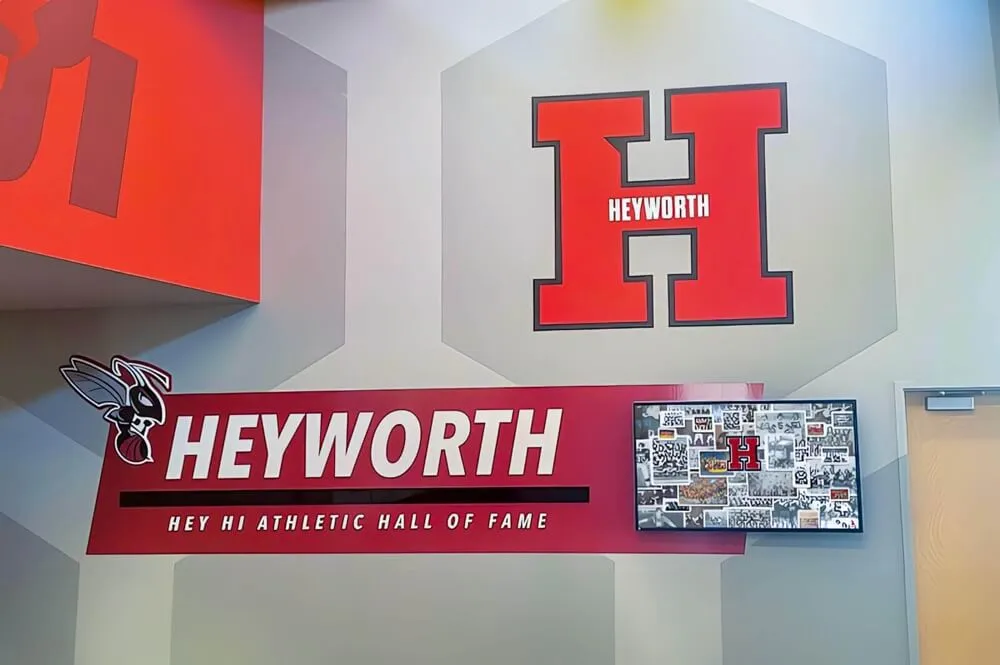
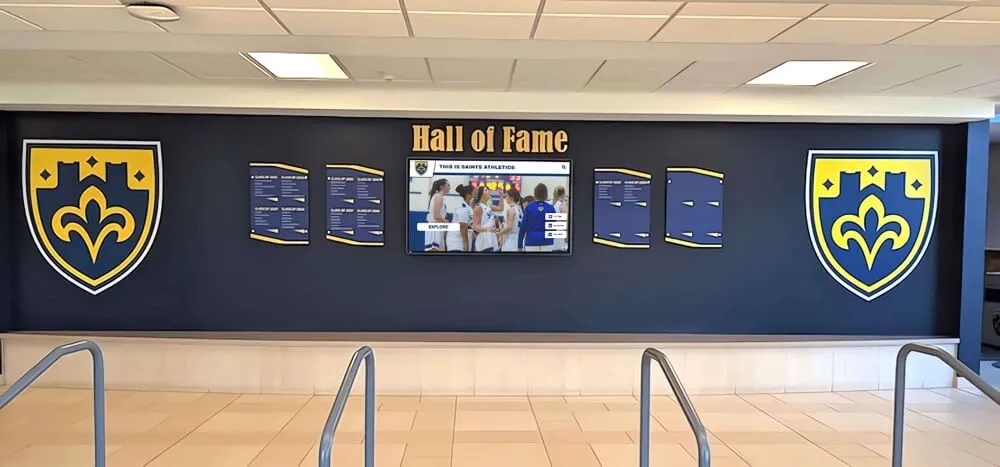
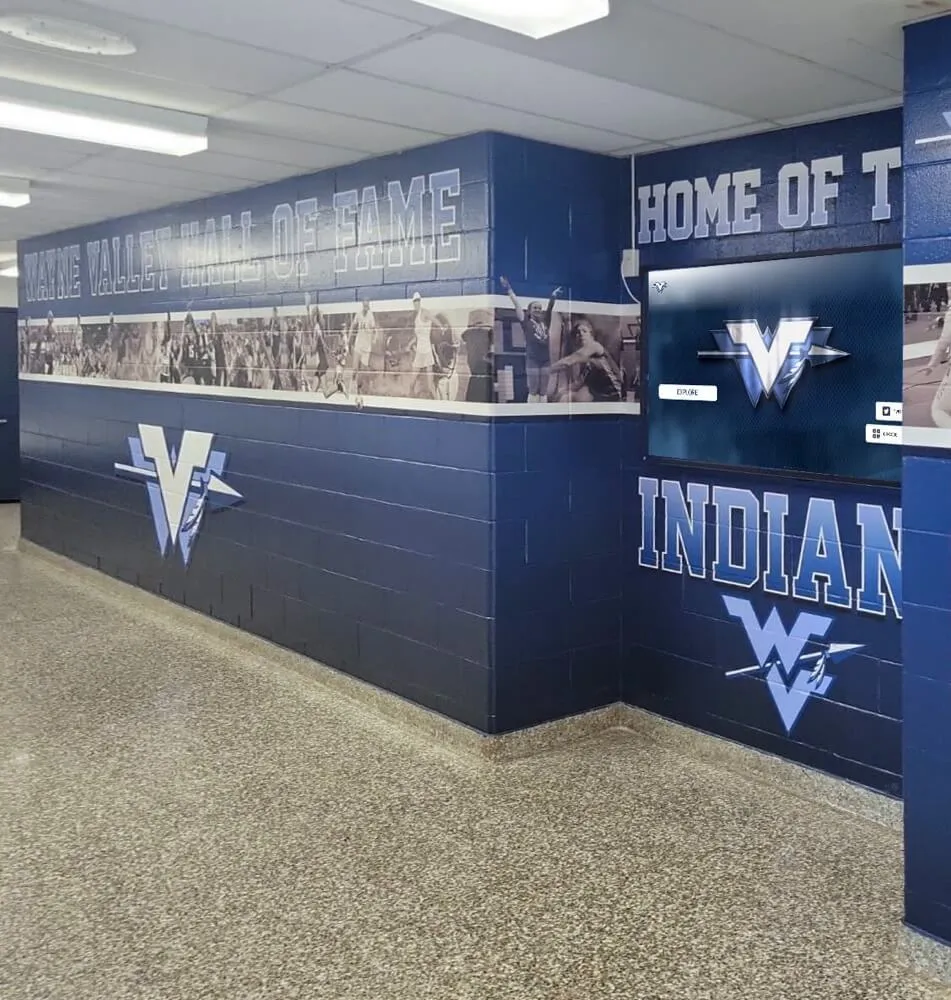
Beyond graduation day honors, many schools create permanent recognition of valedictorian and salutatorian achievements through plaques, trophy cases, halls of fame, or yearbook designations that preserve institutional memory of top students across decades.
Traditional approaches include brass plaques listing valedictorians by year, trophy cases displaying achievement awards, or dedicated wall spaces featuring photographs and brief biographies. While these physical displays demonstrate institutional commitment to honoring excellence, they present maintenance challenges as decades of honorees accumulate and physical space limitations emerge.
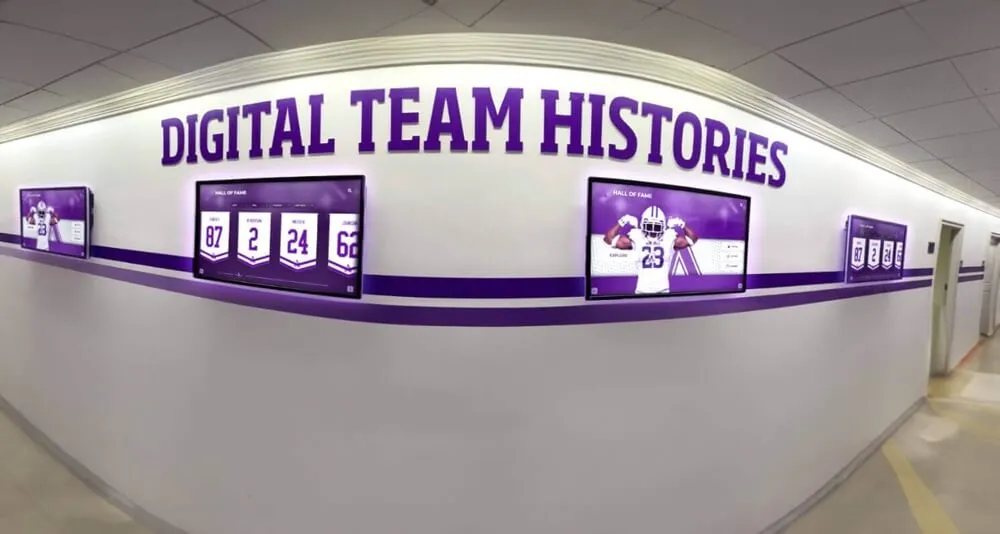
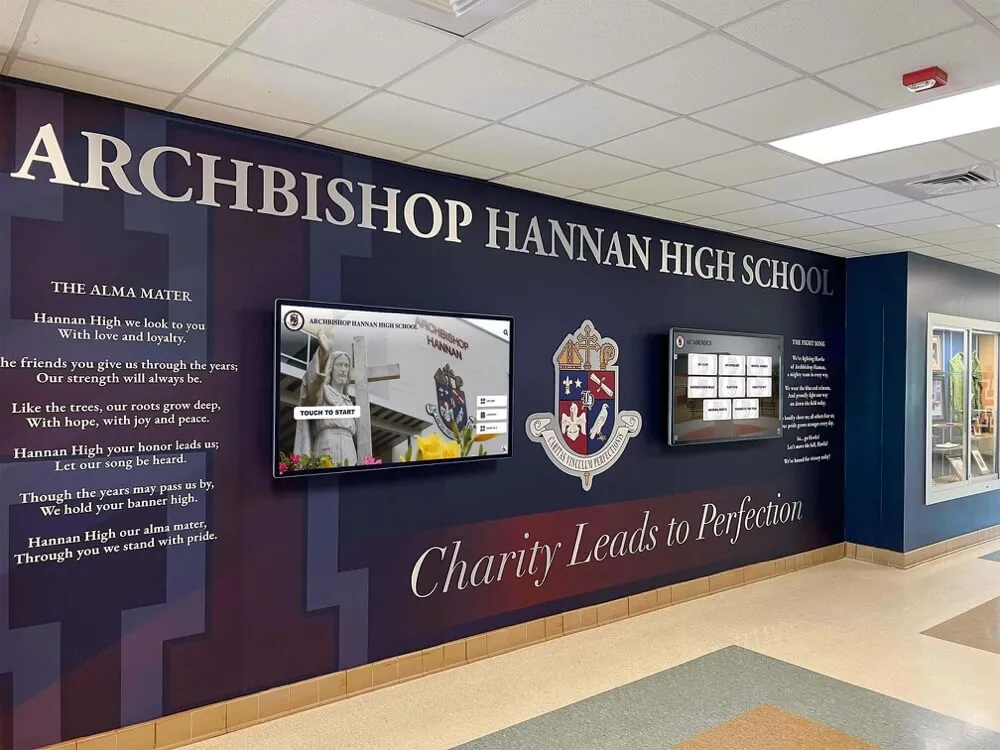
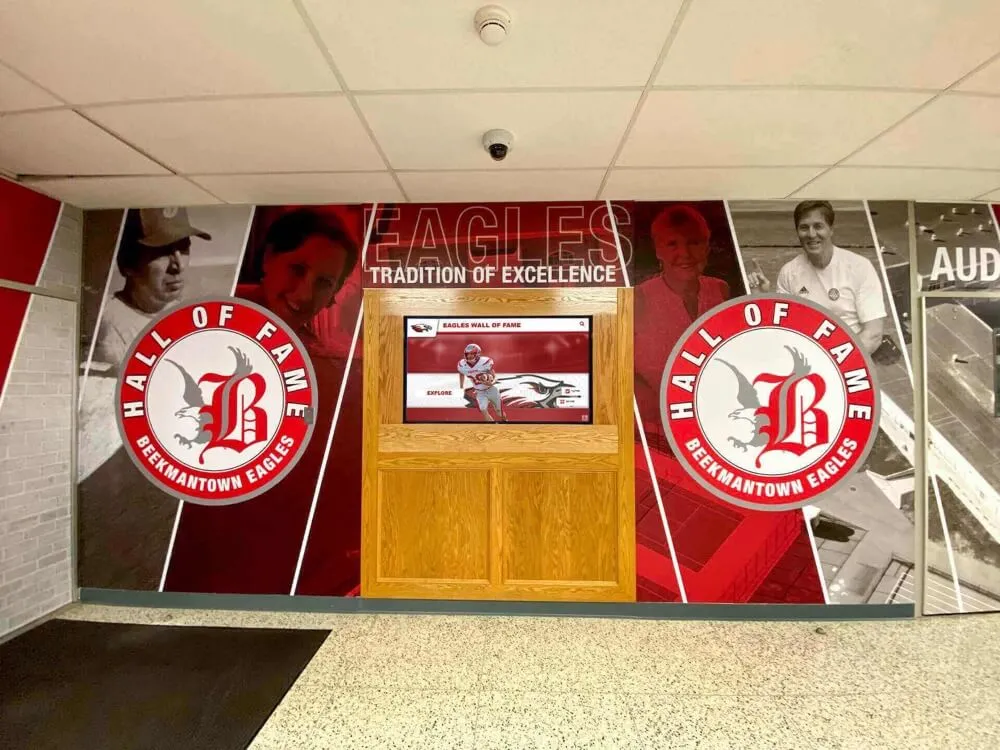
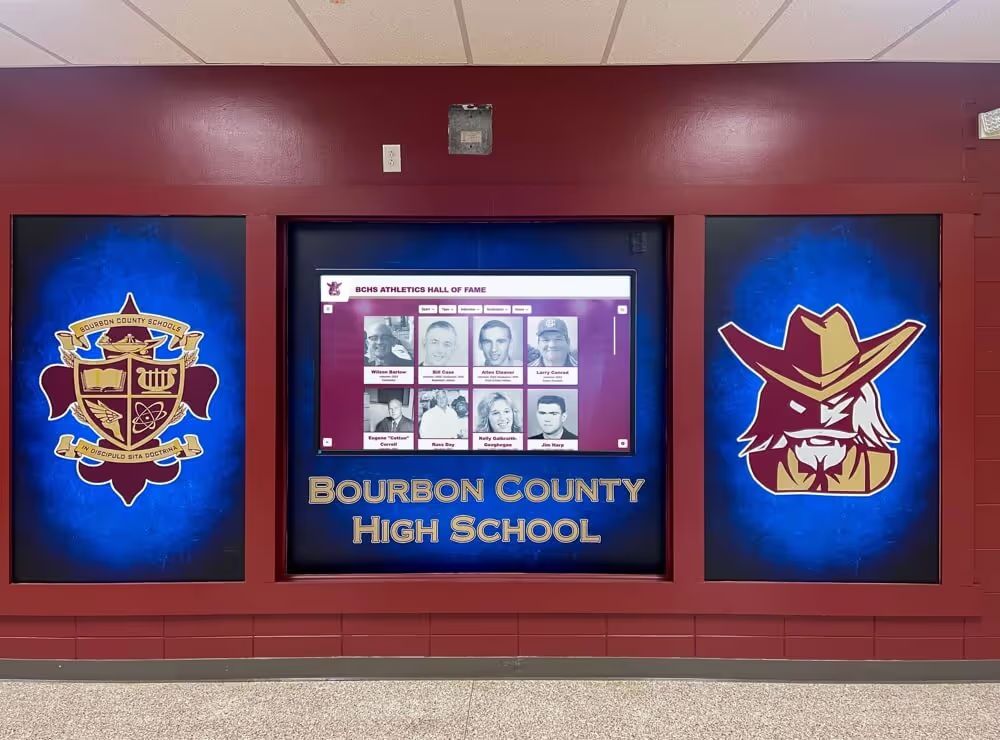
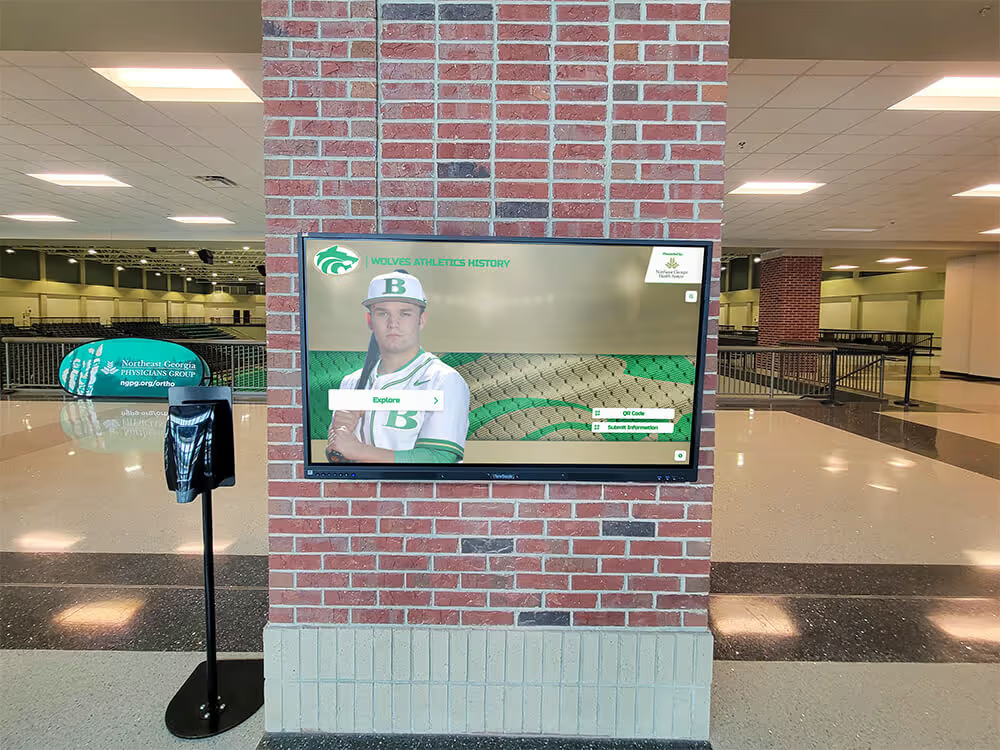
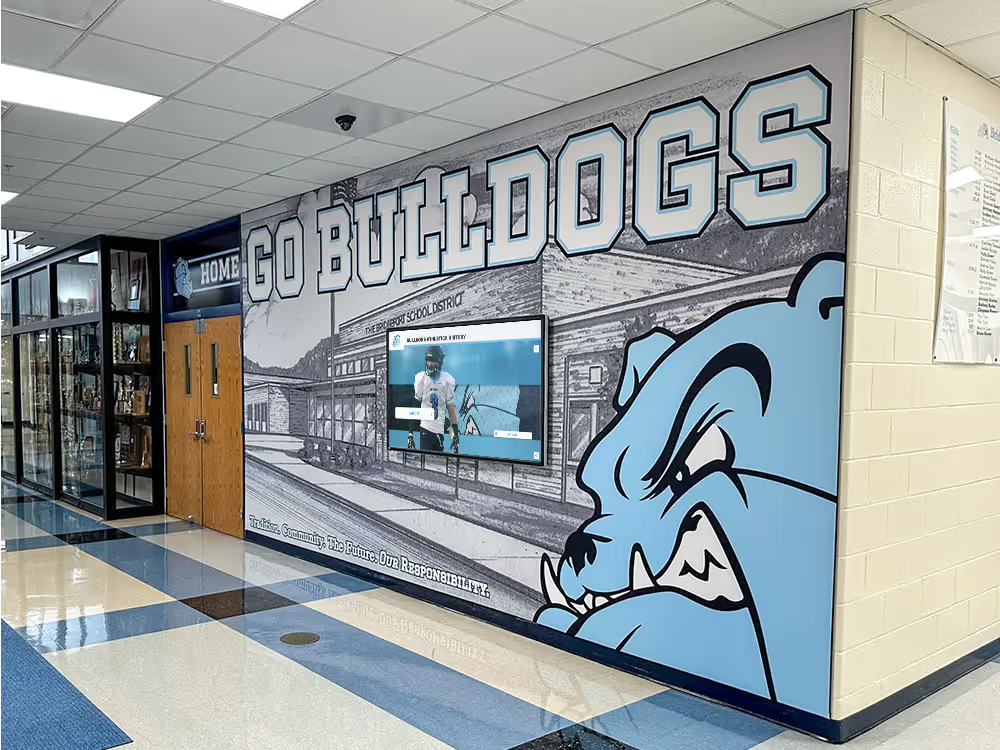
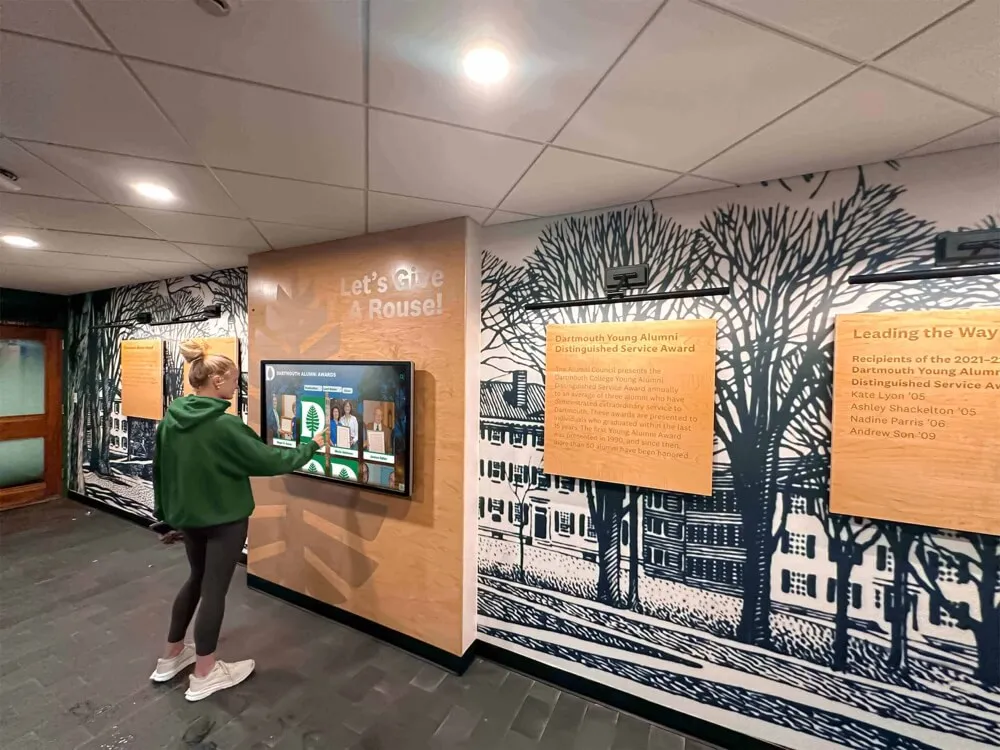
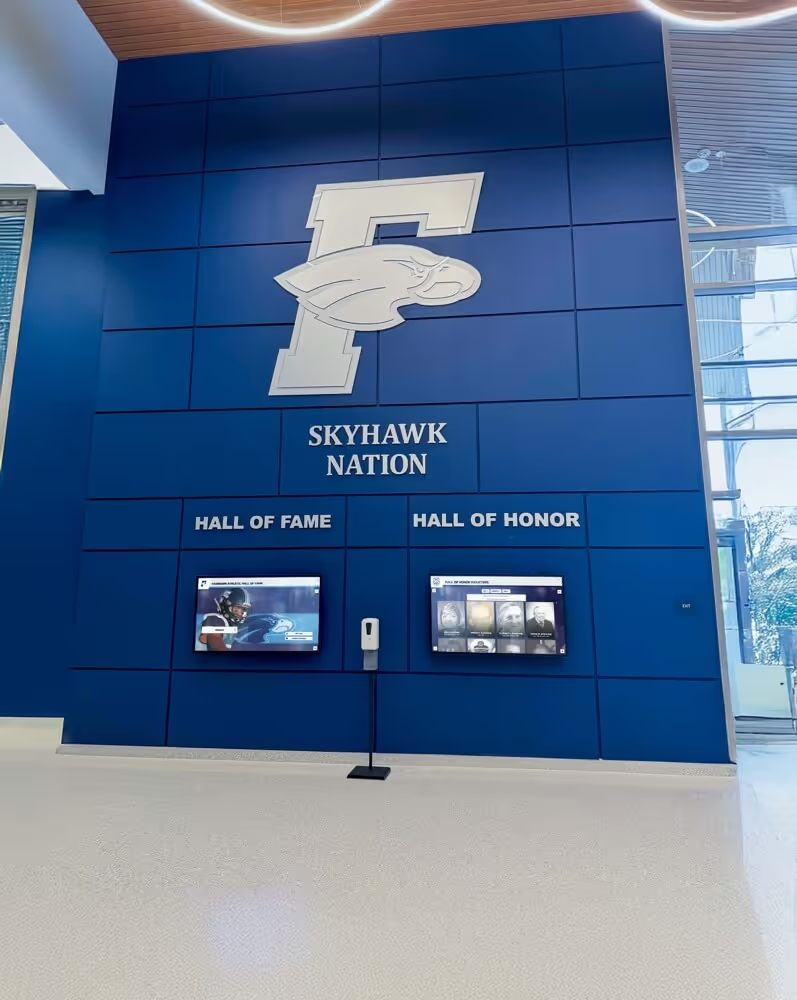
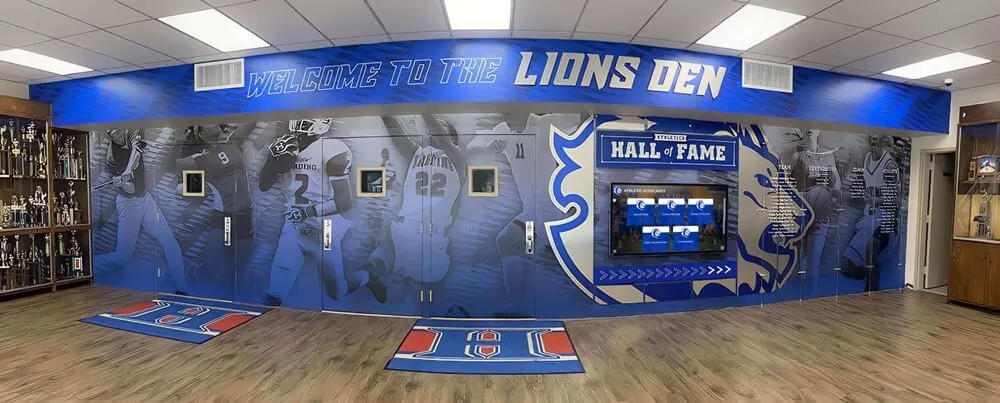
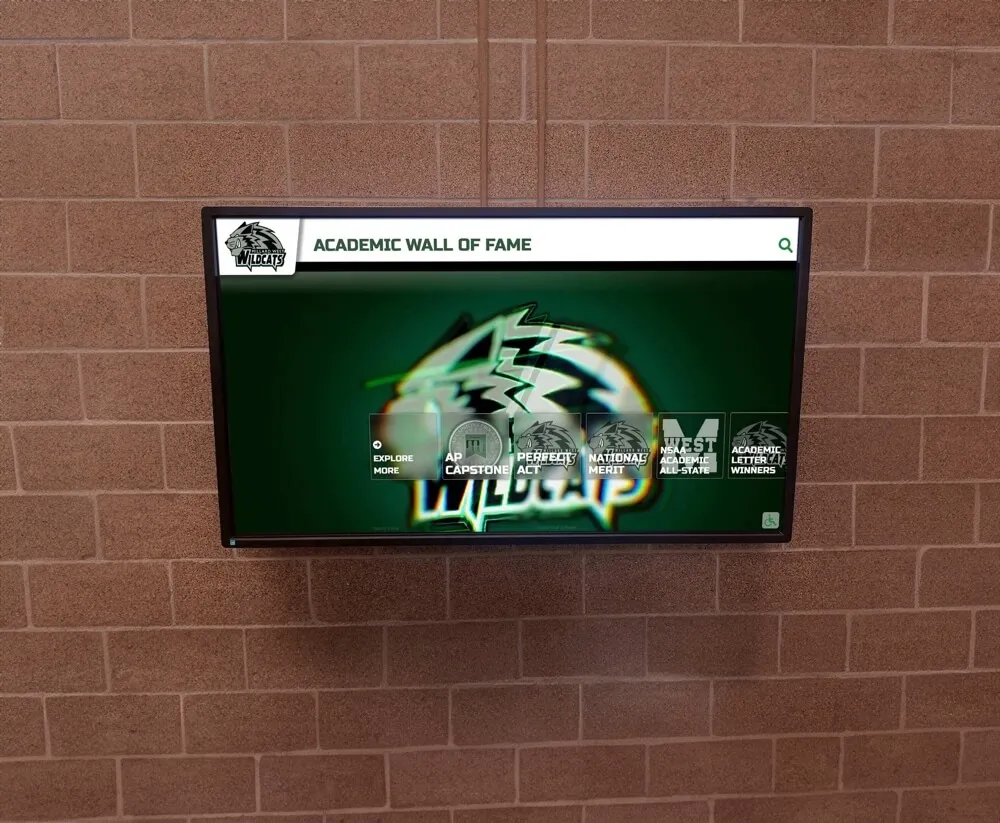
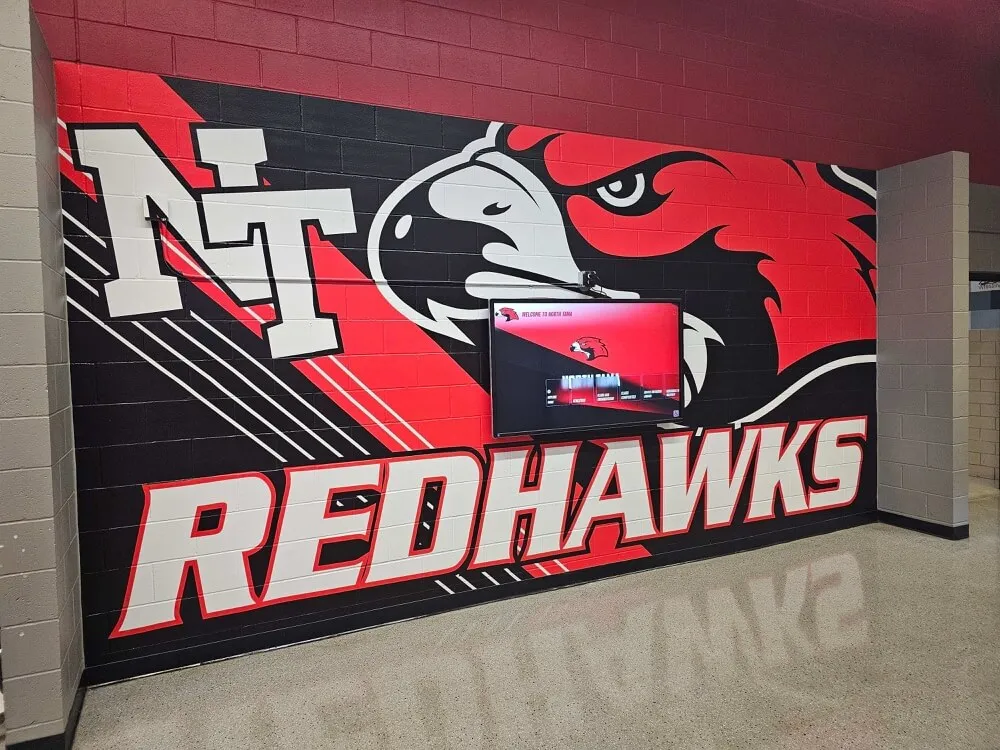
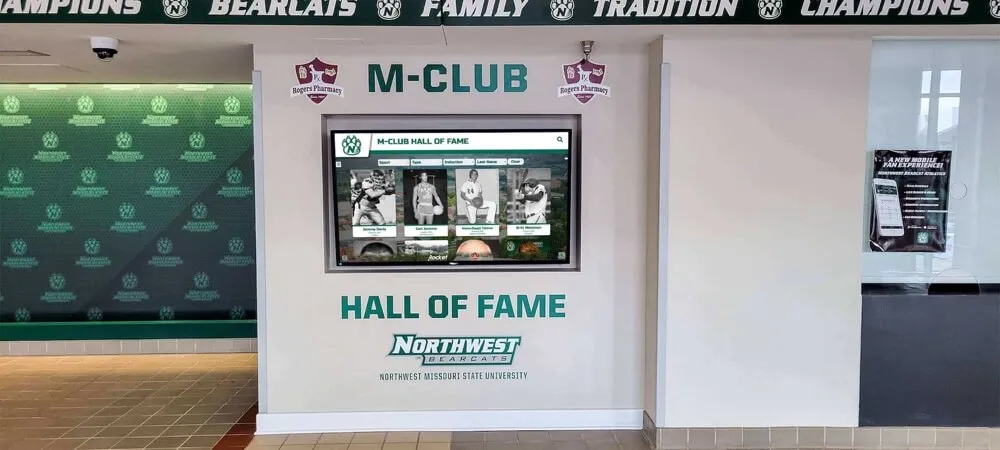
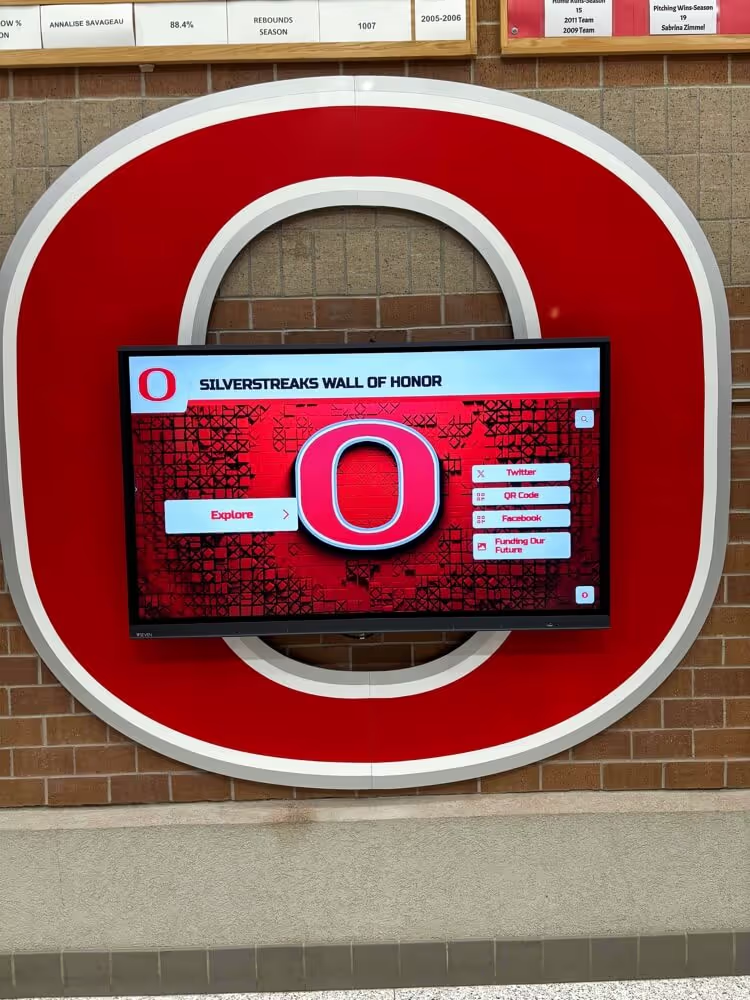
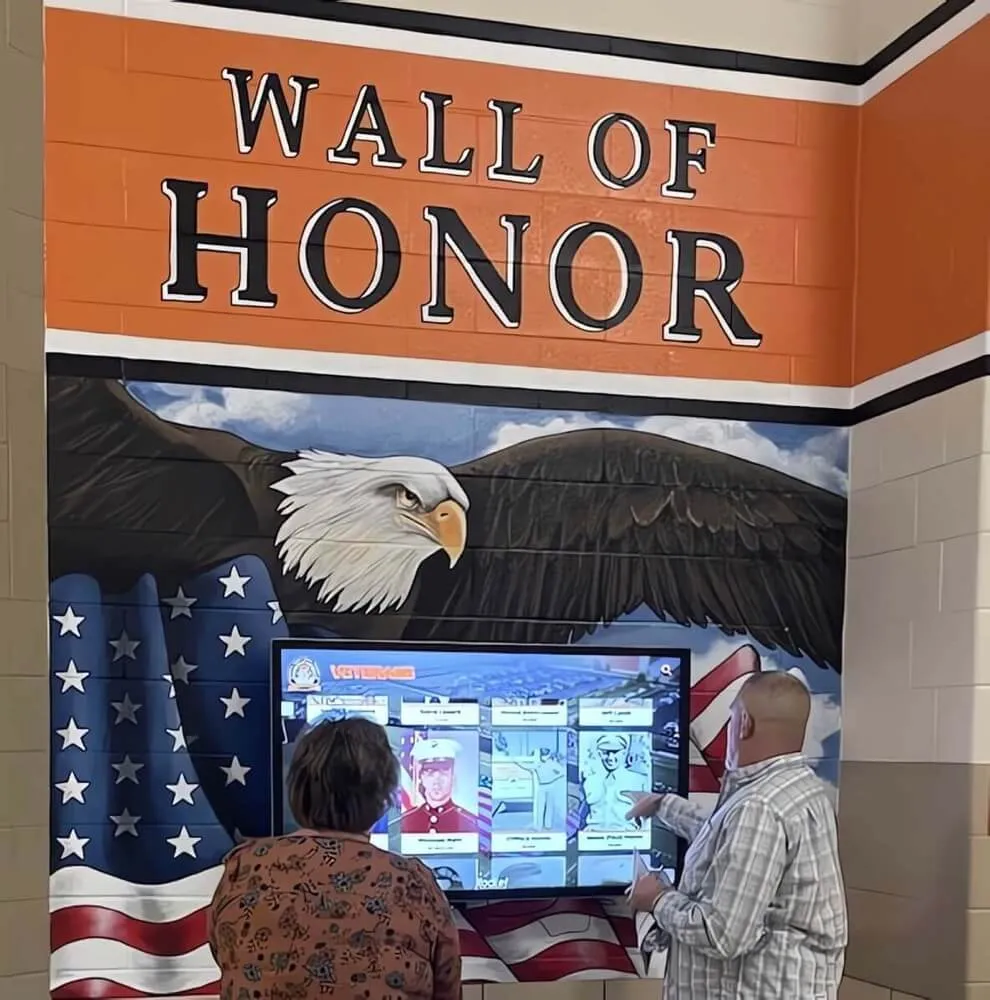
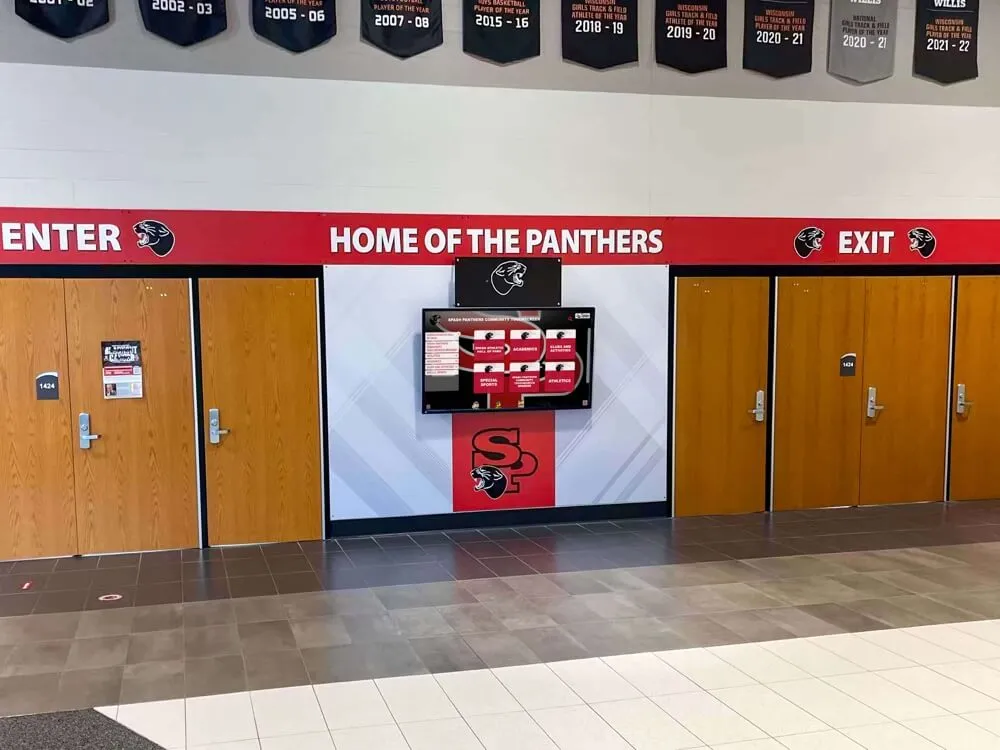
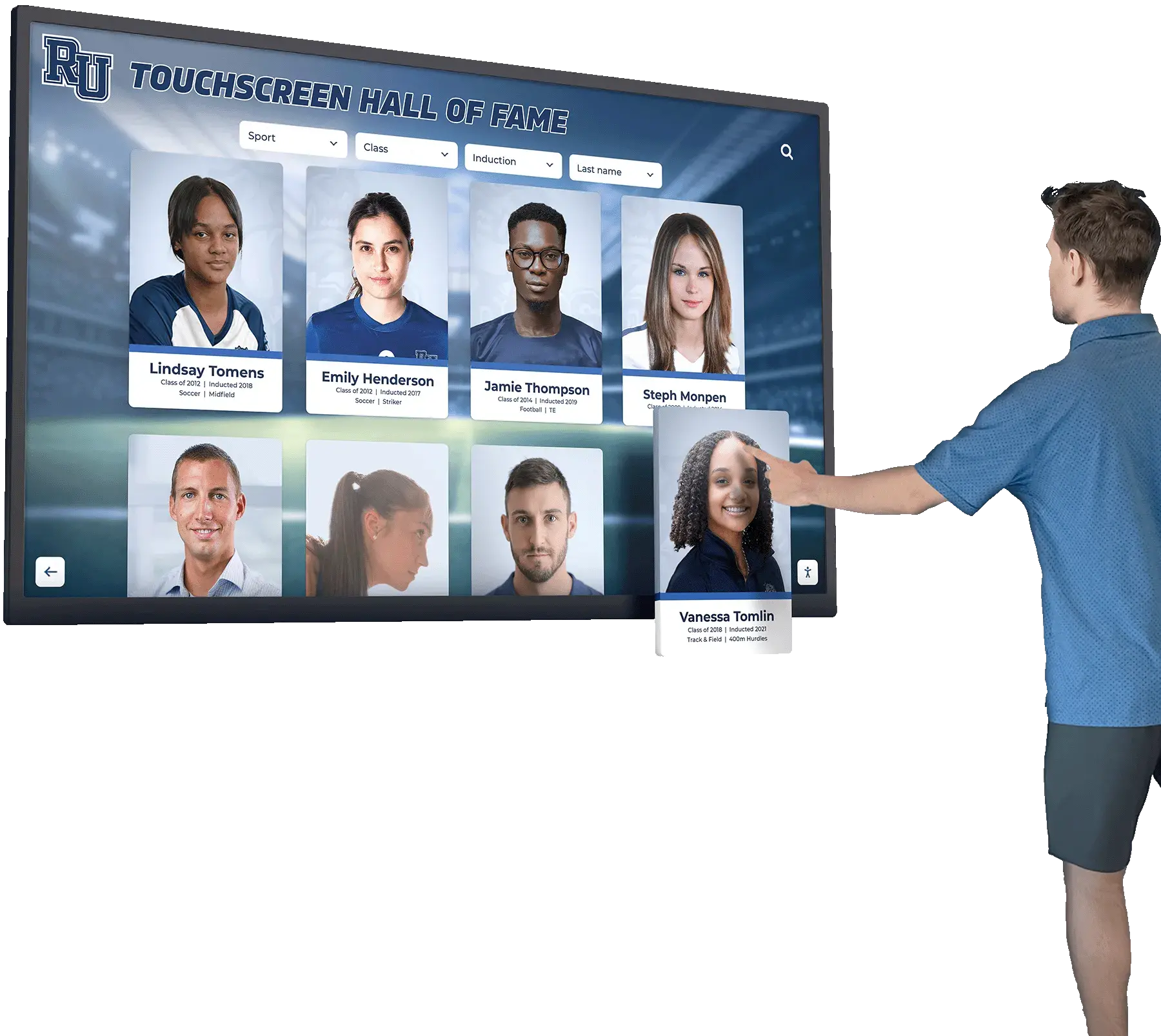
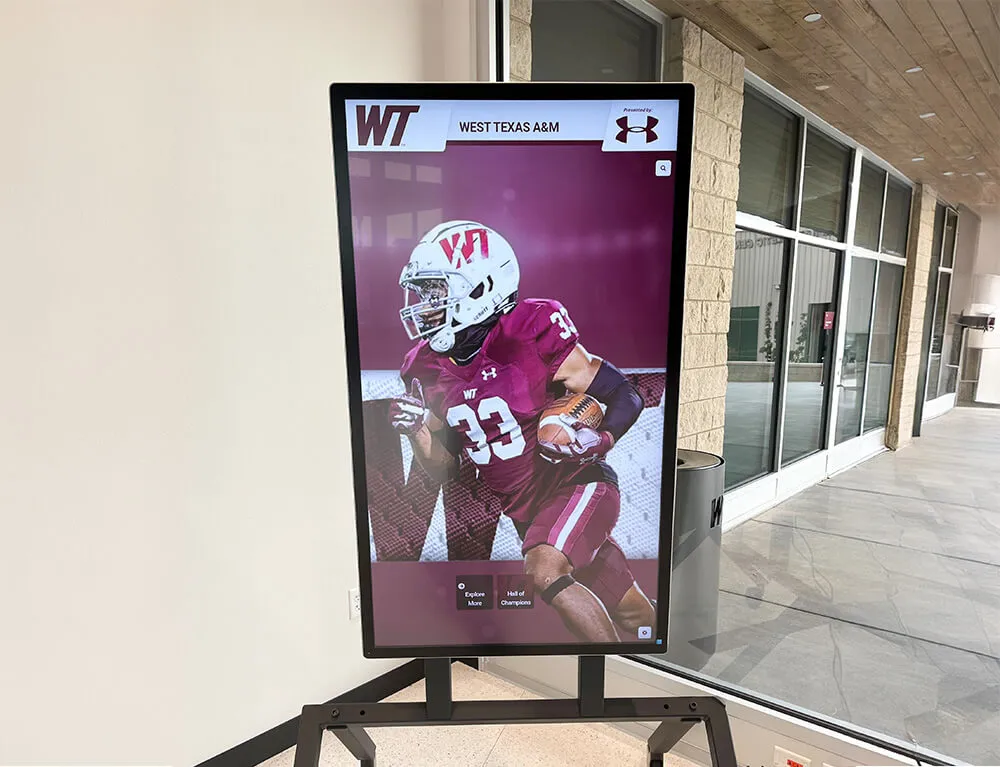
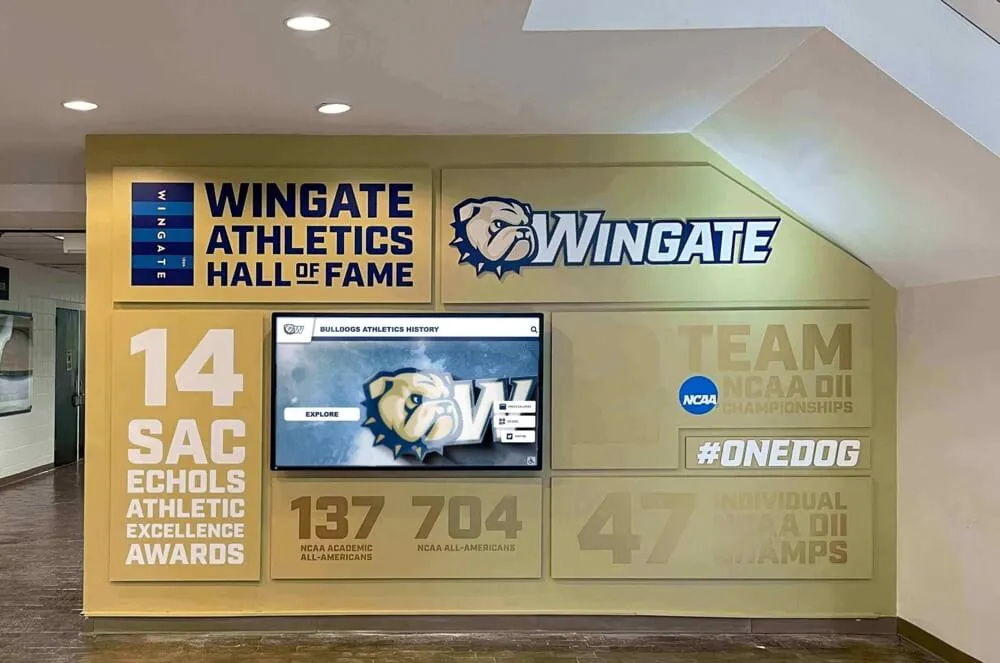
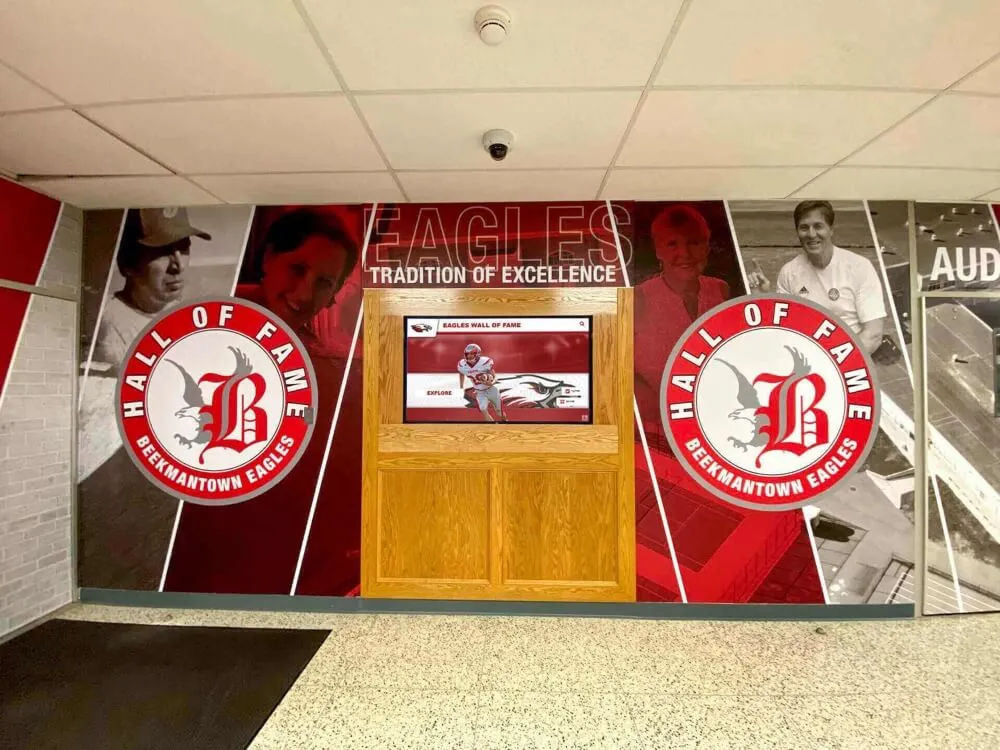
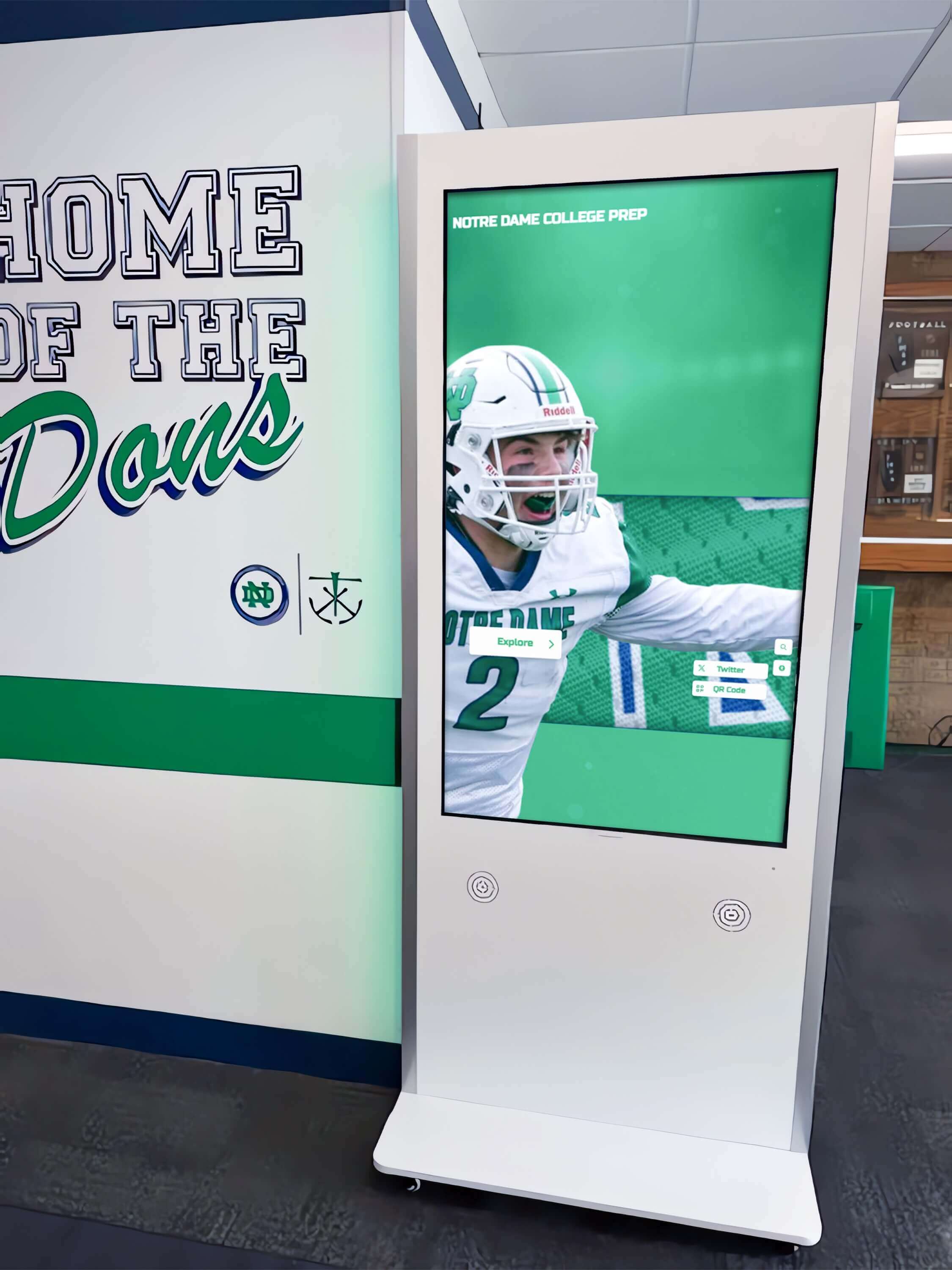
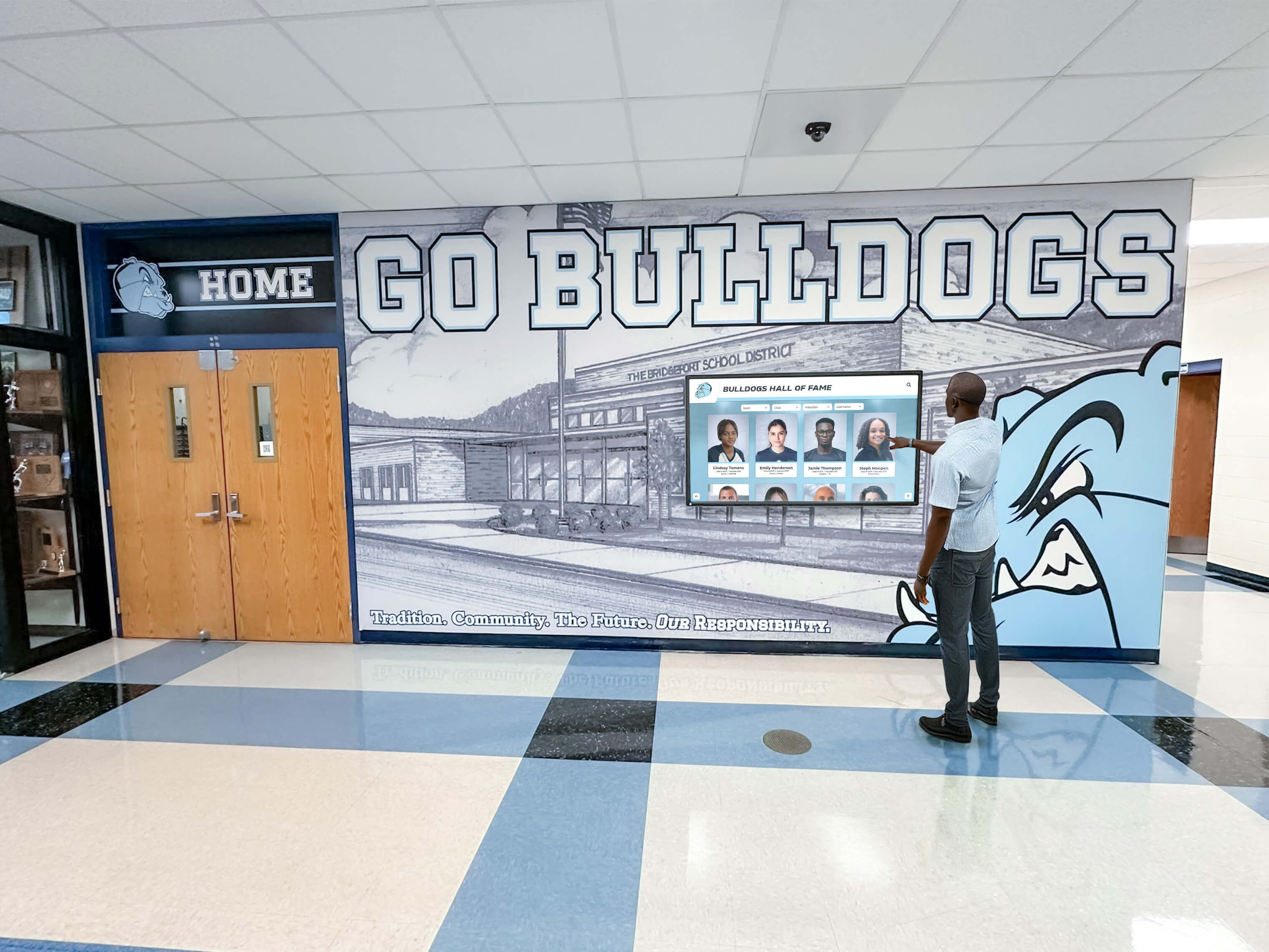
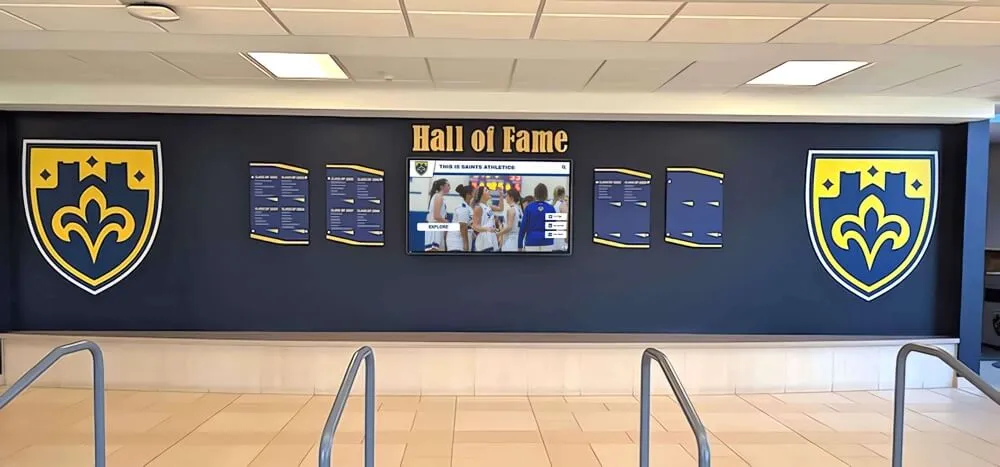
Modern schools increasingly implement digital recognition systems that overcome space constraints while providing richer, more engaging content about honored students. Interactive touchscreen displays allow unlimited expandability, incorporating not just names and photographs but student reflections, academic achievements, post-graduation accomplishments, and multimedia content that brings recognition to life in ways static plaques cannot achieve.
Scholarships and Special Awards
Many institutions offer scholarships or special awards specifically for valedictorians and salutatorians, providing financial support for post-secondary education. These merit-based awards recognize sustained academic excellence while supporting students’ continued educational pursuits.
Local community organizations, service clubs, and alumni associations often sponsor scholarships targeting top academic achievers. Students earning these honors should connect with school counselors to identify scholarship opportunities specifically available to valedictorians and salutatorians, as some competitions exclusively serve these students while others weight these designations heavily in selection.
Beyond external scholarships, many colleges offer enhanced merit aid to valedictorian and salutatorian applicants, particularly state universities and regional institutions seeking to attract top in-state students. While highly selective national universities receive enough valedictorian applicants that the honor alone doesn’t guarantee admission or merit aid, many excellent institutions provide substantial scholarship support to top high school graduates.
Modern Digital Recognition Solutions
Forward-thinking schools now implement comprehensive digital recognition platforms that honor valedictorians and salutatorians alongside other distinguished students, athletes, and alumni. These systems overcome limitations of traditional static displays while creating dynamic, engaging recognition that inspires current students and strengthens community pride.
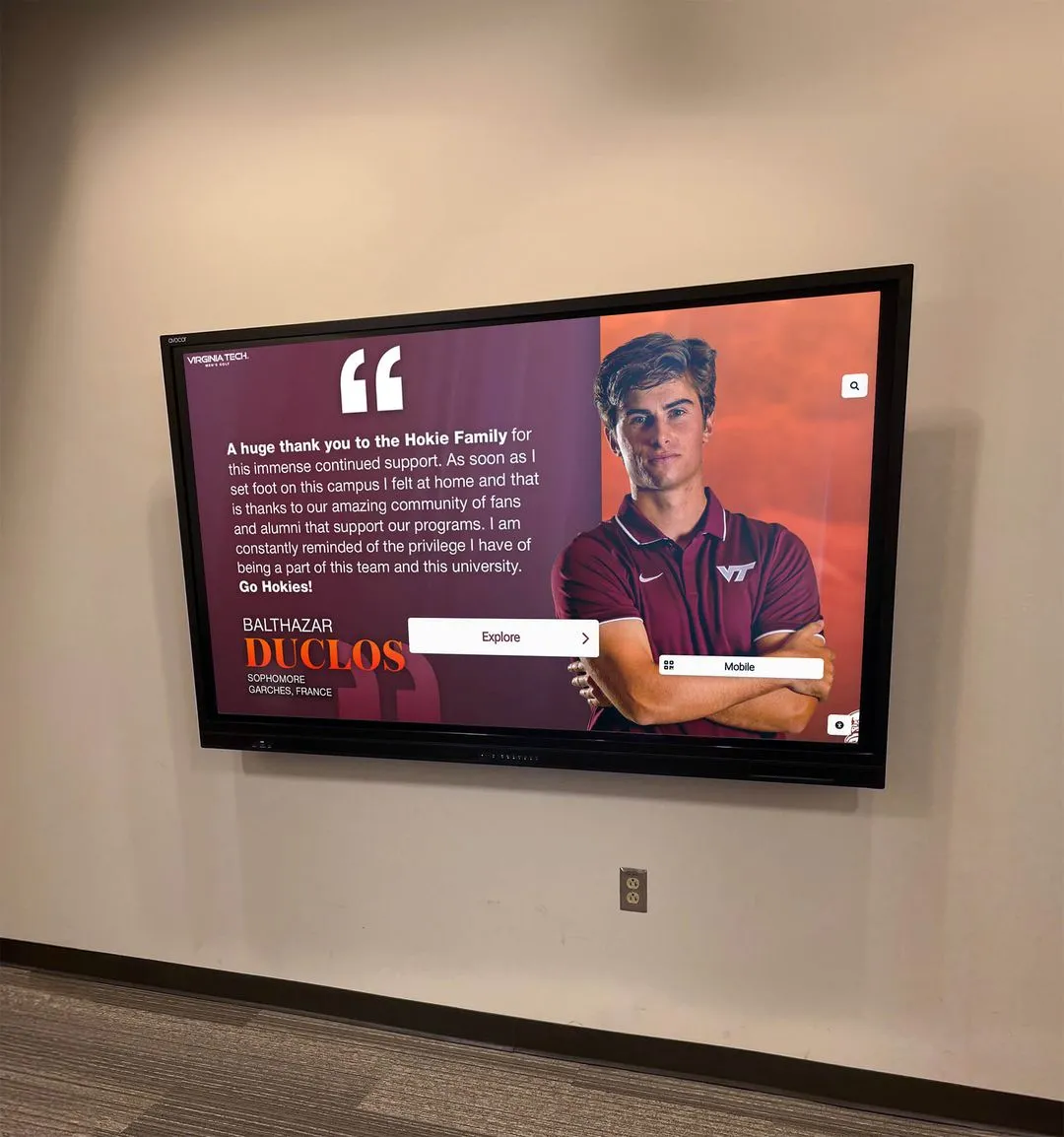
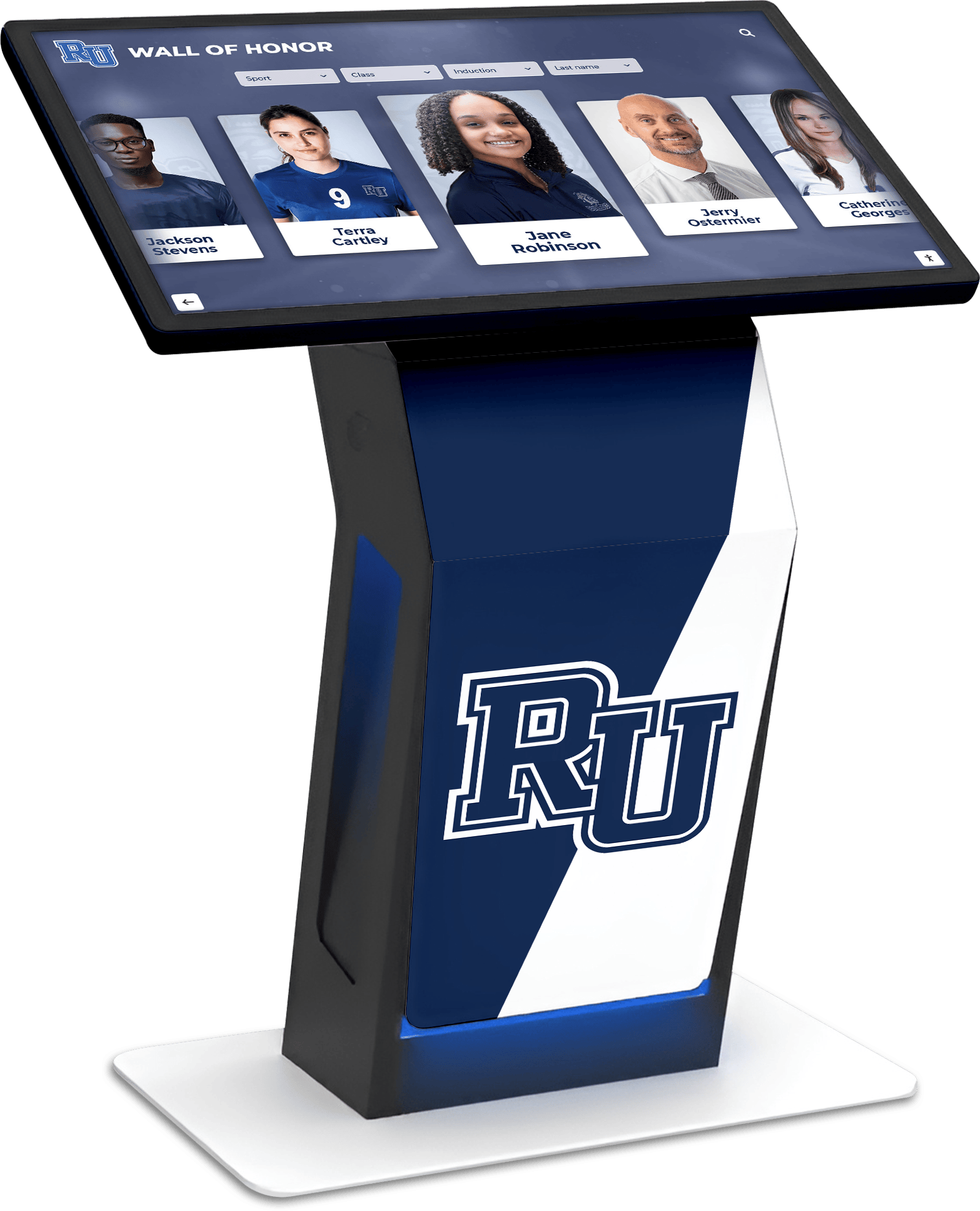
Digital solutions allow schools to showcase top academic achievers through interactive touchscreen displays positioned in main lobbies, libraries, or common areas where students, families, and visitors regularly pass. Unlike plaques listing only names and years, digital platforms present rich multimedia profiles including photographs, academic accomplishments, extracurricular involvement, college destinations, career achievements, and personal reflections.
These systems also solve the perennial space limitation problem plaguing traditional recognition walls. As schools accumulate decades or centuries of valedictorians and salutatorians worth honoring, digital platforms infinitely expand without requiring additional physical space or expensive renovation projects. Content management systems allow easy annual updates adding new honorees while maintaining complete historical records.
Interactive features transform passive viewing into engaging exploration. Students can search for graduates who attended their colleges, pursued their intended careers, or achieved particular accomplishments, creating personal connections across generations. Recognition displays designed thoughtfully become powerful tools demonstrating that excellence is achievable and that the institution consistently produces outstanding graduates.
The Value of Recognizing Multiple Forms of Excellence
While valedictorian and salutatorian honors celebrate academic achievement, comprehensive recognition programs acknowledge that students excel in diverse ways deserving equal celebration and honor.
Balancing Academic, Athletic, and Service Recognition
Outstanding students contribute to their school communities through academic excellence, athletic achievement, artistic creation, leadership service, and community engagement. Recognition systems that exclusively emphasize academic GPA may inadvertently devalue these equally important contributions or suggest that only classroom performance merits institutional honor.
Schools creating more balanced recognition programs celebrate valedictorians alongside athletic hall of fame inductees, distinguished artists, exceptional student leaders, community service champions, and alumni who made significant contributions in their fields. This comprehensive approach demonstrates that the institution values multiple pathways to excellence rather than suggesting single definitions of student success.
Digital recognition platforms excel at integrating diverse achievement categories within unified systems that students, families, and visitors can explore based on their interests. A student-athlete might discover academic honorees who also competed in their sport, while future engineers might explore both valedictorians who pursued technical fields and distinguished alumni who made engineering contributions regardless of their high school GPAs.
Creating Inspiring Recognition That Motivates Future Students
The ultimate purpose of honoring valedictorians, salutatorians, and other distinguished graduates extends beyond recognizing past achievement—effective recognition programs inspire current and future students to pursue their own excellence by demonstrating what predecessors accomplished and showing that similar achievement remains accessible.
When students see graduates with familiar backgrounds, interests, and challenges who achieved remarkable success, abstract possibilities become concrete aspirations. Recognition displays answer questions like “Can someone like me succeed?” and “What’s possible after graduation?” through real examples rather than theoretical promises.
This inspirational function requires more than listing names and GPAs. Effective recognition tells stories—how honored graduates overcame challenges, what drove their success, how they balanced competing demands, what advice they offer to current students. These narratives create emotional connections that numbers alone cannot achieve, making recognition meaningful rather than merely informational.
Implementing Recognition Programs That Honor Academic Excellence
Schools seeking to implement or enhance recognition for valedictorians, salutatorians, and academic achievers can follow proven approaches that create meaningful, sustainable programs aligned with institutional values and available resources.
Establishing Clear, Transparent Selection Criteria
The foundation of credible recognition programs lies in clear, well-communicated criteria that students, families, and community members understand and respect. Transparent policies regarding GPA calculation methods, which courses count toward rankings, how transfer credits are handled, and when designations are determined prevent confusion and disputes while ensuring fairness.
Schools should document these policies in student handbooks, communicate them during orientation programs, and make them readily accessible through school websites and counseling offices. When students understand from freshman year exactly how valedictorian and salutatorian are determined, they can make informed decisions about course selection and academic planning while understanding the recognition system’s integrity.
Choosing Recognition Formats and Platforms
Schools must decide how to balance traditional graduation ceremony honors with permanent recognition that preserves institutional memory and inspires future students. The optimal approach typically combines both elements—appropriate ceremony recognition providing immediate celebration combined with lasting displays that accumulate institutional history over time.
When evaluating recognition platforms, schools should consider:
Longevity and maintainability: How easily can the system be updated annually? What happens as decades of honorees accumulate? Will the recognition remain accessible and appealing years or decades from now?
Engagement and inspiration: Does the recognition create emotional connections that motivate current students? Can it tell rich stories beyond basic biographical facts? Do visitors interact with it or ignore it?
Integration with other recognition: Can academic honorees be showcased alongside distinguished athletes, artists, leaders, and alumni within a unified system, or does the platform require separate displays for different achievement categories?
Resource requirements: What are the total costs of implementation and ongoing maintenance? Does the solution require specialized technical support or can school staff manage updates? How much physical space is required?
Schools implementing comprehensive recognition programs often find that modern digital solutions address these considerations more effectively than traditional static displays, particularly for institutions with limited wall space or decades of achievement worth honoring.
Gathering and Preserving Recognition Content
The quality of recognition depends heavily on the biographical content, photographs, and narratives presented about honored students. Schools should establish processes for collecting this information from valedictorians and salutatorians while memories remain fresh and students are readily available.
Effective collection processes include questionnaires asking about academic interests, influential teachers or experiences, advice for future students, college plans, career aspirations, and reflections on their high school experience. High-quality photographs showing students in various contexts—academic settings, extracurricular activities, candid moments with friends—create more engaging recognition than formal portraits alone.
For historical honorees whose information may not have been systematically preserved, schools can conduct alumni outreach requesting biographical updates, career information, and current photographs. Many graduates appreciate opportunities to reconnect with their alma maters and willingly provide updated information for recognition displays. Resources like graduation quote collections can help schools gather meaningful reflections from honored students.
Integrating Recognition Into School Culture
The most impactful recognition programs become integrated into school culture rather than existing as isolated displays that students rarely notice or engage with. Strategic integration approaches include:
Orientation programs: Introducing incoming freshmen to valedictorian and salutatorian recognition during orientation events, using honored graduates’ stories to illustrate institutional values and demonstrate that excellence is achievable.
Academic advising: Counselors referencing honored graduates when discussing academic planning, course selection, and post-graduation pathways, helping students envision their own potential trajectories.
Alumni engagement: Inviting honored graduates to return for speaking engagements, mentoring programs, or career panels, creating direct connections between current students and those who previously achieved similar recognition.
Curriculum connections: Teachers incorporating local examples from honored graduates when discussing relevant topics, whether career paths in specific fields, college experiences, or overcoming challenges.
When recognition becomes woven throughout institutional life rather than relegated to a single ceremony or display, it delivers sustained inspirational value that shapes school culture and student aspirations over time.
Supporting Both Valedictorians and Salutatorians
Schools should ensure that both top-ranking students receive appropriate recognition, avoiding scenarios where disproportionate attention focuses on first-place achievement while second-place accomplishment receives token acknowledgment.
Equivalent Recognition Approaches
Many institutions now provide equivalent honors to both valedictorian and salutatorian, recognizing that the margin separating these students is often infinitesimal and that both have demonstrated exceptional achievement worthy of equal celebration. Equivalent recognition might include:
- Equal speaking time at graduation ceremonies with coordinated but distinct topics
- Identical medals, cords, or regalia worn during commencement
- Similar biographical profiles in recognition displays and yearbook materials
- Equivalent scholarship opportunities from institutional sources
- Joint leadership roles representing the class at school events
This approach acknowledges that while GPA calculation produces numerical rankings, the actual difference between these top students may not reflect meaningful achievement gaps warranting differential treatment.
Celebrating All High Achievers
Beyond valedictorian and salutatorian specifically, schools should recognize broader cohorts of exceptional students through honor roll designations, honor societies, Latin honors, or other inclusive recognition tiers. This approach reduces pressure associated with competing for single top spots while maintaining high academic standards and celebrating diverse forms of excellence.
Programs like the National Honor Society, subject-specific honor societies, and locally-developed recognition tiers create multiple opportunities for students to receive acknowledgment of strong academic performance without requiring them to achieve the single highest GPA in their class.
Future Trends in Academic Recognition
As educational practices evolve, academic recognition programs continue to adapt, reflecting changing perspectives on how best to honor student achievement while supporting healthy learning environments.
Holistic Achievement Recognition
More schools are moving toward holistic recognition systems that evaluate students across multiple dimensions rather than reducing them to grade point averages. These comprehensive approaches might weight academic performance alongside leadership contributions, service engagement, creative achievement, personal growth, and character development.
Holistic systems recognize that truly exceptional students often demonstrate excellence across multiple areas rather than narrowly focusing on a single achievement dimension. The valedictorian who also led service organizations, competed athletically, and created artistic works may represent a different achievement profile than a peer with a fractionally higher GPA but narrower involvement.
Skills-Based and Competency Recognition
Some schools experiment with competency-based recognition that honors specific skills, knowledge domains, or capabilities students have mastered rather than aggregate GPAs calculated across all coursework. These programs might recognize students who achieve exceptional mastery in mathematics, demonstrate outstanding writing ability, conduct significant research, or develop advanced capabilities in specific fields.
This approach allows multiple students to receive “top” recognition in their respective areas of strength without forcing comparison across dissimilar achievement types. The most accomplished mathematician need not be compared to the most skilled writer when both excel within their domains.
Digital Platforms Enabling Richer Storytelling
As recognition systems increasingly leverage digital platforms, they enable much richer storytelling about honored students than traditional plaques allow. Video interviews with graduates reflecting on their experiences, interactive timelines showing educational and career progressions, searchable databases allowing users to find graduates by college, career field, or hometown, and multimedia presentations showcasing student accomplishments create engaging recognition that inspires current students while honoring past achievement.
These technological capabilities transform static historical records into dynamic, interactive experiences that users actively explore rather than passively view. Schools can incorporate creative digital signage concepts that make academic recognition displays as compelling as any other content students encounter daily.
Practical Guidance for Students Pursuing Top Academic Honors
For students aspiring to valedictorian or salutatorian recognition, strategic academic planning combined with genuine learning focus creates the foundation for success.
Balancing Rigor and Achievement
Students should challenge themselves with rigorous coursework that develops intellectual capabilities while being realistic about their capacity to succeed in those courses. In weighted GPA systems, earning a B in an AP course might yield the same or higher weighted grade as an A in a standard course, but sustained lower grades in challenging courses can ultimately lower rather than raise class ranking.
The optimal approach involves progressively increasing academic rigor as students develop stronger study skills and subject knowledge. Taking one or two advanced courses as an underclassman allows students to adjust to the increased demands before fully loading schedules with multiple advanced courses simultaneously.
Students should also pursue courses aligned with genuine intellectual interests rather than solely selecting classes for GPA optimization. Authentic engagement with material produces better learning outcomes and sustained motivation compared to purely strategic course selection focused on ranking advantages.
Managing Academic Pressure and Wellbeing
The pursuit of top academic honors should never compromise mental health, meaningful relationships, or overall wellbeing. Students feeling overwhelmed by academic pressure should communicate with counselors, parents, and teachers about balancing achievement goals with self-care.
Sustainable success requires adequate sleep, physical activity, social connection, and time for relaxation and interests beyond academics. Research consistently shows that students who maintain balanced lifestyles often perform as well as or better academically than peers who sacrifice everything else for additional study time, while also experiencing better mental health and overall life satisfaction.
Schools can support healthy achievement by ensuring that student mental health resources are readily available and that academic culture emphasizes learning and growth rather than purely competitive ranking.
Looking Beyond High School Rankings
While valedictorian and salutatorian honors carry real benefits in college admissions and scholarship competitions, students should maintain perspective that these designations represent one of many factors colleges consider and that long-term success depends on capabilities, character, and work ethic more than high school class rankings.
Many exceptional college students did not graduate as valedictorians or salutatorians, while many top high school graduates encounter academic challenges in competitive college environments. The skills, habits, and attitudes students develop matter more than titles earned, and colleges increasingly evaluate applicants holistically rather than reducing decisions to test scores and class ranks.
Students should pursue academic excellence because learning matters and knowledge has intrinsic value, not solely for competitive rankings and external validation. This intrinsic motivation sustains engagement through challenging coursework and setbacks while building the intellectual curiosity that serves students throughout their educational and professional lives.
Conclusion: Honoring Achievement While Supporting Healthy Learning
The distinction between valedictorian and salutatorian represents one way schools recognize sustained academic excellence, honoring students who demonstrated exceptional dedication and achievement throughout their high school careers. While specific selection criteria, calculation methods, and recognition practices vary across institutions, both honors celebrate meaningful accomplishment worthy of community celebration and institutional commemoration.
As educational practices evolve, many schools reconsider how best to recognize achievement in ways that inspire excellence while supporting healthy learning environments and acknowledging diverse forms of student contribution. Whether through traditional single valedictorian designation, multiple top students sharing honors, or comprehensive recognition of varied achievement dimensions, the fundamental goal remains creating systems that celebrate accomplishment, preserve institutional memory, and inspire future generations.
Schools implementing modern recognition approaches increasingly leverage digital platforms that overcome traditional space limitations while enabling richer storytelling about honored students. These systems allow institutions to showcase valedictorians and salutatorians alongside other distinguished graduates across decades of institutional history, creating dynamic, interactive recognition that engages current students and demonstrates that excellence is achievable.
Ultimately, the value of academic recognition extends beyond honoring individual students to strengthening school culture, motivating continued achievement, and building community pride in the outstanding graduates institutions produce. When implemented thoughtfully, recognition programs celebrating valedictorians, salutatorians, and other exceptional students become powerful tools that shape institutional identity and inspire each new generation to pursue their own paths to excellence.
Honor Your School's Top Academic Achievers With Modern Digital Recognition
Traditional plaques and trophy cases can only showcase limited numbers of honored students and quickly run out of space. Rocket Alumni Solutions creates stunning interactive touchscreen displays that beautifully recognize valedictorians, salutatorians, and all distinguished graduates across decades of institutional history—with unlimited expandability and rich multimedia profiles that inspire current students.
Our digital recognition platforms let visitors explore graduates by year, achievement, college destination, or career field while discovering the stories behind the achievements. Unlike static displays, digital systems grow effortlessly as you honor each year's new academic leaders while maintaining complete historical records.