



Key Takeaways
Understand the key differences between valedictorian and salutatorian, how schools select these top academic honors, calculation methods, and modern ways to recognize both graduates.
Every graduation season, schools celebrate their highest-achieving students through two prestigious honors: valedictorian and salutatorian. While most people understand these represent top academic performers, confusion often surrounds exactly how these titles differ, how schools determine who earns each designation, and what these honors mean in today’s educational landscape where some schools have multiple valedictorians or have eliminated class rankings entirely.
This comprehensive guide clarifies the distinctions between valedictorian and salutatorian, examines the calculation methods schools use for selection, explores regional and institutional variations in how these honors work, and discusses contemporary approaches to recognizing academic excellence including digital recognition systems that celebrate not just the top two graduates but broader academic achievement across entire graduating classes.
Understanding the Basic Difference: Valedictorian vs Salutatorian
The fundamental distinction between these two honors centers on academic ranking within the graduating class.
Valedictorian: The Highest Academic Honor
Valedictorian designates the student with the highest grade point average (GPA) in the graduating class. The term derives from Latin “valedicere,” meaning “to say farewell,” as the valedictorian traditionally delivers the farewell address at commencement ceremonies.
Key characteristics of the valedictorian honor:
- Highest GPA: Calculated across all four years of high school (or applicable years for institutions using different structures)
- Single recipient: Traditionally one student per class, though practices vary
- Speaking privilege: Typically delivers a graduation speech sharing reflections on the class’s journey
- First academic honor: Listed first in graduation programs and class rankings
- Symbolic leadership: Represents academic excellence for the entire graduating class
Salutatorian: The Second-Highest Academic Honor
Salutatorian recognizes the student with the second-highest GPA in the graduating class. The Latin root “salutare” means “to greet,” as this student traditionally delivers the welcoming address at graduation ceremonies.
Key characteristics of the salutatorian honor:
- Second-highest GPA: Ranked immediately below the valedictorian
- Single recipient: One student per class in traditional systems
- Speaking opportunity: May deliver a welcoming address, though practices vary by school
- Significant achievement: Represents exceptional academic performance with minimal difference from top rank
- Distinguished recognition: Celebrated alongside the valedictorian as exemplary student
Understanding what is class rank provides essential context for how schools determine these top honors, as valedictorian and salutatorian represent the pinnacle of ranking systems used to evaluate academic performance.
How Schools Calculate and Select Valedictorian and Salutatorian
The process for determining these honors varies significantly across schools, but most follow calculation frameworks based on cumulative academic performance.
Standard GPA Calculation Methods
Unweighted GPA Systems
Many schools use straightforward unweighted GPA calculations where all courses receive equal value:
- A grades = 4.0 points
- B grades = 3.0 points
- C grades = 2.0 points
- D grades = 1.0 points
- F grades = 0.0 points
In unweighted systems, a student earning straight A’s in regular courses achieves the same 4.0 GPA as a student earning straight A’s in Advanced Placement (AP) or honors courses. This approach emphasizes consistent excellence but doesn’t account for course difficulty.
Weighted GPA Systems
Increasingly common at competitive high schools, weighted GPA systems assign additional points for advanced coursework:
- Honors courses: typically 0.5 additional points (A = 4.5)
- AP/IB courses: typically 1.0 additional points (A = 5.0)
- Dual enrollment: varies by institution
Weighted systems encourage students to challenge themselves with rigorous coursework while rewarding the additional effort required for advanced classes. Under weighted calculations, valedictorians frequently achieve GPAs exceeding 4.0—sometimes reaching 4.5 or higher at schools with numerous AP offerings.

Timing and Inclusion Criteria
Schools make strategic decisions about which academic periods factor into valedictorian/salutatorian calculations:
Four-Year Cumulative: Most high schools calculate GPA across all four years (grades 9-12), with final rankings determined at the end of senior year, typically after seventh semester or sometimes after eighth semester completion.
Limited Year Inclusion: Some schools exclude freshman year from calculations, beginning tracking with sophomore year to reduce the impact of adjustment challenges during the high school transition.
Course Inclusion Rules: Schools establish policies about which courses count toward GPA calculations. Common considerations include:
- Summer school courses taken for credit recovery or advancement
- Courses taken at other institutions (dual enrollment, online programs)
- Pass/fail courses versus letter-graded courses
- Electives versus core academic requirements
- Physical education and health courses
Transfer Student Considerations: Policies vary regarding students who transfer mid-high school. Some schools require minimum enrollment periods (often two years) for valedictorian eligibility, while others integrate transferred grades into cumulative calculations.
Breaking Ties: When Multiple Students Have Identical GPAs
Increasingly common with weighted GPA systems, tie situations require predetermined policies:
Multiple Valedictorians: Many schools now recognize multiple valedictorians when students achieve identical top GPAs. Schools using this approach might celebrate five, ten, or occasionally even more valedictorians, particularly at large schools with weighted systems where multiple students achieve perfect 4.0+ GPAs.
Decimal Place Extension: Some schools calculate GPAs to additional decimal places (beyond standard hundredths) to break ties, determining valedictorian through differences at the thousandths place—for example, 4.087 versus 4.086.
Tiebreaker Criteria: When schools maintain single valedictorian designations, common tiebreakers include:
- Class rank determined by more decimal places
- Standardized test scores (SAT/ACT)
- Number of AP/honors courses completed
- Total credit hours earned
- Time spent in the school system (favoring students enrolled longer)
Co-Valedictorian/Co-Salutatorian: Rather than forced differentiation, some schools designate co-valedictorians when GPAs are identical, sharing the honor rather than applying arbitrary tiebreakers.
Schools participating in honor societies like the National Technical Honor Society often integrate academic achievement recognition across multiple frameworks, celebrating technical excellence alongside traditional academic rankings.
Regional and Institutional Variations in These Honors
Practices surrounding valedictorian and salutatorian designation vary significantly based on geographic location, school size, and institutional philosophy.
Schools Eliminating Class Rank and Traditional Honors
A growing movement, particularly among competitive suburban and private schools, has moved away from traditional valedictorian/salutatorian designations:
Reasons for Elimination:
- Reduced pressure: Concerns that single-honor competition creates unhealthy stress and discourages collaboration among high-achieving students
- Course selection anxiety: Students avoiding challenging courses to protect GPAs rather than pursuing genuine interests
- College admission changes: Many selective colleges no longer require class rank, reducing the designation’s external value
- Equity concerns: Recognition that GPA alone doesn’t capture diverse forms of excellence, intelligence, or contribution to school communities
Alternative Recognition Approaches:
Schools moving away from traditional ranking often adopt broader recognition categories:
- Latin honors (summa cum laude, magna cum laude, cum laude) celebrating all students meeting GPA thresholds rather than single top performers
- Honor graduate designations for students exceeding specific GPA requirements
- Subject-specific departmental honors recognizing excellence in particular disciplines
- Character awards and citizenship recognition balancing academic achievement with contribution and values

Small School Considerations
Rural and small schools face unique challenges with traditional valedictorian/salutatorian frameworks:
- Limited competition: In graduating classes of 20-30 students, the difference between first and second might be minimal
- Course offering constraints: Smaller schools typically offer fewer AP/honors courses, making weighted GPA comparisons to larger schools problematic
- Personal relationships: Everyone knows everyone, potentially making competitive ranking uncomfortable in tight-knit communities
Some small schools respond by celebrating top performers through percentage-based recognition (top 10%) or by emphasizing individual student growth rather than comparative ranking.
Private and Specialized School Practices
Independent schools and specialized academies (STEM schools, arts academies, career-technical centers) often develop distinctive approaches:
- Portfolio-based assessment: Some progressive schools emphasize projects, presentations, and exhibitions over traditional GPA
- Mastery-based advancement: Competency-focused systems where students progress by demonstrating skills rather than earning letter grades
- Narrative transcripts: Detailed written evaluations replacing or supplementing traditional grades
These alternative systems often eliminate traditional valedictorian designations while still recognizing academic achievement through graduation honors, special awards, or speaking opportunities based on holistic evaluation rather than GPA ranking alone.
The Evolution of Latin Honors and Academic Recognition
While valedictorian and salutatorian represent the top two students, many schools use additional Latin honor designations to recognize broader academic excellence.
Understanding Latin Honors in High School
Adapted from college systems, high school Latin honors typically include:
Summa Cum Laude (“With Highest Honors”): Students achieving GPA typically above 3.9-4.0 on unweighted scales or 4.5+ on weighted scales. These students represent the highest level of academic achievement beyond just the top two individuals. Understanding highest Latin honors provides context for the full spectrum of academic recognition.
Magna Cum Laude (“With Great Honors”): GPA typically 3.7-3.89 unweighted or 4.3-4.49 weighted, recognizing exceptional academic performance.
Cum Laude (“With Honors”): GPA typically 3.5-3.69 unweighted or 4.0-4.29 weighted, celebrating strong consistent academic achievement.
These distinctions allow schools to honor excellence across a broader range of high-performing students rather than limiting recognition to just the top two graduates.
Visual Recognition of Academic Achievement
Latin honors and top academic rankings are typically distinguished through visible symbols during graduation ceremonies:
Graduation Cords: The summa cum laude cord color and other honor cords provide immediate visual recognition during commencement, with color schemes varying by institution.
Honor Stoles and Medallions: Additional regalia distinguishing various achievement levels and memberships in academic honor societies.
Program Recognition: Graduation programs list honors recipients, with valedictorian and salutatorian typically featured prominently with biographical information and speeches.

How Schools Honor Valedictorian and Salutatorian
Recognition for these top honors extends beyond the graduation ceremony itself through multiple traditional and contemporary approaches.
Traditional Recognition Methods
Graduation Ceremony Speaking Roles
The most visible honor comes through commencement addresses:
- Valedictorian speech: Typically 5-7 minutes reflecting on the class’s shared experiences, acknowledging achievements, and offering forward-looking inspiration
- Salutatorian speech: Often welcoming attendees, thanking families and faculty, and celebrating class accomplishments
- Speech development: Schools usually provide guidance and review processes to help students develop meaningful, appropriate remarks
Permanent Record Recognition
Schools document these honors through:
- Official transcripts noting valedictorian/salutatorian status
- Graduation programs listing names and often including photographs
- School websites and social media celebrating top graduates
- Local newspaper announcements recognizing academic achievements
- College application materials highlighting the distinction
Awards and Scholarships
Many schools, alumni associations, and community organizations provide:
- Special valedictorian/salutatorian scholarships for college expenses
- Plaques or trophies presented during graduation or senior awards ceremonies
- Medallions or special regalia worn during commencement
- Recognition at school board meetings honoring academic excellence
Modern Digital Recognition Approaches
Contemporary schools increasingly complement traditional recognition with digital platforms that provide enduring visibility for academic achievements.
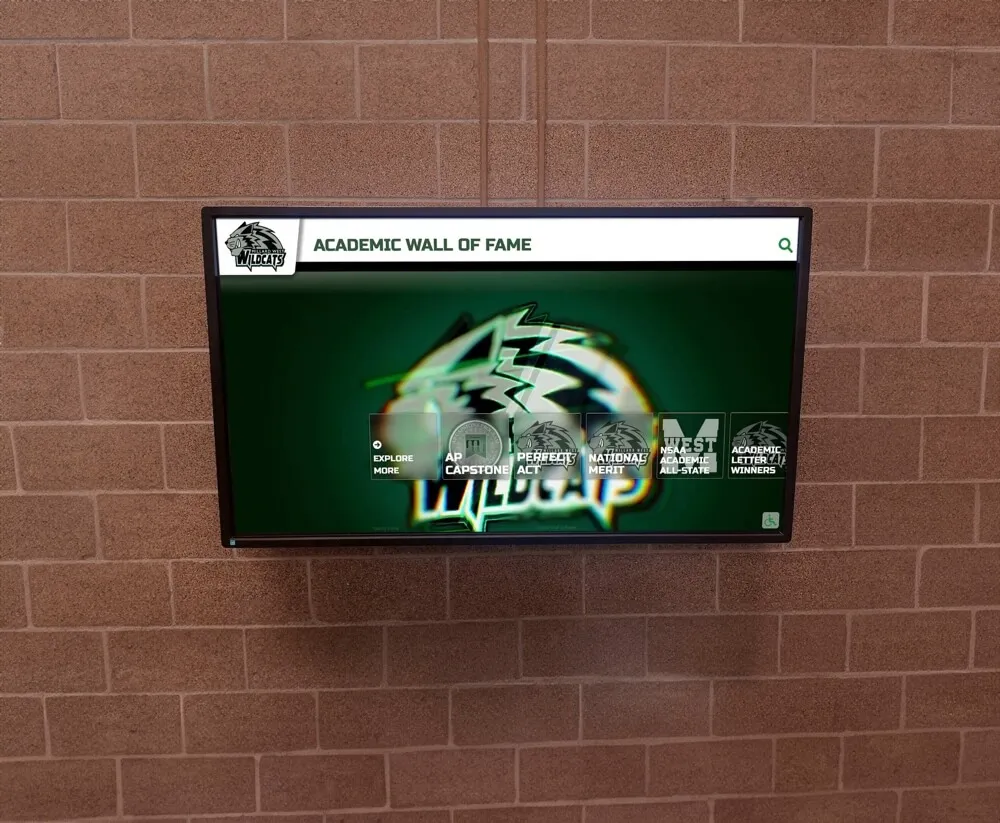
Digital Walls of Fame
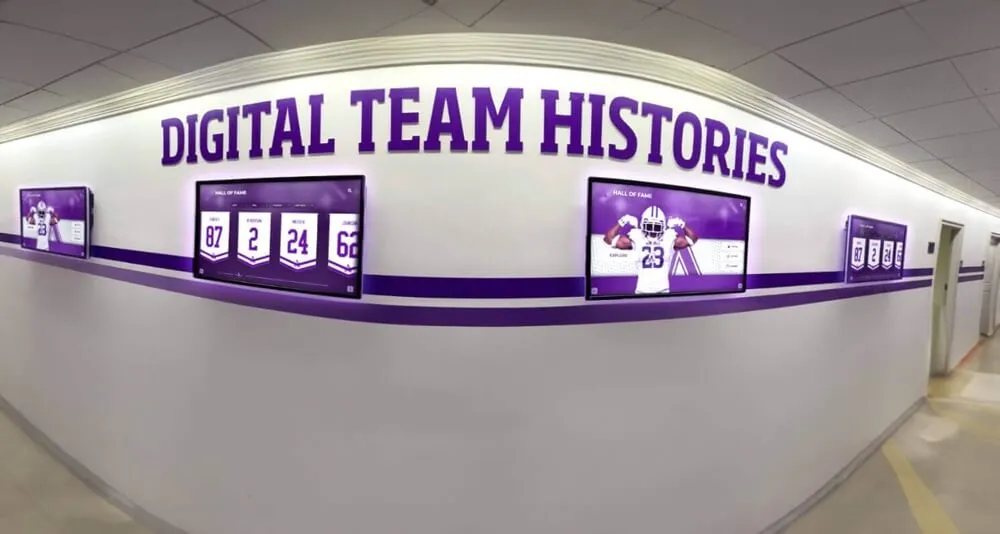
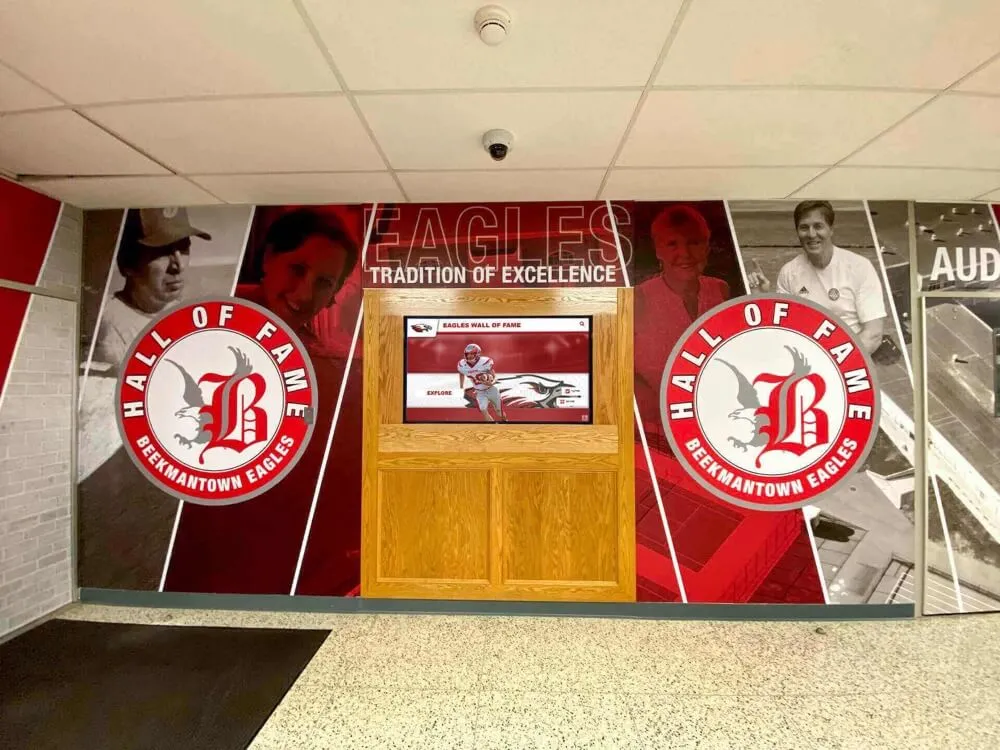
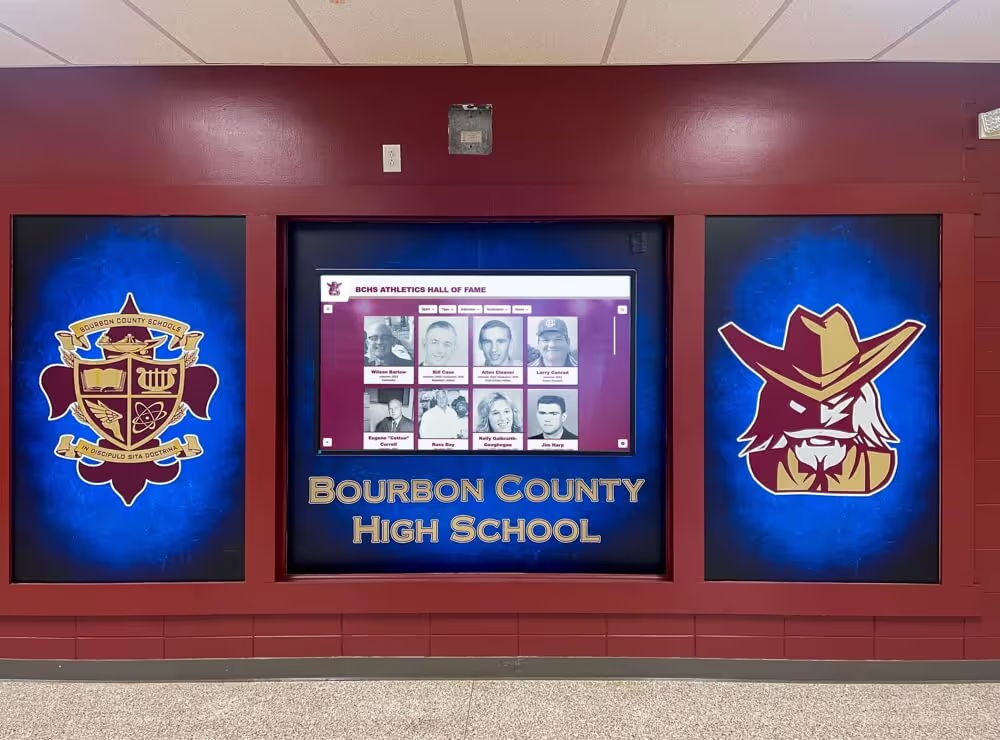
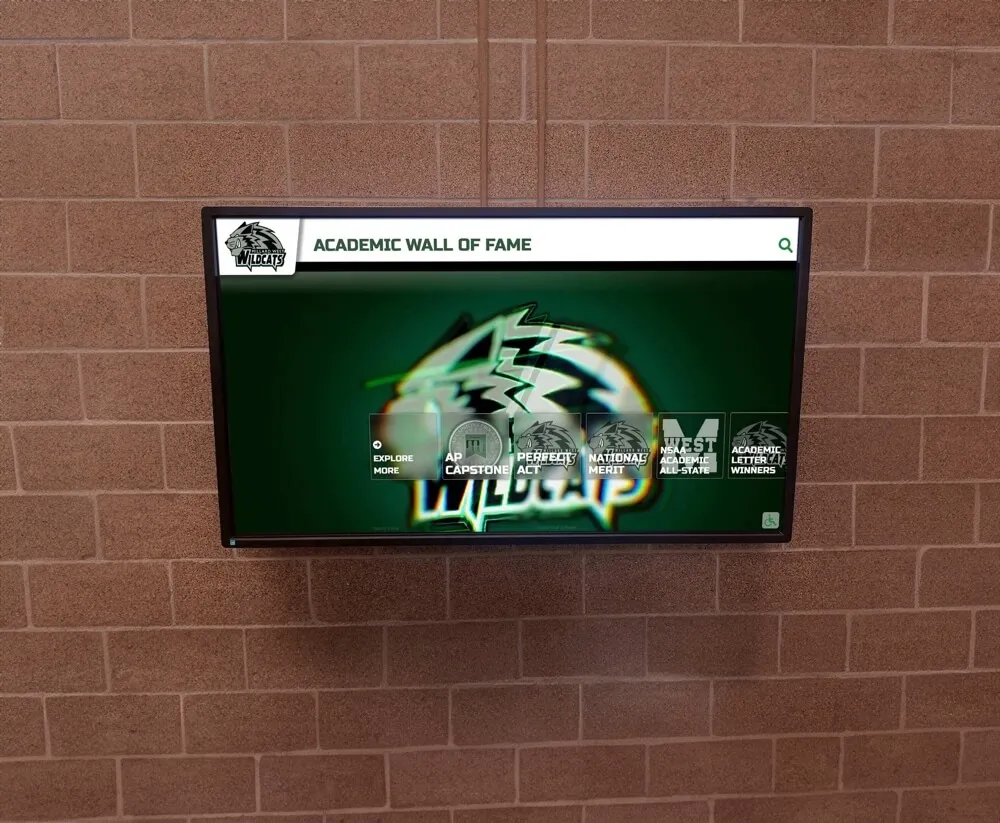
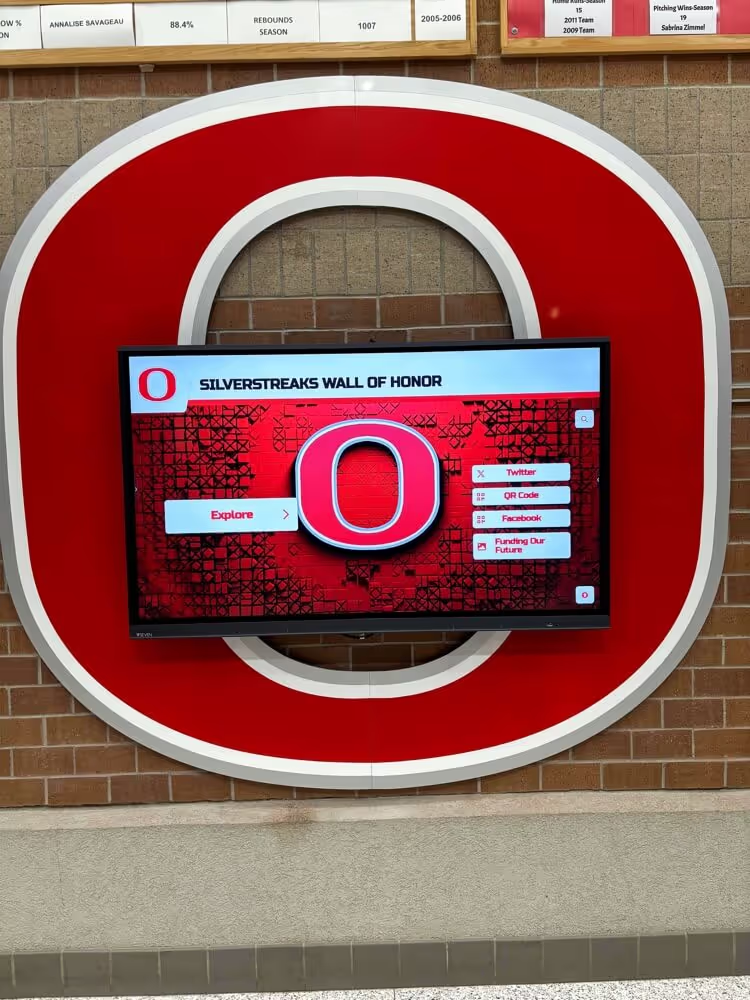
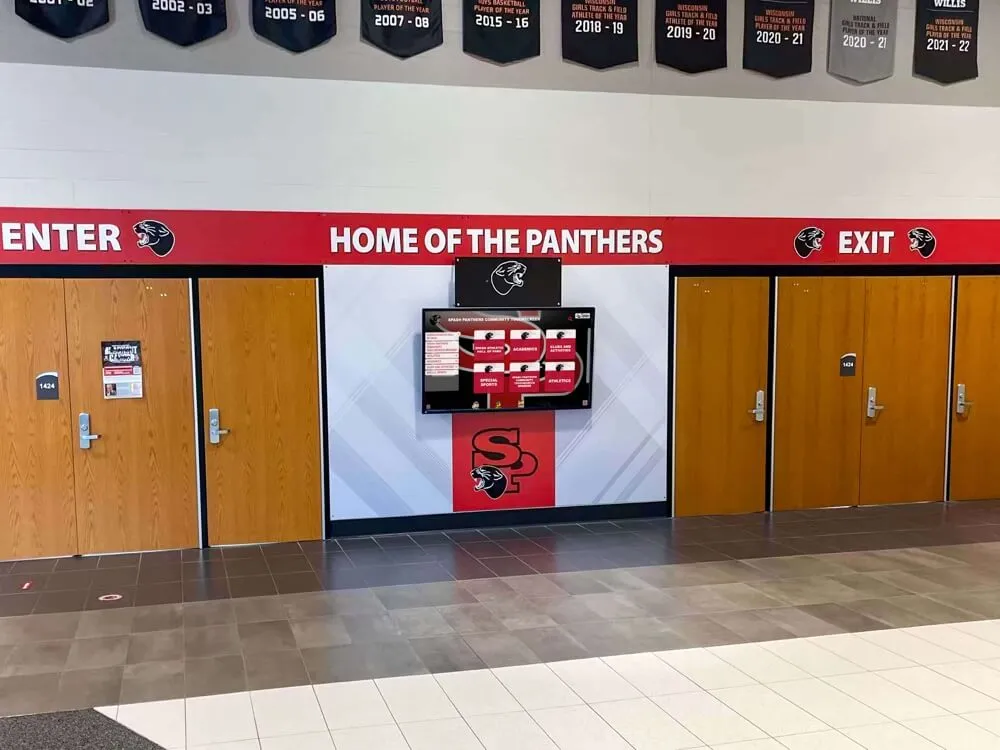
Interactive touchscreen displays in school lobbies, libraries, or main corridors showcase:
- Biographical information about valedictorians and salutatorians from current and previous years
- Photographs and video messages from honorees
- Academic statistics and achievements throughout high school career
- College destinations and future plans
- Searchable databases allowing visitors to explore decades of top graduates
These digital systems provide year-round recognition rather than limiting visibility to graduation season, inspiring current students while honoring past excellence.

Integrated Recognition Programs
Forward-thinking schools develop comprehensive recognition ecosystems connecting multiple platforms:
- Physical plaques in honor corridors complemented by digital screens with detailed information
- School websites featuring dedicated honor graduate sections with searchable archives
- Social media campaigns during graduation season highlighting top students
- Digital yearbook platforms preserving achievement records accessible to alumni communities
Recognition During School Events
Beyond graduation, schools honor top academic performers during:
- Senior awards nights specifically celebrating academic achievement
- Student council assemblies where student leaders recognize peers
- Athletic banquets and school awards ceremonies highlighting well-rounded students
- Scholarship nights where academic achievement meets financial recognition
Common Questions About Valedictorian and Salutatorian
Is Salutatorian Higher Than Valedictorian?
No—this represents a common misconception. Valedictorian is the higher honor, designating the student with the highest GPA in the graduating class. Salutatorian ranks second, immediately below the valedictorian. The confusion sometimes arises from the Latin roots of the terms, but the hierarchical relationship remains consistent: valedictorian first, salutatorian second.
Can There Be Multiple Valedictorians?
Yes, increasingly common particularly at schools using weighted GPA systems. When multiple students achieve identical top GPAs, schools face several options:
- Recognize all as valedictorians: The most inclusive approach, celebrating all students who achieved the highest GPA
- Apply tiebreakers: Use predetermined criteria to differentiate and name a single valedictorian
- Designate co-valedictorians: Share the honor explicitly rather than ranking
Schools with multiple valedictorians often don’t designate a salutatorian, as the concept of “second-highest” becomes ambiguous when several students share the top ranking. Alternatively, students with the next-highest GPA below the tied valedictorians might be collectively recognized as salutatorians.
Do Valedictorians Always Give Speeches?
Traditionally yes, but contemporary practices vary. Most schools maintain the custom of valedictorian speeches as central commencement elements. However:
- Some schools rotate speaking opportunities among top-ranked students rather than limiting to valedictorian alone
- Student government officers sometimes share or replace valedictorian speeches
- Schools eliminating class rank often select speakers through alternative processes like applications or competitions
- Some valedictorians decline speaking opportunities due to anxiety or preference
How Much Does Being Valedictorian or Salutatorian Matter for College Admissions?
The impact varies significantly:
At Highly Selective Colleges: Top universities receive applications from thousands of valedictorians annually. While the honor demonstrates academic excellence, it alone doesn’t guarantee admission to elite institutions that evaluate applications holistically considering extracurriculars, essays, recommendations, and demonstrated interests alongside academics.
At State Universities and Regional Colleges: Valedictorian/salutatorian status often carries more weight, potentially qualifying students for:
- Automatic admission at some state university systems
- Merit-based scholarships specifically designated for top-ranked graduates
- Honors program admission
- Enhanced application review consideration
Overall Perspective: The academic habits, work ethic, and intellectual curiosity that lead to valedictorian achievement matter more than the title itself. Colleges value the underlying qualities—discipline, time management, intellectual engagement—that manifest in top rankings rather than simply the designation.
What Happens If the Valedictorian Can’t Attend Graduation?
Schools handle this situation through predetermined policies:
- The salutatorian typically assumes speaking responsibilities if the valedictorian cannot attend
- The honor and title remain with the absent valedictorian in permanent records
- Schools might include a recorded video message from the absent valedictorian during the ceremony
- The salutatorian doesn’t become valedictorian due to absence—the ranking reflects academic achievement, not attendance
Preparing for Valedictorian or Salutatorian Status
Students aspiring to these top academic honors should understand what the pursuit requires and how to approach high school strategically.
Academic Planning Strategies
Start Strong: Freshman year GPA matters equally to senior year in cumulative calculations. Students who stumble academically early face uphill battles even with subsequent perfect performance. Establishing strong academic habits from the beginning provides crucial foundation.
Strategic Course Selection: Balance challenge and performance:
- Take the most rigorous courses available while maintaining strong grades
- Understand your school’s weighting system and how course selection impacts GPA
- Don’t avoid challenging courses solely to protect GPA—colleges value rigor
- Plan course sequences thoughtfully, building prerequisite knowledge progressively
Consistency Over Perfection: Valedictorian status results from sustained excellence across four years rather than dramatic performance in isolated semesters. Consistent A grades across diverse subjects typically outweigh perfect performance in some areas offset by weaknesses in others.

Beyond GPA: Holistic Development
Students and families should maintain perspective about what valedictorian achievement represents:
Value of Balanced Development: Top academic performance shouldn’t come at the expense of:
- Extracurricular participation that develops leadership and teamwork
- Social relationships and emotional health
- Adequate sleep and physical wellness
- Exploration of genuine interests beyond grade optimization
Risk of Unhealthy Competition: When pursuit of top ranking becomes all-consuming:
- Students might avoid collaboration, viewing peers as competitors
- Course selection focuses on GPA impact rather than intellectual interest
- Anxiety and stress undermine both performance and wellbeing
- The honor loses meaning when achieved through joyless grinding
Reframing Success: Rather than fixating on valedictorian as the goal, students benefit from viewing academic excellence as:
- Development of intellectual capabilities and curiosity
- Preparation for rigorous college coursework
- Cultivation of discipline and time management
- Demonstration of commitment and follow-through
Whether a student ultimately ranks first, second, or tenth matters less than the growth, knowledge, and capabilities developed through challenging academic work.
Modern Recognition Systems for Academic Achievement
While traditional valedictorian and salutatorian honors celebrate the top two graduates, contemporary recognition systems offer schools more comprehensive and inclusive ways to honor academic excellence across entire graduating classes.
Digital Recognition Platforms
Modern schools increasingly implement digital recognition solutions that expand beyond highlighting only top-ranked students to create comprehensive academic honor systems.
Comprehensive Academic Honor Displays
Digital platforms allow schools to:
- Showcase all Latin honor recipients (summa, magna, and cum laude) with equal prominence
- Feature departmental honors recognizing excellence in specific subject areas
- Highlight improvement awards celebrating growth rather than absolute achievement
- Display honor roll students across all four years of high school
- Include scholarship recipients and college destinations
This approach celebrates excellence more broadly while still giving appropriate prominence to valedictorian and salutatorian achievements within a larger context of academic recognition.
Searchable Archives
Digital systems provide lasting value through:
- Historical databases of valedictorians and salutatorians from previous decades
- Filtering capabilities allowing visitors to search by graduation year, name, or achievement type
- Updated content reflecting current honorees alongside historical records
- Multi-location access through lobby displays, website integration, and mobile applications
Engagement Features
Interactive elements increase the impact of recognition:
- Video messages from valedictorians sharing advice with current students
- “Where are they now” updates showing post-graduation accomplishments
- Statistics and achievements beyond just GPA—research projects, publications, competitions
- Integration with graduation ceremony planning and celebration
Complementary Recognition Approaches
Progressive schools combine traditional top honors with expanded recognition:
Department and Subject Awards: Rather than a single valedictorian, recognize top performers in:
- Mathematics, science, English, social studies, foreign language, and arts departments
- Career-technical programs and specialized academies
- Research and independent study programs
Character and Contribution Awards: Balance academic achievement with recognition for:
- Service and volunteerism through programs like Volunteer Recognition Day
- Leadership through student government, clubs, and peer mentoring
- Citizenship and positive school culture contribution
- Improvement and growth beyond absolute achievement levels
Milestone Recognition: Celebrate academic accomplishments throughout high school:
- Honor roll recognition each semester
- Perfect attendance awards
- Advanced Placement Scholar designations
- National Merit recognition and similar external honors
Implementing Effective Academic Recognition Programs
Schools seeking to honor valedictorian, salutatorian, and broader academic achievement effectively should consider comprehensive approaches that balance tradition with modern recognition capabilities.
Key Implementation Considerations
Clear, Published Criteria: Eliminate confusion and controversy by:
- Documenting GPA calculation methods explicitly in student handbooks
- Publishing timelines for final GPA calculation and honor determination
- Clarifying which courses count toward rankings and how transfers are handled
- Establishing transparent tiebreaker policies before they’re needed
Equitable Recognition: Ensure systems honor diverse forms of excellence:
- Balance weighted and unweighted recognition to acknowledge both rigor and consistency
- Consider students who face barriers to advanced coursework access
- Recognize achievement beyond traditional academics—arts, career-technical skills, leadership
- Create multiple pathways to recognition rather than single hierarchical rankings
Sustainable Celebration: Build recognition systems that endure beyond graduation day:
- Invest in permanent recognition infrastructure—physical displays, digital systems, or both
- Create update processes ensuring new honorees join historical records annually
- Integrate recognition across multiple school spaces and communication channels
- Connect academic honor recognition to broader school culture and values
Family and Community Engagement: Extend recognition impact through:
- Family-friendly graduation ceremony planning that appropriately honors top graduates
- Local media partnerships highlighting student achievement
- Alumni engagement through databases connecting past and present honorees
- Scholarship programs rewarding academic excellence
Modern solutions like Rocket Alumni Solutions provide comprehensive platforms specifically designed for schools to celebrate academic achievement through integrated digital displays, mobile applications, and web-based recognition systems that honor valedictorians and salutatorians alongside broader student excellence. These turnkey systems handle the technical complexity while allowing schools to focus on the meaningful work of recognizing student achievement in ways that inspire current students and honor graduating classes for decades to come.
Conclusion: Celebrating Academic Excellence Meaningfully
The distinction between valedictorian and salutatorian—highest and second-highest academic achievement—represents more than competitive ranking. These honors celebrate dedication, intellectual curiosity, and consistent excellence that benefit students regardless of whether colleges weight the titles heavily or career success depends on high school class rank.
The most effective recognition systems acknowledge that while valedictorian and salutatorian designations identify top performers, academic excellence exists across broader student populations. Schools serve their communities best by maintaining clear, equitable selection processes for top honors while creating recognition systems that celebrate achievement comprehensively—honoring not just the top two graduates but all students who demonstrate excellence, growth, and commitment to learning.
Whether your school maintains traditional valedictorian/salutatorian designations or has moved toward alternative recognition frameworks, the underlying goal remains consistent: creating cultures that value intellectual achievement, motivating students toward academic excellence, and celebrating those who exemplify educational values. Modern recognition tools simply provide more comprehensive and enduring ways to accomplish these timeless objectives, ensuring that student achievement receives the visibility and celebration it deserves both at graduation and in the years that follow.