



Key Takeaways
Complete guide to creating impactful UDA National Championship recognition displays using digital technology to honor dance team achievements, preserve championship legacies, and inspire future performers.
Understanding the UDA National Championship
Before exploring recognition strategies, understanding what makes UDA Nationals significant helps schools appreciate why this achievement deserves comprehensive, permanent celebration.
The History and Prestige of UDA Competitions
The Universal Dance Association National Championship was established in 1983 as the first national competition specifically created to recognize and reward dance teams for their hard work, abilities, and contributions to school spirit. For over four decades, UDA has maintained its position as one of the most prestigious dance competitions in the country, setting standards for technical excellence, choreographic innovation, and performance quality that influence dance programs nationwide.
UDA competitions occur at multiple levels including the high school National Dance Team Championship held annually in late January through early February, and the College Cheerleading and Dance Team National Championship typically held in mid-January. These events attract hundreds of teams and thousands of athletes, creating intense competition where simply qualifying represents tremendous achievement.
According to recent championship data, the 2025 UDA National Dance Team Championship hosted 5,935 athletes representing 374 teams from 36 states, demonstrating the scope and competitive intensity of these prestigious events. Teams compete across multiple divisions and categories, ensuring appropriate competition levels while maintaining the high standards UDA is known for nationally.
Competition Categories and Division Structure
UDA National Championships feature diverse competition categories recognizing different dance styles and skill specialties:
Performance Categories include Pom emphasizing precision, synchronization, and sharp motions with pom equipment, Jazz incorporating technical dance technique with expressive choreography, Hip Hop showcasing urban dance styles and contemporary movement, High Kick highlighting flexibility, extension, and synchronized kick sequences, and Game Day celebrating spirit-building routines incorporating chants, stunts, and crowd engagement.
Division Structure separates teams by school size and program scope ensuring fair competition including Large Varsity for bigger programs with extensive rosters, Medium Varsity for mid-sized teams, Small Varsity for smaller programs, and Junior Varsity divisions for developing dancers. Some categories include Game Day Live where teams perform with live crowds to demonstrate spirit-building capabilities.
The 2025 championship introduced the inaugural Pep Band Division, expanding recognition beyond traditional dance categories to celebrate musical support programs that contribute to school spirit alongside dance teams.
What It Takes to Reach UDA Nationals
Qualifying for UDA Nationals requires sustained excellence throughout competitive seasons. Teams must typically earn qualification through regional competitions or video submissions demonstrating technical proficiency, perform routines meeting strict difficulty and safety requirements, maintain academic eligibility for all team members, demonstrate financial capability to attend through fundraising and institutional support, and commit to intensive preparation requiring months of dedicated training.
The journey to nationals often begins a full year before competition with choreography development, skill progression training, team building activities, fundraising campaigns, and countless practice hours. This sustained commitment from dancers, coaches, parents, and school communities makes UDA qualification an institutional achievement worthy of recognition extending beyond just the competitive team members.
The Case for Digital Recognition of UDA Championships
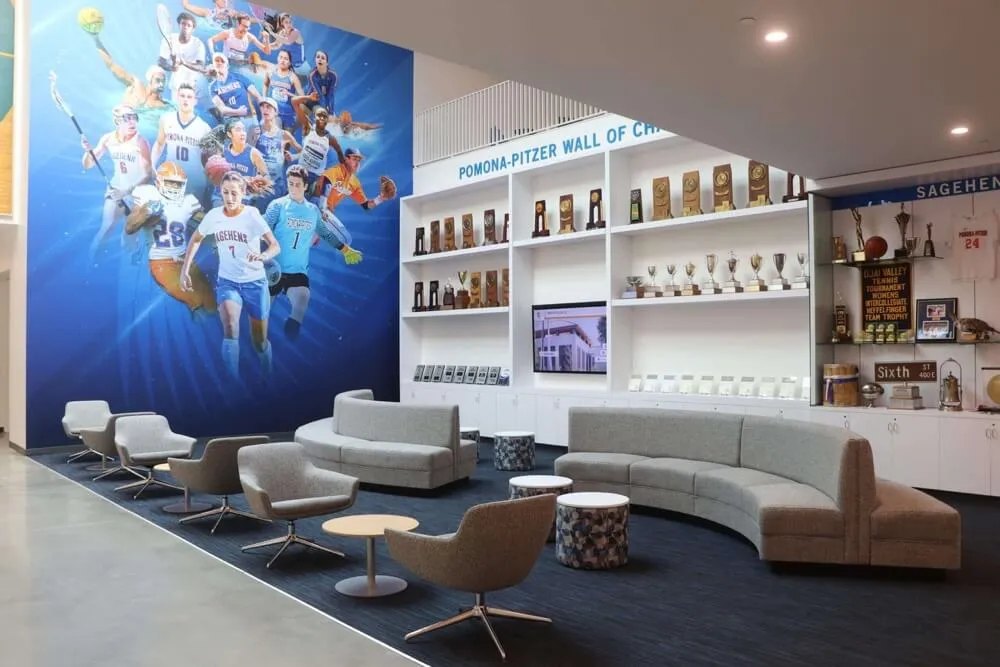
Traditional trophy cases have long served as primary vehicles for athletic recognition, but modern digital display technology offers capabilities that transform how schools celebrate UDA championship achievements.
Limitations of Traditional Trophy Recognition
Physical trophy displays face inherent constraints that limit their effectiveness for comprehensive dance team recognition:
Space Limitations force difficult decisions about which achievements receive recognition when trophy cases fill. Schools with long-standing dance programs may have decades of UDA participation but limited physical space, resulting in older achievements being removed or stored rather than displayed.
Static Presentation means trophies sit on shelves without context, storytelling, or engagement. Visitors see trophies but learn little about the teams who earned them, the routines performed, the journey to nationals, or the dancers’ individual contributions.
Limited Content prevents inclusion of performance videos, competition highlights, dancer profiles, or the rich multimedia content that brings championship achievements to life. Dance is inherently a performance art—static trophies cannot capture the artistry, athleticism, and precision that earned championship recognition.
Update Difficulty requires physical installation each time new recognition is added. As teams continue competing at nationals year after year, updating displays becomes increasingly complex and expensive, sometimes resulting in delayed recognition that diminishes achievement celebration.
No Searchability means visitors cannot easily find specific dancers, years, or categories without visually scanning entire displays. Alumni returning years later may struggle to locate their own achievements among accumulated trophies.
How Digital Displays Transform UDA Recognition
Digital recognition systems overcome these limitations while introducing capabilities impossible with traditional approaches:
Unlimited Capacity means every UDA qualifier, finalist, and champion throughout program history can receive comprehensive recognition without space constraints. Schools can honor decades of dance excellence within single interactive displays that never run out of room for new achievements.
Rich Multimedia Content enables inclusion of full performance videos from nationals competition, practice footage showing preparation and dedication, competition highlight reels featuring key moments, individual dancer profile videos and photos, coach testimonials about team journey, and behind-the-scenes content documenting the nationals experience.
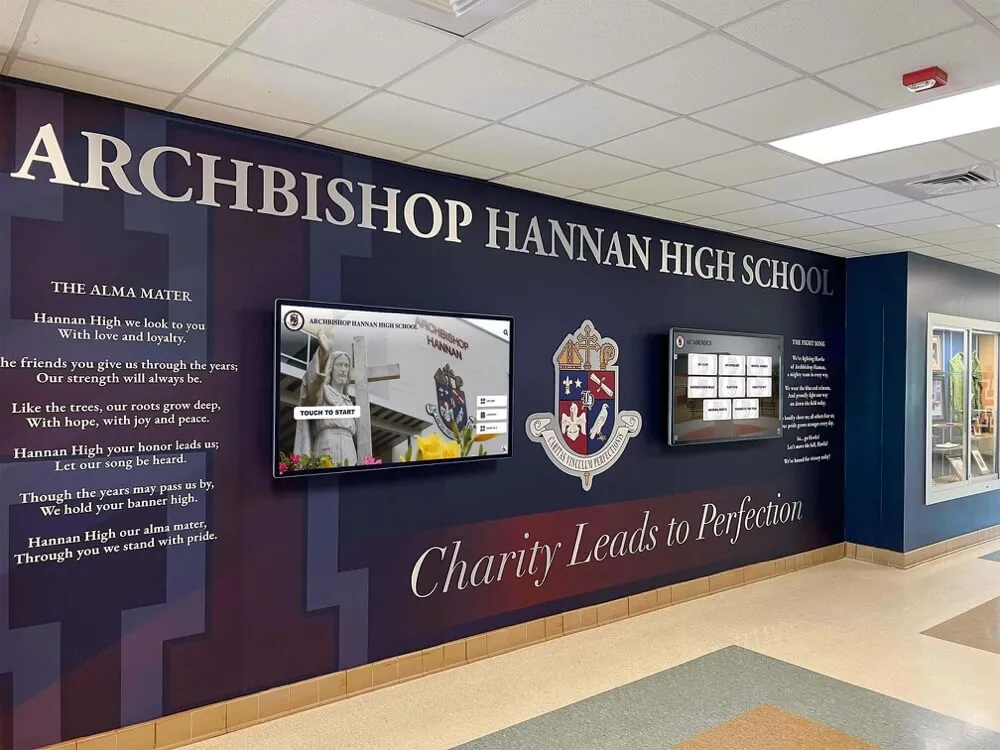
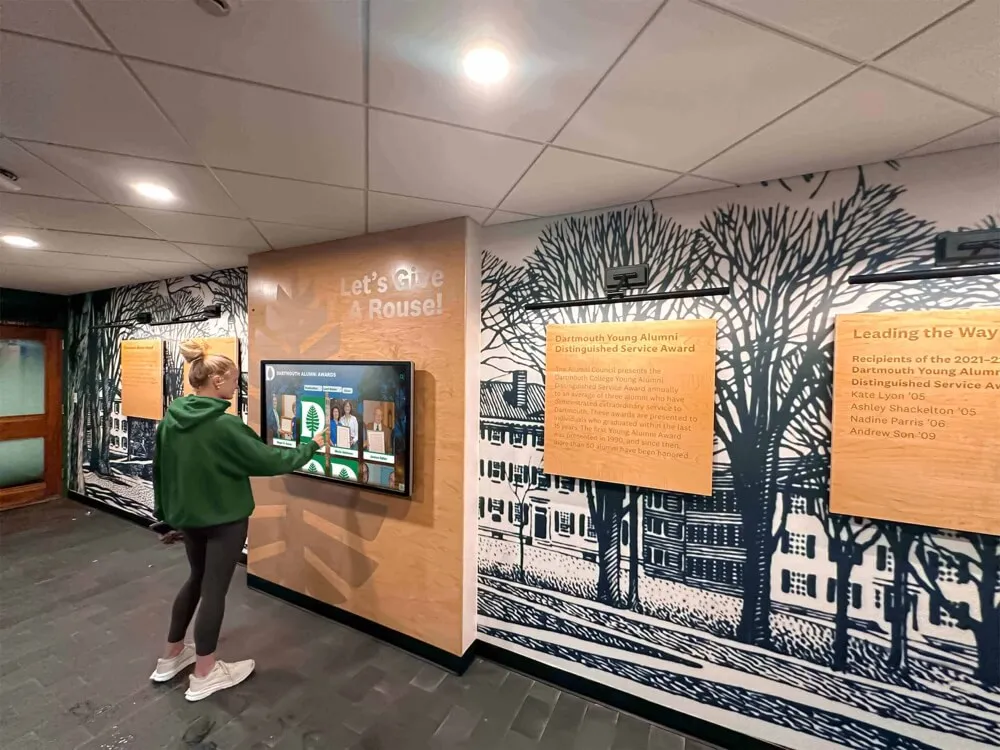
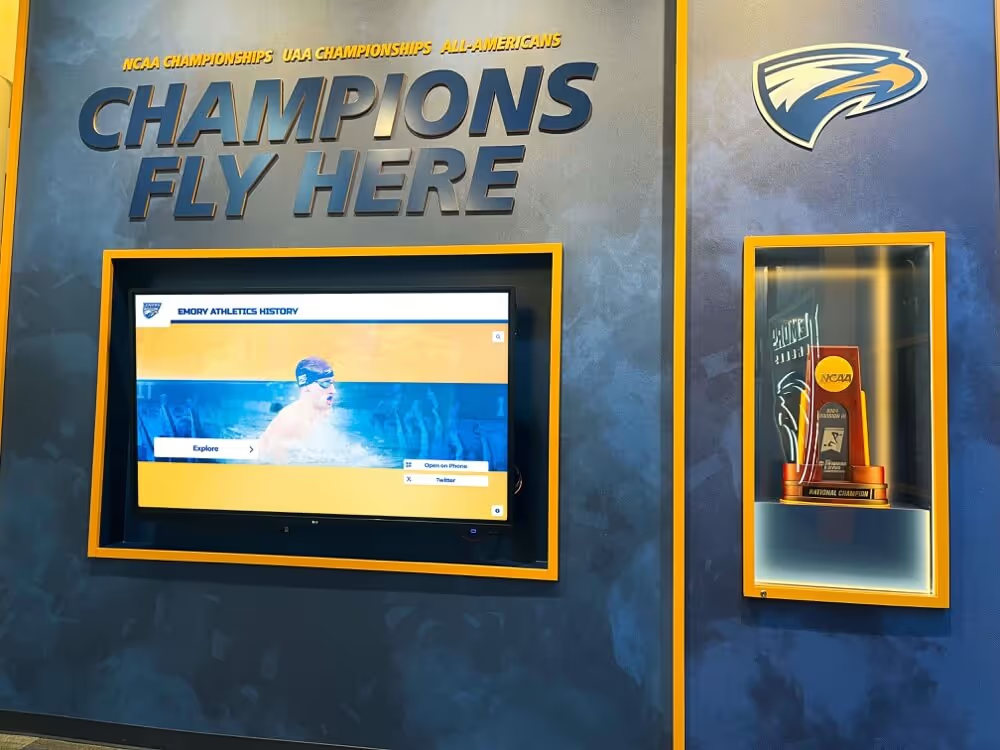
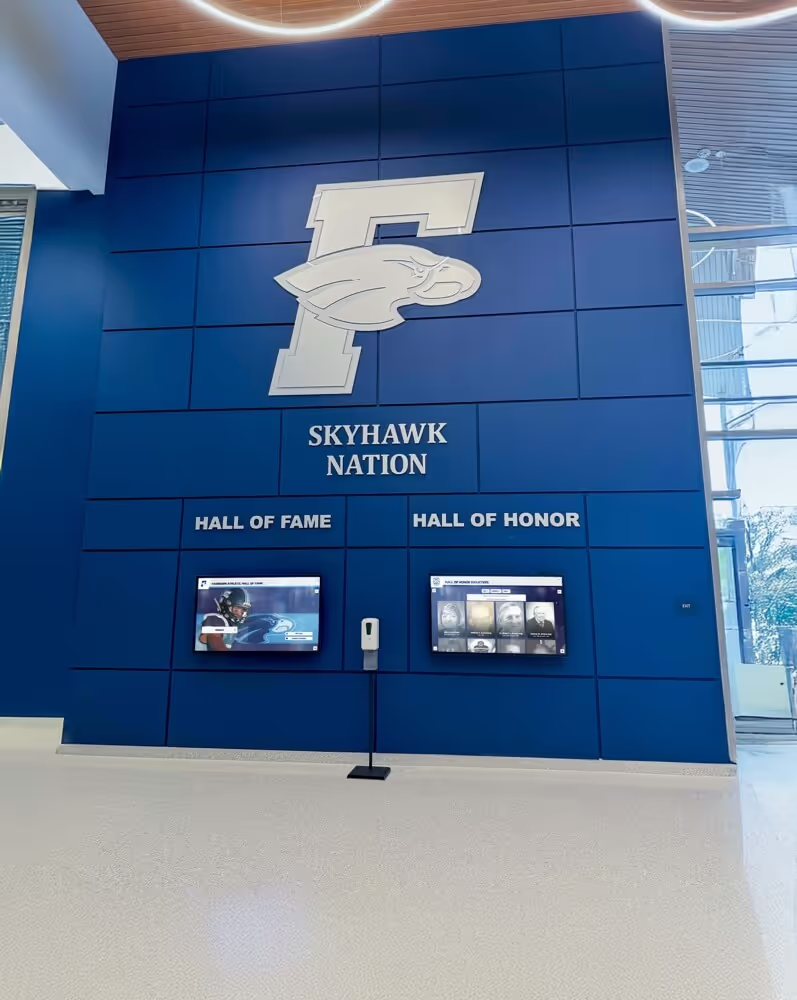
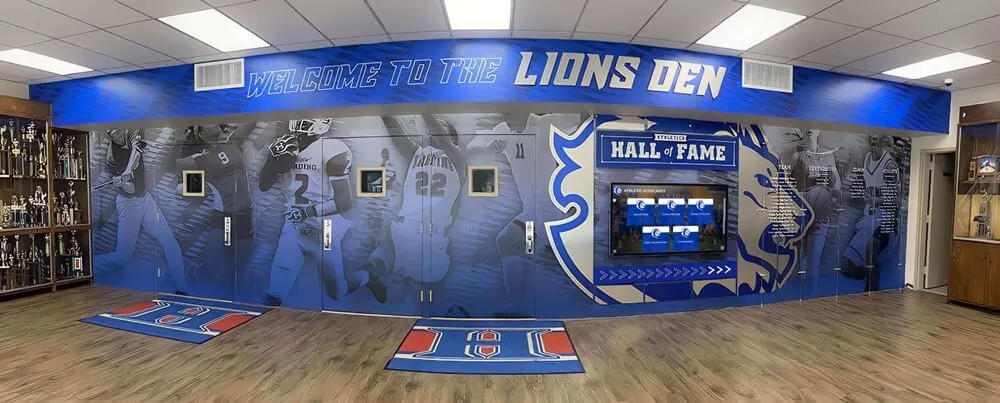
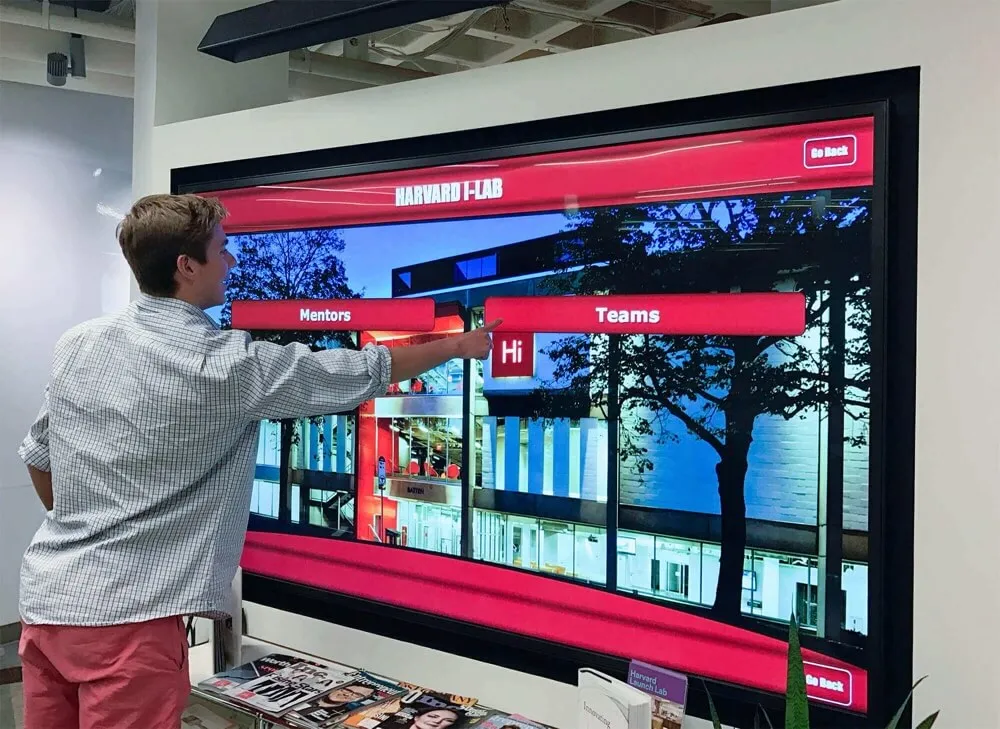
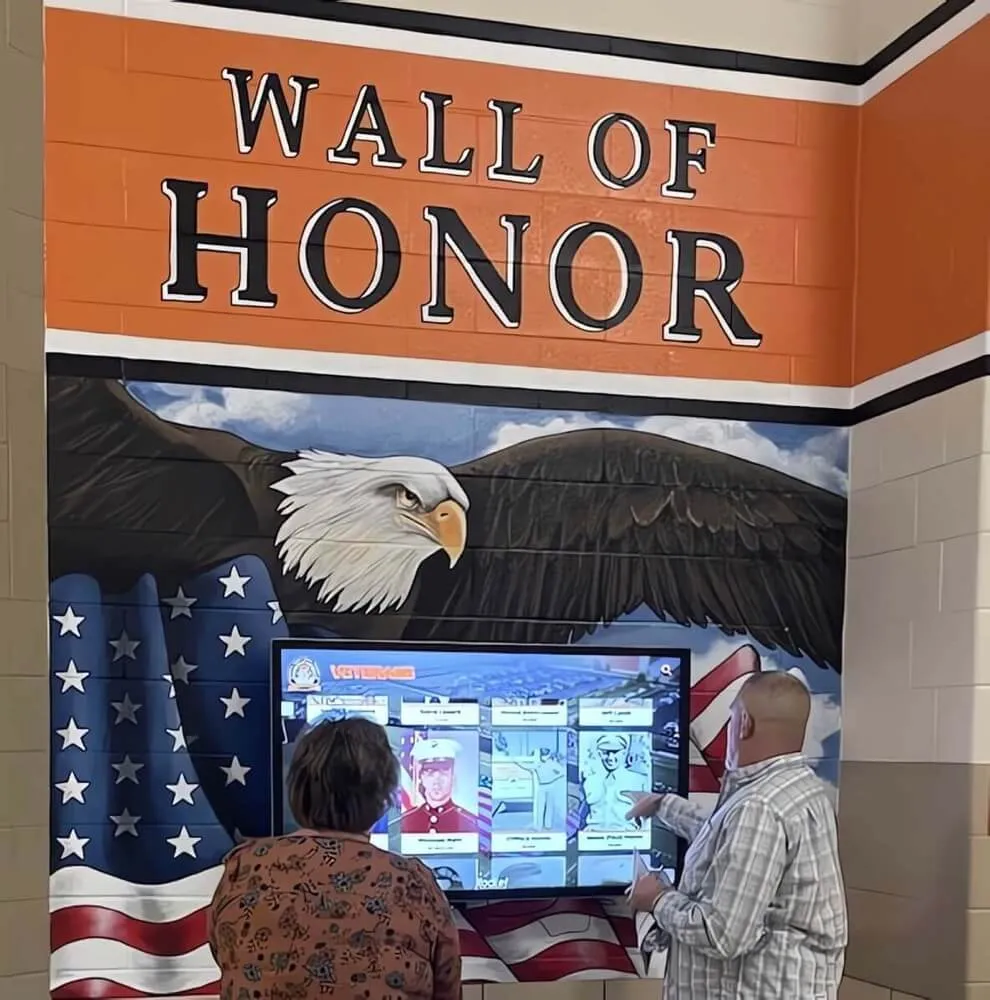
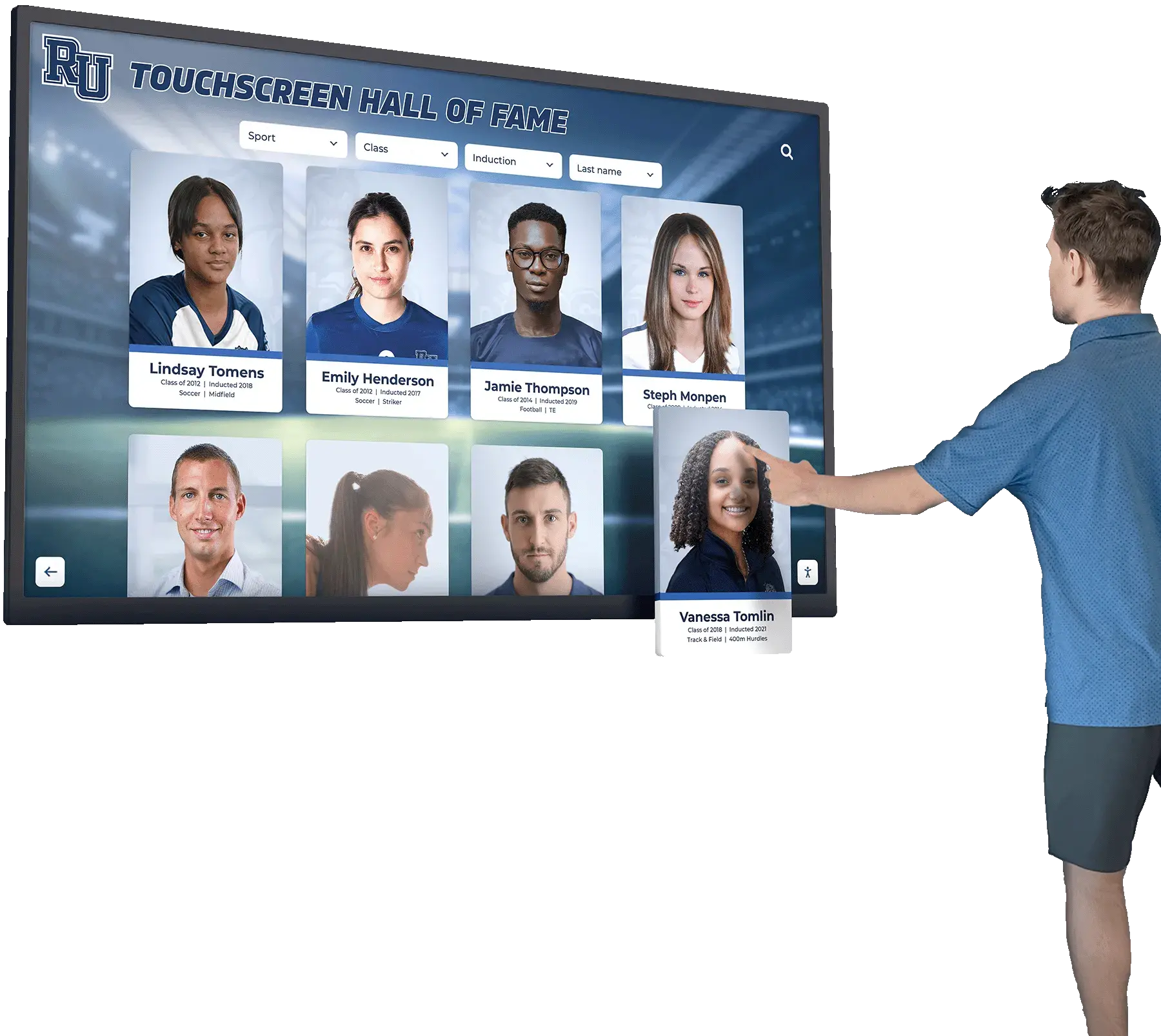
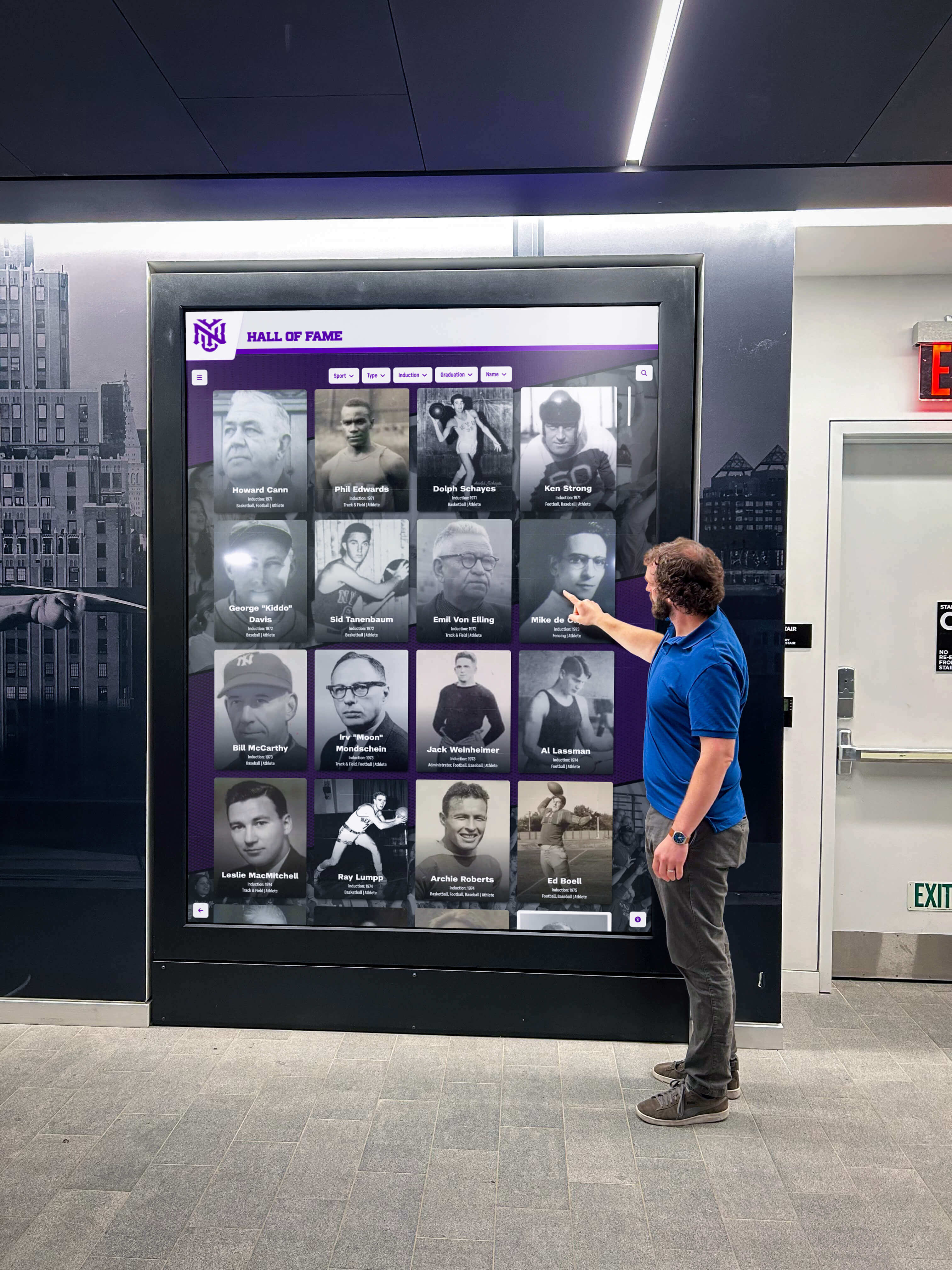
Interactive Exploration allows visitors to search UDA achievements by competition year or season, filter by division or performance category, view individual dancer profiles and contributions, explore team photos and group recognition, and access detailed competition results and rankings. This interactivity creates engagement that passive trophy viewing cannot match.
Instant Updates let schools add new UDA achievements immediately following each season’s competition without physical installation, complex logistics, or space availability concerns. Content management systems enable quick updates keeping recognition current and timely.
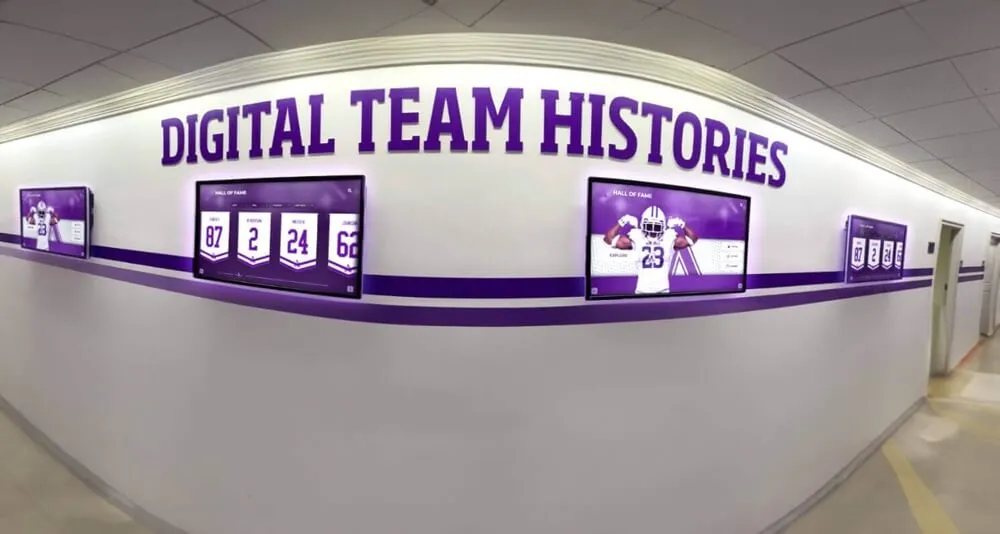
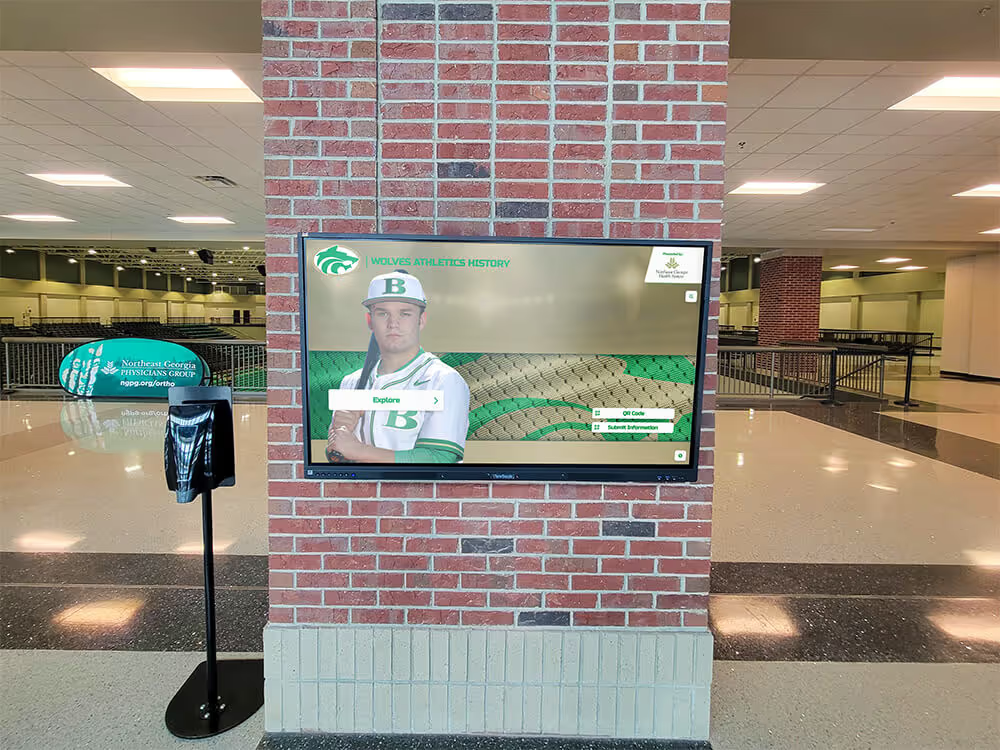
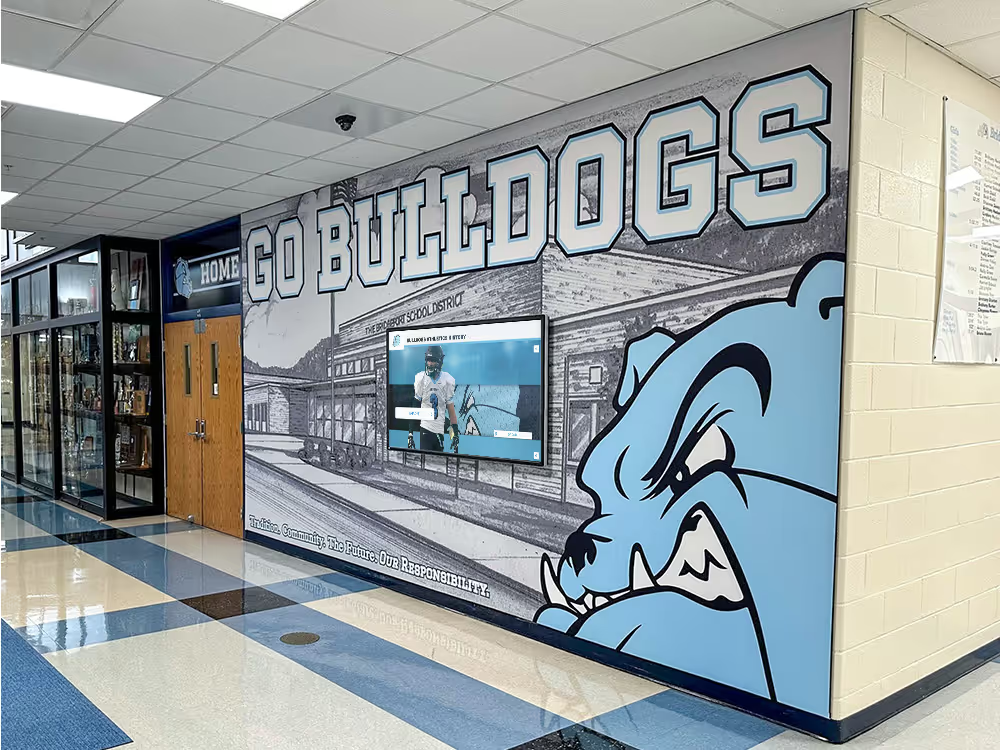
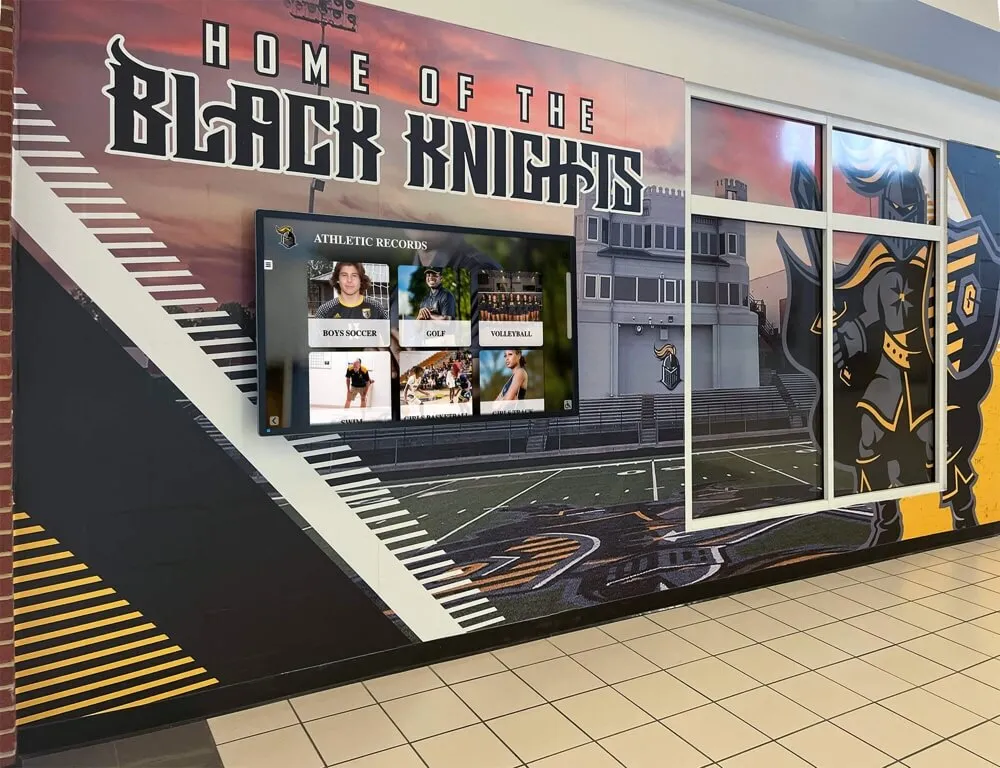
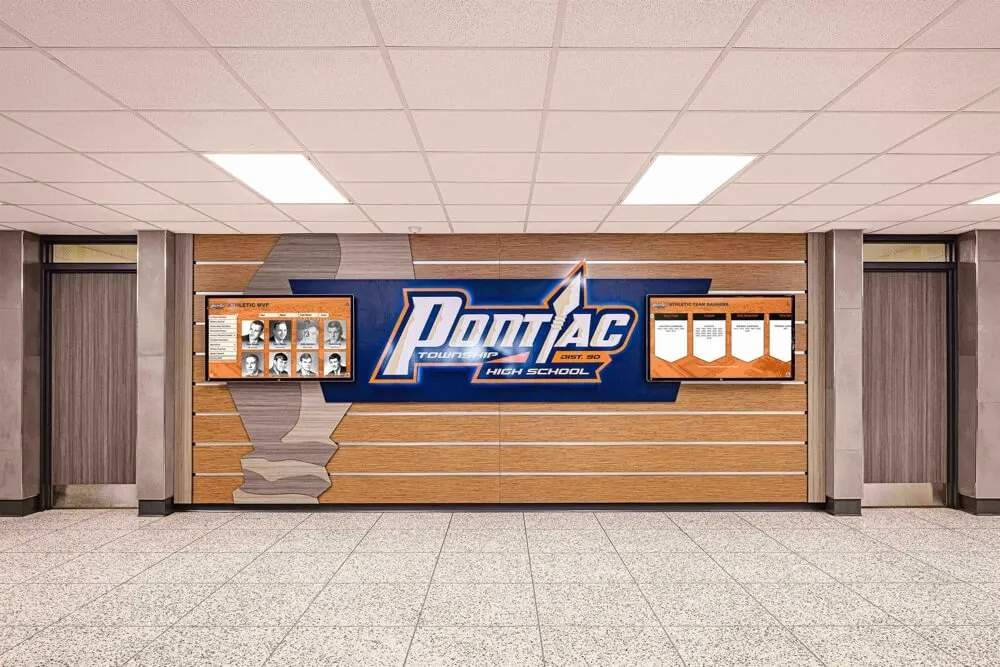
Year-Round Inspiration maintains UDA achievement visibility throughout entire years rather than only during dance season, keeping championship excellence visible to inspire current dancers, prospective team members, and school communities continuously. Solutions like digital athletic record boards provide this constant visibility that traditional trophy cases cannot offer.
Statistical and Historical Context enables inclusion of program statistics, championship progression over time, comparison of different seasons’ achievements, and historical narratives documenting program evolution. This context helps audiences appreciate achievement significance within broader institutional history.
Essential Content for UDA Championship Digital Displays
Comprehensive digital recognition of UDA achievements should include specific content elements that honor accomplishments while telling complete stories about teams, dancers, and their journey to nationals.
Team-Level Recognition Content
Championship Year and Results
Document each UDA Nationals appearance with competition year and specific dates, division and category competed, final placement and ranking, qualification method and path to nationals, team roster with all dancers’ names, and coaches and choreographers credited. This foundational information establishes basic recognition while providing context for achievement significance.
Performance Documentation
Include the full competition routine video showcasing the performance exactly as presented at nationals, practice footage demonstrating preparation intensity and skill development, behind-the-scenes content from the nationals experience, team reactions to results announcements, and celebration moments capturing the emotional impact of achievement. Performance videos transform static recognition into dynamic celebration that brings dance artistry to life.
Team Photos and Visual Content
Feature formal team portraits in uniform, candid photos from nationals experience, warm-up and preparation images, celebration photos with awards and recognition, and campus celebration documentation when teams return home. Visual content creates emotional connections while documenting the human dimension of championship achievement.
Journey and Qualification Narrative
Tell the story of how teams earned their nationals invitation through season performance highlights leading to qualification, fundraising efforts that made participation possible, community support that enabled the journey, obstacles overcome during preparation, and what made this team’s achievement special. Narrative context transforms basic results into inspiring achievement stories.
Individual Dancer Recognition
While UDA championships celebrate team achievement, comprehensive recognition also honors individual dancers whose dedication and performance made success possible:
Dancer Profiles and Bios should include full name and graduation year, years on team and UDA participation, position or specialty within team formations, individual awards or special recognition earned, post-graduation path and continued dance involvement, and personal reflections on the nationals experience when available.
Individual Performance Highlights can showcase solo or featured moments from routines, technical skills that contributed to team success, leadership roles in team culture and preparation, academic achievements demonstrating student-athlete balance, and connections to other school activities and honors. Programs like comprehensive academic recognition systems can link dance achievement with broader student success.
Where Are They Now updates document dancers’ paths after graduation including college dance team participation, professional dance careers, coaching and choreography work, careers in related fields, and ongoing connection to program as alumni. These updates demonstrate long-term impact of dance team participation while creating role models for current dancers.
Coaching and Program Leadership
Comprehensive UDA recognition also celebrates coaches, choreographers, and program leaders whose vision and dedication build championship-caliber teams:
Coach Recognition includes coach names and titles, years leading program to nationals, total UDA appearances and achievements under their leadership, coaching philosophy and program culture, and awards or recognition earned for coaching excellence.
Choreographer Acknowledgment credits those who created award-winning routines with choreographer names and backgrounds, artistic vision for competition routines, technical elements and difficulty incorporated, and collaboration process with teams and coaches.
Program Evolution Documentation shows how dance programs developed championship capabilities over time, milestone moments in program history, growing institutional support and resources, and building blocks that led to nationals qualification. This historical perspective helps audiences appreciate current achievement within longer developmental journeys.
Designing Effective UDA Championship Digital Displays
Creating impactful digital recognition requires thoughtful design ensuring displays honor achievement appropriately while engaging diverse audiences effectively.
Visual Design Principles for Dance Recognition
Incorporate Movement and Energy
Dance is fundamentally about movement, and effective displays should reflect this dynamic quality through video content that showcases actual performances, animated transitions between screens and profiles, dynamic layouts that suggest movement and energy, and color schemes reflecting team’s visual identity and performance aesthetics.
Static displays work against dance’s inherent nature—effective digital recognition brings performance energy into everyday school environments.
Celebrate Artistry Alongside Athletics
Dance team competition combines athletic prowess with artistic expression. Recognition displays should honor both dimensions through highlighting technical difficulty and execution quality, celebrating choreographic creativity and innovation, acknowledging artistic interpretation and performance quality, and showcasing the cultural and emotional dimensions dancers convey through performance.
This balanced approach distinguishes dance recognition from other athletic honors while ensuring dancers receive credit for the full scope of their accomplishment.
Create Visual Hierarchy
Organize content with clear hierarchy ensuring easy navigation including prominent display of championship results and key achievements, organized access to team rosters and group recognition, detailed individual dancer profiles accessible through interaction, and historical context and program information as supporting layers.
Effective hierarchy lets casual viewers quickly understand major achievements while enabling deeper exploration for those wanting comprehensive information.
Content Organization Strategies
Chronological Organization presents achievements in timeline format showing program progression across years, evolution of team success and growth, and building narrative of championship culture development. This approach works well for programs with multiple nationals appearances, helping audiences understand achievement progression.
Category-Based Organization groups recognition by competition category (Pom, Jazz, Hip Hop, etc.), team division or size classification, or achievement level (qualifiers, finalists, champions). This structure suits programs competing in multiple categories, enabling visitors to explore specific performance styles of interest.
Achievement Hierarchy Organization prioritizes national championships first, then finalist and high placement recognition, followed by qualification and participation celebration, and finally individual awards and special recognition. This approach emphasizes top achievements while ensuring all participation receives appropriate honor.
Dancer-Centric Organization makes individual profiles primary entry points, enables searching and filtering by dancer name or year, and connects individuals to their team achievements and broader program history. This approach particularly engages alumni seeking their own recognition while creating personalized experiences.
Most effective displays combine multiple organizational approaches, allowing visitors to navigate through different pathways based on their interests and connections to the program.
Interactive Features That Engage Audiences
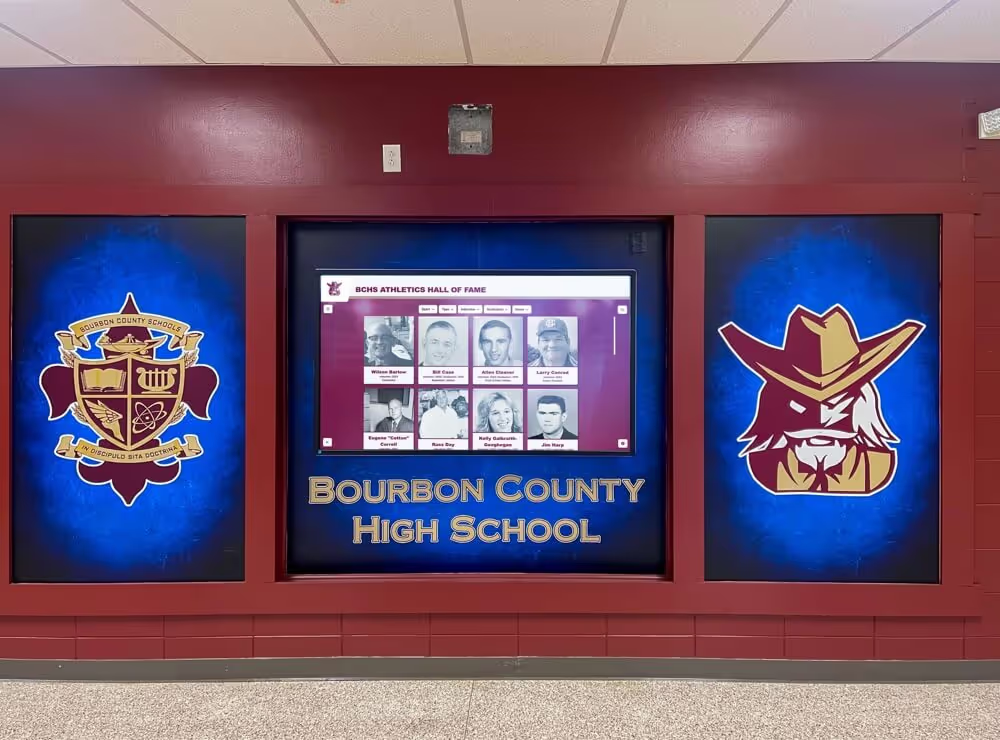
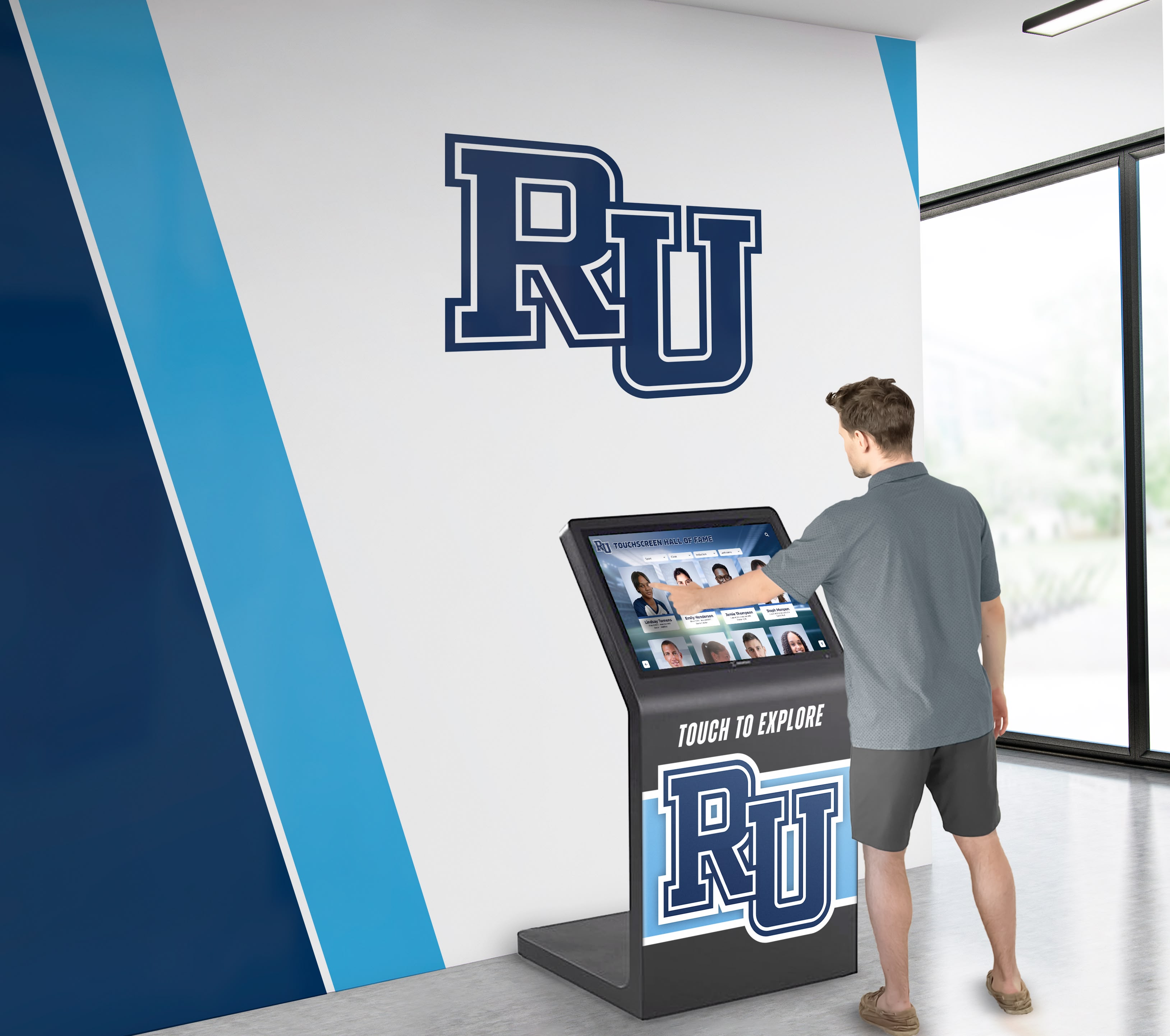
Search and Filter Capabilities let visitors find specific dancers, years, or achievements quickly through name-based search for alumni discovering their own recognition, year or season filters for class reunion groups, category filters for specific performance styles, and coach or era filters for program history exploration. Search functionality transforms passive viewing into active exploration.
Video Playback Controls provide user-controlled viewing experiences including play/pause functionality for performance videos, ability to restart or rewatch favorite moments, fullscreen viewing for detailed appreciation, and video chaptering for longer content with multiple routines. Control empowers visitors to engage on their own terms and pace.
Social Sharing Integration enables visitors to share discoveries through sharing individual dancer profiles to social media, posting achievement highlights with friends and family, creating shareable graphics celebrating recognition, and tagging schools and programs in shared content. Social integration exponentially amplifies recognition visibility beyond physical display locations. Solutions like those from digital storytelling platforms for athletics often include built-in sharing capabilities.
Contextual Information Overlays provide additional details on demand including definitions of technical terms or performance elements, explanation of scoring systems and competition structure, information about UDA history and significance, and links to related achievements or program history. Context helps diverse audiences appreciate achievement significance even without dance expertise.
Implementation Strategies for Schools
Successfully deploying digital UDA championship recognition requires strategic planning encompassing content development, technology selection, and ongoing management.
Planning Your Digital Recognition Project
Define Recognition Scope and Timeline
Determine how comprehensive your initial display will be including whether to start with just recent UDA appearances or include full program history, how much individual dancer detail to include initially, what multimedia content currently exists versus what needs creation, and realistic timeline for content development and display launch.
Many schools implement phased approaches starting with recent championships and extensive content, then progressively adding historical recognition as time and resources permit, and continuously updating with new achievements as they occur.
Identify Available Content and Assets
Audit existing materials that can populate displays including competition videos from nationals performances, team photos from various seasons and events, individual dancer photos and information, program records documenting history and results, and existing recognition materials like banquet programs or yearbook features. Comprehensive content inventories reveal what’s available versus what needs creation or acquisition.
Establish Content Development Process
Create systems for gathering ongoing content including who captures video at competitions and events, how individual dancer information is collected, what approvals are needed for photos and videos, how often displays will be updated with new content, and who manages the content development and review process.
Sustainable processes ensure displays remain current and comprehensive rather than becoming outdated shortly after launch.
Selecting Digital Recognition Technology
Platform Capabilities to Evaluate
When assessing digital recognition solutions, consider content management system ease-of-use, multimedia support for video and interactive elements, customization options matching your school’s branding, search and navigation functionality for user exploration, mobile responsiveness for access beyond physical displays, and integration with existing school systems and websites. Platforms like those from Rocket Alumni Solutions offer purpose-built capabilities for athletic recognition that generic digital signage cannot match.
Hardware Considerations
Physical display components matter for long-term success including commercial-grade touchscreen displays built for continuous operation, appropriate screen sizes for intended viewing distances and spaces, mounting and installation requirements, network connectivity needs, and maintenance and support arrangements.
Schools should evaluate whether to purchase hardware outright, lease equipment with replacement schedules, or work with providers offering complete turnkey solutions including both hardware and software.
Budget and Total Cost Analysis
Understand complete financial requirements including initial platform setup and content development costs, hardware purchase or lease expenses, installation and integration fees, ongoing subscription or licensing costs, content development and management time investment, and maintenance and support arrangements.
Compare total costs against traditional recognition alternatives—many schools find digital solutions achieve cost parity with traditional trophy and plaque installations within 3-5 years while offering dramatically greater capacity and flexibility. Resources like digital displays that strengthen alumni engagement can help justify investments through demonstrable returns.
Strategic Display Placement
High-Traffic Athletic Spaces
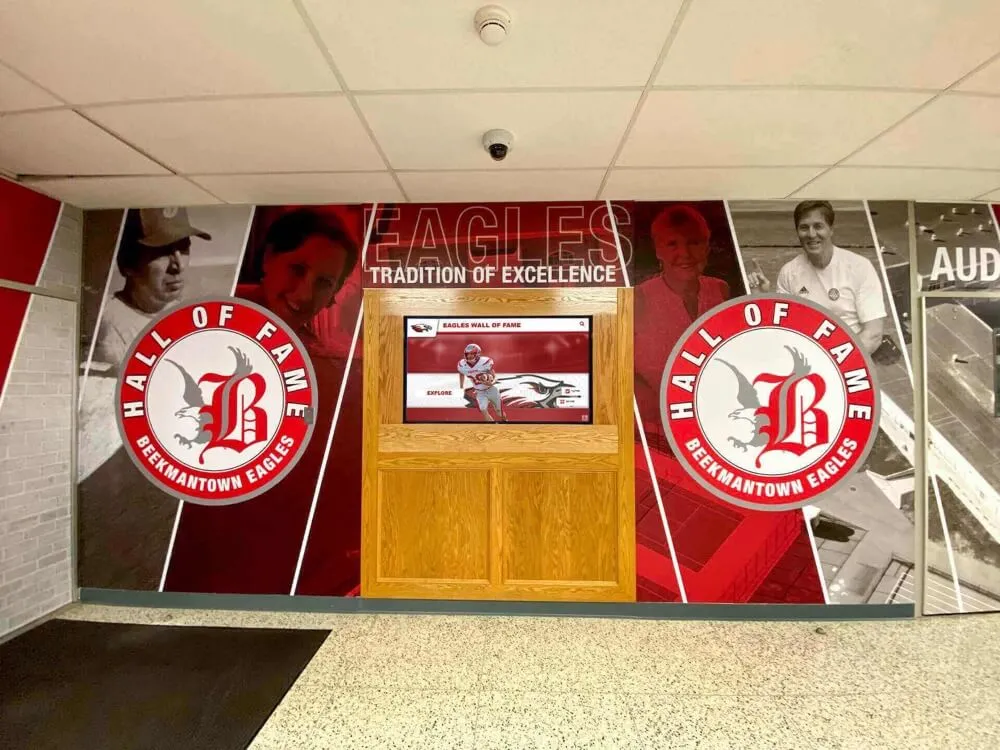
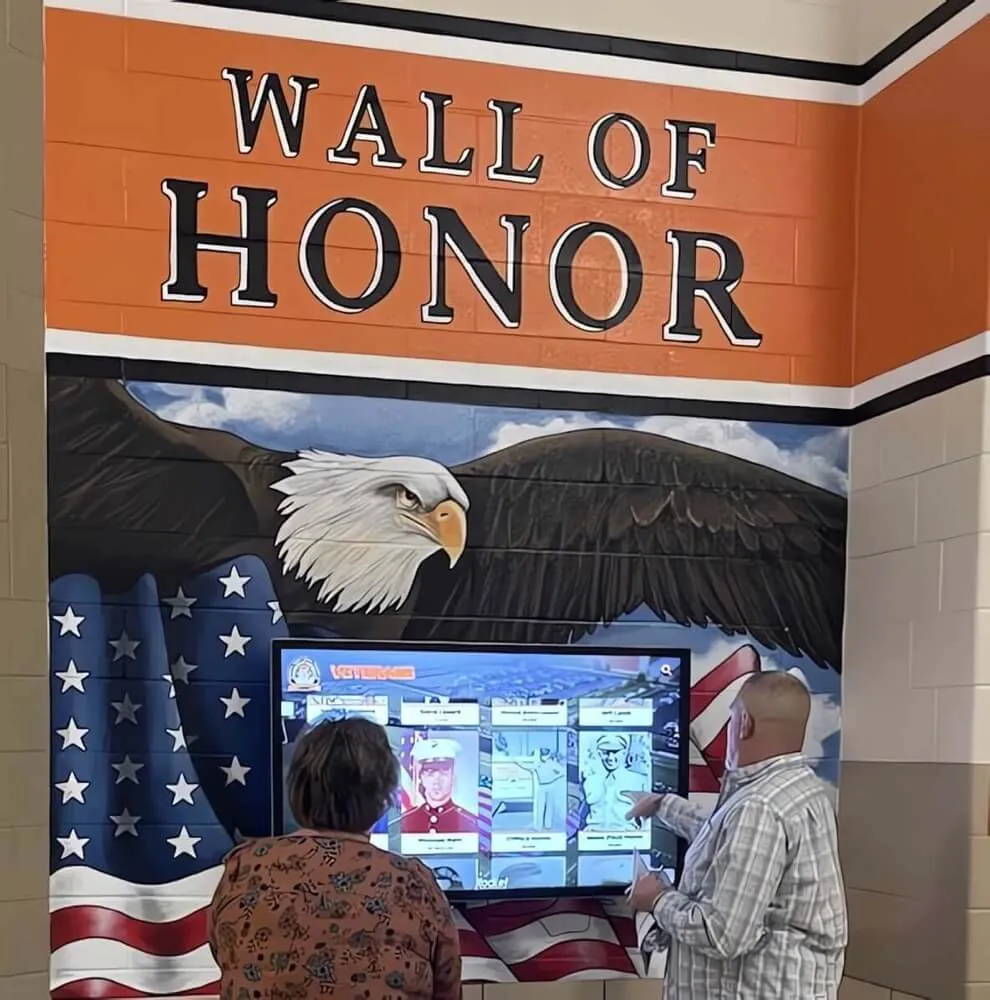
Position displays where dance teams and athletic communities naturally gather including main gym or athletic facility entrances, dance studio or practice facility common areas, athletic hallways featuring other sport recognition, and stadium or arena concourses during events. These placements ensure regular exposure among athletic populations most directly connected to achievements.
School-Wide Visibility Locations
Extend recognition beyond just athletic spaces with main entrance or commons areas where all students and visitors pass, cafeteria or student gathering spaces with high daily traffic, administrative or guidance office areas where families visit, and auditorium or performing arts facility lobbies connecting dance to broader arts programming. School-wide placement demonstrates that dance team excellence represents institutional achievement worthy of prominence alongside academic and other honors.
Alumni and Community Access Points
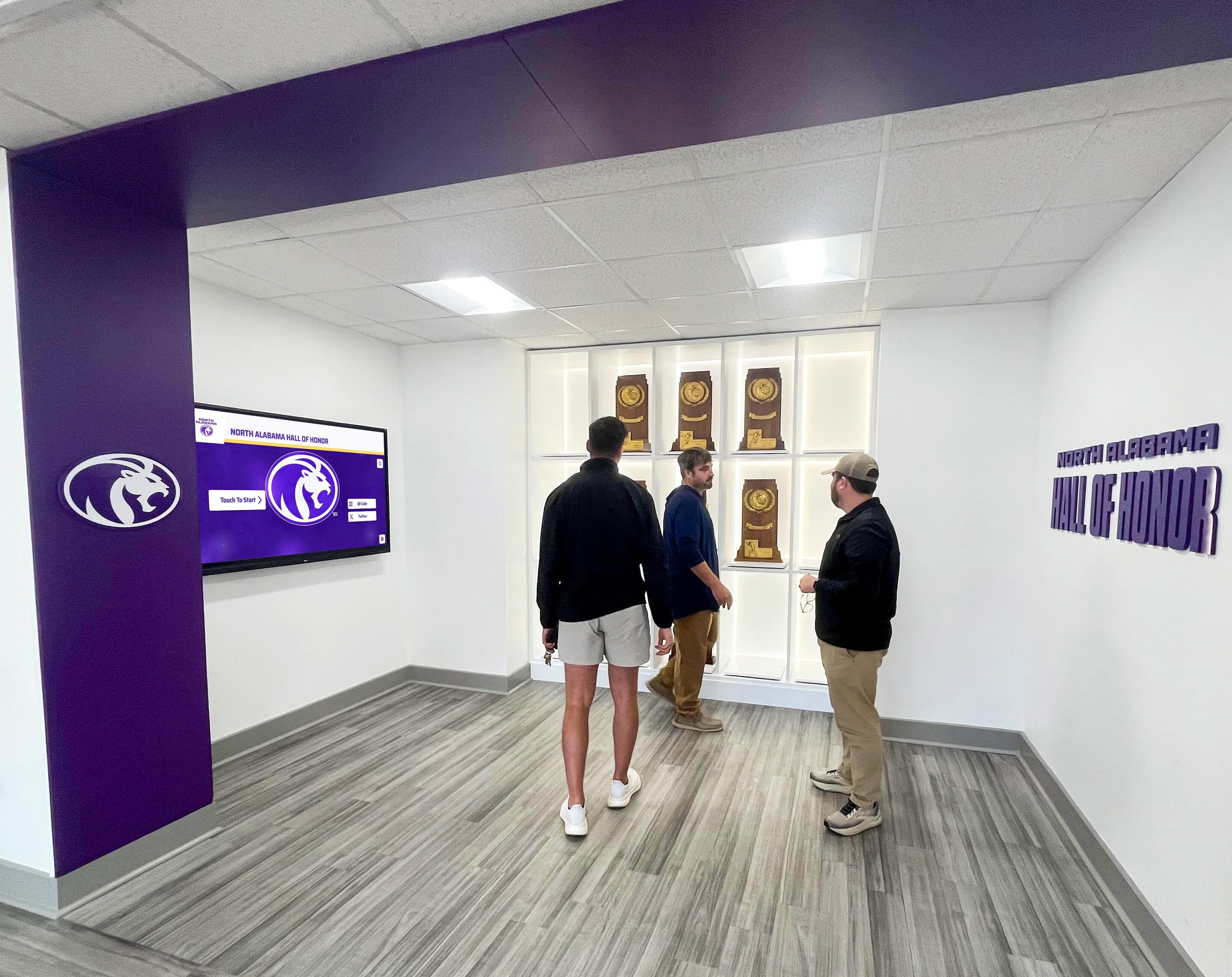
Consider placement supporting alumni engagement and community connection including alumni center or gathering spaces, development office lobbies where fundraising conversations occur, reunion event locations during homecoming or class gatherings, and campus tour routes where prospective families encounter school culture. These strategic positions leverage recognition for relationship building and institutional advancement. Programs like community showcase initiatives often incorporate athletic achievement as engagement tools.
Leveraging UDA Recognition for Program Development
Beyond honoring past achievement, strategic recognition serves as tool for building stronger, more successful dance programs going forward.
Recruiting and Attracting Talented Dancers
Demonstrating Program Excellence
Comprehensive UDA championship recognition signals program quality to talented dancers considering joining teams. Visible celebration of nationals qualification and success demonstrates institutional commitment to dance excellence, proven coaching and choreographic capabilities, competitive opportunities at highest levels, and supportive culture that values dance team contribution.
Prospective dancers and their families assess whether programs offer paths to achieve their competitive ambitions—UDA recognition provides tangible evidence of these opportunities.
Showcasing Individual Development
Detailed dancer profiles highlighting individual growth and achievement demonstrate how programs develop talent including dancers’ progression from novice to nationals-caliber performers, technical skills developed through program training, leadership opportunities available to team members, and post-graduation paths showing long-term value of participation.
These individual success stories reassure prospective dancers that programs invest in personal development, not just team performance.
Building Community and Institutional Support
Increasing Visibility and Awareness
Many school communities underestimate the difficulty and significance of UDA championship qualification. Prominent digital recognition educates broader audiences about achievement magnitude through explaining qualification requirements and competitive intensity, showcasing performance quality through video, documenting time investment and dedication required, and celebrating community contribution to team success.
Enhanced awareness often translates to increased support for programs including better fundraising outcomes, larger audience attendance at performances and competitions, more volunteer assistance from families and community members, and stronger institutional resource allocation.
Creating Alumni Engagement Opportunities
Former dancers maintain strong emotional connections to programs that shaped formative years. Comprehensive recognition creates touchpoints for ongoing engagement including alumni searching for their own recognition years or decades later, reunion planning around display unveilings or updates, mentorship programs connecting former dancers with current teams, and fundraising campaigns leveraging alumni gratitude for meaningful experiences.
Digital platforms can extend beyond physical displays to create online alumni networking opportunities specifically for dance program graduates.
Strengthening Team Culture and Motivation
Honoring Program Heritage and Tradition
Comprehensive historical recognition helps current dancers understand their place within longer program narratives including learning about teams and dancers who came before, understanding how program excellence developed over time, recognizing sacrifice and dedication of previous generations, and feeling responsibility to uphold and extend championship tradition.
This historical consciousness strengthens program culture while motivating current teams to meet standards established by predecessors.
Setting Performance Standards and Expectations
Visible celebration of UDA achievement establishes clear standards for program excellence including defining what qualification and success look like concretely, demonstrating technical and artistic quality expected, celebrating work ethic and dedication required for excellence, and creating aspiration for current dancers to achieve similar recognition.
Recognition becomes motivational tool when current dancers regularly encounter celebrations of the excellence they aspire to achieve themselves.
Celebrating Progress and Incremental Achievement
Not every season results in championship placements, but growth and improvement deserve celebration. Digital displays’ unlimited capacity enables recognition of diverse achievements including first-ever UDA qualification for developing programs, improvement in placement from previous years, personal bests for individual dancers, and overcoming obstacles or setbacks.
This inclusive recognition maintains motivation during rebuilding seasons while ensuring all progress receives appropriate celebration.
Maintaining and Updating Digital Recognition
Successfully implementing displays is only the beginning—ongoing maintenance and regular updates ensure recognition remains effective long-term.
Annual Update Processes
Post-Competition Updates
Establish routines for adding new achievements promptly following each UDA Nationals including gathering competition results and final placements, collecting performance videos and competition footage, photographing teams with awards and recognition, capturing dancer and coach reactions and reflections, and updating displays within weeks of season conclusion.
Timely updates demonstrate that recognition is living, evolving celebration rather than static historical artifact.
End-of-Season Content Development
Beyond just competition results, comprehensive annual updates include individual senior dancer tributes and graduation recognition, season highlight videos featuring multiple performances, updated team photos and roster information, coach reflections on season achievements and growth, and statistical updates showing program progression.
These broader updates transform simple results posting into rich seasonal celebration.
Content Refresh and Historical Enhancement
Periodic Content Improvement
Even historical recognition benefits from periodic enhancement including adding newly discovered archival photos or videos, incorporating alumni updates and “where are they now” content, filming interview videos with former dancers and coaches, digitizing old programs, posters, or newspaper clippings, and enhancing earlier profiles with additional detail and context.
These improvements ensure historical recognition becomes progressively more comprehensive rather than remaining limited to information available at initial launch.
Technical Platform Updates
Work with display providers to ensure systems remain current including software updates with improved features and capabilities, content management system enhancements, security patches and technical maintenance, and hardware refreshes when equipment ages.
Reliable technology partnerships ensure long-term success without requiring schools to maintain technical expertise internally.
Engagement Monitoring and Optimization
Tracking Display Usage and Interaction
Modern digital platforms provide analytics showing how audiences engage with recognition including which profiles and content receive most views, search terms people use to find information, navigation paths through display content, time spent engaging with different sections, and social sharing frequency and reach.
These insights guide content optimization, ensuring displays evolve to match audience interests and engagement patterns.
Gathering User Feedback
Systematically collect feedback from key stakeholders including current dancers’ perspectives on recognition, alumni satisfaction with how achievements are celebrated, visitor impressions of displays and content, and coach input on accuracy and completeness.
Direct feedback complements analytics data, providing qualitative insights that guide meaningful improvements.
Integrating UDA Recognition With Broader Athletic Honors
While dance-specific recognition is essential, integrating UDA achievements with comprehensive athletic recognition creates more powerful celebrations of institutional excellence.
Cross-Sport Recognition Systems
Unified Athletic Achievement Platforms
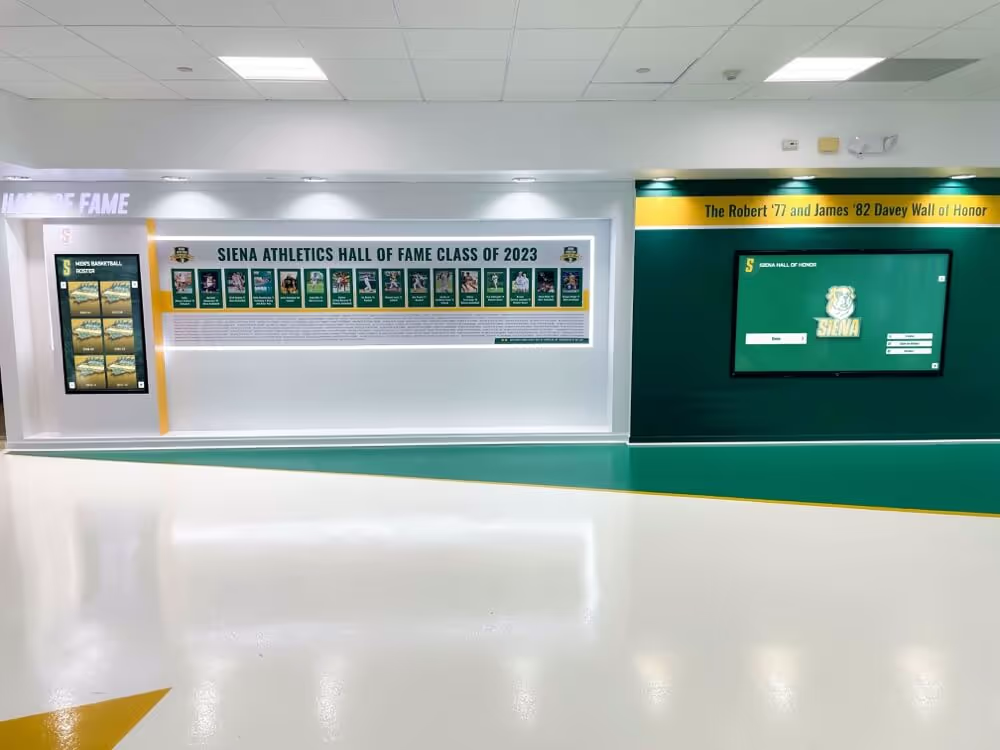
Rather than isolated displays for each sport, integrated systems celebrate all athletic excellence through searchable databases spanning all sports and activities, consistent recognition design and experience across programs, comparative context showing achievement across different sports, and shared resources and infrastructure reducing per-sport costs.
Unified approaches demonstrate institutional commitment to all athletics while creating economies of scale that make comprehensive recognition affordable. Solutions like complete digital trophy systems provide this cross-sport integration.
Dance Team Integration With Other Programs
Connect dance recognition to related activities and achievements including cheerleading and spirit squad recognition, performing arts and theater program honors, athletic teams that dance teams support, and academic achievements of dancer-scholars participating across multiple domains.
These connections demonstrate that dancers are multi-dimensional student-athletes whose contributions extend beyond single programs.
Championship and Excellence Themes
Championship Culture Recognition
Schools with multiple programs reaching national competitions can create unified championship culture celebration including championship qualifier recognition across all sports, national tournament participant celebration, top-tier competitive achievement regardless of sport, and institutional pride in supporting excellence across diverse activities.
This approach positions UDA qualification alongside state championships, national tournaments, and other pinnacle achievements, ensuring appropriate recognition for dance excellence within broader athletic success narrative.
State and National Qualifier Walls
Some schools create comprehensive recognition of all teams and individuals qualifying for state or national competition across any activity including UDA Nationals qualifiers with other national tournament participants, state championship participants across all sports, individuals earning state or national recognition, and teams representing schools at highest competitive levels.
This inclusive approach celebrates the common achievement of reaching elite competition while respecting each activity’s unique competitive structures.
Common Challenges and Solutions
Schools implementing UDA championship recognition often encounter specific challenges requiring thoughtful solutions.
Limited Historical Information
Challenge: Programs with long UDA participation history may lack comprehensive records of early achievements including incomplete dancer rosters, missing photos and videos, uncertain results or placements, and limited documentation of program development.
Solutions: Conduct alumni outreach requesting photos, videos, and memories, digitize yearbooks and school publications documenting achievements, interview long-time coaches and program supporters, start with recent comprehensive recognition while incrementally adding historical content, and acknowledge information gaps honestly rather than making unsupported claims.
Historical recognition improves over time as additional information emerges—perfection isn’t required for launch.
Video and Multimedia Content Acquisition
Challenge: Performance videos are essential for dance recognition but may not exist for older competitions or may be held by families, videographers, or competition organizations with uncertain usage rights.
Solutions: Establish relationships with UDA and Varsity TV regarding use of competition footage, request video donations from families who filmed competitions, engage professional videographers for future competitions with clear usage agreements, create highlight compilations from available footage even when complete routines aren’t available, and plan comprehensive video documentation going forward even when historical content is limited.
Balancing Team and Individual Recognition
Challenge: Dance emphasizes team performance and cohesion, but recognition should also honor individual contributions without undermining team focus.
Solutions: Lead with team achievement and collective recognition, include individual profiles within team context emphasizing contribution to collective success, feature individual technical skills or featured moments that supported team performance, celebrate leadership and positive culture-building contributions, and ensure all team members receive equal individual recognition avoiding hierarchies.
This balance honors both the collaborative nature of dance and the individual dedication that makes team success possible.
Maintaining Recognition Across Program Transitions
Challenge: Coaching changes, program restructuring, or resource fluctuations can disrupt recognition continuity, potentially leaving achievements unrecognized during transition periods.
Solutions: Establish institutional ownership of recognition rather than treating it as coach’s personal project, document recognition processes and responsibilities clearly, allocate budget resources at institutional level ensuring stability, designate athletic department staff or administrators as recognition stewards, and maintain recognition standards through transitions demonstrating consistent institutional values.
Recognition systems that transcend individual personnel changes demonstrate genuine institutional commitment to honoring achievement.
Future Trends in Dance Team Recognition
Recognition approaches continue evolving with technology advancement and changing expectations among digital-native audiences.
Enhanced Multimedia and Immersive Experiences
Future dance recognition will likely incorporate augmented reality enabling virtual performance viewing and interactive choreography exploration, 360-degree video capturing performances from multiple angles, virtual reality recreating the nationals competition environment and experience, and holographic displays bringing performances into three-dimensional space.
These technologies will create increasingly immersive recognition experiences that honor dance artistry through innovative presentation methods.
Social Media and Community Engagement Integration
Recognition platforms will increasingly connect with social media and community engagement tools including direct posting to team and school social accounts, user-generated content incorporation from dancers and families, live streaming integration for immediate competition recognition, and community voting or engagement for special awards and recognition.
This integration extends recognition reach while creating participatory experiences that strengthen community investment.
Data Analytics and Performance Tracking
Advanced platforms may integrate competitive analytics including scoring trend analysis showing performance progression, technical element tracking and difficulty progression, comparative analysis against division averages or top competitors, and predictive modeling for future competitive success based on current performance trajectories.
These analytics transform recognition from purely celebratory to developmental, helping programs identify improvement opportunities while honoring achievement.
Conclusion: Preserving Dance Excellence Through Digital Innovation
UDA National Championship qualification and achievement represent extraordinary accomplishments requiring dedication, discipline, and passion from dancers, coaches, families, and school communities. These achievements deserve recognition matching their significance—celebrations that honor the artistry and athleticism of dance performance, preserve championship legacies for future generations, inspire current dancers to pursue excellence, and demonstrate institutional commitment to supporting all forms of student achievement.
Digital recognition displays transform UDA championship celebration from space-constrained trophy cases into unlimited-capacity interactive experiences that bring dance performances to life through video, honor every dancer’s individual contribution alongside team achievement, provide year-round inspiration and motivation, create engagement opportunities for alumni and community members, and establish schools as institutions that genuinely value and celebrate the full scope of student excellence.
For schools committed to appropriately recognizing dance team achievements, modern digital recognition platforms represent investments delivering returns across multiple dimensions—enhanced dancer satisfaction and program pride, increased recruitment of talented performers, strengthened community support and fundraising, alumni engagement opportunities, and permanent preservation of accomplishments that define program excellence. Solutions like those from Rocket Alumni Solutions enable comprehensive recognition of every UDA qualifier and champion while creating engaging experiences that honor dance as both competitive sport and performing art.
The evolution from static trophies to dynamic digital celebration reflects broader cultural shifts toward multimedia storytelling, interactive engagement, and recognition systems that do justice to achievement complexity and significance. Schools embracing these innovations position themselves as forward-thinking institutions committed to celebrating student success through approaches matching the quality of the achievements being honored.
Ready to Transform Your Dance Team Recognition?
Discover how comprehensive digital recognition displays can preserve your program’s UDA championship achievements while inspiring future competitive excellence. Explore Rocket Alumni Solutions to see how schools nationwide use interactive touchscreen technology to honor dance team accomplishments, celebrate championship moments, and create recognition experiences that bring performance artistry to life.
From academic excellence recognition to comprehensive athletic hall of fame systems, the right digital recognition solutions make it easier to implement programs that honor every achievement, preserve competitive legacies, and inspire dancers to pursue excellence on the national championship stage.