



Key Takeaways
Comprehensive guide to training facility design covering layout optimization, equipment selection, recovery zones, technology integration, and recognition displays that create inspiring athletic environments for schools, universities, and sports programs.
Understanding Training Facility Design Fundamentals
Effective training facility design balances multiple competing priorities—maximizing usable space while maintaining safety, creating specialized zones while maintaining flexibility, investing in quality equipment while managing budgets, and building motivational environments while ensuring functionality.
Core Design Principles for Athletic Training Spaces
Training facilities differ fundamentally from commercial gyms in purpose, user patterns, and performance requirements:
Sport-Specific Functionality: Training facilities serve athletes preparing for competitive performance, not general fitness enthusiasts. Design must accommodate sport-specific movement patterns, training methodologies aligned with periodization cycles, and equipment supporting position-specific development. Football programs require different space configurations than basketball programs; track and field athletes need different equipment than wrestlers.
Supervised Training Environment: Unlike commercial gyms where individuals work independently, athletic training facilities operate under coach supervision with structured programming. Design should enable coach visibility across training zones, facilitate group instruction, support various teaching modalities, and create clear sightlines preventing injury from inadequate supervision.
Peak Capacity Planning: Athletic training facilities experience concentrated usage during specific hours—after school, between classes, before practice—rather than steady traffic throughout operating hours. Design must accommodate peak capacity without wasting space during off-hours, often through flexible configurations supporting multiple simultaneous team uses.
Multi-Year User Progression: Athletes progress through programs over multiple years, developing from novice lifters requiring intensive instruction to experienced athletes executing complex training independently. Facility design should support this progression through equipment variety, scalable difficulty, and spaces accommodating both instructional sessions and advanced independent training.
Space Allocation and Zone Planning
Comprehensive training facilities typically incorporate multiple specialized zones serving distinct functions:
Strength Training Zone (40-50% of total space):
The largest component of most facilities includes:
- Free weight areas with Olympic platforms for compound movements
- Power rack stations for supervised heavy lifting
- Dumbbell areas with adequate spacing and storage
- Machine circuits for controlled resistance training
- Bench press stations with proper spotting clearance
- Squat racks positioned to prevent interference between users
Strength zones require robust structural support, heavy-duty flooring, adequate ceiling height (minimum 12 feet; 14+ feet ideal for Olympic lifting), and strategic equipment arrangement preventing bottlenecks during peak usage.
Cardiovascular Training Zone (15-20% of total space):
Cardio areas support conditioning and recovery work:
- Treadmills positioned for visibility and ventilation
- Stationary bikes for low-impact conditioning
- Rowing machines building full-body endurance
- Assault bikes and other metabolic conditioning equipment
- Adequate spacing preventing overheating and equipment interference
- Entertainment systems or display screens for longer sessions
Cardiovascular zones benefit from enhanced ventilation, natural light access when possible, and positioning enabling athletes to see training partners or watch technique videos during sessions.
Functional Training Zone (20-25% of total space):
Open areas supporting dynamic movement and sport-specific training:
- Turf strips for sprint work, sled pushes, and agility drills
- Plyometric stations for box jumps and explosive training
- Battle rope anchors and other unconventional implement areas
- Medicine ball walls and storage for dynamic exercises
- Suspension training stations (TRX and similar systems)
- Open floor space for bodyweight circuits and group training
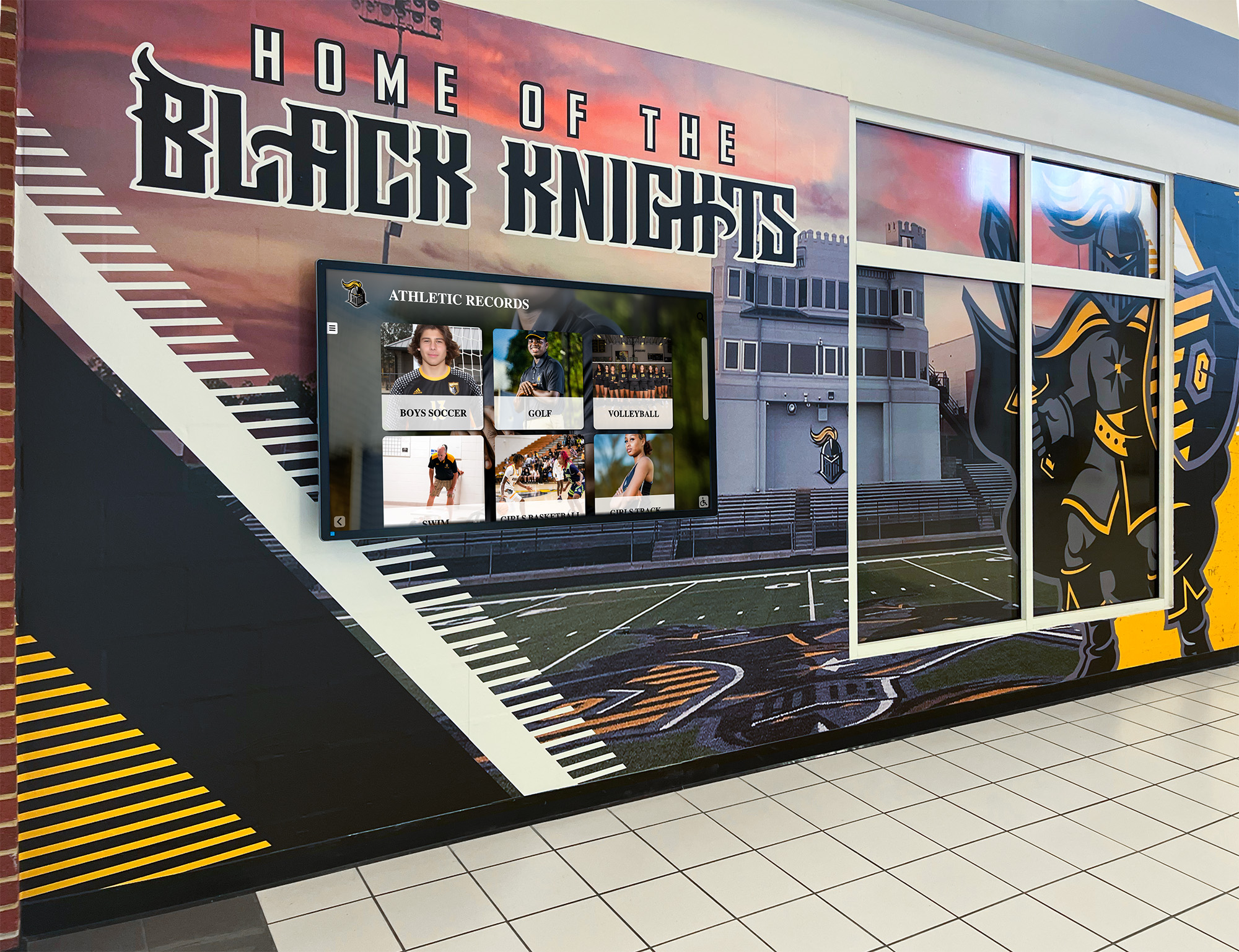
Functional zones require durable flooring withstanding high-impact movements, wall protection from ball work and implements, and flexible configurations accommodating varied training protocols. Many programs integrate digital record boards in these zones to display performance benchmarks and motivate athletes during challenging workouts.
Recovery and Treatment Zone (10-15% of total space):
Dedicated recovery areas support injury prevention and performance optimization:
- Treatment tables for athletic training services
- Ice baths or cold plunge systems
- Compression therapy stations
- Foam rolling and mobility work areas
- Stretching zones with appropriate matting
- Hydrotherapy equipment when budget permits
Recovery zones should be positioned separately from high-intensity training areas, maintain climate control suitable for post-workout recovery, and provide privacy for treatment protocols while remaining accessible to training staff.
Support Spaces (10-15% of total space):
Often overlooked but essential components include:
- Coach offices with visibility into training areas
- Equipment storage keeping spaces organized and safe
- Locker facilities with secure athlete storage
- Restrooms and changing areas
- Entry/reception areas establishing facility culture
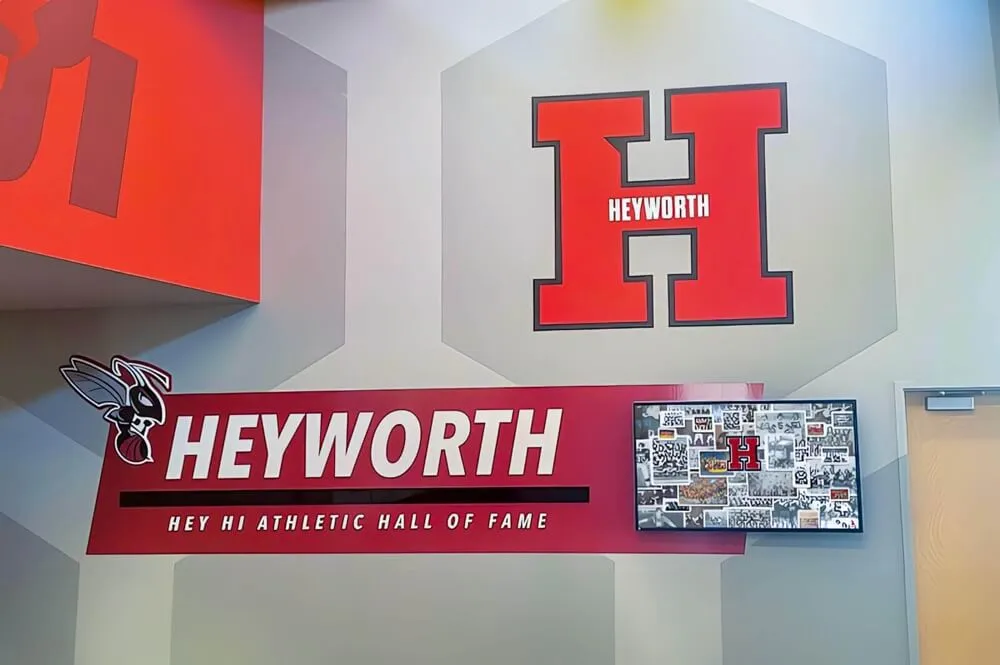
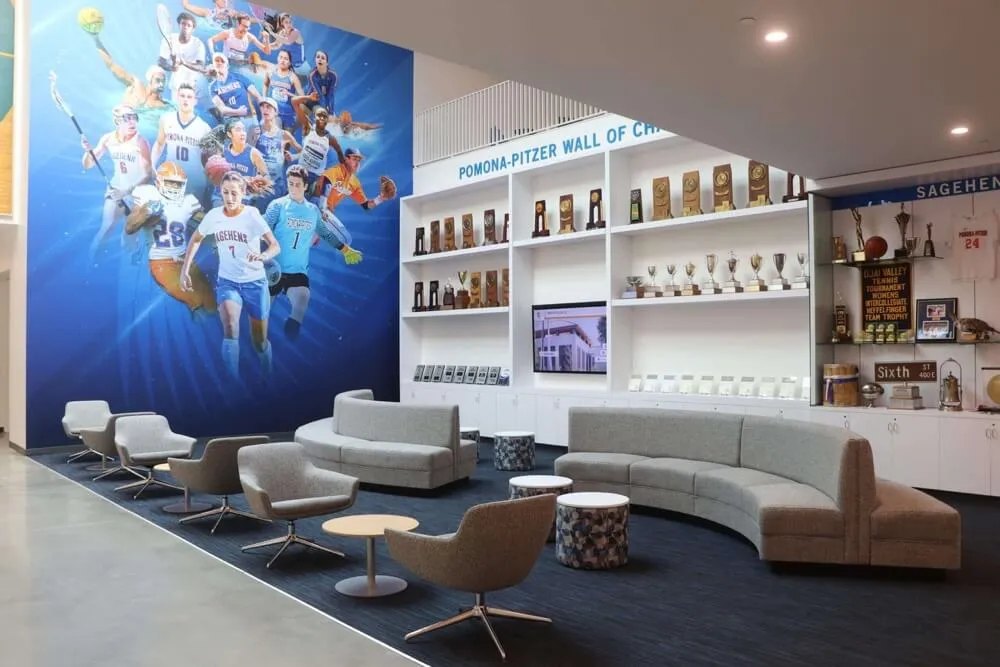
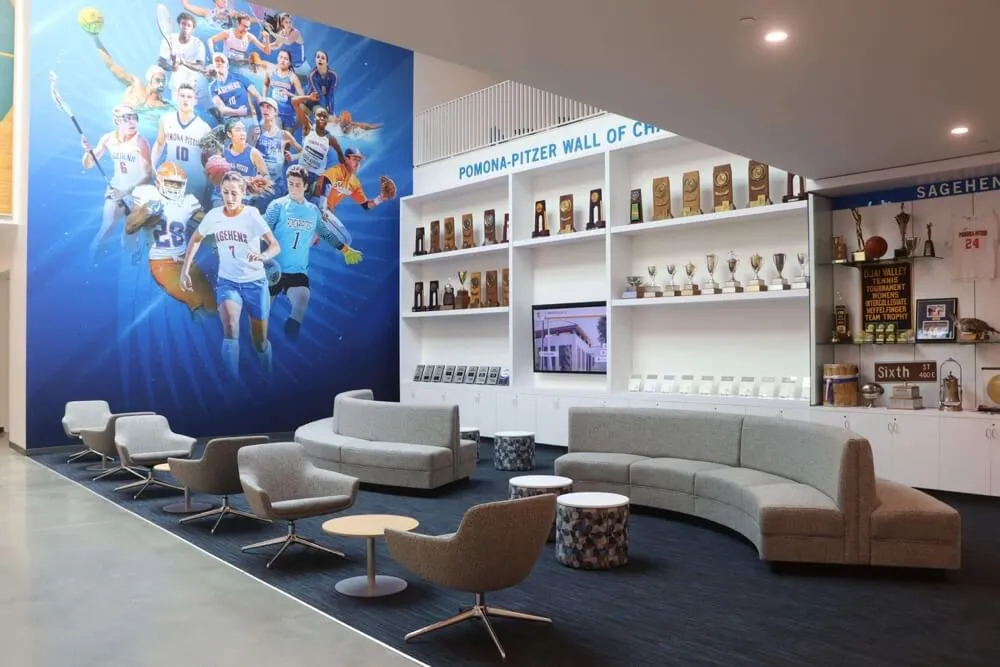
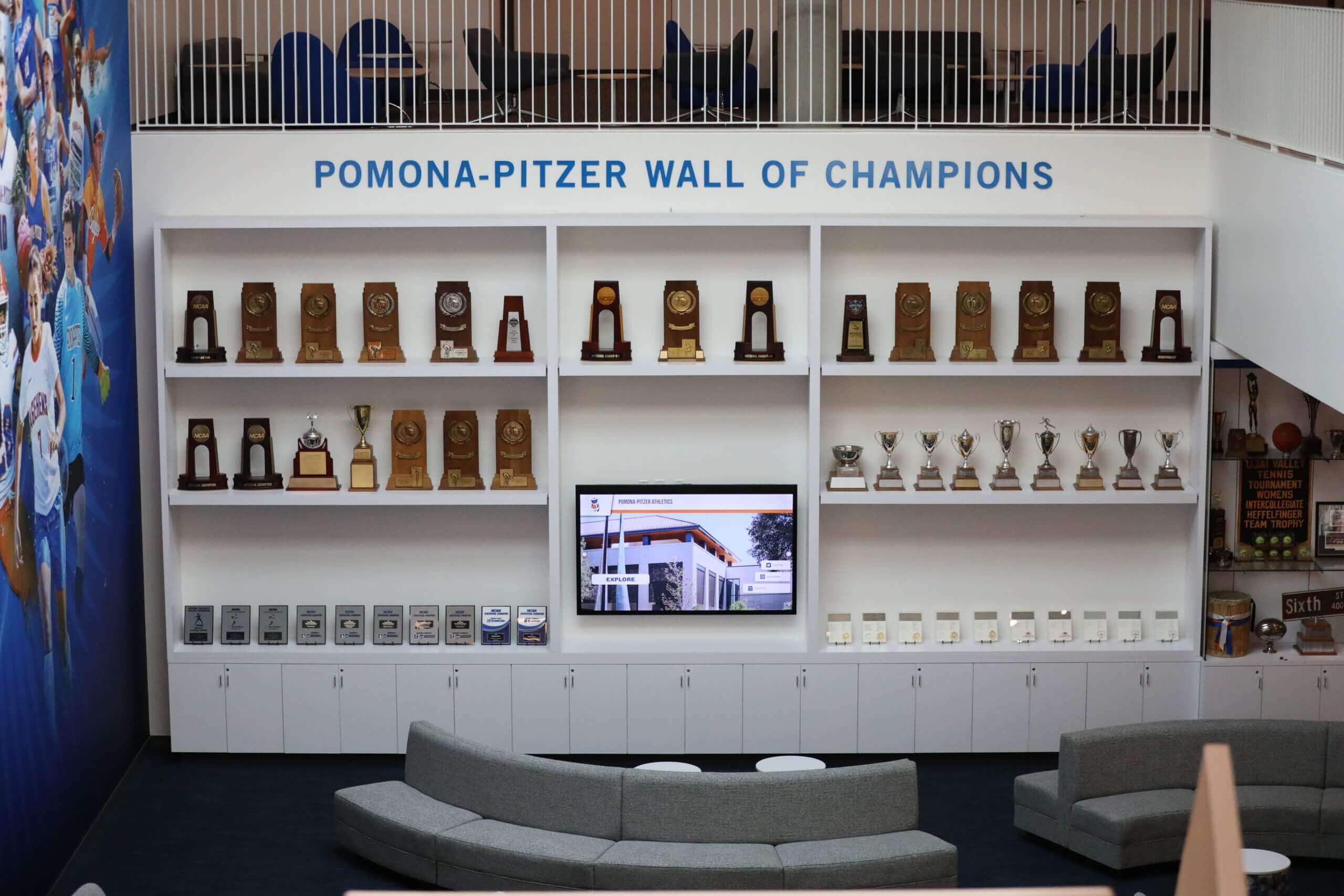
- Recognition displays celebrating achievements and history
Support spaces profoundly influence facility culture and operational efficiency despite not directly contributing to training volume.
Equipment Selection and Layout Optimization
Equipment decisions represent significant capital investment requiring careful evaluation balancing immediate needs, long-term durability, space efficiency, and athlete development progressions.
Essential Strength and Conditioning Equipment
Core equipment forming the foundation of comprehensive training facilities:
Power Racks and Squat Stations:
The centerpiece of strength development:
- Full power racks with adjustable safety bars and pull-up bars
- Half racks for space-constrained facilities
- Commercial-grade construction supporting 1,000+ pound loads
- 3-4 feet minimum spacing between stations
- 6+ feet clearance for Olympic lifts and safety
- Quality range: $800-2,500 per station
Power racks enable fundamental compound movements—squats, bench press, overhead press, pull-ups—forming the core of athletic strength development. Quality racks with proper safety features prevent injury while supporting progressive overload over many years.
Olympic Lifting Platforms:
Dedicated areas for explosive power development:
- 8’ x 8’ minimum platform size (8’ x 10’ or 8’ x 12’ preferred)
- Dense rubber matting (3/4 inch minimum) protecting floors and equipment
- Quality Olympic barbells ($300-800 each)
- Bumper plate sets supporting varied loads
- Adequate spacing preventing bar collision during simultaneous use
- Mirrors optional based on coaching philosophy
Olympic lifting platforms support clean, snatch, and derivative movements developing explosive power essential for virtually all sports. Proper platforms and equipment protect facility infrastructure while enabling athletes to safely drop weights during maximal efforts.
Dumbbell Systems:
Versatile tools supporting unilateral training and stability development:
- Complete sets from 5-100+ pounds in 5-pound increments
- Commercial dumbbell racks organizing equipment accessibly
- Dedicated floor space (200-300 square feet minimum)
- Rubberized dumbbells reducing noise and protecting floors
- Quality range: $3,000-8,000 for complete sets
Dumbbells enable unilateral training correcting strength imbalances, support rehabilitation protocols, accommodate varied experience levels, and provide training options when primary equipment is occupied during peak hours.
Specialty Bars and Implements:
Equipment supporting varied training stimuli:
- Trap bars (hex bars) for accessible deadlift variations
- Safety squat bars reducing shoulder stress
- Cambered bars for accommodating movement patterns
- Specialty bars for bench press variations
- Estimated cost: $200-500 per specialty bar
Specialty equipment provides training variety preventing plateau while accommodating athletes with mobility limitations or injury history requiring movement modifications.
Functional Training and Performance Equipment
Tools supporting dynamic movement, speed development, and sport-specific training:
Turf Systems and Sled Tracks:
Open areas enabling acceleration and resistance training:
- Indoor turf strips 40-60 feet long (longer when space permits)
- Quality artificial turf withstanding repeated sled use
- Weighted sleds with varied loading options
- Wall padding at end zones protecting athletes and facility
- Installation cost: $15-30 per square foot
Turf areas enable sprint work, sled pushes and pulls, agility drills, and dynamic warm-ups critical for athletic development but impossible on traditional gym flooring.
Plyometric and Jump Training Equipment:
Tools developing explosive power:
- Plyometric boxes in varied heights (12", 18", 24", 30"+)
- Foam or soft plyo boxes reducing injury risk
- Mini hurdles for agility and coordination work
- Jump mats for depth jumps and landing mechanics
- Medicine balls (4-20+ pounds) for explosive throws
Plyometric training develops rate of force development crucial for athletic performance across virtually all sports.
Unconventional Training Implements:
Equipment providing training variety and full-body development:
- Battle ropes (30-50 feet, varied thickness)
- Kettlebells (10-70+ pounds)
- Sandbags with adjustable loading
- Resistance bands of various tensions
- Suspension training systems (TRX and similar)
These tools enable creative programming, support outdoor training when weather permits, and develop work capacity through varied movement patterns.
Technology Integration and Digital Enhancement
Modern training facilities increasingly incorporate technology supporting instruction, motivation, and performance tracking:
Performance Tracking Systems:
Technology measuring and recording athlete development:
- Velocity-based training systems measuring bar speed
- Force plate technology assessing jump performance
- Timing gates for sprint assessment
- Heart rate monitoring for conditioning work
- Video analysis systems for technique review
Advanced facilities invest $5,000-50,000+ in integrated tracking systems providing objective performance data informing training decisions and demonstrating progress to athletes and parents. Understanding the psychology of athletic recognition helps programs leverage this data effectively for motivation.
Instructional Display Systems:
Screens and projection systems supporting teaching:
- Large format displays showing technique videos
- Projection systems for group instruction
- Digital programming boards displaying daily workouts
- Timer systems visible throughout facility
- Music and audio systems maintaining training energy
Display technology transforms facilities from silent workout spaces into dynamic teaching environments where coaches efficiently communicate expectations to large groups while maintaining training momentum.
Recognition and Motivation Displays:
Digital systems celebrating achievement and building culture:
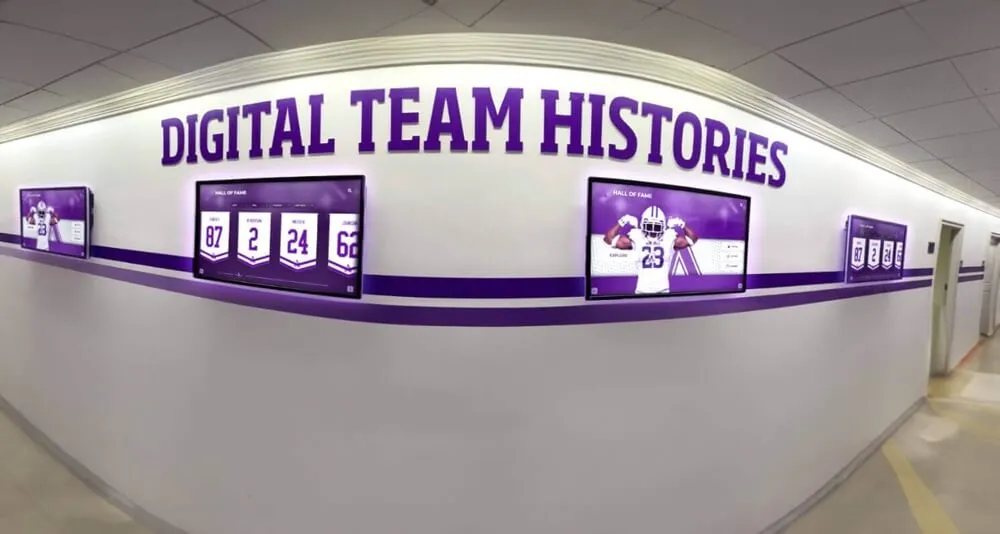
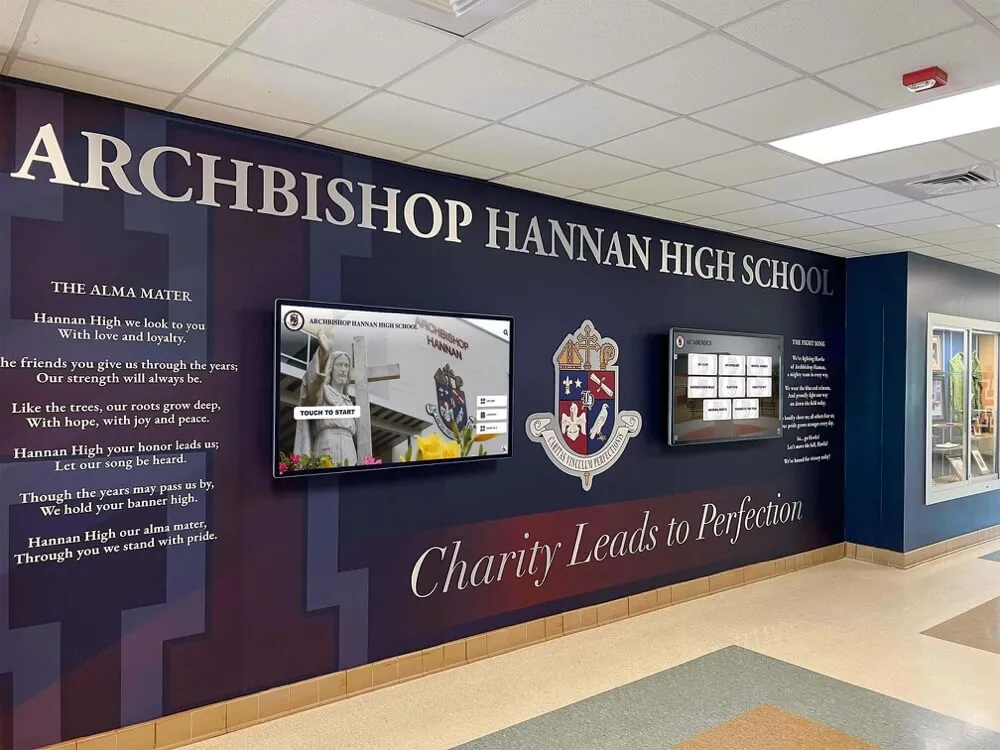
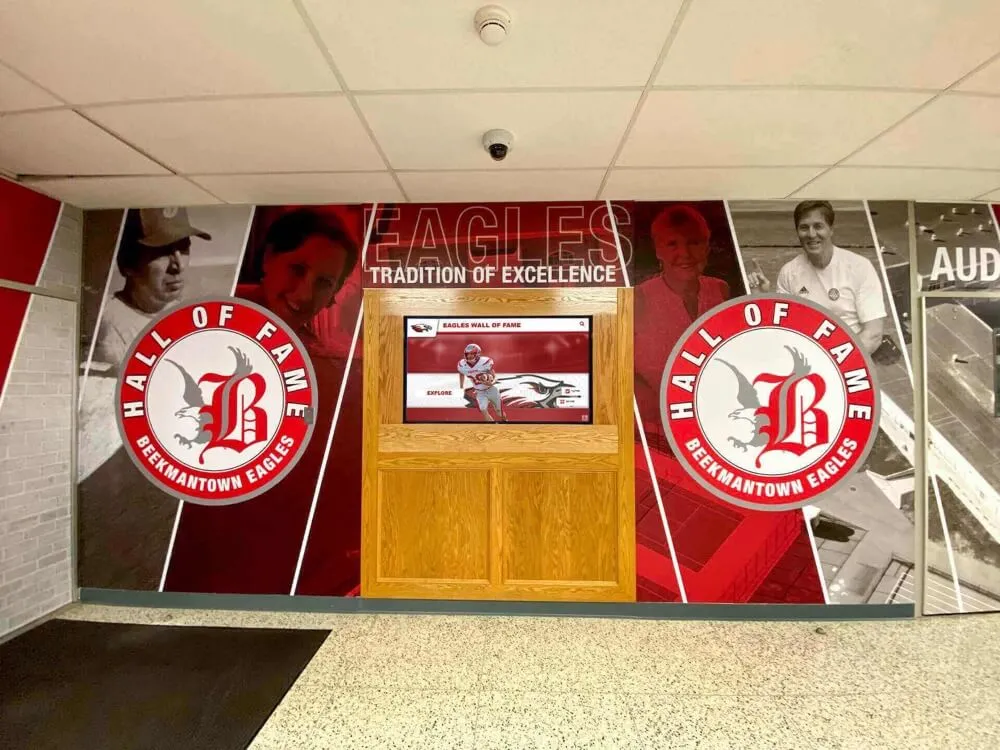
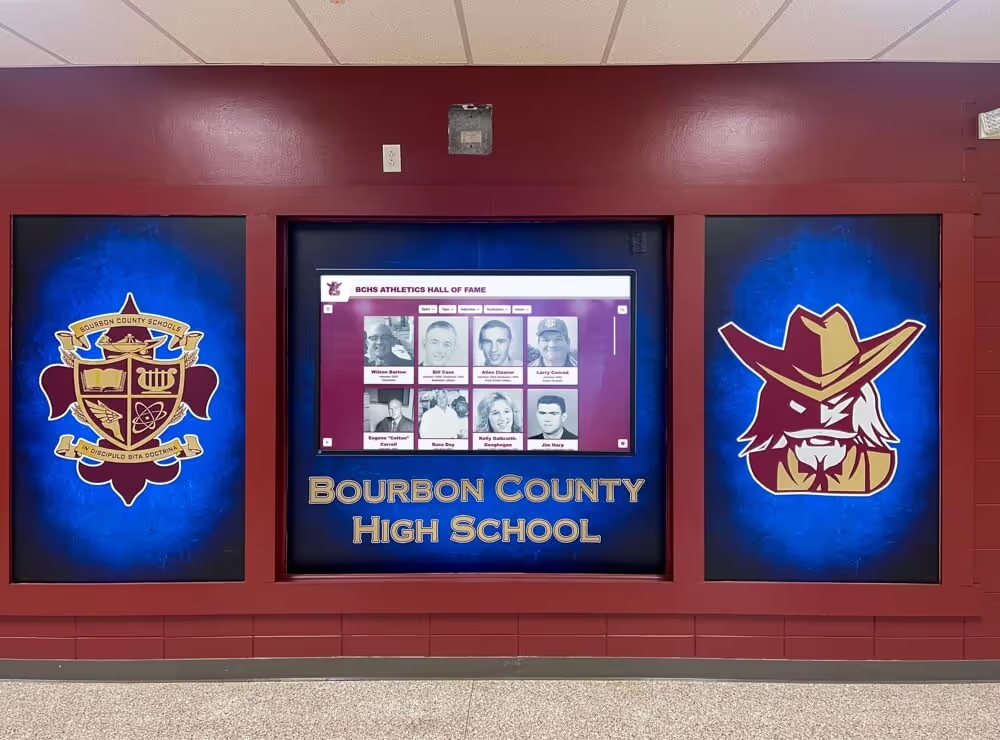
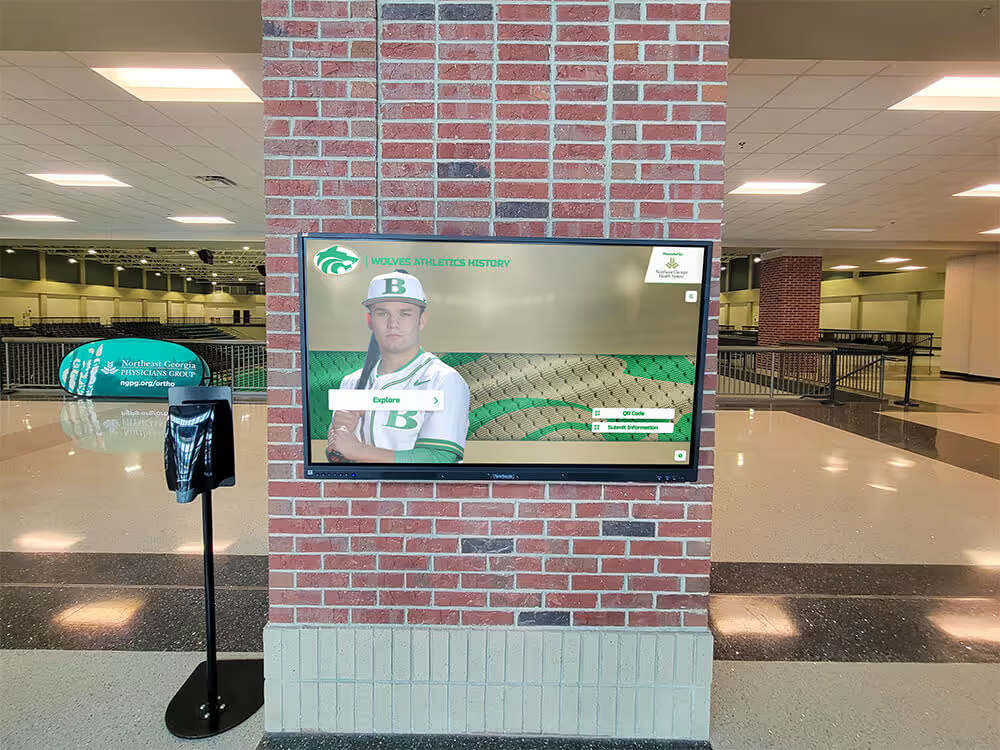
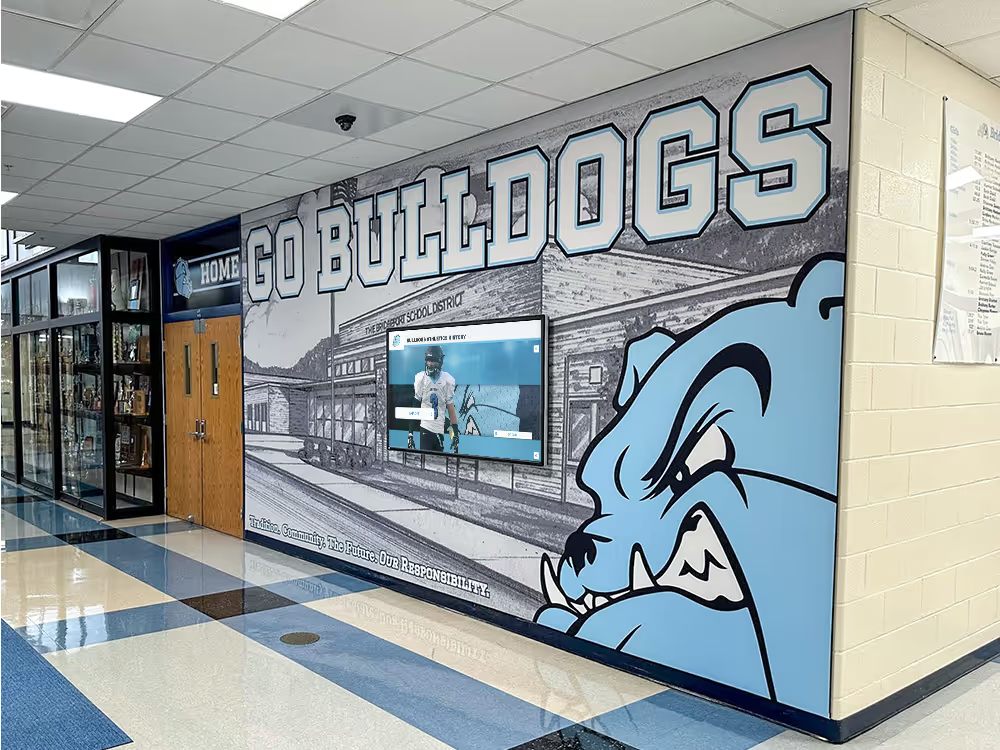
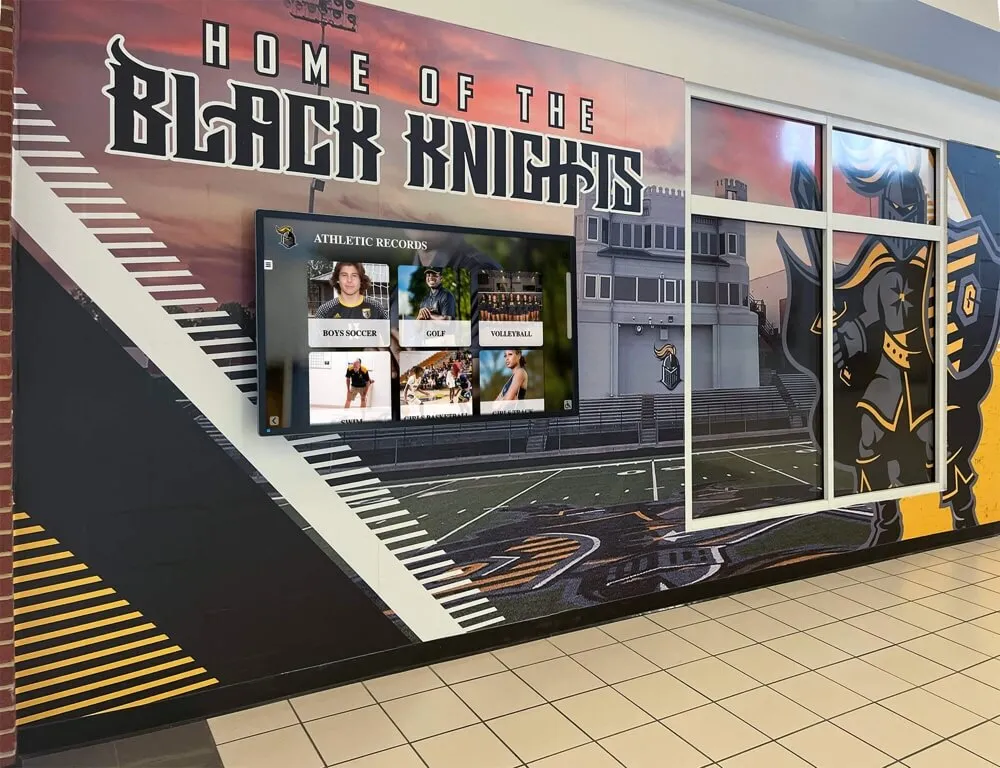
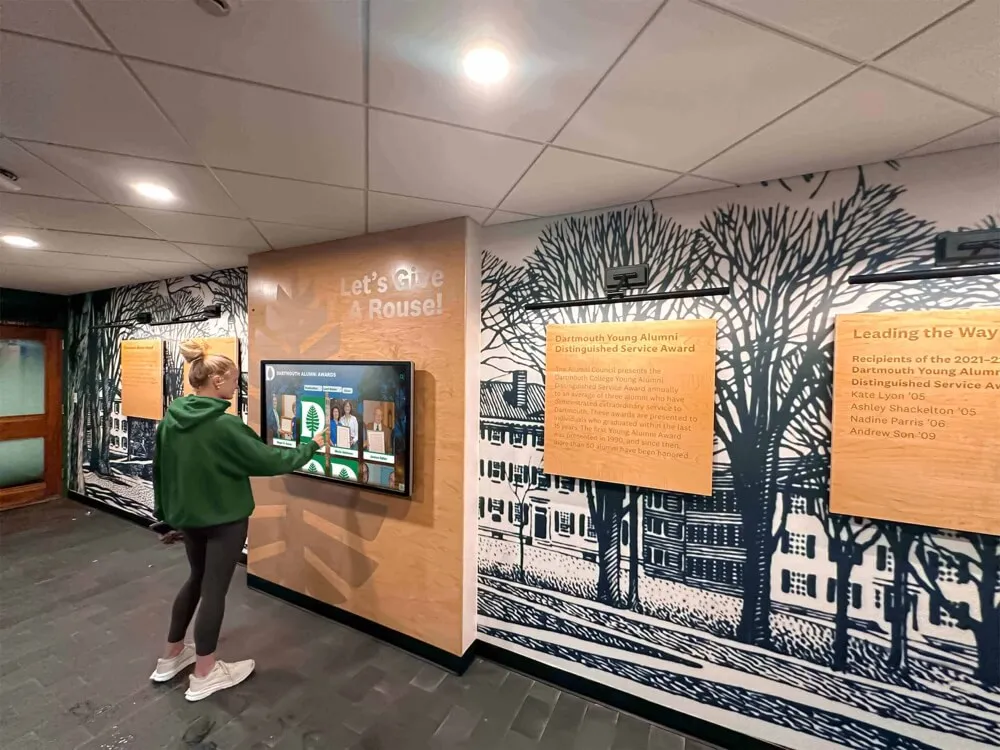
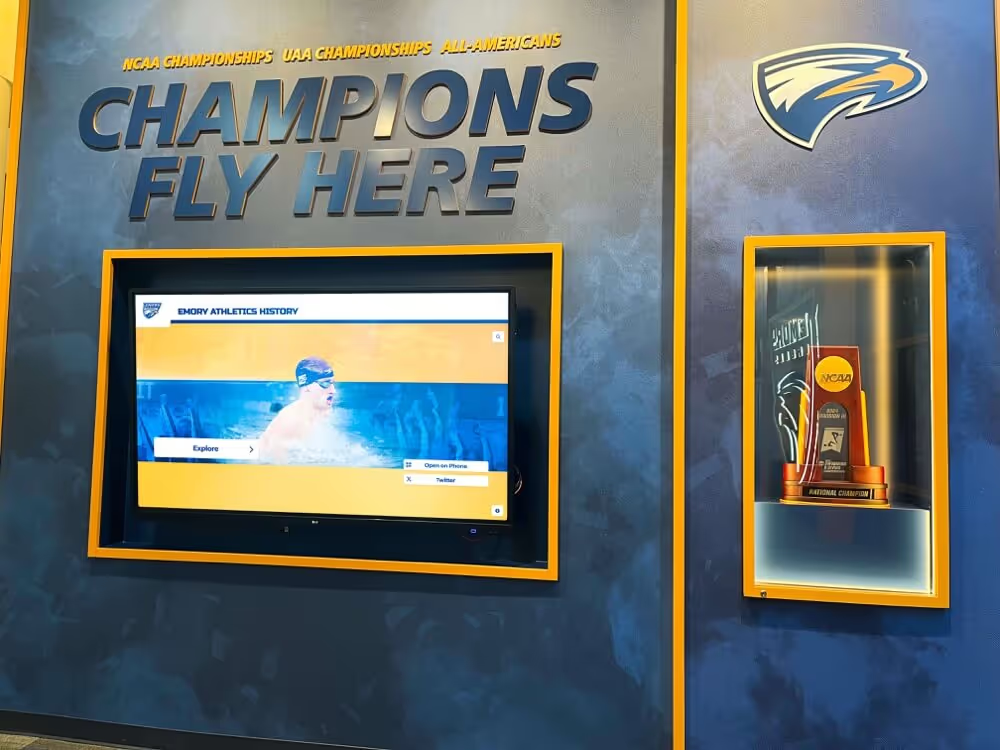
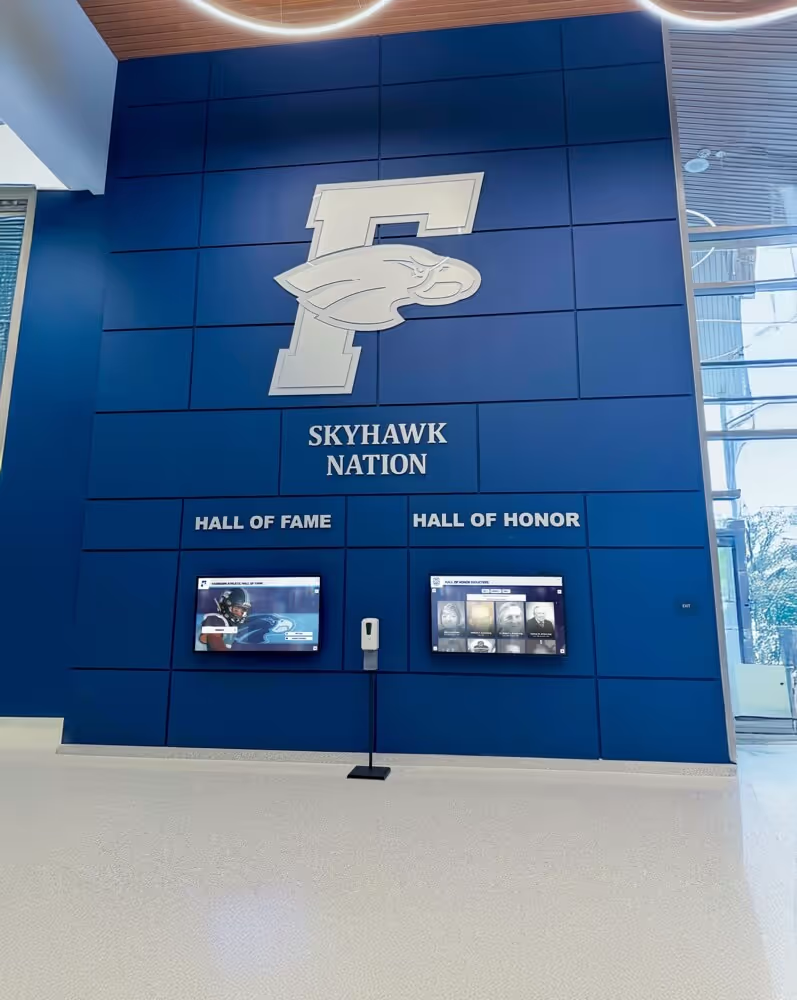
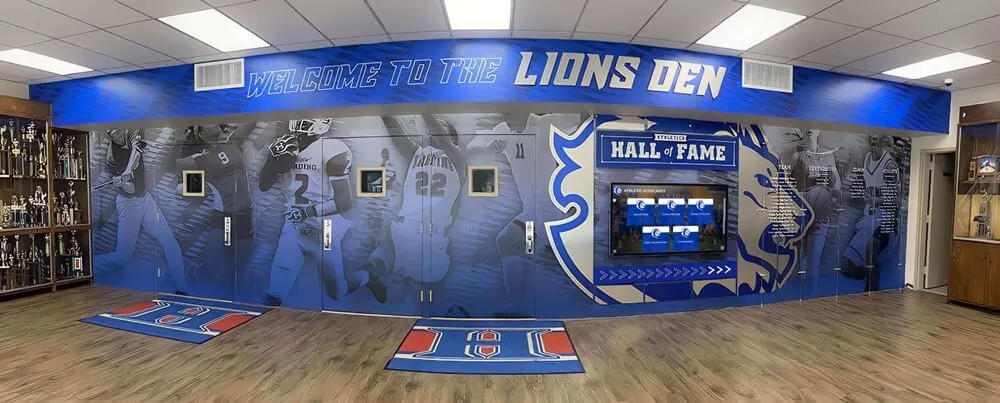
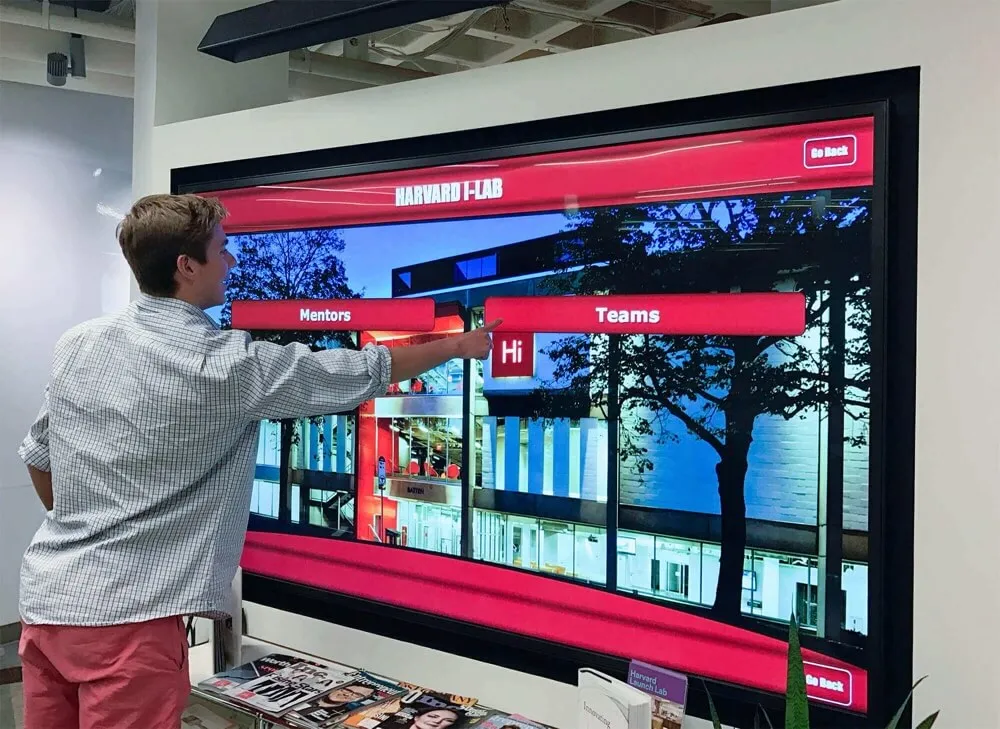
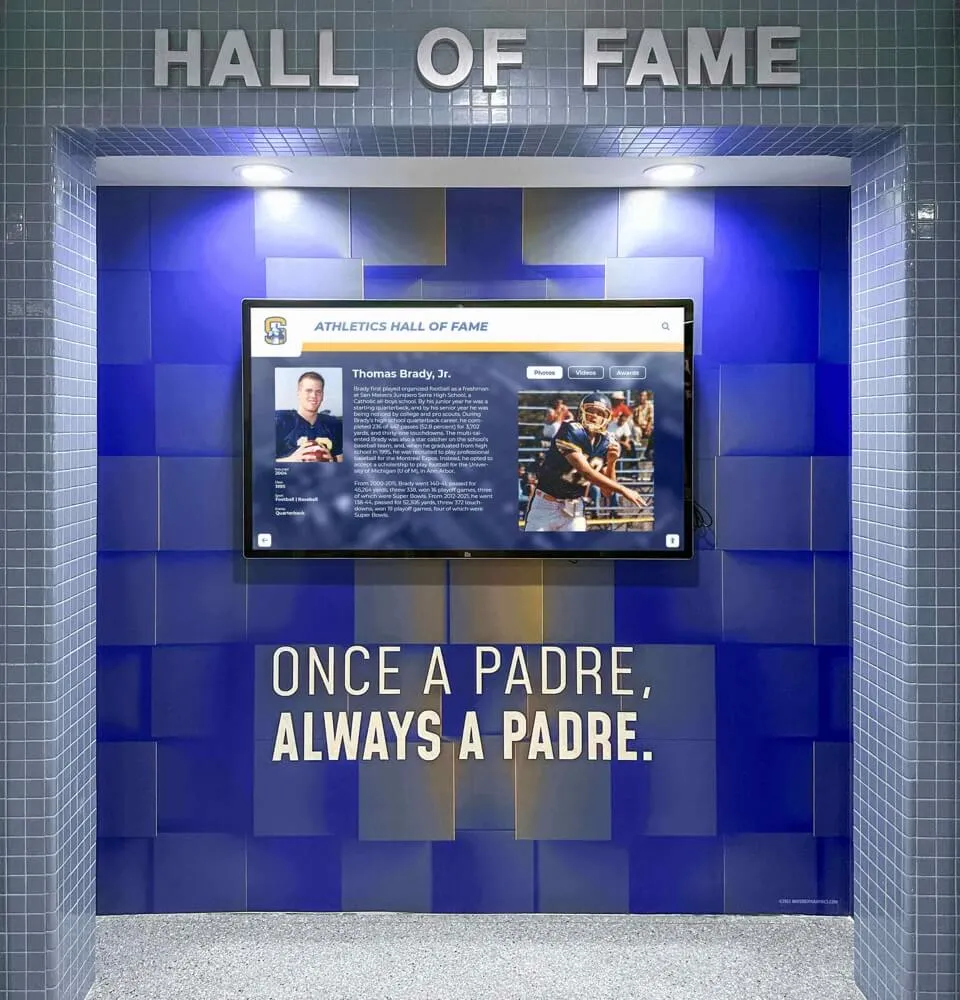
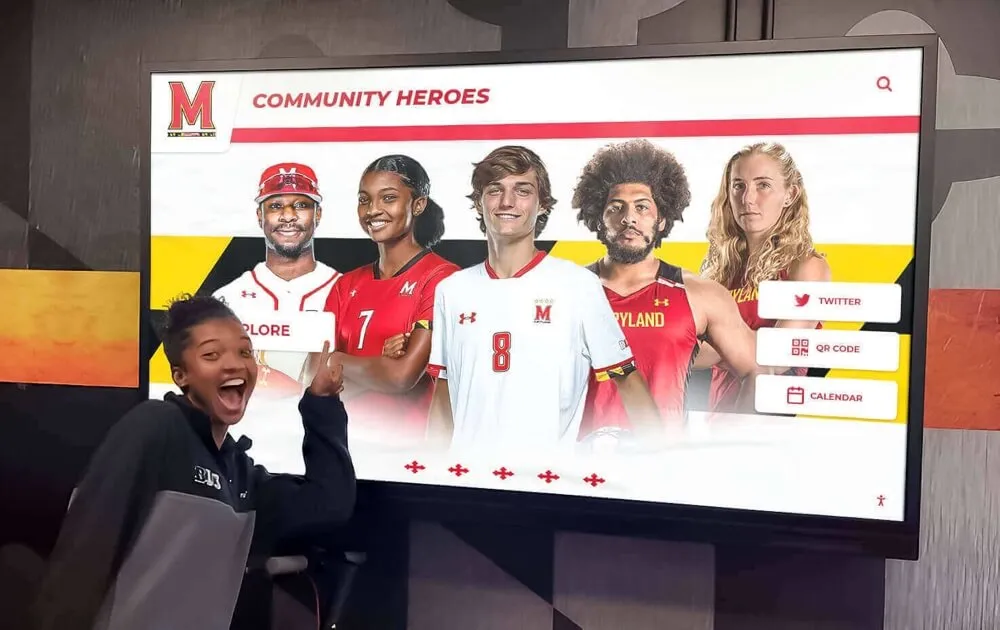
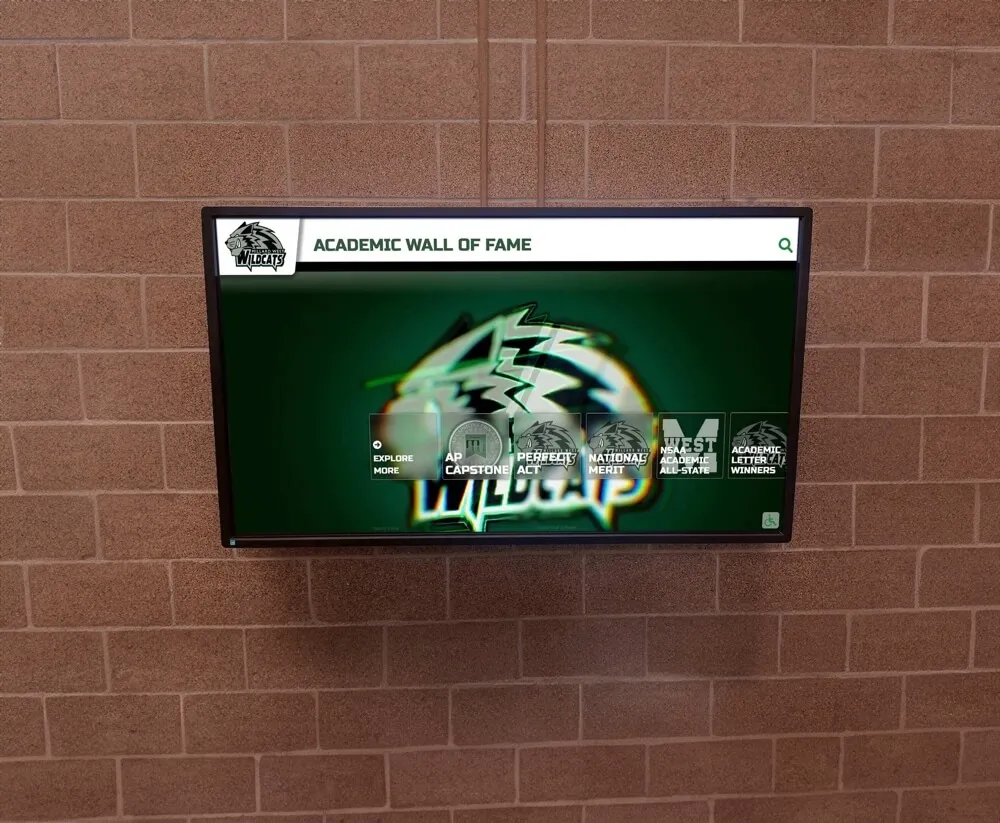
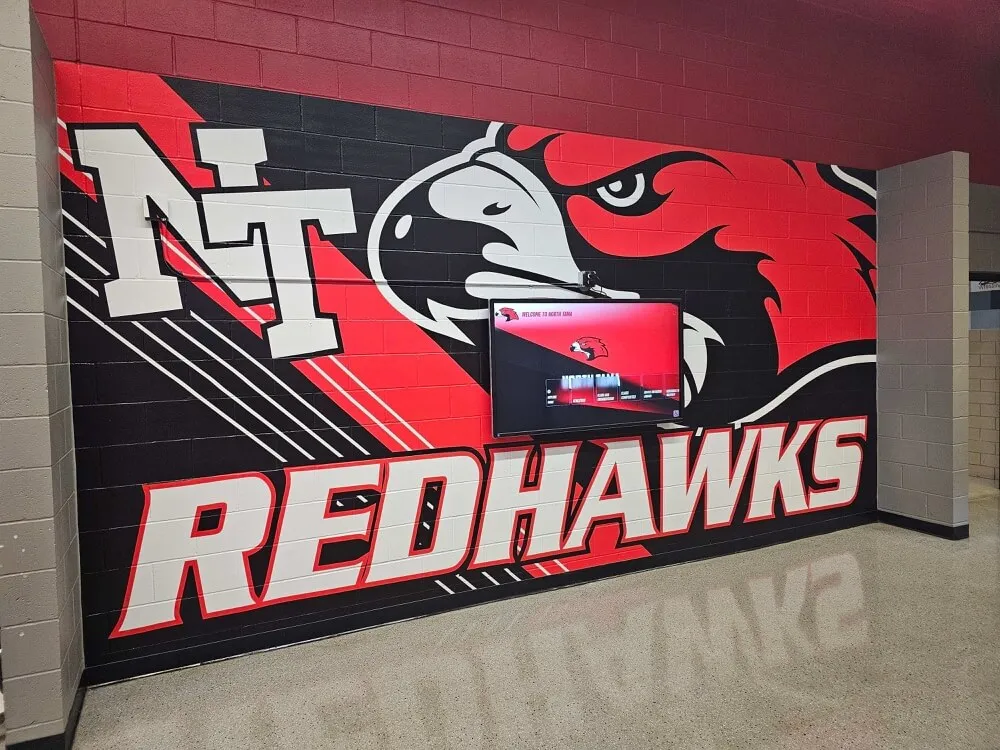
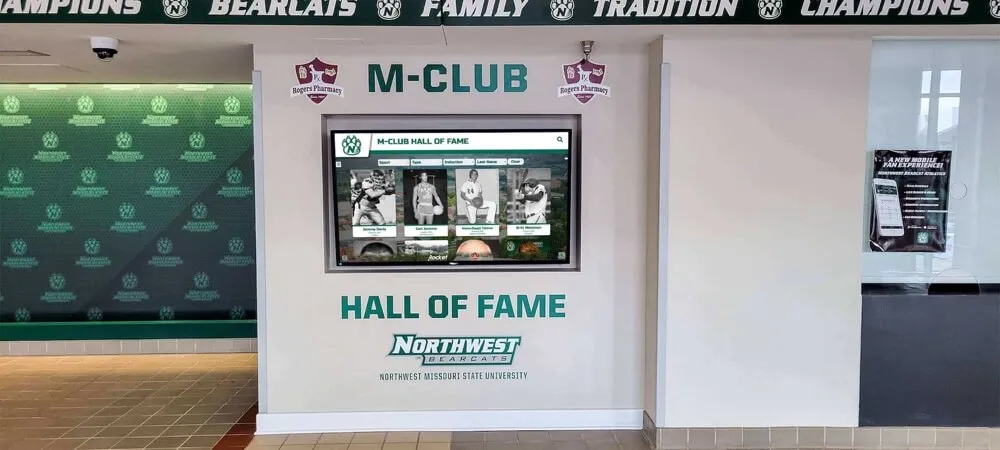
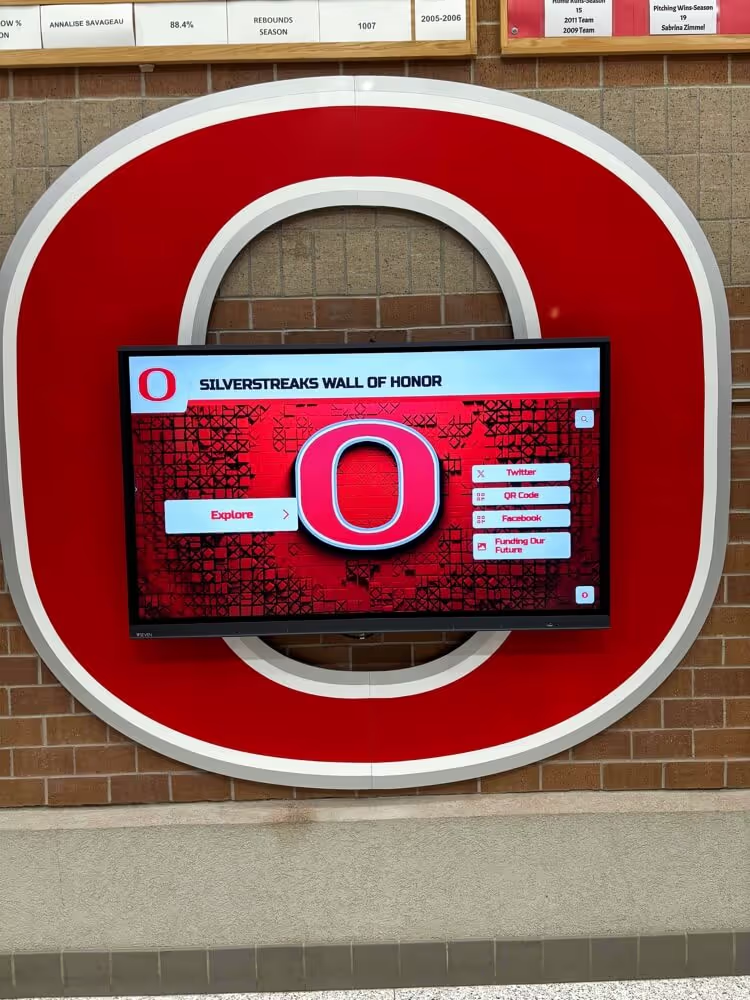
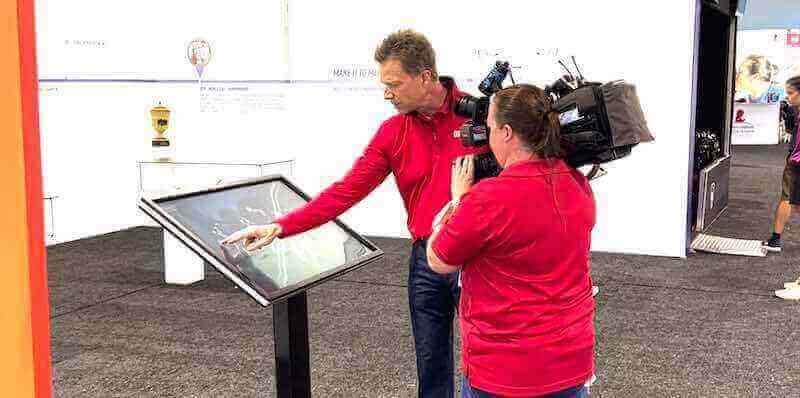
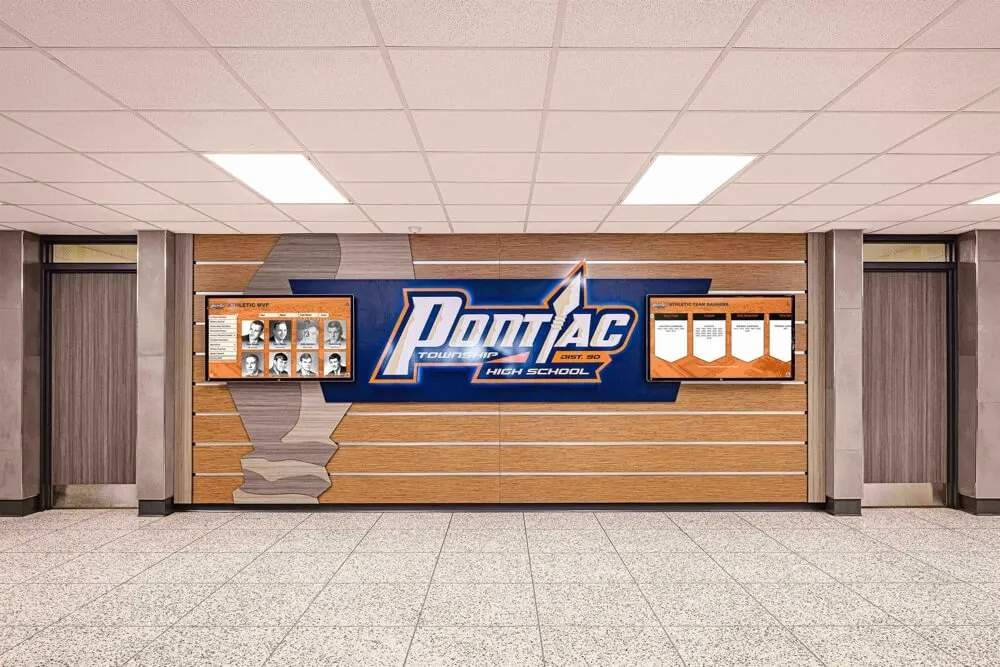
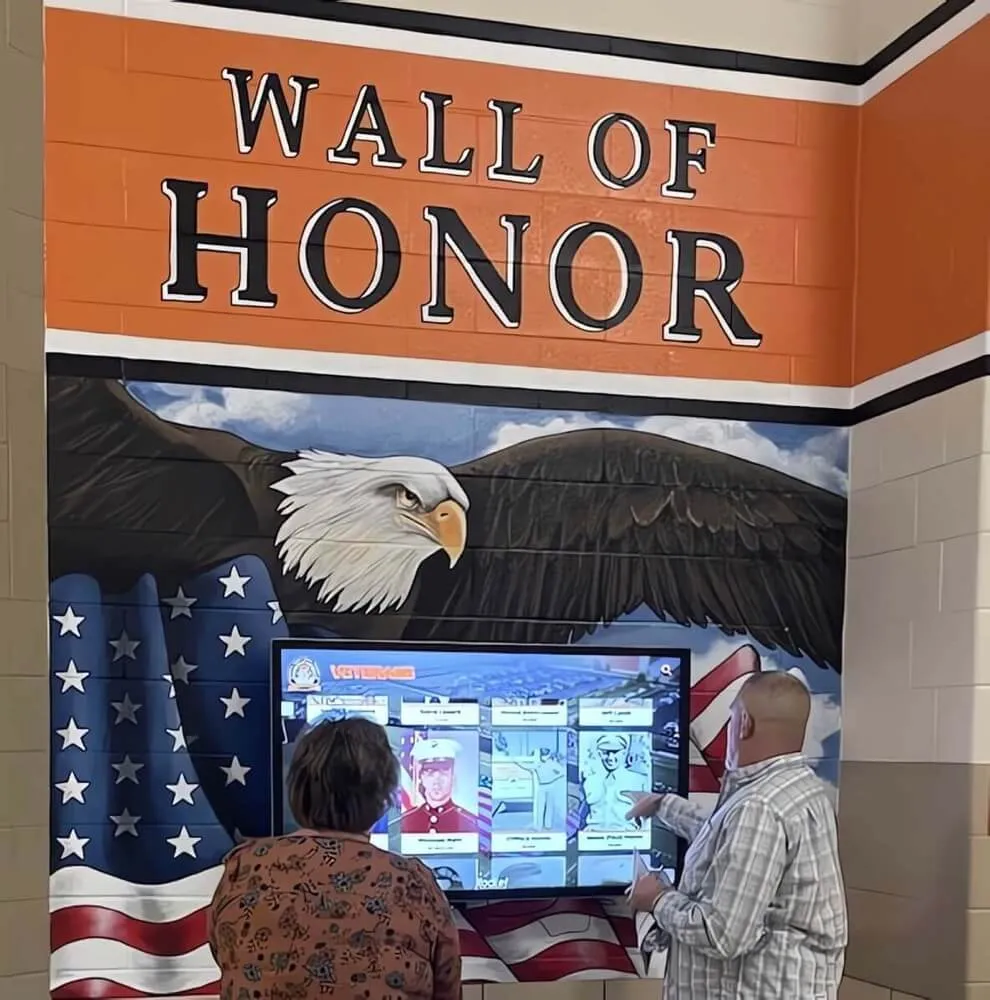
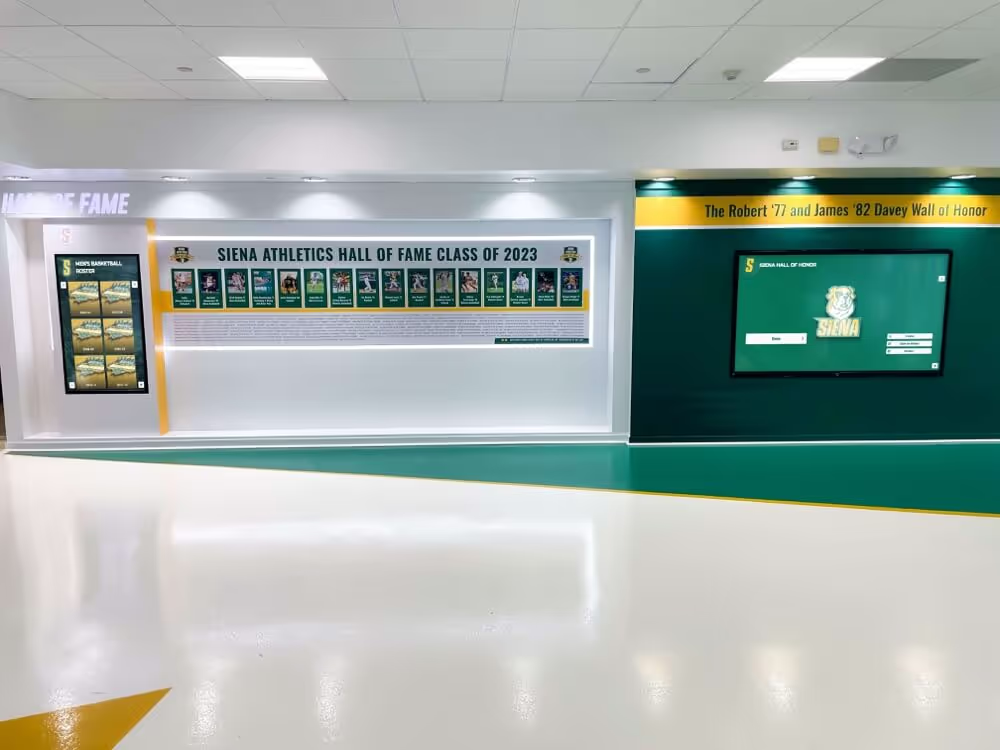
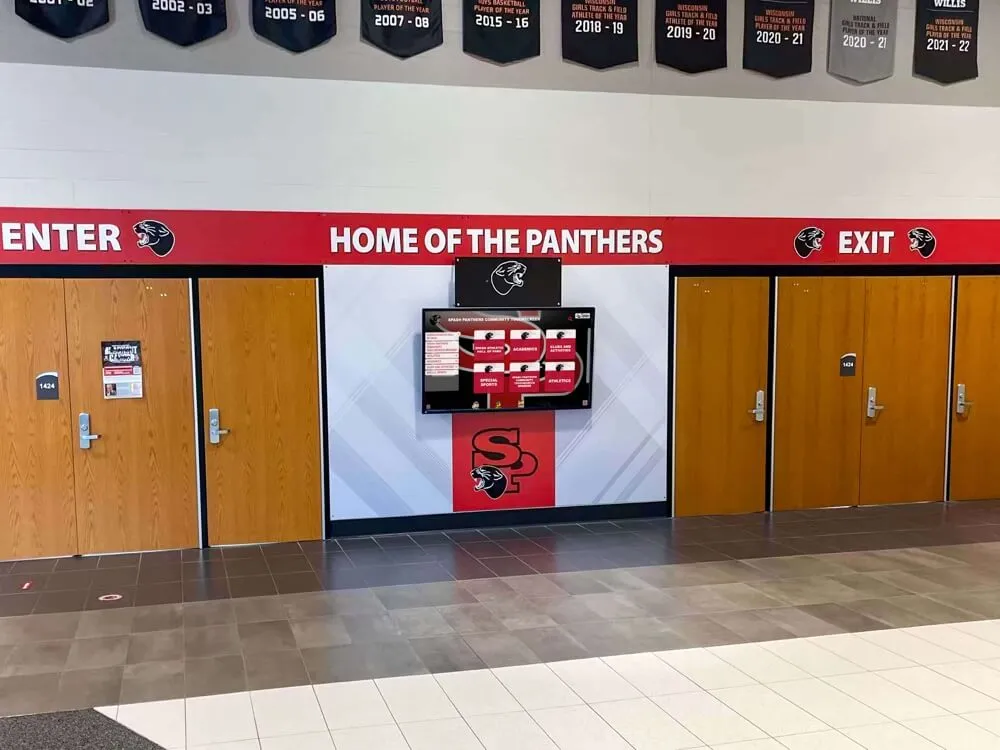
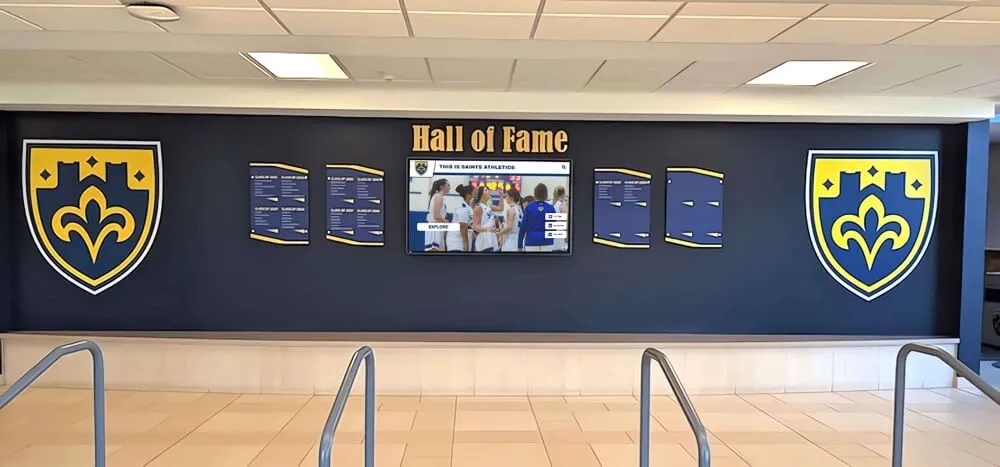
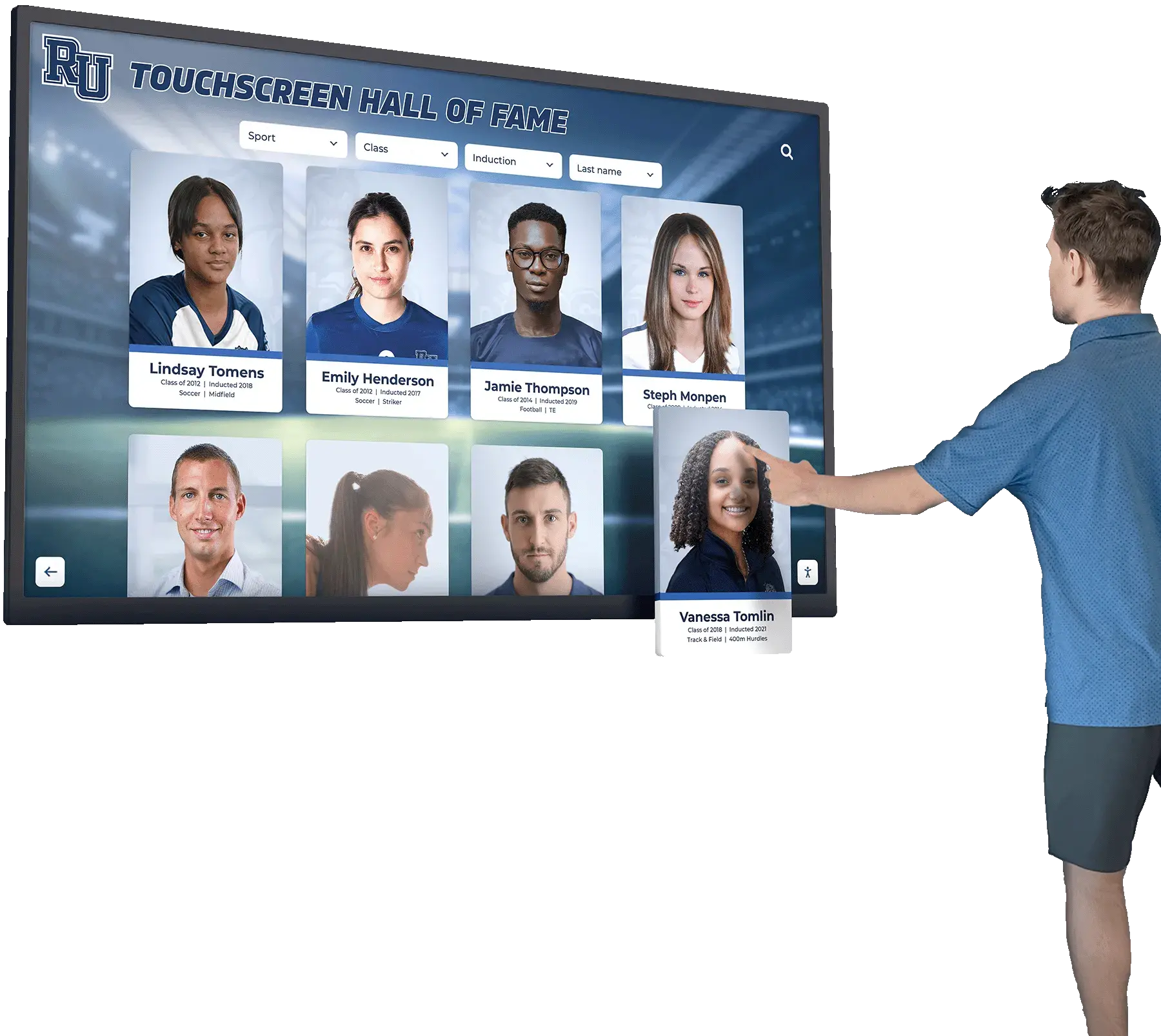
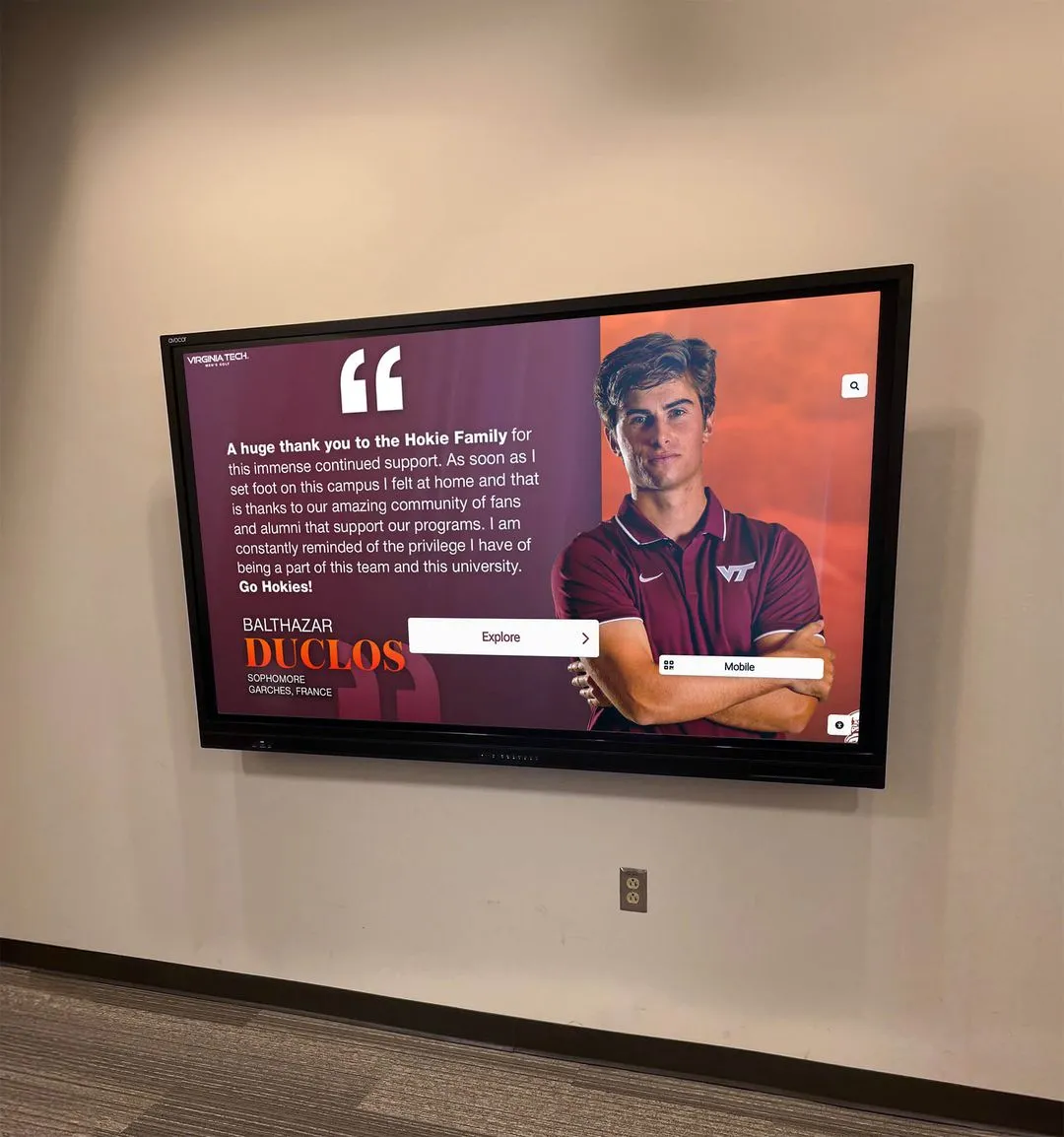
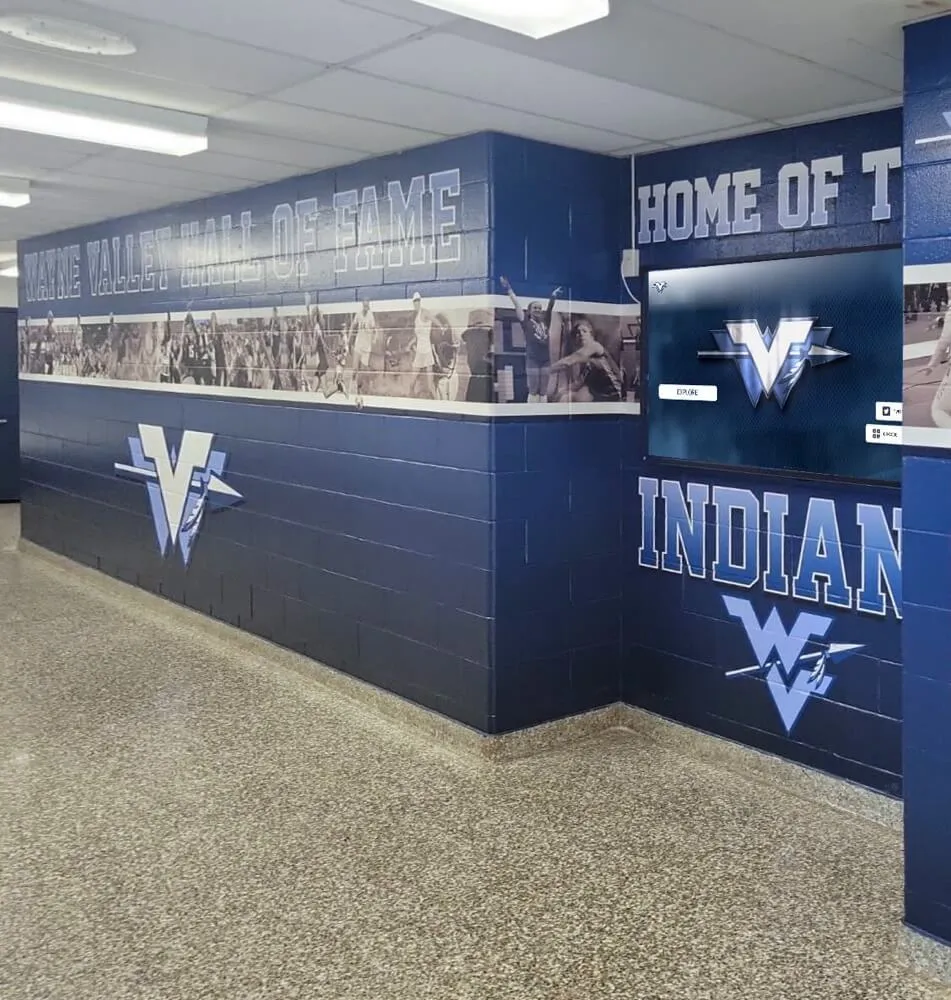
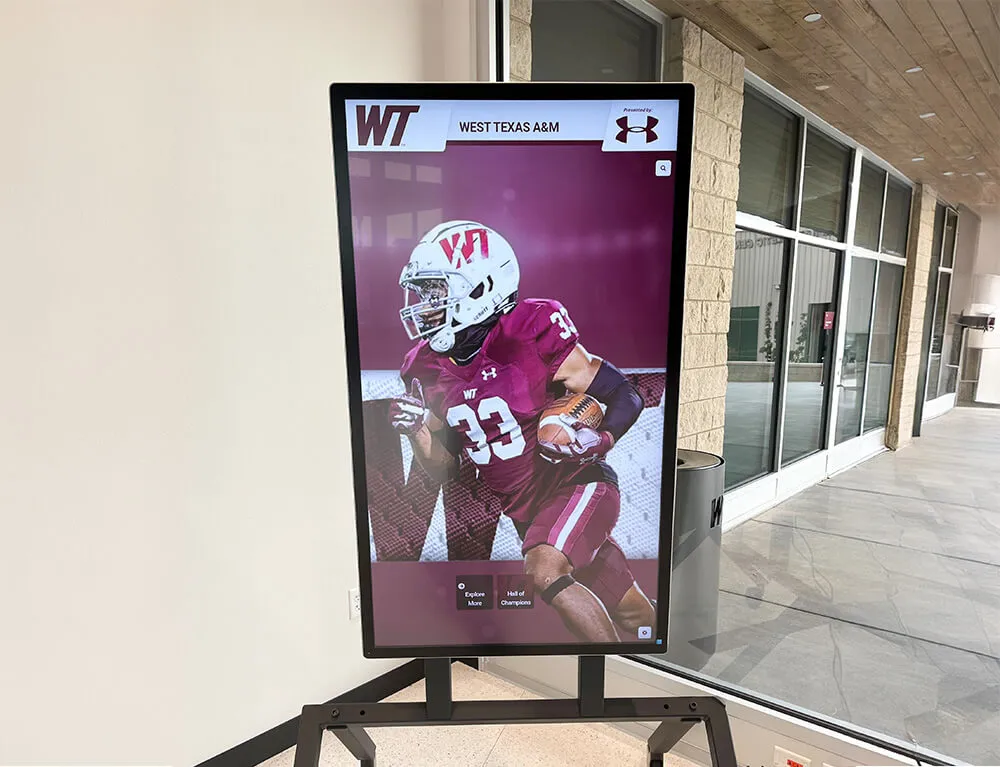
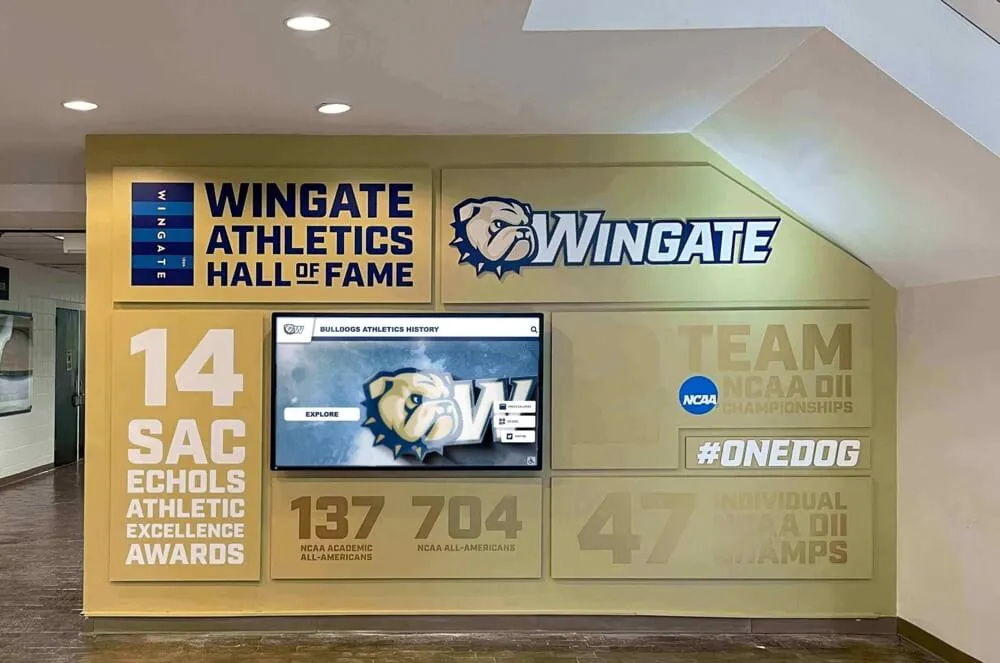
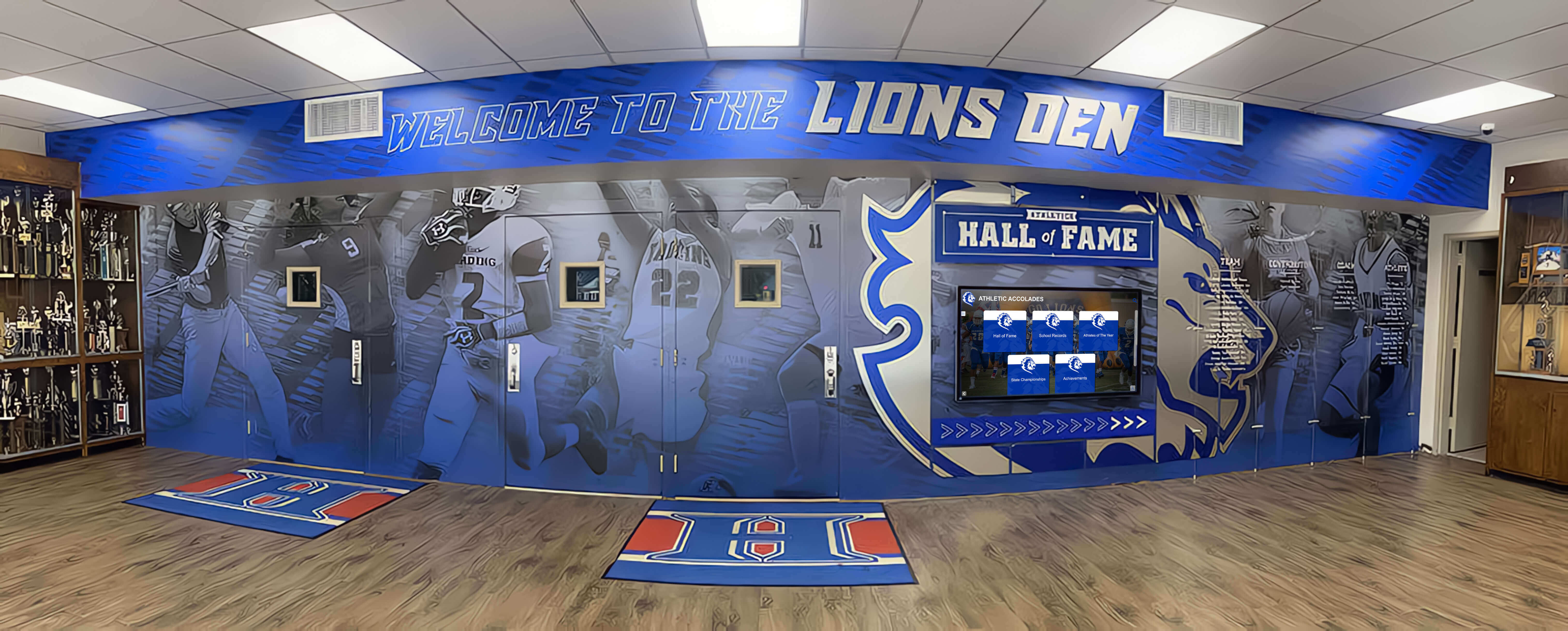
Interactive touchscreen displays showcasing program records, notable alumni, championship history, and current athlete achievements create constant visual reinforcement of excellence standards. Solutions like Rocket Alumni Solutions provide comprehensive platforms enabling athletic departments to maintain dynamic recognition displays without requiring technical expertise, seamlessly updating content as new records fall and inductees earn honors.
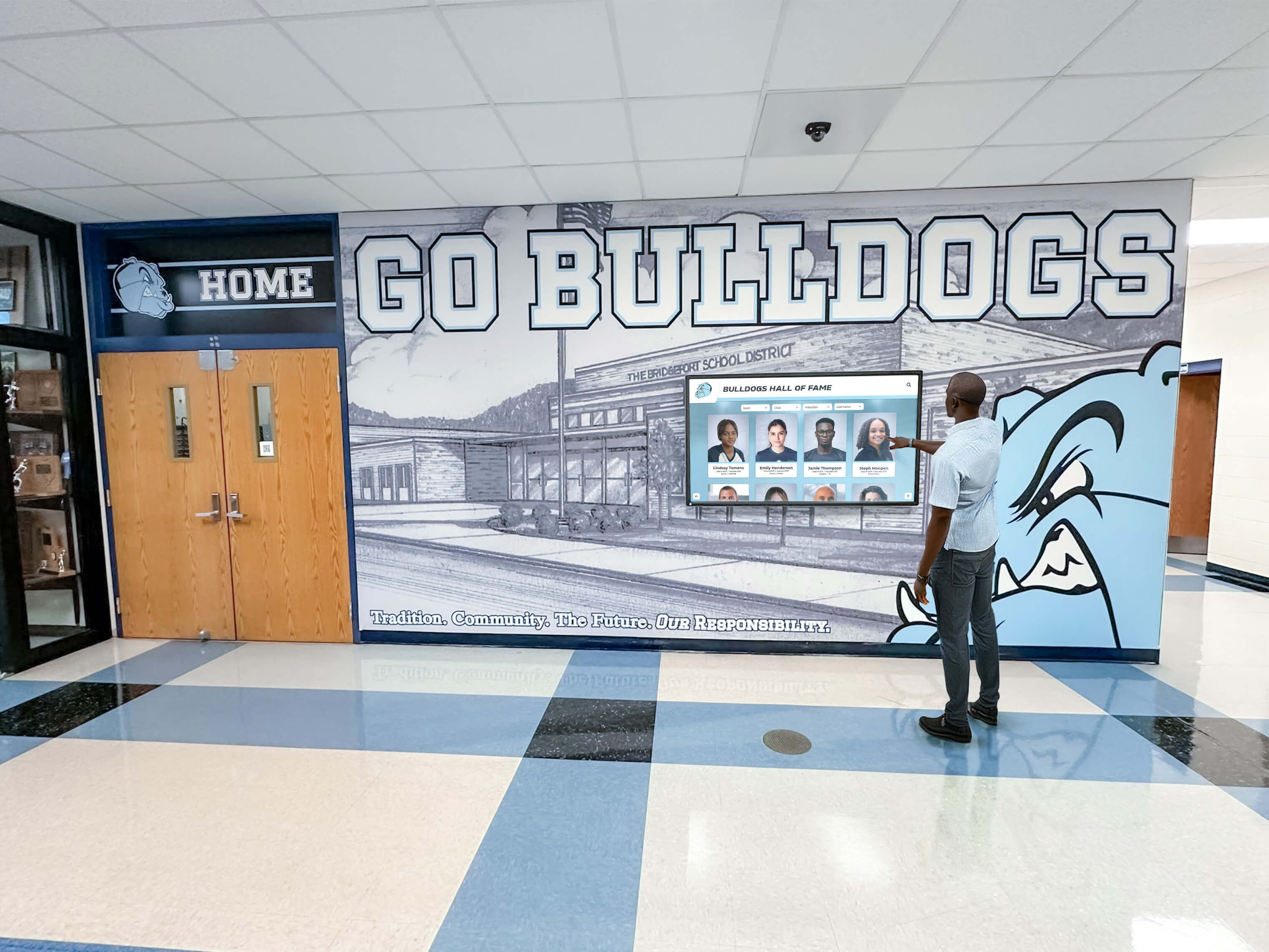
Strategic placement in high-visibility areas—facility entrances, central training zones, recovery areas—ensures athletes constantly connect current training efforts to legacy achievements and program standards. These systems serve dual purposes: motivating current athletes while providing impressive displays for recruits, parents, and visitors. Schools planning new facilities should consider when to install touchscreen displays in the design phase for optimal integration.
Creating Motivational and Cultural Elements
Physical equipment enables training, but environmental design elements—visual aesthetics, recognition displays, branding integration—profoundly influence athlete psychology, effort levels, and program culture.
Visual Design and Branding Integration
Strategic design elements establish identity and create psychological impact:
Color Psychology and School Branding:
Color choices influence mood, energy, and identity:
- School colors integrated through accent walls, equipment colors, and signage
- High-contrast color schemes increasing visibility and energy
- Strategic use of black or dark colors hiding wear in high-use areas
- Branded elements (logos, mascots, slogans) reinforcing identity
- Professional design cohesion rather than haphazard decoration
Well-branded facilities communicate program professionalism while building pride in athletes who train in spaces clearly invested in their development.
Inspirational Messaging and Quotes:
Text elements reinforcing values and expectations:
- Mission statements or program philosophies
- Quotes from legendary coaches or athletes
- Values declarations (work ethic, discipline, teamwork)
- Positioned at decision points (entrances, difficult training zones)
- Professionally executed rather than DIY appearance
Messaging should reflect authentic program culture rather than generic motivational content, connecting to specific program history and values athletes recognize as genuine.
Achievement Recognition and Record Boards:
Visible displays celebrating excellence:
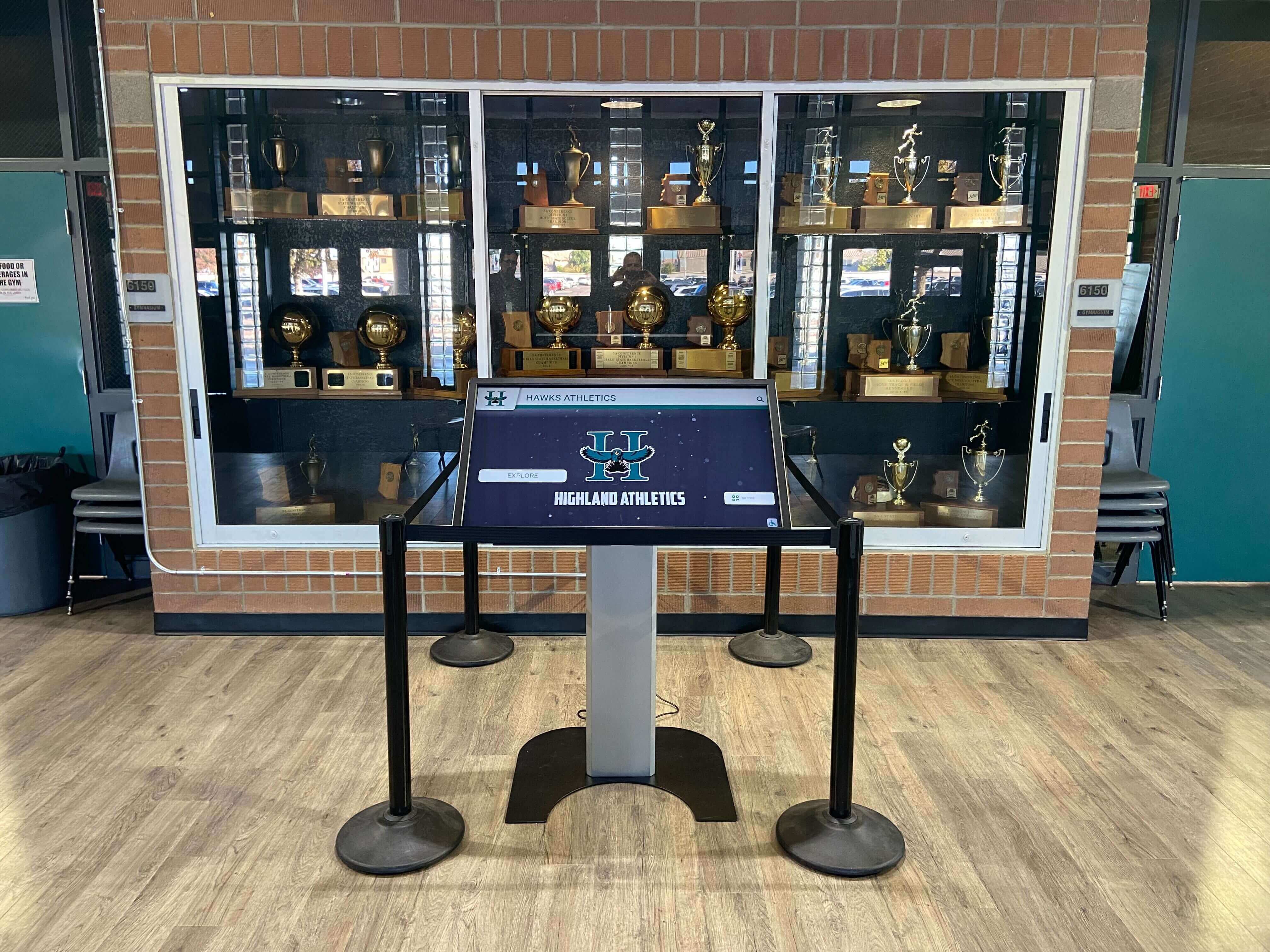
Traditional static record boards require ongoing maintenance, physical space for expansion, and updates involving production and installation costs. Modern digital alternatives overcome these limitations by providing unlimited capacity, easy updates, rich multimedia (photos, videos, detailed statistics), and searchable databases enabling athletes to explore comprehensive program history.
Programs can display current team records, all-time program records, recent achievers, and comparative data (current vs. previous generation) creating healthy competitive motivation. Interactive touchscreen displays provide particularly effective solutions for facilities wanting to maximize recognition capacity within limited physical space.
Lighting and Environmental Control
Often underestimated design elements dramatically affecting training quality and athlete well-being:
Lighting Design Strategies:
Proper illumination prevents injury while creating appropriate atmosphere:
- 50-100 foot-candles minimum in strength training areas
- Higher intensity (75-100+ foot-candles) in technical lifting zones
- Natural light incorporation improving mood and circadian rhythm
- LED systems reducing energy costs and maintenance
- Avoid shadows in mirror areas and lifting zones
- Adjustable intensity enabling varied training atmospheres
Poor lighting creates safety hazards, makes video analysis difficult, and contributes to fatigue and poor training atmosphere.
Climate Control and Ventilation:
Environmental systems directly affecting performance capacity:
- HVAC systems maintaining 65-72°F during training
- Enhanced air exchange rates preventing CO2 buildup
- Dedicated ventilation in cardio zones preventing overheating
- Humidity control (40-60% relative humidity ideal)
- Air filtration systems improving air quality
- Ceiling fans supplementing mechanical ventilation
Inadequate ventilation decreases performance, increases perceived exertion, and creates uncomfortable training environments athletes avoid when possible.
Noise Management:
Acoustic design affecting communication and atmosphere:
- Acoustic ceiling tiles reducing echo in large spaces
- Rubber flooring dampening weight impact noise
- Sound barriers between training zones and academic areas
- Music systems with zone control for different training areas
- Consider neighboring spaces when planning hours and activities
Noise control matters particularly in school settings where training facilities adjoin classrooms, libraries, or offices requiring quiet environments.
Recovery and Wellness Space Integration
Elite athletic development increasingly emphasizes recovery quality as much as training intensity, requiring dedicated facility space supporting regeneration protocols:
Essential Recovery Modalities and Equipment
Recovery zones should incorporate evidence-based modalities supporting tissue repair, inflammation management, and performance restoration:
Cold Therapy Systems:
Temperature-based recovery supporting inflammation control:
- Ice baths or cold plunge tanks (50-59°F optimal)
- Localized ice/cold therapy stations
- Cold compression systems combining compression and cold
- Proper drainage and water management
- Installation costs: $2,000-15,000 depending on sophistication
Cold therapy reduces muscle damage markers, manages inflammation, and may accelerate recovery between training sessions or competitions.
Compression Therapy:
Pneumatic compression supporting circulation and recovery:
- Full-body or leg-specific compression systems
- Multiple units enabling simultaneous athlete use
- Comfortable seating and space for 20-30 minute sessions
- Cost: $2,000-5,000 per unit
Compression therapy promotes circulation, reduces muscle soreness, and provides structured recovery time athletes might otherwise skip.
Mobility and Soft Tissue Work Areas:
Spaces supporting self-directed recovery protocols:
- Foam rollers, massage sticks, and recovery tools
- Stretching areas with appropriate matting
- Resistance bands for mobility work
- Space for yoga or dynamic stretching sessions
- Storage keeping recovery tools organized and accessible
Dedicated mobility zones encourage athletes to incorporate recovery protocols into training routines rather than treating recovery as optional or secondary to workout volume.
Treatment and Athletic Training Spaces:
Areas where athletic trainers provide professional care:
- Treatment tables with adequate spacing and privacy
- Storage for taping supplies, modalities, and first aid
- Rehabilitation equipment for injured athletes
- Ice machines and treatment modality storage
- Positioned for supervision while maintaining privacy
Quality athletic training spaces within the facility ensure athletes receive prompt treatment for minor issues before they escalate into significant injuries requiring extended absence.
Designing Multi-Purpose Flexibility
Limited space and budget require creative approaches maximizing facility utility:
Adaptable Training Zones:
Spaces serving multiple functions:
- Open areas supporting strength training, functional work, or team meetings
- Mobile equipment enabling quick configuration changes
- Removable platforms or mats defining temporary zones
- Flexible scheduling assigning spaces to different teams at different times
- Equipment storage systems enabling rapid transitions between uses
Flexibility prevents obsolescence as training methodologies evolve and allows facilities to accommodate growing programs without expensive expansions.
Shared Use Optimization:
Facilities serving multiple constituencies:
- High school facilities accommodating physical education classes
- Community access programs during off-peak hours
- Summer youth programs utilizing otherwise vacant facilities
- Alumni training opportunities maintaining engagement
- Off-season sport programs sharing spaces
Shared use maximizes return on facility investment while creating broader institutional and community support for maintenance and enhancement.
Planning and Implementation Considerations
Successful facility development requires careful planning addressing budget realities, timeline management, stakeholder engagement, and long-term sustainability:
Budget Development and Funding Strategies
Training facility projects typically range from $100,000 for modest renovations to $3,000,000+ for comprehensive new construction:
Cost Categories to Consider:
- Construction or renovation: $150-400+ per square foot
- Equipment: $50,000-300,000+ depending on scope and quality
- Technology integration: $10,000-100,000 for various systems
- Furniture and lockers: $15,000-50,000
- Flooring: $15-50 per square foot depending on type
- Recognition displays: $5,000-25,000 for quality digital systems
- Contingency (10-15% of total): Essential for unexpected issues
Funding Source Options:
- Capital campaign contributions from alumni and community
- Booster club fundraising and support
- Institutional budget allocations
- Grants from athletics or education foundations
- Naming rights for facility or specific zones
- Phased development spreading costs across multiple budget cycles
Programs can explore creative approaches like partnering with local businesses for equipment donations or working with trophy display case providers to integrate recognition displays that also acknowledge major donors.
Working with Design and Construction Professionals
Complex projects require expert guidance ensuring facilities meet program needs while complying with codes and managing budgets:
Essential Professional Team Members:
- Architects specializing in athletic facilities
- Strength and conditioning consultants informing layout
- Athletic trainers advising on safety and treatment spaces
- Athletic directors representing institutional priorities
- Contractors with institutional construction experience
- Equipment vendors providing space planning expertise
Professional guidance prevents costly mistakes, ensures ADA compliance, optimizes space utilization, and creates facilities serving programs effectively for decades rather than requiring expensive corrections shortly after opening.
Maximizing Long-Term Value and Sustainability
Training facilities should serve programs effectively for 15-30+ years, requiring design decisions prioritizing durability and adaptability:
Durability Investments:
- Commercial-grade equipment withstanding intensive use
- Quality flooring resisting wear from weights and traffic
- Robust HVAC systems handling load demands
- Professional installation preventing premature failure
- Maintenance-friendly finishes reducing upkeep costs
Initial cost savings through residential-grade equipment or bargain providers typically create expensive replacement cycles and ongoing frustration with equipment failure.
Maintenance Planning:
- Equipment inspection and service schedules
- Cleaning protocols maintaining sanitary conditions
- HVAC filter changes and system service
- Flooring care preventing premature wear
- Budget allocations for ongoing maintenance and replacement
Facilities lacking maintenance plans deteriorate rapidly, creating unsafe conditions while communicating institutional neglect undermining the motivational impact driving initial investment.
Future Expansion Capability:
- Architectural design accommodating potential additions
- Infrastructure (electrical, HVAC) sized for growth
- Equipment layouts enabling density increases
- Technology platforms supporting feature additions
- Modular approaches enabling staged development
Designing with expansion capacity prevents complete rebuilds when programs grow, instead enabling strategic additions integrating seamlessly with existing spaces.
Conclusion: Creating Training Environments That Inspire Excellence
Training facilities profoundly influence athletic development, program culture, and institutional identity. The most effective facilities balance functional training capacity with motivational environmental design, prioritize athlete safety while encouraging maximum effort, and create spaces athletes want to use rather than workout rooms they merely tolerate. Strategic training facility design transforms athletic programs by providing professional environments communicating institutional investment in athlete development, establishing clear performance standards through recognition displays and record boards, supporting comprehensive training addressing strength, power, conditioning, and recovery, and creating recruitment advantages demonstrating program commitment to excellence.
Whether planning new construction, renovating existing spaces, or optimizing current facilities, thoughtful design decisions centered on athlete needs, coach workflows, and program culture create training environments where championship-caliber performance develops consistently. The investment in quality facilities, appropriate equipment, motivational design elements, and recognition technology pays dividends through improved athlete performance, enhanced recruitment success, reduced injury rates, and stronger program culture lasting decades beyond initial construction.
Ready to enhance your training facility with dynamic recognition displays that celebrate achievements and motivate athletes daily? Explore how Rocket Alumni Solutions can transform your facility with interactive touchscreen displays designed specifically for athletic programs prioritizing recognition, motivation, and lasting cultural impact.