



Key Takeaways
Compare free fully locked down kiosk browser apps vs paid alternatives like Fully Kiosk. Comprehensive evaluation framework with security, cost, deployment flexibility, and recognition display criteria to choose the best touchscreen kiosk solution.
Why the Kiosk Browser Choice Matters Now
The kiosk software market has transformed dramatically over the past three years. As touchscreen displays become standard equipment in educational facilities, museums, corporate lobbies, and public spaces, the need for secure, fully locked down browser solutions has intensified. Public-facing devices require protection against unauthorized access, malicious tampering, and unintended configuration changes that compromise institutional security or user experience.
According to pricing data from Capterra, paid kiosk browser solutions like Fully Kiosk Browser cost €7.90 per device as a perpetual license (as of October 2025). While this represents affordable pricing for single installations, organizations deploying dozens or hundreds of kiosks across multiple locations face substantial cumulative licensing costs. This economic reality has driven increased interest in free, open-source, and freemium kiosk browser alternatives that provide robust lockdown capabilities without per-device licensing fees.
Simultaneously, the emergence of cross-platform kiosk applications supporting both Android and Mac environments addresses a critical gap. Historically, kiosk lockdown software fragmented across operating systems, with robust Android solutions but limited Mac options. Modern kiosk browsers that operate across platforms provide deployment flexibility that hardware-diverse organizations require.
This decision carries significant operational consequences:
- Security posture determining vulnerability to unauthorized access or tampering
- Total cost of ownership including licensing, maintenance, and support over multi-year deployments
- Hardware flexibility enabling use of existing equipment versus requiring specific platforms
- Management efficiency affecting staff time required for configuration, updates, and troubleshooting
- User experience quality influencing engagement, accessibility, and satisfaction
- Integration capabilities connecting kiosks with content management systems and recognition platforms
Organizations evaluating kiosk browser software need frameworks that move beyond surface-level feature checklists to analyze how architectural choices, licensing models, and vendor ecosystems impact operational realities over five to ten-year deployments typical of recognition display installations.
Understanding Kiosk Browser Lockdown Requirements
Before comparing specific solutions, establishing clear lockdown requirements creates objective evaluation baselines. Effective kiosk browser software must prevent users from accessing device functionality beyond intended applications while maintaining usable interfaces for legitimate interactions.
Core Lockdown Capabilities
1. Navigation Control
Locked down browsers must restrict navigation to approved URLs while blocking access to:
- Browser settings and preferences
- Bookmark management and history
- Download capabilities
- Developer tools and console access
- View source functionality
- Print dialog access
Without comprehensive navigation controls, users can easily escape kiosk mode by accessing settings menus or keyboard shortcuts that expose underlying operating systems.
2. Hardware Button Disabling
Physical device buttons create escape routes from kiosk mode. Effective solutions disable or intercept:
- Home button functionality preventing return to device home screens
- Back button actions that might exit kiosk applications
- Recent apps switching that exposes other installed applications
- Volume buttons when inappropriate for public use
- Power button long-press actions revealing shutdown menus
Schools deploying interactive kiosk systems report that hardware button access represents the most common method users employ to exit kiosk mode unintentionally or deliberately.
3. Keyboard Shortcut Blocking
Desktop operating systems provide numerous keyboard shortcuts that bypass application controls:
- Alt+F4 closing applications on Windows
- Ctrl+Alt+Delete accessing system functions
- Cmd+Q quitting applications on Mac
- F11 toggling fullscreen modes
- Right-click context menus providing additional options
Comprehensive shortcut blocking prevents technically savvy users from exploiting standard operating system features to escape lockdown.
4. Peripheral Protection
USB ports, external storage, and connected peripherals introduce security vulnerabilities:
- USB keyboard/mouse connections enabling unauthorized control
- External storage devices potentially transferring malware
- HDMI connections revealing display configurations
- Bluetooth pairing with unauthorized devices
Organizations implementing touchscreen recognition displays must evaluate whether kiosk browsers provide peripheral access controls matching their security requirements.
Recognition Display-Specific Requirements
Beyond generic lockdown capabilities, recognition displays introduce additional requirements that kiosk browsers must address:
Content Integration Flexibility
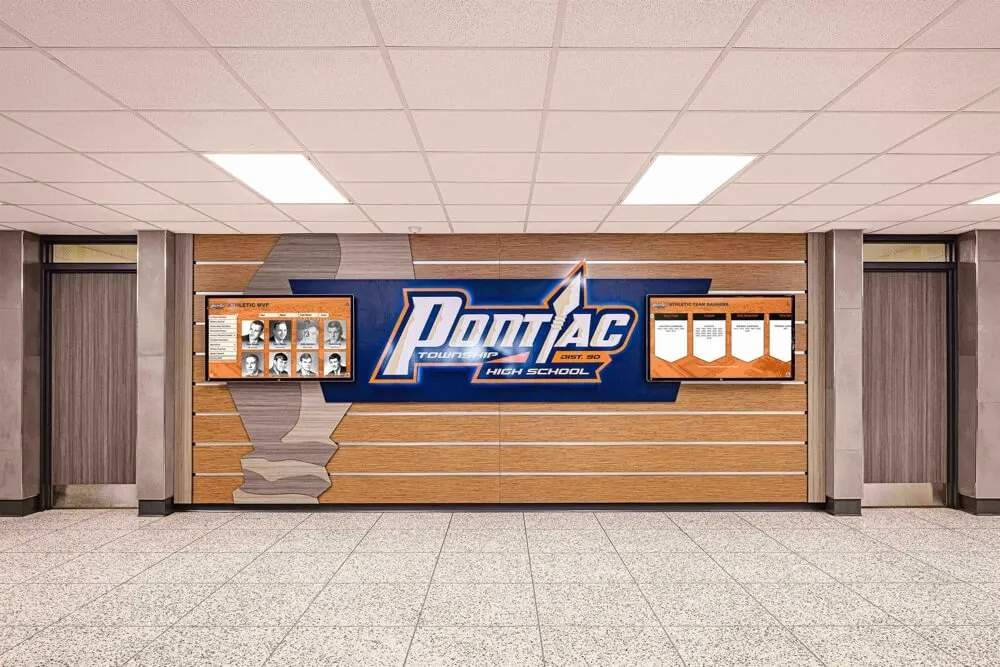
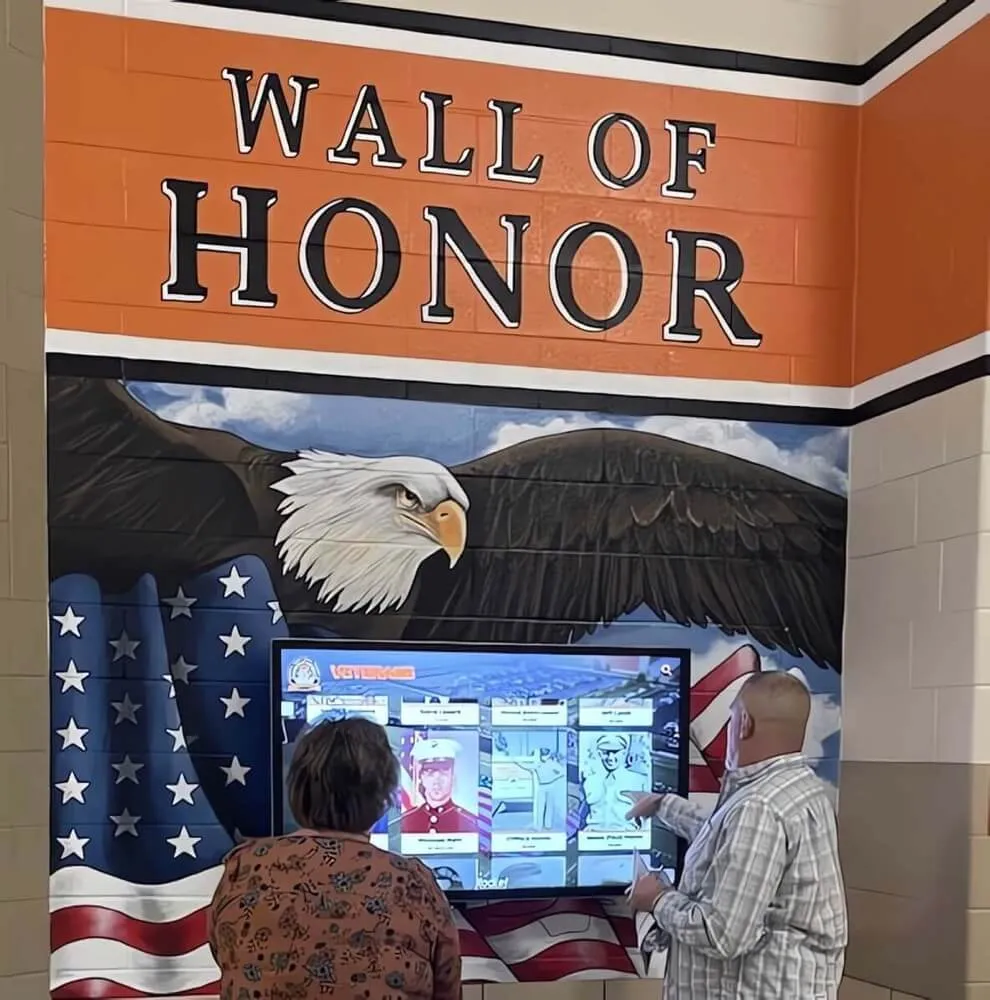
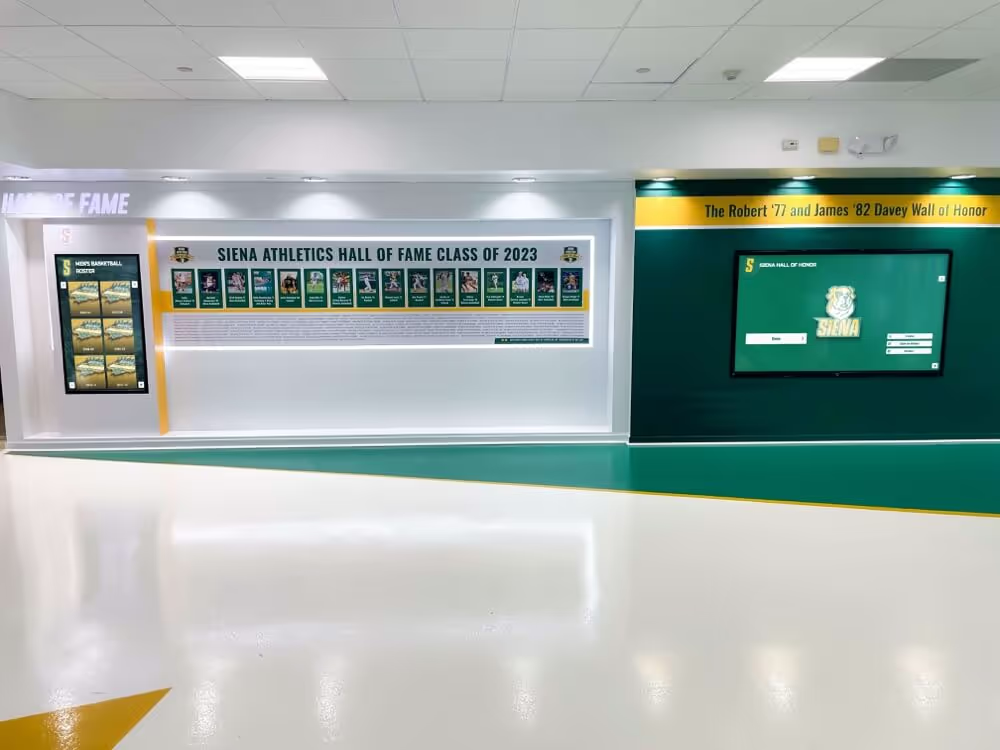
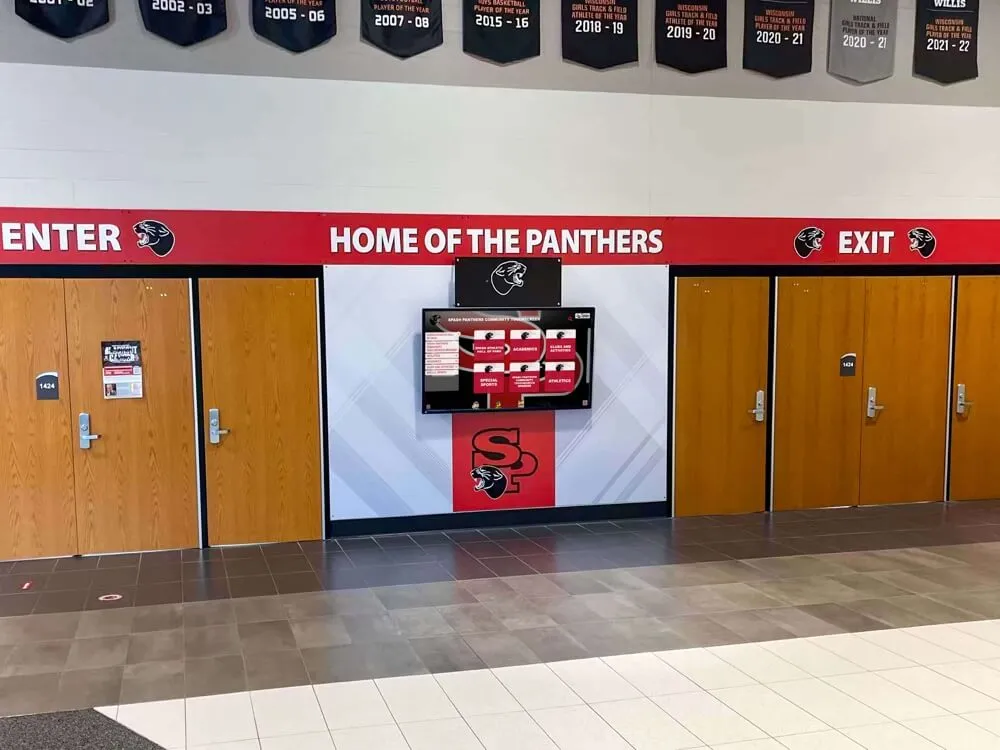
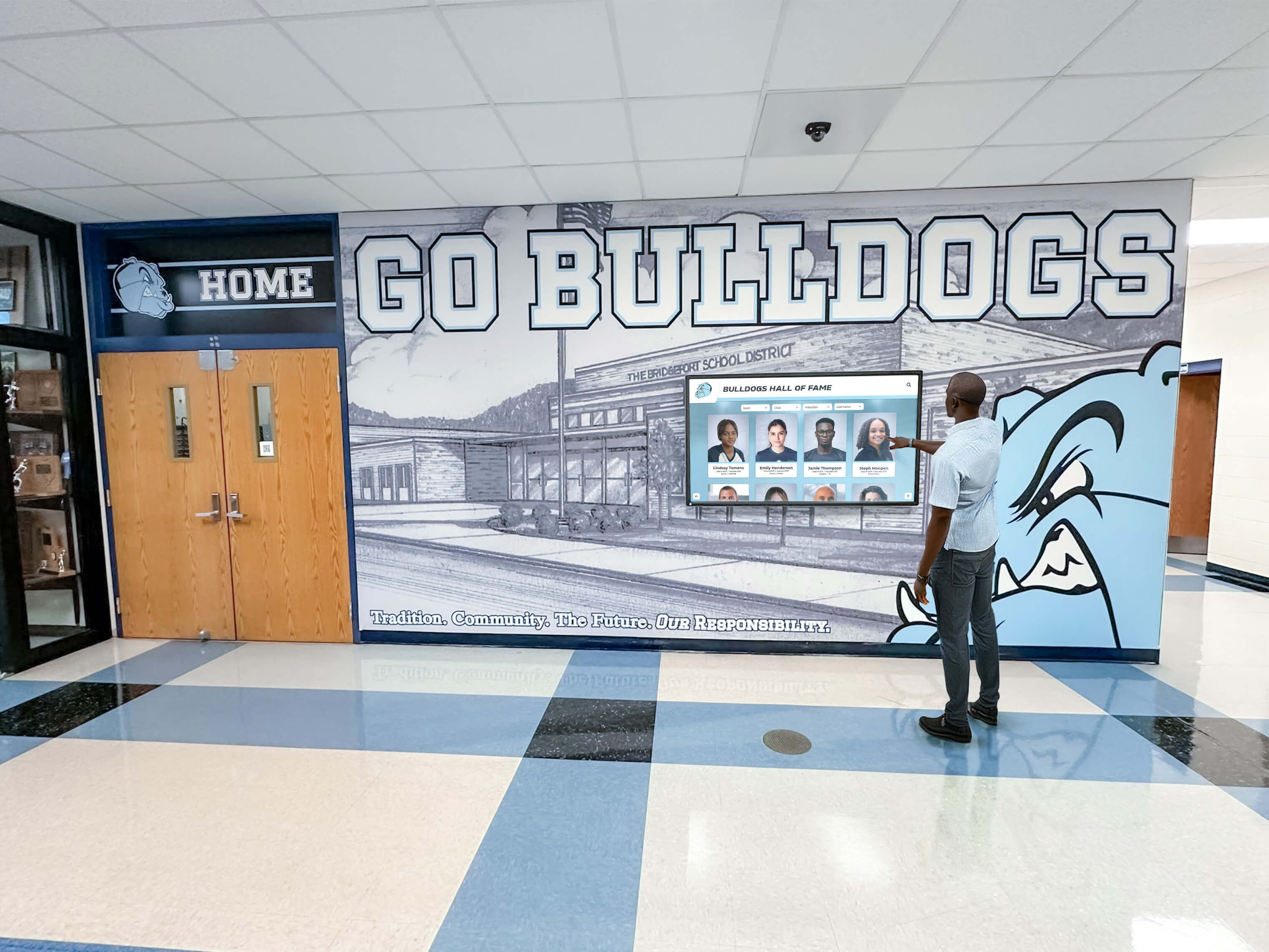
Recognition platforms like Rocket Alumni Solutions host content on web-based interfaces. Kiosk browsers must:
- Support modern web standards (HTML5, CSS3, JavaScript frameworks)
- Handle responsive designs across varied screen sizes
- Load high-resolution images and video content efficiently
- Maintain smooth touch interactions without lag or delay
- Enable custom URL schemes for deep linking to specific profiles
Scheduled Operation Controls
Recognition displays often operate on schedules matching facility hours:
- Automatic startup when buildings open
- Screensaver activation during extended inactivity
- Scheduled shutdown reducing energy consumption overnight
- Wake-on-LAN for remote activation if needed
Analytics and Monitoring
Understanding how visitors interact with recognition displays informs content strategy:
- Usage tracking showing popular profiles and sections
- Session duration measuring engagement depth
- Error logging identifying technical issues requiring attention
- Remote monitoring enabling proactive troubleshooting
Free Fully Locked Down Kiosk Browser: Detailed Analysis
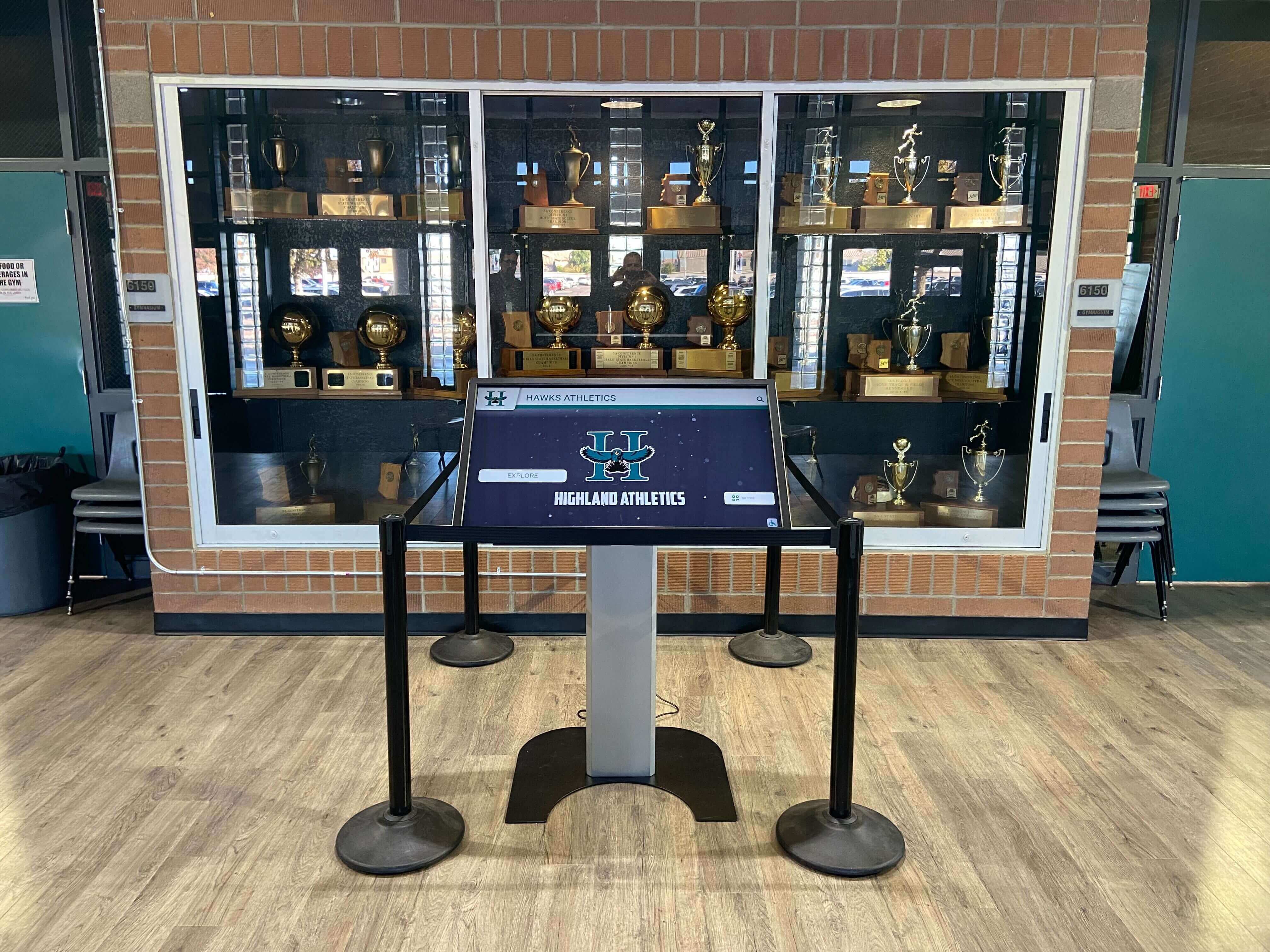
The emergence of free, fully locked down kiosk browser applications available on platforms like Google Play Store and Mac App Store provides organizations with compelling alternatives to paid solutions. The Touchscreen Kiosk App available on Google Play represents this new generation of kiosk software designed specifically for secure public-facing deployments.
Architecture and Platform Support
Modern free kiosk browsers leverage cross-platform frameworks to operate on multiple operating systems from unified codebases. This architectural approach provides several advantages:
Android Deployment
Android’s openness and market dominance make it the primary platform for public kiosk installations. Free kiosk browsers on Android typically provide:
- Full-screen mode eliminating navigation bars and status indicators
- System UI blocking preventing access to notification panels
- Installation as device administrator or owner enabling deeper lockdown
- Support for diverse Android versions from older tablets through current releases
- Compatibility with varied screen sizes and aspect ratios
Organizations can deploy free kiosk browsers on existing Android tablets or procure affordable consumer devices rather than investing in specialized kiosk hardware.
Mac Platform Availability
Mac support remains less common among kiosk solutions, creating gaps for organizations standardizing on Apple ecosystems. Cross-platform kiosk apps supporting macOS provide:
- Guided Access alternatives with more flexible configuration
- Support for Mac Mini installations driving large-format displays
- Integration with Apple’s enterprise device management if deployed institutionally
- Consistent user experience across Android and Mac installations
Educational institutions often maintain mixed hardware environments. Kiosk browsers operating across platforms eliminate the need to standardize hardware specifically for recognition display deployments.
Key Advantages of Free Kiosk Browser Solutions
1. Zero Licensing Costs
The most obvious advantage of free kiosk browsers is elimination of per-device licensing fees. Organizations deploying multiple kiosks across campus facilities or distributed locations realize substantial savings:
| Deployment Scale | Fully Kiosk (€7.90/device) | Free Alternative | Savings |
|---|---|---|---|
| 5 kiosks | €39.50 | €0 | €39.50 |
| 25 kiosks | €197.50 | €0 | €197.50 |
| 100 kiosks | €790 | €0 | €790 |
While €7.90 per device appears modest, large-scale deployments accumulate significant licensing costs. For budget-constrained schools or nonprofit organizations, eliminating licensing represents meaningful resource allocation toward content development or hardware rather than software fees.
2. Simplified Procurement and Deployment
Free applications available through standard app stores eliminate procurement friction:
- No purchase orders or payment processing required
- Immediate download and installation without waiting for license keys
- Simplified compliance with institutional software policies
- No vendor relationships to establish or maintain
IT departments can test, evaluate, and deploy free kiosk browsers within hours rather than navigating procurement processes that might require weeks for paid software approval.
3. Straightforward Updates
App store distribution ensures automatic updates delivering security patches and feature improvements:
- Background updates occurring without manual intervention
- Consistent versions across all installations
- No separate update licensing or subscription fees
- Platform security hardening as operating systems evolve
Unlike some paid kiosk solutions requiring annual subscriptions for continued updates, free applications typically maintain update access indefinitely.
4. Open-Source Transparency (When Applicable)
Some free kiosk browsers operate as open-source projects, providing transparency that proprietary solutions cannot match:
- Source code review enabling security audits
- Community contributions accelerating feature development
- Customization possibilities for organizations with development resources
- Freedom from vendor lock-in if projects are abandoned
Organizations with technical capacity can evaluate code quality and security practices directly rather than relying exclusively on vendor claims.
5. Lower Risk Evaluation
Zero financial investment enables thorough testing without budget commitment:
- Extended pilot deployments evaluating real-world performance
- Parallel testing against paid alternatives for direct comparison
- Proof-of-concept implementations demonstrating value before scaling
- Reduced stakeholder resistance when proposing new technology
This risk-free evaluation proves particularly valuable when selecting software for recognition display programs where long-term reliability and user experience critically impact program success.
Limitations and Challenges of Free Kiosk Browsers
1. Limited Technical Support
Free software rarely includes professional support infrastructure:
- Community forums replacing dedicated support teams
- Slower response times for troubleshooting assistance
- Documentation that may be incomplete or outdated
- No service level agreements guaranteeing issue resolution
Organizations deploying kiosks for mission-critical recognition displays during major events face risk if technical issues arise without vendor support available.
2. Feature Gaps Compared to Paid Solutions
Free kiosk browsers typically provide core lockdown functionality but may lack advanced capabilities:
- Remote management dashboards for multi-device administration
- Advanced scheduling and automation features
- Built-in analytics and usage reporting
- Integration APIs for content management systems
- Peripheral device support for printers, card readers, or scanners
Depending on requirements, free solutions may necessitate workarounds or compromise on desired capabilities.
3. Sustainability and Longevity Questions
Free applications, especially those from individual developers rather than established companies, introduce sustainability concerns:
- Uncertain long-term maintenance and update commitments
- Risk of abandonment if developers lose interest or funding
- Potential disappearance from app stores without warning
- Limited accountability for security vulnerabilities
Recognition displays operate for 5-10 years. Organizations must assess whether free kiosk browsers will remain viable throughout deployment lifespans.
4. Advertising or Data Collection
Free applications may monetize through alternative revenue models:
- Advertisement display within the kiosk interface
- Usage data collection and transmission to third parties
- Upsell prompts encouraging paid version adoption
- Feature limitations requiring paid upgrades for full functionality
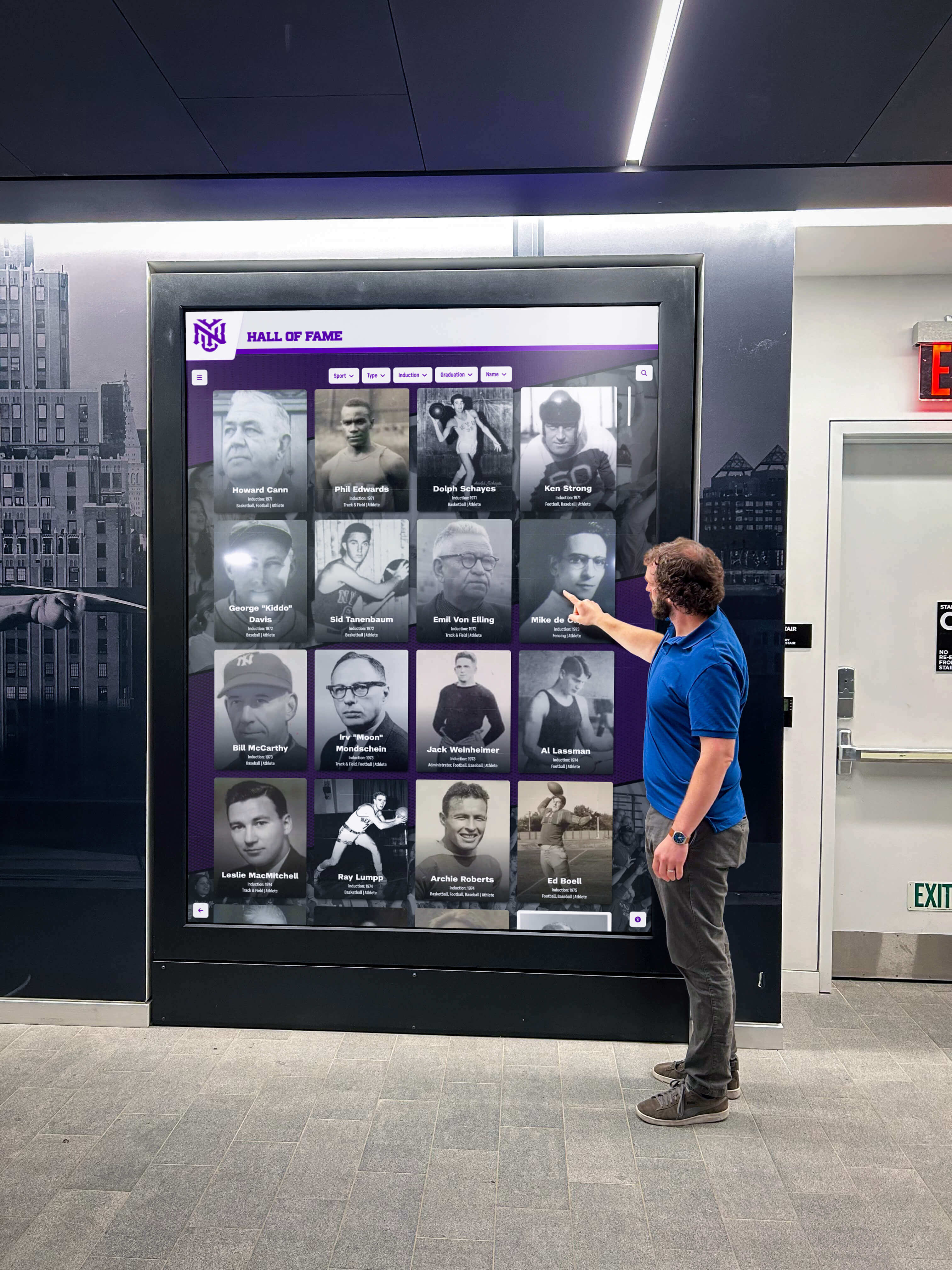
Schools and organizations handling student or donor information must evaluate privacy implications carefully. Platforms implementing donor recognition displays require explicit understanding of data handling practices.
5. Configuration Complexity
Without dedicated support or comprehensive documentation, configuring advanced lockdown features may prove challenging:
- Trial-and-error setup processes consuming IT staff time
- Incomplete lockdown leaving security vulnerabilities
- Inconsistent configuration across multiple devices
- Difficulty troubleshooting when issues arise
Organizations lacking technical expertise may find paid solutions with professional setup assistance more efficient despite higher upfront costs.
Paid Kiosk Solutions: Detailed Analysis
Paid kiosk browser software like Fully Kiosk Browser represents the established market standard for professional deployments. Understanding their capabilities and business models provides essential context for comparison.
Fully Kiosk Browser Overview
Fully Kiosk Browser serves as the market-leading Android kiosk solution, providing comprehensive lockdown capabilities with extensive configuration options. According to Slashdot software comparisons, Fully has built substantial market presence across digital signage, interactive kiosk systems, and information panels.
Pricing Structure
As of October 2025, Fully Kiosk Browser charges:
- €7.90 per device perpetual license
- One-time payment unlocking all PLUS features
- 15% discount for annual payment
- Additional volume discounts for larger deployments
- Free trial period testing all features before purchase
This represents approximately $8.35 USD per device, comparable to competing solutions in the Android kiosk market.
Feature Comprehensiveness
Fully Kiosk Browser provides extensive capabilities beyond basic lockdown:
- Motion detection triggering screensavers or alerts
- Remote administration managing devices from web dashboards
- REST API and MQTT support enabling custom integrations
- JavaScript API allowing web applications to control device features
- NFC and QR code scanning supporting interactive experiences
- iBeacon detection enabling location-aware content
- Bluetooth access connecting peripheral devices
- Volume and offline licensing for bulk deployments without internet connectivity
- Fast device provisioning streamlining large-scale rollouts
This feature breadth addresses sophisticated use cases beyond simple web content display.
Key Advantages of Paid Kiosk Solutions
1. Professional Support Infrastructure
Paying for software typically includes access to vendor support:
- Email or ticket-based assistance from knowledgeable staff
- Comprehensive documentation and configuration guides
- Active development addressing bugs and adding features
- Clear accountability when issues impact operations
Organizations implementing digital recognition systems benefit from vendor assistance navigating complex configurations or troubleshooting unusual issues.
2. Advanced Feature Sets
Paid solutions invest in capabilities exceeding basic lockdown:
- Multi-device management consoles providing centralized administration
- Granular scheduling controlling device behavior by time and date
- Remote configuration updates deploying changes without physical access
- Integrated analytics tracking usage patterns and performance metrics
- Hardware integration supporting printers, cameras, and custom peripherals
These advanced features prove essential for sophisticated deployments like interactive donor recognition or digital museum exhibits.
3. Proven Stability and Reliability
Established paid solutions demonstrate operational track records:
- Thousands of active installations validating stability
- Regular updates maintaining compatibility with OS changes
- Security patches addressing vulnerabilities promptly
- Financial stability ensuring long-term vendor viability
Organizations deploying kiosks as permanent recognition installations value proven reliability over multi-year periods.
4. Compliance and Security Certifications
Commercial software vendors often pursue security certifications and compliance validations:
- Security audits by third-party firms
- Privacy policy clarity regarding data handling
- Compliance with educational data protection regulations (FERPA, COPPA)
- Insurance and liability coverage if security failures occur
Schools and regulated organizations may require documented compliance that free software cannot provide.
5. Enterprise Management Integration
Paid solutions integrate with mobile device management (MDM) platforms:
- Support for Android Enterprise and Apple Business Manager
- Group Policy integration on Windows environments
- Centralized enrollment and provisioning workflows
- Unified endpoint management across device types
Organizations already operating MDM infrastructure can leverage existing tools rather than implementing separate kiosk management systems.
Limitations and Challenges of Paid Kiosk Solutions
1. Cumulative Licensing Costs
Per-device licensing accumulates substantially across large deployments:
- Initial licensing investment required before operations commence
- Budget constraints limiting deployment scale
- Ongoing costs if solutions shift to subscription models
- Hardware replacement requiring new licenses if tied to specific devices
For organizations implementing campus-wide recognition networks, licensing costs may exceed hardware expenses.
2. Vendor Dependency
Commitment to paid solutions creates vendor relationships that may constrain future flexibility:
- Pricing increases affecting total cost of ownership
- Feature development priorities not aligned with organizational needs
- Support quality variations impacting operational efficiency
- Migration costs if switching to alternative solutions becomes necessary
Long-term vendor dependency introduces risk if provider strategies shift or business conditions change.
3. Platform Limitations
Most paid kiosk browsers focus primarily on Android, leaving gaps for other platforms:
- Limited or non-existent macOS support
- Windows solutions from different vendors requiring separate relationships
- iOS lockdown relying on Apple’s built-in Guided Access rather than third-party software
- Cross-platform deployments requiring multiple software licenses
Organizations maintaining diverse hardware face complexity managing different kiosk solutions across platforms.
4. Configuration Complexity
Feature comprehensiveness introduces configuration complexity:
- Extensive settings requiring careful planning and testing
- Documentation overload making it difficult to locate relevant guidance
- Misconfiguration creating security vulnerabilities or operational issues
- Learning curve for IT staff unfamiliar with specific platforms
While advanced features provide flexibility, they demand expertise to leverage effectively.
5. Overkill for Simple Use Cases
Organizations needing only basic lockdown may find paid solutions unnecessarily complex:
- Feature sets exceeding actual requirements
- Management infrastructure irrelevant for single-device deployments
- Licensing costs unjustified for straightforward applications
- Update frequency creating maintenance burden without meaningful benefit
Simple recognition kiosk installations displaying static web content may not justify commercial software investment.
Head-to-Head Comparison: Decision Matrix
This weighted comparison evaluates free fully locked down kiosk browsers against paid solutions like Fully Kiosk Browser across criteria critical to recognition display deployments, using a 100-point scale:
| Criteria | Weight | Free Kiosk Browser | Paid Solutions (Fully Kiosk) | Winner |
|---|---|---|---|---|
| Cost of Ownership (5-year) | 25% | 95 | 70 | Free |
| Initial licensing | ✅ $0 | ⚠️ €7.90/device | ||
| Updates and patches | ✅ Included | ✅ Included | ||
| Support costs | ⚠️ Self-support | ✅ Vendor support | ||
| Scalability cost | ✅ Linear hardware only | ⚠️ Grows with devices | ||
| Lockdown Security | 20% | 80 | 90 | Paid |
| Navigation control | ✅ Comprehensive | ✅ Comprehensive | ||
| Hardware button blocking | ✅ Available | ✅ Advanced | ||
| Keyboard shortcut prevention | ✅ Standard | ✅ Extensive | ||
| Peripheral protection | ⚠️ Basic | ✅ Advanced | ||
| Hardware Compatibility | 15% | 85 | 80 | Free |
| Android support | ✅ Broad versions | ✅ Broad versions | ||
| Mac/iOS support | ✅ Available | ❌ Android only | ||
| Cross-platform consistency | ✅ Unified approach | ⚠️ Platform-specific | ||
| Device variety | ✅ Consumer hardware | ✅ Consumer hardware | ||
| Ease of Deployment | 15% | 75 | 85 | Paid |
| Initial setup complexity | ⚠️ Manual configuration | ✅ Guided setup | ||
| Documentation quality | ⚠️ Variable | ✅ Comprehensive | ||
| Bulk provisioning | ⚠️ Manual | ✅ Automated | ||
| Configuration export/import | ⚠️ Limited | ✅ Full support | ||
| Feature Completeness | 10% | 70 | 95 | Paid |
| Basic lockdown | ✅ Complete | ✅ Complete | ||
| Remote management | ⚠️ Limited/absent | ✅ Full dashboard | ||
| Analytics and reporting | ⚠️ Minimal | ✅ Comprehensive | ||
| Advanced integrations | ❌ Limited APIs | ✅ REST/MQTT/JS APIs | ||
| Support and Reliability | 10% | 65 | 90 | Paid |
| Technical support access | ⚠️ Community only | ✅ Professional | ||
| Update consistency | ⚠️ Variable cadence | ✅ Regular schedule | ||
| Long-term viability | ⚠️ Uncertain | ✅ Established vendor | ||
| SLA guarantees | ❌ None | ⚠️ Varies by tier | ||
| Integration Flexibility | 5% | 75 | 85 | Paid |
| Web content support | ✅ Modern standards | ✅ Modern standards | ||
| CMS compatibility | ✅ Standard HTML | ✅ Standard HTML | ||
| Custom URL schemes | ✅ Supported | ✅ Supported | ||
| Device API access | ⚠️ Limited | ✅ Extensive | ||
| WEIGHTED TOTAL SCORE | 100% | 80.75 | 83.75 | Paid (Narrow) |
Interpretation of Comparison Results
This weighted analysis shows paid solutions like Fully Kiosk Browser edge out free alternatives by a narrow margin (83.75 vs 80.75). However, this modest difference suggests both approaches serve legitimate use cases depending on organizational priorities and constraints.
Choose Free Kiosk Browser When:
- Budget limitations prevent per-device licensing investment
- Deploying across mixed Android and Mac hardware environments
- Simple lockdown requirements without advanced features needed
- Technical staff available to handle configuration and troubleshooting
- Procurement processes create friction for paid software approval
- Testing and evaluation phases before committing to long-term solutions
Choose Paid Solutions Like Fully Kiosk When:
- Professional support access is operationally critical
- Advanced features like remote management or analytics are required
- Large-scale deployments benefit from bulk provisioning tools
- Organization values established vendor track records and stability
- Integration with MDM infrastructure already deployed
- Budget accommodates modest per-device licensing fees
Hybrid Approaches: Some organizations successfully deploy free kiosk browsers for pilot programs or limited installations while reserving paid solutions for mission-critical deployments requiring professional support.
Rocket Alumni Solutions: Purpose-Built Recognition Platform
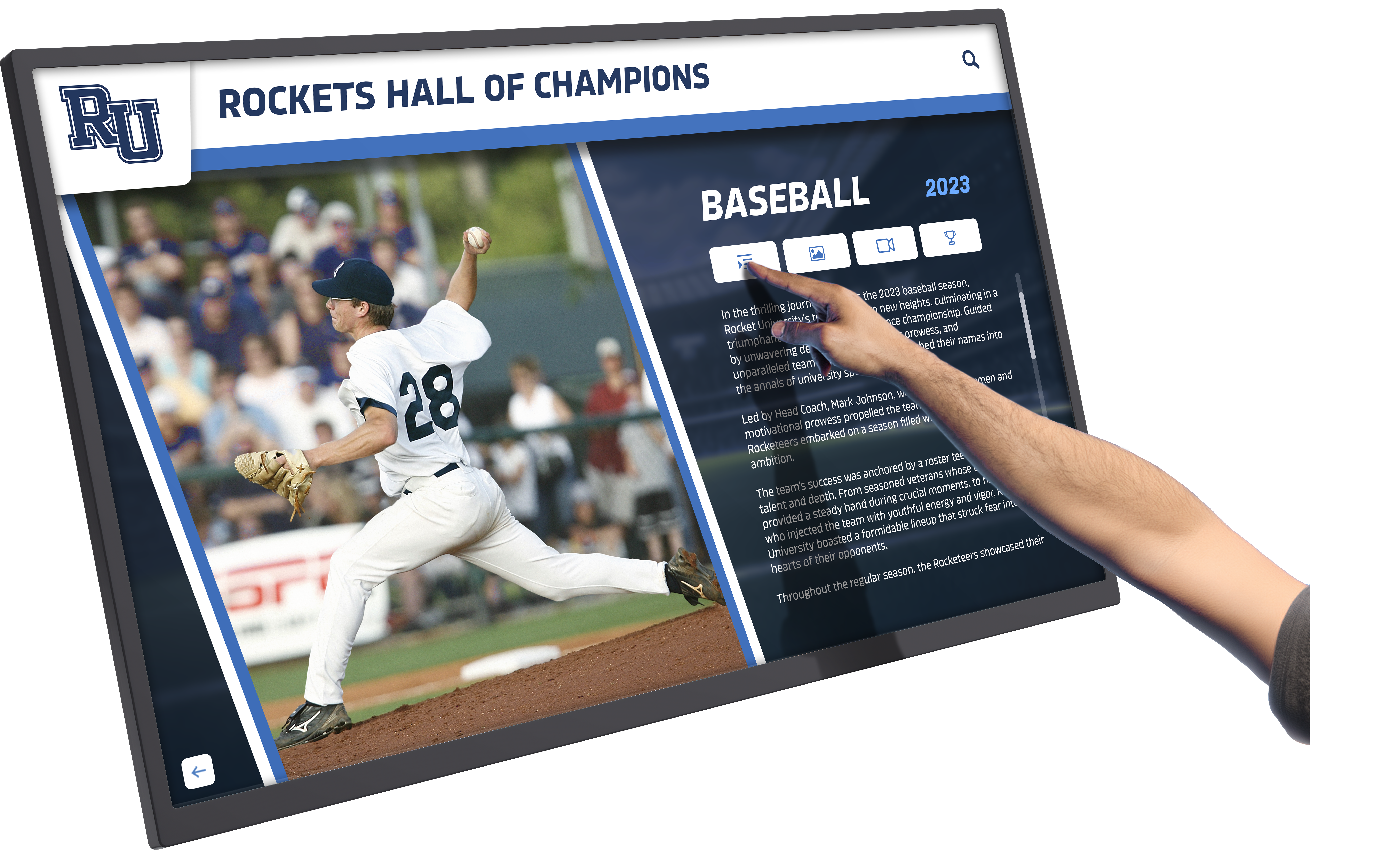
While generic kiosk browsers provide device lockdown, purpose-built recognition platforms like Rocket Alumni Solutions offer comprehensive ecosystems specifically designed for digital halls of fame, donor recognition, and achievement celebrations.
Beyond Generic Kiosk Lockdown
Generic kiosk browsers secure devices but provide no recognition-specific functionality. Organizations still must:
- Design and develop custom web interfaces for profile presentation
- Build content management systems for updating honoree information
- Implement search and filtering enabling profile discovery
- Create responsive layouts adapting to varied screen sizes
- Develop media galleries showcasing photos and videos
- Establish databases storing achievement records
Rocket Alumni Solutions provides turnkey recognition functionality eliminating custom development:
Recognition-Optimized Content Management
Cloud-based CMS designed specifically for achievement recognition:
- Intuitive profile creation workflows guiding non-technical staff
- Template-based layouts ensuring visual consistency automatically
- Bulk import from spreadsheets or databases accelerating historical migration
- Media libraries organizing photos, videos, statistics, and documents
- Approval workflows preventing unintended content publication
Staff managing academic recognition programs or athletic halls of fame require tools designed for their workflows rather than adapting generic systems.
Advanced Discovery and Engagement Features
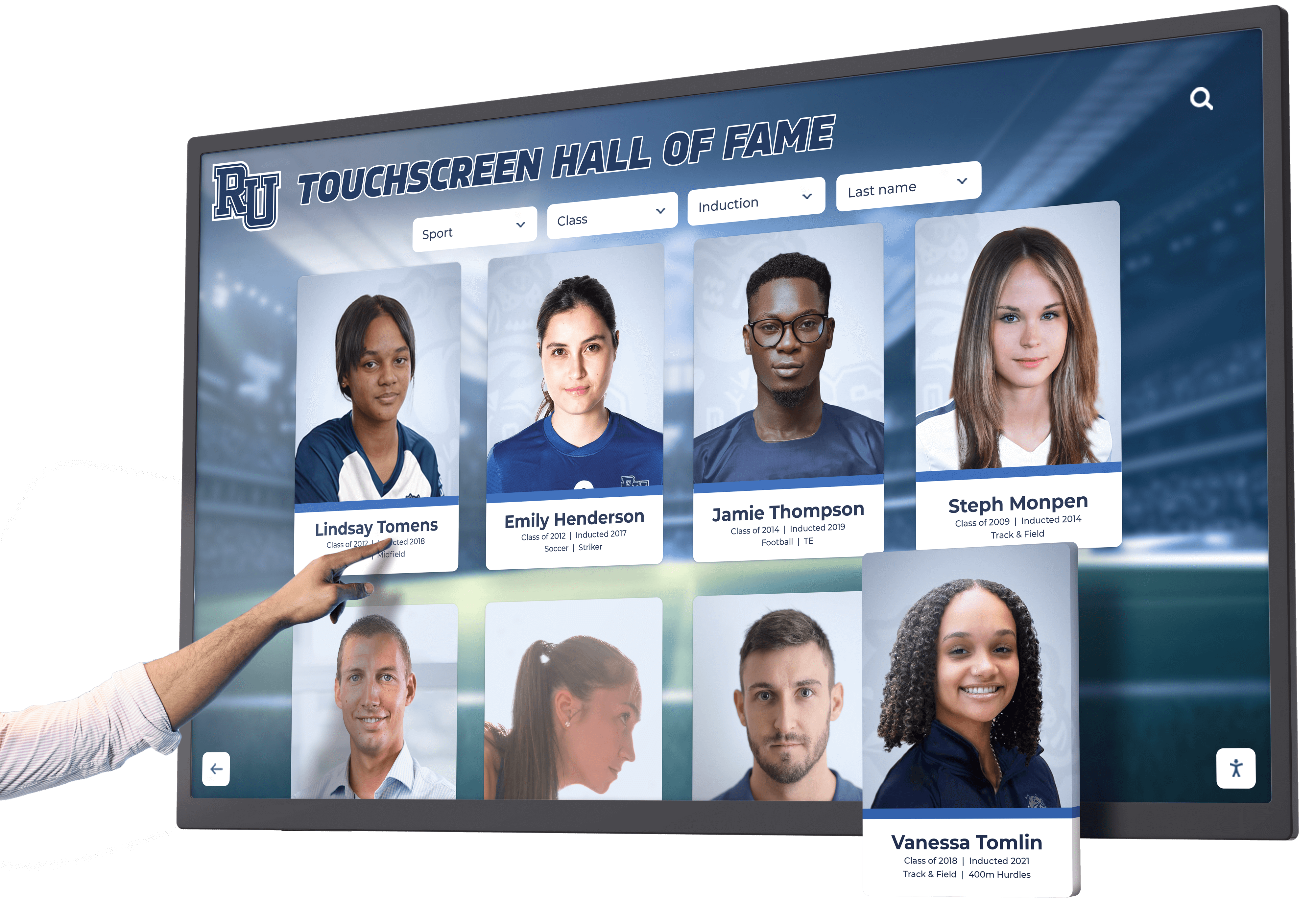
Visitors exploring recognition displays need intuitive navigation:
- Dynamic search across names, sports, years, and achievements
- Filtering by categories, time periods, or accomplishment types
- Auto-ranking systems highlighting statistical leaders automatically
- Related profile suggestions encouraging continued exploration
- QR code generation extending recognition to mobile devices
These capabilities transform static displays into engaging experiences. Research from institutions implementing interactive athletic displays shows significantly higher engagement when visitors can search and filter content freely.
Unlimited Scalability
Unlike solutions with profile limits or performance degradation at scale:
- Unlimited inductee capacity supporting programs growing over decades
- Consistent performance whether displaying 50 or 5,000 profiles
- Multi-program support on single displays (athletics, academics, donors)
- District-wide deployments managing content across multiple campuses
Organizations implementing comprehensive recognition ecosystems require platforms architected for long-term growth.
Accessibility Compliance
Rocket’s web-based platform implements WCAG 2.1 AA accessibility compliance at the foundation:
- Screen reader optimization for visually impaired visitors
- Keyboard navigation alternatives to touch-only interaction
- Sufficient color contrast throughout all interfaces
- Responsive text scaling maintaining usability at enlarged sizes
Educational institutions and government entities face strict accessibility mandates. Purpose-built platforms like those discussed in best touchscreen software comparisons demonstrate commitment to inclusive recognition.
Hybrid Online and Physical Deployment
Recognition extends beyond physical kiosks:
- Public web access providing 24/7 profile visibility worldwide
- Mobile-responsive interfaces working on smartphones and tablets
- Social sharing enabling honorees to distribute their recognition
- Unified content management updating both physical and online simultaneously
Schools implementing digital yearbook strategies benefit from integrated physical and web presence rather than maintaining separate systems.
Integration with Kiosk Browser Solutions
Rocket Alumni Solutions’ web-based architecture works with any kiosk browser:
Configuration Simplicity
Point any kiosk browser (free or paid) to Rocket’s hosted URL:
- No custom development or technical integration required
- Instant deployment once kiosk browser is configured
- Automatic updates as content changes without device management
- Consistent experience across varied hardware platforms
Organizations can select kiosk browsers based on security requirements and budget independently of recognition platform choice.
Optimal Technology Stack
Combining Rocket’s recognition platform with appropriate kiosk lockdown creates comprehensive solutions:
- Free kiosk browsers for device security when budget constrained
- Paid kiosk solutions when advanced features justify investment
- Rocket’s recognition CMS eliminating custom development
- Unified visitor experience regardless of kiosk browser choice
This separation of concerns allows organizations to optimize each layer independently rather than accepting compromises from all-in-one solutions.
Professional Implementation Support
Rocket provides end-to-end assistance beyond software licensing:
- Recognition strategy consulting establishing criteria and frameworks
- Historical content migration from physical plaques and archives
- Hardware recommendations matching display requirements to budgets
- Staff training ensuring confident content management
- Ongoing technical support resolving issues rapidly
Many organizations deploying state championship displays or athletic record boards lack internal expertise. Comprehensive support ensures successful implementations regardless of technical capacity.
Common Deployment Mistakes to Avoid
Even optimal software selections fail when deployment execution falls short. Organizations should avoid these common errors:
Security Configuration Errors
Incomplete Lockdown
Testing lockdown comprehensiveness before public deployment proves essential:
- Attempting all hardware button combinations
- Testing keyboard shortcuts from external keyboards
- Verifying peripheral connections are blocked as intended
- Confirming screensaver recovery doesn’t expose settings
Schools implementing interactive displays report that incomplete lockdown leads to student tampering requiring frequent intervention.
Default Password Retention
Kiosk browsers typically include administrative passwords for accessing settings:
- Change default passwords immediately upon installation
- Use strong, unique passwords across deployments
- Document passwords securely for legitimate administrator access
- Implement password rotation policies for long-term installations
Default credentials represent obvious vulnerabilities that malicious users exploit readily.
Network Security Neglect
Kiosks connected to institutional networks require appropriate segmentation:
- VLAN isolation preventing lateral movement if compromised
- Firewall rules limiting outbound connectivity to required services only
- Regular security patches for operating systems and kiosk software
- Monitoring for unusual network activity indicating compromise
Public-facing devices on internal networks introduce security risks requiring careful management.
User Experience Failures
Poor Content Organization
Even excellent kiosk software cannot compensate for poorly organized content:
- Unclear navigation structures confusing visitors
- Missing or low-quality images diminishing visual appeal
- Inconsistent profile formats creating perception of unprofessionalism
- Incomplete information frustrating visitors seeking details
Organizations implementing donor walls should invest equivalent effort in content quality as in technology selection.
Inadequate Testing with Real Users
Administrators intimately familiar with systems fail to recognize confusion points:
- Observe actual visitors using displays without guidance
- Identify navigation patterns that differ from design intentions
- Note where confusion or difficulty occurs
- Iterate designs addressing observed problems
User testing investments pay dividends through improved engagement and satisfaction.
Neglecting Accessibility
Beyond legal compliance, accessibility affects usability for all visitors:
- Text too small for comfortable reading from standing positions
- Touch targets too small for accurate selection
- Poor color contrast making content difficult to discern
- Audio-only content excluding hearing-impaired visitors
Inclusive design benefits everyone while ensuring equal access as discussed in ADA compliance guides.
Operational Sustainability Issues
Insufficient Staff Training
Technology investments fail when staff lack confidence operating systems:
- Comprehensive training on content management workflows
- Documentation supporting independent troubleshooting
- Clear escalation paths when issues exceed staff expertise
- Periodic refresher training as staff turns over
Recognition programs require sustainable operations. Platforms for college athletics or academic achievement operate for decades; staff training ensures continuity.
Content Maintenance Neglect
Successful launches fade when content becomes outdated:
- Establish regular review schedules ensuring currency
- Assign clear responsibility for content updates
- Create workflows incorporating new achievements promptly
- Archive or remove obsolete information maintaining relevance
Stale content undermines recognition program credibility and visitor engagement.
Hardware Lifecycle Ignorance
Recognition displays operate continuously in public spaces accelerating wear:
- Plan for touchscreen replacement as sensitivity degrades
- Budget for hardware refreshes on 4-6 year cycles
- Maintain spare devices enabling rapid replacement if failures occur
- Monitor hardware health proactively rather than reactively
Organizations implementing permanent recognition installations should plan hardware lifecycle management from the outset.
Decision Framework: Selecting Your Approach
This flowchart guides systematic evaluation:
Step 1: Assess Budget Availability
- Budget severely constrained (<$500 total): Focus exclusively on free kiosk browser solutions
- Moderate budget ($500-$2,000): Consider paid kiosk software for critical installations with free alternatives for lower-priority deployments
- Flexible budget (>$2,000): Evaluate paid solutions on merit rather than cost constraints
Step 2: Evaluate Hardware Environment
- Android-only deployment: Both free and paid options widely available
- Mac or iOS devices: Free cross-platform kiosk browsers provide better support
- Mixed Android and Mac: Prioritize cross-platform solutions avoiding multiple software relationships
- Existing hardware to reuse: Ensure kiosk browser compatibility before committing
Step 3: Determine Support Requirements
- Technical staff available for troubleshooting: Free kiosk browsers viable with internal support
- Limited IT resources: Paid solutions with professional support reduce operational burden
- Mission-critical deployments: Professional support access may justify licensing investment
- Non-critical or pilot installations: Community support adequate for initial testing
Step 4: Analyze Feature Requirements
- Basic lockdown sufficient: Free kiosk browsers provide core security without complexity
- Remote management needed: Paid solutions offer centralized administration tools
- Advanced integrations required: Paid kiosk browsers provide APIs and peripheral support
- Analytics desired: Paid solutions typically include usage reporting and monitoring
Step 5: Consider Long-Term Vendor Relationships
- Prefer independence: Free open-source solutions minimize vendor dependency
- Value established relationships: Paid solutions from stable vendors provide continuity
- Uncertain long-term needs: Free solutions enable low-risk evaluation before commitment
Step 6: Recognition Platform Integration
- Using purpose-built platform like Rocket: Kiosk browser selection independent of recognition capabilities
- Building custom recognition interface: Consider whether paid kiosk browser advanced features reduce development effort
- Displaying simple content: Basic lockdown from free solutions may suffice
Organizations implementing comprehensive recognition strategies should document evaluation processes, scoring alternatives against weighted criteria to support informed decision-making and future reference.
Future Trends Shaping Kiosk Browser Evolution
Understanding emerging trends helps organizations select solutions remaining relevant throughout multi-year deployments:
Open-Source Kiosk Browser Maturation
Open-source kiosk projects continue advancing:
- Community-driven development accelerating feature addition
- Enterprise adoption validating stability and security
- Commercial support services emerging around popular projects
- Cross-platform frameworks enabling broader hardware support
Organizations should monitor open-source kiosk browser ecosystems as viable alternatives to both free proprietary and paid commercial solutions.
Cloud-Based Kiosk Management
Centralized cloud management platforms will increasingly separate from kiosk lockdown software:
- Device management services working with multiple kiosk browsers
- Unified administration across varied kiosk software choices
- Analytics aggregation and reporting at organizational scale
- Remote troubleshooting and configuration from cloud consoles
This decoupling allows organizations to standardize management infrastructure while selecting optimal kiosk browsers per deployment context.
Enhanced Security Standards
Security requirements continue escalating:
- Zero-trust architecture principles applied to kiosk deployments
- Certificate-based authentication replacing password-only protection
- Biometric authentication for administrative access
- Automated vulnerability scanning and remediation
Organizations deploying public-facing recognition systems must select kiosk browsers committed to evolving security standards.
Artificial Intelligence Integration
AI capabilities will transform kiosk experiences:
- Natural language voice search supplementing touch interaction
- Personalization suggesting relevant profiles based on visitor interests
- Automated content generation creating profile narratives from structured data
- Facial recognition identifying honorees in group photos automatically
Recognition platforms integrating AI deliver enhanced engagement. Organizations should evaluate vendor roadmaps for AI adoption timelines.
Accessibility Advancement
Accessibility standards continue strengthening:
- WCAG 3.0 introduction raising conformance requirements
- Enhanced screen reader support for complex interactive content
- Gesture-based navigation alternatives accommodating motor disabilities
- Real-time translation supporting multilingual communities
Solutions implementing inclusive recognition displays must prioritize accessibility as core functionality rather than retrofit consideration.
Conclusion: Making Your Selection
The choice between free fully locked down kiosk browsers and paid solutions like Fully Kiosk Browser depends fundamentally on organizational priorities, technical capabilities, and budget realities. While paid solutions offer comprehensive features and professional support justifying modest per-device licensing fees, free alternatives provide robust core lockdown capabilities eliminating licensing costs entirely.
For the majority of schools, museums, athletic departments, and nonprofit organizations deploying recognition displays, the optimal approach combines:
- Free or paid kiosk browsers selected based on specific security requirements, hardware environments, and support needs
- Purpose-built recognition platforms like Rocket Alumni Solutions providing turnkey content management, discovery features, and visitor engagement capabilities
- Professional implementation support ensuring successful deployments regardless of internal technical capacity
Organizations with truly exceptional feature requirements, large-scale multi-device management needs, or mission-critical deployments may justify paid kiosk browser investment. However, thoroughly evaluate whether free alternatives meeting security and functional requirements can eliminate licensing costs without meaningful compromise.
The kiosk browser investment you make today will serve your institution for 5-10 years. Prioritize solutions—free or paid—that demonstrate stability, maintain security through regular updates, and align with your technical capacity for configuration and support. The quality of your kiosk lockdown platform directly impacts security posture, operational efficiency, and visitor experience quality.
Ready to implement professional recognition displays with optimal kiosk browser solutions? Learn more about Rocket Alumni Solutions’ touchscreen recognition platforms designed specifically for educational institutions, athletic facilities, and nonprofit organizations. Explore touchscreen software comparisons, discover kiosk deployment best practices, or review interactive recognition strategies maximizing program impact.
Your institution’s achievements deserve kiosk technology that protects security, ensures reliability, and delivers engaging recognition experiences for years to come. Whether selecting free or paid solutions, choose platforms specifically designed for recognition display requirements rather than adapting generic tools to purposes they were never meant to serve.
Disclaimer: This comparison is based on publicly available information as of November 2025. All product names and trademarks belong to their respective owners. Comparative statements reflect Rocket Alumni Solutions’ interpretation of available data and may change over time. This content was produced by or on behalf of Rocket Alumni Solutions. All trademarks are property of their respective owners. Rocket Alumni Solutions is not affiliated with or endorsed by Fully Kiosk Browser, the developers of the free Touchscreen Kiosk App, or any kiosk software providers mentioned in this analysis.
Sources:
- Fully Software Pricing on Capterra
- Fully Kiosk Browser Official Site
- Fully PLUS Licensing
- Kiosk Browser Comparison on Slashdot
- Android Kiosk Pricing Structure
- 5 Best Kiosk Apps for Android (AirDroid)