



Key Takeaways
Discover how touchscreen digital hall of fame walls transform recognition programs. Compare features, pricing, and implementation strategies for interactive awards displays in 2026.
What Is a Touchscreen Digital Hall of Fame Wall?
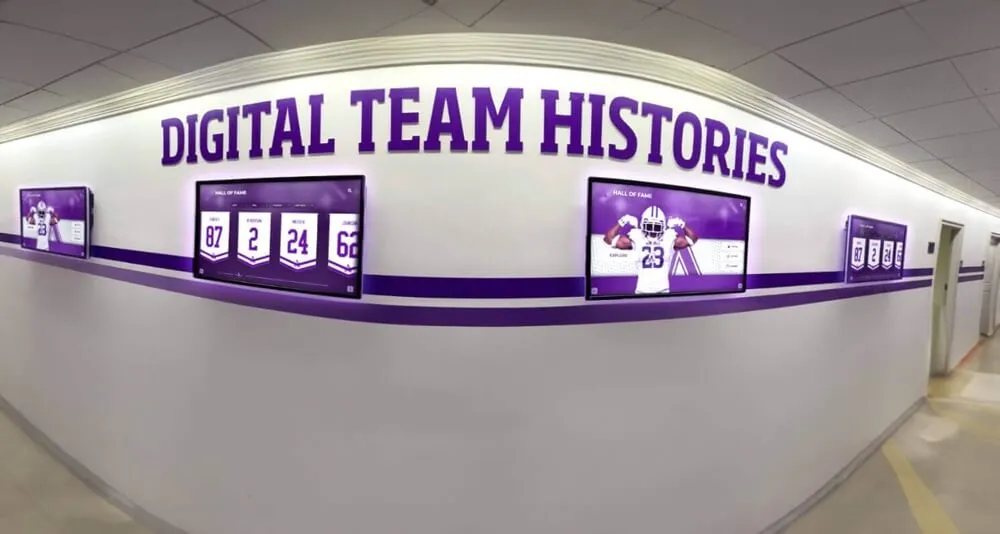
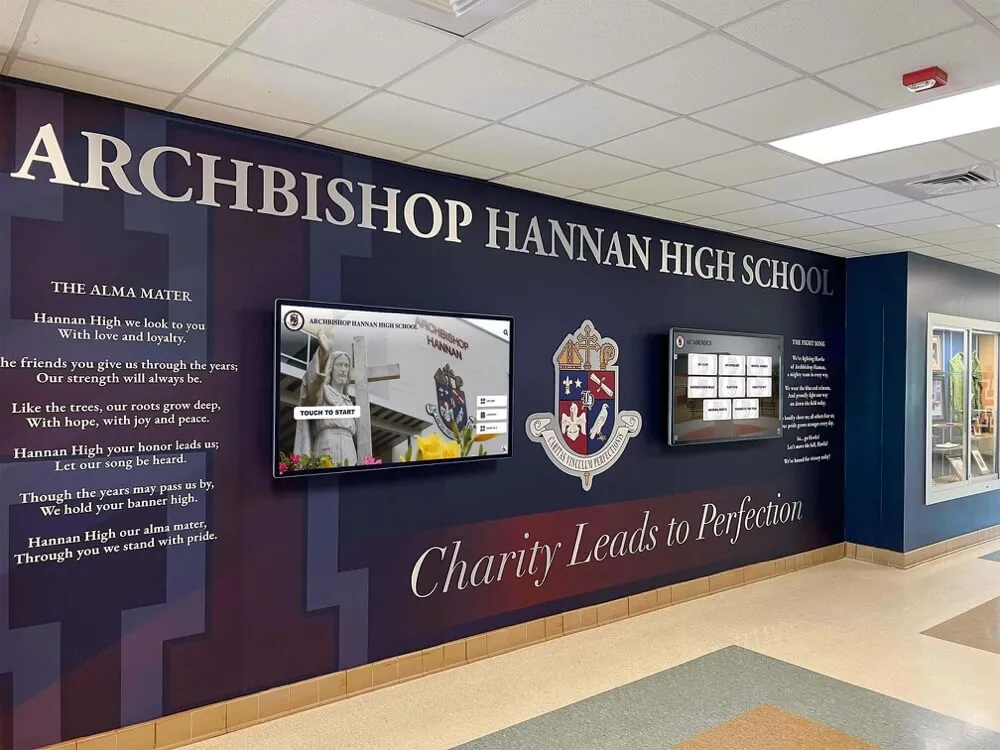
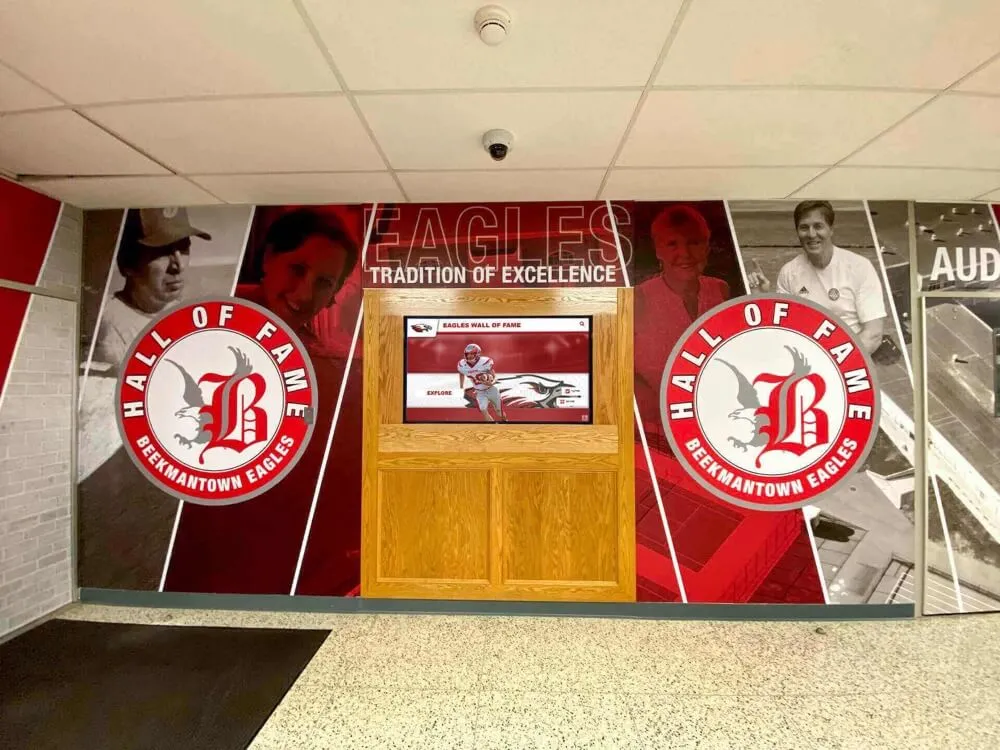
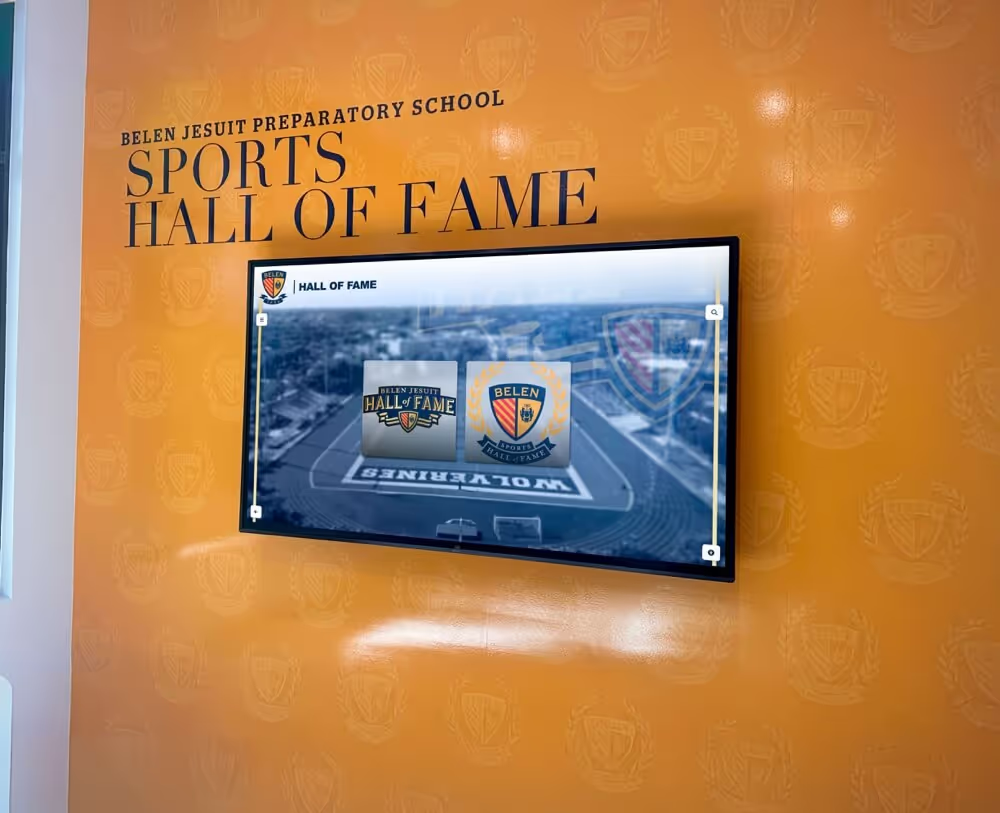
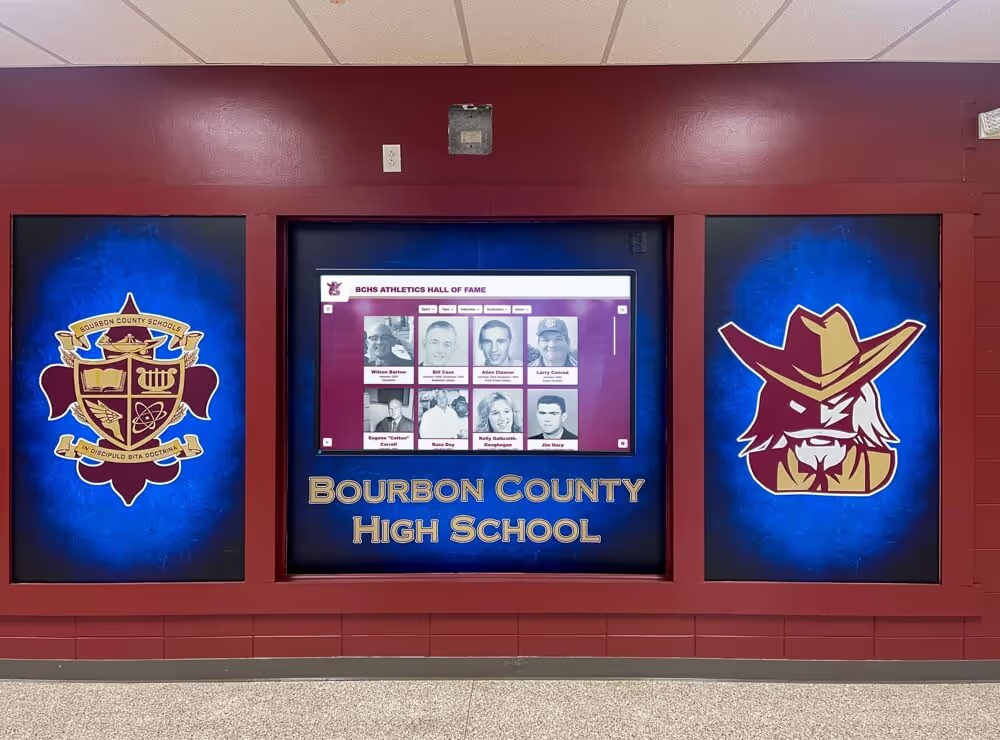
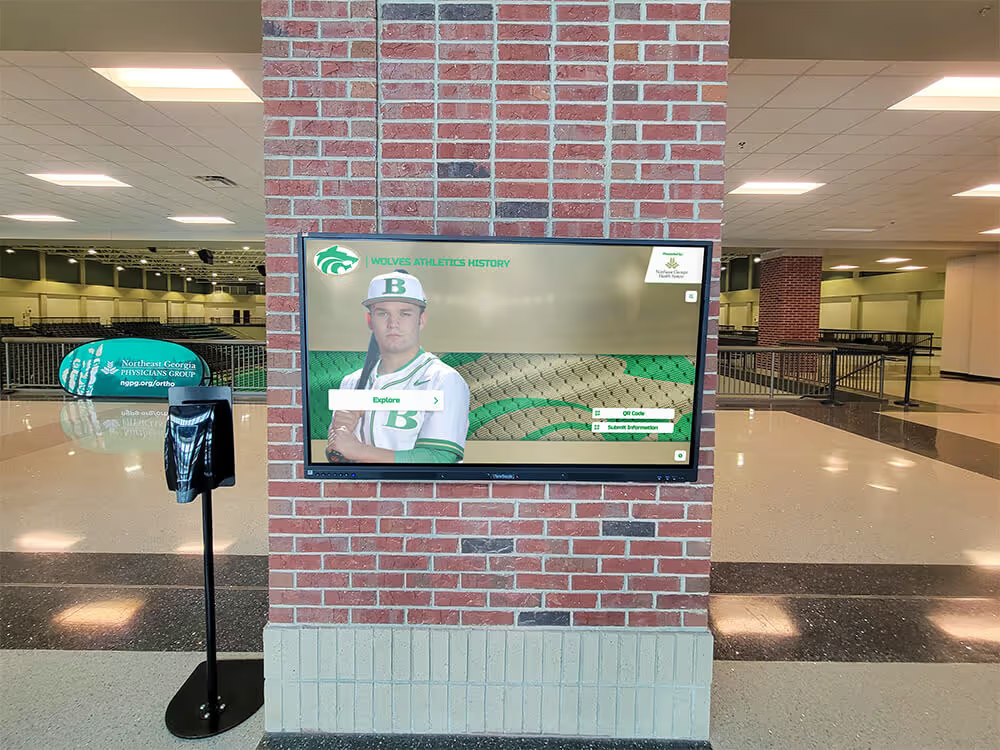
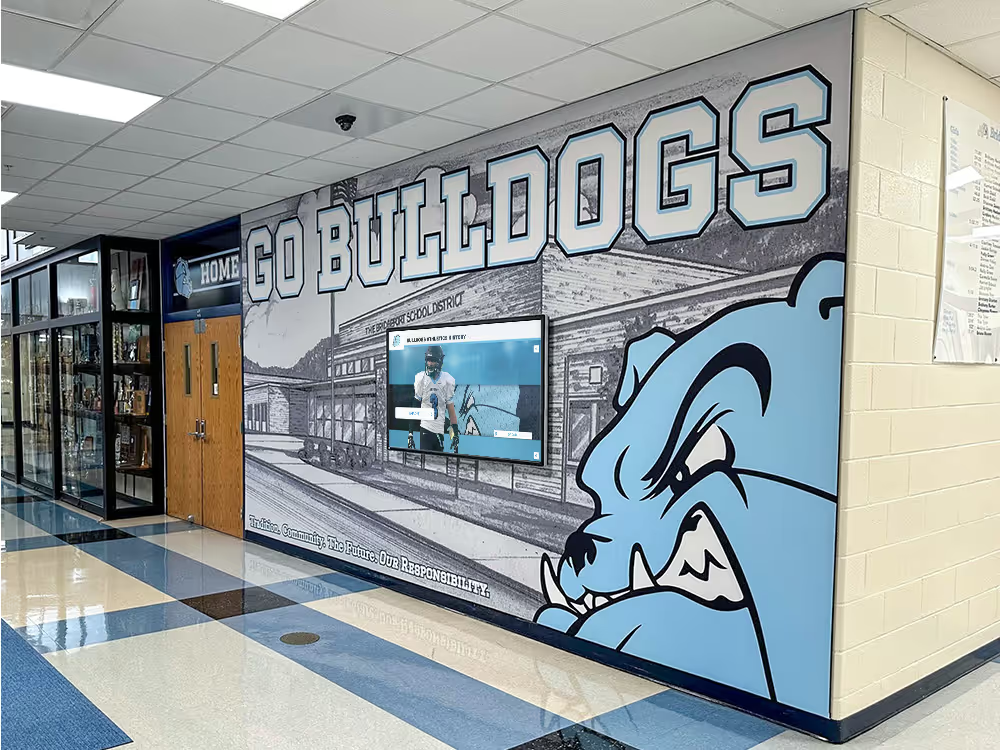
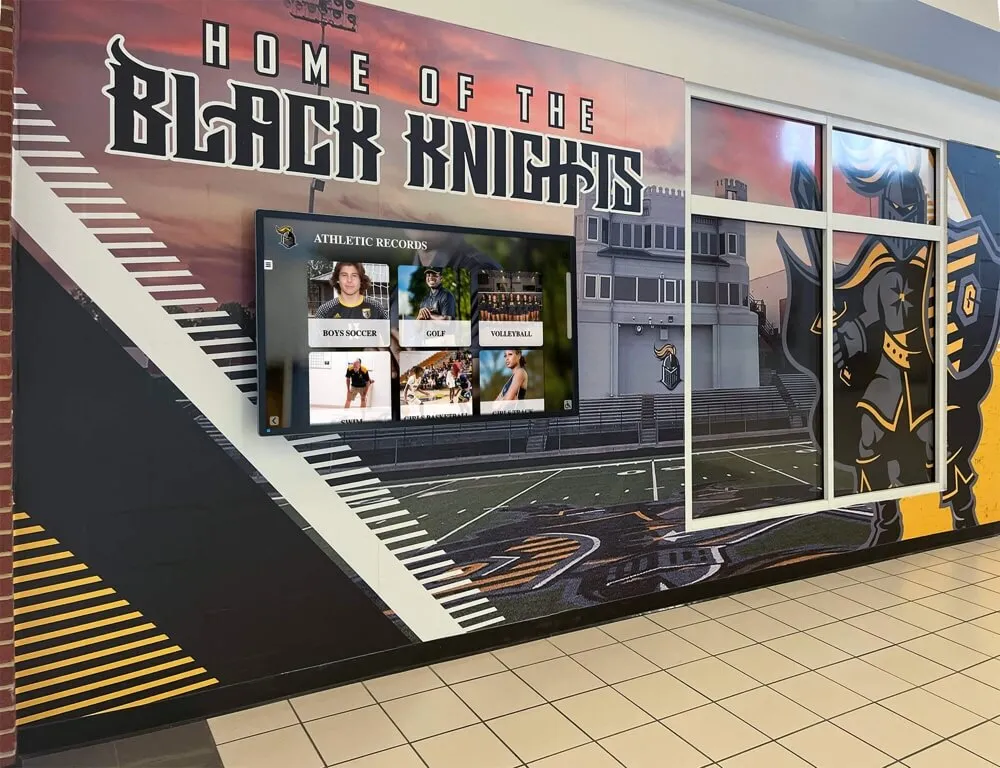
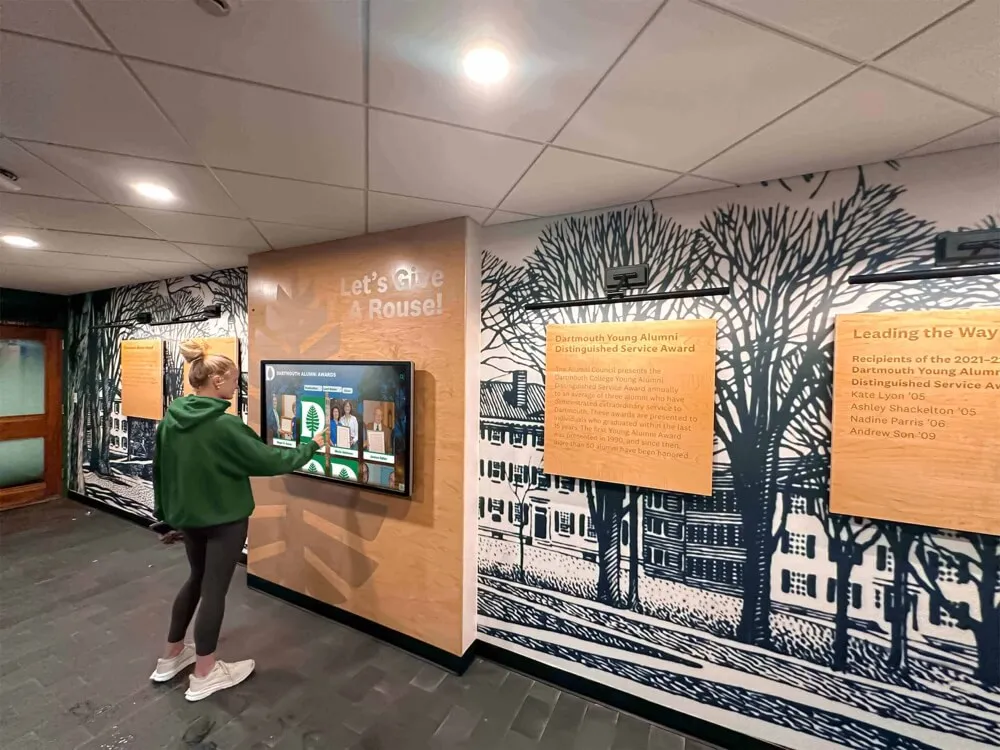
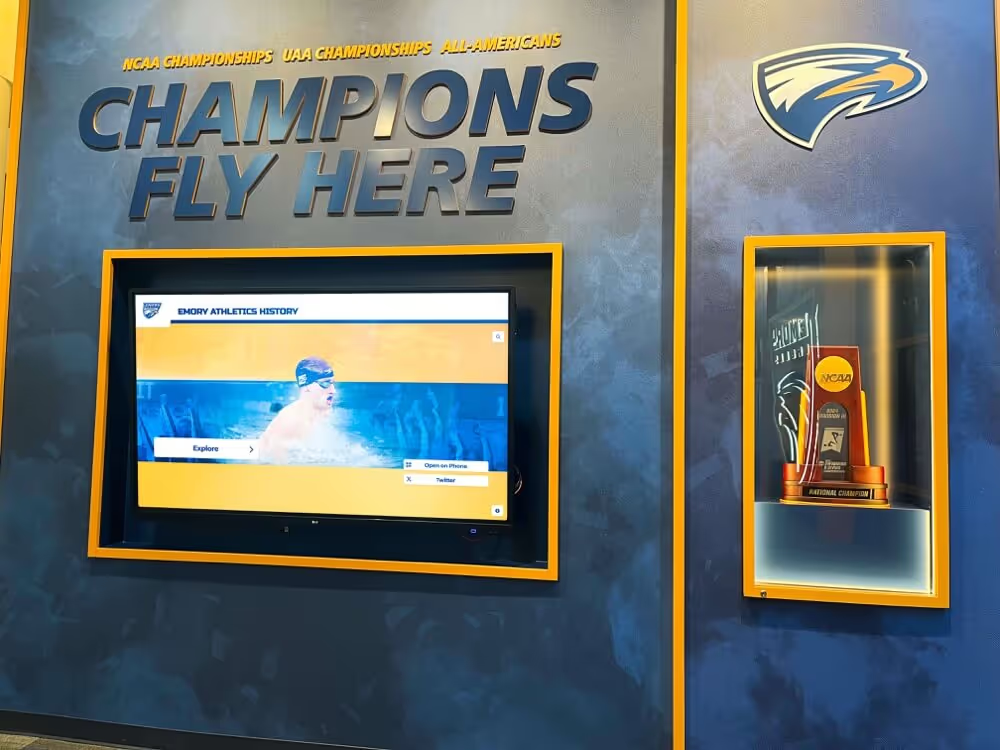
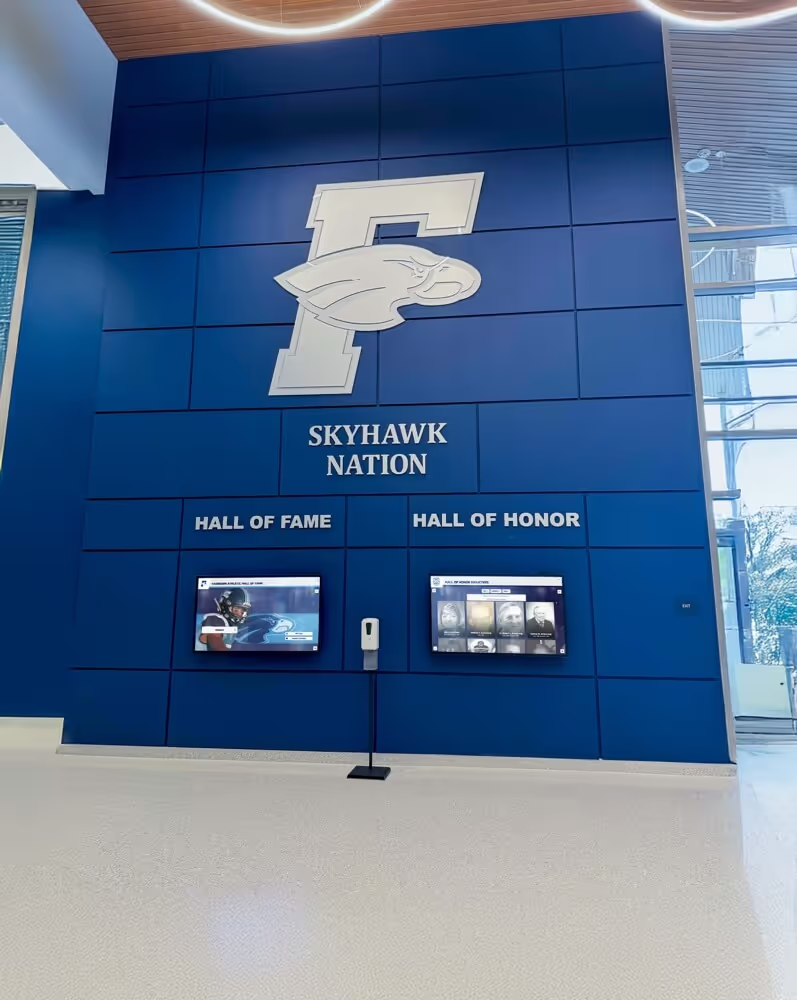
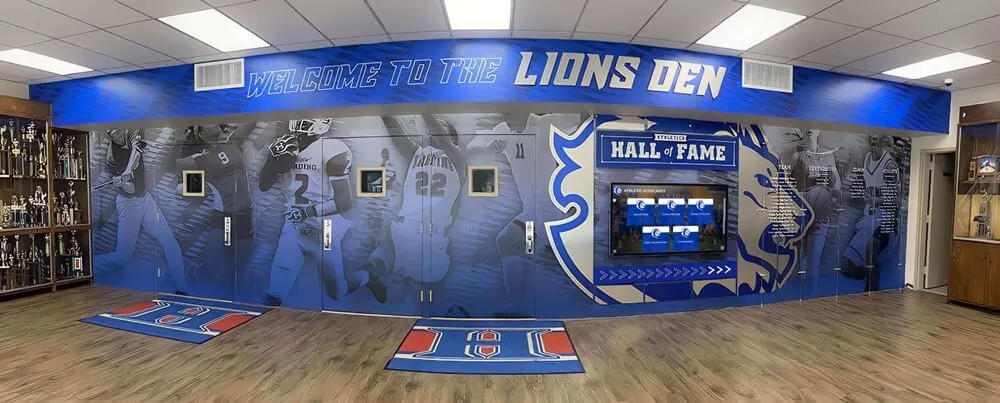
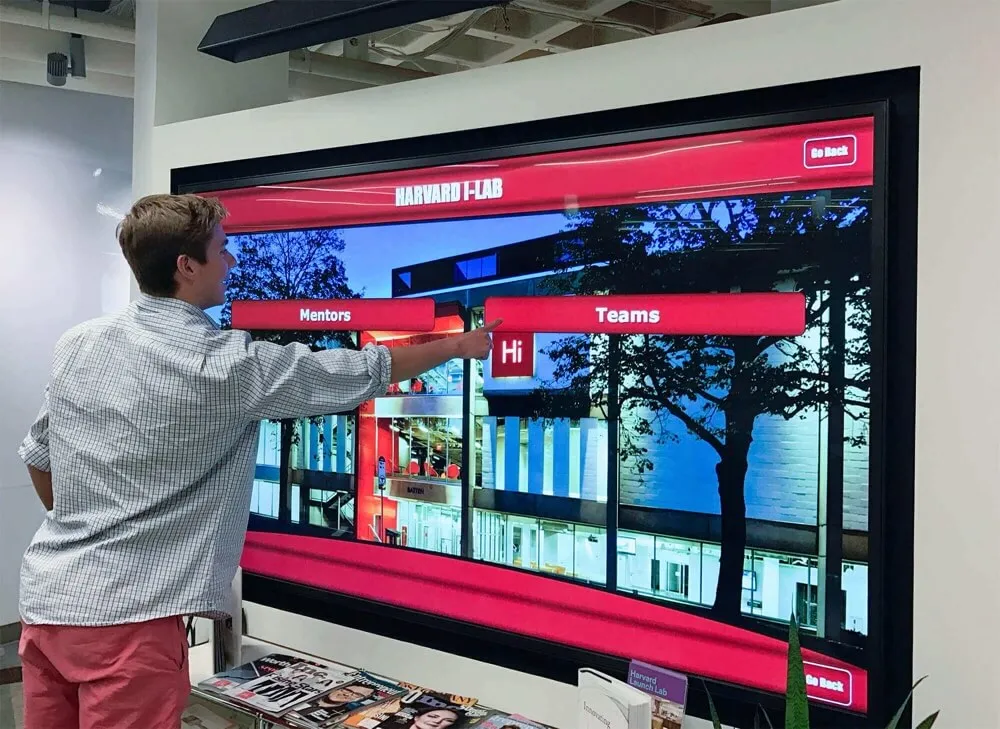
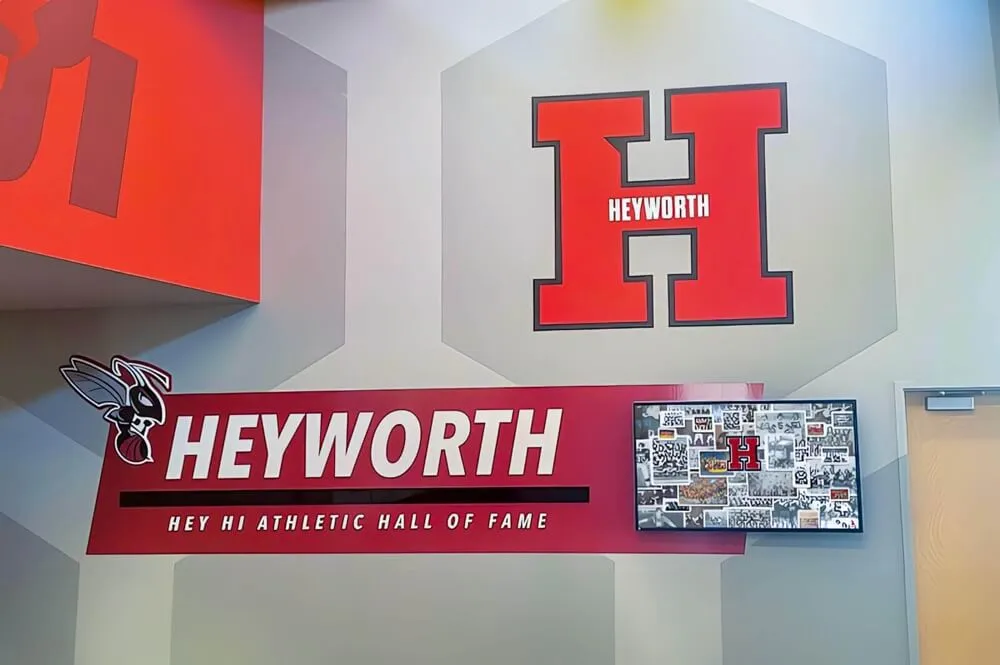
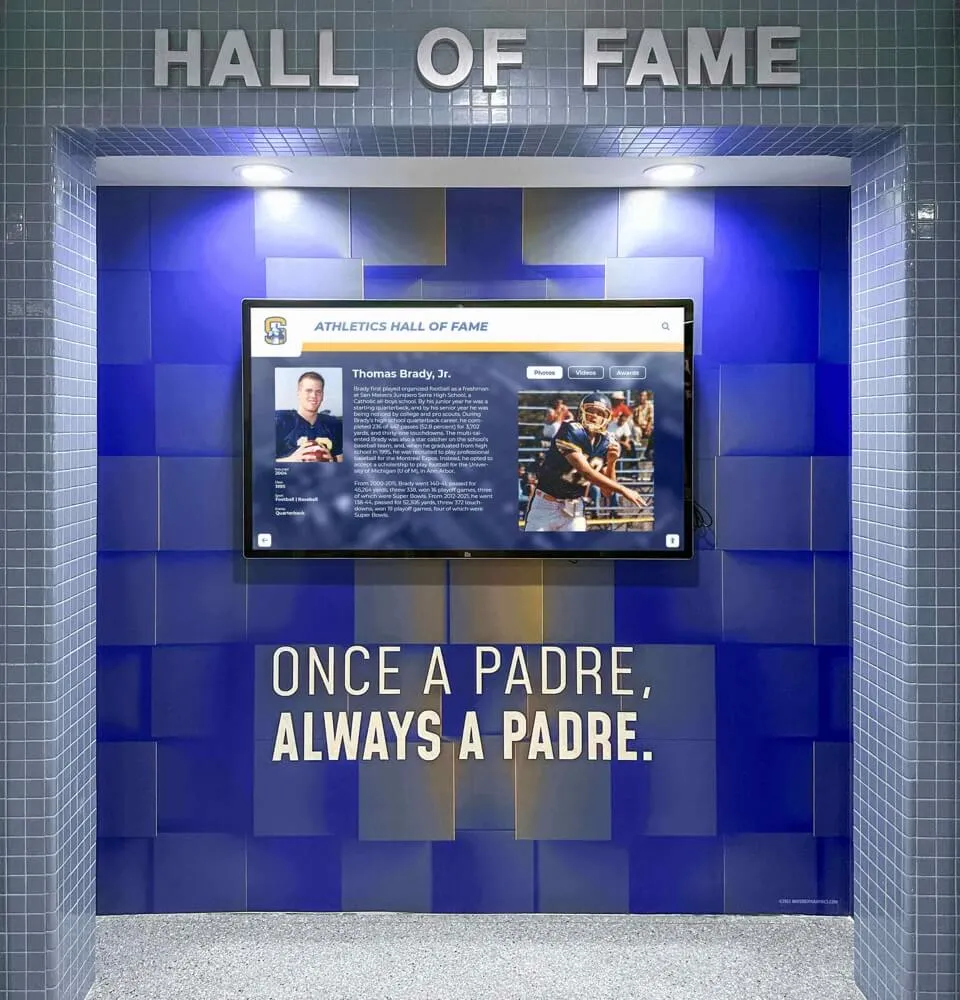
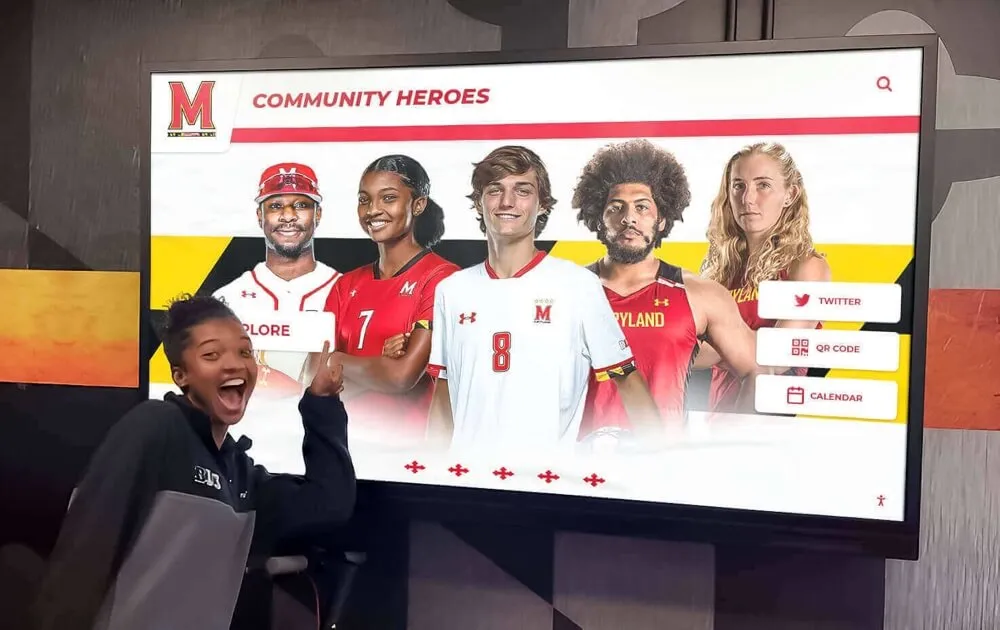
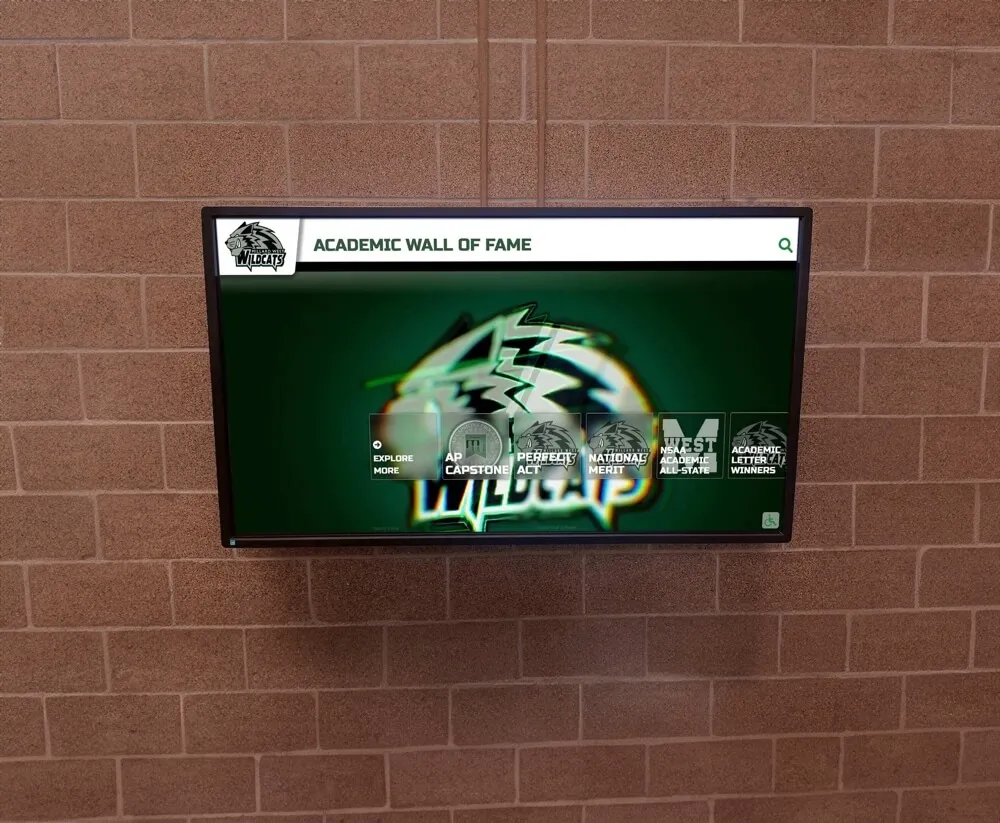
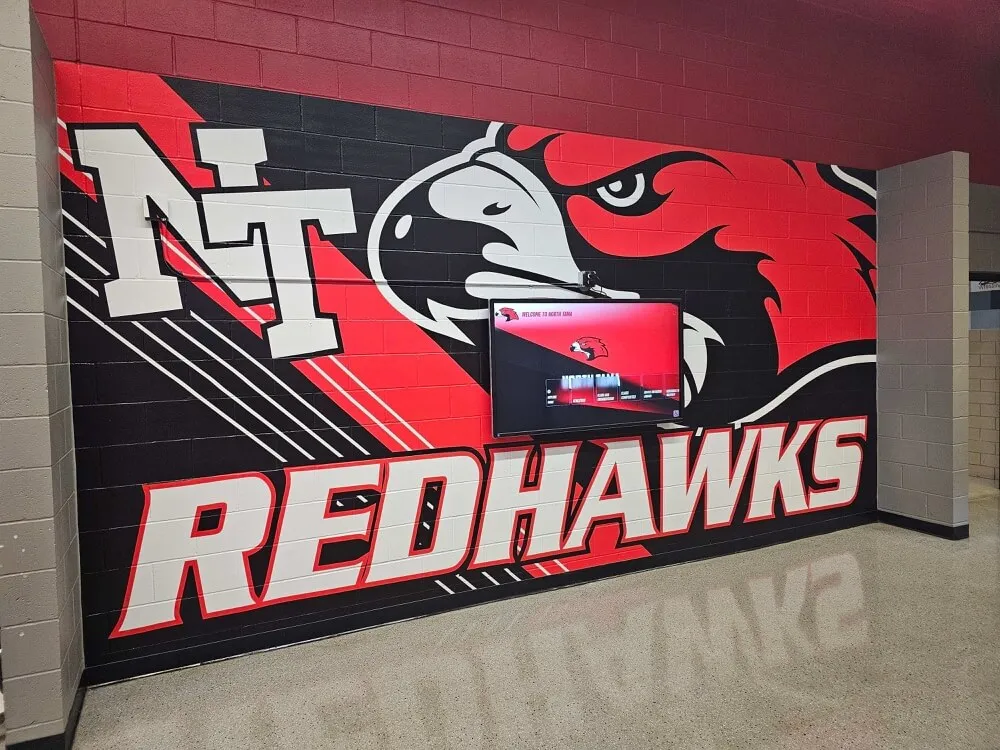
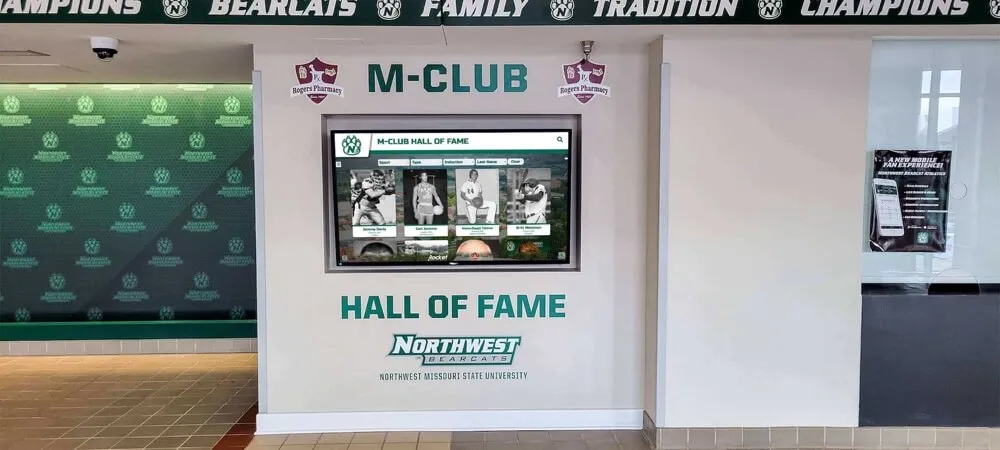
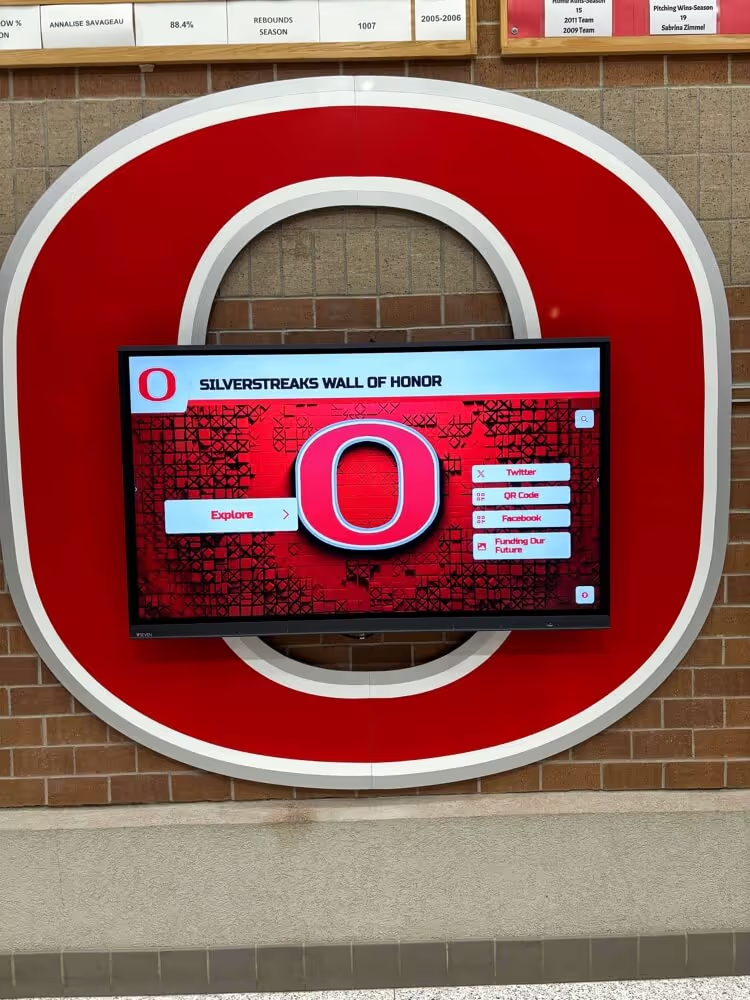
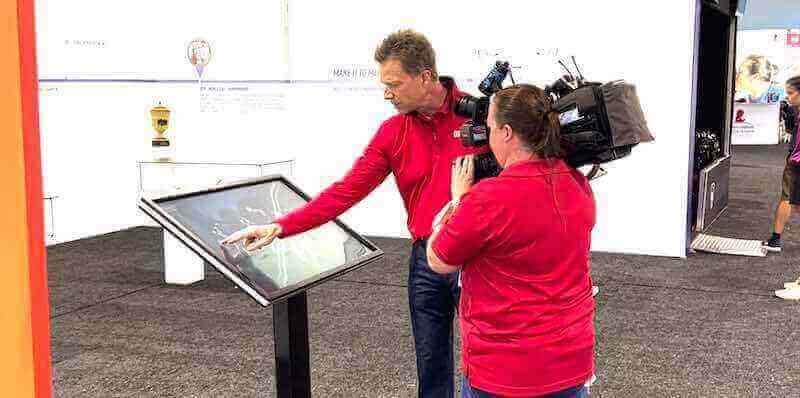
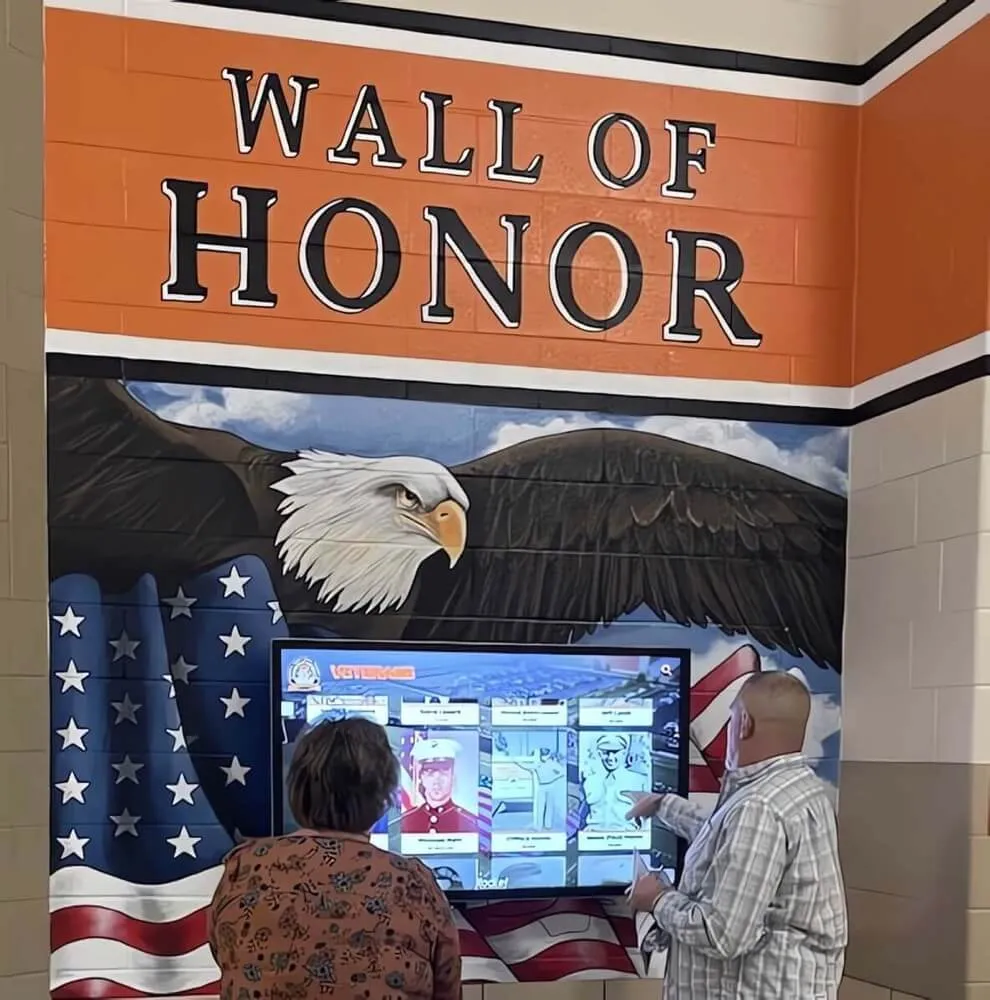
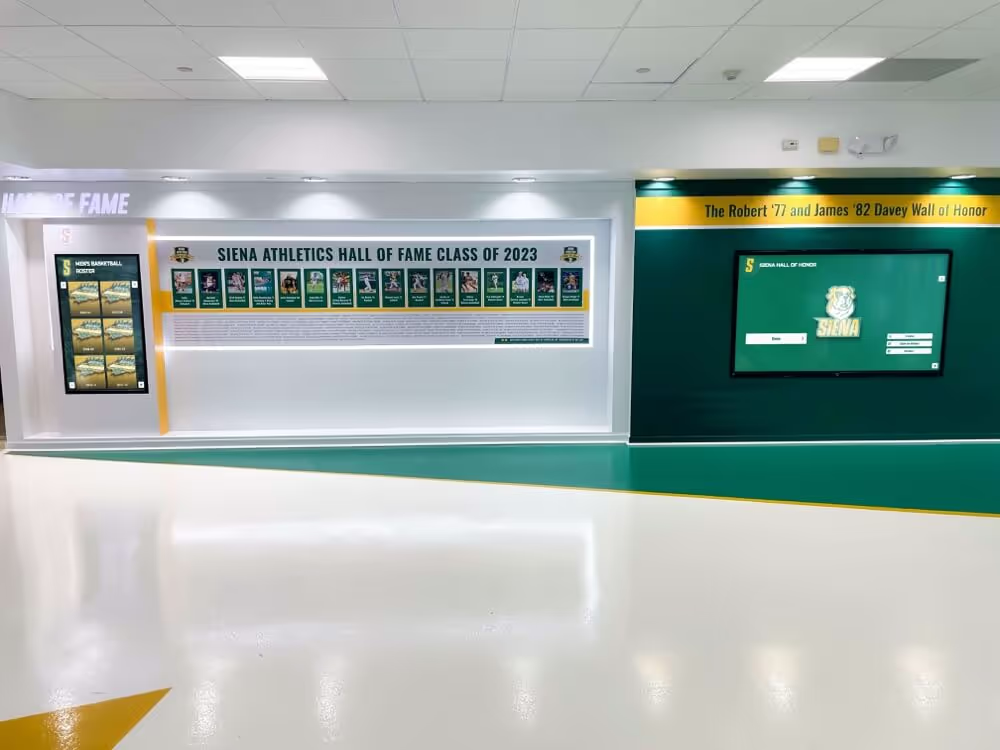
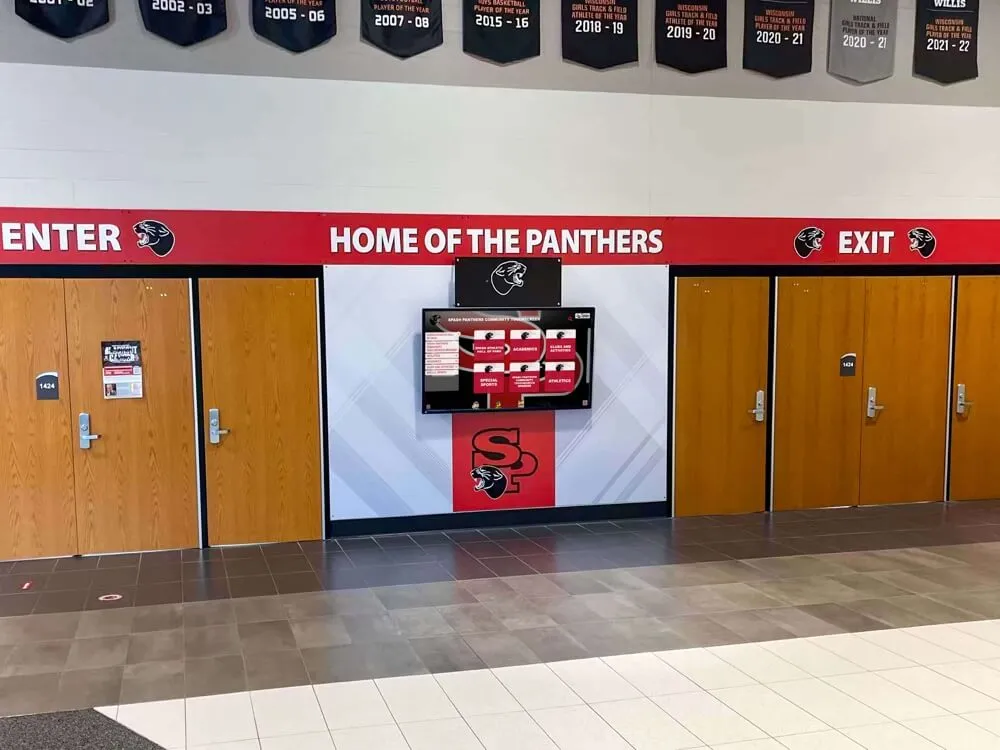
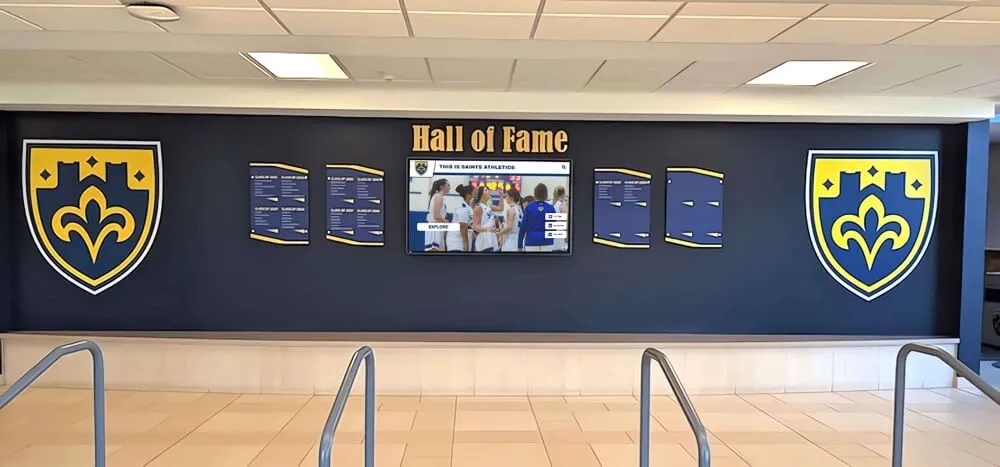
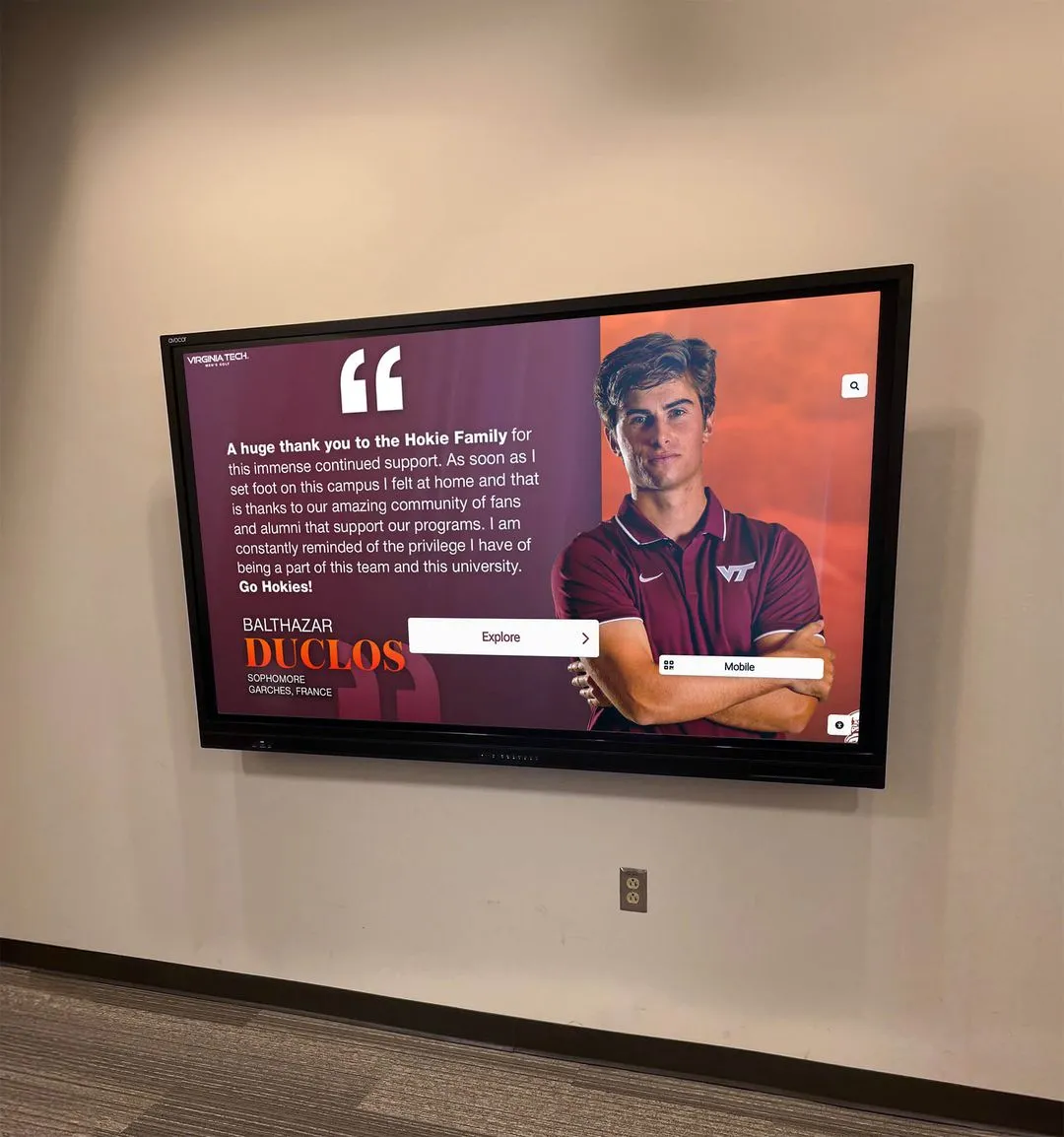
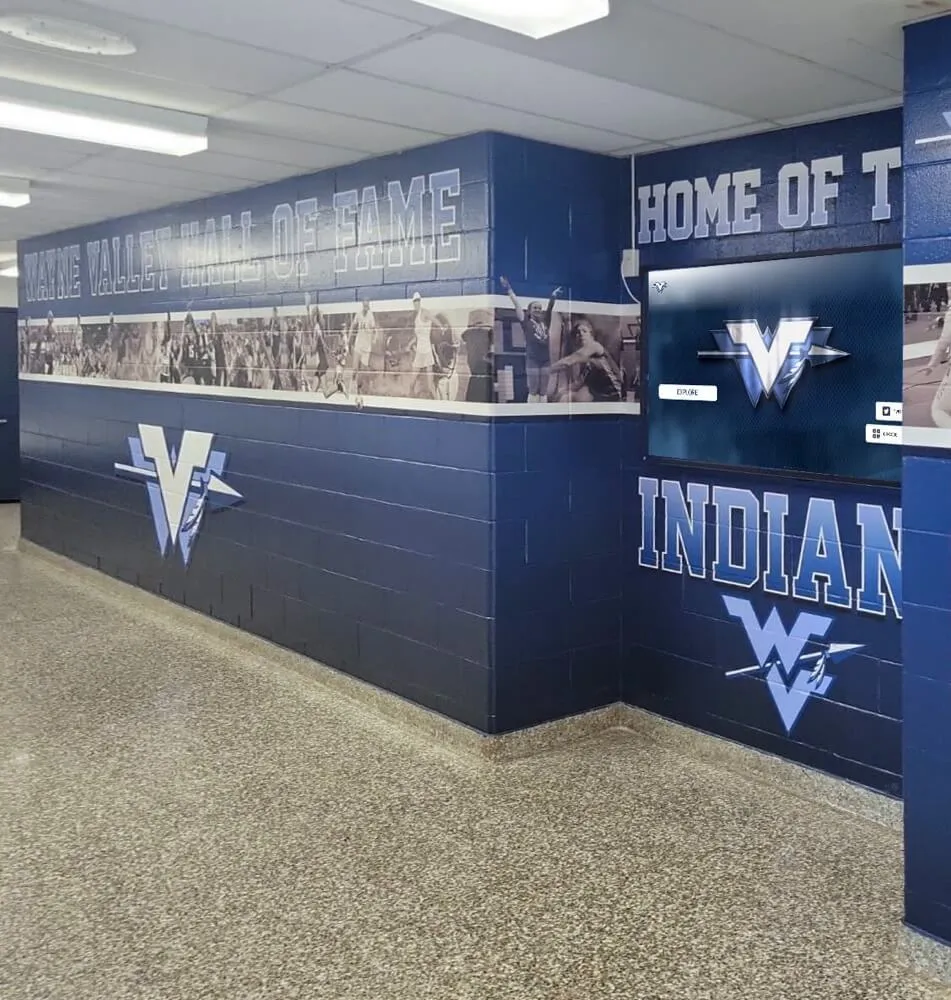
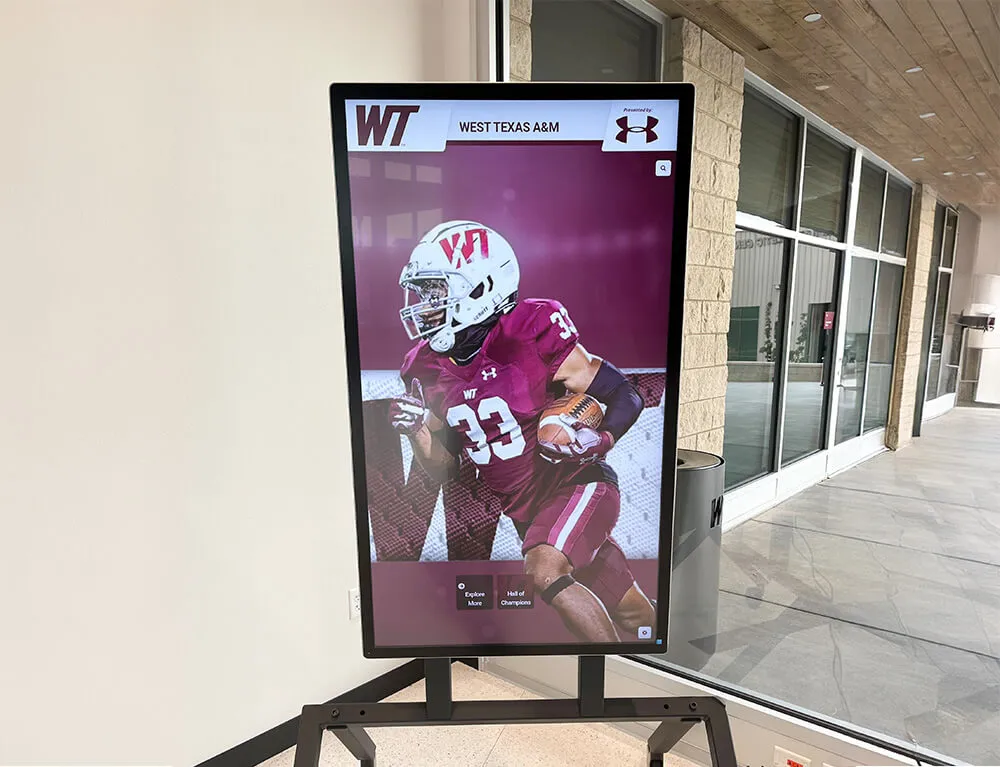
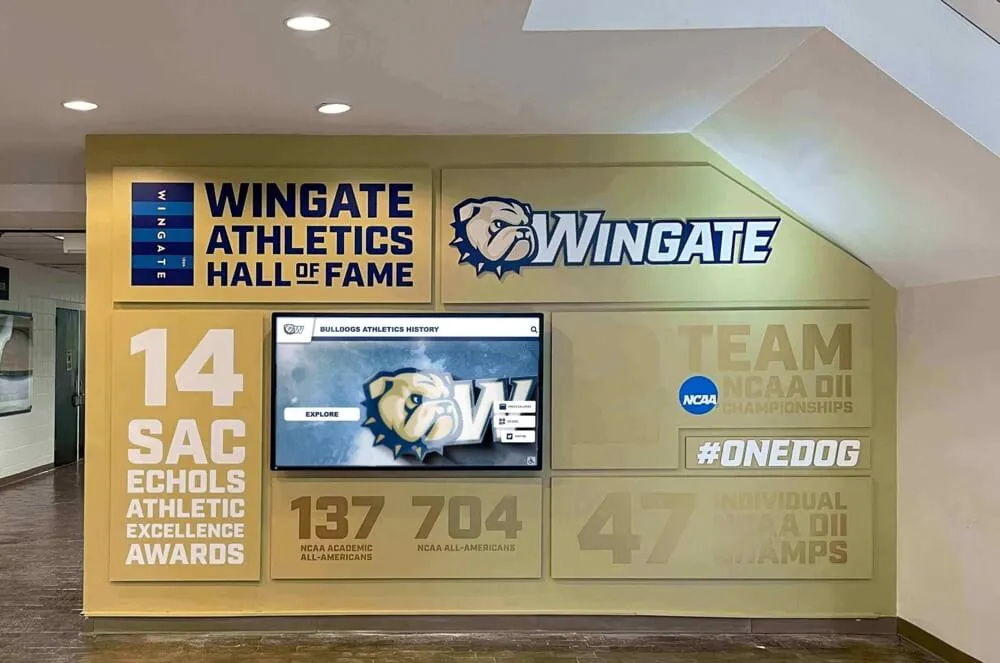
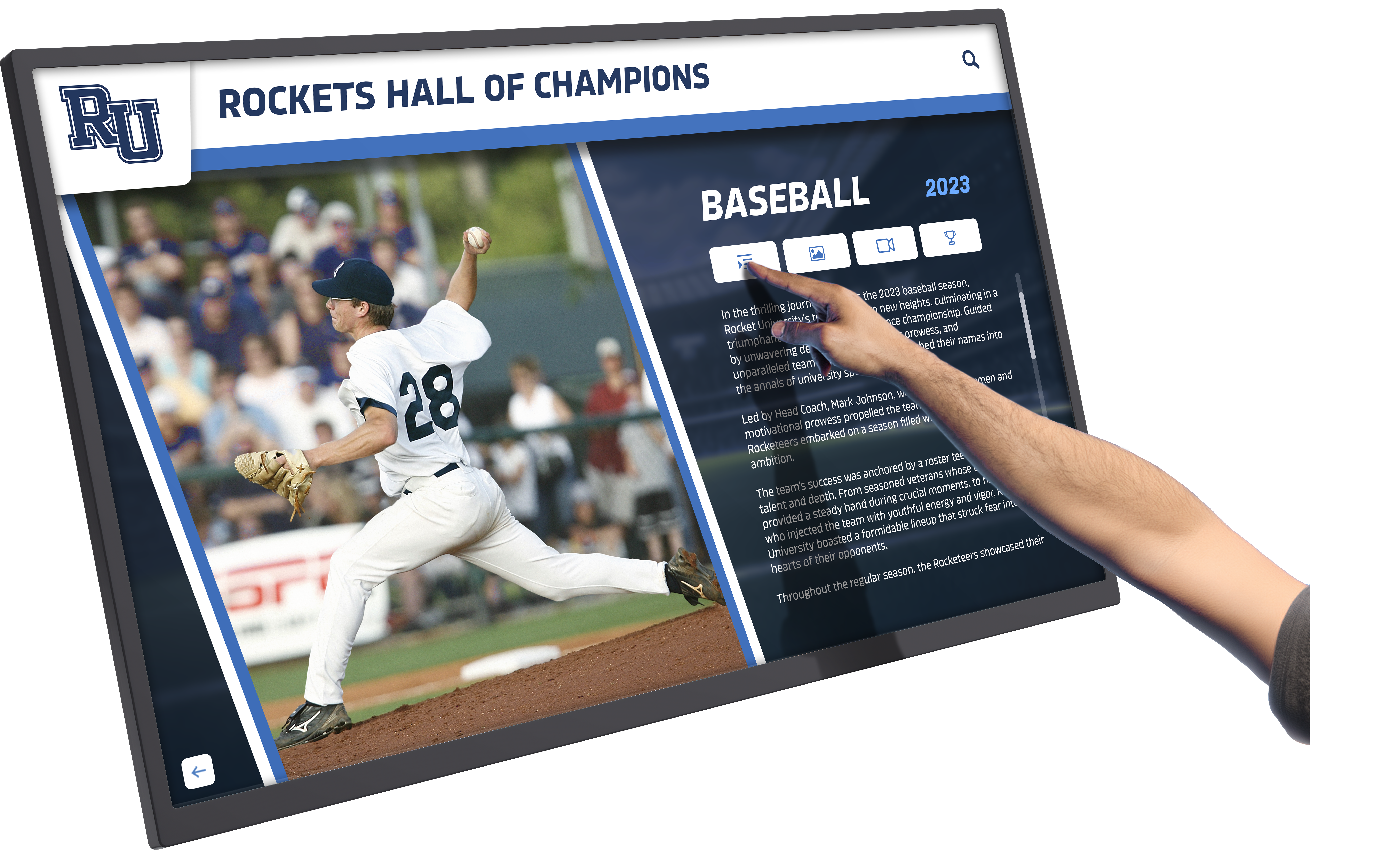
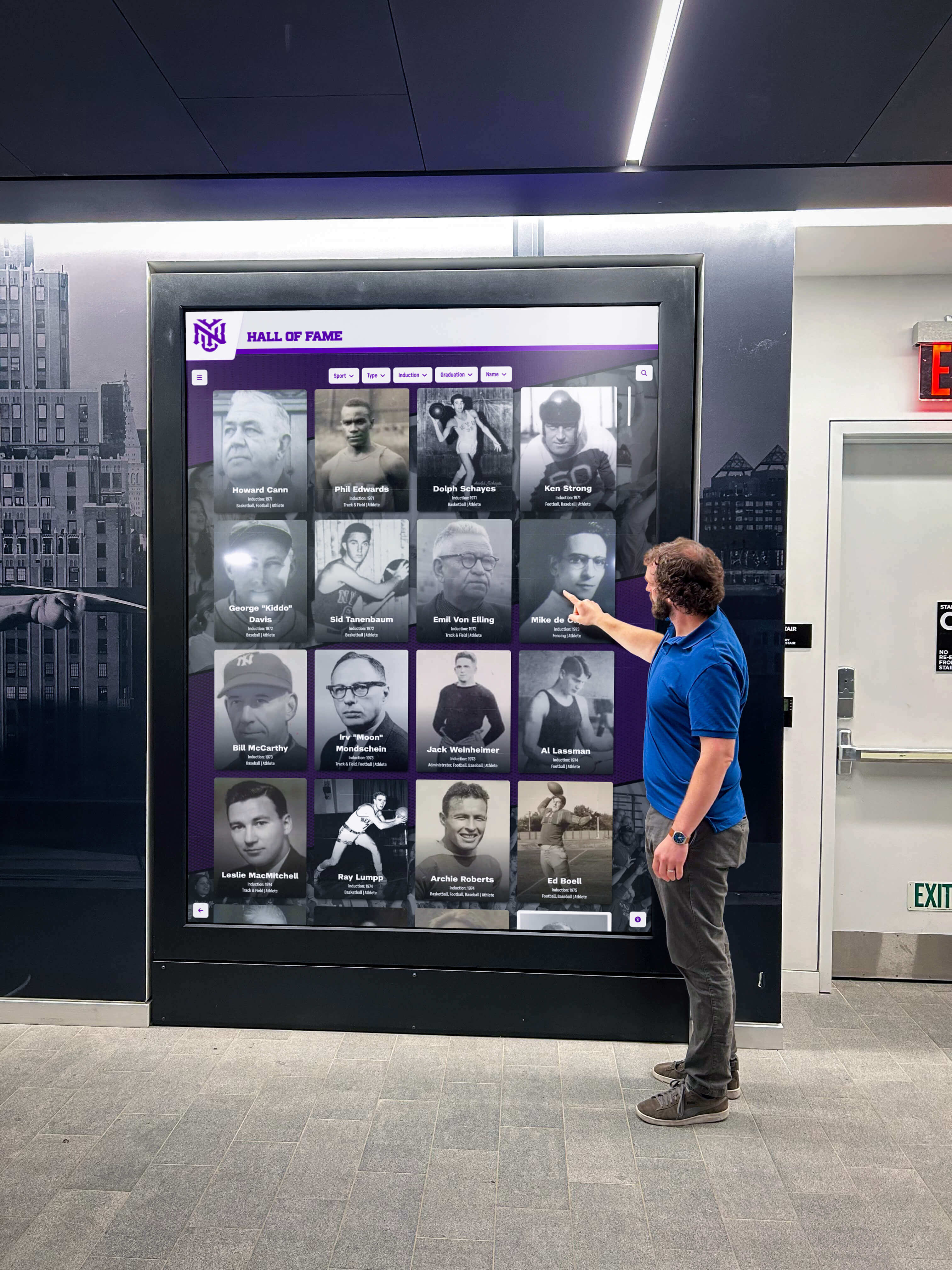
A touchscreen digital hall of fame wall combines interactive display technology with recognition software to create searchable, explorable digital archives of achievements, awards, and honors. Unlike traditional static displays limited by physical space and fixed content, touchscreen systems allow visitors to actively discover achievements through touch-based navigation, search functionality, and multimedia storytelling.
The best touchscreen digital hall of fame walls integrate several core components:
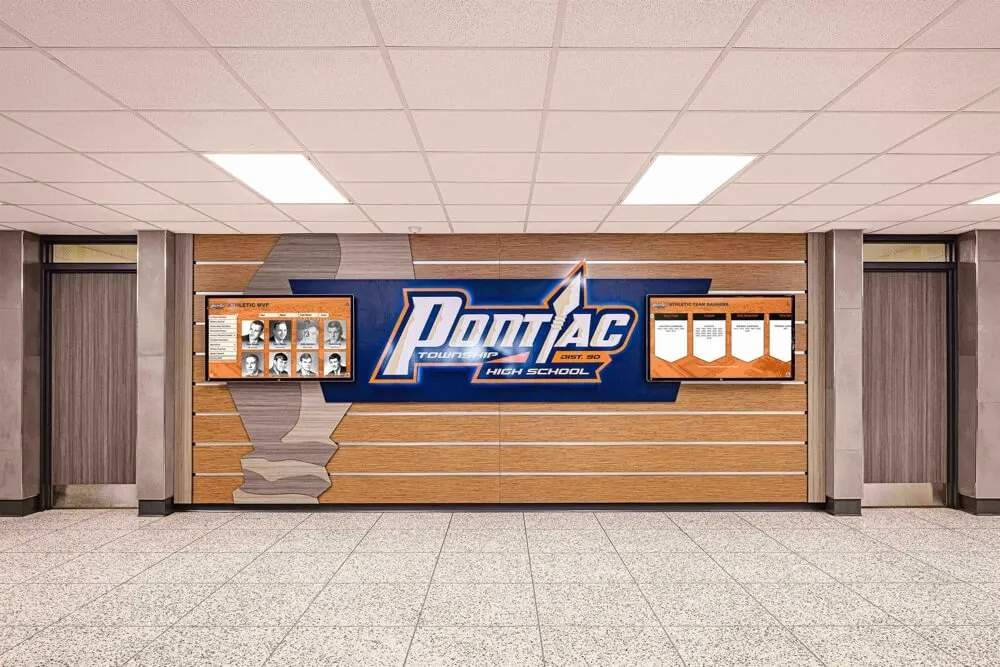
Interactive Display Hardware: Commercial-grade touchscreen monitors (typically 43" to 75") designed for continuous operation in high-traffic environments, providing responsive touch interaction and vivid multimedia presentation.
Recognition Software Platform: Cloud-based content management systems enabling easy updates, profile creation, media uploads, and organization of honorees by category, year, achievement type, or custom criteria.
Multimedia Content: High-resolution photos, video highlights, biographical narratives, achievement statistics, and historical context that bring recognition to life beyond names and dates.
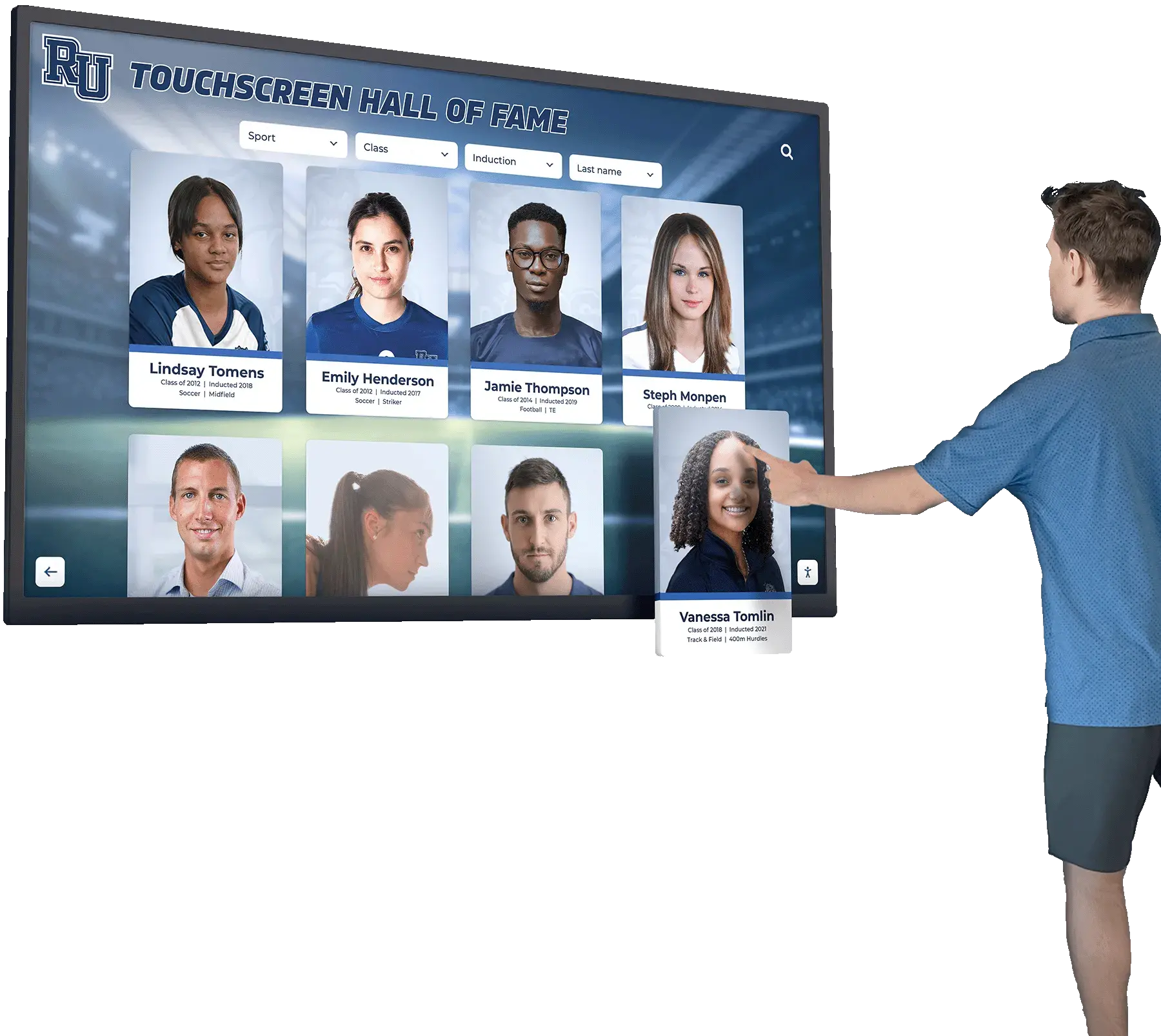

Search and Discovery Tools: Sophisticated interfaces allowing visitors to filter by sport, year, achievement category, record type, or name—transforming passive displays into active exploration experiences.
Web Accessibility: Many platforms extend recognition beyond physical locations through companion websites providing global access to hall of fame content.
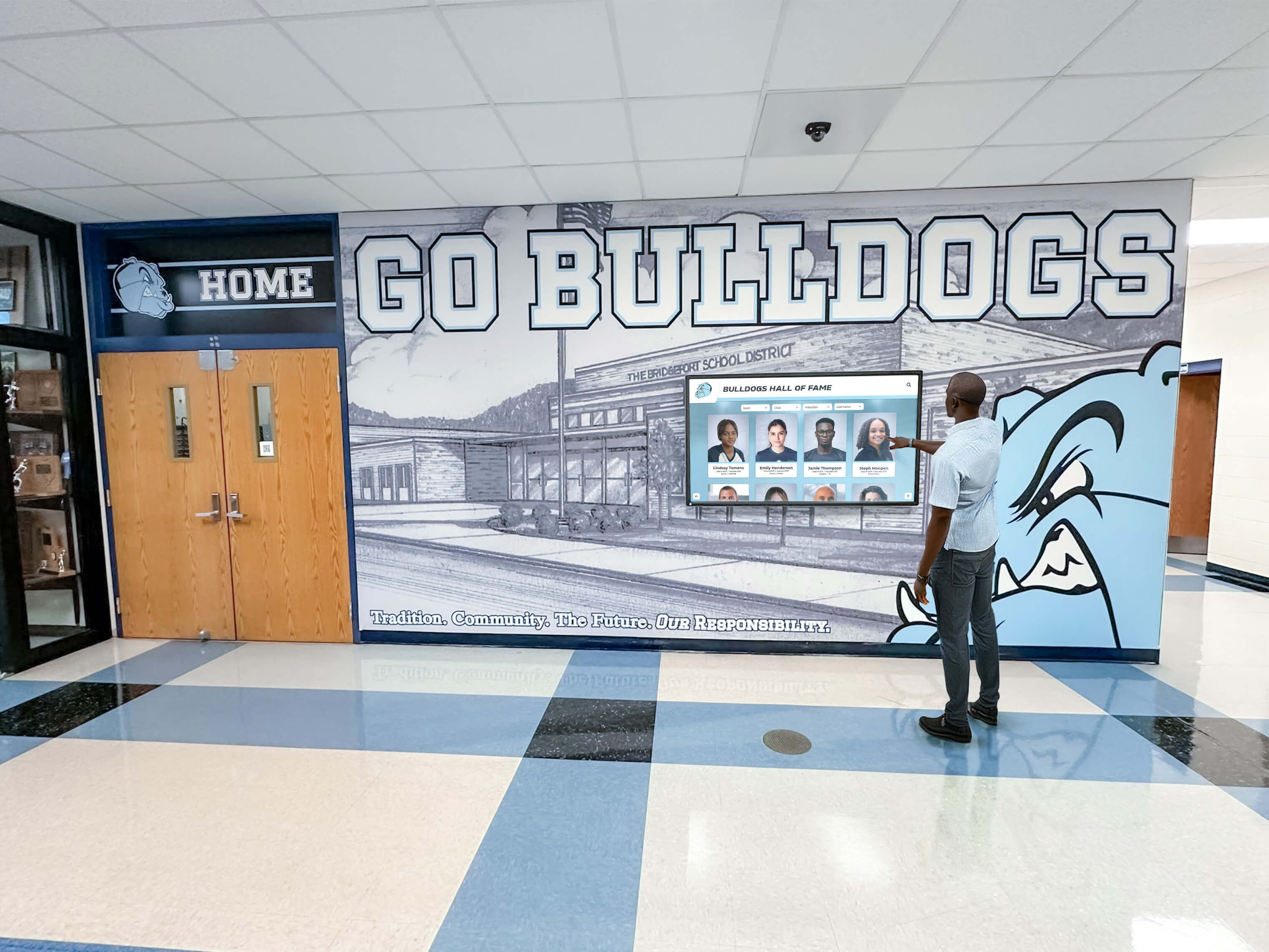
Organizations implementing touchscreen digital hall of fame walls typically seek to solve specific challenges that traditional recognition methods cannot address: limited physical display space forcing difficult decisions about which achievements to showcase, inability to provide detailed context about honored individuals, difficulty keeping displays current as new achievements occur, and disconnection between recognition programs and modern audience expectations for interactive technology.
Why Organizations Are Choosing Touchscreen Digital Hall of Fame Walls Over Traditional Displays
The transition from traditional plaques and trophy cases to touchscreen digital hall of fame walls accelerates as organizations recognize limitations of physical displays and opportunities that interactive technology provides.
Space Limitations and Recognition Capacity
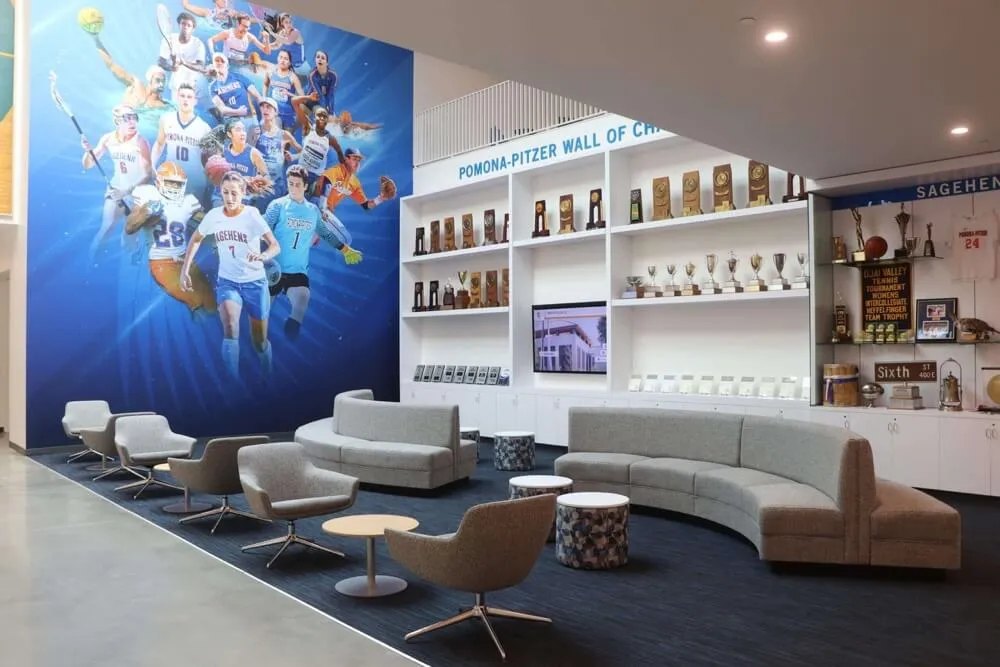
Traditional trophy cases and plaque walls eventually reach physical capacity, forcing institutions to choose between removing old recognition to make room for new honorees, constructing expensive additions to buildings, or simply stopping recognition of new achievements. Organizations with 50+ years of achievements face particularly difficult constraints when every square foot of display space is already maximized.
Touchscreen digital hall of fame walls eliminate these constraints entirely. A single 55" display can showcase unlimited achievements—hundreds or thousands of profiles—without physical space limitations. Athletic programs can recognize every letter winner, every championship team member, every record holder, and every significant achievement throughout their entire history rather than just recent years or highest-profile accomplishments.
Depth of Storytelling and Context
Static plaques provide minimal information: names, achievement descriptions, and years. Visitors learn who accomplished what but gain little context about the achievement’s significance, the individual’s broader story, or the memorable moments that defined their success.
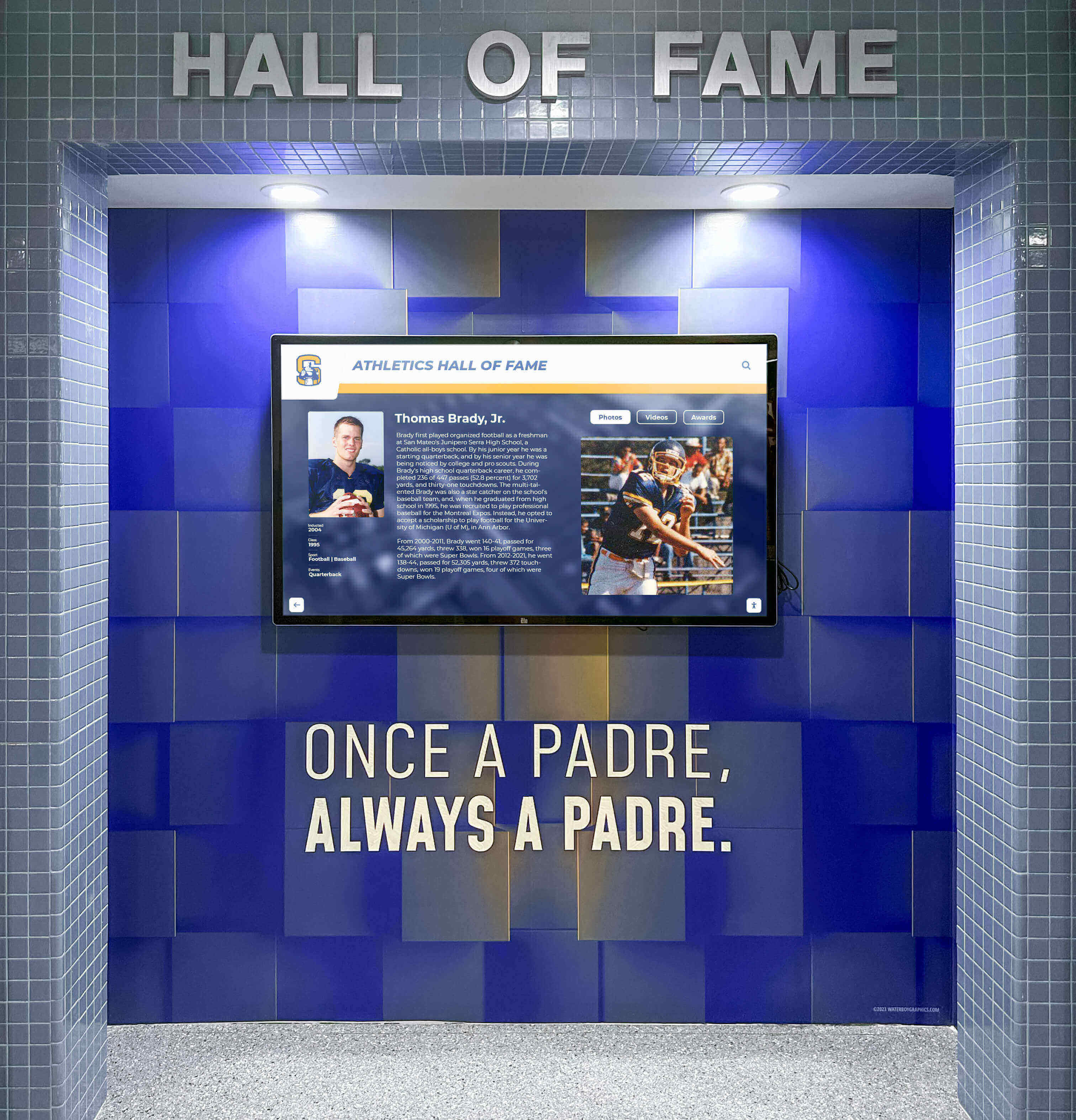
Interactive awards displays enable rich multimedia storytelling. Each profile can include detailed biographies, career statistics, multiple photos from different periods, video highlights, quotes, career updates, and contextual information about why the achievement mattered. This depth transforms recognition from simple acknowledgment into engaging storytelling that creates emotional connections between visitors and honored achievements.
Ease of Updates and Content Management
Updating traditional displays requires fabricating new plaques, scheduling installation work, and significant expense for every change. This friction means many organizations only update recognition displays once yearly or less frequently, creating delays between achievements and recognition that diminish program impact.
Cloud-based touchscreen systems allow instant updates from any location through intuitive web dashboards. When a team wins a championship or an individual breaks a record, recognition appears immediately without fabrication delays or installation costs. Content managers update profiles, add photos, and publish changes in minutes rather than waiting months for plaques to be produced and installed.
Engagement and Interactivity
Visitors walk past traditional displays with minimal engagement beyond quick glances. The passive nature of static recognition fails to capture attention in environments where dynamic content and interactive experiences represent the norm.
Touchscreen digital hall of fame walls invite active participation. Visitors stop to explore, search for specific athletes or achievements they care about, watch video highlights, read detailed stories, and spend significantly more time engaging with recognition content. Athletic programs report that touchscreen displays become destination features where recruits, families, and alumni gather to explore history and discover connections.
Cost-Effectiveness Over Time
While touchscreen systems require higher initial investment than basic plaques, long-term economics consistently favor digital solutions. Organizations spend thousands annually updating traditional displays—new plaques for each achievement, installation labor, storage for removed plaques, and eventual display case expansion. These recurring costs compound over decades.
Digital systems eliminate recurring plaque fabrication and most physical installation expenses after the initial setup. Software subscription costs typically run lower than annual plaque expenses for active programs, while providing dramatically more capability and flexibility. Organizations implementing digital solutions report breaking even within 2-4 years while gaining unlimited recognition capacity and enhanced engagement.
Essential Features for Touchscreen Digital Hall of Fame Walls
Evaluating touchscreen digital hall of fame wall solutions requires understanding which features separate effective systems from disappointing implementations.
Commercial-Grade Touchscreen Hardware
Consumer televisions lack both durability and responsiveness for continuous public use. Commercial displays designed for 16-24 hour daily operation provide necessary reliability, while true capacitive touchscreens (like those in smartphones) deliver responsive interaction that visitors expect. Optical touchscreens common in older kiosk systems frustrate users with poor responsiveness and calibration issues.
Hardware specifications should include:
- Commercial-grade panels rated for continuous operation
- Capacitive touch technology providing smartphone-like responsiveness
- Anti-glare coating for visibility in varied lighting conditions
- Built-in media players or external computing meeting performance requirements
- Network connectivity (ethernet preferred, WiFi backup) for reliable content updates
- Mounting hardware appropriate for wall installation or freestanding kiosks
Intuitive Content Management System
Recognition programs succeed or fail based on how easily staff can create and update content. The best platforms provide intuitive web-based dashboards allowing non-technical users to add profiles, upload media, organize categories, and publish changes without IT involvement or vendor dependencies.
Key content management capabilities include:
- Simple profile creation with customizable fields for achievements, biographies, statistics, and multimedia
- Bulk upload tools for efficiently adding large numbers of historical records
- Drag-and-drop media uploads supporting photos, videos, and documents
- Category and organization controls for structuring content by sport, achievement type, year, or custom criteria
- Preview functions allowing content review before publication
- User permission controls enabling multiple administrators with appropriate access levels
- Scheduling features for planning content releases in advance
Advanced Search and Discovery
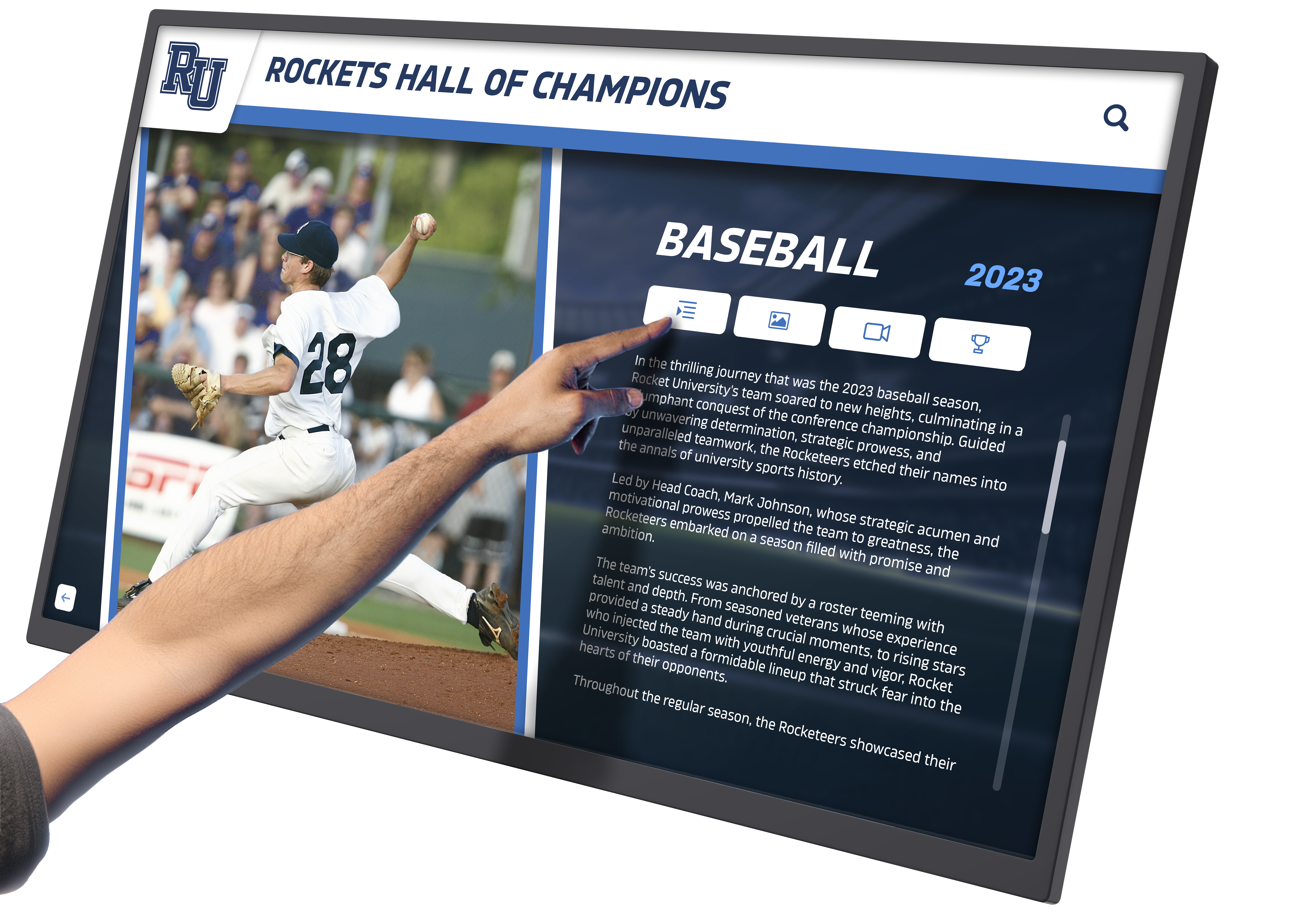
Static slideshow presentations frustrate visitors seeking specific information. Effective touchscreen systems provide sophisticated search and filtering enabling visitors to quickly find what they care about while also supporting serendipitous discovery of interesting achievements they didn’t know existed.
Search and navigation features should include:
- Free-text search finding profiles by name, achievement, or keyword
- Filter controls narrowing results by sport, year, achievement category, or custom fields
- Browse options for exploring all content organized logically
- Alphabetical indices for quick name-based navigation
- Related content connections linking similar achievements or time periods
- Random feature highlighting different content on each interaction
Multimedia Integration and Presentation
Recognition becomes memorable through rich multimedia content. Platforms should handle various media types smoothly while presenting content in visually appealing formats that reflect institutional branding and maintain professional quality.
Multimedia capabilities must include:
- High-resolution photo displays with zoom and gallery features
- Video playback with smooth streaming and appropriate controls
- Achievement statistics presented in scannable, visually appealing formats
- Biographical narratives with readable typography and appropriate length
- Multiple photos per profile showing different periods or contexts
- Social media integration allowing visitors to share discoveries
Responsive Design for Multiple Screen Sizes
Recognition programs often need to work across various contexts: large touchscreens in lobbies, tablets at events, smartphones for personal browsing, and web browsers for online access. Responsive design ensures content displays appropriately regardless of screen size or device type.
Platforms should provide:
- Automatic layout adaptation for screens from smartphones to 75" displays
- Touch-optimized interfaces working consistently across device types
- Web-accessible versions extending recognition beyond physical displays
- Mobile apps when appropriate for program needs
- QR code integration allowing smartphone users to save and share discoveries
Analytics and Engagement Tracking
Understanding how visitors interact with recognition displays informs content strategy and demonstrates program value. Analytics reveal which achievements engage audiences, how long visitors spend exploring, what search terms they use, and which features drive interaction.
Valuable analytics include:
- Page views and unique visitors tracking overall engagement
- Popular content reports showing most-viewed profiles and achievements
- Search query logs revealing what visitors seek
- Session duration indicating depth of engagement
- Device and location data showing where access occurs
- Time-of-day patterns informing content promotion timing
Comparing Touchscreen Digital Hall of Fame Wall Solutions
Schools and organizations evaluating touchscreen digital hall of fame walls face several solution categories, each with distinct advantages, limitations, and appropriate use cases.
Purpose-Built Recognition Platforms
Platforms like Rocket Alumni Solutions specialize exclusively in recognition and hall of fame applications, providing complete feature sets specifically designed for celebrating achievements. These solutions combine touchscreen-optimized software, content management systems, implementation support, and often hardware recommendations or complete turnkey installations.
Advantages:
- Recognition-specific features addressing unique requirements
- Intuitive interfaces designed for non-technical users
- Dedicated support teams understanding program needs
- Proven reliability across hundreds of implementations
- Combined physical and web solutions from unified platforms
- Faster implementation with pre-built templates and workflows
- Ongoing development improving features over time
Considerations:
- Higher initial investment than DIY approaches
- Software subscription models creating ongoing costs
- Less customization than fully custom development
- Dependency on vendor for significant platform changes
Purpose-built platforms work best for organizations prioritizing reliable solutions with dedicated support, seeking to avoid technical complexity, and wanting to focus staff time on content rather than technology management.
Digital Signage Software Adapted for Recognition
Platforms like Rise Vision, ScreenCloud, and similar digital signage solutions can display recognition content as part of broader campus communication systems. These tools excel at managing rotating content across multiple screens but weren’t designed specifically for interactive hall of fame applications.
Advantages:
- Multi-purpose investment supporting various communication needs
- Existing familiarity if already used for campus signage
- Lower per-screen costs when deployed across many displays
- Cloud-based management and content scheduling
- Template libraries for various content types
Limitations:
- Minimal database functionality limiting searchability
- Basic interactivity not optimized for deep content exploration
- Generic templates not tailored to hall of fame requirements
- Shallow content depth suited to slideshows rather than detailed profiles
- Limited search and discovery features
- No specialized recognition program support
Digital signage platforms work when recognition represents secondary use case within broader signage programs, when slideshow formats suffice for program needs, or when budget absolutely cannot accommodate purpose-built solutions. For primary recognition programs, specialized platforms deliver dramatically superior results.
Custom Website and Application Development
Organizations with substantial technology budgets and unique requirements sometimes commission custom web applications specifically designed for their recognition programs. WordPress with custom development, entirely custom database applications, or integrated solutions built into existing platforms represent common approaches.
Advantages:
- Complete design control and unlimited customization
- Deep integration with existing institutional systems
- Full data ownership and hosting control
- Flexibility to implement exactly what you envision
- No dependency on third-party platform vendors
Challenges:
- Substantial development investment ($15,000-$100,000+)
- Extended timelines (6-24 months from planning to launch)
- Ongoing maintenance burden requiring technical expertise
- Variable quality depending on developer skills
- Risk of project delays, scope creep, and budget overruns
- Limited or no touchscreen optimization without specific design
- Ongoing security and compatibility maintenance
Custom development makes sense only when requirements genuinely exceed what purpose-built platforms can deliver and when budgets support both development and long-term maintenance. Most organizations find that specialized recognition platforms meet 90%+ of requirements at 20-30% of custom development costs while delivering solutions in weeks rather than years.
Budget Alternatives (Canva, Google Sites, Slideshow Tools)
Some organizations with extremely limited budgets attempt to create recognition displays using free or low-cost generic tools like Canva for graphics, Google Sites for basic web pages, or PowerPoint for rotating slideshow presentations.
What These Approaches Provide:
- Minimal or no software costs
- Simple tools requiring little training
- Ability to create basic recognition content
- Short-term solutions until proper budgets materialize
Substantial Limitations:
- No database functionality or searchability
- No interactivity or touchscreen optimization
- Manual updates requiring re-design for every change
- Unprofessional appearance diminishing program credibility
- Minimal multimedia capabilities
- Poor scalability as content grows
- No analytics or engagement tracking
These approaches work only as temporary solutions until organizations can invest in proper recognition technology. The dramatic difference in capability, engagement, and professional presentation makes purpose-built platforms worth modest investment for any serious recognition program.
Decision Framework: Selecting the Right Touchscreen Digital Hall of Fame Wall Solution
Organizations should evaluate solutions systematically across criteria that matter most for their specific context and goals.
Criteria-Based Evaluation Matrix
| Evaluation Criteria | Weight | Rocket Alumni Solutions | Digital Signage Platforms | Custom Development | Budget Tools |
|---|---|---|---|---|---|
| Recognition-Specific Features | High | Excellent | Limited | Variable | Minimal |
| Ease of Content Management | High | Intuitive | Moderate | Variable | Basic |
| Touchscreen Optimization | High | Excellent | Limited | Can Build | None |
| Implementation Speed | Medium | 2-4 weeks | 1-2 weeks | 6-24 months | Immediate |
| Technical Requirements | High | Minimal | Minimal | Substantial | Minimal |
| Ongoing Support Quality | High | Dedicated | Available | Variable | Limited |
| Total Cost of Ownership | High | Moderate | Low-Moderate | High | Low |
| Scalability and Growth | Medium | Excellent | Limited | Excellent | Poor |
| Customization Flexibility | Medium | Good | Limited | Unlimited | Minimal |
Deal-Breaker Checklist
Before committing to any platform, ensure it meets non-negotiable requirements:
Accessibility Compliance: Does the solution meet WCAG 2.1 AA accessibility standards enabling use by visitors with disabilities? Institutions subject to ADA requirements must prioritize accessible platforms. Many digital signage and budget tools completely fail accessibility requirements.
Responsive Touchscreen Performance: Does the interface provide smartphone-like touch responsiveness without lag, calibration issues, or navigation frustrations? Test actual hardware before purchase—many solutions claim touchscreen support but deliver poor user experiences.
Content Ownership and Portability: Do you own your content and can you export it if you change platforms? Avoid solutions that lock your data or make migration unreasonably difficult.
Hardware Flexibility: Can you use existing displays or choose hardware from multiple vendors? Single-source requirements often inflate costs and limit options.
Support Availability: Can you reach knowledgeable support when issues occur? Check whether support operates during your hours, responds promptly, and actually resolves problems rather than just acknowledging tickets.
Why Rocket Alumni Solutions Wins Most Comparisons
For organizations evaluating touchscreen digital hall of fame walls specifically for recognition programs (rather than as secondary use of broader digital signage), Rocket Alumni Solutions consistently emerges as optimal choice across critical success factors.
Purpose-Built Recognition Focus: Every feature was designed specifically for celebrating achievements and honoring excellence. Unlike adapted signage platforms or generic website tools, Rocket delivers sophisticated search, detailed profiles, multimedia integration, and discovery features that recognition programs specifically require.
Proven Reliability: With 1,000+ installations across schools, universities, athletic programs, and organizations nationwide, Rocket demonstrates proven ability to deliver functioning solutions that operate reliably over years. This track record reduces implementation risk substantially compared to custom development or adapted tools.
Intuitive Content Management: Athletic directors, principals, and advancement professionals without technical backgrounds successfully manage content independently within minutes of training. This dramatically reduces ongoing IT burden compared to platforms requiring technical expertise for routine updates.
Combined Physical and Web Access: Single platform powers both touchscreen kiosks and web-accessible online halls of fame simultaneously. Visitors can explore recognition on physical displays in your facility or browse from anywhere globally through companion websites—all managed from the same content system.
Comprehensive Implementation Support: Rocket provides end-to-end assistance from initial planning through content migration, hardware recommendations, installation coordination, staff training, and ongoing operation. This support proves invaluable for organizations implementing digital recognition for the first time.
Transparent, Predictable Costs: Custom quotes based on specific requirements provide clear understanding of investment before commitment, eliminating surprise expenses common with custom development projects.
Organizations prioritizing serious recognition programs that will serve their institutions for years consistently find Rocket Alumni Solutions delivers optimal combination of capability, reliability, support, and value.
Implementation Best Practices for Touchscreen Digital Hall of Fame Walls
Successful implementations require thoughtful planning beyond simply purchasing technology.
Content Strategy and Organization
Define Recognition Categories Early: Determine what types of achievements your organization will celebrate before beginning content development. Athletic programs typically recognize letter winners, championship teams, individual record holders, hall of fame inductees, and retired numbers. Academic institutions might add scholarship recipients, academic all-conference athletes, or perfect attendance awards. Organizations should establish clear, consistent categories that make sense for their context.
Establish Selection Criteria and Standards: Create transparent guidelines for who receives recognition in each category. Specify minimum achievement levels, nomination processes, selection committees, and approval workflows. Clear standards ensure fairness, maintain program credibility, and prevent difficult situations where recognition appears arbitrary or inconsistent.
Plan Content Depth and Multimedia: Decide what information each profile should include. Basic implementations might provide name, year, achievement, and single photo. Comprehensive programs add detailed biographies, career statistics, multiple photos, video highlights, quotes, and career updates. Match content depth to available resources and program goals, while maintaining consistency across similar profile types.
Organize Historical Records: Gather existing achievement information from trophy engravings, old programs, yearbooks, newspaper clippings, and institutional archives. Many organizations find this research process more time-consuming than technology implementation. Start early, involve knowledgeable alumni or historians, and accept that some historical information may be permanently lost.
Hardware Selection and Installation Planning
Choose Appropriate Display Sizing: Screen size should match viewing distance and available space. Intimate settings where visitors stand 2-3 feet from displays work well with 43-55" screens. Large lobbies with viewing distances of 6-8+ feet benefit from 65-75" displays. Multiple smaller displays often work better than single oversized screens in spaces with limited wall area.
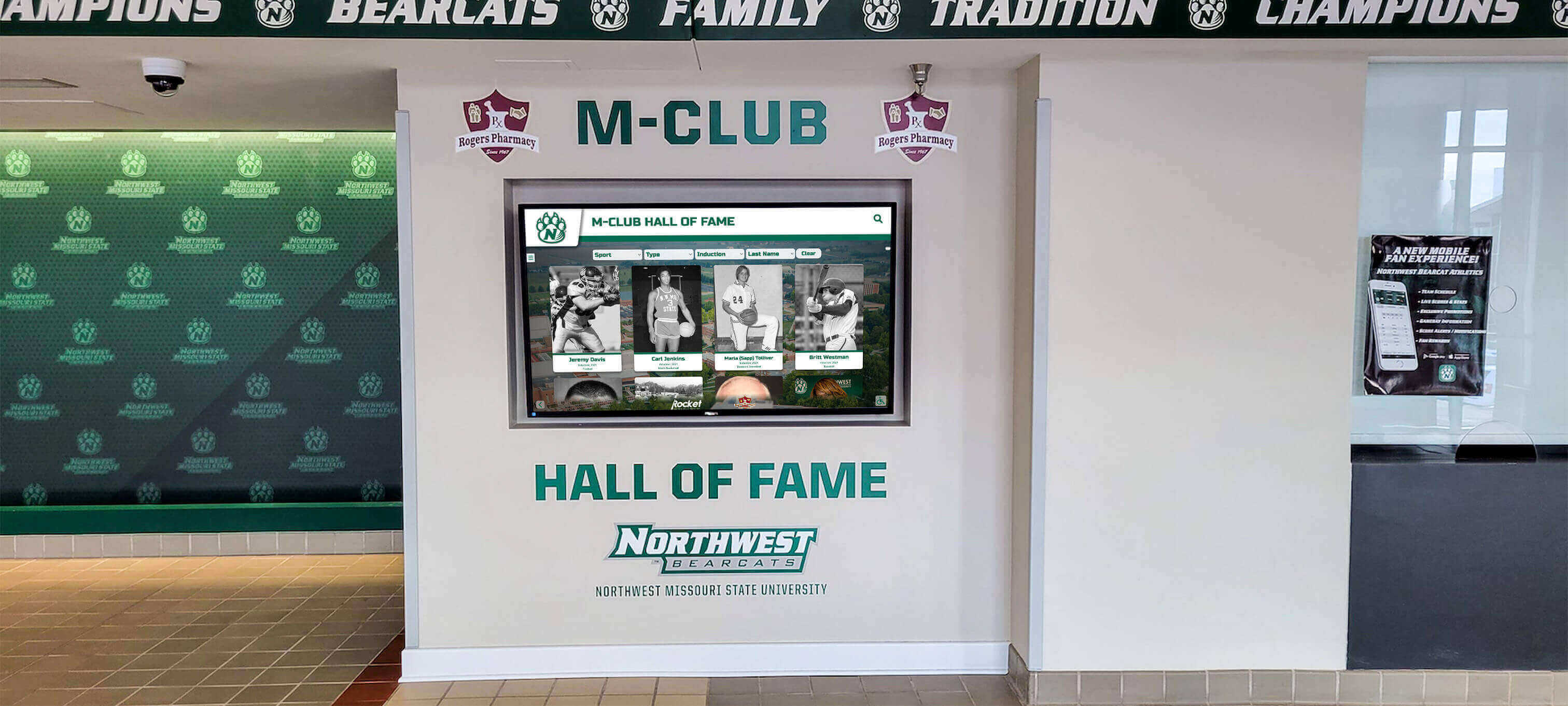
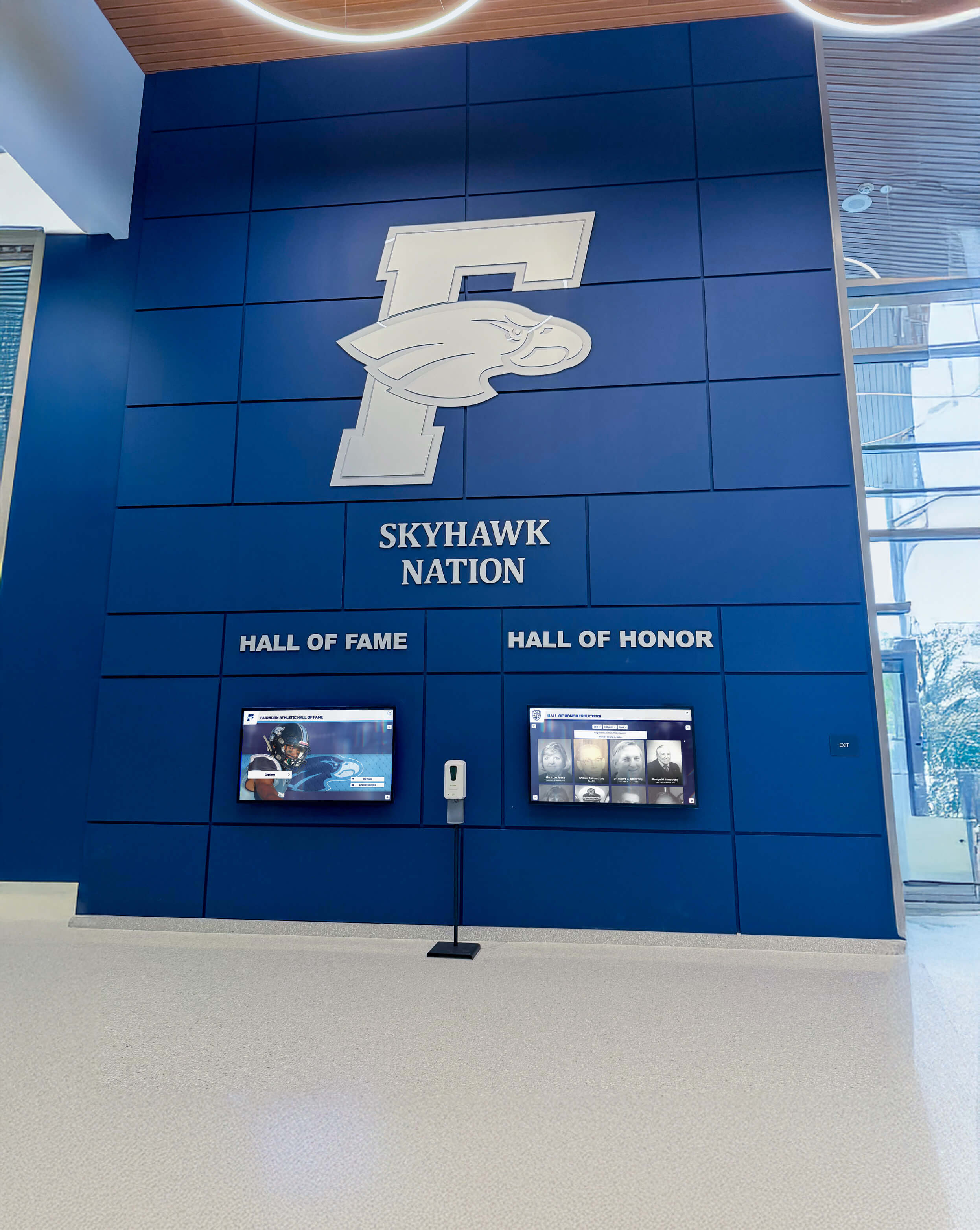
Select Optimal Locations: High-traffic areas maximize visibility and engagement. Athletic facility lobbies, main entrances, hallways adjacent to trophy cases, gym foyers, and alumni centers represent ideal locations. Avoid tucking displays in corners or low-traffic areas where few visitors will discover them. Consider sight lines, lighting conditions, and whether visitors can comfortably interact without blocking pathways.
Plan Network Infrastructure: Reliable network connectivity enables smooth content updates and reduces troubleshooting. Wired ethernet connections provide optimal reliability. If WiFi represents only option, ensure strong signal strength at installation location and consider priority network access to prevent content stuttering during high-bandwidth periods.
Invest in Commercial-Grade Equipment: Consumer televisions not designed for continuous operation fail quickly in high-duty environments. Commercial displays cost more initially but provide necessary reliability for 16-24 hour daily operation over 5-7 year lifespans. This investment prevents costly premature replacements and visitor frustration from unreliable hardware.
Staffing, Training, and Workflow Development
Assign Clear Ownership: Designate specific staff members responsible for content management and system oversight. Shared responsibility without clear accountability often means nobody maintains the system properly. Identify primary administrator and backup person ensuring continuity when personnel change or are unavailable.
Provide Comprehensive Initial Training: Ensure content managers understand platform capabilities and feel confident creating profiles, uploading media, organizing content, and troubleshooting common issues. Schedule hands-on training sessions rather than just providing documentation. Most platforms require only 1-2 hours of training for non-technical users to become proficient.
Establish Content Approval Workflows: Create processes ensuring accuracy and appropriate tone before publication. Determine who reviews profiles for accuracy, who approves content for publication, and how corrections get made when errors are discovered. Clear workflows prevent embarrassing mistakes and maintain program credibility.
Document Procedures for Continuity: Create simple guides documenting how to perform common tasks: adding new inductees, updating existing profiles, uploading photos and videos, organizing categories, and troubleshooting issues. This documentation enables smooth transitions when staff change and reduces dependency on institutional memory.
Launch Strategy and Ongoing Promotion
Plan Soft Launch Testing: Begin with limited content and small audience to identify issues before major public announcement. Test all functionality, gather feedback from several users, verify content accuracy, and confirm hardware reliability before grand opening. This testing period prevents launching with obvious problems that diminish credibility.
Create Grand Opening Event: Unveil the system with ceremony celebrating recognized honorees. Invite current honorees, families, alumni, and community members. Demonstrate system capabilities, acknowledge people who made the project possible, and create positive media coverage amplifying program visibility.
Promote Through Multiple Channels: Announce through email newsletters, social media platforms, school website features, student and alumni publications, and local media outreach. Create engaging content demonstrating the system’s capabilities and highlighting interesting achievements visitors can explore. Ongoing promotion prevents the system from becoming invisible after initial launch excitement fades.
Maintain Regular Content Updates: Recognition programs stay relevant through frequent additions of new achievements, updated photos, recent alumni career accomplishments, and seasonal highlights. Establish rhythm for updates—monthly minimum, more frequently for active seasons—keeping content fresh and giving visitors reasons to return. Stagnant content signals abandoned programs regardless of how sophisticated the technology.
Cost Analysis and Investment Planning
Understanding total cost of ownership helps organizations budget appropriately and secure necessary funding.
Rocket Alumni Solutions Investment
Initial Setup: $10,000-$35,000 depending on scope, typically including:
- Software platform access and configuration
- Touchscreen display hardware (optional, can use existing)
- Content management system setup and training
- Implementation support and project coordination
- Initial content migration assistance
- Staff training sessions
Annual Ongoing Costs: $2,000-$6,000 typically covering:
- Software platform subscription and updates
- Cloud hosting and data storage
- Technical support and maintenance
- Content management system access
- Feature enhancements and improvements
Return on Investment: Organizations typically eliminate $3,000-$8,000 annually in plaque fabrication, frame costs, and installation labor. Recognition capacity increases dramatically—from 50-200 physical plaques to unlimited digital profiles. Enhanced engagement measurably improves alumni connections, student pride, and program visibility. Most organizations report substantial positive return within 3-4 years while gaining dramatically superior recognition capabilities.
Alternative Solution Costs
Custom WordPress Development: $15,000-$60,000 initial development, $4,000-$12,000 annual maintenance. Higher cost than specialized platforms with added technical complexity.
Digital Signage Platforms: $200-$500 per screen annually. Lower cost but dramatically reduced recognition-specific functionality.
Custom Enterprise Development: $75,000-$300,000+ initial investment, $15,000-$60,000+ annual maintenance. Justified only for truly unique requirements.
Budget Tools: Minimal software costs but substantial hidden costs in staff time, poor results, frequent redesign needs, and lack of professional presentation. Organizations quickly outgrow these approaches and invest in proper solutions anyway.
Funding Strategies
Operating Budget Allocation: Many programs fund recognition systems through annual technology or facilities budgets spread across 2-3 years. Breaking investment into phases—starting with core system and single display, expanding later—makes projects more manageable within existing budgets.
Donor Funding and Naming Opportunities: Recognition displays themselves become fundraising opportunities. Offer naming rights to entire systems, specific display locations, or sponsored content categories. Alumni and community members often eagerly support projects that celebrate achievements and honor their experiences.
Capital Campaign Integration: Include digital recognition in broader renovation or facility projects where expenses blend with larger initiatives. New athletic facilities, renovated lobbies, or comprehensive campus upgrades provide natural contexts for including modern recognition systems.
Eliminate Existing Expenses: Calculate annual spending on plaques, frames, engraving, installation, and display case maintenance. Redirecting these recurring costs toward digital solutions often provides sufficient funding for implementation while improving recognition quality.
Phase Implementation Strategically: Begin with highest-priority content and single display. Add additional content categories, more displays, or enhanced features in subsequent phases as budget allows and initial implementation proves value. Phased approaches reduce initial investment while still providing meaningful recognition improvements.
Future Directions for Interactive Awards and Digital Recognition
Technology continues advancing, creating new opportunities for recognition programs.
Artificial Intelligence Integration: AI will assist with content creation through automated achievement tracking, biographical research, photo organization, and personalized visitor experiences. Visitors might ask natural language questions like “show me all basketball players from the 1990s who scored over 1,000 points” and receive instant intelligent responses.
Augmented Reality Enhancements: AR capabilities could overlay digital information onto physical trophies and artifacts, blend historical photos with current facility views, or enable virtual trophy case experiences accessible from anywhere via smartphones.
Enhanced Mobile Connectivity: Deeper integration between touchscreen displays and companion mobile apps will enable visitors to save favorites, create personal collections, receive notifications about connections to honorees, and continue exploration beyond physical locations.
Social Integration and Sharing: Easy sharing capabilities amplify recognition reach, enabling honorees and families to share achievements across social networks while maintaining professional presentation and institutional control over how recognition appears publicly.
Advanced Analytics and Personalization: Sophisticated engagement tracking will reveal detailed insights about visitor interests, inform content strategy, demonstrate measurable program impact, and enable personalized experiences highlighting connections between visitors and specific achievements.
Blockchain Verification: Emerging credential verification technologies may provide tamper-proof authentication of achievements, adding credibility to recognized accomplishments and enabling trusted digital portfolios of verifiable honors.
Organizations implementing touchscreen digital hall of fame walls today position themselves to incorporate these emerging capabilities as they mature, while institutions maintaining traditional static displays fall further behind audience expectations for engaging, interactive recognition experiences.
Conclusion: Transforming Recognition Through Touchscreen Digital Hall of Fame Walls
Touchscreen digital hall of fame walls and interactive awards displays represent more than technology upgrades to traditional recognition methods. They fundamentally transform how organizations celebrate achievements, engage communities, and honor the excellence that defines institutional character. The shift from passive static displays to active interactive exploration creates recognition experiences that build emotional connections, inspire current participants, and strengthen alumni relationships in ways that traditional plaques and trophy cases never could.
Organizations implementing these systems consistently report that touchscreen displays become destination features where recruits, families, alumni, and visitors gather to explore history and discover connections. The ability to showcase unlimited achievements without physical constraints enables truly inclusive recognition celebrating diverse forms of excellence across all programs and time periods. Cloud-based content management puts recognition control directly in the hands of program administrators, enabling instant updates that keep displays current and relevant.
For schools, universities, athletic programs, and organizations evaluating recognition solutions, platforms specifically designed for celebration and honor—like Rocket Alumni Solutions—deliver dramatically superior results compared to adapted digital signage tools, budget website builders, or complex custom development projects. Purpose-built recognition platforms combine sophisticated features, intuitive management, proven reliability, and comprehensive support that enable successful implementations serving institutions for years.
The investment organizations make in digital recognition technology will celebrate achievements, inspire pride, and strengthen community connections throughout years ahead. Choose solutions that honor accomplishments with the quality, capability, and professionalism they deserve.
Ready to upgrade your recognition program with interactive touchscreen technology? Book a demo to see how Rocket Alumni Solutions delivers complete touchscreen digital hall of fame walls designed specifically for celebrating excellence. Explore additional resources about interactive touchscreen displays for schools, discover best practices for implementing digital halls of fame, learn about museum kiosk applications, explore touchscreen software options, understand digital donor wall strategies, or review basketball hall of fame examples showcasing effective recognition programs.
Your organization’s greatest achievements deserve recognition technology specifically designed to celebrate excellence through engaging touchscreen interaction, unlimited capacity, and professional presentation that honors accomplishments with the quality they deserve.
Disclaimer: This comparison is based on publicly available information as of December 2025. All product names and trademarks belong to their respective owners. Comparative statements reflect Rocket Alumni Solutions’ interpretation of available data and may change over time. This content was produced by or on behalf of Rocket Alumni Solutions. All trademarks are property of their respective owners. Rocket Alumni Solutions is not affiliated with or endorsed by any competitors mentioned.