



Key Takeaways
Comprehensive guide to implementing touch boards for teacher appreciation. Learn how interactive digital recognition displays honor educators, build school culture, and create lasting appreciation programs that celebrate teaching excellence year-round.
Understanding Teacher Appreciation and Recognition Needs
Before implementing recognition technology, schools must understand what makes teacher appreciation meaningful, what educators value in professional recognition, and how recognition practices affect school culture and staff retention.
What Teachers Actually Value in Recognition
Research on educator motivation and satisfaction reveals that effective teacher recognition differs substantially from student recognition practices. Teachers respond most positively to appreciation that acknowledges specific contributions, comes from multiple sources, feels authentic rather than perfunctory, recognizes diverse forms of excellence beyond test scores, and provides visibility that validates professional worth.
Specificity Matters More Than Grand Gestures
Teachers consistently report that specific recognition—“Thank you for staying late three evenings this month to help students prepare for the debate tournament”—carries far more meaning than generic appreciation like “Thanks for being a great teacher.” Specificity demonstrates that observers genuinely notice contributions rather than offering obligatory acknowledgment.
Effective touch board implementations incorporate this specificity by creating detailed recognition profiles highlighting particular achievements, contributions to curriculum development, student mentorship examples, professional growth initiatives, committee leadership, extra-duty assignments, and community connections that extend learning beyond classrooms.
Multiple Recognition Sources Increase Impact
Recognition from administrators matters, but teachers also value appreciation from colleagues, students, families, and community members. Multi-source recognition communicates that professional contributions affect numerous stakeholders across school communities.
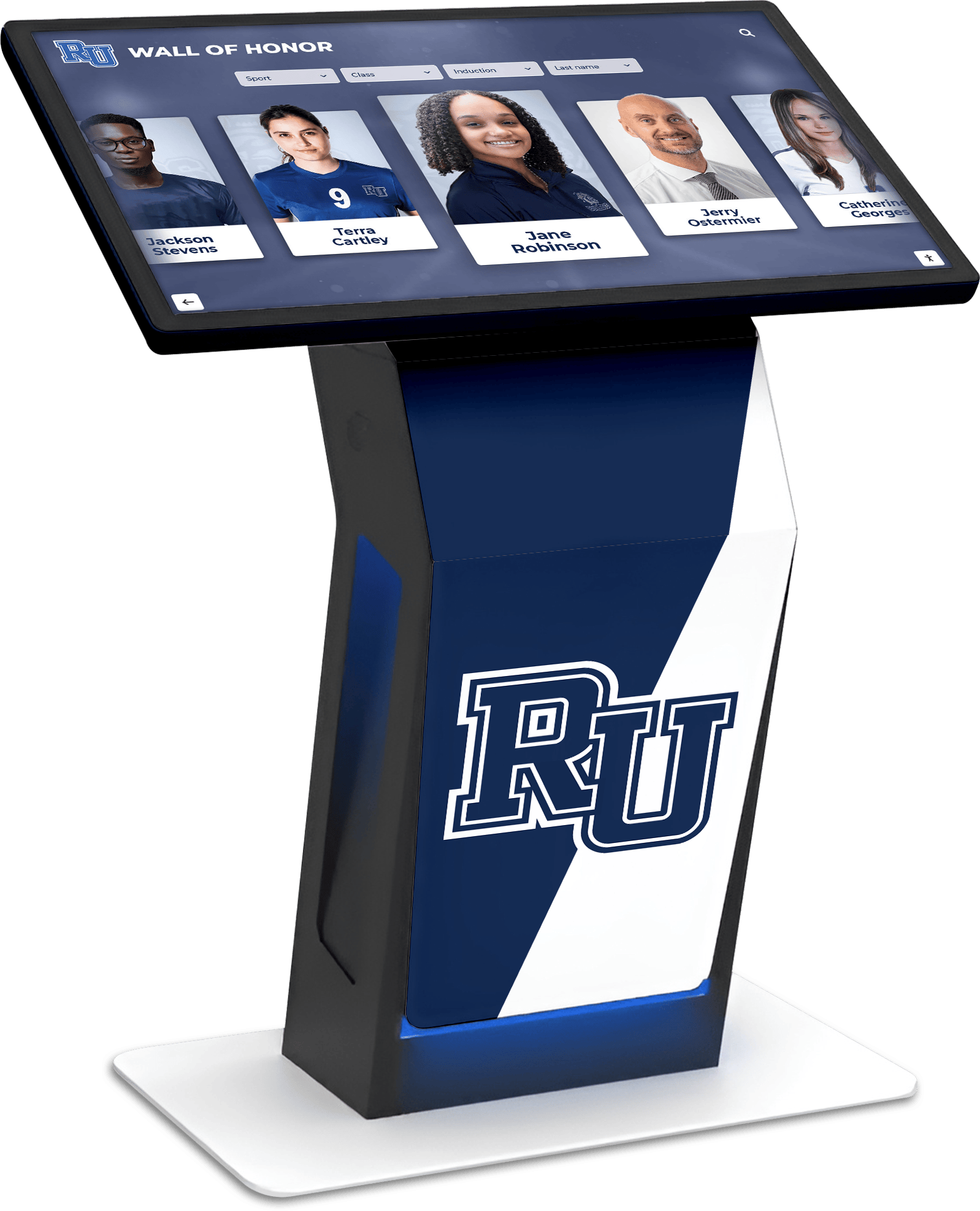
Touch boards enable this multi-sourced appreciation through features allowing student testimonials, parent messages, colleague acknowledgments, administrator recognitions, and community notes—all accessible through single displays that aggregate appreciation from diverse voices.
Authenticity and Timeliness Create Credibility
Teachers quickly detect perfunctory recognition that checks compliance boxes without genuine appreciation. Recognition feels authentic when it arrives promptly after contributions, references specific contexts, and connects to institutional values schools actually prioritize.
Digital recognition systems facilitate timely appreciation by enabling immediate updates when recognition moments occur rather than waiting for annual ceremonies or printed materials. This timeliness communicates that institutions notice contributions as they happen rather than reconstructing appreciation months later.
The Current State of Teacher Recognition in Schools
Most schools struggle to implement consistent, meaningful teacher recognition beyond minimal statutory requirements like Teacher Appreciation Week or end-of-year acknowledgments.
The “One Week Per Year” Problem
Many schools concentrate teacher recognition into designated Teacher Appreciation Week—typically the first full week of May—with gifts, treats, decorations, and celebratory events. While appreciated, this concentrated approach communicates that teacher recognition matters one week annually rather than representing ongoing institutional priorities.
Schools implementing comprehensive staff recognition programs report improved culture outcomes compared to institutions relying solely on designated appreciation weeks.
Recognition That Disappears After Ceremonies
End-of-year recognition ceremonies honor retiring teachers, milestone anniversaries, and outstanding contributions through plaques, certificates, and verbal acknowledgments. These ceremonial moments carry significance, but recognition often disappears immediately afterward when certificates go into drawers and attention shifts to summer break.
This disappearing recognition means that new families, students, or community members never learn about teaching excellence within their schools. The institutional knowledge of who contributes what becomes invisible to anyone who wasn’t present at specific ceremonies.
Limited Recognition Capacity
Physical display space constrains how many teachers schools can recognize prominently. A wall accommodating 20 recognition plaques fills quickly in schools with 50-100 staff members, forcing difficult decisions about whose contributions merit visible acknowledgment and whose remain unrecognized due to space limitations.
These capacity constraints particularly affect recognition spanning career timelines. A teacher contributing excellently for 25 years generates numerous recognition opportunities, but physical displays cannot accommodate comprehensive career recognition without consuming excessive space.
How Insufficient Recognition Affects Teaching Professionals
Inadequate recognition contributes to documented challenges affecting teaching workforce sustainability and school effectiveness.
Teacher Retention and Satisfaction Connections
Research consistently links professional recognition to teacher retention decisions. Teachers who feel unappreciated, overlooked, or undervalued demonstrate higher turnover rates compared to educators experiencing consistent acknowledgment of professional contributions.
This connection proves particularly significant given national teacher shortage challenges. Schools competing for teaching talent benefit from recognition cultures where educators feel valued, noticed, and appreciated throughout careers—not just during milestone anniversaries or retirement ceremonies.
Professional Identity and Growth Motivation
Recognition reinforces professional identity as competent, valued contributors to educational missions. Teachers receiving consistent acknowledgment develop stronger connections to institutions and professional identities, increasing investment in continuous improvement and professional growth.
Conversely, teachers perceiving that contributions go unnoticed may disengage from discretionary efforts that distinguish excellent schools from adequate ones—extra tutoring, club sponsorship, curriculum innovation, mentoring new teachers, or community outreach.
Modeling Recognition for Student Learning
School cultures prioritizing staff recognition model appreciation practices for students. When students observe administrators, colleagues, and communities acknowledging teacher contributions publicly, they learn that recognizing others’ efforts represents important social practice.
Schools implementing visible teacher recognition simultaneously teach students about gratitude, acknowledgment, and celebrating excellence—lessons extending far beyond academic content.
What Are Touch Boards for Teacher Appreciation?
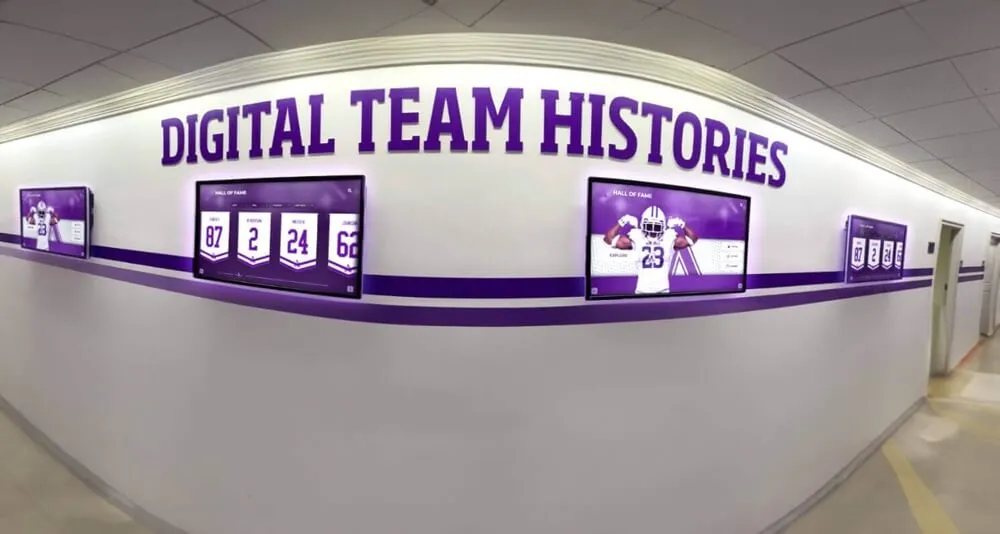
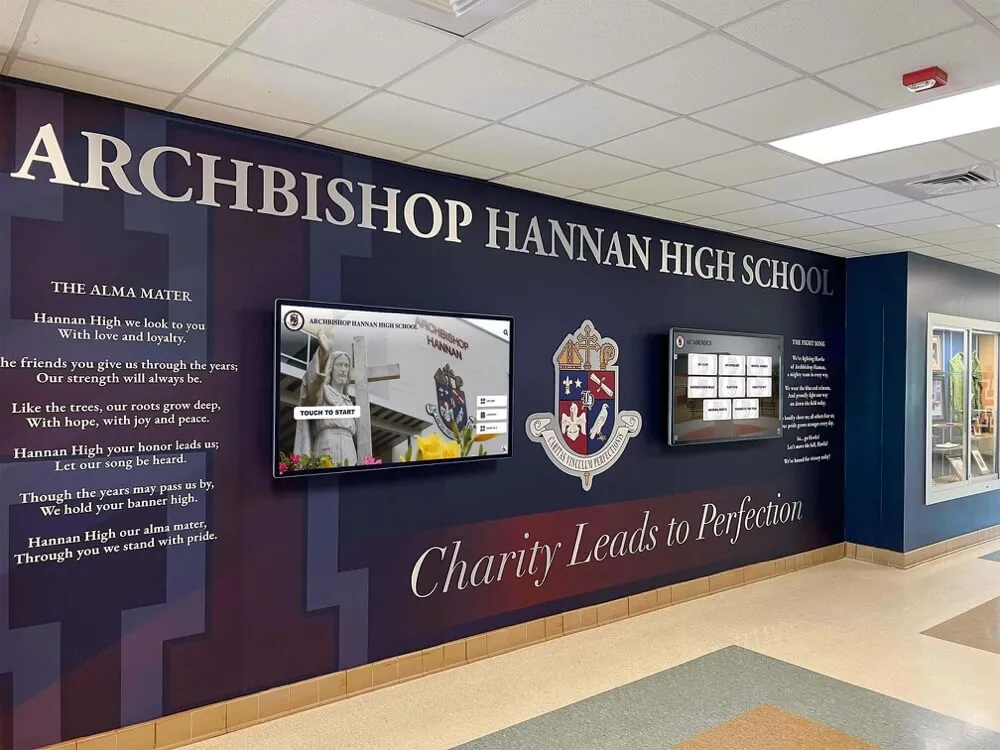
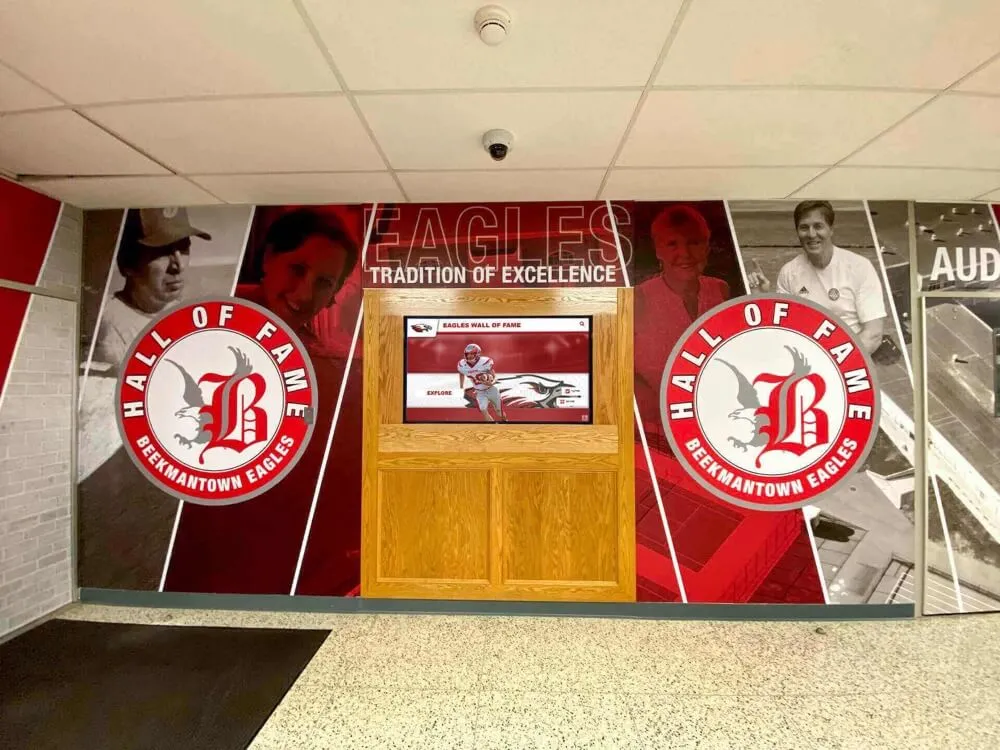
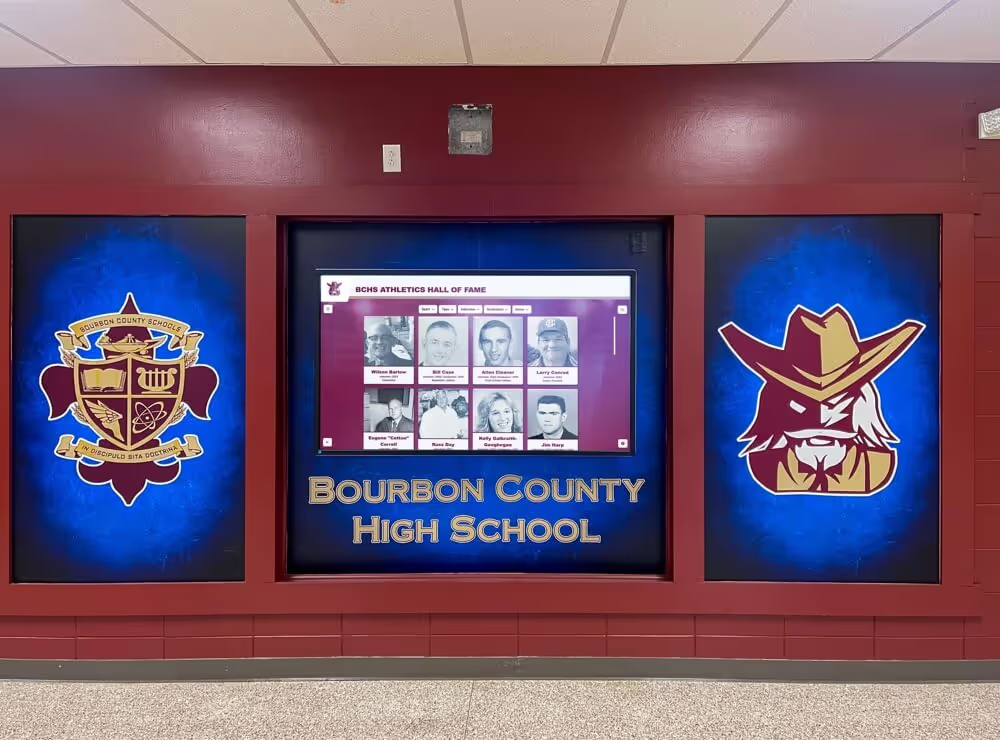
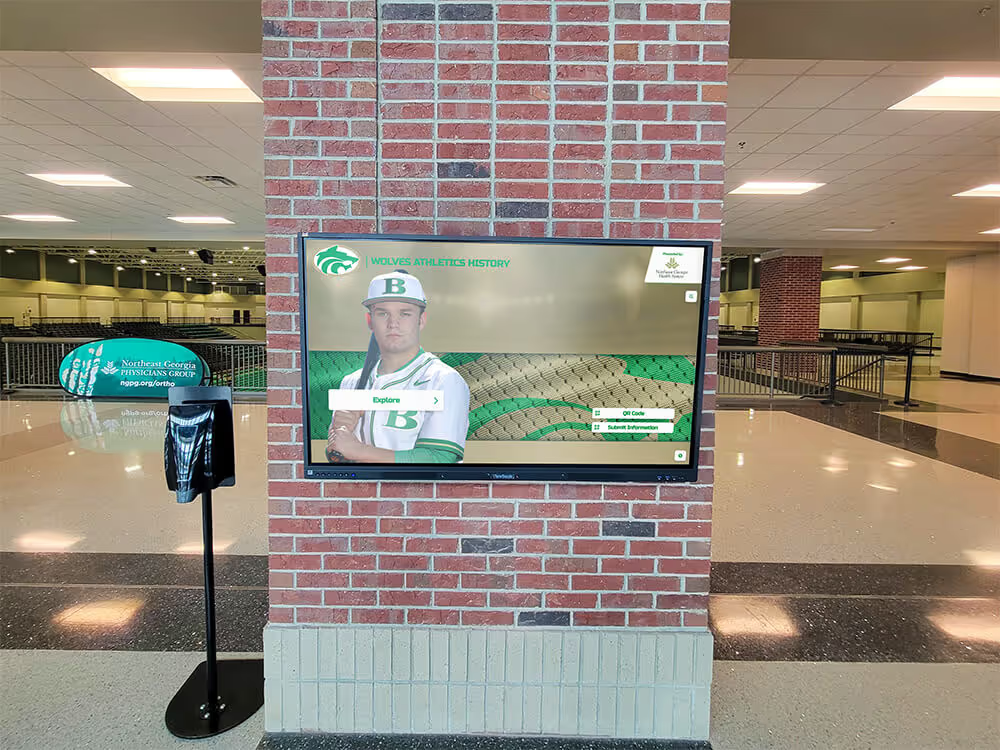
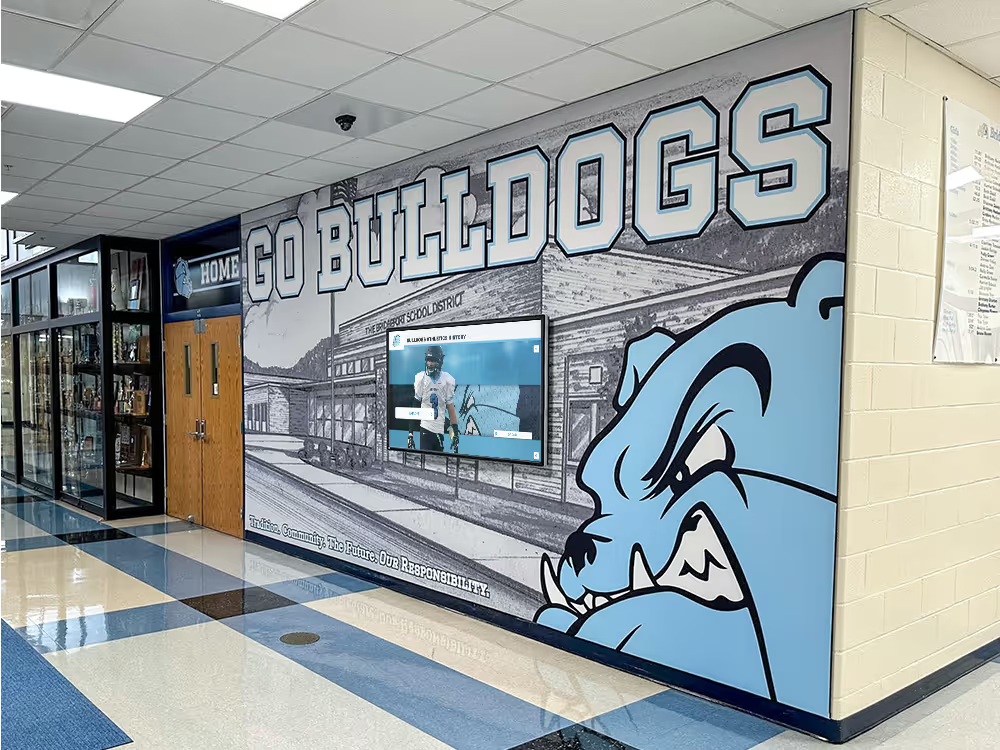
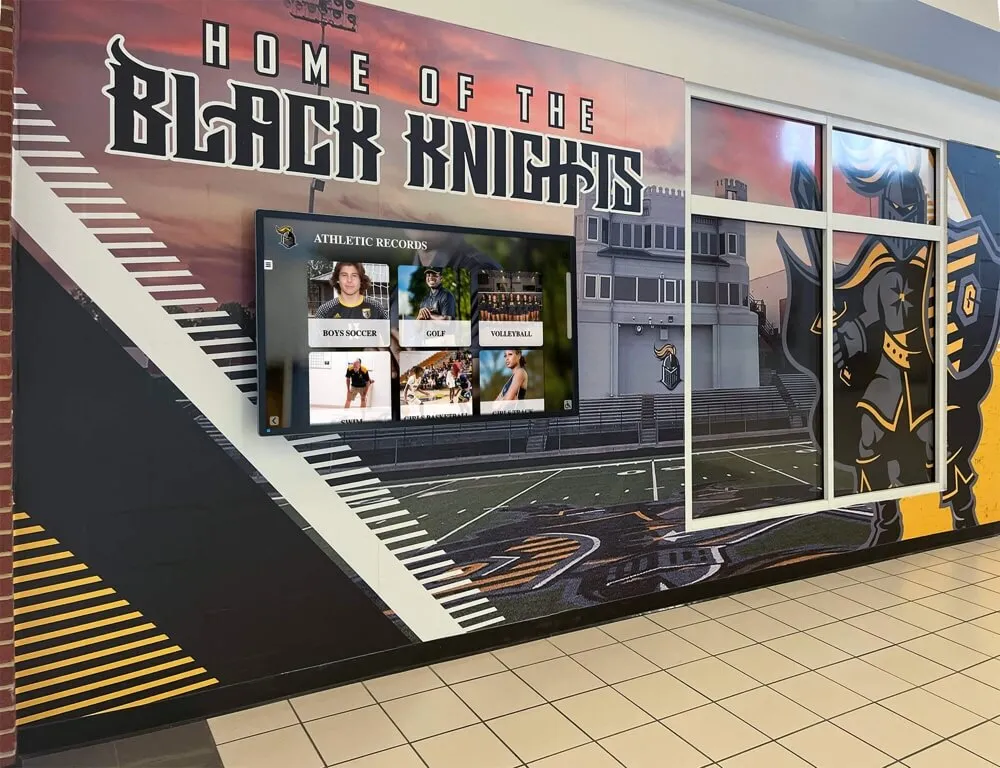
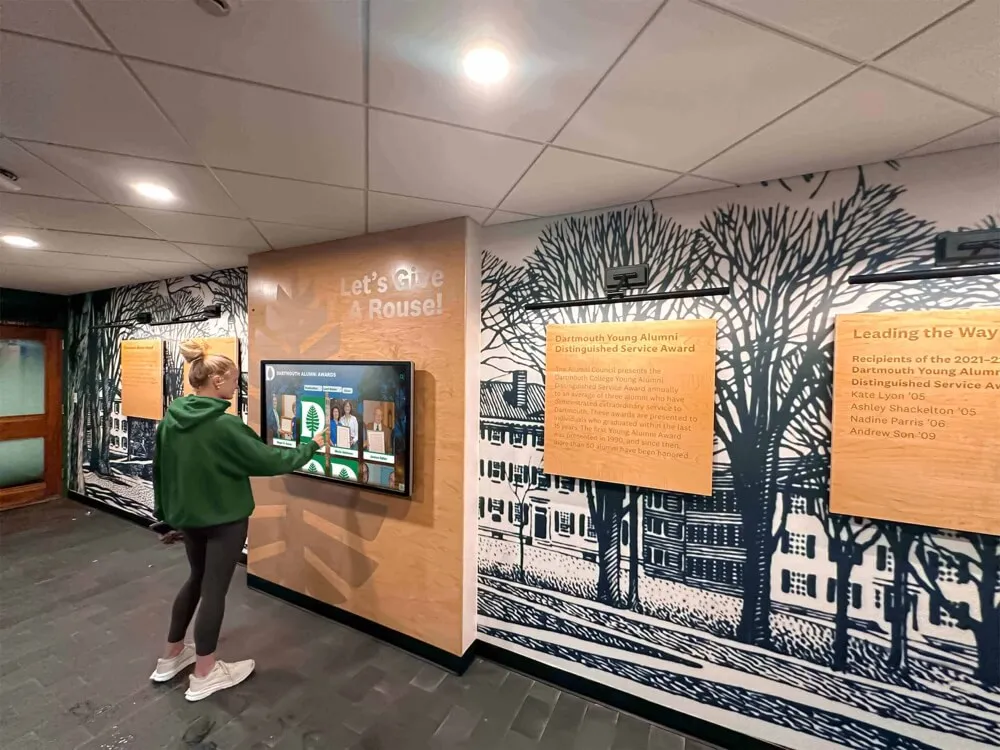
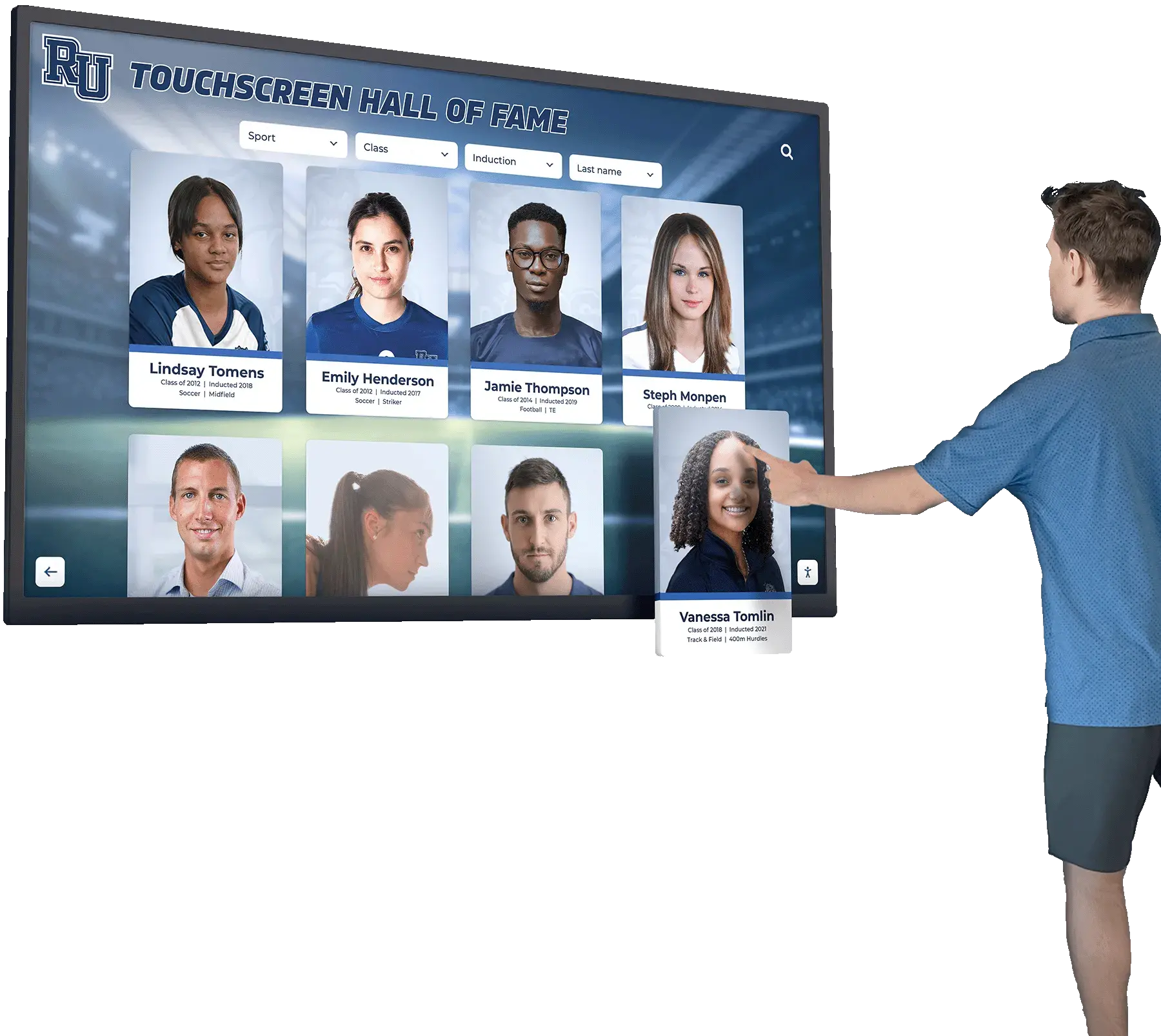
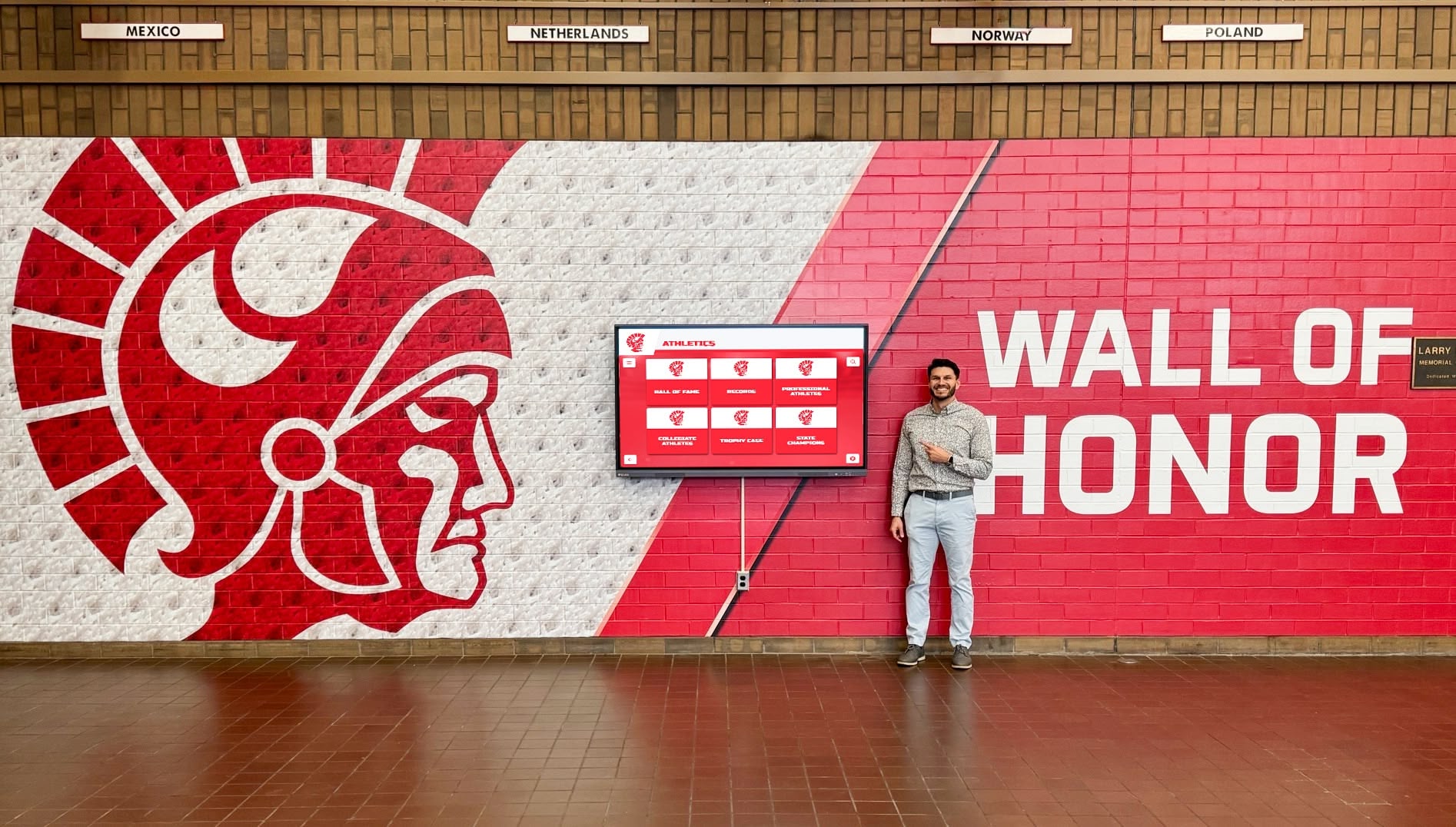
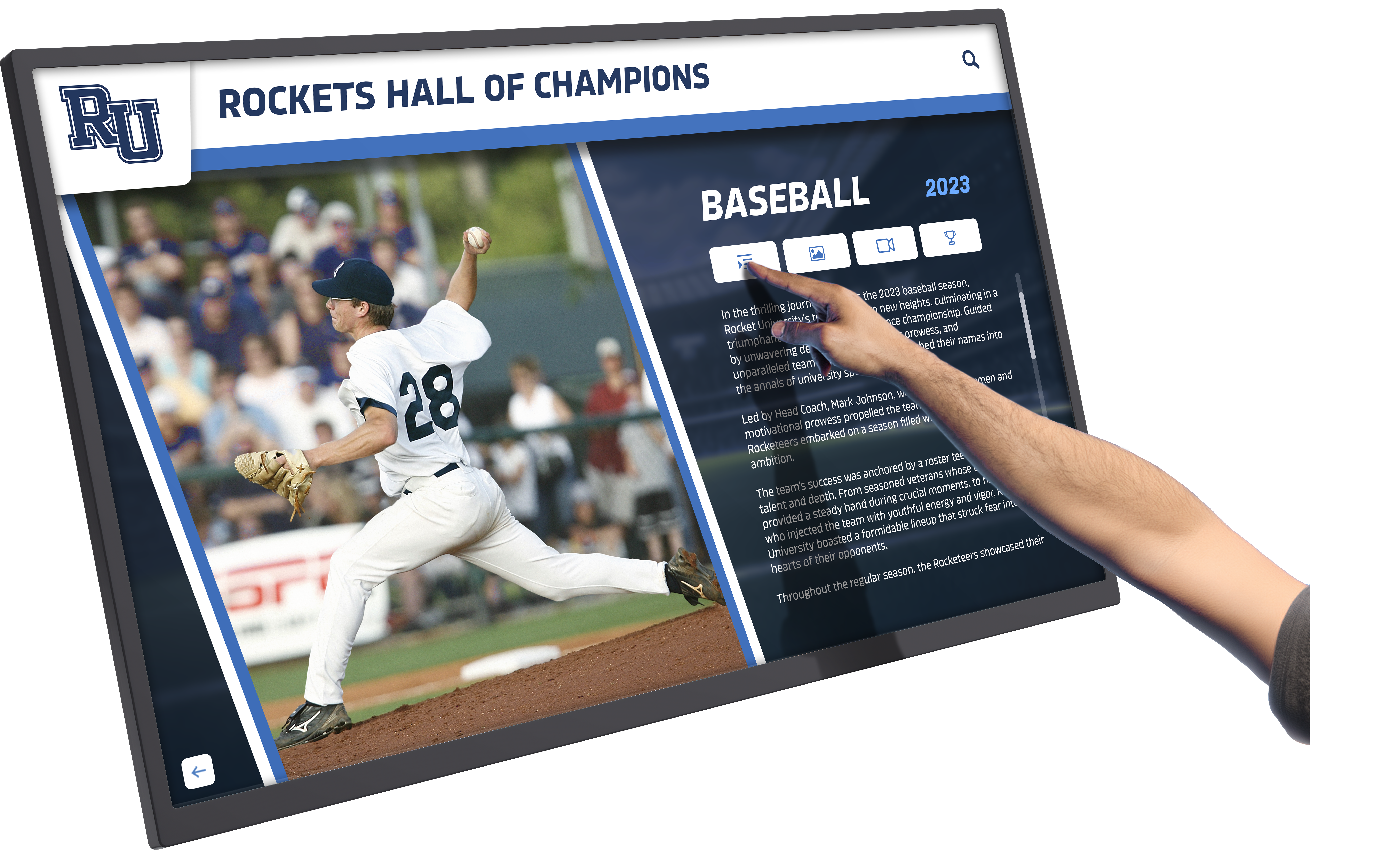
Touch boards represent interactive digital recognition displays specifically designed to honor educators through multimedia profiles, allowing exploration of teaching contributions, professional achievements, and career timelines through touchscreen interfaces.
Core Technology Components
Teacher appreciation touch boards combine several technological elements creating engaging recognition experiences.
Commercial-Grade Touchscreen Displays
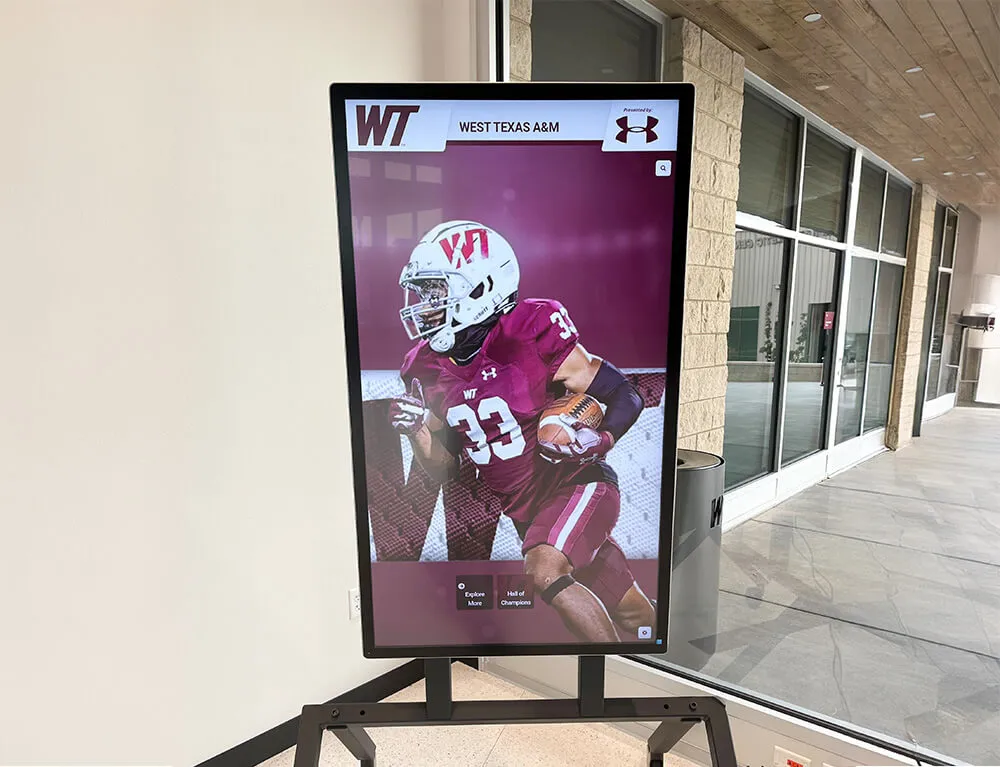
Unlike consumer televisions or monitors, recognition displays require commercial-grade screens built for continuous operation, public interaction, and extended lifespans. These screens typically range from 43 to 75 inches depending on installation locations and viewing distances, feature high-brightness panels remaining visible in well-lit environments, include anti-glare coatings preventing reflection interference, and use tempered glass protecting against accidental impacts.
Commercial displays support 16-18 hour daily operation across years without performance degradation that would affect consumer equipment operating at similar intensity.
Interactive Touch Technology
Modern touch boards employ capacitive touch technology similar to smartphones and tablets, supporting multi-touch gestures like pinching, swiping, and tapping that feel familiar to users accustomed to mobile devices.
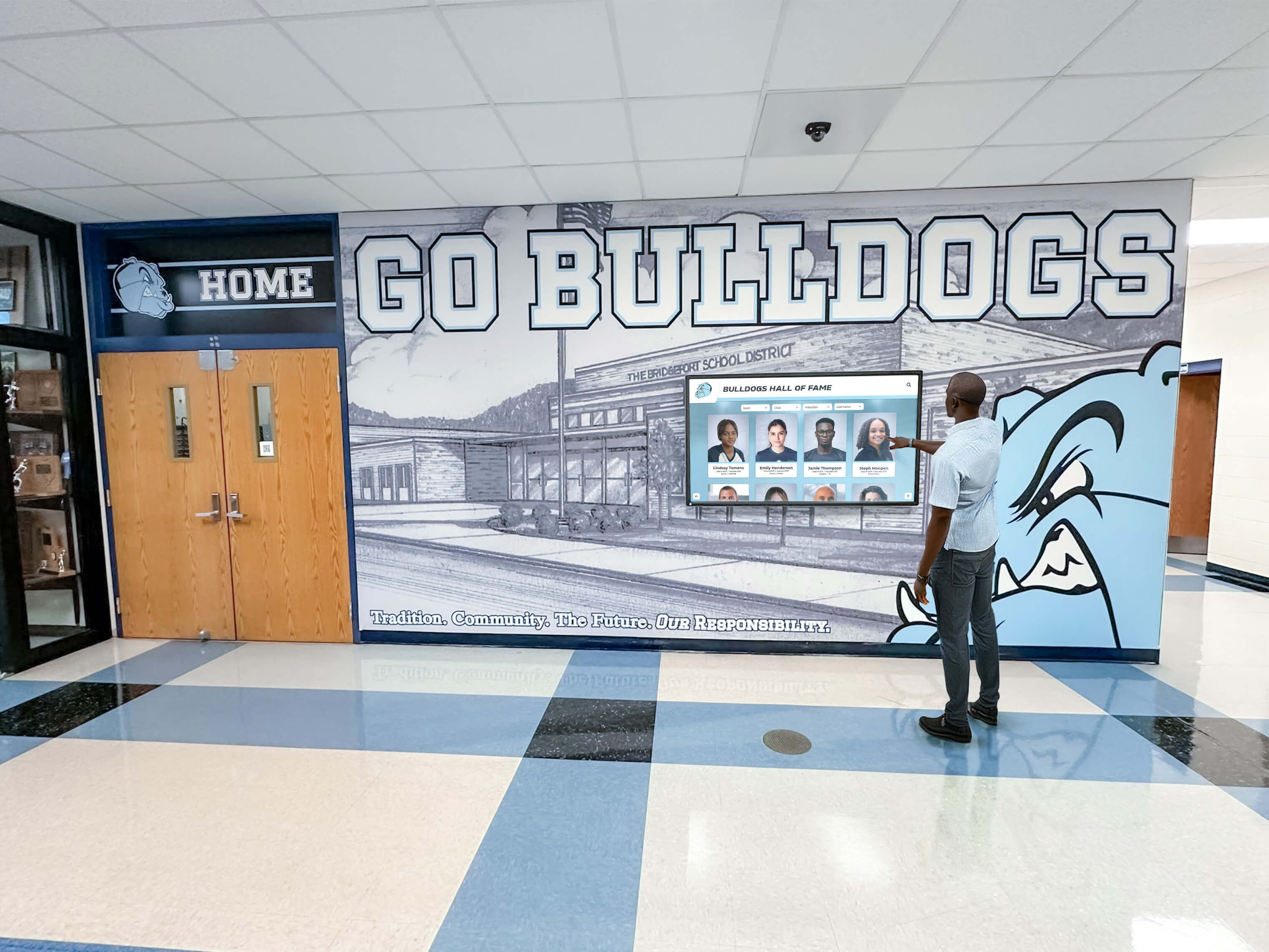
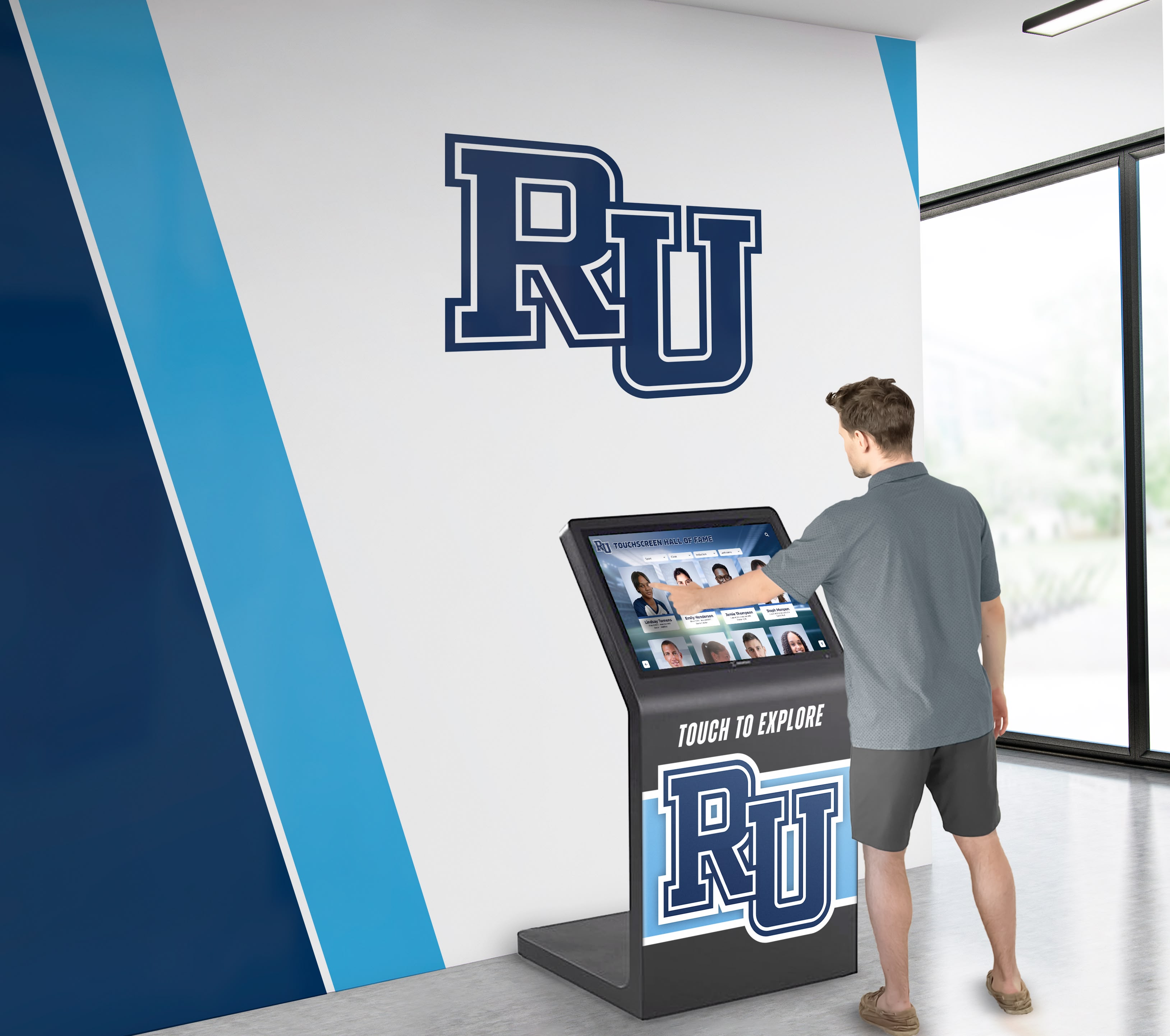
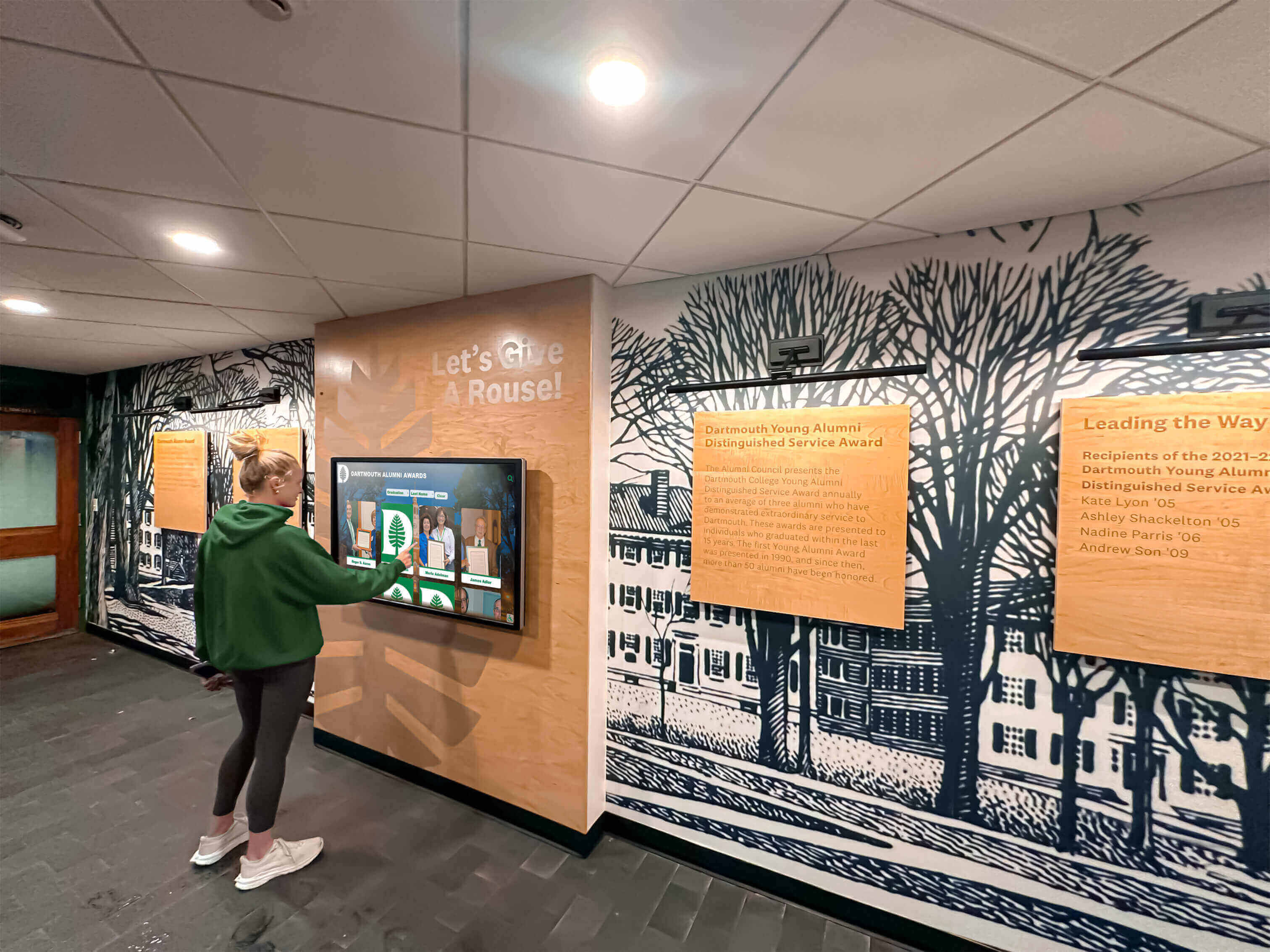
This responsive touch capability enables intuitive navigation where users can browse teacher profiles, scroll through career timelines, view photos and videos, read testimonials and recognition messages, and explore connections between teachers and programs without requiring technical literacy or instruction.
Cloud-Based Content Management Systems
Backend content management systems enable authorized staff to update recognition content remotely through web browsers without physical access to displays. These systems support adding new teacher profiles instantly, updating existing recognition with new achievements, uploading photos and video content, incorporating testimonials from multiple sources, and scheduling content for specific timeframes or events.
Cloud-based management eliminates technical barriers that prevent timely recognition updates, allowing communications staff, administrators, or designated faculty to maintain current content easily.
Secure, Kiosk-Mode Software
Touch boards operate in locked-down kiosk mode preventing users from accessing underlying operating systems, browsing unrestricted internet content, or installing unauthorized software. This security ensures displays remain focused on recognition purposes while protecting against tampering, inappropriate content access, or security vulnerabilities.
How Touch Boards Differ from Static Displays
While static bulletin boards, plaque walls, or printed materials provide some teacher recognition, touch boards offer distinct advantages.
Unlimited Recognition Capacity
Digital displays accommodate unlimited numbers of teacher profiles without physical space constraints. Schools can recognize every current teacher, honor retired faculty members, acknowledge specialized staff, and maintain historical recognition archives—all within single displays without ever running out of space.
This unlimited capacity means recognition programs never face decisions about removing older appreciation to accommodate new recognition or limiting who receives acknowledgment due to display space limitations.
Dynamic, Multimedia Storytelling
Static recognition typically includes names, years of service, and perhaps brief text descriptions. Touch boards enable rich multimedia profiles incorporating professional photography from classrooms and school events, video messages from students, parents, and colleagues, career timeline visualizations showing professional growth, documentation of curriculum innovations or teaching methodologies, records of professional development and advanced certifications, and connections to courses taught, programs led, or initiatives developed.
This multimedia approach creates engaging recognition that honors complete professional contributions rather than reducing complex careers to names on plaques.
Interactive Discovery and Exploration
Users can actively explore teacher recognition through search, browse, and filter capabilities including searching specific teachers by name, filtering by department, subject area, or grade level, viewing by years of service or career milestones, exploring by special programs or club sponsorships, or discovering through featured recognition or randomized spotlights.
This interactivity transforms recognition from passive viewing of static displays into active engagement where community members genuinely learn about educators rather than glancing at names without context.
Schools implementing interactive recognition displays report significantly higher engagement metrics and community awareness compared to traditional static recognition approaches.
Immediate Updates and Timeliness
When teachers achieve recognition-worthy accomplishments—awards, advanced certifications, significant milestones, notable student outcomes—recognition can appear on touch boards within hours through cloud-based content updates. This timeliness ensures appreciation happens while achievements remain fresh rather than waiting for annual ceremonies or printed material production cycles.
Accessible Beyond Physical Locations
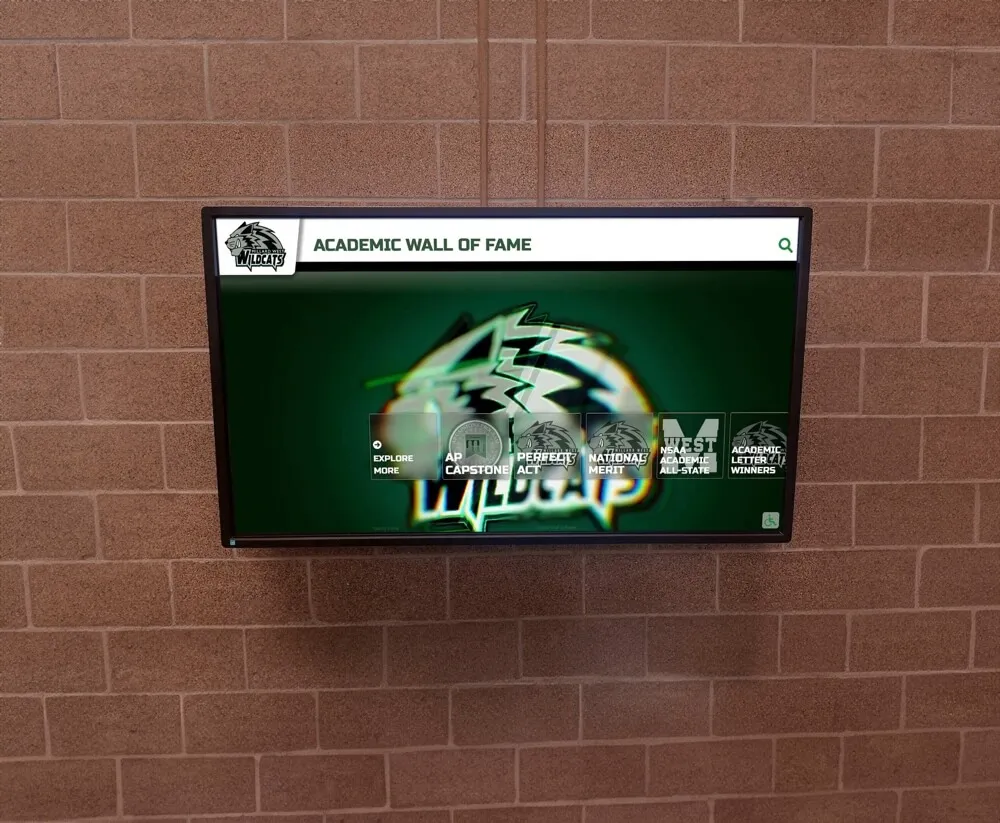
Touch board content typically extends beyond building-mounted displays through companion websites, mobile-responsive interfaces, QR codes linking physical and digital content, and social media integration enabling sharing. This extended accessibility means that teacher recognition reaches far broader audiences than individuals physically present at school buildings, allowing families to explore teacher backgrounds before school years begin, community members to learn about educational professionals, prospective teaching candidates to understand school cultures, and alumni to reconnect with teachers who influenced their educations.
Types of Teacher Recognition Content for Touch Boards
Effective teacher appreciation touch boards incorporate diverse content types honoring various dimensions of professional contribution and achievement.
Career Milestone Recognition
Career longevity represents significant commitment deserving consistent acknowledgment throughout professional timelines rather than only at retirement.
Years of Service Milestones
Recognize teachers at regular intervals throughout careers including 5, 10, 15, 20, 25, 30+ year anniversaries, first-year teachers completing successful inaugural years, and career transitions between roles or responsibilities.
Touch boards can display career timeline visualizations showing progression from early years through mid-career development to veteran status, incorporating photos from different career stages, highlighting evolving responsibilities and leadership growth, and documenting institutional changes witnessed across decades.
Retirement and Legacy Recognition
When beloved teachers retire, touch boards preserve comprehensive career retrospectives including complete chronological timelines of service, compilation of student testimonials across career spans, documentation of curriculum contributions and innovations, recognition of mentees and professional influence on colleagues, and connections to institutional changes influenced during careers.
These legacy profiles ensure that retiring teachers’ contributions remain visible for future generations rather than disappearing from institutional memory when educators depart.
Teaching Excellence and Awards
Schools should document and celebrate various forms of teaching excellence extending beyond standardized metrics.
Formal Awards and Honors
When teachers receive recognition including Teacher of the Year selections at school, district, or state levels, National Board Certification achievement, subject-specific teaching excellence awards, or grants for innovative teaching proposals, touch boards can immediately publish comprehensive recognition including award criteria and selection processes, nomination statements describing contributions, photos from award ceremonies, and context about what achievements signify professionally.
This documentation transforms brief ceremony moments into lasting recognition accessible to entire communities.
Student Outcome Recognition
While avoiding over-emphasis on test scores alone, schools can acknowledge demonstrated instructional effectiveness through recognition of exceptional growth in student learning measures, success rates in advanced placement or college preparatory courses, competition outcomes in academic subjects, student research publication or presentation, and continued interest in subjects through college major selection.
This balanced recognition honors instructional impact while maintaining focus on holistic education beyond narrow metrics.
Professional Growth and Development
Recognizing ongoing professional learning demonstrates institutional values regarding continuous improvement and lifelong learning.
Advanced Degrees and Certifications
Acknowledge teachers pursuing professional growth through master’s degree completion in education or subject specialties, doctoral degree achievement, specialized certifications in areas like special education, ESL, or gifted education, National Board Certification pursuit and achievement, and subject-specific professional credentials.
Touch boards can explain what various credentials represent, why teachers pursued particular specializations, how additional expertise benefits students and programs, and connections between professional development and teaching innovation.
Leadership in Professional Learning Communities
Many excellent teachers contribute beyond individual classrooms through curriculum development leadership, mentorship of early-career teachers, professional development facilitation for colleagues, department chair or team leader responsibilities, and committee participation advancing school improvement.
These leadership contributions often receive insufficient recognition despite significant institutional value. Touch boards provide platforms acknowledging educators who strengthen teaching quality across departments and schools, not just within individual classrooms.
Extra-Duty and Co-Curricular Contributions
Teachers frequently assume responsibilities extending far beyond classroom instruction that merit explicit recognition.
Club and Activity Sponsorship
Teachers sponsoring student clubs, organizations, and activities enable critical learning experiences beyond academic courses. Touch boards can recognize advisors for Model UN, debate teams, robotics clubs, drama productions, student government, service organizations, special interest clubs, and athletic program coaching.
Recognition should acknowledge time commitments, student impacts, and program outcomes resulting from teacher leadership—making visible the extensive unpaid labor many educators contribute to comprehensive student development.
Committee Work and School Improvement
Teachers serving on curriculum committees, accreditation teams, safety committees, technology integration groups, or school climate initiatives contribute substantially to institutional effectiveness despite limited visibility of such work to broader communities.
Touch boards provide opportunities to acknowledge these essential but often invisible contributions, demonstrating appreciation for teachers who strengthen schools beyond classroom instruction.
Student and Family Testimonials
Perhaps the most powerful recognition content comes from students and families describing teacher impacts on learning, growth, and life trajectories.
Current Student Messages
Enable students to submit appreciation messages through simple online forms describing what they appreciate about teachers, how teachers helped them overcome challenges, lessons or moments that changed perspectives, or skills developed through teacher guidance.
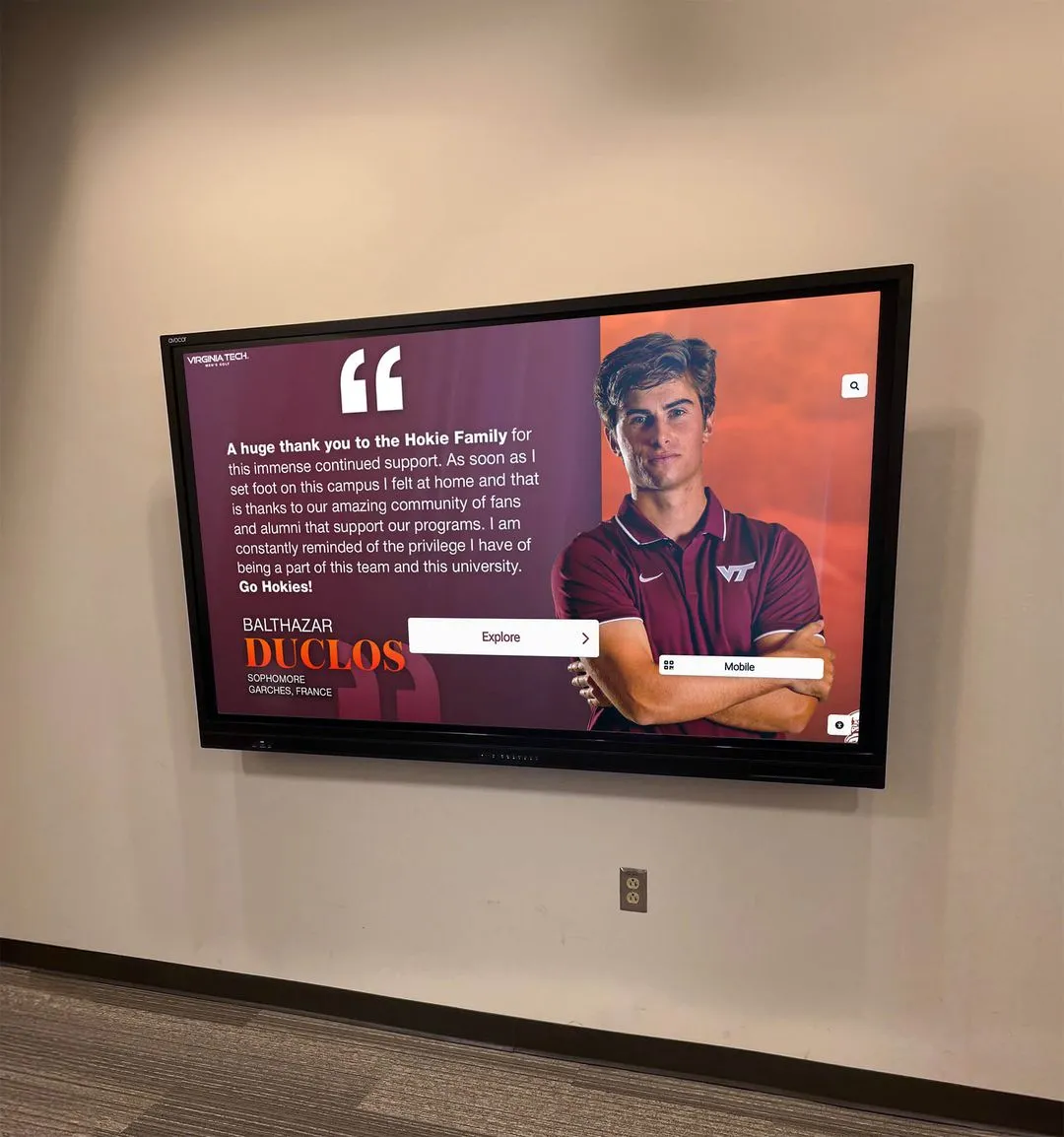
Touch boards can display curated student messages with teacher profiles, creating authentic appreciation coming directly from learners whose lives teachers influence daily.
Alumni Reflections
Inviting alumni to share reflections about teachers who influenced their educational journeys, career paths, or personal development creates powerful recognition demonstrating long-term impacts extending years beyond classroom interactions.
These alumni perspectives prove particularly meaningful for teachers who may wonder whether their work matters beyond immediate academic outcomes. Learning that former students credit teachers with life-changing influence validates professional purpose in profound ways.
Parent and Family Appreciation
Families interact with teachers regarding student progress, challenges, and development. Providing channels for parents to submit appreciation messages recognizing communication, flexibility, advocacy for students, or partnership in supporting learning enables authentic acknowledgment from stakeholders who witness teaching excellence through different perspectives than students or colleagues.
Schools developing comprehensive digital recognition programs often find that multi-source testimonials create the most meaningful appreciation content.

Implementing Touch Board Teacher Recognition Systems
Successful implementation requires systematic planning addressing technology decisions, content development, placement strategy, and ongoing management.
Defining Recognition Scope and Criteria
Schools must establish clear frameworks determining who receives recognition, what achievements merit inclusion, and how recognition programs remain equitable and inclusive.
All-Faculty Recognition vs. Selective Honors
Schools face fundamental choices about recognition scope. Some schools recognize all current faculty members in comprehensive staff directories enhanced with appreciation content. This universal approach ensures every educator receives acknowledgment regardless of years of service, awards, or special achievements.
Alternatively, schools might implement selective recognition honoring specific achievements like career milestones, awards, or retirement. Selective approaches maintain exclusivity and prestige but risk creating perceptions that some teachers matter more than others.
Many schools adopt hybrid approaches maintaining universal staff profiles while featuring additional recognition spotlights for particular achievements, milestones, and contributions. This balanced strategy ensures everyone receives baseline acknowledgment while celebrating distinctive accomplishments appropriately.
Current vs. Historical Faculty Recognition
Consider whether touch boards should focus exclusively on current faculty or also preserve recognition for retired teachers who shaped institutional histories. Including retired faculty creates valuable connections between current and past educators while honoring institutional legacies. However, managing historical content requires additional effort researching past faculty, gathering materials, and maintaining archives.
Non-Certified Staff Inclusion
Teaching professionals represent core school functions, but comprehensive appreciation extends beyond classroom teachers to instructional aides and paraprofessionals, counselors and student support staff, librarians and media specialists, administrators contributing to educational missions, and custodial, food service, and operational staff enabling school functions.
Consider whether touch boards focus narrowly on certified teaching staff or recognize comprehensive teams making schools work effectively. More inclusive approaches build stronger cultures where all contributions receive acknowledgment, though they require broader content development.
Content Development Process
Creating compelling recognition content requires systematic processes ensuring quality, consistency, and comprehensiveness.
Gathering Professional Information
Develop standardized information-gathering processes collecting biographical information and educational backgrounds, subject certifications and professional credentials, career timelines and professional progression, professional philosophy or teaching approach statements, and notable achievements, awards, or milestones.
Consider using structured templates ensuring all teachers receive consistent baseline recognition while accommodating individual variations in career paths and accomplishments.
Photography and Video Standards
Visual content quality significantly affects recognition professionalism and impact. Establish standards including professional portrait photography for all staff, candid photos from classrooms, meetings, and school events, video messages from teachers discussing their approaches or experiences, and video compilations from students, colleagues, or community members.
Budget for professional photography ensuring recognition maintains visual consistency and quality rather than appearing as amateur compilation of smartphone snapshots.
Writing Recognition Narratives
Effective recognition combines factual career information with engaging narratives honoring individual contributions. Train content developers to use specific examples rather than generic praise, balance professional and personal dimensions, employ active voice and engaging language, and maintain appropriate tone reflecting both professionalism and authentic appreciation.
Consider whether teachers contribute to their own profile content through interviews or self-reflection, which increases authenticity but requires additional coordination.

Strategic Display Placement
Recognition effectiveness depends substantially on placement decisions affecting visibility and engagement.
High-Traffic School Locations
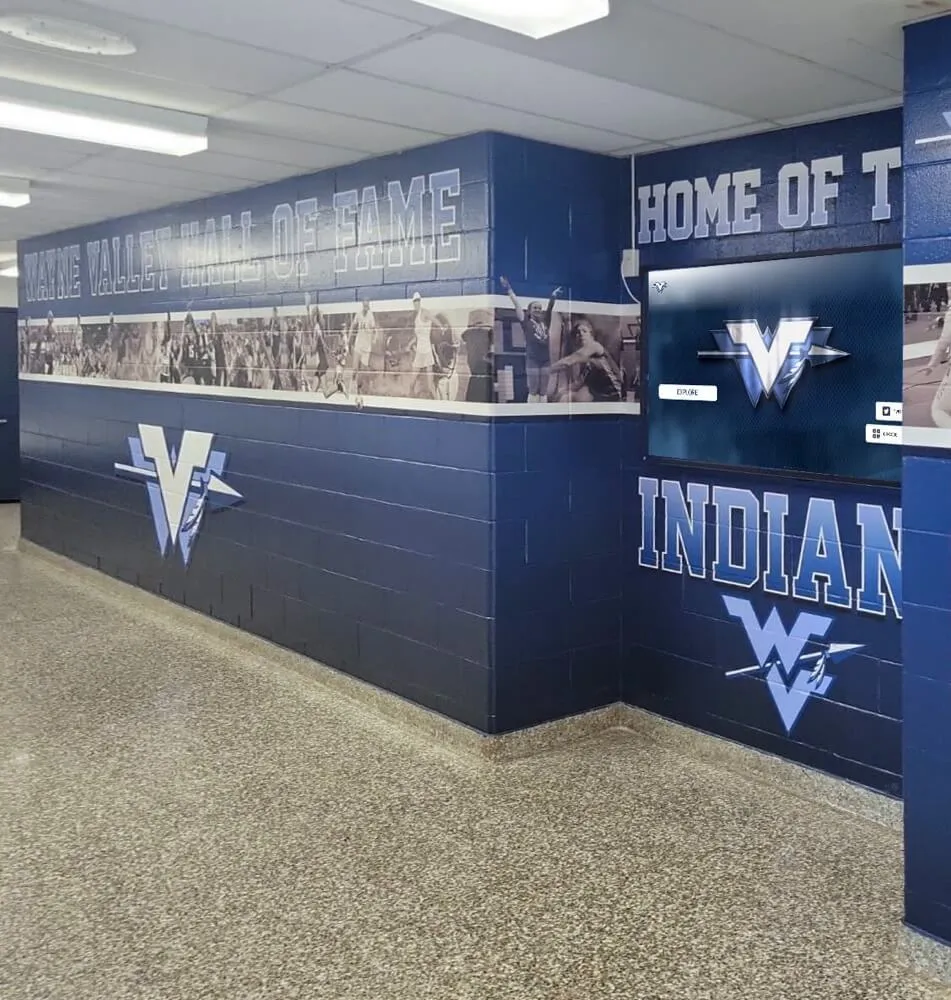
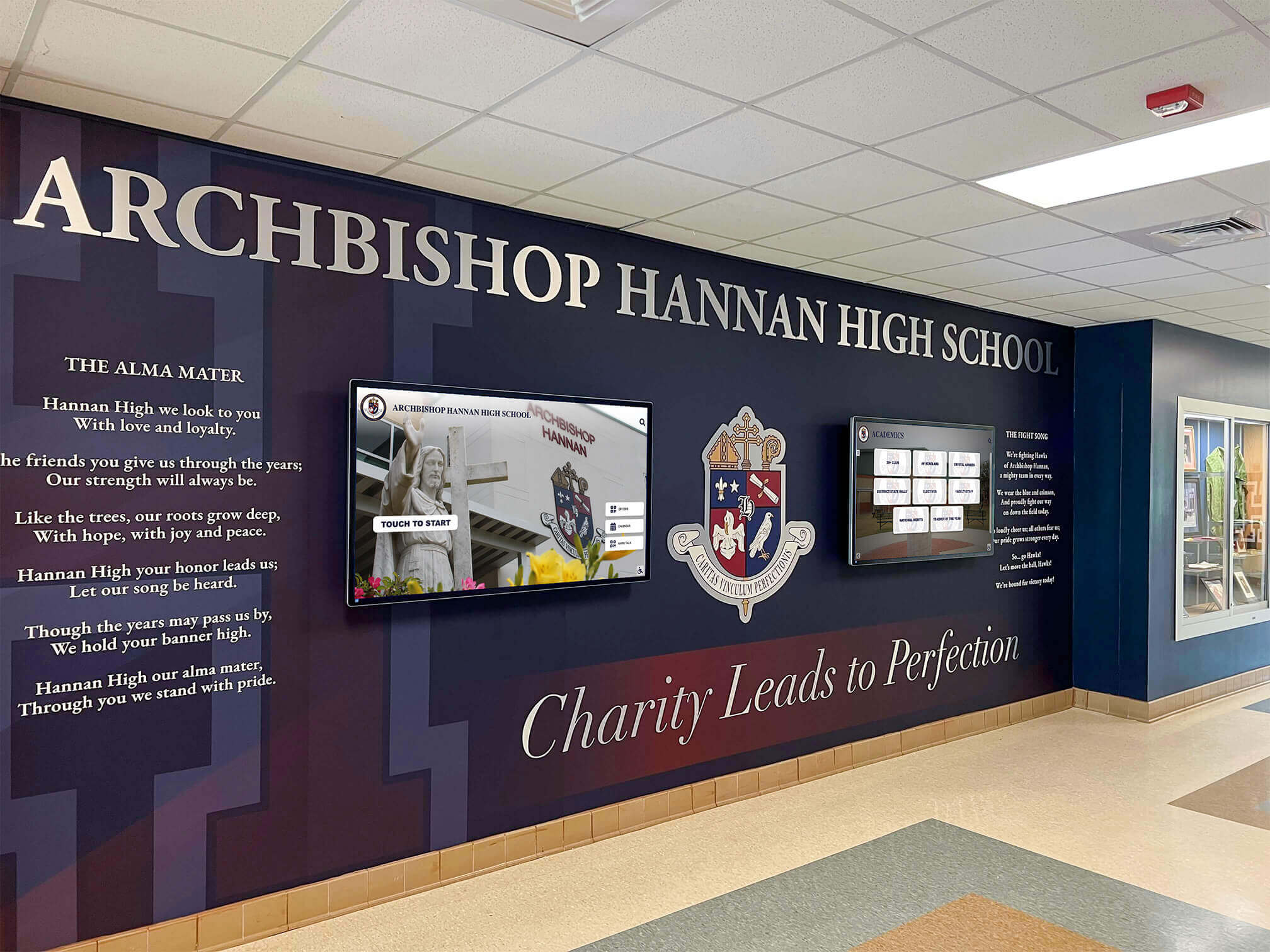
Position touch boards where maximum numbers of community members encounter them regularly including main entrance lobbies where visitors, families, and students enter, faculty lounge or workroom areas for teacher visibility, administrative office areas where families conduct business, library or media center locations serving broad populations, and cafeteria or common areas with high student traffic.
Avoid placement in isolated corridors or specialist areas with limited visitor flow, which dramatically reduces recognition visibility and community awareness.
Multiple Display Strategy
Larger schools might implement multiple touch boards in different locations rather than single displays. Multiple installations increase recognition access and visibility while accommodating location-specific content like departmental recognition in academic wings or specialized program recognition in appropriate areas.
However, multiple displays require coordination ensuring content consistency and managing update processes across installations.
Accessibility Considerations
Install displays at heights and angles accommodating various user heights including elementary students, wheelchair users, and adults. Ensure surrounding spaces allow multiple users to gather without blocking corridors. Provide adequate lighting without glare interfering with screen visibility.
These accessibility considerations ensure recognition remains usable for entire communities rather than creating barriers limiting engagement to particular populations.
Technology Selection and Infrastructure
Choose technology platforms supporting institutional needs while remaining manageable with available resources.
Display Hardware Specifications
Select displays based on screen size appropriate for viewing distances, commercial-grade ratings for continuous operation, sufficient brightness for ambient lighting conditions, touch technology responsiveness and durability, and mounting compatibility with installation locations.
Consult with providers specializing in touchscreen software for institutional recognition rather than general digital signage solutions.
Content Management System Requirements
Evaluate content platforms based on ease of use for non-technical staff, multimedia support including photos and videos, mobile-responsive administration interfaces, user permission systems controlling content access, scheduled content and automatic updates, search and filtering capabilities for users, and reliable technical support and training.
Prioritize platforms designed specifically for recognition applications rather than adapting general-purpose content management systems that lack recognition-specific features.
Network and Security Infrastructure
Ensure adequate network connectivity supporting content delivery, implement appropriate firewall and security configurations, establish backup and disaster recovery processes, and maintain software update procedures addressing security patches.
Coordinate with IT departments early in planning ensuring technology infrastructure supports recognition systems without creating security vulnerabilities or network performance issues.
Integrating Touch Boards with Broader Recognition Culture
Teacher appreciation touch boards prove most effective when positioned within comprehensive recognition cultures rather than operating as isolated technological implementations.
Connection to Teacher Appreciation Week
Touch board systems enhance rather than replace traditional Teacher Appreciation Week activities by providing year-round visibility for appreciation that might otherwise concentrate into single weeks, creating digital venues for student and family messages submitted during appreciation weeks, documenting appreciation activities and celebrations with photos and videos, and maintaining recognition visibility long after appreciation week concludes.
This integration ensures appreciation weeks contribute to ongoing recognition rather than representing isolated annual events disconnected from sustained culture.
Professional Development Recognition
Link touch board recognition to professional growth systems by documenting teachers’ professional learning journeys, celebrating completion of degree programs or certifications, acknowledging participation in substantive development opportunities, and highlighting implementation of new instructional practices or innovations.
This connection reinforces institutional values regarding continuous improvement while providing teachers with visible acknowledgment of investments in professional growth.
Recruitment and Retention Strategy
Incorporate touch board recognition into recruitment and retention initiatives by showcasing teaching excellence to prospective candidates during interviews, demonstrating appreciation culture to candidates evaluating positions, providing onboarding content introducing new teachers to colleagues, and documenting career progression opportunities attracting ambitious educators.
Visible teacher recognition communicates that institutions value professional contributions, which affects both recruitment success and retention outcomes in competitive teaching markets.
Community Engagement Platform
Extend touch board recognition beyond internal school audiences by providing QR codes or web links connecting physical displays to broader digital access, encouraging social media sharing of teacher recognition, inviting community members to submit appreciation messages, and integrating recognition into parent engagement activities.
This community integration builds external awareness of educational excellence while creating appreciation channels extending beyond administrative or colleague recognition to include broader stakeholder perspectives.
Schools implementing comprehensive digital recognition displays find that integration with broader culture initiatives amplifies recognition impact substantially.
Ongoing Management and Content Maintenance
Sustainable recognition programs require ongoing attention ensuring content remains current, systems function effectively, and recognition continues serving intended purposes.
Establishing Update Schedules
Implement regular content review cycles including quarterly updates adding recent achievements and milestones, annual comprehensive reviews refreshing all teacher profiles, immediate updates for significant recognition moments or awards, and real-time content during special appreciation events or celebrations.
Scheduled maintenance prevents recognition from becoming outdated or neglected, which would undermine appreciation authenticity and program credibility.
Content Quality Assurance
Maintain recognition quality through editorial review verifying accuracy, fact-checking achievements and credentials, ensuring appropriate tone and professionalism, confirming photo and video quality standards, and obtaining necessary permissions for content use.
Establish clear workflows defining who reviews content before publication, preventing errors or inappropriate material from appearing on public recognition displays.
Gathering Ongoing Recognition Content
Develop systematic channels collecting recognition content continuously including online forms where community members submit appreciation messages, regular requests to department chairs for teacher achievement updates, monitoring professional development completion for certification recognition, tracking award announcements and competitions, and soliciting student and alumni testimonial contributions.
Proactive content gathering ensures steady flow of recognition material rather than scrambling to find content when updating displays.
Technical Maintenance and Support
Coordinate ongoing technical management including software updates and security patches, display hardware monitoring and maintenance, content backup and disaster recovery, user issue response and troubleshooting, and network connectivity monitoring.
Establish clear responsibility assignments determining whether internal IT staff or external providers manage various technical aspects, preventing recognition systems from falling into disrepair due to unclear maintenance ownership.
Measuring Recognition Program Effectiveness
Data-informed management ensures programs continuously improve based on actual outcomes rather than assumptions about effectiveness.
Quantitative Engagement Metrics
Monitor objective measures demonstrating program reach including number of teachers recognized across program, display interaction frequency and session duration, content views and profile popularity patterns, web accessibility metrics for online recognition, and social media reach when recognition is shared.
These quantitative measures provide objective evidence about recognition visibility and engagement levels, informing decisions about content strategy and resource allocation.
Staff Perception Surveys
Complement quantitative data with teacher feedback about recognition awareness and visibility, perception of recognition authenticity and meaning, satisfaction with recognition approaches, suggestions for program enhancement, and impact on professional satisfaction and school culture perceptions.
Direct staff input captures recognition impacts that quantitative metrics cannot measure, providing understanding of whether programs achieve intended appreciation objectives.
Retention and Recruitment Metrics
Evaluate whether recognition programs correlate with improved teacher retention rates, increased applicant pools for teaching positions, positive candidate feedback during hiring processes, and new teacher satisfaction during initial years.
While recognition represents only one factor affecting retention and recruitment, schools implementing comprehensive appreciation systems often observe measurable improvements in workforce stability compared to institutions offering minimal professional acknowledgment.
Culture Assessment
Assess broader school culture indicators potentially affected by recognition including staff morale and collegiality measures, community awareness of teaching excellence, family satisfaction with school communication, and student perception of teacher value and respect.
Recognition programs should contribute to broader cultural goals beyond simply acknowledging individuals, affecting overall institutional climate and community relationships.
Cost Considerations and Budget Planning
Understanding complete cost structures enables schools to make informed decisions about recognition investments aligned with available resources.
Initial Implementation Costs
Touch board implementation involves upfront expenses including commercial-grade touchscreen displays ($3,000-8,000 depending on size), professional installation with mounting and connectivity ($1,000-3,000), content platform licensing or subscription (variable pricing), initial content development including photography and writing, and training for staff managing recognition systems.
Budget comprehensively for complete implementation rather than only hardware costs, ensuring adequate resources exist for professional content development that makes recognition meaningful rather than perfunctory.
Ongoing Operational Costs
Annual operating expenses include content platform subscription or licensing fees (typically $1,500-4,000 annually), content update labor including writing and photography, technical maintenance and support services, and periodic content refresh or redesign initiatives.
Compare these ongoing costs against traditional recognition approaches requiring recurring expenses for plaque fabrication, certificate printing, and physical display maintenance to understand total cost of ownership across multi-year timeframes.
Return on Investment Considerations
Beyond direct costs, consider broader value including improved teacher retention reducing recruitment and onboarding expenses, enhanced recruitment appeal in competitive teaching markets, strengthened school culture affecting multiple outcome areas, community engagement and reputation enhancement, and professional satisfaction impacts potentially affecting instructional quality.
While difficult to quantify precisely, these benefits create substantial value justifying recognition investments as strategic priorities affecting core institutional functions rather than discretionary expenses.
Case Study Scenarios: Recognition Implementation Approaches
Different institutional contexts suggest various implementation strategies addressing specific challenges or priorities.
Scenario 1: Small Elementary School Recognition
A 300-student elementary school with 20 teachers wants to implement comprehensive staff recognition with limited budget.
Implementation Strategy:
Install single 55-inch touch display in main entrance lobby, create universal recognition including all certified staff plus key support personnel, develop standardized profile templates ensuring consistent baseline content, budget for professional photography session photographing all staff, implement simple quarterly update schedule adding achievements and milestones, and engage parent organization in gathering family appreciation messages.
This focused approach provides meaningful recognition within budget constraints while establishing foundation for future expansion.
Scenario 2: Large High School Multi-Display System
A 2,000-student high school with 150 faculty members wants sophisticated recognition supporting recruitment and culture initiatives.
Implementation Strategy:
Install multiple displays in main entrance, administrative area, and faculty workroom, create tiered recognition with universal staff directory plus featured achievement spotlights, develop department-specific content highlighting disciplinary expertise, incorporate extensive multimedia including video teacher introductions and student testimonials, integrate with professional development tracking for growth recognition, provide web-accessible companion platform extending recognition beyond building locations, and allocate staffing resources for ongoing content management and quality.
This comprehensive implementation requires substantial investment but creates recognition system functioning as recruitment tool and culture cornerstone.
Scenario 3: District-Wide Recognition Integration
A mid-sized district wants coordinated teacher recognition across multiple buildings maintaining local identity while achieving system-wide consistency.
Implementation Strategy:
Implement standardized platform across all schools with consistent interface but locally-managed content, create district-level recognition for system-wide achievements alongside building-specific honors, develop shared content resources including professional photography services and writing support, establish cross-building content sharing for best practices and achievement examples, maintain district appreciation portal aggregating recognition across system, and coordinate recognition with district professional development and evaluation systems.
This systemic approach requires significant coordination but creates powerful district-wide appreciation culture while respecting individual building identities and priorities.
Conclusion: Building Lasting Teacher Appreciation Through Modern Recognition
Teachers dedicate careers to educating students, building communities, fostering growth, and shaping futures. They deserve recognition honoring these contributions meaningfully, visibly, and continuously rather than relegating appreciation to occasional ceremonial moments or perfunctory gestures.
Touch board recognition systems transform teacher appreciation from episodic acknowledgment into sustained cultural practice through unlimited recognition capacity accommodating all educators comprehensively, multimedia storytelling honoring complete professional contributions beyond surface acknowledgment, interactive engagement enabling community discovery and appreciation, immediate updates recognizing achievements while they remain current and meaningful, extended accessibility reaching beyond physical school visitors to broader communities, and permanent archiving preserving teaching legacies regardless of career transitions or retirements.
When schools implement comprehensive teacher appreciation touch boards, they create lasting benefits including improved teacher satisfaction and retention in competitive workforce markets, enhanced recruitment appeal demonstrating appreciation culture to prospective candidates, strengthened school culture where professional contributions receive acknowledgment, elevated community awareness of teaching excellence and dedication, validated professional worth affecting motivation and engagement, and preserved institutional history documenting educators who shaped school legacies.
Every teacher deserves recognition honoring their professional contributions appropriately—not just at retirement ceremonies or during designated appreciation weeks, but continuously throughout careers. Every school community deserves systems making teaching excellence visible, acknowledged, and celebrated in ways that build culture and strengthen institutions.
Don’t let your teacher appreciation efforts remain limited to brief annual gestures or recognition that disappears into file cabinets after ceremonies. Touch board systems like those from Rocket Alumni Solutions enable schools to honor educators permanently while creating engaging recognition experiences that strengthen professional culture, enhance retention, and demonstrate genuine institutional appreciation for the teaching professionals who make educational excellence possible.
Ready to create lasting teacher recognition that honors your educators year-round and builds the appreciation culture your teaching professionals deserve? Explore comprehensive touch board recognition solutions designed specifically for celebrating the teaching excellence that transforms students’ lives and builds exceptional school communities.