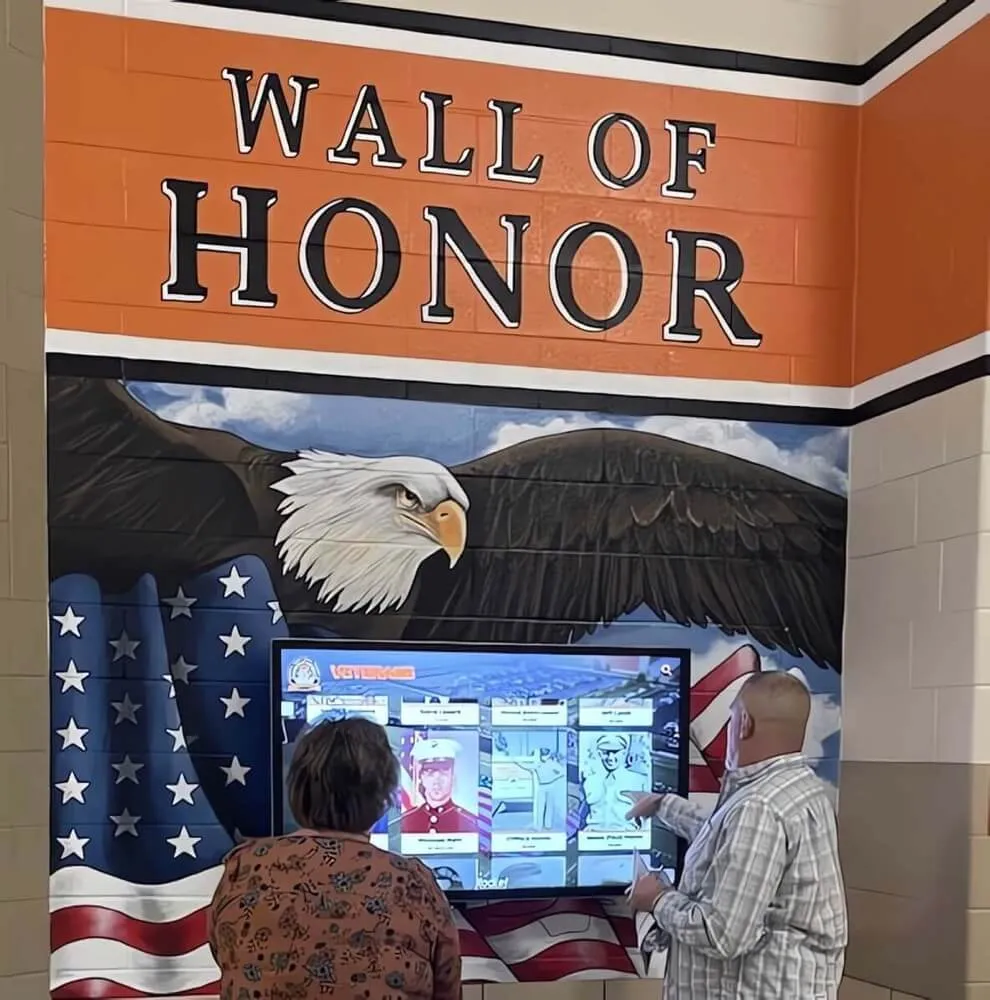




Key Takeaways
Complete guide to All-Region athlete recognition through touch boards. Learn how interactive digital displays honor regional sports excellence, streamline updates, and inspire student athletes.
Understanding All-Region Athletic Recognition
All-Region honors occupy a distinctive tier within the hierarchical structure of high school athletic recognition, positioned between conference or district awards and the prestigious All-State level.
The All-Region Selection Process
Most state athletic associations organize schools into regions comprising multiple districts or conferences. All-Region teams typically form through a multi-step selection process where district coaches first nominate and select All-District or All-Conference teams from their local competitions. District representatives then convene at the regional level to evaluate All-District selections from throughout the region. Through voting, discussion, and statistical comparison, these regional committees select the most outstanding athletes across all districts to comprise All-Region teams.
The selection criteria commonly emphasize season statistics and performance consistency, individual impact on team success, position-specific excellence and versatility, competitive strength of schedule, and coach recommendations and peer recognition. This rigorous process ensures All-Region honors recognize truly exceptional athletes who stood out not just within their local competition but across entire geographical regions spanning dozens of schools and hundreds of competitors.
Why All-Region Recognition Matters
While All-State recognition receives more widespread attention, All-Region honors carry significant importance for multiple reasons:
College Recruiting Value: College coaches actively track All-Region selections when identifying potential recruits. All-Region status signals that an athlete competed successfully against quality competition across a broader geographical area than just local rivals, providing more meaningful performance context. For many student athletes, All-Region recognition becomes the credential that initiates meaningful recruiting conversations or scholarship considerations.
Pathway to All-State: In many states, All-Region teams serve as the selection pool for All-State honors. Regional coaches meet to nominate All-Region athletes for state-level consideration, making regional recognition an essential step toward the ultimate All-State achievement. Athletes who earn All-Region honors in their junior year often use that foundation to pursue All-State goals as seniors.
Regional Pride and Competition: All-Region recognition builds inter-district rivalries and regional athletic identity. Schools take pride when athletes earn regional recognition against respected competitors from traditional rivals and prestigious programs. This regional pride strengthens community bonds while motivating athletes across multiple schools.
Recognition for Quality Programs: Schools producing multiple All-Region athletes demonstrate program strength and coaching excellence. Consistent regional recognition signals that programs compete successfully beyond just local levels, attracting talented athletes to their programs and building reputations that benefit recruitment and community support.
For these reasons, comprehensive All-Region recognition deserves systematic approaches that honor achievements appropriately while maintaining sustainable processes as athletes earn these important honors year after year.
The Challenge of Traditional All-Region Recognition
Schools traditionally recognize All-Region athletes through physical displays that quickly encounter significant limitations:
Space Constraints and Difficult Decisions
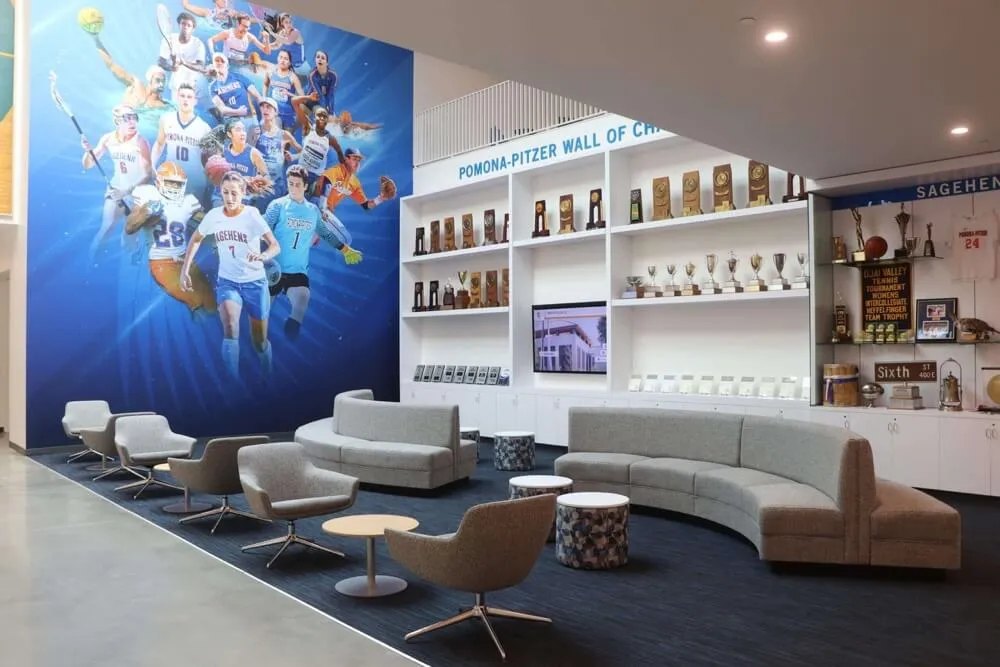
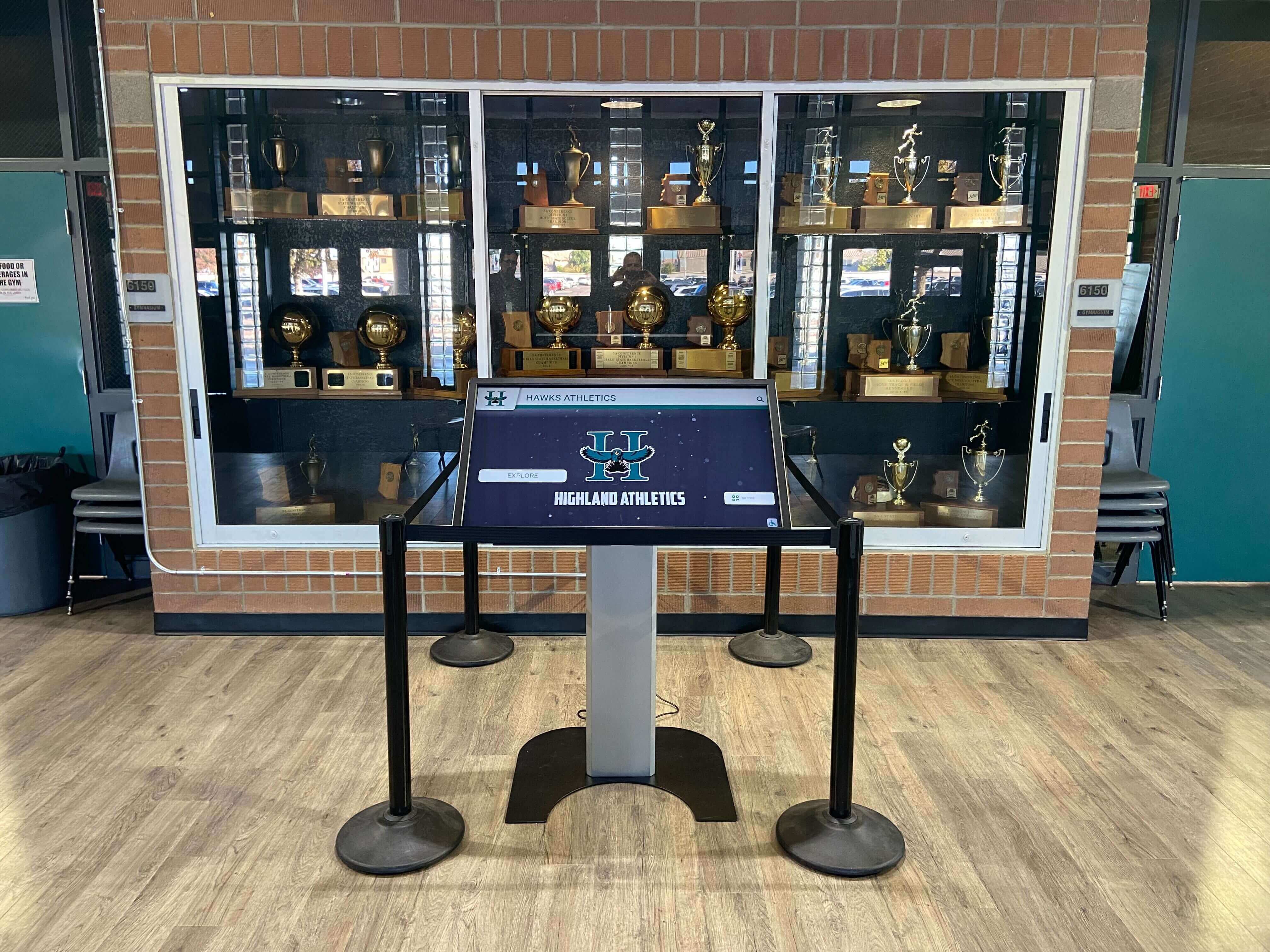
Trophy cases and wall plaques provide finite space that rapidly fills as schools accumulate All-Region athletes across multiple sports over years and decades. Athletic directors face increasingly difficult choices: do we remove older athletes to make room for current ones, rotating recognition and disappointing alumni who return to find themselves removed? Do we stop adding All-Region athletes altogether once space fills, implicitly suggesting recent achievements matter less than historical ones? Do we only recognize certain sports where space remains available, creating inequitable recognition that values some athletic achievements above others?
These impossible choices create no-win situations where someone always feels shortchanged—current athletes waiting months or years for recognition, historical athletes seeing their achievements removed, or entire programs receiving inadequate recognition because of arbitrary space limitations.
Maintenance and Update Challenges
Physical All-Region recognition requires frustrating logistical processes. Schools must collect athlete information and photos after regional selections, design and order custom plaques or nameplates with accurate spelling and details, schedule installation or mounting during appropriate timeframes, and maintain consistent visual presentation as displays expand over time. Each step introduces delays, with athletes often waiting months between earning All-Region honors and seeing physical recognition appear.
Additionally, physical displays offer no opportunity for updates or corrections. If athlete names are misspelled, graduation years are incorrect, or additional achievements occur after initial recognition, schools cannot easily modify permanent plaques. These errors persist indefinitely, undermining recognition quality and potentially embarrassing both athletes and schools.
Limited Recognition Depth
Physical space constraints force schools to provide minimal recognition—perhaps just athlete names, graduation years, and sports. This abbreviated approach fails to capture the full significance of All-Region achievements or preserve meaningful details about athletic careers that would help current students understand what these athletes accomplished and how they reached elite levels.
How Touch Boards Transform All-Region Recognition
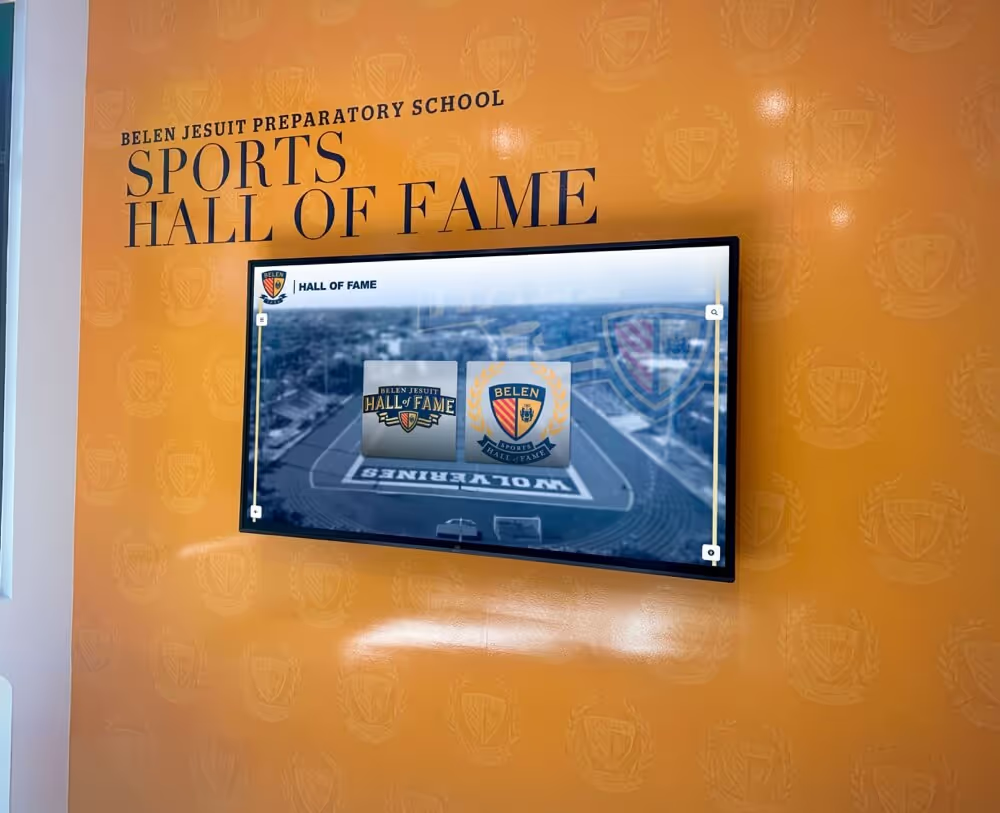
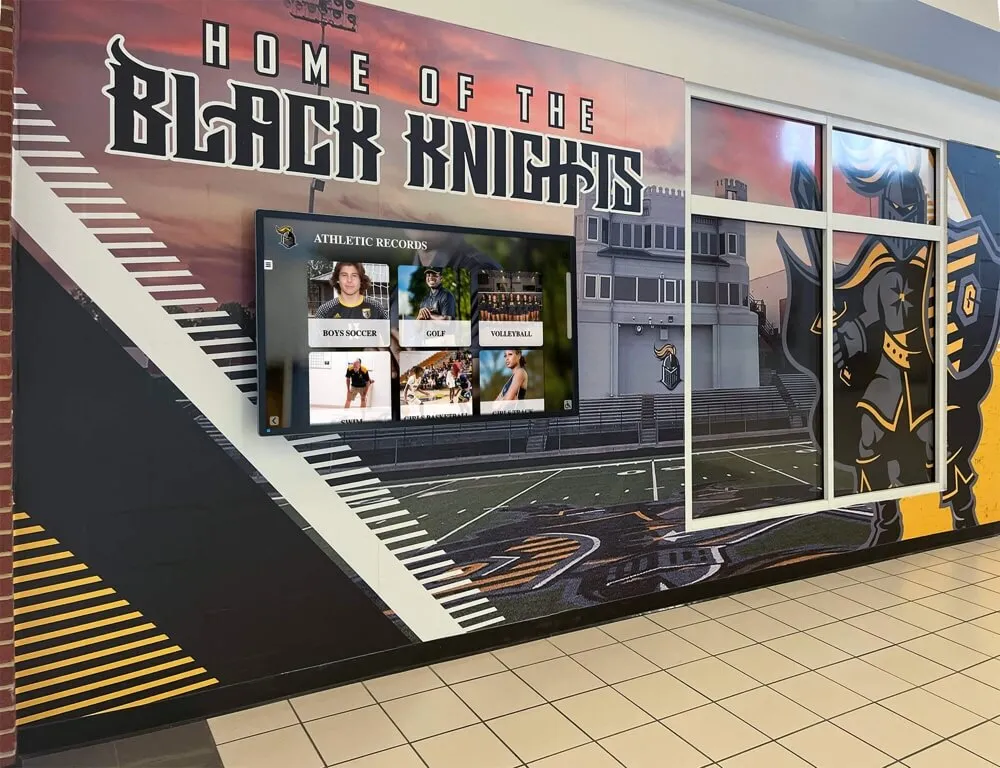
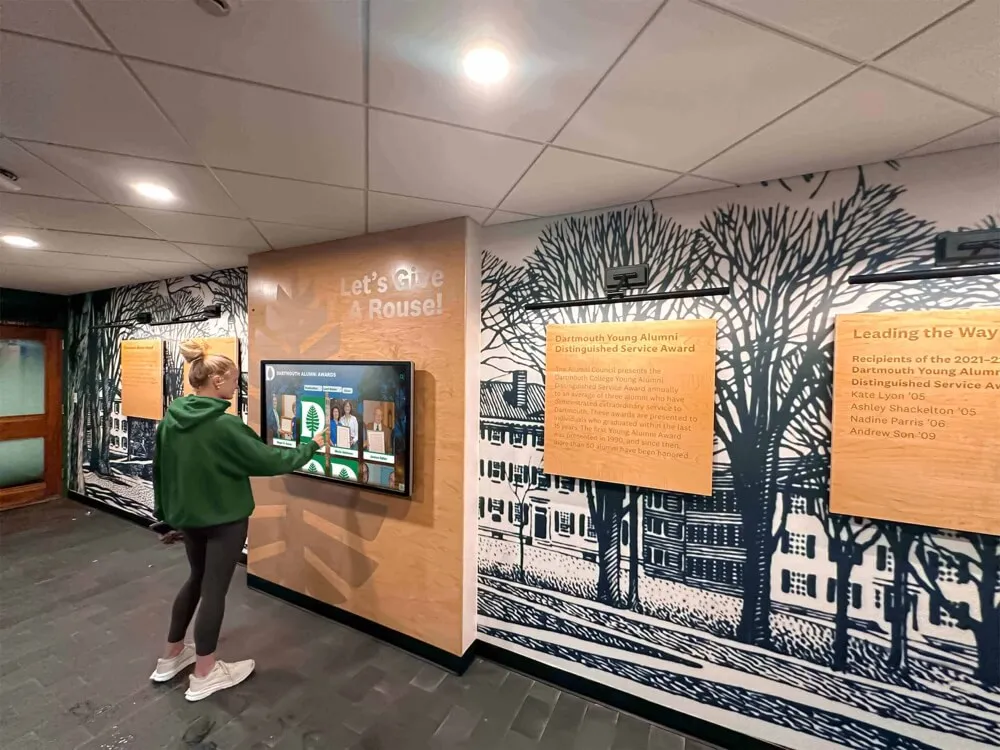
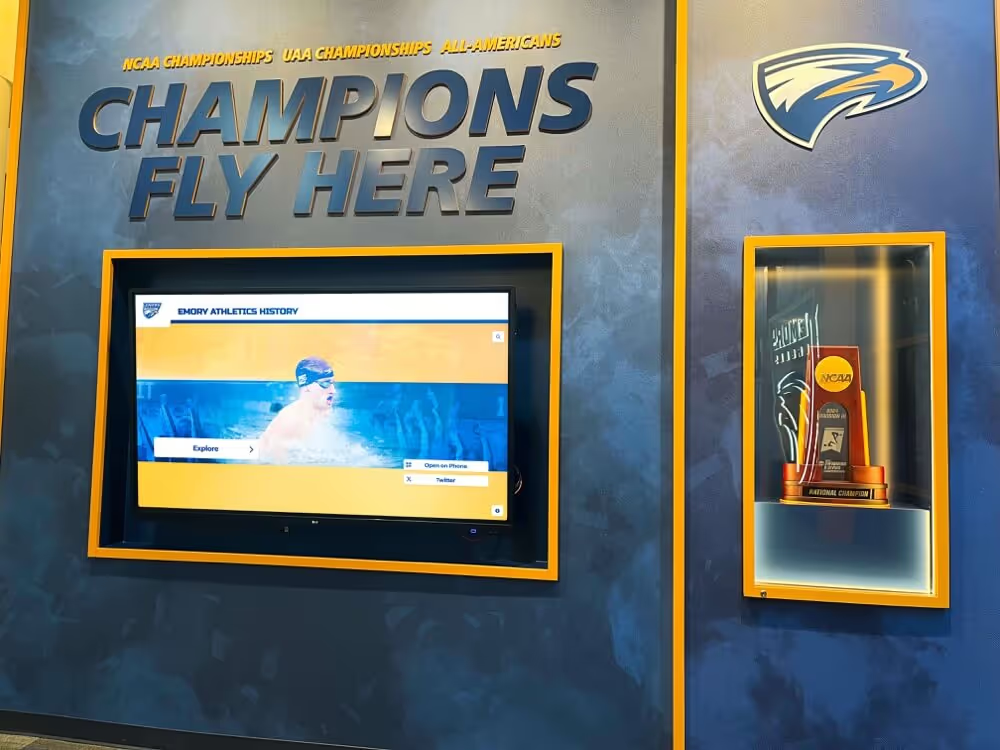
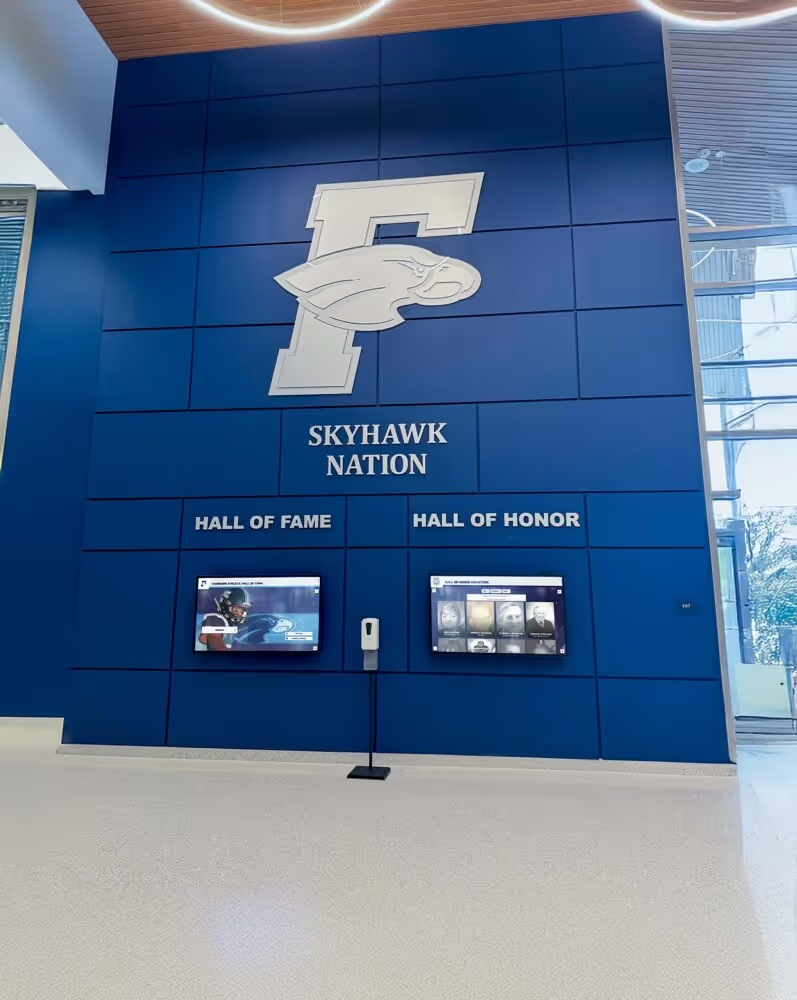
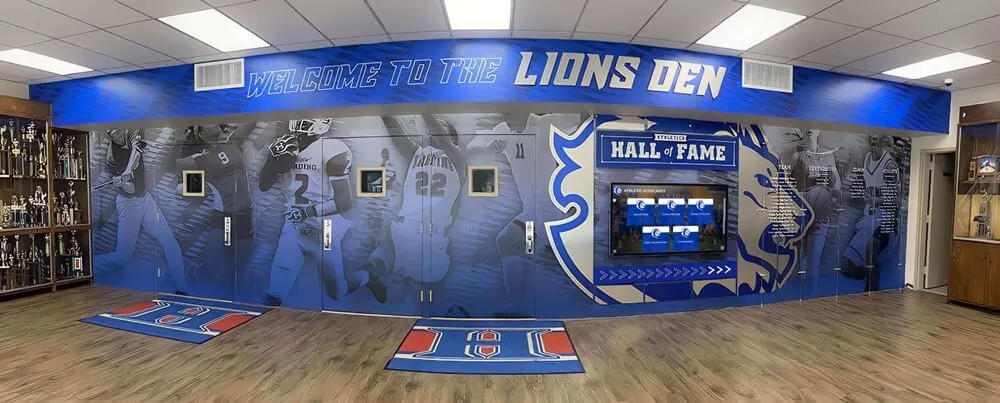
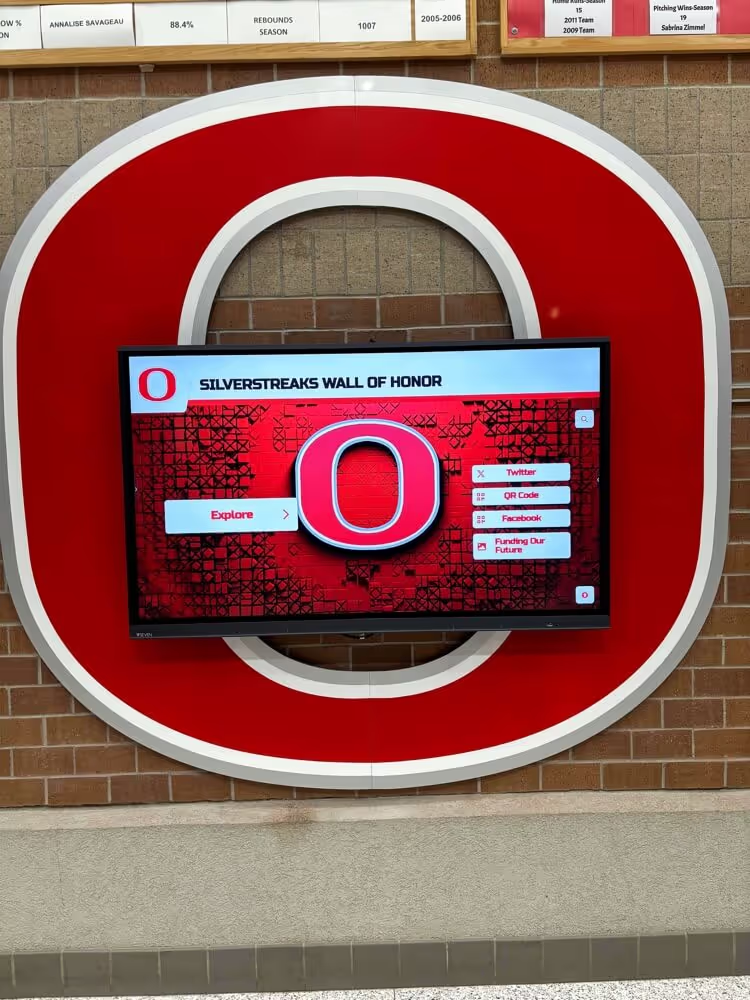
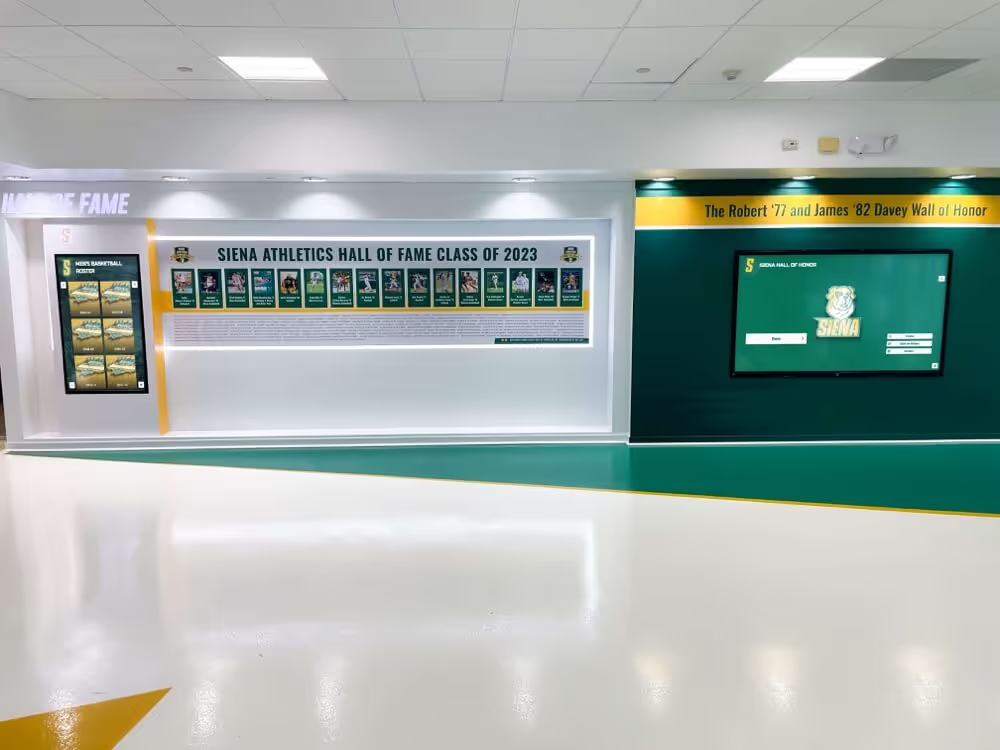
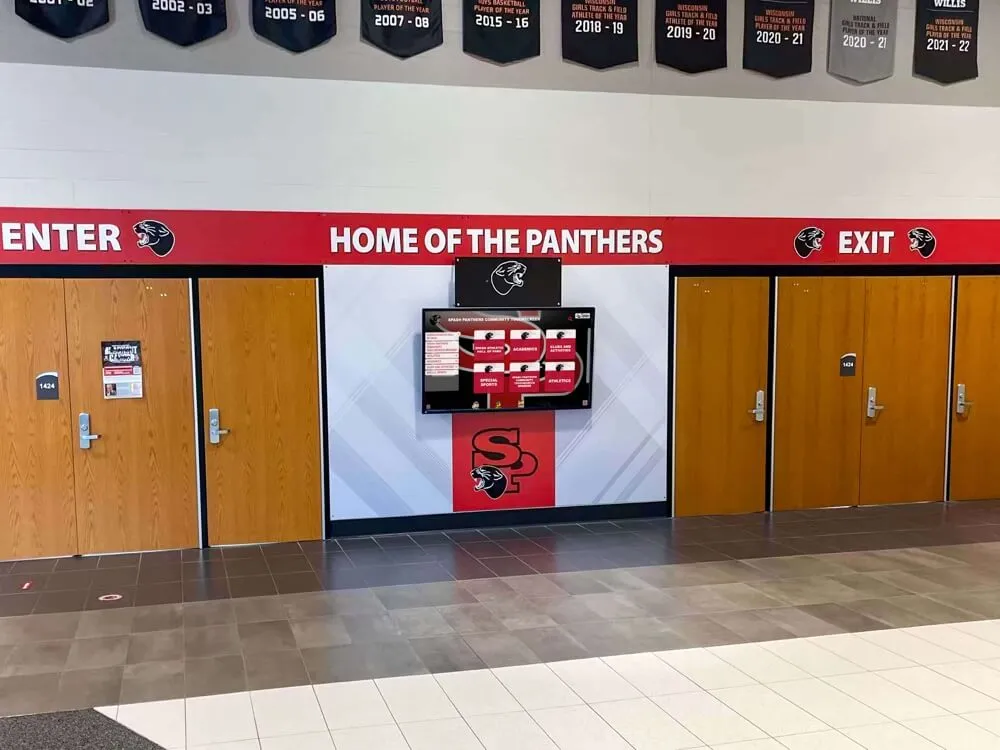
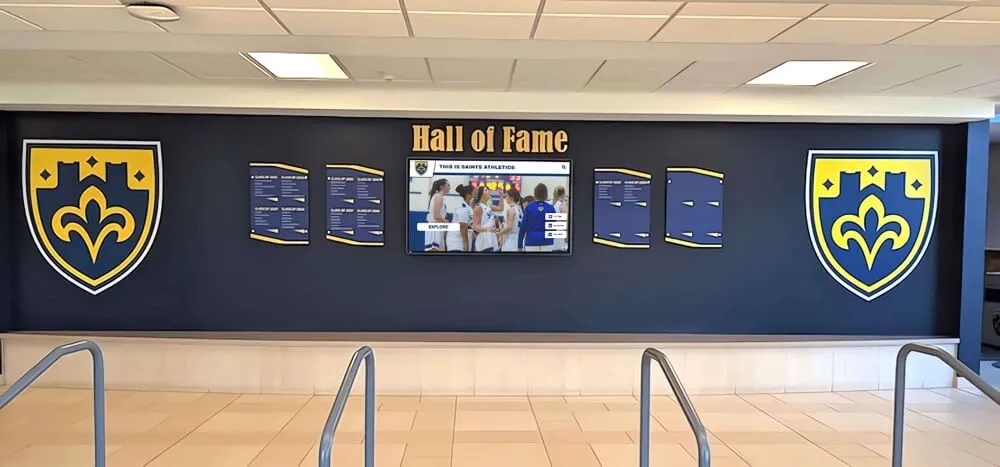
Interactive touch board displays solve these traditional challenges while creating engaging recognition experiences that honor All-Region achievement more effectively than physical displays ever could.
Unlimited Recognition Capacity
Digital systems eliminate space constraints entirely. Schools can recognize every All-Region athlete throughout their entire history across all sports without ever making difficult decisions about who to include or remove. Whether your school produces two All-Region athletes annually or twenty across multiple sports, touch boards accommodate unlimited growth while maintaining fast, intuitive access to all recognized athletes.
This unlimited capacity enables equitable recognition regardless of sport popularity or historical success. Football programs producing numerous All-Region athletes annually receive appropriate recognition, but so do swimming, tennis, soccer, or track programs that produce All-Region athletes less frequently. Every achievement receives equal honor without space-driven hierarchy.
Rich, Comprehensive Athlete Profiles
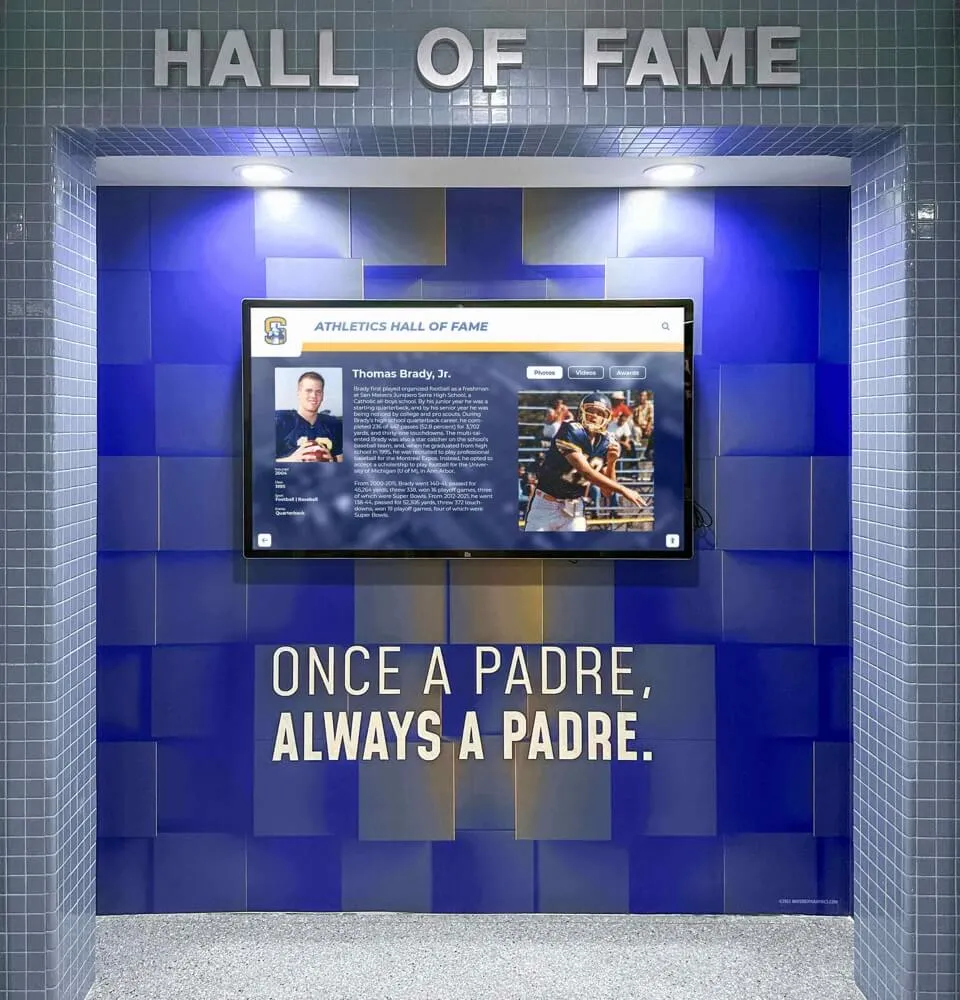
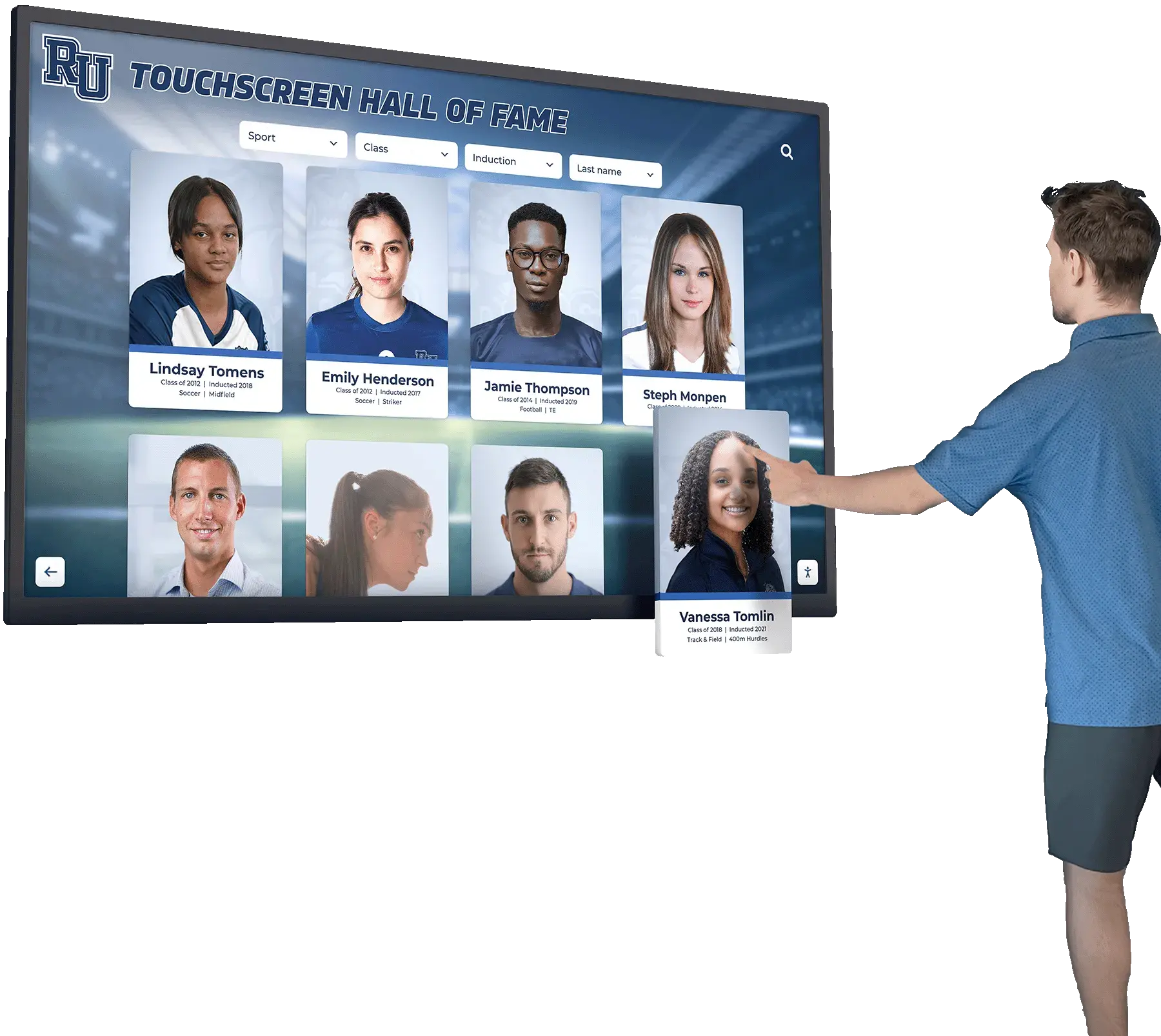
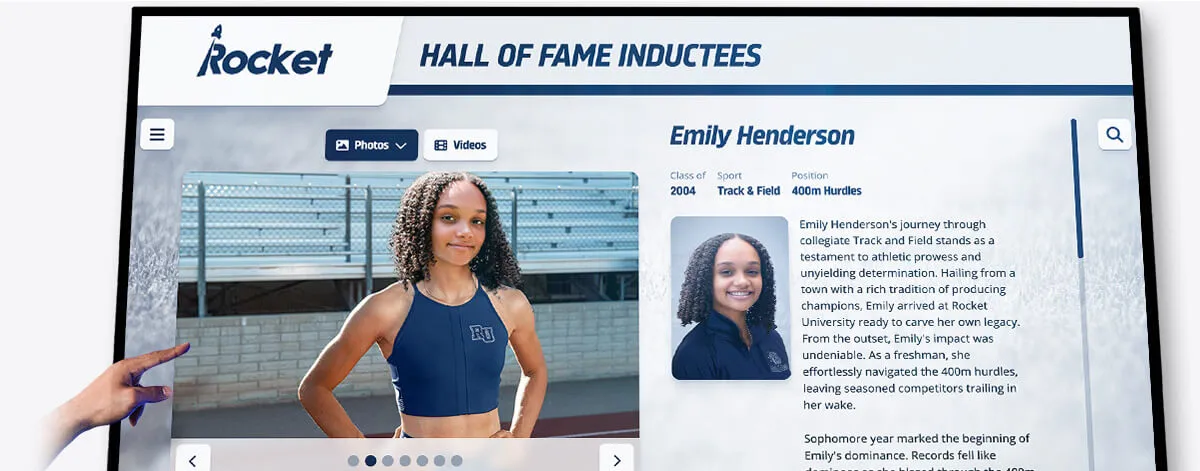
Touch boards support detailed recognition far beyond simple name plaques. Comprehensive athlete profiles can include multiple photographs showing athletes in competition and formal team settings, season and career statistics demonstrating performance excellence, detailed achievement descriptions including specific All-Region teams and honors, biographical information about athletic journeys and development, video highlights capturing signature performances when available, post-high school updates showing continued athletic or academic success, and quotes or reflections from athletes, coaches, or teammates providing personal context.
This multimedia approach transforms simple recognition into meaningful tributes that preserve athlete stories, inspire current students through detailed excellence documentation, and create emotional connections that names on plaques never achieve.
Instant Updates and Easy Maintenance
When athletes earn All-Region recognition, authorized staff can add them to touch boards immediately through user-friendly content management systems. No waiting for plaque orders, no installation scheduling, no delays—just immediate digital recognition that honors achievement when it feels most relevant and meaningful. Similarly, when schools discover photo improvements, want to add post-high school updates, or need to correct information, digital systems enable instant modifications without physical display alterations.
Most modern touch board platforms feature intuitive interfaces requiring no technical expertise. Athletic directors, coaches, or designated staff members simply log into content management dashboards, upload photos, enter athlete information through straightforward forms, and publish updates that appear instantly on displays. This ease of maintenance makes sustainable long-term recognition feasible even for schools with limited technical staff or tight operational resources.
Engaging Interactive Experiences
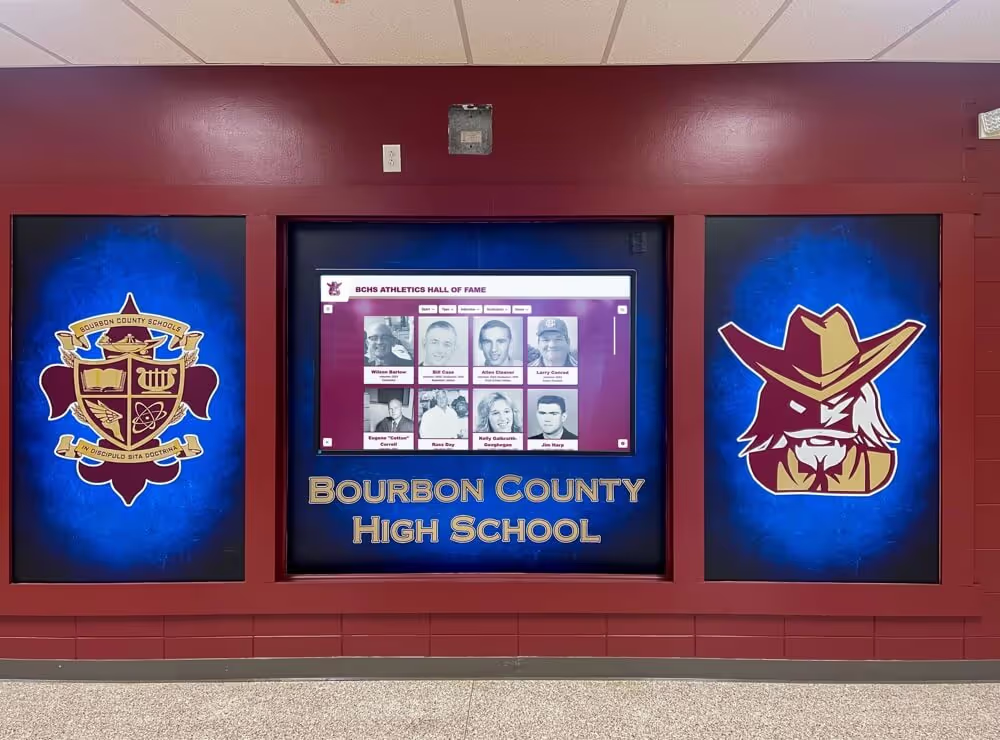
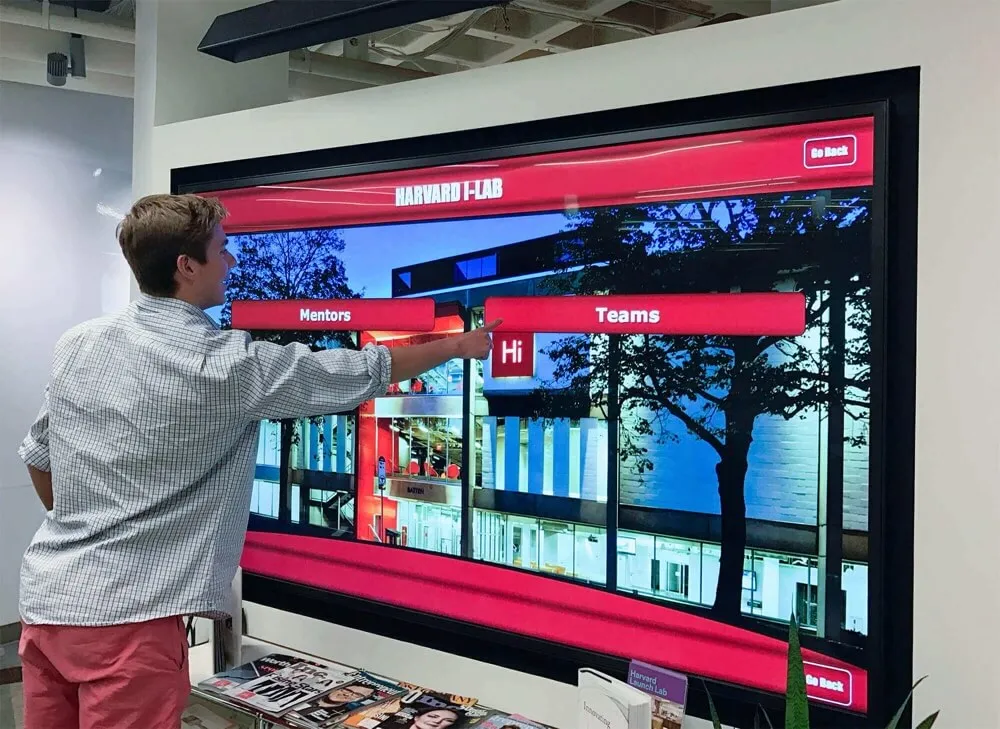
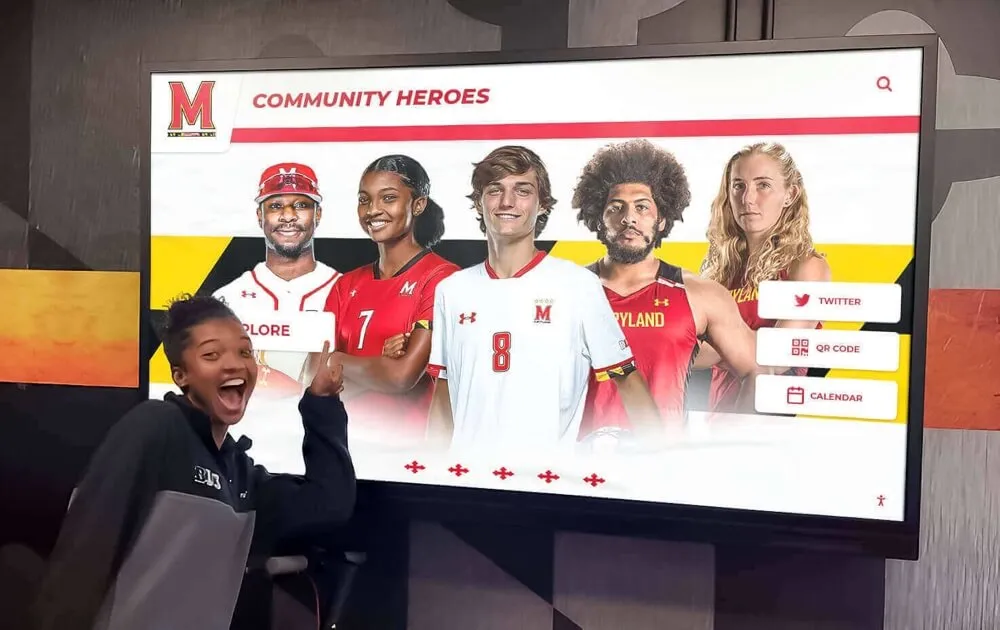
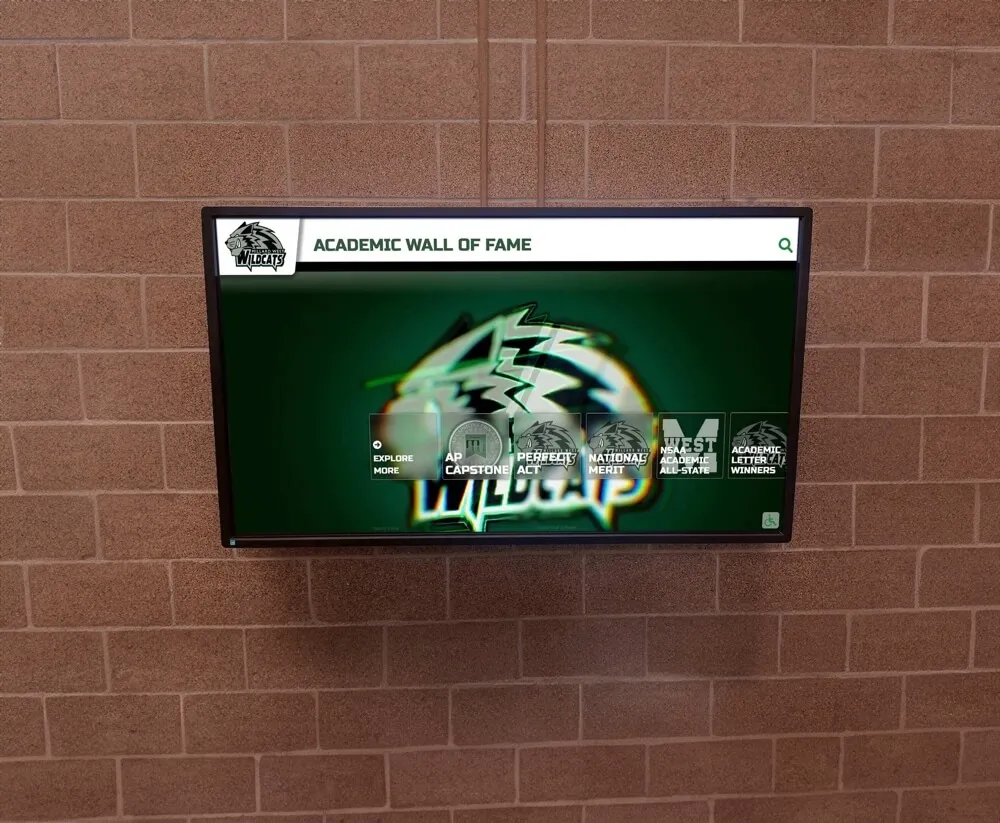
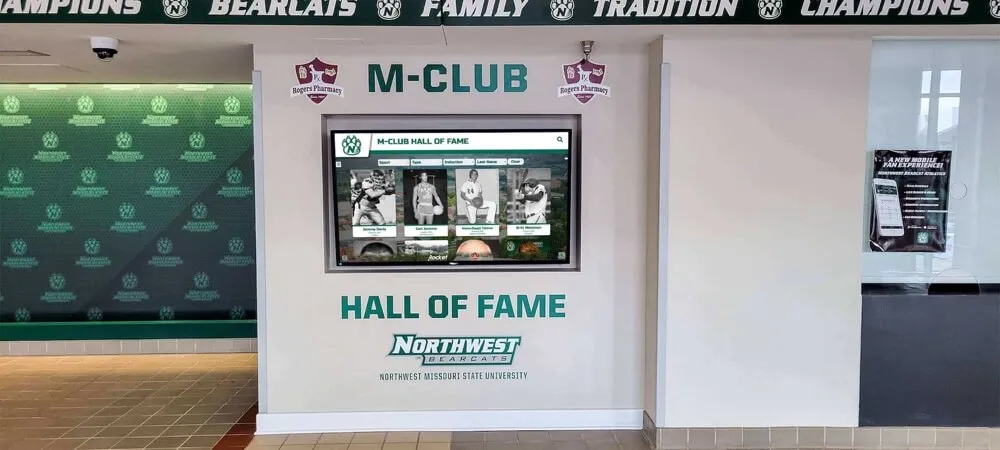
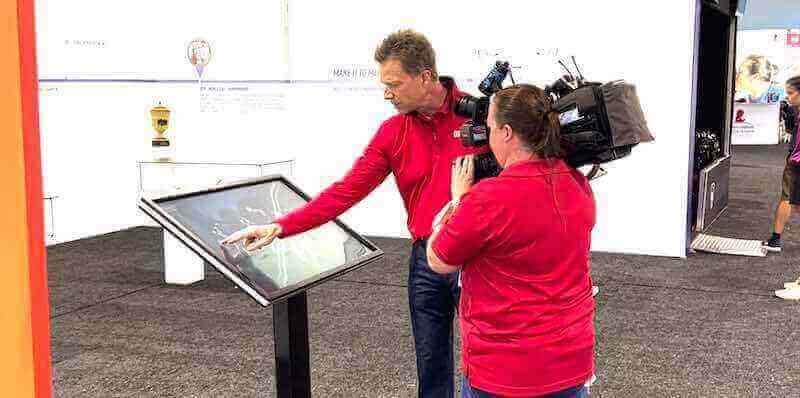
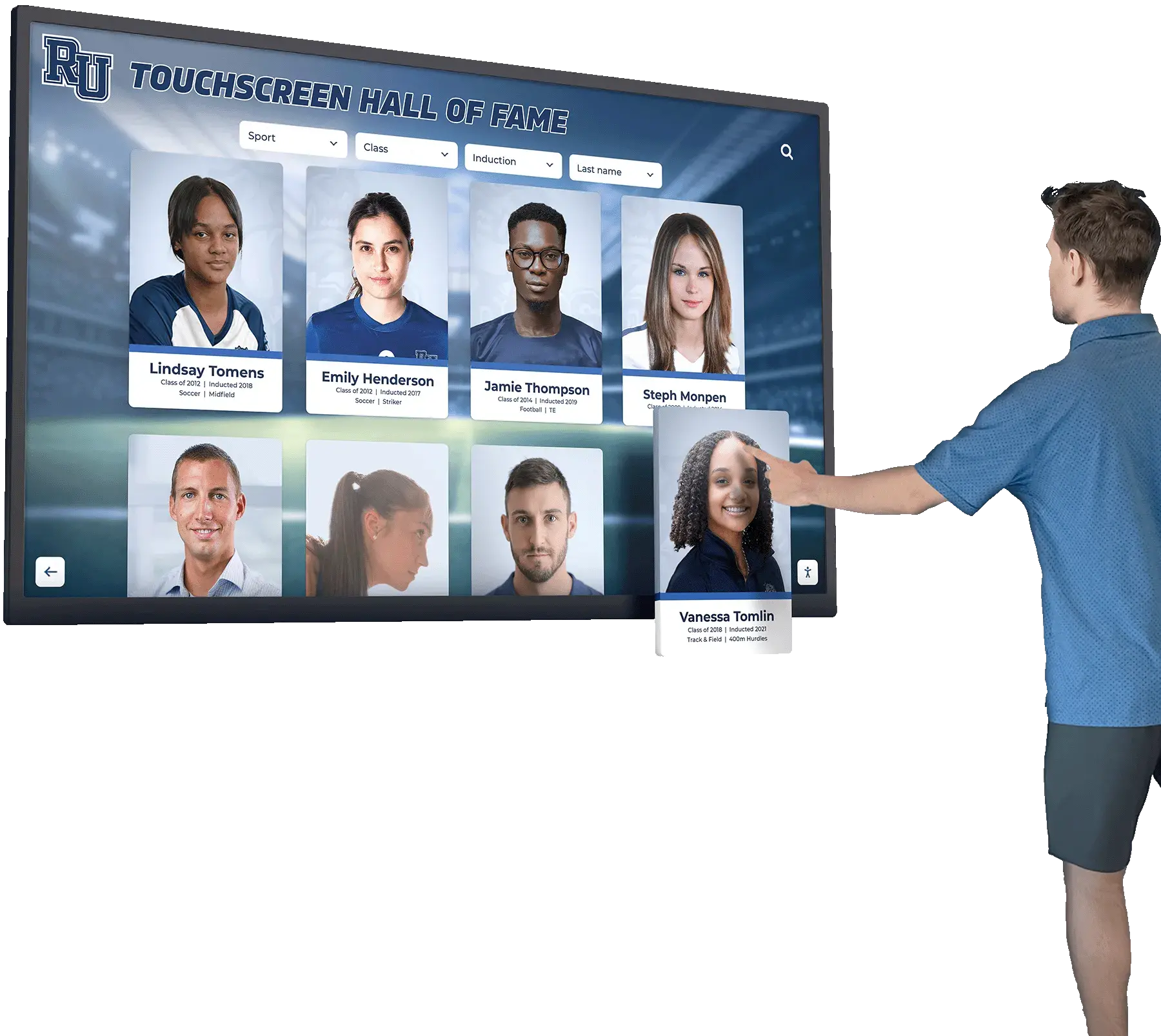
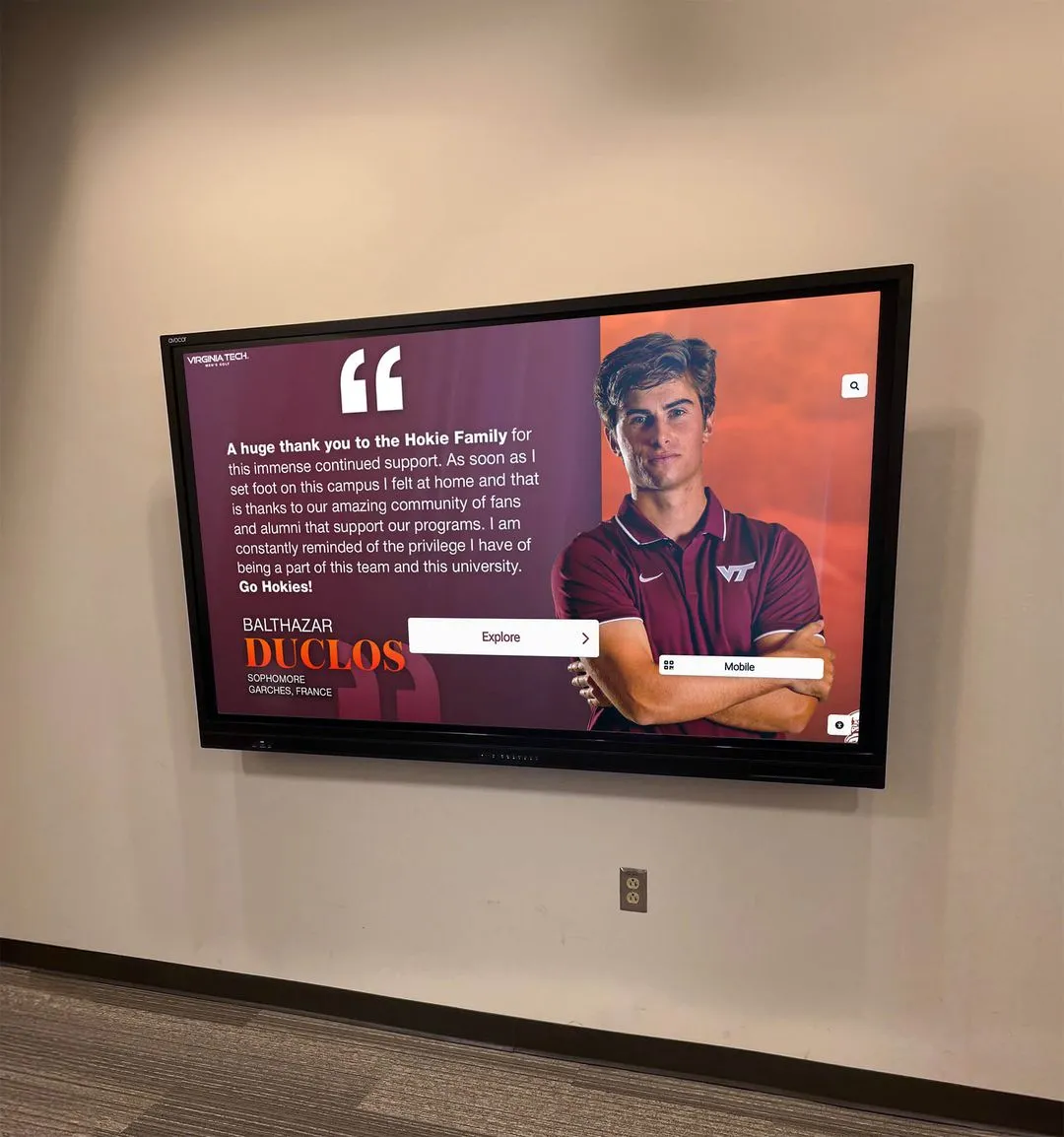

Unlike static displays that visitors passively view, touch boards invite active exploration. Users can search for specific athletes by name, graduation year, or sport, browse All-Region selections by sport to see program history, filter by time period to explore different eras, view detailed profiles with photos, statistics, and stories, and access related content like team records or conference championships.
This interactivity creates engagement that static displays cannot match. Students discovering that a family member earned All-Region honors decades ago, recruits exploring the athletic excellence of programs they’re considering, and alumni reminiscing about teammates and competitors all spend meaningful time interacting with recognition content, building connections that strengthen school culture and institutional pride. Resources about interactive displays for athletic programs demonstrate how dynamic presentations create deeper engagement than traditional static approaches.
Essential Components of Effective All-Region Touch Board Programs
Successful implementations require thoughtful attention to technology selection, content development, and operational management.
Selecting Appropriate Hardware and Software
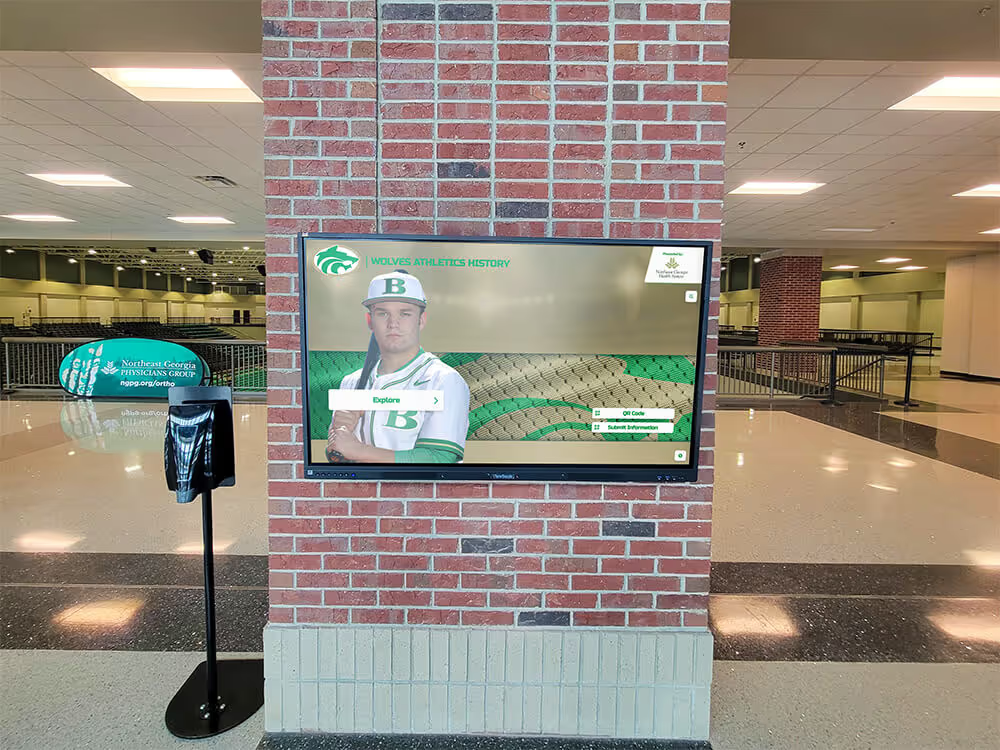
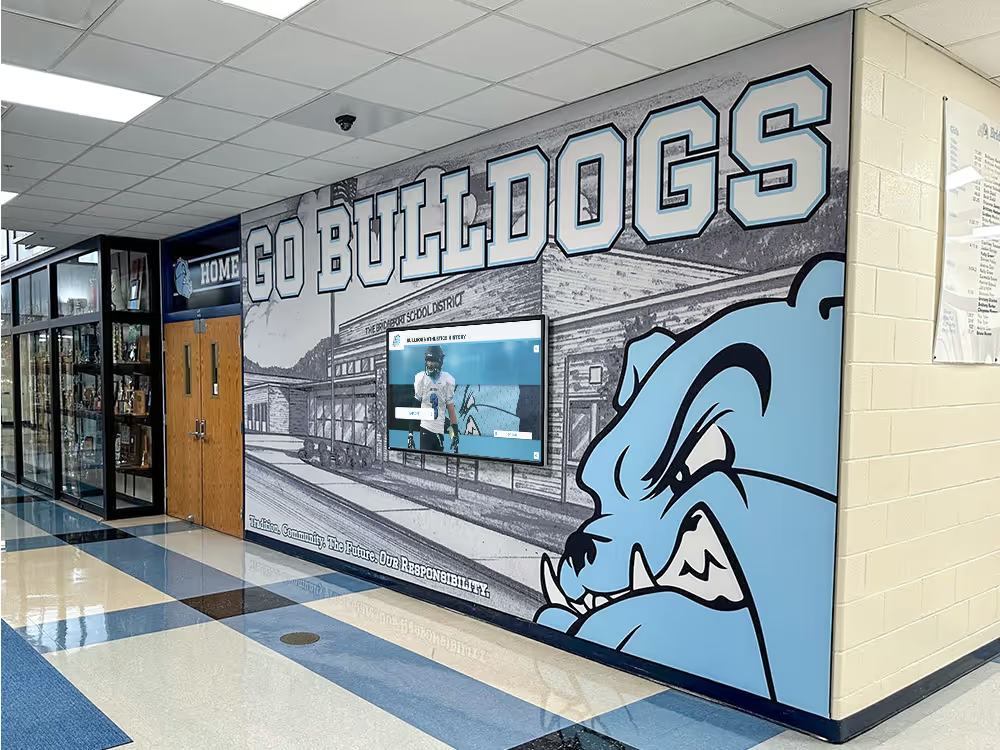
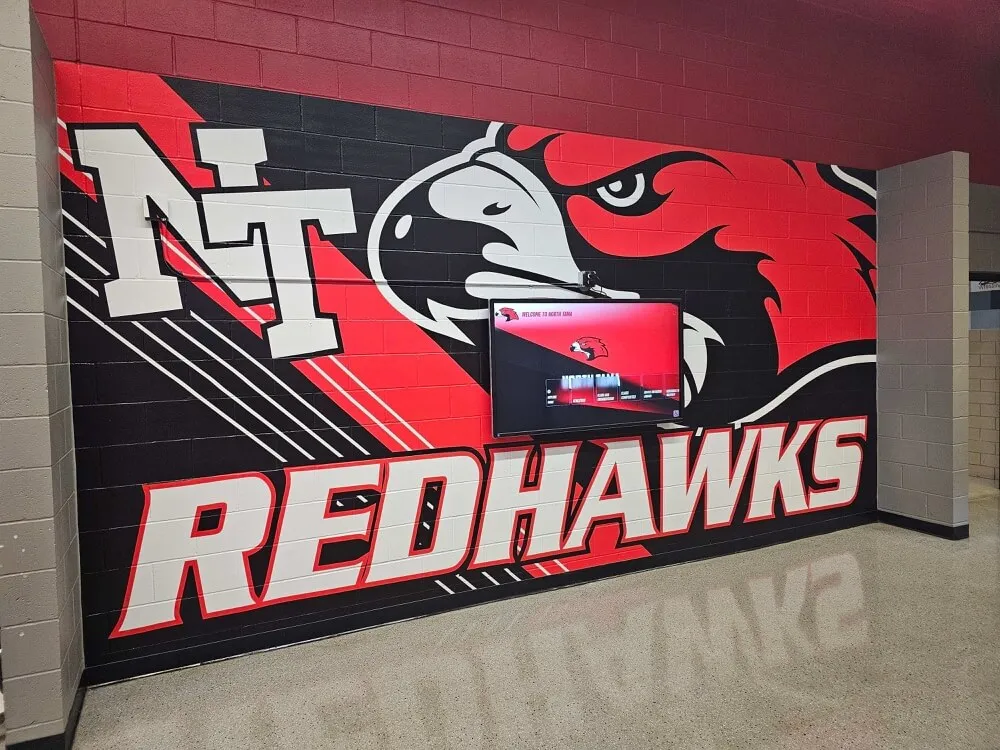
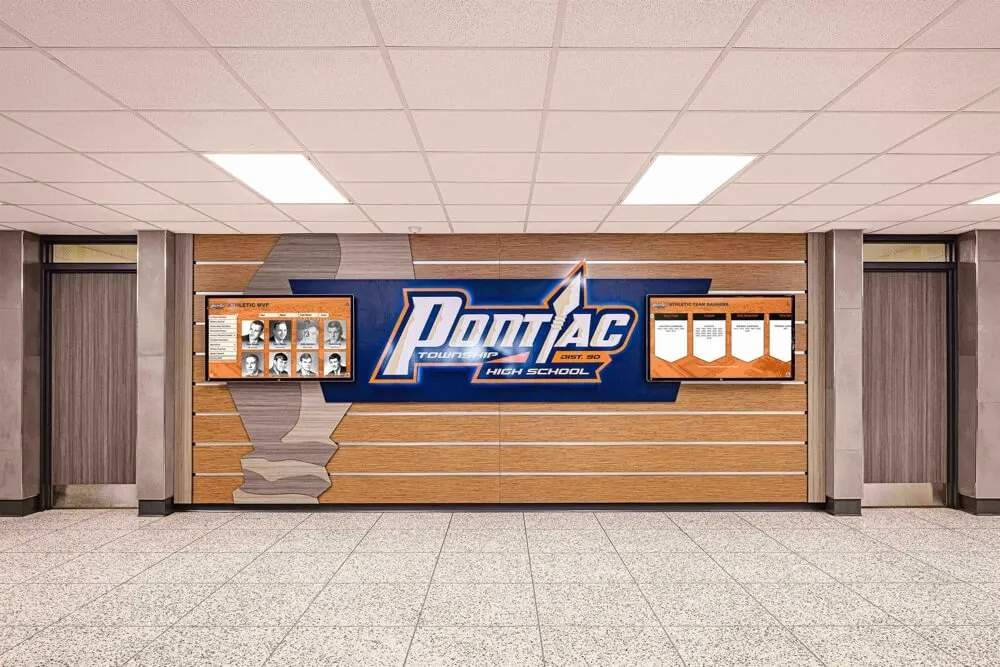
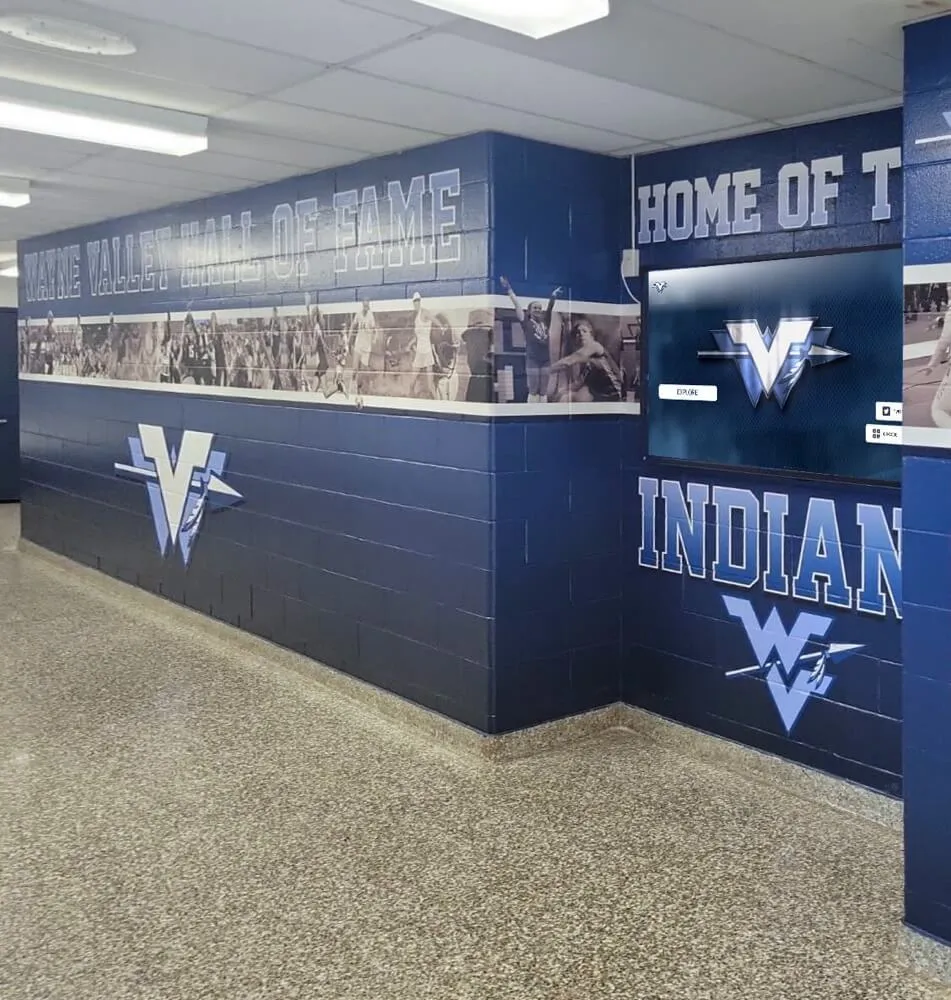
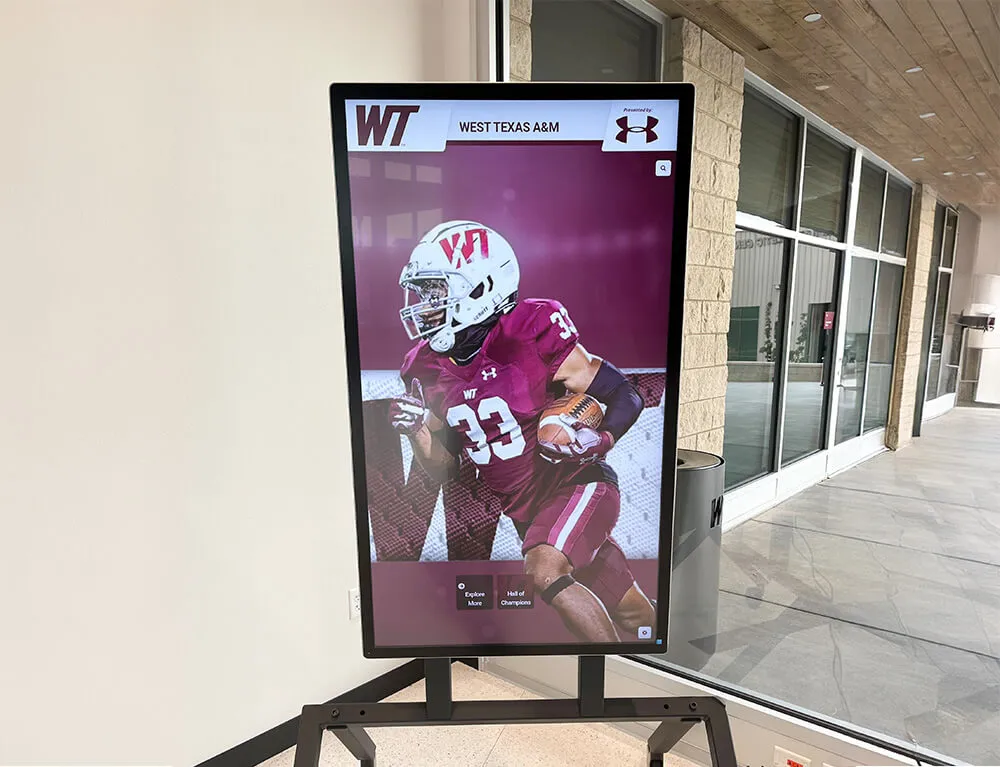
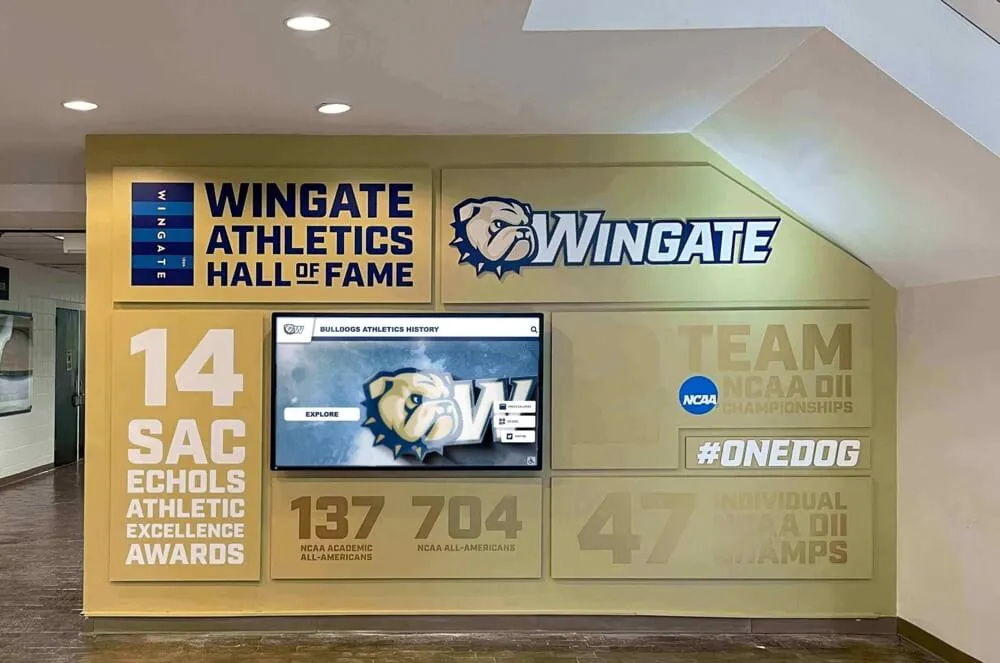
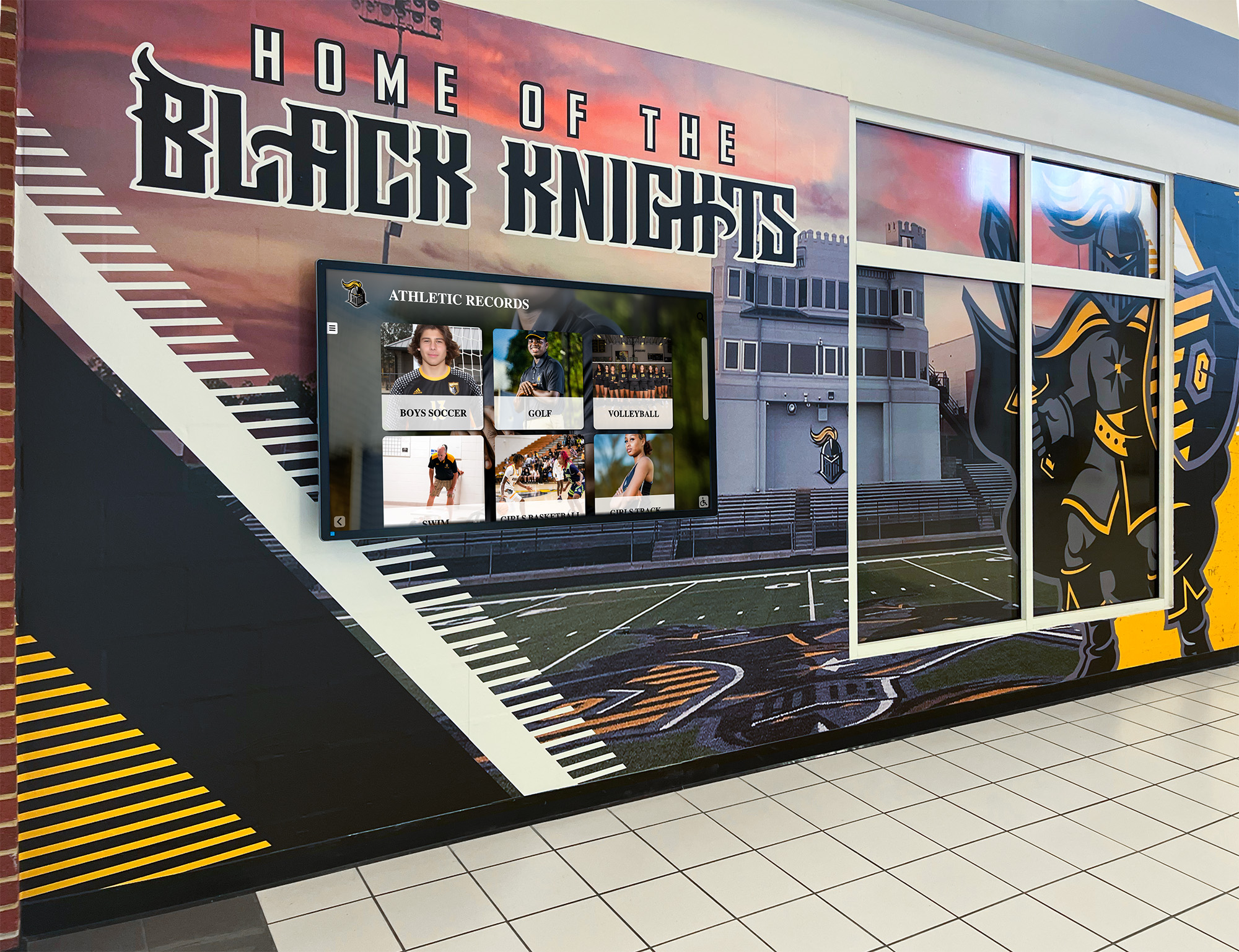
Display Hardware Considerations: Schools should select commercial-grade touchscreens designed for continuous operation in high-traffic environments. Display size selection depends on installation location and viewing context—55-65 inch displays work well for hallway installations with individual or small group viewing, while 75-86 inch displays create impactful recognition centerpieces in athletic facilities, main entrances, or cafeteria spaces where larger groups gather.
Commercial touchscreens differ fundamentally from consumer televisions through hardened glass surfaces surviving thousands of daily touches without degradation, industrial-grade internal components designed for 24/7 continuous operation rather than typical home use, warranty coverage reflecting commercial deployment expectations, and proper mounting systems supporting heavy displays securely for years.
Software Platform Requirements: Content management systems should offer intuitive interfaces enabling non-technical staff to manage content independently, flexible organizational structures supporting browsing by sport, year, or achievement level, robust search capabilities helping users find specific athletes instantly, mobile and remote management allowing updates from any location, and reliable cloud hosting eliminating local server requirements and technical complexity.
Schools should prioritize platforms designed specifically for educational recognition rather than generic digital signage systems lacking features needed for comprehensive athlete profile management and interactive exploration. The right digital recognition software makes the difference between sustainable programs that staff can maintain easily and technical burdens that become abandoned over time.
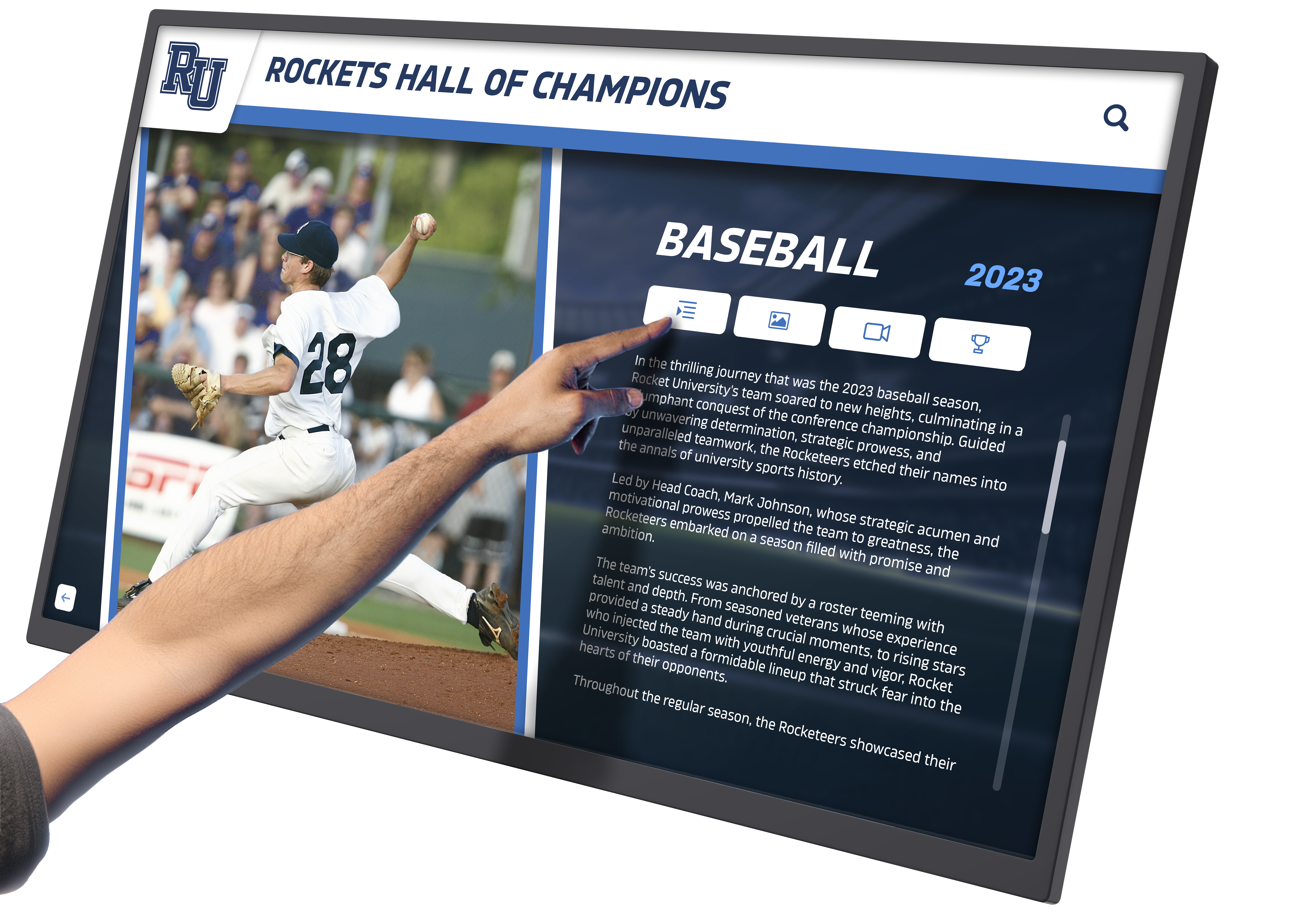
Installation and Infrastructure: Successful installations require appropriate electrical infrastructure providing power near desired display locations, network connectivity through either wired Ethernet or robust WiFi coverage, proper mounting at heights enabling comfortable interaction while preventing damage, ambient lighting control preventing glare on touchscreens, and secure physical installation preventing theft or vandalism while maintaining accessibility.
Most schools find existing infrastructure accommodates touch board installations with minimal modifications, though consultation with IT departments or installation professionals during planning prevents surprises during implementation.
Developing Comprehensive Athlete Content
Content quality determines whether touch boards truly honor All-Region athletes or simply serve as expensive digital lists. Comprehensive profiles should include:
Core Biographical Information: Full athlete name with correct spelling and preferred name usage, graduation year clearly identifying athlete’s class, sport and specific position or events where they earned All-Region recognition, All-Region team designation specifying first team, second team, or honorable mention level, and selection year identifying when honor occurred.
Performance Documentation: Season statistics demonstrating excellence, career highlights and achievements beyond just All-Region selection, team success and records during athlete’s participation, conference or district honors earned alongside regional recognition, and state-level achievements for athletes advancing beyond regional honors.
Visual Content: Action photography capturing athletes competing and demonstrating skills, formal portrait photographs providing professional recognition images, team photos showing All-Region athletes alongside teammates, award ceremony photos documenting recognition moments, and video highlights when available showcasing signature performances.
Context and Storytelling: Athletic journey descriptions explaining development paths to regional excellence, challenge narratives about obstacles overcome, coach or teammate quotes providing personal perspective, memorable game or performance descriptions bringing achievements to life, and post-high school updates showing continued success in college athletics or beyond.
Schools lacking comprehensive historical content for past All-Region athletes should prioritize documenting current athletes thoroughly while gradually building historical recognition as photos and information become available through alumni contributions and archival research. Even basic historical profiles honor past athletes appropriately while school communities help enhance content over time.
Establishing Sustainable Update Processes
Long-term recognition program success requires systematic content management:
Clear Responsibility Assignment: Designate primary content managers responsible for overall recognition program oversight, identify backup managers ensuring updates continue during absences, establish sport-specific contributors like coaches who provide athlete details and photos, and define technical support contacts addressing system issues.
Standardized Update Workflows: Create procedures where coaches submit All-Region athlete information promptly after regional selections, establish verification processes ensuring accuracy before publication, develop profile creation templates maintaining consistent quality and completeness, schedule regular update periods rather than ad-hoc approaches, and implement review procedures confirming content accuracy and appropriateness.
Training and Documentation: Provide initial content management training for all authorized users, create written procedures documenting update processes step-by-step, develop video tutorials demonstrating system operations, maintain support resources addressing common questions, and schedule periodic refresher training as staff members change.
Quality Standards: Establish photo quality requirements ensuring professional recognition, implement naming conventions preventing duplicate or confusing entries, create content guidelines maintaining appropriate tone and details, develop review processes catching errors before publication, and schedule periodic content audits identifying needed corrections or enhancements.
Schools should consider whether internal staff capacity supports ongoing content management or whether outsourcing to recognition platform providers offering content services as part of subscription packages makes more sense for their situations. Frameworks for managing athletic recognition programs provide guidance on sustainable operational approaches.
Integrating All-Region Recognition Into Comprehensive Athletic Programs
Touch boards function most effectively as components of broader recognition strategies honoring multiple achievement levels.
Coordinating All-Region With Other Recognition Tiers
Effective programs recognize the full spectrum of athletic achievement:
District/Conference Recognition: Document All-Conference or All-District selections alongside regional honors, showing complete achievement progressions and honoring athletes who earned conference recognition but not regional selection. This comprehensive approach values all achievement levels appropriately while contextualizing the additional distinction of advancing to regional teams.
All-State Recognition: Clearly distinguish All-State honorees who advanced beyond regional selection to state-level recognition. Touch board systems can organize content hierarchically, featuring All-State athletes prominently while maintaining complete regional recognition. This tiered presentation helps students understand the achievement progression and motivates pursuing higher levels.
Team Championships and Records: Connect individual All-Region recognition to team success by linking athlete profiles to championship teams, state tournament appearances, or record-setting seasons. This integration acknowledges that individual excellence often occurs within successful team contexts while celebrating both individual and collective achievement.
Academic and Character Recognition: For athletes earning academic All-Region or All-State status alongside athletic recognition, include these achievements in profiles honoring complete student athlete excellence. Similarly, sportsmanship awards, leadership recognition, or community service acknowledgments provide fuller pictures of exceptional individuals beyond just athletic statistics.
This multi-dimensional recognition approach celebrates achievement comprehensively while helping students understand that excellence encompasses multiple areas beyond just athletic performance. Resources about comprehensive student recognition demonstrate how schools honor diverse accomplishment categories alongside athletic achievement.
Creating Recognition Ceremonies and Traditions
Touch boards enhance rather than replace personal recognition moments:
Formal Recognition Events: Schedule annual or seasonal athletic recognition programs celebrating All-Region selections alongside other honors. Present athletes with certificates or commemorative items during these events while announcing that comprehensive recognition appears on permanent touch board displays. Invite families and photograph ceremonies, using these images within touch board profiles themselves.
Touch Board Unveiling Moments: When adding newly recognized athletes to touch boards, consider unveiling ceremonies where honored athletes see their profiles for the first time publicly. These memorable moments create powerful recognition experiences while drawing attention to broader recognition programs. Photograph unveilings for use in future promotional materials and additional profile content.
Alumni Recognition Integration: During homecoming, reunions, or other alumni events, feature touch board displays prominently so returning graduates can explore their own recognition and discover classmates’ achievements. Facilitate connections between current athletes and All-Region alumni from their sports, creating mentoring relationships and strengthening institutional bonds.
Recruiting Tool Applications: During campus visits with prospective student athletes and families, showcase touch board recognition demonstrating program commitment to celebrating achievement. Guide recruits through displays showing historical success in their sports, creating tangible evidence of program excellence that supports recruiting conversations.
These ceremonial and functional applications maximize touch board value beyond just hallway displays, demonstrating institutional commitment to recognition while leveraging digital systems across multiple contexts throughout academic years.
Extending Recognition Beyond Campus
Modern touch board systems often include online components expanding recognition reach:
Web-Based Recognition Platforms: Mirror physical touch board content through online platforms accessible worldwide. Alumni living anywhere can explore All-Region athletes from their era, prospective families can research program excellence remotely, and current students can access recognition from home devices. This digital extension dramatically expands recognition visibility beyond just those physically visiting campus.
Social Media Integration: When adding newly recognized All-Region athletes, automatically generate social media posts celebrating achievements and linking to detailed profiles. Enable easy social sharing of individual athlete profiles so families and friends can distribute recognition across their networks. These digital amplifications multiply recognition impact while building school pride across broader communities.
Mobile Accessibility: Ensure recognition platforms work seamlessly on smartphones and tablets, not just desktop computers. Mobile-optimized interfaces accommodate how most people access digital content today, particularly younger generations and alumni who may not regularly use traditional computers.
Virtual Tour Integration: Include All-Region recognition in virtual campus tours for prospective students and families unable to visit physically. Video walkthroughs demonstrating touch board features and highlighting notable athletes help remote audiences appreciate program excellence and recognition quality.
Physical displays create foundational recognition experiences while digital extensions ensure All-Region achievements remain visible to geographically dispersed audiences year-round. Solutions like digital athletic displays demonstrate how schools successfully bridge physical and digital recognition creating comprehensive visibility.
Best Practices for All-Region Touch Board Content
Content development approaches significantly impact recognition effectiveness and sustainability.
Photography and Visual Content Standards
Quality visual content distinguishes professional recognition from amateur efforts:
Action Photography: Capture athletes during actual competition showing skills and intensity. Photograph throughout seasons rather than just during potential All-Region selection timeframes, ensuring quality images exist when needed. Vary shots including close-ups showing athlete faces and emotions, wide shots providing game context and competition environment, and signature moment captures showing important plays or achievements. Store photographs in organized libraries with athlete names, dates, and event information enabling easy future retrieval.
Portrait Photography: Establish consistent portrait approaches for formal recognition images. Whether using team photo day portraits, individual athlete sessions, or candid formal photos, maintain quality standards including proper lighting, appropriate backgrounds, high resolution supporting large display, and professional composition. Consistency in portrait style creates visual cohesion across recognition programs even as content spans decades.
Video Content Integration: When available, short video highlights create especially engaging recognition. Keep clips brief—30-60 seconds—showing signature plays, achievements, or athlete reflections. Include optional audio with crowd reactions, commentary, or athlete voices adding emotional impact. Ensure video quality meets display standards avoiding pixelated or low-resolution content that undermines recognition professionalism.
Schools should establish photography protocols where designated staff or volunteers systematically document athletes throughout seasons, capturing content suitable for potential All-Region recognition rather than scrambling for photos after selections occur.
Writing Compelling Athlete Narratives
Beyond photos and statistics, narrative content personalizes recognition:
Achievement Descriptions: Explain what All-Region selection meant in specific contexts—was athlete the first from their sport in school history, did selection cap remarkable season overcoming injury, did recognition validate years of dedicated development? Contextual details transform generic “All-Region selection” into meaningful achievement stories.
Development Journey Narratives: Describe paths athletes took reaching regional excellence. Did they progress through program ranks as multi-year starters? Overcome challenges or setbacks? Benefit from particular coaching, training, or mentoring? These stories provide roadmaps for current athletes while honoring complete achievement trajectories beyond just senior season outcomes.
Coach and Teammate Perspectives: Include quotes from coaches explaining what made athletes exceptional, perspectives from teammates about leadership or inspiration, or reflections from athletes themselves about meaningful experiences. Personal voices add authenticity and emotional resonance that third-person descriptions alone cannot achieve.
Post-Recognition Updates: When athletes continue competing in college, achieve professional success, or return to contribute to communities, update profiles documenting ongoing journeys. These updates demonstrate that recognition remains living tributes that grow throughout lives rather than frozen snapshots from high school. Living recognition maintains alumni connections while showing current students that achievement impacts extend far beyond immediate seasons.
Well-written narrative content requires more effort than simple statistics but creates recognition that truly honors athletes comprehensively while inspiring current students through detailed excellence documentation.
Organizing Content for Intuitive Access
User experience depends on intuitive navigation enabling easy athlete discovery:
Primary Organization by Sport: Most users think “show me All-Region football players” or “I want to see soccer All-Region athletes” making sport-based primary organization most intuitive. Within each sport, present athletes chronologically by selection year or graduation year depending on school preference, enabling users to scan through program history systematically.
Robust Search Functionality: Provide prominent search capabilities accepting athlete names, graduation years, or sports for instant results. Search eliminates scrolling through potentially hundreds of athletes when users seek specific individuals. Include flexible search supporting partial names, nickname variations, or common misspellings to maximize successful queries.
Filter and Sort Options: Enable users to filter athletes by decade or specific year ranges, sort alphabetically by name or chronologically by year, display only specific achievement levels like first-team All-Region, or show athletes who advanced to All-State. Flexible filtering accommodates diverse user needs—alumni seeking classmates, researchers tracking program history, or current athletes exploring recent role models.
Featured Athletes and Highlights: Showcase particularly notable achievements, recent additions, or significant milestones on home screens providing engaging entry points for casual browsers. Featured sections ensure exceptional achievements receive extra visibility while creating dynamic displays that change over time maintaining interest even for regular viewers.
Testing navigation approaches with actual users—current students, alumni, staff, and families—identifies confusing elements before public launch, ensuring final systems feel intuitive to actual audiences rather than just content creators.
Measuring All-Region Touch Board Program Success
Effective programs assess impact through multiple measures guiding continuous improvement:
Tracking User Engagement
Modern touch board systems capture meaningful usage data:
Interaction Metrics: Monitor daily, weekly, and monthly user sessions showing how frequently people engage with displays. Track session duration averages indicating engagement depth—longer sessions suggest compelling content keeping users exploring. Count interactions per session showing how thoroughly users browse content versus quick single-profile views. Identify peak usage times informing maintenance scheduling and content update timing.
Content Access Patterns: Analyze which athlete profiles receive most views, what sports generate greatest interest, which time periods attract most browsing, and what search terms users enter frequently. These patterns reveal content strengths and gaps, informing development priorities and helping schools understand what audiences find most compelling.
Comparative Analytics: Compare touch board engagement against other school information systems like website traffic, printed program distribution, or social media reach. These comparisons demonstrate recognition program value supporting budget allocations and expansion requests.
Schools should establish baseline metrics at program launch tracking growth over time, while periodic reviews assess whether engagement trends suggest needed adjustments to content, organization, or promotion.
Assessing Stakeholder Satisfaction
Quantitative metrics complement qualitative feedback:
Athlete and Family Satisfaction: Survey recognized athletes and families about recognition experience quality, appropriateness of honor received, emotional impact of comprehensive digital recognition, accuracy and completeness of profile content, and likelihood of recommending school to athletically talented families. Direct feedback from those being honored provides crucial insights into program effectiveness.
Current Athlete Impact: Assess whether All-Region recognition inspires broader athletic populations through awareness of school’s regional achievements, motivation to pursue similar goals, understanding of development paths to regional excellence, and pride in program accomplishments. Recognition should elevate athletic culture and achievement orientation across entire programs.
Alumni Engagement: Track whether All-Region recognition strengthens institutional connections through alumni interaction during campus visits, online platform usage by graduated athletes, content contribution participation, philanthropic support influenced by recognition appreciation, and program advocacy in personal networks.
Community Perception: Monitor prospective family impressions during campus tours, community pride in athletic excellence, media coverage of recognition programs or individual athletes, and recruitment advantages with talented athletes. Recognition should enhance institutional reputation and competitive positioning.
Systematic feedback collection through surveys, interviews, and observation provides qualitative insights that pure usage data cannot capture, enabling holistic program assessment.
Calculating Return on Investment
Touch board systems require meaningful investments deserving ROI analysis:
Direct Cost Comparisons: Compare annual touch board costs including hardware amortization, software subscriptions, content management time, and maintenance against traditional recognition expenses for equivalent coverage. Calculate plaque costs, trophy case modifications, printed banner replacements, and staff time managing physical displays. Over 5-7 year timeframes, digital systems typically deliver lower total costs alongside vastly superior capacity and engagement.
Value-Added Benefits: Quantify recognition capacity expansion enabling unlimited athlete inclusion, engagement improvements creating memorable experiences versus passive viewing, recruitment advantages from demonstrated achievement celebration, and alumni relations benefits strengthening institutional connections. While harder to measure financially, these benefits often justify investments beyond pure cost analysis.
Opportunity Value: Consider what schools can achieve with unlimited recognition capacity that space constraints prevented—comprehensive historical documentation, equitable recognition across all sports regardless of success frequency, retention of all historical recognition without periodic purging, or expansion to additional achievement categories beyond just athletics. These previously impossible capabilities represent genuine value creation.
Schools assessing ROI should evaluate both quantifiable cost comparisons and qualitative value dimensions, recognizing that recognition program benefits extend beyond simple financial calculations into culture, pride, and institutional reputation domains not easily measured but undeniably valuable.
Overcoming Common Implementation Challenges
Schools implementing All-Region touch boards frequently encounter predictable obstacles with proven solutions:
Budget Constraints and Funding Strategies
Technology investments compete with numerous school priorities making funding challenging:
Phased Implementation: Begin with single display honoring most recent All-Region athletes while planning for future expansion. Initial success creates momentum supporting additional displays or expanded content development. Gradual implementation manages cash flow while demonstrating value justifying continued investment.
Alternative Funding Sources: Explore athletic booster contributions, alumni fundraising campaigns, capital campaign elements, corporate sponsorships from local businesses, or grant opportunities specifically supporting educational technology or athletic program enhancement. External funding reduces general budget pressure while building community investment in recognition programs.
Cost-Benefit Documentation: Develop detailed analyses comparing total lifecycle costs of digital versus traditional recognition. Demonstrate how initial digital investments eliminate ongoing plaque expenses, trophy case modifications, and physical storage needs. Present not just technology costs but complete economic pictures supporting decision-making.
Partnership and Collaborative Approaches: Consider district-wide recognition initiatives sharing costs across multiple schools, conference or regional collaborative purchases leveraging volume pricing, or shared service arrangements where technology infrastructure supports multiple applications beyond just athletic recognition.
Budget constraints represent real obstacles but rarely insurmountable barriers when schools creatively pursue funding and strategically phase implementations matching available resources.
Technical Concerns and Support Requirements
Technology anxiety sometimes prevents consideration despite minimal actual technical barriers:
User-Friendly Platform Selection: Choose content management systems designed specifically for non-technical educational users rather than complex enterprise platforms requiring specialized expertise. Intuitive interfaces with visual editing, straightforward forms, and clear instructions enable staff without IT backgrounds to manage content successfully.
Vendor Support and Training: Select recognition platform providers offering comprehensive initial training, ongoing support resources, responsive help desk assistance, and regular system updates without requiring school technical involvement. Quality vendors eliminate rather than create technical burdens.
Managed Service Options: Consider platforms offering content management services as part of subscription packages where providers handle technical operations while schools focus on gathering athlete information and photos. Outsourcing technical management often delivers better results than burdening stretched school staff.
Existing Infrastructure Adequacy: Most schools possess sufficient network connectivity, electrical infrastructure, and mounting capabilities to support touch board installations without major facilities modifications. Consultation with IT departments during planning typically confirms feasibility with minimal upgrades.
Technical considerations deserve attention but rarely pose actual implementation barriers when schools select appropriate platforms and leverage available vendor support.
Building Sustainable Content Development Processes
Initial enthusiasm must translate into long-term commitment:
Workflow Integration: Embed content development into existing operational rhythms rather than treating as separate additional work. Make All-Region recognition updates part of post-season athletic department procedures alongside other routine tasks. Integration into established workflows ensures sustainability.
Clear Accountability: Assign specific staff members explicit responsibility for recognition program management with accountability for updates and quality. Vague collective responsibility often means no one prioritizes recognition tasks. Clear ownership drives consistent execution.
Simplification and Templates: Standardize athlete profile formats eliminating decisions about what information to include or how to structure content. Create templates requiring only filling in athlete-specific details reducing effort and maintaining consistency. Simplification removes barriers enabling faster updates.
Recognition and Appreciation: Acknowledge staff members who contribute quality content consistently. Public appreciation during meetings, formal recognition in communications, or small rewards demonstrate institutional appreciation for recognition program stewardship, motivating continued commitment.
Gradual Historical Development: Accept that comprehensive historical content development takes years. Focus initially on thorough current athlete documentation while gradually building historical recognition as time and resources permit. Perfection isn’t required for launch—adequate coverage honoring available information while remaining open to enhancements over time creates sustainable approaches.
Sustainable programs treat recognition as ongoing institutional commitment rather than one-time projects, building operational rhythms supporting long-term excellence.
Future Trends in All-Region Athletic Recognition
Recognition technology continues evolving with emerging capabilities:
Advanced Interactive Features
Next-generation touch boards will offer increasingly sophisticated experiences:
Augmented Reality Integration: Smartphone apps could overlay additional information onto physical displays, showing extended athlete statistics, video highlights triggered by scanning athlete photos, or virtual trophy displays when viewing physical athletic facilities. AR technology bridges physical and digital recognition creating layered experiences.
Voice-Activated Navigation: Hands-free interaction through voice commands—“show me All-Region football players from 2020” or “find John Smith”—enables natural, conversational exploration. Voice interfaces improve accessibility while maintaining touchscreen cleanliness in high-traffic environments.
Personalized Recognition Experiences: Systems recognizing returning users through device detection or login could automatically highlight relevant content—alumni seeing classmates prominently, current athletes viewing same-sport predecessors, or prospective families exploring specific programs. Personalization makes exploration more efficient and engaging.
Gamification Elements: Interactive challenges like “discover all All-Region athletes from the 1990s” or “find athletes who earned both academic and athletic All-Region honors” could increase engagement especially with younger audiences. Digital badges, comparison tools, or trivia games build sustained interest beyond simple profile browsing.
Enhanced Content Capabilities
Future systems will enable richer recognition:
Live Performance Integration: During seasons, displays could show current athletes approaching All-Region selection criteria, highlight performance updates, or track regional rankings. Real-time integration creates ongoing engagement beyond just post-season recognition while building anticipation around potential selections.
AI-Enhanced Content Development: Artificial intelligence might automatically generate athlete highlights from game footage, create statistical comparison visualizations, suggest related content connections, or even draft initial profile narratives that humans review and refine. AI assistance could dramatically reduce content development effort while maintaining quality.
Community-Contributed Content: Platforms enabling alumni, families, and community members to submit photos, stories, and memories about All-Region athletes transform recognition into participatory celebration. Crowd-sourced content enriches official recognition while building engagement and institutional connection.
360-Degree and Immersive Media: Virtual reality experiences recreating signature performances, 360-degree video placing viewers in competition environments, or immersive content experiences could bring All-Region achievement documentation to entirely new levels of engagement and impact.
These emerging capabilities will continue expanding what’s possible in All-Region recognition, though schools should focus on implementing proven current technology effectively rather than waiting for perfect future solutions.
Conclusion: Elevating All-Region Recognition Through Touch Board Technology
All-Region athletic recognition celebrates exceptional achievement representing the pathway to state-level honors, college opportunities, and athletic excellence that distinguishes elite performers from talented competitors. These important milestones deserve recognition approaches that honor accomplishment appropriately while inspiring current athletes, strengthening institutional pride, and maintaining sustainable programs over years and decades.
Traditional physical recognition methods—trophy cases, plaque walls, printed banners—impose frustrating limitations that force difficult decisions, create recognition inequities, and fail to adequately honor achievement comprehensiveness. Touch board technology fundamentally transforms what’s possible in All-Region recognition by eliminating space constraints enabling unlimited athlete inclusion, supporting rich multimedia content creating meaningful tributes, enabling instant updates maintaining currency and accuracy, providing engaging interactive experiences that passive displays cannot match, and delivering sustainable long-term solutions that grow with programs.
Schools implementing touch board All-Region recognition invest in solutions delivering multiple benefits: exceptional athletes receive appropriate comprehensive honor, current student athletes access inspiring role models and understand excellence pathways, alumni maintain meaningful connections through ongoing recognition visibility, families feel valued through demonstrated achievement celebration, communities take pride in documented athletic excellence, and institutions differentiate themselves through commitment to recognizing achievement at all levels.
Modern touch board platforms like those from Rocket Alumni Solutions combine commercial-grade hardware, intuitive content management, comprehensive support, and proven recognition experience into complete solutions serving schools sustainably for years. Whether your school produces numerous All-Region athletes annually across multiple sports or celebrates occasional regional honors that make each selection especially meaningful, the right touch board approach preserves achievements while inspiring future excellence.
The evolution from space-constrained physical displays to unlimited-capacity digital recognition isn’t simply about technology adoption—it reflects deeper institutional commitment to honoring every deserving athlete comprehensively regardless of artificial space limitations, celebrating regional excellence as the important achievement it represents, and building athletic cultures where recognition inspires ongoing pursuit of excellence at the highest levels.