



Key Takeaways
Comprehensive guide to top sales performer recognition displays covering digital signage, interactive touchscreens, leaderboards, gamification strategies, and proven methods that motivate sales teams and drive revenue growth for businesses and organizations.
Understanding Sales Performer Recognition: Strategic Value and Business Impact
Before implementing specific recognition displays, understanding what makes sales recognition effective and why it matters strategically ensures your investment generates measurable returns rather than becoming decorative wallpaper that teams ignore.
The Strategic Importance of Sales Recognition
Why Sales Recognition Drives Business Results
Sales recognition serves multiple strategic purposes beyond expressing gratitude for individual achievements. Research consistently demonstrates that effective recognition programs directly influence key business metrics including revenue performance, retention rates, and overall team productivity.
According to Gallup research, when recognition hits the mark, employees are five times more likely to feel connected to company culture and four times more likely to be engaged. Additionally, employees who feel recognized are 63% more likely to stay with their current employer—critical statistics for sales organizations where turnover costs include lost client relationships, training investments, and ramp-up time before new representatives reach full productivity.
Recognition Impact on Sales Performance
Recognition programs influence sales performance through multiple mechanisms including reinforcing behaviors that drive results, creating aspirational models showing others pathways to success, establishing competitive benchmarks that motivate performance improvement, validating the effort required to achieve exceptional results, and strengthening emotional connection between individual performers and organizational success.
Organizations implementing comprehensive sales recognition programs report significant performance improvements. While specific results vary by industry and implementation quality, properly executed recognition systems frequently correlate with 15-25% increases in sales productivity and 20-40% improvements in representative retention compared to minimal recognition approaches.
Recognition Display Purposes and Objectives
Primary Functions of Recognition Displays
Sales performer recognition displays serve several interconnected purposes including celebrating individual achievement publicly, motivating continued excellence from top performers, inspiring emerging performers to increase effort and skill, creating healthy competition through visible performance comparison, demonstrating organizational values around meritocracy and achievement, and building team identity around sales excellence culture.
The most effective displays balance celebrating elite achievement with accessibility—honoring extraordinary performance while making recognition attainable enough that team members believe they can reach honored status through focused effort and skill development.
Public Versus Private Recognition Balance
While this guide focuses on display-based public recognition, effective sales recognition programs combine public celebration with private acknowledgment including public displays honoring top performers visibly, one-on-one recognition from leadership for individual achievements, team meetings celebrating collective and individual wins, private performance reviews providing personalized feedback, and exclusive rewards for top tier performers beyond public recognition.
This multi-channel approach ensures recognition resonates with diverse personality types—some sales professionals thrive on public spotlight while others prefer quieter acknowledgment of their success.
Core Principles of Effective Sales Recognition Displays
Successful recognition displays, regardless of technology or format, follow fundamental principles ensuring they motivate rather than discourage, engage rather than being ignored, and drive desired behaviors rather than creating unintended consequences.
Principle 1: Timeliness Maintains Relevance and Impact
The Power of Current Recognition
Recognition effectiveness diminishes rapidly with time. Celebrating sales performance from two years ago creates minimal motivational impact compared to honoring recent achievements when success remains fresh and relevant. Displays showing outdated information signal that recognition programs lack organizational priority or that systems are too cumbersome to maintain—both damaging messages.
Best practice timelines for sales recognition displays include real-time dashboards updating continuously or at least daily for current period performance, monthly recognition updating within 72 hours of period close, quarterly achievement displays going live within one week of quarter end, and annual recognition honored within 30 days of year close while maintaining permanent displays for historical context.
This systematic approach ensures recognition feels immediate and relevant rather than historical acknowledgment of increasingly distant accomplishments.
Principle 2: Transparency Builds Trust and Credibility
Clear Criteria and Measurement Standards
Recognition displays lose motivational power when criteria seem arbitrary, opaque, or inconsistent. Team members must understand exactly what performance earns recognition and trust that measurement applies fairly across all representatives and situations.
Effective recognition displays include clearly defined criteria specifying what metrics determine recognition, transparent measurement methods showing how performance is calculated, consistent application of standards across all team members regardless of tenure or relationships, and accessible verification allowing individuals to track their own performance against recognition thresholds.
When criteria are transparent and consistently applied, recognition validates achievement authentically rather than creating suspicion about favoritism or subjective selection disconnected from actual performance data.
Principle 3: Accessibility Balances Elite Achievement with Attainable Goals
Recognition Tiers and Multiple Pathways
Recognition systems honoring only the single top performer or an unreachably elite few create demotivation among the majority who see no realistic path to recognition. Conversely, recognition so easily achieved that most team members qualify loses aspirational value and competitive edge.
Effective recognition structures include multiple tiers such as elite performer categories for top 5-10% achieving extraordinary results, high performer categories for top 25% demonstrating excellent results, most improved categories recognizing significant progress regardless of absolute ranking, category-specific recognition across different product lines or market segments, and milestone achievements celebrating significant personal records or multi-year consistency.
This multi-tiered approach, similar to academic recognition programs that honor diverse forms of excellence, ensures more team members have realistic recognition opportunities while maintaining aspirational elite categories that require exceptional performance.
Principle 4: Balanced Competition Motivates Without Creating Toxicity
Healthy Competition Versus Destructive Culture
Sales environments naturally create competition, and recognition displays can amplify competitive motivation productively or destructively depending on design and implementation.
Healthy recognition competition focuses on performance against goals rather than exclusively against peers, celebrates team success alongside individual achievement, recognizes diverse contributions beyond single metrics, maintains respectful tone avoiding mockery of lower performers, and includes pathways to recognition through improvement and effort rather than requiring natural talent alone.
Toxic recognition cultures develop when displays shame poor performers publicly, create zero-sum environments where one person’s success requires others’ failure, recognize only narrow contributions ignoring essential supporting activities, or generate such intense pressure that ethical boundaries erode.
Recognition Display Technologies and Formats
Organizations implement sales recognition using diverse technologies ranging from traditional static displays to advanced interactive digital systems. Understanding advantages and limitations guides appropriate selection for specific contexts and objectives.
Traditional Physical Recognition Displays
Plaques, Trophies, and Wall-Mounted Recognition
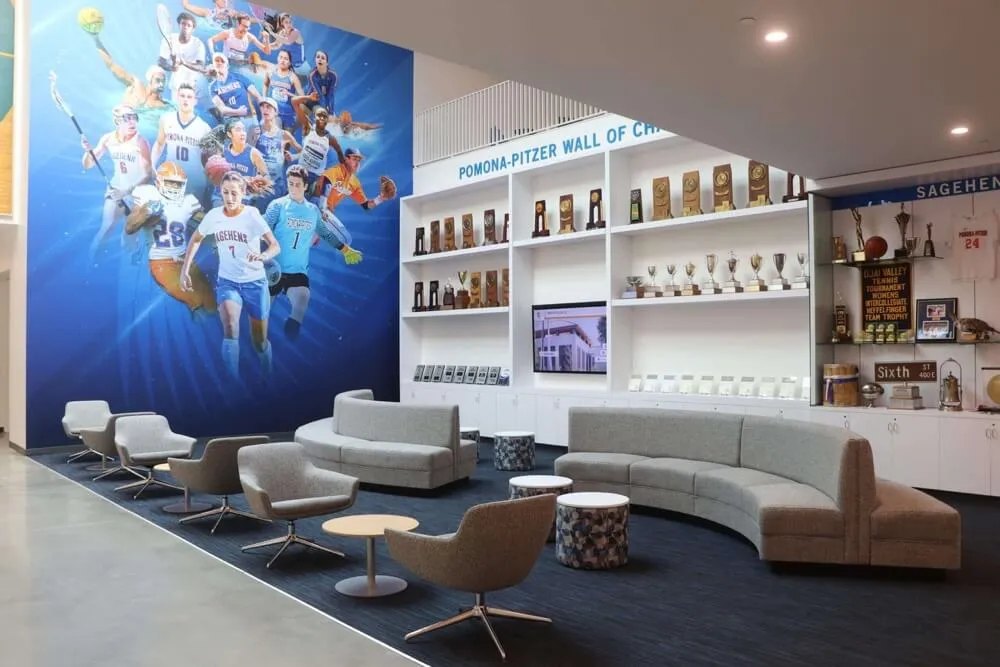
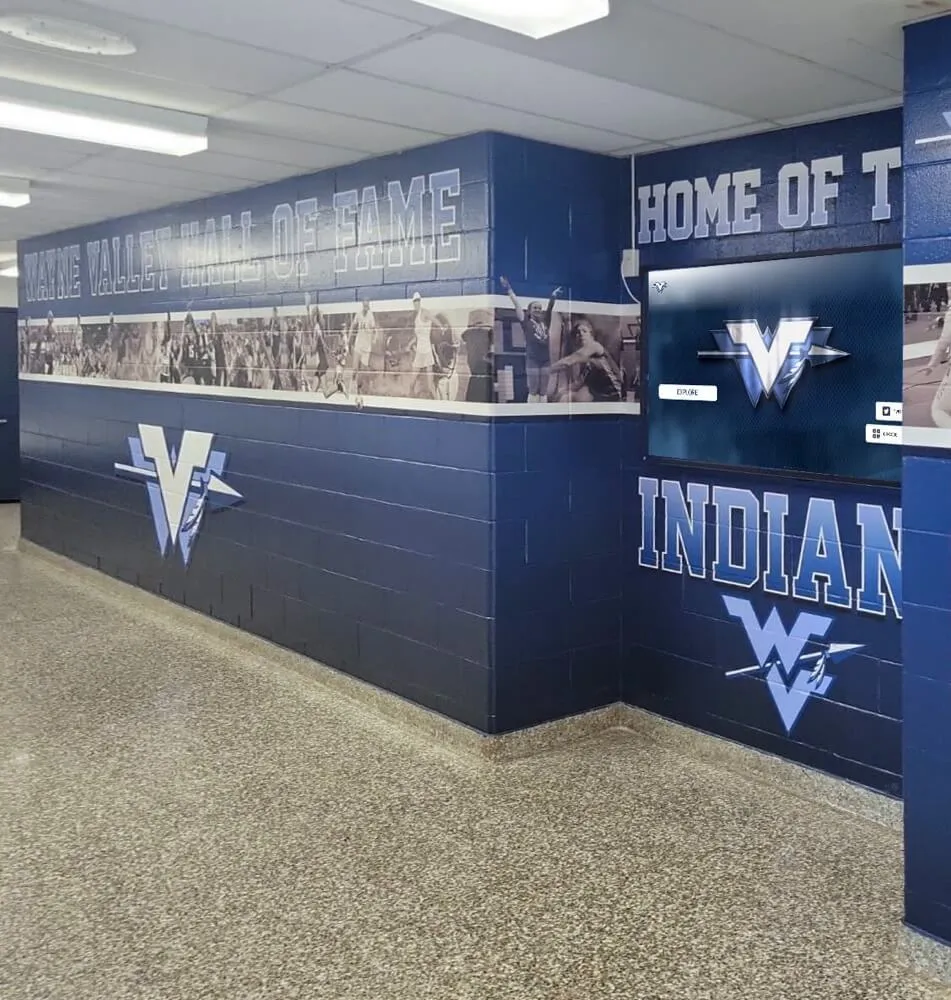
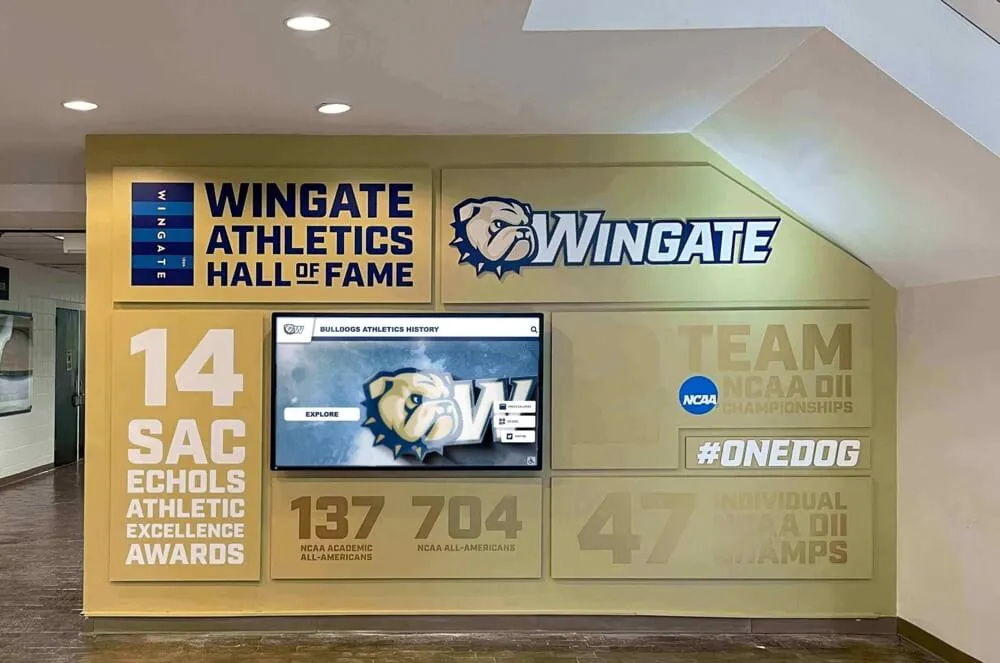
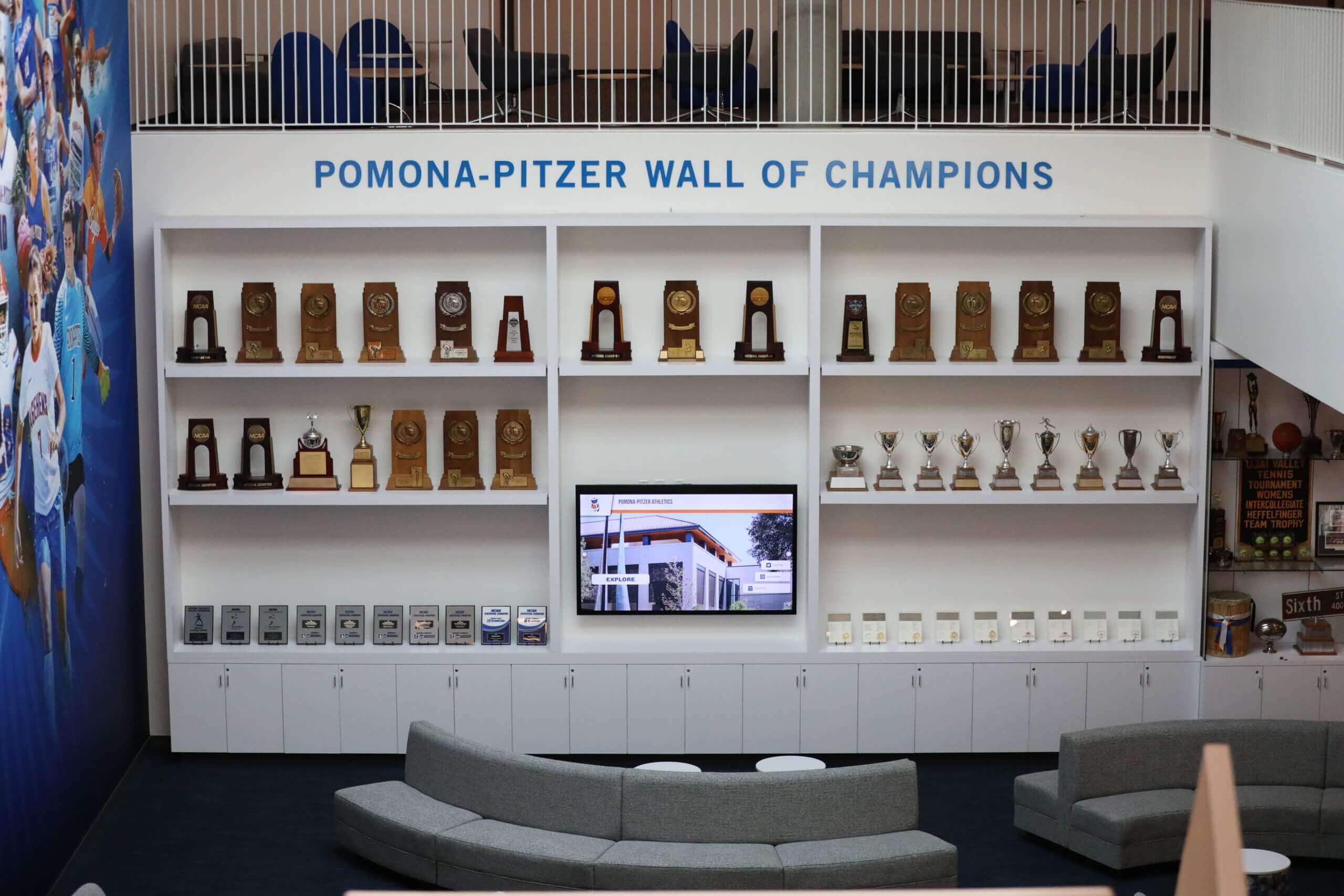
Traditional recognition displays include engraved plaques mounted in lobbies or sales floors, trophy cases displaying physical awards, dimensional lettering announcing achievement clubs, photo walls featuring performer portraits, and achievement walls listing names chronologically by recognition period.
While traditional displays create impressive permanent visual impact, they face significant limitations including physical space constraints limiting total individuals recognized, high per-person costs for quality materials and engraving, update difficulties requiring manufacturer coordination for additions, inflexibility preventing reorganization or content changes, and static content that cannot show dynamic performance data or engagement.
Traditional recognition works best for highest-level annual achievements where permanent recognition feels appropriate and where update infrequency matches recognition program timing—for example, President’s Club members honored once annually with new plaques added yearly.
Digital Recognition Display Systems
Dynamic, Scalable, and Engaging Recognition
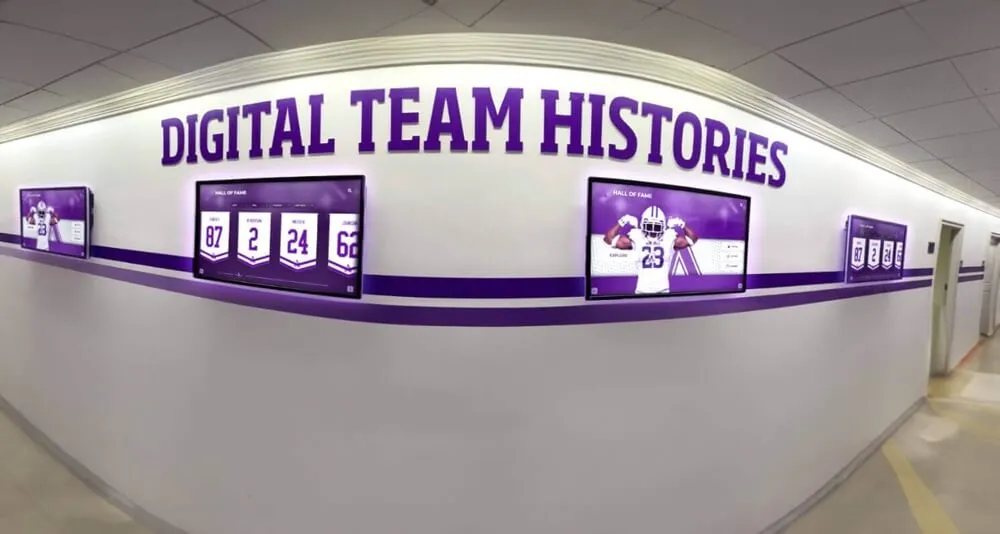
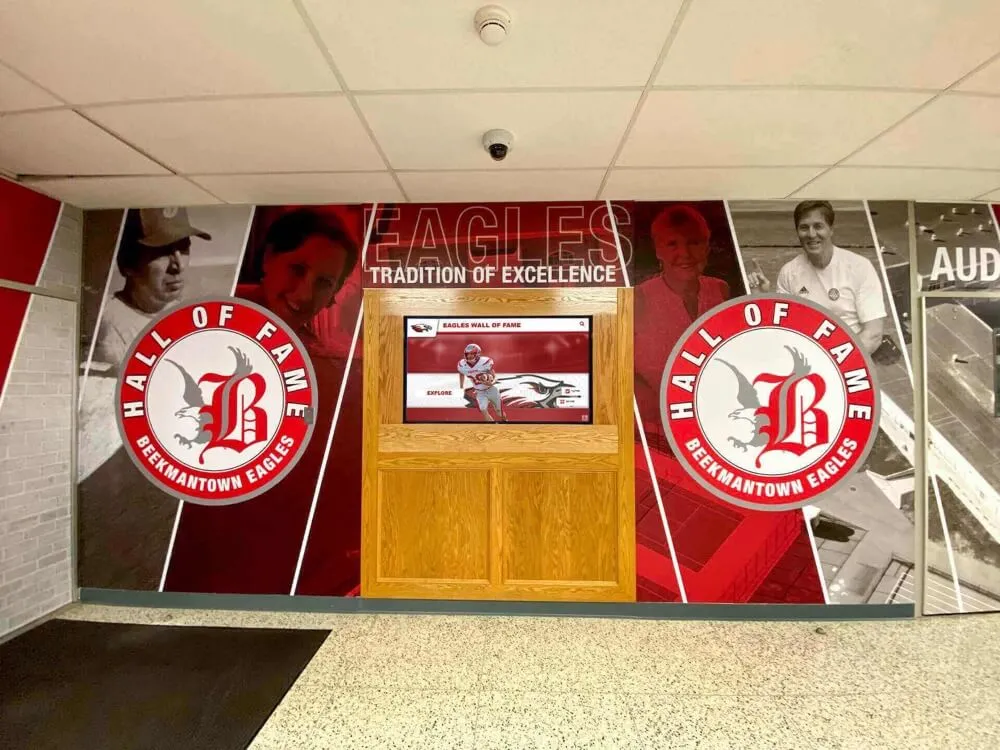
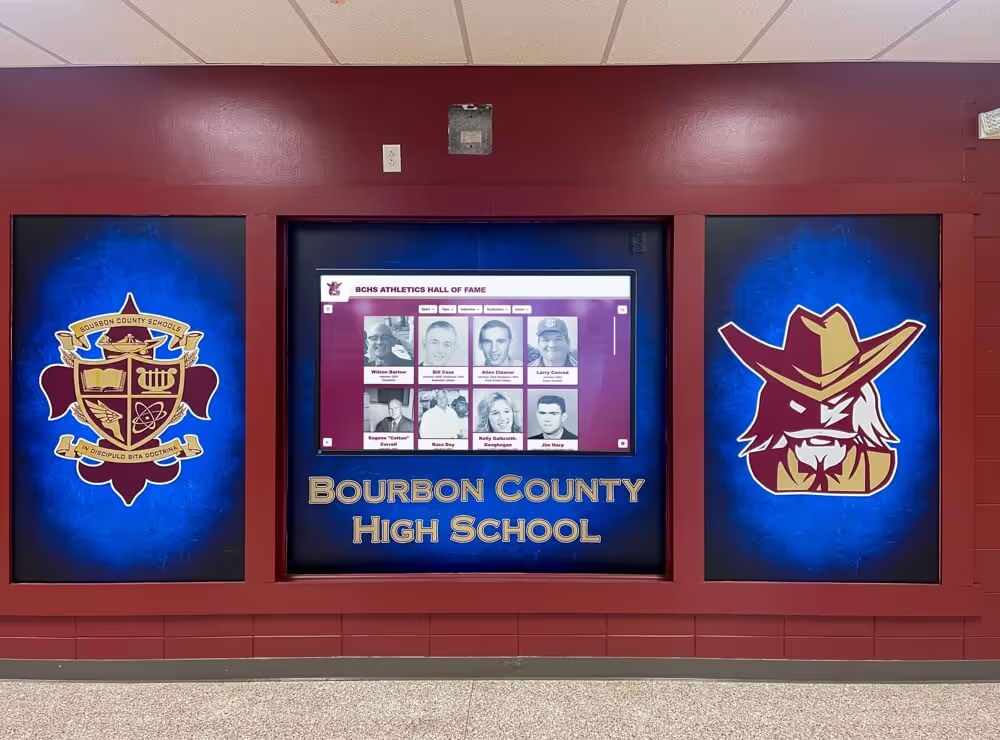
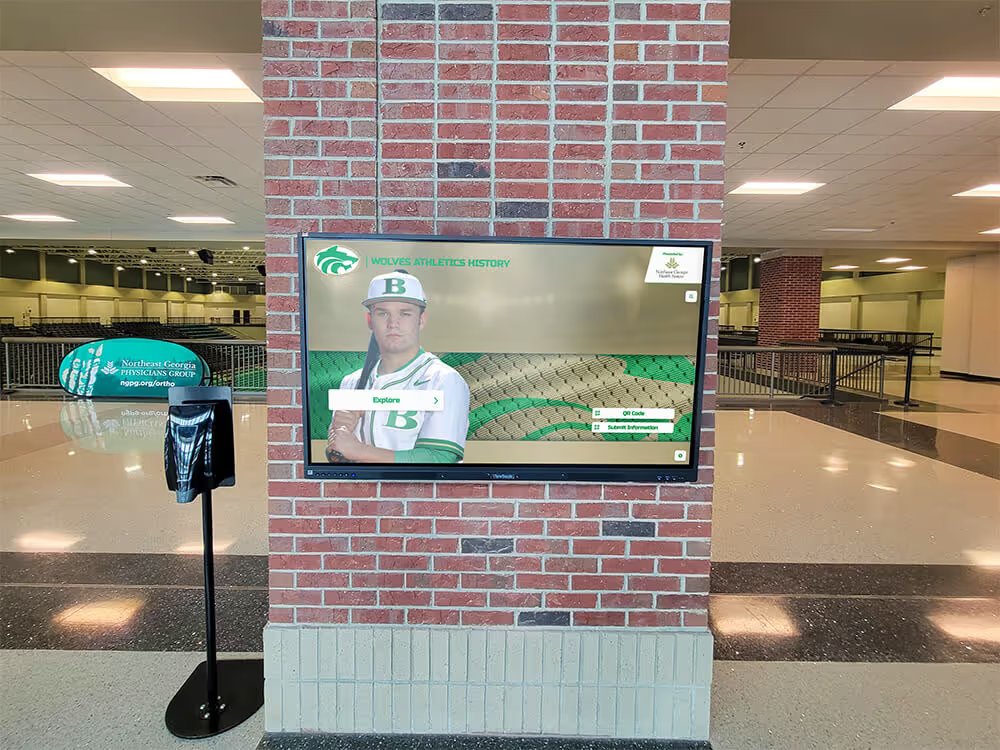
Digital recognition displays address traditional limitations while providing enhanced capabilities that transform recognition possibilities. Modern digital recognition systems offer unlimited capacity recognizing all qualified performers without space constraints, instant content updates reflecting current performance without manufacturing delays, dynamic multimedia content with photos, videos, and animations, real-time performance dashboards showing current metrics, gamification capabilities creating competitive engagement, remote management allowing updates from anywhere, and significantly lower long-term costs compared to repeated traditional manufacturing.
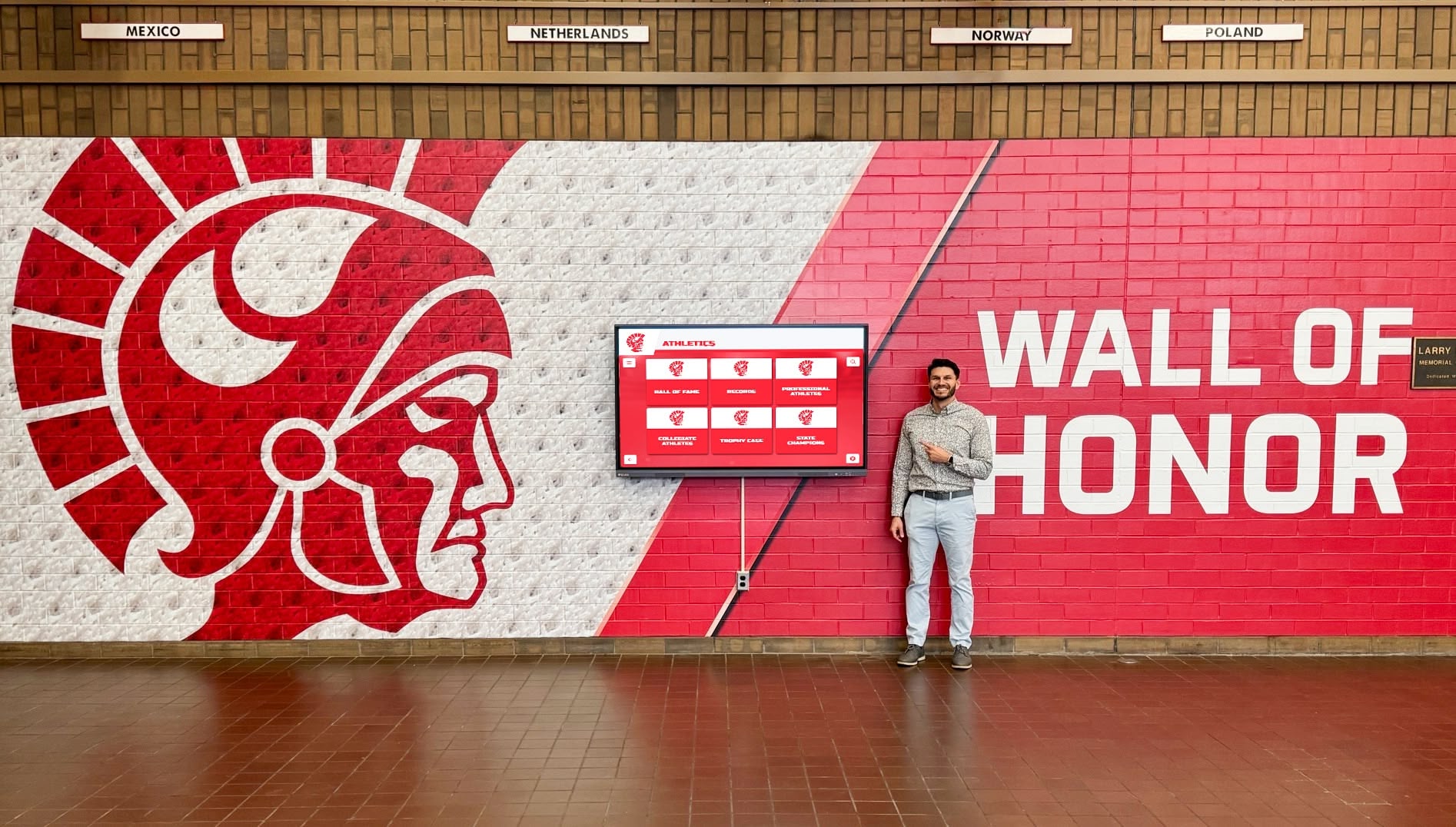
According to research on corporate recognition programs, organizations implementing digital recognition solutions report 35% increases in employee engagement with recognition programs and significant improvements in ability to maintain current, relevant content that teams actually view regularly.
Digital Display Technology Options
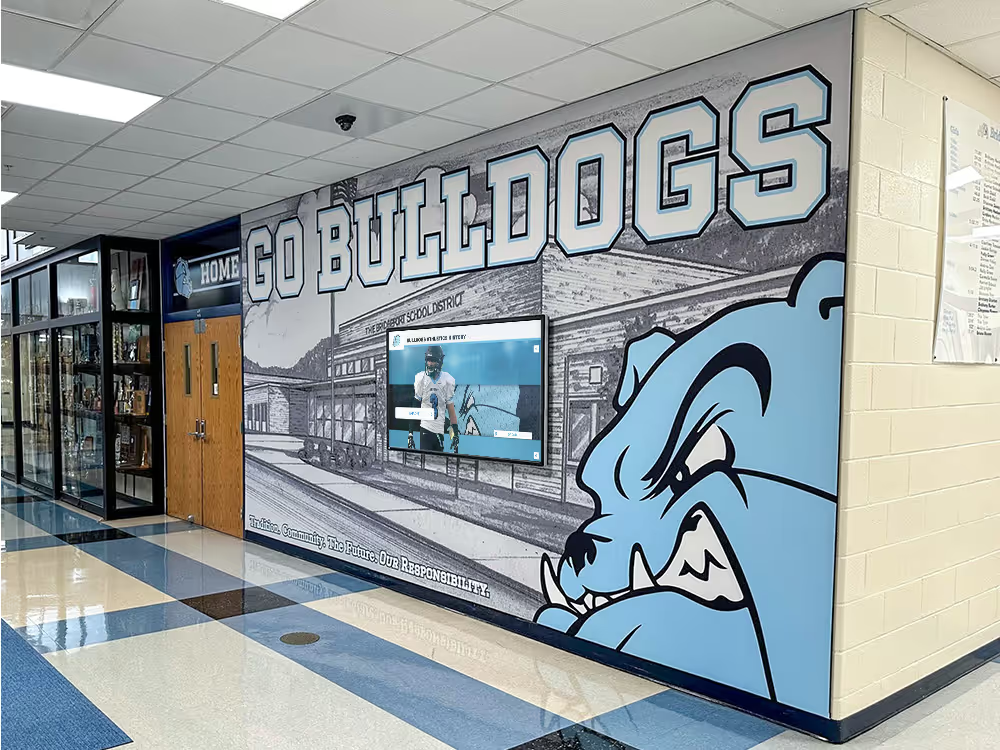
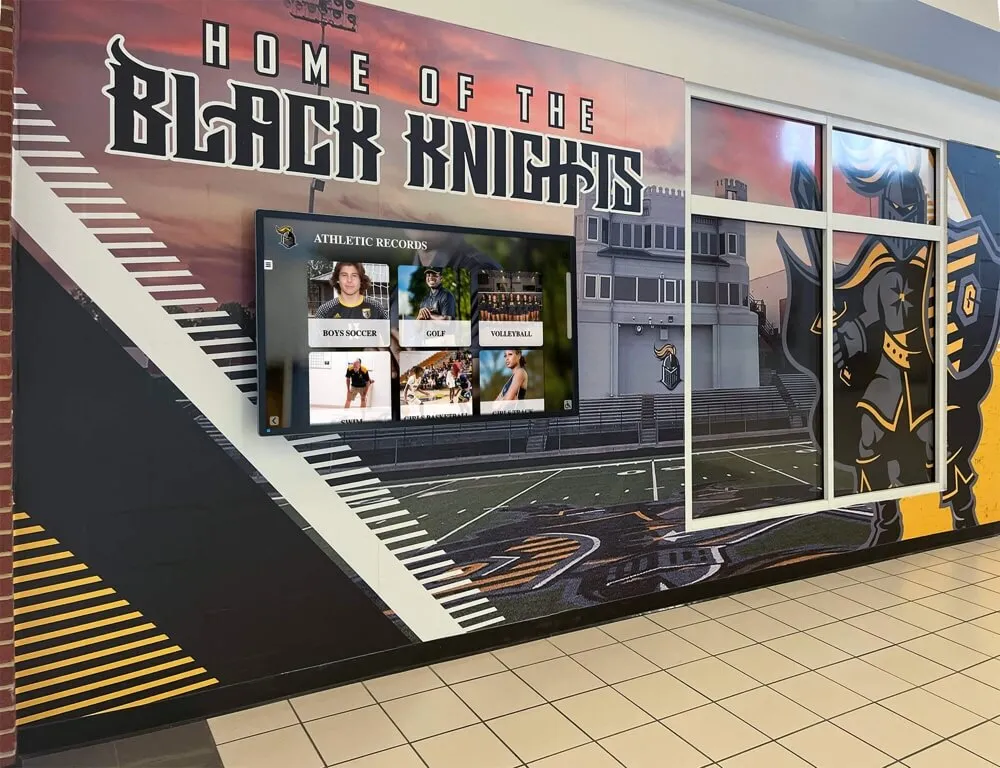
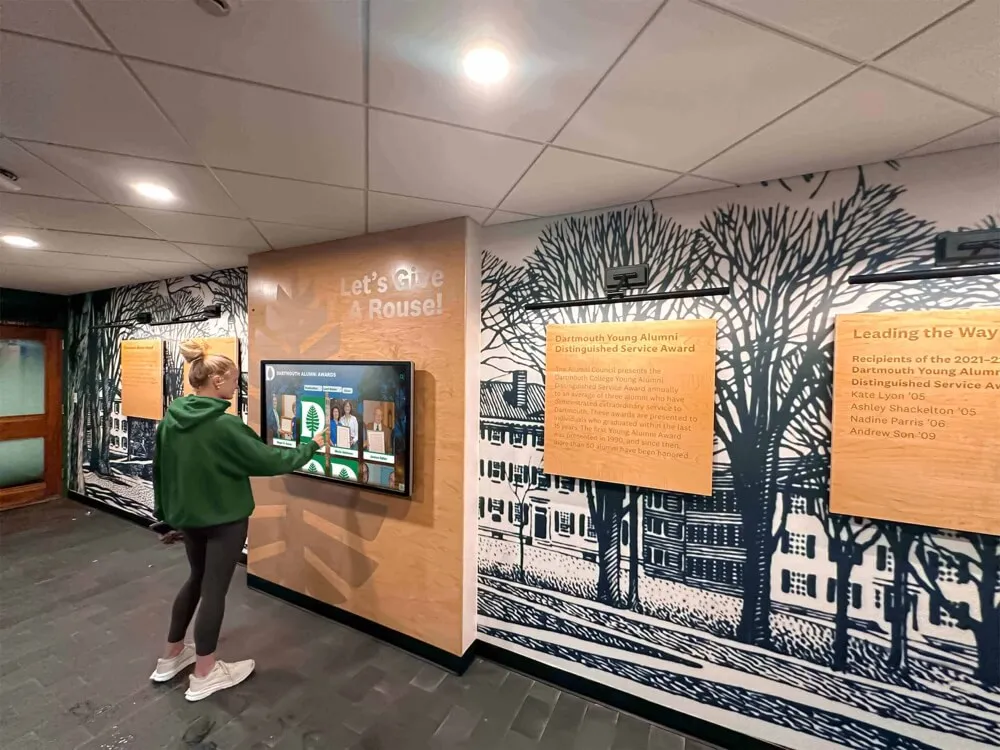
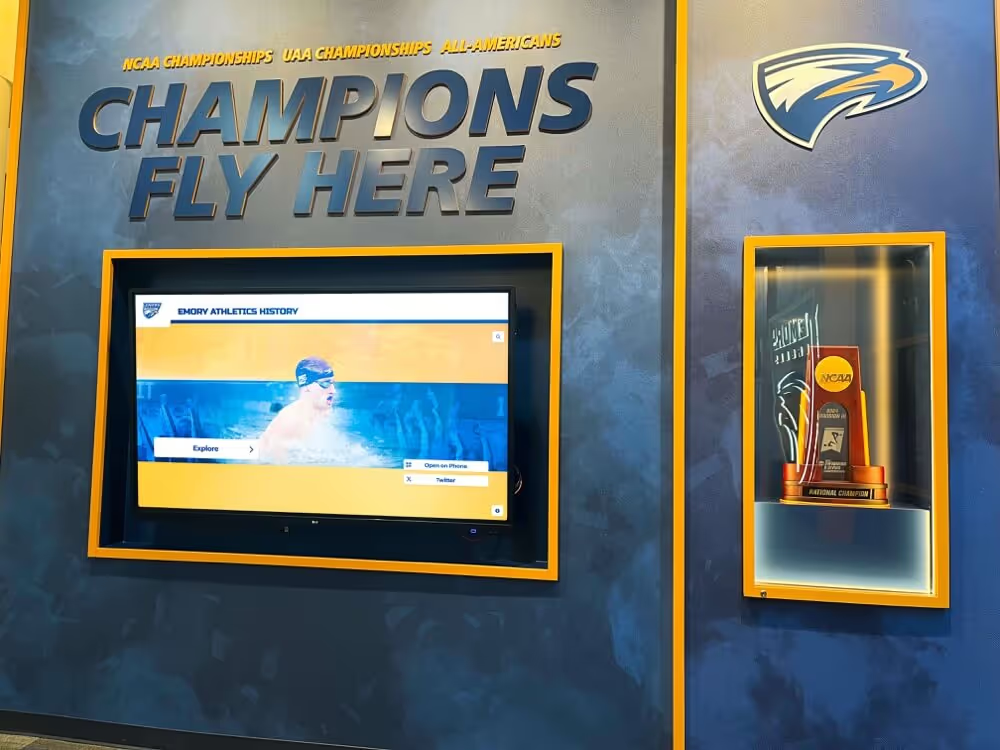
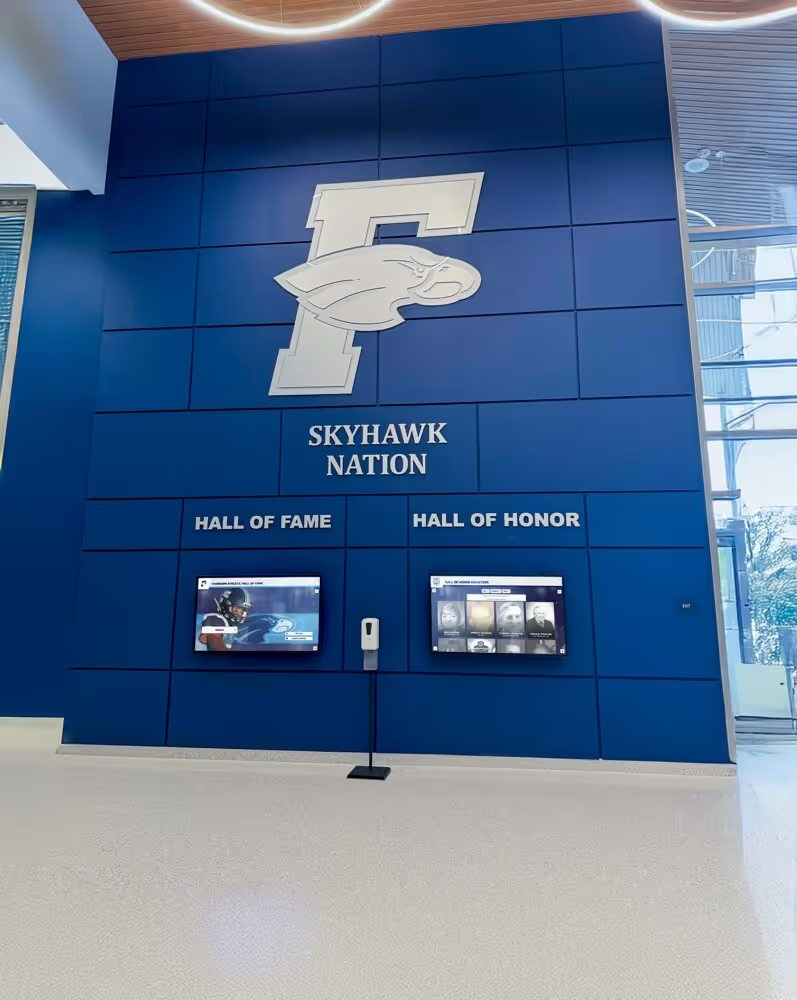
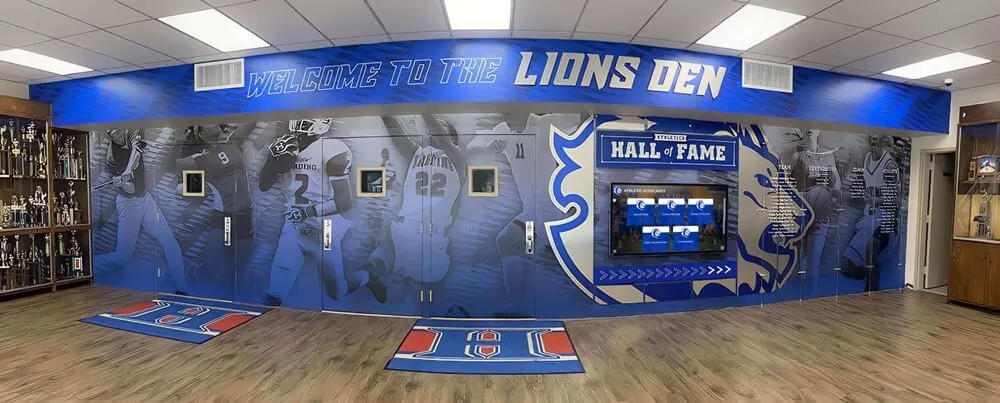
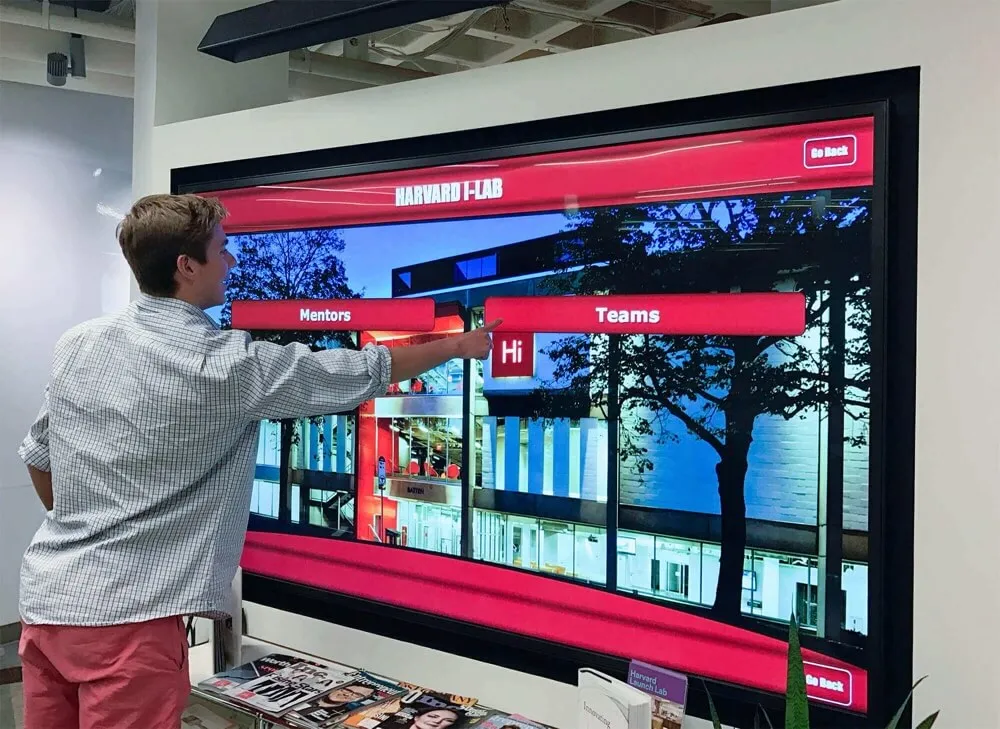
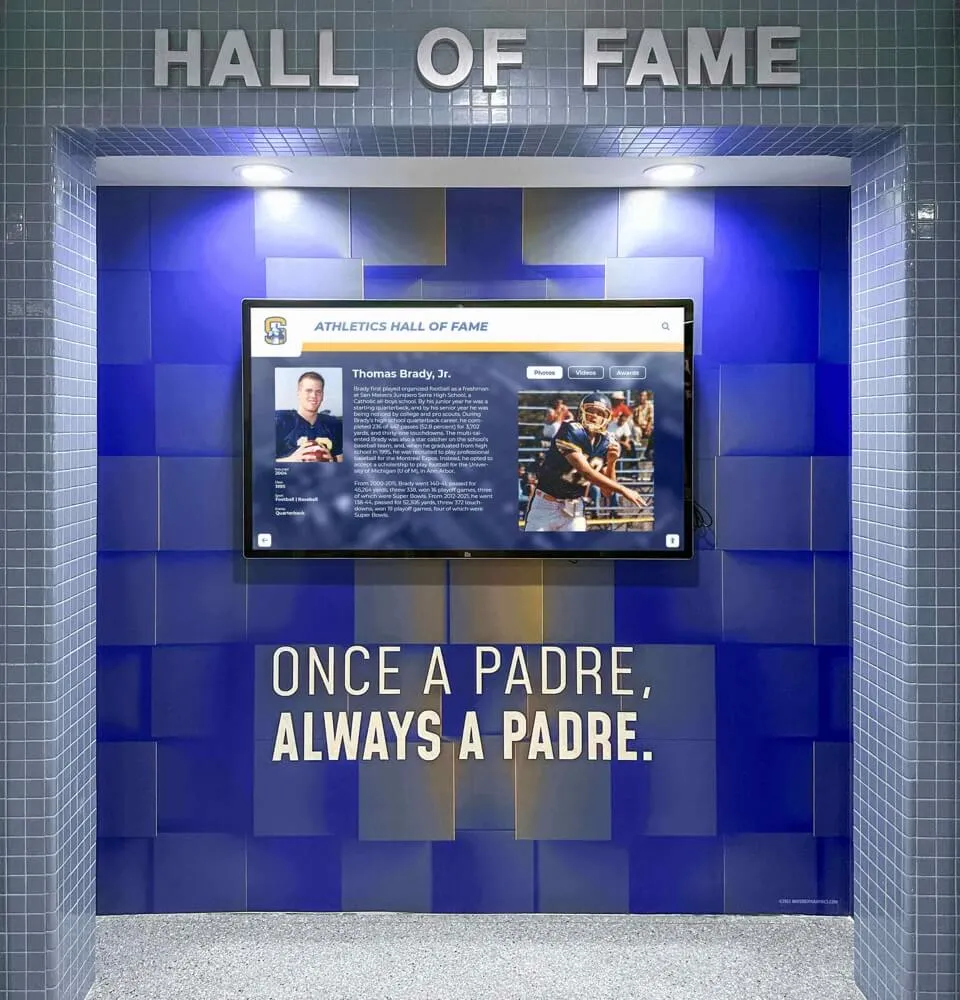
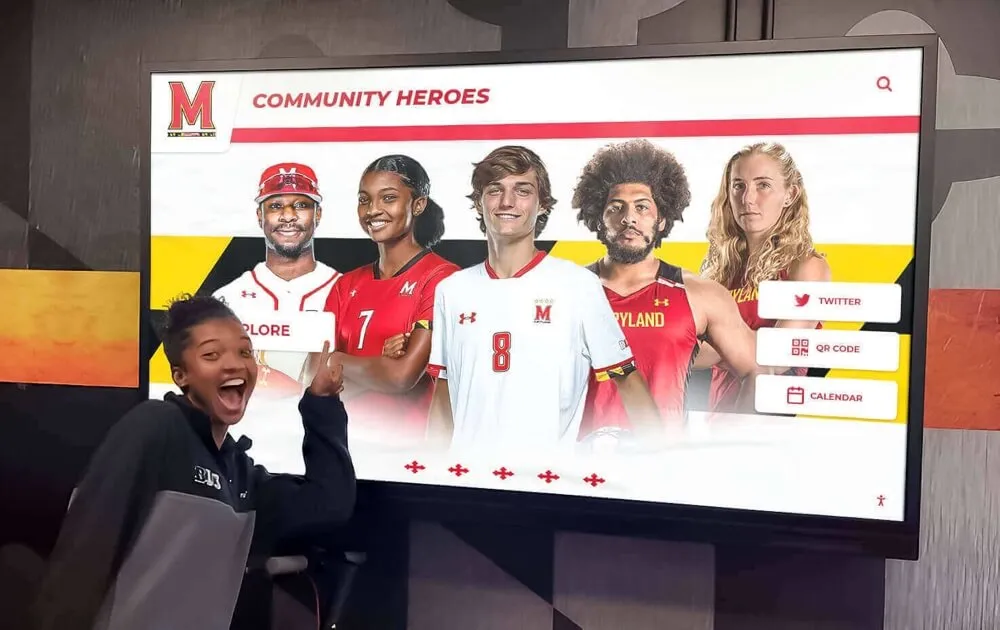
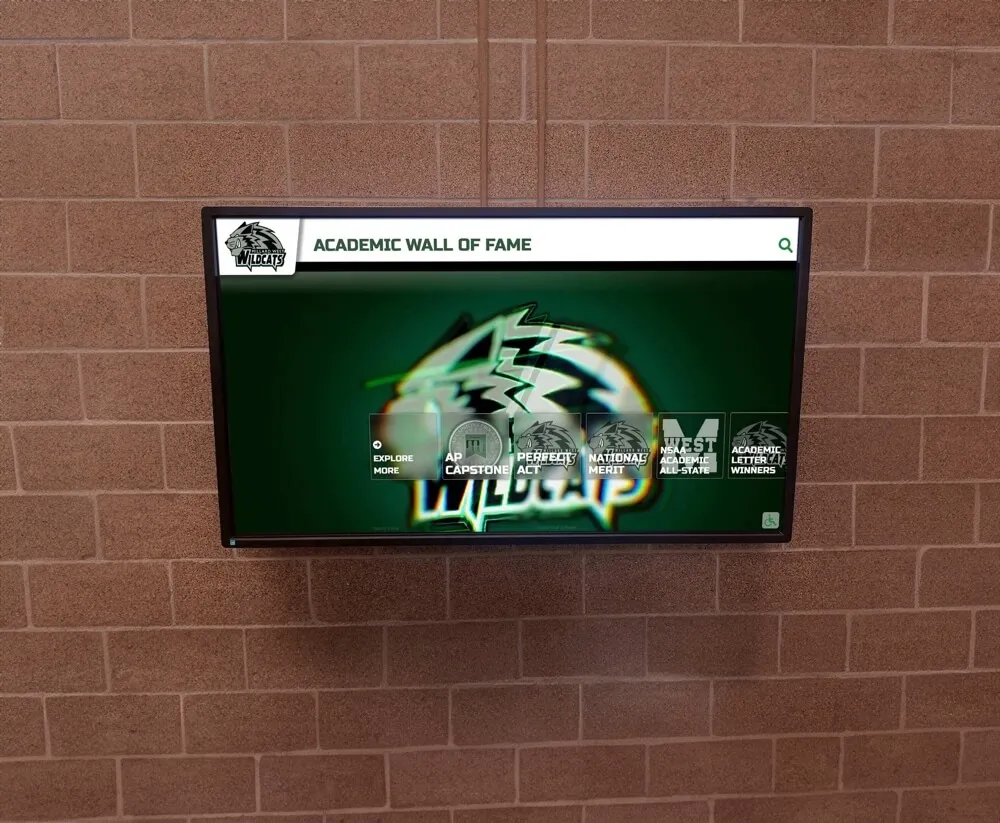
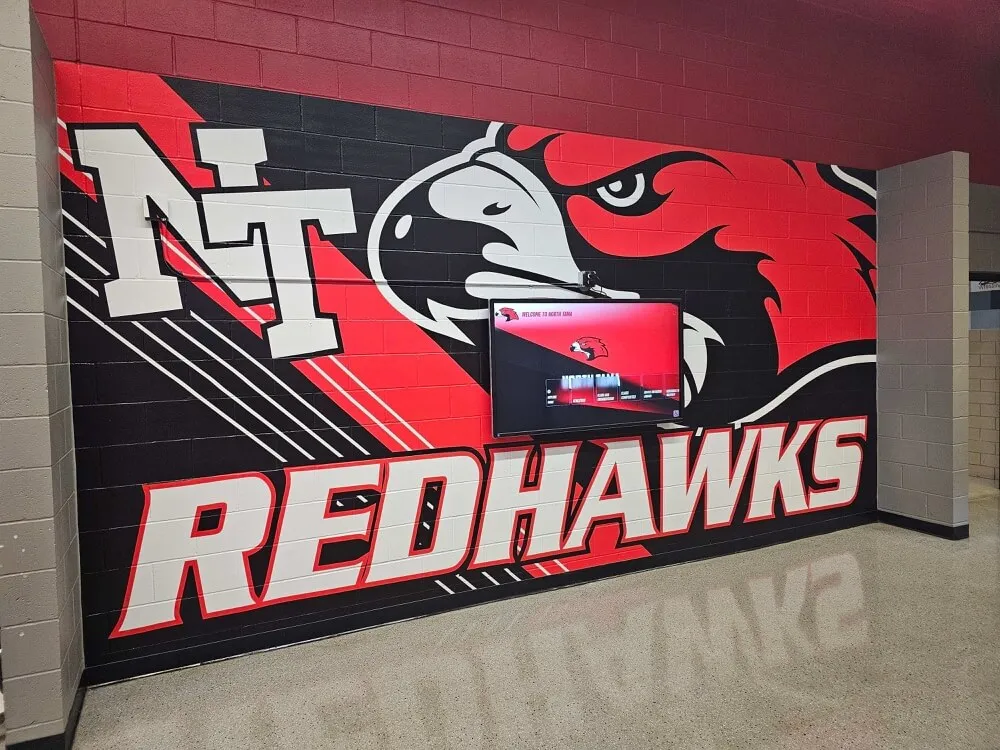
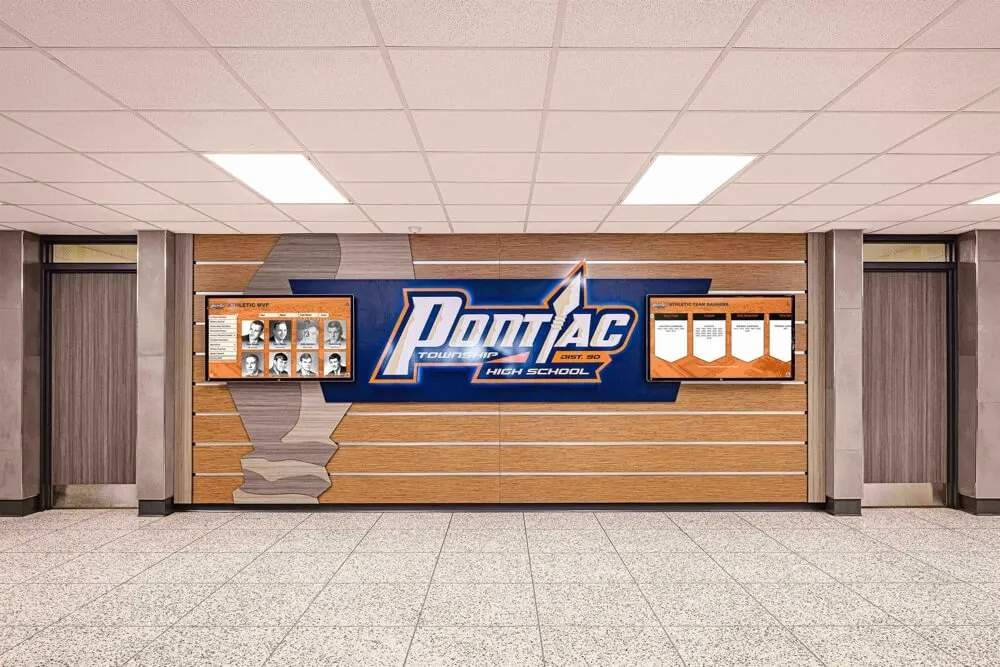
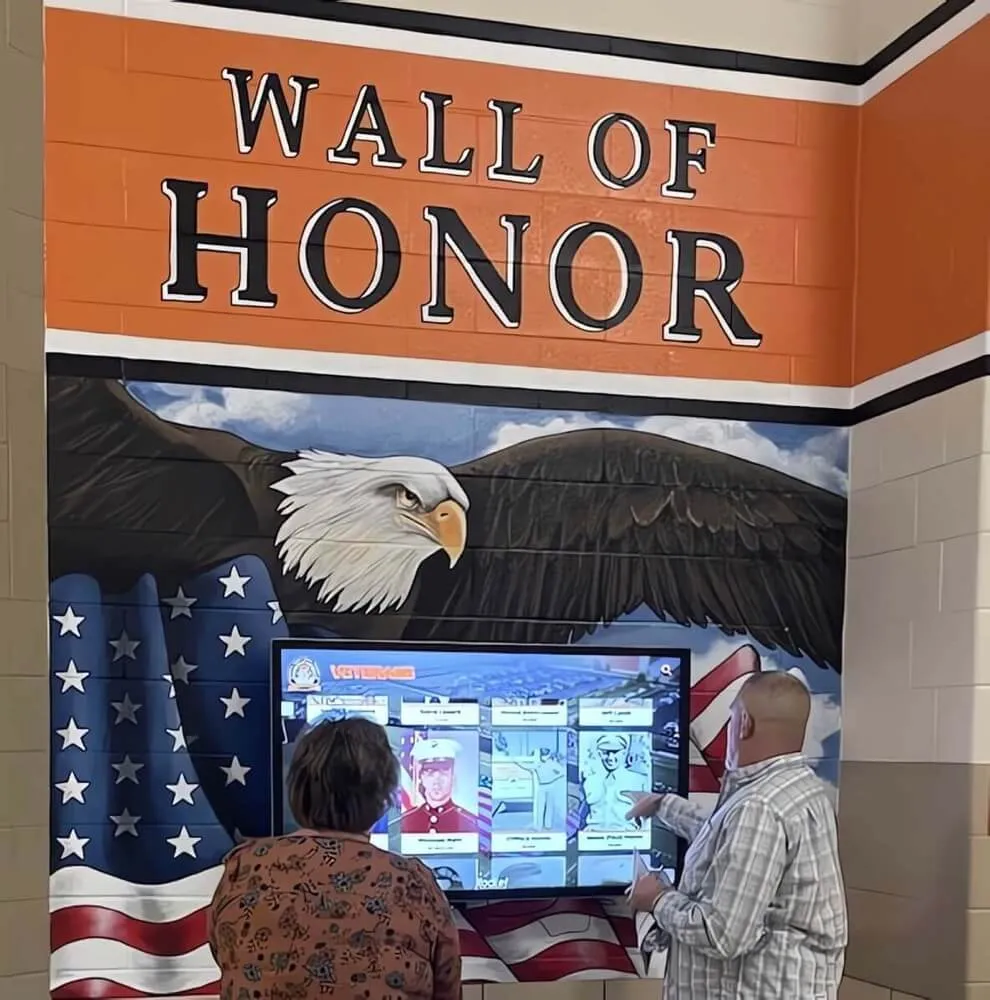
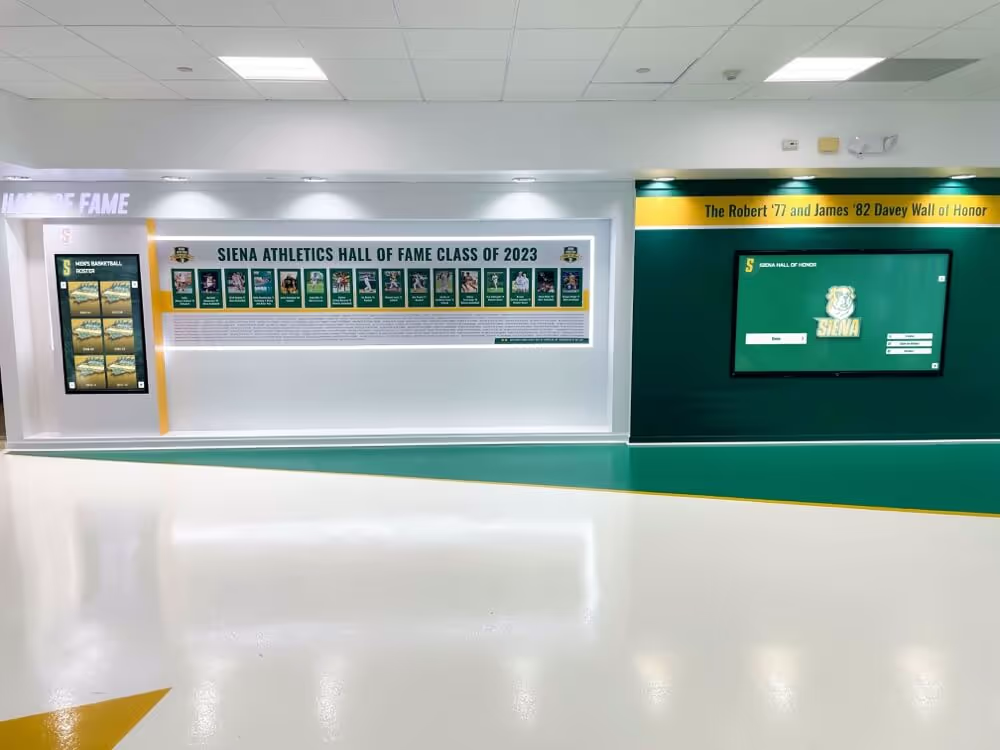
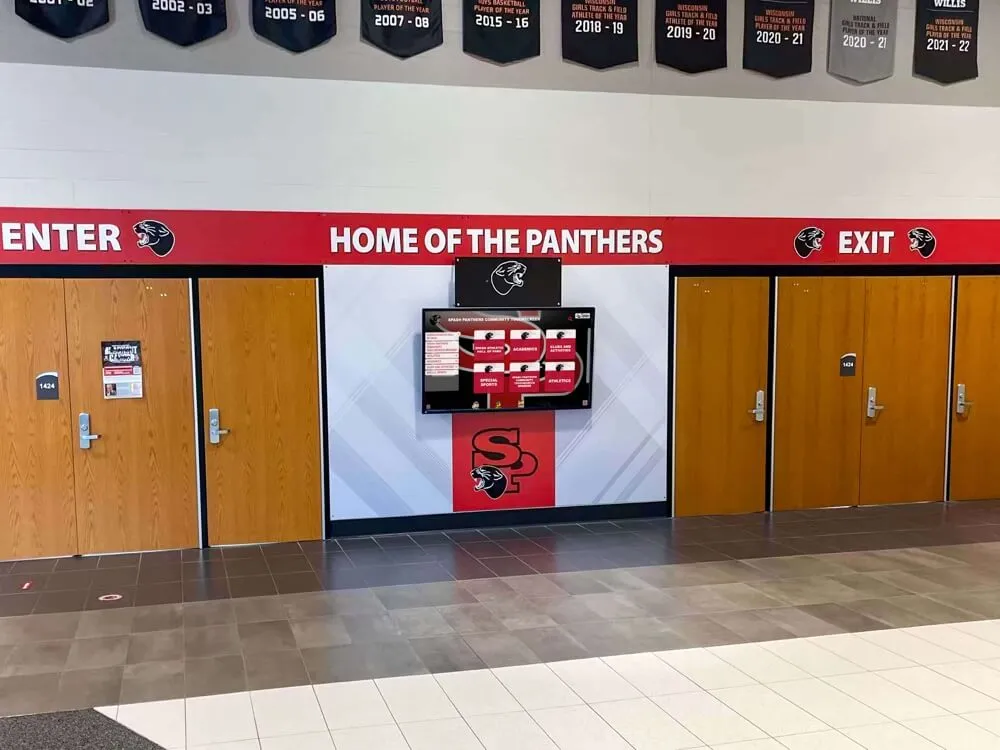
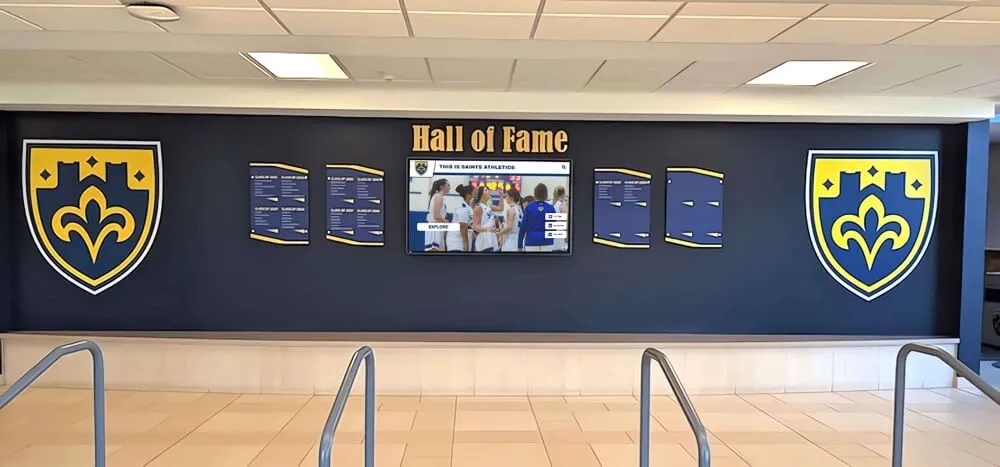
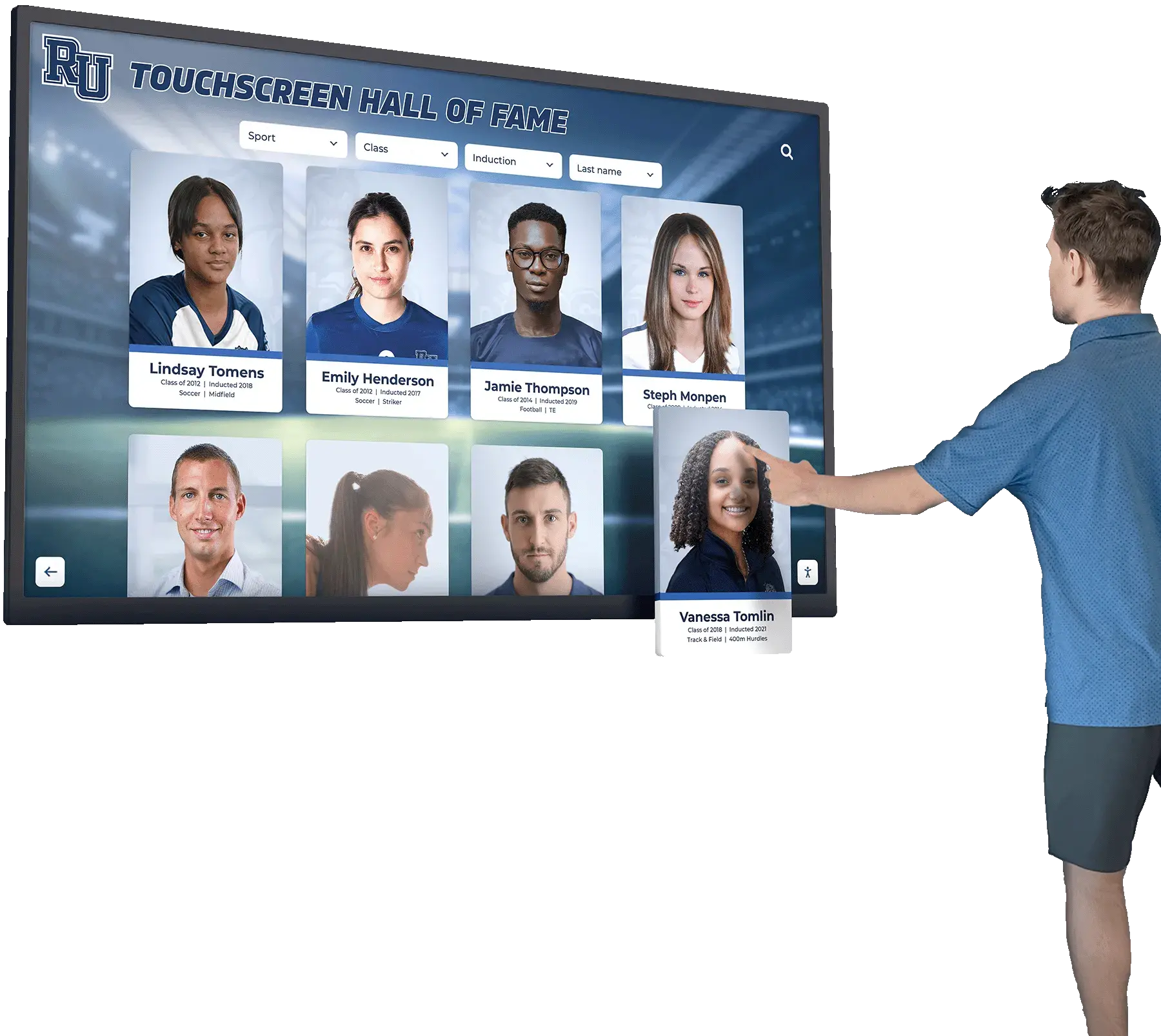
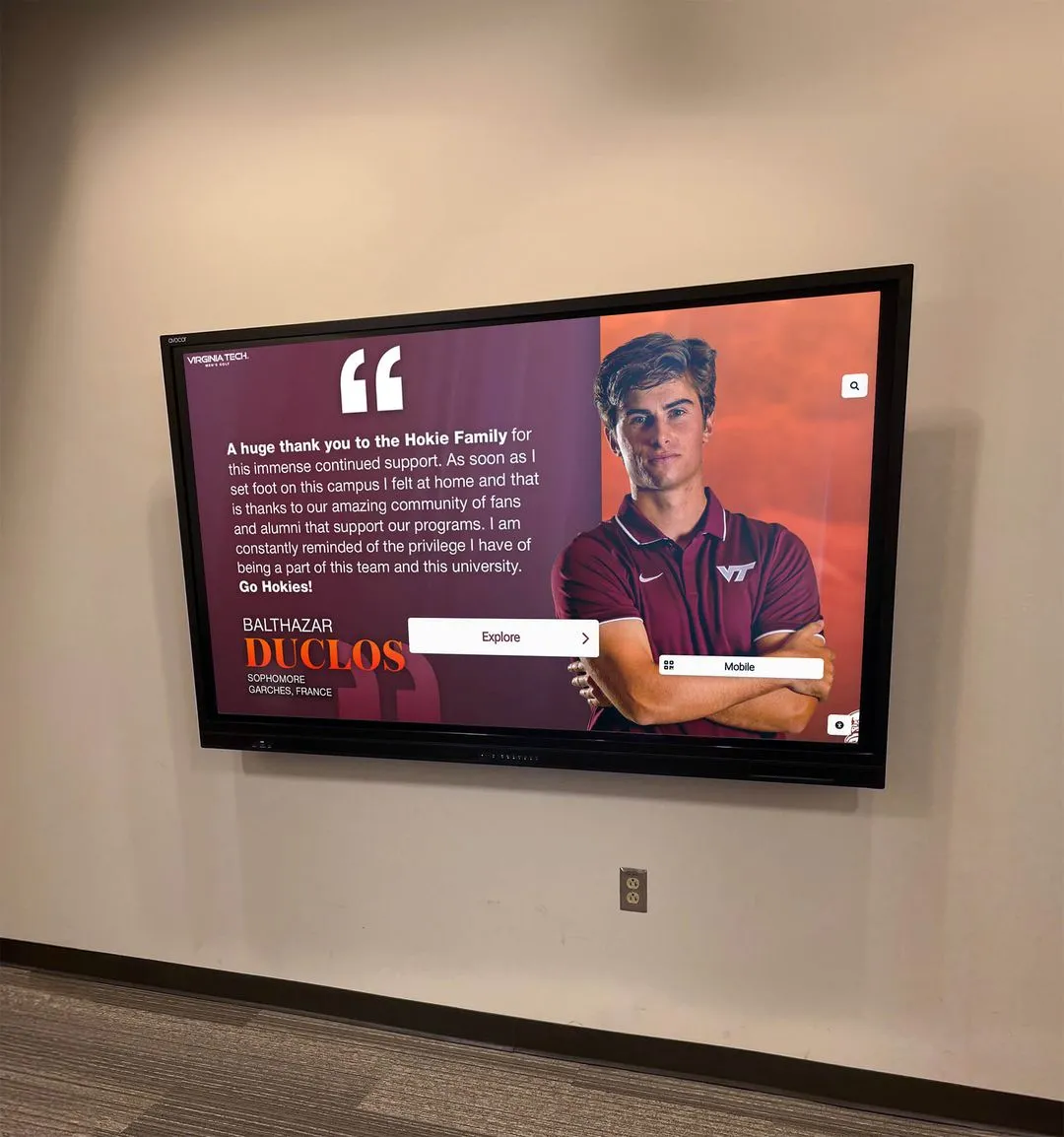
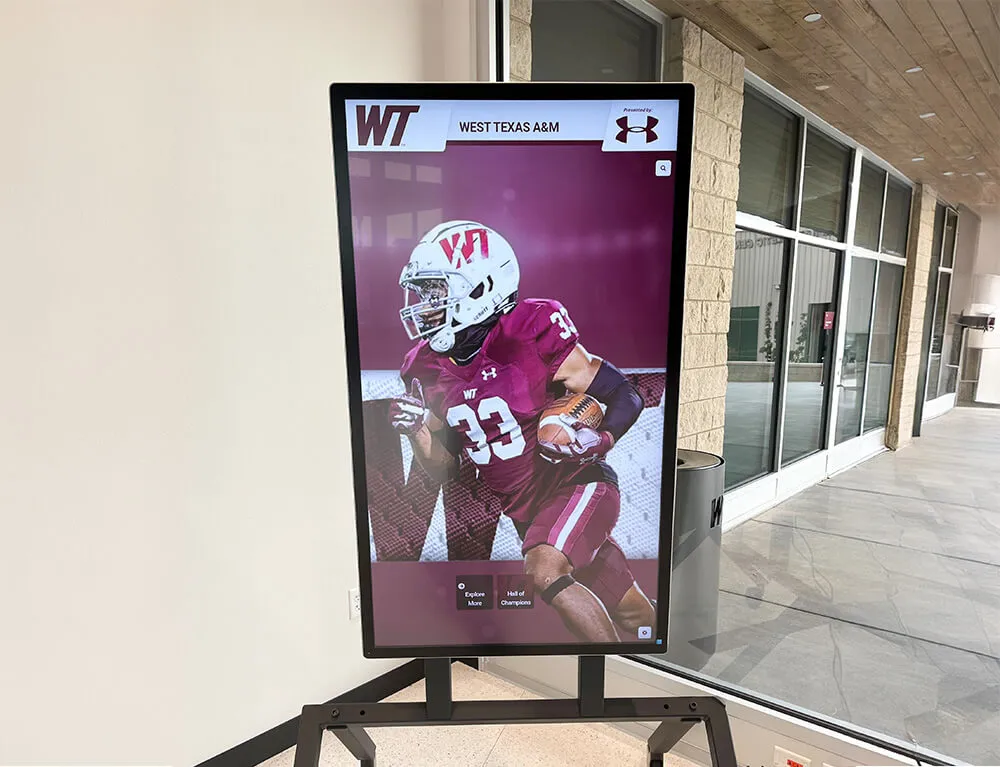
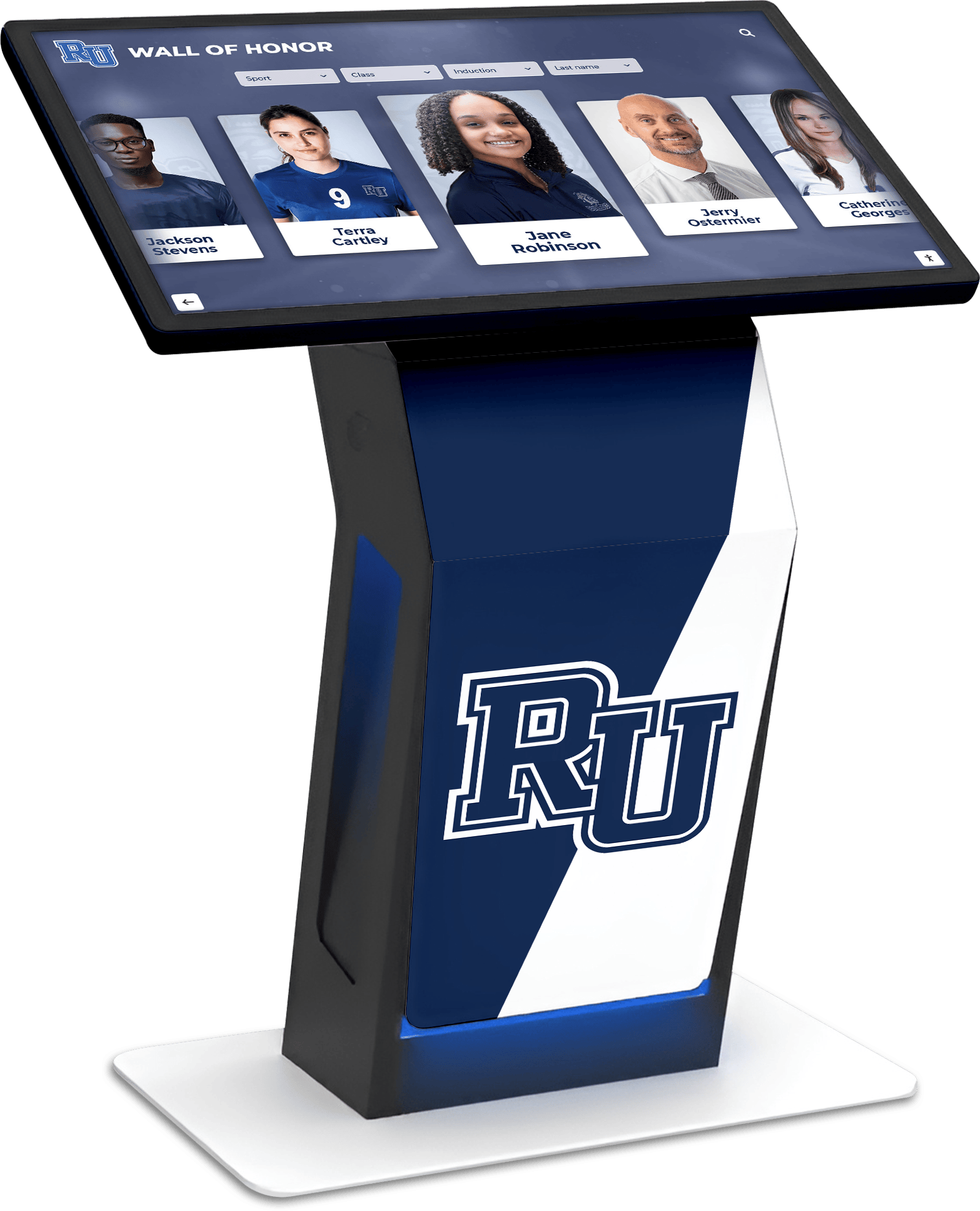
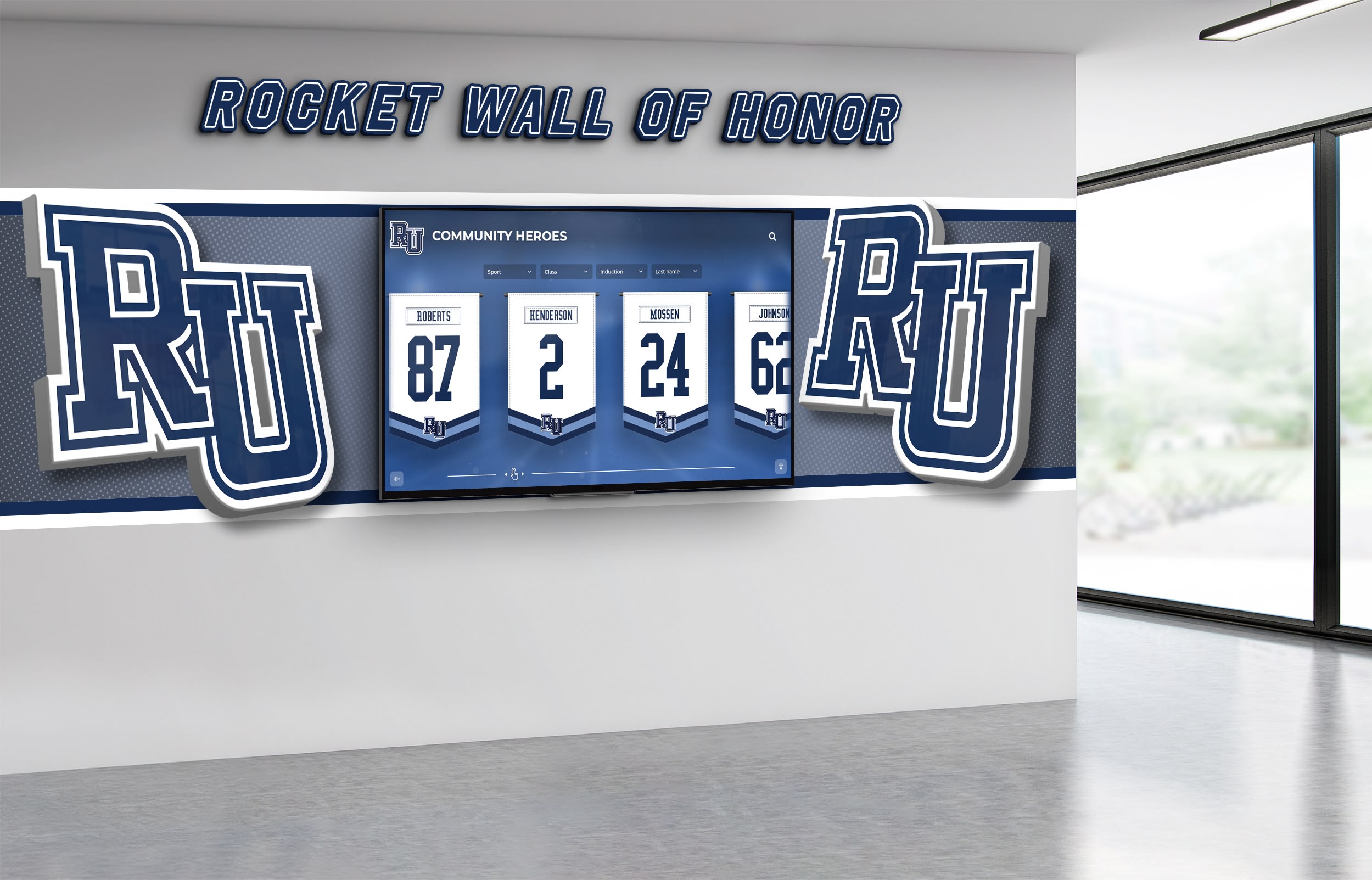
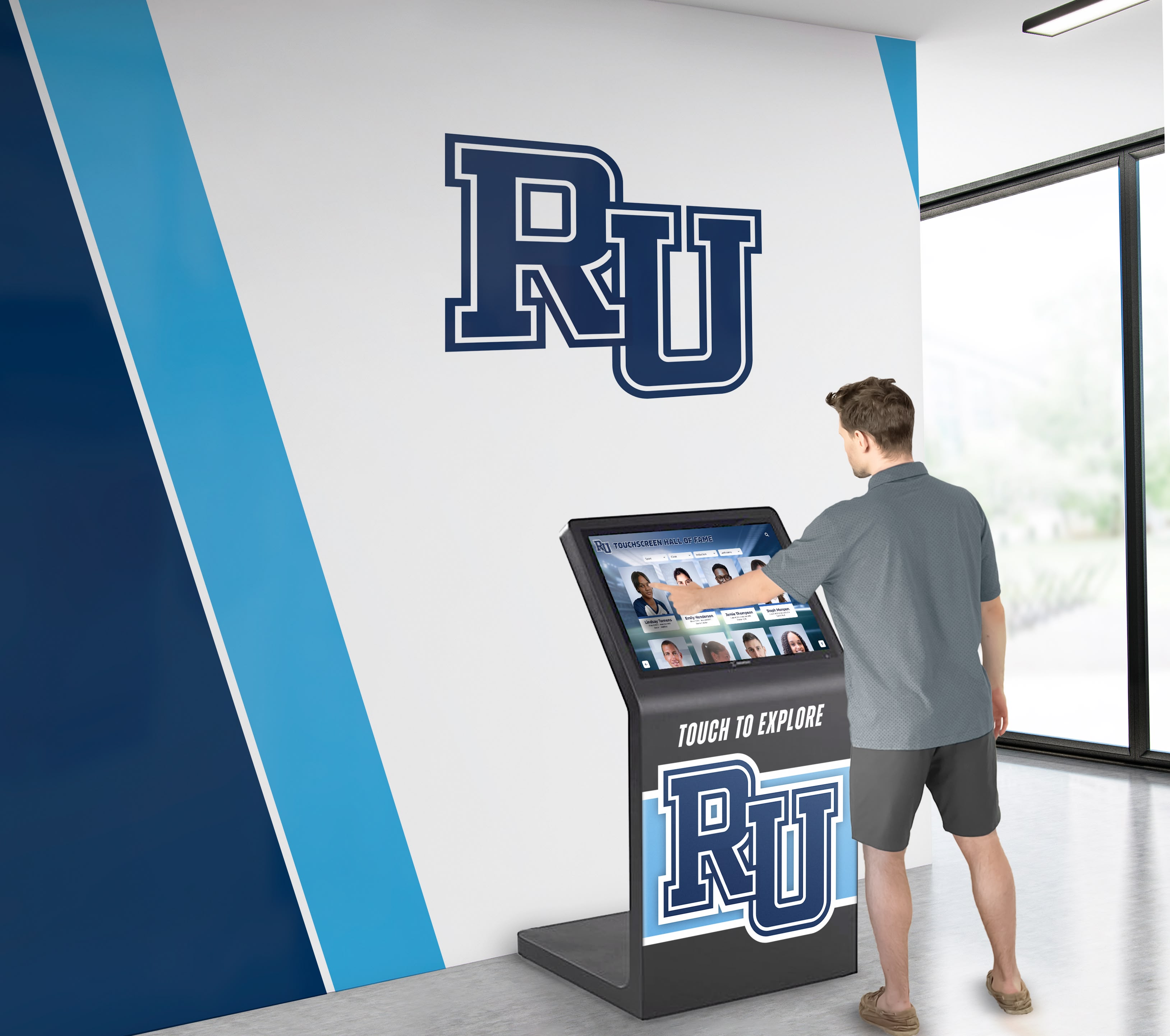
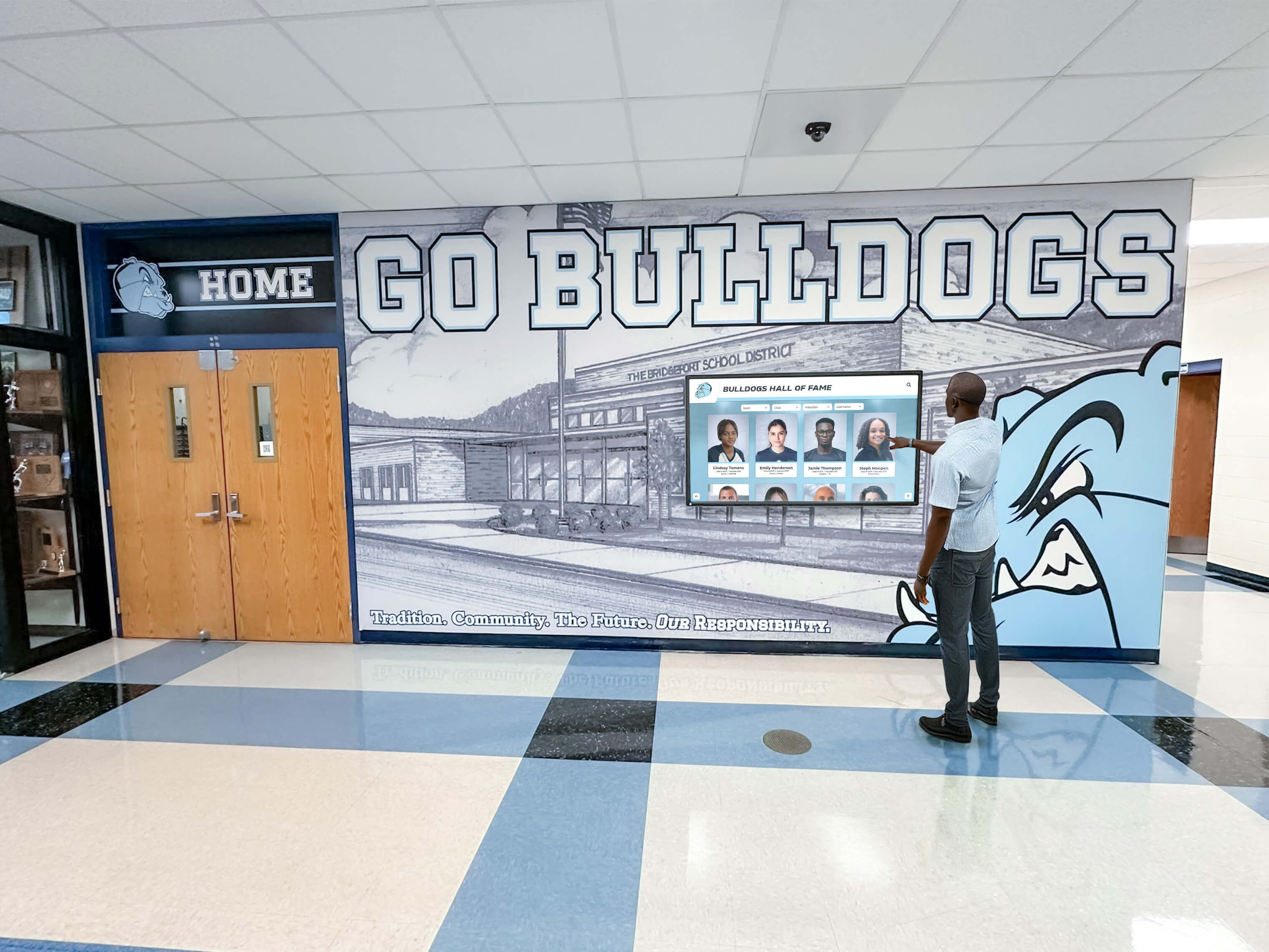
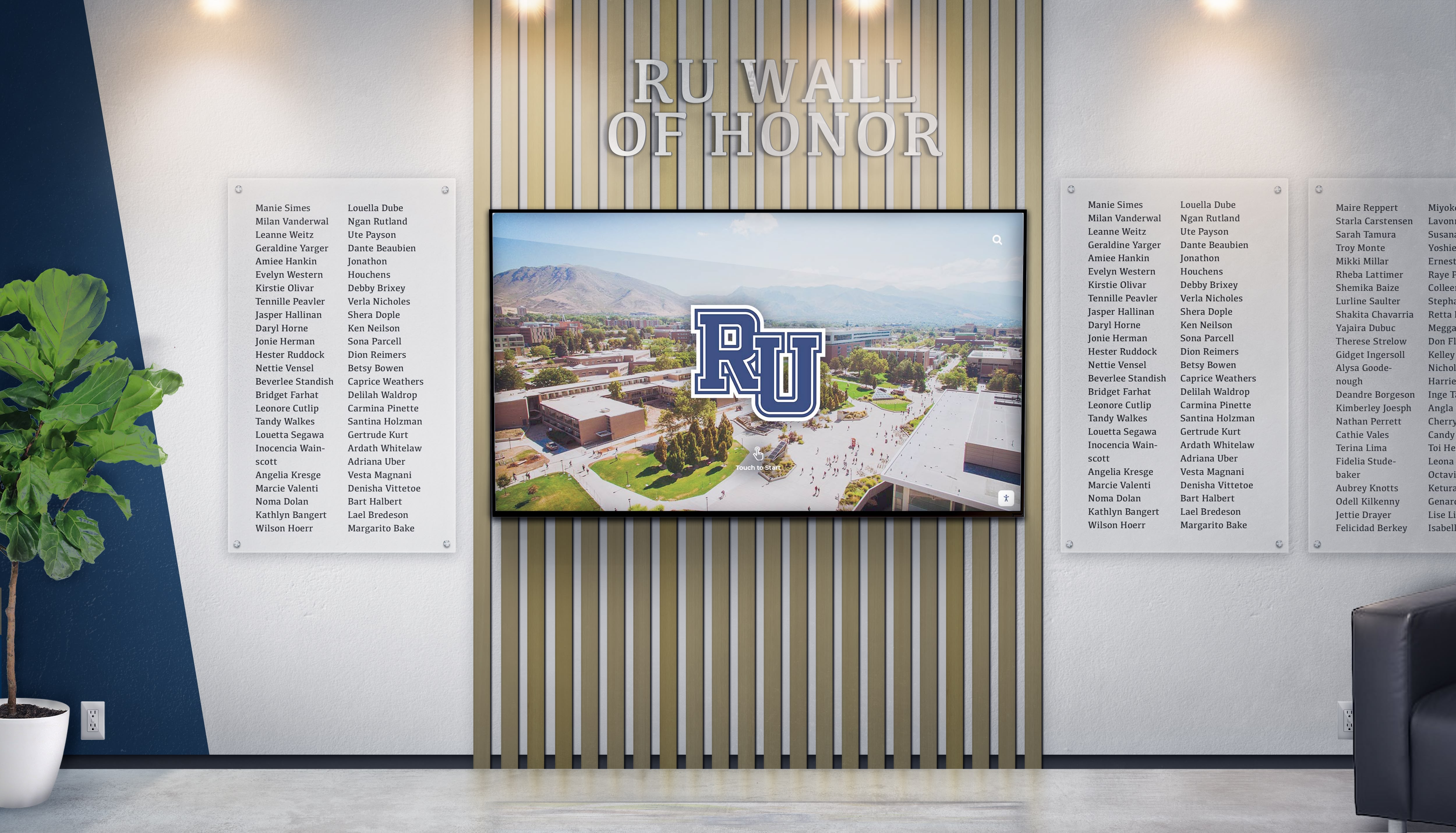
Digital recognition implementations use various technologies including large-format LCD or LED displays showing rotating content, interactive touchscreen kiosks allowing exploration of recognition details, video walls creating high-impact visual presence, desktop displays integrated into individual workstations, and mobile-accessible platforms extending recognition beyond physical office locations.
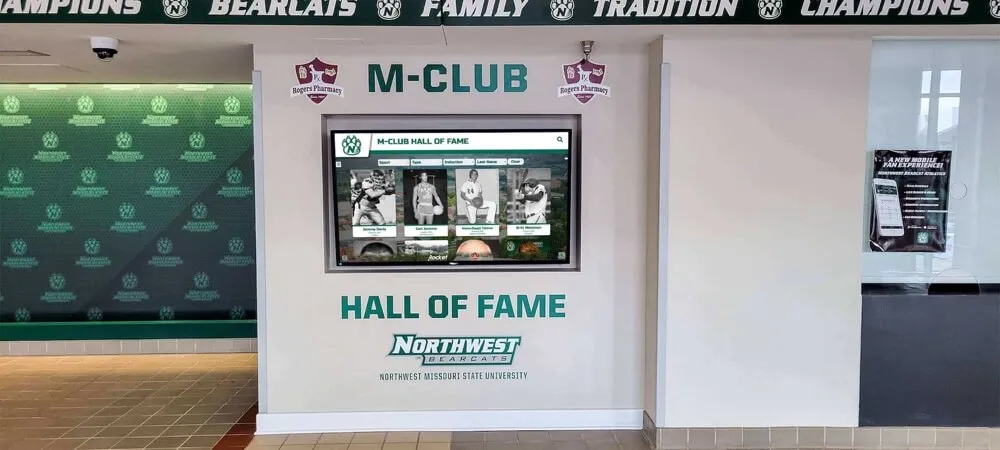
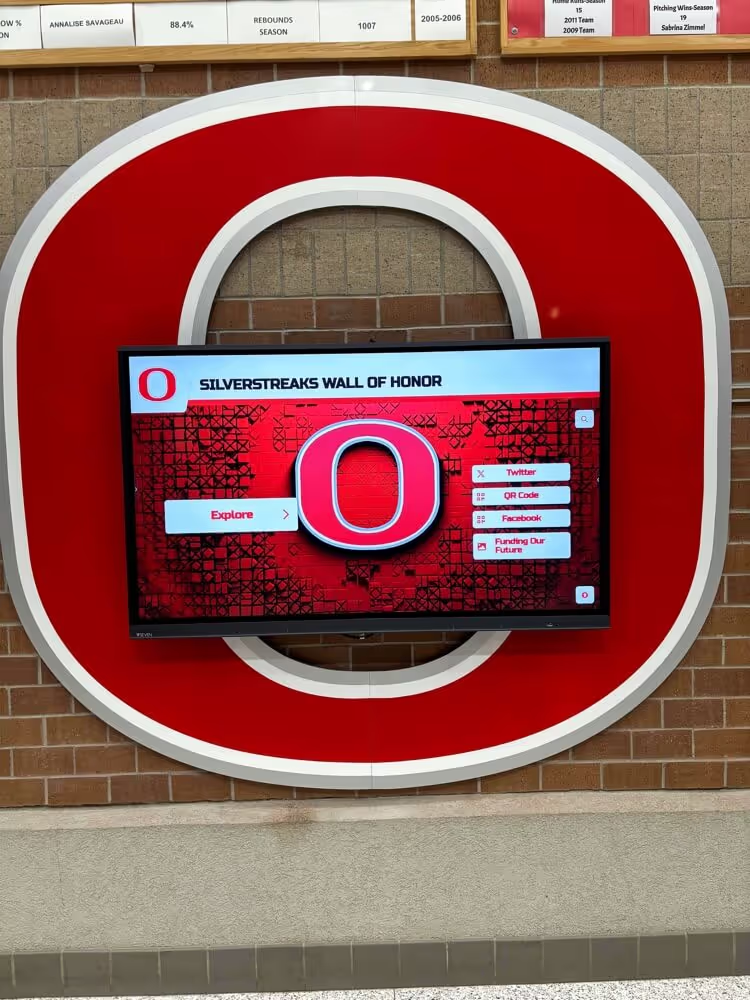
Solutions like digital recognition displays from Rocket Alumni Solutions provide purpose-built platforms designed specifically for recognition programs, offering intuitive content management, commercial-grade hardware, and engaging interfaces that honor achievers while creating motivational experiences for all viewers.
Hybrid Recognition Approaches
Combining Traditional and Digital Elements
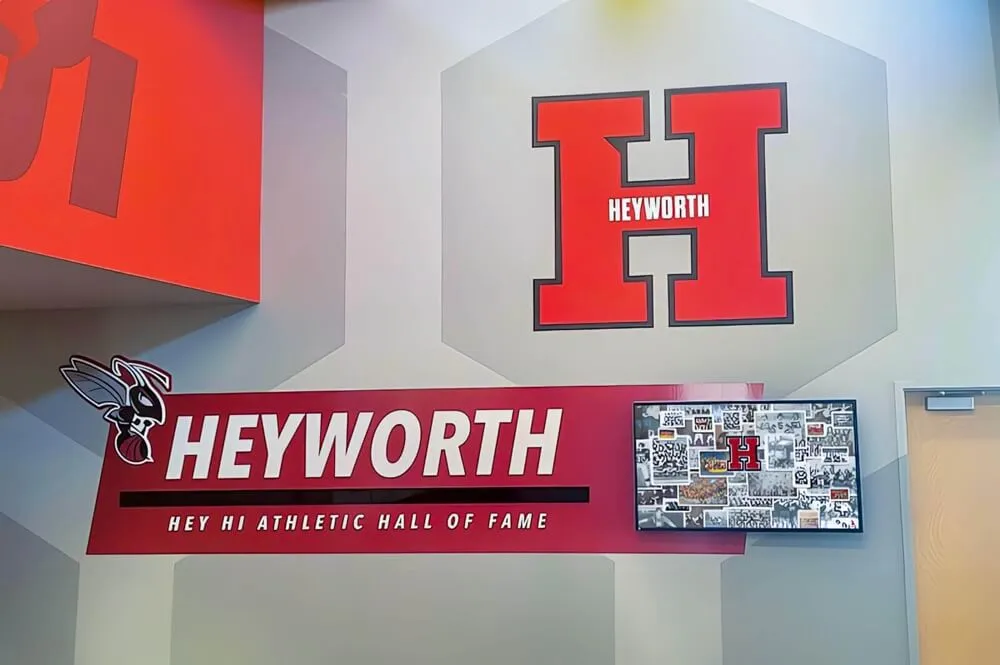
Many organizations implement hybrid recognition strategies combining traditional and digital components including traditional trophies or plaques for elite annual awards alongside digital displays for comprehensive monthly or quarterly recognition, architectural features providing permanent visual impact complemented by digital content showing current performance, physical awards ceremonies enhanced by digital presentations and multimedia storytelling, and phased implementation transitioning from traditional to digital systems over time as traditional elements reach capacity or require replacement.
These hybrid approaches honor existing traditional investments and maintain valued ceremony elements while gaining digital advantages for expanded capacity, timeliness, and engaging dynamic content that static displays cannot provide.
Essential Content Elements for Sales Recognition Displays
Regardless of technology format, effective sales recognition displays include specific content elements that honor achievement appropriately while motivating continued and improved performance.
Individual Recognition Components
Celebrating Personal Achievement
Individual recognition on displays should include performer names using preferred professional names, professional photos providing visual identity and personal connection, specific achievement details stating exactly what earned recognition, relevant performance metrics showing quantified results, recognition category or tier designation, time period specifying when achievement occurred, and congratulatory messaging celebrating success appropriately.
For digital displays, enhanced content can include video messages from leadership congratulating performers, video testimonials from recognized individuals sharing success strategies, extended biographical information about performers’ backgrounds and tenure, customer testimonials connected to recognized sales achievements, and historical context comparing current achievements to past records.
This comprehensive approach transforms simple name lists into meaningful celebration of individuals’ specific accomplishments and contributions.
Team and Organizational Context
Connecting Individual Success to Broader Goals
Recognition displays should contextualize individual achievement within team and organizational performance including team aggregate performance showing collective results, organizational goal progress demonstrating how individual contributions advance company objectives, year-over-year comparisons showing performance trends, market or industry context positioning performance relative to external benchmarks, and recognition program participation showing how many team members qualified for various recognition tiers.
This contextual information helps individuals understand how their personal success contributes to broader organizational achievement while demonstrating the distribution of performance across the team.
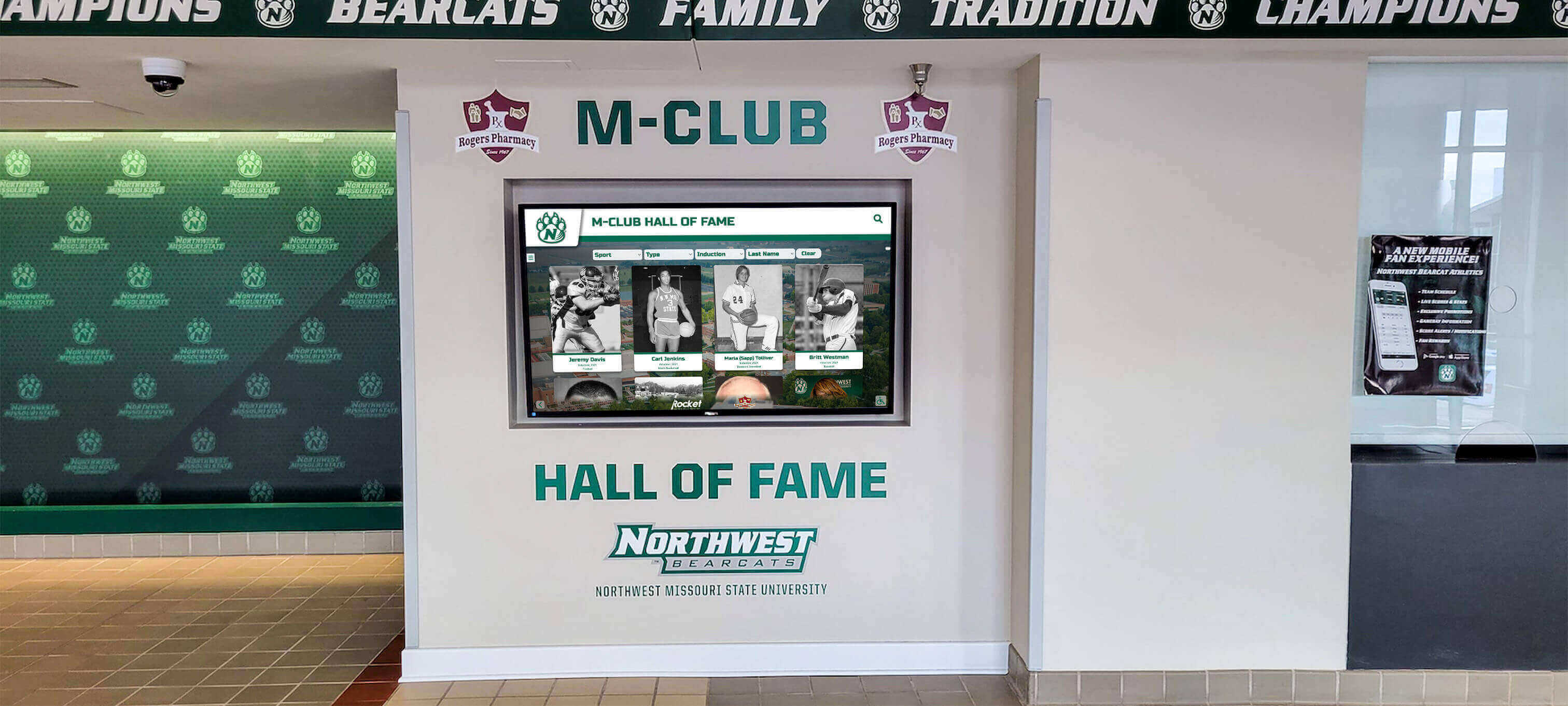
Performance Dashboards and Real-Time Metrics
Current Performance Visibility
For ongoing motivation beyond historical recognition, displays can include real-time performance dashboards showing current period progress toward recognition thresholds, leaderboards ranking current performance with live or frequently updated standings, goal achievement visualization using progress bars or percentage complete indicators, time remaining in current performance period creating urgency, and team versus individual performance comparison showing how personal results relate to collective outcomes.
Similar to athletic performance tracking displays, real-time sales dashboards transform static recognition into dynamic motivation tools that influence behavior continuously rather than only at recognition moments.
Gamification Elements
Making Recognition Engaging and Competitive
Gamified recognition displays incorporate game-like elements that increase engagement including point systems translating sales performance into accumulating points toward recognition tiers, achievement badges for specific accomplishments or milestones, progress levels showing advancement through recognition program stages, challenges or contests creating time-limited competitive opportunities, and animated visualizations celebrating achievements or level advancement with engaging graphics.
Research shows that gamified performance displays can increase engagement significantly, particularly among younger sales representatives who expect interactive digital experiences in professional contexts.
Designing Effective Sales Recognition Display Programs
Implementing successful recognition displays requires thoughtful program design addressing content strategy, display placement, update processes, and integration with broader recognition initiatives.
Recognition Program Structure and Criteria
Defining What Earns Recognition
Clear program structure ensures recognition displays honor appropriate achievements through meaningful criteria including primary performance metrics (revenue, quota attainment, margin, units sold), secondary performance indicators (customer satisfaction, retention rates, cross-sell success), activity metrics recognizing effort behaviors that drive results (prospecting activity, customer meetings, proposal generation), comparative rankings based on performance relative to peers, and improvement metrics celebrating significant personal progress regardless of absolute standing.
The specific metrics emphasized through recognition displays should align with organizational strategy and desired sales behaviors. If customer retention matters strategically, recognition displays should honor retention performance explicitly rather than focusing exclusively on new business acquisition.
Display Placement and Visibility Strategy
Maximizing Recognition Impact Through Strategic Location
Recognition display location significantly influences effectiveness and engagement. Strategic placement considerations include high-traffic areas ensuring maximum visibility (lobbies, break rooms, elevator lobbies), sales floor positioning making recognition visible during daily work, meeting room displays ensuring recognition features in client meetings and team gatherings, distributed displays across multiple office locations for geographically dispersed teams, and mobile/web accessibility extending recognition beyond physical office environments.
Multiple display locations create repetition that reinforces recognition messages while accommodating both public celebration in communal spaces and daily motivation visibility in work areas.
Content Management and Update Processes
Maintaining Current, Relevant Recognition
Digital recognition displays’ primary advantage—easy content updates—requires systematic content management including clear responsibility assignment specifying who updates recognition content, automated data integration pulling performance metrics from CRM or sales tracking systems, regular update schedules ensuring new recognition appears promptly, quality control processes maintaining consistent professional presentation, approval workflows for public-facing recognition content, and archive systems preserving historical recognition for future reference.
Cloud-based content management systems allow authorized staff to update recognition displays remotely without requiring physical access or technical expertise—critical for maintaining timeliness especially across multiple locations.
Recognition Display Integration with Broader Programs
Comprehensive Recognition Ecosystems
Recognition displays work most effectively as components of comprehensive recognition programs rather than isolated initiatives including immediate verbal recognition from managers when achievements occur, formal recognition events or sales meetings celebrating top performers, monetary rewards or prizes accompanying display recognition, career advancement opportunities connected to consistent recognition achievement, exclusive experiences or perks for elite recognition tier members, and personal communication from senior leadership congratulating recognized individuals.
This multi-channel approach ensures recognition resonates through multiple touchpoints while displays provide ongoing visible celebration and motivation beyond momentary acknowledgment.
Best Practices for Sales Recognition Display Implementation
Learning from successful implementations helps organizations avoid common pitfalls while maximizing recognition display effectiveness and return on investment.
Recognition Display Best Practices
Focus Recognition on Controllable Performance
Recognition displays should emphasize performance elements that individuals can influence through effort, skill, and strategy rather than factors beyond their control. Recognizing quota attainment percentage rather than absolute revenue accounts for territory differences. Celebrating improvement recognizes effort even when market conditions limit absolute results.
This focus on controllable metrics maintains motivational effectiveness even when external circumstances make achievement more challenging.
Update Recognition Frequently and Consistently
Stale, outdated recognition displays signal that recognition programs lack organizational priority or that maintenance requirements exceed organizational capacity. Establish realistic update frequencies you can sustain consistently rather than ambitious schedules that prove impossible to maintain.
If monthly updates prove difficult, shift to quarterly recognition you can execute reliably rather than allowing monthly displays to languish with outdated content that undermines credibility.
Celebrate Diverse Achievement Types
Recognition displays honoring only absolute revenue performance exclude representatives in development territories, new hires building pipelines, or roles focused on account management rather than new acquisition. Multi-dimensional recognition including revenue leaders, highest customer satisfaction scores, most improved performance, and longest tenure sustaining excellence ensures diverse team members have recognition opportunities aligned with their roles and circumstances.
This diversity approach, similar to student recognition programs that honor academic, athletic, and service achievements, creates inclusive recognition cultures where more team members feel valued and see pathways to recognition achievement.
Maintain Professional Tone and Respect
Recognition displays should celebrate achievement enthusiastically while maintaining professional tone that respects all team members including avoiding language that could be interpreted as mocking lower performers, refraining from comparisons emphasizing how top performers exceed colleagues rather than how they achieved excellent results, celebrating accomplishment rather than suggesting winners are inherently superior to others, and maintaining confidentiality around sensitive information like exact compensation or commission amounts unless organizational culture explicitly embraces total transparency.
Professional recognition builds motivation and team cohesion rather than creating resentment or divisions between recognized and unrecognized team members.
Provide Context and Achievability Information
Recognition displays become more motivational when they include information helping others understand how to achieve similar recognition including criteria explaining specifically what performance earned recognition, strategies or practices that top performers employed to achieve results, timelines showing how long consistent performance required before recognition, and threshold information showing what performance level qualifies for various recognition tiers.
This educational content transforms displays from exclusive celebration into practical motivation showing others concrete pathways to their own recognition achievement.
Common Recognition Display Mistakes to Avoid
Inconsistent or Abandoned Programs
Recognition programs that launch enthusiastically but fade away after initial implementation create cynicism damaging future recognition efforts. Teams remember abandoned initiatives and become skeptical about new programs that might similarly disappear. Ensure sustainable program design with realistic maintenance requirements before launch rather than ambitious programs that exceed long-term capacity to maintain.
Opaque or Shifting Criteria
When recognition criteria aren’t clearly communicated or seem to change unpredictably, team members perceive favoritism or arbitrariness rather than merit-based acknowledgment. Document recognition criteria explicitly, communicate them clearly, and apply them consistently to maintain credibility and motivational effectiveness.
Recognition Disconnected from Meaningful Performance
If recognition criteria measure activity that doesn’t actually drive business results—for example, honoring call volume rather than quality customer conversations—displays celebrate the wrong behaviors while teams cynically game metrics rather than focusing on productive work. Ensure recognition criteria align with genuine performance that advances organizational objectives.
Excessive Focus on Elite-Only Recognition
Recognition displays honoring only the single top performer or unreachably elite few create demotivation among the majority who see no realistic recognition path. While elite recognition has value, combine it with intermediate achievement recognition that more team members can attain through focused effort.
Privacy Violations or Inappropriate Disclosure
Public displays showing sensitive information that employees expect to remain private—such as exact compensation amounts, personal demographic information, or performance challenges—create legal and morale problems. Obtain explicit consent for any information beyond basic achievement recognition and maintain appropriate confidentiality around sensitive data.
Advanced Recognition Display Strategies and Innovations
Organizations achieving maximum recognition impact implement sophisticated strategies that extend beyond basic display implementation.
Personalized Recognition Experiences
Customized Content for Different Audiences
Advanced digital recognition systems can deliver personalized experiences including individual dashboards showing each representative’s own performance and progress toward recognition, team-specific displays focusing on local team performance for multi-location organizations, role-specific recognition highlighting achievements relevant to different sales functions, and mobile-accessible platforms allowing representatives to view recognition on personal devices.
This personalization increases engagement by ensuring recognition content feels relevant and actionable rather than displaying only information about colleagues whose roles differ significantly from viewers’ own contexts.
Social Recognition Integration
Connecting Displays with Social Sharing
Recognition effectiveness extends beyond physical displays when integrated with social platforms including social media sharing allowing recognized individuals to share achievements on professional networks, internal social platforms where colleagues can congratulate recognized performers, peer recognition mechanisms allowing team members to nominate colleagues for acknowledgment, and user-generated content where recognized individuals can share success stories or strategies.
Social integration amplifies recognition reach while creating community engagement around achievement celebration.
Analytics and Recognition Program Optimization
Data-Driven Recognition Improvement
Digital recognition displays enable analytics impossible with traditional approaches including engagement tracking showing how frequently displays are viewed and which content receives most attention, achievement distribution revealing what percentage of team reaches various recognition tiers, correlation analysis connecting recognition program participation with sales performance trends, and sentiment assessment gauging team perceptions of recognition program fairness and motivational impact.
These analytics allow continuous recognition program refinement based on actual effectiveness data rather than assumptions about what motivates teams.
Recognition Program Evolution and Adaptation
Adjusting Recognition for Changing Business Conditions
Recognition programs and displays should adapt to evolving business circumstances including updated metrics reflecting shifting strategic priorities, adjusted thresholds accommodating market condition changes that make historical benchmarks unrealistic, new recognition categories for emerging products or market segments, and temporary recognition programs supporting specific initiatives or campaigns.
This adaptive approach maintains recognition program relevance and effectiveness as business strategies and market conditions evolve over time.
Implementing Digital Sales Recognition Displays: Practical Considerations
Organizations evaluating digital recognition display implementation should assess several practical factors ensuring successful deployment and long-term satisfaction.
Vendor Selection and Evaluation Criteria
Choosing Recognition Display Technology
Organizations evaluating digital recognition solutions should assess vendors across multiple dimensions including recognition-specific features versus generic digital signage lacking appropriate functionality, content management system usability for non-technical staff who will maintain displays, hardware quality and commercial-grade specifications ensuring reliability and durability, integration capabilities connecting displays with existing CRM and sales tracking systems, security protections for performance data and personal information, pricing transparency and total cost of ownership clarity, customer support quality and responsiveness, implementation services and training provided, and multi-location management capabilities for distributed organizations.
Generic digital signage platforms often lack recognition-specific capabilities like performance tracking, achievement categorization, or gamification features, making purpose-built recognition platforms significantly more effective.
Total Cost Analysis
Understanding Recognition Display Investment
Digital recognition involves multiple cost components including initial hardware costs for displays and installation, software licensing or subscription fees, content development for initial setup and design, integration expenses connecting to data sources, ongoing maintenance and support, content management labor for regular updates, and potential facility modifications for display installation.
While initial investments may seem significant, digital recognition systems typically achieve cost parity with traditional recognition within 2-4 years when accounting for traditional plaque manufacturing, engraving updates, and physical display expansion costs over time.
Implementation Timeline and Change Management
Launching Recognition Displays Successfully
Successful recognition display implementation follows structured timelines including planning phase defining recognition criteria, content strategy, and display specifications, vendor selection and contracting if using external solutions, content development creating initial recognition databases and visual designs, technical implementation including hardware installation and system configuration, pilot testing with small user groups before full deployment, training for staff who will manage content and for teams who will interact with displays, launch communications explaining recognition programs and display usage, and ongoing optimization based on usage feedback and engagement metrics.
Change management considerations include communicating recognition program purposes and criteria clearly, addressing concerns about performance visibility or competitive dynamics, training staff on display interaction and self-service performance checking, and soliciting feedback during pilot phases to refine programs before full deployment.
Conclusion: Building Cultures of Recognition and Sales Excellence
The most effective recognition displays balance celebrating elite achievement with accessible recognition opportunities for developing performers, combine timely current performance visibility with permanent historical recognition, leverage digital technology for dynamic engaging content while maintaining professional presentation quality, and integrate displays within comprehensive recognition programs that honor achievement through multiple channels beyond public displays alone.
Whether you’re establishing recognition displays from scratch, modernizing outdated static programs that no longer engage teams effectively, or optimizing existing displays to generate stronger motivational impact, the strategies outlined throughout this guide provide frameworks adaptable to your organizational context, sales team structure, and budget realities. Start with clear criteria ensuring recognition aligns with business objectives and desired behaviors, implement sustainable update processes maintaining current relevant content, leverage technology appropriately for your team’s engagement preferences and technical capabilities, and continuously refine approaches based on team feedback and performance correlation analysis.
Ready to transform your sales recognition program and build a culture celebrating excellence? Explore solutions like Rocket Alumni Solutions that provide purpose-built digital recognition platforms designed specifically for honoring top performers through interactive touchscreen displays and web-accessible recognition programs. From celebrating individual achievement to building comprehensive recognition ecosystems, modern digital recognition solutions make it easier to implement programs that honor all achievers appropriately while building motivation that generates sustained sales performance improvements.
The sales professionals who drive revenue growth, build customer relationships, and advance organizational objectives deserve recognition systems reflecting the profound importance of their contributions. By implementing comprehensive sales recognition displays combining authentic celebration with strategic motivation—and leveraging modern digital solutions that extend recognition capacity, timeliness, and engagement—organizations demonstrate that exceptional performance matters, create cultures where achievement is celebrated publicly and consistently, and build sustainable motivation that translates directly into continued sales excellence and organizational growth for quarters and years to come.
Sources
Information in this article is based on research and best practices from the following sources:
- Assembly - Top Performer Award Programs
- Gallup - Employee Recognition Statistics
- Crown TV - Employee Recognition with Digital Signage
- Fugo - Digital Signage for Employee Recognition
- Staffbase - Digital Signage for Workplaces
- AI Screen - Improve Sales Culture with Digital Signage