



Key Takeaways
Discover how team GPA leaderboard digital displays motivate student-athletes and celebrate academic excellence. Learn implementation strategies, benefits, and best practices for sports programs.
Academic success among student-athletes has become increasingly important in modern athletics, with conferences, governing bodies, and institutions emphasizing the “student” in student-athlete. Schools track team GPAs across sports, recognize highest-performing programs, and celebrate the balance between competitive excellence and intellectual achievement. Traditional recognition methods—printed lists, brief announcements, or occasional mentions—fail to provide the sustained visibility these accomplishments deserve.
Digital team GPA leaderboard displays create permanent, engaging recognition for student-athletes who demonstrate excellence across both dimensions of their school experience. These systems showcase current team academic standings, historical trends, individual achievement within teams, conference or league comparisons, and semester-by-semester progress tracking—all through interactive displays that inspire pride, motivate improvement, and demonstrate institutional commitment to holistic student-athlete development.

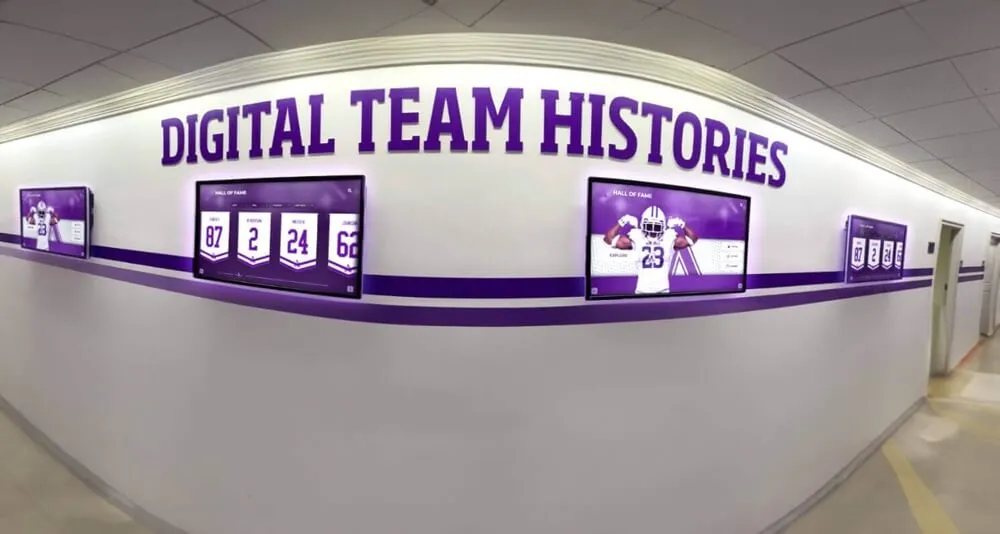
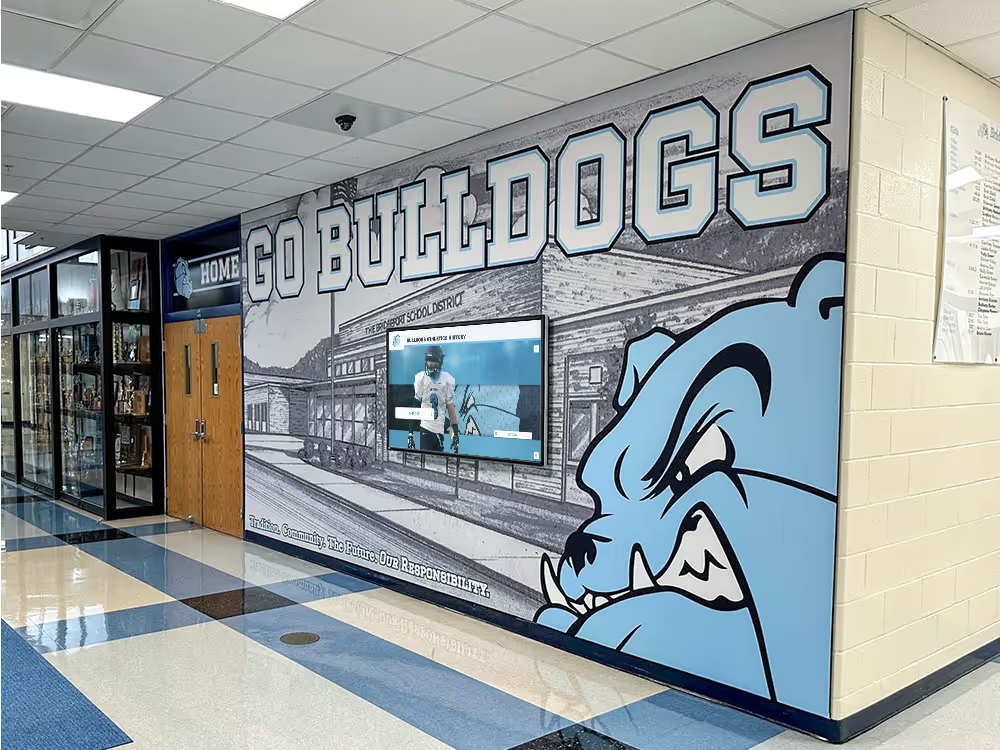
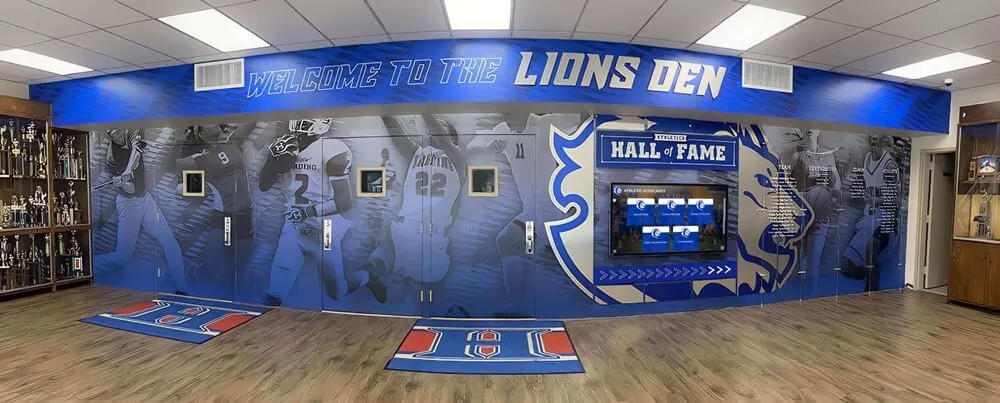
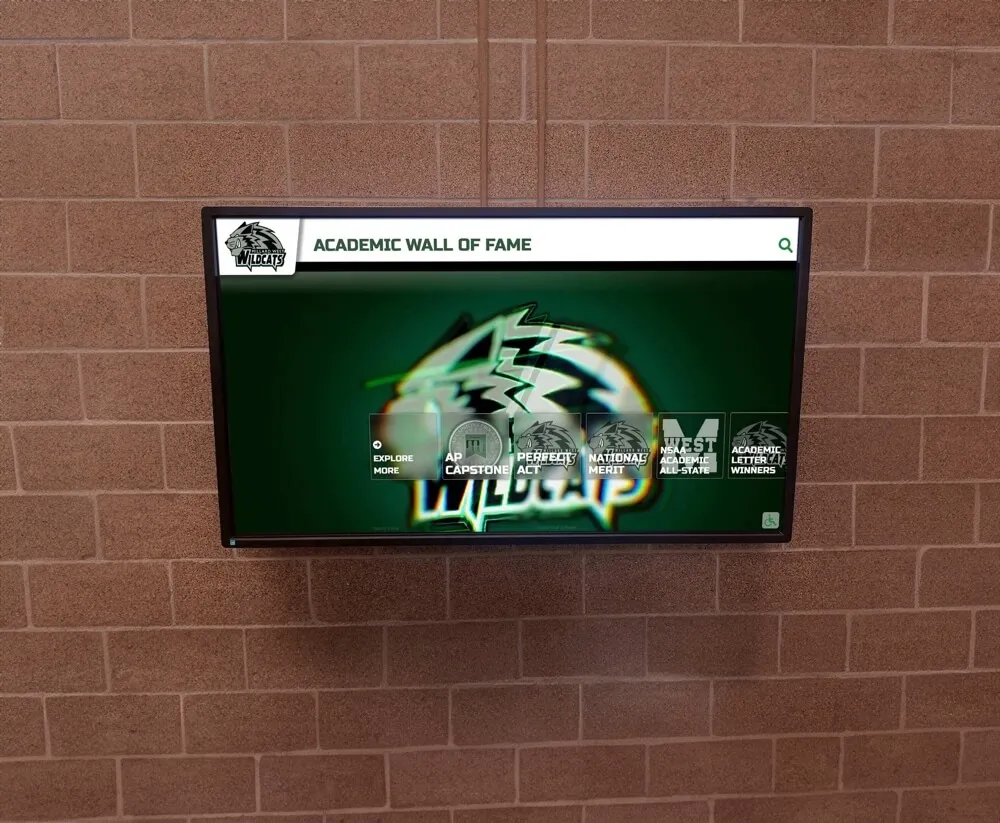
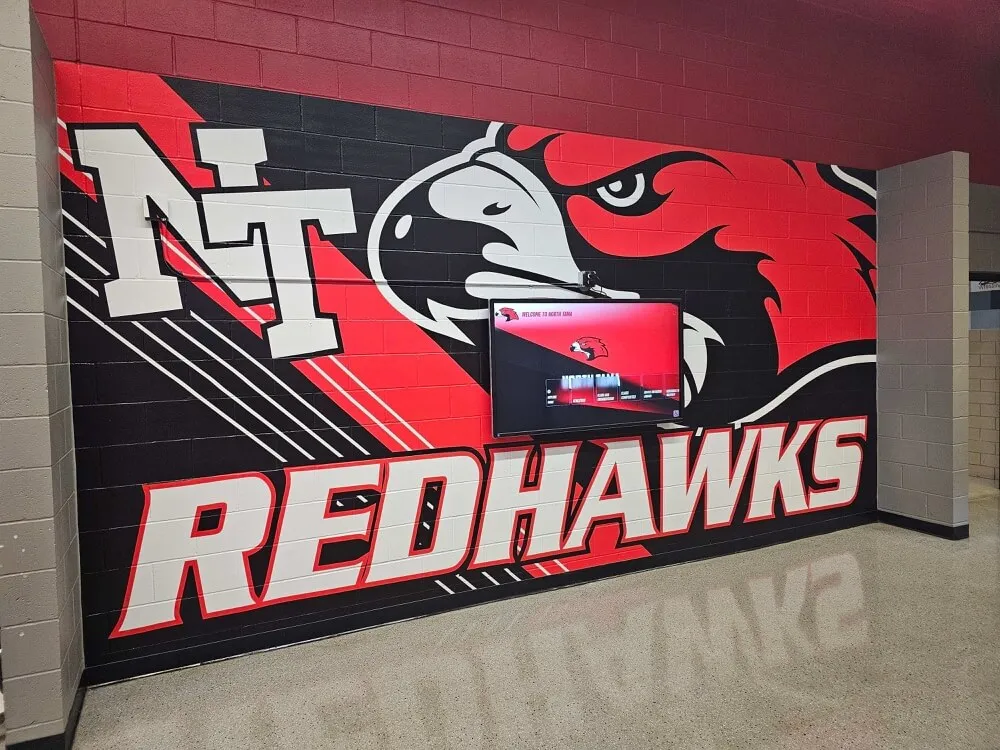
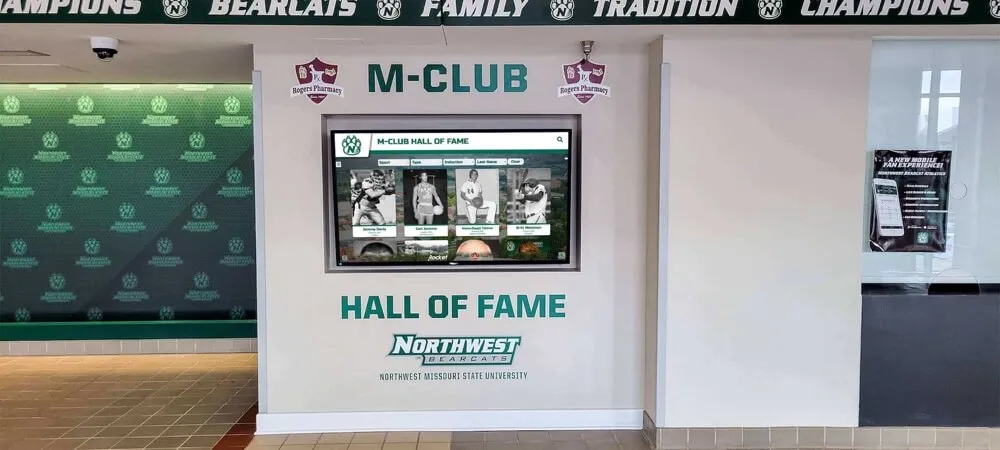
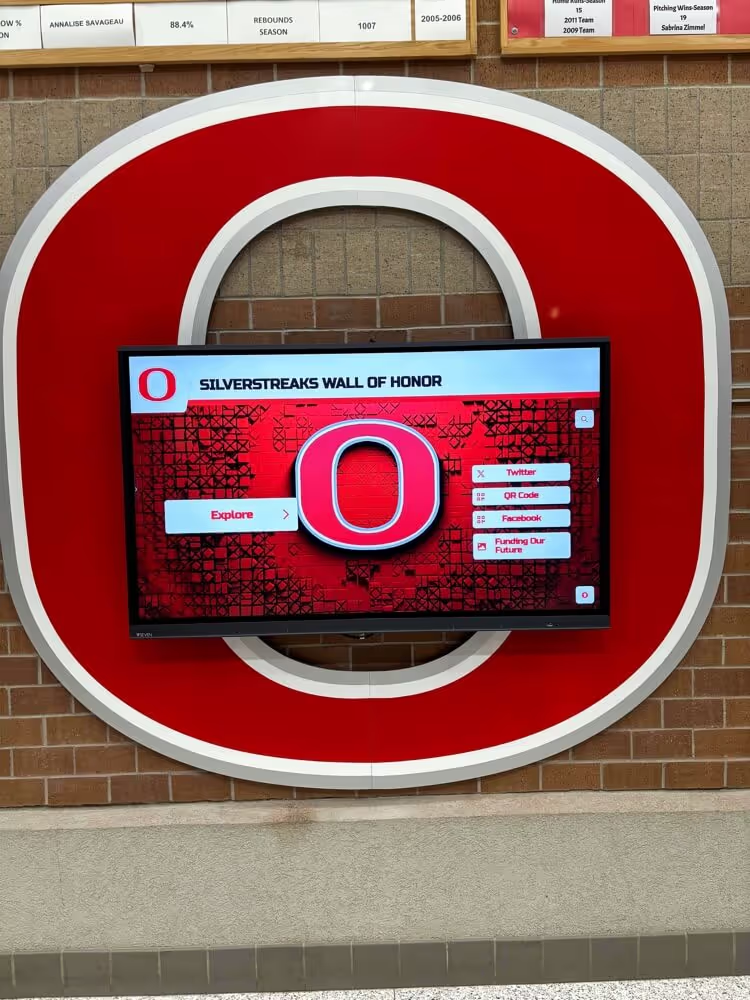
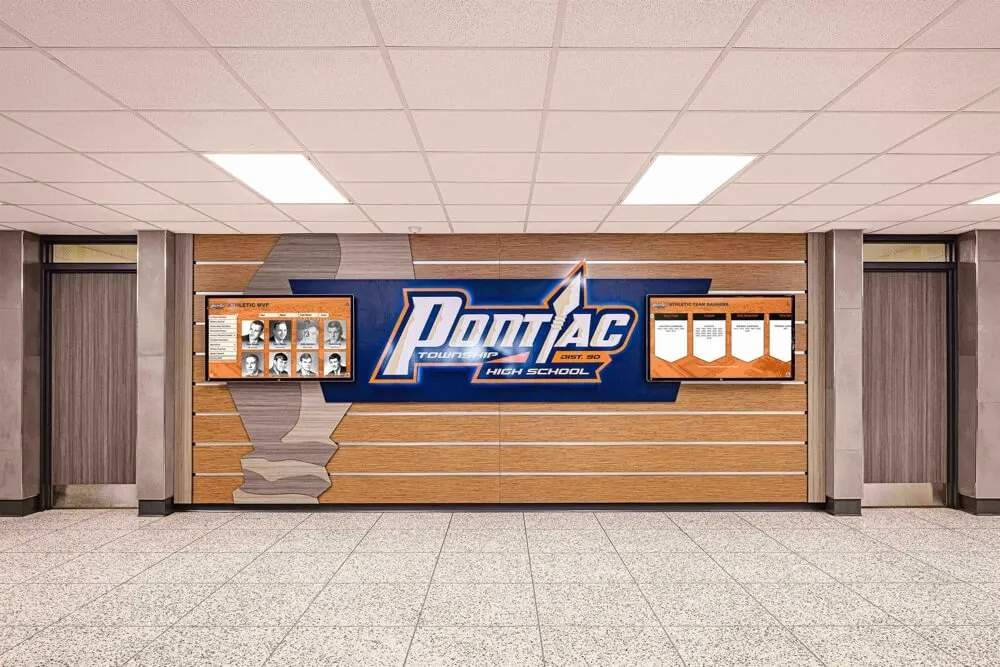
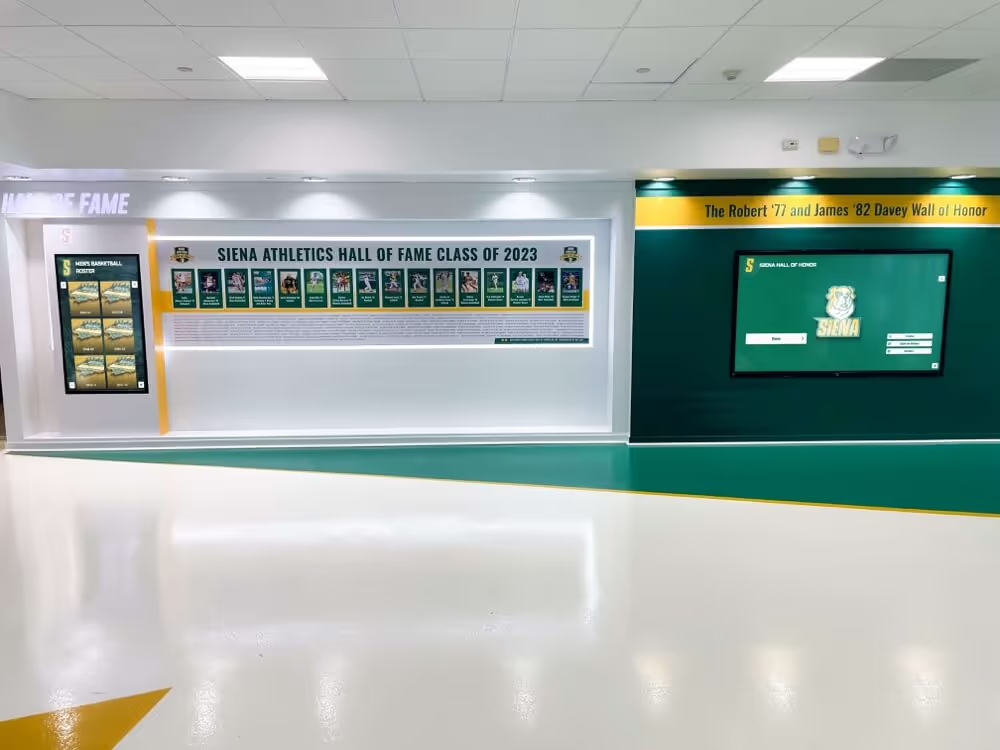
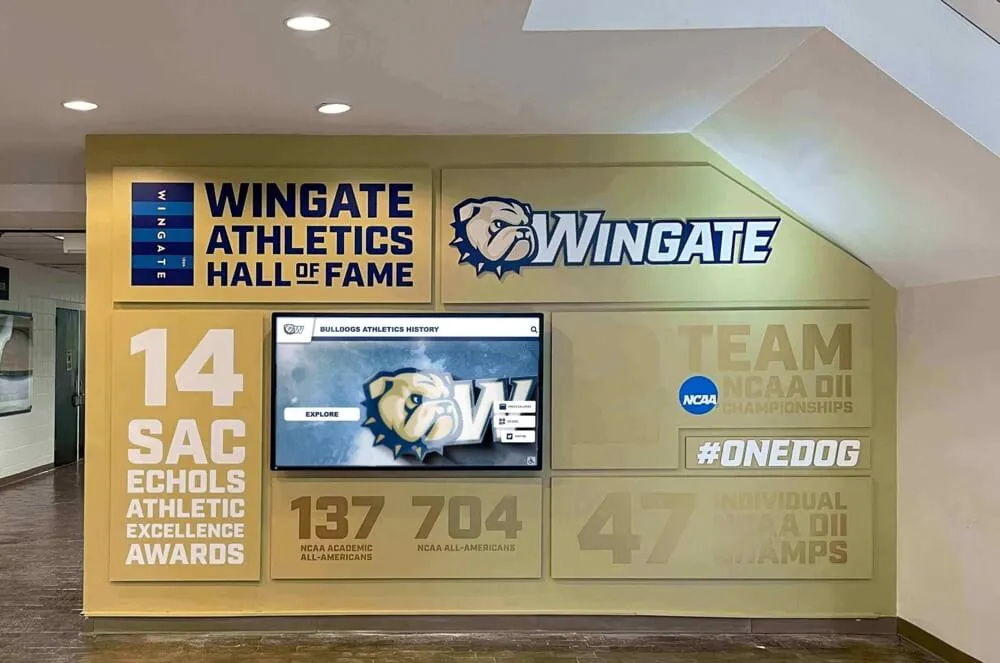
Modern athletic facilities increasingly feature dedicated spaces celebrating both competitive and academic achievements.
Understanding Team GPA Recognition in Athletics
Before exploring digital display solutions, it’s valuable to understand what team GPA programs represent, why they matter for athletic departments, and how they contribute to positive student-athlete development and institutional culture.
The Growing Importance of Team Academic Performance
Athletic programs at all levels—from middle school through college—increasingly emphasize academic achievement as a core component of team culture and program evaluation. This shift reflects multiple converging factors that have elevated academic performance from peripheral concern to central priority.
Institutional Expectations and Eligibility Schools and governing bodies maintain minimum GPA requirements for athletic participation. The NCAA, for instance, establishes academic progress standards that determine continuing eligibility for college athletes. Many high schools set similar thresholds—commonly 2.0 or 2.5 GPA minimums—ensuring students maintain academic standing to continue competing. These baseline requirements make team academic performance a practical necessity, not just an aspirational goal.
Conference and League Recognition Programs Athletic conferences increasingly implement team GPA recognition programs celebrating academic achievement. The Pennsylvania State Athletic Conference (PSAC), for example, annually announces team GPA winners across all sports, recognizing programs achieving the highest collective grade point averages within their sports. These conference-level honors create competitive motivation around academics parallel to championship pursuit, demonstrating that academic excellence represents an achievement worthy of the same celebration as athletic success.
College Recruitment and Scholarship Considerations For high school student-athletes pursuing collegiate athletics, GPA directly impacts recruitment opportunities and scholarship potential. College coaches evaluate academic credentials alongside athletic performance, recognizing that students who excel academically typically demonstrate discipline, time management, and commitment transferable to athletic contexts. Teams with strong collective GPAs produce more college-ready athletes, enhancing program reputations and creating recruiting advantages.
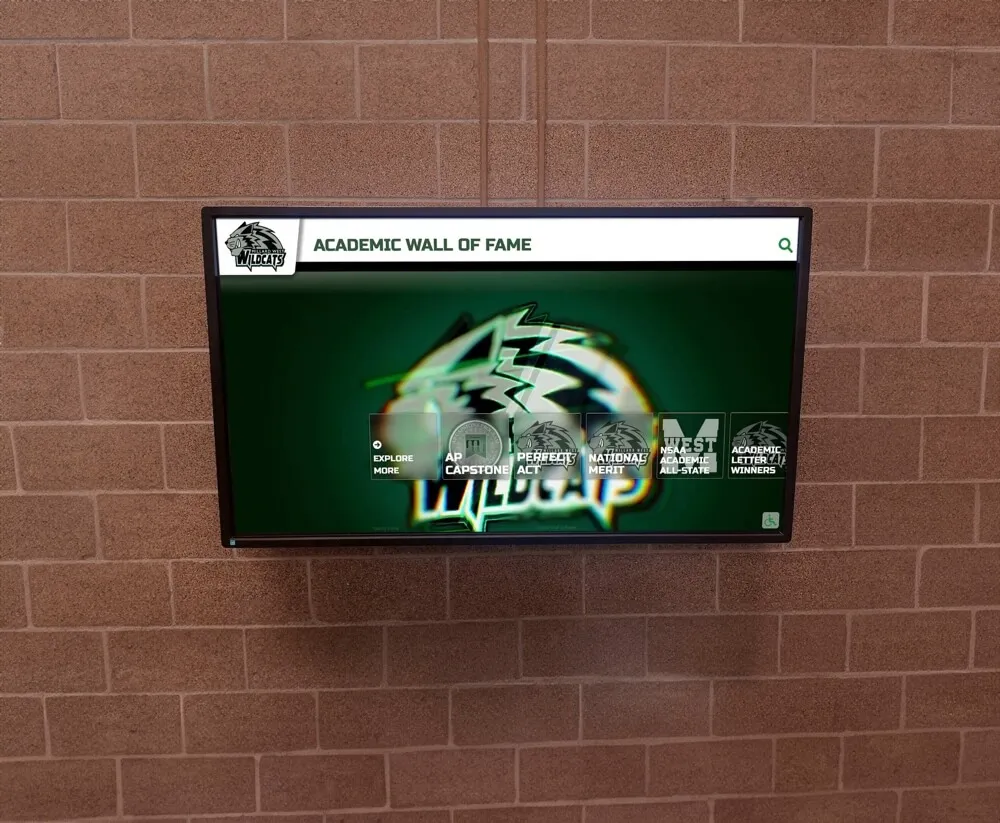
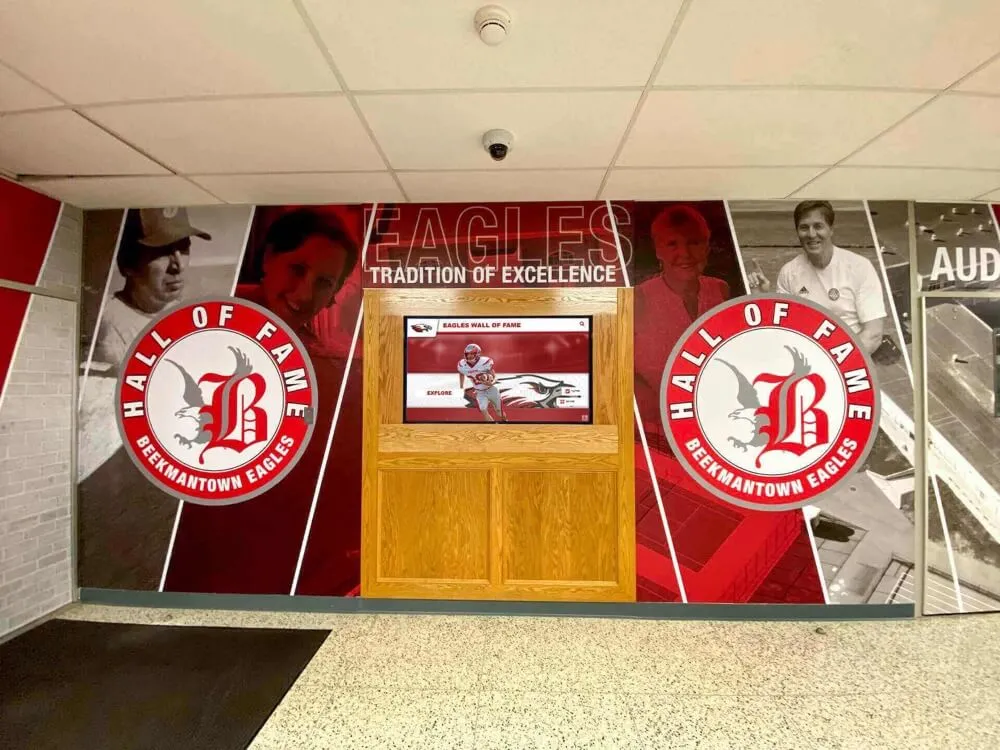
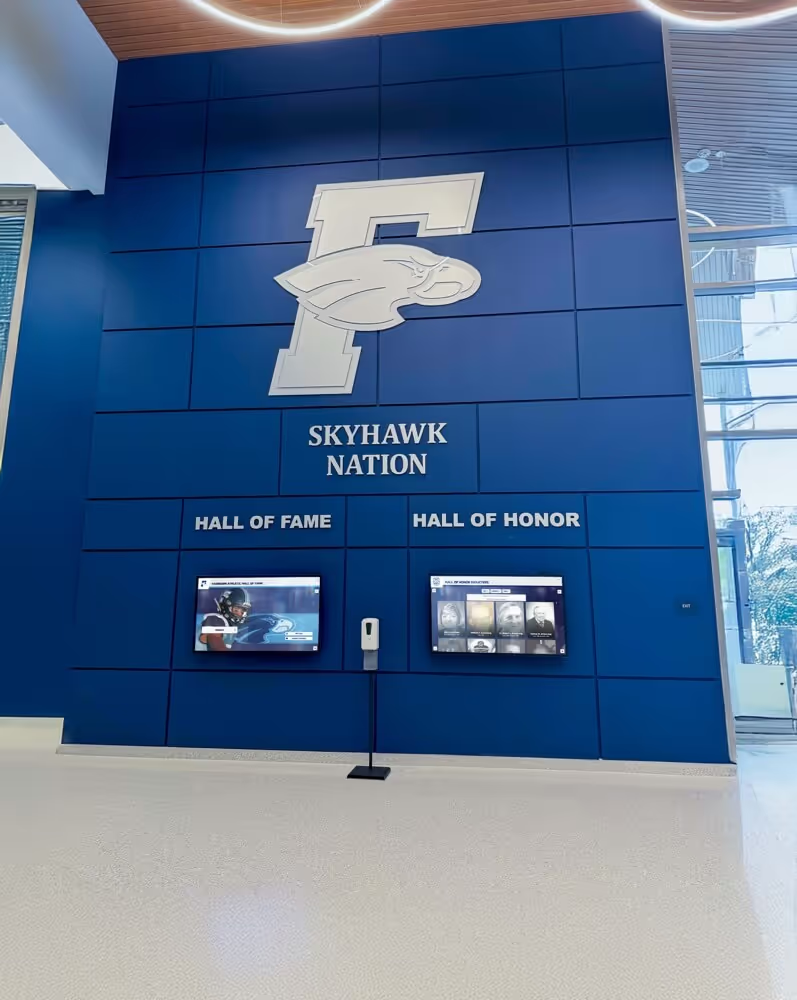
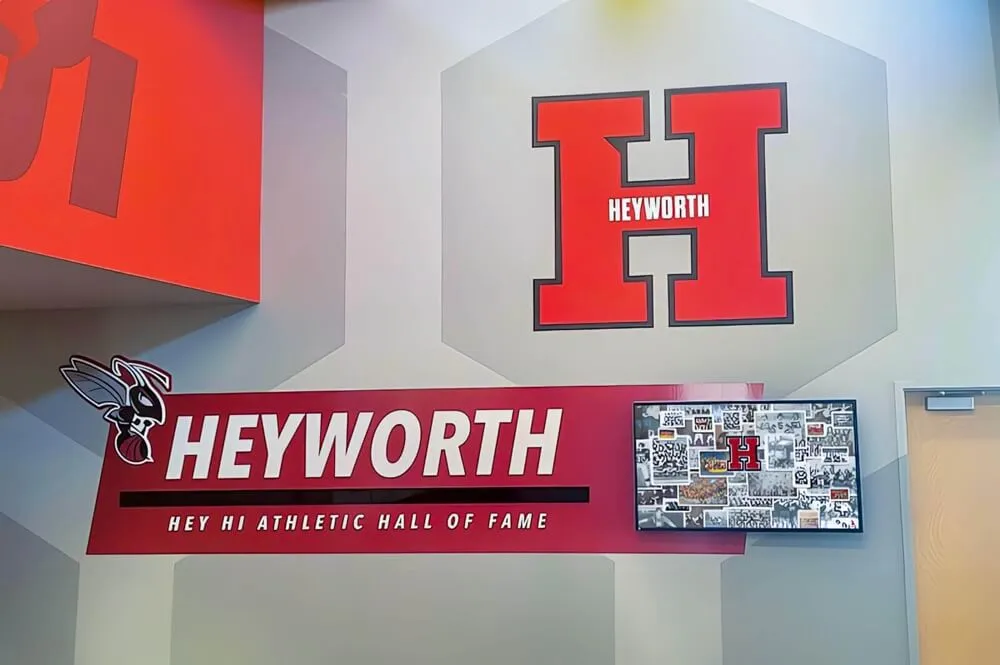
Prominent placement of academic recognition displays signals institutional priorities to current students, families, and visitors.
Benefits of Team GPA Leaderboards
Implementing visible team GPA leaderboards creates multiple benefits extending beyond simple academic monitoring to influence culture, motivation, and student-athlete development comprehensively.
Positive Peer Influence and Team Culture When team GPAs receive public recognition, academic achievement becomes part of team identity and culture. Student-athletes experience peer pressure toward academic engagement rather than away from it, as teammates recognize that individual academic performance contributes to collective team standing. This positive peer influence proves particularly powerful during adolescence, when social belonging and peer perception strongly influence behavior and motivation.
Balanced Identity Development Traditional athletic recognition—trophies, banners, record boards—can inadvertently create cultures where student-athletes develop identities centered exclusively on sport performance. Team GPA leaderboards provide counterbalance, affirming that student-athletes should excel in multiple domains. This balanced recognition supports healthier identity development, particularly important given that most student-athletes will not pursue professional athletic careers but will build futures on intellectual capabilities and work habits developed through academic engagement.
Institutional Priority Communication The prominence given to team GPA recognition communicates institutional priorities to all stakeholders. When academic achievement receives visibility equal to athletic accomplishment, schools signal that intellectual development matters as much as competitive success. This communication influences prospective student-athlete recruitment, parental support for athletic participation, community perception of program values, and internal culture among coaches and athletes.
For more information on comprehensive sports recognition approaches, explore digital trophy case solutions that integrate academic and athletic achievements.
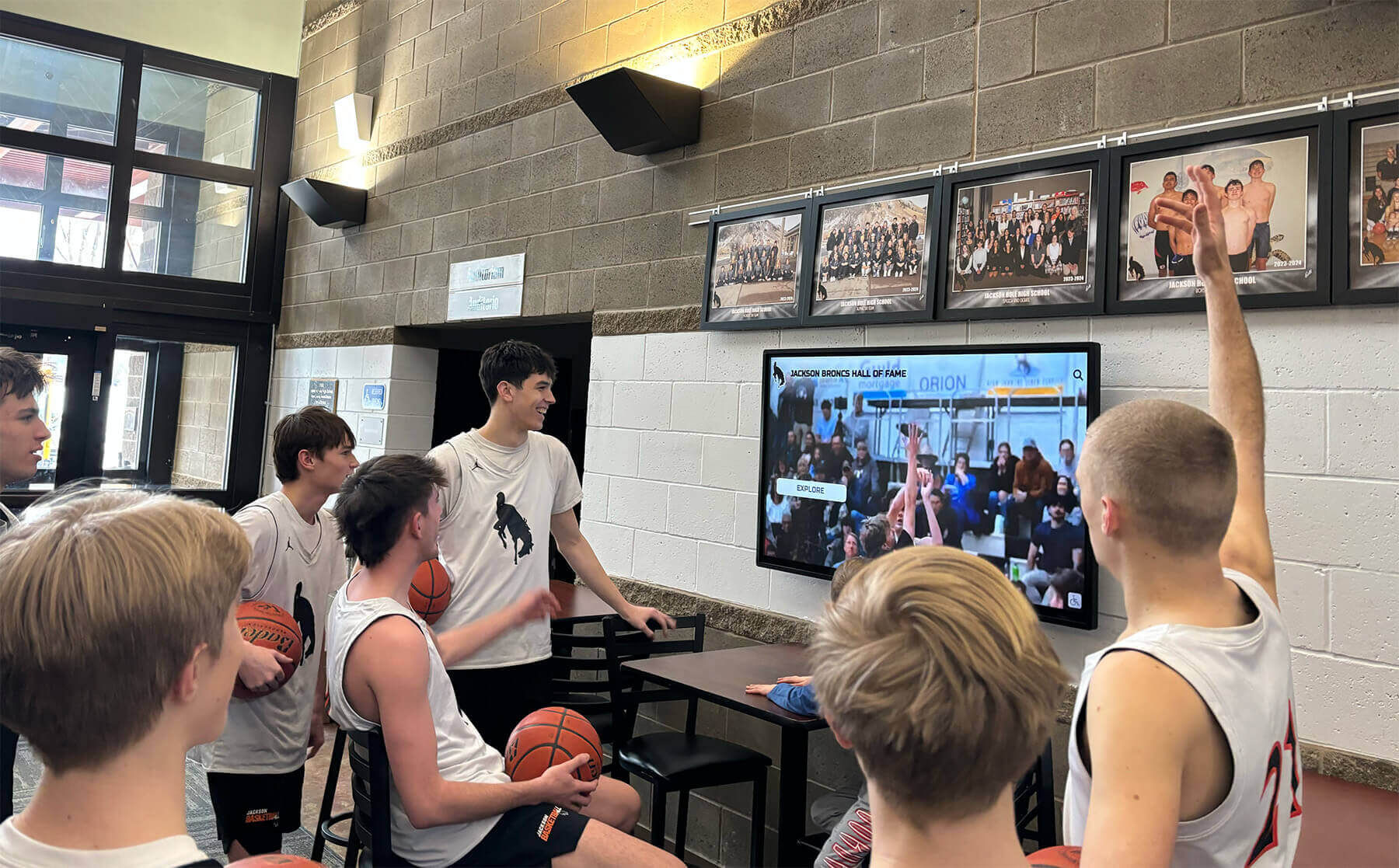
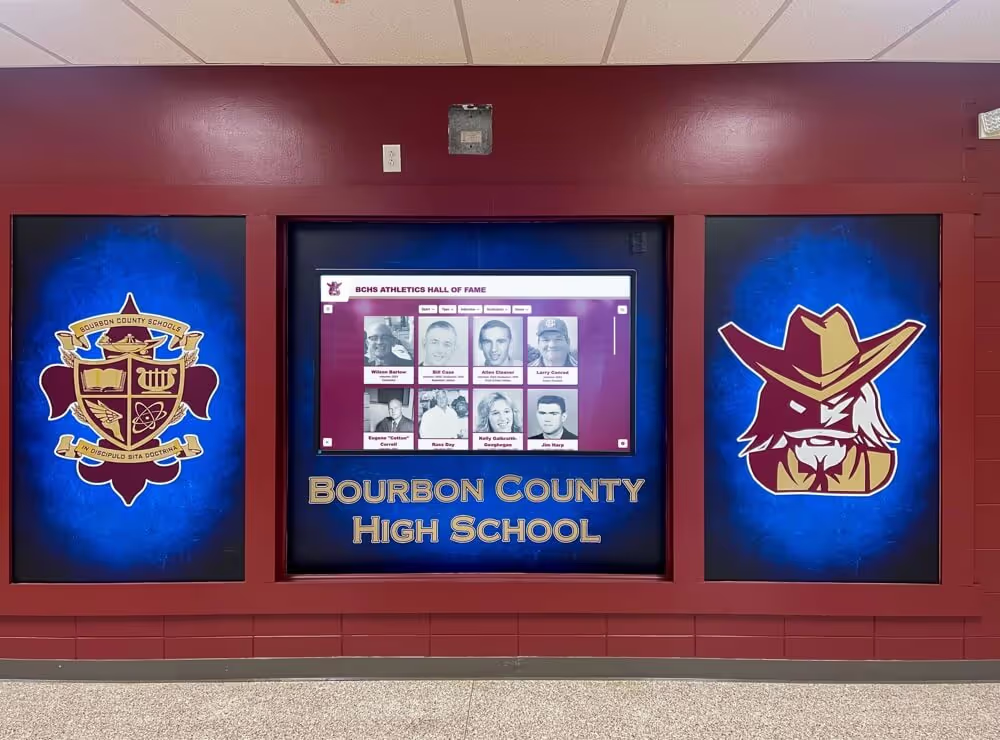
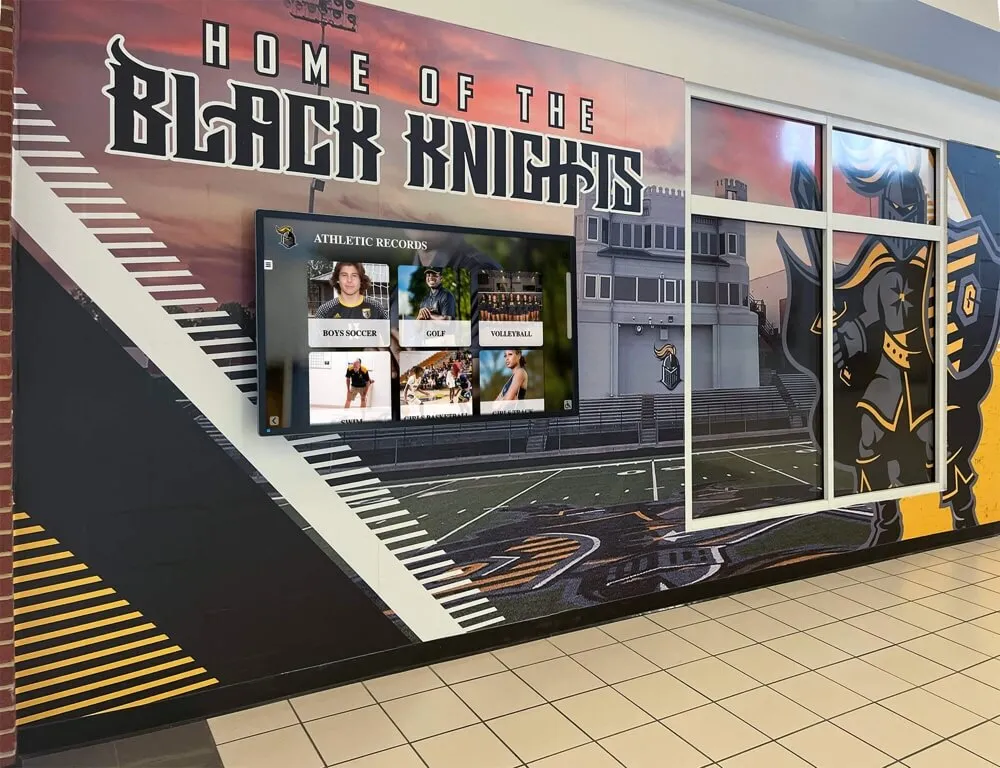
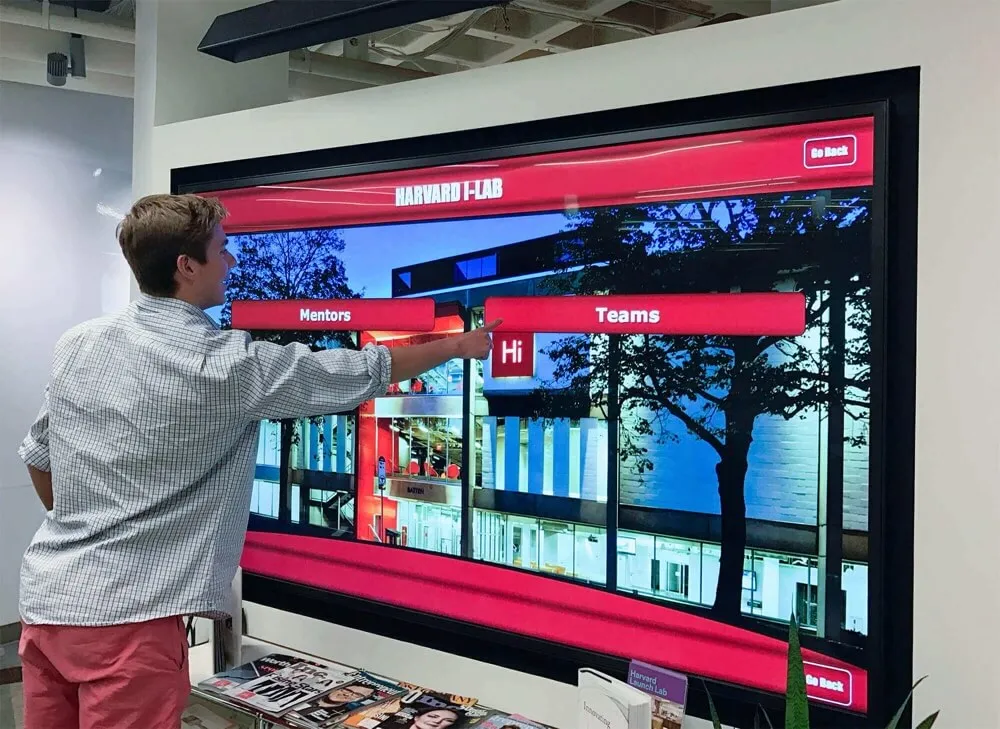
Interactive displays engage student-athletes directly, creating opportunities for self-directed exploration of achievements.
Common Team GPA Recognition Structures
Athletic departments implement various approaches to team GPA tracking and recognition, depending on program size, competitive level, and institutional priorities. Understanding common structures helps schools design recognition systems matching their specific contexts.
Seasonal Team GPAs Most programs calculate team GPAs by season, averaging the GPAs of all student-athletes actively participating on rosters during specific terms. Fall sports teams might be recognized for Fall semester academic performance, winter sports for Spring semester, and so forth. This seasonal approach aligns academic recognition with competitive seasons, creating natural recognition cycles that parallel athletic achievements.
Cumulative Year-Round Team GPAs Some programs track cumulative year-round team GPAs including all student-athletes affiliated with teams regardless of season. This approach recognizes that many student-athletes train and develop year-round even when not in competitive season, and that academic achievement represents ongoing commitment rather than seasonal effort.
Recognition Levels and Awards Athletic departments typically implement tiered recognition ensuring achievement opportunities at multiple levels:
- Team GPA Excellence - Teams achieving specific high thresholds (commonly 3.5 or higher) receive special recognition regardless of comparative standing
- Top Team GPA by Sport - The highest-performing team within each sport receives recognition, creating competition within sport categories
- Overall Highest Team GPA - The single team achieving the highest collective GPA across all athletics receives special honor
- Most Improved Team GPA - Teams demonstrating significant improvement from previous periods receive recognition for growth
These multi-tiered approaches ensure that various teams receive acknowledgment, avoiding systems where only one or two teams earn recognition while others feel excluded from academic celebration.
The Limitations of Traditional Team GPA Recognition
Traditional approaches to recognizing team academic performance face inherent constraints limiting their effectiveness and visibility. Understanding these limitations explains why digital solutions have become preferred approaches for institutions seeking maximum recognition impact.
Temporary Visibility Reduces Motivational Impact
Many athletic departments announce team GPA standings through emails to team members, brief mentions during awards banquets, social media posts, or printed materials distributed to parents. While these communications provide initial acknowledgment, recognition quickly fades from community awareness without ongoing visibility.
Social media posts appear briefly in feeds before being buried by subsequent content, banquet announcements provide momentary recognition before audiences move to next topics, email communications get read once then archived, and printed materials get stored in folders or posted temporarily on bulletin boards before being replaced by new information.
This ephemeral recognition fails to create the sustained visibility that drives long-term cultural impact. Student-athletes lose connection to their achievements over time, prospective athletes visiting campuses don’t encounter evidence of academic excellence, and the broader school community doesn’t develop awareness of which teams demonstrate strong academic performance.
Explore comprehensive academic recognition approaches that address visibility limitations through permanent display systems.

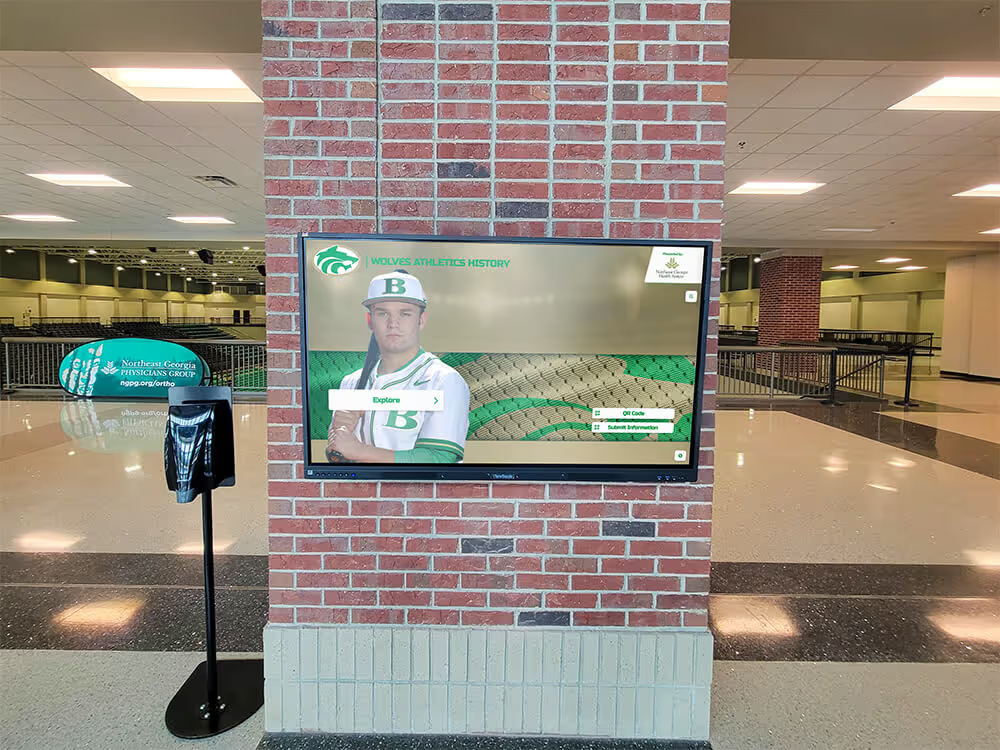
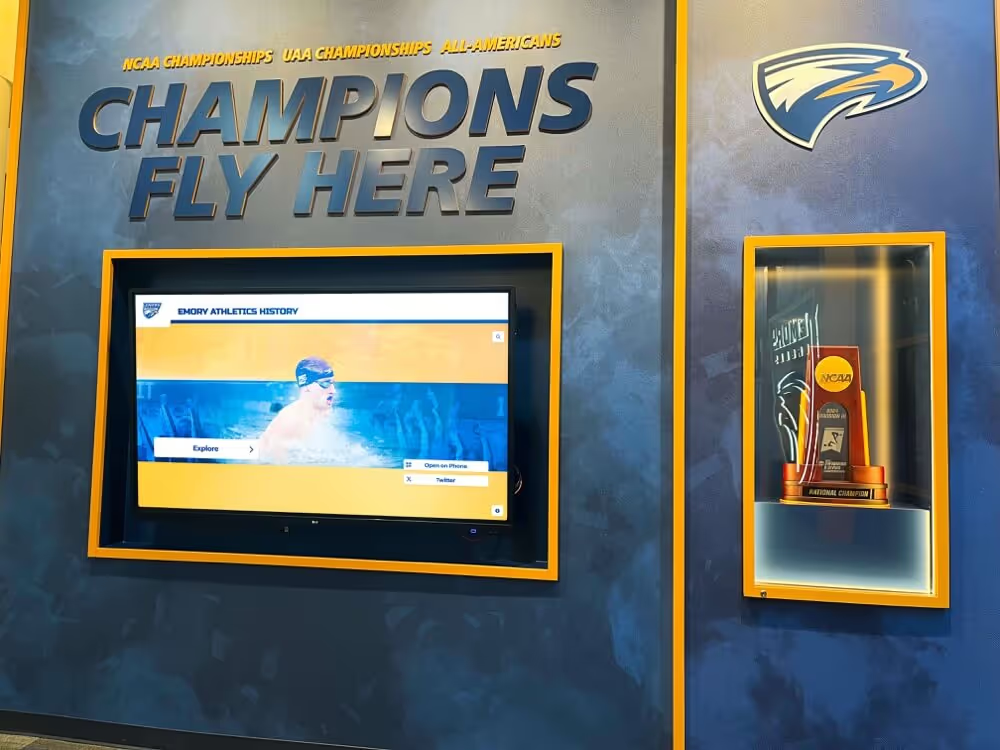
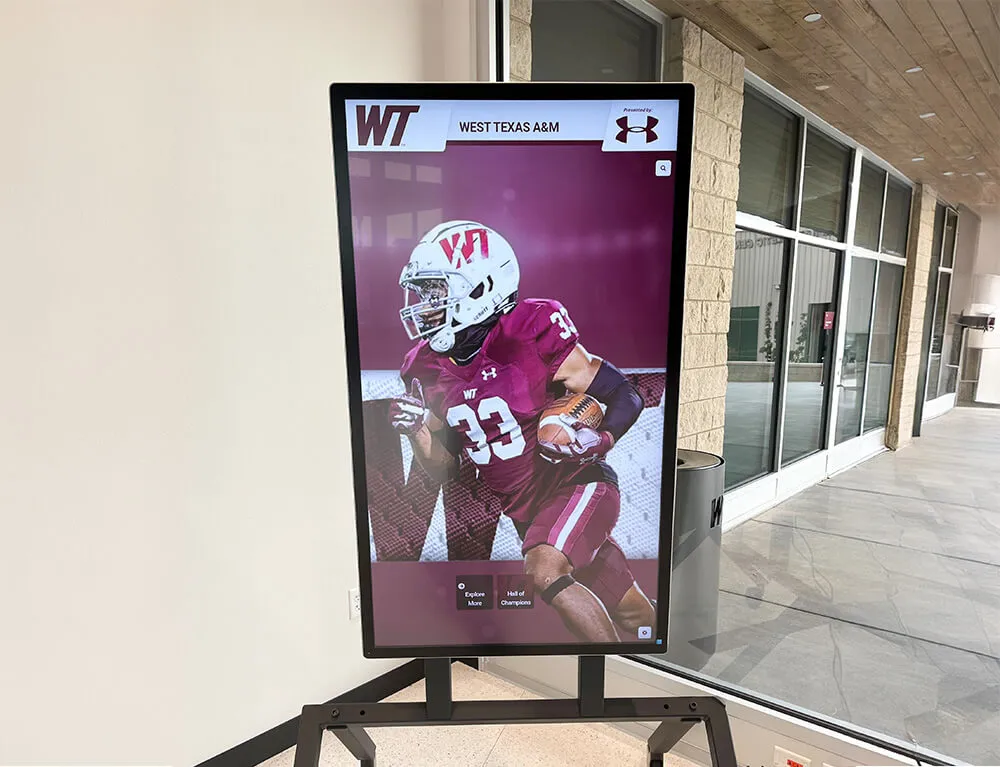
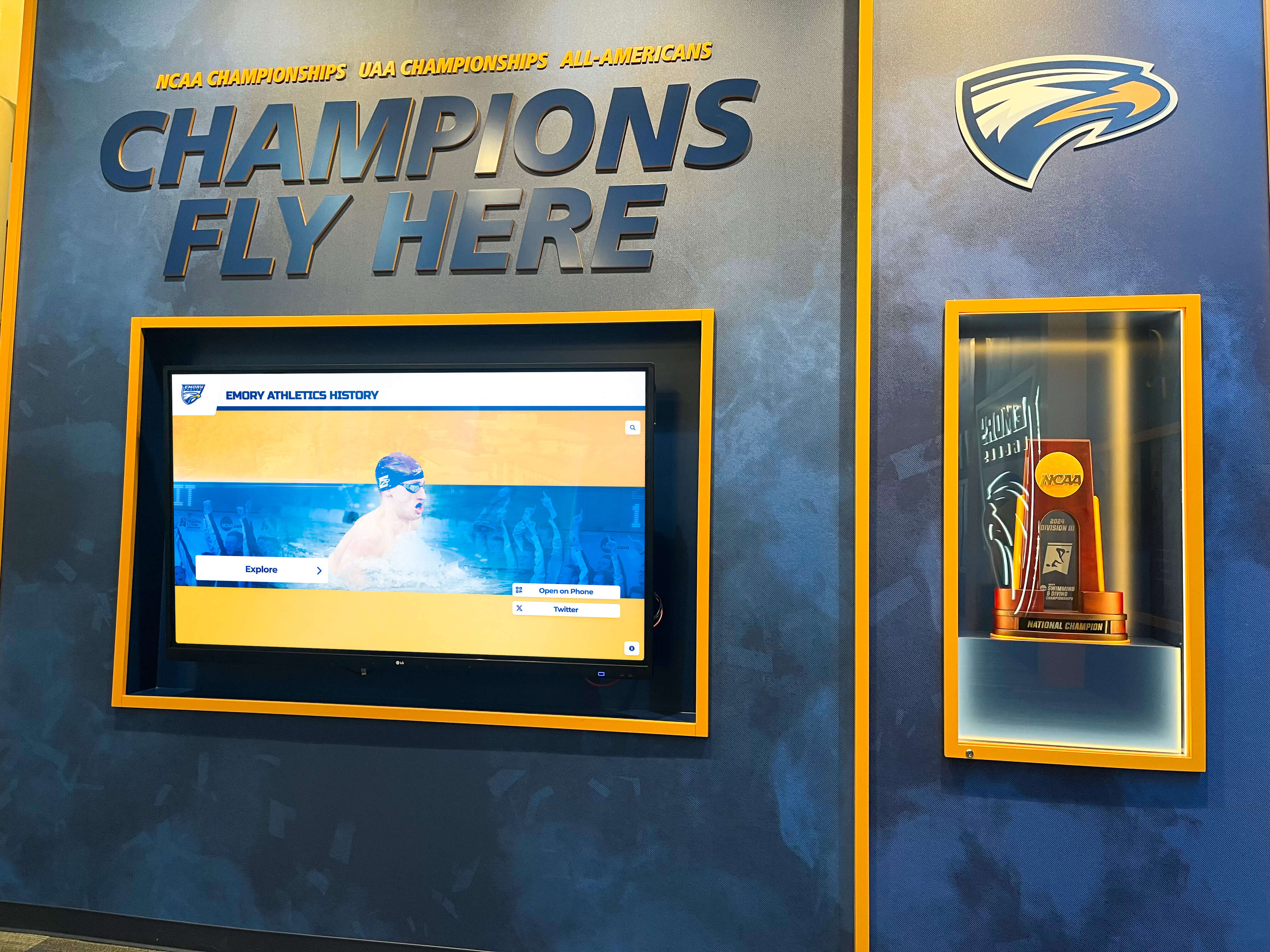
Permanent digital installations in athletic facilities create consistent visibility for academic achievements.
Limited Context and Storytelling
Traditional team GPA announcements typically provide minimal information: “Girls Soccer - 3.62 GPA” or “Highest Team GPA: Volleyball.” While these basic acknowledgments confirm achievement, they provide no context about what the numbers represent, how teams achieved their academic success, individual contributors, improvement trajectories, or connections to broader program values.
This lack of context limits recognition impact on multiple levels. Student-athletes don’t receive comprehensive acknowledgment that honors their specific efforts, younger athletes don’t learn strategies and approaches that enabled success, families don’t understand the full scope of achievement, and institutional stakeholders miss opportunities to connect academic performance to program philosophy and student-athlete development priorities.
Static lists also fail to capture the dynamic nature of academic achievement across time. Team GPA represents a snapshot of specific semester performance, but meaningful recognition should demonstrate trends—teams sustaining excellence across multiple years, programs implementing academic support strategies that drive improvement, or cohorts of student-athletes showing growth as they mature through educational experiences.
Insufficient Integration with Athletic Recognition
In many programs, team GPA recognition exists separately from athletic achievement recognition. Trophy cases display championship hardware and individual awards, record boards showcase competitive accomplishments, and hallway displays celebrate state qualifiers and conference champions—while academic achievements appear in different locations, formats, or not at all.
This physical and conceptual separation communicates unintended messages about relative importance. When athletic achievements receive prominent, permanent, professionally designed recognition while academic accomplishments get temporary mentions or secondary placement, student-athletes naturally perceive athletics as more valued than academics despite institutional rhetoric suggesting otherwise.
Effective recognition systems integrate academic and athletic achievement into cohesive frameworks demonstrating that both dimensions receive equal institutional priority and celebration.
Digital Team GPA Leaderboard Solutions: Features and Benefits
Modern digital recognition platforms specifically designed for athletic facilities transform team GPA recognition through capabilities traditional approaches cannot match. These solutions create engaging, comprehensive, sustainable systems that maximize motivational impact while minimizing administrative complexity.
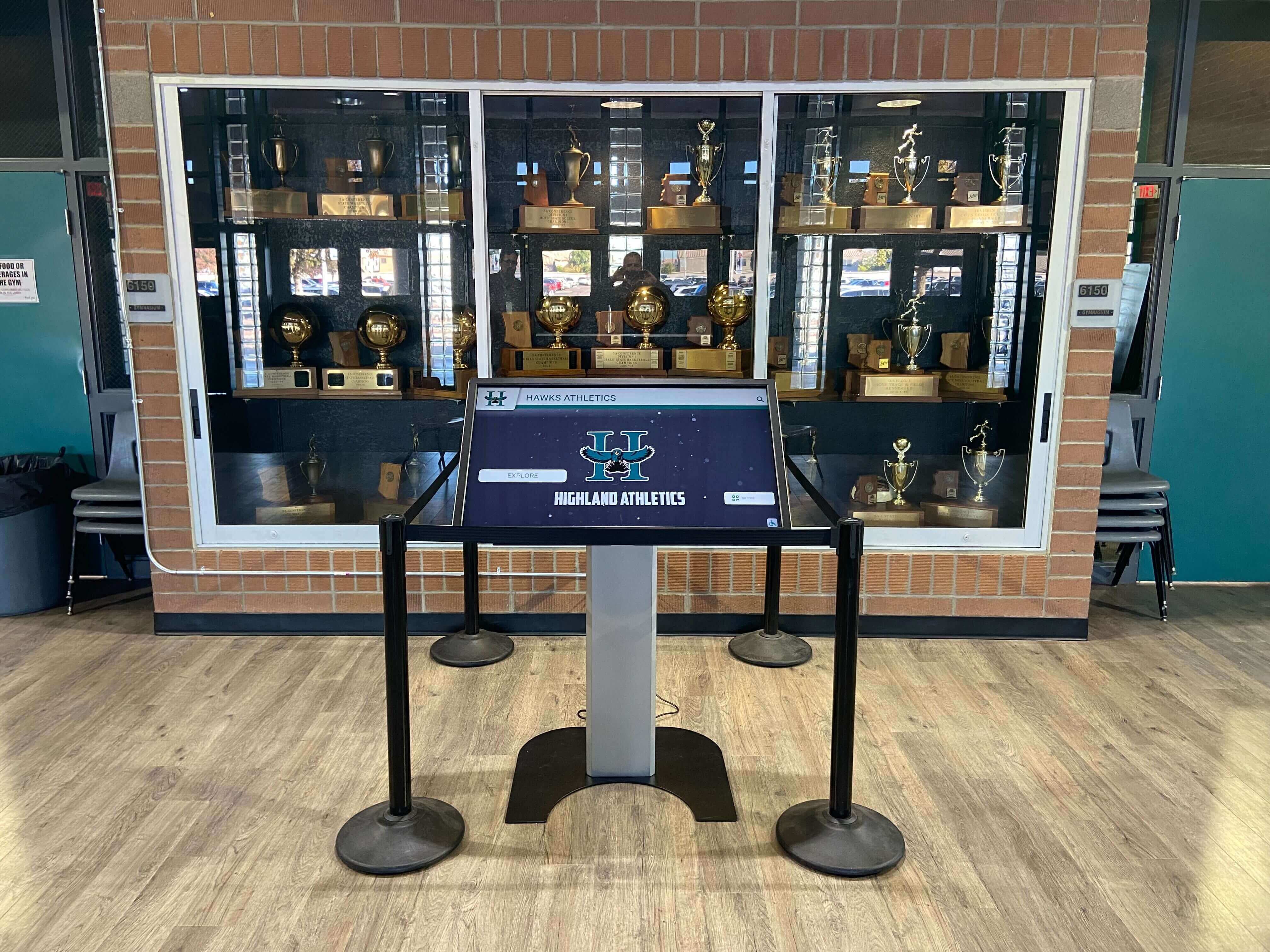
Digital systems integrate seamlessly with existing trophy case installations, creating unified recognition experiences.
Dynamic Leaderboard Displays
Digital team GPA leaderboards provide constantly updated rankings showing current standings across all athletic programs. Unlike static printed lists requiring reprinting and replacement each term, digital leaderboards update instantly as new academic periods conclude and team GPAs are calculated.
Real-Time Rankings Display current team GPA standings sorted from highest to lowest across all sports programs, with visual indicators showing each team’s position. Color coding or visual design elements can highlight top performers—perhaps gold highlighting for teams above 3.75, silver for 3.5-3.74, and bronze for 3.25-3.49—creating immediate visual recognition of achievement levels.
Historical Comparisons Show how current rankings compare to previous semesters or academic years, including indicators showing whether teams improved, maintained, or declined in standing. Arrows or numerical changes communicate trends: “Volleyball: 3.68 (↑ 0.12 from Fall 2024)” provides richer information than simple current GPA listings.
Conference or League Context For programs competing in leagues or conferences that track team GPAs, displays can show not just internal school rankings but how teams compare to conference competitors. This external benchmarking creates additional motivation while celebrating teams performing well against broader competitive fields.
Multiple View Options Digital systems enable multiple presentation formats accessible through simple navigation: overall leaderboard showing all teams, sport-by-sport views displaying teams within specific sports (all basketball teams, all soccer teams, etc.), gender-specific rankings, and historical archives showing previous terms’ standings.
Learn more about selecting digital recognition display systems that meet athletic department needs.
Rich Team Profiles and Recognition Pages
Beyond simple leaderboard rankings, comprehensive digital systems create detailed team recognition pages celebrating academic achievement with context, stories, and comprehensive information.
Team Academic Achievement Profiles Each team receives a dedicated profile page accessible from leaderboard displays, featuring current semester GPA and recognition level, roster of team members with individual academic honors, coach acknowledgment and quotes about academic culture, photos of team members studying, tutoring, or in academic contexts, and academic support resources available to student-athletes.
Individual Student-Athlete Recognition Within team profiles, individual student-athletes who particularly contributed to team academic success receive acknowledgment. Honor roll students, perfect 4.0 achievers, most improved scholars, and academic award recipients appear with their accomplishments, creating comprehensive recognition honoring both collective team achievement and individual excellence contributing to team success.
Achievement Context and Storytelling Rather than simply displaying numbers, comprehensive profiles tell stories about how teams achieved their academic success: study table attendance, academic mentor programs, peer tutoring initiatives, time management strategies, and team academic goals set at season beginning. This storytelling provides models for other teams while creating meaningful recognition that honors the effort and strategies behind the numbers.
Explore recognition approaches for diverse student achievements across multiple domains.
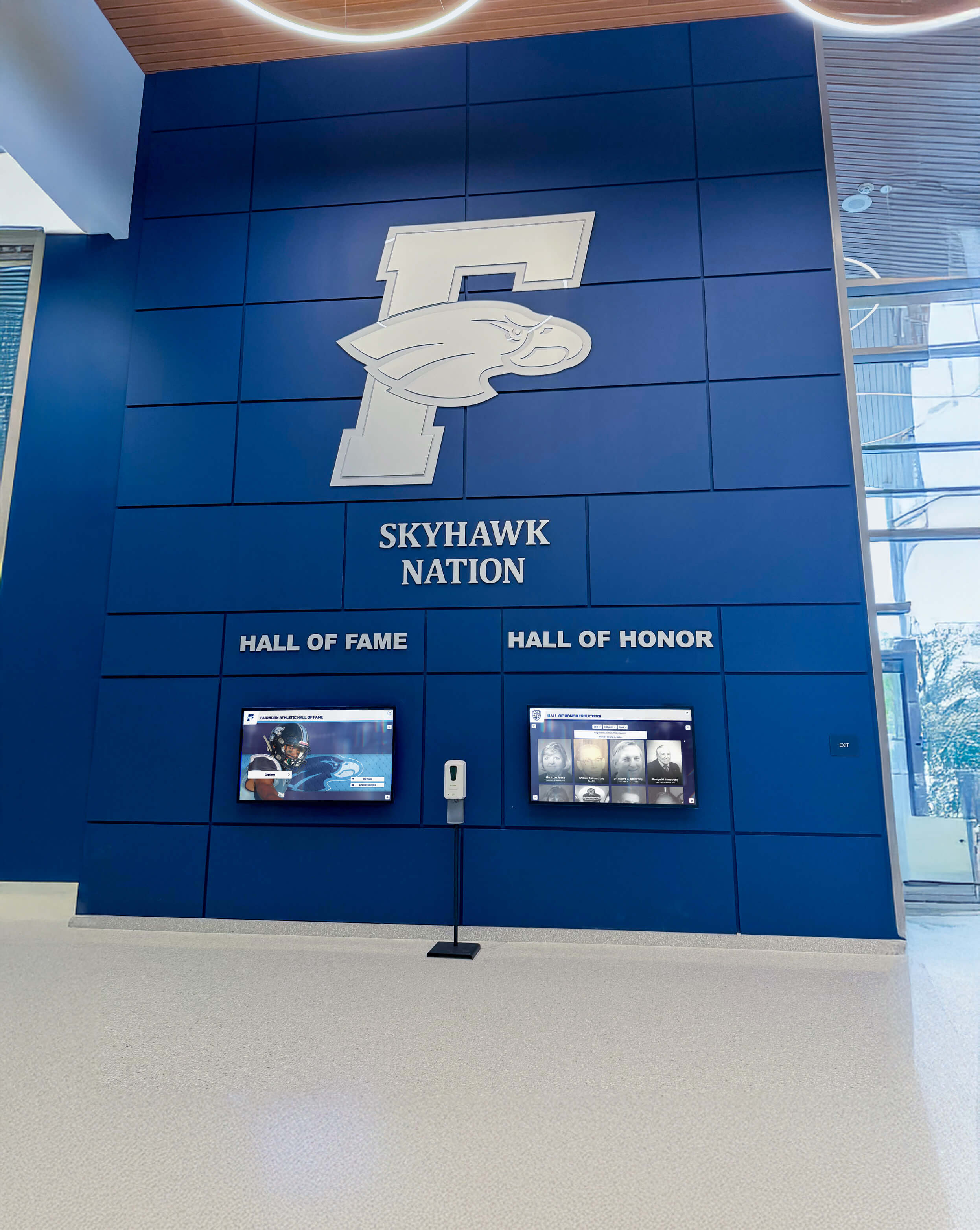
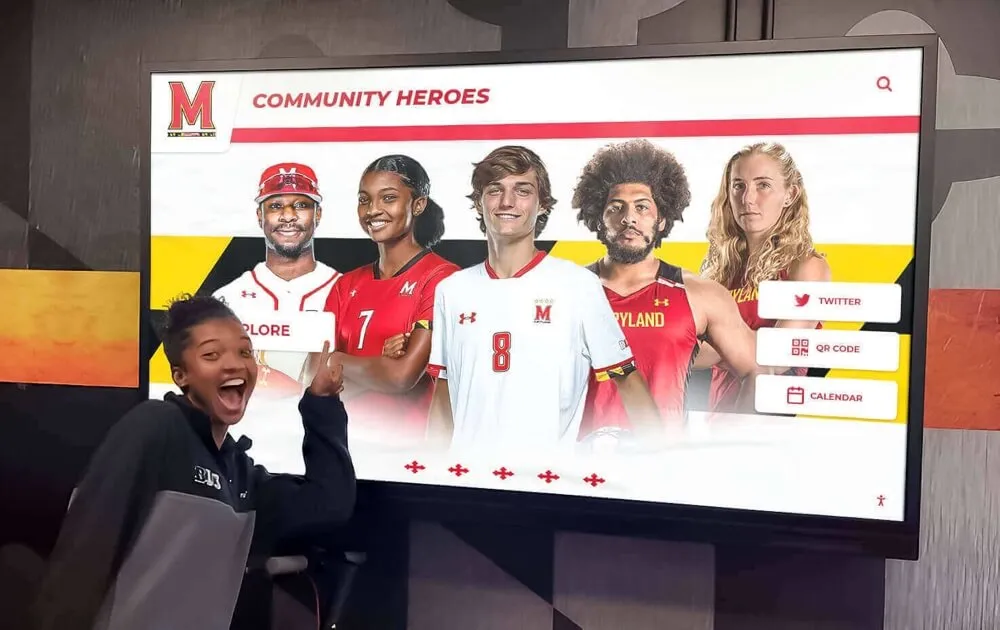
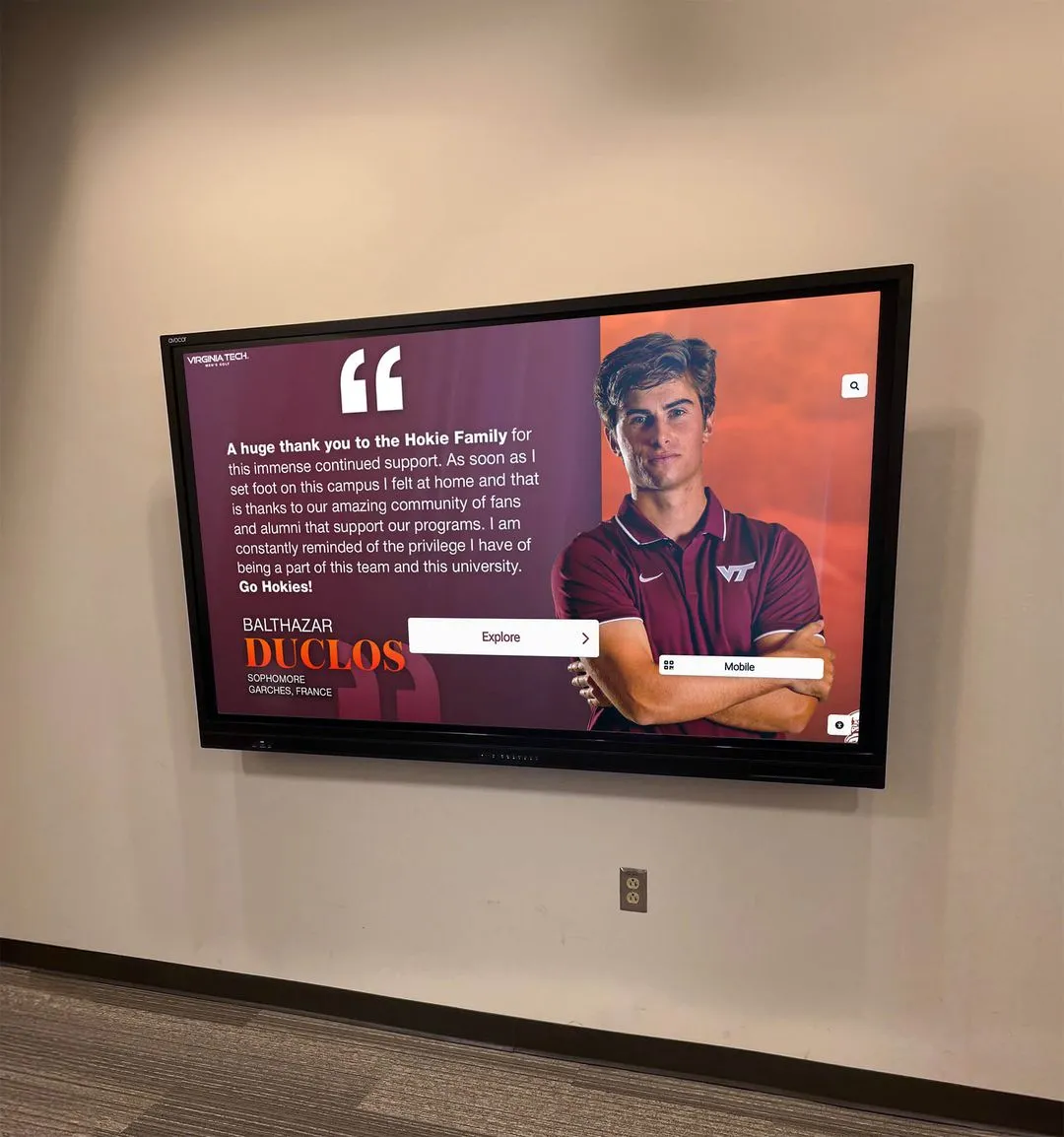
Branded displays reinforce school identity while celebrating comprehensive student-athlete achievements.
Interactive Exploration and Engagement
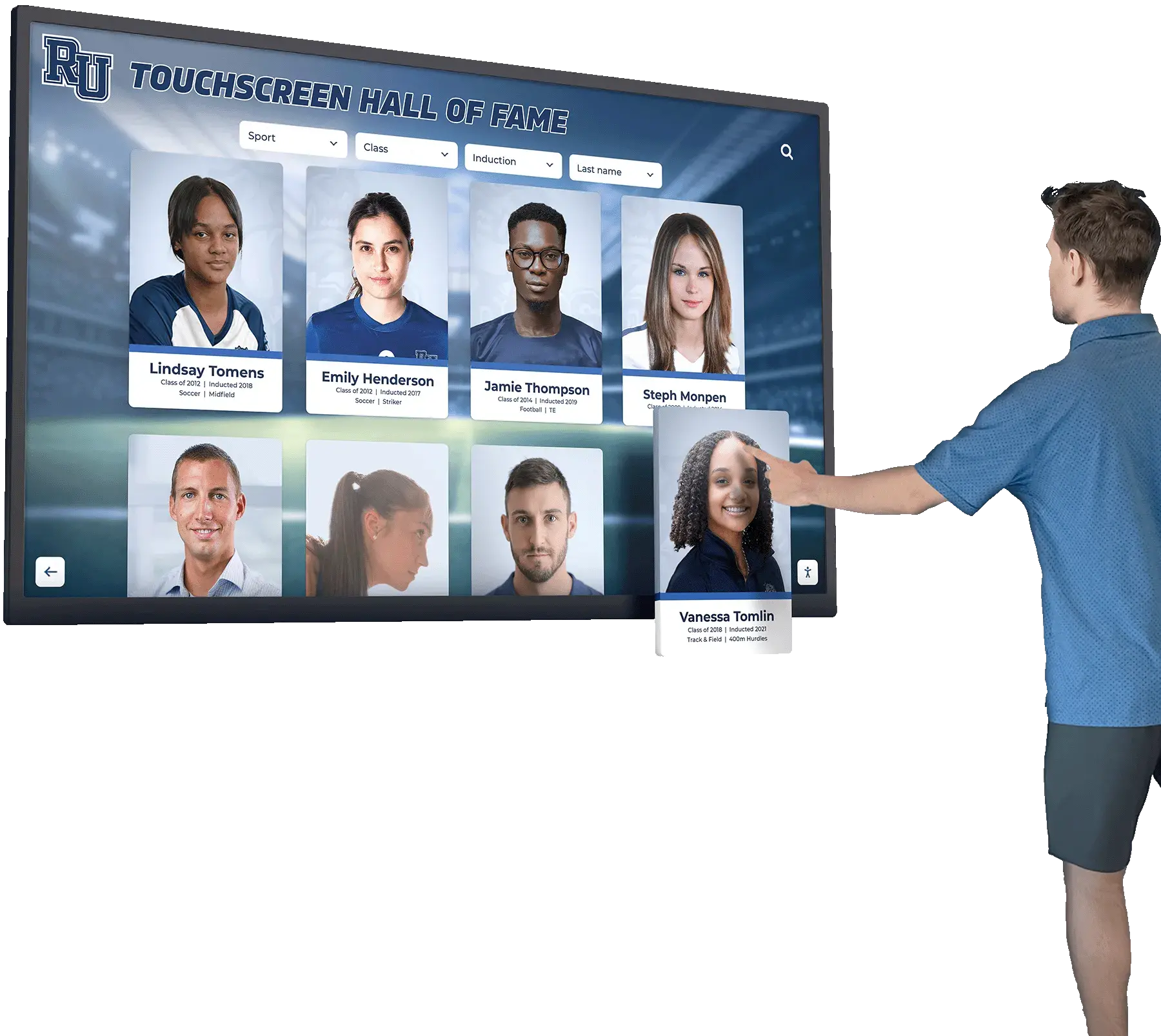
Modern touchscreen displays transform team GPA recognition from passive information viewing into active exploration experiences where student-athletes, families, and visitors engage directly with content.
Search and Filter Capabilities Users can quickly find specific teams, sports, or time periods through intuitive search interfaces. Student-athletes can locate their own teams to explore their academic standing, parents can track their children’s teams across multiple sports and seasons, and coaches can review their programs’ historical academic performance trends.
Comparative Analysis Tools Interactive displays enable users to compare team performance across multiple dimensions: current versus previous terms, specific teams’ multi-year trends, sport-by-sport comparisons, and boys’ versus girls’ programs. These analytical capabilities provide insights beyond simple current rankings, helping programs identify improvement opportunities and celebrate sustained excellence.
Social Sharing Integration Digital recognition systems often include social sharing features enabling student-athletes and teams to share their academic achievements through social media, creating additional recognition reach beyond physical display locations. Share buttons generate graphics or posts announcing team GPA achievements, amplifying recognition through student-athlete networks and family connections.
Accessibility Features Purpose-built recognition systems incorporate accessibility features ensuring all community members can engage with content, including adjustable text sizes, high-contrast viewing modes, screen reader compatibility, and multiple language options for diverse school communities.
Seamless Updates and Content Management
Digital team GPA leaderboard systems eliminate the time-consuming manual updating processes required for traditional recognition while ensuring information remains current and accurate.
Cloud-Based Management Platforms Administrative staff access intuitive content management systems from any internet-connected device, enabling quick updates without requiring physical access to displays. Athletic directors, administrative assistants, or designated coaches can log in securely, upload new team GPA data, and publish updates that appear immediately across all connected displays.
Bulk Data Import Options Rather than manually entering individual team GPAs, systems support bulk data imports from spreadsheets or student information systems. Athletic departments maintain team rosters and import GPA data provided by registrar offices, then upload complete datasets updating all teams simultaneously. This bulk capability dramatically reduces administrative time while ensuring accuracy through direct data transfer rather than manual re-entry.
Scheduled Publishing Content management platforms typically include scheduling features enabling athletic departments to prepare recognition content in advance and schedule automatic publication at specific dates and times. This scheduling capability enables advance preparation during less busy periods while ensuring recognition goes live at optimal moments—perhaps the day after semester grades are finalized or at the beginning of new athletic seasons.
Version Control and Historical Archives Digital systems automatically maintain historical versions of recognition content, creating permanent archives documenting team academic achievement across years. These archives serve multiple purposes: historical comparison and trend analysis, research into program improvements or declines, creating “all-time best” recognition displays, and permanent institutional records surviving coaching changes and program evolution.
Learn about implementing touchscreen displays in athletic facilities effectively.
Implementation Strategies for Team GPA Leaderboard Displays
Successful digital team GPA recognition requires systematic planning addressing technology selection, content development, physical installation, and program integration that ensures recognition remains meaningful and supports genuine academic improvement rather than simply acknowledging outcomes.
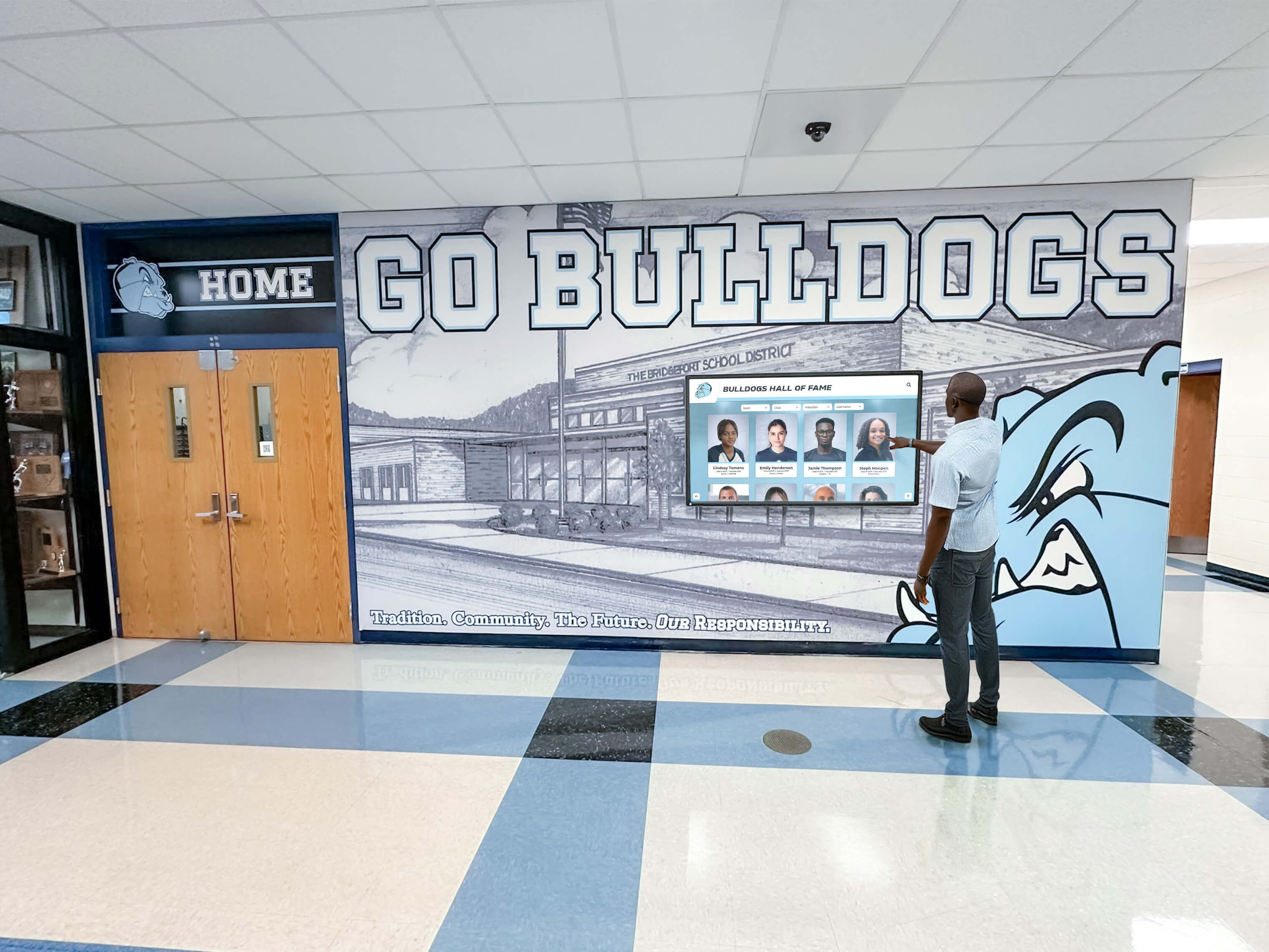
Strategic placement in high-traffic areas ensures maximum visibility and engagement with recognition content.
Strategic Placement for Maximum Visibility
Physical placement determines whether team GPA displays become focal points influencing athletic culture or overlooked installations providing minimal impact. Optimal locations balance high visibility with contextual appropriateness.
Athletic Facility Entrances and Lobbies Main entrances to gymnasiums, field houses, or athletic complexes provide ideal locations for team GPA displays. Every student-athlete, coach, parent, and visitor passes through these spaces, ensuring consistent exposure. Entrance placement also signals immediate institutional priorities—academic achievement receives prominent recognition before visitors even enter competitive spaces.
Locker Room and Team Areas Installing displays near team spaces where student-athletes gather regularly creates sustained exposure and peer-to-peer awareness of academic standings. Student-athletes see updated leaderboards multiple times weekly during practices, reinforcing academic achievement as integral to athletic program culture. These locations enable informal team discussions about academic goals and strategies.
Main School Hallways and Common Areas While athletic facilities provide context-appropriate locations, installing displays in main school hallways or common areas expands visibility beyond just athletic community to entire student body. This broader visibility demonstrates that athletic program academic achievement contributes to overall school pride and excellence.
Integration with Existing Recognition Systems Team GPA displays prove most effective when integrated with comprehensive athletic recognition rather than isolated in separate locations. Installing digital screens adjacent to trophy cases, championship banners, or athletic record boards creates visual connections between competitive and academic achievement, communicating equal importance through physical proximity.
Content Development and Data Collection
Quality content ensures team GPA recognition remains accurate, meaningful, and appropriately comprehensive while respecting student privacy and adhering to educational regulations.
Establishing Data Collection Processes Athletic departments need systematic processes for collecting accurate team GPA data each term:
- Coordinate with registrar or academic affairs offices to receive official GPA data
- Define which students count toward team calculations (varsity only, JV included, practice squad, etc.)
- Determine timing for GPA calculation (final grades only, or mid-term updates)
- Establish approval workflows ensuring accuracy before publication
- Create backup and verification procedures preventing errors
Privacy Considerations and FERPA Compliance Educational institutions must comply with the Family Educational Rights and Privacy Act (FERPA) governing student educational record disclosure. While aggregate team GPAs typically don’t violate FERPA because they don’t identify individual student grades, athletic departments should consult institutional privacy officers to ensure recognition approaches comply with all applicable regulations and institutional policies.
When highlighting individual student-athletes within team recognition, obtain appropriate consents or limit information to non-academic details (names and photos) rather than specific individual GPAs unless students explicitly consent to such disclosure.
Developing Compelling Recognition Content Beyond raw GPA numbers, develop content that tells complete achievement stories:
- Coach quotes explaining academic expectations and support systems
- Student-athlete testimonials about balancing academics and athletics
- Photos of teams engaged in academic activities (study tables, tutoring, etc.)
- Recognition of academic support staff contributing to team success
- Historical context showing multi-year trends and program evolution
This narrative content transforms simple data display into meaningful recognition honoring effort, strategy, and cultural commitments behind the numbers.
Explore additional student-athlete recognition programs that complement team GPA displays.
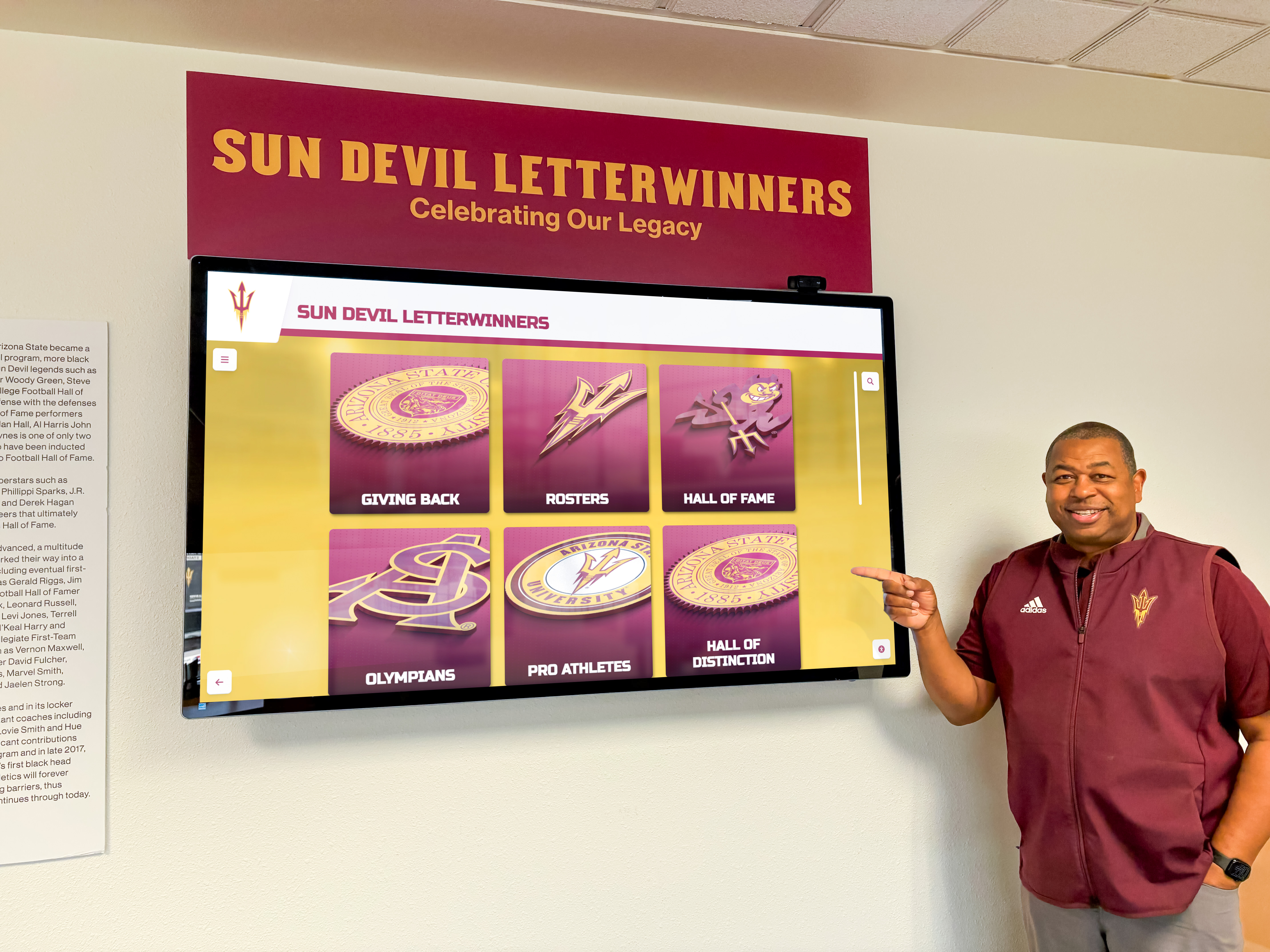
Interactive displays encourage engagement and exploration, creating memorable recognition experiences.
Integration with Academic Support Programs
Team GPA recognition proves most valuable when connected to comprehensive academic support systems helping student-athletes achieve the excellence being celebrated rather than simply acknowledging outcomes.
Study Hall and Tutoring Programs Many successful athletic programs implement mandatory study hall hours, particularly for student-athletes falling below specific GPA thresholds. Digital recognition displays can showcase these support programs, communicate their availability, and demonstrate their impact through improvement data showing teams or individuals who utilized support services.
Academic Advisor and Counselor Collaboration Athletic departments should work closely with school counselors and academic advisors to identify student-athletes needing additional support before academic problems become eligibility crises. Team GPA displays can include information about advisor availability, scheduling academic planning meetings, and accessing school academic resources.
Time Management and Study Skills Development Student-athletes face unique time management challenges balancing practice schedules, competition travel, and coursework demands. Athletic programs that provide time management training, study skills workshops, and organizational strategy development typically see measurable team GPA improvements. Recognition displays can highlight these programs while celebrating their outcomes.
Peer Tutoring and Mentoring Some athletic programs establish peer tutoring systems where academically strong student-athletes support teammates in subjects where they excel. These peer relationships often prove more effective than adult intervention because student-athletes relate to tutors who understand the specific demands of balancing athletics and academics. Team GPA displays can recognize student-athletes serving as tutors, celebrating their academic strength while promoting support culture.
Recognition Ceremonies and Celebrations
While digital displays provide ongoing visibility, complementing them with periodic recognition ceremonies amplifies impact and creates meaningful moments celebrating team academic achievement alongside athletic honors.
Season-End Academic Awards Athletic programs typically hold season-end banquets or award ceremonies recognizing competitive achievements. Include prominent academic recognition during these events: announce team GPA and ranking, recognize honor roll student-athletes individually, present team academic achievement awards (trophies, plaques, certificates), celebrate improvement from previous seasons, and acknowledge academic support contributors (tutors, advisors, study hall monitors).
This formal recognition during athletic ceremonies reinforces that academic achievement receives equal celebration to athletic performance.
Public Recognition and Media Coverage Share team GPA achievements through local media, school newsletters, social media platforms, athletic department websites, and community announcements. This broader communication amplifies recognition beyond just team members to entire school communities and surrounding regions, creating pride while attracting prospective families seeking schools emphasizing holistic student-athlete development.
Scholar-Athlete Signing Days Some schools implement “Academic Signing Days” parallel to athletic signing days where student-athletes committing to college are celebrated. These events honor student-athletes’ educational destinations while emphasizing that college opportunity results from academic achievement as much as athletic talent.
Learn more about college commitment recognition for student-athletes.
Maximizing Team GPA Leaderboard Impact on Athletic Culture
Beyond technology implementation, certain strategies maximize program effectiveness while ensuring recognition drives genuine academic improvement rather than becoming hollow display unconnected to meaningful student-athlete development.
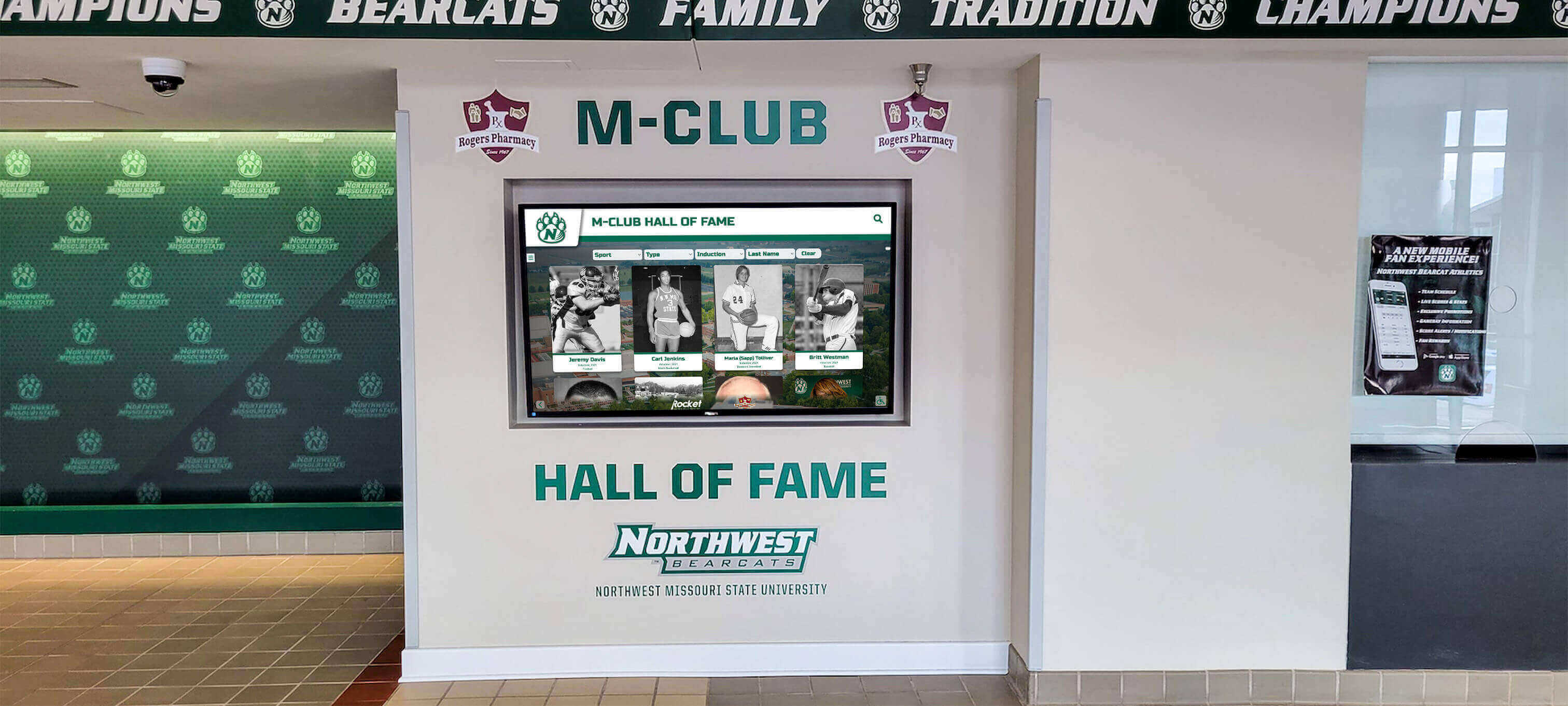
Comprehensive displays integrate multiple recognition types, celebrating diverse student-athlete achievements.
Setting and Communicating Academic Expectations
Clear academic expectations established from athlete recruitment through program completion create foundations for team academic success worthy of leaderboard recognition.
Pre-Season Academic Goal Setting Coaches should establish team academic goals during pre-season preparation, discussing GPA targets and creating team commitments around academic support participation. When teams set specific goals—“We’re going to achieve a 3.5 team GPA this semester” or “Every team member will attend study hall as needed”—they create accountability and shared commitment beyond individual effort.
Individual Academic Planning While team GPAs receive collective recognition, success depends on individual student-athlete achievement. Coaches should implement individual academic planning meetings where each athlete discusses current academic standing, identifies challenging courses, creates study schedules, and commits to specific improvement strategies. These individual plans aggregate into team success.
Consistent Communication of Academic Priority Coaches must consistently communicate that academic achievement equals athletic performance in program priorities. When coaches regularly ask about grades, acknowledge academic achievements, attend student-athlete academic recognition events, and discuss educational goals as seriously as athletic objectives, student-athletes internalize that academics truly matter rather than representing secondary concerns subordinate to sport performance.
Recognizing Diverse Academic Achievements
While team GPA leaderboards celebrate collective achievement, comprehensive recognition systems also honor various individual academic accomplishments ensuring all student-athletes receive appropriate acknowledgment.
Honor Roll Recognition Within Teams Highlight individual student-athletes achieving honor roll, high honor roll, or highest honor roll designation within team displays. This individual acknowledgment within team context reinforces that collective GPA results from individual commitments and creates peer models demonstrating achievable excellence.
Most Improved Student-Athletes Recognize student-athletes demonstrating significant GPA improvement from previous terms. A wrestler improving from 2.4 to 3.1 GPA shows remarkable growth deserving special acknowledgment even though they haven’t reached highest absolute achievement levels. Improvement recognition communicates that programs value growth and effort, not just final outcomes.
Perfect Attendance and Engagement Some student-athletes maintain strong GPAs while demonstrating perfect attendance, consistent study hall participation, or exemplary engagement with academic support resources. Recognizing these behavioral achievements alongside outcome metrics acknowledges the habits and choices that enable academic success.
Subject-Specific Excellence Student-athletes often excel in specific academic areas while maintaining overall strong performance. Highlighting subject-specific achievements—“All-Conference Volleyball Player also All-Region Orchestra” or “Starting Quarterback also Science Olympiad State Qualifier”—celebrates diverse talents while demonstrating that athletic and intellectual capabilities coexist and reinforce each other.
Explore diverse academic recognition categories honoring multiple achievement types.
Addressing Low-Performing Teams Sensitively
Team GPA leaderboards inherently create rankings where some teams appear at bottom. Approaching low-performing team recognition requires sensitivity ensuring displays motivate improvement rather than causing embarrassment or disengagement.
Emphasizing Improvement Over Absolute Standing Focus recognition messaging on progress and improvement rather than only celebrating top absolute performers. When bottom-ranked teams show improvement—perhaps moving from 2.8 to 3.0 GPA—prominently recognize that growth alongside top-performing teams’ sustained excellence. This improvement focus creates achievement pathways for all teams regardless of starting points.
Providing Support Resources, Not Just Rankings Digital displays should include prominent information about academic support resources available to all student-athletes: tutoring services, study hall schedules, academic advisor contact information, time management workshops, and counselor availability. This resource integration demonstrates institutional commitment to helping struggling teams improve rather than simply documenting their lower performance.
Private Coaching Conversations About Academic Concerns While public displays show team rankings, athletic directors should have private conversations with coaches of lower-performing teams about academic concerns, discussing specific support strategies, identifying at-risk individual student-athletes, reviewing eligibility issues, and developing improvement plans. These private discussions enable direct problem-solving while avoiding public criticism that might damage coach or program reputations.
Celebrating Non-GPA Academic Indicators Some teams may struggle with GPA metrics but demonstrate strength in other academic dimensions: perfect study hall attendance, high percentages utilizing tutoring services, improvement in failing-to-passing course ratios, or strong standardized test score performance. Recognizing these alternative metrics ensures all programs receive some positive acknowledgment while working toward GPA improvement.
Technology Considerations and Platform Selection
Choosing appropriate technology ensures team GPA recognition systems remain reliable, maintainable, effective, and aligned with institutional technology ecosystems and budget constraints.
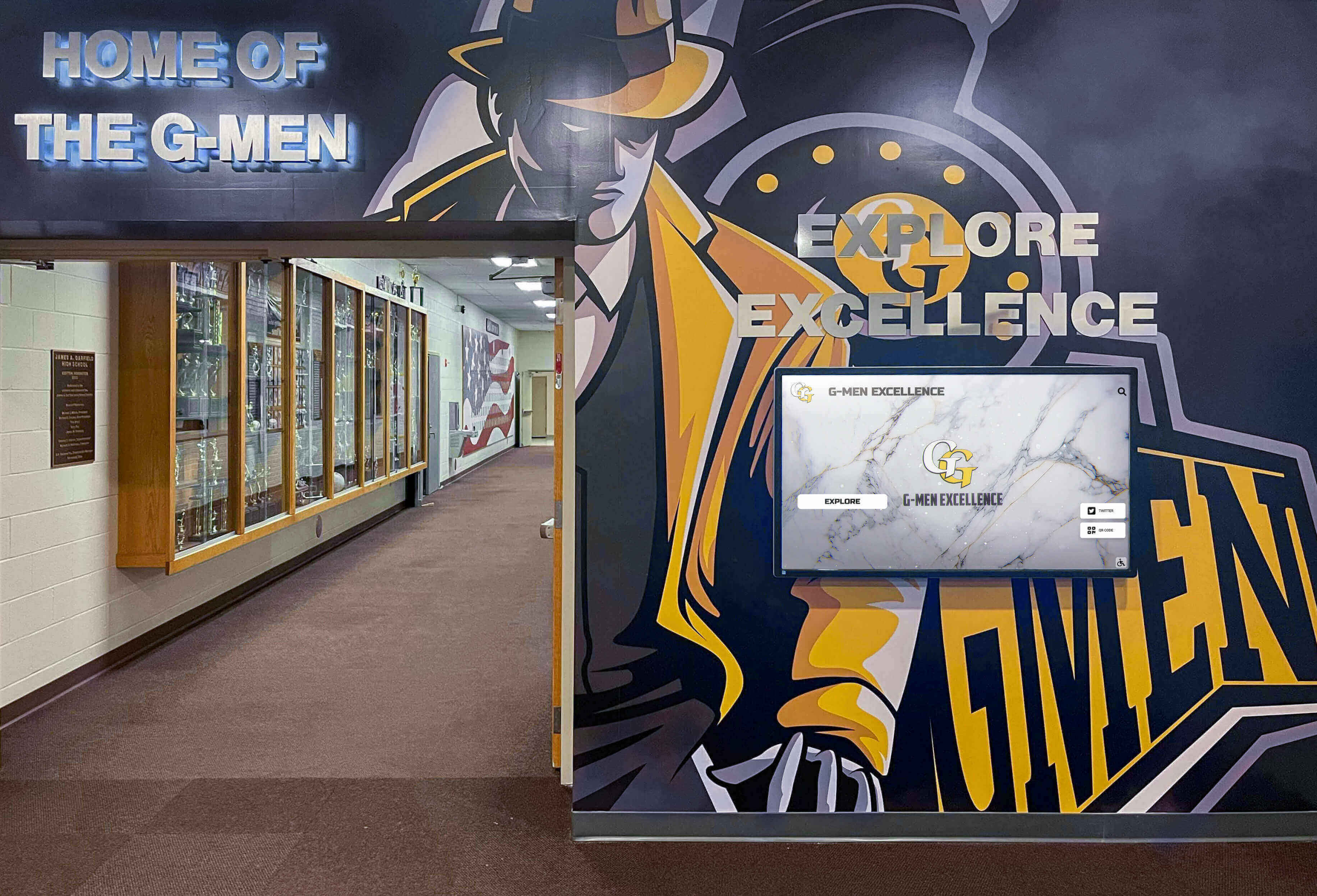
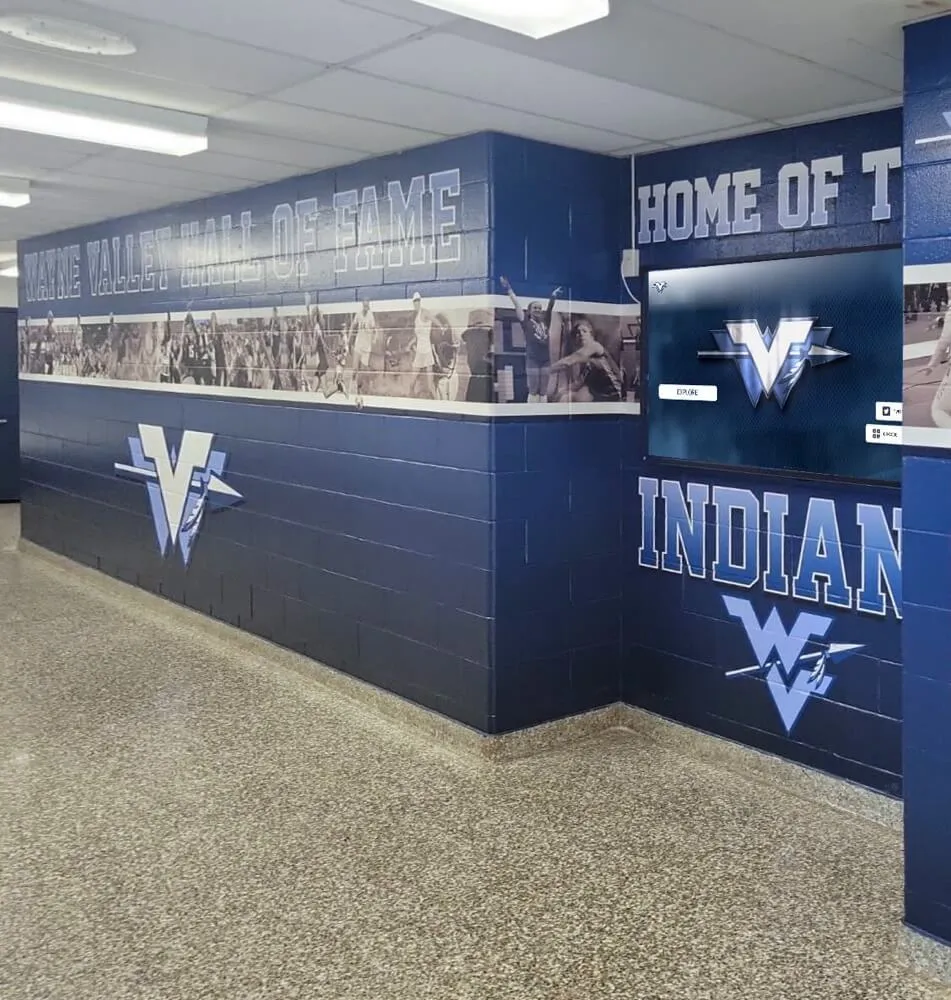
Integrated installations combining digital displays with traditional trophy cases create comprehensive recognition environments.
Display Hardware Selection
Physical display technology determines visibility quality, reliability, and total cost of ownership over system lifespan.
Commercial-Grade Display Screens Athletic facility displays require commercial-grade screens designed for extended operation rather than consumer televisions intended for residential use. Commercial displays typically feature higher brightness suitable for well-lit environments, longer rated operational lifespans (50,000+ hours versus 20,000-30,000 for consumer TVs), more robust construction withstanding institutional use, and better warranty coverage for commercial applications.
Screen Size and Viewing Distance Select screen sizes appropriate for viewing distances and display locations:
- Small displays (32"-43") for close viewing areas like hallway kiosks
- Medium displays (50"-65") for lobby installations with moderate viewing distances
- Large displays (70"-85"+) for gymnasiums or large spaces requiring distant visibility
Touchscreen vs. Non-Interactive Displays Decide whether interactive touchscreen capability adds sufficient value to justify additional cost. Touchscreens enable user exploration, filtering, and detailed information access but increase initial investment and potential maintenance needs. Non-interactive displays cost less and require no user interaction but limit engagement to passive viewing of pre-programmed content rotation.
For most team GPA leaderboard applications, interactive touchscreens significantly enhance engagement and value, enabling student-athletes to explore their teams’ detailed profiles and historical trends rather than viewing only limited rotating summary information.
Mounting and Installation Considerations Plan professional installation including wall mounting with appropriate structural support, cable management for clean appearances, power supply with surge protection, network connectivity (wired Ethernet preferred over WiFi for reliability), and physical security measures preventing tampering or theft.
Software Platform Evaluation
Software platforms managing content, enabling updates, and delivering user experiences vary significantly in capability, cost, and institutional fit.
Purpose-Built Recognition Platforms vs. Generic Digital Signage Solutions like Rocket Alumni Solutions specifically designed for academic and athletic recognition typically provide templates optimized for student-athlete profiles and achievement content, organizational structures matching athletic program needs, search and filtering functionality enabling intuitive exploration, user interfaces designed for non-technical athletic administrators, and dedicated support teams understanding educational contexts.
Generic digital signage platforms offer flexibility but require significant customization to create effective recognition experiences, often demanding technical expertise that athletic departments lack.
Content Management Accessibility Evaluate how easily designated staff can update content independently: user-friendly interfaces requiring minimal training, web-based access enabling updates from any location, bulk import capabilities for efficient data management, preview and approval workflows ensuring accuracy, and comprehensive training and support resources.
Data Integration Capabilities Consider whether platforms integrate with existing school systems: student information system connections for automated roster data, GPA data import from academic databases, athletic management system integration, and single sign-on authentication through institutional identity systems.
While full integration requires significant technical coordination, even basic spreadsheet import capabilities dramatically reduce administrative burden compared to manual individual entry.
Mobile and Web Extensions Digital recognition maximizes reach when accessible beyond physical displays through web portals accessible from any device worldwide, mobile-responsive designs ensuring quality smartphone experiences, social sharing capabilities amplifying recognition through student-athlete networks, and permanent online archives surviving physical display changes.
Learn about comprehensive digital recognition platforms offering multiple access points.
Budget and Cost Considerations
Team GPA leaderboard digital display costs vary significantly based on scale, features, and implementation approach. Understanding typical cost components enables realistic budgeting and appropriate solution selection.
Initial Investment Components
- Display hardware: $1,500-$8,000+ per screen depending on size and features
- Mounting and installation: $500-$2,000 per screen for professional installation
- Software platform: $2,000-$10,000+ initial setup depending on customization
- Content development: $1,000-$5,000 for initial design, templates, and population
Total initial investment typically ranges from $5,000-$25,000+ for single-display implementations.
Ongoing Operational Costs
- Software licensing: $500-$3,000+ annually for cloud-based platforms
- Content updates: Internal staff time or contracted services
- Hardware maintenance: Minimal for quality commercial displays under warranty
- Electricity: Approximately $50-$150 annually per display
Funding Sources and Budget Strategies
Athletic departments can pursue various funding approaches:
- Operating budgets for technology improvements
- Booster club or athletic foundation fundraising
- Sponsorship opportunities with local businesses
- Capital campaign inclusion for facility renovations
- Grant programs supporting educational technology
Many schools implement phased approaches, starting with single high-visibility displays then expanding based on demonstrated impact and available resources.
Measuring Team GPA Recognition Program Success
Systematic assessment ensures recognition programs achieve intended goals while identifying improvement opportunities based on evidence rather than assumptions about effectiveness.
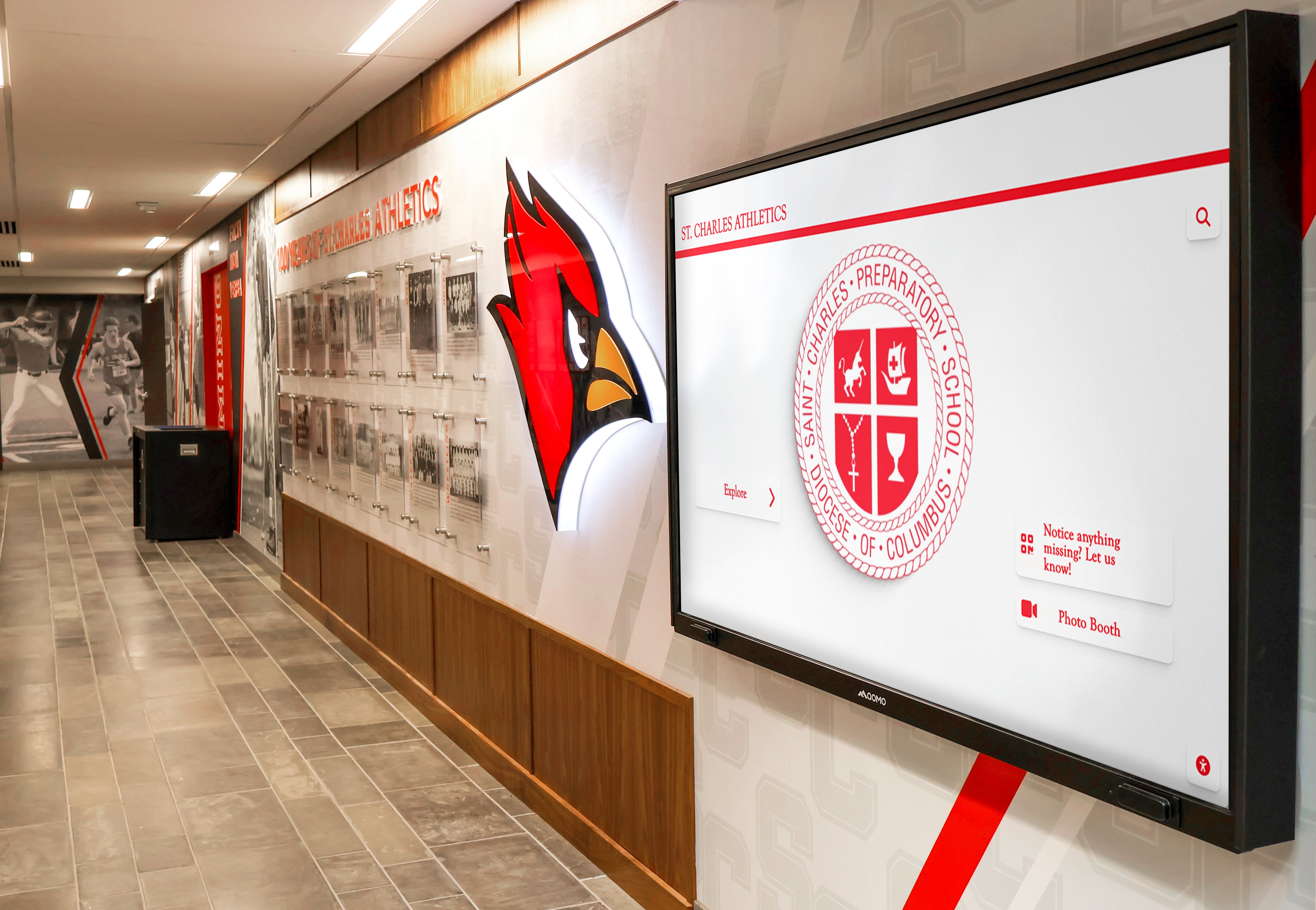
Branded displays reinforce program identity while celebrating achievements aligned with institutional values.
Quantitative Impact Metrics
Team GPA Trends Track whether team GPAs improve after implementing prominent recognition displays:
- Overall athletic department average GPA semester-by-semester
- Individual team GPA trends showing improvement or decline
- Number of teams achieving specific excellence thresholds (3.5+, 3.75+)
- Distribution of teams across achievement categories
- Comparison to pre-implementation baseline periods
Significant overall improvement suggests recognition programs contribute to enhanced academic culture, though multiple factors influence academic outcomes making isolated causal attribution challenging.
Student-Athlete Academic Outcomes Monitor broader academic indicators beyond team GPA:
- Individual honor roll recognition rates among student-athletes
- Course failure rates and academic warning/probation instances
- Academic eligibility maintenance rates
- College acceptance rates and academic scholarship awards
- Standardized test performance trends
Recognition System Usage and Engagement For interactive touchscreen displays, analytics reveal actual usage patterns:
- Daily interaction counts showing how many users engage with displays
- Session duration indicating depth of engagement
- Popular content showing which teams or features users explore most
- Search query patterns revealing what users seek
- Peak usage times informing content update scheduling
High engagement rates demonstrate that displays successfully attract attention and provide value justifying continued investment.
Qualitative Assessment Methods
Student-Athlete Feedback Gather direct feedback from student-athletes about recognition program awareness and impact:
- Awareness surveys assessing whether athletes know about displays and recognition
- Motivational impact questions exploring whether recognition influences academic effort
- Cultural perception inquiries about whether athletics values academics
- Improvement suggestions gathering student-athlete ideas for enhancements
- Open-ended testimonials about meaningful recognition experiences
Coach and Staff Perspectives Athletic directors should regularly discuss recognition programs with coaches:
- Whether coaches actively reference displays when discussing academics with teams
- If coaches observe behavioral changes related to academic effort
- How recognition affects recruiting conversations with prospective athletes
- Suggestions for improving recognition approaches or content
- Integration with team academic goal-setting and planning
Family and Community Response Monitor how families and broader communities respond to academic recognition:
- Parent comments during athletic events and communications
- Social media engagement with posted team GPA achievements
- Community feedback about athletic program priorities
- Prospective family questions during campus tours and recruiting visits
- Media coverage of academic achievements alongside athletic success
Positive qualitative feedback complements quantitative metrics, providing comprehensive program assessment capturing both measurable outcomes and stakeholder perceptions of value and impact.
Special Considerations for Different Athletic Program Levels
Team GPA recognition approaches should adapt to program characteristics, competitive levels, and institutional contexts ensuring recognition resonates with specific student-athlete populations and aligns with organizational priorities.
Middle School Athletic Programs
Early athletic experiences establish foundational attitudes about academic-athletic balance that influence high school and potentially collegiate athletic careers.
Developmentally Appropriate Recognition Middle school recognition should emphasize growth, improvement, and establishing positive habits over absolute achievement levels. Many middle school student-athletes are still developing study skills and academic maturity, making improvement recognition particularly important. Celebrate teams improving GPA quarter-to-quarter, recognize perfect study hall attendance, highlight student-athletes developing effective time management strategies, and acknowledge balanced participation in athletics and academics.
Building Academic Identity Early Middle school years represent critical periods for identity development. Prominent team GPA recognition at this level helps young student-athletes internalize that academic success forms essential parts of athlete identity rather than representing competing priorities. This early messaging influences how students approach academic-athletic balance throughout later educational careers.
High School Athletic Programs
Secondary athletic programs face increased academic stakes as college recruitment, scholarship opportunities, and graduation requirements create concrete consequences for academic performance.
College Recruitment Connection High school team GPA displays should explicitly connect academic achievement to college athletic opportunities. Include information about NCAA eligibility requirements, academic scholarship opportunities, college coach evaluation criteria, and the relationship between GPA and institutional recruitment options. This connection makes abstract academic achievement feel practically relevant to student-athletes’ athletic aspirations.
Multi-Year Achievement Tracking High school athletes typically participate for multiple years, enabling meaningful longitudinal tracking. Recognition displays can show individual student-athlete GPA trends across freshman through senior years, team evolution as rosters change and new athletes join programs, and class cohort performance comparing graduating classes’ academic achievements.
Learn more about comprehensive high school recognition programs celebrating diverse student achievements.
College and University Athletic Programs
Collegiate athletics involve increasingly sophisticated academic support infrastructure, conference-level recognition programs, and significant institutional investment in student-athlete academic success.
Conference and National Recognition College team GPA displays should prominently feature conference rankings and national recognition. Many athletic conferences publish team Academic Progress Rate (APR) data and team GPA standings. Displays showcasing where teams rank nationally or within conferences create broader competitive context beyond just institutional comparisons.
Academic Progress Rate Integration NCAA Division I programs must meet Academic Progress Rate benchmarks affecting eligibility for postseason competition. Team GPA displays can incorporate APR data, multi-year average requirements, and how current performance positions teams relative to NCAA standards. This integration demonstrates compliance while celebrating teams exceeding minimum requirements.
Professional Development Emphasis College student-athlete recognition can highlight post-graduation outcomes demonstrating academic investment’s long-term value: graduate school acceptance rates, professional employment in fields related to majors, career achievement of alumni student-athletes, and continued athletic participation at professional or international levels.
Conclusion: Building Excellence Through Academic-Athletic Integration
Team GPA leaderboard digital displays represent far more than simple data visualization—they embody institutional commitments to holistic student-athlete development valuing intellectual achievement equally with competitive excellence. When implemented thoughtfully with appropriate technology, compelling content, strategic placement, and integration with comprehensive academic support, these displays transform athletic department cultures in meaningful and measurable ways.
Traditional athletic recognition systems celebrating only competitive achievements communicate unintended messages about institutional priorities, potentially encouraging student-athletes to view academics as obstacles to athletic success rather than complementary developmental domains. Digital team GPA leaderboards provide visible counterbalance, demonstrating through prominent placement and professional presentation that academic achievement deserves celebration, recognition, and honor equal to championship trophies and record-breaking performances.
Effective implementation requires more than simply installing displays and posting GPA numbers. Maximum impact comes from comprehensive approaches including clear academic expectations and team goal-setting, robust support systems helping student-athletes achieve excellence, sensitive recognition balancing celebration with growth mindset, regular assessment measuring both quantitative outcomes and qualitative perceptions, and sustained institutional commitment beyond initial implementation enthusiasm.
The student-athletes in your programs invest tremendous effort developing skills, training for competition, and representing your institution on fields, courts, pools, and tracks. They also navigate demanding coursework, balance complex schedules, and pursue intellectual development preparing them for futures where most will build careers on educational foundations rather than athletic talents. They deserve recognition systems honoring both dimensions of their achievement comprehensively, celebrating the remarkable balance they maintain while inspiring younger athletes to pursue similar excellence.
Modern digital recognition solutions like those provided by Rocket Alumni Solutions make comprehensive team GPA recognition achievable for programs at all levels, offering purpose-built platforms designed specifically for athletic contexts, intuitive management enabling athletic administrators to update content independently, scalable solutions growing with program needs and budgets, and professional support ensuring successful implementation and sustained effectiveness.
Ready to transform your athletic program’s academic culture through prominent team GPA recognition? Explore strategies for showcasing student achievement or learn about comprehensive digital recognition solutions for your institution. Visit Rocket Alumni Solutions to discover how modern digital platforms can help you celebrate every dimension of student-athlete excellence while building athletic cultures where intellectual and competitive achievements receive equal honor and celebration.