



Key Takeaways
Comprehensive guide to team captain selection in athletics. Learn how coaches identify, evaluate, and choose team captains, why leadership matters in sports, and how schools preserve captain legacies through modern digital recognition displays.
Every successful athletic team has them—those special athletes who embody excellence both on the field and in the locker room. Team captains serve as the critical bridge between coaching staff and players, representing team values while leading teammates through victories and setbacks alike. But what actually goes into selecting a team captain? How do coaches identify those rare individuals capable of motivating teammates, maintaining team culture, and representing the program with distinction?
Team captain selection represents one of the most important decisions coaches make each season. The right captain elevates team performance, strengthens culture, and creates lasting positive impact extending far beyond win-loss records. The wrong selection can fragment team unity, undermine coaching authority, and derail even talented rosters. This comprehensive guide explores how coaches approach team captain selection, what qualities distinguish true leaders from talented athletes, why captaincy matters across all sports and competitive levels, and how schools preserve captain legacies through recognition systems celebrating leadership excellence.
Understanding the Team Captain Role in Athletics
Team captains fulfill multifaceted roles extending far beyond wearing a “C” on their jersey or speaking during coin tosses.
What Defines an Athletic Team Captain
Athletic team captains serve as player representatives who lead by example, communicate between coaches and teammates, maintain team standards, and embody program values both in competition and daily life:
On-Field Leadership: Captains make real-time decisions during competition when coaches can’t intervene, adjust strategies based on game flow, motivate teammates during adversity, maintain composure under pressure, and demonstrate technical excellence setting performance standards. In sports like football, basketball, or soccer where play happens rapidly, captain leadership during competition directly impacts outcomes.
Locker Room Leadership: Away from public view, captains shape team culture through daily interactions. They address conflicts before they escalate, hold teammates accountable to team standards, include marginalized players preventing cliques, maintain positive attitudes during difficult stretches, and reinforce coaching messages through peer influence often more effective than top-down directives.
Communication Bridge: Effective captains communicate bidirectionally—bringing player concerns and perspectives to coaching staff while explaining coaching decisions and philosophy to teammates. This translation function prevents misunderstandings, builds mutual respect, and creates alignment between coaches and players essential for team cohesion.
Public Representation: Captains often serve as team spokespeople during media interviews, represent programs during community events, interact with opposing teams and officials, and demonstrate sportsmanship setting examples for younger athletes and broader communities. Their conduct reflects not just on themselves but entire programs and institutions.
Mentorship Responsibilities: Senior captains particularly serve as mentors for younger players, teaching program traditions and expectations, providing guidance on balancing athletics with academics, modeling proper training habits and preparation, and helping newer teammates integrate into team cultures. This mentorship creates continuity preserving program values across graduating classes.
Why Captain Selection Matters More Than Many Realize
Team captain selection carries significance extending beyond honorary titles:
Impact on Team Chemistry: Research consistently demonstrates that teams with effective captains show better cohesion, communication, and collective performance compared to teams with poor leadership. Captains influence daily team dynamics—whether practice environments feel supportive or toxic, whether teammates trust each other during pressure moments, and whether programs maintain consistent cultures across seasons.
Influence on Program Culture: Captain selection sends powerful messages about what programs truly value. Choosing captains primarily based on athletic ability suggests performance trumps character. Selecting leaders demonstrating integrity, work ethic, and selflessness signals that programs prioritize these qualities alongside competitive excellence. These messages shape program cultures for years as younger athletes internalize what merits recognition and respect.
Development of Future Leaders: Serving as team captain provides leadership development experiences that benefit athletes throughout their lives. Captains learn conflict resolution managing personality differences, accountability addressing teammate shortcomings, communication articulating vision and expectations, resilience maintaining positivity during adversity, and servant leadership prioritizing team success over personal recognition. These skills transfer directly to professional careers, community involvement, and future family leadership.
Recruiting and Retention: Strong captain leadership enhances recruiting efforts as prospects observe positive team cultures during visits. Programs known for developing leaders attract athletes seeking personal growth alongside competitive success. Conversely, visible captain dysfunction during recruiting visits can derail recruitment of talented prospects regardless of facilities or competitive records. For schools implementing comprehensive athletic recognition programs, captain leadership exemplifies the values these systems celebrate.
How Coaches Identify Potential Team Captains
Effective captain selection begins long before formal designation, as coaches continuously evaluate potential leaders throughout seasons and programs.
Observation of Character and Consistency
Coaches assess potential captains through extended observation revealing true character:
Response to Adversity: How athletes handle setbacks reveals leadership capacity more than success responses. Coaches observe whether athletes maintain positive attitudes during losing streaks, demonstrate resilience after personal performance struggles, support teammates after mistakes, and continue working when recognition seems unlikely. Athletes who weather adversity while uplifting others demonstrate captain-worthy character.
Off-Field Conduct: Leadership extends beyond practices and competitions. Coaches value athletes demonstrating academic integrity, treating all school community members respectfully, avoiding disciplinary issues, representing programs positively on social media, and making wise personal decisions. Athletes requiring constant behavior monitoring lack maturity for captain responsibilities regardless of athletic abilities.
Consistency Over Time: True leaders demonstrate consistency across contexts—working equally hard during offseason conditioning and championship games, treating reserve players and starters identically, maintaining standards whether coaches watch or not, and displaying stable temperaments across emotional situations. Inconsistent athletes create unpredictable leadership undermining team stability.

Treatment of Non-Starters: Perhaps no behavior reveals character more clearly than how talented athletes treat teammates receiving less playing time. Coaches specifically observe whether potential captains encourage reserves during practices, celebrate non-starter contributions, include all teammates socially, and maintain perspective that team success requires complete roster engagement. Athletes displaying elitism toward reserves rarely make effective captains regardless of their on-field excellence.
Evaluation of Communication Skills
Captains must communicate effectively across diverse audiences and contexts:
Peer Communication: Effective captains relate authentically with teammates across different backgrounds, personalities, and experience levels. Coaches observe whether athletes demonstrate emotional intelligence reading situations appropriately, active listening understanding teammates’ perspectives before responding, respectful disagreement addressing conflicts constructively, and inclusive communication ensuring all voices receive consideration.
Coach Interaction: Captain-coach relationships require mutual respect and open dialogue. Coaches evaluate whether athletes communicate directly rather than passive-aggressively, accept coaching without defensiveness, ask clarifying questions demonstrating engagement, provide honest feedback about team dynamics, and maintain appropriate boundaries between advocacy and authority challenge.
Public Speaking Comfort: While not all captains become eloquent public speakers, basic comfort addressing groups proves essential. Coaches assess whether athletes can lead team huddles confidently, speak during team meetings productively, address younger players instructionally, and represent teams during public events appropriately. Athletes terrified of public speaking struggle with visible captain responsibilities regardless of other leadership qualities.
Non-Verbal Communication: Much leadership communication occurs non-verbally through body language, facial expressions, and behavioral modeling. Coaches value athletes whose posture projects confidence without arrogance, whose facial expressions stay positive during challenges, whose work ethic models expectations without words, and whose competitive intensity inspires teammates through demonstration rather than just exhortation.
Assessment of Athletic Competence and Respect
While leadership transcends athletic ability, captain effectiveness typically requires baseline competitive credibility:
Playing Time and Contribution: Athletes earning significant playing time command natural respect from teammates who recognize their contributions to competitive success. While some programs select honorary senior captains regardless of playing time, most effective captains actively participate during competitions, experiencing game situations alongside teammates they’re leading.
Technical Proficiency: Captains demonstrating advanced technical skills provide credible instruction and feedback when helping teammates improve. Athletes still mastering fundamentals themselves struggle providing guidance others respect and implement. This doesn’t require captains being the best athletes—but they should exhibit solid fundamental competence in their sports.
Competitive Mindset: Effective captains display competitive fire inspiring teammates without counterproductive emotional volatility. Coaches seek athletes who hate losing while winning graciously, compete ferociously while respecting opponents, demonstrate determination without dirty play, and channel competitive intensity constructively rather than destructively. Elite athletic leadership combines fierce competitiveness with emotional maturity maintaining perspective.
Respect from Teammates: Perhaps most importantly, potential captains must already command genuine teammate respect before formal designation. Coaches assess this through observing who teammates naturally seek for advice, who teammates listen to during team discussions, who teammates want participating in competitive situations, and who teammates emulate behaviorally. Forced captain selection of athletes teammates don’t already respect rarely succeeds regardless of coaching preference.
Common Team Captain Selection Methods
Coaches employ various selection approaches, each with distinct advantages and considerations:
Coach-Selected Captains
Many coaches retain complete captain selection authority, designating leaders based on their evaluation and program knowledge:
Advantages of Coach Selection: Coaches possess comprehensive perspectives observing athletes across multiple contexts—practices, competitions, travel, off-season conditioning, academic settings, and community environments. This breadth enables informed decisions considering factors teammates might not recognize. Coach selection also prevents popularity contests where socially popular but poor leaders win elections, avoids awkward situations where deserving athletes lose narrowly, and maintains clear coaching authority over critical program decisions.
Implementation Approach: Coaches using this method typically announce selections during team meetings, explaining selection rationale while connecting choices to program values. Effective coaches clearly articulate what captain designations mean, what they expect from captains, and why selected athletes embody program standards. This transparency helps non-selected athletes understand decisions while establishing clear leadership expectations.
Potential Drawbacks: Pure coach selection can miss team dynamics that teammates understand better than coaches, potentially selecting athletes who coach-please but lack authentic peer influence. It may also create perceptions of favoritism if selection rationale isn’t transparently communicated. Athletes passed over despite teammate support may feel unappreciated, potentially creating resentment affecting team chemistry.
Player-Elected Captains
Some coaches allow players to elect captains through voting, emphasizing democratic principles and teammate perspectives:
Advantages of Player Election: Athlete-selected captains typically possess authentic peer respect and influence—teammates voted for them knowing who they’d actually follow during difficult moments. Election processes also increase captain authority since teammates explicitly endorsed their leadership, create ownership where athletes feel invested in captain success since they chose them, and teach democratic participation valuable beyond athletics. When implemented properly, senior night recognition programs can complement captain selection by celebrating multiple forms of leadership.
Implementation Considerations: Successful player election requires structure preventing mere popularity contests. Coaches should establish clear voting criteria emphasizing leadership qualities over friendship, utilize secret ballots protecting voting privacy, potentially restrict voting to returners who’ll actually play under selected captains, and maintain veto authority if elections produce clearly problematic outcomes. Some coaches have athletes nominate candidates before voting, narrowing fields to legitimate leadership options.
Potential Challenges: Pure democracy can elect socially popular athletes lacking actual leadership capacity, create awkward dynamics when elected captains don’t align with coaching preferences, potentially fragment teams if voting splits along clique lines, and disadvantage quieter leaders who lead through example rather than charisma. Elections also risk public embarrassment for athletes receiving minimal votes despite legitimate leadership contributions.
Hybrid Selection Approaches
Many coaches implement hybrid methods combining coach and player input:
Player Input With Coach Decision: Coaches may solicit player feedback through anonymous surveys asking athletes to identify peers demonstrating leadership qualities. This input informs coach decisions while maintaining ultimate selection authority, combining teammate perspective with coaching judgment.
Tiered Voting Systems: Some programs have players vote to establish captain finalists, then coaches make final selections from top vote-getters. This approach ensures coaches select from athletes teammates already respect while preventing election of players lacking qualifications coaches recognize.
Leadership Councils: Rather than single captain designation, some teams establish leadership councils including multiple athletes serving various roles—emotional leaders, strategic captains, community representatives, etc. This distributed model leverages diverse leadership strengths while preventing over-reliance on single athletes.
Positional Captains: Sports with distinct position groups sometimes designate multiple captains representing different units—offensive and defensive captains in football, post and guard captains in basketball, etc. This provides position-specific leadership while acknowledging that different game situations may require different captain voices.
Trial Period Captaincy
Some programs implement rotating or provisional captain systems allowing extended evaluation:
Weekly/Monthly Rotation: Youth and junior varsity programs sometimes rotate captain responsibilities weekly or monthly, giving multiple athletes leadership experience while evaluating who thrives in captain roles. This developmental approach helps younger athletes explore leadership before high-stakes permanent selection.
Provisional Designation: Coaches might designate trial captains during preseason, observing performance before confirming selections for regular season competition. This allows captains to demonstrate capability while providing exit ramps if selections don’t work as anticipated.
Earned Captaincy: Some coaches make athletes “earn” captain designation throughout seasons through demonstrated leadership, work ethic, and team commitment. This approach emphasizes that captain status requires continuous merit rather than single-point-in-time selection, maintaining accountability while motivating consistent leadership demonstration.
Key Qualities Coaches Seek in Team Captains
While specific sports and coaching philosophies create variation, certain leadership qualities consistently emerge as captain selection priorities:
Work Ethic and Commitment
Captains must model dedication that inspires teammates:
Practice Intensity: Effective captains arrive early, stay late, compete hard during every drill, maintain focus during tedious repetitions, and never take practice reps casually. This visible commitment establishes expectations while demonstrating that leadership requires action not just words. Athletes who coast through practices undermine their own leadership messaging regardless of game performance.
Off-Season Dedication: True captain commitment extends through off-seasons when no coaches monitor behavior. Captains maintaining conditioning programs, attending voluntary training, working on skill development, and preparing mentally during breaks demonstrate that excellence requires year-round dedication. Athletes disappearing during off-seasons send messages that commitment matters only when convenient.
Physical Conditioning: While genetics influence athletic gifts, conditioning depends purely on effort choices. Captains who arrive to seasons in peak physical condition demonstrate discipline and preparation that teammates should emulate. Athletes reporting out-of-shape signal that personal indulgence outweighs team preparation, undermining captain credibility before seasons begin.
Sacrifice for Team Success: Captains must prioritize team success over personal statistics, accept role changes supporting team needs, celebrate teammate accomplishments genuinely, and make individual sacrifices benefiting collective goals. Athletes prioritizing individual recognition over team success rarely earn sustained teammate respect regardless of statistical production.
Emotional Intelligence and Maturity
Modern coaching emphasizes emotional competence as essential captain quality:
Self-Awareness: Effective captains understand their own emotional triggers, recognize how their moods affect others, acknowledge personal limitations honestly, and regulate emotions appropriately across situations. Self-aware captains model emotional maturity helping teammates develop similar capacities.
Empathy and Compassion: Captains must recognize that teammates experience diverse challenges—academic stress, family difficulties, injury frustrations, confidence struggles, social pressures—affecting athletic performance and wellbeing. Empathetic captains support struggling teammates appropriately, adjust communication approaches recognizing individual needs, and create psychologically safe environments where athletes feel valued beyond just competitive contributions.
Conflict Resolution: Team sports inevitably produce conflicts—playing time disputes, personality clashes, strategic disagreements, competitive tensions—requiring constructive resolution. Captains skilled at mediating conflicts, facilitating difficult conversations, finding compromise solutions, and maintaining relationships through disagreements provide invaluable services preventing minor issues from escalating into major team disruptions.
Composure Under Pressure: Captains face intense pressure during competitions, high-stakes moments, and team crises requiring calm steady presence. Athletes who remain composed when games hang in balance, maintain perspective during losing streaks, and project confidence during uncertainty provide stabilizing influences teammates need during difficult moments. Conversely, captains who panic, lose emotional control, or demonstrate visible anxiety amplify rather than alleviate team pressure.
Accountability and Integrity
Captain leadership requires unwavering commitment to standards and honest behavior:
Holding Teammates Accountable: Perhaps the hardest captain responsibility involves addressing teammate behaviors falling short of team standards—missed workouts, academic struggles, poor attitudes, discipline issues. Effective captains address these situations directly but compassionately, clarifying expectations while supporting improvement efforts. Captains avoiding difficult conversations allow standard erosion undermining entire programs.
Personal Accountability: Before holding others accountable, captains must demonstrate extreme personal accountability—admitting mistakes quickly, accepting consequences for poor choices, following all team rules strictly, and acknowledging when performance falls short. Captains demanding accountability from others while excusing their own failures create resentment destroying credibility and team unity.
Honesty With Coaches: Captains must provide honest feedback to coaches about team dynamics, morale issues, and player concerns—even when coaches might not want to hear certain information. This requires courage and tact, but effective coach-captain relationships depend on authentic communication where captains serve as honest conduits for player perspectives. Recognition of team leadership excellence celebrates these often-invisible contributions that strengthen programs.
Ethical Conduct: Captains must maintain unimpeachable integrity in all contexts—academic honesty, rule compliance, sportsmanship, substance avoidance, and ethical decision-making. Single integrity failures can destroy captain credibility instantly, as teammates correctly note hypocrisy between leadership messages and personal conduct.
Communication and Interpersonal Skills
Captain effectiveness ultimately depends on communication ability across diverse contexts:
Motivational Communication: Effective captains inspire teammates through words and actions—delivering pre-game speeches that elevate intensity, offering encouragement during adversity, celebrating successes enthusiastically, and maintaining belief when outcomes seem uncertain. While communication styles vary, captain words should consistently inspire rather than deflate teammate spirits.
Instructional Communication: Captains often help teammates improve through technical and tactical instruction during practices and competitions. This requires explaining concepts clearly, demonstrating techniques accurately, providing constructive feedback diplomatically, and adjusting communication approaches for different learning styles. Captains who can’t articulate insights waste their knowledge since teammates don’t understand or implement advice.
Difficult Conversation Skills: Captain roles inevitably require difficult conversations—addressing poor efforts, confronting discipline issues, delivering unpopular messages, and navigating conflicts. Effective captains master delivering hard messages firmly but compassionately, focusing on behaviors rather than attacking character, offering solutions alongside criticism, and maintaining relationships through necessary confrontations.
Listening Capabilities: Perhaps most overlooked, exceptional captains are exceptional listeners—giving teammates full attention, asking clarifying questions before responding, validating emotions before problem-solving, and remembering earlier conversations demonstrating ongoing care. Athletes feeling heard by captains develop loyalty and trust that strengthens team cohesion immeasurably.
Special Considerations for Different Sports and Levels
While captain selection principles apply broadly, specific sports and competitive levels present unique considerations:
Individual Sport Captains
Sports like wrestling, track and field, golf, tennis, and swimming feature individual performances within team scoring contexts:
Unique Challenges: Individual sport captains must lead athletes who compete somewhat independently, often lack natural interaction opportunities available in team sport huddles, may view teammates as competitors for limited spots, and measure success partially through individual rather than purely collective metrics. These dynamics require captain approaches emphasizing team culture during practices and meets while respecting individual competitive realities.
Selection Factors: Coaches often prioritize captains who demonstrate that individual excellence and team support coexist, celebrate teammate achievements genuinely despite personal competitive interests, mentor younger athletes sharing technical insights, and understand how individual contributions aggregate into team success. Programs implementing comprehensive track and field recognition celebrate both individual achievement and team leadership contributions.
Team Sport Captains Across Competitive Levels
Captain selection varies across youth, high school, college, and professional levels:
Youth Sports: Youth program captain selection should emphasize developmental opportunities over competitive stakes. Rotating captaincy allowing multiple athletes to experience leadership, focusing on effort and attitude over ability when selecting captains, and prioritizing inclusion ensuring all athletes feel valued create appropriate youth leadership contexts. Coaches should explicitly teach leadership skills rather than assuming children naturally understand captain responsibilities.
High School Athletics: High school represents crucial captain selection opportunities as many athletes experience meaningful leadership roles for first times. Coaches should balance competitive considerations with developmental priorities, involve senior athletes substantially in selection processes respecting their program experience, and connect captain selection explicitly to character development valuable beyond athletics. Schools implementing athletic hall of fame recognition often highlight captain leadership as hall of fame selection criteria, demonstrating long-term value of leadership excellence.
College Athletics: College captain selection typically emphasizes competitive factors more heavily given higher stakes, longer team commitments, and greater maturity expectations. College captains often serve longer tenures, carry more substantial responsibilities representing programs publicly, and face more complex leadership situations managing diverse roster dynamics. Many college programs implement formal leadership development programs preparing captains for expanded responsibilities.
Avoiding Common Captain Selection Mistakes
Even experienced coaches sometimes make captain selection errors undermining team effectiveness:
Selecting Based Primarily on Athletic Ability
Perhaps the most common mistake involves selecting captains primarily because they’re the best players while overlooking leadership inadequacies:
Why This Fails: Superior athletic ability doesn’t confer leadership capability. Exceptionally talented athletes may actually make poor captains if they can’t relate to less-skilled teammates, lack patience for instruction, demonstrate arrogance, or prioritize personal achievement over team success. Teams with talented but poor captains often underperform while programs with less talented but excellent captains frequently exceed expectations.
Correct Approach: While captains typically need baseline athletic competence earning teammate respect, prioritize demonstrated leadership qualities over pure athletic gifts. Better to select slightly less talented athletes exhibiting genuine leadership than supremely talented athletes lacking leadership capacity. The right leadership often elevates talented but poorly-led teams while wrong leadership can sabotage even supremely gifted rosters.
Defaulting to Senior Designation
Some coaches automatically designate seniors as captains based purely on seniority rather than demonstrated leadership merit:
Automatic Senior Captaincy Problems: Not all seniors develop leadership capability. Some seniors exhibit poor attitudes, inadequate work ethic, selfishness, or behavioral issues making them inappropriate captain choices regardless of age. Automatic senior designation sends problematic messages that time served rather than character demonstrated earns leadership recognition, potentially elevating seniors who undermine rather than strengthen team cultures.
Appropriate Seniority Consideration: While seniority should factor into captain selection—seniors possess program experience, understand traditions, and often demonstrate commitment through continued participation—it shouldn’t override character and leadership evaluation. Programs should honor seniors through senior night celebrations and recognition while reserving captain designation for athletes actually meriting leadership responsibility based on demonstrated qualities.
Overlooking Emerging Leaders
Coaches sometimes miss outstanding younger leaders because they focus captain selection exclusively on seniors:
Underclassman Captain Advantages: Exceptional sophomore or junior captains bring several advantages—extended leadership tenure across multiple seasons, demonstration that leadership transcends seniority, and developmental opportunities preparing athletes for expanded senior year leadership. Some of history’s most impactful team captains earned designation as underclassmen, providing multi-year leadership stability.
Selection Considerations: Designating underclassman captains requires careful evaluation ensuring athletes possess maturity and respect commanding authority over older teammates. Some programs implement tiered systems with underclassman and senior captains filling different roles, or designate underclassmen as “assistant captains” acknowledging leadership potential while respecting senior experience.
Ignoring Off-Field Character Issues
Occasionally coaches select captains despite known character or behavioral issues, prioritizing athletic contributions while minimizing leadership concerns:
Why This Fails Predictably: Athletes demonstrating poor character off the field—academic dishonesty, substance violations, social media problems, disrespectful conduct—inevitably struggle with captain responsibilities requiring integrity and moral authority. Teammates recognize hypocrisy when captains espousing team values violate those same values behaviorally. These selections typically implode, often creating larger team disruptions than if problematic athletes never received captain designation.
Appropriate Response: When talented athletes demonstrate character issues, address and remediate problems before considering captain selection. If issues persist, exclude athletes from captain consideration regardless of athletic value. This sends powerful messages about program priorities while protecting team cultures from negative leadership influences.
Developing Future Team Captains
Exceptional programs don’t just select captains—they systematically develop leadership capacity across rosters creating multiple viable candidates and ensuring leadership continuity:
Formal Leadership Development Programs
Progressive programs implement structured leadership training:
Leadership Workshops: Some athletic departments conduct formal leadership training teaching communication skills, conflict resolution, emotional intelligence, inclusive practices, and team building. These workshops benefit all athletes while identifying those most receptive to leadership development and capable of implementing learned concepts.
Mentorship Structures: Pairing current captains with younger potential leaders creates mentorship relationships where experienced leaders share insights, guide development, and model captain responsibilities. This succession planning ensures leadership continuity while providing current captains meaningful legacy projects extending their impact beyond their own competitive careers.
Reading and Study: Some programs assign leadership books, facilitate discussions about leadership concepts, and encourage athletes to study successful leaders across athletics and other fields. Intellectual engagement with leadership principles accelerates development beyond just experiential learning.
Service Leadership: Requiring athletes to serve through community engagement, youth coaching, or school activities develops servant leadership perspectives essential for effective captaincy. Athletes learning to lead through service rather than authority often demonstrate the selfless leadership that teams need most.
Creating Leadership Opportunities
Systematically providing leadership opportunities allows athletes to develop and demonstrate capabilities:
Rotating Practice Leadership: Designating different athletes to lead warmups, cooldowns, or specific drills during practices gives everyone leadership experience while helping coaches evaluate who excels in leadership situations. This democratizes leadership development rather than restricting opportunities to just designated captains.
Assistant Captain Roles: Formal assistant captain positions allow promising leaders to develop capabilities with guidance and support before assuming full captain responsibilities. These roles provide learning opportunities with lower stakes, preparing athletes for future captaincy.
Position Group Leadership: Designating position-specific leaders in sports with distinct units—offensive and defensive leaders in football, position-specific captains in soccer or hockey—distributes leadership responsibilities while creating development opportunities across rosters.
Off-Season Leadership: Empowering athletes to organize voluntary off-season training, coordinate team-building activities, or manage administrative tasks develops organizational leadership alongside motivational leadership. These varied leadership contexts reveal different capabilities coaches might miss observing only competitive contexts.
Recognizing and Celebrating Team Captain Leadership
Schools should systematically recognize captain contributions, honoring leadership that may receive less visibility than statistical achievements:
Permanent Captain Recognition
Many programs permanently document captain leadership:
Captain Displays: Traditional approaches include listing captain names on plaques in locker rooms or athletic facilities, preserving leadership history across generations. Some schools feature dedicated captain recognition walls celebrating each season’s leaders alongside brief descriptions of their contributions and team achievements during their captain tenures.
Team Photos and Media Guides: Identifying captains in team photos through notations or special positioning preserves visual records of team leaders. Program media guides often include captain biographies highlighting leadership contributions alongside athletic statistics.
Championship Recognition: When teams win championships, recognition should prominently feature captain leadership alongside coaching and athletic achievement. Championship celebrations provide opportunities to explicitly connect captain leadership to competitive success, demonstrating how leadership and performance interrelate.
Modern Digital Captain Recognition
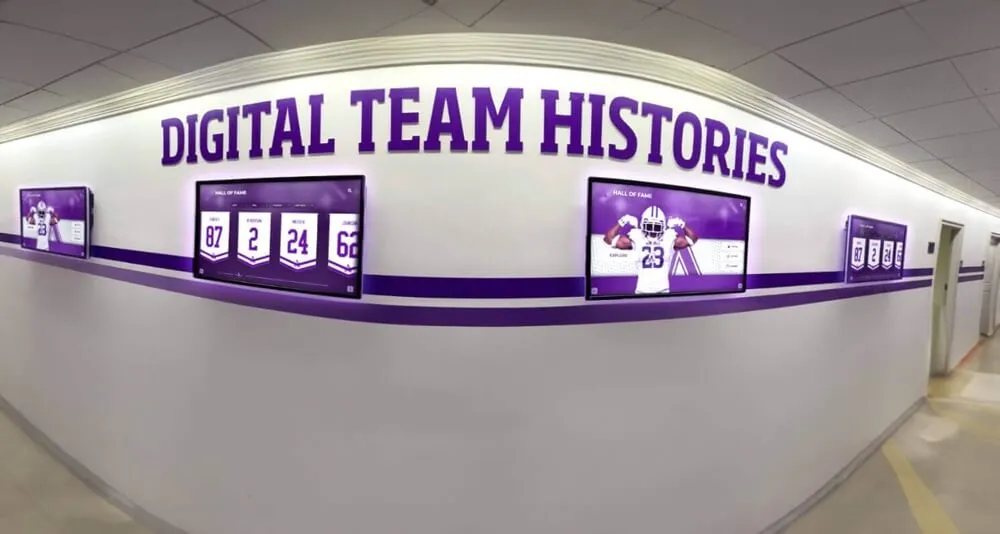
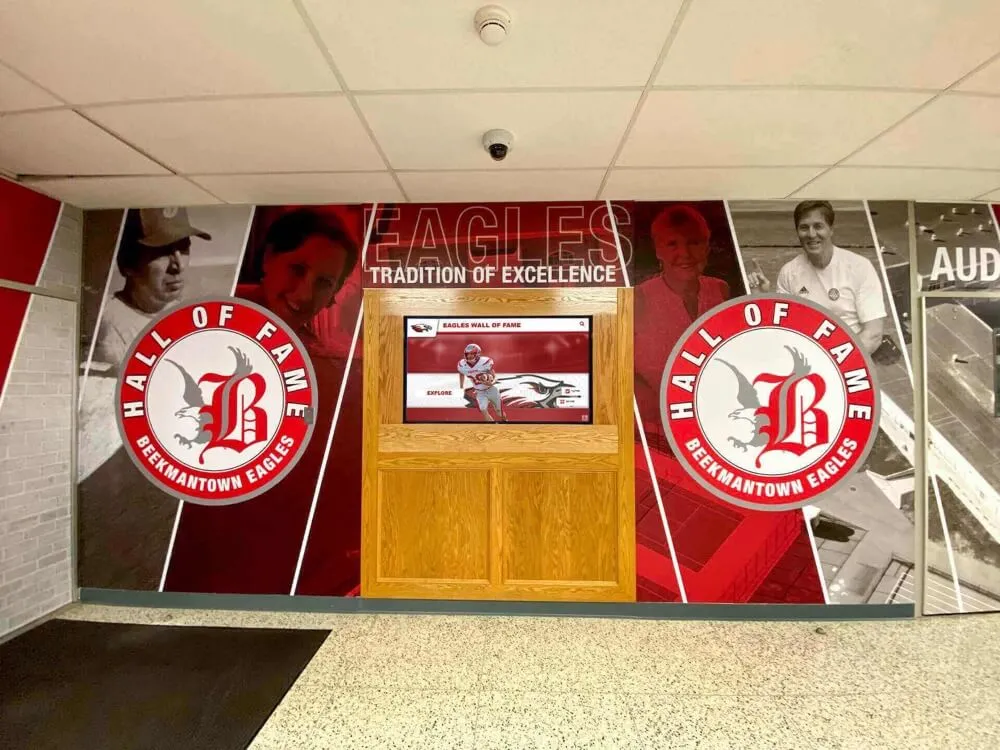
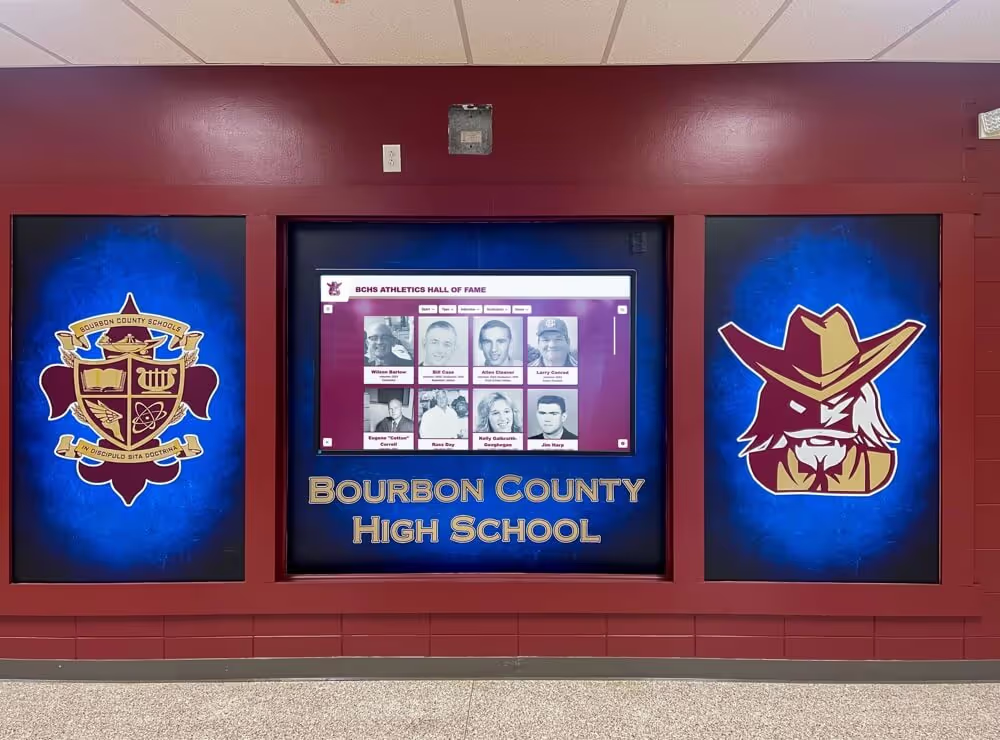
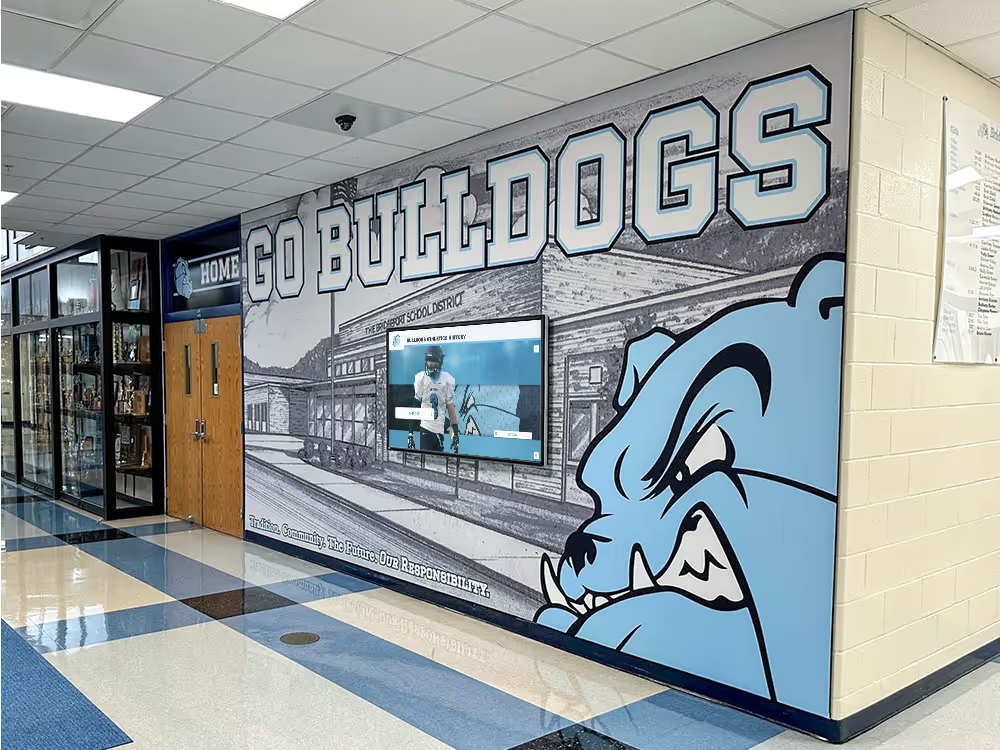
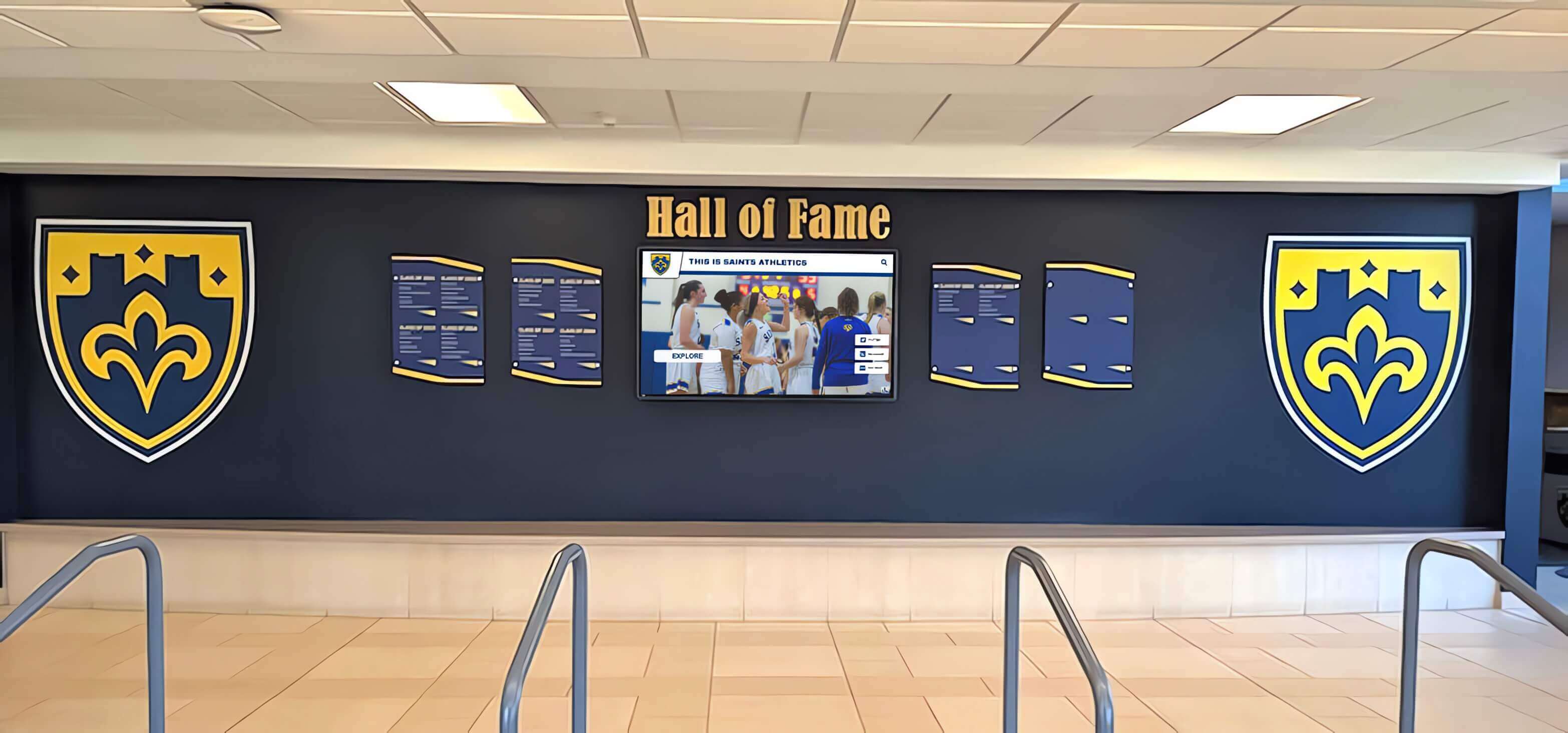
Digital recognition technology enables comprehensive captain celebration overcoming traditional limitations:
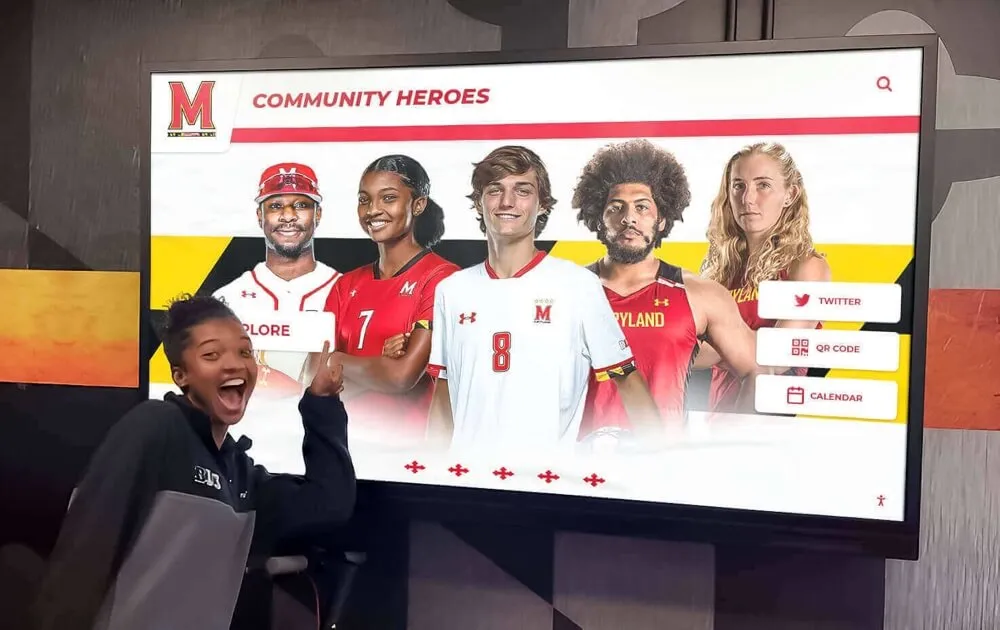
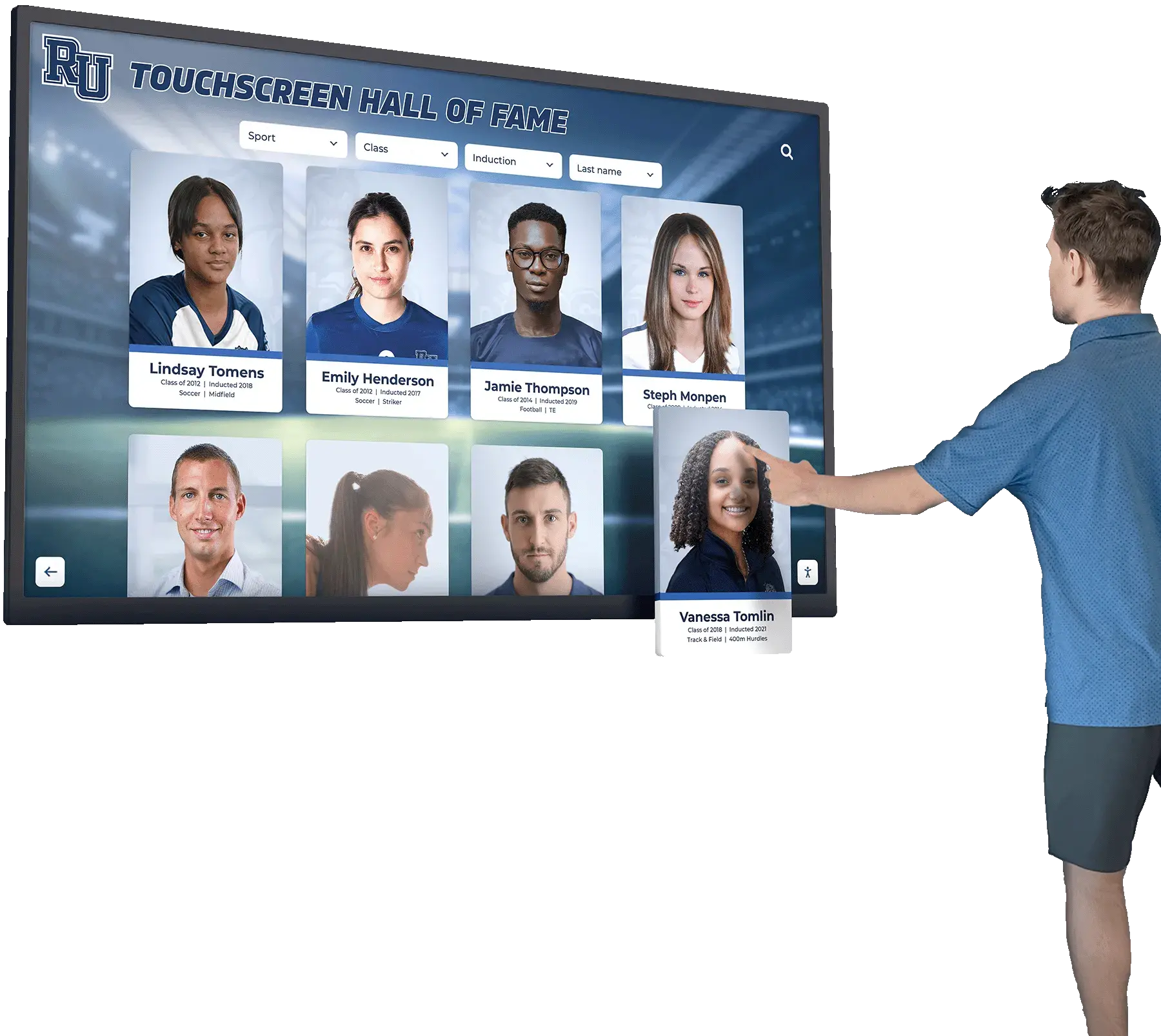
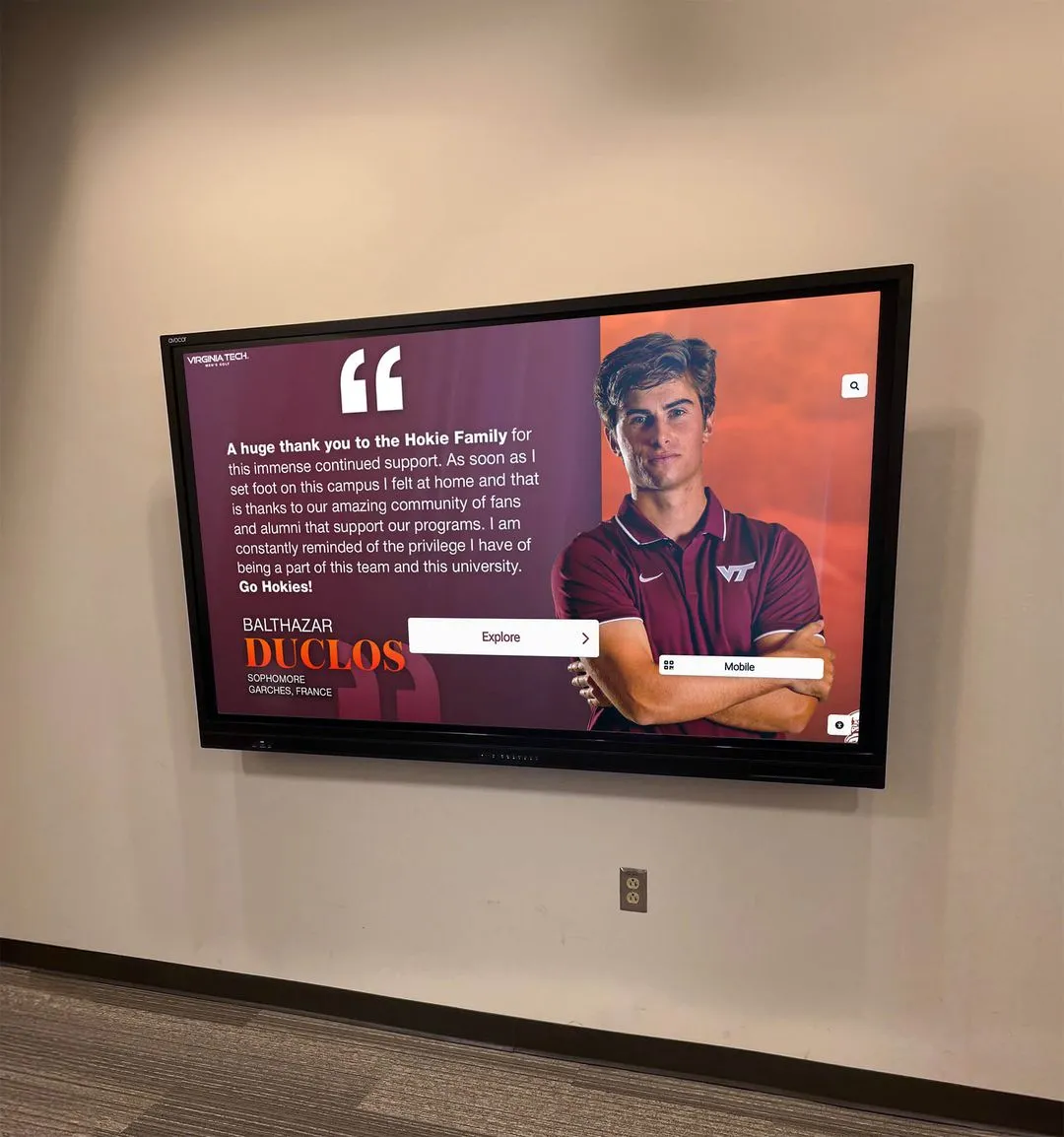
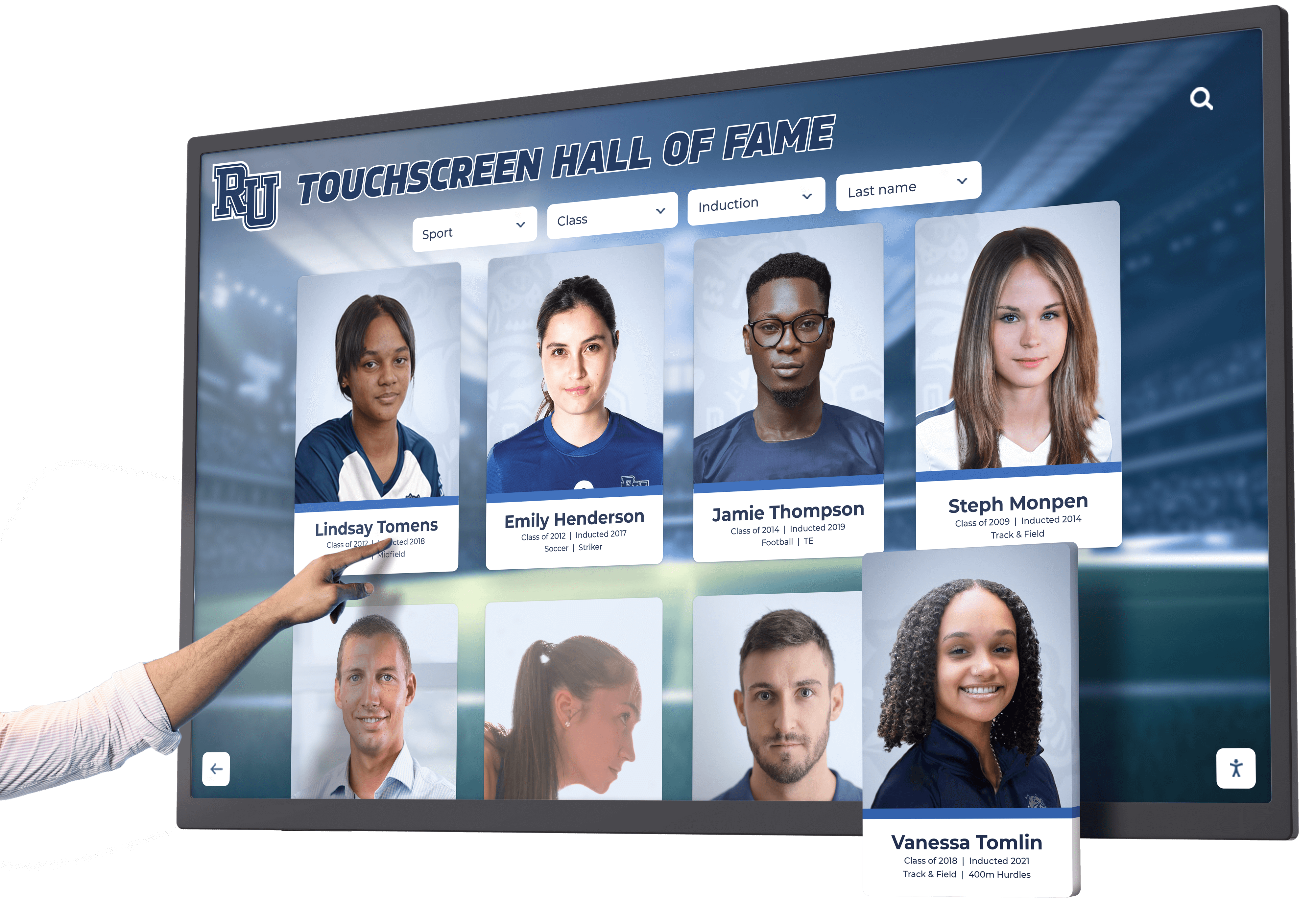
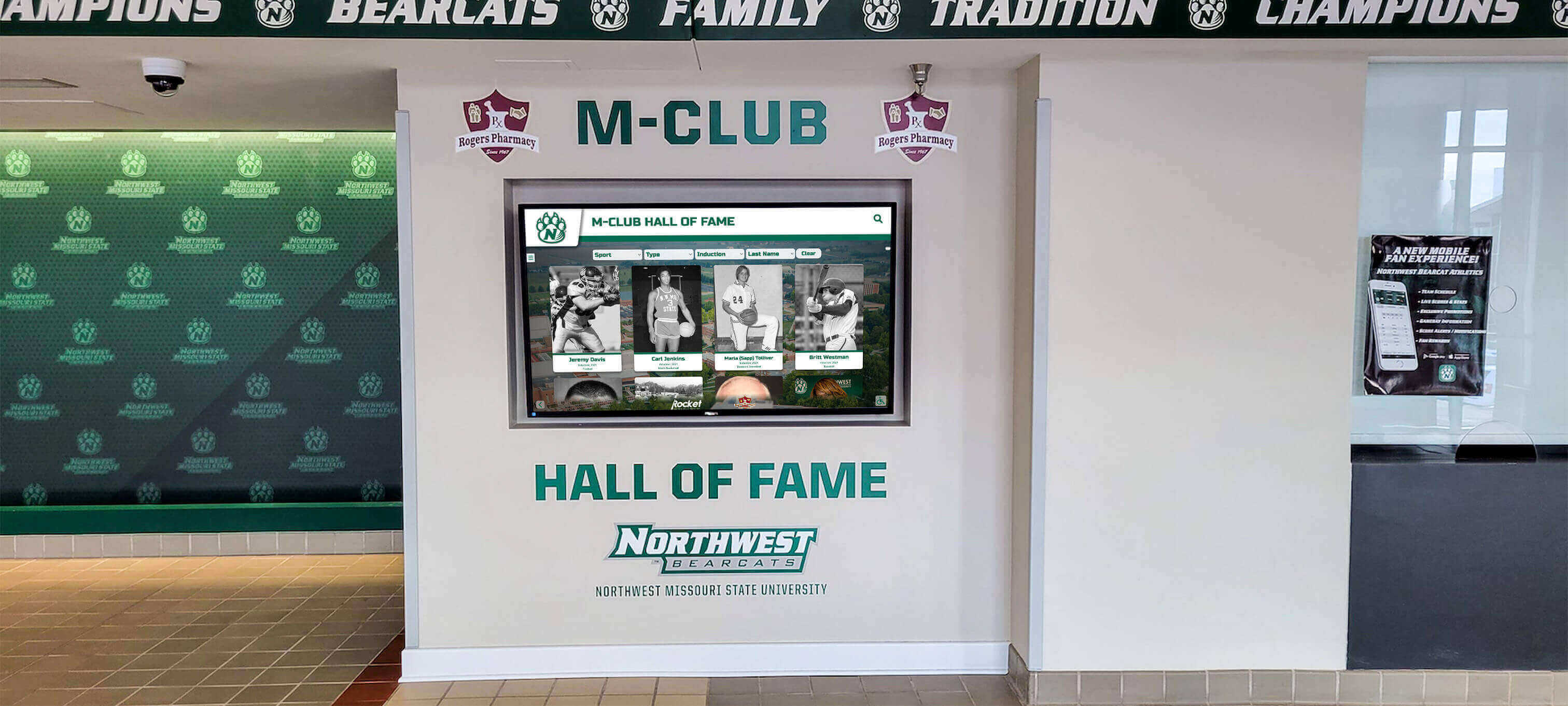
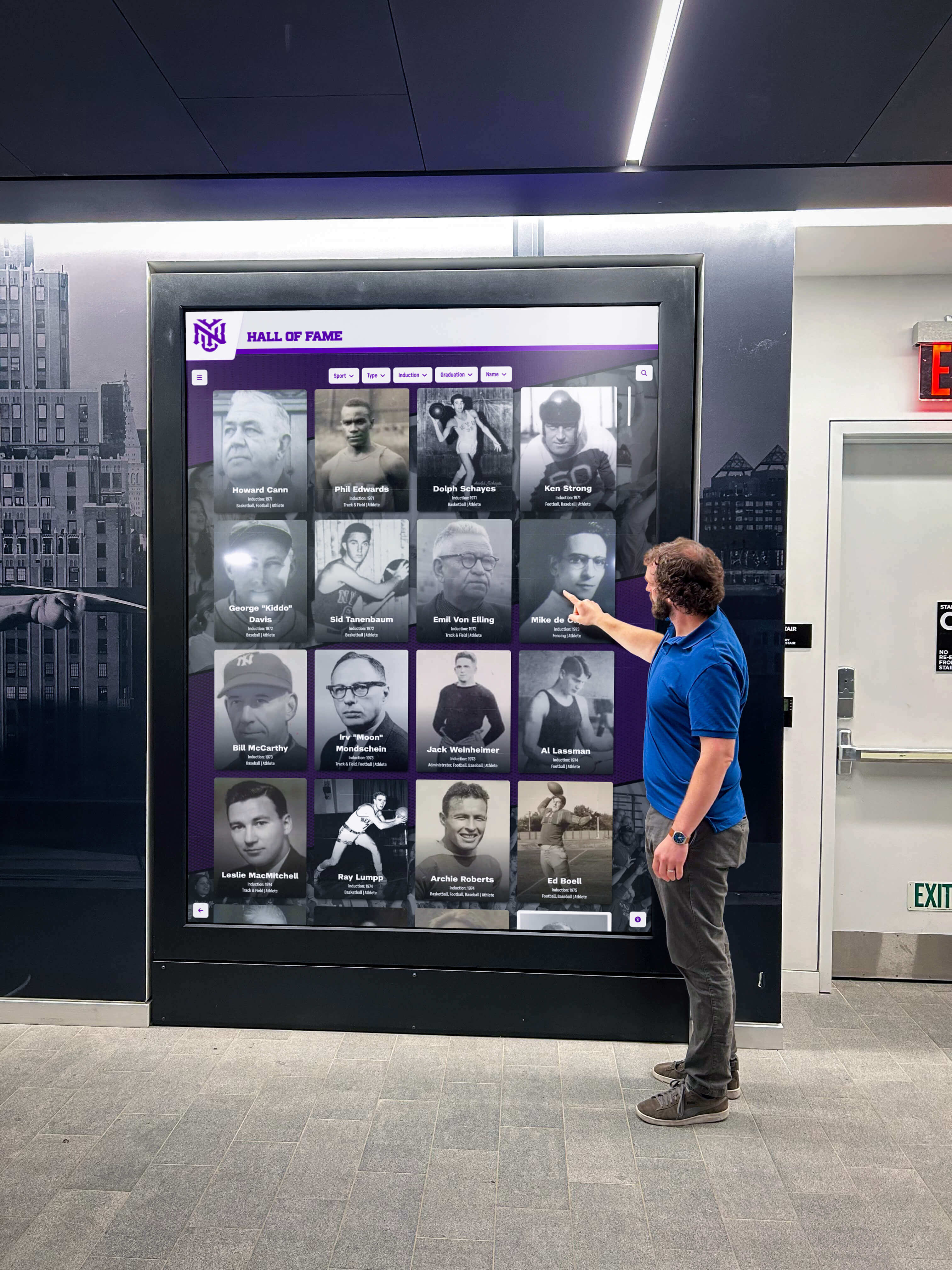
Comprehensive Captain Profiles: Digital platforms allow schools to create detailed captain profiles including biographical information, leadership highlights and memorable moments, team accomplishments during captain tenure, statistical achievements when applicable, post-graduation updates showing continued leadership success, and multimedia content with photos and videos documenting captain leadership.
Interactive Leadership Timelines: Digital displays can feature interactive timelines showing captain leadership across program history, allowing visitors to explore different eras, compare accomplishments across generations, and understand leadership evolution within programs. These timelines connect current athletes to historical leadership traditions while demonstrating program commitment to celebrating leadership excellence.
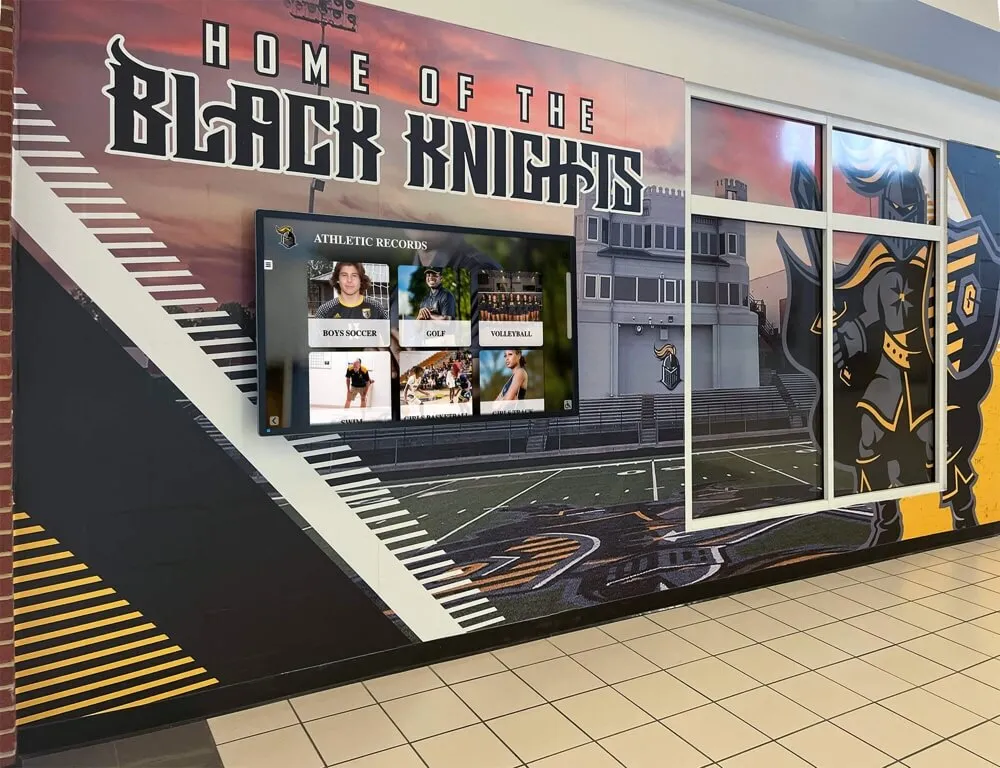
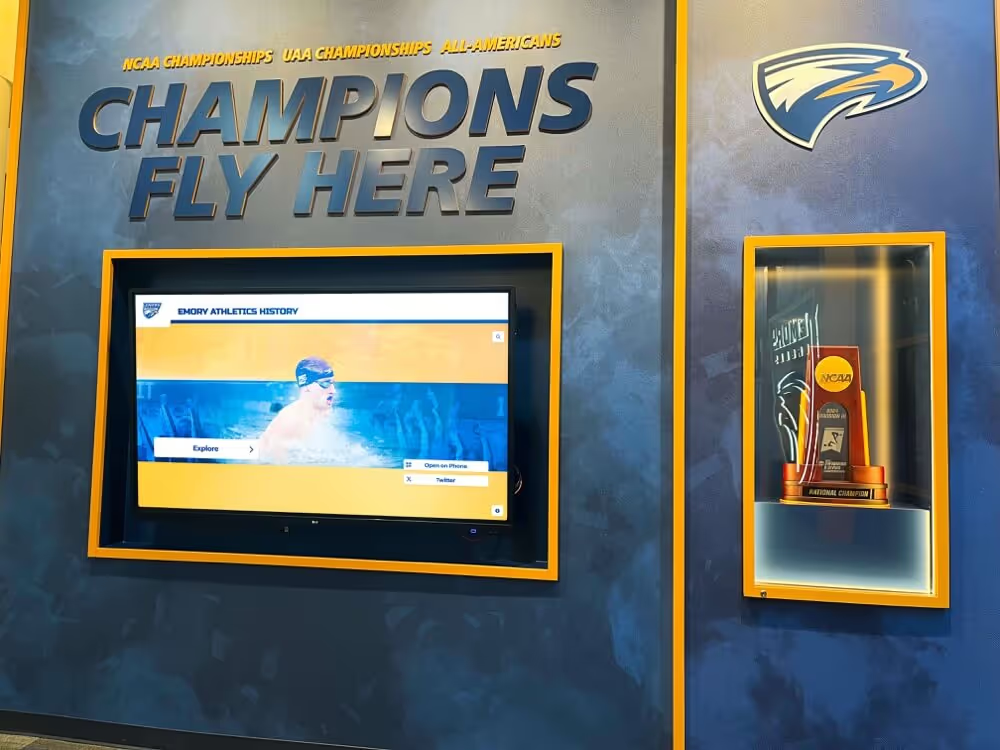
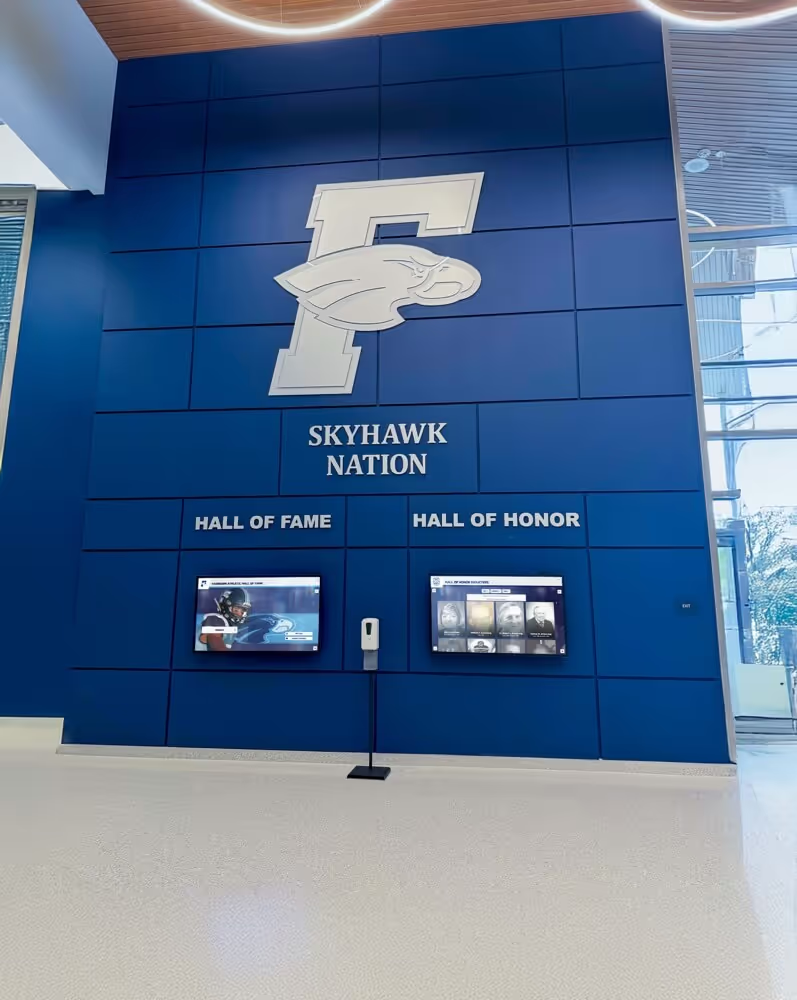
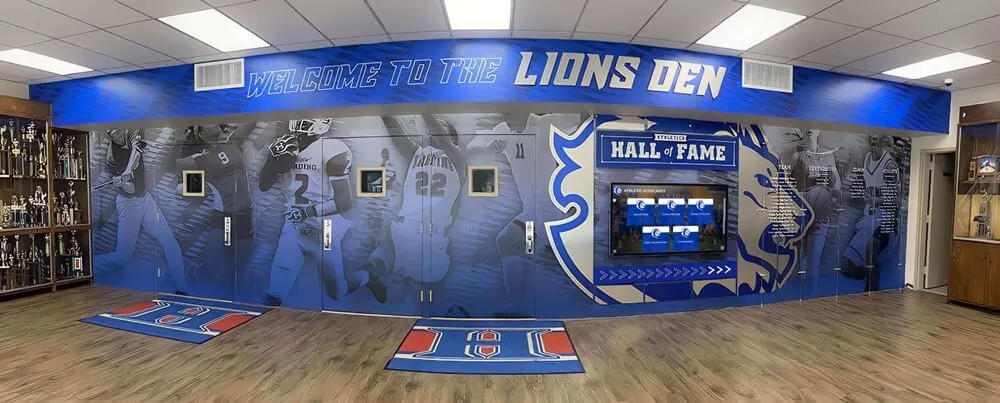
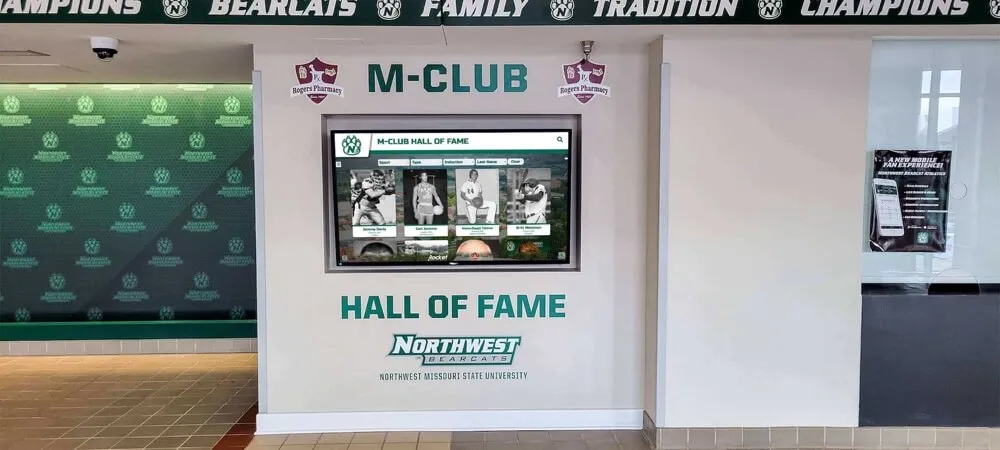
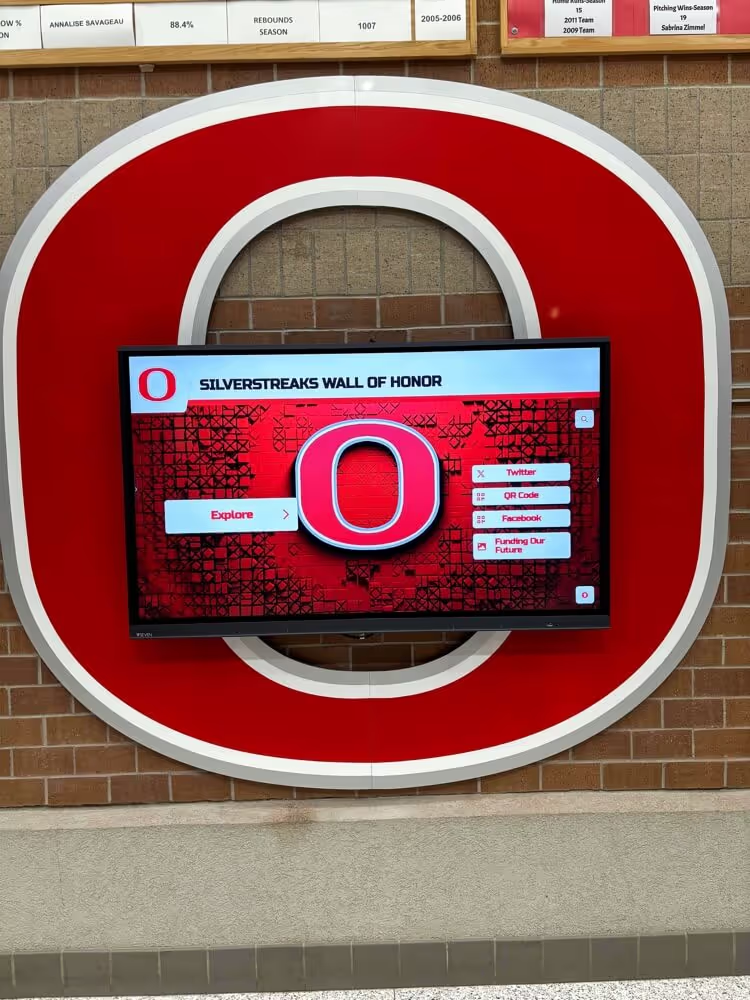
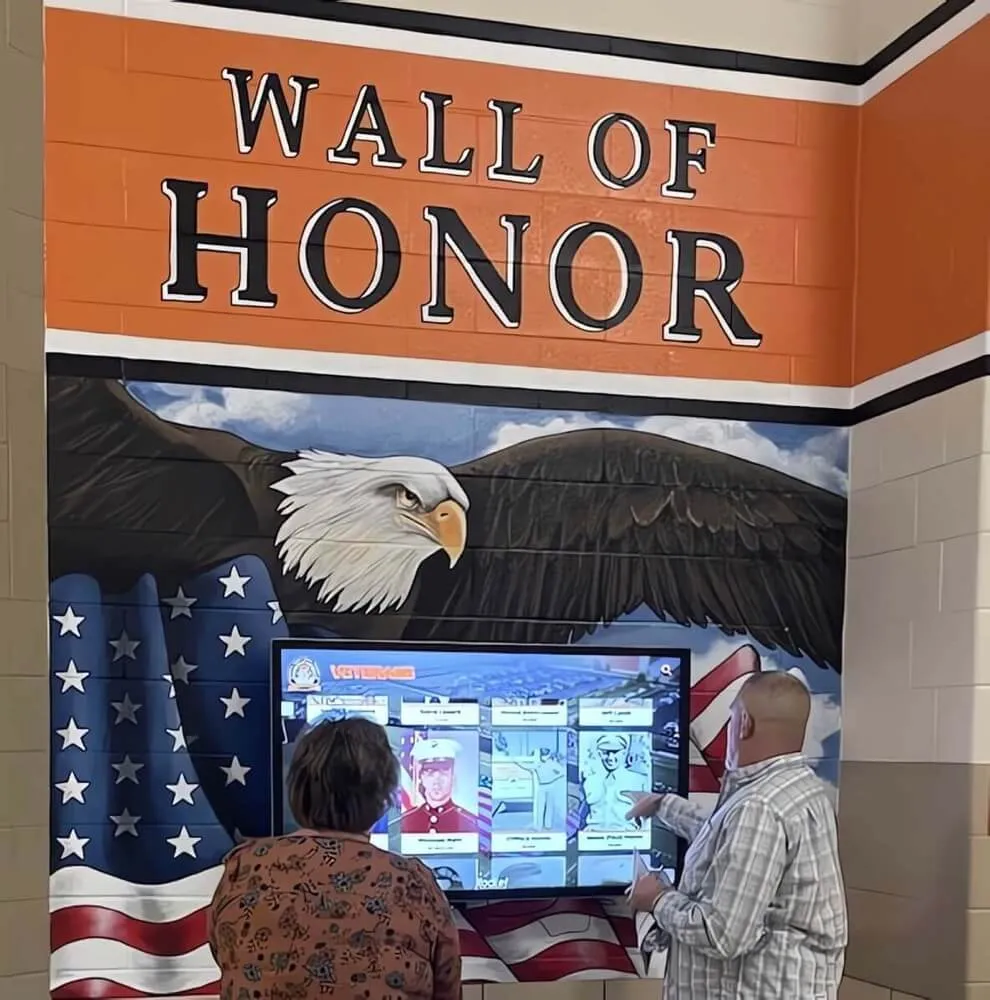
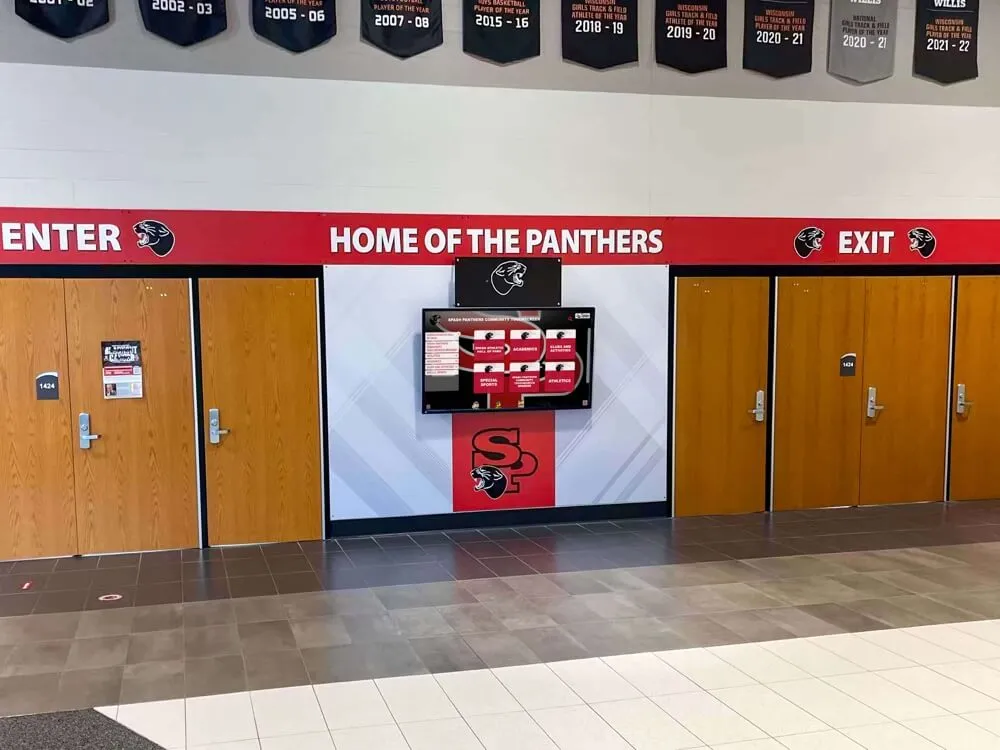
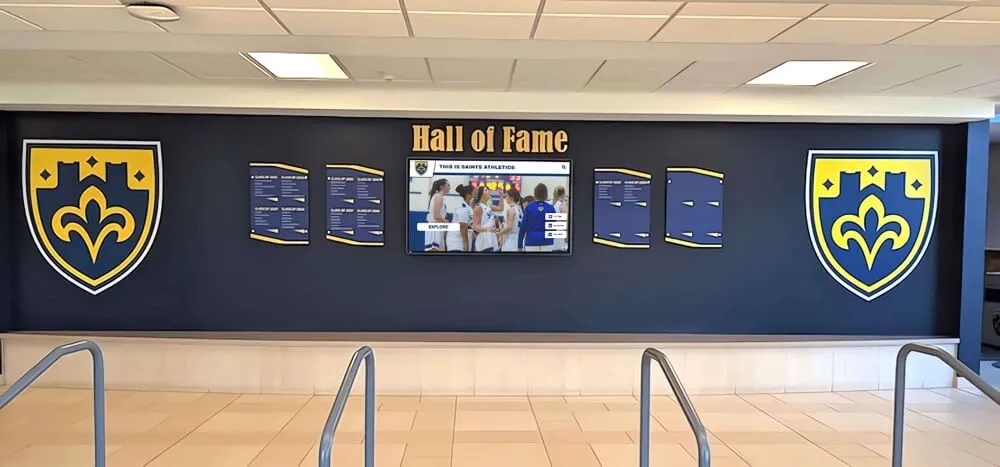
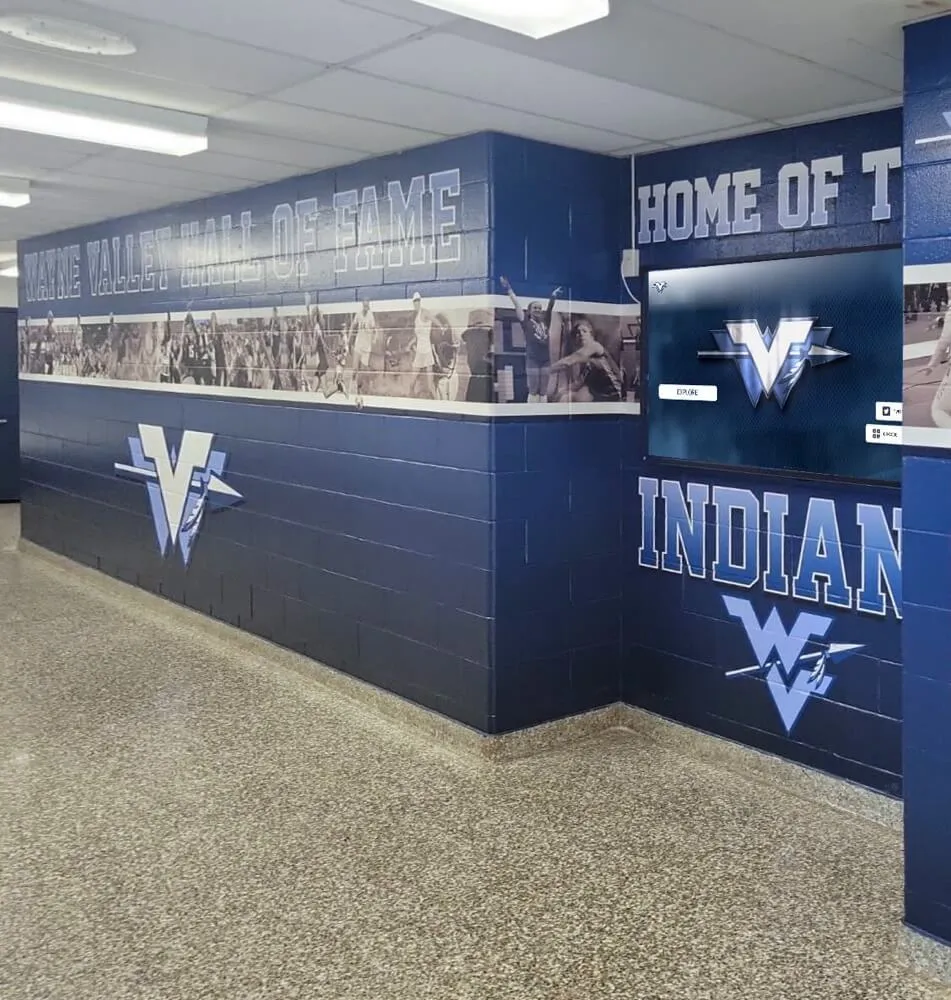
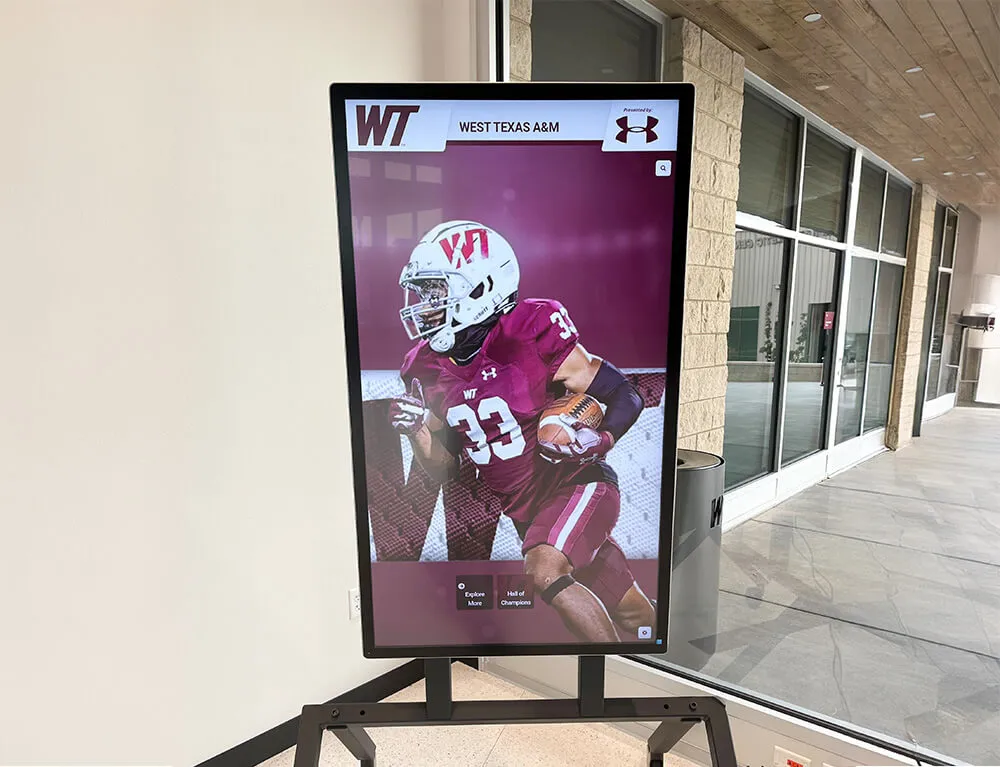
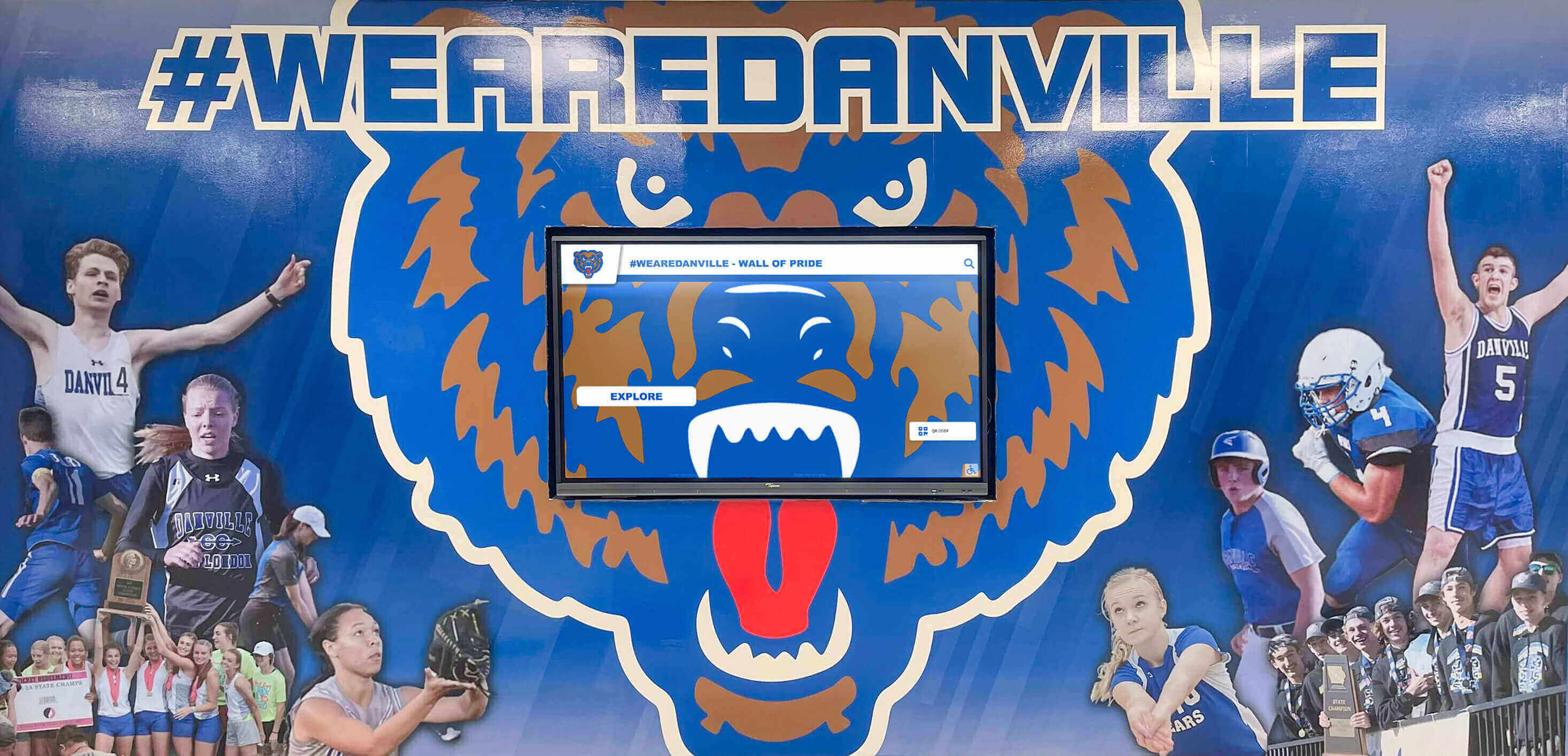
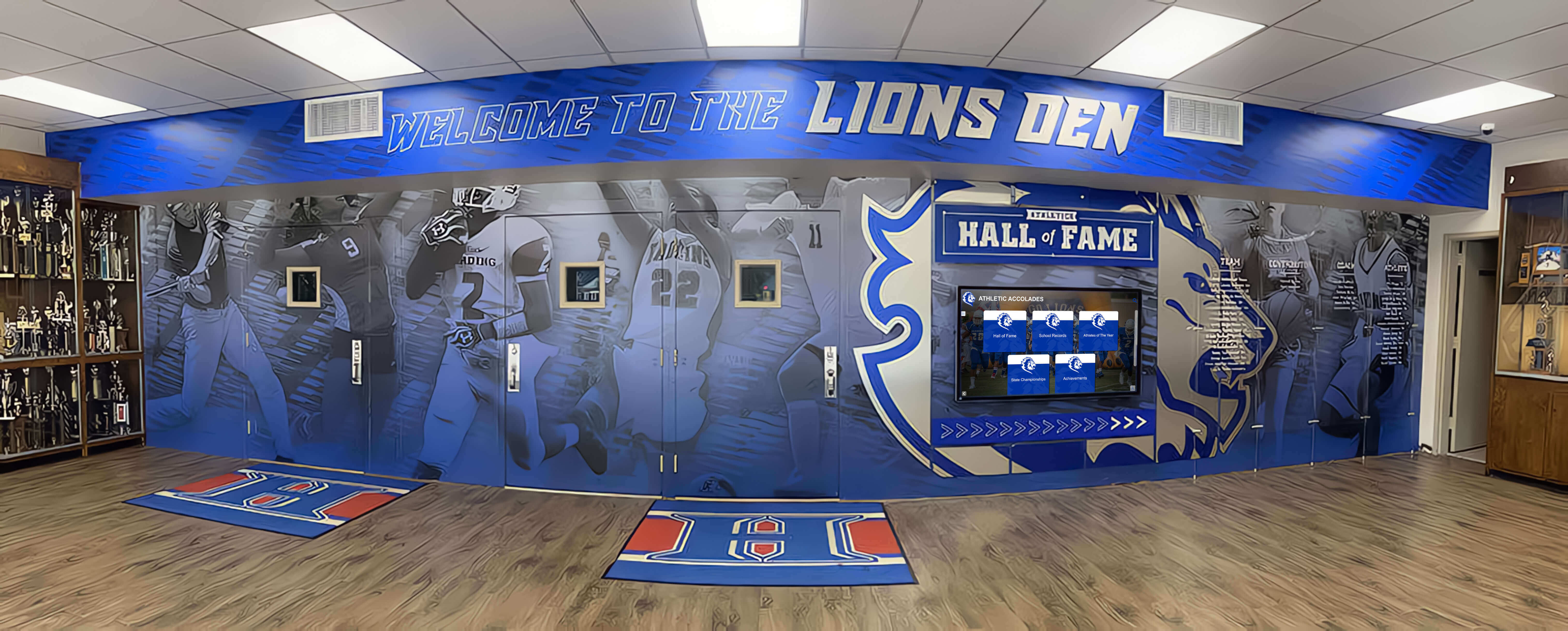
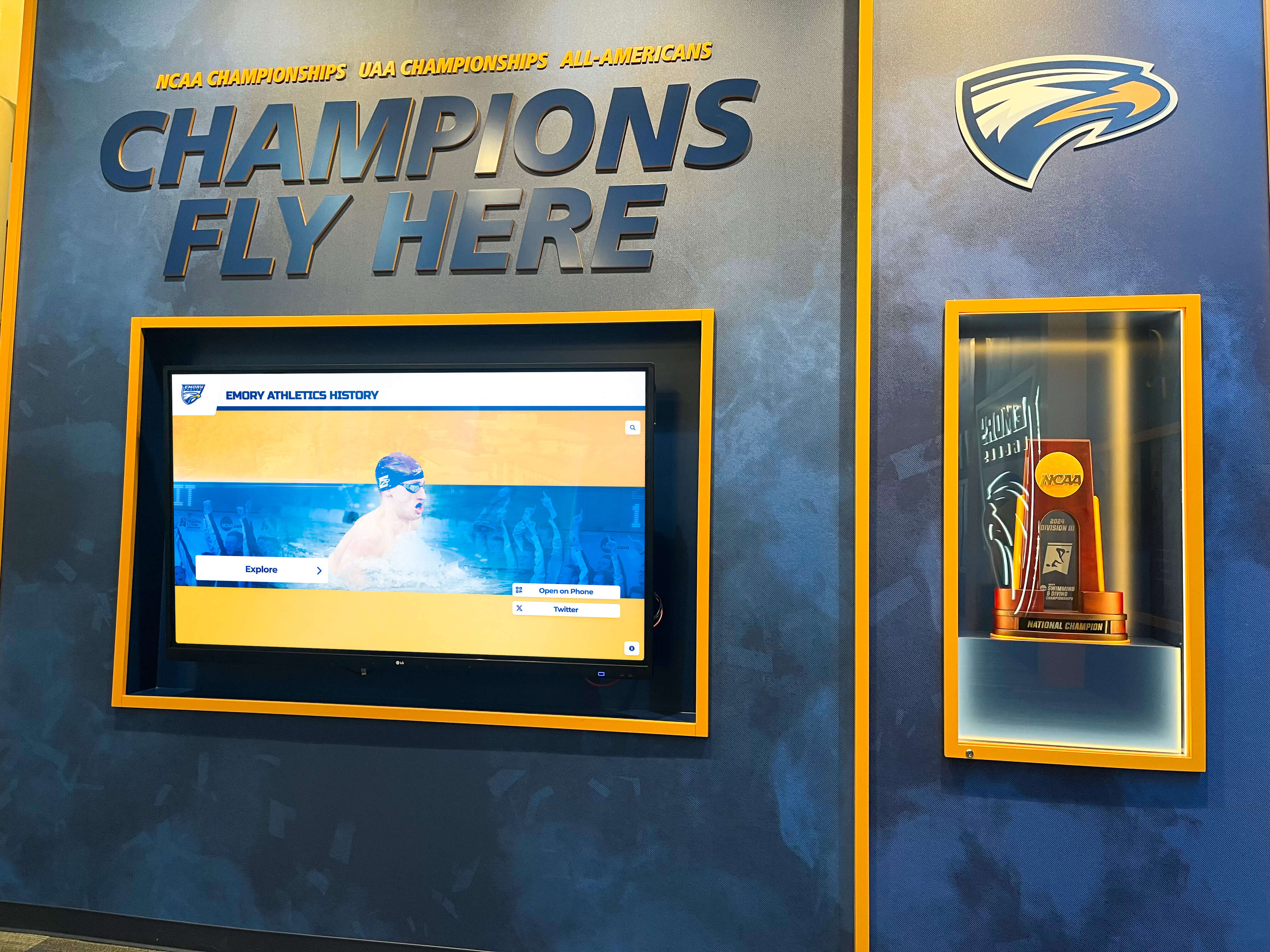
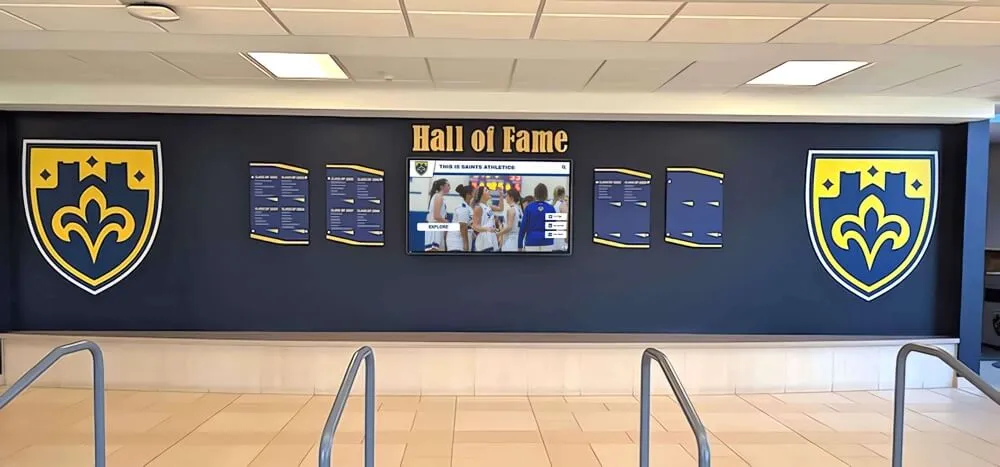
Unlimited Recognition Capacity: Unlike physical plaques that eventually fill available space, digital systems accommodate unlimited captain recognition across all sports and all years. Every captain receives comprehensive recognition without space constraints forcing difficult inclusion decisions. Solutions like Rocket Alumni Solutions provide specialized platforms designed specifically for athletic recognition including captain leadership celebration, enabling schools to preserve leadership legacies permanently while maintaining engaging, updated displays.
Leadership Quality Emphasis: Digital platforms enable schools to articulate specific leadership qualities each captain demonstrated—emotional intelligence, accountability, communication excellence, servant leadership, resilience—rather than just listing names and years. This rich description educates viewers about leadership diversity while providing concrete examples of valued leadership characteristics.
Connection to Other Recognition: Integrated digital systems can connect captain recognition to other athletic achievements—hall of fame inductions, championship teams, individual awards—showing how leadership interrelates with competitive success. Linking captain profiles to team records achieved during their leadership demonstrates tangible captain impact while celebrating comprehensive athletic excellence.
Captain Legacy Programs
Some schools implement systematic approaches ensuring captain leadership creates lasting impact:
Captain Mentorship Programs: Connecting former captains with current athletes creates mentorship relationships where past leaders share experiences and guidance. These connections benefit current athletes while maintaining former captain engagement with programs, strengthening alumni relationships and preserving institutional knowledge across generations.
Captain Reunions: Hosting periodic gatherings of former captains creates community among those who shared leadership responsibilities across different eras. These events build networks supporting current programs while celebrating leadership contributions that defined program histories.
Endowed Captaincy Recognition: Some programs establish endowed awards or scholarships recognizing exceptional captain leadership, funded by alumni captain contributions. These awards institutionalize captain celebration while providing tangible benefits to future leaders, creating self-reinforcing leadership development cycles.
Conclusion: The Lasting Impact of Exceptional Team Captains
Team captain selection represents one of coaching’s most consequential decisions, directly impacting team chemistry, competitive performance, program culture, and individual athlete development. Effective captains elevate teammates through modeling excellence, maintaining standards, facilitating communication, and demonstrating leadership during critical moments when outcomes remain uncertain. Poor captain selections can fragment even talented rosters while exceptional captains often lead average talent to extraordinary achievement through leadership multiplying collective capability.
The best coaches approach captain selection strategically rather than casually—observing potential leaders continuously across multiple contexts, evaluating character and integrity alongside athletic ability, assessing communication capabilities and emotional intelligence, considering teammate perspectives through formal or informal input processes, and prioritizing leadership qualities over popularity or pure athletic gifts. Whether implementing coach selection, player elections, or hybrid approaches, systematic evaluation processes yield better outcomes than casual last-minute designations.
Beyond selection, exceptional programs invest in leadership development—creating formal training opportunities, systematically providing leadership experiences, establishing mentorship relationships, and recognizing that captain excellence requires development not just identification. These investments benefit entire programs as multiple athletes develop leadership capacity, ensuring continuity when graduates depart while elevating team cultures through distributed leadership across rosters.

Recognizing captain contributions appropriately honors leadership that may receive less public visibility than statistical achievements. While traditional recognition methods like locker room plaques preserve captain history, modern digital recognition platforms enable comprehensive captain celebration including detailed profiles, multimedia documentation, interactive exploration, and integration with broader athletic recognition systems. Solutions like Rocket Alumni Solutions provide purpose-built platforms specifically designed for athletic leadership recognition, enabling schools to honor captain legacies permanently while creating engaging displays inspiring future leaders.
Team captains embody the principle that leadership matters as much as talent in determining athletic success. They translate coaching philosophy into peer influence, strengthen cultures that outlast individual seasons, develop skills benefiting athletes throughout lives extending far beyond competitive careers, and create legacies demonstrating that how one leads often matters more than how well one performs. Schools committed to developing complete student-athletes recognize that captain selection and recognition represent essential components of comprehensive athletic programs celebrating excellence in all its forms—competitive achievement, academic success, character development, and leadership capacity that distinguishes exceptional individuals from merely talented athletes.
Explore comprehensive athletic leadership recognition solutions that preserve team captain legacies while inspiring future generations to pursue leadership excellence alongside competitive achievement, creating cultures where leadership matters as much as performance in defining athletic program success.