



Key Takeaways
Comprehensive guide for coaches on team captain elections. Learn selection methods, leadership development strategies, and how to recognize student-athlete leaders who drive team success.
Team captain elections represent one of the most consequential decisions coaches make each season. The student-athletes chosen to lead set the tone for team culture, influence practice intensity, and often determine whether talented rosters achieve their potential or underperform expectations. Yet many coaches approach captain selection without clear criteria or structured processes, relying on instinct alone or defaulting to simple popularity votes that may not identify the most effective leaders. This comprehensive guide provides coaches with evidence-based frameworks for selecting team captains who genuinely lead, along with strategies for developing leadership capacity and recognizing these critical contributors to program success.
Effective captain selection balances multiple factors including leadership qualities, peer respect, coach trust, and demonstrated character. Understanding different selection models, their advantages and limitations, enables coaches to choose approaches aligned with their program philosophy while maximizing the likelihood of identifying captains who drive team success both on and off the field.
Understanding the Team Captain Role
Before selecting captains, coaches must clearly define what the position entails. Captains without clear role expectations often struggle to lead effectively, creating confusion about their authority and responsibilities.
Core Captain Responsibilities
The most effective captains fulfill multiple leadership functions that extend beyond simply being talented athletes:
Culture Carriers: Captains model program values in every action, from how they respond to coaching feedback to how they treat teammates during difficult losses. They set standards for work ethic, attitude, and behavior that define team identity. When captains demonstrate commitment to excellence in practice preparation, film study, strength training, and recovery, teammates follow their example. When captains maintain positive attitudes through adversity, teams develop resilience. Culture ultimately reflects captain priorities more than coach speeches.
Communication Bridges: Captains serve as essential communication links between coaching staffs and team members. They relay coach expectations clearly to teammates, provide coaches with honest feedback about team morale and concerns, and address issues before they escalate into major problems. Effective captains translate coaching messages into peer language that resonates with teammates while helping coaches understand player perspectives they might otherwise miss.
Accountability Enforcers: Perhaps the most challenging captain responsibility involves holding teammates accountable to team standards. Captains must address effort issues, attitude problems, and behavior concerns directly but constructively. This requires courage to have uncomfortable conversations, wisdom to know when to address issues privately versus publicly, and credibility earned through their own consistent adherence to team standards. Teams with captains who enforce accountability develop self-regulating cultures requiring less direct coach intervention.
Confidence Builders: Great captains recognize when teammates doubt themselves and provide encouragement that renews confidence. They celebrate others’ successes genuinely, help struggling athletes maintain perspective during slumps, and create inclusive environments where all team members feel valued. This emotional intelligence separates adequate captains from exceptional ones who elevate entire team performance through relationship investment.
Defining Captain Authority and Limitations
Clear boundaries prevent captain role confusion and potential conflicts:
Captains represent player perspectives but don’t override coaching decisions. They lead teammates but aren’t assistant coaches with disciplinary authority. They set cultural tone but must align with coaching staff values. Defining these boundaries during captain selection prevents misunderstandings about authority scope and helps captains navigate the complex position between coaching staff and teammates effectively.
Team Captain Selection Methods
Different selection approaches offer distinct advantages and challenges. Understanding these models helps coaches choose methods aligned with their program philosophy and team dynamics.
Coach-Selected Captains
In this traditional model, coaching staffs identify and appoint captains based on their assessment of leadership qualities, character, and program alignment.
Advantages: Coaches select leaders they trust to represent program values accurately, avoid popularity contests that might elevate likable athletes lacking leadership capacity, and ensure captains understand coaching philosophy and can translate it effectively to teammates. This approach works particularly well in programs with strong coaching staff relationships to team members, clear leadership criteria that coaches evaluate consistently, and younger teams where peer evaluation would be less reliable.
Implementation Best Practices: Successful coach selection requires explicit criteria rather than subjective impressions. Establish specific leadership standards including practice consistency, positive communication patterns, accountability demonstrations, and character alignment with program values. Document observations throughout the evaluation period rather than relying on recent impressions. Consider academic recognition approaches that use objective criteria frameworks adaptable to athletic leadership assessment.
Meet individually with captain candidates before final selection, discussing role expectations and gauging their understanding of leadership responsibilities. Some athletes excel without formal captain titles, and forcing leadership roles on reluctant candidates often backfires. Finally, communicate selection rationale to the entire team, emphasizing chosen captains’ specific leadership demonstrations rather than simply announcing appointments.
Potential Challenges: The primary risk involves selecting captains who lack genuine teammate respect or followership. Athletes might respect coaching staff choices intellectually while not naturally following appointed captains emotionally. This creates leadership gaps where captains have title without influence. Additionally, pure coach selection can feel autocratic in programs emphasizing player ownership and voice, potentially undermining buy-in from athletes who feel excluded from important team decisions.
Player-Elected Captains
Team voting represents the opposite approach, placing captain selection entirely in athlete hands through various voting mechanisms.
Advantages: Player-elected captains possess inherent legitimacy because teammates chose them, creating natural followership that appointed leaders must earn. Athletes often identify peer leaders coaches might overlook—quiet leaders who influence through example rather than visibility, emotional intelligence specialists who build team cohesion, or respected veterans whose commitment teammates admire. Team voting also builds program ownership, demonstrating that coaches value player perspectives and trust team judgment on critical decisions.
Voting Structures: Different voting methods produce different outcomes. Simple plurality voting (each player votes for one captain) tends to elect most popular athletes, who may or may not be best leaders. Ranked-choice voting where players rank multiple candidates tends to identify broadly respected leaders rather than polarizing figures. Position-specific voting in larger sports like football ensures representation across different team segments. Anonymous voting protects players from peer pressure while encouraging honest assessment, though transparent voting can reinforce accountability.
Preparing Teams for Effective Voting: Player elections require preparation to avoid popularity contests. Before voting, clearly define captain roles and responsibilities, helping teammates understand what qualities matter most. Provide reflection time for players to consider who demonstrates leadership consistently, not just who they like personally. Some coaches ask players to write brief rationales for their votes, encouraging thoughtful consideration. Others facilitate team discussions about leadership qualities before voting, building shared understanding of what effective captaincy requires.
Potential Challenges: Pure player voting risks electing popular athletes who lack essential leadership qualities or selecting too many captains to avoid hurting feelings, diluting leadership impact. Social dynamics can influence votes in unhealthy ways—cliques supporting friends, intimidation from dominant personalities, or resentment-based voting against athletes who push teammates hard. Additionally, younger athletes or newcomers might not yet understand who truly leads versus who simply talks most.
Hybrid Selection Models
Many successful programs combine coach input and player voice through various hybrid approaches that capture advantages of both methods while mitigating limitations.
Qualified Candidate Voting: Coaches identify 3-5 athletes meeting minimum leadership standards, then hold team elections among qualified candidates. This ensures captains possess coach-valued qualities while respecting teammate preferences among acceptable options. Implementation involves clearly communicating qualification criteria (academic standing, discipline record, practice consistency, character standards), announcing qualified candidates with brief rationale for their selection, then conducting team voting among this pre-screened group. This model works particularly well in programs with clear leadership standards that coaches can assess objectively.
Weighted Input Systems: Some programs mathematically combine coach assessment and player voting. For example, coaching staff rankings might constitute 40% of final selection while player votes contribute 60%, or vice versa depending on program philosophy. Athletes ranking highly in both categories emerge as captains. This approach quantifies both perspectives while preventing either group from dominating selection entirely. Implementation requires clear scoring rubrics for coach evaluation and structured voting mechanisms for player input.
Advisory Voting With Coach Decision: Coaches conduct confidential player surveys asking who teammates most respect, trust, and would follow, then use this input to inform final coach selection. Players feel heard through the consultation process while coaches retain final authority. This works well when coaching staffs want team input without full delegation, particularly in programs where coaches have stronger leadership assessment capabilities than players.
Timing Considerations for Captain Selection
When you select captains significantly impacts leadership effectiveness and team dynamics.
Preseason Selection: Choosing captains before the season starts or during early training camp allows captain leadership to shape team culture from day one. Captains can influence team rule development, lead conditioning programs, and set standards before competitive pressures begin. However, preseason selection requires coaches to evaluate leadership based on offseason behavior and previous season performance, potentially missing how athletes respond to current season pressures or new team dynamics.
Early Season Selection: Waiting 2-3 weeks into practice or competition allows coaches and teammates to observe leadership under current season conditions before voting or appointing captains. This prevents premature selection based on past assumptions while still providing most of the season for captain leadership impact. Some coaches prefer this timing particularly with new teams or when roster changes significantly from previous seasons.
Multiple Selection Points: Larger programs or year-round sports sometimes select different captains for different seasons or phases—preseason captains during summer training, in-season game captains, or rotating captains for different competitions. This develops leadership capacity across multiple athletes while acknowledging that different leadership types excel in different contexts. However, frequent captain changes can create confusion about authority and reduce the consistency that builds strong team culture.
Developing Captain Leadership Capacity
Selecting the right captains matters tremendously, but developing their leadership capacity determines whether they fulfill their potential impact. Many coaches appoint captains then provide no leadership development, assuming effective leadership emerges naturally.
Pre-Season Captain Development
The most effective programs invest in captain preparation before seasons begin:
Leadership Expectations Meetings: Meet individually and collectively with captains before practice starts. Clarify exactly what you expect from them, discuss specific scenarios they’ll face (addressing teammate effort issues, managing conflicts, communicating coach messages), and answer their questions about authority scope and coach support. Many captains struggle because role expectations remain vague, leaving them uncertain about when and how to lead.
Leadership Skills Training: Effective leadership requires specific communication, conflict resolution, and motivation skills many student-athletes haven’t developed. Provide concrete training on giving constructive feedback, having accountability conversations, reading team emotional dynamics, and inclusive decision-making. Some programs bring in external leadership speakers, use team-building exercises that develop captain capabilities, or assign leadership development reading that captains discuss together.
Goal Setting and Season Planning: Work with captains to establish team goals, identify potential challenges, and develop strategies for maintaining culture through adversity. This collaborative planning builds captain investment in team success while helping them understand your coaching philosophy and season priorities. Captains who help shape team direction lead more effectively than those simply enforcing coach mandates they don’t fully understand or own.
In-Season Captain Support and Development
Leadership development continues throughout the season through regular communication and coaching:
Weekly Captain Meetings: Brief regular meetings (15-20 minutes) with captains allow you to gauge team morale, address emerging issues before they escalate, provide feedback on captain leadership, and prepare captains for upcoming challenges. These meetings build trust between coaching staff and captains while demonstrating that you value their perspective and invest in their development. Consistent meeting schedules emphasize captain role importance rather than relegating it to occasional convenience.
Real-Time Leadership Coaching: When captains handle situations well or struggle with leadership moments, provide immediate feedback. Reinforce effective leadership behaviors specifically (“The way you redirected practice energy after that mistake showed great leadership—you kept the focus forward rather than dwelling on the error”) and coach through struggles constructively (“When you addressed that effort issue, your tone came across as critical rather than motivating. Let’s talk about framing accountability in ways that inspire improvement”).
Empowerment With Boundaries: Give captains meaningful leadership authority—leading stretching, running practice segments, organizing team activities, or addressing teammate concerns directly. However, maintain clear boundaries about decisions requiring coach involvement (discipline, playing time, strategy). Captains develop through real responsibility, but appropriate boundaries prevent them from navigating situations beyond their authority or capacity. Similar to how student-athlete recognition programs develop by giving students meaningful roles, captain leadership grows through authentic responsibilities.
Teaching Captains to Lead Different Personality Types
Teams include diverse personality types requiring different leadership approaches. Help captains understand and adapt to these differences:
Some athletes respond well to direct challenge and competitive motivation, while others shut down under pressure and need encouragement-based leadership. Extroverted teammates might appreciate public recognition, while introverts prefer private acknowledgment. Veterans with strong opinions need respectful dialogue, while younger athletes need clear direction and mentorship. Teach captains to recognize these differences and adapt their leadership approach rather than treating all teammates identically. This emotional intelligence separates adequate captains from exceptional ones who maximize every teammate’s contribution.
Recognizing and Celebrating Team Captains
Public recognition of captain leadership reinforces its value while creating aspirational examples for younger athletes considering future leadership roles.
In-Season Captain Recognition
Visible captain acknowledgment throughout the season emphasizes leadership importance:
Captain Designations: Special uniform elements like captain patches, helmet decals, or jersey stripes make leadership visible during competition. Pre-game introductions highlighting captains, special captain ceremonies before home events, and captain recognition in game programs all demonstrate that your program values leadership as much as athletic performance. Some programs feature captains prominently in team photos, media guides, and promotional materials, creating visible association between program identity and captain leadership. Many schools also integrate captain recognition into broader school spirit week activities that celebrate student leadership across all areas.
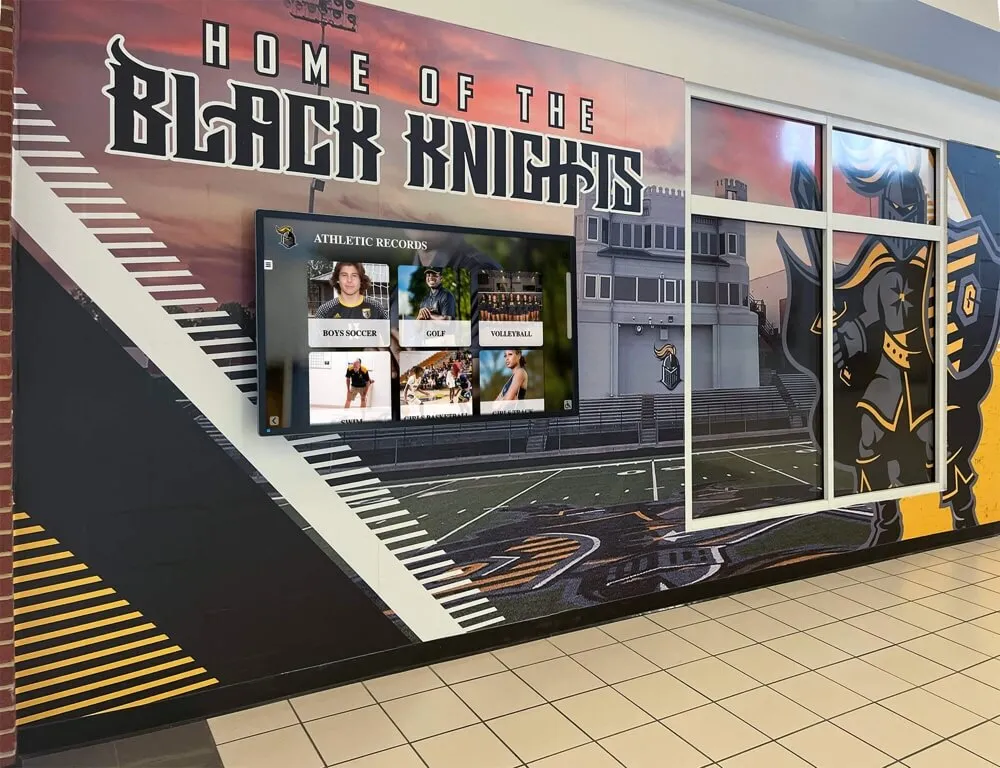
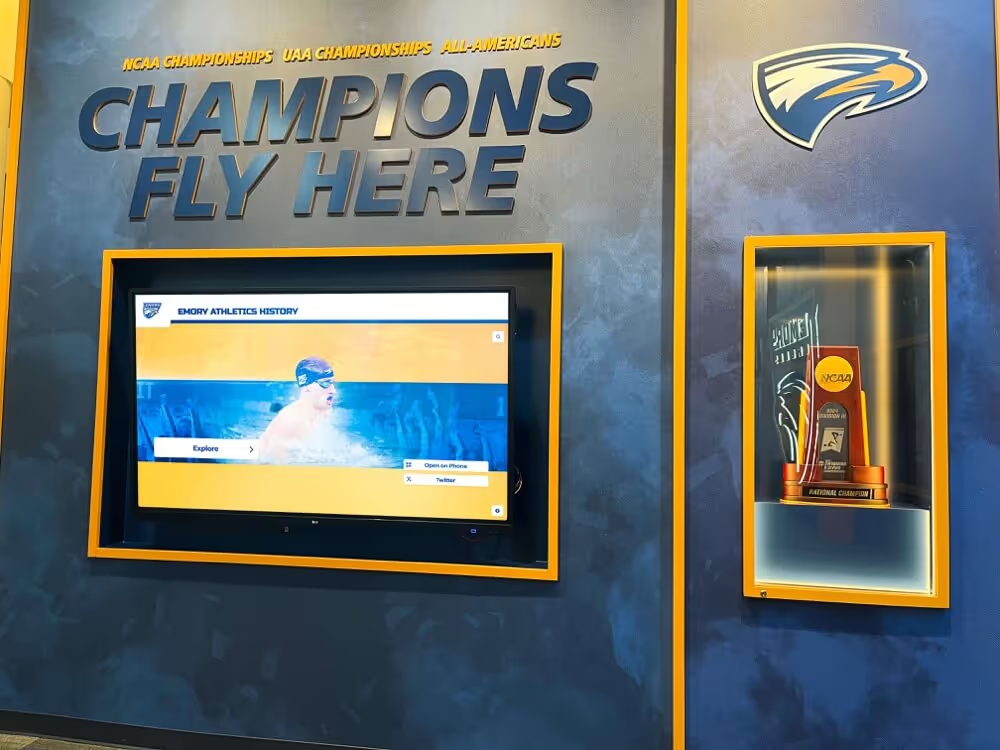
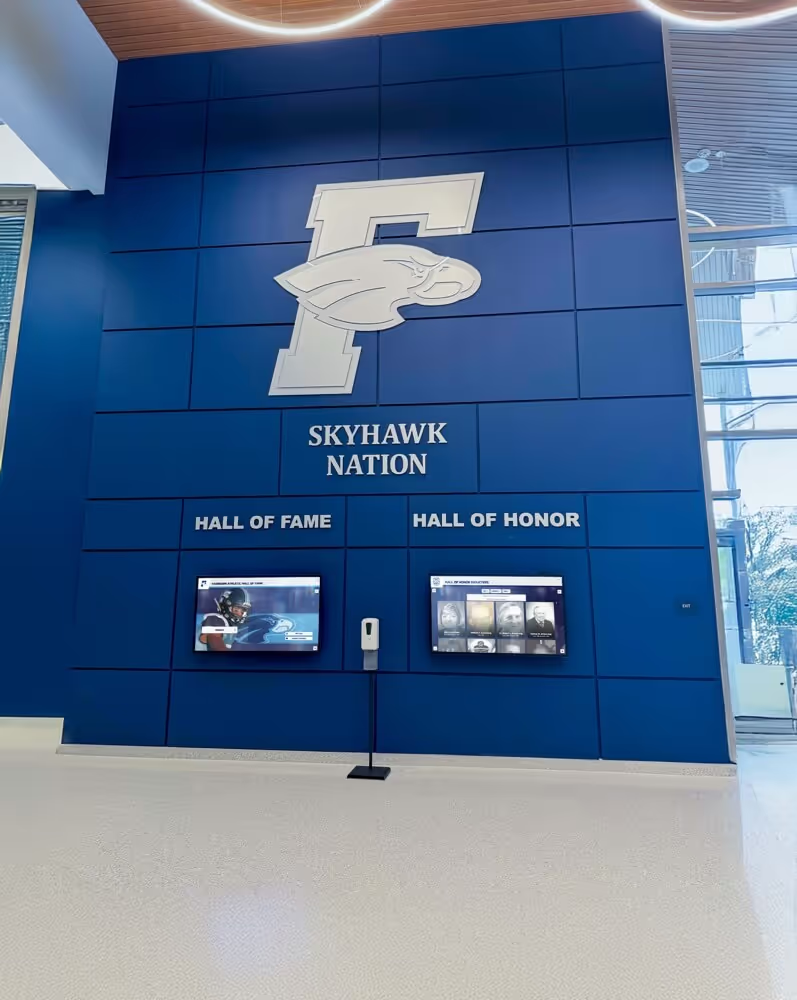
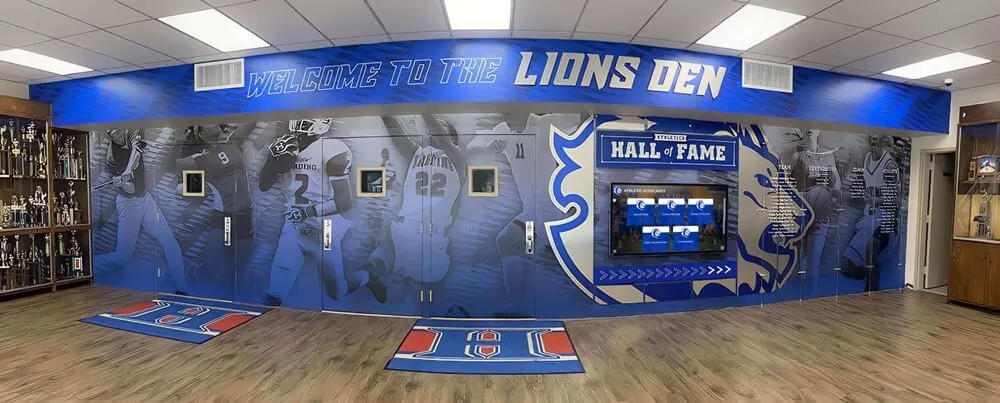
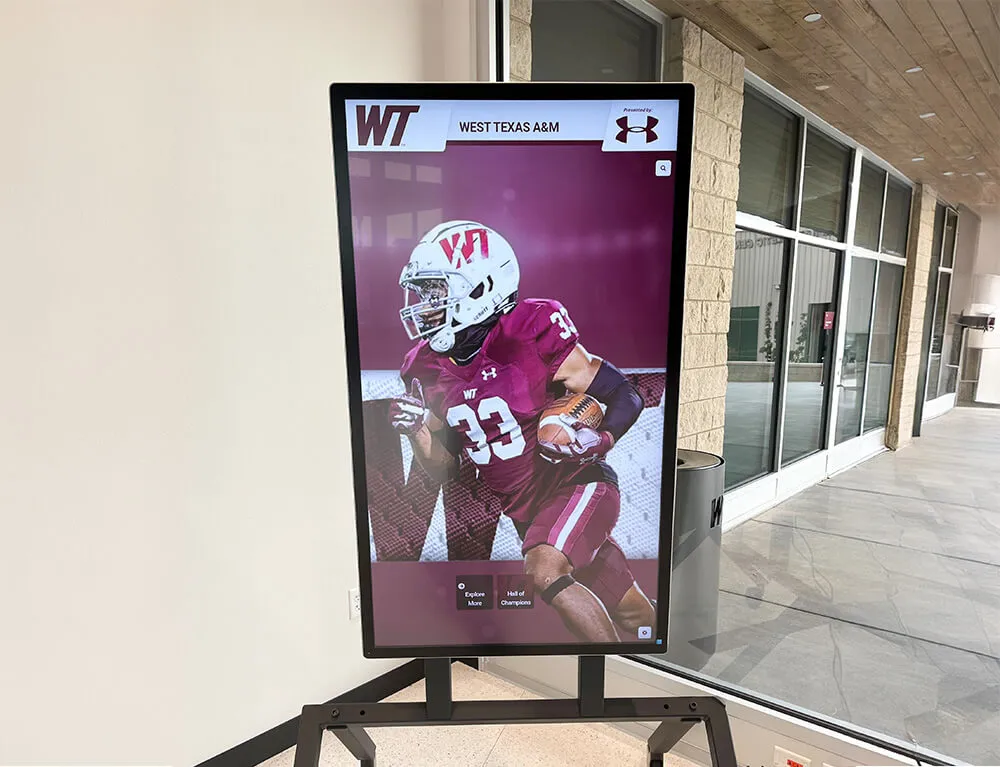
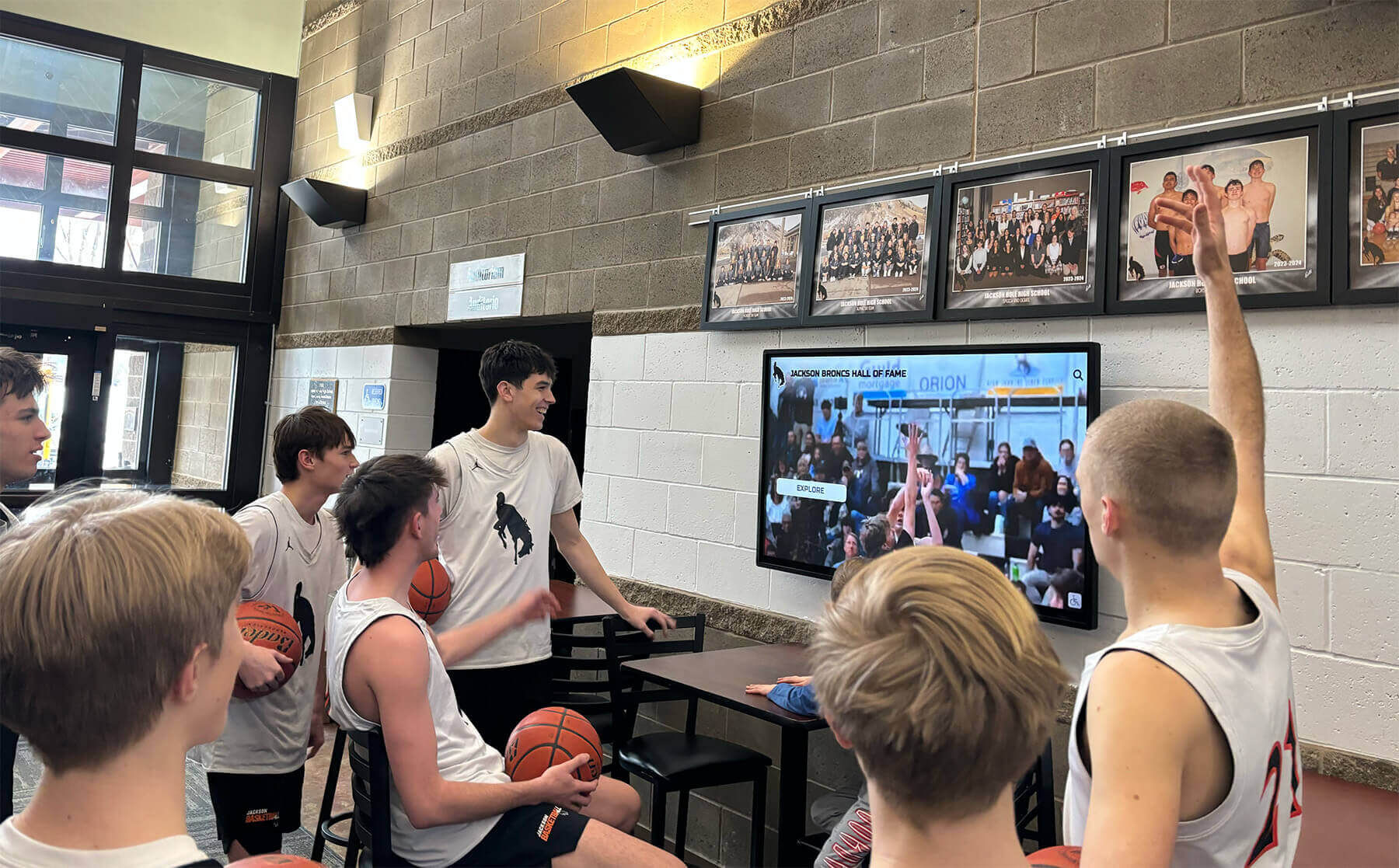
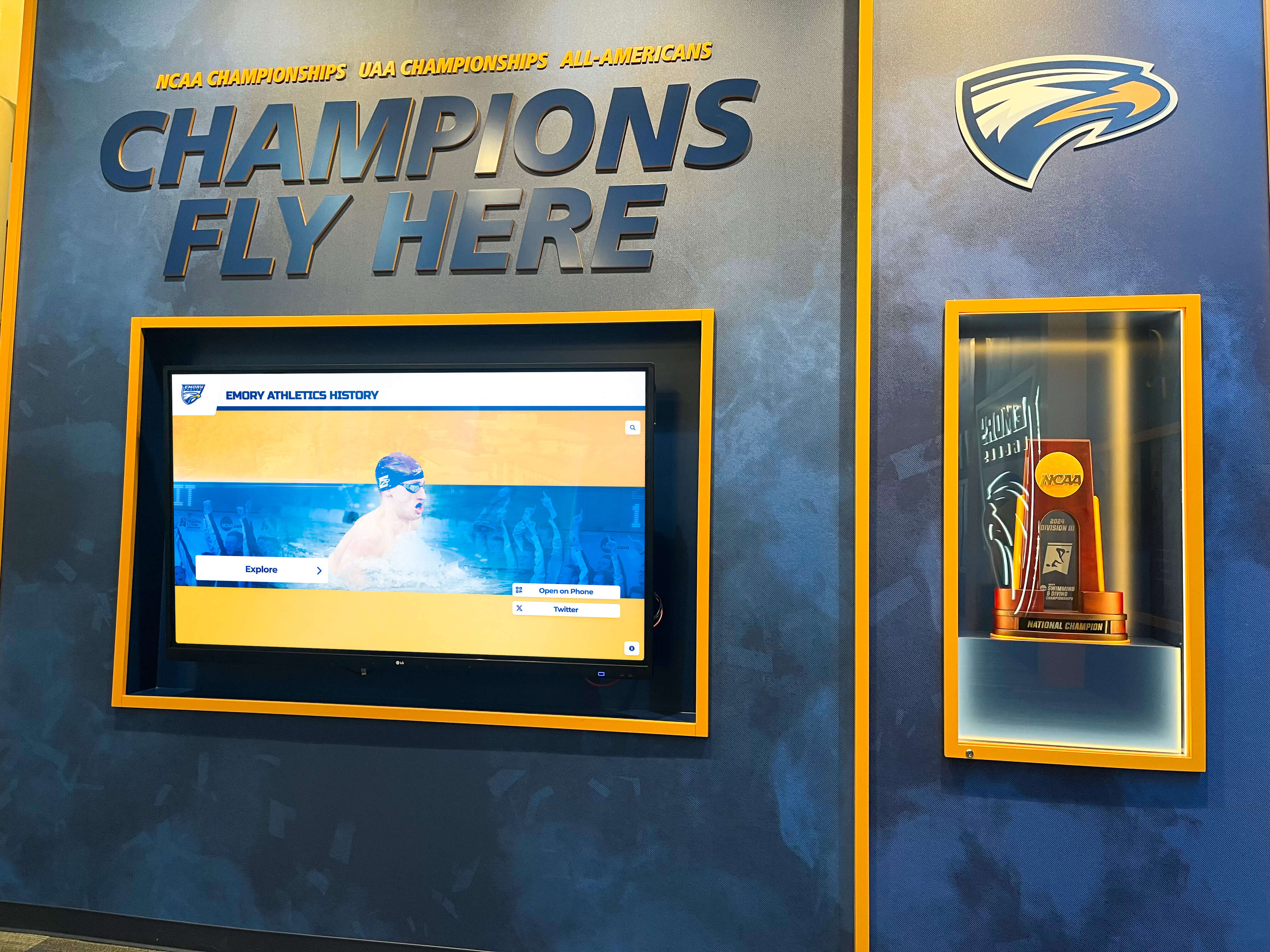
Leadership Highlight Recognition: Modern digital recognition displays enable schools to showcase captain leadership moments beyond game statistics—clips of captains leading practice intensity, addressing teammates during challenges, or demonstrating character in difficult situations. This recognition emphasizes that leadership matters as much as points scored or tackles made, helping entire programs understand what effective captaincy looks like.
End-of-Season Captain Recognition
Season-ending recognition provides lasting acknowledgment of captain contributions:
Captain Leadership Awards: Many programs present special captain awards at season-ending banquets recognizing leadership impact beyond statistical achievement. These awards might honor the captain who best exemplified program values, demonstrated most growth in leadership capacity, or provided most consistent positive influence on team culture. Framing these awards around specific leadership behaviors rather than generic “captain award” designations helps younger athletes understand what leadership qualities your program values.
Captain Legacy Documentation: Document each captain’s leadership contributions through written profiles, video compilations, or captain reflection pieces where they share leadership lessons learned. This documentation serves multiple purposes: it honors captains’ service, provides leadership development resources for future captains who can learn from predecessors, and creates program history showcasing leadership traditions over time.
Permanent Captain Recognition
Long-term recognition establishes captain legacies as permanent parts of program history:
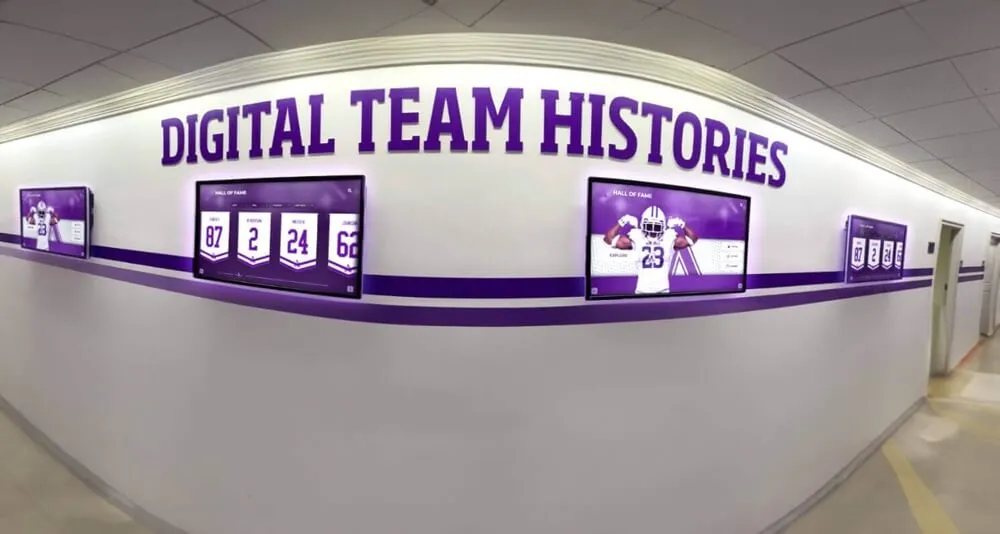
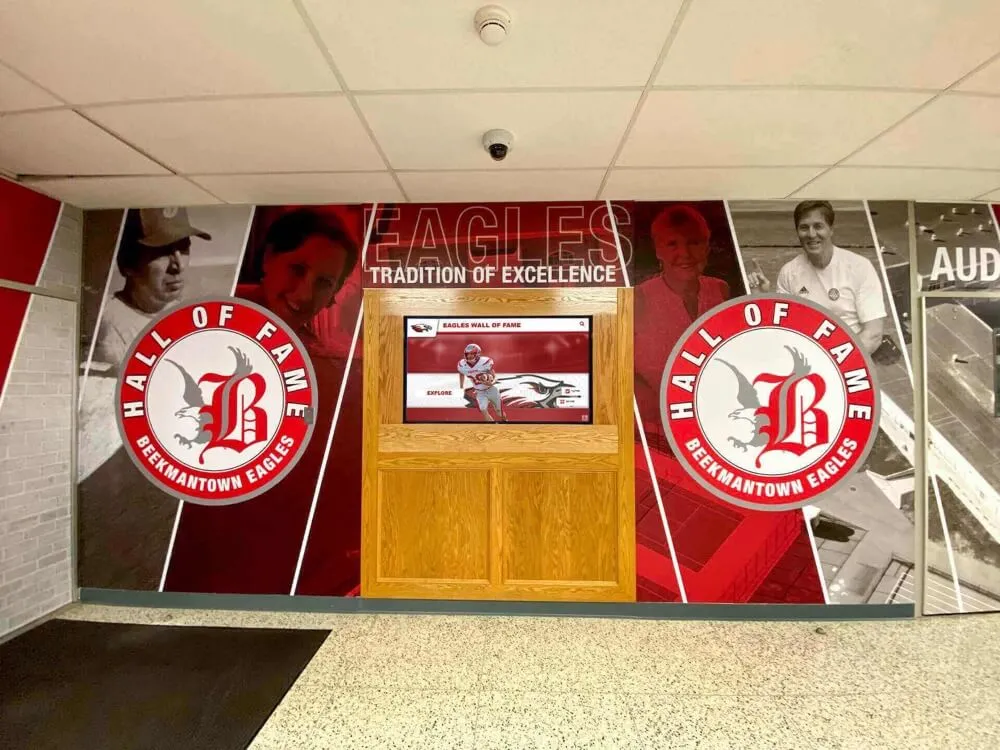
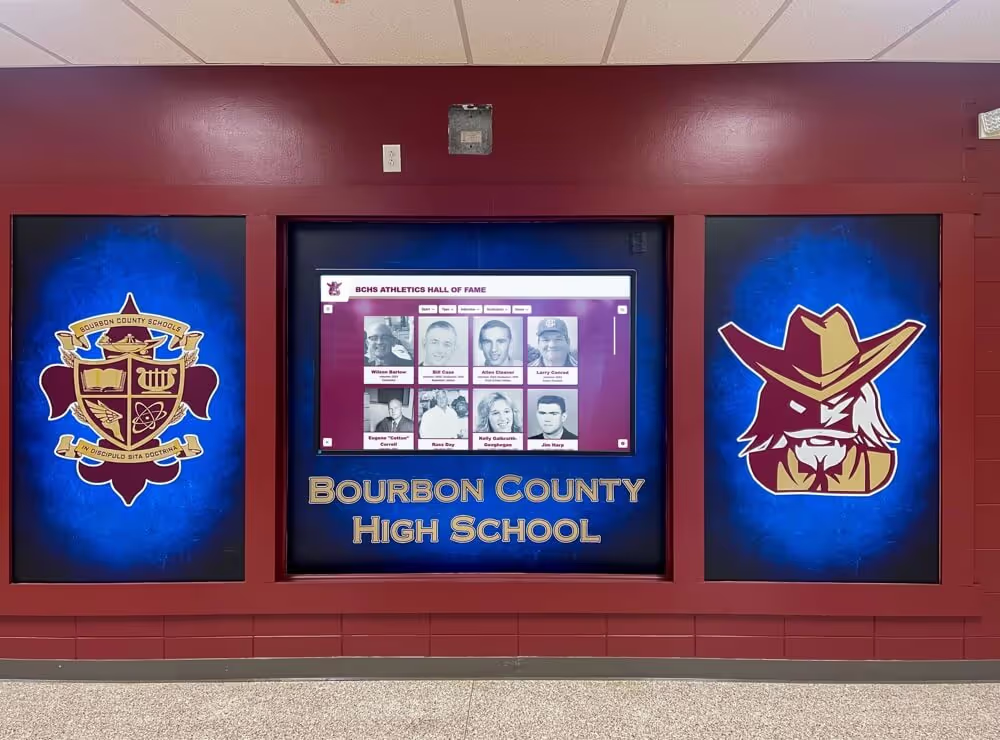
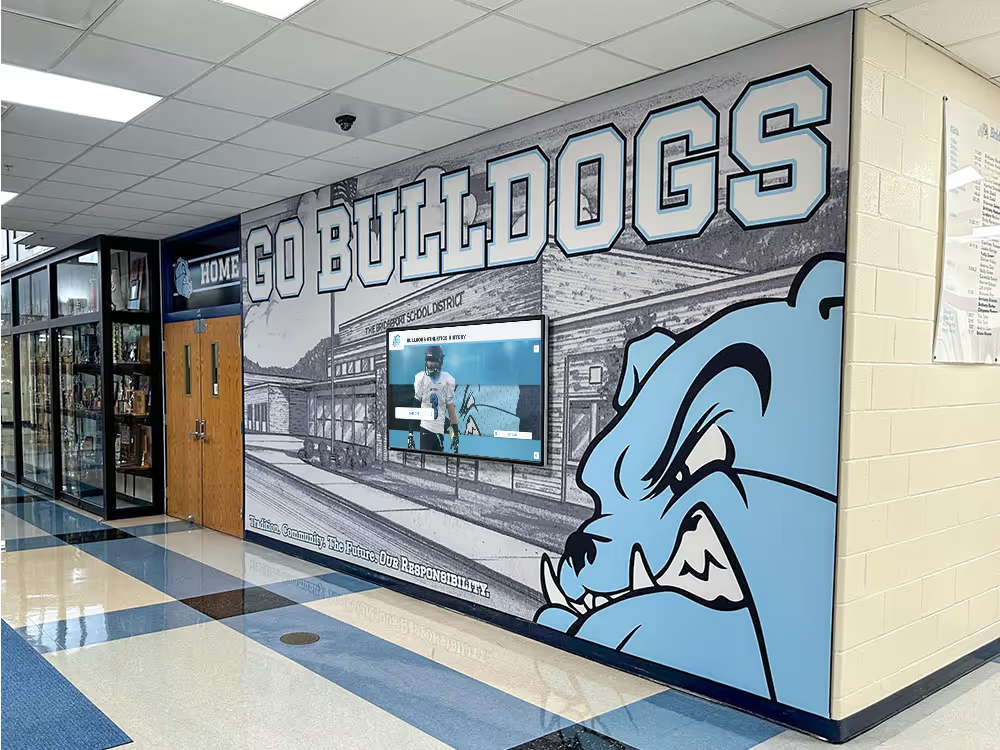
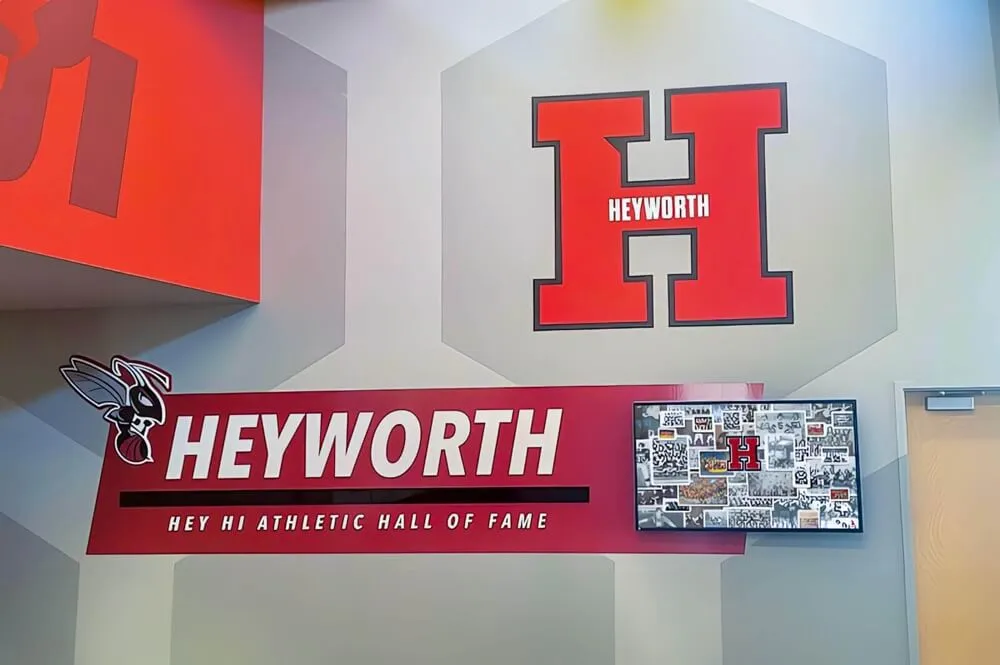
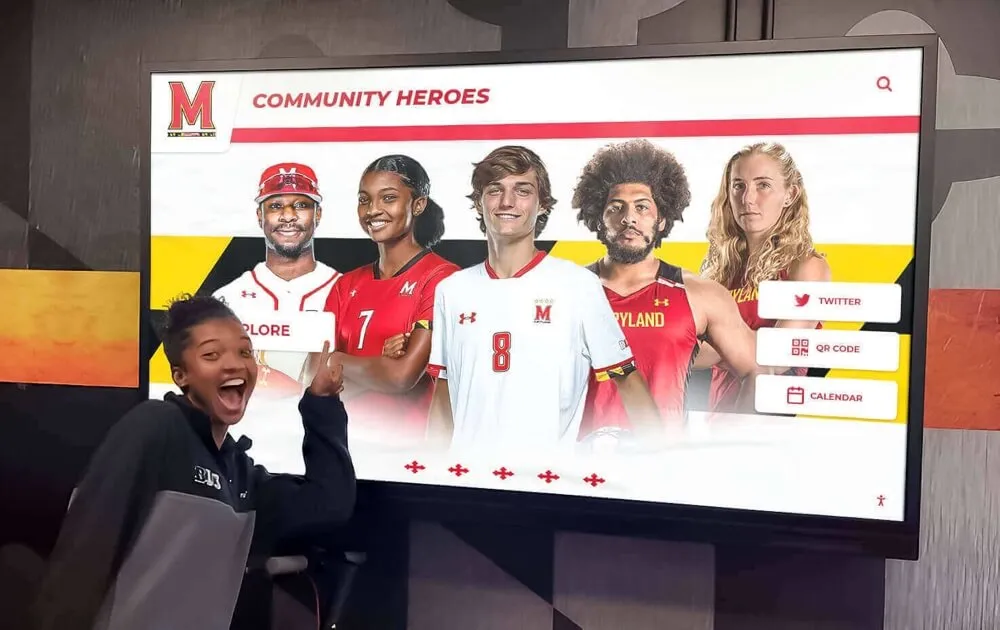
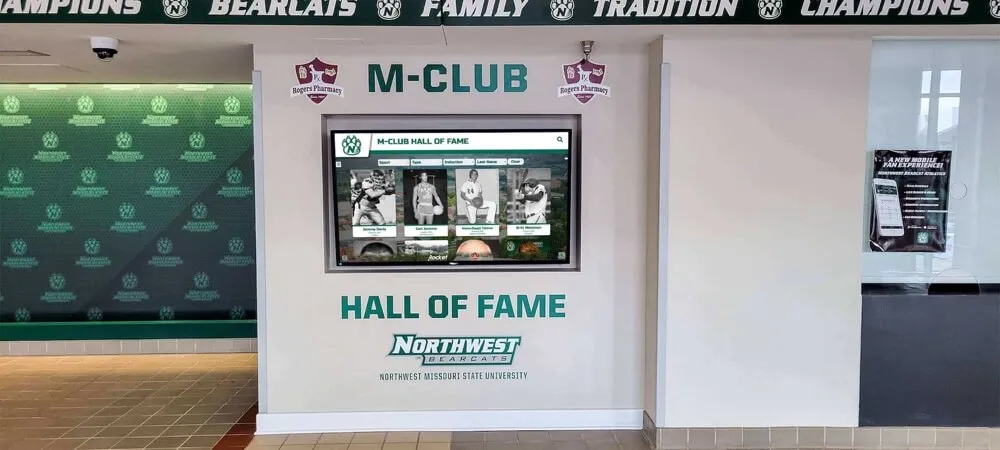
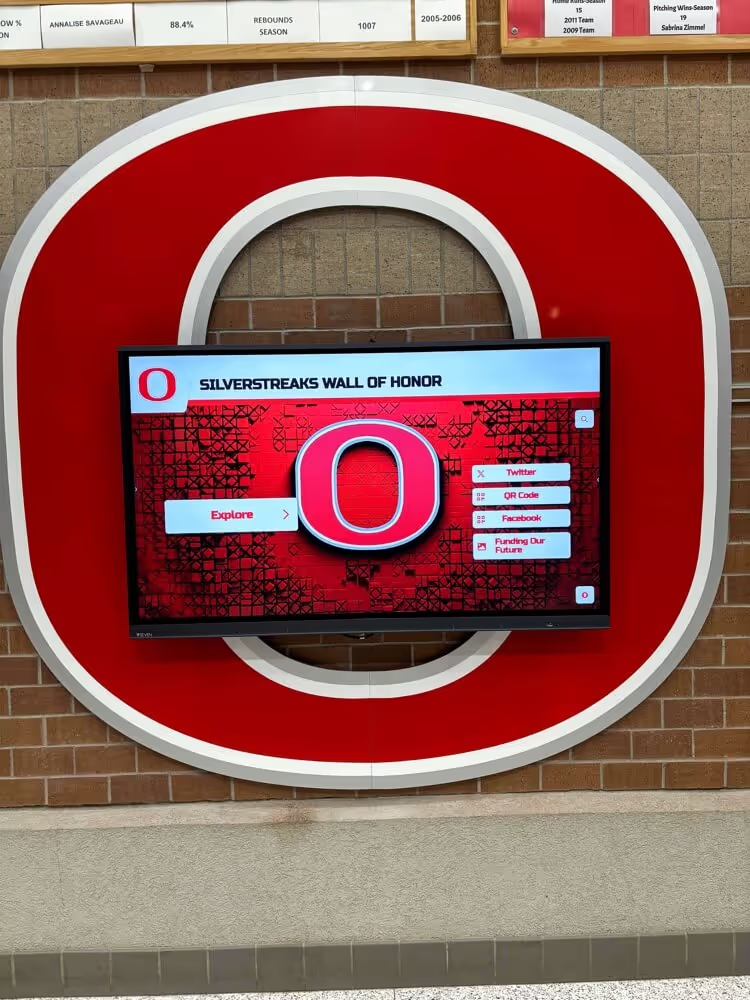
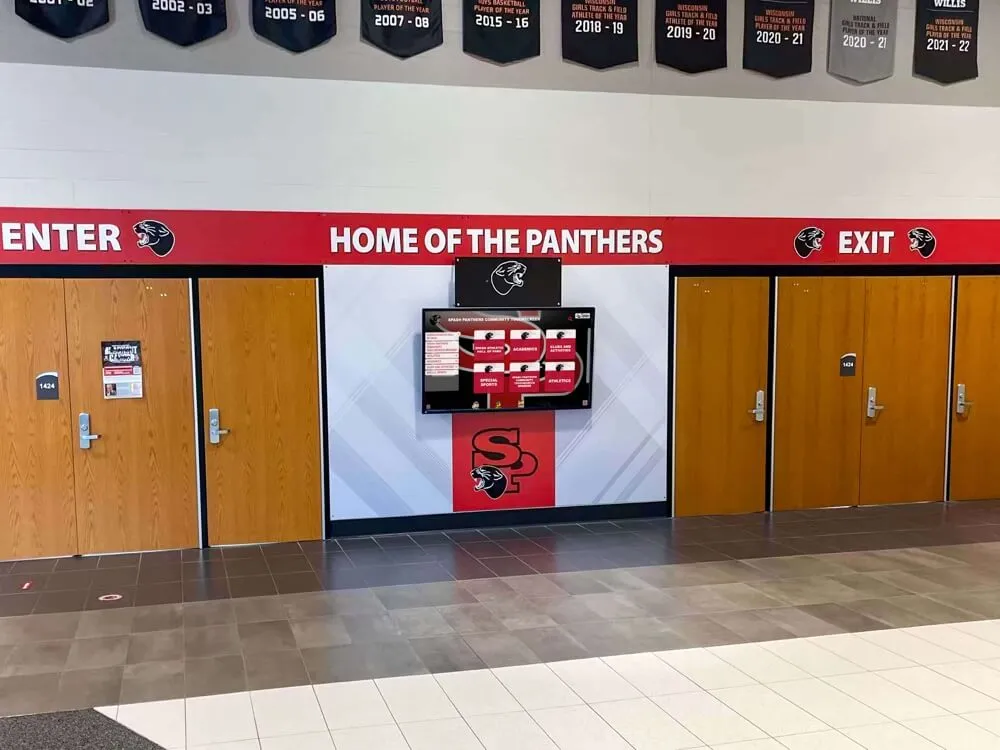
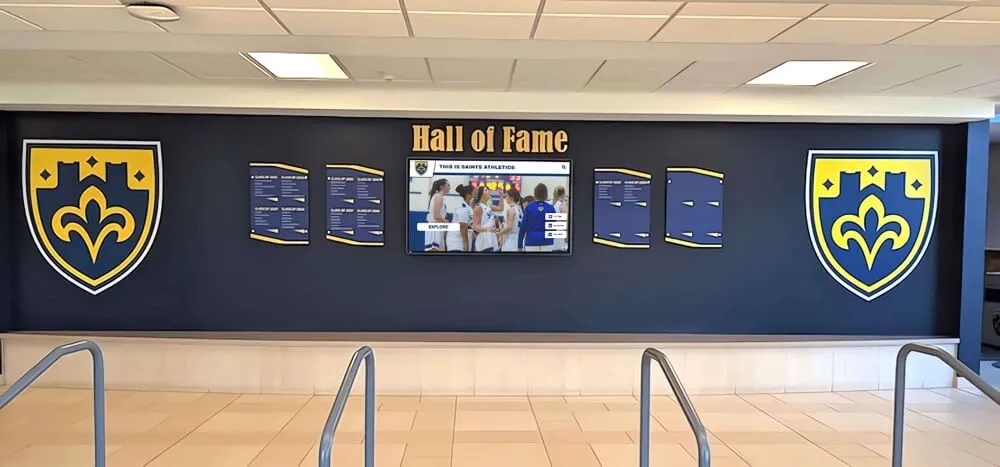
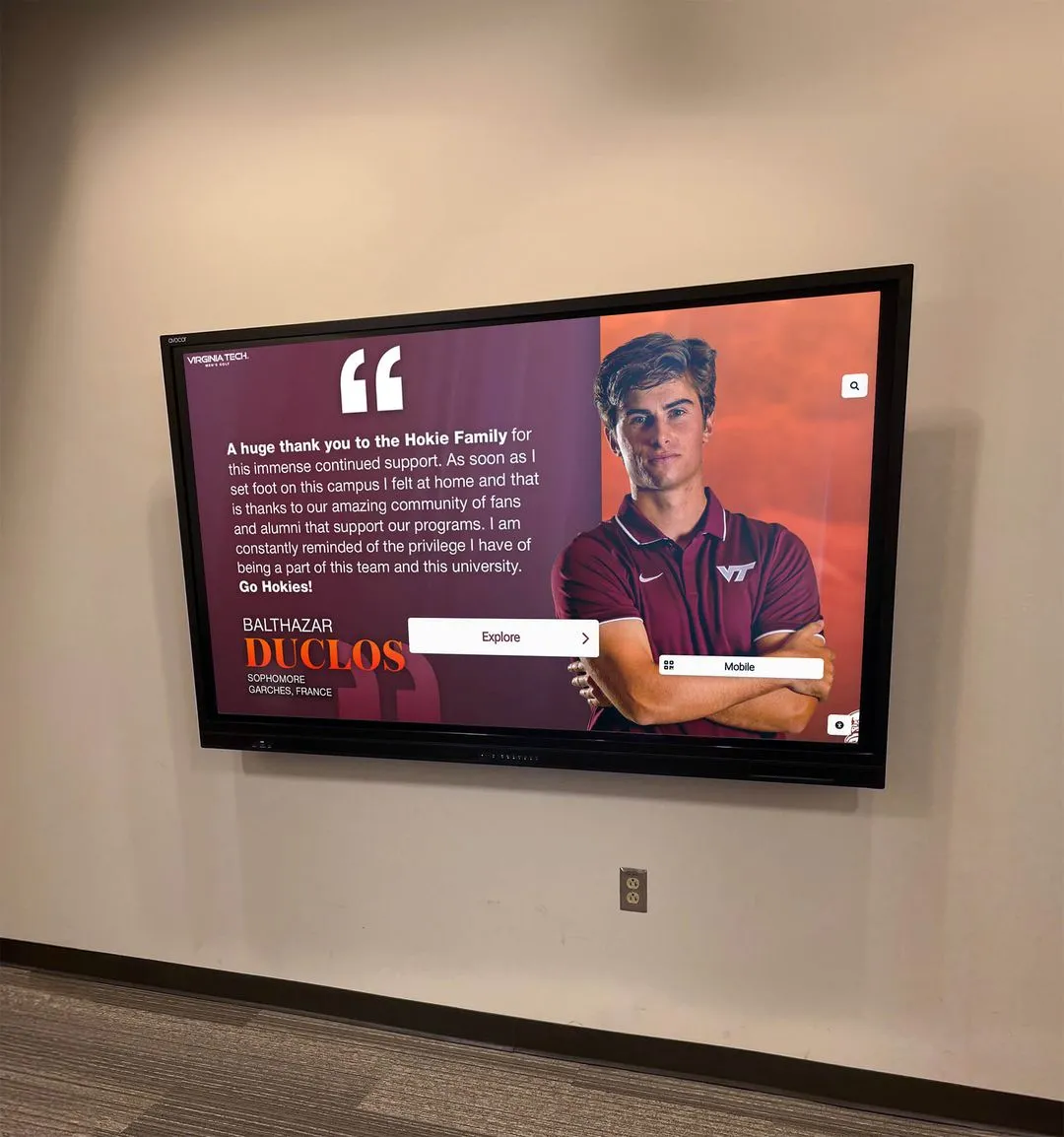
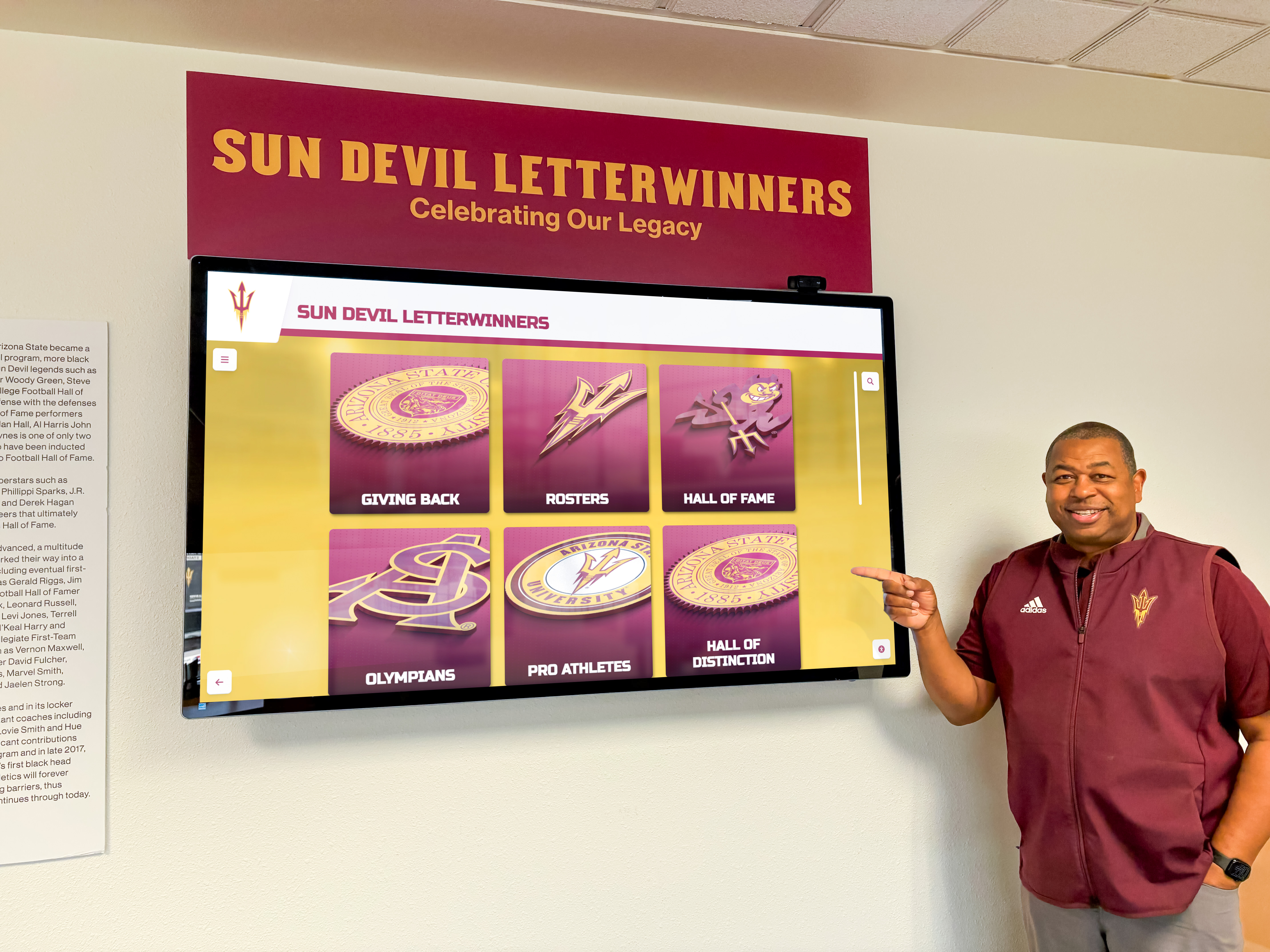
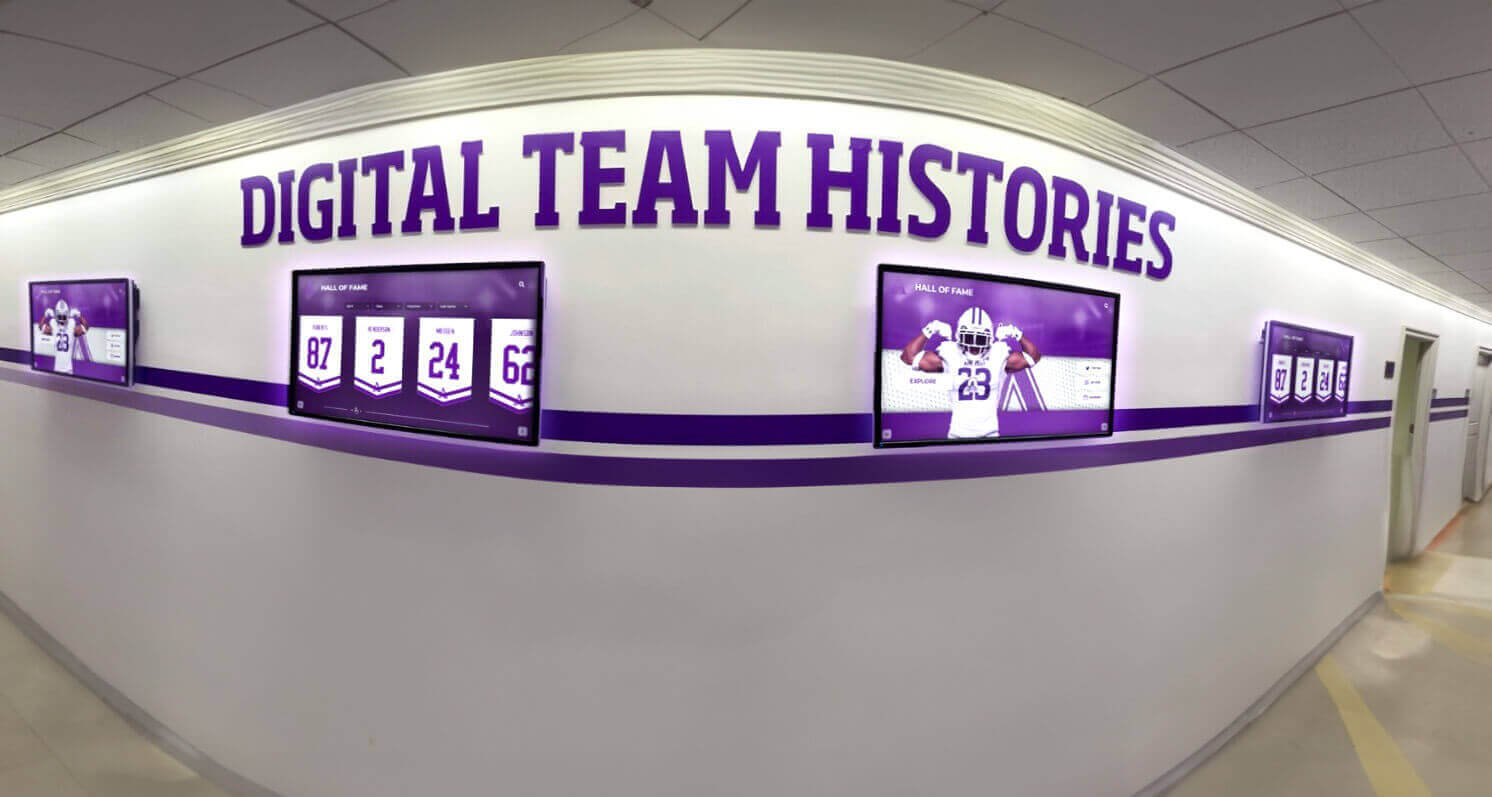
Digital Hall of Fame Captain Integration: Progressive programs integrate captain recognition into comprehensive digital recognition systems that showcase not just athletic statistics but leadership roles and character contributions. These systems can feature captain profiles including leadership philosophies, memorable leadership moments, teammate testimonials, and post-high school paths. Unlike physical plaques limited by space, digital systems can recognize every captain throughout program history, creating complete leadership lineage that demonstrates how your program develops leaders over time.
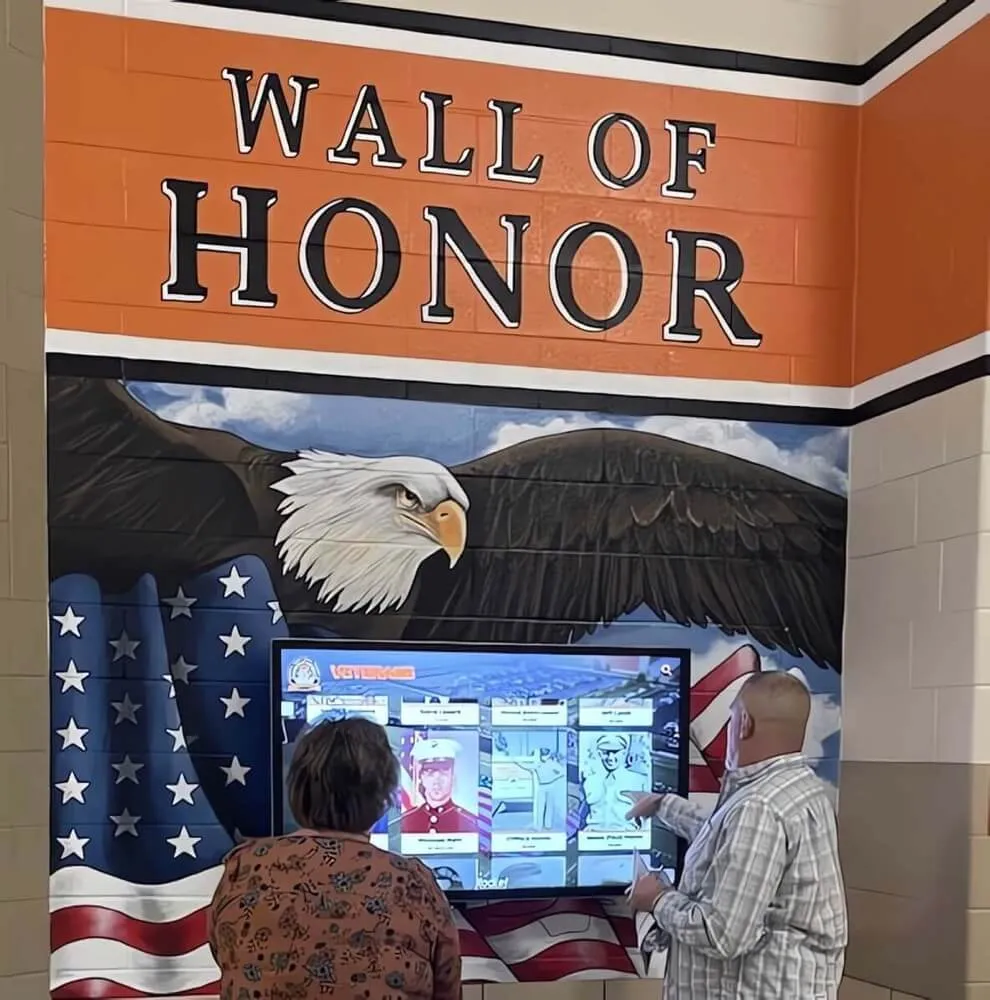
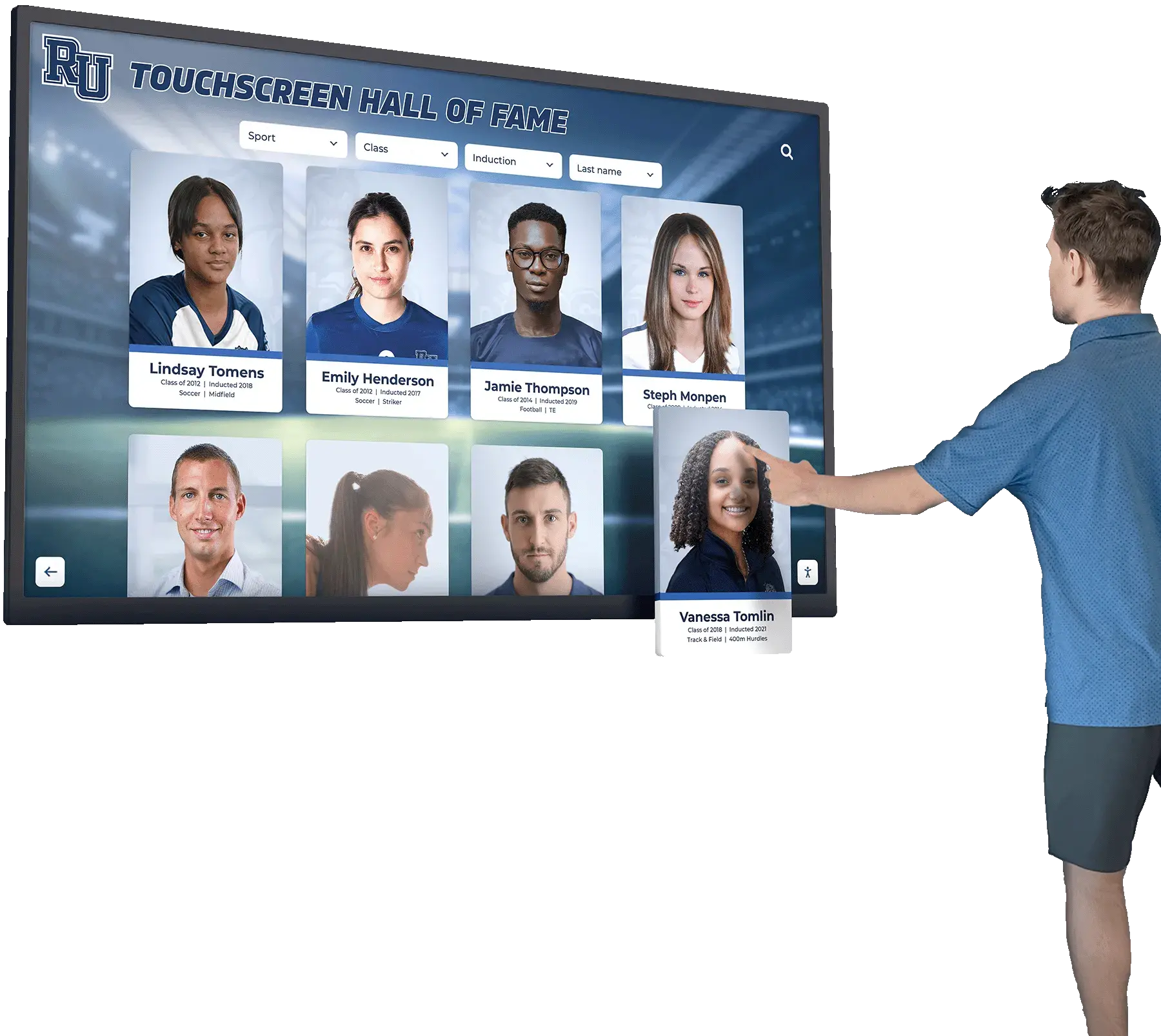
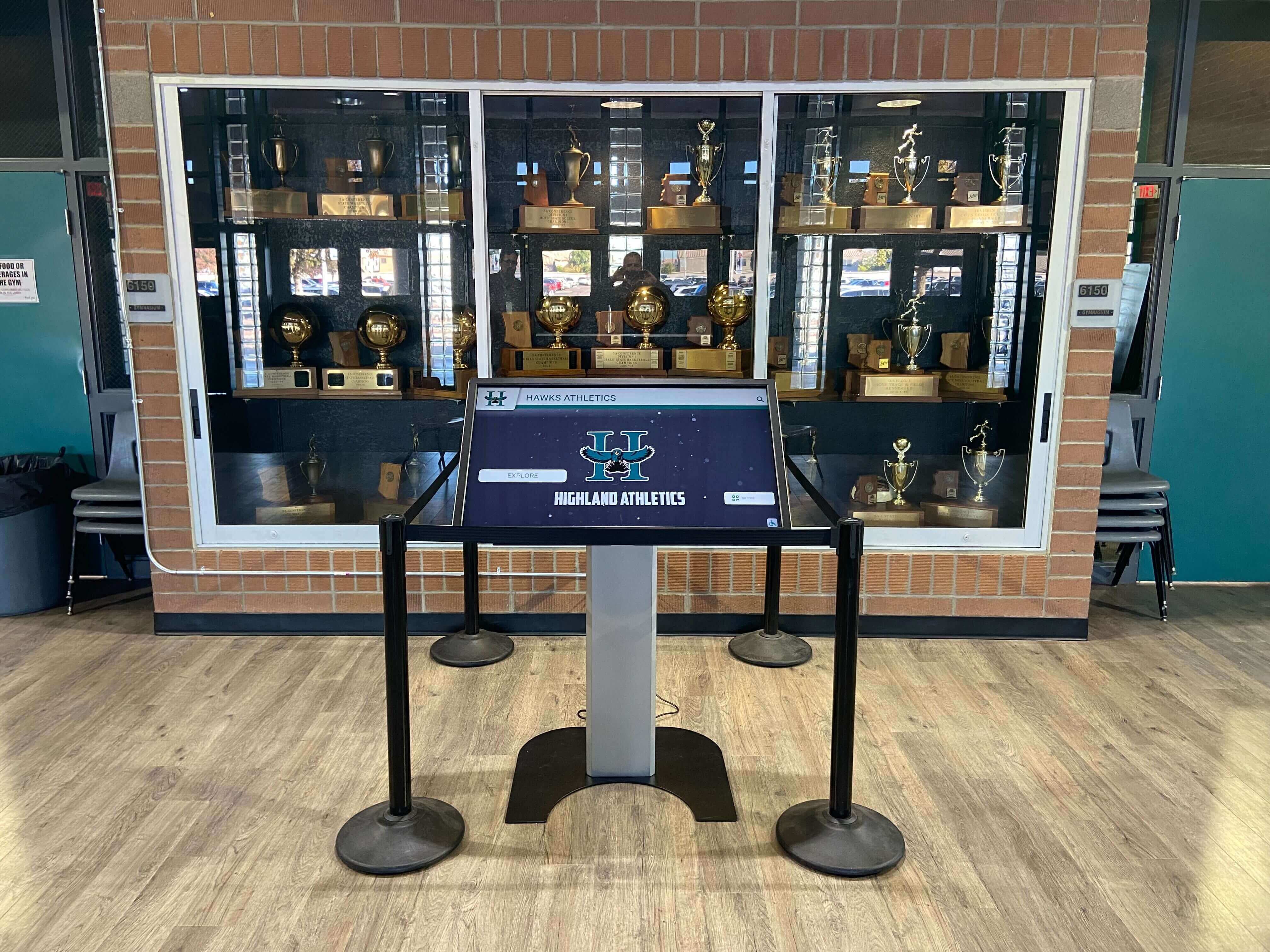
Interactive displays allow current athletes and visitors to explore captain histories, search by sport or year, and understand leadership traditions that define program culture. Similar to how schools implement athletic director digital displays for comprehensive athletic program recognition, captain-specific recognition can be integrated into broader digital systems showcasing team leadership legacies.
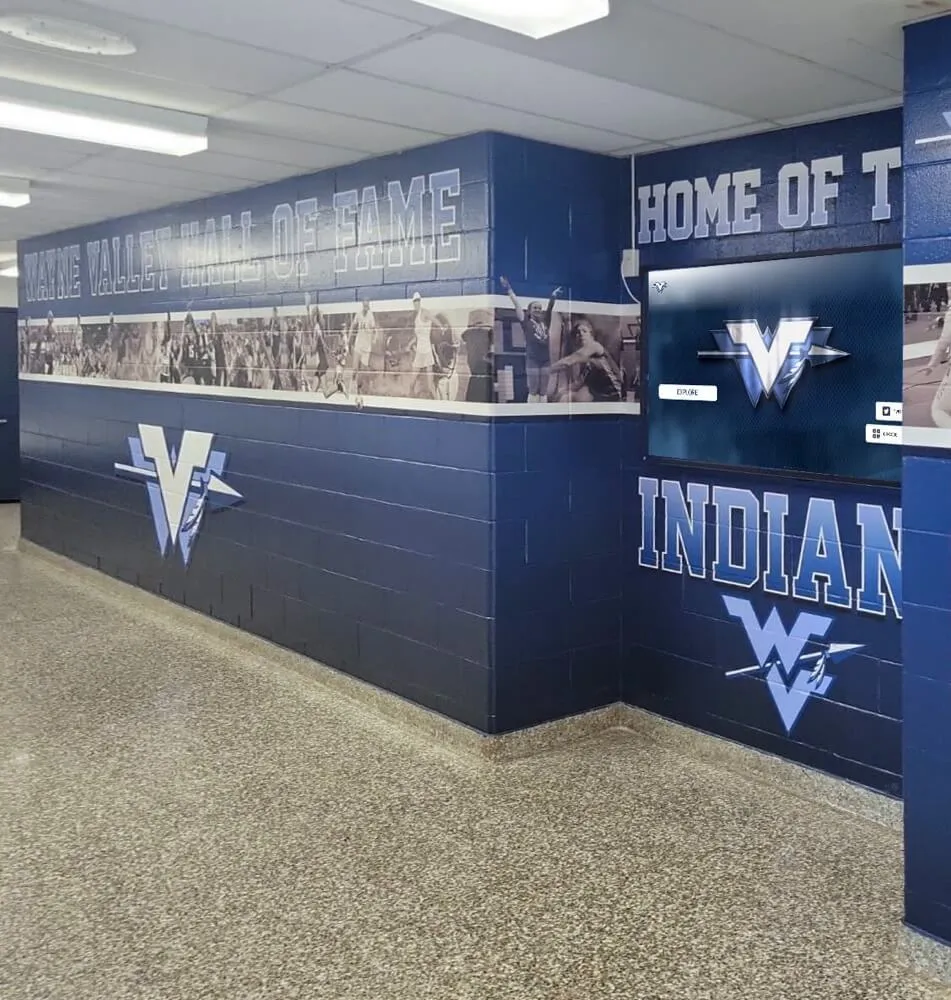
Captain Walls or Recognition Boards: Physical or digital captain recognition walls in locker rooms, training facilities, or competition venues create daily reminders of leadership traditions and expectations. These displays might include captain photos, leadership quotes, team achievements during their captaincy, or brief narratives about their leadership impact. Younger athletes viewing these displays understand that leadership contributions become permanent parts of program identity, creating aspirational motivation to earn future captain roles through demonstrated leadership development. Schools can explore various display ideas that showcase leadership alongside academic and athletic achievements.
Common Captain Selection and Management Challenges
Even well-designed captain selection processes encounter predictable challenges requiring thoughtful navigation.
Managing Multiple Captain Dynamics
Teams with multiple captains must address potential leadership confusion or conflict:
Captain Role Differentiation: When selecting multiple captains, consider whether different captains should lead different areas—one focusing on practice intensity, another on team unity, another on communication with coaching staff. Clear role differentiation prevents overlap and competition while allowing each captain to contribute their unique leadership strengths. However, excessive role division can fragment leadership; balance specialization with shared collective responsibility for overall team culture.
Captain Consensus Building: Establish early expectations that captains must present unified fronts to teammates even when they disagree privately. Create processes for captains to discuss different perspectives, reach consensus, and support final decisions collectively. Teams sense captain division quickly, and conflicting messages from different leaders undermine all captain authority. Regular captain-only meetings facilitate consensus building and unified leadership approach.
Addressing Captain Performance Declines
What happens when captains struggle athletically or behaviorally after selection?
Maintaining Standards: Captains must meet the same performance and behavior standards as all team members. Playing time, discipline, and accountability apply equally regardless of leadership roles. Exempting captains from standards that apply to others destroys their credibility and creates resentment among teammates. If captains lose playing time due to performance or face discipline for behavior issues, address these situations consistently with team-wide policies.
Captain Removal Considerations: Serious character issues, repeated violation of team standards, or complete loss of teammate respect may necessitate removing captain designation—an extreme measure that should occur only after attempted coaching and clear communication that specific behaviors jeopardize leadership roles. When removal becomes necessary, handle it privately and with dignity, explaining specific reasons while allowing the former captain to save face publicly. Consider whether removing the designation entirely or maintaining formal title while redistributing responsibilities makes more sense based on specific circumstances.
Developing Non-Captain Leaders
Not all effective leaders need captain titles, and focusing exclusively on captains can suppress broader leadership development:
Cultivating Leadership Depth: Identify and develop leadership capacity across your entire roster, not just designated captains. Encourage all athletes to demonstrate leadership in specific areas—work ethic, positive attitude, accountability, or specific skill mentorship. This creates leadership depth where team culture doesn’t collapse if a captain struggles or gets injured, and it develops multiple athletes who can captain future teams.
Recognition Beyond Captaincy: Publicly acknowledge leadership contributions from non-captains through awards, recognition displays, and verbal appreciation. This demonstrates that leadership opportunities exist for all team members regardless of formal titles. Programs that celebrate diverse leadership contributions develop stronger overall cultures than those creating two-tier systems where only captains lead while others passively follow.

Integrating Captain Leadership Into Broader Program Culture
Captain effectiveness depends significantly on overall program culture and how leadership integrates into broader team systems.
Aligning Captain Leadership With Program Values
Captains lead most effectively when their leadership aligns clearly with explicit program values:
Define and communicate core program values clearly—perhaps work ethic, accountability, respect, and growth mindset. Select captains who exemplify these values consistently and coach them to lead specifically around value application. When program values remain vague, captains struggle to know what cultural standards to model and enforce. When values are clear and captains demonstrably embody them, leadership becomes more straightforward and credible.
Creating Leadership Development Pathways
Rather than treating captaincy as isolated single-year position, create multi-year leadership development progressions:
Freshmen might focus on being great teammates and followers, learning program culture and expectations. Sophomores could lead by example in work ethic and attitude while supporting upperclassmen leaders. Juniors often take on specific leadership responsibilities like leading position groups or organizing team activities. Seniors serve as formal captains or leadership council members who shape overall team direction.
This developmental approach creates leadership pipelines ensuring consistent program culture across roster changes while helping athletes understand that leadership capacity builds progressively through demonstrated growth over time, similar to how National Honor Society recognition develops through sustained academic excellence and character demonstration.
Connecting Athletic Leadership to Life Leadership
The most meaningful captain experiences prepare student-athletes for post-sport leadership in careers and communities:
Frame captain development as life preparation, not just team benefit. Discuss how accountability conversations prepare for workplace management, how conflict resolution applies to professional relationships, and how culture-building transfers to organizational leadership. Help captains reflect on leadership lessons they’re learning and how these experiences develop capabilities valuable long after their playing careers end.
This perspective elevates captain selection from glorified popularity contest to genuine leadership development opportunity that serves athletes’ long-term growth. Programs that emphasize this connection produce graduates who lead effectively in careers and communities, creating alumni who credit athletic leadership experiences as foundational to professional success.
Measuring Captain Leadership Impact
Evaluating captain effectiveness helps refine future selection and development approaches while providing captains with growth feedback:
Subjective Assessment Indicators
While leadership impact resists pure quantification, coaches can assess several indicators:
Team culture quality including practice energy, positive communication, accountability behaviors, and inclusivity often reflects captain leadership. Teammate development where younger athletes progress quickly or struggling athletes receive strong peer support suggests effective captain mentorship. Crisis response evaluating how teams handle adversity—losses, injuries, conflicts—reveals captain leadership under pressure. Coach-captain communication quality including captains’ willingness to share difficult feedback or raise concerns constructively indicates leadership maturity.
Team Feedback Mechanisms
Anonymous mid-season and end-of-season surveys asking teammates to assess captain leadership provide valuable perspective:
Questions might include: “Do team captains model program values consistently? Do captains address issues directly and constructively? Do you feel comfortable approaching captains with concerns? Do captains make all teammates feel valued? What could captains do differently to lead more effectively?” This feedback helps coaches understand gaps between captain intentions and teammate perceptions while giving captains specific growth areas.
Long-Term Program Indicators
Broader program trends over multiple years can indicate captain selection and development effectiveness:
Programs with strong captain selection processes typically demonstrate consistent team culture despite roster turnover, strong team performance relative to talent level, positive team cohesion and minimal interpersonal conflicts, and sustained alumni engagement as former captains remain connected to programs. Conversely, programs struggling with captain leadership often experience volatile team culture varying dramatically year to year, underperformance relative to roster talent, frequent conflicts and cliques undermining team unity, or captain alumni who don’t remain engaged with programs.
Modern Recognition Technology for Captain Leadership
Contemporary digital recognition solutions enable comprehensive captain acknowledgment that overcomes traditional recognition limitations:
Traditional captain recognition typically involved brief mentions in programs or small plaques eventually removed to make room for new inductees. Modern digital systems allow unlimited historical captain recognition with rich multimedia content showcasing leadership impact comprehensively. Schools can feature captain profiles including photos, leadership philosophies, team achievements during captaincy, memorable leadership moments, and post-graduation paths demonstrating long-term leadership development.
Interactive touchscreen displays let visitors explore captain histories by sport, year, or search by name. Current athletes can view how previous captains led, learning from their approaches and understanding leadership traditions that define program culture. These systems integrate captain recognition with broader athletic recognition including hall of fame inductees, championship teams, and record holders, creating comprehensive athletic heritage displays.
Digital recognition systems also provide analytics showing which content receives most engagement, helping programs understand what leadership stories resonate most strongly with audiences. This data can inform future captain development by highlighting leadership qualities that inspire current athletes most effectively. Schools interested in comprehensive athletic recognition should explore how digital display solutions transform static recognition into dynamic, engaging leadership showcase that honors captain contributions permanently while inspiring future student-athlete leaders.
Conclusion
Team captain elections represent far more than selecting talented athletes for honorary titles. Thoughtful captain selection and development creates leadership that shapes team culture, drives performance, and prepares student-athletes for life leadership in careers and communities. Coaches who invest in structured selection processes, clear role expectations, ongoing leadership development, and meaningful recognition create programs where captains genuinely lead rather than simply wear designations.
The most effective approaches combine coach wisdom with player perspective through hybrid selection models, develop captain leadership capacity through intentional training and support, and recognize captain contributions through comprehensive acknowledgment systems that establish leadership legacies. These programs produce not just successful seasons but developed leaders who carry lessons learned into all future endeavors, ultimately achieving the highest purpose of athletic programs: preparing young people for meaningful, impactful lives.
Ready to establish recognition systems that honor your team captains and student-athlete leaders comprehensively? Explore how modern digital recognition displays can showcase leadership legacies that inspire current and future athletes while celebrating the student leaders who define your program culture.