



Key Takeaways
Complete guide to creating an effective student athlete resume. Learn how to showcase your high school athletic career, document achievements, and stand out in the college recruitment process with proven strategies and modern recognition tools.
High school student athletes face a critical challenge when pursuing college athletic opportunities: how do you effectively communicate years of athletic achievement, competitive experience, and personal growth into a format that captures the attention of college coaches reviewing hundreds of prospects? Traditional academic resumes often fall short for athletes whose most compelling qualifications come from competition, leadership, and dedication demonstrated on playing fields rather than exclusively in classrooms.
This comprehensive guide explains everything high school student athletes need to know about creating effective athletic resumes that open doors to college opportunities. From understanding what college coaches actually look for to structuring your athletic accomplishments, documenting statistics, and presenting yourself as a complete recruit, this resource provides practical frameworks student athletes can use to transform their high school athletic careers into compelling recruitment documents that generate genuine interest from college programs.
Understanding the Student Athlete Resume
Before diving into specific formatting and content strategies, student athletes must understand what an athletic resume actually is, why it matters in the recruitment process, and how it differs from traditional academic resumes.
What Is a Student Athlete Resume?
A student athlete resume is a comprehensive one to two-page document presenting your athletic qualifications, competitive achievements, physical attributes, academic credentials, and personal qualities to college coaches evaluating potential recruits. Unlike standard academic or professional resumes emphasizing work experience and education, athletic resumes prioritize sports-specific accomplishments while demonstrating that you meet NCAA academic eligibility requirements.
Primary Functions of Athletic Resumes:
Initial Contact Document: Athletic resumes often serve as first introductions when reaching out to college programs. Coaches receive countless prospective athlete inquiries—your resume must immediately communicate why they should invest time learning more about you.
Recruitment Communication Tool: Coaches share your resume with assistant coaches, recruiting coordinators, and potentially admissions offices. A well-constructed document facilitates internal discussions about whether you fit program needs.
Eligibility Verification: Resumes demonstrate that you meet academic requirements for college athletics through inclusion of GPA, test scores, and graduation year. Coaches immediately screen out prospects who don’t meet eligibility thresholds, making academic information critical.
Comprehensive Overview: Your resume provides context statistics alone cannot convey—leadership roles, multiple sport participation, award recognition, and character qualities that make you an attractive recruit beyond just performance metrics.
Professional Presentation: A polished resume demonstrates maturity, attention to detail, and seriousness about your recruitment. Coaches note whether athletes invest effort into professional presentation or submit rushed, incomplete materials.
Why Student Athlete Resumes Matter
College athletic recruitment has become increasingly competitive across all sports and division levels. Coaches evaluate exponentially more prospects than roster spots available, requiring systematic screening processes to identify serious candidates worth deeper evaluation.
According to NCAA data, only about 7% of high school athletes continue playing at the collegiate level across all sports and divisions. Even among highly talented athletes, standing out from hundreds of similarly skilled competitors requires strategic presentation of qualifications.
Athletic Resumes Matter Because:
Coaches Have Limited Time: College coaches balance recruiting, practice planning, game preparation, compliance, and administrative duties. They cannot deeply evaluate every prospective athlete who contacts them. Resumes enable quick assessment of whether prospects warrant further attention.
You Compete Against Organized Recruiting Services: Many student athletes work with recruiting services, club programs, or consultants helping them connect with colleges. Athletes managing recruitment independently must present themselves as professionally as those with institutional support.
Digital Communication Dominates: Modern recruitment happens primarily through email, online platforms, and digital communication. Your resume often serves as the foundation of digital first impressions with programs you’re pursuing.
Documentation Validates Claims: Anyone can claim to be an exceptional athlete in an email. Resumes with specific statistics, verifiable achievements, and concrete evidence substantiate that you genuinely offer the capabilities you claim.
Academic Credentials Matter Equally: College coaches cannot recruit athletes who don’t meet institutional academic standards regardless of athletic talent. Resumes immediately demonstrate eligibility, preventing wasted effort pursuing athletes who cannot qualify academically.
How Athletic Resumes Differ from Academic Resumes
Student athletes often already understand basic resume concepts from career preparation coursework or internship applications. However, athletic resumes require significantly different approaches:
Priority Differences: Academic or professional resumes emphasize education, work experience, and transferable skills. Athletic resumes prioritize sports achievements, physical measurements, competitive statistics, and athletic-specific attributes while maintaining sufficient academic information to demonstrate eligibility.
Measurable Attributes: Athletic resumes include measurable physical characteristics—height, weight, position, speed metrics—rarely relevant in academic contexts. These specifications help coaches immediately assess physical fit for positions and competitive levels.
Video Integration: Unlike traditional resumes existing as standalone documents, athletic resumes typically pair with highlight videos, game film, or competition footage. Resumes reference video content and direct coaches toward visual evidence of capabilities.
Multiple Sport Considerations: Many high school athletes compete in multiple sports. Athletic resumes should address this versatility strategically—highlighting primary sports while demonstrating well-rounded athleticism or specialized focus depending on which serves recruitment goals better.
Essential Components of Effective Student Athlete Resumes
Effective athletic resumes include specific sections organized logically to guide coaches through your qualifications systematically. While formatting preferences vary slightly, certain core components prove essential across all sports and competitive levels.
Personal Information and Contact Details
The top of your resume should include essential identifying information enabling coaches to contact you and understand basic demographics immediately.
Required Personal Information:
Full Name: Use your formal name as it appears on school records and standardized test scores rather than nicknames or preferred names used casually. Coaches need information matching official documentation.
Graduation Year: List your expected high school graduation year prominently. Coaches recruit by class year, making this one of the first details they check when reviewing prospects.
High School Name and Location: Include complete school name, city, and state. Coaches assess regional competition levels and may recognize schools known for strong athletic programs in particular sports.
Contact Information: Provide reliable email address and phone number where coaches can reach you directly. Use professional email addresses rather than outdated, immature, or inappropriate usernames. Consider creating dedicated email for recruitment communication if your current address feels unprofessional.
Optional but Recommended Personal Information:
Jersey Number and Position: Especially relevant for sports where position specialization matters significantly. Helps coaches quickly categorize you within their evaluation frameworks.
Date of Birth: Some sports and recruitment contexts care about relative age effects or specific age requirements for competitive divisions. Including birth date prevents confusion.
Social Media Handles: If your social media presence professionally represents you as an athlete, consider including links to Instagram, Twitter, or other platforms where you maintain athletic content. Only include if content reflects well on you—inappropriate social media hurts recruitment more than absence helps.
Physical Profile and Athletic Measurements
Coaches evaluate physical attributes to determine whether prospects fit positional requirements, match competitive level expectations, or possess measurable characteristics indicating athletic potential.
Standard Physical Measurements:
Height and Weight: Fundamental specifications for every sport. List current measurements accurately—coaches verify measurements during camps or visits, and false reporting damages credibility immediately.
Position(s): Primary position and any secondary positions you’ve played competitively. Versatility can be attractive, but avoid listing every position you’ve casually tried unless you’ve genuinely competed there successfully.
Sport-Specific Measurements: Include measurements most relevant to your sport:
- Track and Field: Personal best times for each event, distances for field events
- Swimming: Best times for primary events and stroke specializations
- Basketball: Vertical jump, wingspan if notably advantageous
- Football: 40-yard dash time, bench press, position-specific agility metrics
- Baseball/Softball: Throwing velocity, exit velocity, 60-yard dash time
- Soccer: Sprint times, endurance measurements if relevant
- Volleyball: Vertical jump, block reach, approach jump
Testing Results: If you’ve participated in standardized athletic testing—Nike SPARQ, club evaluation camps, combine events—include verified results for relevant metrics. Only include results that strengthen your profile; weak testing numbers need not appear if competition performance demonstrates capability through other evidence.
Academic Qualifications
College athletic recruitment remains fundamentally connected to academic eligibility. Coaches cannot recruit athletes who don’t meet NCAA, NAIA, or institutional academic requirements regardless of athletic talent.
Essential Academic Information:
Current GPA: List your cumulative high school GPA accurately. Use weighted GPA if your school calculates weighted values and you’ve taken honors or AP courses. Specify whether the GPA is weighted or unweighted to prevent confusion about academic standards.
According to NCAA Division I requirements, student athletes must maintain minimum 2.3 GPA in core courses for full eligibility, with sliding scale adjustments based on standardized test scores. Division II requires 2.2 GPA minimum. Higher GPAs obviously strengthen recruitment prospects significantly.
Standardized Test Scores: Include SAT or ACT scores if you’ve completed testing. Coaches use test scores combined with GPA to assess academic eligibility through NCAA sliding scale calculations. Strong test scores can compensate for slightly lower GPAs for eligibility purposes.
Class Rank (if available): If your school calculates class rank and your ranking strengthens your profile, include it. Top 10% or top 25% rankings provide additional academic credibility.
Academic Honors: List academic recognition strengthening your scholar-athlete profile:
- Honor roll or dean’s list recognition
- National Honor Society membership
- Academic all-conference or all-state recognition
- AP Scholar awards
- Perfect attendance or academic improvement recognition
Schools implementing comprehensive academic recognition programs help student athletes document these achievements systematically, making it easier to compile compelling academic credentials for college applications.
Intended Major or Academic Interests: Including intended major demonstrates seriousness about education beyond athletics. It also helps coaches connect you with academic support resources or highlight academic programs when recruiting you to their institutions.
Athletic Experience and Achievements
This section forms the core of your athletic resume, showcasing competitive experience, accomplishments, and recognition that demonstrate your capabilities as a recruit.
Current Team and Competition Level:
Varsity Experience: List years of varsity participation. For example: “Varsity Soccer, 2022-Present (4 years)” clearly communicates sustained high school competitive experience.
Club or Travel Team: Include competitive club team experience, especially in sports where club competition proves more nationally prominent than high school play (soccer, volleyball, basketball, hockey). List team name, competition level (if tiered regionally or nationally), and years participated.
Competition Level Descriptors: Help coaches understand competitive context when it’s not obvious: “State Championship Conference,” “Division I travel team,” “National qualifier club program.” Coaches evaluate achievement based partly on competition quality.
Statistical Achievements:
Season and Career Statistics: Include relevant statistics demonstrating performance:
- Basketball: Points per game, rebounds, assists, shooting percentages
- Soccer: Goals, assists, minutes played
- Baseball/Softball: Batting average, ERA, strikeouts, innings pitched
- Football: Touchdowns, yards, tackles, passing efficiency
- Swimming: Personal best times for competitive events
- Track and Field: Personal records for events competed
- Volleyball: Kills, blocks, digs, service aces
Statistical Context: When possible, provide context making statistics more impressive: “Led conference in assists,” “Third in school history for career goals,” “Personal best improved 15% over season.”
Team Accomplishments:
Championships and Tournament Success: Conference championships, state tournament appearances or victories, regional competitions, national qualifier tournaments. Team success demonstrates ability to perform in high-stakes contexts.
Team Records and Milestones: Winning seasons, program record achievements, historical team accomplishments you contributed to. Being part of successful programs indicates experience with winning cultures.
Individual Honors and Recognition:
All-Conference, All-Region, All-State: External selection to all-star teams provides objective validation of excellence compared to broader competitive fields.
Team Awards: MVP, captain, most improved player, offensive/defensive player of year, sportsmanship recognition. These awards demonstrate coach trust and teammate respect.
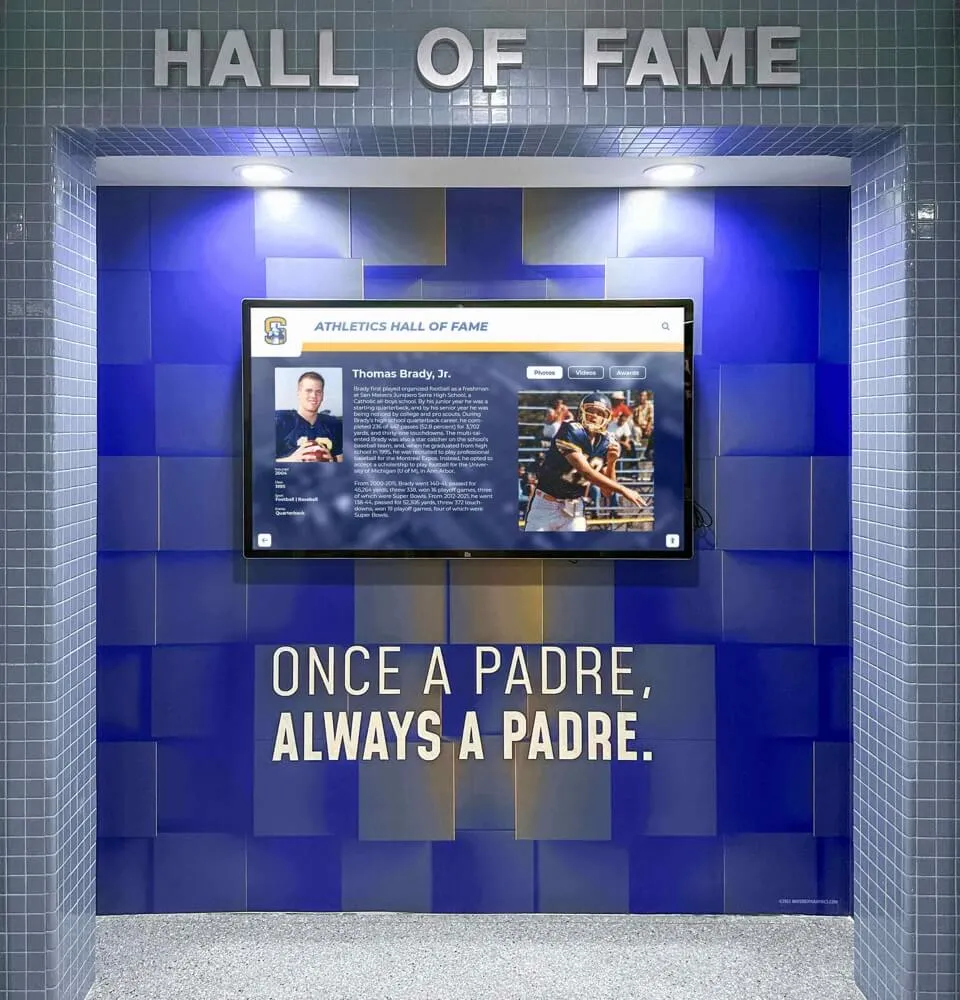
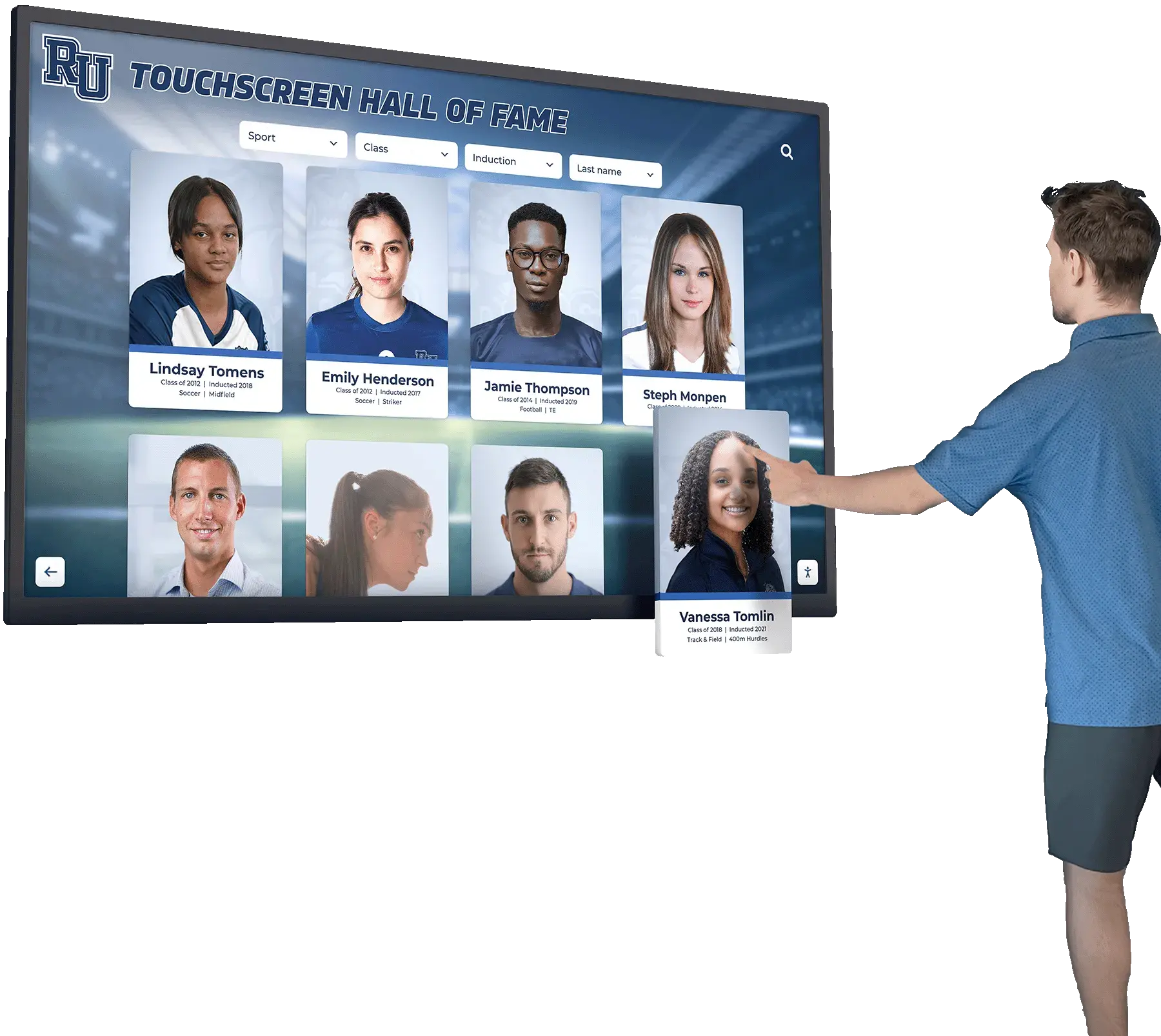
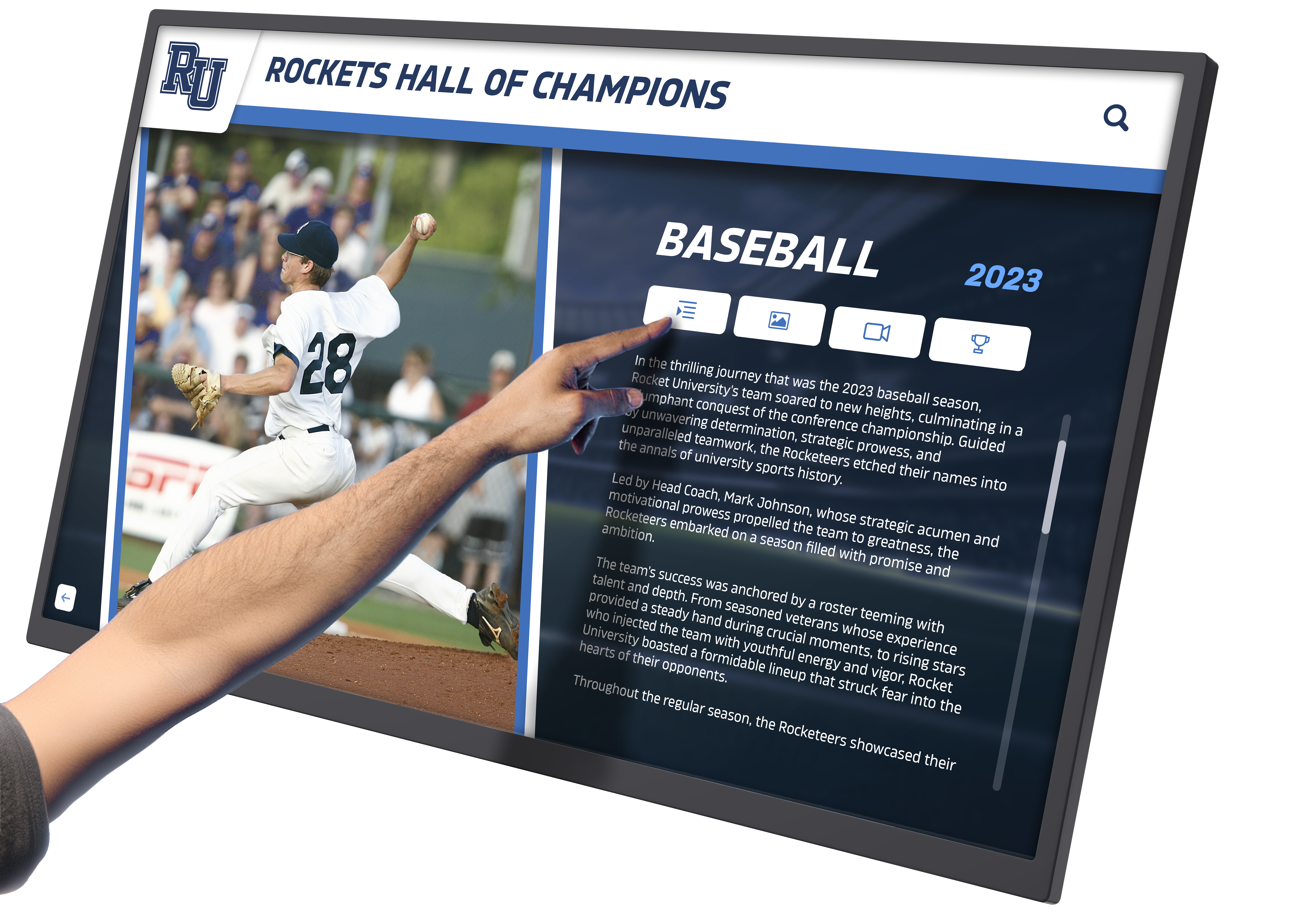
External Recognition: Athlete of the week/month features, newspaper coverage of significant performances, regional or state recognition programs. Many schools use digital recognition displays to systematically document and preserve these achievements, making them easier for student athletes to reference when building resumes.
Special Achievements and Records:
School Records: Any school records you’ve set or currently hold. Record-breaking performances demonstrate elite capability within your competitive context.
Notable Performances: Particularly impressive individual game or competition performances: “Career-high 35 points in state playoff game,” “Perfect game pitched in conference championship,” “Personal record 50m freestyle qualifying for state finals.”
Tournament or Showcase Experience: Participation in prestigious camps, showcases, or invitation-only competitions. These experiences demonstrate that you’ve competed against high-caliber competition beyond local contexts.
Leadership and Character Qualities
College coaches recruit people, not just athletes. Demonstrating leadership, character, and qualities indicating you’ll positively contribute to team culture strengthens your profile significantly.
Leadership Positions:
Team Captain: Being selected captain by coaches or teammates validates leadership capability and respect. Specify years served as captain if multiple seasons.
Leadership Councils or Advisory Roles: Athlete advisory councils, athletic leadership groups, or similar positions demonstrate broader leadership beyond single teams.
Student-Athlete Representative: Serving as liaison between athletes and administration or representing athletic programs in school contexts shows maturity and communication skills.
Character Recognition:
Sportsmanship Awards: Recognition for exemplary conduct, respect, and positive attitude. Sportsmanship honors communicate that you understand athletics involves more than just performance.
Community Service: Athletic-related or general volunteer work demonstrates commitment to contribution beyond yourself. Quantify when possible: “50 hours coaching youth basketball clinic,” “Team leader for annual charity 5K fundraiser.”
Academic-Athletic Balance: Recognition as scholar-athlete through academic all-conference honors, school scholar-athlete awards, or similar acknowledgment of balancing academics and athletics successfully.
Peer Recognition: Awards selected by teammates—teammate appreciation, most inspirational, best teammate awards—demonstrate that you’re valued for more than just athletic contribution.
Structuring Your Student Athlete Resume
Having identified essential content components, effective structure ensures coaches can quickly find information they’re seeking while your resume maintains professional appearance distinguishing you from less polished submissions.
Recommended Resume Format and Layout
One-Page Ideal, Two-Page Maximum: Coaches review dozens or hundreds of resumes during recruiting cycles. Concise, focused resumes respecting their time earn more thorough evaluation than lengthy documents requiring extensive reading. Aim for one page containing all essential information. Only exceed one page if you have extensive, genuinely relevant accomplishments justifying additional space.
Clear Section Headers: Use distinct headers separating major sections: Personal Information, Athletic Profile, Academic Qualifications, Athletic Experience, Achievements and Honors, Leadership and Character. Clear organization enables coaches to locate specific information quickly.
Professional Fonts and Formatting: Stick with standard professional fonts—Arial, Calibri, Times New Roman—in 10-12 point size. Avoid decorative fonts, excessive colors, or gimmicky formatting attempting to stand out through design rather than content. Professional presentation demonstrates maturity.
Consistent Formatting Throughout: Use consistent formatting for similar elements. If you bold team names, bold all team names. If you italicize positions, italicize all positions. Inconsistent formatting appears careless and unprofessional.
Strategic Use of Bold and Italics: Use bold text for key information you want to stand out—team names, positions, major honors. Use italics for secondary descriptive information. Don’t overuse formatting or everything loses emphasis.
White Space for Readability: Don’t cram every possible detail into minimal space. Appropriate margins and spacing between sections improve readability significantly. Coaches won’t thoroughly read dense, difficult-to-read documents.
Chronological vs. Skills-Based Organization
Most student athlete resumes benefit from chronological organization within athletic experience sections, listing most recent experience first and working backward. This approach helps coaches understand your current competitive level and progression.
Chronological Example:
- Varsity Basketball, Center (2023-2025)
- JV Basketball, Forward/Center (2021-2022)
- Travel Basketball, Elite Division (2020-Present)
When to Use Skills-Based Organization: If you’ve played multiple positions or multiple sports and want to emphasize versatility strategically, consider organizing by position or skill category rather than purely chronologically. However, most single-sport athletes benefit from straightforward chronological approach.
Sport-Specific Resume Variations
While core resume principles remain consistent, different sports emphasize particular information more heavily:
Football Resumes: Physical measurements prove especially critical—height, weight, 40-yard dash, bench press, position-specific metrics. Include both offensive and defensive statistics if you play both ways.
Baseball/Softball Resumes: Separate batting and pitching statistics clearly. Include video links prominently since coaches heavily rely on film evaluation in these sports.
Soccer Resumes: Emphasize club team experience, position versatility, and technical skills. Include any national or regional identification programs (ODP, ECNL, etc.).
Track and Field/Swimming Resumes: Personal best times and season improvement percentages take priority. Include qualifying standards met (state qualifying times, national consideration times, etc.).
Basketball/Volleyball Resumes: Statistical categories should match coaching priorities—shooting percentages, defensive stats, and efficiency metrics often matter more than raw point totals.
Individual Sport Resumes (Tennis, Golf, Wrestling): Include tournament results, ranking systems, and head-to-head records against competitive opponents. Individual sport resumes can detail competitive records more extensively.
Creating Your Athletic Documentation System
One of the biggest challenges student athletes face when creating resumes isn’t the document itself—it’s gathering accurate information about achievements accumulated across multiple years, seasons, and contexts. Systematic documentation throughout your athletic career makes resume creation exponentially easier while ensuring you don’t forget significant accomplishments.
Maintaining Athletic Achievement Records
Start Documentation Early: Don’t wait until junior or senior year to begin tracking accomplishments. Start maintaining records as soon as you begin competitive athletics. Earlier documentation prevents forgotten achievements and demonstrates sustained excellence rather than late-career resume padding.
Create Achievement Files: Maintain organized files—physical or digital—containing:
- Season statistics sheets from each sport and year
- Award certificates and recognition letters
- Newspaper clippings featuring your performances
- Programs from significant competitions or tournaments
- Coach recommendation letters or performance evaluations
- Academic transcripts and test score reports
- Camp and showcase participation certificates
Regular Update Schedule: Update your achievement records after each season ends rather than waiting years. Fresh memories produce more accurate, detailed documentation than attempting to reconstruct years-old accomplishments.
Photograph Recognition Moments: When receiving awards, recognition, or honors, take photos. These images help you remember achievements and can be incorporated into recruitment profiles, social media content, or digital portfolios complementing resumes.
Leveraging School Recognition Systems
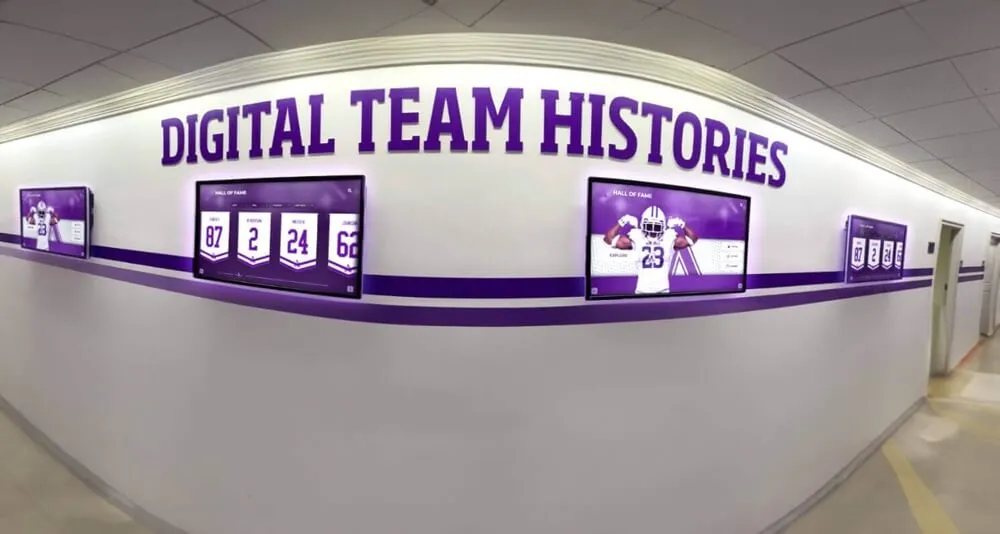
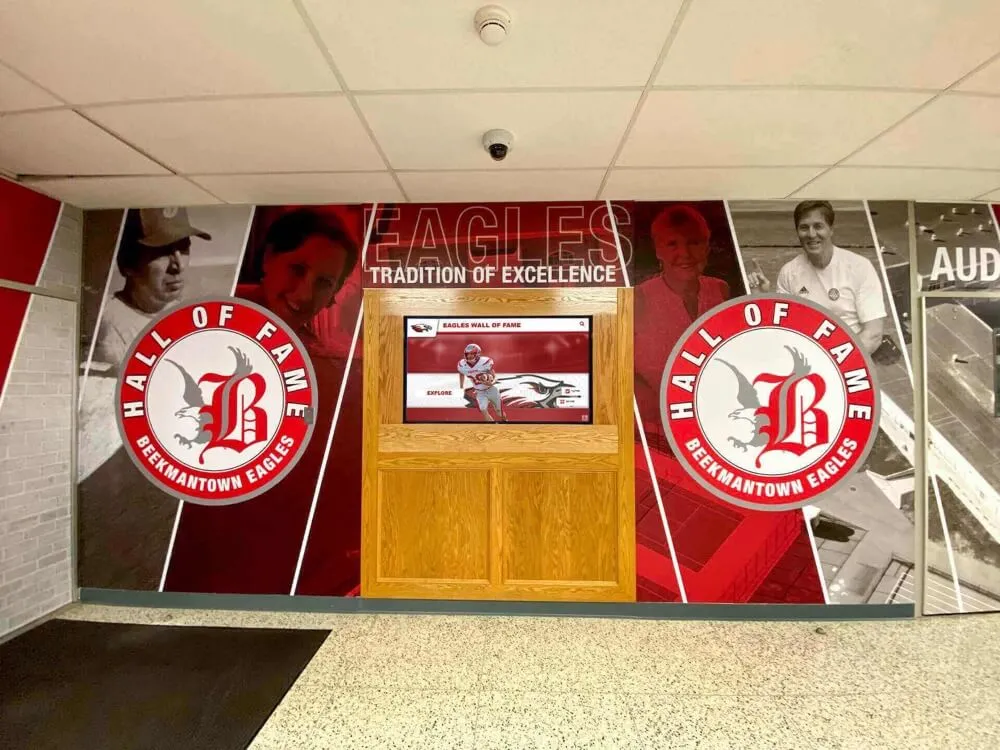
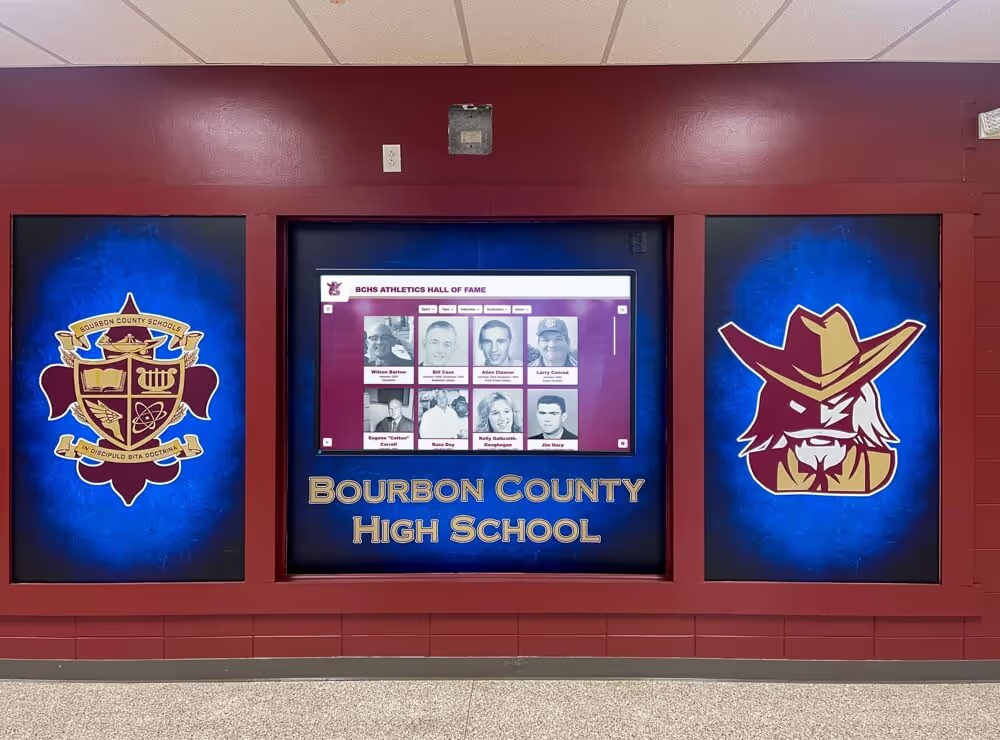
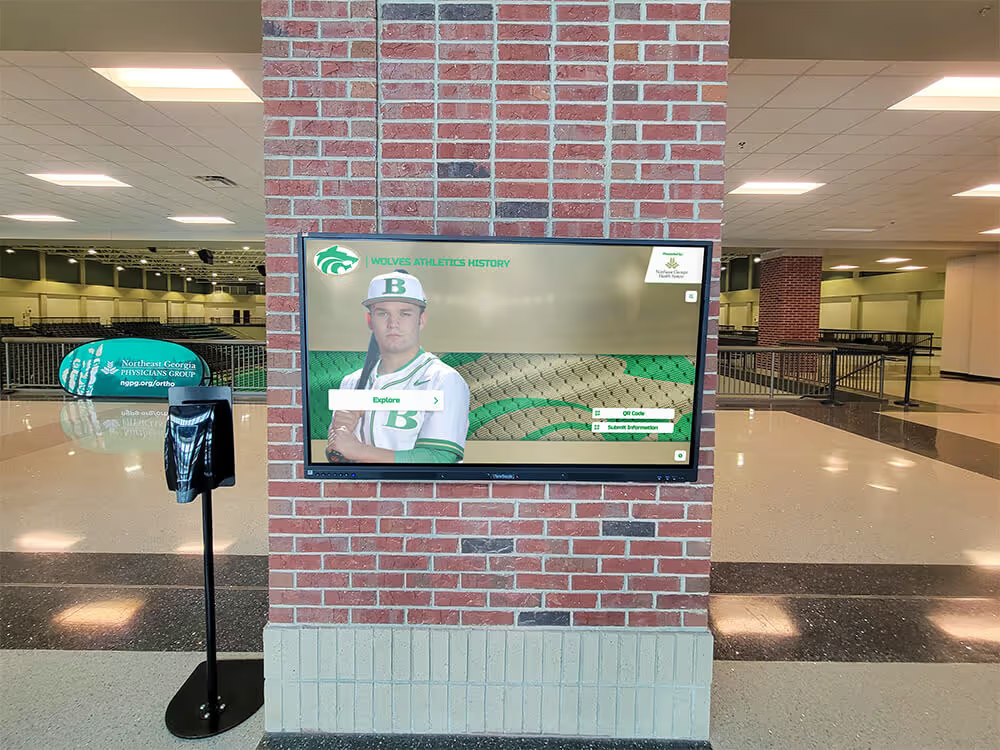
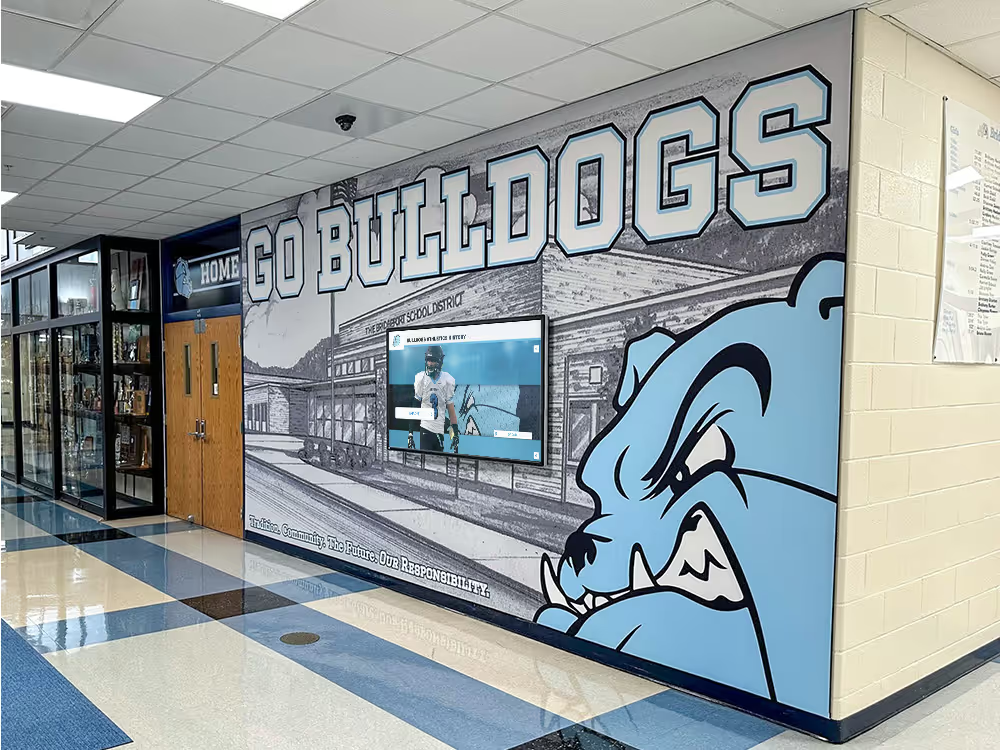
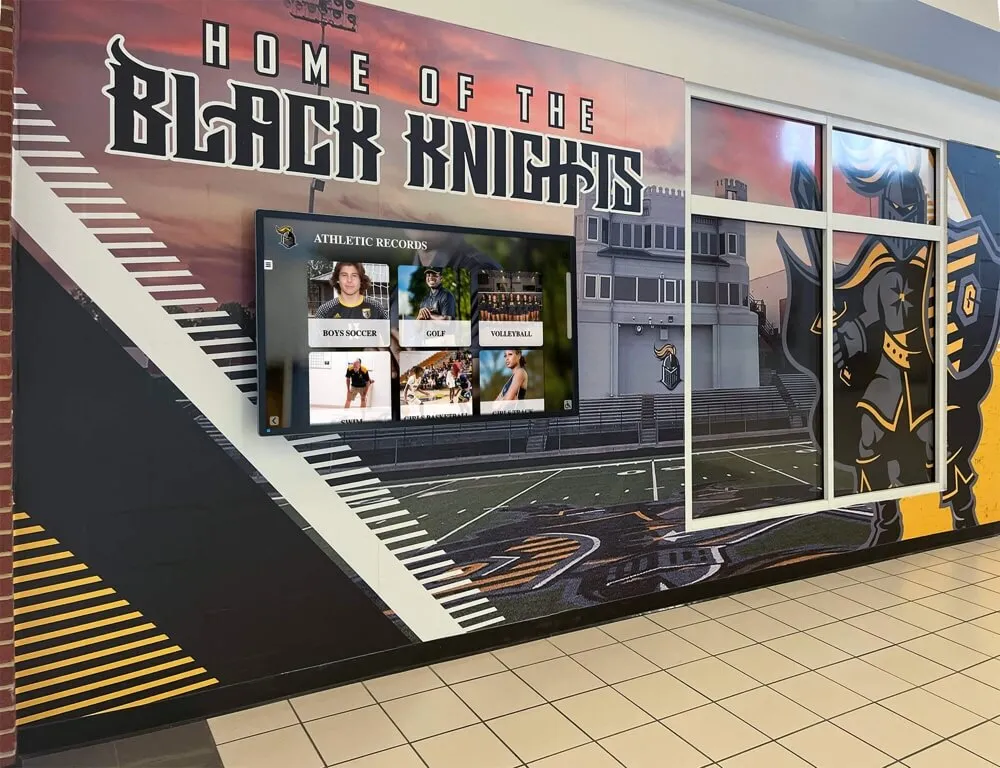
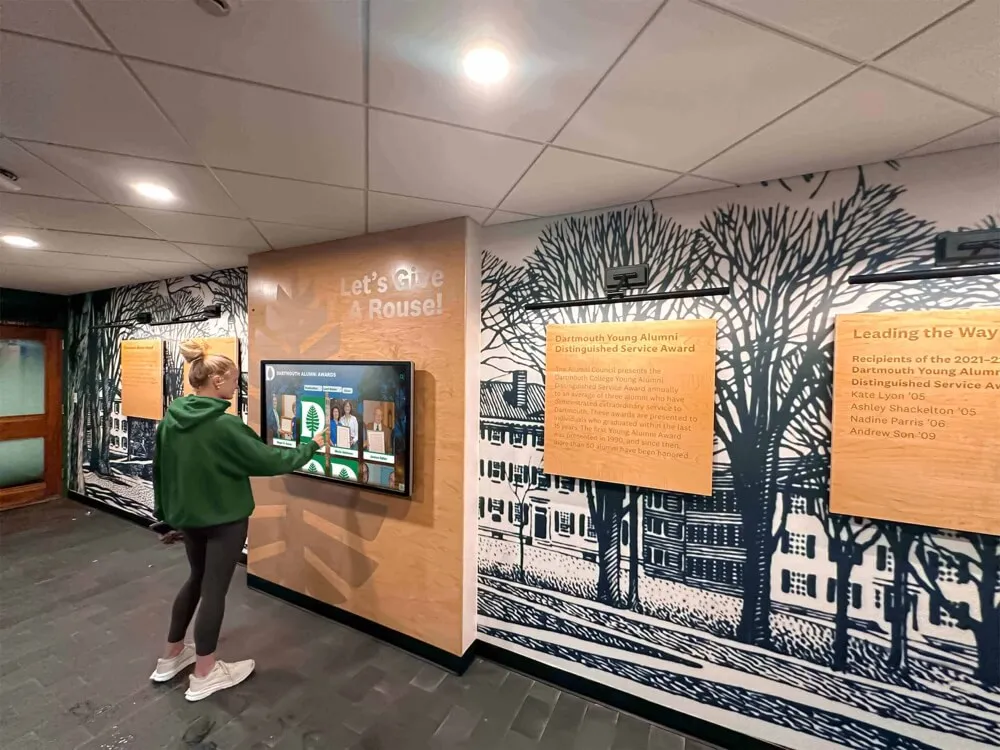
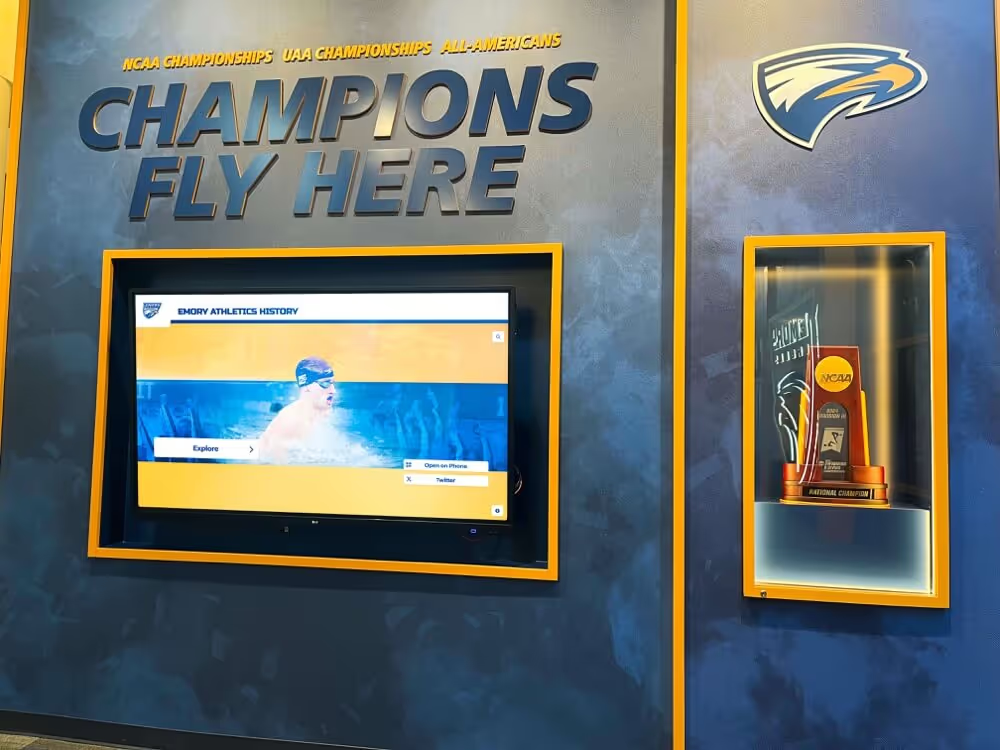
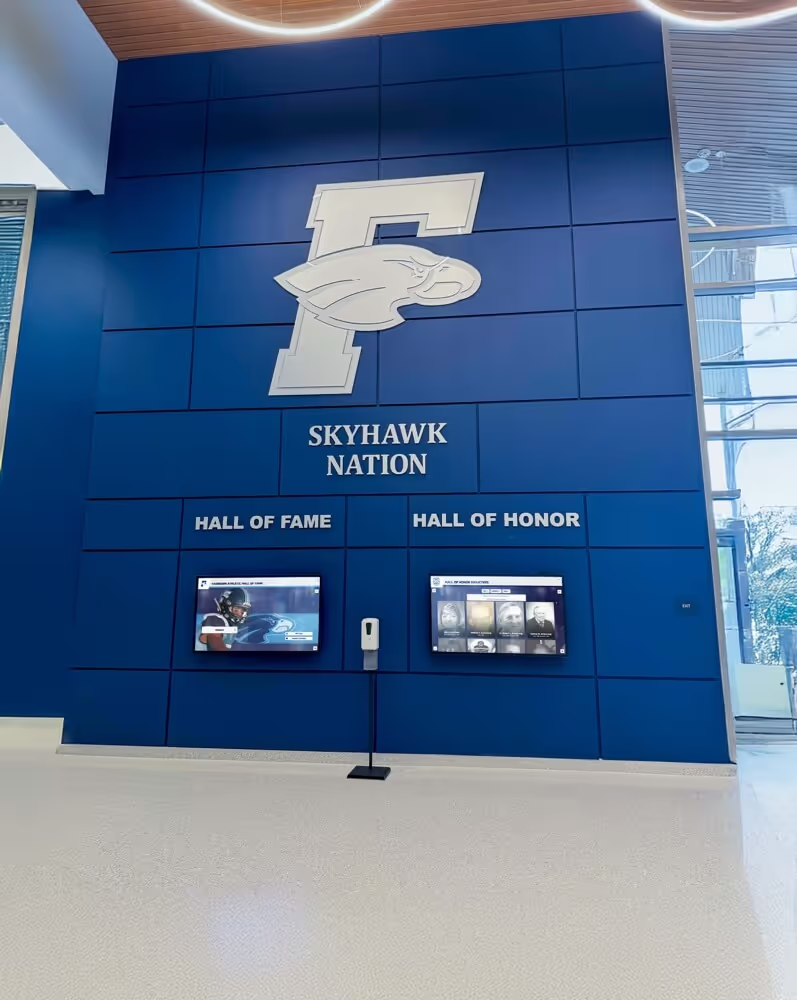
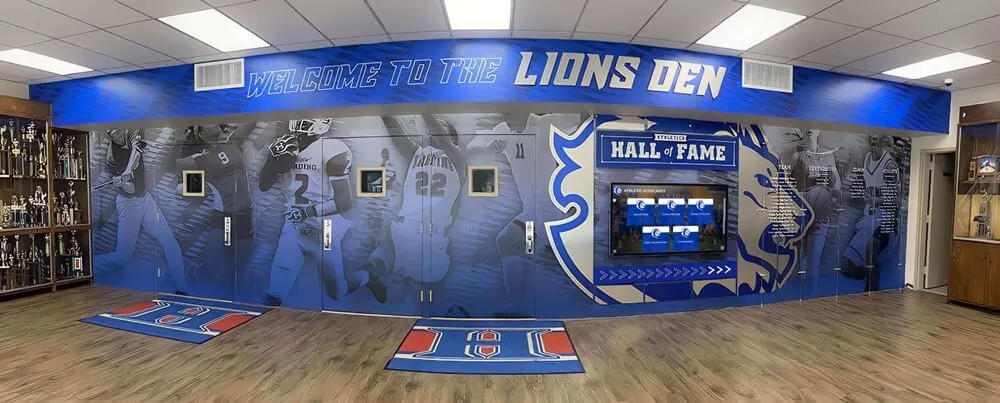
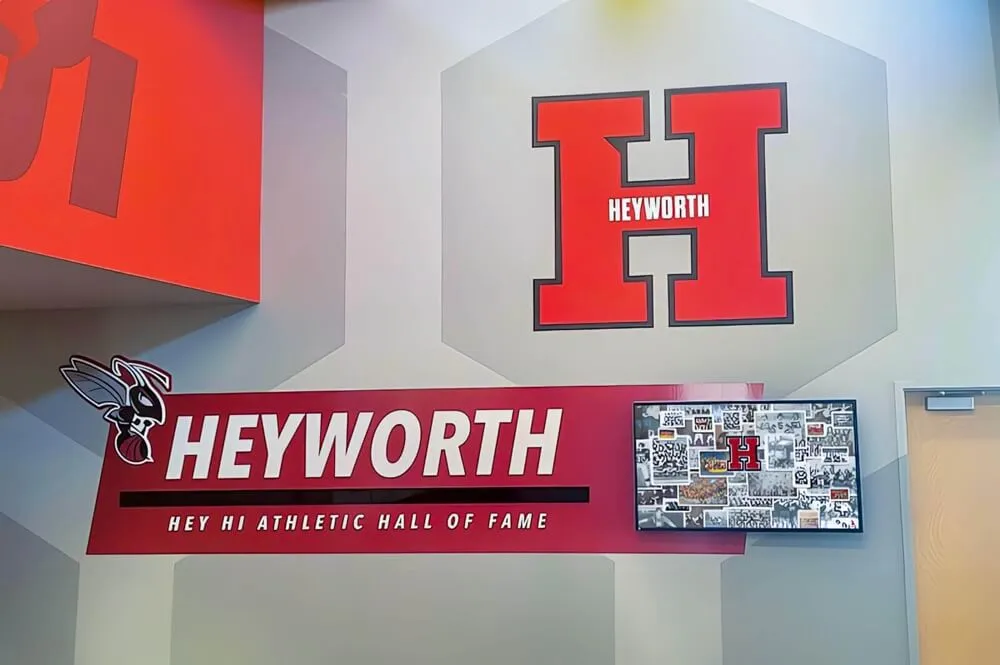
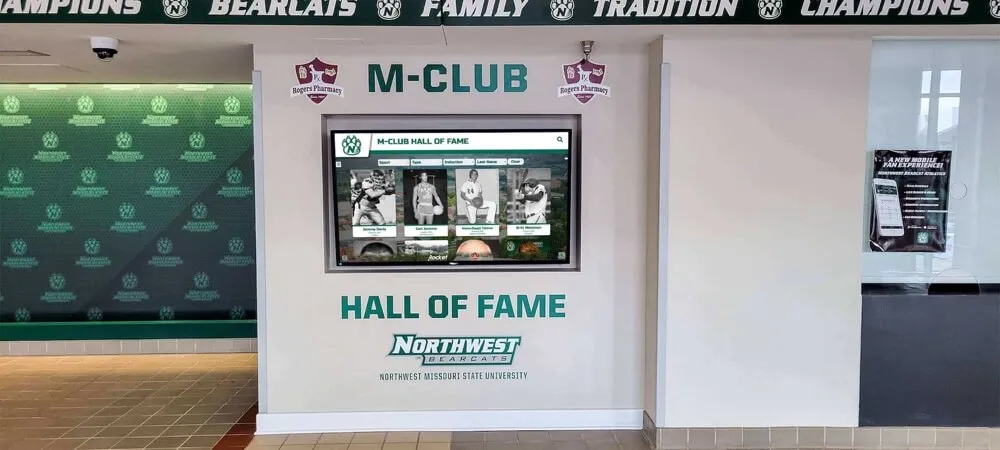
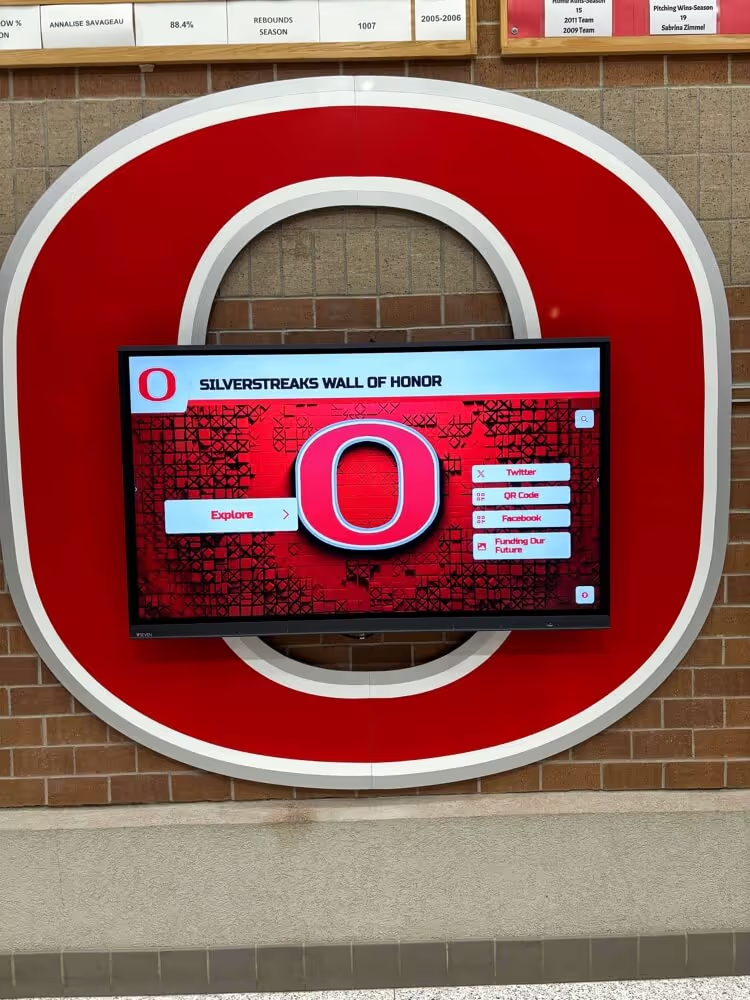
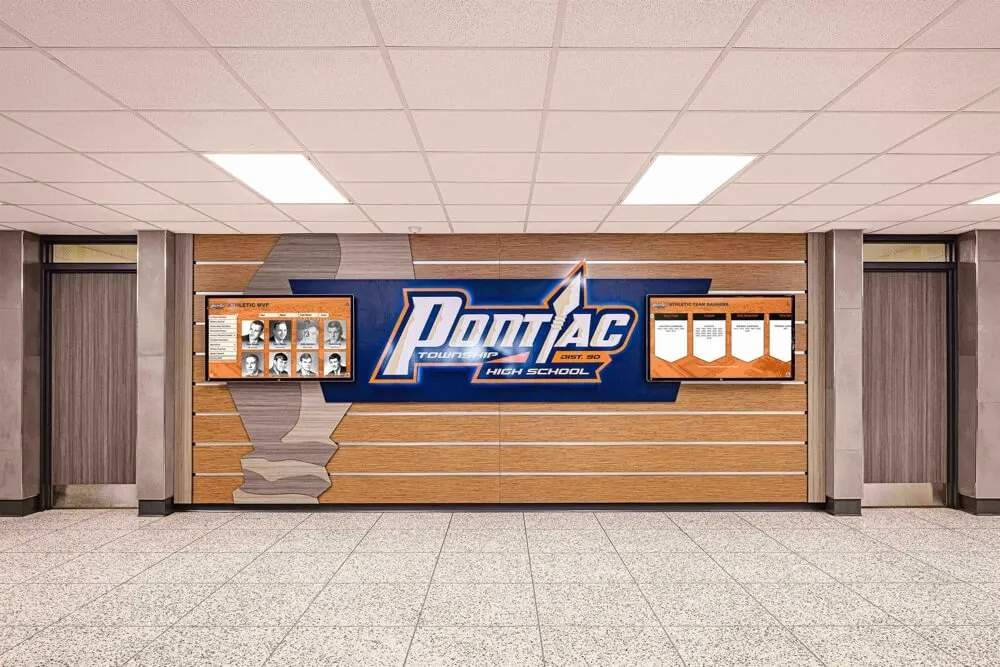
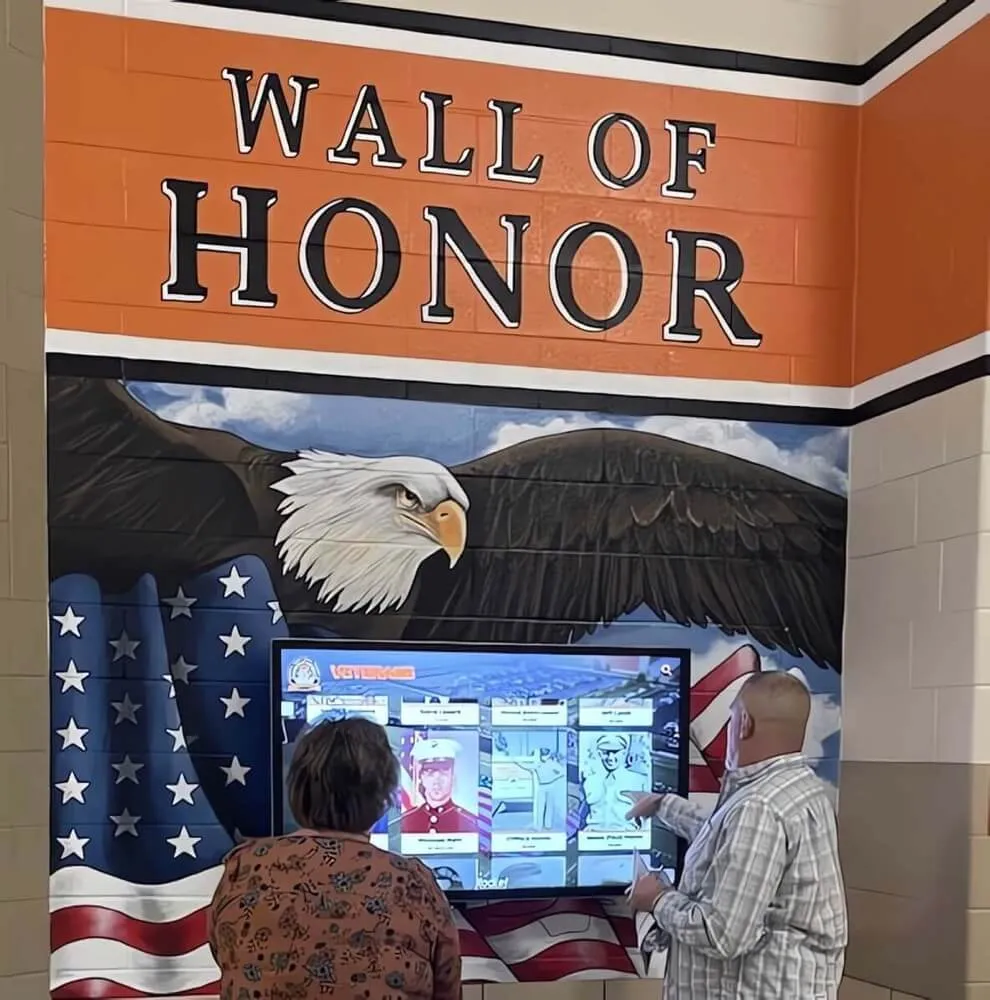
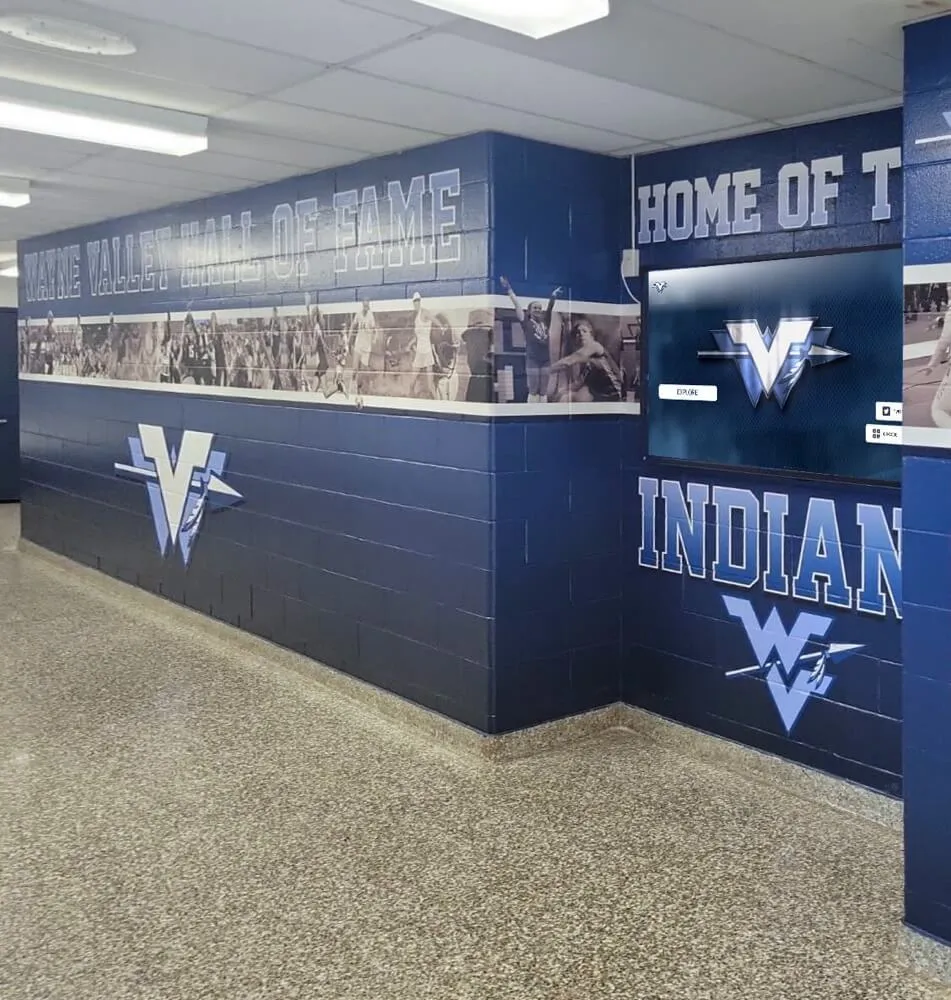
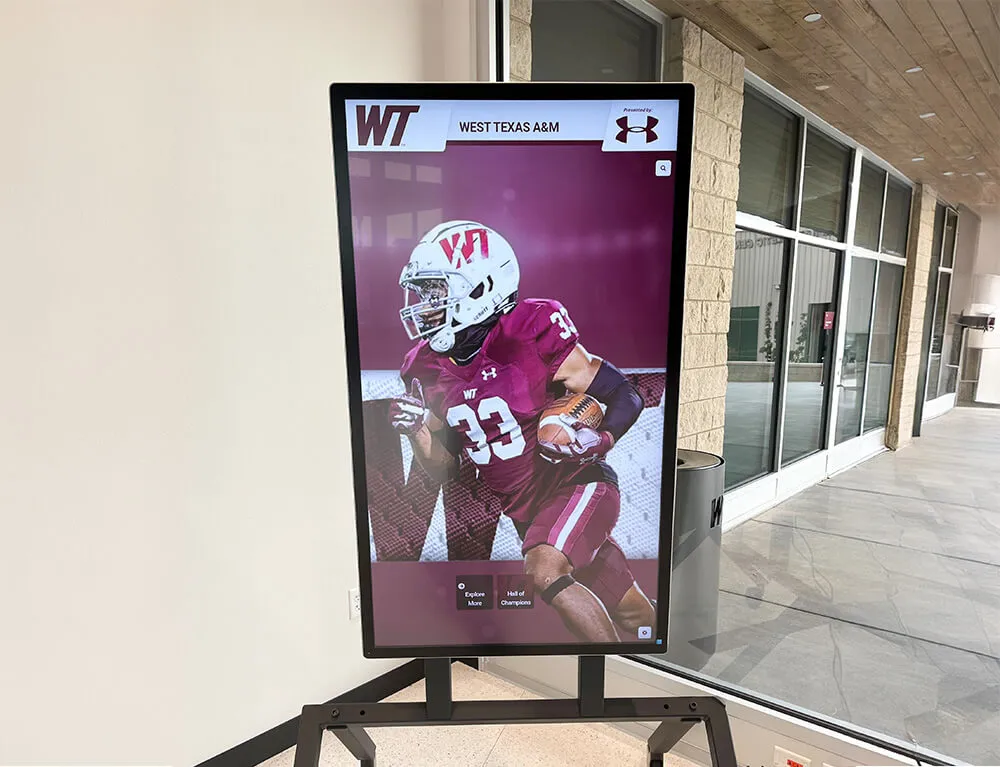
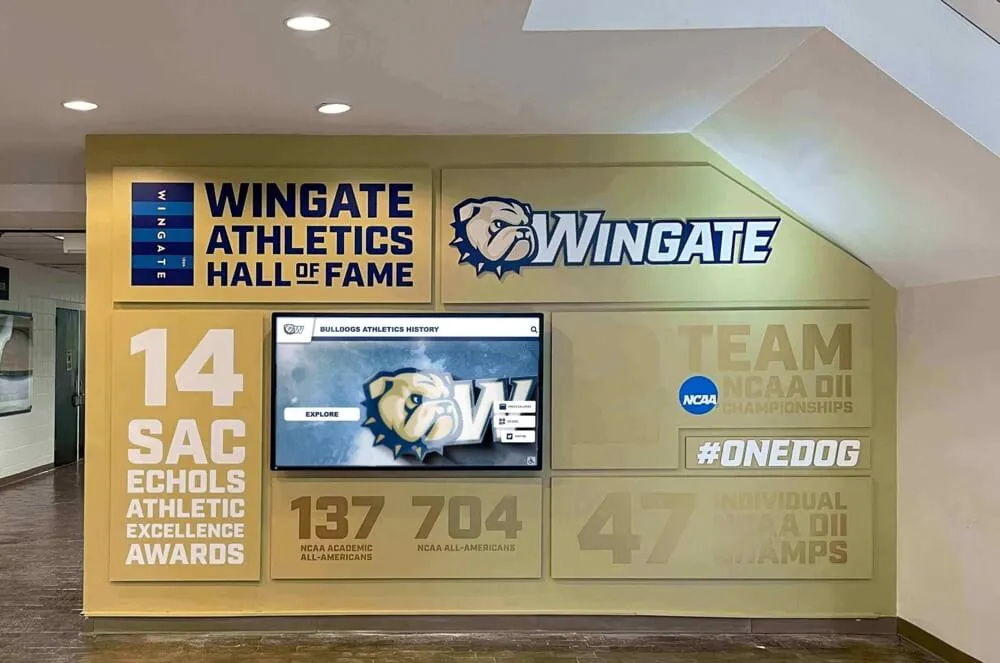
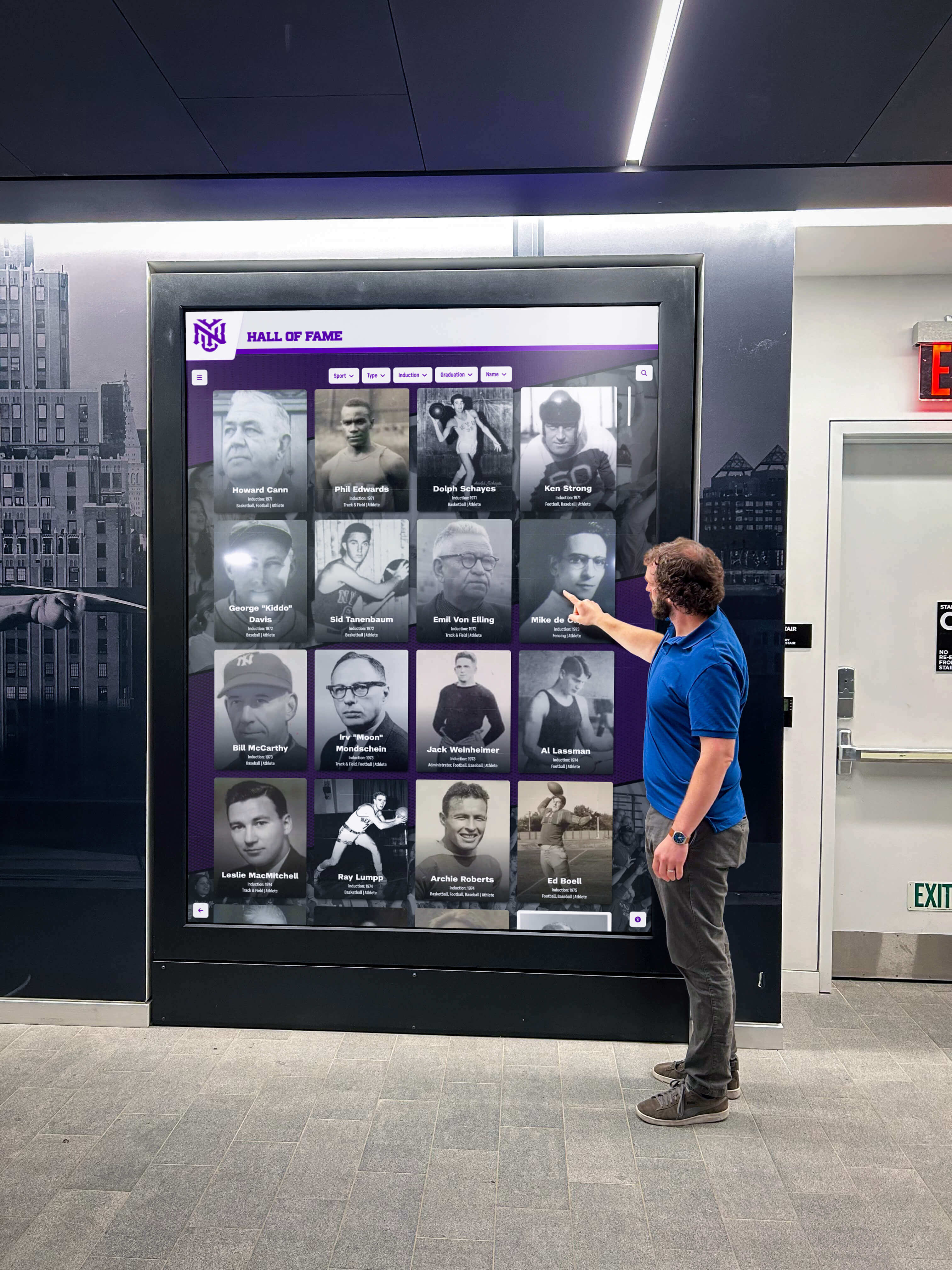
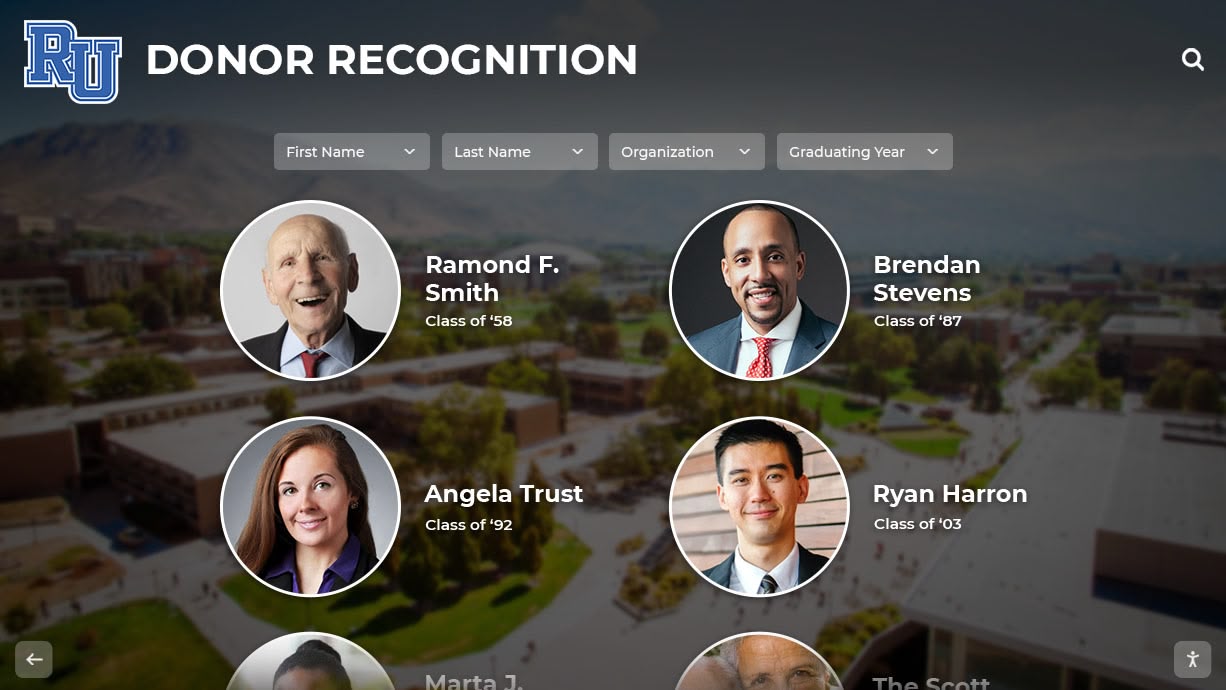
Many schools now implement comprehensive digital recognition systems that systematically document student athletic achievements across years. These systems prove invaluable for student athletes building recruitment materials because they maintain organized, searchable records of your accomplishments.
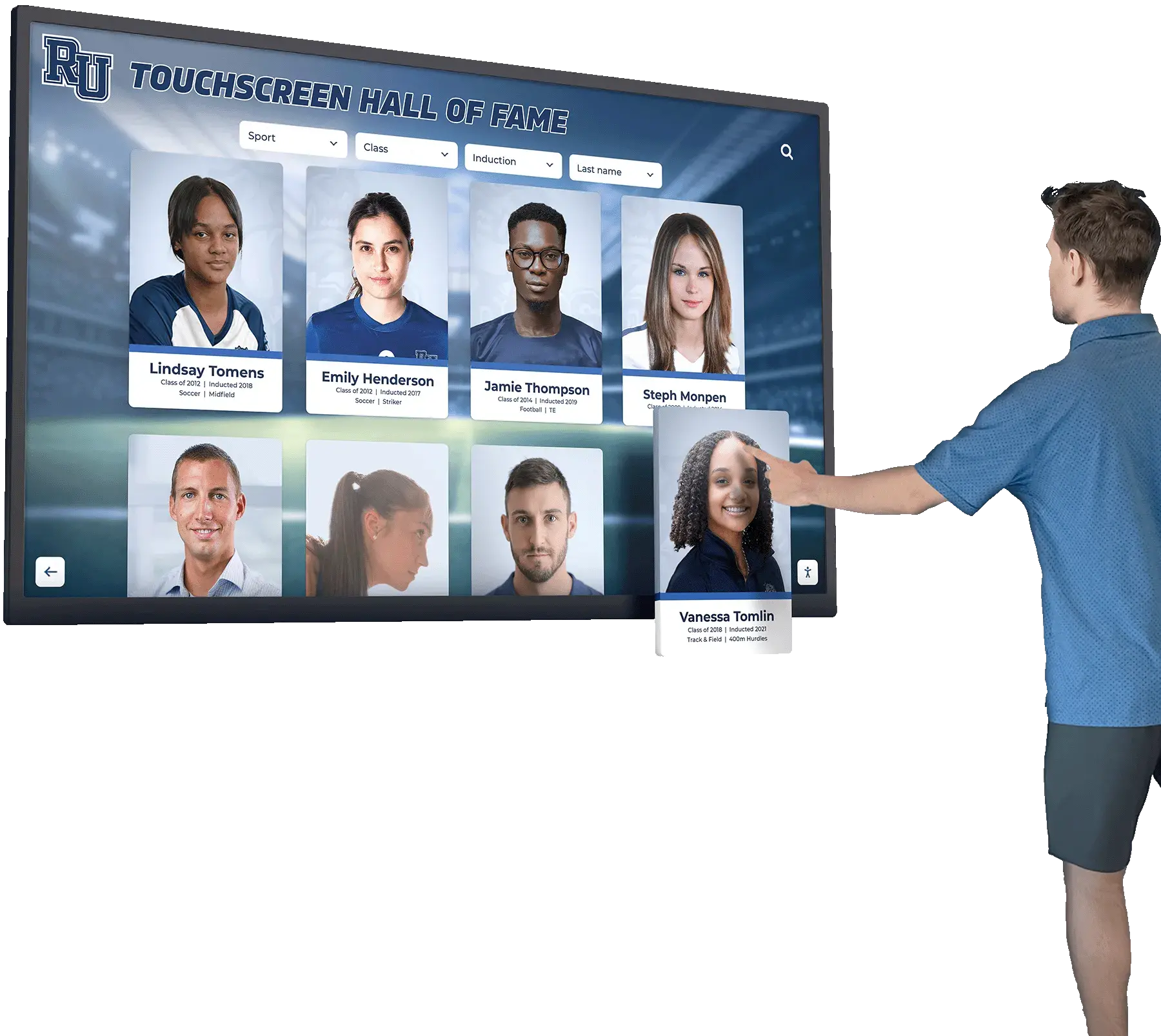

Schools utilizing digital athletic recognition displays and interactive athletic achievement tracking create platforms where students can access their complete athletic histories including statistics, awards, team accomplishments, and recognition earned throughout high school careers.
Advantages of Digital Recognition Systems for Resume Building:
Comprehensive Achievement Archives: Digital systems maintain complete records across multiple years and sports, preventing forgotten accomplishments when compiling resumes years later.
Verified Statistics: School-maintained systems ensure statistical accuracy rather than relying on memory or potentially inaccurate personal records.
Professional Documentation: Accessing your profile through official school systems provides credible, verified documentation you can reference with confidence when presenting qualifications to college coaches.
Visual Content for Recruitment: Many digital recognition platforms include photos, videos, and visual elements complementing written resume content. These assets can be incorporated into comprehensive recruitment profiles.
Easy Updates and Access: Cloud-based recognition systems allow students to access their athletic records anytime when preparing recruitment materials, updating resumes, or responding to coach requests for information.
Solutions like Rocket Alumni Solutions provide schools with comprehensive platforms designed specifically for documenting and displaying student athletic achievements. These systems help schools honor their athletes while simultaneously providing students with organized documentation they need for college recruitment. When your school maintains professional recognition displays and achievement tracking, you benefit from ready access to verified, comprehensive athletic records simplifying resume creation significantly.
Organizing Multiple Sports and Activities
Many high school athletes compete in multiple sports or balance athletics with other significant activities. Strategic organization prevents your resume from becoming cluttered while showcasing well-rounded capabilities.
Primary Sport Focus: If you’re primarily recruiting for one sport, organize your resume to feature that sport prominently. List your primary sport first with most detailed statistics and accomplishments. Secondary sports can be listed more briefly unless achievements in secondary sports strengthen your overall profile significantly.
Multi-Sport Athlete Presentation: If you’re genuinely pursuing recruitment in multiple sports or your multi-sport participation demonstrates valuable versatility, organize sections by sport with comparable detail for each.
Non-Athletic Activities: Include limited information about significant non-athletic activities—student government, performing arts, academic clubs, volunteer work—demonstrating well-rounded character. However, keep focus predominantly athletic unless exceptional non-athletic accomplishments significantly strengthen your profile.
Digital Presence and Supplemental Materials
While your resume serves as core recruitment documentation, effective modern recruitment requires supplemental digital presence enhancing and validating written credentials.
Video Highlights and Game Film
Video content proves essential for athletic recruitment across almost all sports. Coaches want to see you perform, not just read about performances.
Highlight Videos: Create 3-5 minute highlight compilations featuring your best plays, demonstrating key skills, and showcasing athletic capabilities. Quality over quantity—select genuinely impressive clips rather than padding with mediocre content.
Game Film: In addition to highlight reels, many coaches want to evaluate full game film showing how you perform across complete contests, including possessions where you don’t directly touch the ball or make statistics-producing plays.
Video Hosting and Sharing: Upload video content to platforms coaches commonly use—Hudl, YouTube, NCSA, or sport-specific recruiting platforms. Include video links prominently on your resume and in email communications with coaches.
Video Production Quality: While professional production helps, authenticity matters more than Hollywood-quality editing. Clear footage showing you competitively performing proves far more valuable than artistic highlight films obscuring actual athletic capability.
Creating Comprehensive Recruitment Profiles
Beyond single-document resumes, consider creating more comprehensive online recruitment profiles compiling all relevant information in one accessible location:
Recruiting Platform Profiles: Many athletes create profiles on established recruiting platforms—NCSA, BeRecruited, CaptainU, sport-specific services. These platforms facilitate coach searches, provide standardized formats, and offer tools simplifying recruitment management.
Personal Websites or Digital Portfolios: Some athletes create personal recruitment websites hosting resume, video, photos, contact information, and regular updates about athletic progression. Personal sites provide complete control over presentation and can distinguish you from athletes using only generic platforms.
Social Media as Recruitment Tool: Maintain professional social media presence featuring athletic content, training updates, and appropriate personal brand development. Coaches increasingly evaluate prospects through social media to assess character, maturity, and cultural fit beyond athletic capabilities.
Using Your Resume Strategically in Recruitment
Creating an outstanding resume matters little if you don’t effectively deploy it within your recruitment strategy. Strategic resume utilization maximizes impact and generates genuine recruiting interest.
When and How to Share Your Resume
Initial Contact with College Programs: Include your resume when making first contact with college coaches via email. Your introductory email should briefly express interest and immediately direct coaches to your resume for comprehensive qualifications.
Recruiting Communication Responses: When coaches respond to initial outreach requesting more information, provide updated resume prominently in follow-up communications.
Camp and Showcase Registration: Submit your resume when registering for college camps, showcases, or evaluation events. Coaches use submitted resumes to identify prospects they want to observe closely during events.
College Visits: Bring physical copies of your resume when visiting campuses, meeting coaches, or attending campus recruiting days. Having professional printed resumes demonstrates preparation and provides coaches tangible reference materials.
Tournament and Competition Settings: If college coaches will be attending tournaments, competitions, or showcases where you’re competing, ensure they have your resume beforehand. Proactive resume distribution before events where coaches will observe you creates context for their evaluation.
Email Communication Best Practices
Your resume typically accompanies email communication with college programs. Effective email strategies increase likelihood coaches thoroughly review your materials:
Professional Email Addresses: Use appropriate email addresses. Avoid immature, outdated, or inappropriate usernames. Consider creating dedicated email for recruitment separate from personal communication.
Compelling Subject Lines: Subject lines should immediately communicate who you are and why coaches should open your email: “Class of 2026 Point Guard – GPA 3.8 – Recruiting Interest” proves more effective than “Hello” or generic subjects.
Concise Email Body: Keep email messages brief and focused. Coaches receive hundreds of emails—respect their time with concise messages covering essential points: who you are, why you’re interested, what makes you worth evaluating, and call-to-action (review resume, watch video, attend camp).
Resume Attachment Format: Attach resumes as PDF files rather than Word documents. PDFs preserve formatting across different devices and software, ensuring coaches see your resume exactly as you designed it.
Follow-Up Without Harassment: Send polite follow-up emails if coaches don’t respond within reasonable timeframes (2-3 weeks). However, avoid excessive follow-ups feeling like harassment. If coaches aren’t responding after 2-3 professional attempts, they may not have current interest or roster needs matching your profile.
Updating Your Resume Regularly
Your resume should be living document regularly updated as you gain experience, achieve recognition, and progress athletically and academically.
Seasonal Updates: Update your resume after each athletic season concludes, adding new statistics, accomplishments, and recognition earned during that season.
Academic Progress Updates: Update GPA and test scores as they improve. Current academic information proves critical for coaches assessing eligibility.
Achievement Addition: Add significant individual achievements, team accomplishments, or recognition immediately rather than waiting for comprehensive updates.
Format Refinement: As you gain experience creating recruitment materials, refine formatting, organization, and presentation continuously improving professional quality.
Version Control: Maintain version history ensuring you can revert to previous resume versions if needed and track how your qualifications evolve over time.
Common Resume Mistakes to Avoid
Even motivated student athletes make predictable mistakes when creating athletic resumes. Awareness of common pitfalls helps you avoid errors undermining otherwise strong qualifications.
Formatting and Presentation Errors
Spelling and Grammar Mistakes: Nothing damages professional impression faster than obvious spelling errors or grammatical mistakes. Proofread thoroughly and have others review your resume before distribution.
Inconsistent Formatting: Using different fonts, spacing, or organizational approaches within single resumes appears careless and unprofessional.
Visual Clutter: Excessive colors, graphics, logos, or design elements distract from content and reduce professional appearance. Simple, clean presentation works best.
Length Extremes: Resumes either too brief (failing to communicate accomplishments sufficiently) or excessively long (disrespecting coach time) both hurt effectiveness. One page is ideal; two pages maximum only when genuinely justified.
Poor File Naming: Saving resumes as generic names like “Resume.pdf” or “Athlete.pdf” rather than “FirstnameLastname_SportResume.pdf” makes organization difficult for coaches managing hundreds of prospect files.
Content and Accuracy Issues
Exaggerated or False Information: Inflating statistics, claiming unearned honors, or misrepresenting capabilities destroys credibility immediately when coaches verify information. Honest, accurate representation matters more than artificially enhanced qualifications.
Missing Essential Information: Omitting critical details like graduation year, contact information, or primary position makes resumes less useful regardless of how impressive included information may be.
Irrelevant Information: Including excessive personal interests, unrelated activities, or information that doesn’t strengthen your profile as athletic recruit clutters resumes without adding value.
Outdated Information: Submitting resumes containing old statistics, previous contact information, or superseded qualifications suggests lack of attention to detail and current engagement with recruitment process.
Unclear Competition Level: Failing to provide context helping coaches understand competitive level—conference strength, club division, tournament prestige—makes evaluating your accomplishments difficult.
Strategic and Positioning Mistakes
Generic, Unfocused Resumes: Sending identical generic resumes to all programs rather than customizing content emphasizing fit with specific programs and positions misses opportunities to demonstrate genuine interest.
Underselling Academic Credentials: Student athletes sometimes emphasize athletics exclusively while minimizing strong academic qualifications. Remember that academic eligibility matters fundamentally, and strong academics significantly strengthen recruitment prospects.
Overemphasizing Participation Over Achievement: Listing teams participated on without demonstrating actual accomplishment, recognition, or impact suggests participation without meaningful contribution. Focus on what you achieved, not just where you showed up.
Neglecting Leadership and Character: Resumes focusing exclusively on statistics without addressing leadership, character, or qualities beyond athletic performance miss opportunities to present yourself as complete recruit coaches want on their teams.
Conclusion: Building Your Athletic Recruitment Foundation
Creating an effective student athlete resume represents fundamental groundwork for successful college athletic recruitment. Your resume serves as professional introduction, comprehensive qualification documentation, and evidence you’re serious about pursuing college athletics. While no resume alone guarantees recruitment success, poorly constructed resumes definitely eliminate prospects from consideration who might otherwise attract coach interest with proper presentation.
Effective student athlete resumes share common characteristics regardless of sport or competitive level:
- Clear, accurate contact information and essential demographics
- Honest, verifiable physical measurements and athletic specifications
- Comprehensive academic credentials demonstrating eligibility
- Detailed athletic experience with relevant statistics and achievements
- Documented individual and team accomplishments providing objective validation
- Leadership roles and character qualities presenting well-rounded profile
- Professional formatting, organization, and presentation quality
- Regular updates maintaining currency and accuracy
- Strategic deployment within comprehensive recruitment communication
The most successful student athletes approach resume creation not as one-time task but as ongoing documentation process throughout high school athletic careers. Starting early, maintaining organized achievement records, leveraging school recognition systems, and systematically updating recruitment materials positions you to present strongest possible qualifications when college recruitment opportunities emerge.
Modern solutions like Rocket Alumni Solutions help schools systematically recognize and document student athletic achievements through comprehensive digital displays, creating organized records students can access when building recruitment materials. When schools invest in professional athletic recognition systems, student athletes benefit directly through ready access to verified, comprehensive documentation of their accomplishments—making resume creation significantly easier while ensuring no achievements are forgotten.
Your high school athletic career represents years of dedication, competition, growth, and achievement. An effective student athlete resume ensures those accomplishments receive proper presentation when opportunities to continue competing at collegiate level emerge. Whether you’re beginning athletic career documentation or refining existing recruitment materials, investing time in creating professional, comprehensive athletic resumes pays dividends throughout recruitment process and potentially opens doors to college athletic opportunities you’ve worked years to pursue.
Ready to document your athletic achievements effectively? Whether you’re a student athlete building recruitment materials or a school looking to help your athletes succeed in college recruitment, comprehensive recognition and documentation systems make the difference. Your achievements deserve professional presentation that captures attention of college coaches evaluating prospects—make sure your resume does justice to years of hard work, dedication, and competitive excellence you’ve invested in your athletic career.