



Key Takeaways
Discover 15 innovative ways to recognize and celebrate student athletes at your school. From digital displays to creative ceremonies, learn how to honor athletic achievement and build lasting school pride.
The challenge schools face isn’t whether to recognize student athletes—it’s how to do so in meaningful, sustainable, and equitable ways. This comprehensive guide presents 15 creative recognition strategies that honor athletic achievement across all sports while building school pride and strengthening athletic program culture. From cutting-edge digital solutions to time-tested traditional approaches, these methods help schools create recognition systems that celebrate every student athlete appropriately.
Understanding the Impact of Student Athlete Recognition
Before exploring specific recognition methods, understanding why recognition matters helps schools prioritize resources and design programs that deliver maximum impact.
The Student Athlete Experience
Student athletes navigate demanding schedules that most students never experience. Morning weightlifting sessions at 6 AM, afternoon practices extending past dinner time, weekend tournaments requiring hours of travel, and competitive seasons spanning months—all while maintaining grade point averages, completing homework, and managing social relationships.
This commitment requires recognition that acknowledges the full scope of sacrifice and dedication. A brief announcement during morning homeroom or name buried on a season roster feels insufficient compared to the thousands of hours athletes invest. Meaningful recognition validates these commitments while demonstrating that schools value athletic participation as a critical component of student development.
Building School Pride and Athletic Culture
Recognition creates powerful ripple effects extending beyond individual athletes. When schools celebrate athletic achievement visibly, they strengthen school identity and build pride across entire student bodies. Younger students watching senior night celebrations begin envisioning their own future athletic contributions, creating aspirational pathways that sustain programs across generations.
Strong recognition programs also attract talented athletes to schools and keep current athletes engaged through challenging seasons. When athletes see that their schools genuinely celebrate athletic achievement—not just championships but effort, improvement, and contribution—they develop deeper connections to programs and institutions. This cultural foundation transforms athletic programs from activities students participate in to communities they belong to.
Digital Recognition Displays: Modern Solutions for Unlimited Recognition
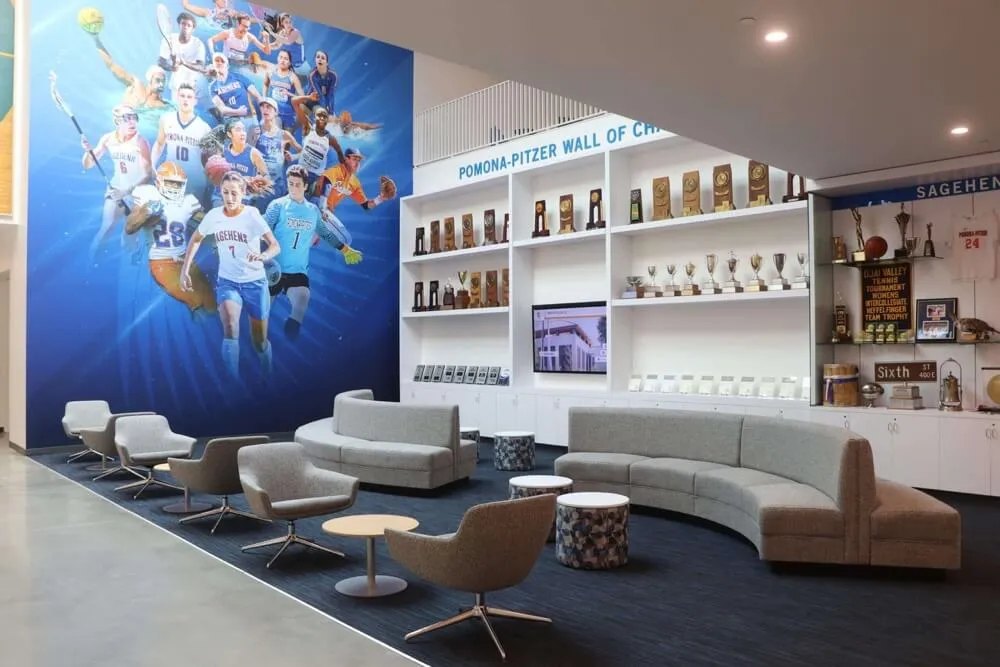
Traditional trophy cases and wall plaques served schools well for decades, but physical space limitations force difficult decisions about which achievements deserve recognition. Digital recognition systems eliminate these constraints while adding capabilities impossible with static displays.
1. Interactive Touchscreen Walls of Fame
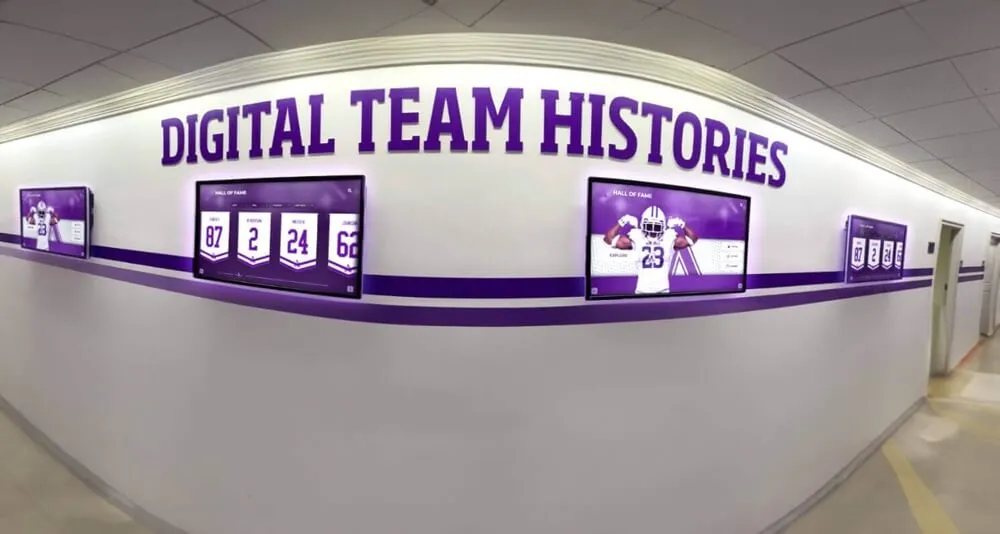
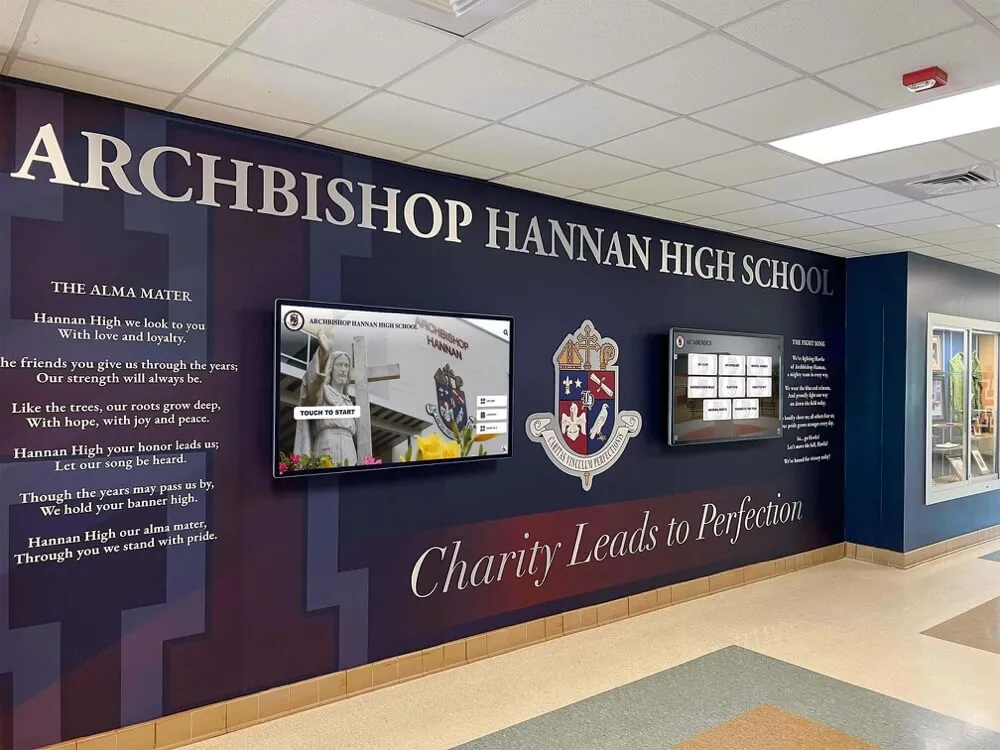
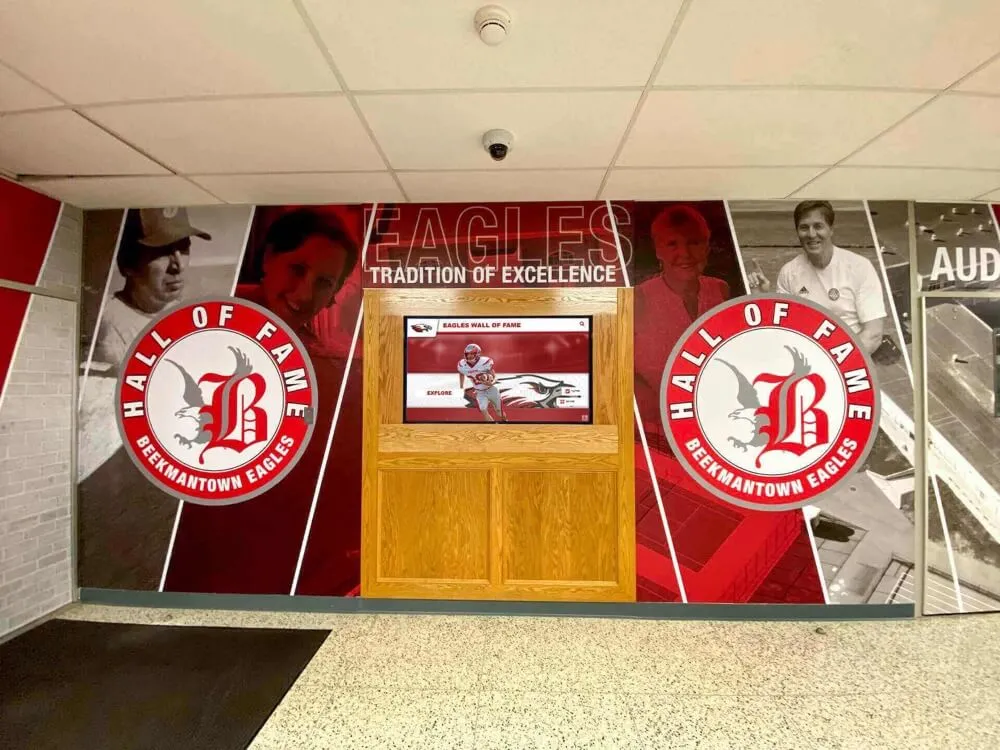
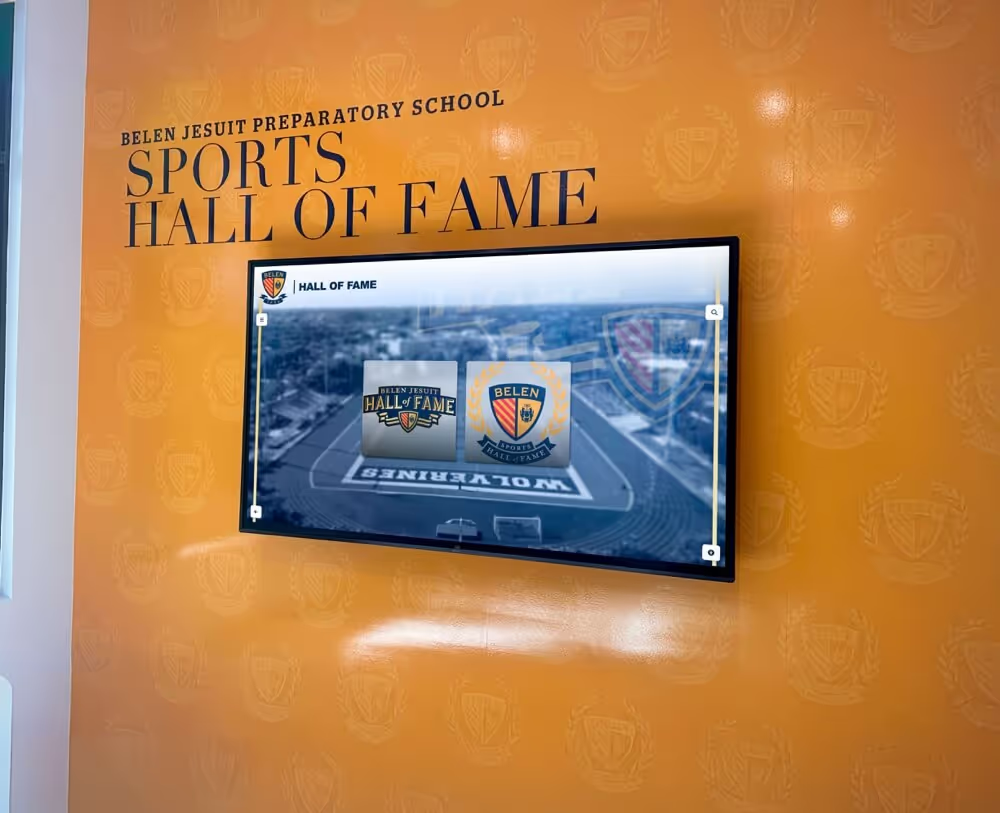
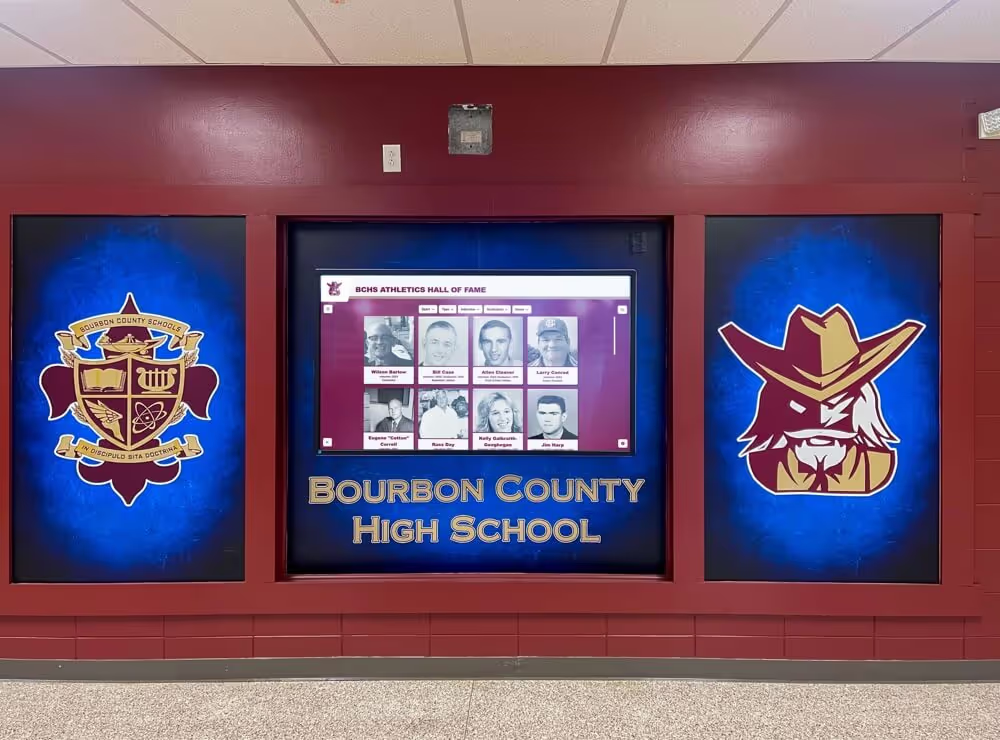
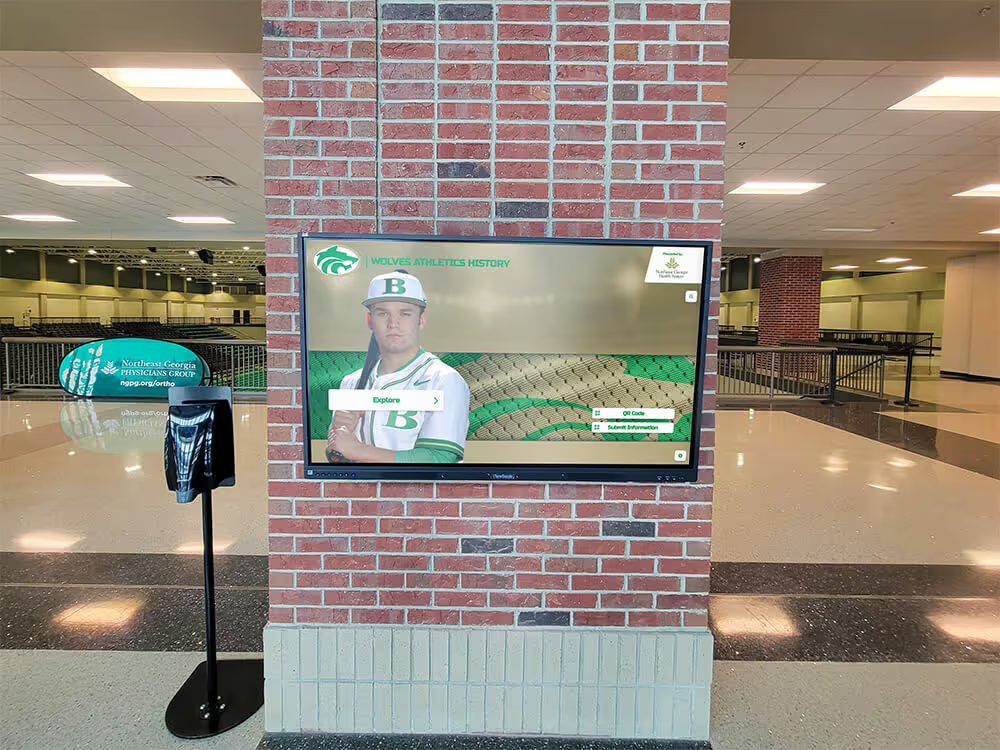
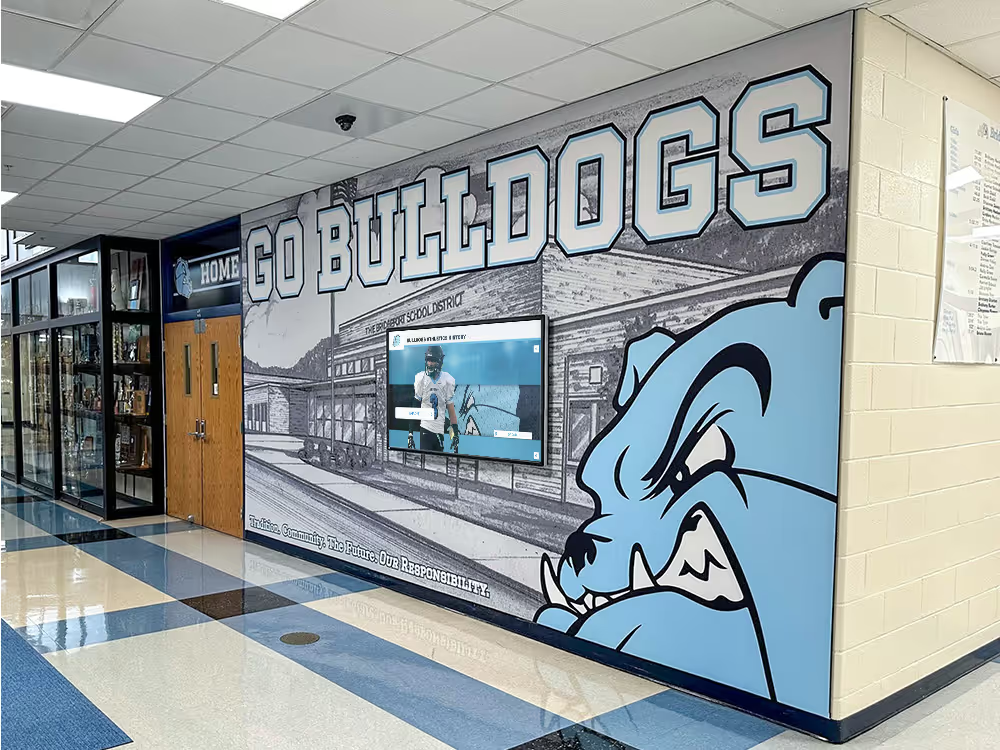
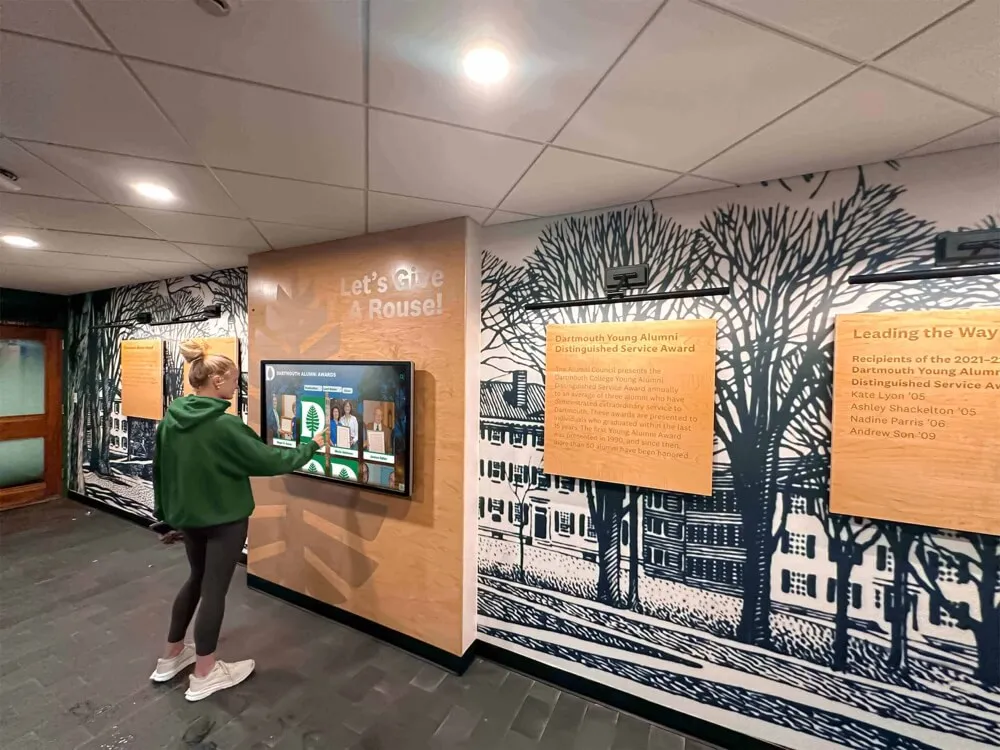
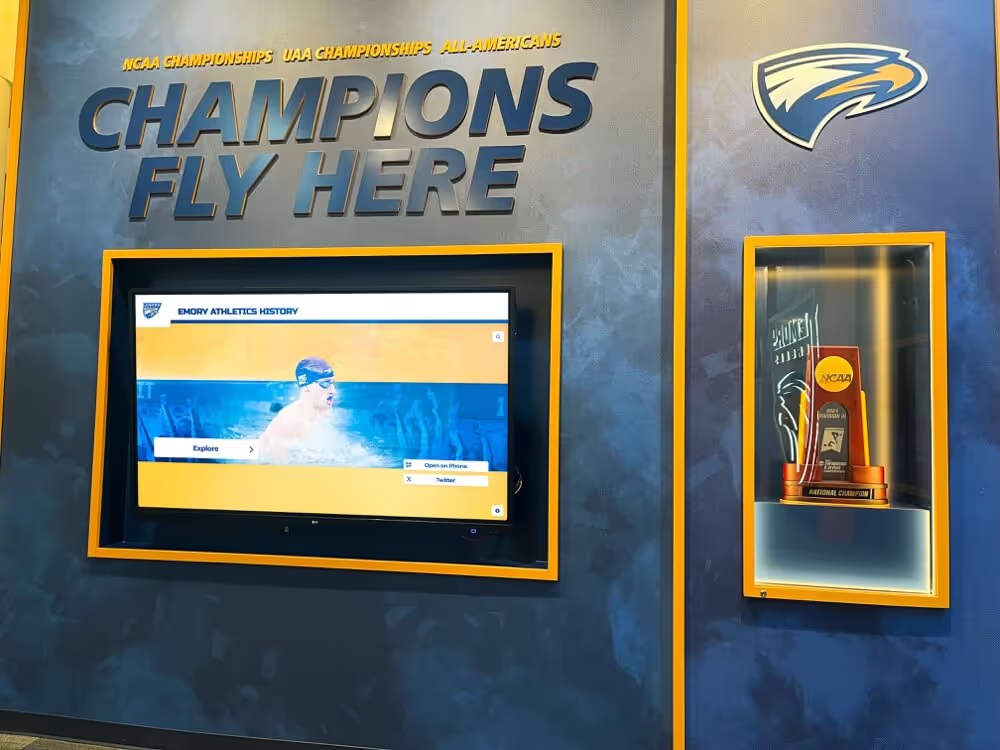
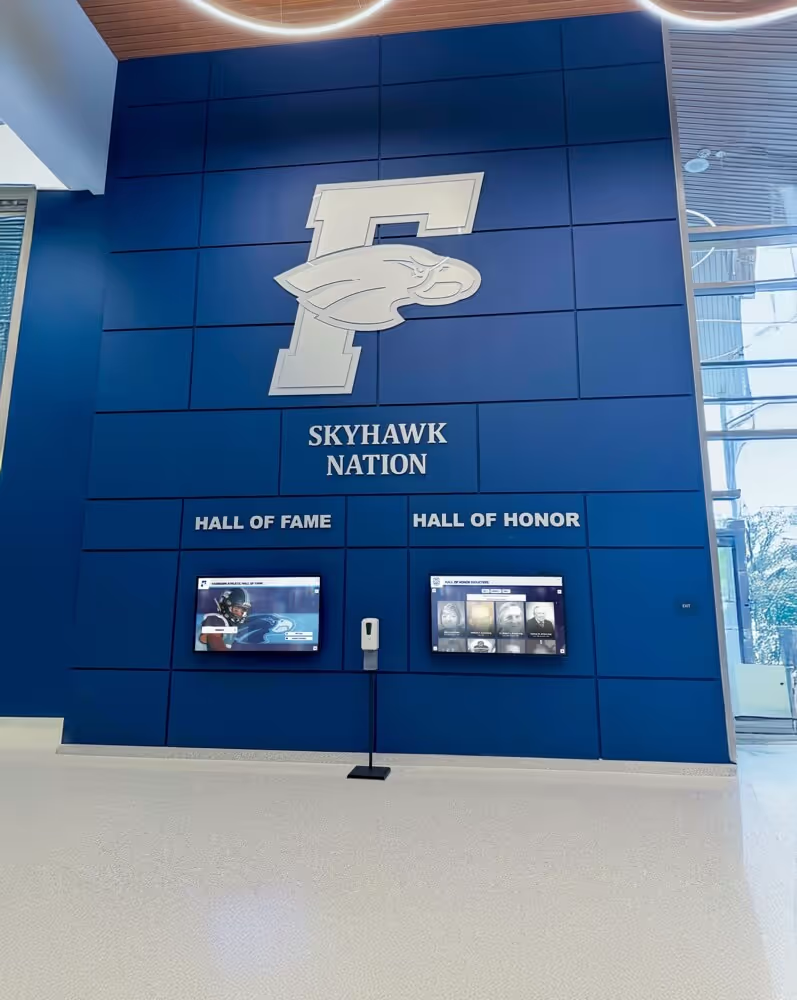
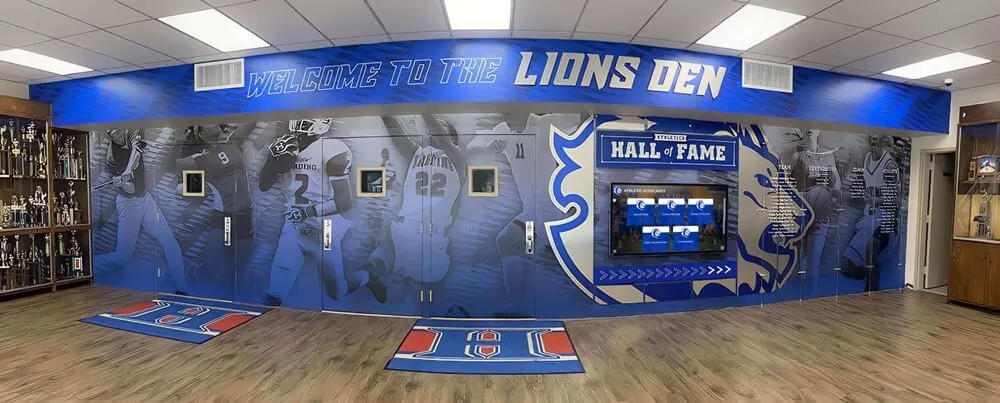
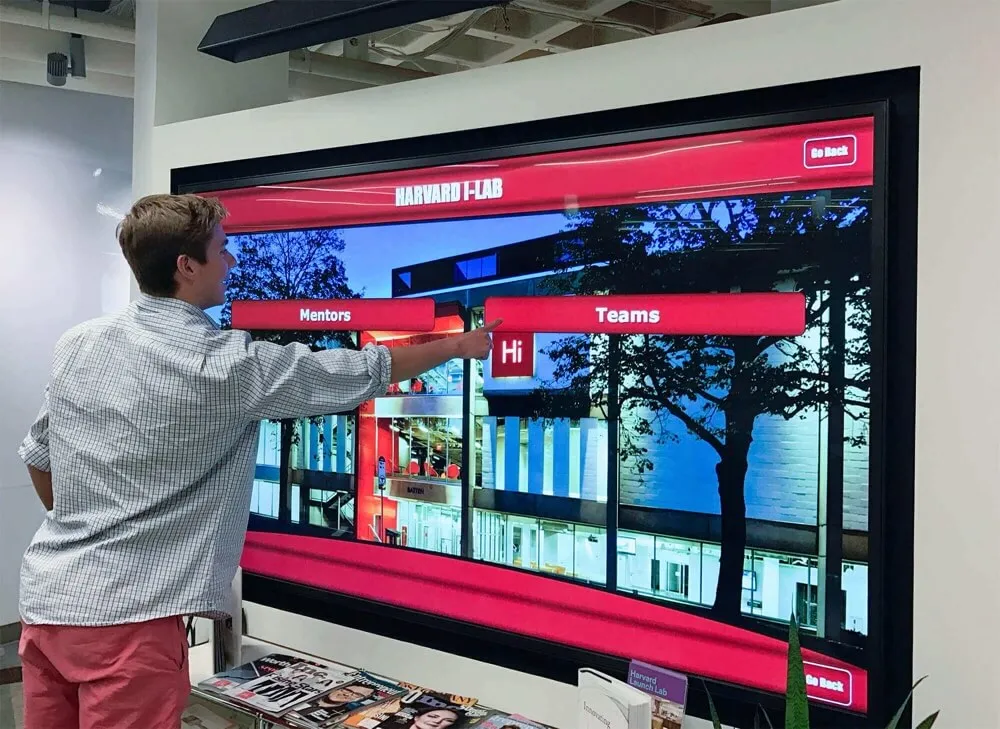
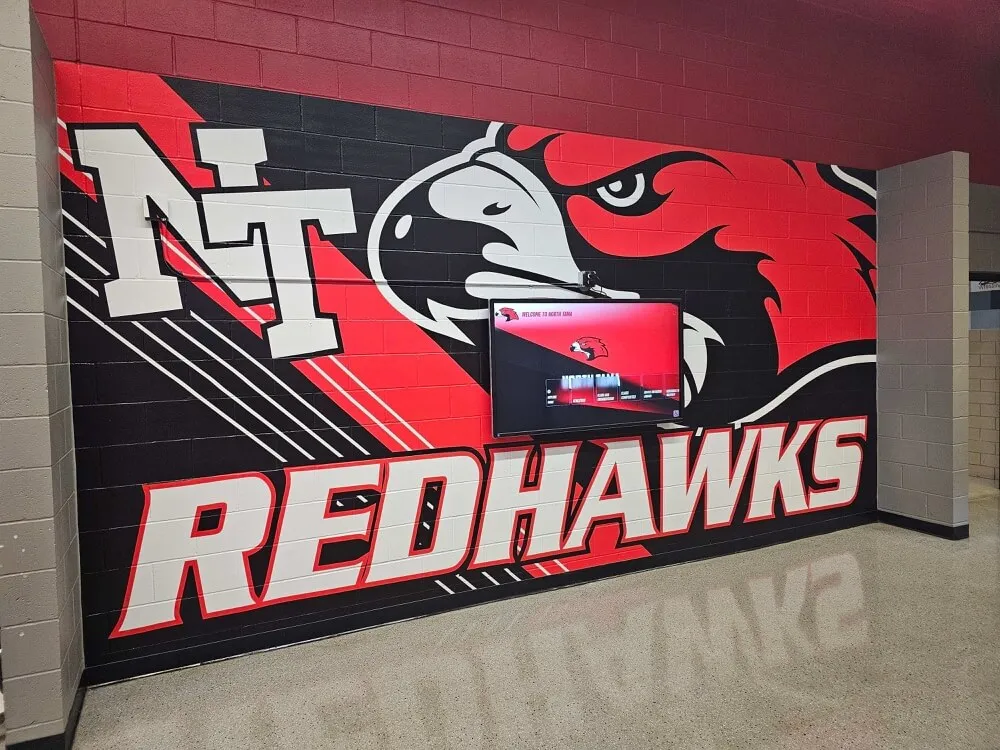
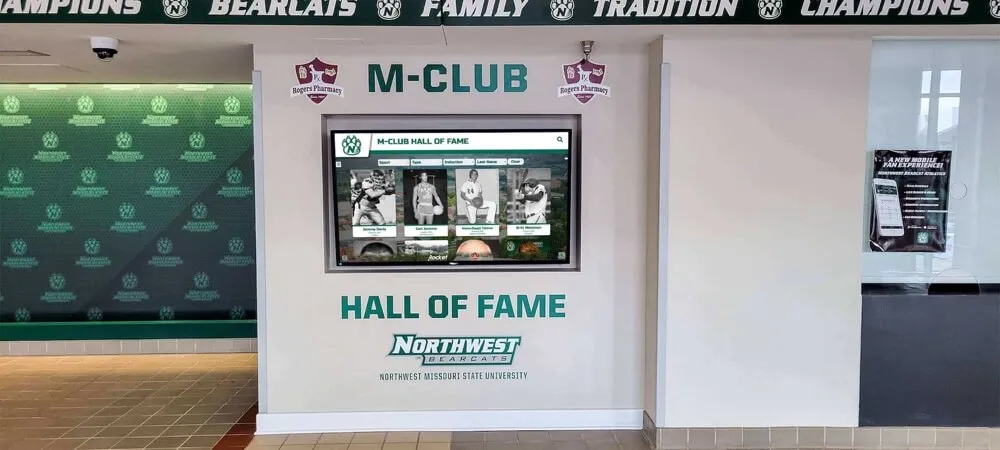
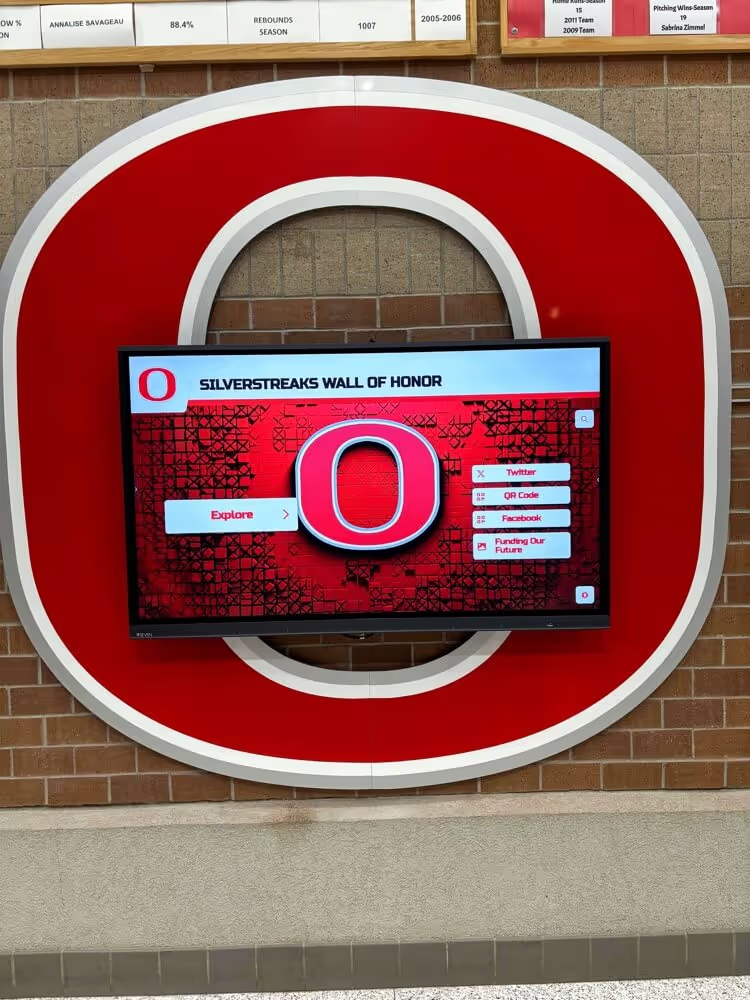
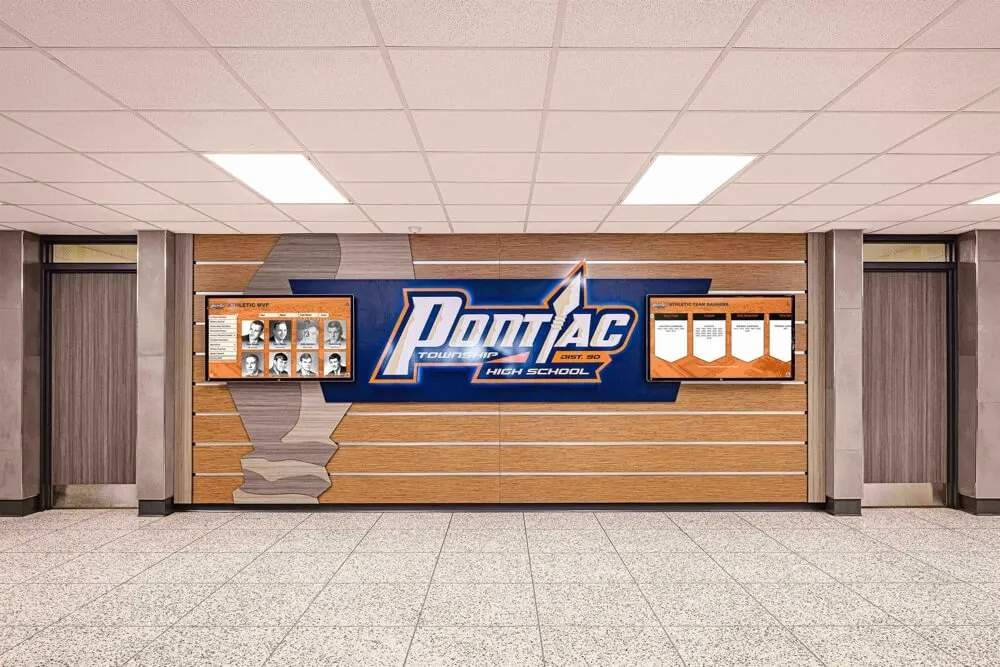
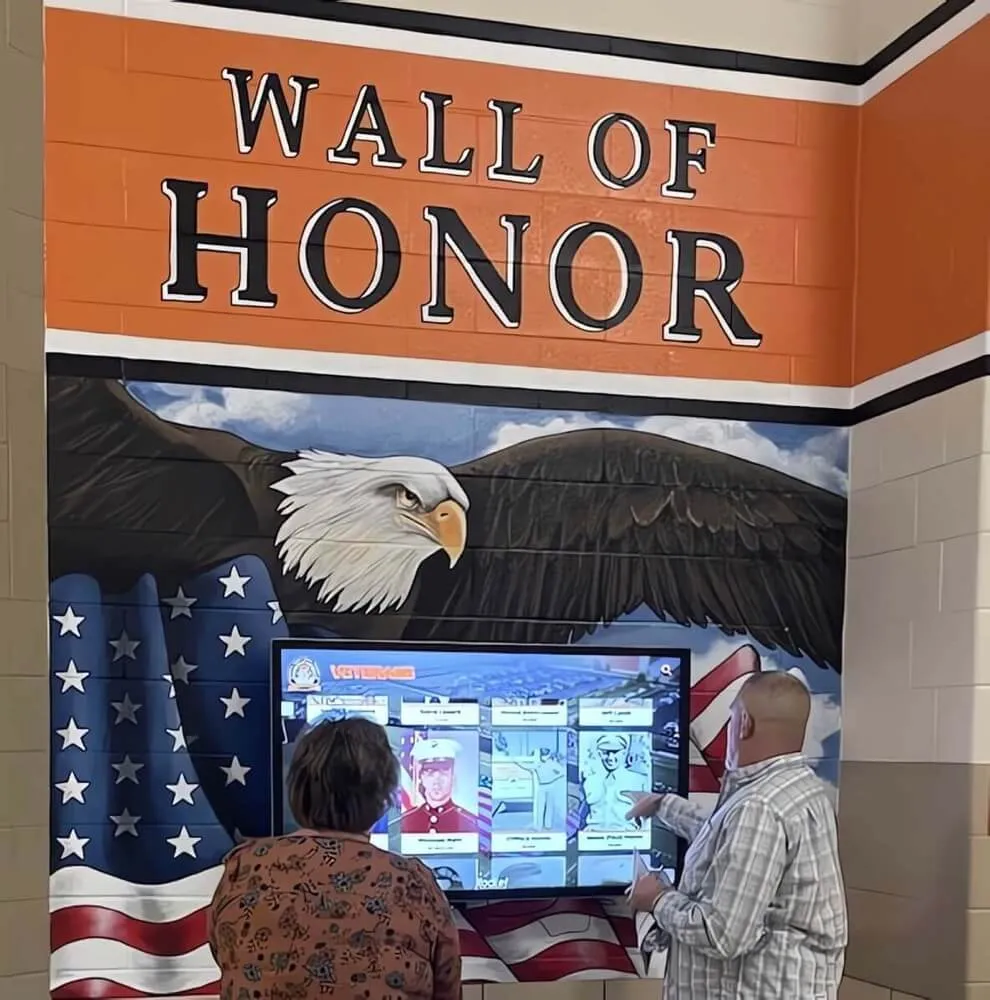
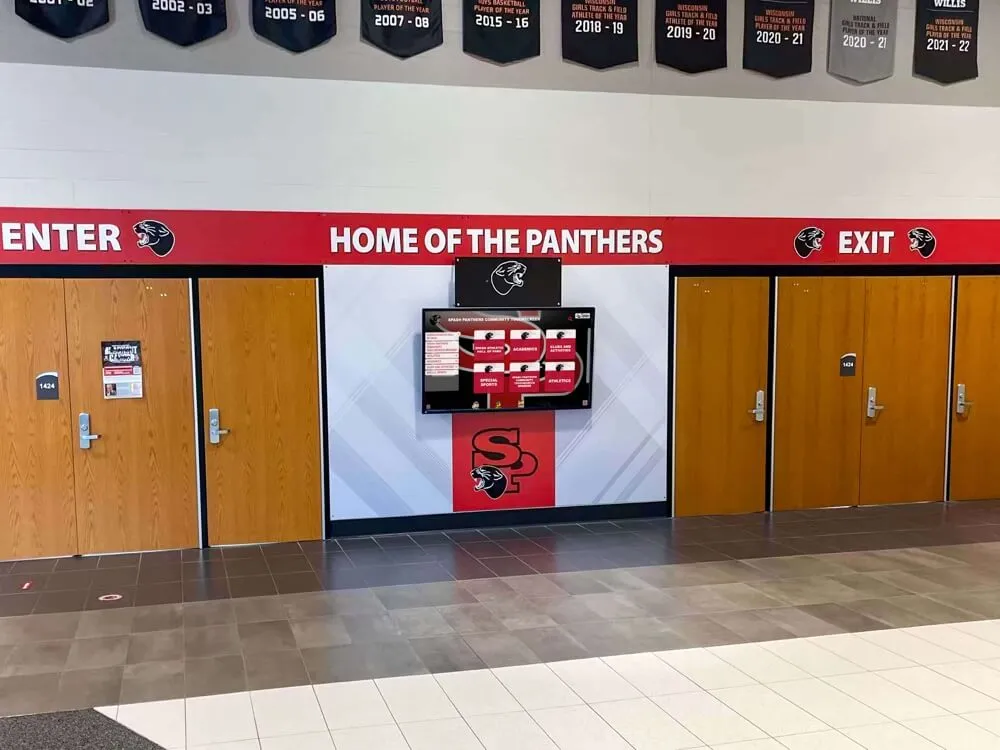
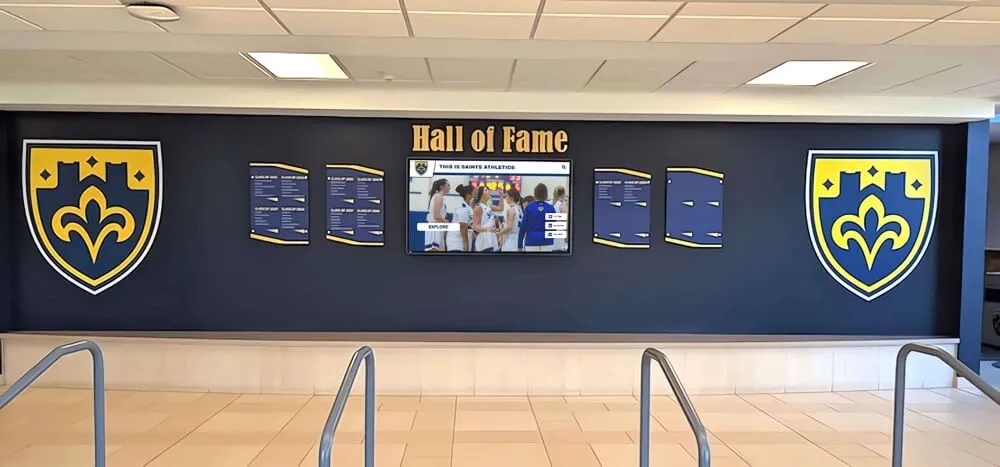
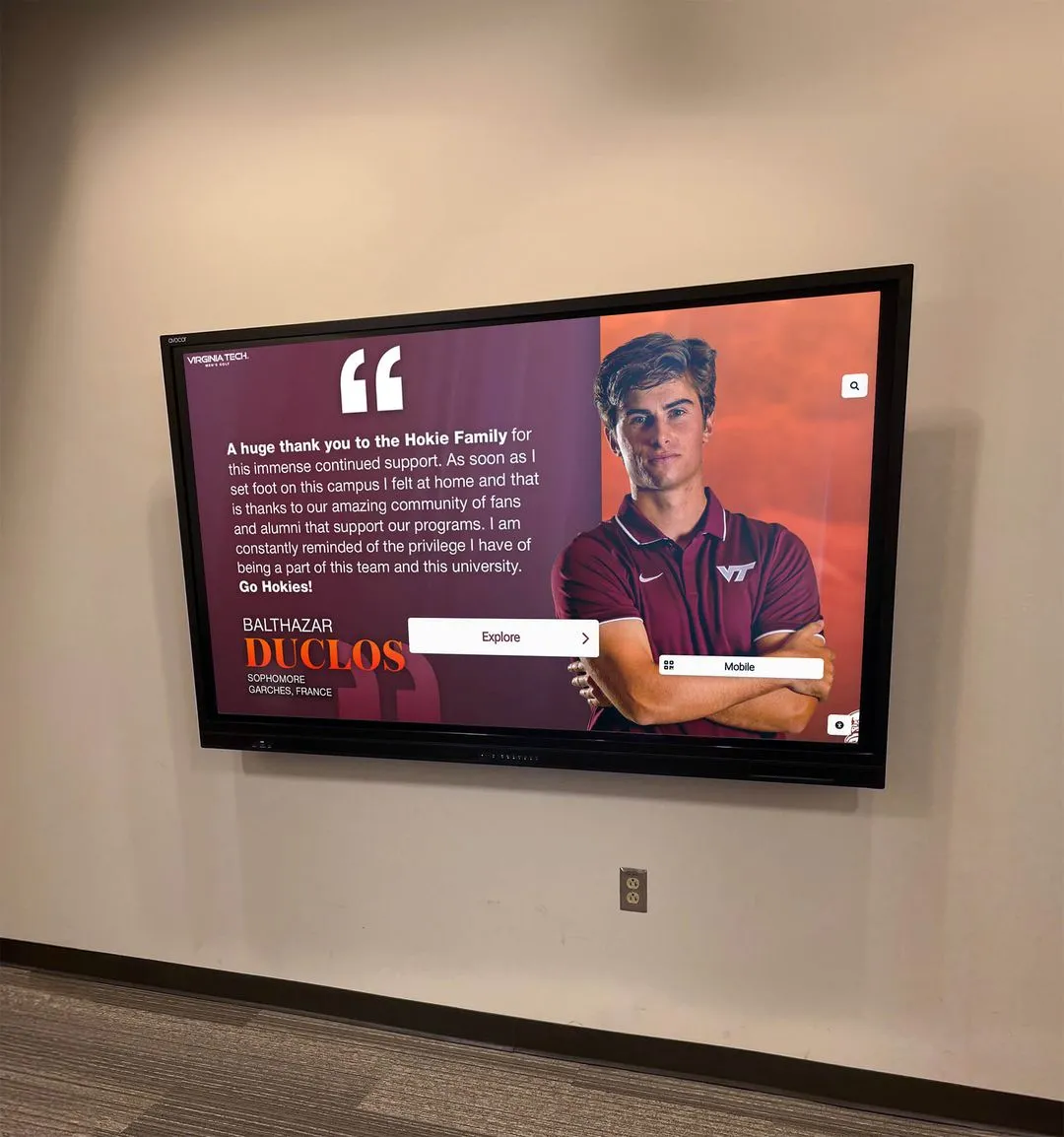
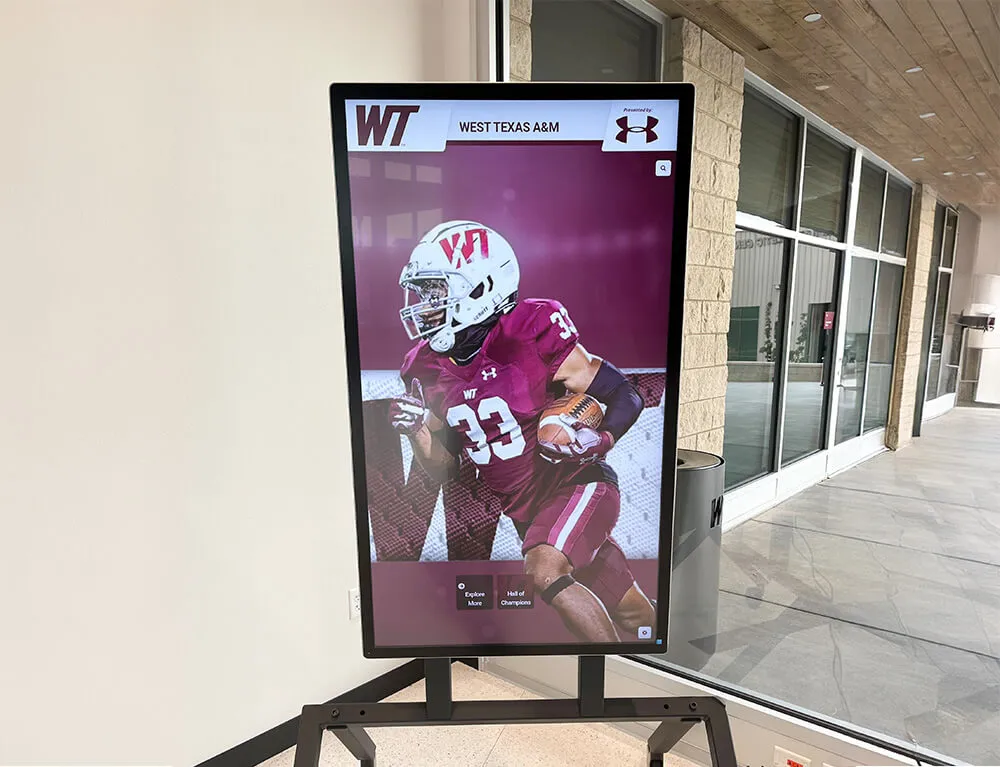
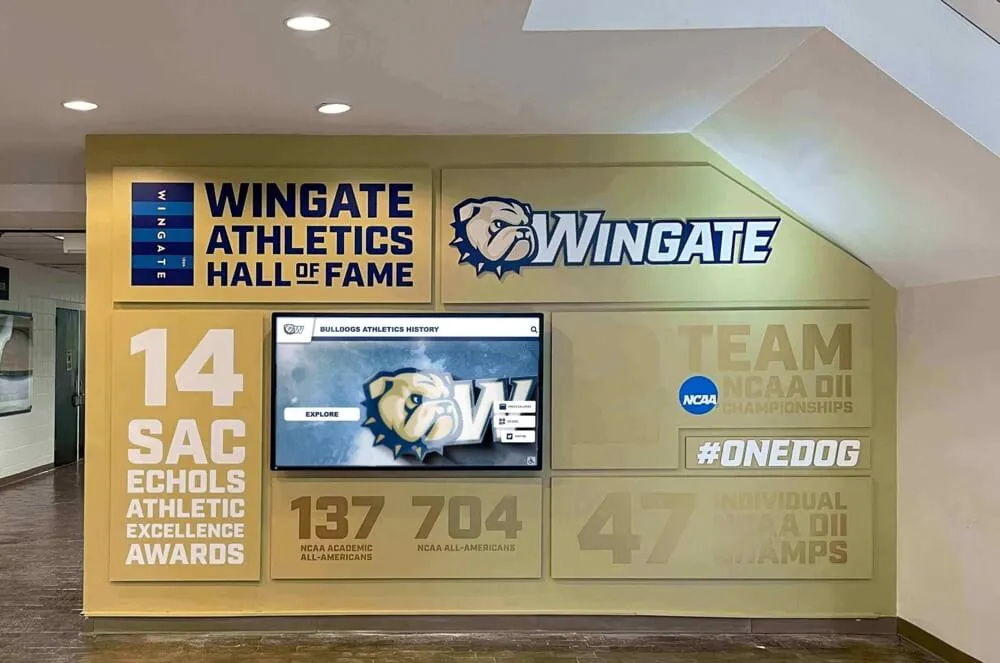
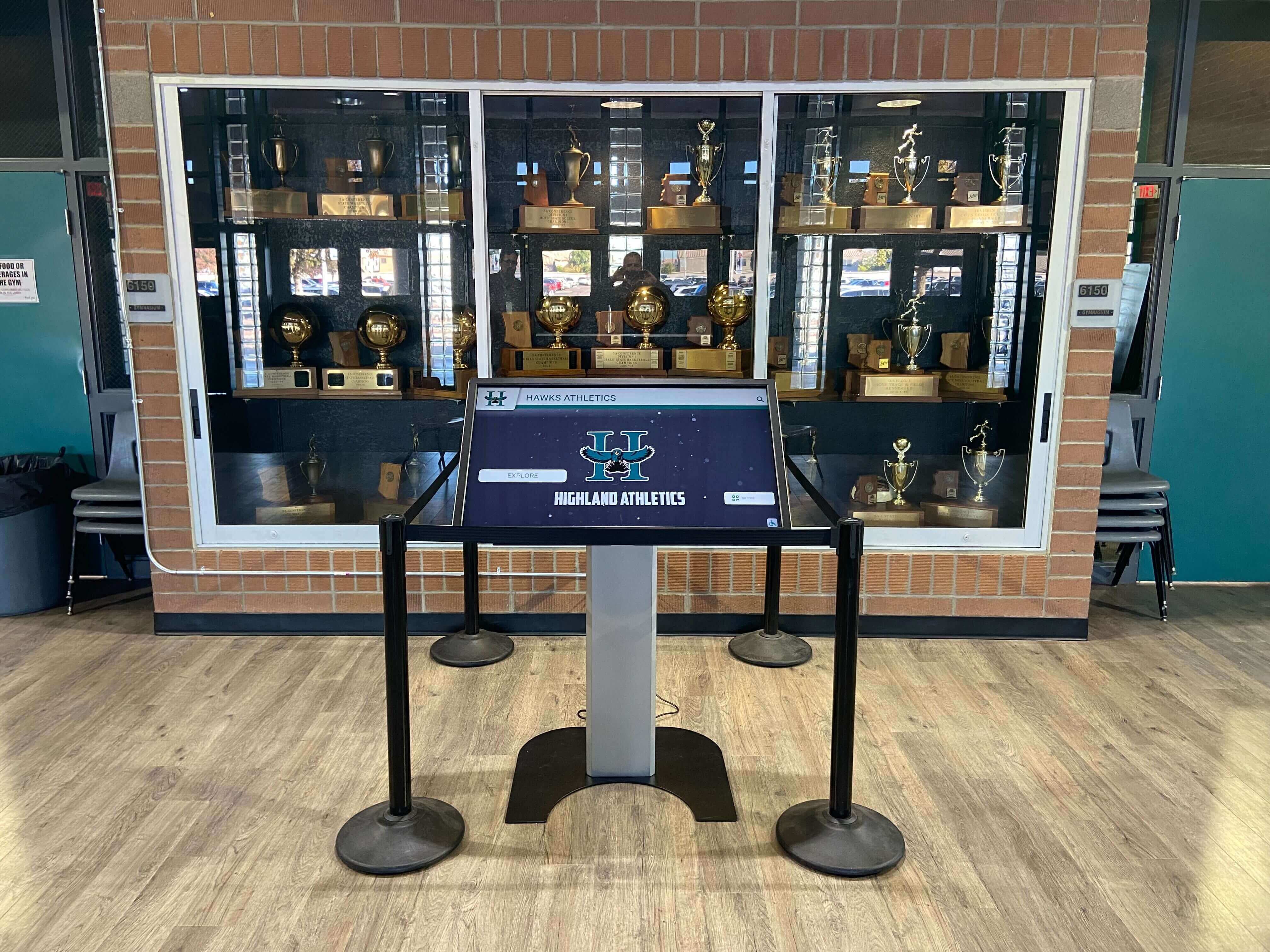
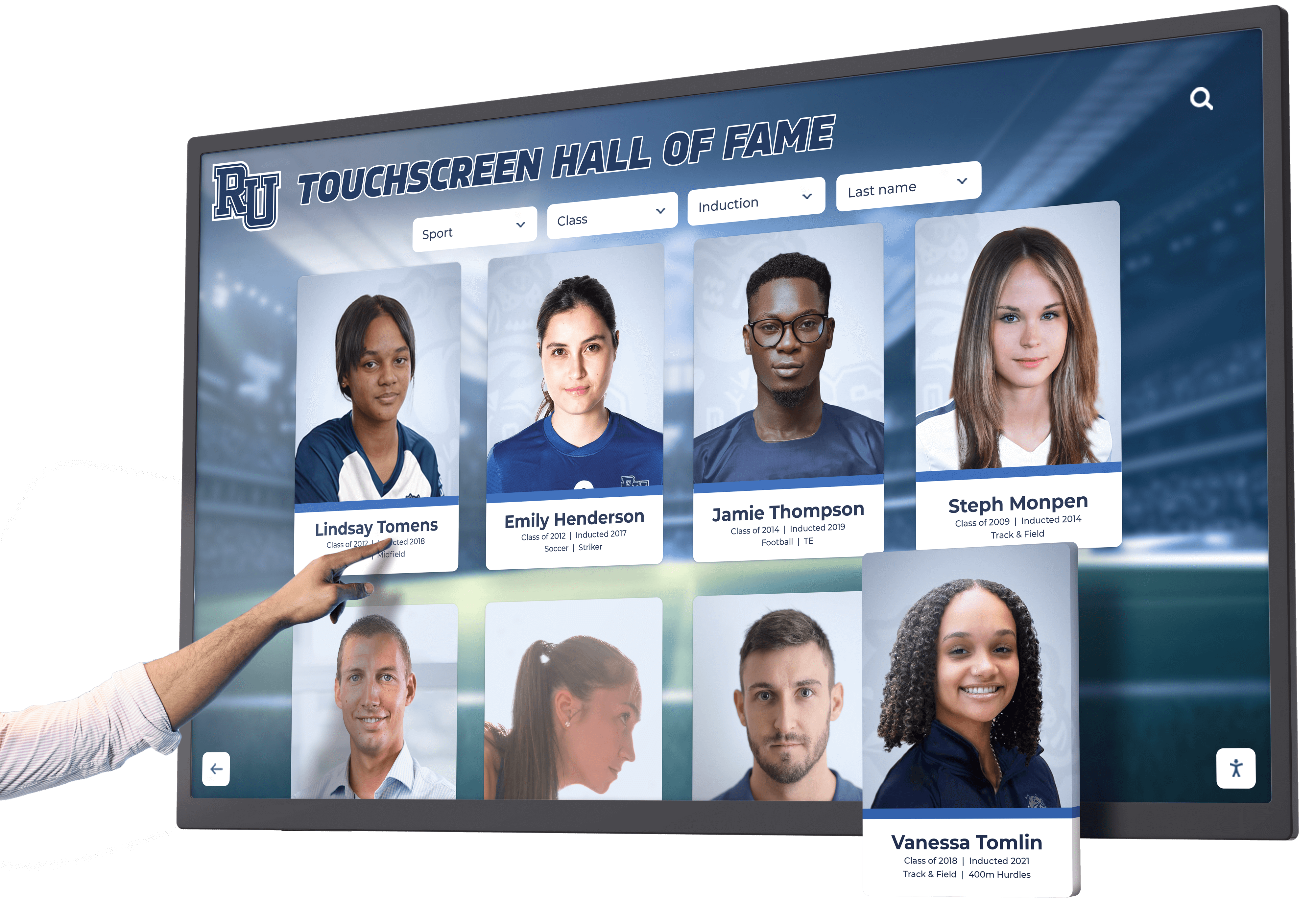
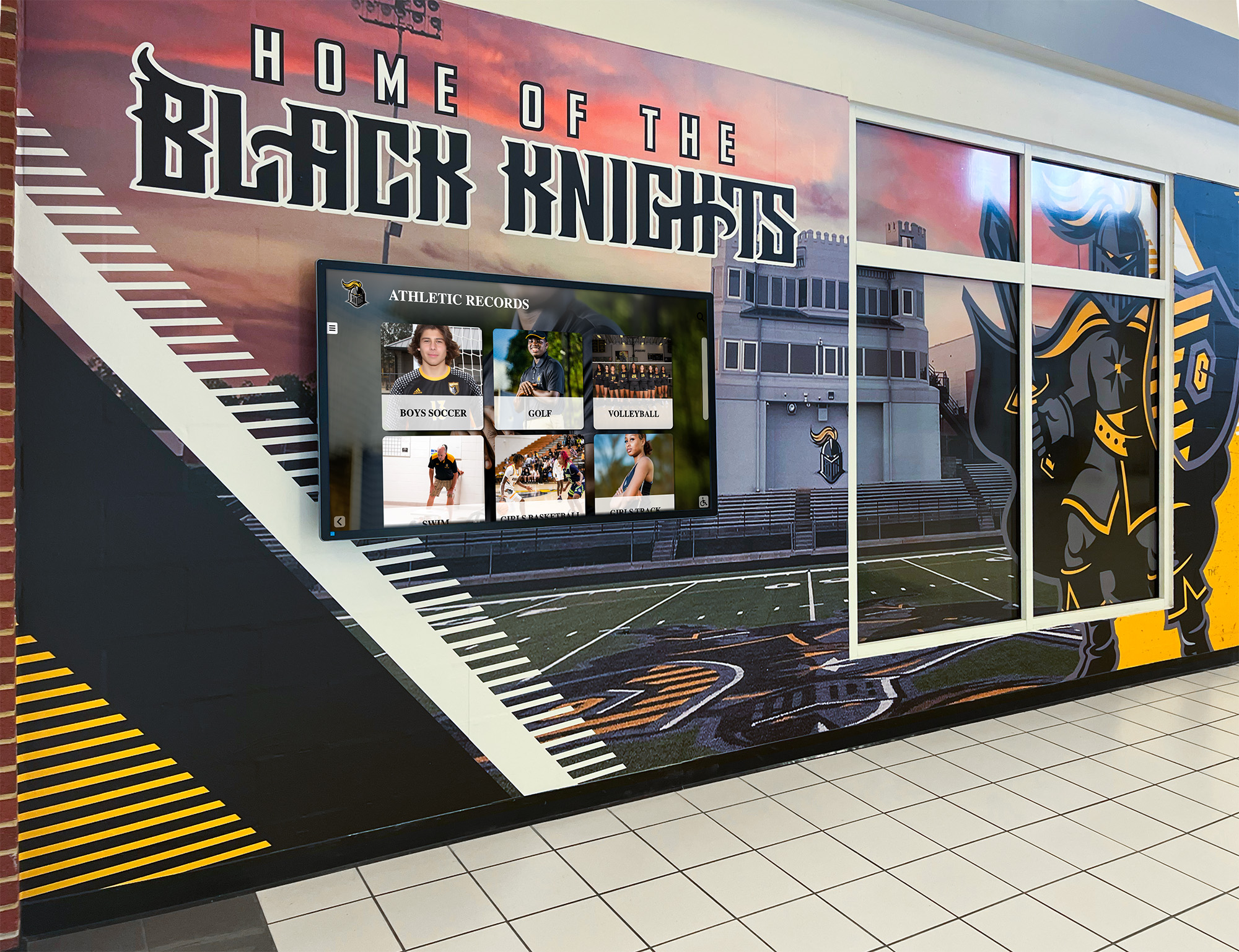
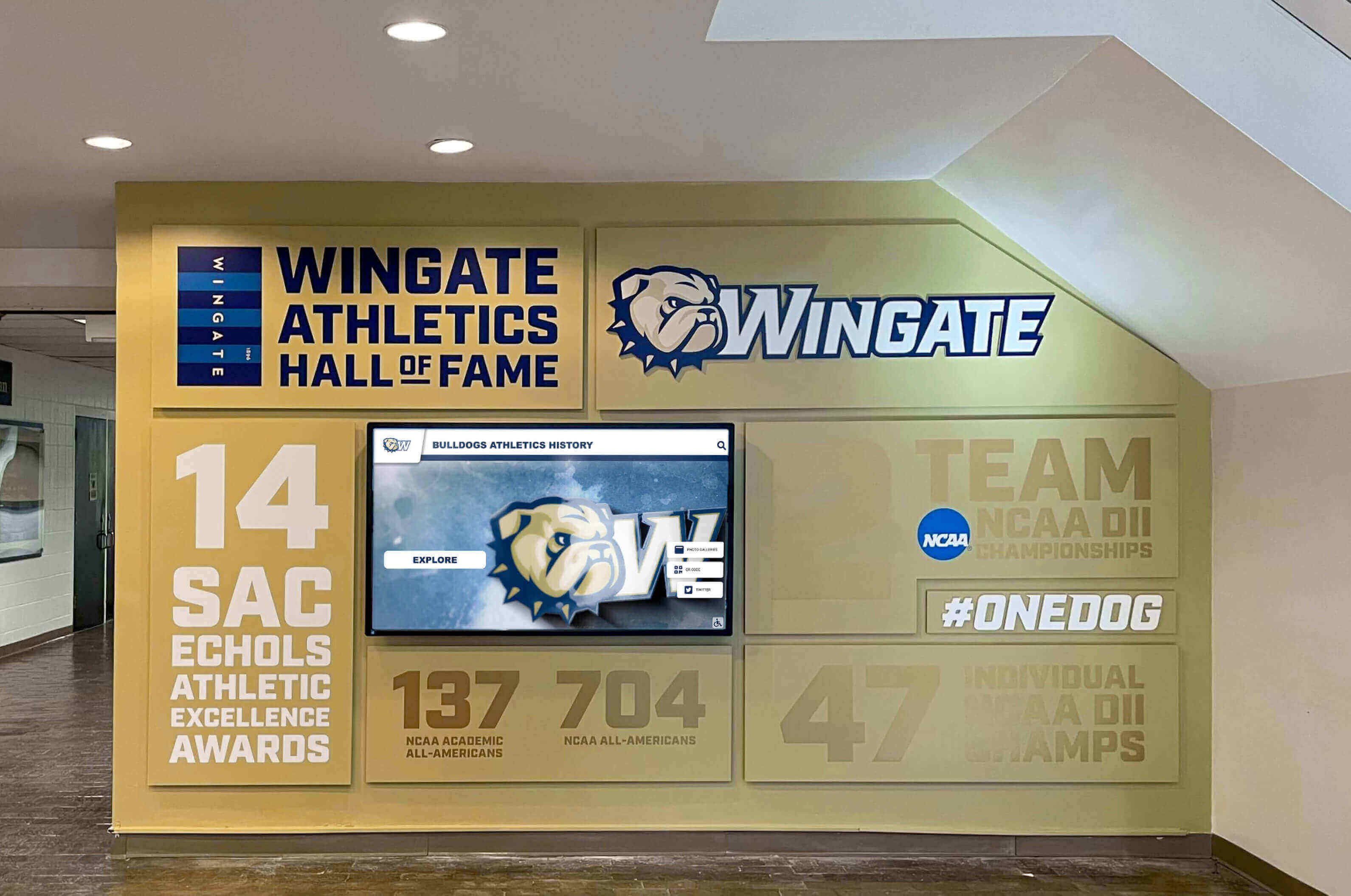
Large-format touchscreen displays transform how schools recognize student athletes by providing unlimited capacity for comprehensive recognition. Rather than choosing between honoring all-state athletes or championship teams due to wall space limitations, digital systems accommodate both alongside every other significant achievement.
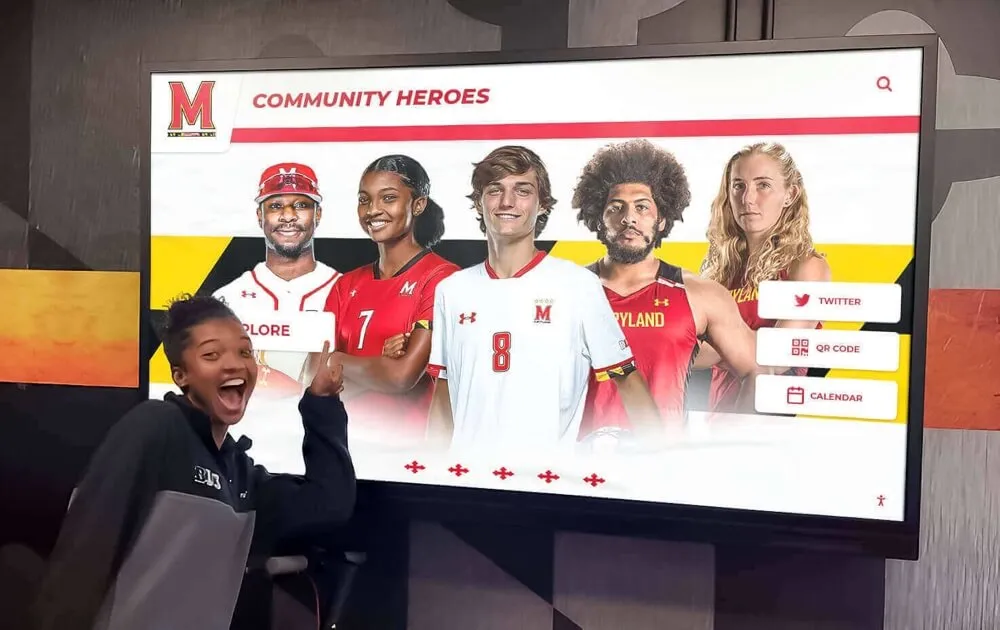
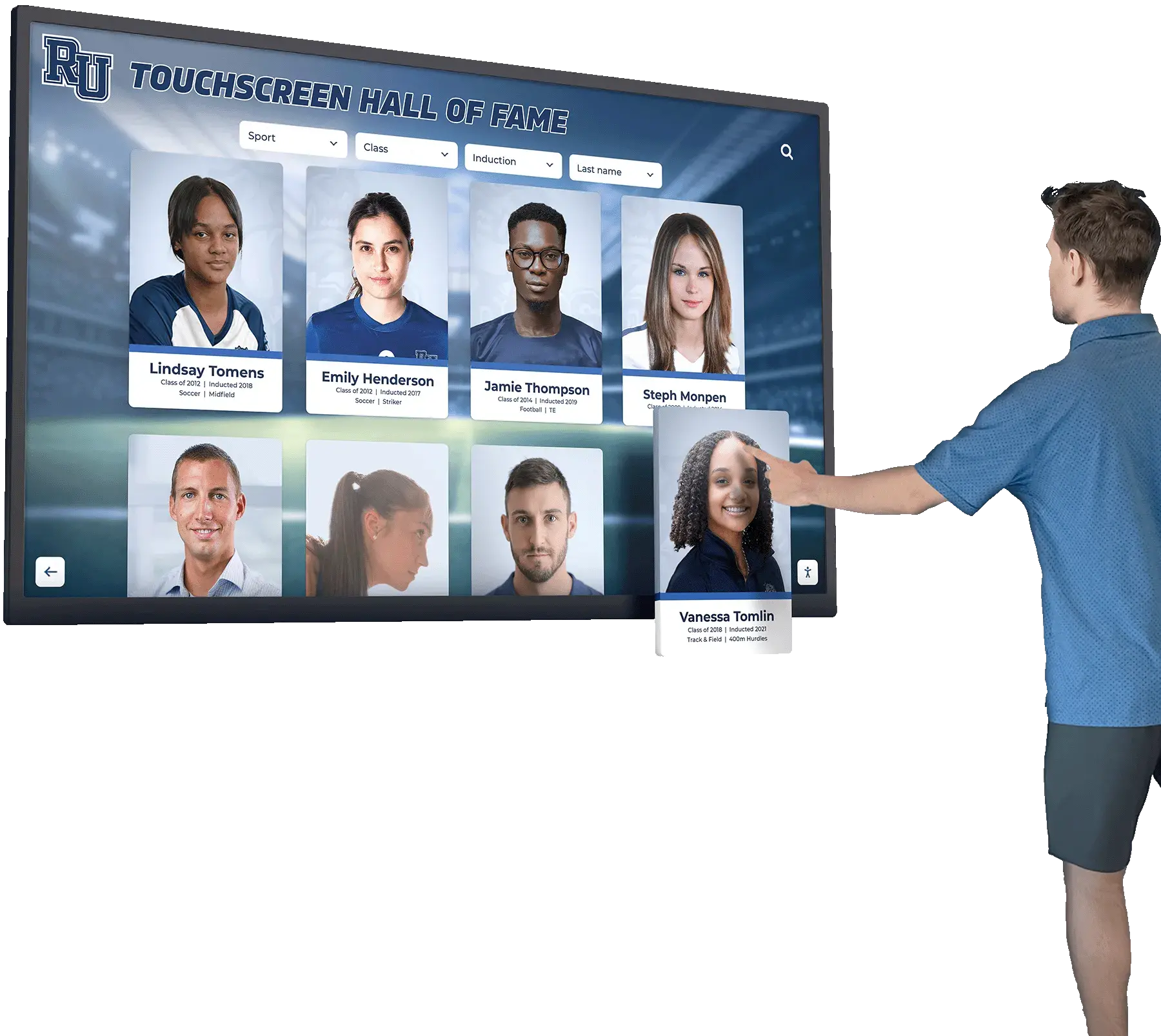
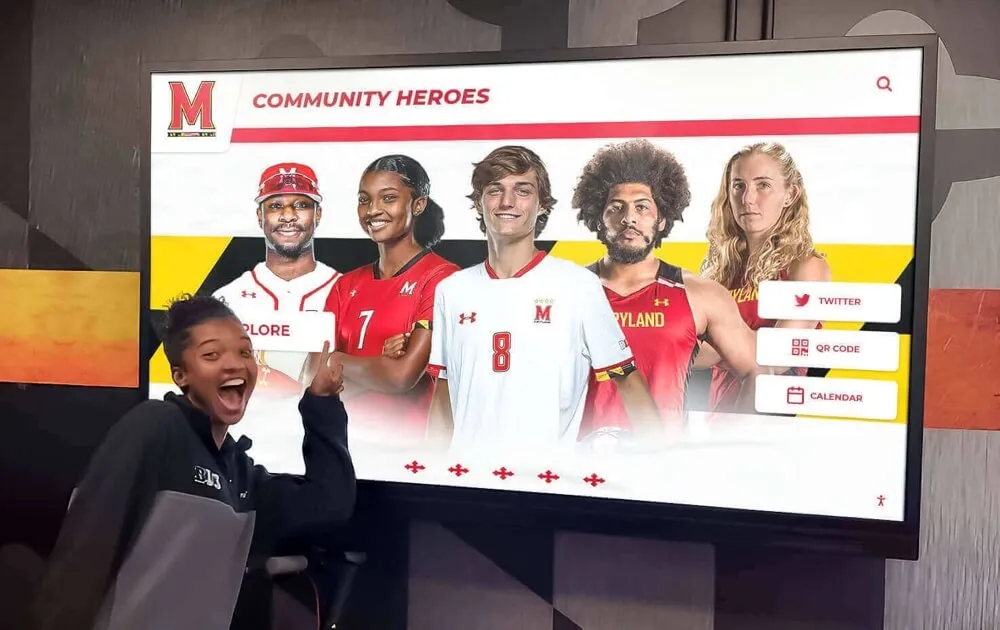
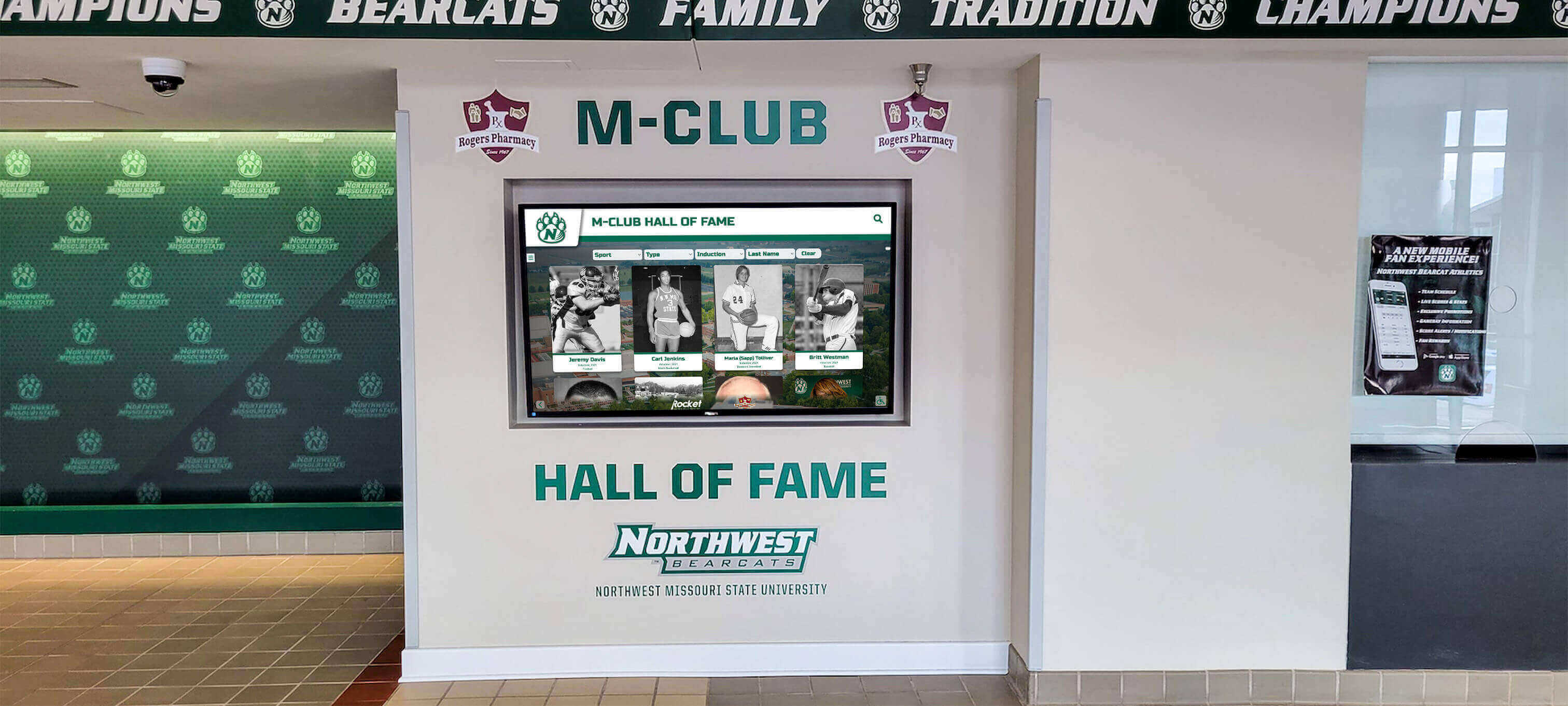
These interactive systems enable visitors to search for specific athletes, filter by sport or achievement year, and explore detailed profiles including photos, statistics, videos, and biographical information. Students browsing between classes can find older siblings, parents, or community members who competed decades earlier, creating powerful connections between current and historical athletes.
Solutions like Rocket Alumni Solutions provide purpose-built platforms designed specifically for athletic recognition rather than generic digital signage. These specialized systems include features essential for schools: content management interfaces requiring no technical expertise, automatic ranking updates for record boards, accessibility compliance for inclusive recognition, and offline functionality ensuring displays work reliably even during network issues.
2. Digital Record Boards
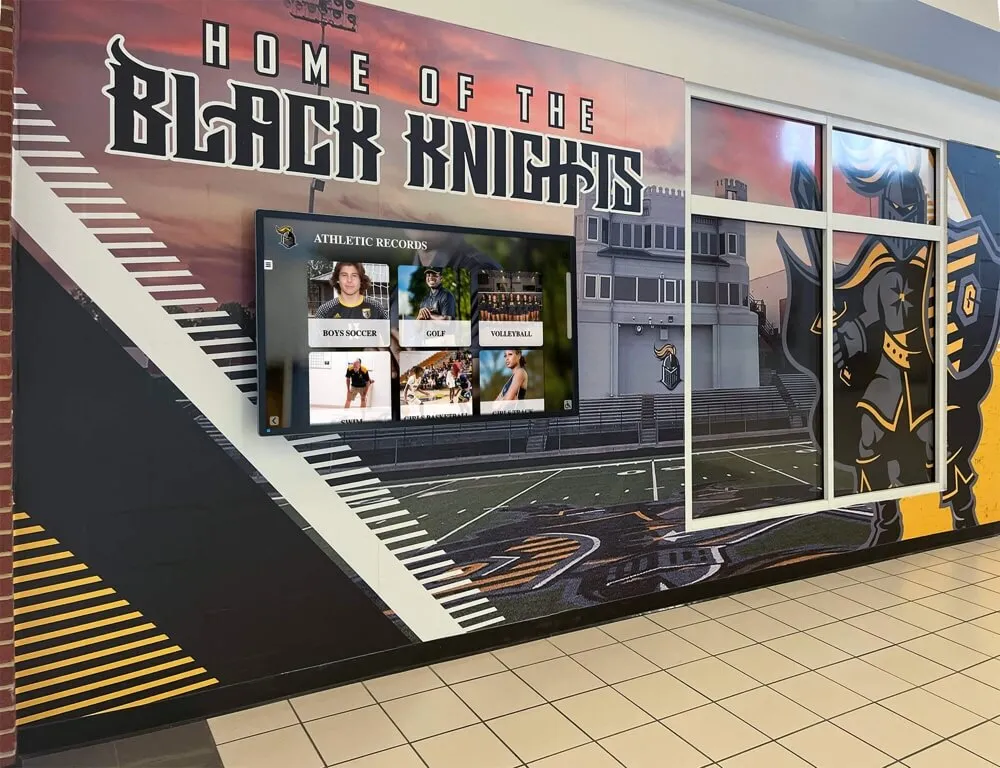
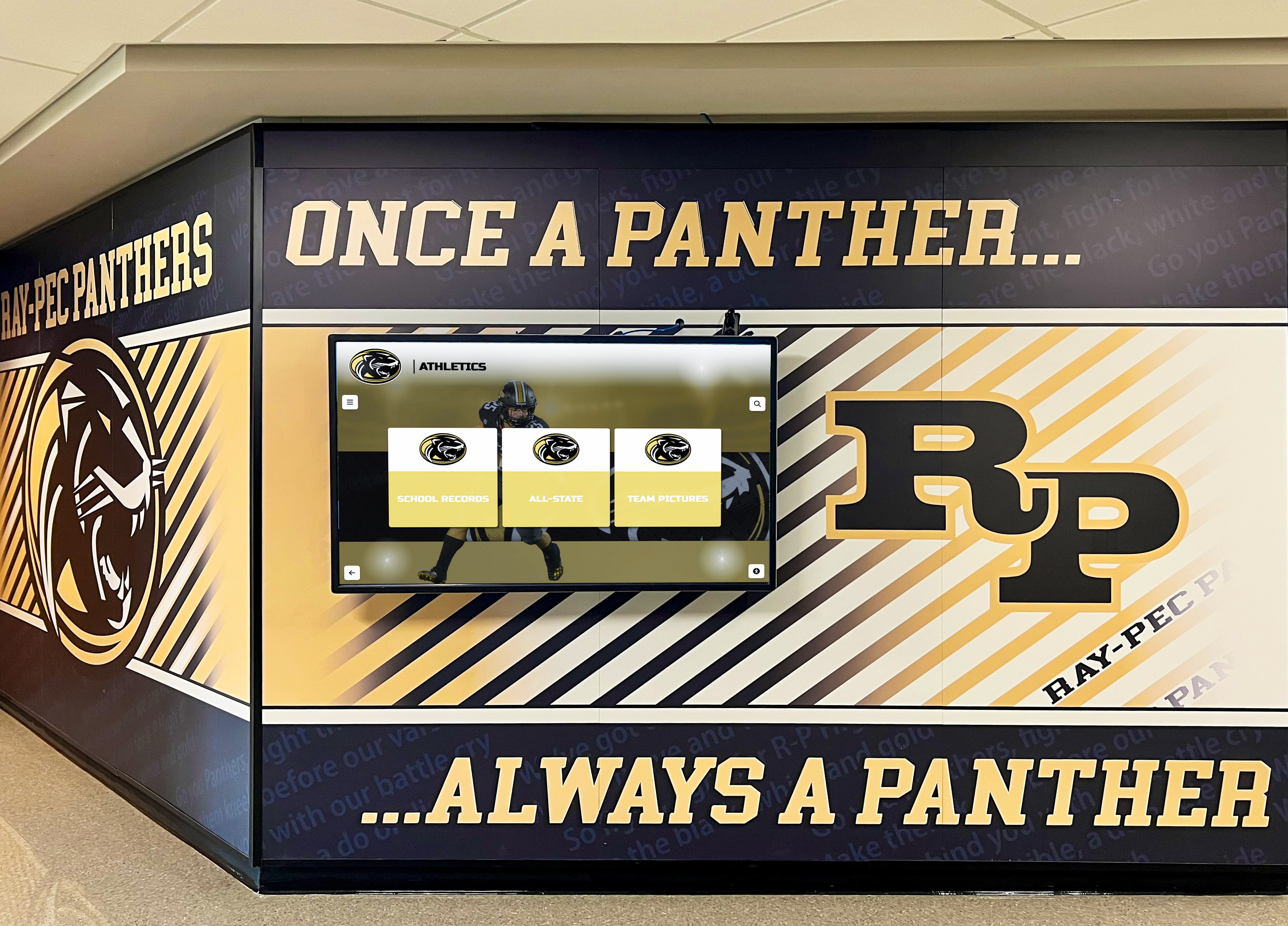
Digital record boards showcase top performances across all sports with automatic updates as records fall. Rather than maintaining separate static boards for each sport—often located in different building areas where most students never see them—digital systems centralize recognition in high-traffic locations where entire school communities engage with athletic achievement.
These systems automatically rank performances, highlight recent record-breakers, and provide historical context showing how current achievements compare to school history. When a track athlete breaks a thirty-year-old school record, the system updates immediately, celebrates the achievement, and preserves the historical record showing progression over time.
3. Real-Time Season Statistics and Standings
During competitive seasons, digital displays can showcase current team standings, individual statistical leaders, upcoming games, and recent results. This real-time visibility keeps entire school communities engaged with ongoing athletic success rather than recognizing achievement only after seasons conclude.
Imagine walking through your school’s main lobby and seeing that yesterday’s soccer match featured a hat trick from a sophomore forward, or that the volleyball team just clinched their conference championship. This immediate recognition creates excitement and energy that static displays updated monthly simply cannot match.
Traditional Recognition Methods with Lasting Impact
While digital solutions offer powerful capabilities, traditional recognition approaches still create meaningful moments that student athletes cherish throughout their lives.
4. Senior Night Ceremonies
Senior night traditions honor graduating student athletes during their final home competitions. These emotional ceremonies recognize not just athletic achievement but the complete journey athletes experienced throughout their high school careers—the growth, challenges overcome, friendships formed, and contributions made to programs.
Effective senior night recognition includes player introductions with biographical highlights, acknowledgment of parents and families whose support enabled athletic participation, presentation of commemorative gifts or plaques, and photo opportunities capturing these milestone moments. Some schools enhance traditional ceremonies with video tributes compiled from photos and clips spanning athletes’ entire careers.
5. End-of-Season Award Banquets
Award banquets provide formal settings for comprehensive season recognition. Unlike brief halftime ceremonies during games, banquets allow extended time for coach speeches providing detailed achievement context, video highlight compilations showcasing season performances, individual award presentations with explanation of why athletes earned recognition, and team unity celebrations acknowledging collective accomplishments.
These events also recognize contributions beyond athletic performance—academic achievement awards for scholar-athletes, sportsmanship awards honoring character and leadership, most improved awards validating growth trajectories, and teammate awards reflecting peer respect. This multi-dimensional recognition demonstrates that schools value student athletes as complete individuals rather than just competitors who win games.
6. Athletic Letter and Patch Programs
Varsity letter programs with sport-specific patches create visible achievement markers that student athletes wear with pride. Unlike trophies stored at home or plaques hanging in hallways, letter jackets accompany students throughout school days, creating ongoing visibility for athletic participation and achievement.
Modern letter programs extend beyond just participation, offering distinction patches for all-conference honors, state championship participation, record-breaking performances, and team captain leadership. This tiered approach recognizes different achievement levels while making athletic accomplishment visible across school communities.
7. Athletic Hall of Fame Inductions
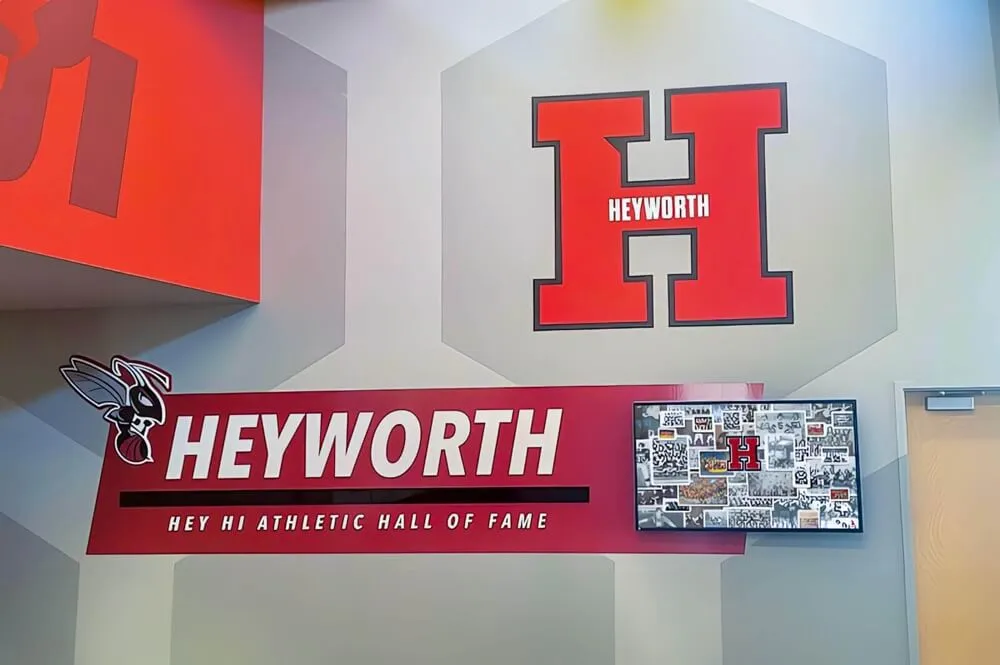
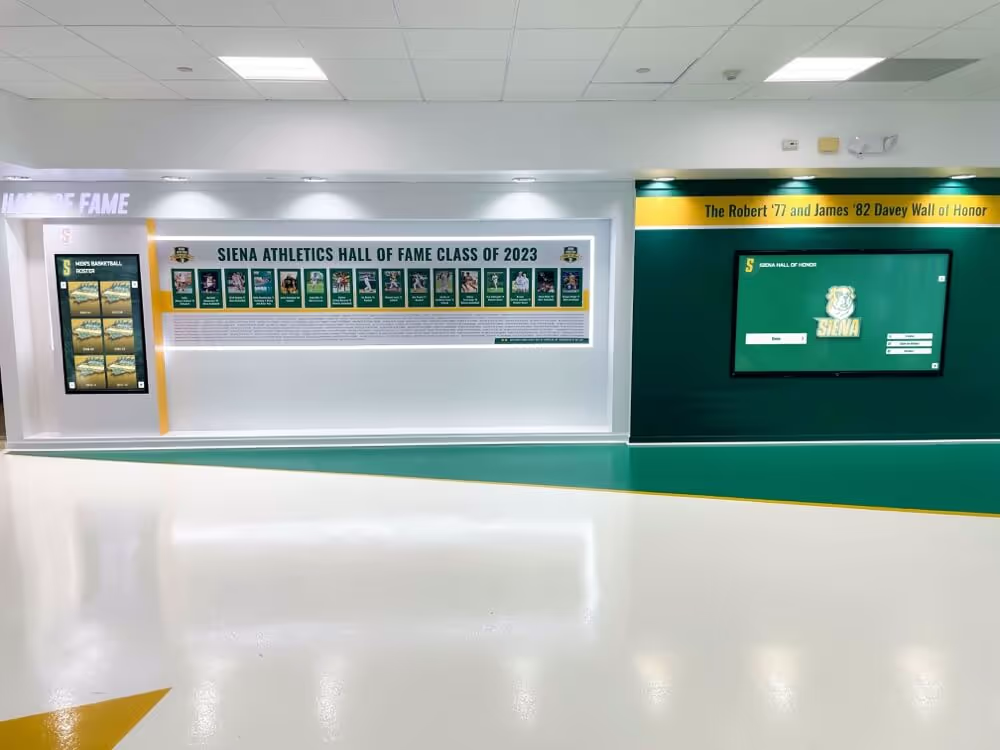
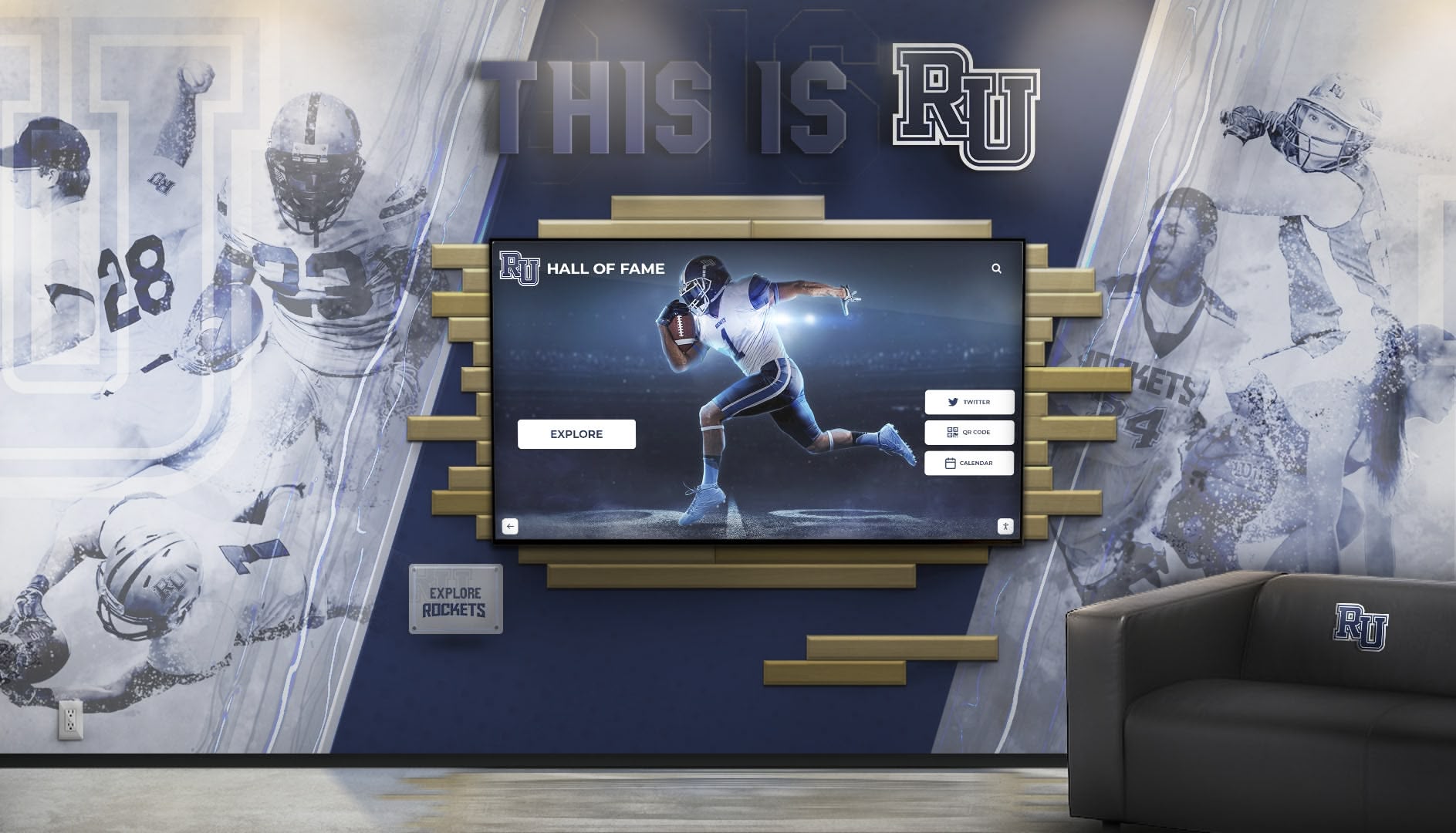
Establishing formal athletic halls of fame creates highest-honor recognition for exceptional achievement. Selection committees evaluate candidates based on criteria including competitive excellence, program impact, character and sportsmanship, and post-graduation success, inducting small classes of elite honorees annually.
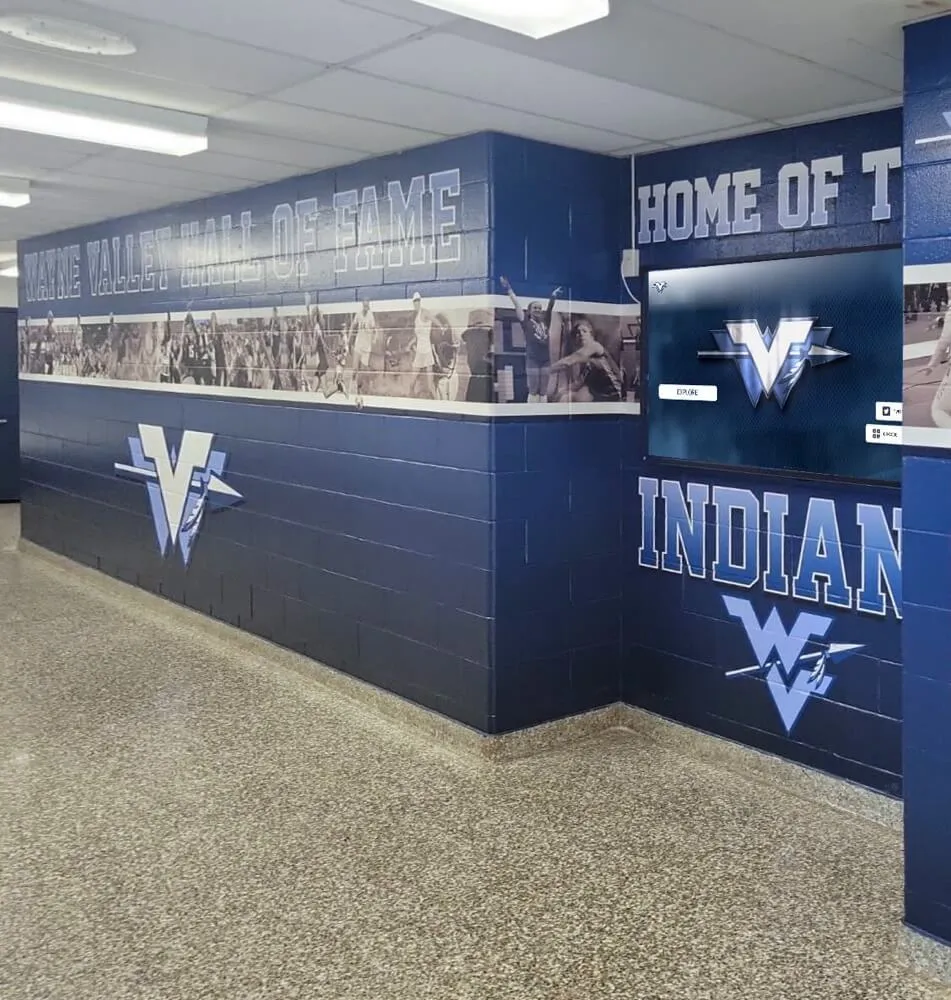
Hall of fame programs work best when paired with clear selection criteria preventing favoritism concerns, diverse committees representing different sports and perspectives, formal induction ceremonies celebrating honorees publicly, and permanent recognition displays documenting every inductee throughout school history. Whether implemented through traditional wall plaques or modern digital systems, hall of fame recognition provides aspirational achievement targets for current athletes.
Creative Recognition Approaches That Build Engagement
Beyond formal displays and ceremonies, creative recognition methods engage broader audiences while celebrating student athletes in memorable ways.
8. Social Media Spotlight Programs
Consistent social media recognition reaches student athletes where they already spend significant time while extending visibility to families, alumni, and broader communities. Effective social media recognition includes pre-game athlete profiles highlighting personal stories and season goals, post-game performance acknowledgments celebrating exceptional contributions, season milestone celebrations when athletes reach significant achievements, and behind-the-scenes content showing training, preparation, and team dynamics.
The key to successful social media recognition is consistency and authenticity. Rather than only posting about championship wins, schools should celebrate effort, improvement, and contribution across all competition levels. Recognition should also span all sports equitably, ensuring fall, winter, and spring athletes receive equivalent attention rather than disproportionate focus on traditionally popular sports.
9. Hallway and Lobby Display Rotations
Even schools with limited budgets can create impactful recognition through regularly updated bulletin boards or display areas. Dedicating prominent hallway or lobby space to rotating athletic recognition keeps achievements visible while allowing comprehensive coverage across multiple sports and seasons.
Monthly rotations might feature current season teams with roster photos and schedules, recent achievement highlights celebrating exceptional performances, historical throwback profiles connecting current and past athletic traditions, upcoming event promotions building attendance and support, and record-breaker spotlights when students achieve historic performances. Regular updates maintain freshness and engagement while demonstrating ongoing institutional commitment to athletic recognition.
10. Student Athlete of the Month Programs
Monthly recognition programs spanning the entire school year ensure consistent visibility for athletic achievement. Selection committees or athletic department staff identify one or two student athletes monthly based on criteria including competitive performance, academic achievement, leadership and sportsmanship, team contribution, and community service.
Recognition for monthly honorees should include hallway display features with photos and achievement summaries, social media announcements reaching broader audiences, local media notifications generating community press coverage, small rewards like gift cards to local businesses, and documentation in digital recognition systems preserving long-term records. Monthly programs also ensure recognition spans different sports throughout the year rather than concentrating on major sports or championship seasons.
11. Academic All-State and Scholar-Athlete Recognition
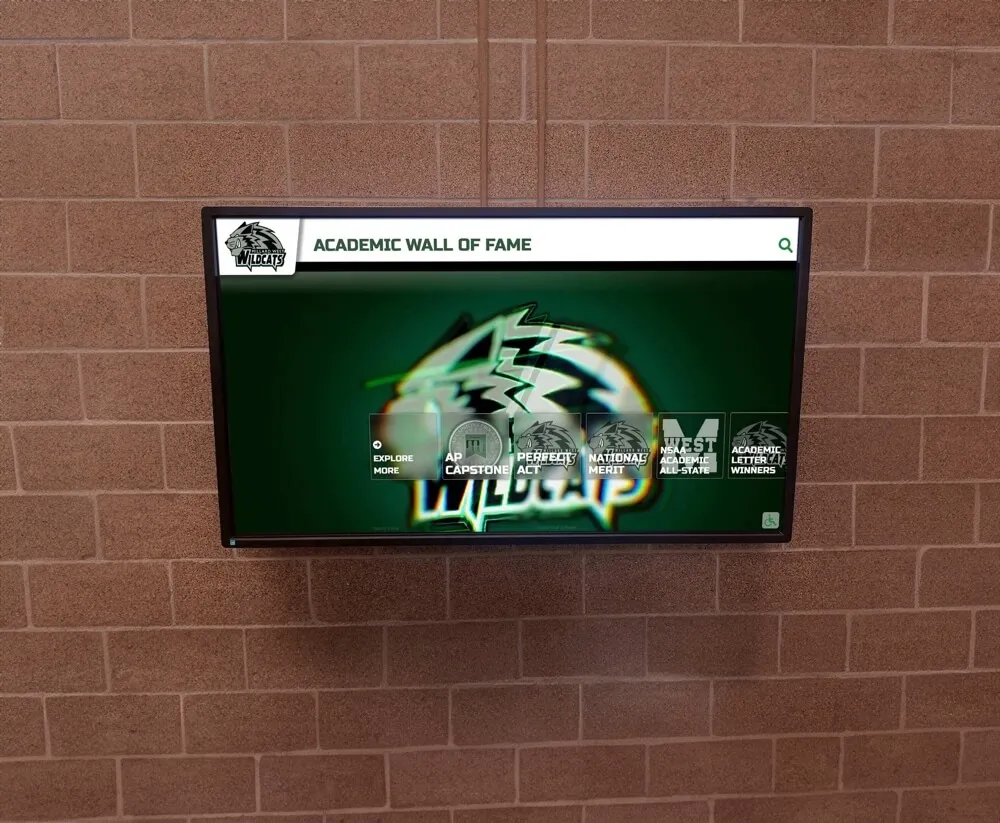
Student athletes balancing rigorous competition schedules with strong academic performance deserve specific recognition validating both commitments. Scholar-athlete recognition programs celebrate students maintaining specified grade point averages while participating in varsity athletics, often requiring 3.5+ GPAs or honor roll status alongside full season participation.
Schools might recognize scholar-athletes through dedicated display sections separate from pure athletic achievement, special cords or stoles worn during graduation ceremonies, scholarship opportunities funded by athletic or booster club budgets, academic awards presented during athletic banquets, and inclusion in both academic and athletic recognition systems. This dual recognition demonstrates that schools value the complete student experience rather than treating athletics and academics as competing priorities.
Community-Engaged Recognition That Extends Beyond School Walls
Recognition that engages broader communities strengthens support for athletic programs while creating additional validation for student athletes.
12. Local Business Partnership Displays
Partnerships with local businesses create recognition opportunities beyond school campuses. Restaurants, retail stores, banks, and other community businesses often welcome opportunities to display student athlete achievements, connecting their establishments to local schools while supporting athletic programs.
These partnership displays might feature monthly team spotlights rotating through different sports, championship team photos celebrating significant achievements, individual athlete profiles highlighting exceptional students, or upcoming event schedules promoting community attendance. Business partnerships also create sponsorship opportunities funding athletic programs while providing prominent recognition acknowledging business contributions.
13. Local Media Recognition Programs
Developing relationships with local newspapers, radio stations, and online news outlets ensures consistent media coverage for student athlete achievements. Rather than only expecting media to cover major championships, schools can proactively provide content including weekly athlete spotlights with prepared biographical information and quotes, season preview features introducing teams and key athletes, milestone achievement announcements when students reach significant records, and human interest stories highlighting compelling individual journeys.
Media recognition extends visibility beyond school communities, enhances student athlete recruitment, and builds broader community pride in local athletic programs. It also provides student athletes with tangible recognition artifacts—newspaper clippings and online articles—that validate achievement in formats beyond school-specific recognition systems.
14. Alumni Athlete Networking and Mentorship
Connecting current student athletes with program alumni creates recognition demonstrating that athletic participation launches lasting relationships and opportunities. Alumni mentorship programs pair current athletes with graduates who competed in the same sports, creating connections where alumni share experiences, offer college recruitment guidance, provide career advice, and maintain ongoing encouragement throughout high school careers.
These programs work particularly well when paired with digital recognition systems that help alumni explore current rosters and reconnect with programs. Interactive displays enable alumni to find their own historical profiles while discovering current athletes they might mentor, creating organic networking opportunities that strengthen multi-generational program community.
15. Championship and Achievement Banners
Physical championship banners hanging in gymnasiums create permanent visible recognition for team accomplishments. Unlike individual awards recognizing specific athletes, banners acknowledge collective achievement and build tradition connecting current athletes to program history.
Effective banner programs recognize state championships, conference championships, undefeated seasons, tournament championships, and significant milestone achievements. Banner displays should span all sports equitably rather than only recognizing traditionally prominent programs, ensuring that swimming state titles receive equivalent visibility to football conference championships. When properly maintained and displayed, banner collections become powerful visual representations of comprehensive athletic excellence spanning decades.
Implementing Comprehensive Recognition Programs
While individual recognition methods provide value, comprehensive programs combining multiple approaches deliver maximum impact for student athletes and athletic programs.
Building Multi-Layered Recognition Systems
The most effective recognition programs incorporate immediate recognition during competitive seasons through announcements and social media, seasonal celebration through banquets and senior night ceremonies, permanent recognition through digital displays or physical installations, and ongoing visibility through website features and display rotations.
This multi-layered approach ensures that student athletes receive recognition at different times and in different formats, validating achievement through various channels that reach different audiences. A volleyball all-conference selection might receive initial social media recognition when announced, formal presentation at the season banquet, permanent documentation in the digital recognition system, inclusion in the student athlete of the month program, and feature coverage in school newsletters—creating comprehensive acknowledgment rather than single isolated mention.
Ensuring Equitable Recognition Across All Sports
Recognition equity remains a persistent challenge for many athletic programs. Popular sports like football and basketball often receive disproportionate attention compared to programs like tennis, swimming, or track. Intentional equity requires systematic approaches ensuring all sports receive equivalent recognition resources and visibility.
Schools can achieve equity through recognition budgets allocated equally per athlete rather than per sport, social media posting schedules rotating through all sports systematically, display space allocation proportional to participation rather than sport prominence, and regular equity audits identifying and correcting recognition imbalances. When student athletes across all sports feel equally valued, participation strengthens and program culture improves across comprehensive athletic offerings.
Funding Recognition Programs Sustainably
Recognition programs require financial resources for ceremonies, awards, displays, and ongoing operations. Sustainable funding approaches include athletic department budget allocations for core recognition expenses, booster club support funding enhanced recognition and special programs, business sponsorships underwriting specific recognition elements, recognition-focused fundraising events generating dedicated resources, and cost-effective digital solutions reducing long-term recognition expenses.
While traditional recognition methods like annual plaques and ceremony costs accumulate continuously, digital recognition systems require upfront investment but minimal ongoing costs. Understanding total cost of ownership helps schools select recognition approaches matching both immediate budgets and long-term sustainability requirements.
Technology Considerations for Digital Recognition
Schools evaluating digital recognition systems should consider several factors ensuring selected solutions meet program needs effectively.
Content Management and Ease of Updates
Recognition systems serve schools effectively only if staff can update content easily without technical expertise. Purpose-built platforms designed for educational athletic recognition include user-friendly interfaces allowing athletic directors, coaches, or designated staff to add new athletes, update statistics, upload photos, and modify content without IT support.
Generic digital signage systems lacking sport-specific features require custom development and technical expertise for updates, creating barriers that often result in outdated displays contradicting recognition purposes. When evaluating solutions, schools should confirm that content management matches available staff capabilities and that ongoing updates won’t require expensive technical support contracts.
Hardware Reliability and Support
Digital displays installed in school lobbies and gymnasiums must operate reliably day after day without constant maintenance. Commercial-grade touchscreen hardware designed for high-traffic public environments withstands the usage that educational settings demand better than consumer-grade equipment intended for residential use.
Schools should also consider vendor support structures, including hardware warranty coverage, replacement policies for damaged equipment, technical support availability, and local installation service. Digital recognition delivers value only when displays operate consistently, making reliability and support as important as features and pricing.
Accessibility and Inclusive Design
All recognition systems—digital or traditional—should comply with accessibility standards ensuring students with disabilities can access and enjoy athletic recognition equally. Digital systems should meet WCAG accessibility requirements including adjustable text sizes, screen reader compatibility, adequate color contrast, alternative text for images, and touchscreen operation at appropriate heights.
Accessible recognition demonstrates institutional commitment to inclusive recognition valuing all student athletes regardless of ability differences, while also ensuring legal compliance with disability rights requirements.
Measuring Recognition Program Impact
Effective recognition programs assess their impact through various measures determining whether recognition initiatives achieve intended outcomes.
Student Athlete Satisfaction and Feedback
Direct feedback from recognized athletes provides crucial insight into program effectiveness. Schools might conduct anonymous surveys asking athletes about recognition satisfaction, conduct focus groups exploring athlete perspectives in depth, track athlete retention across seasons, and monitor college recruitment success indicating external validation of program quality. When student athletes report feeling genuinely valued and appropriately recognized, programs succeed regardless of specific recognition methods employed.
Community Engagement and School Pride
Recognition programs should strengthen community connection and school pride measurable through athletic event attendance trends, social media engagement metrics, booster club participation and fundraising success, and alumni athlete involvement in program activities. Growing engagement indicates that recognition programs successfully build community around athletic achievement beyond just satisfying individual athletes.
Program Culture and Athletic Participation
Ultimately, recognition programs should strengthen athletic culture and sustain participation. Indicators include increased athletic program participation, sustained participation across seasons, athlete survey responses about program culture, reduction in mid-season athletic dropouts, and successful recruitment of incoming students to athletic programs. When recognition creates aspirational culture where students want to participate and contribute, programs achieve their fundamental purpose of strengthening athletic offerings.
Creating Recognition That Honors Student Athletes Authentically
Student athletes dedicate thousands of hours to representing schools through athletic competition while maintaining academic standards and managing complex schedules. This extraordinary commitment deserves recognition that validates sacrifice, celebrates achievement, and builds lasting pride connecting athletes to institutions throughout their lives.
Whether implementing comprehensive digital recognition systems that eliminate space constraints and enable rich multimedia content, establishing traditional ceremonies and displays that create memorable recognition moments, or combining multiple approaches that provide recognition touchpoints throughout student athlete experiences—the key is genuine commitment to honoring athletic achievement across all sports and all participation levels.
Modern solutions from Rocket Alumni Solutions enable schools to recognize every student athlete comprehensively without physical space limitations, update recognition easily without ongoing plaque costs, and create engaging interactive experiences that inspire current students while honoring historical achievements. These specialized platforms deliver recognition capabilities specifically designed for educational athletic programs rather than generic signage requiring extensive customization.
The student athletes representing your school—whether competing for state championships or developing skills in emerging programs—deserve recognition that acknowledges their dedication while inspiring future generations to pursue athletic excellence. By implementing creative recognition strategies that combine immediate acknowledgment with lasting documentation, schools create cultures where athletic achievement receives the celebration it deserves while building pride that strengthens entire school communities. Ready to transform how your school recognizes student athletes? Explore comprehensive digital recognition solutions designed specifically for educational institutions committed to honoring student athlete achievement appropriately.