



Key Takeaways
Comprehensive guide to spring sports in high school covering baseball, softball, lacrosse, track and field, tennis, golf, and soccer. Learn about tryouts, training, season schedules, recognition opportunities, and how to maximize your spring sports experience.
Spring sports season represents a critical period in high school athletics—a time when baseball diamonds, softball fields, tennis courts, and tracks come alive with competitive energy as athletes transition from winter sports or return from off-season training. For many student-athletes, spring sports provide their primary athletic identity, opportunities to compete for college scholarships, and experiences that shape leadership skills and lifetime habits. Yet the unique timing of spring seasons—compressed schedules, concurrent academic pressures, weather challenges, and rapid transition to championship tournaments—creates distinct demands requiring specific preparation strategies different from fall or winter sports.
This comprehensive guide addresses the full scope of spring sports participation including sport-specific preparation requirements, tryout strategies that maximize selection chances, season management balancing athletics with academic demands, recognition opportunities celebrating achievement, and approaches for leveraging spring sports experiences toward future goals. Whether you’re an athlete preparing for your first spring season, a parent supporting a student-athlete through this demanding period, or a coach seeking to optimize program success, this guide provides actionable frameworks for navigating spring sports effectively.
Understanding Spring Sports: Unique Characteristics and Demands
Before diving into sport-specific guidance, understanding what makes spring sports seasons distinct from fall and winter athletics helps athletes and families prepare for the unique challenges and opportunities this season presents.
The Compressed Spring Season Timeline
Spring sports operate within a remarkably condensed competitive window compared to other seasons. While fall sports begin in August and extend through November, and winter sports span December through February or early March, spring seasons typically run from mid-March through late May or early June—roughly 10-12 weeks for most high school programs.
Implications of Compressed Schedules
This condensed timeline creates several consequences that spring athletes must navigate. The short season means fewer opportunities to recover from poor performances or early-season struggles. An athlete who starts slowly in fall soccer might have 12-14 games to establish value before playoffs; a spring baseball player may have only 20 games total. This reality demands that spring athletes arrive prepared to perform immediately rather than gradually building into form.
The compressed schedule also means more frequent competitions. Spring sports teams commonly play 3-4 games weekly during peak season, creating cumulative fatigue that requires deliberate recovery strategies. Baseball pitchers face particularly challenging demands managing arm health across frequent starts in cold weather, while track athletes compete almost weekly with limited recovery between meets.
Weather Variability and Environmental Challenges
Unlike fall sports beginning in warm conditions or winter sports conducted in climate-controlled facilities, spring sports face unpredictable weather that significantly impacts training, competition, and safety.
Cold Weather Injury Risks
Early spring training begins when temperatures remain cold, creating elevated injury risks for sports requiring explosive movements or throwing. Baseball and softball pitchers face particular vulnerability to arm injuries when throwing in cold weather without adequate warm-up. Track athletes performing sprints or jumping events risk muscle strains when competing in temperatures that prevent proper muscle activation.
Successful spring athletes incorporate extended warm-up protocols accounting for cold weather, including dynamic movements preparing specific muscle groups for sport demands rather than brief static stretching. Programs emphasizing proper preparation significantly reduce early-season injury rates compared to those rushing athletes into maximal effort in cold conditions.
Rain Delays and Schedule Disruptions
Spring seasons face frequent weather postponements, creating compressed makeup schedules where teams play multiple games in short periods. A baseball team might face three postponed games rescheduled as doubleheaders, suddenly creating six games in four days rather than the planned schedule.
These disruptions require mental flexibility and readiness to perform whenever called upon, even when tired or when schedules conflict with other commitments. Athletes who maintain consistent training routines regardless of game schedules handle these disruptions more effectively than those who only prepare for scheduled competitions.
Academic Pressure Convergence
Spring sports seasons coincide with year-end academic demands including AP exams in early May, final projects and presentations, standardized testing, and end-of-year examinations. This convergence creates time management challenges absent from fall or winter seasons when academic demands typically follow more predictable patterns.
Balancing Peak Athletic and Academic Demands
Successful spring athletes must navigate simultaneous peak demands. A track athlete might compete at conference championships the same week as AP testing. A softball player might face state tournament games during final exam periods. Unlike fall or winter sports where academic and athletic peaks typically alternate, spring demands concurrent excellence in both domains.
Student-athletes succeeding in this environment establish disciplined time management systems prioritizing both areas rather than sacrificing one for the other. This often means completing homework during bus rides to away competitions, using tournament downtime for studying, and communicating proactively with teachers about schedule conflicts rather than allowing commitments to clash unexpectedly. Schools implementing comprehensive academic recognition alongside athletic honors reinforce the importance of excellence in both areas, creating cultures that support student-athlete success.
Major Spring Sports: Sport-Specific Guidance
Each spring sport presents unique technical demands, competitive structures, and preparation requirements. Understanding sport-specific considerations enables athletes and families to optimize training and season management.
Baseball and Softball
Baseball and softball dominate spring sports participation with more high school athletes competing in these sports than any other spring offering. Despite rule differences, both sports share fundamental similarities in preparation needs and season structure.
Position-Specific Preparation
Baseball and softball require dramatically different physical preparation depending on position. Pitchers must develop arm strength and endurance through structured throwing programs beginning months before season starts, emphasizing gradual intensity increases that prevent overuse injuries. Position players focus on hitting consistency through batting practice routines and defensive skills specific to their primary positions.
Effective pre-season preparation follows periodized training approaching sport-specific work gradually. Pitchers begin long-toss programs in winter, progressively increasing distance and intensity before transitioning to bullpen sessions simulating game situations. Position players combine strength training maintaining off-season gains with hitting practice emphasizing quality repetitions over quantity.
Managing Pitch Counts and Injury Prevention
Arm injuries represent the most significant health concern in baseball and softball, particularly for pitchers. High school programs increasingly implement pitch count limits recognizing that overuse creates both immediate injury risk and long-term arm health consequences potentially extending into college careers.
Athletes should track pitch counts across all appearances including practices, not just games, and adhere to recommended rest periods between pitching appearances. Current guidelines typically suggest 1-2 days rest after pitching 1-30 pitches, 2-3 days after 31-60 pitches, and 3-4 days after 61+ pitches, though specific programs may implement stricter protocols.
Parents and athletes should advocate for responsible pitch count management when programs lack formal policies. Immediate competitive advantage never justifies long-term arm damage that could end athletic careers or create lifelong physical limitations.
Baseball and Softball Season Preparation Checklist
⚾ Off-Season Conditioning
Begin structured throwing program 10-12 weeks before season. Complete strength training emphasizing core and lower body. Perform regular hitting practice maintaining swing mechanics.
🥎 Equipment Preparation
Break in new gloves before season starts. Ensure bats meet league regulations. Verify protective equipment fits properly and meets safety standards.
📋 Mental Preparation
Review situational baseball/softball strategy. Practice pre-pitch routines and at-bat approaches. Develop positive self-talk handling failure inherent in hitting.
💪 Position-Specific Skills
Pitchers: refine pitch repertoire and command. Catchers: improve receiving and blocking. Infielders: practice footwork and double-play turns. Outfielders: work on routes and arm strength.
Track and Field
Track and field presents unique characteristics among spring sports, offering individual event competition within team scoring frameworks and accommodating diverse athlete types from sprinters to distance runners to throwers to jumpers.
Finding Your Event Specialty
New track athletes often try multiple events before discovering their optimal specialization. Sprinters excel in 100m, 200m, and 400m races requiring explosive speed and power. Middle-distance runners compete in 800m and 1600m races demanding both speed and endurance. Distance runners focus on 3200m and potentially cross-country, emphasizing aerobic capacity and mental toughness. Field event athletes specialize in throwing (shot put, discus, javelin) or jumping (long jump, triple jump, high jump, pole vault) based on strength, technique, and explosive power.
Successful track programs encourage event experimentation early in seasons or careers, allowing athletes to discover natural strengths rather than forcing athletes into events based on body type stereotypes or team needs. The athlete who appears built for sprinting might excel at distance running, while an initially awkward jumper might develop into an elite competitor with proper technical instruction.
Training Volume and Injury Prevention
Track and field sees high injury rates when athletes train excessive volume without adequate recovery or when specializing too narrowly in single events requiring repetitive movements. Successful training programs balance volume, intensity, and recovery while incorporating complementary training preventing overuse injuries.
Sprinters benefit from incorporating general strength training and plyometric work developing explosive power while reducing repetitive strain from constant sprint training. Distance runners should integrate cross-training activities like swimming or cycling providing aerobic work without constant running impact. Throwers need flexibility work counteracting repetitive rotational movements, while jumpers require plyometric progression gradually increasing impact forces.
Meet Scheduling and Peak Performance Timing
Track seasons typically include frequent small meets building toward championship competitions at season’s end. Smart athletes view early meets as scored practices providing competition experience and performance benchmarks rather than must-win events requiring peak performance.
This approach allows gradual performance improvement across seasons, ideally peaking at conference, regional, and state championships rather than achieving season-best performances in early April when they matter least. Working with coaches to identify priority meets and develop training plans targeting peak performance at optimal times dramatically improves championship outcomes compared to treating every meet equally.
Programs celebrating achievement through comprehensive end-of-season recognition systems help athletes maintain perspective on long-term development rather than fixating on immediate results in less important competitions.

Lacrosse
Lacrosse represents the fastest-growing spring sport nationally, expanding from traditional northeastern concentrations to nationwide participation. The sport combines elements of hockey, soccer, and basketball into a unique fast-paced game requiring stick skills, athleticism, and tactical understanding.
Fundamental Stick Skills Development
Lacrosse success requires comfortable stick handling enabling catching, throwing, cradling, and ground ball pickup under defensive pressure. Unlike sports where athletes leverage skills from other activities (baseball players already understand throwing mechanics), lacrosse stick skills feel entirely foreign to beginners.
New players should dedicate significant off-season time to fundamental stick work, including wall ball routines practicing quick-stick passing and catching, cradling while running at various speeds, ground ball scoops from different angles, and shooting accuracy from multiple positions. Athletes who develop reliable stick skills before season starts learn tactical concepts and positioning faster because they can focus on strategy rather than fighting basic mechanical execution.
Position-Specific Role Understanding
Lacrosse positions demand distinct skills and body types. Attackmen focus on offensive skills including shooting, dodging, and passing vision. Midfielders play both offense and defense, requiring excellent conditioning to sprint full-field transitions. Defenders emphasize physicality, stick checks, and positioning to prevent offensive opportunities. Goalies need quick reflexes, courage facing 90+ mph shots, and communication skills directing defensive positioning.
Understanding position requirements helps athletes identify optimal roles based on strengths rather than simply playing wherever coaches initially assign them. The athlete who struggles at attack might excel as a defensive midfielder, while a less athletic player might develop into an elite goalie through dedicated technical work.
Conditioning for Continuous Play
Lacrosse requires sustained high-intensity efforts with minimal rest during play segments. Unlike baseball’s discrete plays or tennis’s point structure, lacrosse features continuous running, cutting, and physical contact for extended periods.
Pre-season conditioning should emphasize interval training mimicking game demands—repeated sprints with incomplete recovery rather than steady-state running. Conditioning work including 30-60 second high-intensity efforts with 60-90 second recovery periods better prepares athletes for lacrosse demands than traditional distance running.
Tennis
Tennis provides unique spring sport opportunities for athletes preferring individual competition within team frameworks and sports emphasizing technique and strategy over pure physical dominance.
Singles vs. Doubles Competition
High school tennis typically includes both singles and doubles matches contributing to team scores. Singles emphasizes individual consistency, court coverage, and mental toughness, while doubles requires teamwork, court positioning, and net play.
Athletes should develop competency in both formats rather than specializing exclusively in one. Even players who prefer singles may compete in doubles for team needs, while doubles specialists might fill singles positions when teammates are injured or unavailable. Versatility provides more playing opportunities and makes athletes more valuable to team success.
Ladder Match Competition and Team Position
Many high school tennis programs use ladder systems determining team position and varsity lineup placement through head-to-head challenge matches. This competitive structure creates internal competition that can become contentious when managed poorly but develops mental toughness when handled appropriately.
Athletes should view ladder competition as preparation for external matches rather than personal conflicts with teammates. The teammate who defeats you in a ladder match provides valuable competition improving your game for matches against opponents from other schools. Maintaining positive team culture despite internal competition requires maturity and perspective that serves athletes well in later competitive environments.
Managing Match Pressure and Mental Game
Tennis presents unique psychological demands—individual responsibility for outcomes, extended match duration creating multiple momentum shifts, and constant decision-making on every point. Mental skills separate players with similar physical abilities, as tennis matches are often won or lost mentally before physical talent determines outcomes.
Successful tennis players develop pre-point routines maintaining focus between points, positive self-talk recovering from errors, strategic thinking adjusting tactics when current approaches aren’t working, and emotional regulation preventing negative spirals after mistakes. Mental skills training through sports psychology resources or working with coaches on psychological preparation significantly improves match performance for athletes willing to develop this often-neglected dimension of tennis excellence.
Golf
Golf represents perhaps the most unique spring sport—individual competition scoring team results, conducted off campus at golf courses rather than school facilities, and requiring significant financial investment in equipment and course access.
Pre-Season Course Experience
Golf success requires extensive course play developing skills in real competitive conditions rather than isolated practice. Unlike sports where athletes can effectively prepare through drills and scrimmages, golf demands hundreds of rounds building shot-making abilities handling varied situations, course management skills minimizing big numbers, and mental approaches maintaining focus across 4-5 hour rounds.
Athletes new to competitive golf should play as many rounds as possible before season starts, ideally at courses hosting team matches to develop familiarity with specific layouts, hazards, and green characteristics. Course knowledge provides significant competitive advantage over opponents playing venues for the first time.
Equipment Requirements and Fitting
Golf equipment significantly impacts performance, with properly fitted clubs enabling better shot-making than ill-fitting equipment regardless of talent level. Serious competitive golfers benefit from professional club fitting ensuring driver loft, shaft flex, iron lie angles, and putter length match their swing characteristics.
While custom fitting involves upfront cost, improved performance and reduced frustration from equipment fighting your natural swing typically justify investment for athletes planning multiple years of competitive golf. Many golf shops offer junior fitting programs at reduced cost recognizing that growing athletes need regular equipment updates as they physically develop.
Practice Structure and Deliberate Skill Development
Productive golf practice emphasizes quality over quantity, with deliberate practice targeting specific weaknesses more effective than simply hitting balls without purpose. Successful practice routines include short game work (chipping, pitching, bunker play) where most strokes are won or lost, putting practice from various distances and break angles, range work hitting specific targets rather than just swinging, and on-course play applying practice skills in competitive situations.
Athletes should track statistics identifying weaknesses requiring practice emphasis rather than spending disproportionate time on strengths that feel comfortable but don’t need improvement. The player who loves hitting driver but struggles with wedge play should spend more practice time on wedges even though it’s less immediately gratifying.
Soccer (Spring Season)
While many regions play soccer as a fall sport, some areas including various southern states conduct high school soccer during spring seasons. Spring soccer presents challenges when competing against club soccer schedules and college recruiting timelines often emphasizing fall competition.
Balancing High School and Club Soccer Commitments
Elite soccer players often participate in club programs providing higher competition levels and better college exposure than high school teams. When club seasons overlap with spring high school seasons, athletes face difficult decisions about commitment priorities.
Many club programs accommodate high school participation understanding the value of representing schools and playing with friends from broader communities. Athletes should communicate with both coaches early about schedule conflicts, tournament timing, and commitment expectations rather than attempting to hide dual participation or surprising coaches with unavailability.
When conflicts arise, athletes should consider which environment provides better development opportunities for their current skill level, which program offers more meaningful competition, and which experience provides greater enjoyment and social connection. There’s no universally correct answer—the right choice depends on individual circumstances and priorities.
Position Development and Tactical Understanding
Soccer success requires position-specific skills, tactical awareness understanding team shape and responsibilities, technical fundamentals including ball control and passing accuracy, and physical fitness supporting 90 minutes of running including repeated sprints.
Spring seasons provide opportunities to refine tactical understanding through game experience that training alone cannot replicate. Observing film of games and professional matches in your position helps accelerate tactical learning by showing positioning, movement patterns, and decision-making in situations you’ll face in competition. Schools incorporating comprehensive spring sports recognition programs celebrate tactical excellence and team contribution alongside individual statistical achievement.
Tryouts and Team Selection: Maximizing Your Chances
For sports requiring tryouts rather than open participation, preparation and strategic approach significantly influence selection outcomes.
Physical Preparation Before Tryouts
Athletes should arrive at tryouts in game-ready condition rather than using tryouts or early practices to develop fitness. Coaches evaluate players based on immediate demonstrated ability, not potential performance weeks into the season after athletes develop fitness through practice.
Sport-Specific Conditioning
General fitness provides foundation, but sport-specific conditioning makes immediate difference in tryout performance. Baseball and softball players should participate in throwing programs, batting practice, and defensive work before tryouts. Track athletes should begin running training appropriate to their event types. Tennis players need court time developing match conditioning, not just general cardio.
Beginning sport-specific conditioning 6-8 weeks before tryouts provides sufficient time to develop performance capacity without risking overuse injuries from rushing preparation. Athletes waiting until week before tryouts to begin sport-specific work inevitably underperform their potential ability because they lack sport-specific fitness regardless of general athleticism.
Injury Prevention and Physical Readiness
Tryouts demand maximum effort creating injury risk when athletes lack adequate preparation or proper warm-up. Athletes should implement progressive training building workload gradually rather than suddenly jumping to maximum volume, incorporate strength training preventing common sport injuries, prioritize sleep and nutrition supporting recovery, and utilize dynamic warm-ups before practices or tryouts preventing muscle strains.
Suffering injury during tryouts or early season creates terrible timing, forcing athletes to miss critical evaluation periods or team bonding experiences. Investing in proper preparation preventing injuries proves far more valuable than attempting to impress coaches through reckless effort that results in time-loss injuries.
Demonstrating Coachability and Attitude
Coaches evaluate not just current ability but also potential for improvement and fit within team culture. Demonstrating positive attitude and coachability significantly influences selection decisions when comparing athletes with similar physical abilities.
Positive Body Language and Effort
Everything communicates during tryouts—how athletes respond to drills they dislike, reactions to mistakes, body language when not directly evaluated, and interactions with other athletes. Coaches notice whether athletes maintain intensity throughout entire sessions or coast when they think coaches aren’t watching.
Athletes should demonstrate consistent maximum effort regardless of activity, positive responses to coaching feedback, encouraging interaction with other tryout participants, and composed reactions to mistakes or struggles. These behaviors signal coachability and team fit that coaches value highly when making close selection decisions.
Asking Questions and Showing Interest
Athletes who ask thoughtful questions about tactics, positioning, or technique demonstrate genuine interest in learning and improvement. This engagement signals to coaches that athletes will continue developing after selection rather than remaining stagnant at current ability levels.
Appropriate questions focus on “how can I improve this skill?” or “what should I focus on in this position?” rather than challenging coaching decisions or arguing about evaluations. The line between engaged questioning and argumentative behavior matters—coaches appreciate the former while viewing the latter as red flag indicating potential team culture problems.
Understanding Evaluation Criteria
Different coaches prioritize different attributes when evaluating talent. Understanding what specific programs value helps athletes emphasize relevant strengths during tryouts.
Skill vs. Athleticism vs. Intangibles
Some programs emphasize current sport-specific skills, selecting athletes who immediately contribute even if they lack exceptional athleticism. Other programs prioritize raw athletic ability believing they can teach skills to gifted athletes. Still other coaches heavily weight intangibles including leadership, work ethic, and team chemistry.
Athletes can research program priorities by attending games and observing what types of players receive playing time, asking current team members about coaching philosophy, and reviewing team histories showing whether programs consistently feature similar player types or diverse athlete profiles.
Aligning your presentation during tryouts with program values increases selection chances. If a program values hustle and effort over pure skill, demonstrating maximum intensity on every play becomes critical. If coaches prioritize technical skill, showcasing fundamentals proves more important than attempting spectacular plays highlighting athleticism but revealing technical weakness.
Managing the Spring Season: Balancing Multiple Demands
Successfully navigating spring season demands requires intentional time management, communication, and priority setting balancing athletics, academics, and personal wellbeing.
Creating Sustainable Schedules
Spring seasons demand significant time with practices 5-6 days weekly, competitions 2-4 times per week, travel time to away events, and strength training or individual skill work. This commitment easily consumes 20-30 hours weekly, requiring disciplined scheduling to maintain academic performance and reasonable personal balance.
Time Blocking and Priority Management
Successful student-athletes use structured time management systems rather than attempting to spontaneously balance commitments. Effective approaches include blocking study time immediately after school before practice, utilizing bus rides for homework or reading, scheduling specific times for long-term project work, protecting adequate sleep time even when schedule pressures mount, and planning ahead for known busy periods like tournament weeks.
Digital calendars with reminders prevent forgotten commitments while visualizing upcoming busy periods enables proactive adjustment before crises emerge. Athletes should review upcoming weeks on Sundays, identifying potential schedule conflicts and planning mitigation strategies before problems arrive.
Communication with Teachers and Coaches
Proactive communication with teachers about athletic schedules and with coaches about academic demands prevents conflicts from becoming crises. Teachers typically accommodate schedule conflicts when notified in advance but react negatively to last-minute requests or surprise absences.
Athletes should provide teachers with season schedules at the beginning of seasons, communicate about upcoming tournament travel requiring absences, request extensions or alternate deadlines when conflicts are unavoidable, and complete work ahead of schedule whenever possible rather than requesting accommodation for every conflict.
Similarly, athletes should inform coaches about major academic deadlines, testing schedules, or required absences from practices due to academic obligations. Most coaches support academic priorities when athletes communicate respectfully and maintain consistent effort rather than using academics as excuse for skipping practices they’d prefer to miss.
Nutrition and Recovery for Peak Performance
Compressed spring schedules demand attention to recovery and fueling, as inadequate recovery rapidly degrades performance across frequent competitions.
Daily Nutrition Fundamentals
Spring athletes need consistent nutrition supporting training demands and recovery. Basic nutritional principles include consuming adequate total calories supporting activity level (many athletes undereat, impairing performance and recovery), prioritizing lean protein supporting muscle recovery (aim for protein with every meal), including carbohydrates providing energy for high-intensity efforts, staying consistently hydrated rather than attempting to compensate for chronic dehydration, and limiting processed foods and added sugars that provide empty calories without nutritional value.
Athletes noticing consistent fatigue, declining performance despite continued training, or frequent illness should evaluate whether inadequate nutrition undermines training adaptations. Sometimes “more training” isn’t needed—better fueling is.
Recovery Strategies for Compressed Schedules
When spring schedules demand frequent competition with limited recovery time, deliberate recovery strategies maintain performance across full seasons better than attempting to push through fatigue. Effective recovery approaches include prioritizing 8-9 hours of sleep nightly (most important recovery tool), active recovery including light movement and stretching on off days, using compression garments or ice baths after particularly demanding competitions, incorporating regular massage or self-myofascial release addressing muscle tension, and taking complete rest days when needed despite desire to maintain constant training.
Athletes should monitor recovery status through simple indicators like resting heart rate, sleep quality, and perceived energy levels. Elevated resting heart rate, difficulty falling asleep, and persistent fatigue signal inadequate recovery requiring rest rather than more training.
Spring Sports Success Strategies
📅 Time Management
Use structured scheduling balancing athletics, academics, and recovery. Plan ahead for busy periods. Communicate proactively with teachers and coaches about conflicts.
🥗 Proper Nutrition
Fuel training with adequate calories, carbohydrates, and protein. Stay consistently hydrated. Prioritize whole foods over processed options.
😴 Adequate Recovery
Prioritize 8-9 hours nightly sleep. Incorporate active recovery and rest days. Monitor fatigue and adjust training when needed.
🎯 Focused Goals
Set specific performance goals beyond just winning. Track progress throughout season. Celebrate incremental improvements building toward larger objectives.
Spring Sports Recognition: Celebrating Achievement
Spring seasons conclude with opportunities to recognize athletic achievement through awards, recognition programs, and celebrations honoring individual and team accomplishments.
End-of-Season Awards and Honors
Most spring sports programs conduct season-ending banquets or award ceremonies recognizing outstanding individual and team achievement. These recognitions validate hard work while creating lasting memories celebrating athletic accomplishment.
Traditional Award Categories
Common spring sports awards include Most Valuable Player recognizing overall excellence, Offensive Player awards for top scorers or producers, Defensive Player awards celebrating defensive excellence, Most Improved Player honoring greatest development, Coaches’ Award for effort and intangibles, and Team Captain recognition validating leadership.
Programs may also recognize specific statistical achievements like stolen base leaders in baseball, top scorers in soccer or lacrosse, event champions in track, or medalists from conference or state championships. Schools implementing comprehensive end-of-year recognition programs often combine athletic honors with academic achievement awards, emphasizing the importance of success across all areas of student-athlete experience.
Digital Recognition Systems for Spring Sports
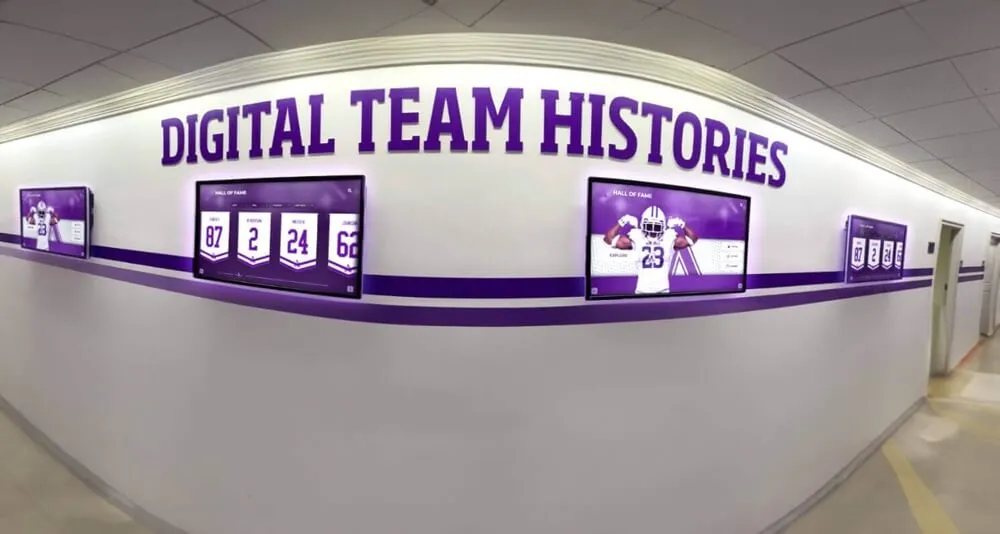
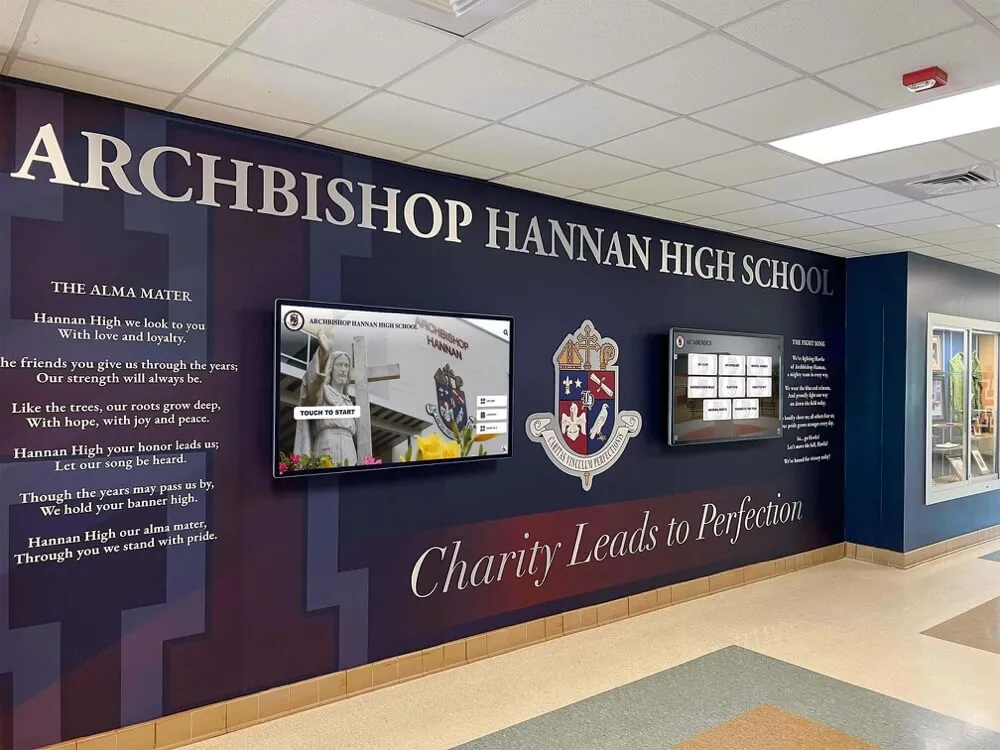
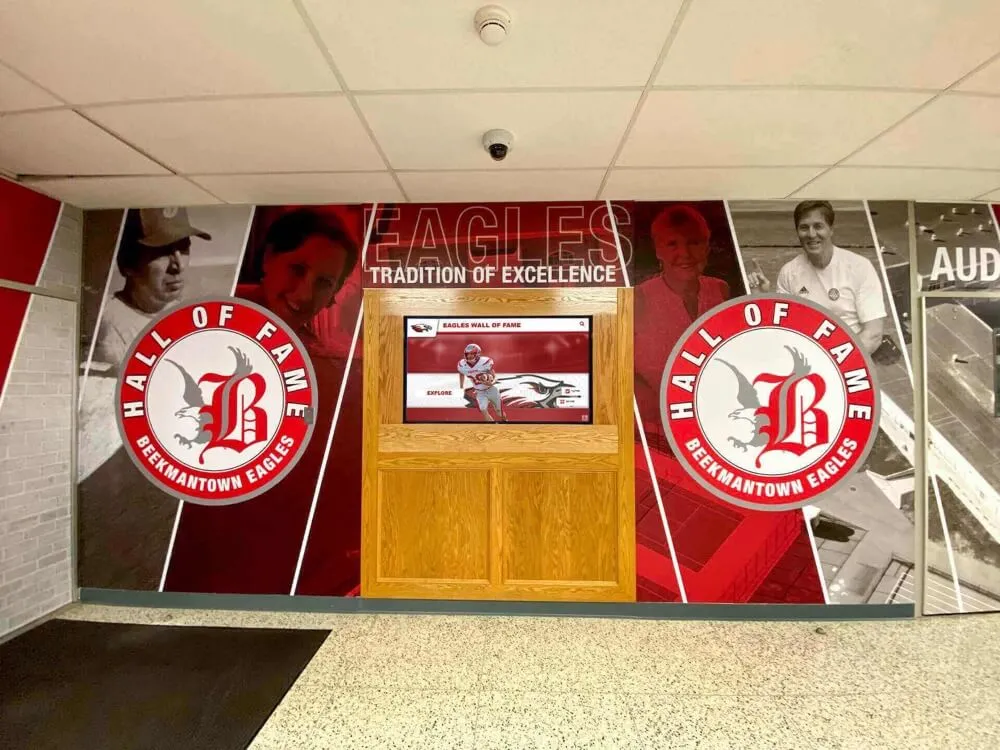
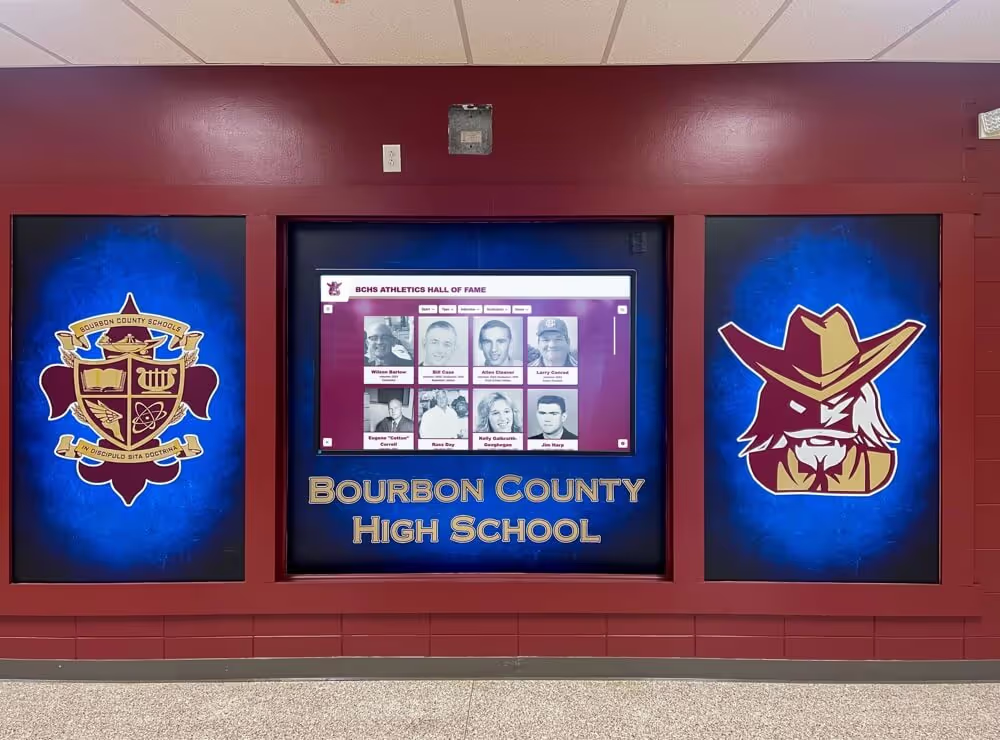
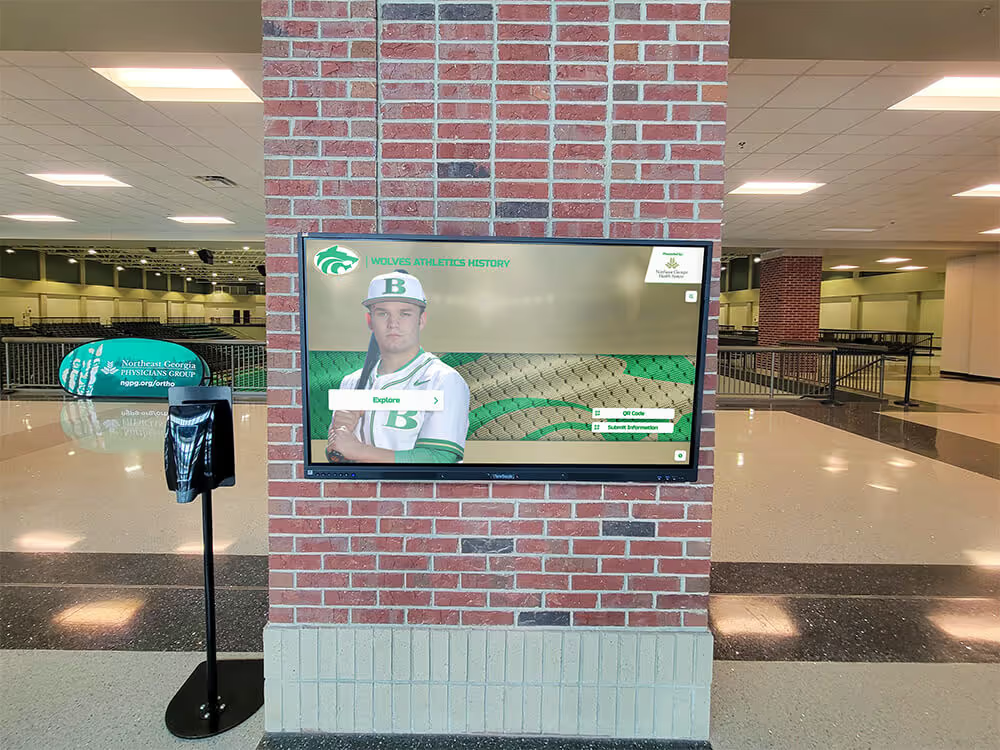
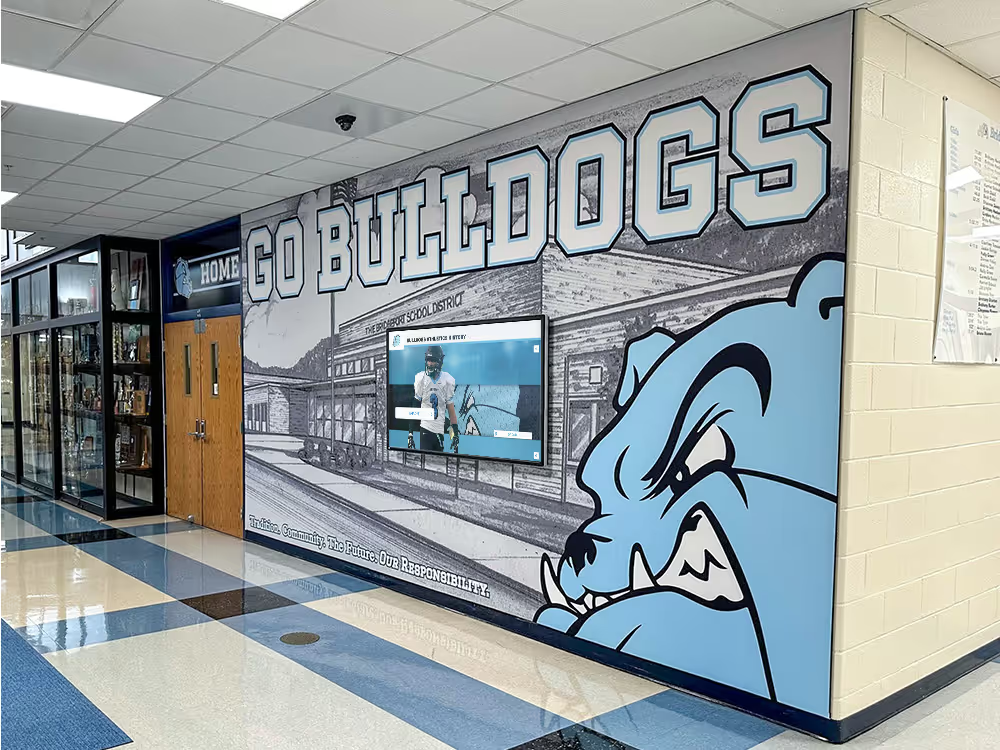
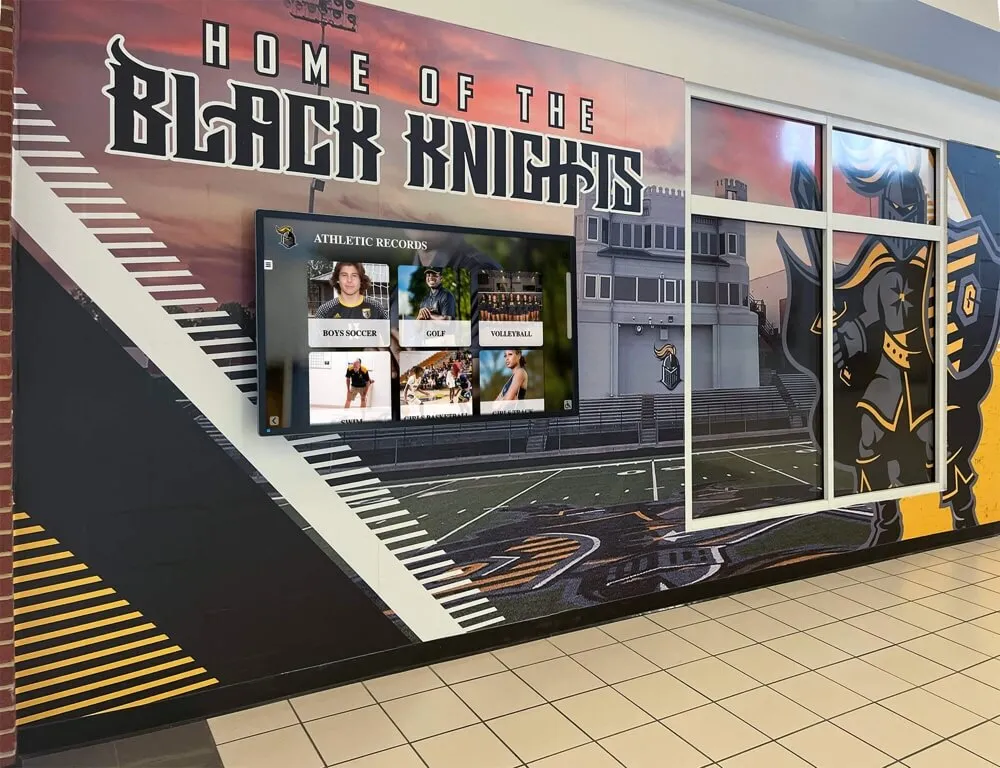
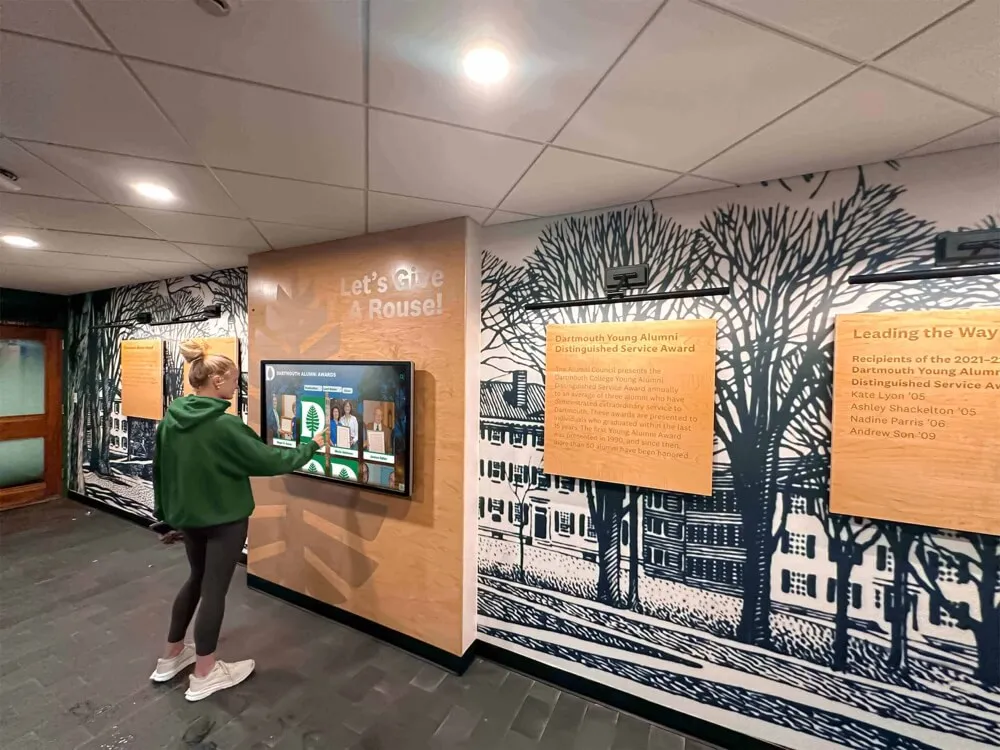
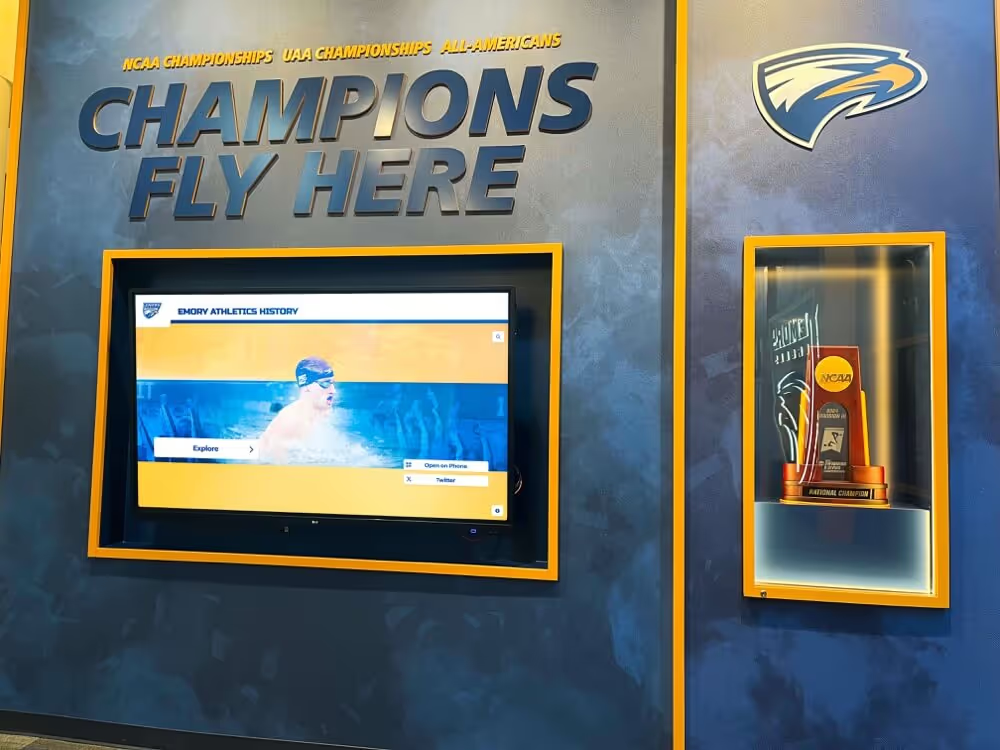
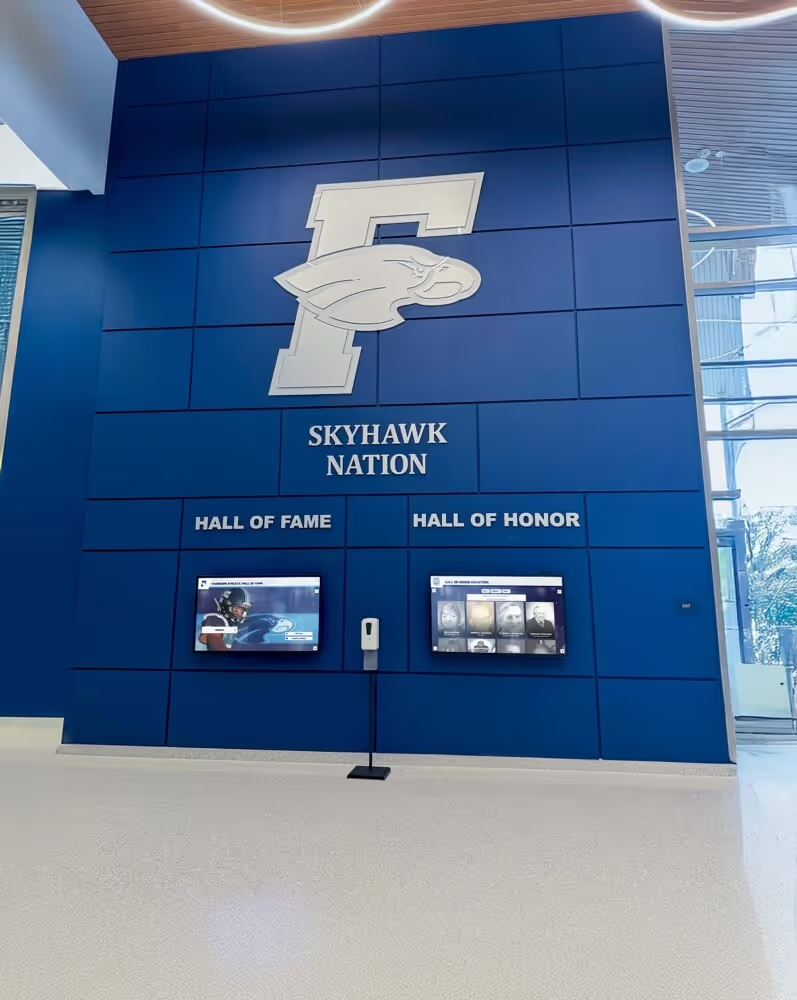
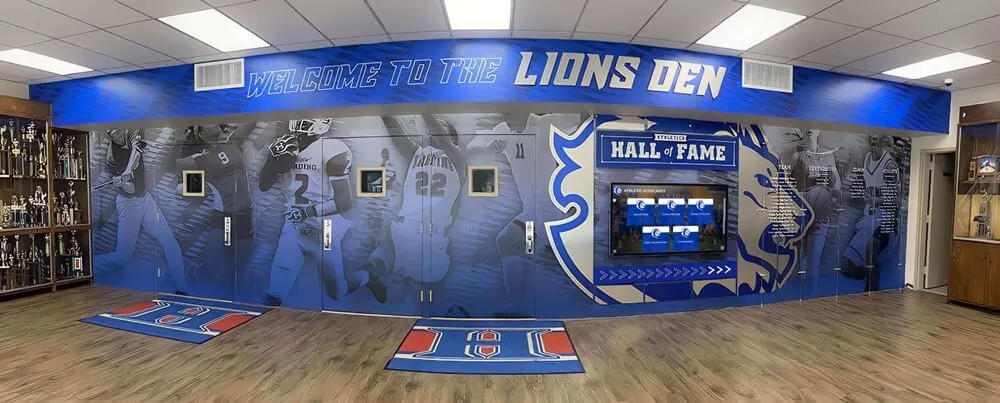
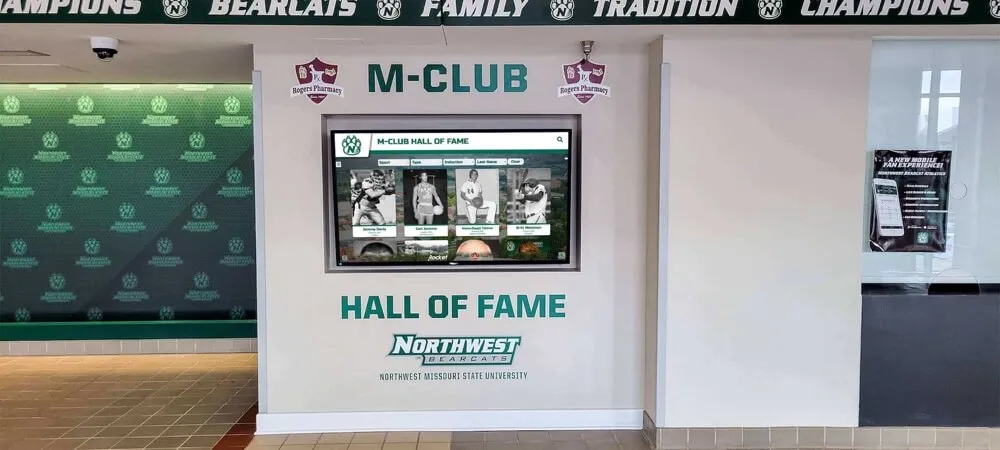
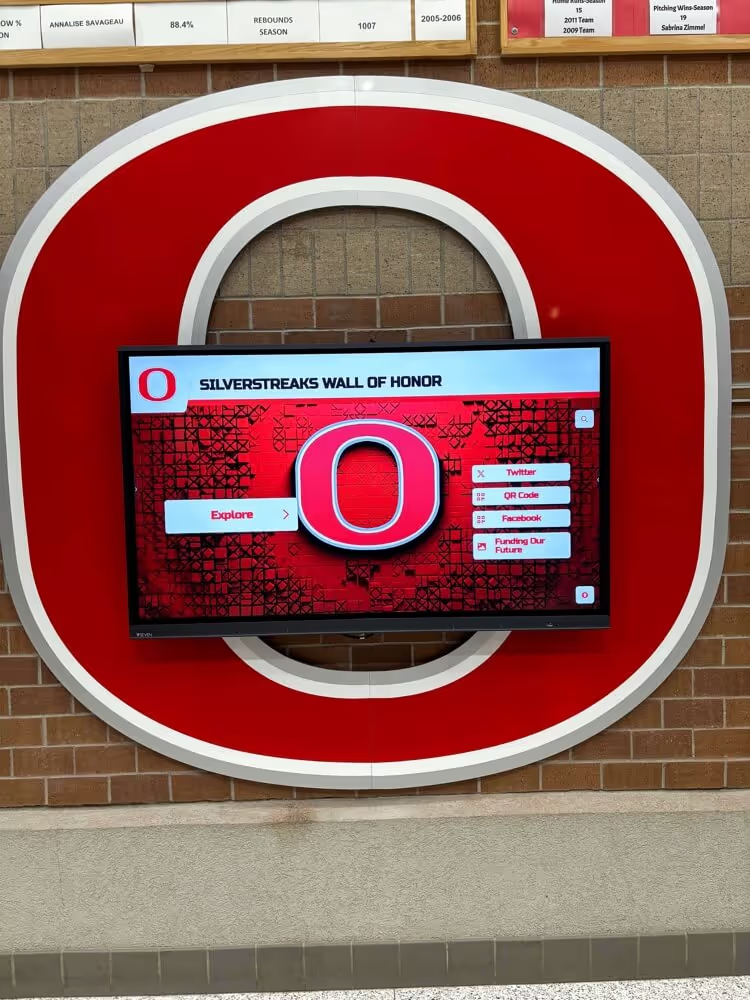
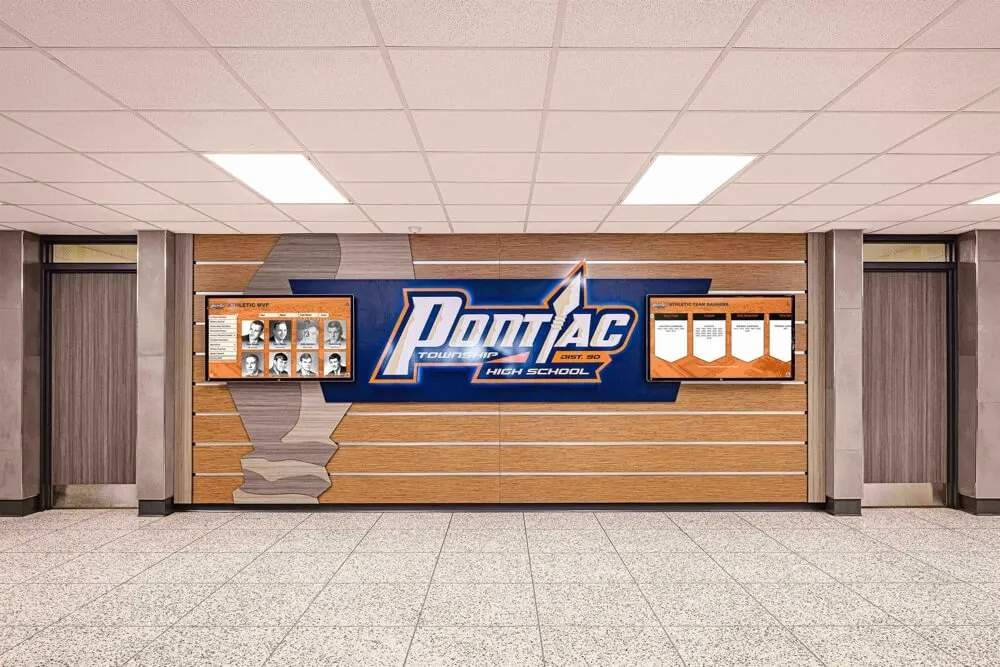
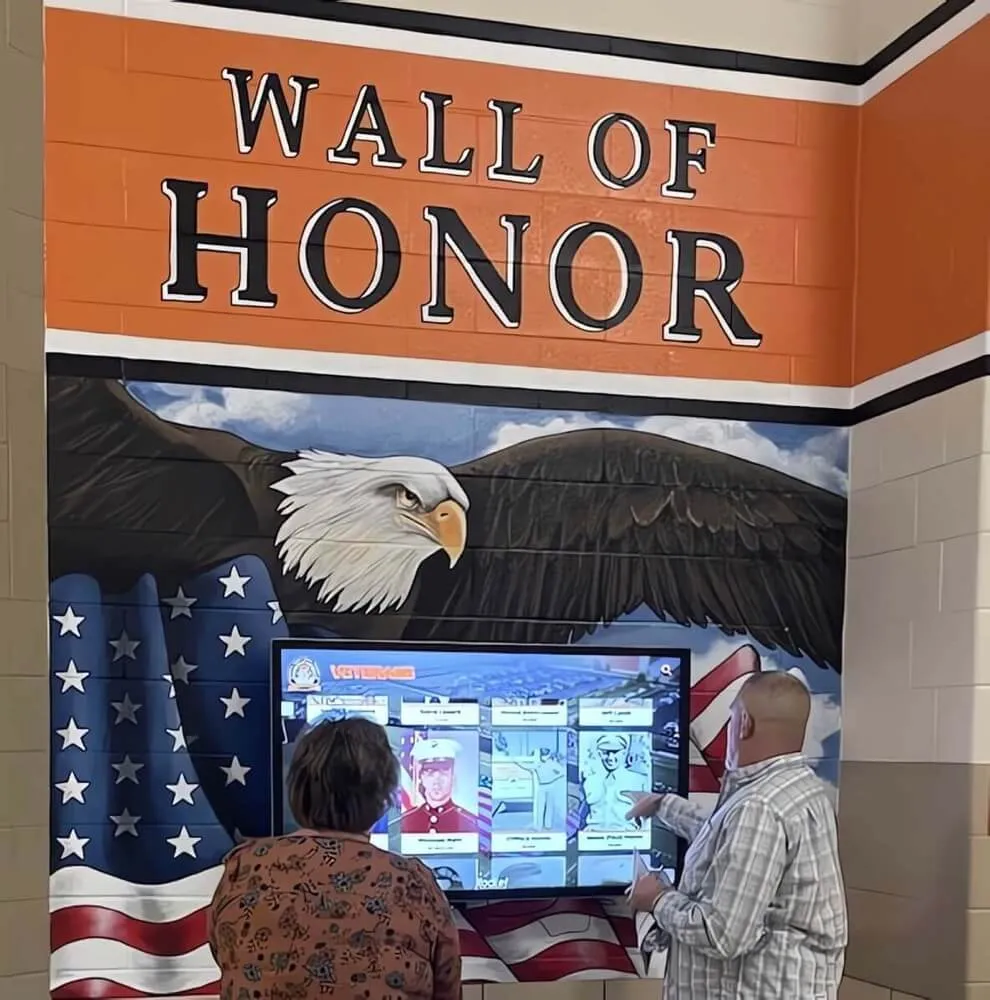
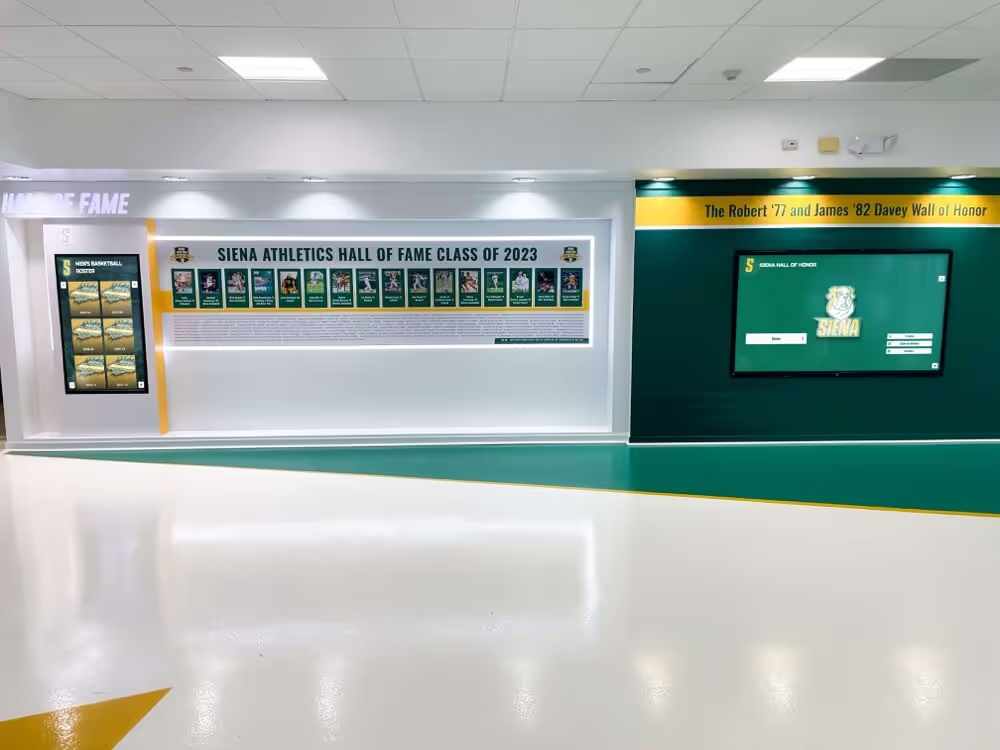
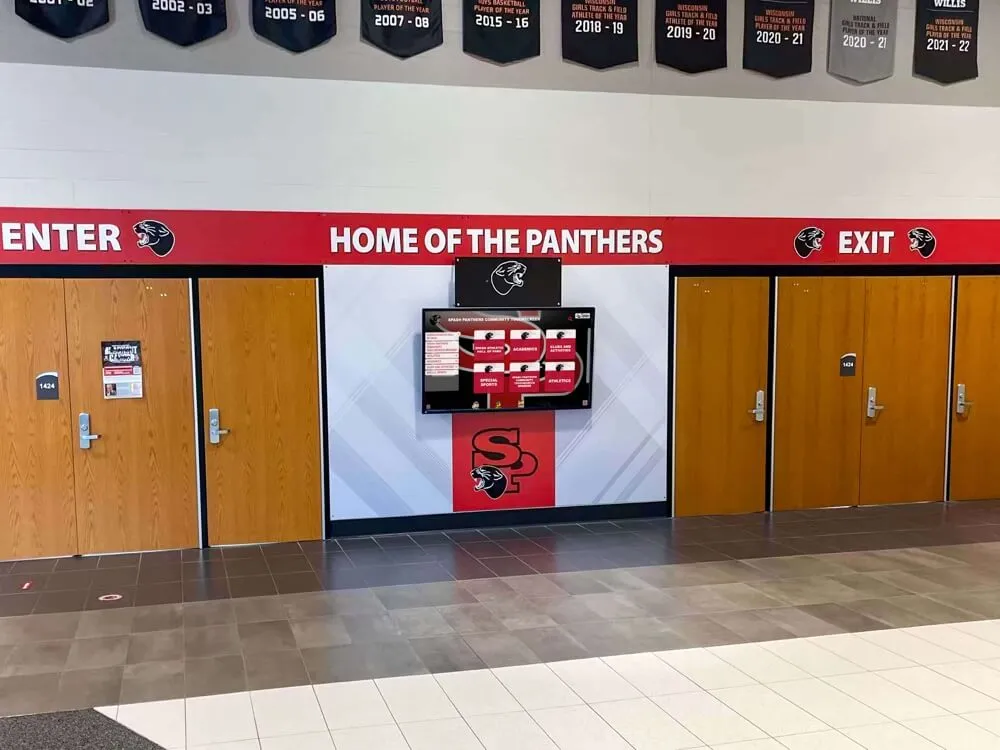
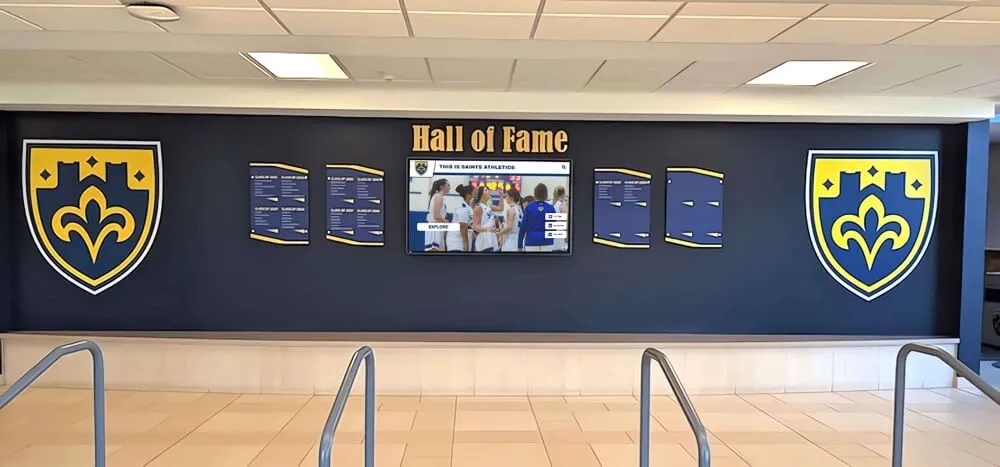
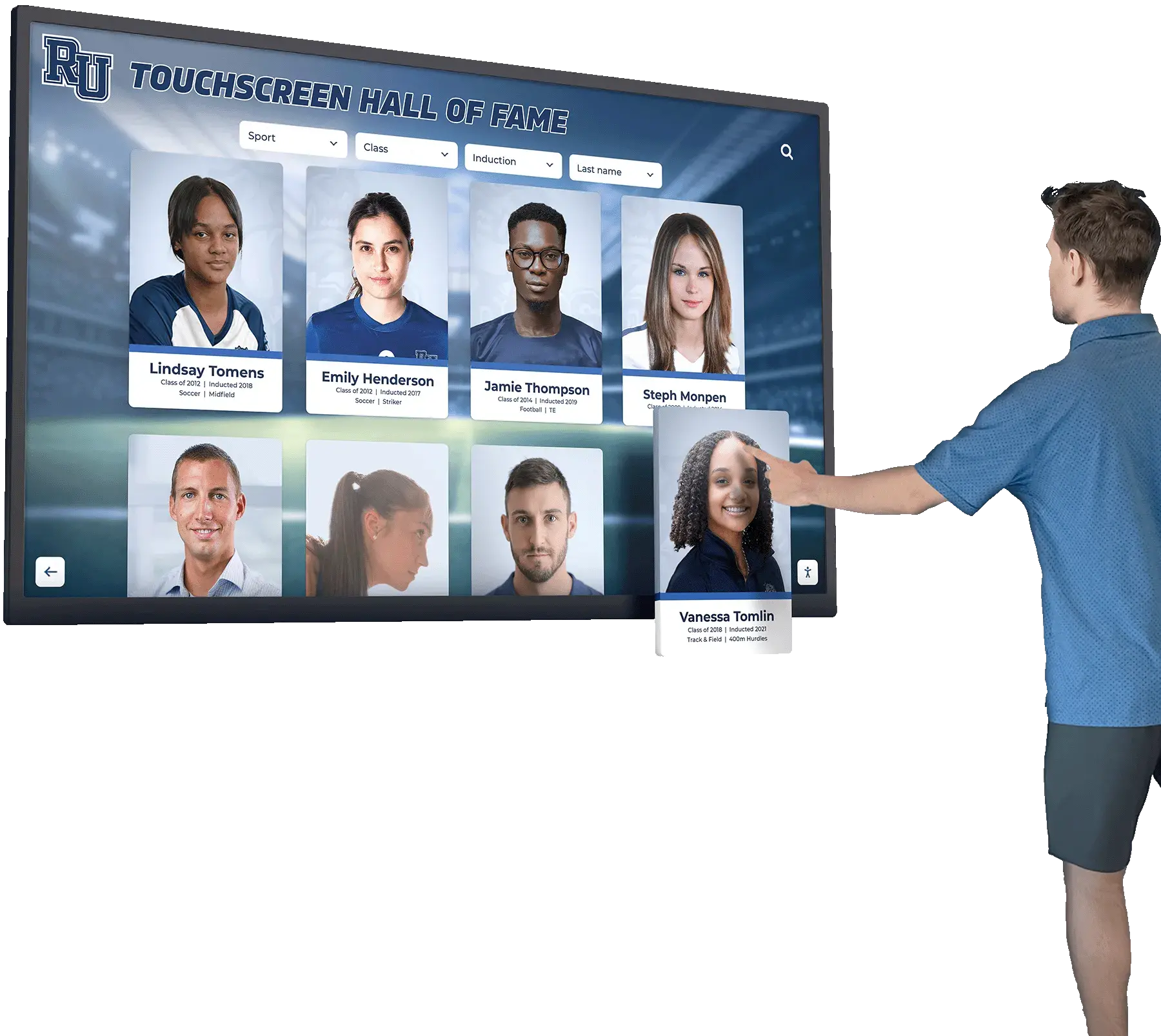
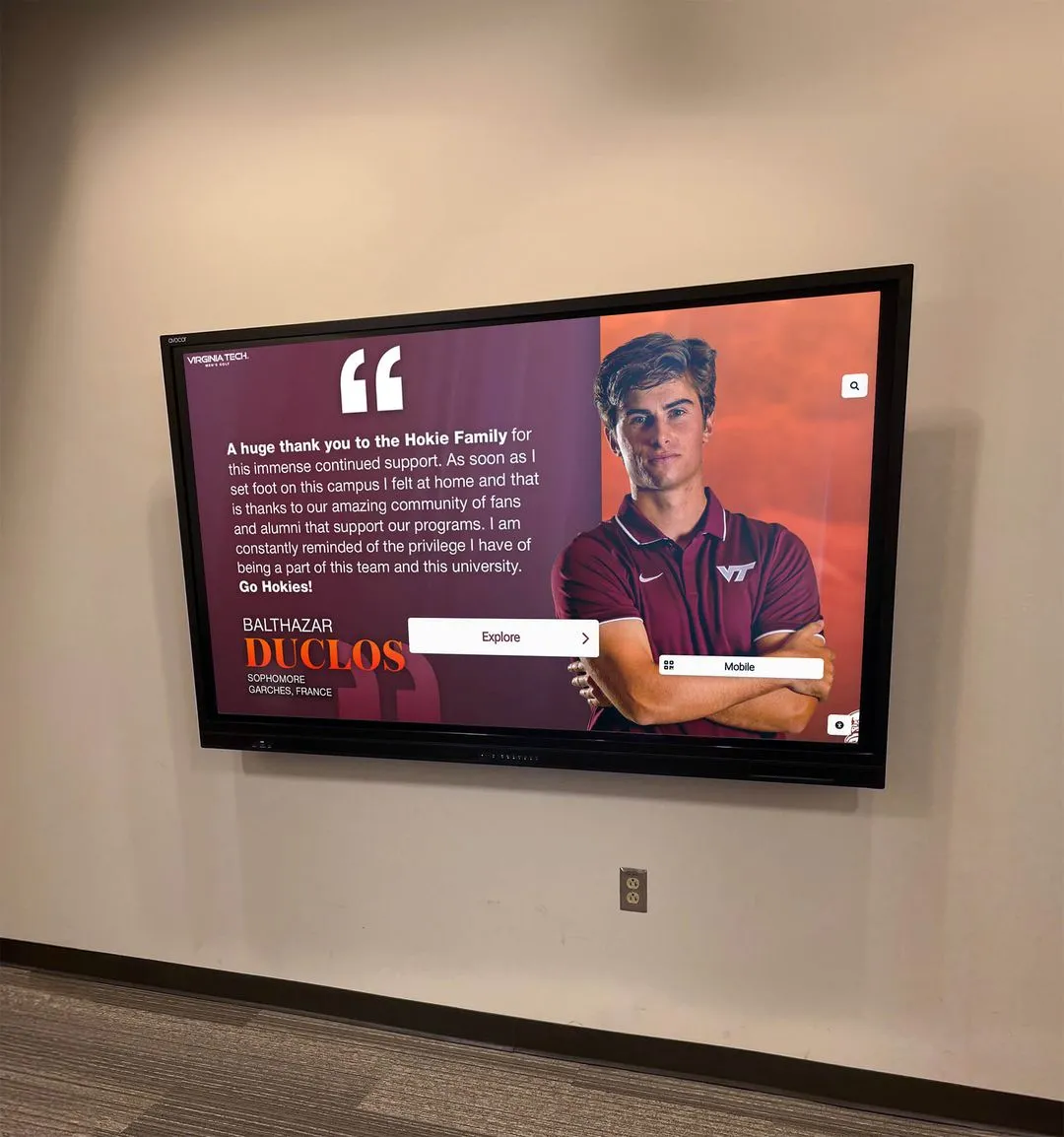
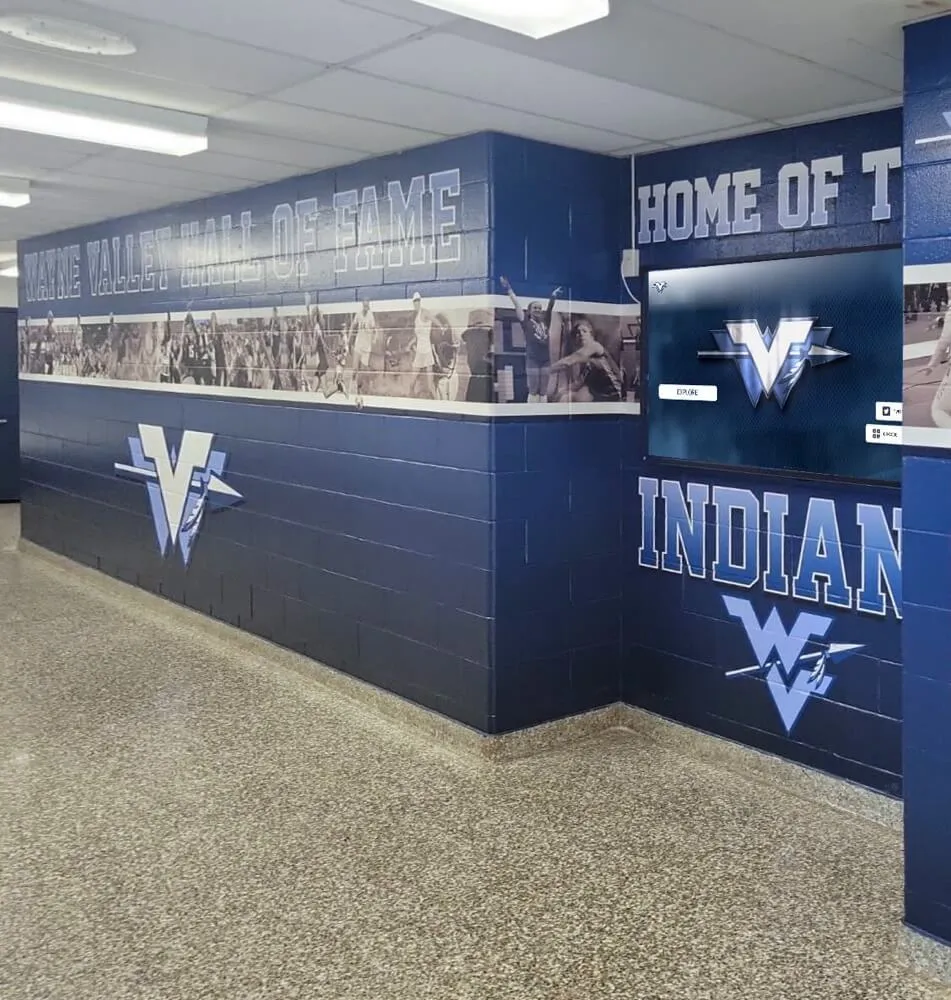
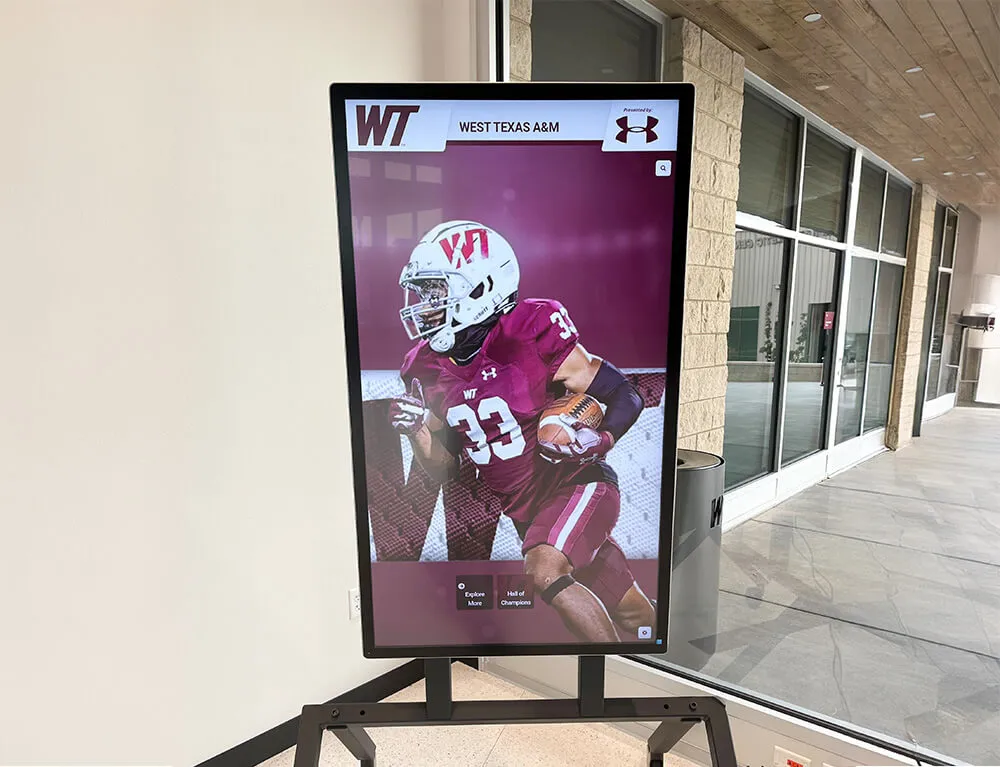
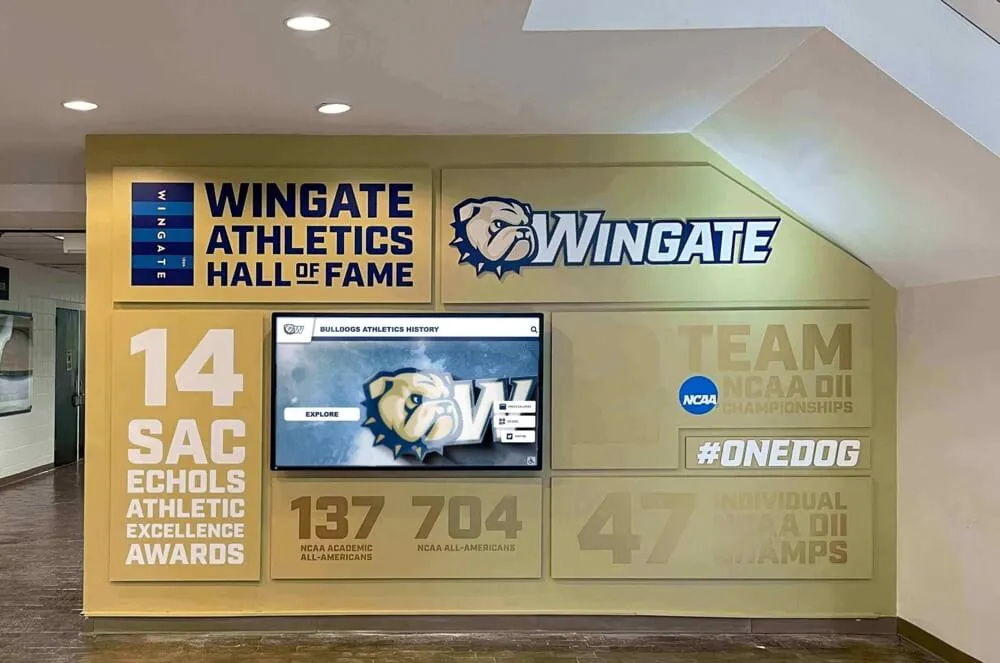
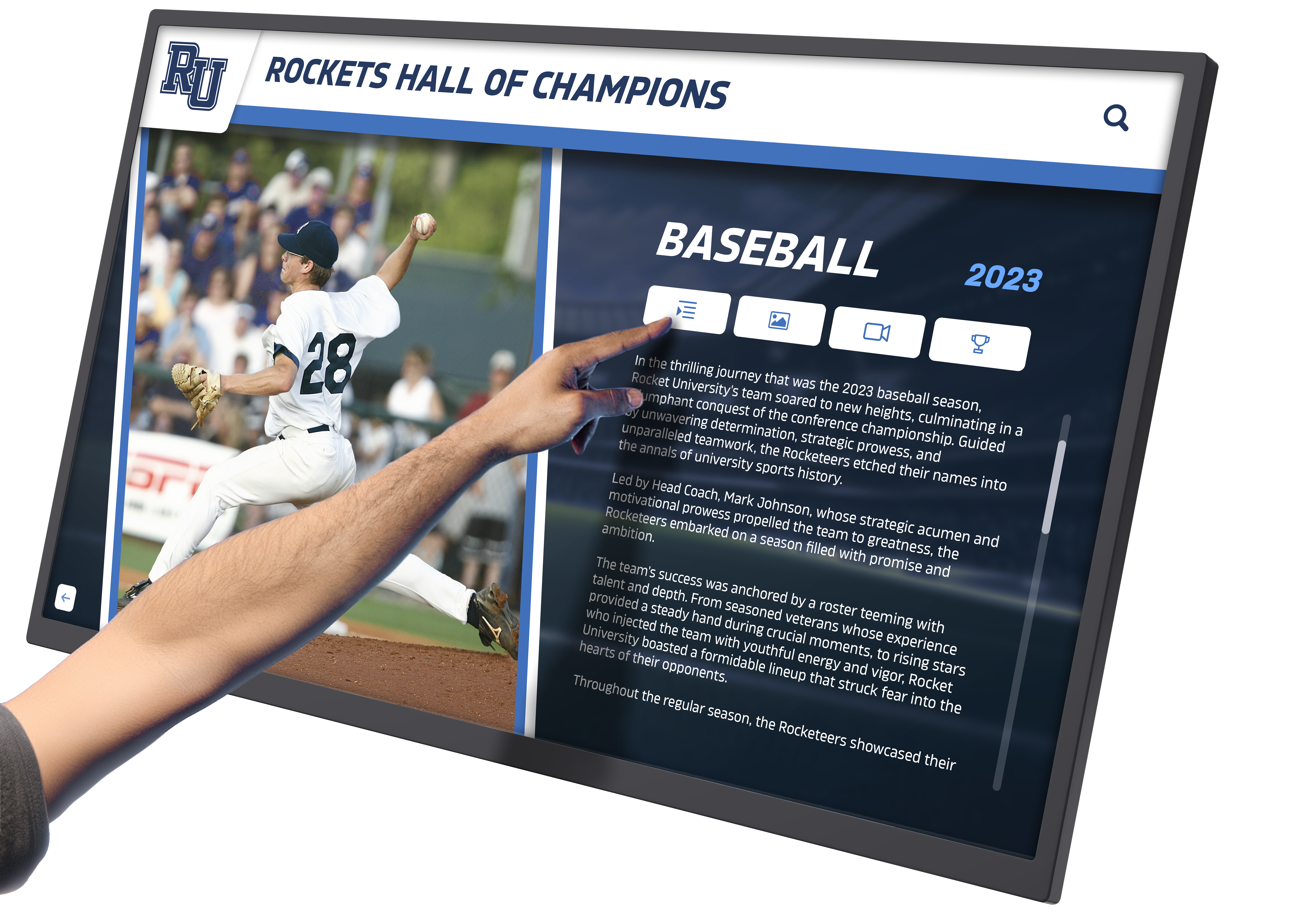
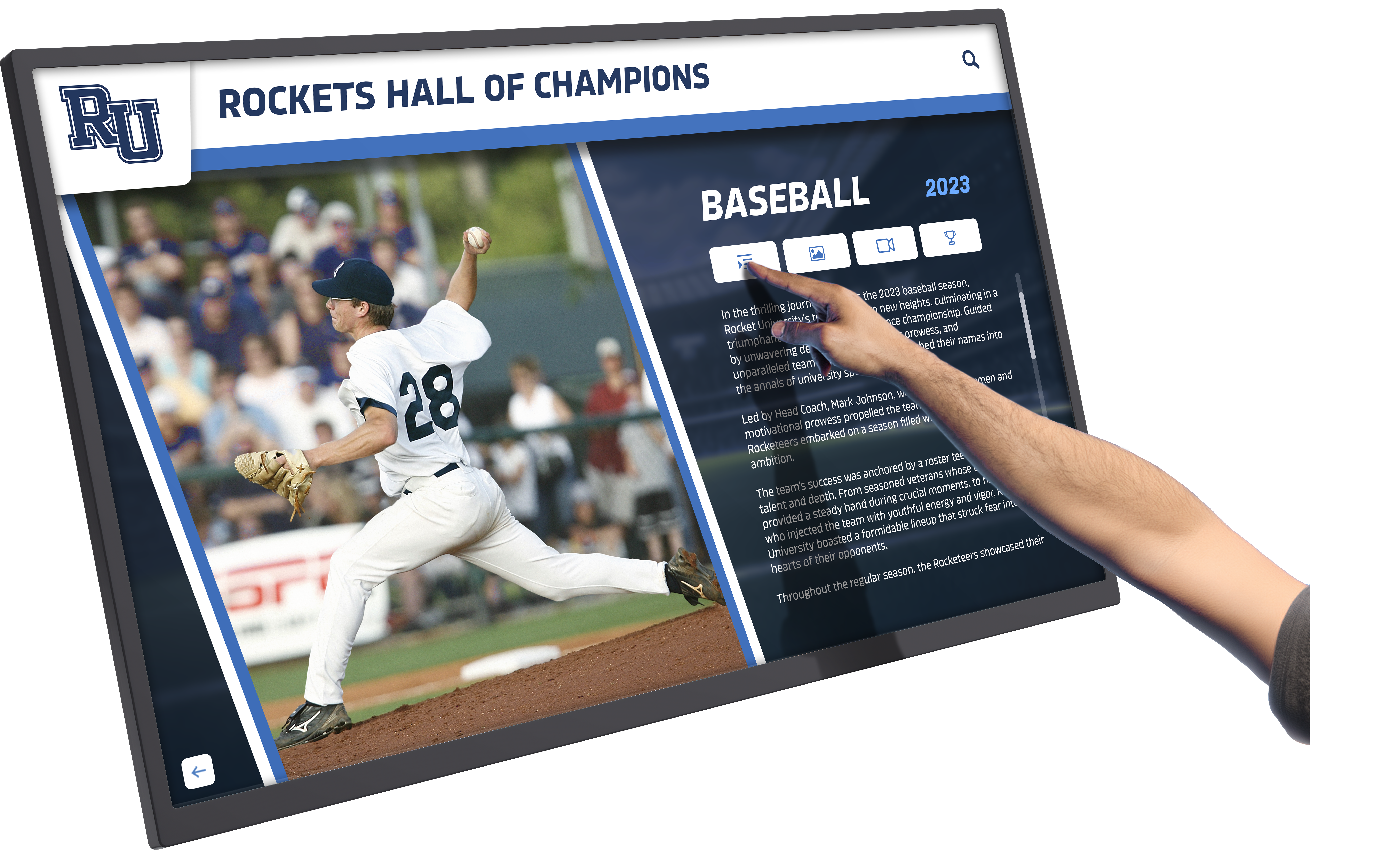
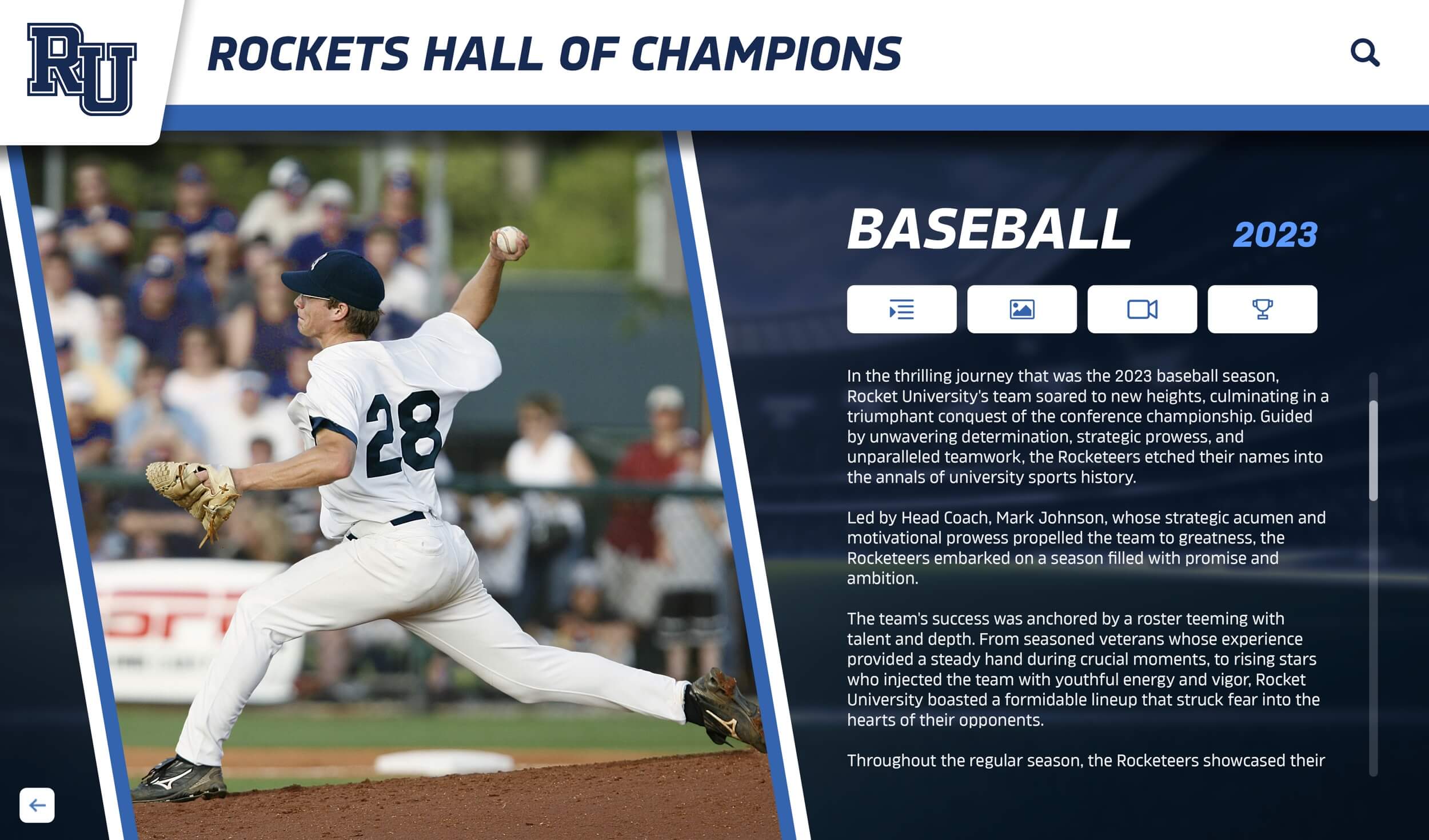
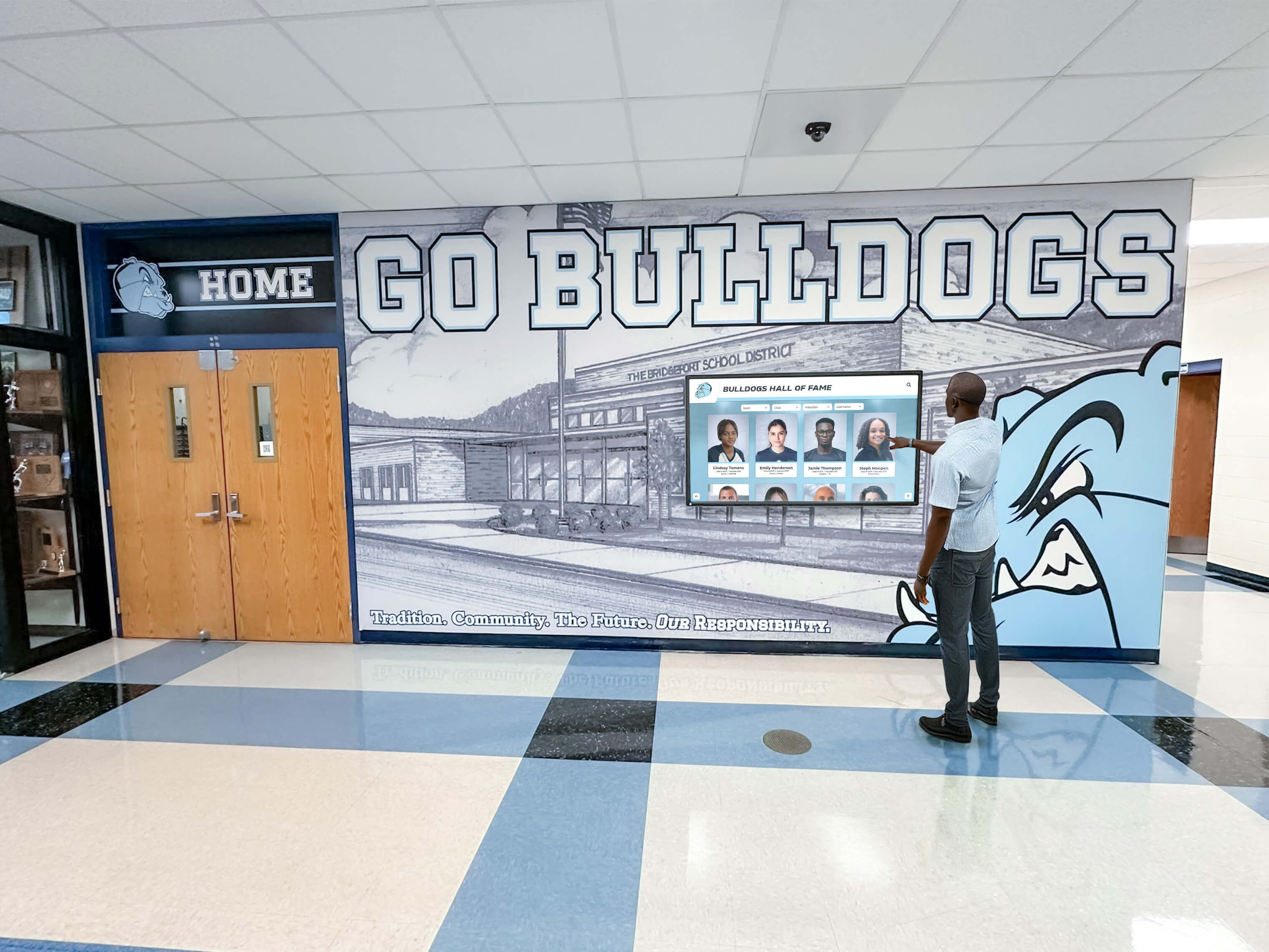
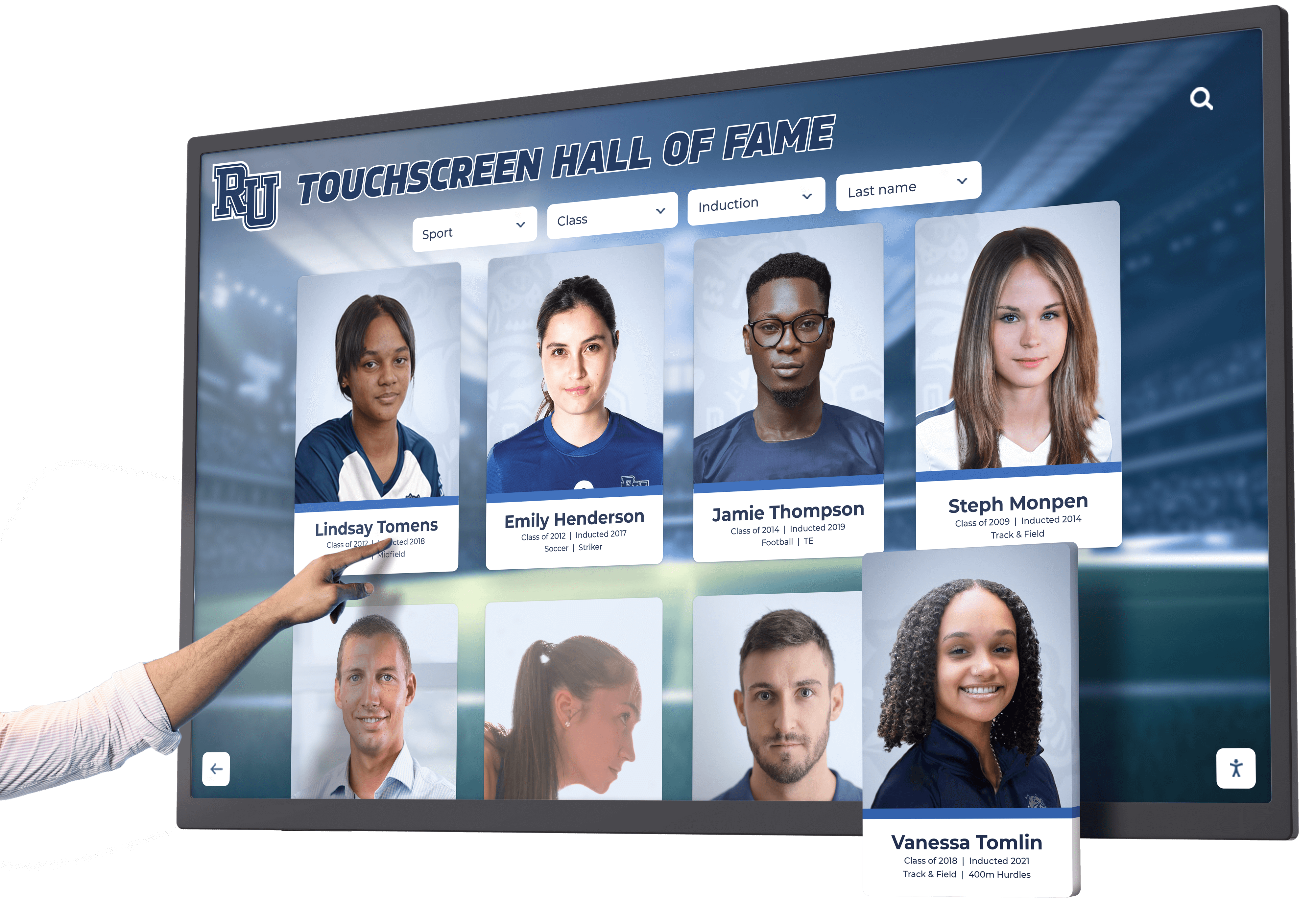
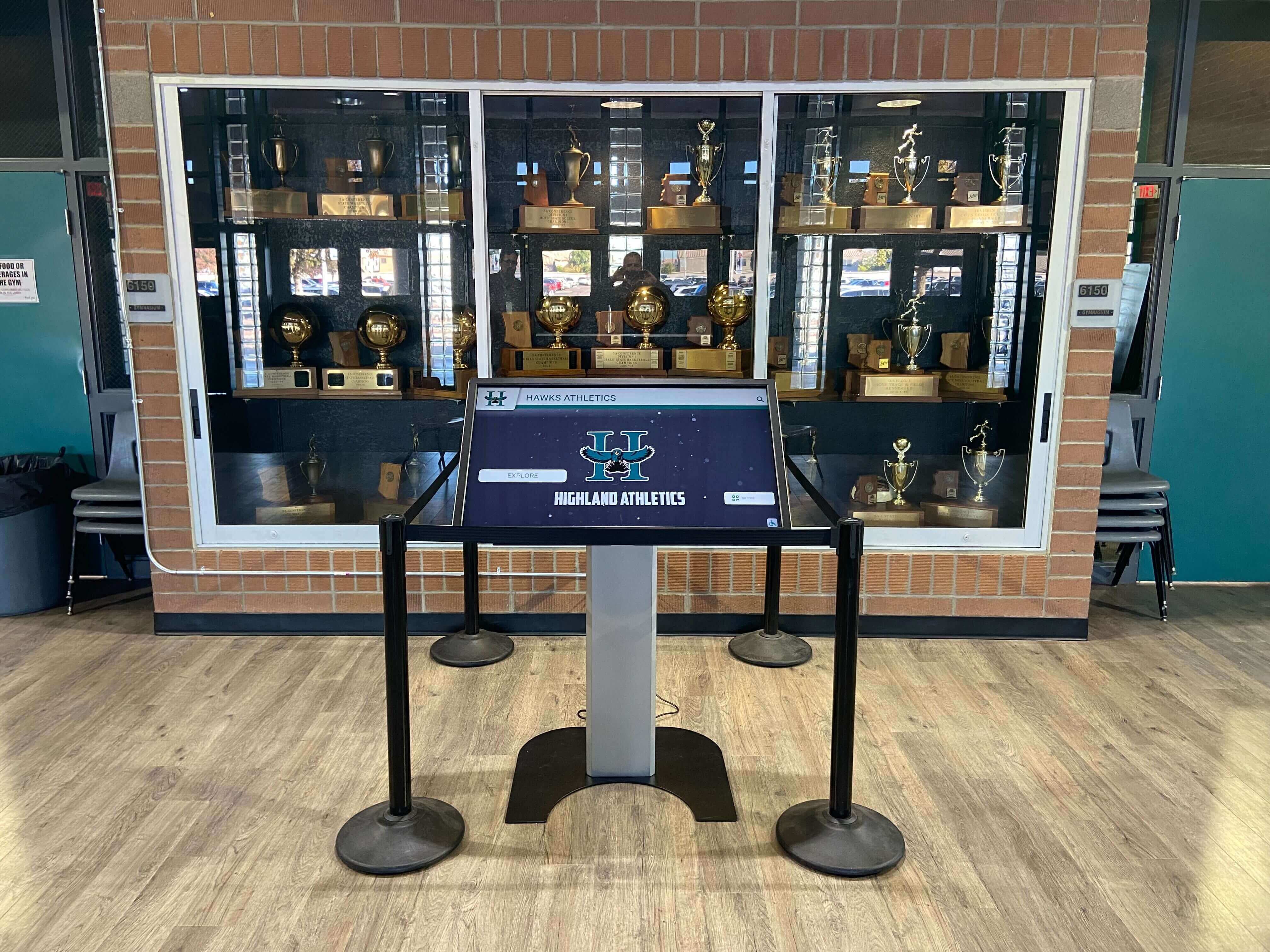
Modern recognition programs increasingly utilize digital platforms providing more comprehensive, accessible, and lasting recognition than traditional trophy cases or static plaques. Digital recognition displays offer unlimited capacity without physical space constraints, rich multimedia including photos, videos, and detailed statistics, searchable databases enabling easy access to historical achievements, easy content updates without reinstallation costs, and remote accessibility allowing athletes and families to view recognition from anywhere.
Solutions like Rocket Alumni Solutions provide intuitive platforms designed specifically for athletic recognition, enabling programs to showcase season achievements immediately after competitions conclude rather than waiting for physical trophy production. These systems create permanent digital archives preserving athletic accomplishments indefinitely, allowing alumni to return years later and find their high school achievements still celebrated and accessible.
Programs incorporating digital showcase platforms for athletic achievements find that technology significantly extends recognition impact beyond brief ceremony moments, creating lasting visibility that motivates current athletes while honoring past accomplishments.
Senior Recognition and Celebration
Spring season finality creates particularly emotional moments for seniors completing their high school athletic careers. Programs should thoughtfully recognize graduating athletes through senior night ceremonies during final home competitions, individualized tributes highlighting career achievements and contributions, parent recognition acknowledging family support throughout athletic journeys, team photoshoots creating lasting visual memories, and permanent recognition inclusion in school halls of fame or athletic recognition displays.
Senior recognition provides closure for graduating athletes while modeling for younger teammates what they can aspire to achieve through continued commitment. Meaningful senior recognition strengthens program culture by demonstrating that programs genuinely value athlete contributions and remember those who built team traditions. Schools can explore creative approaches to senior night celebrations that create memorable experiences honoring graduating athletes appropriately.
College Recruitment Considerations for Spring Sports
For athletes with college athletic aspirations, spring seasons provide critical showcasing opportunities within compressed recruiting timelines.
Sport-Specific Recruitment Timelines
College recruitment timelines vary significantly across spring sports. Baseball and softball recruiting has become increasingly early with top prospects committing during sophomore year, lacrosse follows similar early recruitment patterns particularly for girls’ programs, track and field recruitment extends later allowing athletes to demonstrate improvement through senior seasons, and tennis and golf recruiting depends heavily on national rankings from competitions outside high school seasons.
Athletes should research sport-specific timelines establishing realistic expectations about when college coaches evaluate prospects and when commitment decisions typically occur. Understanding timelines enables appropriate preparation and prevents anxiety when recruitment doesn’t match preconceived schedules.
Showcasing Skills During Spring Season
College coaches evaluate spring sports prospects through various mechanisms including attending high school games and competitions, reviewing video highlight compilations, examining statistics and performance data, observing summer tournament or showcase event participation, and considering recommendations from high school coaches.
Athletes should proactively create recruitment materials including highlight videos emphasizing relevant skills for their positions, comprehensive statistics documenting performance across seasons, academic transcripts demonstrating eligibility and intellectual capability, and contact lists including emails and phone numbers for coaches.
High school coaches often facilitate recruitment by promoting athletes to college coaches, hosting college coach visits, and providing recommendations supporting athletes’ college aspirations. Building strong relationships with high school coaches increases likelihood they’ll advocate effectively during recruitment processes.
Communication with College Coaches
NCAA rules regulate when and how college coaches can contact prospects, with regulations varying by sport and division level. Athletes should familiarize themselves with recruiting rules for their sports and desired divisions, ensuring compliance while maximizing recruiting opportunities.
Athletes can typically initiate contact with college coaches before coaches can contact them, enabling early relationship building. Effective communication emphasizes genuine interest in programs and specific schools, highlights relevant achievements and abilities for program needs, asks thoughtful questions about programs and schools, and maintains professional tone and appropriate boundaries.
Injury Prevention and Management
Spring sports injury rates spike due to cold weather training, rapid season intensity, and inadequate pre-season preparation. Understanding prevention strategies and appropriate injury management protects both immediate performance and long-term athletic development.
Common Spring Sports Injuries
Different spring sports present sport-specific injury patterns. Baseball and softball frequently see shoulder and elbow injuries from throwing, particularly among pitchers lacking proper arm care. Track and field athletes commonly experience shin splints, stress fractures, and hamstring strains from repetitive impact and explosive movements. Tennis players face shoulder tendinitis and knee issues from court impact and repetitive serving motions. Lacrosse presents concussion risks from stick contact and physical play. Soccer players experience ankle sprains, knee injuries, and muscle strains.
Prevention Through Proper Training
Most spring sports injuries result from preventable causes including inadequate pre-season preparation, sudden training volume or intensity increases, poor technique during movements, inadequate warm-up before maximum efforts, and insufficient recovery between efforts.
Effective injury prevention programs incorporate gradual training progression following “10% rule” limiting weekly increases, sport-specific strength training addressing common injury mechanisms, proper warm-up protocols including dynamic movements, technique instruction emphasizing safe movement patterns, and adequate recovery between high-intensity training sessions or competitions.
Athletes experiencing persistent pain should address symptoms immediately rather than attempting to “push through” discomfort. Early intervention for minor issues prevents development into serious injuries requiring extended time loss. Most season-ending injuries begin as minor problems that athletes ignored until they became severe.
Return to Play Decisions
When injuries occur, appropriate return to play timing determines whether athletes recover fully or develop chronic problems affecting performance and future participation. Returning too quickly risks reinjury, often more severe than original injury and requiring longer recovery. Returning too conservatively causes unnecessary time loss and fitness degradation.
Effective return to play decisions balance these risks through graduated return progressions including pain-free movement and daily activities, sport-specific movement without competition intensity, practice participation at reduced intensity, full practice participation, and competitive return with performance monitoring.
Athletes should work with athletic trainers, physical therapists, or physicians establishing return criteria and progression timelines rather than making independent decisions based on desire to compete. Medical professionals provide objective assessment preventing emotion-driven decisions that risk long-term consequences for short-term competitive opportunities.
Parent Support: How Families Can Help
Parents significantly influence spring sports experiences through the support they provide, boundaries they maintain, and modeling they demonstrate regarding competition, effort, and perspective.
Providing Appropriate Support
Effective parental support balances encouragement with appropriate boundaries respecting coach-athlete relationships and allowing athletes to own their experiences rather than parents attempting to control outcomes.
Logistical and Emotional Support
Parents appropriately support spring athletes by providing reliable transportation to practices and competitions, ensuring adequate nutrition and recovery resources, attending competitions when possible, celebrating efforts and improvements beyond just wins, maintaining perspective about long-term development versus immediate results, and listening supportively when athletes face challenges or disappointments.
This support creates foundations enabling athletic success without creating pressure or anxiety through excessive parental investment in outcomes beyond athlete control.
Avoiding Common Pitfalls
Parents undermine athlete development through well-intentioned but problematic behaviors including coaching from sidelines during competitions, criticizing coaches to athletes or other parents, pressuring athletes about playing time or statistics, overemphasizing college recruitment or scholarships, and making self-worth contingent on athletic performance.
These behaviors create anxiety, undermine coach-athlete relationships, and transform sports from positive developmental experiences into sources of stress and parent-child conflict. Parents should remember they are spectators supporting their child’s experience, not participants whose identity depends on athlete success.
Communication with Coaches
Appropriate parent-coach communication helps address legitimate concerns while respecting professional boundaries and avoiding becoming “that parent” coaches dread interacting with.
When to Communicate
Parents should directly communicate with coaches about serious safety concerns, significant conflicts with other team obligations, health issues affecting participation, and major family circumstances affecting athlete availability or wellbeing.
Parents should generally avoid communicating with coaches about playing time decisions, strategy or game management, other players or their playing time, and minor conflicts athletes should resolve independently.
How to Communicate Effectively
When communication is necessary, parents should request private meetings rather than confronting coaches publicly, focus on understanding perspectives rather than demanding changes, collaborate on solutions rather than issuing ultimatums, and model respectful communication teaching athletes professional interaction skills.
Most coaching decisions have rationale beyond what’s immediately obvious to spectators. Approaching conversations seeking to understand reasoning rather than assuming incompetence or unfairness typically reveals legitimate thought processes even when parents ultimately disagree with specific decisions.
Conclusion: Making the Most of Your Spring Season
Spring sports present unique opportunities for athletic development, competitive achievement, and personal growth during a compressed, demanding season requiring dedicated preparation, disciplined execution, and sustained commitment. Whether you’re a baseball pitcher managing arm health through frequent appearances, a track athlete balancing multiple events while preparing for championship meets, a tennis player navigating ladder competition and mental pressure, or a parent supporting a student-athlete through this challenging period, success requires understanding the unique demands spring seasons present and implementing strategies addressing those specific challenges.
The most successful spring sports athletes arrive prepared to perform immediately through proper pre-season conditioning, maintain academic excellence despite peak concurrent demands, leverage appropriate nutrition and recovery for sustained performance across compressed schedules, communicate proactively with coaches and teachers about inevitable conflicts, and maintain perspective recognizing that development and effort matter more than any single competition outcome.
For families and programs, creating cultures celebrating spring sports achievement through meaningful recognition extends impact beyond individual seasons. Modern digital recognition solutions enable comprehensive, lasting celebration of spring sports accomplishments that traditional approaches cannot match. Rocket Alumni Solutions provides intuitive platforms designed specifically for athletic recognition, helping schools honor spring sports achievements while creating permanent digital archives preserving athletic history indefinitely.
Ready to transform how your school recognizes spring sports excellence? Explore comprehensive digital recognition solutions designed for athletic programs that honor achievement meaningfully while building cultures where every athlete feels valued and every accomplishment receives celebration it deserves. Your spring athletes work incredibly hard during demanding seasons—ensure their achievements receive recognition that lasts beyond season-ending banquets and creates lasting pride in athletic accomplishment.