



Key Takeaways
Complete guide to spring sports in high school covering baseball, softball, track and field, lacrosse, tennis, and soccer. Learn about tryouts, training, balancing academics, and recognition opportunities for student athletes.
High school spring sports represent the culminating athletic season of the academic year, offering student athletes opportunities to compete in baseball, softball, track and field, lacrosse, tennis, soccer, and other sports during March, April, and May. For many student athletes, spring sports provide final chances to showcase talent for college recruitment, achieve personal athletic goals, and create lasting memories with teammates before summer transitions and graduations.
However, spring sports seasons also present unique challenges including compressed schedules with frequent competitions, balancing athletic demands with end-of-year academic requirements and standardized testing, managing multiple spring commitments, and navigating college recruitment pressures for seniors. Student athletes who understand how to prepare effectively for spring sports—physically, academically, and mentally—position themselves for successful seasons that support both competitive achievement and long-term educational goals.
This comprehensive guide addresses essential aspects of high school spring sports participation including sport-specific preparation strategies, tryout processes, balancing academics with athletics, injury prevention, college recruitment considerations, and recognition opportunities that celebrate spring sports achievements. Whether you’re a freshman trying out for your first spring sport or a senior completing your high school athletic career, understanding what makes spring seasons unique enables you to maximize both the competitive and developmental benefits these sports provide.
Understanding the Spring Sports Season
Spring sports seasons differ significantly from fall and winter athletics in timing, weather considerations, competitive structures, and how they fit within the broader academic calendar. Recognizing these distinctive characteristics enables better preparation and season management.
The Spring Sports Timeline
Spring athletic seasons follow compressed timelines with rapid transitions from tryouts to competitive play:
Pre-Season Preparation (January-February):
Before official practices begin, serious spring sport athletes engage in conditioning programs maintaining or building fitness during winter months. Baseball and softball players practice indoors, attend winter training programs, or participate in club teams. Track athletes run indoor track seasons or follow training plans maintaining speed and endurance. Tennis players compete in winter club leagues or take lessons. Lacrosse players attend winter clinics and strength training.
This pre-season preparation proves particularly important for spring sports because official practice periods before competition begin are often shorter than fall sports, giving less time for athletes to reach competitive conditioning after seasons start.
Tryouts and Early Practices (Late February-Early March):
Official tryouts typically occur in late February or early March, depending on state athletic association rules and local weather. Tryout periods last 3-5 days for most sports, with coaches evaluating skill levels, fitness, attitude, and team fit. Successful athletes immediately transition into regular practices, often 5-6 days weekly.
Early practices focus on fundamentals review, conditioning, team system implementation, and preparing for first competitions scheduled within 2-3 weeks of season starts. The compressed timeline requires athletes to arrive at tryouts already possessing base conditioning and sport-specific skills rather than developing these during early season practices.
Competitive Season (Mid-March through May):
Once competitive schedules begin, spring sports feature frequent contests—often 2-3 games or meets weekly for baseball, softball, lacrosse, and soccer, or weekly track meets with multiple events per athlete. This intensive competition schedule differs from fall sports with weekly games or winter sports with 1-2 games weekly.
Frequent competition means less practice time between contests for skill development or strategic preparation. Game preparation, recovery, and maintaining conditioning become primary focuses rather than introducing new tactical concepts or dramatically improving individual techniques.
Post-Season and Championships (Late May-Early June):
Conference tournaments, district playoffs, and state championships occur in late May or early June, depending on state. Post-season tournaments typically use single-elimination or bracket formats, meaning seasons can end abruptly or extend through late spring for successful teams.
Spring season endings create emotional intensity for seniors completing high school athletic careers immediately before graduations, adding sentimental weight to final practices, games, and team gatherings that doesn’t exist for fall or winter sports seasons.
Weather Considerations in Spring Sports
Unlike climate-controlled indoor winter sports or predictable fall conditions, spring sports constantly adapt to variable weather affecting practices, competitions, and season planning:
Unpredictable Conditions:
Spring weather varies dramatically—from snow and freezing temperatures in March to summer-like heat in May. Rain regularly disrupts schedules, causing postponements that create compressed makeups. Strong winds affect baseball, softball, track, tennis, and lacrosse, changing game strategies and performance outcomes.
Student athletes must adapt to playing in diverse conditions within single seasons, developing mental toughness and flexibility that weather-protected sports don’t require. Proper gear for cold, rain, heat, and sun becomes essential for maintaining health and performance across variable conditions.
Facility Limitations:
Many schools lack adequate indoor practice facilities for spring sports, forcing weather-related cancellations or suboptimal preparation in gymnasiums, hallways, or parking lots. Baseball and softball teams particularly struggle when outdoor fields remain unplayable for extended periods, limiting proper batting practice, fielding work, and game simulation.
These facility challenges can disadvantage schools in northern climates or those with limited indoor space compared to schools in warmer regions or with superior indoor training facilities, creating competitive inequities based on resources and geography rather than just athletic talent.
Academic Calendar Pressures Unique to Spring Sports
Spring sports occur during the most academically demanding portion of the school year, creating unique time management challenges:
Standardized Testing Conflicts:
SAT, ACT, AP exams, and state assessments cluster in April and May, directly overlapping peak competitive seasons. Student athletes must balance test preparation with athletic commitments, often studying during travel time, before early morning practices, or after evening competitions when mental fatigue is significant.
For juniors managing recruitment and scholarship considerations, strong standardized test scores matter as much as athletic performance, making this balance particularly critical. Schools with strong student athlete support programs provide study resources, tutoring, and flexible scheduling helping athletes manage these competing demands.
End-of-Year Academic Requirements:
Final projects, papers, presentations, and exams concentrate in late April and May, precisely when playoff and championship competitions intensify. Unlike fall sports ending before winter exams or winter sports concluding before spring finals, spring sports athletes face simultaneous athletic and academic peak demands.
Successful spring sport athletes proactively plan major assignments, communicate with teachers about known conflicts, and utilize support systems preventing last-minute crises where academic or athletic performance suffers due to overwhelming competing requirements. Many schools implement academic recognition programs that celebrate student athletes maintaining strong academics during intensive athletic seasons.
Major Spring Sports: Preparation and Participation
Different spring sports require specific preparation strategies, skill development focuses, and understanding of competitive structures. Here’s what student athletes need to know about major spring sports offerings:
Baseball
Baseball remains one of the most traditional spring high school sports, with comprehensive competitive structures from freshman through varsity levels in most schools:
Physical Preparation:
Baseball requires sport-specific skills developed through year-round practice rather than general athleticism alone. Successful players engage in winter throwing programs maintaining arm strength and mechanics, hitting practice through indoor facilities or batting cages, agility and speed training for base running and defense, and position-specific skill work for pitchers, catchers, and fielders.
Arm care proves particularly important for pitchers, who must follow pitch count guidelines, rest requirements, and proper throwing progressions preventing injury. Many successful programs implement structured throwing protocols beginning in January, gradually building arm strength for competitive season demands.
Tryout and Team Selection:
Baseball tryouts typically evaluate hitting ability through batting practice and live pitching, defensive skills at primary and secondary positions, throwing velocity and accuracy, base running speed, and understanding of game situations. Coaches also assess attitude, coachability, and team chemistry factors.
Most schools field multiple baseball teams—varsity, junior varsity, and sometimes freshman or C-teams—providing opportunities for players at various skill levels. Competition for varsity positions remains intense, particularly at schools with strong baseball traditions or large student populations.
Season Structure:
Baseball seasons feature 20-30 regular season games over 8-10 weeks, significantly more competitions than most spring sports. This game frequency requires roster depth for pitching rotations managing pitch count limits and position player rest.
Post-season structures vary by state but typically include district tournaments, regional playoffs, and state championships with single-elimination or bracket formats. Successful teams may play 35-40 games across full seasons including post-season competitions.
Softball
Softball parallels baseball in structure, season length, and competitive intensity, with growing participation and college scholarship opportunities:
Physical Preparation:
Softball preparation focuses on hitting mechanics adapted to rise balls, drops, and change-ups from windmill pitching, defensive positioning and reaction time for faster-paced action on smaller fields, arm strength for throwing from longer positions, and agility for base running and defensive reactions.
Pitchers require specialized training in windmill pitching mechanics, developing multiple pitch types, and building arm endurance for pitching multiple games weekly or even doubleheaders within seasons.
Unique Aspects:
Softball’s faster game pace compared to baseball requires quicker defensive reactions and decision-making. Smaller field dimensions create different strategic emphases around bunting, slap hitting, and aggressive base running compared to baseball approaches.
The sport continues growing in college recruitment and scholarship availability, making high school softball increasingly competitive and professionally coached. Many elite players supplement high school seasons with club travel softball programs operating year-round.
Track and Field
Track and field offers the most diverse participation opportunities of any spring sport, with events suitable for various athletic strengths and body types:
Event Categories:
Track and field includes sprint events (100m, 200m, 400m), middle distance (800m, 1600m), distance running (3200m), hurdles (100m, 300m, 400m), relays (4×100m, 4×400m), field events (long jump, triple jump, high jump, pole vault), and throwing events (shot put, discus, javelin). This diversity enables nearly any interested athlete to find suitable events matching their physical strengths.
Most track athletes compete in multiple events per meet, requiring training across event types and managing energy across prelims, finals, and multiple competitions within single meet days.
Training Approaches:
Successful track athletes follow structured training programs building event-specific skills, cardiovascular conditioning, strength training, speed development, and technical mastery of jumping or throwing mechanics. Distance runners emphasize aerobic development through mileage accumulation, sprinters focus on explosive power and running mechanics, and field event athletes develop technical precision and event-specific strength.
Many track programs implement periodization—structuring training in phases building from base conditioning through event-specific preparation toward peak performance during championship meets. Athletes who understand their event demands and follow disciplined training approaches see greatest improvement across seasons.
Competition Structure:
Track meets occur weekly, with athletes typically competing in 2-4 events per meet. Scoring systems reward depth—teams with athletes placing in top positions across multiple events accumulate points determining team winners.
Championship meets follow qualification standards, with athletes needing to meet time or distance standards to advance to district, regional, or state competitions. This structure rewards individual excellence while maintaining team scoring that recognizes program depth.
Lacrosse
Lacrosse represents one of the fastest-growing high school sports, expanding from traditional northeastern regions to national participation:
Sport Overview:
Lacrosse combines elements of basketball, soccer, and hockey—requiring stick skills for catching, throwing, and cradling a ball, constant running and endurance, physical contact and defensive positioning, and strategic offensive and defensive systems. The sport’s complexity and physical demands create steep learning curves for new players.
Equipment requirements including sticks, helmets, pads, and gloves create higher cost barriers than many spring sports, though many schools provide equipment or have programs assisting with costs for families facing financial constraints.
Skill Development:
Fundamental lacrosse skills include stick handling for catching and throwing accurately while running, cradling for ball protection during contact, shooting with velocity and accuracy, defensive positioning and stick checking, and understanding offensive and defensive formations and transitions.
Athletes new to lacrosse benefit from winter clinics, summer camps, or club programs developing these specialized skills before high school tryouts, as the sport’s technical demands make on-the-fly learning during short spring seasons challenging.
Growing Opportunities:
College lacrosse programs continue expanding, creating increased scholarship opportunities and recruitment pathways. High school players with strong lacrosse development have opportunities for college athletic careers that may not exist in more established, competitive spring sports where talent pools are deeper.
Tennis
Tennis offers individual and team competition formats, providing flexibility for athletes who prefer individual accountability over team dependencies:
Individual Sport Dynamics:
Unlike team sports where performance depends partly on teammates, tennis players directly control outcomes through their own play. This creates psychological pressures but also empowers athletes to succeed through personal improvement regardless of team strength.
Singles players compete in head-to-head matches, while doubles teams require partnership coordination, communication, and strategic teamwork. Most players compete in both singles and doubles during seasons.
Skill Requirements:
Tennis demands technical mastery of groundstrokes (forehand, backhand), serves, volleys, overheads, and specialty shots like lobs and drop shots. Beyond technique, competitive tennis requires strategic thinking about shot selection and court positioning, mental toughness managing pressure in close matches, and physical conditioning for matches lasting 1-2 hours.
Players who develop well-rounded games with offensive and defensive capabilities, strong serves, and mental resilience typically achieve greatest success in high school competitive environments.
Year-Round Development:
Serious tennis players typically train year-round through lessons, club memberships, and tournament play, making spring high school seasons one component of annual competitive schedules rather than sole tennis participation. This year-round training culture means spring tryouts often feature players with significantly different development levels based on private instruction access and family investment in the sport.
Soccer (Spring in Some Regions)
While soccer is a fall sport in many states, some regions schedule boys’ or girls’ soccer in spring, creating the primary high school soccer season in those areas:
Regional Variations:
State athletic associations determine soccer season timing, with northeastern and some midwestern states typically playing spring soccer while most other regions compete in fall. These regional differences affect college recruitment timing and competitive development pathways.
Spring soccer states often see more overlap with club soccer schedules, as club seasons typically run year-round with peaks during fall and spring. Managing high school and club team commitments requires coordination and sometimes difficult prioritization decisions.
Physical Demands:
Soccer requires exceptional cardiovascular endurance for constant running during 80-90 minute matches, technical skills in dribbling, passing, shooting, and defending, tactical understanding of formations and systems, and versatility to play multiple positions based on team needs.
Preparation includes conditioning for aerobic and anaerobic fitness, technical skill work with ball touches and passing accuracy, tactical training understanding positioning and team shape, and strength training for contact and injury prevention.
Balancing Academics and Spring Sports
The overlap of spring sports with year-end academic demands requires intentional time management, communication, and prioritization strategies enabling success in both areas:
Time Management Strategies
Effective time management prevents academic crises during intensive athletic seasons:
Creating Structured Schedules:
Student athletes should develop weekly schedules mapping all commitments—practices, games, classes, study time, sleep, meals, and travel. Visual schedules help identify available time blocks for homework and studying while revealing potential conflicts requiring advance planning.
Most successful student athletes follow consistent daily routines during seasons, eliminating decision-making about when to complete various tasks by establishing regular patterns for studying, sleeping, and managing responsibilities.
Maximizing Available Time:
Small time blocks become valuable during busy spring seasons. Productive athletes utilize bus rides to away competitions for reading or flashcard review, complete simpler homework assignments during free periods or study halls, start longer assignments immediately when assigned rather than waiting until due dates approach, and use early mornings or late evenings for focused study when necessary.
The key involves recognizing that perfect conditions for studying rarely exist during seasons—learning to work efficiently during imperfect windows prevents academic backsliding during intensive athletic periods.
Prioritizing High-Impact Activities:
When time becomes constrained, focusing on highest-impact academic activities matters more than attempting to complete everything. Priority activities include attending all classes and taking effective notes, completing graded assignments before optional readings, focusing test preparation on highest-weighted assessments, and communicating with teachers about genuinely unavoidable conflicts.
Student athletes who try doing everything perfectly often become overwhelmed and underperform across all areas. Strategic prioritization enables maintaining strong performance in most important academic areas while managing athletic commitments.
Communication with Teachers and Coaches
Proactive communication prevents many common conflicts between athletics and academics:
Teacher Communication:
Student athletes should inform teachers at season starts about sport commitments and typical schedules, providing competition calendars showing known conflicts with class time. When conflicts arise with major assignments or assessments, communicate immediately—not the day before deadlines—to explore options.
Most teachers willingly accommodate reasonable requests from student athletes who demonstrate consistent effort and communication. Teachers become less flexible with athletes who wait until last minute, demonstrate poor time management, or use athletics as constant excuse for incomplete work.
Coach Communication:
Similarly, student athletes should communicate with coaches about major academic commitments like AP exams, important presentations, or final projects. Most coaches support academics and work with athletes managing genuine conflicts, provided athletes communicate respectfully and in advance.
Coaches lose patience with athletes who skip practices without communication or claim academic conflicts for assignments they’ve known about for weeks. Honest, advance communication maintains positive relationships with both teachers and coaches.
Academic Support Resources
Most schools provide academic support specifically designed for student athletes:
Study Hall Programs:
Many athletic programs require study halls during seasons, providing structured time for homework completion with academic support available. These programs prevent procrastination while ensuring athletes dedicate time to academics rather than socializing during free periods.
Required study halls also signal institutional commitment to academic success for athletes, sending messages that athletics don’t excuse academic underperformance.
Tutoring Services:
Schools often provide tutoring programs for student athletes struggling in specific subjects. Utilizing these resources proactively—before grades significantly drop—prevents academic crises that could threaten athletic eligibility or college opportunities.
Student athletes should request tutoring help early when difficulties first appear rather than waiting until situations become critical near grading periods.
Advisor Check-Ins:
Some schools assign academic advisors monitoring student athlete grades and progress, identifying issues early and connecting athletes with appropriate support. Regular advisor meetings help student athletes stay accountable to academic goals during busy athletic seasons. Organizations implementing end-of-year recognition programs often celebrate student athletes who successfully balance academic and athletic excellence.
Physical Preparation and Injury Prevention
Spring sports preparation requires sport-specific conditioning, strength development, and injury prevention strategies enabling athletes to perform safely throughout intensive competitive seasons:
Sport-Specific Conditioning
General fitness helps, but sport-specific conditioning proves essential for competitive readiness:
Cardiovascular Preparation:
Distance-based sports like track, soccer, and lacrosse require developed aerobic systems supporting sustained effort. Athletes should build cardiovascular bases through consistent running or cross-training before seasons begin, as developing endurance during competitive seasons proves difficult while managing game recovery.
Sprint-based sports like baseball and softball require different conditioning emphasizing explosive movements and recovery between high-intensity efforts. Training should include sprint intervals, agility work, and power development rather than just long-distance running.
Strength Training:
Sport-appropriate strength training improves performance while reducing injury risk. Baseball and softball players benefit from rotational core strength and shoulder stability for throwing and hitting. Track throwers require explosive lower body and core strength. Lacrosse and soccer players need total body strength for contact and shot power.
Proper strength training programs progress gradually, emphasize proper form over maximum weight, and balance opposing muscle groups preventing imbalances that cause injuries.
Flexibility and Mobility:
Many spring sports injuries result from inadequate flexibility and mobility limiting proper movement patterns. Regular stretching routines, dynamic warm-ups before practices and games, and targeted mobility work for sport-specific movements all reduce injury risk while improving performance efficiency.
Athletes should dedicate 10-15 minutes to proper warm-ups before every practice and competition, even when time feels limited or weather conditions make thorough warm-ups uncomfortable.
Common Spring Sports Injuries
Understanding typical injuries enables prevention strategies and appropriate responses when injuries occur:
Overuse Injuries:
Spring sports’ compressed schedules with frequent competitions create overuse injury risks. Common examples include baseball pitcher shoulder and elbow injuries from excessive throwing, track athlete shin splints and stress fractures from high training volumes, tennis player shoulder and wrist overuse injuries, and softball pitcher shoulder injuries from windmill pitching mechanics.
Prevention strategies include following pitch count limits and rest requirements for pitchers, gradually increasing training volumes for runners rather than dramatic jumps, incorporating rest and recovery days into training schedules, and addressing minor pain early before it becomes serious injury.
Acute Injuries:
Contact sports like lacrosse and soccer present acute injury risks including sprains, strains, and contusions. Even non-contact sports feature acute injury possibilities—baseball players diving for balls, track athletes pulling muscles during sprints, and tennis players rolling ankles.
Proper conditioning, good equipment, appropriate warm-ups, and safe playing conditions reduce but cannot eliminate acute injury risks. When injuries occur, proper immediate treatment and appropriate recovery before return prevent short-term issues from becoming chronic problems.
Recovery and Rest Strategies
Adequate recovery enables sustained performance throughout long spring seasons:
Sleep Requirements:
Student athletes need 8-10 hours of sleep nightly, particularly during intensive training and competition. Sleep deprivation undermines athletic performance, academic function, immune system health, and injury recovery.
Maintaining consistent sleep schedules—going to bed and waking at similar times daily—optimizes sleep quality. When schedule demands limit sleep duration, prioritizing sleep over other optional activities becomes necessary.
Nutrition for Performance:
Proper nutrition fuels training, supports recovery, and maintains health during physically demanding seasons. Student athletes should eat balanced diets with adequate protein for muscle recovery, complex carbohydrates for sustained energy, healthy fats for hormonal function, and fruits and vegetables for vitamins and minerals.
Hydration proves particularly important during spring sports in warming weather. Athletes should drink water consistently throughout days—not just during practices and games—maintaining proper hydration supporting performance and recovery.
Active Recovery:
Rest days shouldn’t mean complete inactivity. Light activities like walking, easy cycling, or swimming, along with stretching and foam rolling, promote blood flow supporting muscle recovery without adding training stress that impedes adaptation.
Complete rest days remain important periodically, but most “rest” during seasons involves active recovery maintaining mobility and blood flow while reducing intensity allowing bodies to repair and strengthen.
College Recruitment and Spring Sports
For students with college athletic aspirations, spring sports seasons provide critical recruitment opportunities requiring strategic planning and proactive communication:
Understanding Recruitment Timelines
College recruitment timelines vary by sport and school level:
NCAA Recruitment Rules:
NCAA regulations govern when and how college coaches can contact prospects, attend competitions, and extend scholarship offers. These rules differ by division and sport, requiring student athletes to understand applicable timelines and restrictions.
Generally, college coaches can begin contacting prospects during junior years, though unofficial visits, camps, and showcase events allow earlier exposure. Many serious recruitment conversations and scholarship offers occur during spring seasons of junior and senior years.
Division-Specific Differences:
Division I programs typically recruit earlier and more aggressively than Division II or III schools. D1 scholarships are often committed by end of junior years or early senior years, while D2 and D3 recruitment extends further into senior years.
NAIA schools and junior colleges follow different timelines, often recruiting later than NCAA institutions and providing options for athletes who develop later or aren’t recruited by NCAA programs.
Showcasing Talent During Spring Season
Spring seasons provide opportunities for college coaches to evaluate athletes in competitive settings:
Maximizing Visibility:
Student athletes should research which colleges will attend specific tournaments or competitions, perform consistently throughout seasons—not just occasional standout performances—since coaches scout entire games evaluating overall ability, demonstrate character and leadership through sportsmanship and team behavior since coaches assess more than just athletic skills, and compete in showcase events and tournaments specifically designed for college recruitment exposure.
Creating highlight videos featuring strong performances provides tools for contacting coaches who can’t attend games in person. Videos should be concise (3-5 minutes), show variety of skills and game situations, include athlete contact information and key statistics, and demonstrate sport-specific abilities coaches prioritize.
Proactive Coach Communication:
Student athletes should initiate contact with college coaches expressing interest in programs rather than waiting for coaches to find them. Initial emails should introduce the athlete, express program interest, provide key statistics and academic information, include links to highlight videos or athletic profiles, and request information about recruitment processes and opportunities.
Following up periodically with season updates, new highlights, and continued interest keeps athletes on recruiting radars without becoming annoying pests. Finding appropriate communication balance requires judgment.
Academic Eligibility Requirements
College athletic participation requires meeting academic eligibility standards:
NCAA Eligibility Center:
Prospective NCAA athletes must register with NCAA Eligibility Center during junior years, complete core course requirements meeting minimum GPA standards, achieve qualifying standardized test scores on SAT or ACT, and maintain amateur status following NCAA rules regarding prize money, professional competition, and payment.
Registration with Eligibility Center early in junior year prevents last-minute crises discovering academic deficiencies or missing requirements too late to address before college.
Academic Standards by Division:
Division I and II require minimum GPAs in core courses and standardized test scores meeting sliding scale requirements. Division III doesn’t require eligibility center registration but maintains admission standards through institutional academic requirements.
Student athletes should understand applicable requirements for target schools and divisions, ensuring they’re on track academically to qualify for athletic participation. Pursuing college athletics while failing to maintain eligibility wastes time and creates disappointment. Schools implementing comprehensive academic recognition alongside athletic programs demonstrate institutional commitment to well-rounded student athlete development.
Recognition and Celebration of Spring Sports Achievement
Meaningful recognition of spring sports accomplishments creates lasting memories while building program culture that motivates future athletes:
Traditional Recognition Approaches
Schools celebrate spring sports achievements through various traditional formats:
End-of-Season Awards Banquets:
Most spring sports programs host banquets recognizing team and individual achievements. Common awards include Most Valuable Player (MVP), Most Improved Player, Best Defensive Player, Coaches’ Awards, and Academic Excellence recognition for scholar-athletes.
Banquets provide opportunities for coaches to reflect on seasons, seniors to address teammates, and communities to celebrate accomplishments. These events create closure for seasons while honoring commitment and achievement. Athletic programs developing comprehensive sports award systems ensure diverse contributions receive appropriate acknowledgment.
Conference and State Recognition:
All-conference teams selected by coaches recognize top performers across leagues. All-state honors represent even more prestigious recognition for elite athletes. These external validations provide resume-building achievements for college recruitment while celebrating exceptional performance.
Many schools highlight conference and state recognition through announcements, social media features, and permanent displays documenting historical achievement.
Senior Recognition:
Spring sports feature particularly emotional senior recognitions since seasons end immediately before graduations. Senior night ceremonies during final home competitions allow seniors to be honored individually, often accompanied by families and including biographical highlights or future plans.
These ceremonies acknowledge not just athletic contributions but also character, leadership, and impact on program culture—recognizing the whole person beyond just statistics. Schools creating memorable senior night celebrations honor departing athletes while building traditions future classes aspire to join.
Modern Digital Recognition Solutions
Contemporary athletic recognition extends beyond brief ceremonies through technology creating lasting, accessible documentation of achievement:
Interactive Recognition Displays:
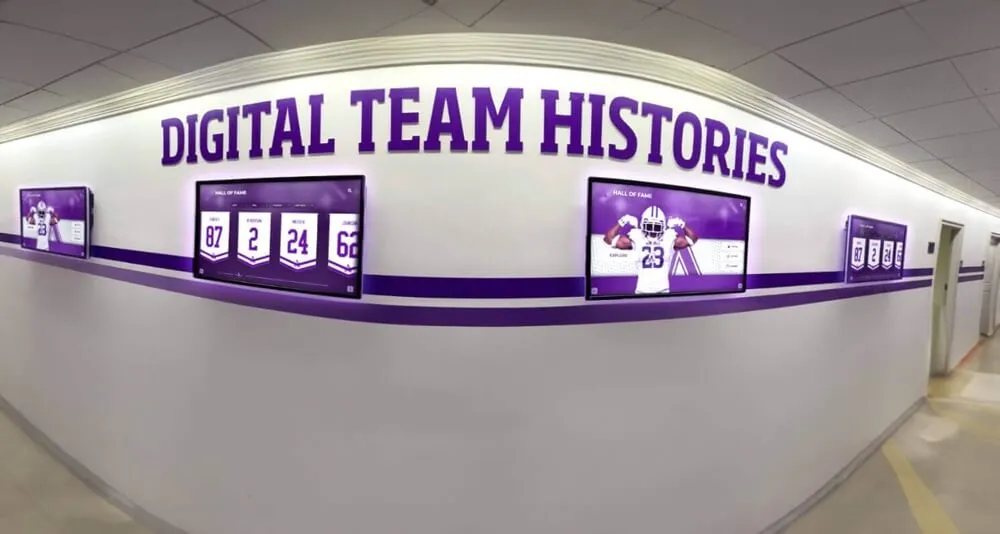
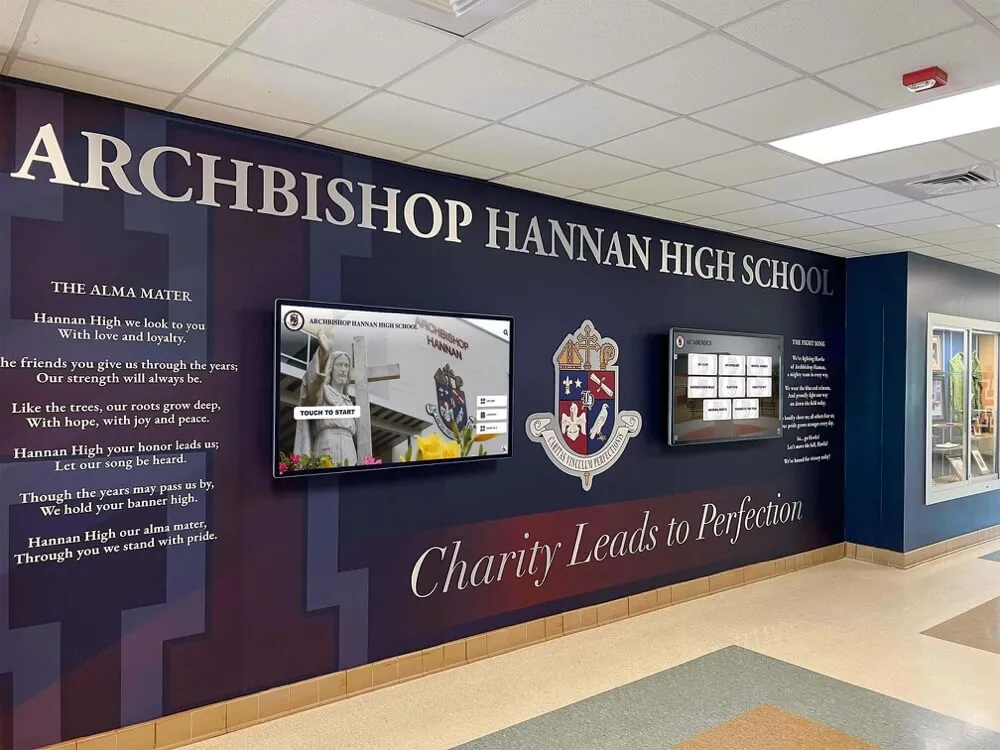
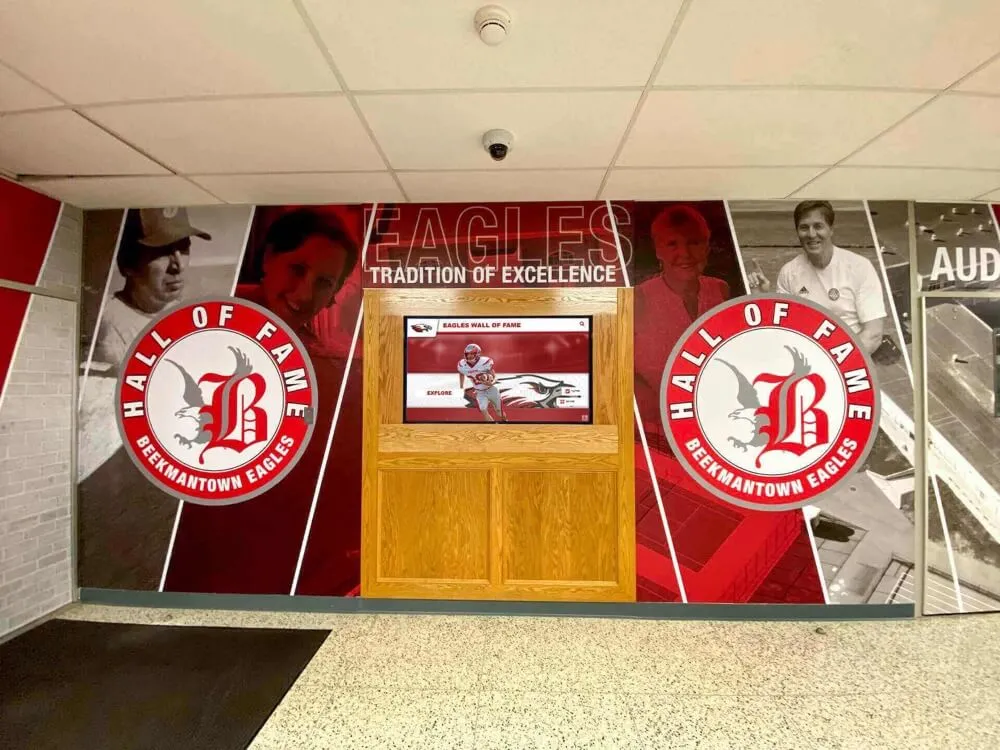
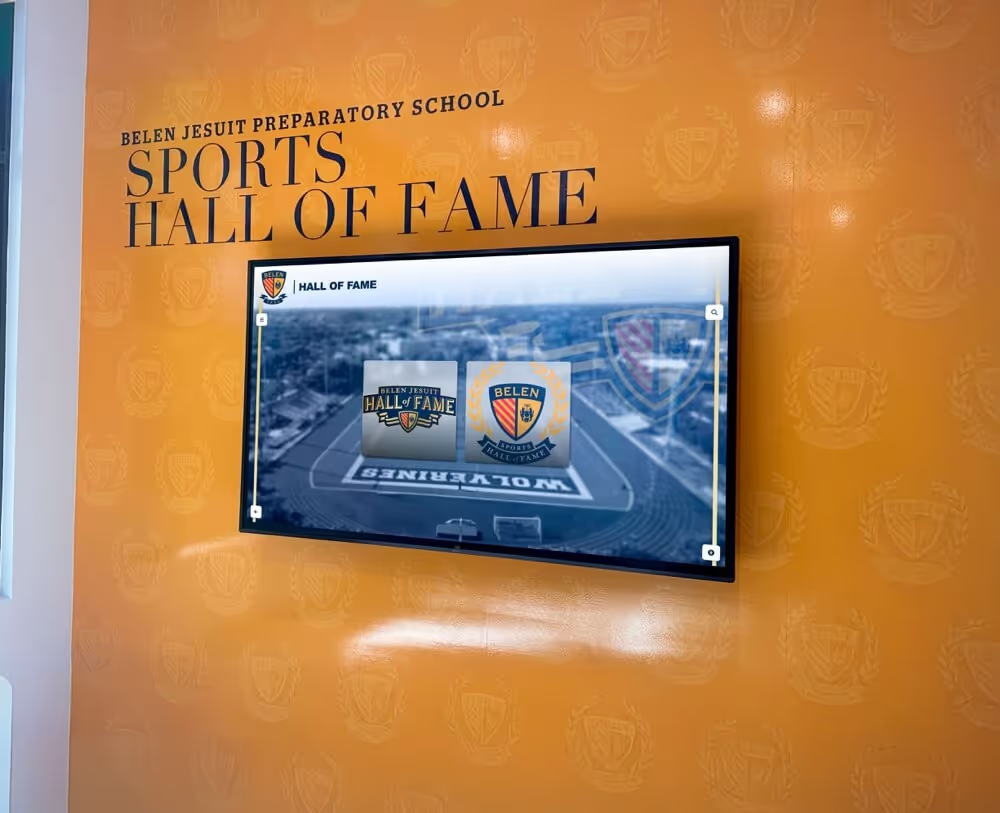
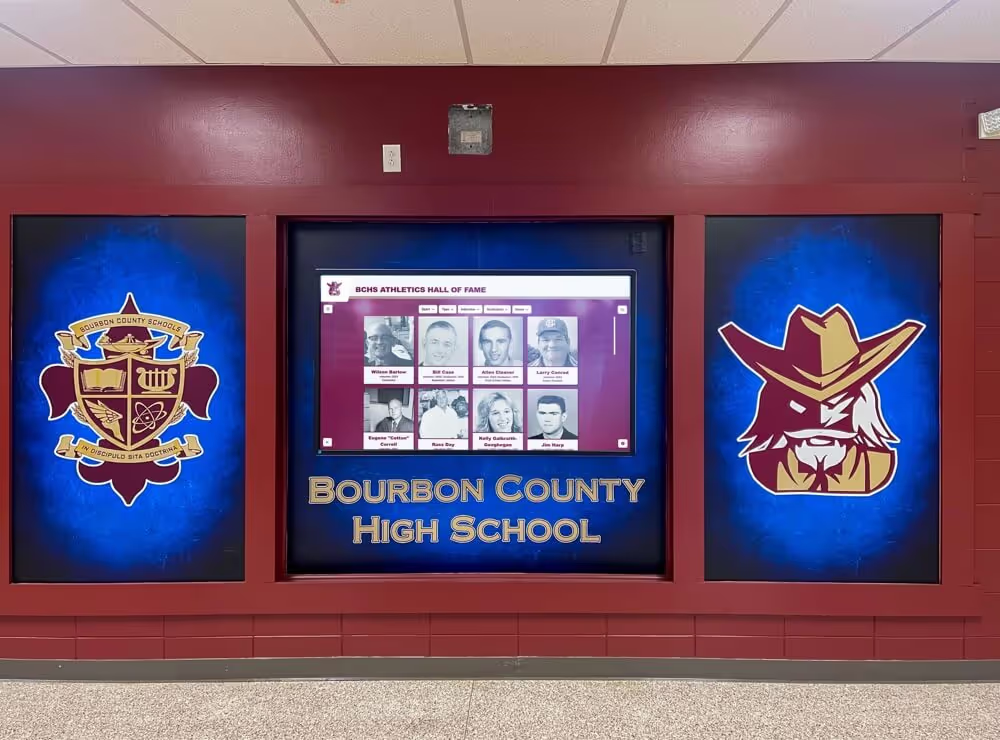
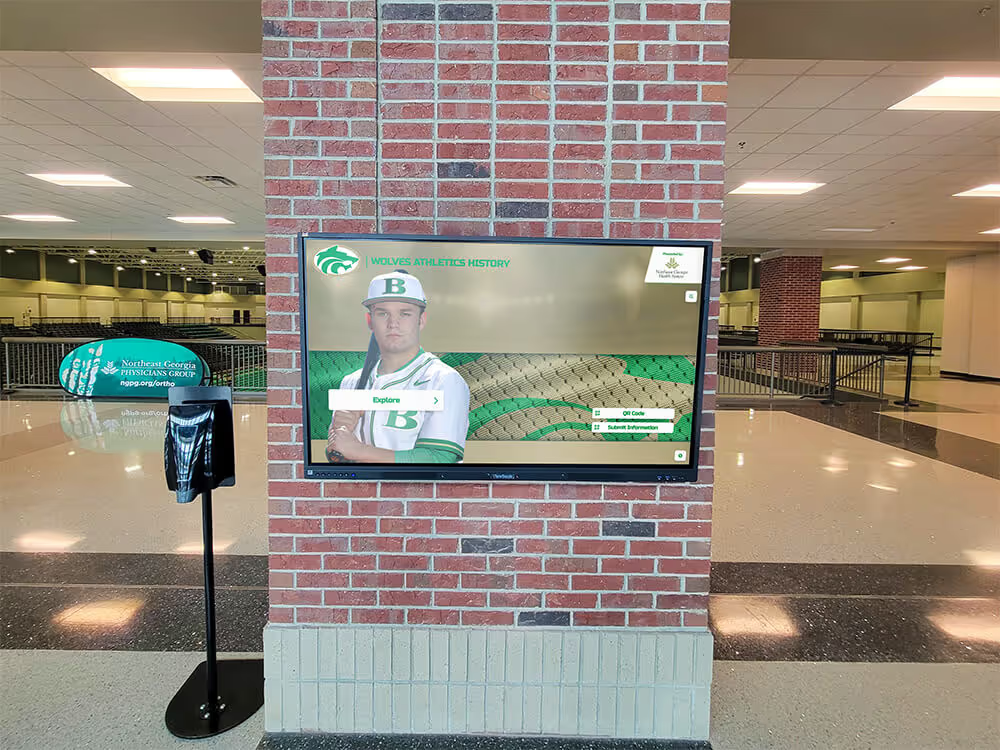
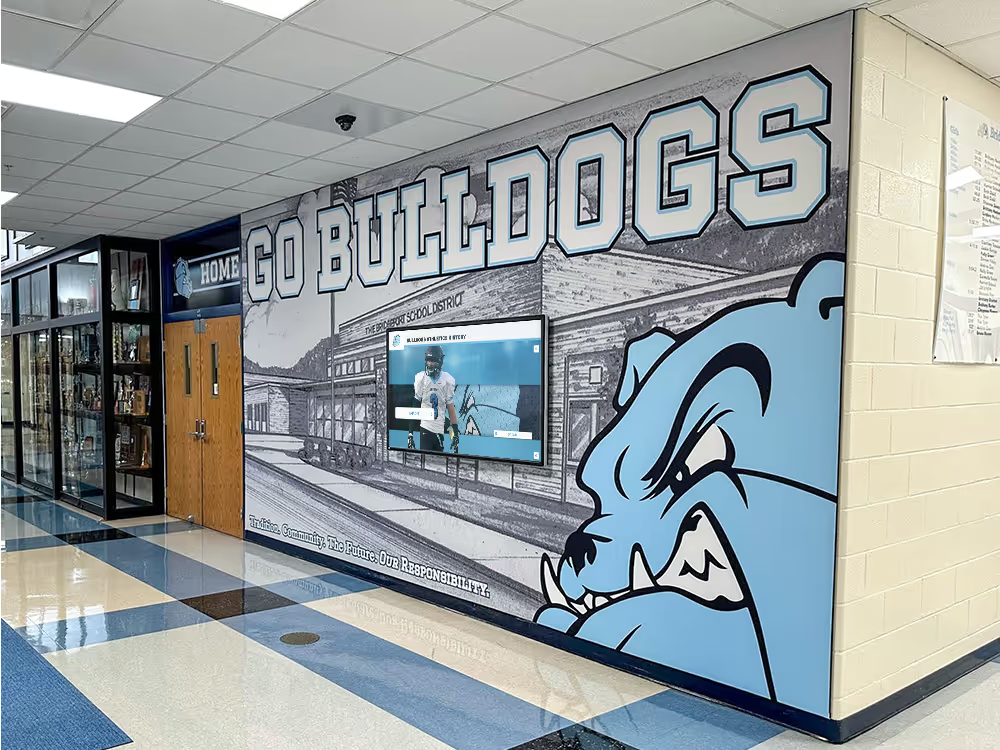
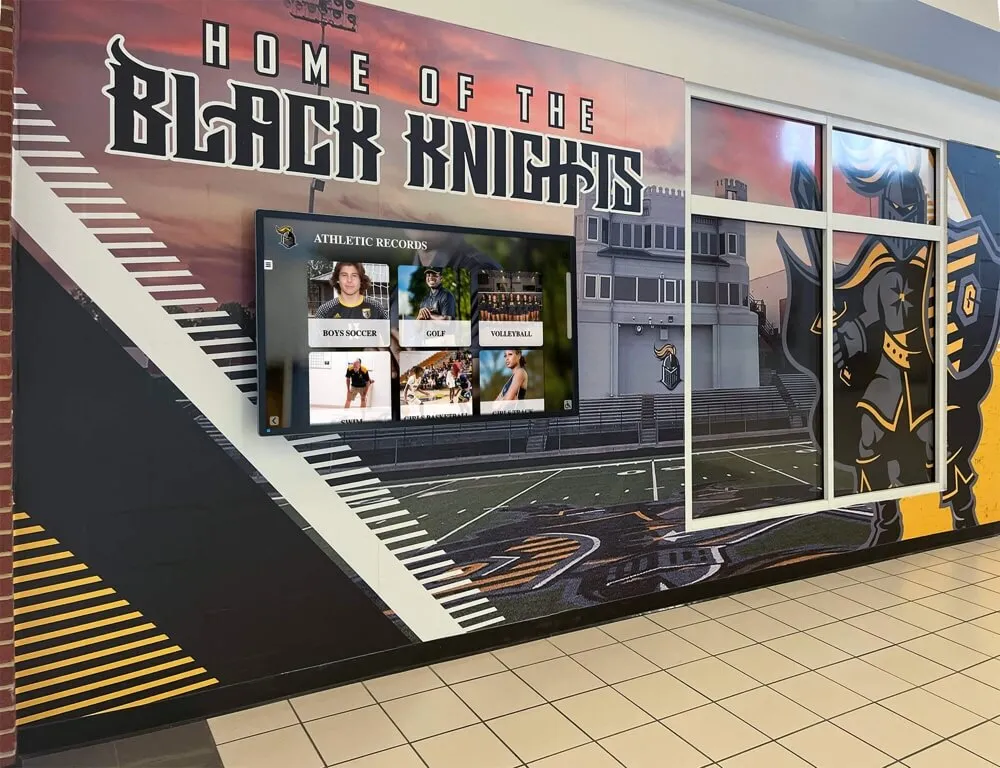
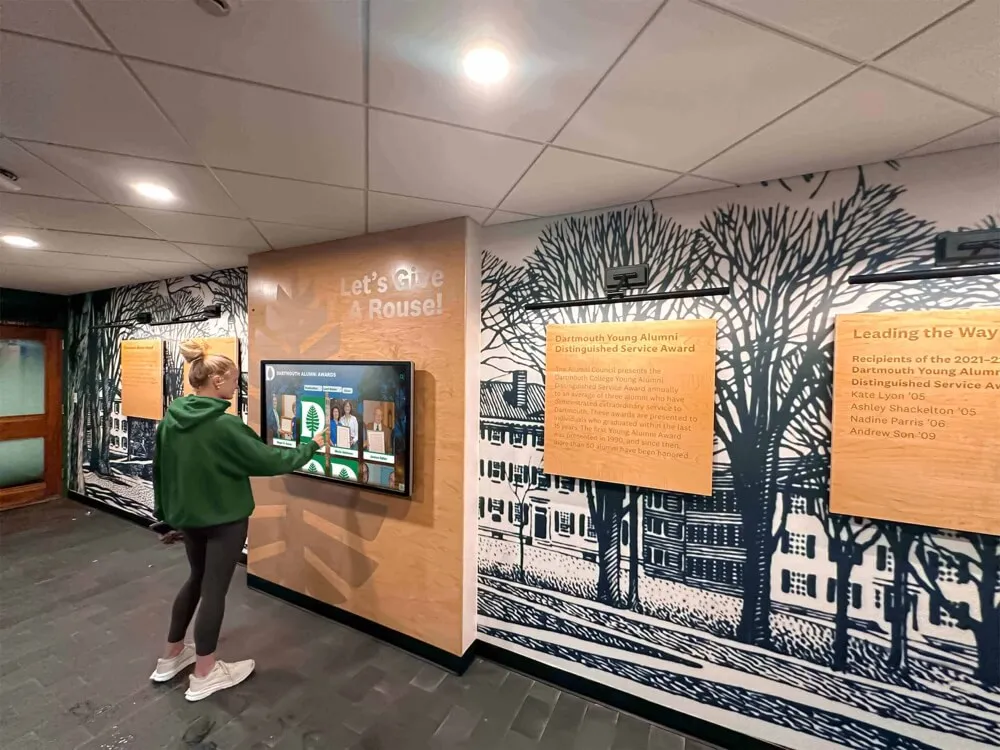
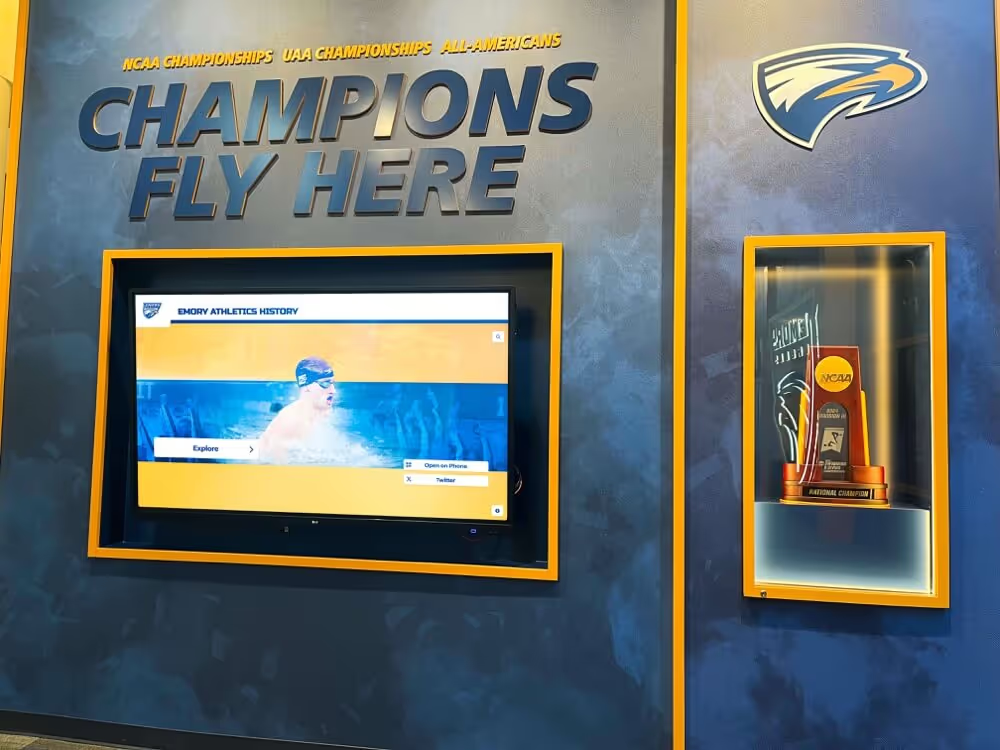
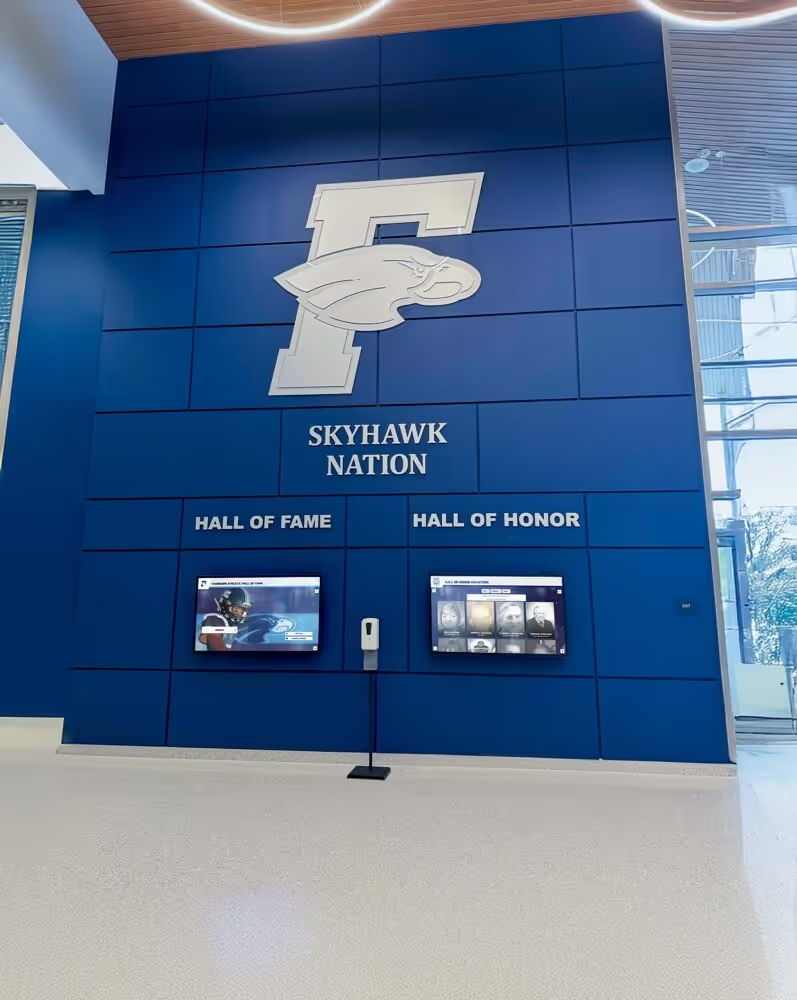
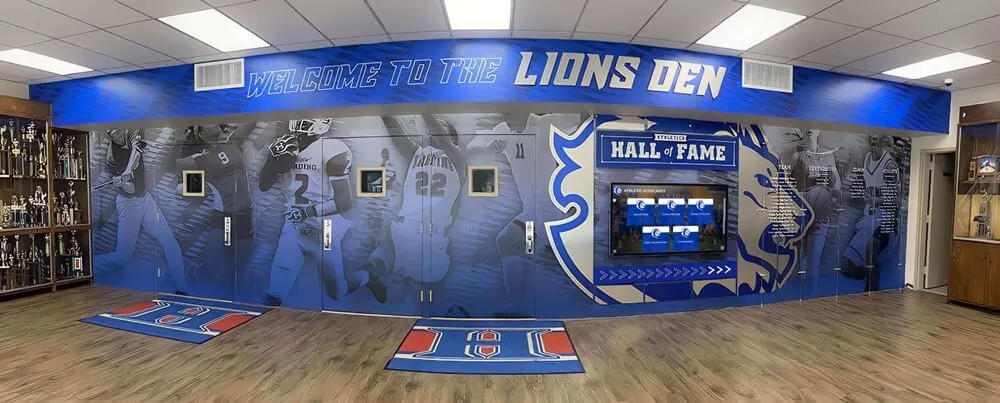
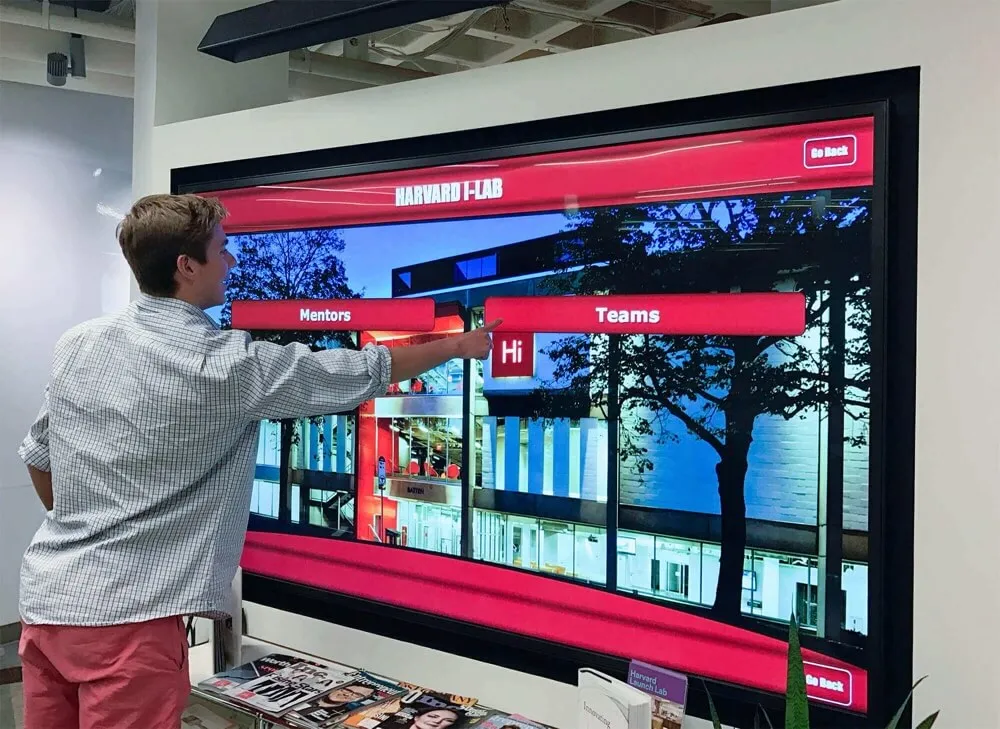
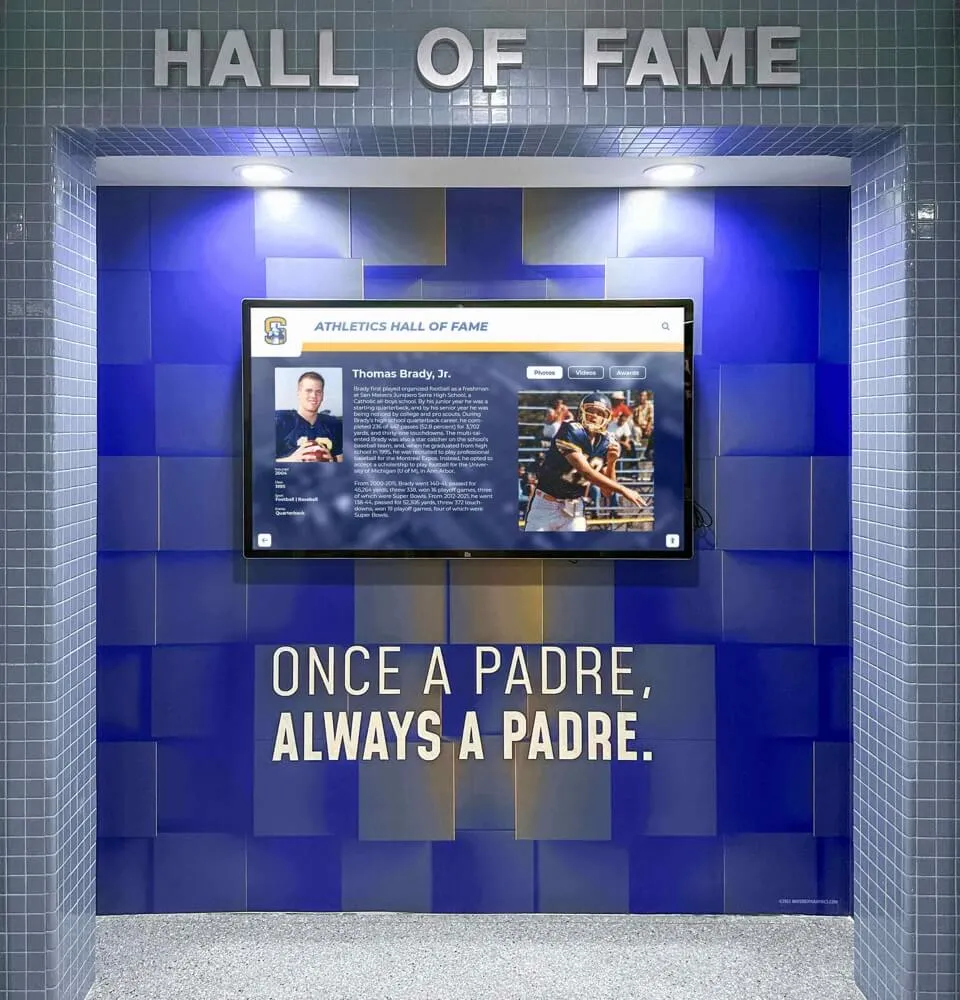
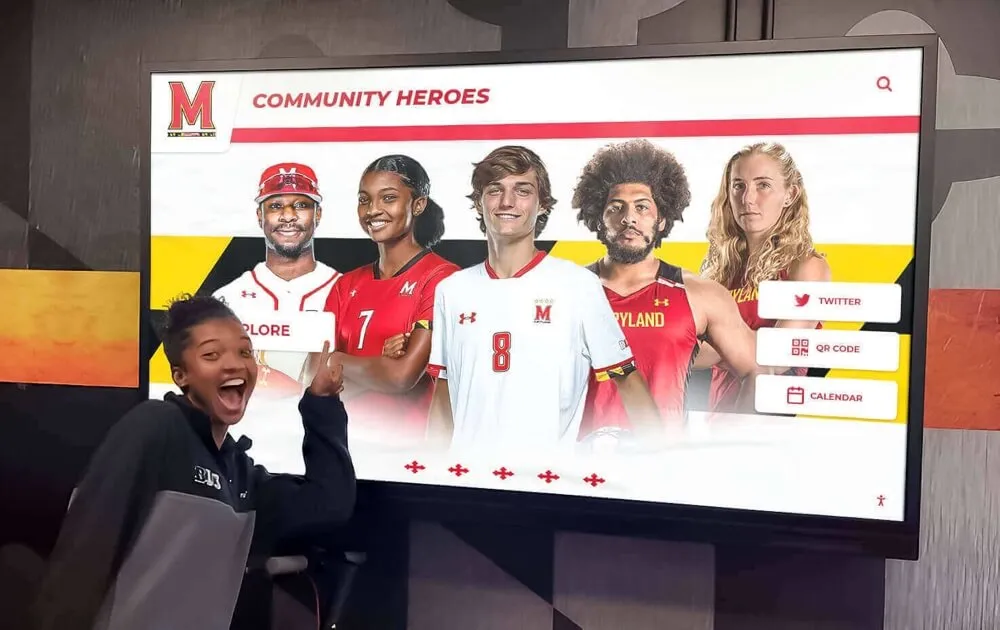
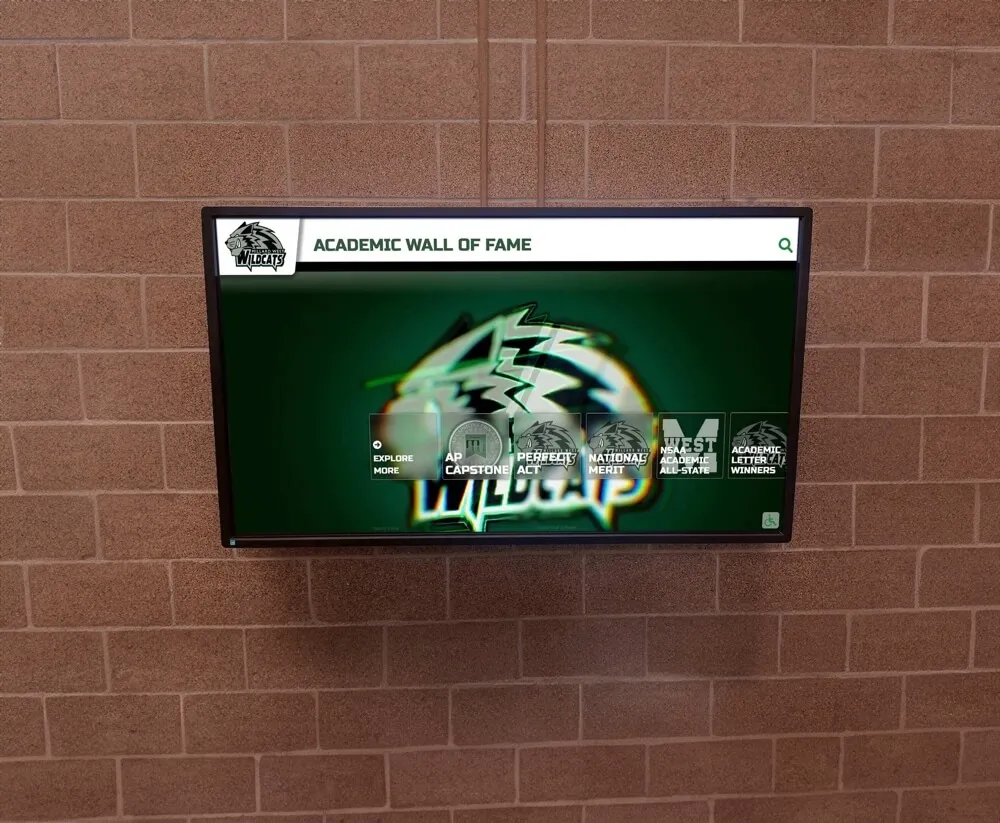
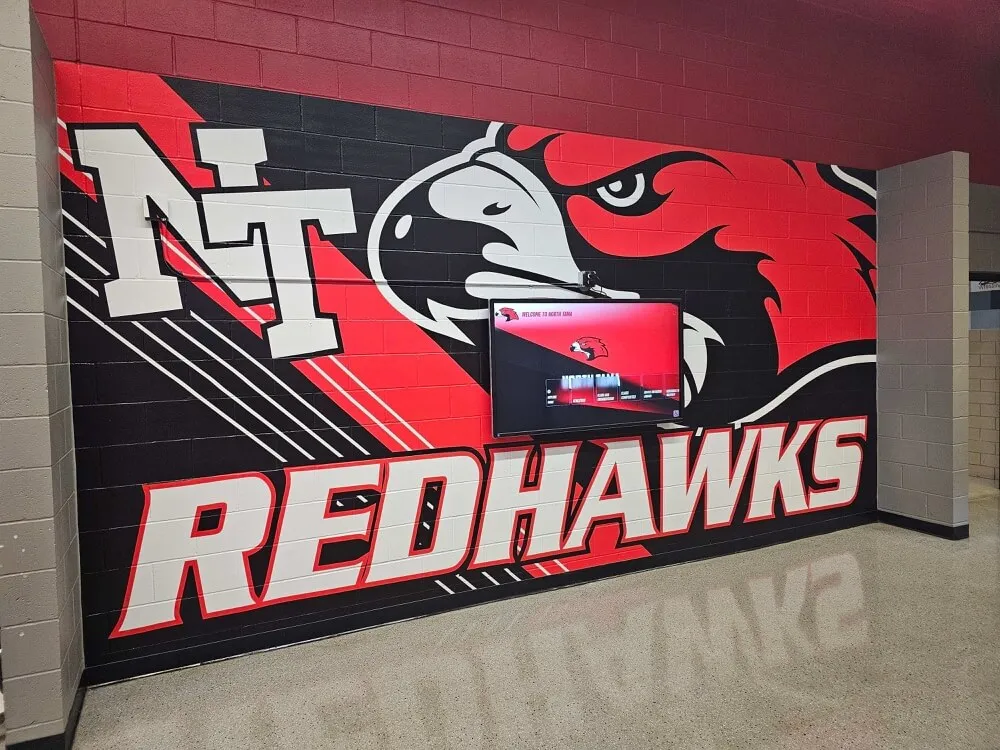
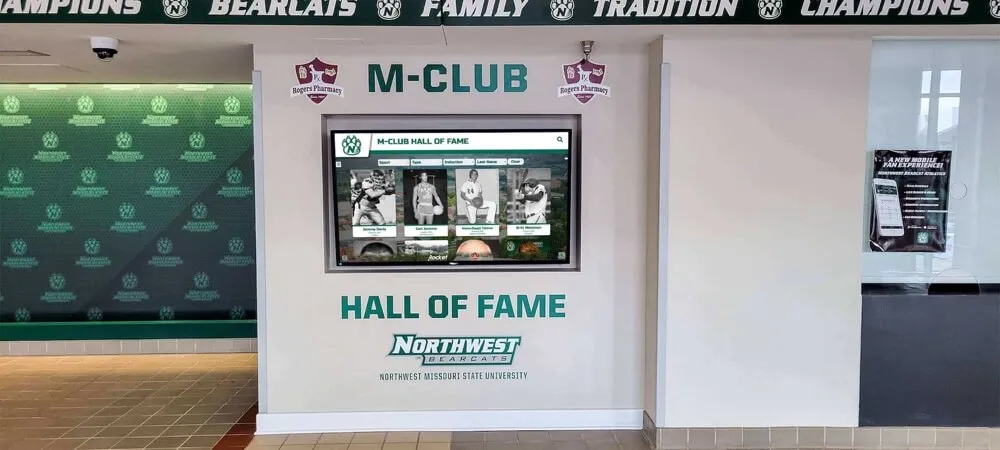
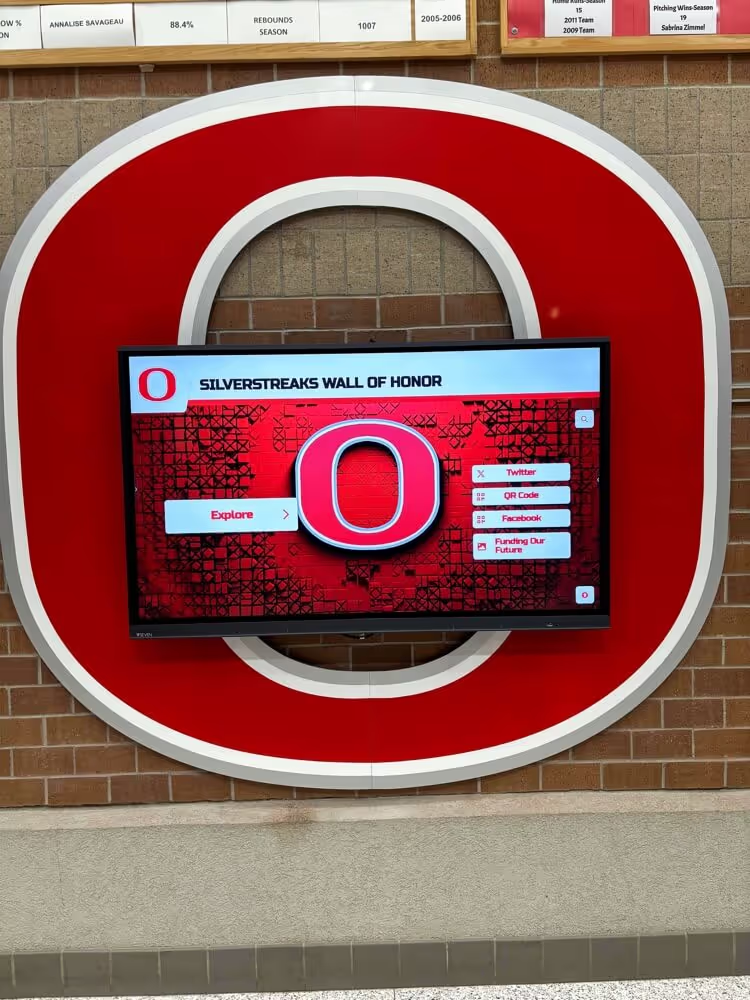
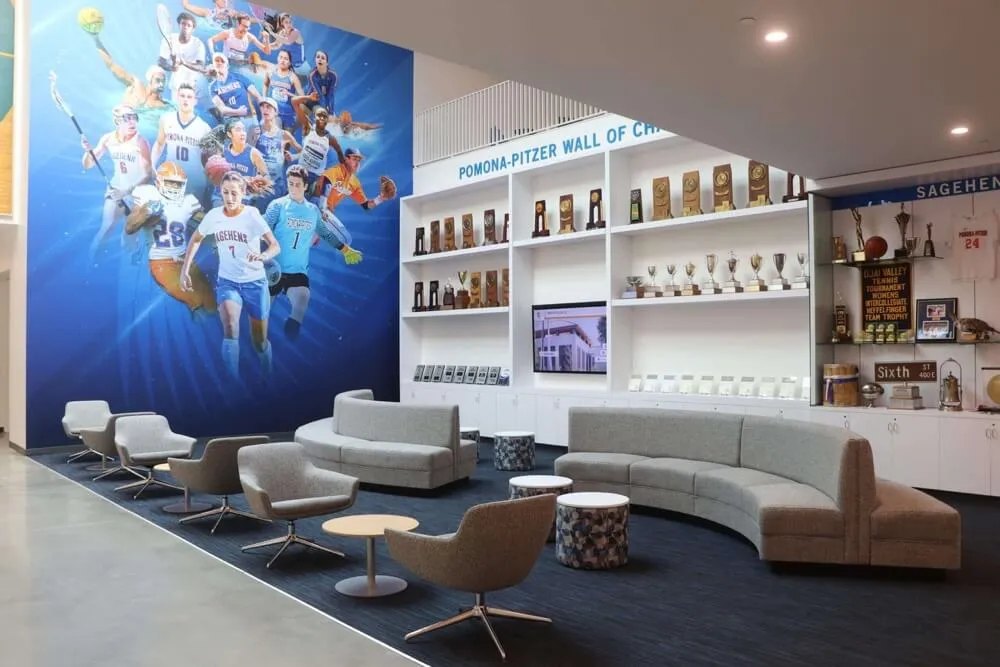
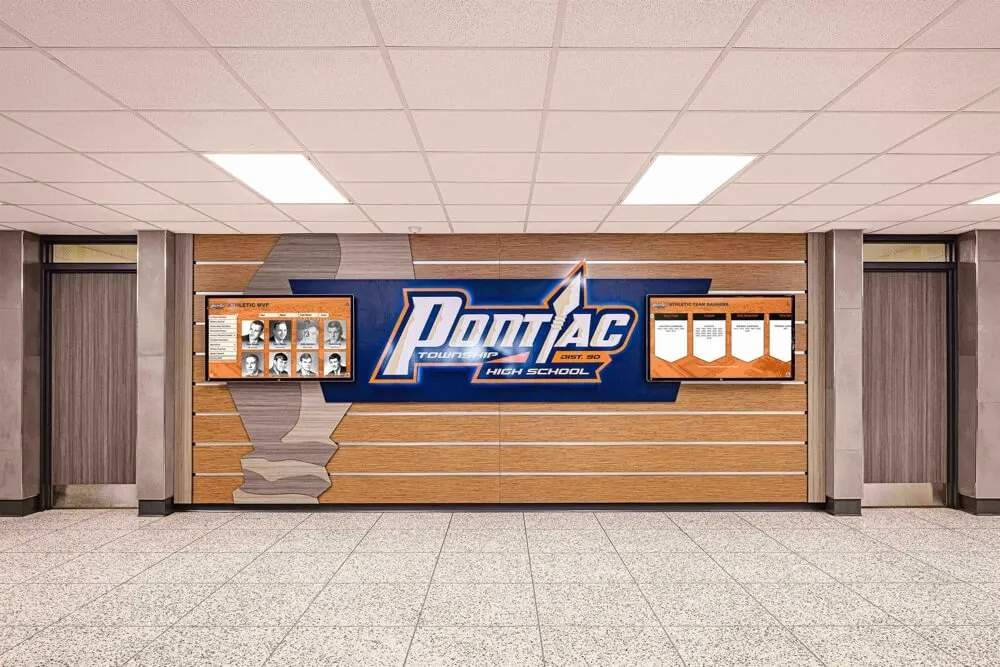
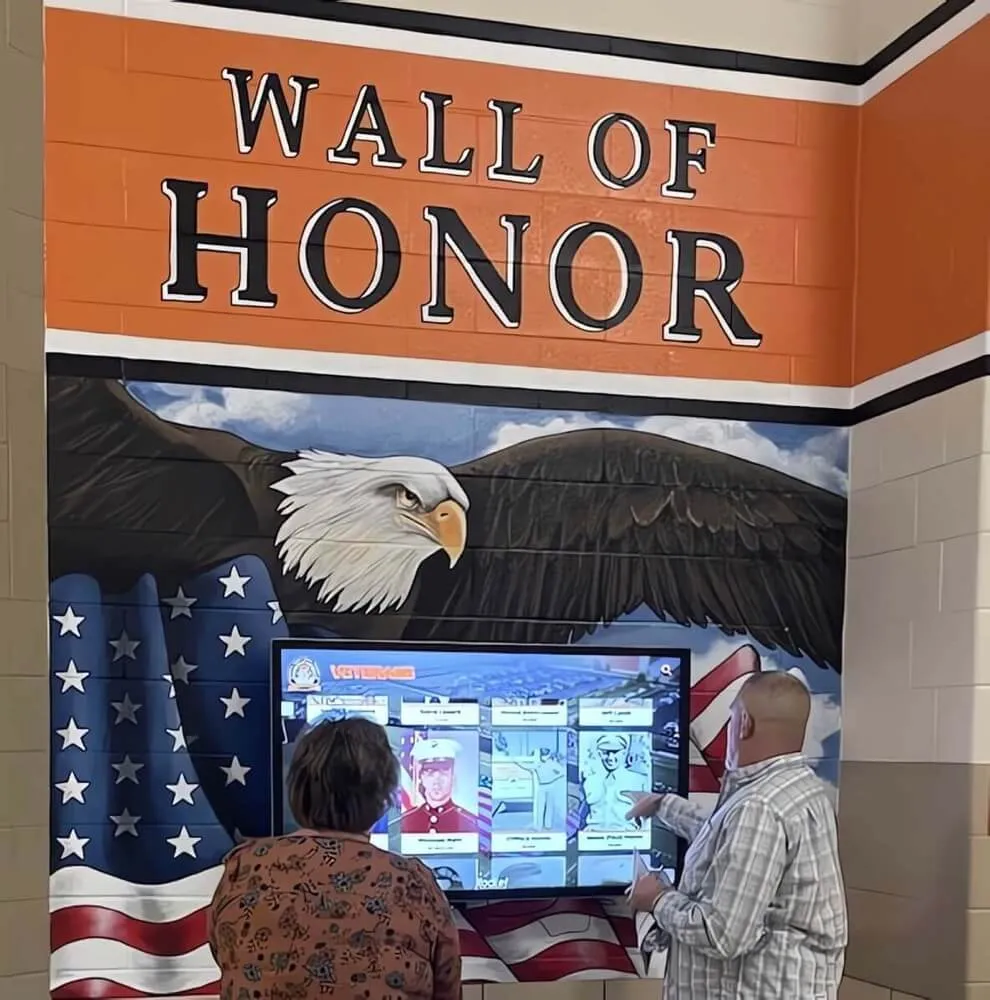
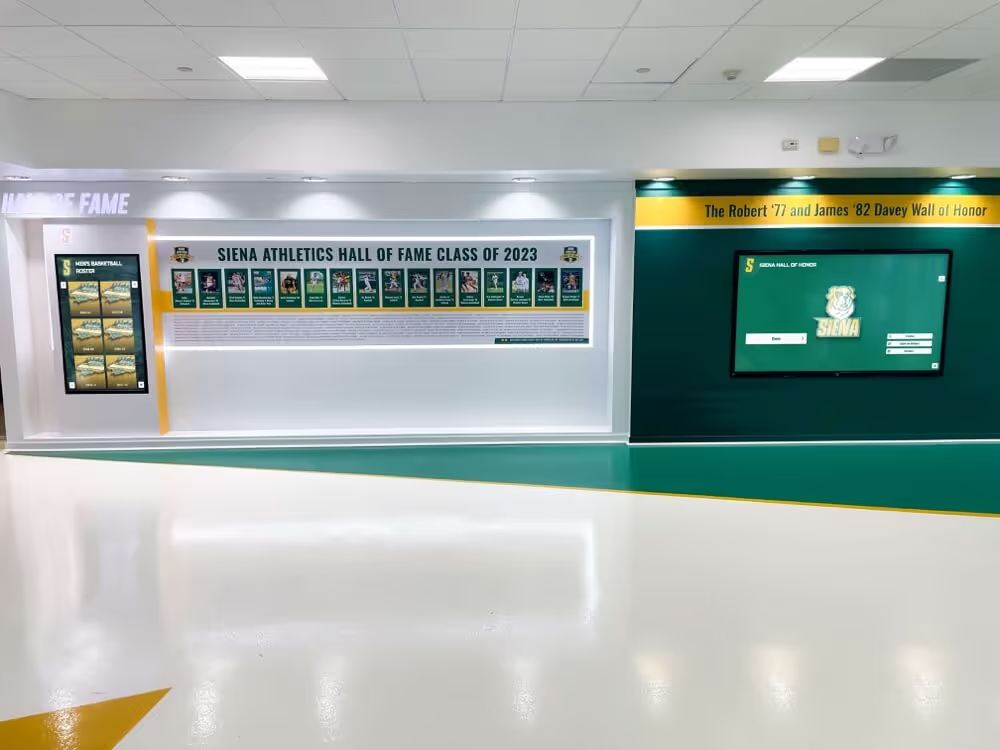
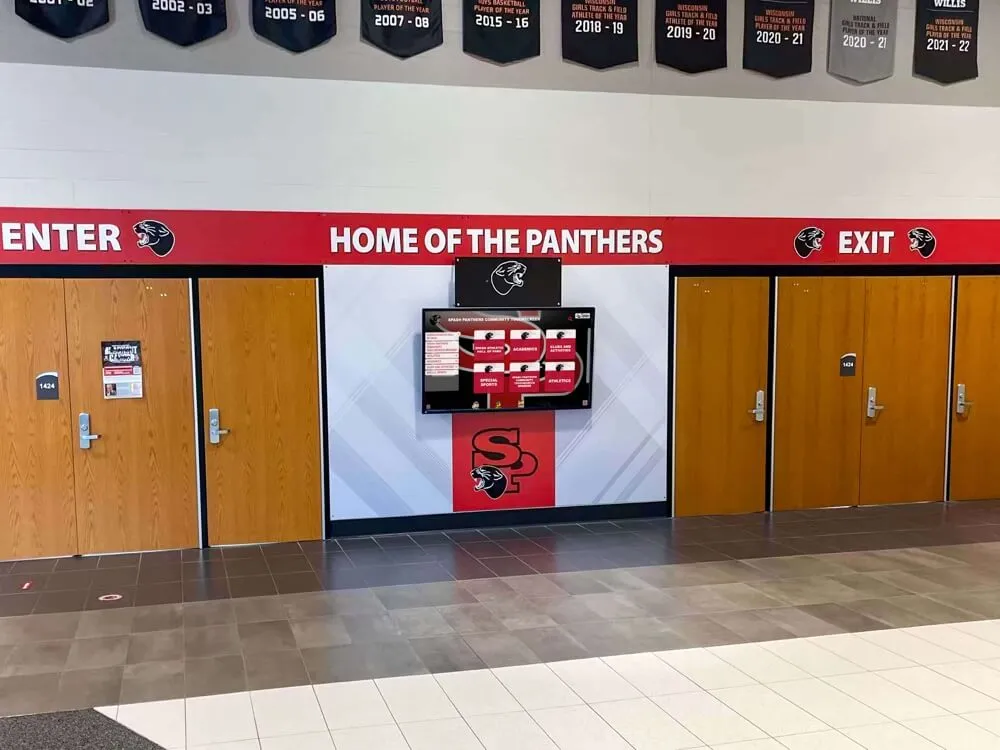
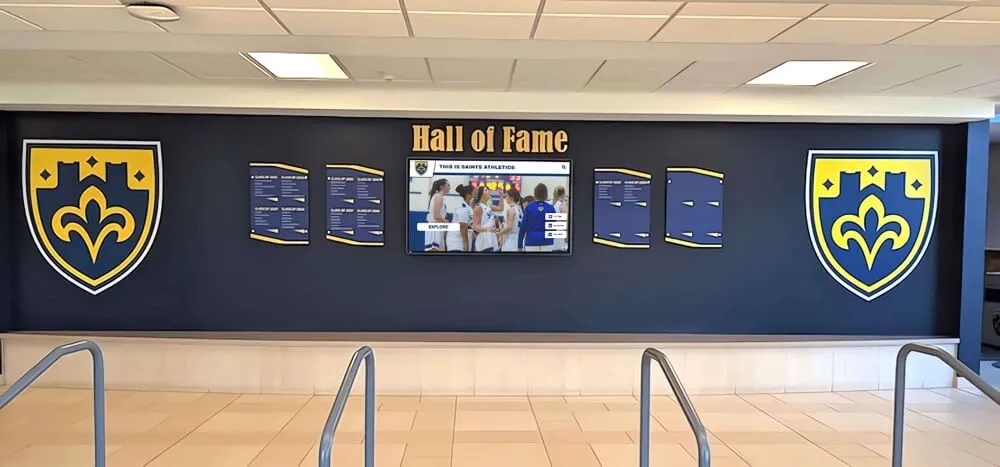
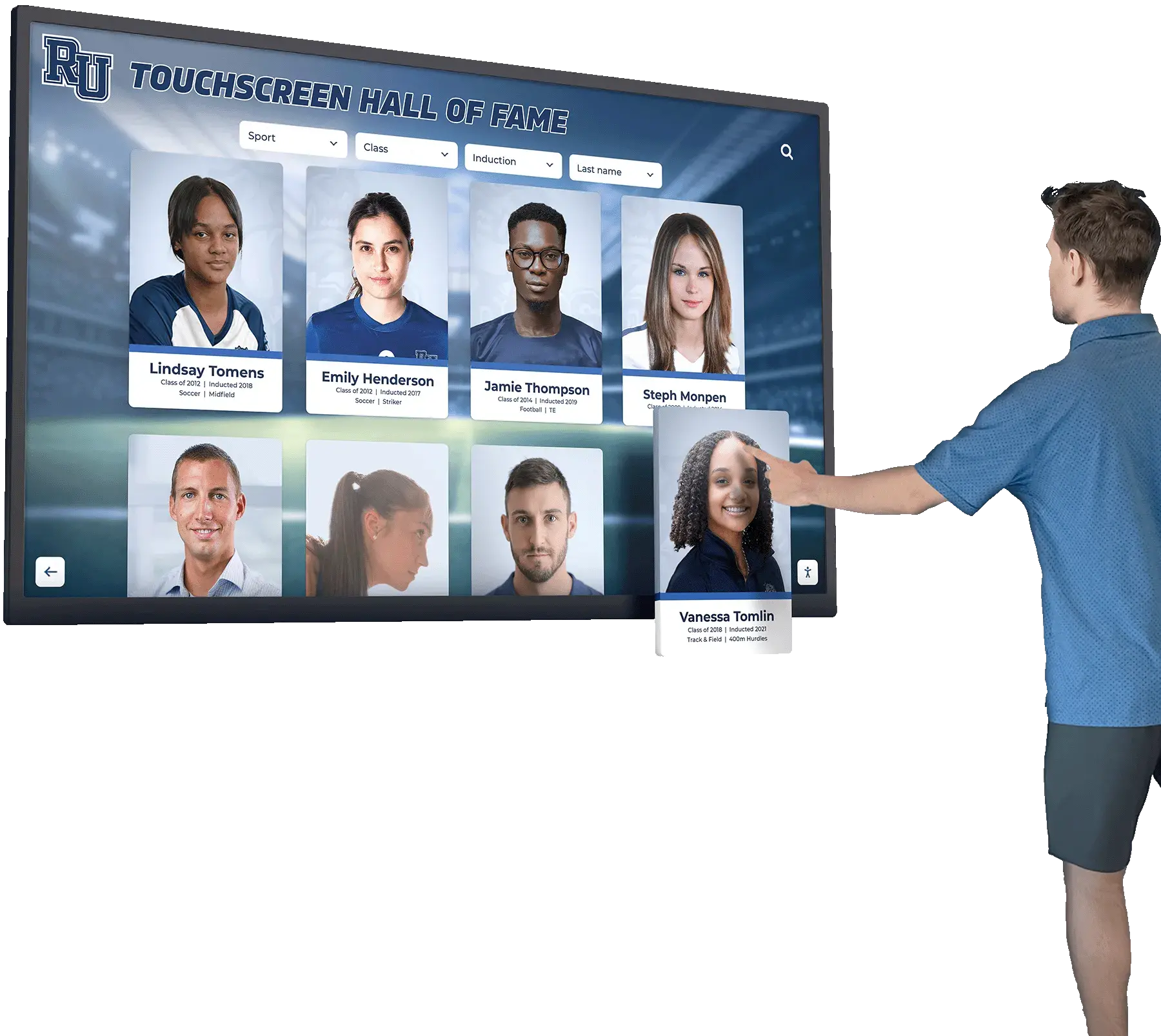
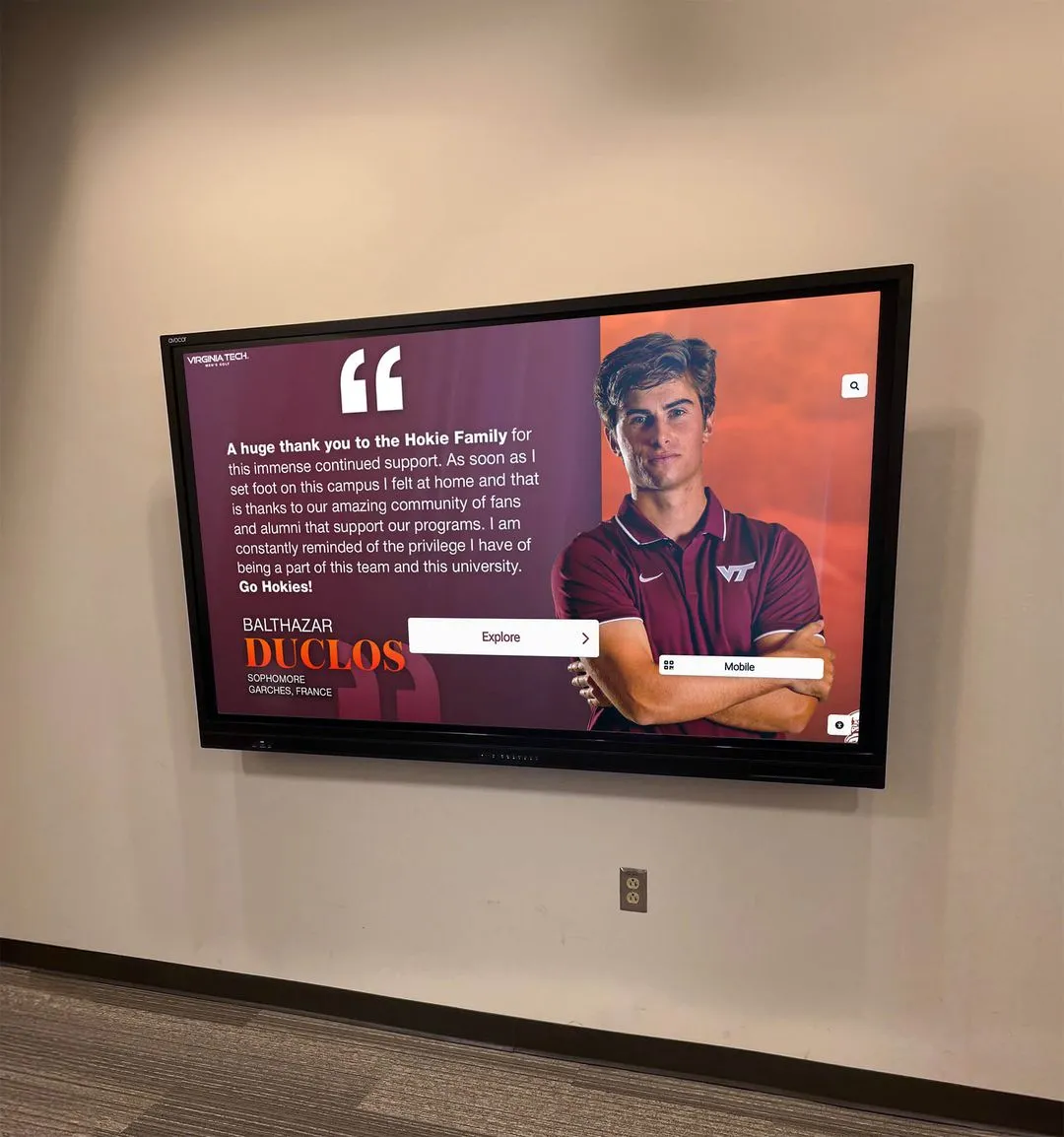
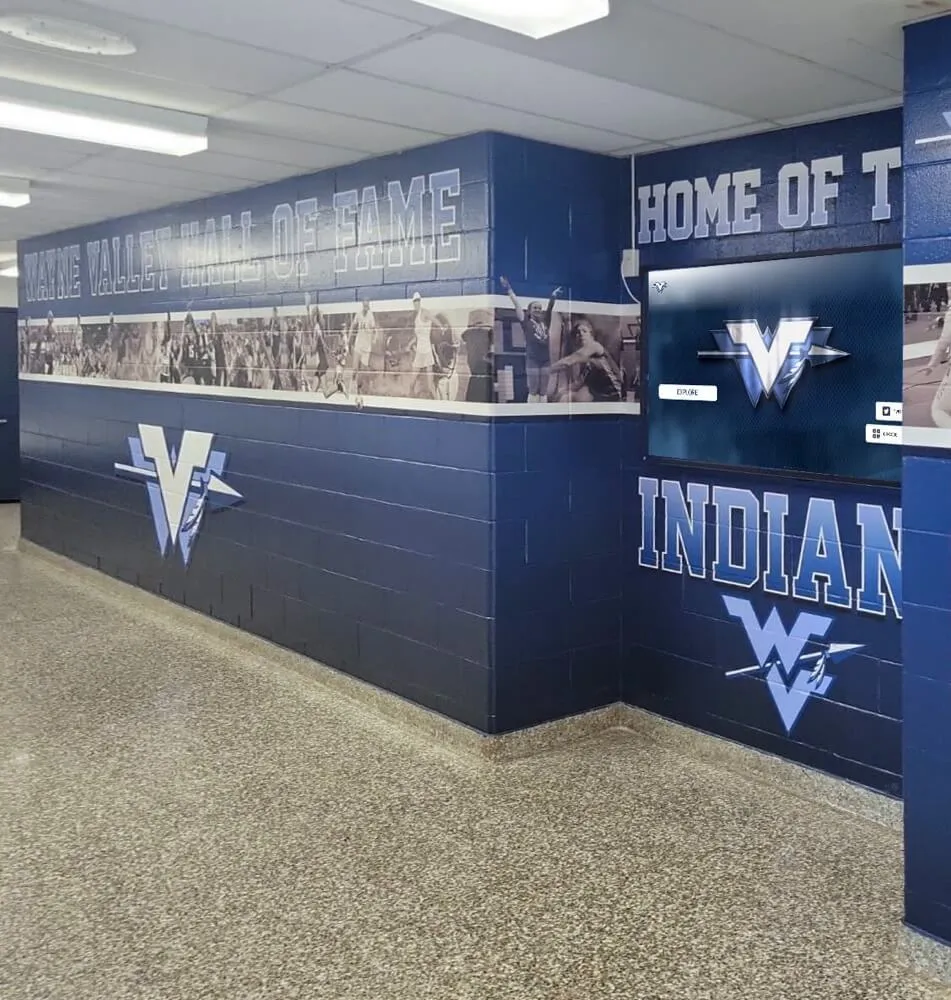
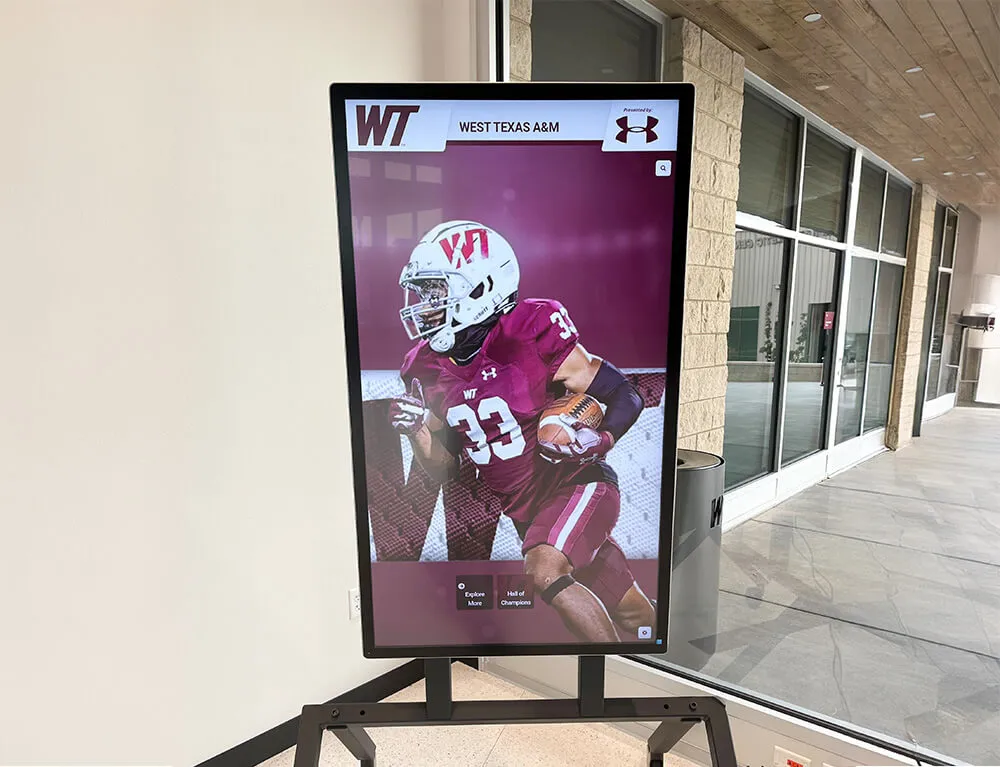
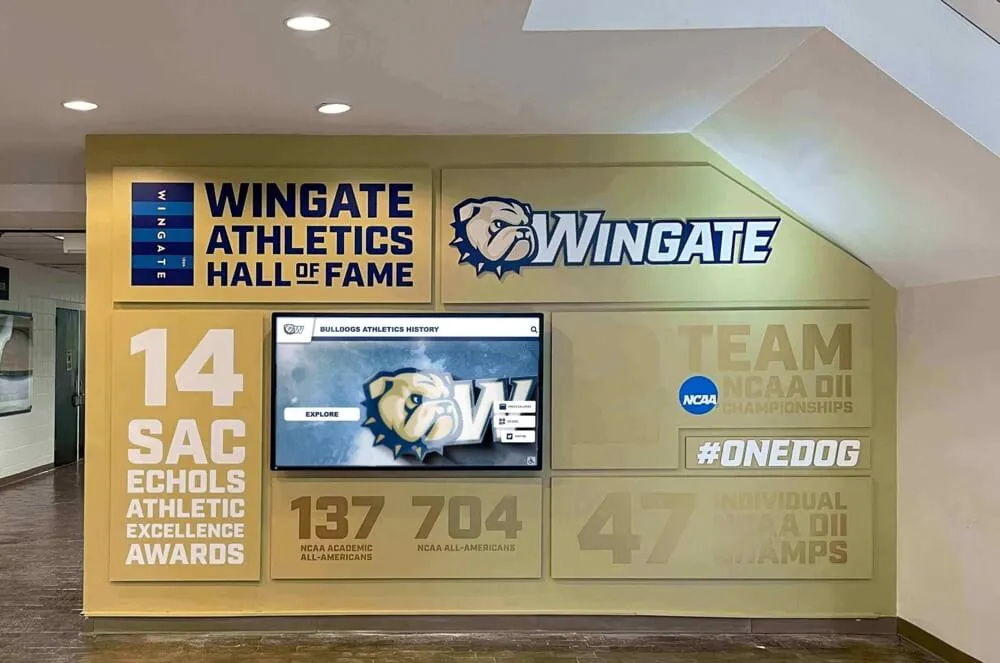
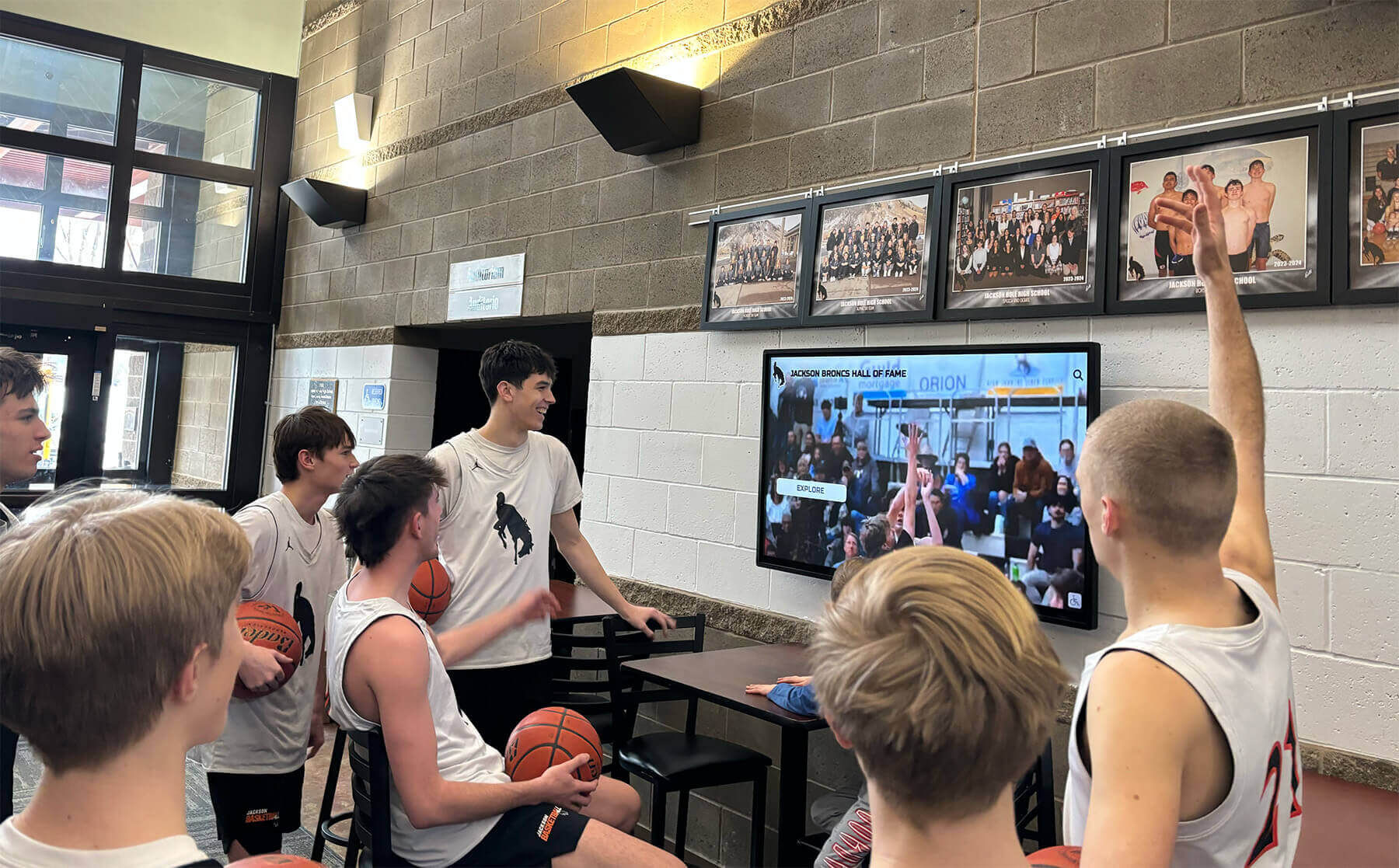
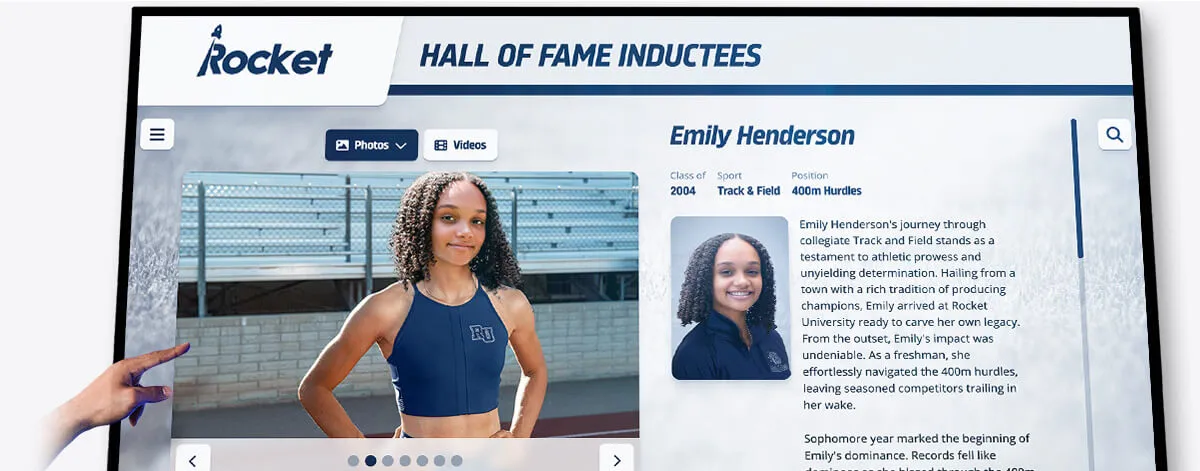
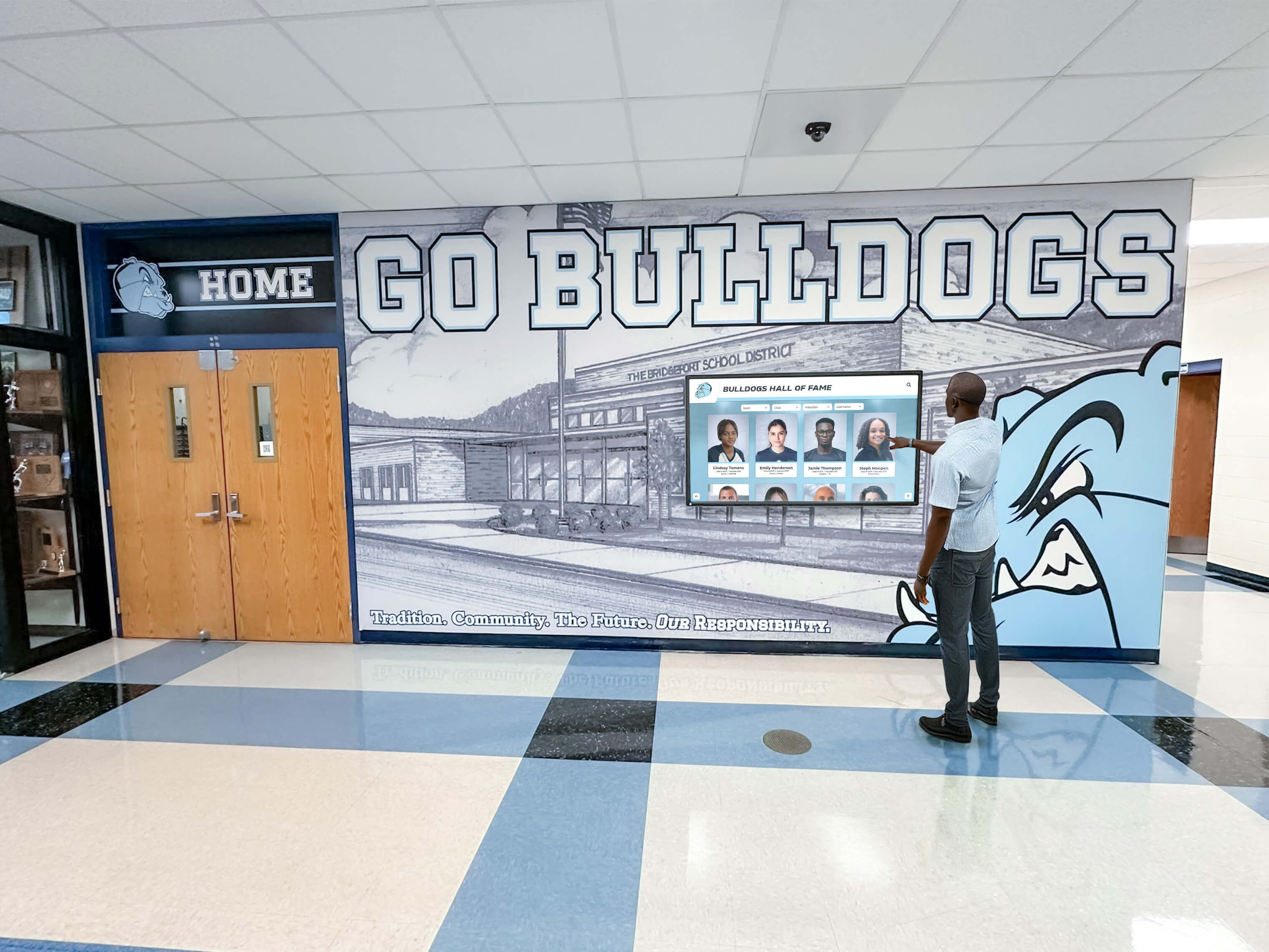
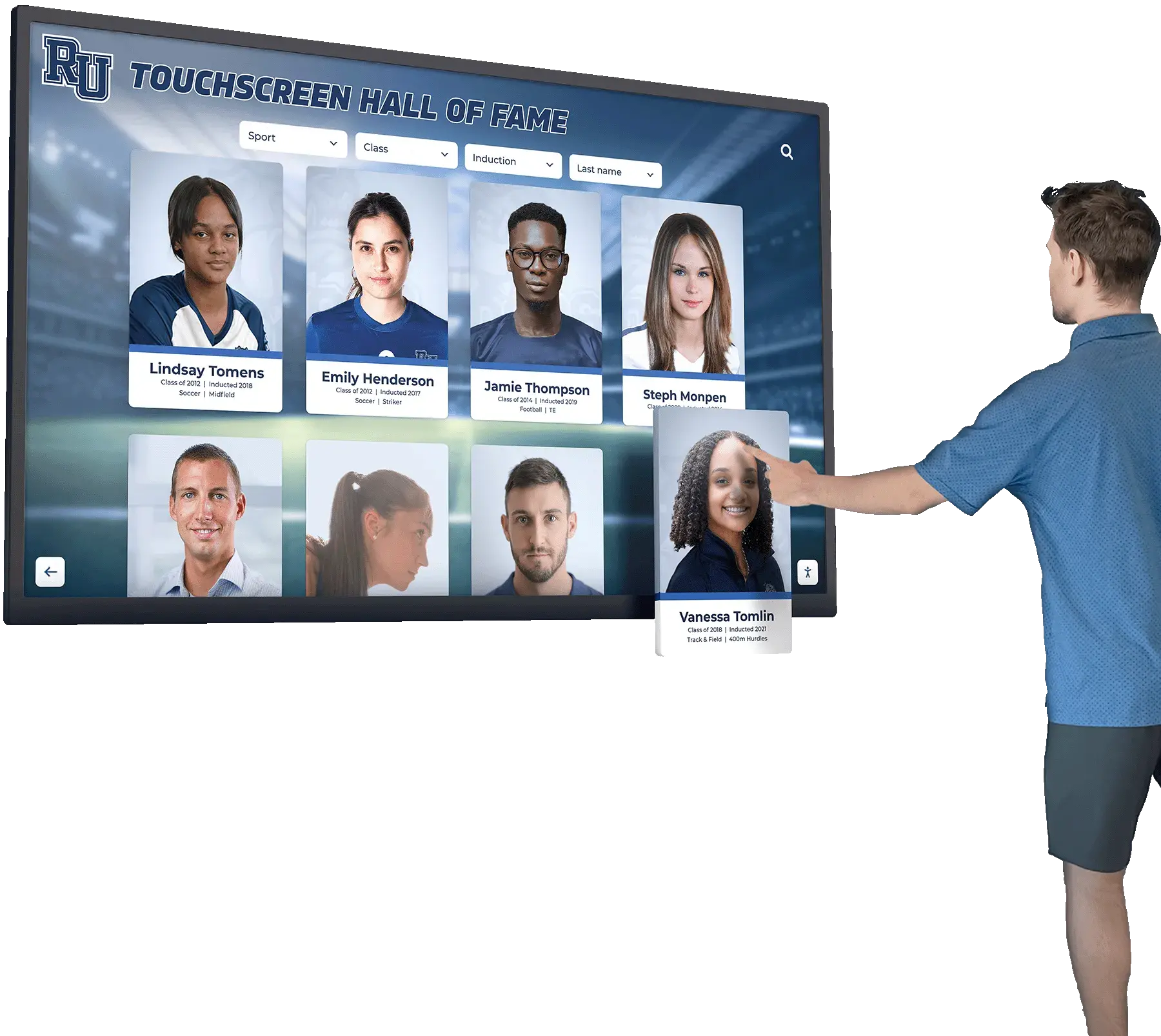
Digital touchscreen displays installed in school athletic facilities provide permanent, searchable recognition for spring sports achievements. These systems allow athletes, families, and community members to browse award recipients, view detailed athletic profiles with photos and statistics, explore team histories and championship records, and discover achievements across multiple years and sports.
Unlike traditional trophy cases with limited space or static plaques that become outdated, digital systems accommodate unlimited athletes and provide rich multimedia recognition engaging modern audiences. Solutions like Rocket Alumni Solutions’ interactive displays transform how schools document and celebrate athletic achievement.
Searchable Athletic Archives:
Comprehensive digital archives preserve complete spring sports histories including season statistics, championship teams, individual records, all-conference selections, and award recipients. These searchable databases enable current athletes to explore program traditions, compare their performances against historical benchmarks, and understand legacy they’re contributing to through their participation.
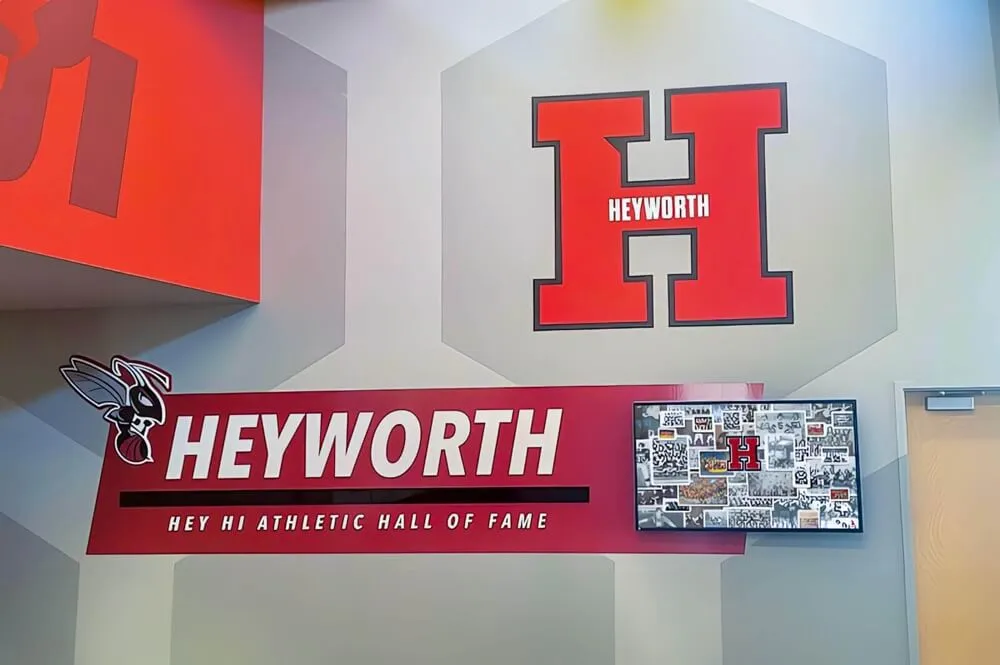
Alumni can return years later to find their achievements, share athletic histories with families, and maintain connections to programs through accessible recognition that doesn’t require physical facility visits. Many schools implement permanent athletic halls of fame that preserve and celebrate multi-generational athletic excellence.
Social Media and Digital Sharing:
Schools increasingly leverage social media to recognize athletic achievements in real-time throughout seasons. Highlight videos, athlete spotlights, game recaps, and achievement announcements extend recognition visibility beyond those who can attend events in person.
Shareable digital content enables athletes to celebrate accomplishments with extended networks, provides promotional material for college recruitment, and documents achievements in formats accessible indefinitely. However, schools must follow appropriate privacy policies and obtain necessary permissions before featuring student athletes publicly.
Mental Preparation and Team Dynamics
Beyond physical readiness and logistical management, spring sports success requires mental preparation and positive team relationships:
Developing Mental Toughness
Spring sports’ compressed schedules, frequent competitions, and year-end pressures test mental resilience:
Managing Performance Pressure:
Student athletes often place enormous pressure on themselves to perform, particularly seniors viewing spring seasons as final opportunities for athletic achievement or college recruitment. This pressure can undermine performance if not managed effectively.
Helpful strategies include focusing on process goals (technique, effort, preparation) rather than just outcome goals (winning, statistics), maintaining perspective that individual games or performances don’t define worth, using mistakes and setbacks as learning opportunities rather than catastrophic failures, and developing pre-competition routines creating consistency and confidence.
Maintaining Motivation:
Season-long motivation challenges every athlete as initial enthusiasm fades during difficult stretches with injuries, losses, playing time disappointments, or simple accumulated fatigue. Maintaining consistent effort requires remembering why you started the sport, setting progressive goals creating ongoing achievement throughout seasons, finding aspects of training or competition you genuinely enjoy beyond just winning, and supporting teammates through their struggles, which often reinforces your own commitment.
Building Positive Team Culture
Team dynamics significantly impact both individual and collective success:
Leadership Opportunities:
Spring sports provide leadership development opportunities through formal captain roles, mentoring younger teammates, maintaining positive energy during adversity, and demonstrating commitment through consistent effort and sportsmanship.
For seniors, spring seasons often represent final opportunities to leave positive legacies through leadership that transcends individual athletic performance. The impact you have on team culture and teammate development matters as much as statistics accumulated.
Handling Playing Time Issues:
Not every athlete receives desired playing time. Managing disappointment while maintaining positive contributions to teams tests character and emotional maturity. Productive responses include maximizing practice effort demonstrating readiness when opportunities arise, supporting teammates who are playing through genuine encouragement, communicating respectfully with coaches about goals and development areas, and finding value in team membership beyond just personal playing time.
Negative responses—complaining, poor practice effort, undermining teammates or coaches—harm both personal development and team culture while rarely resulting in increased opportunities.
Preparing for Life After High School Spring Sports
For seniors, spring sports represent transitions toward new chapters requiring reflection and forward planning:
Appreciating the Experience
High school athletics provide unique experiences rarely replicated later in life:
Most adults remember high school athletic experiences—teammates, coaches, victories, defeats, challenges overcome—decades after details of individual games fade. Taking time during final spring seasons to appreciate relationships, enjoy competition, recognize personal growth, and create lasting memories ensures you don’t rush through endings without savoring meaningful moments.
Simple practices like team dinners, thanking coaches and family members for support, taking photos with teammates, and reflecting on how athletics shaped your development help create conscious appreciation rather than passive participation.
Translating Athletic Lessons to Future Success
Spring sports teach skills extending far beyond athletic contexts:
Lessons about work ethic, handling adversity, time management, teamwork, goal-setting, accepting coaching and feedback, and maintaining discipline all transfer to academic, professional, and personal contexts throughout life. Student athletes who consciously recognize these transferable skills can articulate how athletics prepared them for future challenges, making them better college students, employees, and community members.
The discipline of balancing demanding athletic schedules with academic requirements prepares you for college workloads. Learning to accept coaching develops receptiveness to mentorship and feedback in professional settings. Experiencing setbacks and continuing effort builds resilience handling inevitable challenges in any pursuit.
Maintaining Athletic Identity While Moving Forward
For athletes not continuing sports collegiately, transitioning away from athletic identity requires adjustment:
Many student athletes struggle when intensive athletic participation ends, losing sense of purpose, team community, or personal identity previously centered on athletic roles. Recognizing this transition as normal helps manage it productively.
Maintaining physical activity through recreation, intramural sports, fitness routines, or coaching provides continuity while freeing time for new interests, activities, and relationships impossible during intensive athletic seasons. Some former athletes maintain sport involvement through coaching youth programs, officiating, or supporting school athletic programs through volunteering or booster involvement.
Conclusion: Making the Most of Spring Sports in High School
Spring sports seasons offer high school student athletes exceptional opportunities for competitive achievement, personal growth, college recruitment exposure, and creating lasting memories during the culminating athletic season of academic years. However, maximizing these opportunities requires intentional preparation addressing sport-specific skills, physical conditioning, academic balance, mental resilience, and team contribution.
Student athletes who approach spring seasons with clear goals, disciplined preparation, effective time management, positive attitudes, and appreciation for the experience position themselves for success both during competitions and in developing life skills extending far beyond athletics. Whether you’re competing in baseball, softball, track and field, lacrosse, tennis, soccer, or other spring sports, the lessons learned and relationships built during these seasons shape who you become beyond your high school years.
For administrators and athletic directors seeking to enhance recognition of spring sports achievements, modern digital solutions transform how schools celebrate athletic excellence while preserving program histories for future generations. Interactive recognition displays provide permanent, engaging documentation honoring student athletes’ commitment and accomplishment while building program culture motivating future competitors. These technologies create searchable archives, unlimited recognition capacity, and rich multimedia profiles extending impact far beyond traditional trophy cases or brief award ceremonies.
Ready to transform how your school recognizes spring sports achievement? Book a demo to explore comprehensive digital recognition solutions designed specifically for educational institutions committed to celebrating student athlete excellence in spring sports and beyond.