



Key Takeaways
Comprehensive guide to planning memorable spring sports banquets. Discover creative themes, decoration ideas, award categories, venue selection, and digital recognition solutions that celebrate baseball, softball, track, lacrosse, tennis, and all spring athletes.
Spring sports seasons bring unique challenges and triumphs as athletes compete during unpredictable weather, balance end-of-year academic pressures, and navigate tournament schedules that often extend deep into late spring. These circumstances make proper season-ending recognition particularly important—spring athletes deserve celebrations honoring their dedication through rain-delayed games, rescheduled practices, and intense multi-week playoff runs that test endurance and commitment. Yet many athletic programs struggle to create spring sports banquets that feel genuinely memorable rather than hastily organized afterthoughts squeezed between school year conclusions and summer vacation departures.
This comprehensive guide provides practical frameworks for planning spring sports banquets that create lasting memories while celebrating achievements across baseball, softball, track and field, lacrosse, tennis, soccer, golf, and other spring athletic programs. Whether organizing combined celebrations honoring multiple teams, sport-specific recognition events, or comprehensive athletic department banquets, these strategies help transform standard end-of-season dinners into meaningful celebrations that athletes, families, and coaching staffs remember for years.
Understanding Spring Sports Banquet Unique Considerations
Before diving into planning logistics and creative details, athletic directors and coaches must recognize what makes spring sports celebrations distinct from fall or winter athletic banquets.
Timing Challenges and Academic Calendar Conflicts
Spring sports seasons often extend into final weeks of academic years, creating unique scheduling pressures that fall and winter programs rarely face:
Late Season Conclusions: Successful teams advancing through state tournaments, regional championships, or playoff competitions may continue competing into late May or even June. These extended seasons compress available time between final competitions and school year conclusions, making immediate post-season banquet scheduling difficult when athletes scatter for summer employment, family vacations, or college transitions.
Graduation Conflicts: Senior athletes may graduate days after final competitions conclude, creating tight windows for recognition events that honor departing student athletes before they leave campus permanently. Unlike fall sports where months separate season conclusions from graduation, spring programs must coordinate celebrations around graduation rehearsals, ceremonies, and senior week activities competing for limited calendar space.
Academic Pressure Periods: Spring athletes navigate end-of-year academic demands including final exams, major projects, AP testing, and grade-determining assessments while maintaining competitive training and game schedules. This dual pressure makes extensive banquet planning or elaborate multi-hour celebrations less practical than during fall or winter seasons when academic calendars permit more flexibility.
Venue and Weather Considerations: Late spring timing enables outdoor celebration possibilities unavailable to fall or winter sports, yet also creates weather uncertainty requiring backup plans for outdoor venues. Schools must balance desires for unique outdoor settings against logistical challenges when weather predictions prove unreliable during transitional spring months.
Multiple Sport Coordination
Spring athletic seasons typically feature more simultaneous sports than fall or winter periods, creating both challenges and opportunities for recognition planning:
Combined vs. Individual Celebrations: Athletic programs must decide whether to host unified spring sports banquets recognizing all teams together, separate sport-specific events focusing exclusively on baseball, softball, track, lacrosse, or other individual programs, or hybrid approaches combining some sports while separating others based on team size, tradition, or practical considerations.
Combined celebrations offer efficiency advantages—single venue reservation, coordinated volunteer efforts, unified decoration and meal planning, and community-building opportunities as athletes from different sports celebrate together. However, large combined events may feel impersonal, make individual team recognition challenging, or create lengthy programs where athletes lose engagement waiting through extensive recognition for unfamiliar sports.
Sport-specific banquets enable deeper focus on particular program achievements, traditions, and team culture while maintaining manageable event size and reasonable program length. Yet separate events multiply planning requirements, increase total costs, strain volunteer capacity, and may create perception problems if some programs receive more elaborate celebrations than others.
Equitable Resource Distribution: Athletic departments must ensure equitable recognition across all spring programs regardless of competitive success, team size, or historical prominence. Avoiding situations where baseball receives elaborate catered dinners while tennis gets pizza parties requires intentional resource allocation reflecting institutional values about equal recognition for all athletic participation.
Coordinated Scheduling: When hosting multiple spring banquets, strategic calendar spacing prevents volunteer burnout, family schedule conflicts for students participating in multiple sports, and venue availability problems during busy end-of-year periods.
Budget Planning for Multiple Programs
Spring sports represent significant portions of overall athletic budgets, with banquet expenses multiplied across numerous simultaneous programs:
Combining spring celebrations into unified events can reduce per-athlete costs through economies of scale for venue rental, decoration purchases, and catering minimums. However, separate sport banquets allow targeted budget allocation matching team sizes—avoiding situations where large baseball rosters subsidize expensive per-person costs while small golf teams face identical charges for fewer attendees.
Strategic budget planning considers total spring athletics spending across all recognition events rather than isolated per-sport allocations. This comprehensive approach enables flexible resource sharing where savings from simplified celebrations for some sports support enhanced recognition for others, maintaining overall equity while accommodating different program needs and traditions.
Selecting Themes for Spring Sports Celebrations
Thematic approaches transform generic banquets into cohesive experiences creating distinctive memories and program identity.
Sport-Specific Theme Categories
Baseball and Softball Themes celebrate diamond sport traditions:
- Major League All-Star Game (formal awards ceremony atmosphere)
- World Series Championship (tournament excellence recognition)
- Baseball Hall of Fame Induction (legends and legacy focus)
- Opening Day Celebration (spring season and renewal themes)
- Vintage Baseball/Softball Era (historical period themes with classic aesthetics)
Diamond sport themes work exceptionally well because they connect directly to national professional traditions athletes recognize while creating natural decoration opportunities through pennants, team colors, and baseball/softball specific imagery.
Track and Field Themes emphasize achievement and competition:
- Olympic Celebration (medal ceremonies and podium presentations)
- Record Breakers (achievement and milestone focus)
- Championship Meet (competitive excellence atmosphere)
- Track Legends (historical athlete and program tradition themes)
Track programs with diverse event types—sprints, distance, jumps, throws—benefit from themes emphasizing individual achievement within team contexts, acknowledging that athletes compete in different disciplines while contributing to unified team success.
Lacrosse and Soccer Themes reflect team dynamics:
- Championship Cup Celebration (tournament and title themes)
- International Competition (World Cup or global event themes)
- Team United (unity and collaboration emphasis)
- Field of Dreams (achievement and aspiration focus)
Team sports with continuous game flow benefit from themes emphasizing collective achievement, strategic excellence, and collaborative success rather than purely individual statistical performance.
Tennis and Golf Themes honor precision sports:
- Grand Slam Tournament (major championship atmosphere)
- Country Club Elegance (sophisticated formal celebration)
- Masters Tournament (prestigious competition theme)
- Professional Tour (competitive circuit theme)
Individual sport themes work well when they acknowledge both individual competitive achievements and team scoring contributions, ensuring athletes feel recognized for personal excellence while celebrating collective program success.
Cross-Sport Universal Themes
Achievement and Excellence Themes work across all spring programs:
- Hall of Fame Induction Ceremony (formal recognition for all sports)
- Champions Celebration (honoring excellence regardless of sport)
- Awards Night (multi-sport recognition event)
- Spring Sports Showcase (comprehensive program celebration)
Universal themes enable combined celebrations while maintaining individual sport identity through decorations, award categories, and presentation segments specifically tailored to each program within overall cohesive frameworks.
Seasonal and Growth Themes emphasize spring timing:
- Fresh Start/New Beginnings (spring renewal themes)
- Growth and Achievement (development and progress focus)
- Blooming Excellence (spring flower and garden themes)
- Finish Strong (season conclusion and accomplishment themes)
Seasonal themes create visual decoration opportunities through spring colors, floral elements, and renewal imagery while connecting symbolically to athlete development, team growth, and program evolution throughout competitive seasons.
Community and Tradition Themes connect programs to broader contexts:
- School Pride Celebration (institutional identity and tradition)
- Community Champions (local support and recognition)
- Legacy Building (historical connection and future vision)
- [School Mascot] Nation (school-specific branding and community)
Community-focused themes work particularly well for combined spring banquets where emphasizing shared institutional identity helps unite different sports under common celebratory frameworks while acknowledging unique program contributions to broader school athletic culture.
Venue Selection and Setup Strategies
Venue choice significantly impacts banquet atmosphere, budget, and celebration tone while presenting unique opportunities during spring seasons.
Indoor Venue Options
School Facilities (Minimal Cost):
- Gymnasiums with decoration transformation
- Cafeterias or commons areas
- Auditoriums or performing arts centers
- Athletic facilities or field houses
School venues eliminate rental costs while providing familiar settings with equipment access, adequate parking, and natural connections to athletic programs being celebrated. However, institutional spaces often lack inherent ambiance requiring substantial decoration efforts transforming everyday educational environments into special celebration settings.
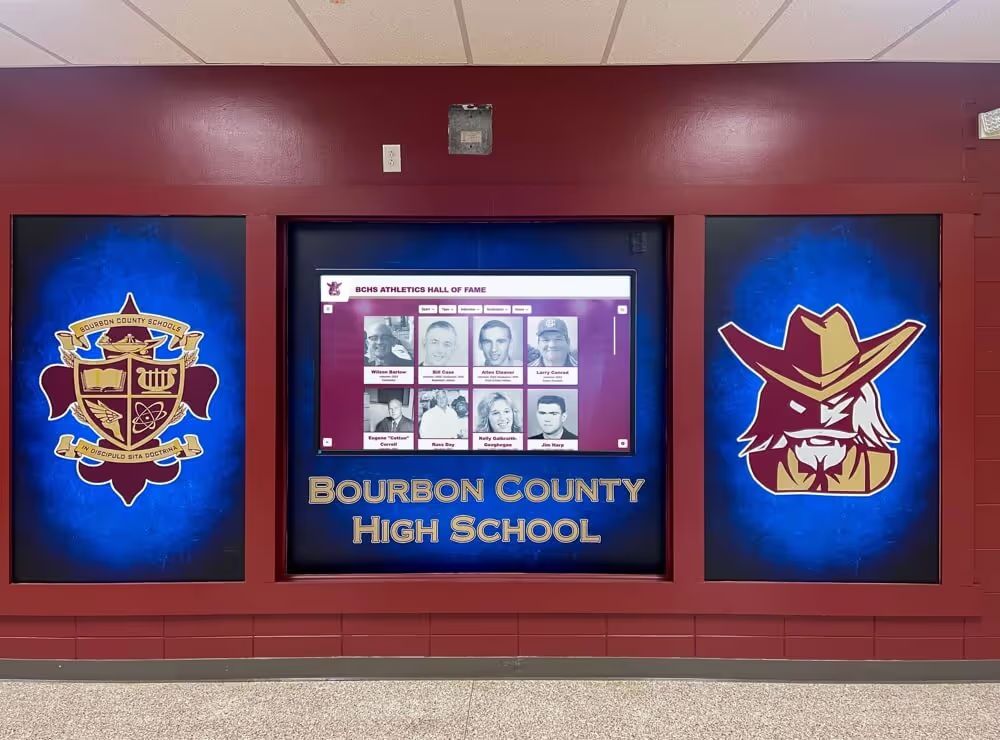
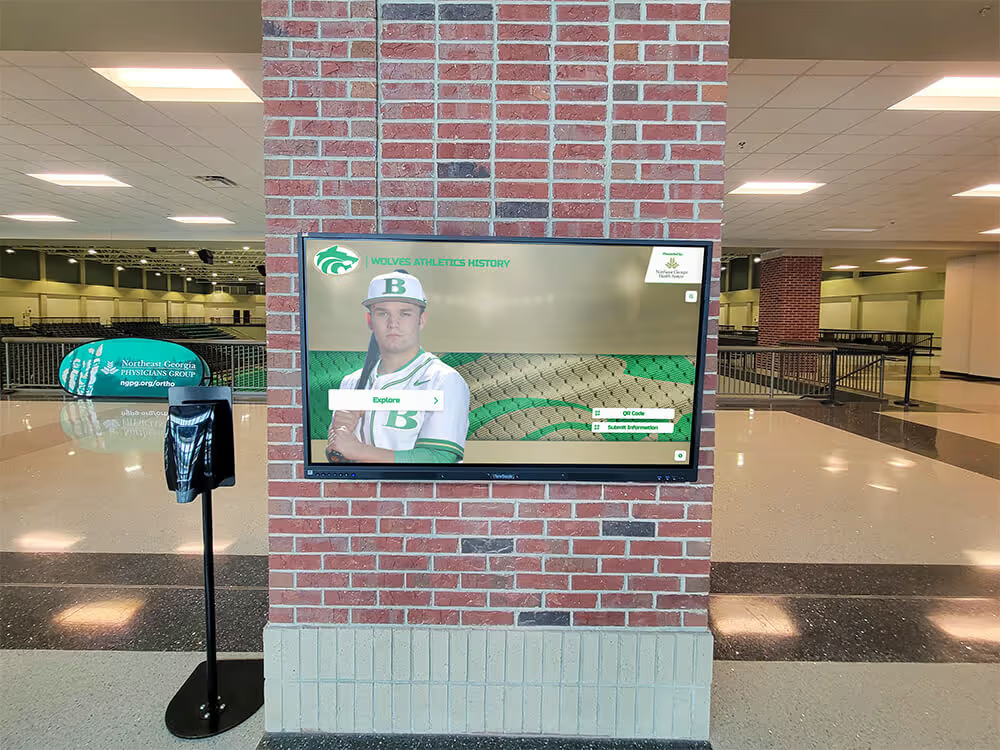
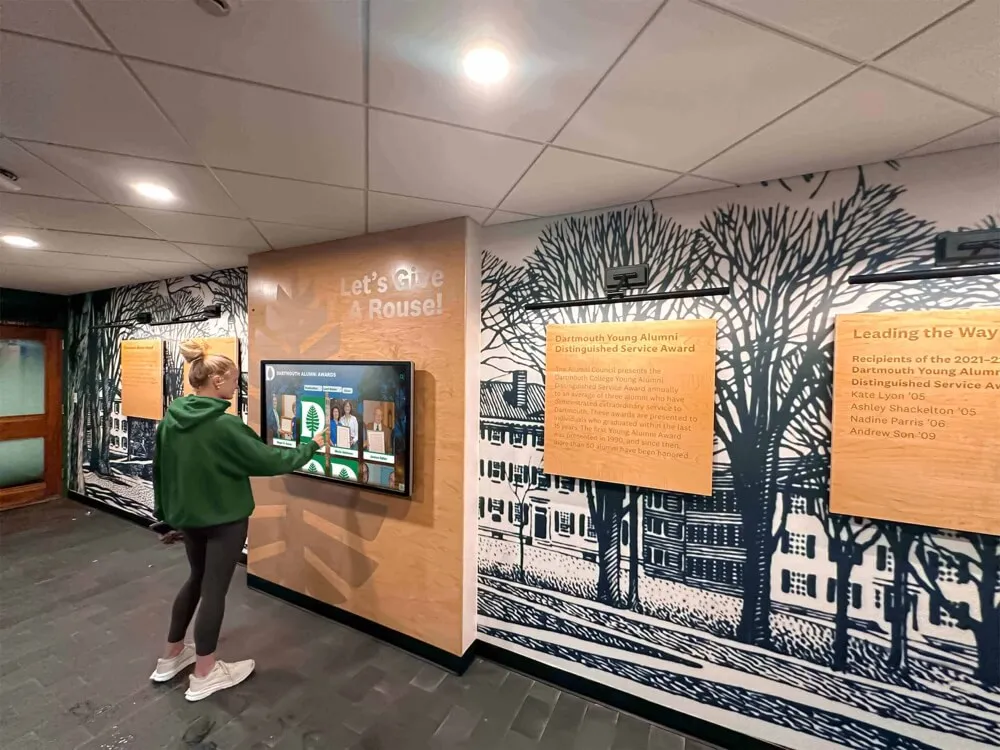
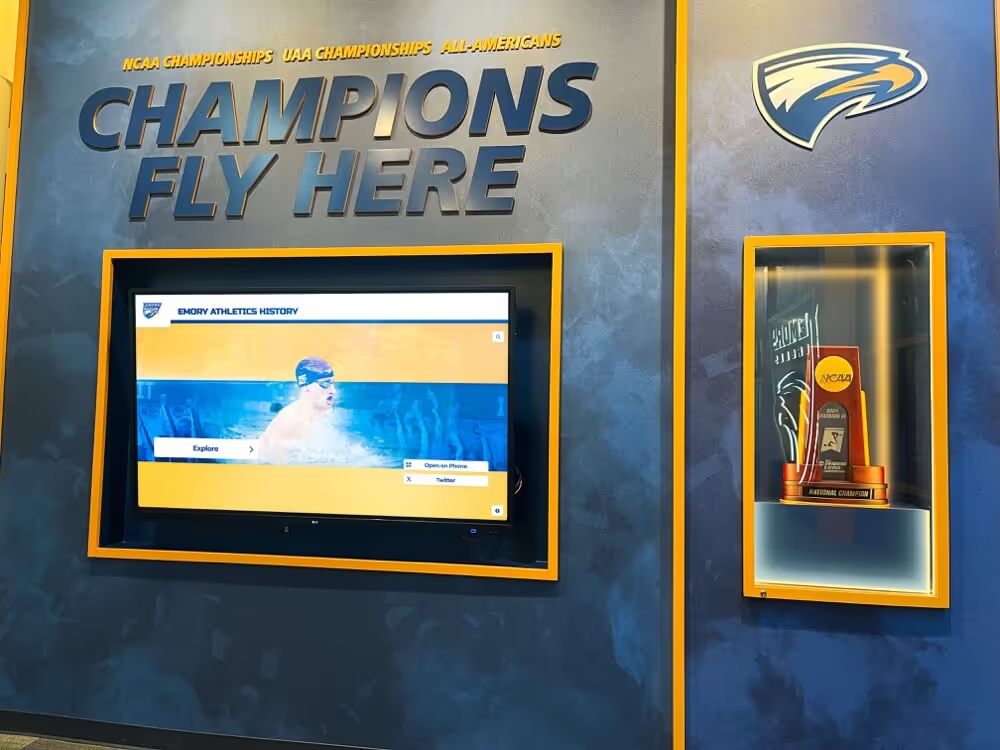
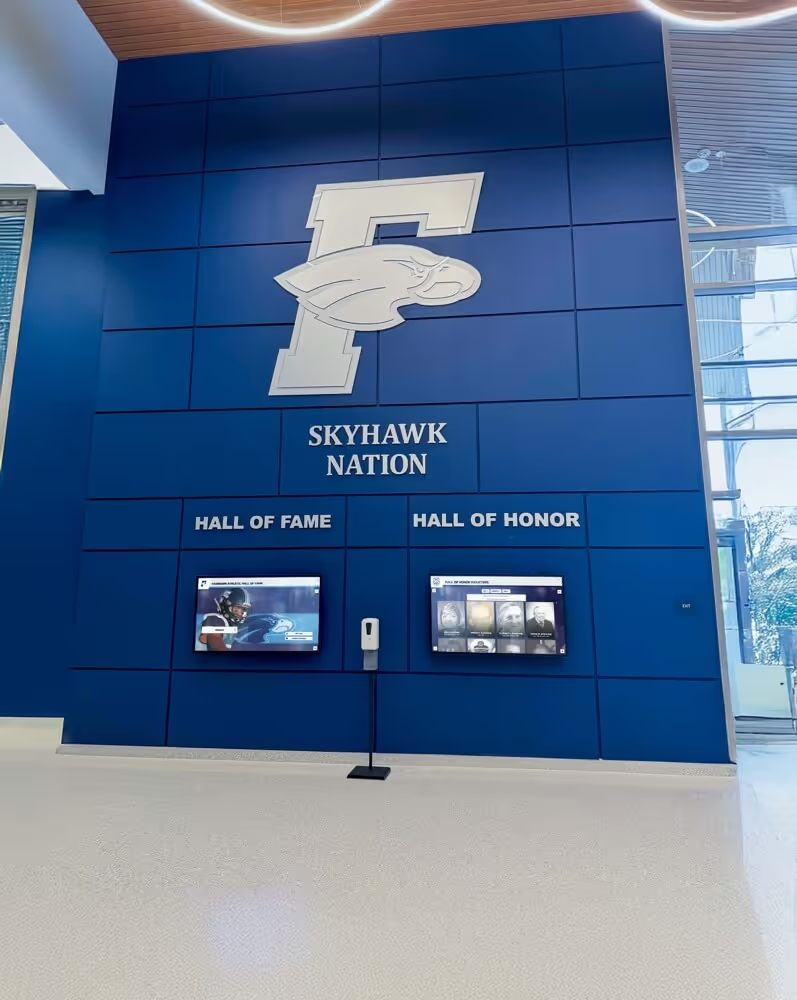
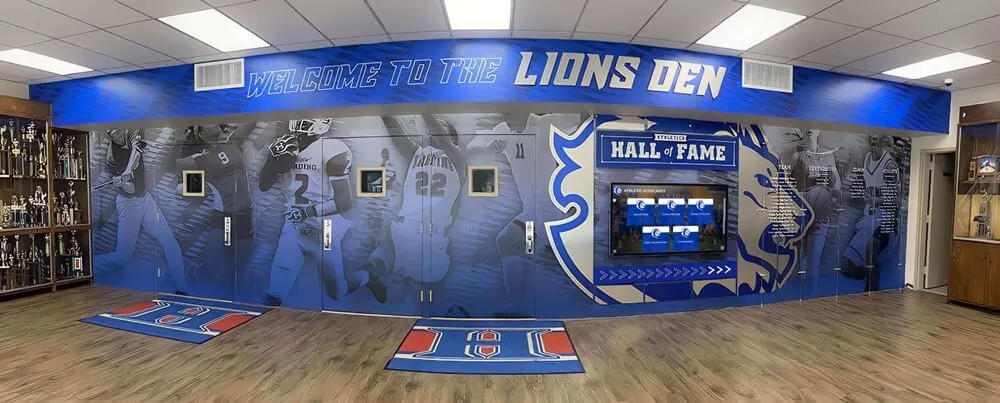
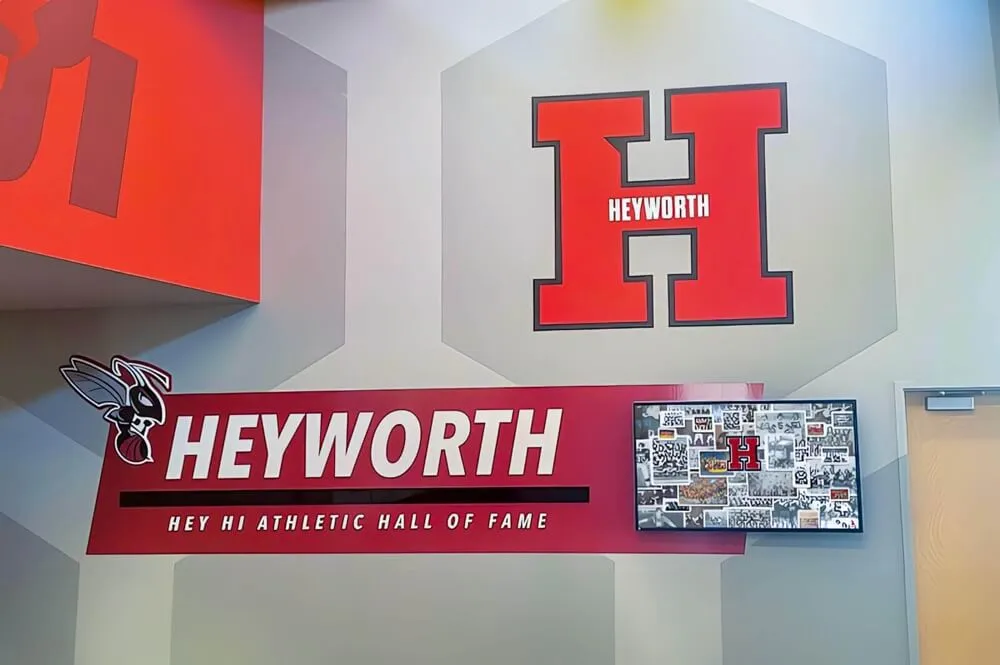
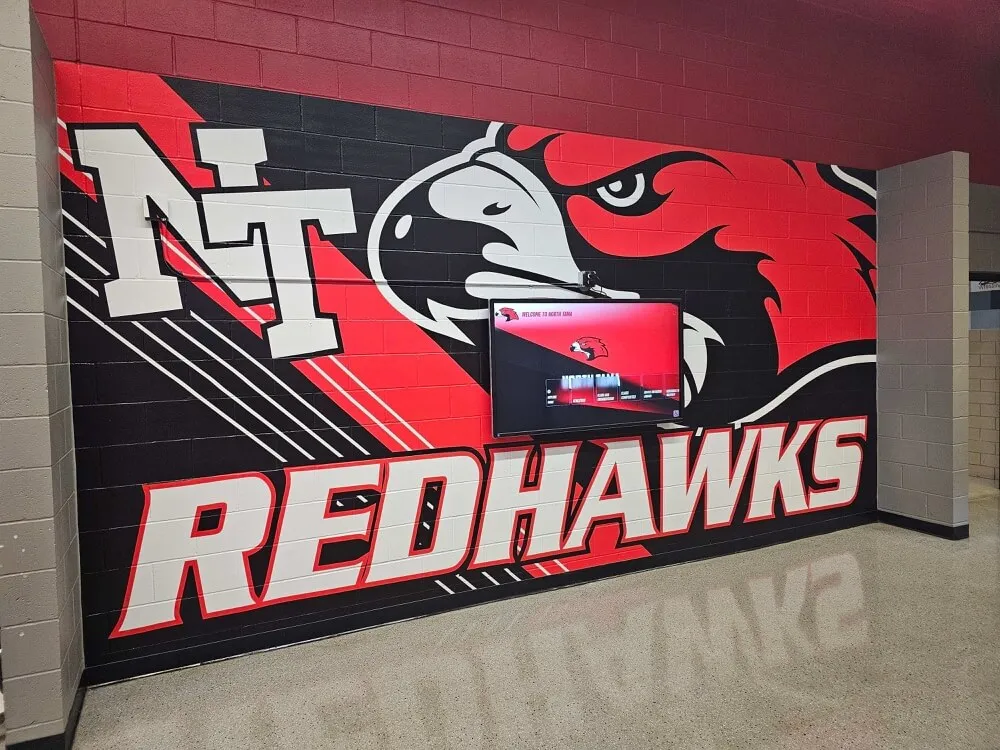
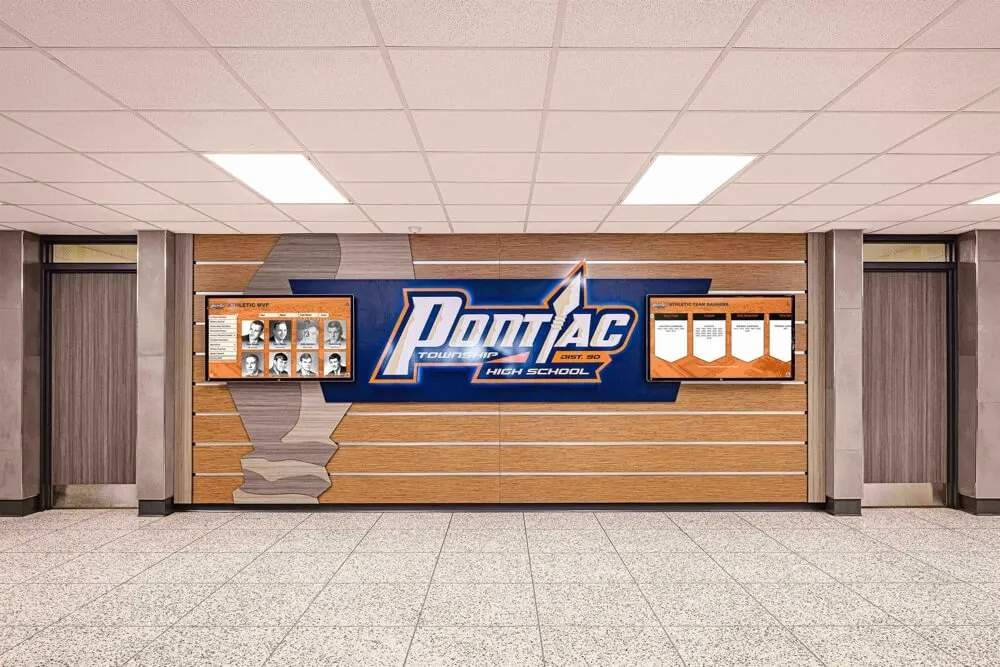
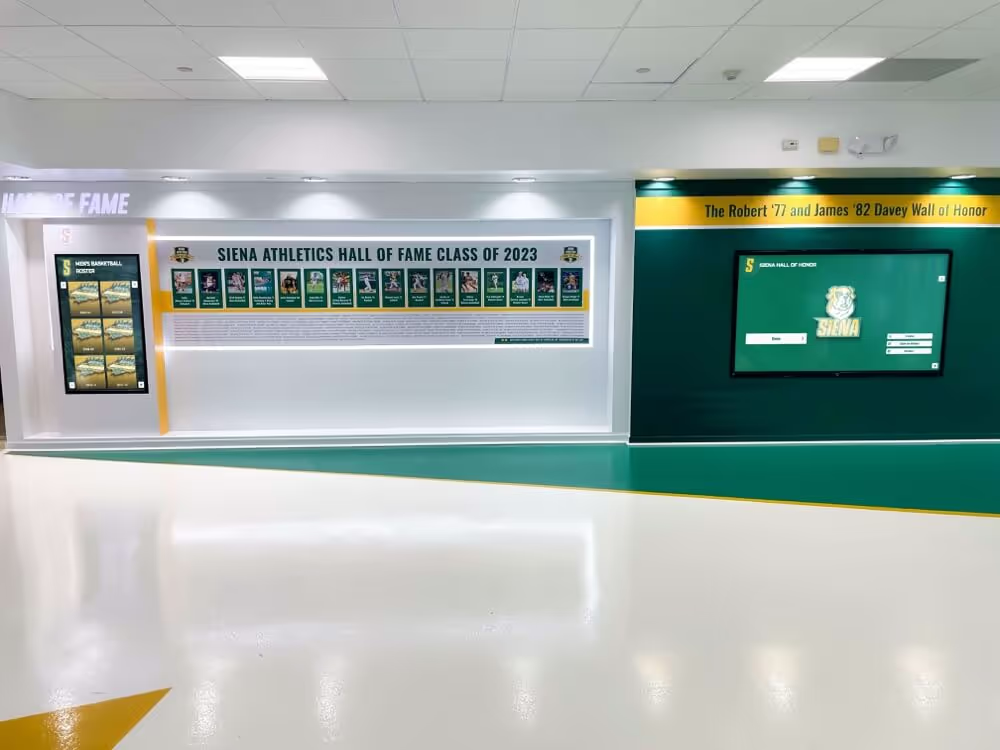
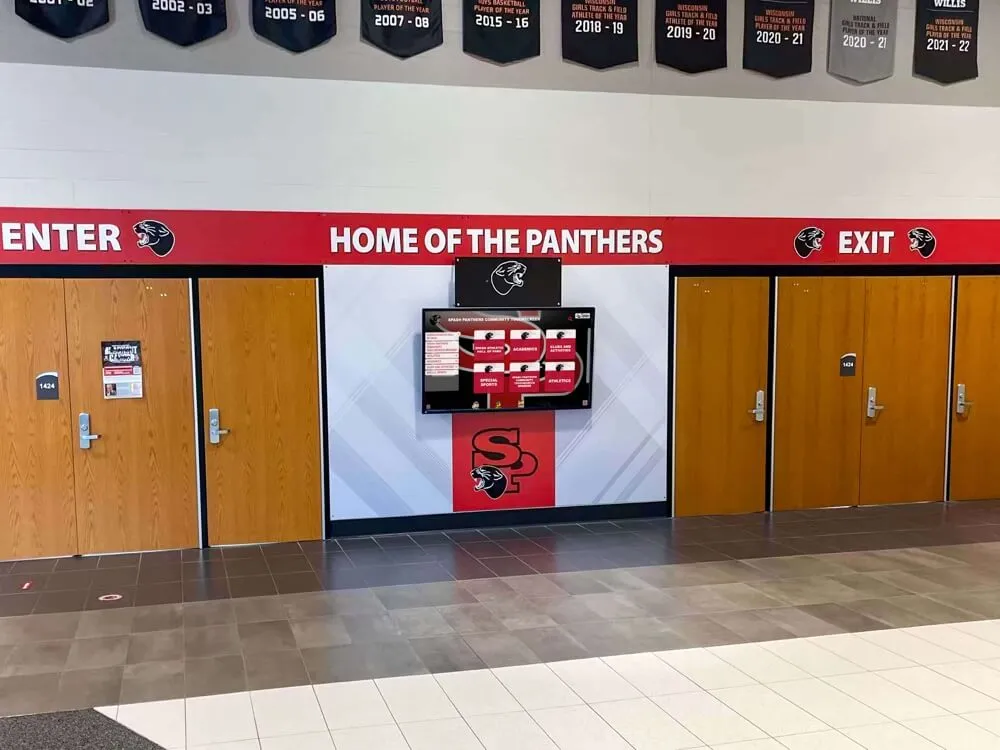
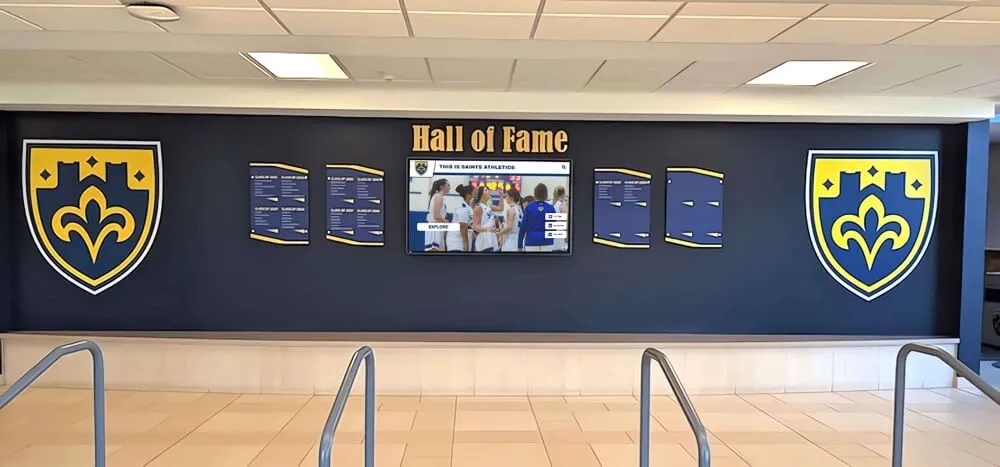
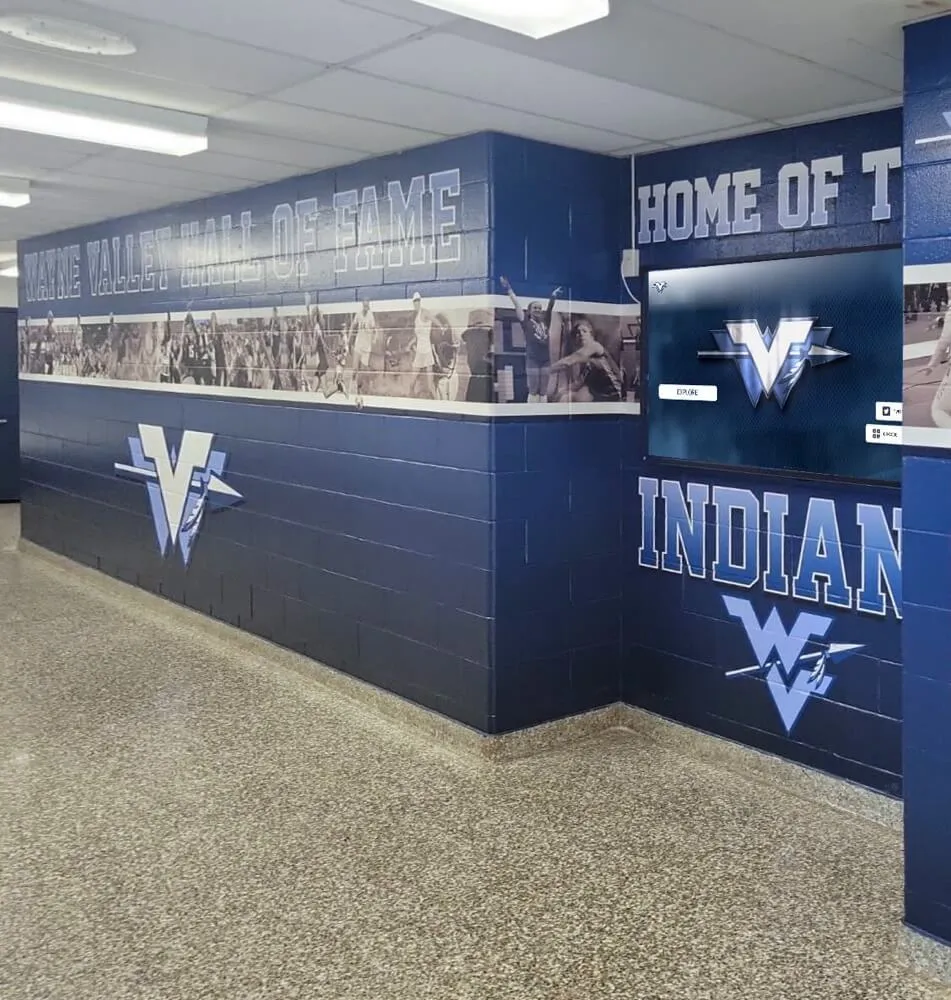
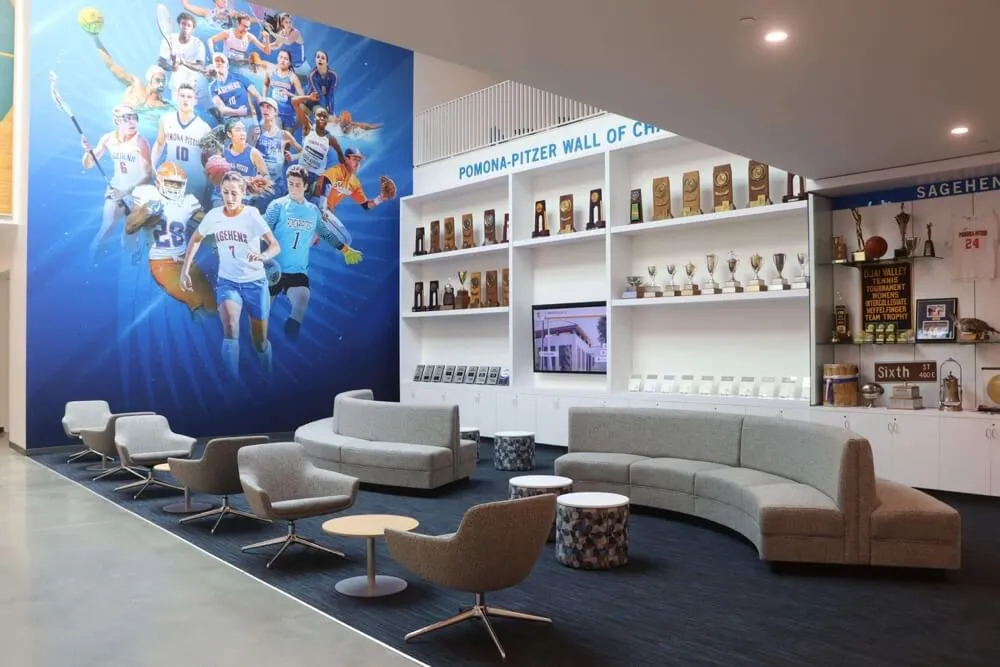
Programs implementing permanent digital recognition displays throughout facilities can leverage existing athletic recognition infrastructure during banquets, showcasing program history and current season achievements professionally without additional temporary setup requirements.
Community Venues (Moderate Cost):
- Parks and recreation facilities
- Community centers or civic buildings
- Veterans halls or fraternal organization spaces
- Hotel conference rooms or banquet halls
Community venues often provide more distinctive atmospheres than school buildings while maintaining reasonable costs through nonprofit rates, community group discounts, or off-peak spring pricing when summer wedding season hasn’t begun. These spaces frequently include kitchen facilities, tables, chairs, and basic audiovisual equipment reducing rental expenses.
Restaurant and Event Centers (Higher Cost):
- Restaurant private dining rooms
- Banquet hall facilities
- Country clubs or golf courses
- Hotel ballrooms
Professional venues deliver full-service experiences including meals, setup, cleanup, and built-in ambiance but require larger budgets. These options work best for programs with strong booster support, successful fundraising, or traditions of premier senior athlete celebrations justifying additional investment.
Outdoor Venue Possibilities
Spring timing enables outdoor celebration options unavailable during fall or winter seasons, creating unique atmospheric opportunities:
Stadium and Field Settings:
- Baseball or softball field celebrations
- Track facility gatherings
- Soccer or lacrosse field settings
- Stadium seating areas
Hosting banquets at actual competition venues creates powerful symbolic connections between celebration spaces and achievement locations. Athletes receiving recognition on fields where they competed throughout seasons adds meaningful authenticity particularly resonant for senior athletes experiencing final moments at familiar venues.
Outdoor Pavilions and Spaces:
- Park pavilions with covered areas
- School courtyards or outdoor commons
- Community amphitheaters
- Campus quads or green spaces
Covered outdoor spaces provide weather protection while maintaining open-air atmosphere. Spring evening settings offer pleasant temperatures, extended daylight, and natural beauty creating relaxed celebration environments distinct from indoor institutional settings.
Contingency Planning for Weather: Outdoor venues require backup indoor locations confirmed before event dates, clear communication plans informing attendees about potential location changes, and flexible decoration approaches working in either indoor or outdoor settings. Weather monitoring during final days before events enables informed decisions balancing outdoor appeal against precipitation probability or temperature concerns.
Setup Considerations for Effective Programs
Regardless of venue choice, thoughtful setup enables smooth program flow and appropriate celebration atmosphere:
Multi-Sport Zoning: For combined celebrations, consider creating sport-specific zones with team tables, decoration areas showcasing individual program achievements, or designated spaces where specific sports receive focused recognition during program segments. This zoning maintains individual program identity within unified celebration frameworks.
Flow and Program Timing: Design physical layouts supporting logical program sequence—arrival and social time areas before formal programs begin, clear sight lines to presentation areas from all tables, accessible pathways for award recipients approaching recognition areas, and efficient transitions between meal service and program elements.
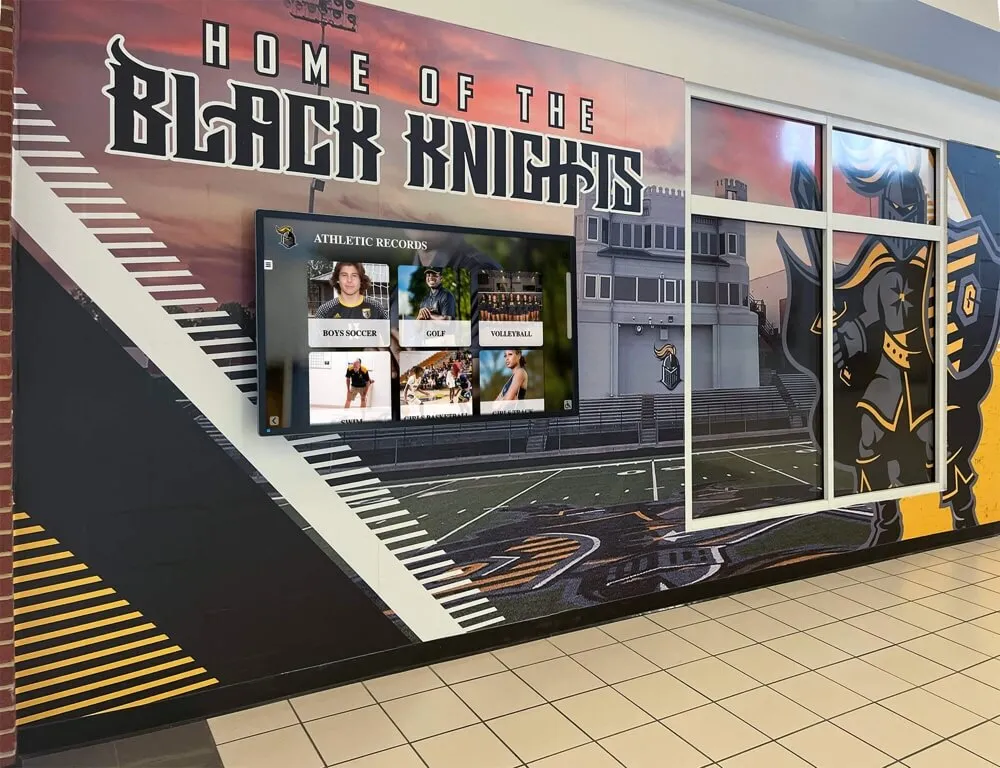
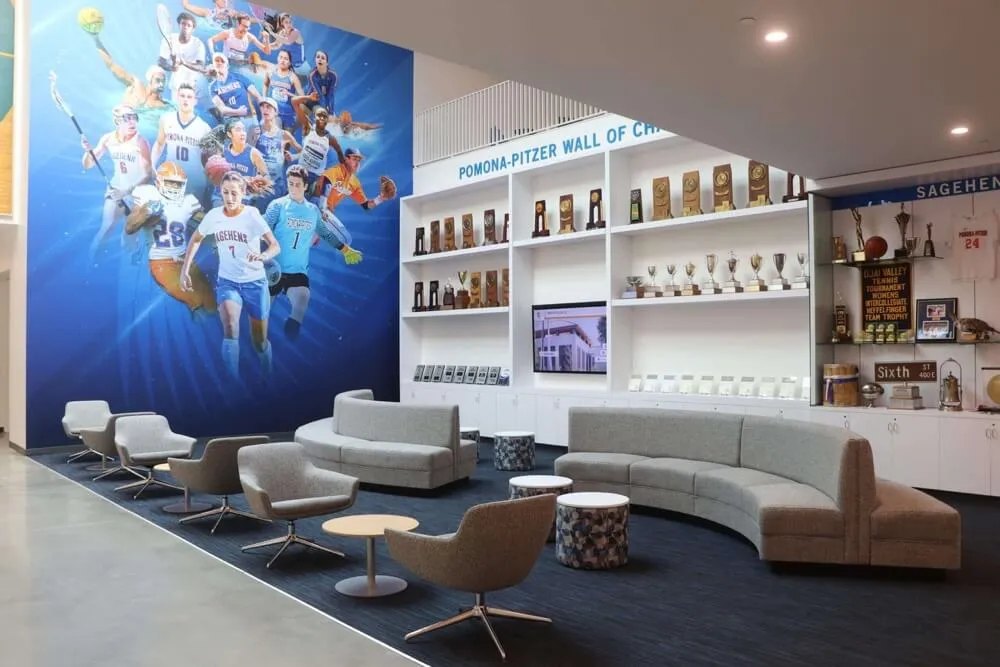
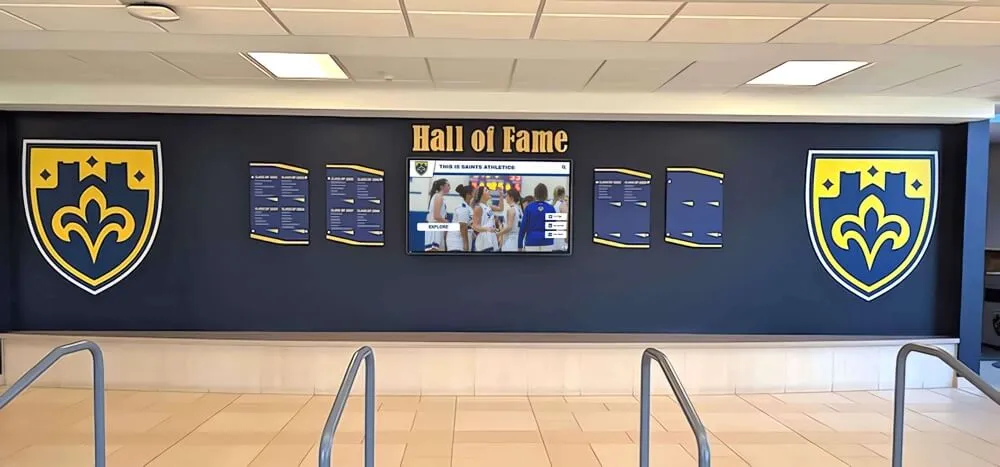
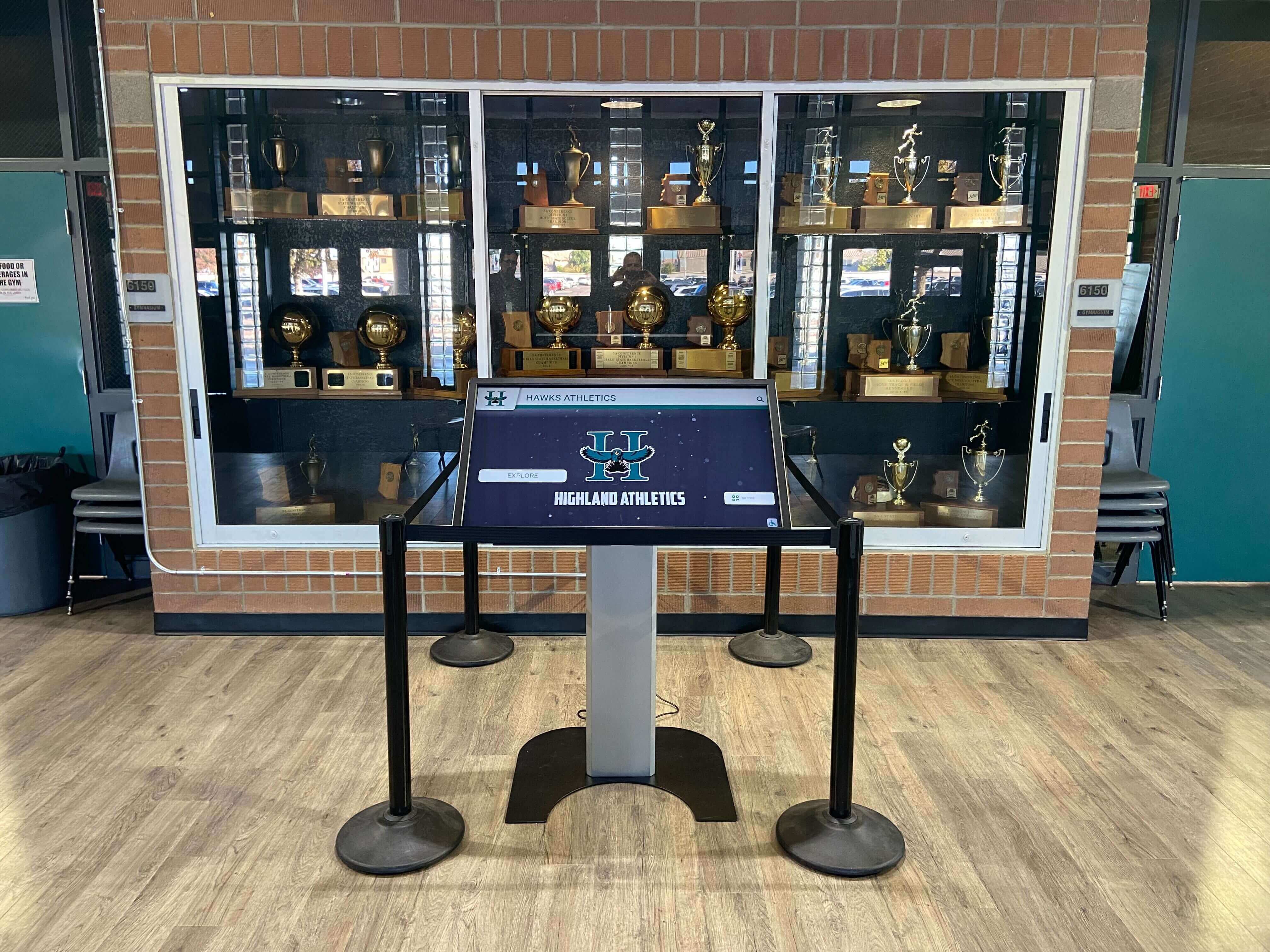
Recognition Display Integration: Position achievement displays, trophy cases, season highlight boards, or digital recognition systems where attendees naturally view them during arrival periods, social time, or event transitions. These displays create conversation starters while documenting program excellence supporting celebration purposes.
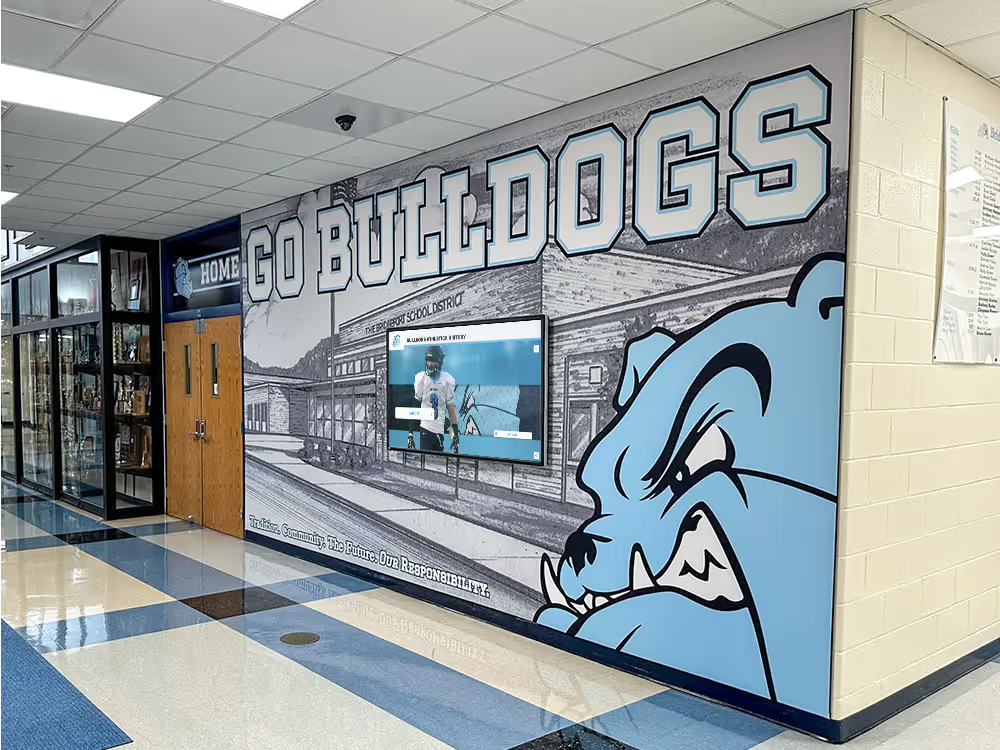
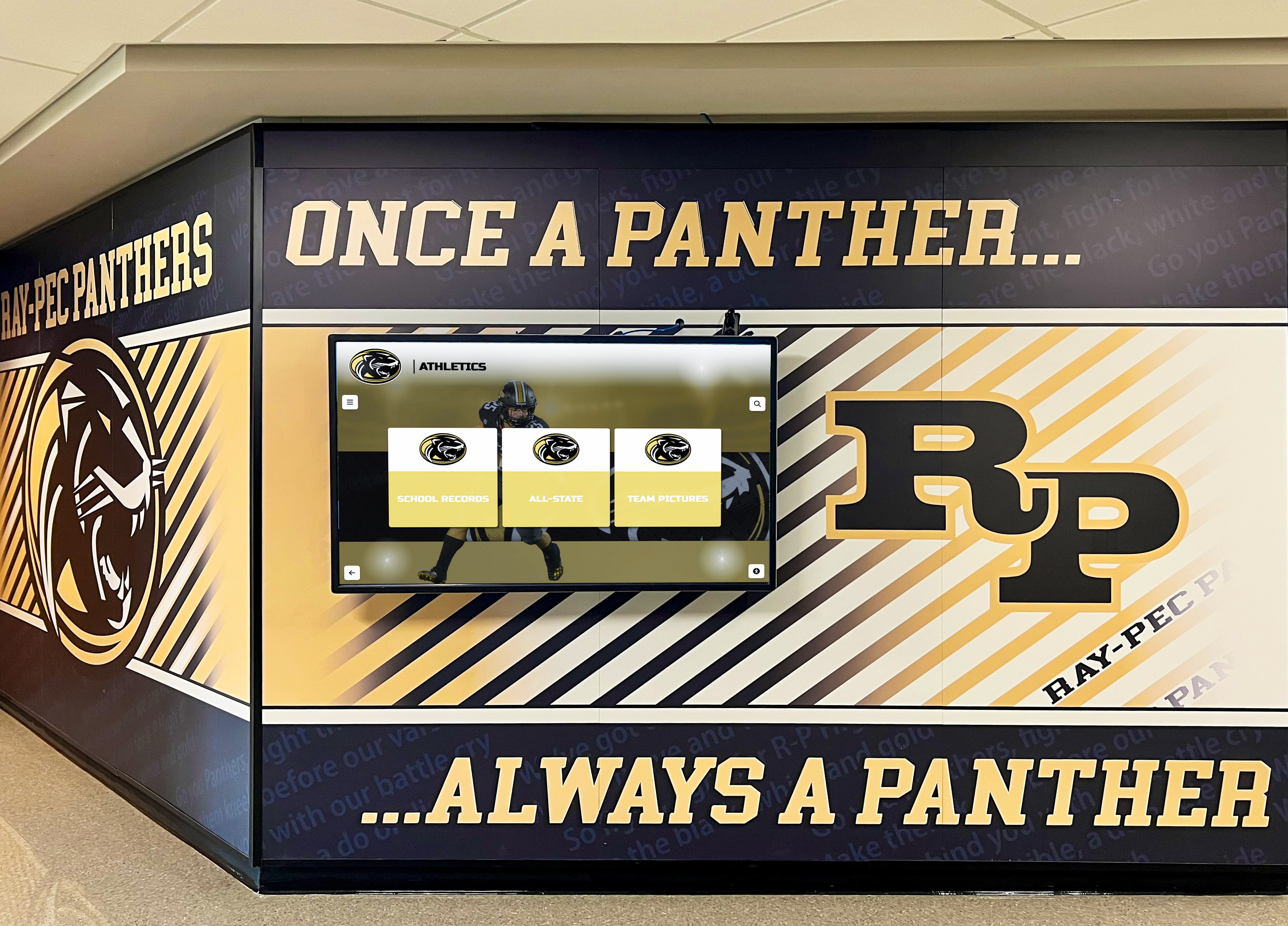
Schools implementing interactive digital recognition throughout athletic facilities can position these systems strategically at banquet venues showcasing comprehensive program histories alongside current season celebrations.
Decoration Ideas and Visual Elements
Effective decorations transform venues into special celebration spaces while reinforcing themes and honoring athletic achievement.
Sport-Specific Decoration Approaches
Baseball and Softball:
- Pennant banners featuring team colors and achievements
- Vintage baseball equipment displays
- Jersey number centerpieces
- Baseball/softball themed table covers and runner
- Dugout or clubhouse signage elements
- Championship banner reproductions
Diamond sport decorations benefit from rich professional traditions providing inspiration through pennant designs, team color schemes, and baseball/softball specific imagery easily adapted to school programs.
Track and Field:
- Starting line and finish line banners
- Medal podium displays
- Event-specific imagery (hurdles, starting blocks, throwing implements)
- Record board replicas showing season achievements
- Olympic ring elements
- Track lane line table runners
Track decorations can emphasize diverse event types while maintaining unified program identity through school colors and comprehensive achievement recognition across sprints, distance, jumps, throws, and relays.
Team Sports (Lacrosse, Soccer, Tennis, Golf):
- Equipment displays featuring balls, sticks, rackets, or clubs
- Field or court diagrams showing strategic elements
- Team formation graphics
- Tournament bracket displays
- Goal or net elements as centerpieces
- Sport-specific color schemes and imagery
Team sport decorations work well when they balance program-wide elements creating unified celebration atmosphere with sport-specific details acknowledging unique traditions and competitive characteristics.
Universal Decoration Elements
School Branding and Colors:
- School color table linens, napkins, and decorative elements
- Mascot imagery and logo displays
- Banner displays featuring school athletic department branding
- Trophy and achievement showcases
School-specific branding creates cohesive institutional identity particularly important for combined spring celebrations where universal elements unite different sports under common frameworks.
Achievement Documentation:
- Season highlight photo displays
- Newspaper clipping boards
- Championship banner reproductions
- Record achievement boards
- All-conference and all-state recognition displays
Achievement-focused decorations serve dual purposes—creating attractive visual interest while documenting specific season accomplishments that celebration attendees can review and discuss throughout events.
Photo Opportunities:
- Themed photo backdrop areas
- Step-and-repeat banners with sponsor logos
- Award prop displays for creative photos
- Team equipment photo stations
Designated photo areas create shareable memories while providing activities during arrival periods before formal programs begin. These spaces generate organic social media content extending celebration visibility beyond attendees themselves.
Table Centerpieces:
- Sport equipment arrangements (balls, gloves, bats in decorative containers)
- Championship trophy replicas
- Photo arrangements featuring team highlights
- Flower arrangements in school colors
- Jersey number displays
Effective centerpieces balance visual appeal with practical considerations—keeping heights low enough for table conversation while creating attractive focal points that reinforce celebration themes.
DIY vs. Professional Decoration Services
DIY Approaches: Maximize parent volunteer creativity, student athlete involvement, and booster organization support to create decorations at lower costs. DIY benefits include personalization opportunities, community building through collaborative preparation, and significant budget savings. However, volunteer approaches require advance organization, reliable coordinator leadership, and realistic scope matching available volunteer capacity and expertise.
Professional Services: Contract decoration companies provide polished results, eliminate setup stress, and deliver consistent quality but increase costs substantially. Professional options work best for programs with adequate budgets, limited volunteer availability, or desires for particularly sophisticated aesthetic requiring expert implementation.
Hybrid Approaches: Combine professional elements for complex items (custom banners, specialty linens, lighting) with DIY components for simpler decorations (table centerpieces, photo displays, signage). This balanced approach maintains budget consciousness while ensuring professional polish for high-visibility elements creating primary visual impact.
Award Categories and Recognition Programs
Recognition represents the core purpose of most spring sports banquets, requiring careful planning ensuring meaningful acknowledgment for diverse contributions across multiple programs.
Traditional Spring Sports Award Categories
Performance Excellence Awards:
- Most Valuable Player (overall team contribution)
- Offensive Player of Year (scoring and attacking excellence)
- Defensive Player of Year (defensive skill and strategy)
- Most Improved Player (greatest seasonal growth)
- Rookie of Year (outstanding first-year performance)
Performance awards validate athletic skill development and competitive achievement while acknowledging athletes who demonstrated exceptional ability and dedication to sport-specific excellence.
Leadership and Character Awards:
- Team Captain Recognition (formal leadership acknowledgment)
- Coaches Award (staff-selected recognition honoring exemplary qualities)
- Team Spirit Award (enthusiasm and positive energy)
- Sportsmanship Award (competitive integrity and respect)
- Dedication Award (consistent effort and commitment)
Leadership categories acknowledge essential contributions beyond athletic statistics, validating diverse forms of value athletes bring to program success through attitude, work ethic, character, and team-first mentalities.
Statistical and Achievement Awards:
- Batting Champion (highest average—baseball/softball)
- Golden Glove (defensive excellence—baseball/softball)
- Sprint Champion (fastest times—track)
- Distance Runner Award (distance event excellence—track)
- Top Scorer (most goals—lacrosse/soccer)
- Tournament MVP (playoff excellence)
Statistical awards provide objective recognition based on measurable performance data, ensuring athletes understand specific achievement criteria and can track progress toward recognition throughout seasons.
Academic and Well-Rounded Awards:
- Scholar Athlete (academic and athletic excellence combination)
- Academic All-Conference Recognition
- Student Athlete Leadership Award
- Community Service Recognition
Academic awards demonstrate holistic commitment to well-rounded development, signaling that programs value classroom excellence alongside athletic achievement and appreciate athletes representing programs positively across all school and community contexts.
Senior Recognition:
- Senior Athlete Tributes (comprehensive departing athlete acknowledgment)
- Four-Year Letter Winners (sustained program participation)
- Senior Leadership Awards (graduating athlete contributions)
- Legacy Awards (multi-generational program family recognition)
Senior-specific awards ensure graduating athletes receive appropriate farewell recognition acknowledging their complete program contributions across multiple years while honoring their roles as program leaders and cultural ambassadors.
Sport-Specific Award Adaptations
Different spring sports require tailored award categories reflecting unique competitive structures and achievement types:
Baseball and Softball Specific:
- Pitcher of Year
- RBI Leader
- Base Running Excellence
- Defensive Player by Position
- Clutch Performer (critical game performance)
Track and Field Specific:
- Event Champion by Discipline (sprints, distance, hurdles, jumps, throws)
- Relay Team Recognition
- School Record Achievement
- State Qualifier Recognition
- Most Versatile Athlete (multiple event success)
Team Sport Specific:
- Assist Leader (playmaking recognition)
- Goalkeeper/Goalie Award
- Offensive/Defensive Specialist
- Hustle Award (effort and intensity)
- Playmaker Recognition
Sport-specific categories ensure recognition systems match competitive realities and achievement types particular to each program, avoiding generic awards that fail to acknowledge discipline-specific excellence forms.
Creating Inclusive Recognition Systems
Effective award programs ensure all athletes experience meaningful acknowledgment rather than concentrating celebration on small elite groups:
Participation Recognition: Acknowledge every team member through participation certificates, letter awards, or team recognition ensuring no athlete leaves celebrations feeling invisible or undervalued regardless of playing time or statistical contribution.
Multiple Category Expansion: Create diverse award categories beyond traditional MVPs, expanding recognition opportunities so more athletes receive individual acknowledgment. More categories mean broader celebration distribution while maintaining special significance for each specific award.
Peer-Nominated Awards: Incorporate teammate voting for categories like “Best Teammate,” “Most Encouraging,” or “Hardest Worker.” Peer recognition carries particular meaning since fellow athletes understand contributions most intimately through daily practice and competition experiences.
Improvement Emphasis: Balance achievement awards recognizing established excellence with improvement categories honoring growth, ensuring athletes who started seasons with less developed skills but made significant progress receive acknowledgment alongside naturally talented performers maintaining high levels.
Programs implementing comprehensive student recognition strategies across multiple dimensions demonstrate holistic commitment to celebrating well-rounded development that athletic recognition exemplifies when done thoughtfully.
Creating Memorable Program Elements
Beyond meals and awards, thoughtful program elements transform banquets from routine gatherings into engaging celebrations.
Multimedia Presentations and Retrospectives
Season Highlight Videos chronicle competitive year memorable moments:
- Game footage from victories, championships, or significant competitions
- Practice and training clips showing behind-scenes dedication
- Candid photos capturing team camaraderie and community
- Senior tribute videos featuring individual profiles or photo montages
- Coach interviews and athlete testimonials
Well-produced videos create emotional impact while documenting seasons permanently. Many programs treasure these retrospectives as historical archives alongside their immediate celebration function.
Photo Slideshows provide simpler alternatives requiring less production expertise while still creating engaging visual programs featuring hundreds of season photos set to appropriate music selections. Slideshows work particularly well for combined spring banquets where brief sport-specific photo presentations acknowledge each program within overall unified celebration framework.
Statistical Presentations showcase team and individual achievements through visual graphics:
- Record-breaking performances
- Season statistical leaders
- Historical comparisons to previous teams
- Championship tournament results
- All-conference and all-state selections
Coaching Staff and Family Recognition
Coach Appreciation: Dedicate program segments acknowledging head coaches, assistant coaches, volunteer coaches, and support staff whose dedication enables program success. Allow athletes or team captains to present appreciation gifts, share testimonials, or offer remarks honoring coaching contributions.
Parent and Family Recognition: Acknowledge family support through volunteer appreciation, booster organization recognition, or special tributes to families providing exceptional assistance with transportation, team meals, fundraising, or other essential program support. Family recognition validates crucial roles families play while demonstrating program-wide appreciation extending beyond just athlete focus.
Volunteer Acknowledgment: Recognize non-parent community volunteers, officials who worked games, facility staff supporting practices and competitions, trainers providing injury care, or others whose behind-scenes contributions enabled successful seasons.
Interactive Activities and Entertainment
Sport Trivia and Games: Brief interactive elements like sport trivia competitions between teams, video clip challenges identifying game moments, or lighthearted team-related games maintain engagement and energy. Keep interactive elements short preventing program length concerns while adding entertainment value beyond passive award watching.
Team Performances: Selected athletes or teams performing brief demonstrations, choreographed presentations, or humorous skits about season experiences create entertainment while celebrating team culture and inside jokes. Student-created content feels authentic and engaging when kept concise and well-chosen.
Memory Sharing: Create opportunities for informal memory sharing through memory boards where attendees write favorite season moments, digital sharing platforms where families post photos, or brief open microphone periods where athletes share memorable experiences.
Programs creating engaging celebrations often apply similar principles when developing donor recognition displays that honor athletic booster contributions through thoughtful acknowledgment creating emotional connections beyond simple name listings.
Digital Recognition and Lasting Documentation
Modern technology enables spring sports programs to create permanent, engaging documentation of achievements extending recognition impact far beyond single banquet evenings.
Interactive Digital Recognition Displays
Traditional trophy cases face space limitations restricting how many years of spring sports achievements receive visible recognition. Plaques acknowledge award recipients briefly but provide minimal context about accomplishments or athletes themselves. Physical recognition often becomes outdated, cluttered, or invisible as years pass and display priorities shift toward more recent achievements.
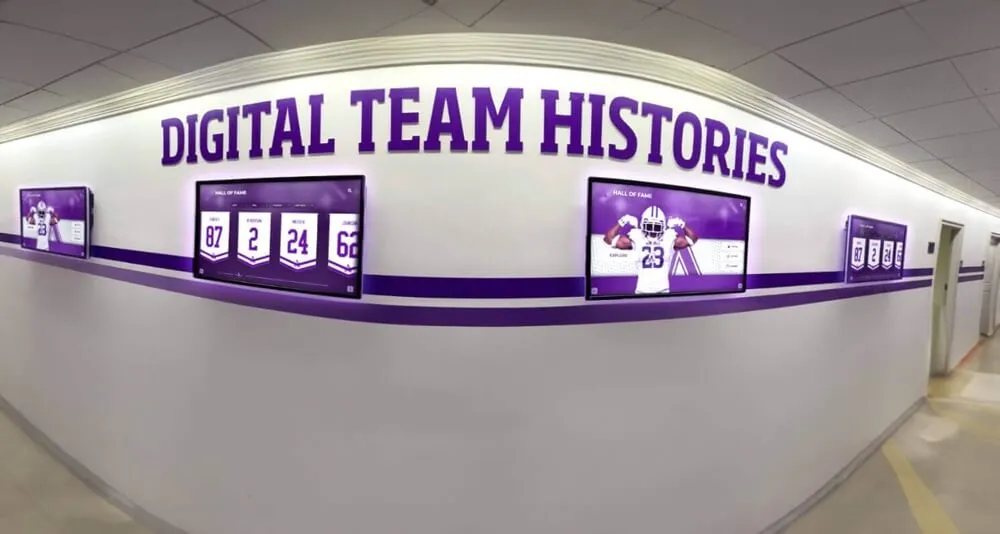
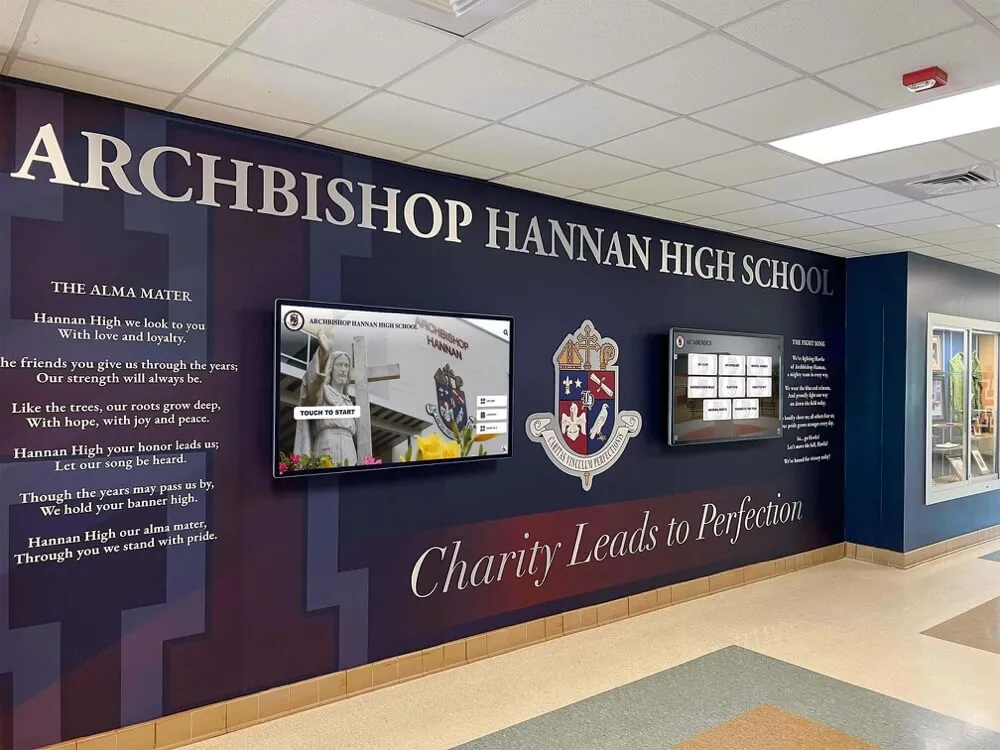
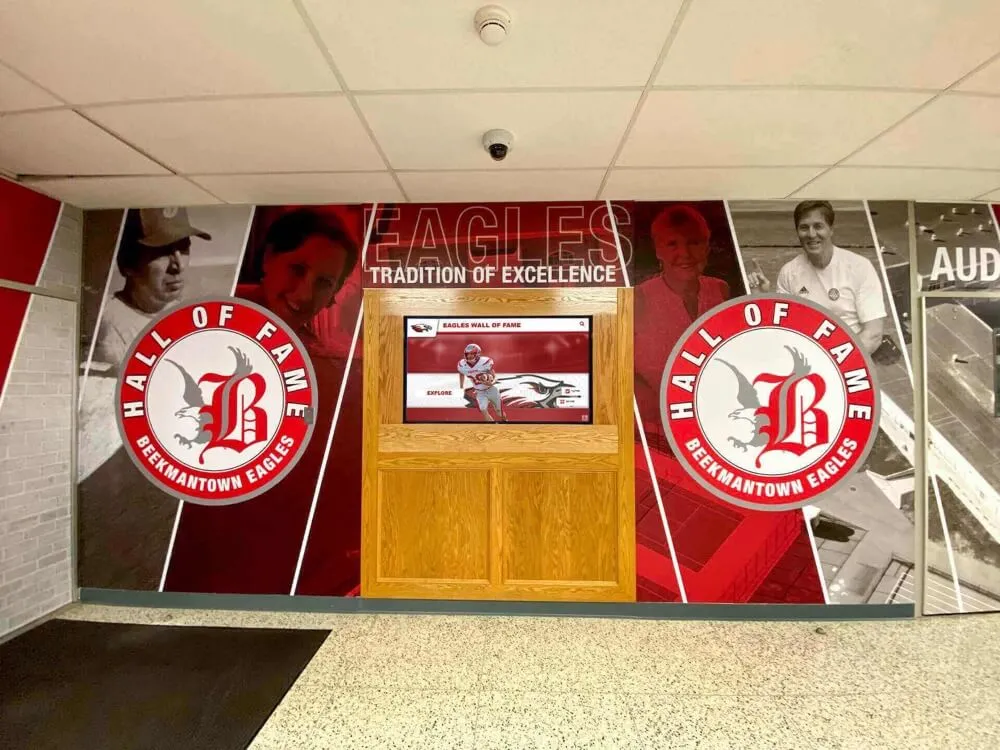
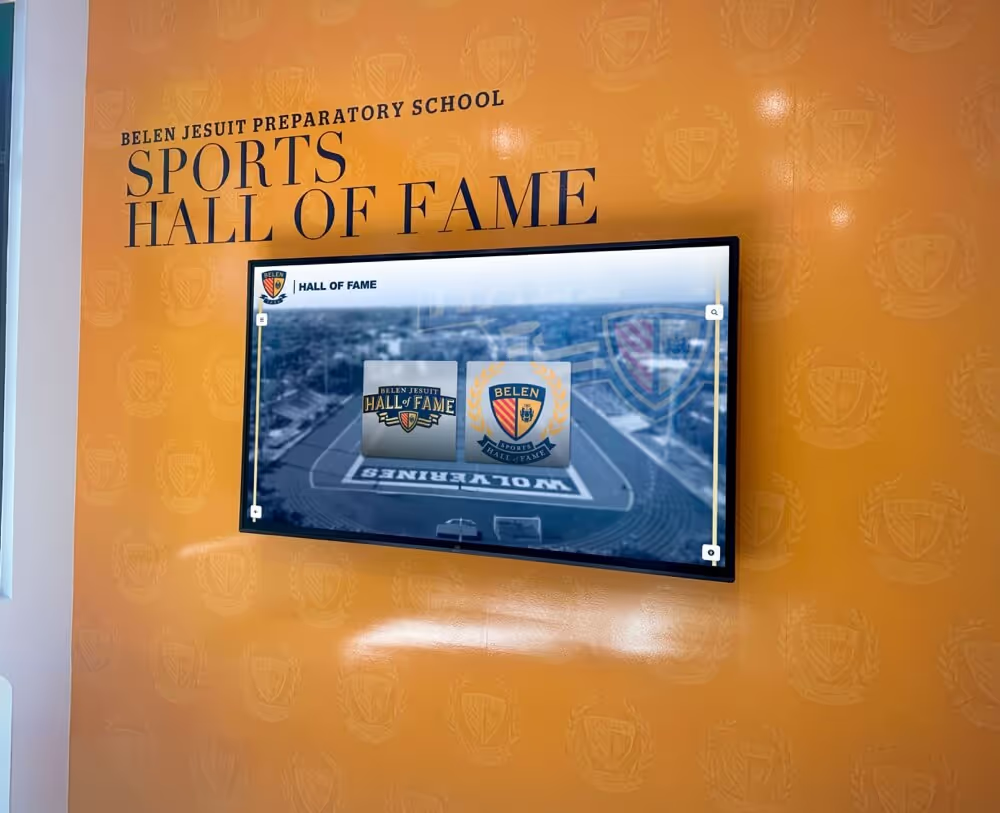
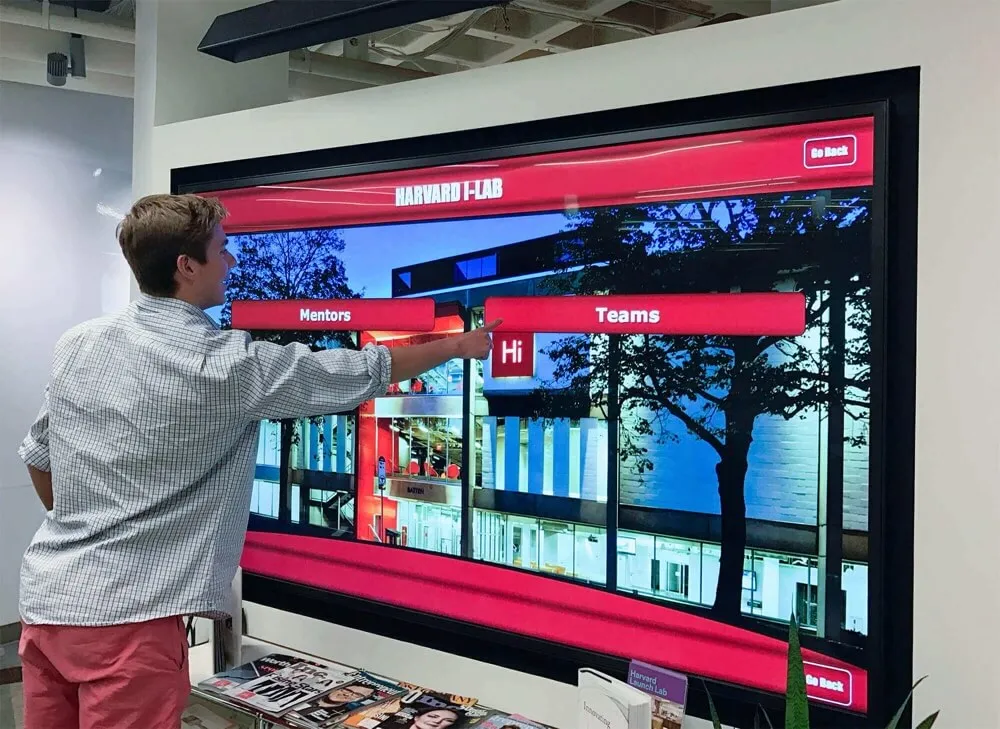
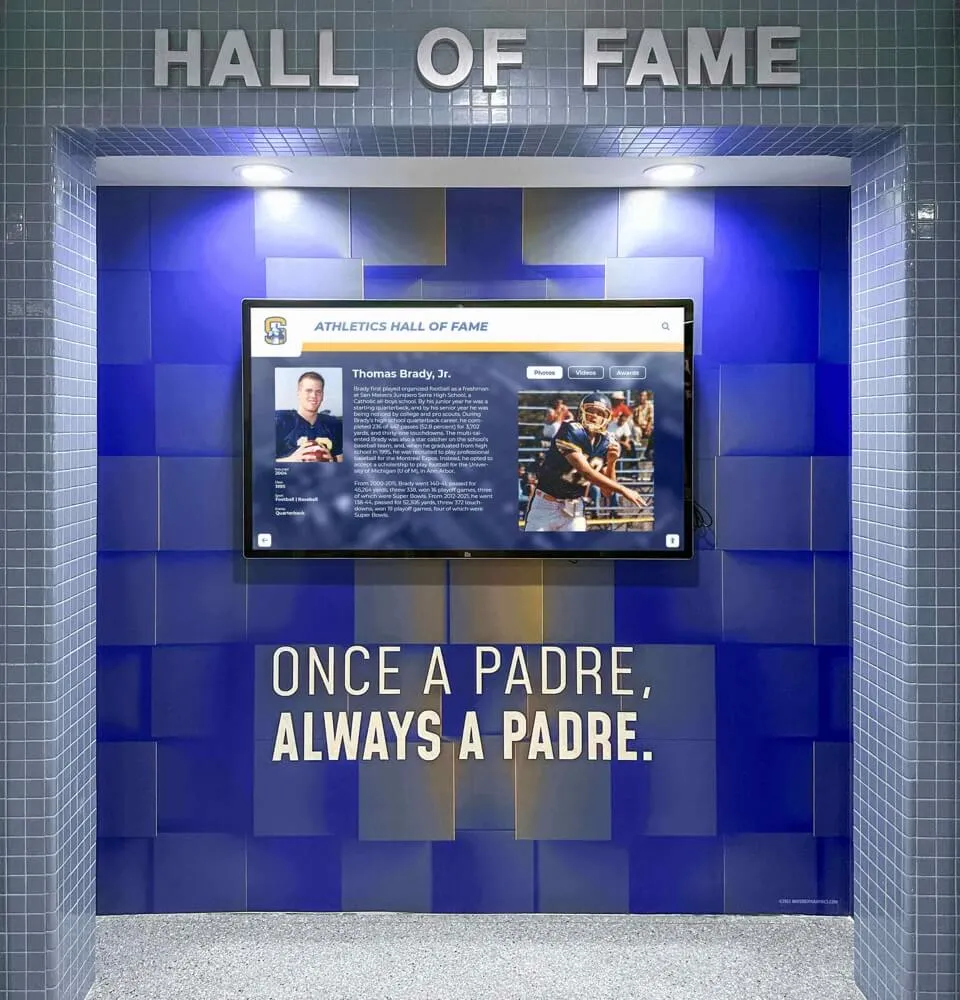
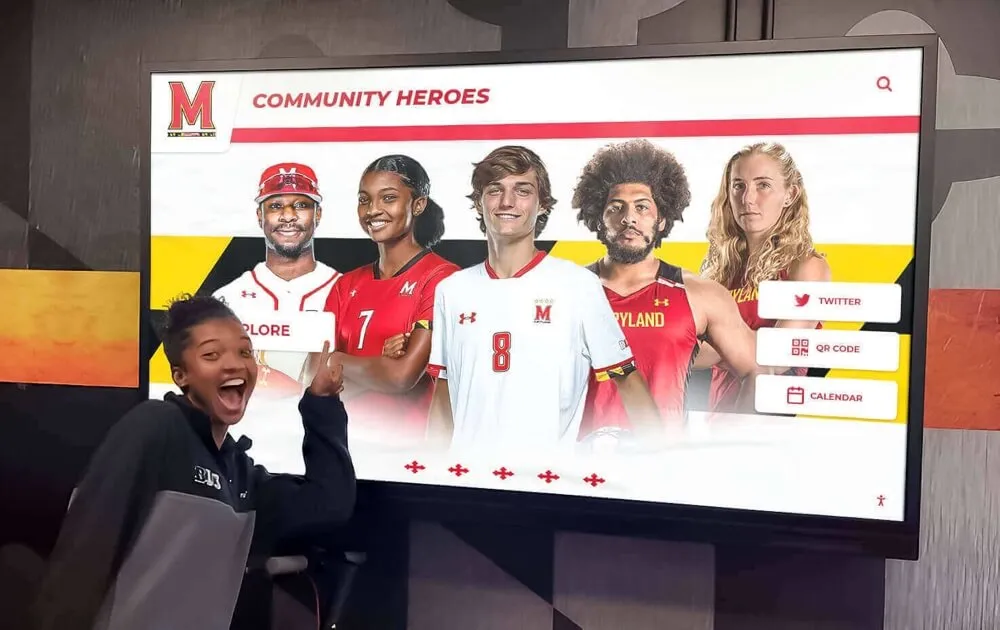
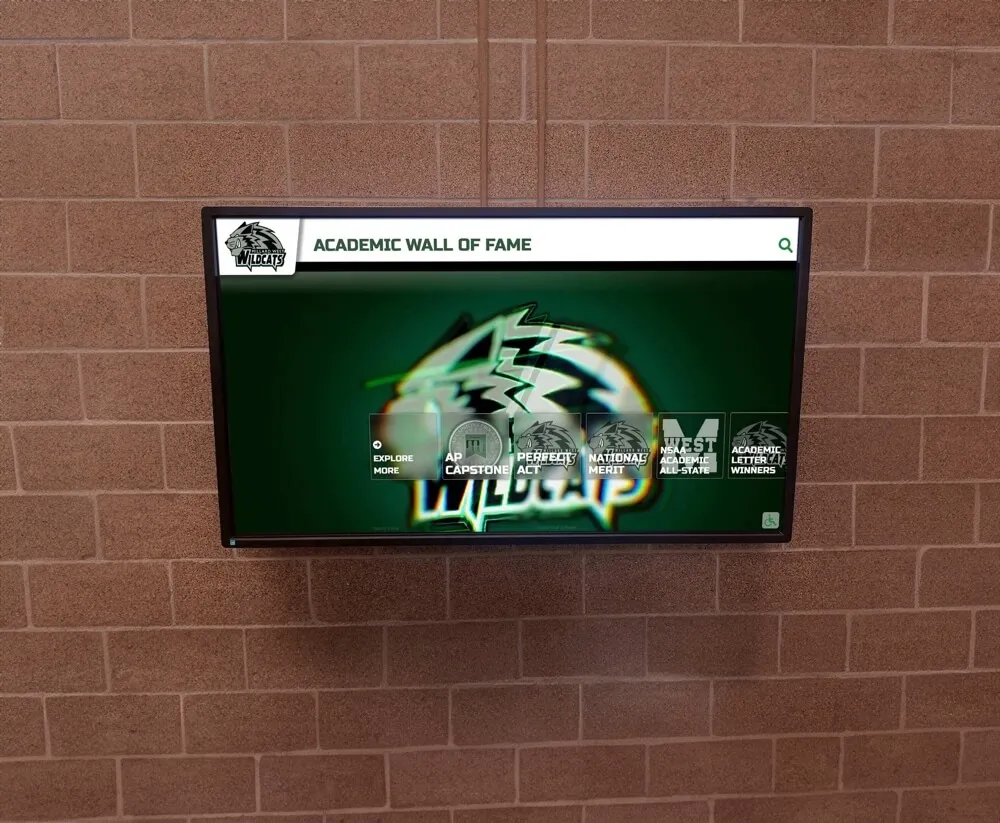
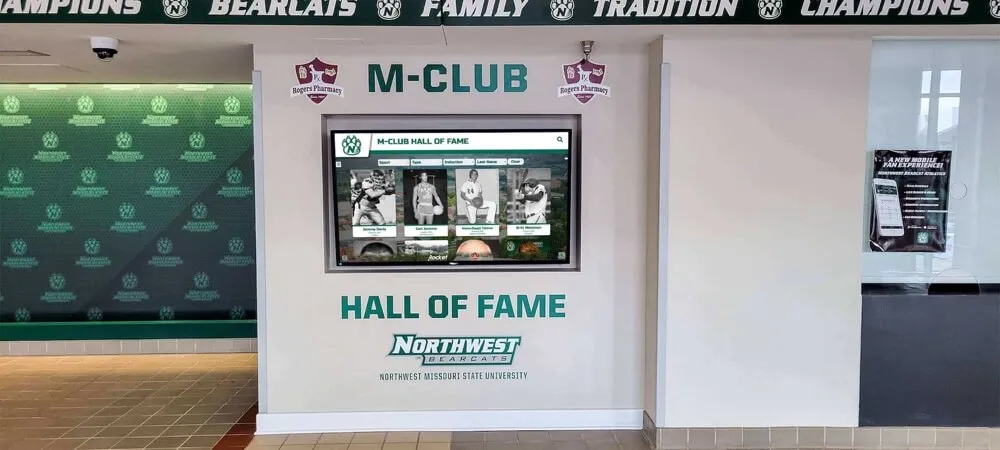
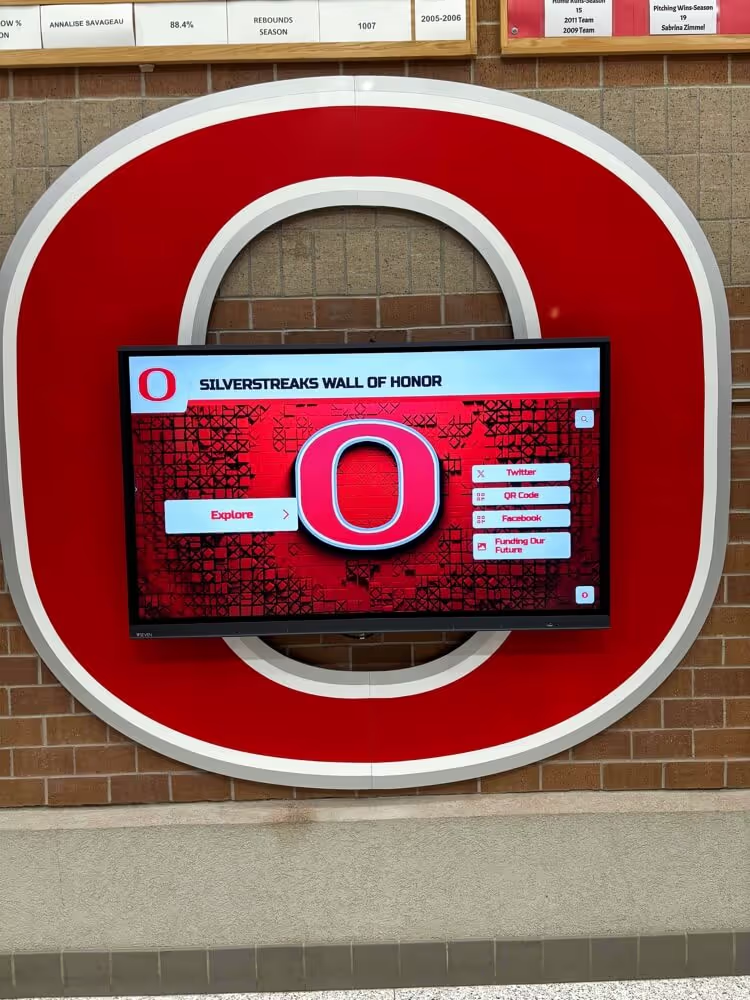
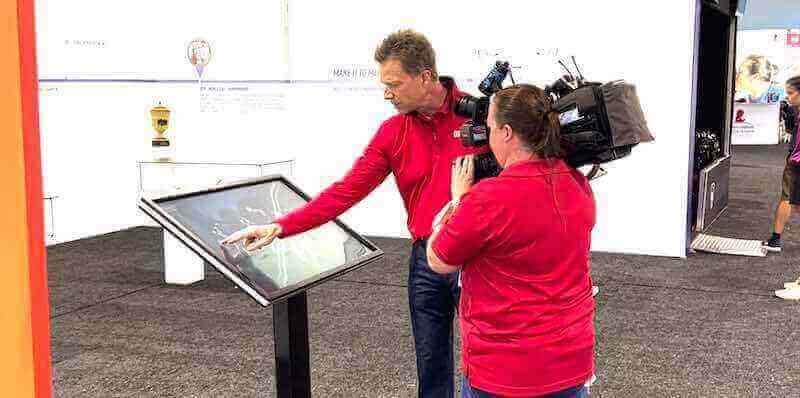
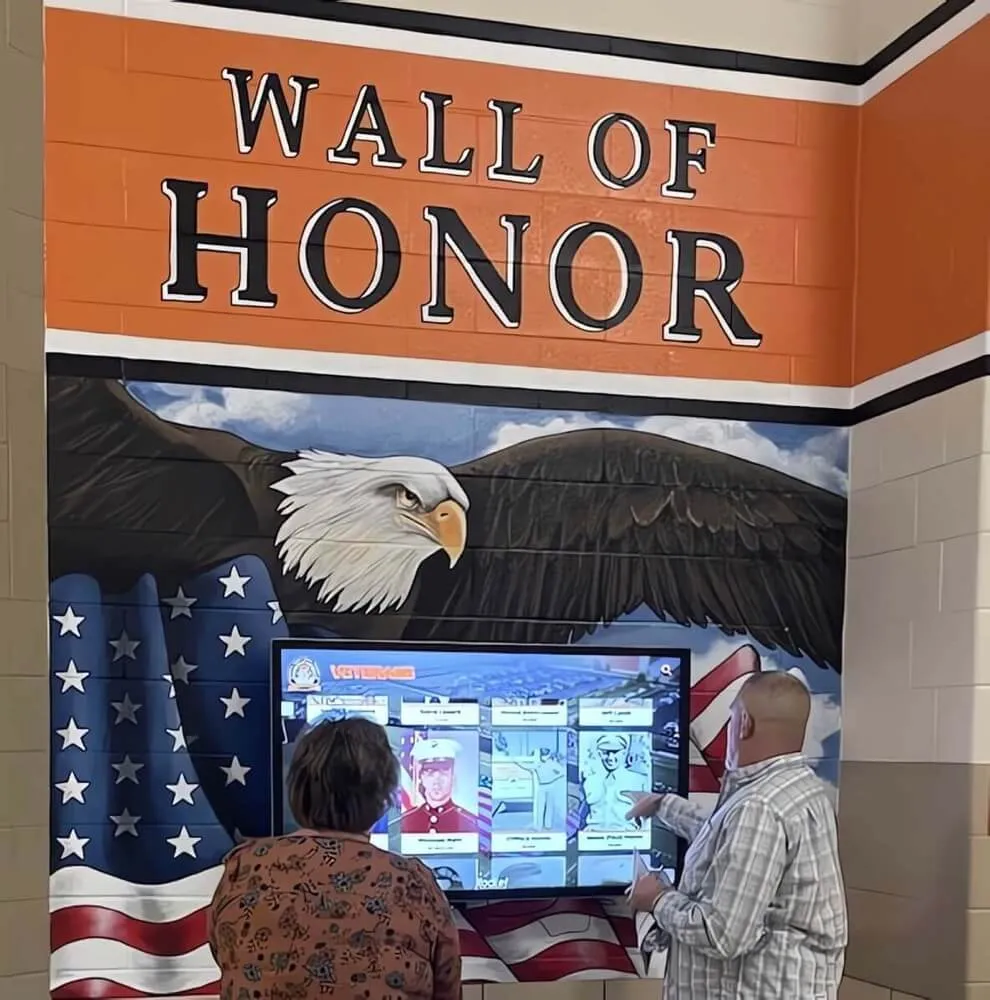
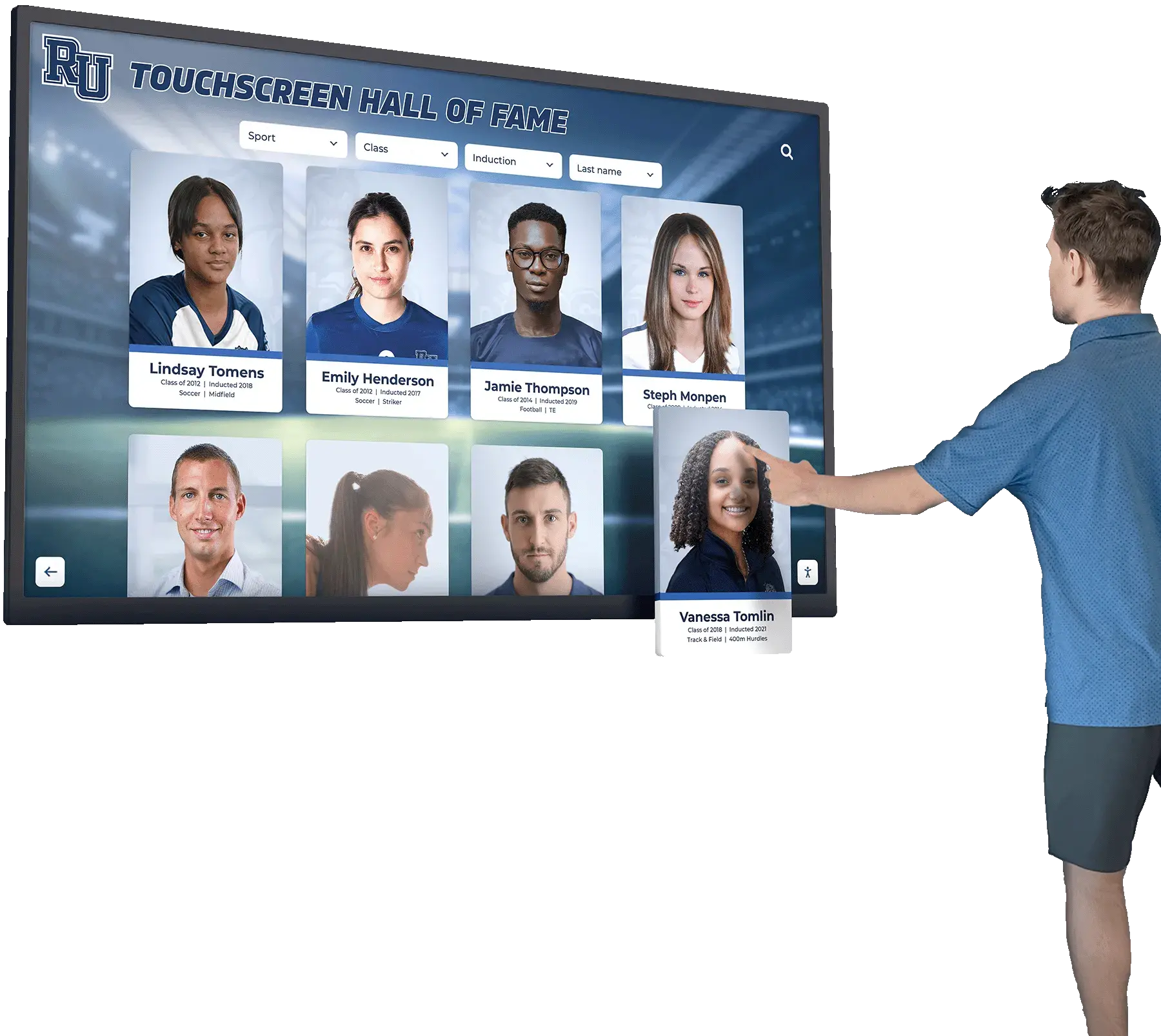
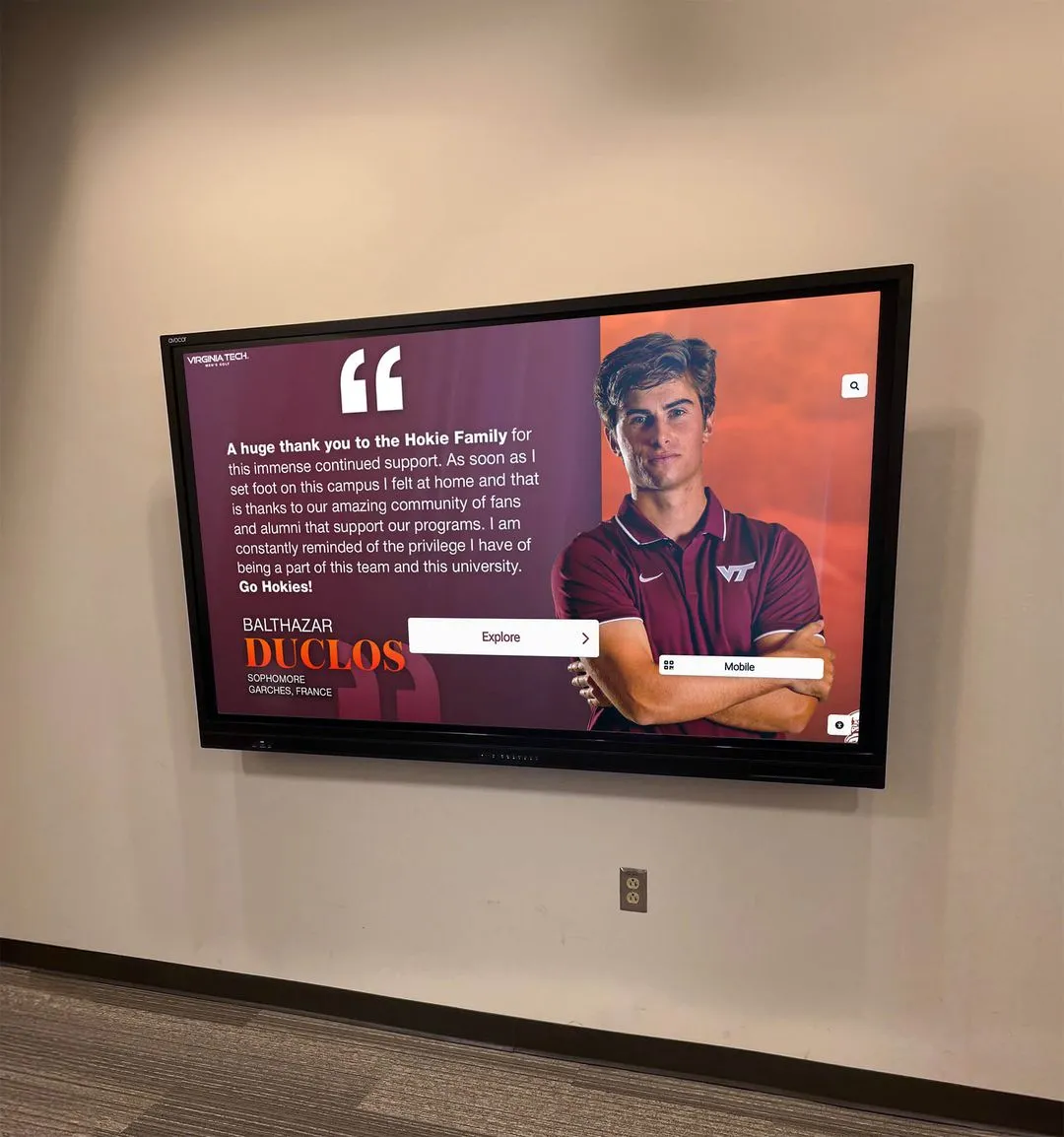
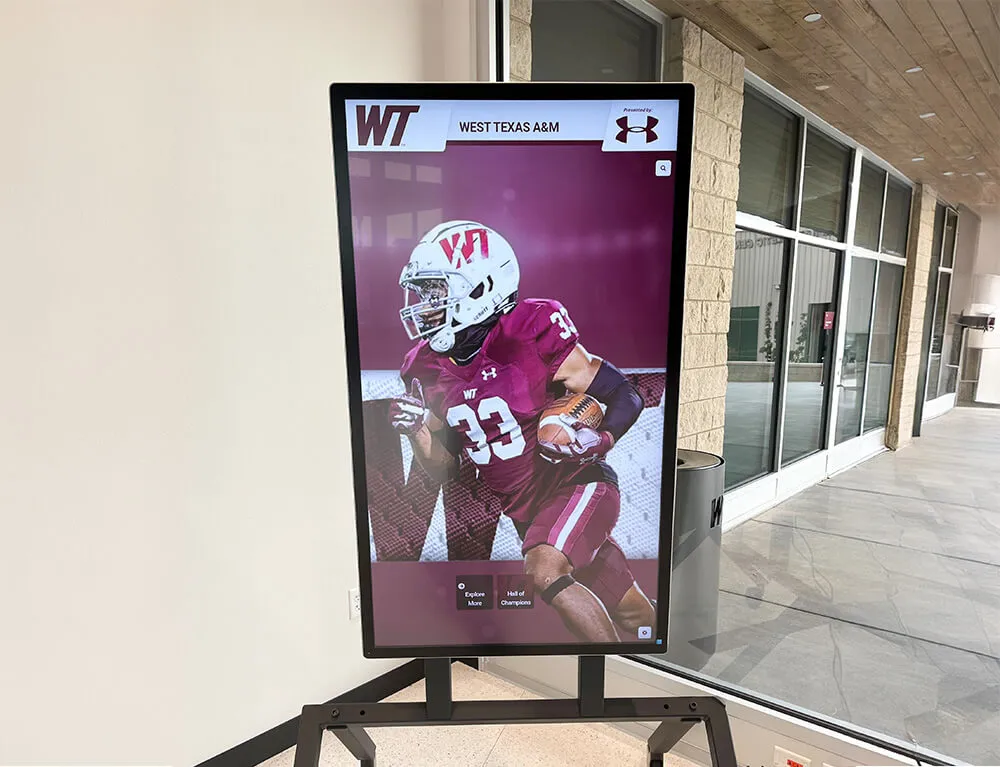
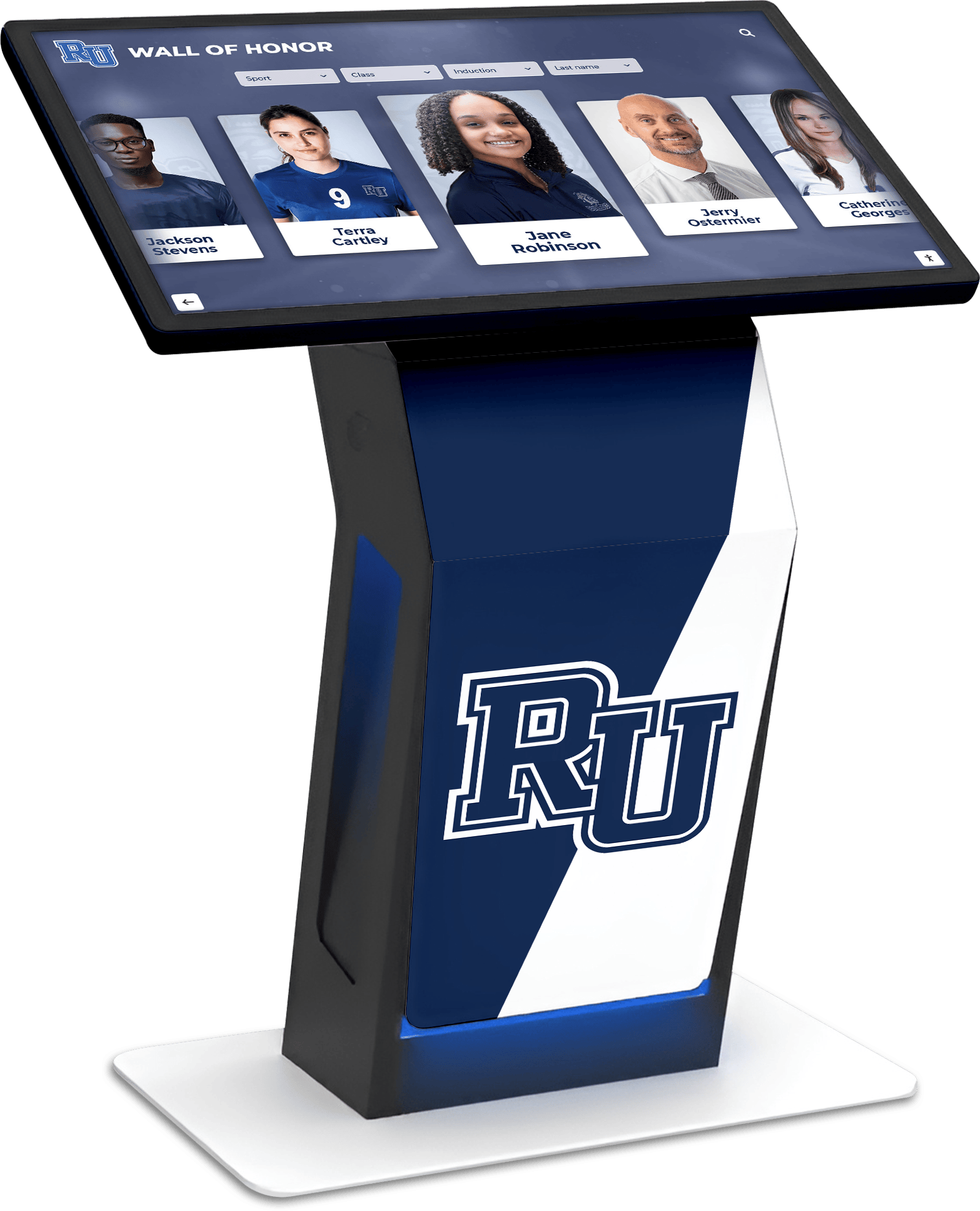
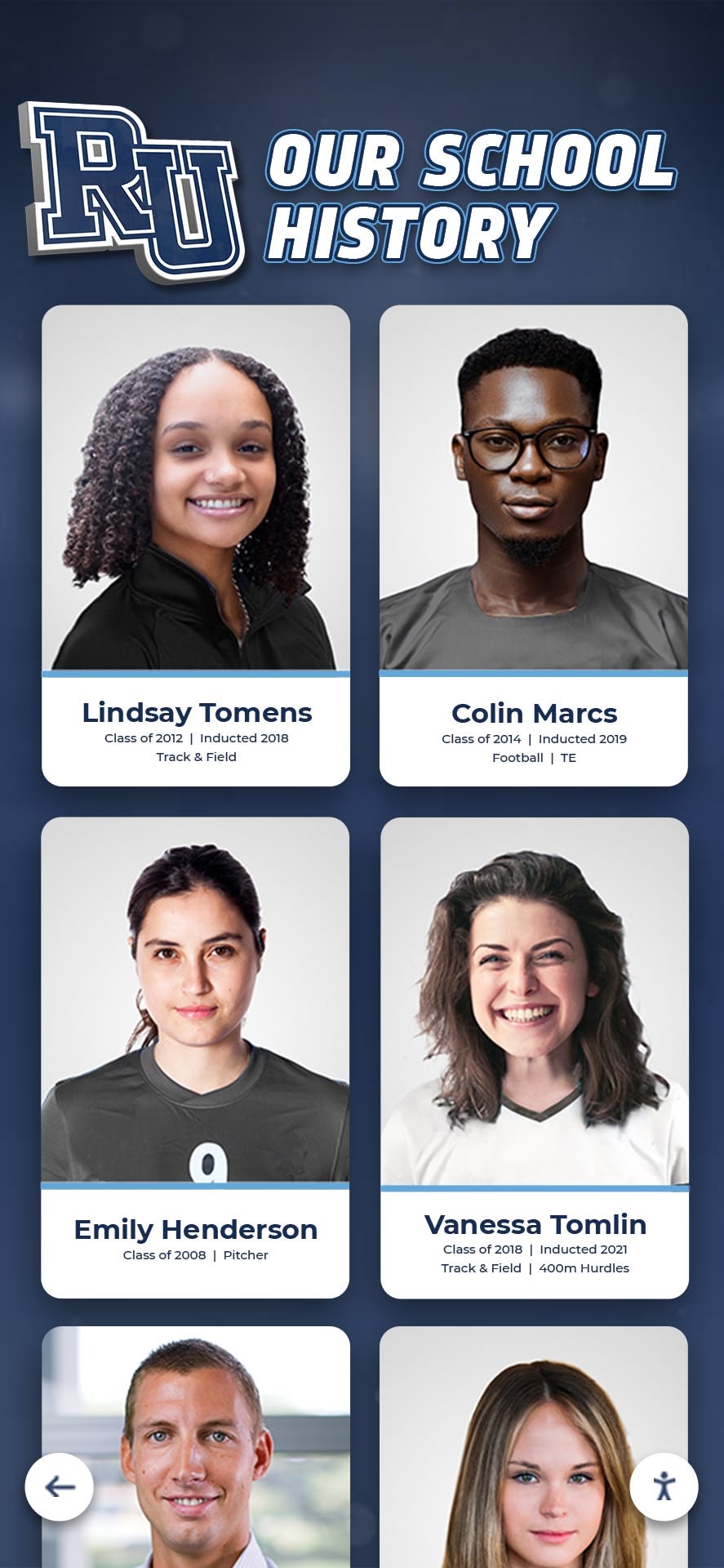
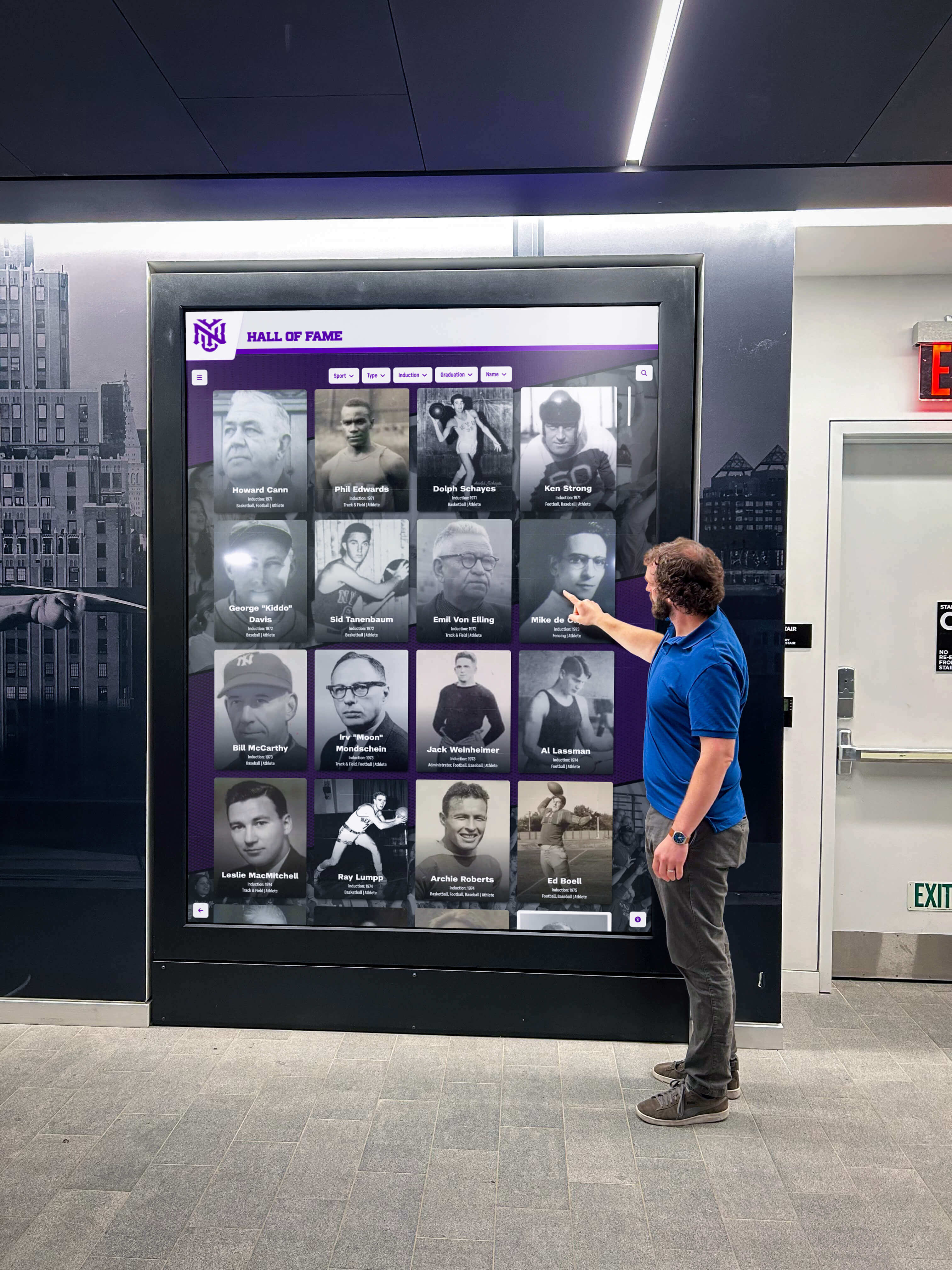
Interactive digital recognition systems transform these limitations into unlimited opportunities. Single touchscreen displays can showcase every award recipient, all-conference selection, statistical leader, and significant achievement across decades of program history for baseball, softball, track, lacrosse, tennis, soccer, golf, and all spring sports. Athletes and families can search by name, sport, or year, browse award categories, view detailed profiles including photos and accomplishment descriptions, and explore complete spring athletics recognition archives.
These platforms create searchable, permanent documentation preserving spring sports achievements indefinitely while making history accessible to current athletes, alumni returning to visit, prospective families evaluating programs, and community members celebrating local athletic excellence.
Advantages of Digital Spring Sports Recognition:
- Unlimited Capacity: Recognize every achievement across all spring sports and years without space constraints limiting acknowledgment
- Multi-Sport Organization: Organize recognition by sport, season, award type, or athlete name enabling intuitive navigation across diverse spring programs
- Rich Content: Include photos, game videos, award descriptions, athlete quotes, and comprehensive achievement documentation beyond simple names on plaques
- Easy Updates: Add new award recipients immediately after banquets through cloud-based management requiring no technical expertise
- Searchable Archives: Enable visitors to find specific athletes, explore team histories, or compare achievements across decades interactively
- Banquet Integration: Display new honorees during award presentations through existing digital platforms connecting banquet recognition to permanent documentation
- Alumni Engagement: Allow former spring athletes to find their achievements years later, maintaining connections to programs that shaped their high school experiences
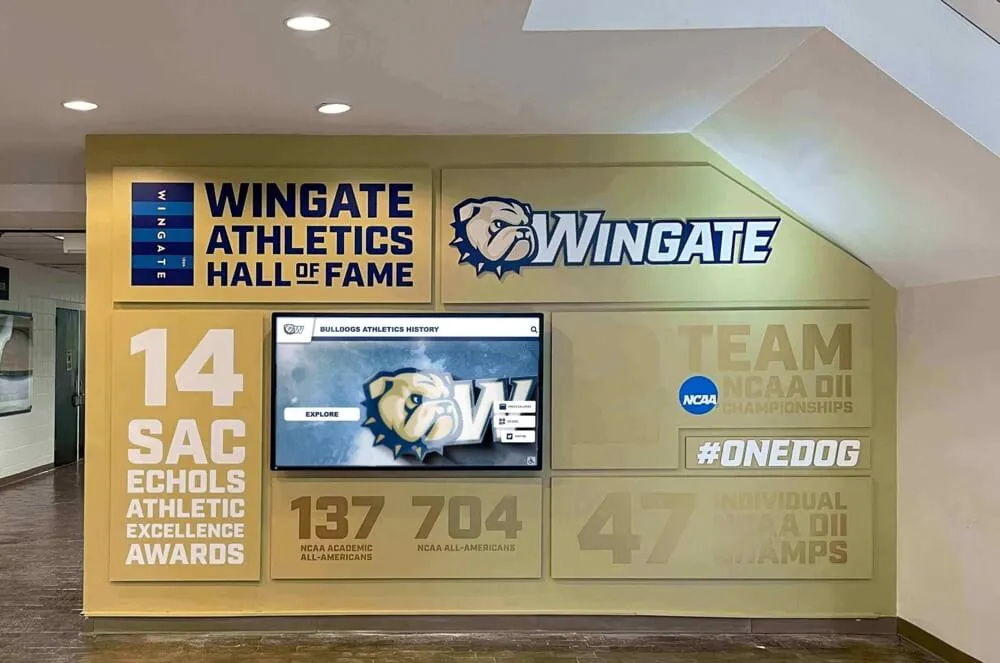
Schools implementing comprehensive digital recognition throughout athletic facilities create cohesive visual environments celebrating achievement while providing permanent documentation infrastructure supporting banquet recognition efforts.
Social Media and Digital Sharing
Strategic digital sharing amplifies banquet recognition while creating content engaging broader communities:
Live Event Coverage: Share real-time highlights during banquets through social media posts (with appropriate permissions) creating celebration visibility for extended families, community members, and alumni unable to attend in person. Brief video clips of major award presentations, photo galleries from events, or live-stream segments make celebrations accessible beyond physical attendees.
Award Announcements: Feature award recipients through individual recognition posts highlighting achievements, team accomplishment summaries, or video compilations celebrating honorees with broader visibility. Tagging athletes and families in posts enables easy sharing through their networks extending recognition reach.
Photo and Video Archives: Post professional banquet photography and video highlight compilations creating shareable content families treasure and distribute. These archives become permanent documentation families reference years later when reflecting on athletic careers.
Always obtain appropriate permissions before featuring students on public platforms, follow district policies regarding student privacy and photo releases, and exercise judgment ensuring social sharing enhances rather than replaces in-person celebration primacy.
Budget Planning and Resource Management
Successful spring sports celebrations require realistic budgeting and creative resource management ensuring recognition remains financially sustainable across multiple programs without compromising meaningful experiences.
Typical Spring Banquet Budget Categories
Venue Costs:
- Facility rental fees (when applicable)
- Setup and cleanup charges
- Equipment rental (tables, chairs, linens if not included)
- Outdoor venue backup location reservations
Food and Beverage:
- Catering or meal costs per person
- Beverages, desserts, or appetizers
- Service staff gratuities
- Dietary accommodation expenses
Awards and Recognition:
- Trophy, plaque, medal, or certificate expenses
- Engraving or customization costs
- Senior gifts or mementos
- Program printing for award categories and recipients
Program and Entertainment:
- Audiovisual equipment rental
- Professional photography or videography
- Presentation materials and printing
- Digital display or projection costs
Decorations and Ambiance:
- Theme-related decorations
- Table centerpieces and settings
- Signage and display materials
- Sport-specific decoration elements
Multi-Sport Budget Strategies
Unified Budget Allocation: Establish total spring athletics recognition budget encompassing all sports rather than isolated per-sport allocations. This comprehensive approach enables flexible resource sharing where efficiencies from combined elements support targeted investments in sport-specific needs.
Shared Resource Utilization: Maximize shared elements across multiple spring banquets when hosting separate events—reusable decorations serving baseball and softball, audiovisual equipment used at consecutive events, photographer contracted for multiple celebrations, or venues providing multi-event discounts.
Tiered Celebration Approaches: Implement celebration frameworks where basic recognition elements remain consistent across all sports while specific enhancements match program sizes, traditions, or special anniversary years. This approach maintains baseline equity while permitting targeted investments for particular circumstances.
Booster Organization Coordination: Work with booster clubs to align fundraising efforts supporting spring recognition, ensuring equitable support distribution across all programs and preventing situations where well-funded sports receive premium celebrations while others struggle with minimal resources.
Programs developing comprehensive recognition strategies often discover that thoughtful budget planning for donor displays applies similar principles balancing meaningful recognition against resource constraints through strategic prioritization.
Cost-Saving Strategies Without Sacrificing Quality
Volunteer Labor Maximization: Utilize parent volunteers for setup, decoration, serving, cleanup, and coordination reducing professional service costs substantially while building community through collaborative preparation.
School Facility Utilization: Leverage free school venues investing decoration efforts transforming familiar spaces rather than paying premium rental fees, with bonus benefits of convenient parking, equipment access, and natural program connections.
Strategic Timing: Schedule banquets during late afternoon or early evening enabling dessert reception or appetizer buffet formats rather than full dinners, reducing per-person meal costs while maintaining celebratory atmosphere.
Digital Program Distribution: Distribute program information digitally through emailed PDFs, event apps, or projected presentations rather than printing expensive physical programs, reserving printing only for simple one-page schedules or award lists.
DIY Decoration Production: Create decorations through student athlete projects, parent volunteer efforts, or reusable materials stored between seasons rather than purchasing expensive single-use professional decoration services.
Award Flexibility: Focus award budgets on meaningful recognition rather than expensive trophies—considering quality certificates with professional presentation, personalized plaques recognizing specific achievements, or symbolic items (team photos, equipment pieces) that cost less while carrying equal emotional significance.
Timeline and Planning Checklist
Successful spring banquets require planning beginning months before events despite compressed timelines created by late-season conclusions:
Two Months Before (or Immediately When Seasons Conclude)
- Form planning committees including coaches, athletic directors, booster representatives, parent volunteers
- Establish budgets and confirm funding sources
- Select dates avoiding graduation conflicts, final exam periods, and family vacation departures
- Reserve venues and confirm availability
- Determine celebration format (combined vs. separate sports)
- Begin developing award categories and preliminary selection criteria
Six Weeks Before
- Finalize menu options and catering arrangements
- Order awards, trophies, and recognition materials with rush delivery if necessary
- Begin collecting season photos and video footage for presentations
- Plan decorations and identify volunteer coordinators
- Confirm audiovisual equipment availability
- Design invitation communications
One Month Before
- Send invitations with RSVP requirements and ticket information
- Continue refining award recipient selections as seasons conclude
- Work on video production or slideshow preparation
- Assign specific volunteer roles and responsibilities
- Purchase decorations and necessary supplies
- Confirm all vendor arrangements
Two Weeks Before
- Follow up with families who haven’t responded to RSVP
- Finalize attendance numbers and communicate with caterers
- Complete presentation materials including award names and descriptions
- Prepare program scripts with timing and transitions
- Confirm volunteer commitments
- Arrange name tags, seating assignments if applicable, check-in materials
Week Before
- Confirm final attendance counts with venues and caterers
- Test presentation technology and load materials onto devices
- Prepare award presentations ensuring name spelling accuracy
- Conduct final walkthrough with planning teams
- Organize setup schedules and volunteer assignments
- Prepare contingency plans for outdoor venue weather concerns
Day Before and Day Of
- Set up venues with decorations, tables, audiovisual equipment
- Conduct sound and projection system tests
- Organize registration areas and check-in materials
- Brief all volunteers on specific responsibilities
- Coordinate final food service preparations
- Ensure awards organized in presentation order
- Confirm outdoor venue weather decision if applicable
After Banquet
- Coordinate cleanup and venue restoration
- Thank volunteers and key contributors
- Share photos and videos with families and broader community
- Update permanent recognition displays with new award recipients
- Conduct debrief noting successes and improvement opportunities
- Document lessons learned for following year planning
- Archive materials for program history
Conclusion: Celebrating Spring Sports Excellence
Spring sports banquets represent crucial opportunities to celebrate athletic achievement earned through challenging weather conditions, intense academic pressures, and demanding competitive schedules that test athlete dedication and commitment. When planned thoughtfully across baseball, softball, track and field, lacrosse, tennis, soccer, golf, and other spring programs, these celebrations validate months of early morning practices, rain-delayed games, weekend tournaments, and playoff runs while demonstrating that coaches, athletic departments, schools, and communities genuinely value the effort spring athletes invest in competitive excellence.
Effective spring celebrations share common characteristics regardless of budget levels, venue selections, or specific sports being honored:
- Genuine recognition honoring diverse contributions across all spring programs
- Thoughtful planning creating smooth experiences despite compressed timelines
- Sport-specific elements acknowledging unique traditions within unified frameworks
- Family engagement recognizing essential support systems
- Appropriate balance between formal recognition and enjoyable celebration
- Traditions creating anticipated rituals connecting athletes across graduation years
- Lasting documentation preserving achievements beyond single evening events
Modern solutions like Rocket Alumni Solutions enable spring sports programs to extend banquet recognition beyond single events into permanent, engaging displays that preserve athletic achievements across decades. Interactive digital platforms showcase award recipients from all spring sports, document program histories, create searchable archives organized by sport and season, and ensure that recognition during banquets translates into lasting visibility honoring athletes’ dedication permanently rather than temporarily.
Whether planning combined celebrations honoring all spring athletics together, sport-specific banquets focusing exclusively on individual programs, or hybrid approaches balancing efficiency with targeted recognition, the core mission remains constant—creating meaningful experiences where spring athletes feel genuinely celebrated for their athletic contributions, families receive appreciation for their support, and programs build cultures where competitive excellence receives the honor it deserves regardless of season timing or scheduling challenges.
Your spring athletes wake early for conditioning sessions, navigate unpredictable weather disruptions, balance intense end-of-year academic demands, and commit to competitive excellence throughout seasons extending into late spring and early summer. Thoughtful banquets ensure these investments receive recognition creating memories that athletes and families treasure long after final games conclude and summer vacations begin. Start planning your next spring celebration with intention, creativity, and commitment to honoring the athletic achievements that make your programs special—because spring athletes deserve recognition equal to fall and winter sports regardless of compressed timelines or end-of-year scheduling pressures.
Ready to transform how your athletic program celebrates spring sports achievement? Explore comprehensive recognition solutions that honor excellence across baseball, softball, track, lacrosse, tennis, soccer, golf, and all spring athletics while building program cultures where every athlete feels valued and accomplishments receive lasting documentation preserving your spring sports legacy for generations to come.