



Key Takeaways
Master sports trophy selection and display with this comprehensive guide. Learn design principles, material choices, display strategies, and modern recognition alternatives that maximize impact and budget.
Every championship season culminates in a trophy presentation—that symbolic moment when months of dedication, training, and competition crystallize into a tangible award recognizing athletic excellence. Yet choosing the right sports trophy involves far more complexity than many athletic directors, coaches, and booster clubs initially realize. The wrong trophy decisions create disappointment during what should be celebratory moments, while poor display strategies result in awards gathering dust in storage rather than inspiring future athletes in prominent recognition displays.
This comprehensive guide addresses every dimension of sports trophy selection and display, from fundamental design principles and material comparisons to budget optimization strategies and modern recognition alternatives. Whether you’re establishing recognition programs for new athletic departments, refreshing outdated trophy systems, or evaluating comprehensive recognition approaches that balance tradition with innovation, these frameworks enable informed decisions that honor achievement authentically while managing budgets sustainably.
Understanding Sports Trophy Categories and Purpose
Before selecting specific awards, understanding trophy categories and their distinct purposes prevents mismatched recognition that fails to appropriately honor achievement levels.
Championship and Competition Trophies
Major competitive achievements demand substantial recognition reflecting the significance of accomplishment:
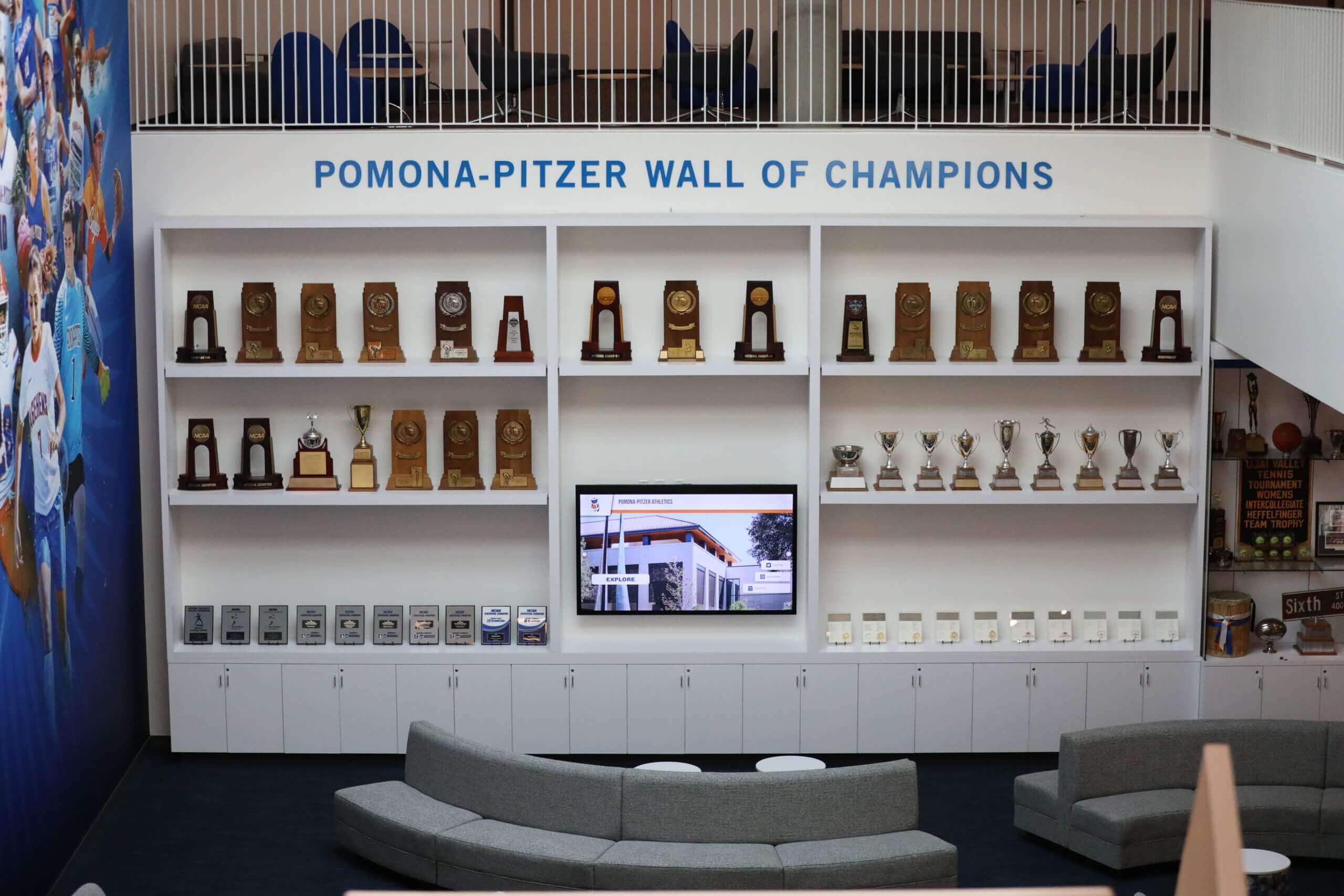
Team Championship Trophies: Championship trophies represent the pinnacle of team achievement, typically ranging from 18-36 inches in height with substantial bases accommodating engraved plates listing team members. These permanent awards usually remain at schools as institutional artifacts, with championship years and rosters added via engraved plates creating multi-generational achievement records.
Championship trophies typically cost $150-500 depending on size, material quality, and customization detail. Schools should invest proportionally to achievement significance—state championship trophies warrant premium investment while conference titles may use moderately-priced options.
Individual Championship Awards: Individual competitive excellence requires recognition scaled to achievement:
- Tournament champion trophies (12-24 inches) for first-place finishes
- Runner-up and placement trophies (8-18 inches) acknowledging competitive achievement
- All-tournament or all-state awards recognizing selection to elite status
- Record-setting achievement trophies honoring performance milestones
Individual championship awards typically range from $25-100 per trophy, with higher investment for prestigious honors like state championships versus more modest awards for invitational tournaments. Organizations seeking effective approaches to showcasing these achievements can explore comprehensive team celebration ideas that maximize recognition impact.
Season and Team Awards
Regular season recognition acknowledges consistent excellence and team contribution:
Team Achievement Awards: Season-ending team awards recognize collective accomplishment:
- Most Improved Team trophies acknowledging growth trajectories
- Team Sportsmanship awards honoring exemplary conduct
- Team GPA recognition celebrating academic-athletic balance
- Winning season awards for programs achieving success benchmarks
Team awards typically use 12-20 inch trophies costing $50-150, serving as tangible symbols of collective achievement that remain in trophy cases as institutional recognition.
Individual Player Awards: Individual season honors celebrate specific excellence:
- Most Valuable Player (MVP) trophies for exceptional individual performance
- Most Improved Player awards recognizing growth and development
- Leadership awards honoring captains or exemplary character
- Offensive/Defensive Player awards for specialized excellence
- Sportsmanship awards acknowledging character and conduct
Individual player awards typically range from $20-75 per trophy, with athletes keeping awards as personal recognition of achievement. These awards create meaningful keepsakes while building trophy collections that athletes treasure throughout their lives. Schools can learn from examples of effective recognition by studying approaches like MVP award programs that balance tradition with meaningful selection criteria.
Participation and Recognition Awards
Broad participation recognition builds program culture while acknowledging commitment:
Participation Trophies: Participation awards recognize commitment and effort rather than competitive achievement. While controversial in some contexts, participation recognition serves legitimate purposes for youth programs, first-year athletes, and developmental leagues where fostering continued engagement matters more than competitive rankings.
Participation awards should be visually distinct from competitive achievement trophies—typically smaller (6-10 inches), less expensive ($10-25), and clearly labeled as participation recognition to maintain meaningful distinctions between participation and competitive excellence.
Letterman and Varsity Recognition: Traditional letterman awards acknowledge program membership and contribution:
- Varsity letters marking program participation thresholds
- Pins or chenille emblems for multi-year participants
- Certificate awards for specific achievement benchmarks
- Bar attachments indicating years of participation or specific honors
Letter recognition typically costs $15-40 per athlete annually, representing cost-effective recognition that builds program identity and athlete pride in membership status.
Trophy Category Selection Framework
- Championship achievement: Premium trophies ($150-500) with institutional display
- Competitive placement: Quality individual awards ($25-100) athletes keep
- Season excellence: Moderate trophies ($20-75) honoring specific achievements
- Team accomplishment: Group awards ($50-150) for collective success
- Participation recognition: Modest awards ($10-25) encouraging continued engagement
- Letter/membership: Traditional emblems ($15-40) marking program participation
Sports Trophy Design Elements and Material Choices
Material and design decisions significantly impact trophy appearance, durability, and budget allocation.
Trophy Material Comparison
Different materials offer distinct aesthetic qualities, durability characteristics, and cost implications:
Metal Trophies represent the traditional gold standard for athletic recognition:
Advantages:
- Classic, prestigious appearance signaling quality and importance
- Exceptional durability lasting decades with minimal maintenance
- Weight and substance creating tangible sense of achievement
- Timeless aesthetic that doesn’t appear dated as design trends change
- Premium feel appropriate for significant accomplishments
Disadvantages:
- Higher cost ($40-300+ depending on size and finish)
- Heavier weight complicating shipping and display mounting
- Limited design versatility compared to molded alternatives
- Potential tarnishing requiring occasional cleaning (for brass/copper finishes)
Metal trophies work best for championship awards, perpetual trophies, and premium recognition where investment reflects achievement significance.
Resin Trophies provide cost-effective versatility for broad recognition programs:
Advantages:
- Significantly lower cost ($15-75) enabling broader recognition
- Lightweight construction simplifying display and shipping
- Extensive design variety including sport-specific sculptural details
- Color and finish versatility matching school or team branding
- No tarnishing or corrosion requiring maintenance
Disadvantages:
- Less prestigious appearance than metal alternatives
- Potential brittleness leading to breakage if dropped
- Plastic appearance may seem less substantial for major achievements
- Limited customization compared to metal engraving options
Resin trophies excel for season awards, player recognition, and participation acknowledgment where cost efficiency enables comprehensive recognition programs.
Crystal and Glass Awards offer elegant aesthetics for distinguished recognition:
Advantages:
- Sophisticated, refined appearance elevating prestige
- Excellent engraving quality providing detailed customization
- Modern aesthetic appealing to contemporary sensibilities
- Impressive light refraction creating visual impact
- Premium material signaling importance and quality
Disadvantages:
- Higher cost ($50-400+) limiting budget accessibility
- Fragility requiring careful handling and protective display
- Weight considerations for large pieces
- Limited sport-specific design options compared to resin sculptures
Crystal awards work best for hall of fame induction, lifetime achievement recognition, and distinguished awards where elegance matters more than sport-specific imagery. Programs exploring modern recognition approaches can examine academic award strategies that balance traditional and contemporary recognition formats.
Acrylic Awards provide modern alternatives with practical advantages:
Advantages:
- Contemporary appearance matching modern design preferences
- Shatter-resistant durability exceeding glass safety
- Cost-effectiveness ($20-100) balancing quality with budget
- Excellent printing and engraving quality
- Lightweight design simplifying display installation
Disadvantages:
- Less traditional appearance may not suit conventional programs
- Scratching potential requiring protective display
- May appear less substantial than metal or crystal alternatives
Acrylic awards suit programs prioritizing modern aesthetics, safety considerations, or cost-effective recognition with quality appearance.

Sport-Specific Design Considerations
Effective trophy design reflects the specific sport being recognized:
Action Figure Trophies feature sport-specific sculptures capturing athletic motion:
Common designs include basketball players shooting, football players in running poses, baseball batters swinging, soccer players kicking, and swimmers in competitive strokes. These figurative designs immediately communicate the sport being honored while creating visual interest beyond generic cup or column designs.
Action figure trophies work best for individual player awards and sport-specific season recognition where visual identification of the sport matters. Cost typically ranges from $20-80 depending on size and detail quality.
Equipment and Implement Designs incorporate actual sport elements:
Trophies incorporating real or replica equipment—footballs, basketballs, baseballs, soccer balls, hockey pucks, tennis rackets, or golf clubs—create tactile connection to sport being honored. These designs often combine equipment elements with traditional trophy columns or bases.
Equipment-based designs suit championship trophies, MVP awards, and recognition where sport identity should be immediately apparent to viewers.
Column and Cup Trophies offer classic versatility:
Traditional column designs with cup toppers or achievement figures provide timeless aesthetics that work across all sports. These standard designs typically cost less ($15-60) than specialized sport sculptures while maintaining formal, prestigious appearance appropriate for significant recognition.
Classic designs work well when schools want consistent aesthetic across all sports rather than sport-specific variations, or when budget constraints necessitate cost-effective options that maintain quality appearance.
Customization and Personalization Options
Effective customization transforms generic trophies into meaningful personal recognition:
Engraving Elements to Include:
Essential engraving information creates lasting recognition records:
- Athlete name and achievement being recognized
- School or organization name and logo
- Sport and specific award designation
- Competition name and date or season year
- Achievement details (championship level, record set, statistics)
- Team name or classification level
Quality engraving uses appropriate fonts (avoiding overly decorative styles that reduce readability), adequate sizing (typically 1/4 to 1/2 inch characters for primary information), and logical layout with clear visual hierarchy emphasizing most important details.
Logo and Branding Integration:
Custom logos elevate trophy appearance while reinforcing institutional identity:
- School mascot logos on trophy bases or columns
- Team name or motto integration
- Conference or league emblems for competition awards
- Sponsor logos for donated recognition programs
- Custom color matching team or school branding
Logo integration typically adds $5-20 per trophy depending on application method (printed, affixed medallion, or laser engraved), but creates significantly more meaningful connection between award and institution.
Color and Finish Customization:
Color choices should align with institutional branding:
- Traditional gold finishes for premium championship recognition
- Silver finishes for runner-up or second-tier achievements
- Bronze finishes for third-place or participation recognition
- School color finishes (maroon, blue, green, etc.) creating brand connection
- Metallic versus matte finishes affecting visual impact
Consistent color coding across recognition tiers helps viewers immediately understand achievement levels when viewing trophy displays.
Budget Optimization for Sports Trophy Programs
Strategic budget management enables comprehensive recognition programs while controlling costs effectively.
Cost-Effective Sourcing Strategies
Smart purchasing decisions significantly impact recognition program affordability:
Vendor Relationships and Bulk Ordering:
Establishing relationships with trophy vendors creates multiple advantages:
- Volume discounts (typically 10-30% savings for bulk orders)
- Consistent pricing across budget years enabling planning
- Priority service and faster turnaround for rush orders
- Custom design services often included for regular customers
- Payment terms enabling budget timing flexibility
Athletic programs recognizing multiple teams annually should consolidate purchasing through single vendors maximizing bulk discount opportunities. Programs can learn from comprehensive approaches in guides to booster club operations that often manage athletic recognition purchasing.
Quality Versus Budget Trade-offs:
Strategic decisions about where to invest versus economize maximize budget impact:
Premium investment justified for:
- Championship trophies that become institutional artifacts
- Perpetual awards with decades-long display lifespans
- Hall of fame or lifetime achievement recognition
- Highly visible awards in prominent display locations
Budget-conscious options appropriate for:
- Participation awards with broad recipient populations
- Season player awards where volume matters more than premium quality
- Practice or developmental team recognition
- Awards given annually with limited display longevity
Differentiated purchasing ensures budget allocation matches achievement significance and recognition purpose.
Alternative Recognition Formats:
Non-trophy recognition options complement traditional awards while managing costs:
- Medals ($3-15 each) for broad achievement recognition
- Plaques ($20-100) for permanent wall installation
- Certificates ($2-10) for cost-effective documentation
- Ribbons ($1-5) for participation acknowledgment
- Digital recognition ($0 per athlete after system investment)
Smart programs use tiered recognition—trophies for championship achievement, medals for placement recognition, and certificates for participation—maximizing budget efficiency while maintaining meaningful achievement distinctions.
Annual Program Budgeting Framework
Comprehensive budgeting prevents surprise expenses while ensuring adequate recognition resources:
Budget Categories to Consider:
Complete recognition program budgets should address:
- Team championship trophies (conference, district, state levels)
- Individual competitive achievement awards (all-conference, MVP, records)
- Season awards for each team (typically 3-8 per sport)
- Participation or letter recognition for program members
- Perpetual trophy engraving and maintenance
- Trophy case purchases or maintenance
- Engraving and customization services
- Shipping costs for ordered awards
- Ceremony or banquet recognition expenses
- Emergency or supplemental award needs
Sample Budget by School Size:
Budget frameworks vary significantly based on athletic program scope:
Small Programs (2-4 sports, 50-100 athletes):
- Championship trophies: $500-1,000 annually
- Season player awards: $800-1,500 annually
- Participation recognition: $500-800 annually
- Engraving and maintenance: $200-400 annually
- Total: $2,000-3,700 annually
Medium Programs (6-10 sports, 150-300 athletes):
- Championship trophies: $1,000-2,500 annually
- Season player awards: $2,000-4,000 annually
- Participation recognition: $1,500-3,000 annually
- Engraving and maintenance: $400-800 annually
- Total: $4,900-10,300 annually
Large Programs (12-20 sports, 400-800 athletes):
- Championship trophies: $2,000-5,000 annually
- Season player awards: $4,000-8,000 annually
- Participation recognition: $3,000-6,000 annually
- Engraving and maintenance: $800-1,500 annually
- Total: $9,800-20,500 annually
These ranges assume traditional trophy-based recognition. Schools exploring modern alternatives can find cost comparisons in guides to digital recognition displays that reduce long-term per-athlete costs significantly.
Trophy Display Strategies and Trophy Case Design
Strategic display transforms trophies from storage items into inspirational recognition programs that strengthen athletic culture.
Trophy Case Selection and Placement
Effective trophy display requires appropriate cabinetry in strategic locations:
Trophy Case Types and Features:
Trophy cases vary significantly in capacity, quality, and cost:
Wall-Mounted Display Cases:
- Depth of 6-12 inches providing space efficiency
- Sliding glass or acrylic doors enabling access while protecting contents
- Internal lighting highlighting displayed awards
- Adjustable shelving accommodating varying trophy heights
- Locking mechanisms preventing theft or tampering
- Cost range: $800-3,000 per 4-8 foot section
Freestanding Display Cases:
- Four-sided visibility maximizing display impact
- Deeper capacity (18-24 inches) for larger trophies
- Rotating pedestal options creating dynamic displays
- Typically used for premium championship recognition
- Cost range: $1,500-5,000 per unit
Built-In Display Infrastructure:
- Custom millwork integrated into building architecture
- Premium appearance and extensive capacity
- Typically includes specialized lighting and climate control
- Cost range: $5,000-30,000 depending on scope
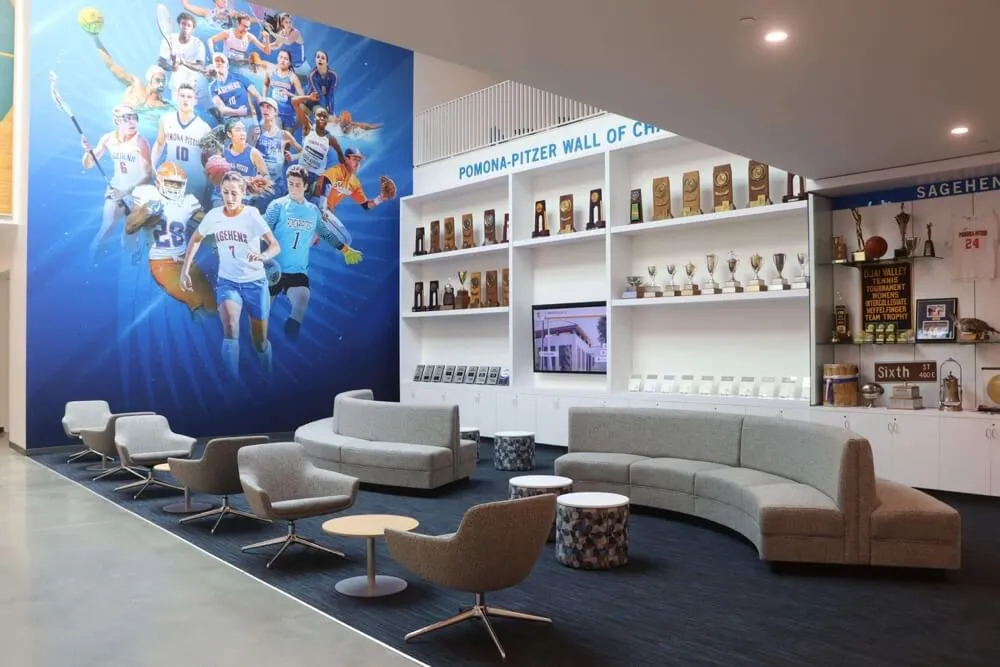
Trophy case investment should reflect display importance, available space, and long-term program needs. Many schools begin with modest wall cases and expand as programs and budgets grow.
Strategic Location Selection:
Trophy placement significantly impacts recognition program visibility and impact:
Ideal Display Locations:
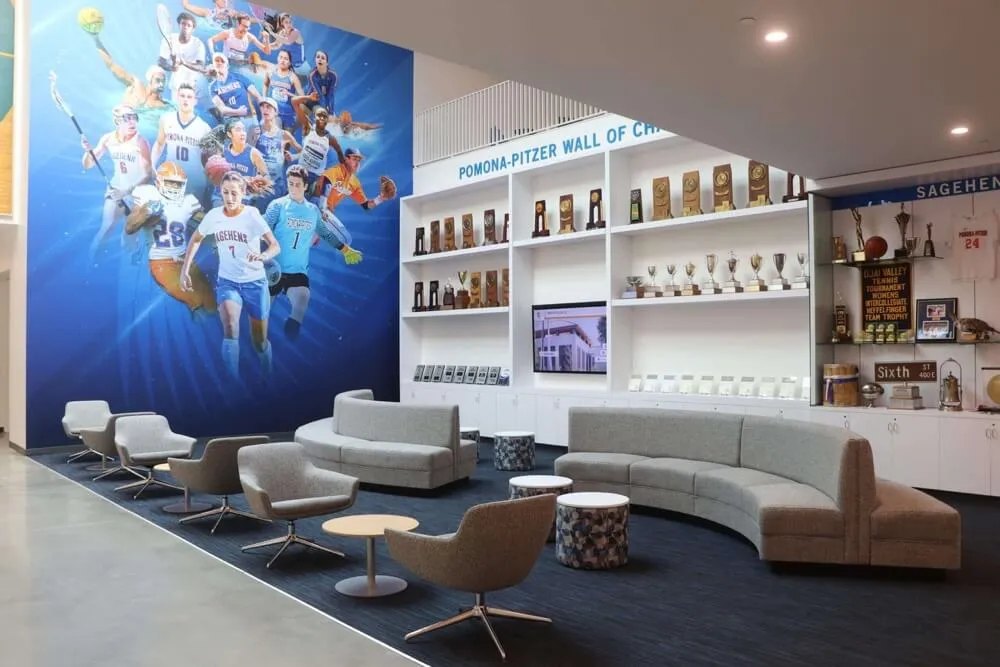
- Gymnasium lobbies where athletes and fans naturally gather
- School main entrances creating institutional identity
- Athletic wing hallways connecting multiple sport facilities
- Cafeteria or common areas with high student traffic
- Fieldhouse or arena concourses where competitions occur
Effective placement ensures daily visibility to current athletes who should be inspired by previous achievement, prospective families evaluating programs, and broader school communities connecting to athletic excellence. Organizations can study comprehensive approaches in resources about high school athletics equity ensuring all programs receive appropriate display recognition.
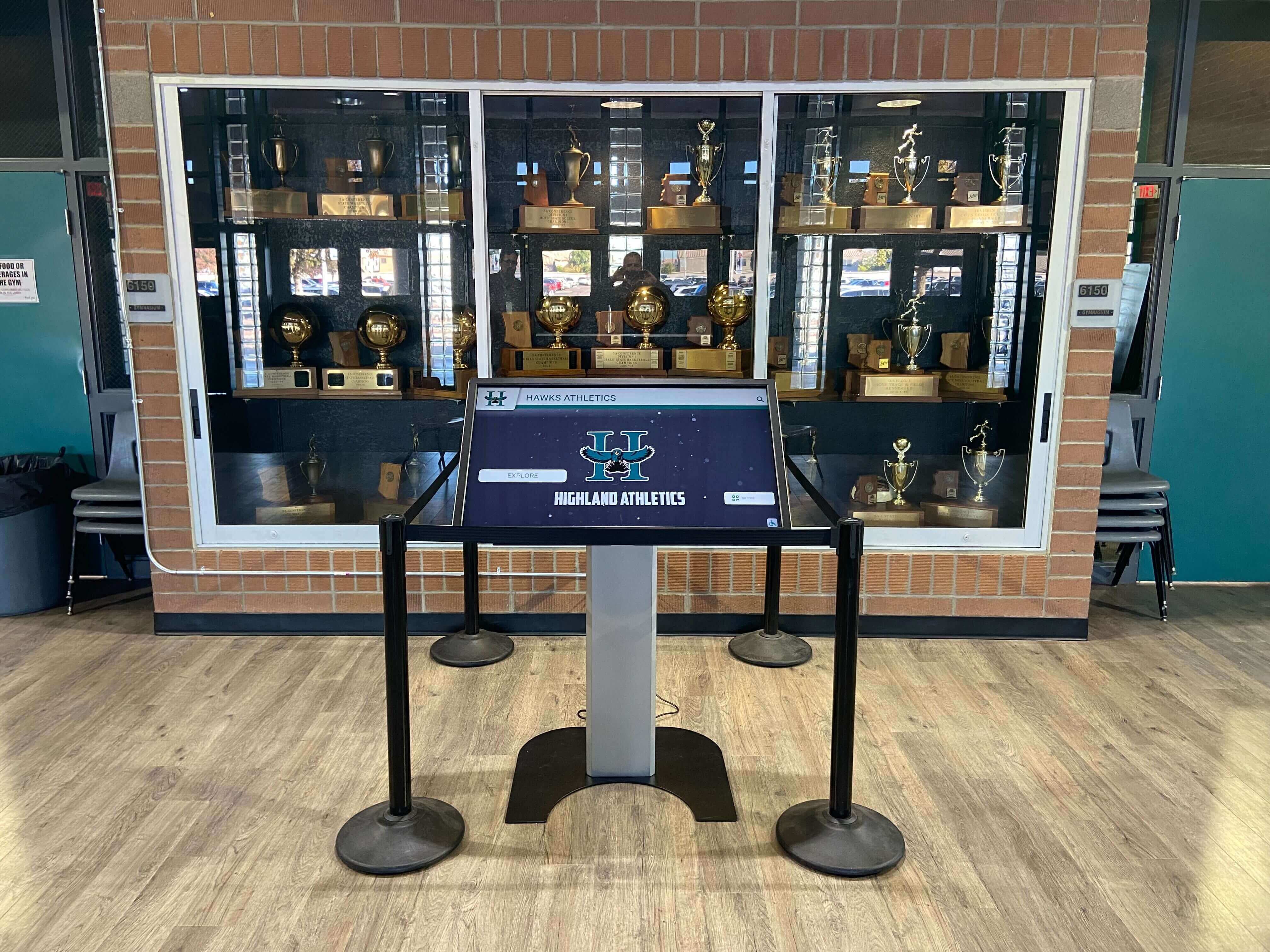
Display Organization and Presentation
Thoughtful organization creates coherent achievement narratives rather than cluttered collections:
Organization Frameworks:
Several organizational approaches create logical display flow:
Sport-Based Organization:
- Dedicated display areas for each sport program
- Chronological achievement display within sport sections
- Clear labeling identifying sport and achievement categories
- Enables program-specific achievement storytelling
Achievement Level Organization:
- Championship recognition in premium display areas
- Competitive achievement in secondary locations
- Participation or team recognition in tertiary spaces
- Creates clear achievement hierarchy
Chronological Organization:
- Recent achievements in prominent positions
- Historical progression showing program development
- Decade or era groupings creating historical narrative
- Balances current relevance with historical context
Most successful displays combine approaches—sport-based primary organization with chronological arrangement within each sport section, and achievement-level differentiation through display position and prominence.
Display Maintenance and Care:
Regular maintenance preserves trophy appearance and display effectiveness:
- Quarterly cleaning removing dust and fingerprints
- Annual inspection identifying damage or deterioration
- Prompt replacement of burned-out display lighting
- Periodic reorganization as new trophies are added
- Climate control preventing humidity damage to metal finishes
- Security verification ensuring locks and protective measures function
Assigned responsibility for display maintenance—typically athletic director, facilities manager, or booster club volunteer—prevents neglect that diminishes recognition program impact.
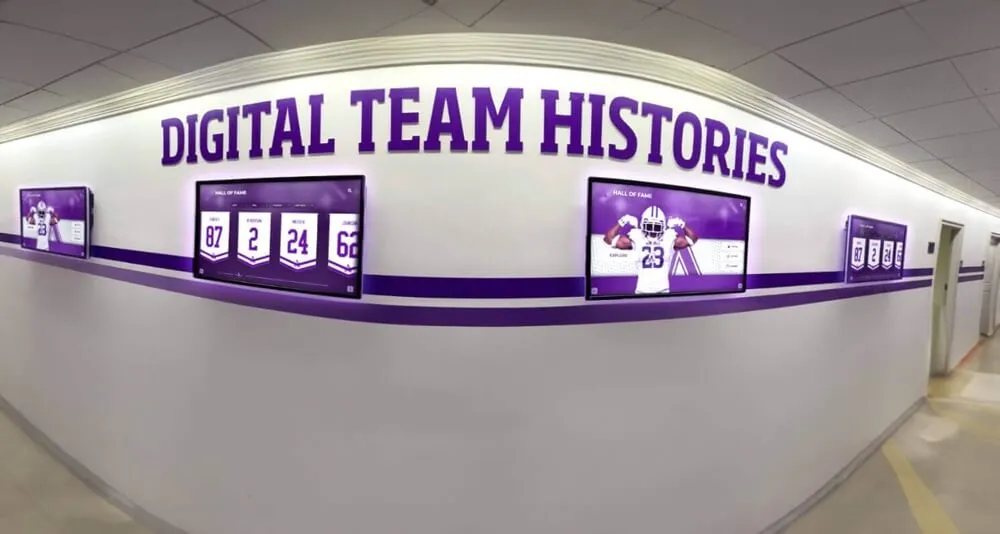
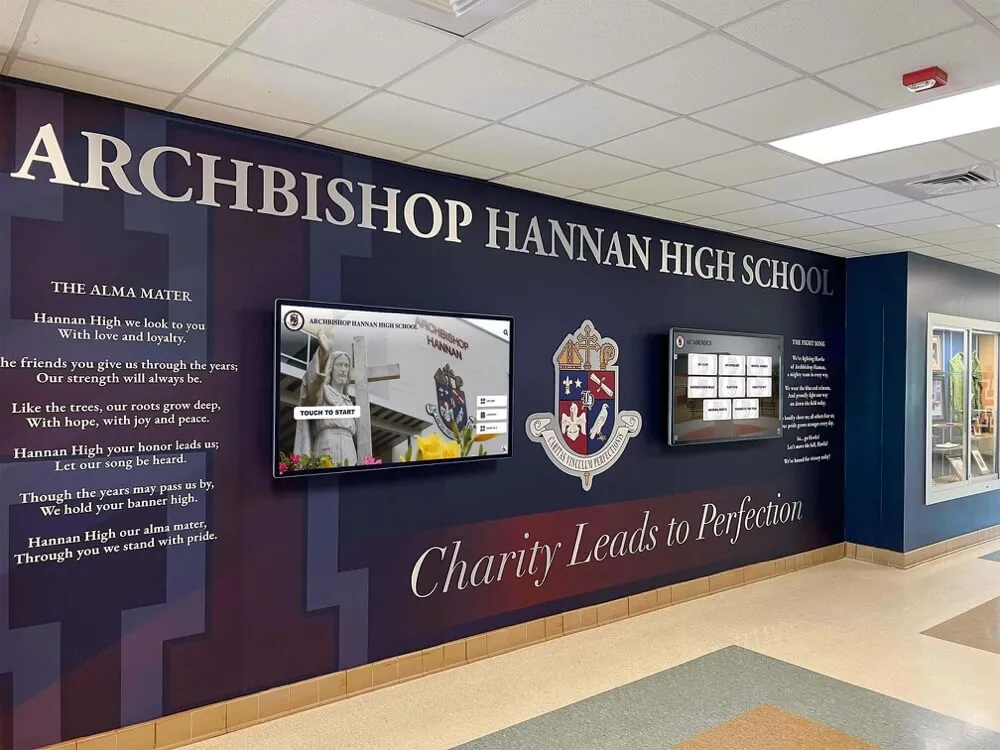
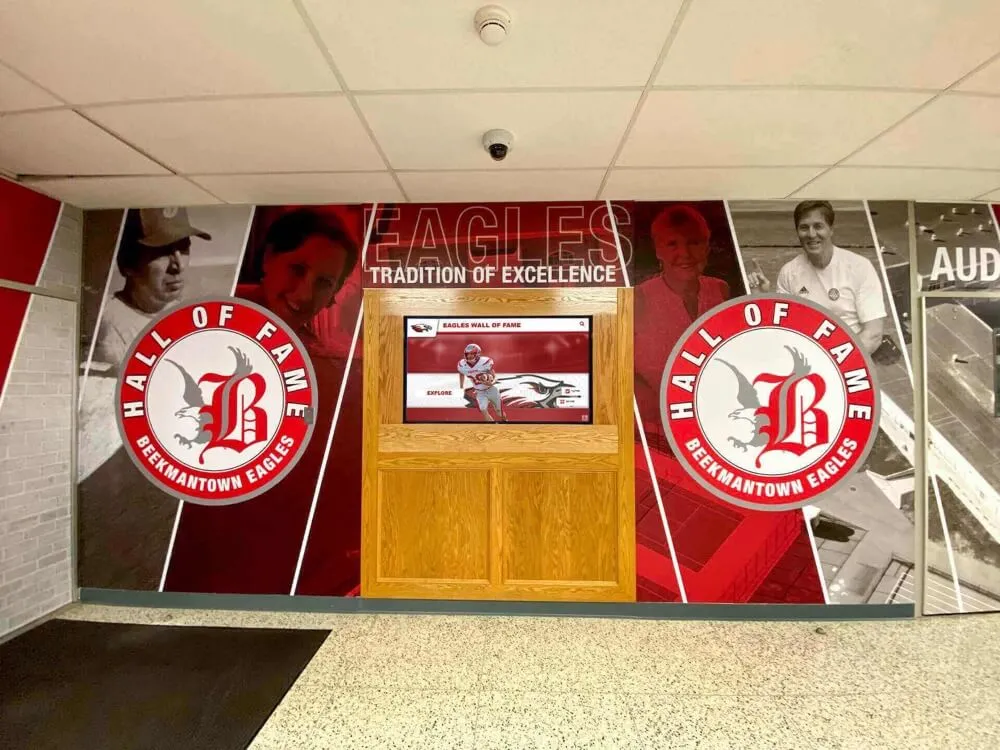
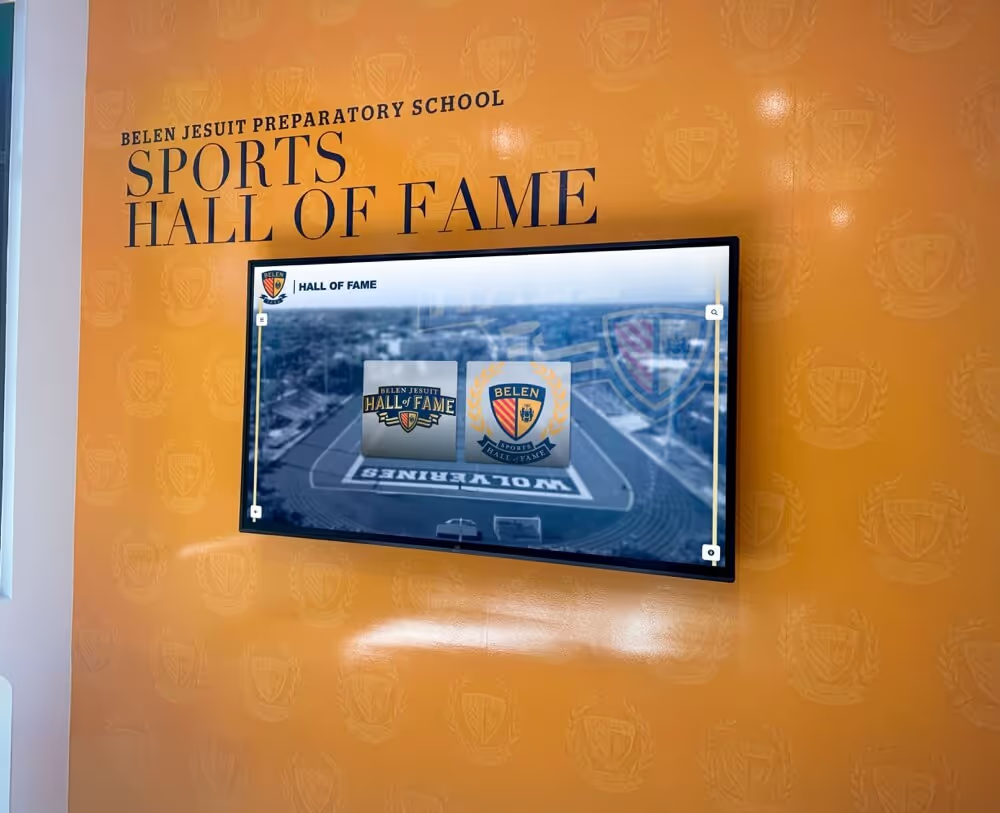
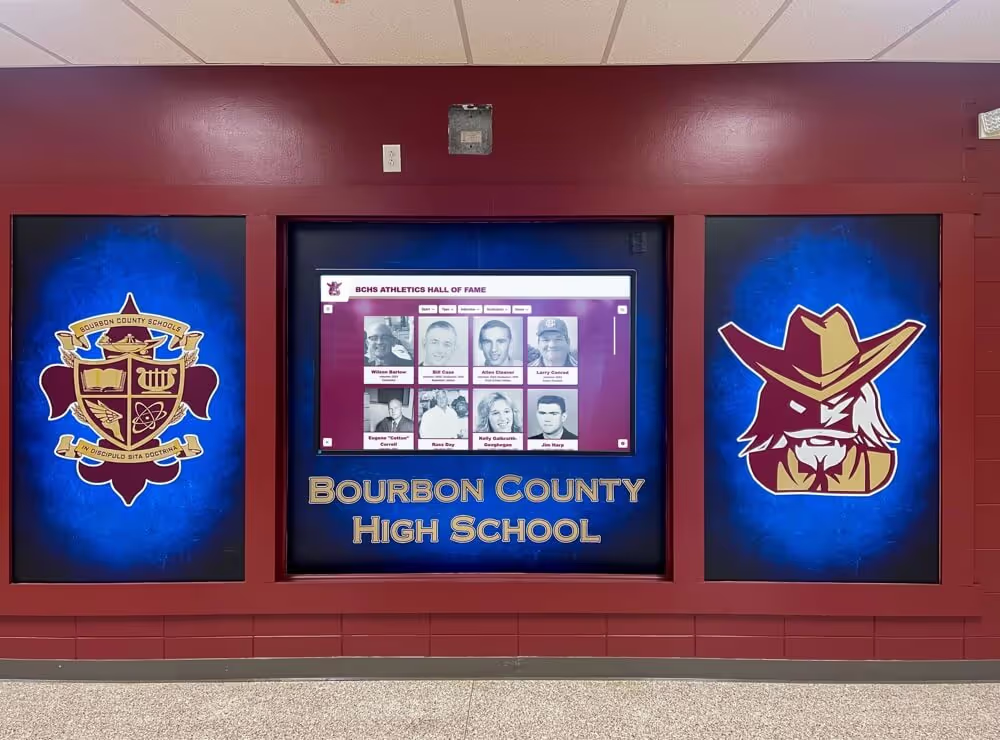
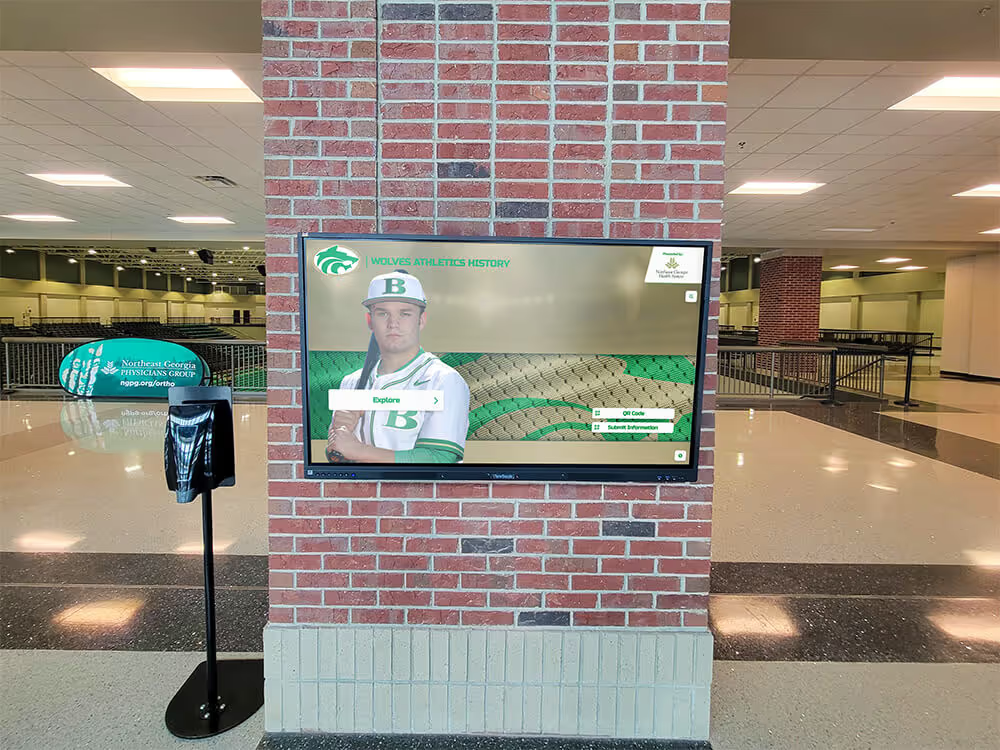
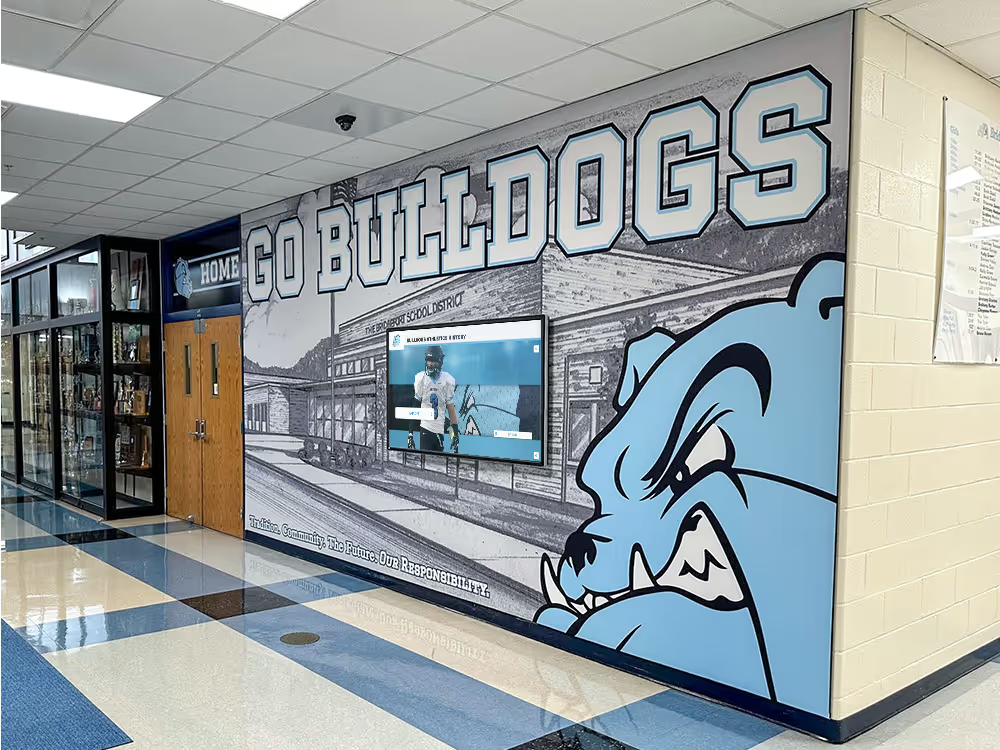
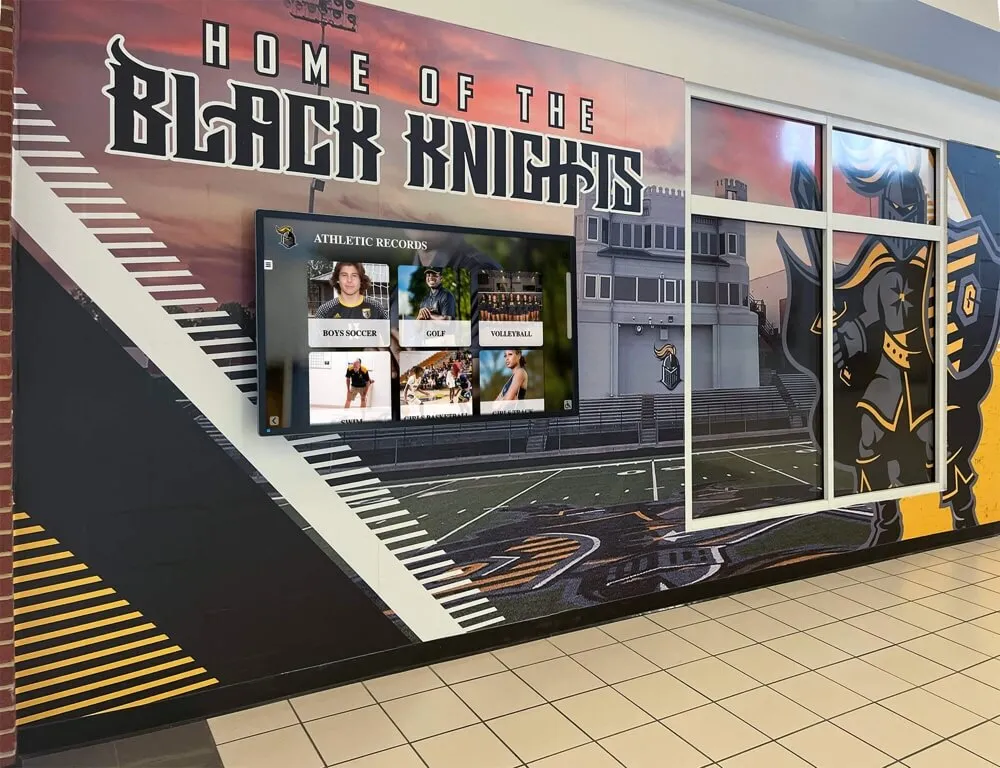
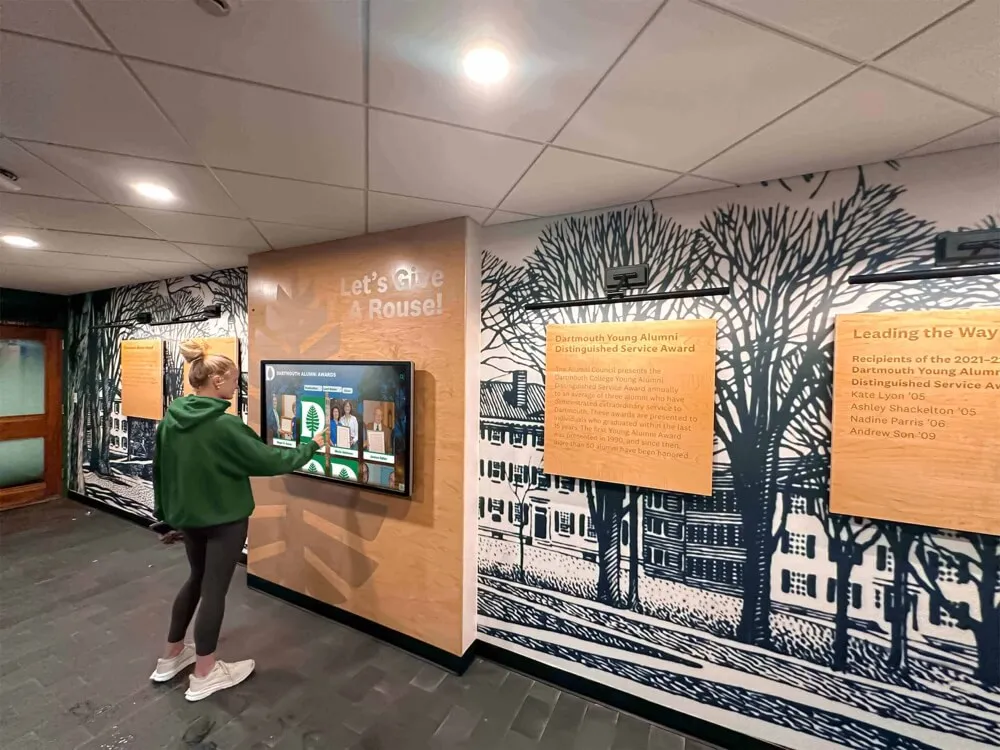
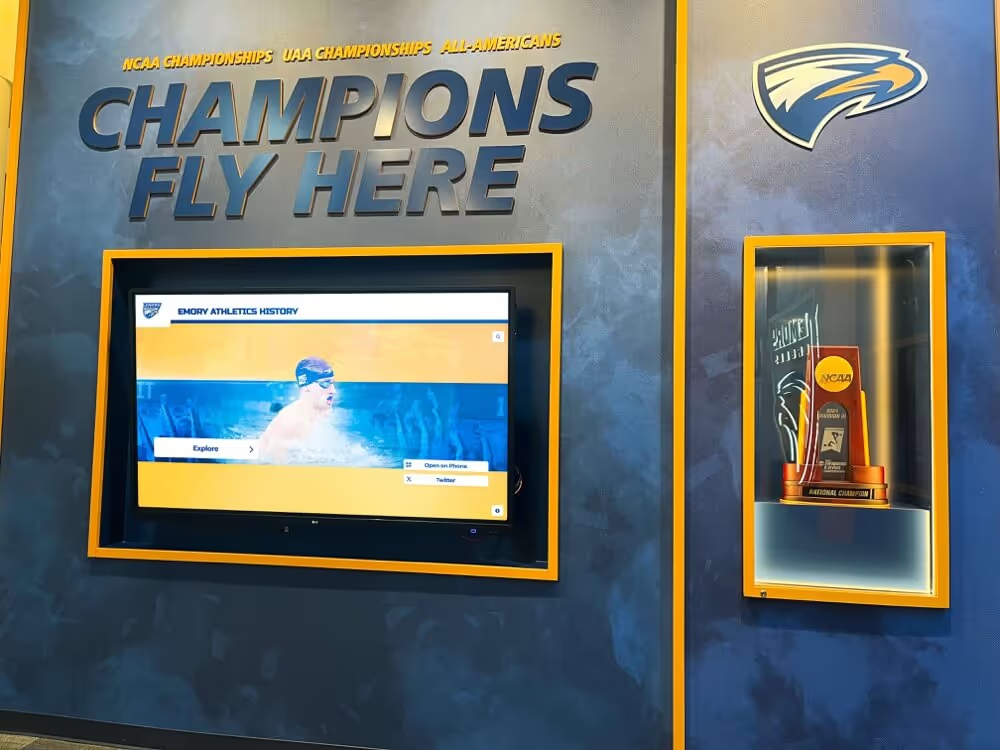
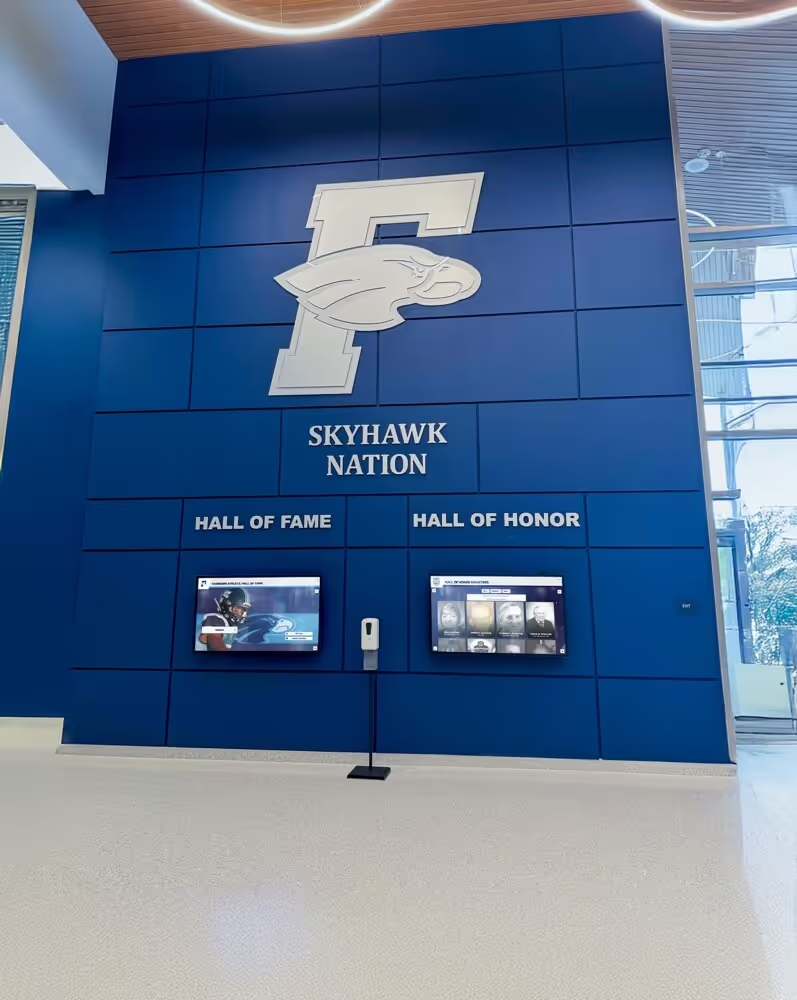
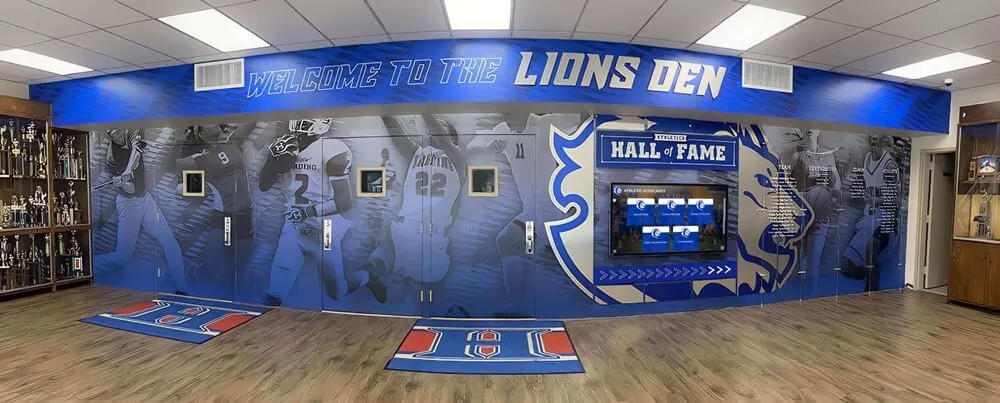
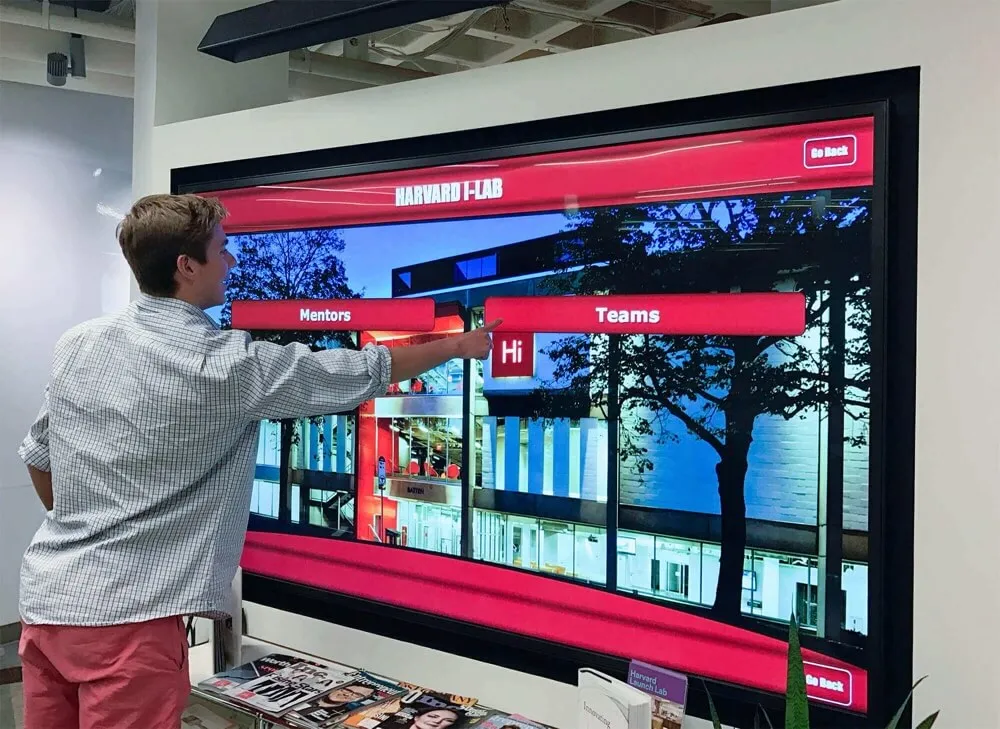
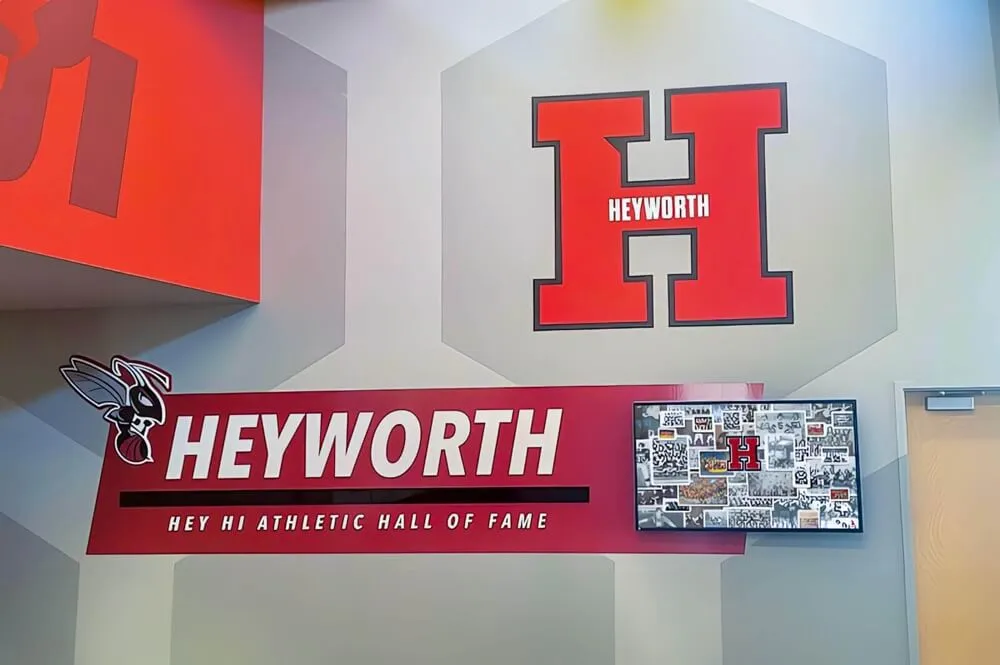
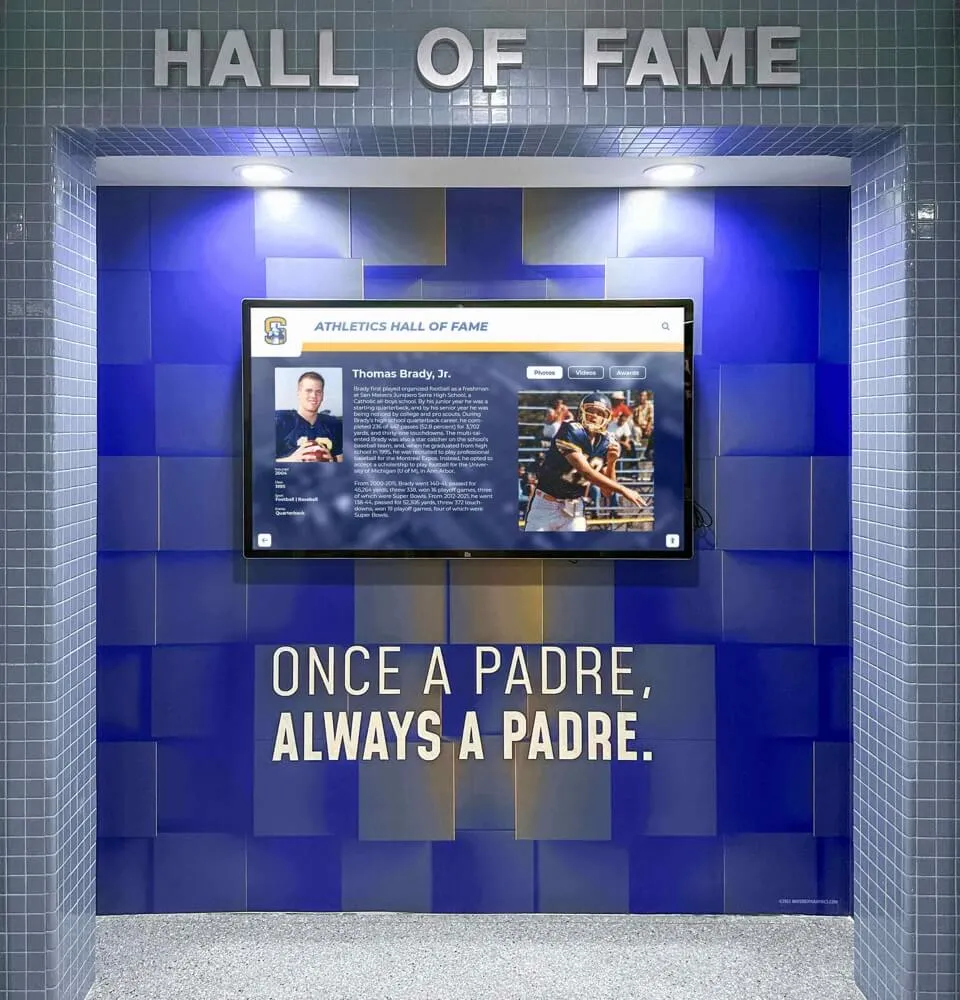
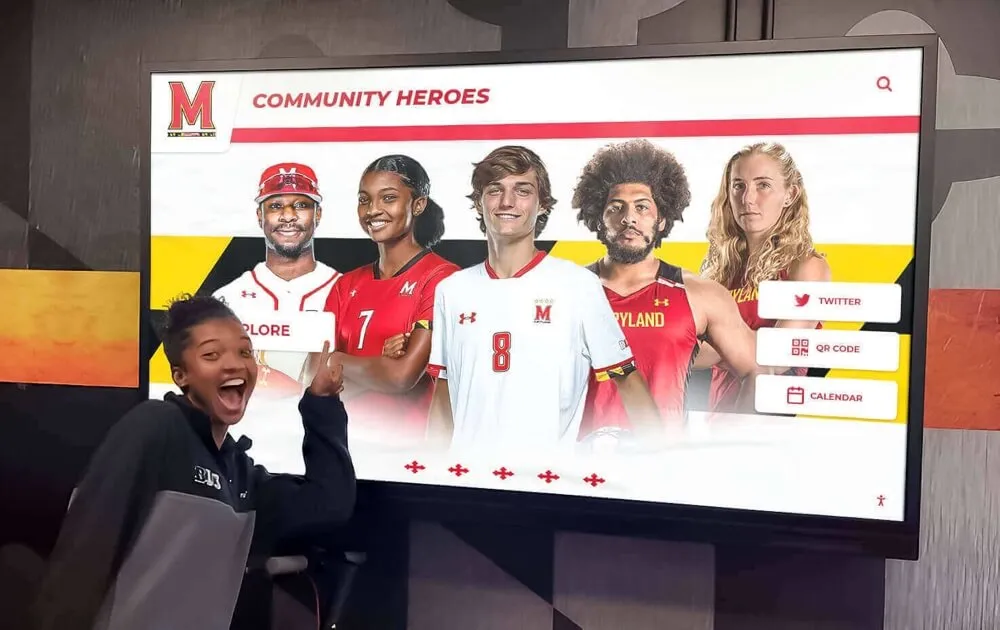
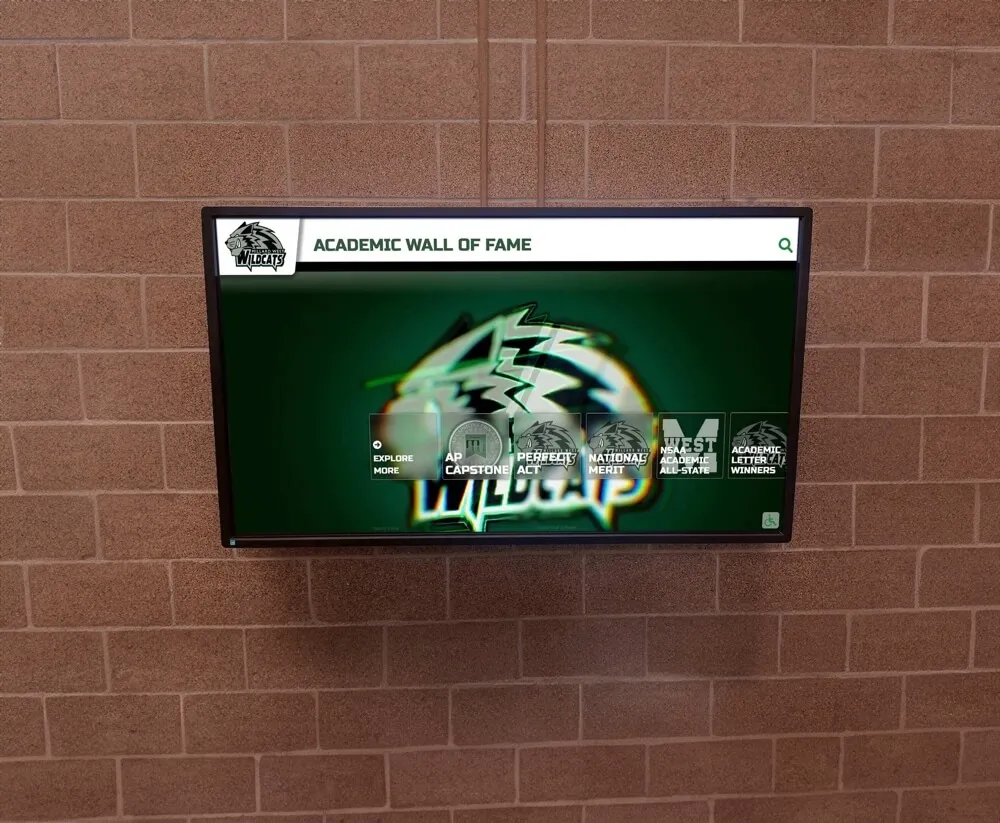
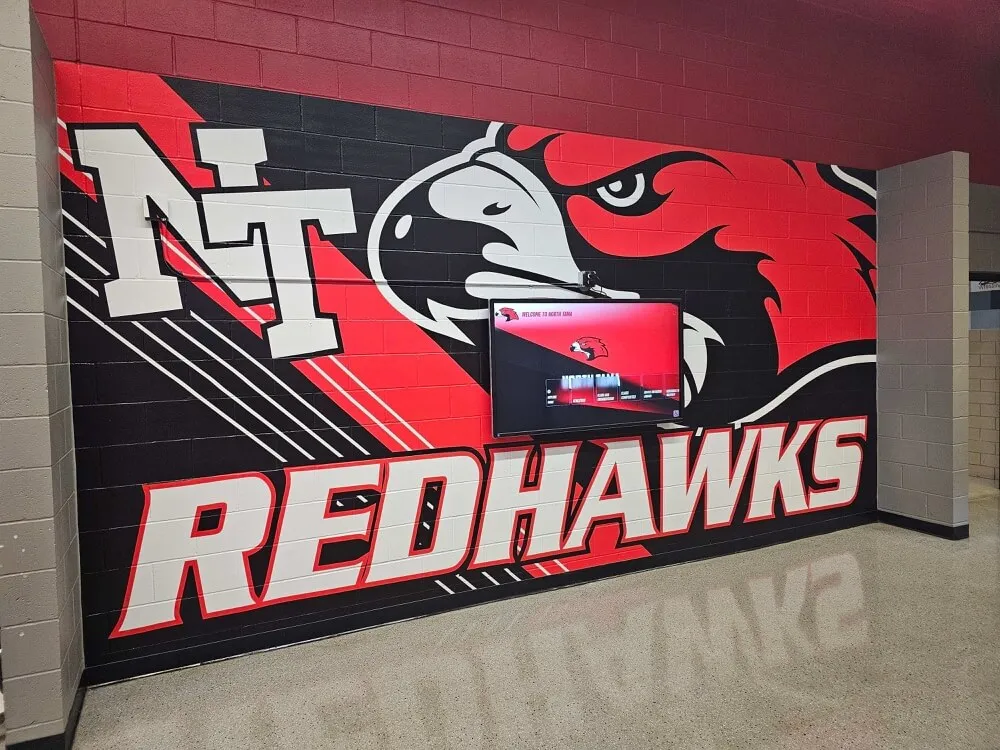
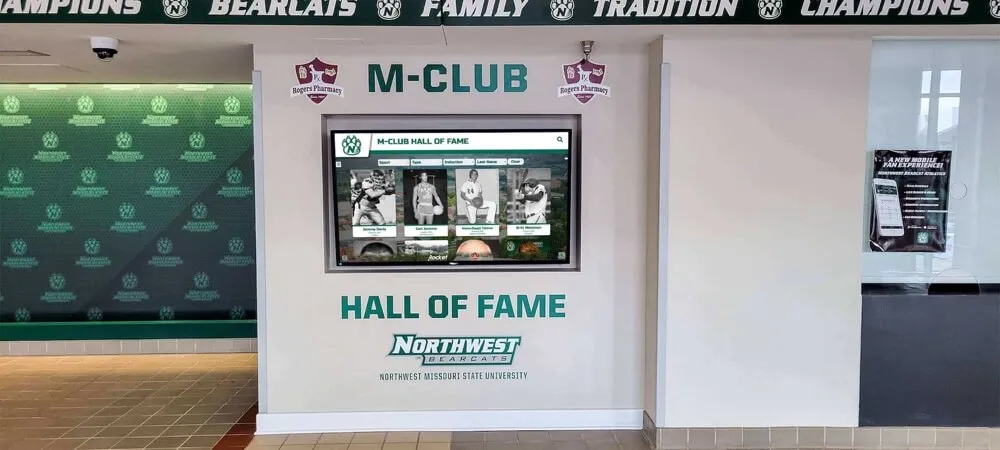
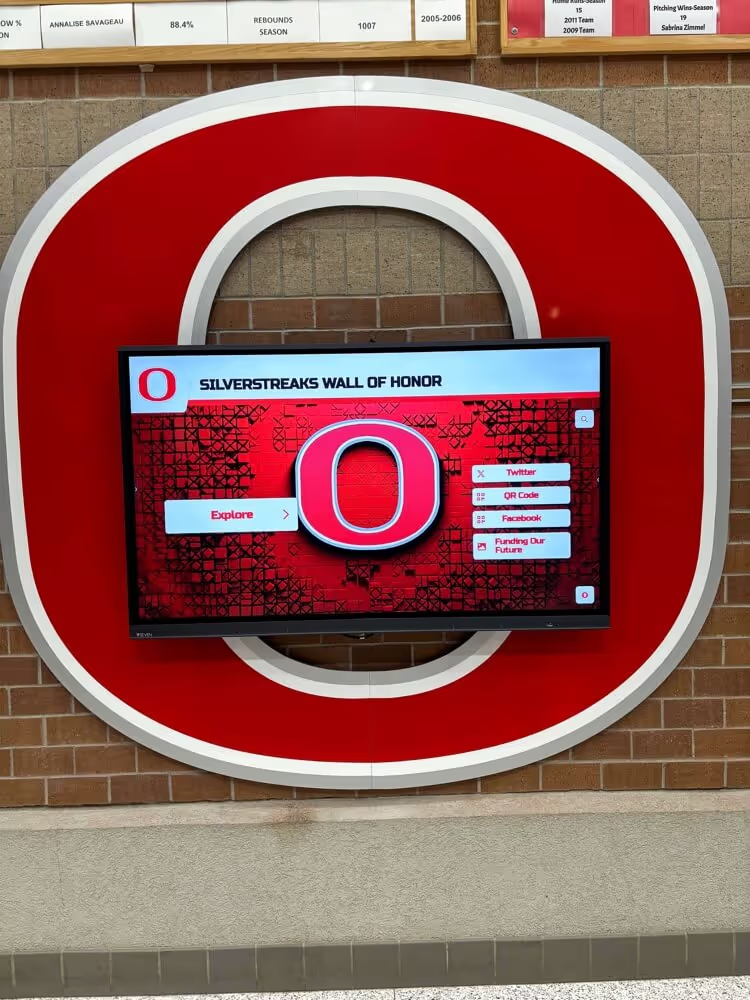
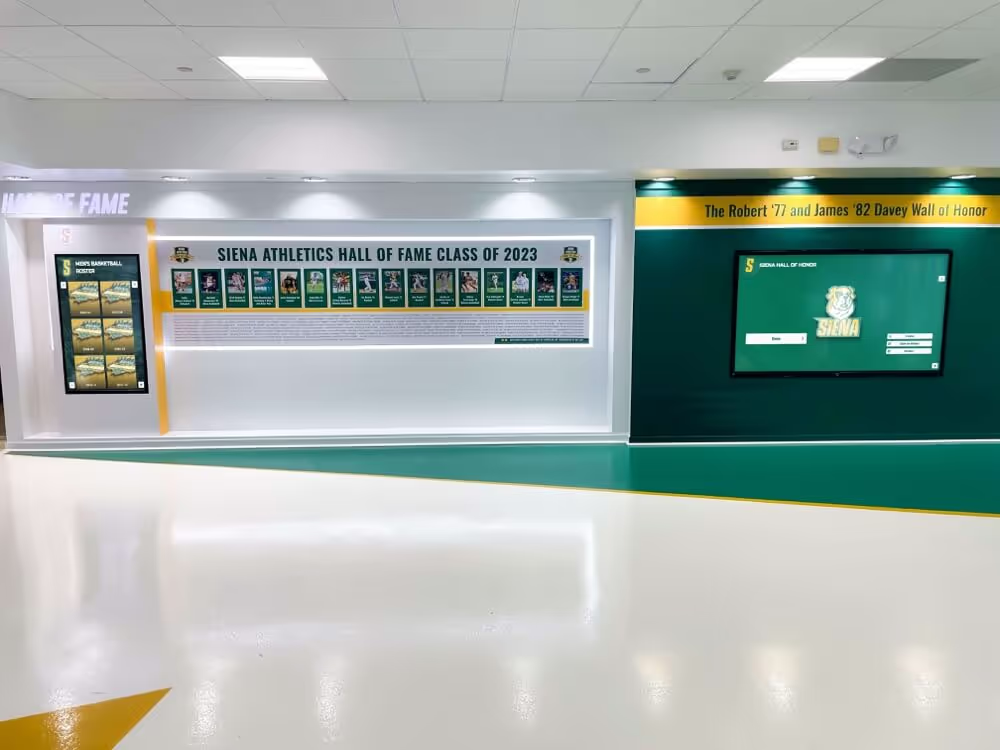
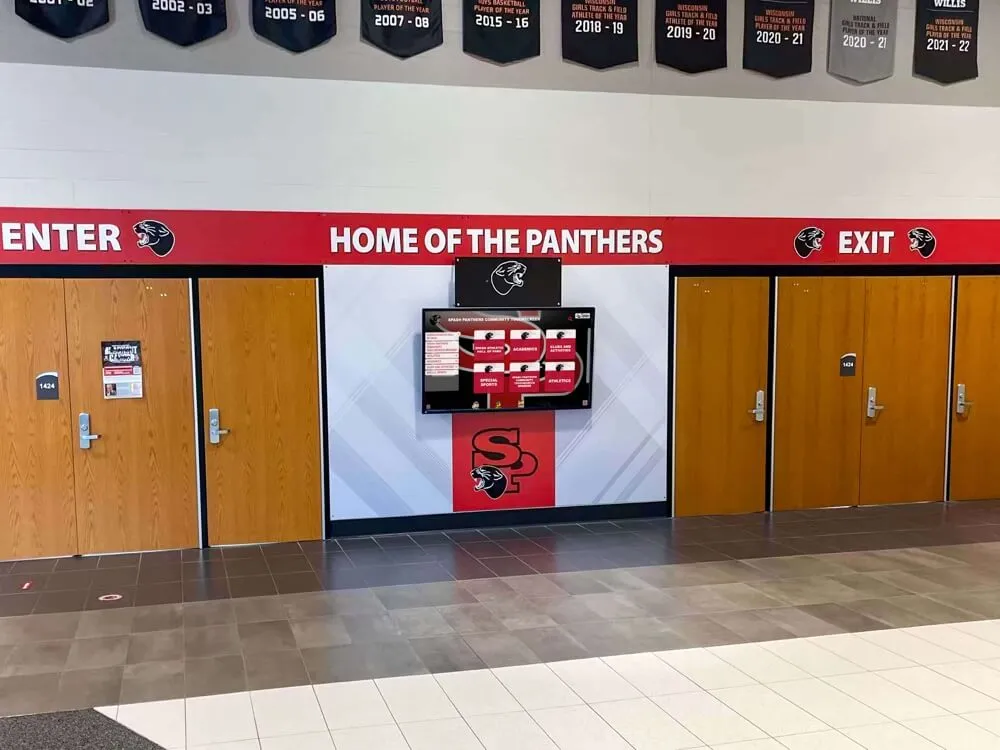
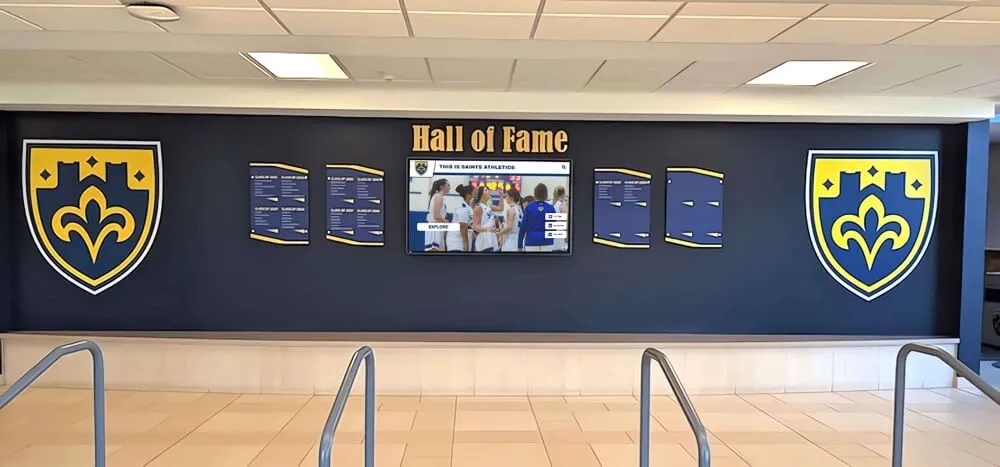
Modern Recognition Alternatives: Digital Athletic Displays
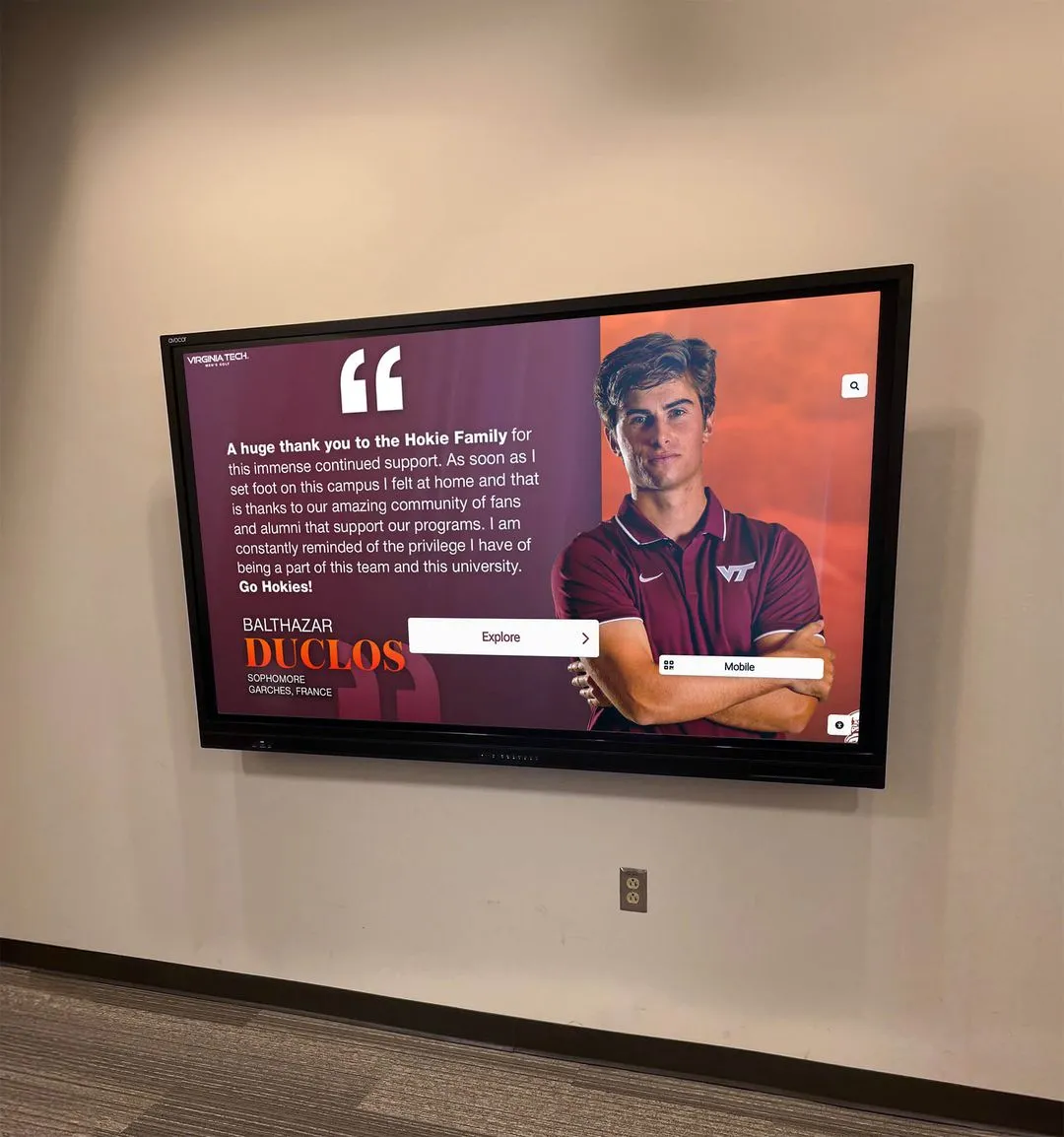
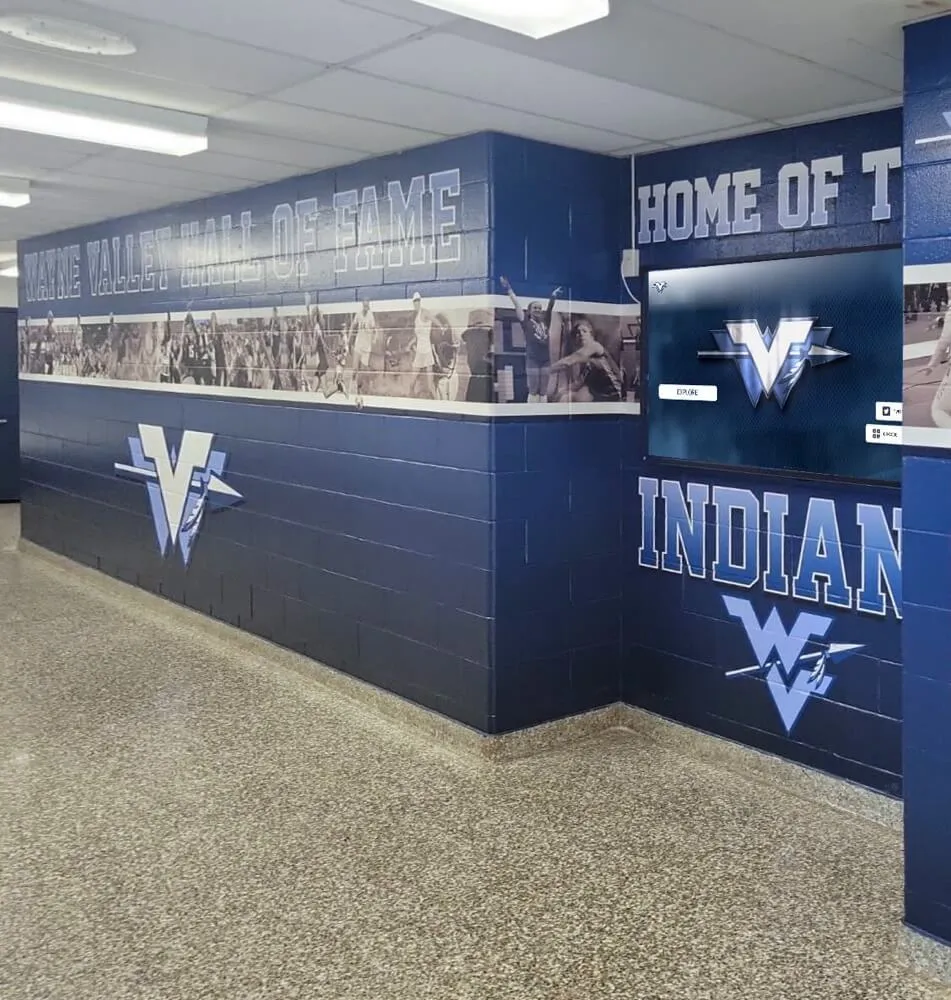
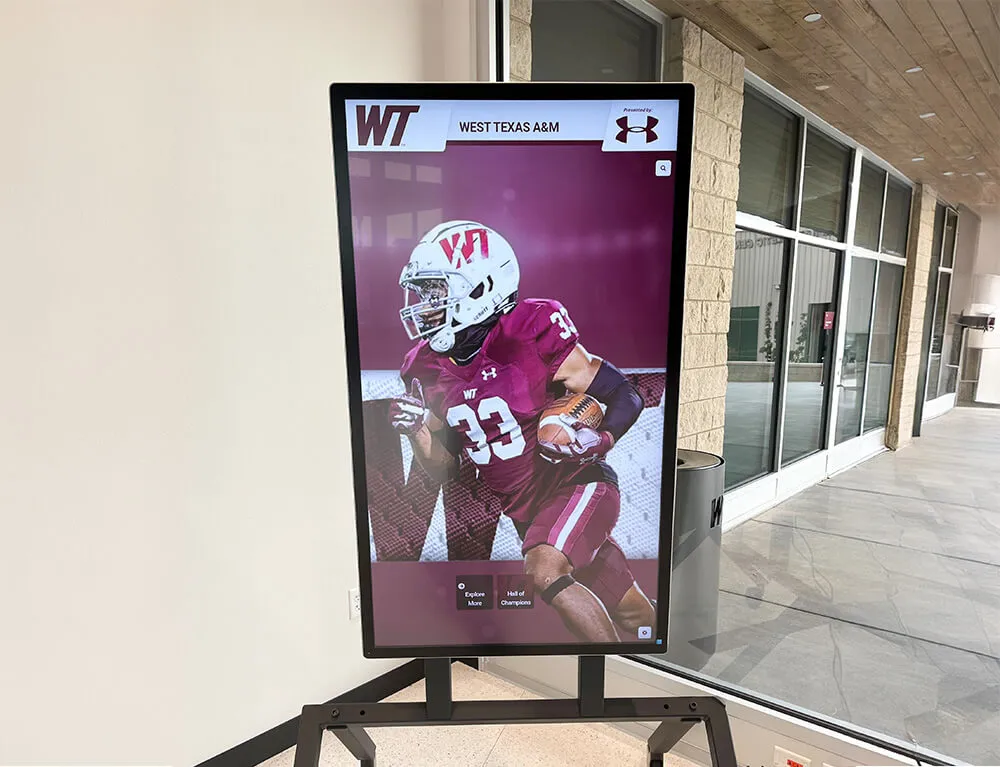
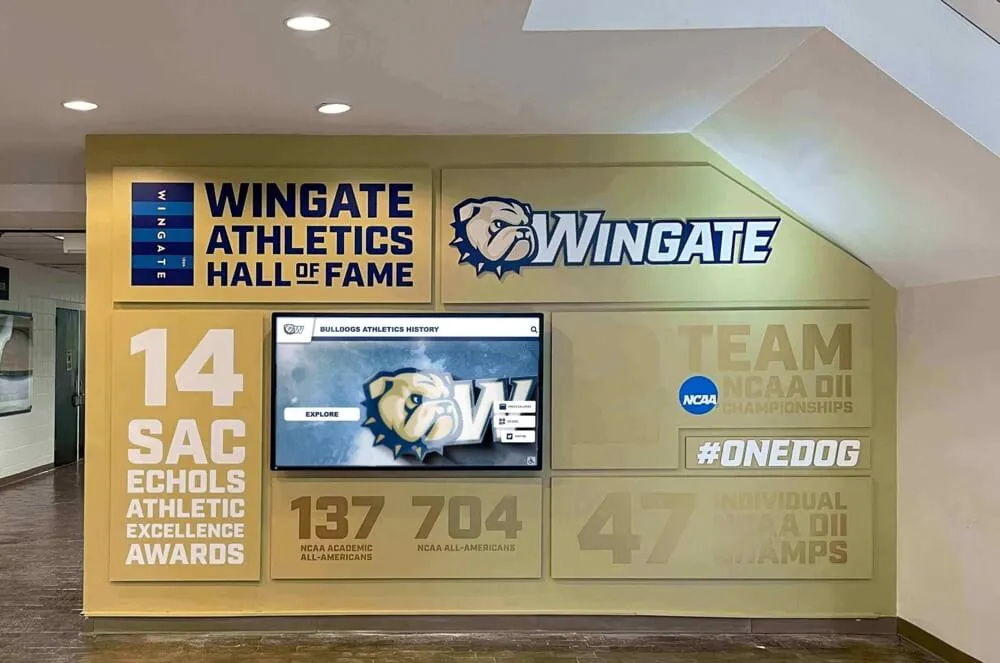
While traditional trophies serve important purposes, digital recognition systems address limitations of physical awards while creating enhanced engagement opportunities.
When Digital Displays Complement or Replace Traditional Trophies
Digital recognition serves distinct purposes alongside traditional awards:
Situations Where Digital Systems Excel:
- Schools with limited physical display space for extensive recognition
- Programs with significant historical backlogs needing comprehensive recognition
- Schools wanting searchable databases enabling easy achievement access
- Programs seeking multimedia storytelling beyond physical trophy limitations
- Athletic departments managing extensive record boards and statistical tracking
- Schools wanting remote accessibility for alumni and distant families
- Programs needing frequent content updates as achievements occur
- Organizations prioritizing detailed analytics about visitor engagement
Digital systems particularly benefit large athletic programs (10+ sports) with decades of history where physical trophy capacity becomes unsustainable, or schools undergoing renovations where wall space is limited. Schools can explore comprehensive options in guides to state championship bracket displays that showcase tournament progression digitally.
Situations Where Traditional Trophies Remain Essential:
- Championship moments requiring physical symbols of achievement
- Team awards creating tangible artifacts for group celebration
- Individual player recognition athletes can keep as personal mementos
- Situations where ceremony presentation moments matter significantly
- Programs emphasizing traditional athletic culture and heritage
- Schools with adequate display space and modest recognition volume
- Budget-conscious programs where digital systems exceed cost thresholds
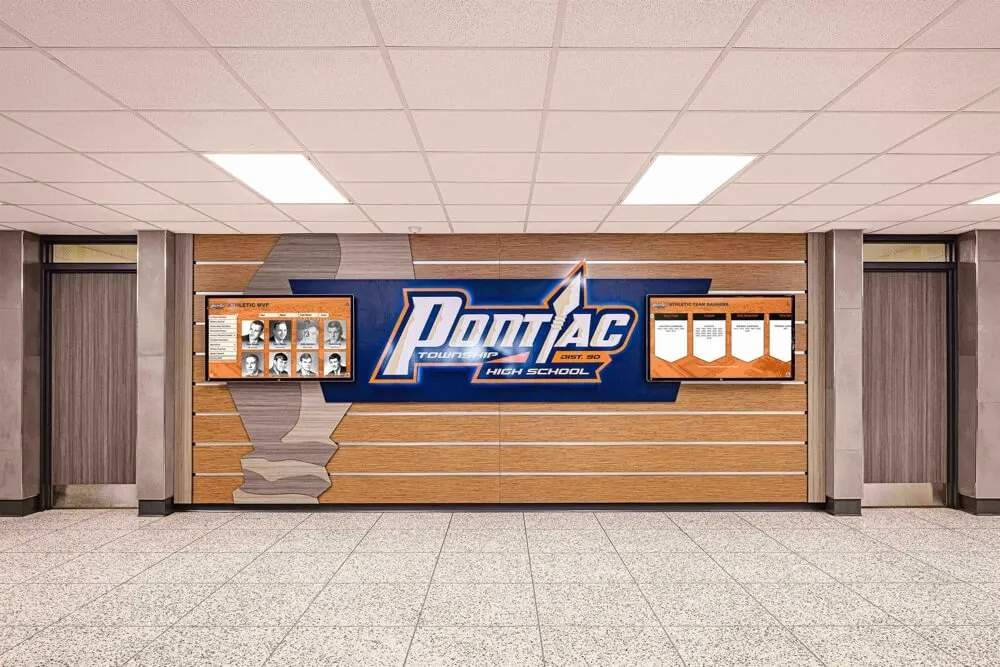
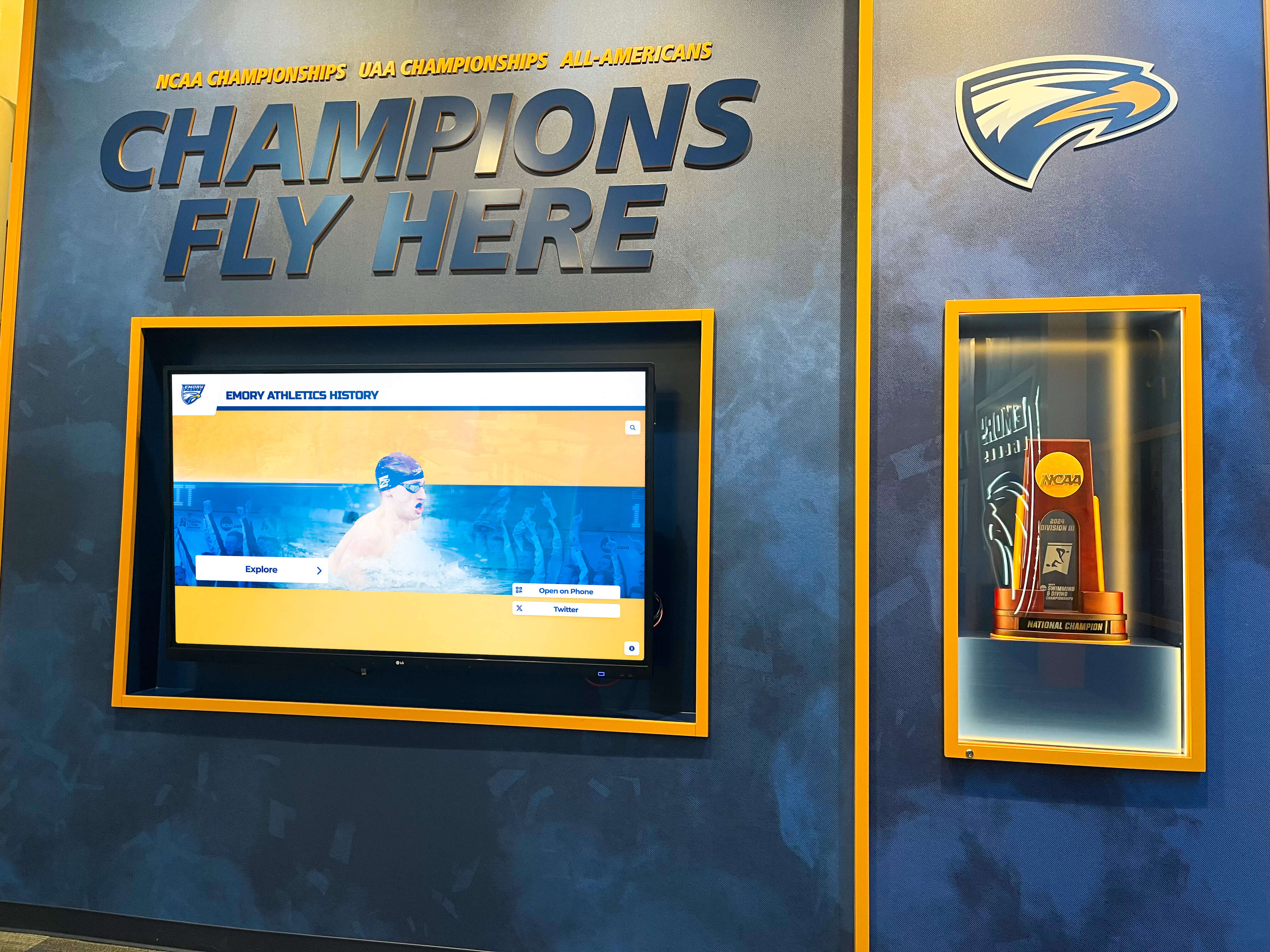
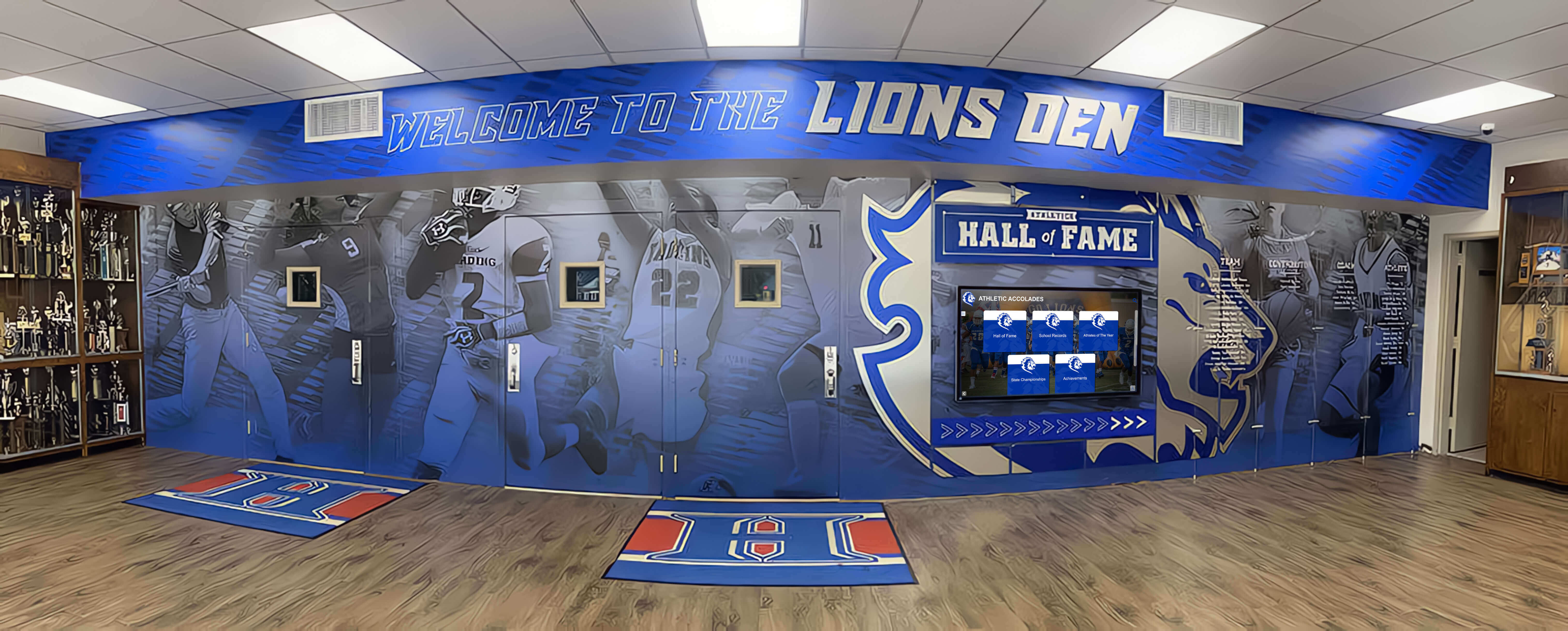
Most successful recognition programs use hybrid approaches—traditional trophies for championship teams and major individual achievements creating ceremony moments and personal keepsakes, plus digital displays providing comprehensive depth for extensive historical recognition, current team information, and searchable achievement databases.
Digital Recognition System Capabilities
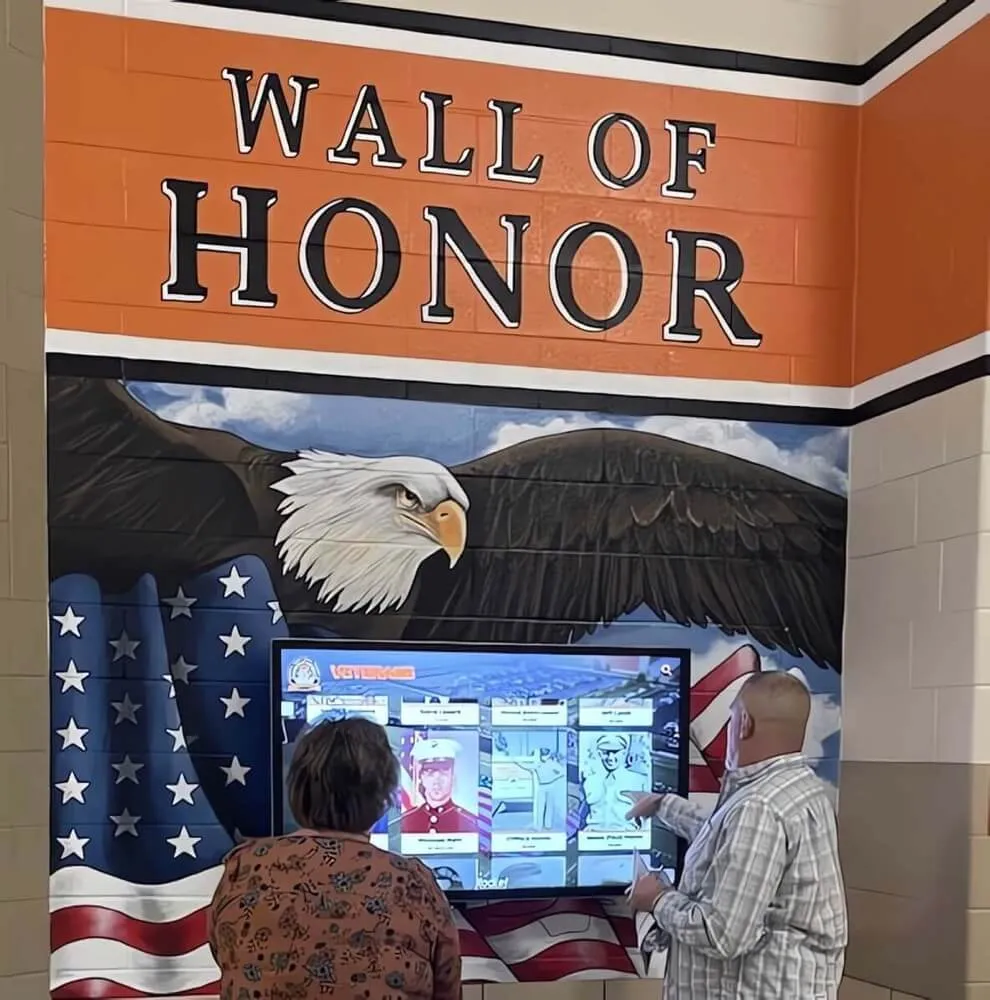
Modern digital recognition platforms provide capabilities impossible with physical trophies:
Unlimited Recognition Capacity:
Digital systems remove physical space limitations:
- Unlimited athlete profiles without space constraints
- Comprehensive team rosters across all program history
- Detailed statistical records and achievement tracking
- Multi-sport athlete recognition without duplication
- Championship team complete rosters with individual profiles
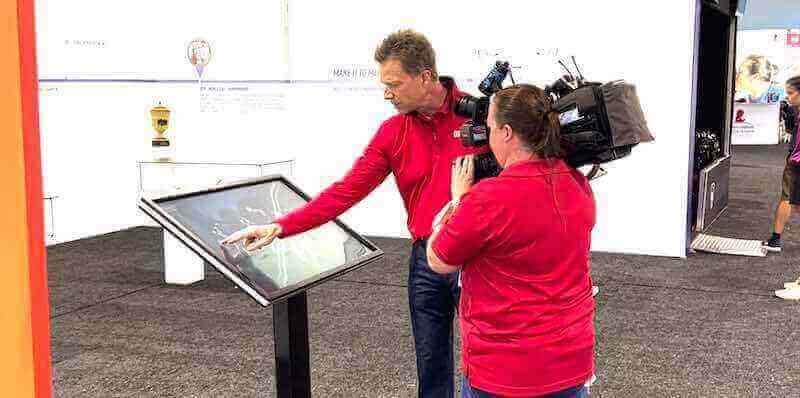
Solutions like Rocket Alumni Solutions provide content management platforms enabling easy profile additions, photo uploads, and achievement updates without technical expertise or vendor dependencies for ongoing content management.
Rich Multimedia Storytelling:
Digital platforms support recognition depth beyond physical plaques:
- High-resolution photos showing athletes in competition
- Video highlights of championship performances
- Detailed career statistics and achievement timelines
- Personal quotes or reflections from athletes
- Historic team photos and roster information
- Game footage and season highlight reels
Multimedia capabilities transform recognition from static name listings into engaging storytelling that connects viewers emotionally to achievement narratives.
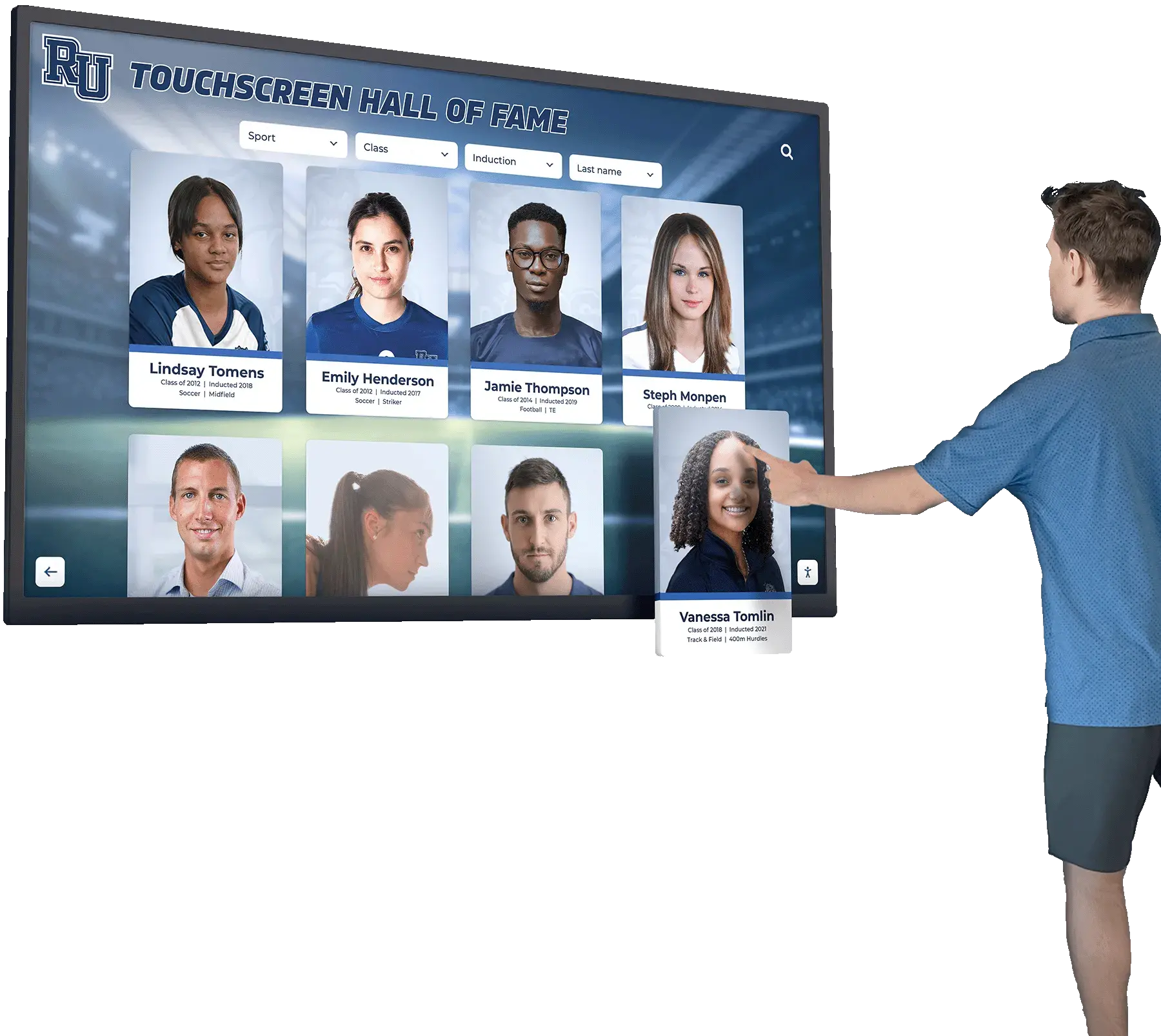
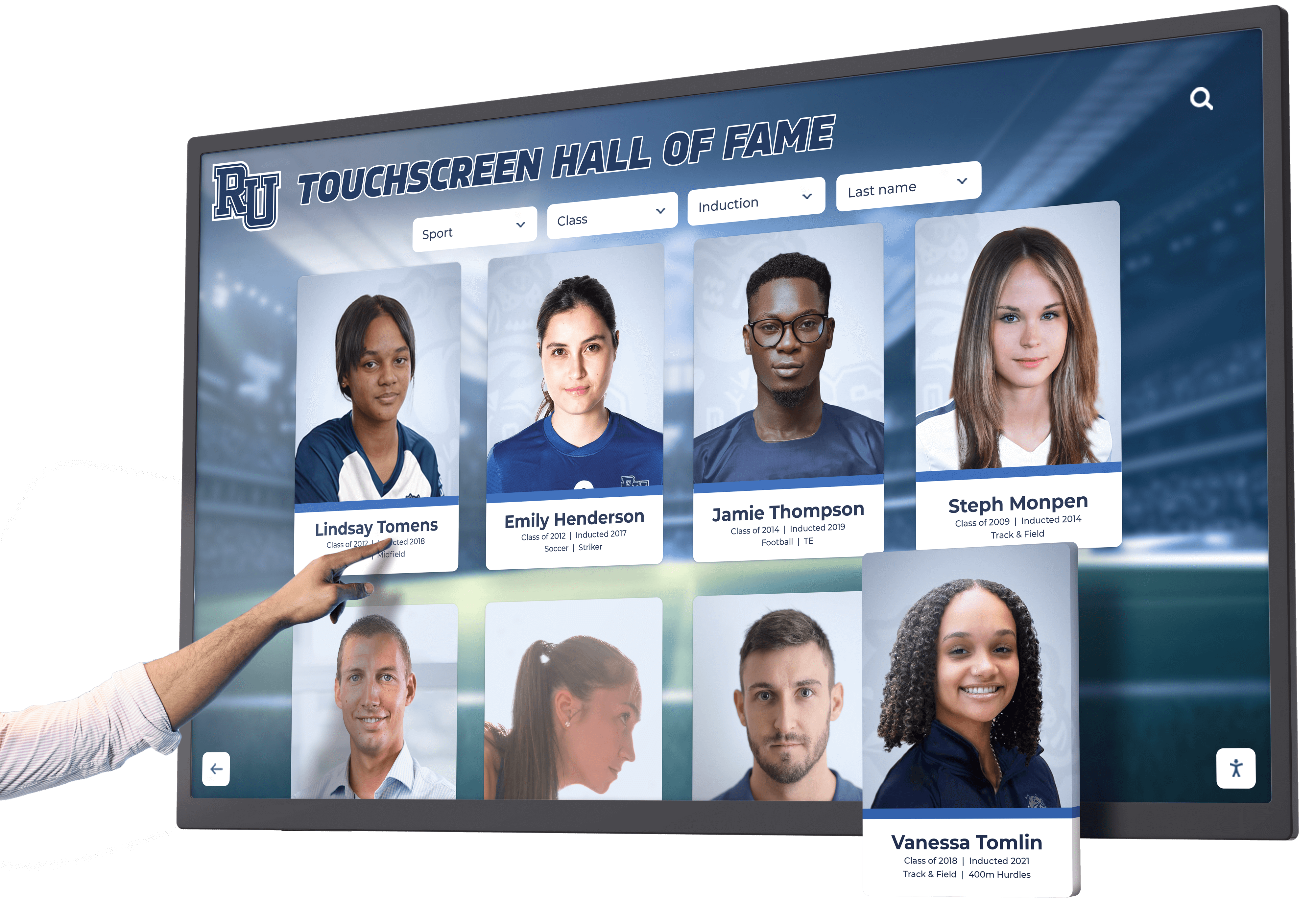
Searchable and Accessible Recognition:
Digital systems enable discovery impossible with physical displays:
- Name search finding specific athletes instantly
- Sport filtering showing achievements by program
- Year filtering showing era-specific accomplishments
- Record filtering highlighting milestone performances
- Achievement-level filtering (championships, all-state, etc.)
- Alumni access from anywhere enabling distant engagement
Searchability particularly benefits large schools where physically browsing hundreds of profiles to find specific athletes proves impractical. Athletic programs can reference strategies from guides about finding school sports records that digital systems streamline significantly.
Analytics and Engagement Tracking:
Digital platforms provide data about recognition program effectiveness:
- Visitor traffic showing daily and seasonal engagement patterns
- Popular profile tracking identifying most-viewed athletes
- Search query analysis revealing what visitors seek
- Time-on-system metrics showing engagement depth
- Device analysis (touchscreen vs mobile vs web) showing access patterns
Analytics inform content strategy decisions while demonstrating recognition program value to stakeholders evaluating technology investments.
Implementation Considerations for Digital Athletic Recognition
Schools considering digital recognition systems should evaluate several factors:
Initial Investment and Ongoing Costs:
Digital systems require upfront investment plus recurring expenses:
Initial Costs:
- Touchscreen displays: $3,000-8,000 per screen depending on size and quality
- Content management software: $2,000-5,000 initial licensing
- Installation and mounting: $1,000-3,000 per location
- Network infrastructure: $500-2,000 if upgrades needed
- Content development: $2,000-10,000 for initial profile creation
- Total initial investment: $10,000-25,000 for single-screen implementation
Ongoing Annual Costs:
- Software licensing/hosting: $1,000-3,000 annually
- Content updates and profile additions: $500-2,000 annually (if outsourced)
- Warranty and technical support: $500-1,500 annually
- Total ongoing costs: $2,000-6,500 annually
While initial investment exceeds traditional trophy budgets, long-term per-athlete costs decline significantly with unlimited recognition capacity. Schools recognizing 50+ athletes annually see cost parity within 3-5 years compared to continuing trophy purchases. Comprehensive comparisons appear in guides to trophy case capacity planning addressing space limitations that digital systems solve.
Content Management Requirements:
Digital systems require ongoing content administration:
- Profile creation and photo editing for new inductees
- Achievement updates as records are broken or honors earned
- Historical content development for backlog recognition
- Quality control ensuring information accuracy
- Regular content refresh maintaining visitor interest
- Photo and video library management
Schools should assign clear administrative responsibility—typically athletic director, communications coordinator, or dedicated administrative support—ensuring content remains current and accurate. Modern platforms provide intuitive content management tools enabling non-technical staff to manage updates independently.
Physical Installation and Technical Requirements:
Successful digital display implementation requires appropriate infrastructure:
- Wall mounting in high-traffic locations with adequate viewing space
- Electrical power access at display locations
- Network connectivity (wired Ethernet preferred over WiFi for reliability)
- Adequate lighting avoiding screen glare from windows or fixtures
- ADA compliance ensuring accessibility for all visitors
- Climate control protecting electronics from temperature extremes
Technical requirements typically prove manageable for most school facilities, with electricians and network technicians completing installation within days. Schools can reference comprehensive guidance in resources about interactive display technology for school spaces addressing common implementation questions.
Selecting Trophy Vendors and Ensuring Quality
Vendor selection significantly impacts trophy quality, customization options, and budget efficiency.
Vendor Evaluation Criteria
Comprehensive vendor assessment ensures reliable partnerships:
Quality and Product Range:
Vendor capabilities should match program needs:
- Material options (metal, resin, crystal, acrylic) across price ranges
- Design variety including sport-specific and traditional styles
- Customization capabilities (engraving, logos, colors)
- Sample availability enabling quality assessment before ordering
- Consistency in quality across orders and years
Request samples before committing to significant orders, evaluating engraving quality, material finish, construction solidity, and overall appearance against price points.
Pricing and Value:
Cost evaluation should consider total value beyond base prices:
- Competitive pricing relative to quality level
- Volume discount structures for bulk ordering
- Included customization (engraving, logos) versus upcharges
- Shipping costs and timeframes
- Rush order surcharges and availability
- Payment terms and invoicing flexibility
Lowest price doesn’t always represent best value if quality suffers, customization costs extra, or shipping proves unreliable. Total cost including all fees provides accurate comparison.
Service and Reliability:
Vendor responsiveness and reliability prevent recognition program frustration:
- Proof approval processes catching errors before production
- Production timeframes and rush order capabilities
- Shipping reliability meeting ceremony or presentation deadlines
- Customer service responsiveness resolving issues quickly
- Reorder availability for additional awards matching previous designs
- Mistake correction policies addressing production errors
Reliable vendors with responsive service prevent last-minute ceremony crises when trophies arrive late, contain errors, or fail to meet expectations. Organizations can reference comprehensive vendor evaluation approaches in athletic administrator software guides that include recognition provider assessment.
Quality Control and Ordering Processes
Systematic ordering processes prevent disappointment and errors:
Design and Proof Approval:
Careful review before production prevents costly mistakes:
- Detailed specifications including dimensions, materials, and finishes
- Engraving text verification confirming spelling, dates, and achievement details
- Logo and branding review ensuring correct files and positioning
- Design preview or mockup review before production authorization
- Written approval documentation preventing disputes
Mistakes caught during proof review cost nothing to correct; mistakes discovered after production prove expensive and often impossible to fix before ceremonies.
Lead Time and Rush Order Planning:
Adequate ordering timelines prevent stress and additional costs:
- Standard production: 2-4 weeks from order to delivery
- Rush orders: 1-2 weeks with surcharges (typically 25-50% premium)
- Busy season delays: 4-6 weeks during May-June graduation season
- Shipping timeframes: 3-7 days depending on method and distance
- Buffer time: Additional week for errors, delays, or issues
Order trophies 6-8 weeks before award presentations ensuring adequate time for production, shipping, and any necessary corrections without requiring expensive rush charges.
Conclusion: Creating Meaningful Sports Trophy Programs That Honor Excellence
Effective sports trophy programs balance tradition with innovation, budget constraints with quality standards, and broad recognition with meaningful distinction. The most successful athletic recognition systems honor achievement appropriately through trophy choices matching accomplishment significance, display excellence showcasing awards in prominent, organized, accessible locations, sustainable budgets enabling consistent recognition without financial strain, and modern alternatives complementing traditional awards when space, capacity, or engagement considerations warrant enhanced recognition approaches.
Athletic directors, coaches, and booster clubs establishing or improving recognition programs should carefully consider trophy categories and purposes selecting appropriate awards for different achievement levels, material and design choices balancing aesthetic preferences with budget and durability requirements, display strategies ensuring trophies inspire current athletes while celebrating historical excellence, budget frameworks enabling comprehensive recognition within sustainable spending parameters, and digital alternatives for situations where traditional trophies alone prove insufficient for recognition needs or engagement goals.
Whether maintaining traditional trophy-based recognition programs, transitioning toward digital systems, or implementing hybrid approaches combining physical awards with enhanced digital engagement, thoughtful sports trophy selection and display creates recognition programs that authentically celebrate athletic achievement while strengthening program culture, inspiring future excellence, and honoring the dedication that championship seasons represent.
Ready to explore modern recognition alternatives that complement traditional sports trophies? Discover how digital recognition displays can expand your athletic program’s recognition capacity while providing engaging, searchable access to comprehensive achievement history that inspires current athletes and connects alumni to their athletic legacy.