



Key Takeaways
Complete guide to planning sport end of year awards with 20 creative recognition ideas. Learn best practices for athletic awards ceremonies, digital displays, and celebrating student-athlete excellence in schools.
The final whistle blows on another athletic season. Countless hours of practice, dozens of competitions, moments of triumph and disappointment, and immeasurable growth in skill, character, and teamwork culminate in one important question: how do we appropriately recognize the achievements, dedication, and contributions of our student-athletes? Sport end of year awards represent far more than closing formalities—they create lasting memories, validate effort, inspire future excellence, and communicate what your athletic program genuinely values. Whether you coordinate awards for a single team or manage recognition across an entire athletic department, this comprehensive guide provides the frameworks, creative ideas, and practical strategies needed to celebrate your athletes meaningfully while building the recognition traditions your program deserves.
Understanding the Purpose of Sport End of Year Awards
Before diving into specific award categories or ceremony planning logistics, athletic directors, coaches, and administrators must understand what sport end of year awards actually accomplish and why they matter beyond obligatory season conclusions.
The Educational Value of Athletic Recognition
Sport end of year awards serve multiple educational and developmental purposes within school athletic programs. Recognition creates visible acknowledgment that someone noticed the effort athletes invested throughout seasons. For student-athletes balancing academics, athletics, family responsibilities, and social development, knowing coaches and institutions recognize their contributions proves genuinely meaningful.
Awards also communicate program values explicitly. The categories you establish, criteria you apply, and athletes you honor reveal what your program truly prioritizes. Programs emphasizing only championship victories through MVP awards send different messages than those balancing competitive achievement with sportsmanship, leadership, and improvement recognition. Student-athletes learn what behaviors and qualities their programs value by observing who receives recognition and why.

Recognition also builds team culture and institutional identity. Ceremonies celebrating achievement create shared experiences bonding athletes, coaches, families, and communities. Historical recognition preserves program traditions connecting current athletes to those who competed before them. This continuity strengthens program identity beyond individual seasons or coaching tenures.
Balancing Achievement Recognition with Inclusive Participation
Sport end of year awards face inherent tension between recognizing exceptional individual achievement and ensuring all athletes feel valued regardless of playing time or statistical performance. Elite performers deserve acknowledgment of their excellence, yet athletes who rarely played, struggled with injuries, or contributed behind the scenes also invested effort worthy of recognition.
The most effective awards programs establish multiple recognition tiers addressing this balance. Major awards like MVP, Offensive Player of the Year, or championship medals celebrate top performers while participation certificates, team contribution awards, and character recognition ensure all athletes receive acknowledgment. This tiered approach communicates that programs value both competitive excellence and the diverse contributions making team success possible.
Schools should resist pressure to give everyone identical awards to avoid hurt feelings. Research consistently demonstrates that recognition feels meaningful precisely because it acknowledges specific achievement, effort, or contribution. Universal participation trophies where everyone receives identical awards regardless of performance or contribution often feel hollow to recipients who understand they weren’t differentiated. Instead, create diverse award categories enabling different athletes to receive recognition for different strengths while maintaining meaningful distinctions.
Traditional vs. Modern Recognition Approaches
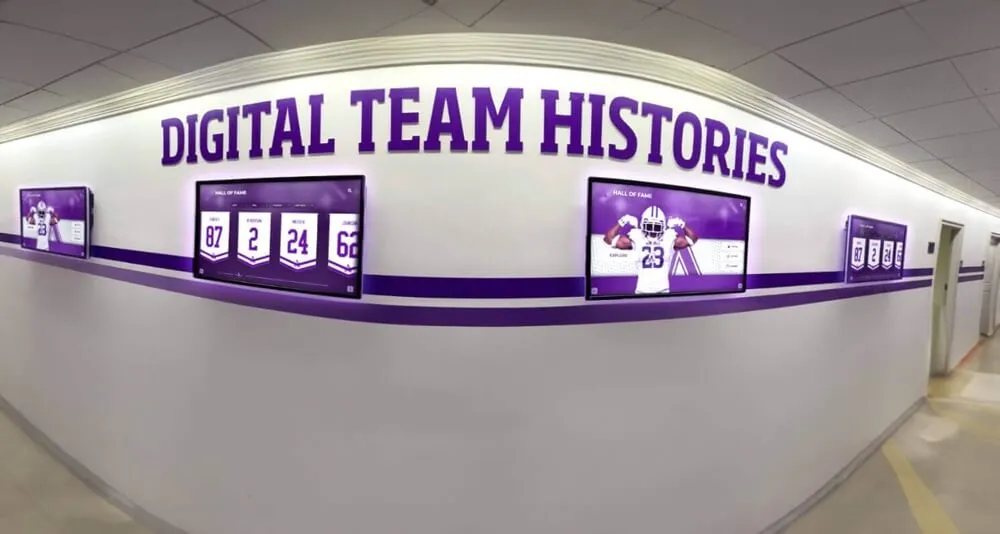
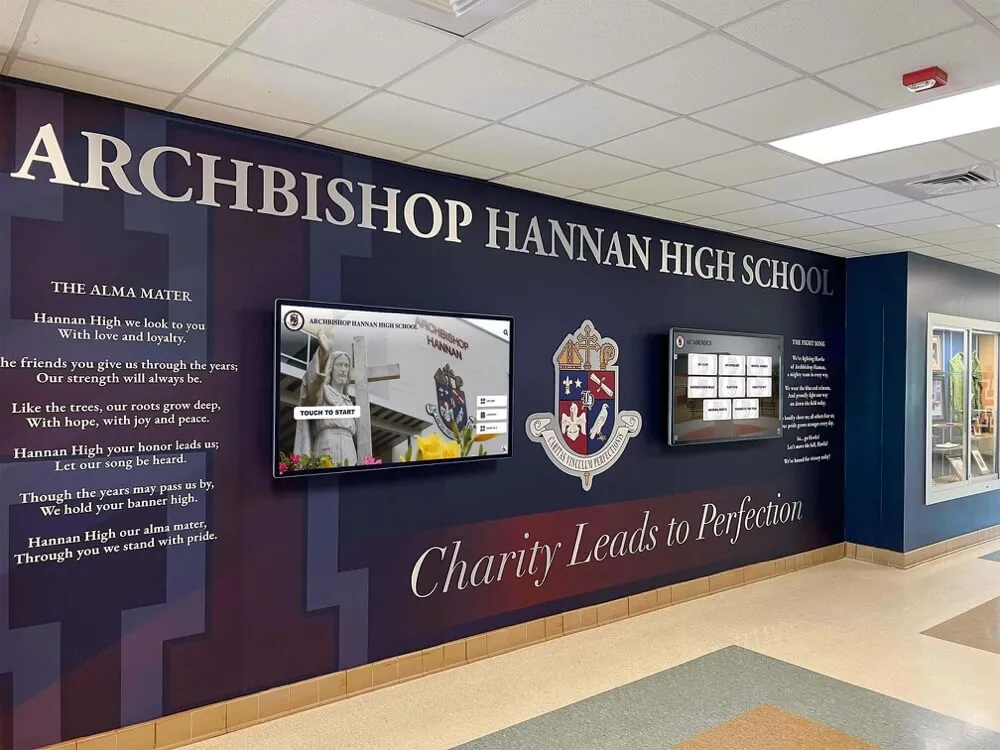
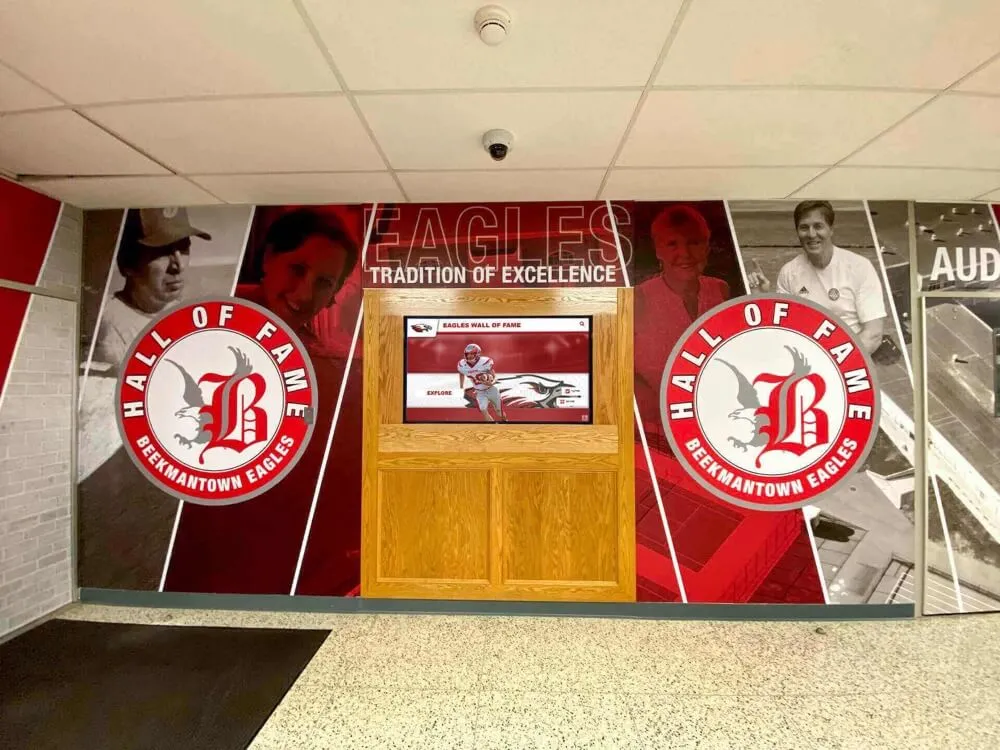
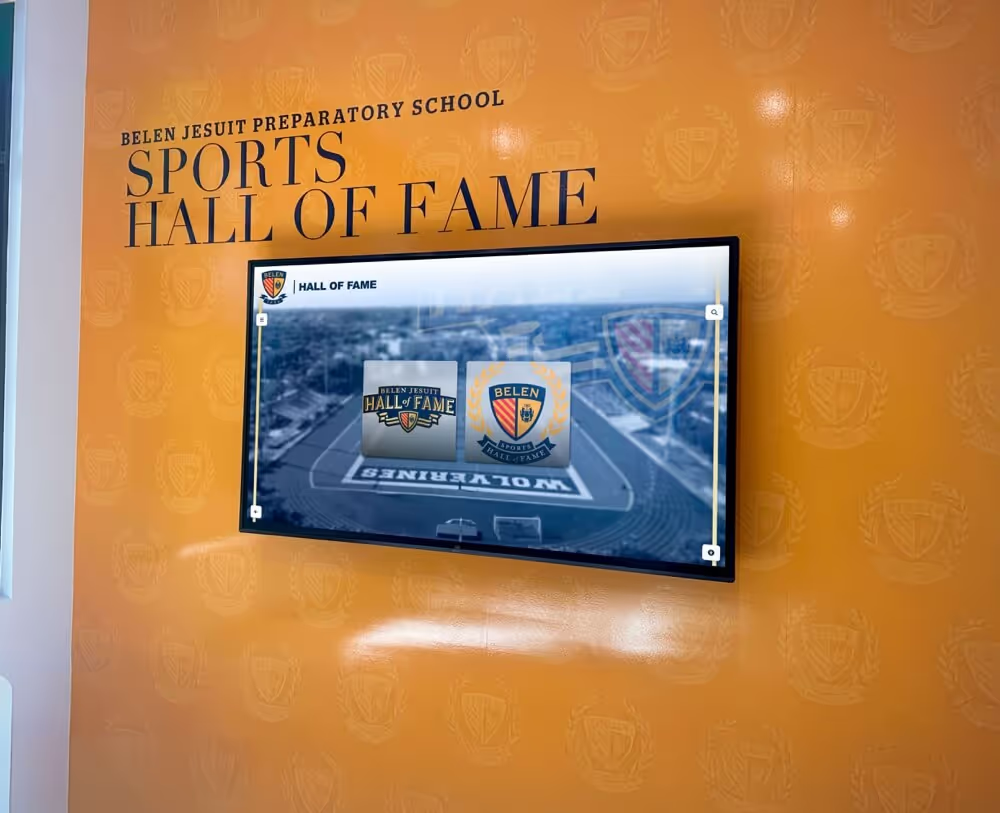
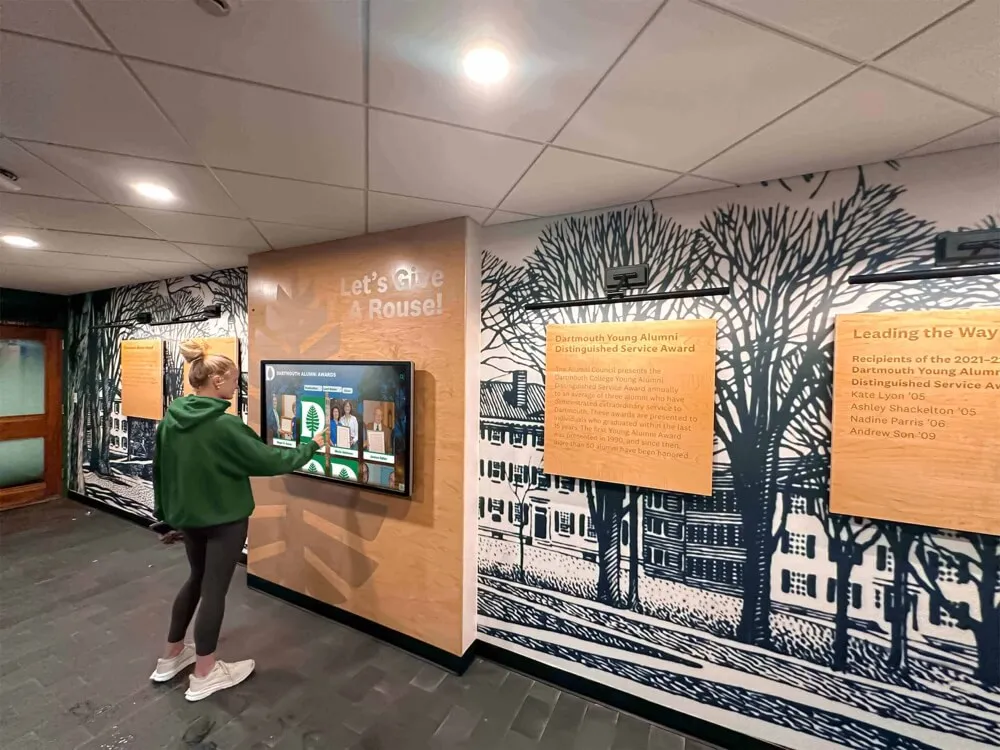
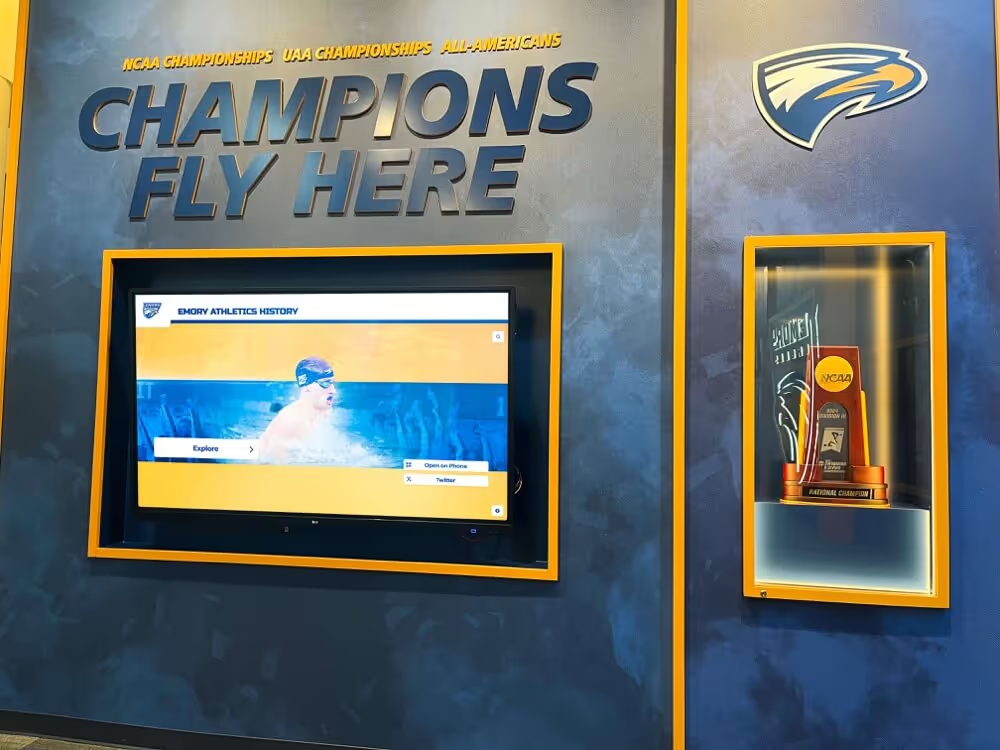
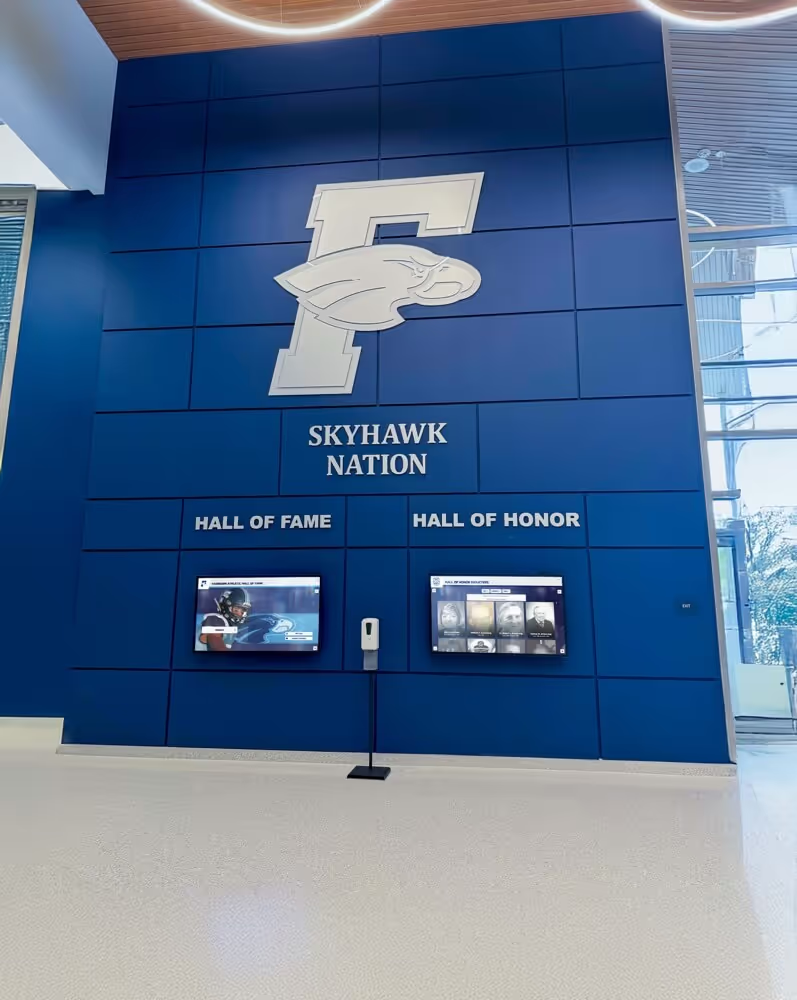
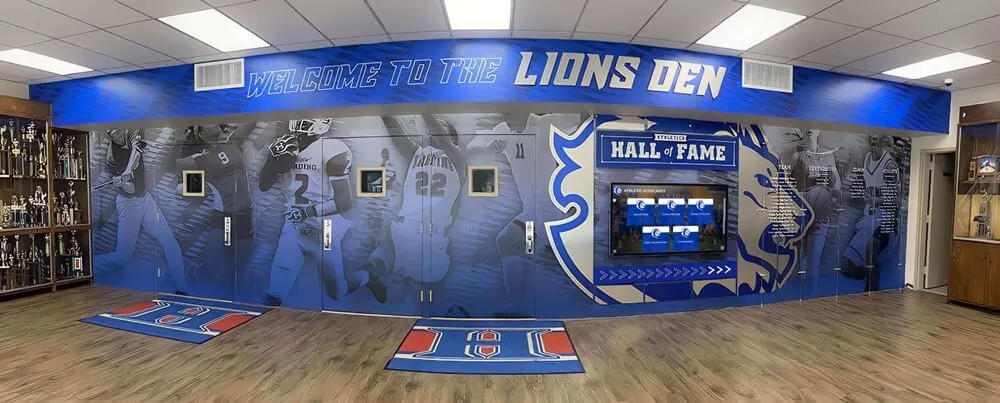
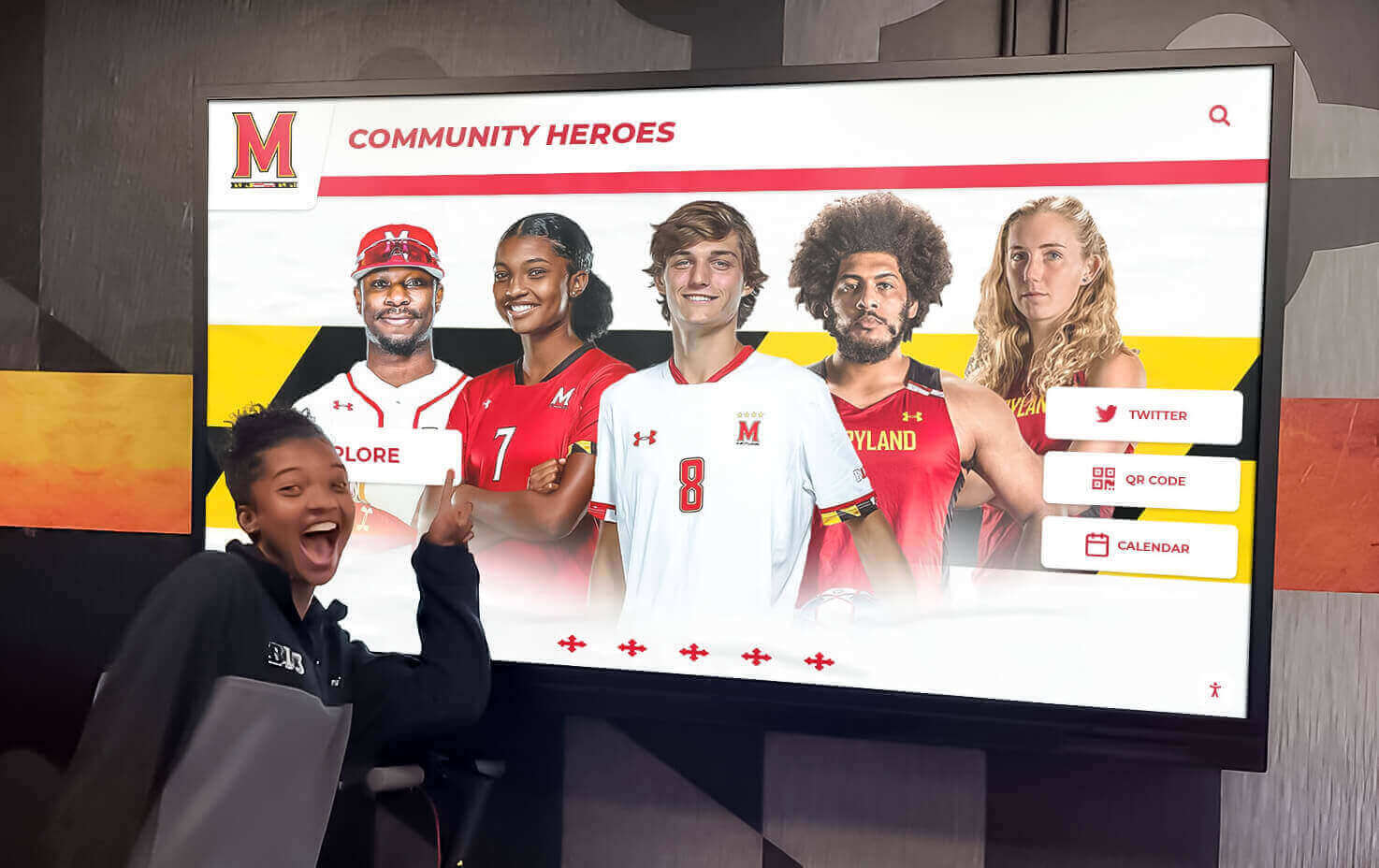
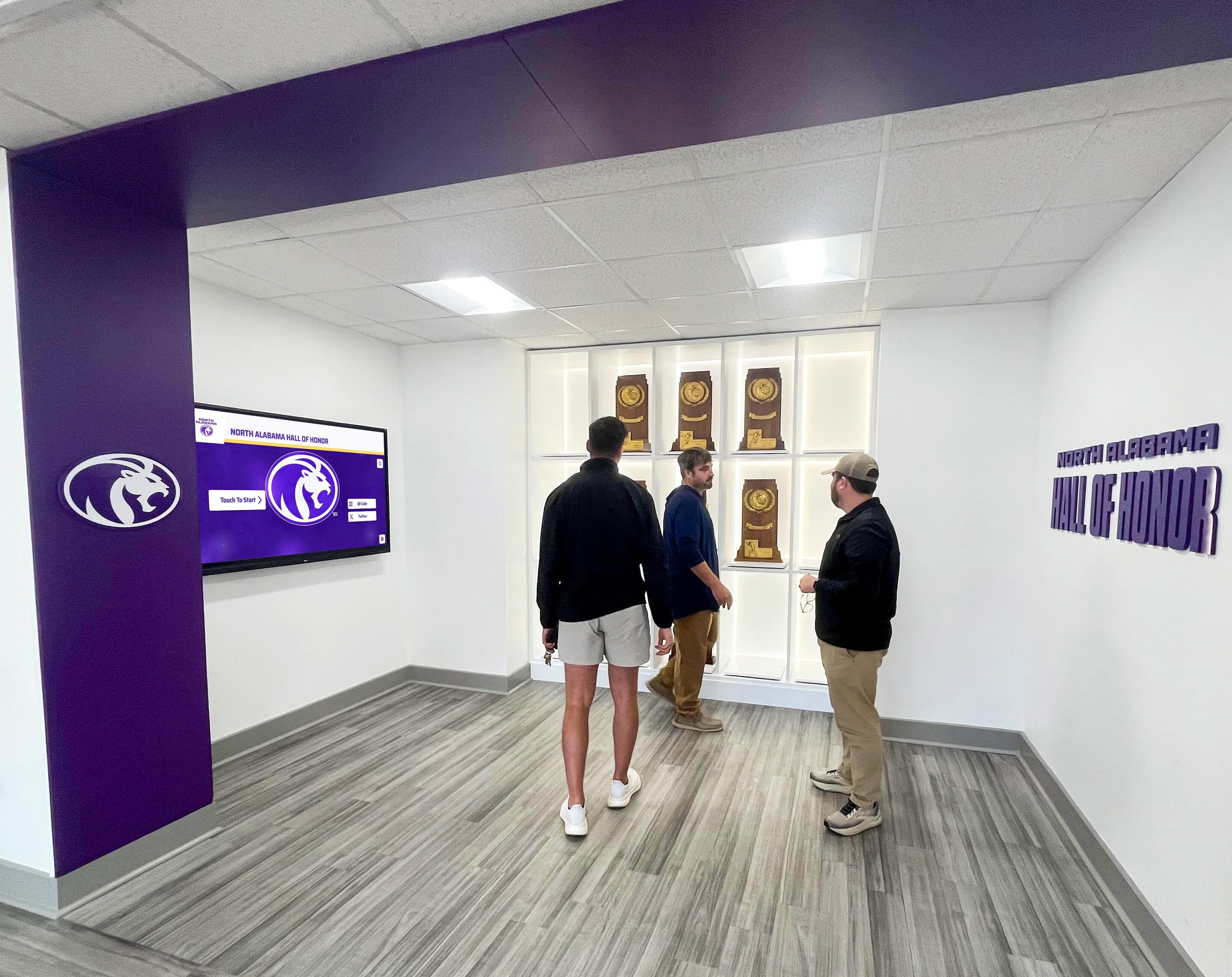
Sport end of year awards traditionally consisted of physical trophies presented at banquet ceremonies—an approach that served programs adequately for decades. However, contemporary recognition increasingly incorporates digital displays, social media acknowledgment, web-based athlete profiles, and multimedia presentations creating richer, more accessible recognition extending beyond single-evening ceremonies.
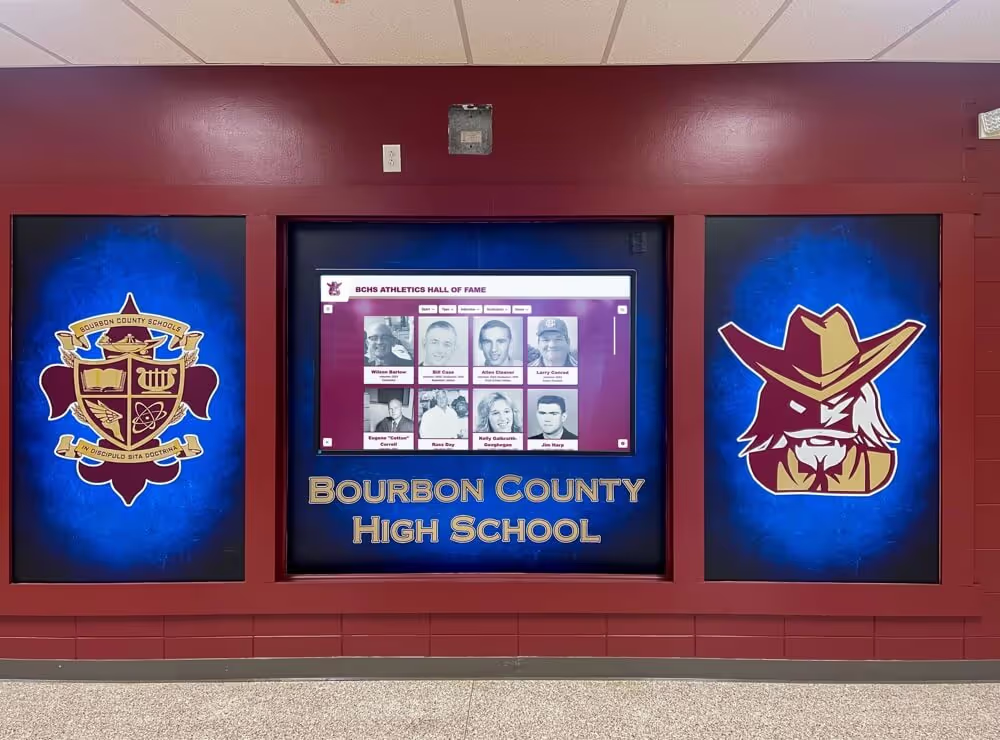
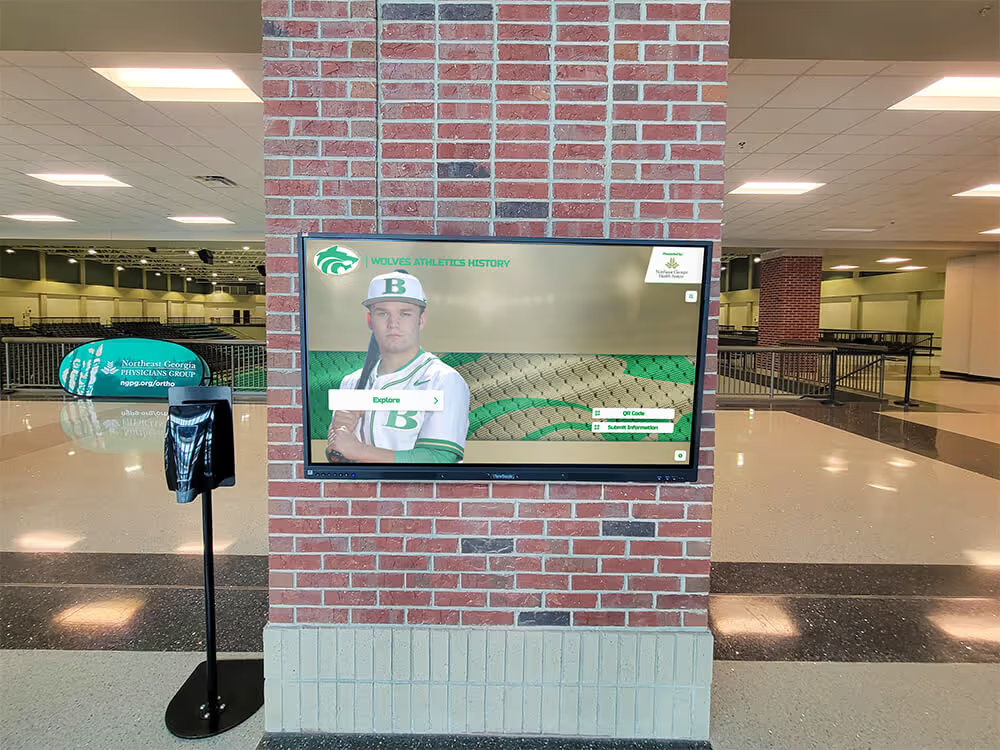
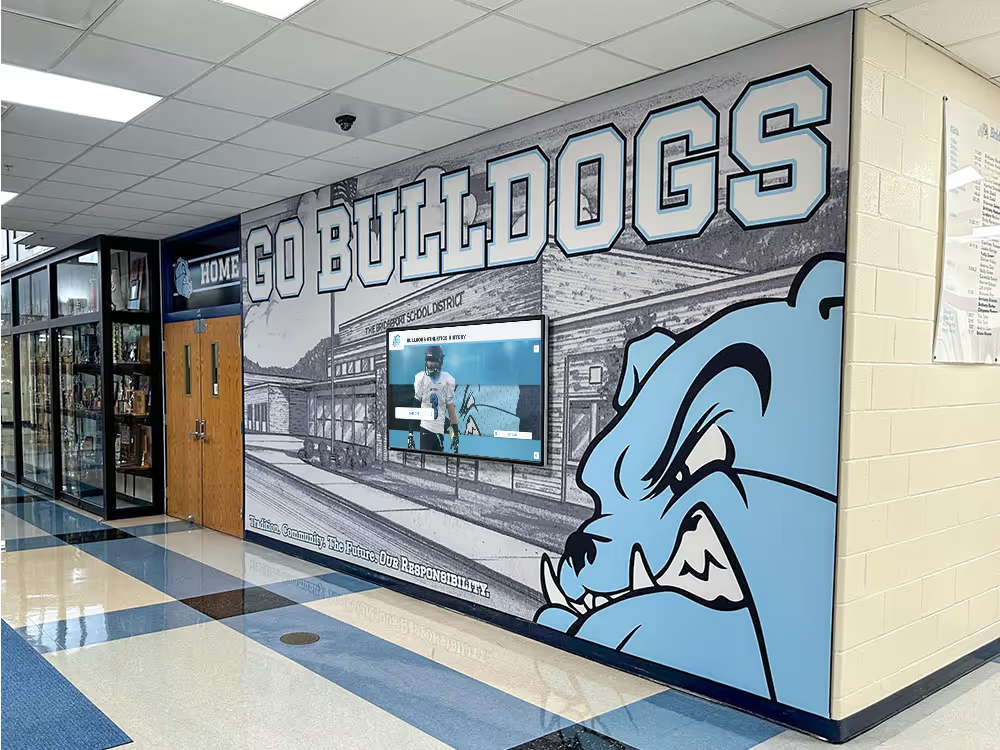
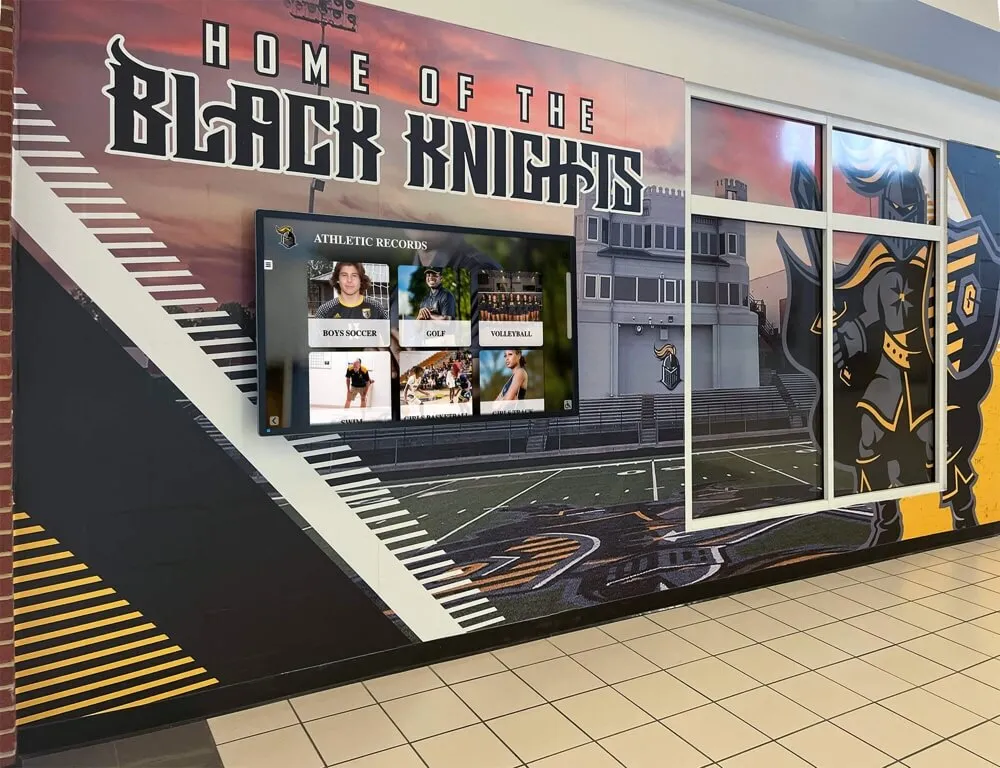
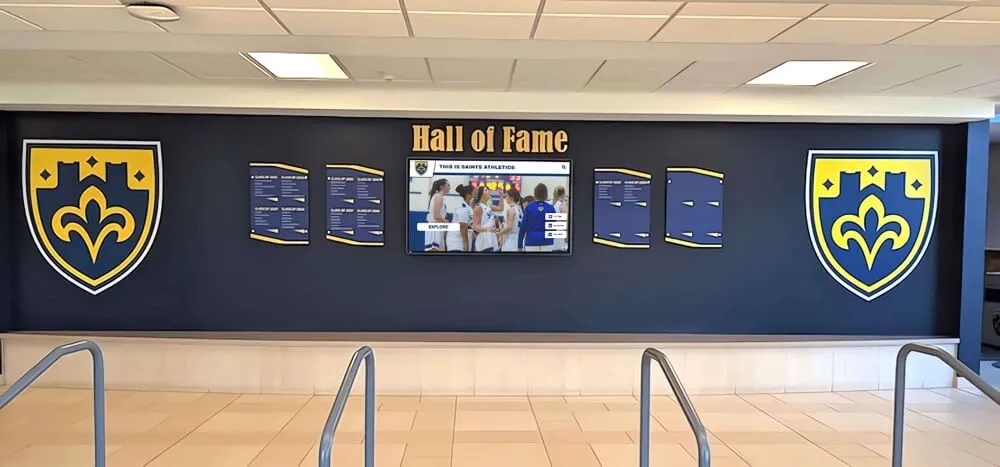
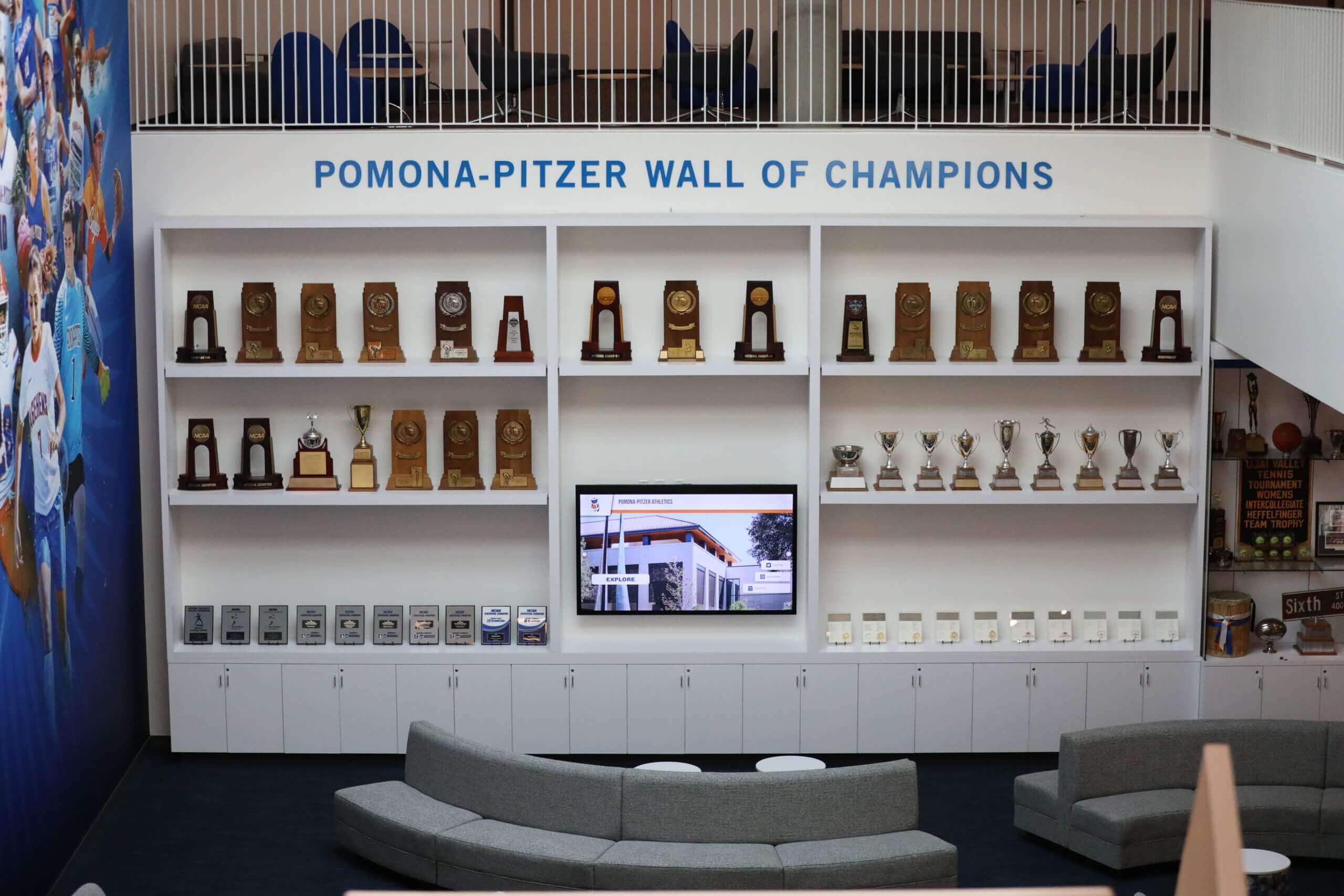
Modern athletic recognition approaches offer significant advantages. Digital displays eliminate physical space constraints, accommodating unlimited achievements without storage limitations. Web-accessible recognition extends visibility beyond those who can attend ceremonies, reaching alumni, extended families, and prospective athletes researching programs. Multimedia content including photos, videos, and detailed statistics provides comprehensive documentation impossible with simple trophies or plaques.
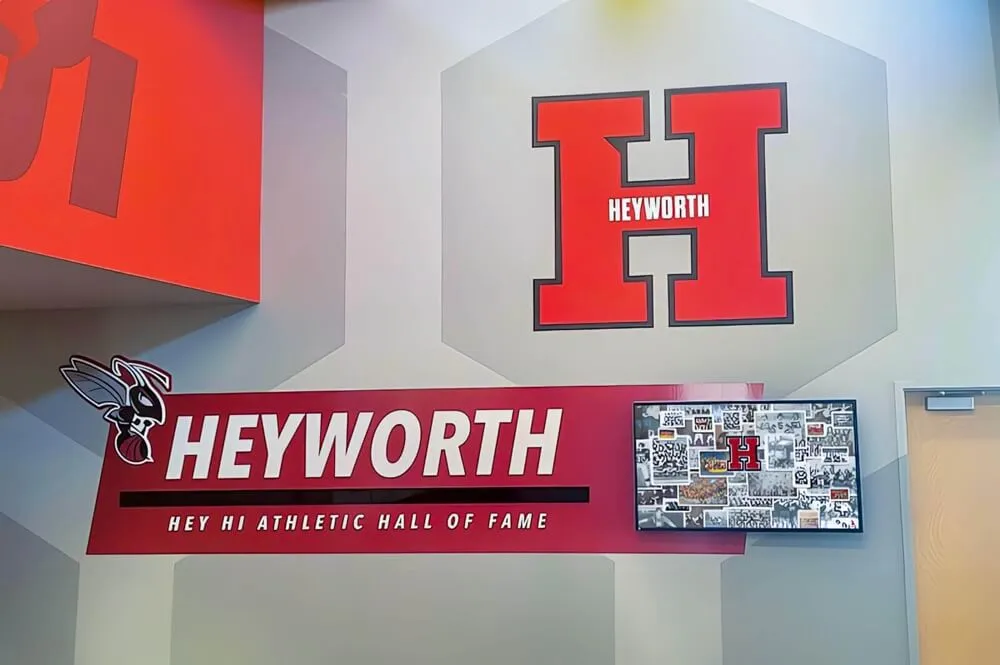
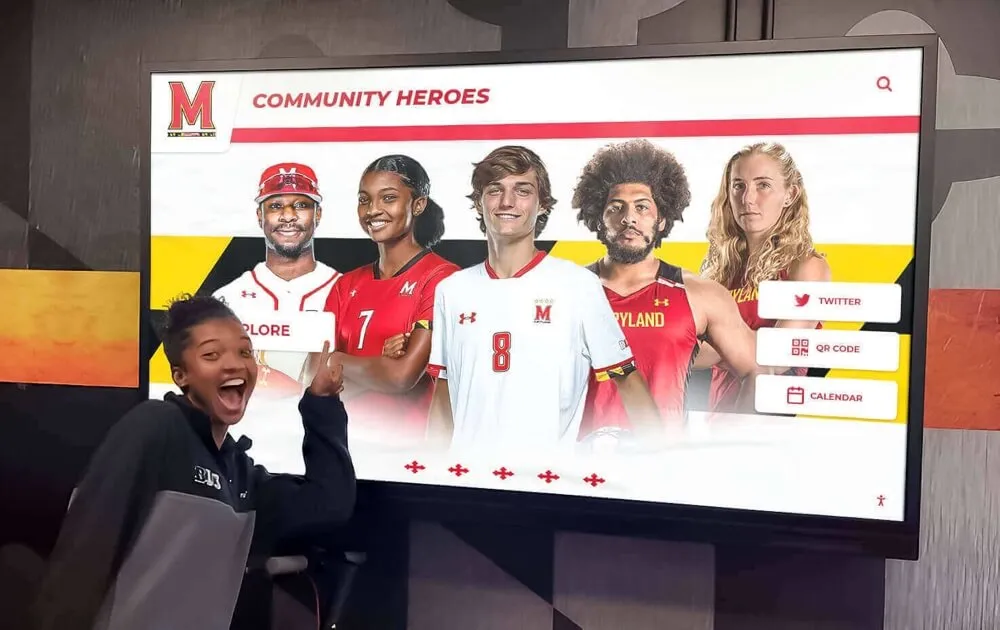
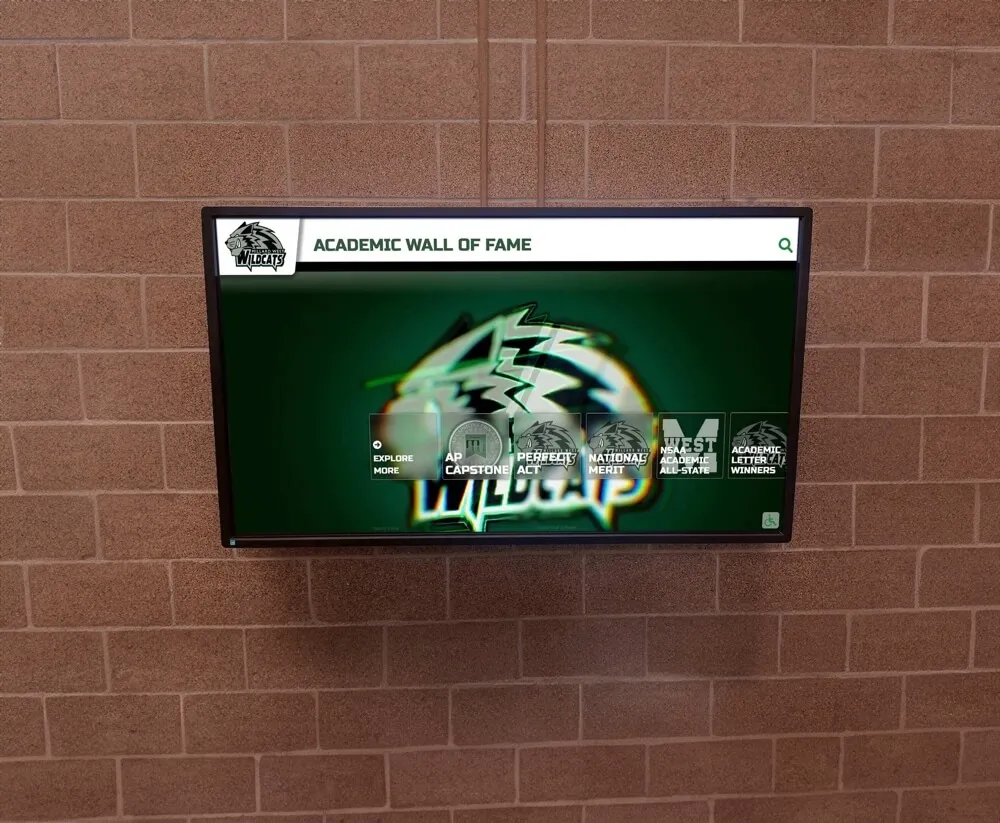
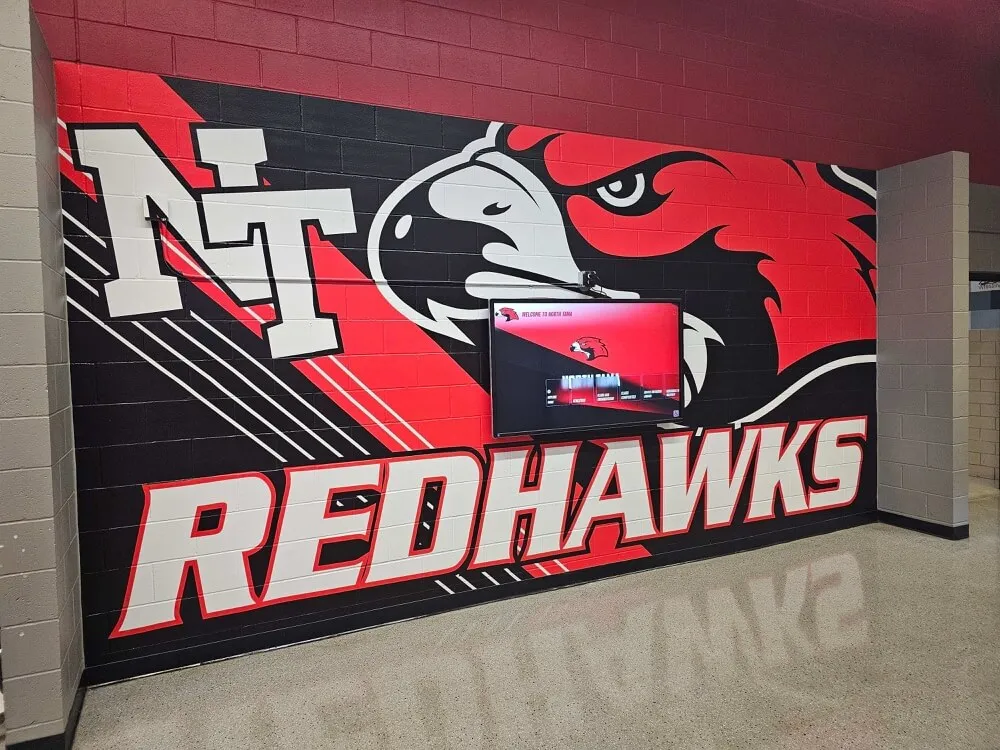
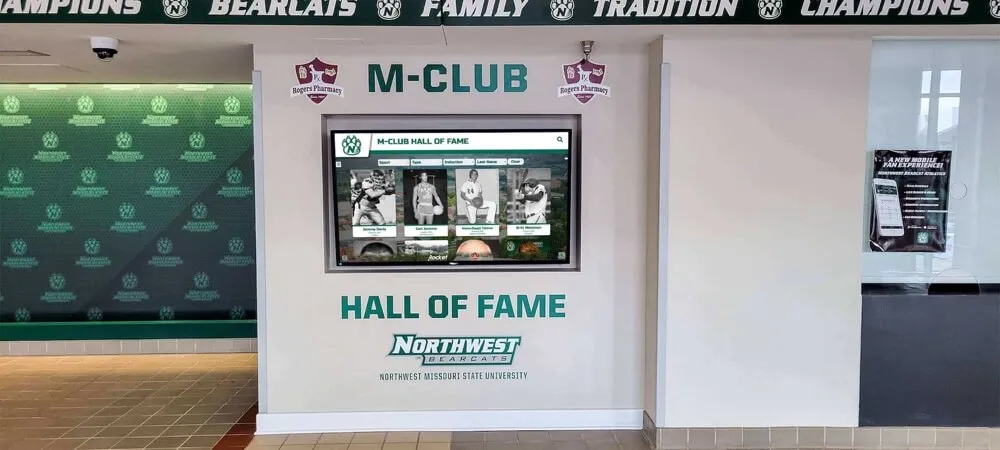
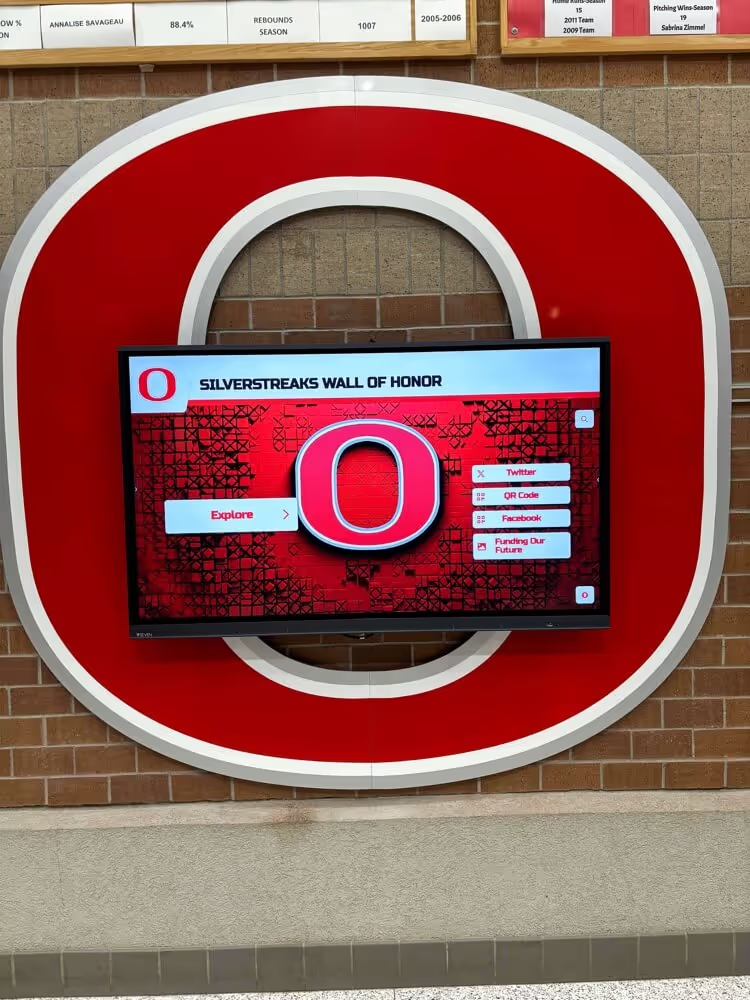
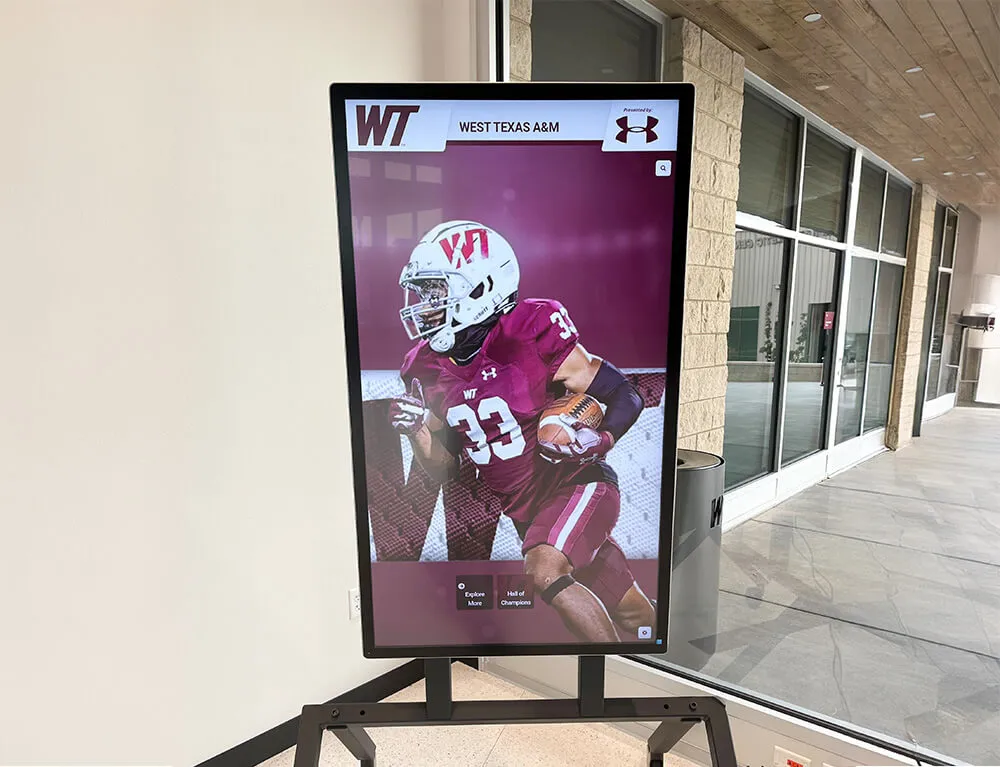
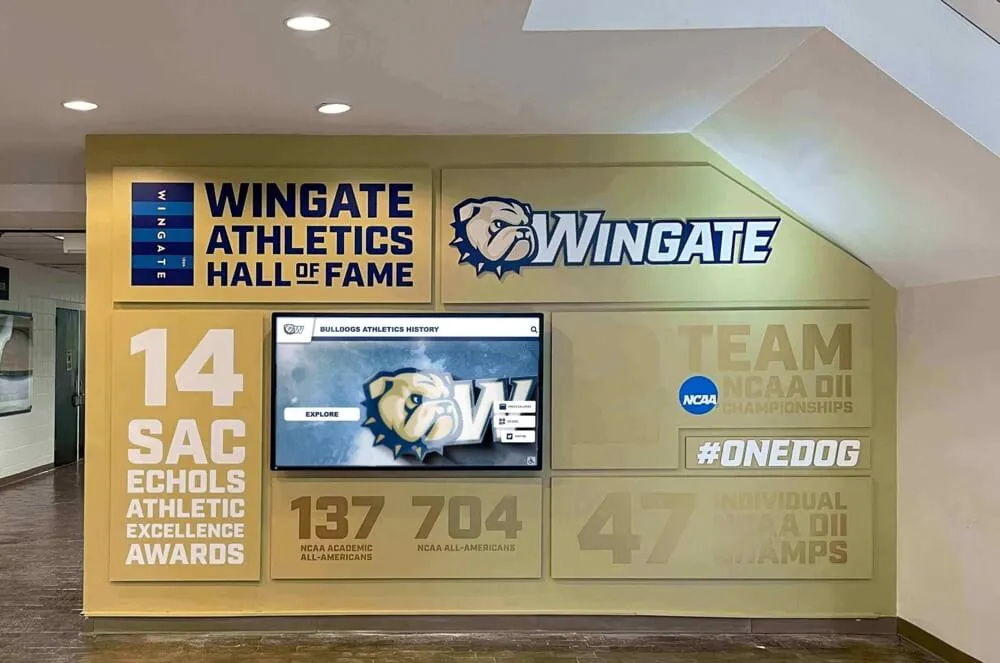
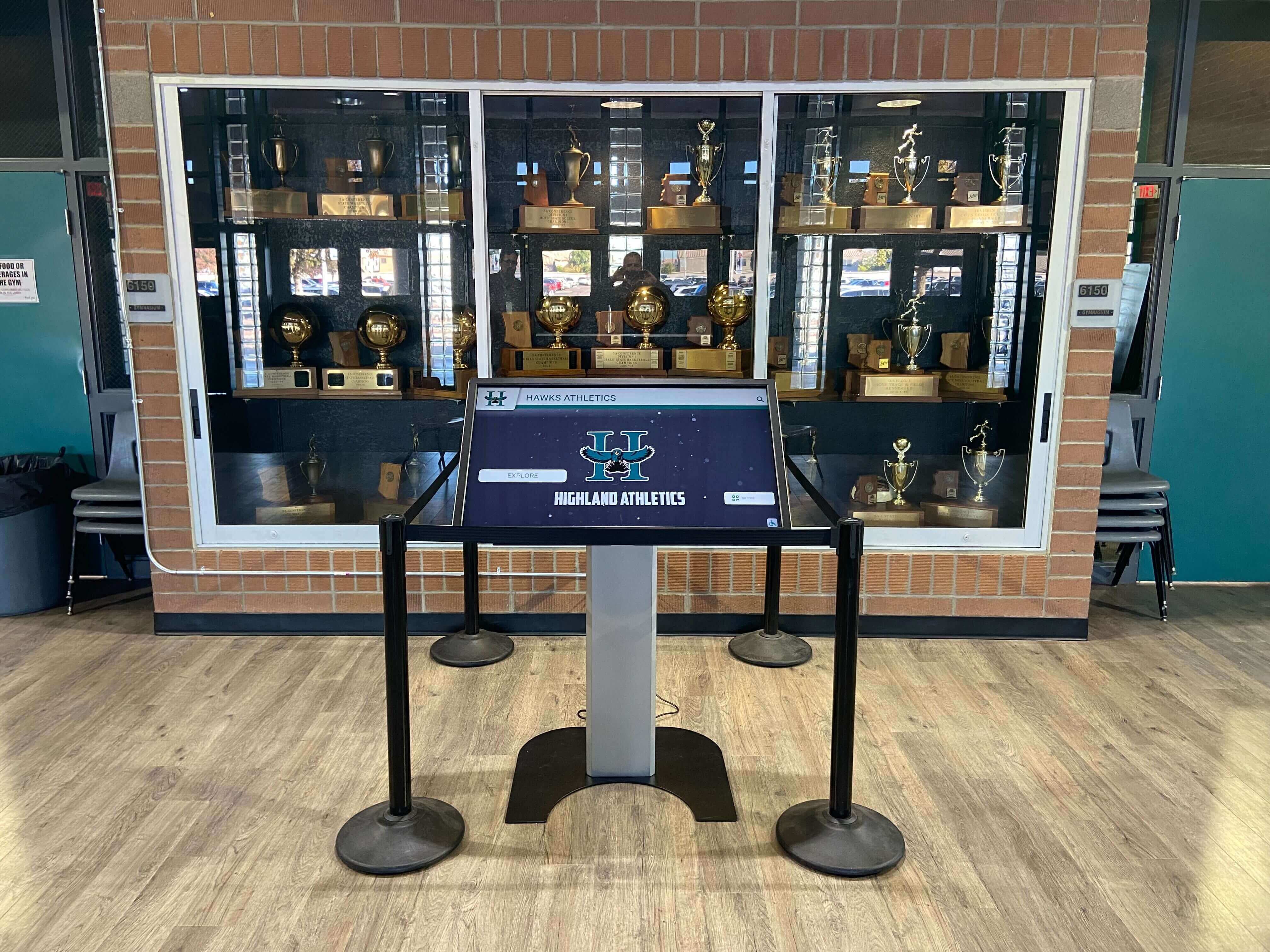
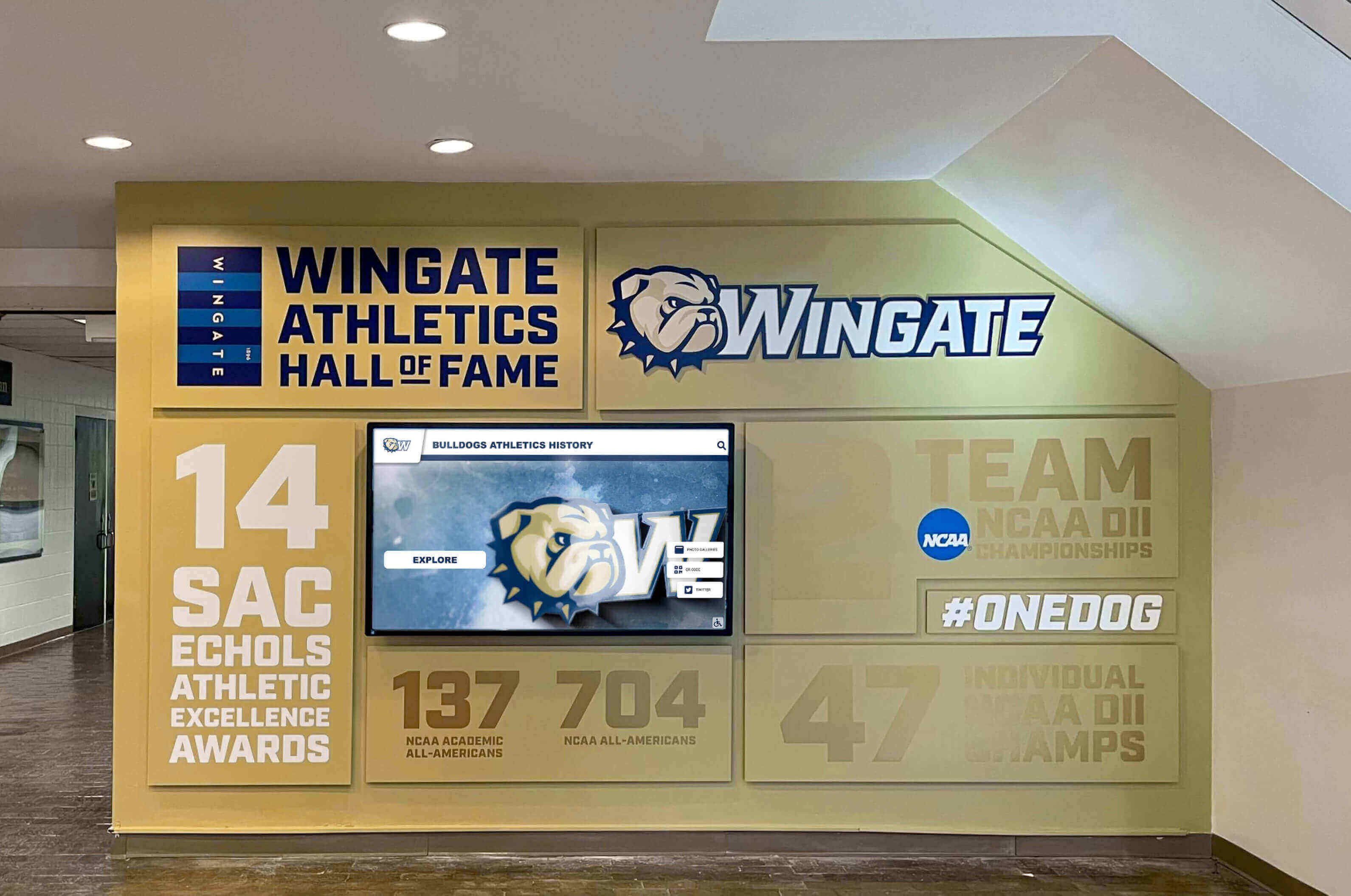
Schools implementing comprehensive recognition should view physical awards and digital displays as complementary rather than competing approaches. Athletes appreciate tangible trophies they can display at home while digital recognition provides permanent, searchable documentation accessible long after physical awards get stored away. Solutions like Rocket Alumni Solutions integrate physical touchscreen displays with web-based access, creating comprehensive recognition serving multiple purposes simultaneously.
20 Creative Sport End of Year Award Categories
Effective awards programs incorporate diverse recognition categories celebrating various dimensions of athletic excellence, character development, and team contribution. This comprehensive list provides traditional award ideas alongside creative alternatives that acknowledge contributions often overlooked in conventional recognition.
Achievement and Performance Awards
1. Most Valuable Player (MVP)
The most prestigious individual recognition honors the athlete contributing most significantly to team success throughout the season. MVP awards should consider comprehensive contributions including statistical performance, leadership impact, clutch performances in critical competitions, consistency across the season, and influence on team culture. Establish clear criteria preventing MVP selection from becoming mere popularity contests or defaulting automatically to top scorers without considering broader contributions.
2. Offensive Player of the Year
Recognition for athletes demonstrating exceptional offensive performance, production, or skill. Sport-specific criteria might include leading scorer in basketball, most goals in soccer, highest batting average in baseball, or fastest times in swimming. Offensive recognition validates athletes who consistently produce results while motivating others to pursue similar achievement levels.
3. Defensive Player of the Year
Acknowledgment for athletes excelling in defensive roles often receiving less attention than offensive stars. Recognition for defensive excellence communicates that programs value all aspects of competition, not just scoring or offensive production. Defensive awards particularly matter in team sports where exceptional individual defense enables overall success.
4. Most Improved Player
Recognition celebrating athletes demonstrating the greatest skill development or performance improvement throughout the season. Most Improved awards validate growth mindsets, reward dedication to improvement, and acknowledge that progress matters regardless of absolute performance levels. This category proves especially meaningful for younger athletes or those overcoming initial struggles.
5. Rookie of the Year / Freshman Award
Acknowledgment for first-year athletes making significant immediate impact or demonstrating exceptional promise. Rookie recognition creates achievable targets for new team members while celebrating successful transitions into program cultures and competition levels. This award communicates that programs notice and value contributions from athletes at all experience levels.
Character and Leadership Awards
6. Sportsmanship Award
Recognition for athletes consistently demonstrating positive conduct, respect for opponents and officials, grace in victory and defeat, and embodiment of fair play principles. Sportsmanship awards communicate that programs value character alongside competitive achievement. Selection criteria should include coach observations, official feedback, opponent respect, and peer nominations ensuring comprehensive assessment beyond single memorable moments.
7. Leadership Award / Captain’s Award
Acknowledgment for athletes providing exceptional leadership influencing team culture, motivation, and success. Leadership recognition should consider both designated captains and informal leaders who positively impact teammates regardless of official titles. Effective criteria address on-field leadership during competitions, practice leadership maintaining standards and effort, mentorship of younger athletes, and representation of program values in school and community contexts.
8. Most Dedicated Athlete / Heart Award
Recognition celebrating athletes demonstrating extraordinary commitment, work ethic, persistence through adversity, and dedication to team success regardless of playing time or statistical achievement. Dedication awards validate that effort matters even when results remain elusive. These honors prove particularly meaningful for athletes who contributed significantly through practice intensity, supportive presence, or behind-the-scenes work without receiving extensive playing opportunities.
9. Team MVP / Unsung Hero Award
Acknowledgment for athletes making essential contributions to team success through roles often overlooked in traditional recognition. Team MVP awards might honor practice players who elevate daily training intensity, athletes who sacrifice personal statistics for team success, or individuals strengthening team chemistry and morale. This recognition communicates understanding that visible achievement requires invisible contributions.
10. Best Teammate Award
Recognition for athletes who consistently support, encourage, and positively influence fellow team members. Best Teammate awards often incorporate peer nominations ensuring athletes themselves identify who most contributed to positive team culture. This acknowledgment validates interpersonal contributions and reinforces that being a good teammate represents a valued achievement beyond individual performance.
Specialized Recognition Categories
11. Academic Achievement Award / Scholar-Athlete Recognition
Acknowledgment celebrating athletes balancing athletic commitment with exceptional academic performance. Academic awards typically require minimum GPA thresholds—commonly 3.5 or higher—while considering the challenge of maintaining scholarship alongside athletic demands. This recognition communicates that programs value well-rounded development and academic success alongside athletic achievement. Schools can expand recognition through comprehensive academic recognition programs celebrating scholarly excellence across athletic and non-athletic students.
12. Coaches’ Award
Special recognition selected entirely by coaching staffs honoring athletes embodying program values, demonstrating exceptional coachability, or making unique contributions coaches particularly appreciate. Coaches’ Awards prove especially meaningful because they come directly from those who worked most closely with athletes throughout seasons. Selection explanations describing specifically why coaches chose recipients enhance award significance.
13. Comeback Athlete of the Year
Recognition for athletes overcoming significant adversity including injury recovery, illness, personal challenges, or performance slumps to return successfully to competition. Comeback awards celebrate resilience, perseverance, and determination—qualities valuable far beyond athletic contexts. These honors communicate that setbacks don’t define athletes and that programs support those facing difficulties.
14. Community Service / Citizenship Award
Acknowledgment for athletes contributing significantly to community service initiatives, charitable activities, youth mentorship, or positive school citizenship. Community awards recognize that athletic programs connect to broader communities and that student-athletes serve as role models beyond competition contexts. Selection criteria should require documented service hours or specific community contributions rather than general reputation.
15. Breakout Performance Award
Recognition for single exceptional performances during critical competitions—clutch playoff performances, championship-winning plays, record-breaking achievements, or unexpectedly dominant individual competitions. Breakout awards celebrate memorable moments athletes and teams will remember for years. Document these performances with photos, videos, or detailed statistics preserving memories permanently.
Team and Program Recognition
16. Team Captain Recognition
Formal acknowledgment for athletes selected as team leaders, honoring their willingness to accept leadership responsibility and contributions throughout seasons. Captain recognition should occur regardless of team success, validating that leadership matters even when competitive results disappoint. Consider distinctive awards or privileges distinguishing captains from general team members.
17. Perfect Attendance / Ironman Award
Recognition for athletes attending every practice, competition, team meeting, and required activity throughout entire seasons. Attendance awards validate commitment and reliability while acknowledging that consistent presence enables skill development and team bonding. Establish clear criteria defining what qualifies as attendance and what circumstances (illness, family emergencies, school requirements) constitute excused absences.
18. Statistical Achievement Awards
Recognition for athletes achieving specific statistical milestones—1,000 career points, school records, single-season achievement benchmarks, or performance standards. Statistical awards provide objective recognition criteria while creating historical documentation of exceptional individual achievement. Track records systematically enabling recognition when athletes surpass thresholds coaches may not immediately notice. Schools implementing digital athletic record boards can automatically identify record-breaking performances requiring special recognition.
19. Future Star / Rising Talent Award
Recognition for younger athletes demonstrating exceptional potential, rapid skill development, or readiness for increased roles in future seasons. Future Star awards create positive momentum as athletes transition into subsequent seasons while acknowledging promise even when current contributions remained limited. This recognition particularly benefits underclassmen who contributed primarily on junior varsity or developmental levels.
20. Legacy / Senior Recognition
Comprehensive acknowledgment celebrating graduating seniors’ complete athletic careers, cumulative contributions to programs, and transitions into post-high-school futures. Senior recognition should be universal—all graduating athletes receive acknowledgment regardless of playing time or statistical achievement, honoring their investment in programs throughout their school careers. Consider individualized presentations highlighting specific memories, achievements, or contributions making each senior’s experience unique.
Planning Effective Sport Awards Ceremonies
Recognition becomes meaningful partly through how you present it. Thoughtful ceremony planning creates memorable experiences elevating awards beyond simple trophy distribution into celebrations athletes remember for years.
Ceremony Format and Structure Options
Traditional Banquet Format
Formal evening events featuring dinner, speeches, presentations, and social time create prestigious ceremonies families and athletes anticipate. Banquets work particularly well for large programs wanting comprehensive recognition of all athletes across multiple teams. Typical banquet structure includes social/reception time, dinner service, formal presentations with coaching remarks for each team, major award presentations, closing remarks, and informal socializing afterward.
Banquets require significant advance planning including venue booking, catering coordination, invitation distribution, seating arrangements, program development, audiovisual setup, and financial planning. Budget typically $15-$40 per person depending on venue, catering choices, and geographic location. Start planning 8-10 weeks before events ensuring adequate preparation time.
Team-Specific Recognition Events
Individual team celebrations provide more intimate recognition while reducing logistical complexity compared to department-wide banquets. Team-level events enable deeper focus on season highlights, individual athlete contributions, and team-specific memories. Format options include pizza parties at local restaurants, picnics at community facilities, potluck gatherings at team members’ homes, or classroom-based presentations.
Team events work particularly well for smaller sports programs or schools wanting to maintain distinct team identities rather than generic athletic department recognition. Coaches can share detailed season reflections and individual athlete acknowledgments impossible in large-scale banquets covering numerous teams.
Assembly or School-Based Presentations
School-wide assemblies or grade-level presentations provide public recognition maximizing visibility among peer communities. Assembly presentations work especially well when paired with other recognition ceremonies enabling athletes to receive acknowledgment from peers during school alongside more intimate team or banquet celebrations.
Brief assembly presentations should focus on major awards, championship celebrations, and school record achievements rather than attempting comprehensive recognition of all athletes and awards. Reserve detailed individual recognition for team events where time constraints don’t limit meaningful acknowledgment.
Hybrid Digital and Physical Recognition
Modern recognition increasingly combines physical ceremonies with digital platforms extending acknowledgment beyond single-evening events. Schools can live-stream ceremonies enabling family members unable to attend in person to participate virtually. Post-ceremony, upload photos, videos, and award lists to digital displays or websites creating permanent accessible documentation.
Digital platforms like comprehensive athletic recognition displays preserve recognition permanently while making it searchable and accessible to alumni, prospective athletes, and community members who never attended ceremonies. This hybrid approach maximizes both the emotional impact of live celebration and the lasting accessibility of digital documentation.
Pre-Ceremony Planning and Logistics
Establishing Timeline and Responsibilities
Successful ceremonies require systematic planning across multiple weeks. Create comprehensive timelines assigning specific responsibilities to coaching staff, athletic directors, parent volunteers, or student helpers. Key planning tasks include:
8-10 Weeks Before:
- Set ceremony date, time, and location
- Establish budget and funding sources
- Form planning committee if needed
- Begin award category and criteria finalization
6-8 Weeks Before:
- Order physical awards or trophies
- Book venue and catering if applicable
- Create invitation lists and contact information
- Begin nomination or voting processes for selective awards
4-6 Weeks Before:
- Distribute invitations to athletes and families
- Finalize award recipients for all categories
- Begin program development and printing
- Coordinate audiovisual needs and setup
- Plan speeches and presentation remarks
2-4 Weeks Before:
- Confirm attendance numbers for planning purposes
- Finalize and print programs
- Arrange decorations and room setup
- Prepare presentation materials (videos, slideshows, graphics)
- Conduct rehearsal or walk-through if needed
Week Before:
- Confirm catering and venue details
- Verify all awards arrived and are properly labeled
- Finalize presentation order and timing
- Brief all speakers and presenters
- Prepare welcome remarks and transitions
Award Selection and Nomination Processes
Transparent, fair award selection proves essential for maintaining program credibility and athlete trust. Different awards require different selection approaches:
Coach-Selected Awards: Coaching staffs determine recipients for most team awards including MVP, Most Improved, Coaches’ Awards, and leadership recognition. Coach selection enables consideration of practice contributions, intangible impacts, and qualities visible primarily to those working directly with athletes daily.
Peer-Nominated Awards: Team votes work effectively for Best Teammate, Sportsmanship, or leadership awards where peer perspective matters significantly. Conduct votes anonymously enabling honest feedback without social pressure. Consider weighted voting where coaches’ selections count heavily alongside peer nominations preventing pure popularity contests.
Objective Criteria Awards: Statistical achievements, attendance recognition, and academic awards require no selection process—objective criteria automatically determine recipients. Establish thresholds clearly and calculate achievements consistently ensuring fairness.
Committee Selection: Some schools form award selection committees including multiple coaches, athletic directors, and possibly administrators for major recognitions like Athlete of the Year or department-wide honors. Committee approaches prevent single-person bias while incorporating diverse perspectives.
Document selection criteria and processes transparently in program handbooks or websites enabling athletes and families to understand how decisions occur even when specific deliberations remain confidential.
Creating Memorable Recognition Moments
Personalized Presentations and Remarks
Generic award presentations listing names and handing trophies miss opportunities to create meaningful moments. Effective presentations include:
Specific Achievement Description: Explain exactly why recipients earned recognition with concrete examples, memorable moments, or statistical evidence. Instead of “Sarah wins Most Improved,” say “Sarah improved her 5K time by 90 seconds this season, dropping from 24:30 to 23:00, while moving from JV to our varsity runner.”
Coaching Perspective: Share what coaches observed about athletes’ development, contributions, or character throughout seasons. Personal anecdotes create emotional resonance while validating that recognition reflects genuine coach appreciation.
Impact Acknowledgment: Describe how recipients influenced team culture, motivated teammates, or contributed to collective success beyond individual statistics. This context elevates recognition beyond personal achievement to acknowledge broader program impact.
Multimedia Enhancements
Visual presentations transform recognition into engaging experiences rather than passive trophy distribution:
Season Highlight Videos: Compile video footage showing team achievements, memorable moments, exciting plays, and behind-the-scenes experiences. Videos create shared emotional experiences reminding everyone why seasons mattered beyond competitive results.
Photo Slideshows: Display action photos, team photos, candid practice moments, and celebration images while coaches present remarks or during meal portions of banquets. Photos trigger memories and demonstrate institutional commitment to documenting experiences.
Individual Athlete Profiles: For major awards, create brief video packages or slideshow segments featuring recipients with photos, video clips, statistics, and quotes from coaches or teammates. Personalized profiles communicate that recognition reflects thoughtful consideration rather than routine decisions.
Family Involvement
Recognition becomes particularly meaningful when families participate in celebration. Create opportunities for family engagement:
Presentation Participation: Invite family members to present certain awards, particularly senior recognition or special achievement milestones. Parents appreciate opportunities to participate directly in honoring their children.
Photo Opportunities: Arrange designated photo areas where families can capture memories with athletes holding awards. Professional photography or designated volunteer photographers can document these moments systematically.
Family Remarks: Consider inviting parents to share brief remarks about their athletes, particularly for senior recognition or special circumstances like comeback awards after injury.
Recognition Sharing: Provide digital copies of photos, videos, and programs enabling families to share recognition through social media or preserve memories. Digital certificates or graphics families can post online extend celebration beyond physical ceremonies.
Implementing Digital Recognition for Lasting Impact
While traditional ceremonies create memorable moments, recognition truly endures when preserved in accessible, permanent formats extending acknowledgment beyond single evenings into ongoing institutional memory.
The Case for Digital Athletic Recognition Displays
Digital recognition platforms fundamentally transform how schools celebrate athletic achievement by eliminating constraints that limit traditional approaches:
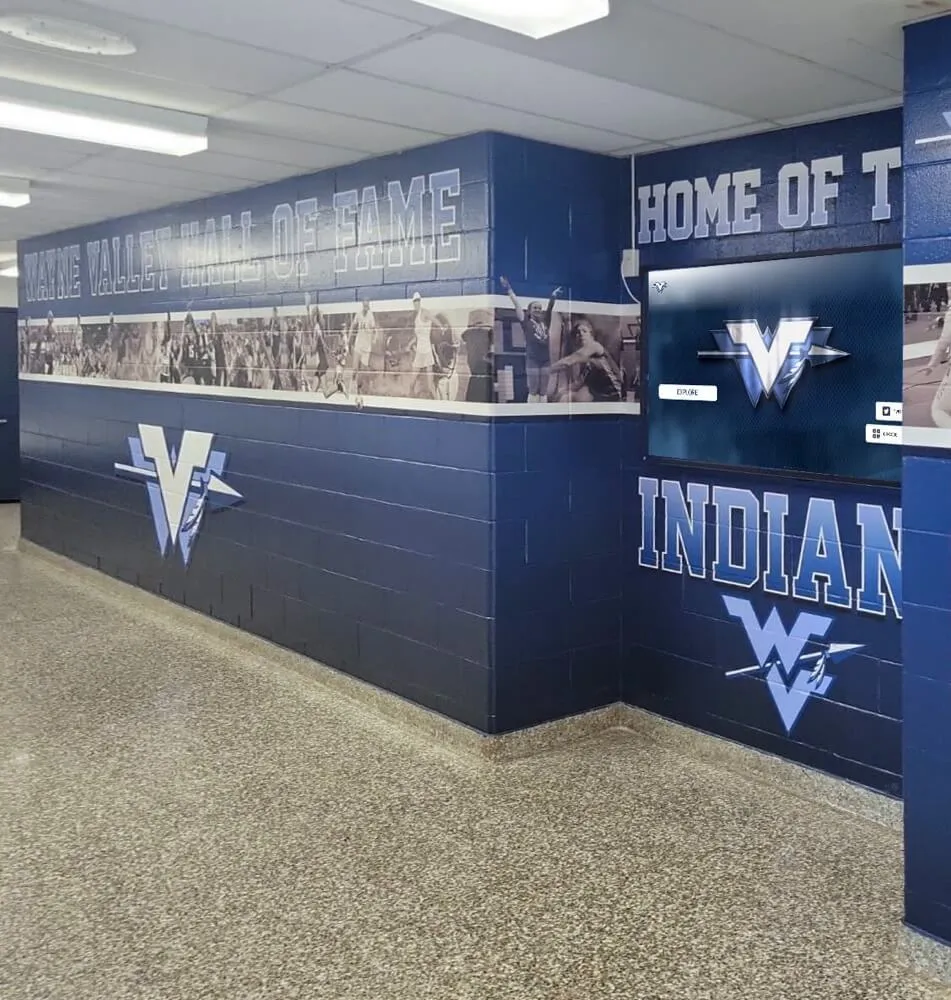
Unlimited Recognition Capacity: Physical trophy cases fill quickly, forcing difficult decisions about what receives display space and what gets stored away forgotten. Digital displays accommodate unlimited athletes, achievements, and historical records without space constraints. Every athlete who ever earned recognition can maintain permanent visibility rather than older achievements disappearing to make room for recent honorees.
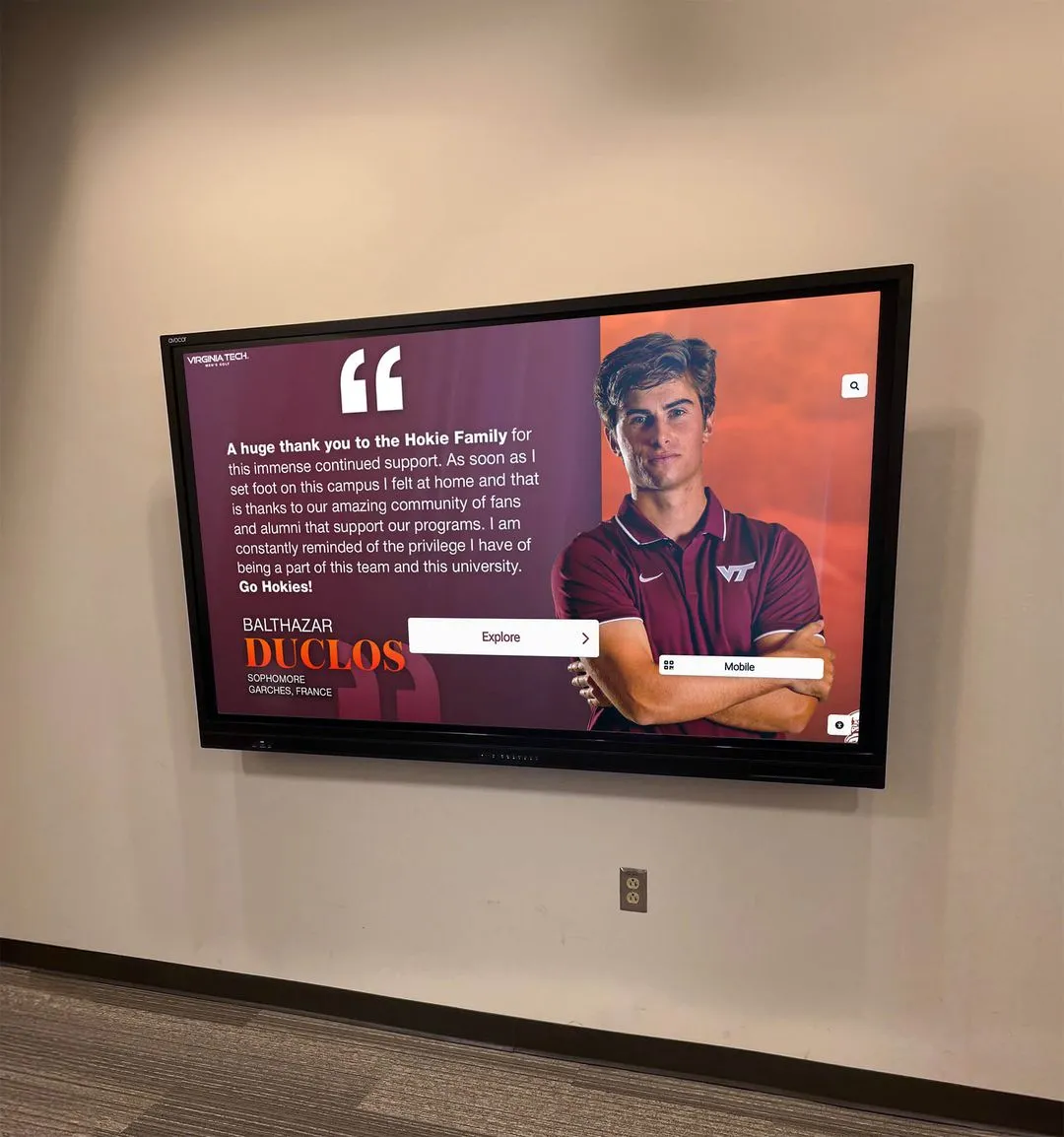
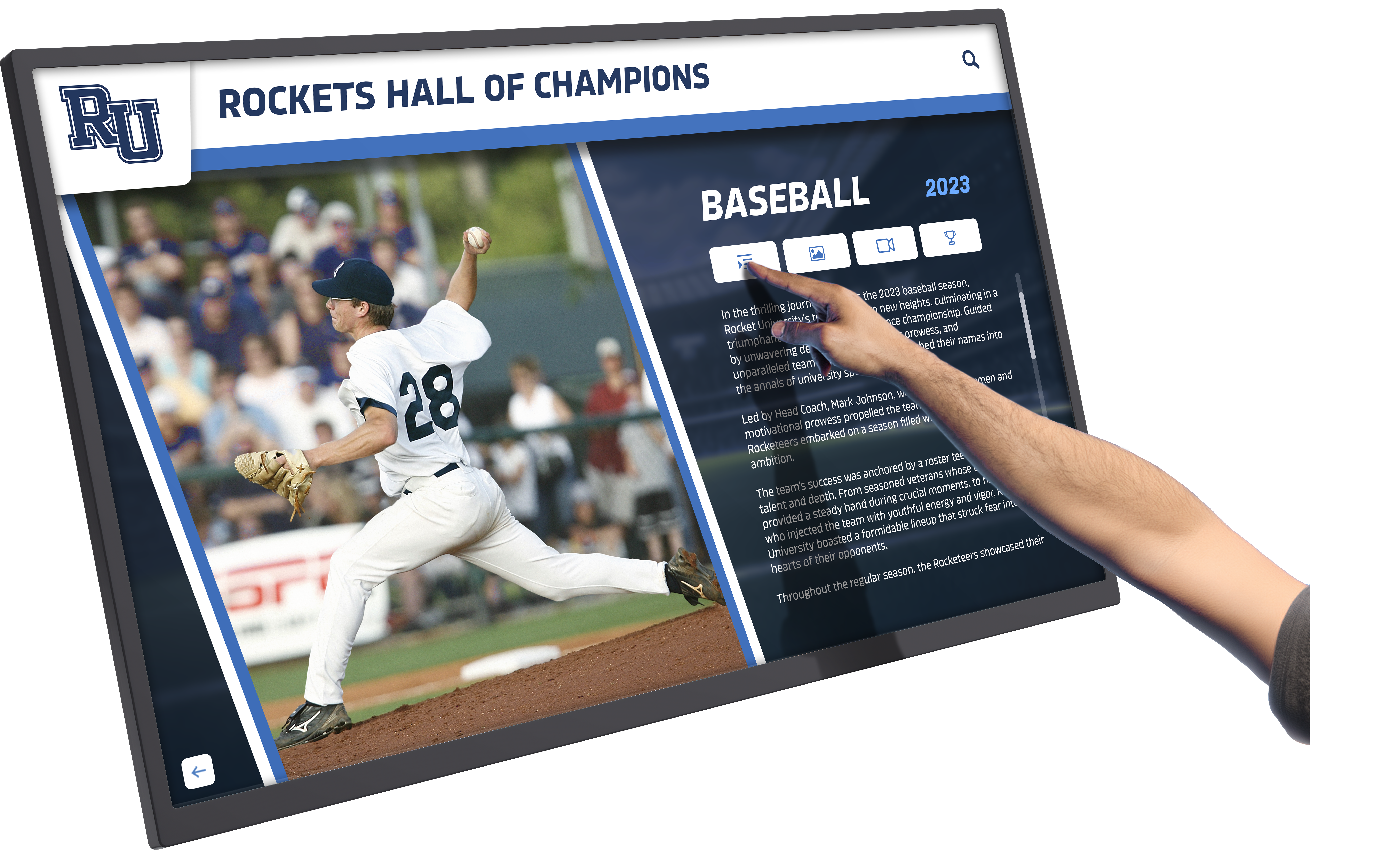
Rich Multimedia Documentation: Traditional plaques display names, years, and perhaps brief achievement descriptions. Digital platforms support comprehensive profiles including multiple photos showing athletes in action, detailed statistics documenting performance, biographical information providing context, video highlights capturing memorable moments, and complete achievement histories spanning multiple years.
Instant Updates and Real-Time Recognition: Traditional trophy fabrication requires weeks between ordering and installation, delaying recognition significantly. Digital systems update instantly—coaches can add new achievements within minutes of competitions, ensuring recognition happens immediately rather than waiting for physical materials. This immediacy proves particularly valuable for in-season recognition or breaking news achievements.
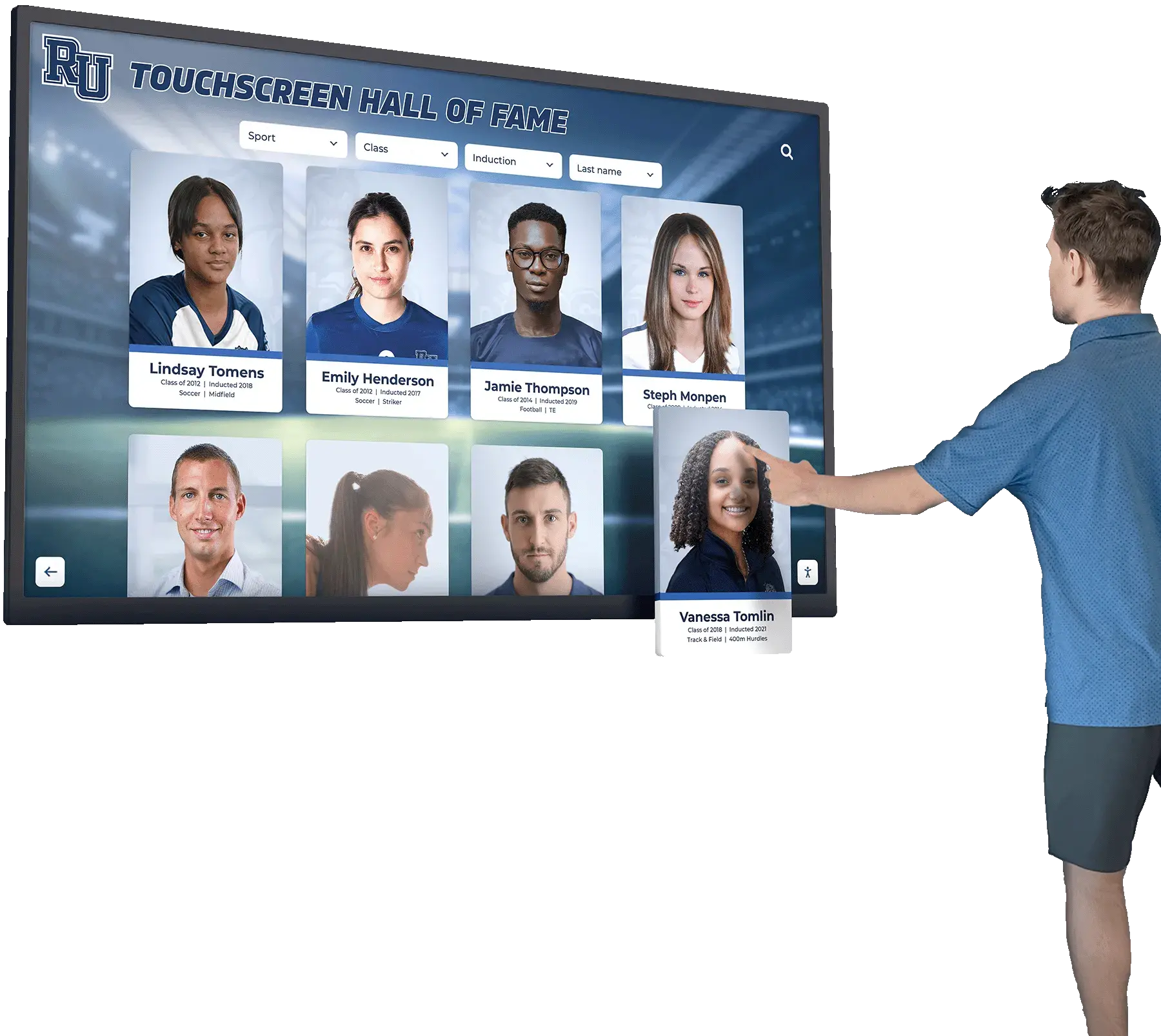
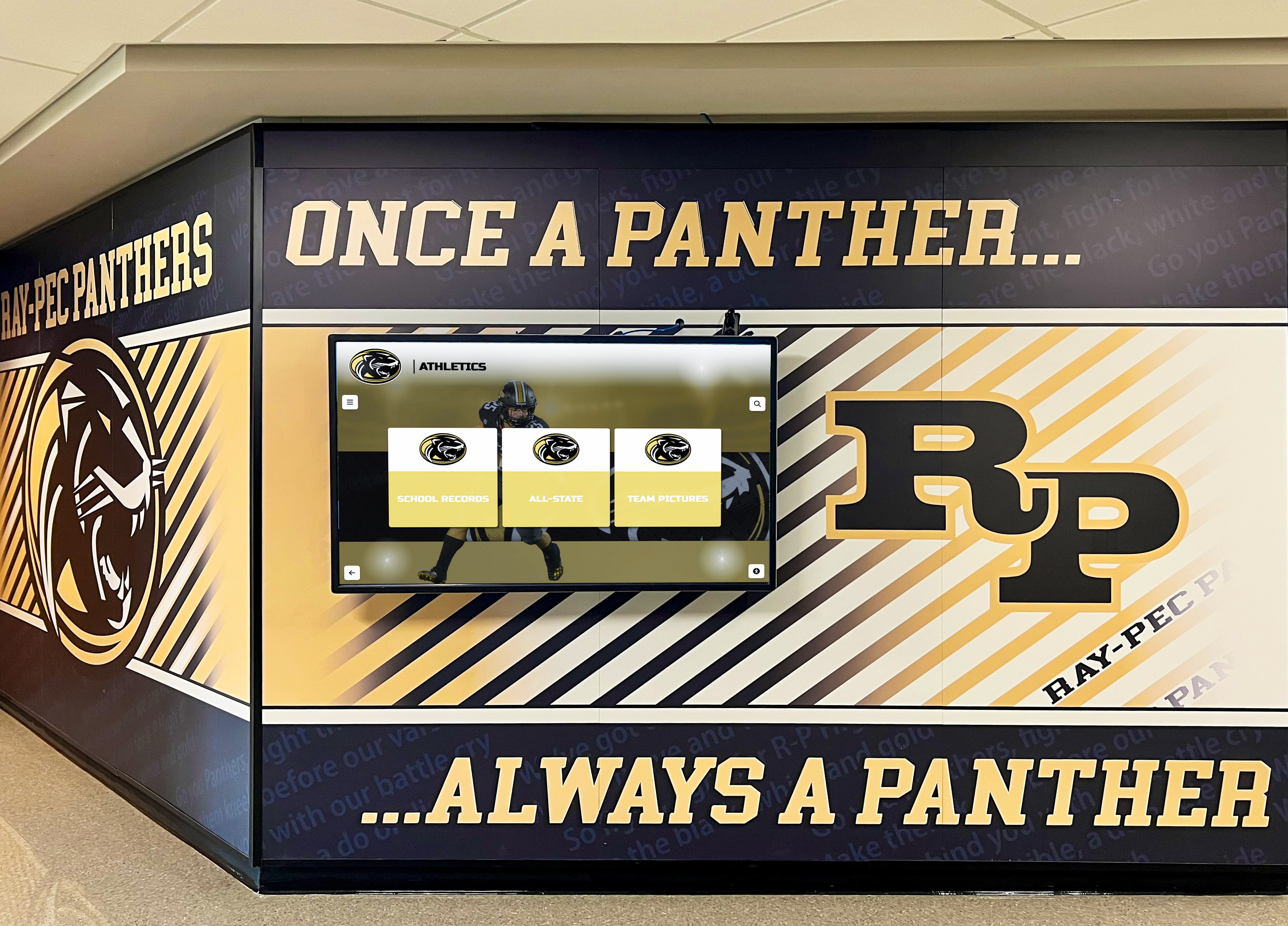
Interactive Exploration and Search: Physical displays require visitors to browse sequentially through whatever arrangement exists. Digital touchscreen systems enable interactive exploration where anyone can search specific athletes by name, filter achievements by sport or year, browse complete team histories, or discover records and statistical leaders. This searchability makes recognition genuinely accessible rather than dependent on chance encounters with specific physical displays.
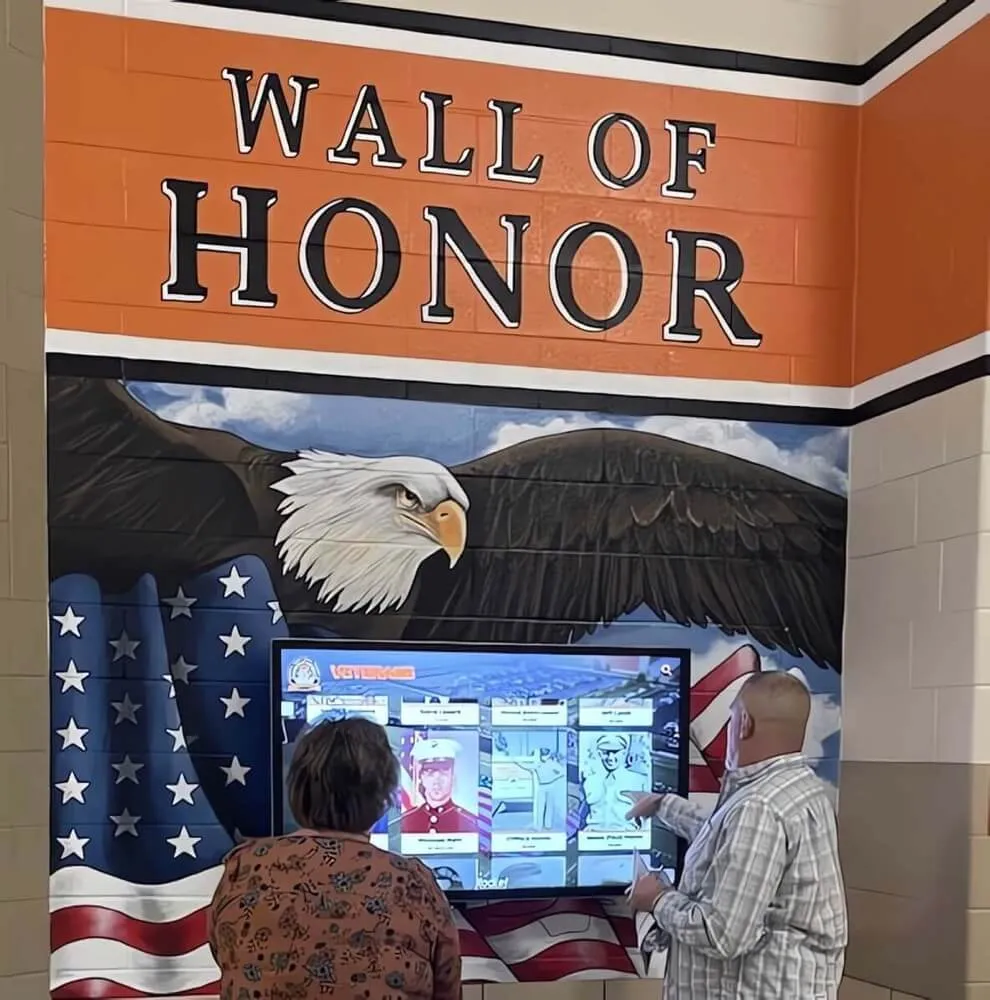
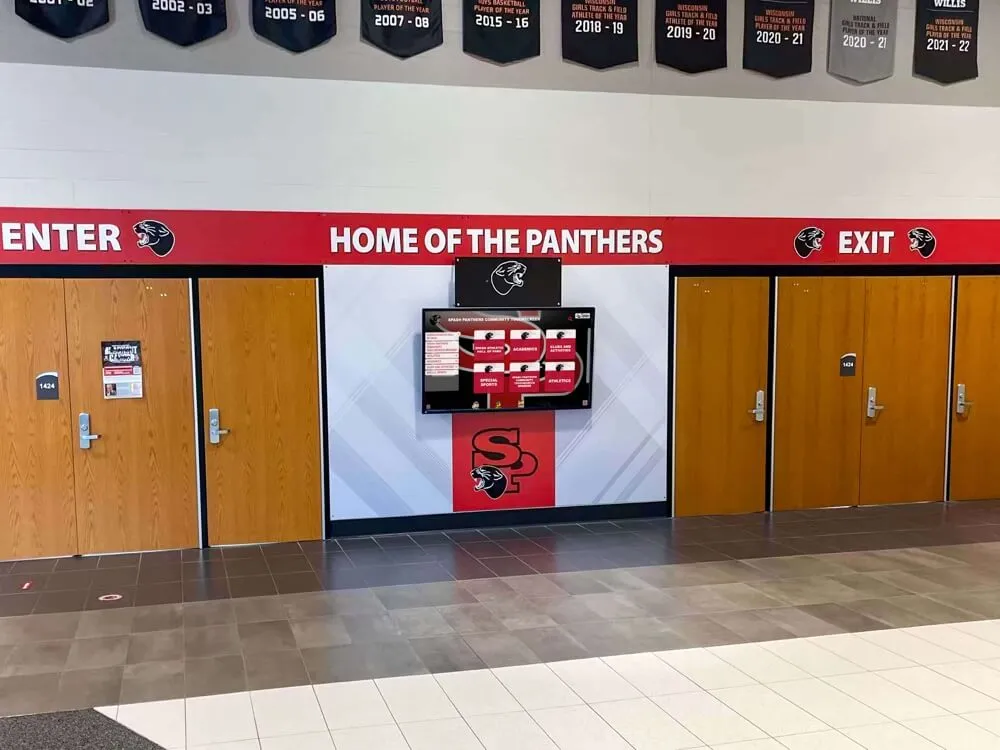
Schools implementing touchscreen digital recognition systems create destination experiences that athletes, families, alumni, and prospective recruits actively seek out rather than passive displays people occasionally notice while passing.
Combining Physical Awards with Digital Documentation
The most comprehensive recognition strategies integrate tangible physical awards with permanent digital documentation, leveraging advantages of both approaches:
Physical Trophies for Personal Connection: Athletes appreciate tangible awards they can display at home, maintaining physical reminders of achievements throughout their lives. Trophies, plaques, medals, or certificates provide personal ownership of recognition in ways purely digital displays cannot.
Digital Displays for Institutional Preservation: Schools benefit from digital platforms preserving institutional history permanently, creating searchable archives accessible to current students, alumni, and community members decades after physical awards leave campus with graduating athletes.
Integrated Systems Eliminating Duplicate Work: Purpose-built solutions like Rocket Alumni Solutions enable schools to manage content once—creating athlete profiles, uploading achievements, adding photos and statistics—with that information powering both digital displays and printed certificates or programs. This integration eliminates managing separate physical and digital systems while ensuring consistency across recognition formats.
Web Access Extending Geographic Reach: Physical displays and in-person ceremonies serve on-campus communities. Web-accessible recognition reaches alumni who’ve moved away, extended family members unable to attend ceremonies, prospective athletes researching programs from distance, and community members following athletic programs remotely. This geographic extension amplifies recognition impact exponentially.
Content Strategies for Effective Digital Recognition
Digital platforms require thoughtful content strategies maximizing recognition effectiveness:
Comprehensive Historical Documentation
Document athletic achievement systematically across years and decades rather than only recent seasons. Historical content creates perspective showing current athletes how they connect to program traditions, provides research material for anniversary celebrations or commemorative projects, engages alumni discovering their own historical recognition, and establishes institutional memory surviving coaching changes or administrative turnover.
Begin with recent achievable history—perhaps the last 5-10 years—then systematically expand backward as resources permit. Schools with decades of trophies stored in closets, boxes of old programs, archived newspapers, or yearbook photos possess rich historical material waiting for digital preservation.
Rich Individual Athlete Profiles
Move beyond simple achievement listings to comprehensive profiles celebrating athletes holistically. Effective profiles include multiple high-quality photos showing athletes in action, formal portraits, team contexts, and memorable moments; detailed statistics appropriate to their sports documenting performance comprehensively; biographical information about backgrounds, college destinations, or post-graduation paths; coaching quotes describing contributions, character, or memorable qualities; and achievement timelines showing progression and development across seasons.
This depth transforms recognition from impersonal data displays into genuine tributes honoring athletes as complete individuals rather than statistical abstractions.
Regular Updates Maintaining Currency
Digital recognition remains valuable only when content stays current. Establish sustainable update workflows ensuring:
Post-Season Updates: Add new award recipients, statistical achievements, and championship recognition within days or weeks of season conclusions while information remains fresh and readily available.
Record-Breaking Recognition: Update record boards immediately when athletes surpass existing marks, celebrating achievements in real-time rather than waiting for annual ceremonies.
Photo and Video Enhancement: Systematically add multimedia content as quality photos and videos become available throughout and after seasons. Digital platforms accommodate ongoing enrichment rather than requiring complete content at initial publication.
Alumni Updates: Encourage graduated athletes to submit updated information about college athletics, careers, or significant life achievements. Alumni connections strengthen program culture while demonstrating that recognition and relationships extend beyond graduation.
Leveraging Social Media for Award Amplification
Social media extends sport end of year awards beyond physical ceremonies and digital displays into spaces where athletes and families already spend time daily:
Individual Award Announcements: Create dedicated social media posts featuring each major award recipient with photos and brief achievement descriptions. Individual posts provide personal recognition while creating shareable content families can distribute through their own networks.
Ceremony Coverage and Highlights: Live-tweet or post photos during ceremonies creating real-time engagement for those unable to attend. Post-ceremony, share highlight photos, video clips, or complete award lists maintaining visibility beyond single-evening events.
Video Feature Content: Develop short video features interviewing award recipients about their seasons, achievements, and futures. Video content performs well on social platforms while honoring athletes meaningfully.
Alumni Throwback Recognition: Share historical achievements during anniversary weeks or throwback segments connecting current athletes to program history. Historical content engages alumni audiences while building tradition awareness among current participants.
Integration between digital displays, web platforms, and social media creates comprehensive recognition ecosystems where achievement receives acknowledgment across multiple channels reaching diverse audiences rather than depending on single communication methods.
Best Practices for Fair and Meaningful Award Selection
Award credibility depends entirely on selection fairness, transparency, and meaningful criteria distinguishing recipients based on genuine achievement or contribution rather than bias, favoritism, or arbitrary factors.
Establishing Clear Selection Criteria
Every award category requires clearly defined criteria explaining exactly what qualifies athletes for recognition and how selections occur. Documented criteria serve multiple purposes: enabling athletes to understand what programs value and what behaviors or achievements earn recognition, preventing perceptions of arbitrary or biased selection, facilitating consistent selection across different coaches or years, and providing frameworks for difficult decisions when multiple athletes deserve recognition.
Achievement-Based Criteria Documentation:
For awards recognizing athletic performance, specify whether selection emphasizes statistical achievement, overall contribution to team success, consistency across complete seasons, clutch performances in critical moments, or comprehensive excellence across multiple dimensions. Example criteria:
“MVP Award recognizes the athlete contributing most significantly to team success through combination of individual performance, leadership impact, consistency throughout the season, and influence on team culture. Selection considers statistics but emphasizes comprehensive contributions including intangible factors visible primarily to coaching staffs.”
Character-Based Criteria Documentation:
For awards recognizing sportsmanship, leadership, or team contribution, define what specific behaviors, qualities, or contributions constitute eligibility. Example criteria:
“Sportsmanship Award honors athletes demonstrating consistent positive conduct including respectful treatment of opponents and officials, grace in victory and defeat, adherence to fair play principles, and representation of program values. Selection incorporates coach observations, official feedback when available, opponent recognition, and peer nominations.”
Selection Process Transparency:
Document who makes selection decisions and through what process. Explain whether coaches vote, committees deliberate, peers nominate, or objective criteria automatically determine recipients. Athletes and families may disagree with specific decisions but appreciate understanding how selections occur.
Avoiding Common Selection Pitfalls
Playing Time Bias: Programs often over-recognize starters or prominent players while under-acknowledging athletes with limited playing time who contributed through different means. Establish award categories specifically recognizing practice contributions, team support, and behind-the-scenes efforts ensuring athletes at all playing levels receive appropriate recognition.
Recency Bias: Memorable late-season performances can disproportionately influence selections despite less impressive earlier-season contributions. Review complete season statistics, coach notes from throughout years, and comprehensive performance data preventing recent moments from overshadowing overall body of work.
Popularity Contests: When peer voting influences selections without appropriate weighting or coach input, awards may reflect social popularity rather than genuine merit. Balance peer perspective with coach evaluation preventing pure popularity from determining recognition.
Statistical Obsession: Overemphasis on statistics can overlook athletes contributing significantly through intangible means—defensive intensity, leadership, practice effort, or team chemistry. While statistics provide objective evidence, ensure awards like MVP consider comprehensive contributions beyond what appears in scorebooks.
Predetermined Rotation: Some programs essentially rotate major awards ensuring different athletes receive recognition each year regardless of who genuinely deserves honors. This approach undermines award meaning and credibility. Select legitimate recipients even if that means same athletes win multiple years or certain awards have no clear recipient in particular seasons.
Handling Difficult Selection Situations
Multiple Deserving Candidates:
When several athletes equally deserve recognition, consider co-awards acknowledging that selection proves impossible among equally meritorious candidates. Alternatively, recognize the primary recipient while specifically acknowledging others who nearly earned selection, validating their contributions even without awards.
No Clear Recipient:
Some seasons, no athlete stands out as obvious choice for specific awards. Rather than forcing undeserving selection or lowering standards, consider not presenting awards in those situations. Brief explanation that no athlete met the high standards set for recognition can actually enhance award prestige compared to giving unearned honors.
Controversial Candidates:
Athletes demonstrating exceptional performance but problematic conduct create difficult decisions. Programs must determine whether character issues disqualify candidates from recognition or whether athletic achievement operates separately from behavioral expectations. Document policies addressing these scenarios before situations arise rather than making reactionary decisions during emotional circumstances.
Budget-Friendly Recognition Strategies
Meaningful athletic recognition need not require substantial budgets. Creative approaches enable comprehensive acknowledgment even when financial resources prove limited.
Low-Cost Physical Award Options
Certificates and Printed Recognition: Professional certificates printed on quality paper in protective folders or frames provide dignified recognition at minimal cost—typically $2-$8 per recipient depending on materials and printing quality.
Custom Team Gear: T-shirts, hats, or other apparel featuring award designation (“2025 MVP”) cost $10-$25 per recipient while providing wearable recognition athletes can display beyond trophy shelves.
Engraved Plaques: Simple engraved plaques cost $15-$40 depending on size and materials—affordable for major awards while maintaining professional appearance.
DIY Recognition Items: Creative coaches or parent volunteers can create handmade awards, memory books, photo collages, or personalized items at minimal material costs while adding personal touches impossible with commercial products.
Rotating Trophies: Single prestigious trophies that pass annually from one recipient to the next eliminate purchasing new awards yearly. Winner names engraved on bases create historical documentation while reducing ongoing costs.
Free or Low-Cost Digital Recognition
Social Media Acknowledgment: Creating dedicated posts celebrating achievements costs nothing beyond time investment while reaching broader audiences than physical awards alone.
School Website Recognition: Dedicated athletics pages featuring award recipients, photos, and achievement descriptions require no incremental costs beyond existing website hosting.
Email Newsletters: Highlighting achievements through athletic department email communications provides free recognition reaching engaged audiences.
Digital Certificates: Design professional digital certificates distributable via email or downloadable from websites. Athletes can print copies themselves, share on social media, or include in college application portfolios.
Video Recognition: Smartphones enable creating professional-quality recognition videos at zero equipment cost. Simple video compilations featuring photos, text overlays, and music provide engaging content rivaling expensive professional productions.
Fundraising for Recognition Programs
When budgets constrain desired recognition approaches, consider fundraising initiatives specifically supporting awards programs:
Sponsor-Funded Awards: Local businesses or community members might sponsor specific awards covering costs in exchange for acknowledgment in programs or ceremonies.
Booster Club Support: Athletic booster organizations often fund recognition programs, banquets, or digital displays as part of their broader support for athletic departments.
Alumni Contributions: Alumni may donate toward recognition systems preserving program history and honoring current athletes. This proves particularly effective for digital display initiatives preserving historical achievements. Schools implementing comprehensive donor recognition alongside athletic honors can acknowledge financial supporters while celebrating athletic achievement.
Commemorative Opportunities: Sell program advertisements, tribute pages, or commemorative items generating revenue while involving community in celebration.
Measuring Recognition Program Effectiveness
Sport end of year awards justify investment only when they achieve intended outcomes. Systematic assessment helps programs understand impact and identify improvement opportunities.
Qualitative Assessment Approaches
Athlete Feedback Collection: Survey athletes asking about ceremony experiences, whether they felt appropriately recognized, what aspects proved most meaningful, and what improvements they’d suggest. Anonymous feedback enables honest responses revealing what genuinely resonates with recipients.
Family Satisfaction: Gather parent perspectives on recognition adequacy, ceremony quality, and communication effectiveness. Family satisfaction indicates whether recognition extends beyond individual athletes to engage broader support communities.
Coach Reflection: Debrief with coaching staffs about selection processes, ceremony execution, and whether awards achieved intended purposes. Coaches offer valuable perspective on program effectiveness beyond what athletes or families observe.
Longitudinal Participant Tracking: Monitor whether recognized athletes demonstrate continued program engagement, leadership development, or success in subsequent seasons. Recognition should strengthen athlete connections to programs and motivate future excellence.
Quantitative Metrics to Track
Participation Rates: Track ceremony attendance, program engagement with digital recognition platforms, and social media interaction with award content. High engagement indicates that recognition resonates with intended audiences.
Recognition Distribution: Analyze award distribution across gender, race, grade level, sport, and other demographic factors. Equitable distribution suggests fair recognition accessible to diverse athletes rather than systematically favoring particular groups.
Content Performance: For digital recognition, review analytics showing which athlete profiles receive most views, what search terms people use, how long users engage with content, and what patterns indicate genuine interest versus passive browsing.
Historical Documentation Growth: Track systematic expansion of historical content, comprehensiveness of athlete profiles, and multimedia richness over time. Growing institutional memory demonstrates sustained commitment to preservation.
Continuous Improvement Process
Annual Program Review: Conduct systematic assessment after each awards cycle examining what succeeded, what disappointed, and what opportunities exist for enhancement. Document findings guiding next year’s planning.
Incremental Enhancement Strategy: Avoid massive overhauls generating unsustainable workload. Instead, target 2-3 specific improvements annually—perhaps adding new award category, enhancing digital content, or improving ceremony format—creating manageable change accumulating into significant long-term program development.
Stakeholder Involvement: Engage athletes, families, coaches, and administrators in continuous improvement discussions. Diverse perspectives reveal opportunities single viewpoints miss while building investment in program success.
Making Awards Meaningful Beyond the Ceremony
Recognition impact extends far beyond single-evening presentations. Thoughtful programs create lasting effects influencing athlete development, program culture, and institutional traditions.
Connecting Recognition to Long-Term Goals
College Application Support: Major awards strengthen college applications demonstrating leadership, achievement, and recognition by coaches and institutions. Provide athletes with formal documentation they can submit with applications or reference in essays and activity descriptions.
Character Development Reinforcement: Recognition programs communicating that programs value sportsmanship, dedication, and leadership alongside winning reinforce character development objectives. Consistent acknowledgment of character-based awards throughout school years influences behavior and value formation more effectively than occasional moral reminders.
Alumni Network Building: Recognition creates institutional touchpoints connecting athletes to programs beyond their active participation years. Alumni able to find their historical recognition online or during campus visits maintain connections supporting engagement, mentorship, fundraising, and community building. Schools implementing sustained alumni engagement strategies recognize that athletics provides particularly strong bonding experiences worth preserving.
Building Recognition Traditions
Historical Documentation: Systematically preserve award histories creating institutional records that future athletes, coaches, and historians can reference. Documentation transforms individual recognition into program traditions connecting generations.
Repeat Performer Acknowledgment: Track athletes winning same awards multiple years, celebrating consistency and sustained excellence. Rare repeat performances achieve legendary status within programs when appropriately documented and celebrated.
Comparison to Historical Standards: When athletes achieve statistical milestones or break long-standing records, context comparing their achievements to decades of predecessors elevates recognition beyond single-season acknowledgment to historical significance.
Anniversary Celebrations: Use recognition systems for commemorating program anniversaries—“50 greatest athletes in program history,” “all-time championship teams,” or “hall of fame” induction classes. These retrospective celebrations strengthen tradition while engaging alumni communities.
Conclusion: Building Recognition Systems That Honor Excellence
Sport end of year awards represent one of the most visible ways athletic programs communicate values, celebrate achievement, build culture, and create lasting memories for student-athletes who invest countless hours pursuing excellence. Whether you manage recognition for a single team or coordinate awards across comprehensive athletic departments, the strategies, award categories, planning frameworks, and digital tools outlined in this guide provide everything needed to transform routine season-ending obligations into meaningful celebrations athletes remember throughout their lives.
Effective recognition programs balance competitive achievement acknowledgment with character celebration, incorporate diverse award categories enabling athletes with different strengths to receive honors, combine traditional physical awards with modern digital documentation, engage families and communities in celebration rather than limiting recognition to athletes alone, preserve institutional history while honoring current achievement, maintain fair transparent selection processes building program credibility, and continuously improve based on stakeholder feedback and evolving best practices.
As you plan your sport end of year awards program, remember that recognition matters less because of trophies athletes receive than because someone noticed their effort, valued their contribution, and took time to acknowledge their achievement publicly. In an era of constant distraction and limited attention, choosing to systematically celebrate what student-athletes accomplish sends powerful messages about what schools value and who we choose to honor. The awards you present and the recognition systems you build will influence athletes’ memories of their athletic careers, shape your program’s culture for years to come, and establish traditions connecting current athletes to those who compete decades from now.
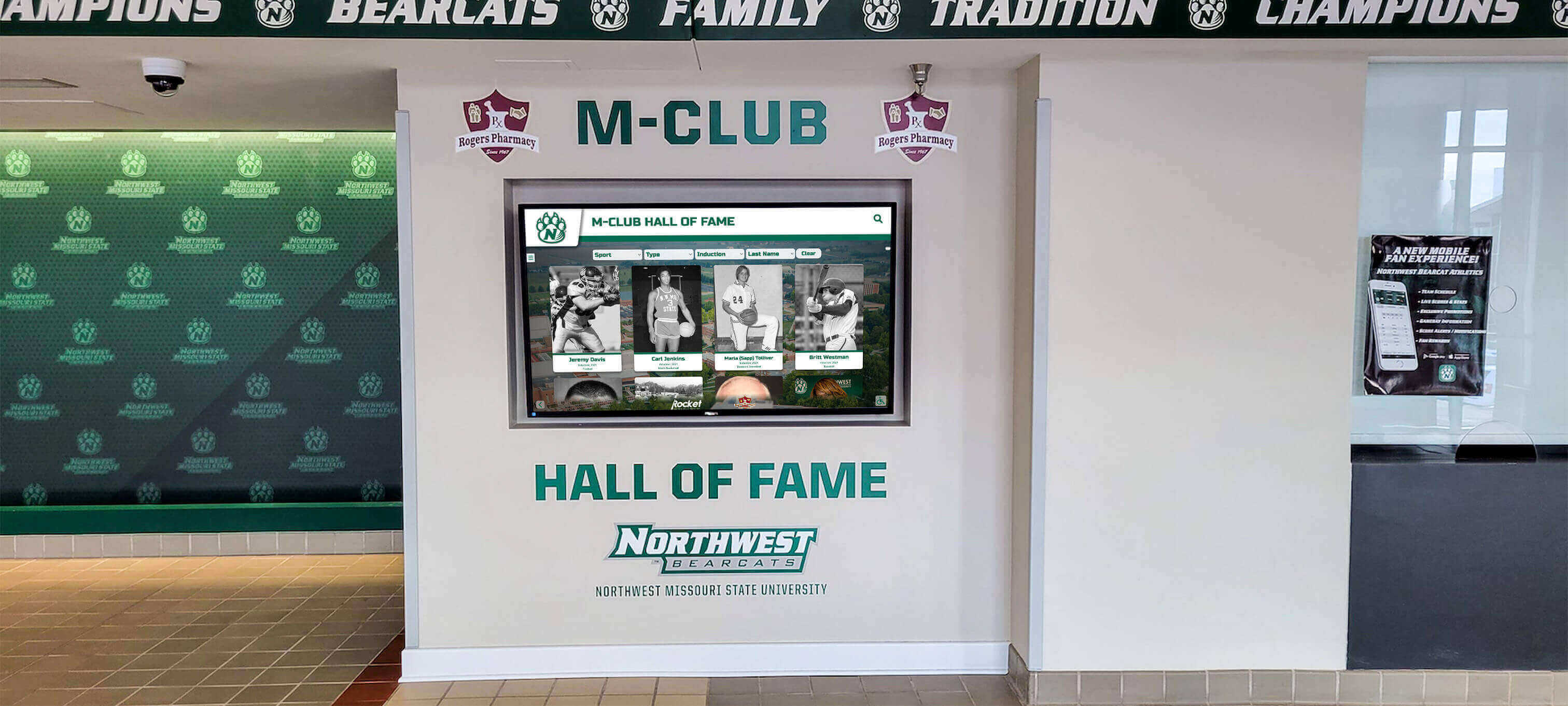
Modern digital recognition platforms transform what’s possible in athletic recognition by eliminating physical constraints that limited traditional trophy cases, enabling rich multimedia documentation impossible with static plaques, creating searchable accessible systems that anyone can explore, preserving institutional history permanently rather than letting achievements fade, and extending recognition far beyond those who can attend physical ceremonies. Solutions like Rocket Alumni Solutions provide purpose-built platforms designed specifically for athletic recognition, combining intuitive content management with engaging interactive displays and comprehensive web access. Schools transitioning from traditional approaches to integrated digital recognition systems discover that technology amplifies recognition impact while actually reducing long-term costs and administrative burden compared to perpetual trophy and plaque purchases.
The athletes you coach and the students your institution serves deserve recognition systems that honor their dedication appropriately, celebrate their achievements comprehensively, and preserve their accomplishments permanently. Whether you’re planning your first formal awards ceremony, seeking to enhance existing recognition traditions, or considering digital platforms that revolutionize how schools celebrate athletic excellence, the investment you make in thoughtful meaningful recognition will benefit your program immeasurably.
Ready to transform how your athletic program celebrates achievement with comprehensive digital recognition systems that honor your athletes permanently while building the traditions your program deserves? Talk to our team about creating recognition experiences that your student-athletes, families, and communities will value for generations to come.