



Key Takeaways
Discover 100+ creative spirit week themes for schools and workplaces. Complete guide with daily theme ideas, implementation strategies, participation tracking, and modern recognition approaches that build lasting community culture.
Understanding Spirit Week: Purpose, Impact, and Modern Challenges
Before diving into specific theme ideas, understanding what makes spirit weeks effective—and what causes them to fail—provides the foundation for strategic planning that delivers meaningful results.
Why Spirit Week Matters in Schools and Workplaces
Spirit weeks serve functions that extend far beyond fun costumes and themed decorations. Well-executed spirit celebrations accomplish specific organizational objectives that justify the planning investment and instructional time schools dedicate to these events.
Building Community Identity and Belonging: Organizations where members feel genuine belonging experience measurably better outcomes—schools see improved attendance and academic performance, while workplaces report higher retention and productivity. Spirit weeks create shared experiences that strengthen community bonds across diverse groups who might otherwise interact minimally.
When an entire school shows up wearing pajamas on the same morning, or when office colleagues coordinate decade costumes, these shared experiences create common reference points and memories that reinforce organizational identity. Students and employees who participate feel they belong to something larger than themselves—a school community, a workplace team, a shared culture.
Creating Traditions and Anticipation: The most impactful spirit weeks become annual traditions that new members hear about before they ever participate. Freshmen arrive at high schools already excited about the legendary homecoming spirit week they’ve heard upperclassmen discuss. New employees learn about the company’s annual spirit week during onboarding, building anticipation months before participation.
This anticipation transforms spirit week from isolated events into ongoing cultural touchstones that people look forward to throughout years. Organizations benefit when members actively anticipate and prepare for recurring celebrations rather than passively participating in unannounced activities.
Providing Leadership Development Opportunities: Planning comprehensive spirit weeks requires significant organizational capacity—theme selection, communication strategy, decoration coordination, participation tracking, and event logistics. These responsibilities provide authentic leadership development opportunities for students on councils and committees, or for workplace culture teams and volunteer organizers.
When organizations empower members to lead spirit week planning rather than having administrators or executives dictate every detail, they develop organizational capacity and distribute ownership over culture initiatives more broadly.
The Participation Challenge: Creating Authentic Engagement
The central challenge every spirit week faces is generating authentic participation rather than forced compliance or social pressure that creates exclusion. Effective spirit weeks balance enthusiasm with inclusion, ensuring diverse community members find accessible participation pathways.
Avoiding Financial Barriers: The most common participation barrier comes from themes requiring expensive costume purchases or specialized items families cannot afford. When spirit day success depends on buying specific costumes, organizations inadvertently exclude members from lower-income backgrounds while signaling that full community membership requires financial resources.
Inclusive spirit weeks prioritize themes participants can execute with items they already own, minimal-cost alternatives, or creative DIY approaches. Explicitly communicating that participation requires no purchases—and that creative, low-budget interpretations receive equal celebration as elaborate costumes—significantly broadens participation across socioeconomic lines.
Accommodating Diverse Comfort Levels: Not everyone feels comfortable with public attention or costume-wearing. Effective spirit weeks offer multiple participation intensities—from minimal additions like single-color accessories to elaborate coordinated group costumes—ensuring members can participate meaningfully at comfort levels appropriate for them.
Similarly, the best spirit weeks avoid themes that emphasize appearance, body types, or characteristics that might create discomfort or exclusion. Beach day themes requiring swimsuit-adjacent clothing, “most attractive” costume contests, or themes built around stereotypes about gender, ethnicity, or religion create exclusion rather than inclusion.
100+ Spirit Week Theme Ideas Organized by Category
Classic School Spirit Themes (Themes 1-15)
These foundational themes work effectively across virtually all school settings and age groups, offering accessible participation options and strong tradition-building potential.
1. School Colors Day: Students wear official school colors—the foundational spirit day that should anchor most spirit weeks. Every student owns at least one item in school colors through gym class shirts, team uniforms, or spirit wear, making this the most universally accessible theme.
2. Pajama Day: Students arrive in comfortable sleepwear, creating a relaxed, fun atmosphere perfect for stressful exam weeks or cold winter mornings. Clear guidelines ensure pajamas remain school-appropriate while maintaining the comfort theme’s appeal.
3. Twin Day or Squad Day: Students coordinate matching or complementary outfits with friends, strengthening social connections. Groups of any size count—from pairs to larger friend groups—ensuring students without large social circles can still participate meaningfully.
4. Crazy Hair Day: Students style hair in unusual, creative, or intentionally chaotic ways using hair products, temporary colors, accessories, or creative styling. This highly accessible theme works across all age groups and requires only creativity rather than purchases.
5. Mismatch Day: Students intentionally wear mismatched clothing—clashing patterns, mismatched shoes, inside-out garments, or backwards outfits. This inclusive theme removes pressure to create “good” costumes by celebrating intentional chaos.
6. Jersey Day: Students wear jerseys from favorite sports teams, school athletic programs, or recreational leagues. Most students already own jerseys, making participation accessible without requiring purchases.
7. Hat Day: Students wear favorite hats, caps, or creative headwear. This extremely simple theme succeeds because most people own multiple hats and participation requires virtually no planning.
8. Tie-Dye Day: Students wear tie-dye patterns in any color combination. This artistic theme celebrates self-expression while offering accessible participation through items many already own or can create inexpensively.
9. Superhero Day: Students dress as favorite superheroes or create original hero personas. This theme accommodates participation levels from simple cape additions to elaborate coordinated costumes.
10. Character Day: Students dress as favorite book characters, movie personalities, historical figures, or pop culture icons. The unlimited participation options accommodate every interest and provide natural connections to literacy and educational objectives.
11. Decades Day: Students select favorite decades from the 1950s through 2000s, dressing in era-specific fashion. This theme accommodates diverse interests from music fans to fashion enthusiasts while providing opportunities to discuss historical contexts.
12. Career Day: Students dress as future career aspirations or professions they admire. This theme connects spirit participation to academic purpose and career exploration, making it particularly valuable for schools emphasizing college and career readiness.
13. Color Wars by Grade or House: Assign specific colors to each grade level or house system, creating visual representation of friendly competition. Display participation rates by group on interactive digital signage to build momentum throughout spirit week.
14. Tropical or Beach Day: Students channel vacation vibes through Hawaiian shirts, beach-themed accessories, and summer colors while maintaining appropriate coverage standards for school environments.
15. College Colors Day: Students wear clothing representing colleges they hope to attend, families have attended, or admire. This forward-looking theme resonates particularly with high school students while creating opportunities to discuss postsecondary planning.
Seasonal Spirit Week Themes (Themes 16-35)
These themes align with specific seasons, holidays, or times of year, creating natural connections to calendar events and weather patterns.
Fall Spirit Themes
16. Flannel Friday: Perfect for autumn weather, students wear flannel shirts in any color or pattern. This simple theme requires no special purchases while creating visual cohesion across campus.
17. Harvest Colors Day: Students wear autumn color palettes—orange, brown, burgundy, gold, and red—celebrating seasonal transitions through simple color coordination.
18. Fall Sports Spirit Day: Students wear gear representing fall sports teams—football jerseys, soccer uniforms, volleyball shirts, cross country team gear, or field hockey attire—celebrating seasonal athletics.
19. Homecoming Week Full Series: Coordinate five themed days building toward homecoming events—Monday school colors, Tuesday decades day, Wednesday career day, Thursday class colors competition, Friday full spirit gear before the big game.
20. Harvest Festival Day: Students incorporate autumn-themed accessories—scarecrow-inspired outfits, apple motifs, pumpkin colors, or harvest-themed decorations—celebrating fall festivals and seasonal traditions.
Winter Spirit Themes
21. Ugly Sweater Day: Students find or create outrageous, over-decorated, or intentionally tacky holiday sweaters. This modern classic succeeds because ugly sweaters come from various accessible sources including thrift stores and DIY decoration.
22. Winter Wonderland White-Out: Everyone wears white, silver, or light blue creating visual winter wonderland effect. Simple color coordination succeeds because most people already own qualifying items.
23. Cozy Day: Students dress in their coziest winter clothing—oversized hoodies, warm socks, soft sweaters, and fuzzy accessories—celebrating comfort during cold months without requiring specific costume elements.
24. Winter Sports Day: Students represent winter sports through jerseys, athletic wear, or creative costumes representing skiing, snowboarding, ice hockey, figure skating, or winter Olympic events.
25. Hot Chocolate Day: Students coordinate brown, white, and cream colors representing hot chocolate, marshmallows, and winter beverages. Add candy cane stripes or cinnamon colors for additional winter warmth themes.
Spring Spirit Themes
26. Neon or Bright Colors Day: Students wear vibrant neon colors creating energetic, visually striking atmosphere perfect for celebrating spring arrival. Neon photographs beautifully for social media and recognition displays.
27. Garden or Floral Day: Students incorporate flower patterns, floral accessories, or nature-inspired outfits celebrating spring blooms and outdoor activities.
28. Spring Sports Spirit Day: Students wear gear representing spring sports—baseball jerseys, softball uniforms, track team shirts, lacrosse gear, or tennis attire—celebrating seasonal athletics.
29. Dress for Testing Success: During standardized testing weeks, students dress in professional or semi-formal attire symbolizing academic readiness and seriousness about assessment performance.
30. Spring Break Anticipation Day: Students dress representing vacation destinations or summer activities they’re anticipating—beach themes, travel attire, or camping gear—building excitement for approaching breaks.
Summer and Year-End Themes
31. Water Day Attire: On days with water activities planned, students wear quick-dry athletic clothing, swim team gear, or water-sport related attire appropriate for getting wet during outdoor celebration activities.
32. Field Day Colors: Assign colors to different field day teams, having students wear team colors throughout celebration days leading up to end-of-year field day competitions.
33. Time Capsule Day: Students dress representing different time periods or future decades, creating theme appropriate for year-end reflection on growth and forward-looking graduation celebrations.
34. Awards Ceremony Celebration: Following end-of-year awards assemblies, designate spirit days where students wear or display recognition they received—athletic awards, academic certificates, or achievement medals—celebrating accomplishments before summer break.
35. Class Color Celebration: Each graduating class wears their designated class colors during senior week, creating visual representation of class identity and unity before graduation.
Creative and Unique Spirit Themes (Themes 36-60)
These themes offer fresh alternatives to overused spirit day ideas, providing novelty that can reinvigorate spirit week participation after years of similar rotations.
36. Monochrome Madness: Designate different monochrome colors for each day—Monday all black, Tuesday all red, Wednesday all blue, Thursday all yellow, Friday all white—creating dramatic visual effects when large percentages participate.
37. Pattern Day: Students wear bold patterns—stripes, polka dots, plaids, animal prints, or geometric designs—creating visually dynamic atmosphere celebrating pattern diversity.
38. Texture Day: Students incorporate unusual textures—fuzzy sweaters, sequined items, velvet accessories, or materials with distinctive tactile qualities—creating sensory-focused spirit theme.
39. Favorite Food Day: Students dress representing favorite foods through colors, accessories, or creative costumes—pizza shirts, taco hats, burger costumes, or fruit-themed outfits—celebrating food culture and personal preferences.
40. Music Genre Day: Students dress representing favorite music genres—country western wear, rock band shirts, hip-hop styles, classical concert attire, or jazz-inspired fashion—celebrating musical diversity while accommodating various interpretations.
41. Olympics Day: Students dress representing different Olympic sports, national teams, or create country-themed outfits supporting various Olympic nations—celebrating international athletics and cultural diversity.
42. Historical Era Day: Students select specific historical periods—ancient civilizations, medieval times, revolutionary periods, Victorian era, or 20th-century decades—dressing in historically-inspired fashion while connecting spirit themes to history curriculum.
43. Future Fashion Day: Students create imaginative future-themed outfits using creative materials, metallic colors, or sci-fi inspired accessories—celebrating innovation and forward-thinking while allowing extensive creative interpretation.
44. Art Movement Day: Students interpret different art movements through fashion—impressionist colors, abstract patterns, pop art bright graphics, or modern minimalist styling—connecting spirit themes to visual arts curriculum.
45. Language and Culture Day: Students celebrate different world languages and cultures through traditional clothing, cultural accessories, or representative colors—promoting multicultural appreciation and diversity celebration.
46. Science Fiction vs. Fantasy Day: Students divide into two camps—science fiction enthusiasts wearing space-themed, futuristic, or sci-fi character costumes versus fantasy fans wearing medieval, magical, or fantasy character outfits—creating friendly costume competition between genres.
47. Opposite Day: Students wear clothing intentionally backwards, inside-out, or reversed—turning typical dress standards upside down for humorous, accessible spirit theme requiring no special purchases.
48. Camouflage Day: Students wear camouflage patterns in traditional military colors or creative alternatives like pink camo, blue camo, or rainbow camo—celebrating military appreciation or outdoor recreation depending on context.
49. Emoji Day: Students dress representing favorite emojis through color coordination, facial expressions, or creative costume interpretations of common emoji symbols—connecting spirit themes to digital communication students use daily.
50. Wellness Day: Students wear comfortable athletic clothing, yoga pants, or workout gear representing health and wellness priorities—connecting spirit participation to school or workplace wellness initiatives.
51. Technology Day: Students incorporate technology themes—computer-related shirts, vintage technology costumes, or creative interpretations of apps and digital culture—celebrating technology’s role in modern life.
52. Book Cover Day: Students recreate favorite book covers through coordinated outfits and accessories—connecting spirit themes directly to literacy while allowing extensive creative interpretation across all reading levels and interests.
53. Regional Pride Day: Students wear clothing representing their home states, regions, or hometowns—state flag colors, regional sports teams, or local landmarks—celebrating geographic diversity within school or workplace communities.
54. Mythical Creatures Day: Students dress as dragons, unicorns, mermaids, phoenixes, or other mythical beings—offering creative costume opportunities appealing particularly to elementary and middle school participants.
55. Dynamic Duo Day: Students coordinate with partners to represent famous pairs—peanut butter and jelly, salt and pepper, Batman and Robin, or any complementary duo—creating social connection emphasis similar to twin day but with creative pairing themes.
56. A-Z Alphabet Day: Assign each homeroom, advisory, or small group a different letter—students dress as things beginning with their assigned letter—creating extensive variety while ensuring coordination within smaller groups.
57. Weather Day: Students dress representing different weather conditions—sunny yellow and bright colors, stormy grays and blues, snowy whites, or rainbow after-rain colors—celebrating meteorological diversity through fashion.
58. Garden Gnome vs. Woodland Creatures: Students divide into teams dressing as garden gnomes with pointed hats versus woodland animals like deer, foxes, or rabbits—creating whimsical nature-themed costume competition.
59. Time Travel Day: Students dress representing past eras, present fashion, or imagined future styles all on the same day—creating visual time travel effect with students representing different time periods simultaneously.
60. Favorite Holiday Day: Students dress representing any favorite holiday throughout the year—winter holidays, Halloween, Valentine’s Day, Fourth of July, or cultural celebrations—allowing personal holiday preference expression regardless of current calendar date.
Workplace-Specific Spirit Themes (Themes 61-75)
These themes work particularly well in professional workplace settings where costume appropriateness, client-facing considerations, and professional standards require modification from school-appropriate spirit themes.
61. Professional Colors Day: Employees wear business professional attire in specific coordinated colors—Monday navy, Tuesday burgundy, Wednesday gray—maintaining professional appearance while building color coordination spirit.
62. Company Colors and Logo Day: Employees wear company colors or branded merchandise, celebrating organizational identity while maintaining professional standards appropriate for client meetings.
63. Sports Team Friday: Employees wear favorite professional sports team jerseys or gear, creating casual Friday spirit while accommodating existing wardrobes and diverse team allegiances.
64. Denim Day: Employees wear jeans with professional tops, creating casual spirit day that maintains workplace appropriateness while offering comfortable alternative to typical business attire.
65. Accessory Day: Employees add creative accessories—bold jewelry, unique ties, colorful scarves, interesting socks, or statement belts—to otherwise professional outfits, allowing spirit expression within professional dress code parameters.
66. Decade Professional Day: Employees wear professional attire inspired by different decades—1950s business suits, 1980s power suits, 1990s business casual—maintaining workplace appropriateness while incorporating fun historical elements.
67. Hat or Cap Day: Employees wear professional hats, baseball caps, or creative headwear with otherwise professional attire—offering simple spirit participation requiring minimal wardrobe adjustment.
68. Casual for Cause Day: Employees dress casually while making small donations to designated charities, connecting spirit participation to charitable giving and workplace social responsibility initiatives.
69. Department Colors Competition: Assign colors to different departments or teams, creating friendly inter-departmental competition through color coordination while maintaining professional appearance standards.
70. Favorite Vacation Shirt Day: Employees wear favorite vacation t-shirts or travel-themed shirts from places they’ve visited—sharing travel experiences while creating casual, fun workplace atmosphere.
71. Business Costume Day: Employees add small costume elements—superhero ties, cartoon character pins, themed socks—to otherwise professional business attire, allowing spirit expression without compromising professional client-ready appearance.
72. Wellness Wednesday: Employees wear athletic clothing or comfortable activewear for midweek spirit day emphasizing workplace wellness, potentially coordinating with lunchtime walks, yoga sessions, or other wellness activities.
73. Footwear Focus Day: Employees wear creative, colorful, or unique footwear—interesting sneakers, colorful heels, unusual boots—with otherwise professional attire, focusing spirit expression on shoes rather than full outfits.
74. College Alumni Day: Employees wear clothing representing colleges they attended, celebrating educational backgrounds and alumni pride while creating conversation opportunities about diverse educational experiences.
75. Professional Pattern Day: Employees wear professional clothing featuring bold patterns—striped suits, polka dot dresses, plaid blazers—maintaining workplace appropriateness while incorporating visual interest and coordination.
Advanced and Competition-Focused Themes (Themes 76-90)
These themes work best for organizations with established spirit week traditions ready to implement more complex, competition-focused, or coordination-intensive spirit activities.
76. Class or Department Olympics: Multi-day competition where each day represents different “Olympic events”—different costume themes, decoration contests, trivia competitions, or athletic challenges—with cumulative scoring determining overall winners.
77. House System Spirit Competition: For schools or workplaces using house systems, assign each house specific colors, mascots, or themes they represent throughout spirit week, creating extended rivalry and identity development.
78. Progressive Story Week: Each day builds on previous days telling progressive story—Monday “morning routine” casual wear, Tuesday “work/school day” professional attire, Wednesday “adventure begins” outdoor gear, Thursday “formal event” dress-up day, Friday “celebration” party attire—creating narrative arc across five days.
79. Mash-Up Days: Combine two themes simultaneously—Superhero-Pajama Day, Tropical-Career Day, or Decades-Twin Day—creating complex costume challenges appealing to students or employees seeking maximum creative expression.
80. Mystery Theme Days: Announce spirit week schedule but keep specific daily themes secret until morning announcements, creating spontaneous participation challenge for those bringing various costume options or adapting on-the-fly.
81. Costume Evolution Week: Participants wear increasingly elaborate versions of single costume concept throughout week—Monday simple color, Tuesday adding accessories, Wednesday partial costume, Thursday full costume, Friday maximum elaborate interpretation—building momentum toward final day.
82. Reverse Spirit Week: Reverse typical spirit week schedule—Monday start with most formal professional attire, progressively becoming more casual, ending Friday with pajamas or most relaxed theme—creating inverse participation pattern.
83. Alphabet Spirit Week: Each day corresponds to different letter—Monday “A” themes (animals, athletes, astronauts), Tuesday “B” themes (beach, business, books), etc.—creating alphabetical organization system for theme generation.
84. Create-Your-Own Theme Day: Final day of spirit week allows individuals or small groups to create and wear original theme interpretations, celebrating maximum creativity and personal expression after following structured themes earlier in week.
85. Time Zone Travel Week: Each day represents different global time zone or region—Monday Asia-Pacific themes, Tuesday European themes, Wednesday African themes, Thursday Americas themes, Friday Antarctic/adventure themes—celebrating global diversity and geography education.
86. Decade Progression Week: Progress chronologically through decades—Monday 1950s, Tuesday 1960s, Wednesday 1970s, Thursday 1980s, Friday 1990s/2000s—creating living history lesson through progressive costume themes.
87. Elements Week: Each day represents different classical elements—Monday Earth (greens/browns), Tuesday Water (blues), Wednesday Fire (reds/oranges), Thursday Air (whites/light blues), Friday Spirit (school colors or metallic)—organizing week through elemental themes.
88. Size and Scale Week: Themes progress through scale—Monday “Small Things” (insect costumes, miniature accessories), Tuesday “Medium” (everyday objects), Wednesday “Large” (oversized costumes), Thursday “Massive” (dinosaurs, buildings, vehicles), Friday “Cosmic” (planets, space themes)—creating unusual organizational principle.
89. Color Spectrum Week: Progress through visible light spectrum or color wheel—Monday red/orange, Tuesday yellow/green, Wednesday blue/purple, Thursday complementary color combinations, Friday full rainbow or white light representing all colors combined.
90. Genre Mashup Week: Each day combines unexpected genres—Monday Western-Sci-Fi, Tuesday Horror-Romance, Wednesday Mystery-Comedy, Thursday Action-Musical, Friday all genres combined—challenging participants to create creative combinations.
Quick-Planning and Low-Preparation Themes (Themes 91-105)
These themes work effectively when planning time is limited, budgets are constrained, or you need accessible options ensuring broad participation without extensive advance preparation.
91. Wear Your Favorite Shirt Day: The simplest possible theme—students or employees wear their current favorite shirt—requiring zero preparation while allowing personal expression.
92. Inside-Out Clothing Day: Participants wear clothing turned inside-out, creating fun visual effect requiring no planning or purchases beyond inverting existing wardrobe items.
93. Sock Day: Participants wear crazy, mismatched, or creative socks with regular clothing—focusing spirit expression on single accessory requiring minimal coordination.
94. Sunglasses Day: Participants wear sunglasses throughout indoor portions of day—simple, fun accessory theme requiring only items most people already own.
95. Sticker Day: Participants cover clothing or accessories with stickers—creating creative visual effects using inexpensive materials widely available to all participants.
96. Name Tag Day: Participants create creative name tags describing themselves with unique facts, interests, or characteristics—building community knowledge while requiring only paper and markers.
97. Bandana Day: Participants wear bandanas as headbands, neck accessories, or wrist decorations—simple accessory theme using inexpensive, widely-available items.
98. Watch or Bracelet Day: Participants wear interesting watches, multiple bracelets, or creative wrist accessories—focusing expression on single accessory category.
99. School Spirit Stickers: Rather than full costume coordination, participants display school logo stickers on clothing, creating minimal-effort school pride expression.
100. Smile Day: Rather than costume requirements, theme emphasizes greeting others with smiles and positive attitudes—creating spirit participation pathway requiring no physical materials or costume elements.
101. Favorite Color Day: Participants wear their personal favorite colors—creating rainbow effect across community while requiring no specific color coordination or communication.
102. Comfort Day: Participants wear their most comfortable clothing within dress code parameters—celebrating comfort and stress reduction rather than specific costume themes.
103. Silly Face Day: Participants make silly faces in morning photo opportunities without costume requirements—creating fun, memorable moments requiring no wardrobe planning.
104. High-Five Day: Spirit participation involves giving high-fives to community members throughout day—creating positive social interactions requiring no costumes or materials.
105. Kindness Challenge Day: Spirit activities involve completing kindness challenges—complimenting classmates, helping colleagues, or performing small service acts—shifting spirit focus from costumes to positive actions building community relationships.
Implementation Strategies: From Theme Selection to Participation Tracking
Selecting creative themes represents only the first step in executing successful spirit weeks. Implementation strategies determine whether your carefully chosen themes achieve 20% participation or 70% participation.
Strategic Theme Selection Process
Effective spirit week planning begins with strategic theme selection that balances several competing priorities—novelty versus tradition, accessibility versus creativity, seasonal relevance versus year-round applicability.
Balancing New and Traditional Themes: Include both beloved traditional themes that participants anticipate annually and fresh new themes preventing spirit week from feeling repetitive. A balanced five-day spirit week might include three traditional favorites students request annually plus two new themes introducing novelty and testing future traditions.
Creating Theme Progression: Organize themes intentionally throughout the week rather than random daily assignments. Many successful spirit weeks build intensity progressively—starting Monday with simple, accessible themes like school colors, progressing toward more elaborate themes midweek, and culminating Friday with maximum participation themes like class colors competition or full spirit gear before major school events.
Testing Theme Viability: Before committing to new theme ideas, test them with representative groups—student focus groups, employee committees, or small pilot implementations—gathering feedback about accessibility, interest, and potential participation barriers. Themes that sound creative to adult planners may face unanticipated obstacles with actual participants.
Communication and Promotion Strategy
Even perfectly selected themes fail without effective communication ensuring all potential participants understand expectations, have adequate preparation time, and feel enthusiastic about participation rather than obligated.
Multi-Channel Communication: Announce spirit week schedules through every available communication channel—morning announcements, emails, social media posts, hallway posters, website updates, text message alerts, and direct communication to homerooms or departments. Redundant communication across multiple channels ensures information reaches all community members regardless of their primary information sources.
Visual Examples and Inspiration: Abstract theme descriptions confuse participants and limit participation. Provide specific visual examples showing various interpretation levels for each theme. Post example photos on social media, create inspiration boards in high-traffic areas, or share previous years’ participation photos demonstrating how diverse participants interpreted similar themes.
Emphasizing No-Purchase Participation: Explicitly communicate that spirit week participation requires no special purchases and that creative interpretations using existing wardrobe items receive equal celebration as elaborate costumes. This messaging removes financial barriers while empowering creative problem-solving.
Building Anticipation: Begin promoting spirit week 3-4 weeks in advance, progressively increasing communication frequency as the week approaches. Early promotion provides planning time while building anticipatory excitement that increases participation rates.
Participation Tracking and Recognition
Organizations that track spirit participation and provide recognition beyond the immediate week transform one-time events into ongoing culture-building traditions.
Daily Participation Documentation: Photograph participants throughout each spirit day, creating visual records of participation and enthusiasm. These photos serve multiple purposes—immediate social media sharing, long-term memory preservation, and content for ongoing recognition displays.
Participation Rate Tracking: Count participants and calculate participation percentages by grade level, department, or house system. Display these statistics on digital recognition displays throughout spirit week, creating transparency and friendly competition that drives progressive participation increases as week continues.
Competition Scoring Systems: If implementing spirit week competitions, establish clear, transparent scoring systems combining multiple participation metrics—costume participation percentages, decoration quality, event attendance, social media engagement, and spirit demonstration. Multi-faceted scoring ensures various contribution pathways rather than single-dimension competition.
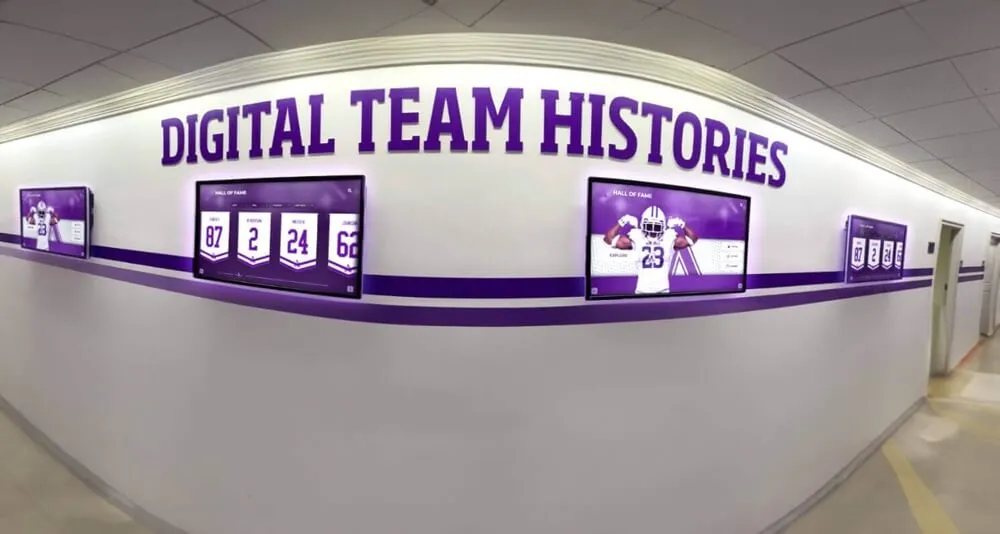
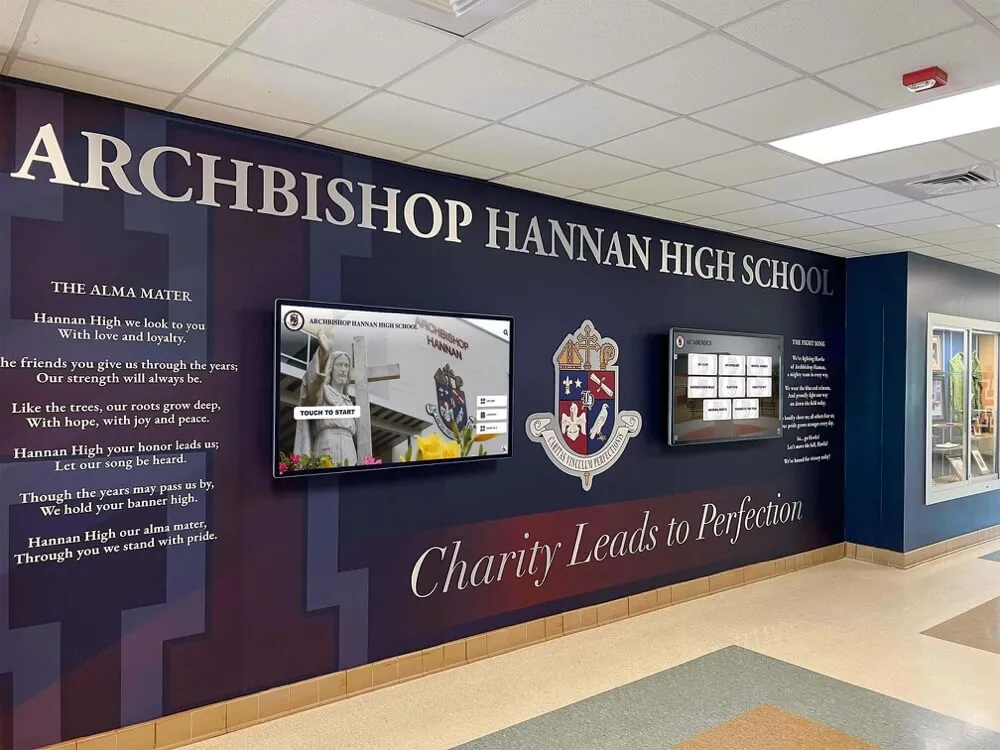
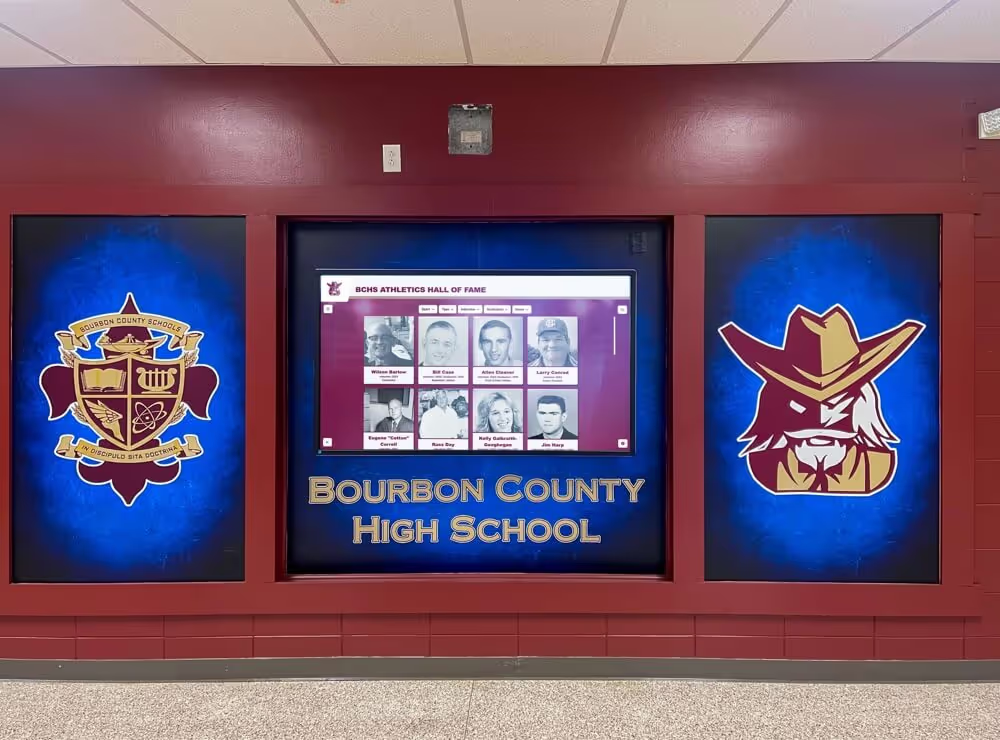
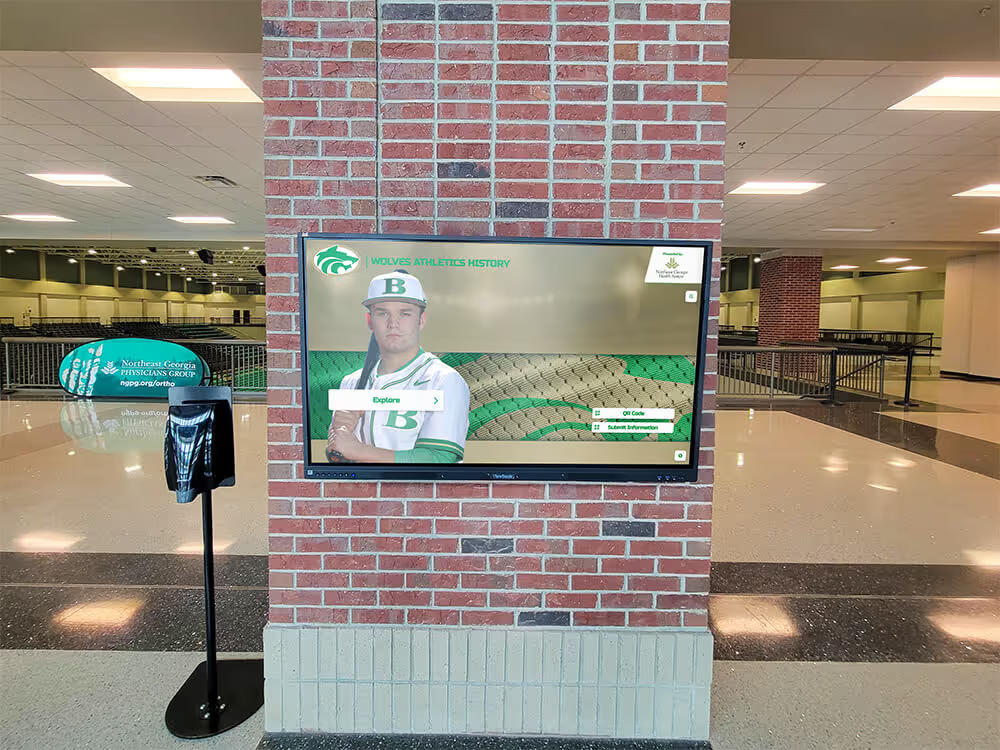
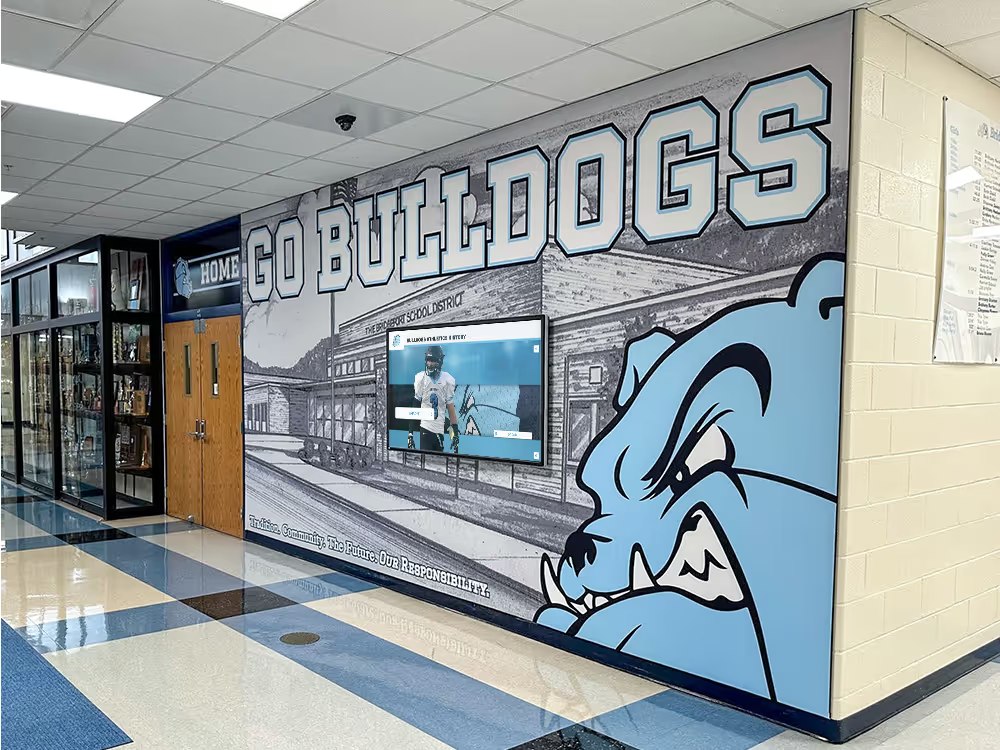
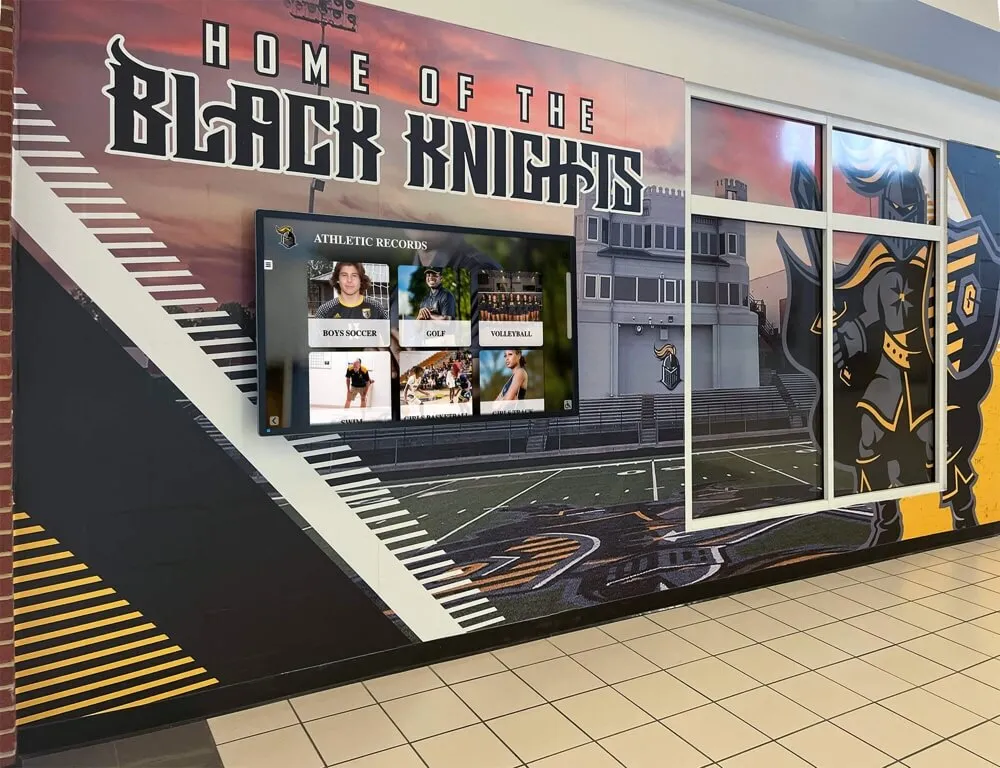
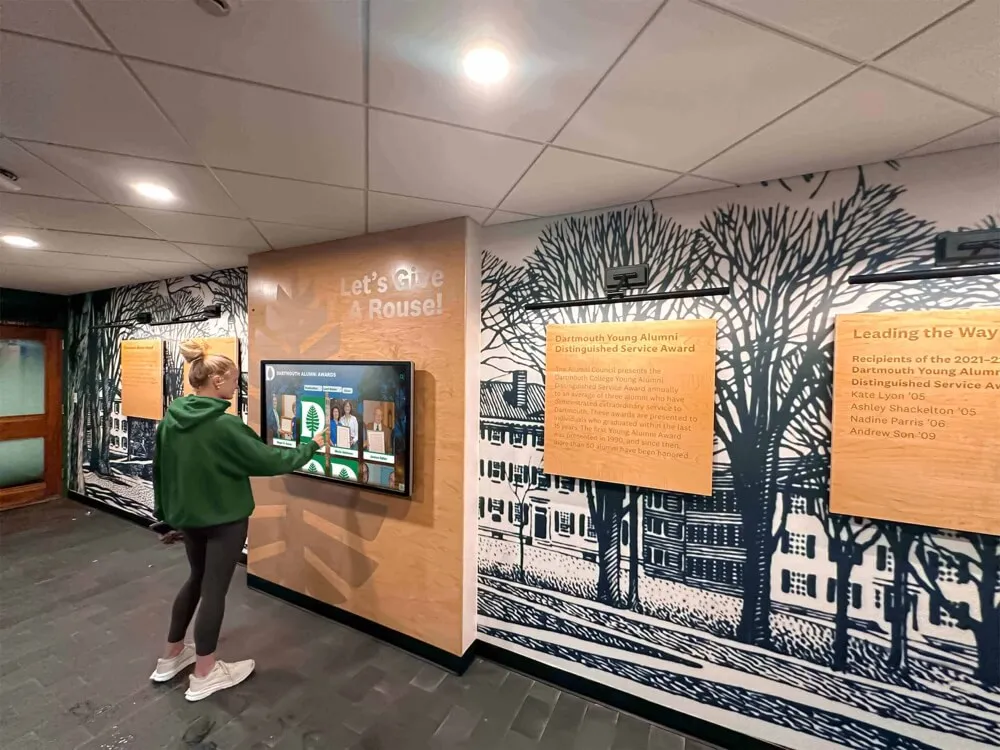
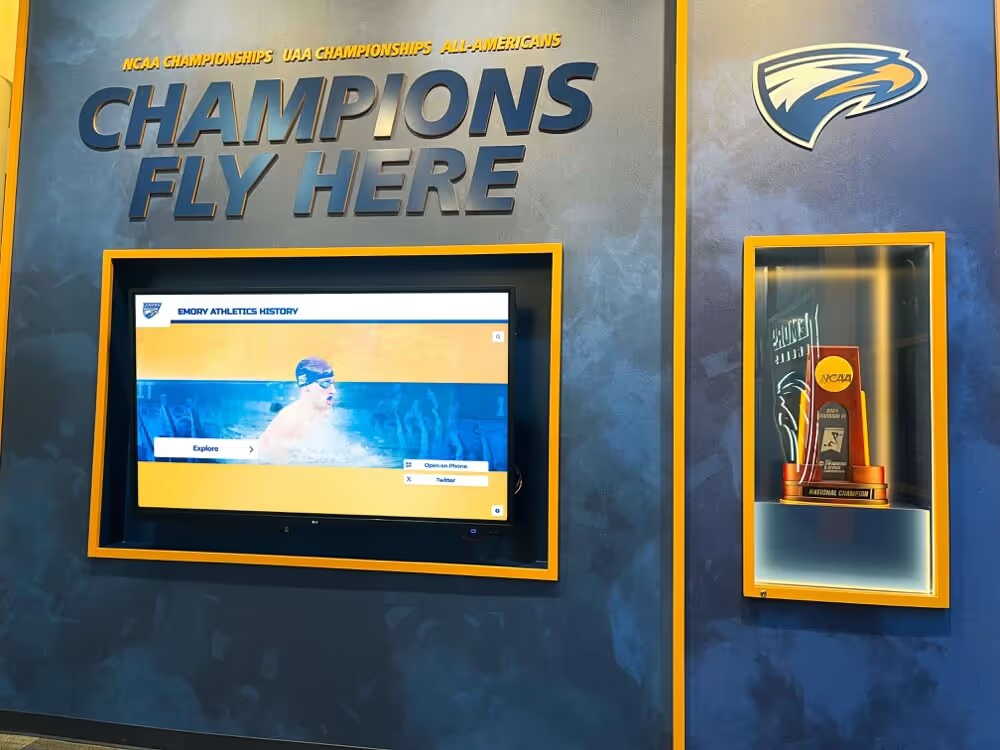
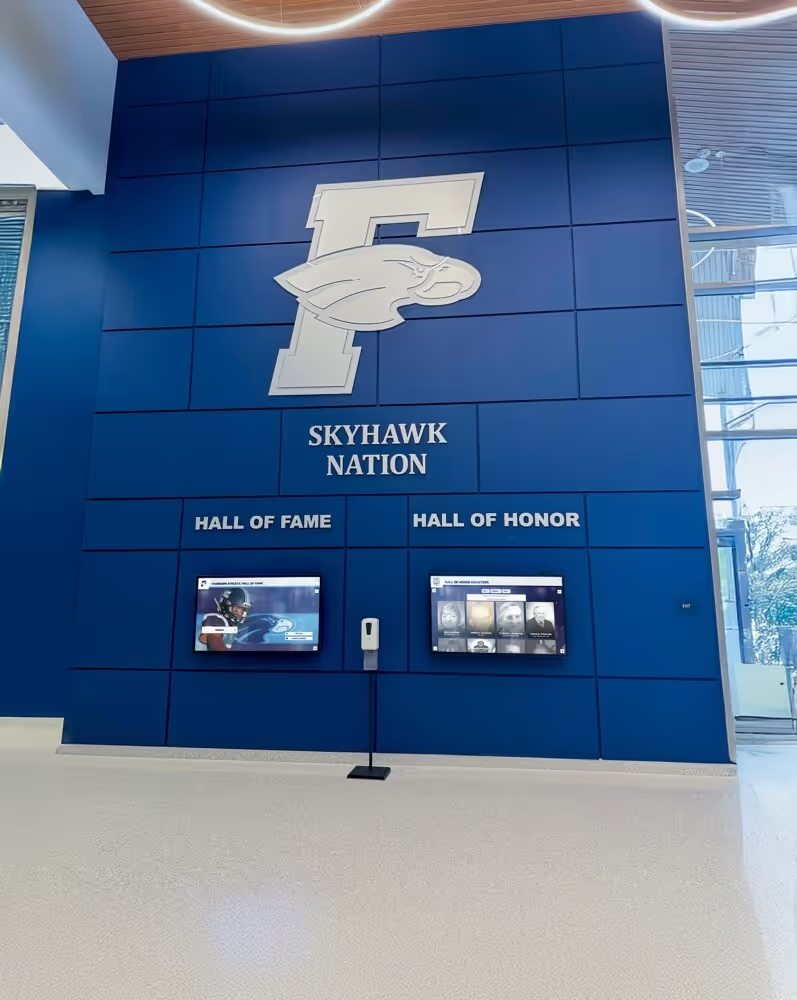
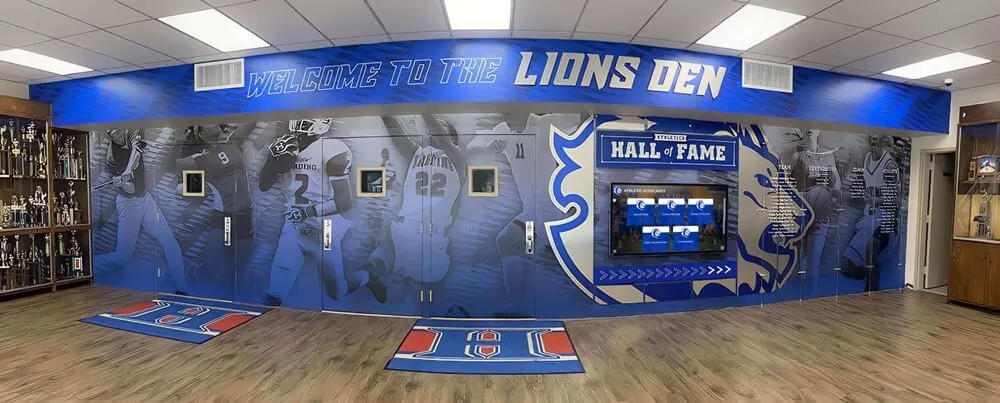
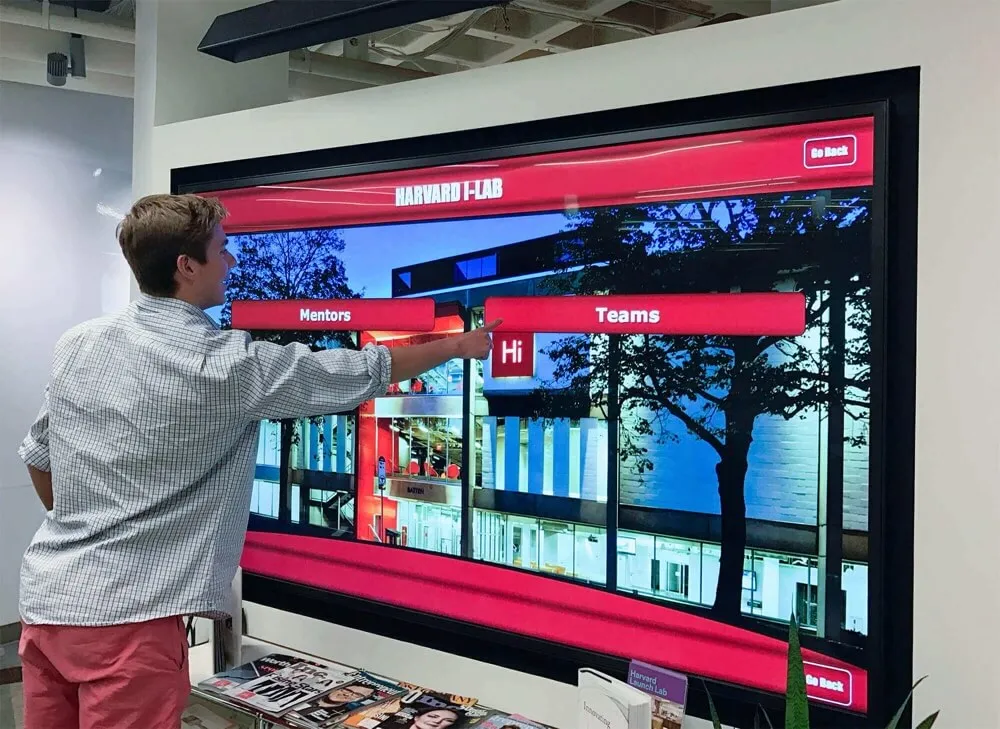
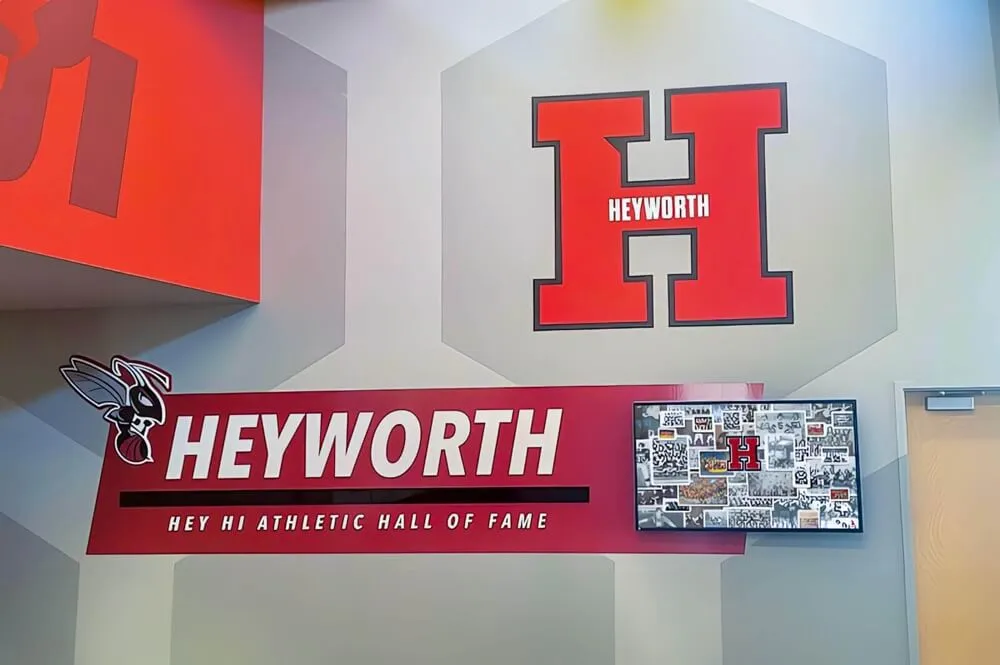
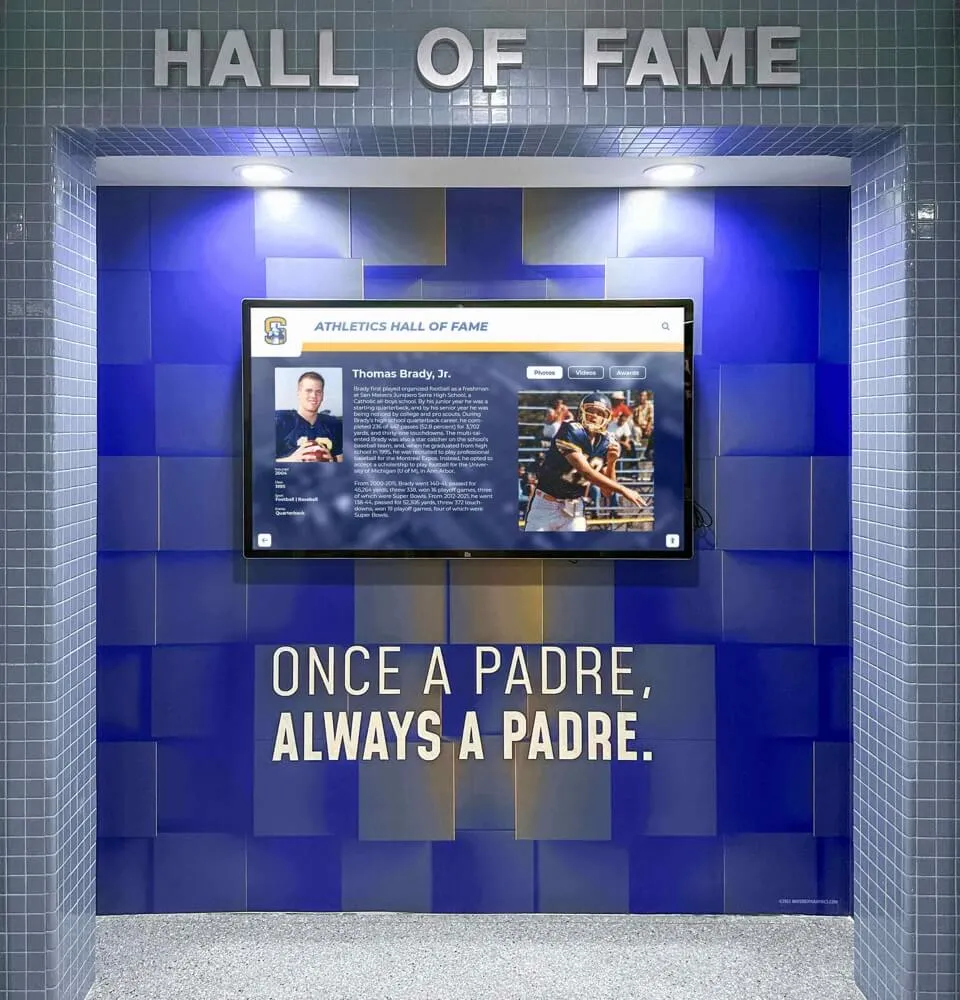
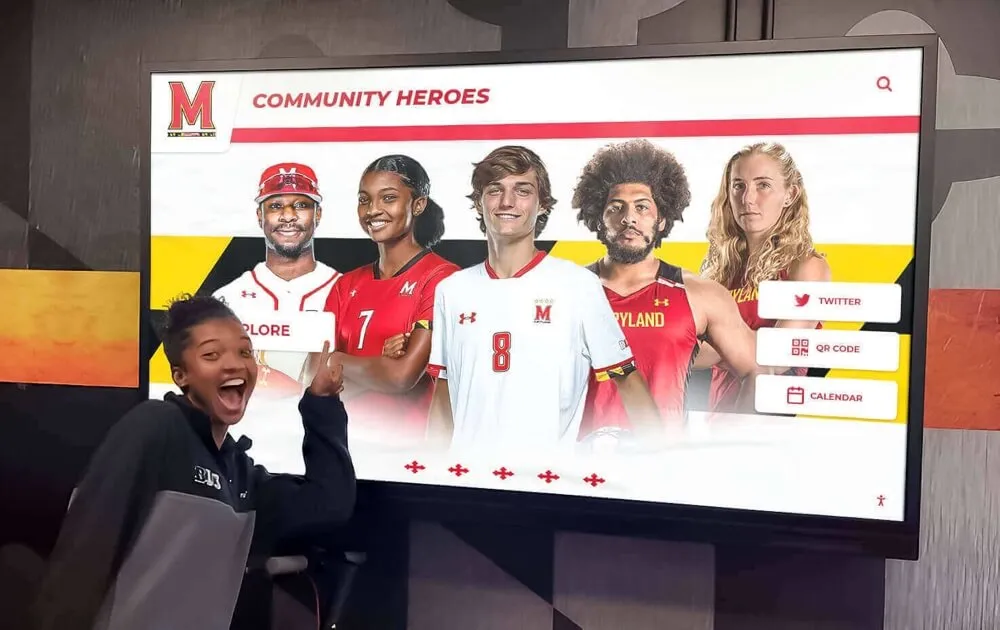
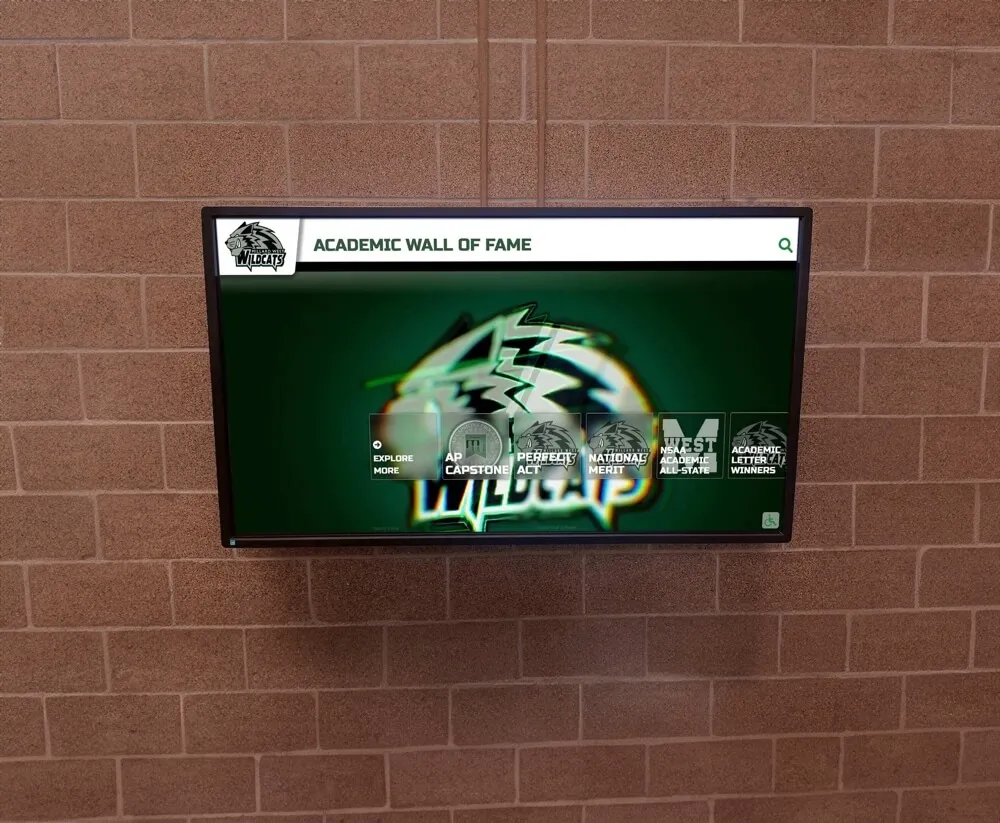
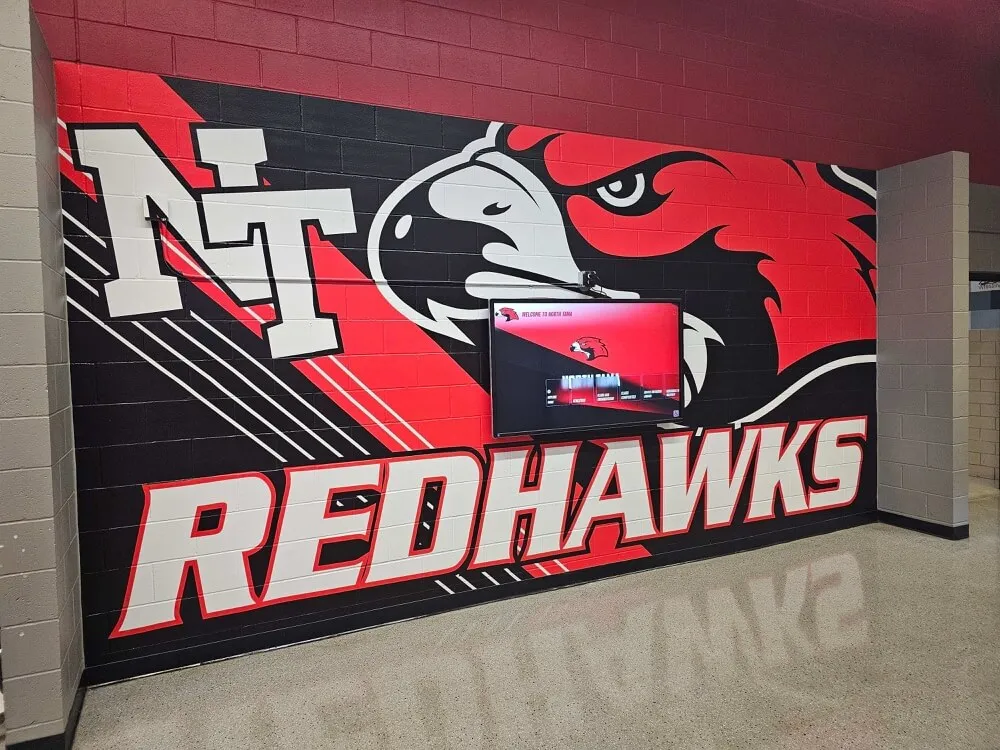
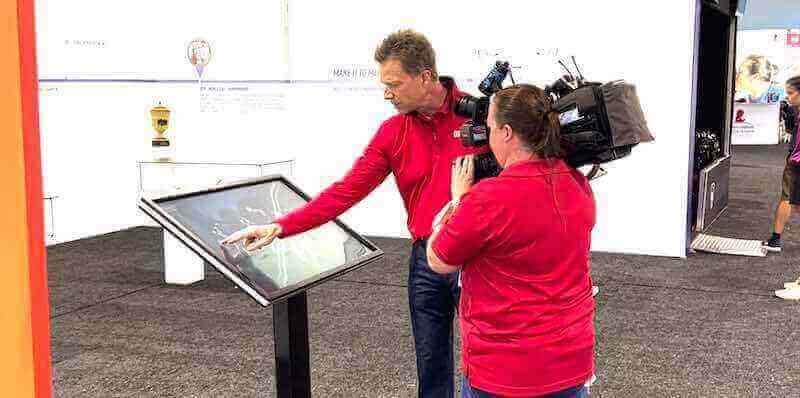
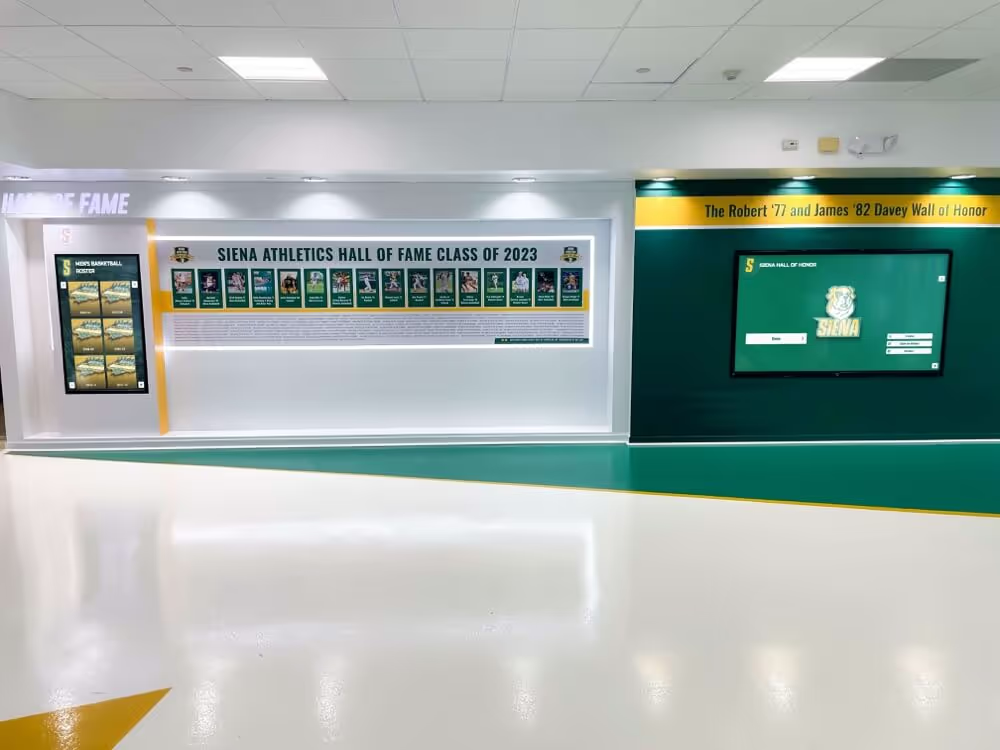
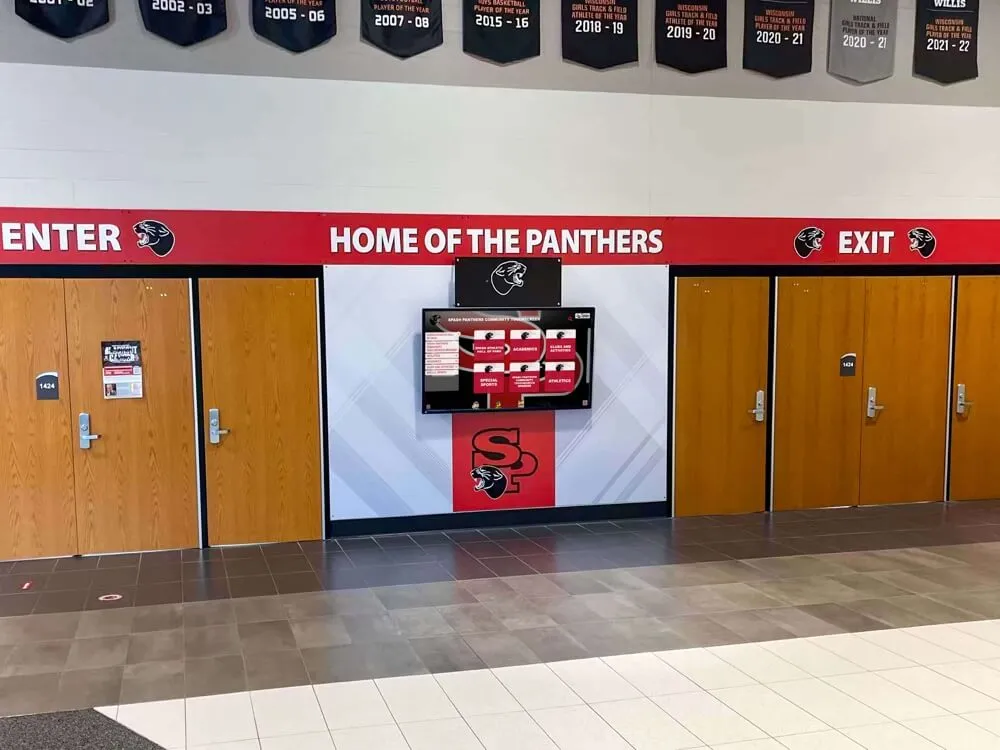
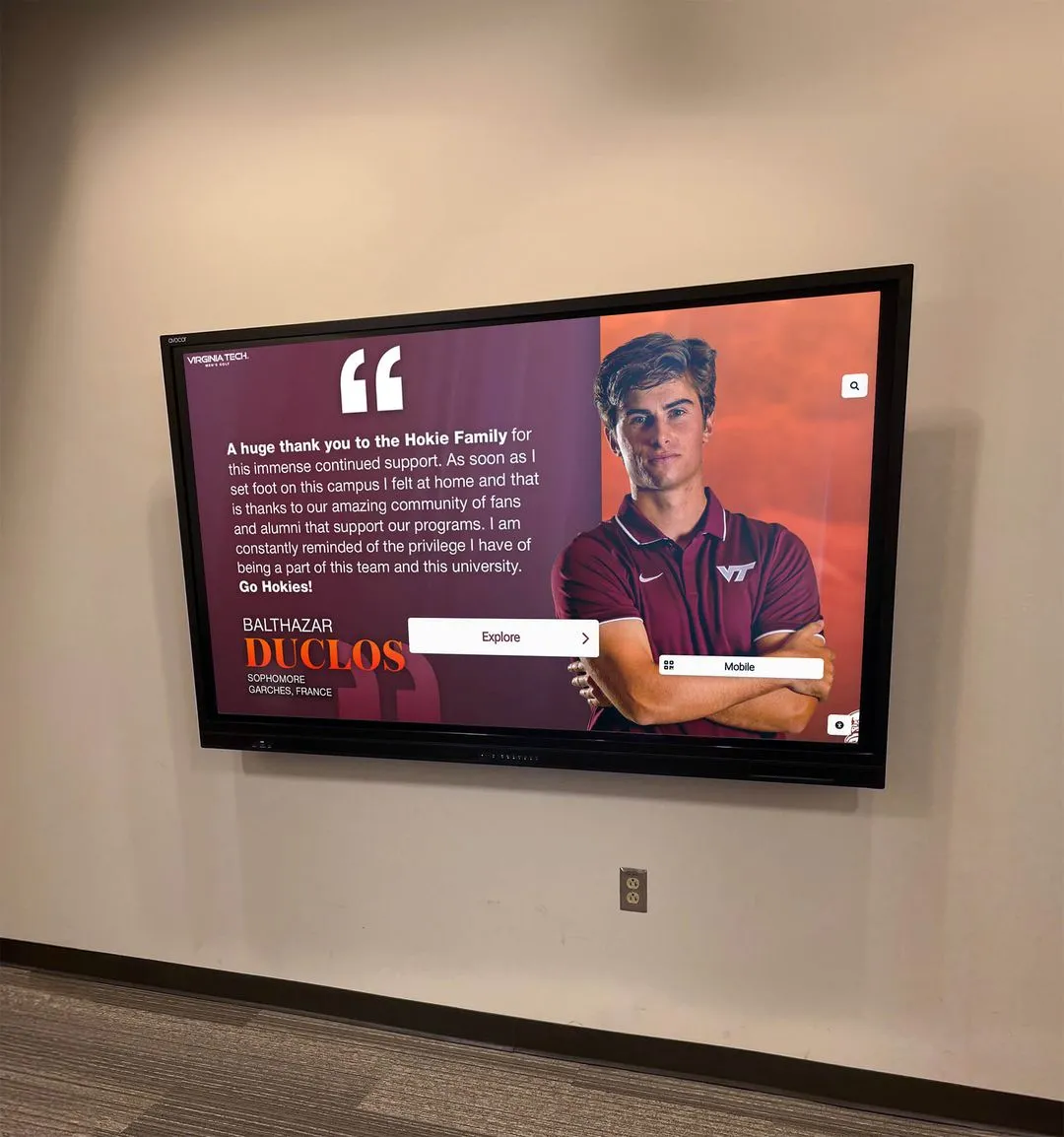
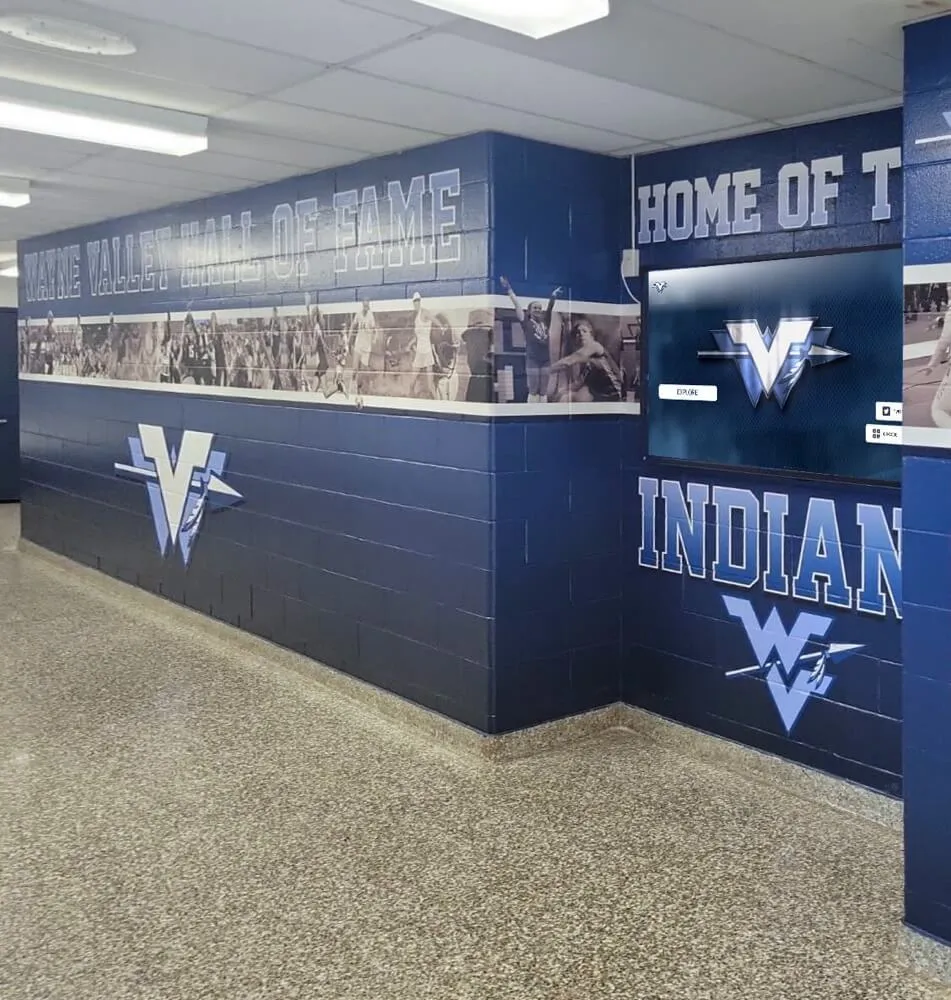
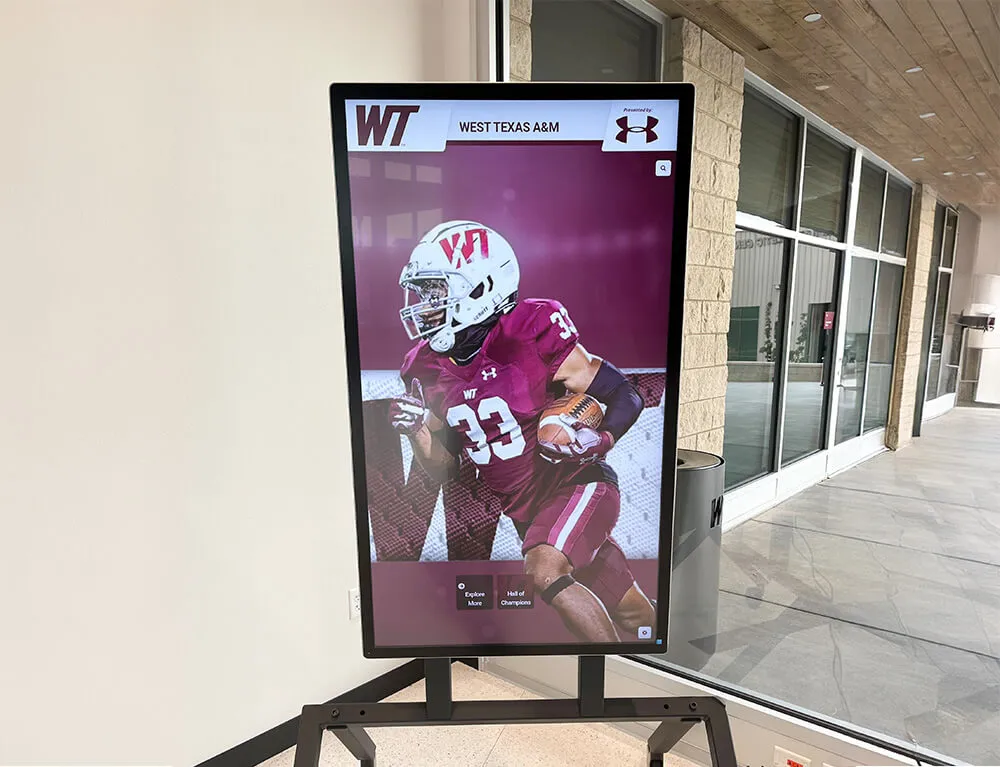
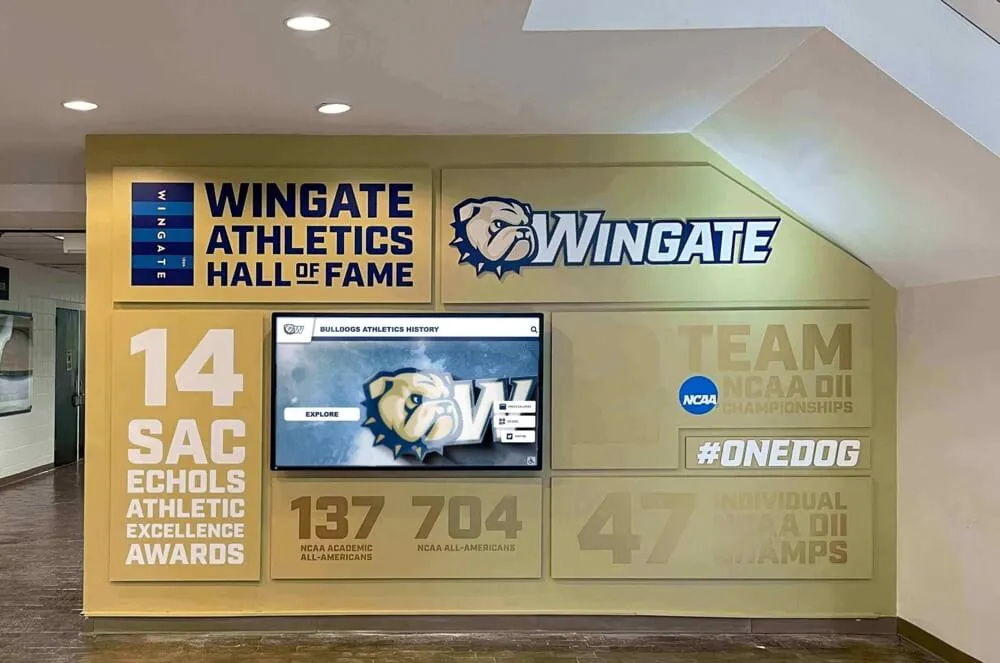
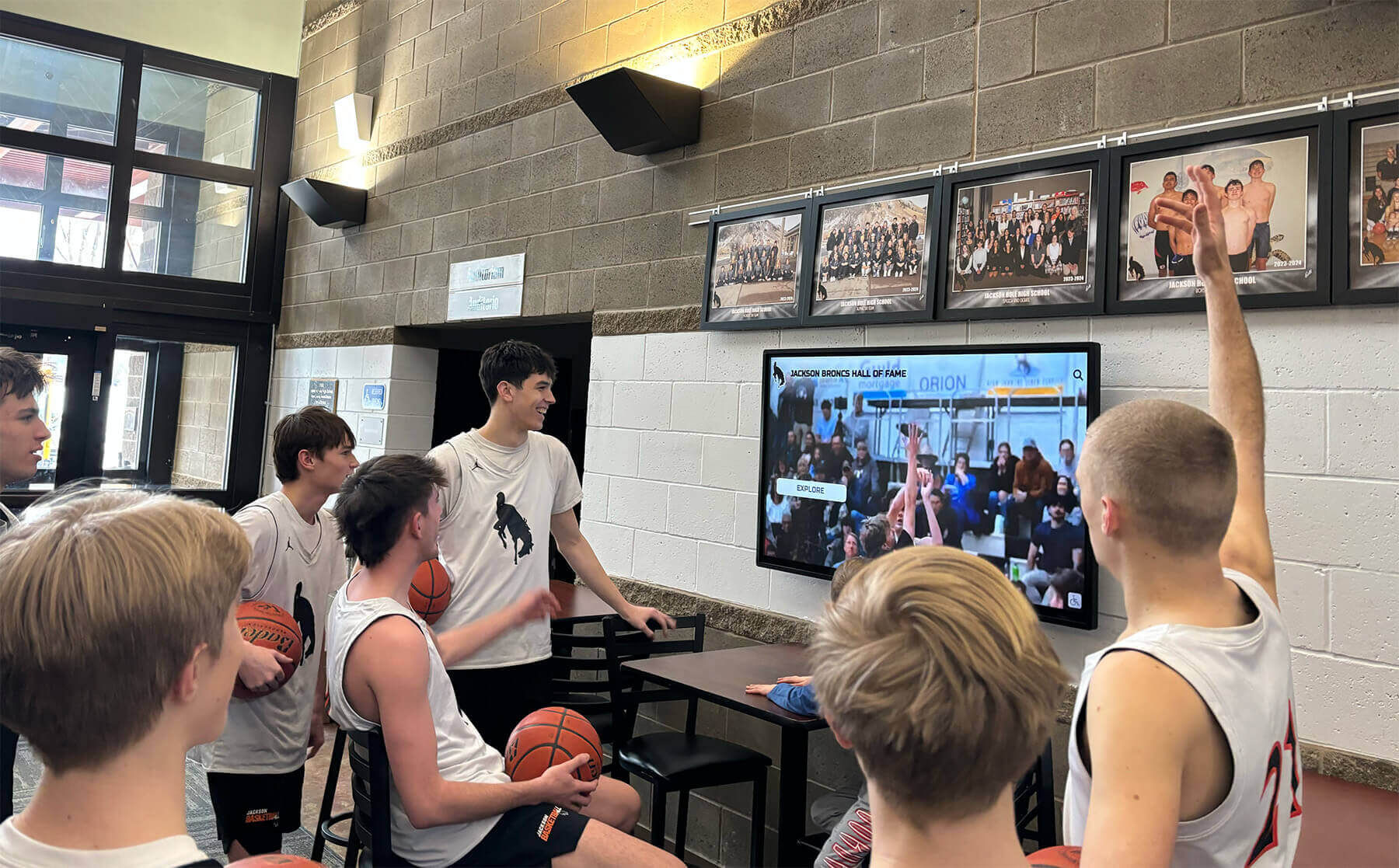
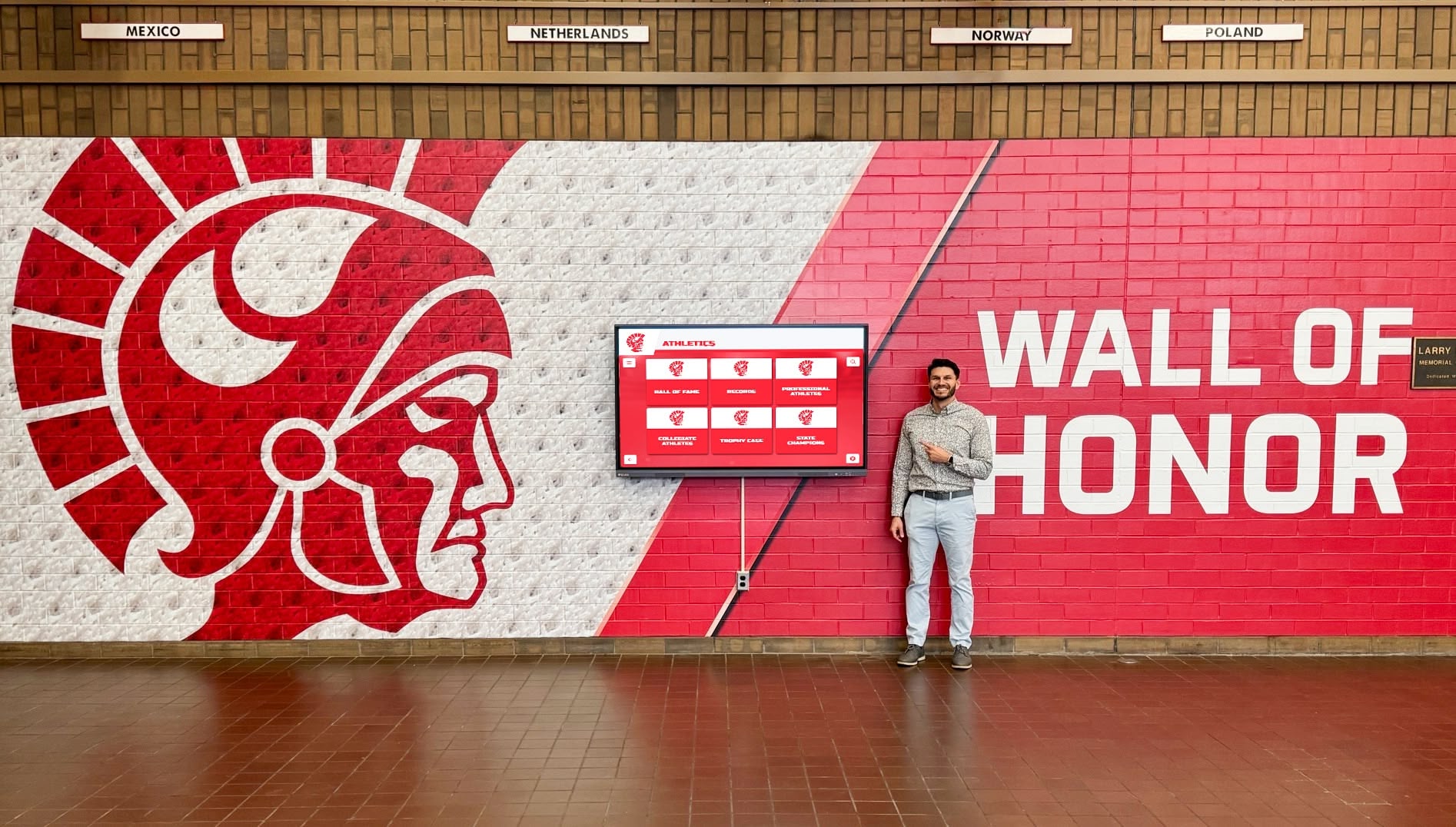
Extended Recognition Beyond Spirit Week: Transform spirit week from isolated event into year-round cultural reference by incorporating spirit week photos and participation recognition into ongoing displays. Solutions like Rocket Alumni Solutions enable schools and organizations to create permanent digital recognition showcasing spirit week traditions, historical participation photos, and celebrating community culture year-round rather than only during the immediate event week.
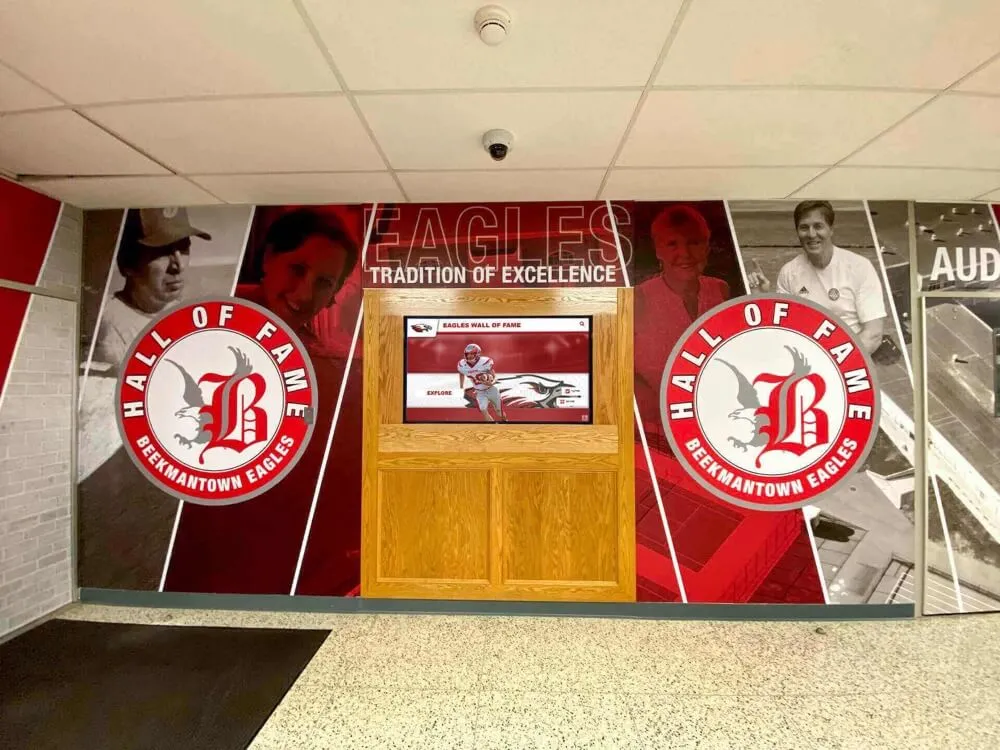
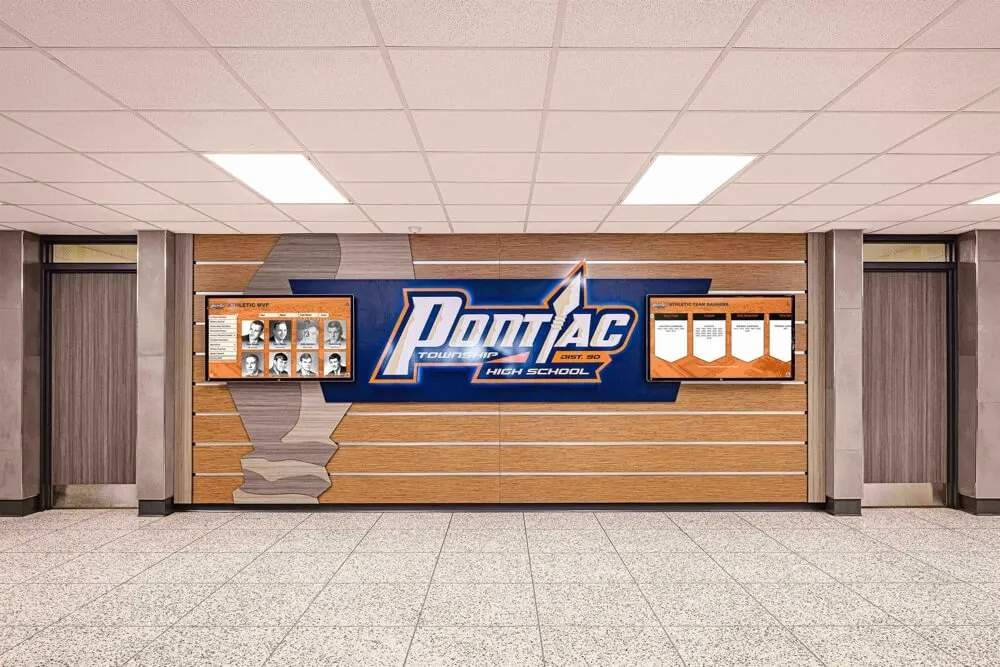
Digital displays in high-traffic areas can rotate through spirit week highlights, show historical comparisons of participation rates across years, spotlight individual participants who demonstrated exceptional spirit, and maintain visible connection to community traditions long after spirit week concludes. This extended recognition reinforces that spirit week matters to organizational identity rather than representing one-week distraction from normal operations.
Advanced Spirit Week Concepts: Moving Beyond Basic Theme Days
Organizations ready to elevate spirit week impact beyond basic daily costume themes can implement advanced concepts that integrate spirit celebrations more deeply into organizational culture and operational objectives.
Integrated Learning and Spirit Themes
Schools can connect spirit week themes directly to curriculum objectives, transforming what might appear as instructional time loss into experiential learning opportunities reinforcing academic content.
Historical Decades and Social Studies Integration: When implementing decades spirit day, coordinate with social studies classes to study historical contexts of featured time periods. Students research fashion, music, political events, and cultural movements of decades they choose to represent, connecting costume choices to academic learning objectives.
Career Day and College Exploration: Coordinate career day spirit themes with counseling offices, inviting professional speakers representing various careers students might portray. Use the spirit day as launch point for broader career exploration units helping students understand educational pathways toward careers that interest them.
Character Day and Literacy Connections: Require character day participants to represent book characters specifically rather than movie or television characters, creating natural literacy promotion. Coordinate with English departments to incorporate character analysis discussions connected to spirit day representations.
Science and Innovation Themes: Connect future fashion day or technology day spirit themes to STEM curriculum, challenging students to incorporate engineering principles, scientific concepts, or technological understanding into costume designs while meeting learning standards.
Workplace Team-Building Through Spirit Activities
Workplaces can leverage spirit week themes to accomplish specific team-building and culture objectives beyond general morale improvement.
Department Collaboration Challenges: Assign spirit week planning and decoration responsibilities to cross-departmental teams that don’t typically work together, using spirit week logistics as collaborative project building relationships across organizational silos.
Client and Customer Engagement: Invite clients or customers to participate in workplace spirit days, extending celebration beyond internal team to include external stakeholders. Customer participation creates positive brand associations while humanizing business relationships through shared fun experiences.
Remote and Hybrid Participation: For distributed workforces, adapt spirit themes for virtual participation—background selection contests, virtual costume photo submissions, or creative webcam frame decorations—ensuring remote employees feel included in organizational culture celebrations rather than excluded due to geographic separation.
Service and Community Connection: Connect workplace spirit week to community service initiatives—Casual for Cause days where employees dress down while contributing to charities, or service project days where teams complete volunteer activities while wearing spirit-themed team shirts, integrating organizational values with spirit celebration.
Recognition Beyond the Week: Digital Displays and Long-Term Culture Building
The most impactful spirit weeks don’t end Friday afternoon when costumes come off and decorations come down. Organizations that maintain spirit week visibility year-round through strategic recognition create lasting cultural impact that justifies the planning investment.
Creating Permanent Spirit Week Archives
Rather than letting spirit week memories fade into forgotten photo albums, organizations can create permanent archives celebrating spirit traditions and encouraging future participation.
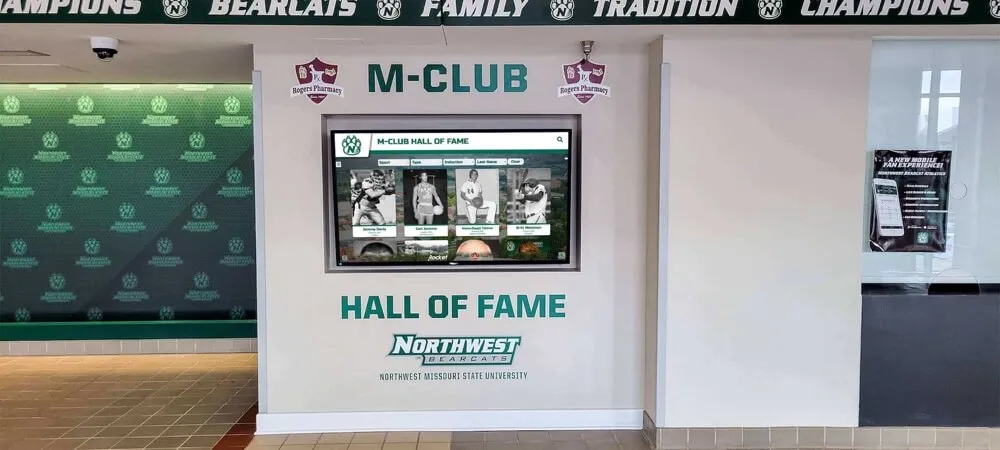
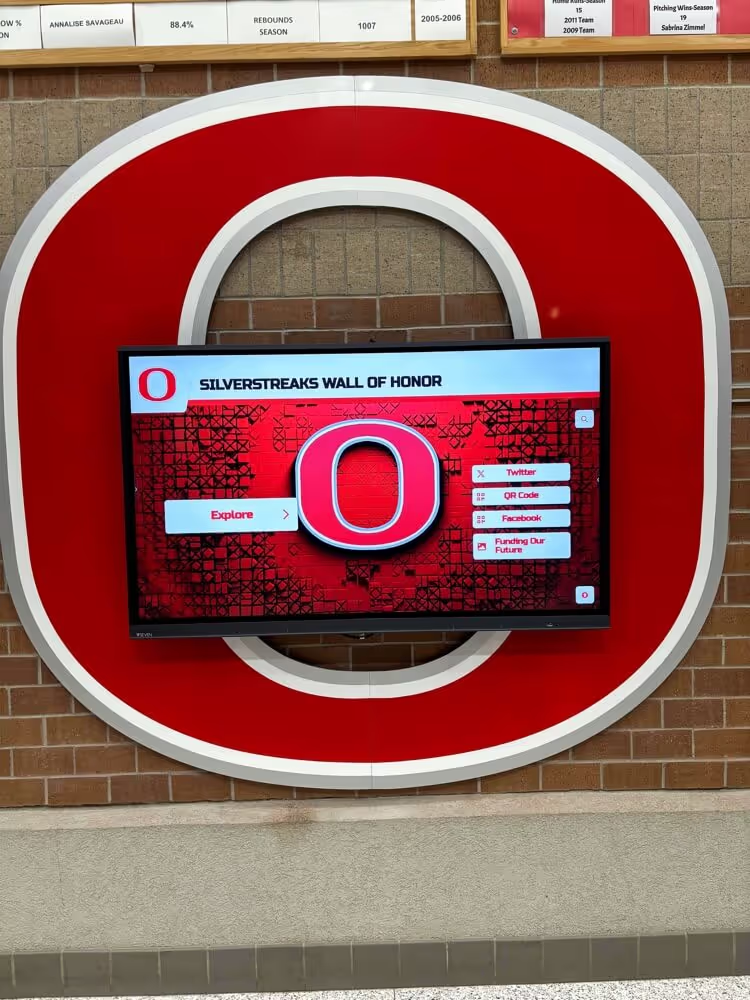
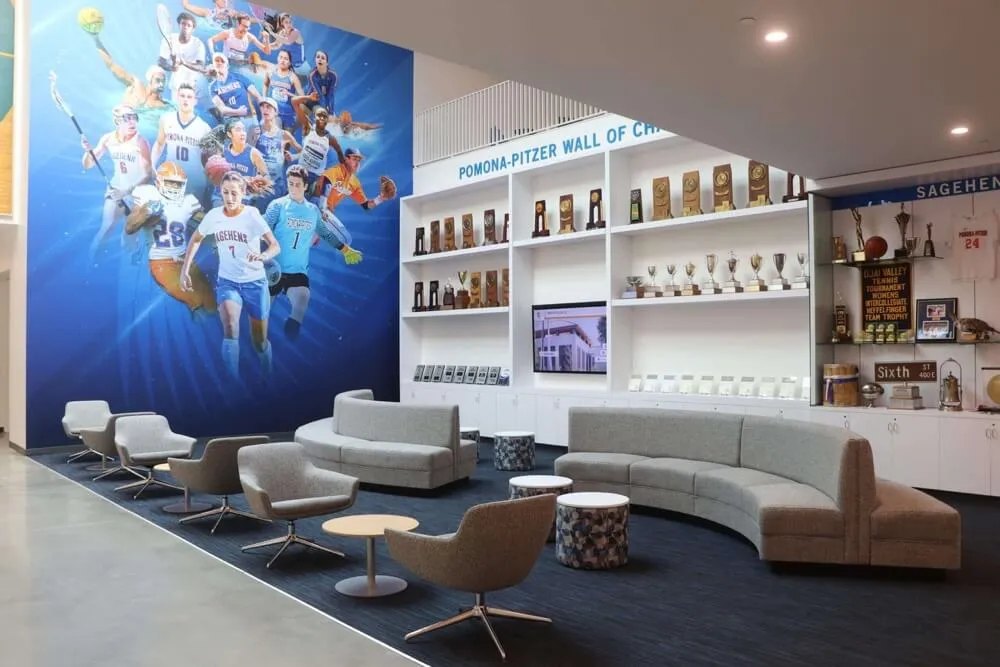
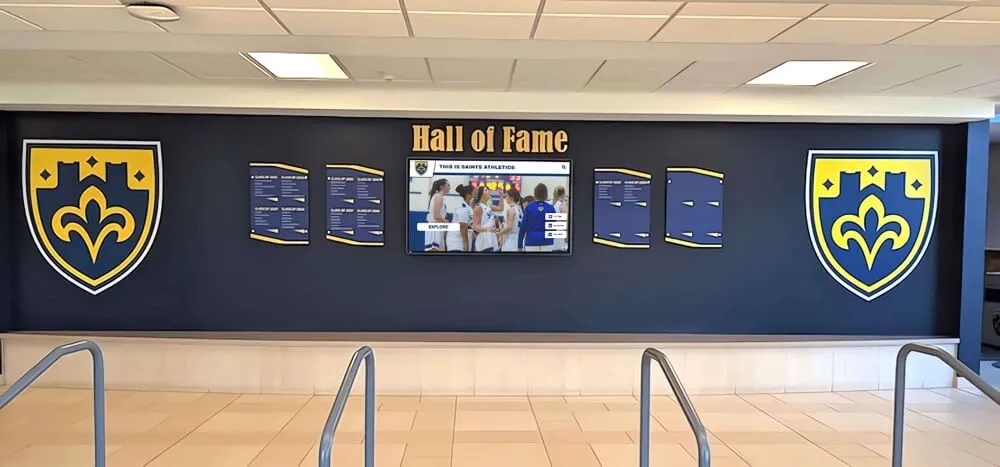
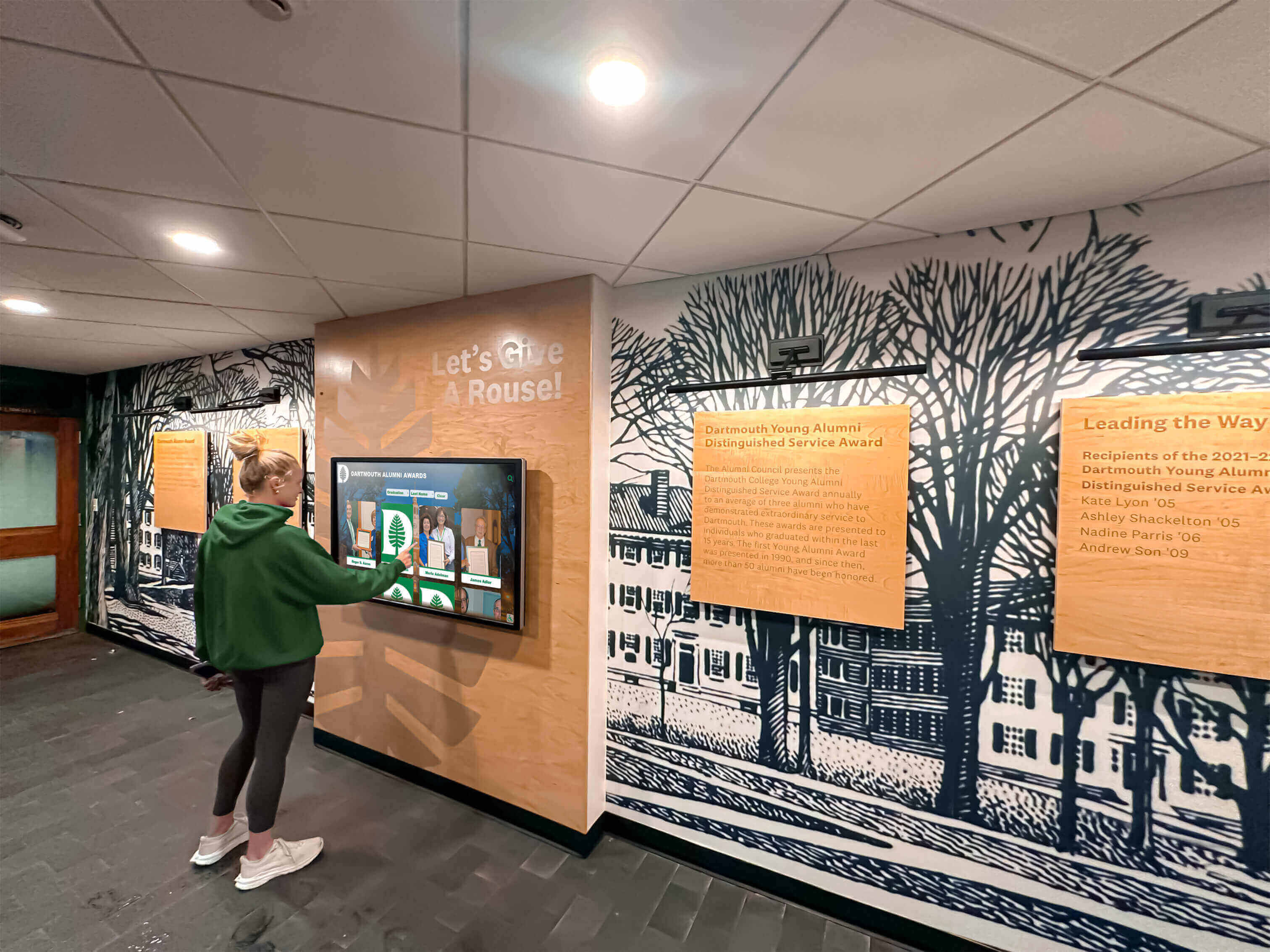
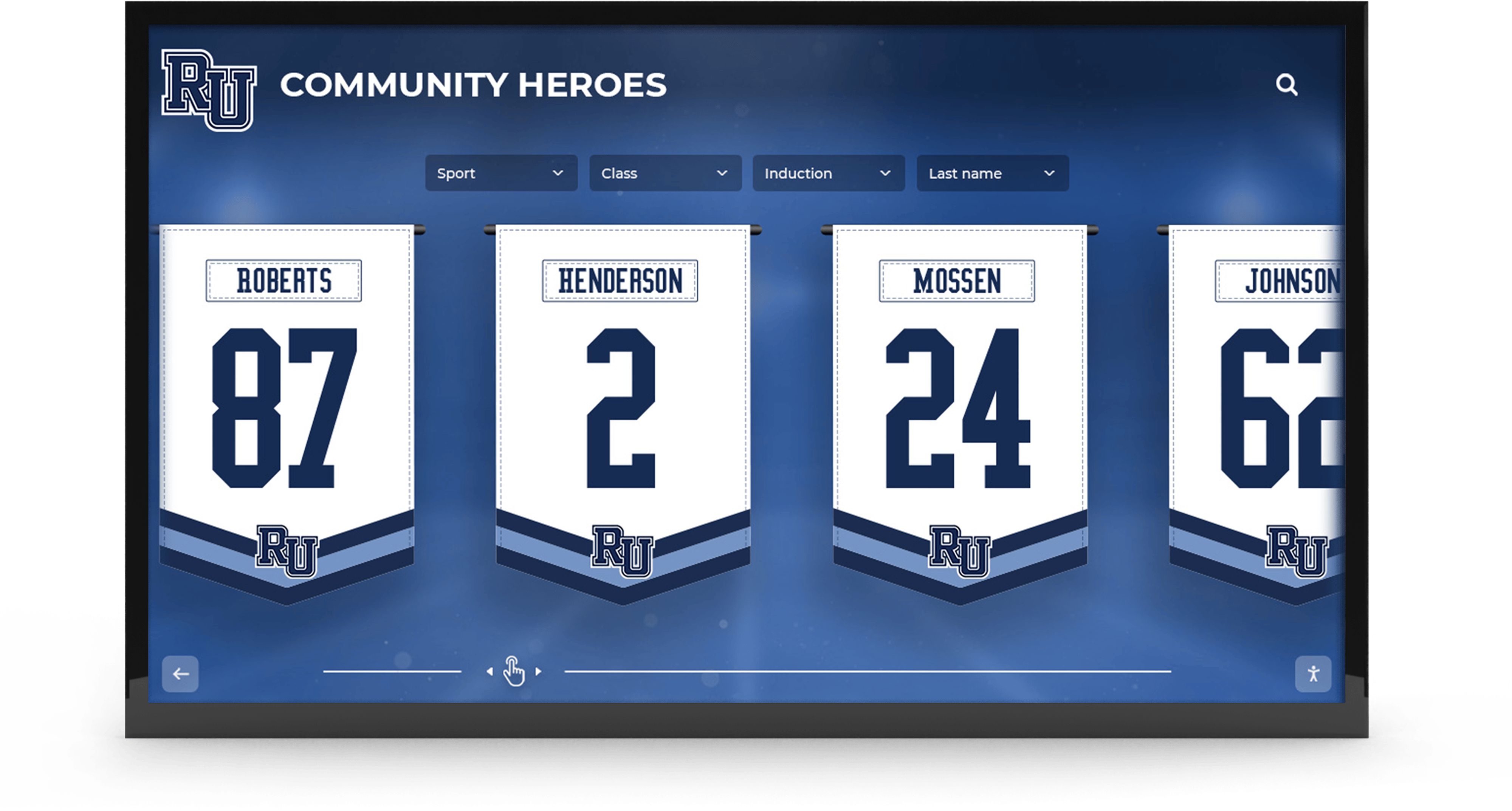
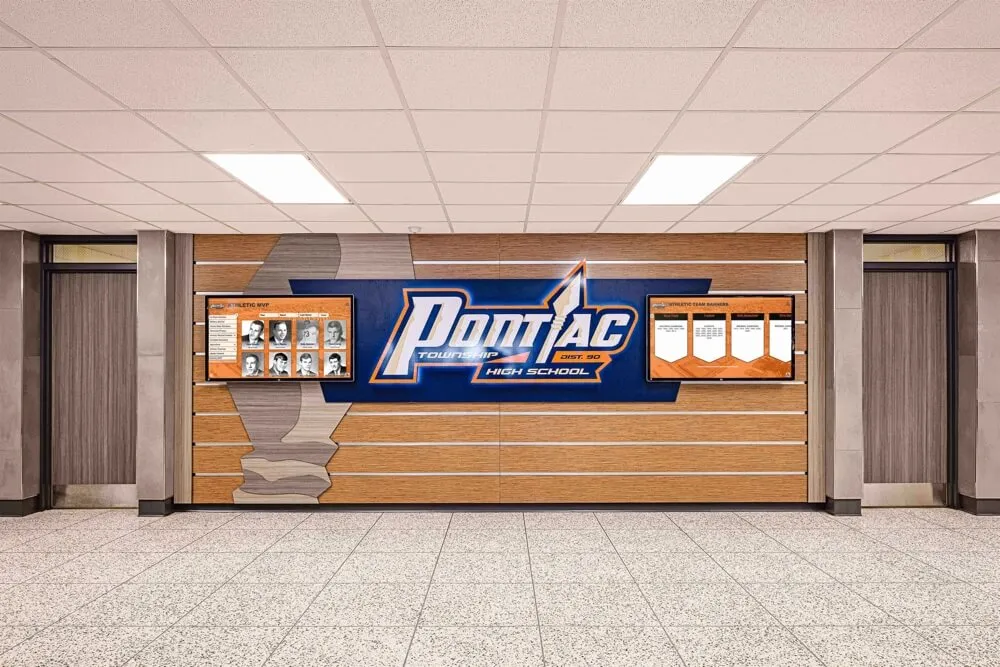
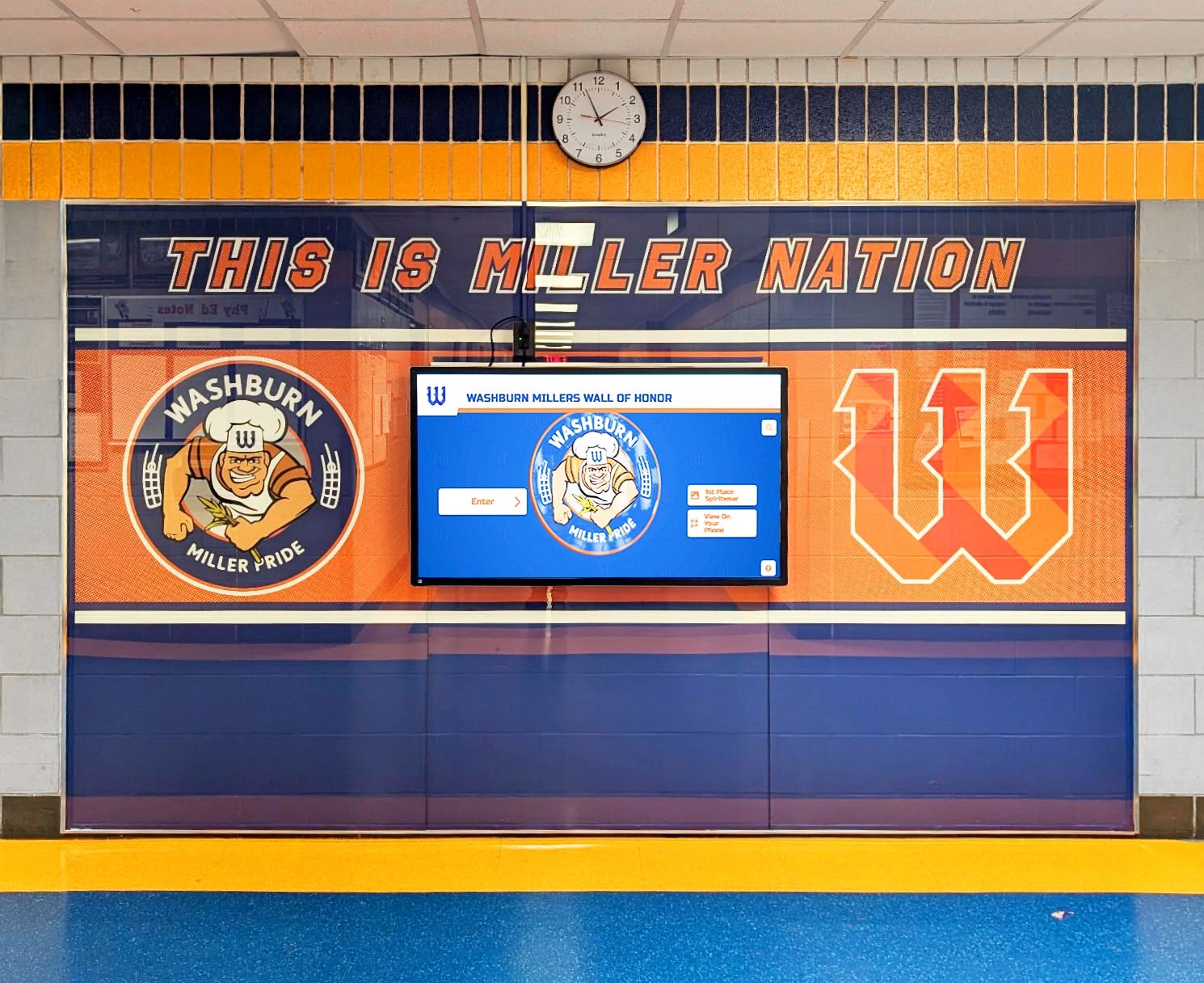
Digital Recognition Displays: Modern digital solutions allow schools and workplaces to showcase spirit week traditions through interactive displays in high-traffic common areas. These displays can feature rotating photo galleries from current and past spirit weeks, participation statistics comparing performance across years, profiles spotlighting individual participants who demonstrated exceptional spirit, and promotional content building anticipation for upcoming spirit celebrations.
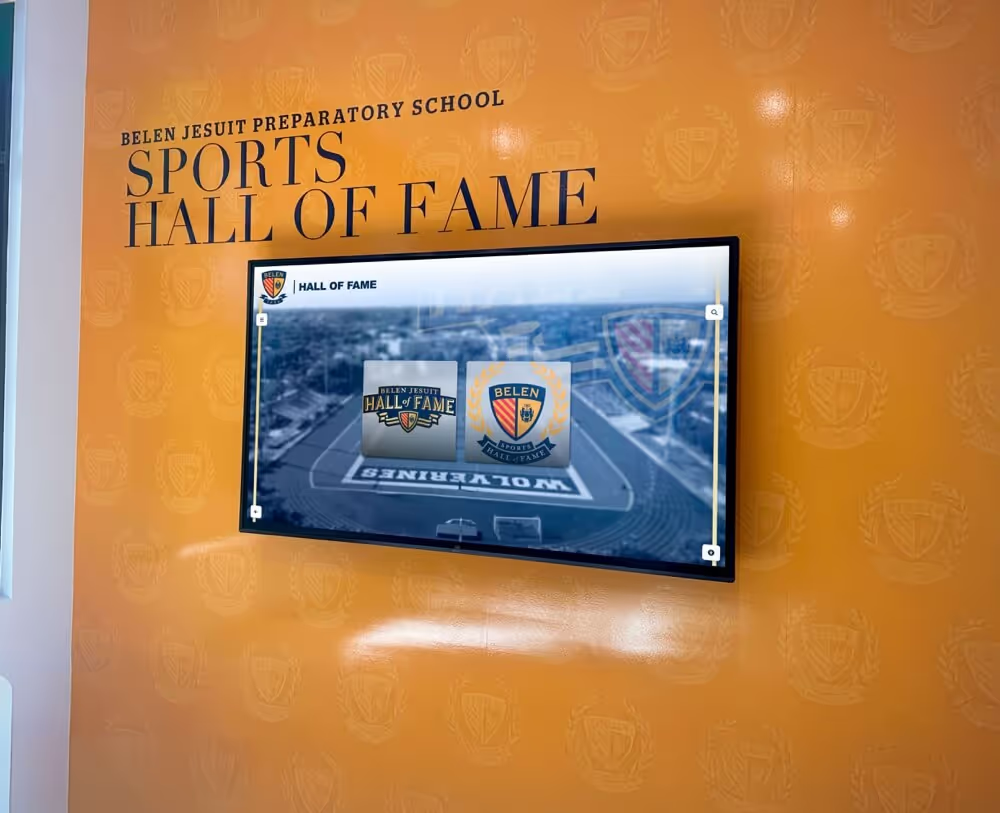
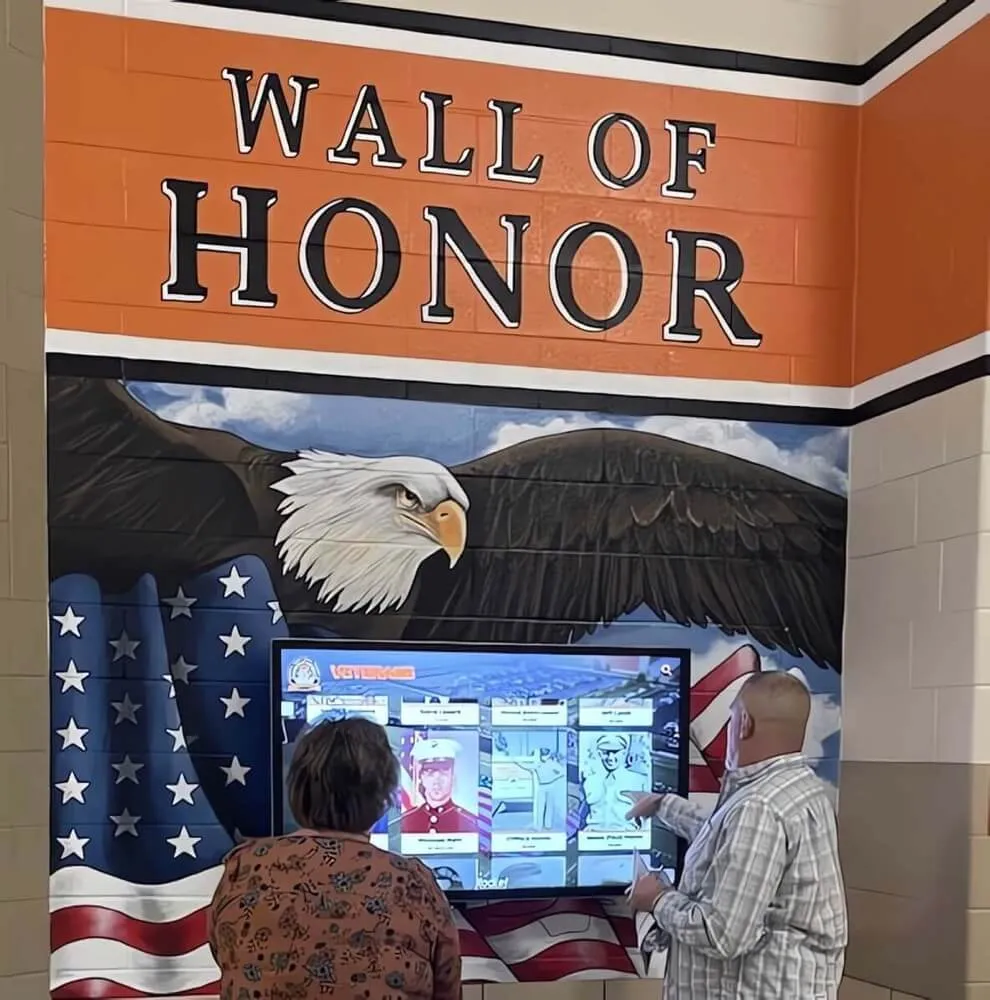
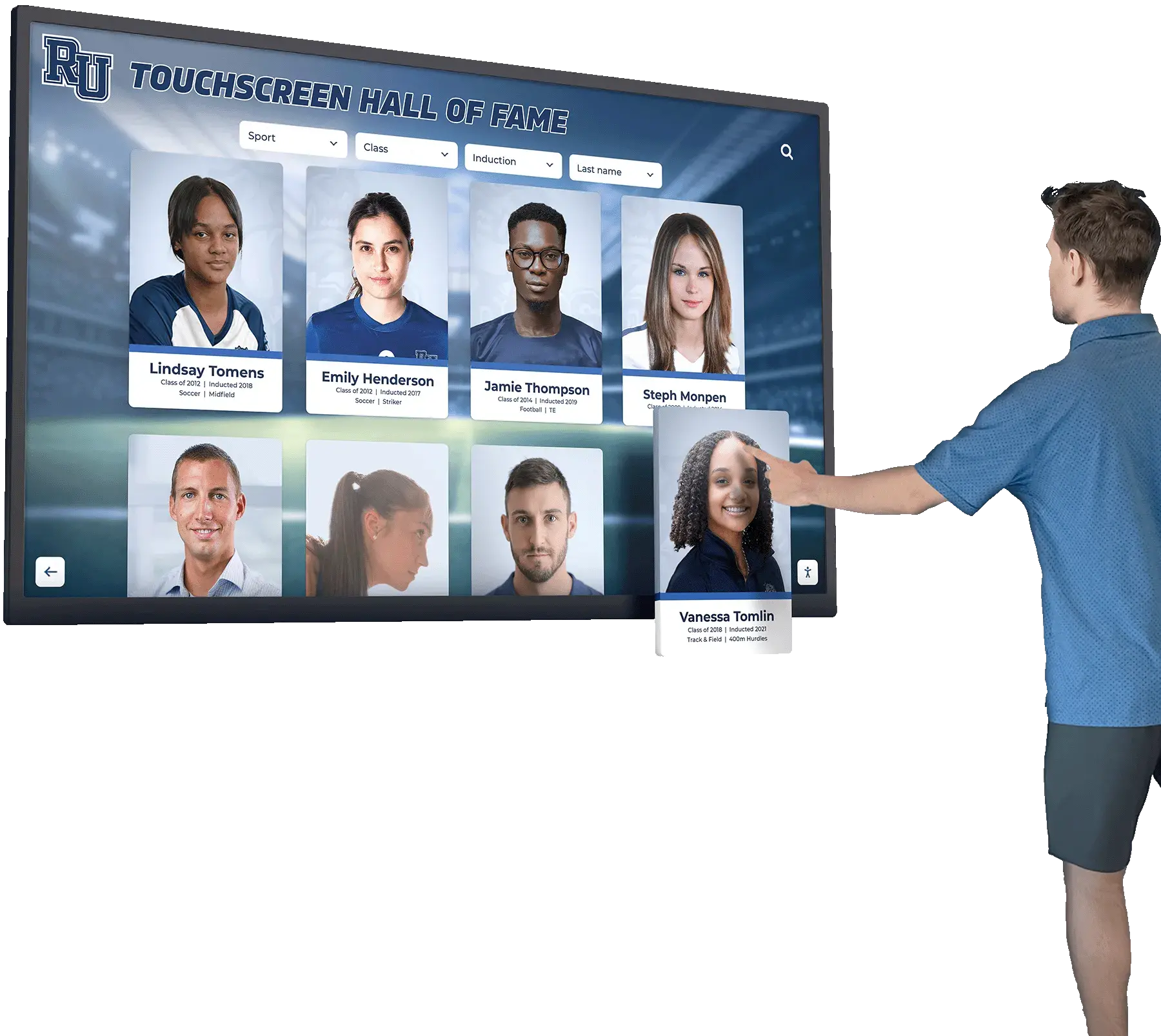
Solutions like Rocket Alumni Solutions provide schools and organizations with touchscreen displays that can showcase spirit week achievements alongside athletic recognition, academic honors, and other community celebrations—creating comprehensive culture recognition platforms rather than single-purpose installations.
Social Media Archives: Create dedicated social media albums or highlight collections preserving spirit week content in easily accessible formats. Tag participants, use consistent hashtags across years, and encourage alumni or former employees to share throwback photos from their participation in previous spirit weeks, building multi-generational tradition connections.
Annual Spirit Week Yearbooks: Compile comprehensive digital or printed yearbooks documenting each spirit week—daily themes, participation photos, winner announcements, notable moments, and participation statistics. These yearbooks become reference materials for future planning while creating permanent records celebrating community culture.
Encouraging Year-Round Spirit Expression
Spirit weeks create concentrated celebration moments, but organizations benefit from encouraging spirit expression throughout entire years rather than limiting school pride or workplace culture to designated weeks.
Spirit Day Fridays: Implement weekly spirit Fridays with rotating simple themes—school colors, jersey day, or hat day—maintaining spirit emphasis without requiring elaborate weekly planning. Regular Friday spirit days normalize pride expression as ongoing expectation rather than special event.
Spirit Milestones: Connect spirit celebrations to organizational milestones throughout years—celebrating enrollment growth with school pride days, marking company anniversary with workplace spirit themes, or recognizing academic achievements with recognition spirit celebrations.
Spontaneous Spirit Days: Empower student councils or culture committees to call spontaneous spirit days in response to positive events—championship victories, standardized testing completion, successful fundraising goal achievement, or simply morale boosts during challenging periods. Spontaneous spirit celebrations create flexibility and responsiveness in organizational culture.
Measuring Spirit Week Impact and ROI
Organizations investing significant planning time and resources into spirit week execution deserve evidence that these investments deliver meaningful returns beyond abstract “morale improvement.”
Participation Metrics: Track participation rates across demographic groups, time periods, and theme types. Analyze which themes generate highest participation, whether participation increases or decreases throughout the week, and which groups show lower participation requiring targeted inclusion efforts.
Attendance Correlation: Compare attendance rates during spirit week against typical weeks, examining whether spirit celebrations correlate with improved attendance—one concrete metric demonstrating spirit week value for schools where chronic absenteeism presents challenges.
Survey Feedback: Gather structured feedback from participants through brief surveys assessing spirit week impact on sense of belonging, community connection, school pride, workplace satisfaction, and likelihood to participate in future spirit events. Quantitative survey data provides evidence supporting continued investment in spirit programming.
Long-Term Culture Assessment: Track whether regular spirit celebrations correlate with broader culture improvements over extended time periods—reduced discipline issues in schools, improved employee retention in workplaces, increased participation in other extracurricular or optional activities, or improved satisfaction metrics on annual surveys.
Common Spirit Week Challenges and Solutions
Even well-planned spirit weeks encounter predictable challenges. Understanding common obstacles and proven solutions helps organizers anticipate problems and implement preventive strategies.
Challenge: Low Participation Rates
Problem: Spirit week launches with enthusiasm but participation remains disappointing at 15-20% rather than target rates of 50%+ in schools or 30%+ in workplaces.
Solutions:
- Ensure themes are genuinely accessible without purchases—test each theme asking “Can someone participate with items they already own?”
- Provide 3-4 weeks advance notice allowing adequate planning time
- Create visible leadership participation—when administrators, teachers, or executives participate enthusiastically, it signals that spirit week matters and participation is valued rather than childish
- Implement friendly competition between grades, departments, or houses with transparent participation tracking displayed publicly
- Offer multiple participation intensity levels ensuring people uncomfortable with maximum costume engagement can participate meaningfully with minimal additions
- Celebrate all participation equally—avoid “best costume” competitions that suggest elaborate expensive costumes receive more recognition than simple creative participation
Challenge: Exclusion and Financial Barriers
Problem: Students or employees from lower-income backgrounds feel excluded from spirit participation due to themes requiring purchases they cannot afford.
Solutions:
- Explicitly communicate that participation requires zero purchases and that creative interpretations using existing items receive equal celebration
- Prioritize themes requiring only items virtually everyone owns—single color items, pajamas, favorite shirts, or simple accessories
- Avoid themes requiring elaborate costumes, specific branded merchandise, or specialized items
- Establish costume swap programs or lending libraries where participants can borrow spirit items
- Focus on creativity and enthusiasm rather than costume quality or elaborateness
- Never make spirit participation mandatory or factor into grades, evaluation, or other consequential metrics
Challenge: Dress Code Conflicts
Problem: Spirit day costumes conflict with school dress codes or workplace professional standards, creating confusion about what remains acceptable during spirit celebrations.
Solutions:
- Publish clear spirit week dress code guidelines explaining what remains prohibited even during spirit days—no excessive skin exposure, no offensive imagery, no items that could be perceived as weapons
- Require all costumes maintain basic modesty and appropriateness standards
- For workplaces, consider client-facing employees maintaining professional standards while back-office staff have more costume flexibility
- Provide “costume add-on” options for professional environments—themed accessories, creative ties or scarves, or temporary additions to otherwise professional attire
- Have backup clothing available for participants whose costume choices don’t meet standards
Challenge: Declining Participation Throughout the Week
Problem: Monday shows strong participation but numbers decline progressively with minimal Friday participation despite Friday typically being most important day.
Solutions:
- Reverse typical theme progression—start with more elaborate themes Monday when energy is high, ending with simplest most accessible themes Friday when fatigue sets in
- Make Friday theme the most valued in competition scoring, incentivizing continued participation
- Build progressive narrative throughout week where participation earlier days creates investment in completing the full week
- Announce surprise recognition or prizes for full-week participants, rewarding sustained engagement
- Schedule major events like pep rallies or competitions Friday afternoon, ensuring cost to skipping Friday participation
Challenge: Lack of Administrative or Executive Support
Problem: Student councils or employee culture committees want to implement spirit weeks but face resistance from administrators or executives who view spirit activities as distractions from productivity.
Solutions:
- Present evidence connecting school spirit or workplace culture to measurable outcomes—attendance improvement, retention statistics, satisfaction surveys, or academic/productivity metrics
- Propose spirit weeks during naturally lower-productivity periods—before major school breaks, during slow business seasons, or around existing celebrations where productivity dips already occur
- Emphasize that spirit weeks require minimal instructional or business operation disruption—costume participation occurs without taking time away from core activities
- Invite administrators or executives to participate visibly, giving them ownership over spirit success
- Start with single spirit days rather than full weeks, proving concept before requesting expanded investment
Conclusion: Building Communities Through Strategic Spirit Celebration
Spirit weeks represent far more than fun costume days—they create shared experiences that strengthen organizational identity, build belonging that directly impacts core outcomes, provide leadership development opportunities, and establish traditions that define community culture across generations.
The difference between spirit weeks that generate authentic enthusiasm and those that feel like forced obligations comes down to strategic planning—accessible theme selection ensuring all community members can participate regardless of financial resources, clear communication providing adequate preparation time and inspiration, inclusive approaches accommodating diverse comfort levels, and recognition extending celebration beyond the immediate week into year-round culture acknowledgment.
Whether you’re planning spirit week for an elementary school of 300 students, a high school of 2,000, or a workplace team of 50 employees, the 105 themes and implementation strategies in this guide provide frameworks for creating spirit celebrations that genuinely engage your communities. Start with accessible themes ensuring broad participation, build traditions through annual repetition with strategic novelty, track participation to understand what works, and extend recognition throughout the year maintaining spirit week visibility long after costumes return to closets.
When schools celebrate spirit traditions through permanent displays in high-traffic areas—using solutions like digital recognition systems—they signal that spirit weeks matter to institutional identity rather than representing one-week distractions from educational missions. When workplaces invest in comprehensive spirit celebrations with participation tracking and ongoing recognition, they demonstrate that culture and community receive equivalent priority to productivity metrics.
Spirit week success ultimately depends on authentic community investment—participants who feel genuine pride in organizational identity, leaders who prioritize culture alongside operational objectives, and recognition systems that celebrate community traditions as integral to what makes schools and workplaces special rather than as peripheral nice-to-have additions.
Ready to transform your spirit week traditions into year-round culture recognition? Explore how Rocket Alumni Solutions’ digital recognition displays can showcase your spirit week achievements, participation photos, and community traditions in high-traffic areas—creating permanent celebrations of school pride and workplace culture that build belonging every day of the year, not just during designated spirit weeks.