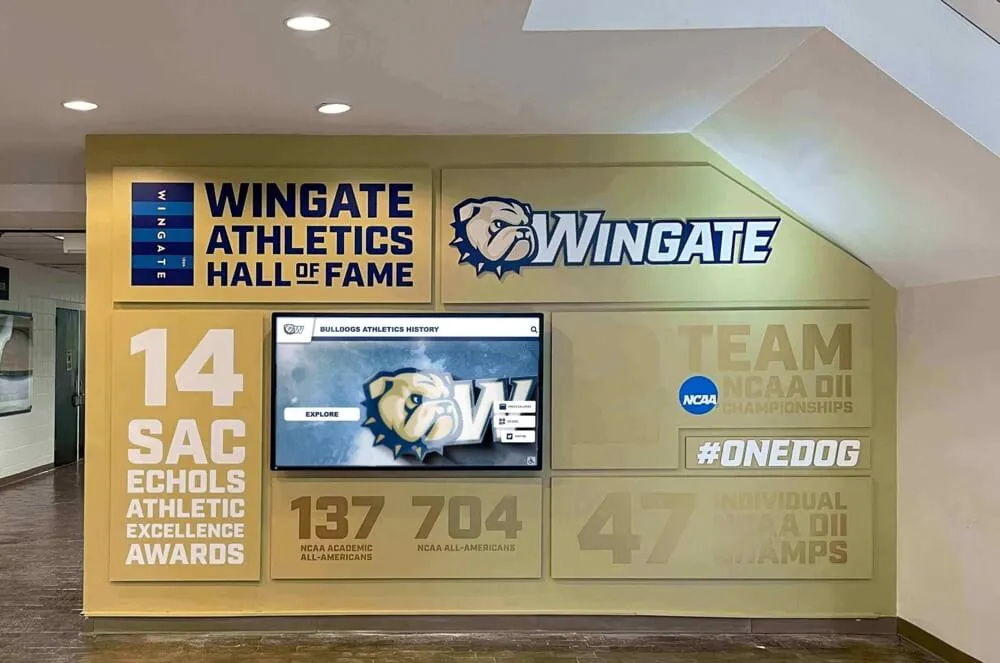




Key Takeaways
Discover creative, age-appropriate spirit day ideas perfect for middle school students. From decade days to academic challenges, learn theme ideas that build community, boost engagement, and create lasting memories while celebrating participants through modern recognition systems.
Middle school represents that unique developmental sweet spot where students are old enough to understand sophisticated themes yet young enough to embrace playful creativity. Spirit days during these transitional years serve critical functions beyond simple fun—they build community bonds, create shared experiences across grade levels, provide safe opportunities for self-expression, and establish traditions that define school culture for years to come.
Yet planning spirit days for middle schoolers requires careful calibration. Elementary school themes feel childish to maturing students, while high school concepts often push beyond age-appropriate boundaries. Middle school spirit days must hit that perfect balance—engaging without being juvenile, creative without crossing comfort zones, inclusive without alienating anyone, and memorable without creating social pressure. This comprehensive guide explores age-appropriate spirit day themes specifically designed for grades 6-8, offers implementation strategies that maximize participation, provides solutions for common challenges, and reveals how schools can recognize and celebrate spirit day participants through modern digital displays that build lasting pride.
Why Spirit Days Matter in Middle School
Middle school spirit days create impacts extending far beyond the specific days themselves:
Social-Emotional Benefits:
- Belonging: Spirit days create shared experiences unifying diverse student populations
- Confidence Building: Safe self-expression opportunities during critical identity formation years
- School Connection: Students who participate in spirit activities report stronger school attachment
- Positive Climate: Scheduled fun breaks reduce stress around academic pressures
- Tradition Formation: Memorable spirit days create traditions current students will share with future classes
Practical Advantages:
- Low-Cost Engagement: Spirit days require minimal resources while generating high impact
- Universal Participation: Unlike competitive activities, spirit days include everyone
- Leadership Development: Student council and activity leaders gain planning experience
- Community Visibility: Spirit days create shareable social media content showcasing positive school culture
- Recognition Opportunities: Schools can celebrate spirit day participants through student recognition programs that highlight engagement
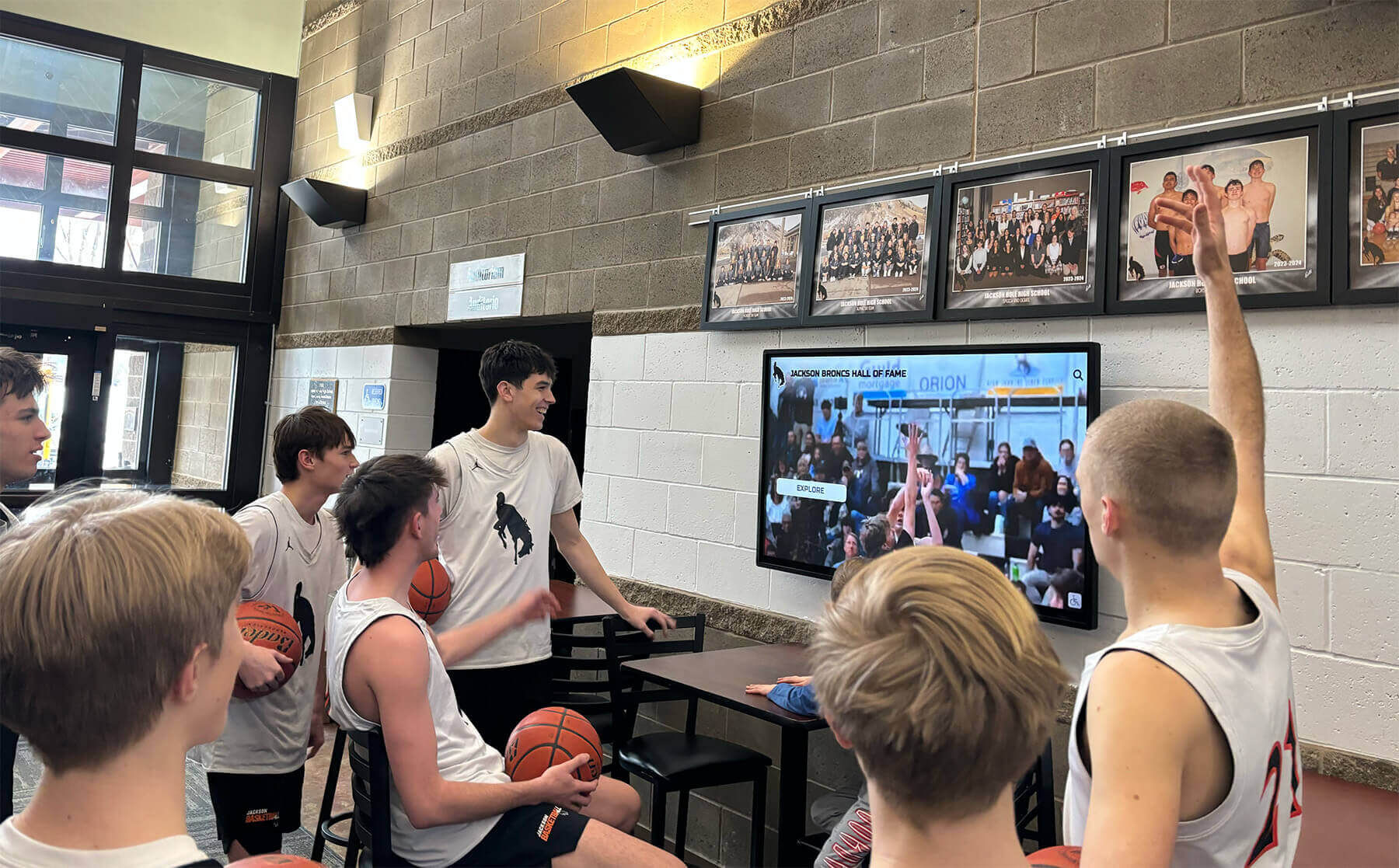
Research from the National Middle School Association indicates that students who participate regularly in school spirit activities demonstrate higher academic engagement, improved attendance rates, and fewer behavioral incidents compared to peers who don’t participate. Spirit days create the positive school culture that supports all other educational goals. Many schools integrate spirit day participation into broader student recognition programs that celebrate engagement and leadership.
Age-Appropriate Spirit Day Themes for Middle School
Classic Color and Decade Themes
Color and decade themes remain popular because they’re simple to understand, easy to participate in, and create visually striking school environments:
Favorite Color Day: Students wear their favorite colors—simple yet effective for universal participation. Create visual impact by photographing color-coordinated grade levels or classes for digital displays. This theme requires zero explanation and allows every student to participate regardless of wardrobe options.
Decades Days: Middle schoolers particularly enjoy exploring decades they didn’t experience firsthand:
- ’80s Day: Bright colors, leg warmers, big hair, and neon accessories
- ’90s Day: Flannel shirts, scrunchies, butterfly clips, and platform shoes
- 2000s Day: Velour tracksuits, chunky highlights, and early smartphone nostalgia
- ’50s Day: Poodle skirts, leather jackets, and sock hop vibes
- ’70s Day: Bell bottoms, peace signs, and disco-inspired outfits
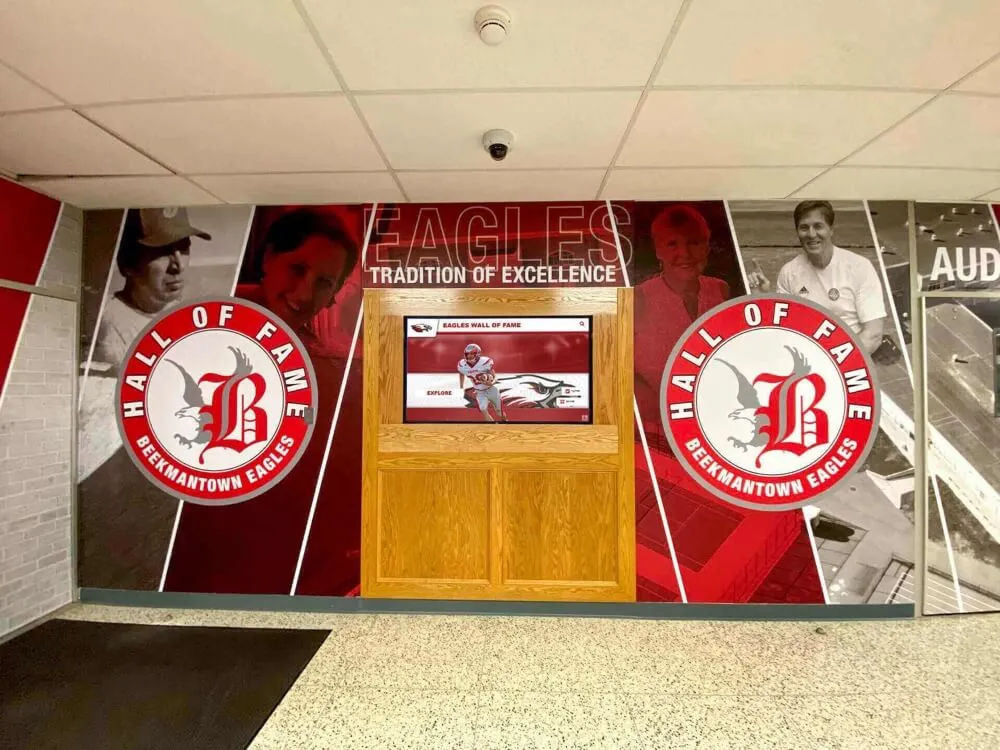
Grade Level Color Wars: Assign specific colors to each grade level (6th grade blue, 7th grade red, 8th grade gold) and track spirit participation throughout the week. Schools can recognize the most spirited grade level through digital recognition displays that celebrate participation winners. These friendly competitions build the same community bonds celebrated through school spirit-building strategies.
Rainbow Day: Students coordinate to create living rainbow formations during assemblies or photographs. Assign colors by homeroom or grade level to create organized visual spectacle.
Character and Costume Themes
Character days allow creative expression while maintaining age-appropriate boundaries:
Book Character Day: Students dress as favorite characters from literature, graphic novels, or age-appropriate book series. This theme connects to literacy initiatives while allowing creativity. Popular choices include Harry Potter characters, Percy Jackson heroes, graphic novel characters, and classic literature figures.
Twin Day: Students coordinate matching outfits with friends, creating opportunities for collaboration and friendship celebration. Teachers can participate by coordinating with colleagues, modeling the spirit theme across the school community.
Superhero Day: Students dress as favorite superheroes from comics, movies, or original creations. This theme appeals to middle school interests while remaining universally accessible. Set clear guidelines about appropriate costumes and weapon props.
Historical Figure Day: Connect spirit activities to social studies curriculum by having students dress as historical figures they’re studying. This theme combines fun with academic reinforcement while allowing students to showcase learning.
Disney/Pixar Character Day: Broad enough to include diverse favorites while remaining age-appropriate. From classic princesses to Marvel characters within the Disney umbrella, this theme offers something for everyone.
Implementation Tips for Character Days:
- Provide costume guidelines specifically addressing appropriateness expectations
- Offer closet options for students who may not have costumes at home
- Allow makeup and accessories as alternative participation methods
- Recognize creative and thoughtful interpretations, not just expensive costumes
- Photograph participants for school history displays preserving spirit day traditions
Career and Future-Focused Themes
Middle school represents prime career exploration years, making career-themed spirit days both engaging and educational:
Career Day: Students dress representing careers they find interesting—from medical professionals to athletes to artists. This theme creates natural connections to career counseling programs while allowing diverse expression. Schools can feature career day photos on digital displays alongside information about various career paths.
College Colors Day: Students wear colors representing colleges they might want to attend, creating early college awareness. This theme works particularly well in 8th grade as students approach high school transitions. Display college information alongside spirit day photos to build college-going culture.
Future Self Day: Students dress representing who they hope to become in the future—powerful for encouraging aspiration and goal-setting. Some students might dress as professional athletes, others as scientists, artists, teachers, or any other future identity.
STEM Day: Students dress as scientists, engineers, mathematicians, or technology professionals. Connect this theme to STEM curriculum while celebrating academic interests. Lab coats, safety goggles, and math equation shirts all qualify.
Sports and Activity Themes
Athletic and activity-based themes leverage existing school pride around teams and clubs:
Jersey Day: Students wear jerseys representing any sport—school teams, professional favorites, or recreational leagues. This theme celebrates athletic participation at all levels while creating visible team spirit. Schools can recognize student-athletes through athletic recognition programs featured on digital displays. For schools looking to recognize broader athletic achievement, consider implementing comprehensive recognition systems that celebrate participation across all sports and skill levels.
Team Colors Day: Students wear colors representing favorite professional or college sports teams. This theme creates friendly rivalry conversations while allowing simple participation—most students own team colors even without jerseys.
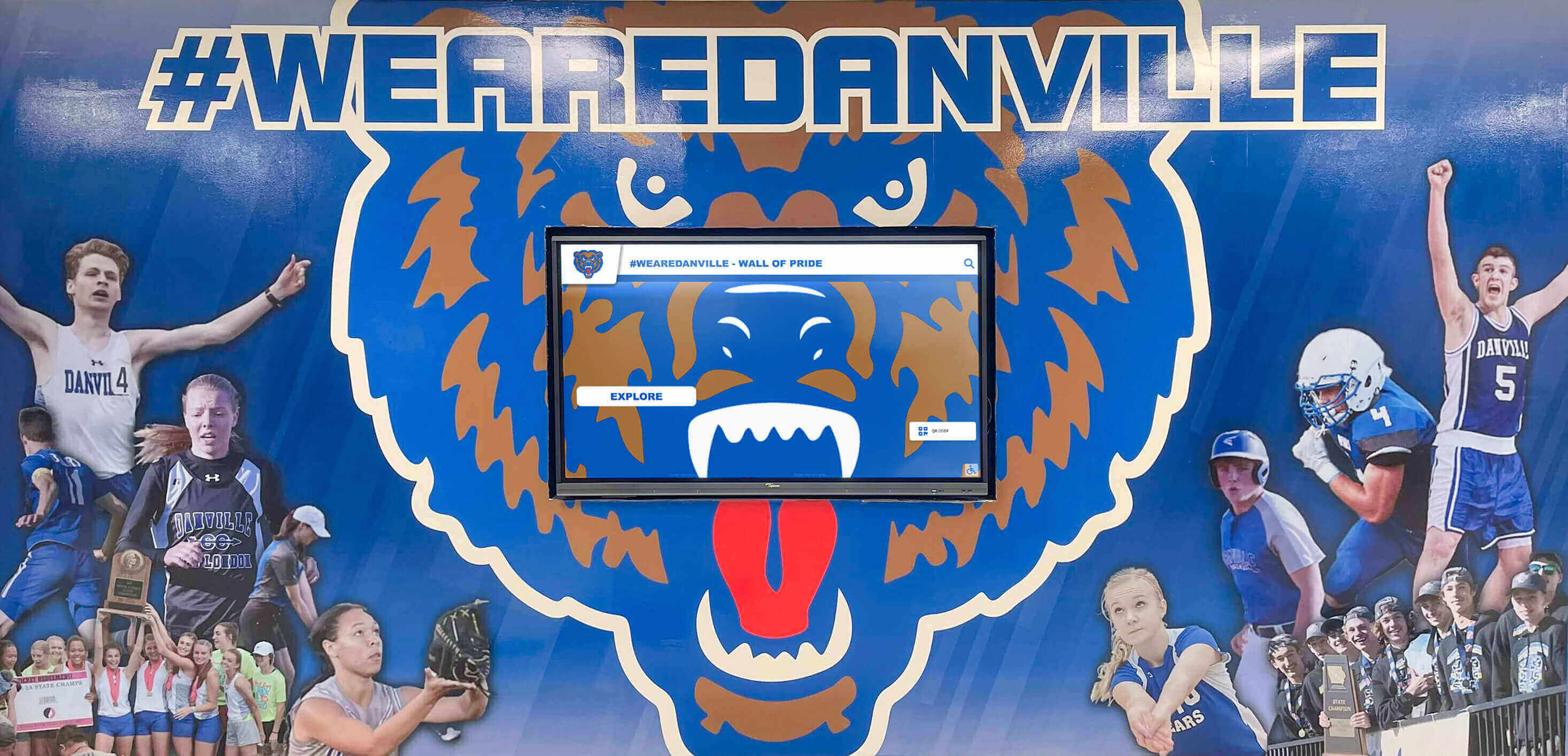
Active Wear Day: Students dress in athletic wear, gym clothes, or activewear. This comfortable theme requires no special purchases while celebrating physical fitness and activity participation.
School Spirit Jersey Day: If your school has spirit wear or team jerseys, dedicate a day to wearing official school apparel. This theme builds visible unity while supporting school spirit wear sales.
Olympic Day: Students represent different countries they’d want to compete for in Olympic games, creating connections to geography, international awareness, and athletic excellence.
Academic and Subject-Based Themes
Connecting spirit days to academic content creates engagement while reinforcing learning:
Math Day: Students incorporate mathematical symbols, formulas, or number representations into outfits. Pi symbol shirts, calculator accessories, or geometric patterns all qualify. Connect this theme to math curriculum while celebrating academic achievement.
Reading Day: Students dress as favorite book characters or wear reading-themed clothing. This theme reinforces literacy initiatives while allowing creative expression. Schools can showcase reading accomplishments through academic recognition displays. Consider pairing this theme with teacher appreciation initiatives that celebrate educators who inspire students to love reading.
Science Day: Students dress representing scientific concepts, famous scientists, or science fields. Lab coats, planet shirts, biology diagrams, and chemistry references all fit this theme while celebrating STEM learning.
Social Studies Around the World Day: Students wear clothing or colors representing different countries or cultures being studied. This theme connects to geography curriculum while celebrating cultural diversity. Establish clear cultural sensitivity guidelines ensuring respectful representation.
Language Day: Students wear clothing representing languages they’re studying or cultural connections to world language programs. Spanish, French, German, or other language themes create curriculum connections.
Music and Entertainment Themes
Music and entertainment themes tap into middle school interests while remaining age-appropriate:
Favorite Music Genre Day: Students dress representing favorite music styles—country, rock, pop, hip-hop, classical, or any genre preference. This theme allows personal expression while creating interesting diversity throughout school.
Decades Music Day: Similar to general decades days but focused specifically on music eras. Students might dress as ’90s boy band members, ’80s rock stars, or 2000s pop icons.
Musical Theater Day: Students dress as characters from favorite musicals—from Hamilton to Frozen to classic Broadway shows. This theme celebrates performing arts while allowing diverse participation options.
Favorite Movie Day: Students represent favorite films through clothing, accessories, or character representation. Set clear guidelines about age-appropriate movie choices.
TV Show Character Day: Students dress as characters from favorite television shows. This theme allows current pop culture connections while remaining accessible—most characters can be represented through everyday clothing with simple accessories.
Silly and Fun Themes
Some spirit days succeed simply through playful silliness perfect for middle school humor:
Wacky Hair Day: Students create unusual hairstyles using temporary colors, styling products, accessories, or creative arrangements. This low-barrier theme allows everyone to participate and creates memorable photo opportunities.
Pajama Day: Students wear appropriate sleepwear to school (establish clear guidelines about coverage requirements). This comfortable theme remains perennially popular across all age groups.
Backwards Day: Students wear clothing backwards, inside out, or in unexpected combinations. This simple theme requires no special purchases while creating plenty of laughs.
Hat Day: Students wear favorite hats—baseball caps, beanies, bucket hats, or any other headwear normally prohibited. This theme leverages the novelty of wearing items typically banned during regular school days.
Mismatch Day: Students intentionally wear mismatched patterns, colors, and styles. Clashing socks, conflicting patterns, and unexpected combinations define this playfully chaotic theme.
Crazy Sock Day: Students wear the wildest, most colorful, or most unusual socks they own. This simple theme requires minimal effort while creating easy visual participation. Works particularly well as a fundraiser with small donation suggested for participation.
Camouflage Day: Students wear camouflage patterns in any form—traditional hunting camo, pink camo, or any camouflage variation. This theme has broad appeal across different student interest groups.
Sunglasses Day: Students wear sunglasses throughout the day (where safe and appropriate). This simple accessory theme allows universal participation without requiring costume changes.
Community and Unity Themes
Some spirit day themes specifically build community connections:
School Colors Day: The most basic yet effective theme—everyone wears school colors. This creates powerful visual unity while requiring nothing beyond what most students already own.
Class T-Shirt Day: If grade levels or advisory groups have class shirts, dedicate a day to wearing them. This theme builds grade-level identity while creating visible unity within each class.
Teacher Appreciation Day: Students wear clothing honoring favorite teachers—perhaps representing subjects teachers teach or incorporating thank you messages. This theme builds community across the student-teacher relationship.
Staff Lookalike Day: Students dress to look like favorite teachers or staff members (with permission and appropriate respect). Teachers can participate by dressing like students, creating humorous role reversal.
Unity Day: Students wear orange to support anti-bullying initiatives and promote kindness. This nationally recognized observance creates meaningful spirit participation connected to character education.
Planning Successful Spirit Weeks
Rather than single spirit days, many schools organize spirit weeks with daily themes building toward culminating events:
Monday through Friday Theme Progressions
Classic Spirit Week:
- Monday: Pajama Day (easy start to the week)
- Tuesday: Decades Day (creative middle)
- Wednesday: Twin Day (mid-week collaboration)
- Thursday: School Colors Day (building unity)
- Friday: Jersey Day (spirited conclusion before game day)
Career Week:
- Monday: Career Day (dress as future profession)
- Tuesday: College Colors Day (represent desired college)
- Wednesday: STEM Day (science/technology focus)
- Thursday: Teacher for a Day (honor educators)
- Friday: School Colors (unite as current school community)
Around the World Week:
- Monday: Favorite Country Colors
- Tuesday: Cultural Heritage Day
- Wednesday: Language Day (represent studied language)
- Thursday: International Foods (coordinate with cafeteria)
- Friday: School Colors Unity Day
Entertainment Week:
- Monday: Favorite Movie Day
- Tuesday: Music Genre Day
- Wednesday: Superhero Day
- Thursday: Disney Character Day
- Friday: School Spirit Day
Building Excitement Throughout the Week
Daily Announcements: Highlight best-dressed students, creative interpretations, and participation statistics each morning. Recognition through announcements motivates continued participation throughout the week.
Social Media Coverage: Share photos on school social media accounts celebrating participation. Create hashtags for each day allowing students to share their own participation photos.
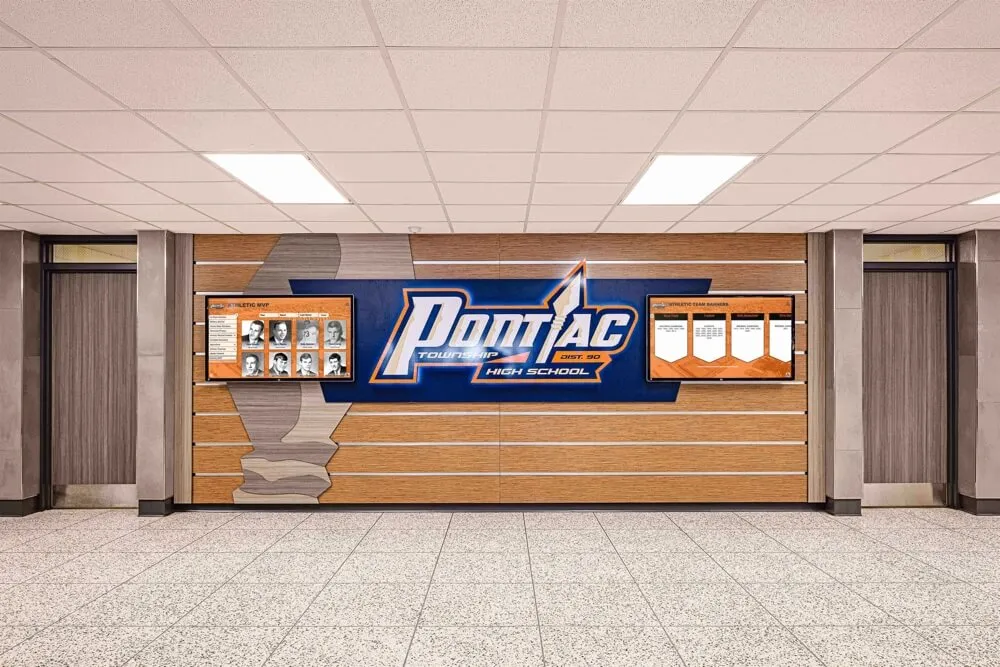
Grade Level Competitions: Track participation rates by grade level and recognize the most spirited grade at week’s end. Display results on digital recognition boards in common areas. For schools looking to modernize their recognition approach, interactive digital displays provide engaging platforms for celebrating student participation.
Culminating Events: Schedule spirit assemblies, class competitions, or special activities for Friday’s conclusion. Spirit weeks feel more significant when building toward meaningful culmination rather than simply ending.
Staff Participation: Maximum student engagement occurs when teachers and staff participate enthusiastically. Staff participation signals that spirit days matter and models school pride for students.
Maximizing Participation: Practical Strategies
Even the best spirit day themes fail without thoughtful implementation ensuring broad participation:
Communication Strategies
Advance Notice: Announce spirit day themes at least one week in advance—preferably two weeks for elaborate costume days. Students need time to plan, gather supplies, and coordinate with friends.
Multiple Communication Channels:
- Morning announcements (multiple days before event)
- Digital displays in hallways and cafeteria
- School website calendar and news sections
- Email to parents explaining themes and expectations
- Social media posts with visual examples
- Printed flyers in prominent locations
- Student council promotions and reminders
Visual Examples: Provide example photos showing appropriate participation. Visual references help students understand expectations while inspiring creative interpretations.
Addressing Barriers to Participation
Financial Concerns: Many families cannot afford to purchase special clothing for spirit days. Address this reality through:
- Choosing themes that work with existing wardrobes
- Providing costume closet options in the counseling office
- Emphasizing accessories over full outfits
- Allowing creative interpretations using everyday items
- Offering small accessories for students who don’t have theme-appropriate clothing
Social Anxiety: Middle schoolers experience significant social pressure and fear of embarrassment. Reduce anxiety by:
- Ensuring high teacher and staff participation rates
- Starting with simple themes before more elaborate ones
- Creating buddy systems for coordinated participation
- Emphasizing that any participation level counts
- Never forcing participation or singling out non-participants
- Celebrating diverse interpretation styles
Cultural Sensitivity: Ensure spirit day themes respect cultural diversity:
- Avoid themes requiring culturally-specific clothing or appropriation
- Provide clear guidelines about respectful representation
- Consult with diverse stakeholder groups when planning themes
- Allow alternatives for students whose cultural or religious beliefs conflict with specific themes
- Emphasize inclusion and respect in all communications
Dress Code Alignment: Spirit day themes must work within dress code parameters:
- Clearly communicate what remains prohibited even on spirit days
- Train staff on appropriate responses to violations
- Address concerns proactively rather than disciplining on spirit days
- Focus on celebrating appropriate participation rather than policing violations
Incentivizing Participation
Recognition Systems: Acknowledge spirit day participation through:
- Student of the month programs highlighting spirit leaders
- Digital displays featuring spirit day photos and participants
- Homeroom or grade level participation competitions
- Individual recognition for creative or enthusiastic participation
- End-of-year awards celebrating consistent spirit participation
- Perfect attendance recognition that includes spirit day participation as part of overall engagement metrics
Small Rewards: Consider modest incentives encouraging participation:
- Extra recess or free time for most spirited homeroom
- Small prizes or recognition certificates
- Featured placement in yearbook spirit pages
- Priority at school events for participating classes
- Recognition on digital displays celebrating school engagement
Leadership Opportunities: Involve students in planning and implementation:
- Student council leadership in theme selection
- Photography committee documenting spirit days
- Class representatives promoting participation
- Peer recognition programs where students nominate spirited peers
- Student-created promotional materials and announcements
Celebrating Spirit Day Success Through Recognition Displays
Spirit days create memorable moments and build school culture—but their impact multiplies when schools preserve and celebrate these experiences through permanent recognition:
Digital Recognition Solutions
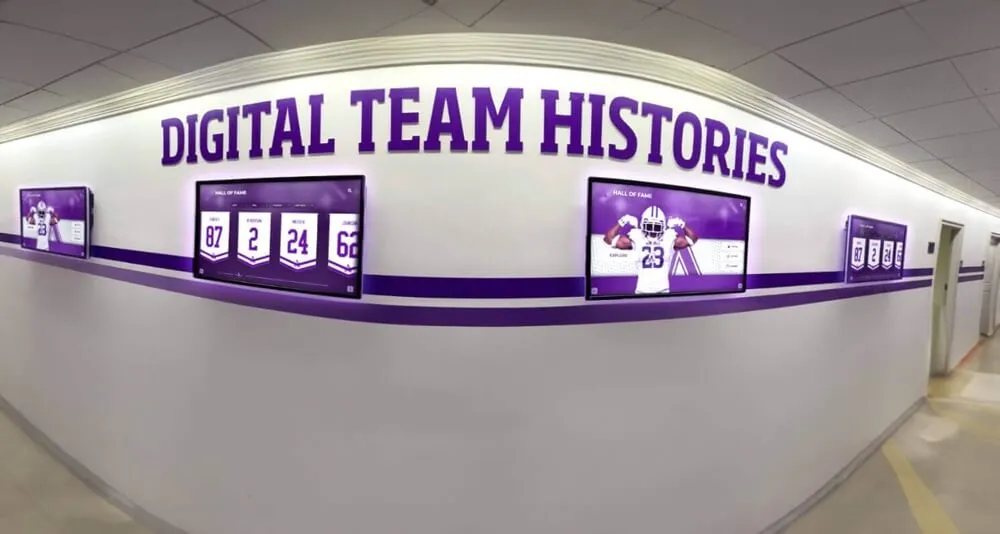
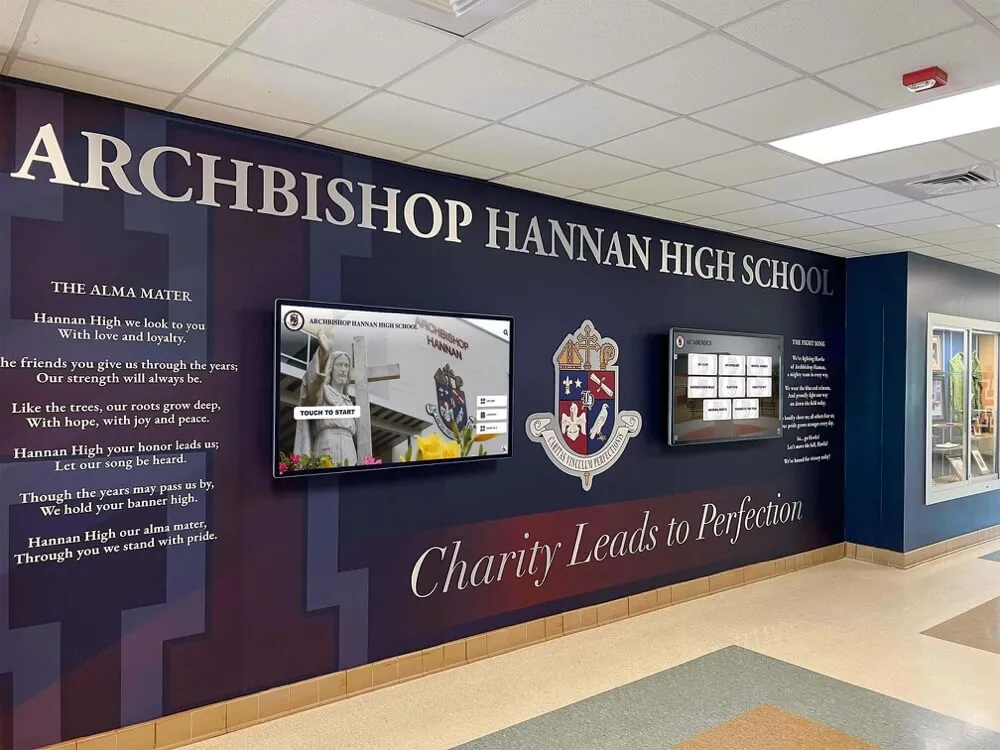
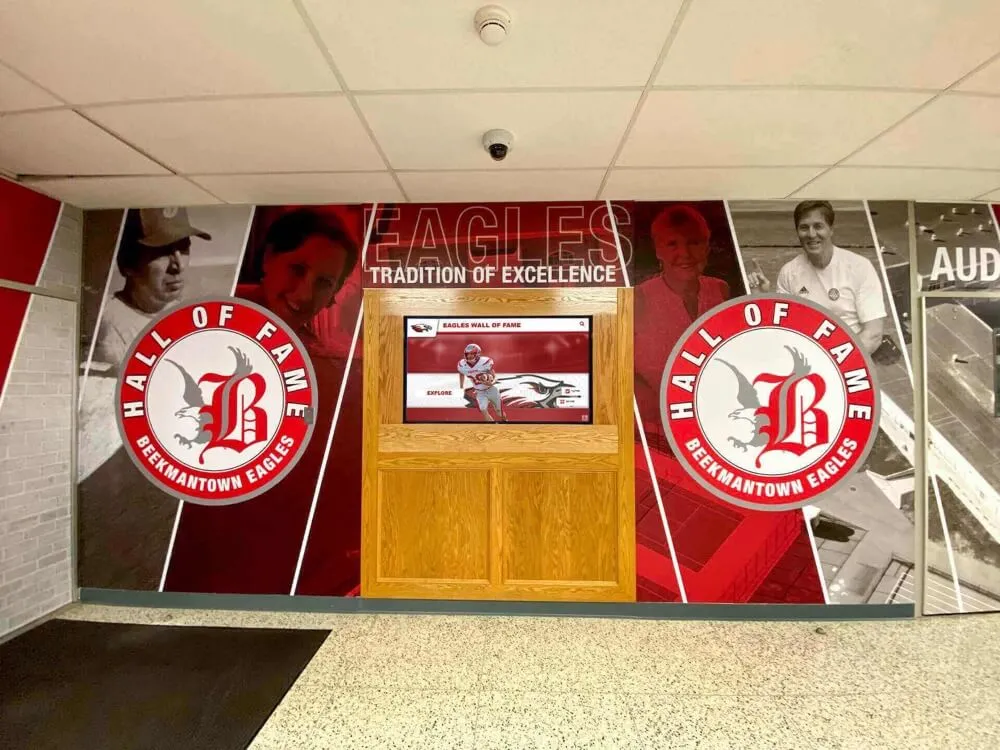
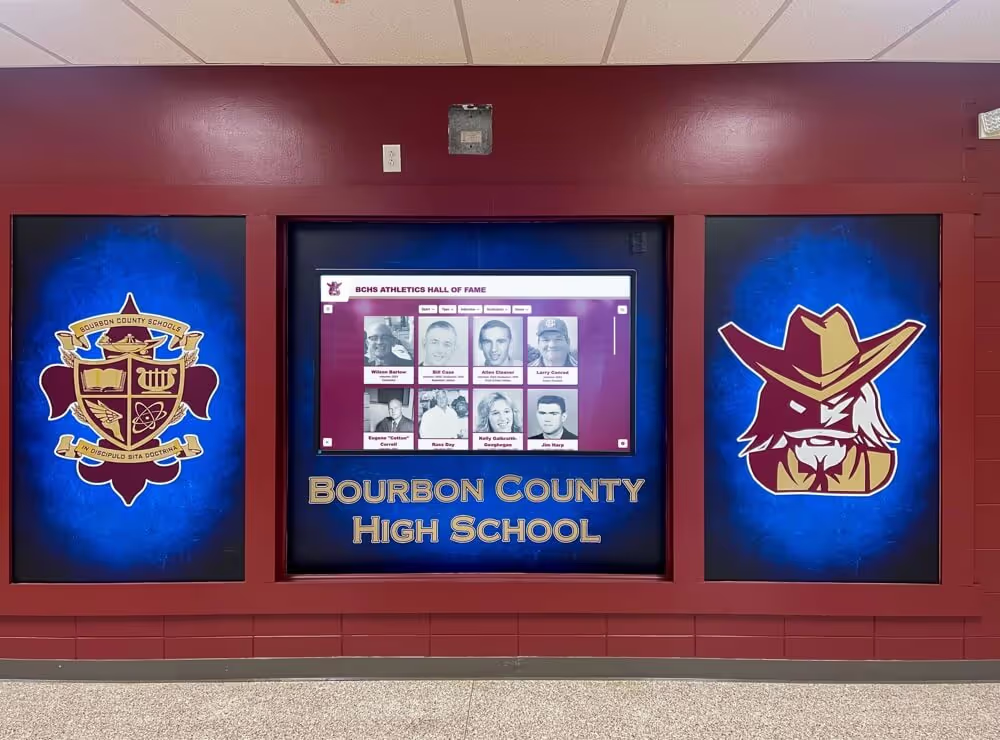
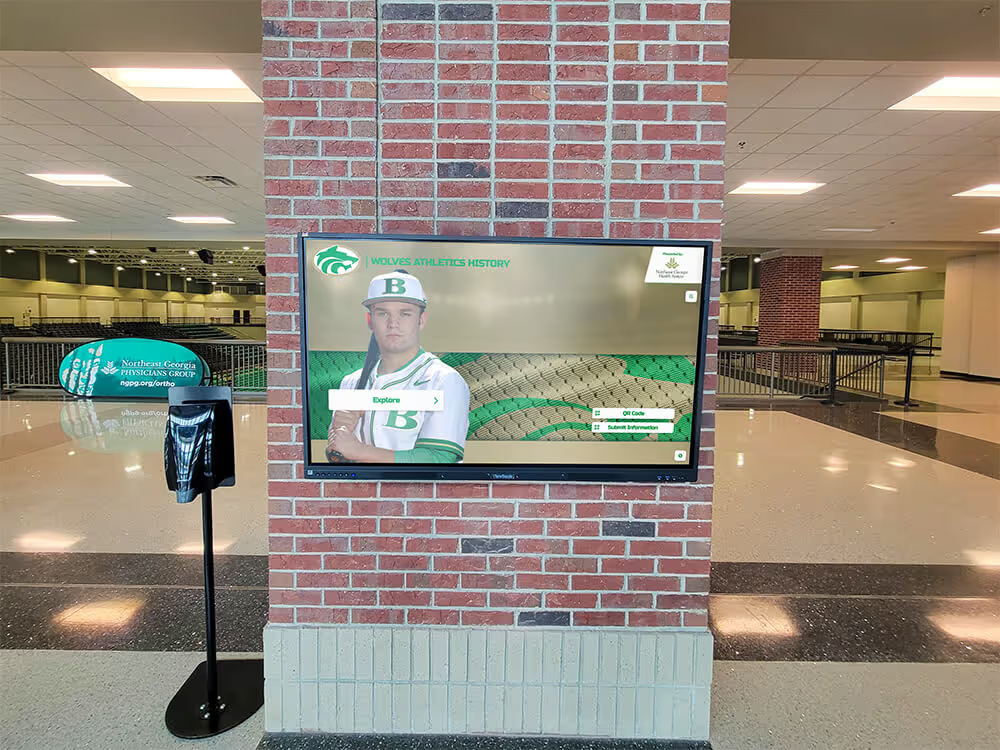
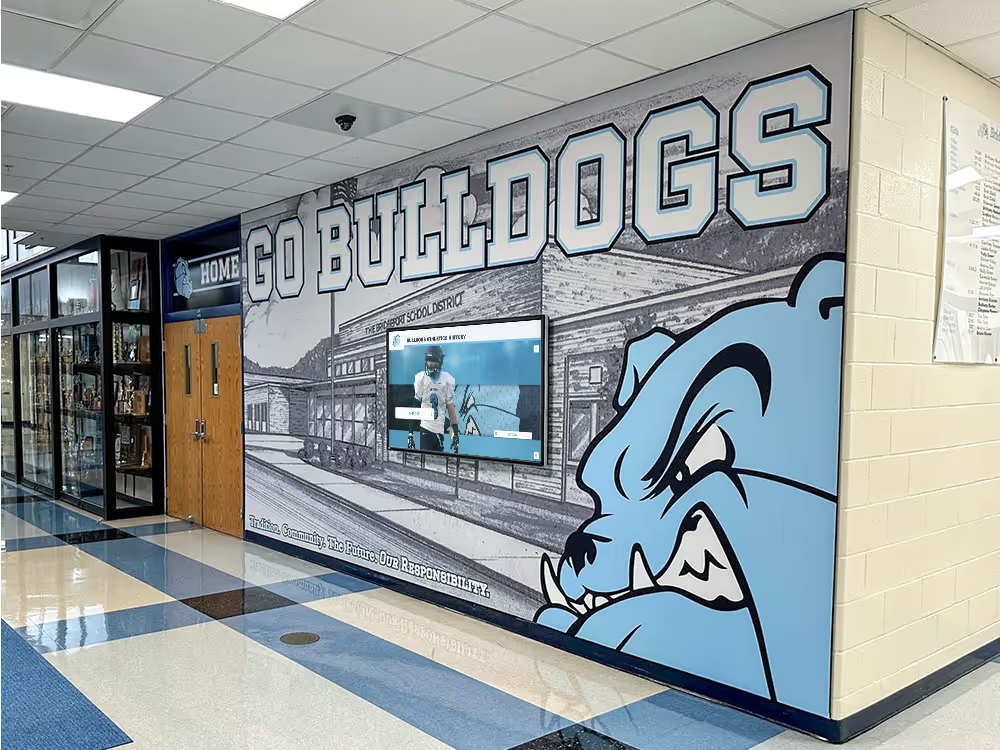
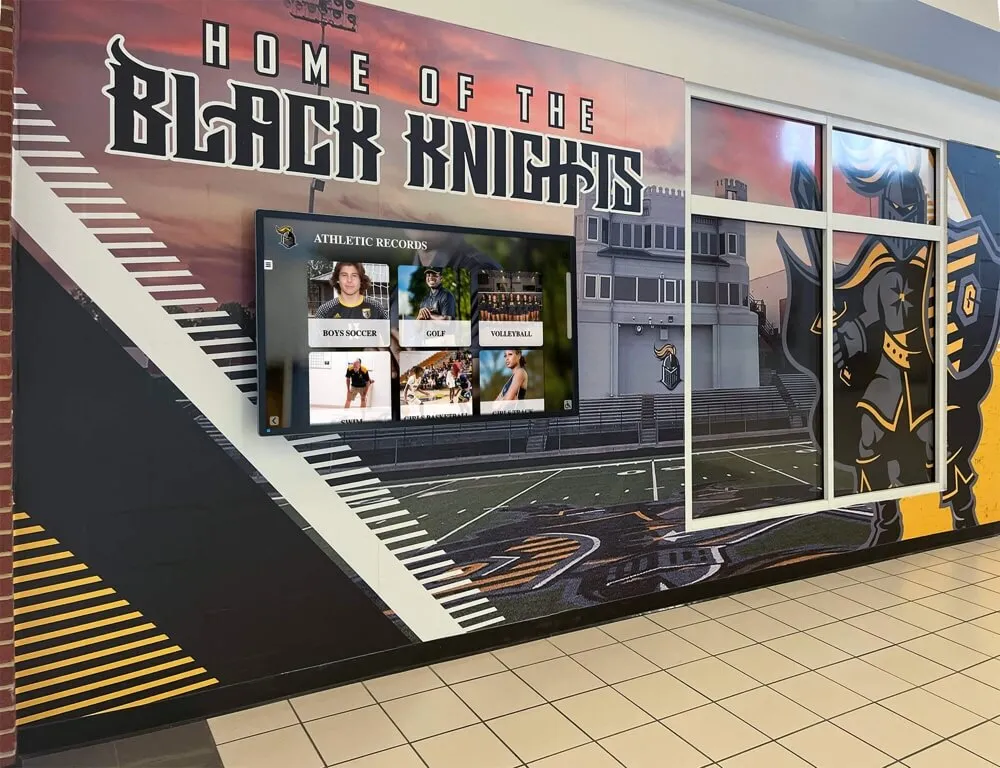
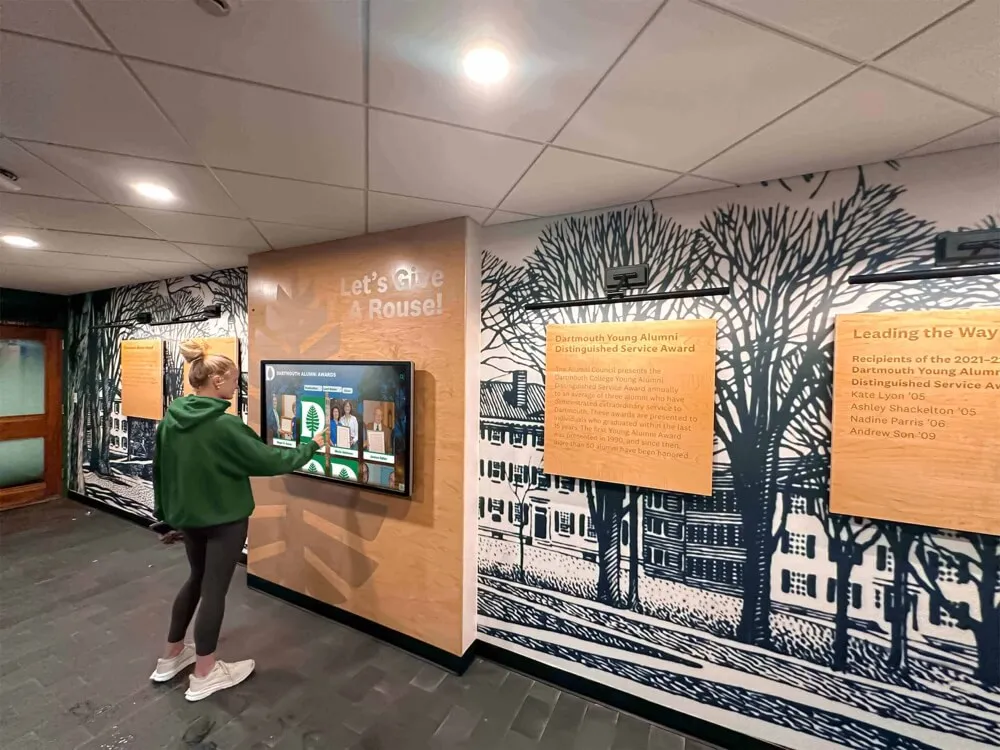
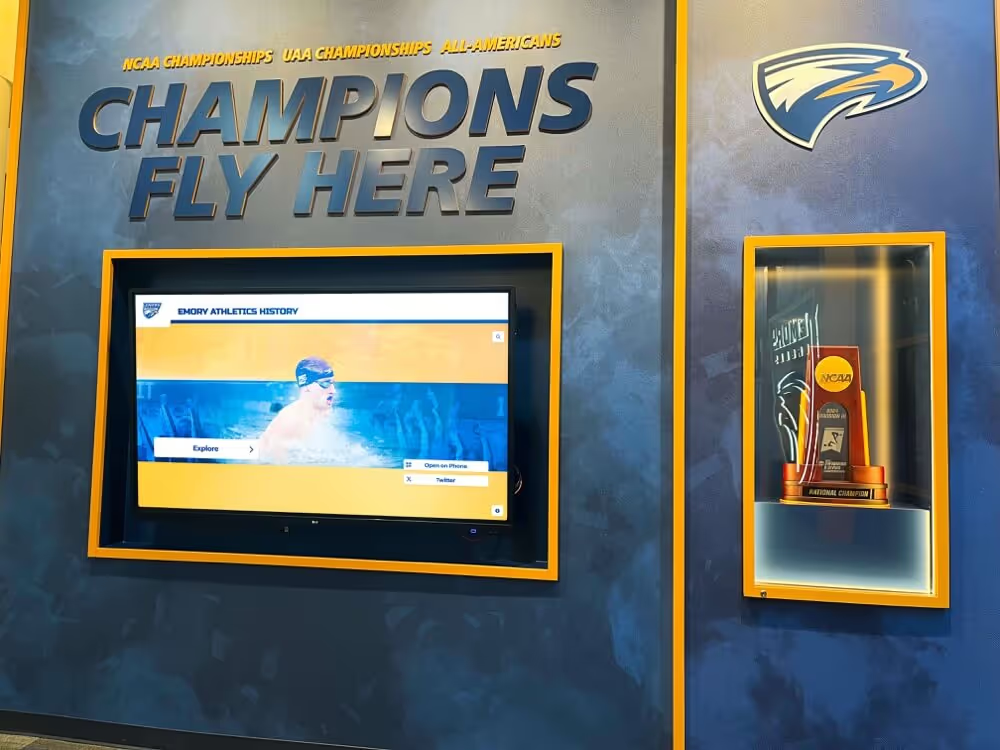
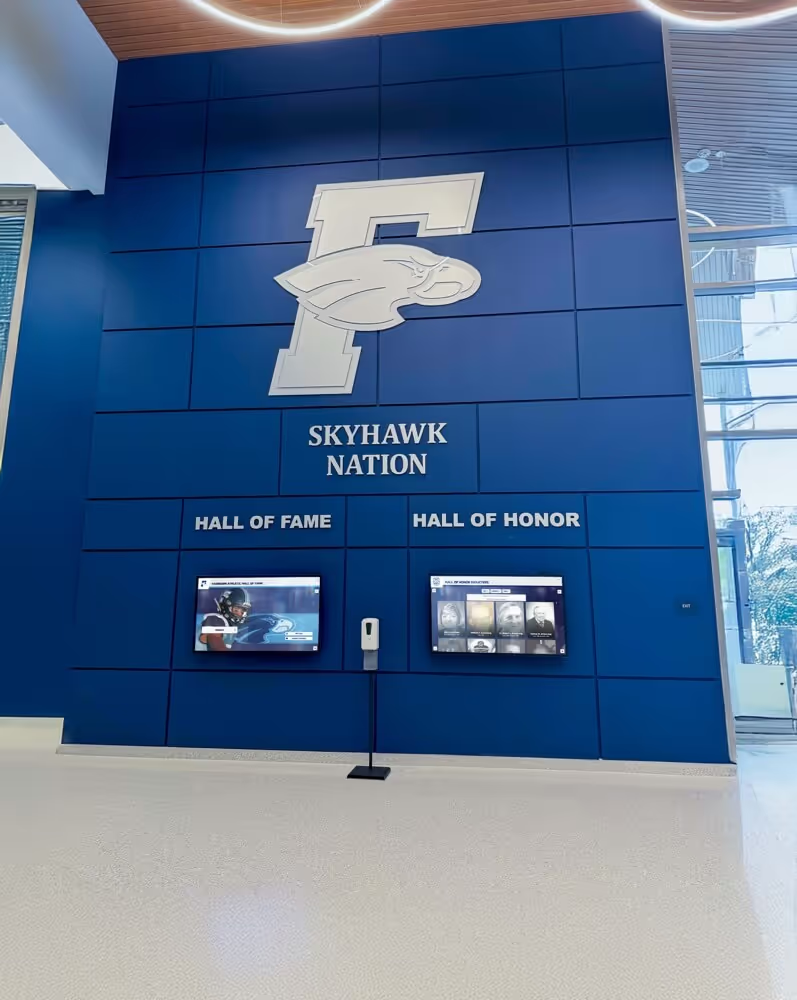
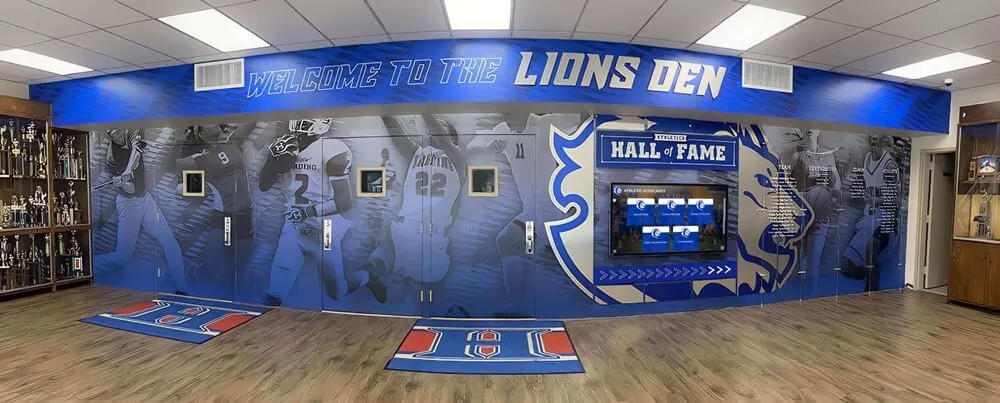
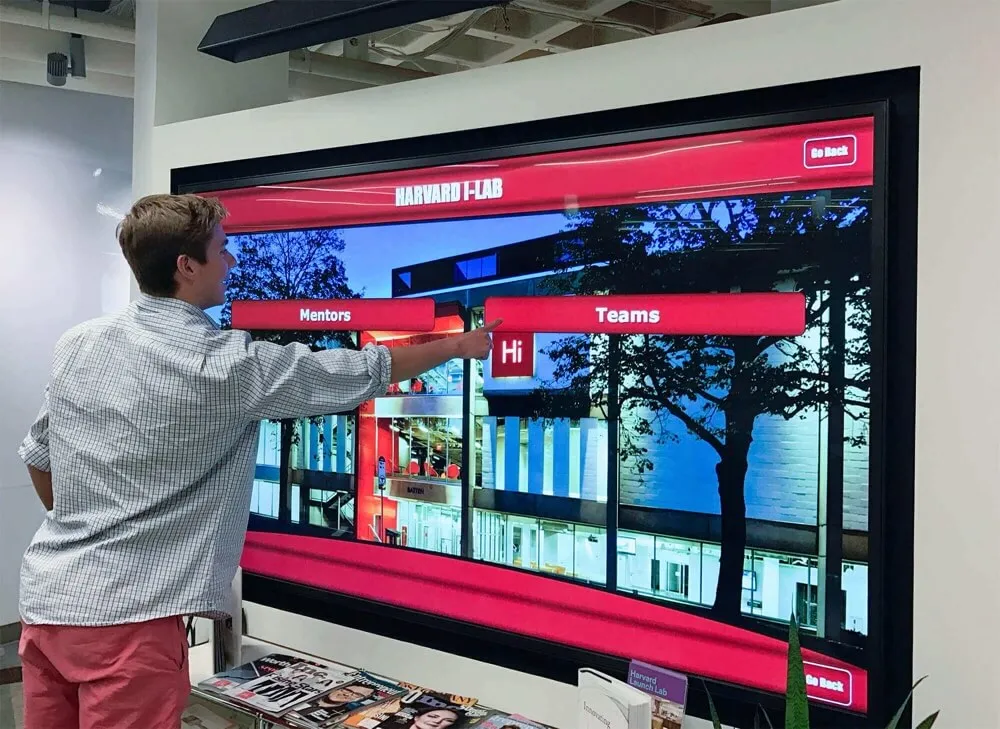
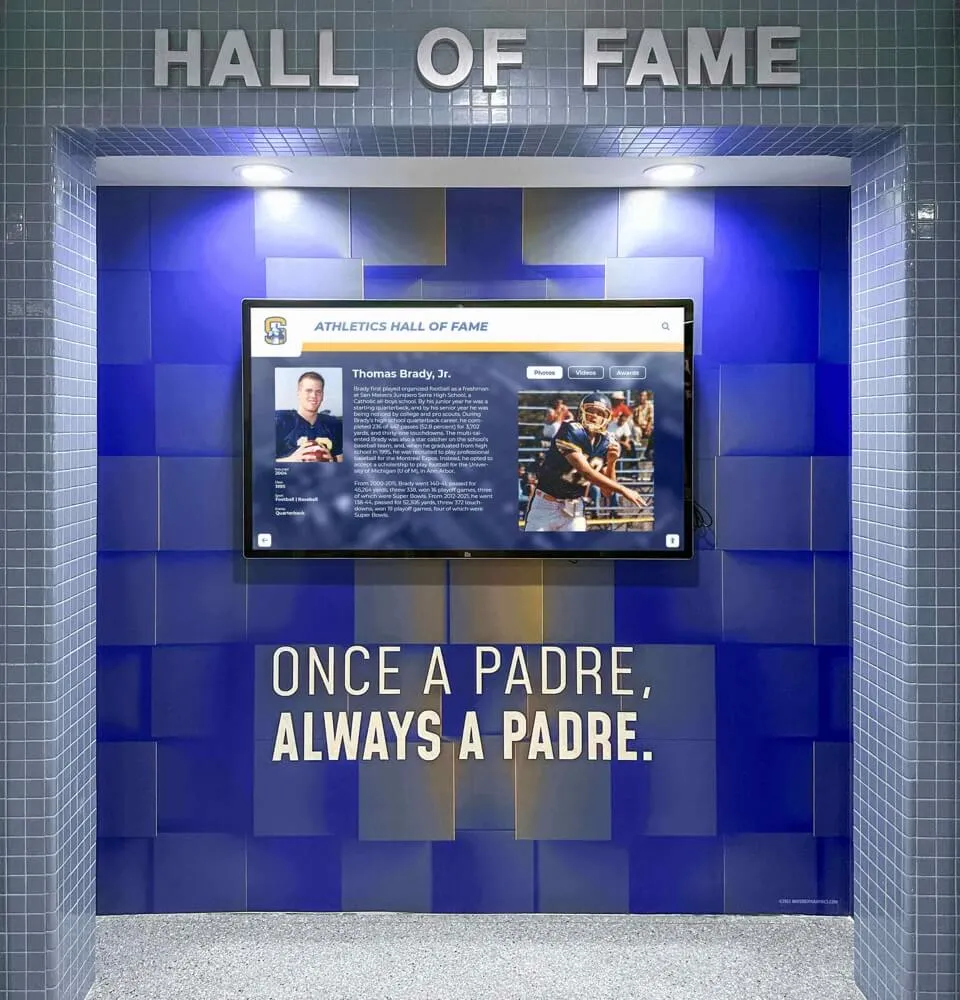
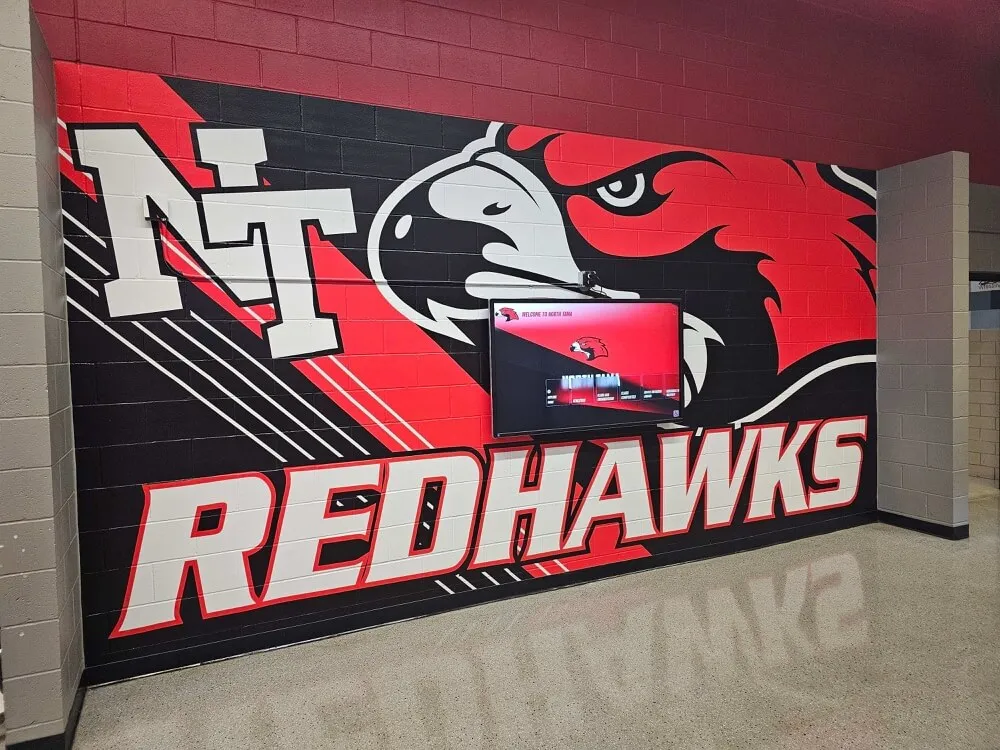
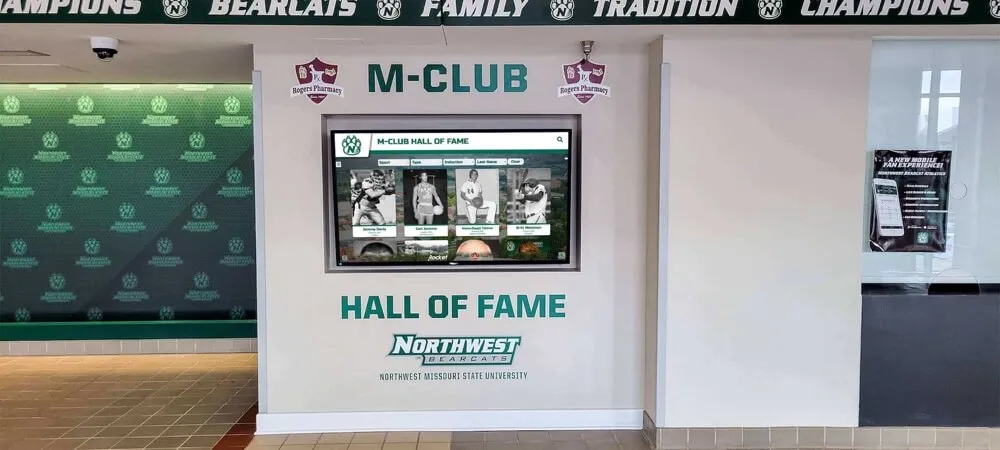
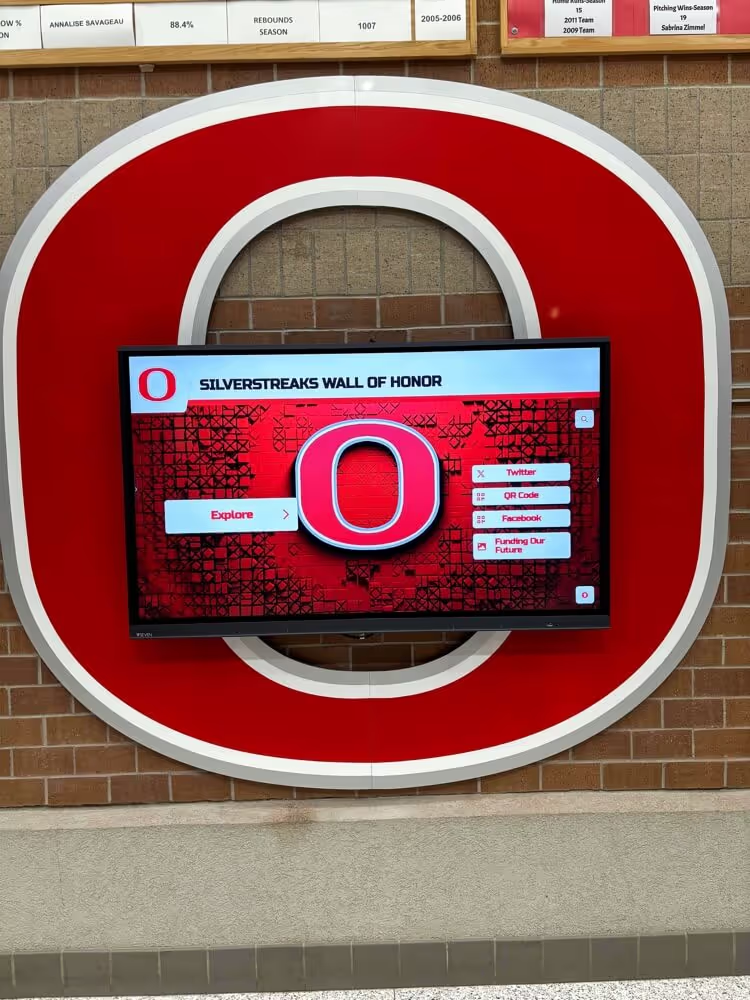
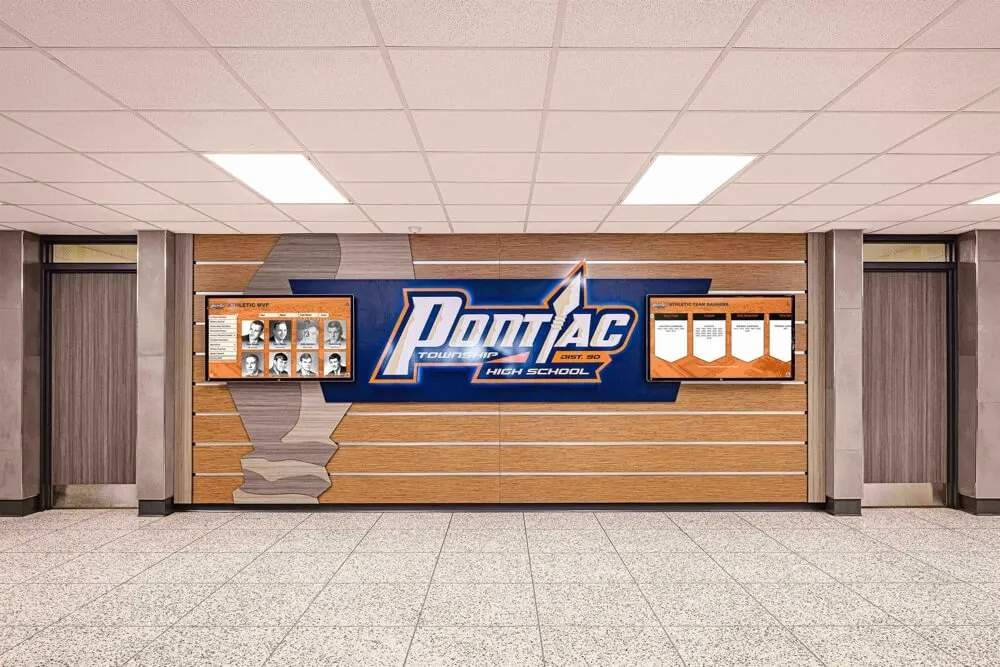
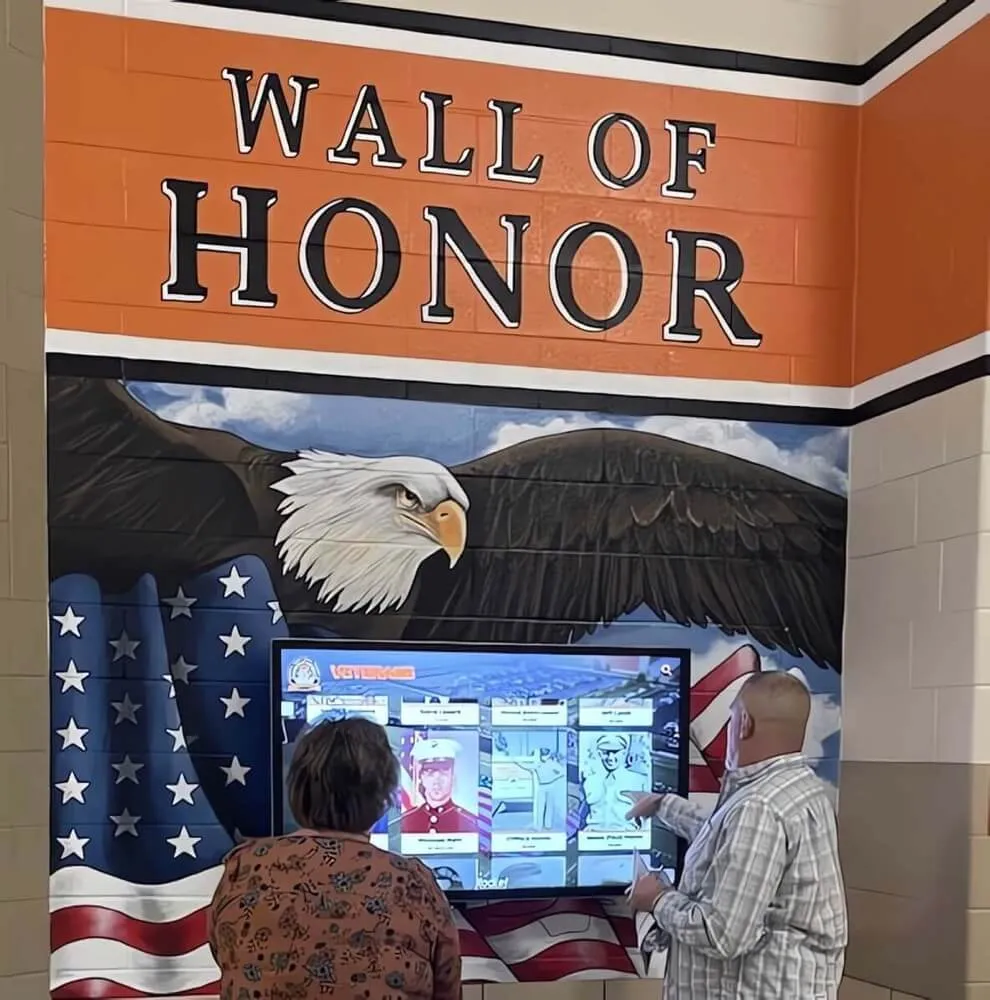
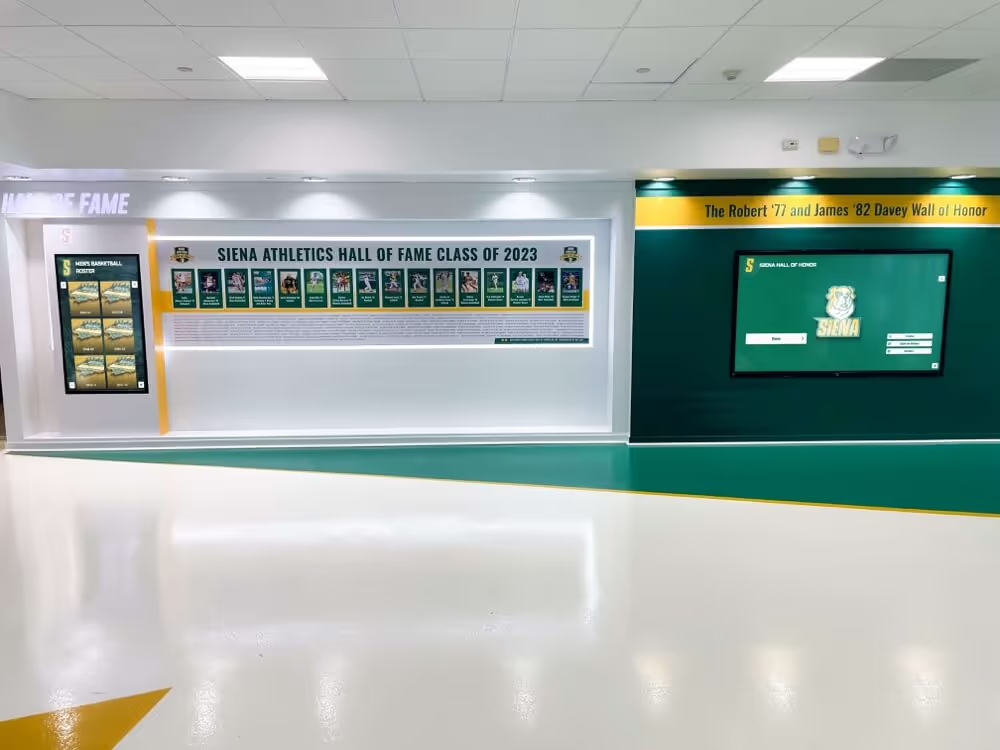
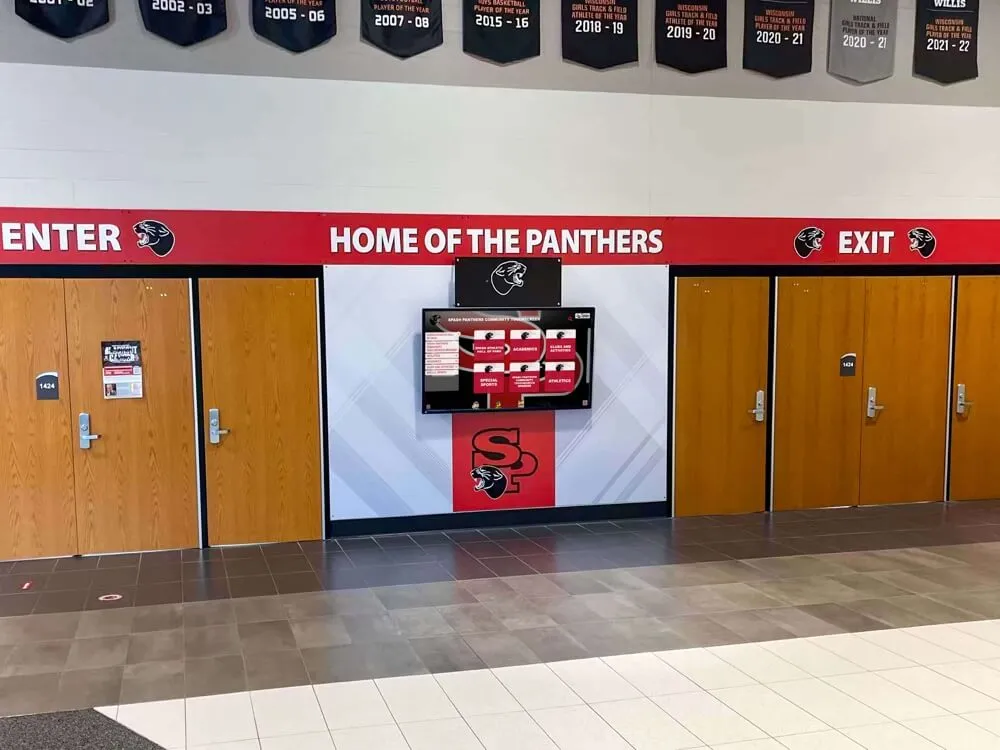
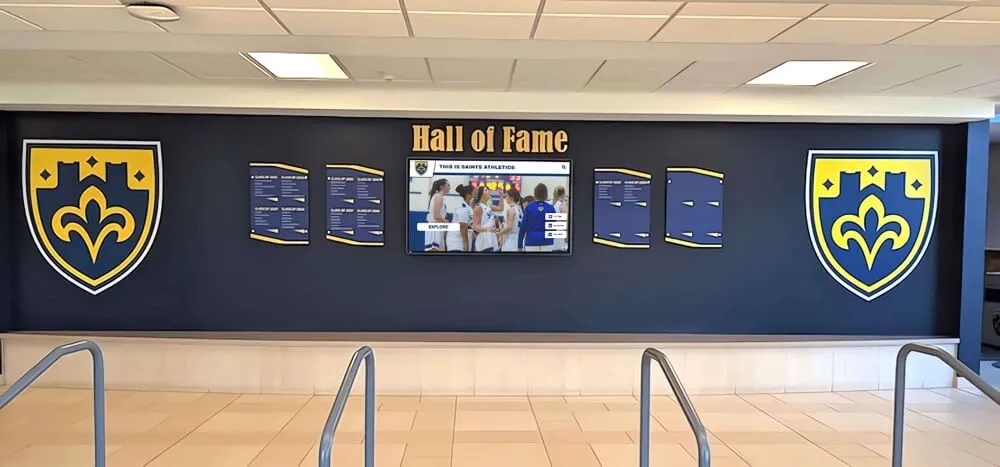
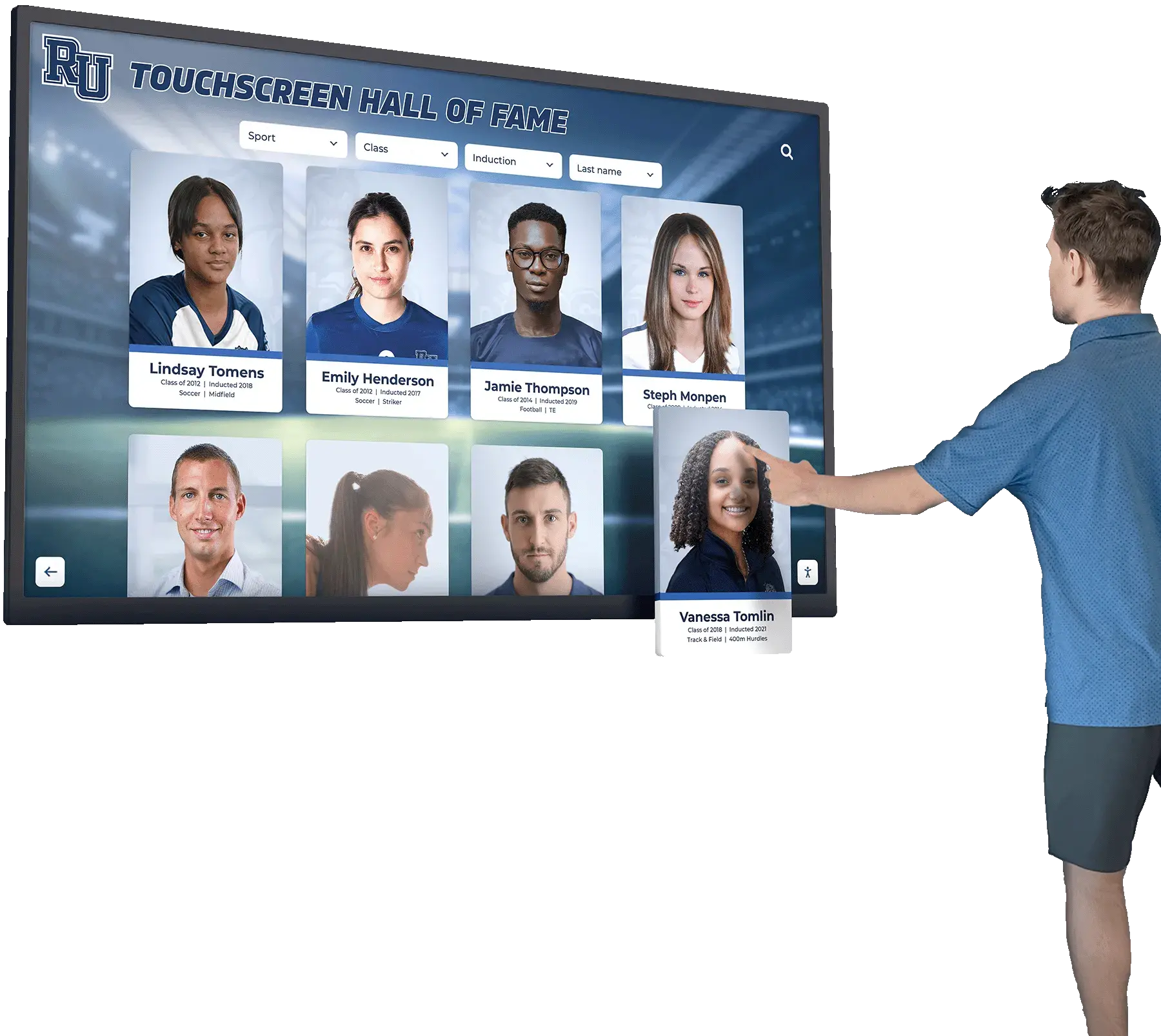
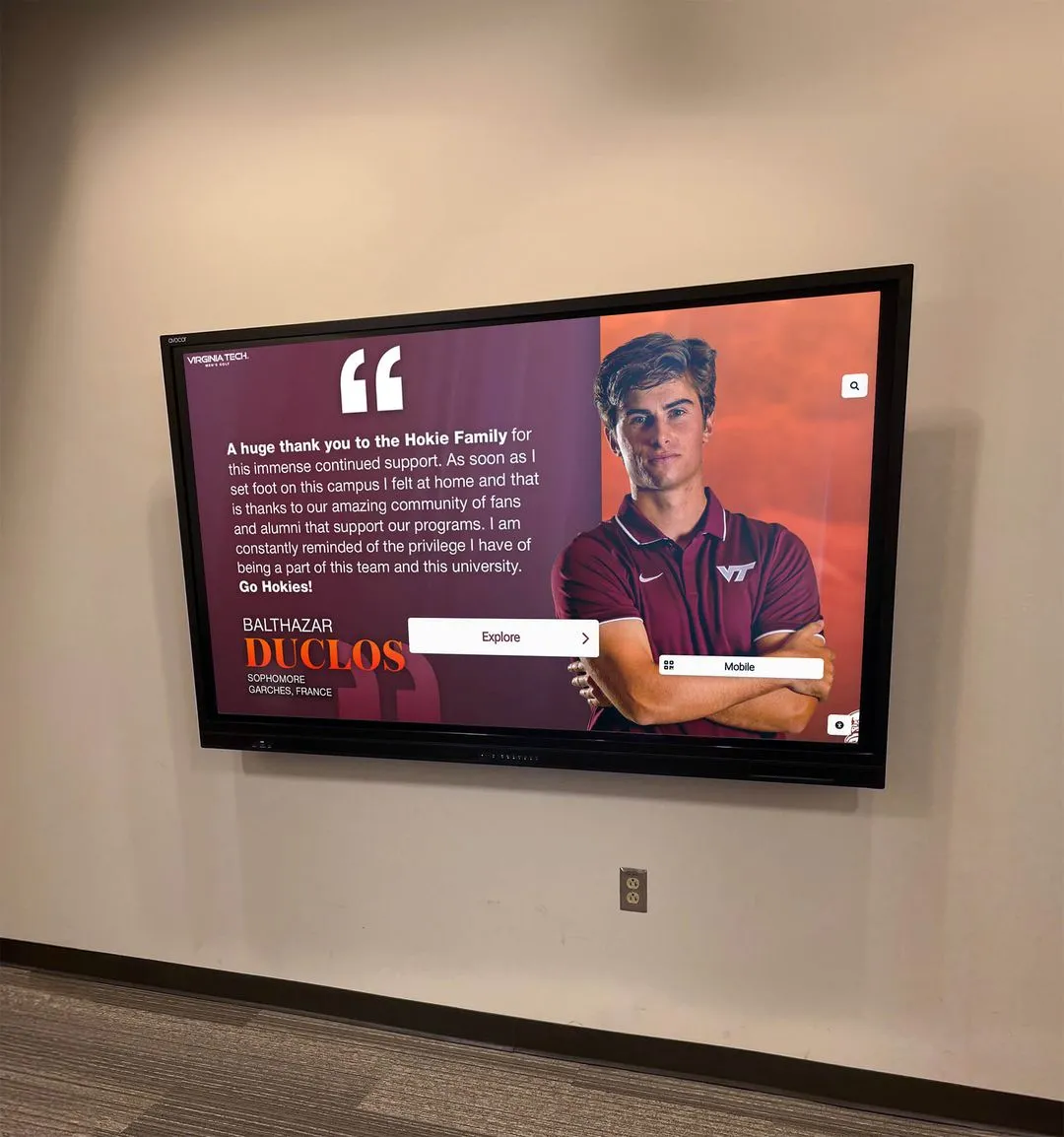
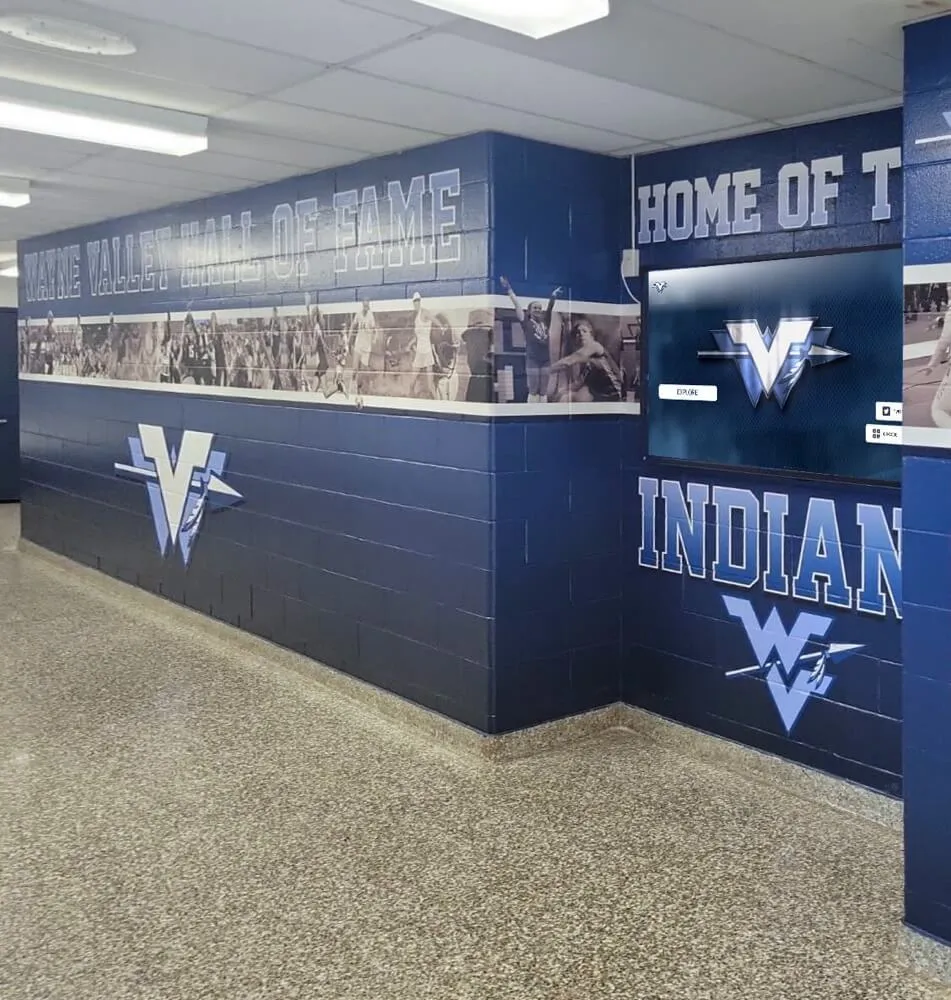
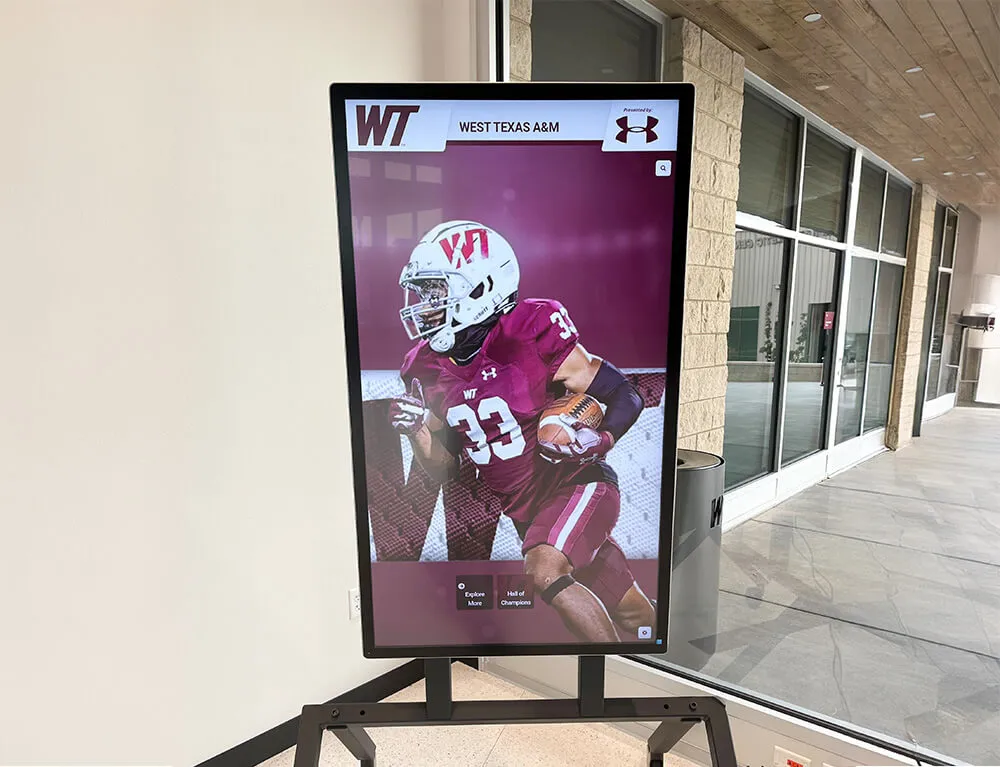
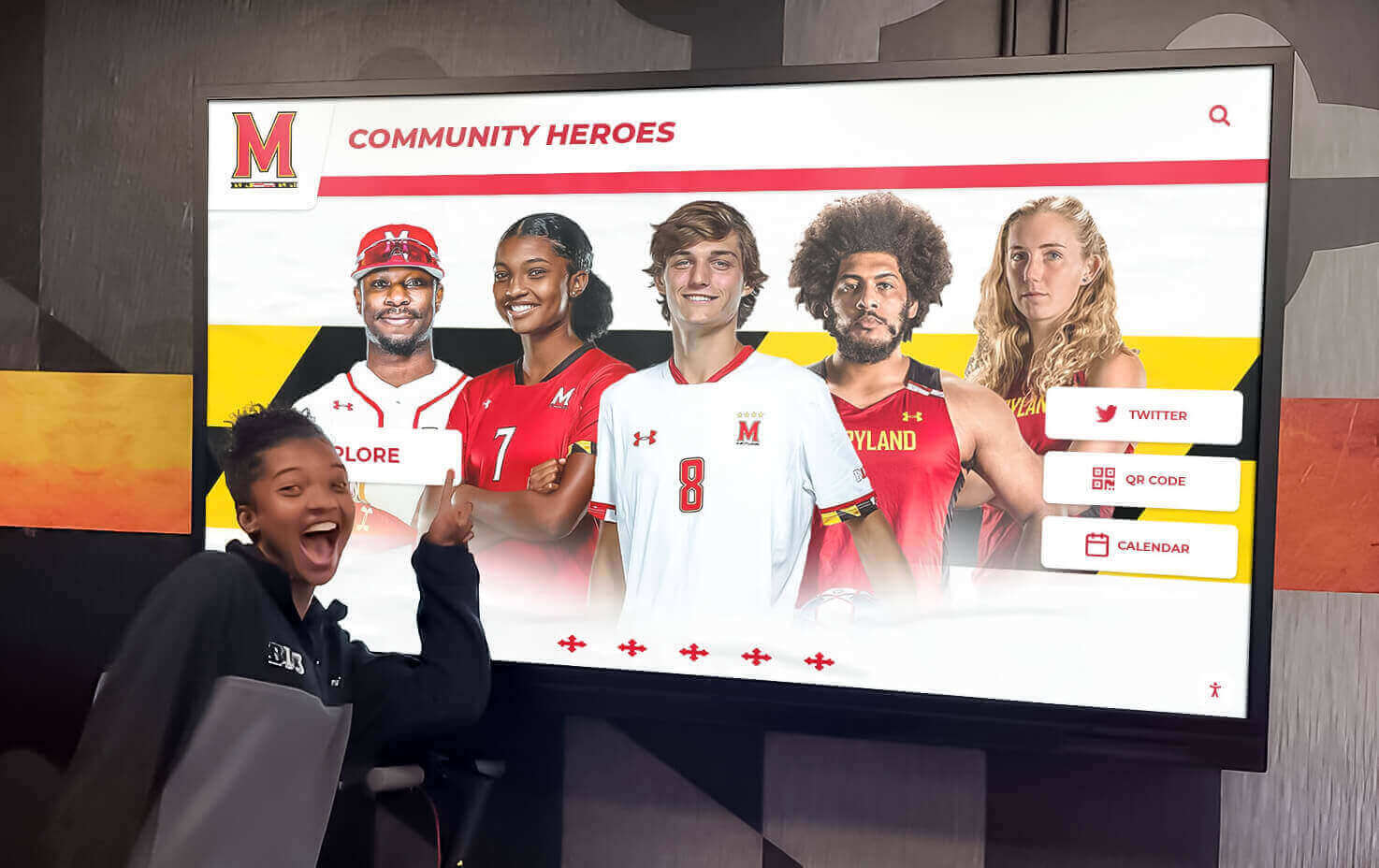
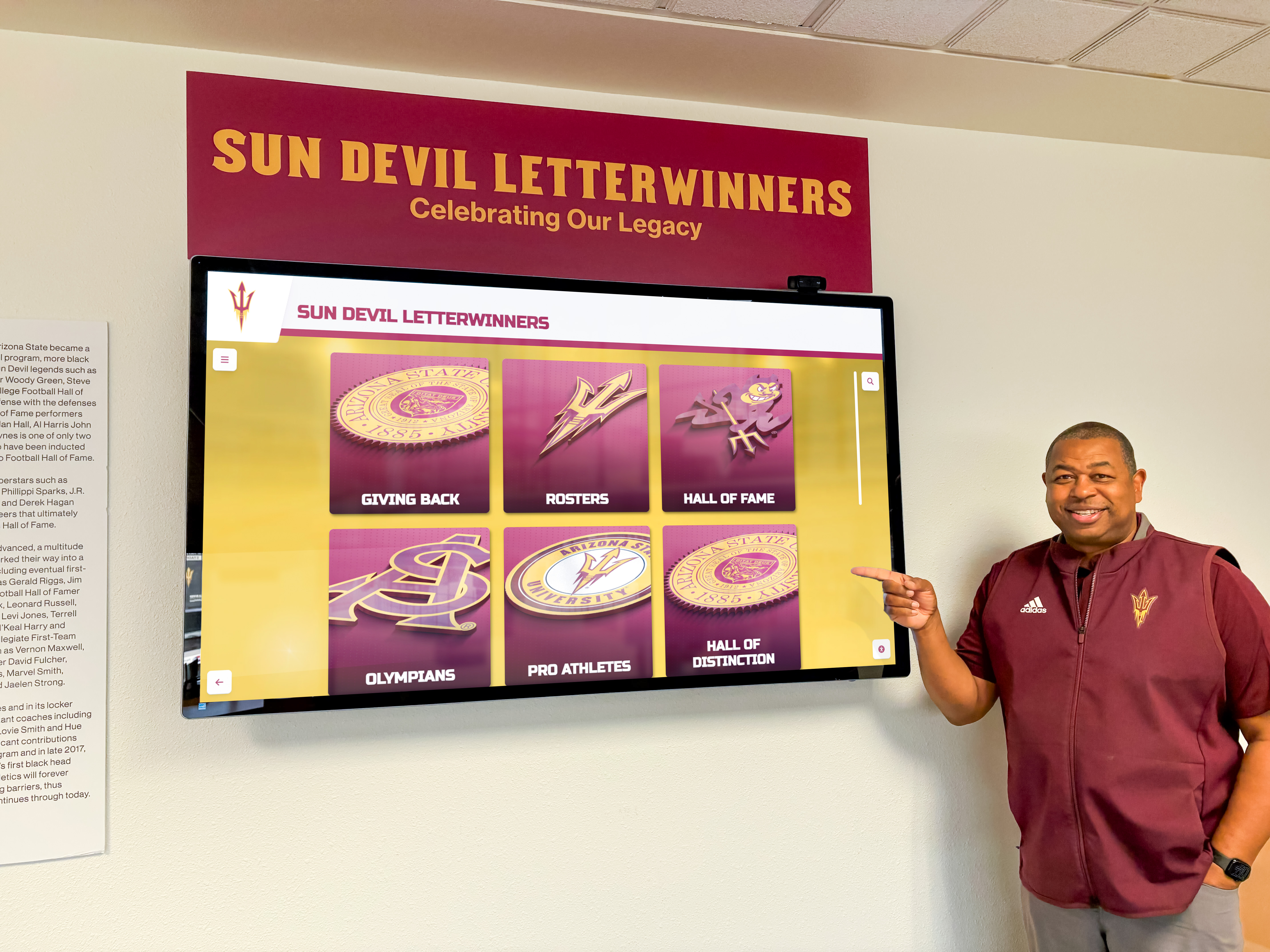
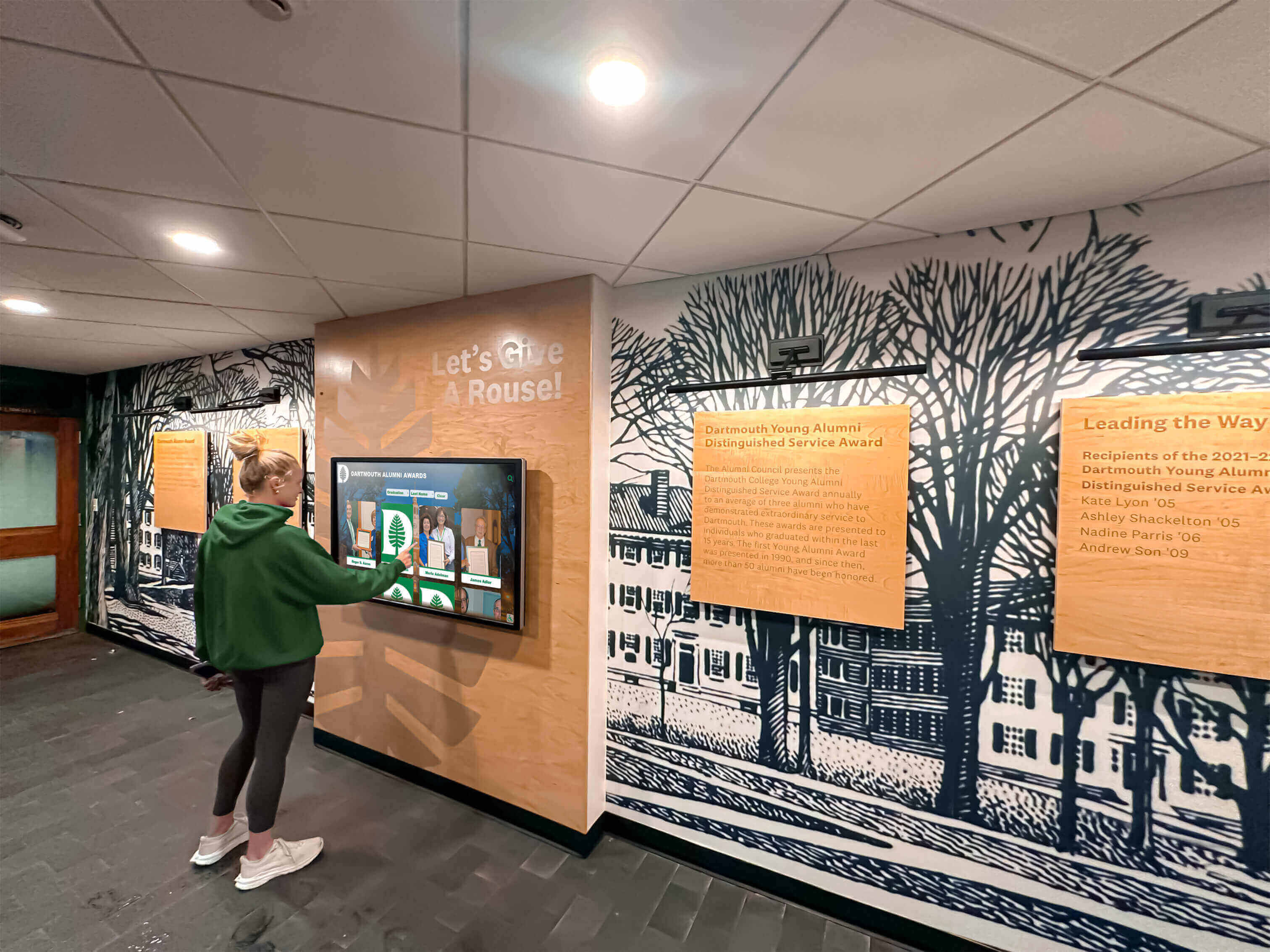
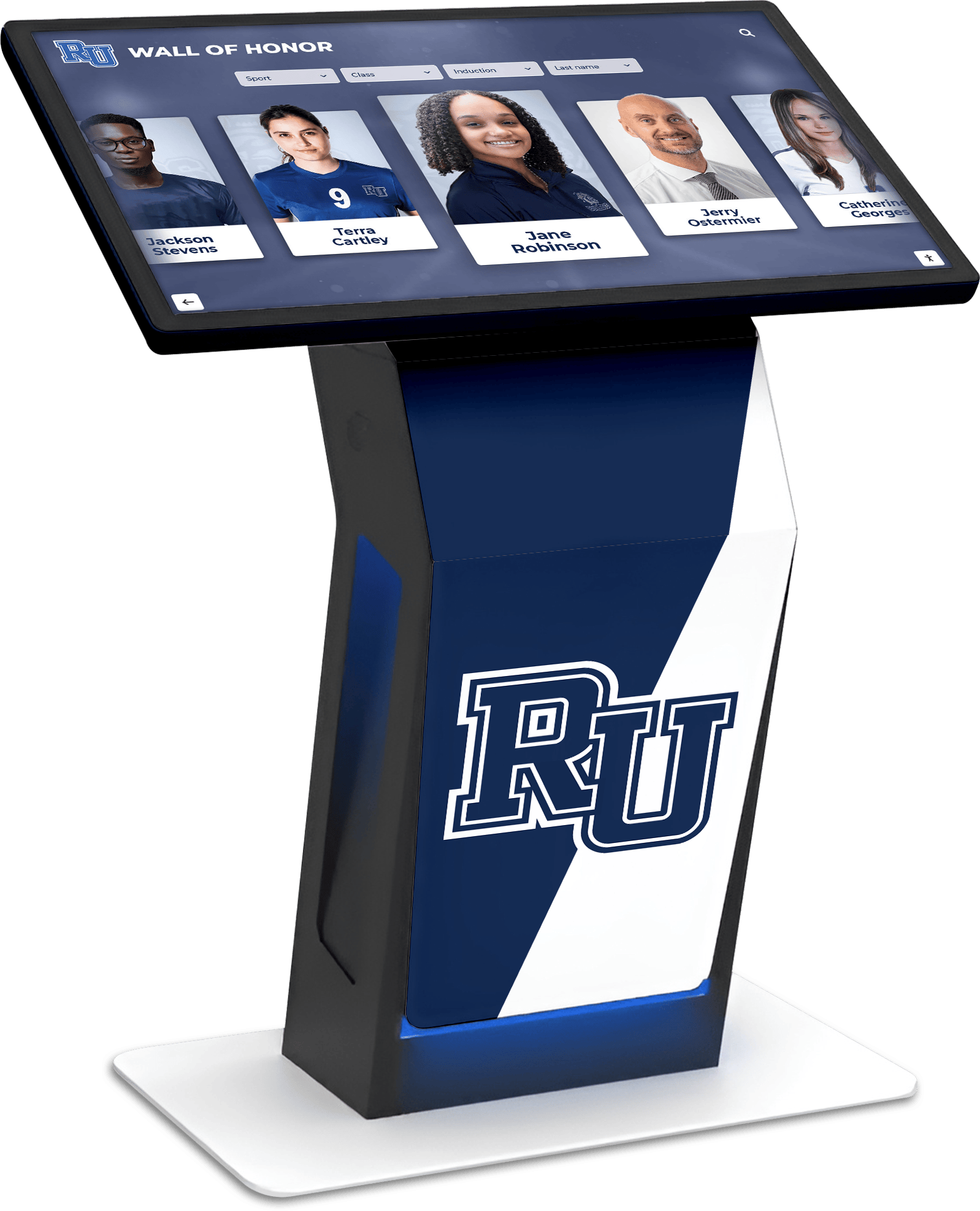
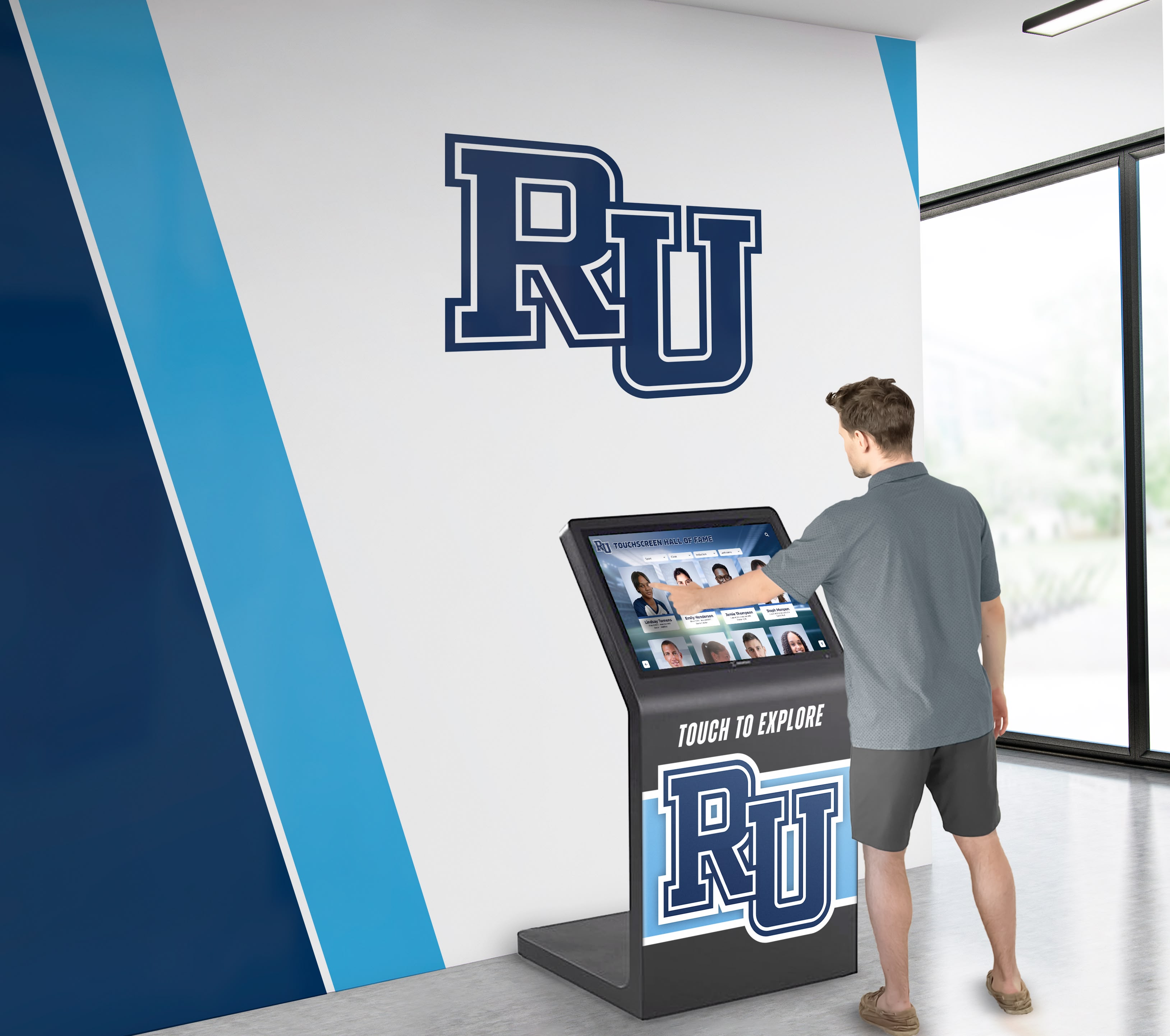
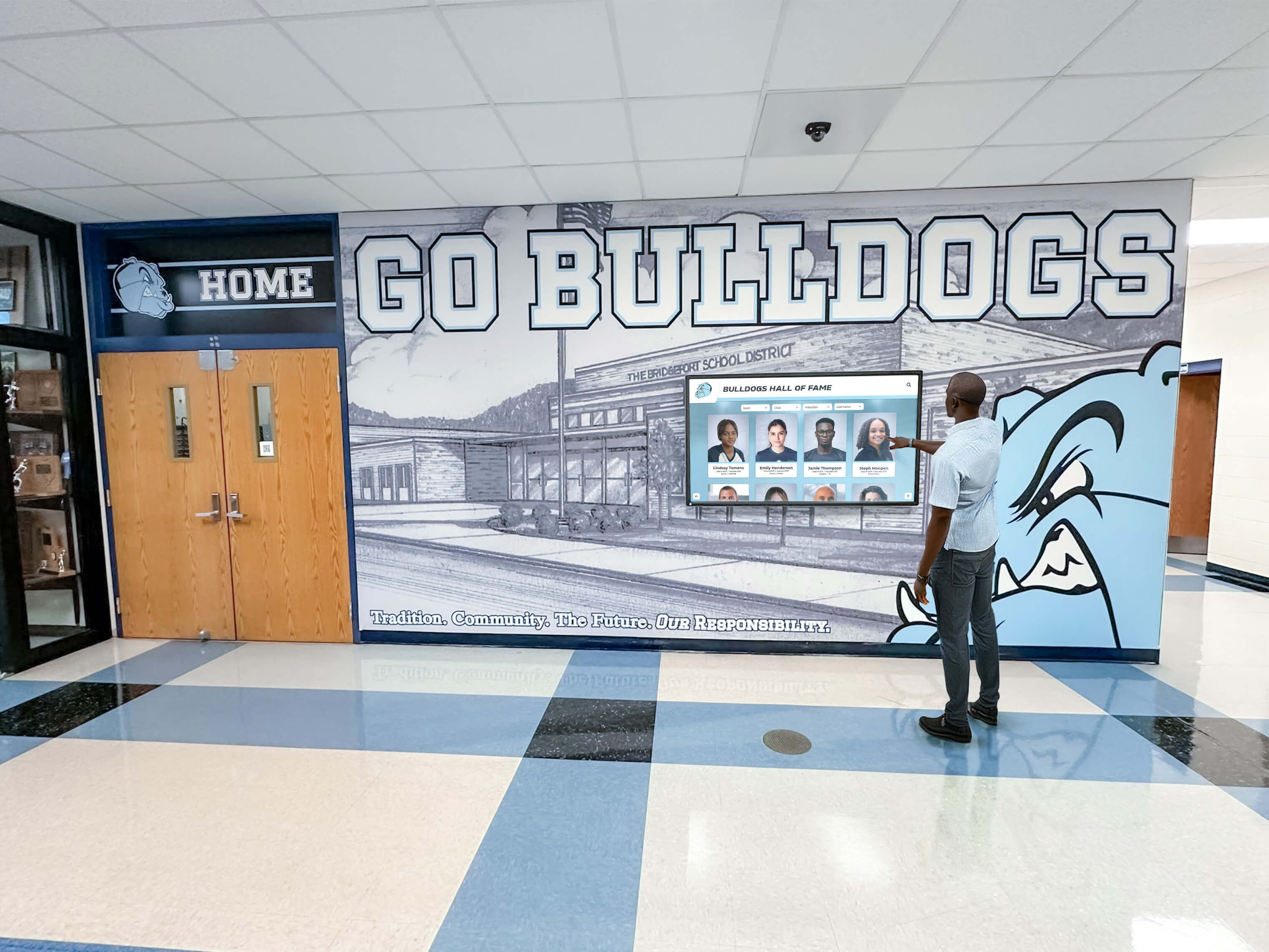
Modern schools increasingly leverage digital displays to celebrate spirit day participation and build lasting traditions. Solutions like Rocket Alumni Solutions provide interactive touchscreen systems where schools can:
Showcase Spirit Day Photos: Upload photos from each spirit day creating permanent visual records of participation. Students can browse through years of spirit day traditions, seeing how themes evolved while connecting to school history.
Recognize Spirit Leaders: Feature students demonstrating exceptional school spirit through consistent participation, creative interpretations, or leadership in promoting activities. Recognition through digital displays builds pride while motivating continued engagement.
Track Participation Trends: Display participation statistics across grade levels, homerooms, or years. Visualizing engagement data creates friendly competition while celebrating improvement.
Create Searchable Archives: Students and alumni can search for themselves in spirit day photos, creating interactive engagement with school history. Alumni returning for visits enjoy discovering their own spirit day participation from previous years.
Connect to Social Media: Digital recognition systems can display social media feeds showing current spirit day participation, creating real-time celebration while encouraging students to share appropriate content. Schools can learn from best practices in digital recognition to maximize the impact of these celebration systems.
Building Spirit Day Traditions
Schools with strongest spirit day participation document and celebrate these events as important traditions:
Yearbook Features: Dedicate yearbook sections to spirit day highlights ensuring permanent documentation. Beyond individual class photos, showcase best-dressed students, creative interpretations, and memorable moments.
Annual Spirit Awards: Recognize spirit day participation through end-of-year awards ceremonies. Categories might include Most Spirited Student, Most Creative Costume, Best Twin Coordination, or Most Consistent Participation.
Spirit Hall of Fame: Create ongoing recognition of students demonstrating exceptional school spirit year after year. Recognition programs celebrating engagement teach students that enthusiasm and participation matter.
Alumni Connections: Share spirit day traditions with alumni through social media and reunion communications. Alumni enjoy seeing how their traditions continue while current students benefit from multi-generational connections.
Addressing Common Challenges
Even well-planned spirit days encounter predictable challenges:
Low Participation Rates
Problem: Only small percentages of students participate, making spirit days feel unsuccessful.
Solutions:
- Start with very simple themes requiring minimal effort (favorite color, school colors)
- Ensure extremely high teacher/staff participation modeling expectations
- Recognize any level of participation rather than just elaborate costumes
- Track and celebrate improvement rather than absolute numbers
- Survey students about preferred themes rather than administrator assumptions
- Create buddy systems or homeroom challenges encouraging group participation
Inappropriate Costumes or Behavior
Problem: Students wear inappropriate costumes or use spirit days as opportunities for dress code violations.
Solutions:
- Clearly communicate expectations and guidelines before spirit days
- Provide visual examples of appropriate participation
- Have backup clothing available for students needing modifications
- Address violations quietly and individually rather than public shaming
- Focus on celebrating appropriate participation rather than disciplining violations
- Consider offering costume closet alternatives if students have concerns about appropriateness
Exclusion or Bullying
Problem: Spirit days sometimes become opportunities for exclusion or teasing non-participants.
Solutions:
- Explicitly teach that participation is optional and personal choice deserves respect
- Model acceptance of diverse participation levels among staff
- Never force participation or single out non-participating students
- Address bullying behavior immediately and clearly
- Create multiple participation options (accessories, makeup, simple colors)
- Consult with counselors about students who might need additional support
Budget Constraints
Problem: Families cannot afford special clothing or costumes for spirit days.
Solutions:
- Emphasize themes using existing wardrobes (colors, everyday clothing)
- Create costume closet with donated items for borrowing
- Accept accessories and simple additions rather than full costumes
- Provide small spirit items (ribbons, stickers) as participation options
- Partner with student council fundraisers to support spirit activities without financial burden on families
- Focus on creativity and enthusiasm rather than expensive costumes
Spirit Days Beyond the School Building
Spirit day impact extends beyond the physical school day:
Social Media Integration
Appropriate Social Media Use: Spirit days create natural social media content when managed appropriately:
- Create official school hashtags for spirit day participation
- Share school-created content celebrating participation
- Feature student photos with appropriate permissions
- Teach digital citizenship through positive social media engagement
- Recognize student-created appropriate content through school channels
- Monitor for inappropriate sharing and address concerns
Alumni Engagement: Spirit day posts reach alumni audiences, creating nostalgic connections and continued engagement. Alumni often share memories of their own spirit day participation when seeing current traditions.
Family Involvement
Parent Participation: Encourage parents and family members to participate in spirit days:
- Allow parents to participate during drop-off and pick-up
- Invite families to spirit assemblies or culminating events
- Share spirit day themes so families can coordinate participation
- Feature family participation on school social media and displays
- Create family-friendly themes families can enjoy together
Community Awareness: Spirit days build positive community perceptions:
- Coordinate with community recognition programs celebrating local student engagement
- Share spirit day photos through community channels
- Invite local media to cover particularly creative or large-scale events
- Connect spirit days to community events (Read Across America, anti-bullying campaigns)
- Demonstrate positive school culture to prospective families
Measuring Spirit Day Success
How do you know if spirit days are working?
Quantitative Measures
Participation Rates: Track the percentage of students participating in each spirit day. Look for trends over time—are rates increasing? Which themes generate highest participation?
Grade Level Comparisons: Compare participation across grade levels. Middle school often sees 6th graders more willing to participate than 8th graders—is this pattern present at your school? What might increase 8th grade engagement?
Theme Effectiveness: Track which themes generate highest participation. Use this data to inform future planning—repeat successful themes while reconsidering those with low engagement.
Qualitative Measures
Student Feedback: Survey students about their spirit day experiences:
- Which themes did they enjoy most?
- What prevented them from participating?
- What new themes would they like to try?
- How do spirit days impact their feelings about school?
- What would increase their participation?
School Climate Indicators: Monitor broader school climate measures for correlations with spirit day programming:
- School connectedness survey responses
- Attendance patterns around spirit days
- Behavioral incident rates during spirit weeks
- Overall satisfaction with school experience
- Sense of belonging indicators
Staff Observations: Teachers and staff notice spirit day impacts on daily interactions:
- Student enthusiasm and energy levels
- Cross-grade social interactions
- Positive conversations about school
- Student leadership and creativity
- Overall school atmosphere
Conclusion: Building Lasting Community Through Spirit Days
Spirit days represent far more than silly costumes and themed dress-up—they create shared experiences building community bonds across diverse student populations during critical developmental years. Middle school students navigating complex social landscapes and identity formation find safe self-expression opportunities through well-planned spirit activities. Schools creating consistent, inclusive, and creative spirit day traditions build cultures where students feel genuine connection, pride, and belonging.
The most effective spirit day programs balance fun with appropriateness, creativity with accessibility, and tradition with innovation. They remove participation barriers through thoughtful planning, celebrate diverse expression styles, and recognize that engagement matters more than elaborate costumes. When schools document and celebrate spirit day participation through permanent recognition systems, these memorable moments become lasting traditions connecting current students to institutional history while building pride that extends across years.
Modern recognition solutions like those offered by Rocket Alumni Solutions make it easier than ever to celebrate spirit day participation through interactive digital displays. These systems allow schools to showcase spirit day photos, recognize consistent participants, preserve traditions across years, and create searchable archives where students discover their own school history. By combining creative spirit day programming with comprehensive recognition systems, schools build the positive cultures where middle schoolers thrive.
Ready to Celebrate Your School Spirit?
Discover how comprehensive recognition solutions amplify your spirit day initiatives and build lasting school pride. Explore Rocket Alumni Solutions to learn how schools nationwide use interactive digital displays to celebrate student engagement, preserve spirit day traditions, and create lasting community connections that extend far beyond individual events.