



Key Takeaways
Comprehensive guide to the top 30 software products athletic administrators need in 2025. Compare scheduling, compliance, communication, and recognition tools for high school and college athletic departments.
Understanding the Athletic Administrator Software Landscape
Before exploring specific products, understanding the major software categories helps athletic directors identify priorities and build comprehensive technology ecosystems rather than accumulating disconnected point solutions.
Core Software Categories for Athletic Administration
Modern athletic departments typically need capabilities spanning eight major categories, each addressing distinct operational requirements.
Scheduling and Event Management: Coordinating practices, competitions, facilities, transportation, and officials across multiple teams and sports requires sophisticated scheduling tools that detect conflicts, communicate changes efficiently, and provide visibility to all stakeholders. According to research from athletic management software providers, scheduling represents the most time-consuming administrative task athletic directors face.
Compliance and Eligibility Management: Ensuring student-athletes meet academic eligibility requirements, complete necessary physical examinations and clearances, maintain appropriate insurance coverage, and comply with conference and state association regulations consumes significant administrative effort while carrying serious consequences when managed inadequately.
Communication and Collaboration: Athletic departments require constant communication among administrators, coaches, student-athletes, parents, officials, and community members. Effective platforms streamline these interactions while maintaining appropriate boundaries and documentation.
Registration and Payment Processing: Managing online registration for teams, collecting fees, tracking payments, and handling refunds or financial assistance requires secure, user-friendly systems that reduce administrative workload while improving family experience.
Facility and Equipment Management: Scheduling gymnasiums, fields, weight rooms, and other facilities across teams while tracking equipment inventory, maintenance schedules, and replacement needs demands organized systems preventing conflicts and ensuring resources remain available when needed.

Officials Management: Assigning, scheduling, communicating with, and compensating game officials involves considerable coordination particularly for larger programs hosting numerous contests across multiple sports.
Performance and Analytics: Data-driven decision making requires systems capturing performance metrics, injury patterns, participation trends, and program outcomes that inform strategic planning and demonstrate program value to institutional leadership.
Recognition and Culture Building: Celebrating achievements, honoring distinguished athletes and coaches, and building program culture through visible recognition strengthens pride, motivation, and community connection while supporting fundraising and alumni engagement initiatives.
Building an Integrated Technology Stack
Rather than selecting isolated products addressing single needs, successful athletic administrators build integrated ecosystems where different tools work together seamlessly, share data appropriately, and create cohesive experiences for all users.
Consider how systems interact—scheduling software that doesn’t communicate with eligibility tracking creates gaps where ineligible athletes might inadvertently compete. Registration platforms that can’t export to communication tools force duplicate data entry and increase error risk. Recognition displays that require separate content management from other athletic systems multiply administrative workload.
Prioritize platforms offering integration capabilities through APIs (application programming interfaces), established partnerships with complementary providers, or comprehensive suites addressing multiple categories within unified systems. While best-of-breed individual tools sometimes outperform all-in-one platforms in specific capabilities, the operational efficiency gains from integrated systems often justify modest feature compromises.
Scheduling and Event Management Software (1-5)
Effective scheduling represents the foundation of organized athletic program operations, preventing conflicts, optimizing facility usage, and ensuring all stakeholders know when and where activities occur.
1. Bound
Bound has emerged as a leading all-in-one platform for athletic program management with particularly strong scheduling capabilities. The software was developed by a team with over 200 years combined athletic administration experience, resulting in deeply practical features addressing real operational challenges administrators face daily.
Key capabilities include comprehensive schedule creation and management across all sports simultaneously, automatic conflict detection preventing double-booking of facilities or personnel, integrated transportation coordination connecting schedules with bus and vehicle needs, ticket sales and management for revenue-generating events, and intuitive interfaces requiring minimal training for coaches and staff to use confidently.
Bound excels for mid-to-large high school programs and small college athletic departments seeking unified platforms that replace multiple disconnected systems with single comprehensive solutions. According to Bound’s platform information, users report significant time savings and reduced scheduling errors after implementation.
2. BigTeams
With over a decade serving the K-12 athletic market, BigTeams understands the specific nuances of school sports administration. The platform provides robust scheduling tools alongside broader athletic management capabilities within an intuitive interface requiring minimal technical expertise.
BigTeams handles complex scheduling scenarios involving shared facilities, multi-sport athletes, coaching staff managing multiple teams, and coordination with external organizations sharing venues. The platform’s calendar integration syncs with Google Calendar and other widely-used tools, ensuring schedules remain visible across different systems parents, students, and staff already use daily.
According to BigTeams’ product information, the platform particularly excels for athletic directors and administrators managing complex programs while transitioning away from manual spreadsheet-based processes that create inefficiency and error risks.
3. DragonFly Athletics
DragonFly positions itself as the leading athletic management software specifically designed to streamline high school sports administration complexities. While offering comprehensive features across multiple categories, DragonFly’s scheduling capabilities stand out for sophistication and ease of use.
The platform provides centralized calendar management with automated conflict detection, schedule publishing with family notification capabilities, integration with facilities management for venue coordination, official assignment directly from scheduling interface, and mobile access enabling administrators to manage schedules from anywhere.
DragonFly’s management system includes membership management, assigning and scheduling officials, secure digital payments, comprehensive communication tools, player rosters and eligibility tracking, and injury reporting within a unified ecosystem.
4. Arbiter
Arbiter, developed by the National Federation of State High School Associations (NFHS), provides specialized athletic scheduling and event management used by thousands of schools nationwide. The platform’s deep integration with state athletic associations enables automatic schedule reporting meeting conference and state requirements without duplicate data entry.
Arbiter handles complex tournament bracketing, playoff scheduling, facility coordination across multiple schools sharing venues, and automated notifications when schedules change. The platform’s widespread adoption creates network effects—schools using Arbiter can coordinate scheduling with other Arbiter users more efficiently than mixing platforms.
The system particularly benefits programs participating in multi-school conferences or districts where coordinated scheduling across institutions provides significant operational advantages.
5. VNN Sports Scheduler
VNN (Varsity News Network) offers athletic scheduling tools within a broader platform emphasizing fan engagement, athletic website management, and community communication. The scheduling module integrates tightly with VNN’s athletic websites, automatically populating calendars, generating schedule pages, and updating when changes occur.
This integration proves particularly valuable for schools prioritizing community engagement and fan attendance at athletic events. Schedules automatically appear on mobile apps, website calendars, and social media channels managed through VNN’s platform, maximizing visibility without manual updates across multiple channels.
VNN works well for programs with strong community followings where schedule visibility and promotion directly impact attendance, spirit, and fundraising outcomes. Learn more about building athletic program visibility through digital recognition displays that engage communities.
Compliance and Eligibility Software (6-9)
Maintaining compliance with eligibility requirements, safety regulations, and governance rules represents critical administrative responsibility where errors carry serious consequences. Specialized software reduces risk while streamlining compliance workflows.
6. Rank One Eligibility
Rank One has spent over a decade working specifically with athletic and fine arts directors, developing comprehensive eligibility and compliance tools designed for educational athletics. The platform automates grade checking, attendance monitoring, and academic eligibility verification by integrating directly with student information systems.
Rank One tracks physical examination requirements, ensures insurance coverage documentation remains current, manages clearance forms for participation, and maintains audit trails demonstrating compliance with state association and conference regulations. Automated alerts notify administrators when students approach eligibility thresholds or clearances near expiration, enabling proactive intervention preventing last-minute crises.
The platform’s reporting capabilities generate compliance documentation for audits, state association reporting, and internal monitoring, reducing the manual record-keeping traditionally consuming considerable administrative time.
7. FinalForms
FinalForms specializes in online registration and clearance for athletic participation, handling the paperwork processes traditionally involving stacks of physical forms requiring signature collection, manual review, and filing. The platform digitizes emergency contact information, medical history, insurance verification, participation agreements, concussion education completion, and other required documentation.
Parents and students complete forms online with electronic signatures, eliminating illegible handwriting and incomplete submissions. FinalForms validates required fields, prevents submission until all necessary information is provided, and flags potential issues for administrator review. Integration with student information systems pre-populates demographic information, reducing family data entry burden.
The platform maintains historical records enabling year-over-year updates rather than complete re-entry annually, while tracking which students have current clearances for participation. Coaches and administrators access real-time eligibility status preventing participation by students lacking current clearances.
8. Magnus Clearances
Magnus provides comprehensive health and safety clearance management specifically designed for athletic departments. The platform tracks physical examinations, concussion baseline testing, emergency medical information, insurance verification, cardiac screening, and other health-related requirements varying by state and sport.
Magnus integrates with medical providers enabling direct submission of physical examination documentation, reducing delays from paper-based processes. The system generates alerts when clearances approach expiration, maintains historical medical records enabling longitudinal monitoring of health patterns, and provides injury report tracking with return-to-play protocol management.
For programs emphasizing student-athlete health and safety, Magnus provides specialized depth that general-purpose registration platforms lack. The platform supports compliance with evolving concussion protocols, cardiac screening requirements, and other medical clearance regulations that vary significantly by state.
9. RSchoolToday Registration and Clearances
RSchoolToday offers athletic registration and eligibility management within a broader facilities and resource scheduling platform. The integrated approach enables administrators to verify student clearances automatically during activity registration, preventing participation by students lacking current eligibility.
The platform handles academic eligibility tracking with configurable rules matching state association requirements, physical and medical clearance management, code of conduct acknowledgments, transportation permissions, and equipment distribution tracking. Integration with RSchoolToday’s facility scheduling ensures only eligible students can reserve facilities or register for programs.
This integrated eligibility and facilities management proves particularly valuable for programs managing both interscholastic athletics and community recreation or facility rental programs from single administrative offices.
Communication and Collaboration Tools (10-14)
Effective communication distinguishes well-run athletic programs from chaotic ones. Specialized platforms streamline messaging while maintaining appropriate documentation and boundaries.
10. TeamSnap
TeamSnap dominates the team communication and management space with intuitive interfaces families and coaches adopt quickly without extensive training. The platform handles schedule sharing, roster management, availability tracking, messaging between coaches and families, photo sharing, and coordination for team events.
While originally designed for youth recreation sports, TeamSnap has expanded capabilities making it viable for high school programs, particularly at the individual team level. Coaches appreciate unified communication hubs preventing missed messages scattered across email, text, and various social media platforms.
TeamSnap works best as a team-level tool within broader athletic department technology stacks rather than as comprehensive athletic administration platforms. Individual teams use TeamSnap for internal communication while departments use other systems for program-wide administration.
11. Remind
Remind provides compliant one-way communication from coaches and administrators to students and families through text messaging. The platform maintains appropriate boundaries by preventing reply messages, protecting administrator and coach personal phone numbers, and maintaining conversation records for documentation purposes.
Athletic administrators use Remind for schedule changes, weather-related cancellations, transportation updates, and time-sensitive information requiring rapid delivery. The platform’s compliance features address concerns about inappropriate coach-athlete communication while enabling the rapid information sharing modern programs require.
Remind integrates with various athletic management platforms enabling automated schedule change notifications without manual messaging, reducing administrative workload while ensuring families receive timely updates.
12. FanWord
FanWord specializes in athletic program communication providing messaging capabilities alongside websites, mobile apps, and promotional tools specifically designed for school athletics. The platform enables administrators to send messages across multiple channels—email, text, push notifications—from single interfaces ensuring consistent information delivery.
FanWord’s audience segmentation allows targeted messaging to specific sports, grade levels, or stakeholder groups without broadcasting irrelevant information to entire athletic populations. The platform maintains communication histories providing documentation when questions arise about what information was shared and when.
Integration with scheduling and website management creates cohesive fan experiences where schedule changes automatically trigger communications and update public-facing calendars simultaneously. This proves particularly valuable for programs prioritizing community engagement and fan attendance. For additional strategies on building community connections through athletics, explore recognition programs that strengthen stakeholder relationships.
13. Aktivate Communication Hub
Aktivate’s sports management platform includes comprehensive communication tools integrated with scheduling, eligibility, and event management capabilities. The unified approach ensures communication tools access current rosters, schedules, and eligibility information without requiring data synchronization across separate systems.
Administrators send targeted messages to coaches, specific teams, parents, or student-athletes with delivery tracking confirming receipt. Secure messaging maintains appropriate boundaries while enabling necessary coordination. Integration with mobile apps ensures stakeholders receive notifications regardless of location.
According to Aktivate’s platform description, the system was built by sports administrators, technologists, and educators specifically focused on making scholastic sports management better connected and more efficient through comprehensive communication capabilities.
14. 8to18 Communication Platform
8to18 provides unified communication for athletic departments encompassing messaging, email, social media management, and website content publishing within single platforms. The comprehensive approach reduces the tool sprawl where administrators manage communication across numerous disconnected systems.
The platform’s content approval workflows enable appropriate oversight without creating bottlenecks, allowing coaches to draft communications while administrators review before distribution. Template libraries standardize communication quality while reducing creation time for routine messages.
8to18’s analytics track message delivery rates, engagement metrics, and communication effectiveness, providing data-driven insights that help administrators optimize stakeholder communication strategies over time.
Registration and Payment Systems (15-17)
Streamlining registration and payment processing improves family experience while reducing administrative burden and ensuring accurate financial management.
15. GoFan Ticketing and Registration
GoFan dominates digital ticketing for high school athletics with mobile-first platforms eliminating cash handling at gates while providing valuable attendance data. Beyond ticketing, GoFan has expanded into athletic participation registration and fee collection.
The integrated approach enables families to manage both participation registration and event ticket purchases through familiar interfaces. Athletic departments benefit from consolidated financial reporting across registration fees and ticket revenue within unified systems.
GoFan’s mobile focus aligns with modern family expectations for convenient digital transactions rather than paper forms and checks. The platform’s market dominance creates network effects where families already have accounts from purchasing tickets at other schools, reducing friction for new registrations.
16. RevTrak Athletic Fee Management
RevTrak specializes in secure online payment collection for schools with robust athletic fee management capabilities. The platform handles participation fees, equipment rentals, spirit pack purchases, fundraiser payments, and other athletic-related transactions requiring collection and reconciliation.
Comprehensive reporting enables athletic directors to track payment status across entire programs, identify outstanding balances, automate reminder communications for unpaid fees, and reconcile financial records with school accounting systems. Integration with student information systems enables fee posting to family accounts for consolidated billing.
RevTrak’s compliance with financial data security requirements and audit trail maintenance provides assurance meeting institutional financial governance standards.
17. FamilyID Athletic Registration
FamilyID provides secure online registration and data collection specifically designed for school activities and athletics. The platform handles participation registration, waiver collection, emergency contact information, medical information, and payment processing within integrated workflows.
Registration forms are customizable to match specific program requirements while maintaining security and compliance with data protection regulations. FamilyID integrates with various athletic management platforms enabling registration data to flow automatically into scheduling, communication, and roster management systems without manual re-entry.
The platform’s household management features enable families with multiple student-athletes to manage registrations efficiently, reducing the frustration of redundant data entry across multiple children or activities.
Facility and Equipment Management (18-20)
Managing facilities, equipment, and resources efficiently prevents conflicts while maximizing utilization of limited athletic infrastructure.
18. RSchoolToday Facility Scheduler
RSchoolToday leads the school facility scheduling market with comprehensive tools managing gymnasiums, fields, pools, weight rooms, and other athletic spaces across internal users and external community organizations renting facilities.
The platform prevents double-booking through real-time availability checking, enables online facility reservation requests with approval workflows, tracks facility usage for reporting and billing purposes, and integrates with maintenance management for coordinating facility upkeep with scheduled activities.
Robust permission systems control who can schedule which facilities and at what times, preventing inappropriate resource allocation while enabling appropriate decentralized scheduling authority. Financial tracking enables schools to manage facility rental revenue and ensure appropriate billing for external users.
19. EMS Campus Facility Management
EMS provides enterprise facility scheduling used by many colleges and universities for comprehensive space management including athletic facilities. The platform handles complex scheduling scenarios involving multi-use spaces, equipment resources, catering coordination, and event services.
While potentially over-engineered for smaller high school programs, EMS delivers capabilities larger institutions with complex facility portfolios require for coordinated management across athletics, academics, and community programming sharing limited facilities.
The platform’s calendar integration publishes facility schedules to various systems enabling visibility across campus, while reporting capabilities provide insights into facility utilization patterns informing capital planning and resource allocation decisions.
20. TeamSnap Facilities
TeamSnap has expanded beyond team communication into facility scheduling and management with platforms designed for multi-field complexes and athletic facilities supporting numerous teams and organizations.
The system handles field and facility reservations, manages equipment checkout and returns, tracks maintenance schedules and work orders, and coordinates with registration systems for activity-based facility access. Integration with TeamSnap’s team management platform creates unified experiences for organizations managing both teams and facilities.
TeamSnap Facilities works particularly well for programs managing large athletic complexes with multiple fields or courts supporting numerous teams simultaneously requiring sophisticated scheduling coordination.
Officials Management Software (21-22)
Assigning qualified officials and managing their scheduling, communication, and payment represents time-consuming responsibilities for athletic administrators.
21. ArbiterSports Officials Management
ArbiterSports (part of the NFHS Arbiter platform) provides comprehensive tools for managing officials including assignment, scheduling, communication, availability tracking, and payment processing. The platform maintains official credentials and certifications, ensuring only appropriately qualified officials are assigned to contests requiring specific qualifications.
Automated assignment algorithms consider official availability, location, sport expertise, and experience level to suggest appropriate officials for contests. Communication tools notify officials of assignments, collect acceptance confirmations, and manage last-minute changes when officials become unavailable.
Payment management tracks games worked, calculates compensation based on configurable fee schedules, generates payment reports for processing, and maintains historical records for tax documentation. The platform’s widespread adoption across state athletic associations creates network effects where officials maintain availability and information in single systems used across multiple schools and conferences.
22. Assigner/Assignr
Assignr (formerly Assigner) provides officials management focused on youth and high school sports with tools for assignment, communication, payment, and reporting. The platform enables athletic directors to post available contests, allows officials to claim assignments matching their availability, and handles communication for game changes or cancellations.
Built-in evaluation capabilities enable schools to rate official performance, providing feedback for official development and ensuring high-performing officials receive priority assignments. Payment tracking and reporting streamline the financial administration of official compensation.
Assignr works well for individual schools and smaller conferences managing officials directly, while larger state association implementations often utilize ArbiterSports for broader ecosystem integration.
Performance Analytics and Athlete Management (23-25)
Data-driven decision making requires capturing and analyzing information about program performance, athlete development, and operational outcomes.
23. TeamBuildr
TeamBuildr provides strength and conditioning program management with workout planning, performance tracking, and athlete monitoring capabilities. Strength coaches design programs, athletes log workouts through mobile apps, and coaches monitor compliance and progress through comprehensive dashboards.
Performance testing results, body composition measurements, and training volumes feed analytics identifying athletes at injury risk from overtraining or revealing performance trends informing program adjustments. Video integration enables exercise demonstration and form checking supporting proper technique and safety.
While specialized for strength and conditioning rather than general athletic administration, TeamBuildr has become ubiquitous in programs prioritizing athletic development and performance optimization. Integration capabilities enable performance data to complement information from broader athletic management systems.
24. Hudl
Hudl revolutionized athletic video analysis with platforms enabling coaches and athletes to break down game film, identify patterns, evaluate performance, and share highlights. The platform has expanded into performance analytics, recruiting tools, and athlete development beyond pure video capabilities.
Coaches use Hudl to tag plays, create video playlists for athlete review, identify opponent tendencies, and share practice footage for remote review. Athletes access video through mobile apps enabling convenient study. Recruiting tools help athletes create highlight reels and manage college recruitment communication.
Hudl’s extensive sport coverage, intuitive interfaces, and comprehensive features have made it standard in many competitive programs. The platform particularly benefits team sports where video analysis provides tactical and strategic advantages. Explore how digital recognition of athletic achievements complements performance tracking in building comprehensive program excellence documentation.
25. StatCrew
StatCrew provides live statistics and scoreboard management for various sports enabling real-time game statistics, web streaming integration, and comprehensive post-game reporting. The platform captures performance data during competitions creating records for historical analysis and recognition programs.
Statistics integrate with athletic websites for automatic updating, feed scoreboards for fan engagement, and generate reports for media and program documentation. Comprehensive historical databases enable longitudinal performance tracking and record-keeping supporting athletic achievement recognition programs.
StatCrew proves particularly valuable for programs emphasizing statistics-based recognition, performance analysis, and comprehensive record-keeping that traditional scorebook methods cannot match in accuracy or accessibility.

Budget and Financial Management (26-27)
Managing athletic budgets, tracking expenditures, and maintaining financial accountability requires specialized tools integrated with institutional financial systems.
26. EZSchoolPay Athletic Activity Accounting
EZSchoolPay provides athletic department financial management tracking budgets by sport, team, or activity with expenditure categorization, purchase order management, and reconciliation with school accounting systems. The platform handles multiple account structures including school-funded athletics, booster contributions, and fundraising proceeds within unified systems.
Coaches access allocated budgets, submit purchase requests through approval workflows, and track expenditure status without requiring direct access to institutional financial systems. This delegation empowers coaches while maintaining appropriate oversight and financial controls.
Reporting capabilities demonstrate financial accountability to administrators, booster organizations, and community stakeholders while providing data supporting budget planning and resource allocation decisions.
27. QuickBooks for Athletic Boosters
While not specifically designed for athletics, QuickBooks remains ubiquitous for booster club and athletic association financial management. The platform handles bookkeeping, financial reporting, donation tracking, and tax documentation that volunteer-managed booster organizations require for fiscal responsibility.
Integration with online payment platforms enables donation processing, while inventory management features support spirit wear sales and fundraising activities. Comprehensive reporting generates financial statements for board meetings and ensures transparency with membership.
Many larger programs supplement QuickBooks with specialized athletic budget management platforms for operational accounts while maintaining booster finances separately in QuickBooks meeting nonprofit accounting requirements.
Recognition and Culture Building Solutions (28-30)
Celebrating achievements, honoring distinguished athletes and alumni, and building program culture through visible recognition strengthens pride, motivation, and community connection.
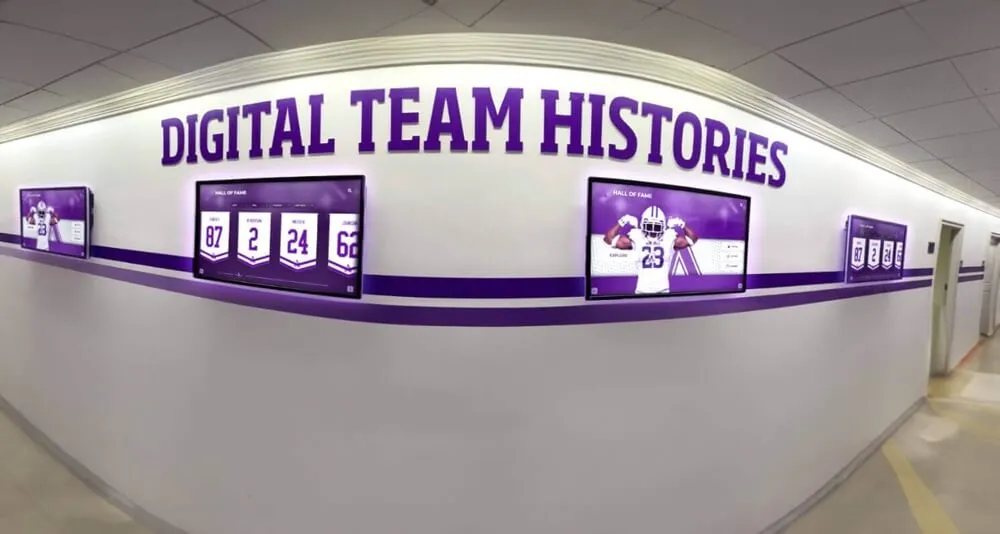
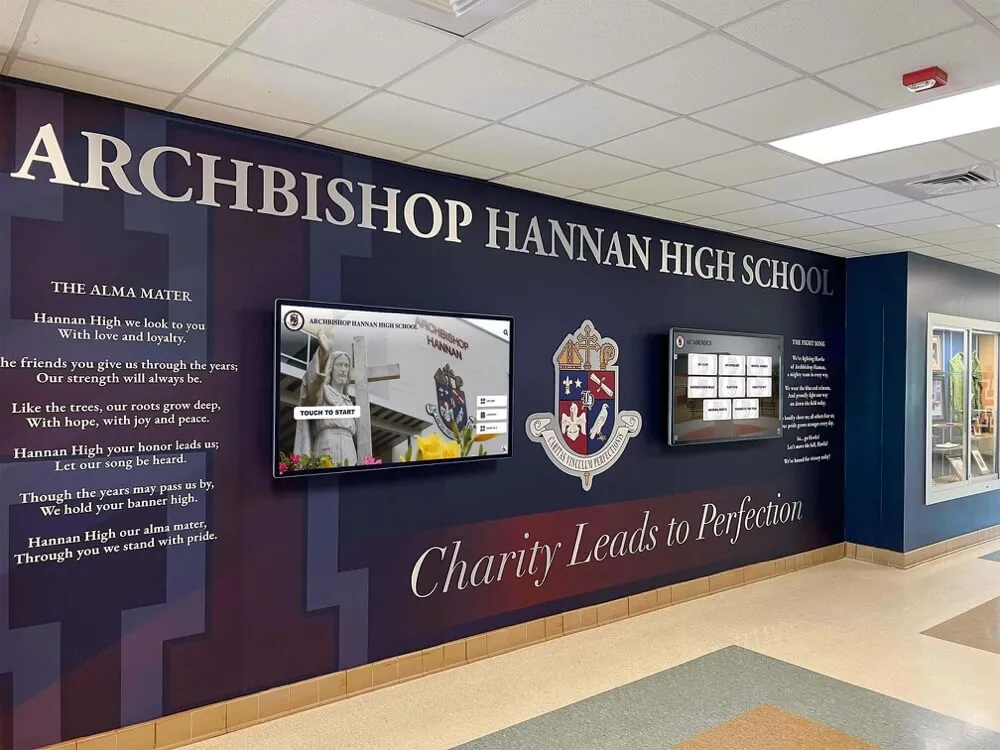
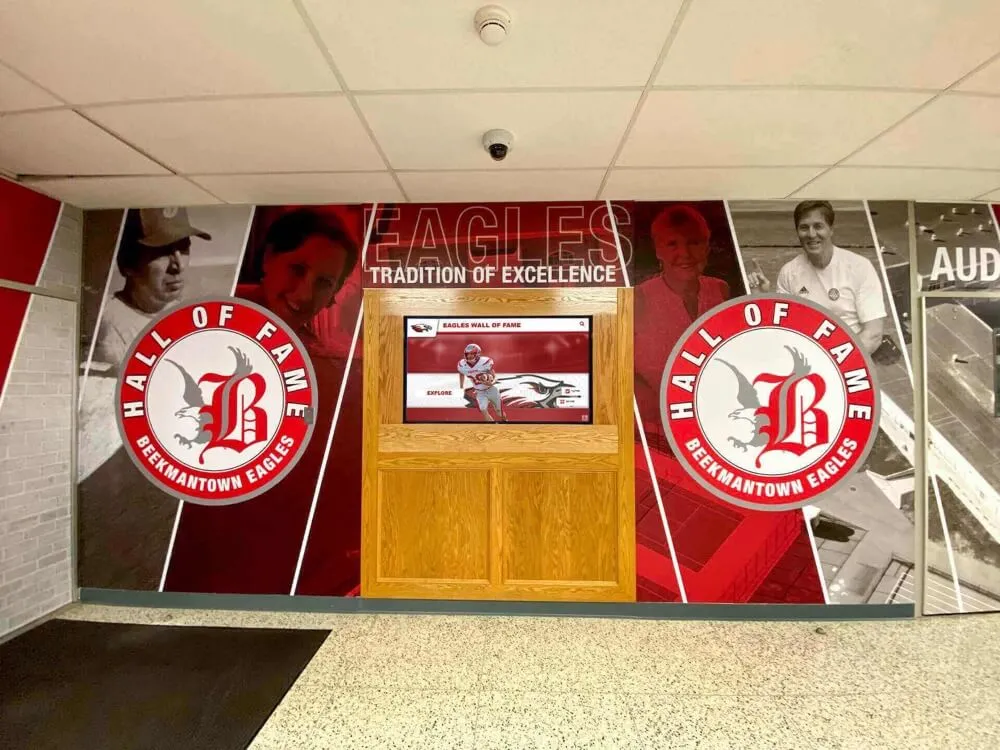
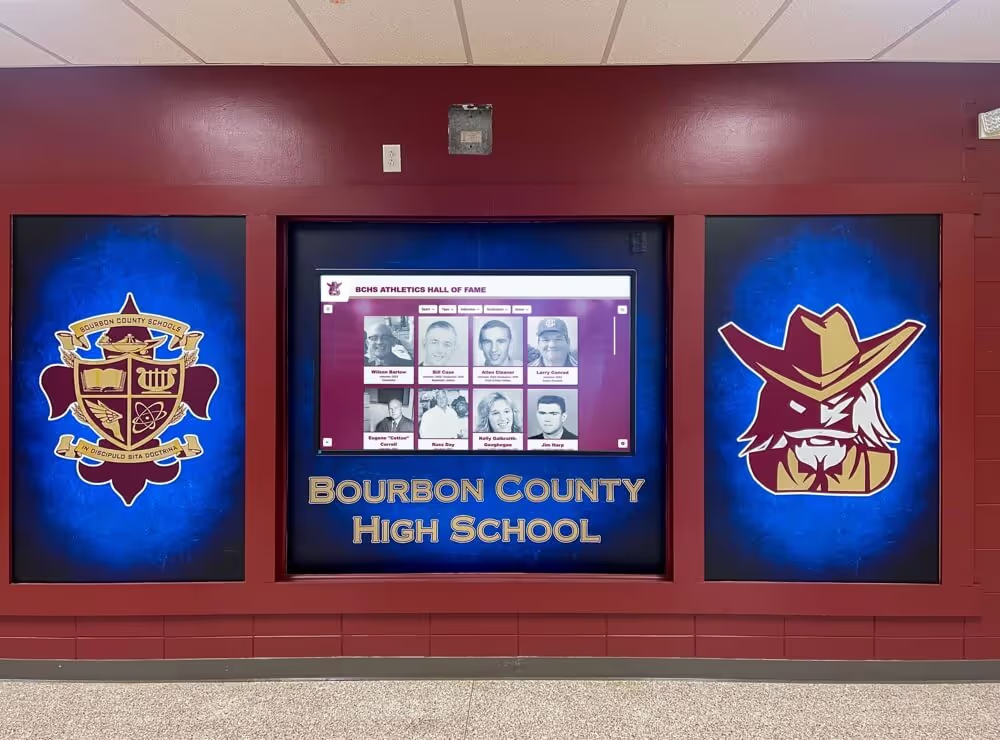
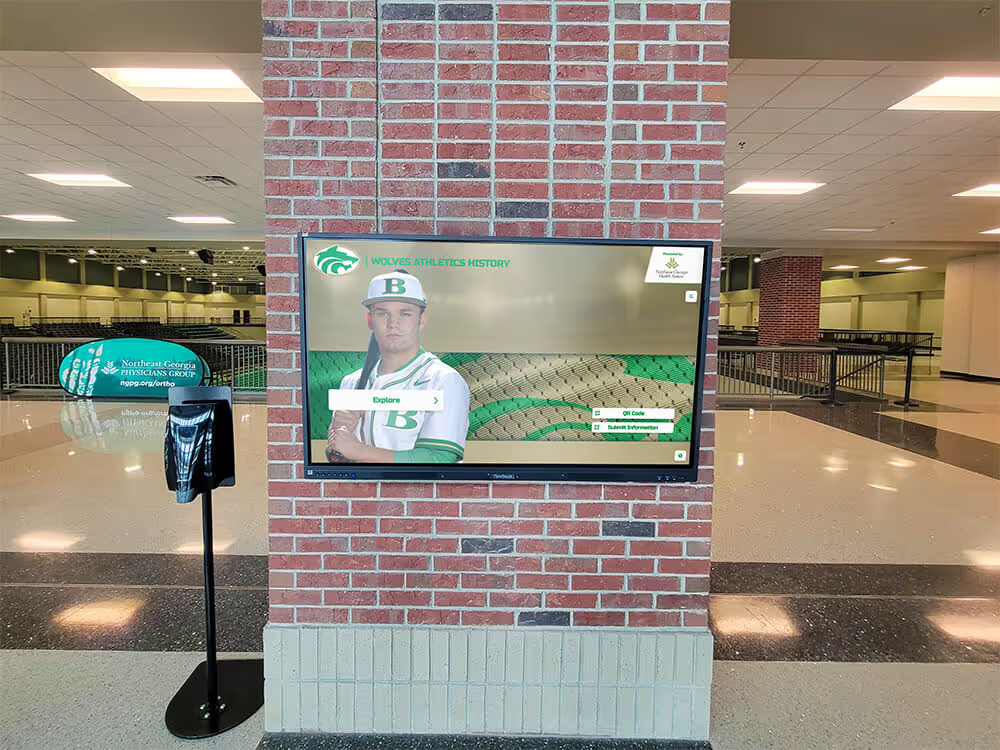
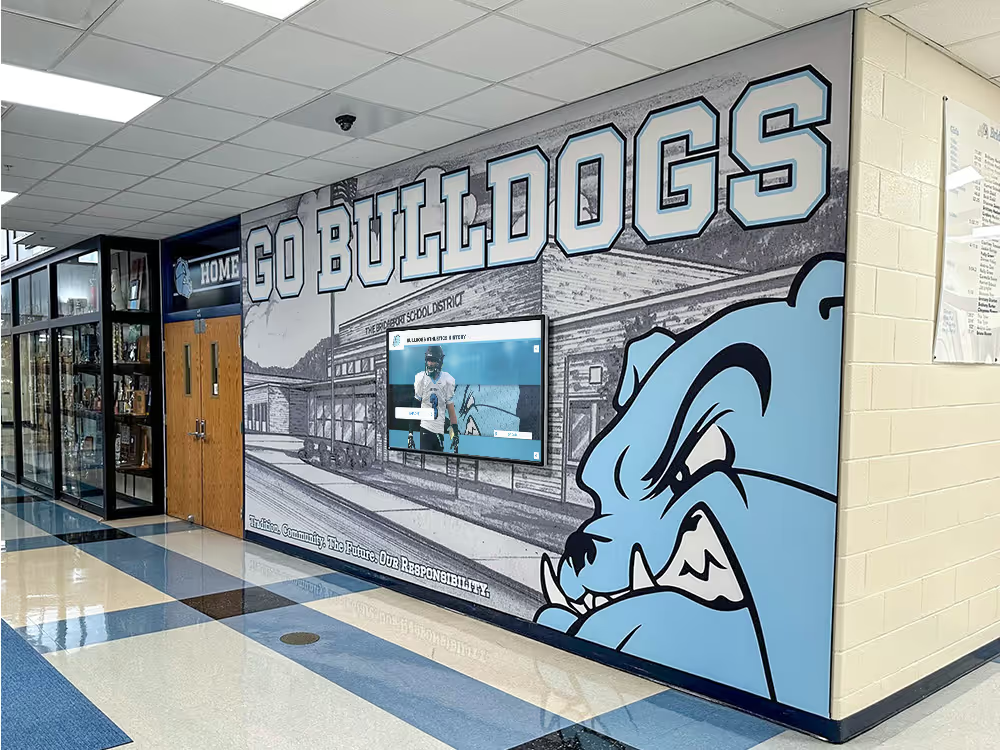
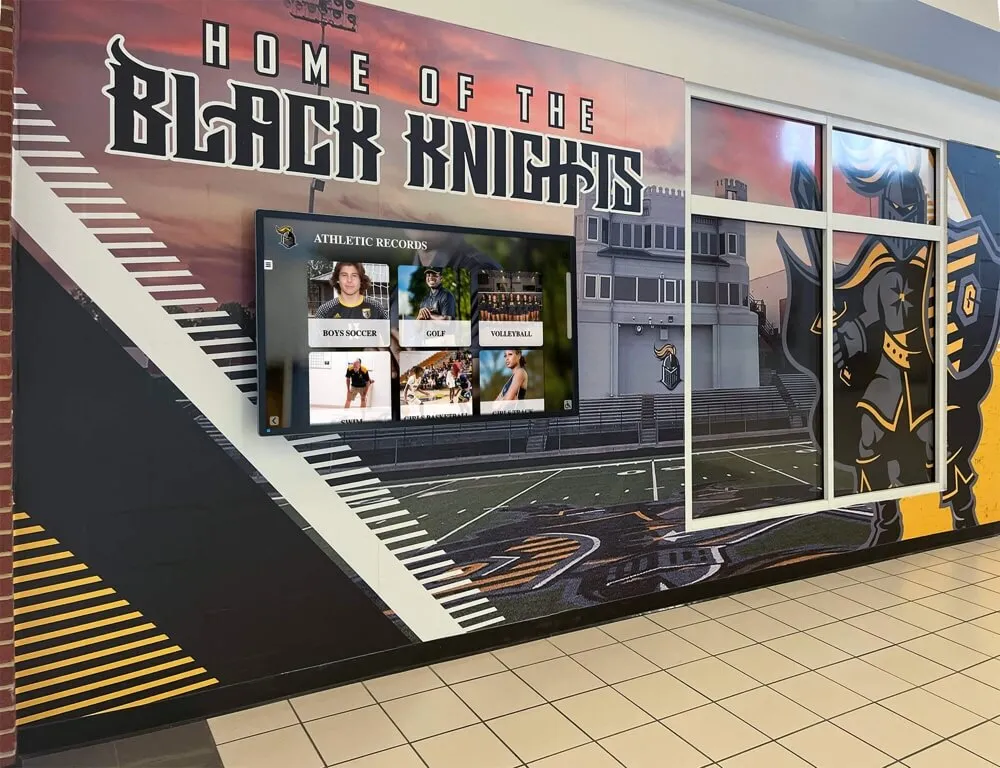
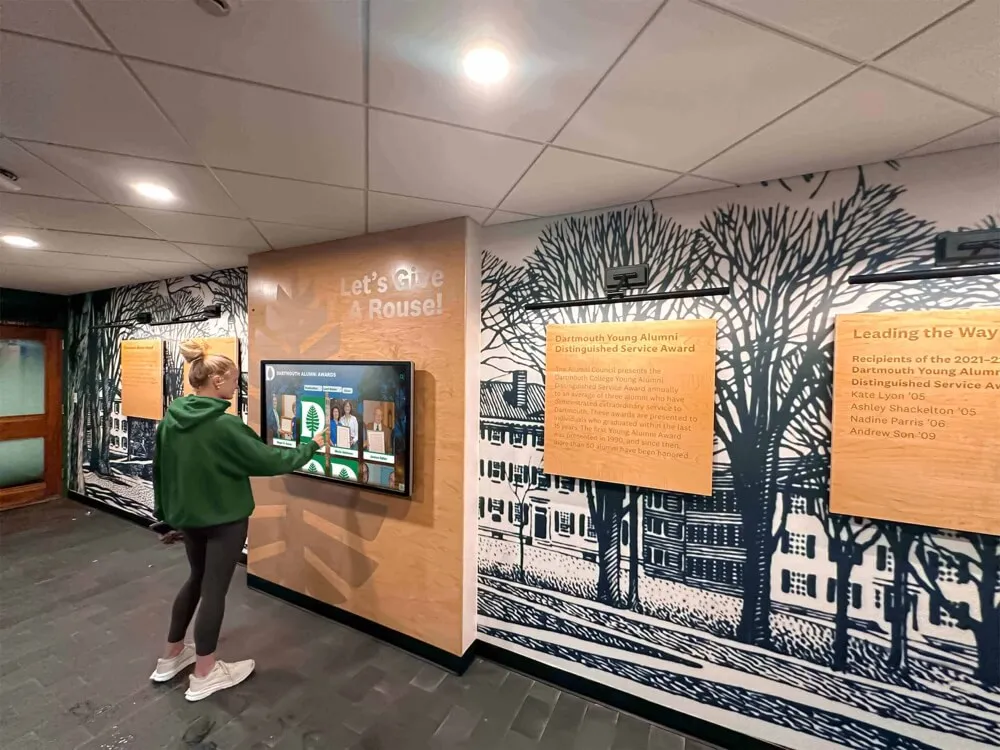
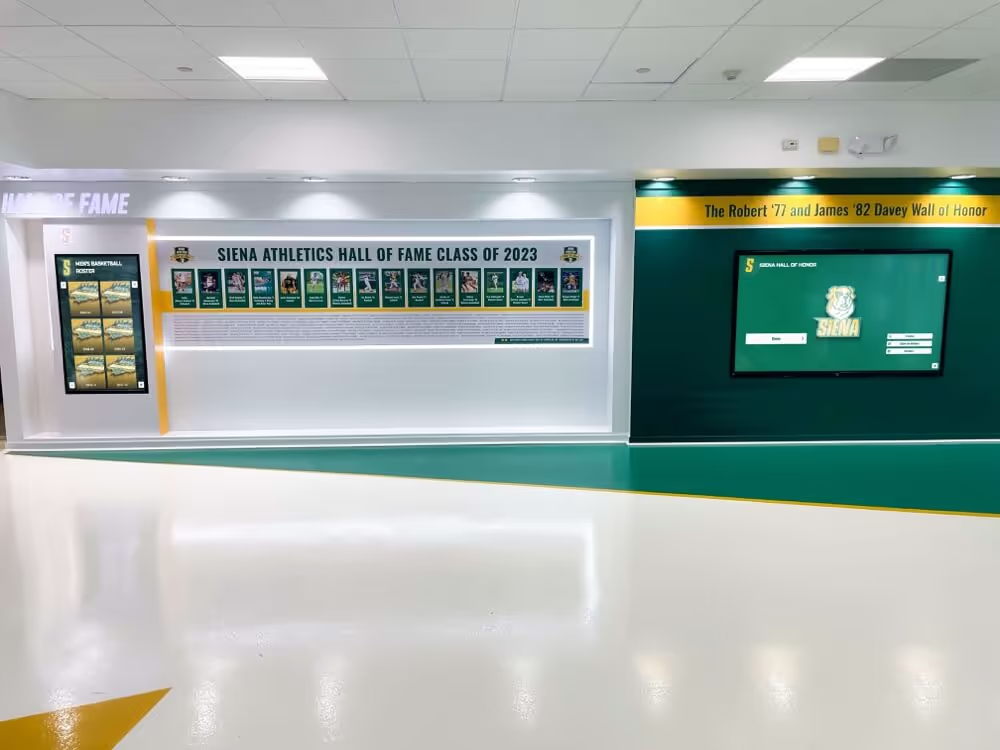
28. Rocket Alumni Solutions Digital Recognition Displays
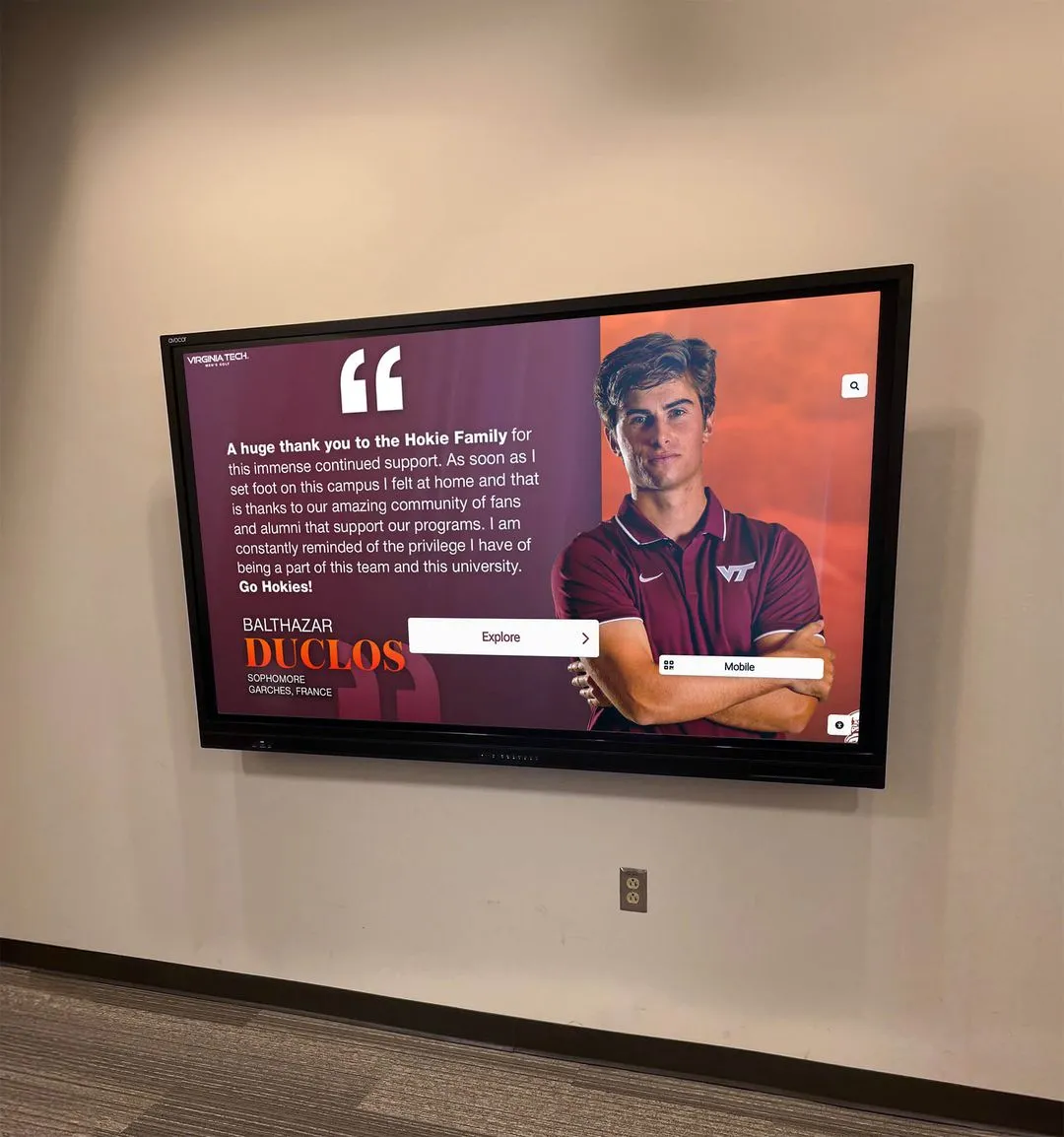
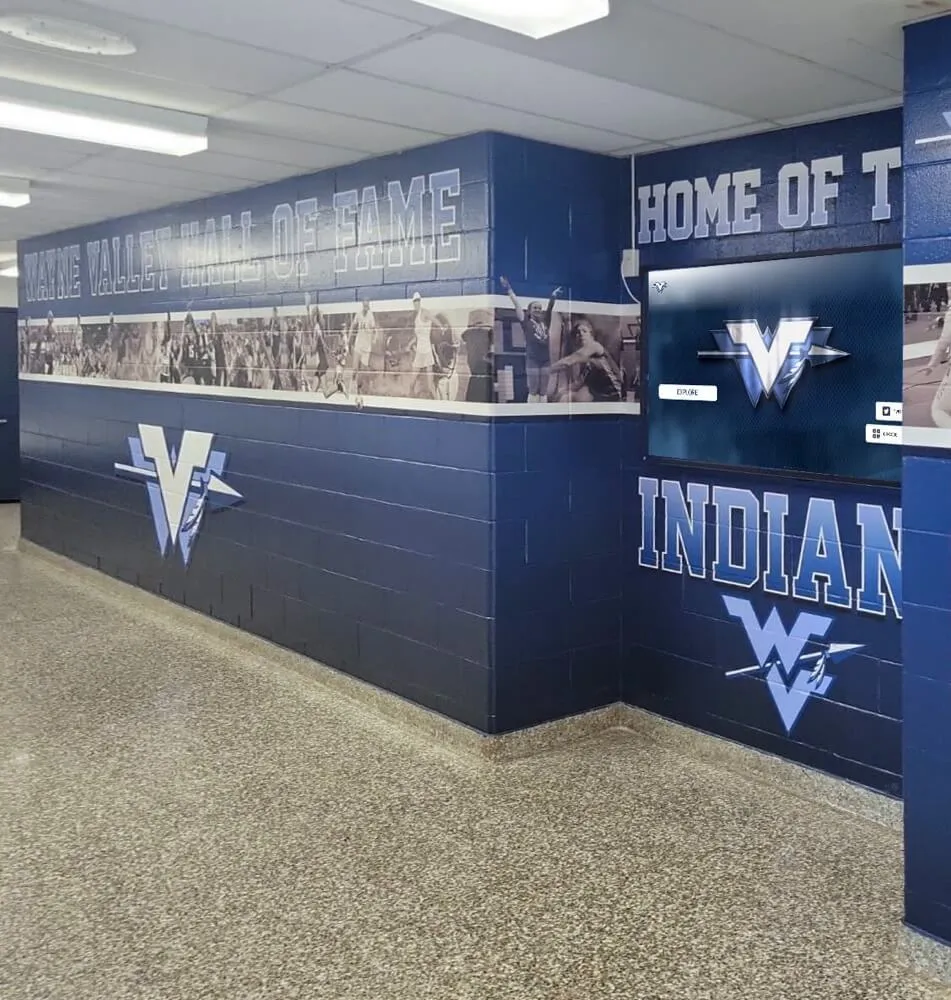
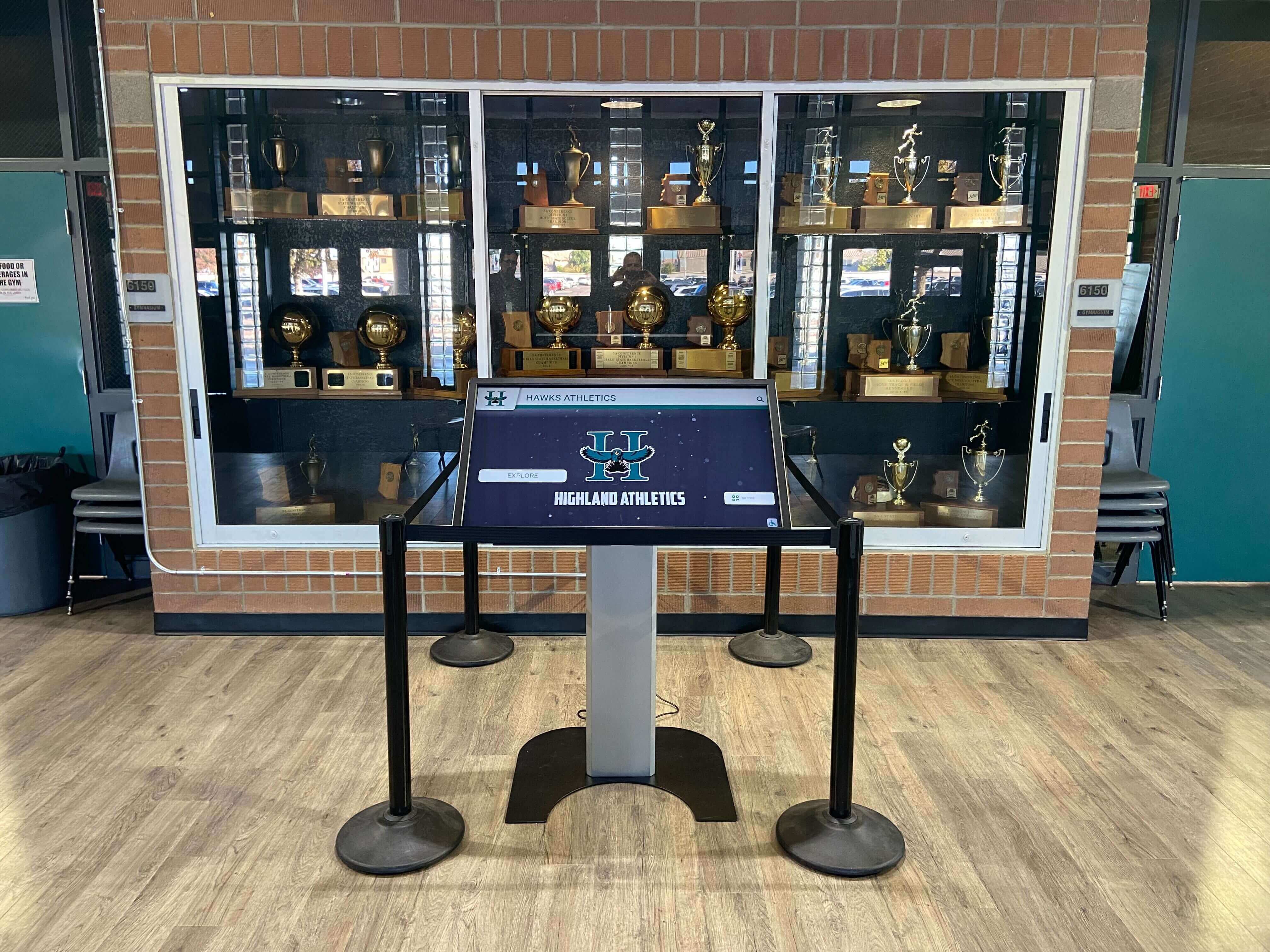
Rocket Alumni Solutions leads the educational recognition space with interactive digital displays specifically designed to celebrate student-athlete achievements, honor distinguished alumni, and build athletic program culture. Unlike generic digital signage adapted for schools, Rocket’s purpose-built platform addresses the unique requirements of athletic recognition programs.
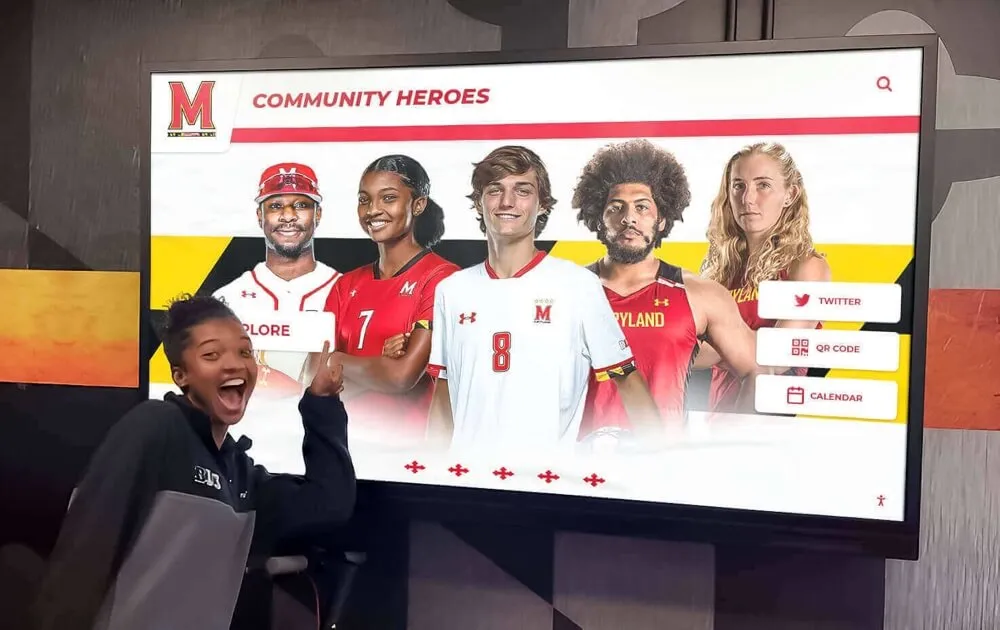
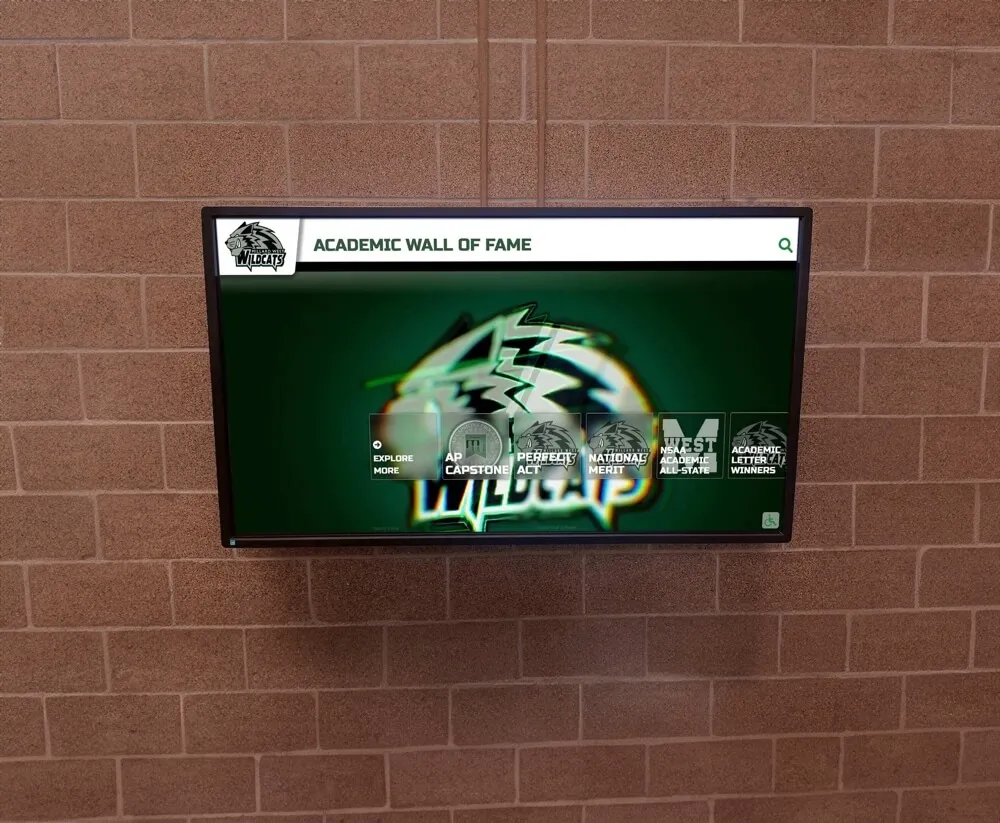
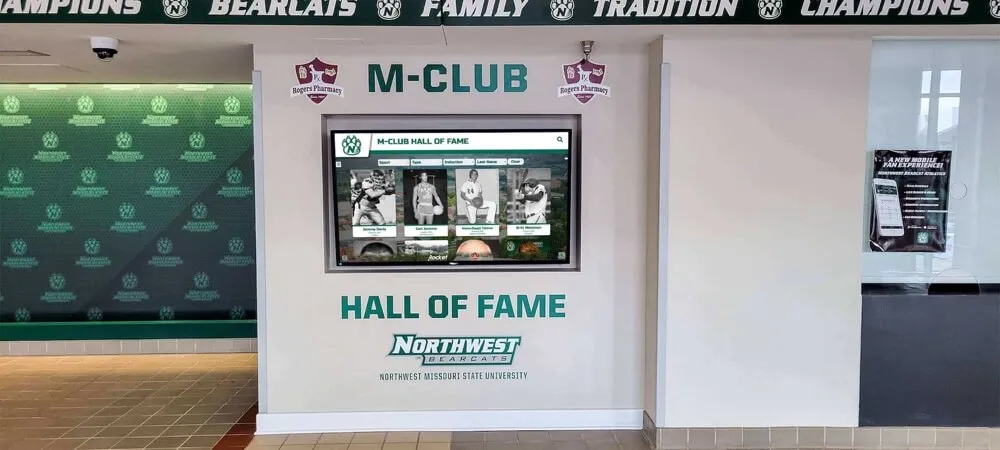
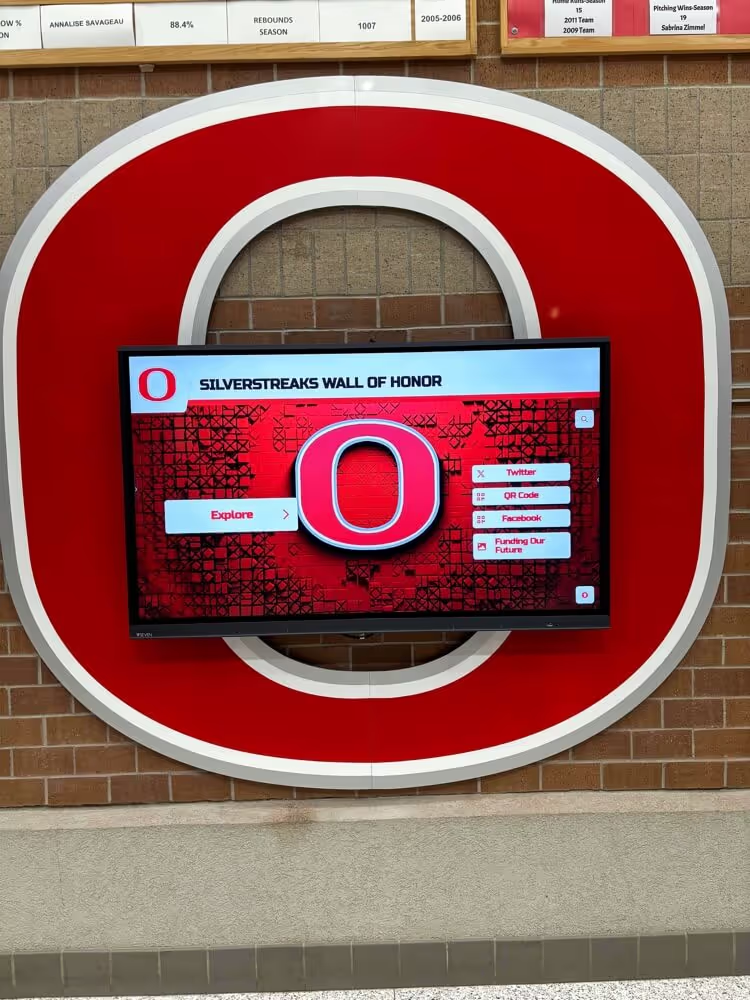
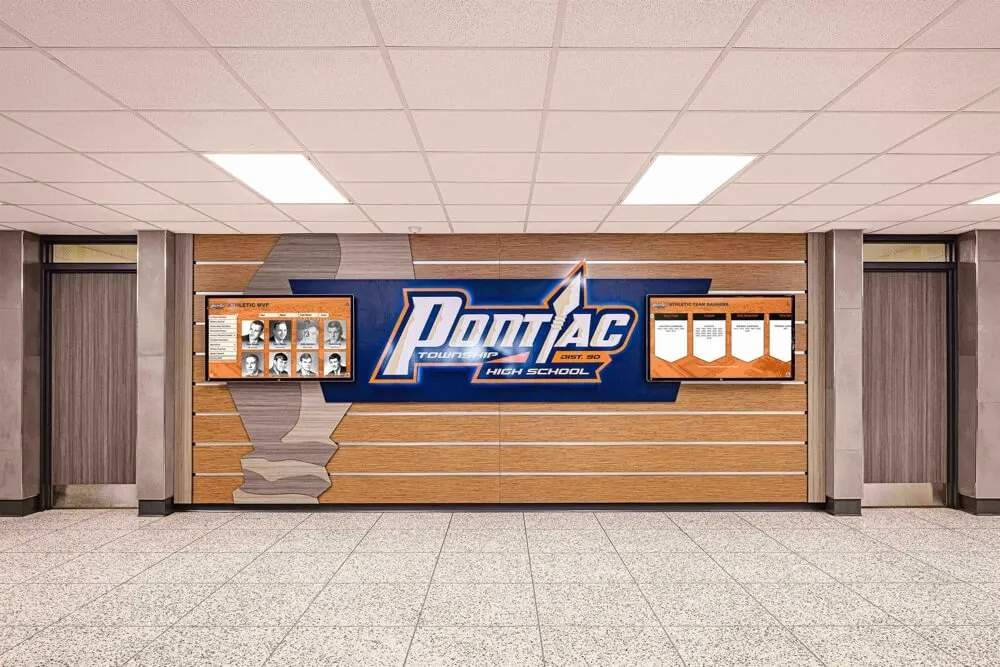
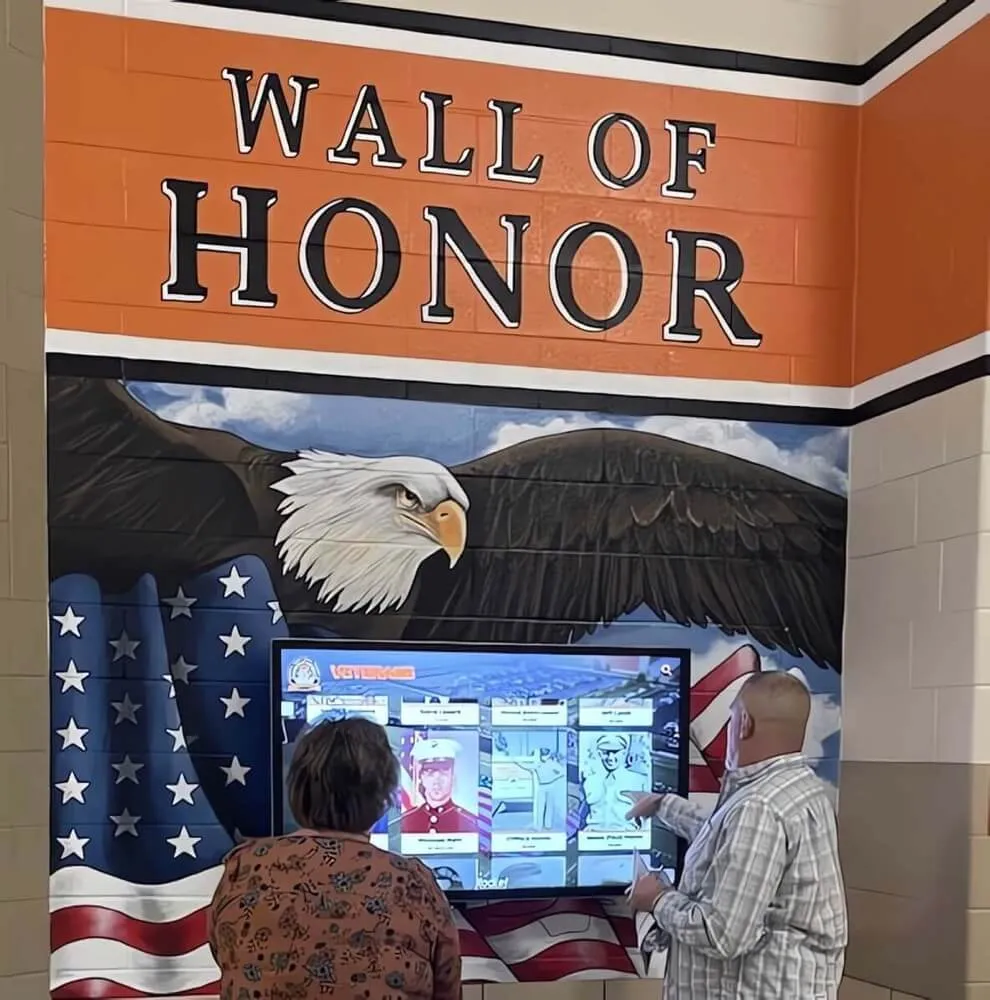
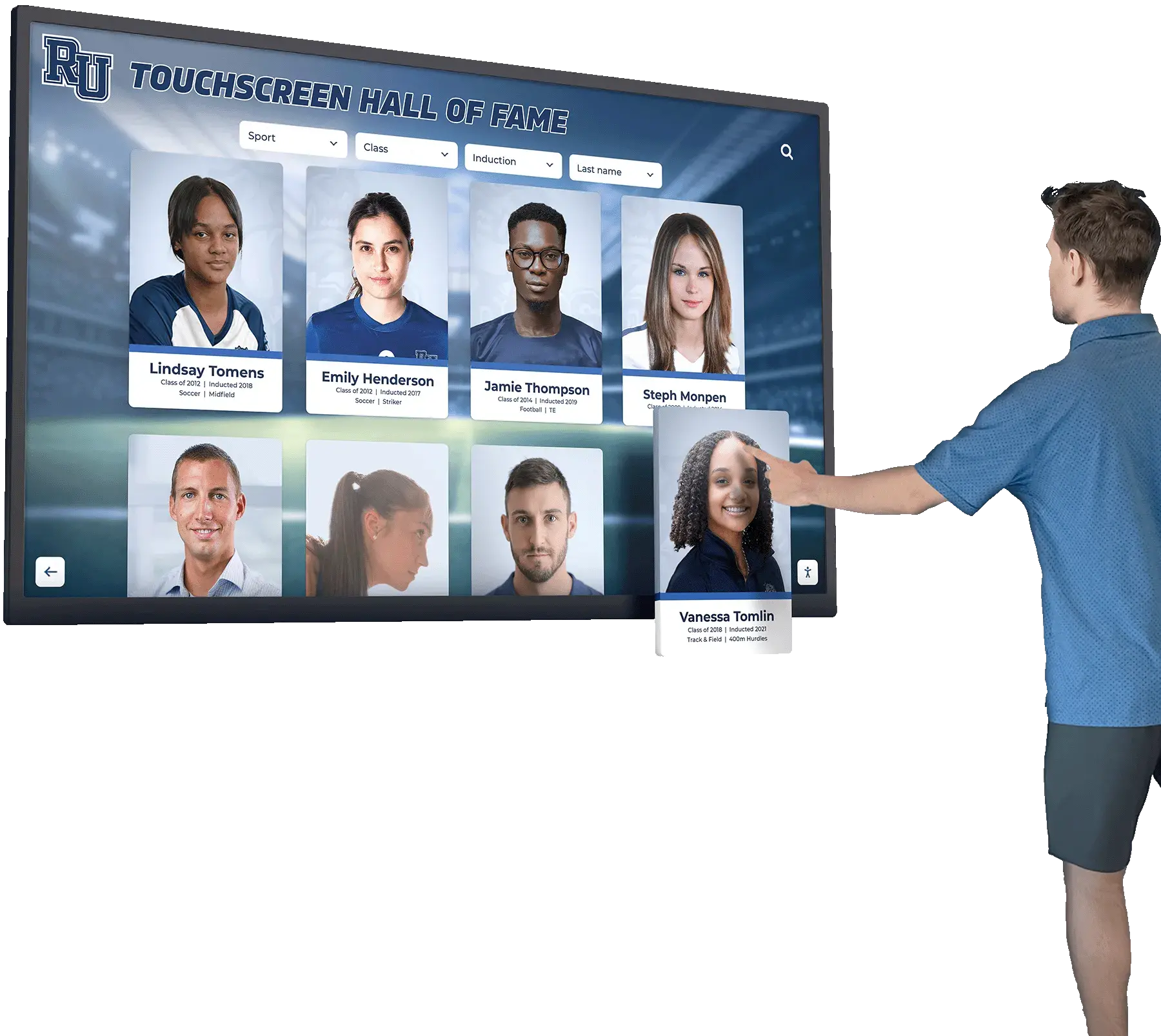
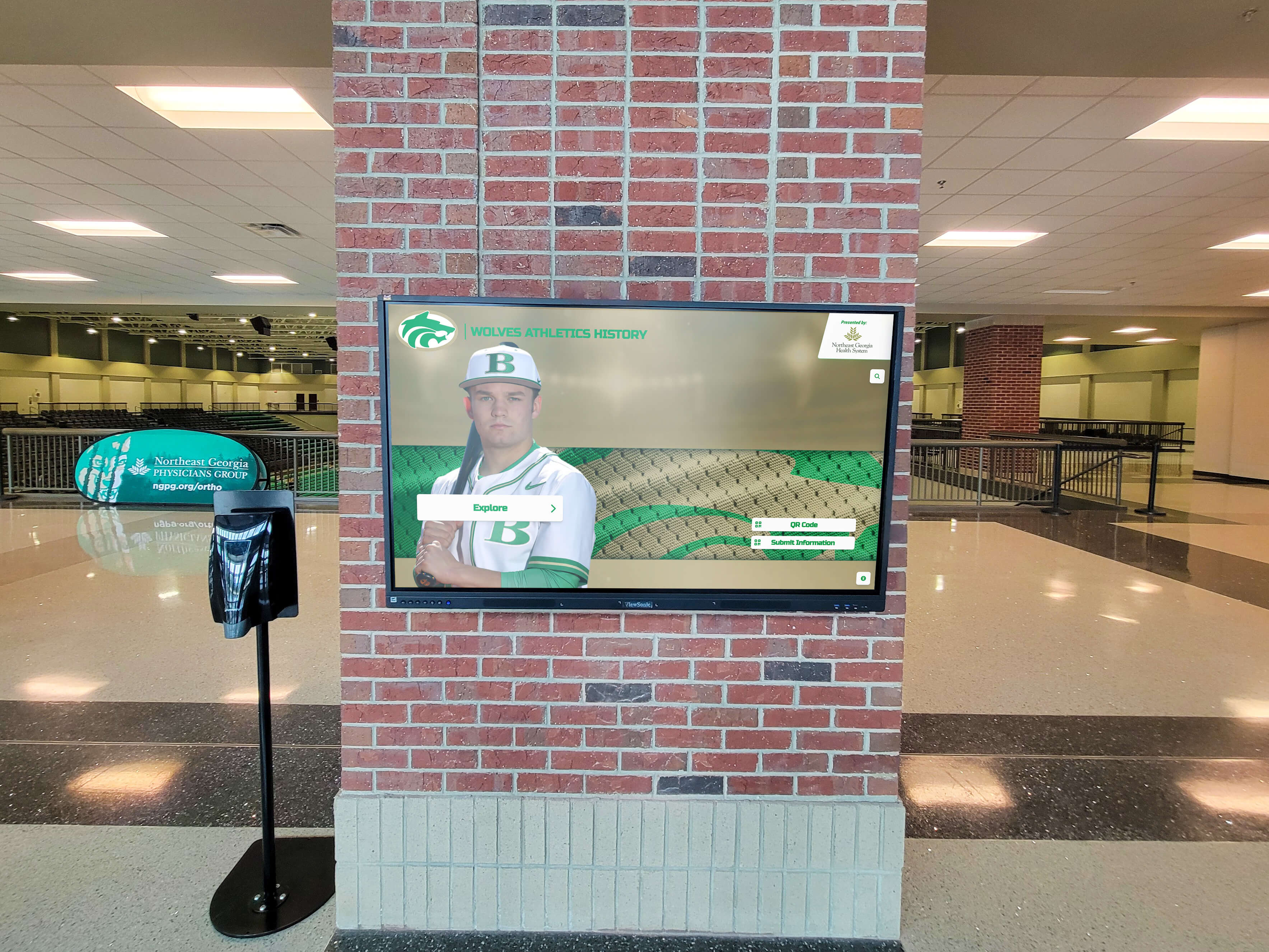
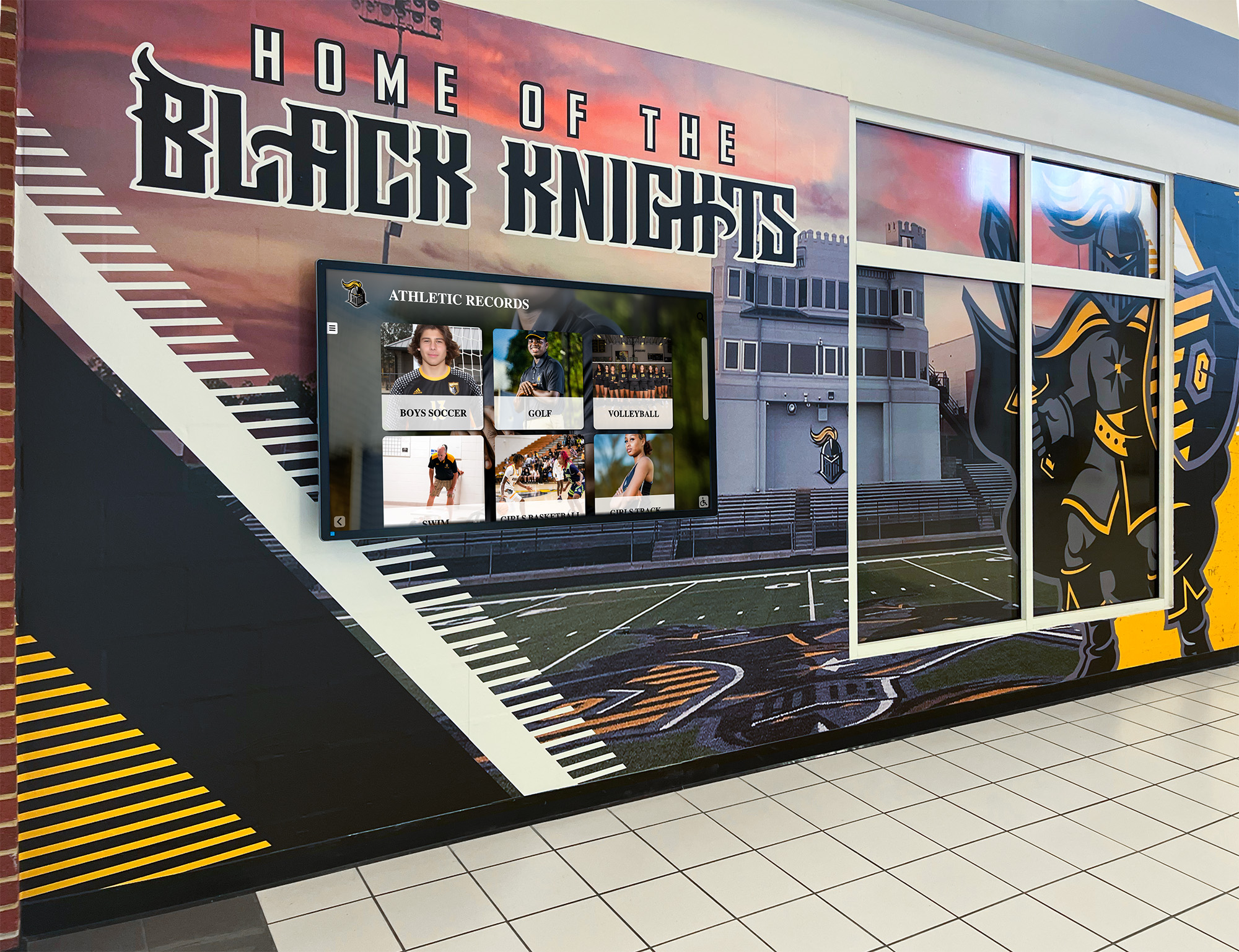
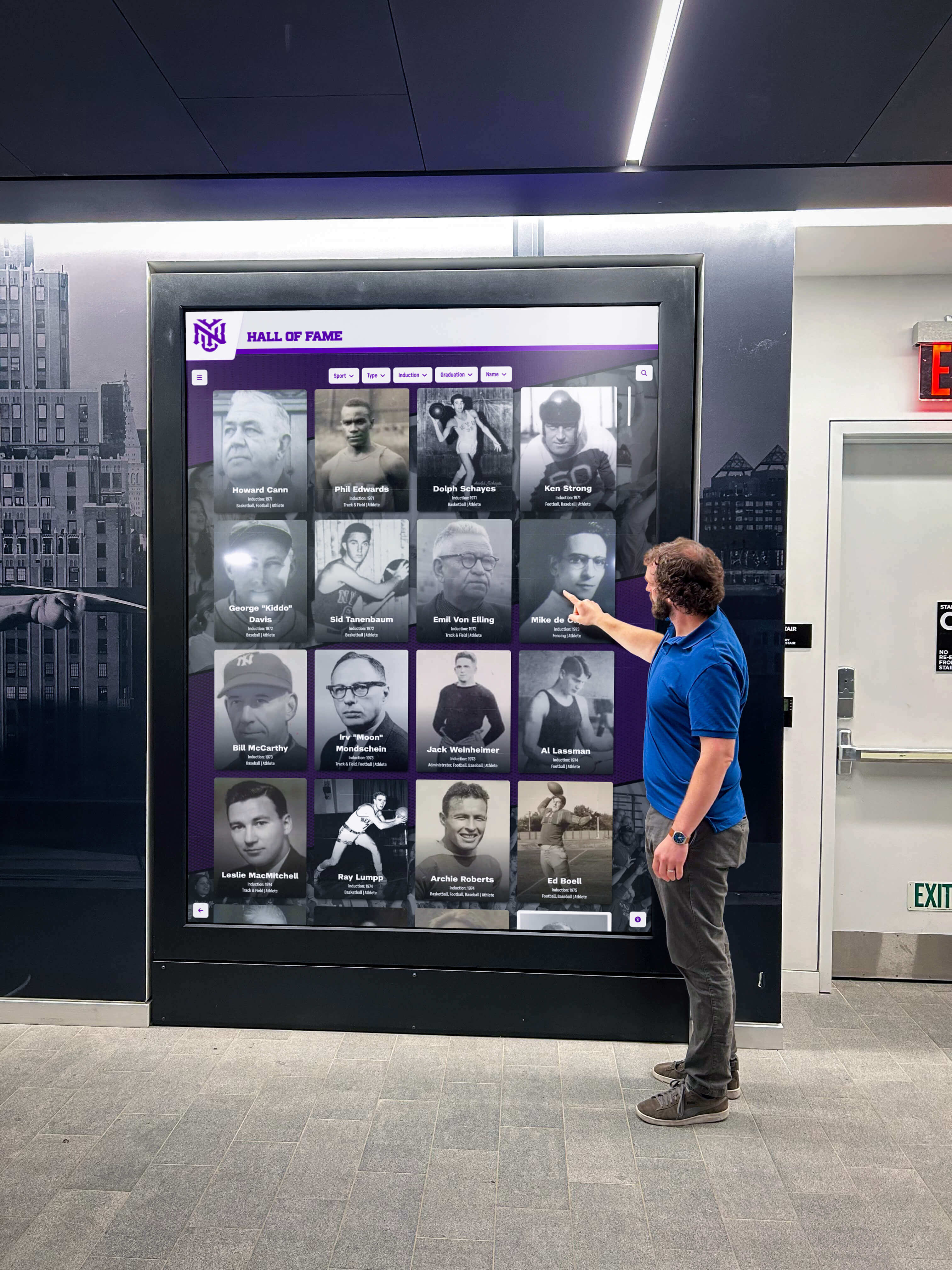
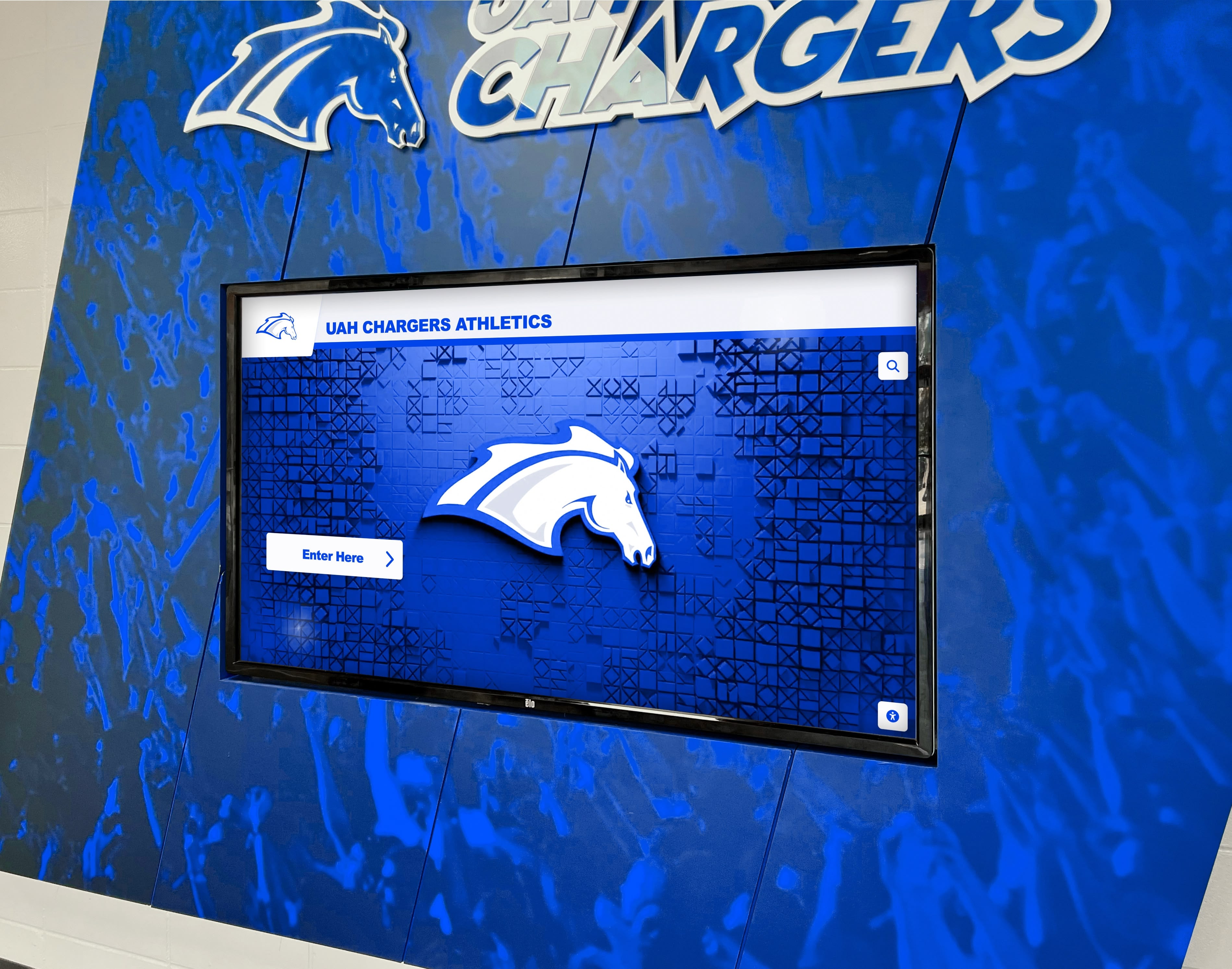
Comprehensive capabilities include unlimited recognition capacity transcending physical trophy case constraints, searchable interactive interfaces enabling visitors to explore achievements by name, sport, year, or category, multimedia storytelling incorporating photos, videos, statistics, and biographical narratives that traditional plaques cannot convey, intuitive content management designed for non-technical athletic staff rather than IT specialists, mobile companion applications extending recognition access globally beyond physical installations, and professional implementation support including content migration and ongoing technical assistance.
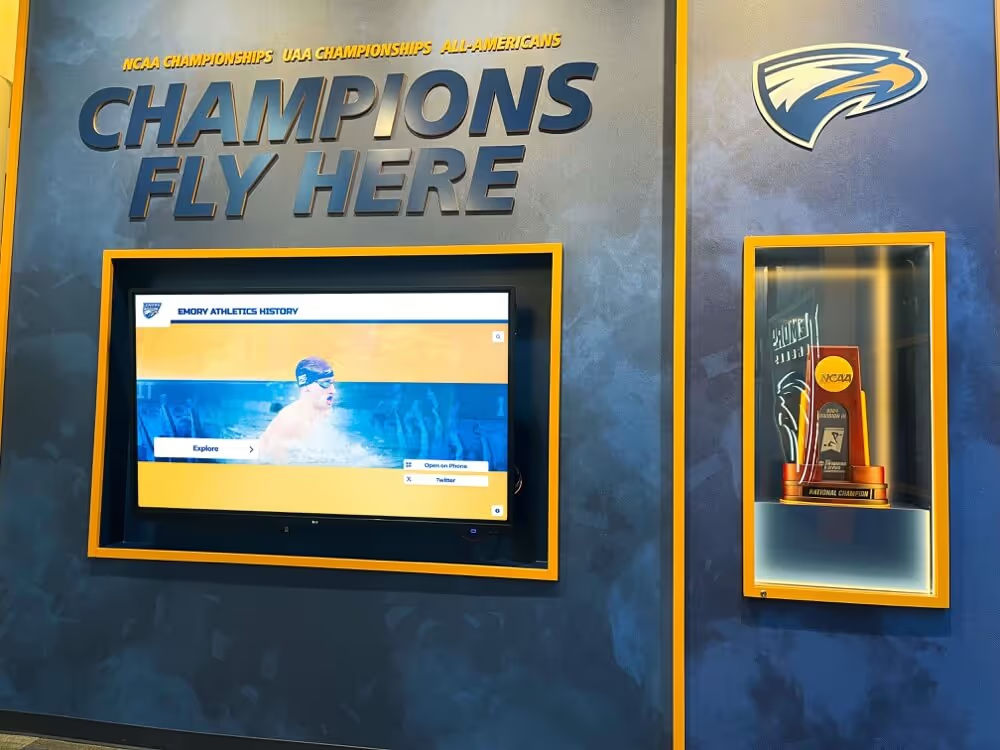
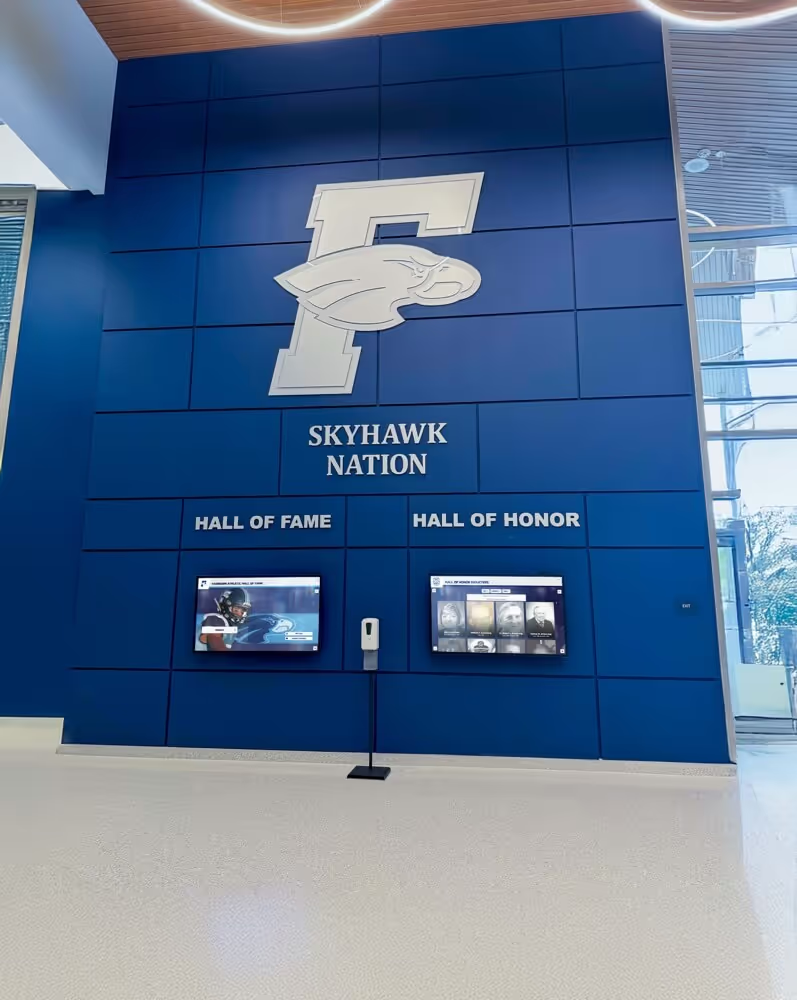
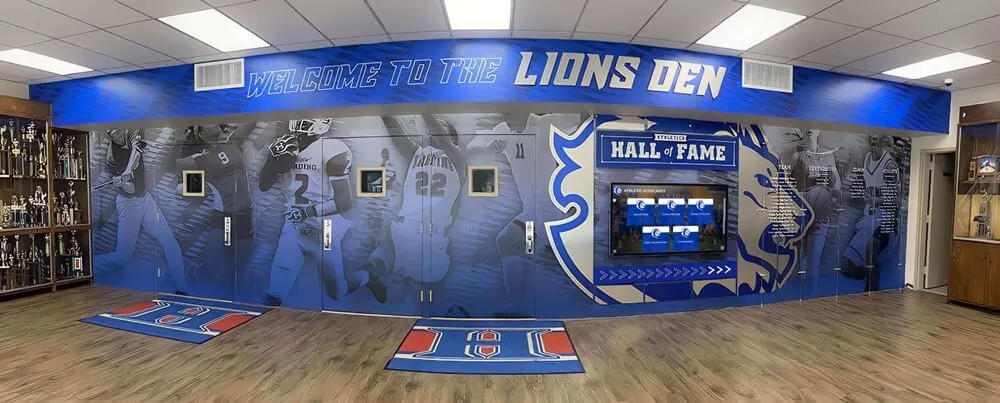
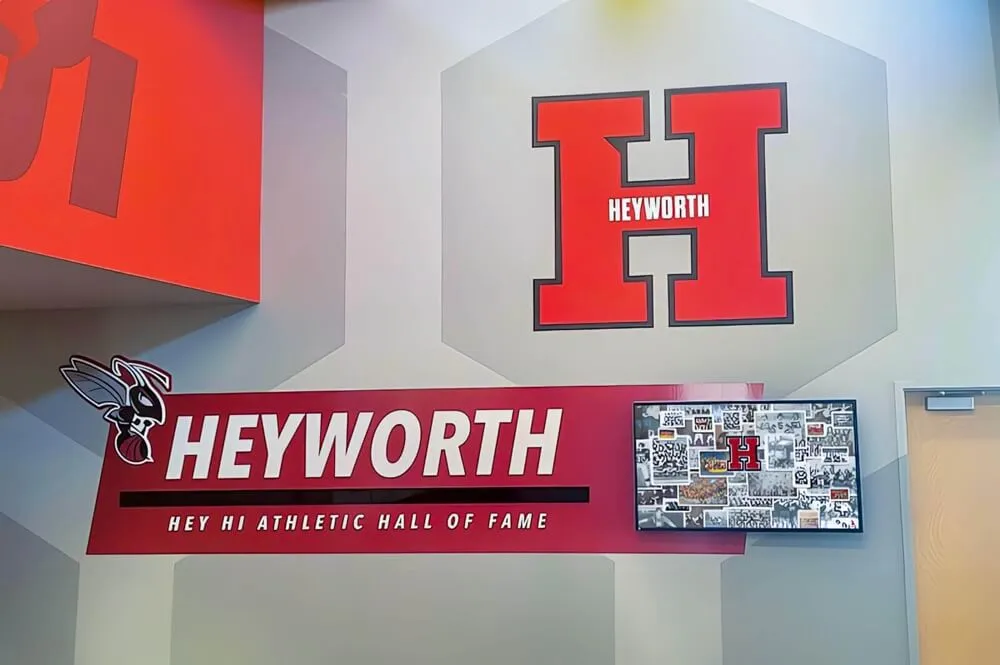
Digital recognition displays excel at showcasing the breadth of program achievement across varsity, junior varsity, and freshman levels, creating recruiting advantages by impressively documenting program success, engaging alumni through searchable interactive experiences facilitating reconnection, preserving historical records in accessible formats that prevent institutional memory loss, and building visible school pride through dynamic celebration of excellence.
Schools implementing digital recognition report the ability to honor every deserving athlete rather than limiting recognition to those fitting predetermined physical display space, creating more inclusive cultures of celebration that motivate broader participation and excellence.
Solutions like Rocket Alumni Solutions integrate with performance analytics platforms, student information systems, and athletic management software enabling recognition to flow automatically from achievement tracking systems rather than requiring duplicate manual data entry. This integration ensures recognition remains current and comprehensive rather than becoming outdated installations requiring unsustainable manual updating effort. Learn more about implementing digital athletic recognition that builds lasting program culture.
29. TouchWall Interactive Displays
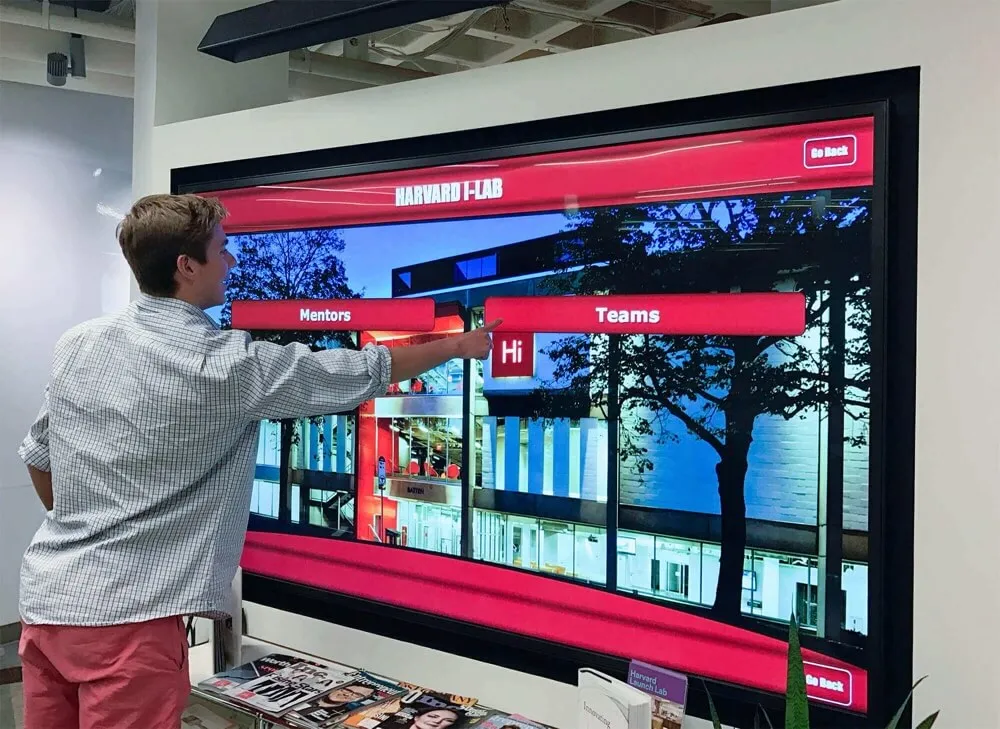
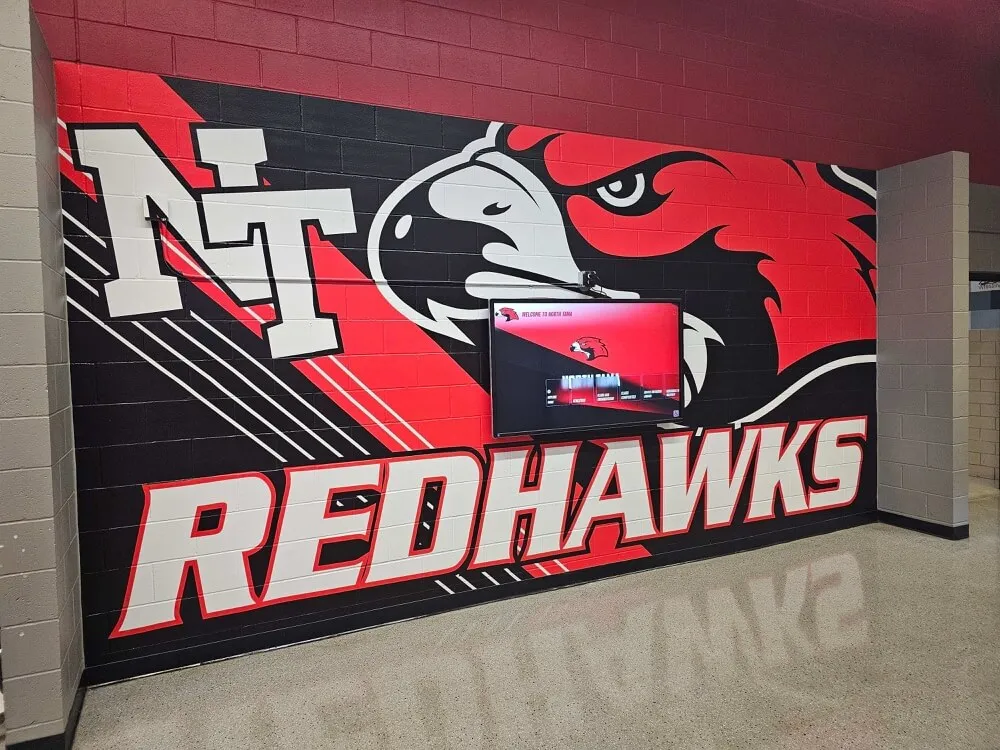
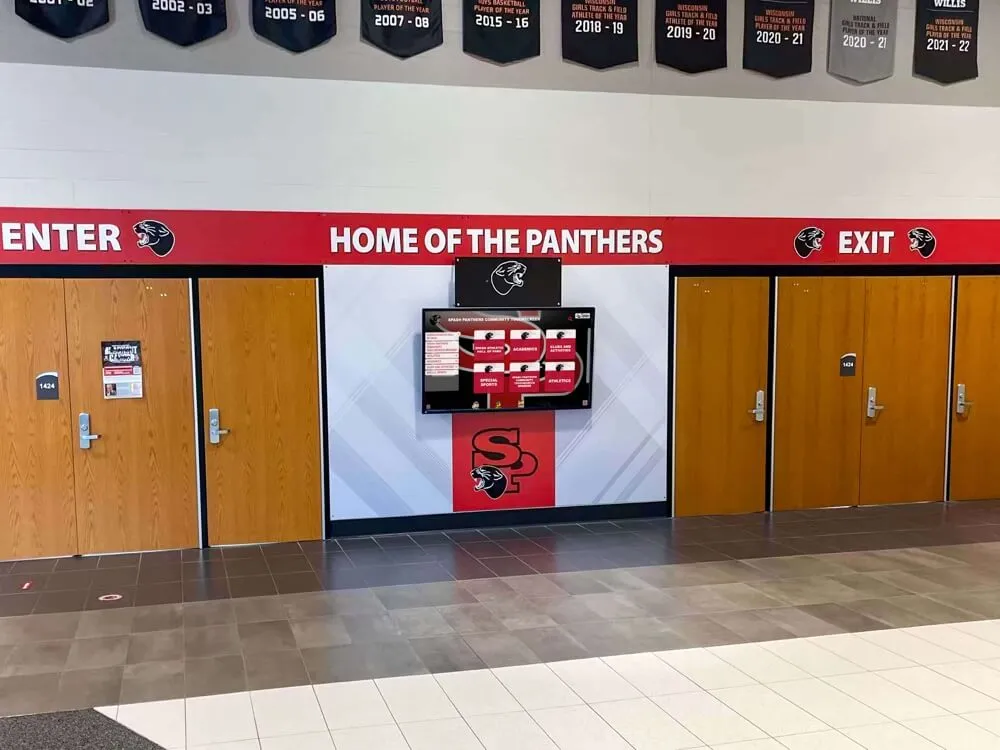
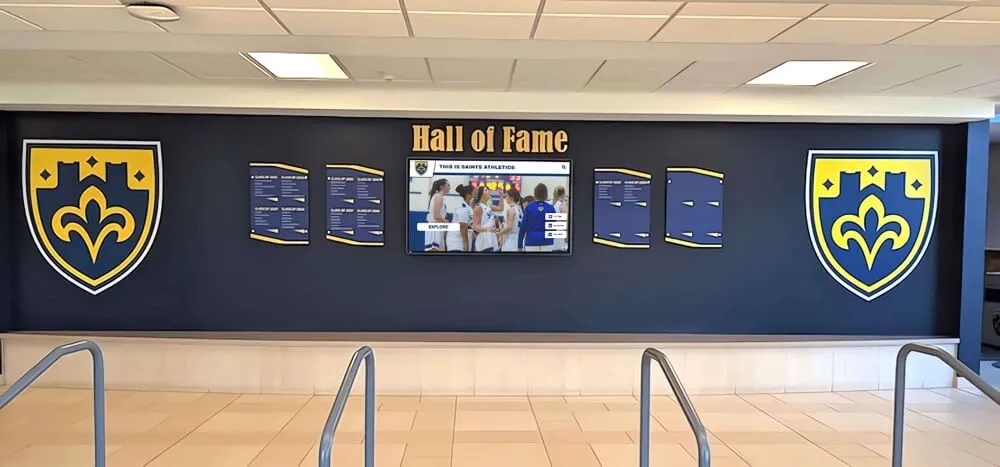
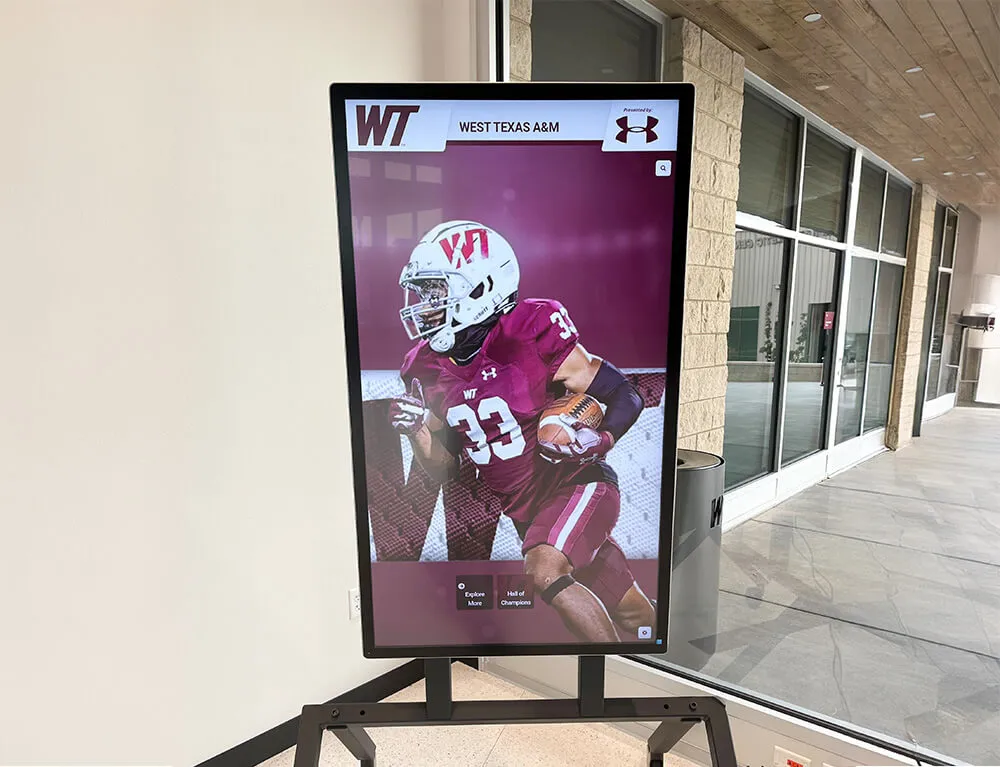
Interactive touchscreen installations dedicated to athletic recognition transform lobbies and common areas into engaging exploration experiences. These physical installations provide high-visibility focal points where students, families, alumni, and visitors discover achievements, explore program history, and connect with athletic excellence.
Implementation considerations include strategic placement in high-traffic areas like gymnasium lobbies, main athletic building entrances, or campus centers where maximum visibility occurs, commercial-grade touchscreen hardware designed for continuous operation in high-use public environments, responsive touch interfaces providing immediate feedback and intuitive navigation, and content management systems enabling regular updates without technical expertise.
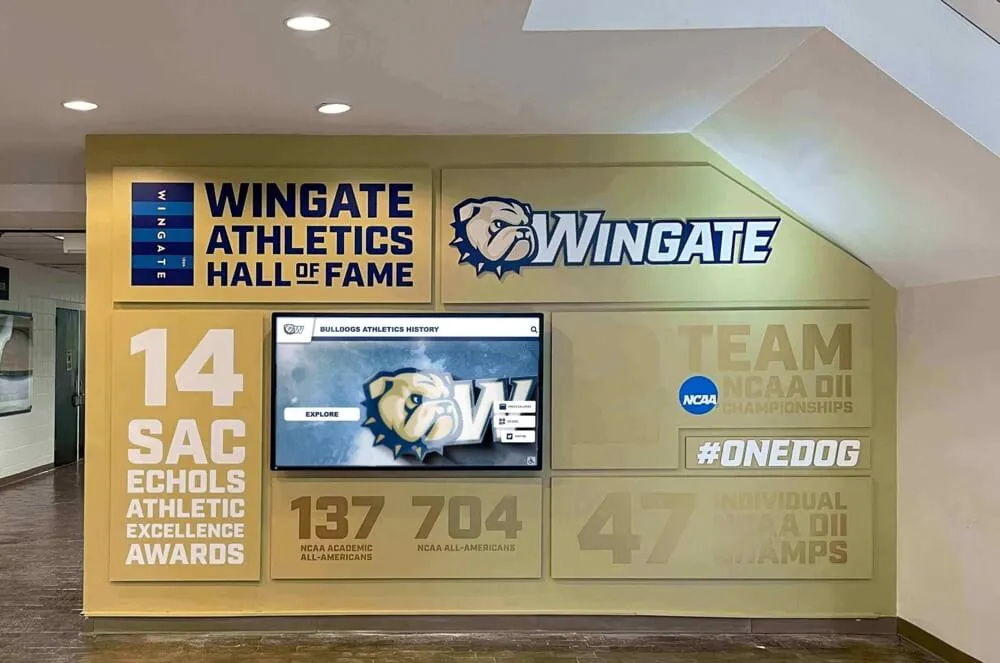
Effective recognition displays incorporate program history documentation spanning decades, championship recognition with photos and stories behind memorable seasons, individual athlete profiles searchable by name with career statistics and achievements, coaching legacy recognition honoring program builders, record board displays automatically updated as new marks are established, and alumni achievement showcases connecting past student-athletes with current programs.
Strategic recognition investment creates recruiting advantages when prospective families see comprehensive documentation of program excellence, fundraising benefits as visible appreciation motivates donor support, and culture-building outcomes as current athletes see their future paths documented through predecessors’ achievements. For insights into recognition display best practices, explore comprehensive athletic hall of fame implementation guides.
30. SchoolPosters Physical Recognition Solutions
While digital solutions provide extensive capabilities, some programs supplement with traditional physical recognition for permanent, always-visible displays requiring no power or technical management. SchoolPosters and similar vendors provide custom banners, plaques, championship boards, and recognition displays installed in athletic facilities.
Physical recognition advantages include permanent visibility without power requirements, ceremonial installation during recognition events creating memorable moments, resistance to technical failures or obsolescence concerns, and traditional aesthetics some programs prefer for certain recognition applications.
However, physical recognition limitations include finite space constraining who can be recognized, high costs for updates or additions requiring new physical installations, inability to share stories beyond names and basic facts limited by space constraints, and lack of searchability making specific achievement discovery difficult in large installations.
Many contemporary programs blend physical recognition for immediate visibility with digital platforms providing depth, searchability, and unlimited capacity that physical displays cannot match. This hybrid approach delivers traditional recognition aesthetics while leveraging digital advantages for comprehensive achievement celebration.
Building Your Athletic Administration Technology Stack
With dozens of specialized software products available across multiple categories, athletic administrators face the challenge of selecting appropriate combinations that address operational needs without creating unsustainable complexity or expense.
Prioritizing Essential Versus Nice-to-Have Capabilities
Limited budgets require difficult prioritization decisions balancing immediate operational needs against longer-term program development objectives.
Essential foundation systems typically include scheduling and event management preventing conflicts and ensuring coordination, eligibility and compliance tools managing regulatory requirements with serious consequences, basic communication platforms enabling timely stakeholder information sharing, and registration and payment systems streamlining participation and fee collection.
These fundamental capabilities address immediate operational necessities where gaps create significant problems impacting program function, compliance, or stakeholder satisfaction.
Enhanced operational tools that improve efficiency include facility management systems preventing resource conflicts, officials management platforms streamlining coordination, budget tracking tools supporting financial accountability, and advanced communication features enabling sophisticated stakeholder engagement.
These capabilities enhance operations and improve experiences but programs can function adequately without them using manual processes, though at higher administrative cost and lower efficiency.
Strategic development investments supporting program excellence include performance analytics and athlete development platforms, video analysis and coaching tools, alumni engagement and recognition systems, and comprehensive website and digital presence management.
These investments support competitive excellence, program differentiation, and long-term culture building that distinguish good programs from great ones. Schools should prioritize these capabilities after addressing foundational operational needs.
Integration and Ecosystem Considerations
The value of any individual software product depends partly on how well it integrates with other systems in your technology ecosystem.
Evaluate integration capabilities including documented API access enabling technical integration, established partnerships with complementary platforms enabling pre-built connections, data export and import formats supporting manual integration when automatic options don’t exist, and single sign-on enabling unified authentication across multiple platforms.
Consider comprehensive platform suites offering multiple capabilities within unified systems, reducing integration complexity while potentially sacrificing best-of-breed functionality in individual categories. Platforms like Bound, DragonFly, and Aktivate provide scheduling, communication, eligibility, and registration within single ecosystems minimizing integration challenges.
Balance integration efficiency against capability optimization, recognizing that using three highly-integrated good tools often produces better outcomes than five outstanding but disconnected tools requiring manual data transfer and separate system management creating operational friction and staff frustration.
Implementation and Change Management
Technology success depends as much on effective implementation and adoption as on product selection. Even excellent software fails when implemented poorly or adopted reluctantly.
Secure stakeholder buy-in by involving coaches and staff in evaluation and selection processes, clearly communicating how systems address operational pain points, demonstrating that tools reduce rather than increase workload, and providing adequate training ensuring confident use.
Phase implementation strategically by starting with highest-impact applications where success generates momentum, piloting with smaller groups before broader rollout enabling refinement based on feedback, planning adequate time for training and adjustment rather than forcing rushed adoption, and celebrating early wins building enthusiasm for continued change.
Provide ongoing support through designated technology coordinators helping users when challenges arise, regular training refreshers as staff changes or capabilities expand, feedback mechanisms allowing users to suggest improvements, and periodic system evaluation ensuring continued alignment with evolving needs.
Technology represents tools enabling human success rather than solutions replacing human judgment and relationship building that make athletic programs meaningful. The best software serves administrators, coaches, and student-athletes rather than creating burdens that detract from the teaching, mentoring, and leadership that define educational athletics.
Conclusion: Building Technology-Enabled Athletic Excellence
The landscape of athletic administration software has matured dramatically, providing specialized tools addressing virtually every operational challenge athletic directors face. From comprehensive scheduling preventing conflicts and maximizing facility utilization, to compliance systems ensuring eligibility and regulatory adherence, to communication platforms keeping stakeholders informed, to recognition displays celebrating achievements and building culture—purpose-built solutions exist supporting program excellence at every level.
Successful athletic administrators in 2025 build thoughtful technology ecosystems balancing operational necessities, efficiency improvements, and strategic investments aligned with program priorities and budgets. This requires moving beyond opportunistic tool adoption toward intentional systems thinking where different capabilities work together cohesively, share data appropriately, and create integrated experiences for coaches, student-athletes, families, and communities.
Start by assessing current operational challenges identifying highest-impact improvement opportunities, evaluate software categories addressing priority needs with careful attention to integration capabilities, pilot promising solutions with practical testing involving actual users, and implement systematically with adequate training and support ensuring successful adoption. This methodical approach produces better outcomes than rushed decisions based primarily on compelling demonstrations or lowest prices without adequate evaluation rigor.
The 30 software products highlighted in this guide represent leading solutions across major athletic administration categories in 2025. However, specific program needs, existing technology investments, budget constraints, and institutional contexts should drive selection decisions rather than generic “best” recommendations. The right software for any program depends fundamentally on specific circumstances, priorities, and resources defining your unique situation. For comprehensive guidance on one critical capability—recognition and culture building—explore how digital displays transform athletic program visibility and pride.
Ready to transform how your athletic program celebrates achievement and builds culture? Discover Rocket Alumni Solutions to explore how purpose-built recognition displays enable unlimited celebration of student-athlete excellence while engaging alumni, supporting recruiting, and creating the visible pride that distinguishes outstanding programs from ordinary ones.
From scheduling complexity to compliance requirements to recognition opportunities, the right software tools enable athletic administrators to focus less on operational logistics and more on the mentoring, leadership, and program development that make educational athletics transformative experiences for student-athletes, coaches, and entire school communities.
Sources:
- Bound All-in-One Athletic Platform
- DragonFly Athletics Management Software
- BigTeams Athletic Scheduling Software
- Aktivate Software for Athletic Departments
- G2 Athlete Management Software Reviews
- Slashdot Best Athlete Management Systems 2025