



Key Takeaways
Master softball hitting drills that develop record-breaking power, consistency, and plate discipline. Twelve proven practice routines coaches use to build championship-caliber hitters.
Why Structured Hitting Drills Create Record-Breaking Performance
Effective softball hitting drills do more than keep players busy during practice. They create systematic skill development that compounds over seasons, transforming players from competent hitters into athletes who challenge team and conference records.
The Science Behind Progressive Skill Development
Elite hitting performance requires integration of multiple complex systems working simultaneously: visual tracking, weight transfer mechanics, bat path control, timing calibration, and decision-making under pressure. Random batting practice develops these systems inconsistently, while structured drills isolate, develop, and then integrate specific components in progressive sequences.
Research in motor learning demonstrates that skill acquisition accelerates when practice includes:
- Deliberate practice focused on specific technical components rather than general repetition
- Immediate feedback that allows real-time mechanical adjustments
- Progressive difficulty that challenges players slightly beyond current capability
- Varied contexts that develop adaptability across different pitch types and situations
- Mental rehearsal components that enhance decision-making speed and accuracy
Championship programs implement hitting drills that incorporate these learning principles systematically, creating measurable performance improvements that translate directly to game situations. When players break long-standing records, their achievement reflects not just individual talent but the cumulative effect of superior practice design implemented consistently across seasons.
Connecting Practice Performance to Recognition Programs
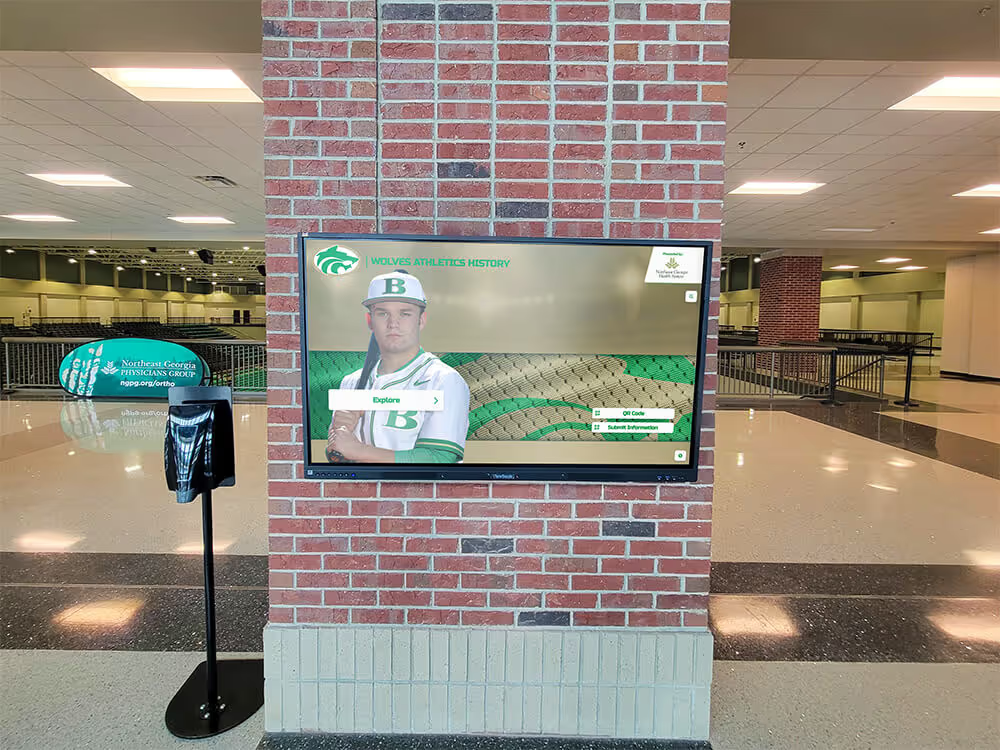
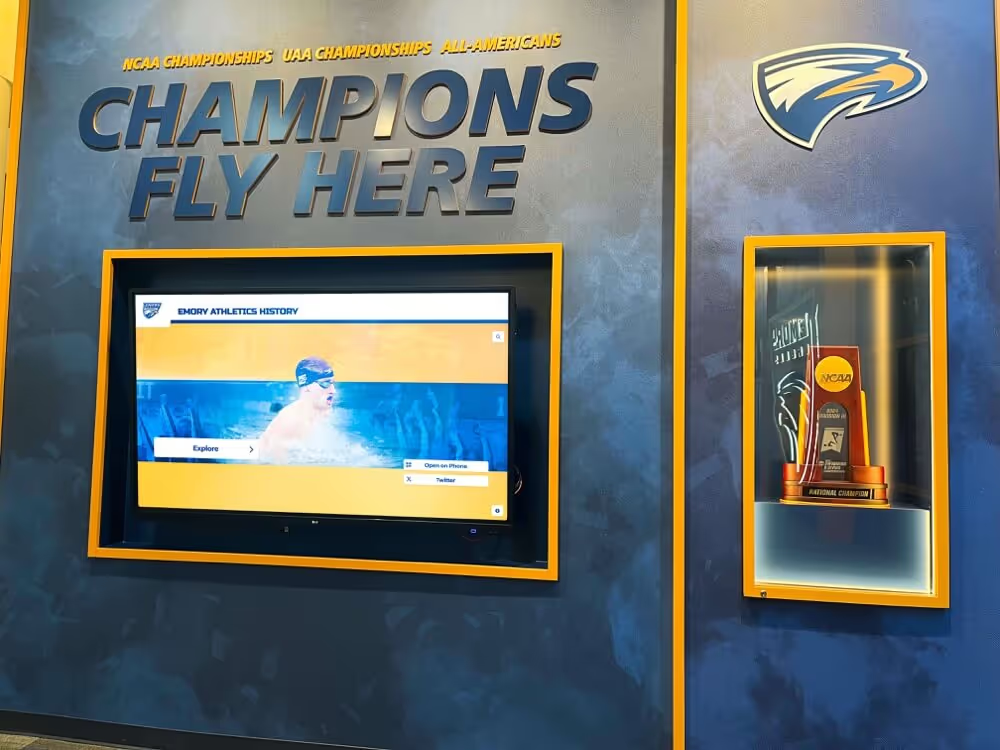
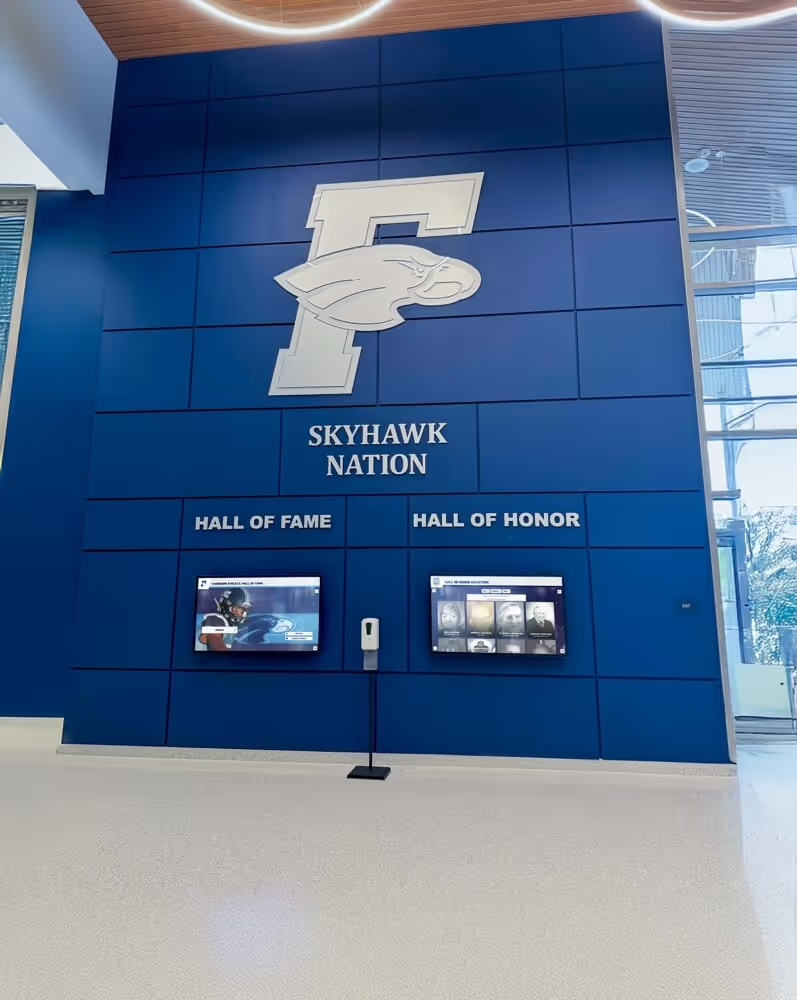
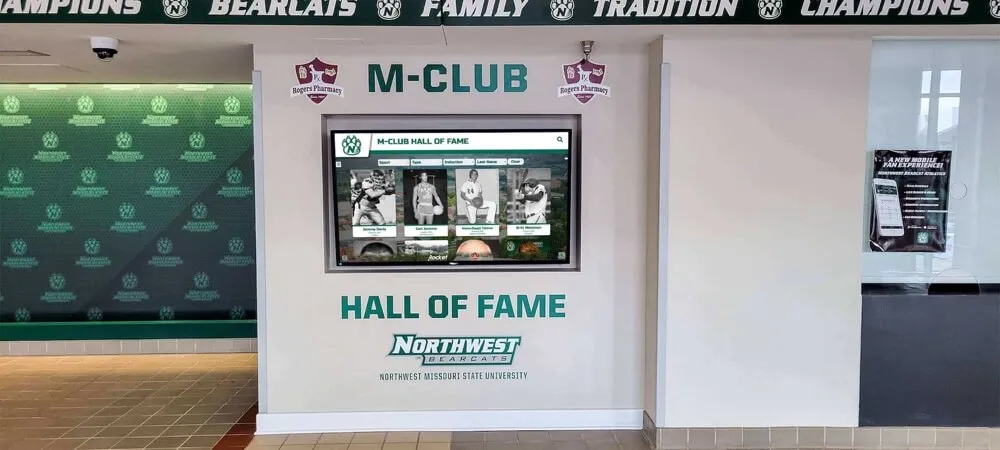
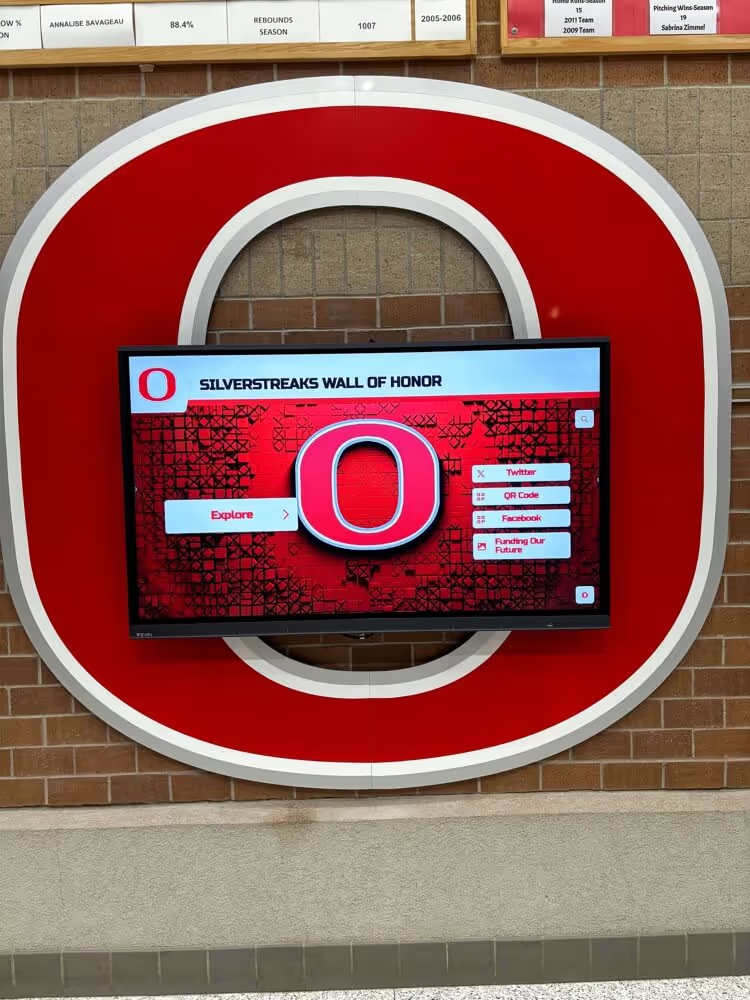
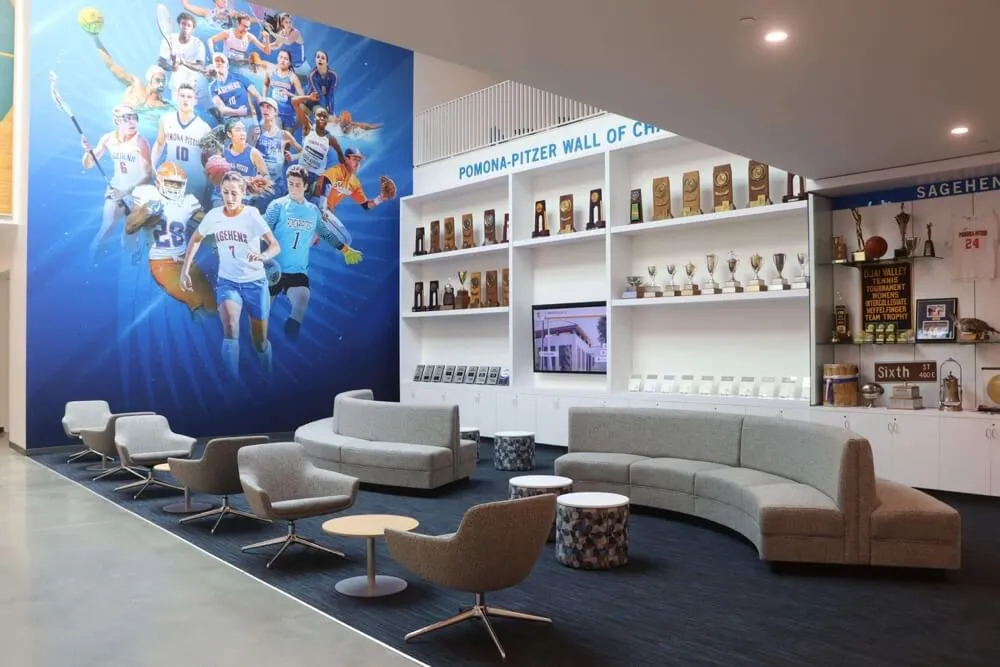
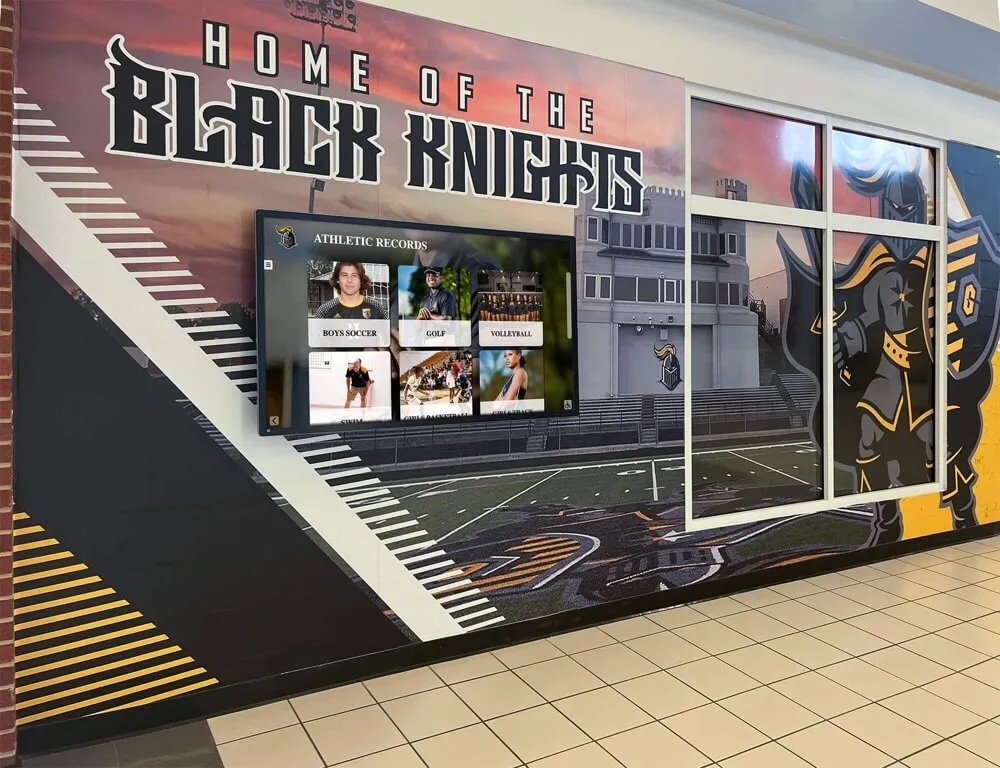
The athletes whose statistics appear on digital athletic record boards didn’t achieve those numbers accidentally. Their names earned permanent recognition through preparation that started with fundamental hitting drills executed with championship-level intensity and precision.
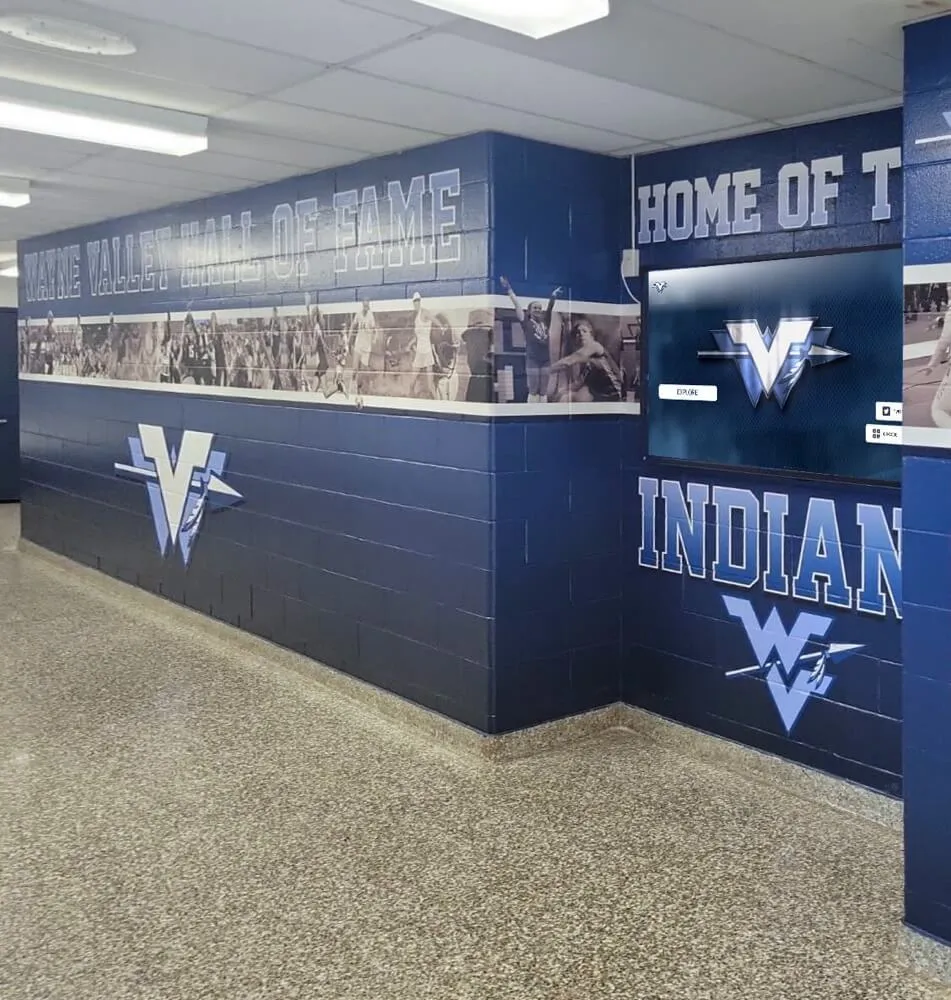
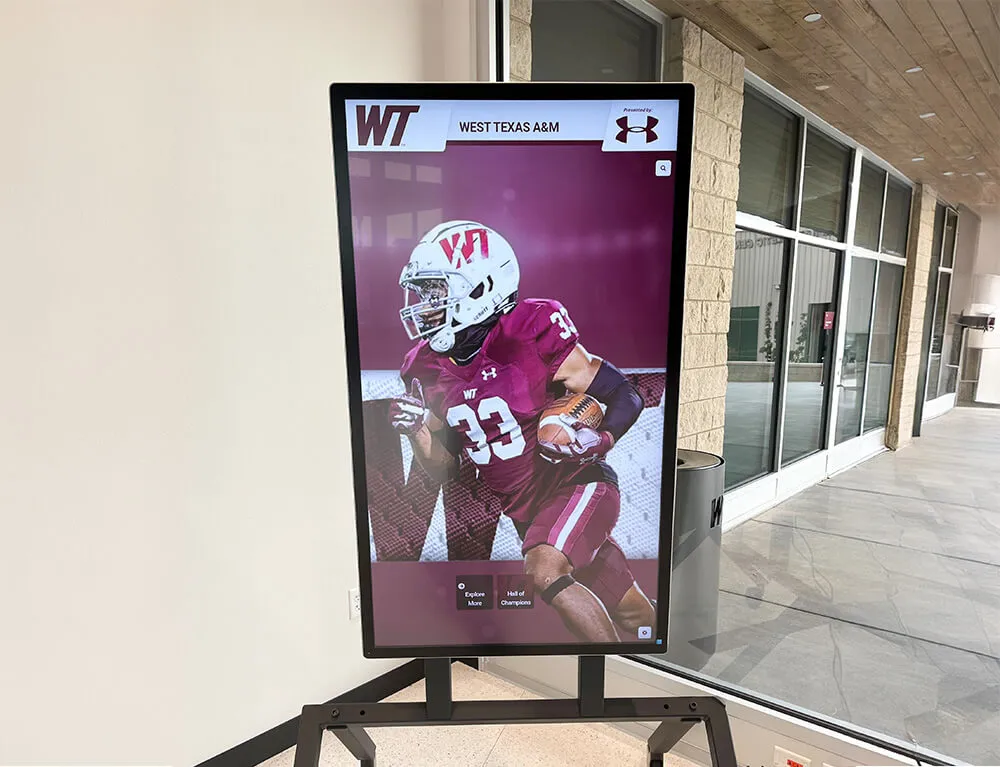
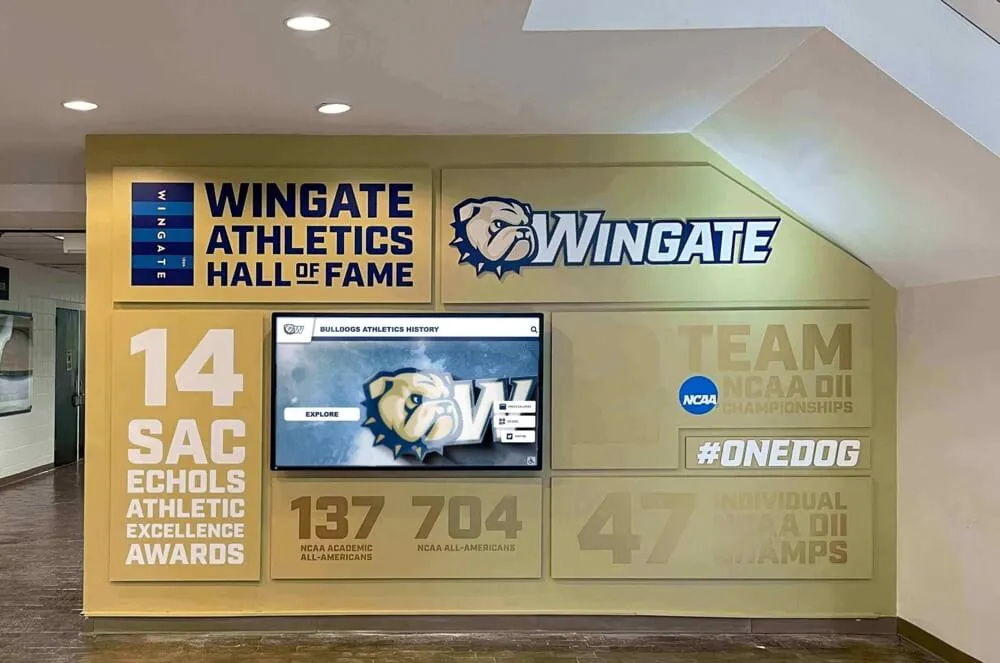

Modern recognition systems make this connection explicit—displaying not just final statistics but the work ethic and skill development that produced them. When current players see alumni recognized for batting titles, home run records, or career hits milestones, they understand those achievements began with the same drills they’re practicing today.
The 12 Essential Softball Hitting Drills for Record Contenders
These twelve drills form a comprehensive hitting development system addressing every dimension of elite performance. Implement them progressively throughout your season, adjusting emphasis based on team needs and individual player development.
1. Tee Work Progression: Building Perfect Mechanics
The hitting tee remains the most valuable tool for developing and maintaining proper swing mechanics. Despite its simplicity, tee work done correctly creates the foundation for all advanced hitting skills.
Basic Tee Progression:
- Inside Tee: Position tee at front inside corner of plate, emphasizing quick hands and proper barrel path to inside pitches
- Middle Tee: Standard center position developing core swing mechanics without timing variables
- Outside Tee: Outside corner placement teaching opposite-field approach and staying through the ball
- High/Low Tee: Vertical location variation building adjustability to different pitch heights
Advanced Application: Elite programs don’t just hit off tees—they use tee work for specific mechanical refinement. Players video their swings, identify mechanical inefficiencies, then use isolated tee work to rebuild those specific movement patterns. A player struggling with bat drag might spend 100 swings daily on inside tee work, focusing exclusively on proper hand path until the correction becomes automatic.
For maximum effectiveness, tee work should emphasize quality over quantity. Twenty-five purposeful swings with full mental engagement produce better results than 200 mindless repetitions.
2. Front Toss: Developing Timing and Recognition
Front toss bridges the gap between static tee work and live pitching, adding timing and ball recognition elements while maintaining high repetition volume in controlled environments.
Implementation Structure: The tosser positions 15-20 feet in front of the hitter, throwing from behind protective screens. This shortened distance allows hitters to see ball rotation clearly while processing timing information faster than game speed—creating what sports scientists call “overlearning” that makes game-speed pitches appear slower.
Progressive Variations:
- Location-specific front toss: Call locations before each pitch, developing plate coverage
- Mixed-speed front toss: Alternate fastball and changeup grips, teaching timing adjustment
- Recognition front toss: Hitter identifies pitch type (fastball/changeup) before swinging
- Two-ball front toss: Tosser holds two balls, releases one mid-motion, forcing quick decision-making
Elite hitters use front toss for hundreds of daily swings, building the muscle memory and visual recognition patterns that separate good hitters from record contenders.
3. Soft Toss: Power Development and Extension
Soft toss from the side allows hitters to focus entirely on explosive lower-body mechanics and full extension through contact without timing concerns, developing the power that produces extra-base hits and record-breaking offensive statistics.
Proper Setup: Tosser kneels to the hitter’s side (right side for right-handed hitters), tossing underhand into the hitting zone. Hitters swing into protective nets, allowing maximum effort swings without ball retrieval concerns.
Key Coaching Points:
- Emphasis on explosive weight transfer from back leg to front leg
- Full hip rotation creating torque through the core
- Extension through the ball rather than rolling wrists early
- Follow-through to opposite shoulder demonstrating complete rotation
Advanced variations include:
Power Soft Toss: Hitters focus on maximum exit velocity for every swing, developing the fast-twitch explosiveness needed for extra-base production. Programs with access to radar guns can track exit velocity progress, setting specific improvement targets.
One-Handed Soft Toss: Bottom-hand-only and top-hand-only variations isolate specific functions. Bottom hand (right hand for right-handed hitters) controls bat path and guides barrel to ball. Top hand provides power through extension. Isolating each develops complete understanding of their separate functions.
4. Live Batting Practice: Game Simulation
While controlled drills develop specific skills, live batting practice integrates all components in game-realistic conditions, testing whether mechanical improvements transfer to dynamic situations.
Structured BP Framework: Rather than unfocused “just hit” approaches, championship programs implement structured live BP with specific objectives:
Round 1: Bunting (5 pitches)
- 2 sacrifice bunts
- 2 bunts for hits
- 1 push bunt/slash
Round 2: Situational Hitting (10 pitches)
- 3 pitches: Move runner from second to third (right side groundball)
- 3 pitches: Sacrifice fly opportunity (elevate to outfield)
- 4 pitches: Two-strike approach (protect, compete, battle)
Round 3: Aggressive Swings (10 pitches)
- Full swings looking for pitches to drive
- Emphasis on hard contact and gap-to-gap approach
- Mental competition against other hitters for hardest-hit balls
This structured approach ensures every BP session addresses complete offensive skill development rather than just swing repetition. Players who excel in end-of-season athletic recognition typically demonstrate consistent excellence across all BP categories, not just power hitting.
5. Batting Cage Stations: High-Volume Repetition
Cage work allows individual players to accumulate massive swing volume on their own schedules, complementing team practice with self-directed development.
Effective Cage Session Structure (45 minutes):
Warm-up (10 minutes):
- Dynamic stretching emphasizing hip mobility and shoulder flexibility
- Dry swings focusing on feeling proper mechanics
- Light tee work building rhythm
Main Work (30 minutes):
- Tee progression: 25 swings each location (inside, middle, outside)
- Front toss: 50 swings with location variety
- Soft toss: 30 power swings emphasizing extension
- Machine work: 30 swings at game speed
Cool-down (5 minutes):
- Visualization: Mental rehearsal of specific at-bat scenarios
- Video review: Record and analyze swings for mechanical feedback
The most dedicated hitters complete 3-5 cage sessions weekly beyond team practice, accumulating thousands of additional swings over a season—creating the skill differential that produces record-breaking performance.
6. Two-Strike Approach Drills: Competitive Toughness
Championship hitters succeed in two-strike counts, turning potential strikeouts into productive at-bats. Two-strike excellence directly correlates with offensive production statistics and recognition opportunities.
Two-Strike Drill Progressions:
Defend the Plate (Front Toss): Hitter starts each repetition with 0-2 count. Tosser throws to edges and outside zone. Hitter’s objective: Make contact on anything close, developing ability to spoil tough pitches.
Success metric: Contact rate above 90% on borderline pitches. Elite hitters protect against strikeouts by expanding zone slightly with two strikes while maintaining bat control to foul off pitcher’s pitches.
Battle Drill (Live Pitching): Every at-bat starts 0-2. Pitcher tries to strike out hitter within 3 additional pitches. Hitter competes to extend at-bat and force pitcher to throw quality strikes. Tracks success as percentage of at-bats reaching 5+ pitches and percentage of hard contact.
This drill develops competitive mindset and mechanical adjustments needed for two-strike success. Players who excel here frequently lead teams in bases on balls and lowest strikeout rates—offensive contributions that complement power statistics.
7. Opposite Field Emphasis: Complete Plate Coverage
Pitchers attack hitters’ weaknesses relentlessly. Hitters without credible opposite-field ability face constant away pitching, limiting their offensive effectiveness. Developing legitimate opposite-field power forces defensive adjustments and creates more favorable pitch selection.
Opposite Field Progression:
Outside Tee Work: Set tee at front outside corner of plate. Focus on:
- Staying inside the ball (hands ahead of barrel at contact)
- Extending through contact zone rather than pulling off
- Driving ball to opposite-field gap with backspin
Advanced hitters work outside tee until they can consistently drive line drives to opposite field fence, developing legitimate opposite-field power rather than just soft contact.
Opposite Field BP: Entire batting practice round dedicated to opposite field hitting. Mental visualization of taking outside pitch opposite way with authority. Pitchers throw outside third of zone exclusively.
Track results: Percentage of balls hit to opposite field, percentage hit hard (exit velocity above threshold), percentage reaching outfield gaps. Championship-level opposite field performance opens entire plate for hitters to attack.
8. Inside Pitch Handling: Protecting the Plate
Pitchers establish inside control early, testing whether hitters can handle inside fastballs. Hitters who struggle inside face increasing inside attack, limiting their plate coverage and reducing offensive effectiveness.
Inside Pitch Drill Progression:
Close-Distance Soft Toss: Tosser positions closer than standard (4-5 feet from hitter). This shortened distance simulates tight inside pitch location, requiring quick hands and proper load position.
Key mechanical focus: Hands stay inside the ball, barrel whips through hitting zone on short path. Proper load creates stored energy releasing explosively.
Inside Front Toss with Tennis Balls: Using tennis balls reduces injury concern while allowing hitters to work fearlessly on inside pitches. Tosser throws inside corner repeatedly. Hitter works on:
- Not bailing out (staying over plate)
- Quick hands turning on inside location
- Pulling ball with authority to pull-side gap
Mental component: Eliminating fear of inside pitch allows aggressive approach instead of defensive reaction.
Live Inside Attack: Pitcher throws exclusively fastballs inner third. Hitter tracks success rate: percentage of hard contact, percentage pulled with authority, percentage swung through. Improvement in these metrics indicates developing inside pitch competency.
9. Recognition and Adjustment Drills: Pitch Selection
Outstanding hitters don’t just swing well—they swing at good pitches. Pitch recognition separates automatic outs from productive hitters, directly impacting batting average and on-base percentage.
Fastball/Changeup Recognition (Front Toss): Tosser randomly mixes fastball and changeup grips from front toss distance. Hitter must:
- Verbally identify pitch type immediately after release
- Swing only at fastballs (or whatever pitch type specified)
- Track success percentage
This drill develops visual recognition patterns that allow earlier pitch-type identification in games. Elite hitters “see” changeups within first 10-15 feet, allowing timing adjustment.
Four-Pitch Recognition (Machine Work): If available, use pitching machines that can throw multiple pitch types. Set up game-like sequences:
- Fastball-fastball-changeup
- Fastball-curve-fastball
- Random sequencing
Hitter focuses on recognition before commitment. Track swing decisions: percentage of good pitches swung at, percentage of bad pitches laid off.
Count-Specific Approach Drill: Different counts require different approaches. Structure batting practice by count:
- 2-0, 3-1 counts: Hunt fastball in specific zone, don’t chase
- 0-2, 1-2 counts: Defensive, expand zone slightly, focus on contact
- 3-2 counts: Competitive at-bat, must identify and react
Developing count-specific discipline improves plate appearances, walks, and overall offensive production. Players recognized on hall of fame displays typically show exceptional plate discipline throughout their careers.
10. Mental Rehearsal and Visualization: Developing Confidence
Elite hitting performance requires not just physical skill but mental preparation and confidence. Visualization techniques used by championship athletes create mental blueprints that enhance physical execution.
Pre-At-Bat Visualization Routine: Before every at-bat (practice or game), elite hitters mentally rehearse success:
Visualization (30 seconds): Close eyes, see yourself in batter’s box. Visualize pitcher’s delivery, see specific pitch type, see yourself executing perfect swing, see line drive result. Make visualization vivid—see ball flight, feel swing mechanics, hear contact sound.
Breathing (15 seconds): Deep diaphragmatic breathing to control arousal level. Reduce tension, increase focus.
Trigger Phrase (5 seconds): Personal phrase reinforcing approach. Examples: “See it, hit it,” “Smooth and quick,” “Trust the work.”
Practice this routine during every batting practice at-bat, making it automatic for games. Mental preparation separates clutch performers from players who underperform under pressure.
Failure Recovery Drill: After strikeouts or weak at-bats in practice, immediately take 10 perfect dry swings while visualizing success. This prevents negative mental imagery from cementing and rebuilds confidence immediately.
Championship programs understand that hitting confidence directly impacts performance. Senior recognition programs often celebrate not just statistics but the mental toughness players demonstrated throughout their careers.
11. Situational Competition Drills: Pressure Performance
Game performance under pressure determines which players earn recognition. Competition drills that simulate game pressure develop mental toughness and performance consistency.
Home Run Derby (Modified for Development): Rather than just power competition, structure home run derby with specific objectives:
- Round 1: Opposite field home runs only (rewards complete hitting)
- Round 2: Must hit specific pitch types (rewards recognition)
- Round 3: Traditional power hitting
Track performance across rounds. Hitters who excel in all categories demonstrate complete offensive skill development.
Situational Showdown: Create game-critical situations in practice:
- Runner on third, less than two outs: Must get ball in air
- Runner on second, nobody out: Must advance runner
- 3-2 count, two outs: Battle for quality at-bat
Track success percentage. Players who excel under situational pressure typically deliver in actual games when recognition opportunities arise.
Queen of the Cage: Competitive rotation where hitters face specific challenges (hit line drive, make solid contact, reach opposite field gap). Winner stays, loser rotates out. Continuous pressure to perform creates mental toughness.
Championship hitters thrive on competition, viewing pressure situations as opportunities rather than threats. Developing this mindset through competitive practice drills translates directly to game performance.
12. Video Analysis Sessions: Accelerating Improvement
Video feedback accelerates skill development by making mechanical inefficiencies visible that feel correct to hitters. Regular video analysis sessions should be integrated into comprehensive hitting programs.
Effective Video Analysis Process:
Recording (During Practice): Record all live at-bats from two angles:
- Front angle: Shows stride, load, hip rotation, extension
- Side angle: Shows bat path, upper body mechanics, finish
Review Session (15-20 minutes): Individual or small group. Focus on:
- Identifying one specific mechanical focus per session (too many creates confusion)
- Comparing successful swings to unsuccessful swings
- Comparing current mechanics to previous sessions (tracking improvement)
- Comparing to elite model swings (understanding ideal mechanics)
Application: After video review, immediate cage session working specifically on identified mechanical adjustment. This immediate application while video imagery remains fresh in mind accelerates motor learning.
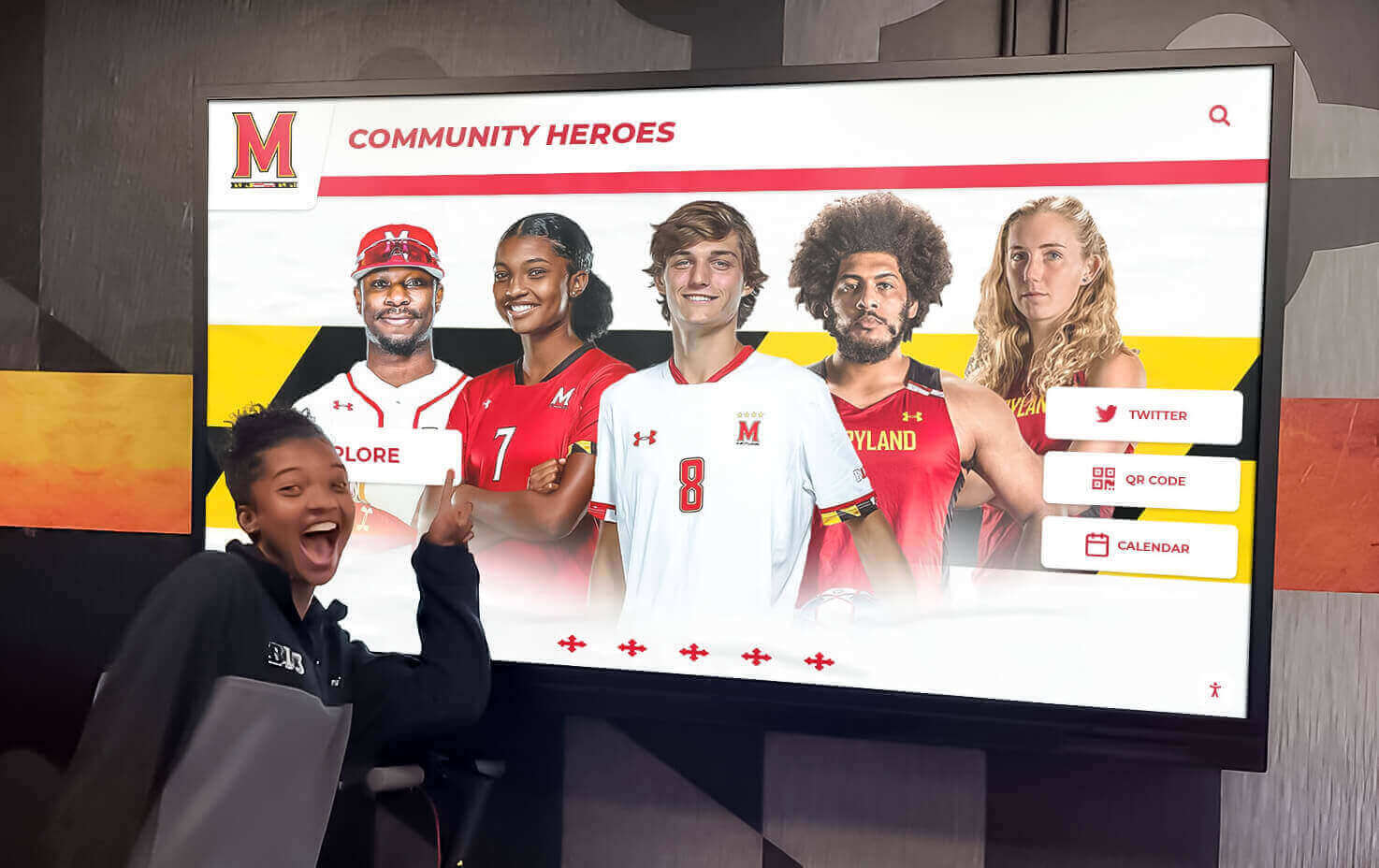
Programs that implement systematic video analysis typically show measurable performance improvement across team batting statistics. The athletes whose statistics earn them permanent recognition on digital record boards often benefited from video-driven skill development throughout their careers.
Building a Progressive Hitting Development Program
Individual drills create skill components, but championship programs integrate these drills into cohesive development systems implemented consistently across seasons.
Sample Weekly Practice Structure
Monday (Post-Game Recovery):
- Light tee work: Mechanics reinforcement without fatigue
- Video review: Analyze weekend game at-bats
- Visualization and mental preparation for upcoming week
Tuesday (Technical Development):
- Tee progression: 75 swings across locations
- Front toss: 100 swings with specific mechanical focus
- Soft toss: 50 power swings
- Two-strike drill work: 25 competitive at-bats
Wednesday (Live Work):
- Structured live batting practice (3 rounds each hitter)
- Situational competition drills
- Video recording for weekend review
Thursday (Game Preparation):
- Recognition and adjustment drills
- Mental rehearsal of specific pitcher tendencies
- Quality at-bat competition
- Light cage maintenance work
Friday (Game Day):
- Visualization and mental preparation
- Game performance
Saturday/Sunday (Individual Work):
- Personal cage sessions for high-volume repetition
- Specific weakness work based on video analysis
- Mental preparation and confidence building
This structure ensures systematic attention to all hitting dimensions while allowing adequate recovery and preventing mental/physical burnout. Programs implementing structured development plans consistently produce multiple athletes worthy of recognition rather than isolated individual performers.
Tracking Progress: Metrics That Matter
Championship programs track specific performance metrics that correlate with hitting success:
Practice Metrics:
- Exit velocity (power development)
- Contact percentage on specific drill types
- Opposite-field hard-contact percentage
- Two-strike contact rate
- Recognition accuracy (identifying pitch types)
Game Metrics:
- Batting average
- On-base percentage
- Slugging percentage
- Strikeout-to-walk ratio
- Hard-contact percentage
- Situational hitting success rate (runners in scoring position)
Track these metrics across seasons, identifying improvement trends and areas requiring additional development focus. Data-driven development programs maximize individual player potential while building championship-caliber team offense.
From Practice Excellence to Permanent Recognition
The connection between deliberate practice and record-breaking performance isn’t abstract—it’s direct and measurable. Championship programs understand that the names appearing on season record boards and hall of fame displays earned their recognition through systematic skill development implemented consistently over years.
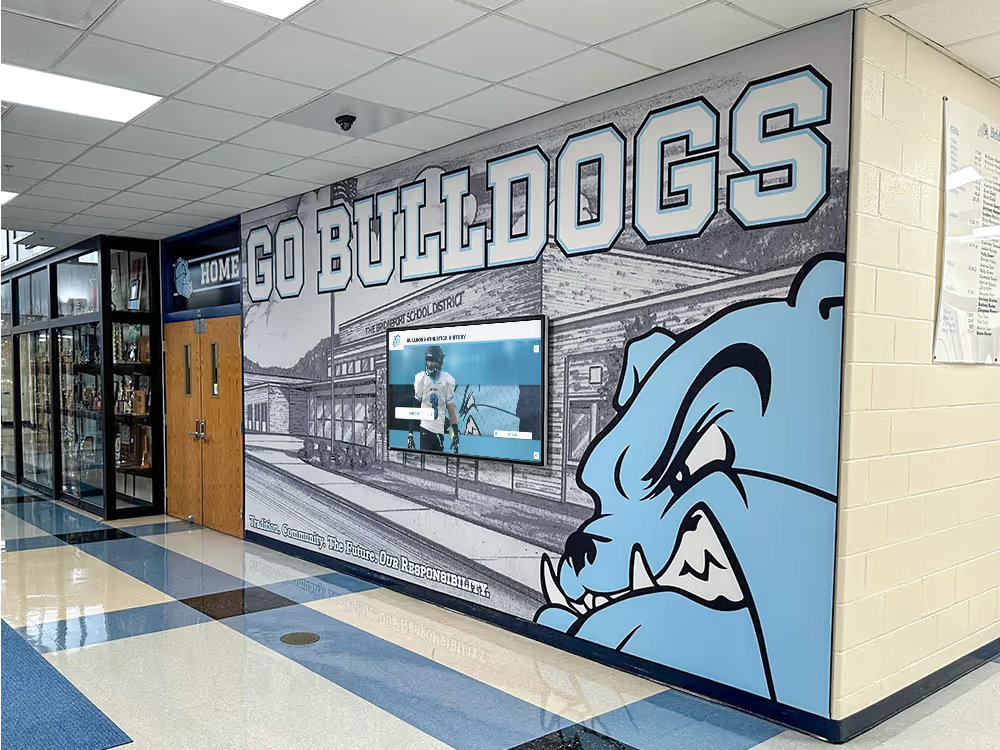
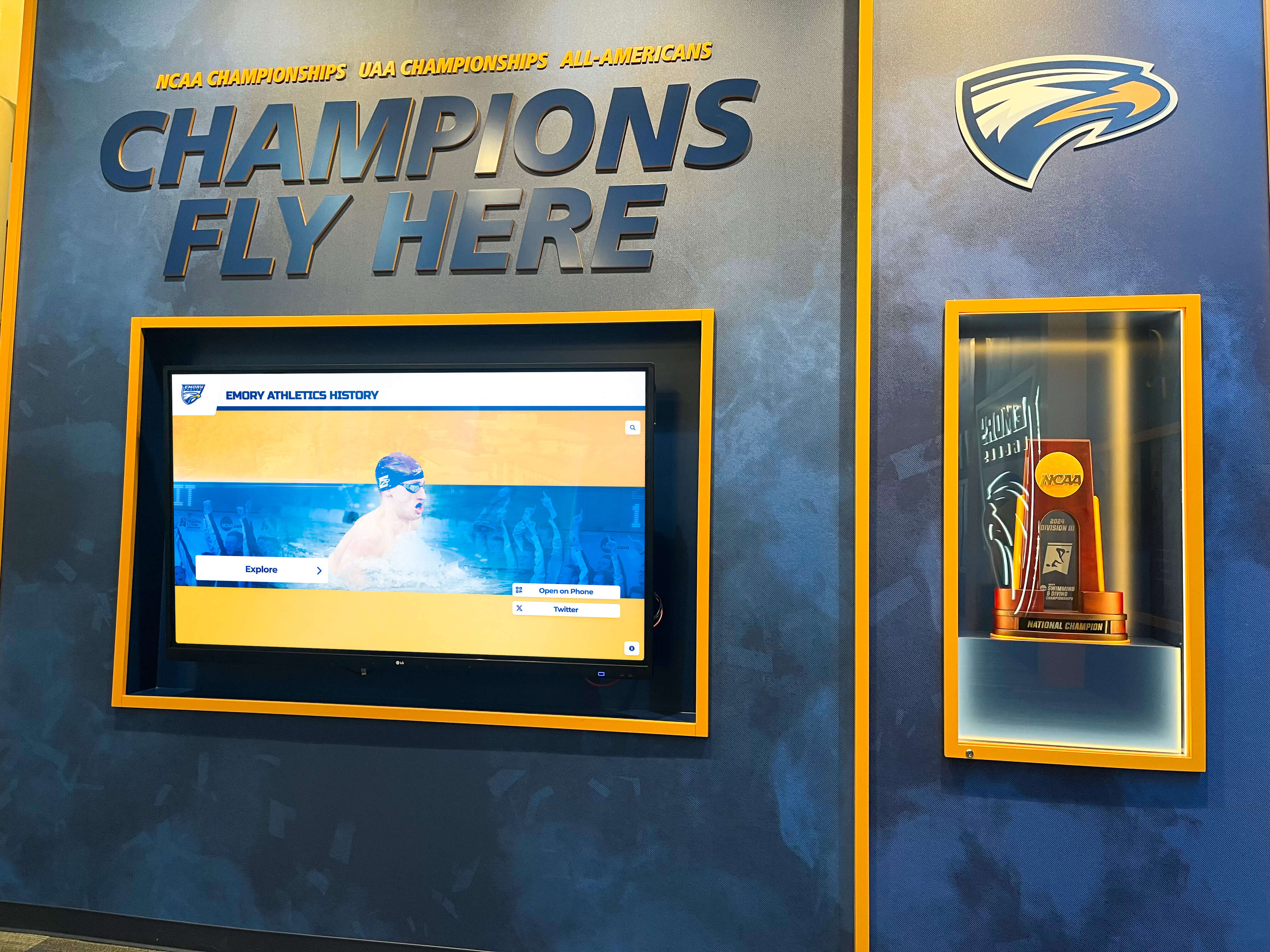
When programs recognize athletic excellence through modern digital displays, they’re celebrating not just final statistics but the work ethic, discipline, and dedication that produced those numbers. Every school record represents thousands of purposeful practice repetitions, hundreds of competitive at-bats, and unwavering commitment to continuous improvement.
Celebrating Practice-to-Performance Excellence
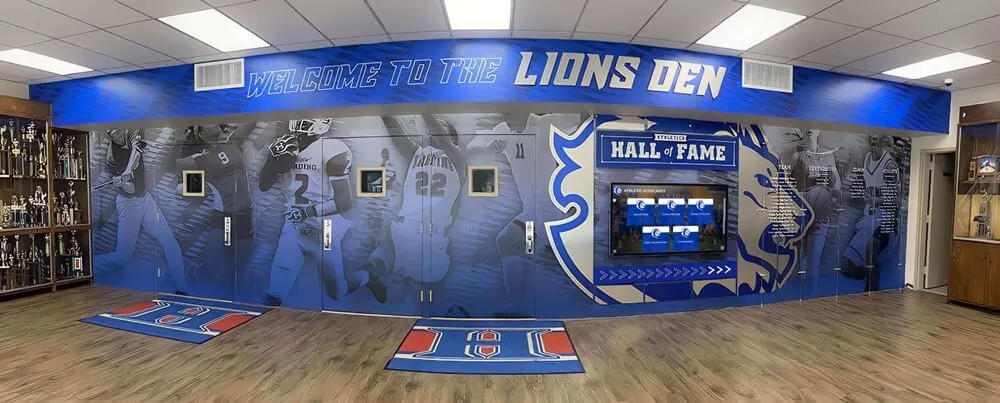
Modern athletic recognition systems make the connection between practice preparation and competitive achievement explicit. When current players see alumni whose hitting statistics earned hall of fame recognition, they understand those achievements began with the same fundamental drills they’re executing in practice today.
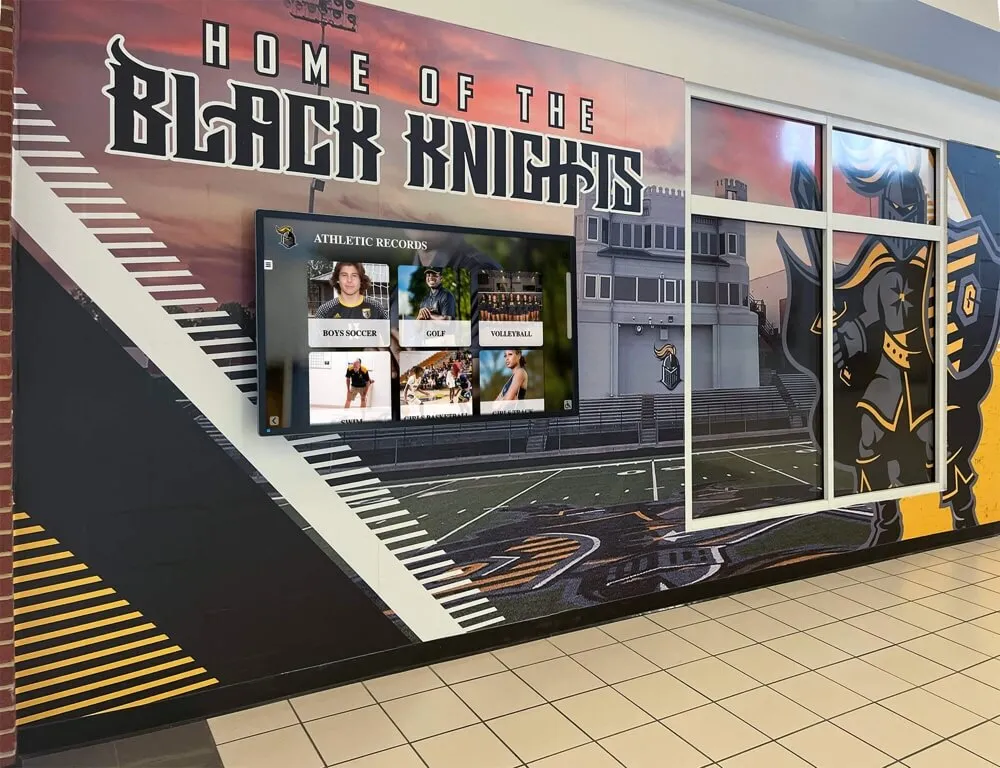
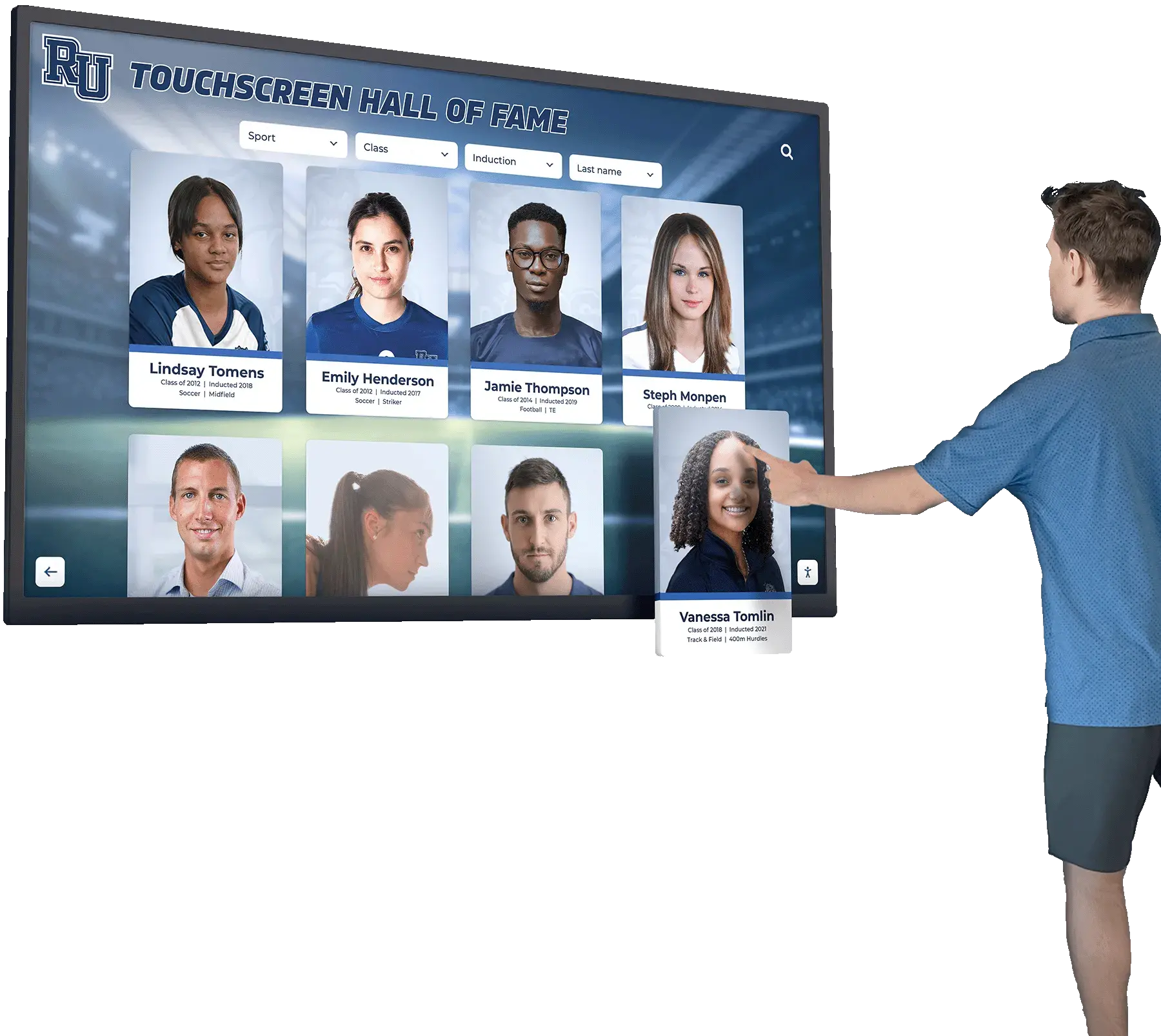
Digital recognition platforms offer unique advantages for celebrating offensive achievement:
- Comprehensive statistics: Display career batting average, home runs, RBIs, and other offensive categories
- Contextual achievement: Show season-by-season progression demonstrating consistent development
- Dynamic updates: Add new record-breakers immediately without physical renovation
- Multi-year recognition: Honor single-season records alongside career achievement leaders
- Historical comparison: Allow viewers to compare current and historical statistics
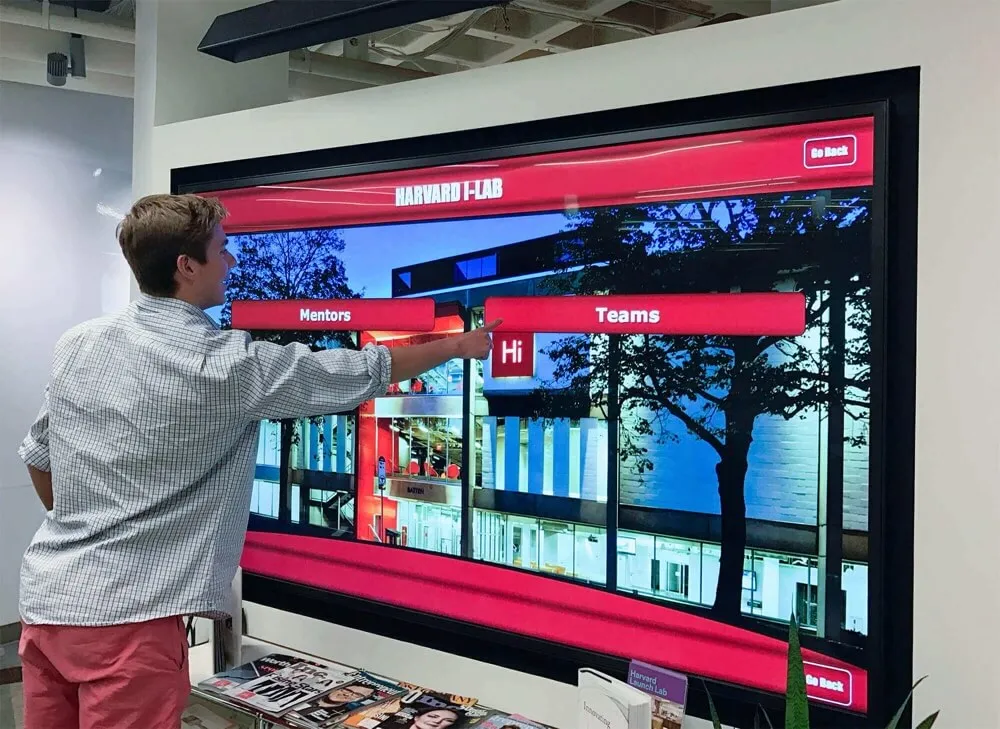
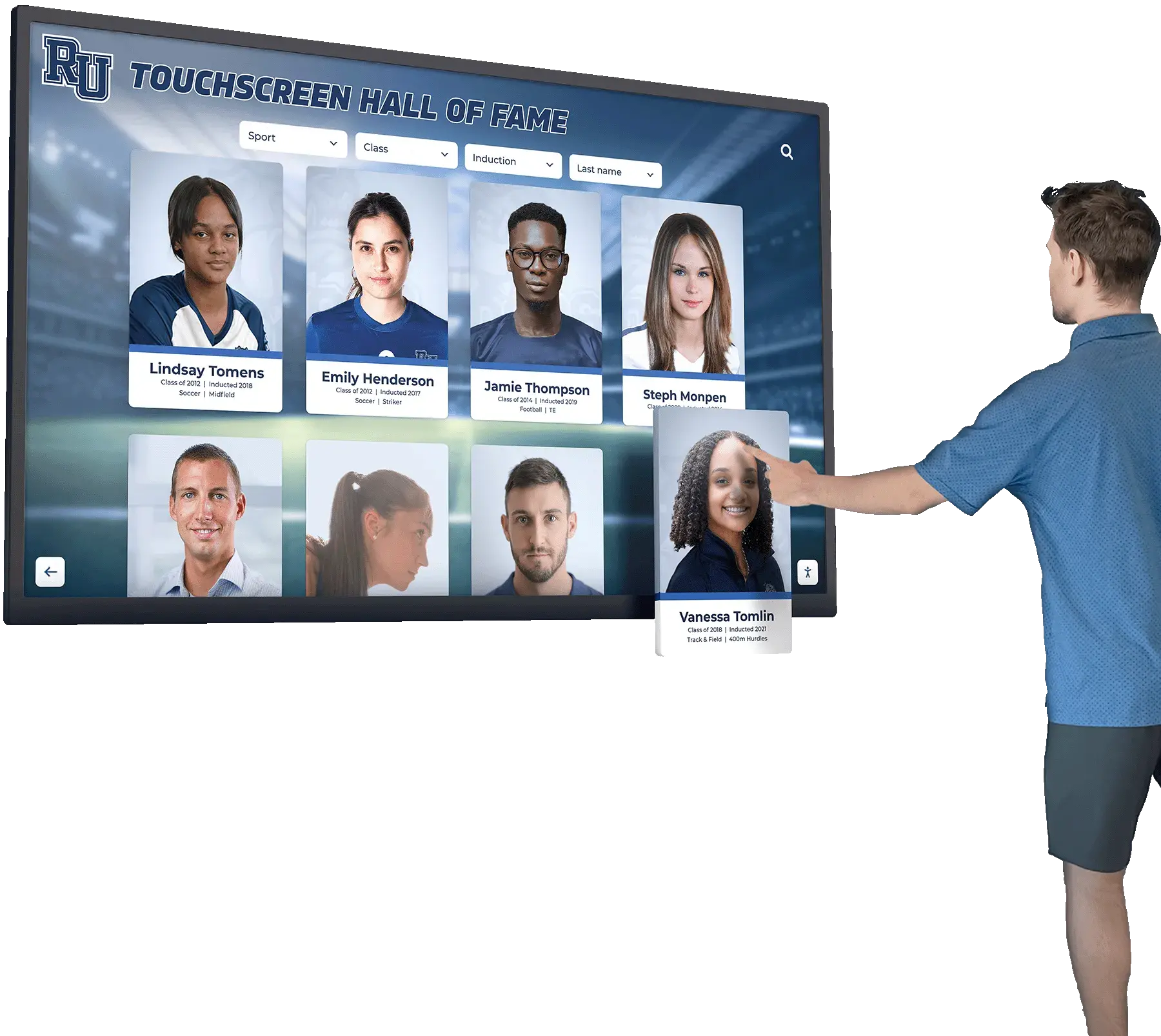
Programs implementing interactive athletic displays create powerful motivation for current athletes while celebrating the sustained excellence that builds championship traditions.
Building Championship Hitting Culture
Elite hitting performance emerges from culture, not just individual talent. Championship programs create environments where hitting excellence becomes expected rather than exceptional, where daily practice intensity matches competitive standards, and where record-breaking performance represents the natural outcome of systematic preparation.
Creating Accountability and Competition
The most effective hitting development programs incorporate internal competition that drives daily improvement:
Statistics Leaderboards: Track and display practice statistics publicly:
- Daily exit velocity leaders
- Weekly hard-contact percentage
- Two-strike success rate
- Cage session completion (who’s putting in extra work)
Public accountability drives consistent effort while celebrating improvement across skill levels, not just absolute performance. Less-skilled players who show maximum effort and improvement deserve recognition alongside natural talents.
Hitting Excellence Standards: Establish clear performance standards that define hitting excellence within your program:
- Exit velocity benchmarks for different positions
- Batting practice contact quality requirements
- Two-strike success rate minimums
- Opposite-field proficiency standards
Rather than vague “work hard” expectations, specific standards create objective development targets. Players understand exactly what record-contender performance requires.
The Role of Coaching in Developing Record Contenders
Great hitting coaches don’t just run drills—they create systematic development plans tailored to individual player needs while maintaining team-wide standards.
Individualized Development Plans: Each player should have documented development plan addressing:
- Current strengths and weaknesses (based on video analysis and metrics)
- Specific improvement targets for the season
- Customized drill emphasis addressing individual needs
- Weekly progress checkpoints
- Adjustment protocols when improvement plateaus
This individualized approach within team structure maximizes each player’s potential while building collective team offensive capability.
Technical Expertise and Continuous Learning: Championship hitting coaches continuously refine their technical knowledge through:
- Advanced coaching education and certification programs
- Film study of elite college and professional hitters
- Biomechanics research and swing analysis literature
- Collaboration with other successful coaches
- Experimentation with new drill progressions and teaching methods
Coaching quality directly determines player development trajectories. Investing in coaching education produces measurable returns through improved player performance and team offensive statistics.
Technology Integration for Modern Hitting Development
Contemporary hitting development increasingly leverages technology for feedback and analysis previously unavailable:
Exit Velocity Measurement: Affordable radar guns allow programs to track exit velocity during practice, providing objective power development metrics. Players can monitor improvement across weeks and months, creating tangible evidence of training effectiveness.
Video Analysis Software: Smartphone apps and computer programs designed specifically for swing analysis allow frame-by-frame mechanical breakdown, side-by-side comparison of swings, and tracking mechanical changes across time. Regular video analysis accelerates improvement dramatically compared to feel-only feedback.
Hitting Simulators and Virtual Reality: Advanced programs increasingly incorporate hitting simulators that present game-realistic pitch recognition challenges with immediate feedback. While expensive, these technologies provide repetition volume impossible to achieve through live pitching alone.
Data Analytics: Programs tracking comprehensive practice and game statistics can identify trends and patterns invisible to casual observation. Statistical analysis reveals which drill progressions produce best results, allowing continuous refinement of practice design.
Technology enhances but doesn’t replace fundamental teaching quality. The most effective programs combine technological feedback with expert coaching instruction, creating comprehensive development environments.
Long-Term Player Development: Building Skills That Last
The hitting skills developed through systematic drill progressions extend far beyond individual seasons, creating athletic foundations that support players who continue softball through college and potentially beyond.
Transfer from High School to College Softball
College softball hitting represents significant competitive jump from high school level. Pitchers throw harder, with better movement and location control. Defensive positioning becomes more sophisticated. Mental pressure intensifies.
Players who developed complete hitting skill sets through comprehensive drill programs make this transition successfully, while players who relied primarily on natural ability struggle against superior competition.
The specific skills that transfer most effectively:
- Two-strike approach: College pitchers attack aggressively with two strikes. Hitters without refined two-strike ability struggle to maintain competitive batting averages.
- Opposite-field power: College defenses shift aggressively against pull tendencies. Legitimate opposite-field threat forces honest defensive positioning.
- Pitch recognition: College pitchers throw 4-5 pitch types with deceptive actions. Advanced recognition skills developed through drill progressions separate productive hitters from easy outs.
- Mental preparation routines: College competition intensity requires systematic mental preparation. Visualization and pre-at-bat routines developed in high school transfer directly.
High school programs preparing players for college success emphasize these transferable skills throughout their development programs. The satisfaction of seeing former players succeed at next level—potentially earning recognition on college athletic displays—validates coaching methods and program philosophy.
Career Achievement Recognition
When athletic careers conclude, the statistics accumulated across seasons tell comprehensive stories of dedication, improvement, and excellence. Programs that celebrate these complete career narratives through permanent recognition displays honor not just single-season peaks but sustained competitive excellence over time.
Comprehensive digital recognition systems allow schools to showcase:
- Career statistical leaders: Batting average, home runs, RBIs, hits, runs scored
- Single-season records: Preserving extraordinary individual seasons
- Championship contributions: Highlighting offensive performance during title runs
- Award recipients: All-conference, all-state, and other honors
- College signings and scholarships: Recognizing players who continued careers collegiately
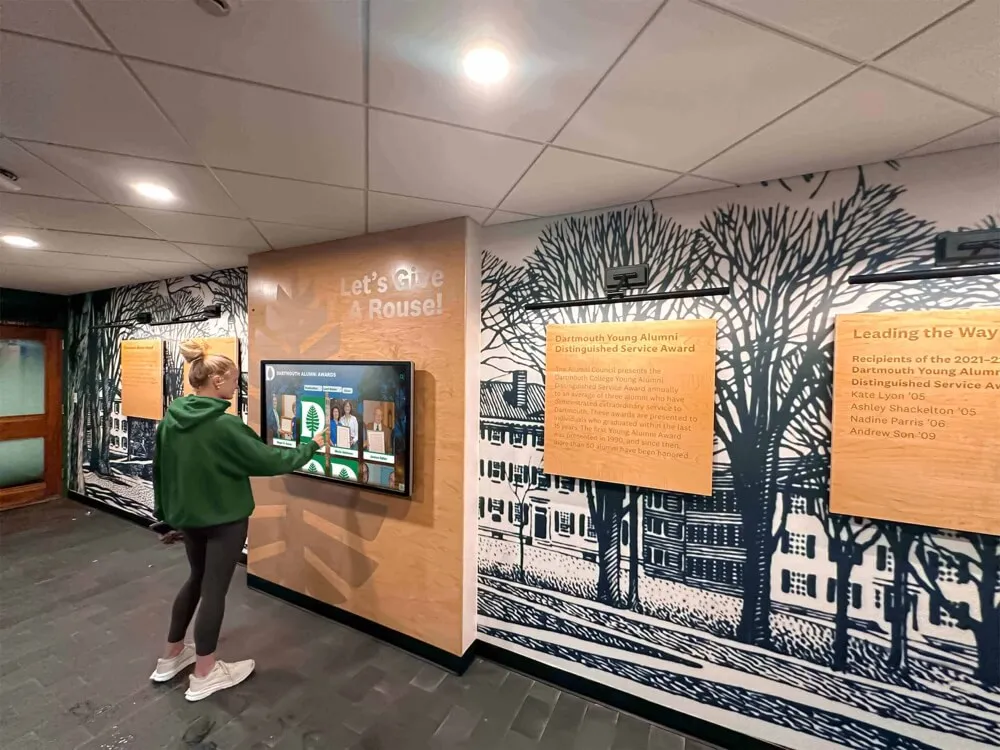
These recognition displays serve multiple audiences: inspiring current players, engaging alumni, attracting prospective students, and demonstrating program commitment to honoring achievement. They transform individual statistics into institutional tradition, creating continuity across generations of athletes.
Conclusion: From Fundamental Drills to Record-Breaking Achievement
Championship-caliber hitting doesn’t develop accidentally. It emerges from systematic implementation of proven drill progressions, executed with intensity and purpose, repeated across seasons until elite performance becomes habitual rather than exceptional.
The twelve softball hitting drills outlined in this guide form a comprehensive development system addressing every dimension of hitting excellence: mechanical fundamentals, power development, pitch recognition, mental preparation, situational execution, and competitive toughness. Programs implementing these drills consistently, tracking progress systematically, and maintaining championship-level practice intensity will develop hitters whose statistics challenge program records and earn permanent recognition.
When those achievements arrive—when batting titles get claimed, home run records fall, and championship-winning hits get delivered—remember that success began with fundamental tee work, countless front-toss repetitions, competitive drill progressions, and unwavering commitment to continuous improvement.
The names appearing on your program’s record boards and hall of fame displays represent this complete developmental journey from raw talent to refined excellence. By implementing comprehensive hitting development programs and recognizing achievement appropriately, you create traditions of offensive excellence that inspire future generations while honoring the dedication of those who came before.
Ready to create a recognition program that celebrates your softball program’s hitting excellence and championship tradition? Discover how modern digital displays make it easy to showcase season records, career achievements, and championship success—inspiring current players while honoring the athletes whose dedication produced record-breaking performance.